Skip to product information
1 of 13

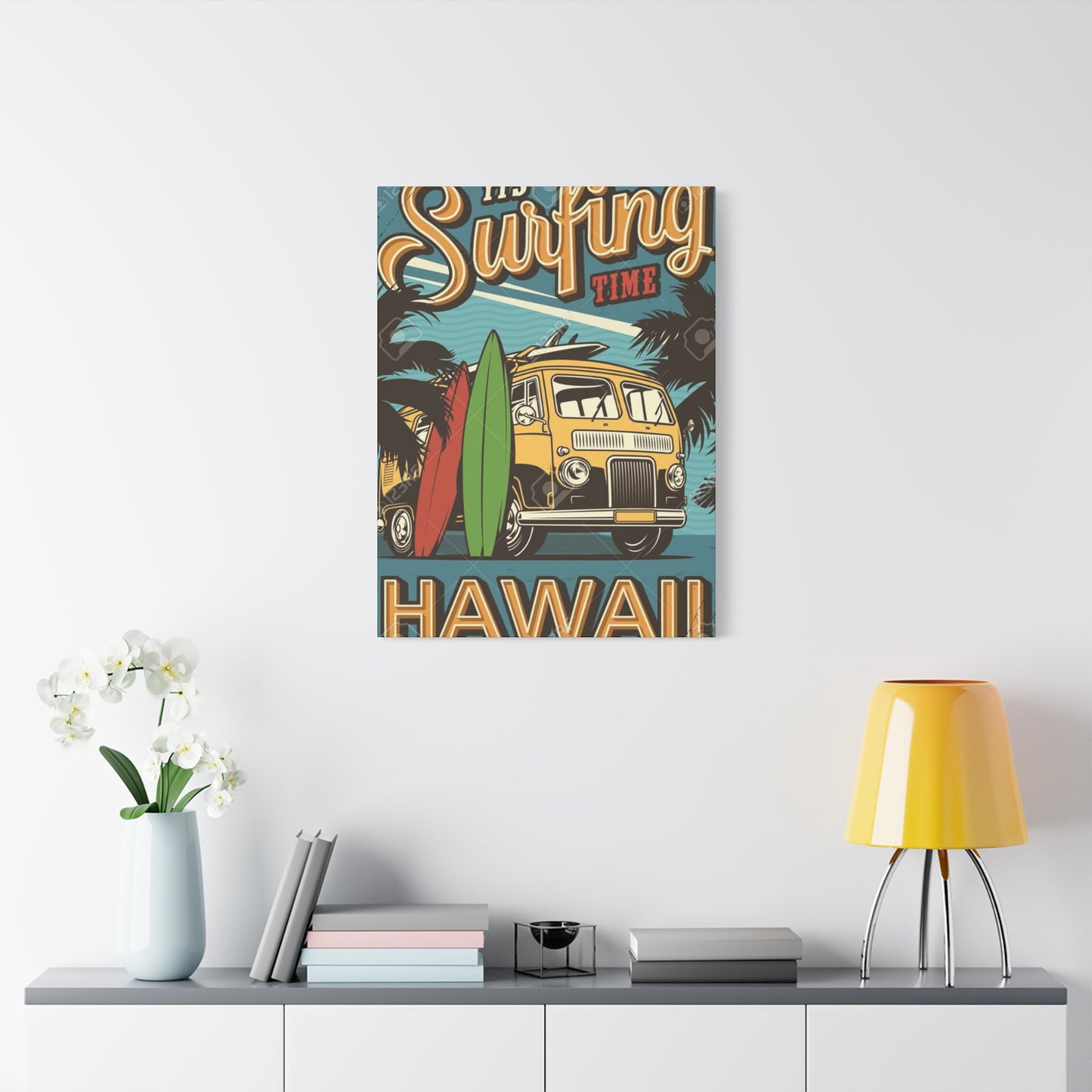
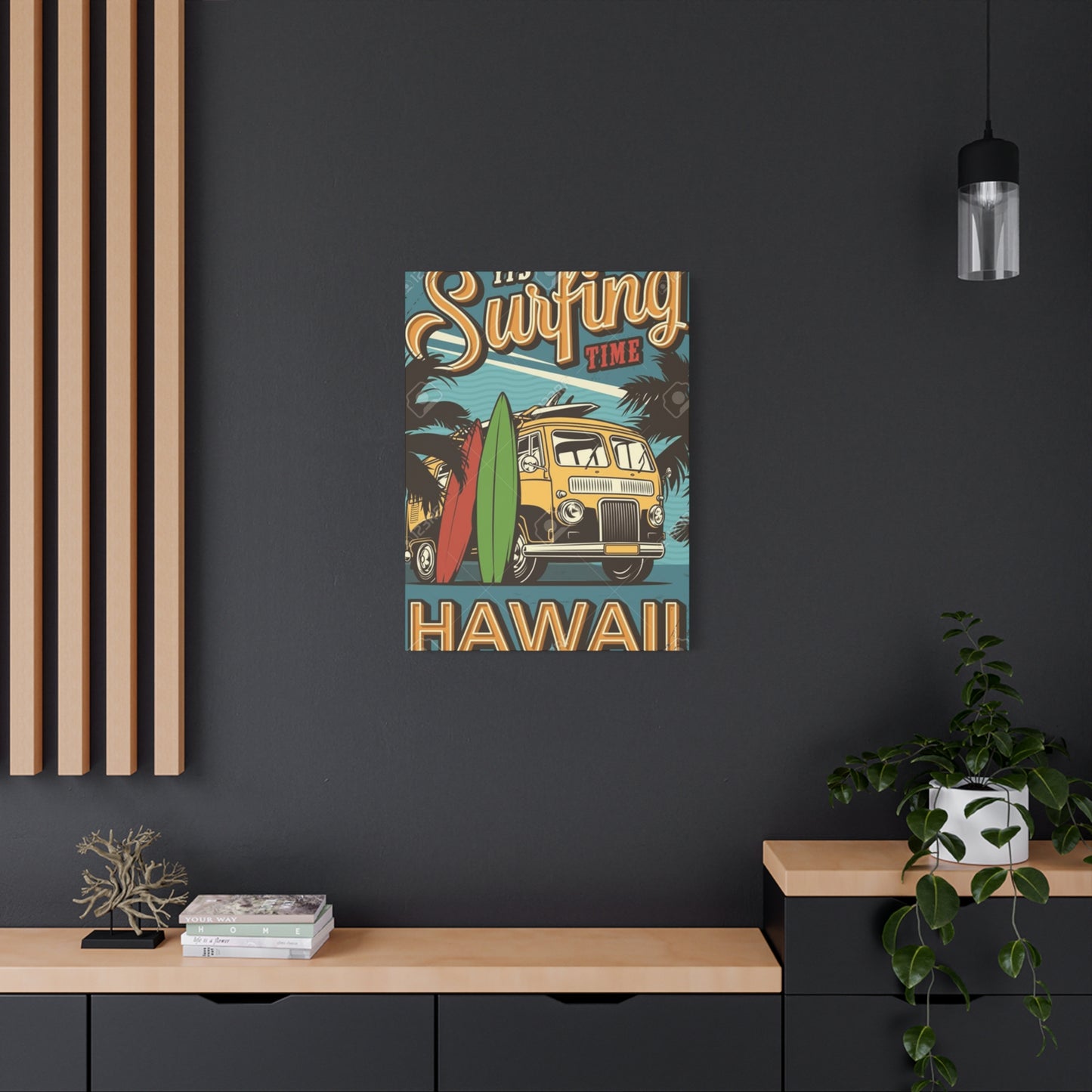
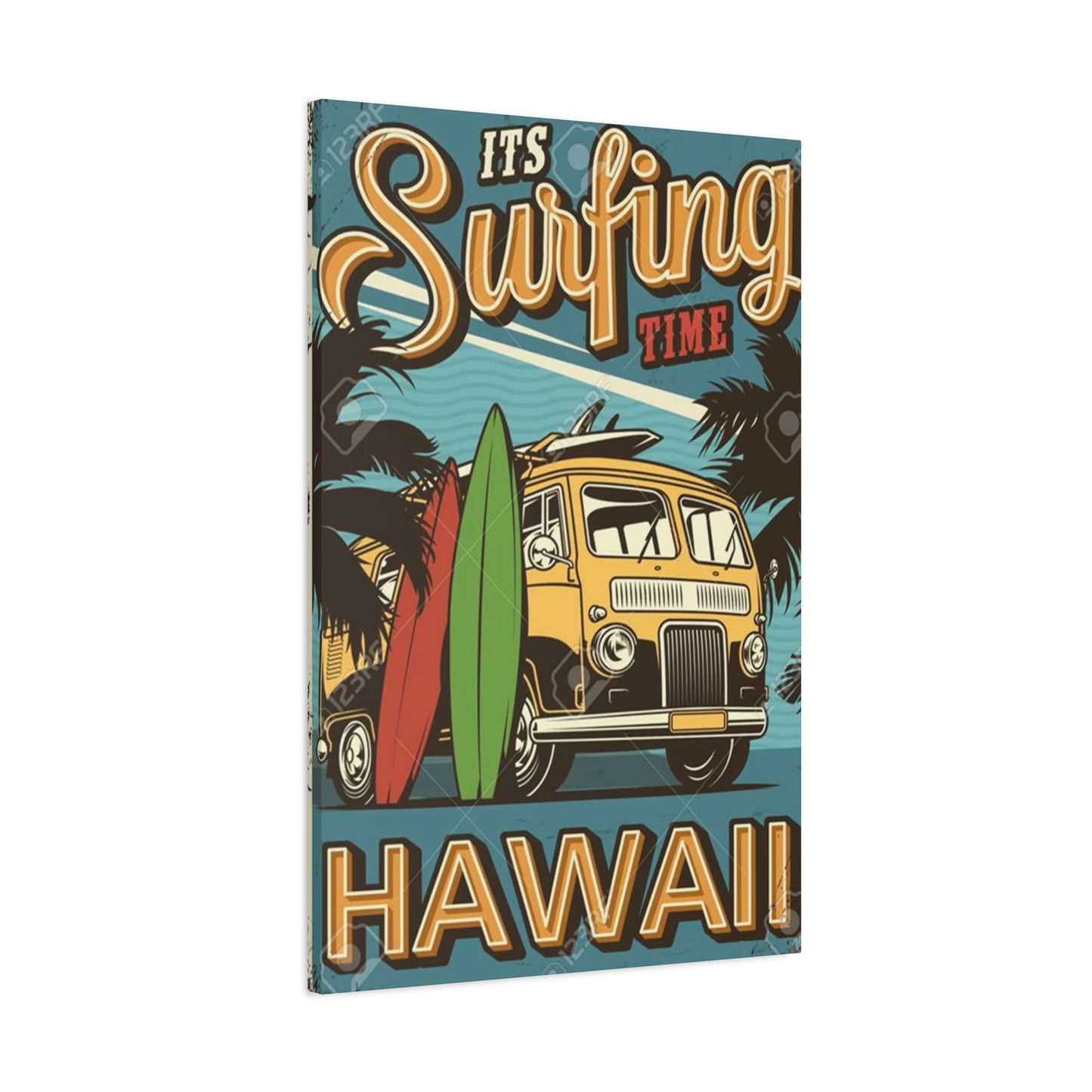
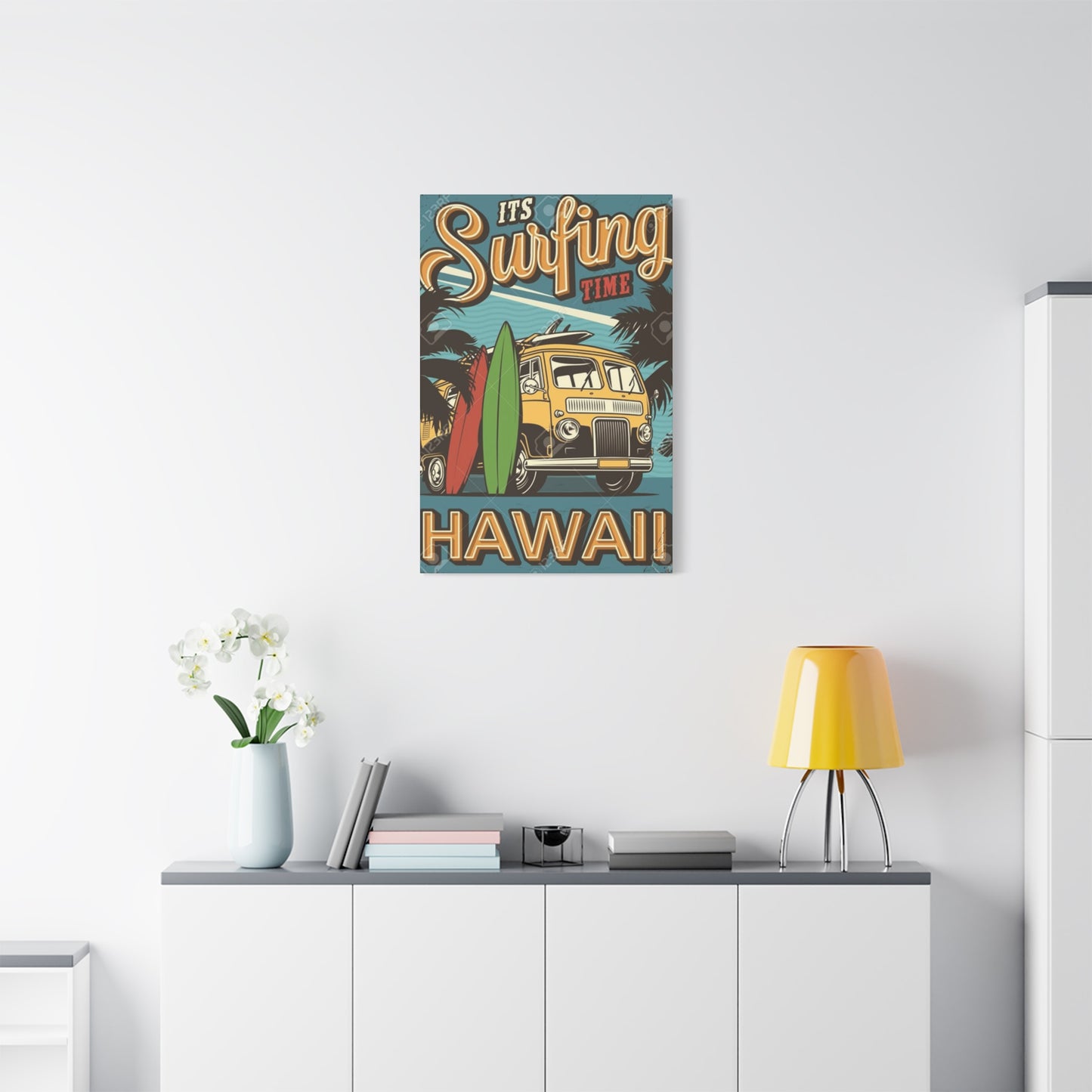
Hawaii Surfing Wall Art & Canvas Prints

Hawaii Surfing Wall Art & Canvas Prints

Regular price $141.23 USD
Regular price Sale price $141.23 USD
Sale Sold out
Size
Depth

Capture the Thrill of the Waves: Hawaii Surfing Wall Art to Bring the Beauty of the Ocean Into Your Home

The allure of ocean waves crashing against volcanic shores has mesmerized artists and collectors for generations. When you bring the spirit of island wave riding into your home through carefully selected pieces, you create an atmosphere that transports viewers to sun-drenched beaches and crystalline waters. This comprehensive exploration delves into every aspect of acquiring, displaying, and appreciating decorative pieces that celebrate the rich culture of riding waves in the Pacific paradise.

The Cultural Significance and Artistic Heritage Behind Wave Riding Imagery from the Islands

The practice of riding ocean swells has deep roots in Polynesian culture, particularly within the Hawaiian archipelago where it was considered he'e nalu, a sacred activity reserved for royalty and skilled practitioners. Ancient Hawaiian chiefs demonstrated their prowess on handcrafted wooden boards, and this tradition has evolved into a global phenomenon that continues to inspire contemporary artists.

When you examine authentic pieces depicting this ancient practice, you witness more than just athletic endeavor. Each brushstroke or photographic capture represents centuries of cultural heritage, spiritual connection to the ocean, and respect for natural forces. The indigenous people viewed the sea as a living entity, and their relationship with waves reflected a profound understanding of nature's rhythms.

Modern interpretations of this theme honor these ancestral practices while incorporating contemporary artistic sensibilities. Whether rendered in vibrant acrylics, captured through high-speed photography, or illustrated in vintage poster styles, each piece carries forward the spirit of adventure and reverence that characterized the original practitioners.

The islands themselves provide an unmatched backdrop for this activity. With their dramatic volcanic landscapes, turquoise lagoons, and consistent swells generated by distant storms, these locations have become synonymous with world-class wave riding. Artists who specialize in capturing these moments often spend years studying light patterns, wave formations, and the unique atmospheric conditions that make each break distinct.

Collectors who invest in Hawaii surfing wall art often describe an immediate emotional connection to the pieces. The combination of natural beauty, athletic grace, and cultural depth creates imagery that resonates on multiple levels. Whether you grew up near the ocean or dream of visiting these distant shores, these artworks serve as portals to a world of adventure and tranquility.

Exploring Different Artistic Styles and Mediums That Capture Island Wave Riding Scenes

The diversity of artistic approaches to depicting ocean wave riding ensures that every collector can find pieces that resonate with their personal aesthetic preferences. From hyperrealistic photographs that freeze split-second moments to abstract interpretations that capture the essence of movement, the range is extraordinary.

Photographic representations stand among the most popular choices for enthusiasts. Accomplished marine photographers brave powerful currents, position themselves in dangerous locations, and wait for perfect lighting conditions to capture images that seem almost impossible. These professionals often use specialized waterproof housings, high-speed shutters, and telephoto lenses to document riders performing aerial maneuvers, navigating barrel sections, or paddling into massive swells.

The best photographic pieces reveal details invisible to casual observers. You might notice the texture of water droplets suspended in mid-air, the concentration etched on a rider's face, or the way sunlight refracts through the curl of a breaking wave. Limited edition prints from renowned marine photographers command significant prices in the collector market, particularly when they document historic rides or capture rare natural phenomena.

Painted interpretations offer different rewards. Artists working in oils, acrylics, or watercolors bring their unique vision to ocean scenes, often exaggerating colors, simplifying forms, or adding imaginative elements. Some painters favor impressionistic approaches that suggest motion and energy through loose brushwork and vibrant palettes. Others create meticulously detailed compositions that rival photographs in their precision.

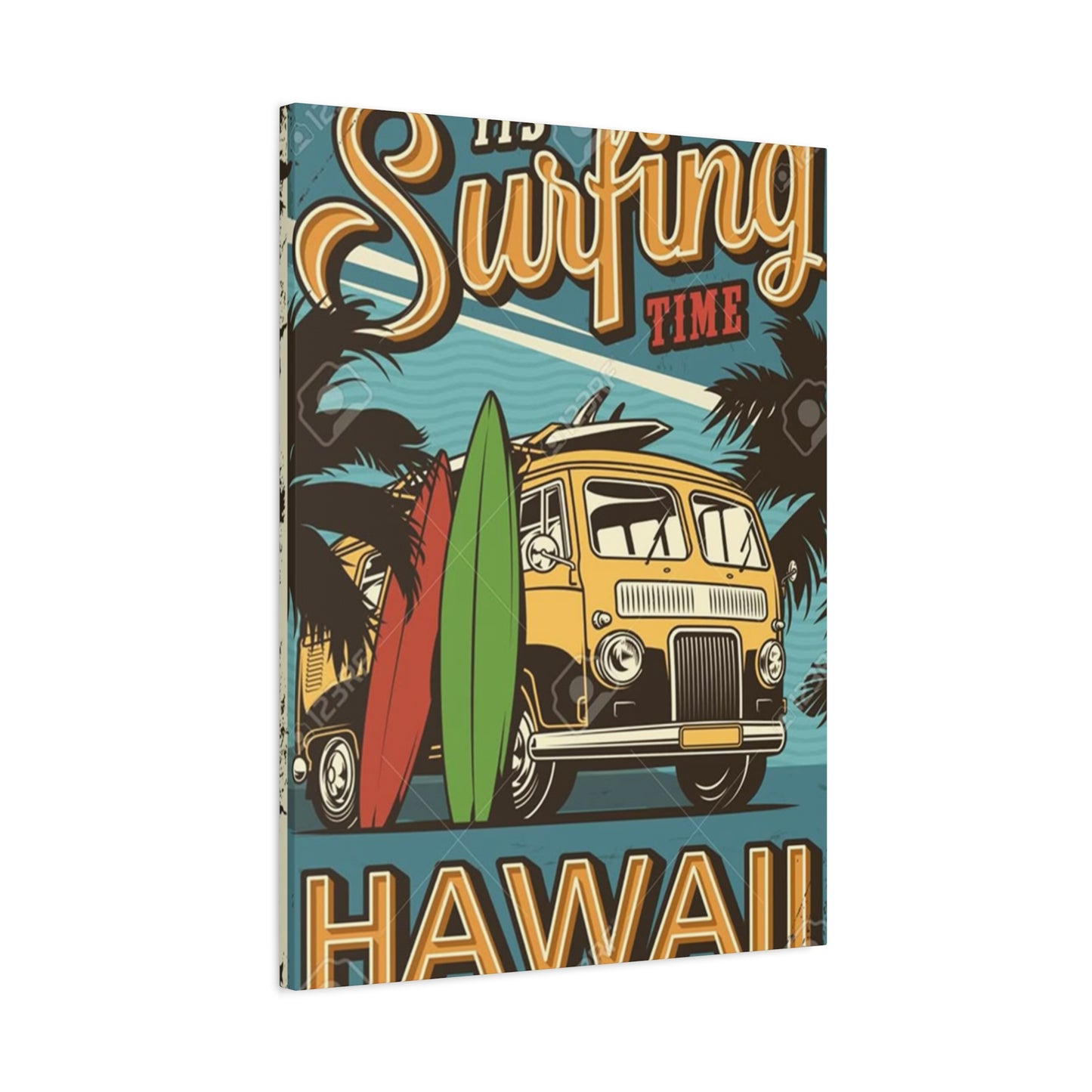
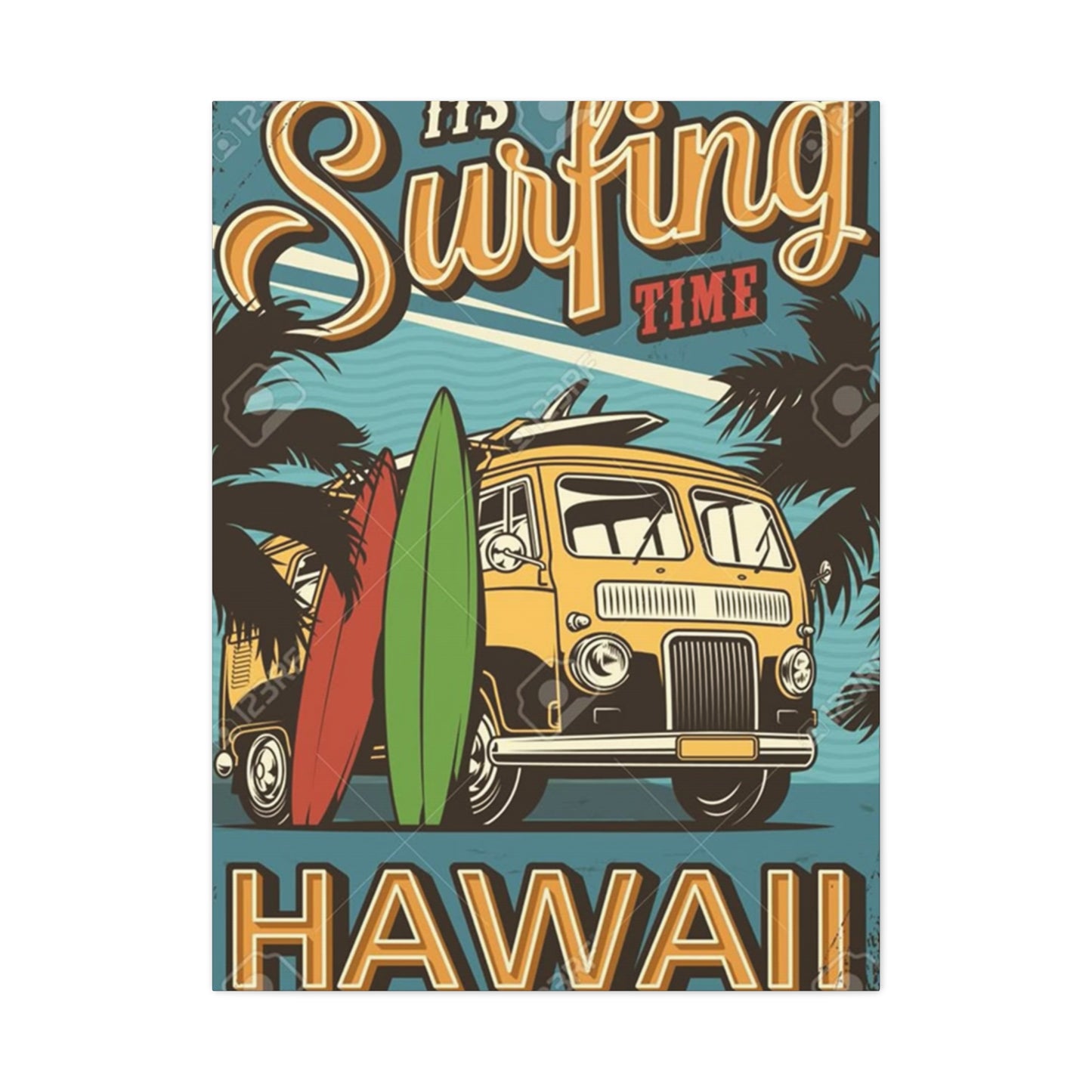
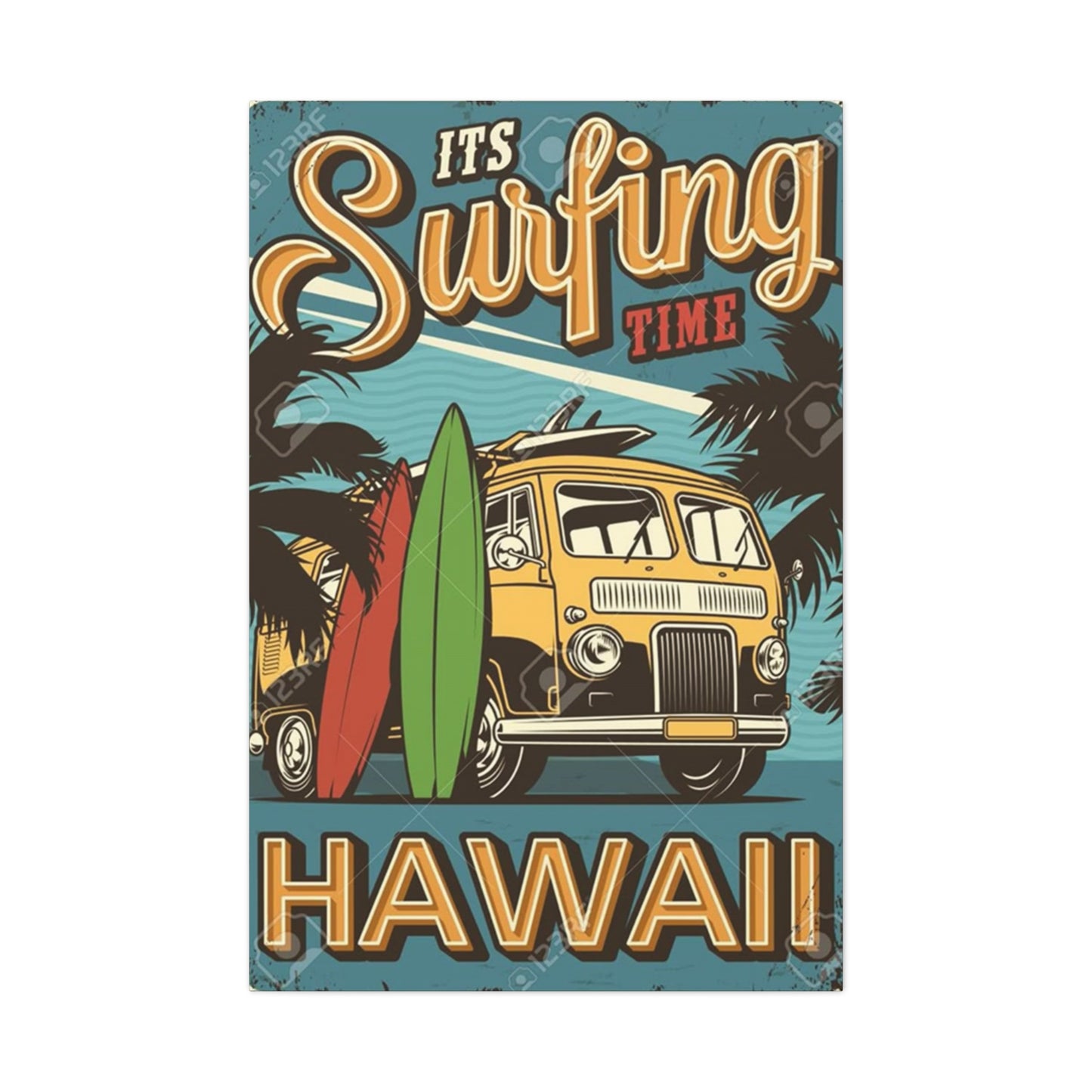
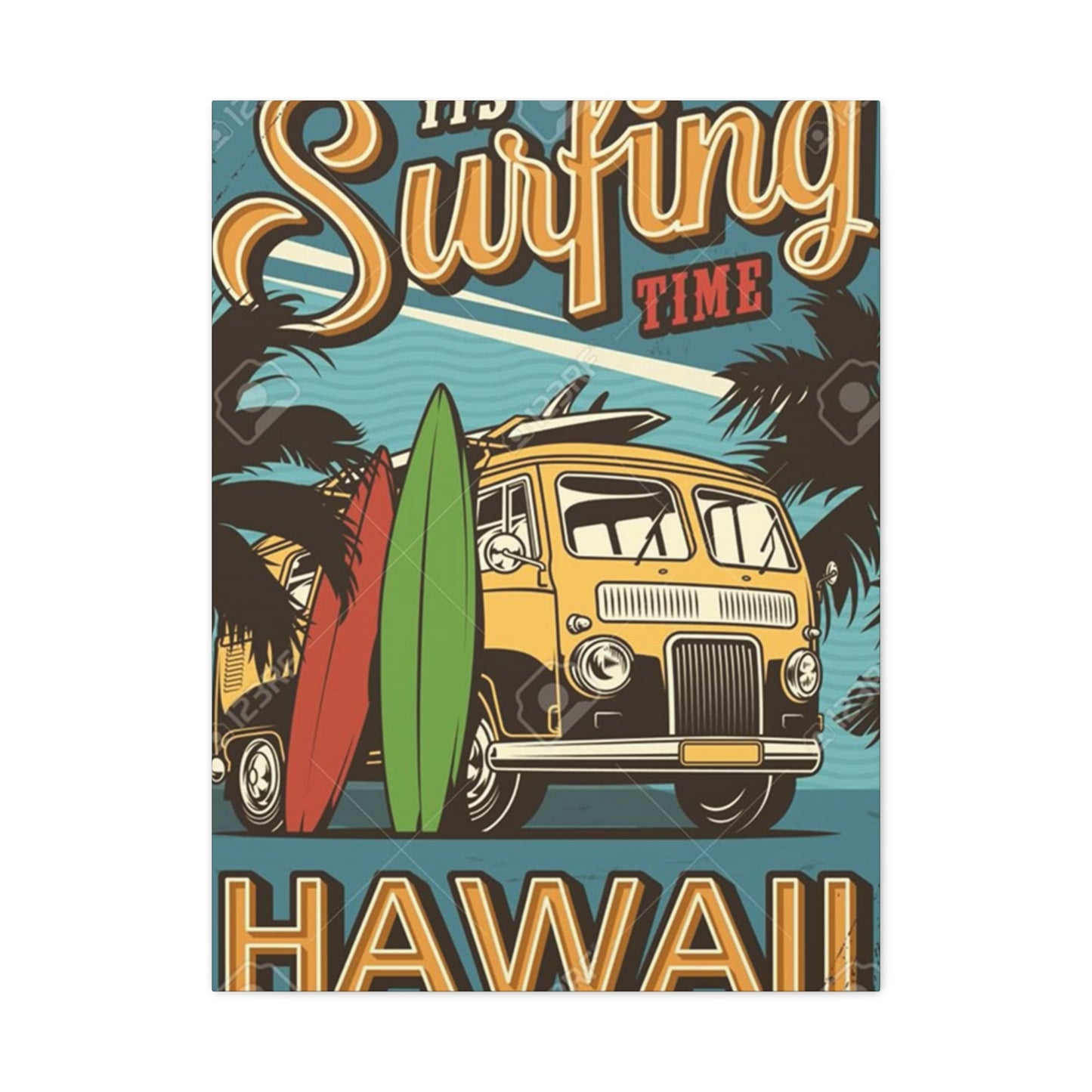
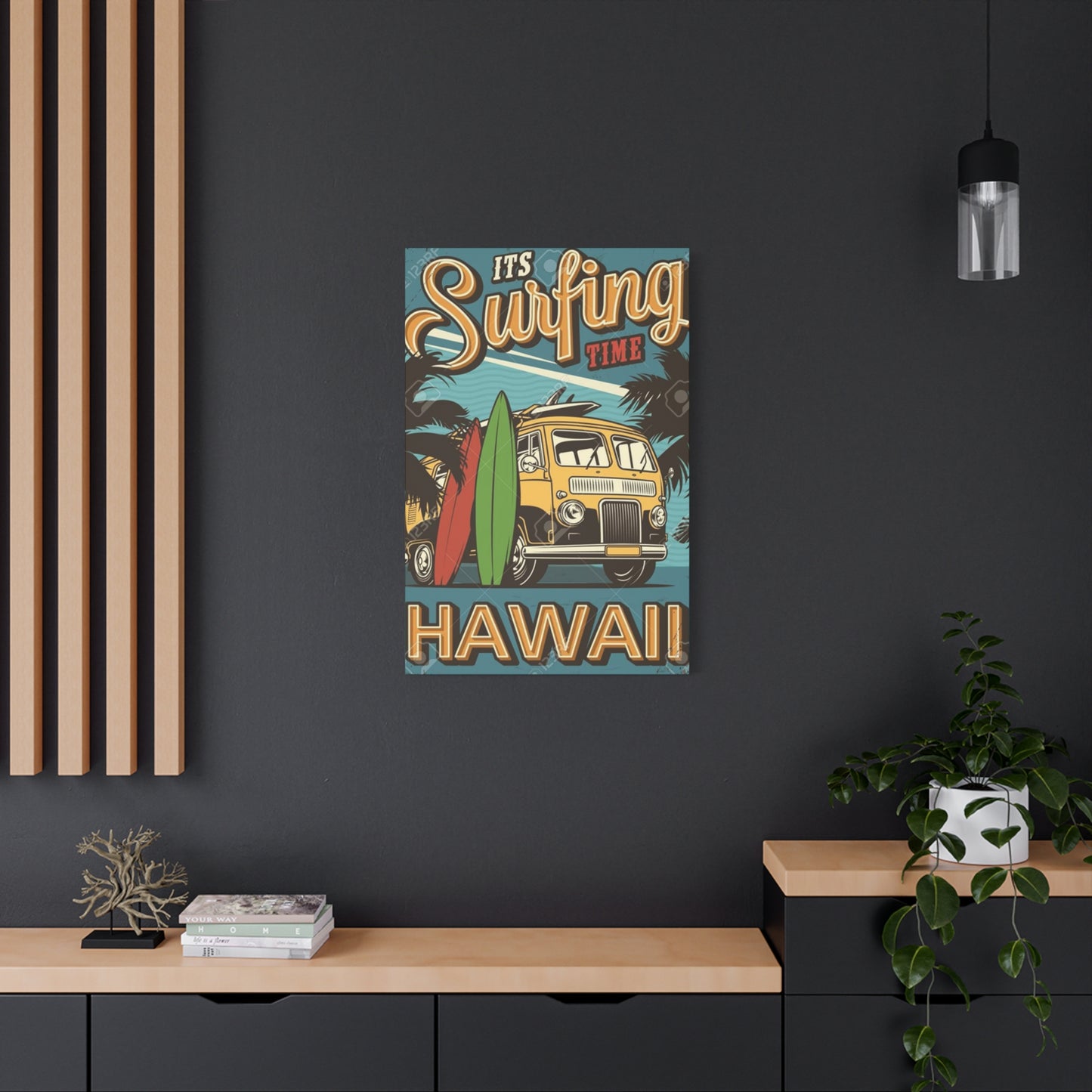
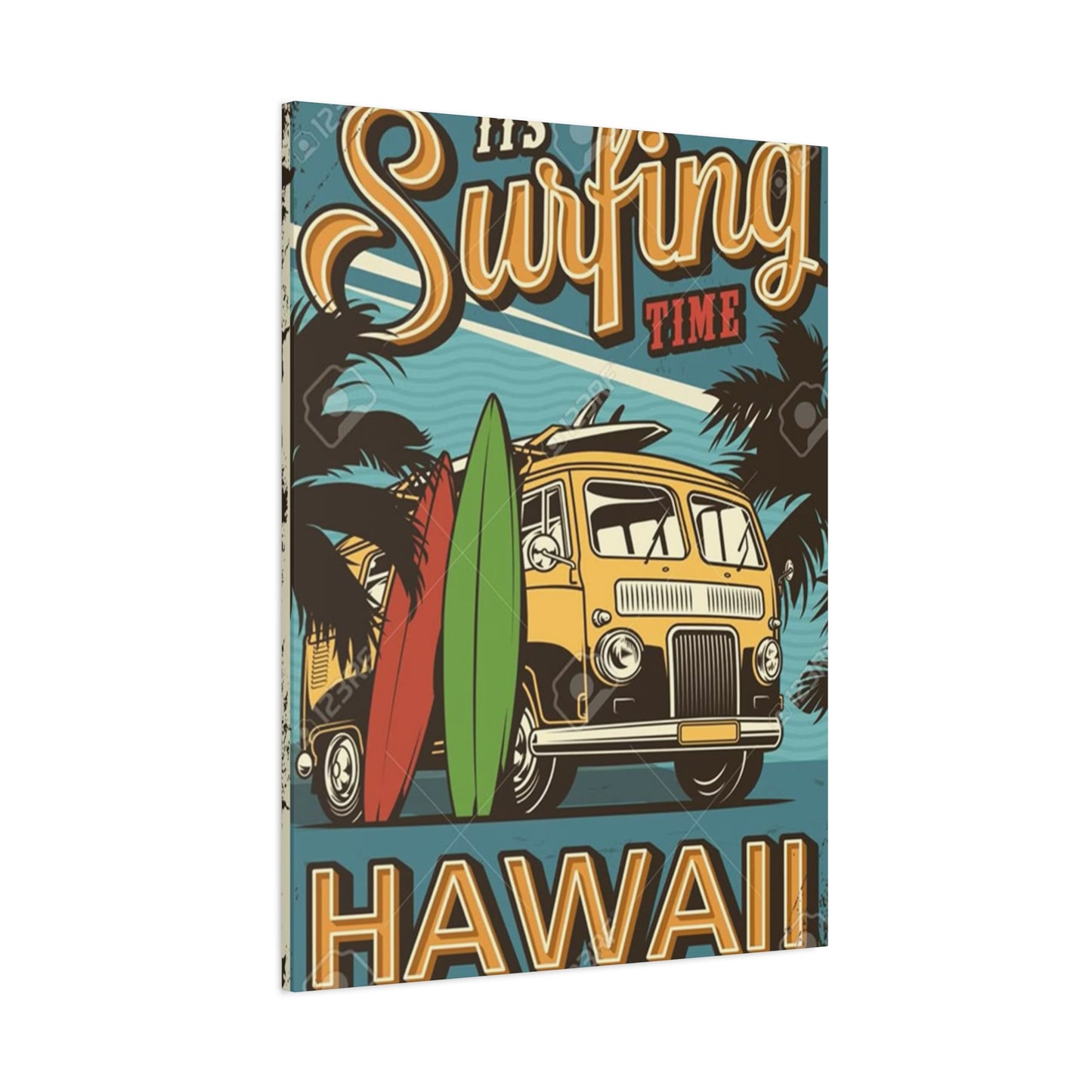
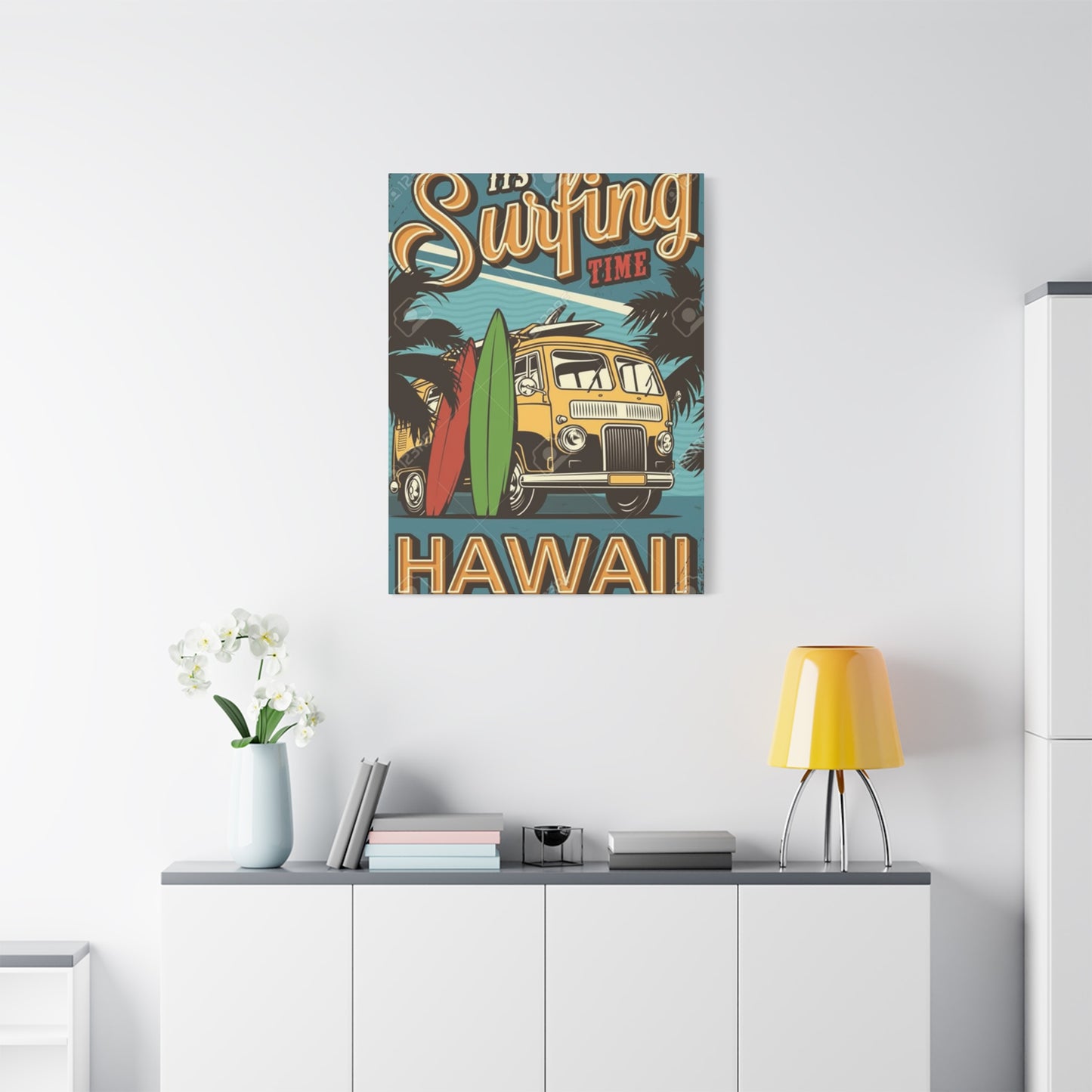
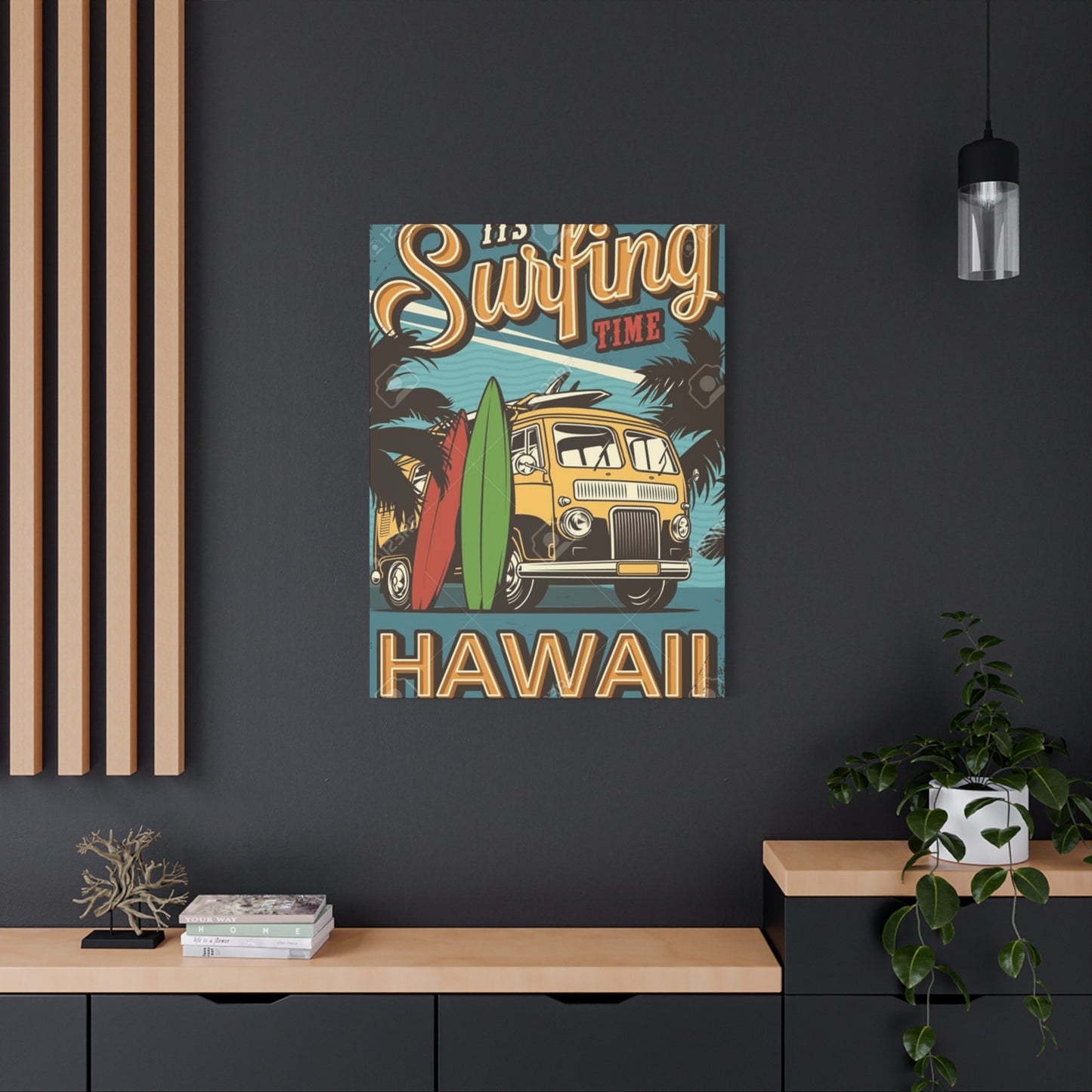
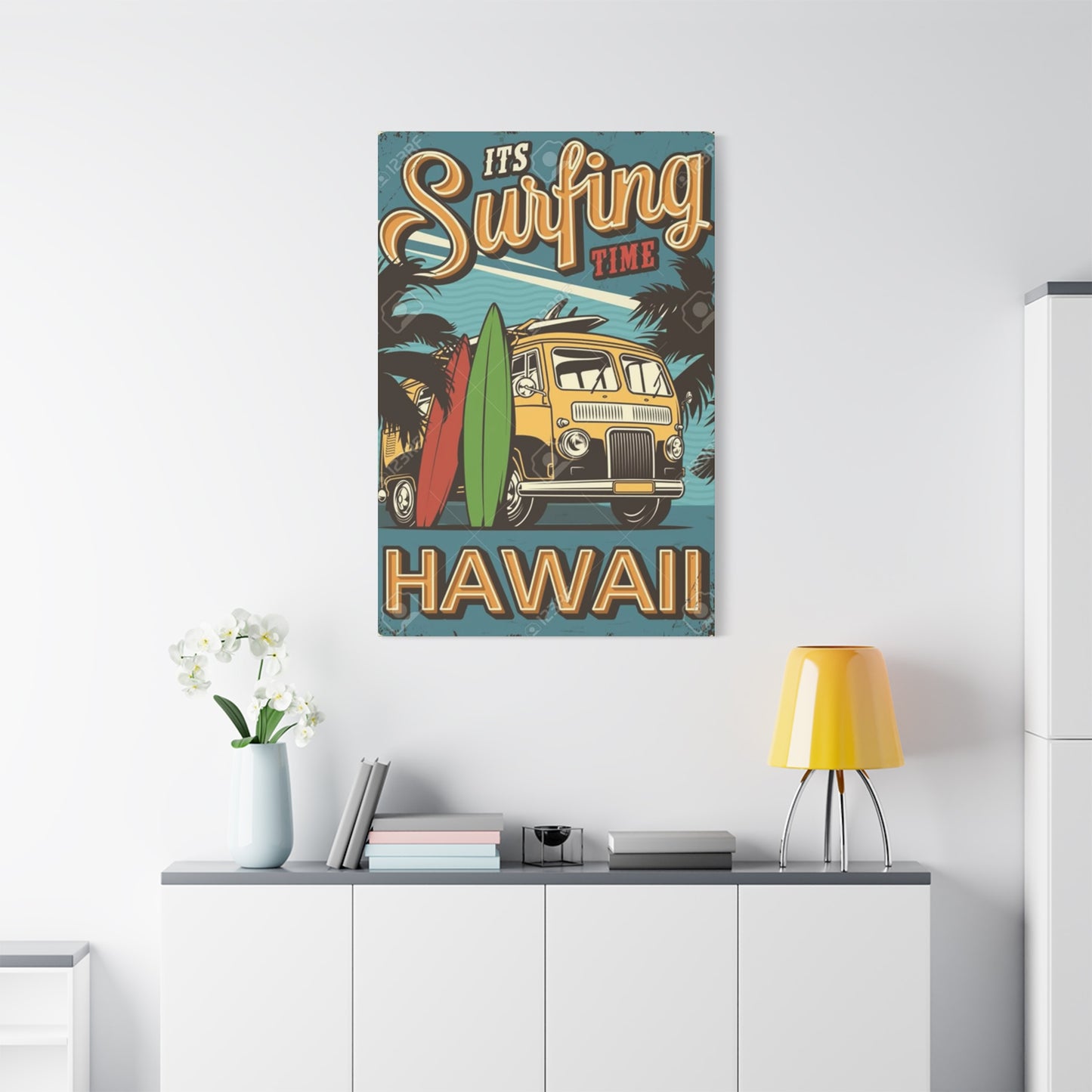
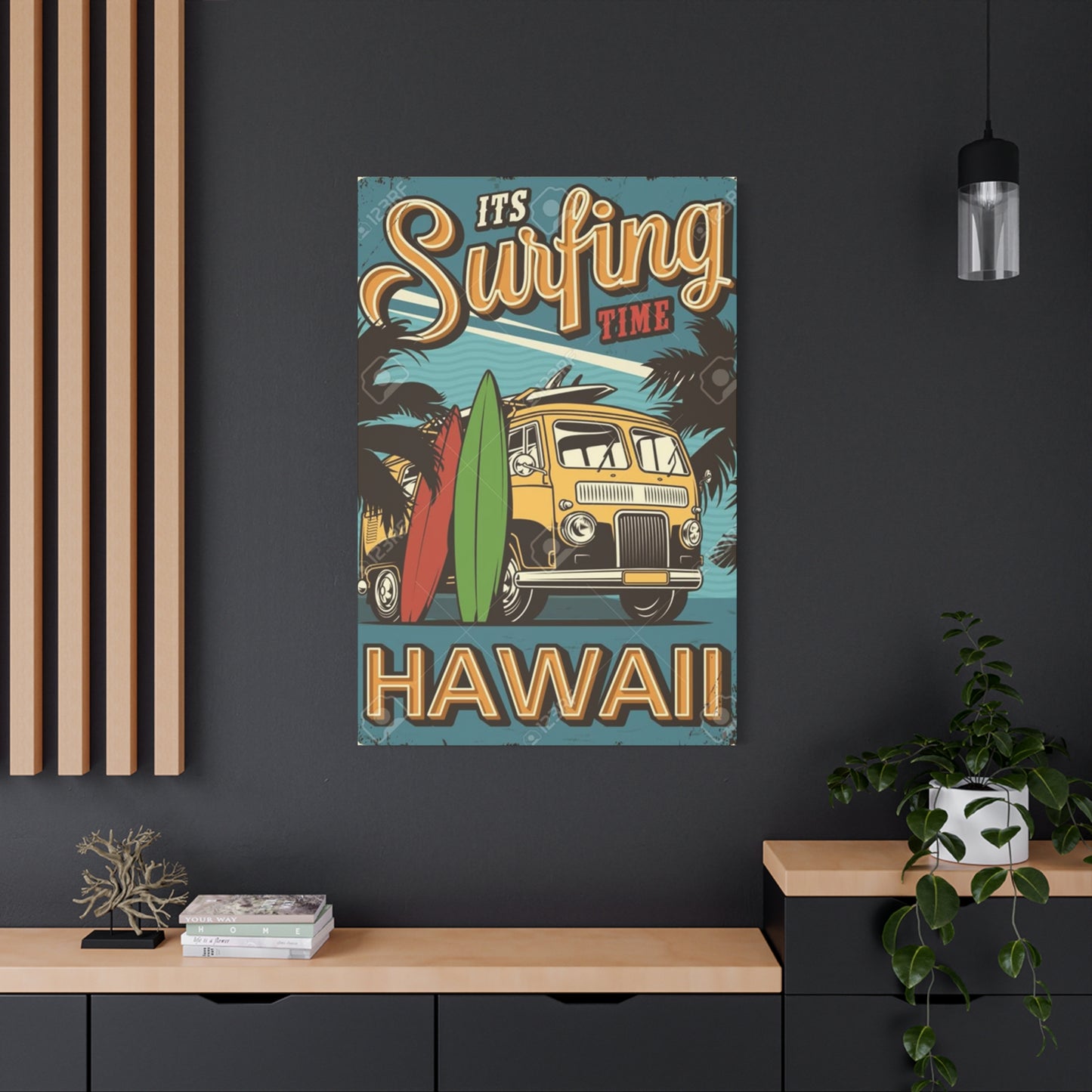
Vintage-style poster art has experienced a resurgence in recent years. These pieces evoke the golden age of travel advertising from the 1930s through 1960s, featuring bold typography, simplified color schemes, and idealized depictions of island paradises. Collectors appreciate how these works combine nostalgia with tropical aesthetics, creating conversation pieces that work equally well in modern or retro-themed interiors.

Digital artists have embraced Hawaii surfing wall art as a subject matter, creating pieces that push beyond the limitations of traditional media. Some blend photography with painted elements, while others construct entirely synthetic scenes that capture the feeling of riding waves without directly representing reality. These contemporary approaches appeal to collectors seeking cutting-edge aesthetics that still honor the core subject matter.

Mixed media works combine multiple techniques within single pieces. An artist might begin with a photograph, add painted elements, incorporate found materials like sand or driftwood, and finish with protective resins that create depth and luminosity. These unique creations blur the boundaries between different artistic categories, resulting in one-of-a-kind pieces that command attention.

Sculptural representations extend the concept into three dimensions. Metal workers craft stylized wave forms, woodcarvers create relief panels depicting riders and boards, and ceramic artists produce tiles featuring ocean motifs. While technically not paintings or prints, these objects serve similar decorative purposes and often accompany two-dimensional pieces in curated collections.

How to Select the Perfect Pieces That Complement Your Interior Design Vision

Choosing Hawaii surfing wall art requires consideration of numerous factors beyond simple aesthetic appeal. The most successful selections harmonize with existing décor while adding fresh energy to living spaces. Begin by assessing the architectural features and color palette of the room where you plan to display new pieces.

Rooms with neutral color schemes benefit from artwork that introduces vibrant hues. Island wave riding scenes naturally feature blues, greens, and turquoises that can serve as accent colors throughout a space. If your furniture and accessories already incorporate these shades, selecting pieces with complementary tones creates cohesive visual flow.

Conversely, spaces already saturated with color might benefit from black-and-white photography or monochromatic compositions. These pieces provide visual rest while maintaining thematic consistency. The dramatic contrast in well-executed monochrome images can be equally impactful as full-color alternatives.

Scale considerations are paramount. A common mistake involves selecting pieces too small for their intended locations. As a general guideline, artwork should occupy roughly two-thirds to three-quarters of the available wall width. Oversized pieces make bold statements and can serve as focal points, while groupings of smaller works create gallery-style presentations that encourage closer examination.

The framing choices significantly impact how pieces integrate into rooms. Traditional wood frames suit coastal and rustic interiors, while sleek metal frames complement contemporary spaces. Floating frames that suspend artwork between glass sheets create modern, gallery-quality presentations. Some collectors prefer frameless mounting methods that allow images to wrap around canvas edges, eliminating visual barriers between artwork and viewers.

Consider the emotional tone you wish to establish. Action shots depicting massive waves and daring maneuvers convey excitement and energy, making them excellent choices for social spaces like living rooms and entertainment areas. Serene compositions showing glassy morning conditions or solitary figures paddling at sunset create contemplative atmospheres appropriate for bedrooms, offices, or meditation spaces.

Lighting dramatically affects how artwork appears. Natural illumination changes throughout the day, revealing different aspects of pieces at various times. Artificial lighting requires careful planning. Picture lights, track lighting, or recessed spotlights can highlight specific works, while ambient lighting creates more subtle presentations. Avoid placing valuable pieces in direct sunlight, which causes fading and degradation over time.

Personal connection matters more than following trends. The pieces you live with should resonate emotionally, reminding you of cherished memories, inspiring future adventures, or simply bringing daily joy. Collections built around genuine passion remain satisfying long after fashionable styles have changed.

Understanding the Various Wave Breaks and Locations Depicted in Island Ocean Artwork

Hawaii's reputation as a premier wave riding destination stems from its diverse collection of breaks, each with unique characteristics that challenge riders and inspire artists. Familiarity with these legendary locations enhances appreciation for artwork depicting them.

The North Shore of Oahu hosts some of the world's most famous breaks. During winter months, powerful swells generated by storms in the North Pacific create towering waves that attract elite riders from around the globe. Pipeline, perhaps the most photographed wave on Earth, features a shallow reef that produces perfectly cylindrical barrels. Artists capture both the terrifying beauty of these waves and the skill required to navigate them successfully.

Waimea Bay, another North Shore landmark, comes alive when swells exceed twenty feet. The bay's unique bathymetry focuses wave energy into concentrated sets that break with thunderous force. Historical images documenting the early pioneers who first tackled these giants hold particular value for collectors interested in the sport's evolution.

Sunset Beach presents different challenges, with waves that shift and mutate as they travel across complex reef structures. The unpredictability creates dramatic moments that photographers strive to capture. Artwork depicting this break often shows riders making split-second decisions as waves transform beneath them.

Maui's northern coast features Jaws, also known as Pe'ahi, where tow-in riding revolutionized approaches to massive waves. When conditions align, swells reaching sixty feet and beyond break over deep-water reefs, creating liquid mountains that dwarf the riders challenging them. Images documenting these sessions possess almost surreal quality, with scale difficult to comprehend until you notice the tiny figures on boards.

The southern shores activate during summer months when swells arrive from the South Pacific and Antarctica. These waves tend to be more forgiving than their northern counterparts, making them popular subjects for artwork emphasizing the recreational and accessible aspects of the activity. Gentle rollers peeling across coral reefs at spots like Queen's and Canoes provide opportunities for longboard riding and graceful maneuvers.

Lesser-known breaks scattered throughout the island chain offer artists opportunities to document uncrowded sessions and pristine natural settings. These hidden gems appear in pieces that appeal to collectors seeking imagery beyond the most famous locations. The sense of discovery and intimate connection with nature makes such artwork particularly compelling.

Understanding the geography and character of different breaks allows collectors to build themed collections focused on specific locations, wave types, or riding styles. Some enthusiasts concentrate on barrel-riding imagery, while others prefer aerials, longboard sessions, or big-wave charging. The diversity ensures endless collecting possibilities.

The Process of Creating Museum-Quality Prints from Original Photographs and Paintings

The journey from initial capture or creation to finished Hawaii surfing wall art involves numerous steps that determine final quality. Appreciating this process helps collectors make informed purchasing decisions and understand pricing differences between various offerings.

Professional marine photographers shoot in RAW format, capturing maximum information for post-processing manipulation. After a session, they review thousands of images, selecting only the finest examples that meet their exacting standards. The selection process alone can take hours, with photographers seeking perfect moments where composition, light, exposure, and subject matter align flawlessly.

Post-processing transforms good captures into exceptional images. Skilled practitioners adjust exposure, contrast, color balance, and sharpness to realize their artistic vision while maintaining natural appearance. Subtle retouching removes distracting elements without altering the fundamental integrity of scenes. The line between enhancement and manipulation requires careful navigation, with the most respected artists maintaining documentary authenticity.

Print quality depends heavily on equipment and materials. Museum-grade prints utilize archival pigment inks that resist fading for decades or centuries when properly displayed. These inks contain pure pigments suspended in stable carriers, unlike dye-based inks that deteriorate relatively quickly. The difference in longevity and color stability justifies the premium prices commanded by giclée prints.

Paper selection influences final appearance dramatically. Photographers choose from glossy, matte, semi-gloss, metallic, and textured surfaces, each imparting distinct characteristics. Metallic papers create luminous quality particularly effective for water imagery, while matte surfaces reduce glare and suit certain artistic styles. Fine art papers made from cotton rag provide exceptional longevity and sophisticated appearance that appeals to serious collectors.

Canvas prints offer different aesthetic qualities. The texture adds dimension and creates paintings-like appearance that some collectors prefer. High-quality canvas prints use thick, archival-grade material stretched over sturdy frames with gallery-wrap edges that eliminate the need for traditional framing. The texture can slightly soften fine details compared to smooth paper surfaces.

Limited edition prints maintain exclusivity and value. Artists typically specify edition sizes ranging from a few dozen to several hundred copies, with each numbered and signed. Once the edition sells out, no additional prints are produced from that particular image, creating scarcity that supports long-term value. Smaller editions command higher individual prices but offer greater potential for appreciation.

Color management ensures prints accurately represent artists' intentions. Professional workflows utilize calibrated monitors, standardized viewing conditions, and color-managed printing processes that maintain consistency from screen to final output. Without proper color management, prints may display unexpected color shifts or tonal imbalances.

Quality control separates exceptional pieces from mediocre alternatives. Reputable producers inspect each print for defects, color accuracy, and sharpness before releasing them to customers. They reject any examples failing to meet standards, even when defects might be minor or barely noticeable. This commitment to excellence ensures collectors receive only the finest representations of artists' work.

Proper Mounting and Display Methods That Preserve and Enhance Your Collection

Once you've acquired Hawaii surfing wall art, proper presentation maximizes visual impact while protecting your investment. The mounting and display choices affect both immediate appearance and long-term preservation.

Professional framing services provide expertise worth the investment for valuable pieces. Experienced framers understand materials, techniques, and design principles that complement artwork while providing protection. They can guide selections of mats, frames, glazing, and mounting methods appropriate for specific pieces and display environments.

Matting creates visual breathing room around images, preventing them from feeling cramped within frames. Archival mats made from acid-free materials prevent discoloration and degradation. Multiple mat layers add depth and sophistication, with color choices that either complement or contrast with artwork. Generally, mat widths should be proportional to image sizes, with larger pieces requiring wider mats.

Glass selection affects both appearance and protection. Regular glass suffices for most circumstances, but UV-filtering glass significantly extends the life of pieces by blocking harmful radiation that causes fading. Museum glass eliminates reflections through specialized coatings, creating the illusion of viewing unframed artwork. While expensive, museum glass dramatically improves visibility and aesthetic appeal.

Acrylic glazing offers advantages over glass for certain applications. It weighs substantially less, making it preferable for large pieces or locations where weight concerns exist. Acrylic resists shattering, improving safety in homes with children or earthquake-prone regions. However, acrylic scratches more easily than glass and can build static charges that attract dust.

Mounting techniques vary based on substrate and desired outcome. Dry mounting permanently adheres prints to backing boards using heat-activated adhesives, creating perfectly flat surfaces. While effective, this irreversible process may diminish value for certain collectible pieces. Hinge mounting uses archival tape at corners, allowing removal without damage. This reversible approach is preferred for valuable or historically significant works.

Float mounting suspends artwork between glazing and backing, creating shadows that add dimensional interest. This technique works particularly well with pieces featuring deckled edges or unique borders that merit display. The floating effect draws attention to the physicality of the artwork itself rather than just the image it contains.

Canvas stretching requires skill to achieve proper tension without distorting images. Professional stretching services use gallery-depth stretcher bars that project images forward from walls, creating striking presentations. Corners should be neatly folded and stapled to rear surfaces, never visible from front or side views. Quality stretching prevents sagging and warping that can develop over time with amateur efforts.

Hanging hardware must support weight safely. Wire hangers work for lighter pieces, while French cleats provide superior support for heavy frames. Wall anchors appropriate for your specific wall type prevent catastrophic failures that could damage both artwork and property. Consider hiring professionals for particularly heavy or valuable pieces to ensure secure mounting.

Gallery arrangements allow multiple pieces to create cohesive visual statements. When hanging groups, maintain consistent spacing between frames, typically 2-4 inches. Align pieces by their centerlines at roughly 57-60 inches from floor level, matching standard museum hanging height. Experiment with arrangements on floor before committing to wall placement, using paper templates to visualize compositions.

Rotating displayed pieces prevents overexposure to environmental factors while keeping your collection fresh. Seasonal rotations allow you to emphasize different aspects of your collection throughout the year. This practice also provides opportunities to reassess arrangements and try new combinations that might prove more effective than original installations.

Building a Cohesive Collection That Tells a Story Through Visual Narrative

Thoughtful collectors approach acquisition strategically, developing collections that transcend random accumulation. Curated assemblages gain value and meaning through relationships between individual pieces, creating narratives that reveal collecting vision and passion.

Thematic collections focus on specific aspects of Hawaii surfing wall art. You might concentrate on a particular break, a specific photographer's work, a historical period, or a riding style. Such focus creates expertise and allows you to recognize exceptional examples when they become available. Specialists often develop relationships with artists and galleries that provide access to new releases and special offerings.

Chronological collections document the evolution of the activity or artistic approaches over time. Early vintage pieces showing primitive equipment and pioneering riders contrast dramatically with contemporary images of athletic maneuvers and technological advances. Displaying these progressions creates educational narratives that engage viewers and spark conversations.

Color-based strategies unify disparate pieces through palette similarities. An all-blue collection emphasizing various shades from navy to turquoise creates harmonious visual flow. Alternatively, rainbow arrangements incorporating the full spectrum provide energetic, dynamic presentations. Color theory principles guide effective combinations that please the eye while maintaining interest.

Size gradations create visual rhythm when displaying multiple pieces together. Starting with small works and progressively increasing dimensions draws the eye through compositions in predictable patterns. Symmetrical arrangements balance large pieces with smaller satellites, while asymmetrical groupings feel more dynamic and modern.

Geographic mapping arrangements position pieces to reflect actual locations of depicted breaks. A wall devoted to the Hawaiian islands might organize artwork to mirror the archipelago's layout, with Kauai pieces on the left progressing through Oahu, Molokai, Maui, and ending with the Big Island on the right. This approach creates implicit narratives about island-hopping journeys or comprehensive exploration of diverse breaks.

Mood progressions arrange pieces to create emotional arcs. Beginning with serene dawn images, transitioning through midday action, and concluding with contemplative sunset scenes mirrors daily cycles. Viewers subconsciously respond to these progressions, experiencing subtle emotional shifts as they move through spaces.

Artist retrospectives focus collections on single creators whose vision particularly resonates. Deep diving into one artist's catalog reveals stylistic evolution, recurring themes, and technical progression. Such collections often appreciate significantly if artists gain recognition or become historically important within the genre.

Mixed-medium collections intentionally combine photographs, paintings, sculptures, and other formats around common themes. The diversity creates visual interest while demonstrating the subject's ability to inspire across different creative approaches. Such eclecticism reflects contemporary collector sensibilities that value cross-disciplinary dialogue.

Documentation enhances collection value and enjoyment. Maintain records of acquisitions including dates, sources, prices, and artist information. Photograph pieces and arrangements for insurance purposes and personal reference. Create inventory systems that facilitate locating specific works within larger collections. These practices transform casual accumulation into serious collecting endeavors.

The Market Dynamics and Investment Potential of Ocean Riding Artwork from the Islands

Understanding the economic aspects of Hawaii surfing wall art helps collectors make informed decisions while potentially building financial value alongside aesthetic appreciation. Like all art markets, this niche follows patterns influenced by artistic merit, rarity, cultural significance, and collector demand.

Original paintings command premium prices reflecting the unique, unreproducible nature of hand-created works. Established artists with exhibition histories and critical recognition achieve the highest values. Emerging talents offer opportunities to acquire quality pieces at more accessible prices, with potential for appreciation as artists gain recognition. However, predicting which emerging artists will achieve lasting success requires research, taste, and some luck.

Limited edition prints occupy the middle market tier, offering quality and collectibility at fractions of original painting costs. Edition sizes, artist signatures, numbering, and print quality all influence values. Prints from renowned photographers documenting historic moments or perfect conditions command strong prices, particularly as editions sell out. Condition critically affects value, with pristine examples worth substantially more than damaged alternatives.

Open edition prints serve decorative purposes but lack investment potential. Produced in unlimited quantities, they remain available indefinitely at consistent prices. While such pieces can beautifully enhance spaces, collectors seeking financial appreciation should focus on limited or unique works.

Vintage pieces have demonstrated strong appreciation, particularly examples predating 1970 when ocean activity gained mainstream recognition. Original competition posters, magazine covers, and advertising materials from this era attract serious collectors. Authentication and condition significantly impact values, with pristine examples commanding multiples of damaged or questionable pieces.

Provenance adds value to pieces with notable histories. Artwork previously owned by famous riders, displayed in significant exhibitions, or featured in publications carries premiums. Documentation verifying such provenance is essential for realizing these enhanced values.

Market cycles affect pricing across all categories. During economic expansions, discretionary purchases including art increase, driving prices upward. Recessions create opportunities to acquire pieces at reduced prices from motivated sellers. Patient collectors who purchase quality works during downturns often realize significant returns during subsequent expansions.

Online marketplaces have democratized access while increasing price transparency. Collectors can now browse global inventories, compare prices, and purchase pieces from distant locations. However, inability to personally inspect works before purchasing introduces risks. Dealing with reputable sellers who provide detailed condition reports and generous return policies mitigates these concerns.

Auction results provide market indicators for comparable pieces. Major auction houses occasionally offer Hawaii surfing wall art within their sports memorabilia or photography sales. Results establish value benchmarks useful for insurance and potential resale purposes. Following auction outcomes helps collectors understand current market sentiment and identify undervalued opportunities.

Direct artist purchases eliminate intermediary markups while establishing relationships that may provide access to future releases. Many artists offer mailing list subscribers first opportunities to acquire new works before public release. These relationships also provide potential for commissioned pieces tailored to specific preferences.

Gallery relationships offer expertise and curation that justify their margins. Knowledgeable dealers educate collectors, guide acquisitions, and provide authentication services. Established galleries often represent multiple artists, allowing collectors to compare options and develop cohesive collections through single relationships. Reputable galleries also facilitate resales when collectors decide to divest pieces.

How Different Seasons and Times of Day Affect the Character of Ocean Wave Photography

The temporal aspects of Hawaii surfing wall art significantly influence mood, color palette, and overall impact. Photographers carefully consider seasonal variations and daily light changes when planning sessions, and collectors benefit from understanding these factors.

Dawn sessions capture magical quality as first light illuminates waves before crowds arrive. The low-angle sunlight creates golden tones that contrast beautifully with blue water. Photographers favor this time for its soft, directional light that reveals wave texture and dimension. Morning offshore winds often create glassy conditions ideal for clean, well-formed waves. Artwork depicting dawn sessions conveys peacefulness and possibility, making it appropriate for spaces dedicated to contemplation or fresh starts.

Midday sun creates harsh overhead lighting that many photographers avoid. However, certain subjects benefit from this illumination. Underwater shots showing riders viewed from below use bright sunlight penetrating water to create dramatic silhouettes. Aerial perspectives from helicopters or drones can effectively utilize midday light that minimizes shadows. The intense colors and high energy of midday imagery suit active spaces.

Afternoon light warms as the sun approaches the horizon, creating rich golden and amber tones. Sidelight emphasizes wave faces and spray, producing dramatic three-dimensional effects. This time offers a second optimal shooting window as light quality improves from midday harshness. Afternoon sessions often feature increased wind and choppier conditions that create different aesthetic qualities than morning glassiness.

Sunset photography produces spectacular color palettes ranging from soft pastels to vibrant oranges and reds. Silhouettes of riders backlit by setting sun create powerful, minimalist compositions. The brief window of optimal sunset light challenges photographers to work quickly and decisively. Sunset imagery evokes completion, reflection, and natural beauty, working well in spaces designed for relaxation and unwinding.

Blue hour, the period after sunset when indirect sunlight produces cool blue tones, offers unique opportunities. The soft, even lighting allows long exposures that create ethereal, dreamy qualities. While rarely featuring active riding, blue hour seascapes capture the ocean's timeless nature. Such pieces provide calm, meditative focal points.

Overcast conditions create diffused lighting that minimizes shadows and produces saturated colors. While less dramatic than sunny conditions, cloudy skies allow shooting throughout the day without harsh lighting concerns. The moody atmosphere suits certain artistic visions, creating contemplative pieces that emphasize the ocean's power over pristine beauty.

Storm light produces the most dramatic conditions, with dark clouds, shafts of sunlight, and roiling seas. Photographers brave challenging weather to document these rare moments when nature's raw power is fully displayed. The resulting imagery conveys excitement and danger, appealing to collectors drawn to the activity's adventurous aspects.

Seasonal variations dramatically affect Hawaii's waves and photography opportunities. Winter brings massive North Pacific swells that create the legendary waves attracting professional riders. The dramatic scale and power of winter sessions produce the most iconic imagery. However, crowded conditions and competitive atmospheres can feel less authentic than summer's more relaxed sessions.

Summer south swells generate smaller, more forgiving waves ideal for longboard riding and recreational sessions. The family-friendly atmosphere and accessible nature of summer waves inspire different artwork categories. Crystal-clear water and abundant sunshine create vibrant, cheerful imagery perfect for spaces dedicated to fun and leisure.

Shoulder seasons of spring and fall offer transitional conditions with varied swell directions, sizes, and weather patterns. These periods provide opportunities for diverse imagery that captures the islands' changeable nature. Collectors seeking the unusual or unexpected often gravitate toward pieces documenting these transitional times.

The Role of Color Theory in Selecting and Arranging Your Ocean-Themed Artwork Collection

Sophisticated understanding of color relationships elevates Hawaii surfing wall art presentations from merely attractive to truly exceptional. Strategic color choices create harmony, emphasize focal points, and influence emotional responses to spaces.

The natural color palette of ocean imagery centers on blues and greens, with these hues dominating most pieces. However, subtle variations within these families create vastly different effects. Deep navy blues convey power and depth, while turquoise and aquamarine suggest tropical paradise and relaxation. Artists manipulate these shades to emphasize different aspects of their subjects.

Complementary color schemes pair blues with oranges, creating vibrant contrasts that energize spaces. Sunset scenes naturally incorporate these complementary relationships, with warm skies contrasting cool water. The visual tension between complementary colors creates dynamic that commands attention. Such pieces work well as focal points in otherwise neutral rooms.

Analogous color schemes use adjacent hues on the color wheel, such as blues, blue-greens, and greens. These harmonious combinations create soothing, cohesive effects. Collections built around analogous schemes feel naturally unified, with pieces working together rather than competing for attention. This approach suits spaces designed for relaxation and stress reduction.

Monochromatic approaches use varying shades, tints, and tones of single hues. Black-and-white photography represents the ultimate monochromatic expression, eliminating color distractions to emphasize form, composition, and light. Monochromatic color schemes create sophisticated, gallery-like presentations that appeal to minimalist sensibilities.

Warm colors advance visually, appearing closer to viewers, while cool colors recede. Artists manipulate this phenomenon to create depth within compositions. Warm foreground elements against cool backgrounds produce three-dimensional effects. Understanding these principles helps collectors arrange pieces to maximize spatial illusions.

Color temperature affects mood profoundly. Cool blues and greens create calm, serene atmospheres appropriate for bedrooms and meditation spaces. Warm oranges and reds generate energy and excitement suitable for social areas. Balancing warm and cool elements throughout spaces creates comfortable environments that support various activities.

Neutral backgrounds allow Hawaii surfing wall art to dominate visual attention. White or light gray walls provide clean canvases that make colorful pieces pop. However, darker walls create dramatic presentations where artwork appears to glow. The choice depends on desired atmosphere and existing architectural elements.

Accent walls painted in colors drawn from prominent pieces create cohesive design schemes. Selecting a secondary color from artwork rather than the dominant shade often produces more sophisticated results. This technique ties artwork to rooms in subtle ways that feel intentional without being heavy-handed.

Color psychology influences how spaces feel and function. Blue's association with water, sky, and tranquility makes it naturally suited for spaces dedicated to rest and reflection. Green's connection to nature promotes healing and balance. Understanding these associations helps collectors select pieces that support intended room uses.

Lighting color temperatures interact with artwork colors, potentially enhancing or distorting appearance. Warm incandescent lighting adds yellow tones, while cool LED lighting emphasizes blues. Testing pieces under intended lighting conditions before final hanging decisions prevents unpleasant surprises.

Personal color preferences should ultimately guide choices. While design principles provide helpful frameworks, successful spaces reflect inhabitant personalities and preferences. Trust your instincts when colors speak to you emotionally, even if they violate conventional wisdom.

Authenticating and Evaluating the Quality of Pieces Before Making Purchase Decisions

The proliferation of Hawaii surfing wall art in the marketplace necessitates careful evaluation to ensure acquisitions meet quality standards and represent genuine value. Developing authentication and quality assessment skills protects collectors from disappointment and financial loss.

Artist signatures provide primary authentication for limited edition prints and original works. Familiarize yourself with authentic signatures by examining certified examples or consulting artist websites showing signature characteristics. Forged signatures on unauthorized prints represent a real concern in popular genres. When purchasing significant pieces, consider obtaining certificates of authenticity from artists or recognized authorities.

Edition information should be clearly marked on limited prints, typically in pencil beneath the image area. Standard notation shows individual print number followed by total edition size, such as "42/250." Additional notations might indicate artist proofs, printer's proofs, or other special designations. Verify edition information matches artist records when possible, particularly for valuable purchases.

Print quality varies dramatically across price points and producers. Examine prints closely for sharpness, color accuracy, and surface quality. High-quality giclée prints display crisp details throughout, with no visible pixelation or banding even under magnification. Colors should appear rich and saturated without oversaturation or muddiness. Surface texture should be consistent without visible ink pooling or printing artifacts.

Paper quality significantly impacts longevity and appearance. Archival papers made from cotton rag or alpha cellulose resist yellowing and degradation. Lesser quality papers containing wood pulp lignins deteriorate over time, turning brown and brittle. Check paper specifications and feel the substance and texture. Quality fine art papers have substantial weight and luxurious feel clearly distinguishable from standard copy paper.

Canvas quality matters equally for stretched pieces. Examine the tightness and evenness of the stretch, ensuring no sagging or loose areas exist. Check that images wrap cleanly around edges without distortion. Look for sturdy stretcher bar construction with proper corner joints. Canvas texture should be consistent throughout without visible flaws or thin spots.

Frame quality varies from bargain-basement to museum-grade. Examine joinery, ensuring corners fit tightly without gaps. Check that glazing seats securely without rattling. Inspect backing materials, looking for acid-free mounting and sealing that protects against dust and insects. Quality frames justify their costs through superior construction and appearance.

Condition assessment becomes critical when purchasing secondary market or vintage pieces. Inspect carefully for fading, staining, tears, creasing, or other damage. Even minor flaws significantly reduce value and visual appeal. Ultraviolet damage often appears as overall dulling or color shifts, particularly in areas that received direct sunlight. Water damage creates stains, cockling, or mold growth that may be difficult or impossible to remediate.

Provenance research adds confidence to purchases, particularly for expensive acquisitions. Request documentation of ownership history, exhibition records, or publication appearances. Contact artists or galleries to verify authenticity when questions arise. Reputable sellers willingly provide such information and should offer guarantees or return privileges for misrepresented items.

Comparative market analysis helps assess fair pricing. Research recent sales of comparable pieces through completed online auctions, gallery records, or price databases. Be wary of prices significantly below market rates, which may indicate quality issues, authenticity problems, or sellers lacking knowledge of what they offer. Conversely, dramatically inflated prices suggest uninformed or unscrupulous sellers.

Return policies and guarantees protect buyers from mistakes and misrepresentations. Reputable sellers stand behind their offerings with generous return windows and accurate descriptions. Avoid purchases from sellers unwilling to provide reasonable protections, particularly when buying sight-unseen through online channels.

Personal inspection remains the gold standard for quality assessment. Whenever possible, view pieces in person before purchasing. Images, even high-quality photographs, cannot fully convey surface qualities, colors, dimensions, and overall presence. The intangibles that determine whether a piece truly resonates with you only reveal themselves through direct experience.

Conclusion

Professional presentation techniques elevate Hawaii surfing wall art displays from amateur efforts to sophisticated installations worthy of gallery admiration. While formal design training helps, understanding key principles allows anyone to create compelling arrangements.

Establishing focal points directs viewer attention and creates visual hierarchy within rooms. Large, dramatic pieces naturally serve as focal points, with surrounding elements supporting rather than competing with them. Place focal pieces on prominent walls visible upon entering rooms, ensuring they receive the attention they deserve.

Symmetrical arrangements create formal, balanced compositions that convey stability and order. Identical or similar-sized pieces flanking central elements exemplify this approach. Symmetry works well in traditional interiors and formal spaces where classical aesthetics predominate. However, strict symmetry can feel static and predictable, lacking the dynamic energy that asymmetrical arrangements provide.

Asymmetrical balance achieves visual equilibrium without mirror-image repetition. Larger pieces on one side balance groupings of smaller works on the other, with the overall visual weight feeling equal. This approach creates more dynamic, contemporary presentations that maintain order while introducing movement and interest.

The rule of thirds, borrowed from photography, provides a useful composition tool. Imagine dividing walls into horizontal and vertical thirds, creating a grid with four intersection points. Positioning key elements at these intersections creates naturally pleasing compositions that feel balanced without being static or centered.

Negative space deserves as much consideration as filled areas. Overcrowding walls with too many pieces creates visual chaos that diminishes individual impact. Allow breathing room around pieces, using empty wall space to frame and emphasize displayed works. The Japanese aesthetic principle of ma, which values empty space as an essential compositional element, offers wisdom applicable to Western contexts.

Height consistency throughout rooms creates cohesive flow as viewers move through spaces. Maintaining centerlines at standard museum height of 57-60 inches from floor level ensures comfortable viewing regardless of individual pieces. This consistency feels professional and intentional rather than random.

Lighting design makes or breaks presentations. Properly illuminated pieces reveal their full beauty, while poor lighting renders even exceptional works ineffective. Combine ambient room lighting with focused accent lighting that highlights specific pieces. Adjustable track lighting offers flexibility for changing displays, while fixed picture lights provide permanent solutions for static arrangements.

Grouping strategies determine how multiple pieces relate to each other. Grid arrangements with equal spacing create orderly, geometric presentations suitable for series or themed collections. Salon-style groupings with varied spacing and organic arrangements feel more relaxed and eclectic. Horizontal rows emphasize width and create calming visual flow, while vertical stacks draw eyes upward and suit narrow wall spaces.

Matting and frame consistency unifies diverse pieces within collections. Using identical or complementary frames throughout creates visual coherence even when individual artworks vary considerably. Alternatively, intentional frame variety creates eclectic, collected-over-time aesthetics. Choose strategies that align with overall design visions and room purposes.

Corner arrangements often receive inadequate attention, yet these transitional spaces offer opportunities for creative solutions. Wrapping arrangements around corners creates flow between adjacent walls. Alternatively, statement pieces positioned in corners become destinations that reward viewers who explore entire rooms.

Temporary installations using removable hanging systems allow experimentation without wall damage. Gallery rails, wire systems, or adhesive strips enable rearranging pieces until achieving optimal compositions. This flexibility particularly benefits new collectors still developing their aesthetic sensibilities and arrangement preferences.

Documentation of successful arrangements helps recreate them if pieces must be temporarily removed or allows sharing your design vision with collaborators. Photograph completed installations from multiple angles, creating reference materials for future projects or relocations.

View full details