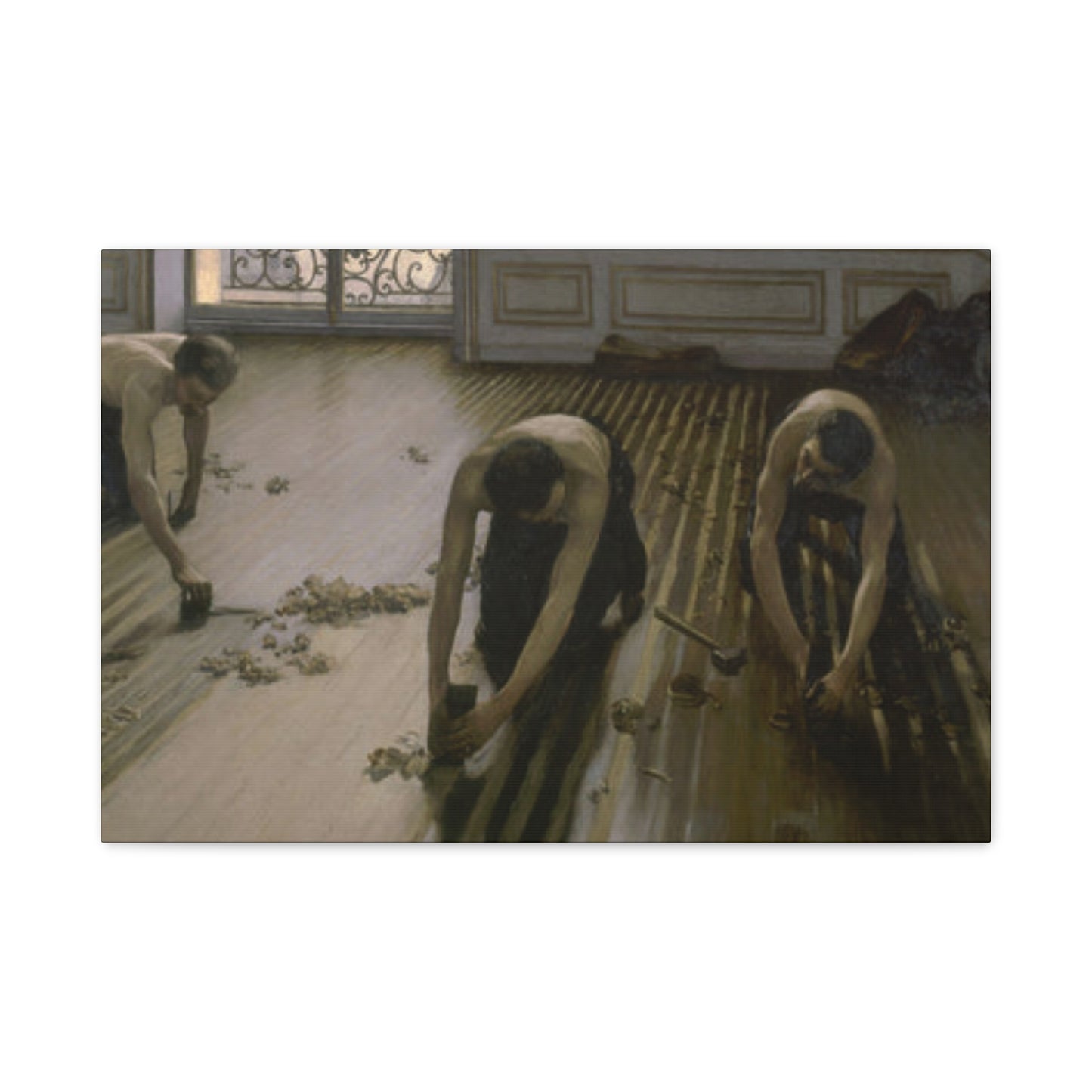
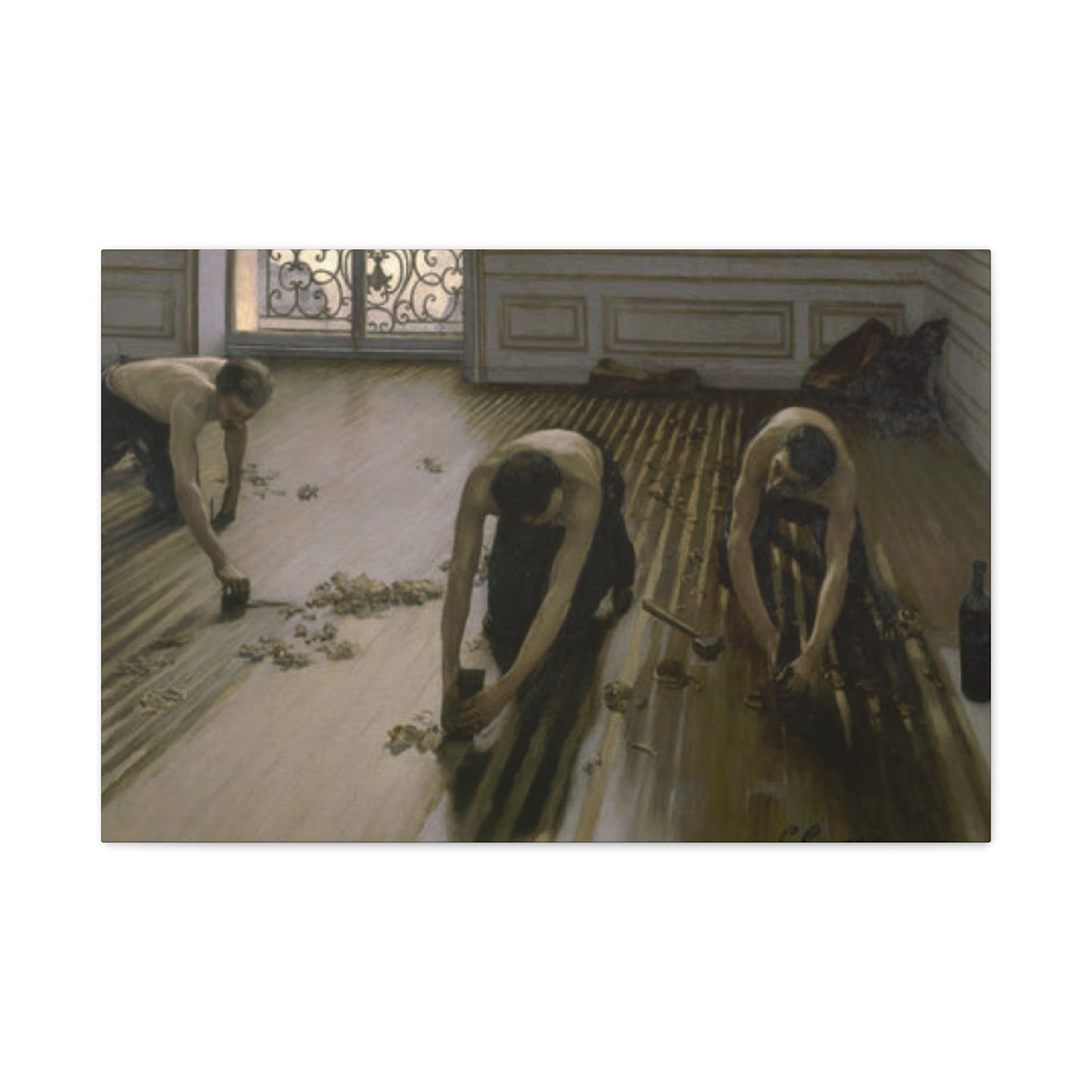
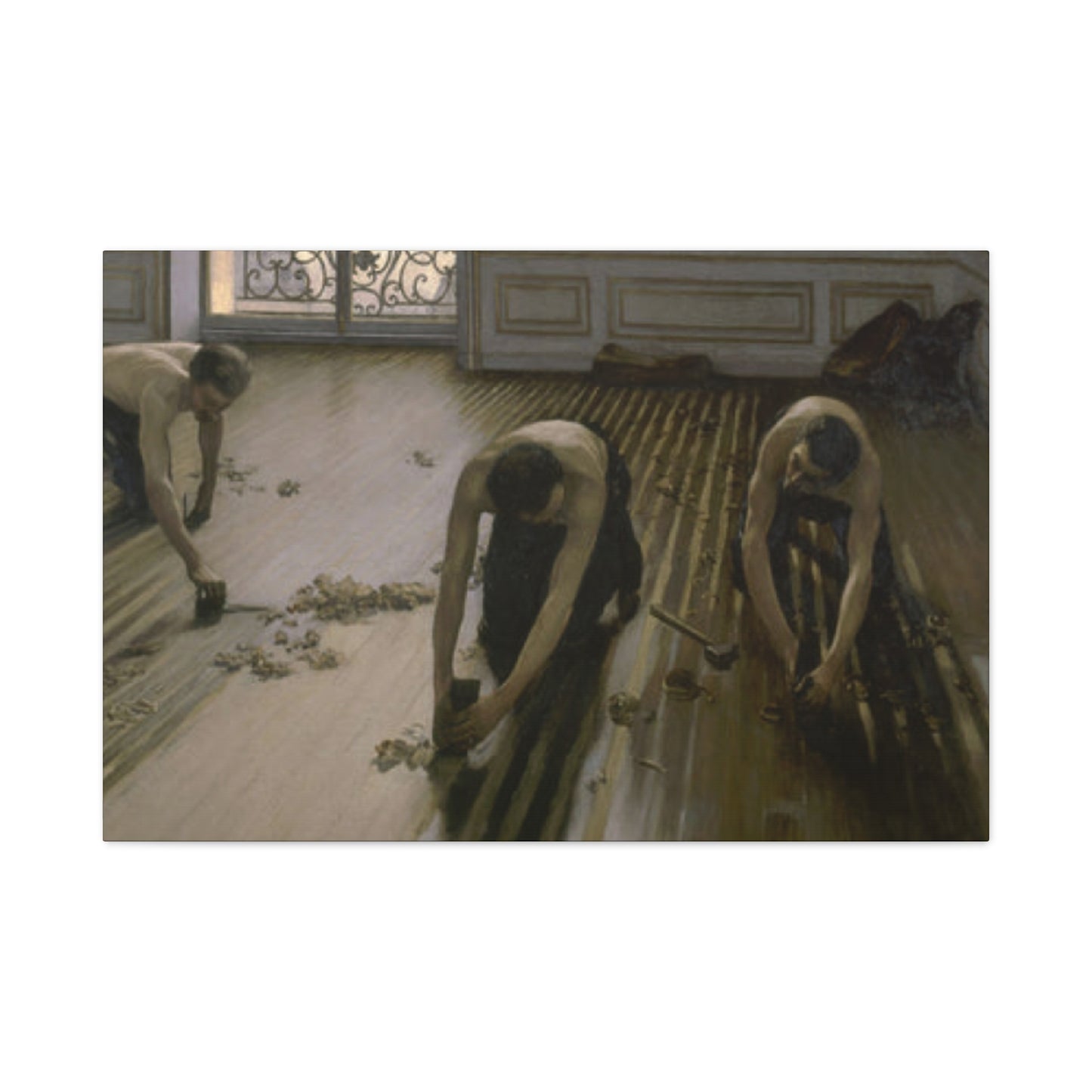
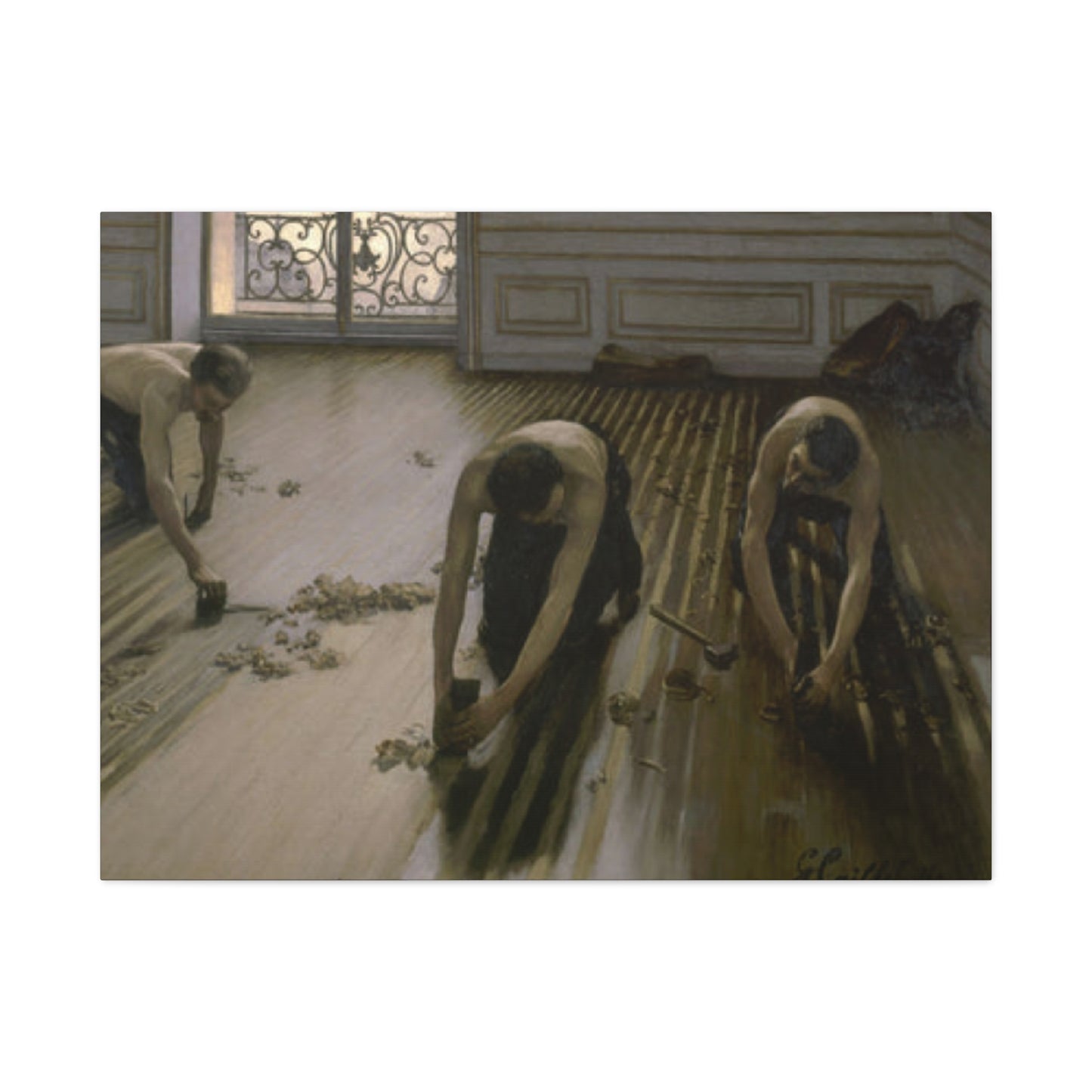
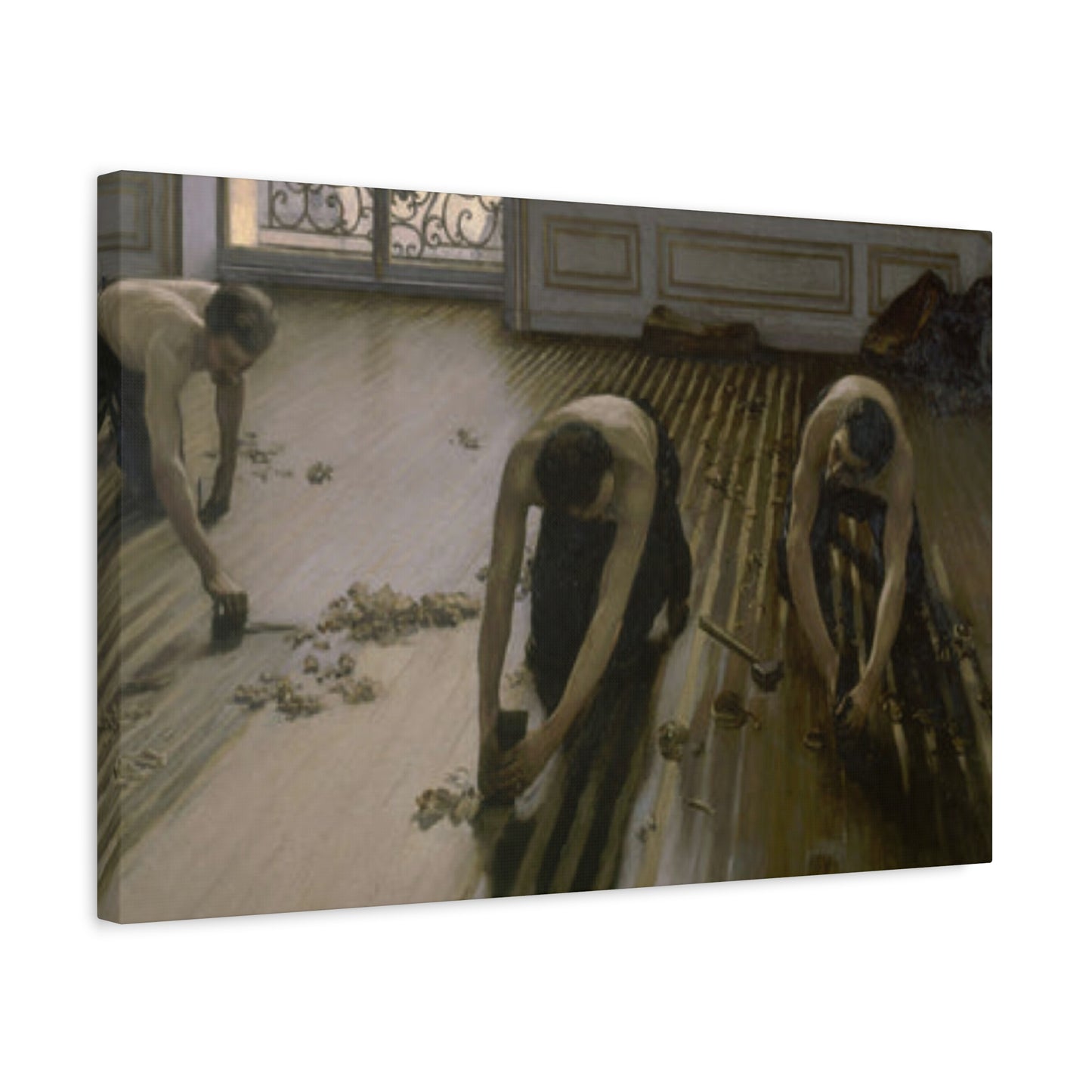
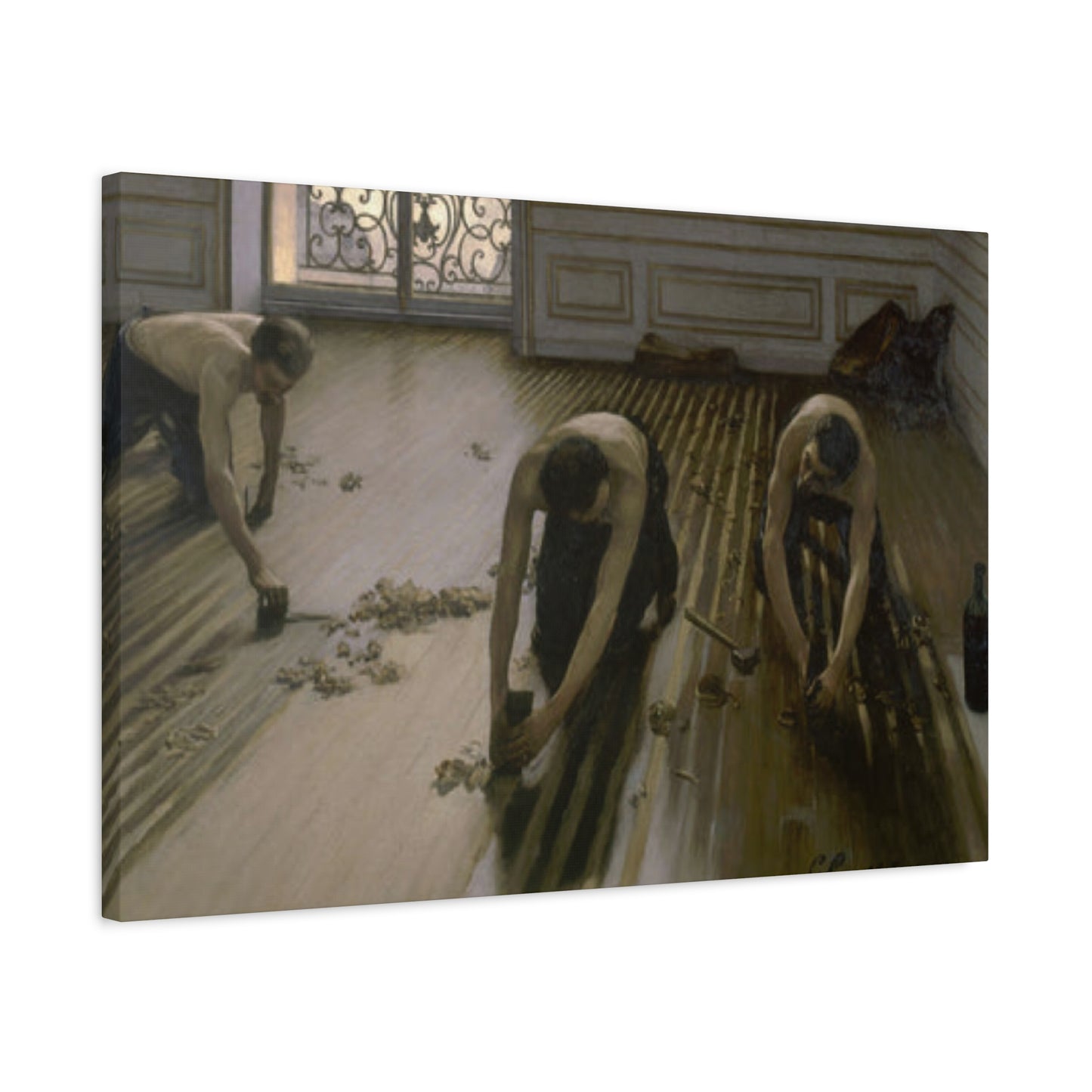
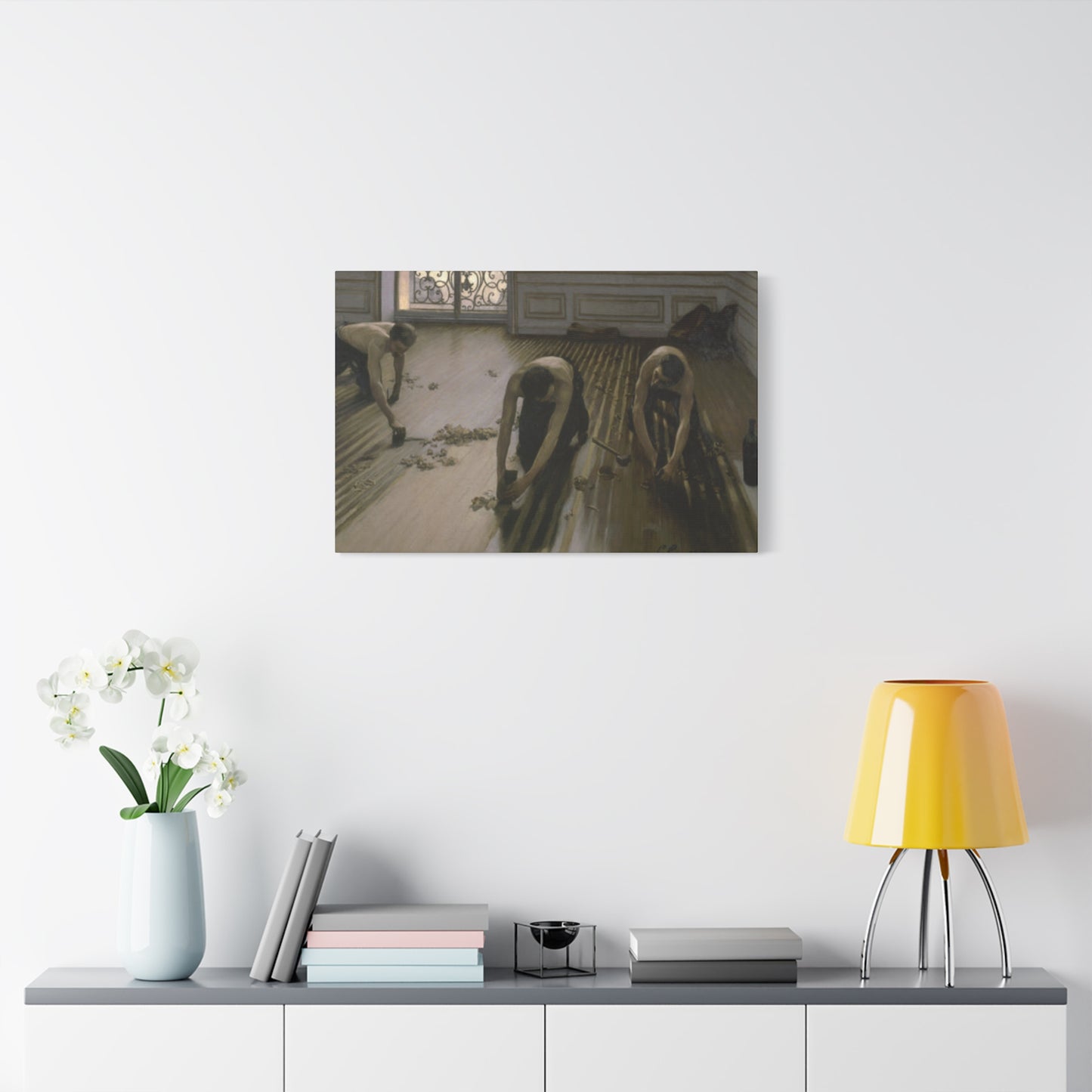
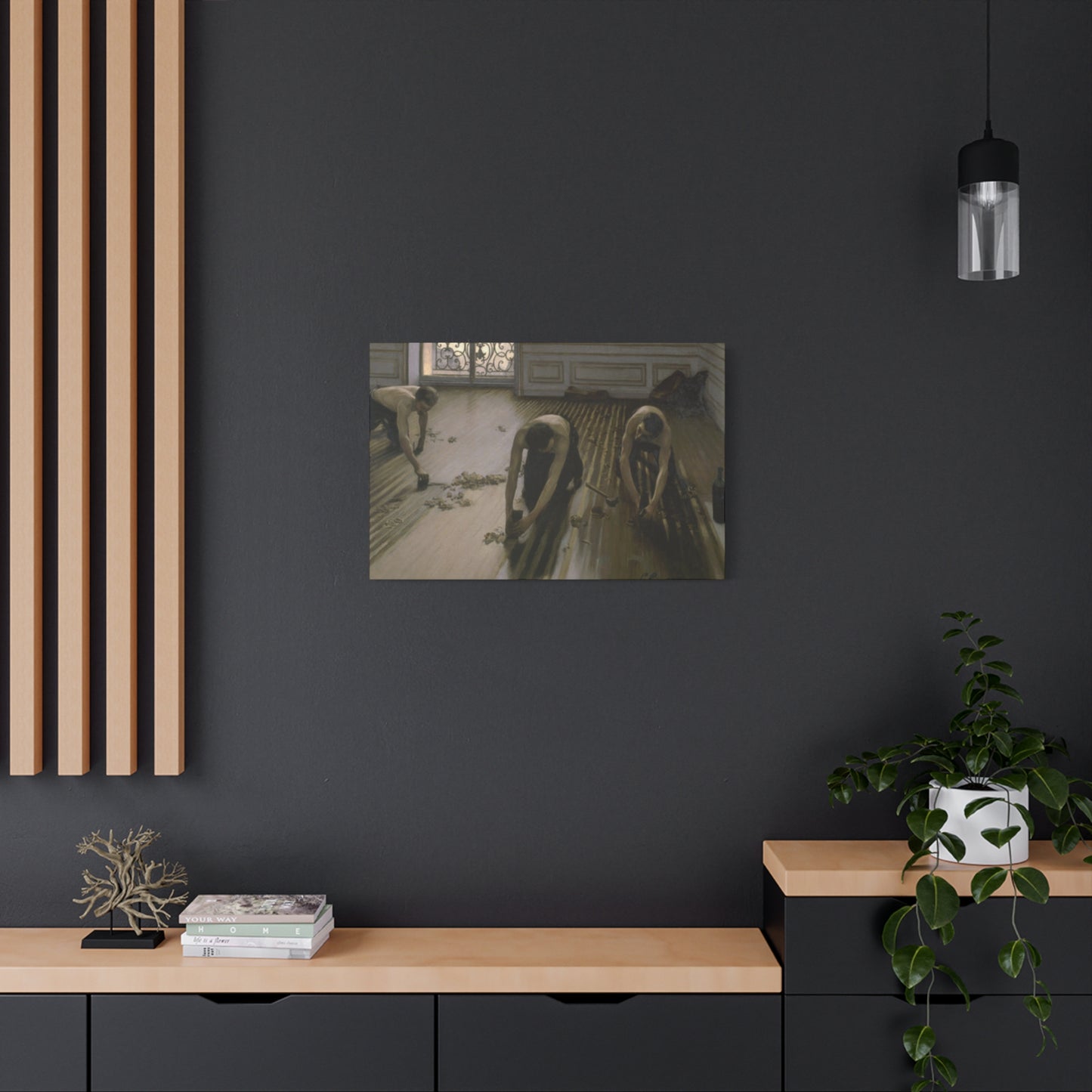
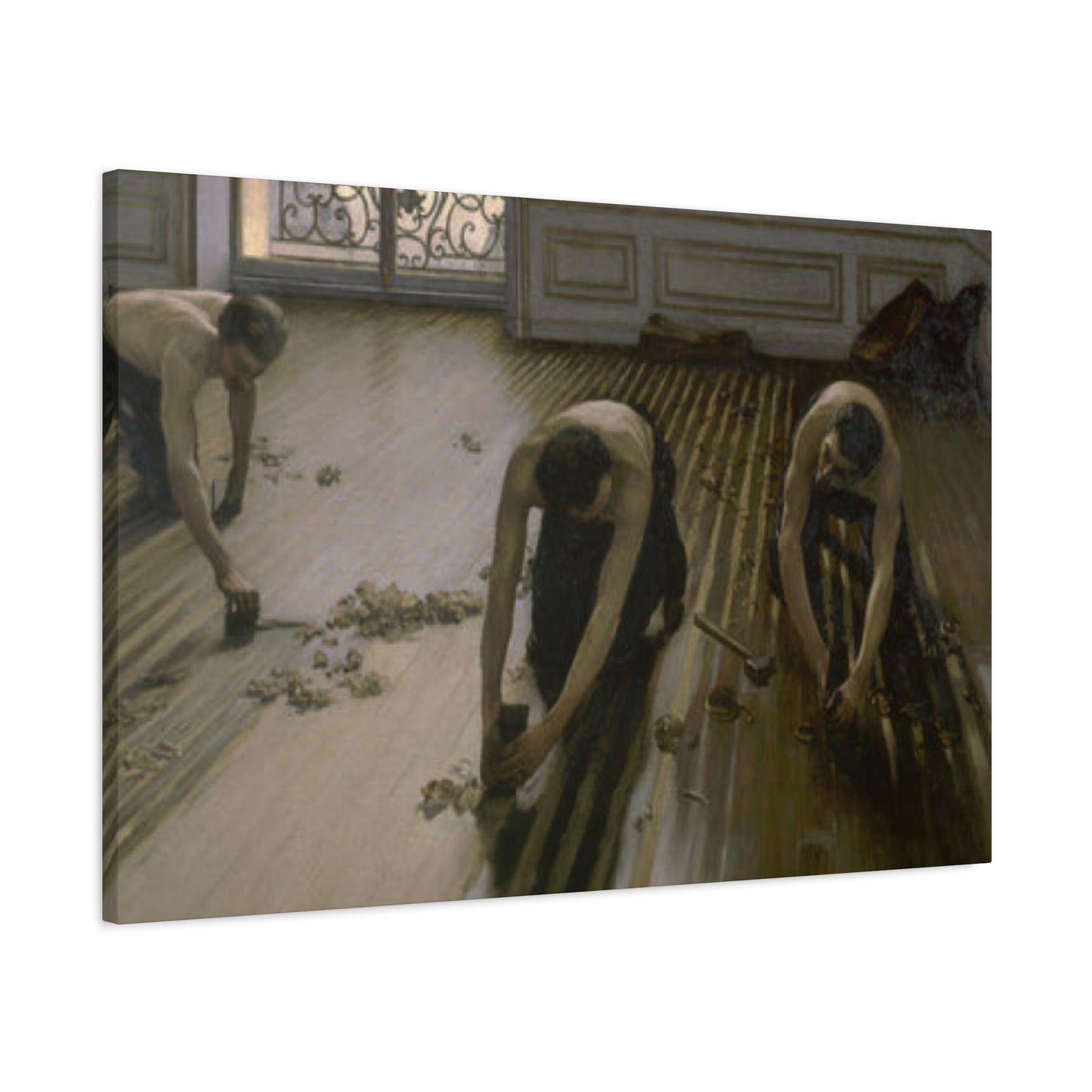
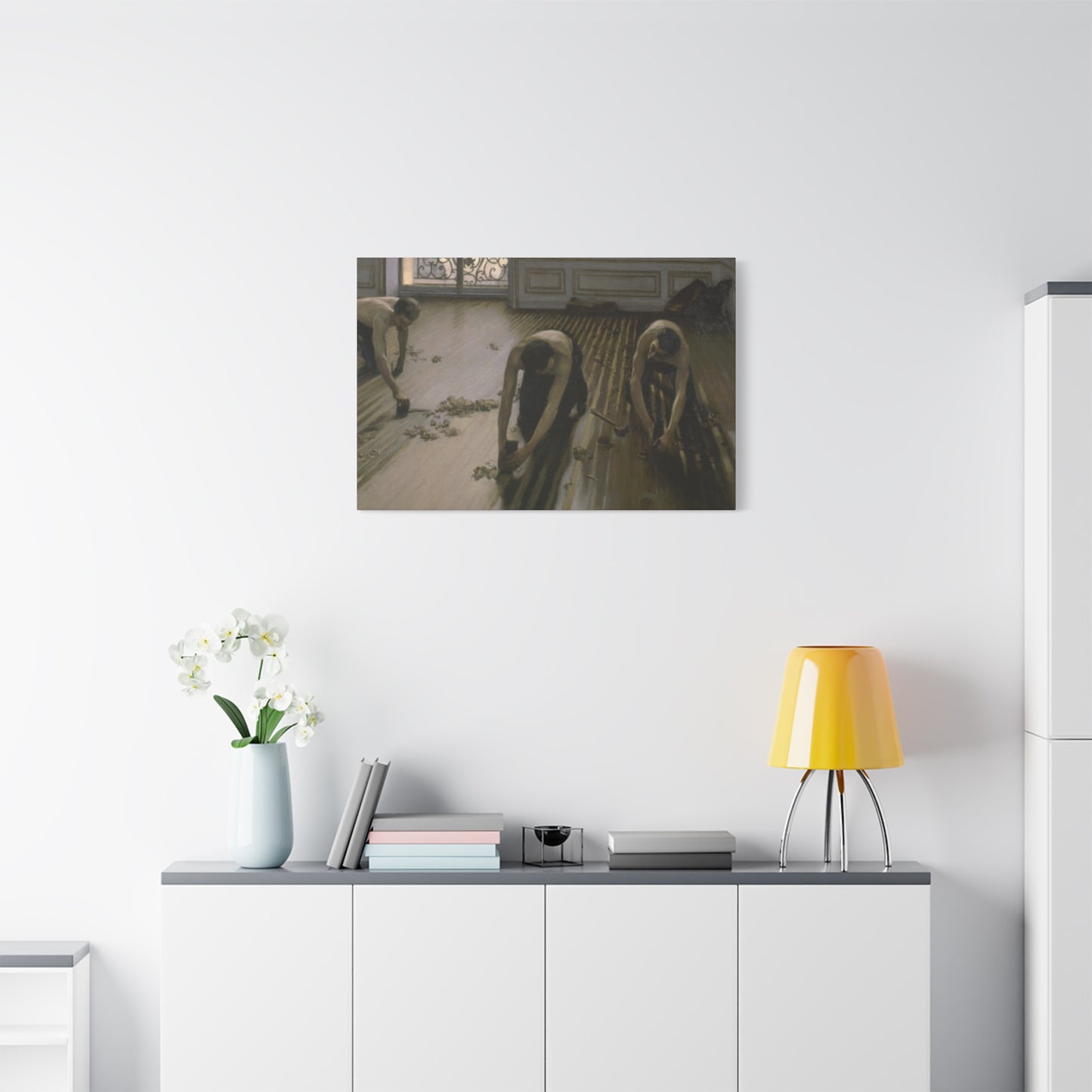
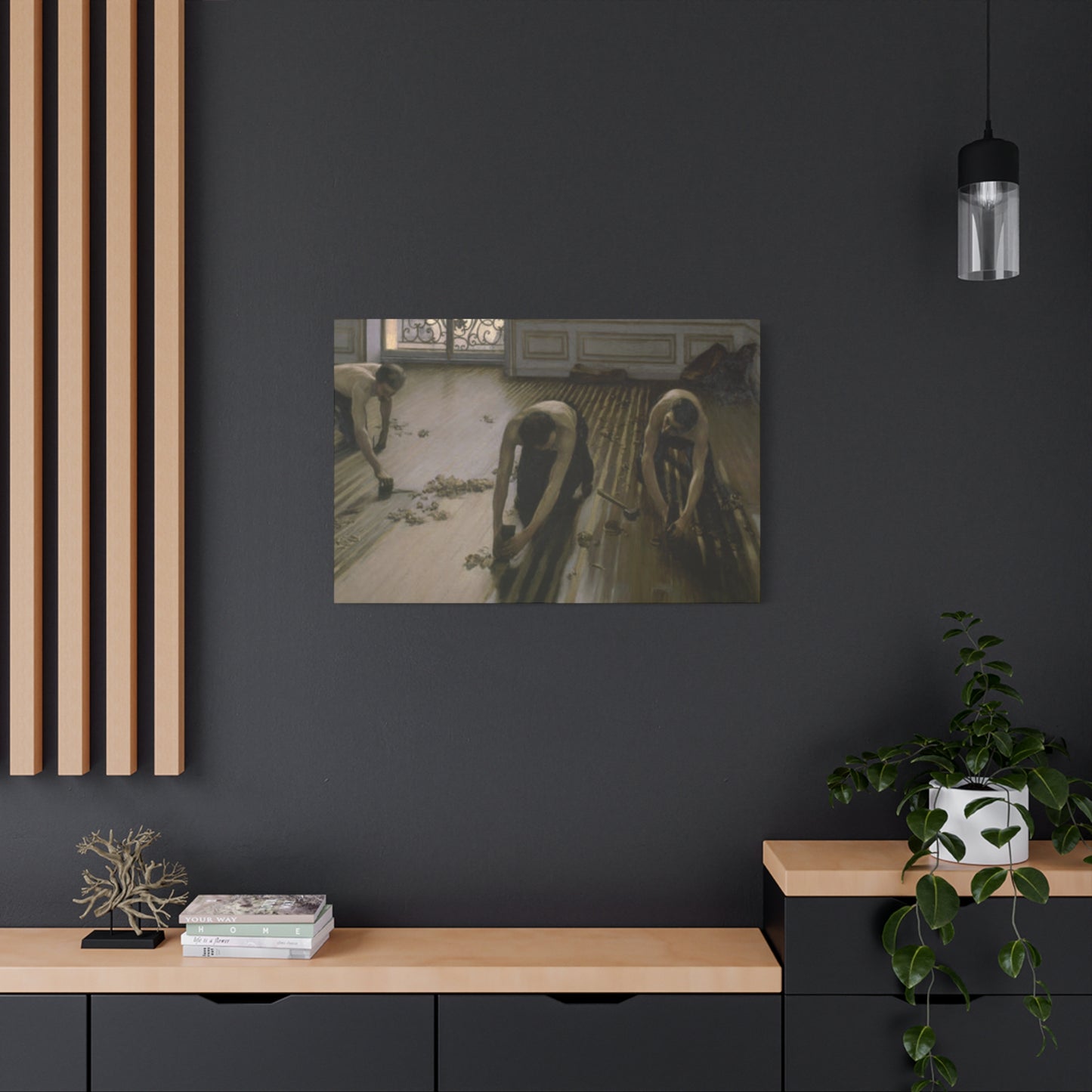
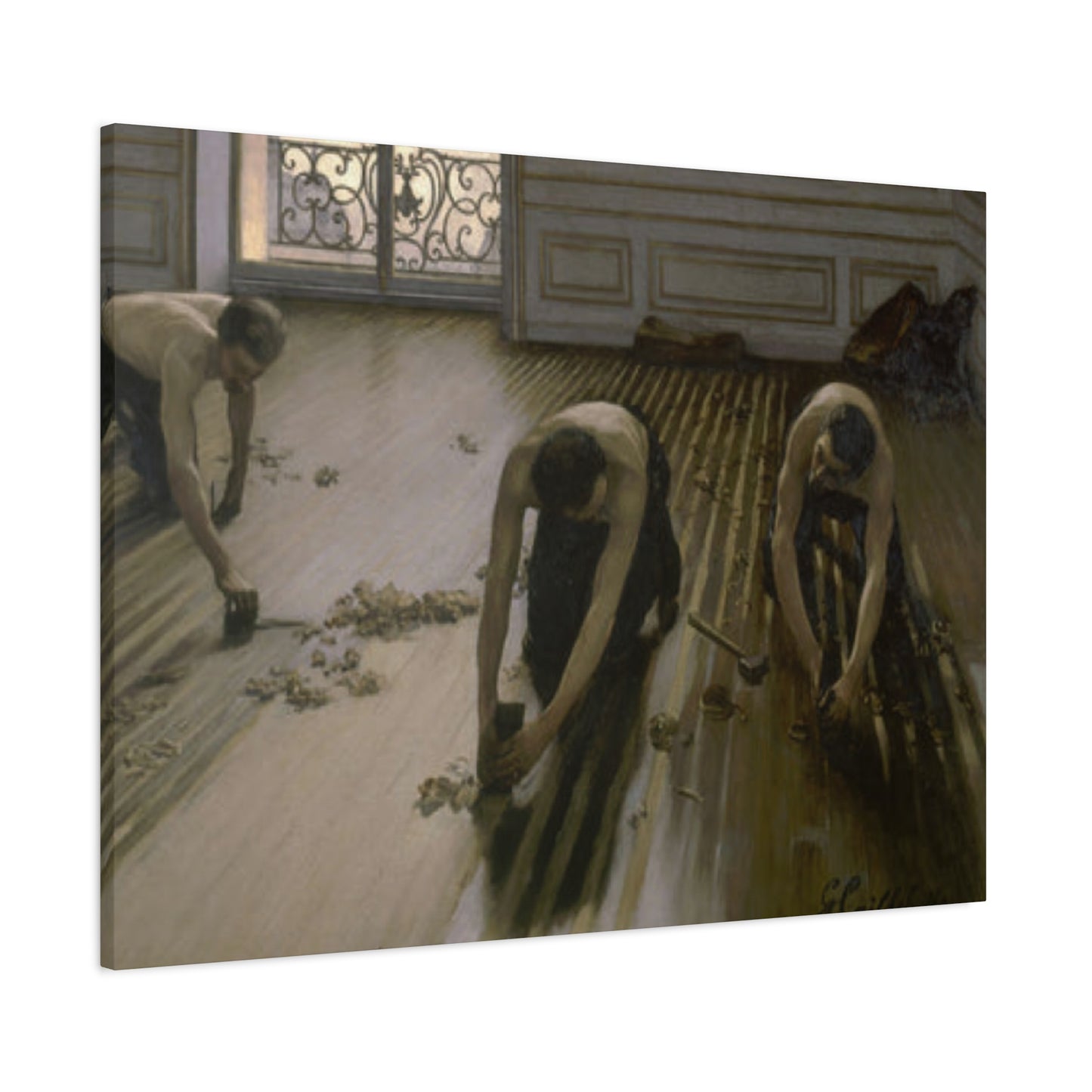
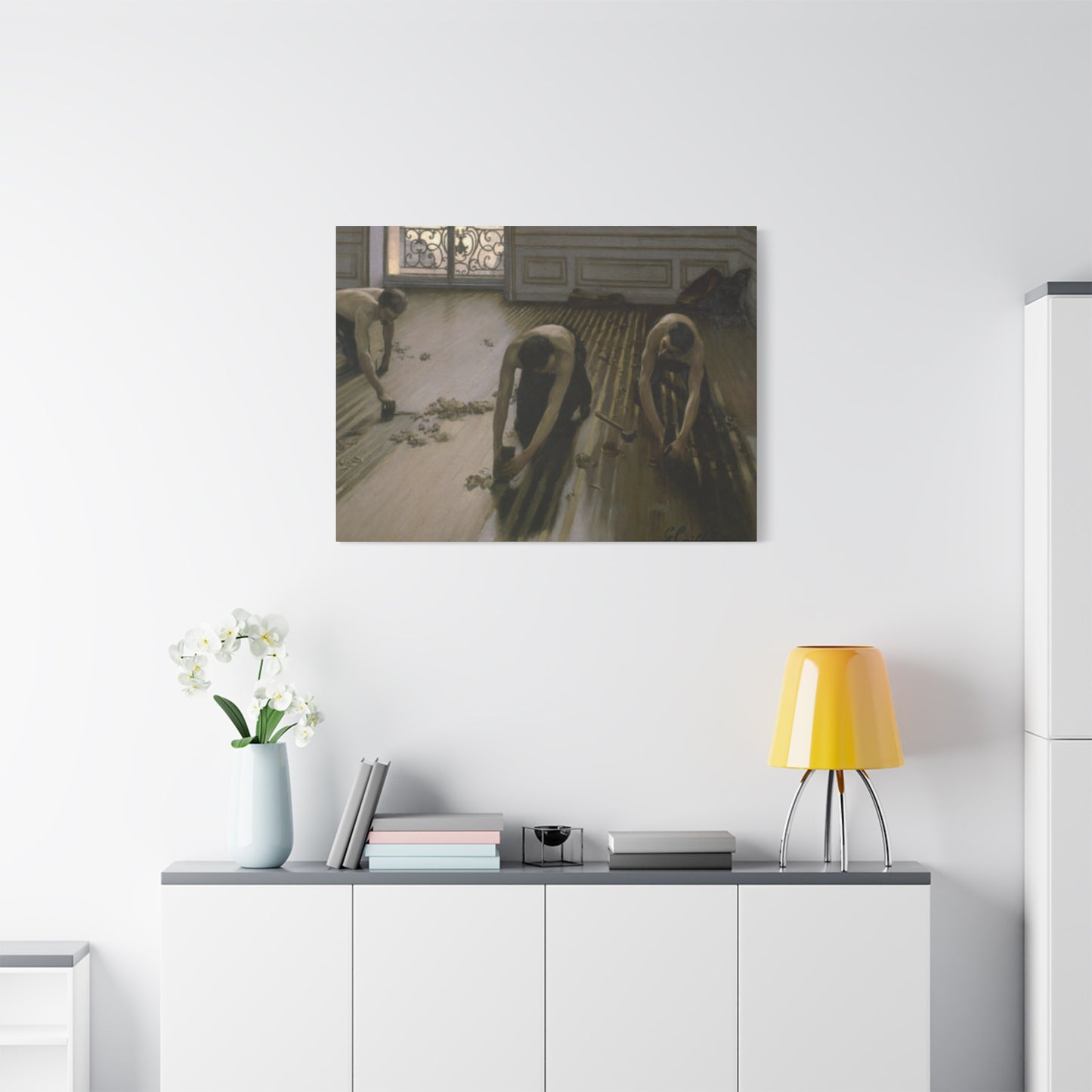
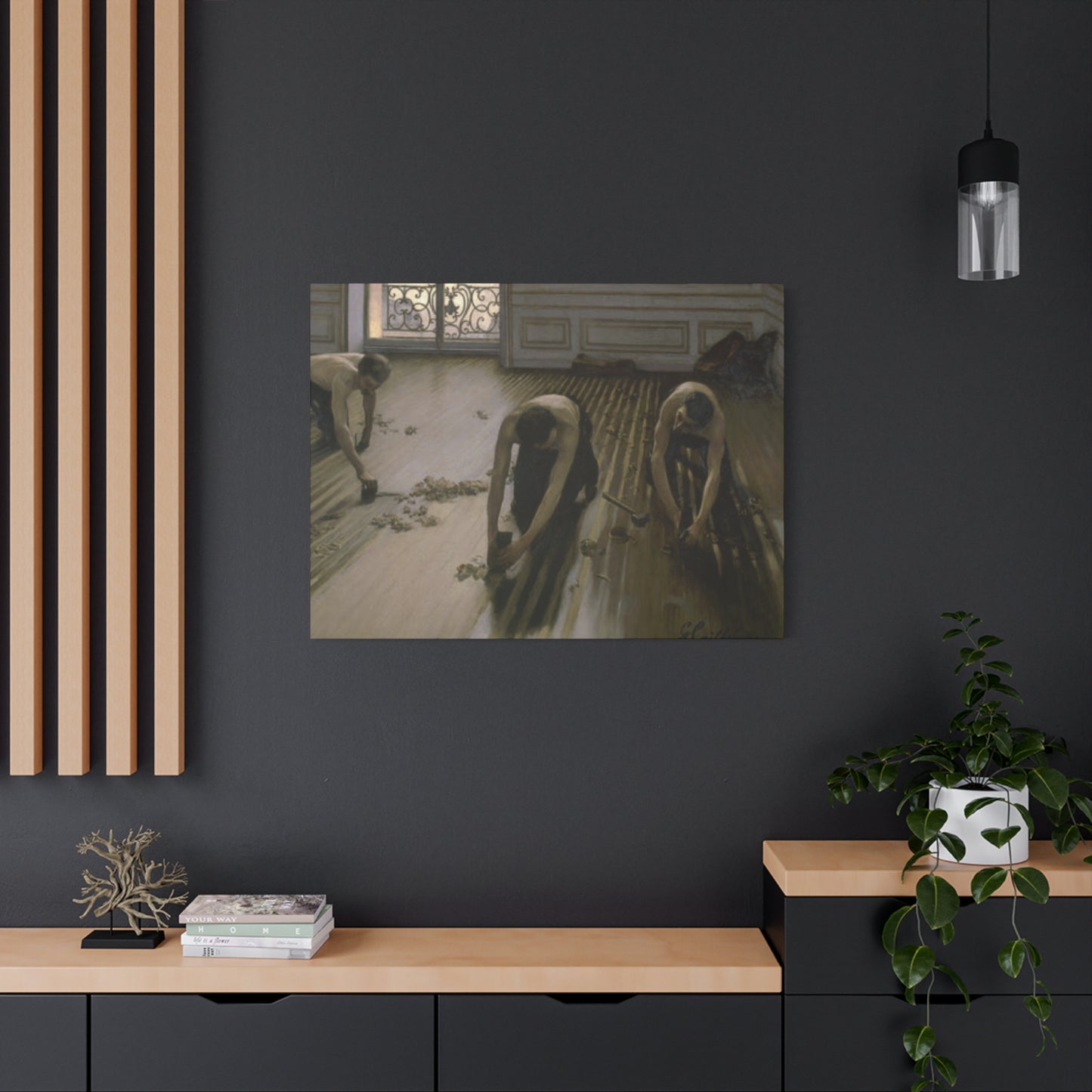
Gustav Men Working Painting Wall Art & Canvas Prints
Couldn't load pickup availability
The Fascinating World of Gustav Men Working Painting Wall Art: A Deep Dive into Labor Depictions and Their Modern Relevance
The realm of visual arts has always served as a mirror reflecting society's various facets, and few subjects capture the human condition as profoundly as depictions of workers engaged in their daily tasks. Gustav men working painting wall art represents a powerful intersection of social commentary, aesthetic achievement, and cultural documentation that continues to resonate with contemporary audiences. This genre of artistic expression emerged during periods of significant industrial transformation, when artists felt compelled to document the lives of ordinary people who formed the backbone of modern civilization.
The significance of labor-themed artwork extends far beyond mere visual documentation. These paintings capture moments of human endeavor, sweat, determination, and collective effort that shaped nations and built civilizations. When we examine Gustav men working painting wall art, we encounter more than just images of people performing tasks; we discover narratives about dignity, struggle, perseverance, and the complex relationship between humanity and productivity. The brushstrokes convey stories of individuals whose contributions might otherwise fade into obscurity, preserving their legacy for generations to appreciate.
Artists who focused on depicting laborers faced unique challenges in capturing the essence of physical work while maintaining artistic integrity. The interplay of light on muscular forms, the expression of concentration on weathered faces, and the environmental context surrounding these workers all demanded careful attention and skillful execution. Gustav men working painting wall art exemplifies this delicate balance, presenting viewers with compositions that honor their subjects while achieving aesthetic excellence.
Throughout various periods, the representation of working individuals has evolved alongside changing social attitudes toward labor itself. From early portrayals that sometimes romanticized physical work to more realistic depictions that acknowledged its harsh realities, these artworks document shifting perspectives on class, dignity, and human worth. The paintings serve as visual archives, preserving clothing styles, tools, methods, and workplace conditions that might otherwise be forgotten in the relentless march of progress.
The Cultural Context Behind Representations of Laborers in Visual Arts
Understanding the broader cultural landscape that gave rise to labor-themed paintings requires examining the social upheavals of the industrial revolution and its aftermath. As populations migrated from rural areas to urban centers, traditional ways of life underwent dramatic transformations. Artists witnessed these changes firsthand and felt compelled to document the new reality of mechanized production, factory work, and the emergence of a distinct working class with its own culture and identity.
The Gustav men working painting wall art phenomenon emerged during this transformative period, when intellectuals and artists began questioning the human cost of rapid industrialization. These creators recognized that while progress brought material improvements, it also introduced new forms of hardship and alienation. Their paintings became vehicles for social commentary, highlighting the dignity of manual labor while subtly critiquing systems that sometimes devalued human workers in favor of productivity and profit.
Different geographical regions developed distinct approaches to depicting laborers, influenced by local traditions, social structures, and artistic movements. European representations often carried undertones of social critique, reflecting the continent's complex class dynamics and political tensions. Meanwhile, depictions from other parts of the world incorporated indigenous artistic traditions and local perspectives on work and community, creating a rich tapestry of varied interpretations.
The symbolism embedded within these paintings often operates on multiple levels, with seemingly straightforward scenes of work containing deeper meanings about human existence, societal organization, and moral values. A simple image of men constructing a building might simultaneously represent themes of cooperation, ambition, struggle against nature, and the transient nature of human achievement. Gustav men working painting wall art invites viewers to look beyond surface appearances and consider these layered meanings.
Religious and philosophical influences also shaped how artists approached their subjects. Concepts of work as divine calling, the nobility of honest labor, and the spiritual value of productive effort permeated many societies and found expression through artistic representation. These ideological frameworks influenced composition choices, color palettes, and the overall mood conveyed by labor-themed paintings, adding depth to what might otherwise appear as simple documentary work.
Analyzing the Artistic Elements That Define Worker Depictions
The visual language employed in Gustav men working painting wall art involves sophisticated artistic choices that elevate these works beyond simple illustration. Composition plays a crucial role, with artists carefully arranging figures to create dynamic tension, guide the viewer's eye, and establish hierarchies of importance within the scene. The positioning of bodies in space, the angles at which they're viewed, and the relationships between multiple figures all contribute to the painting's overall impact and message.
Color selection in labor-themed artwork carries both aesthetic and symbolic weight. Earth tones often dominate these palettes, grounding the scenes in reality and emphasizing the connection between workers and the materials they manipulate. However, strategic uses of brighter hues can highlight specific elements, draw attention to particular figures, or create emotional resonance. The interplay between warm and cool colors establishes mood, while variations in saturation and brightness create depth and atmosphere.
Light treatment represents perhaps the most powerful tool available to artists depicting working scenes. The way illumination falls across muscular backs, highlights tools in use, or creates dramatic shadows can transform ordinary moments into powerful visual statements. Some artists employ strong contrasts reminiscent of Caravaggio's chiaroscuro to emphasize the dramatic nature of physical labor, while others use more diffused lighting to create gentler, more contemplative atmospheres.
The rendering of human anatomy in labor paintings requires particular skill, as these works often showcase bodies in dynamic poses that reveal the mechanics of movement and effort. Artists must understand not just static anatomy but how muscles engage during specific tasks, how weight distribution affects posture, and how sustained physical exertion manifests in the body. Gustav men working painting wall art demonstrates mastery of these challenges, presenting figures that appear simultaneously idealized and authentic.
Textural elements contribute significantly to the success of these paintings, with artists employing various brushwork techniques to differentiate between surfaces. The roughness of brick or stone, the smoothness of metal tools, the coarseness of work-worn fabric, and the sheen of perspiration all require different handling. These textural variations create visual interest while reinforcing the tactile reality of the labor being depicted, helping viewers almost feel the physical experience through their eyes.
The Evolution of Labor Imagery Across Different Artistic Movements
Various art movements interpreted and reinterpreted the theme of working people through their distinctive philosophical and aesthetic frameworks. Realism, emerging in the mid-nineteenth century, rejected romantic idealization in favor of honest, unvarnished portrayals of contemporary life. Artists associated with this movement produced some of the most powerful labor paintings, showing workers without embellishment or sentimentality, acknowledging both their dignity and their difficult circumstances.
Impressionism approached the subject differently, focusing less on social commentary and more on capturing fleeting moments and effects of light. While many Impressionist painters gravitated toward leisure subjects, some applied their techniques to working scenes, creating images that emphasized the visual experience over narrative content. Their broken brushwork and vibrant colors transformed labor into something almost lyrical, focusing on perceptual immediacy rather than social critique.
Social realism took labor depictions in yet another direction, explicitly connecting artistic practice with political consciousness and activism. Artists working within this framework viewed their paintings as instruments of social change, using their skills to advocate for workers' rights and draw attention to injustices. These works often featured heroic portrayals of laborers, presenting them as protagonists in historical struggles rather than passive subjects of artistic interest.
Expressionism brought emotional intensity to labor imagery, distorting forms and exaggerating colors to convey psychological and spiritual dimensions of work. These paintings moved away from objective documentation toward subjective interpretation, revealing the inner experiences of workers through bold artistic choices. The movement's emphasis on authentic feeling over realistic representation opened new possibilities for depicting the human dimension of labor.
Modernist approaches to Gustav men working painting wall art incorporated elements of abstraction, fragmentation, and formal experimentation while maintaining recognizable human subjects. These works explored how labor could be represented through increasingly non-representational means, sometimes breaking down working bodies into geometric components or emphasizing rhythmic patterns of repetitive motion. This evolution reflected broader artistic trends toward conceptual complexity and formal innovation.
Examining Specific Motifs and Recurring Themes in Worker Paintings
Certain themes recur throughout the genre of labor-themed art, reflecting universal aspects of the working experience that transcend specific times and places. Collaboration emerges as a prominent motif, with many paintings showing multiple figures working in coordination toward shared goals. These compositions emphasize human interdependence and the social nature of many forms of labor, presenting work as fundamentally communal rather than individual.
The relationship between humans and tools represents another persistent theme, explored through countless variations. Some paintings treat implements as extensions of the human body, seamlessly integrated into the worker's movements and intentions. Others emphasize the tension between organic human forms and inorganic tools, highlighting the sometimes uncomfortable marriage between biological beings and mechanical devices that characterizes much labor.
Exhaustion and endurance appear frequently in these works, with artists capturing the physical toll of sustained effort. These depictions range from subtle indicators like bowed shoulders and downcast eyes to more dramatic presentations of bodies pushed to their limits. The theme acknowledges the harsh reality of many forms of manual labor while often simultaneously celebrating the resilience and strength required to persevere through difficulty.
Pride and craftsmanship form a contrasting but equally important theme, with many paintings emphasizing the skill, knowledge, and care that workers bring to their tasks. These works counter narratives that reduce laborers to interchangeable units of productive capacity, instead highlighting the expertise and judgment required for quality work. Gustav men working painting wall art often incorporates this theme, presenting workers as skilled practitioners worthy of respect and admiration.
The passage of time manifests in various ways throughout labor paintings, sometimes through the depiction of construction projects at different stages, sometimes through the visible aging of workers themselves, and sometimes through more symbolic representations. This temporal dimension reminds viewers that labor is a continuous process, connecting past efforts to present conditions and future possibilities, situating individual moments within larger historical flows.
The Role of Perspective and Viewpoint in Shaping Viewer Experience
How artists position viewers in relation to depicted workers profoundly affects the paintings' impact and interpretation. Compositions that place viewers at eye level with laborers create a sense of equality and shared humanity, inviting identification and empathy. This democratic viewpoint suggests that the experiences depicted are neither exotic nor inferior but rather fundamental aspects of human life deserving serious attention and respect.
Elevated viewpoints that look down upon working scenes can create more complex effects, sometimes suggesting divine perspective or overview, other times potentially reinforcing hierarchical relationships between viewers and subjects. Artists navigate these implications carefully, using height advantage sometimes to provide comprehensive views of complex operations and other times to comment on social structures that position some groups above others.
Low angles that look upward at workers can create heroic or monumental effects, literally elevating subjects and investing them with dignity and importance. This perspective choice transforms ordinary laborers into figures of significance, challenging social arrangements that might otherwise marginalize or dismiss them. Many paintings of construction workers, for instance, employ this technique to emphasize the impressive nature of their achievements.
Close cropping and intimate framing in Gustav men working painting wall art draws viewers into the immediate experience of labor, eliminating distracting context and focusing attention on bodies in action, facial expressions, and the details of specific tasks. This approach creates psychological intensity and can foster strong emotional connections between viewers and depicted workers, making their experiences feel immediate and personal rather than distant and abstract.
Distant perspectives that show workers as small figures within vast landscapes or architectural settings explore different themes, emphasizing the relationship between human effort and environment. These compositions might highlight the ambition of human endeavors that reshape natural settings, or conversely, they might underscore human vulnerability and the overwhelming scale of the challenges workers confront. The choice between emphasis on figures versus context fundamentally shapes the painting's message and emotional tenor.
Color Theory and Its Significance in Depicting Manual Labor
The chromatic choices artists make when creating labor-themed paintings involve both aesthetic considerations and symbolic meanings that enhance the works' communicative power. Warm colors like reds, oranges, and yellows often appear in these paintings, sometimes literally representing fire, furnaces, or sunset light, other times functioning metaphorically to suggest energy, passion, or the heat generated by physical exertion. These hues create emotional warmth and vitality that counteract any potential dreariness in the subject matter.
Cool colors provide essential balance and variation, with blues and greens often representing sky, water, or vegetation that situates labor within broader environmental contexts. Cool tones can also suggest distance, reflection, or tranquility, providing respite from the intensity of work-focused passages. The tension between warm and cool areas creates visual interest while potentially symbolizing the complex emotions associated with labor itself.
Neutral tones form the foundation of many labor paintings, with browns, grays, and muted earth colors dominating palettes. These choices reflect the actual colors of construction sites, factories, and outdoor work environments while creating cohesive visual fields that unify compositions. The subtle variations within seemingly monochromatic passages demonstrate artistic sophistication, with dozens of distinct tones creating rich, complex surfaces.
Strategic color accents draw viewer attention to significant elements within compositions, functioning as visual punctuation that guides interpretation. A bright red shirt on one figure among many workers might designate that person as the focus of narrative interest, while a gleaming golden tool could symbolize the value and importance of skilled labor. These accents must be deployed judiciously to avoid disrupting overall harmony while still achieving their directing function.
The psychological effects of color combinations influence how viewers emotionally respond to labor paintings, with harmonious arrangements creating satisfaction and calm, while more dissonant combinations generate tension and unease. Artists manipulating these responses can shape viewer experiences, making comfortable or uncomfortable scenes as their artistic vision and social commentary require. Gustav men working painting wall art demonstrates sophisticated understanding of these color psychology principles.
Understanding the Symbolism of Tools and Implements in Worker Art
Objects held by or surrounding depicted laborers carry meanings beyond their functional purposes, serving as symbols that enrich paintings' conceptual dimensions. Hammers, for instance, might represent the power of transformation, the ability to shape raw materials into useful forms, and by extension, humanity's capacity to remake the world according to vision and will. Their repeated appearance across labor paintings establishes them as iconic elements of working identity.
Agricultural implements like scythes, plows, and rakes connect workers to ancient traditions of cultivation and harvest, suggesting continuity between contemporary labor and practices stretching back to civilization's origins. These tools evoke cyclical time, seasonal rhythms, and humanity's fundamental dependence on the earth's productivity. Their presence in paintings adds layers of meaning about human relationship with nature and the perpetual need to extract sustenance from soil.
Industrial tools and machines represent modernity, progress, and the transformation of labor through mechanization. Their inclusion in paintings can carry ambivalent connotations, simultaneously celebrating human ingenuity that creates powerful instruments and expressing anxiety about machines potentially replacing human workers or reducing them to mere operators of equipment. The visual treatment of these objects often reveals artists' attitudes toward industrial modernity.
Measuring devices like levels, squares, and plumb lines symbolize precision, skill, and the importance of accuracy in quality work. Their presence associates depicted laborers with expertise and professionalism, countering stereotypes of manual work as unskilled or crude. These objects remind viewers that many forms of physical labor require considerable knowledge, judgment, and attention to detail.
Protective gear such as gloves, boots, and head coverings serve practical functions while also marking wearers as members of specific occupational communities. These items can function as uniform-like elements that create visual cohesion among groups of workers while distinguishing them from other social classes. Their depiction contributes to the paintings' documentary value while reinforcing themes of occupational identity and solidarity.
The Depiction of Different Types of Labor Across Various Paintings
Construction workers appear frequently in labor-themed art, offering rich visual possibilities through the drama of building creation. Paintings of men laying bricks, erecting frameworks, or hoisting materials into place showcase physical strength and coordination while documenting the gradual emergence of structures from raw materials. The impressive scale of many construction projects provides natural grandeur that elevates workers to heroic status.
Agricultural workers harvesting crops, tending animals, or preparing fields represent humanity's oldest form of labor, connecting contemporary viewers to millennia of agrarian tradition. These paintings often incorporate seasonal symbolism and emphasize the relationship between human effort and natural cycles. The varied tasks of farm work provide diverse compositional possibilities, from the rhythmic movement of scything to the careful attention required for pruning or grafting.
Factory workers operating machinery or performing assembly tasks embody the industrial revolution's transformation of labor, presenting complex questions about mechanization's effects on human experience. These paintings must navigate the challenge of making repetitive, machine-paced work visually interesting while capturing something essential about this distinctive form of modern labor. The geometric forms of industrial settings provide strong compositional elements.
Craftspeople practicing traditional trades like carpentry, masonry, or metalworking showcase skilled labor that requires years of learning and practice to master. Gustav men working painting wall art often features these workers, emphasizing the artisanal aspects of their labor and the quality of their output. These depictions celebrate human capability and the satisfaction of creating enduring, useful objects through expert manipulation of materials.
Transportation workers moving goods, loading ships, or operating vehicles appear in paintings that emphasize commerce, connection, and the movement of resources that sustains modern life. These works often incorporate dynamic compositions that capture motion and energy, presenting labor as literally moving the world forward. The diverse settings of transportation work provide varied backdrops and atmospheric possibilities.
Analyzing Body Language and Gesture in Labor Paintings
The positioning and movement of depicted workers' bodies communicate volumes about their experiences, attitudes, and the nature of their tasks. Bent backs and hunched shoulders suggest heavy loads and sustained effort, while upright postures might indicate moments of rest, pride in completed work, or supervisory roles. Artists carefully observe and render these postural variations to create authentic, informative representations.
Hand gestures reveal fine details about specific tasks and the skills they require, with fingers gripping tools in particular ways, touching materials with precise pressure, or pointing to direct collaborators' attention. The language of hands at work provides visual interest and technical information while potentially carrying symbolic meanings about human capability and the intimate relationship between workers and their materials.
Facial expressions range from intense concentration to exhaustion to satisfaction, providing windows into workers' inner experiences. Some artists emphasize these expressions, making them focal points of emotional communication, while others downplay faces in favor of body language or overall composition. The choice reflects different artistic priorities regarding psychological depth versus formal concerns.
The spacing between figures reveals social relationships and working arrangements, with some paintings showing workers in close collaboration, their bodies almost touching as they coordinate efforts, while others depict more isolated labor with figures separated by distance. These spatial arrangements comment on the social dimensions of work, suggesting either communal cooperation or individual isolation depending on the artist's vision.
Movement implied through gesture, pose, and composition creates dynamism that counteracts the static nature of painting as a medium. Workers captured mid-action, with tools in motion and bodies twisted in the act of lifting, striking, or pulling, generate visual energy that conveys the active, physical nature of labor. Gustav men working painting wall art masters this challenge of representing motion in still images.
The Importance of Setting and Environment in Worker Representations
Outdoor settings provide natural light variations and atmospheric effects that enhance labor paintings' visual appeal while grounding depicted work in specific geographical and climatic contexts. The quality of sunlight changes throughout the day and across seasons, offering artists numerous possibilities for exploring how illumination affects perception of working bodies and their surroundings. Weather conditions add drama and additional challenges for depicted workers to overcome.
Indoor industrial settings present different aesthetic challenges and opportunities, with artificial lighting creating harsh contrasts and the geometry of factory architecture providing strong compositional elements. These environments often carry symbolic weight as representatives of modernity, mechanization, and the transformation of traditional labor practices. The visual drama of steam, sparks, or mechanical motion enhances these settings' impact.
Urban construction sites situate labor within contexts of growth, change, and urban development, connecting individual workers' efforts to larger narratives about city building and modernization. These settings allow artists to include recognizable landmarks or architectural styles that locate paintings in specific places and times. The contrast between finished buildings and raw construction sites emphasizes transformation and process.
Rural settings connect depicted labor to land, agriculture, and traditional ways of life, often incorporating natural beauty that frames work within appealing landscapes. These paintings may emphasize harmony between human activity and natural environment, or alternatively, they might highlight the hard realities of extracting livelihood from sometimes unforgiving terrain. The changing rural landscape across seasons provides varied aesthetic possibilities.
Workshop interiors showcase skilled trades practiced in dedicated spaces designed for specific types of work, with tools organized on walls and materials stacked nearby. These intimate settings allow focus on craftsmanship and the accumulated knowledge embodied in traditional work spaces. The visual richness of workshops, filled with diverse objects and textures, rewards careful observation and detailed rendering.
Examining Scale and Proportion in Labor-Themed Compositions
Monumentally sized paintings of workers elevate their subjects through sheer physical presence, commanding viewer attention and suggesting that these figures deserve the same artistic treatment traditionally reserved for religious, mythological, or aristocratic subjects. Large formats allow detailed rendering that reveals workers' individuality while creating immersive experiences that surround viewers with the depicted scenes.
Intimate smaller works create different relationships between viewers and subjects, inviting close examination and fostering personal connections. These paintings might function more like windows into private moments rather than public declarations, revealing quieter aspects of labor that escape notice in more dramatic presentations. The reduced scale doesn't necessarily diminish significance but rather shifts the nature of engagement.
The relative proportions of figures within compositions establish hierarchies and relationships, with some paintings featuring dominant central figures while relegating others to supporting roles, and others presenting workers as more equal members of groups. These choices reflect both compositional considerations and implicit statements about individual versus collective identity in the context of labor.
The relationship between human figures and surrounding architecture or landscape scale reveals perspectives on humanity's place within larger systems and environments. Small figures dwarfed by enormous construction projects or vast agricultural plains emphasize the magnitude of human ambitions and the modest physical presence of individual workers compared to the immensity of their collective achievements.
Foreground, middle ground, and background divisions create spatial depth while allowing artists to incorporate multiple scales of activity, perhaps showing detailed close views of specific workers while including broader contexts of their workplaces. This layered approach provides comprehensive information about labor settings while maintaining focus on human subjects.
The Influence of Photography on Labor Painting Practices
The invention and spread of photography profoundly affected how artists approached labor subjects, providing new reference materials and documentation possibilities while also challenging painting's traditional role as primary means of visual documentation. Some artists embraced photographic reference, using it to capture poses and details impossible to observe during traditional modeling sessions, especially for subjects involving strenuous activity or precise moments of action.
The compositional conventions of photography influenced painting aesthetics, with some artists adopting photographic framing, cropping, and perspective choices that created modern, immediate feelings distinct from earlier academic painting traditions. This influence contributed to more candid, spontaneous-seeming compositions that suggested captured moments rather than carefully arranged tableaux.
Photography's ability to freeze motion revealed details of bodies in action that human observation alone struggled to perceive, informing artists' understanding of anatomy in dynamic poses. This knowledge enhanced the realism and accuracy of painted working figures, allowing more convincing representations of physical labor that acknowledged the actual mechanics of movement and exertion.
The proliferation of documentary photography focusing on working conditions and labor activism created parallel visual traditions that sometimes competed with and sometimes complemented labor paintings. Artists working in both media developed distinct approaches, with paintings offering interpretive and symbolic dimensions that straight photography couldn't easily achieve while photographs provided immediacy and evidential force.
Some artists pushed painting in more expressive, non-naturalistic directions precisely because photography had assumed documentary functions, freeing painting to explore color, form, and emotional expression without obligation to objective accuracy. This differentiation allowed Gustav men working painting wall art to evolve toward more artistic rather than purely documentary purposes.
Social Commentary and Political Messages in Worker Depictions
Many labor paintings carry implicit or explicit messages about class relations, workers' rights, and social justice, using visual means to advocate for better conditions or recognition of workers' contributions. Artists during periods of labor unrest and reform movements saw their work as participating in broader struggles for dignity and fair treatment, creating images that challenged viewers to acknowledge injustices.
The choice to paint workers at all represented political statements in contexts where fine art traditionally focused on elite subjects, suggesting that common people deserved artistic attention and their lives contained worthy subjects for serious aesthetic treatment. This democratic expansion of appropriate subject matter reflected and contributed to broader social changes regarding class and status.
Some paintings celebrate labor's nobility and essential role in civilization while avoiding explicit critique of exploitative conditions, walking careful lines that honor workers without threatening powerful interests. These works could be read as either conservative affirmations of existing arrangements or subtle challenges to status hierarchies, depending on viewer perspectives and contexts of reception.
More overtly political works might depict strikes, protests, or confrontations between workers and authorities, explicitly taking sides in social conflicts and using artistic skill to advance specific political positions. These paintings functioned as propaganda in the original sense, seeking to persuade viewers toward particular beliefs about labor relations and social organization.
The treatment of factory owners, supervisors, or wealthy clients when they appear alongside workers reveals class attitudes, with some paintings presenting harmonious cooperation across class lines while others emphasize division, exploitation, or antagonism. These compositional choices about including or excluding different social classes shape paintings' political implications.
The Representation of Diversity Among Depicted Workers
Gender representation in labor paintings reflects historical realities of gender-segregated work while also revealing attitudes about appropriate roles for men and women. Paintings focusing on male workers in construction, manufacturing, or other male-dominated fields document masculine working cultures while potentially reinforcing or questioning gender divisions depending on their treatment.
Women workers appear in paintings depicting textile mills, agricultural labor, domestic service, or other fields where female labor was common, with their representation ranging from exploitative to celebratory. These images document women's contributions to productive activity while often revealing the double burdens of workplace labor combined with domestic responsibilities that fell disproportionately on women.
Racial and ethnic diversity in labor paintings varies significantly depending on geographical and historical context, with some works documenting the multi-ethnic character of working populations while others focus on specific ethnic or racial groups. The politics of these representations is complex, with potential both to acknowledge workers' dignity across racial lines and to perpetuate stereotypes or omissions.
Age diversity shows in paintings that include children, adolescents, mature adults, and elderly workers, documenting the reality that labor often involved entire families across generations. Child labor depictions in particular carry heavy emotional weight, serving as indictments of exploitative practices that exposed young people to dangerous conditions and denied them education or childhood.
Gustav men working painting wall art that depicts disabled workers or those with visible injuries or illnesses documents the physical toll of dangerous work while potentially celebrating perseverance and resilience. These representations can serve as social critique, highlighting inadequate safety measures and lack of worker protections, or as tributes to human determination.
Material and Methodological Choices in Creating Labor Paintings
Oil painting's richness and versatility made it the dominant medium for many labor paintings, allowing detailed rendering, subtle tonal variations, and the possibility of revisions during the painting process. The medium's capacity for both smooth blending and visible brushwork gave artists flexibility in determining surface quality, from highly finished, academic precision to looser, more expressive handling.
Watercolor's transparency and lightness offered different possibilities, particularly suited to outdoor scenes and quicker, more impressionistic approaches. Some artists used watercolor for preliminary studies that captured atmospheric effects or compositional ideas to be developed later in oils, while others created finished works in the medium that had their own distinctive aesthetic character.
Drawing media including graphite, charcoal, and ink allowed artists to focus on form, gesture, and composition without the complexities of color, creating powerful studies of working bodies and faces. Many preparatory drawings for major paintings survive as artworks in their own right, valued for their immediacy and directness. The linear quality of drawing emphasizes structure and movement particularly effectively.
Mixed media approaches combining various materials and techniques allowed artists to achieve specific effects or textures impossible with single media, perhaps incorporating collage elements, unconventional materials, or experimental processes. These innovative approaches reflected modernist willingness to expand artistic vocabulary and question traditional distinctions between different art forms.
The physical scale of materials influenced practical working processes and the ways finished paintings could be displayed, with large canvases requiring substantial studio spaces and careful planning while smaller works allowed more intimate, immediate approaches. Material choices affected not just aesthetic outcomes but the entire creative process from conception through exhibition.
The Process of Creating Authentic Labor Representations
Direct observation at work sites allowed artists to gather visual information, understand working processes, and interact with actual workers whose experiences they sought to represent. Sketching at factories, construction sites, or fields provided authentic details and atmospheric qualities impossible to invent from imagination alone. Some artists spent considerable time embedded in working environments, building relationships with their subjects.
Working from models in studio settings gave artists control over lighting, poses, and timing impossible to achieve through on-site observation, allowing careful study of anatomy, gesture, and expression. Professional models or sometimes actual workers posed for artists, adopting positions characteristic of various forms of labor. The artificial nature of studio work required artists to infuse poses with authentic feeling despite controlled circumstances.
Photographic reference supplemented or sometimes replaced direct observation, providing detailed documentation that artists could study at leisure. Photographs allowed artists to capture specific moments, unusual angles, or challenging poses that would be difficult to sustain during traditional modeling sessions. The relationship between photographs and paintings varied, with some artists faithfully translating photographic information while others used photos merely as starting points for more interpretive work.
Memory and imagination played significant roles when artists couldn't access actual working environments or chose to create composite scenes synthesizing observations from various sources. Artistic license allowed combining elements from different times and places, adjusting compositions for aesthetic effect, or inventing details that enhanced narrative or symbolic dimensions even at the expense of documentary accuracy.
Preliminary studies including compositional sketches, color studies, and detailed renderings of individual figures or elements preceded many finished paintings, allowing artists to resolve problems and explore alternatives before committing to final versions. These preparatory works reveal creative processes and decision-making that might not be apparent in completed paintings, offering insights into artistic thinking.
The Reception and Criticism of Labor-Themed Artwork
Contemporary critics during the emergence of labor painting as a significant genre debated its merits, with some celebrating its democratic subject matter and social relevance while others questioned whether working-class subjects were sufficiently elevated for serious art. Academic traditionalists sometimes dismissed these paintings as too mundane or politically motivated, while progressive critics championed them as necessary expansions of art's proper domain.
Popular audiences often responded enthusiastically to labor paintings, finding in them representations of their own experiences or recognition of contributions that elite culture typically ignored. Working-class viewers could see themselves and their communities reflected in art that previously excluded them, while middle-class audiences might experience education or ethical challenges through exposure to unfamiliar aspects of society.
Institutional acceptance varied, with some museums and galleries embracing labor paintings while others resisted, viewing them as insufficiently aesthetic or too controversial. Government-sponsored art programs sometimes commissioned labor-themed works as part of nationalist or socialist projects celebrating working people's contributions, ensuring these paintings received prominent display despite conservative resistance.
Critical interpretation evolved over time, with paintings initially understood primarily as social documents later receiving attention for their formal qualities, technical achievements, and art-historical significance. As original political contexts faded, viewers increasingly appreciated Gustav men working painting wall art for aesthetic merits that transcended specific historical circumstances, though social dimensions remained important to comprehensive understanding.
Contemporary reassessment continues discovering new meanings and relevances in historical labor paintings, viewing them through lenses of class analysis, post-colonial critique, gender studies, and other theoretical frameworks that illuminate previously unnoticed dimensions. These ongoing reinterpretations demonstrate that powerful artworks continue generating insights and provoking thought long after their creation.
The Market for Labor-Themed Paintings and Collecting Patterns
Wealthy collectors during the initial emergence of labor painting showed varied interest, with some progressive patrons supporting artists who depicted working-class subjects while traditional collectors avoided these potentially uncomfortable reminders of social inequality. The market dynamics influenced what artists could produce, as financial survival depended on finding buyers for completed works.
Museums began acquiring labor paintings as these works gained critical acceptance, with some institutions particularly strong in this area developing significant collections that documented social conditions and artistic responses across different periods and regions. Public collections made these works accessible to broad audiences who might not encounter them through private collecting.
Prices for labor-themed paintings reflected both artistic quality and subject matter considerations, with some buyers attracted specifically to working-class themes while others purchased despite rather than because of these subjects. Exceptional examples by recognized masters commanded high prices regardless of subject, while minor works might struggle to find buyers if their themes seemed too political or harsh.
Contemporary market interest in historical labor paintings has strengthened as these works gained recognition as important social documents and significant artistic achievements. Auction results show increasing valuations for quality examples, particularly those by established artists or depicting especially compelling scenes. Gustav men working painting wall art from certain periods and regions is especially sought after by collectors building focused collections.
Reproductions and prints made labor paintings accessible to wider audiences unable to afford original works, democratizing access to these images in ways that aligned with their working-class subjects. Mass-produced versions allowed working people to own representations of their own communities, creating different relationships between art and audience than traditional elite collecting patterns permitted.
Conservation and Preservation of Labor-Themed Artworks
Material degradation threatens aging paintings through various mechanisms including paint deterioration, canvas decay, varnish darkening, and damage from environmental conditions. Labor paintings face the same preservation challenges as other artworks but sometimes suffer additional risk from having been less valued and carefully preserved than paintings of traditionally prestigious subjects.
Conservation treatments aim to stabilize artworks and prevent further damage while respecting original materials and the artist's intentions. Conservators must make careful decisions about cleaning, consolidating flaking paint, repairing torn canvases, and other interventions, balancing preservation needs against risks inherent in any treatment. Documentation of conservation work creates records important for future care and scholarship.
Environmental controls in museums and collections help prevent damage from temperature fluctuations, humidity variations, light exposure, and atmospheric pollutants. Proper storage, handling, and display practices extend artworks' lifespans, allowing future generations to experience these important cultural documents. The costs of adequate preservation can be substantial, requiring institutional commitment and resources.
Digital documentation creates permanent records of artworks' current conditions while enabling virtual access for researchers, students, and general audiences unable to view originals. High-resolution photography and emerging technologies like multispectral imaging reveal details invisible to unaided vision, advancing scholarly understanding while supporting conservation efforts through detailed condition documentation.
Restoration controversies arise when deciding how extensively to intervene in damaged artworks, with some advocating minimal treatment that stabilizes conditions but leaves damage visible, while others favor more extensive restoration that returns paintings to approximations of original appearance. These debates involve aesthetic, ethical, and philosophical considerations without easy resolutions, particularly when original surfaces have been severely compromised.
Conclusion
Murals in public buildings brought labor imagery to broad audiences, often commissioned as part of government programs or civic initiatives celebrating working people's contributions. These large-scale works transformed lobbies, post offices, schools, and government facilities into galleries showcasing regional industries, local history, and community identity through representations of characteristic forms of labor.
Monument and memorial contexts incorporated labor themes when communities sought to honor specific groups of workers or commemorate particular events in labor history. These public artworks served pedagogical functions, teaching younger generations about their communities' pasts while expressing collective values about work's dignity and importance. The permanence and prominence of public placement amplified these messages.
Corporate commissions sometimes resulted in labor paintings displayed in company facilities, celebrating workers' contributions while potentially serving public relations purposes. The politics of such commissions could be complex, with artists navigating between honoring actual workers and serving corporate interests that might not fully align with workers' welfare. The best examples achieved authentic representation despite commercial contexts.
Labor union halls and social organizations serving working communities provided important venues for displaying and preserving labor paintings that might not find homes in mainstream museums or galleries. These alternative exhibition spaces ensured that workers themselves could access artistic representations of their experiences, fostering cultural pride and solidarity within working-class communities.
Contested removals and controversies occasionally erupted when political shifts led to calls for removing labor murals or other public artworks deemed too politically contentious. These disputes revealed ongoing tensions about how public spaces represent history, whose narratives receive validation through prominent artistic treatment, and how contemporary societies should relate to their pasts.
Share