Skip to product information
1 of 13

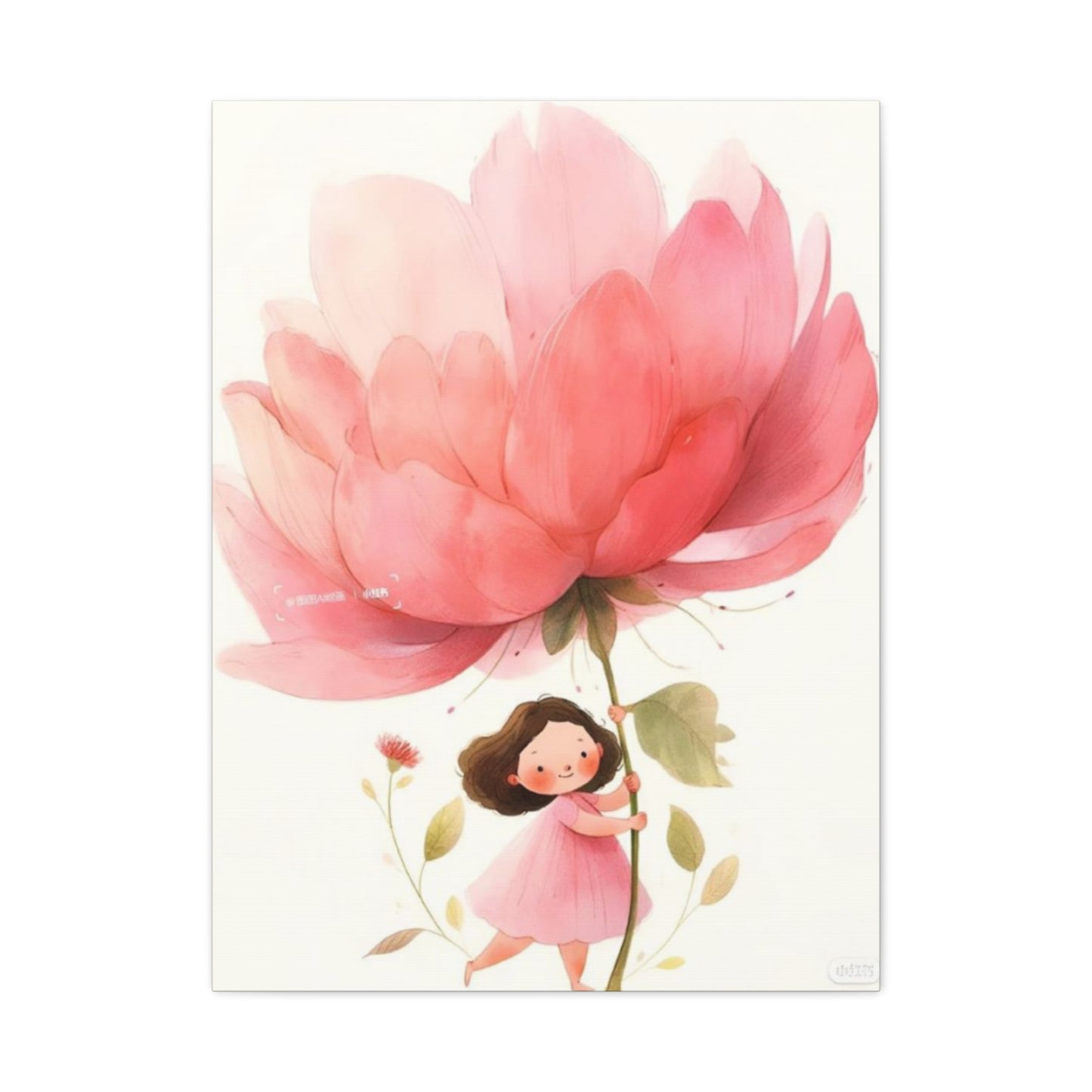
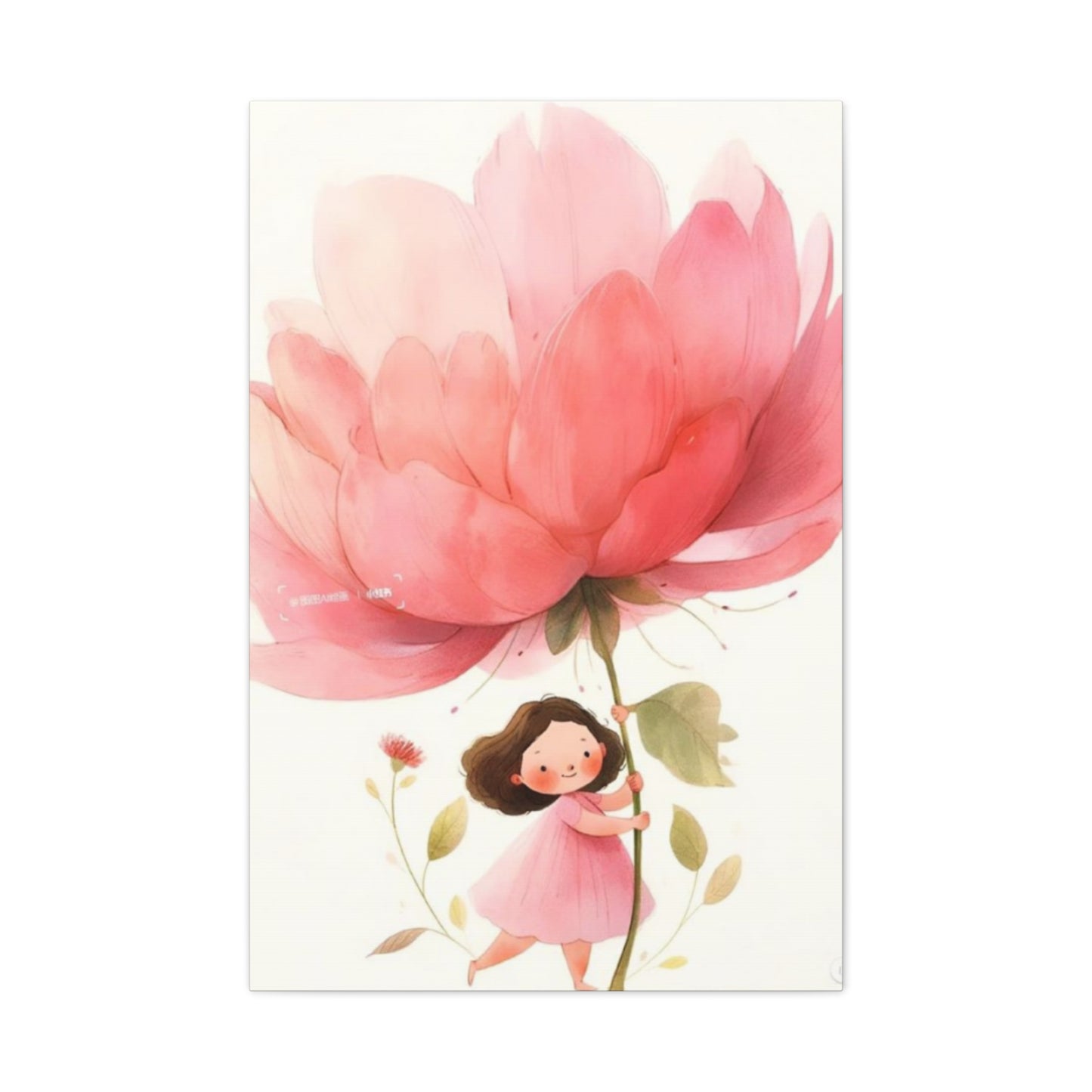
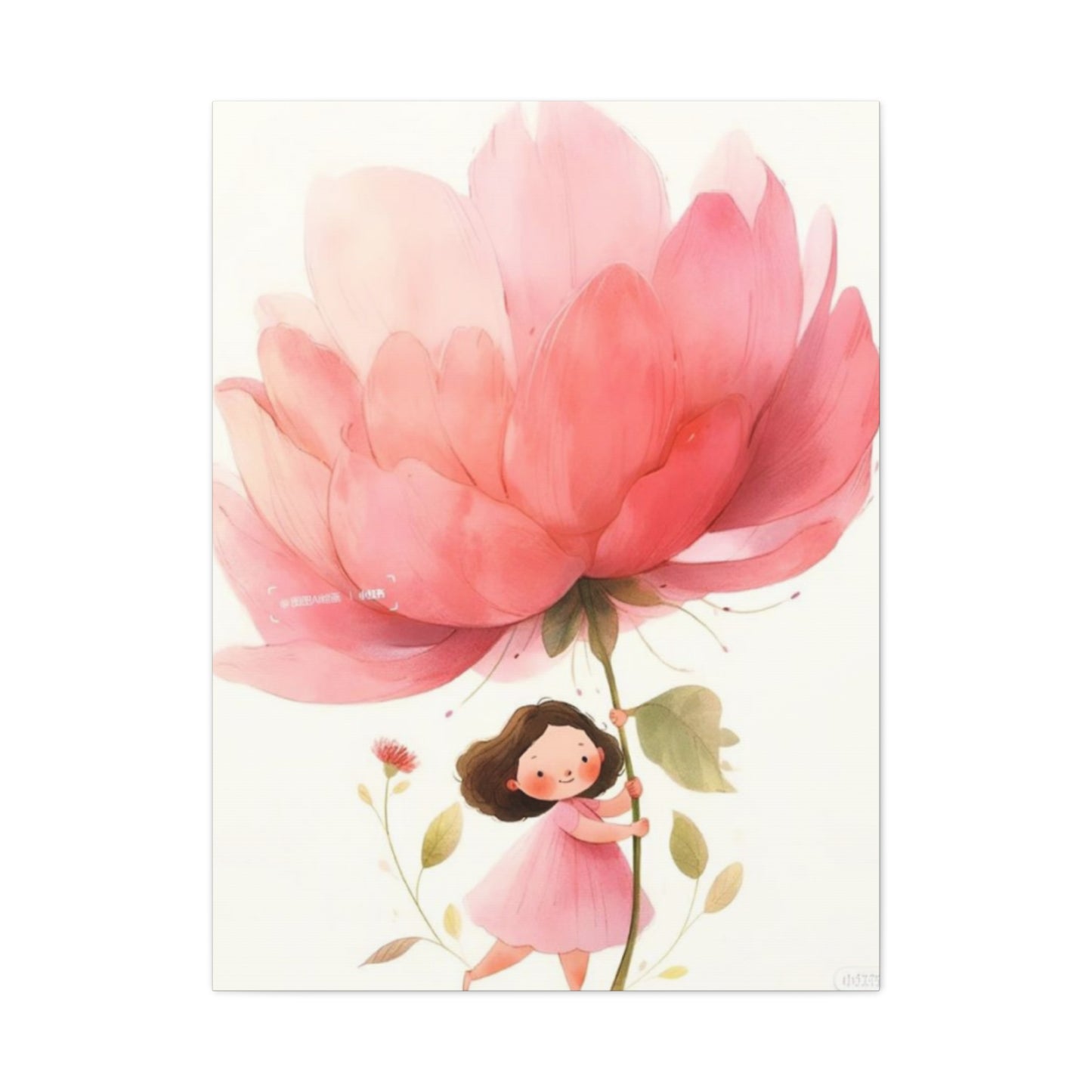
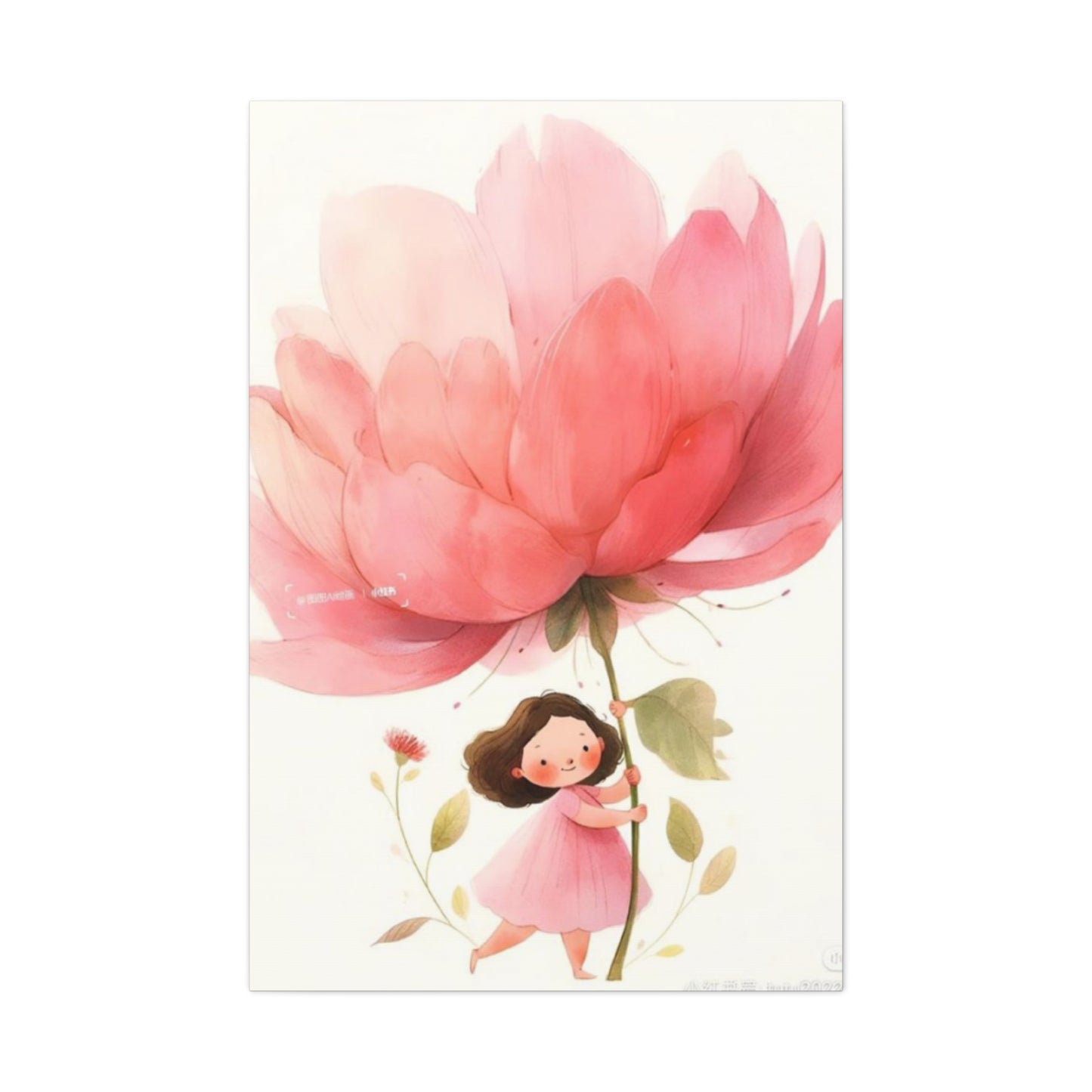
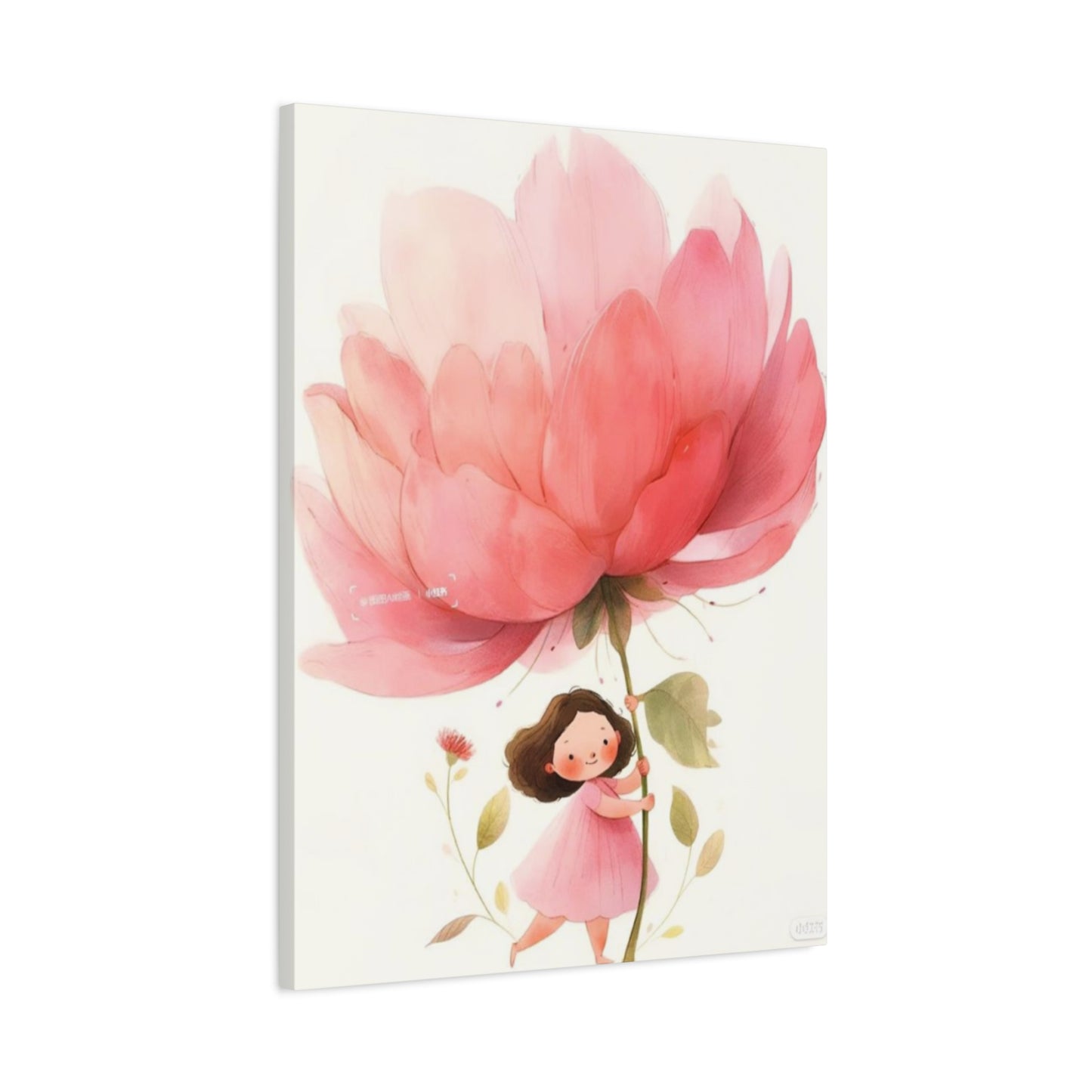
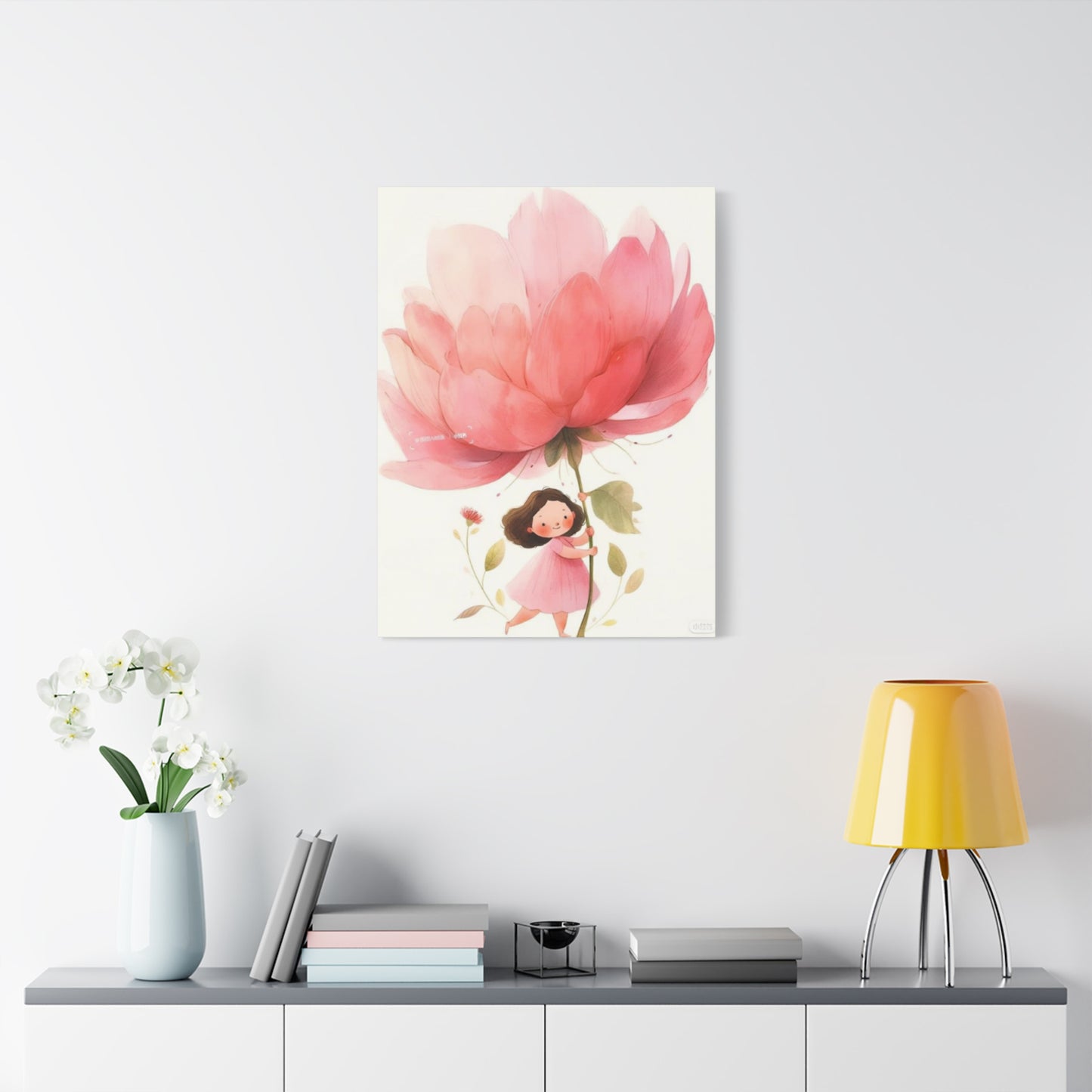
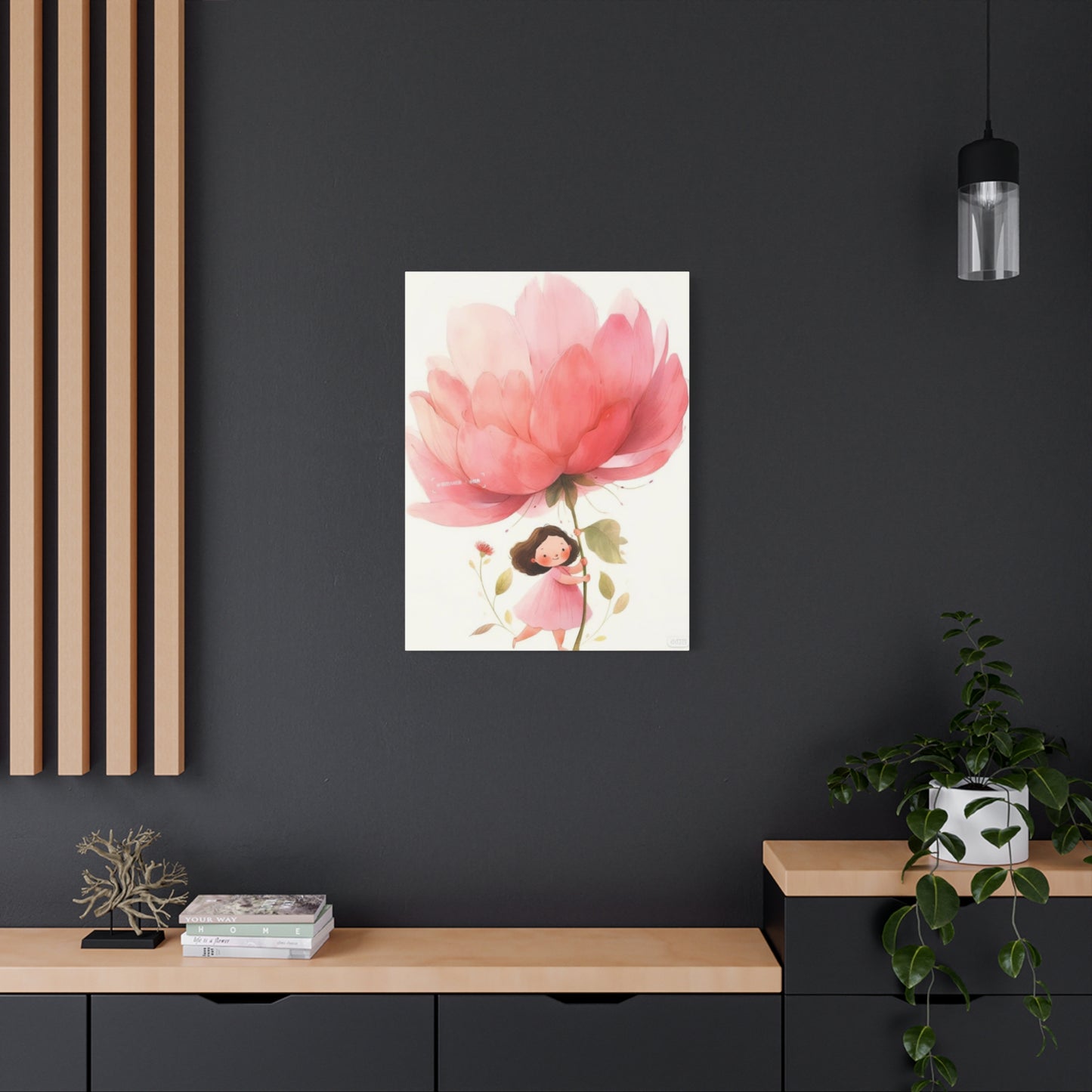
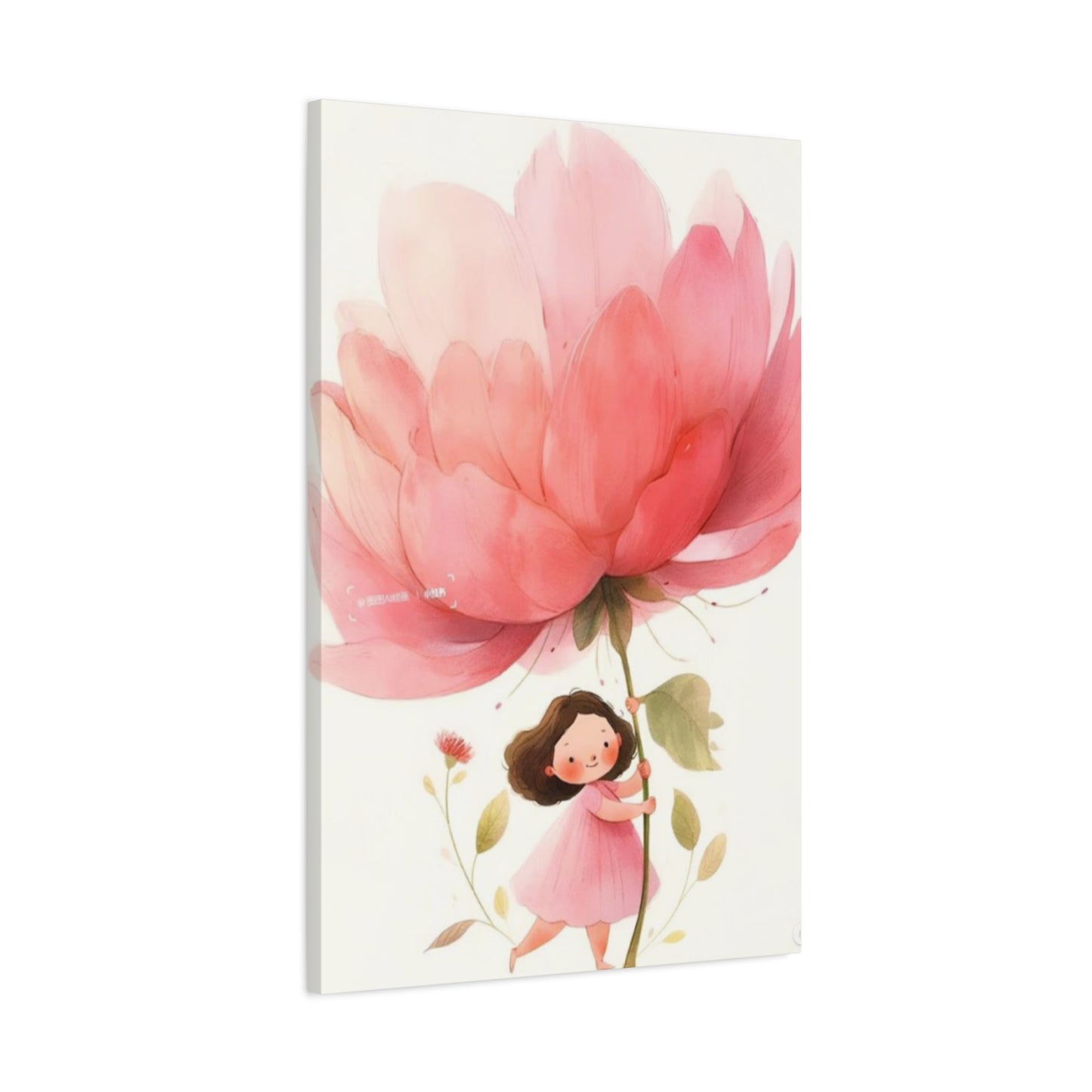
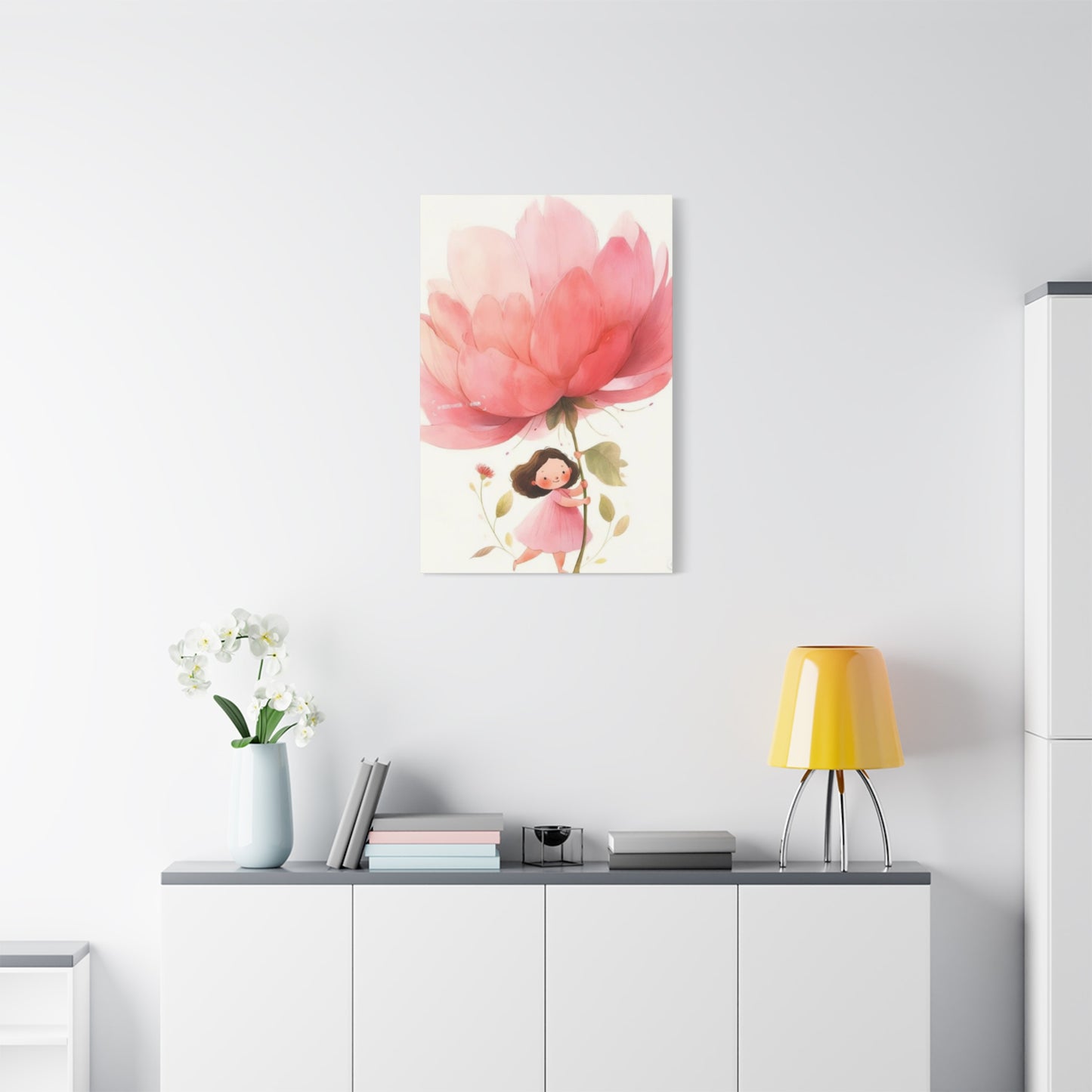
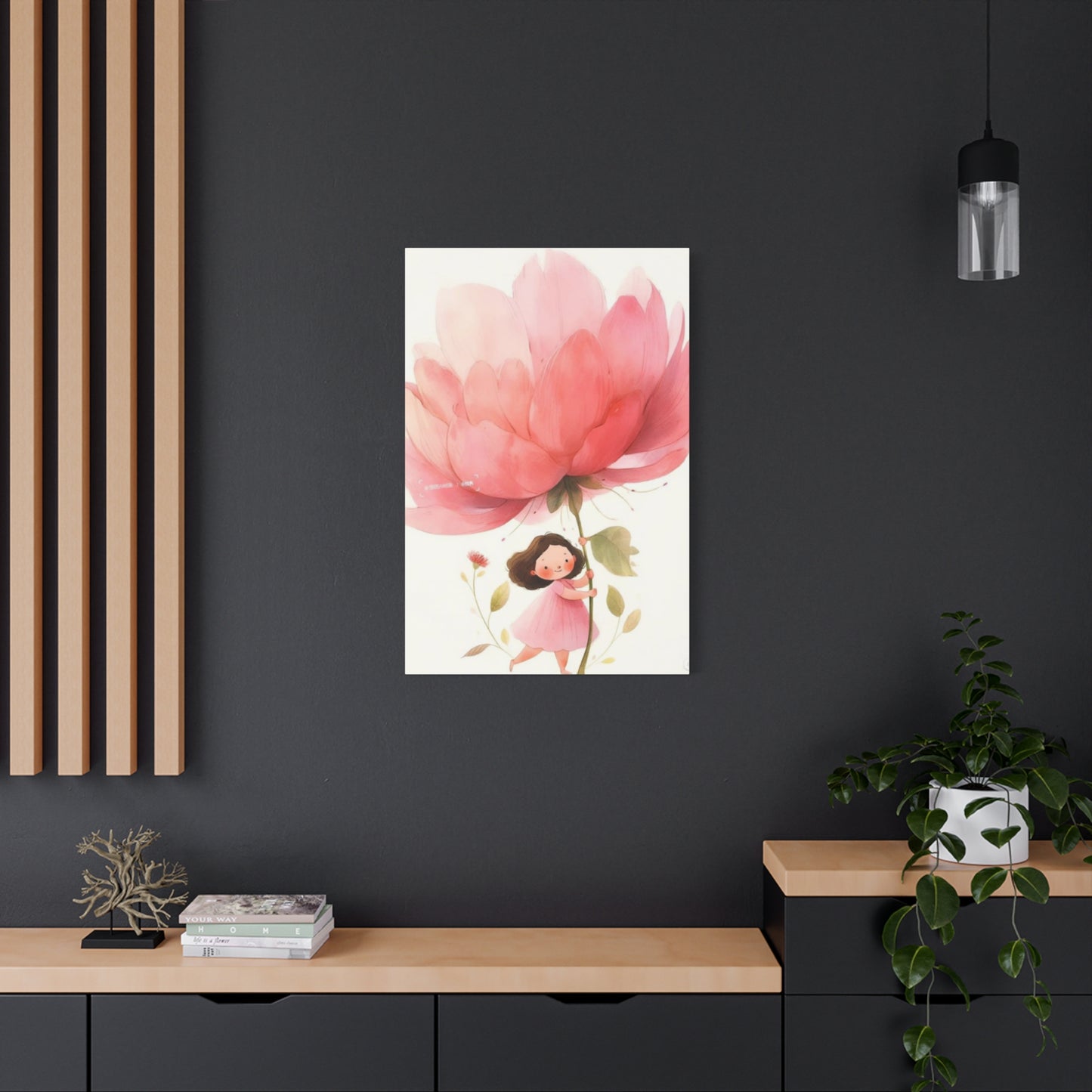
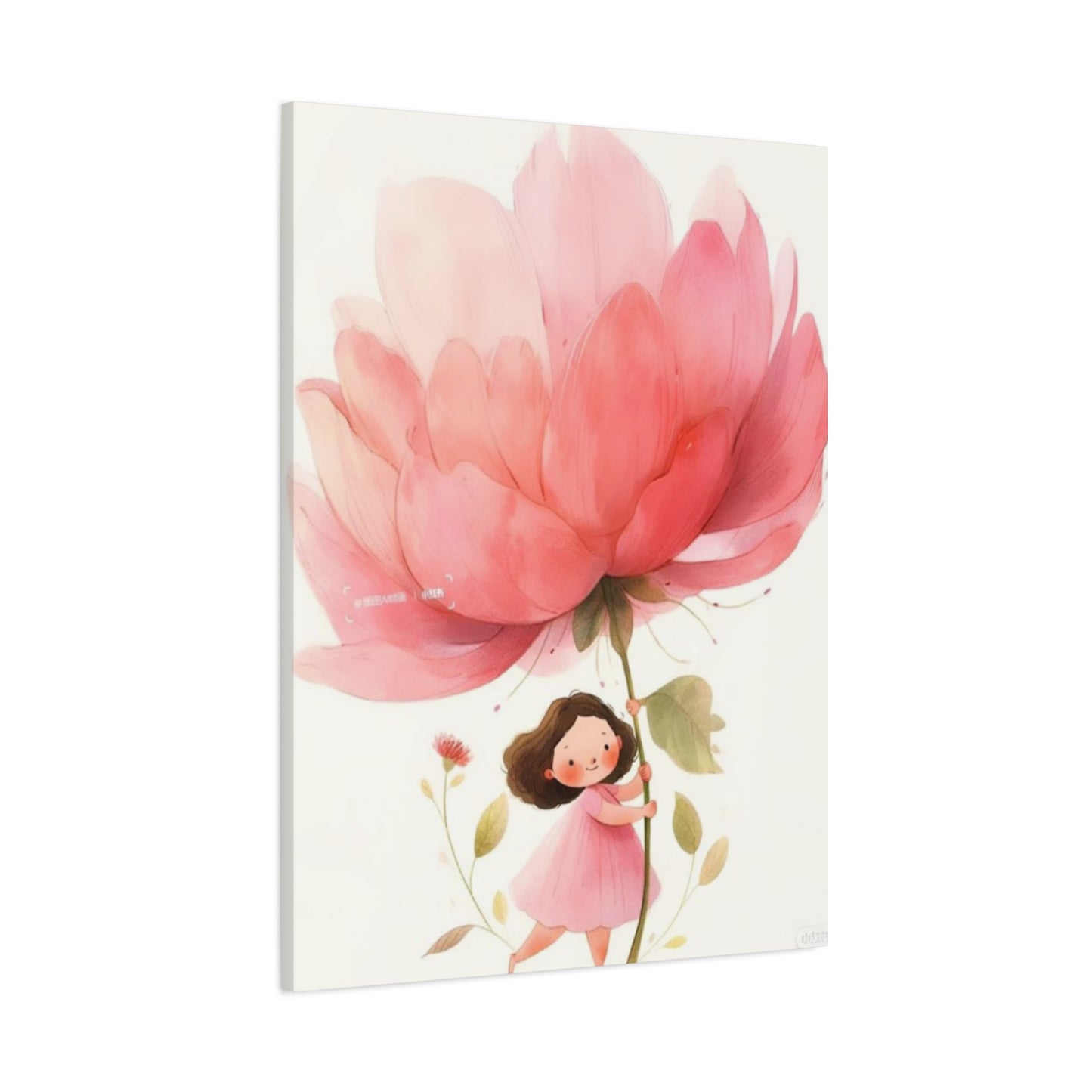
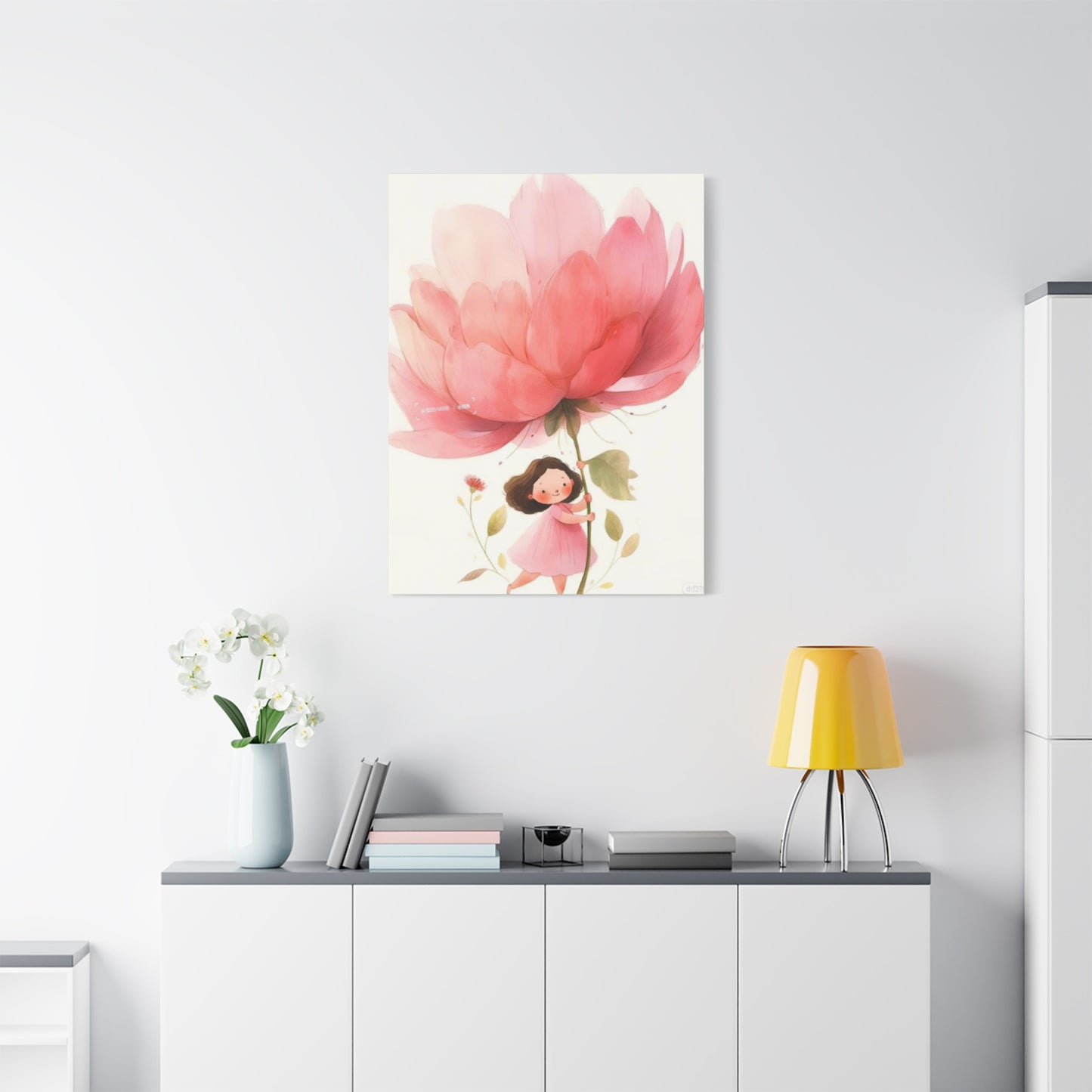
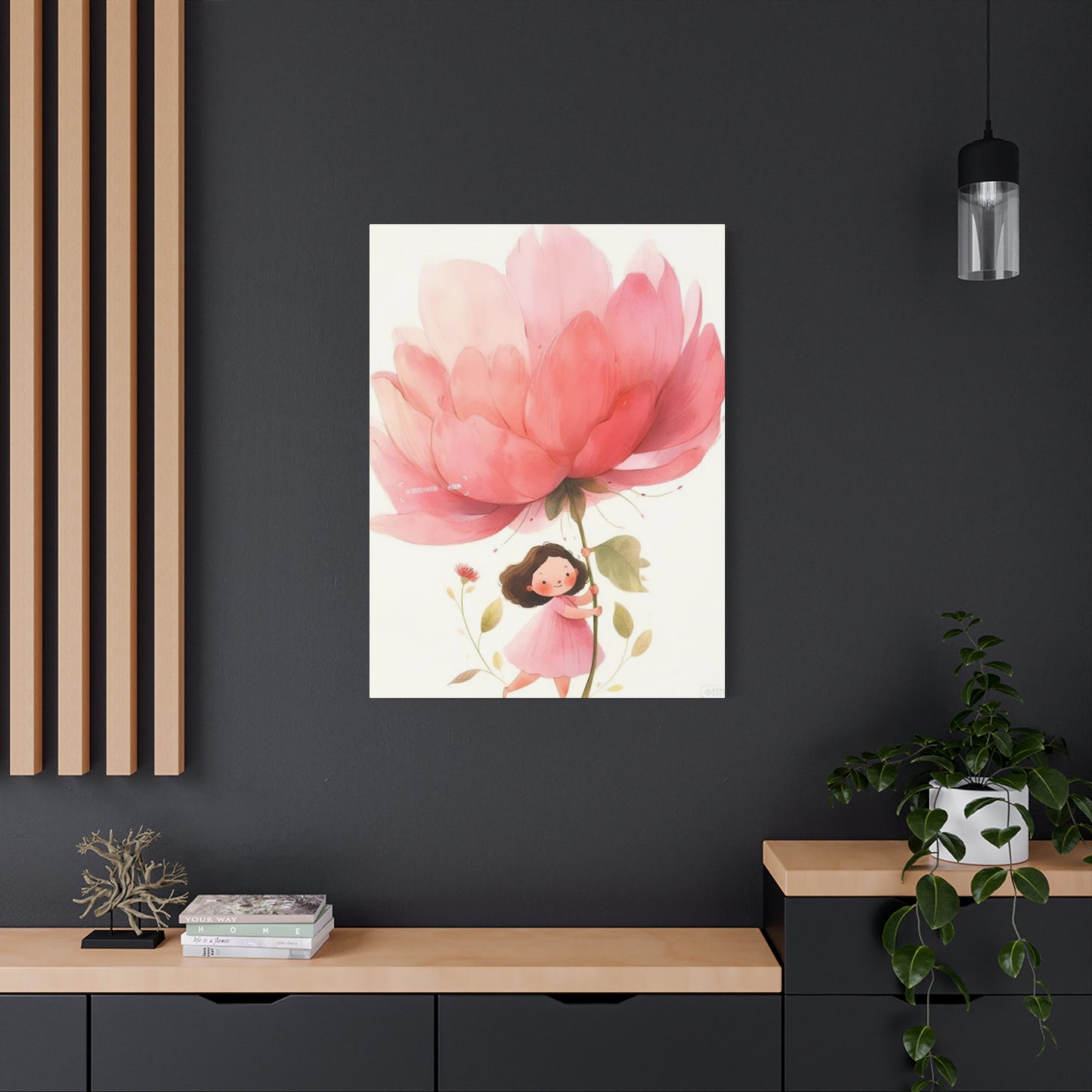
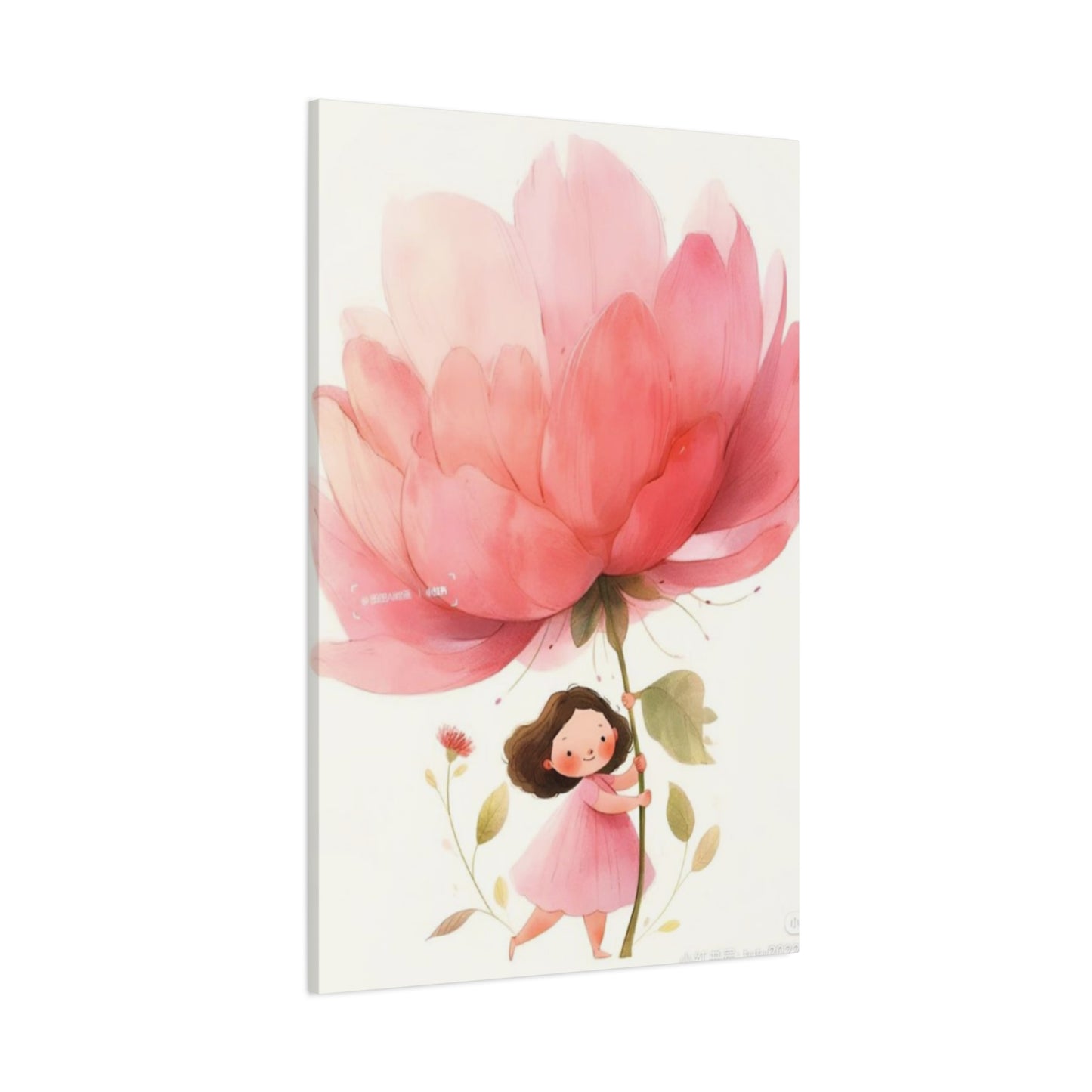
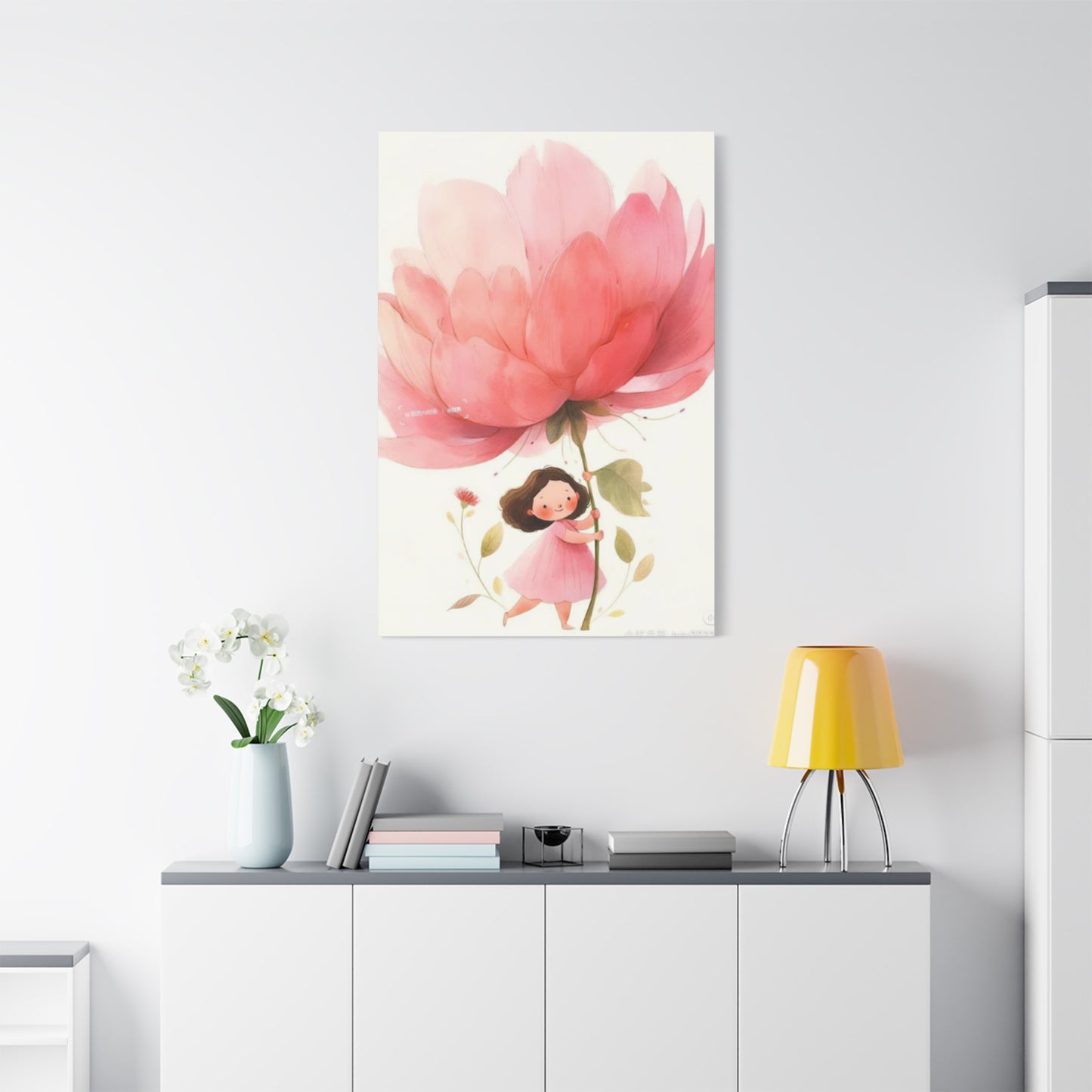
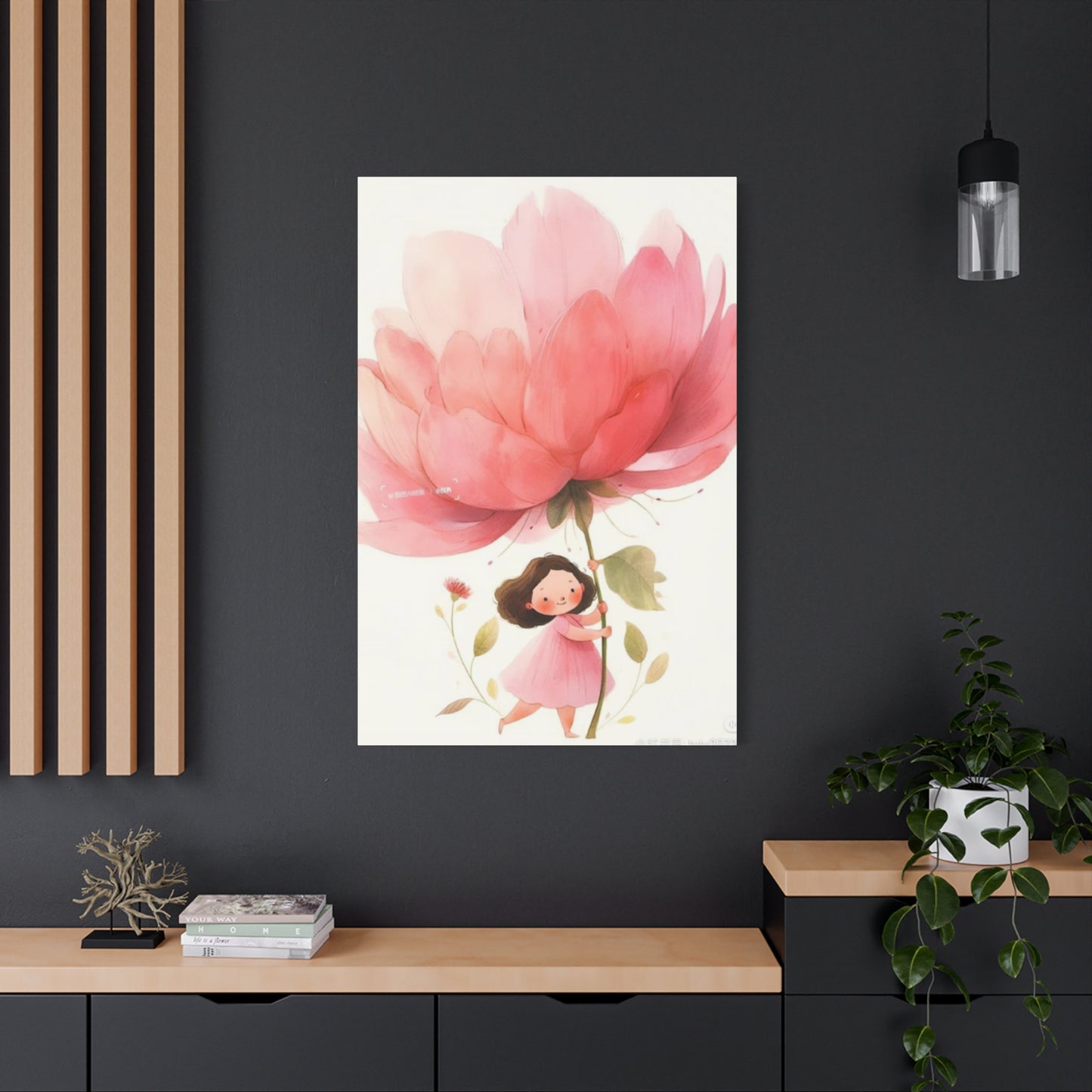
Girl with Flower Fairies Wall Art & Canvas Prints

Girl with Flower Fairies Wall Art & Canvas Prints

Regular price $141.23 USD
Regular price Sale price $141.23 USD
Sale Sold out
Size
Depth

Girl with Flower Fairies Wall Art: Creating Enchanting Spaces Through Botanical Fantasy Décor That Transforms Children's Rooms Into Magical Gardens

The realm of interior decoration has witnessed a remarkable surge in the popularity of whimsical, nature-inspired artwork that brings ethereal beauty into living spaces. Among the most captivating trends is the incorporation of girl with flower fairies wall art, which seamlessly blends childhood innocence with the enchantment of botanical fantasies. This comprehensive exploration delves into every aspect of these mesmerizing decorative pieces, offering insights into their selection, placement, and the profound impact they can have on creating magical environments within homes.

Discovering the Enchanting World of Botanical Fantasy Artwork for Youthful Spaces

The concept of adorning walls with mystical creatures intertwined with floral elements represents more than mere decoration. These artistic creations serve as portals to imaginary realms where nature and fantasy coexist in perfect harmony. When considering girl with flower fairies wall art, one enters a universe filled with delicate wings, blooming petals, and the ethereal presence of mythical beings that have captivated human imagination for centuries.

These decorative pieces typically feature young maidens or mystical sprites surrounded by an abundance of botanical elements including roses, daisies, lilies, wildflowers, and exotic blooms from distant lands. The fairies themselves are often depicted with translucent wings reminiscent of butterfly or dragonfly anatomy, wearing garments fashioned from petals and leaves. The color palettes employed in such artwork range from soft pastels that evoke tranquility to vibrant hues that stimulate creativity and joy.

The appeal of these artistic creations extends beyond their visual beauty. They represent a connection to folklore, mythology, and the timeless human fascination with beings that exist between the natural and supernatural worlds. Parents seeking to create nurturing environments for their children often gravitate toward these pieces because they stimulate imagination while maintaining a connection to the natural world. The girl with flower fairies wall art serves as a constant reminder of the magic that can be found in gardens, forests, and wild spaces.

Contemporary artists have reimagined traditional fairy imagery by incorporating modern design sensibilities while respecting the classical elements that make these creatures so beloved. Some interpretations feature realistic rendering with botanical accuracy in the floral elements, while others embrace abstract or impressionistic styles that suggest forms rather than defining them explicitly. This diversity ensures that regardless of existing décor schemes, there exists suitable artwork to complement any aesthetic vision.

Exploring Various Artistic Styles Within Botanical Fantasy Wall Decoration

The market for girl with flower fairies wall art encompasses an extraordinary variety of artistic approaches, each offering distinct visual experiences and emotional resonances. Understanding these stylistic variations enables informed selection that aligns with personal preferences and spatial requirements.

Watercolor renditions represent one of the most popular approaches to depicting floral fairies. The medium's inherent fluidity and translucency perfectly capture the ethereal nature of these mystical beings. Artists working in watercolor often create pieces where boundaries between figure and background blur organically, suggesting the fairy's ability to merge with her natural surroundings. The delicate color transitions possible with this medium evoke the softness of petals and the gossamer quality of fairy wings. These pieces typically feature muted color schemes with occasional bursts of intensity where focal points demand attention.

Digital illustration has revolutionized the creation of fairy artwork, allowing artists to achieve effects impossible with traditional media. Through digital tools, creators can layer elements with precision, manipulate lighting to create dramatic effects, and achieve color combinations that push beyond physical pigment limitations. Many contemporary girl with flower fairies wall art pieces feature digital enhancements that add luminosity, making fairies appear to glow from within. This technique proves particularly effective in creating nighttime scenes where fairies illuminate darkened gardens with their magical presence.

Vintage-inspired artwork draws from the rich tradition of fairy illustration that flourished during the Victorian and Edwardian eras. Artists like Cicely Mary Barker created the famous Flower Fairies series, which continues to influence contemporary creators. These pieces often feature more naturalistic proportions, detailed botanical accuracy, and a nostalgic quality that appeals to adults seeking to recreate cherished childhood memories. The muted tones and classical composition styles characteristic of vintage-inspired work create a sense of timelessness that transcends fleeting design trends.

Minimalist interpretations strip away unnecessary detail to focus on essential forms and simplified color schemes. These pieces might depict fairy silhouettes against plain backgrounds or use geometric shapes to suggest floral elements. This approach works exceptionally well in contemporary spaces where busy patterns might clash with existing décor. The simplicity of minimalist girl with flower fairies wall art allows the viewer's imagination to fill in details, creating a more personal connection to the artwork.

Three-dimensional mixed media pieces represent the cutting edge of fairy-themed decoration. These creations incorporate actual dried flowers, fabric, metallic foils, and other tactile elements to create artwork that extends beyond the two-dimensional plane. Some artists create shadow boxes featuring miniature fairy figures surrounded by preserved botanical specimens, while others build layered compositions where elements literally project from the wall surface. These pieces engage multiple senses and create dynamic visual experiences that change depending on viewing angle and lighting conditions.

Selecting the Perfect Dimensions and Proportions for Maximum Visual Impact

The physical size of girl with flower fairies wall art significantly influences its effectiveness within a space. Careful consideration of dimensions relative to wall area and surrounding furnishings ensures that artwork enhances rather than overwhelms or disappears within a room.

Large-scale pieces measuring three feet or more in any dimension create dramatic focal points that anchor entire rooms. These substantial artworks work best on prominent walls with minimal competing visual elements. In a child's bedroom, a large fairy mural above the bed establishes an immediate thematic foundation for the entire space. The generous size allows for intricate detail that rewards close examination while maintaining visual coherence from across the room. Large pieces also create immersive environments, making viewers feel as though they could step into the magical garden depicted.

Medium-sized artwork ranging from eighteen inches to three feet offers versatility and fits comfortably in most residential spaces. These dimensions allow for sufficient detail to capture interest without requiring excessive wall space. Multiple medium-sized pieces can be arranged in gallery configurations, telling visual stories through sequential or thematic grouping. For instance, a series of girl with flower fairies wall art pieces depicting different seasons creates a narrative journey around a room's perimeter. Medium dimensions also facilitate seasonal rotation, allowing fresh décor updates without major installation efforts.

Small accent pieces measuring under eighteen inches serve as complementary elements rather than primary focal points. These diminutive artworks excel in creating cohesive design schemes when distributed throughout a space. A small fairy print on a bookshelf, another on a dresser, and a third near a window creates subtle thematic continuity without dominating the visual landscape. Small pieces also prove ideal for introducing fairy themes into spaces where larger artwork might seem inappropriate, such as bathrooms, closets, or hallway nooks.

Panoramic and horizontal formats suit specific architectural situations particularly well. Above headboards, along hallway walls, or above long pieces of furniture like dressers or console tables, horizontal girl with flower fairies wall art creates visual balance that mirrors the furniture's proportions. These formats naturally guide the eye laterally, creating movement and rhythm within a space. Panoramic fairy scenes depicting extensive garden landscapes or forest clearings filled with multiple fairy figures benefit from extended horizontal formats that allow the narrative to unfold gradually.

Vertical orientations complement tall, narrow wall sections and create the illusion of height in rooms with standard ceiling elevations. A vertical composition might depict a fairy ascending a flowering vine or sitting atop a tall stem gazing downward. These formats work beautifully flanking windows, in narrow spaces between doorways and corners, or in bathrooms where vertical wall space predominates. The upward visual movement inherent in vertical compositions can make rooms feel more spacious and airy.

Understanding Material Compositions and Their Influence on Longevity and Appearance

The substrate and printing methodology employed in creating girl with flower fairies wall art dramatically affects both the piece's appearance and its durability over time. Educated consumers recognize that price differences often reflect material quality rather than arbitrary markup.

Canvas prints represent one of the most popular options for fairy-themed artwork. The textile surface provides texture that adds depth and visual interest, particularly when viewed at angles where light rakes across the woven surface. Gallery-wrapped canvas, where the printed image continues around the stretcher bar edges, creates a finished appearance that eliminates the need for traditional framing. High-quality canvas prints utilize fade-resistant inks and protective coatings that maintain color vibrancy for decades. The slight give in properly mounted canvas prevents the cracking that can occur with rigid substrates, making these prints resilient in environments subject to temperature and humidity fluctuations.

Paper prints offer the widest range of surface textures and finishes. Fine art papers with cotton rag content provide archival quality that preserves images for generations. Matte papers eliminate glare and create sophisticated presentations suitable for formal spaces, while glossy finishes intensify colors and create punch that appeals in contemporary settings. Some specialized papers incorporate metallic particles that catch light, creating shimmer effects particularly appropriate for girl with flower fairies wall art, as the metallic accents can highlight wings and magical elements. Textured papers resembling watercolor stock add tactile dimension that complements certain artistic styles.

Metal prints represent a modern substrate gaining popularity for its distinctive appearance and exceptional durability. The process of infusing dyes directly into specially coated aluminum creates luminous images with extraordinary depth. Colors appear almost backlit, creating the impression that fairies truly glow with inner light. The rigid metal surface resists warping, doesn't require glass protection, and cleans easily with simple wiping. Metal prints suit contemporary and industrial décor schemes while providing the durability necessary for high-traffic areas or spaces where children might touch walls frequently.

Acrylic prints create stunning visual impact through their glossy, glass-like surface and three-dimensional depth. The printing process typically involves mounting a print behind clear acrylic panels, creating the illusion that the fairy image floats within a transparent block. Light passes through the acrylic, illuminating the image from within and creating extraordinary vibrancy. These prints work exceptionally well in well-lit spaces where their reflective properties can be fully appreciated. The substantial weight and impressive presence of acrylic prints make them suitable for statement pieces in prominent locations.

Wood substrate prints celebrate rustic aesthetic values by printing images directly onto planks or panels. The wood grain visible through the image adds organic texture that resonates with the natural themes inherent in girl with flower fairies wall art. These pieces work beautifully in farmhouse, cottage, and bohemian décor schemes. Different wood species offer varying colors and grain patterns, from pale birch to rich walnut, allowing customization to match existing woodwork and furnishings.

Examining Color Theory and Its Role in Creating Harmonious Interior Environments

The color palette employed in girl with flower fairies wall art profoundly influences the emotional atmosphere of a space. Understanding basic color theory principles enables selection of artwork that supports desired moods and complements existing décor elements.

Pastel compositions dominated by soft pinks, lavenders, mint greens, and baby blues create serene environments conducive to rest and relaxation. These gentle hues reduce visual stimulation, making them ideal for bedrooms where peaceful sleep is paramount. Pastel fairy artwork often features white or cream backgrounds that amplify the sense of airiness and openness. The subdued saturation prevents colors from overwhelming smaller spaces while maintaining sufficient visual interest to avoid blandness. These color schemes pair naturally with white or light wood furniture and coordinate with most nursery and children's bedroom palettes.

Vibrant, saturated color schemes energize spaces and stimulate creativity. Girl with flower fairies wall art featuring bold fuchsias, deep purples, brilliant oranges, and electric blues creates visual excitement appropriate for play areas, craft rooms, or spaces dedicated to active engagement. These intense hues demand attention and can transform neutral rooms into dynamic environments. However, restraint becomes important in smaller spaces where overwhelming color saturation might create claustrophobic feelings. In compact rooms, consider limiting saturated colors to single accent walls while keeping remaining surfaces neutral.

Monochromatic schemes utilizing various shades and tints of a single color create sophisticated, cohesive appearances. A fairy piece rendered entirely in variations of green, from palest sage to deepest forest, creates striking visual impact while maintaining color discipline. Monochromatic artwork integrates easily into existing color schemes since it doesn't introduce competing hues. The subtlety of these pieces allows them to function as background elements or focal points depending on surrounding décor choices.

Earth tone palettes featuring browns, tans, terracottas, and muted greens ground spaces in natural sensibilities. These colors reference soil, bark, stone, and foliage, creating strong connections to the outdoor environments where fairies theoretically dwell. Earth tone girl with flower fairies wall art suits rustic, traditional, and nature-inspired décor schemes. The warmth of these colors creates welcoming, comfortable atmospheres appropriate for family gathering spaces and bedrooms alike.

Cool color dominance, featuring blues, purples, and greens, creates calming effects and makes spaces feel more spacious. Cool-toned fairy artwork works particularly well in south-facing rooms that receive warm natural light, as the cool colors balance the light's warmth. These hues also suit rooms where temperature control proves challenging, as cool colors create psychological cooling effects. The association between blue tones and water, sky, and nighttime contributes to their relaxing properties.

Warm color emphasis through reds, oranges, yellows, and warm pinks energizes spaces and creates welcoming atmospheres. Warm-toned girl with flower fairies wall art brings vitality to north-facing rooms that receive limited natural light. These hues stimulate appetite, conversation, and activity, making them suitable for dining areas and social spaces. However, excessive warm colors in bedrooms may interfere with sleep, so balance becomes important in rest-oriented spaces.

Investigating Frame Selections and Presentation Methods That Enhance Artistic Impact

The manner in which girl with flower fairies wall art is presented significantly affects its visual impact and integration within a space. Frame selection requires consideration of both aesthetic and practical factors.

Traditional wood frames offer timeless elegance and exceptional versatility. Light woods like maple, oak, and pine create casual, approachable presentations suitable for children's spaces, while darker woods like walnut and mahogany lend formality appropriate for more sophisticated settings. Ornate carved frames reference historical periods and suit vintage-inspired fairy artwork, while simple, clean-lined wood frames complement contemporary interpretations. The natural material of wood frames resonates with the organic themes inherent in botanical fairy imagery, creating harmonious presentations.

Painted frames provide opportunities for exact color matching with existing décor elements. White frames create clean, fresh presentations that work in virtually any setting, particularly with pastel or light-colored artwork. Black frames add drama and definition, creating strong contrast that makes artwork pop from walls. Colored frames in hues matching accent colors within the girl with flower fairies wall art create cohesive, intentional appearances. Some designers employ frames in complementary colors to create dynamic tension that enlivens spaces.

Metal frames suit modern and contemporary spaces with their sleek profiles and industrial aesthetic. Thin metal frames minimize visual weight, allowing artwork to dominate presentations. Silver, gold, and bronze metallic finishes add luxury and can highlight metallic elements within fairy illustrations. The durability of metal frames makes them practical choices for high-traffic areas and spaces where children might bump against walls.

Floating frames create distinctive presentations by suspending artwork between two pieces of glass or acrylic, creating the illusion that the image floats within the frame. This presentation method works beautifully with delicate watercolor fairy art, as the transparency of the mounting method echoes the translucency often depicted in fairy wings. The shadow gap between the artwork and frame adds depth and draws attention to the piece.

Frameless presentation through gallery wrapping, mounting, or edge finishing creates contemporary, minimalist appearances. Gallery-wrapped canvas extends the printed image around frame edges, eliminating the need for separate framing. Direct mounting to rigid substrates like foam board or wood panels creates finished edges without traditional frames. These approaches reduce visual clutter and work well in modern spaces where clean lines predominate.

Matting considerations significantly influence presentation quality. Mats create breathing room between artwork and frame, preventing the cramped appearance that occurs when images abut frame edges directly. White and cream mats suit most applications, while colored mats matching or complementing artwork colors create more distinctive presentations. Double matting, utilizing two mat layers in complementary colors, adds depth and luxury to presentations. The mat width should be proportional to artwork size, with larger pieces requiring wider mats to maintain visual balance.

Positioning Girl with Flower Fairies Wall Art for Optimal Visual Effect and Room Flow

Strategic placement of botanical fantasy artwork transforms it from mere decoration into an integral component of spatial design. Thoughtful positioning considers sightlines, lighting, furniture arrangement, and room function.

Focal wall designation concentrates attention and establishes spatial hierarchy. In bedrooms, the wall behind the bed naturally functions as a focal wall, making it ideal for substantial girl with flower fairies wall art that sets the room's thematic tone. In living areas, the wall facing the entrance or the one visible from primary seating establishes visual emphasis. Limiting focal walls to one per room prevents competing visual interests that fragment attention and create chaotic impressions.

Eye-level positioning ensures comfortable viewing without neck strain. The general guideline places artwork centers approximately fifty-seven to sixty inches from the floor, corresponding to average adult eye level in standing positions. However, in children's rooms, lowering artwork slightly acknowledges their shorter stature and creates more personal connections to the imagery. Above furniture, artwork should hang high enough to clear the furniture by several inches while maintaining visual connection to the piece below it.

Grouping strategies allow multiple smaller pieces to create impact equivalent to single large artworks. Symmetrical arrangements featuring identical or similar girl with flower fairies wall art pieces create formal, balanced appearances. Asymmetrical groupings with varied sizes and orientations create dynamic, energetic presentations. Gallery walls incorporating fairy artwork alongside other complementary pieces tell visual stories and display collections cohesively. When creating groupings, laying out arrangements on the floor first ensures satisfactory composition before committing to wall holes.

Lighting dramatically affects artwork appearance and should receive careful consideration. Natural light from windows illuminates artwork beautifully during daylight hours but can cause fading over time if direct sun strikes surfaces. Positioning artwork on walls perpendicular to windows rather than directly opposite them provides illumination while reducing harmful UV exposure. Artificial lighting through dedicated picture lights, track lighting, or strategically positioned lamps enhances artwork during evening hours and in spaces lacking natural light. Warm-toned bulbs complement warm-colored artwork, while cool-toned lighting suits cool-colored pieces.

Furniture relationships require coordination between artwork and the pieces beneath or adjacent to it. Girl with flower fairies wall art above a dresser should relate to the dresser's width, generally spanning two-thirds to three-quarters of the furniture's width for proportional balance. Artwork flanking tall furniture like bookcases should align with furniture height to create cohesive vertical lines. Maintaining consistent distances between multiple artwork pieces creates rhythm and intentionality in presentations.

Architectural feature integration considers how artwork relates to room elements like windows, doors, molding, and built-in shelving. Artwork can balance asymmetrical window placement or fill awkward spaces created by room configuration. Aligning artwork edges with window or door frames creates orderly appearances, while intentionally breaking alignment creates more casual, relaxed presentations. Using architectural features as natural boundaries for gallery walls creates cohesion between structural elements and decorative choices.

Creating Thematic Continuity Through Complementary Decorative Elements and Accessories

Girl with flower fairies wall art achieves maximum impact when integrated within comprehensive design schemes that extend themes throughout spaces via coordinated accessories and furnishings.

Textile coordination through bedding, curtains, rugs, and cushions reinforces fairy garden themes while adding comfort and functionality. Duvet covers featuring floral patterns in colors matching the wall art create visual harmony. Sheer curtains in soft colors evoke the delicate, translucent quality of fairy wings. Area rugs incorporating botanical motifs ground spaces while protecting floors. Throw pillows with embroidered flowers or fairy silhouettes scattered on beds or chairs distribute thematic elements throughout rooms.

Three-dimensional fairy figurines placed on shelves, dressers, or nightstands extend wall art themes into physical space. These collectible pieces range from realistic miniature sculptures to stylized ceramic figures. Positioning figurines near related wall art creates intentional vignettes that demonstrate design thoughtfulness. Varying the scale and style of three-dimensional pieces adds visual interest while maintaining thematic consistency.

Botanical elements through live plants, dried flower arrangements, or artificial greenery strengthen connections to the natural world central to fairy mythology. Small potted plants on windowsills, hanging planters suspended from ceilings, or vases filled with fresh or dried flowers bring living elements into spaces adorned with girl with flower fairies wall art. Selecting flowers depicted in the artwork creates particularly strong thematic links. The care required for living plants also teaches responsibility when incorporated into children's spaces.

Lighting fixtures shaped like flowers, branches, or butterflies serve functional purposes while reinforcing decorative themes. Chandeliers featuring floral motifs, pendant lights resembling flower buds, or lamps with butterfly-adorned shades coordinate with fairy artwork while illuminating spaces. String lights arranged like vines or featuring flower-shaped bulbs create magical ambiance, particularly effective in bedrooms where soft lighting aids bedtime routines.

Storage solutions disguised as thematic elements maintain organization without disrupting aesthetic continuity. Toy boxes painted with fairy scenes, storage bins covered in floral fabric, or bookcases shaped like garden trellises provide practical functionality while supporting design themes. These solutions prove particularly valuable in children's spaces where extensive toy and book collections require accommodation.

Wall treatments beyond artwork contribute to immersive environments. Wallpaper featuring delicate floral patterns creates backdrop for girl with flower fairies wall art without competing for attention. Painted accent walls in coordinating colors establish color schemes that artwork enhances. Removable wall decals depicting butterflies, dragonflies, or additional flowers fill empty wall spaces without permanent commitment. These elements work together to transform ordinary rooms into enchanted garden retreats.

Addressing Practical Concerns Including Mounting, Maintenance, and Longevity Preservation

Proper mounting techniques and ongoing care ensure that girl with flower fairies wall art remains beautiful and secure throughout years of display.

Wall surface assessment precedes any mounting effort. Drywall, the most common residential wall surface, requires hollow wall anchors or mounting into studs for heavier pieces. Plaster walls, common in older homes, require specialized anchors designed for dense, brittle surfaces. Brick and concrete walls necessitate masonry anchors and appropriate drill bits. Identifying wall type prevents mounting failures that damage both walls and artwork.

Weight consideration determines appropriate hanging hardware. Lightweight pieces under five pounds mount securely with basic picture hanging hooks pressed into drywall. Medium-weight artwork up to twenty pounds requires threaded wall anchors that expand behind drywall surfaces. Heavy pieces exceeding twenty pounds demand mounting into wall studs using wood screws or heavy-duty anchors specifically rated for the weight. The hanging hardware should always exceed the artwork's weight rating to provide a safety margin.

Leveling ensures professional-looking installations. While some people trust their eye to judge level, even slight deviations become obvious over time. Small bubble levels or smartphone level applications provide accurate readings. For gallery walls featuring multiple pieces, establishing a level baseline and measuring consistent spacing between pieces creates polished presentations. Blue painter's tape allows temporary positioning and layout verification before permanent mounting.

Picture rail systems offer flexibility for renters or those who frequently update décor. These tracks mount near ceiling height and allow artwork to hang from nearly invisible cables, eliminating wall holes below the rail. Adjustable hanging heights and easy piece substitution make rail systems ideal for rotating seasonal artwork or accommodating growing children's changing tastes. The investment in rail systems pays dividends for those who value décor flexibility.

Cleaning requirements vary by substrate and coating. Canvas and paper prints protected behind glass require only occasional dusting with soft, dry cloths. Exposed canvas benefits from gentle vacuuming with brush attachments to remove dust accumulation from textile textures. Metal and acrylic prints tolerate damp cleaning with mild glass cleaners applied to cloths rather than directly to surfaces. Wood substrates require dry or barely damp cleaning to prevent moisture damage. Establishing regular light cleaning schedules prevents dust accumulation that dulls colors and requires more aggressive cleaning interventions.

UV protection prevents the fading that sunlight causes in pigments and dyes. Glass or acrylic glazing with UV-filtering properties blocks harmful wavelengths while allowing visible light transmission. Window treatments like blinds or curtains provide additional protection during peak sunlight hours. For valuable or irreplaceable pieces, museum-quality glazing offering maximum UV protection justifies the additional expense. Rotating artwork seasonally between high and low light locations distributes exposure and prolongs overall collection life.

Climate control maintains stable environments that prevent deterioration. Excessive humidity encourages mold growth and causes paper warping, while extreme dryness makes materials brittle. Maintaining relative humidity between forty and fifty percent provides optimal conditions. Temperature extremes and rapid fluctuations cause expansion and contraction that damages substrates and separates layered materials. Avoiding placement above heat sources like radiators or in uninsulated exterior walls prevents thermal stress. Climate-controlled storage for pieces not currently displayed preserves them for future rotation.

Examining the Influence of Fairy-Themed Décor on Childhood Imagination and Wellbeing

The environments adults create for children profoundly impact their mental, emotional, and creative growth. Girl with flower fairies wall art contributes to nurturing spaces that support healthy development in multiple dimensions.

Imagination stimulation occurs naturally when children spend time in environments featuring fantastical imagery. Fairy artwork provides visual jumping-off points for imaginative play and storytelling. Children create narratives about the fairies depicted, imagining their names, personalities, and adventures. This imaginative engagement builds creative thinking skills, narrative construction abilities, and the capacity for abstract thought. Unlike electronic entertainment that provides complete sensory experiences, static artwork leaves space for children to fill gaps with their own creativity, making them active participants rather than passive consumers.

Nature connection grows through regular exposure to botanical imagery even when direct outdoor access is limited. Urban children who spend little time in natural settings still benefit from nature-themed décor that keeps the natural world present in their consciousness. Girl with flower fairies wall art depicting various flowers, plants, and garden scenes familiarizes children with botanical diversity and sparks curiosity about the living world. This early exposure often translates into environmental awareness and stewardship as children mature.

Comfort and security emerge from thoughtfully designed personal spaces. Children who feel their rooms reflect their interests and personalities experience stronger ownership and pride in their spaces. Fairy-themed décor chosen with the child's input empowers them through participation in decisions affecting their environment. The whimsical, gentle nature of fairy imagery creates non-threatening visual environments where children feel safe exploring emotions and developing independence. Unlike darker fantasy themes that might provoke anxiety, flower fairy artwork maintains innocence appropriate for young children while still engaging their imagination.

Reading encouragement naturally pairs fairy décor with related literature. Classic fairy tale collections, modern fairy fiction, and informational books about flowers and gardens complement visual themes established by wall art. Creating reading nooks adorned with girl with flower fairies wall art establishes dedicated spaces associated with the pleasure of reading. Parents can select books featuring characters and settings similar to the artwork, strengthening connections between visual and literary experiences. This multimedia approach to theme reinforcement supports literacy development while making reading feel like part of a larger magical experience rather than an isolated academic task.

Emotional regulation benefits from calming visual environments. The soft colors and peaceful scenes typical of fairy garden artwork create soothing atmospheres that help children manage excitement and anxiety. Bedrooms serving as refuges from overstimulating daily experiences need visual elements that promote calm rather than adding to sensory overload. Looking at gentle, beautiful images before sleep helps children transition from active to rest states. Some parents incorporate fairy artwork into bedtime routines, encouraging children to imagine traveling to the garden depicted as they fall asleep.

Gender expression flexibility emerges from the inclusive nature of fairy themes. While traditionally marketed toward girls, fairy and nature themes appeal across gender spectra. Boys who gravitate toward nature, gardening, or fantasy equally benefit from environments incorporating these elements. Contemporary fairy artwork often includes male fairy figures and gender-neutral sprites, expanding representation. The emphasis on nature and magic rather than stereotypically gendered activities allows children to engage with themes in personally meaningful ways without feeling constrained by narrow gender expectations.

Exploring Seasonal Variations and the Practice of Rotating Artwork Throughout the Year

Changing girl with flower fairies wall art seasonally refreshes spaces and maintains visual interest while celebrating annual natural cycles. Strategic rotation requires initial investment but provides ongoing variety without additional purchases.

Spring themes feature fairies among emerging flowers, baby animals, and new growth. Pastel colors dominate spring artwork, with particular emphasis on yellows, light pinks, and fresh greens. Flowers depicted include tulips, daffodils, crocuses, and cherry blossoms. Spring fairy art celebrates renewal, growth, and awakening after winter dormancy. The optimistic, energetic quality of spring imagery creates uplifting atmospheres that combat late winter doldrums. Rotating spring artwork into display around March maintains alignment with natural seasonal progression and cultural spring celebrations.

Summer artwork features fairies in abundant full gardens surrounded by mature blooms and lush foliage. Warm, saturated colors reflect summer's intensity, with bright yellows, hot pinks, and deep greens predominating. Depicted flowers include roses, sunflowers, zinnias, and lavender. Summer fairy scenes often include additional elements like butterflies, bees, and hummingbirds attracted to peak blooms. The abundant, exuberant quality of summer girl with flower fairies wall art celebrates the season's generosity and warmth. June through August display maximizes relevance to outdoor garden conditions.

Autumn themes depict fairies among changing leaves, harvest elements, and late-season flowers. Color palettes shift toward warm oranges, rusty reds, golden yellows, and rich browns. Autumn flowers like asters, chrysanthemums, and marigolds appear alongside decorative elements like pumpkins, gourds, and wheat sheaves. The themes of harvest, preparation, and transition inherent in autumn imagery help children process seasonal changes and approaching winter. September through November rotation aligns artwork with observable environmental changes.

Winter artwork presents unique challenges since traditional gardens lie dormant. Winter fairy art often depicts indoor scenes where fairies tend potted plants or create magic with evergreen branches, holly, and winter berries. Color schemes incorporate whites, silvers, deep greens, and icy blues. Some winter pieces feature fairies among snowdrops or winter jasmine, flowers that bloom during cold months. The quiet, introspective quality of winter fairy imagery suits the season's slower pace. December through February display maintains seasonal relevance during months when outdoor gardening ceases in many climates.

Storage solutions for off-season artwork protect pieces while maximizing space efficiency. Acid-free tissue paper separating stacked prints prevents surface abrasion. Flat file cabinets or under-bed storage containers keep artwork flat and protected from crushing. Climate-controlled storage areas prevent damage from humidity and temperature extremes. Cataloging stored pieces with photos or descriptions simplifies selection when rotation time arrives. Some collectors maintain digital inventories tracking which pieces have been displayed and when, ensuring all collection items receive equal exhibition time.

Rotation logistics require planning to minimize wall damage and streamline processes. Using consistent hanging hardware positions across seasons means new artwork hangs in identical locations, requiring no new holes. Some people maintain permanent picture rails or gallery systems that allow hardware-free swaps. Scheduling rotations to coincide with deep cleaning motivates thorough room refreshment. Involving children in rotation decisions gives them ownership while teaching concepts about natural cycles and seasons.

Discovering Handcrafted and Limited Edition Pieces for Unique Decorative Statements

Mass-produced prints serve most decorating needs admirably, but handcrafted and limited edition girl with flower fairies wall art offers distinctive advantages for those seeking truly unique pieces.

Original watercolor paintings represent one-of-a-kind artworks where each piece differs from all others even when the same artist creates multiple fairy paintings. The inherent variability of watercolor as a medium ensures uniqueness through organic color blending and spontaneous effects impossible to replicate exactly. Original paintings carry premium prices reflecting the artist's time, skill, and the piece's absolute uniqueness. Collectors value originals as investments that often appreciate over time while providing immediate aesthetic pleasure. Supporting working artists through original purchases sustains the creative economy and enables artists to continue producing new work.

Limited edition prints strike a balance between uniqueness and affordability. Artists create a predetermined number of prints, often signing and numbering each one, before destroying or archiving the printing plates or digital files. Edition numbers like "23/100" indicate that a specific print is number twenty-three in a series limited to one hundred total prints. Lower edition numbers and smaller total edition sizes generally command higher prices. Limited editions provide accessibility to artwork styles that would be financially unattainable as originals while maintaining collectibility and potential value appreciation.

Hand-embellished prints combine printing and original painting, where artists add unique painted details to each printed base image. This approach provides consistency in the primary image while incorporating handcrafted uniqueness through added embellishments. Some artists apply metallic gold or silver leaf to accent fairy wings or flowers, while others add painted details that vary from print to print. Hand-embellished pieces cost more than straight prints but less than complete originals, occupying a middle ground in the market.

Commission opportunities allow patrons to obtain truly personalized girl with flower fairies wall art incorporating specific elements meaningful to their families. Commissioning processes typically begin with consultations where clients discuss desired elements including specific flowers, color schemes, sizes, and compositional preferences. Many artists provide preliminary sketches for approval before executing final pieces. Commissioned artwork might incorporate a child's birth flower, favorite colors, or even physical resemblance to the child in the fairy figure depicted. The collaborative process of commissioning creates emotional investment that enhances the finished piece's significance beyond its aesthetic merits.

Artisan craft fairs and local artist studios provide opportunities to discover unique pieces while establishing direct relationships with creators. These venues offer advantages over online purchasing by allowing in-person examination of quality, color accuracy, and scale. Many artists offer negotiable pricing at studio sales or accept custom requests when meeting potential patrons face-to-face. Supporting local artists strengthens community creative ecosystems while providing personal connections that enrich ownership experiences. The stories behind artists and their work add layers of meaning to artwork that purely commercial transactions lack.

Collectibility considerations influence purchasing decisions for those viewing artwork as investments. Researching artists' exhibition histories, awards, and critical reception indicates their standing within artistic communities. Artists represented by galleries or agents generally command higher prices but also offer greater confidence in investment value. Provenance documentation including certificates of authenticity, edition information, and exhibition histories enhances resale value should future disposal become necessary. Proper conservation and documentation transform decorative purchases into legitimate art collections.

Conclusion 

The specific flowers featured in girl with flower fairies wall art carry rich symbolic associations that add layers of meaning to purely visual beauty. Understanding floral symbolism enables selection of artwork that communicates desired messages and values.

Rose symbolism varies by color, creating nuanced meaning options. Red roses traditionally represent romantic love and passion, though this seems less appropriate for children's spaces. Pink roses symbolize gentle affection, gratitude, and grace, making them lovely choices for daughter's rooms. White roses convey purity, innocence, and new beginnings, beautifully appropriate for nurseries. Yellow roses celebrate friendship, joy, and warmth, creating welcoming atmospheres. Rose-adorned fairy art carries these associations implicitly, communicating emotional tones without words.

Lily symbolism encompasses purity, refined beauty, and renewal. Different lily varieties carry specific meanings: white lilies suggest purity and virtue, orange lilies convey confidence and pride, and pink lilies indicate prosperity and abundance. The elegant, architectural structure of lily flowers creates striking visual compositions in girl with flower fairies wall art. The substantial size of lily blooms allows artists to create pieces where fairies interact intimately with single flowers rather than requiring numerous smaller blooms.

Daisy associations center on innocence, purity, and loyal love. These cheerful, simple flowers evoke childhood itself, making them particularly appropriate in children's spaces. The white petals and yellow centers of common daisies coordinate with virtually any color scheme while adding brightness and optimism.


View full details