Skip to product information
1 of 13

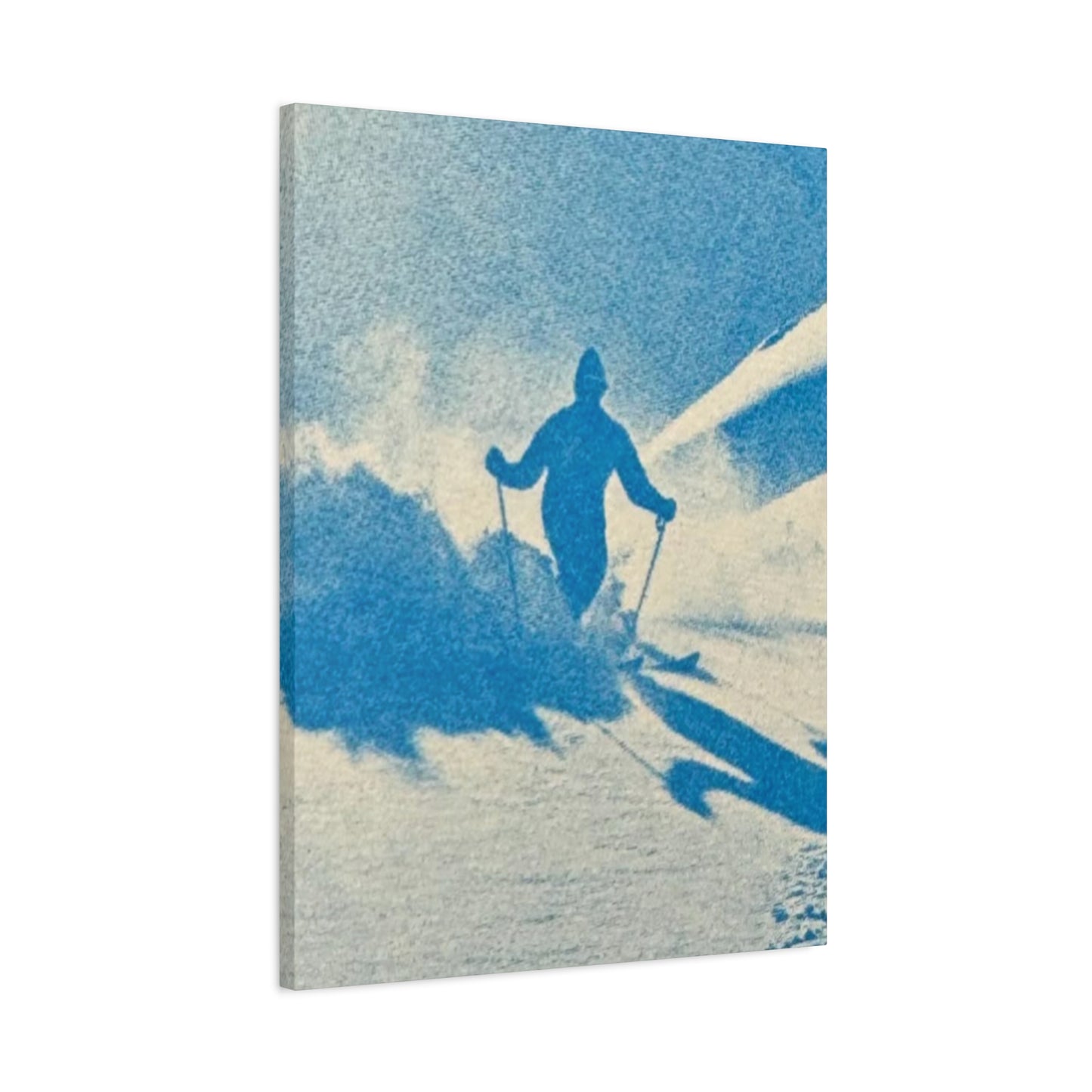
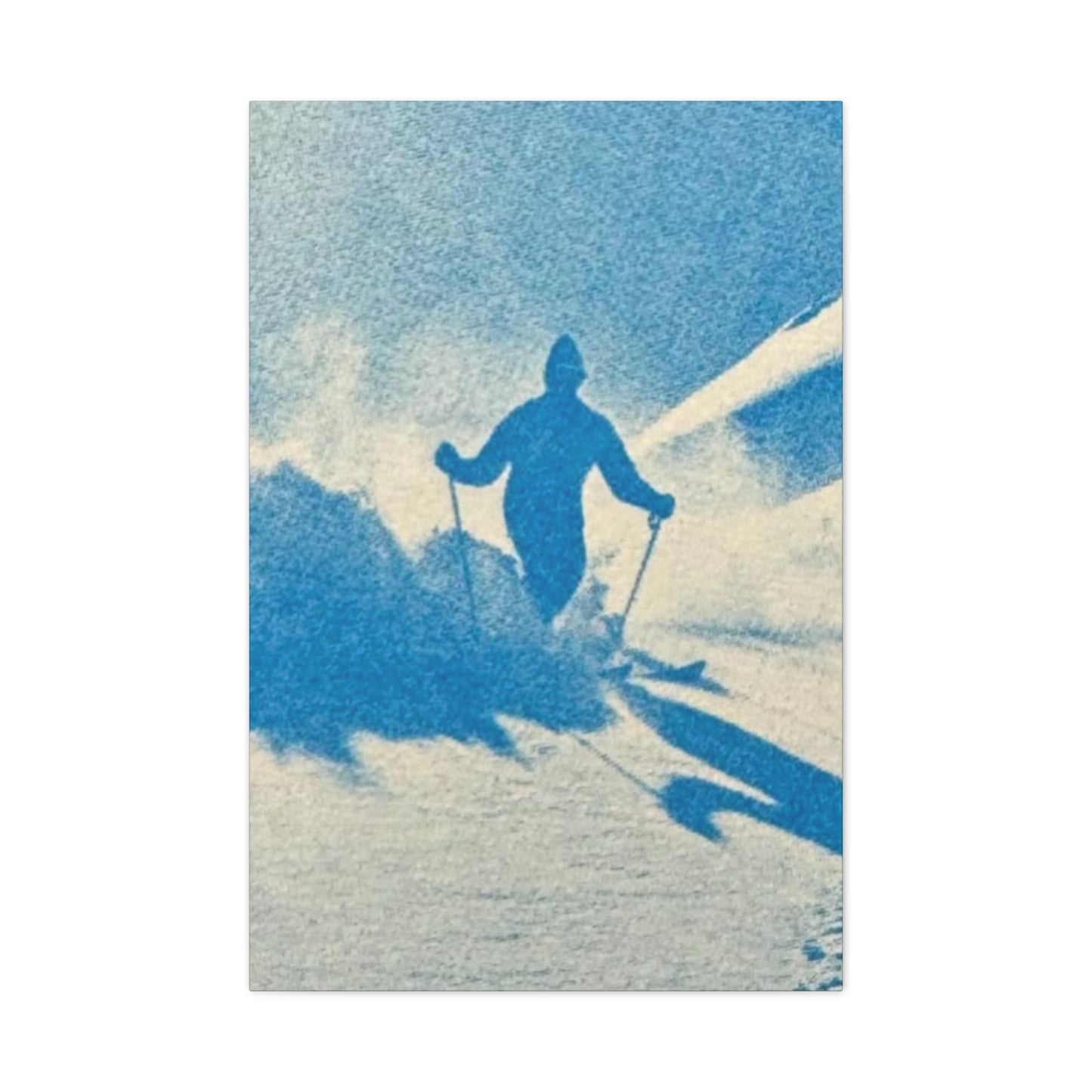
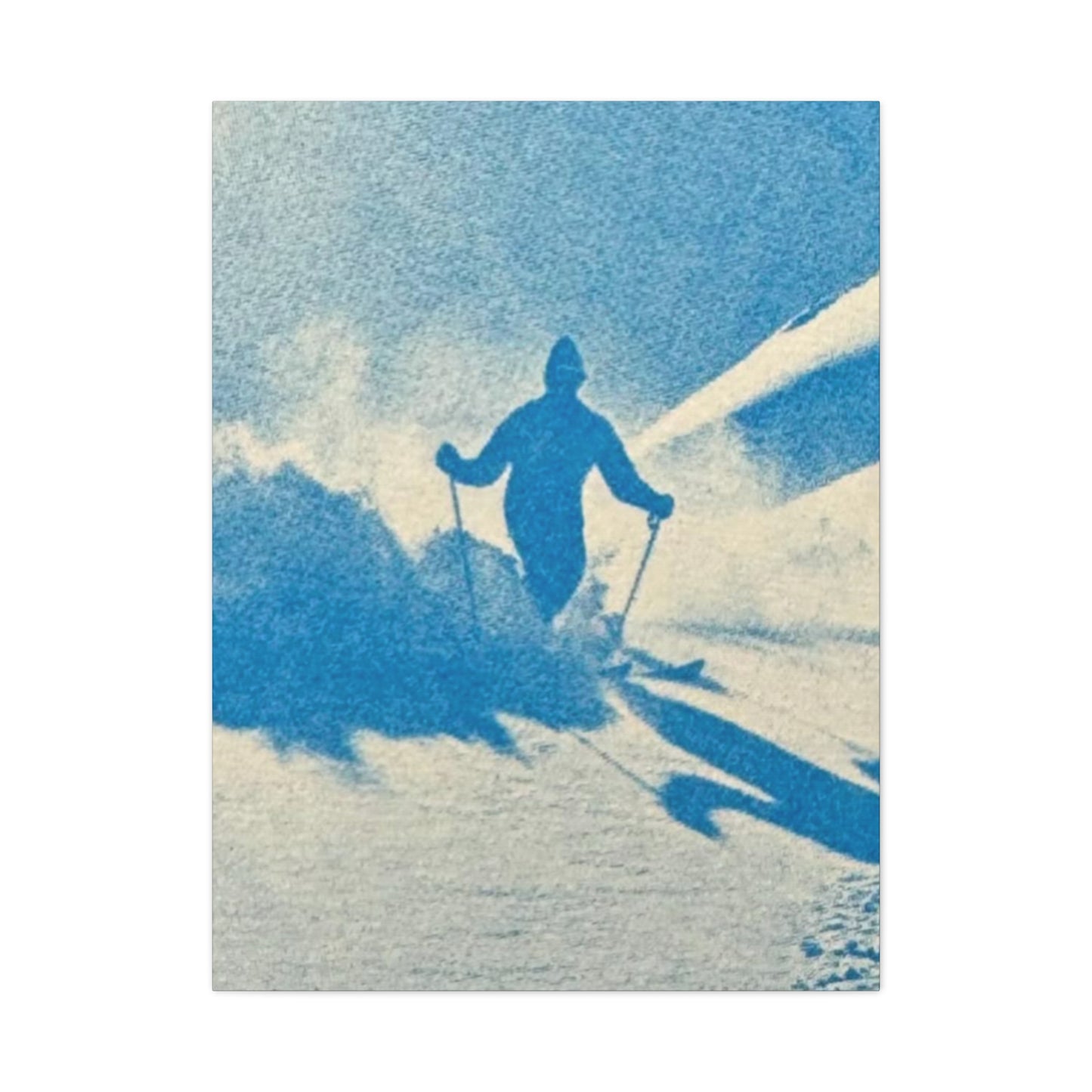
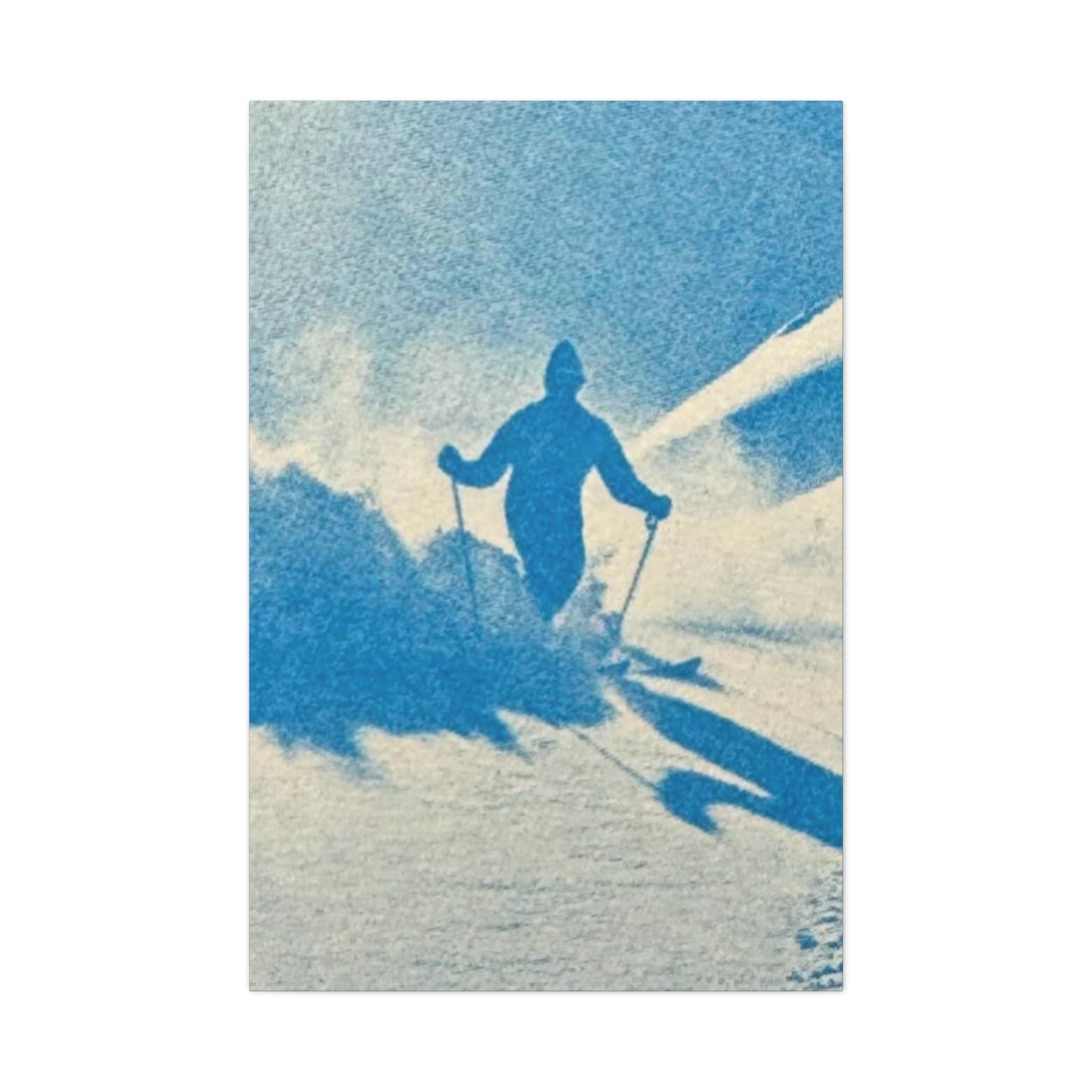
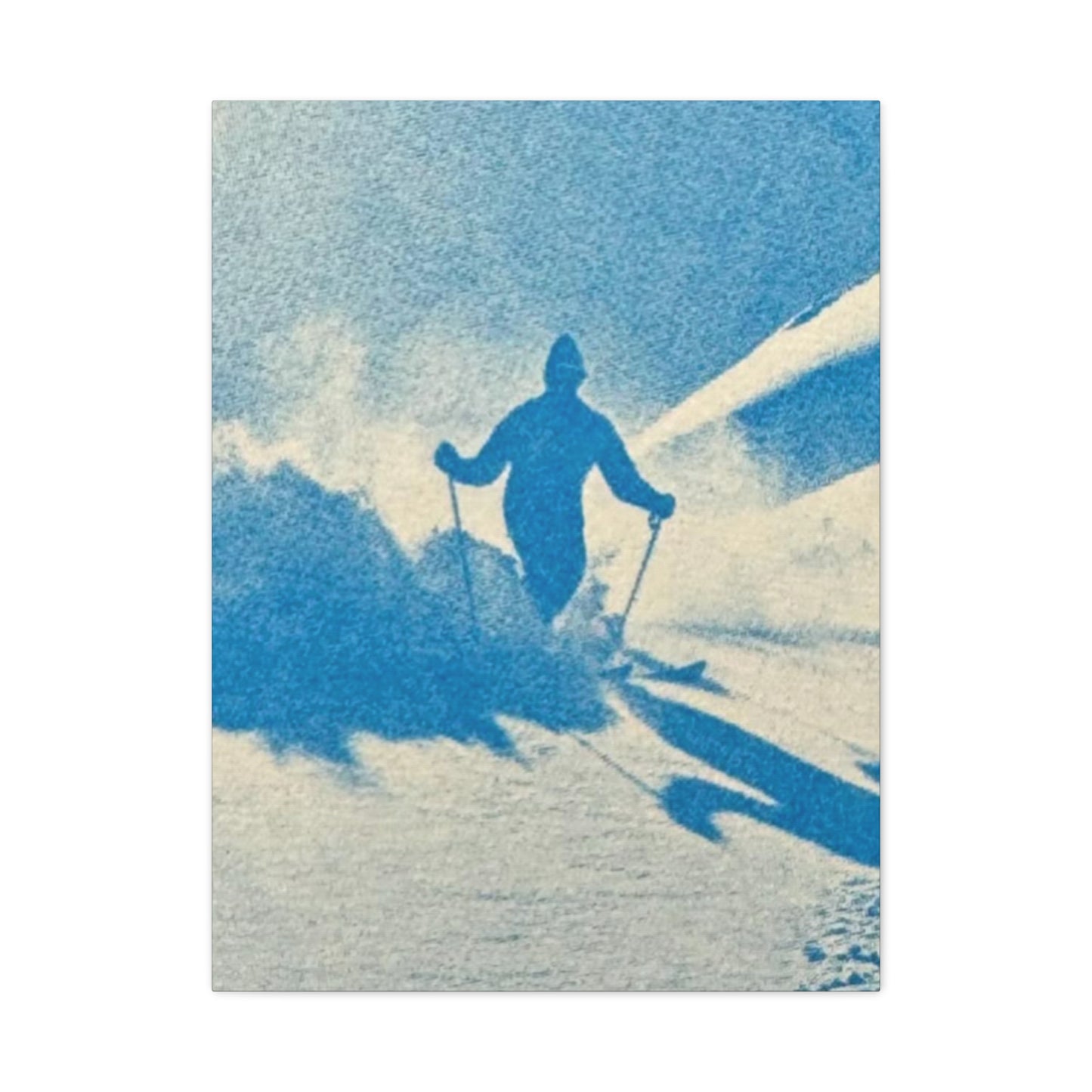
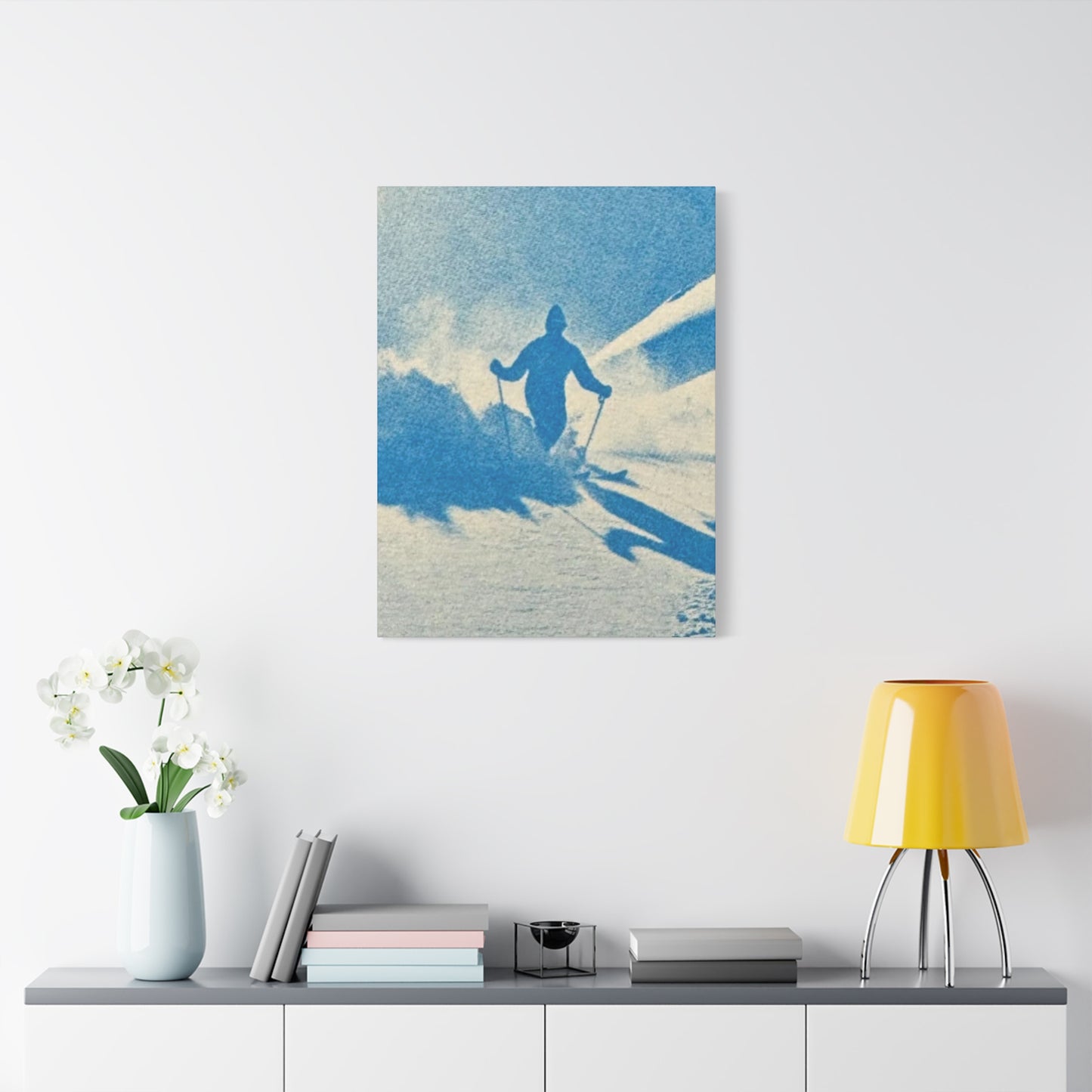
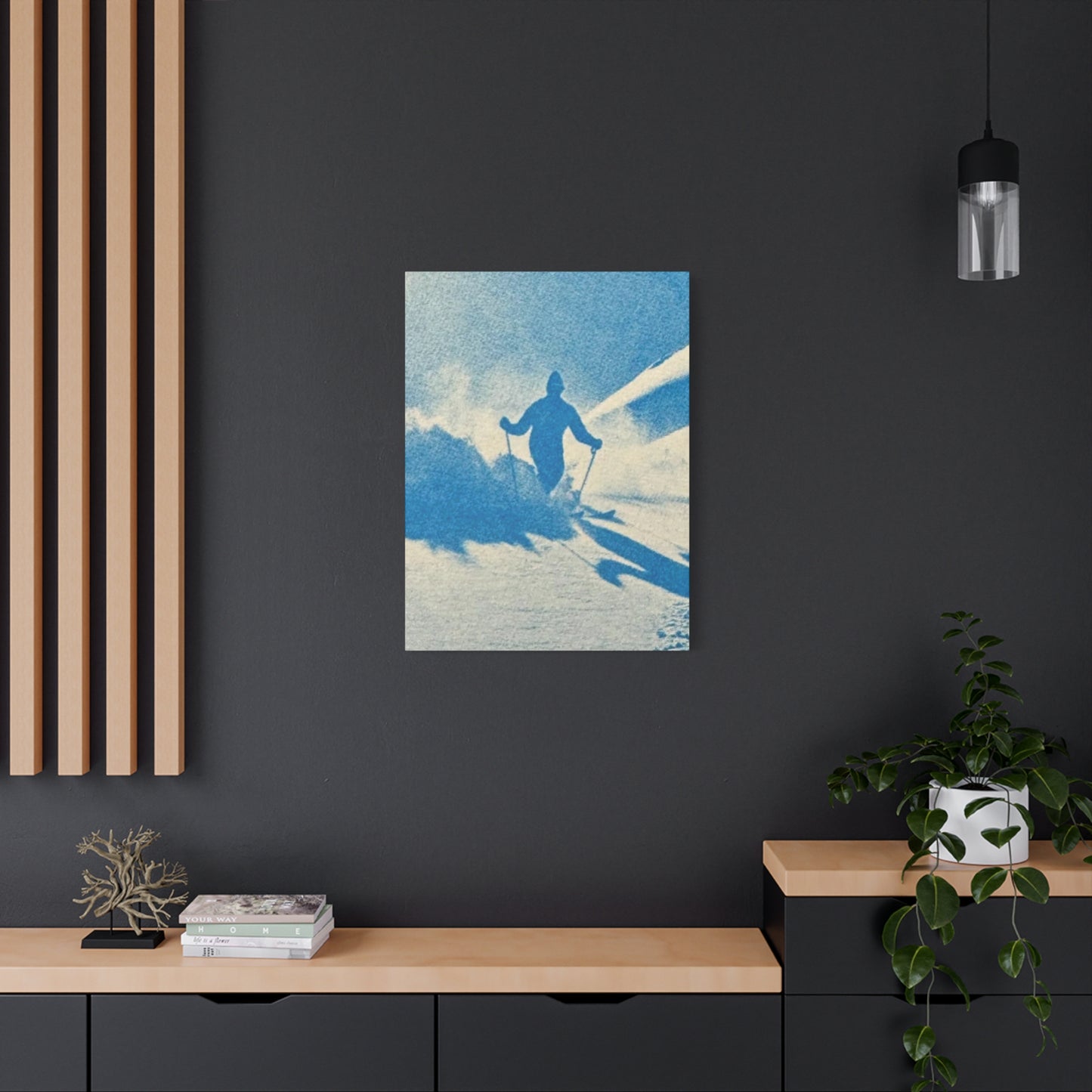
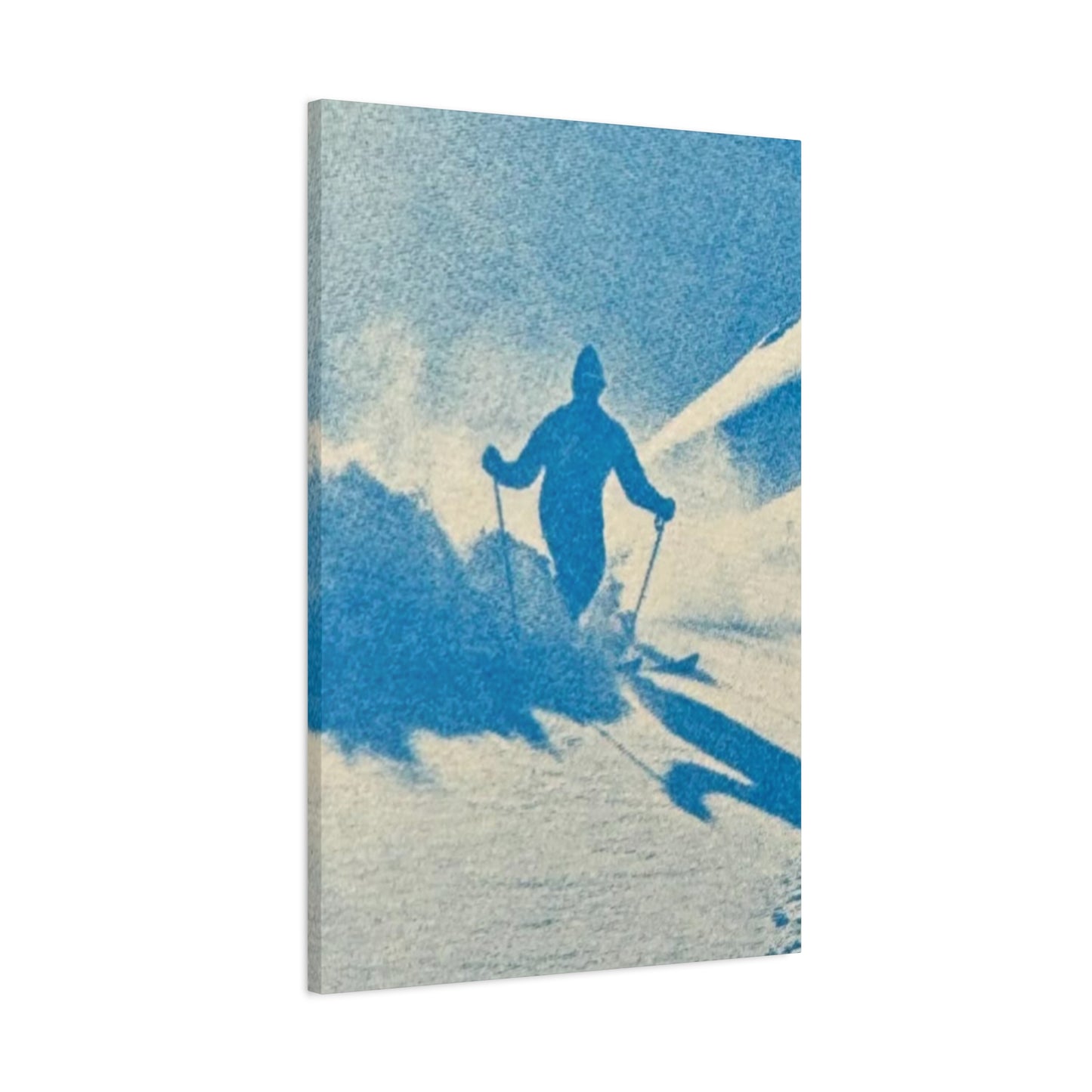
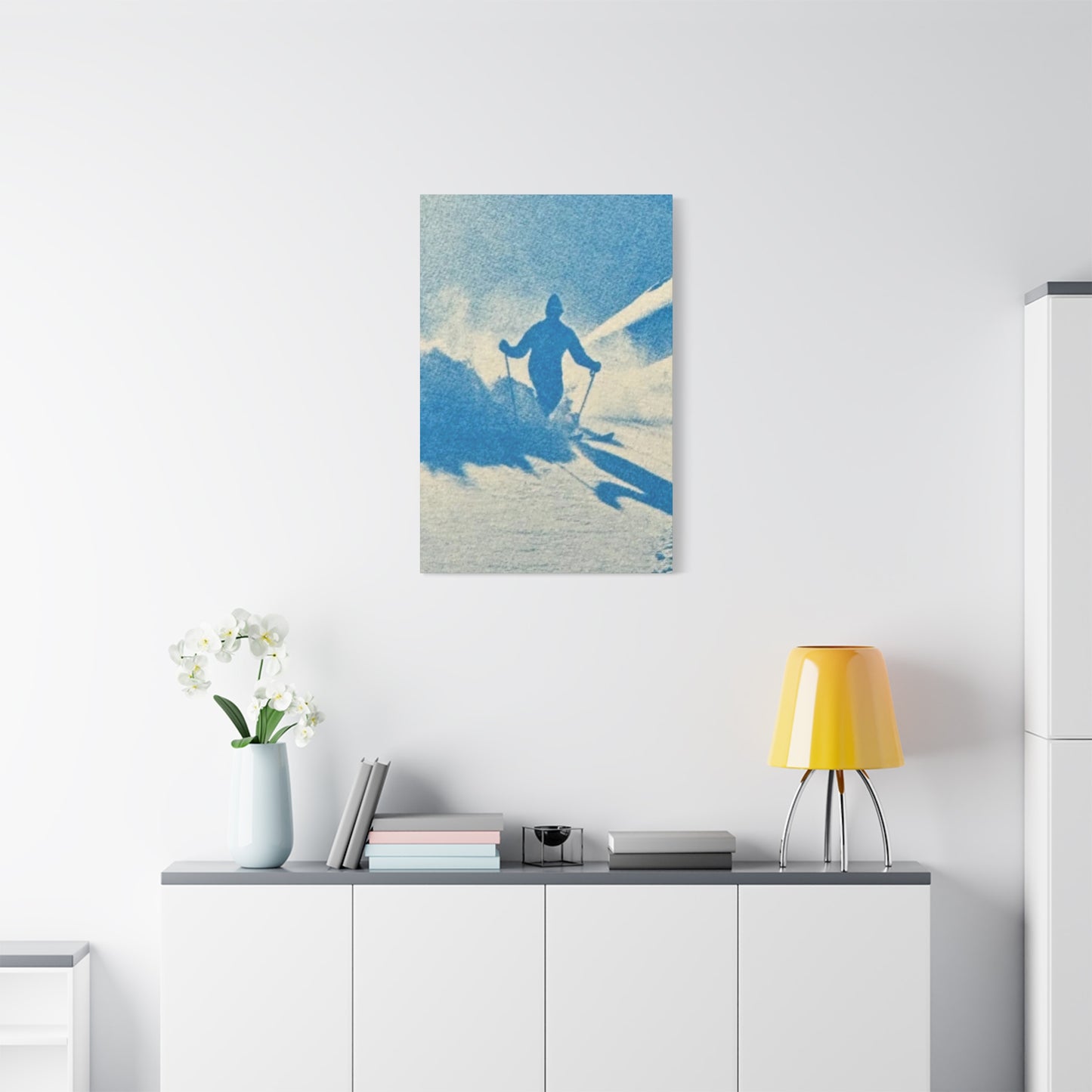
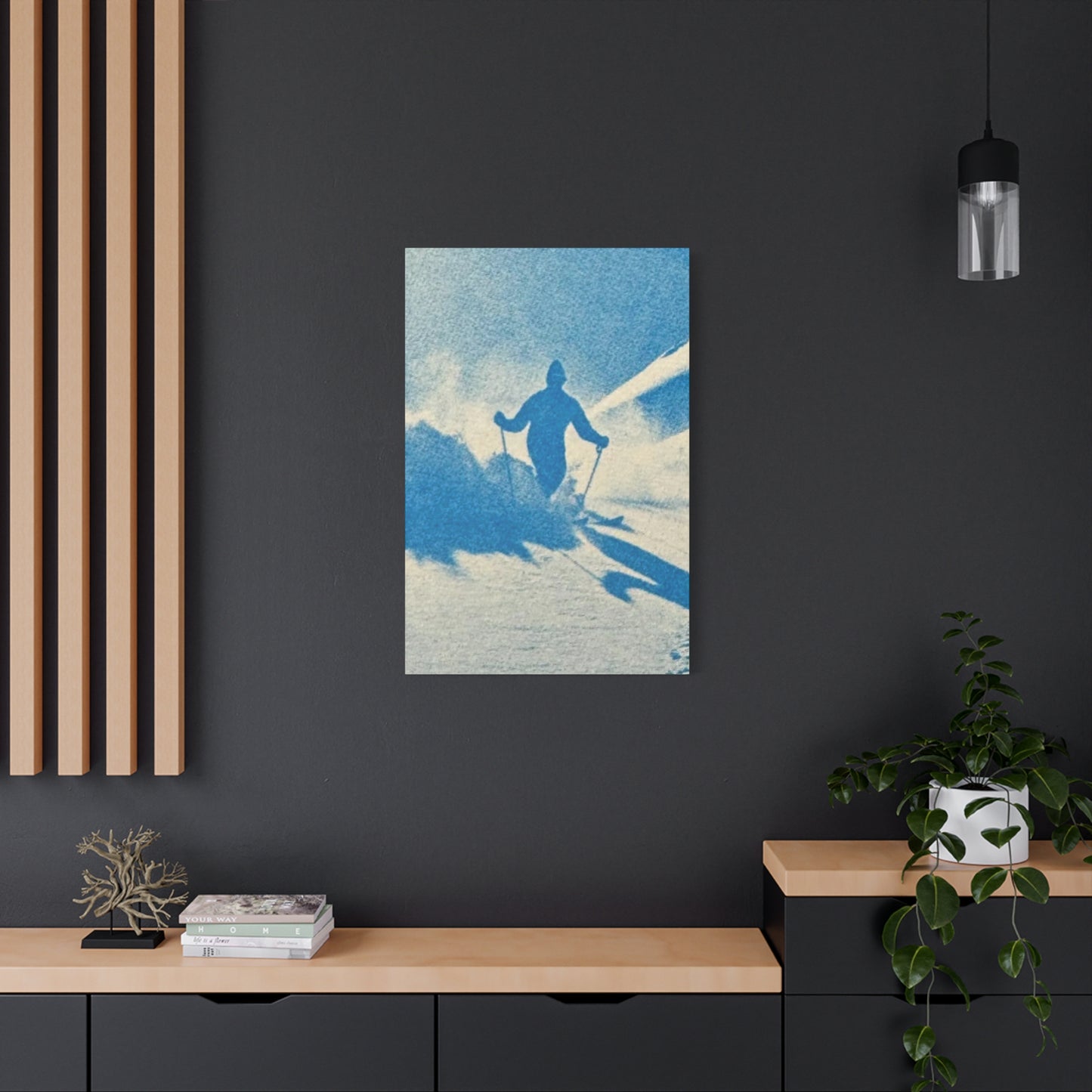
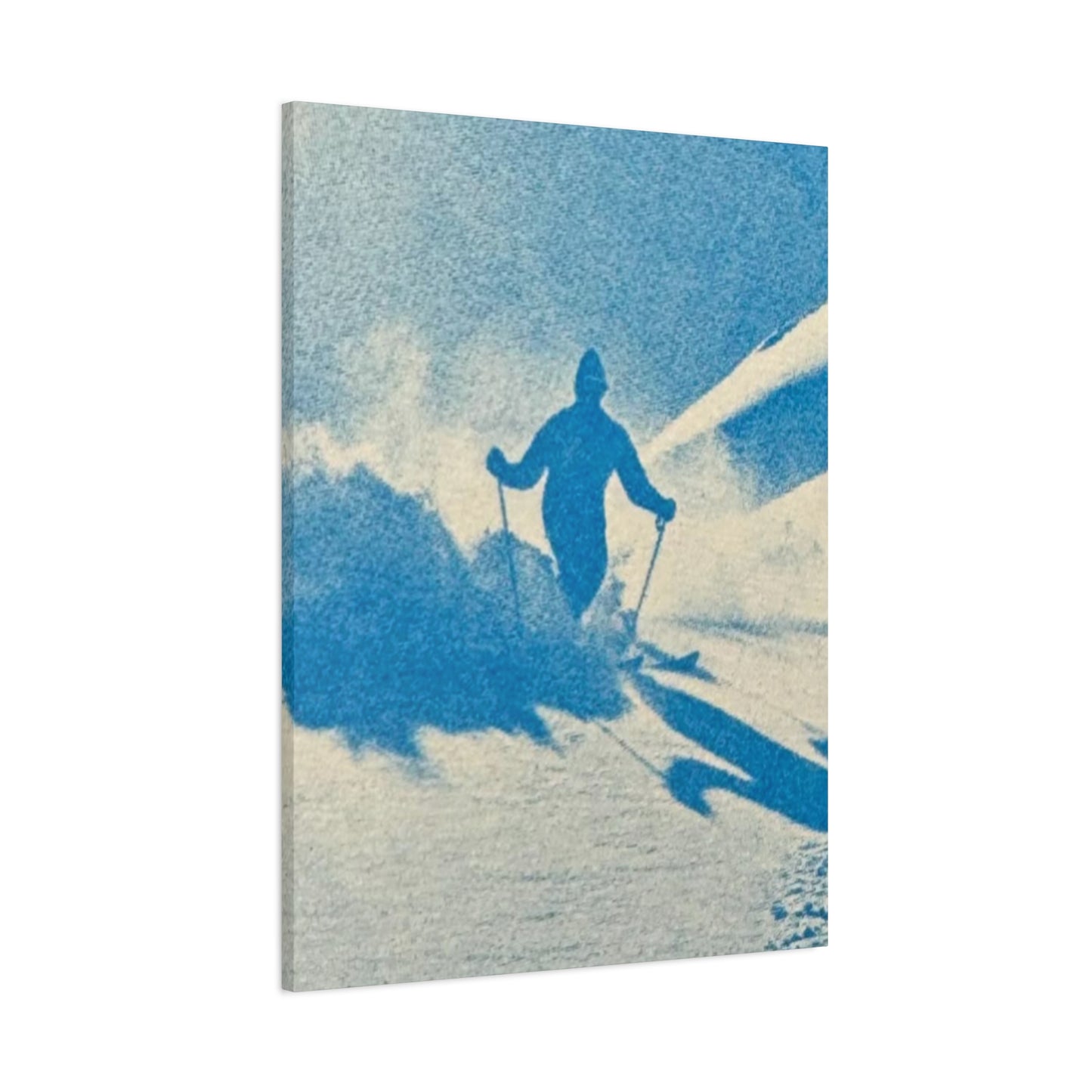
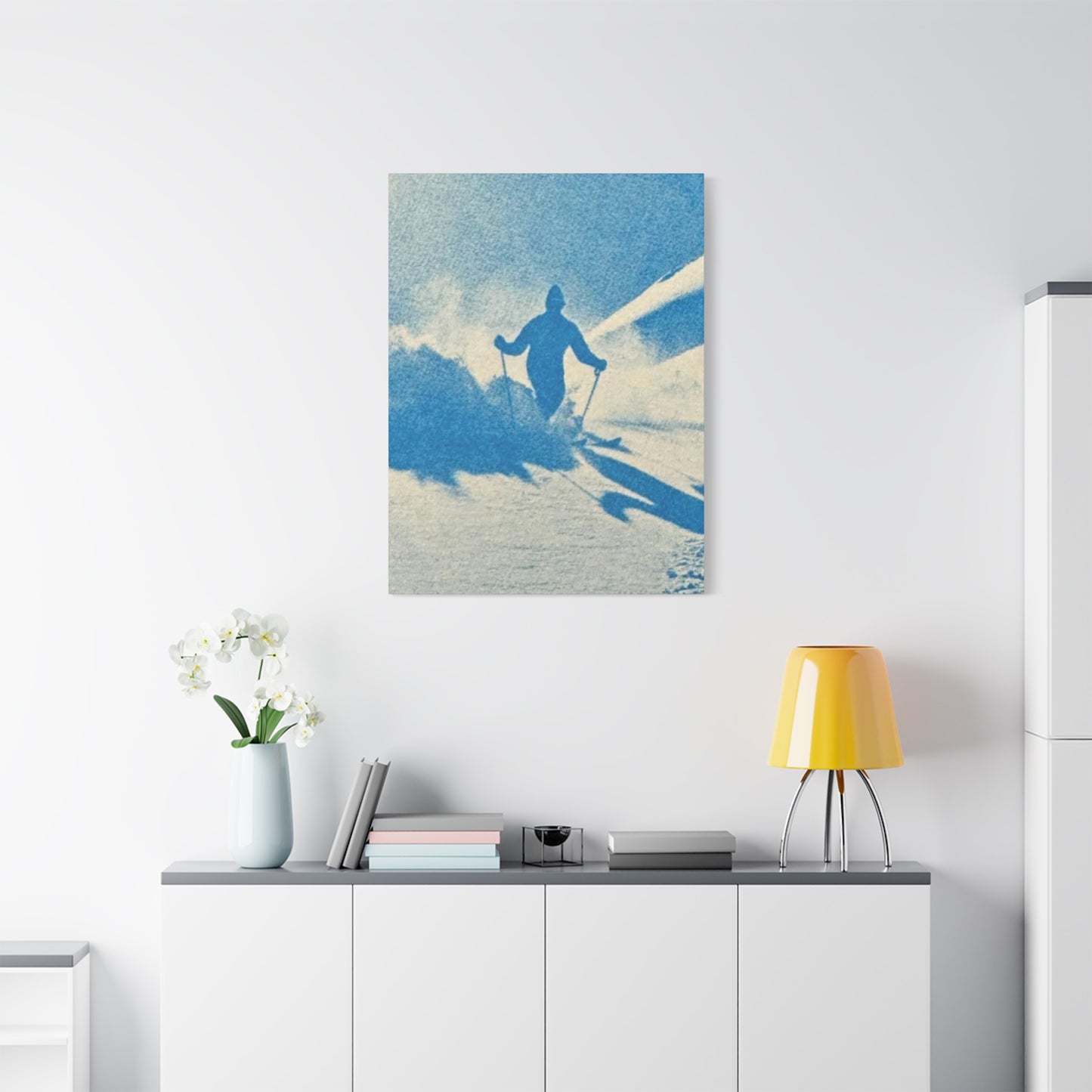
Crystal Snow Skiing Wall Art & Canvas Prints

Crystal Snow Skiing Wall Art & Canvas Prints

Regular price $141.23 USD
Regular price Sale price $141.23 USD
Sale Sold out
Size
Depth

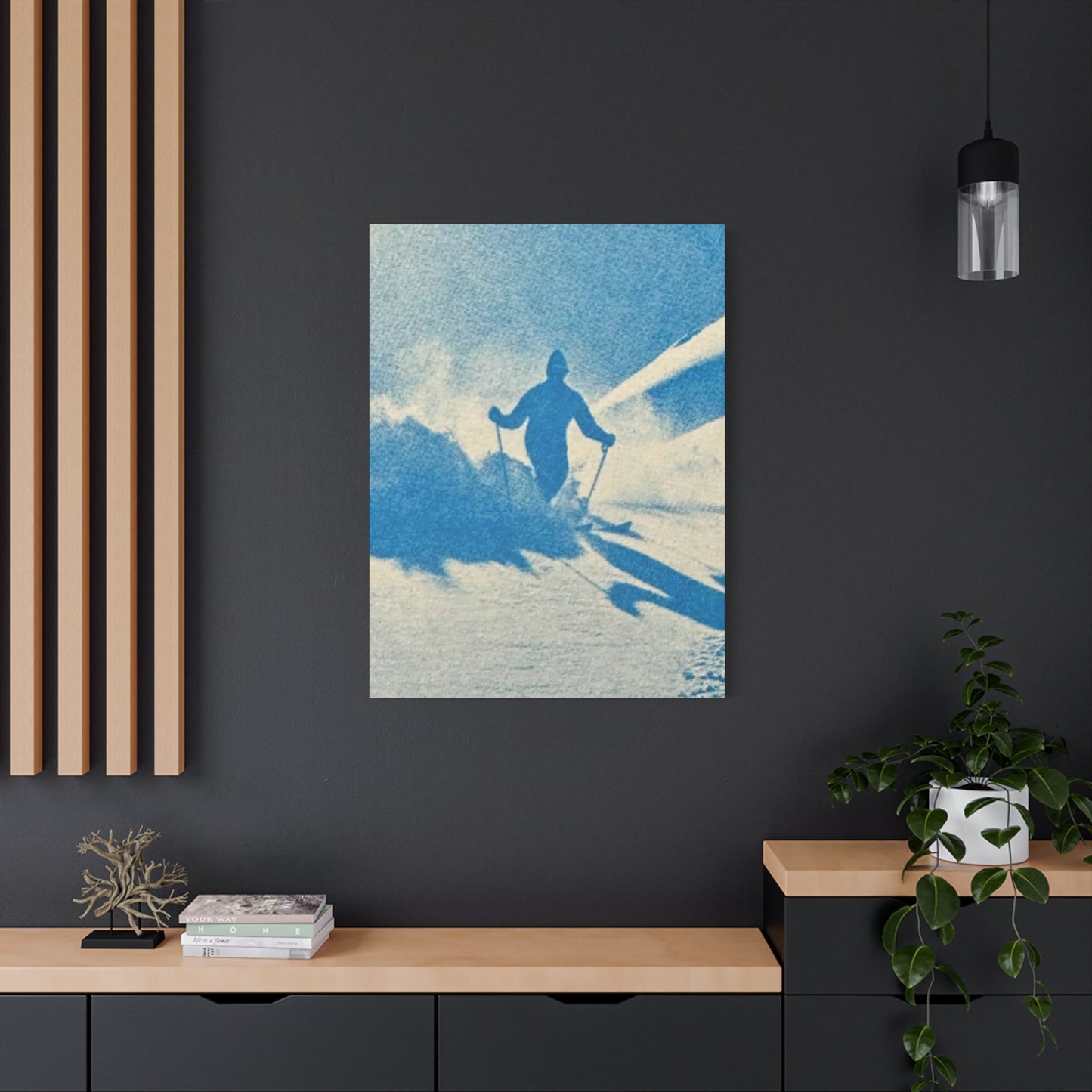
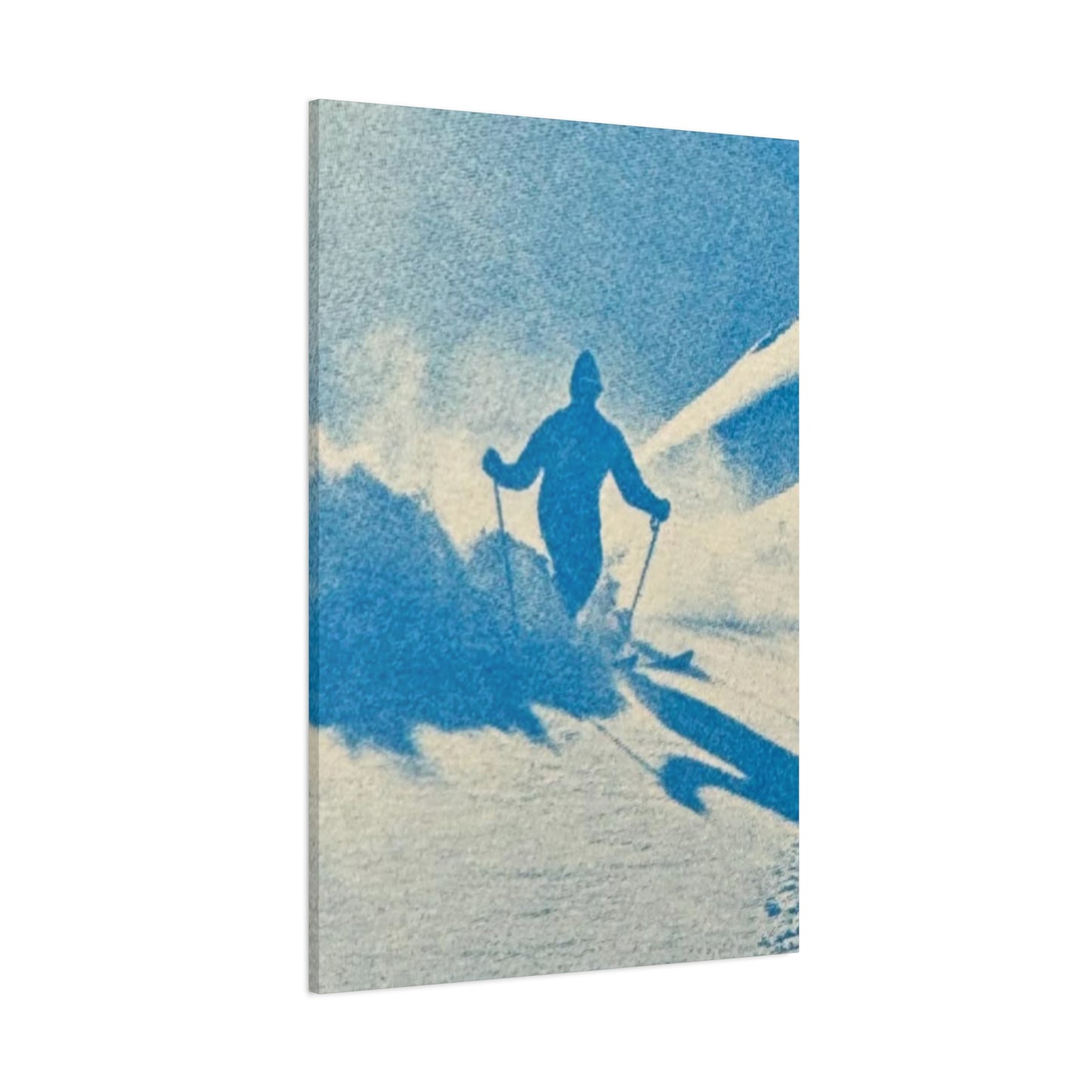
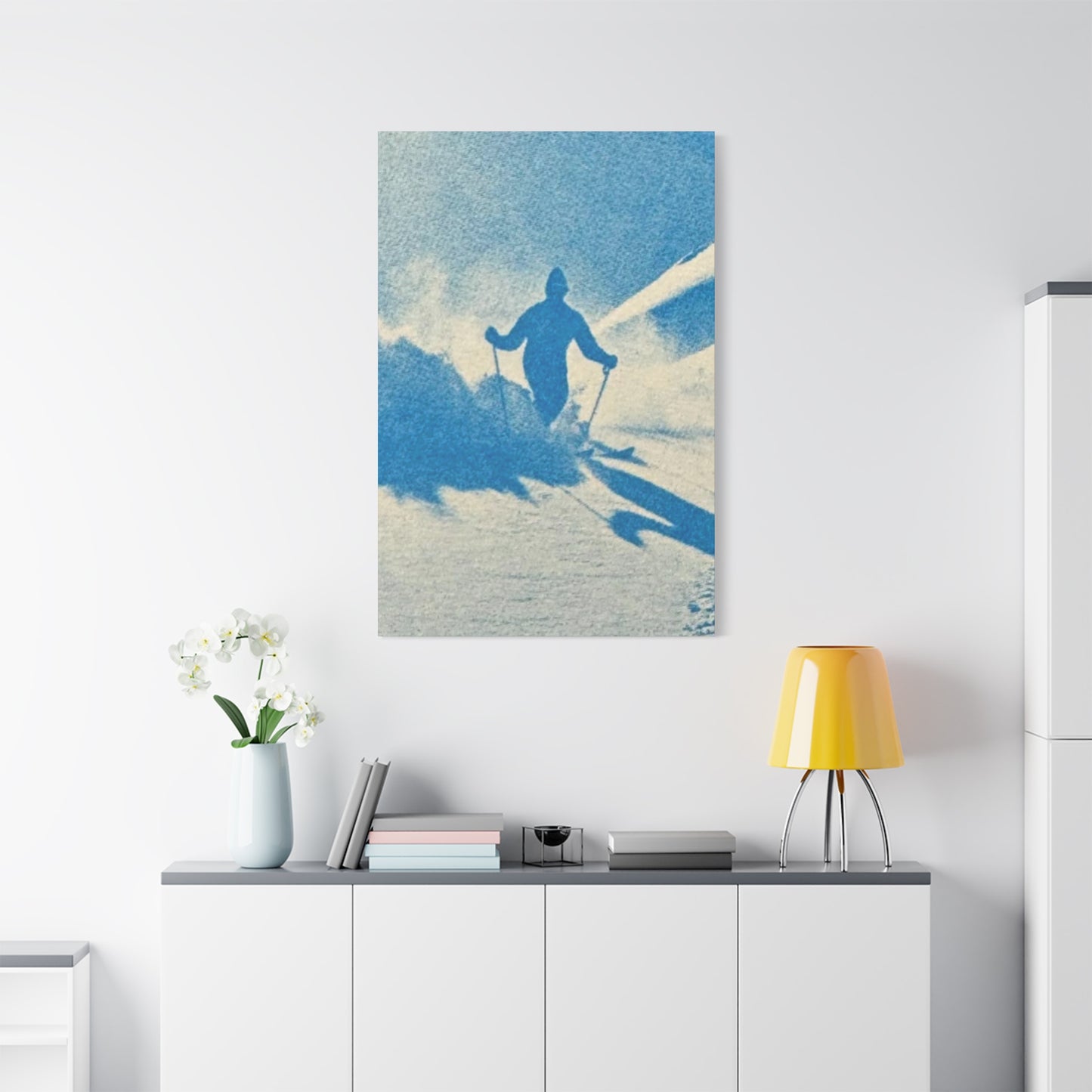
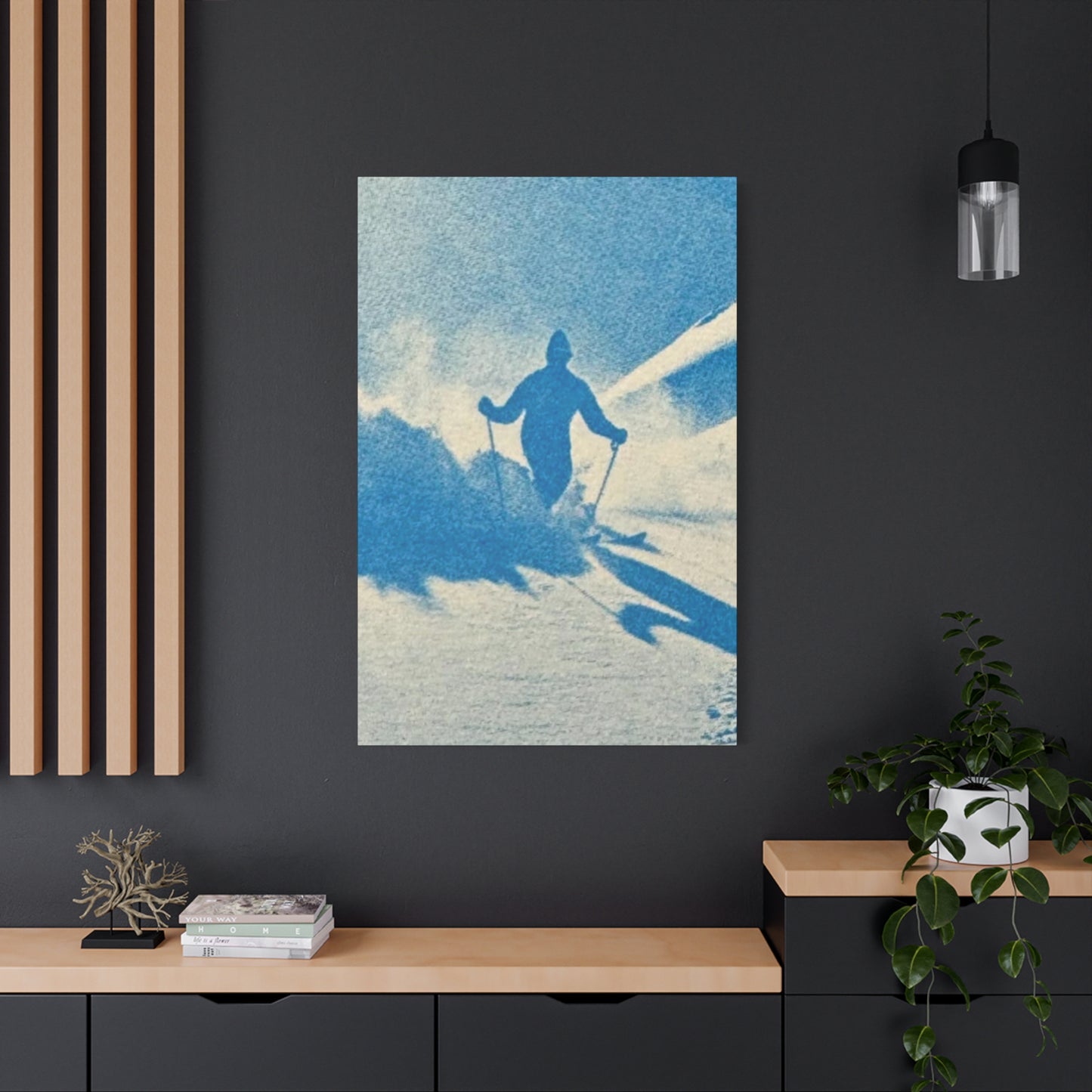
Breathtaking Crystal Snow Skiing Wall Art: Elevate Your Living Space with Alpine Magnificence

The allure of mountain landscapes and winter sports has captivated humanity for generations, inspiring countless artists to capture the raw beauty of snowy peaks and the exhilarating rush of gliding down pristine slopes. Crystal snow skiing wall art represents a magnificent fusion of athletic dynamism and natural splendor, bringing the majesty of alpine environments directly into your home or office. This comprehensive exploration delves into every aspect of these stunning decorative pieces, from their aesthetic appeal to their cultural significance, helping you understand why they've become such sought-after additions to contemporary interior design.

The Mesmerizing Appeal of Alpine-Themed Decorative Pieces in Modern Living Spaces

Mountain-themed artwork has experienced a remarkable surge in popularity over recent years, with homeowners and interior designers alike recognizing the transformative power these pieces bring to any environment. Crystal snow skiing wall art captures the essence of winter's most exhilarating moments, freezing them in time through various artistic mediums. These pieces serve as more than mere decoration; they function as windows into worlds of adventure, freedom, and natural beauty that many people aspire to experience but may not always have the opportunity to visit regularly.

The psychological impact of surrounding yourself with imagery that evokes powerful emotions cannot be overstated. When you display artwork depicting skiers carving through fresh powder against a backdrop of crystalline snow formations, you're not simply hanging a picture on your wall. You're creating an atmosphere that speaks to the human spirit's desire for adventure, challenge, and connection with the natural world. These visual elements can profoundly influence mood, motivation, and even daily productivity, making them valuable additions to both residential and commercial spaces.

Contemporary interior design increasingly emphasizes the importance of personal expression through decorative choices. Crystal snow skiing wall art allows individuals to showcase their passions, memories, and aspirations in a visually striking manner. Whether you're an avid skier who spends every winter weekend on the slopes or someone who simply admires the aesthetic beauty of mountain landscapes, these pieces offer a way to bring that passion into your everyday environment.

Exploring the Diverse Styles and Artistic Representations Available in Winter Sports Imagery

The world of crystal snow skiing wall art encompasses an incredibly diverse range of artistic styles, each offering unique visual characteristics and emotional resonance. Understanding these different approaches helps you select pieces that align perfectly with your aesthetic preferences and the overall design scheme of your space.

Photographic realism stands as one of the most popular approaches to creating skiing-themed artwork. These pieces capture actual moments on the mountain with stunning clarity and detail, preserving the texture of snow, the play of light across icy surfaces, and the dynamic movement of skiers in action. High-resolution photography allows viewers to appreciate minute details that might otherwise go unnoticed, from individual snow crystals sparkling in sunlight to the subtle gradations of color in a winter sunset reflecting off mountain peaks.

Abstract interpretations offer an entirely different perspective on skiing themes, using bold colors, geometric shapes, and expressive brushwork to convey the feeling and energy of the sport rather than literal representation. These pieces might reduce a skier to simplified forms or use swirling patterns to suggest the sensation of speed and movement down a mountainside. Abstract crystal snow skiing wall art works particularly well in modern, minimalist spaces where clean lines and bold visual statements take precedence over traditional representational artwork.

Vintage-inspired designs tap into nostalgia for skiing's golden age, drawing on the aesthetic of early-to-mid twentieth-century ski resort posters. These pieces often feature stylized figures, limited color palettes, and bold typography reminiscent of travel advertisements from decades past. The retro charm of these artworks appeals to those who appreciate both skiing culture and mid-century design sensibilities, creating a sense of timeless elegance that complements various interior styles.

Impressionistic renderings capture the ephemeral quality of light on snow and the fleeting moments of athletic grace through loose brushwork and atmospheric color choices. These paintings emphasize mood and sensation over precise detail, inviting viewers to experience the emotional resonance of a moment rather than focusing on its exact physical representation. The soft edges and blended colors characteristic of impressionism lend themselves beautifully to depicting the misty quality of falling snow or the golden glow of alpenglow on distant peaks.

Mixed-media compositions combine multiple artistic approaches and materials to create layered, textured pieces with exceptional visual depth. These works might incorporate actual crystalline elements, metallic foils, or dimensional components that catch light and cast shadows, adding a sculptural quality to the artwork. The tactile nature of mixed-media pieces makes them particularly engaging, encouraging viewers to examine them from multiple angles and distances to fully appreciate their complexity.

Understanding the Various Materials and Production Methods Used in Creating These Artistic Pieces

The materials and production methods employed in creating crystal snow skiing wall art significantly impact both the visual appearance and longevity of the finished piece. Familiarizing yourself with these different approaches helps you make informed decisions when selecting artwork for your space.

Canvas prints represent one of the most popular and versatile options for displaying skiing imagery. The fabric surface provides a classic, gallery-worthy appearance that suits virtually any setting. Canvas can be stretched over wooden frames for a traditional wrapped presentation or mounted on rigid backing for a more contemporary look. The texture of canvas adds depth and dimension to images, particularly those with painterly qualities or photographic subjects that benefit from a softer presentation. High-quality canvas prints utilize fade-resistant inks and protective coatings to ensure the colors remain vibrant for years, even when exposed to indirect sunlight.

Metal prints have gained tremendous popularity in recent years for their sleek, modern aesthetic and exceptional durability. This process infuses dyes directly into specially coated aluminum sheets, creating images with incredible depth, vibrancy, and luminosity. The reflective quality of metal surfaces makes colors appear more saturated and dynamic than on most other substrates. Metal prints work particularly well for crystal snow skiing wall art because they can capture the brilliant whites of fresh snow and the sharp contrasts of shadows on mountainsides with remarkable fidelity. The smooth, non-porous surface resists moisture, fingerprints, and fading, making metal prints ideal for high-traffic areas or spaces with challenging environmental conditions.

Acrylic mounting involves printing images on high-quality paper or directly onto acrylic, then sandwiching or face-mounting the result between clear acrylic panels. This creates a stunning three-dimensional effect with exceptional color saturation and a glossy, glass-like finish. The depth created by the acrylic layers gives the artwork a floating appearance that draws the eye and creates visual interest. Acrylic-mounted pieces work beautifully with skiing imagery because they can enhance the sense of depth in mountain landscapes and add a contemporary, gallery-quality presentation to any space.

Framed prints offer endless customization possibilities through the selection of matting, frame style, and glazing options. From simple black frames that let the artwork take center stage to ornate wood frames that add traditional elegance, the framing choices profoundly influence how a piece integrates into its surroundings. Museum-quality glass or acrylic glazing protects the print from environmental damage while minimizing reflections that might interfere with viewing. Multiple mat layers can create visual depth and separation between the artwork and its frame, while the choice of mat colors can either complement or contrast with the image to achieve specific aesthetic effects.

Hand-painted originals represent the pinnacle of uniqueness and artistic value in skiing-themed artwork. Whether created with oils, acrylics, watercolors, or other media, these one-of-a-kind pieces carry the unmistakable mark of the artist's hand and vision. Original paintings possess a depth and richness that reproductions simply cannot match, with visible brushstrokes, texture variations, and subtle color nuances that reveal themselves upon close examination. Commissioning or acquiring an original piece of crystal snow skiing wall art allows you to own something truly irreplaceable that can become a cherished heirloom passed down through generations.

Digital prints on specialty papers offer an affordable yet high-quality option for displaying skiing imagery. Modern giclée printing produces museum-quality reproductions with exceptional color accuracy and detail resolution. The choice of paper significantly impacts the final appearance—matte papers create a soft, non-reflective finish ideal for traditional or subdued color palettes, while glossy papers enhance color vibrancy and sharpness for more contemporary or high-contrast images. Fine art papers with textured surfaces can add an additional layer of visual interest that complements the subject matter beautifully.

Selecting the Perfect Dimensions and Placement Strategies for Maximum Visual Impact

Choosing the appropriate size and position for your crystal snow skiing wall art dramatically influences its effectiveness as a focal point and its harmony within the overall design scheme. Several factors deserve consideration when making these crucial decisions.

Scale relationships between the artwork and surrounding elements create visual balance and coherence. A massive canvas hung above a delicate console table creates an awkward, top-heavy appearance, while a tiny print centered on a large expanse of blank wall appears lost and insignificant. As a general guideline, artwork should occupy roughly two-thirds to three-quarters of the width of the furniture piece it hangs above. When creating a focal point on an empty wall, the artwork should be proportionate to the wall's dimensions—not so small that it disappears into the background, nor so large that it overwhelms the space.

Ceiling height plays a crucial role in determining appropriate artwork dimensions. Rooms with standard eight-foot ceilings typically accommodate pieces up to about forty inches in height when hung in the traditional manner with the center point at approximately fifty-seven to sixty inches from the floor—the average human eye level. Spaces with higher ceilings can comfortably display much larger works, including floor-to-ceiling pieces that create dramatic vertical emphasis. Conversely, rooms with lower ceilings benefit from horizontally oriented artwork that emphasizes the room's width rather than drawing attention to limited vertical space.

Room function influences both the type of skiing imagery you might choose and its appropriate placement. In a home office, motivational skiing scenes depicting challenging runs or triumphant summit moments can inspire determination and perseverance during difficult work projects. Placing such pieces within your direct line of sight when seated at your desk keeps these inspiring images readily visible throughout your workday. In bedrooms, softer, more peaceful alpine scenes create a calming atmosphere conducive to rest and relaxation, working best when positioned where they can be viewed from the bed but don't dominate the space with excessive visual stimulation.

Creating gallery walls allows you to display multiple related pieces in a cohesive arrangement that tells a story or explores different aspects of skiing and mountain environments. These collections might include various sizes of crystal snow skiing wall art, from small accent pieces to substantial centerpiece works, arranged in complementary compositions. Successful gallery walls maintain consistent spacing between pieces—typically two to three inches—and use a unifying element such as consistent frame style, mat color, or subject matter to tie the collection together visually. Planning gallery wall layouts on paper or using digital tools before making holes in your walls saves considerable frustration and ensures satisfying results.

Lighting considerations dramatically affect how artwork appears and can mean the difference between a piece that captivates attention and one that goes virtually unnoticed. Natural light brings artwork to life during daytime hours but must be managed carefully to prevent fading and damage. Positioning pieces perpendicular to windows rather than directly opposite them minimizes glare while still allowing them to benefit from natural illumination. Dedicated picture lights, track lighting, or recessed spotlights can dramatically enhance artwork visibility, particularly in spaces with limited natural light. When illuminating skiing scenes featuring snow and ice, proper lighting amplifies the crystalline sparkle and luminosity that make these subjects so visually compelling.

Architectural features within a room present both opportunities and challenges for artwork placement. A piece positioned above a fireplace mantel becomes an immediate focal point that draws the eye upon entering the room. Artwork can fill awkward spaces like the wall above a staircase landing or break up long, monotonous hallway walls. However, architectural elements like crown molding, chair rails, or wall paneling must be considered to ensure artwork placement respects and enhances these features rather than fighting against them.

Coordinating Color Palettes and Design Themes to Achieve Harmonious Interior Spaces

Successfully incorporating crystal snow skiing wall art into your existing décor requires thoughtful consideration of color relationships and thematic consistency. These elements work together to create spaces that feel intentional and cohesive rather than haphazard or cluttered.

The inherent color palette of skiing scenes—dominated by whites, blues, and grays—offers tremendous versatility in matching various interior design schemes. These cool tones pair beautifully with contemporary minimalist spaces featuring neutral foundations and clean lines. The crisp whites of snow-covered slopes echo white walls, light wood floors, and streamlined furnishings, while the blue tones found in shadows on snow, distant mountains, and clear winter skies add depth and visual interest without overwhelming the space.

Warm wood tones present in rustic or lodge-style interiors create stunning contrast with the cool palette of skiing imagery. This juxtaposition mirrors the experience of stepping from a warm, fire-lit cabin into the crisp mountain air outside. Exposed beams, reclaimed wood furniture, and natural stone elements provide the perfect backdrop for dramatic skiing scenes, creating spaces that celebrate mountain living in all its aspects. Adding touches of warm accent colors—burnt orange, deep red, or golden yellow—through pillows, throws, or other accessories bridges the gap between the warm architectural elements and the cool tones of the artwork.

Monochromatic schemes using varying shades and tints of a single color create sophisticated, cohesive spaces where skiing artwork serves as either a complementary element or a striking contrast depending on your approach. A room decorated entirely in shades of gray, from pale silver to charcoal, provides an elegant, gallery-like setting where black-and-white skiing photography or minimalist interpretations of mountain landscapes can shine. Alternatively, introducing full-color skiing scenes into such a space creates a dramatic focal point that draws the eye and injects energy into an otherwise subdued environment.

Analogous color schemes using colors adjacent on the color wheel—such as blues, greens, and purples—create harmonious spaces with depth and variation. Skiing artwork featuring twilight scenes with purple-tinged shadows or images including evergreen trees provides natural connections to décor elements in these color families. This approach allows for rich, layered color stories that feel cohesive despite incorporating multiple hues.

Complementary color relationships, using colors opposite each other on the color wheel, create vibrant, energetic spaces with maximum visual impact. The blue tones dominant in most skiing scenes pair beautifully with orange or gold accent colors in furnishings and accessories. A skiing scene featuring warm alpenglow or sunset lighting contains both sides of this complementary relationship within the artwork itself, making it easier to tie together diverse elements within the room.

Thematic consistency extends beyond color to encompass the overall design story you're telling through your space. A room designed around mountain living and outdoor adventure naturally welcomes crystal snow skiing wall art as a central element. Supporting this theme through other décor choices—perhaps vintage ski equipment displayed as sculptural objects, throw pillows featuring geometric patterns inspired by traditional Nordic sweaters, or lighting fixtures with rustic, lodge-appropriate styling—creates a immersive environment that transports occupants to alpine regions regardless of actual geographic location.

Eclectic spaces that draw from multiple design influences require a more nuanced approach to incorporating skiing artwork. The key lies in finding common threads that tie disparate elements together—perhaps a consistent level of formality, a unifying material palette, or a recurring color that appears in various forms throughout the space. In such settings, crystal snow skiing wall art might serve as an unexpected element that adds personality and interest precisely because it doesn't match everything else too perfectly.

Preserving and Protecting Your Artistic Pieces for Lasting Beauty and Value

Proper care and preservation practices ensure your crystal snow skiing wall art remains vibrant and beautiful for decades, protecting your investment and allowing future generations to enjoy these pieces. Understanding potential threats and implementing appropriate protective measures makes all the difference in longevity.

Light exposure represents the most significant threat to most artwork, with ultraviolet radiation causing irreversible fading and deterioration of colors and materials. Sunlight contains high levels of UV rays, but even artificial lighting contributes to cumulative damage over time. Positioning artwork away from direct sunlight provides the first line of defense. When placement near windows is unavoidable, UV-filtering window films, curtains, or blinds help mitigate damage during peak sun hours. For artificial lighting, choosing LED bulbs that emit minimal UV radiation and positioning lights to minimize direct exposure helps preserve your artwork. When framing prints, using UV-protective glass or acrylic adds an additional barrier against harmful rays.

Humidity and temperature fluctuations pose serious risks to many types of artwork, particularly pieces on paper or canvas. Excessive moisture can lead to mold growth, paper deterioration, and adhesive failure, while extremely dry conditions make materials brittle and prone to cracking. Maintaining relative humidity between forty and fifty percent and avoiding temperature extremes protects most artwork adequately. Avoid hanging pieces in bathrooms, laundry rooms, or directly above heating vents or radiators where environmental conditions fluctuate dramatically. In areas with challenging climates, dehumidifiers or humidifiers help maintain stable conditions conducive to artwork preservation.

Physical damage from impacts, abrasions, or improper handling threatens artwork regardless of the substrate material. When moving or cleaning pieces, always handle them by their frames or edges rather than touching the artwork surface directly. Oils from skin can damage certain materials and leave marks that accumulate over time. Regular dusting with soft, clean microfiber cloths removes particulates that might scratch surfaces. For glass or acrylic-glazed pieces, specialized glass cleaners applied to a cloth rather than directly on the surface prevent streaking and liquid seepage behind the glazing.

Mounting and hanging hardware must be appropriate to the weight and construction of your artwork to prevent falls that could result in catastrophic damage. Wall anchors rated for the specific wall type—drywall, plaster, concrete, or wood—and artwork weight ensure secure attachment. Wire hanging systems distribute weight evenly across the frame and allow for easy leveling adjustments. For particularly heavy or valuable pieces, consulting a professional art installer ensures proper mounting that protects both your artwork and your walls.

Environmental contaminants including smoke, cooking vapors, and airborne particles gradually accumulate on artwork surfaces, dulling colors and potentially causing staining or other damage. Keeping artwork away from kitchens and areas where smoking occurs minimizes exposure. Regular cleaning of the surrounding environment reduces the amount of contamination that settles on artwork. For pieces in high-traffic areas or spaces where airborne particles are unavoidable, glazing provides a protective barrier that's easily cleaned without risking damage to the artwork itself.

Periodic inspection of your crystal snow skiing wall art helps identify developing problems before they become serious. Check for signs of pest activity, particularly in areas where paper-based materials might attract insects. Look for changes in color that might indicate fading, areas where the surface appears to be lifting or separating from backing materials, and any signs of moisture damage such as warping, rippling, or discoloration. Addressing issues promptly often prevents minor problems from escalating into major damage requiring expensive restoration.

Professional conservation services become necessary when artwork sustains damage beyond what simple cleaning and basic care can address. Trained conservators possess specialized knowledge and materials to repair tears, restore faded colors, remove stains, and address structural issues while preserving as much of the original artwork as possible. While conservation services represent a significant investment, they often prove invaluable for pieces with substantial monetary or sentimental value that cannot be replaced.

Discovering Where to Source Authentic and High-Quality Skiing-Themed Artwork

Finding the perfect crystal snow skiing wall art requires knowing where to look and how to evaluate quality and authenticity. Numerous sources offer these pieces, each with distinct advantages and considerations.

Gallery showings and exhibitions focused on outdoor recreation, nature, or mountain themes provide opportunities to view artwork in person and speak directly with artists. This face-to-face interaction allows you to understand the artist's vision, learn about their creative process, and potentially commission custom pieces tailored to your specific preferences. Many galleries specialize in regional artists who draw inspiration from nearby mountain ranges, offering artwork that captures the unique character of specific skiing destinations. The expertise of gallery staff can be invaluable in guiding your selection process and providing information about artists, techniques, and appropriate display methods.

Online marketplaces have democratized access to artwork from creators around the world, making it possible to browse thousands of options without leaving home. Reputable platforms verify artist credentials, provide detailed product information, and offer buyer protection policies that minimize risk when purchasing unseen items. High-resolution images and zoom features allow detailed examination of artwork, though limitations remain compared to in-person viewing. Reading reviews from previous purchasers provides insight into product quality, shipping reliability, and how accurately online representations match received items.

Art fairs and outdoor recreation expos bring together multiple artists and vendors in single locations, creating efficient opportunities to compare styles, prices, and quality across numerous options. These events often feature special show pricing and the ability to negotiate directly with artists or their representatives. The energetic atmosphere of art fairs can inspire decision-making, though the temporary nature of these events means you must act relatively quickly rather than having unlimited time to deliberate.

Direct relationships with individual artists offer the most personalized artwork acquisition experience. Following artists through social media, subscribing to newsletters, and visiting studio websites keeps you informed about new works and available pieces. Many artists accept commission requests, creating custom pieces that incorporate specific mountains, skiing styles, or color palettes perfectly suited to your space. While commissioned works typically command higher prices and require longer lead times than purchasing existing pieces, the result is something truly unique that reflects your personal vision.

Print-on-demand services provide access to extensive libraries of skiing imagery at various price points and sizes. These companies maintain partnerships with photographers and artists, handling production and fulfillment while paying royalties to creators. The advantage lies in standardized quality control and the ability to order pieces in precisely the size and format you need. However, print-on-demand offerings may lack the uniqueness and artistic character of limited-edition prints or original works.

Estate sales, auctions, and antique markets occasionally yield vintage skiing posters and artwork with historical significance and unique aesthetic appeal. These pieces often feature distinctive artistic styles and printing methods no longer commonly used, providing authentic period character that reproductions cannot match. Provenance research adds interesting backstory to such pieces, potentially increasing their value and making them conversation starters. However, condition issues are more common with vintage items, and authentication of valuable pieces may require expert consultation.

Local artists in mountain communities often create work inspired by their surroundings, offering authentic representations of regional skiing destinations. Purchasing from local creators supports the artistic community while acquiring pieces with genuine connection to specific places. Many ski resort towns host art walks, open studio events, or maintain cooperative galleries where multiple artists display work, providing convenient access to locally created crystal snow skiing wall art.

Museum shops and cultural institution retail operations curate selections of high-quality reproductions featuring works from their collections alongside pieces by contemporary artists. The curatorial expertise these institutions bring to their retail offerings provides assurance of artistic merit and production quality. Purchases often support the institution's broader mission, allowing you to contribute to cultural preservation while acquiring artwork for your personal enjoyment.

Exploring the Cultural Significance and Heritage of Skiing in Artistic Expression

Skiing occupies a unique position in cultural consciousness, representing not merely a recreational pursuit but a complex intersection of sport, nature, social status, and human achievement. Understanding this broader context enriches appreciation for crystal snow skiing wall art and the themes it explores.

The earliest representations of skiing date back thousands of years, with prehistoric rock carvings in Scandinavia and Central Asia depicting figures on what appear to be skis. These ancient images suggest skiing's origins as a practical means of winter transportation rather than recreation, highlighting humanity's ingenuity in adapting to challenging environmental conditions. While these primitive depictions lack the artistic sophistication of contemporary work, they establish skiing's long relationship with human visual expression.

As skiing evolved from purely utilitarian practice to recreational pursuit during the nineteenth and twentieth centuries, artistic representations shifted accordingly. The emergence of skiing as leisure activity coincided with the golden age of travel posters, producing iconic images that promoted mountain destinations to affluent urbanites seeking adventure and escape. These vintage posters employed bold colors, stylized figures, and romantic representations of mountain landscapes to evoke the glamour and excitement of skiing holidays. Many contemporary artists draw inspiration from this aesthetic, creating crystal snow skiing wall art that channels the optimism and visual impact of these classic designs while applying modern production methods and sensibilities.

The competitive and professional skiing world has inspired dramatic action imagery that captures athletes at the pinnacle of performance. From downhill racers crouched in aerodynamic positions as they rocket toward finish lines to freestyle skiers executing gravity-defying aerial maneuvers, these images celebrate human physical capabilities and the pursuit of excellence. Action photography in skiing presents unique challenges—capturing split-second moments of peak action while conveying the speed, grace, and power of elite athletes requires exceptional technical skill and artistic vision. The resulting images possess immediate visual impact and emotional resonance that makes them compelling subjects for wall art.

Documentary and landscape traditions in skiing photography emphasize the environments where the sport occurs rather than the athletes themselves. These images explore the sublime beauty of alpine landscapes, the particular quality of light at high elevations, and the textural richness of snow in its infinite variations. Such work often carries contemplative, almost spiritual qualities, inviting viewers to experience the peace and majesty of mountain environments vicariously through the artwork. This approach to crystal snow skiing wall art appeals particularly to those who value skiing primarily as a means of connecting with nature rather than as pure athletic challenge.

Contemporary fine artists have embraced skiing themes while bringing diverse aesthetic approaches and conceptual frameworks to their work. Some explore themes of environmental change and the vulnerability of mountain ecosystems in an era of climate volatility. Others examine social and economic aspects of skiing culture, including questions of accessibility, representation, and the tension between recreational use and environmental preservation. These more conceptually driven works may employ experimental techniques, unconventional materials, or provocative compositions to challenge viewer assumptions and prompt deeper reflection on what skiing means in contemporary society.

Regional variations in skiing culture find expression in artistic representations that capture distinctive characteristics of different mountain areas and skiing traditions. The massive vertical drops and champagne powder of the Rocky Mountains inspire images quite different from those depicting the more modest elevations and varied snow conditions of the Appalachian Range. European ski culture, with its emphasis on village-to-village touring and mountain hut systems, produces artwork with different aesthetic qualities than representations of North American resort skiing. These regional distinctions add richness and diversity to the universe of skiing-themed artwork, allowing collectors to explore different facets of global skiing culture.

The democratization of photography and digital art creation has expanded who can create and share skiing imagery, moving beyond professional artists and photographers to include the broader skiing community. Social media platforms overflow with images captured by ordinary skiers documenting their mountain experiences. While much of this content serves primarily as personal documentation, some creators develop substantial followings and produce work that transcends snapshot status to become genuine artistic expression. This grassroots creativity enriches skiing culture and provides emerging artists with platforms to build audiences and develop their craft.

Commissioning Custom Pieces Tailored to Your Specific Vision and Requirements

While selecting from existing crystal snow skiing wall art offers many excellent options, commissioning custom pieces allows you to realize highly specific visions perfectly suited to your space and preferences. Understanding the commissioning process helps ensure successful outcomes that exceed expectations.

Clarifying your vision represents the crucial first step in any commission relationship. Consider which aspects of skiing and mountain environments resonate most strongly with you. Do you want to commemorate a specific mountain you've skied or a particular memorable run? Are you drawn to the athletic dynamism of skiing or the serene beauty of winter landscapes? What mood do you want the artwork to evoke—energizing and motivational or calming and contemplative? Thinking through these questions before approaching an artist helps ensure productive initial conversations.

Artist selection requires researching creators whose existing work demonstrates aesthetic sensibilities aligned with your vision. Review portfolios carefully, noting not just subject matter but stylistic approaches, color palettes, compositional strategies, and the emotional qualities different pieces convey. While artists can work outside their usual styles, most produce their strongest work when creating pieces consistent with their established artistic voice. Read artist statements and about pages to understand their conceptual interests and creative philosophies, ensuring compatibility between your expectations and their approach.

Initial consultations establish whether a productive collaboration is possible and allow both parties to assess fit before making commitments. Prepare to articulate your vision clearly while remaining open to the artist's input and suggestions. Experienced artists bring valuable expertise regarding what works visually, what's technically feasible within various mediums, and how to translate vague ideas into concrete artistic plans. The best commission relationships involve genuine collaboration where client vision and artist expertise combine to produce results neither party could achieve independently.

Budget discussions should occur early in the process to ensure expectations align with financial realities. Custom artwork pricing reflects numerous factors including the artist's experience and reputation, piece dimensions, medium complexity, and timeline requirements. Original works command significantly higher prices than prints, and large-scale pieces require substantially more time and materials than smaller works. Rush projects typically incur premium charges. Being transparent about your budget allows artists to propose options that work within your parameters, whether that means adjusting dimensions, simplifying certain aspects, or suggesting alternative approaches.

Timeline expectations must accommodate the realities of artistic creation, which rarely proceeds on perfectly predictable schedules. Artists typically provide estimated completion dates rather than guarantees, as creative processes can encounter unexpected challenges or developments. Allowing adequate time—typically several months for substantial original works—reduces pressure on the artist and produces better results. If your commission relates to a specific event or deadline, communicate this clearly upfront and confirm whether the timeline is feasible before proceeding.

Contract agreements protect both parties by documenting essential terms including artwork specifications, pricing, payment schedule, timeline, delivery method, and what happens if either party needs to cancel. Contracts should address copyright and reproduction rights—typically the artist retains copyright even after selling the physical artwork, though usage rights can be negotiated. Having clear written agreements prevents misunderstandings and provides recourse if problems arise.

Approval processes vary among artists, with some providing sketches or preliminary versions for client review while others work more independently before revealing completed pieces. Discuss expectations regarding interim reviews and revision opportunities during initial negotiations. While most artists accommodate reasonable revision requests during the creation process, extensive changes or complete directional shifts may incur additional charges. Understanding these parameters from the outset prevents frustration later.

Payment structures typically involve deposits upfront—often thirty to fifty percent of the total—with the balance due upon completion. This arrangement protects artists from investing substantial time and materials in projects that clients might abandon while giving clients assurance that work will proceed as agreed. Some arrangements include interim payments at specified project milestones for very large or complex commissions. Whatever structure you agree upon, ensure you understand when payments are due and what each payment releases.

Delivery logistics require planning, particularly for large or fragile pieces. Determine who bears responsibility for shipping costs and insurance. Professional packing is essential to prevent damage in transit, and adequate insurance protects against loss or damage during shipping. For very valuable or delicate pieces, hand delivery or specialized art transport services provide greater security than standard shipping companies, though at considerably higher cost.

Conclusion 

Building collections of related crystal snow skiing wall art allows you to explore themes more deeply than single pieces permit while creating visually compelling displays that transform walls into curated exhibitions. Developing successful collections requires thoughtful planning and an understanding of how individual pieces relate to one another.

Thematic unity provides the foundation for strong collections, giving viewers a clear sense of the story or concept the collection explores. You might focus on a single mountain range, documenting its various aspects across seasons, times of day, or atmospheric conditions. Alternatively, your collection could trace the progression of a ski run from summit to base, with each piece capturing a different section or perspective. Some collectors focus on specific types of skiing—powder, groomed runs, backcountry, racing—creating collections that comprehensively explore particular aspects of the sport. Others build collections around artistic approaches, assembling works by multiple artists who share similar aesthetic sensibilities or work in complementary styles.

Visual coherence prevents collections from feeling random or disjointed even when including pieces with different subjects or by different artists. Consistent framing creates immediate visual unity—using identical or very similar frame styles, matting approaches, and glazing options helps individual pieces read as parts of a cohesive whole. Even when mixing different artwork sizes, maintaining consistent framing grounds the collection and prevents it from appearing chaotic. Color palette consistency also promotes unity, with pieces sharing dominant or accent colors creating natural harmonies even when depicting different subjects.

Compositional variety within unified collections prevents monotony and maintains visual interest. Mixing horizontal and vertical orientations adds dynamism, as does varying artwork sizes to create rhythmic relationships between larger and smaller pieces. Some positions should feature more complex, detailed works that reward extended viewing, while others might display simpler pieces that provide visual rest and prevent the collection from overwhelming viewers. Balancing busy, high-contrast images with quieter, more subtle pieces creates pleasant visual rhythm that guides the eye through the collection.

Narrative sequencing arranges pieces in orders that tell stories or guide viewers through experiences. A collection might begin with images of early-morning mountain light, progress through active skiing scenes during peak daylight hours, and conclude with sunset or evening images. Alternatively, sequencing might follow a spatial logic, moving from wide landscape establishing shots through medium perspectives showing skiers in context to close-up details of snow textures, equipment, or athlete expressions. Creating clear narrative or spatial logic helps viewers engage with collections as unified experiences rather than random assemblages.

Grid arrangements provide the most formal, structured approach to displaying collections, with pieces hung in perfectly aligned rows and columns with equal spacing throughout. This method works beautifully for series of identically sized pieces and creates a gallery-like presentation that emphasizes the artwork itself over decorative styling. The mathematical precision of grid arrangements suits contemporary and minimalist spaces where clean lines and orderly compositions predominate.

Salon-style arrangements pack multiple pieces of varying sizes into defined wall areas, creating visually dense, energetic displays. This approach originated in European art salons where exhibition space was limited and paintings covered walls floor to ceiling. Contemporary salon arrangements typically use more restraint, leaving some negative space around the perimeter and between pieces, but maintain the energetic, curated quality of traditional salon hangs. This style works particularly well for eclectic spaces and allows for continued collection growth as new pieces can be incorporated into existing arrangements.

Asymmetrical balance creates dynamic, contemporary arrangements that feel carefully composed despite lacking perfect symmetry. These layouts typically feature one larger anchor piece off-center, with smaller pieces arranged around it in ways that balance its visual weight while creating movement and flow. Asymmetrical arrangements require careful planning but produce sophisticated results that showcase individual pieces while creating compelling overall compositions.

Spacing considerations dramatically affect how collections read visually. Gallery-standard spacing places pieces two to three inches apart, close enough that pieces clearly relate to one another but with sufficient separation that each remains distinct. Tighter spacing increases visual unity and energy but risks creating cluttered appearances, particularly with busy or high-contrast images. Wider spacing emphasizes individual pieces and creates a more relaxed, expansive feeling but may weaken the sense of relationship between works if taken too far.

Color story development uses the color relationships within and between pieces to create sophisticated visual effects. You might organize pieces in gradients, moving from predominantly warm tones to cool ones or from light values to dark. Alternatively, rhythm can be created by alternating pieces with different dominant colors, creating visual beats that guide viewers through the collection. Understanding basic color theory helps you make intentional choices that enhance the aesthetic impact of your collection.

Lighting design for collections requires planning to ensure all pieces receive adequate, balanced illumination. Track lighting systems offer flexibility, with multiple adjustable heads that can be positioned to light different pieces appropriately. Picture lights work well for highlighting individual pieces within collections but may create uneven lighting if used inconsistently. Ambient lighting from recessed ceiling fixtures or natural sources should be considered in your overall lighting scheme, with dedicated art lighting supplementing but not necessarily replacing general illumination.

In conclusion, the artwork we choose to display in our living and working spaces exerts subtle but significant influence on our emotional states, thought patterns, and overall psychological wellbeing. Crystal snow skiing wall art carries particular qualities that make it especially effective in promoting positive mental states and supporting personal goals.

Biophilic design principles recognize humanity's innate need for connection with natural environments and the positive effects of incorporating natural elements into built spaces. Skiing artwork inherently includes natural landscapes—mountains, forests, snow, sky—bringing these elements into indoor environments where people spend the majority of their time. Research consistently demonstrates that exposure to nature, even through representational imagery, reduces stress, lowers blood pressure, and improves mood. 


View full details