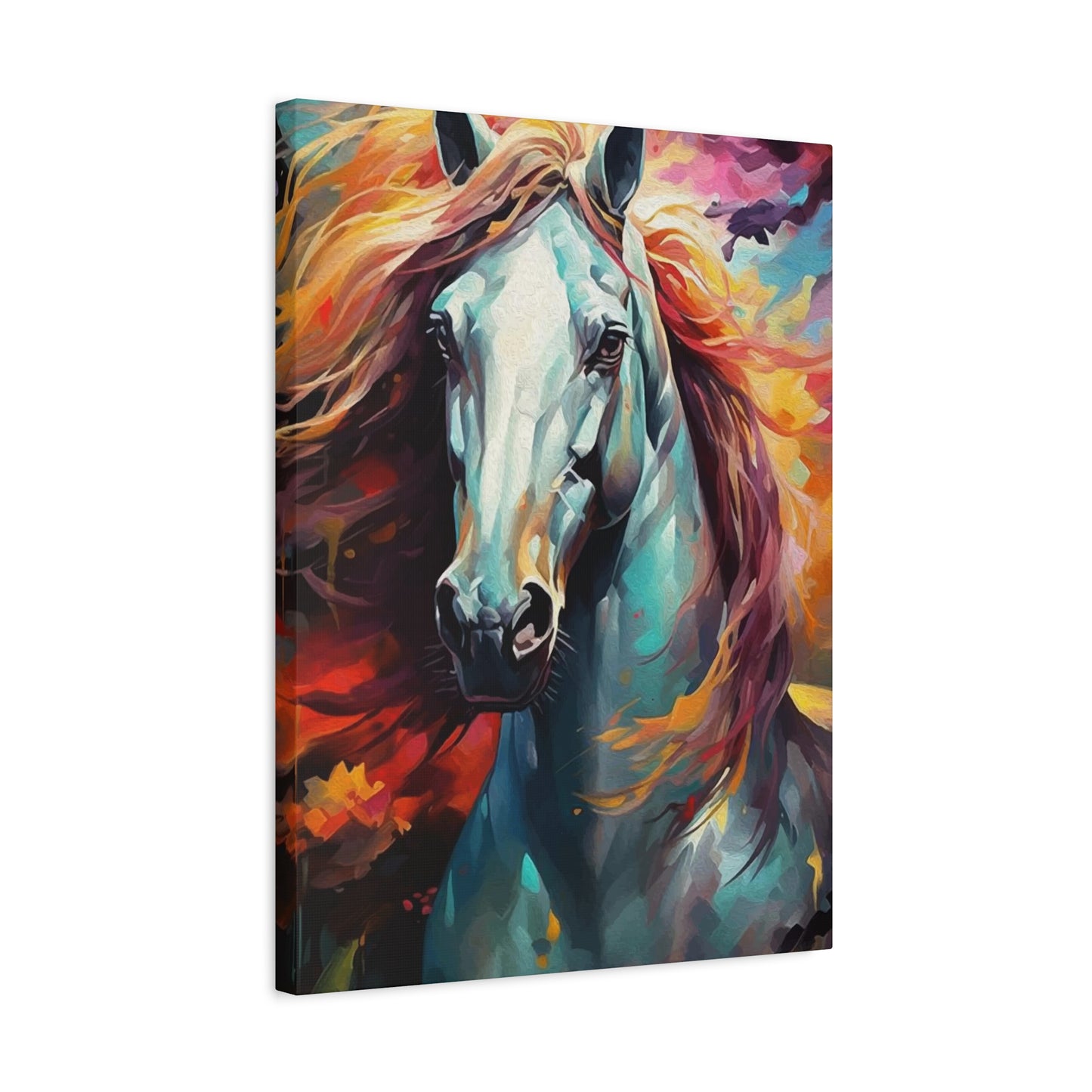
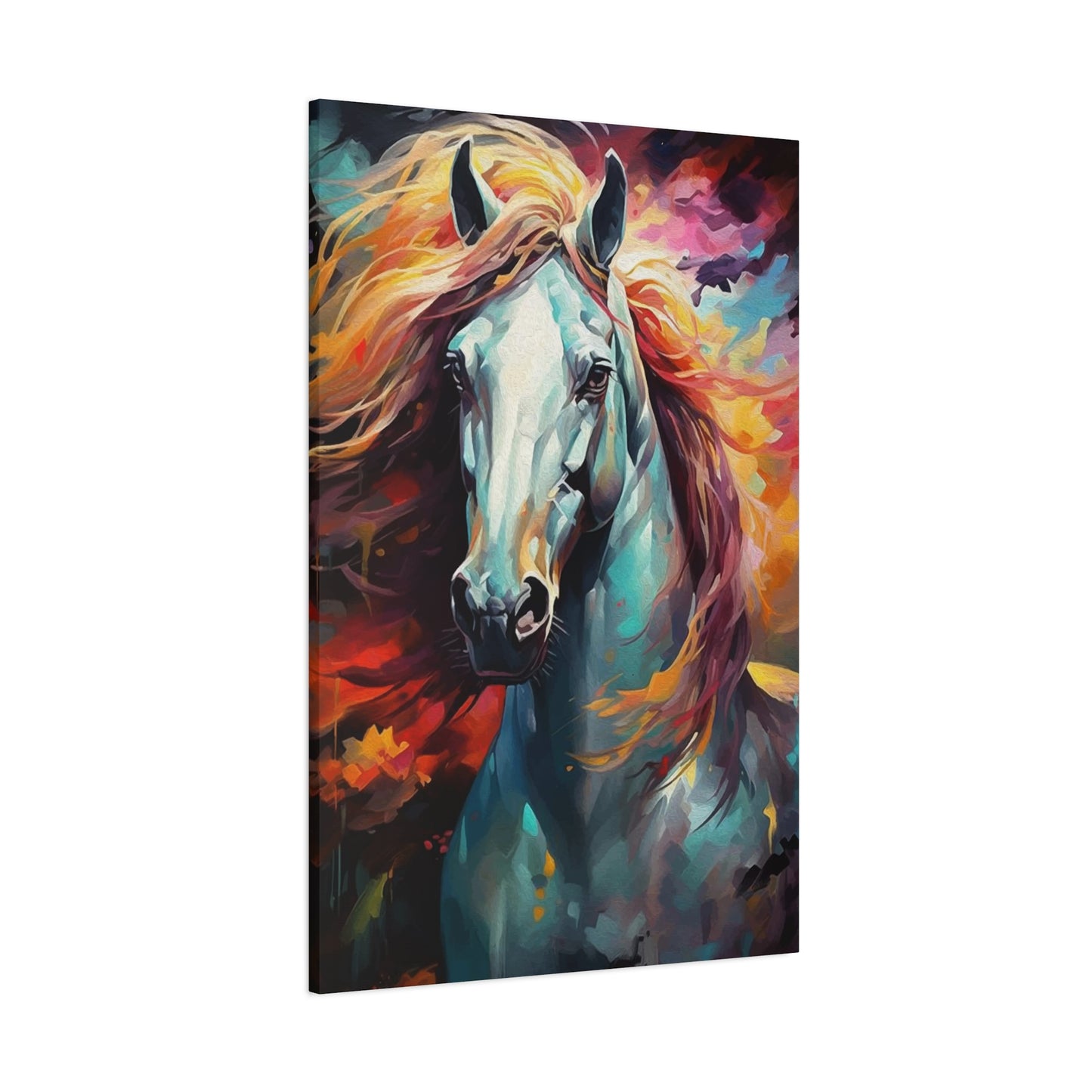
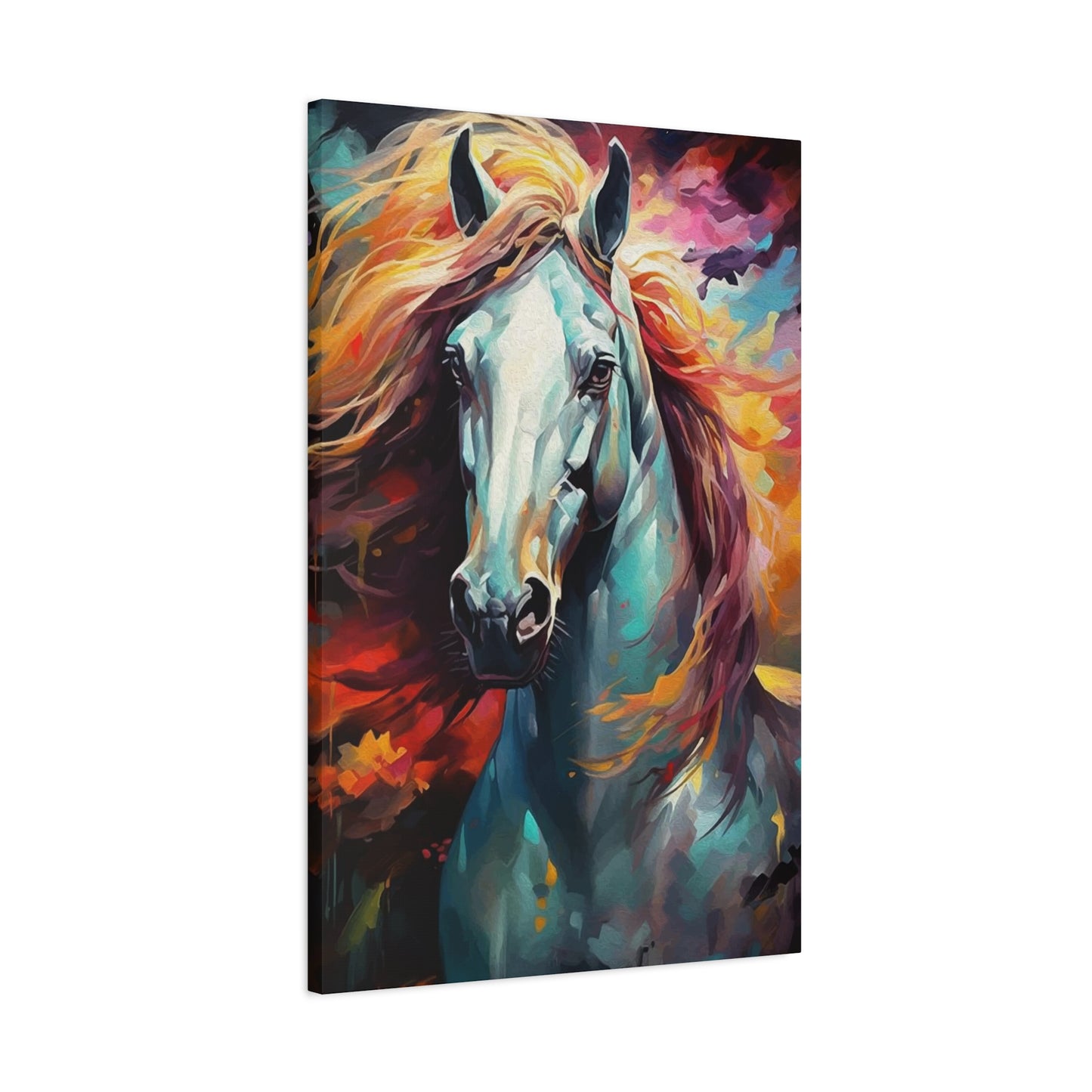
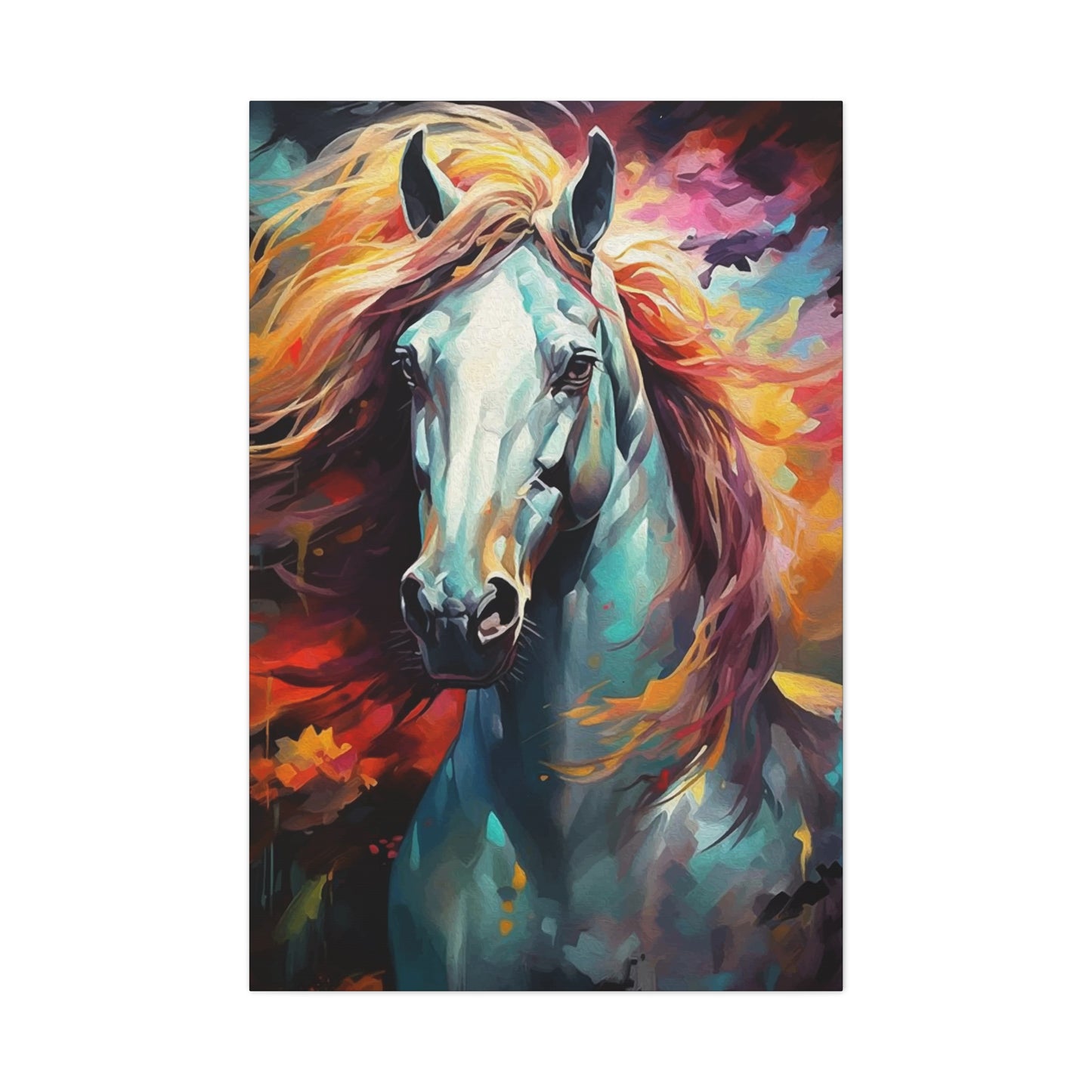
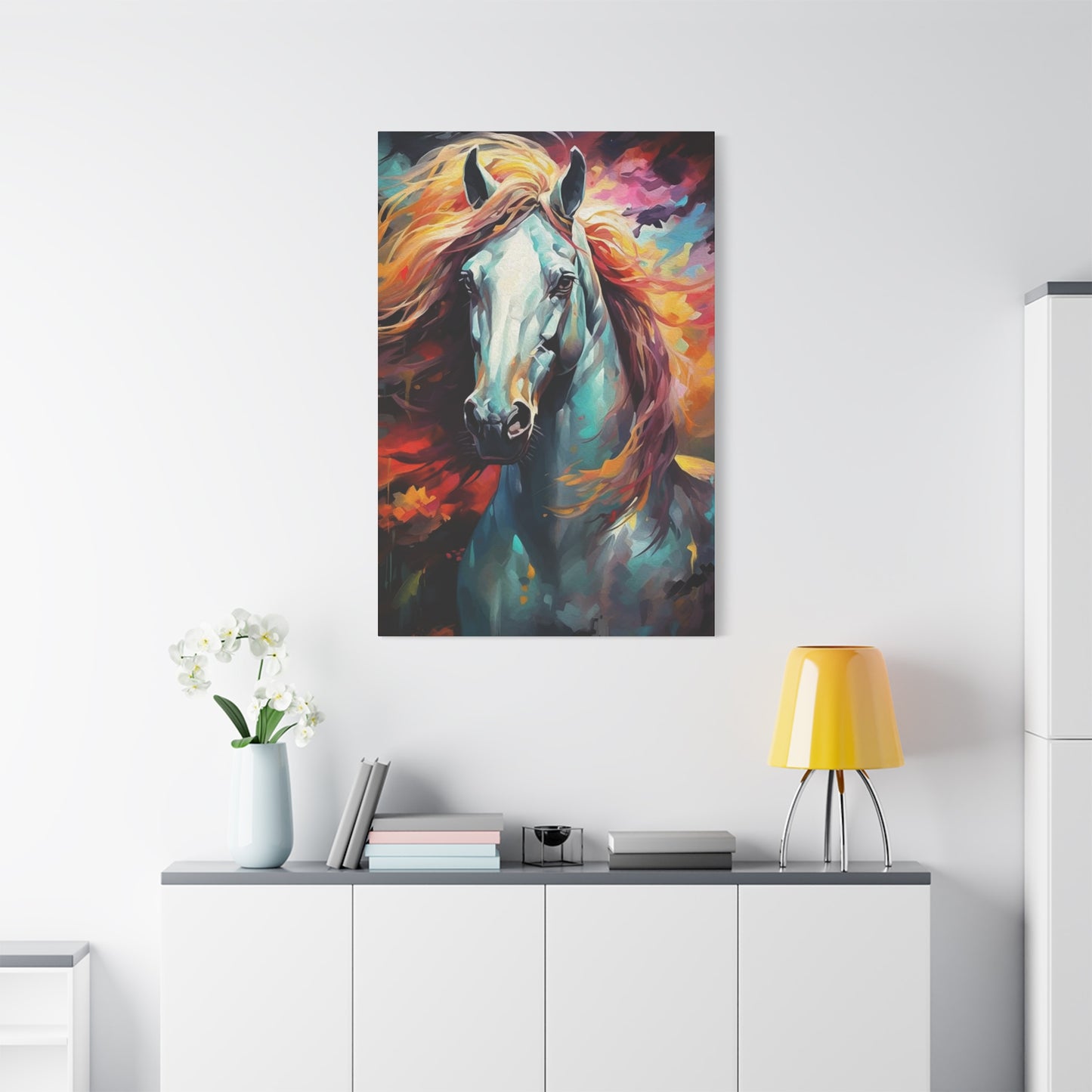
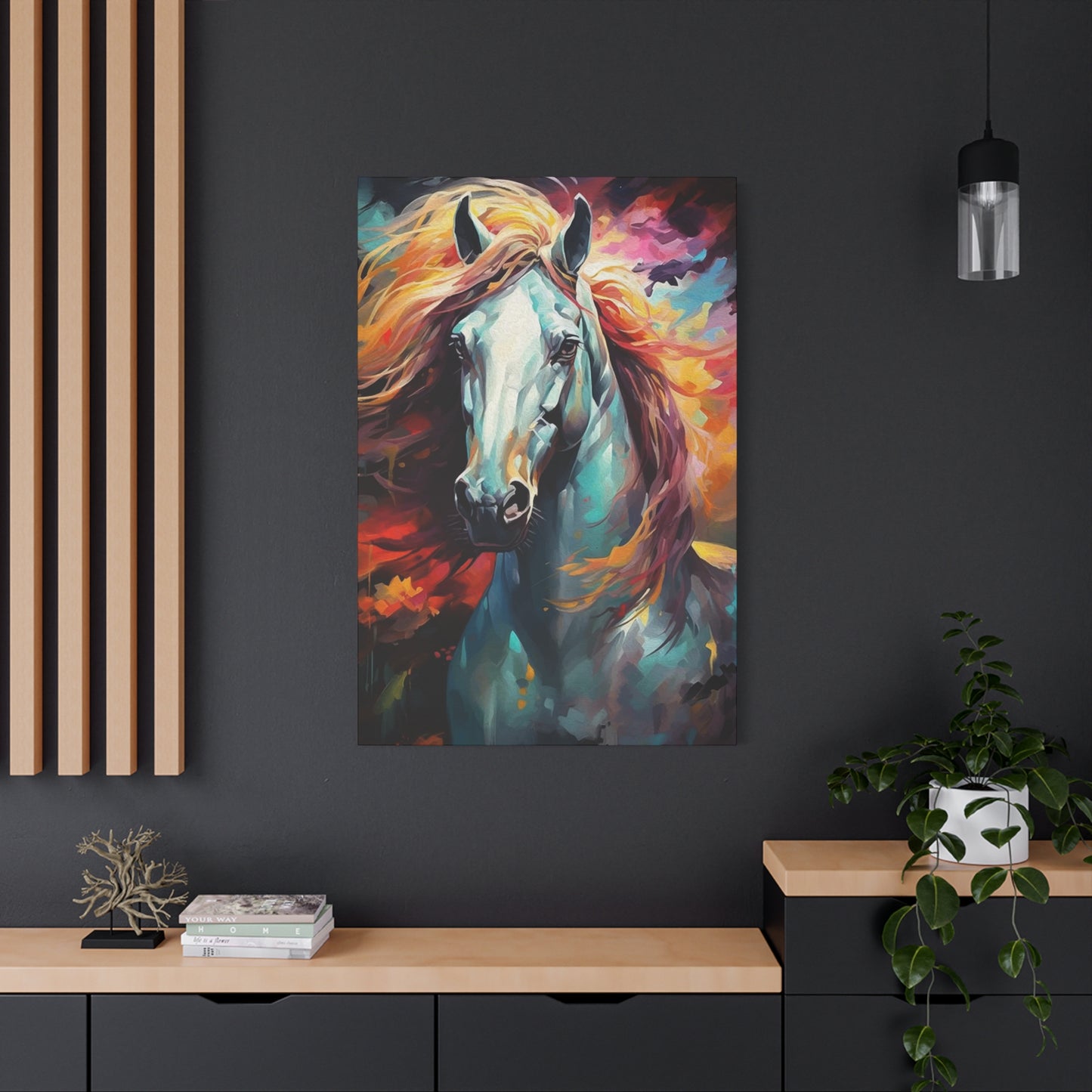
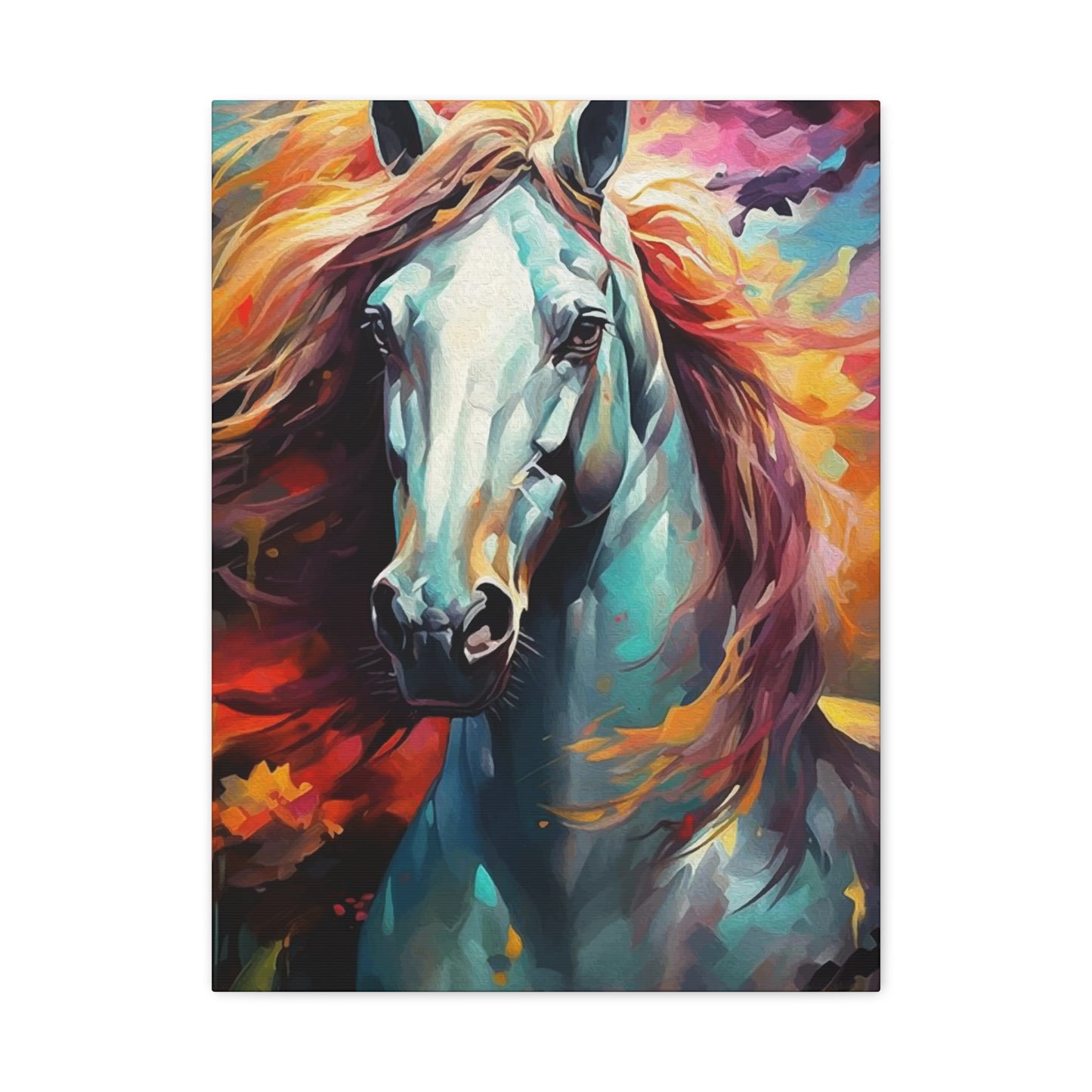
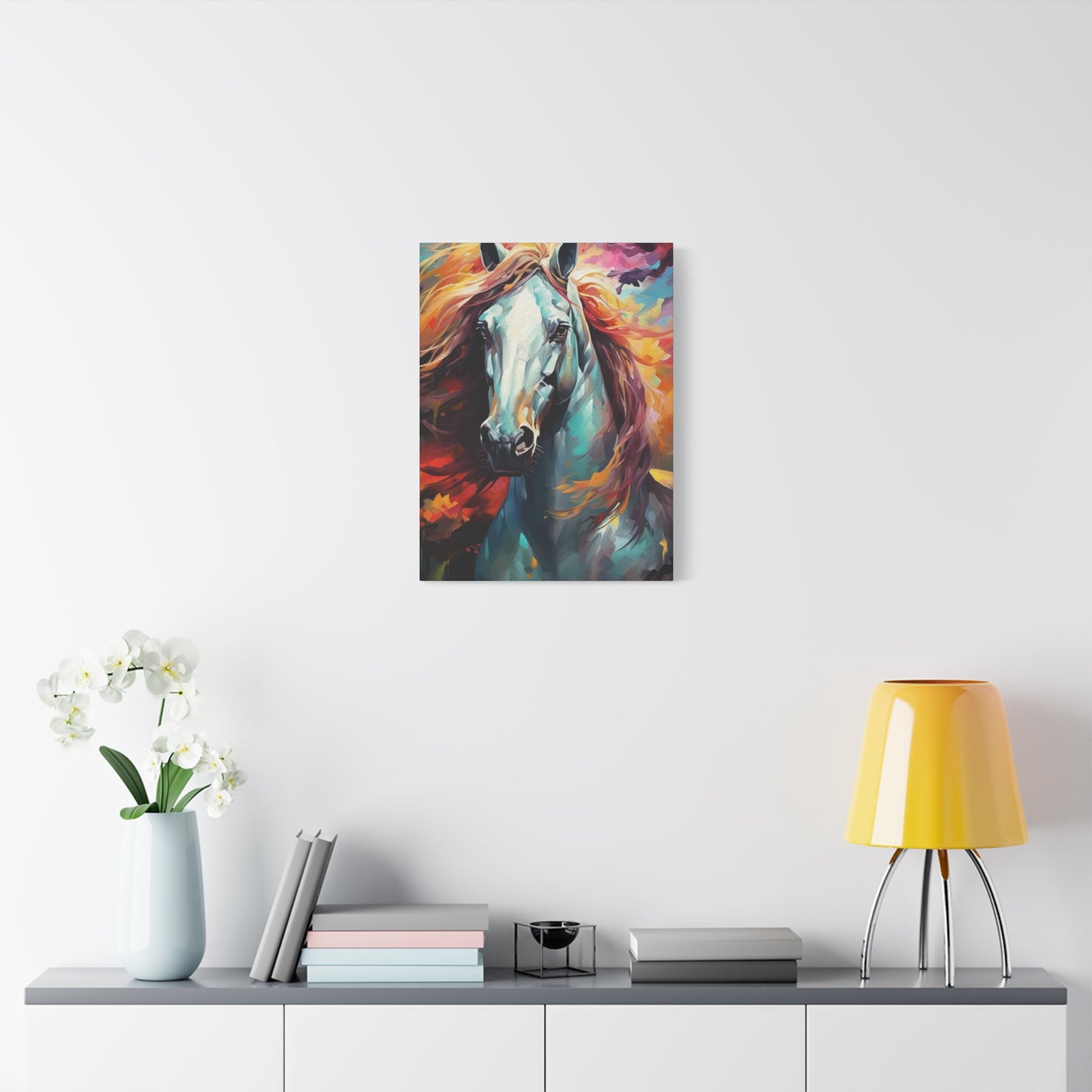
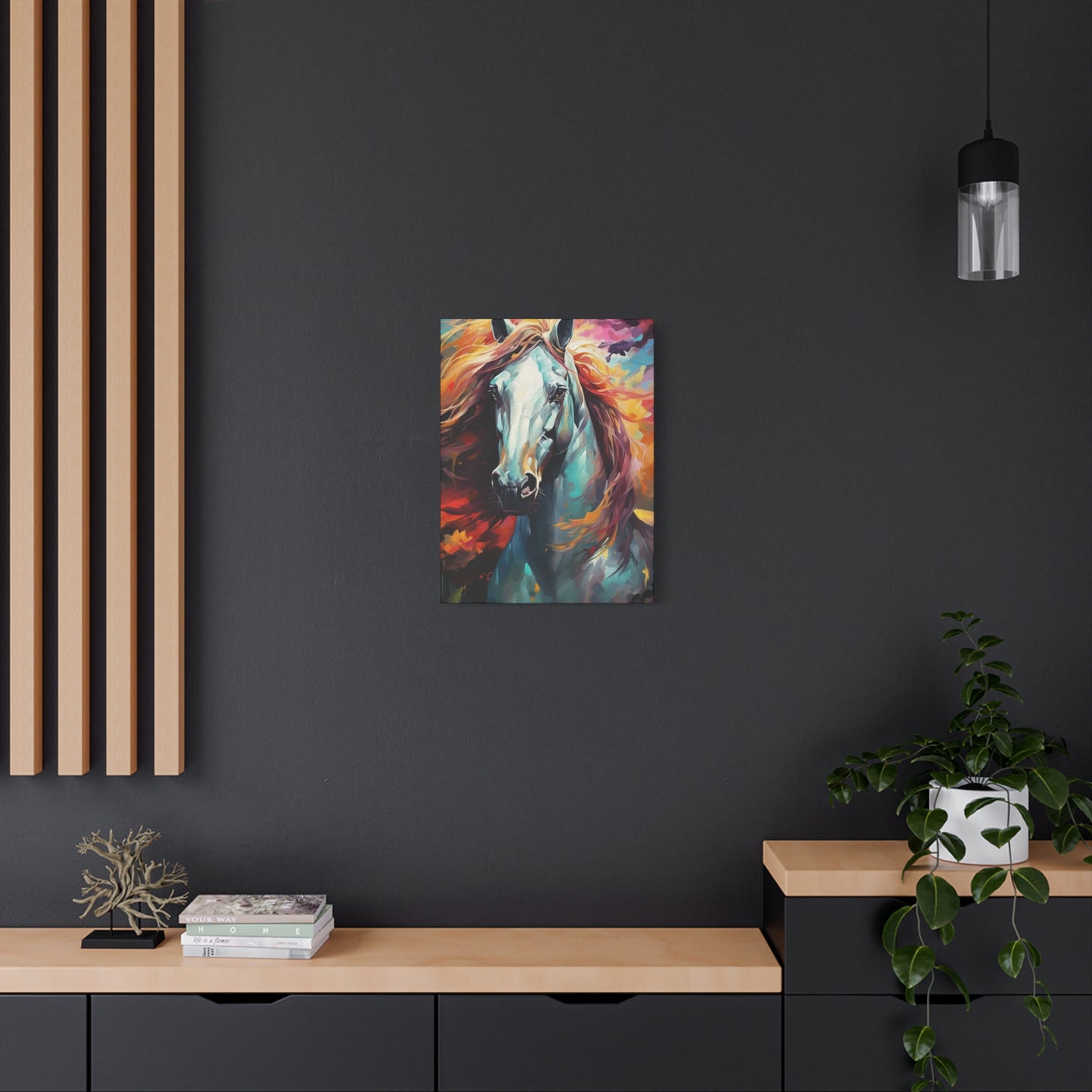
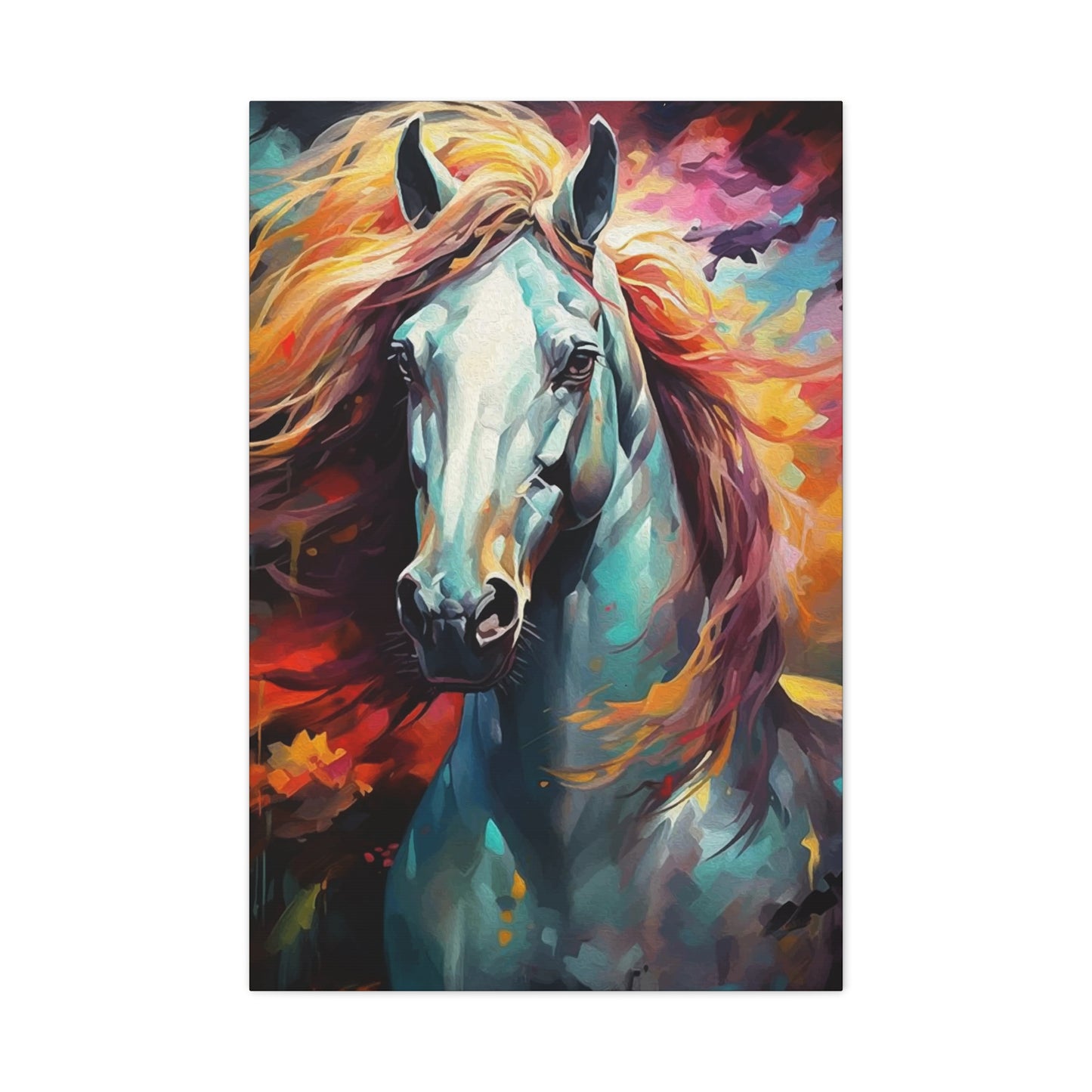
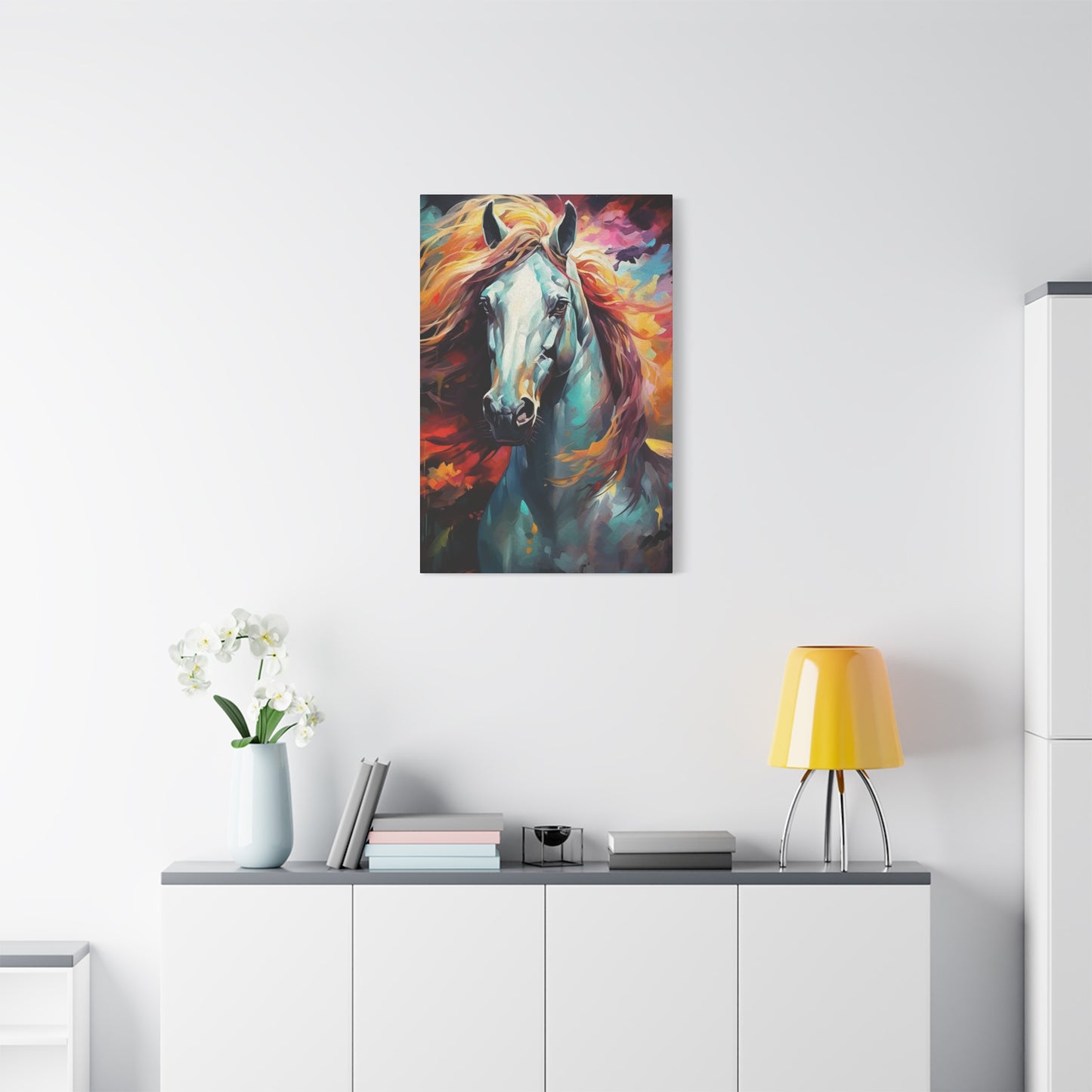
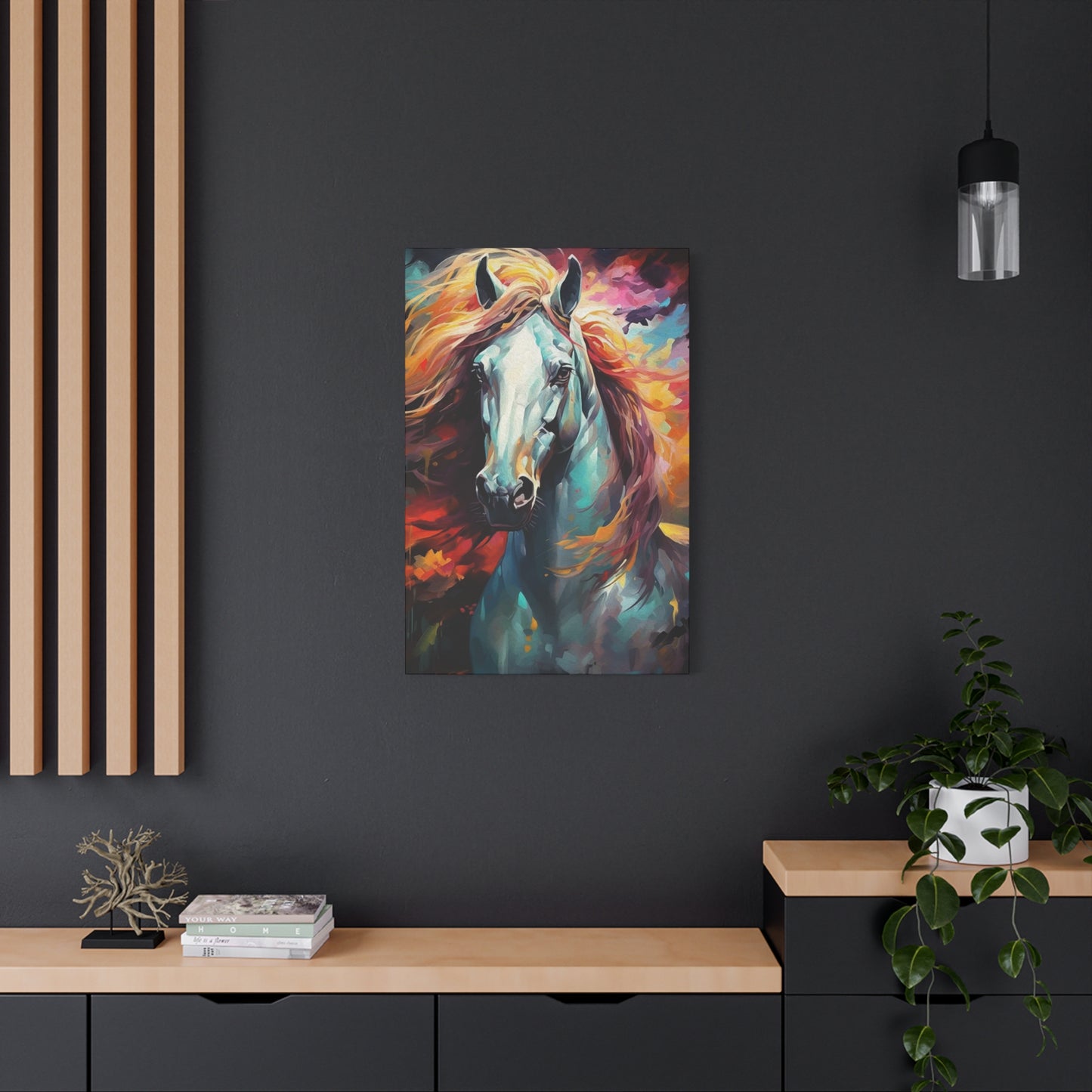
Colorful Horse Wall Art & Canvas Prints
Couldn't load pickup availability
Add Dynamic Energy to Your Living Space with Stunning Colorful Horse Wall Art and Equine Canvas Prints
The equine form has captivated human imagination for millennia, representing freedom, power, grace, and untamed spirit. When these magnificent creatures are rendered in brilliant, saturated hues and displayed as striking visual pieces within our homes, they create an extraordinary focal point that transcends mere decoration. Colorful horse wall art has emerged as a compelling design choice for those seeking to infuse their living environments with vitality, movement, and emotional resonance.
The Remarkable Journey of Equine Imagery Throughout Human Civilization
From the prehistoric cave paintings of Lascaux to contemporary digital renditions, horses have maintained their position as one of humanity's most frequently depicted subjects. Ancient cultures across continents recognized these animals as symbols of prestige, warfare prowess, and spiritual significance. The Scythians adorned their possessions with elaborate horse motifs, while Chinese dynasties commissioned countless scrolls featuring these noble beasts.
Renaissance masters like Leonardo da Vinci devoted extensive studies to capturing the anatomical precision of horses, understanding that mastering their depiction demonstrated artistic virtuosity. The Romantic era saw painters such as Théodore Géricault and George Stubbs elevating equine portraiture to unprecedented heights, imbuing their subjects with personality and emotional depth that resonated with viewers.
In contemporary settings, this artistic lineage continues but with revolutionary color palettes that would have astonished classical painters. The introduction of vibrant, unconventional colors transforms traditional equine imagery into something entirely fresh and unexpected. A stallion rendered in electric blues, passionate magentas, and luminous greens creates visual impact that commands attention while maintaining the essential majesty of its subject.
Chromatic Brilliance: Why Vivid Colors Transform Equine Artwork Into Powerful Design Elements
Color possesses profound effects on human perception, mood, and spatial experience. When applied to horse imagery, chromatic intensity amplifies the inherent drama and movement already present in these subjects. A traditionally colored horse portrait might blend into neutral decor, but colorful horse wall art creates an unmistakable statement that energizes entire rooms.
Scientific research into color perception reveals that saturated hues stimulate neural pathways differently than muted tones. Brilliant colors trigger stronger emotional responses, increase alertness, and create memorable visual experiences. When these principles apply to equine artwork, the results are transformative. A horse depicted in fiery oranges and sunset reds evokes warmth and passion, while cool spectrum versions featuring azure blues and emerald greens suggest tranquility and mystique.
The contrast between the horse's organic form and unexpected coloration creates cognitive intrigue. Our brains register the familiar equine silhouette while simultaneously processing the unfamiliar chromatic treatment, generating sustained visual interest. This tension between recognition and surprise keeps viewers engaged far longer than conventional artwork.
Furthermore, vibrant colors possess practical advantages in interior design. They can visually expand small spaces, create focal points that guide room flow, and establish emotional atmospheres that align with desired moods. A living room featuring colorful horse wall art immediately gains personality and character that generic decor cannot provide.
Diverse Artistic Styles That Bring Equine Subjects to Life Through Color
The world of vibrant equine artwork encompasses numerous aesthetic approaches, each offering distinct visual experiences and emotional tones. Understanding these variations helps collectors select pieces that resonate with their personal tastes and complement their existing decor.
Abstract expressionist interpretations deconstruct the horse form into gestural brushstrokes, color fields, and emotional energy rather than precise representation. These pieces capture the essence and spirit of horses through movement, color interaction, and compositional dynamism. Viewers perceive the subject through impressionistic means, engaging imagination to complete the visual narrative.
Pop art influenced designs borrow from the bold, graphic sensibilities pioneered by artists like Andy Warhol and Roy Lichtenstein. These works feature high-contrast color blocking, simplified forms, and often repetitive elements that create rhythm and visual impact. The aesthetic feels contemporary, energetic, and unapologetically bold.
Watercolor-inspired pieces offer a softer approach to chromatic intensity, with colors bleeding and blending in organic, unpredictable ways. These works maintain vibrancy while introducing fluidity and delicacy that balances intensity with grace. The translucent quality of watercolor techniques creates depth and luminosity that solid colors cannot achieve.
Geometric interpretations fragment the equine form into angular shapes, polygonal facets, and crystalline structures filled with vivid hues. This contemporary approach appeals to those who appreciate modern aesthetics and mathematical precision while still connecting with the equine subject matter.
Photographic manipulations begin with realistic horse images that are then digitally altered with color overlays, filters, and effects that transform mundane photographs into extraordinary visual experiences. This technique bridges representational accuracy with creative expression, satisfying those who want recognizable subjects rendered in unexpected ways.
Street art and graffiti influenced pieces bring urban energy to equine subjects, incorporating spray paint textures, stencil effects, drips, and layered elements that reference contemporary metropolitan aesthetics. These works feel edgy, current, and rebellious while honoring the timeless appeal of horse imagery.
Strategic Placement Considerations for Maximum Visual Impact
The positioning of colorful horse wall art significantly influences its effectiveness and the overall atmosphere it creates. Thoughtful placement transforms a beautiful piece into a room-defining statement that enhances architectural features and lifestyle patterns.
Living rooms benefit enormously from bold equine artwork positioned above primary seating arrangements. This placement ensures the piece becomes a natural conversation focal point while providing visual interest for occupants and guests. The size should be proportional to the wall and furniture beneath it, generally spanning two-thirds to three-quarters of the sofa width for optimal balance.
Entryways and foyers represent ideal locations for striking equine pieces because they establish immediate impressions for anyone entering the space. A vibrant horse portrait greeting visitors sets an energetic, welcoming tone that reflects the homeowner's personality and aesthetic sensibilities. This strategic placement also provides a preview of the design approach found throughout the home.
Dining areas gain unexpected sophistication when featuring colorful horse wall art that sparks conversation during meals. The dynamic energy of equine subjects can stimulate engaging dialogue while the colors complement table settings and culinary presentations. Consider how the artwork's palette interacts with dishware, linens, and lighting during both day and evening hours.
Home offices and creative workspaces draw motivation from powerful imagery that symbolizes strength, freedom, and forward movement. Colorful horse wall art positioned within sight of work areas provides visual inspiration during challenging tasks while infusing energy into potentially mundane environments. The symbolism of horses charging forward or running free can subconsciously influence productivity and creative thinking.
Bedroom placements require more nuanced consideration of color psychology and personal preference. While vibrant colors energize public spaces, bedrooms often benefit from slightly more subdued tones that still offer visual interest without overstimulating the senses before sleep. However, those who draw energy from bold colors might embrace fully saturated equine artwork above headboards or facing beds for morning motivation.
Hallways and transitional spaces frequently go under-decorated despite offering excellent opportunities for gallery-style displays. A series of smaller colorful horse wall art pieces arranged in linear progression creates movement and guides traffic flow while transforming overlooked areas into curated exhibitions.
Complementary Design Elements That Enhance Equine Artwork
Colorful horse wall art achieves maximum impact when supported by thoughtful surrounding design choices that either harmonize with or intentionally contrast against the artwork's palette and style.
Neutral foundations provide the most versatile backdrop for vibrant equine pieces. Walls in soft grays, warm beiges, or crisp whites allow the artwork's colors to dominate without competing visual elements. This approach suits those who prefer the art to serve as the room's primary color source while maintaining flexibility to update surrounding elements seasonally or as tastes evolve.
Conversely, bold wall colors that echo hues within the artwork create immersive, cohesive environments with strong emotional atmospheres. A room featuring colorful horse wall art with prominent blue tones might incorporate deep navy or teal walls that amplify the artwork's impact while establishing a unified color story. This approach requires confidence and commitment but yields dramatic, memorable results.
Furniture selections significantly influence how equine artwork reads within a space. Modern, streamlined pieces with clean lines prevent visual clutter that might compete with detailed artwork, while traditional furniture styles can create interesting dialogues between classical forms and contemporary chromatic treatments.
Textile choices in upholstery, window treatments, and decorative pillows offer opportunities to pull accent colors from the artwork, creating visual connections throughout the space. However, restraint prevents the room from feeling overly coordinated or contrived. Selecting two or three colors from the piece to repeat sparingly in textiles maintains cohesion without redundancy.
Lighting deserves special consideration when displaying colorful horse wall art. Track lighting, picture lights, or strategically positioned floor lamps can dramatically enhance color vibrancy and create focal emphasis, especially during evening hours. Natural daylight affects color perception throughout the day, so observe how the artwork appears in morning, afternoon, and evening light before finalizing placement.
Sculptural elements and three-dimensional accessories that reference equine themes without directly mimicking the artwork create layered sophistication. A abstract bronze horse sculpture or decorative objects featuring curved, organic lines that echo equine forms build thematic consistency without literal repetition.
The Profound Symbolism Embedded Within Equine Imagery
Beyond aesthetic considerations, horses carry deep symbolic meanings across cultures that add psychological and emotional dimensions to colorful horse wall art. Understanding these associations helps explain the profound connection many people feel toward equine imagery.
Freedom and independence represent the most universal symbolic associations with horses, particularly wild or running specimens. These creatures embody unfettered movement, self-determination, and escape from constraints—themes that resonate deeply with contemporary individuals navigating complex, often restrictive modern existence. Displaying this imagery serves as a daily reminder of these aspirations.
Power and vitality manifest in the muscular forms, dynamic poses, and evident strength of equine subjects. Whether depicted mid-gallop or standing alert, horses project physical capability and energy that viewers instinctively recognize and admire. This symbolism appeals to those seeking to cultivate or project similar qualities in their own lives.
Grace and elegance emerge in the flowing manes, arched necks, and balanced proportions that characterize horses. Even when rendered in wild colors and bold styles, these inherent qualities persist, offering a balance between strength and beauty that few other subjects achieve. This duality makes equine imagery universally appealing across gender and age demographics.
Nobility and prestige connect to horses' roles throughout history as companions to royalty, military commanders, and societal elites. Even today, these associations linger in collective consciousness, lending an air of refinement to spaces featuring equine artwork regardless of the piece's specific style or color treatment.
Spiritual and mystical dimensions appear in numerous cultural traditions. Celtic mythology featured magical horses with supernatural abilities, while Native American cultures regarded horses as sacred beings with spiritual significance. These deeper meanings add layers of interpretation for viewers who connect with such traditions.
Passion and vitality flow from horses' spirited nature and emotional expressiveness. Unlike many animals, horses display moods, temperaments, and personalities that humans readily recognize and relate to. Artwork capturing these qualities creates emotional resonance that purely decorative pieces cannot achieve.
Selecting the Perfect Piece for Your Personal Aesthetic Vision
Choosing colorful horse wall art requires balancing multiple factors including personal taste, spatial requirements, existing decor, and budget considerations. A systematic approach ensures satisfaction with this significant decorative investment.
Begin by assessing your genuine color preferences rather than following trends or others' opinions. What hues make you feel energized, calm, happy, or inspired? Which colors do you naturally gravitate toward in clothing, accessories, and other choices? Your authentic color affinities should guide artwork selection since you'll live with this piece daily.
Evaluate your space honestly regarding dimensions, lighting conditions, and architectural features. Measure walls carefully and use painter's tape to outline potential artwork dimensions, helping visualize appropriate scale. Rooms with abundant natural light can accommodate more complex, detailed pieces, while dimmer spaces benefit from simpler compositions with strong color contrast.
Consider your existing color palette and whether you're seeking to complement or transform it. Artwork that echoes current colors creates harmony, while contrasting pieces introduce change and variety. Determine whether you're working within established parameters or using the artwork as a catalyst for broader redesign.
Research various artists, styles, and price points before committing. The market offers everything from affordable prints to original paintings at premium prices. Understand the differences between limited edition prints, giclee reproductions, canvas transfers, and original works, as these distinctions affect both cost and collectability.
Read dimensions carefully and view scale references showing artwork in room settings. Online shopping makes it challenging to gauge size accurately, leading many buyers to purchase pieces that prove too small or overwhelming. Reputable sellers provide detailed measurements and contextual images.
Investigate return policies and guarantees before purchasing, particularly for online transactions where you cannot view the actual piece beforehand. Quality sellers stand behind their products and facilitate returns if the artwork doesn't meet expectations or suit the space as anticipated.
Trust your instincts ultimately. If a piece generates immediate excitement and emotional response, it likely represents a good match. Conversely, if you're uncertain or feel only mild interest, continue searching until you discover artwork that genuinely captivates you.
Print Quality and Material Considerations That Ensure Longevity
The physical production quality of colorful horse wall art dramatically affects its appearance, durability, and long-term satisfaction. Understanding manufacturing processes and material options helps identify superior products worth their investment.
Canvas prints represent the most popular medium for contemporary equine artwork, offering texture, depth, and traditional artistic appeal. Gallery-wrapped canvases extend the image around frame edges, eliminating the need for visible frames and creating clean, modern presentations. Canvas weight and weave density affect durability and print quality, with heavier weights supporting finer detail.
Printing methods vary significantly in quality and longevity. Giclee printing uses archival-quality pigment-based inks that resist fading far better than dye-based alternatives. Professional giclee prints maintain color vibrancy for decades when properly displayed and cared for. Lower-quality poster prints may show noticeable fading within months, especially in bright conditions.
Metal prints offer ultramodern aesthetics with brilliant color saturation and exceptional durability. The dye-sublimation process infuses inks directly into coated aluminum, creating waterproof, scratch-resistant surfaces with luminous depth. These prints suit contemporary settings and humid environments where canvas might deteriorate.
Acrylic prints sandwich images between clear acrylic panels, creating glossy, high-impact presentations with incredible color vibrancy and dimensional depth. The contemporary aesthetic appeals to those seeking cutting-edge design elements, though reflections can challenge placement in bright rooms.
Framed paper prints maintain traditional fine art presentation standards when executed with archival materials. Museum-quality papers, acid-free matting, and UV-protective glazing preserve color accuracy and prevent deterioration. These presentations suit formal spaces and traditional interiors.
Wood-mounted prints transfer images onto natural wood surfaces, allowing grain patterns to interact with the artwork. This rustic approach appeals to farmhouse, cabin, and nature-inspired aesthetics, though color vibrancy may appear more subdued than canvas or metal alternatives.
Coating and finishing treatments protect printed surfaces from environmental damage. UV-protective varnishes prevent sun-induced fading, while water-resistant sealants guard against moisture damage in bathrooms or kitchens. These treatments extend artwork lifespan significantly.
Color Theory Principles Applied to Equine Artwork Selection
Understanding basic color relationships helps predict how colorful horse wall art will function within your specific environment and achieve desired emotional effects.
Complementary color schemes pair opposites on the color wheel—blue and orange, red and green, purple and yellow. Equine artwork featuring these combinations creates vibrant contrast and visual excitement that energizes spaces. These dynamic palettes suit active areas like living rooms, playrooms, and social spaces.
Analogous color schemes use adjacent wheel colors—blues and greens, reds and oranges, purples and blues. These harmonious combinations feel cohesive and peaceful, making them excellent for restful environments. A horse rendered in graduated ocean tones from turquoise through deep navy creates serene sophistication.
Triadic schemes employ three equidistant wheel colors, offering variety while maintaining balance. A piece featuring purple, orange, and green in equal distribution provides visual interest without the tension of complementary pairings. These versatile palettes work across diverse settings and design styles.
Monochromatic approaches use varied tones, shades, and tints of a single hue. A horse depicted entirely in ruby, crimson, burgundy, and pink creates sophisticated unity while showcasing the artist's skill in creating dimension through subtle variation. These elegant pieces suit refined, minimalist environments.
Warm color dominance featuring reds, oranges, and yellows creates energetic, welcoming atmospheres that stimulate conversation and activity. Colorful horse wall art emphasizing warm tones suits social spaces, dining areas, and creative studios where you want to encourage engagement.
Cool color dominance with blues, greens, and purples establishes calm, contemplative environments that facilitate focus and relaxation. These palettes excel in bedrooms, reading nooks, meditation spaces, and professional settings where tranquility supports productivity.
Neutral foundations with color accents combine mostly black, white, and gray with strategic color pops. An essentially grayscale horse with brilliant blue eyes or colorful mane strands offers contemporary sophistication with controlled vibrancy that suits restrained design sensibilities.
Creating Gallery Walls Featuring Multiple Equine Pieces
Single statement pieces deliver impact, but carefully curated collections of colorful horse wall art create sophisticated, personalized displays that evolve with your tastes and spatial needs.
Salon-style arrangements feature mixed sizes, frames, and orientations hung closely together across an entire wall. This eclectic approach suits creative personalities comfortable with visual abundance and pattern complexity. Vary equine styles from realistic to abstract while maintaining color relationships that unify the collection.
Grid layouts arrange uniform-sized pieces in precise rows and columns, creating orderly, contemporary displays that appeal to systematic thinkers who appreciate structure. Consistent matting and framing enhance the geometric precision while the varied equine imagery within each frame provides visual interest.
Linear progressions place pieces in horizontal or vertical sequences, excellent for hallways, stairwells, or above long furniture pieces. A series showing a horse in sequential motion creates narrative flow, while varied poses unified by consistent color treatment establish thematic continuity.
Asymmetrical balance arranges different-sized pieces in visually weighted compositions that feel organized despite irregular placement. This sophisticated approach requires careful planning, often benefiting from floor layout experimentation before hanging. Balance visual weight through size, color intensity, and positioning.
Focal point hierarchies establish one dominant piece surrounded by smaller supporting works. The primary artwork draws immediate attention while supplementary pieces extend the theme and fill surrounding space. This approach suits those who own one particularly beloved piece they wish to feature prominently.
Thematic groupings unite multiple pieces through subject matter specifics—all running horses, all horse portraits, or all abstract interpretations. This focused approach creates strong identity and demonstrates curatorial intention rather than random accumulation.
Layered displays lean framed pieces against walls on mantels, shelves, or floor surfaces rather than hanging them. This casual, gallery-inspired approach allows easy rearrangement and creates relaxed sophistication. Mix colorful horse wall art with books, plants, and decorative objects for editorial styling.
Caring for Your Equine Artwork to Maintain Its Vibrancy
Proper maintenance preserves the color saturation, structural integrity, and overall appearance of colorful horse wall art throughout its lifespan, protecting your investment and ensuring continued enjoyment.
Positioning considerations prevent the most common damage causes. Avoid direct sunlight exposure, which fades even quality prints over time. Windows with southern or western exposures pose particular risks during afternoon hours. If sunny placement is unavoidable, install UV-filtering window films or use pieces printed with fade-resistant pigments and protective coatings.
Temperature and humidity stability protect canvas and paper-based works from warping, mold growth, and material deterioration. Avoid placement near heating vents, air conditioning returns, fireplaces, or humid bathrooms unless the piece is specifically designed for challenging environments. Maintain consistent interior climate conditions when possible.
Dust accumulation dulls colors and creates surface buildup that eventually requires more aggressive cleaning. Prevent accumulation through regular gentle dusting using microfiber cloths or soft brushes. Canvas pieces tolerate very light vacuuming with brush attachments, keeping the vacuum nozzle slightly away from the surface to prevent damage.
Cleaning approaches vary by material and should always begin with the gentlest method. Most canvas prints tolerate slightly damp cloth wiping for spot cleaning, though excess moisture risks damage. Metal and acrylic prints generally allow more aggressive cleaning with appropriate glass cleaners. Framed pieces behind glazing clean like windows but require care around frame edges.
Handling precautions protect artwork during moves or rearrangement. Always lift pieces from their frames or mounting hardware rather than grasping canvas or print surfaces. Avoid touching printed areas, as oils from skin can cause gradual staining or attract dirt. Wear clean cotton gloves when handling valuable pieces.
Professional conservation becomes necessary for valuable or damaged works. Conservators can repair tears, remove stains, restore faded colors, and stabilize deteriorating materials. While costly, professional intervention often proves more economical than replacement for significant pieces.
The Emotional and Mental Benefits of Equine Imagery in Living Spaces
Beyond aesthetic contributions, colorful horse wall art provides measurable improvements to emotional wellbeing and mental states for occupants regularly exposed to these powerful images.
Stress reduction occurs through engaging with beautiful, meaningful imagery that provides mental escape from daily pressures. Gazing at a dynamic horse in full gallop across vibrant landscapes offers momentary transportation from immediate concerns, activating the same relaxation responses as brief meditation. These micro-breaks throughout the day accumulate into measurable stress reduction.
Mood elevation results from exposure to saturated colors that stimulate neural activity associated with positive emotions. Chromatic vibrancy literally brightens environments while psychologically brightening moods. Spaces featuring colorful horse wall art feel more cheerful and optimistic than those with neutral, subdued decor.
Inspiration and motivation flow from equine symbolism representing strength, freedom, and forward movement. During challenging periods, viewing these images reinforces determination and reminds us of our capabilities. Many people report that their equine artwork serves as a visual talisman during difficult times.
Creative stimulation occurs when distinctive, artistically bold pieces surround us. Exposure to creativity encourages creative thinking, helping us approach problems innovatively and explore unconventional solutions. This influence operates subtly but meaningfully, particularly in work-from-home environments.
Identity expression through thoughtfully selected artwork reinforces self-concept and projects personality to others. The choices we make in decorating our spaces reflect and shape how we see ourselves. Selecting colorful horse wall art that resonates authentically strengthens self-identity and creates environments aligned with personal values.
Social connection emerges when meaningful artwork sparks conversation and shared experiences with guests. Distinctive pieces become talking points that facilitate deeper dialogue beyond superficial small talk, helping forge genuine connections. The stories behind our art choices reveal character and create rapport.
Environmental satisfaction simply makes us happier. We spend enormous time in our homes, and surrounding ourselves with beauty that speaks to us fundamentally improves quality of life. This cumulative effect shouldn't be underestimated when considering the value of investing in meaningful artwork.
Commissioning Custom Equine Artwork for Truly Personal Expression
While ready-made pieces offer convenience and value, commissioned colorful horse wall art creates one-of-a-kind works perfectly aligned with your vision, space requirements, and personal significance.
Finding the right artist requires research into portfolios, styles, and specializations. Many artists maintain robust online presences showcasing previous commissions and artistic evolution. Examine whether their style genuinely resonates with you and demonstrates the skill level you're seeking. Reviews and testimonials from previous clients reveal reliability, communication style, and customer satisfaction.
Initial consultations establish whether artist and client perspectives align. Discuss your vision in detail, sharing reference images, color preferences, size specifications, and intended placement. Gauge the artist's enthusiasm for the project and willingness to collaborate rather than simply execute orders. Strong commissions result from genuine partnerships between creators and patrons.
Budget discussions should occur early and transparently. Custom work spans enormous price ranges depending on artist reputation, piece size, medium, and complexity. Understand what's included in quoted prices—framing, shipping, revisions—and clarify payment schedules. Many artists request deposits before beginning work.
Timeline expectations require realistic understanding of artistic processes. Quality work cannot be rushed, and most commissioned pieces require weeks or months from conception through completion. Discuss deadlines upfront if the piece is intended for specific occasions, allowing adequate time plus buffer for unexpected delays.
Collaboration parameters define how much input you'll have throughout creation versus granting artistic freedom. Some clients provide detailed specifications for every element, while others share basic concepts and trust the artist's interpretation. Neither approach is inherently superior, but alignment prevents disappointment.
Revision policies clarify what changes are possible and at what cost once work begins. Most artists allow reasonable revisions at preliminary sketch stages but charge for significant changes after substantial completion. Understanding these boundaries prevents conflicts and unexpected expenses.
Ownership and reproduction rights matter for some clients. Clarify whether the artist retains rights to reproduce your commissioned piece as prints or portfolio examples. Many collectors request exclusive rights for additional fees, while others appreciate the artwork gaining broader exposure.
Equine Artwork Across Varied Design Aesthetics and Movements
Colorful horse wall art adapts remarkably well across diverse interior design philosophies, demonstrating the subject's versatility when approached creatively.
Contemporary minimalist spaces might seem incompatible with vibrant artwork, but carefully selected equine pieces can provide the exact accent that prevents clinical coldness. A single large-scale piece featuring a horse in strong geometric abstraction with limited but intense color palette serves as the room's sole decorative element, creating impact without clutter.
Industrial design schemes benefit from equine artwork that incorporates urban influences—graffiti aesthetics, weathered textures, or mechanical elements integrated with organic horse forms. The juxtaposition between raw industrial architecture and flowing equine grace creates compelling visual tension.
Bohemian eclecticism embraces colorful horse wall art naturally, as this aesthetic celebrates artistic expression, global influences, and layered textures. Equine pieces with folk art influences, ethnic pattern backgrounds, or watercolor fluidity integrate seamlessly into boho environments already rich with visual interest.
Scandinavian design's emphasis on nature, simplicity, and quality allows carefully chosen equine artwork despite this aesthetic's restrained reputation. Pieces emphasizing natural colors derived from Nordic landscapes—steely blues, moss greens, stone grays—with clean compositions align perfectly with this philosophy.
Farmhouse and rustic styles find obvious kinship with equine subjects given horses' agricultural associations. Wood-mounted prints, distressed frames, and earth-toned palettes create authentic rural character. However, unexpected chromatic treatments prevent these pieces from reading as cliché country decor.
Mid-century modern's bold color use and organic forms pair beautifully with stylized, retro-influenced equine artwork. Pieces referencing 1950s and 1960s graphic design sensibilities—flat color areas, simplified shapes, atomic age influences—complement period furniture and architectural elements.
Maximalist environments thrive on abundant pattern, color saturation, and layered decoration. Here, colorful horse wall art joins vibrant textiles, ornate accessories, and lush botanicals in creating rich, immersive atmospheres where more genuinely becomes more rather than excessive.
Understanding Artistic Mediums and Their Distinctive Characteristics
The medium through which colorful horse wall art is created significantly impacts its visual qualities, texture, longevity, and appropriate display contexts.
Acrylic painting delivers brilliant, opaque colors with excellent permanence and water resistance once dry. Artists can build layers, create sharp edges or soft blends, and achieve both translucent glazes and thick impasto textures. Acrylic equine works suit diverse settings and require minimal special care.
Oil painting provides unmatched richness, depth, and subtle color transitions through slow-drying properties that allow extended manipulation. The luminous quality of oil paint particularly enhances equine subjects, capturing light and shadow with exceptional realism or expressive drama. These traditional works carry prestige and investment potential.
Watercolor creates delicate, luminous works with characteristic transparency and flowing color transitions. The unpredictable nature of watercolor produces unique effects that cannot be exactly replicated, giving each piece distinctive character. Watercolor equine art suits spaces seeking gentler, more contemplative aesthetics.
Mixed media combines multiple materials—paint, collage elements, texture mediums, found objects—into layered compositions with dimensional complexity. These works feel contemporary and experimental, appealing to those who appreciate innovation and artistic boundary-pushing.
Digital art utilizes software tools to create works ranging from photorealistic renders to fantastical compositions impossible through physical media. High-quality digital equine art can be reproduced exactly multiple times, offering affordability without sacrificing visual impact. However, original digital art files carry different collectability considerations than physical works.
Photography captures authentic equine moments with documentary truth or artistic interpretation through composition, lighting, and post-processing. Color-manipulated equine photography bridges reality and creative vision, offering familiar subjects transformed through chromatic reinvention.
Printmaking encompasses various techniques—lithography, screen printing, etching—each producing characteristic visual qualities. Limited edition prints carry collectability between unique originals and mass-produced reproductions, offering balanced accessibility and exclusivity.
Regional and Cultural Variations in Equine Artistic Traditions
Different cultures have developed distinctive approaches to depicting horses, offering diverse aesthetic vocabularies for colorful horse wall art that reflect global artistic heritage.
Western traditions emphasizing anatomical accuracy and naturalistic rendering dominated European and American horse art for centuries. These works celebrate the physical beauty and nobility of horses through careful observation and technical skill. Contemporary color treatments breathe new life into this classical approach.
Chinese horse painting developed sophisticated symbolic language over millennia, with specific poses and contexts carrying meanings understood by culturally literate viewers. The flowing brushwork and emphasis on capturing spirit over exact likeness offers alternative aesthetic values. Modern reinterpretations incorporate unexpected colors while maintaining gestural elegance.
Middle Eastern and Persian miniature painting traditions feature highly stylized, decorative equine depictions within elaborate narrative scenes. Flat perspective, intricate pattern work, and brilliant colors create jewel-like visual effects. These influences inspire contemporary pieces blending ornamental richness with modern sensibilities.
Native American equine imagery carries spiritual significance and emphasizes the profound relationship between people and horses. Symbolic elements, earth-connected color palettes, and narrative content distinguish these works. Contemporary Native artists continue these traditions while innovating formally and thematically.
Japanese woodblock prints developed distinctive linear styles and color approaches featuring horses in various contexts from warfare to daily life. The bold outlines, flat color areas, and sophisticated compositions influence contemporary graphic approaches to equine subjects.
African artistic traditions featuring horses reflect regional variations from North African Berber cultures through sub-Saharan kingdoms where horses represented wealth and status. Stylization, symbolic color use, and cultural context specificity offer perspectives distinct from Western conventions.
Contemporary global fusion sees artists worldwide drawing from multiple traditions simultaneously, creating hybrid styles that reflect our interconnected world. These works honor cultural heritage while pushing boundaries and creating fresh visual languages.
Pairing Equine Artwork With Complementary Decorative Elements
Colorful horse wall art reaches its full potential when thoughtfully coordinated with surrounding decorative elements that enhance rather than compete with the artwork's impact.
Sculptural forms can echo equine themes without literal representation. Organic, curved pieces suggesting movement and grace create visual dialogue with the artwork. Bronze or wood sculptures featuring abstract interpretations of horses add dimensional interest while reinforcing thematic consistency.
Botanical elements provide natural balance to equine imagery. Lush plants with flowing foliage complement the organic curves of horse forms, while the living greenery contrasts beautifully with vibrant artificial colors. Consider plants with leaves that echo colors within the artwork for subtle coordination.
Textile selections in throw pillows, blankets, and area rugs offer opportunities to pull accent colors from the artwork without overwhelming the space. One or two carefully chosen textiles that reference key artwork colors create cohesion, while excessive matching feels contrived and limits future flexibility.
Lighting fixtures can reinforce style directions suggested by the artwork. Industrial-style fixtures complement edgy, urban equine pieces, while elegant chandeliers pair beautifully with refined, classical treatments. The lighting style should feel consistent with the artwork's aesthetic personality.
Decorative objects and accessories provide finishing touches that complete the room narrative. Items suggesting travel, nature, or cultural interests create lifestyle context around the artwork. However, restraint prevents clutter that dilutes the artwork's impact.
Mirror placement can amplify artwork impact by reflecting it from different angles and effectively doubling its visual presence. However, ensure mirrors don't create awkward cropping or compete for attention with the original piece.
Architectural features like moldings, built-in shelving, or accent walls can frame and highlight equine artwork. A piece hung on a wall painted in a contrasting or complementary color gains enhanced emphasis and reads as intentionally featured rather than arbitrarily placed.
Investment Considerations for Collecting Equine Artwork
For those viewing colorful horse wall art through a collector's lens, certain factors influence both current satisfaction and potential future value.
Artist reputation and career trajectory significantly impact artwork value. Emerging artists offer affordability and discovery excitement, though investment potential remains speculative. Mid-career artists with established but still-growing reputations present balanced opportunities. Renowned artists command premium prices but offer relatively stable value.
Provenance documentation proving ownership history, authenticity, and exhibition records increases collectability and value. Maintain all paperwork, certificates of authenticity, gallery receipts, and condition reports. This documentation becomes increasingly important for significant pieces.
Edition information matters greatly for prints and reproductions. Limited editions with lower numbers and artist signatures typically hold value better than open editions. Understand exactly what you're purchasing—artist proofs, numbered editions, or unlimited reproductions—as this dramatically affects collectability.
Condition preservation directly impacts value retention. Protect pieces from environmental damage through proper framing, placement, and care. Even minor damage significantly reduces value, making prevention essential. Consider professional conservation for valuable pieces showing deterioration signs.
Subject matter trends influence demand and pricing. While horses maintain perennial appeal, specific styles and treatments cycle through popularity. Collecting pieces that genuinely resonate with you personally provides satisfaction regardless of market fluctuations.
Size considerations affect both current placement flexibility and resale marketability. Extremely large pieces may be difficult to place and sell, while very small works might lack impact proportionate to their cost. Mid-range dimensions often prove most practical and marketable.
Documentation through professional appraisals establishes value for insurance, estate planning, and potential sale purposes. Valuable collections warrant periodic reappraisal as market conditions evolve.
Digital Platforms Transforming How We Discover and Acquire Equine Art
The internet has revolutionized artwork discovery, evaluation, and purchase processes, creating unprecedented access while introducing new considerations for buyers.
Online marketplaces aggregate works from numerous artists and galleries, allowing easy comparison of styles, prices, and specifications. Filters for size, color, price range, and subject matter help narrow overwhelming options to relevant selections. However, viewing artwork only through screens limits assessment of true colors, textures, and scale.
Artist websites provide direct access to creators, eliminating gallery commissions and often reducing prices. Direct relationships with artists facilitate commission discussions and offer insights into creative processes. However, vetting unknown artists requires more diligent research without gallery curation and reputation backing.
Social media platforms have become essential artist promotion tools and discovery mechanisms for collectors. Following artists provides ongoing exposure to their evolving work, studio processes, and availability. However, social media presentation is carefully curated and may not accurately represent actual artwork qualities.
Augmented reality tools offered by some sellers allow virtually placing artwork images on your actual walls through smartphone cameras. This valuable technology helps assess scale and color compatibility before purchasing. However, screen color representation remains imperfect.
Digital marketplaces for downloadable art files enable instant access and affordable personal printing. This democratic approach makes art accessible to broader audiences, though quality depends entirely on printing execution. Original artwork collectability is absent, but decoration goals are still met.
Conclusion
Vibrant equine canvas prints bring a remarkable infusion of energy, elegance, and vitality into modern living spaces, making them more than just decorative pieces—they become powerful statements of freedom, strength, and grace. Horses, with their noble stature and fluid motion, have long been symbols of untamed beauty and power. When captured in vibrant colors and dynamic compositions, equine wall art transcends its role as mere decoration and transforms a room into an atmosphere brimming with life and inspiration. Whether you're decorating a living room, office, or even a personal gallery space, colorful horse art brings a sense of movement and vitality that enhances any modern interior.
One of the most compelling aspects of vibrant horse canvas prints is the sheer dynamism they introduce into a space. A horse in motion, whether galloping across an open field or captured mid-stride, exudes an energy that seems to almost leap off the canvas. The use of bold, vibrant colors—vivid oranges, electric blues, fiery reds, or soft purples—enhances the horse’s natural grace and strength, creating a powerful focal point that commands attention. The energy of the horse is not only visual but also emotional, stirring a sense of freedom, determination, and passion in the viewer. This makes equine art an excellent choice for areas in your home where you want to inspire motivation, creativity, or a sense of adventure.
The symbolism tied to horses deepens the emotional resonance of the artwork. Historically, horses have been symbols of freedom, strength, and resilience. In many cultures, they represent untamed nature and the spirit of independence, which makes them perfect for individuals seeking to bring that sense of empowerment into their living space. The vibrant colors often chosen to represent horses—like the fiery red of a galloping stallion or the electric blue of a rearing horse—amplify these themes of vitality and movement. Whether you're drawn to the energy of the horse or the symbolic power it holds, this type of wall art becomes a reminder of the potential for strength and transformation in your own life.
Beyond the symbolic and emotional appeal, vibrant horse canvas prints offer a visual feast that can complement various interior styles. In a contemporary or minimalist setting, bold and colorful horse art stands out as a striking focal point, adding a burst of dynamic energy to the room without overwhelming it. The flowing lines and movement in the artwork can help soften the clean lines of modern furniture and create a more inviting atmosphere. In rustic, farmhouse, or eclectic interiors, equine art fits seamlessly, blending with natural textures like wood and leather to create a cohesive, nature-inspired theme. The versatility of horse wall art allows it to work well with a wide range of design styles, making it a timeless choice for any modern home.
Colorful horse art also has the unique ability to inject both sophistication and excitement into a space. A piece depicting a majestic horse in mid-gallop or a serene, poised horse in a tranquil pose can shift the entire mood of a room. The bold colors and fluid shapes lend an air of sophistication to more casual spaces, while the dynamic movement and themes of nature bring a fresh energy into more formal settings. Whether you're trying to energize a space with color or bring a calm, grounded atmosphere with the natural beauty of the horse, vibrant equine prints serve as versatile pieces that can adapt to the energy of the room.
Another standout quality of horse canvas prints is their ability to balance both natural and abstract art forms. Many contemporary equine prints combine the real beauty of horses with abstract techniques, such as splashes of color or bold brushstrokes. These artistic interpretations provide a fresh, modern twist on traditional equine imagery, creating a timeless yet innovative aesthetic. This makes horse wall art particularly appealing for those who want to blend the organic beauty of nature with contemporary design. The fusion of realism and abstraction makes these prints stand out as both captivating art pieces and dynamic décor elements, ideal for spaces that embrace innovation and style.
In terms of emotional atmosphere, the presence of vibrant horse canvas prints encourages feelings of empowerment, liberation, and vitality. The horse, as a symbol of freedom and grace, can invigorate your space, inspiring a sense of movement and a desire to embrace life’s possibilities. Whether you're seeking to infuse your living room with excitement, add a touch of elegance to your bedroom, or motivate your work environment with creative energy, colorful equine art serves as a reminder of the strength, resilience, and grace that exist in nature—and within ourselves. This dynamic energy can help set the tone for the room, transforming it from a simple living space to one filled with inspiration, focus, and possibility.
In conclusion, vibrant equine canvas prints are a powerful way to elevate modern living spaces with dynamic energy, timeless beauty, and symbolic resonance. The vivid colors and fluid motion of the horse inject life into your home, creating a focal point that inspires strength, freedom, and creativity. Whether you’re drawn to the symbolism of the horse, its graceful form, or its ability to enhance your interior design, equine wall art offers an exciting and meaningful way to transform your space. With its versatility, emotional depth, and visual impact, vibrant horse art continues to be a bold, timeless choice for anyone seeking to bring nature’s beauty and energy into their home.
Share