Skip to product information
1 of 13

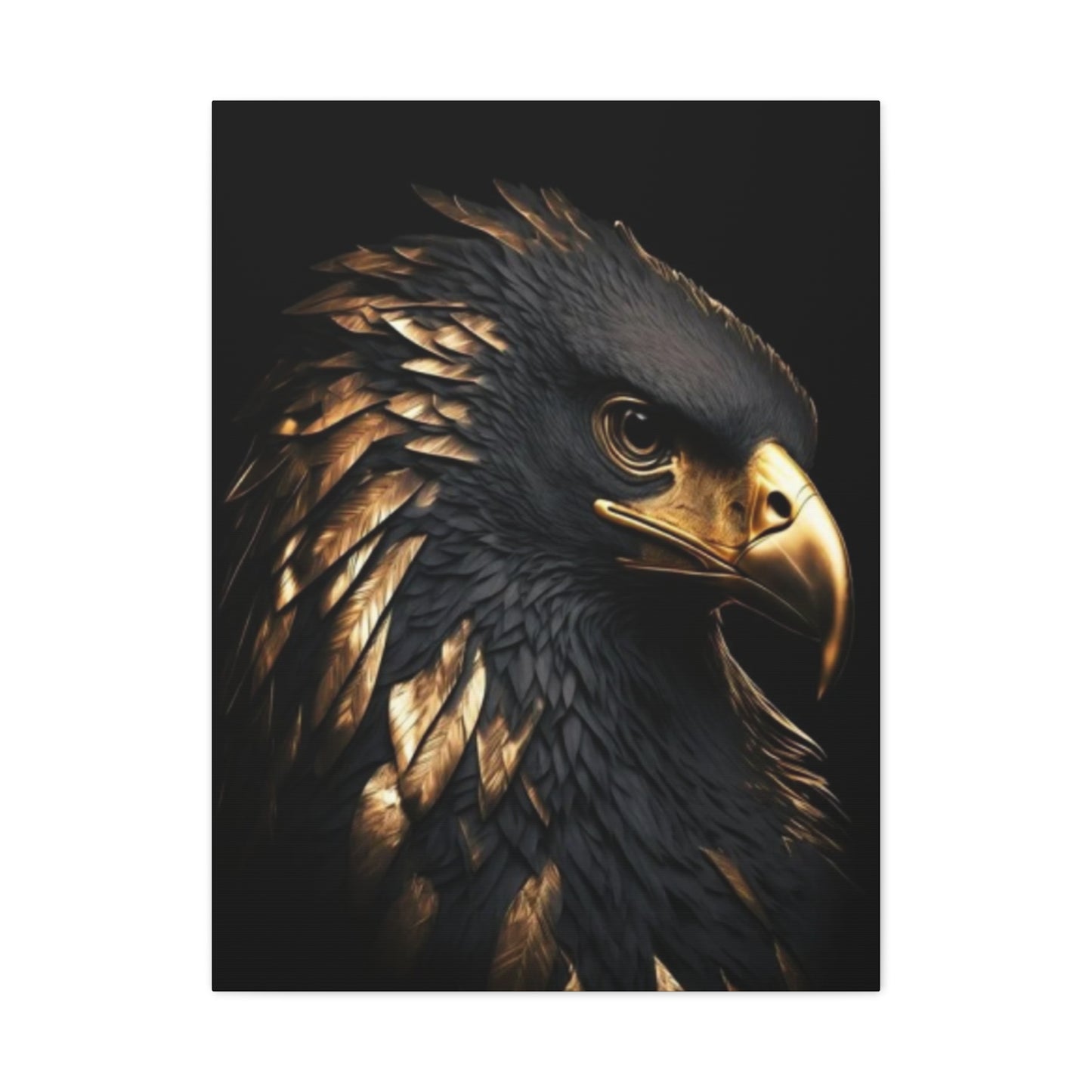
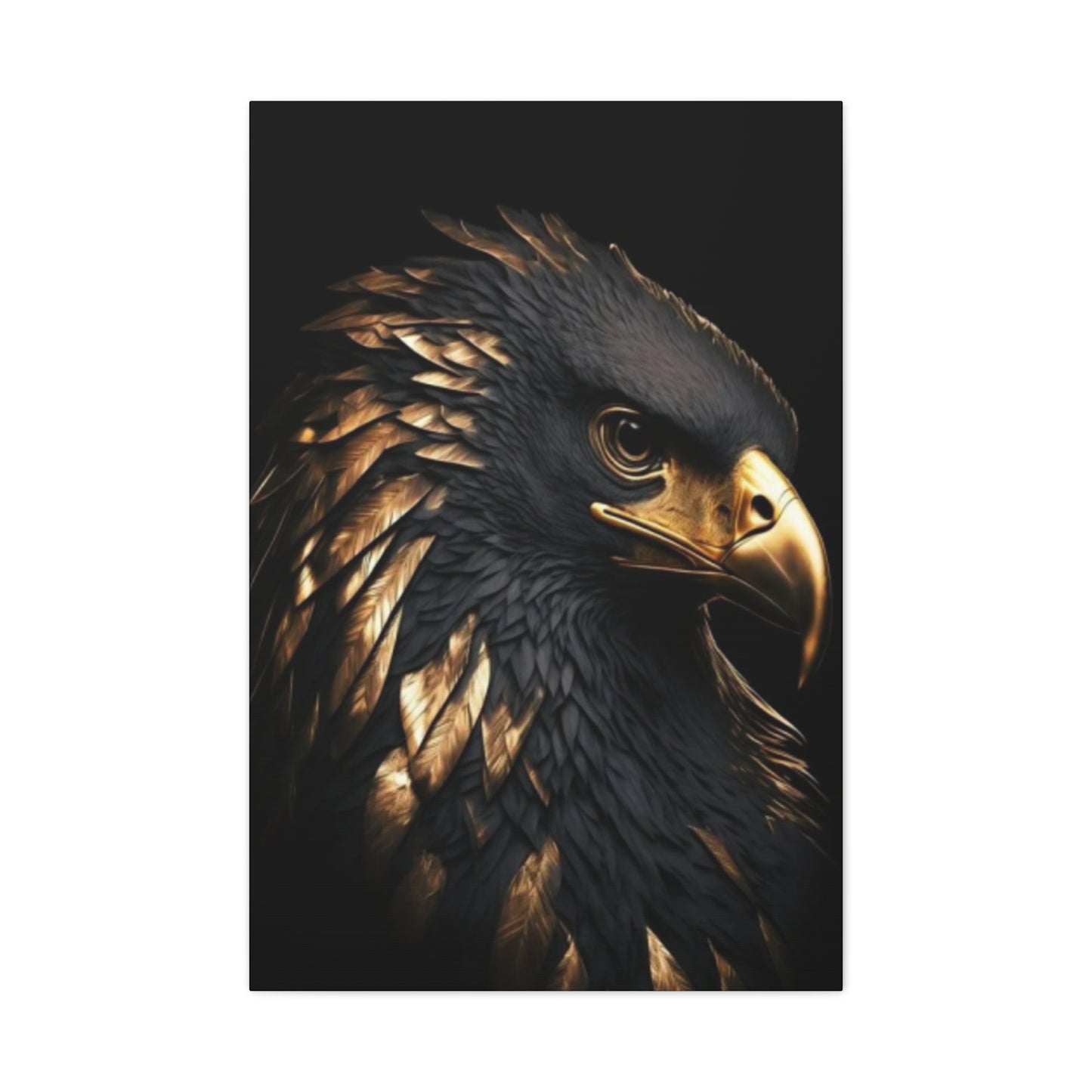
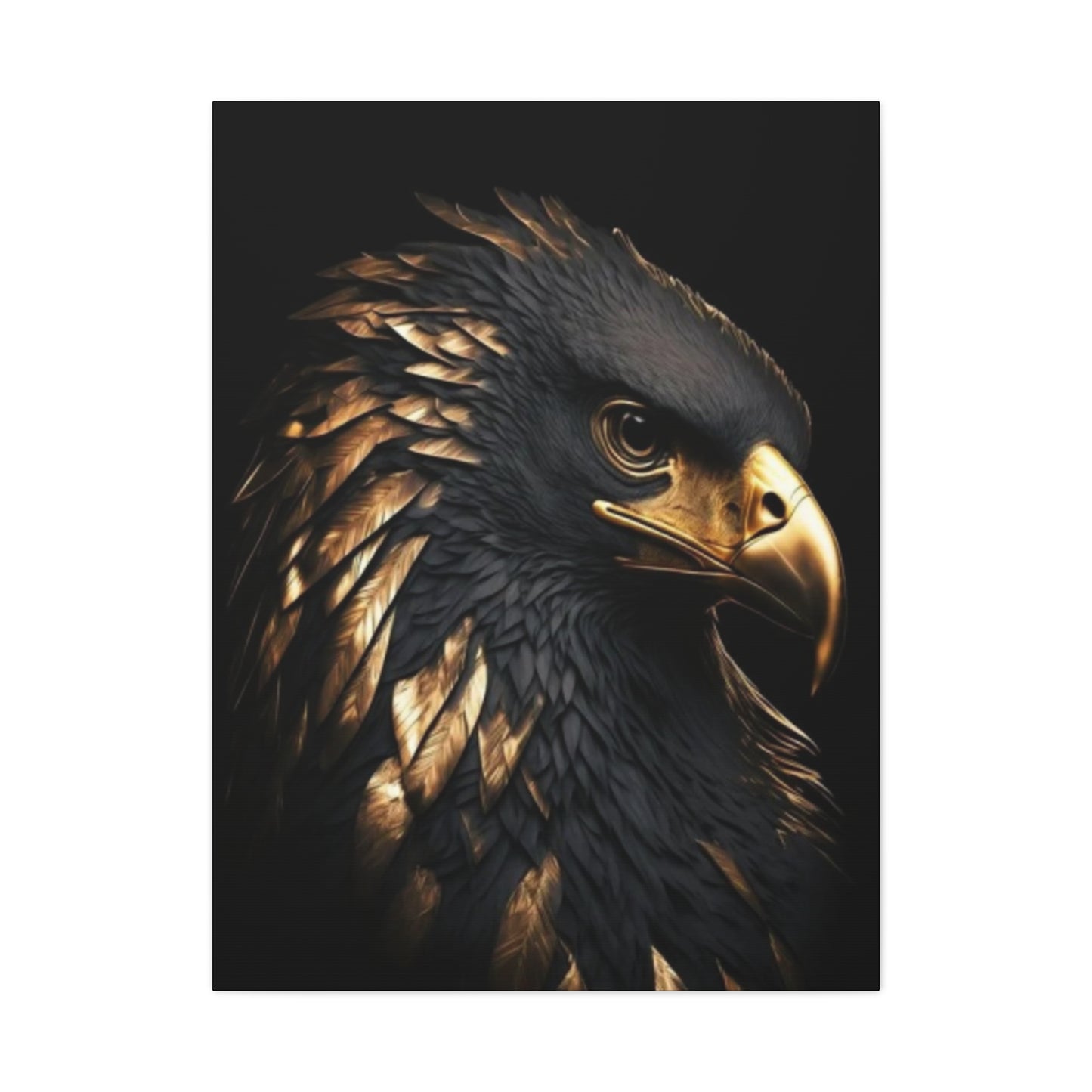
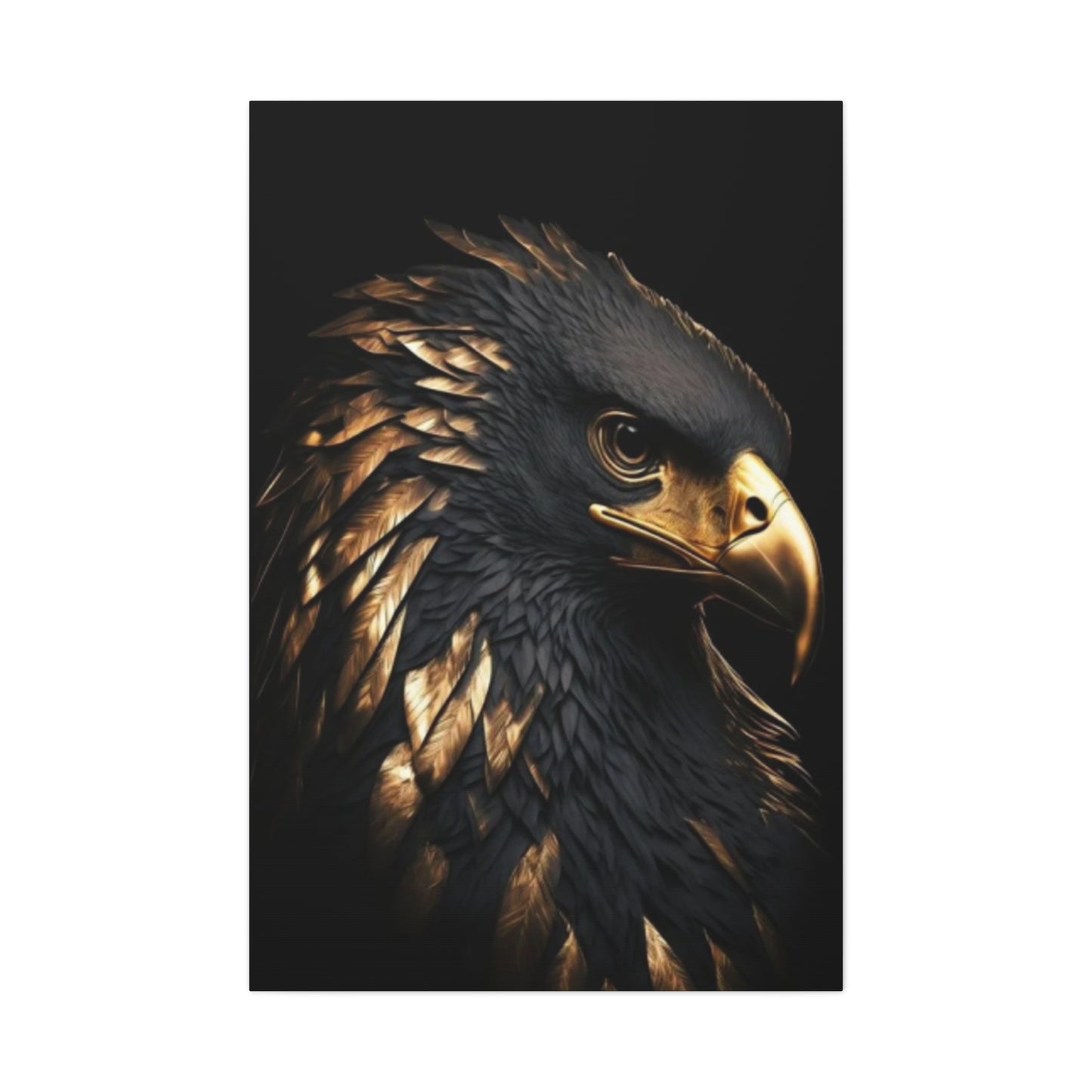
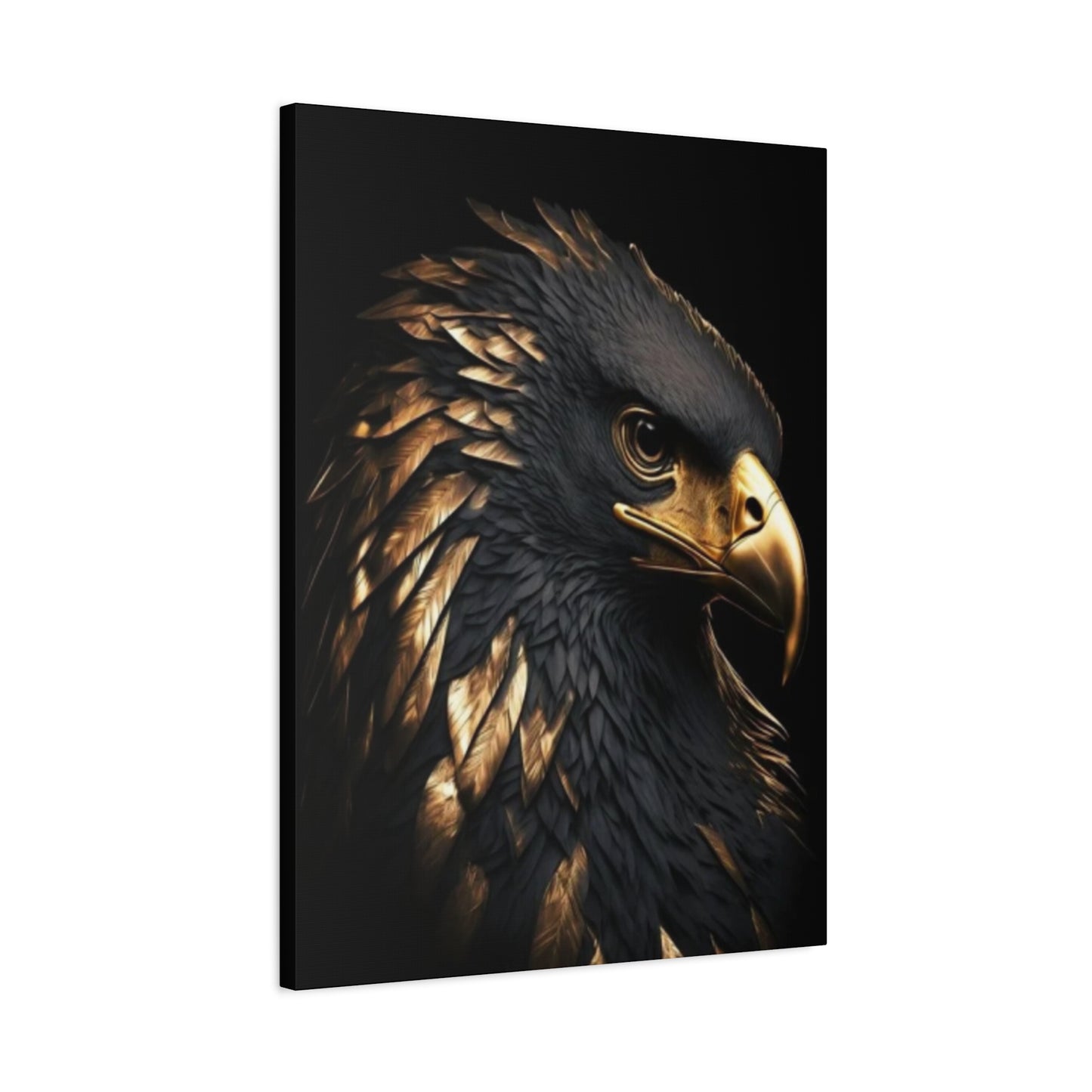
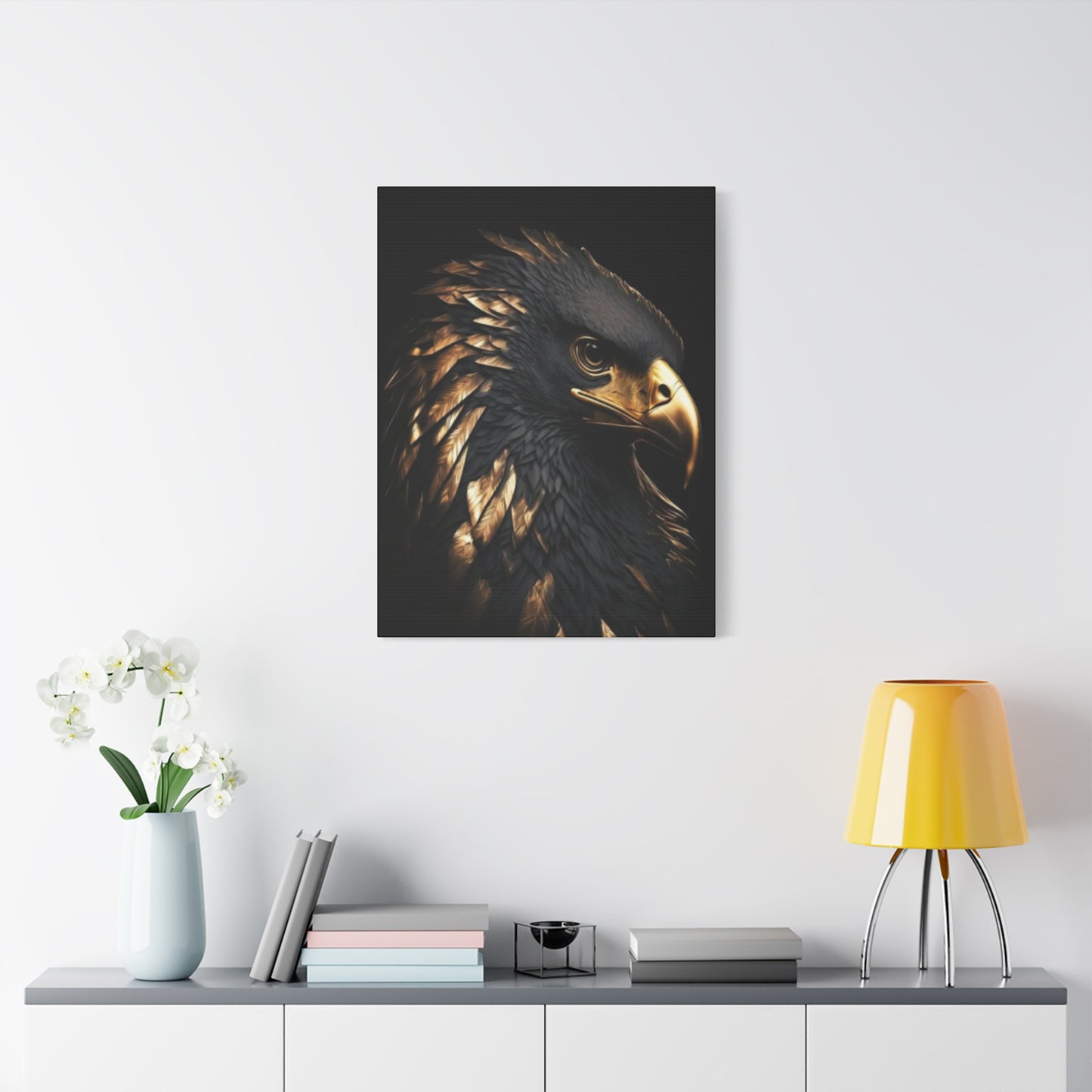
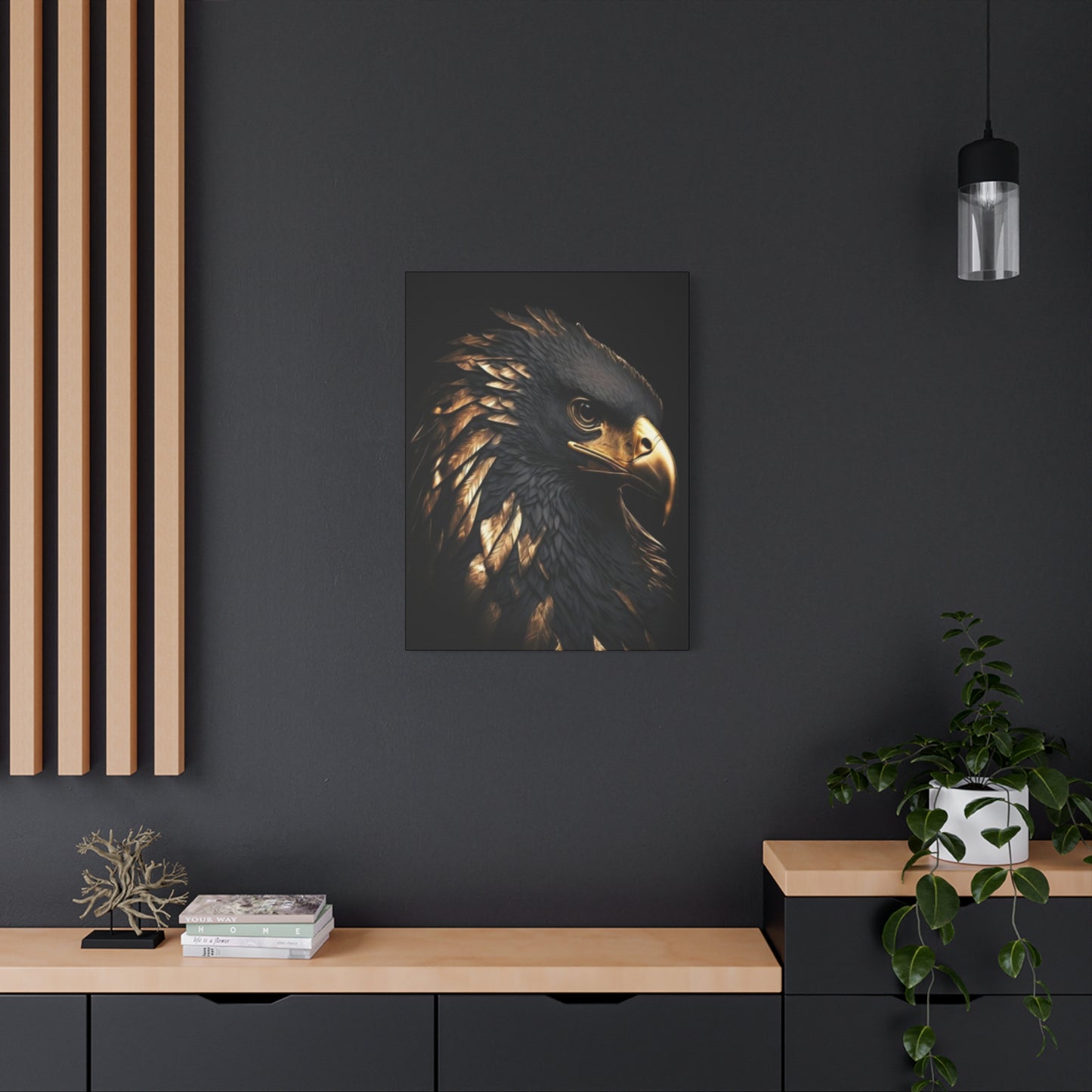
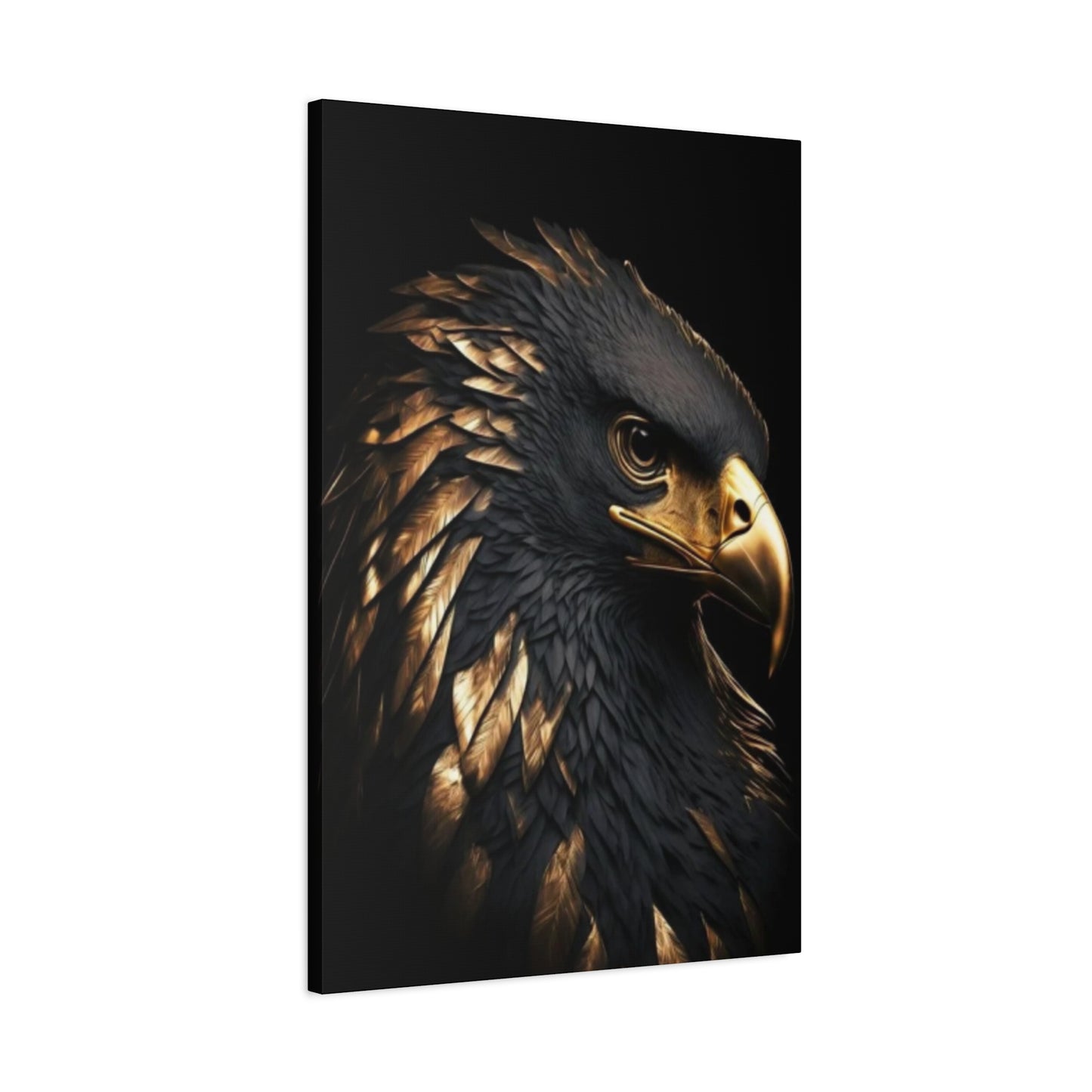
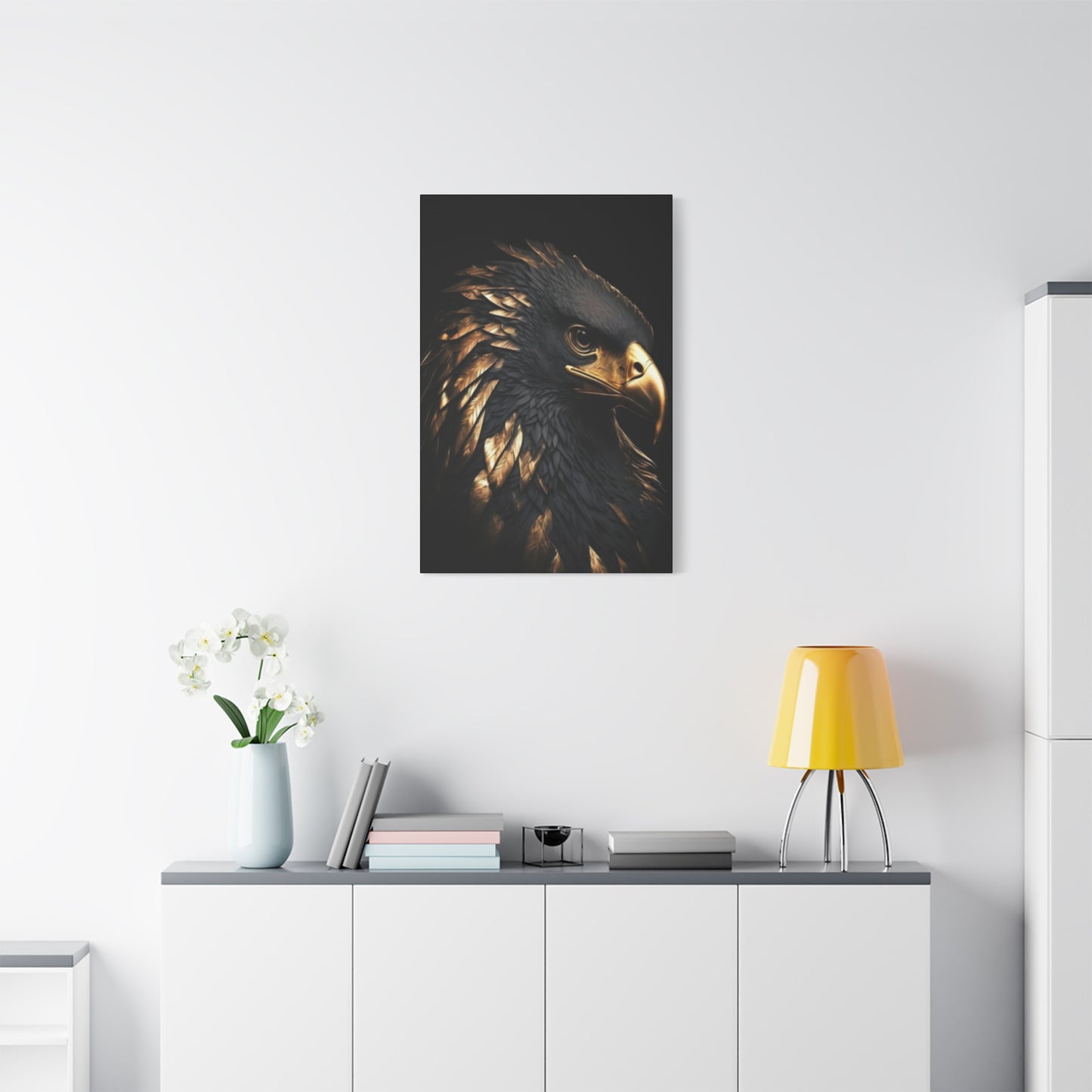
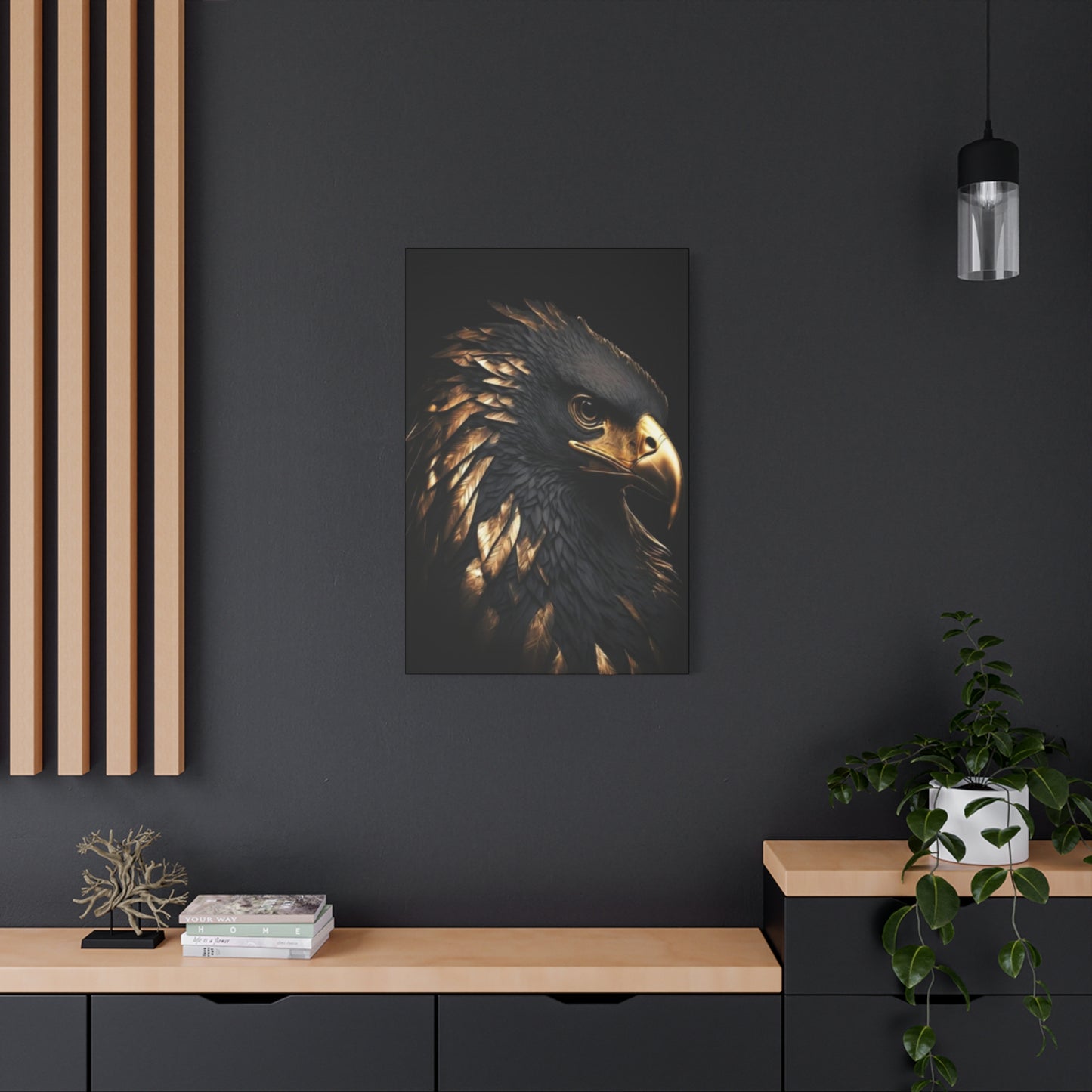
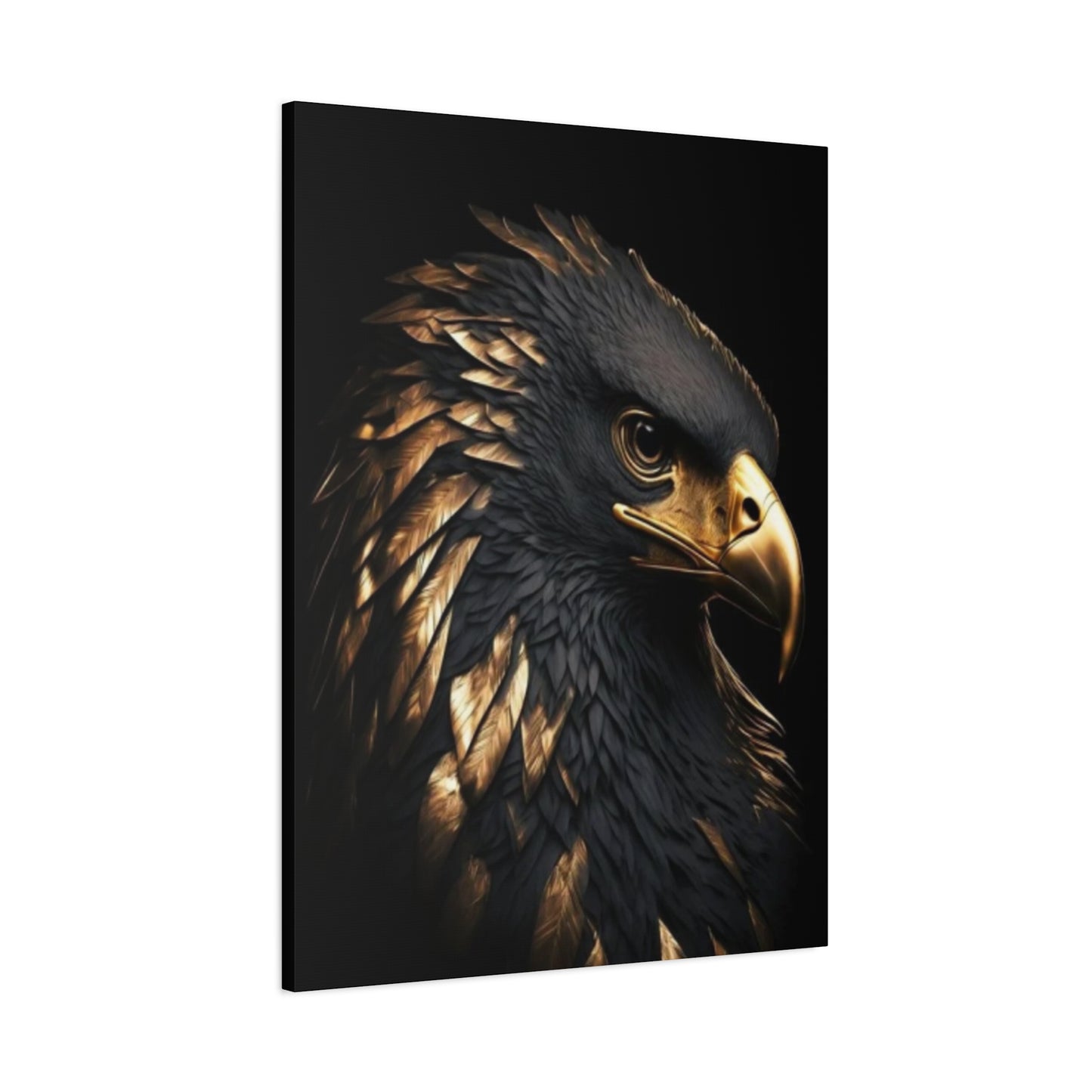
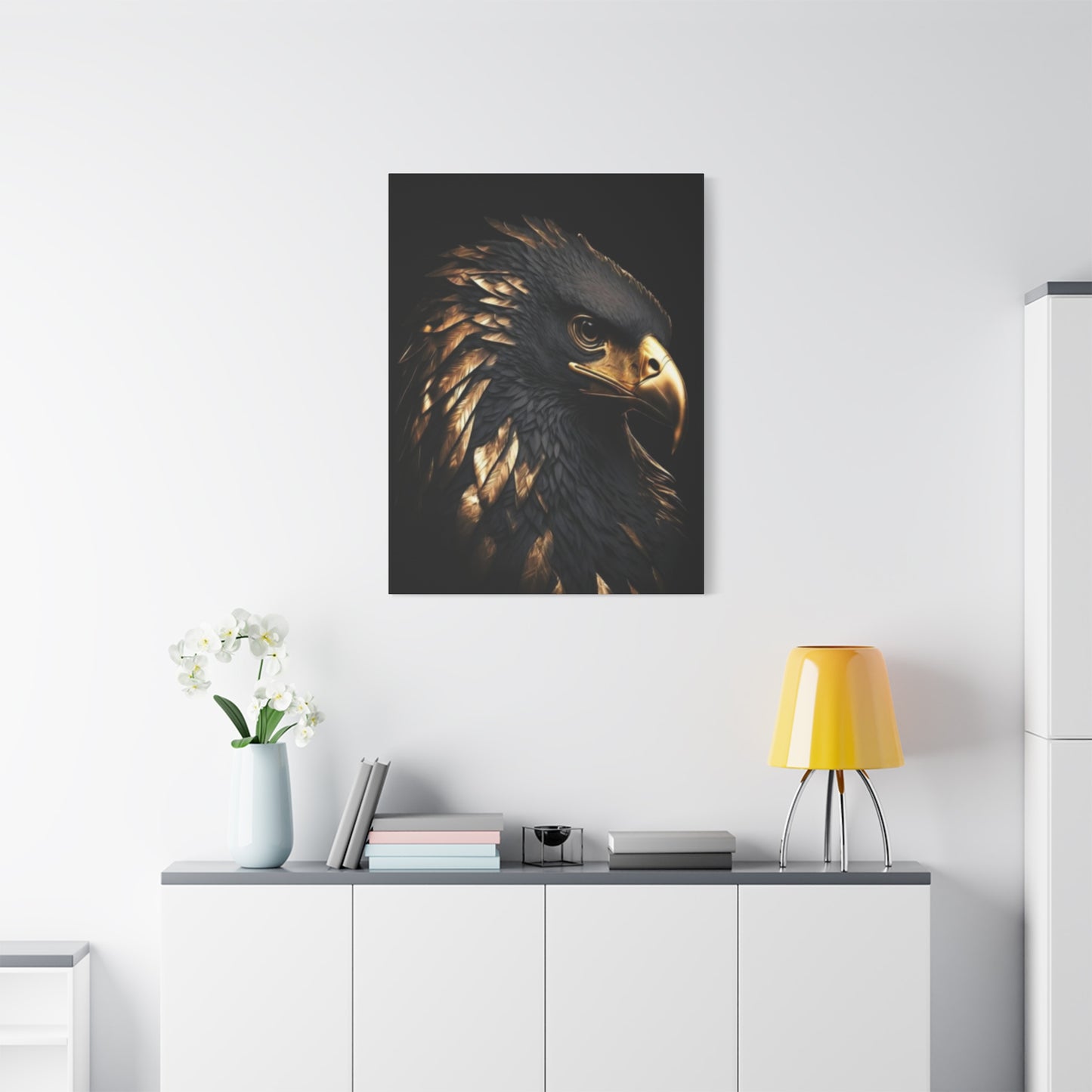
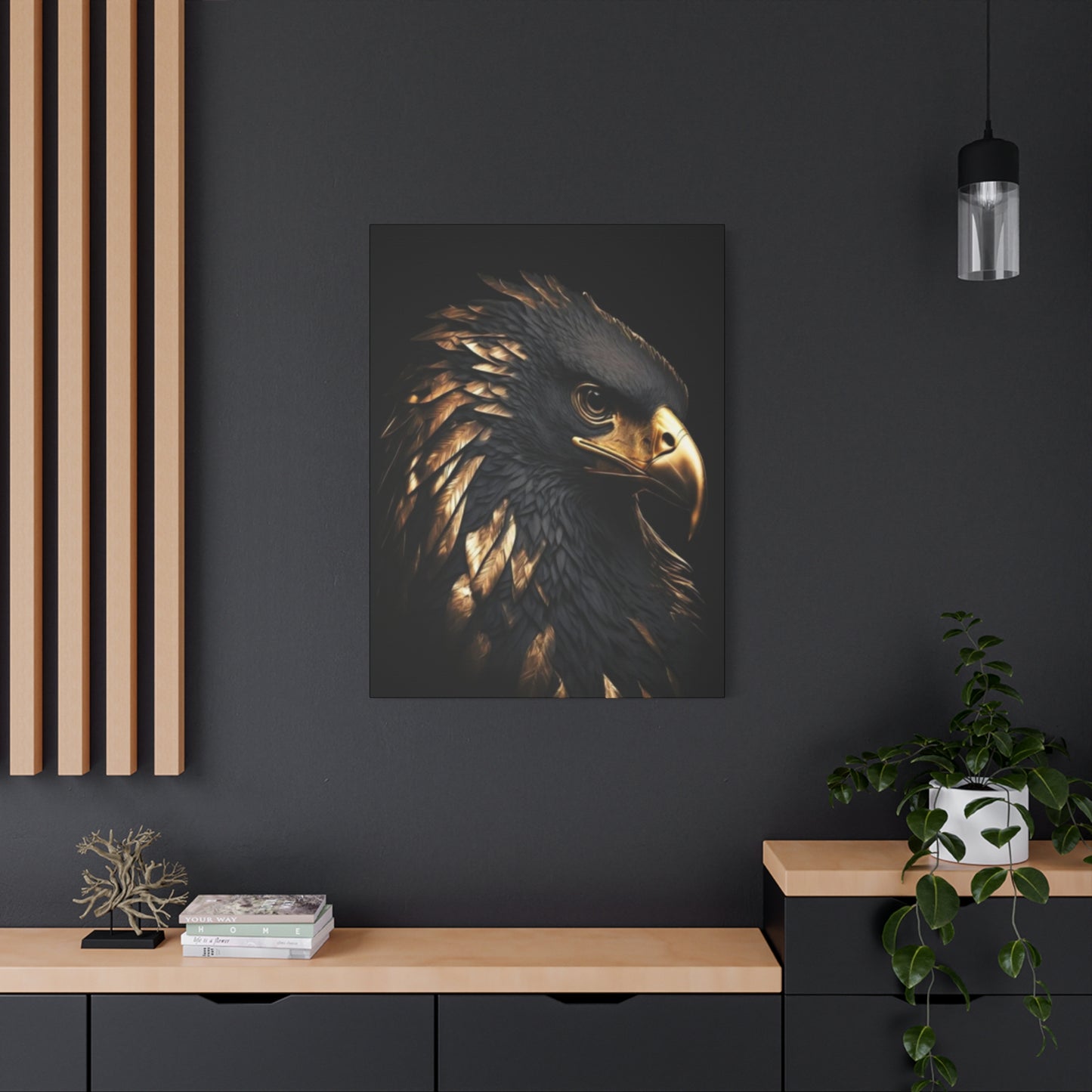
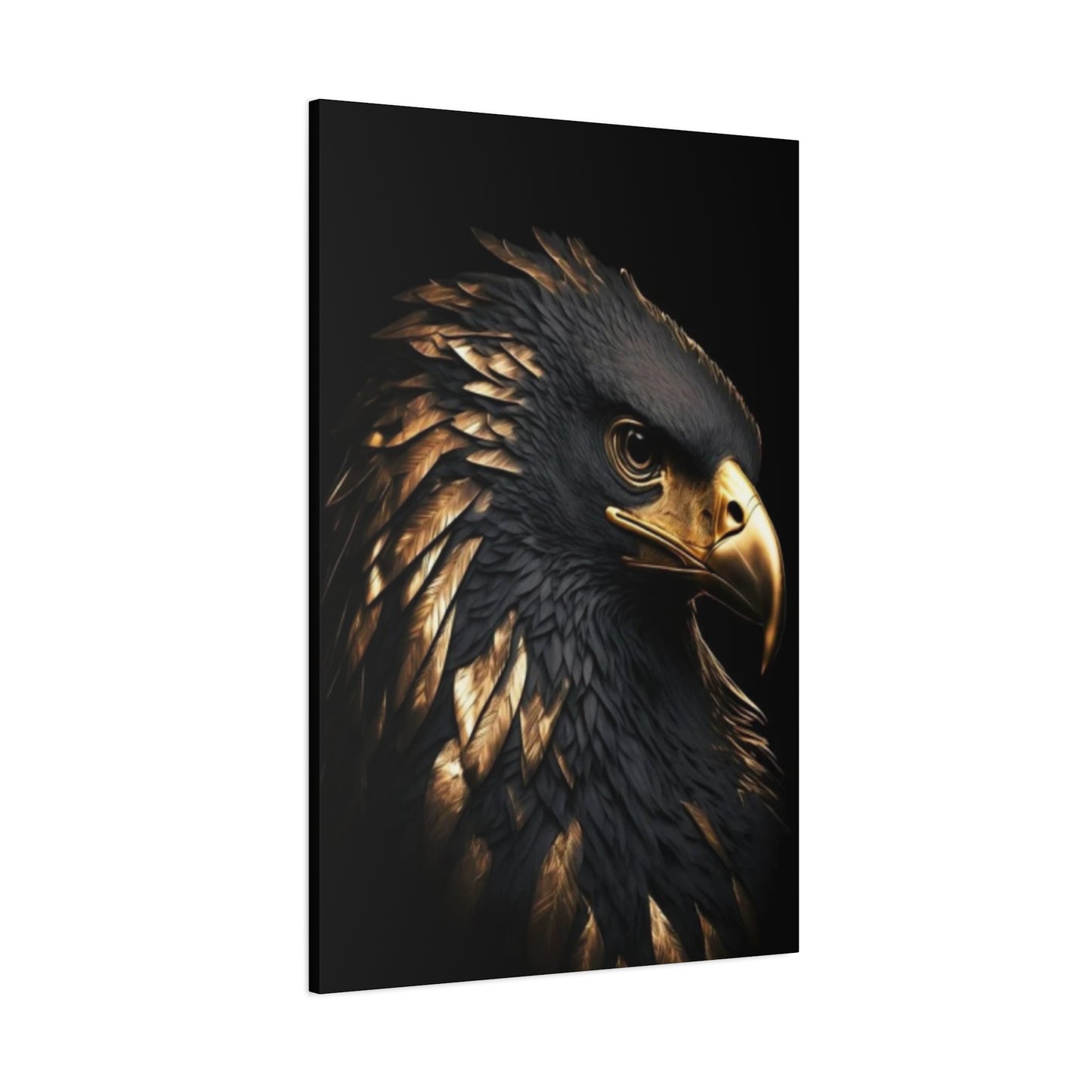
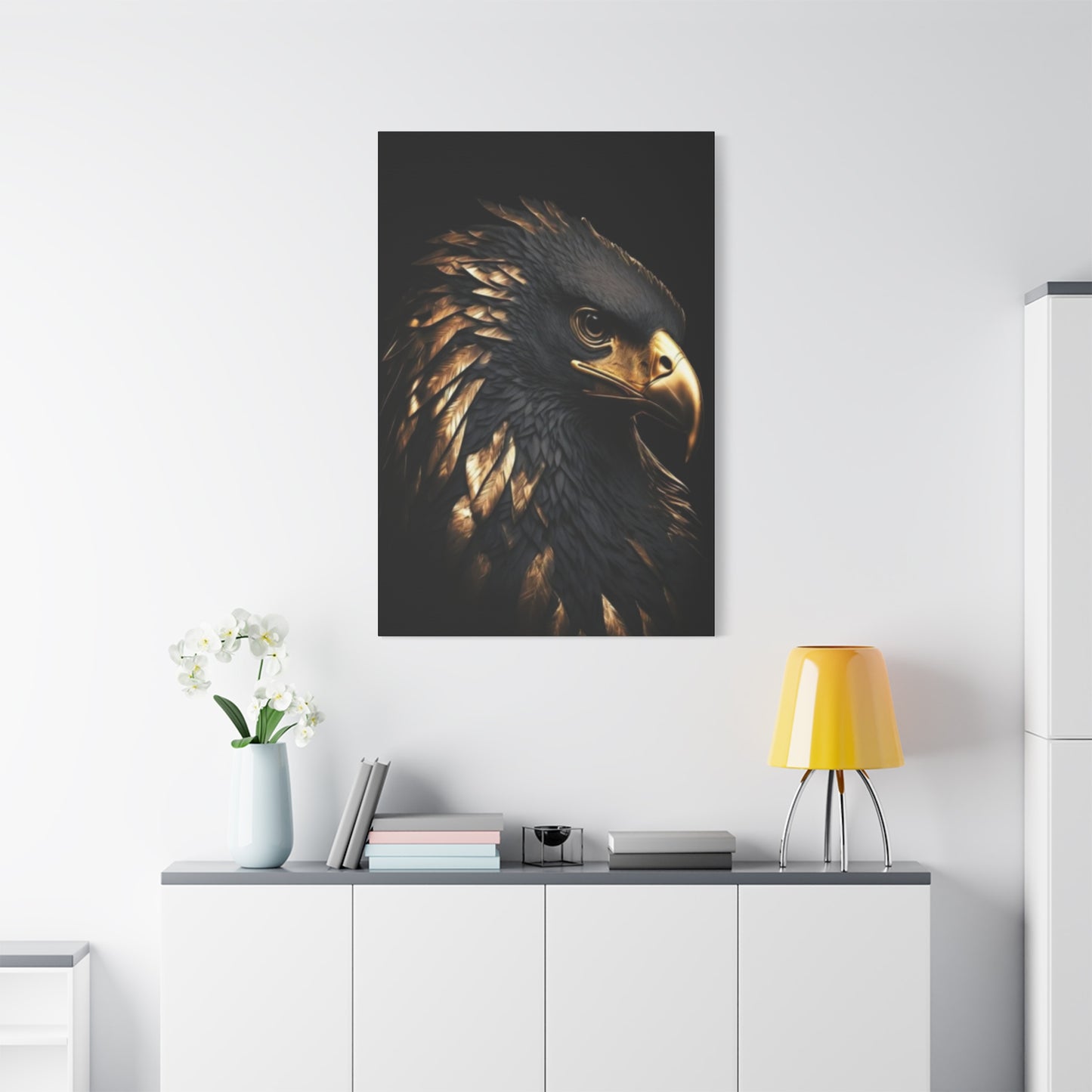
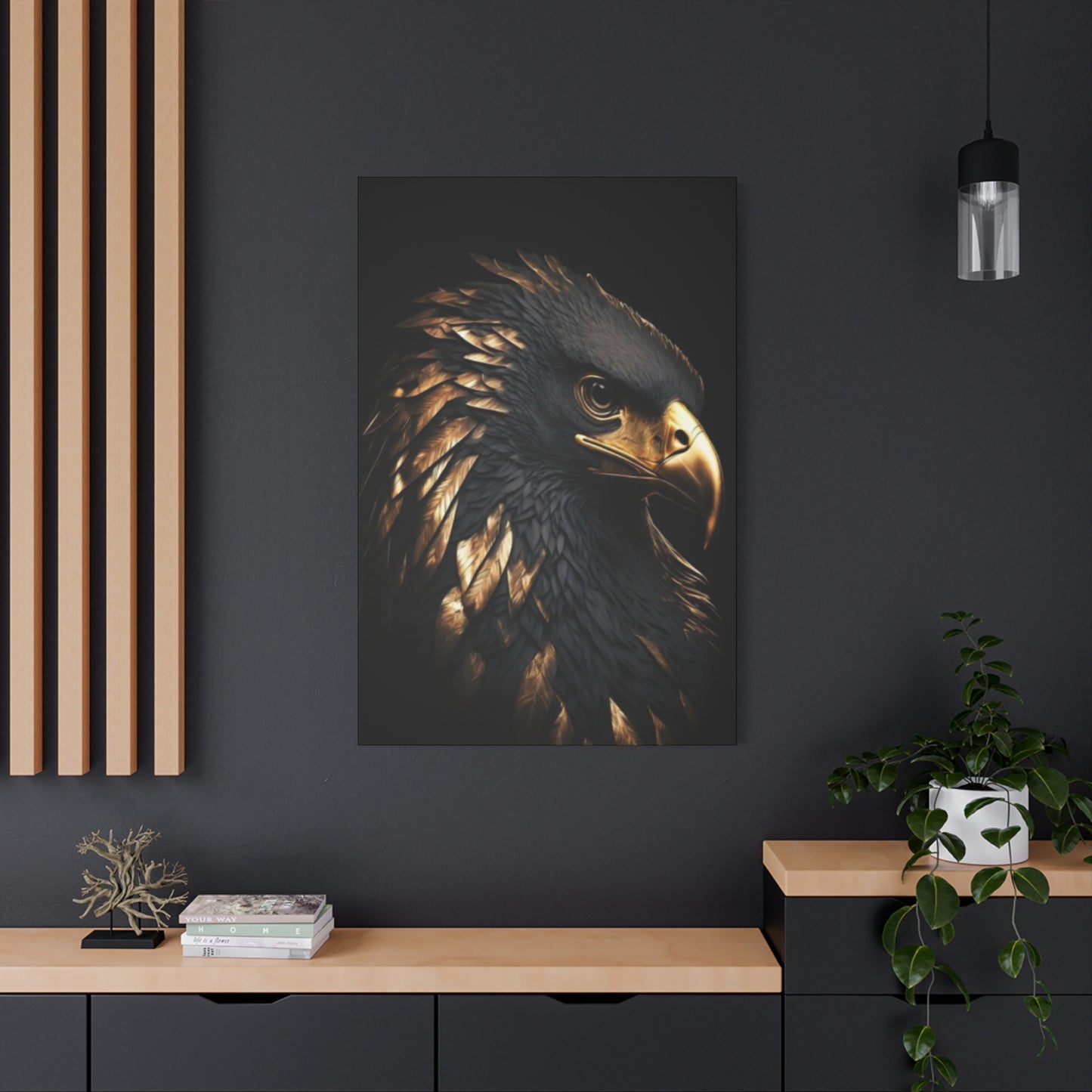
Golden Eagle Wall Art & Canvas Prints

Golden Eagle Wall Art & Canvas Prints

Regular price $141.23 USD
Regular price Sale price $141.23 USD
Sale Sold out
Size
Depth

Add Majestic Elegance to Your Home with Golden Eagle Wall Art: A Step-by-Step Guide from Selection to Display

The golden eagle stands as one of nature's most commanding predators, symbolizing strength, freedom, and untamed wilderness. When captured through artistic mediums and displayed as wall decorations, these magnificent birds bring an unparalleled sense of grandeur to any interior environment. This comprehensive exploration delves into every facet of incorporating golden eagle imagery into your home or workspace, from understanding their symbolic significance to selecting the perfect piece that resonates with your aesthetic vision.

Why Golden Eagle Imagery Captivates Human Imagination Across Cultures and Generations

Throughout millennia, humans have been entranced by the golden eagle's aerial prowess and hunting capabilities. These raptors, with their piercing gaze and wingspan reaching up to seven feet, embody characteristics that transcend mere biological fascination. Ancient civilizations from the Romans to Native American tribes revered these birds as sacred symbols, incorporating their likenesses into ceremonial objects, architectural embellishments, and artistic expressions.

The golden eagle's representation in visual arts serves multiple purposes beyond mere decoration. In contemporary settings, displaying such imagery connects inhabitants with the natural world, offering a window into wilderness that urban dwellers rarely experience firsthand. The psychological impact of viewing powerful wildlife representations can reduce stress levels, inspire contemplative thought, and remind observers of the delicate balance within ecosystems.

When selecting golden eagle wall art, you're not merely choosing a decorative element but inviting a powerful emblem into your daily environment. The fierce determination visible in a golden eagle's eyes, the meticulous detail of each feather, and the dynamic posture captured mid-flight or perched majestically all contribute to creating focal points that command attention and spark conversation.

Exploring Various Artistic Mediums That Bring Golden Eagles to Life on Your Walls

The realm of wall decorations featuring golden eagles encompasses an extraordinary variety of artistic approaches, each offering distinct visual qualities and atmospheric contributions to living spaces. Photography stands as one of the most popular mediums, with wildlife photographers spending countless hours in remote locations capturing these elusive predators in their natural habitats. High-resolution photographic prints can showcase every intricate detail, from individual feather barbs to the intensity of their amber eyes.

Paintings offer another dimension entirely, with artists interpreting golden eagles through various styles ranging from hyperrealistic oil paintings to impressionistic watercolors. Acrylic renderings might emphasize bold colors and dramatic contrasts, while traditional oil paintings on canvas provide depth and luminosity that digital mediums struggle to replicate. Some contemporary artists blend multiple techniques, incorporating mixed media elements such as metallic leaf, textured materials, or even three-dimensional components that extend beyond the flat picture plane.

Digital art has revolutionized how artists approach wildlife subjects, enabling creators to manipulate imagery in ways previously impossible. Vector illustrations might simplify the golden eagle's form into striking geometric patterns, while digital painting software allows for fantastical interpretations that merge realism with imaginative elements. These digital creations can be printed on various substrates, from traditional paper to metal sheets that lend a modern, industrial aesthetic.

Sculptural wall reliefs represent yet another approach, where golden eagles emerge from flat surfaces in bas-relief or high-relief formats. Metalwork artisans craft stunning interpretations using copper, bronze, or steel, sometimes incorporating patinas that age beautifully over time. Wood carving traditions also produce remarkable representations, with skilled craftspeople revealing the eagle's form from blocks of walnut, oak, or exotic hardwoods.

Selecting the Perfect Golden Eagle Wall Art for Different Room Environments and Design Schemes

Choosing appropriate golden eagle imagery requires careful consideration of multiple factors, beginning with the specific room where the artwork will reside. Living rooms typically accommodate larger, statement pieces that become conversation starters and anchor the space's visual hierarchy. A substantial canvas depicting a golden eagle in flight, perhaps measuring four feet or more in width, can serve as the room's focal point, with surrounding furniture and decor elements supporting rather than competing with this dominant visual element.

Bedrooms call for more contemplative interpretations, where the golden eagle's symbolism might lean toward protection, freedom, or personal aspiration. Softer color palettes and less aggressive compositions work well in sleeping quarters, promoting relaxation rather than stimulation. A serene portrait of a perched golden eagle surveying its domain from a craggy outcrop might complement a bedroom's restful atmosphere better than a dramatic hunting scene.

Home offices and studies benefit from golden eagle imagery that emphasizes focus, determination, and strategic thinking—qualities these raptors demonstrate in their hunting behaviors. A tightly cropped portrait emphasizing the bird's penetrating gaze can serve as a daily reminder of concentration and purpose. Alternatively, a panoramic landscape featuring a golden eagle soaring above mountain ranges might inspire broader thinking and ambitious goal-setting.

Dining spaces present opportunities for more decorative interpretations, where the artwork contributes to the overall ambiance without necessarily dominating the environment. Smaller pieces or series of coordinated images showing golden eagles in various poses or seasonal settings can create visual interest without overwhelming guests during meals. The artwork should enhance the dining experience, perhaps sparking nature-themed conversations, while remaining subordinate to the social interactions occurring around the table.

Commercial environments such as corporate offices, lodges, or wilderness-themed establishments require careful consideration of the message conveyed through golden eagle imagery. Law firms might select authoritative, commanding representations that subtly communicate strength and protection, while outdoor recreation businesses might prefer dynamic action shots celebrating wilderness experiences. The scale of commercial installations often exceeds residential displays, with some businesses commissioning custom murals or large-format prints that span entire walls.

Color Palette Considerations When Incorporating Golden Eagle Wall Art Into Existing Decor Schemes

The natural coloration of golden eagles—ranging from deep chocolate browns to warm golden ambers on their nape feathers—provides a versatile foundation that complements numerous interior design palettes. When the artwork features these authentic hues, it naturally harmonizes with earth-tone schemes employing tans, beiges, ochres, and russets. These warm color combinations evoke natural environments and create cozy, inviting atmospheres particularly suited to rustic, craftsman, or lodge-inspired interiors.

However, contemporary interpretations of golden eagle imagery often explore alternative color schemes that serve specific design objectives. Monochromatic black and white representations offer dramatic contrast suitable for modern, minimalist spaces where color discipline maintains visual coherence. The stark tones emphasize form, texture, and composition while eliminating potential color clashes with surrounding elements.

Some artistic interpretations introduce unexpected color elements that transform traditional wildlife imagery into contemporary statements. Golden eagles rendered in cool blues and silvers might complement coastal or winter-themed interiors, while those incorporating jewel tones like deep emeralds, sapphires, or amethysts can add luxurious accents to more eclectic or maximalist design schemes. These unconventional color choices work particularly well when the artwork serves as a bridge between disparate decorating elements, drawing together multiple color stories within a single space.

The background elements within golden eagle artwork significantly impact its compatibility with various color schemes. Pieces featuring sky backgrounds introduce blues and whites that lighten and brighten spaces, creating airy, expansive feelings. Mountain or forest settings bring in additional natural tones—grays, greens, and seasonal variations that might include the golden yellows of autumn aspen groves or the pure whites of snowy peaks. Abstract or minimalist backgrounds allow the eagle itself to remain the color focus while maintaining flexibility in coordinating with diverse interior palettes.

When selecting golden eagle wall art for spaces with established color schemes, consider whether the piece should harmonize seamlessly or provide intentional contrast. Harmonious selections blend with existing tones, creating unified, cohesive environments where the artwork feels like a natural extension of the overall design. Contrasting selections deliberately introduce new colors or intensities that energize spaces and prevent visual monotony, though this approach requires more sophisticated design sensibilities to execute successfully.

Understanding Scale, Proportion, and Placement Strategies for Maximum Visual Impact

The physical dimensions of golden eagle wall art dramatically influence its effectiveness within various spaces, with scale considerations extending beyond mere size measurements to encompass proportion, viewing distance, and architectural context. Oversized pieces command immediate attention and can visually expand smaller rooms by serving as architectural focal points that draw the eye upward or across expansive wall surfaces. A massive canvas depicting a golden eagle with wings fully extended might measure six feet or more in width, dominating a wall and becoming the unquestionable centerpiece of any room it inhabits.

Conversely, smaller works ranging from twelve to thirty inches allow for greater flexibility in placement and often work best in curated gallery wall arrangements where multiple pieces create collective impact. A series of smaller golden eagle portraits showing different perspectives or behaviors can tell a visual story that single large pieces cannot achieve. These arrangements permit collectors to showcase various artistic interpretations or create thematic progressions that guide viewers through narrative sequences.

Proportion relates not only to the artwork's absolute size but to its dimensions relative to the wall space and surrounding furnishings. Interior designers often recommend artwork spanning roughly two-thirds to three-quarters the width of the furniture piece it hangs above, creating balanced visual relationships. A golden eagle print above a sofa should feel substantial enough to anchor the seating area without appearing dwarfed by the furniture or so massive that it overwhelms the wall entirely.

Vertical versus horizontal orientation significantly affects how golden eagle imagery interacts with architectural features. Vertical compositions emphasizing the eagle's upright posture or ascent into flight naturally draw eyes upward, making spaces feel taller and more expansive—particularly valuable in rooms with standard eight-foot ceilings. Horizontal formats showcasing eagles in flight across landscapes complement wider wall expanses and work particularly well above horizontal furniture arrangements like sofas, consoles, or beds.

Placement height requires thoughtful consideration, with the general guideline suggesting artwork centers should align approximately fifty-seven to sixty inches from the floor—the average human eye level in standing position. However, this rule flexes based on ceiling heights, furniture configurations, and intended viewing positions. In dining rooms where most viewing occurs while seated, slightly lower placement ensures comfortable sightlines. In entryways or hallways where people typically stand and move, standard height placement works well.

The relationship between golden eagle artwork and architectural features such as windows, doorways, or built-in elements demands careful orchestration. Centering artwork between two windows creates symmetrical balance, while asymmetrical placements can generate dynamic tension and visual interest in less formal spaces. Avoiding placement where artwork competes with architectural focal points—such as directly opposite a fireplace or picture window with stunning views—prevents visual confusion about where attention should focus.

Framing Options That Enhance Golden Eagle Imagery While Protecting Your Investment

Framing decisions profoundly influence how golden eagle wall art presents itself and integrates into surrounding environments, with frame selection serving both aesthetic and protective functions. Traditional wood frames offer timeless appeal and natural compatibility with wildlife imagery, with wood species selection enabling fine-tuned coordination with interior color schemes and furniture finishes. Rich walnut frames might emphasize the golden eagle's darker plumage tones, while lighter oak or maple frames can brighten overall presentation.

Frame profiles range from simple, narrow moldings that barely intrude upon the artwork itself to elaborate, wide frames with ornate detailing that create substantial presence. Minimalist spaces typically benefit from slim, understated frames that maintain focus on the imagery rather than the presentation, while traditional or rustic interiors might accommodate more substantial frames with visible wood grain, distressing, or decorative carving that echoes craftsman aesthetics.

Metal frames introduce contemporary sensibilities that work particularly well with modern interpretations of golden eagle imagery or in spaces featuring industrial, urban, or minimalist design elements. Sleek aluminum frames in black, silver, or bronze finishes provide clean lines and subtle sophistication, while more ornamental metal frames might incorporate wrought-iron scrollwork or verdigris patinas that complement rustic or southwestern design schemes.

Floating frames, which suspend artwork between two pieces of clear acrylic or glass with an air gap visible around the edges, create striking modern presentations particularly suited to photographic prints or mixed media pieces. This frameless appearance allows the golden eagle imagery to appear as if suspended on the wall without the visual interruption of traditional frame borders, though the structural support remains present and protective.

Matting considerations add another layer of presentation refinement, with mat windows creating breathing room between the artwork and frame while potentially introducing additional colors that bridge the artwork and surrounding decor. Wide mats generate gallery-quality presentations that elevate even modestly sized prints, while narrow mats or direct frame contact maintains focus on the imagery itself. Multiple mat layers in coordinating colors can create sophisticated depth and draw attention toward the central image.

Conservation framing methods protect valuable golden eagle artwork from environmental degradation, utilizing acid-free materials, UV-filtering glazing, and proper mounting techniques that prevent damage over decades of display. Museum-quality glass or acrylic glazing blocks harmful ultraviolet radiation that causes fading and deterioration while maintaining visual clarity. For particularly valuable pieces, climate-controlled display environments might justify investment in specialized framing that incorporates moisture barriers and backing boards that buffer against humidity fluctuations.

Lighting Techniques That Showcase Golden Eagle Wall Art to Perfection

Proper illumination transforms golden eagle wall art from mere decoration into dynamic visual experiences that shift throughout the day and respond to different lighting conditions. Natural light from windows provides the most authentic color rendering but requires careful management to prevent fading and degradation from UV exposure. Positioning artwork perpendicular to windows rather than directly opposite prevents harsh glare while still capturing ambient daylight that reveals subtle details and textures.

Artificial lighting systems offer complete control over how golden eagle imagery appears, with various fixture types producing dramatically different effects. Track lighting provides flexible directional control, allowing multiple adjustable heads to highlight different aspects of large pieces or illuminate entire gallery wall arrangements. The ability to reposition track lights accommodates seasonal decor changes or artwork rotations without electrical modifications.

Picture lights—fixtures mounted directly above or below artwork—create focused illumination that draws attention specifically to the golden eagle piece while allowing surrounding areas to recede into relative shadow. Traditional picture lights featuring brass or bronze finishes complement classic interiors, while sleek LED versions suit contemporary spaces. Battery-operated or plug-in picture lights offer installation simplicity, though hardwired versions provide cleaner appearances without visible cords.

Recessed ceiling fixtures positioned to wash walls with light create even, gallery-style illumination suitable for minimalist presentations where the lighting infrastructure should remain invisible. Careful spacing and beam angle selection ensure uniform coverage without hot spots or shadows that detract from viewing experiences. Adjustable recessed fixtures with gimbal or eyeball trims allow precise aiming toward specific artwork locations.

The color temperature of light sources significantly affects how golden eagle imagery appears, with warm white bulbs emphasizing the natural golden and brown tones in the plumage while cooler daylight-balanced bulbs might enhance detail perception and provide more neutral color rendering. Tunable LED systems that allow color temperature adjustment throughout the day can maintain consistent artwork appearance despite changing ambient light conditions or accommodate different moods for various occasions.

Accent lighting intensity should illuminate artwork approximately three times brighter than surrounding ambient light to create proper visual hierarchy and draw attention effectively. Dimmer controls enable fine-tuning of intensity levels based on time of day, natural light contributions, and desired atmosphere. Lower lighting levels create intimate, contemplative viewing experiences, while brighter illumination facilitates detailed examination and makes artwork visible from greater distances.

Caring for and Preserving Golden Eagle Wall Art Across Years and Decades

Proper stewardship ensures golden eagle wall art maintains its visual impact and monetary value throughout extended display periods, with preservation strategies varying based on the specific medium and materials comprising each piece. Photographic prints demand protection from light exposure, with UV-filtering glazing and strategic placement away from direct sunlight preventing the gradual fading that inevitably occurs with prolonged light exposure. Even indirect natural light contains UV radiation that breaks down photographic dyes and pigments over time.

Canvas paintings require different preservation approaches focused on maintaining proper tension, preventing physical damage, and managing environmental conditions. Humidity fluctuations cause canvas to expand and contract, potentially leading to paint cracking or delamination from the substrate. Maintaining relatively stable indoor humidity levels between forty and sixty percent protects canvas integrity while preventing mold growth that can occur in excessively moist conditions.

Dust accumulation represents the most common preservation challenge across all artwork types, with airborne particles settling on surfaces and potentially causing abrasion if improperly removed. Gentle dusting with soft, clean brushes or microfiber cloths removes loose particles without scratching surfaces or damaging delicate details. For glazed pieces, clean glass or acrylic surfaces using appropriate cleaners applied to the cloth rather than directly onto the glazing to prevent moisture infiltration around frame edges.

Metal artwork requires specific care based on the alloys and finishes employed, with some patinas intended to develop and change over time while others should maintain their original appearance. Unsealed metal surfaces might require occasional application of protective waxes or oils that prevent oxidation while enhancing visual depth. Avoid cleaning products containing abrasives or harsh chemicals that can strip patinas or damage metal surfaces.

Periodic inspection helps identify emerging preservation issues before they escalate into significant damage. Check frame corners and hanging hardware for stability, ensuring secure wall attachment prevents accidental falls. Examine artwork surfaces for signs of insect activity, moisture damage, or unexpected discoloration that might indicate environmental problems requiring intervention. Early detection of issues enables corrective action that preserves both the artwork and its investment value.

Professional conservation services become necessary when damage occurs or preventive measures require expertise beyond typical homeowner capabilities. Conservators can repair torn canvases, address fading through digital restoration and reprinting, stabilize deteriorating frames, or recommend specialized storage for pieces requiring temporary removal from display. Establishing relationships with qualified conservators before emergencies arise ensures rapid access to expertise when preservation crises occur.

Discovering Where to Find Exceptional Golden Eagle Wall Art That Matches Your Vision

The marketplace for golden eagle wall art encompasses numerous channels, each offering distinct advantages, price points, and selection characteristics. Online marketplaces provide unprecedented access to artists and sellers worldwide, enabling buyers to browse thousands of options without geographical limitations. These platforms typically include customer reviews, artist biographies, and return policies that mitigate the risks inherent in purchasing artwork sight unseen.

Artist-direct purchases eliminate intermediary markups while establishing connections with creators who can discuss their inspiration, processes, and potentially accommodate custom commission requests. Many wildlife artists maintain websites showcasing their portfolios, with purchasing mechanisms ranging from ready-made prints to original one-of-a-kind paintings. Direct artist relationships often yield opportunities to acquire preliminary sketches, artist proofs, or limited edition prints numbered and signed by the creator.

Gallery exhibitions present opportunities to view golden eagle artwork in person before purchasing, experiencing scale, color accuracy, and textural qualities impossible to fully appreciate through digital representations. Galleries specializing in wildlife or Western subjects typically maintain extensive inventories and can facilitate special orders from artists they represent. The gallery environment also enables comparison shopping, viewing multiple pieces simultaneously to assess relative merits.

Home decor retailers increasingly stock wildlife imagery including golden eagle representations, offering accessible price points and immediate availability for budget-conscious buyers seeking decorative pieces rather than investment-grade artwork. These mass-produced options sacrifice uniqueness and artistic distinction but provide affordable solutions for temporary spaces or situations where artwork might face damage risks that make expensive pieces impractical.

Art fairs and outdoor shows bring together numerous artists and vendors in festival atmospheres where browsing and discovering new favorites becomes recreational activity. Wildlife-focused events attract specialized artists whose entire practices revolve around natural subjects, offering concentrated selection impossible to find elsewhere. These venues often enable negotiation and may include opportunities to meet artists, observe demonstrations, or commission custom pieces.

Auction houses occasionally offer golden eagle artwork, particularly pieces with established provenance, artist recognition, or exceptional quality that justifies the auction format. While potentially yielding bargains when competition remains modest, auctions can also drive prices beyond retail when multiple bidders compete for desirable pieces. Understanding fair market values before participating prevents emotional bidding that exceeds reasonable price ranges.

Commissioning Custom Golden Eagle Wall Art Tailored to Your Specific Preferences and Space

Custom commissions transform artwork acquisition from passive selection into collaborative creation, enabling patrons to guide artistic direction while benefiting from professional execution that surpasses amateur capabilities. Commissioning begins with identifying artists whose existing work demonstrates styles, skill levels, and subject matter expertise aligned with your vision. Portfolio review reveals whether candidates possess the technical abilities and aesthetic sensibilities required to realize your conceptual goals.

Initial consultations establish project parameters including size specifications, medium preferences, compositional elements, color palette expectations, and timeline requirements. Clear communication during this phase prevents misunderstandings that could derail projects or produce unsatisfactory results. Discussing inspirational references—other artwork, photographs, or conceptual descriptions—helps artists grasp your vision while providing latitude for their creative interpretation.

Budget discussions should occur early in the commission process, with realistic expectations about how complexity, size, and medium choices affect pricing. Original paintings command significantly higher prices than prints, while intricate compositions requiring extensive detail work justify higher fees than simplified interpretations. Establishing payment schedules—typically involving deposits, interim payments, and final balances—protects both parties and demonstrates commitment to project completion.

Contracts or written agreements document all terms including project scope, pricing, payment schedule, deadline expectations, revision allowances, and ownership rights. These documents prevent disputes by establishing clear parameters before work commences. Addressing copyright considerations ensures buyers understand whether they're acquiring only the physical artwork or also reproduction rights that might enable creating prints or merchandise from the commissioned piece.

Progress updates throughout the commission process enable course corrections before substantial work investment occurs. Many artists provide preliminary sketches or digital mockups for approval before proceeding to final execution. This collaborative refinement ensures the finished piece aligns with patron expectations while respecting the artist's creative autonomy and professional expertise.

Revision policies should be established upfront, clarifying how many rounds of changes are included and what additional modifications might cost. While patrons deserve satisfaction with commissioned works, excessive revision demands can strain artist relationships and project profitability. Reasonable people generally find middle ground between perfectionistic demands and accepting whatever artists produce without feedback.

Incorporating Golden Eagle Wall Art Into Various Interior Design Styles and Aesthetic Movements

Golden eagle imagery demonstrates remarkable versatility across diverse design philosophies, though implementation strategies vary significantly depending on stylistic contexts. Rustic interiors incorporating natural materials, exposed wood, and earthy color palettes provide natural homes for wildlife artwork. Golden eagle pieces in these settings often feature traditional representational styles that honor the birds' authentic appearances rather than abstract interpretations.

Contemporary and modern spaces initially might seem incompatible with wildlife subjects, yet strategic selection and presentation integrate golden eagle imagery seamlessly into these contexts. Black and white photography with strong graphic qualities, minimalist compositions emphasizing negative space, or unexpected scale manipulations transform traditional wildlife subjects into contemporary statements. Frameless mounting, metal prints, or acrylic face-mounting techniques further modernize presentation aesthetics.

Southwestern design schemes embrace Native American cultural connections to golden eagles, with artwork serving both decorative and symbolic purposes. These spaces might incorporate eagles alongside other regional subjects like desert landscapes, pueblo architecture, or ceremonial objects that collectively celebrate southwestern heritage. Color palettes featuring terracotta, turquoise, and warm earth tones complement golden eagle plumage naturally.

Industrial interiors characterized by exposed brick, metal fixtures, and raw materials can accommodate golden eagle artwork that emphasizes texture, tonal contrasts, and bold graphic qualities. Metal prints or sculptures fit particularly well in these environments, with the materials themselves reinforcing industrial aesthetics while the subject matter provides organic counterpoint to manufactured surroundings.

Transitional design—bridging traditional and contemporary sensibilities—provides ideal contexts for golden eagle artwork that similarly balances classic subject matter with modern presentation. These spaces might feature traditionally rendered eagles in contemporary frames, or vice versa, creating productive tensions between old and new that characterize transitional aesthetics broadly.

Eclectic and maximalist interiors that celebrate abundant decoration, pattern mixing, and color layering can incorporate golden eagle imagery as one element among diverse collections. In these contexts, the artwork needn't dominate but rather contributes to overall visual richness. Unexpected juxtapositions—perhaps positioning a realistic golden eagle portrait near abstract paintings or vintage posters—create dynamic contrasts that define eclectic style.

Understanding the Symbolic Meanings and Cultural Significance Behind Golden Eagle Imagery

Golden eagles carry profound symbolic weight across numerous cultures and contexts, with this symbolism inevitably influencing how artwork featuring these birds resonates with viewers and functions within spaces. Native American traditions regard golden eagles as sacred messengers connecting earthly and spiritual realms, with their feathers holding ceremonial significance and appearing in regalia worn during important rituals. Displaying golden eagle imagery with awareness of these cultural contexts demonstrates respect and understanding rather than superficial appropriation.

In European heraldry, eagles generally—and golden eagles specifically—symbolized power, nobility, and divine authority, appearing on royal crests, national emblems, and military insignia throughout centuries. This association with sovereignty and strength persists in contemporary contexts, making golden eagle artwork appropriate for environments where projecting authority, confidence, and leadership proves desirable. Law offices, executive suites, and governmental spaces often incorporate eagle imagery for precisely these symbolic connotations.

The golden eagle's hunting prowess and territorial dominance translate into symbolic associations with focus, strategic thinking, and successful pursuit of objectives. Individuals seeking visual reminders of these qualities naturally gravitate toward golden eagle artwork that emphasizes the birds' intensity, concentration, and predatory excellence. A close-up portrait capturing the eagle's fierce gaze might serve as daily inspiration for maintaining focus on challenging goals.

Freedom and wildness represent perhaps the most universal symbolic associations with eagles broadly and golden eagles specifically, stemming from their ability to soar at extraordinary altitudes and range across vast territories unconstrained by human boundaries. For people feeling constrained by urban environments, professional obligations, or life circumstances, golden eagle imagery offers vicarious experiences of liberation and connection with untamed nature.

Conservation awareness forms another layer of meaning, particularly for endangered subspecies or in regions where golden eagle populations face habitat loss or persecution. Displaying golden eagle artwork can signal environmental consciousness and support for wildlife preservation efforts. Some artists donate portions of sales to conservation organizations, enabling artwork purchases to contribute tangibly to species protection beyond mere symbolic gestures.

Pairing Golden Eagle Wall Art With Complementary Decorative Elements for Cohesive Environments

Golden eagle artwork rarely exists in isolation, instead interacting with surrounding furnishings, accessories, and decorative elements to create unified interior environments. Thoughtful curation of these relationships enhances the artwork's impact while preventing visual chaos that undermines aesthetic coherence. Natural materials like wood, stone, and leather complement golden eagle imagery by reinforcing connections to wilderness and organic beauty. A distressed leather sofa beneath a golden eagle print creates textural dialogue that feels harmonious and intentional.

Textile selections including throw pillows, area rugs, and window treatments provide opportunities to echo colors drawn from the artwork, creating visual threads that tie room elements together. A pillow incorporating similar golden-brown tones or a rug with geometric patterns suggesting feather textures establishes subtle connections that sophisticated observers appreciate even if consciously unnoticed.

Sculptural objects and three-dimensional decorative accessories add depth and dimensionality that flat wall art alone cannot achieve. Bronze eagle sculptures on side tables or mantels create thematic consistency while varying the artistic medium. Natural objects like interesting driftwood pieces, geodes, or preserved botanical specimens reinforce nature themes without literally duplicating the eagle subject.

Lighting fixtures themselves become decorative elements that can reinforce or contradict artwork themes. Rustic iron chandeliers or antler fixtures harmonize with wildlife subjects, while sleek modern pendants maintain contemporary aesthetics even when paired with traditional eagle representations. The fixtures' visual weight and style should balance the artwork's presence rather than competing for attention.

Additional wall decor requires careful orchestration to avoid cluttering surfaces or creating confusing visual narratives. Gallery wall arrangements might include the golden eagle piece as an anchor surrounded by complementary subjects—perhaps other wildlife, landscape photography, or abstract pieces in coordinating colors. Alternatively, allowing the golden eagle artwork to stand alone on a wall creates powerful statements that need no accompaniment.

Furniture placement influences how golden eagle artwork functions within rooms, with seating arrangements ideally oriented to facilitate comfortable viewing from primary positions. A seating area facing the wall containing golden eagle artwork invites contemplation and ensures the piece fulfills its decorative purpose rather than hanging largely unnoticed in peripheral vision.

Exploring Golden Eagle Wall Art as Investment and Collectible Asset Building

Beyond immediate aesthetic gratification, certain golden eagle artwork categories represent genuine investment opportunities with appreciation potential that might eventually offset or exceed acquisition costs. Original paintings by recognized wildlife artists command substantial prices and have demonstrated value stability or growth across decades. Robert Bateman, Carl Brenders, and other celebrated wildlife painters produce works that routinely sell for five to six figures, with earlier pieces from their careers having appreciated dramatically.

Limited edition prints offer more accessible entry points into collecting while maintaining some investment potential, particularly when edition sizes remain small and artist reputations grow following publication. Purchasing early in artists' careers before widespread recognition develops provides greatest appreciation opportunities, though requires prescient identification of emerging talent. Signed and numbered prints generally maintain higher values than open edition reproductions.

Provenance documentation becomes crucial for investment-oriented acquisitions, establishing ownership history and authenticity beyond doubt. Certificates of authenticity, exhibition histories, publication records, and gallery documentation all contribute to provenance strength that supports valuation. Maintaining these records carefully throughout ownership periods preserves their evidentiary value for eventual resale scenarios.

Condition preservation directly impacts investment value, with any damage, fading, or deterioration reducing marketability and achievable prices. Investment-grade pieces demand museum-quality framing, controlled display conditions, and meticulous handling that prevents even minor condition issues that appraisers note during evaluations.

Market awareness helps collectors make informed acquisition decisions, understanding current pricing trends, artist reputation trajectories, and subject matter popularity cycles. Wildlife art markets fluctuate based on broader economic conditions, environmental awareness trends, and stylistic preference shifts that favor certain approaches over others at different historical moments.

Exit strategies deserve consideration even during acquisition phases, with realistic assessments about eventual marketability influencing purchase decisions. Extremely personal or custom commissioned pieces might deliver maximum aesthetic satisfaction but prove difficult to resell because they're tailored to individual preferences. More conventional subjects and compositions typically find broader collector interest when resale time arrives.

Creating Gallery Wall Arrangements Featuring Golden Eagle Wall Art as Centerpiece or Complementary Element

Gallery walls transform individual artworks into curated collections that achieve collective impact exceeding any single piece's contribution, with golden eagle imagery serving various roles within these complex compositions. As centerpieces, golden eagle pieces provide focal points around which complementary elements orbit, with sizing, placement, and visual weight establishing hierarchical relationships. The central eagle piece might measure significantly larger than surrounding works, or occupy the most prominent position even if sizes remain relatively uniform.

Symmetrical gallery wall layouts emphasizing balance and order might position the golden eagle piece at the precise center, with surrounding works arranged in mirrored configurations extending equally in all directions. This approach suits formal spaces and traditional aesthetics where visual stability feels appropriate and comfortable. Maintaining consistent spacing between pieces—typically two to four inches—creates grid-like precision that emphasizes intentional curation.

Asymmetrical arrangements generate dynamic visual energy through intentional imbalance and varied spacing, with the golden eagle piece potentially positioned off-center while remaining clearly dominant through size or compositional strength. These layouts suit contemporary and eclectic spaces where some visual tension enhances rather than disrupts overall harmony. Successful asymmetrical galleries require sophisticated spatial reasoning to achieve compositions that feel intentional rather than haphazard.

Subject matter coordination within gallery walls might expand beyond wildlife to include landscape scenes, abstract pieces in complementary colors, or even typographic elements that introduce textual variety. The unifying thread might be color palette, framing consistency, or thematic connections to nature and wilderness rather than literal subject repetition. This approach prevents monotony while maintaining conceptual coherence.

Frame variation within gallery walls adds visual interest through diversity while potentially creating chaos if mismanaged. One approach establishes a single frame style applied uniformly across all pieces, creating cohesion through consistent presentation. Alternatively, deliberately varied frames in different colors, materials, or profiles can succeed when united by other factors like subject matter or color palette. The golden eagle piece might feature the most elaborate or distinctive frame, reinforcing its hierarchical prominence.

Layout planning benefits tremendously from preliminary mockups using paper templates or digital visualization tools that enable experimentation without committing to nail holes. Arranging templates on floors and photographing different configurations provides comparative perspective before final wall installation. Many find unexpected solutions through this iterative process that wouldn't emerge from immediate installation.

Discovering Rare and Unique Golden Eagle Wall Art Variations That Stand Apart from Common Offerings

While realistic golden eagle photography and traditional paintings dominate marketplace selections, exceptional and distinctive variations exist for collectors seeking truly uncommon pieces. Antique prints from ornithological texts and natural history volumes offer historical significance and aesthetic charm that contemporary works cannot replicate. These lithographs, engravings, and hand-colored illustrations—some dating to the eighteenth and nineteenth centuries—bring scholarly gravitas and vintage patina that complement traditional and transitional interiors beautifully.

Indigenous artwork created by Native American artists brings cultural authenticity and spiritual dimensions that non-indigenous interpretations rarely achieve. These pieces might incorporate traditional techniques like hide painting, quillwork, or ceremonial symbolism that honors the golden eagle's sacred status within specific tribal traditions. Acquiring such works directly from indigenous artists through ethical channels ensures appropriate compensation and cultural respect.

Abstract and contemporary interpretations that deconstruct golden eagle forms into geometric patterns, color field compositions, or conceptual statements challenge conventional wildlife art expectations. These avant-garde approaches suit collectors who appreciate wildlife subjects but seek presentations that align with modern art sensibilities. Digital artists employing fractal generators, glitch aesthetics, or algorithmic processes produce golden eagle imagery unlike anything traditional wildlife art offers.

Mixed media assemblages incorporating found objects, recycled materials, or unconventional substrates create textural richness and dimensional complexity that flat prints or paintings cannot achieve. Artists might integrate actual feathers, incorporate metallic elements suggesting the bird's plumage, or build up surfaces with modeling paste and acrylic mediums that cast shadows and catch light variably.

Surrealistic interpretations placing golden eagles in impossible contexts or imagined scenarios appeal to collectors who enjoy fantasy elements and conceptual playfulness. These works might depict golden eagles soaring through cosmic starfields, perched upon mythological structures, or engaged in anthropomorphized behaviors that blur boundaries between nature documentation and imaginative fiction.

Monumental installations and murals transform golden eagles from framed artwork into architectural features that dominate entire walls or rooms. These large-scale interpretations require professional installation and often custom creation, but deliver unparalleled impact impossible with modestly sized pieces. Commercial spaces and luxury residences occasionally justify the substantial investment these installations require.

Conclusion

While some golden eagle wall art serves permanent installation purposes, adaptable display strategies enable seasonal variations or thematic rotations that keep environments feeling fresh and responsive to changing contexts. Creating rotation collections allows multiple pieces to occupy the same wall space at different times, with storage systems protecting non-displayed works from damage during inactive periods. This approach proves particularly practical for collectors with more artwork than available wall space.

Seasonal themes might emphasize golden eagles in different environmental contexts—snowy mountain scenes for winter, spring nesting behaviors, summer hunting across alpine meadows, or autumn migrations against colorful foliage. Rotating these seasonally appropriate pieces creates harmonious relationships between interior environments and outdoor conditions visible through windows.

Holiday decorating provides opportunities to temporarily replace or supplement permanent golden eagle displays with seasonal alternatives. A golden eagle rendered in festive colors or surrounded by winter elements might replace more neutral permanent pieces during winter holidays, creating cohesive seasonal aesthetics without requiring complete redecoration.

Thematic rotations unrelated to seasons might respond to personal interests, current events, or mood preferences. A golden eagle hunting scene might occupy a home office during intense work periods, while a serene perched portrait better suits vacation periods when relaxation takes precedence. This flexibility enables artwork to support rather than simply occupy spaces.

Easy-change hanging systems facilitate frequent rotations without damaging walls or artwork, with picture rails, gallery hanging systems, or magnetic mounting mechanisms enabling quick exchanges. These systems represent worthwhile investments for collectors who enjoy regular display changes but want to avoid the tedium and wall damage associated with traditional nail hanging methods.

Storage solutions for rotated artwork must prevent damage while enabling easy access, with options ranging from flat files and portfolio cases to dedicated art storage cabinets or closets. Climate-controlled storage prevents moisture damage and extreme temperature fluctuations that degrade artwork during inactive periods. Protective sleeves or interleaving sheets separate stacked pieces to prevent abrasion.

Documentation systems tracking which pieces occupy which spaces and when rotations occur help maintain organization and ensure equitable display time across collections. Simple spreadsheets or notebooks recording hanging dates, locations, and any condition observations support both rotation planning and long-term collection stewardship.


View full details