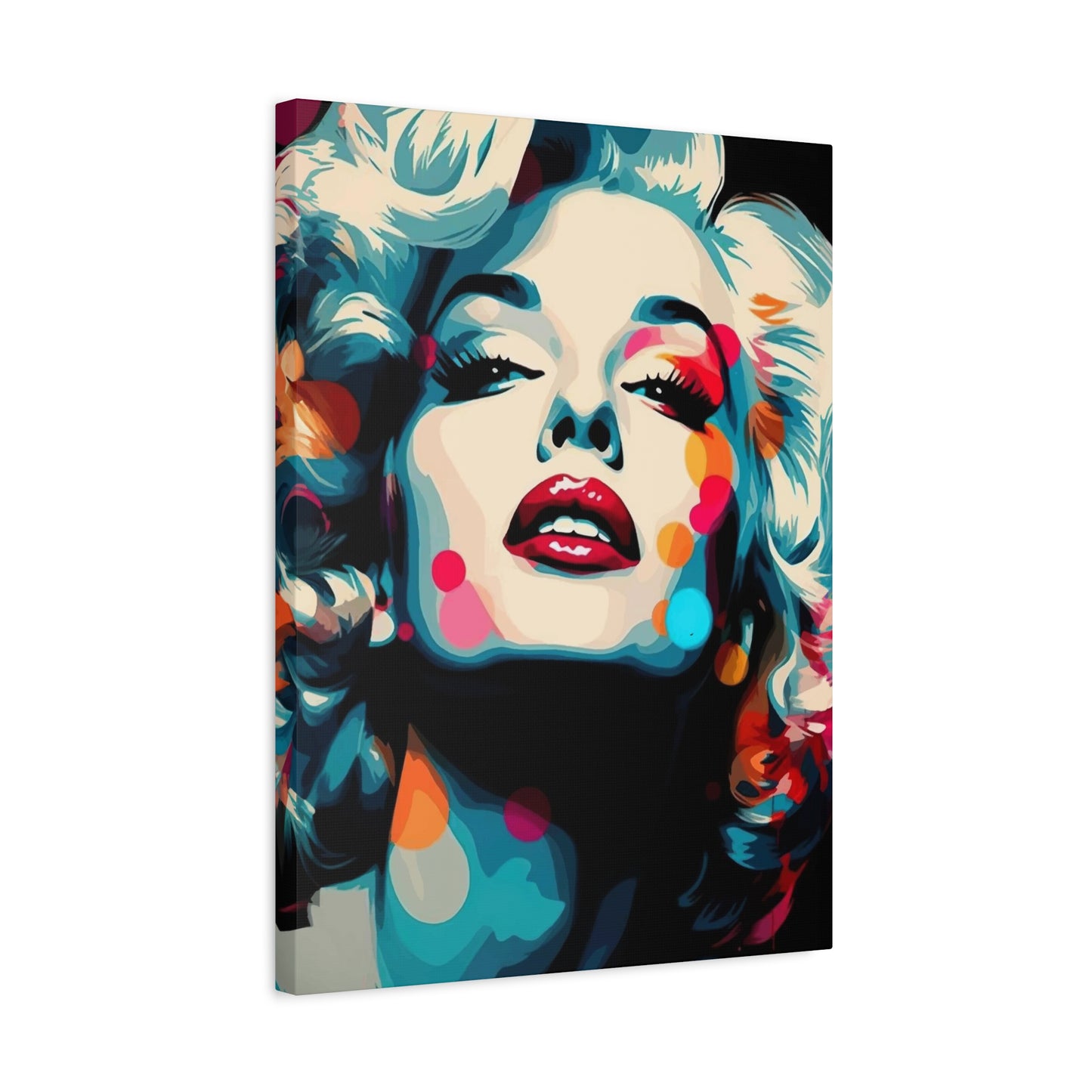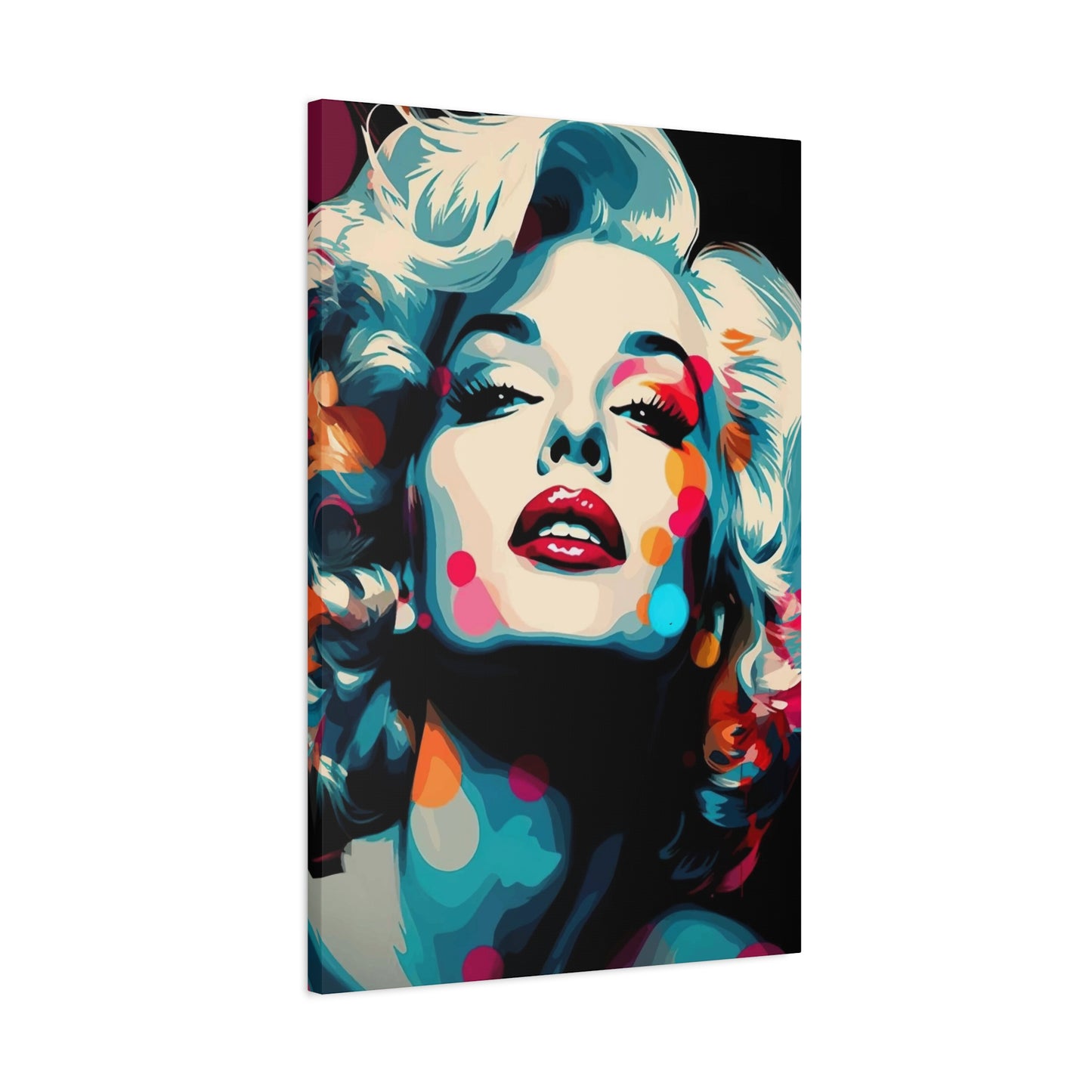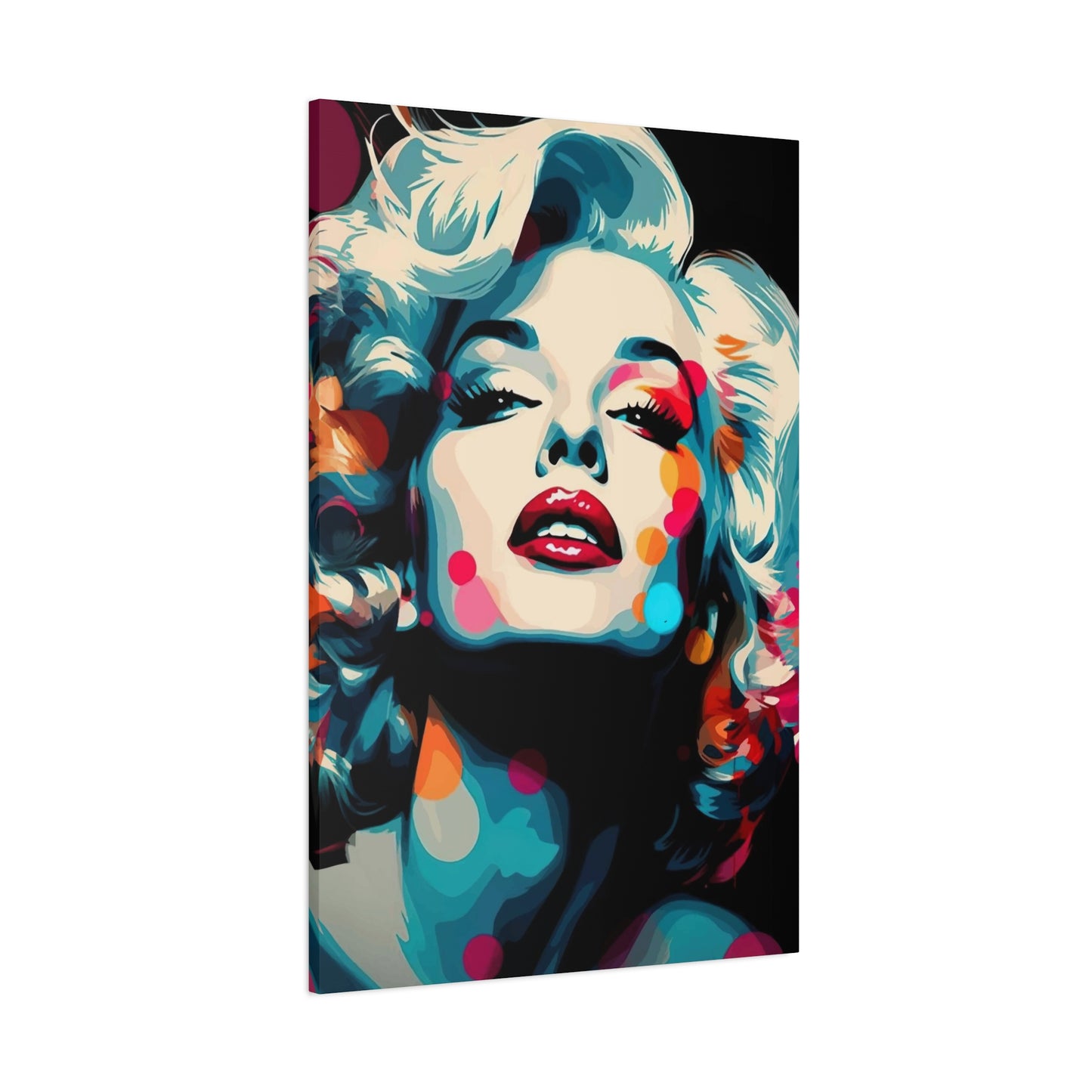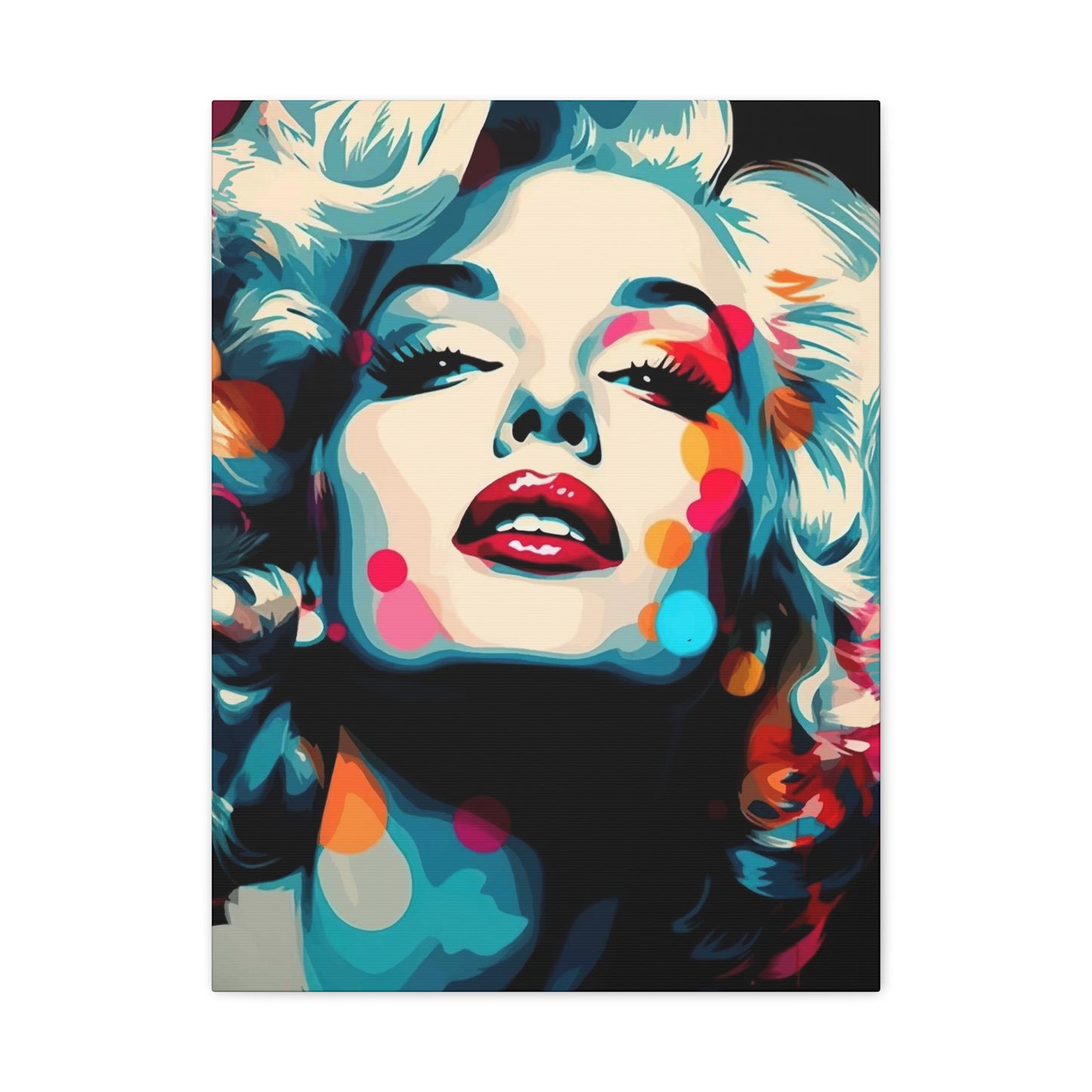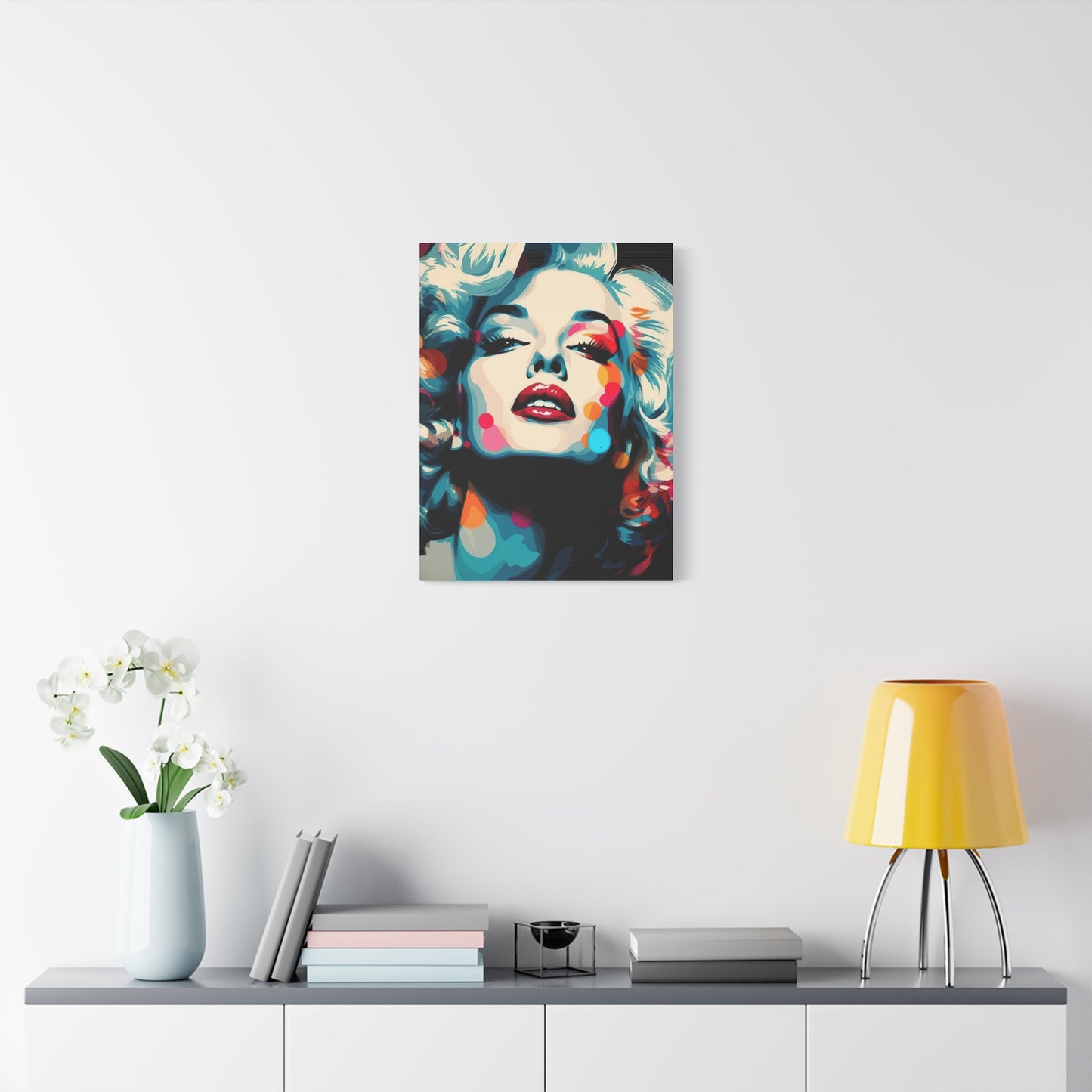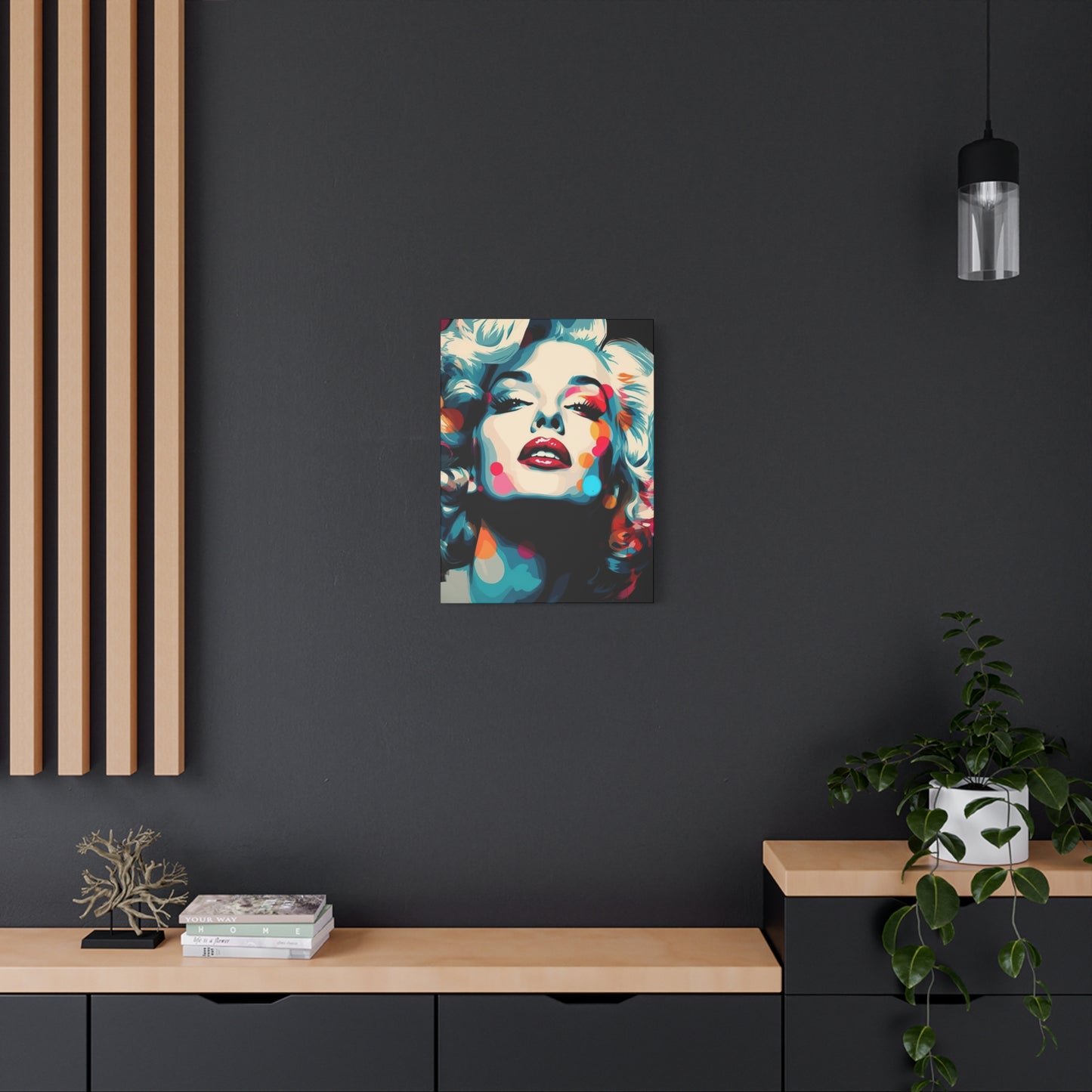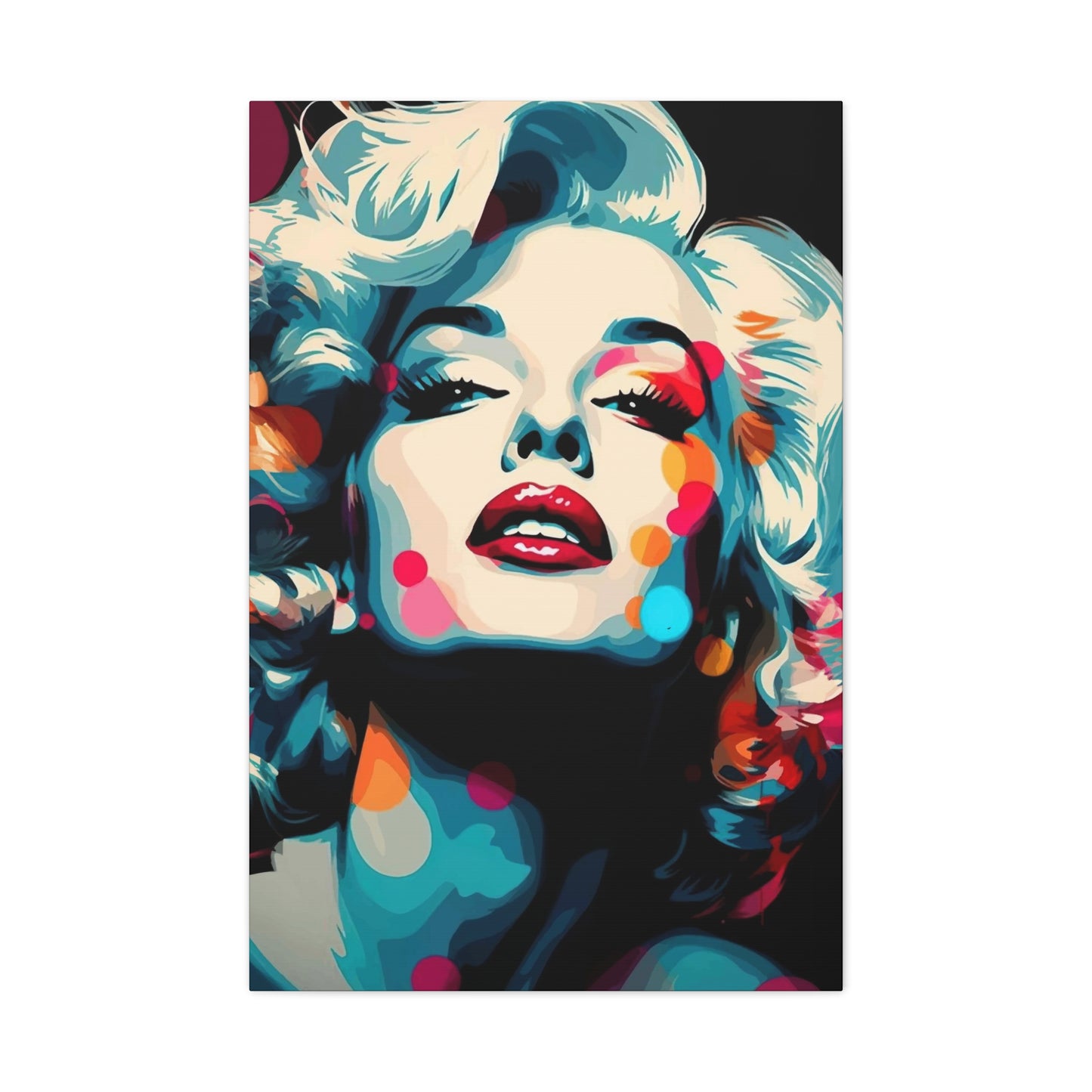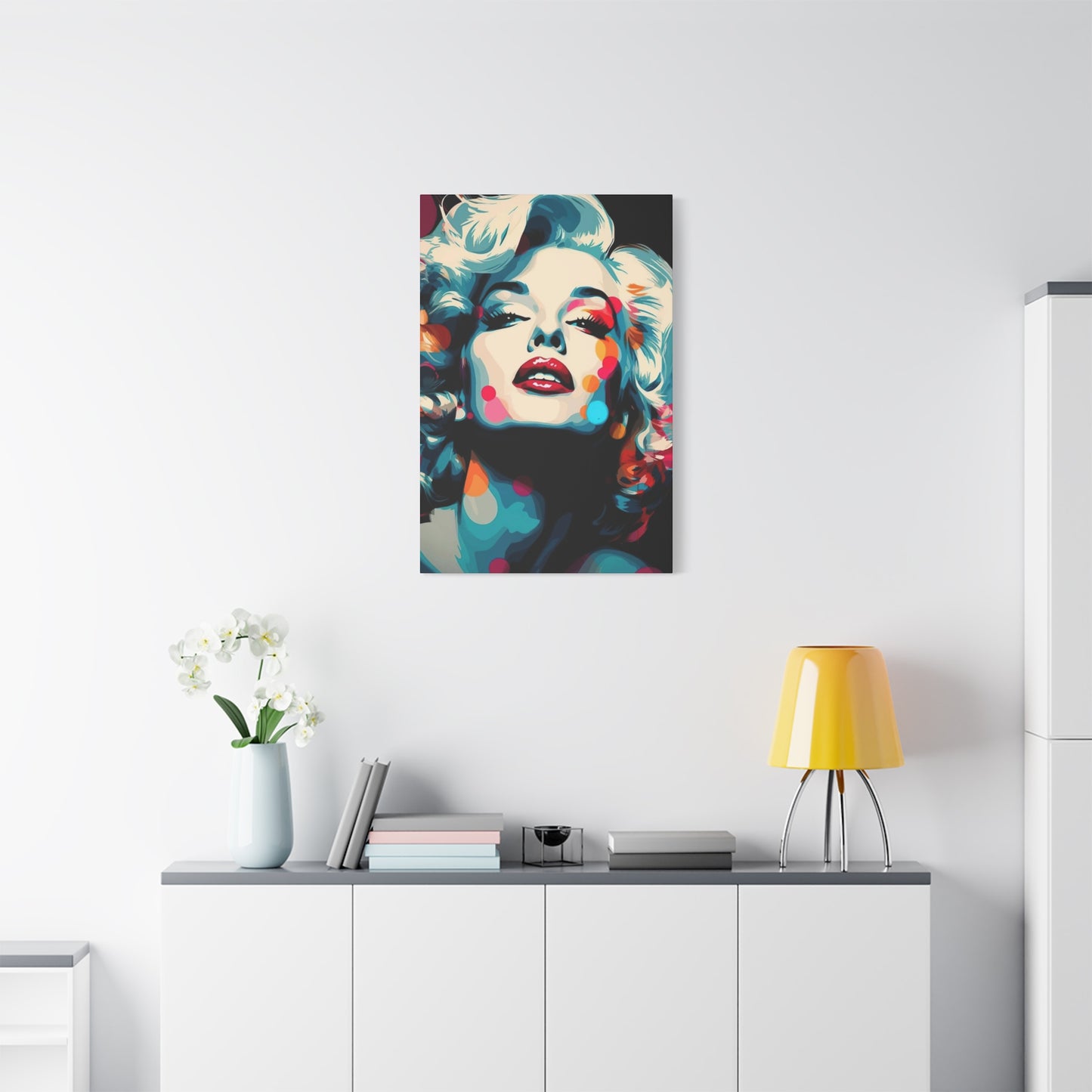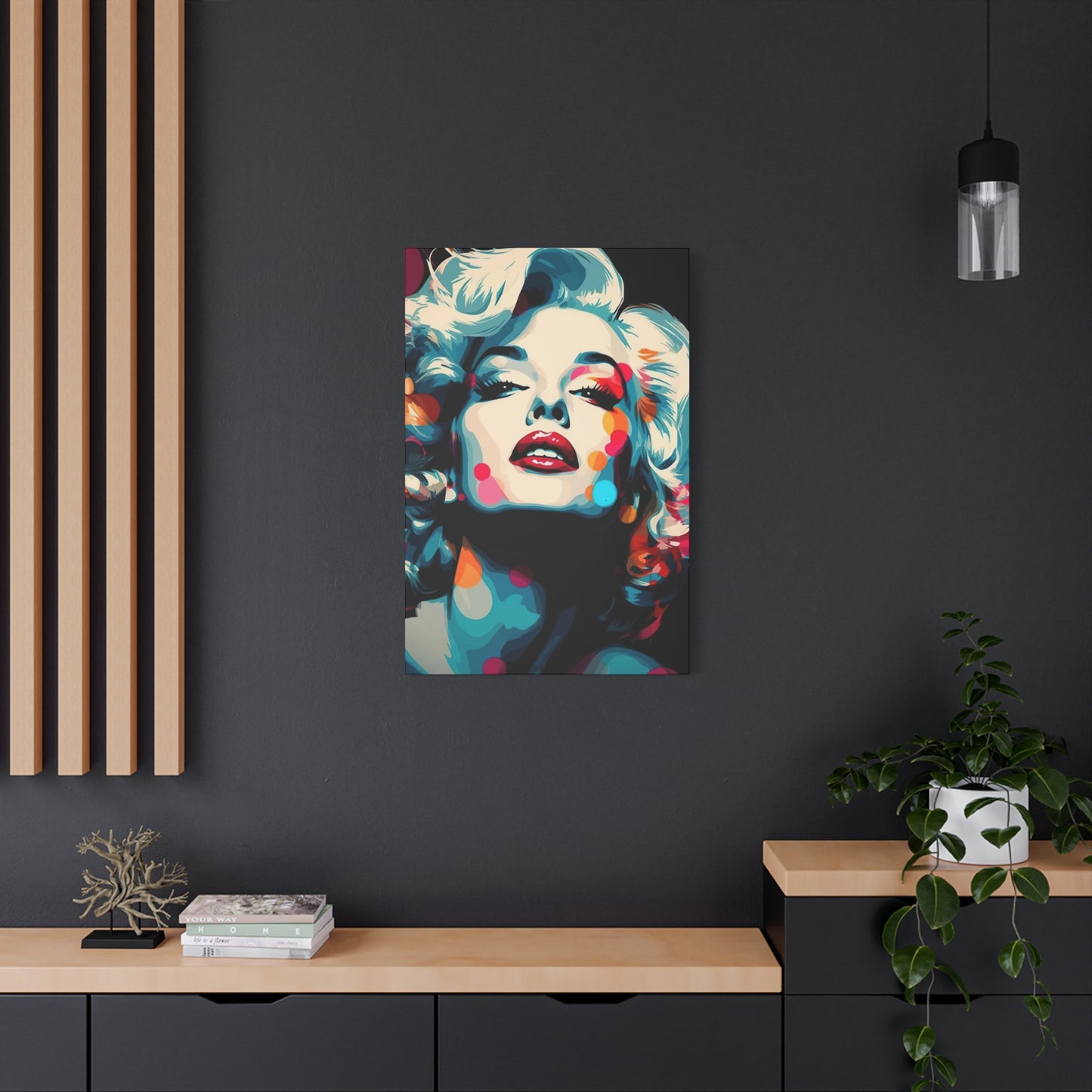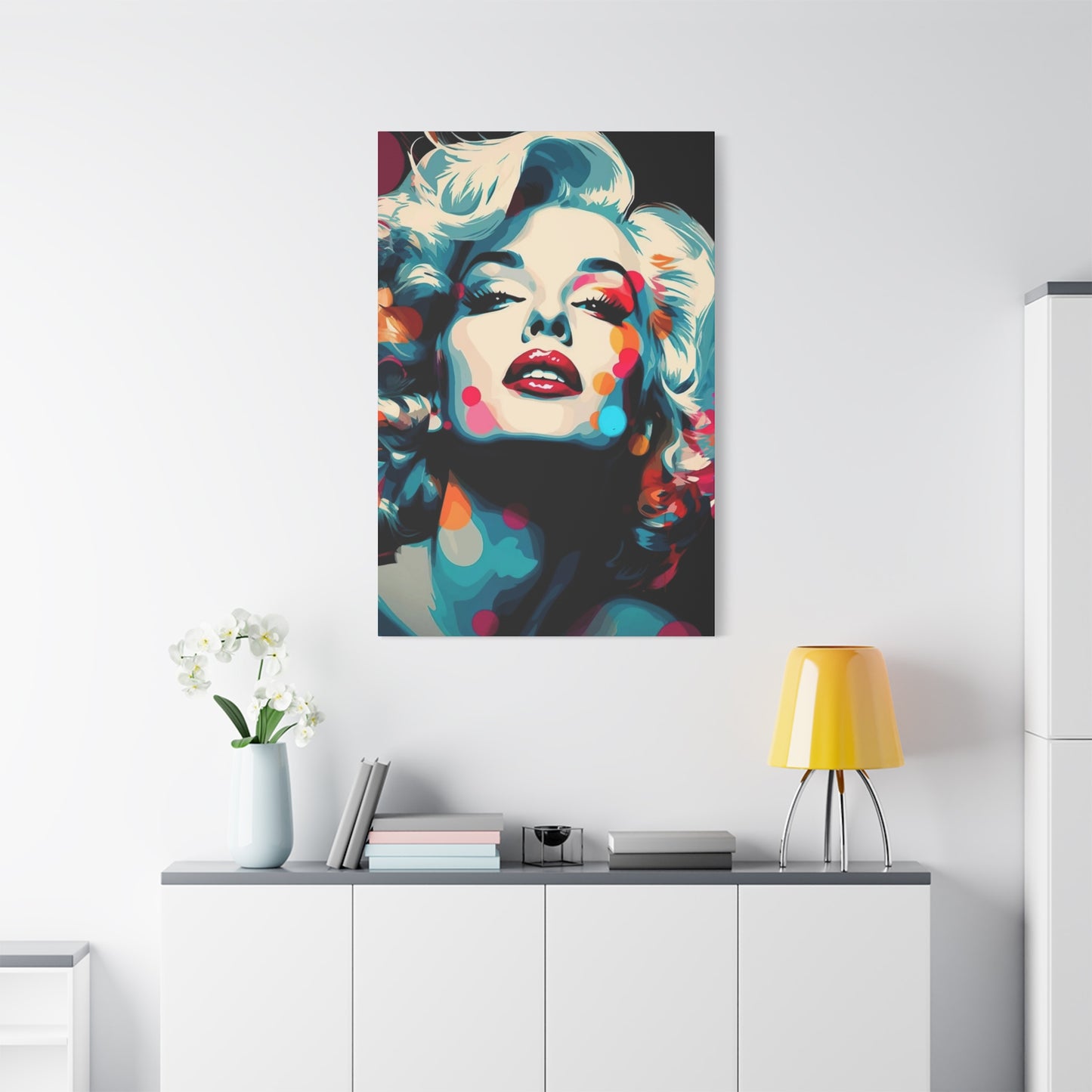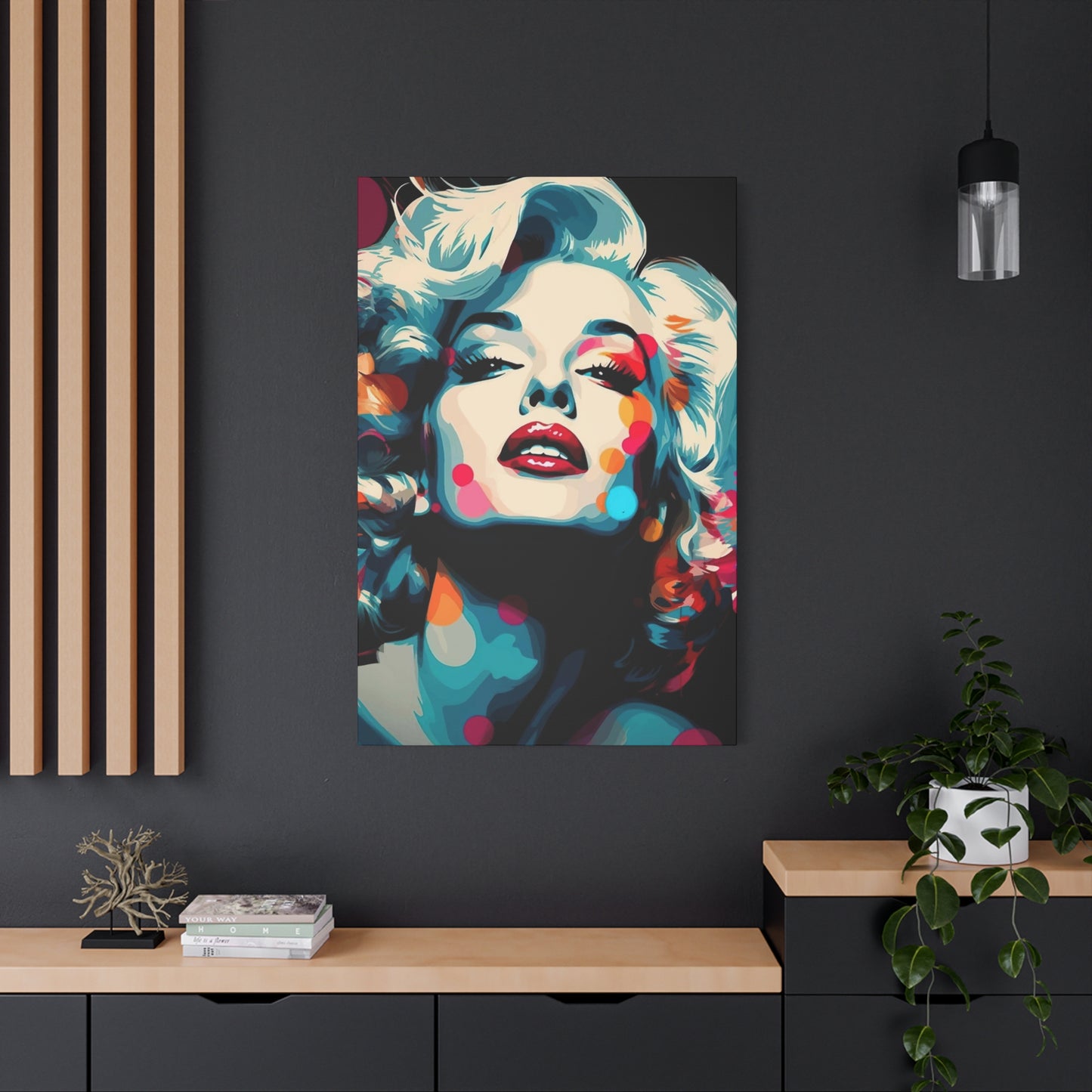
Glam Wall Art & Canvas Prints
Couldn't load pickup availability
Glam Wall Art: Revolutionizing Your Living Spaces With Stunning Visual Masterpieces That Speak To Your Soul
Creating a breathtaking interior environment requires more than just furniture placement and color coordination. The walls surrounding you deserve attention, care, and artistic expression that reflects your personality while elevating the aesthetic appeal of every room. Glam wall art represents a sophisticated approach to interior decoration that combines elegance, luxury, and personal style in ways that traditional decorating methods simply cannot achieve. This comprehensive exploration delves deep into the world of glamorous wall decorations, revealing secrets, strategies, and creative possibilities that will transform your living spaces into extraordinary showcases of visual brilliance.
Discovering The Essence Of Luxurious Visual Displays For Modern Interiors
Glamorous wall decorations embody a specific aesthetic philosophy that celebrates opulence, sophistication, and visual drama. This decorating style emerged from the golden age of Hollywood, where everything sparkled, shimmered, and demanded attention. The glam aesthetic draws inspiration from Art Deco movements, vintage Hollywood glamour, and contemporary luxury design principles. When you embrace this style, you're not merely hanging pictures on walls—you're making bold statements about your taste, preferences, and appreciation for refined beauty.
The fundamental characteristics that define this decorating approach include metallic finishes, mirror elements, crystalline accents, rich textures, and dramatic color palettes. Gold, silver, bronze, and rose gold tones frequently appear in glam-inspired pieces, creating reflective surfaces that catch and manipulate light throughout the day. These decorative elements work synergistically to produce an atmosphere of refined elegance that feels both welcoming and impressive.
Understanding the psychological impact of your wall decorations proves essential for creating spaces that truly resonate with inhabitants and visitors alike. Glamorous pieces tend to evoke feelings of confidence, success, and aspiration. They remind occupants of luxury hotels, high-end boutiques, and exclusive venues where every detail receives meticulous attention. This emotional connection transforms ordinary rooms into extraordinary environments that inspire and energize.
The versatility of glam wall art allows it to complement various architectural styles and existing decor schemes. Whether your home features contemporary minimalism, traditional elegance, or eclectic bohemian vibes, carefully selected glamorous pieces can enhance and elevate your existing aesthetic. The key lies in understanding balance, proportion, and the interplay between different design elements within your space.
Exploring Various Styles And Formats That Define Glamorous Visual Presentations
The world of glamorous wall decorations encompasses an incredibly diverse range of styles, mediums, and artistic expressions. Canvas prints featuring abstract metallic designs offer one popular option, with swirling patterns of gold and silver creating movement and energy on your walls. These pieces often incorporate geometric patterns reminiscent of Art Deco architecture, with sharp angles, symmetrical compositions, and bold contrasts that command attention.
Framed mirrors represent another cornerstone of glam-inspired wall decor. Unlike simple utilitarian mirrors, these decorative pieces feature ornate frames adorned with intricate details, beveled edges, and luxurious finishes. Sunburst mirrors, with their radiating metallic spokes, became iconic symbols of this aesthetic movement. Venetian mirrors, with their etched surfaces and antiqued finishes, bring vintage Hollywood sophistication to contemporary spaces.
Three-dimensional wall sculptures crafted from metal materials provide tactile interest and dramatic shadows that change throughout the day as natural light shifts. These sculptural elements might depict abstract forms, stylized natural motifs like leaves or feathers, or geometric patterns that create mesmerizing visual effects. The dimensional quality adds depth to flat wall surfaces, creating focal points that draw the eye and spark conversation.
Photography prints featuring glamorous subjects offer another avenue for incorporating this aesthetic into your home. Black-and-white photographs of vintage Hollywood stars, fashion models in dramatic poses, or architectural details from luxury destinations can all contribute to the glamorous atmosphere. The key involves selecting images that embody sophistication, elegance, and timeless appeal rather than trendy or dated subjects.
Mixed media pieces combine multiple materials and techniques to create complex, layered compositions. These might include elements like crushed glass, metallic leaf, resin coatings, and hand-painted details that work together to produce unique, eye-catching displays. The combination of different textures and finishes adds visual richness that simpler single-medium pieces cannot achieve.
Selecting Perfect Pieces That Harmonize With Your Existing Interior Environment
Choosing glam wall art requires careful consideration of multiple factors including room dimensions, existing color schemes, lighting conditions, and the overall mood you wish to create. Beginning with a thorough assessment of your space helps ensure that your selections enhance rather than overwhelm or clash with existing elements.
Wall size represents the primary consideration when selecting pieces. Large, expansive walls can accommodate oversized statement pieces or gallery arrangements featuring multiple coordinated items. Smaller walls benefit from more modestly sized pieces that provide visual interest without creating a cramped or cluttered appearance. The general rule suggests that artwork should occupy approximately two-thirds to three-quarters of the available wall width for optimal visual balance.
Color coordination ensures that your glamorous pieces integrate seamlessly with existing palettes. While metallic tones like gold and silver pair beautifully with most color schemes, paying attention to undertones prevents clashing. Warm metallics like gold and bronze complement spaces featuring warm colors like reds, oranges, and yellows. Cool metallics like silver and platinum work better with blues, greens, and purples. Rose gold, with its balance of warm and cool tones, offers versatility that works across a broader spectrum.
Lighting conditions dramatically affect how metallic and reflective surfaces appear throughout the day. Rooms with abundant natural light showcase the reflective qualities of glamorous pieces to maximum effect, creating dynamic displays that change with shifting sunlight. Spaces with limited natural light benefit from strategically placed artificial lighting that highlights the dimensional qualities and metallic finishes of your wall decorations.
Your personal style preferences should guide selection decisions rather than rigid adherence to trends or rules. While certain elements consistently define the glam aesthetic, individual interpretation allows for creative expression. Some people gravitate toward bold, dramatic pieces that dominate rooms, while others prefer subtle, understated elegance that whispers rather than shouts. Both approaches can successfully embody glamorous principles when executed thoughtfully.
Room function influences appropriate selections as well. Living rooms, as social gathering spaces, benefit from conversation-starting pieces that reflect your personality and create welcoming atmospheres. Bedrooms, as private retreats, might feature more intimate, calming pieces that promote relaxation while maintaining elegance. Dining rooms can accommodate dramatic statements that enhance the special occasion feeling of shared meals.
Understanding How Different Rooms Benefit From Specific Glamorous Visual Elements
Living room spaces serve as central hubs for family life and social gatherings, making them ideal candidates for impressive glamorous displays. Large-scale pieces positioned above sofas or along primary walls create focal points that anchor furniture arrangements and establish visual hierarchy. Gallery walls featuring collections of coordinated pieces allow for personal storytelling while maintaining cohesive aesthetic appeal.
Entryways and foyers make critical first impressions on visitors, establishing the tone for the entire home. Glamorous mirrors placed strategically in these spaces serve dual purposes—they create the illusion of expanded space while providing functional utility for last-minute appearance checks. Console tables topped with sculptural pieces and flanked by dramatic wall decorations create memorable vignettes that welcome guests with style.
Bedroom environments benefit from glamorous touches that promote tranquility while maintaining elegance. Pieces positioned above headboards become natural focal points visible upon entering the room. Softer color palettes featuring muted metallics like champagne gold or brushed silver create soothing atmospheres conducive to rest. Paired pieces flanking beds establish symmetry that feels inherently calming and balanced.
Dining room spaces naturally lend themselves to dramatic expressions of glamour. These rooms typically see use during special occasions and celebrations, making them appropriate venues for bold artistic statements. Large mirrors positioned to reflect candlelight or chandelier illumination amplify the sense of occasion. Abstract pieces featuring rich colors and metallic accents complement formal dining furniture and tableware.
Bathroom spaces, often overlooked in decorating schemes, offer surprising opportunities for glamorous upgrades. Moisture-resistant pieces featuring metallic frames and glass elements can transform purely functional spaces into spa-like retreats. Smaller walls above toilets or beside vanities accommodate decorative mirrors or framed prints that inject personality into these necessary rooms.
Home office environments increasingly require attention as remote work becomes more prevalent. Glamorous pieces positioned within your line of sight during video calls create professional, polished backdrops. Inspirational pieces that embody success and aspiration can provide motivational benefits during long work sessions. Balance proves essential, however, as overly distracting pieces may hinder productivity.
Mastering The Craft Of Proper Placement And Arrangement For Maximum Visual Impact
Successful placement of glam wall art involves more than simply driving nails into walls at random heights. Strategic positioning considers sight lines, furniture relationships, architectural features, and principles of visual balance that trained designers employ when creating harmonious spaces.
The standard height guideline suggests positioning the center of artwork at approximately 57 to 60 inches from the floor, which corresponds to average human eye level. This placement ensures comfortable viewing without neck strain. However, this rule requires adjustment based on furniture placement, ceiling heights, and the specific characteristics of individual pieces.
When hanging art above furniture, maintaining appropriate spacing prevents disconnected appearances while avoiding cramped feelings. The general recommendation suggests leaving 6 to 12 inches between furniture tops and the bottom edge of wall decorations. This spacing creates visual connection without making the arrangement feel crowded. Wider pieces should maintain closer spacing, while narrower pieces can sit higher with more breathing room.
Gallery wall arrangements demand particular attention to spacing and balance. The most successful gallery walls feature consistent spacing between individual pieces, typically ranging from 2 to 4 inches. Creating paper templates matching your piece dimensions allows for experimentation with different arrangements before committing to nail holes. Popular gallery configurations include grid patterns, salon-style clusters, and linear arrangements that follow horizontal or vertical axes.
Symmetrical arrangements create formal, balanced appearances that work particularly well in traditional spaces. Matching pairs of pieces flanking architectural features like fireplaces or windows establish order and elegance. Asymmetrical arrangements, while more challenging to execute successfully, can create dynamic, contemporary feelings that inject energy into modern spaces.
Lighting placement dramatically affects how your glamorous pieces appear. Picture lights mounted directly above frames provide focused illumination that highlights details and creates dramatic shadows. Recessed ceiling lights positioned to wash walls with light showcase multiple pieces simultaneously while creating ambient illumination. Adjustable track lighting offers flexibility to direct attention toward specific pieces as desired.
Avoiding common placement mistakes saves time, money, and frustration. Hanging pieces too high ranks among the most frequent errors, creating disconnected feelings where art floats awkwardly near ceilings. Neglecting to account for furniture sight lines results in pieces that become invisible when viewed from typical seating positions. Ignoring scale relationships produces either overwhelmed walls cluttered with too many small pieces or vast expanses interrupted by inadequately sized focal points.
Incorporating Metallic Finishes And Reflective Surfaces For Enhanced Luminosity
Metallic elements represent the cornerstone of glamorous aesthetic principles, providing the sparkle, shimmer, and light-reflective qualities that distinguish this style from other decorating approaches. Understanding the characteristics and applications of different metallic finishes enables informed selection decisions that enhance your specific spaces.
Gold finishes evoke warmth, luxury, and timeless elegance. From bright, polished gold that demands attention to muted, brushed gold that whispers sophistication, this versatile metal complements numerous color schemes. Yellow gold pairs beautifully with jewel tones like emerald, sapphire, and ruby, creating rich, saturated environments reminiscent of royal palaces. White gold offers a cooler alternative that bridges warm and cool palettes.
Silver finishes provide sleek, contemporary feelings that work particularly well in modern minimalist spaces. Polished chrome creates dramatic contrast against darker walls, while brushed or antiqued silver offers subtler sophistication. Silver tones harmonize effortlessly with monochromatic color schemes, allowing metallic elements to provide visual interest without introducing competing hues.
Bronze and copper finishes bring earthy warmth with industrial edge. These metals develop natural patinas over time, adding character and depth that machined perfection cannot replicate. Bronze tones complement natural materials like wood and stone, creating bridges between glamorous sophistication and organic warmth. Copper's reddish undertones pair beautifully with autumn-inspired palettes featuring oranges, rusts, and deep browns.
Rose gold emerged as a contemporary favorite, offering romantic warmth without the traditional associations of yellow gold. This versatile finish complements both warm and cool color schemes, making it accessible for diverse decorating styles. Rose gold pairs particularly well with blush pinks, soft grays, and navy blues, creating sophisticated palettes that feel current without chasing fleeting trends.
Mixed metal approaches challenge traditional design rules that advocated matching all metallic finishes within a space. Contemporary perspectives embrace the visual interest created by thoughtfully combining different metals. The key involves establishing a dominant metal that appears most frequently, then incorporating one or two accent metals in smaller doses. This approach creates layered complexity that reads as intentional rather than haphazard.
Mirror elements multiply light and create illusions of expanded space, making them invaluable tools for glamorous interiors. Beyond functional wall-mounted mirrors, decorative mirror elements appear in many forms including mirrored furniture, mirror-backed shelving, and artwork incorporating mirror fragments or tiles. These reflective surfaces catch and scatter light throughout rooms, creating dynamic environments that change throughout the day.
Creating Gallery Walls That Tell Compelling Visual Stories While Maintaining Cohesion
Gallery walls represent one of the most popular and versatile approaches to displaying multiple pieces of glam wall art simultaneously. These curated collections allow for personal expression, visual storytelling, and dynamic arrangements that single pieces cannot achieve. However, successful gallery walls require careful planning to avoid chaotic, cluttered appearances.
Beginning with a clear vision establishes direction for your curation efforts. Some gallery walls tell chronological stories through photography or collected pieces from travels. Others explore thematic concepts like botanical motifs, architectural details, or abstract expressions. Still others prioritize purely aesthetic concerns, arranging pieces based on color, shape, or texture relationships rather than narrative content.
Establishing a unifying element ensures cohesion across diverse pieces. This connecting thread might involve consistent color palettes, matching frame styles, related subject matter, or repeated shapes and patterns. Without some unifying factor, gallery walls risk appearing random or disorganized, undermining the sophisticated aesthetic you wish to achieve.
Planning your layout before installation prevents regrettable mistakes and unnecessary wall damage. Creating templates from craft paper or newspaper allows physical experimentation with different arrangements. Laying pieces on the floor enables visualization of the overall composition before committing to specific placements. Many designers recommend photographing potential arrangements from above, then viewing these images to assess balance and visual weight distribution.
The most successful gallery walls feature intentional spacing that creates breathing room while maintaining connection between individual pieces. Consistent spacing of 2 to 3 inches between frames creates organized, gallery-like presentations. Varying spacing intentionally can create dynamic rhythm, but random, inconsistent gaps typically appear accidental rather than deliberate.
Mixing frame styles adds visual interest while requiring careful balance to avoid chaos. Combining ornate frames with simpler designs creates contrast that prevents monotony. Ensuring that frame finishes coordinate—even if styles differ—maintains cohesion. For example, mixing antique gold frames of varying designs works better than combining gold, silver, and bronze frames of similar styles.
Including dimensional elements alongside flat pieces adds depth and tactile interest to gallery arrangements. Small shelves displaying sculptural objects, dimensional metal wall art, or even organic elements like mounted antlers or botanical specimens create variety that engages viewers and rewards close inspection.
Balancing visual weight prevents lopsided appearances where one side of the arrangement dominates. Larger pieces carry more visual weight and typically anchor arrangements, often positioned centrally or toward the bottom. Smaller pieces surround and support these anchors, creating balanced compositions that feel stable and intentional.
Allowing room for growth and evolution transforms gallery walls from static displays into living collections. Leaving intentional gaps where new pieces can join existing arrangements creates opportunities for ongoing curation. This approach proves particularly valuable for collections commemorating travel, family milestones, or evolving artistic interests.
Exploring DIY Projects That Allow For Personalized Glamorous Creations
Creating your own glamorous wall pieces offers multiple benefits including cost savings, perfect customization for your specific spaces, and the satisfaction of displaying handcrafted artworks. Numerous projects accommodate various skill levels, from simple assemblages requiring minimal tools to complex constructions demanding patience and precision.
Metallic leaf projects provide accessible entry points for DIY enthusiasts. Gold, silver, or copper leaf sheets can transform ordinary canvases, wooden panels, or even poster board into shimmering artworks. Beginning with simple abstract designs allows practice with the adhesive sizing and delicate leaf application before attempting complex patterns. Layering different metallic tones creates depth and visual interest that single metals cannot achieve.
Resin art projects produce glossy, professional-looking pieces featuring swirling metallics, embedded glitters, and crystalline clarity. Epoxy resin mixing requires following precise ratios and working within specific time windows, but the results justify the learning curve. Metallic pigments, alcohol inks, and acrylic paints can all incorporate into resin, creating endless design possibilities. Pouring resin into wooden frames or silicone molds produces pieces ranging from small coasters to large wall panels.
Mirror mosaic projects repurpose broken mirrors or mirror tiles into dazzling compositions. Safety precautions including heavy gloves and eye protection prove essential when cutting and handling mirror fragments. Arranging mirror pieces on backing boards creates geometric patterns, flowing organic designs, or representational images. Grouting between pieces stabilizes the composition while adding color contrast that highlights the mirror elements.
Textile projects incorporating metallic threads, sequins, or beaded embellishments bring softness to typically hard-edged glam aesthetics. Embroidery hoops framing metallic fabric create simple, elegant circles suitable for grouping. Macramé wall hangings worked with metallic cords bridge bohemian and glamorous styles. Framed fabric panels featuring metallic prints or brocades offer luxurious texture without requiring crafting skills beyond fabric selection and frame assembly.
Found object assemblages transform discarded items into unique artistic statements. Vintage jewelry components, chandelier crystals, costume gems, and decorative hardware can arrange into dazzling compositions on backing boards. Spray painting diverse elements in coordinating metallic finishes unifies disparate objects into cohesive designs. These projects celebrate sustainability while producing one-of-a-kind pieces impossible to purchase in stores.
Stenciled designs offer controlled ways to incorporate glamorous patterns onto canvases or directly onto walls. Metallic acrylic paints applied through laser-cut stencils create crisp, professional-looking patterns reminiscent of wallpaper or textile designs. Layering multiple stencil patterns in different metallic tones builds complexity and visual richness. This approach works particularly well for creating coordinated series of pieces sharing related patterns or motifs.
Frame transformation projects breathe new life into thrift store finds or outdated pieces already owned. Removing old finishes through sanding or chemical strippers reveals raw wood or metal ready for new finishes. Spray paints formulated for metal in glamorous finishes transform humble frames into luxurious showcases. Adding dimensional embellishments like decorative corners, appliqués, or beaded trim elevates simple frames into custom creations.
Maintaining And Preserving Your Glamorous Pieces For Lasting Beauty
Proper care ensures that your carefully selected or crafted wall decorations maintain their beauty for years or even decades. Different materials require specific maintenance approaches, and understanding these needs prevents premature deterioration or damage.
Dusting represents the primary ongoing maintenance task for most wall decorations. Metallic finishes and glass elements show dust and fingerprints more readily than matte surfaces. Microfiber cloths capture dust without scratching delicate surfaces. Extendable dusters allow access to high-mounted pieces without requiring ladders or stools for every cleaning session. Regular dusting—weekly or bi-weekly depending on household conditions—prevents buildup that becomes more difficult to remove over time.
Cleaning mirror elements requires specific approaches to avoid streaking or damage to reflective coatings. Commercial glass cleaners work well, but simple solutions of equal parts white vinegar and water prove equally effective and more economical. Spraying cleaning solution onto cloths rather than directly onto mirrors prevents moisture from seeping behind glass where it can damage backing materials. Buffing with dry, lint-free cloths produces streak-free, brilliant surfaces.
Framed pieces benefit from occasional inspection of hanging hardware and frame integrity. Checking that wire remains securely attached to frames prevents unexpected falls that damage both art and walls. Examining frame joints for separations or loose corners allows early intervention before minor issues become major problems. Re-tightening screws, replacing compromised wire, or adding corner braces takes minimal time but prevents devastating losses.
Environmental factors significantly impact longevity, particularly for pieces incorporating paper, fabric, or photographs. Direct sunlight fades colors, yellows papers, and degrades materials over time. Positioning valuable or vulnerable pieces away from windows prevents this damage. UV-protective glass in frames filters harmful wavelengths while allowing visibility. Climate control preventing extreme temperature fluctuations and humidity changes protects organic materials from warping, mildewing, or deteriorating.
Canvas pieces require occasional tightening as fabric naturally relaxes over time. Adjustable stretcher bars feature corner keys that, when gently tapped with small hammers, expand the frame and retighten canvas. This simple maintenance preserves the taut, drum-like quality that makes canvases appealing. Avoid over-tightening, which can tear canvas or damage painted surfaces.
Metal sculptures may develop patinas or oxidization depending on their specific composition and finish. Some owners appreciate these natural aging processes as they add character and depth. Others prefer maintaining original finishes through periodic cleaning with appropriate metal polishes. Understanding whether finishes are sealed or bare metal guides appropriate care decisions.
Resin pieces require minimal maintenance but benefit from avoiding harsh chemicals that can cloud or damage the glossy surfaces. Mild soap and water remove most soiling. Microfiber cloths prevent scratching during cleaning. Avoiding placement near heat sources prevents warping or yellowing that can affect resin clarity.
Rotating pieces periodically prevents uneven fading in rooms with strong directional light. Switching positions between walls with different light exposures ensures that collections age evenly rather than some pieces remaining pristine while others noticeably fade. This practice also refreshes your environment by presenting familiar pieces in new contexts.
Understanding Color Psychology And Its Role In Glamorous Interior Schemes
Color choices profoundly affect how spaces feel and how occupants respond emotionally to their environments. Glamorous aesthetics traditionally favor specific color palettes that enhance feelings of luxury, sophistication, and refinement. Understanding these relationships enables informed selections that support your desired atmospheric goals.
Black serves as a foundational color in many glamorous schemes, providing dramatic contrast against which metallics sparkle brilliantly. Far from feeling dreary or depressing when used intentionally, black exudes sophistication, mystery, and modern edge. Black backgrounds allow colorful or metallic elements to command full attention without visual competition. Accent walls painted in deep charcoal or true black create dramatic backdrops for gallery walls or statement pieces.
White and cream tones offer clean, bright alternatives that feel fresh and airy while maintaining elegance. These neutral backgrounds allow glamorous pieces to shine without overwhelming spaces. White walls amplify natural light, making metallic elements even more reflective and brilliant. Layering different white tones—warm ivories with cool brilliant whites—creates subtle depth and interest in monochromatic schemes.
Jewel tones embody luxury through their rich saturation and associations with precious gems. Emerald green evokes lush forests and valuable stones while creating calm, restorative atmospheres. Sapphire blue suggests depth, stability, and serene elegance. Ruby red injects passion, energy, and bold confidence. Amethyst purple combines red's excitement with blue's calm, creating regal, creative environments. These saturated hues pair beautifully with gold metallic accents, recreating the opulence of crown jewels.
Blush and mauve tones bring contemporary romance to glamorous schemes. These soft, sophisticated colors feel inherently feminine without being childish or overly sweet. Blush particularly pairs beautifully with rose gold metallics, creating cohesive, harmonious palettes. These colors work well in bedrooms and powder rooms where gentle, calming atmospheres support the rooms' purposes.
Gray tones bridge warm and cool palettes while offering sophisticated neutrality. Charcoal grays provide depth and drama similar to black but with slightly softer impact. Medium grays offer versatility that coordinates with virtually any accent color. Pale silvers bring metallic qualities through paint color itself, creating subtle shimmer even before adding actual metallic elements.
Navy blue emerged as a contemporary favorite, offering depth and richness without black's intensity. This versatile color pairs equally well with gold or silver metallics, allowing flexibility in accent choices. Navy reads as both classic and current, avoiding dated associations while maintaining timeless appeal. The color works throughout homes, from living rooms to bedrooms to home offices.
Metallic paints deserve consideration as wall colors themselves rather than only appearing in decorative pieces. Gold, silver, or bronze paint finishes catch light throughout the day, creating dynamic surfaces that change with shifting illumination. These bold choices work best as accent walls rather than entire rooms, preventing overwhelming effects. Pairing metallic walls with white trim creates definition and prevents visual confusion.
Understanding color temperature guides successful combinations. Warm colors—reds, oranges, yellows, and their derivatives—create energetic, welcoming feelings. Cool colors—blues, greens, purples—promote calm, focus, and relaxation. Glamorous schemes often combine both warm and cool elements, using one as the dominant palette and the other as accent notes. This balance prevents spaces from feeling too aggressive or too cold.
Incorporating Texture And Dimension For Multi-Sensory Glamorous Experiences
While visual impact drives most decorating decisions, incorporating varied textures creates multi-sensory experiences that elevate spaces from merely beautiful to truly extraordinary. Glamorous interiors benefit tremendously from thoughtful texture combinations that invite interaction and reward close inspection.
Smooth, reflective surfaces epitomize traditional glam aesthetics. Glass, polished metals, lacquered finishes, and glossy paints create surfaces that bounce light around rooms, maximizing brightness and creating dynamic visual effects. These surfaces feel cool and slick to touch, conveying precision and refinement. Excessive smooth surfaces, however, can feel cold or unwelcoming, making texture balance essential.
Soft, plush textiles provide necessary counterpoints to hard, reflective surfaces. Velvet upholstery, silk draperies, faux fur throws, and plush area rugs introduce warmth and comfort that balance out cooler, harder materials. These textiles often appear in rich, saturated colors that enhance the luxurious feeling. Touch-friendly textures encourage lingering and relaxation rather than purely visual appreciation.
Dimensional wall surfaces created through materials like wood paneling, stone veneers, or textured wallpapers add architectural interest that flat paint cannot achieve. These surfaces create subtle shadows that change throughout the day as light angles shift. Three-dimensional wall treatments provide textural variety without requiring furniture or decorative pieces to supply all visual interest.
Woven materials including rattan, jute, and seagrass bridge natural and glamorous aesthetics. While these materials traditionally associate with casual coastal or bohemian styles, their incorporation into glamorous schemes—particularly when painted in metallic finishes—creates unexpected, sophisticated results. Woven textures provide visual warmth and organic irregularity that contrasts beautifully with machined perfection of metals and glass.
Carved and embossed surfaces add handcrafted quality to mass-produced items. Frames featuring carved details, furniture with embossed leather panels, or cast metal pieces with relief patterns demonstrate craftsmanship and attention to detail. These textural elements reward close inspection while contributing to overall impressions of quality and luxury.
Crystal and glass elements provide both smooth and faceted textures depending on their form. Cut crystal creates prismatic effects as light refracts through angled surfaces, projecting rainbow spectrums around rooms. Smooth glass orbs or vessels provide weight and substance while maintaining light-transmitting properties. Incorporating glass and crystal elements in various forms—from chandelier drops to decorative bowls to sculptural pieces—adds glamorous sparkle without relying solely on metallic finishes.
Layering textures creates depth and interest that single-texture schemes cannot achieve. Pairing smooth leather with nubby woven textiles, polished metals with rough stone, glossy lacquer with matte velvet produces dynamic contrasts that engage multiple senses. The key involves ensuring sufficient variety without creating chaotic impressions where too many competing textures overwhelm.
Seasonal texture rotation refreshes spaces without requiring major redecorating efforts. Lighter, airier fabrics like silk and linen suit warmer months, while heavier velvets and faux furs provide cozy warmth during colder seasons. Switching out decorative pillows, throws, and even certain wall pieces according to season maintains visual interest and responds to changing comfort needs.
Illuminating Your Glamorous Spaces With Strategic Lighting Choices
Lighting dramatically affects how wall decorations appear and how successfully they integrate into overall room designs. Glamorous aesthetics particularly depend on lighting to activate reflective surfaces, create sparkle, and establish appropriate mood. Understanding lighting principles enables maximizing your investments in beautiful wall pieces.
Natural light provides the most dynamic and flattering illumination, changing throughout the day as sun angles shift. Morning light arrives cooler and softer, gradually warming and intensifying toward midday, then cooling again into golden hour warmth before sunset. Rooms with abundant natural light showcase metallic elements beautifully as these surfaces catch and reflect ever-changing illumination. Positioning reflective pieces perpendicular to windows maximizes light catching while avoiding direct exposure that might cause glare.
Ambient lighting provides overall room illumination from ceiling fixtures, recessed lights, or torchieres. This foundational lighting layer ensures basic visibility and safety while establishing general brightness levels. In glamorous spaces, ambient lighting should provide sufficient illumination without being harsh or flat. Dimmer switches offer control over lighting intensity, allowing adjustment for different activities and times of day.
Task lighting serves specific functional purposes like reading, food preparation, or detailed work. Table lamps, floor lamps, pendant lights, and under-cabinet lighting fall into this category. While primarily functional, task lighting can enhance wall decorations when positioned thoughtfully. A reading lamp beside a sofa might be angled to also illuminate nearby wall art, serving dual purposes efficiently.
Accent lighting specifically targets decorative elements, artwork, architectural features, or other elements worthy of emphasis. Picture lights mounted above frames, track lighting aimed at gallery walls, or recessed spotlights highlighting sculpture all qualify as accent lighting. This lighting layer creates visual hierarchy, directing attention to items you wish to showcase. Accent lighting should generally provide approximately three times more light on targeted objects than surrounding ambient lighting for effective emphasis.
Chandelier lighting serves both functional and decorative purposes in glamorous schemes. These hanging fixtures provide ambient illumination while also functioning as jewelry for rooms, drawing eyes upward and adding sparkle through crystals or metallic finishes. The interplay between chandeliers and wall-mounted art creates cohesive decorative schemes where lighting and art complement each other.
LED strip lighting offers contemporary, flexible solutions for highlighting specific areas. These adhesive-backed lights can mount behind mirrors to create glowing halos, underneath shelves to illuminate displayed objects, or within alcoves to emphasize architectural features. RGB LED strips allow color changing capabilities, though glamorous schemes typically favor warm white or cool white settings rather than colored lighting.
Smart lighting systems provide unprecedented control over multiple light sources through phone apps or voice commands. These systems allow saving preset scenes that adjust multiple lights simultaneously for different purposes—bright working conditions, moderate entertaining settings, or dim relaxation moods. Programming lights to gradually brighten in morning or dim in evening creates circadian-supporting environments that promote wellbeing.
Lighting color temperature significantly affects how colors and metallic finishes appear. Warm white lighting (2700-3000K) creates cozy, intimate feelings and enhances warm metallic tones like gold and bronze. Cool white lighting (3500-4100K) produces more energetic, focused atmospheres and complements silver and chrome finishes. Daylight-balanced lighting (5000-6500K) most accurately renders colors but can feel clinical in residential settings. Matching light color temperatures throughout connected spaces prevents jarring transitions between areas.
Avoiding common lighting mistakes preserves the beauty of your glamorous wall decorations. Positioning lights directly opposite reflective surfaces creates uncomfortable glare. Insufficient lighting renders beautiful pieces invisible, wasting their potential. Overhead-only lighting creates unflattering shadows and fails to properly illuminate vertical surfaces where art hangs. Neglecting dimmer installation eliminates flexibility to adjust lighting for different needs and moods.
Conclusion
Creating beautiful, glamorous interiors need not require unlimited budgets or designer assistance. Strategic approaches to purchasing, prioritizing, and DIY projects enable stunning results while respecting financial boundaries. Understanding where to invest and where to economize ensures maximum impact from available resources.
Prioritizing investment pieces ensures that limited budgets deliver maximum returns. One outstanding statement piece often provides more visual impact than multiple mediocre items. Focusing initial expenditures on items occupying prominent positions—above sofas, in entryways, over dining tables—ensures that investments receive maximum visibility and appreciation. Building collections gradually over time allows higher quality purchases than attempting to decorate entire homes simultaneously on tight budgets.
Shopping secondhand sources uncovers remarkable bargains on vintage glamorous pieces. Thrift stores, estate sales, consignment shops, and online marketplaces offer treasures at fractions of retail prices. Vintage Hollywood Regency pieces, Art Deco frames, and mid-century brass accents frequently appear at these venues. Even if finishes show age, simple restoration projects transform tarnished pieces into showroom-quality decorations. Patience and regular browsing eventually yield exceptional finds.
Seasonal sales timing produces significant savings on retail purchases. End-of-season clearances typically offer 50-70% discounts as retailers make room for new inventory. Post-holiday sales in January and July often feature home decor markdowns. Black Friday and Cyber Monday events extend beyond electronics, including home furnishing retailers offering substantial discounts. Signing up for retailer email lists provides advance notice of sales and often includes exclusive discount codes.
Generic metallics substitute effectively for expensive gilding and metallic finishes. Metallic spray paints cost a few dollars but transform budget frames, thrift store finds, or DIY projects into convincing glam pieces. While not identical to genuine gold or silver leaf, quality metallic paints produce remarkably similar effects at minuscule costs. Multiple thin coats provide better coverage and more convincing finishes than single heavy applications.
Printing services offer affordable alternatives to purchasing original artwork or expensive prints. High-resolution images—either your own photography or properly licensed stock photos—can print on various materials including canvas, fine art paper, or even fabric. Many printing services offer regular discount codes or bulk pricing that makes printing multiple coordinated pieces economical. Pair printed images with budget frames upgraded through metallic spray paint for custom art at reasonable costs.
Focusing on smaller spaces first builds confidence and allows budget stretching. Powder rooms, entryways, or small reading nooks require fewer pieces to complete than large living rooms or master bedrooms. Successfully decorating these compact areas provides immediate gratification and valuable experience before tackling larger, more complex spaces requiring bigger investments.
Mixing high and low purchases creates collected, layered looks while managing costs. Pairing a few investment pieces with budget-friendly complementary items produces overall impressions of luxury without requiring everything to be expensive. Nobody examines every item individually or knows what each piece cost. The overall effect matters more than the provenance of individual elements.
DIY projects stretch budgets while adding personal touches commercial pieces cannot provide. Time investment substitutes for monetary expenditure, making DIY approaches ideal for those with more time than money. Starting with simple projects builds skills and confidence before attempting complex constructions. Even basic DIY additions like painting frames or assembling store-bought components into custom configurations saves money while personalizing spaces.
Share