Skip to product information
1 of 13

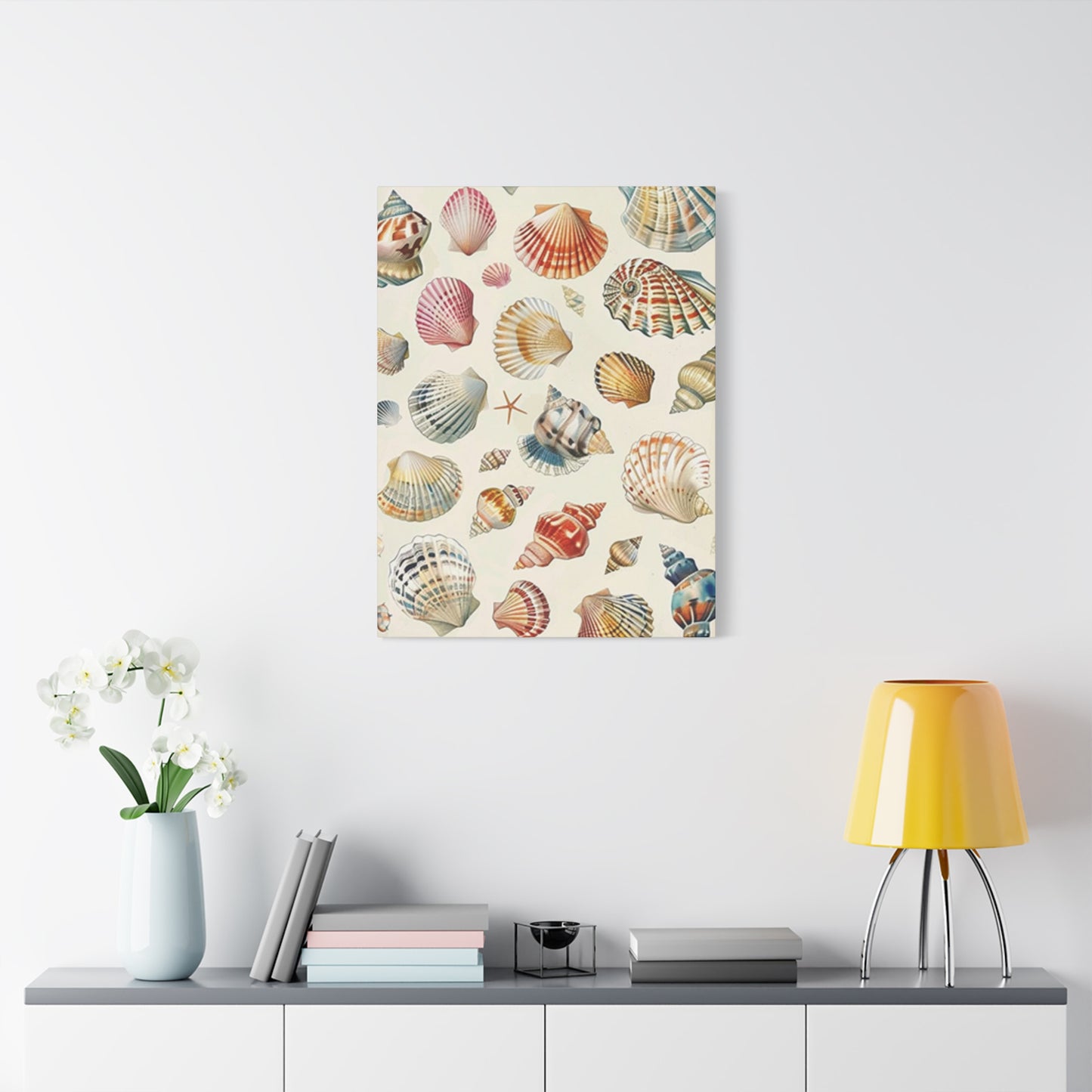
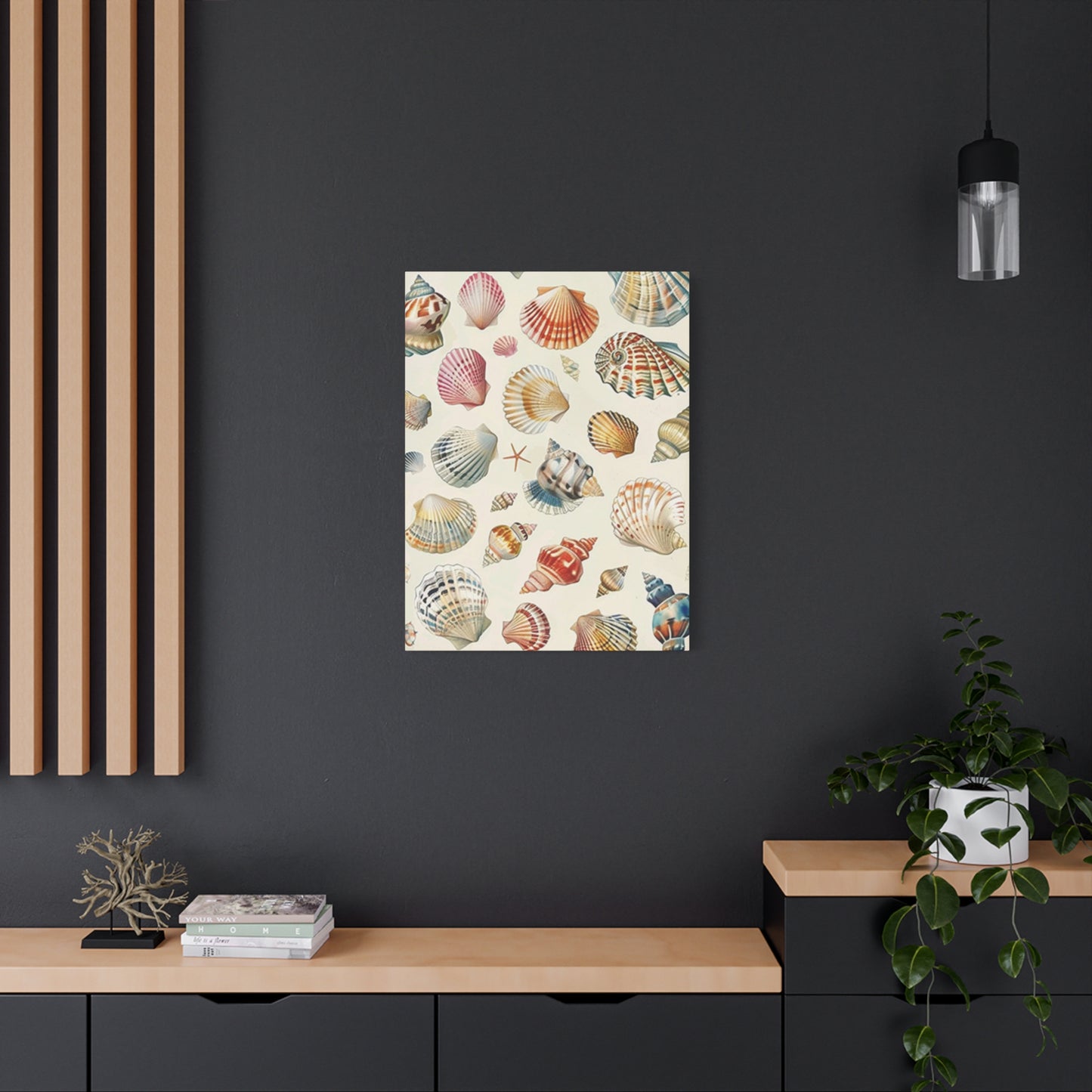
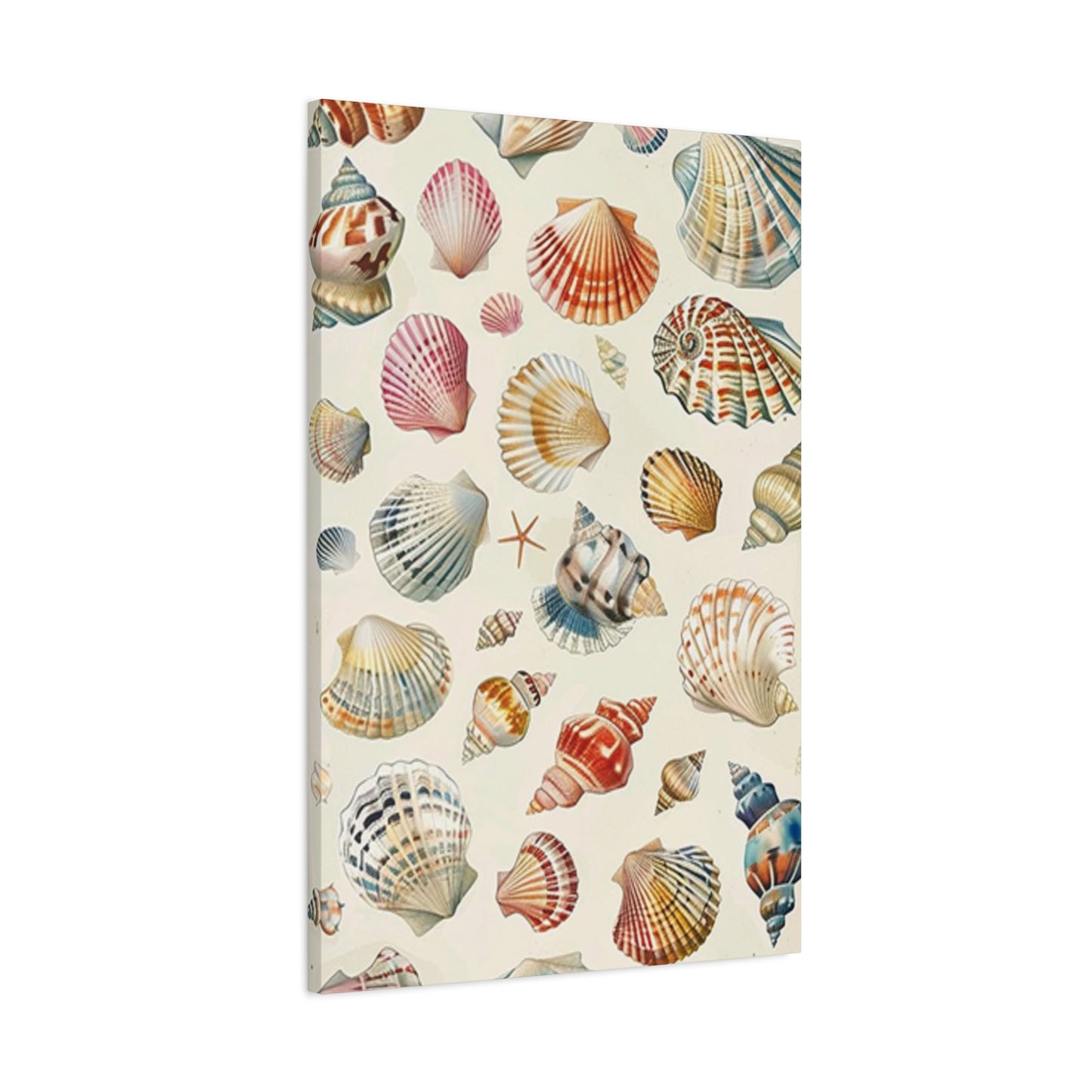
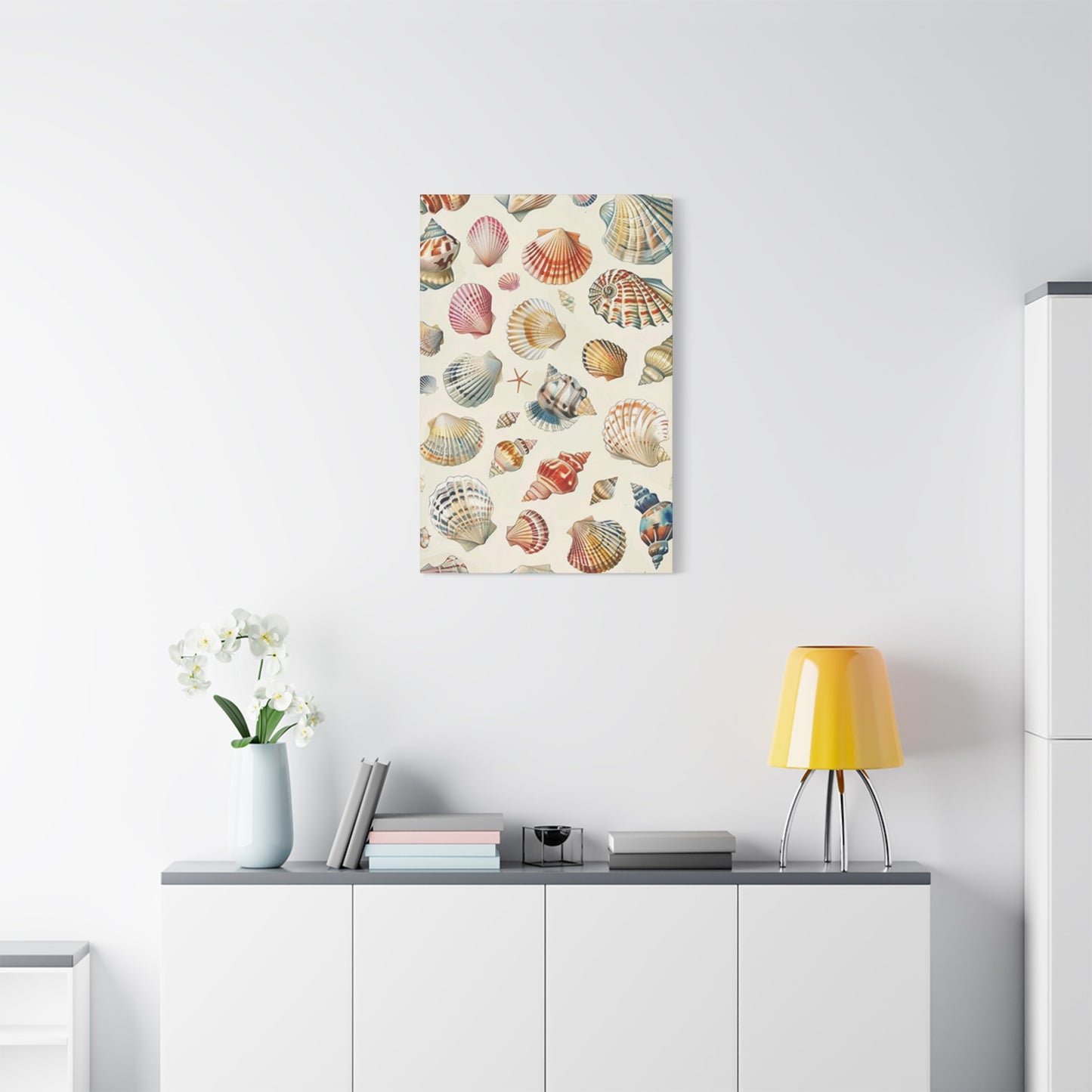
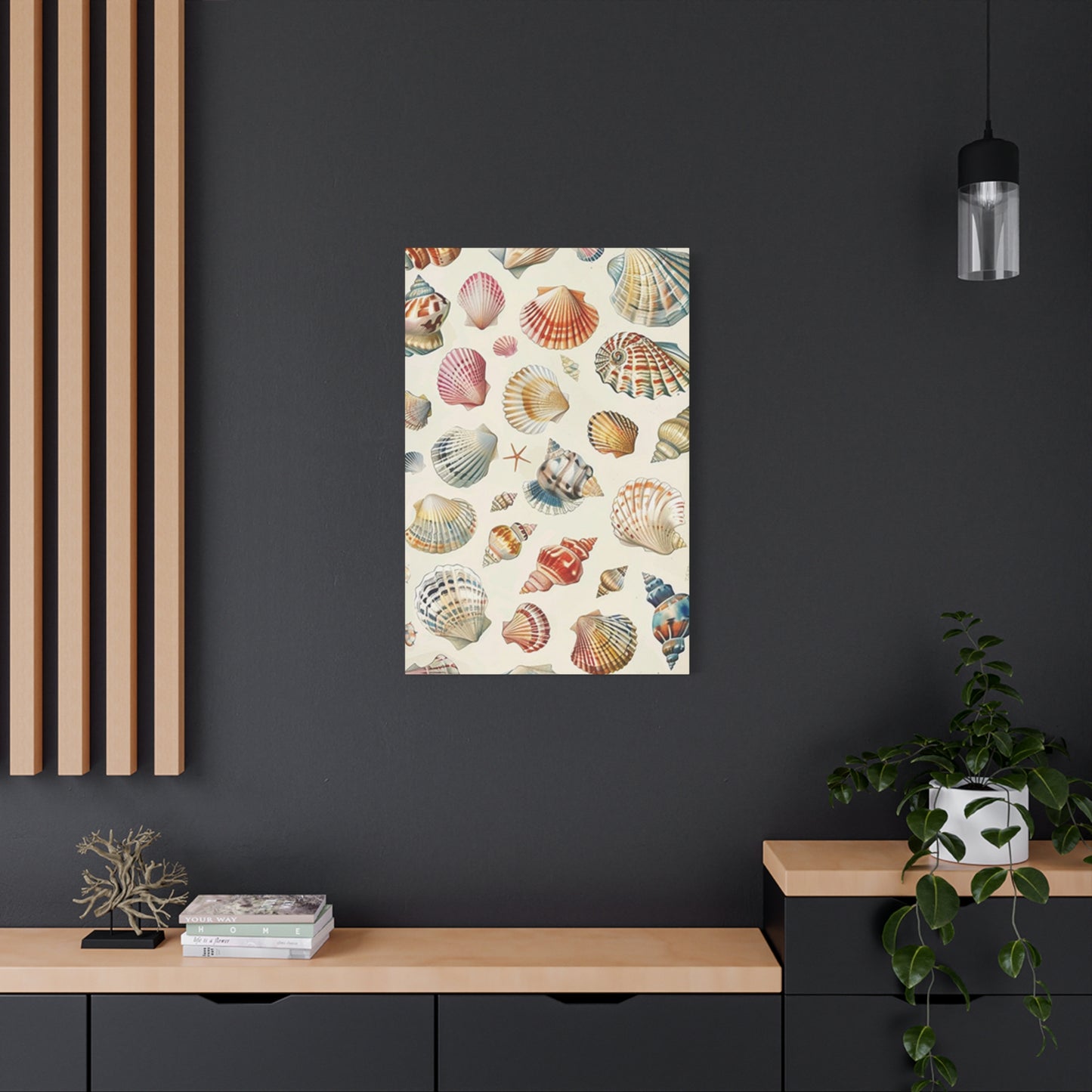
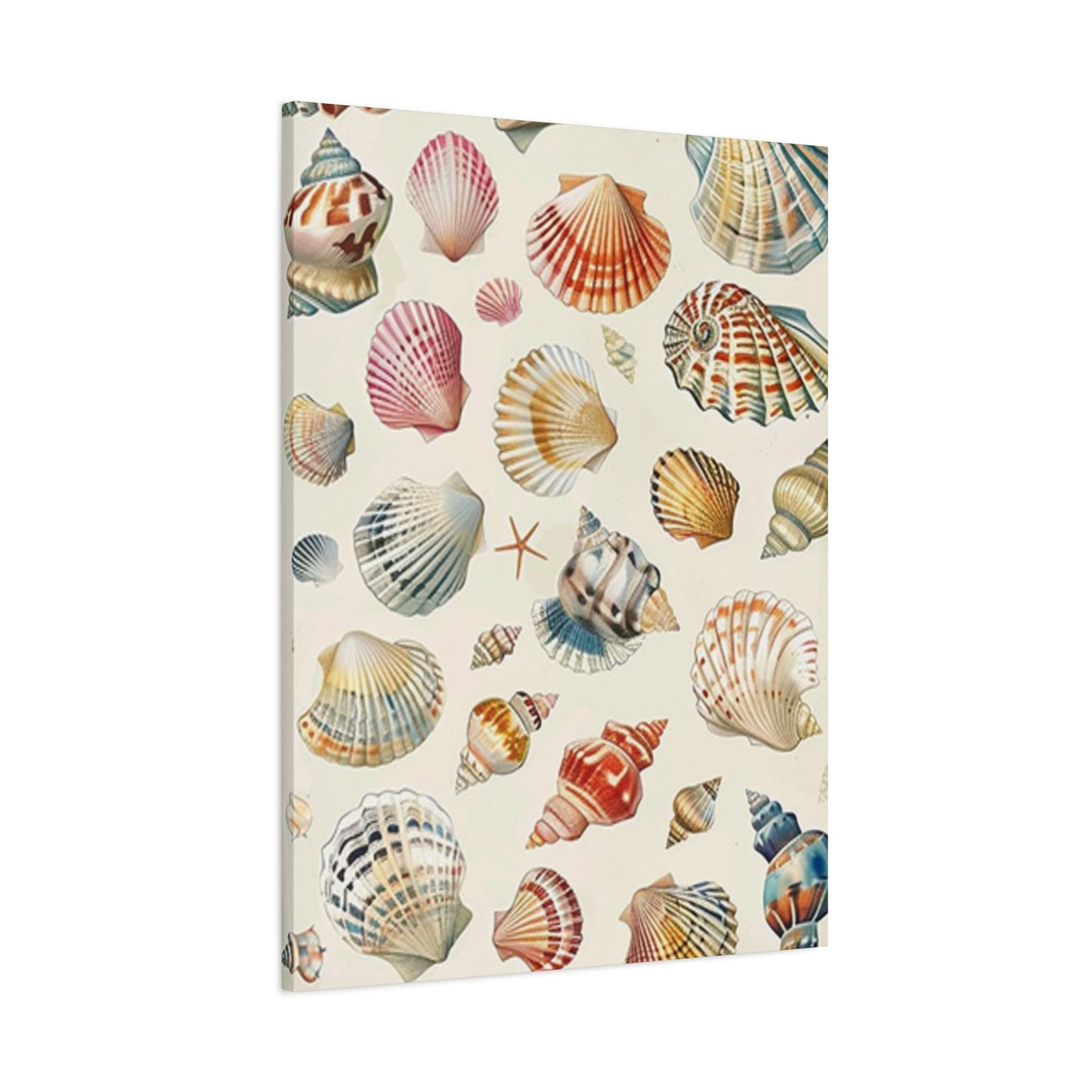
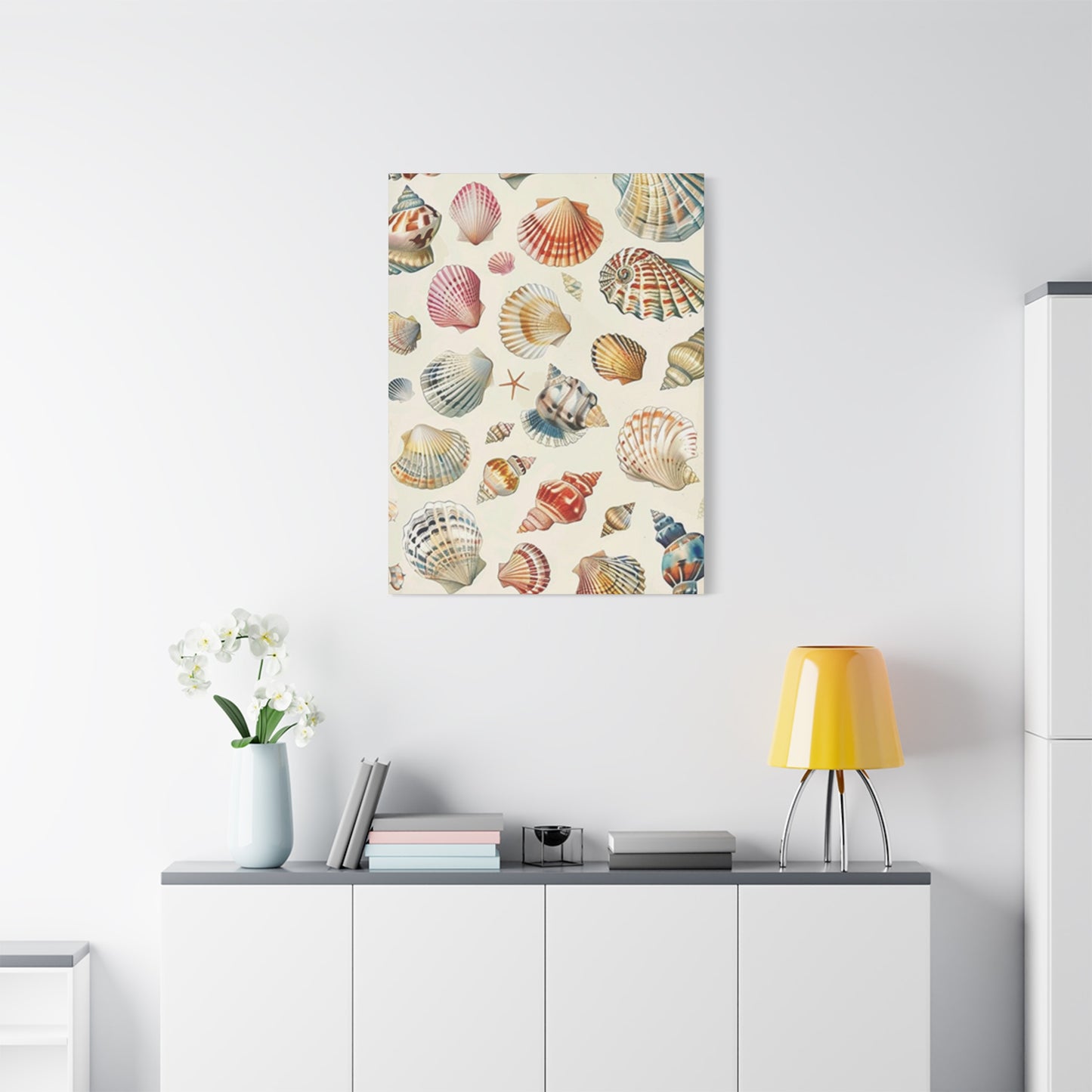
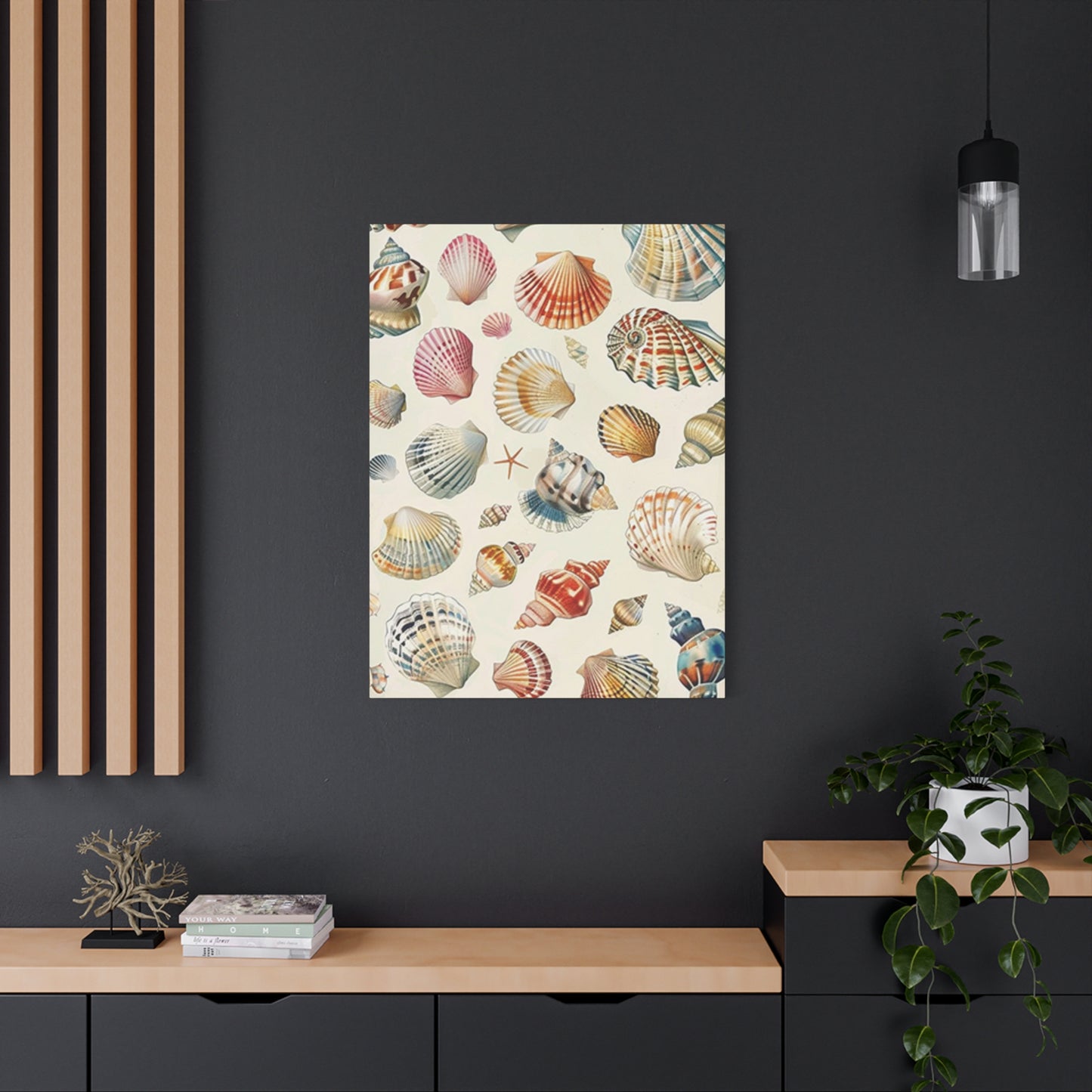
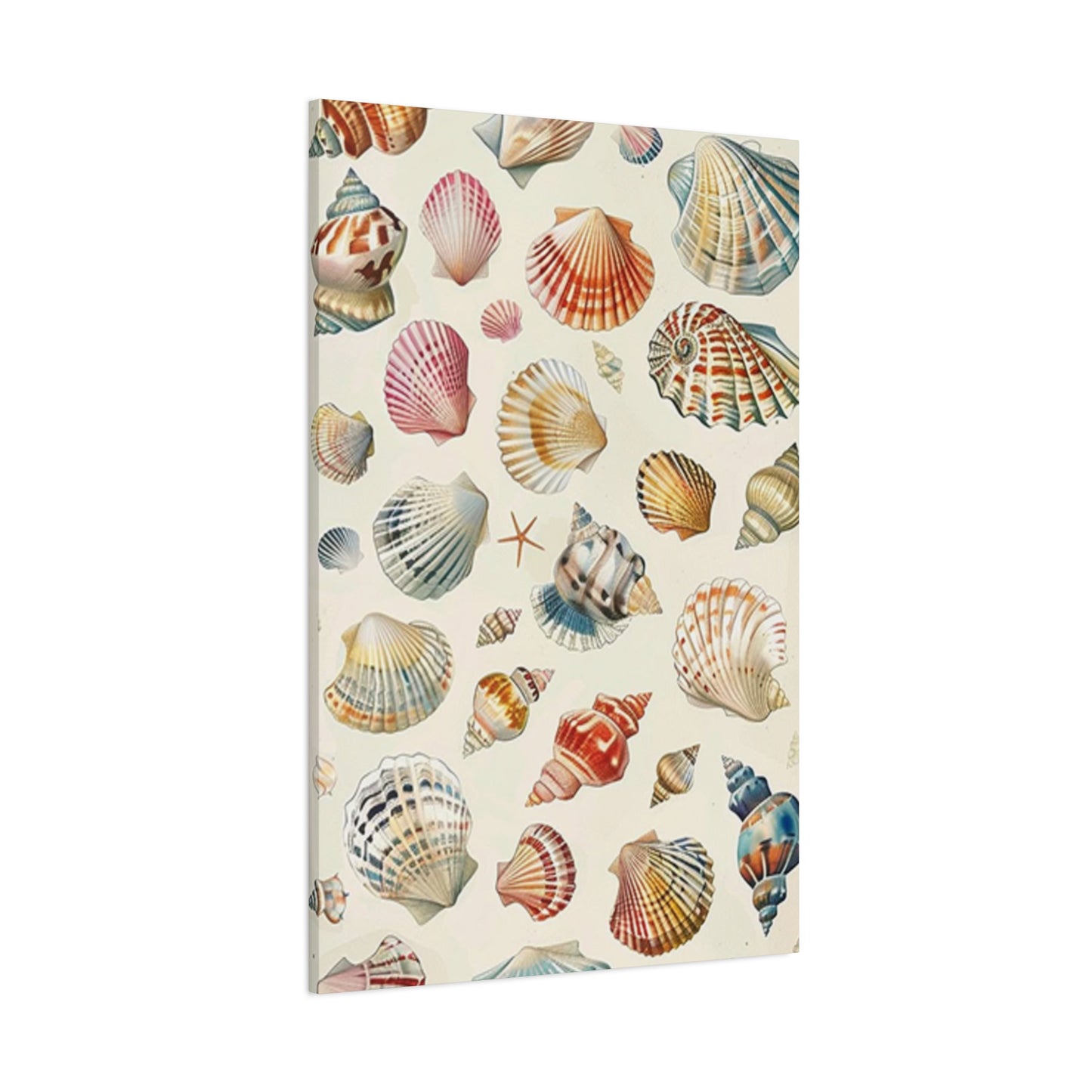
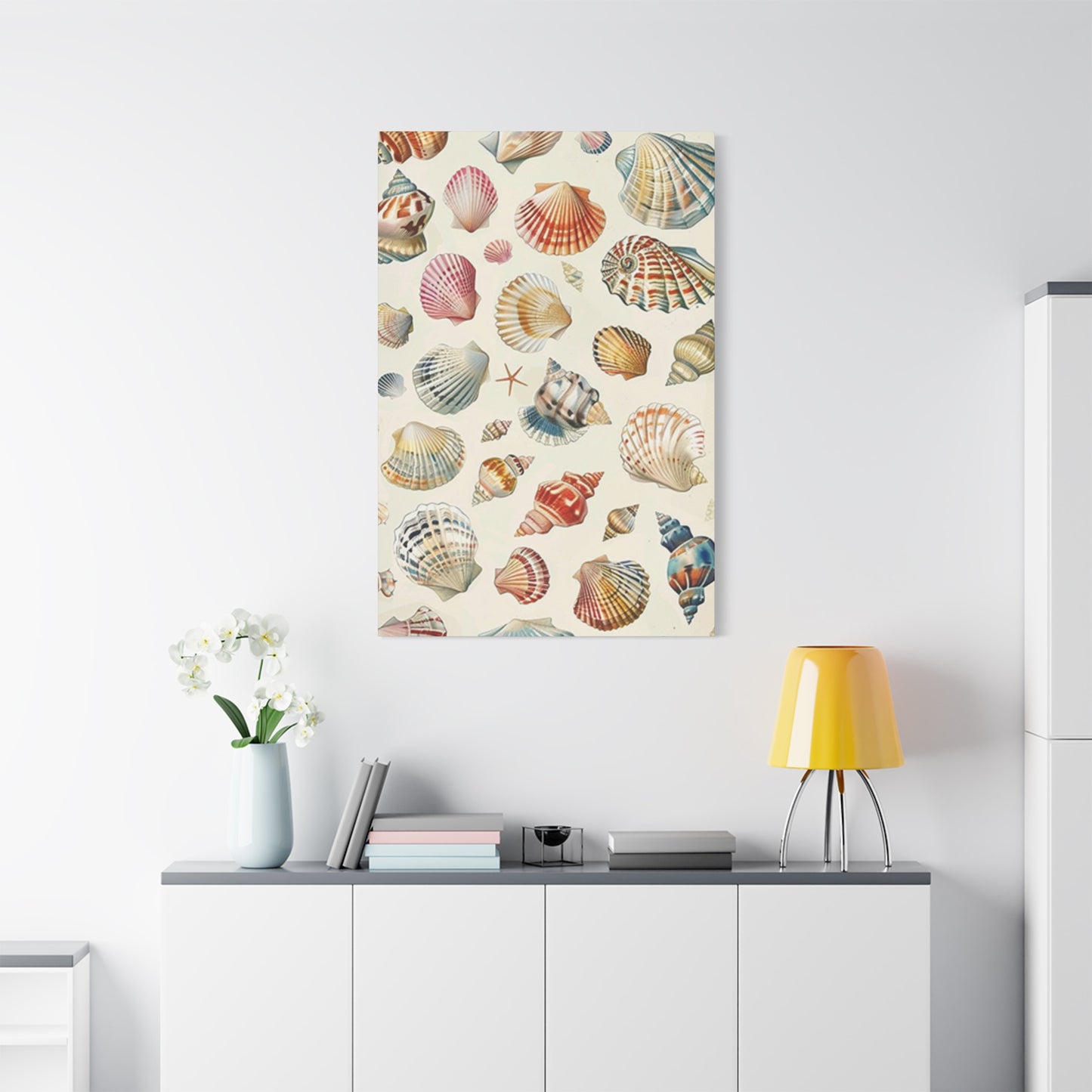
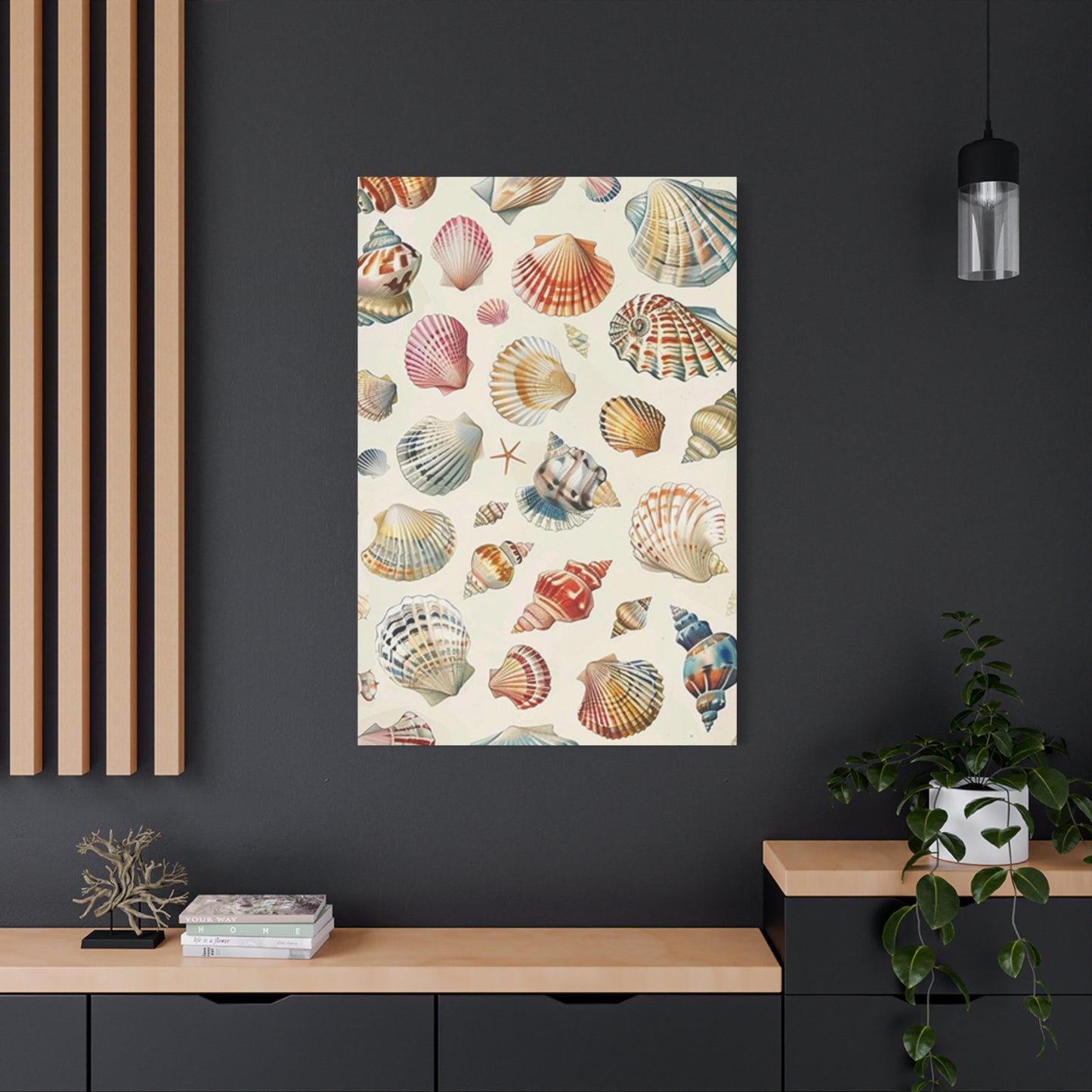
Colorful Shell Painting Wall Art & Canvas Prints

Colorful Shell Painting Wall Art & Canvas Prints

Regular price $141.23 USD
Regular price Sale price $141.23 USD
Sale Sold out
Size
Depth

Vibrant Colorful Shell Painting Wall Art: Breathtaking Marine-Inspired Decor That Brings Ocean Magic Into Your Living Spaces

The allure of ocean-themed decorative pieces has captivated homeowners and interior design enthusiasts for generations. Among the most enchanting forms of coastal decor stands the remarkable art of colorful shell painting wall art, a stunning creative medium that transforms humble seashells into breathtaking visual masterpieces. These exquisite pieces capture the essence of marine life while infusing living spaces with vibrant hues, natural textures, and the timeless beauty of the seaside. Whether you're drawn to abstract compositions featuring swirling patterns reminiscent of ocean currents or realistic depictions of individual shells in their natural glory, this distinctive art form offers endless possibilities for personalizing your home environment.

Shell painting represents far more than simple decoration; it embodies a profound connection between human creativity and the natural world. Each piece tells a story of artistic vision meeting organic form, where the natural contours and textures of seashells serve as the perfect canvas for imaginative expression. From delicate hand-painted details that highlight the intricate ridges of conch shells to bold, contemporary designs that reimagine shells as geometric abstractions, colorful shell painting wall art has evolved into a sophisticated decorative medium that appeals to diverse aesthetic preferences. The versatility of this art form allows it to complement various interior design styles, from traditional coastal cottages to modern minimalist apartments, making it an invaluable addition to any decorator's repertoire.

The Fascinating Origins and Cultural Significance of Seashell Artwork Throughout Civilizations

Throughout human civilization, seashells have held profound symbolic meaning across countless cultures and societies. Ancient peoples viewed these marine treasures as sacred objects, incorporating them into religious ceremonies, burial rituals, and decorative practices. Archaeological evidence reveals that our ancestors used shells as currency, jewelry, and artistic mediums thousands of years before recorded time. The earliest examples of shell decoration date back to prehistoric communities living along coastlines, who recognized not only the practical value of these ocean offerings but also their aesthetic potential.

In various indigenous cultures across the Pacific Islands, Caribbean regions, and coastal Africa, shells represented spiritual connections to ocean deities and ancestors. Artisans would carefully select specific shell varieties, believing each type carried distinct energies and meanings. The cowrie shell, for instance, symbolized prosperity and fertility in many African societies, while certain spiral shells represented eternal life and cosmic cycles in ancient Mediterranean cultures. These profound cultural associations continue to influence contemporary shell art, with many modern artists drawing inspiration from traditional motifs and symbolic representations.

The Victorian era witnessed a remarkable surge in shell craft popularity, particularly in Europe and North America. Wealthy collectors assembled elaborate shell collections, displaying rare specimens in custom-built cabinets. Skilled craftspeople created intricate shell mosaics, decorative boxes, and framed arrangements that adorned the parlors of affluent homes. This period established many of the techniques and aesthetic principles that inform contemporary shell painting practices. Sailors returning from distant voyages would bring exotic shells as souvenirs, further fueling public fascination with marine specimens and inspiring artistic experimentation.

Colonial expansion and global trade routes dramatically expanded the variety of shells available to artists and collectors. Previously unknown species from tropical waters began appearing in European markets, inspiring new artistic directions and decorative styles. Artists experimented with combining shells from different oceanic regions, creating compositions that celebrated global marine biodiversity. This cross-cultural exchange of shells and artistic techniques laid the groundwork for the diverse approaches to colorful shell painting wall art we see today.

Discovering the Diverse World of Seashells Perfect for Artistic Painting Endeavors

The ocean provides an astounding variety of shells, each offering unique characteristics that make them suitable for different artistic approaches. Understanding these distinctions helps artists and collectors appreciate the natural beauty inherent in each specimen while selecting the most appropriate shells for specific creative visions. Gastropod shells, which include conches, cowries, and whelks, typically feature a single spiral chamber that provides smooth surfaces ideal for detailed painting work. Their naturally occurring curves and ridges create interesting visual dynamics even before any artistic embellishment begins.

Bivalve shells, such as clams, scallops, and mussels, consist of two hinged sections that offer symmetrical canvases for paired compositions or individual artistic statements. The fan-like structure of scallop shells provides natural segmentation that artists can emphasize or work against, creating rhythm and movement within compositions. Oyster shells present particularly fascinating surfaces due to their irregular shapes and iridescent interior nacre, which adds luminous depth to painted designs. Many artists leave portions of the nacre exposed, allowing its natural sheen to interact with applied pigments in captivating ways.

Exotic specimens like abalone shells showcase extraordinary natural iridescence that challenges artists to complement rather than compete with these innate visual qualities. The rainbow-like shimmer of abalone interiors creates a magical foundation for transparent glazes and metallic accents that enhance rather than obscure the shell's natural beauty. Nautilus shells, with their distinctive chambered spiral structure, present unique opportunities for creating depth illusions and exploring mathematical patterns found throughout nature. Cross-sections of these shells reveal the famous Fibonacci sequence, inspiring artists to explore the intersection of mathematics, nature, and aesthetic beauty.

Smaller shells like periwinkles, moon snails, and auger shells serve wonderfully in mosaic-style compositions where multiple specimens combine to create larger images or patterns. Artists arrange these diminutive shells into elaborate designs, sometimes painting them individually before assembly or applying unified color schemes across grouped elements. The textural variety achieved by combining shells of different sizes, shapes, and surface characteristics adds dimensional complexity that purely painted surfaces cannot replicate. This layering of natural forms with artistic intervention creates richly engaging visual experiences.

Essential Materials and Supplies for Creating Stunning Painted Shell Masterpieces

Embarking on a shell painting journey requires assembling appropriate materials that ensure both creative success and longevity of finished pieces. The foundation of any painted shell project begins with proper selection and preparation of the shells themselves. Collectors should source specimens from ethical suppliers who gather shells responsibly, ensuring no harm to living creatures or marine ecosystems. Many craft suppliers offer pre-cleaned shells, though some artists prefer to clean their own specimens using gentle methods that preserve natural surface characteristics while removing organic residue and salt deposits.

Preparing shells for painting involves thorough cleaning with mild soap and water, followed by complete drying to prevent moisture from interfering with paint adhesion. Some artists lightly sand shell surfaces to create better tooth for paint, though this approach requires delicacy to avoid damaging natural textures that contribute to the shell's unique character. Applying a primer coat helps paint adhere more effectively to the shell's sometimes slick or porous surface, creating a stable foundation for subsequent layers. Specialty primers designed for non-porous surfaces work particularly well, though many artists achieve excellent results with simple white gesso.

The choice of paint medium significantly impacts the final appearance and durability of shell artwork. Acrylics remain the most popular choice due to their versatility, quick drying time, vibrant color range, and water-resistant properties once cured. These paints work well on shells of all sizes and surface textures, allowing artists to build up layers, blend colors, or apply thin washes depending on desired effects. Oil paints offer rich color depth and extended working time but require longer drying periods and more complex cleanup procedures, making them less practical for casual crafters though beloved by serious artists seeking particular aesthetic qualities.

Specialized craft paints, including dimensional paints, metallic formulations, and pearlescent finishes, expand creative possibilities beyond traditional pigments. These products allow artists to add textural elements, simulate precious metal surfaces, or create luminous effects that enhance shell paintings' visual impact. Permanent markers, paint pens, and artist-quality colored pencils provide precise control for detailed work, enabling fine line drawing, lettering, and intricate pattern creation. Many artists combine multiple media within single pieces, leveraging each material's strengths to achieve complex, layered results.

Protective sealants play crucial roles in preserving painted shells and enhancing their visual appeal. Clear acrylic sprays create durable, water-resistant surfaces that protect painted designs from environmental damage, handling, and ultraviolet light exposure. Sealants come in various finishes including matte, satin, and gloss, each producing different visual effects that artists select based on overall aesthetic goals. Multiple thin coats typically yield better results than single heavy coats, building up protection gradually while avoiding drips, clouding, or uneven coverage that can compromise the artwork's appearance.

Mastering Fundamental Methods for Painting Beautiful Shell Art Creations

Beginning shell painters benefit from understanding basic methods that ensure successful outcomes while building skills for more ambitious projects. The simplest approach involves solid color application, coating entire shells in single hues that transform ordinary specimens into bold decorative statements. This straightforward method works particularly well for creating matching sets of shells that coordinate with specific room color schemes. Artists can paint shells in gradient progressions, arranging them to show subtle color transitions from lightest to darkest values, creating visual movement across grouped displays.

Abstract designs offer accessible entry points for novice shell painters, requiring no representational accuracy while encouraging creative experimentation. Swirling patterns that echo ocean currents, splattered paint effects reminiscent of sea foam, and geometric shapes that contrast with shells' organic forms all produce striking results. Artists might drip multiple paint colors onto wet surfaces, allowing them to blend naturally into unique, unrepeatable patterns. Marbling effects achieved by floating paints on water, then dipping shells to capture swirled patterns, create mesmerizing surfaces that suggest agate slices or polished stones.

More representational approaches include painting miniature seascapes directly onto shell surfaces, transforming each specimen into a tiny window onto coastal vistas. Skilled painters render rolling waves, distant horizons, beach scenes, or marine creatures with impressive detail despite working on curved, limited surfaces. These realistic depictions require stronger painting fundamentals but reward viewers with enchanting, transportive imagery that celebrates oceanic themes. Some artists specialize in creating series of shells that, when arranged together, form larger narrative scenes or panoramic views.

Mandala designs translate beautifully onto circular shells like sand dollars or rounded scallops, where symmetrical patterns radiate from central points. These geometric compositions combine meditative creation processes with visually satisfying results that appeal to contemporary tastes for mindfulness and spiritual symbolism. Artists use fine brushes or paint pens to meticulously apply concentric circles, radiating lines, and repeated motifs that build hypnotic complexity. The contrast between precise, human-made patterns and irregular natural shells creates compelling visual tension.

Decorative lettering and word art provide another popular direction, with artists painting inspirational quotes, family names, dates commemorating special occasions, or simple words that evoke emotional responses. Hand-lettering adds personal touches to shells intended as gifts or customized home decor. Combining lettering with decorative elements like flowers, anchors, or other coastal motifs creates cohesive designs that communicate specific themes or messages. Careful planning of text placement ensures legibility despite shells' curved surfaces, with artists sometimes sketching guidelines in pencil before committing to permanent paint.

Exploring Various Styles and Themes in Contemporary Shell Painting Artwork

Contemporary shell painting encompasses remarkable stylistic diversity, reflecting artists' individual voices and the medium's inherent versatility. Realistic naturalism represents one prominent approach, where painters meticulously reproduce shells' actual appearances with such fidelity that decorated specimens become nearly indistinguishable from unpainted ones. These trompe-l'oeil effects challenge viewers' perceptions, creating moments of delightful confusion when they realize shells have been artistically enhanced. Such hyperrealistic work demands exceptional observational skills and painting proficiency but produces stunning results that celebrate nature's designs.

Whimsical folk art styles bring playful charm to shell paintings, featuring simplified forms, bold colors, and naive perspectives that evoke cheerful, accessible emotions. These pieces often incorporate recognizable motifs like lighthouses, sailboats, seabirds, and beach cottages rendered in deliberately unsophisticated manners that emphasize emotional warmth over technical precision. Folk-inspired shell art appeals broadly across age groups and decorating sensibilities, bringing casual, relaxed energy to spaces without demanding serious contemplation or sophisticated art knowledge from viewers.

Bohemian and tribal-inspired designs draw from global decorative traditions, incorporating motifs from Native American, African, Pacific Islander, and other indigenous artistic vocabularies. These pieces celebrate cultural heritage and cross-cultural appreciation, featuring symbolic elements like dreamcatchers, tribal patterns, totemic animals, and sacred geometry. Rich, earthy color palettes combined with metallic accents create exotic appearances that transport viewers to distant places and ancient traditions. Such designs resonate with individuals drawn to worldly, eclectic decorating styles that honor diverse cultural expressions.

Minimalist contemporary approaches embrace restraint and negative space, applying limited color palettes and simple geometric shapes that allow shells' natural forms to remain focal points. These sophisticated pieces appeal to modern aesthetics valuing clean lines, uncluttered compositions, and refined simplicity. A single elegant stripe, subtle gradient, or small geometric accent might comprise the entire painted element, demonstrating that powerful artistic statements need not involve complex or busy designs. Such minimalist shell art integrates seamlessly into contemporary spaces where visual calm and understated elegance reign.

Fantasy and imaginative themes transform shells into portals to magical realms, featuring fairy tale creatures, mythological beings, enchanted forests, and dreamlike landscapes that exist only in imagination. Artists paint miniature fantasy worlds onto shell surfaces, inviting viewers into realms of wonder and possibility. Dragons, unicorns, mermaids, and other fantastical beings inhabit these tiny painted universes, appealing particularly to children and adults who maintain connections to imaginative play. Such pieces serve as reminders that art can transport us beyond mundane reality into realms of pure creative expression.

Remarkable Methods for Displaying Colorful Shell Painting Wall Art in Your Home

Presenting painted shells effectively maximizes their visual impact while protecting these delicate artworks from damage. Individual specimen display cases, similar to those used for scientific collections, provide museum-quality presentation that elevates single shells to fine art status. These transparent boxes, available in various sizes, protect shells from dust, handling, and accidental damage while allowing unobstructed viewing from multiple angles. Arranging multiple cases in grid patterns creates gallery walls that celebrate shell diversity while maintaining organized, cohesive appearances.

Shadow box frames offer versatile display options accommodating single statement shells or grouped arrangements. The dimensional depth these frames provide prevents shells from contacting protective glass, preserving painted surfaces from scratching or smudging. Artists can enhance presentations by adding complementary backgrounds like sand, beach grass, or fabric that reinforces coastal themes. Strategic lighting within or directed at shadow boxes dramatically highlights shells' contours and painted details, transforming static displays into dynamic focal points that draw eyes and spark conversations.

Mounted displays attach shells directly to backing boards or canvas panels, creating unified artworks that hang like traditional paintings. This approach works particularly well for flat shells or those with stable attachment points. Artists arrange shells in pleasing compositions, sometimes incorporating other elements like driftwood, sea glass, or rope to build complex mixed-media pieces. These mounted arrangements can cover substantial wall areas, making bold decorative statements in living rooms, entryways, or dining spaces where impressive visual impact is desired.

Suspended displays using transparent fishing line create magical floating effects, with painted shells appearing to drift weightlessly through space. This presentation method works beautifully in windows where natural light passes through and around shells, illuminating painted surfaces while casting subtle shadows. Arranging shells at varying heights adds dimensional interest, creating kinetic displays that shift subtly with air currents. Such installations bring movement and life to static spaces, particularly effective in beach houses, sunrooms, or anywhere abundant natural light enhances viewing experiences.

Shelf styling incorporates painted shells into broader decorative vignettes alongside books, plants, photographs, and other meaningful objects. This casual approach allows shells to contribute to overall room aesthetics without demanding exclusive attention. Grouping shells with similar color palettes or themes creates cohesive mini-collections within larger displays. Rotating shells seasonally or according to mood maintains freshness and allows larger collections to be enjoyed fully over time rather than overwhelming spaces with excessive visual information.

Building Impressive Collections of Painted Shell Artworks Over Time

Developing meaningful shell art collections involves thoughtful acquisition strategies that balance aesthetic preferences, space limitations, and financial considerations. Beginning collectors might focus on specific themes, such as shells featuring ocean scenes, particular color palettes coordinating with home decor, or work by favorite artists whose styles resonate personally. Thematic collecting provides direction amid overwhelming options while allowing flexibility for unexpected discoveries that speak to individual sensibilities. As collections grow, focused themes help maintain coherence without restricting exploratory acquisitions that might open new appreciation avenues.

Documenting collections through photography and written records preserves important information about individual pieces while tracking collection evolution. Noting details like acquisition dates, artists' names, shell species, and personal significance creates valuable references for insurance purposes and future appreciation of how tastes and interests developed. Digital inventories allow easy organization and sharing with fellow enthusiasts, while physical journals provide tactile engagement that deepens connections with collected pieces. Such documentation transforms casual accumulation into intentional curation, elevating collecting from mere acquisition to meaningful relationship building with art.

Networking with other collectors and artists enriches collecting experiences through shared knowledge, trading opportunities, and community connections. Online forums, social media groups, and local craft guilds bring together individuals passionate about shell art, facilitating friendships based on common interests. These communities often organize shows, sales, and workshops where members discover new artists, learn techniques, and acquire pieces unavailable through commercial channels. The social dimension of collecting adds significant value beyond objects themselves, creating networks of support, inspiration, and mutual encouragement.

Quality considerations matter more than quantity, with discriminating collectors preferring exceptional pieces over numerous mediocre examples. Evaluating painted shells requires attention to craftsmanship elements like paint coverage evenness, design appropriateness to shell characteristics, color harmony, and overall aesthetic coherence. Well-executed pieces demonstrate respect for both artistic vision and natural shell beauty, achieving balance between creative intervention and material integrity. Collectors develop discerning eyes through exposure to diverse work, gradually refining abilities to recognize superior craftsmanship and authentic artistic expression.

Ethical collecting practices ensure acquired shells come from sustainable sources that don't harm marine ecosystems or threaten species survival. Responsible collectors research suppliers' sourcing methods, preferring dealers who gather shells after natural death rather than harvesting living creatures. Many artisan painters specifically use shells found on beaches rather than commercially harvested specimens, adding environmental consciousness to artistic value. Supporting artists who prioritize ecological responsibility aligns collecting practices with conservation values, allowing enjoyment of beautiful objects without guilt about environmental impact.

Creating Custom Painted Shell Commissions for Personal Spaces and Special Occasions

Commissioning custom shell artwork allows collectors to obtain pieces perfectly aligned with personal aesthetics, specific spaces, or meaningful occasions. The commissioning process typically begins with consultations where clients communicate vision, preferences, color requirements, and intended display locations. Artists guide these discussions, offering expertise about what works visually while respecting clients' desires and constraints. Successful collaborations balance artistic freedom with client direction, allowing creators sufficient latitude for creative expression while ensuring finished pieces meet expectations and functional requirements.

Commemorative shells marking significant life events like weddings, births, anniversaries, or memorial occasions hold special meaning beyond aesthetic value. Artists might incorporate specific dates, names, locations, or symbolic elements that personalize pieces for recipients or occasions. Wedding shells featuring couples' initials and marriage dates become cherished keepsakes, while memorial shells honoring departed loved ones provide comforting focal points for remembrance. These emotionally significant commissions require sensitivity and clear communication to ensure finished pieces appropriately honor occasions and individuals they commemorate.

Corporate commissions bring shell art into commercial contexts, with businesses requesting pieces featuring logos, brand colors, or thematic elements appropriate to organizational identities. Coastal businesses particularly appreciate shell art that reinforces location connections and industry themes. Hotels, restaurants, retail stores, and professional offices commission custom pieces that enhance branding while providing distinctive decorative elements that differentiate spaces from competitors. These commercial projects often involve larger scales or multiple pieces creating unified installations throughout facilities.

Gift commissions allow givers to present truly unique, thoughtful presents demonstrating care and effort beyond standard retail offerings. Custom painted shells tailored to recipients' favorite colors, interests, or meaningful symbols communicate personal attention that mass-produced gifts cannot match. Artists skilled in capturing specific requested elements like pets, homes, favorite vacation destinations, or beloved hobbies create treasured keepsakes recipients value for lifetimes. The uniqueness and personalization inherent in commissioned art elevate gift-giving from transactional exchange to meaningful gesture of affection and consideration.

Design collaboration processes often involve multiple approval stages where artists present preliminary sketches or color samples before proceeding with final execution. This iterative approach ensures alignment between creator and client visions while allowing adjustments before significant work investment. Clear contracts outlining deliverables, timelines, payment terms, and revision policies protect both parties' interests and prevent misunderstandings. Professional artists provide these frameworks as standard practice, while clients benefit from requesting written agreements when they aren't automatically offered.

Preserving and Caring for Your Precious Colorful Shell Painting Wall Art Collection

Proper preservation ensures painted shells maintain beauty and structural integrity across years or generations. Environmental factors significantly impact shell longevity, with excessive humidity, temperature fluctuations, and direct sunlight posing primary threats. Displaying shells away from windows receiving intense sun prevents fading of painted surfaces and degradation of shells' natural materials. Climate-controlled interior spaces with stable temperatures and moderate humidity levels provide ideal conditions, while avoiding placement above heating vents or in damp basements protects against extreme conditions that cause cracking, warping, or paint failure.

Regular dusting with soft, dry cloths or gentle brushes removes accumulated particulates without damaging painted surfaces or delicate shell structures. Avoiding water or chemical cleaners prevents paint dissolution or color alteration, though sealed pieces tolerate slightly damp cloth wiping if necessary. Handling shells minimally and always with clean, dry hands prevents oil transfer that gradually degrades surfaces and causes discoloration. When handling becomes necessary, grasping shells by edges or structural strong points prevents pressure on fragile areas or painted details.

Periodic inspection for damage allows early intervention before minor issues become serious problems. Checking for loose paint, structural cracks, or developing discoloration enables timely repairs or environmental adjustments. Professional conservators can restore damaged pieces, though prevention remains far superior to remediation. Maintaining photographic documentation of pieces in pristine condition provides reference points for tracking any changes and insurance records should damage or loss occur.

Storage of shells not currently displayed requires protective materials and conditions preventing deterioration during dormancy. Wrapping individual shells in acid-free tissue paper prevents scratching and paint transfer, while storing wrapped specimens in compartmented boxes prevents shifting and impact damage. Climate-controlled storage areas maintain stable conditions, and occasional unwrapping for inspection ensures problems don't develop unnoticed. Proper storage allows collection rotation, letting different pieces be enjoyed throughout years while giving others rest periods that extend overall lifespans.

Sealed painted shells generally prove quite durable, but unsealed pieces require extra caution and potentially additional protective coatings. Consulting with the original artist about specific care requirements for particular pieces ensures appropriate handling. Some artists provide care instructions with sold works, detailing recommended cleaning methods, environmental parameters, and signs of concern warranting attention. Following these guidelines honors artists' intentions while protecting investments in their creations.

Monetizing Your Shell Painting Passion Through Various Sales Channels

Talented shell painters can transform creative hobbies into income-generating ventures through strategic selling approaches. Online marketplaces like handmade goods platforms provide accessible entry points for reaching broad customer bases without significant upfront investment. Creating appealing product listings with high-quality photographs, detailed descriptions, and clear pricing attracts buyers while setting professional expectations. Successful online sellers understand platform algorithms, optimize listings for searchability, and provide excellent customer service that generates positive reviews and repeat buyers.

Local craft fairs and art markets offer face-to-face selling opportunities where artists connect personally with customers, explaining creative processes and building relationships that extend beyond single transactions. These events allow customers to physically examine shells before purchasing, reducing uncertainty about online buying. Successful market vendors create attractive booth displays showcasing work professionally, have clear pricing, and prepare for various transaction methods including cash, cards, and digital payments. Regular participation builds recognition within communities and develops loyal customer followings.

Gallery representation and consignment arrangements with boutiques, gift shops, and coastal retailers expand distribution networks while lending credibility through third-party validation. Gallery representation typically involves artists submitting portfolios for juried selection, with accepted artists often featured in group shows alongside established creators. Consignment arrangements allow shops to carry work without upfront purchase, splitting proceeds when pieces sell. These relationships expose work to customers who might never encounter online listings or craft markets, dramatically expanding potential buyer pools.

Social media marketing builds artist followings and drives sales through organic reach and paid advertising. Platforms emphasizing visual content naturally showcase shell art effectively, with regular posts documenting creative processes, finished pieces, and behind-scenes glimpses into artistic life maintaining audience engagement. Strategic hashtag use increases discoverability among users interested in coastal decor, handmade goods, or specific aesthetic styles. Successful social media artists balance promotional content with genuine community engagement, creating authentic connections that convert followers into customers.

Direct commission relationships with interior designers and decorators provide steady income streams while creating high-value custom pieces. Designers seeking unique elements for client projects appreciate relationships with reliable artists who execute specific visions professionally and punctually. Building these relationships requires networking within design communities, maintaining portfolios showcasing range and capability, and delivering consistently excellent work that makes designers confident recommending services. Designer relationships often lead to multiple projects and referrals expanding business significantly.

Teaching Shell Painting Skills Through Workshops and Instructional Content

Experienced shell painters can share knowledge through teaching, creating additional income streams while contributing to artistic communities. Local workshops hosted at craft stores, community centers, or private studios provide hands-on instruction for students ranging from complete beginners to intermediate painters seeking skill refinement. Successful workshops balance demonstration with practice time, supply clear instructions supplemented with visual aids, and create supportive environments where participants feel comfortable experimenting. Providing all necessary materials simplifies student preparation while ensuring everyone works with appropriate tools.

Online courses and tutorials reach global audiences, with recorded video lessons allowing students to learn at individual paces. Comprehensive courses covering everything from shell selection through final sealing appeal to serious students, while focused tutorials addressing specific techniques attract painters seeking particular skills. Production quality significantly impacts perceived value and learning effectiveness, with clear visuals, good audio, and logical organization marking professional offerings. Platform choices affect reach and revenue, with creators weighing between hosting on personal websites for maximum control versus leveraging established learning platforms' existing traffic.

Instructional books and downloadable guides provide permanent references students consult repeatedly throughout creative journeys. Well-photographed step-by-step instructions for multiple projects with varying difficulty levels serve diverse audiences within single publications. Including sections on materials selection, troubleshooting common problems, and design principles provides comprehensive knowledge beyond simple project replication. Digital publications offer lower production costs and faster distribution, while physical books provide tactile experiences many learners prefer.

Private instruction offers personalized attention for students with specific goals or challenges. One-on-one sessions allow instructors to tailor content precisely to individual needs, addressing particular weaknesses while building on existing strengths. This premium service commands higher fees than group instruction, attracting students willing to invest significantly in accelerated skill development. Private instruction works particularly well for artists preparing for shows, developing signature styles, or overcoming specific creative blocks.

Educational content marketing supports primary income sources while establishing expertise and building audiences. Free tutorials, blog posts sharing techniques and inspiration, and social media content demonstrating processes attract potential customers by providing value upfront. This generosity-based approach builds trust and positions artists as knowledgeable authorities, making commercial offerings more attractive when audiences are ready to invest. Balancing free and paid content requires strategic thinking about what to share openly versus reserve for premium offerings.

Environmental Consciousness in Shell Art Sourcing and Creation Practices

Responsible shell artists prioritize environmental sustainability throughout sourcing and creative processes. Understanding the ecological impact of shell collecting guides ethical procurement decisions. Living shells should never be harvested for artistic purposes, as removing organisms from ecosystems disrupts food chains and can threaten species survival. Ethical artists exclusively use shells from creatures that died naturally, either found on beaches or purchased from suppliers who verify responsible sourcing. Some artists advocate for beach cleaning initiatives, collecting shells while simultaneously removing plastic and other pollutants.

Commercial shell suppliers vary dramatically in environmental responsibility, with conscientious artists researching vendors' practices before purchasing. Suppliers committed to sustainability provide information about sourcing methods, collected species, and collection locations. They avoid threatened species and harvest-sensitive areas, prioritizing abundant species from locations where collecting causes minimal ecosystem disruption. Certification programs and industry standards help identify responsible suppliers, though artists must remain vigilant as unscrupulous vendors sometimes make false environmental claims.

Alternatives to natural shells eliminate conservation concerns entirely. Crafters can purchase artificial shells manufactured from polymers or recycled materials that replicate natural specimens' appearance without marine ecosystem impact. While purists argue these substitutes lack authentic shells' unique character, synthetic options suit many projects perfectly, particularly when shells will be completely covered with paint anyway. Supporting companies manufacturing eco-friendly craft supplies encourages market development of sustainable alternatives across creative industries.

Paint and sealant choices affect environmental footprints, with low-VOC formulations reducing air quality impact and potential health risks. Water-based acrylics generally present fewer environmental concerns than oil-based paints, though proper disposal of any artistic waste prevents water contamination. Artists should never pour paint, solvents, or cleaning water directly into drains, instead allowing liquids to evaporate or disposing through appropriate hazardous waste channels. Choosing products from companies committed to environmental responsibility reinforces market demand for sustainable manufacturing practices.

Educational outreach about marine conservation represents another dimension of environmental responsibility. Artists can incorporate conservation messages into work through subject matter choices, educational materials accompanying pieces, or donation portions of proceeds to ocean protection organizations. Using artistic platforms to raise awareness about threats facing marine ecosystems leverages creative influence for environmental advocacy. This approach aligns artistic practice with broader values, creating meaning beyond aesthetic achievement.

Exploring Cultural Variations in Shell Art Traditions Across Global Communities

Shell artistry manifests distinctly across global cultures, each tradition reflecting unique aesthetic values, available materials, and symbolic associations. Pacific Island cultures developed sophisticated shell decoration traditions using abundant local species in ceremonial objects, personal adornment, and architectural embellishment. Hawaiian artisans created intricate lei using tiny shells strung into elaborate necklaces worn for special occasions. These traditions continue today, with contemporary artists honoring ancestral techniques while incorporating modern materials and design sensibilities.

Caribbean shell craft traditions emerged from African, Indigenous, and European cultural fusion during colonial periods. Artisans created decorative objects incorporating shells with carved wood, woven fibers, and painted elements reflecting multicultural heritage. These vibrant, exuberant traditions influenced tourist art markets, with craftspeople producing souvenirs celebrating tropical aesthetics. Contemporary Caribbean artists reclaim these traditions, moving beyond tourist kitsch to create sophisticated works engaging with cultural identity, postcolonial discourse, and environmental concerns.

Mediterranean shell art traces lineage to ancient civilizations including Greeks, Romans, and Phoenicians who incorporated shells in mosaics, jewelry, and decorative architecture. Grottos adorned with shell-encrusted walls and ceilings demonstrated wealth and artistic refinement in Renaissance Italy, establishing precedents for elaborate shell decoration. These baroque traditions emphasized abundance, completely covering surfaces with densely packed shells creating textural richness and visual opulence. Modern Mediterranean artists sometimes reference these maximalist traditions while adapting them to contemporary contexts.

Asian shell art developed independently across diverse cultures, with Chinese artisans inlaying mother-of-pearl into lacquerware furniture and decorative objects. This refined tradition demanded exceptional skill, producing luminous surfaces where iridescent shell fragments created intricate patterns and pictorial scenes. Japanese craftspeople similarly incorporated shells in netsuke carvings and decorative arts, appreciating both aesthetic beauty and symbolic meanings. Contemporary Asian artists continue these traditions while exploring new directions influenced by global contemporary art movements.

North American shell art reflects Indigenous traditions and later settler craft movements. Native American peoples incorporated shells in ceremonial objects, with specific species holding spiritual significance. Later European settlers developed distinct shell craft traditions including sailors' valentines—intricate arrangements of tiny shells glued inside wooden boxes forming geometric patterns or sentimental messages. Contemporary North American shell artists draw from these diverse traditions while developing original approaches reflecting individual visions and multicultural influences.

Scientific Aspects of Shell Biology That Enhance Artistic Appreciation

Understanding biological aspects of shells deepens appreciation for these natural wonders and informs artistic approaches. Shells serve as external skeletons for mollusks, protecting soft bodies from predators, environmental hazards, and physical damage. Mollusks secrete shells gradually throughout lives, with growth patterns visible in ridges, color bands, and size progressions that record individual development. These growth marks provide visual interest artists can emphasize or incorporate into designs, celebrating shells' status as biological records documenting creatures' life spans.

Shell composition primarily consists of calcium carbonate crystallized in specific arrangements determining structural properties and appearance. Nacre, the iridescent material lining many shells, forms from aragonite platelets arranged in regular patterns that refract light into rainbow colors. This natural phenomenon inspires artists seeking to complement or contrast with natural iridescence through paint application. Understanding nacre's optical properties helps painters make informed decisions about where to preserve natural iridescence versus apply opaque coverage.

Shell diversity reflects evolutionary adaptations to varied marine environments and ecological niches. Predatory snails develop different shell characteristics than filter-feeding bivalves, with forms following functions through natural selection. Appreciating these biological contexts enriches understanding of shell forms, explaining why certain shapes, textures, and features exist. Artists informed by biological knowledge can create work engaging with scientific narratives, celebrating evolutionary processes and ecological relationships that produced shells' remarkable diversity.

Shell coloration results from pigments the living mollusk secreted during shell formation, creating patterns ranging from solid colors to intricate designs. These natural patterns inspire painted designs complementing or contrasting inherent coloring. Some shells exhibit such spectacular natural coloration that artistic intervention seems superfluous, while others benefit dramatically from paint application. Understanding natural coloration mechanisms helps artists make sensitive decisions about when intervention enhances versus detracts from shells' inherent beauty.

Growth patterns and shell architecture demonstrate mathematical principles including logarithmic spirals, Fibonacci sequences, and fractal geometries. These universal patterns appear throughout nature, connecting shells to broader cosmic order. Artists fascinated by sacred geometry and mathematical beauty find perfect subjects in shells, creating work exploring intersections of mathematics, biology, and aesthetics. Such investigations elevate shell painting beyond decoration into philosophical inquiry about nature's underlying organizing principles.

Conclusion 

Engaging in shell painting offers significant wellness benefits beyond producing decorative objects. The meditative aspects of creative focus provide stress relief and mental health support similar to formal mindfulness practices. Concentrating on paint application, color mixing, and design decisions occupies conscious attention, quieting mental chatter and worrying thoughts that otherwise dominate awareness. This artistic mindfulness creates temporary respite from daily stresses, refreshing minds and improving emotional regulation.

The tactile satisfaction of handling shells and manipulating painting tools provides sensory engagement often lacking in digital-dominated contemporary life. Physical interaction with natural materials grounds practitioners in bodily experience, countering disembodied feelings that screen-based activities can produce. The pleasant sensations of smooth shells, soft brushes, and fluid paint create subtle pleasures that accumulate into significant wellbeing contributions. These simple sensory joys remind us that satisfaction need not depend on complex or expensive activities.

Creative expression through shell painting allows emotional processing and self-discovery unavailable through purely verbal or analytical approaches. Choosing colors, designing compositions, and making aesthetic decisions reveals subconscious preferences and emotional states. The non-verbal language of visual art communicates feelings words cannot capture, providing outlets for complex emotions requiring expression. This emotional release contributes to wellbeing while producing artifacts documenting internal states and creative development across time.

Skill development inherent in painting practice builds self-efficacy and confidence extending beyond artistic contexts. Successfully completing increasingly challenging projects demonstrates capability and persistence, countering negative self-perceptions and learned helplessness. Observing tangible skill improvement over time provides encouraging feedback that practice yields results, reinforcing growth mindset attitudes applicable to all life areas. These psychological benefits make creative hobbies valuable beyond leisure enjoyment, contributing significantly to healthy self-concept.

Social connection through crafting communities provides belonging and mutual support that combat isolation and loneliness. Sharing work, exchanging encouragement, and celebrating others' achievements creates positive social interactions without competitive pressure or judgment. These supportive communities welcome practitioners at all skill levels, offering beginners mentorship while appreciating experienced artists' contributions. Such inclusive environments foster friendships based on shared passion, creating social networks supporting overall wellbeing.


View full details