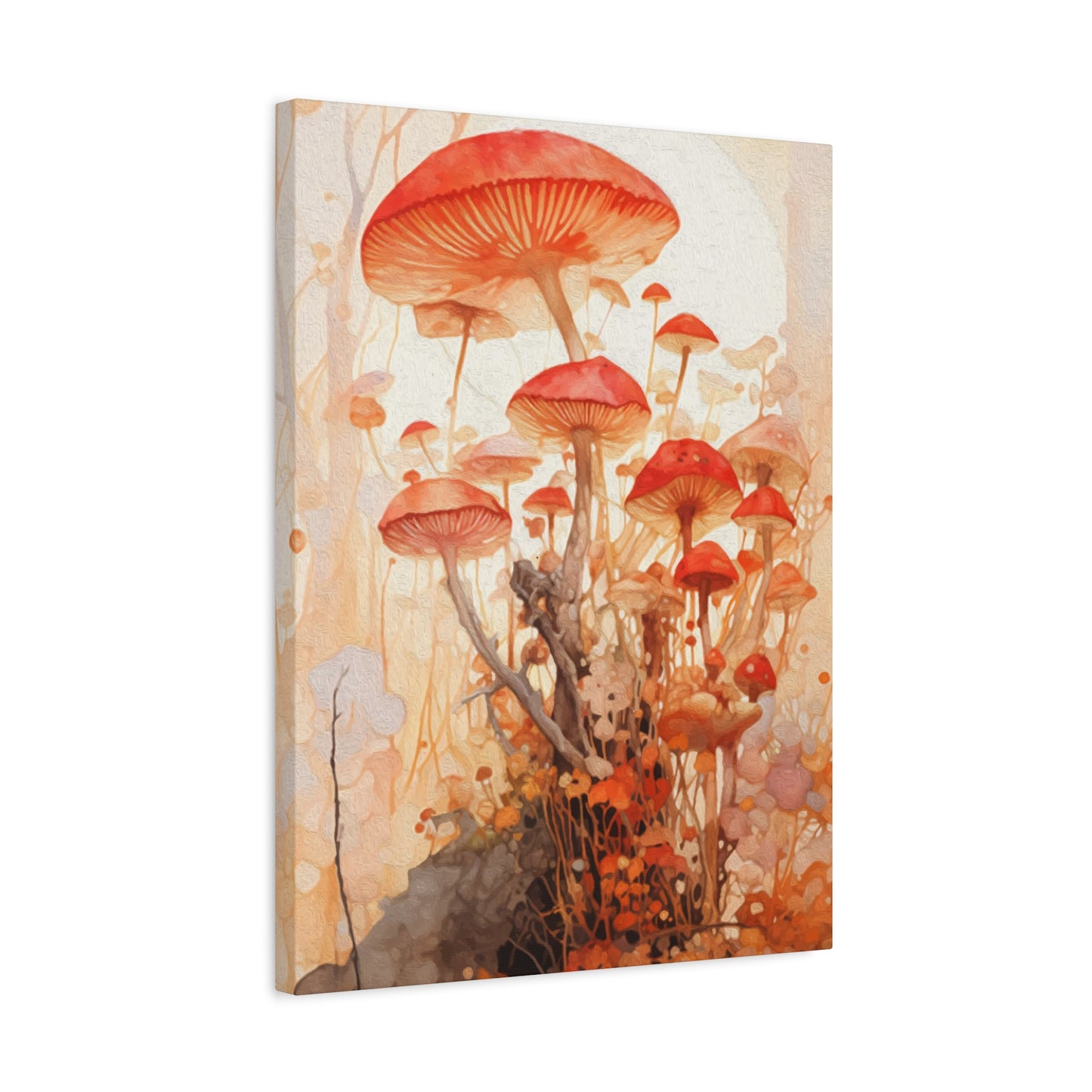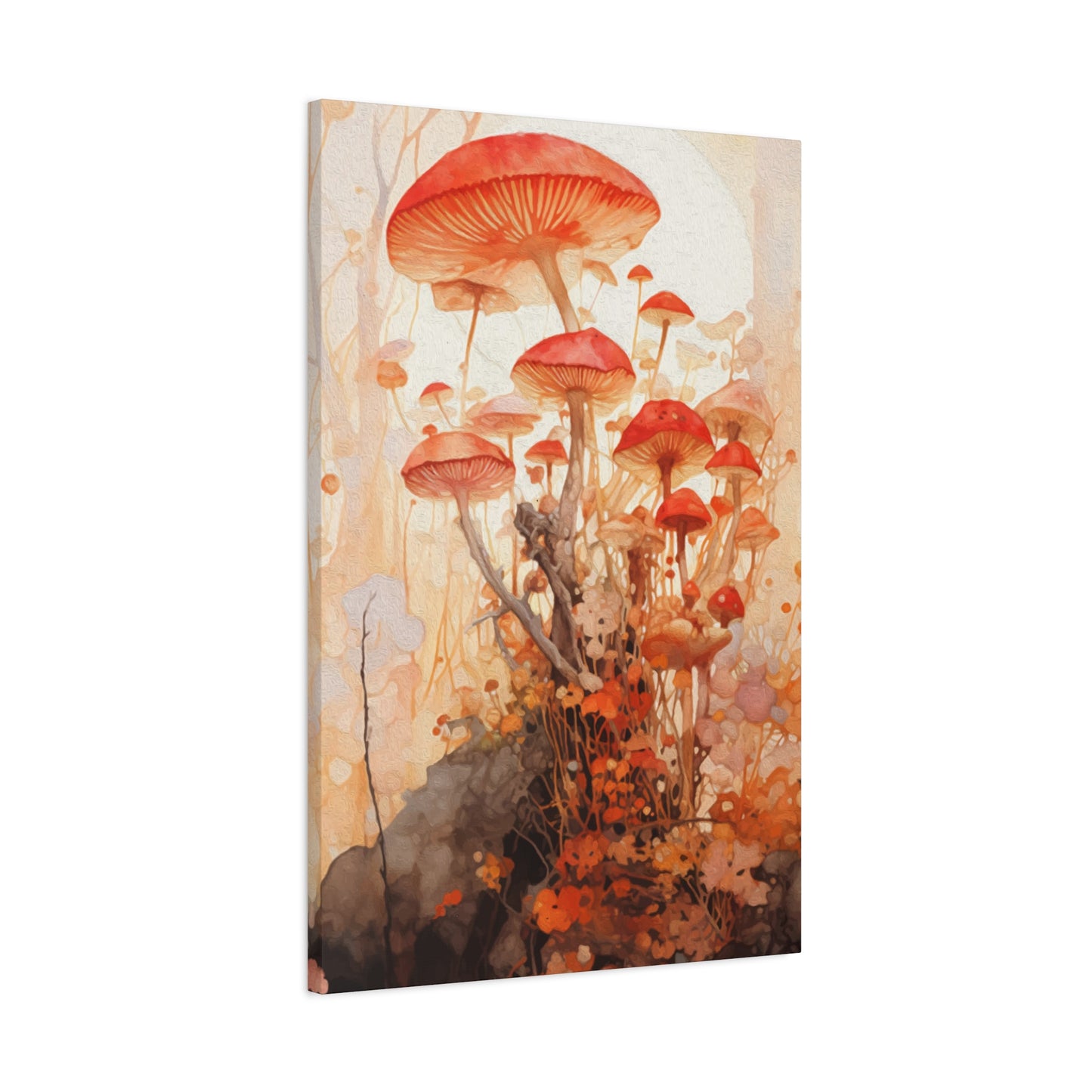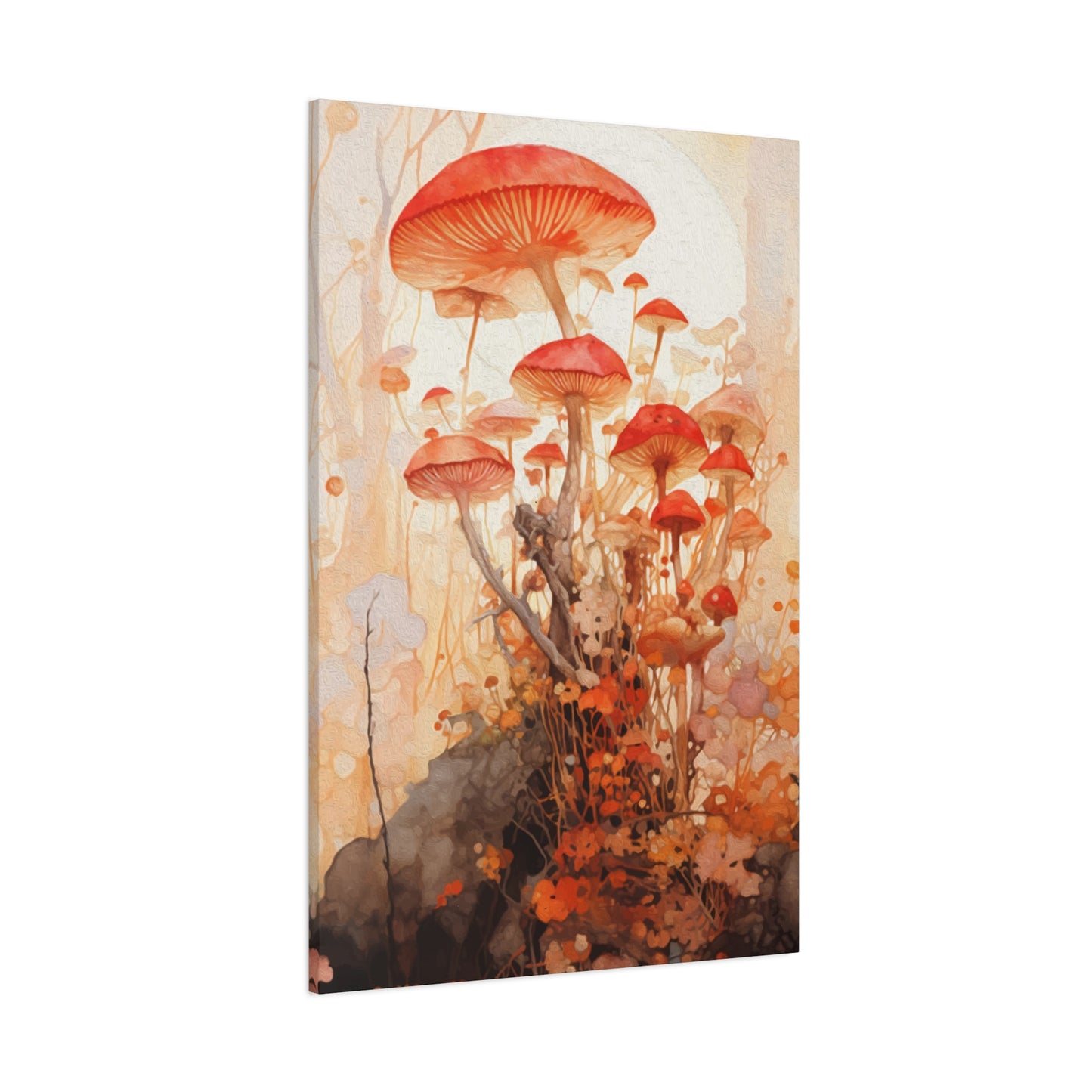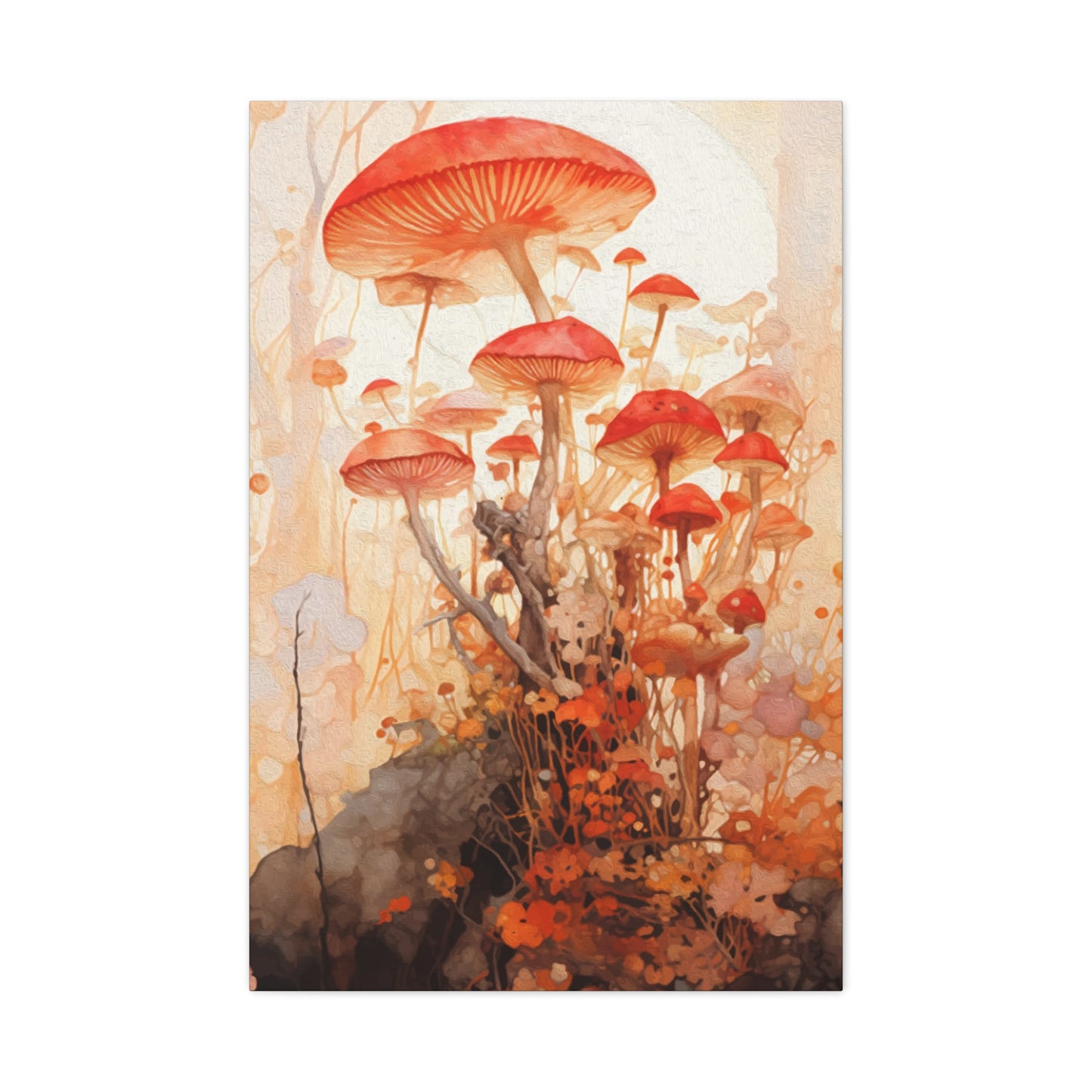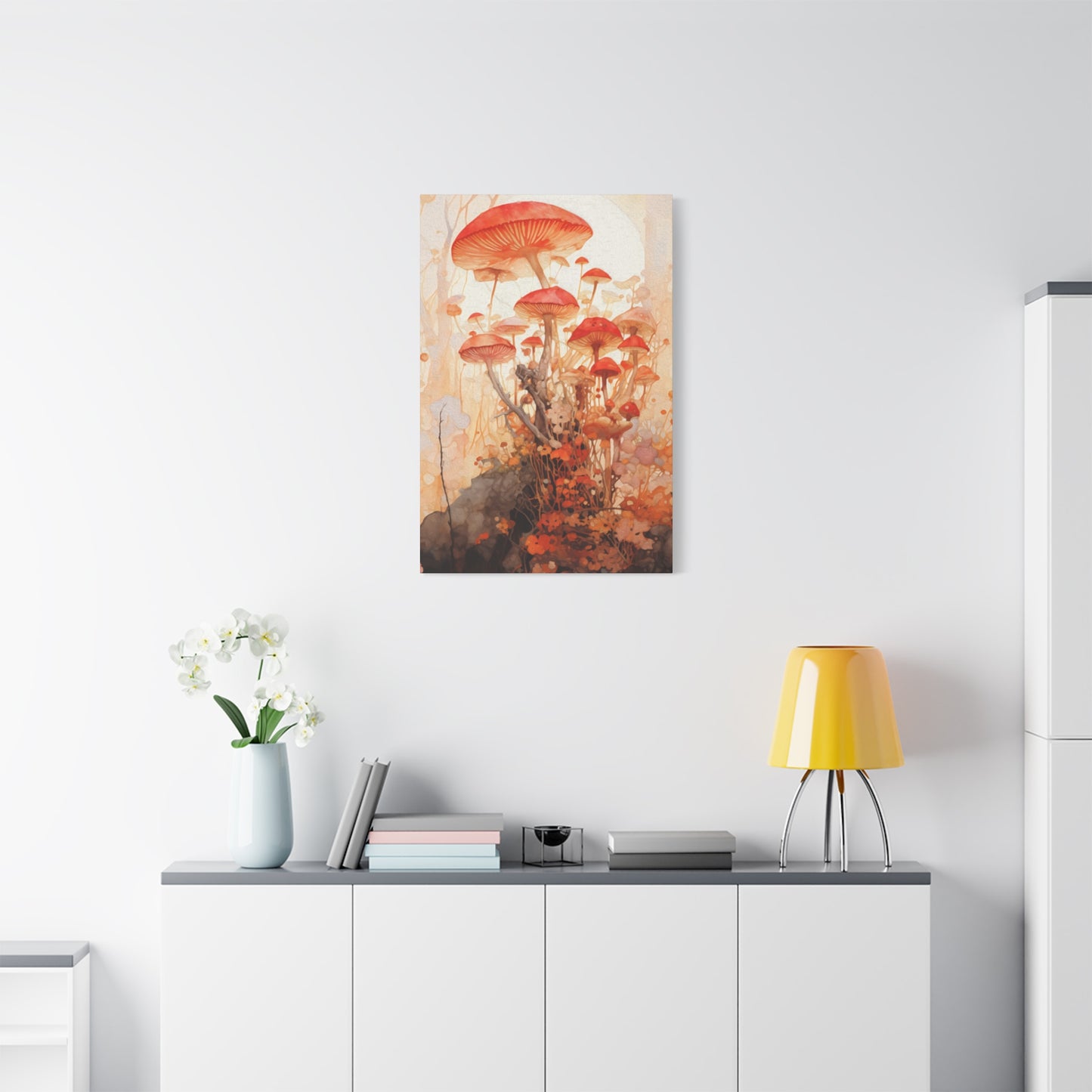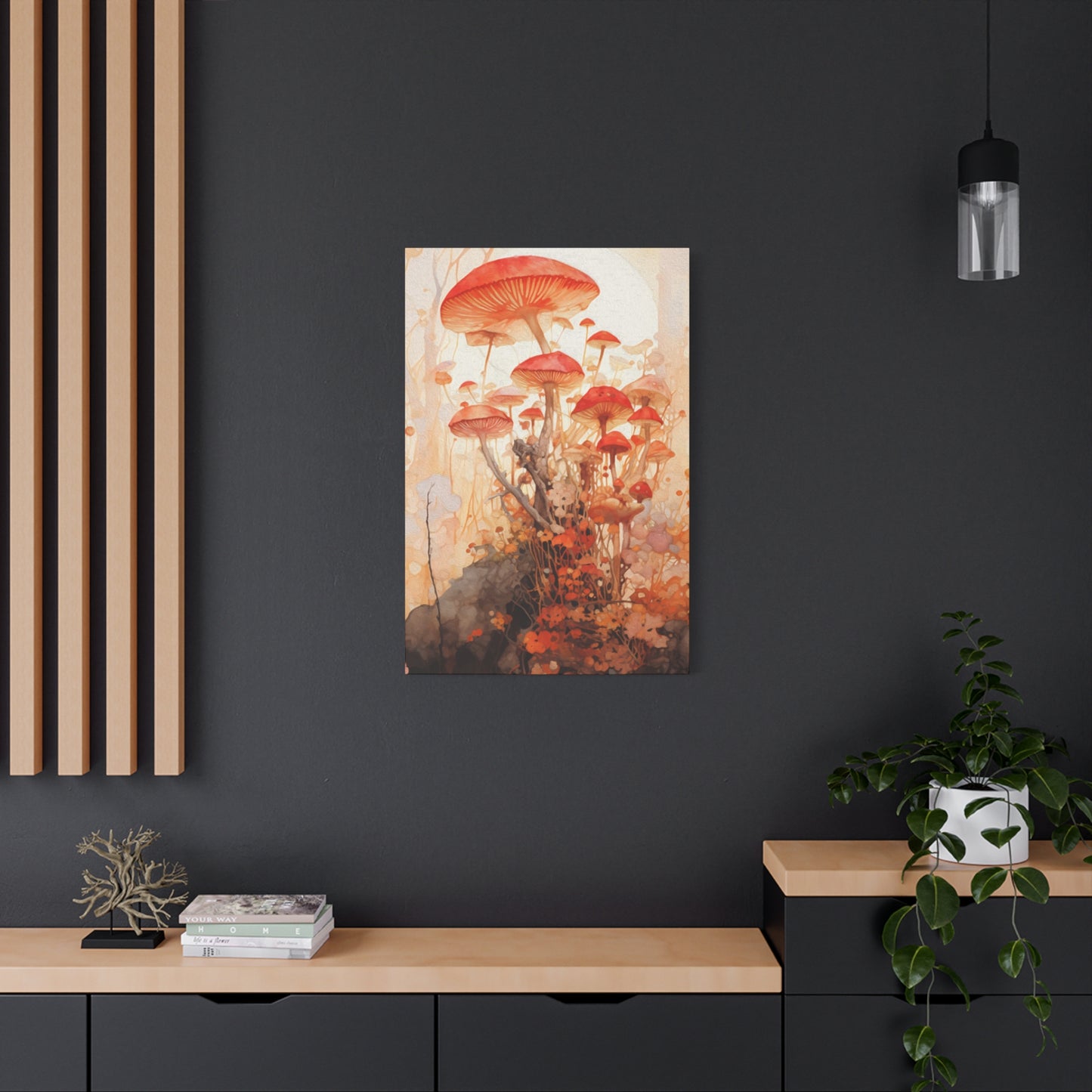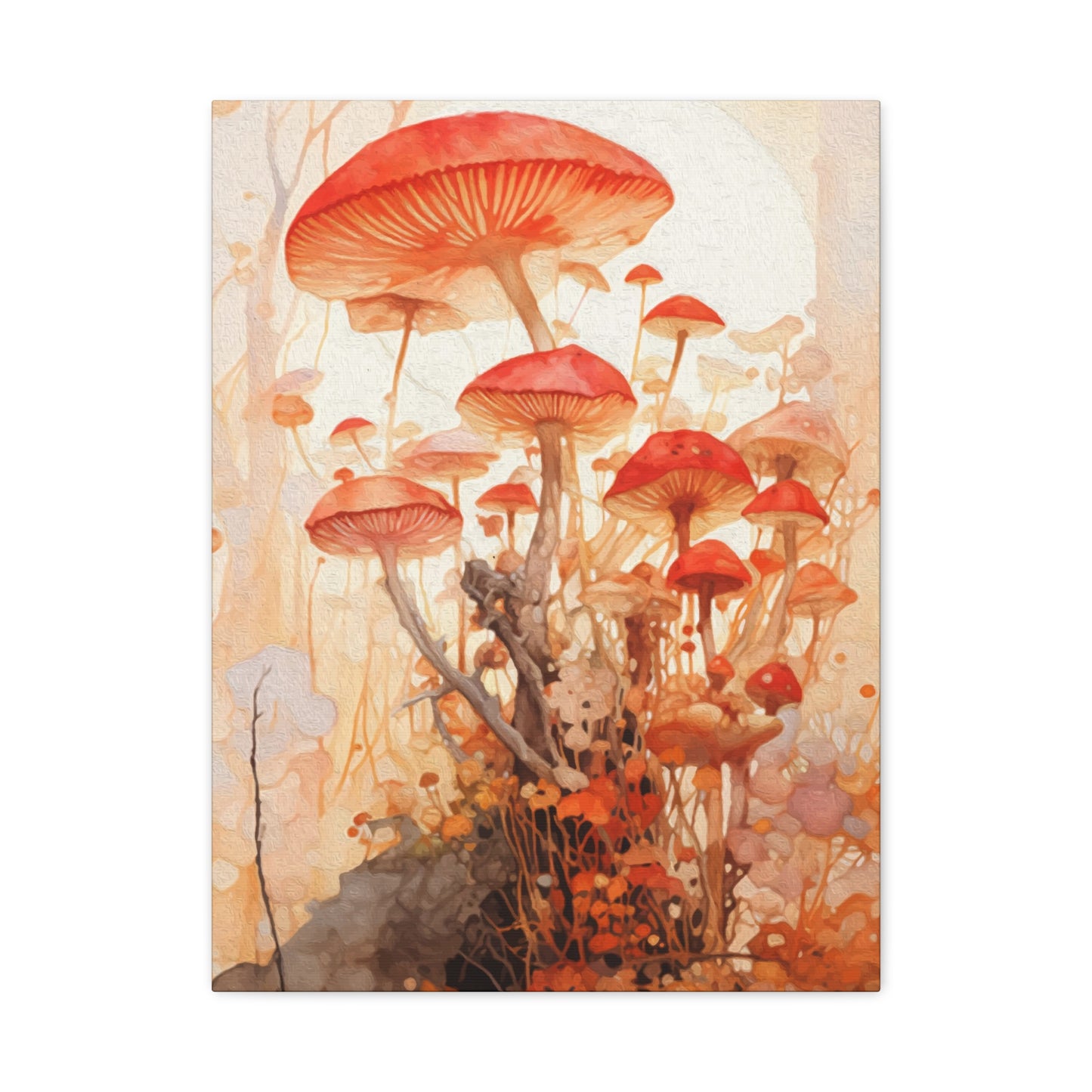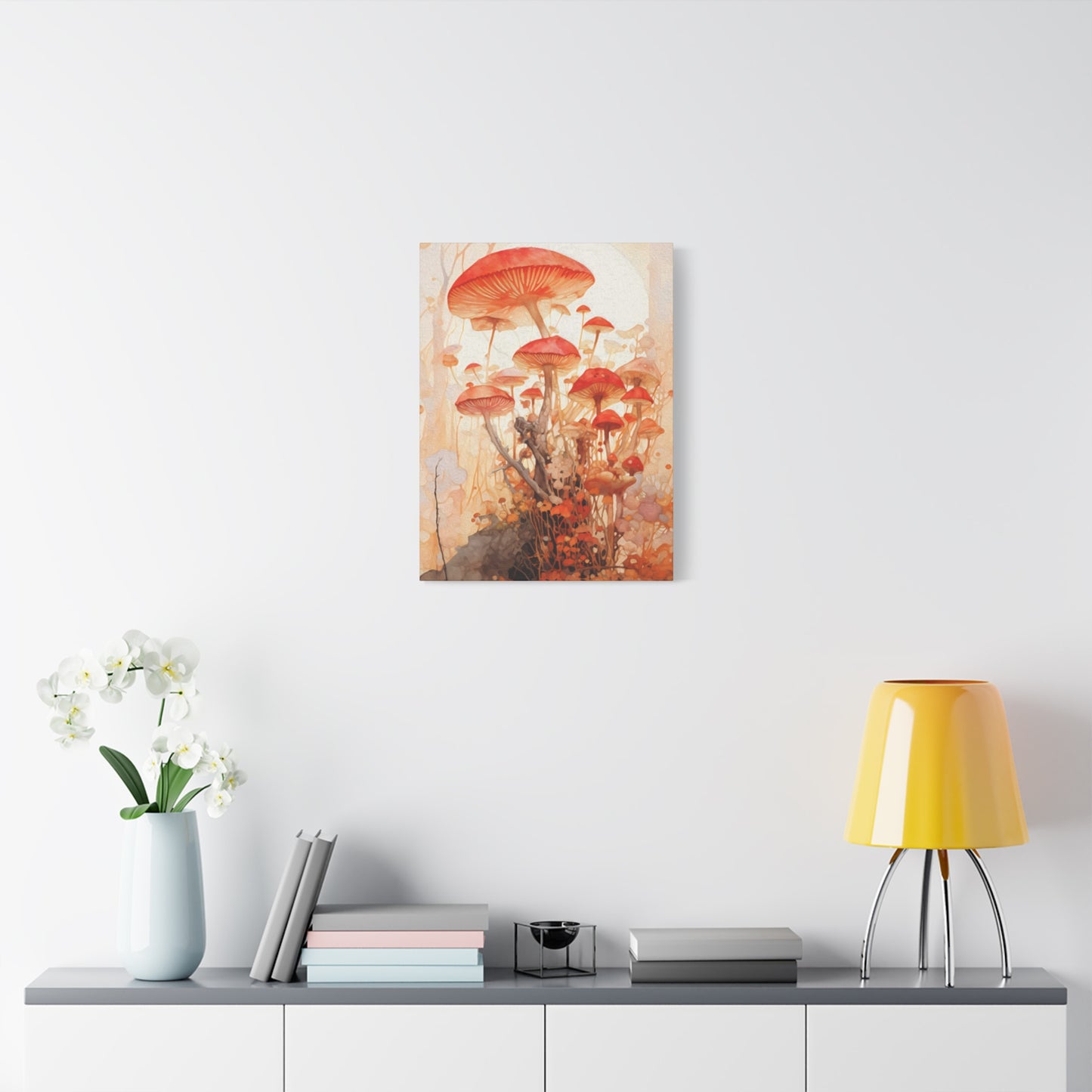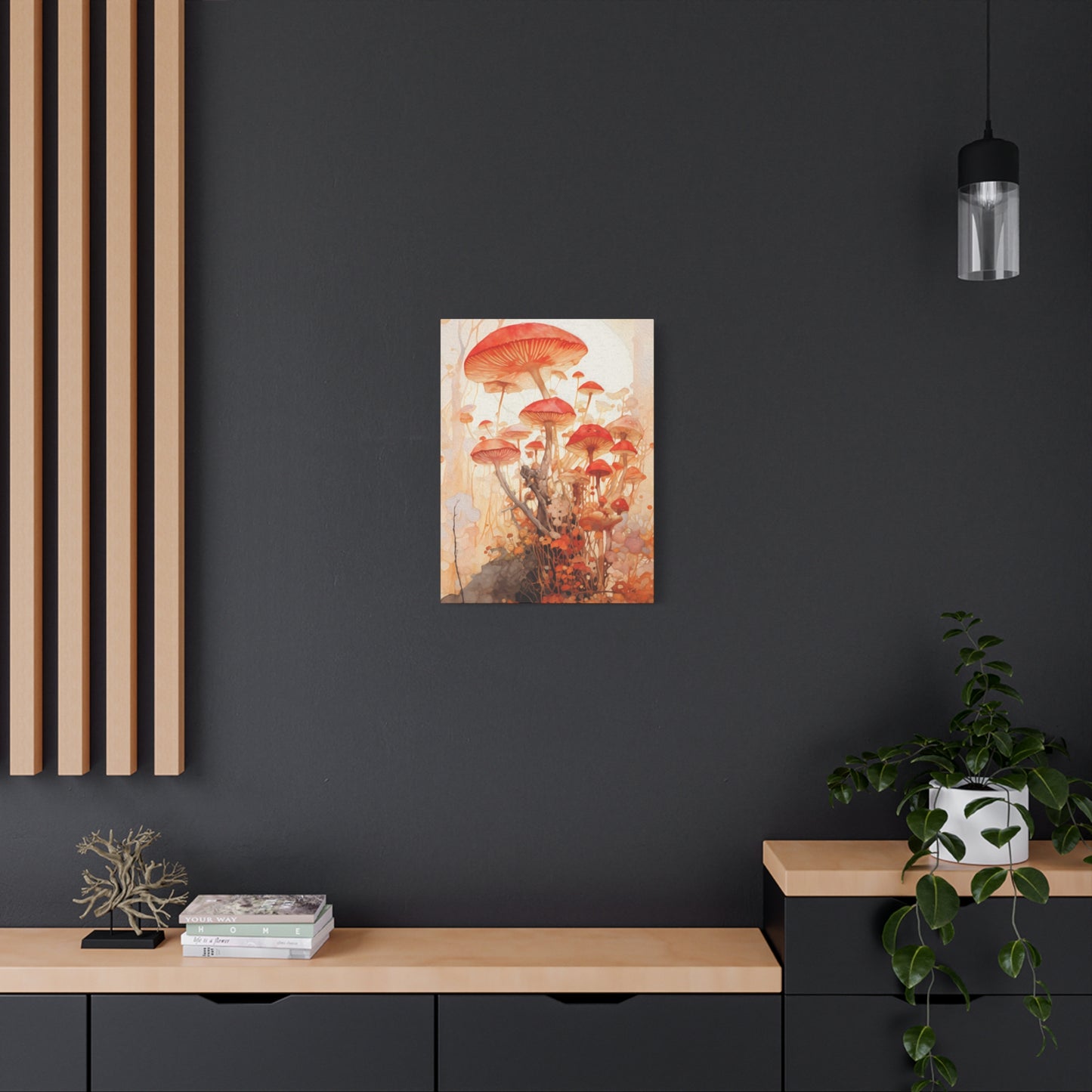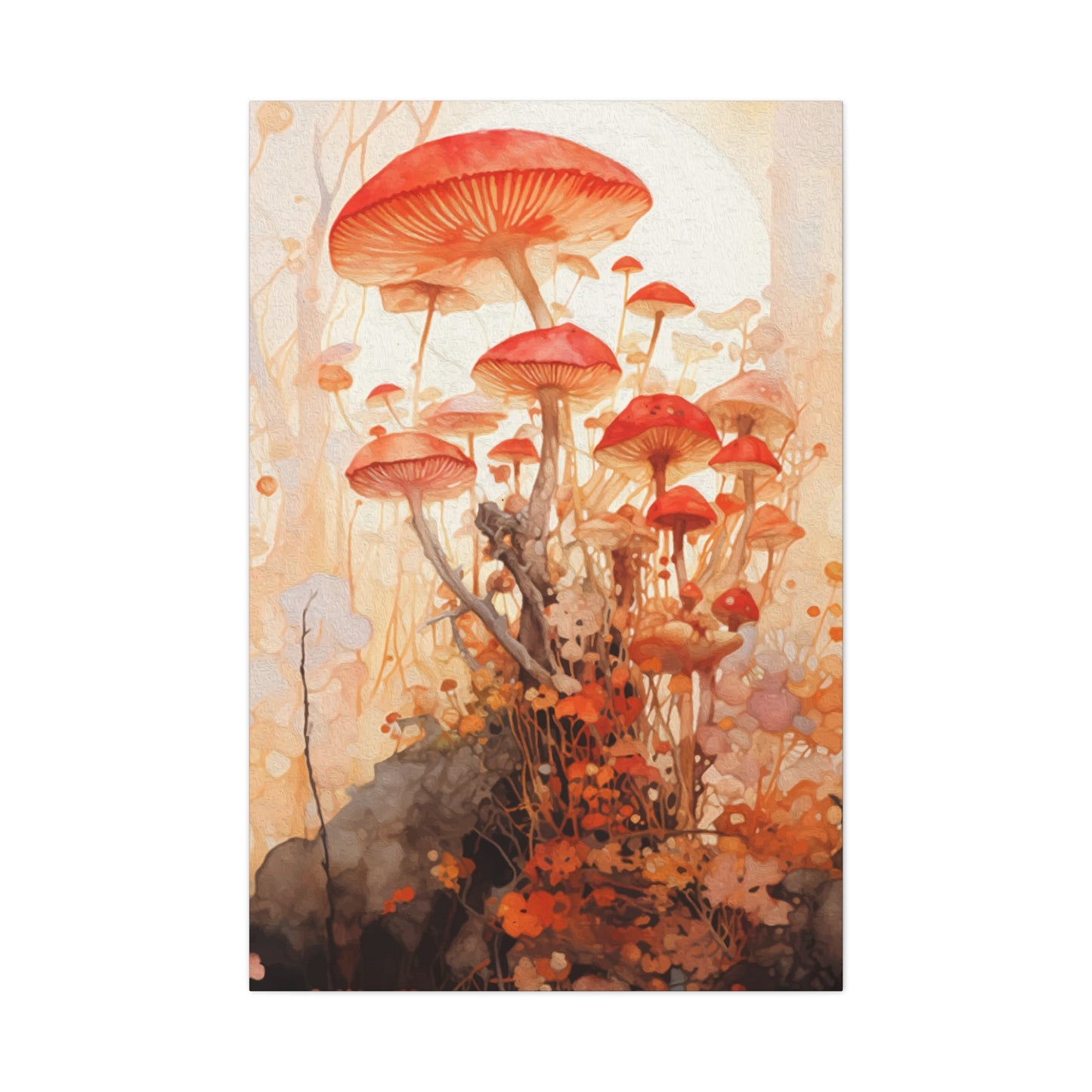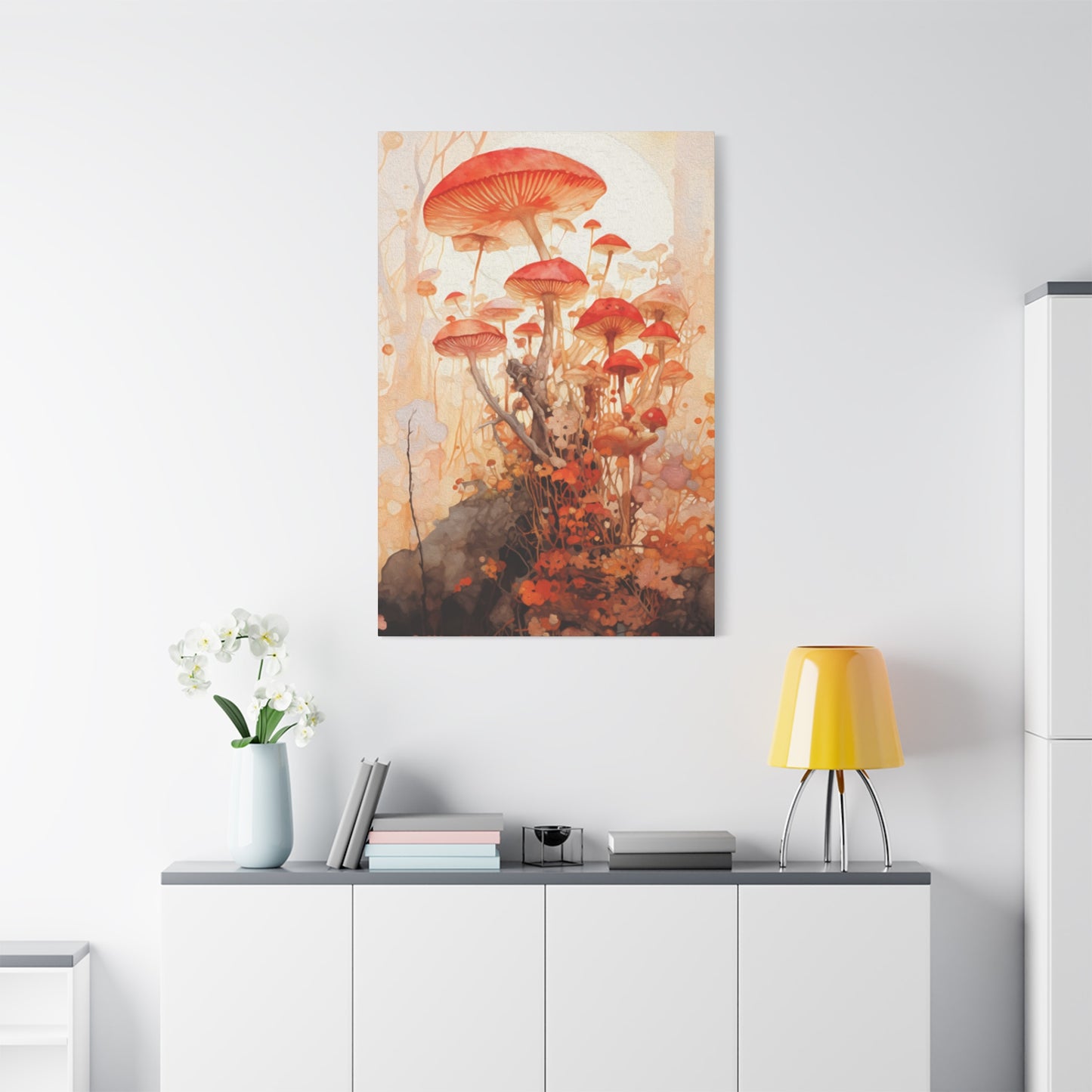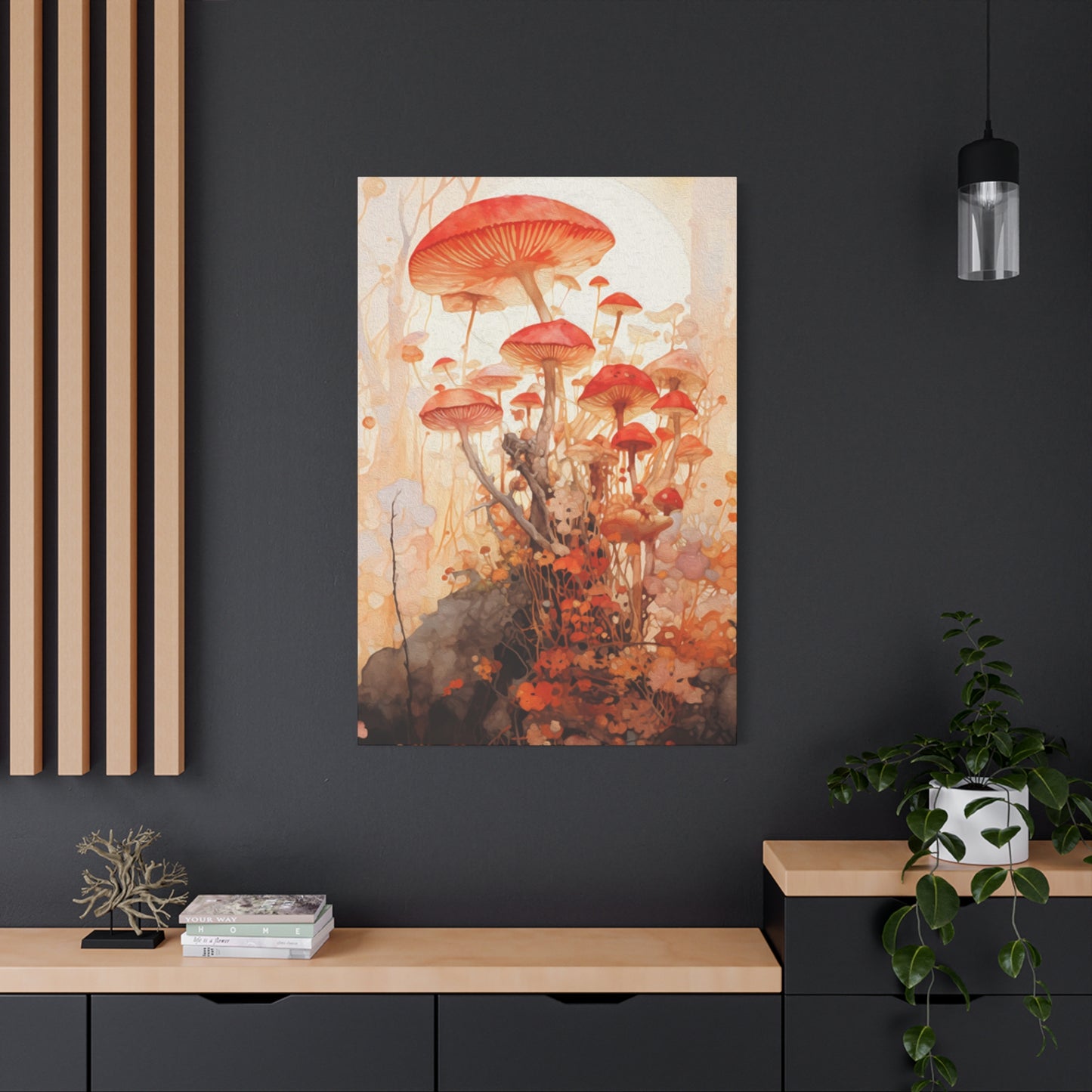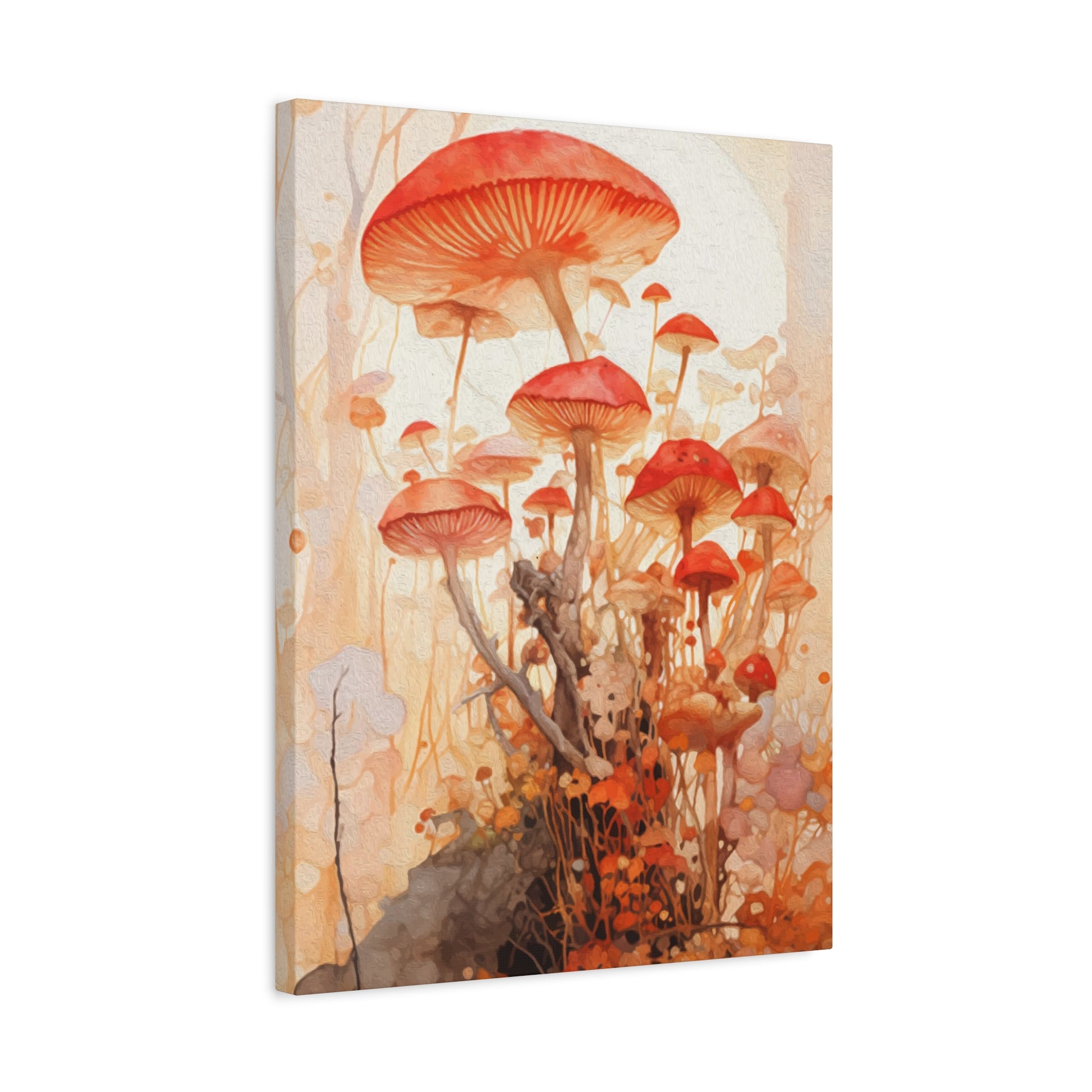
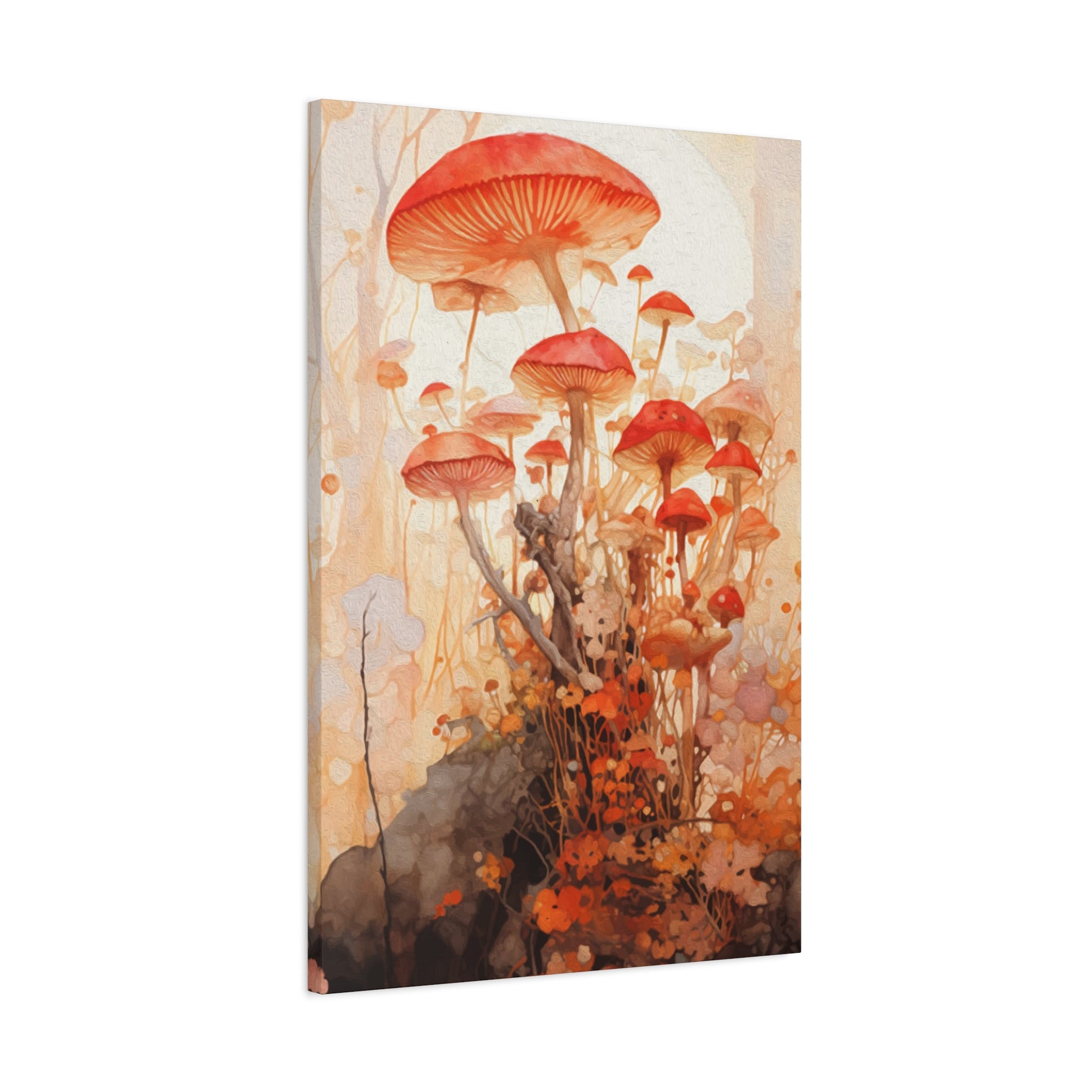
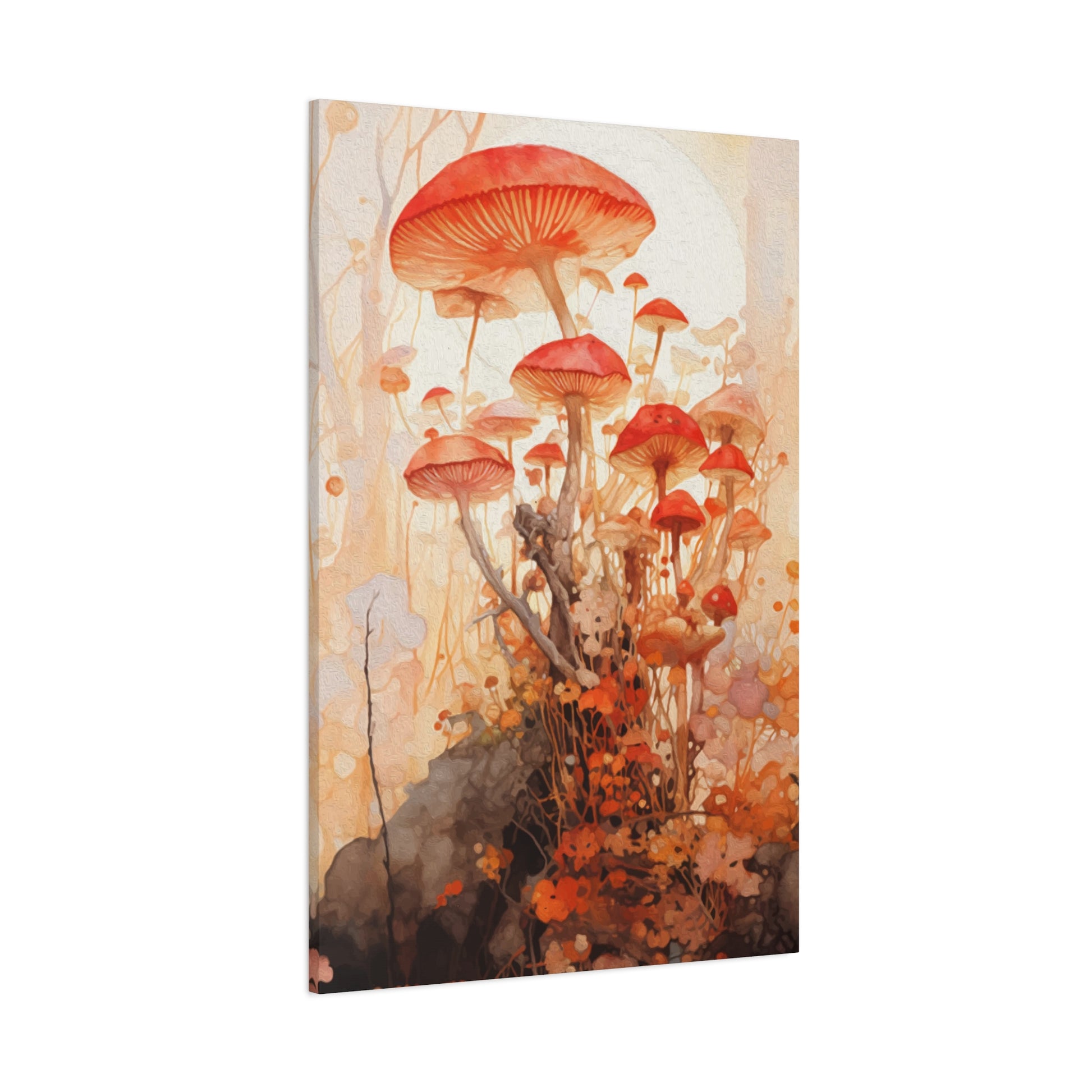
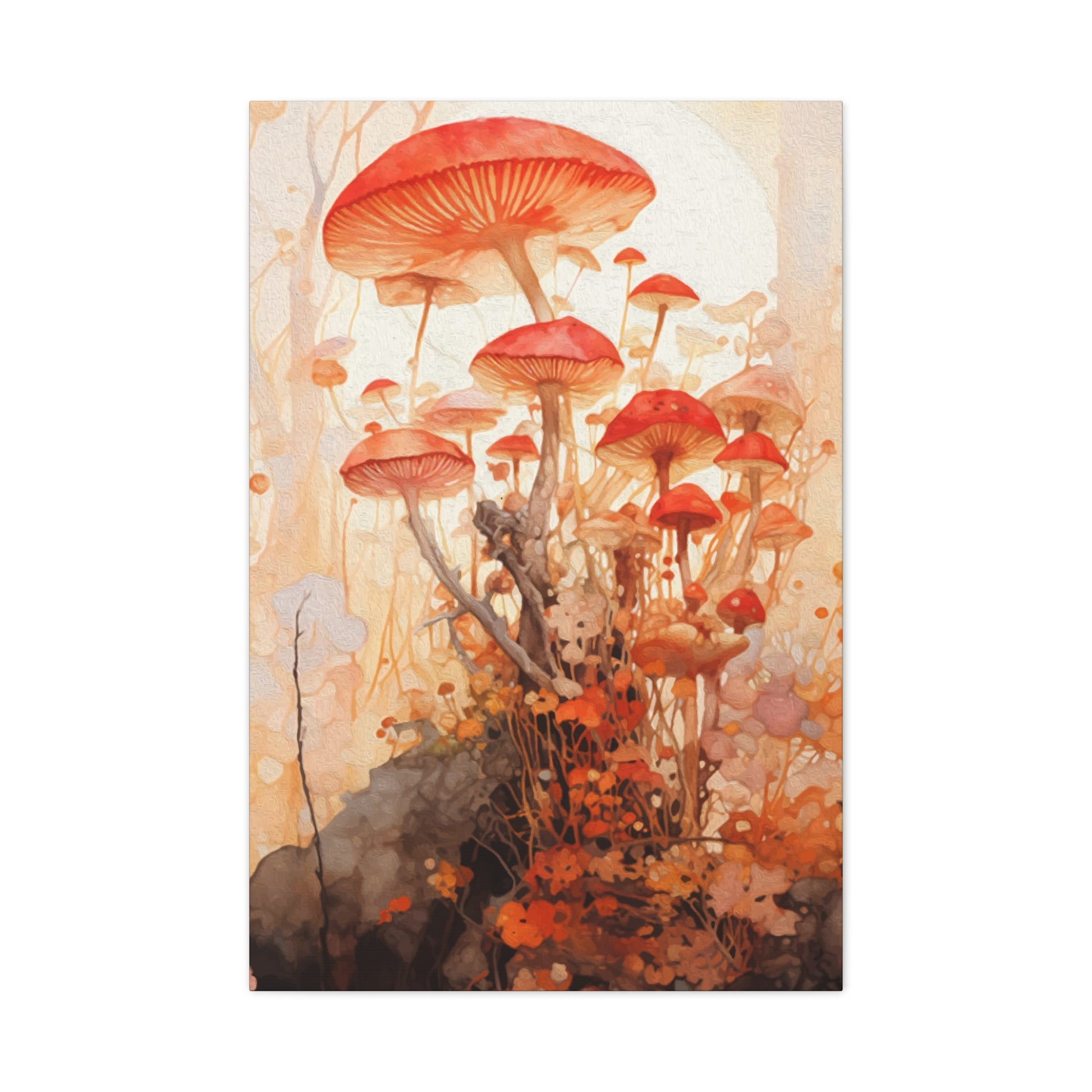
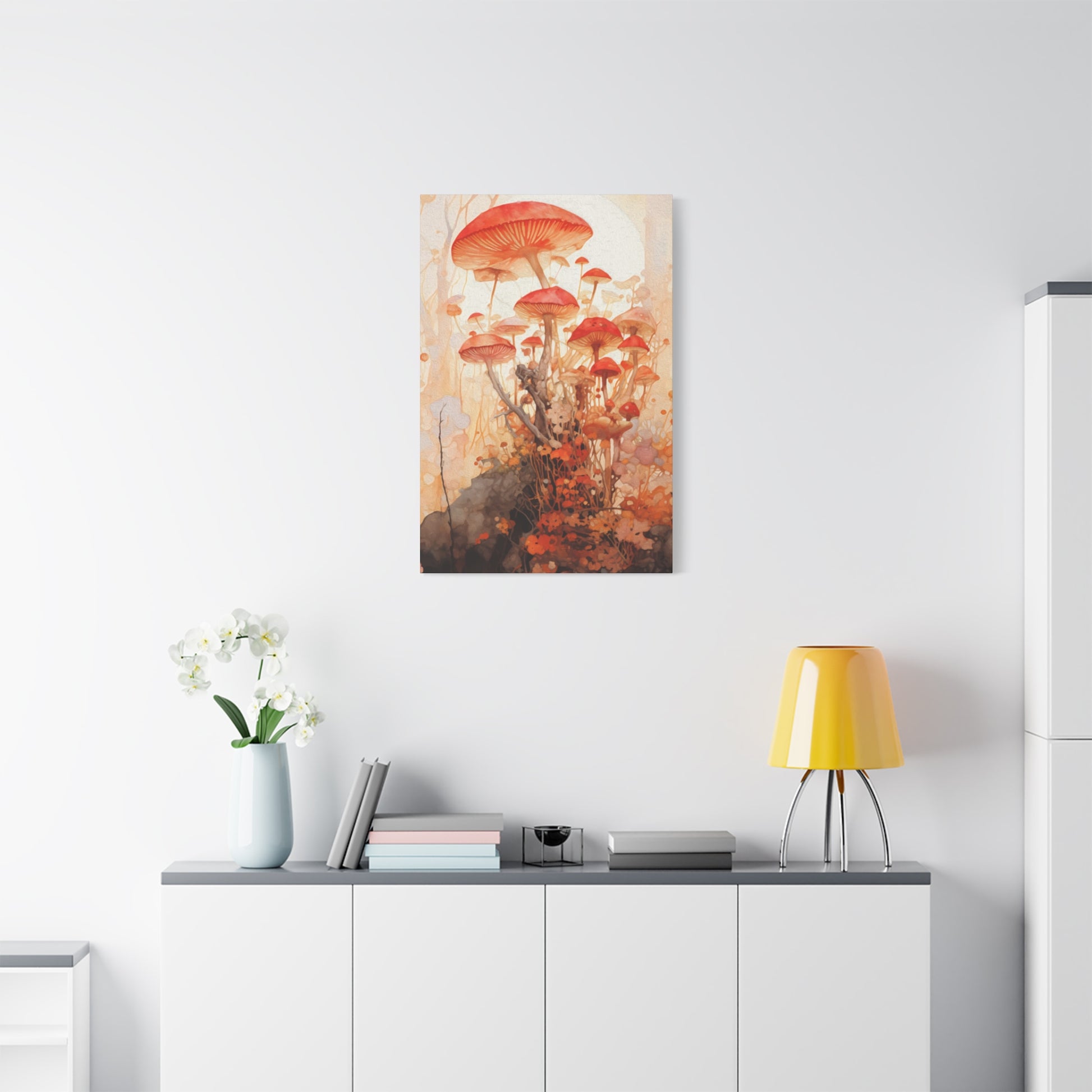
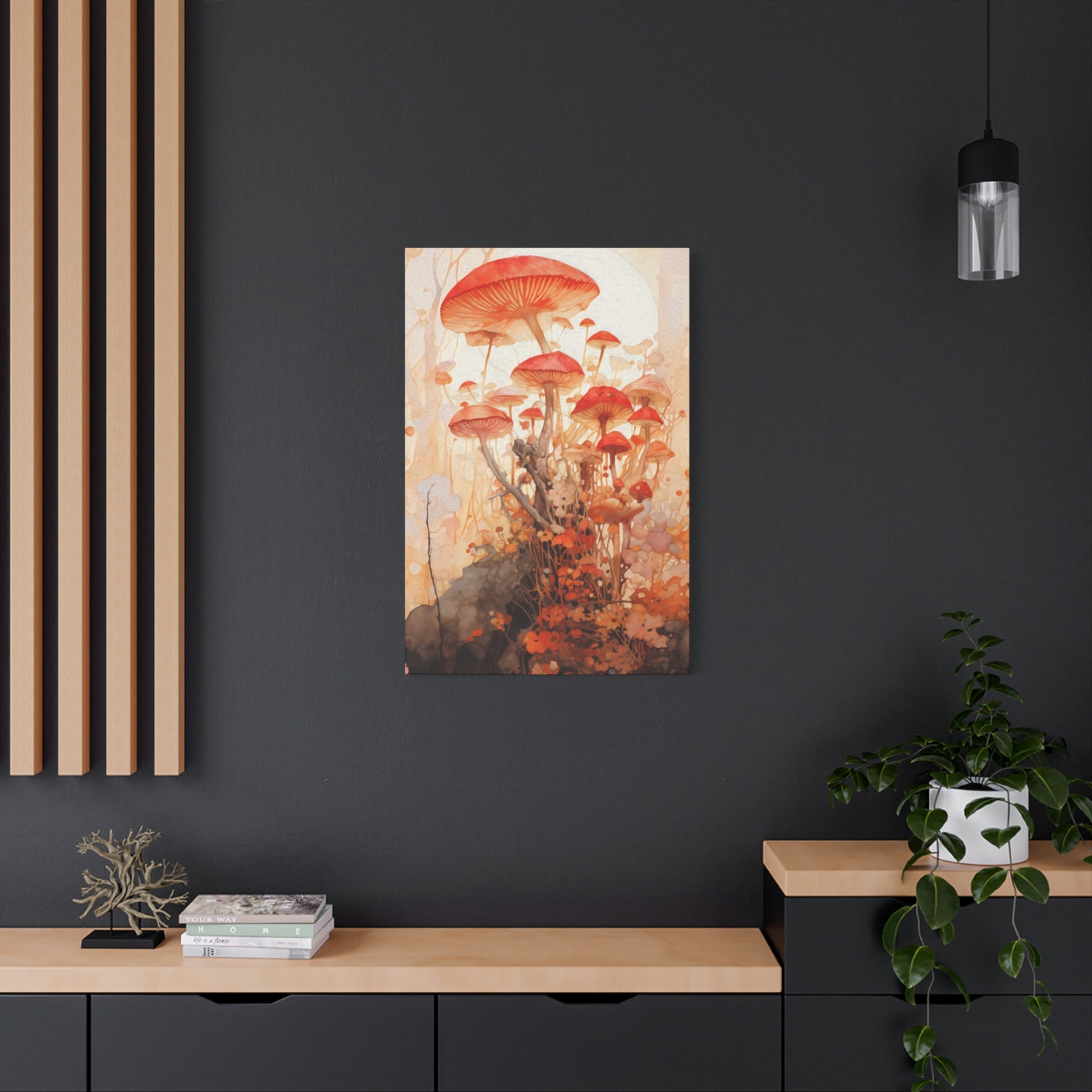
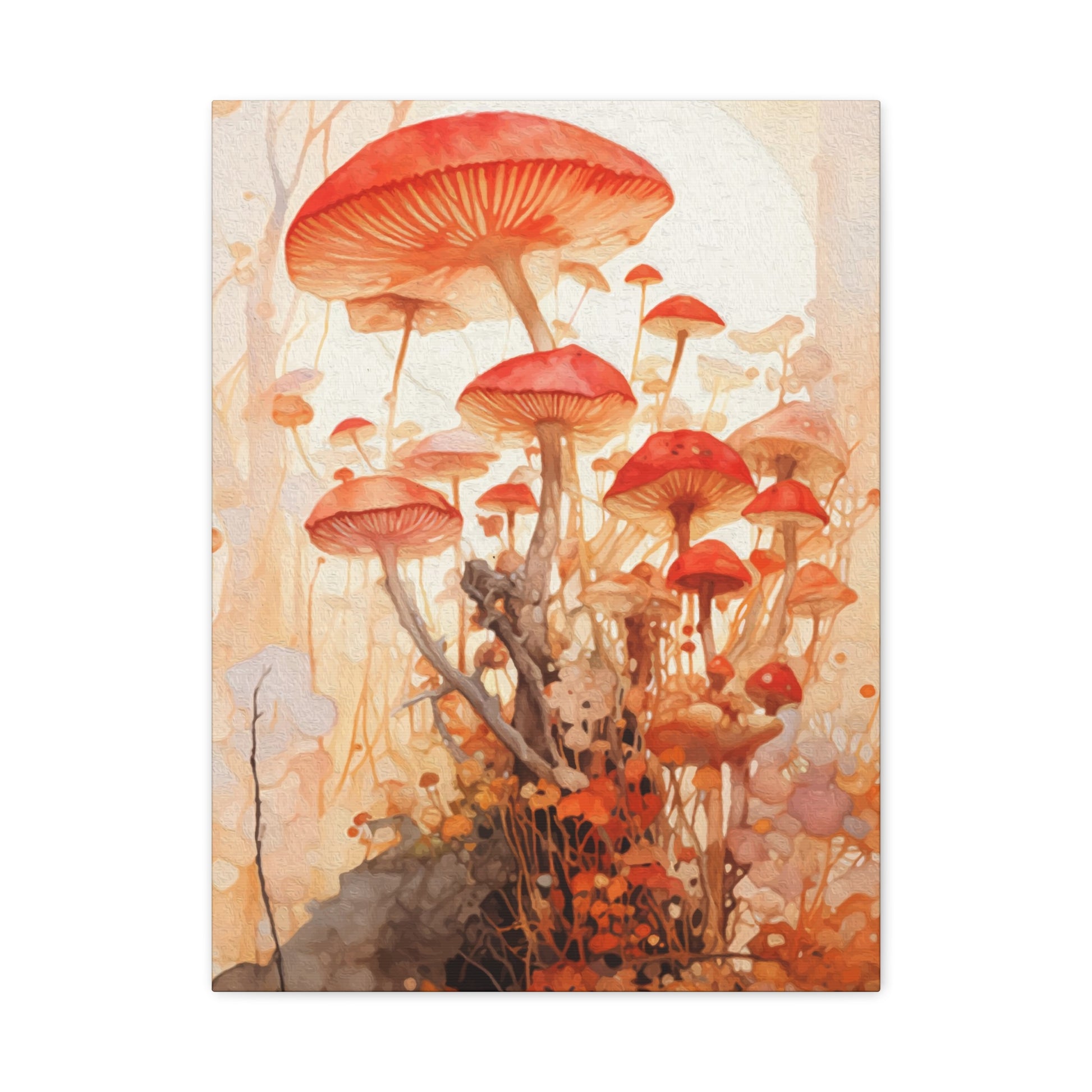
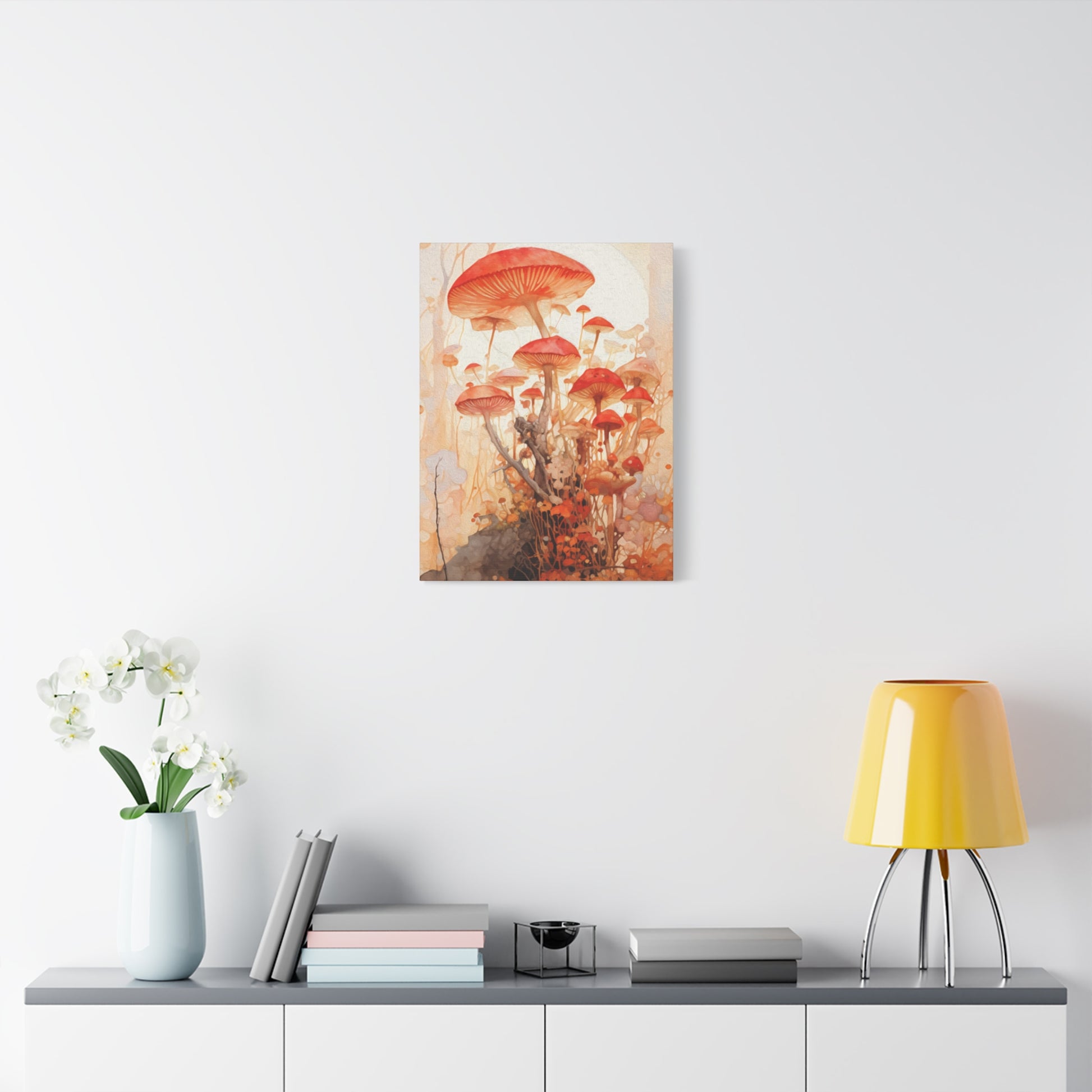
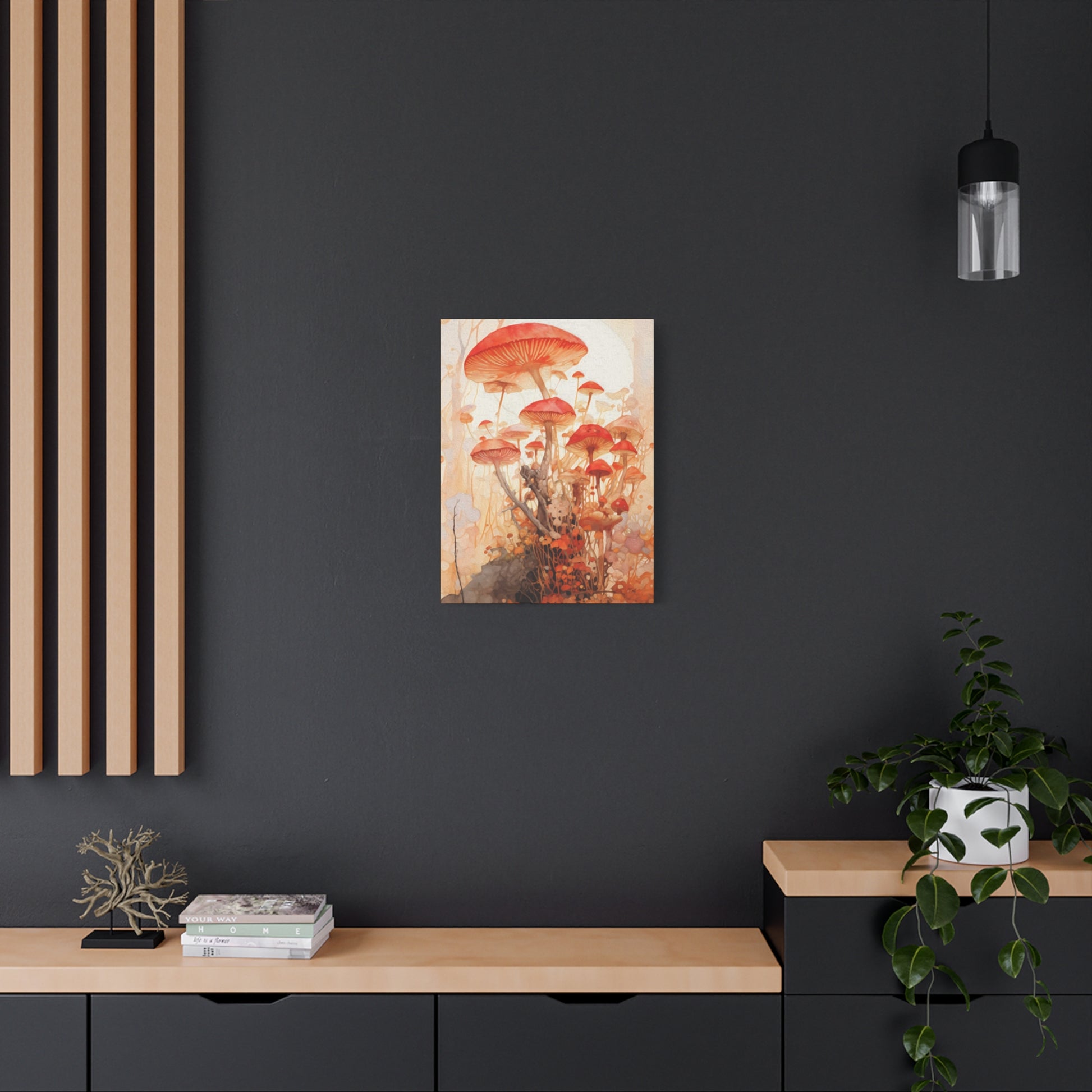
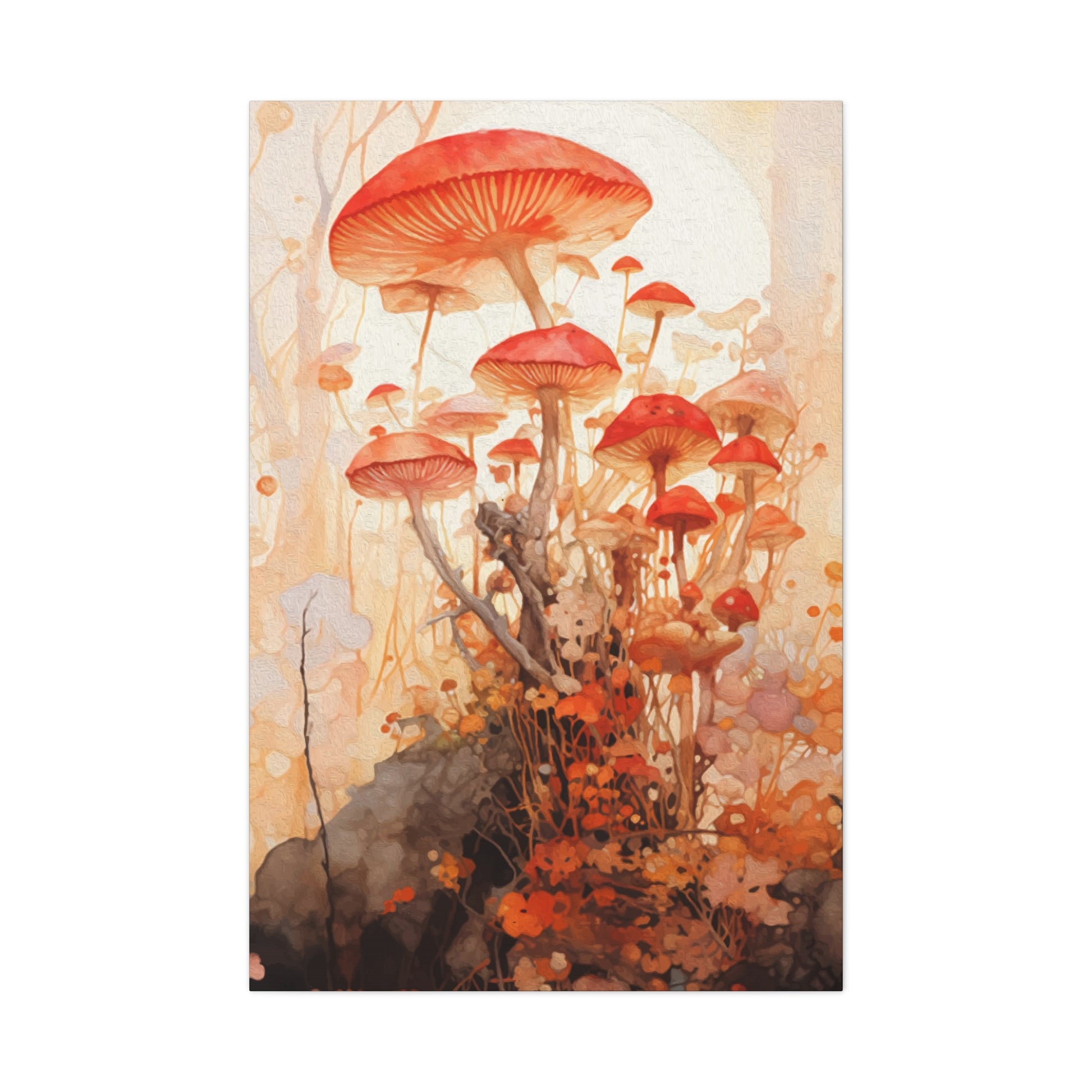
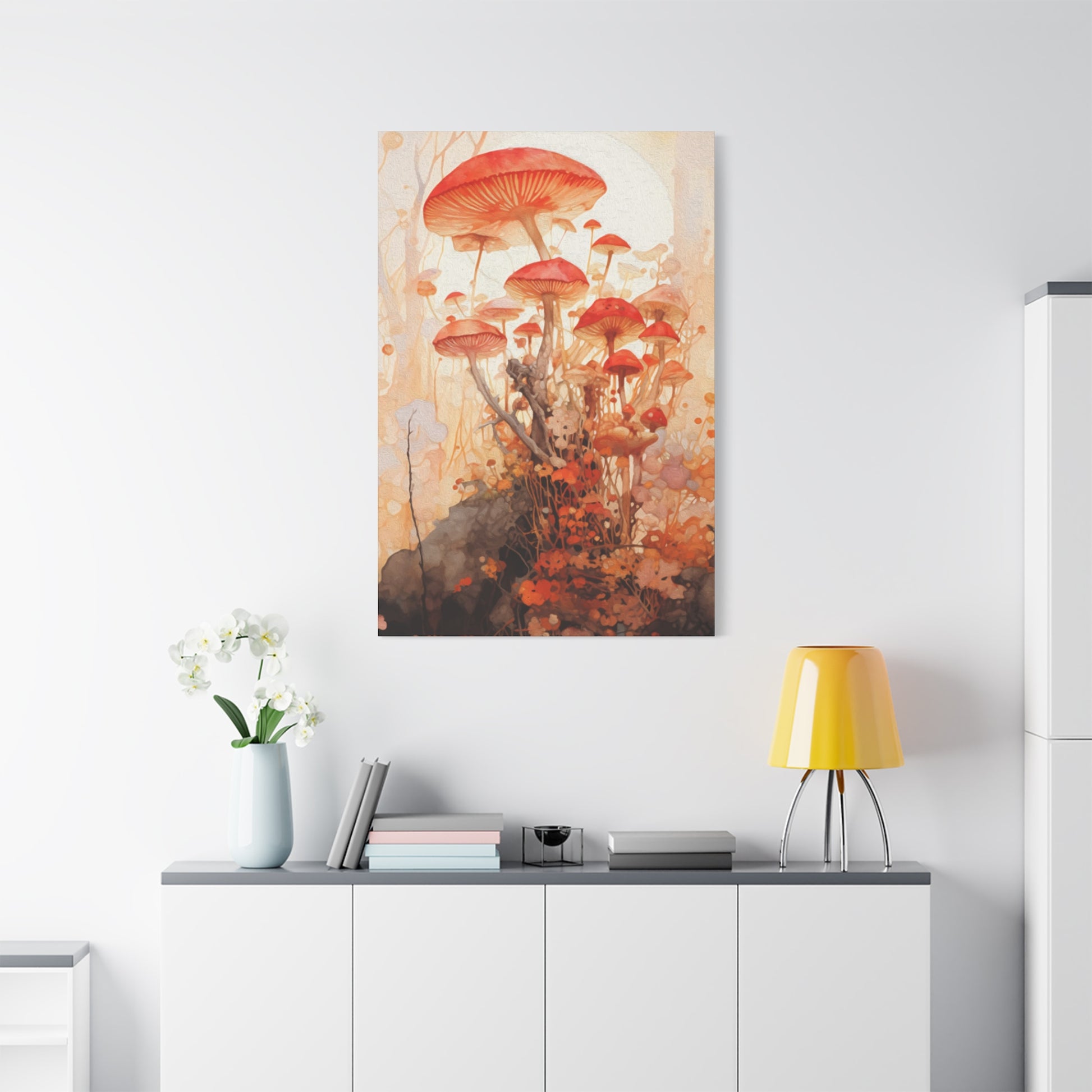
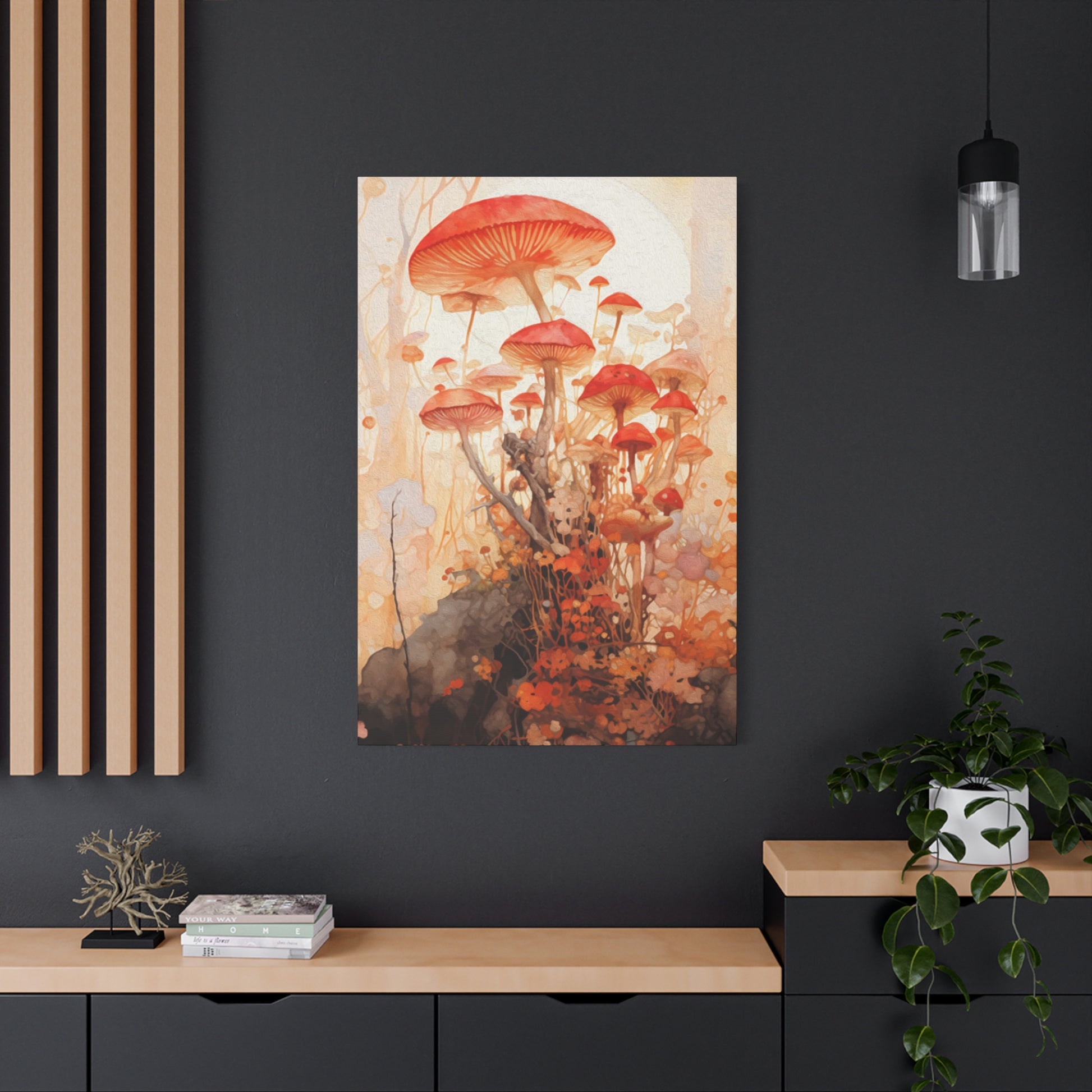
Mushroom Family Wall Art & Canvas Prints
Mushroom Family Wall Art & Canvas Prints
Couldn't load pickup availability
Step into the World of Mushroom Family Wall Art: A Journey Through the Captivating World of Fungal-Inspired Design
The world of home decoration has witnessed a remarkable surge in nature-inspired designs, with fungal motifs emerging as one of the most captivating trends in contemporary interior styling. Mushroom-themed decorative pieces have transcended their botanical origins to become powerful symbols of growth, connection, and natural beauty within residential spaces. The enchanting appeal of mushroom family wall art lies in its ability to blend whimsical charm with sophisticated aesthetics, creating visual narratives that resonate with diverse audiences across age groups and design preferences.
The Rising Popularity of Fungal-Inspired Decorative Elements in Modern Homes
Contemporary homeowners increasingly seek decorative solutions that establish meaningful connections with the natural world while maintaining aesthetic sophistication. Mushroom motifs have emerged as particularly compelling choices due to their unique visual characteristics and symbolic richness. These fungal representations offer versatile design possibilities that complement various interior styles, from minimalist Scandinavian aesthetics to maximalist bohemian arrangements.
The growing fascination with mycological imagery reflects broader cultural shifts toward environmental consciousness and biophilic design principles. People recognize mushrooms as essential ecosystem components, symbolizing renewal, interconnectedness, and the mysterious beauty of forest environments. When incorporated into residential spaces through wall art, these fungal representations create atmospheric focal points that invite contemplation and conversation.
Interior designers have noted remarkable increases in client requests for nature-based decorative elements, with mushroom imagery ranking among the most sought-after themes. This preference stems from mushrooms' distinctive visual appeal—their organic shapes, varied colors, and intricate structural details provide endless artistic interpretation possibilities. From realistic botanical illustrations to abstract interpretations, mushroom family wall art encompasses a broad spectrum of artistic expressions.
Exploring Different Artistic Styles Within Mycological Wall Decorations
The realm of mushroom-themed wall decorations presents an extraordinary diversity of artistic approaches, each offering distinct visual experiences and emotional resonances. Vintage botanical illustration styles evoke scientific curiosity and nostalgic charm, featuring meticulously detailed renderings of various fungal species. These pieces often incorporate aged paper textures, Latin nomenclature, and scientific annotation styles that appeal to those appreciating scholarly aesthetics.
Watercolor interpretations bring ethereal softness to mushroom imagery, with delicate washes of color creating dreamy, atmospheric compositions. Artists working in this medium capture the translucent qualities of mushroom caps, the subtle gradations in stem coloration, and the mysterious ambiance of forest floors where these organisms thrive. Watercolor mushroom family wall art particularly suits spaces designed for relaxation and contemplation, such as bedrooms, reading nooks, and meditation areas.
Contemporary abstract approaches reimagine fungal forms through bold geometric simplifications, unexpected color palettes, and experimental compositions. These pieces appeal to collectors seeking conversation-starting artworks that challenge traditional representational conventions while maintaining recognizable connections to their mycological subjects. Abstract mushroom art often incorporates metallic accents, textured surfaces, and dimensional elements that create dynamic visual experiences as lighting conditions change throughout the day.
Folk art traditions offer another rich vein of mushroom imagery, drawing upon cultural storytelling traditions and symbolic meanings associated with fungi across different societies. These pieces frequently feature vibrant colors, pattern repetition, and narrative elements that connect viewers to broader cultural heritages. Scandinavian, Slavic, and indigenous artistic traditions all contain distinctive mushroom motifs that translate beautifully into contemporary wall art contexts.
Understanding the Symbolic Meanings Behind Fungal Imagery in Home Environments
Mushrooms carry profound symbolic significance across cultures and throughout human civilization, making them particularly meaningful choices for residential decoration. In many traditions, these organisms represent transformation and renewal, as they emerge suddenly from seemingly barren ground, transforming decay into new life. This regenerative symbolism resonates deeply with homeowners navigating life transitions or seeking to cultivate growth mindsets within their living spaces.
The interconnected nature of mycelial networks beneath forest floors has become a powerful metaphor for family bonds, community connections, and invisible support systems. Mushroom family wall art often depicts multiple fungal forms in compositional arrangements that suggest relationships, interdependence, and collective strength. These visual narratives align beautifully with family-centered spaces, where artwork serves as daily reminders of connection and mutual support.
Folklore and fairy tales have long associated mushrooms with magic, mystery, and portals to other realms. This enchanted dimension adds whimsical appeal to mushroom-themed decorations, particularly in children's spaces and creative studios. The fantastical qualities of certain mushroom species—their unusual shapes, luminescent properties, and association with forest enchantment—invite imaginative engagement and creative thinking.
Certain philosophical traditions view mushrooms as teachers of mindfulness and present-moment awareness, as these organisms exist primarily in momentary manifestations before returning to the earth. This temporal quality encourages appreciation of fleeting beauty and the importance of observing natural cycles. Wall art featuring ephemeral mushroom forms can serve as contemplative focal points, promoting meditative states and conscious breathing practices.
Selecting Appropriate Mushroom Artwork for Diverse Interior Design Schemes
Successful incorporation of mushroom family wall art requires thoughtful consideration of existing interior design elements, color schemes, and spatial characteristics. For minimalist environments emphasizing clean lines and neutral palettes, monochromatic mushroom prints or simple line drawings provide organic interest without overwhelming visual simplicity. Black and white fungal illustrations create striking contrasts against white walls while maintaining the restrained aesthetic minimalism demands.
Bohemian interiors thrive on layered textures, vibrant colors, and eclectic combinations of decorative elements. In these spaces, mushroom artwork can embrace bold hues, intricate details, and mixed-media approaches that contribute to the overall sensory richness. Combining multiple smaller mushroom prints in gallery wall arrangements creates dynamic visual narratives that align with bohemian design philosophies celebrating abundance and personal expression.
Rustic and farmhouse styles benefit from mushroom imagery that emphasizes natural materials, earthy color palettes, and handcrafted qualities. Wooden frame selections, canvas textures, and artwork featuring familiar edible species create cohesive connections with the organic, grounded aesthetics these design approaches prioritize. Vintage mushroom field guide illustrations particularly complement rustic interiors, adding layers of nostalgic charm and naturalist sensibility.
Modern mid-century aesthetics appreciate mushroom art that balances organic forms with geometric precision, often featuring limited color palettes and strong compositional structures. Stylized mushroom representations in characteristic mid-century colors—burnt orange, avocado green, mustard yellow—create period-appropriate decorative accents that honor this design era's distinctive visual language while introducing natural elements.
Creating Harmonious Color Relationships Between Artwork and Surrounding Spaces
Color selection represents one of the most critical factors in successful mushroom family wall art placement, as hue relationships significantly impact overall spatial harmony and emotional atmosphere. Understanding color theory principles helps homeowners make informed decisions that enhance rather than disrupt existing interior schemes. Complementary color approaches create vibrant visual excitement—mushroom art featuring warm orange and red tones creates dynamic tension when placed against blue or green walls.
Analogous color schemes offer more subtle, soothing visual experiences, using colors adjacent on the color wheel to create harmonious transitions. Mushroom artwork dominated by earth tones—browns, tans, ochres, and muted greens—naturally complements walls in similar color families, creating cohesive environments that promote relaxation and comfort. These analogous approaches work particularly well in bedrooms, libraries, and other spaces designed for quiet activities.
Monochromatic approaches explore variations in value and saturation within single color families, creating sophisticated visual depth without chromatic complexity. Sepia-toned mushroom photographs, grayscale fungal illustrations, or artwork featuring various shades of a single hue provide elegant decorative solutions that suit refined tastes. These monochromatic pieces work exceptionally well in formal spaces such as dining rooms, home offices, and entryways where understated sophistication is desired.
Accent color strategies use mushroom artwork as vehicles for introducing pops of color into predominantly neutral spaces. A vivid red amanita muscaria print against a gray wall creates immediate visual interest and establishes focal points within otherwise subdued environments. This approach allows for seasonal color rotation, as artwork can be exchanged to reflect changing preferences without requiring major interior modifications.
Determining Optimal Placement Locations for Maximum Visual Impact
Strategic placement of mushroom family wall art significantly influences its effectiveness as a decorative element and its ability to enhance spatial qualities. High-traffic areas such as entryways and hallways benefit from engaging mushroom compositions that welcome visitors and create memorable first impressions. These transitional spaces often feature limited furniture, making wall art particularly important for establishing character and visual interest.
Living rooms present versatile placement opportunities, with mushroom artwork functioning effectively above sofas, mantels, or console tables. Scale considerations become paramount in these larger spaces—oversized mushroom canvases or multi-panel arrangements provide sufficient visual weight to anchor seating areas and create balanced compositions. Smaller mushroom prints risk appearing insignificant in expansive living areas unless grouped within carefully curated gallery walls.
Bedroom environments particularly suit mushroom imagery due to its calming, nature-connected qualities. Positioning mushroom family wall art across from beds creates peaceful focal points for morning and evening contemplation. The organic forms and earthy colors characteristic of mushroom artwork promote restful atmospheres conducive to quality sleep and relaxation. Pairing mushroom wall art with complementary textiles—botanical print bedding, natural fiber rugs—amplifies the nature-inspired design narrative.
Kitchen and dining spaces increasingly incorporate mushroom imagery, celebrating culinary connections and edible fungal varieties. Vintage mushroom identification charts, watercolor collections of gourmet species, and whimsical mushroom gathering scenes add personality to food preparation and consumption areas. These placements create conversation opportunities during meals and reflect homeowners' appreciation for natural foods and seasonal eating practices.
Incorporating Dimensional Elements and Textural Variations in Fungal Decor
Beyond flat printed artwork, mushroom-themed wall decorations increasingly explore three-dimensional forms and textural richness that create dynamic visual experiences. Carved wooden mushroom reliefs introduce organic sculptural elements that cast changing shadows as natural light shifts throughout the day. These dimensional pieces particularly suit entryways, where they create tangible focal points that visitors can appreciate from multiple angles.
Metal mushroom wall sculptures offer industrial elegance, with materials such as copper, brass, and wrought iron providing distinctive aesthetic qualities. Oxidized finishes on metal mushroom pieces develop unique patinas over time, creating living artworks that evolve alongside their environments. These durable options suit both interior and covered exterior applications, bringing fungal forms to patios, covered porches, and garden rooms.
Fiber art approaches to mushroom family wall art introduce soft textures through techniques such as macramé, weaving, and embroidery. These handcrafted pieces add warmth and tactile interest to residential spaces while celebrating maker traditions and artisanal craftsmanship. Woven mushroom wall hangings particularly complement bohemian and eclectic interiors, where their organic materials and handmade qualities align with broader design philosophies.
Mixed-media mushroom artworks combine multiple materials—perhaps integrating painted elements with fabric appliqués, natural materials with printed components, or photographic elements with hand-drawn additions. These layered approaches create visual complexity and depth that reward close examination. Mixed-media pieces often become conversational focal points, inviting viewers to explore their construction and appreciate the artistic decisions behind their creation.
Arranging Multiple Mushroom Pieces Within Gallery Wall Compositions
Gallery walls represent sophisticated approaches to displaying multiple artworks in unified compositions that create greater visual impact than individual pieces could achieve alone. When designing mushroom-themed gallery walls, establishing cohesive visual relationships between varied pieces requires attention to size progression, color harmony, frame consistency, and compositional balance. Successful arrangements feel intentional yet organic, guiding viewer attention through deliberate visual pathways.
Symmetrical gallery wall layouts create formal, balanced appearances that suit traditional interior styles. Centering arrangements around a largest mushroom piece, then flanking it with progressively smaller works in mirror-image configurations, establishes clear organizational logic. This approach works particularly well in formal dining rooms, home offices, and spaces where architectural symmetry already exists through window placements, built-in features, or furniture arrangements.
Asymmetrical salon-style gallery walls embrace spontaneity and visual complexity, mixing various sizes, orientations, and frame styles in dynamic compositions. This approach suits eclectic and bohemian interiors where controlled chaos creates energetic atmospheres. When arranging mushroom family wall art in salon-style galleries, maintaining consistent spacing between pieces—typically two to three inches—prevents visual confusion while allowing individual works to maintain distinct identities.
Linear horizontal arrangements create streamlined, contemporary gallery wall options that work beautifully above sofas, beds, and console tables. Aligning mushroom prints along a central horizontal axis, regardless of individual artwork heights, establishes clean visual order. This approach particularly suits modern and minimalist interiors where restrained compositions align with broader design philosophies emphasizing clarity and intentionality.
Grid-based gallery walls impose strict organizational structures that create calm, orderly visual experiences. Arranging uniform-sized mushroom prints in regular rows and columns suits spaces where visual tranquility is desired, such as bedrooms and meditation areas. This approach requires careful planning to ensure proper spacing and alignment, but the resulting compositions offer satisfying geometric precision that balances the organic irregularity of mushroom forms.
Exploring Mushroom Motifs Across Various Artistic Mediums and Production Methods
The production methods used to create mushroom family wall art significantly influence visual qualities, pricing structures, and overall aesthetic characteristics. Original paintings represent unique, one-of-a-kind artworks where artists directly apply media to surfaces, creating pieces with inherent value derived from their singularity. Original mushroom paintings often feature visible brushstrokes, layered pigments, and surface textures that reproductions cannot replicate, making them prized possessions for serious collectors.
Limited edition prints offer middle-ground options between original artworks and mass-produced reproductions. Artists create limited quantities of each design, numbering and signing individual prints to verify authenticity and maintain collectible value. Mushroom prints produced through techniques such as lithography, serigraphy, and giclée printing can achieve remarkable quality while remaining more accessible than original paintings. Collectors appreciate limited editions as investments that may appreciate over time while offering immediate aesthetic enjoyment.
Digital printing revolutionized art reproduction, enabling high-quality mushroom family wall art at accessible price points. Modern inkjet printers using archival pigments produce prints with excellent color accuracy and longevity when paired with appropriate papers and proper display conditions. Digital printing allows for flexible sizing, enabling customers to order mushroom artwork in dimensions perfectly suited to their specific spatial requirements.
Photographic mushroom artwork captures fungal subjects through lens-based media, offering realistic representations that document actual specimens in their natural habitats. Macro photography reveals intricate details invisible to casual observation—gill structures, spore patterns, and microscopic surface textures. Nature photographers specializing in mycological subjects create stunning images that celebrate biological complexity while functioning as compelling decorative elements.
Considering Scale Relationships Between Artwork and Architectural Features
Proper scale selection represents a critical factor in successful mushroom family wall art placement, as inappropriately sized pieces can appear lost in large spaces or overwhelming in small areas. General design principles suggest wall art should occupy approximately two-thirds to three-quarters of available wall space above furniture pieces. For a standard sofa measuring seventy-two inches wide, mushroom artwork spanning forty-eight to fifty-four inches creates visually balanced proportions.
Vertical spaces such as narrow wall sections between windows or alongside doorways benefit from vertically oriented mushroom prints that complement rather than fight architectural proportions. Tall, narrow mushroom compositions draw eyes upward, creating illusions of increased ceiling height—a valuable trick in spaces with standard eight-foot ceilings. Conversely, horizontal mushroom arrangements emphasize width, making narrow rooms appear more spacious.
Oversized mushroom canvases create dramatic focal points in expansive rooms with high ceilings, anchoring large wall expanses and preventing spaces from feeling empty or unfinished. These statement pieces work particularly well in great rooms, master bedrooms, and formal living areas where architectural grandeur calls for equally impressive decorative elements. Oversized artwork typically measures forty by sixty inches or larger, commanding attention through sheer physical presence.
Miniature mushroom prints offer charming intimacy suited to small spaces, powder rooms, and cozy reading nooks where delicate scale feels appropriate. Grouped collections of small mushroom artworks create interesting visual textures without requiring extensive wall real estate. These petite pieces particularly appeal to apartment dwellers and those working within spatially constrained environments where every square inch carries design significance.
Lighting Considerations That Enhance Mushroom Artwork Visibility and Atmosphere
Proper lighting transforms mushroom family wall art from mere decoration into luminous focal points that command attention and create atmospheric effects. Natural daylight offers ideal conditions for viewing artwork, revealing true colors and subtle tonal variations. Positioning mushroom pieces on walls receiving indirect natural light prevents sun damage while allowing appreciation during daylight hours. North-facing walls in the Northern Hemisphere receive consistent, even illumination ideal for displaying valued artworks.
Picture lights mounted directly above mushroom frames provide focused illumination that highlights artwork while creating dramatic shadowing effects. Traditional brass picture lights suit formal interiors, while contemporary LED options offer energy efficiency and adjustable color temperatures. Proper picture light installation positions fixtures to eliminate glare while casting even illumination across entire artwork surfaces.
Track lighting systems offer flexible solutions for illuminating mushroom wall art, with adjustable fixtures directing light precisely where needed. This approach particularly suits gallery wall arrangements where multiple mushroom pieces require individual attention. Dimming capabilities allow atmospheric adjustments suited to different activities and times of day, transitioning from bright task lighting during cleaning to soft ambient illumination during evening relaxation.
Accent lighting using strategically placed floor lamps or table lamps creates indirect illumination that gently washes walls and subtly highlights mushroom artwork. This softer approach suits intimate spaces where harsh direct lighting would feel inappropriate. Positioning accent lights to create grazing illumination emphasizes textural qualities in dimensional mushroom pieces, carved wooden reliefs, or canvas works with impasto techniques.
Framing Choices That Complement Mushroom Imagery and Interior Aesthetics
Frame selection significantly impacts how mushroom family wall art integrates within interior environments, with appropriate framing enhancing artwork appeal while inappropriate choices undermining visual effectiveness. Wood frames in natural finishes create organic connections between mushroom imagery and framing materials, reinforcing nature-inspired design narratives. Oak, walnut, and maple frames in various stains complement the earthy tones prevalent in mushroom artwork while adding warmth to residential spaces.
Metal frames offer sleek, contemporary alternatives suited to modern interiors prioritizing clean lines and industrial aesthetics. Black metal frames create striking contrasts that emphasize mushroom artwork against light-colored walls, while brass and gold-tone metals add luxurious warmth. Thin metal profiles particularly suit minimalist mushroom prints where substantial frames would overpower delicate imagery.
Floating frames create the illusion that mushroom artwork hovers within frame boundaries, adding dimensional interest and contemporary sophistication. This framing style works beautifully with canvas prints and works on thick paper stocks, creating shadow gaps between artwork and frame that add visual intrigue. Floating frames particularly complement modern and transitional interiors seeking fresh approaches to traditional framing conventions.
Gallery-style framing places mushroom artwork directly against backing boards without mats, creating edge-to-edge presentations that maximize visual impact. This approach suits oversized mushroom canvases and contemporary prints where formal matting might feel unnecessary or constraining. Gallery framing creates bold, uninterrupted visual statements that command attention in minimalist and modern interiors.
Ornate vintage frames add period charm to botanical mushroom illustrations and antique mycological prints, creating cohesive presentations that honor artistic traditions. Gilded frames, carved details, and aged finishes enhance the nostalgic qualities of vintage mushroom artwork while creating striking contrasts in contemporary interiors seeking eclectic character through deliberately mismatched temporal references.
Seasonal Rotation Strategies for Maintaining Fresh Visual Interest
Implementing seasonal artwork rotation prevents visual stagnation while allowing mushroom family wall art collections to breathe and remain perpetually engaging. This practice also protects artworks from prolonged light exposure that can cause fading, particularly important for works executed in fugitive media such as watercolors or prints using dye-based inks. Establishing rotation schedules aligned with seasonal changes creates natural rhythms that mirror outdoor environmental transitions.
Spring rotations might emphasize mushroom artwork featuring fresh growth, delicate species, and lighter color palettes that reflect renewal and awakening. Watercolor mushroom pieces with soft pastels and ethereal qualities particularly suit spring presentations, creating visual connections to the season's gentle emergence. Positioning spring mushroom selections in spaces receiving morning light amplifies associations with dawn, new beginnings, and fresh starts.
Summer displays can feature vibrant mushroom artwork with bold colors, dramatic compositions, and energetic visual qualities reflecting the season's abundance and vitality. Bright amanita species, clustered chanterelles, and lush forest floor scenes capture summer's generative power. These selections work beautifully in social spaces such as living rooms and outdoor entertaining areas where guests gather during warmer months.
Autumn naturally aligns with mushroom imagery, as this season brings peak fungal activity in temperate regions. Fall rotations might showcase mushroom family wall art featuring harvest species, rich earth tones, and compositions suggesting abundance and preparation. Vintage mushroom foraging scenes, botanical illustrations of autumn species, and artwork emphasizing decay's role in natural cycles create thematically resonant presentations during this transitional season.
Winter mushroom selections might emphasize rare cold-weather species, ethereal frost-touched compositions, or cozy indoor scenes featuring cultivated varieties. Monochromatic mushroom artwork and pieces with cooler color temperatures complement winter's stripped-down aesthetic. These selections create contemplative focal points during months when indoor living predominates and connection to dormant outdoor landscapes requires imaginative bridging.
Caring for Mushroom Artwork to Ensure Longevity and Continued Beauty
Proper maintenance practices extend the lifespan of mushroom family wall art while preserving its aesthetic qualities for future appreciation. Understanding specific vulnerabilities associated with different artistic media guides appropriate care approaches. Works on paper require protection from humidity fluctuations, direct sunlight, and physical contact, making professional framing with UV-protective glazing essential for long-term preservation.
Canvas mushroom paintings benefit from occasional gentle dusting using soft, dry brushes specifically designed for artwork care. Avoiding household dusters with chemical treatments prevents potential interactions with paint surfaces. Canvas works should never be cleaned with water or liquid solutions without professional guidance, as moisture can cause irreversible damage to sizing, grounds, and pigment layers.
Acrylic-glazed frames require careful cleaning to avoid scratching plastic surfaces. Microfiber cloths slightly dampened with distilled water safely remove surface dust without introducing harmful chemicals. Glass-glazed frames tolerate standard glass cleaning solutions applied to cloths rather than directly onto glass surfaces, preventing liquid migration into frame channels where moisture could damage artwork.
Climate control significantly impacts artwork longevity, with stable temperature and humidity levels preventing the expansion-contraction cycles that stress materials over time. Maintaining residential environments between sixty-five and seventy-five degrees Fahrenheit with relative humidity between thirty-five and fifty-five percent creates ideal conditions for mushroom artwork preservation. Avoid hanging valued pieces near heating vents, fireplaces, or air conditioning units where temperature fluctuations are most extreme.
Regular inspection schedules help identify developing conservation issues before they become serious problems. Examining mushroom family wall art quarterly for signs of fading, discoloration, frame damage, or pest activity enables prompt interventions that prevent minor issues from escalating. Documentation through periodic photography creates visual records tracking condition changes over time, valuable information for insurance purposes and conservation planning.
Discovering Emerging Artists and Unique Mushroom Artwork Sources
The search for distinctive mushroom family wall art leads collectors to diverse artistic communities and marketplace platforms where emerging talents showcase innovative mycological interpretations. Independent artist markets—both physical craft fairs and online platforms—provide direct access to creators producing small-batch or one-of-a-kind mushroom pieces. These direct relationships often allow for custom commissions tailored to specific dimensional requirements, color preferences, or compositional desires.
Social media platforms have democratized art discovery, with visual-focused networks enabling artists to share mushroom artwork with global audiences without traditional gallery gatekeepers. Hashtag searches combining terms like mushroom, fungi, and mycology with art, illustration, and painting yield treasure troves of contemporary mushroom imagery. Following mushroom artists on these platforms provides ongoing inspiration while supporting creative practitioners through engagement and purchases.
Local art walks and gallery openings offer opportunities to view mushroom artwork in person before purchasing, allowing assessment of actual colors, textures, and scale that online images cannot fully convey. Building relationships with local gallery owners who understand personal aesthetic preferences can lead to notifications when new mushroom pieces arrive that might interest specific collectors. These personal connections enrich the collecting experience beyond mere acquisition.
Print-on-demand services enable access to vast libraries of mushroom imagery from artists worldwide, with pieces printed only when ordered to eliminate inventory costs that would otherwise increase prices. While some collectors prefer limited editions, print-on-demand democratizes art access, making mushroom family wall art available to broader audiences. Quality varies significantly between providers, making research into printing methods, paper quality, and customer satisfaction essential before ordering.
Estate sales, antique markets, and secondhand shops occasionally yield vintage mushroom artwork—botanical prints, field guide plates, and mid-century decorative pieces—at accessible prices. These treasure hunts appeal to collectors who enjoy discovery processes and appreciate the patina and historical resonance of aged pieces. Vintage mushroom artwork often requires restoration or proper framing, but the investment results in distinctive pieces unavailable through contemporary channels.
Building Cohesive Design Narratives Through Complementary Decorative Elements
Mushroom family wall art achieves maximum impact when integrated within broader design narratives that extend themes throughout spaces via complementary decorative elements. Textile choices offer natural extension points, with mushroom-printed throw pillows, botanical curtains, and nature-inspired area rugs creating visual conversations with wall art. These layered references build thematic depth without overwhelming spaces with repetitive motifs.
Sculptural objects such as ceramic mushroom figurines, wooden mushroom bookends, and metal mushroom candleholders add three-dimensional interest that reinforces mycological themes established by wall art. Varying scales among these objects—from delicate miniatures to substantial statement pieces—creates visual rhythm and prevents monotony. Distributing mushroom-themed objects throughout rooms rather than clustering them in single locations maintains balanced interest.
Living plants, particularly ferns, mosses, and other forest-floor species, create authentic botanical connections with mushroom wall art while contributing air-purifying benefits and biophilic design advantages. Terrariums featuring preserved mosses and miniature landscapes echo the woodland environments where mushrooms naturally occur, strengthening thematic coherence. These living elements introduce dynamic qualities as they grow and change, keeping interiors feeling fresh and evolving.
Lighting fixtures can subtly reinforce mushroom themes through organic forms, natural materials, and earthy colors that complement mycological wall art without literal mushroom shapes. Ceramic pendant lights in creamy glazes, wooden floor lamps with flowing lines, and woven lamp shades in natural fibers create visual harmonies with mushroom family wall art while serving practical illumination functions.
Color-coordinated accessories—vases, candles, books, and decorative boxes—in earthy palettes derived from mushroom artwork colors create subtle thematic reinforcement. Selecting accent pieces in shared color families unifies disparate elements into cohesive design stories. This approach allows flexibility to incorporate varied decorative interests while maintaining underlying visual logic that prevents spaces from feeling scattered or incoherent.
Addressing Common Challenges in Mushroom Wall Art Display and Placement
Even thoughtfully selected mushroom family wall art faces display challenges requiring creative problem-solving. Odd wall dimensions—narrow vertical spaces, awkward horizontal expanses above doorways, or interrupted surfaces broken by architectural features—demand unconventional placement strategies. Custom framing solutions, multi-panel arrangements that work around obstacles, and creative groupings that embrace rather than fight spatial constraints transform challenges into distinctive design features.
Rental restrictions limiting wall penetrations pose particular challenges for those wishing to display mushroom artwork without permanent modifications. Adhesive hanging strips rated for appropriate weights offer damage-free alternatives to traditional nails and screws, though weight limits require attention. Picture rail systems, if present, provide historic solutions that remain relevant in contemporary contexts, allowing artwork rearrangement without additional wall damage.
Competing visual interests within busy spaces can diminish mushroom wall art impact. Strategic placement in visual hierarchies—ensuring mushroom pieces occupy primary focal point positions rather than competing with televisions, windows, or architectural features—preserves their decorative effectiveness. In unavoidably busy environments, larger-scale mushroom artwork or pieces with bold contrasts help maintain visibility amid visual competition.
Mismatched existing decor can make mushroom family wall art integration feel forced or discordant. Transitional strategies—gradually introducing complementary elements while phasing out conflicting pieces—allow organic design evolution rather than jarring complete overhauls. Beginning with neutral mushroom artwork that bridges current aesthetics with desired directions eases transitions while maintaining livable spaces throughout transformation processes.
Insufficient wall space for desired mushroom artwork collections encourages creative alternatives. Leaning large-scale pieces against walls on mantels, consoles, or floors creates casual yet intentional presentations suited to eclectic interiors. Rotating displays that cycle through collections keep spaces fresh while allowing all pieces periodic exhibition. Digital frames displaying mushroom photography collections offer high-tech solutions that infinitely expand display capacity within limited physical space.
Exploring Cultural and Folkloric Associations with Mushroom Imagery
Mushroom symbolism extends deep into human cultural consciousness, with folkloric associations enriching the meanings mushroom family wall art carries within residential spaces. European fairy tale traditions prominently feature mushrooms as dwelling places for supernatural beings—the iconic red-capped amanita muscaria appears throughout illustrated fairy tales as homes for gnomes, fairies, and other magical creatures. This association imbues mushroom artwork with whimsical, fantastical qualities particularly appealing in children's spaces.
Slavic cultural traditions regard mushrooms with particular reverence, viewing fungal foraging as meditative practice connecting people with forest spirits and ancestral wisdom. Traditional Slavic artwork featuring mushrooms carries these spiritual dimensions, offering contemporary collectors opportunities to incorporate pieces rich with cultural memory and symbolic depth. These artworks often feature distinctive stylistic approaches—vivid colors, pattern-heavy compositions, and narrative elements—that distinguish them from purely botanical representations.
East Asian artistic traditions have long celebrated mushrooms, particularly reishi and other medicinal species, as symbols of longevity, good fortune, and spiritual enlightenment. Chinese and Japanese mushroom paintings often incorporate these symbolic dimensions through compositional choices, accompanying imagery, and calligraphic elements. Incorporating these multicultural mushroom representations expands design vocabularies beyond Western botanical illustration traditions while honoring global mycological appreciation.
Indigenous cultures worldwide maintain complex relationships with mushrooms, viewing certain species as sacred teachers, healing medicines, and spiritual allies. While respectful incorporation of these perspectives requires cultural sensitivity and acknowledgment of origins, understanding these profound relationships enriches appreciation for mushroom imagery beyond mere aesthetic considerations. Contemporary indigenous artists creating mushroom-themed works offer ethical avenues for collecting pieces honoring these traditions.
Psychedelic counterculture movements elevated mushroom imagery during the nineteen-sixties and seventies, creating distinctive aesthetic approaches characterized by vibrant colors, surreal compositions, and consciousness-expanding themes. Vintage psychedelic mushroom posters and contemporary works influenced by this aesthetic tradition appeal to collectors appreciating these cultural moments and their ongoing influences on contemporary art and design.
Investigating Scientific Illustration Traditions in Mushroom Artwork
Scientific botanical illustration represents a distinguished artistic tradition producing remarkably detailed mushroom depictions that serve both documentary and aesthetic functions. These precise renderings emerged from naturalist traditions requiring accurate species documentation before photographic technologies existed. Contemporary collectors prize vintage mycological illustrations for their meticulous craftsmanship, scholarly associations, and distinctive aesthetic qualities that blend scientific rigor with artistic sensitivity.
Field guide plates—original illustrations created for mushroom identification manuals—represent particularly collectible subcategories within scientific mushroom art. These works balance aesthetic appeal with diagnostic clarity, highlighting identifying characteristics while creating pleasing compositions. Original field guide artwork commands premium prices, though high-quality reproductions make these images accessible to broader audiences. Framed field guide plates work beautifully in studies, libraries, and spaces celebrating natural sciences.
Nineteenth-century mycological illustration reached extraordinary technical heights, with artists such as Beatrix Potter (before her literary fame) producing watercolor mushroom studies of exceptional quality. This era's scientific illustrations combined observational precision with artistic flourish, resulting in works equally valuable as scientific documents and fine art objects. Reproduction prints of these Victorian-era mushroom illustrations suit traditional and eclectic interiors seeking historical depth and scholarly associations.
Contemporary scientific illustrators continue these traditions using both traditional and digital media, creating mushroom artwork that honors historical precedents while incorporating modern techniques. These contemporary works appeal to collectors appreciating craftsmanship and scientific accuracy who desire newly created pieces rather than reproductions of historical works. Supporting working scientific illustrators sustains this specialized artistic discipline while acquiring original contemporary artworks.
Microscopic mushroom imagery—spore patterns, gill structures, cellular details—represents frontier territories within scientific mushroom art. These magnified views reveal hidden worlds invisible to casual observation, creating abstract compositions that function simultaneously as scientific documentation and striking contemporary art. Microscopy-based mushroom family wall art particularly suits modern interiors where unexpected imagery and conversation-starting pieces are valued.
Creating Personalized Mushroom Artwork Through Custom Commissions
Custom commissioned mushroom family wall art offers opportunities to obtain pieces perfectly tailored to specific spaces, color preferences, and thematic desires. Working directly with artists through commission processes results in unique artworks reflecting personal visions while supporting creative practitioners. Commission relationships typically begin with discussions clarifying desired subjects, dimensions, color palettes, and stylistic approaches, ensuring final pieces meet or exceed expectations.
Commissioning processes vary by artist, with some preferring detailed specifications while others work best with conceptual directions allowing creative freedom. Understanding individual artists' working methods before commissioning prevents mismatched expectations. Reviewing artists' existing portfolios indicates their range and identifies whether their aesthetic sensibilities align with desired outcomes. Many artists provide preliminary sketches or digital mockups before beginning final pieces, allowing refinements ensuring satisfaction.
Custom sizing represents a significant commission advantage, enabling mushroom artwork creation in precise dimensions fitting specific architectural features or furniture arrangements. Standard pre-made artwork rarely perfectly suits available spaces, whereas commissioned pieces can fill awkward dimensions, create diptych or triptych arrangements with precise proportions, or scale to match particular visual impact goals. This precision eliminates common hanging frustrations associated with standard-sized works.
Incorporating family symbolism within mushroom compositions creates deeply personal artworks carrying meanings extending beyond decorative functions. Artists might arrange mushroom groupings representing family members, integrate significant dates or initials into compositions, or include specific species holding personal significance. These customized elements transform mushroom family wall art into family heirlooms carrying stories and memories for future generations.
Price structures for commissioned mushroom artwork vary based on artist experience, piece complexity, dimensions, and medium. Establishing clear budgets during initial discussions prevents uncomfortable later negotiations. Many artists require deposits before beginning work, with remaining balances due upon completion. Timeline expectations should be discussed upfront, as custom pieces typically require weeks or months for completion, particularly during artists' busy seasons.
Examining Contemporary Trends Shaping Mushroom-Themed Interior Design
Current design movements significantly influence how mushroom family wall art is conceptualized, created, and incorporated within residential spaces. The cottagecore aesthetic—celebrating romanticized rural life, natural materials, and nostalgic domesticity—has dramatically increased mushroom imagery popularity. This trend favors vintage botanical illustrations, watercolor forest scenes, and artwork emphasizing mushrooms' pastoral associations. Cottagecore interiors layer mushroom artwork with florals, gingham patterns, and rustic textures creating cohesive nostalgic narratives.
Dark academia aesthetics embrace scholarly pursuits, classical education, and gothic romanticism, creating environments where scientific mushroom illustrations feel particularly at home. This design movement favors rich, moody color palettes, leather-bound books, and vintage scientific equipment. Antique mycological prints, sepia-toned mushroom photographs, and scholarly mushroom charts complement dark academia interiors while reinforcing intellectual and naturalist themes central to this aesthetic.
Maximalist design philosophies rejecting minimalist restraint celebrate abundant decoration, pattern mixing, and bold color combinations.
Conclusion
Mushroom Family Wall Art offers a truly unique and enchanting way to infuse your home with the mystical allure of nature’s fungi. With its whimsical and organic forms, mushroom-inspired art celebrates the hidden beauty and life that thrives beneath the surface of the natural world. Whether you are drawn to the earthy charm of woodland fungi or the vivid colors and patterns of psychedelic mushrooms, incorporating mushroom-themed art into your living space brings a sense of intrigue, wonder, and natural elegance. Through its symbolic connections to growth, transformation, and the interconnectedness of life, Mushroom Family Wall Art is more than just a decorative addition—it’s a celebration of nature’s unseen wonders.
The appeal of Mushroom Family Wall Art lies not only in its ability to transform a space but also in the way it introduces a sense of whimsy and fantasy. Mushrooms have long been a symbol of magic, mystery, and even spiritual growth. Their association with fairytales, folklore, and psychedelic exploration gives them a mystical quality, and by featuring mushrooms in your decor, you bring a touch of that magic into your home. Whether depicted in realistic detail or stylized with bright, fantastical colors, mushrooms have the ability to evoke a sense of childlike wonder, offering a playful contrast to more traditional or minimalist design schemes.
In terms of visual impact, Mushroom Family Wall Art has the power to draw the eye and create a conversation starter. The unique, often otherworldly shapes of mushrooms—whether a cluster of delicate, ethereal toadstools or a bold, graphic depiction of a psychedelic mushroom—create a focal point that’s both beautiful and thought-provoking. The colors and textures of mushroom art can range from muted, earthy tones that evoke the forest floor, to vibrant, surreal palettes that add a pop of color and fantasy to your space. Whatever your style, the diversity in mushroom art means you can find pieces that suit your aesthetic while still providing a sense of novelty and wonder.
Beyond their visual appeal, mushrooms have significant symbolic meanings that add depth to the art. As fungi are known for growing in the shadows and thriving in dark, moist environments, they represent resilience, adaptability, and the unseen processes of transformation. Mushrooms are also emblematic of the interconnectedness of life, as they play an important role in breaking down organic matter and recycling nutrients back into the soil. This symbolic connection to renewal and interdependence makes Mushroom Family Wall Art a powerful reminder of the invisible systems that sustain life. By bringing mushrooms into your home, you invite the quiet strength of nature’s cycles into your space, fostering a sense of harmony and connection to the world around you.
The whimsical nature of Mushroom Family Wall Art also makes it a perfect choice for playful, creative spaces. Children’s rooms, craft areas, or even whimsical reading nooks can benefit from the lighthearted charm of mushroom-themed artwork. It’s a way to create a space that feels full of imagination, wonder, and possibility—ideal for inspiring creativity and sparking the imagination. For more adult spaces, Mushroom Wall Art offers a sophisticated yet playful way to incorporate nature into your home decor, providing a conversation piece that’s as intellectually intriguing as it is visually captivating.
Mushroom Family Wall Art also serves as a unique way to celebrate the connection between art and nature. Mushrooms, often overlooked in their natural environments, are presented here as bold, stunning subjects that demand attention. By elevating these humble organisms into art, you are celebrating the beauty and importance of the natural world in all its forms. The organic shapes and earthy tones of mushrooms provide a contrast to the more rigid lines and artificial materials commonly found in modern homes, offering a refreshing and grounding element that connects your living space to the earth. The presence of mushrooms on your walls can evoke a feeling of groundedness and tranquility, helping to create a more serene, nature-inspired environment.
In terms of design, Mushroom Family Wall Art pairs well with a variety of styles. Its natural, earthy tones make it an ideal fit for rustic, bohemian, and Scandinavian-inspired interiors, where natural materials like wood and stone already dominate the aesthetic. Additionally, the surreal, psychedelic qualities of mushroom-themed art can add a bold, unconventional touch to more modern, minimalist spaces, creating an eye-catching contrast with sleek furniture and neutral tones. Whether you opt for a single large piece that draws the eye or a collection of smaller artworks that create a cohesive, nature-inspired gallery wall, mushrooms have the ability to adapt to any space while infusing it with charm and character.
In conclusion, Mushroom Family Wall Art is a delightful and imaginative way to introduce nature’s hidden wonders into your home. Whether you appreciate mushrooms for their beauty, symbolism, or simply their magical charm, their presence in your living space creates a warm, whimsical, and thought-provoking atmosphere. Through their vibrant colors, organic forms, and deep connections to nature, mushrooms bring a sense of fantasy, growth, and renewal to your decor. Whether in a playful children’s room or as a unique statement piece in your living room, Mushroom Family Wall Art invites you to explore the enchanting world of fungi and celebrate the beauty of nature in its most unexpected forms.
Share