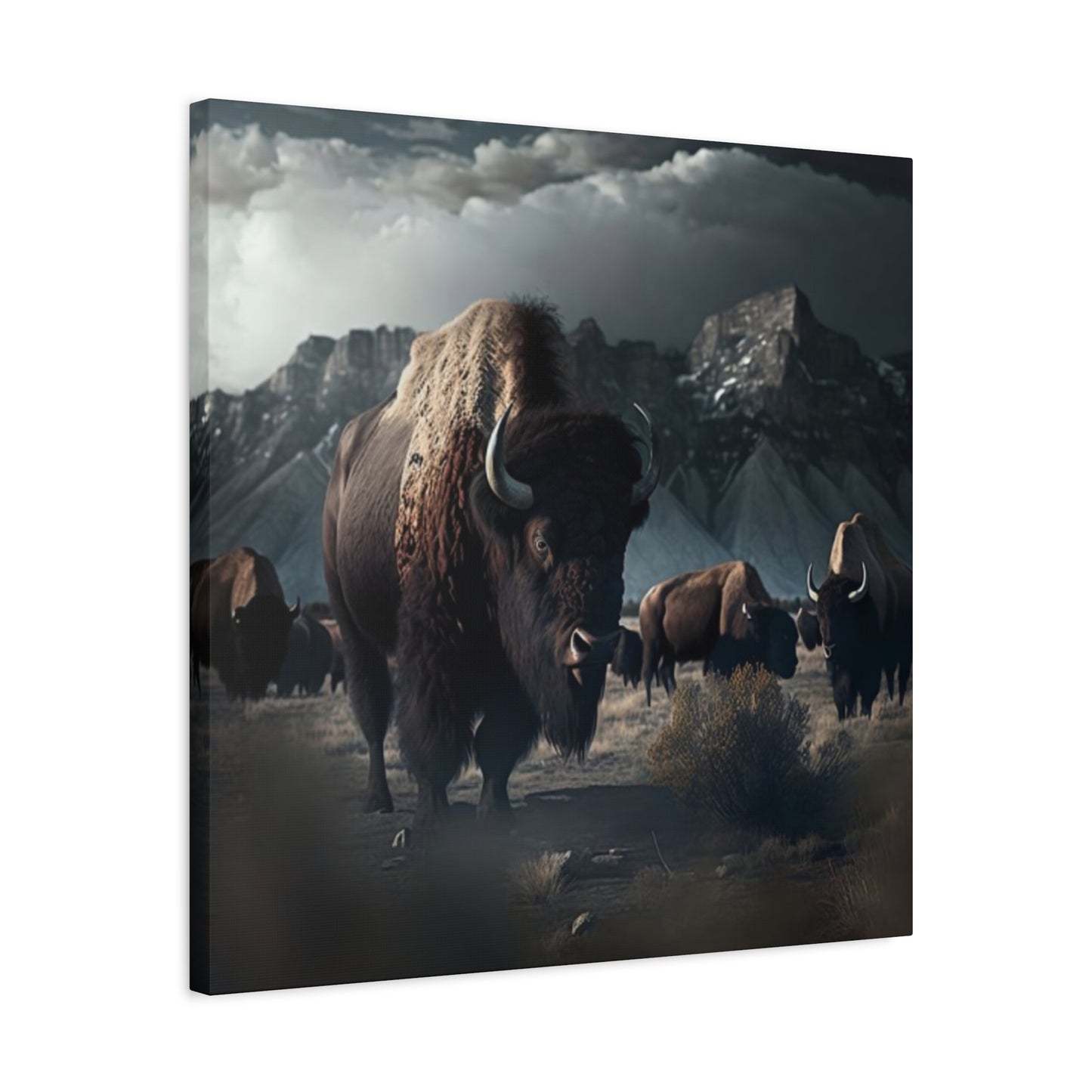
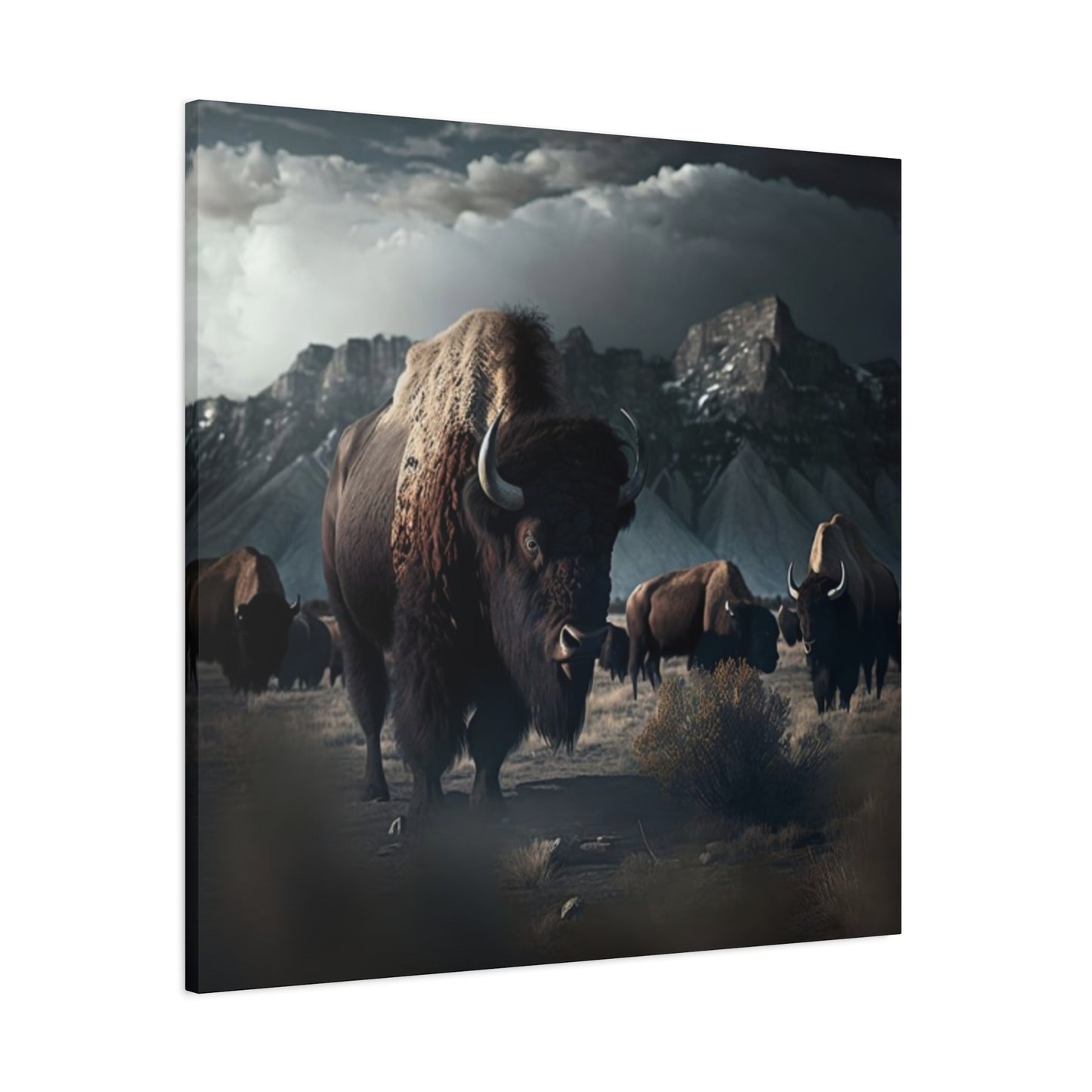
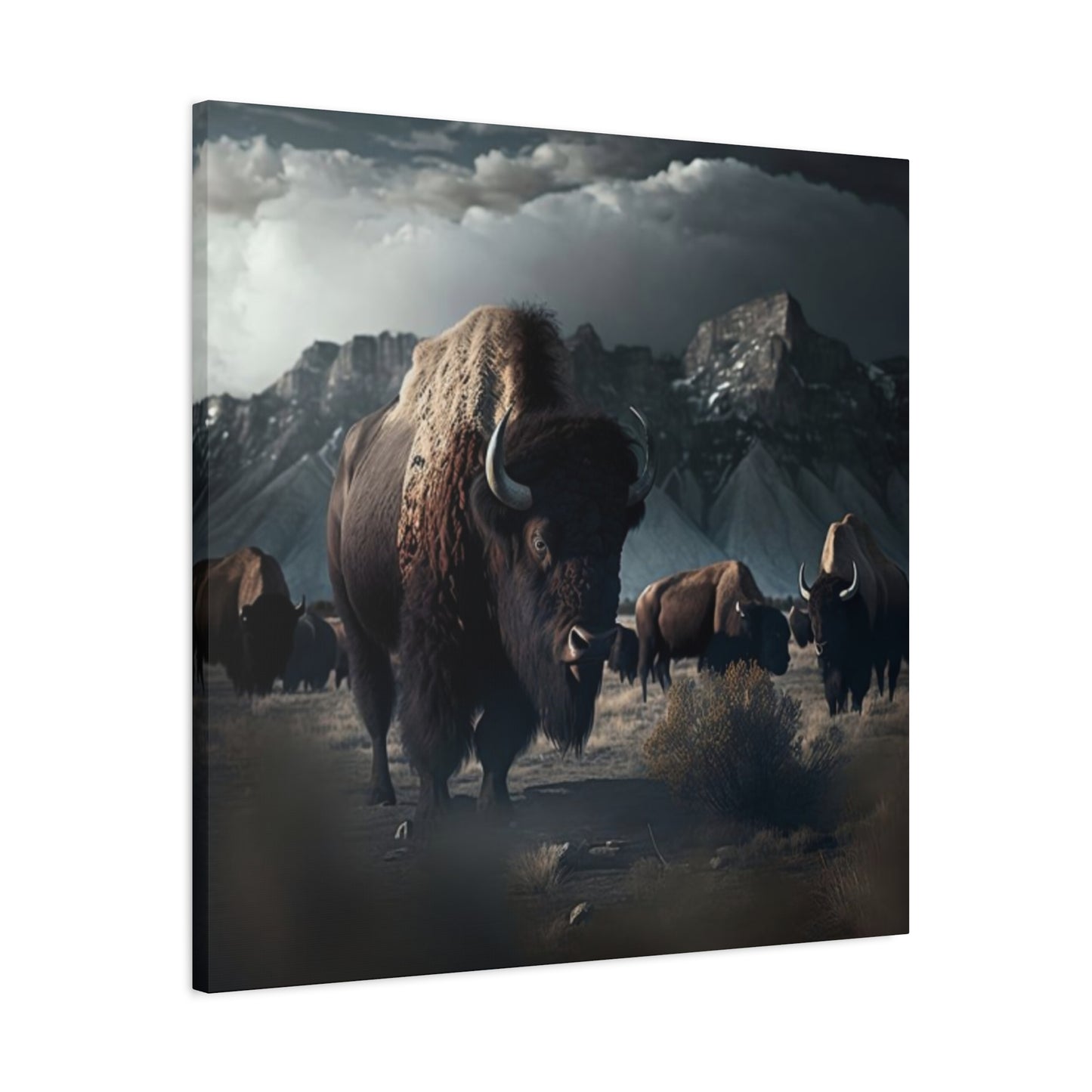
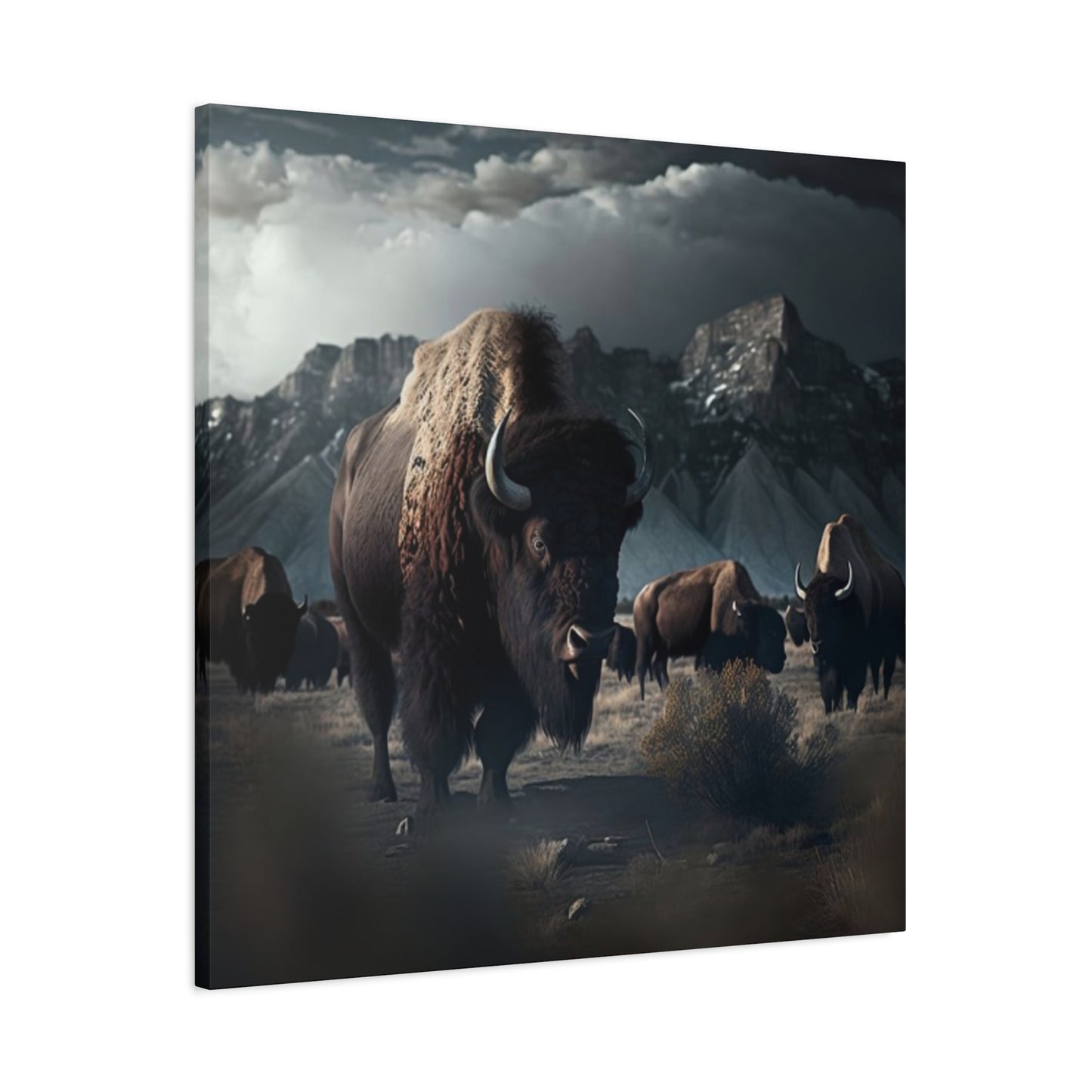
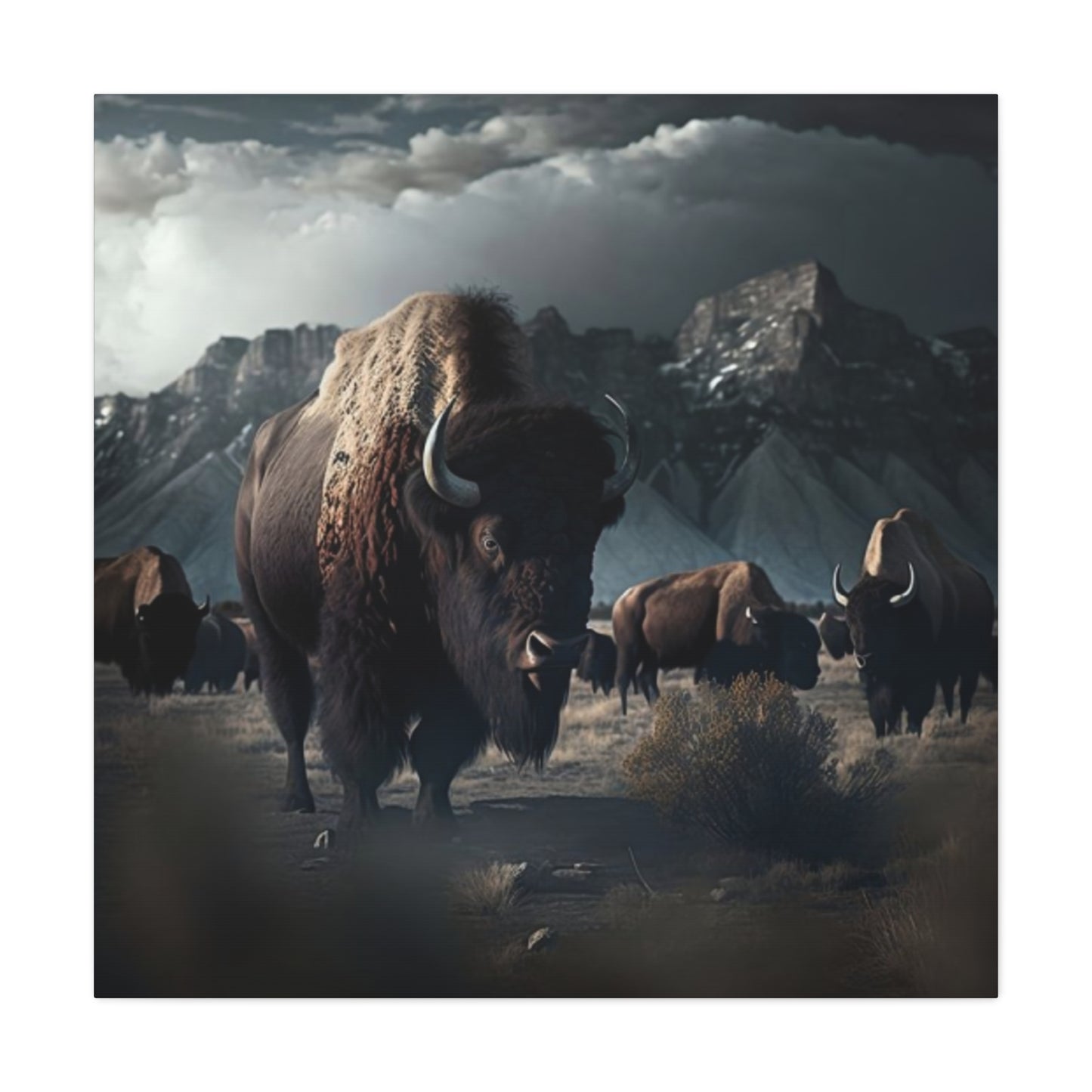
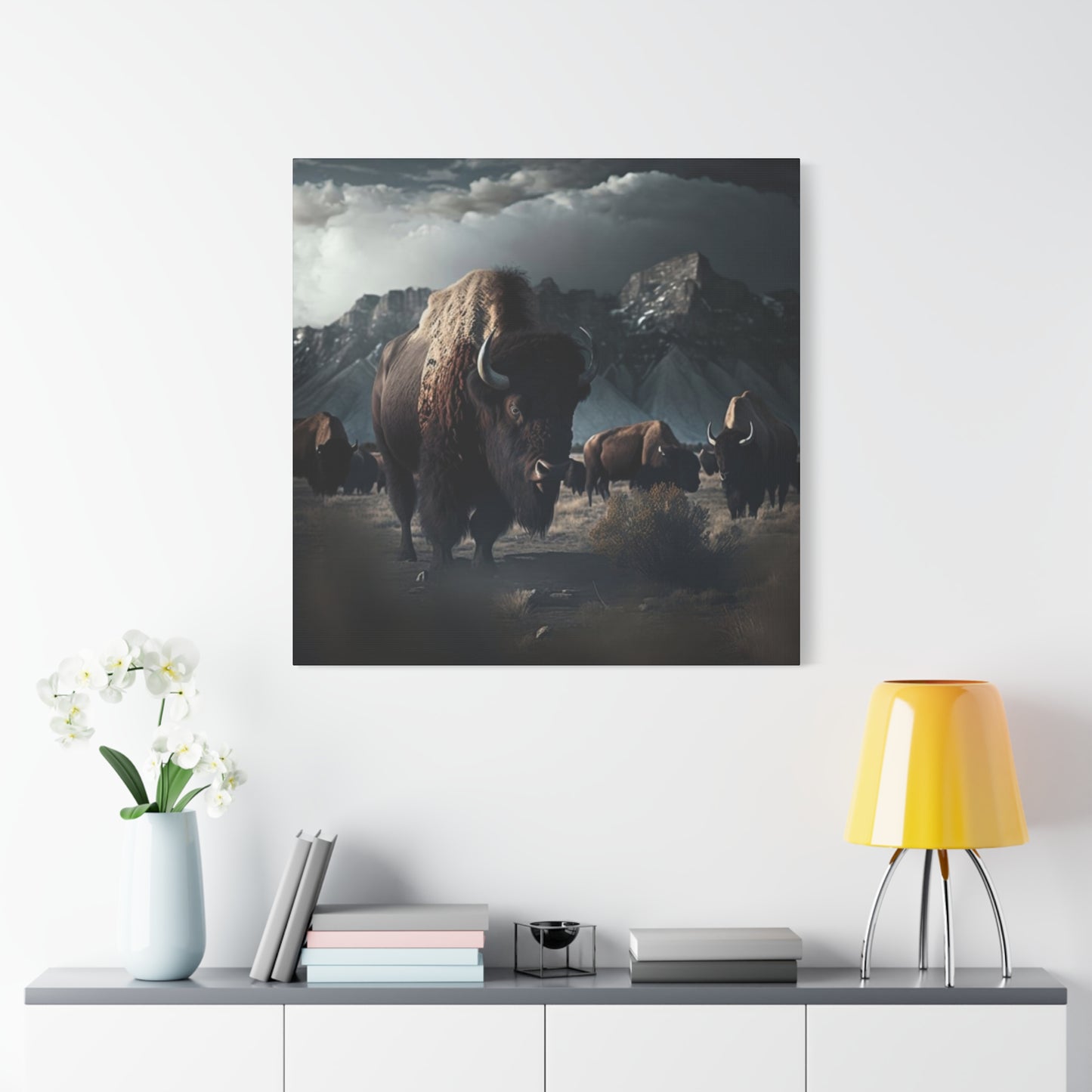
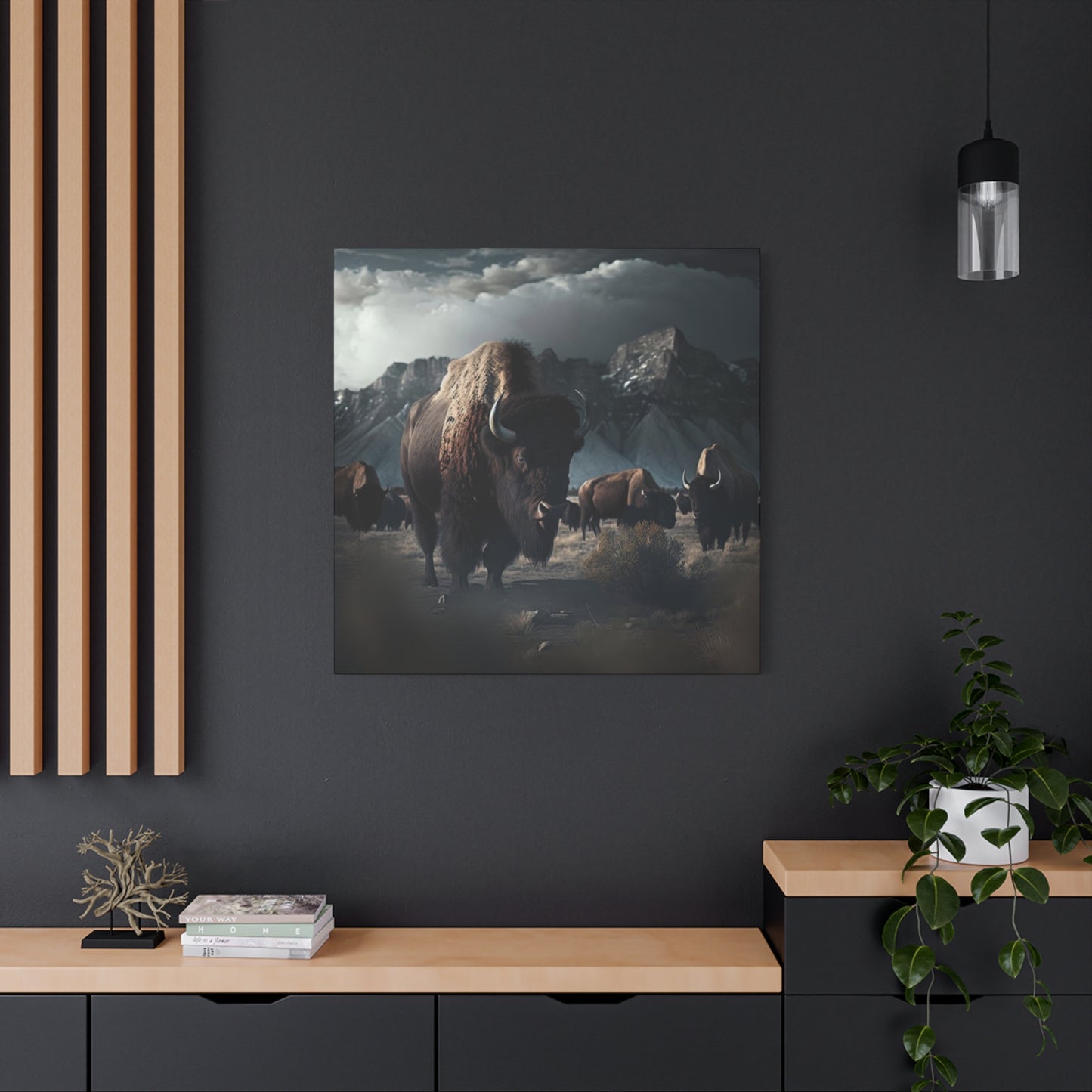
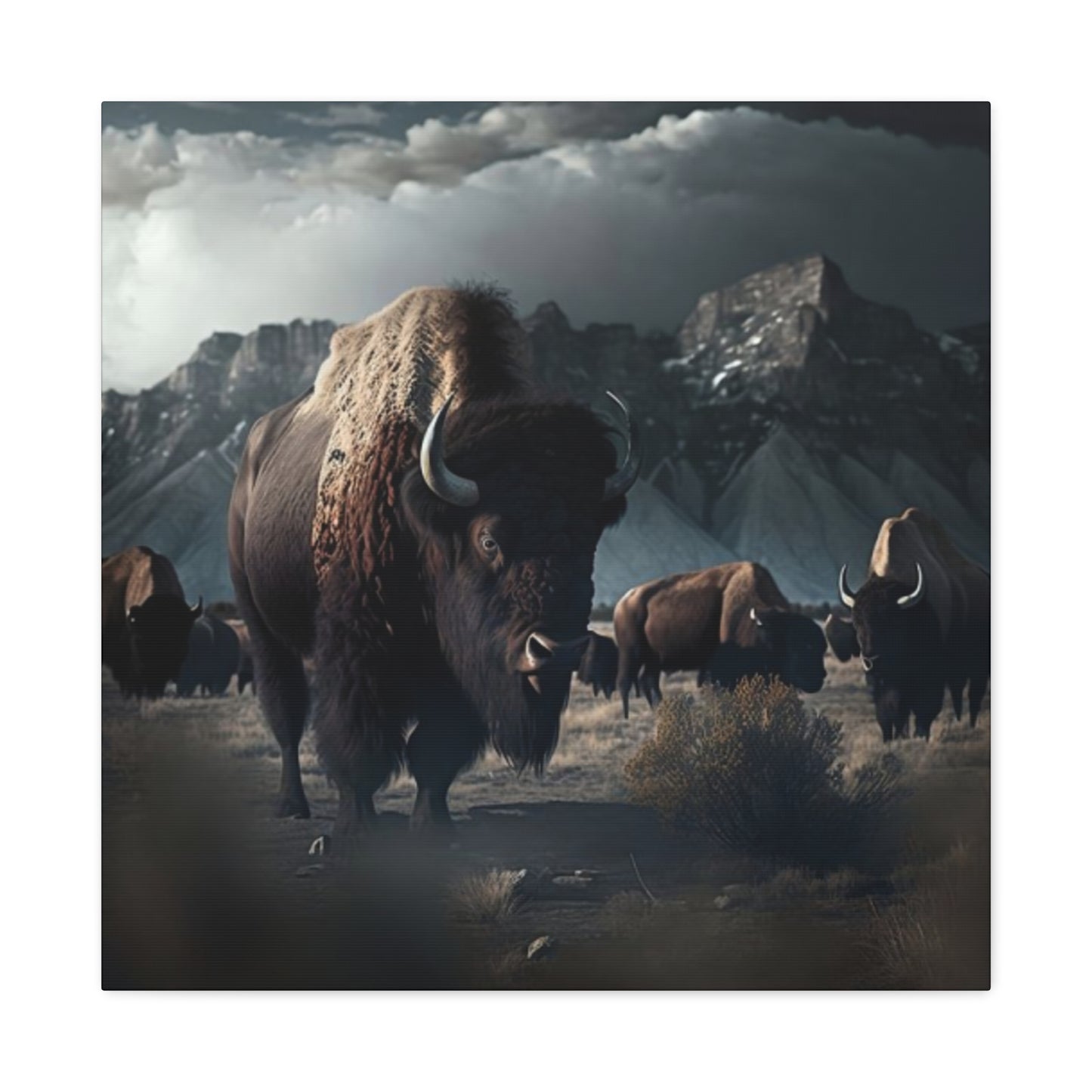
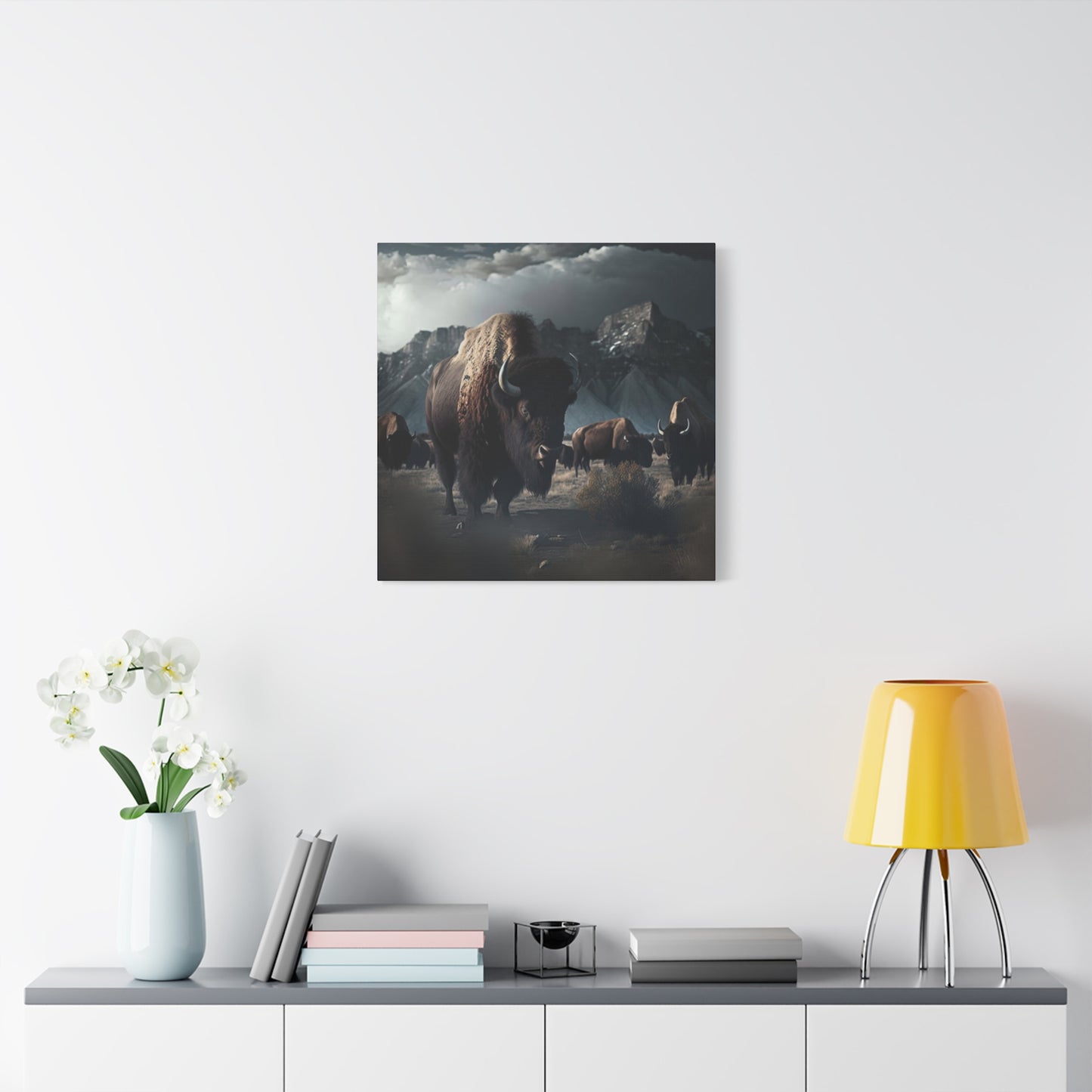
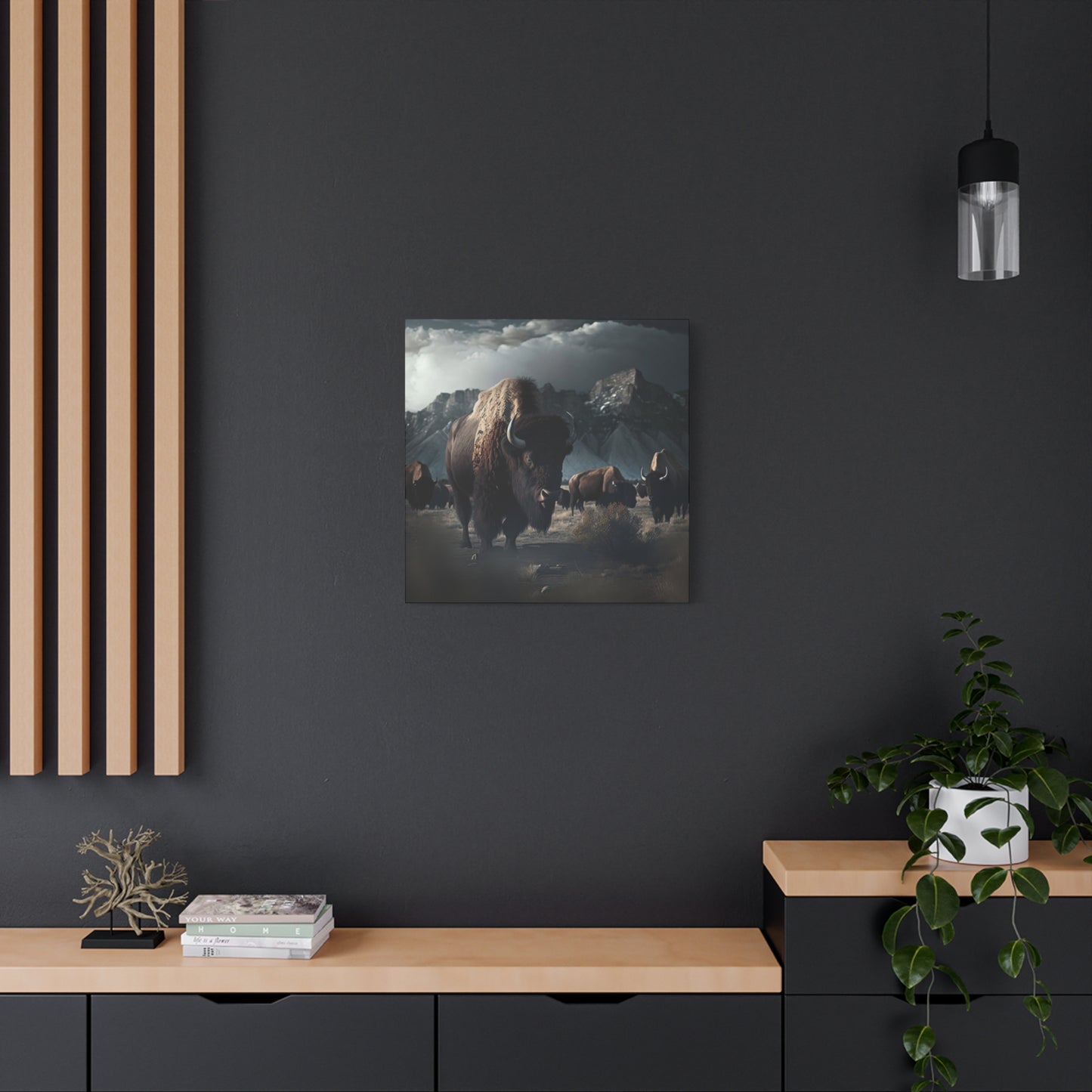
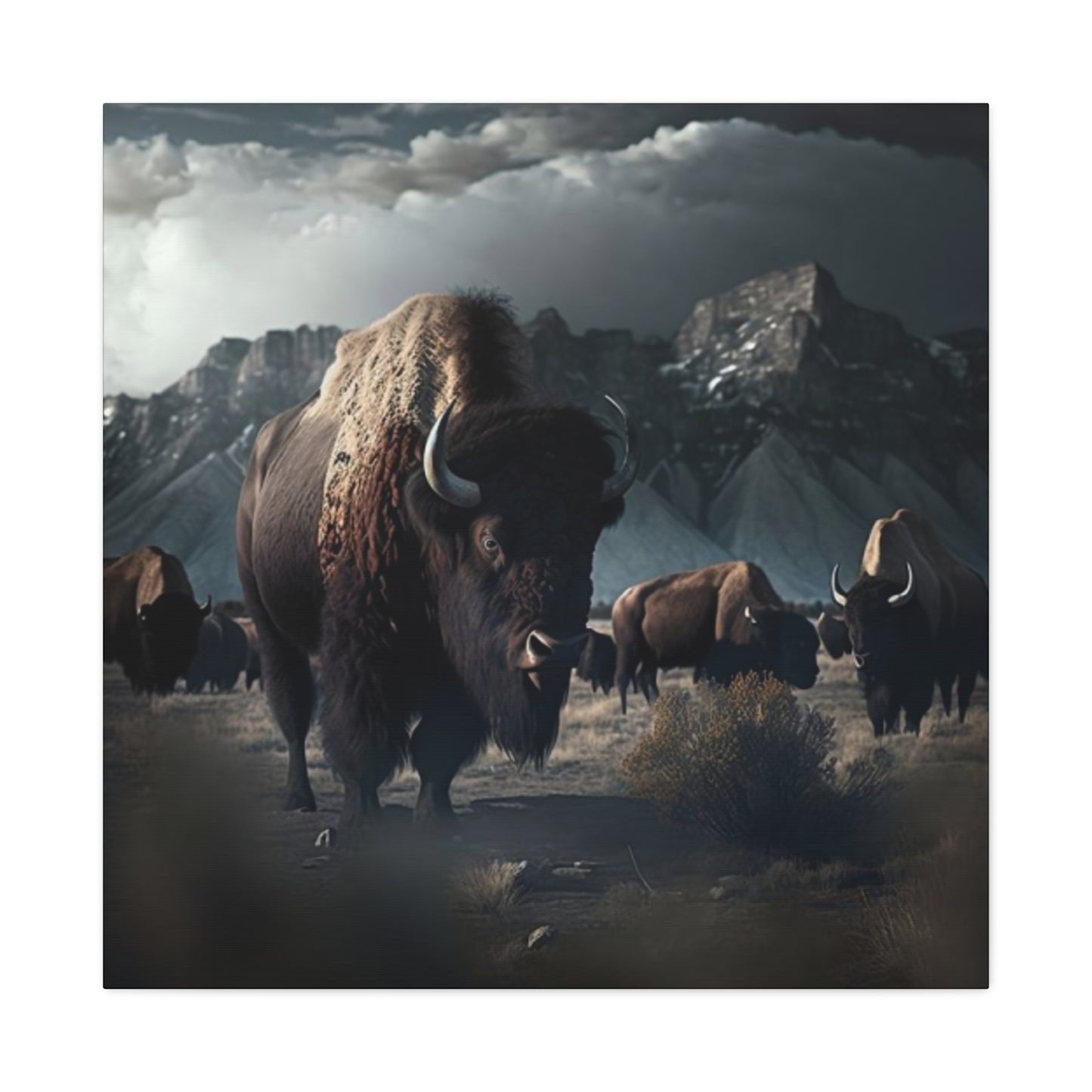
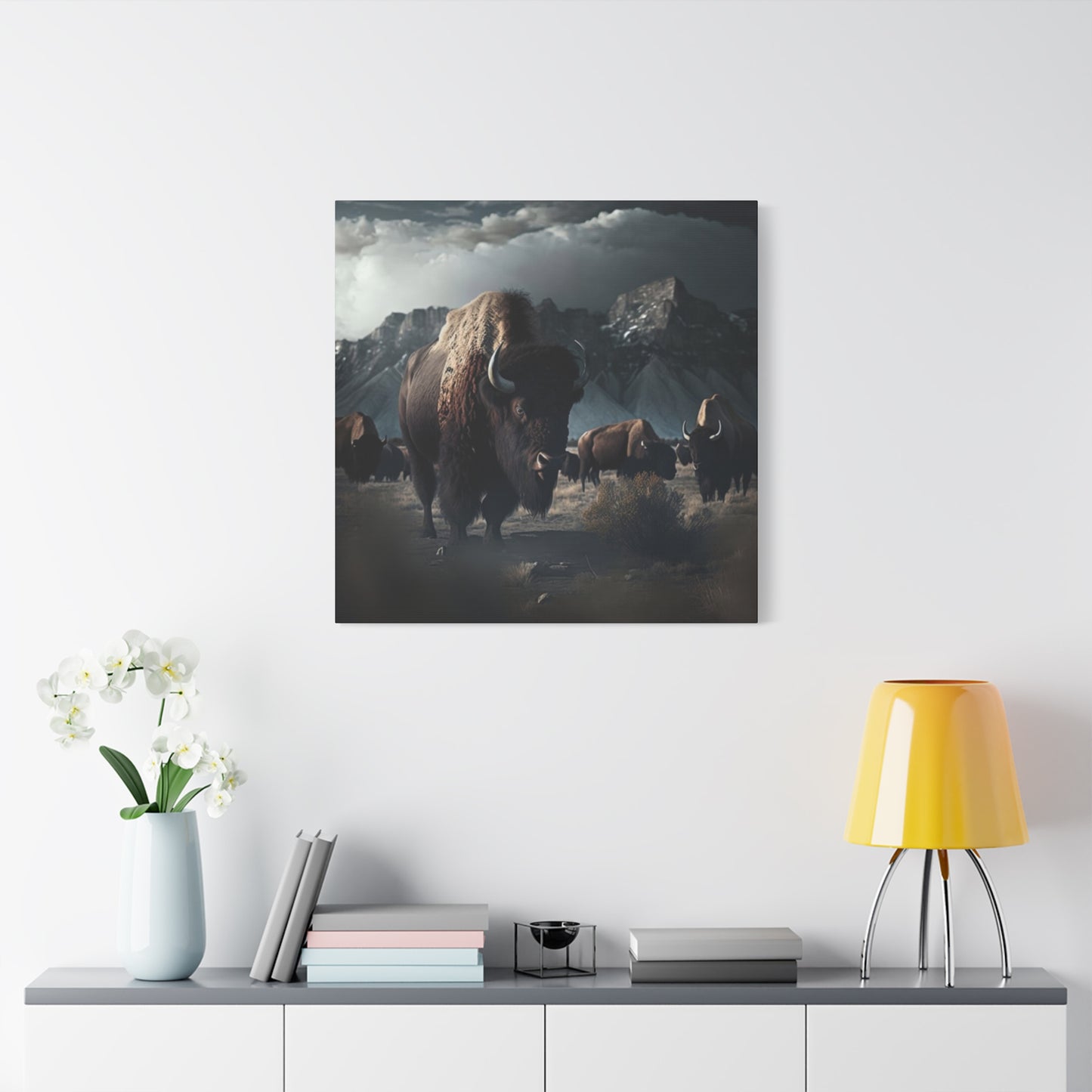
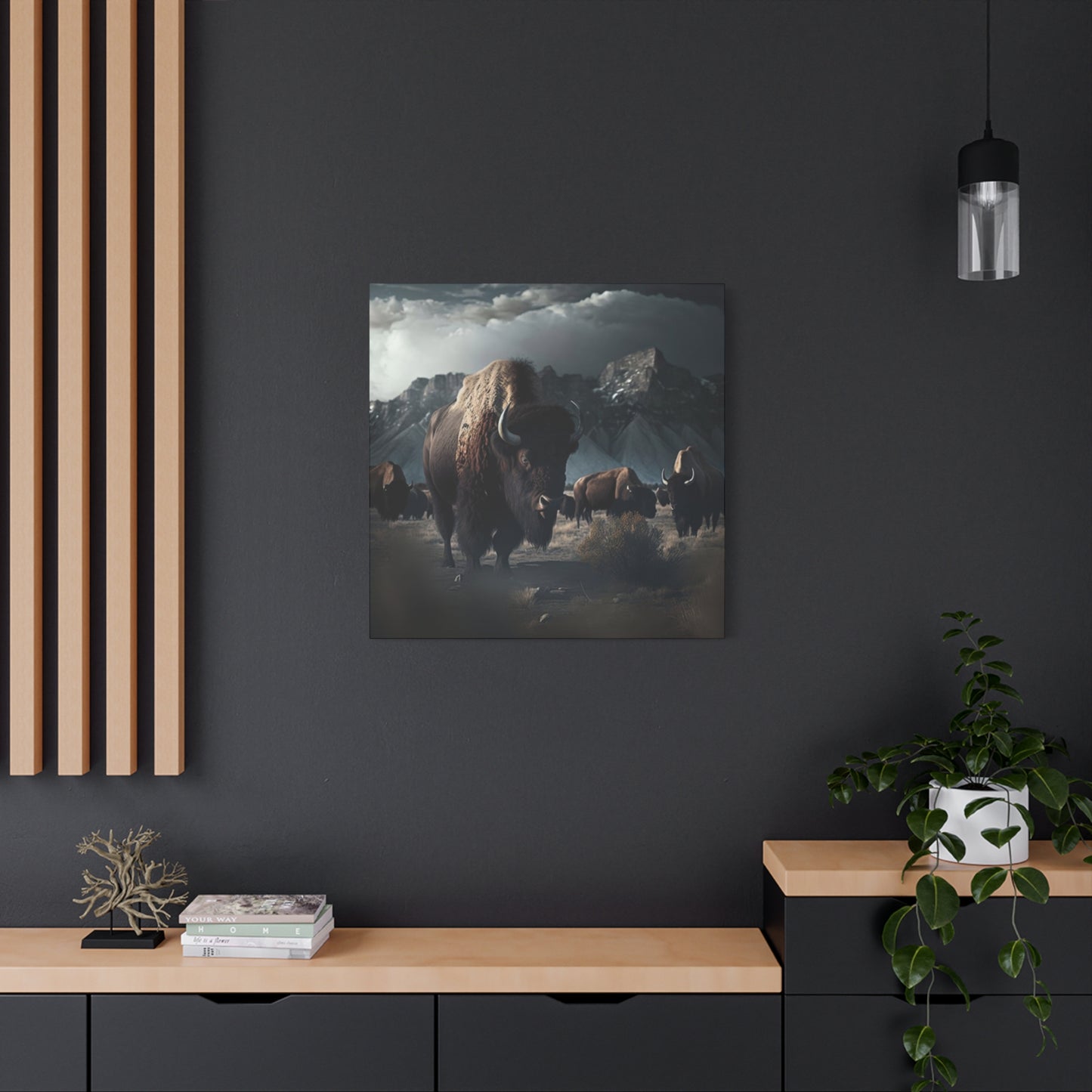
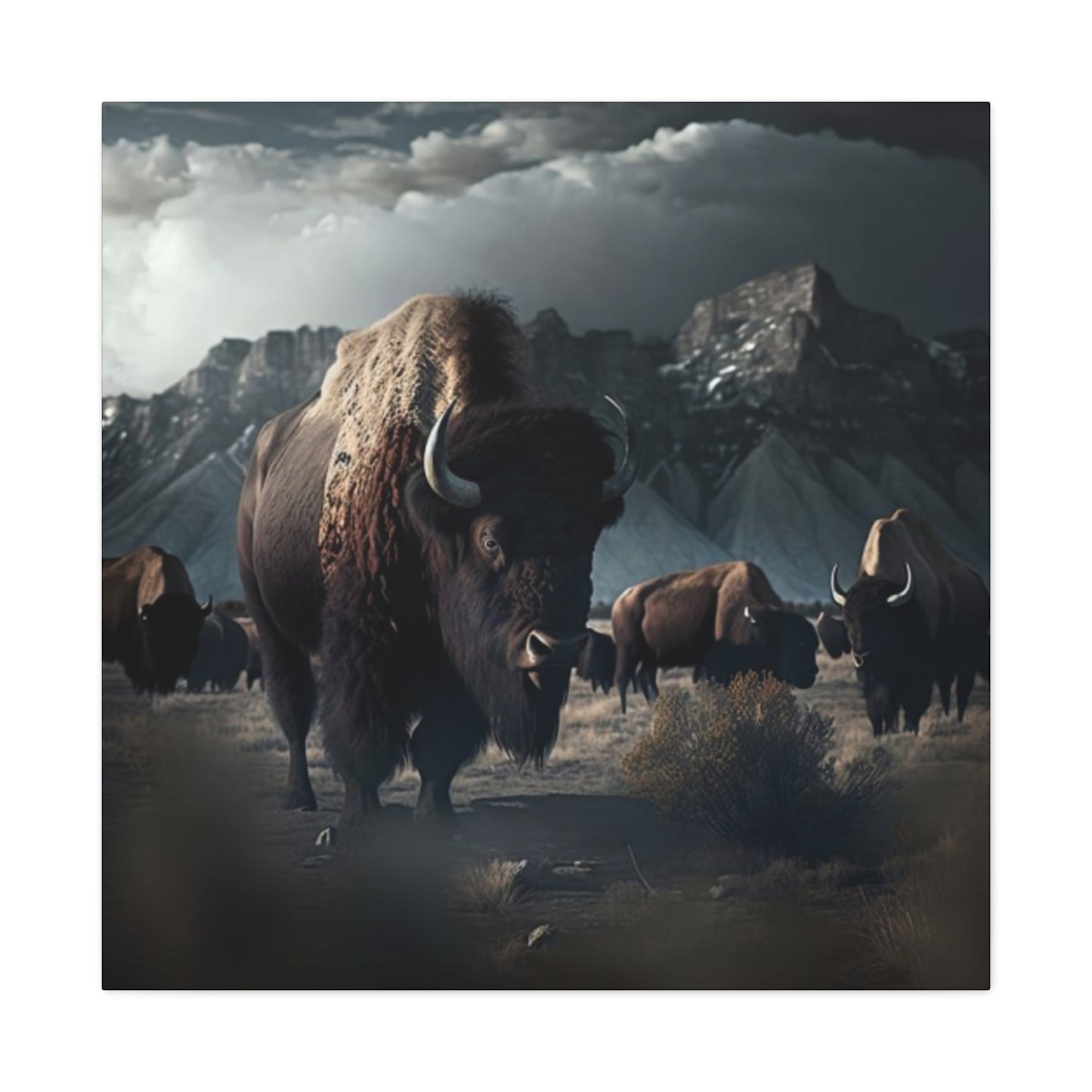
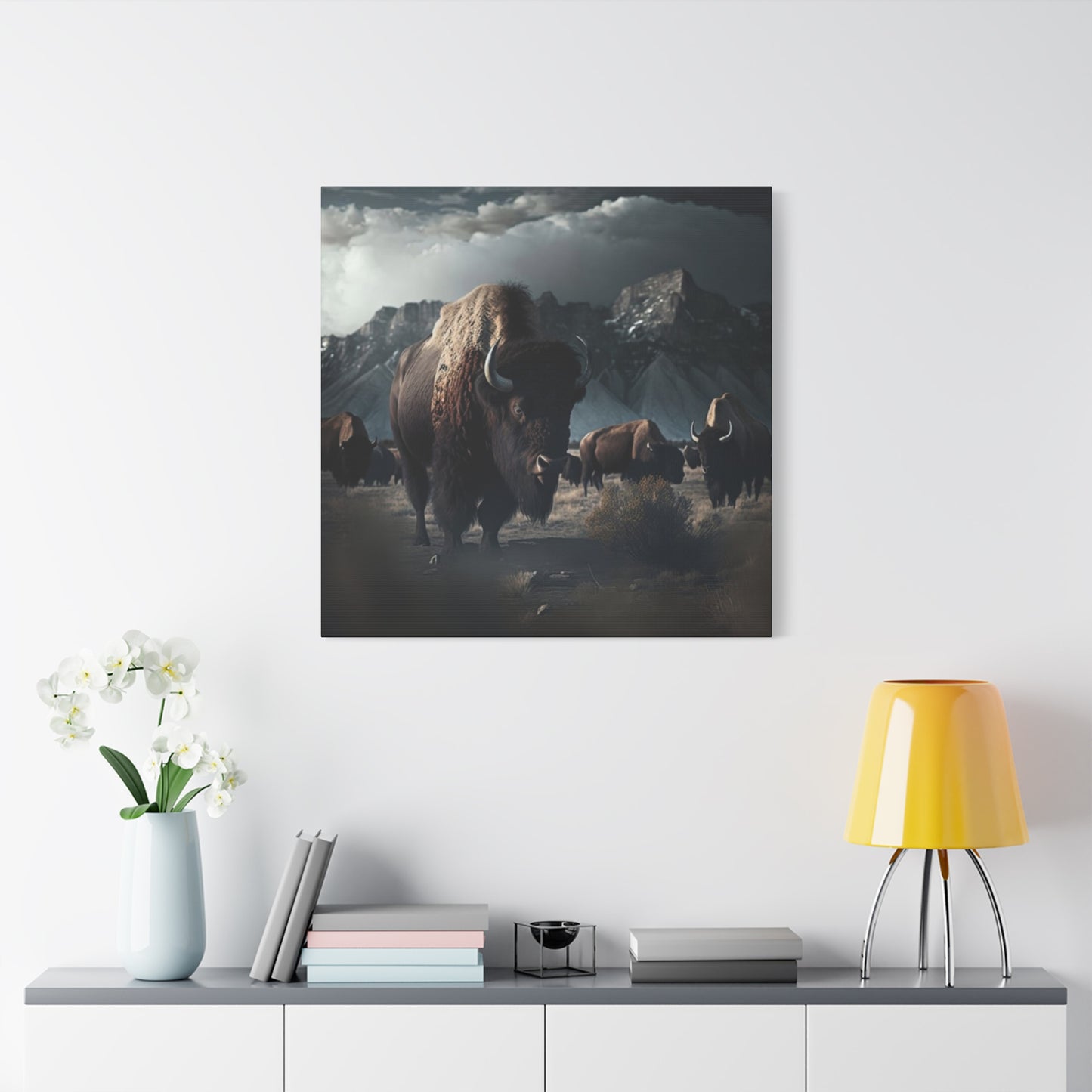
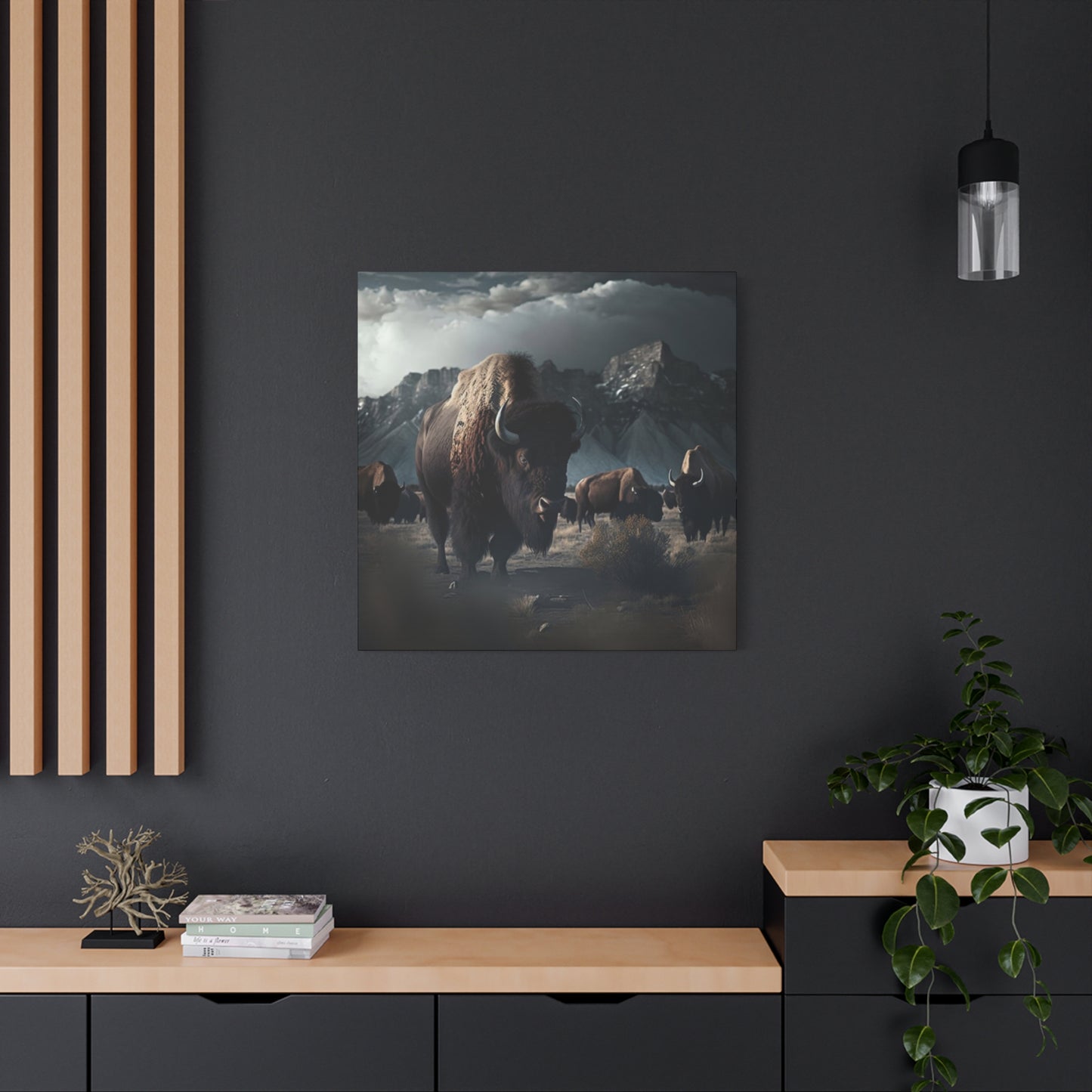
Mountain Bisons Wall Art & Canvas Prints
Mountain Bisons Wall Art & Canvas Prints
Couldn't load pickup availability
The Majestic Beauty of Mountain Bisons Wall Art: A Comprehensive Journey Through Nature-Inspired Interior Design
The allure of wildlife imagery has captivated homeowners, interior designers, and art enthusiasts for generations, with mountain bisons wall art emerging as one of the most powerful and evocative choices for transforming living spaces. These magnificent creatures, symbols of strength, resilience, and untamed wilderness, bring an unparalleled sense of grandeur and natural beauty to any room they grace. When you incorporate mountain bisons wall art into your home or office, you're not merely hanging a decorative piece; you're inviting the raw power of nature, the serenity of mountain landscapes, and the profound connection to North American heritage directly into your daily environment.
The representation of bison in artistic form transcends simple decoration, offering viewers a window into the vast, untamed territories where these noble animals roam freely. The mountain bison, specifically, represents a subspecies adapted to rugged terrain, embodying qualities of endurance and adaptability that resonate deeply with individuals seeking meaningful artistic expressions. Through carefully crafted imagery, whether photographic, painted, or digitally rendered, mountain bisons wall art captures moments of raw authenticity—a solitary bull standing against a snowstorm, herds traversing alpine meadows, or the intimate interaction between mother and calf against dramatic mountain backdrops.
Contemporary interior design increasingly emphasizes the importance of establishing connections with the natural world, particularly as urbanization distances modern society from wilderness experiences. Mountain bisons wall art serves this purpose exceptionally well, functioning as a bridge between indoor comfort and outdoor majesty. The psychological impact of viewing such imagery extends beyond aesthetic appreciation; studies in environmental psychology have demonstrated that nature-themed artwork can reduce stress levels, improve mood, and enhance overall well-being. When you select mountain bisons wall art for your space, you're making a conscious decision to surround yourself with representations of natural power and tranquility.
The Symbolic Significance and Cultural Resonance of Bison Imagery in Modern Interior Spaces
Throughout North American history, bison have held profound significance for indigenous peoples, representing sustenance, spirituality, and survival. This cultural weight adds layers of meaning to mountain bisons wall art that extend far beyond visual appeal. When displayed in contemporary settings, these images serve as reminders of conservation successes, ecological balance, and the importance of preserving wild spaces. The bison's near-extinction in the late 19th century, followed by remarkable recovery efforts, makes them powerful symbols of resilience and hope—qualities that many homeowners wish to embody in their personal spaces.
The spiritual connection that many cultures maintain with bison translates beautifully into artistic representation. Native American traditions view the bison as a sacred animal, representing abundance, gratitude, and the interconnectedness of all living things. When you incorporate mountain bisons wall art into your home, you're tapping into this rich symbolic tradition, creating a space that honors both natural beauty and cultural heritage. The presence of bison imagery can serve as a daily reminder of strength during challenging times, resilience in the face of adversity, and the importance of maintaining balance in life.
From a design perspective, mountain bisons wall art offers remarkable versatility in symbolic interpretation. For some viewers, a solitary bison against a mountain backdrop represents independence and self-reliance. For others, images of herds moving together symbolize community, family bonds, and collective strength. The seasonal variations captured in different pieces—bison in winter snowscapes, spring meadows, summer grasslands, or autumn landscapes—allow homeowners to select imagery that resonates with their personal connection to nature's cycles and rhythms.
The masculine energy traditionally associated with bison imagery has evolved to encompass broader interpretations that appeal to diverse audiences. While the raw power and formidable presence of bull bison naturally attract those drawn to bold, assertive design elements, the nurturing aspects depicted in mother-calf imagery and the serene beauty of bison in peaceful grazing scenes offer softer, more contemplative options. This range ensures that mountain bisons wall art can complement various design intentions, from creating powerful statement pieces in executive offices to establishing calming focal points in meditation rooms or bedrooms.
Exploring the Diverse Artistic Styles Available in Mountain Bisons Wall Art Collections
The artistic representation of mountain bisons spans an impressive spectrum of styles, techniques, and mediums, ensuring that every aesthetic preference can find satisfying expression. Photographic mountain bisons wall art stands as perhaps the most popular category, offering breathtaking realism that captures the intricate details of these magnificent animals—the texture of their coarse fur, the intensity of their eyes, the power evident in their muscular build. Professional wildlife photographers spend countless hours in remote mountain regions, enduring harsh conditions to capture those perfect moments when lighting, composition, and subject align to create truly extraordinary images.
Wildlife photography specializing in bison has evolved significantly with technological advancements in camera equipment and printing methods. High-resolution digital cameras now capture details imperceptible to the naked eye, while large-format printing capabilities allow these images to be reproduced at impressive scales without loss of clarity or impact. When selecting photographic mountain bisons wall art, viewers can choose from dramatic black-and-white compositions that emphasize form, texture, and contrast, or vibrant color photographs that showcase the rich browns of bison coats against varied landscape palettes—the whites and blues of snowy mountain ranges, the golden yellows of autumn grasses, or the verdant greens of summer alpine meadows.
Painted mountain bisons wall art offers an entirely different aesthetic experience, with artists interpreting these subjects through various stylistic lenses. Realistic oil paintings capture the essence of bison with careful attention to anatomical accuracy and environmental context, often incorporating dramatic lighting effects that heighten emotional impact. These pieces frequently feature meticulous brushwork that renders individual hairs, weathered facial features, and the play of light across massive shoulders and haunches. The permanence and traditional prestige associated with oil painting makes these works particularly suitable for formal spaces, libraries, or offices where classical elegance is desired.
Contemporary interpretations of mountain bisons wall art embrace more abstract and expressive approaches, allowing artists to emphasize emotional resonance over literal representation. Watercolor renderings might suggest the flowing movement of herds through loose, fluid brushstrokes and soft color transitions. Acrylic paintings often feature bold color choices and dynamic compositions that convey the energy and vitality of these animals through non-naturalistic palettes—perhaps rendering a bison in unexpected hues that highlight its spiritual significance rather than physical appearance. Mixed-media approaches combine various materials and techniques, potentially incorporating collage elements, textural additions, or even incorporating natural materials like bark, grasses, or stone dust to create richly layered works that engage multiple senses.
Digital art and graphic design have opened new frontiers in mountain bisons wall art creation. Vector illustrations present bison through clean lines and geometric simplification, appealing to modern minimalist sensibilities while maintaining recognizable form. These works often feature bold, limited color palettes and sophisticated composition that feels fresh and contemporary. Digital painting techniques allow artists to combine photographic reference with painterly manipulation, creating hybrid works that blend realism with artistic interpretation. The flexibility of digital mediums enables easy customization of colors, sizes, and compositional elements to suit specific design requirements.
Sculptural relief artwork represents a three-dimensional approach to mountain bisons wall art that creates dramatic visual interest through depth and shadow play. These pieces, crafted from materials ranging from carved wood to molded metal or sculpted resin, project from the wall surface to create dynamic interaction with ambient lighting throughout the day. As natural light shifts, the appearance of relief sculptures changes, revealing different aspects of form and detail. Bronze or copper relief pieces develop rich patinas over time, adding an evolving quality to the artwork that many collectors particularly appreciate.
Strategic Placement Considerations for Maximizing the Impact of Mountain Bisons Wall Art
The effectiveness of mountain bisons wall art depends significantly on thoughtful placement decisions that consider room function, viewing angles, lighting conditions, and surrounding design elements. In residential settings, living rooms frequently serve as ideal locations for substantial bison pieces, particularly above seating areas or fireplaces where they can serve as commanding focal points. The scale of bison as subjects naturally lends itself to larger format presentations, and living rooms typically offer the wall space necessary to accommodate impressive sizing that allows viewers to fully appreciate the majesty of these animals.
When positioning mountain bisons wall art in living spaces, consider the sightlines from various seating positions to ensure the artwork remains visible and engaging from multiple perspectives. A large horizontal canvas depicting a mountain bison herd works exceptionally well above a sofa, creating a balanced composition that complements the furniture's proportions. Alternatively, a vertical format showing a single bison in profile might better suit narrower wall spaces beside windows or between architectural features. The goal is achieving visual harmony between the artwork and its surroundings while ensuring the piece receives adequate attention as a significant design element.
Dining rooms present unique opportunities for mountain bisons wall art, particularly when hosting gatherings where conversation flows around shared meals. A dramatic bison image can serve as a conversation starter, inviting guests to discuss wildlife conservation, outdoor experiences, or the artistic merits of the piece itself. The formality or casualness of the bison imagery should align with the dining space's character—a refined charcoal drawing might suit an elegant formal dining room, while a bold, colorful contemporary interpretation could energize a casual eat-in kitchen space.
Home offices and studies benefit tremendously from mountain bisons wall art, as the symbolic associations with strength, determination, and endurance can inspire productivity and resilience during challenging work tasks. Positioning a powerful bison image within your line of sight while seated at a desk creates a constant visual reminder of these qualities. However, placement directly behind a computer monitor should be approached carefully to avoid creating visual competition that diverts attention from work screens. Consider instead positioning artwork on adjacent walls where it remains visible during brief breaks but doesn't interfere with focused screen work.
Bedroom placement of mountain bisons wall art requires careful consideration of the emotional atmosphere you wish to cultivate. While bison imagery certainly can work beautifully in sleeping spaces, the specific selection matters significantly. Peaceful scenes of bison grazing in serene mountain meadows promote calm and relaxation conducive to restful sleep. Conversely, dramatic action shots or intense close-ups of bull bison might generate energy levels better suited to workout spaces or areas where stimulation rather than relaxation is desired. Above-bed placement remains a classic choice, though ensuring proper anchoring and safety is paramount for heavier pieces.
Commercial spaces including restaurants, hotels, lodges, and professional offices increasingly incorporate mountain bisons wall art to establish distinctive atmospheric qualities. Western-themed restaurants and steakhouses naturally gravitate toward bison imagery as an authentic connection to their culinary focus and regional character. Mountain resorts and lodges use bison artwork to reinforce their wilderness settings and outdoor recreation themes. Corporate offices, particularly those associated with outdoor industries, conservation organizations, or companies emphasizing strength and reliability in their branding, find bison imagery effectively communicates desired values to clients and employees.
Lighting considerations prove crucial for maximizing the visual impact of mountain bisons wall art. Natural light can beautifully illuminate artwork during daytime hours, but direct sunlight should be avoided to prevent fading and degradation, particularly with photographic prints and paintings. UV-protective glazing provides essential protection for valuable pieces displayed in bright rooms. Artificial lighting should be carefully planned to enhance rather than compete with the artwork. Picture lights mounted directly above frames provide focused illumination that highlights details and creates a gallery-like presentation. Alternatively, track lighting or adjustable spotlights offer flexibility to direct light precisely where desired while minimizing glare on glazed surfaces.
Material Selections and Printing Substrates for Mountain Bisons Wall Art Reproductions
The substrate or material upon which mountain bisons wall art is printed or created dramatically influences its visual characteristics, durability, and suitability for different environments. Canvas remains among the most popular choices for reproducing bison imagery, offering a traditional painterly aesthetic that feels substantial and museum-worthy. High-quality canvas prints feature tightly woven fabric that accepts ink beautifully, producing rich colors with subtle texture that adds depth to the image. Gallery-wrapped canvases, stretched around wooden frames with the image extending around the edges, eliminate the need for additional framing and create a contemporary, finished appearance suitable for immediate hanging.
The weight and weave pattern of canvas significantly impact the final appearance of mountain bisons wall art. Heavier canvas weights (measured in ounces per square yard) provide greater durability and a more substantial feel, though they may show less fine detail due to more pronounced texture. Lighter canvases accept ink more smoothly, potentially offering better reproduction of subtle details in photographic images, but may be more susceptible to sagging over time if not properly stretched. Matte canvas finishes reduce glare and reflections, making them ideal for spaces with significant ambient light, while semi-gloss or satin finishes enhance color vibrancy and contrast, particularly effective for dramatic bison portraits.
Metal prints represent an increasingly popular contemporary option for mountain bisons wall art, offering stunning visual impact through their unique production process. High-definition images are infused directly into specially coated aluminum sheets through a dye-sublimation process that creates extraordinary depth, luminosity, and color vibrancy. The smooth, reflective surface of metal prints makes colors appear to glow from within, particularly effective for bison photography featuring dramatic skies, snow-covered mountains, or golden-hour lighting. Metal prints resist fading, moisture, and physical damage far better than paper-based alternatives, making them excellent choices for humid environments like bathrooms or for outdoor covered spaces.
The frameless, modern appearance of metal mountain bisons wall art suits contemporary and industrial interior styles particularly well. The thin profile and clean edges create a floating effect when mounted with standoff hardware that spaces the piece slightly away from the wall. Brushed metal finishes create softer, more subtle presentations, while glossy finishes maximize vibrancy and depth. Some artists and producers intentionally leave portions of the metal unprinted, allowing the raw silver aluminum to become part of the composition—particularly striking when used to represent snow, sky, or to create graphic silhouettes of bison forms.
Acrylic prints offer another compelling substrate for mountain bisons wall art, featuring images printed on photographic paper or directly onto acrylic, then mounted behind clear acrylic sheets. This creates incredible depth and a glass-like finish that intensifies colors and creates a sophisticated, gallery-quality presentation. The three-dimensional quality of acrylic-mounted images makes them appear to float within the material itself, particularly when viewed from angles. Acrylic naturally resists yellowing and provides UV protection to the underlying image, ensuring longevity. The weight and fragility of acrylic require secure mounting hardware and careful handling during installation.
Wood panels and planks provide rustic, organic substrates perfectly aligned with the natural themes of mountain bisons wall art. Images can be printed directly onto prepared wood surfaces, allowing the grain and texture of the wood to show through and become part of the artistic effect. This creates uniquely rustic presentations where the natural material complements the wilderness subject matter. Wood printing works exceptionally well for cabins, lodges, or homes emphasizing natural materials and organic design elements. The variation inherent in natural wood means each piece possesses unique character, with grain patterns interacting differently with the printed image.
Paper-based prints remain relevant for mountain bisons wall art, particularly when traditional framing and matting are desired. Museum-quality fine art papers offer archival properties that resist fading and degradation when properly displayed and protected. Various paper surfaces create different effects—matte papers produce subtle, sophisticated presentations with minimal glare, while glossy papers maximize color saturation and contrast. Textured fine art papers, including those mimicking watercolor paper or canvas, add tactile interest and artistic character to prints. When selecting paper prints, archival quality becomes paramount for ensuring longevity; acid-free papers with appropriate archival inks maintain appearance for decades when protected from direct light and humidity.
Framing choices significantly influence how mountain bisons wall art integrates with surrounding decor. Substantial wooden frames in dark stains or natural wood finishes complement the rustic, natural themes associated with bison imagery. Distressed or reclaimed wood frames enhance rustic appeal while adding character and visual interest. Sleek metal frames in black, silver, or bronze suit contemporary interpretations and modern spaces. Wide mats in neutral tones provide breathing room around the image, drawing focus inward while protecting the print from direct contact with glazing. Conservation-quality matting and UV-protective glass or acrylic glazing provide essential protection for valuable pieces.
Size Considerations and Scale Relationships in Mountain Bisons Wall Art Display
Selecting appropriate dimensions for mountain bisons wall art requires careful assessment of both the available wall space and the desired visual impact. The inherently imposing nature of bison as subjects often benefits from generous sizing that allows viewers to appreciate details and feel the commanding presence these animals naturally project. However, proper scale relationships with surrounding furniture and architectural elements remain essential for achieving balanced, harmonious compositions rather than overwhelming or underwhelming presentations.
For spaces above standard sofas, which typically measure between 72 and 96 inches in width, mountain bisons wall art should generally span approximately two-thirds to three-quarters of the furniture width to create pleasing proportions. This translates to artwork roughly 48 to 72 inches wide for most living room applications. Horizontal orientations typically work best in these locations, complementing the sofa's horizontal line while providing generous space for landscape-format bison imagery that includes environmental context. Single statement pieces at this scale create bold focal points, while triptych presentations (three related panels displayed together) can span even wider expanses while maintaining visual cohesion.
Smaller wall segments, such as spaces between windows, beside doorways, or in narrow hallways, accommodate more modest dimensions while still delivering significant impact through carefully selected mountain bisons wall art. Vertical orientations often suit these locations, with portrait-format bison images creating visual interest in constrained widths. A dramatic close-up portrait of a bison's face works exceptionally well in vertical formats, allowing the image height to create presence despite limited width. Dimensions ranging from 16x24 inches to 24x36 inches fit comfortably in these more intimate spaces without appearing crowded or overwhelming.
Large-scale mountain bisons wall art makes extraordinary statements in spaces with generous wall expanses, such as great rooms with vaulted ceilings, commercial lobbies, or open-concept living areas. Pieces measuring 60 inches or larger in width or height create museum-quality presentations that transform entire rooms. At these impressive sizes, image quality becomes paramount; high-resolution source materials ensure that details remain crisp and engaging even when viewed up close. Large-format mountain bisons wall art works particularly effectively when depicting scenes with expansive landscapes, herds, or dramatic environmental contexts that benefit from grand scale presentation.
Gallery wall arrangements offer creative alternatives to single large pieces, allowing multiple smaller mountain bisons wall art selections to create collective impact. Thoughtful curation of images with complementary subjects, color palettes, or themes creates cohesive visual narratives. A gallery wall might feature various perspectives on a single subject—close-up details, mid-range portraits, and landscape contexts of mountain bison—arranged in a balanced grid or organic cluster. Maintaining consistent framing styles and mat colors helps unify diverse images into a coordinated presentation. Spacing between pieces typically ranges from 2 to 6 inches, with tighter spacing creating more integrated groupings and wider spacing allowing each piece to maintain individual identity.
Corner placements and unusual architectural features present unique challenges and opportunities for mountain bisons wall art display. Corner gallery walls that wrap around two adjacent walls create immersive viewing experiences, surrounding viewers with bison imagery. Custom-sized pieces can be specifically commissioned to fit unusual dimensions like narrow vertical spaces beside staircases or angled walls following rooflines. Diptych or triptych arrangements around corners create visual flow that draws viewers through spaces while maintaining thematic continuity.
Ceiling height significantly influences appropriate sizing decisions for mountain bisons wall art. Standard 8-foot ceilings typically accommodate artwork no taller than about 36 to 48 inches when hung with appropriate spacing above furniture and below ceiling. Higher ceilings offer greater flexibility, allowing larger pieces without creating top-heavy appearances. As a general guideline, the center of artwork should hang approximately 57 to 60 inches from the floor, representing average human eye level. When hanging above furniture, maintaining 6 to 12 inches of space between the furniture top and artwork bottom prevents visual crowding while establishing clear relationships between elements.
Color Palette Coordination Between Mountain Bisons Wall Art and Existing Interior Design Schemes
Successfully incorporating mountain bisons wall art requires thoughtful consideration of how the piece's color palette interacts with existing room colors. Bison themselves feature predominantly brown tones ranging from deep chocolate through medium tans to lighter buff shades, with black accents in their legs, faces, and distinctive beard-like throat manes. These earthy, neutral tones provide inherent versatility that coordinates well with many design schemes, though the surrounding landscape elements in bison imagery introduce additional colors that require consideration.
Mountain landscapes accompanying bison subjects bring diverse color possibilities depending on seasonal and temporal contexts. Winter scenes feature whites, grays, and blues from snow and ice, punctuated by dark evergreen forests and the warm brown tones of bison contrasting dramatically against cold backgrounds. These cooler palettes complement gray, blue, and white interior schemes beautifully, creating harmonious relationships between artwork and surroundings. The warm-cool contrast between brown bison and cold backgrounds adds visual interest while maintaining overall cohesion. Such pieces work exceptionally well in rooms featuring silver, chrome, or brushed nickel fixtures, gray upholstery, and cool-toned stone or tile materials.
Spring and summer mountain bison imagery typically incorporates vibrant greens from grasses and foliage, possibly accented with colorful wildflowers in purples, yellows, or reds. Blue skies and occasionally dramatic clouds add vertical color elements. These warmer season palettes coordinate naturally with green, sage, olive, and earth-tone interior schemes. Rooms featuring natural wood furniture, stone elements, and organic textiles in greens, browns, and tans create seamless integration with such mountain bisons wall art. The nature-inspired color harmonies feel inherently balanced and peaceful, reinforcing connections with the natural world.
Autumn bison scenes offer perhaps the richest, warmest color palettes, with golden grasses, orange and red foliage, and intense lighting conditions that can cast warm glows across entire compositions. These pieces coordinate beautifully with warm interior palettes featuring rust, terracotta, gold, copper, and rich wood tones. Autumn-themed mountain bisons wall art creates particularly cozy, inviting atmospheres in spaces designed for relaxation and comfort. The warmth radiating from these pieces enhances feelings of comfort during colder months, making them popular choices for living rooms, dens, and bedrooms.
Black and white or monochromatic mountain bisons wall art offers maximum versatility for coordinating with diverse color schemes. By eliminating color variables, these pieces focus attention on form, texture, composition, and tonal relationships. Black and white bison photography or charcoal drawings coordinate effortlessly with virtually any color palette, serving as neutral elements that ground more colorful design choices. They work particularly well in contemporary, minimalist, or transitional spaces where color restraint creates sophisticated, timeless appeal. Monochromatic pieces also allow flexibility to change surrounding colors through seasons or design updates without requiring artwork replacement.
For interiors featuring bold, saturated colors in furnishings or painted walls, selecting mountain bisons wall art with complementary or analogous color relationships creates intentional, sophisticated coordination. A room featuring deep navy walls might be beautifully complemented by a bison piece with prominent blue-toned storm clouds or evening skies. Spaces with burgundy or deep red accents could incorporate bison imagery featuring sunset lighting or autumn foliage in related warm tones. Understanding basic color theory helps identify relationships that feel purposeful rather than coincidental.
Neutral interior schemes in beiges, grays, whites, and taupes provide ideal canvases for mountain bisons wall art to introduce natural color and visual interest. In predominantly neutral rooms, bison artwork can serve as the primary source of color, with surrounding decor elements pulled from hues within the piece. Throw pillows, blankets, or decorative accessories in colors echoed in the artwork create intentional connections that unify the space. This approach allows the mountain bisons wall art to truly anchor the room's color story while maintaining overall restraint and sophistication.
Framing and Presentation Methods That Enhance Mountain Bisons Wall Art
The framing and presentation methods selected for mountain bisons wall art profoundly influence its visual impact, longevity, and integration with surrounding decor. Traditional framing approaches using substantial wooden frames with beveled mats create classical, museum-quality presentations appropriate for formal spaces and valuable original artwork or limited edition prints. The frame serves both protective and aesthetic functions, physically safeguarding the artwork while visually separating it from surrounding wall surfaces and drawing viewer attention inward.
When selecting wooden frames for mountain bisons wall art, consider both the color relationships with the artwork and coordination with existing wood tones in the space's furniture and trim. Frames in natural wood finishes or medium to dark stains typically complement bison imagery beautifully, echoing the earthy, organic nature of the subject matter. Rustic frames with visible grain patterns, knots, or distressed finishes enhance the wilderness character associated with bison subjects. Deeper profile frames (meaning wider frame moldings) create more substantial, traditional presentations, while narrower profiles appear lighter and more contemporary.
Mat selection plays a crucial role in properly presenting mountain bisons wall art within frames. Matting provides several important functions: creating visual breathing room around the image, preventing the print from contacting glazing, and drawing viewer attention inward toward the artwork. Standard mat widths range from 2 to 4 inches, though wider mats up to 6 or even 8 inches can create dramatic presentations that emphasize important pieces. Mat colors should be selected to complement rather than compete with the artwork; neutral tones in white, cream, tan, or gray typically work well with bison imagery, while more adventurous choices might pull specific colors from the landscape elements within the piece.
Double matting creates sophisticated, layered presentations by revealing a thin inner mat in a contrasting color beneath the primary outer mat. This technique adds depth and visual interest while allowing incorporation of accent colors that tie the artwork to room decor. For mountain bisons wall art, a primary neutral mat with a thin inner mat in forest green, sky blue, or deep burgundy can create elegant connections to landscape elements within the image. The inner mat typically reveals only 1/4 to 1/2 inch beneath the outer mat, creating subtle richness without overwhelming the composition.
Float mounting represents an alternative matting approach where the artwork appears to float within the mat opening, with space visible between the image edges and mat opening. This presentation style works particularly well for images with interesting edges, such as deckled art papers or photographs with visible borders. Float mounting mountain bisons wall art creates contemporary, gallery-style presentations that draw attention to the artwork as a distinct object rather than simply a window into a scene. The shadow line created between the artwork and mat adds dimensional interest.
Frameless presentations offer clean, contemporary alternatives to traditional framing for mountain bisons wall art. Canvas gallery wraps eliminate the need for frames entirely, with the printed image extending around the stretcher bar edges for a finished appearance ready to hang. Modern clips or rail systems hold prints between clear acrylic faces and backing boards without frame moldings, creating minimalist presentations that emphasize the artwork itself. Standoff mounting systems use decorative hardware to space artwork slightly away from walls, creating floating effects with sophisticated, high-end appeal.
Conservation-quality glazing protects valuable mountain bisons wall art from environmental damage while maintaining visual clarity. Standard glass provides basic protection but offers no UV filtration, making it suitable only for artwork not exposed to significant light. Conservation glass or acrylic includes UV-filtering properties that block harmful ultraviolet radiation that causes fading and degradation. Museum-quality glazing adds anti-reflective coatings that dramatically reduce glare, improving visibility and allowing more direct lighting without compromising viewing. While museum glazing represents the highest investment, its superior clarity and protection make it worthwhile for valuable original artwork or limited editions.
Shadow box framing creates dimensional presentations for three-dimensional mountain bisons wall art or when additional depth is desired. These deeper frames accommodate sculptural elements, allowing incorporation of natural materials like weathered wood, stones, or dried grasses alongside bison imagery to create mixed-media presentations. Shadow boxes work beautifully for creating thematic displays that might include small antique bison figurines, vintage photographs, or other memorabilia displayed alongside contemporary mountain bisons wall art.
Sourcing and Selecting Quality Mountain Bisons Wall Art from Various Suppliers
Finding exceptional mountain bisons wall art requires knowing where to look and how to evaluate quality across various source types. Artist-direct purchases represent the most authentic option for acquiring original paintings, drawings, or limited edition prints. Many wildlife artists specializing in bison subjects maintain personal websites or online portfolios where collectors can view available work, commission custom pieces, or join mailing lists for new release notifications. Purchasing directly from artists ensures authenticity, provides opportunities to learn about the creative process behind pieces, and allows collectors to support working artists without intermediary markups.
Art galleries and shows focusing on western or wildlife themes regularly feature mountain bisons wall art from both established and emerging artists. Regional galleries in areas with bison populations or western heritage often maintain curated selections of bison-themed artwork in various styles and price ranges. Annual art shows and festivals dedicated to wildlife or western art provide opportunities to view extensive selections, meet artists, compare works side-by-side, and discover new talents. Purchasing through galleries offers the advantage of expert curation and the ability to physically examine artwork before purchase, though prices typically include gallery commissions.
Online marketplaces have democratized access to mountain bisons wall art, offering vast selections from artists and commercial publishers worldwide. These platforms allow convenient browsing across extensive inventories with sophisticated search filtering by size, color, style, price range, and other parameters. Customer reviews and ratings provide insights into product quality and seller reliability. However, the inability to physically examine pieces before purchase requires careful attention to product descriptions, specifications, and return policies. High-resolution preview images help assess image quality, though colors may vary between screens and actual prints.
Print-on-demand services have revolutionized accessibility to mountain bisons wall art by eliminating inventory requirements and enabling custom sizing options. These platforms partner with artists who upload designs available for printing in multiple formats, sizes, and materials as ordered. Buyers benefit from flexibility in selecting exact dimensions and substrates suited to their specific needs. Quality varies significantly among print-on-demand providers, making it important to research production methods, material quality, and customer experiences before purchasing. Premium print-on-demand services produce excellent results comparable to traditional fine art reproduction, while lower-tier options may disappoint with inferior materials or color accuracy.
Photography stock agencies and fine art photography sites offer access to professional wildlife photography, including exceptional mountain bisons wall art options. Professional photographers license their work through these platforms, with prints produced through affiliated labs or fulfillment partners. The photography available through reputable agencies typically features excellent technical quality captured by experienced professionals using high-end equipment. Licensing structures vary, with some platforms offering unlimited printing rights while others restrict usage or maintain artist royalties on each print sold.
Custom commissioning allows collectors to obtain unique mountain bisons wall art created specifically for their space, preferences, and vision. Working with artists on commissioned pieces provides opportunities to specify desired compositions, color palettes, sizes, and stylistic approaches. Commissions may depict specific locations, incorporate personal experiences or photographs as reference, or interpret traditional bison subjects through requested artistic approaches. The commissioning process typically involves initial consultations, preliminary sketches or concepts for approval, and progress updates during creation. While commissioned artwork represents greater investment in time and cost compared to purchasing existing pieces, the resulting one-of-a-kind creation offers incomparable personal meaning and perfect suitability for its intended space.
Local artists and artisan communities provide often-overlooked sources for discovering unique mountain bisons wall art. Many talented artists lack representation in formal gallery settings or major online platforms, marketing their work through local art walks, studio tours, craft fairs, or word-of-mouth networks. Supporting local artists builds community connections while accessing artwork unavailable through commercial channels. Regional artists may offer particular authenticity when depicting local bison populations or incorporating distinctive landscape features from the area.
When evaluating potential mountain bisons wall art purchases, several quality indicators deserve attention regardless of source. Resolution and image clarity prove critical for photographic or digital prints; sufficient resolution ensures details remain sharp when printed at intended sizes. Color accuracy and consistency demonstrate professional production standards; colors should appear balanced without excessive saturation, muddiness, or color casts. Print quality shows in smooth gradations without visible banding, accurate registration of colors, and appropriate contrast ranges. Material quality assessment includes examining substrate weight and texture, frame construction if applicable, and protective glazing or coating quality.
Conclusion
Proper care and preservation practices extend the lifespan of mountain bisons wall art significantly, protecting both financial investment and aesthetic enjoyment. Environmental control represents the first line of defense against deterioration, with temperature and humidity management proving particularly important. Dramatic fluctuations in temperature or humidity cause expansion and contraction of materials that can lead to warping, cracking, or separation of layered components. Maintaining relatively stable conditions—ideally around 65-70°F and 40-50% relative humidity—provides optimal preservation conditions for most artwork types.
Light exposure poses one of the most significant threats to mountain bisons wall art longevity, with both natural sunlight and certain artificial lighting sources causing cumulative, irreversible fading and discoloration. Ultraviolet radiation proves particularly damaging, breaking down pigments, papers, and canvas fibers over time. Never position valuable mountain bisons wall art where direct sunlight falls on the surface, even briefly during the day. Windows in rooms displaying important artwork should be fitted with UV-filtering films or have curtains/shades drawn during peak sunlight hours. Even indirect natural light contains sufficient UV radiation to cause gradual damage over months and years.
Artificial lighting requires equal consideration for preserving mountain bisons wall art. Incandescent bulbs produce less UV radiation than natural daylight but generate significant heat that can damage artwork over time, particularly when positioned close to pieces in picture lights or spotlights. LED lighting has emerged as the preferred option for illuminating artwork, producing minimal heat and UV radiation while offering excellent color rendering properties. When selecting bulbs for lighting mountain bisons wall art, check specifications for UV emission levels and color rendering index (CRI) values above 90 for accurate color representation.
Regular cleaning and maintenance prevent accumulation of dust, dirt, and airborne pollutants that can degrade mountain bisons wall art surfaces over time. Unframed canvas prints require particularly gentle cleaning; dust can be removed with soft, dry microfiber cloths using light, sweeping motions from top to bottom. Avoid applying pressure that might damage the canvas weave or printed surface. Never use water, cleaning solutions, or chemical products on unframed canvas unless specifically designed for canvas care. For stubborn spots, consult professional art conservators rather than attempting aggressive cleaning that risks permanent damage.
Framed mountain bisons wall art with glazing requires regular cleaning of glass or acrylic surfaces to maintain viewing clarity. Use clean, soft, lint-free cloths lightly dampened with distilled water or commercial glass cleaners specifically designed for artwork (avoiding ammonia-based products near valuable pieces). Spray cleaning solutions onto the cloth rather than directly on glazing to prevent liquid from seeping behind glass and contacting the artwork. Microfiber cloths designed for eyeglasses or electronics work excellently for this purpose. Clean frames simultaneously using appropriate methods for their material—dusting wooden frames with soft cloths, using appropriate furniture polish sparingly if desired.
Inspection routines should be established to identify developing problems before they become serious. Every few months, examine mountain bisons wall art for signs of fading, discoloration, staining, warping, frame damage, or glazing issues. Pay particular attention to any moisture stains or mold growth, which indicate excessive humidity or water exposure requiring immediate remediation. Inspect hanging hardware and wall anchors periodically to ensure they remain secure; even gradual loosening can lead to sudden failures and artwork damage. Address any identified issues promptly, consulting professional conservators for valuable pieces showing deterioration.
When relocating mountain bisons wall art, proper handling techniques prevent accidental damage. Always lift and carry framed pieces by the frame itself, never by decorative hanging wire or top edges. Use both hands to support the frame, keeping the piece vertical to prevent strain on joints. For large or heavy pieces, enlist assistance rather than attempting solo moves that risk drops or impacts.
Share