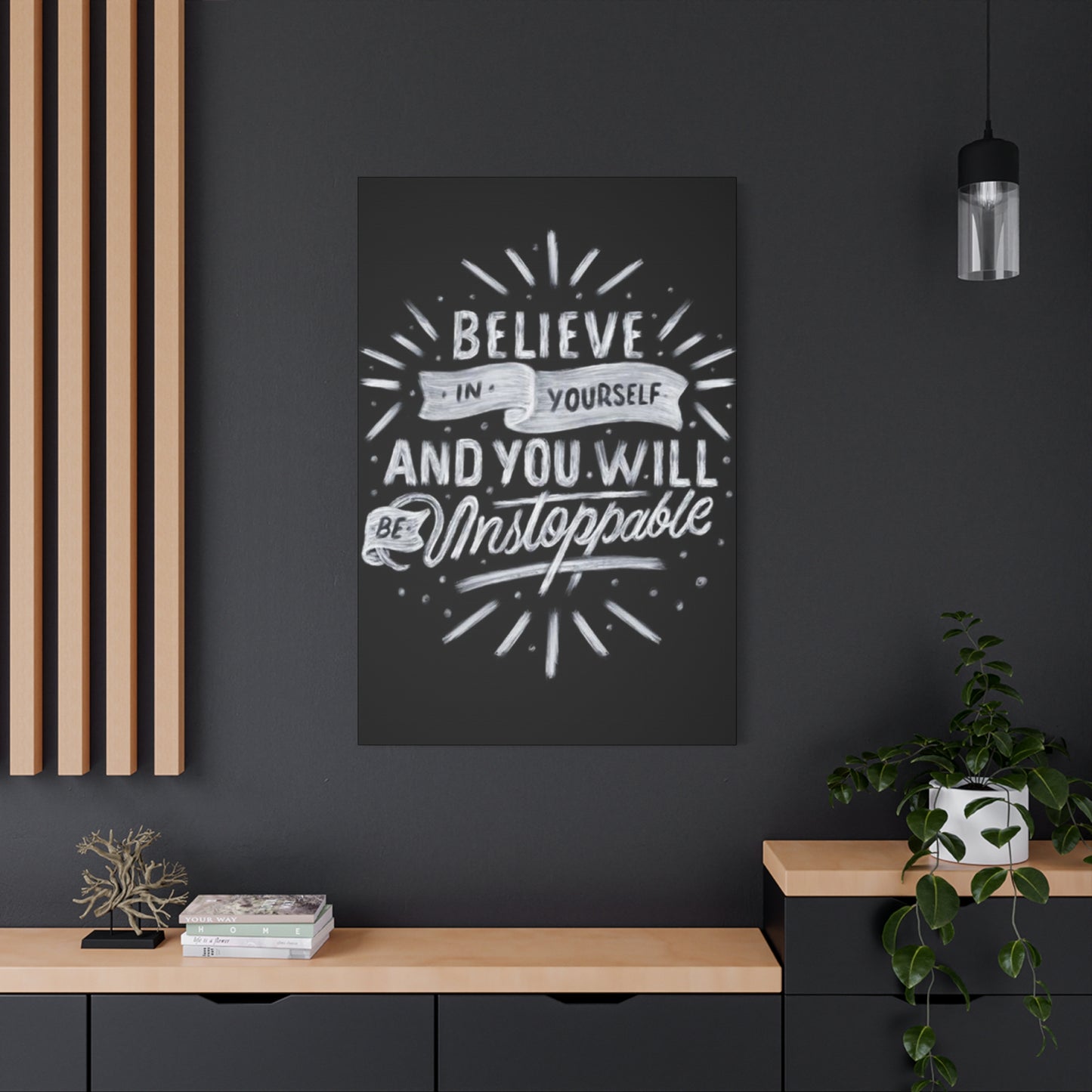


Motivation Quote Chalkboard Wall Art & Canvas Prints
Motivation Quote Chalkboard Wall Art & Canvas Prints
Couldn't load pickup availability
Inspiring Words That Shape Your Space: The Power of Motivation Quote Chalkboard Wall Art in Modern Living
The realm of interior design has witnessed a remarkable transformation with the emergence of motivational displays that serve dual purposes. Motivation Quote Chalkboard Wall Art represents more than mere decoration; it embodies a philosophy of constant encouragement and personal growth within living spaces. This comprehensive exploration delves into every aspect of these inspiring pieces, examining their profound impact on daily life, their various forms, and their ability to reshape both physical environments and mental landscapes.
The Phenomenon of Inspirational Messages in Contemporary Spaces
Contemporary living has evolved beyond basic functionality to embrace elements that nourish the soul and stimulate the mind. The presence of encouraging words within our immediate surroundings creates an atmosphere of continuous improvement and positive reinforcement. These artistic expressions have become fundamental components in crafting spaces that reflect personal values and aspirations.
The human mind responds remarkably to visual stimuli, particularly when combined with meaningful language. When we encounter uplifting phrases throughout our daily routines, these messages gradually embed themselves into our consciousness, influencing thoughts, decisions, and actions. This psychological phenomenon explains why countless individuals have embraced the practice of surrounding themselves with affirmative statements and powerful declarations.
Traditional artwork has long adorned walls, but the concept of displaying inspirational text brings an additional dimension to interior aesthetics. Unlike conventional paintings or photographs, textual displays communicate directly with viewers, speaking to them in explicit terms that leave little room for interpretation. This directness creates an immediate connection between the observer and the message, fostering a unique relationship between space and occupant.
The versatility of these displays allows them to adapt to various settings and purposes. Whether placed in personal quarters, communal areas, professional environments, or commercial establishments, they maintain their relevance and impact. This adaptability stems from the universal nature of human motivation and the timeless appeal of wisdom expressed through carefully chosen words.
Exploring Various Manifestations of Inspirational Displays
The market offers an extensive array of options for those seeking to incorporate motivational elements into their surroundings. From substantial pieces that dominate entire walls to compact designs suitable for intimate spaces, the variety ensures that every preference and requirement can be met. Each style brings its own character and contributes differently to the overall ambiance of a room.
Large-scale displays command attention immediately upon entering a space. These impressive pieces often feature bold lettering and striking designs that make them focal points of any room. Their substantial presence ensures that the messages they carry cannot be ignored, creating constant reminders of the values and goals they represent. Such pieces work exceptionally well in areas where people gather, serving as conversation starters and shared sources of inspiration.
Smaller formats offer subtlety and personal intimacy. These compact designs can be placed in unexpected locations, creating delightful discoveries throughout a space. A diminutive inspirational piece on a bedside table whispers encouragement as one begins and ends each day, while a modest display in a workspace provides gentle reassurance during challenging moments. The understated nature of these smaller items allows for multiple placements without overwhelming a space.
The choice between permanent fixtures and changeable displays presents another dimension of consideration. Some individuals prefer the stability of fixed messages that become defining characteristics of their spaces. Others appreciate the flexibility of adjustable systems that allow for rotation of different phrases according to current needs, seasons, or life circumstances. Both approaches offer distinct advantages and cater to different personality types and lifestyle preferences.
Materials and Construction Methods That Define Quality
The substance from which these displays are crafted significantly influences their appearance, durability, and overall impact. Various materials offer different aesthetic qualities and practical characteristics, making the selection process an important consideration for anyone seeking to acquire such pieces. Understanding these distinctions helps in making informed decisions that align with specific requirements and expectations.
Natural wood products bring warmth and organic authenticity to inspirational displays. The grain patterns and natural variations in timber create unique pieces that possess inherent character even before the message is applied. Wooden substrates pair beautifully with hand-lettered designs, creating a harmonious blend of natural materials and human artistry. The tactile quality of wood adds another sensory dimension to the visual experience, making these pieces particularly appealing in environments that emphasize natural elements.
Processed wood alternatives provide cost-effective solutions without sacrificing visual appeal. These engineered materials offer consistent surfaces ideal for various finishing methods while maintaining affordability. Their uniformity can be advantageous for certain design approaches, particularly those requiring precision and repeatability. Modern manufacturing processes have elevated these materials to impressive quality levels, making them viable options for many purposes.
Metal constructions introduce industrial aesthetics and exceptional durability. Steel, aluminum, and other metallic substances create striking displays with contemporary appeal. The reflective qualities of polished metals add dynamic visual interest as lighting conditions change throughout the day. Metal pieces typically withstand environmental factors better than organic materials, making them suitable for locations where longevity is paramount.
Canvas and fabric-based displays offer lightweight portability and easy installation. These flexible materials allow for unique presentation methods and can incorporate various printing processes for vibrant, detailed imagery. The textile nature of these pieces softens their presence, making them suitable for spaces where gentler aesthetics are preferred. Their light weight simplifies hanging and repositioning, providing flexibility in arrangement and display.
Design Principles That Create Impactful Visual Statements
The effectiveness of inspirational displays depends heavily on thoughtful design execution. Multiple elements must work in concert to create pieces that not only convey messages clearly but also enhance the visual appeal of their surroundings. Successful designs balance aesthetic considerations with functional requirements, resulting in pieces that serve both purposes admirably.
Typography selection plays a crucial role in determining how messages are perceived and received. Different letter styles convey distinct personalities and emotional tones. Bold, geometric fonts project confidence and assertiveness, while flowing, script-based typefaces suggest elegance and grace. The psychological impact of typography cannot be overstated; the same words presented in different styles can evoke remarkably different responses from viewers.
Color schemes dramatically influence the mood and energy of inspirational displays. Vibrant hues energize and stimulate, making them excellent choices for spaces dedicated to activity and productivity. Subdued palettes create calming effects, suitable for areas intended for relaxation and contemplation. The relationship between text color and background tone affects readability and visual comfort, requiring careful consideration to ensure messages remain easily legible from various distances and angles.
Compositional arrangement determines how eyes travel across a piece and how information is processed. Centered layouts create formal balance and stability, while asymmetrical arrangements generate dynamic visual interest. The spacing between letters, words, and lines affects both legibility and aesthetic appeal. Generous spacing often conveys openness and calm, while tighter arrangements can create intensity and urgency.
Decorative embellishments and supplementary graphics enhance messages without overwhelming them. Flourishes, borders, illustrations, and patterns add personality and visual richness to displays. However, these elements must be applied judiciously to avoid creating cluttered compositions that distract from core messages. The most successful designs achieve harmony between textual content and decorative elements, creating unified pieces where all components support the overall vision.
Manufacturing Processes Behind Quality Inspirational Pieces
Creating exceptional motivational displays involves various production methods, each offering unique characteristics and advantages. Understanding these processes provides insight into the differences between products and helps explain variations in pricing, appearance, and durability. The craftsmanship involved in producing these pieces ranges from entirely manual processes to sophisticated automated systems.
Hand-painting represents the pinnacle of personalized craftsmanship. Skilled artisans apply pigments directly to surfaces using brushes, creating one-of-a-kind pieces with subtle variations that add to their charm. This method allows for complete creative control and the incorporation of spontaneous artistic decisions during creation. The visible brush strokes and slight imperfections inherent in hand-painted work contribute to their authentic, artisanal appeal.
Stenciling provides consistency while retaining handmade character. This approach uses pre-cut templates to guide paint placement, ensuring uniform letter shapes and sizes while still requiring manual application. Stenciled pieces occupy a middle ground between entirely handmade and mass-produced items, offering some of the benefits of each approach. The slight variations in paint application that occur with stenciling create subtle differences that distinguish each piece.
Vinyl application involves cutting adhesive material into precise shapes and applying them to surfaces. This method produces crisp, clean edges and allows for intricate designs that would be challenging to achieve through painting. Vinyl materials come in numerous finishes, including matte, glossy, metallic, and textured varieties, expanding design possibilities significantly. The durability of quality vinyl makes it suitable for pieces that will endure regular handling or challenging environmental conditions.
Digital printing transfers designs onto surfaces using specialized equipment and inks. This process excels at reproducing complex graphics, gradients, and photographic elements with exceptional accuracy and detail. Modern printing systems can apply designs to various materials, from paper and canvas to rigid boards and metal sheets. The consistency of digital printing ensures that multiple pieces maintain identical appearance, important for commercial purposes or creating matching sets.
Screen printing forces ink through fine mesh screens onto surfaces below. This time-honored method produces vibrant, opaque colors that stand out boldly against backgrounds. Screen printing works particularly well for designs with limited color palettes and solid areas of color. The layering of different colored inks creates depth and visual richness that contributes to the overall impact of finished pieces.
Strategic Placement for Maximum Influence and Effect
The location where inspirational displays are positioned significantly affects their impact and the way they integrate into living or working spaces. Thoughtful placement considers factors including visibility, context, lighting, and the specific activities that occur in different areas. Strategic positioning transforms these pieces from mere decorations into active participants in daily life.
Entryways and foyers offer prime opportunities for impactful placement. These transitional spaces mark the boundary between outside world and personal sanctuary, making them ideal locations for messages that set intentions or welcome both residents and guests. An inspiring phrase encountered immediately upon entering establishes a positive tone for everything that follows. Similarly, positioning motivational displays near exit points provides parting thoughts that accompany individuals as they venture into the world.
Personal retreat spaces benefit immensely from carefully chosen inspirational pieces. Bedrooms, reading nooks, and meditation areas serve as refuges from external demands, making them suitable for messages that encourage introspection, self-care, and personal growth. The privacy of these spaces allows for more intimate, personally significant phrases that might feel too vulnerable for public display. Beginning and ending each day with exposure to meaningful words influences mental states and emotional well-being.
Workspaces and productivity zones require inspirational elements that support focus, creativity, and perseverance. Office areas, studios, and craft rooms house activities that often involve challenges, frustrations, and the need for sustained effort. Motivational displays in these locations serve as reminders of larger purposes and goals when immediate tasks become tedious or difficult. The right message at the right moment can provide the encouragement needed to push through obstacles and maintain momentum.
Communal gathering areas create opportunities for shared inspiration. Living rooms, dining spaces, and family rooms where people congregate benefit from messages that reflect collective values and aspirations. These publicly positioned pieces often spark conversations, allowing residents to discuss what the words mean to them and how they apply to current life circumstances. Shared contemplation of inspirational messages strengthens bonds between individuals and creates common reference points for communication.
Kitchens and dining areas pair well with messages related to nourishment, gratitude, and togetherness. These spaces where people gather to prepare and consume meals carry symbolic significance related to sustenance and care. Inspirational displays in these locations remind inhabitants to appreciate abundance, practice mindfulness during meals, and recognize the importance of sharing experiences with others. The association between physical nourishment and spiritual or emotional feeding creates powerful connections.
Bathrooms and personal care spaces, often overlooked for decorative purposes, actually present excellent opportunities for motivation placement. These private areas where individuals engage in self-care rituals provide moments of solitude suitable for reflection and affirmation. A mirror adorned with encouraging words transforms daily grooming routines into opportunities for positive self-talk and mental preparation for the day ahead.
Creating Cohesive Interior Schemes Around Inspirational Elements
Incorporating motivational displays into existing decor requires consideration of overall design schemes and aesthetic principles. These pieces should enhance rather than clash with surrounding elements, creating harmonious environments where all components work together effectively. Successful integration involves balancing visual weight, coordinating colors and styles, and ensuring that inspirational pieces complement rather than compete with other design elements.
Style consistency maintains visual coherence throughout spaces. A rustic farmhouse interior benefits from displays featuring distressed finishes, natural wood tones, and classic typography, while minimalist contemporary spaces call for clean lines, monochromatic palettes, and simplified compositions. Matching the character of inspirational pieces to existing decor styles prevents jarring disconnections and creates seamless visual flow.
Color coordination ensures that motivational displays enhance rather than disrupt established palettes. Pieces can either blend harmoniously with existing colors or provide intentional contrast that draws attention without causing discord. Neutral-toned displays integrate easily into virtually any color scheme, while bolder choices require more careful consideration of surrounding hues. Repeating accent colors from inspirational pieces in other decorative elements throughout a space creates visual connections that unify the overall design.
Scale and proportion affect how inspirational displays relate to other furnishings and architectural features. Oversized pieces can overwhelm small rooms or crowd spaces filled with other decorative elements, while undersized displays may go unnoticed in expansive areas or among substantial furniture. Considering the visual weight of motivational pieces relative to their surroundings helps achieve appropriate balance and ensures that messages receive adequate attention without dominating environments.
Grouping multiple smaller inspirational pieces creates gallery-style arrangements with significant visual impact. Clustering several related displays establishes focal points and allows for thematic exploration through multiple messages. Gallery walls incorporating various sizes, frames, and styles add personality and dimension to otherwise plain surfaces. The relationships between different pieces within collections create dialogues that enhance individual messages and generate additional layers of meaning.
Messages That Resonate: Selecting Meaningful Content
The words chosen for display carry immense importance, as they will become regular companions in daily life. Selecting phrases that genuinely resonate on personal levels ensures that inspirational pieces maintain their impact over time rather than fading into background noise. The most effective messages speak to individual circumstances, values, and aspirations while possessing universal qualities that allow others to connect with them as well.
Authentic personal connection trumps popular trends when selecting motivational phrases. While certain quotes and sayings enjoy widespread popularity, their effectiveness depends on genuine relevance to individual lives. A message that deeply resonates with one person might leave another unmoved. The process of choosing words for display offers opportunities for self-reflection and clarification of priorities, making the selection itself a valuable exercise in self-awareness.
Timeless wisdom versus contemporary expressions presents interesting considerations. Classical quotations from philosophers, writers, and historical figures carry weight derived from enduring relevance across generations. Modern phrases and colloquialisms offer immediacy and cultural relevance that make them feel fresh and current. Both approaches have merit, and the choice often reflects personal preferences regarding tradition versus modernity.
Brevity and complexity both have their places in inspirational displays. Concise, punchy statements deliver immediate impact and easy memorability. More elaborate passages allow for deeper contemplation and nuanced meaning that reveals itself gradually through repeated exposure. Shorter phrases work well in spaces where people pass through quickly, while longer passages suit areas designated for lingering and reflection.
Action-oriented versus contemplative messages serve different purposes and appeal to different temperaments. Phrases that issue calls to action and emphasize doing energize and mobilize, making them excellent choices for productivity-focused spaces. Reflective statements that encourage pause and consideration create opportunities for mindfulness and perspective, suitable for calm, peaceful environments. Balancing both types throughout living spaces addresses different aspects of human experience and need.
The Crafting Process: Creating Custom Inspirational Pieces
For those inclined toward creative expression, producing personalized inspirational displays offers deeply satisfying experiences and results in truly unique pieces. The process of designing and creating custom works allows for complete control over every aspect, from material selection to final details. Handmade pieces carry special significance because they represent invested time, effort, and personal vision.
Material gathering begins the creative journey, requiring decisions about surfaces, marking implements, and finishing products. Salvaged wood, reclaimed materials, and repurposed items often make excellent bases for handcrafted projects, adding character and sustainability to finished pieces. Visiting craft suppliers, hardware stores, and specialty shops in search of perfect components becomes part of the creative adventure.
Design planning transforms abstract concepts into concrete visual schemes. Sketching ideas on paper allows experimentation with layouts, typography, and compositions without committing to final surfaces. This planning phase provides opportunities to explore multiple approaches and refine concepts before beginning actual construction. Digital tools and design programs offer additional resources for those comfortable with such platforms, enabling precise mockups and detailed planning.
Surface preparation ensures that finished pieces will look professional and endure over time. Cleaning, sanding, and priming create ideal conditions for applying designs. Taking time to properly prepare materials, though sometimes tedious, dramatically affects final results and longevity. Rushed preparation often reveals itself in inferior finished products, while careful groundwork sets the stage for excellent outcomes.
Lettering execution requires patience, steady hands, and attention to detail. Whether painting freehand, using stencils, or applying vinyl letters, careful work produces clean, readable results. Rushing this critical phase invites mistakes that compromise overall quality. Many creators find that practicing techniques on scrap materials before working on final pieces builds confidence and improves skills.
Finishing treatments protect completed work and enhance visual appeal. Sealants guard against moisture, dirt, and wear, extending the lifespan of pieces significantly. Various finishing products create different effects, from matte to high-gloss appearances. Hardware installation, including hanging mechanisms and protective backings, completes the construction process and prepares pieces for display.
Preservation and Longevity of Inspirational Displays
Ensuring that motivational pieces maintain their appearance and structural integrity over extended periods requires appropriate care and attention. Different materials and construction methods demand specific maintenance approaches. Understanding these requirements helps preserve investments and ensures that inspirational displays continue enhancing spaces for years rather than deteriorating prematurely.
Regular cleaning removes accumulated dust and prevents buildup that can degrade surfaces over time. Gentle methods using soft cloths and mild cleaning solutions suit most materials. Harsh chemicals, abrasive tools, and excessive moisture pose risks to various surfaces and should be avoided unless specifically recommended for particular materials. Establishing routine cleaning schedules prevents heavy accumulation that becomes increasingly difficult to address.
Environmental factors significantly influence the aging process of decorative pieces. Direct sunlight causes fading in many materials and accelerates deterioration of certain substrates. High humidity promotes mold growth and warping in wood-based products, while extremely dry conditions can cause cracking and brittleness. Positioning displays away from windows, heating vents, and moisture sources helps mitigate these environmental threats.
Physical impacts and handling wear gradually affect pieces over time. Corners and edges prove particularly vulnerable to damage from bumps and knocks. Protective measures like corner guards and careful placement in low-traffic zones minimize accidental damage. When moving or adjusting displays, handling them by frames or edges rather than grasping printed or painted surfaces prevents oil transfer from hands and reduces wear.
Periodic inspections allow early detection of problems before they escalate into serious damage. Checking for loose hanging hardware prevents falls that could destroy pieces. Monitoring for signs of pest activity, particularly in organic materials, enables prompt intervention. Addressing minor issues immediately often prevents them from developing into major problems requiring extensive repair or replacement.
Commercial Procurement: Navigating the Marketplace
The marketplace for motivational displays encompasses an enormous range of options, from mass-produced items to exclusive artisan creations. Understanding the landscape helps consumers make informed purchasing decisions that align with preferences, budgets, and quality expectations. Various retail channels offer different advantages and shopping experiences.
Online marketplaces provide unprecedented access to diverse selections from sellers worldwide. Digital platforms allow easy comparison of styles, prices, and reviews, empowering informed decision-making. The convenience of browsing extensive inventories from home appeals to busy consumers, though the inability to physically examine items before purchase presents certain risks. Careful attention to product descriptions, measurements, and customer feedback helps mitigate these concerns.
Handmade and artisan marketplaces connect buyers directly with creators, offering unique pieces unavailable through conventional retail channels. These platforms celebrate craftsmanship and individuality, allowing consumers to support independent artists and small enterprises. The personal connection between maker and buyer often results in superior customer service and opportunities for custom requests and modifications.
Brick-and-mortar stores provide tactile experiences that online shopping cannot replicate. Physically examining materials, colors, and construction quality before purchasing eliminates guesswork and reduces return rates. Local shopping supports community enterprises and often provides access to knowledgeable staff who can offer guidance and suggestions. The immediate gratification of leaving stores with purchases appeals to those who prefer not to wait for shipping.
Custom commission processes enable creation of completely personalized pieces tailored to exact specifications. Working directly with artists or fabricators allows involvement in design decisions and ensures that final products perfectly match visions and requirements. Custom work typically commands premium pricing reflecting the personalized service and unique results, but the investment yields pieces that precisely fulfill desires.
Pricing Structures and Value Considerations
Understanding factors that influence pricing helps consumers evaluate whether particular pieces represent fair value. The motivational display market spans enormous price ranges, from inexpensive mass-produced items to costly unique artworks. Multiple variables contribute to these differences, and informed consumers can make purchases that align with both budgets and quality expectations.
Materials costs directly impact pricing structures. Premium substances like solid hardwoods, metals, and high-quality canvas command higher prices than engineered wood products or lightweight substrates. The durability and visual characteristics of superior materials often justify increased costs, particularly for pieces intended for long-term display in prominent locations.
Production methods significantly affect pricing. Hand-crafted pieces requiring substantial time and skilled labor naturally cost more than items produced through automated manufacturing processes. The exclusivity of handmade works and the assurance that each piece represents individual attention and craftsmanship add value beyond mere materials and labor. Conversely, manufacturing efficiencies allow mass production to offer lower prices while maintaining acceptable quality standards.
Artist reputation and market positioning influence pricing in the handmade segment. Established creators with recognized names and proven track records command premium prices reflecting their reputations. Emerging artists often offer compelling value, providing high-quality work at more accessible price points as they build followings and establish market presence.
Size and complexity naturally affect pricing structures. Large-scale pieces requiring more materials and production time cost more than compact designs. Intricate, multi-element compositions demand greater skill and time investment than simple, straightforward designs, justifying higher prices.
Psychological Dimensions of Motivational Displays
The human mind responds to inspirational messages in complex ways that extend beyond conscious awareness. Understanding the psychological mechanisms at play illuminates why these displays exert such powerful influences on thoughts, emotions, and behaviors. Multiple mental processes contribute to the effectiveness of motivational words in physical spaces.
Repetitive exposure to specific messages gradually shapes thought patterns and belief systems. When individuals repeatedly encounter particular phrases, these words become increasingly familiar and begin to feel true or important regardless of initial reactions to them. This phenomenon, known as the mere exposure effect, explains why even initially neutral or mildly interesting phrases can become deeply meaningful over time.
Environmental priming occurs when elements in physical spaces unconsciously influence mental states and subsequent behaviors. Inspirational displays prime minds toward particular attitudes, goals, and values without conscious effort or awareness. A person repeatedly exposed to messages about perseverance, for instance, may find themselves demonstrating greater determination in challenging situations without explicitly connecting this behavior to the displayed words.
Confirmation and reinforcement of existing beliefs and aspirations strengthen commitment to personal values and goals. When external messages align with internal convictions, they validate choices and provide reassurance during moments of doubt. This external reinforcement can prove particularly valuable during difficult periods when internal motivation wanes and external encouragement helps maintain forward momentum.
Identity formation and expression find outlets through selected motivational displays. The phrases individuals choose to display publicly communicate aspects of personality, values, and aspirations to others while simultaneously reinforcing these characteristics within themselves. This dual function of external communication and internal affirmation makes displayed messages powerful tools in both self-expression and self-development.
Inspirational Displays Across Various Life Domains
Different environments and life contexts benefit from motivational elements in unique ways. Recognizing these distinctions helps in selecting and placing appropriate pieces that address specific needs and circumstances. The versatility of inspirational displays allows them to enhance numerous settings and serve diverse purposes.
Domestic environments form the primary context for most motivational displays, where they contribute to creating homes that nurture inhabitants emotionally and psychologically. Residential spaces offer freedom to display deeply personal messages without concern for professional appropriateness or public reception. The private nature of homes allows for vulnerability and authenticity in message selection that might feel too exposed in public contexts.
Professional settings benefit from carefully selected motivational elements that support productivity, collaboration, and positive workplace culture without crossing boundaries into overly casual or personal territory. Office displays should inspire and encourage while maintaining professional decorum appropriate to business contexts. The right messages can reinforce company values, boost morale, and create cohesive team identities.
Learning environments utilize inspirational displays to encourage students, celebrate effort, and create atmospheres conducive to growth and discovery. Messages in classrooms and study spaces can normalize struggle, celebrate curiosity, and remind learners that abilities develop through practice and persistence. The formative nature of educational contexts makes them particularly important venues for positive, encouraging messages.
Commercial establishments employ motivational displays to enhance customer experiences and communicate brand values. Retail spaces, restaurants, fitness centers, and service businesses use inspiring words to create memorable environments that differentiate them from competitors. When aligned with overall brand identities, these displays reinforce marketing messages and contribute to cohesive customer experiences.
Wellness and self-care spaces leverage inspirational elements to support practices aimed at physical and mental wellbeing. Yoga studios, meditation rooms, spas, and fitness facilities naturally align with motivational messaging. The intention behind activities in these spaces harmonizes perfectly with encouraging, affirming words that support individuals in their wellness journeys.
Cultural Perspectives on Motivational Messaging
Different cultures and traditions approach motivation, success, and personal development through varied lenses, resulting in diverse preferences regarding inspirational messages. Understanding these cultural dimensions enriches appreciation for the breadth of human wisdom and expands the range of available inspirational content. While some themes prove universal, others carry culturally specific meanings and significance.
Western cultural traditions often emphasize individual achievement, personal responsibility, and self-determination. Motivational messages reflecting these values focus on personal power, goal-setting, and overcoming obstacles through individual effort. Phrases celebrating independence, ambition, and self-reliance resonate strongly within cultural contexts that prioritize individualism.
Eastern philosophical traditions frequently emphasize harmony, balance, and interconnectedness. Inspirational content drawing from these perspectives focuses on acceptance, mindfulness, and recognition of interdependence among all beings. Messages encouraging inner peace, present-moment awareness, and compassionate action reflect different assumptions about the nature of fulfillment and success.
Indigenous wisdom traditions worldwide offer perspectives deeply rooted in relationship with land, community, and ancestral knowledge. Motivational messages from these sources often emphasize stewardship, reciprocity, and respect for natural world rhythms. The cyclical nature of time and seasonal change provides metaphors that contrast with linear progress narratives common in industrial cultures.
Religious and spiritual traditions provide vast repositories of inspirational content accumulated over centuries or millennia. Sacred texts, prayers, and teachings from various faiths offer profound wisdom applicable to contemporary life. Individuals drawing from religious traditions often find deep meaning in displaying words that connect daily life to transcendent purposes and eternal truths.
Contemporary secular humanism generates motivational content emphasizing human potential, rational thought, and ethical responsibility without reference to supernatural beliefs. This perspective produces inspiring messages centered on human compassion, scientific understanding, and social justice. The inclusive nature of secular inspirational content makes it accessible to diverse audiences regardless of religious affiliation.
Seasonal and Temporal Aspects of Motivational Displays
The passage of time and changing seasons offer opportunities to refresh motivational displays, keeping them relevant to current circumstances and preventing staleness. Rotating messages according to temporal rhythms maintains novelty and allows inspirational content to address shifting needs and contexts throughout the year.
New year periods traditionally inspire reflection on past experiences and intention-setting for coming months. Motivational displays during this time often focus on new beginnings, goal-setting, and fresh starts. Messages emphasizing possibility, transformation, and commitment resonate particularly strongly as people contemplate changes they wish to make.
Spring emergence from winter dormancy provides natural metaphors for growth, renewal, and awakening. Inspirational content during this season celebrates new life, increasing light, and expanding possibilities. The visible transformation in natural world mirrors internal processes of development and positive change.
Summer energy and abundance inspire messages about vitality, adventure, and making the most of opportunities. The long days and warm weather encourage action, exploration, and full engagement with life. Motivational displays during summer months often emphasize seizing moments, creating memories, and embracing joy.
Autumn transitions invite reflection on harvest, gratitude, and preparation. As the year begins its descent toward winter, motivational messages often turn toward appreciation for abundance, recognition of impermanence, and wise stewardship of resources. The cooling temperatures and shortening days encourage interior focus and contemplation.
Winter stillness and darkness create space for rest, introspection, and inner work. Motivational content during cold months often emphasizes patience, trust, and the hidden growth that occurs during dormant periods. Messages acknowledging the value of rest and restoration provide counterbalance to cultures that overvalue constant activity and productivity.
Life transitions and personal milestones offer additional temporal cues for updating motivational displays. Beginning new jobs, entering relationships, welcoming children, relocating, or facing health challenges all create circumstances where different inspirational messages may prove particularly relevant and supportive. Adapting displayed content to reflect current life situations maintains their relevance and power.
Complementary Elements That Enhance Motivational Displays
While inspirational text carries primary importance, various supplementary elements can enhance overall impact and visual appeal. These additions should support rather than overshadow core messages, adding dimension and interest without creating distraction. Thoughtful incorporation of complementary elements elevates displays from simple text presentations to rich, multi-layered experiences.
Imagery and illustration add visual interest and emotional resonance to textual messages. Nature photographs, abstract art, geometric patterns, and representational illustrations all offer possibilities for enhancement. The relationship between image and text creates dialogue that deepens meaning and engages viewers on multiple levels. Careful selection ensures that visual elements align with and amplify written words rather than contradicting or diluting them.
Textures and dimensional elements introduce tactile qualities that distinguish displays from flat, two-dimensional presentations. Raised lettering, layered components, and varied surface treatments create physical depth that adds sophistication and interest. These dimensional qualities change appearance based on lighting angles, creating dynamic displays that shift throughout the day as natural light moves across surfaces.
Lighting considerations dramatically affect how motivational displays appear and the moods they create. Natural light showcases pieces differently at various times of day, while artificial illumination offers opportunities for dramatic highlighting and emphasis. Backlit displays create striking effects, while directional spotlights draw attention to specific elements. The interplay of light and shadow adds drama and visual interest to even simple designs.
Framing and mounting choices influence how pieces integrate into surroundings and the level of formality they project. Substantial frames add gravitas and finished appearance, while frameless presentations create contemporary, minimalist aesthetics. Float mounting, which creates space between artwork and backing, produces elegant shadow effects that enhance perceived value. Hardware selection, from basic hooks to elaborate hanging systems, affects both appearance and functionality.
Surrounding decor elements create contexts that influence how motivational displays are perceived and experienced. Complementary accessories, coordinating colors, and thematically related items build environments where all components support unified visions. Plants, candles, stones, books, and other objects arranged near inspirational displays create vignettes that tell stories and evoke specific moods or feelings.
Gifting Motivational Displays: Thoughtful Gesture Considerations
Inspirational pieces make meaningful gifts that demonstrate thoughtfulness and care. Selecting appropriate displays for others requires consideration of their personalities, circumstances, and aesthetic preferences. Well-chosen motivational gifts can provide ongoing encouragement and serve as lasting reminders of relationships and support.
Occasion-specific selections align messages with milestone events and transitions. Graduations call for messages about courage, possibility, and beginning new chapters. Wedding gifts might feature words about love, partnership, and building life together. New homeowners appreciate pieces that speak to creating sanctuary and building foundations. Matching inspirational content to specific life moments increases relevance and impact.
Personality alignment ensures that gifted pieces resonate with recipients' temperaments and values. Extroverted individuals might appreciate bold, energetic displays with vibrant colors and confident messages. Introspective personalities may prefer subtle, contemplative pieces with gentle colors and reflective content. Understanding recipients' characters guides selection toward pieces they will genuinely appreciate and value.
Life situation awareness helps identify messages that address current needs and challenges. Someone facing difficulties might benefit from words of encouragement and perseverance, while individuals celebrating successes appreciate pieces that honor achievement and continued growth. Sensitivity to circumstances prevents well-intentioned gifts from feeling tone-deaf or disconnected from reality.
Aesthetic compatibility increases likelihood that gifts will actually be displayed rather than stored away. Considering recipients' existing decor styles and color preferences guides selection toward pieces that will integrate smoothly into their spaces. While inspirational content carries primary importance, practical display considerations affect whether gifts become active parts of daily environments.
Presentation quality signals the value placed on relationships and occasions. Thoughtful packaging, accompanying cards explaining message selection, and careful wrapping demonstrate care and attention. The presentation itself becomes part of the gift experience, adding layers of meaning beyond the physical item. Personal notes connecting displayed messages to specific relationships or shared experiences deepen significance.
Creating Cohesive Collections and Themed Sets
Developing coordinated groups of motivational displays allows for more comprehensive expression of values, beliefs, and aspirations. Collections create visual impact exceeding that of individual pieces while enabling exploration of themes from multiple angles. Building cohesive sets requires attention to relationships between pieces and how they work together as unified wholes.
Thematic unity ties collections together conceptually while allowing variation in specific messages and visual presentations. A collection centered on courage might include pieces addressing different aspects of bravery, from taking small risks to making major life changes. The shared theme creates coherence while individual pieces explore nuances and dimensions of the central concept.
Visual consistency through design elements unifies collections aesthetically even when featuring different words. Repeating color palettes, typography styles, or decorative motifs creates recognizable family resemblances that signal belonging to shared groups. This visual harmony allows eyes to perceive collections as intentional groupings rather than random assemblages.
Complementary contrasts within collections create dynamic interest while maintaining overall unity. Pairing action-oriented messages with reflective statements provides balance and acknowledges different modes of engagement with life. Varying sizes, orientations, and visual weights within collections creates rhythm and prevents monotony while maintaining cohesive appearances.
Progressive sequencing arranges pieces in meaningful orders that tell stories or guide thinking through particular processes. Collections might move from acknowledgment of current reality through intermediate steps toward ultimate aspirations, creating narratives of growth and transformation. This sequential approach adds depth and intentionality to displays.
Expandable frameworks allow collections to grow and evolve over time as new relevant pieces are encountered. Establishing flexible design parameters enables additions that harmonize with existing items while bringing fresh perspectives. This approach prevents collections from feeling static or complete, allowing them to develop alongside evolving circumstances and understanding.
Conclusion
Certain environments and situations present unique opportunities and challenges for incorporating inspirational elements. Recognizing these special contexts enables more effective deployment of motivational displays in ways that respect constraints while maximizing impact.
Shared living situations require negotiation and compromise regarding common space decoration. Roommates and family members may hold different opinions about appropriate messages and aesthetics. Collaborative selection processes that consider all residents' preferences and values help ensure that displayed pieces feel inclusive rather than imposed. Shared ownership of decisions increases investment in maintaining and appreciating displays.
Rental properties often impose restrictions on wall treatments and installation methods. Damage-free hanging solutions using adhesive strips, removable hooks, and freestanding displays allow renters to personalize spaces without jeopardizing security deposits. Portable pieces that move easily between residences enable renters to maintain consistency in personal environments despite frequent relocations.
Therapeutic environments utilize carefully selected motivational content to support healing processes and positive mental states. Recovery facilities, counseling offices, and wellness centers choose messages that encourage without creating pressure, validate struggle while inspiring hope, and acknowledge the non-linear nature of healing journeys. Professional guidance often informs content selection in these sensitive contexts.
Share