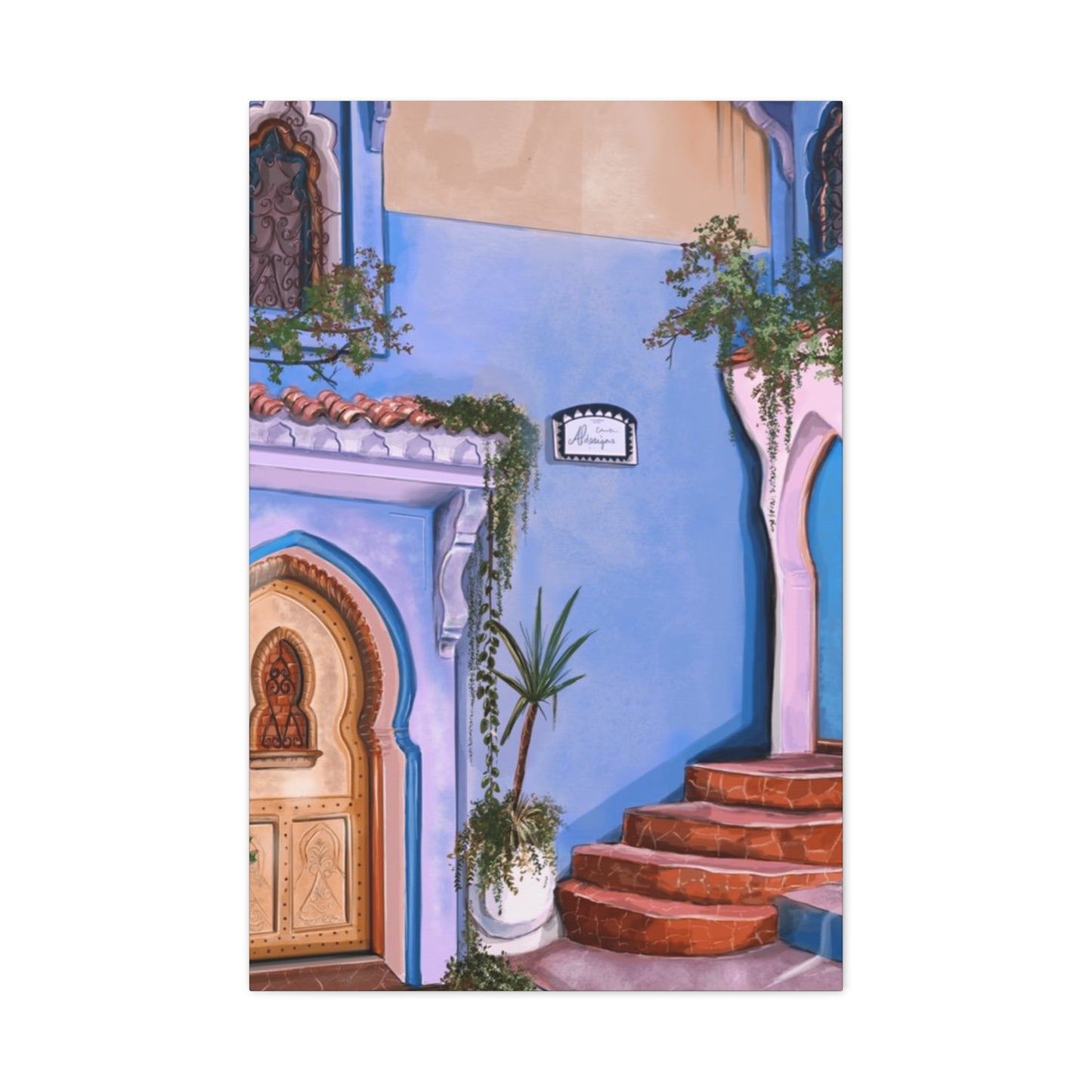


Moroccan Wall Art & Canvas Prints
Moroccan Wall Art & Canvas Prints
Couldn't load pickup availability
Unveiling the Richness of Moroccan Wall Art: A Deep Dive into the Vibrant Heritage of North African Decor
Morocco stands as a beacon of artistic excellence in North Africa, where centuries of cultural exchange have created a distinctive visual language that adorns walls across homes, palaces, and public spaces. The tradition of decorating interior and exterior surfaces with intricate patterns, vibrant colors, and symbolic motifs represents far more than mere aesthetic choices—it embodies the soul of a civilization that has treasured beauty and craftsmanship for millennia.
The origins of these decorative practices trace back to the Berber indigenous populations who inhabited the Atlas Mountains and surrounding regions long before the Arab conquests of the seventh century. These early inhabitants developed unique geometric patterns inspired by their natural surroundings, incorporating symbols representing fertility, protection, and prosperity. When Islam arrived in the region, it brought with it strict guidelines regarding representational art, which paradoxically sparked an explosion of creativity in abstract and geometric design. Artists and craftspeople channeled their creative energies into developing increasingly complex patterns that could convey meaning without depicting human or animal forms.
The Moorish period, spanning from the eighth to the fifteenth centuries, witnessed the zenith of decorative wall artistry in Morocco. During this golden age, master craftsmen perfected techniques that would define the aesthetic character of the region for centuries to come. The intricate zellij tilework, elaborate carved plasterwork known as tadelakt, and painted wooden panels became hallmarks of Moroccan architecture and interior design. These elements worked in harmony to create spaces that transported occupants into realms of contemplation and beauty.
Royal patronage played a crucial role in advancing these artistic traditions. Successive dynasties, including the Almoravids, Almohads, Merinids, and Saadians, commissioned elaborate palaces and mosques that served as showcases for the finest craftsmanship available. The walls of these structures became canvases for artisans to demonstrate their mastery, creating works that continue to inspire awe in contemporary visitors. The El Badi Palace in Marrakech, though now in ruins, still displays remnants of the extraordinary decorative schemes that once covered every surface.
The Ancient Roots and Cultural Significance Behind Morocco's Artistic Wall Traditions
Religious architecture particularly influenced the evolution of wall decoration in Morocco. Mosques required spaces that facilitated prayer and meditation, leading to the creation of patterns that induced tranquility and focused contemplation. The repetitive geometric designs served both aesthetic and spiritual purposes, reflecting the Islamic concept of unity and infinity. Calligraphic elements featuring Quranic verses or poetic expressions added layers of meaning to the visual compositions, transforming walls into texts that could be read by those with the knowledge to interpret them.
The Jewish community of Morocco also contributed significantly to the nation's decorative traditions. Generations of Jewish artisans worked alongside Muslim craftspeople, creating a rich tapestry of cultural exchange. Jewish quarters, or mellahs, featured distinctive decorative elements that blended Hebrew symbolism with Moroccan aesthetic sensibilities. This multicultural environment fostered innovation and diversity in design approaches, enriching the overall artistic landscape.
Trade routes connecting Morocco to sub-Saharan Africa, Europe, and the Middle East facilitated the exchange of ideas, materials, and techniques. Merchants returning from distant lands brought back pigments, tools, and design concepts that local artisans adapted to suit Moroccan tastes. This constant influx of external influences prevented artistic stagnation, ensuring that decorative traditions remained vibrant and relevant across changing times.
The colonial period introduced European aesthetic preferences that threatened to overwhelm indigenous artistic traditions. However, Moroccan craftspeople demonstrated remarkable resilience, adapting certain foreign elements while maintaining the core principles of their ancestral practices. This period of cultural negotiation ultimately strengthened rather than weakened traditional arts, as artisans consciously worked to preserve their heritage in the face of external pressures.
Understanding the Symbolic Language Embedded Within Traditional Moroccan Design Patterns
Every curve, line, and intersection within Moroccan decorative patterns carries potential meaning, forming a sophisticated visual vocabulary that communicates cultural values, religious beliefs, and social norms. Learning to read this symbolic language opens doors to deeper appreciation of what might initially appear as merely attractive designs. The patterns function as cultural archives, preserving knowledge and traditions that have been passed down through countless generations.
Geometric patterns dominate Moroccan decorative vocabulary, with the eight-pointed star serving as perhaps the most recognizable motif. This star symbolizes cosmic order and divine perfection, its eight points representing the eight angels who carry the throne of Allah according to Islamic belief. The pattern radiates from a central point, suggesting the emanation of divine light throughout creation. Variations on this basic form generate infinite possibilities, each maintaining the underlying spiritual significance while offering visual variety.
The hexagon appears frequently in Moroccan designs, often arranged in honeycomb formations that evoke both natural structures and mathematical precision. This shape represents balance and harmony, its six equal sides suggesting stability and completeness. When repeated across surfaces, hexagonal patterns create mesmerizing optical effects that draw the eye inward, encouraging contemplation and mental focus. Artisans skillfully manipulate scale and color to prevent these repetitive patterns from becoming monotonous, introducing subtle variations that reward close observation.
Floral and vegetal motifs provide contrast to the angular precision of geometric designs. Stylized representations of roses, lotus flowers, and acanthus leaves curve gracefully across surfaces, their organic forms softening the rigidity of geometric frameworks. These botanical elements symbolize growth, renewal, and the paradise gardens promised to the faithful in Islamic eschatology. The intertwining of floral and geometric elements reflects the Moroccan worldview that sees divine order manifested in natural forms.
Calligraphy occupies a special place within Moroccan decorative arts, transforming written language into visual poetry. Arabic script, with its flowing ligatures and dramatic vertical strokes, lends itself beautifully to decorative treatment. Artisans manipulate letter forms to create symmetrical compositions that function both as text and as abstract pattern. The content of these inscriptions ranges from Quranic verses to poetry, proverbs, and blessings for inhabitants of the space. The presence of holy words transforms walls into sacred objects worthy of reverence.
Color symbolism adds another layer of meaning to Moroccan designs. Blue, derived from cobalt and considered the most precious pigment, represents heaven, spirituality, and protection against evil. Green, the color of Islam and the Prophet Muhammad, symbolizes life, growth, and prosperity. Red conveys strength, courage, and vitality, while yellow represents sunshine, happiness, and divine light. White signifies purity and peace, often serving as a background that allows other colors to shine. Black provides grounding and definition, outlining patterns and creating visual hierarchy.
The hamsa hand, though not always explicitly depicted in wall decorations, influences many protective designs found in Moroccan homes. This palm-shaped amulet wards off the evil eye and negative energies, its five fingers representing the five pillars of Islam or the five books of the Torah, depending on the tradition. Geometric patterns that suggest hand shapes or eye forms draw upon this protective symbolism, creating invisible shields around domestic spaces.
Arabesques, with their endlessly scrolling tendrils and leaves, exemplify the Moroccan approach to filling space with meaningful decoration. These patterns suggest infinity and continuity, their interlocking forms having no clear beginning or end. The arabesque reflects philosophical concepts of eternal recurrence and the interconnectedness of all creation. Skilled artisans can adapt arabesque designs to fit any shape or size of surface, making them infinitely versatile.
Kufic script, an angular early form of Arabic calligraphy, appears in many traditional Moroccan designs, particularly those with historical connections. The geometric nature of Kufic letters allows them to integrate seamlessly with other geometric patterns, sometimes becoming so stylized that they challenge even native Arabic readers to decipher them. This transformation of text into nearly abstract form represents the ultimate fusion of meaning and beauty.
Exploring the Diverse Materials and Methods Used in Creating Authentic Moroccan Wall Decorations
The creation of genuine Moroccan decorative elements requires mastery of multiple materials and techniques, each with its own challenges and possibilities. Artisans typically specialize in particular media, spending years or even decades perfecting their craft under the guidance of experienced masters. This apprenticeship system ensures the transmission of knowledge from generation to generation, preserving techniques that might otherwise vanish in our rapidly changing world.
Zellij, or mosaic tilework, represents perhaps the most iconic form of Moroccan wall decoration. Craftspeople begin by cutting glazed ceramic tiles into precise geometric shapes using sharp hammers and chisels. These individual pieces, called tesserae, are then assembled face-down on the ground according to complex patterns that the master artisan holds in their memory. Plaster secures the pieces in place, and the completed panel is later mounted on walls or floors. The process demands extraordinary precision, as even minor errors in cutting or placement become glaringly obvious once the final design emerges.
The color palette available to zellij artisans expanded dramatically over centuries as new mineral sources and firing techniques were discovered. White comes from tin oxide, blue from cobalt, green from copper, yellow from antimony, and brown from manganese. Each pigment requires specific firing temperatures and conditions to achieve optimal color saturation and stability. Master craftspeople guard their color recipes jealously, passing them only to trusted apprentices who have proven their dedication and skill.
Tadelakt, a waterproof plaster finish indigenous to Morocco, creates smooth, luminous wall surfaces that seem to glow from within. Artisans prepare this material from limestone harvested from the Marrakech region, which is burned, slaked, and ground into fine powder. The powder is mixed with water to create a paste that is applied to walls in multiple thin layers, each burnished with flat stones before it fully sets. Once the desired thickness is achieved, the surface is polished with river stones and treated with olive oil soap, which triggers a chemical reaction that seals the plaster and gives it a subtle sheen.
The application of tadelakt requires tremendous physical effort and timing precision. Artisans must work quickly, as the plaster begins to set within minutes of application. The burnishing process demands strong hands and sensitive touch, as too much pressure can damage the surface while too little fails to achieve proper compaction. The final soap treatment must occur at precisely the right moment—too early and it disrupts the plaster, too late and the sealing reaction will not occur properly. These exacting requirements mean that true tadelakt masters are relatively rare, and their services command premium prices.
Carved plasterwork, known as gypsum decoration, adorns the upper portions of walls in many Moroccan buildings. Artisans create these elaborate reliefs by applying thick layers of fine plaster to surfaces, then carving away material to reveal designs while the plaster remains somewhat soft. The process resembles sculpture more than painting, requiring three-dimensional visualization and steady hand control. Designs typically feature arabesques, calligraphy, and geometric patterns that create dramatic play of light and shadow as the sun moves across the sky.
Wooden wall panels, particularly those made from cedar, provide opportunities for yet another form of artistic expression. Craftspeople carve these panels with geometric patterns, floral motifs, or calligraphic inscriptions, sometimes inlaying the carved areas with contrasting woods, ivory, or mother-of-pearl. The natural aromatic properties of cedar add an olfactory dimension to the visual experience, as the wood continues to release its distinctive scent for decades. These panels often feature in upper-class homes and religious buildings, their richness signaling the status and taste of the patron who commissioned them.
Painted decoration represents the most accessible form of Moroccan wall artistry, requiring fewer specialized tools and materials than the techniques mentioned above. Artists use natural pigments mixed with binders to create designs directly on plastered surfaces. The palette tends toward earth tones—ochres, umbers, and siennas—supplemented with brighter hues for accent. Stencils sometimes guide the application of repetitive patterns, though skilled painters work freehand, trusting their training and eye to maintain consistency.
Metalwork occasionally appears as a decorative element on Moroccan walls, particularly in the form of sconces, brackets, and protective grilles. Artisans hammer copper, brass, and iron into intricate patterns that echo motifs found in other decorative media. The metal surfaces may be left in their natural state, allowing them to develop patinas over time, or they may be enameled, painted, or inlaid with other materials. The interplay between metal and plaster, between rigid and yielding materials, adds textural interest to wall compositions.
Contemporary Interpretations of Traditional Moroccan Decorative Elements in Modern Interiors
Today's designers and homeowners increasingly look to Moroccan decorative traditions for inspiration, adapting centuries-old patterns and techniques to suit contemporary lifestyles and aesthetic preferences. This revival reflects broader trends toward cultural appreciation, handcrafted quality, and meaningful decoration that tells stories and creates atmosphere. Moroccan wall art has transcended its geographic origins to become a global design phenomenon, appearing in residences and commercial spaces from Los Angeles to Tokyo.
Modern interpretations often simplify traditional designs, extracting key motifs and presenting them with cleaner lines and more restrained color schemes. A classic eight-pointed star might be rendered in a single color against a neutral background, allowing the geometry to speak for itself without the chromatic complexity of authentic examples. This minimalist approach appeals to sensibilities shaped by Scandinavian design and Japanese aesthetics, proving that Moroccan patterns possess timeless qualities that transcend specific cultural contexts.
Scale manipulation provides another avenue for contemporary adaptation. Designers enlarge individual pattern elements to monumental proportions, transforming delicate details meant for close viewing into bold statements visible from across large rooms. Conversely, some applications shrink patterns to create subtle textures that register almost subliminally, adding visual interest without demanding attention. These experiments with scale demonstrate the flexibility inherent in geometric design systems, which maintain their coherence across dramatic size changes.
Material innovation allows today's creators to achieve effects impossible for traditional craftspeople. Digital printing enables the reproduction of complex Moroccan patterns on wallpaper, fabric, and even ceramic tiles at a fraction of the cost and time required for handcrafted versions. Laser cutting permits precision in metal and wood that would challenge the steadiest hand-carver. 3D printing opens possibilities for creating relief patterns in various materials, from biodegradable plastics to concrete. While purists may lament the loss of handcrafted authenticity, these methods democratize access to Moroccan aesthetic principles.
Color palettes in contemporary spaces often depart significantly from traditional schemes. While authentic Moroccan designs favor jewel tones and earth pigments, modern interpretations might employ pastels, metallics, or even neon hues. These unexpected color choices create striking juxtapositions between ancient patterns and thoroughly modern sensibilities. A traditional geometric pattern rendered in soft blush pink and champagne gold appeals to entirely different tastes than the same pattern in cobalt blue and emerald green, yet both can claim legitimate connection to Moroccan design heritage.
The rise of eclectic interior design has made Moroccan elements easier to incorporate into diverse aesthetic contexts. A single striking piece—perhaps a carved wooden panel or a section of authentic zellij tilework—can serve as a focal point in a room otherwise furnished with sleek modernist pieces. This mixing of styles from different cultures and eras creates dynamic, personalized spaces that reflect the increasingly globalized nature of contemporary life. The key lies in thoughtful curation, ensuring that disparate elements harmonize rather than clash.
Sustainability concerns influence how contemporary designers approach Moroccan-inspired decoration. Reclaimed architectural elements salvaged from demolished or renovated Moroccan buildings find new life in Western homes, carrying authentic patinas and histories that newly manufactured items cannot match. Artisans working in fair-trade cooperatives produce contemporary pieces using traditional methods, providing income for communities while preserving endangered crafts. This ethical dimension adds value beyond mere aesthetics, appealing to conscientious consumers.
Commercial spaces, particularly in the hospitality sector, have embraced Moroccan decorative elements as means of creating memorable, Instagram-worthy environments. Restaurants, hotels, and retail establishments incorporate zellij fountains, carved plaster archways, and painted wall panels to transport guests to exotic locales without leaving their home cities. These commercial applications often take liberties with authenticity, prioritizing visual impact and thematic consistency over strict adherence to traditional forms. The results can be criticized as superficial appropriation or celebrated as cross-cultural appreciation, depending on one's perspective.
DIY enthusiasts have discovered Moroccan stencils as accessible tools for transforming plain walls into patterned features. Craft suppliers offer pre-cut stencils reproducing common Moroccan motifs, along with instructions for achieving professional-looking results with basic painting skills. While the execution may lack the precision and depth of authentic handcrafted work, these projects allow ordinary people to engage with Moroccan design principles and create personalized spaces that reflect their interests and travels.
Practical Considerations When Incorporating Moroccan-Inspired Elements Into Your Living Spaces
Successfully integrating Moroccan decorative elements into existing homes requires more than aesthetic appreciation—it demands careful planning regarding scale, placement, color coordination, and overall design intent. A thoughtful approach ensures that these distinctive elements enhance rather than overwhelm spaces, creating harmonious environments that feel collected rather than contrived. Understanding both the visual weight and cultural context of Moroccan pieces helps homeowners make informed decisions that they will appreciate for years to come.
Scale assessment begins with honest evaluation of room dimensions and existing furnishings. Large-scale patterns and bold decorative elements suit spacious rooms with high ceilings, where they can be appreciated without dominating. Smaller spaces benefit from more restrained applications—perhaps a single accent wall or carefully chosen decorative object rather than comprehensive pattern coverage. The goal is achieving balance, allowing Moroccan elements to create impact without making spaces feel cramped or busy.
Color coordination requires considering both the hues within Moroccan pieces and the existing palette of surrounding spaces. Traditional Moroccan designs often feature multiple colors within single compositions, necessitating careful thought about how these interact with furniture, flooring, and other wall treatments. One effective approach involves selecting a single color from a Moroccan pattern and echoing it in accessories, textiles, or other room elements. This creates visual threads that unify disparate components into cohesive designs.
Lighting dramatically affects how Moroccan decorative elements appear and how successfully they integrate into spaces. The intricate details of carved plasterwork or the subtle variations in hand-glazed tiles reveal themselves fully only under proper illumination. Track lighting, picture lights, or strategically placed lamps can highlight these features, adding drama and drawing attention to craftsmanship. Conversely, harsh overhead lighting can flatten patterns and wash out colors, diminishing the impact of carefully chosen pieces.
Placement decisions should consider both aesthetic and practical factors. Moroccan decorative elements work beautifully in entryways, where they create memorable first impressions and signal the design sensibility within. Dining areas benefit from the festive, celebratory quality of Moroccan patterns, which enhance the social nature of shared meals. Bedrooms can incorporate more subdued Moroccan elements that promote relaxation without overstimulation. Bathrooms present natural opportunities for zellij tilework, given its waterproof properties and historical use in hammams.
Mixing styles successfully requires confidence and restraint. Moroccan elements pair surprisingly well with mid-century modern furnishings, as both favor clean lines and craftsmanship quality. Scandinavian minimalism provides neutral backgrounds against which Moroccan patterns create striking contrast. Even industrial-style spaces can incorporate Moroccan metalwork and aged wood panels for warmth and cultural depth. The key lies in establishing clear visual hierarchies—deciding which elements will dominate and which will support.
Budget considerations influence decision-making about authenticity versus reproduction. Genuine handcrafted Moroccan pieces command significant prices, reflecting the labor intensity of their creation and their cultural value. High-quality reproductions offer more affordable alternatives that still capture essential aesthetic qualities. For those with limited resources, investing in a single authentic piece as a room's focal point, then surrounding it with less expensive complementary items, can create satisfying results without financial strain.
Maintenance requirements vary considerably depending on materials and finishes. Glazed ceramic tiles need only occasional wiping with damp cloths to maintain their luster. Tadelakt surfaces benefit from periodic re-treatment with soap solutions to preserve their water-resistant qualities. Carved wooden panels require protection from excessive humidity, which can cause warping or splitting. Painted decorations may need touch-ups over time, particularly in high-traffic areas. Understanding these requirements before making selections prevents disappointment and preservation challenges.
Cultural sensitivity deserves consideration when incorporating elements from other traditions into personal spaces. Approaching Moroccan design with respect and genuine appreciation rather than superficial exoticism ensures more meaningful results. Learning about the symbolism and history behind chosen pieces deepens personal connection while honoring the craftspeople and cultures that created them. This mindful approach transforms decoration from mere styling into a form of cultural dialogue and preservation.
Regional Variations in Moroccan Decorative Styles Across Different Cities and Landscapes
Morocco's diverse geography and complex history have produced distinct regional variations in decorative traditions, each reflecting local materials, climatic conditions, and cultural influences. Understanding these differences enables more nuanced appreciation of Moroccan artistic output and helps collectors and enthusiasts make informed choices aligned with their preferences. The major cities and regions each possess characteristic styles recognizable to trained eyes.
Marrakech, the Red City, derives its nickname from the ochre clay used in its buildings, which lends a warm, earthy tone to the cityscape. Decorative work here tends toward bold, saturated colors that contrast dramatically with these reddish backgrounds. The Bahia Palace exemplifies Marrakech style, with its lavish use of zellij tilework in vibrant blues, greens, and yellows, coupled with intricately carved cedar ceilings. Marrakech artisans favor relatively large-scale patterns that read clearly against the city's characteristic architectural forms.
Fez, Morocco's spiritual and intellectual capital, boasts decorative traditions considered by many to represent the pinnacle of refinement. The city's madrasas and palaces feature extraordinarily intricate work, with patterns so densely layered that surfaces seem to vibrate with energy. Fez blue, a particular shade of cobalt, appears throughout the city's historic districts, paired with white and darker blues in sophisticated compositions. The craftsmanship in Fez emphasizes precision and mathematical complexity, reflecting the city's scholarly heritage.
Essaouira, the coastal city with strong historical connections to European trade, shows Portuguese and French influences in its decorative vocabulary. The maritime environment inspires motifs featuring shells, fish, and wave patterns alongside more typical geometric designs. Colors tend toward whites, blues, and weathered wood tones that echo the sea and sky. Essaouira's relatively relaxed, bohemian atmosphere manifests in decorative approaches that feel less formal than those of inland imperial cities.
The Atlas Mountain regions display decorative styles rooted in Berber traditions predating Arab and Islamic influences. Patterns here often incorporate symbols with ancient meanings—representing fertility, water sources, or tribal identity. The palette draws from available local pigments: earth reds, blacks from charcoal, whites from limestone, and yellows from saffron. These mountain styles possess an austere beauty quite different from the opulent urban traditions, emphasizing powerful simplicity over elaborate complexity.
Chefchaouen, the famed blue city, presents a unique aesthetic shaped by Andalusian refugees who settled there in the fifteenth century. The pervasive use of blue wash on walls creates a dreamlike atmosphere, with decorative elements often rendered in deeper or lighter shades of blue for subtle tonal variations. The overall effect feels cooler and more ethereal than the warmer tones dominating southern cities. Chefchaouen's style appeals particularly to those seeking tranquility and contemplative spaces.
Meknes, another imperial city, developed distinctive decorative approaches during the reign of Sultan Moulay Ismail, who undertook massive building projects in the seventeenth century. The monumental scale of Meknes architecture allows for equally grand decorative schemes, with large expanses of zellij work and carved plaster creating overwhelming visual experiences. The city's style favors geometric precision and symmetry, reflecting the autocratic vision of its patron ruler.
Rabat, Morocco's current capital, blends various regional influences while maintaining a somewhat restrained elegance befitting its governmental role. Colonial-era French influence tempered some of the more exuberant decorative tendencies, resulting in styles that feel slightly more formal and understated than those of other cities. Nevertheless, key buildings showcase exceptional craftsmanship in traditional modes, demonstrating that political capital can coexist with artistic achievement.
The southern oasis towns, including Ouarzazate and the Draa Valley settlements, developed decorative traditions adapted to harsh desert conditions. Kasbah architecture features relatively simple exterior decoration focused on geometric patterns created through brickwork rather than applied ornament. Interior spaces compensate with richer decoration, creating sanctuaries from the austere surrounding landscape. These southern styles emphasize endurance and practicality alongside beauty.
The Spiritual Dimensions and Philosophical Concepts Underlying Moroccan Pattern Creation
Moroccan decorative arts exist within frameworks of meaning that extend far beyond surface appearances, embodying philosophical and spiritual concepts central to Islamic thought. Patterns function as visual prayers, mathematical demonstrations of divine order, and meditative tools guiding consciousness toward higher awareness. Understanding these deeper dimensions transforms how we perceive and interact with Moroccan decorative elements, revealing them as vehicles for contemplation rather than mere ornamentation.
The concept of tawhid, or divine unity, manifests in the fundamental principle of pattern repetition. Single geometric forms multiply endlessly across surfaces, each iteration identical yet part of a greater whole—a visual metaphor for how individual souls relate to the singular divine essence. The perfection of geometric forms reflects the perfection of divine creation, while their endless multiplication suggests the infinite nature of God's presence. Artisans work in service of these ideas, their hands translating abstract theology into concrete visual form.
Sacred geometry underlies much Moroccan pattern work, based on mathematical relationships considered to reveal universal truths. The circle represents divine perfection and eternity, having no beginning or end. From circles, artisans derive squares, triangles, and complex star forms through processes of geometric construction that themselves carry philosophical significance. The act of creating these forms becomes a meditative practice, requiring focus and precision that quiet the mind and promote spiritual awareness.
The horror vacui principle—the fear of empty space—drives the tendency toward comprehensive pattern coverage in Moroccan decoration. This aesthetic choice reflects theological positions regarding the importance of remembering God constantly, allowing no moment or space to remain devoid of divine presence. Empty walls suggest spiritual emptiness, while patterned surfaces remind viewers of God's omnipresence. The density of decoration serves contemplative purposes, offering always-new details for discovery during extended observation.
Symmetry operates as both aesthetic principle and philosophical statement in Moroccan design. Bilateral symmetry reflects the balance and justice essential to Islamic ethics, while rotational symmetry demonstrates how multiple paths can lead to unified centers—a metaphor for how different spiritual practices and traditions ultimately approach the same divine truth. The precision required to achieve perfect symmetry forces artisans to develop discipline and attention that benefit their spiritual lives.
The arabesque's endless scrolling forms embody concepts of eternal recurrence and spiritual evolution. The pattern never resolves, never reaches conclusion, suggesting the infinite journey of the soul toward union with divine essence. Following an arabesque with one's eyes induces meditative states, the visual rhythm creating mental conditions conducive to prayer and contemplation. This practical function elevates decoration from mere ornament to spiritual tool.
Color symbolism in Moroccan design connects to spiritual concepts beyond simple aesthetic preference. The prominence of blue relates to its association with heaven, spirituality, and protection against evil. Green represents paradise and the Prophet, bringing his blessing into decorated spaces. Gold symbolizes divine light and celestial radiance. The careful orchestration of these symbolic colors transforms rooms into cosmological diagrams, mapping spiritual realms onto physical architecture.
The prohibition against figurative representation in Islamic religious contexts forced artistic energy into abstract channels, paradoxically liberating creators to explore infinite geometric and floral possibilities. This constraint became a gift, focusing attention on mathematical relationships and pattern logic rather than illusionistic representation. The resulting art speaks a universal visual language unconstrained by specific cultural references or narrative content.
Numerology influences pattern design, with specific numbers carrying spiritual significance. The number seven, representing the days of creation and the circuits around the Kaaba during pilgrimage, appears frequently in pattern structures. Eight, the number of angels bearing God's throne, generates many star forms. Twelve, the months of the year and the signs of the zodiac, underlies various geometric constructions. These numerical relationships embed sacred knowledge within decorative schemes visible to all but understood by few.
Collecting Authentic Pieces: Guidance for Acquiring Genuine Moroccan Decorative Elements
The growing global appetite for Moroccan decorative arts has created a complex marketplace where authentic handcrafted pieces coexist with mass-produced reproductions of varying quality. Navigating this landscape successfully requires knowledge, patience, and clear understanding of personal goals. Collectors must balance aesthetic preferences, budget constraints, ethical considerations, and practical concerns about shipping, installation, and long-term care. Developing expertise takes time, but the rewards—both aesthetic and cultural—justify the effort.
Authenticity assessment begins with examining craftsmanship details. Handcrafted pieces display subtle irregularities absent from machine-made objects—slight variations in tile cutting, minor color shifts in glazes, tool marks in carved wood or plaster. These imperfections signal human creation and actually increase value among knowledgeable collectors. Conversely, absolute uniformity suggests industrial production, though some modern workshops employ traditional hand methods at scale, creating genuinely handcrafted pieces that nonetheless appear quite regular.
Provenance documentation provides crucial information about pieces' origins and histories. Reputable dealers maintain records tracking objects from creation through ownership chains. For architectural salvage elements, documentation might include photographs showing pieces in their original contexts, removing them, and restoring them for resale. Letters of authenticity from recognized experts add credibility, particularly for high-value acquisitions. Collectors should request and retain all available documentation, understanding that it significantly affects resale values.
Material examination reveals important information about age and authenticity. Old zellij tiles show specific wear patterns—glaze crazing, edge chips, slight concavity from centuries of foot traffic. Historic plasterwork develops particular patinas impossible to replicate artificially. Wood develops distinctive aging characteristics, including shrinkage cracks, color deepening, and structural changes. Becoming familiar with these aging signs helps distinguish genuinely old pieces from artificially aged reproductions.
Relationship building with trustworthy dealers pays dividends for serious collectors. Established dealers with reputations to protect provide more reliable goods and information than anonymous sellers. Many specialized importers visit Morocco regularly, developing relationships with artisan communities and architectural salvage operations. These dealers can source specific items, provide cultural context, and offer advice on care and installation. Supporting reputable businesses also ensures that creators and their communities receive fair compensation.
Price evaluation requires market knowledge and realistic expectations. Handcrafted quality commands premium pricing reflecting the time, skill, and materials involved. Architectural salvage pieces, particularly those from significant buildings, fetch high prices due to their historical importance and irreplaceability. Contemporary pieces from master artisans similarly justify substantial costs. Collectors should research comparable sales, understanding that condition, rarity, aesthetic appeal, and provenance all influence values.
Conservation assessment before purchase prevents expensive surprises. Some pieces require immediate conservation work to stabilize damage or prevent further deterioration. Wooden elements might harbor insects requiring treatment. Plasterwork may need structural reinforcement. Textiles might demand cleaning and repair. Understanding these needs before acquisition allows accurate total cost calculations and ensures appropriate care from the moment of purchase.
Shipping logistics present significant challenges for large or fragile items. Professional art shippers with experience handling architectural elements provide crucial services, ensuring pieces survive transcontinental journeys. Proper crating, climate control during transit, insurance coverage, and customs documentation all require attention. Collectors should factor these costs and complexities into acquisition decisions, sometimes discovering that shipping expenses rival or exceed purchase prices.
Legal considerations include export restrictions from Morocco and import regulations in destination countries. Morocco protects its cultural heritage through laws regulating the export of antiques and significant artifacts. Buyers must ensure that sellers possess proper export documentation for any restricted items. Import nations impose their own requirements regarding customs declarations, duty payments, and, occasionally, special permits for certain materials. Violating these regulations can result in confiscation, fines, or legal action.
Ethical sourcing concerns are increasingly important to conscientious collectors. The architectural salvage market sometimes involves controversial practices, including demolition of historic buildings or removal of elements from protected structures. Collectors should inquire about how pieces were sourced, favoring those obtained through legal channels with proper permissions. Supporting fair-trade cooperatives and artisan workshops that provide sustainable livelihoods represents another ethical collecting approach.
Contemporary Moroccan Artists Pushing Boundaries While Honoring Traditional Foundations
Morocco's artistic community includes innovative creators who draw upon traditional decorative vocabularies while pushing toward new expressions suited to contemporary contexts. These artists navigate between heritage preservation and creative evolution, demonstrating that traditional forms remain vital and relevant. Their work attracts international attention, appearing in galleries, museums, and design publications worldwide. By honoring the past while embracing the present, these creators ensure that Moroccan artistic traditions continue evolving rather than calcifying into static museum pieces.
Many contemporary Moroccan artists work in multiple media, freely combining traditional techniques with modern materials and conceptual approaches. They might incorporate zellij patterns into sculptural installations, project video onto tadelakt surfaces, or create minimalist compositions using single repeated motifs. This hybrid approach reflects the global, connected nature of contemporary art practice while maintaining distinctive Moroccan identity through visual vocabulary and craftsmanship values.
Street art movements in Moroccan cities have adopted traditional patterns and motifs, translating them into spray-painted murals on urban walls. This democratization of decorative forms brings designs traditionally associated with palaces and mosques into everyday public spaces, challenging class associations and creating dialogue between high and popular culture. The temporary nature of street art contrasts with the permanence of traditional decoration, adding conceptual dimensions to formal borrowings.
Digital tools have opened new possibilities for generating and manipulating traditional patterns. Parametric design software allows artists to create variations on classical geometric forms, exploring mathematical possibilities that would require impractical labor investments using traditional methods. These digital explorations sometimes lead back to physical creation, as computer-generated designs are translated into tile, plaster, or paint through hybrid making processes.
Women artists, historically marginalized in many Moroccan artistic spheres, have gained increasing recognition for work drawing on traditional decorative arts. Some learned crafts from female relatives, mastering techniques like weaving and embroidery that encoded distinctively feminine knowledge. Others studied at art schools that emphasized breaking gender barriers in all artistic domains. These artists bring fresh perspectives to traditional forms, sometimes explicitly addressing gender politics through visual vocabularies previously dominated by male creators.
Diaspora artists carry Moroccan aesthetic sensibilities into international contexts, creating work that negotiates between multiple cultural identities. Born or raised in Europe or North America but maintaining connections to Moroccan heritage, these artists produce work that feels simultaneously Moroccan and global. Their hybrid practices and transnational networks challenge essentialist notions of cultural authenticity, demonstrating how traditions remain living forces through continuous reinterpretation.
Installation artists have created immersive environments that transform exhibition spaces into sensory experiences evoking Moroccan architectural atmospheres. These installations might combine projected light, ambient sound, scent, and constructed elements to transport viewers beyond mere visual appreciation. The multisensory approach acknowledges how traditional Moroccan spaces engage all senses, not just vision, creating holistic environmental experiences.
Conceptual artists employ Moroccan patterns and motifs as sign systems conveying political or social commentary. Traditional designs might be rendered in unexpected materials or contexts that create cognitive dissonance, forcing viewers to reconsider assumptions about beauty, tradition, or cultural identity. This critical approach prevents tradition from becoming mere nostalgia, insisting on its continued relevance for addressing contemporary issues.
Collaborative projects bring together traditional craftspeople and contemporary artists, fostering exchange between different knowledge systems and aesthetic frameworks. Master artisans share technical expertise while learning new conceptual approaches from artist partners. These collaborations often produce works that neither party could create independently, demonstrating the creative potential of bridging traditional and contemporary practices.
Conclusion
Moroccan Wall Art is a gateway to the rich, vibrant cultural heritage of North Africa, offering a beautiful and meaningful way to infuse your home with the mesmerizing colors, textures, and symbolism of Moroccan design. Drawing from centuries of Islamic, Berber, and Arab influences, Moroccan art is a reflection of a long history steeped in tradition, spirituality, and a deep connection to the natural world. By incorporating Moroccan Wall Art into your living spaces, you not only introduce stunning decorative pieces but also connect your home to a broader cultural narrative that celebrates craftsmanship, heritage, and the beauty of everyday life.
One of the defining features of Moroccan Wall Art is its ability to create a sense of warmth, richness, and exotic charm in any room. The intricate patterns, geometric designs, and vibrant colors that characterize Moroccan art can transform a simple space into something truly extraordinary. Whether you choose a bold, hand-painted tile mural, a textured woven wall hanging, or a richly detailed wood carving, Moroccan art adds an element of drama and sophistication, turning an ordinary wall into a statement piece. The unique fusion of colors—deep reds, oranges, blues, and golds—brings a sense of life and energy to the room, while the intricate patterns invoke a sense of mystery and depth.
Beyond its visual appeal, Moroccan Wall Art also carries profound symbolic meanings that add depth and richness to your decor. Moroccan art often incorporates intricate geometric shapes, such as stars, hexagons, and spirals, which represent the infinite nature of the universe and the interconnectedness of all things. These motifs are not merely decorative; they are a reflection of a deeply spiritual culture that seeks to connect the material world with the divine. By bringing these symbolic patterns into your home, you invite a sense of balance, harmony, and spiritual resonance into your space.
Moreover, Moroccan Wall Art brings a sense of handcrafted authenticity and artisanal tradition into the modern home. Many pieces are made by skilled artisans using techniques that have been passed down through generations, such as hand-painting, ceramic tilework, and metalworking. This artisanal craftsmanship makes Moroccan wall art not only a beautiful addition to your decor but also a piece of history, a story of tradition, and a celebration of human creativity. The imperfections in hand-crafted work—whether in the glaze of a ceramic piece or the stitching of a rug—add to the character and warmth of the art, ensuring that each piece feels personal, unique, and filled with meaning.
The versatility of Moroccan Wall Art allows it to seamlessly integrate into various interior design styles, from bohemian and eclectic to modern minimalist and traditional. The bold colors and intricate patterns of Moroccan art pair beautifully with neutral-toned furniture and modern decor, offering a striking contrast that elevates the entire space. In contrast, the rustic charm and warmth of Moroccan-inspired designs also complement more traditional, rustic interiors, adding an exotic flair to a space while still maintaining a cozy, inviting atmosphere. Whether you're outfitting a bedroom, living room, or entryway, Moroccan wall art has the ability to transform any space into a unique and vibrant sanctuary.
Furthermore, Moroccan Wall Art offers a wide array of possibilities for personalization and layering within your home. You can mix and match different textures and styles, combining handwoven textiles, metalwork, and tiles to create a cohesive Moroccan-inspired gallery wall. This versatility allows you to tailor your space to reflect your personal style, whether you prefer a bold, statement-making design or a more subtle, understated piece that enhances the overall atmosphere of the room.
The cultural significance of Moroccan Wall Art also cannot be overstated. For centuries, Morocco has been a crossroads of various cultures and civilizations, including Arab, Berber, French, and Spanish influences. This rich blending of cultures is reflected in the diverse aesthetic styles and materials found in Moroccan art, which often tells stories of trade, migration, and cultural exchange. By incorporating Moroccan art into your home, you honor not just the artistry of the pieces themselves but the deep historical and cultural tapestry they represent.
In conclusion, Moroccan Wall Art is a celebration of beauty, culture, and craftsmanship that can bring vibrancy, warmth, and meaning into any living space. Through its bold patterns, rich colors, and symbolic meanings, it connects your home to a deep, centuries-old tradition while offering an aesthetic experience that is both captivating and timeless. Whether you're drawn to the intricate geometry of Moroccan tilework, the flowing lines of traditional calligraphy, or the earthy textures of handwoven textiles, there’s a piece of Moroccan art that can resonate with you. By embracing Moroccan Wall Art, you don’t just decorate your walls—you bring a piece of North Africa's storied past into your home, enriching your space with a deep sense of history, culture, and artistic expression.
Share