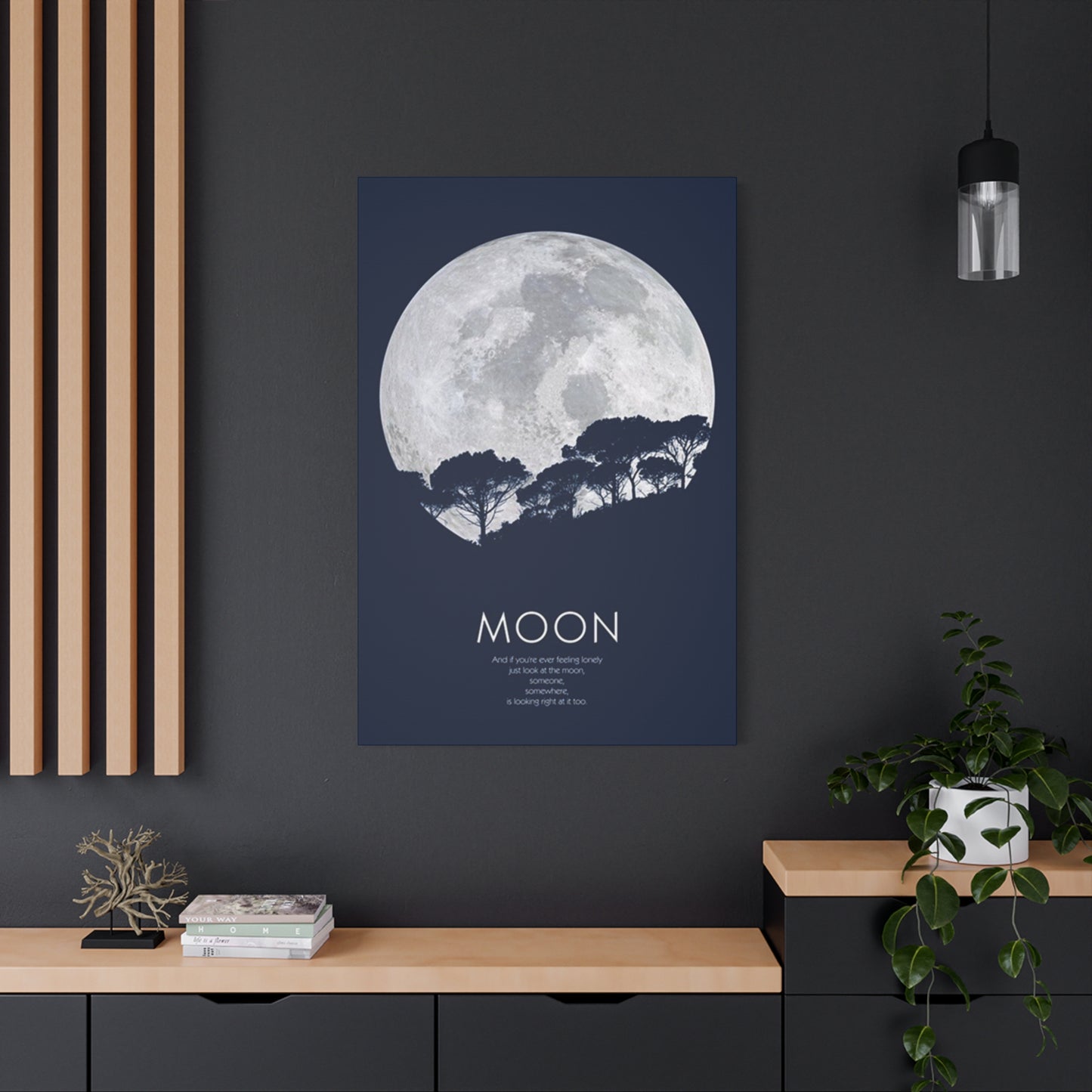
Moon Rise Wall Art & Canvas Prints
Moon Rise Wall Art & Canvas Prints
Couldn't load pickup availability
Experience the Magic of Moon Rise Wall Art: How It Transforms Your Living Space into a Tranquil Sanctuary of Wonder
The profound connection between humanity and celestial bodies has persisted throughout countless generations, manifesting in various forms of artistic expression that capture the ethereal beauty of our night sky. Among these expressions, lunar-themed decorative pieces have emerged as powerful statement elements that bring cosmic magnificence directly into our personal spaces. The allure of watching Earth's natural satellite ascend above distant horizons has inspired artists, poets, and dreamers for millennia, and now this captivating phenomenon finds its permanent place on our walls through carefully crafted visual representations.
The Profound Impact of Celestial Imagery on Interior Environments
When considering the transformation of residential or commercial spaces, few decorative elements possess the versatility and emotional resonance of lunar imagery. These carefully selected pieces serve multiple purposes beyond mere decoration, functioning as conversation starters, mood enhancers, and focal points that draw the eye and imagination simultaneously. The representation of Earth's satellite in various phases and atmospheric conditions creates an immediate connection to the natural world, even within the most urbanized settings.
The placement of such cosmic artwork within a room fundamentally alters its character and atmosphere. Unlike conventional decorative choices that may feel trendy or temporary, celestial representations carry timeless appeal that transcends passing design movements. This enduring quality stems from humanity's eternal fascination with the cosmos and our place within it. When guests enter a space adorned with carefully chosen lunar imagery, they experience an immediate shift in perspective, suddenly reminded of the vastness beyond our everyday concerns.
Research into environmental psychology has consistently demonstrated that our surroundings significantly influence our mental states, productivity levels, and overall wellbeing. The introduction of celestial elements into interior spaces creates what researchers term "psychological distance" – a mental separation from immediate stressors that allows for broader perspective and enhanced creativity. This phenomenon explains why individuals often report feeling more contemplative, peaceful, and inspired when surrounded by cosmic imagery.
The color palettes typically associated with lunar artwork – deep blues, silvers, grays, and subtle golds – naturally complement a wide range of decorating schemes. These hues possess inherent calming properties while simultaneously adding depth and sophistication to any environment. Whether your aesthetic leans toward minimalist modernism, rustic farmhouse charm, or eclectic bohemian expression, appropriately selected celestial pieces integrate seamlessly while elevating the overall design narrative.
Exploring Various Styles and Artistic Interpretations of Lunar Imagery
The diversity of available lunar artwork reflects the multitude of ways artists interpret this celestial subject. From hyper-realistic photographs capturing minute surface details to abstract representations suggesting rather than depicting, the range of stylistic approaches ensures that every individual can find pieces resonating with their personal aesthetic sensibilities and emotional preferences.
Photographic representations offer breathtaking realism, presenting the lunar surface with scientific accuracy and stunning clarity. These pieces appeal to those who appreciate the raw beauty of astronomical phenomena and seek to bring authentic cosmic elements into their spaces. High-resolution images captured through powerful telescopes reveal craters, maria, and surface variations with remarkable precision, creating educational opportunities alongside aesthetic appeal.
Conversely, abstract interpretations liberate artists from literal representation, allowing them to explore the emotional and symbolic dimensions of lunar imagery. These pieces might employ unconventional color schemes, distorted perspectives, or fragmented compositions that challenge viewers to engage more actively with the artwork. Such interpretations prove particularly effective in contemporary spaces where conceptual thinking and artistic innovation receive priority.
Watercolor treatments of lunar subjects introduce softness and fluidity often absent from photographic approaches. The medium's inherent unpredictability creates atmospheric effects that perfectly capture the mysterious, ethereal quality of moonlight. These pieces work exceptionally well in spaces designed for relaxation and contemplation, such as bedrooms, reading nooks, or meditation areas.
Vintage-inspired lunar illustrations harken back to early astronomical drawings and scientific diagrams, appealing to those who appreciate historical aesthetics and nostalgic charm. These pieces often incorporate antique map elements, weathered textures, and sepia tones that suggest the passage of time and accumulated wisdom. They integrate beautifully into spaces with reclaimed wood, leather furnishings, and other elements that celebrate craftsmanship and heritage.
Digital artists have expanded the possibilities for lunar representation through manipulation of photography, creation of surrealistic compositions, and incorporation of mixed media elements. These contemporary approaches often blend multiple exposures, add fantastical elements, or reimagine the lunar surface in unexpected ways that challenge conventional perceptions while maintaining recognizable connections to the source material.
Understanding the Symbolic Meanings and Cultural Significance Behind Lunar Representations
Throughout human civilization, the moon has accumulated layers of symbolic meaning that vary across cultures while maintaining certain universal themes. Understanding these associations adds depth to the experience of living with lunar artwork, transforming decorative choices into meaningful statements about values, beliefs, and aspirations.
In numerous cultural traditions, the moon represents feminine energy, intuition, and cyclical transformation. This association stems from the observable correlation between lunar phases and various natural cycles, including tides, fertility, and agricultural rhythms. Incorporating lunar imagery into personal spaces can serve as a daily reminder to honor intuitive wisdom, embrace natural cycles, and acknowledge the power of gradual transformation.
The contrast between the moon's constant presence and its ever-changing appearance has made it a powerful symbol for permanence amid change. This duality resonates deeply with individuals navigating life transitions, seeking stability while remaining adaptable to circumstances. A carefully chosen piece depicting lunar phases can serve as a visual meditation on acceptance, patience, and the inevitability of change.
Many philosophical and spiritual traditions associate the moon with introspection, dreams, and the subconscious mind. The soft, reflected light of Earth's satellite – as opposed to the direct brilliance of the sun – suggests illumination of a gentler, more nuanced nature. Spaces adorned with lunar imagery naturally become conducive to quiet reflection, dream work, and exploration of inner landscapes.
In certain Eastern philosophies, the moon represents enlightenment itself, with legends describing how seeing one's reflection in still water beneath moonlight can trigger profound realizations. This symbolism imbues lunar artwork with aspirational qualities, suggesting that these pieces serve not merely as decoration but as tools for personal growth and spiritual development.
The romantic associations of moonlight need hardly be mentioned, yet they remain relevant when considering how lunar imagery affects the emotional atmosphere of a space. Bedrooms, intimate gathering areas, and romantic venues all benefit from the soft, dreamy ambiance that well-chosen celestial artwork naturally creates.
Selecting the Perfect Size and Scale for Maximum Visual Impact
The dimensions of your chosen artwork dramatically influence its impact on a space, making size selection a critical consideration in the design process. Understanding how scale relates to room proportions, furniture arrangements, and viewing distances ensures that your investment achieves maximum effectiveness.
For expansive wall areas above sofas, beds, or along hallways, oversized statement pieces measuring 40 inches or larger create commanding focal points that anchor entire rooms. These substantial works demand attention without overwhelming spaces when properly proportioned to surrounding elements. The general guideline suggests that artwork should occupy roughly two-thirds to three-quarters of the furniture width beneath it, though this rule flexes based on ceiling height and overall room scale.
Medium-sized pieces ranging from 20 to 40 inches work beautifully in more intimate settings or as components of gallery wall arrangements. These versatile dimensions adapt to various contexts, functioning equally well as standalone features or ensemble participants. Their manageable scale makes them ideal for spaces where multiple focal points compete for attention or where a more subtle decorative approach proves appropriate.
Smaller works measuring under 20 inches excel in personal spaces, powder rooms, office nooks, and as accent pieces within larger arrangements. Their intimate scale invites closer examination and creates opportunities for surprise discoveries as guests explore your space. Collections of smaller lunar-themed pieces arranged thoughtfully can generate visual interest exceeding that of single larger works.
When planning vertical arrangements, consider how the eye naturally moves through space. Ascending compositions suggesting the moon's rise through the sky create dynamic energy and draw attention upward, making rooms feel taller and more expansive. Horizontal arrangements across wide walls stabilize spaces and work particularly well in open-concept environments where continuous visual flow matters.
The physical weight of larger pieces necessitates proper mounting hardware and installation expertise. Canvas prints typically weigh less than framed works of equivalent size, making them more suitable for walls with limited load-bearing capacity. Metal prints offer exceptional durability and modern aesthetic appeal while maintaining manageable weight profiles. Understanding these practical considerations prevents disappointment and ensures safe, secure installations.
Examining Material Options and Their Unique Characteristics
The substrate onto which lunar imagery is printed or painted dramatically affects both the visual presentation and longevity of the finished piece. Each material option brings distinct advantages, aesthetic qualities, and practical considerations that merit careful evaluation.
Canvas remains the most popular choice for contemporary artwork, offering texture, depth, and a traditional fine art appearance that many collectors prefer. Gallery-wrapped canvas stretched over wooden frames creates clean edges that require no additional framing, resulting in modern, minimalist presentations. The fabric surface produces slight texture variations that add visual interest and reduce glare under various lighting conditions. High-quality canvas prints properly sealed against moisture and UV degradation maintain their appearance for decades with minimal maintenance.
Metal prints have surged in popularity for celestial imagery due to their luminous quality and exceptional detail rendering. The printing process infuses inks directly into specially coated aluminum sheets, creating images that appear to glow from within. This ethereal quality proves particularly effective for lunar subjects, enhancing the mysterious, otherworldly nature of the imagery. Metal prints resist fading, require no glass covering, and clean easily with simple wiping, making them ideal for high-traffic areas or spaces with challenging environmental conditions.
Acrylic face mounting produces stunning depth and color vibrancy by sandwiching prints between acrylic sheets. Light travels through the transparent acrylic and reflects off the image layer, creating exceptional luminosity and three-dimensional effects. These sophisticated presentations command premium prices but deliver gallery-quality results that elevate any space. The smooth, glossy surface requires careful placement to minimize unwanted reflections.
Wood panels offer organic warmth that beautifully complements rustic, farmhouse, and nature-inspired decorating schemes. Images printed directly onto wooden substrates or mounted on wood backing incorporate visible grain patterns that add character and authenticity. These pieces work exceptionally well in spaces featuring natural materials, earth tones, and handcrafted elements.
Traditional framed prints behind glass remain relevant for those who prefer classic presentation styles or wish to protect valuable original artwork. Frame selection dramatically influences the overall aesthetic, with options ranging from ornate gilt frames suggesting old-world elegance to sleek metal profiles emphasizing contemporary minimalism. Matting choices further customize the presentation, creating breathing room around the image and drawing the eye toward central elements.
Mastering Placement Strategies for Various Room Types
Strategic positioning of lunar artwork maximizes its impact while ensuring harmonious integration with existing architectural elements and furnishings. Different rooms present unique opportunities and challenges that require thoughtful consideration.
Living room placement typically centers on creating a focal point above the main seating area. The artwork should hang at eye level when seated, generally positioning the center point approximately 60 inches from the floor. For arrangements above sofas, leave 6-10 inches of space between the furniture top and the artwork's lower edge. This positioning creates visual connection while preventing the piece from appearing to float disconnectedly in space.
Bedroom installations benefit from positioning that allows appreciation from the bed while avoiding overwhelming intimacy when lying down. Many designers recommend placing statement pieces on walls adjacent to the bed rather than directly above it, creating pleasant viewing angles without the psychological weight of large objects overhead. Alternatively, smaller pieces above nightstands or dressers add interest without dominating the restful atmosphere bedrooms require.
Dining areas present excellent opportunities for conversation-starting artwork that guests can appreciate during meals. Positioning pieces to avoid direct glare from chandeliers or windows ensures comfortable viewing throughout dining experiences. The vertical space above buffets, credenzas, or servers provides ideal locations for horizontal compositions or grouped smaller works.
Home office environments benefit tremendously from inspirational imagery that encourages perspective and reduces stress during demanding work sessions. Positioning lunar artwork within the natural sight line when looking up from computer screens provides regular micro-breaks that refresh attention and combat mental fatigue. The contemplative nature of celestial imagery makes it particularly suitable for spaces requiring focus and creativity.
Bathroom installations demand special consideration regarding humidity, temperature fluctuations, and moisture exposure. Metal and acrylic pieces perform best in these challenging environments, resisting warping, mold growth, and deterioration that might affect canvas or paper-based works. Powder rooms offer opportunities for bold, unexpected artistic statements that surprise and delight guests.
Stairway walls provide expansive canvases for dramatic arrangements following the ascending line. Multiple pieces positioned to track the rising trajectory create visual movement that guides the eye upward while making the most of often-underutilized vertical space. This approach works beautifully with phase progression imagery showing the moon's transformation throughout its cycle.
Entryway installations set the tone for entire homes, making first impressions that inform guest expectations. A striking lunar piece immediately communicates interest in beauty, nature, and contemplative living. The positioning should allow appreciation immediately upon entering while not overwhelming the typically compact space most entries provide.
Creating Harmonious Color Coordination With Existing Decor Elements
Successful incorporation of lunar artwork requires thoughtful consideration of existing color schemes, ensuring new additions enhance rather than clash with established palettes. The naturally neutral tones of most lunar imagery provide significant flexibility while still requiring conscious coordination.
Monochromatic schemes built around grays, silvers, blacks, and whites create sophisticated, cohesive environments where lunar imagery integrates seamlessly. This approach emphasizes form, texture, and subtle tonal variations rather than bold color contrasts. Adding metallic accents through frames, decorative objects, or lighting fixtures reinforces the celestial theme while maintaining elegant restraint.
Blue-dominated palettes naturally complement lunar imagery, particularly pieces depicting twilight skies or moonlight reflecting on water. Varying shades from navy to powder blue throughout the space creates depth while maintaining unity. Warm metallic accents in brass or copper provide necessary contrast against predominantly cool tones, preventing spaces from feeling cold or sterile.
Neutral earth-tone environments featuring beiges, taupes, and warm grays benefit from lunar artwork that includes warmer tones or sunset-influenced skies. These pieces bridge the gap between earthy groundedness and celestial aspiration, creating balanced environments that feel both comforting and inspiring.
Bold, colorful spaces require careful selection of lunar artwork that incorporates vibrant hues while maintaining recognizable celestial subjects. Abstract interpretations using unexpected color palettes allow for creative expression while ensuring new additions harmonize with existing bold choices. Alternatively, maintaining the artwork's neutral tones provides visual rest areas within otherwise stimulating environments.
Repeating key colors from the artwork throughout the space through throw pillows, area rugs, decorative objects, or window treatments creates intentional connections that unify the design scheme. This technique makes new artwork feel integrated rather than added as an afterthought, demonstrating deliberate design thinking.
Incorporating Complementary Decorative Elements That Enhance the Celestial Theme
Once you've established lunar artwork as a central design element, introducing complementary pieces amplifies the overall effect while avoiding heavy-handed theme execution. Subtle reinforcement creates cohesive environments without crossing into kitschy territory.
Celestial-inspired lighting fixtures serve dual purposes as functional necessities and thematic reinforcements. Pendant lights with spherical shades, star-shaped sconces, or fixtures featuring constellation patterns extend the cosmic narrative throughout the space. Dimmable options allow adjustment of ambiance to match desired mood and time of day.
Textiles incorporating subtle celestial motifs add layers of thematic consistency without overwhelming spaces. Throw pillows featuring constellation embroidery, area rugs with geometric patterns suggesting orbital paths, or curtains in deep midnight blues all contribute to cohesive design narratives. Maintaining subtlety ensures individual elements enhance rather than compete with primary focal points.
Metallic decorative objects in silver, pewter, or gunmetal finishes echo the cool tones prevalent in lunar imagery while adding reflective surfaces that enhance light play throughout rooms. Candle holders, vases, picture frames, and sculptural objects provide opportunities for metallic introduction without major commitments.
Natural elements including crystals, geodes, and interesting rocks create compelling contrasts between earthly and celestial themes. Display collections on floating shelves, coffee tables, or dedicated console areas where they can be appreciated and rearranged. The juxtaposition of grounded geological specimens with aspirational celestial imagery creates balanced, holistic design statements.
Books addressing astronomy, space exploration, mythology, or philosophy serve as both decorative elements and functional resources that reinforce intellectual curiosity about cosmic subjects. Arranging carefully selected volumes on open shelving or coffee tables signals depth beyond surface-level aesthetic choices.
Living plants introduce organic vitality that prevents spaces from feeling too austere or cerebral. The contrast between growing, changing plant life and timeless celestial representations creates dynamic tension that keeps environments feeling alive and evolving. Species thriving in lower light conditions prove particularly suitable for rooms designed around contemplative, lunar-inspired aesthetics.
Exploring Framing Alternatives and Presentation Methods
The manner in which you present lunar artwork significantly influences its overall impact and integration with surrounding decor. Moving beyond conventional framing opens creative possibilities while potentially reducing costs.
Floating frame systems suspend artwork slightly away from walls, creating subtle shadows that add dimension and visual interest. This presentation style works exceptionally well with canvas pieces, creating gallery-quality presentations without the weight and expense of traditional frames. The floating effect seems particularly appropriate for celestial subjects, suggesting their natural suspension in space.
Ledge shelving allows for flexible, changeable displays where artwork can be easily swapped, rearranged, or updated without wall damage. This approach proves ideal for renters, indecisive decorators, or those who enjoy seasonal refreshing of their spaces. Layering multiple pieces at varying depths creates casual, collected aesthetics that feel personal and curated.
Tension rod systems utilizing cables, clips, or suspended rods offer industrial-inspired presentation methods that suit lofts, modern spaces, and eclectic environments. These flexible systems allow for easy height adjustments and piece swapping while creating distinctive visual statements that differentiate spaces from conventionally decorated counterparts.
Grid systems using multiple smaller pieces arranged in precise formations create impactful statements through collective presence rather than individual scale. This approach works beautifully for lunar phase progressions, showing the complete cycle through coordinated, sequential imagery. The organized grid structure provides visual order while the varied content maintains interest.
Leaning large-scale pieces against walls rather than hanging them creates casual, approachable atmospheres particularly suited to bohemian, eclectic, or artistic spaces. This presentation style works best with substantial pieces possessing adequate weight to remain stable. Positioning leaned artwork on mantels, along baseboards, or atop low furniture adds layers to design schemes.
Triptych and multi-panel arrangements divide single images across multiple canvases, creating dynamic presentations that can span large wall areas while maintaining individual manageable sizes. The spaces between panels add rhythm and visual interest while the coordinated imagery maintains unity. This format proves particularly effective for panoramic lunar landscapes or phase progressions.
Understanding the Relationship Between Lighting and Artwork Presentation
Proper illumination dramatically enhances artwork appreciation while poor lighting undermines even the finest pieces. Understanding how natural and artificial light interact with different materials and subjects ensures optimal presentation throughout varied conditions.
Natural light provides ideal illumination for most artwork but requires careful management to prevent fading and damage. Position pieces to receive indirect natural light rather than direct sun exposure, which accelerates deterioration through UV radiation and heat. North-facing walls in the Northern Hemisphere receive consistent, indirect light throughout the day, making them ideal locations for valuable pieces requiring protection.
Picture lights mounted directly above or below artwork provide focused illumination that draws attention while enhancing colors and details. LED versions offer energy efficiency, minimal heat production, and longevity that make them practical choices for permanent installations. Adjustable arms allow customization of light direction and intensity for optimal results.
Track lighting systems offer flexibility for illuminating multiple pieces or adjusting focus as artwork changes. Positioning tracks to cast light at approximately 30-degree angles prevents glare while providing even coverage. Dimmable systems allow adjustment for different times of day, activities, and desired ambiances.
Ambient room lighting establishes baseline illumination levels that affect how artwork appears throughout normal use. Layered lighting plans incorporating multiple source types at various heights create depth and prevent the flat, monotonous illumination that results from relying solely on overhead fixtures.
Accent lighting using uplights, spotlights, or wall washers can dramatize artwork presentations, creating theatrical effects appropriate for gallery-like displays. This approach works particularly well in dedicated art walls or formal spaces where heightened drama enhances rather than overwhelms.
Back-lighting suitable for certain materials like metal or acrylic creates ethereal glowing effects particularly appropriate for celestial subjects. LED strip lights positioned behind wall-mounted pieces produce halos of illumination that enhance the otherworldly quality of lunar imagery.
Smart lighting systems allowing color temperature and intensity adjustments enable customization matching time of day, season, or mood. Cooler temperatures emphasizing blues and whites suit daytime viewing and active spaces, while warmer tones create comfortable evening atmospheres conducive to relaxation.
Investigating the Emotional and Mood-Altering Effects of Celestial Imagery
The psychological impact of surrounding ourselves with particular imagery extends beyond aesthetic pleasure into measurable effects on mood, cognition, and behavior. Understanding these influences helps make intentional choices supporting desired outcomes.
Studies in environmental psychology consistently demonstrate that nature imagery, including celestial subjects, reduces stress markers including cortisol levels, heart rate, and blood pressure. Even brief exposure to natural scenes produces measurable relaxation responses, suggesting that regular interaction with such imagery through home decor provides ongoing benefits.
The color palettes associated with lunar artwork typically emphasize cool tones known to promote calmness, reduce mental activity, and facilitate rest. Blue particularly demonstrates strong correlations with reduced anxiety, slower heart rate, and improved sleep quality. These physiological responses make lunar imagery especially suitable for bedrooms, meditation spaces, and areas designed for stress reduction.
Contemplative imagery encourages mental state shifts from external focus to internal awareness. The presence of thought-provoking visual elements creates natural pause points during daily routines, prompting brief meditative moments that accumulate into significant stress reduction over time. These micro-meditations combat the constant outward attention demanded by modern connected life.
Awe-inspiring imagery depicting vast scales, whether terrestrial or celestial, produces what researchers term the "overview effect" – a cognitive shift toward broader perspective and reduced ego-centrism. Individuals experiencing this shift report decreased concern with petty problems, increased prosocial behavior, and enhanced creativity. Regularly viewing imagery that evokes awe may cultivate these beneficial mindsets over time.
Symbolic associations with particular images influence subconscious processing and self-concept. Choosing to surround yourself with lunar imagery might reflect and reinforce qualities like intuition, cyclical thinking, patience, and acceptance of natural rhythms. These subtle psychological alignments shape daily experience in ways that conscious awareness might miss.
Biophilic design principles suggest that humans possess innate affinity for natural elements, evolved over millennia of outdoor existence. Incorporating representations of natural phenomena, even celestial rather than terrestrial, satisfies these deep-seated needs, promoting wellbeing in ways that purely human-made environments cannot.
Curating Personal Collections That Tell Meaningful Visual Stories
Rather than selecting individual pieces in isolation, considering how multiple works relate creates cohesive narratives that add depth and intention to design schemes. Thoughtful curation transforms random assemblages into meaningful collections.
Phase progression collections documenting the moon's complete cycle offer both educational interest and symbolic richness. Arranging these sequential images horizontally across a long wall or stairway creates visual rhythm while celebrating natural cycles. This approach works beautifully in spaces emphasizing natural living, mindfulness, or feminine energy.
Stylistic variety within a unified subject demonstrates sophisticated collecting sensibilities while maintaining thematic coherence. Combining photographic, painted, abstract, and vintage interpretations of lunar subjects creates visual interest through diversity while the common theme provides unity. This curatorial approach suits eclectic decorating styles and showcases individual artistic appreciation.
Size gradation arrangements using pieces of progressively increasing or decreasing dimensions create dynamic visual movement and professional polish. This technique draws the eye along intentional paths, guiding attention through spaces according to deliberate design thinking.
Color-based collections that span a spectrum while maintaining subject consistency offer subtle sophistication. Moving from cool blue-toned lunar images through neutral grays to warm golden moonlight pieces creates gradual transitions that feel organic and intentional.
Mixed media collections incorporating photography, painting, sculpture, and decorative objects around lunar themes demonstrate commitment to the subject beyond surface-level aesthetic choices. Three-dimensional elements like celestial sphere models, telescope replicas, or lunar phase calendars add depth and tactile interest to primarily two-dimensional collections.
Personal significance curation prioritizes pieces with individual meaning – perhaps photographs taken during significant life events, artwork created during meaningful periods, or pieces collected during memorable travels. These personally resonant collections tell authentic stories that mass-produced coordination cannot replicate.
Investigating Diverse Cultural Representations of Lunar Imagery Across Civilizations
The moon's universal visibility has made it a shared cultural reference point across human societies, yet interpretations and symbolic associations vary dramatically based on geography, climate, religious traditions, and historical circumstances.
East Asian artistic traditions often emphasize the moon's association with poetry, contemplation, and refined aesthetic sensibility. Chinese landscape paintings frequently incorporate moon imagery within broader natural scenes, suggesting harmonious integration of celestial and terrestrial realms. The autumn moon viewing traditions celebrated in China, Japan, and Korea have generated centuries of artwork depicting this particularly meaningful astronomical event.
Islamic artistic heritage includes extensive lunar symbolism, with the crescent moon appearing in religious contexts, national flags, and decorative patterns. The lunar calendar's role in determining religious observances gives the moon special significance within Islamic culture, reflected in diverse artistic interpretations spanning calligraphy, architecture, and decorative arts.
Indigenous American traditions encompass wide-ranging lunar associations, with many nations maintaining unique names for each full moon based on seasonal characteristics and ecological events. Artwork reflecting these culturally specific moon names and associated stories provides both aesthetic appeal and educational opportunities, though respectful engagement with indigenous imagery requires acknowledging cultural sources and supporting native artists.
Ancient Egyptian civilization revered lunar deities and incorporated moon symbolism into religious art, tomb decorations, and hieroglyphic systems. Modern reproductions of Egyptian lunar imagery appeal to those drawn to ancient wisdom traditions and symbolic systems predating contemporary religions.
Greek and Roman mythology assigned divine personifications to the moon, with goddesses like Selene, Luna, and Artemis/Diana representing lunar power and mystery. Artistic interpretations of these mythological figures combine celestial and human elements, appealing to those interested in classical mythology and its continued cultural influence.
African artistic traditions incorporate lunar imagery within broader cosmological frameworks that often emphasize community, seasonal cycles, and connections between celestial phenomena and earthly life. The diversity of African cultures produces equally diverse lunar interpretations, from geometric abstractions to narrative scenes incorporating moon imagery within larger stories.
Contemporary global artists draw from multiple traditions while adding personal perspectives, creating fusion styles that honor diverse influences while establishing unique voices. Supporting living artists working with lunar themes contributes to ongoing cultural dialogue while acquiring original works with potential increasing value.
Examining Seasonal Considerations and Rotating Display Strategies
While lunar imagery maintains year-round appeal, thoughtful rotation and seasonal sensitivity can enhance its impact while keeping spaces feeling fresh and intentionally curated.
Spring cleaning traditions provide natural opportunities to refresh artwork displays, swapping pieces to reflect the season's renewal energy. Lighter, brighter lunar images emphasizing new moons or crescent phases align with spring's themes of beginning and growth. Pairing celestial artwork with fresh flowers, pastel accents, and open windows creates harmonious seasonal expressions.
Summer's extended daylight and outdoor orientation might reduce time spent in spaces where artwork hangs, but thoughtful selection maintains impact during evening hours. Warm-toned lunar images suggesting harvest moons or moonlight on summer waters complement the season's energy. Blue-dominated cool palettes provide visual relief from summer heat.
Autumn's shorter days and inward-turning energy make it ideal for emphasizing contemplative lunar imagery. Deep blues, dramatic nightscapes, and harvest moon representations align with the season's reflective character. Coordination with warm autumnal colors in textiles and decorative elements creates cozy, embracing environments.
Winter's long nights make lunar imagery particularly relevant and impactful. Snow-covered landscapes under moonlight, frost-touched scenes, or images emphasizing the moon's illumination in darkness resonate with winter's character. Metallic silvers and cool whites coordinate beautifully with winter decorating schemes while maintaining year-round sophistication.
Rotation systems allowing regular refreshment without permanent commitment suit those who enjoy variety or live in rental situations limiting wall modifications. Dedicated storage for pieces not currently displayed protects them from damage while maintaining rotation flexibility. Documenting previous arrangements through photographs prevents repetition while inspiring new combinations.
Special event highlighting using particular pieces for celebrations, gatherings, or meaningful dates adds ritualistic elements to artwork interaction. Displaying certain pieces only during full moons, solstices, or personal meaningful dates enhances their significance and creates anticipatory pleasure.
Addressing Practical Considerations Including Budget, Authenticity, and Sourcing
While aesthetic and emotional considerations drive initial artwork attraction, practical factors ultimately determine satisfaction with purchases. Addressing these elements thoughtfully prevents regret while ensuring long-term value.
Budget establishment before shopping prevents overspending while focusing searches on viable options. Original paintings command premium prices reflecting their uniqueness, artist skill, and time investment. Limited edition prints offer middle ground between mass-produced reproductions and costly originals, providing exclusivity at accessible price points. Mass-market reproductions deliver lunar imagery at minimal costs, perfectly suitable when decorating larger spaces or addressing temporary needs.
Authenticity verification protects against fraud when purchasing artwork represented as original or limited edition. Reputable sellers provide certificates of authenticity, detailed provenance information, and clear return policies. Artist signatures, edition numbers, and documentation of printing methods help establish legitimacy.
Local artist support provides unique pieces while building community connections and potentially discovering emerging talent before broader recognition drives prices upward. Gallery walks, art festivals, and online platforms connecting regional artists with collectors offer opportunities to find distinctive works unavailable through mass-market channels.
Online marketplaces dramatically expand options while requiring careful vetting to ensure quality, accurate representation, and reliable transaction completion. Reading reviews, examining return policies, and requesting additional images or information before purchasing reduces disappointment risks. Understanding shipping costs, timing, and insurance options prevents unpleasant surprises.
Print-on-demand services allow creation of custom pieces using personally meaningful images or specific size requirements. This approach works well for those who've captured their own lunar photographs or want precise dimensional specifications unavailable through standard retailers. Quality varies significantly among providers, making research and sample ordering wise investments.
Secondhand markets including estate sales, antique shops, and online resale platforms offer opportunities to acquire vintage or previously owned pieces at reduced costs. These treasure hunts appeal to those enjoying discovery processes and aren't seeking specific predetermined works. Patience and regular searching yield surprising finds that bring both aesthetic pleasure and story richness.
Protecting Your Investment Through Proper Care and Handling Practices
Quality artwork represents significant financial and emotional investment deserving protection through appropriate care practices that preserve appearance and longevity.
Dust accumulation affects all artwork regardless of medium or protective coverings. Regular gentle dusting using microfiber cloths or soft brushes prevents buildup that dulls colors and obscures details. Avoid harsh chemicals, excessive moisture, or abrasive materials that might damage delicate surfaces.
Canvas pieces benefit from occasional professional cleaning that removes accumulated grime without damaging paint or fabric. Many framers offer these services at reasonable costs. Between professional cleanings, gentle vacuuming with brush attachments set to minimal suction removes loose dust from textured surfaces.
Glass-covered pieces require cleaning products specifically formulated for glass that won't leave streaks or residues. Spraying cleaner onto cloths rather than directly on glass prevents liquid seepage behind protective barriers where moisture might damage artwork.
Metal prints resist many environmental challenges but still benefit from occasional wiping with clean, damp cloths to remove fingerprints, dust, and residue. Their durable surfaces tolerate more vigorous cleaning than canvas or paper-based works.
Acrylic-faced pieces demand careful handling to avoid scratching. Specialized acrylic cleaners and soft cloths designed for plastic surfaces maintain clarity without causing damage. Static electricity often attracts dust to acrylic surfaces, requiring more frequent attention than other materials.
Environmental monitoring including temperature stability, humidity control, and sun exposure limitation preserves artwork quality over decades. Dramatic fluctuations stress materials, causing warping, cracking, or delamination. Maintaining consistent conditions between 65-75 degrees Fahrenheit and 40-50 percent relative humidity provides ideal preservation conditions.
Smoking damage extends beyond visible discoloration to chemical degradation of artwork materials. Never smoking indoors dramatically extends artwork lifespan while benefiting overall air quality and health.
Professional appraisals document value for insurance purposes while potentially revealing unsigned pieces' origins or surprising worth. Regular appraisal updates ensure adequate coverage as market values fluctuate and pieces appreciate.
Discovering Unexpected Spaces Perfect for Lunar Artwork Display
Beyond obvious locations, numerous overlooked spaces provide excellent opportunities for meaningful artwork placement that enhances daily life in subtle, surprising ways.
Mudroom or entryway transitions from exterior to interior spaces benefit from welcoming imagery that helps shift mental gears between outside demands and home sanctuary. A striking lunar piece immediately signals arrival in personal territory while setting a calm, contemplative tone.
Hallway galleries transform often-neglected transitional spaces into meaningful experiences. The sequential nature of hallway travel suits narrative arrangements like lunar phase progressions or coordinated collections documenting seasonal moon variations.
Closet interiors surprise and delight during routine activities, transforming mundane spaces into discovery opportunities. A small framed lunar print inside a frequently opened closet door provides regular moments of pleasure without consuming valuable wall real estate in primary living areas.
Laundry room enhancements combat the tedium of necessary chores through visual interest and inspirational imagery. Water-resistant materials like metal prints withstand humid conditions while providing contemplative focal points during otherwise monotonous tasks.
Garage or workshop spaces often receive minimal decorating attention despite significant time investments in these areas. Durable artwork selections suitable for less controlled environments bring personality and inspiration to practical spaces, making them feel more intentionally designed and personally meaningful.
Outdoor covered areas including porches, patios, or gazebos benefit from weather-resistant artwork that extends interior design sensibilities into exterior spaces. Specially treated pieces or inherently durable materials withstand moderate weather exposure while creating cohesive indoor-outdoor aesthetic flow.
Unexpected vertical surfaces including door panels, column sides, or narrow wall sections between windows become design opportunities through creative thinking. Custom sizing or specifically selected small-scale pieces maximize these challenging areas.
Building Knowledge About Lunar Phases and Their Symbolic Associations
Understanding the moon's cyclical changes deepens appreciation for phase-specific imagery while informing meaningful selection and placement decisions.
New moon phases representing beginnings, potential, and inward focus suit spaces dedicated to planning, meditation, or introspective activities. The barely visible or entirely dark moon suggests latent power and unlimited possibility, making it symbolically appropriate for home offices, studios, or personal development spaces.
Waxing crescent imagery captures growing energy, emerging clarity, and forward momentum. These representations work well in areas associated with projects, goals, and active pursuits. The delicate curve of the early crescent possesses elegant simplicity that suits minimalist aesthetics.
First quarter half-illumination represents decision points, balance, and commitment to chosen directions. The clear contrast between light and shadow creates dramatic visual interest while symbolizing the need to choose paths and commit resources.
Waxing gibbous near-fullness suggests refinement, adjustment, and anticipation of completion. This phase's increasing brightness works well in spaces requiring persistent effort toward visible goals, providing visual encouragement during challenging final pushes.
Full moon imagery delivers maximum impact through complete illumination and symbolic representation of fulfillment, clarity, and manifestation. These pieces create powerful focal points while carrying associations with celebration, gratitude, and achievement recognition.
Waning gibbous post-fullness phases suggest sharing, teaching, and distributing accumulated wisdom or resources. The gradual decrease from maximum illumination represents graceful release and generosity, appropriate for communal gathering spaces or areas dedicated to mentorship and guidance.
Last quarter half-illumination creates mirror image to first quarter, representing reassessment, release, and letting go of what no longer serves. This phase's reflective quality suits spaces designed for contemplation and emotional processing.
Conclusion
Moon Rise Wall Art is a captivating addition to any home, offering a transformative way to infuse your living space with a sense of awe, tranquility, and celestial beauty. The image of the moon rising above the horizon—a timeless symbol of change, mystery, and serenity—captures the profound majesty of the natural world. By bringing this stunning visual into your home, you create more than just a decorative piece; you introduce an element of wonder, inviting both calm and inspiration into your daily life. Whether it’s a soft, golden moon emerging from a dusky landscape or a vibrant, colorful interpretation of a lunar ascent, Moon Rise Wall Art offers a chance to reconnect with the beauty and rhythm of nature in a way that enhances the energy of any room.
The beauty of Moon Rise Wall Art lies in its ability to evoke a range of emotions, from peaceful reflection to wonder and awe. The image of the rising moon is both calming and empowering—it represents new beginnings, cycles of transformation, and the quiet yet powerful passage of time. It is a reminder of the eternal rhythms that govern the universe and our lives. This sense of continuity and renewal makes moonrise art a perfect addition to spaces meant for relaxation, introspection, or personal growth, such as bedrooms, meditation areas, or quiet reading nooks.
Beyond its emotional resonance, Moon Rise Wall Art brings a dynamic visual element to a space. The colors and textures associated with a moonrise—shades of deep blues, purples, and silvers, contrasted with the soft glow of the moon itself—create a striking visual impact that adds both depth and serenity to the room. The interplay of light and shadow can make your space feel expansive, evoking the vastness of the night sky and inviting the viewer to pause and gaze upon its beauty. Whether you choose a realistic depiction or a more abstract, painterly interpretation, the piece brings a sense of wonder and calm that enhances the atmosphere of the room.
Moon Rise Wall Art also serves as a powerful focal point in any room. Its dramatic visual impact can transform an otherwise simple or minimalist space into one of inspiration and intrigue. The rising moon commands attention, drawing the eye and encouraging contemplation, while also subtly blending with a range of decor styles. Whether you have a modern, industrial design with clean lines, or a bohemian-inspired space full of texture and warmth, a piece of moonrise artwork can seamlessly complement your existing decor. The versatility of this imagery allows it to fit effortlessly into various interior styles, from coastal and rustic to contemporary and eclectic.
Incorporating Moon Rise Wall Art into your home also allows for a deeper connection to the symbolic and spiritual significance of the moon. The rising moon often represents hope, enlightenment, and the unfolding of new possibilities. Its presence in your living space can serve as a reminder to embrace change, trust in the cycles of life, and stay connected to a greater sense of purpose. The moonrise symbolizes growth, transformation, and the power of natural rhythms, making it a perfect complement to spaces where you wish to encourage reflection, renewal, and personal connection.
Additionally, Moon Rise Wall Art taps into a universal fascination with the moon and the night sky. For centuries, cultures around the world have revered the moon, and its rise has been a source of wonder, inspiration, and connection to the cosmos. The image of the moon rising on the horizon stirs a sense of exploration, inviting us to dream and imagine possibilities beyond our immediate surroundings. Whether you’re drawn to the symbolic meaning or simply captivated by the visual beauty, moonrise art offers a glimpse into the infinite expanse of the universe, encouraging you to pause, look up, and embrace the mysteries of the night.
In conclusion, Moon Rise Wall Art offers more than just a beautiful decorative element for your home; it brings a powerful sense of wonder, serenity, and transformation into your living space. The image of the moon rising symbolizes cycles, new beginnings, and the eternal beauty of nature, creating a tranquil and inspiring atmosphere in any room. Whether as a focal point in your living room, a calming presence in your bedroom, or an inspiring addition to a personal space, this artwork has the ability to connect you to the rhythms of the natural world. By incorporating Moon Rise Wall Art into your home, you invite the quiet majesty of the night sky into your daily life, creating a sanctuary of peace, reflection, and wonder that elevates your surroundings and nourishes your spirit.
Share