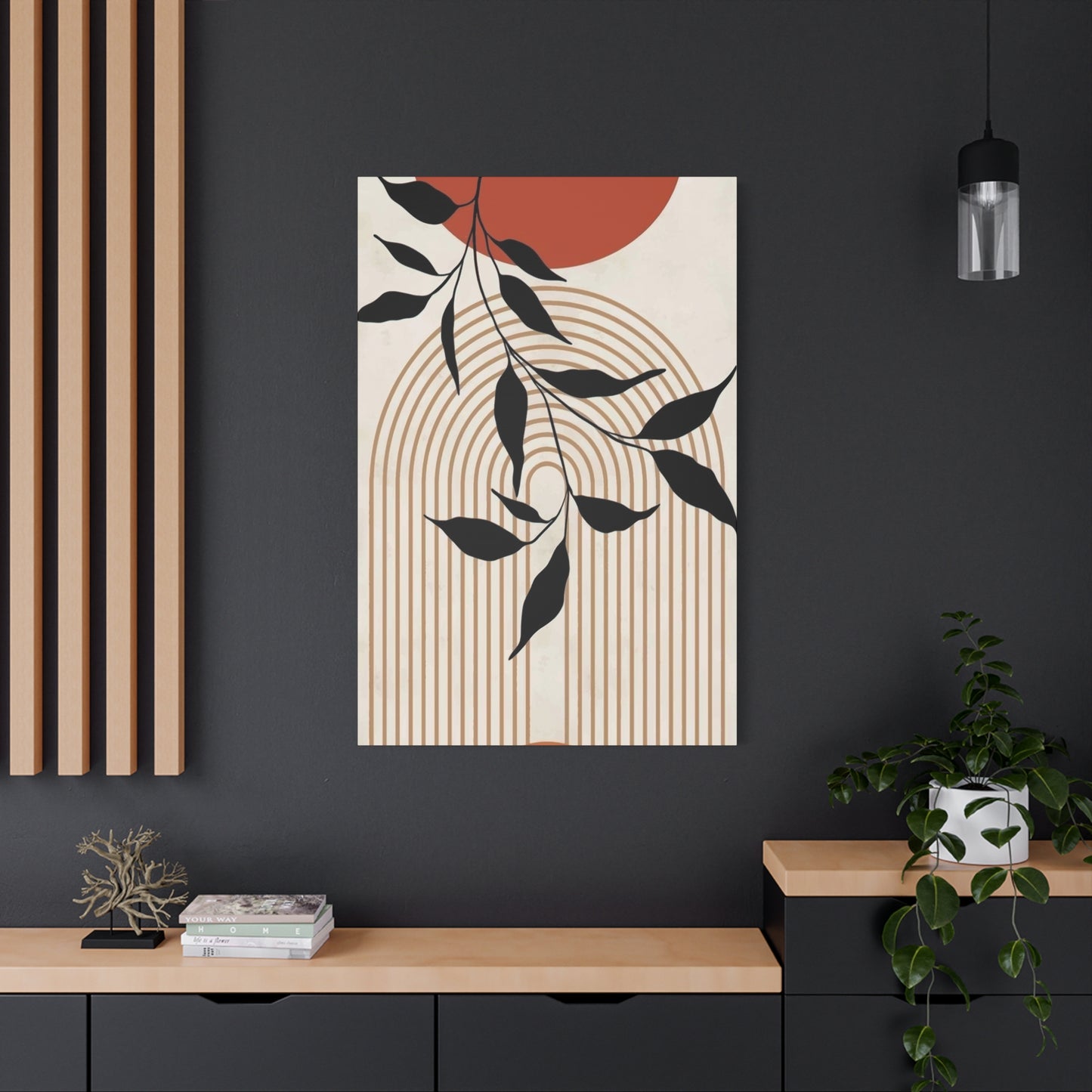


Mid Century Wall Art & Canvas Prints
Mid Century Wall Art & Canvas Prints
Couldn't load pickup availability
Mid Century Wall Art: A Comprehensive Exploration of Retro Aesthetic Expression for Modern Living Spaces
The resurgence of mid-century design principles has captivated homeowners, interior decorators, and art enthusiasts worldwide, bringing forth a renewed appreciation for the distinctive visual language that emerged during the transformative decades following World War II. This particular aesthetic movement, characterized by clean lines, geometric patterns, and organic forms, continues to influence contemporary interior decoration choices, particularly in the realm of wall-based artistic displays that serve as focal points within residential and commercial environments.
The Origins and Cultural Significance of Post-War Artistic Expression in Interior Decoration
The period spanning from the late 1940s through the early 1970s witnessed an unprecedented transformation in design philosophy, driven by a collective desire to break away from ornate Victorian traditions and embrace a more streamlined, functional approach to living spaces. Artists, designers, and craftspeople of this era sought to create works that reflected the optimism and forward-thinking mentality of a society rebuilding itself after global conflict. The artistic output during these decades emphasized accessibility, mass production capabilities, and a democratic approach to aesthetics that made stylish home decoration available to the growing middle class.
This movement drew inspiration from various sources, including Bauhaus principles, Scandinavian simplicity, and the burgeoning space age fascination that captured the public imagination. The result was a distinctive visual vocabulary featuring abstract shapes, bold color palettes, asymmetrical compositions, and a harmonious balance between natural and manufactured materials. These characteristics manifested beautifully in wall decorations that transformed blank surfaces into dynamic visual statements, reflecting the era's progressive spirit while maintaining a sense of timeless sophistication.
The democratization of art during this period meant that beautiful, well-designed pieces were no longer exclusive to wealthy patrons or formal gallery spaces. Instead, affordable reproductions and original works became available through department stores, furniture showrooms, and specialized retailers, allowing ordinary families to cultivate aesthetic environments that reflected contemporary sensibilities. This widespread accessibility contributed significantly to the lasting influence of this design era, as millions of homes incorporated these visual elements into their daily living experiences.
Identifying Authentic Visual Characteristics of Retro Wall Decoration Masterpieces
When examining pieces from this influential design period, several distinguishing features emerge that set them apart from both earlier and later artistic movements. The color selections often featured earthy tones such as mustard yellow, burnt orange, avocado green, and chocolate brown, punctuated by bright accent shades like turquoise, coral, and sunshine yellow. These palettes reflected both the natural world and the synthetic possibilities offered by new manufacturing processes, creating a distinctive chromatic signature instantly recognizable to design aficionados.
Geometric abstraction played a central role in the visual language of this era, with artists exploring circles, triangles, rectangles, and organic kidney shapes arranged in dynamic compositions that suggested movement and energy. These forms were often layered or interconnected, creating spatial relationships that engaged viewers and invited contemplation. The geometric elements sometimes appeared crisp and precise, while other examples featured softer, more fluid interpretations that bridged the gap between mathematical precision and organic spontaneity.
Representational imagery from this period frequently depicted stylized natural forms, including botanical subjects rendered with simplified contours and unexpected color combinations. Birds, particularly peacocks and other exotic species, appeared as popular motifs, along with abstracted human figures engaged in leisurely activities that reflected the era's increased emphasis on recreation and domestic comfort. Architectural elements, sunbursts, atomic structures, and celestial bodies also featured prominently, reflecting contemporary fascinations with science, exploration, and modernist building design.
Texture and materiality constituted another defining aspect of these decorative pieces. Many examples incorporated mixed media approaches, combining paint with fabric, wood, metal, or ceramic elements to create dimensional surfaces that cast shadows and changed appearance depending on viewing angle and lighting conditions. This multisensory approach distinguished wall decorations from flat, purely painterly traditions, positioning them as sculptural objects that occupied an intermediate space between two-dimensional imagery and three-dimensional form.
The compositional strategies employed during this period often featured asymmetrical arrangements that created visual tension and interest. Rather than centering subjects or creating balanced mirror images, designers frequently positioned key elements off-center, allowing negative space to function as an active component of the overall design. This approach reflected broader philosophical shifts toward appreciating emptiness and restraint as positive values rather than merely the absence of content.
Material Choices and Fabrication Methods That Define Retro Aesthetic Wall Pieces
The production of wall decorations during the post-war decades benefited from both traditional craftsmanship and emerging manufacturing capabilities, resulting in a diverse range of material applications and construction techniques. Canvas remained a popular substrate for painted works, though artists increasingly experimented with alternative surfaces that offered different textural qualities and visual effects. Masonite, a dense fiberboard material, provided a smooth, stable foundation for both professional artists and commercial producers, while burlap and other woven fabrics introduced organic texture that complemented the era's emphasis on natural materials.
Wood entered the creative vocabulary in various forms, from carved panels featuring abstract relief designs to assembled constructions incorporating different wood species to create tonal variations. Teak, walnut, and rosewood proved particularly popular, their warm tones and distinctive grain patterns aligning perfectly with the period's aesthetic preferences. These wooden pieces often featured geometric cutouts, layered elements, or carved surfaces that created plays of light and shadow, transforming the wall into a dynamic rather than static display surface.
Metal components appeared in both purely sculptural forms and mixed media combinations, with copper, brass, and steel offering contrasting visual properties. Copper's warm reddish tones and tendency to develop rich patinas over time appealed to those seeking living, evolving artworks that changed subtly with age. Brass provided golden accents that added luxury without excessive ornamentation, while steel's industrial character spoke to modernist sensibilities celebrating manufacturing and machine aesthetics.
Ceramic and mosaic techniques translated beautifully to wall-mounted formats, with artists creating both relief tiles and assembled compositions featuring glazed surfaces in the era's characteristic color schemes. These pieces offered remarkable durability and resistance to environmental factors while providing glossy or matte finishes that interacted distinctively with ambient lighting. The handcrafted quality of many ceramic works contrasted pleasingly with mass-produced items, allowing homeowners to incorporate unique artistic expressions into their domestic environments.
Textile-based creations represented another significant category, with woven tapestries, macramé constructions, and fiber works introducing softness and organic texture to hard architectural surfaces. These pieces often incorporated natural fibers like jute, wool, and cotton, sometimes combined with synthetic materials that offered vibrant, colorfast colors impossible to achieve with traditional dyes. The dimensional quality of fiber works created subtle movement as air currents shifted individual strands, adding a kinetic element to otherwise static displays.
Glass entered the creative palette through various applications, from stained glass panels evoking earlier craft traditions with contemporary patterns to fused glass pieces featuring abstract color fields and organic forms. The translucent quality of glass allowed these works to transform depending on backlighting conditions, creating different moods throughout the daily light cycle. Dichroic glass and other specialty materials developed during this period opened new creative possibilities, though their expense limited widespread adoption.
Exploring Different Categories Within Retro Wall Decoration Genres
The broad umbrella of post-war wall decoration encompasses numerous subcategories, each with distinctive characteristics and aesthetic emphases. Abstract expressionism, while primarily associated with fine art contexts, influenced commercial and residential decorative pieces through its emphasis on gestural mark-making, emotional content, and large-scale color fields. Simplified versions of this approach appeared in mass-produced prints and original works created specifically for domestic settings, bringing avant-garde sensibilities into everyday living environments.
Atomic and space-age motifs captured the era's fascination with nuclear science and space exploration, translating complex scientific concepts into accessible visual symbols. Starburst patterns, orbital configurations, and molecular structures appeared across various media, from painted canvases to metal sculptures, reflecting widespread public engagement with scientific advancement and technological optimism. These designs conveyed both the excitement of discovery and a utopian vision of future possibilities.
Botanical and nature-inspired designs maintained connection with organic forms while interpreting them through modernist sensibilities that emphasized essential shapes and unexpected color relationships. Rather than realistic depictions, these works distilled plants, flowers, and landscapes into their most fundamental geometric components, creating stylized representations that felt simultaneously familiar and novel. This approach honored natural beauty while asserting human creative intervention and design consciousness.
Architectural and urban themes reflected the period's dramatic cityscapes and innovative building designs, with artists creating compositions featuring simplified building forms, streetscapes, and interior views that celebrated modernist architecture and metropolitan living. These works often employed dramatic perspective effects and emphasized the interplay between built structures and surrounding space, capturing the dynamism of urban environments experiencing rapid transformation.
Figurative representations from this era typically featured simplified human and animal forms rendered with minimal detail and maximum expressive impact. Rather than anatomical precision, artists pursued emotional resonance and narrative suggestion through economical means, creating characters and scenarios that viewers could complete through imagination and projection. This approach aligned with broader artistic movements valuing suggestion over explicit description.
Cultural and ethnic influences enriched the visual vocabulary of the period, with motifs drawn from African, Asian, Oceanic, and indigenous American traditions appearing in various contexts. While contemporary viewers must approach some historical examples with awareness of problematic appropriation dynamics, the genuine cross-cultural exchange that occurred during this period contributed to expanded aesthetic possibilities and broadened perspectives among Western audiences previously unexposed to diverse artistic traditions.
Typographic and graphic design elements increasingly appeared in decorative contexts as the boundaries between commercial and fine art blurred. Letters, numbers, and symbols became compositional elements divorced from pure communication function, valued instead for their formal properties and visual impact. This trend reflected the growing influence of advertising, corporate identity programs, and print media on broader visual culture.
How Retro Aesthetic Wall Pieces Transform Contemporary Living Environments
Incorporating post-war design elements into present-day interiors requires thoughtful consideration of scale, placement, and relationship to surrounding architectural features and furnishings. These pieces function most effectively when treated as significant design statements rather than mere afterthoughts, commanding visual attention and establishing aesthetic tone for entire spaces. The scale of the work should correspond appropriately to the wall surface it occupies, with larger pieces suited to expansive surfaces and smaller works effective in intimate settings or grouped arrangements.
Color relationships between wall decorations and existing room palettes merit careful attention, as the bold hues characteristic of this period can either harmonize beautifully with neutral surroundings or clash uncomfortably with competing color schemes. Rooms featuring predominantly white, gray, beige, or black foundations provide ideal backdrops that allow vintage pieces to shine without visual competition. Alternatively, embracing the period's color sensibility more completely through coordinated furnishings, textiles, and accent pieces creates immersive environments that transport occupants to another era.
Lighting considerations prove crucial for displaying these works effectively, as different light sources and angles dramatically affect appearance and impact. Natural daylight reveals colors and textures most accurately but changes significantly throughout the day and across seasons, meaning pieces may appear quite different at various times. Artificial lighting offers greater control but requires careful selection of color temperature and positioning to avoid glare, unwanted shadows, or color distortion. Dedicated picture lighting can highlight specific works while creating dramatic focal points within rooms.
Grouping strategies allow collectors to display multiple smaller pieces in coordinated arrangements that create greater visual impact than isolated items. Gallery wall compositions featuring varied sizes, frames, and subject matter can succeed brilliantly when unified by shared aesthetic characteristics like color palette, era, or geometric sensibility. Symmetrical grid arrangements convey order and intentionality, while more organic clusterings suggest spontaneity and personal curation over rigid design rules.
The relationship between wall decorations and furniture placement deserves consideration, as these elements should work together rather than competing for attention. Positioning seating areas to face significant wall pieces creates natural viewing opportunities and establishes clear focal points within rooms. Conversely, placing artwork behind sofas or other large furniture requires considering viewing angles and ensuring pieces remain visible and accessible to appreciation.
Architectural features like fireplaces, built-in shelving, and windows create opportunities and constraints for display. Works positioned above mantelpieces enjoy natural prominence but must relate appropriately to the fireplace's proportions and style. Spaces between windows or flanking architectural elements can accommodate pieces that might otherwise lack suitable wall space, while awkward corners or narrow walls benefit from vertical compositions that draw eyes upward.
Transitional spaces including hallways, stairwells, and entryways provide excellent opportunities for displaying collections, transforming utilitarian passages into gallery experiences that reward movement through homes. Stairway walls, in particular, offer lengthy vertical surfaces ideal for series or progressions of related works viewed sequentially during ascent or descent.
Sourcing Authentic Pieces from the Golden Era of Modernist Design
Acquiring genuine examples from the post-war decades requires knowledge, patience, and often significant financial resources, as the most desirable pieces from renowned designers and artists command premium prices reflecting their cultural significance and limited availability. However, numerous avenues exist for both serious collectors and casual enthusiasts to discover pieces ranging from museum-quality rarities to accessible examples that capture the era's spirit without excessive expense.
Estate sales represent particularly promising hunting grounds, as they often feature complete household contents including wall decorations that have remained in original contexts for decades. These events provide opportunities to acquire pieces directly from the period without intervening ownership changes that sometimes affect condition or provenance. Arriving early and inspecting items carefully proves essential, as estate sale merchandise typically sells as-is without returns or guarantees.
Antique shops and vintage dealers specializing in twentieth-century design maintain curated selections often authenticated and priced according to market knowledge. While markups reflect dealer expertise and overhead costs, purchasing through established sellers provides greater assurance regarding authenticity and condition compared to unvetted sources. Building relationships with reputable dealers can lead to first notification of incoming inventory matching specific collecting interests.
Auction houses ranging from prestigious international firms to regional operations conduct regular sales featuring decorative arts and design objects from this period. Auction environments create competition that can drive prices beyond retail levels for exceptional examples while occasionally allowing shrewd bidders to acquire pieces below market value when competition proves light. Understanding auction procedures, preview opportunities, and buyer premiums proves essential before participating.
Online marketplaces have democratized access to vintage and antique goods, connecting buyers and sellers across vast geographical distances. However, remote purchasing presents challenges regarding condition assessment, authenticity verification, and secure shipping of potentially fragile items. Reading seller feedback carefully, requesting additional photographs and information, and understanding return policies helps mitigate risks inherent in purchasing unseen merchandise.
Specialized shows and fairs dedicated to mid-century and vintage design bring together numerous dealers, creating concentrated shopping opportunities where direct comparison facilitates informed decisions. These events often attract knowledgeable attendees and dealers, creating communities of enthusiasts who share information and passion for the period. Admission fees typically apply, but the concentrated selection and potential for discovery justify the investment for serious collectors.
Architectural salvage yards and demolition companies occasionally yield unexpected treasures rescued from buildings undergoing renovation or destruction. These sources require persistent checking and willingness to embrace pieces needing restoration, but the potential for significant discoveries at modest prices appeals to adventurous collectors comfortable with conservation challenges.
Thrift stores and charity shops occasionally receive donations including valuable pieces unrecognized by staff or donors, creating opportunities for alert shoppers to acquire significant works at nominal prices. Regular visits and thorough examination of all wall-mounted items, regardless of initial appearance, sometimes yield remarkable discoveries overlooked by less persistent shoppers.
The Intersection of Vintage Pieces and Contemporary Reproduction Markets
The sustained popularity of post-war aesthetic principles has spawned a substantial reproduction market offering contemporary interpretations of classic designs alongside direct copies of iconic works. Understanding distinctions between authentic period pieces, licensed reproductions, and unauthorized copies proves important for collectors concerned with authenticity, investment value, and ethical considerations surrounding intellectual property.
Licensed reproductions authorized by original designers or their estates provide legitimate access to classic designs that might otherwise prove unobtainable or prohibitively expensive. These pieces typically feature quality materials and production standards maintaining the spirit of originals while incorporating modern manufacturing capabilities and materials. Purchasing licensed reproductions supports design legacies and ensures creators or their heirs receive appropriate compensation.
Contemporary designers drawing inspiration from the period create original works that evoke vintage aesthetics while asserting individual creative voices and responding to current contexts. These pieces exist in dialogue with historical precedents rather than attempting faithful reproduction, offering fresh interpretations that honor tradition while pushing boundaries. Supporting living artists and designers contributes to vibrant contemporary creative communities while allowing collectors to acquire unique works.
Unauthorized reproductions and outright copies raise ethical questions regarding intellectual property respect and compensation for creative work. While copyright protections eventually expire, allowing works to enter public domains, during protected periods copying designs without authorization constitutes infringement harming original creators and their heirs. Even after copyright expiration, questions remain regarding appropriate attribution and the difference between homage and exploitation.
The market for reproductions serves practical purposes beyond collecting, allowing decorators and homeowners to achieve desired aesthetic effects without investing in costly authentic pieces. Rental properties, commercial spaces, and temporary installations often benefit from reproduction availability, as the risk of damage or loss creates different calculus than personal collections intended for long-term preservation.
Quality variations among reproductions span enormous ranges, from careful recreations using premium materials and skilled craftsmanship to cheap imitations bearing only superficial resemblance to original designs. Evaluating reproduction quality requires examining materials, construction methods, color accuracy, and overall finishing standards. Superior reproductions justify higher prices through attention to detail and longevity.
Identifying reproductions versus authentic pieces requires knowledge of period materials, construction techniques, signatures, labels, and aging characteristics. Reproductions sometimes include explicit labeling identifying them as such, though others deliberately obscure their recent manufacture to deceive buyers. Learning to recognize appropriate aging patterns, period-correct materials, and manufacturer marks helps distinguish genuine articles from later productions.
Caring for and Preserving Collectible Wall Decorations from Past Decades
Proper stewardship of vintage wall decorations ensures their survival for future generations while maintaining aesthetic and monetary value. Different materials require specific care approaches, though general principles apply broadly across categories. Environmental control proves fundamental, as excessive heat, humidity fluctuations, direct sunlight, and pollutants all contribute to deterioration over time.
Sunlight exposure represents perhaps the single greatest threat to most materials, causing fading, discoloration, and physical degradation through ultraviolet radiation. Positioning pieces away from direct sun exposure or filtering incoming light through window treatments significantly extends lifespans. UV-filtering glazing on framed works provides additional protection while allowing display in brighter locations. Even indirect natural light causes cumulative damage, meaning rotation strategies that periodically rest pieces in dark storage help preserve long-term condition.
Temperature and humidity extremes stress materials through expansion, contraction, and chemical reactions accelerated by heat. Maintaining stable environmental conditions between 65-75 degrees Fahrenheit and 40-55 percent relative humidity creates favorable preservation conditions for most materials. Avoid displaying pieces near heating vents, fireplaces, radiators, or exterior walls where temperature fluctuations prove most dramatic.
Dust accumulation dulls appearances and provides surfaces where moisture can condense, promoting mold growth and attracting pests. Regular gentle dusting using soft, clean cloths or specialized art brushes removes particulates without abrasion. Avoid household dusting sprays and cleaners unless specifically formulated for fine art and antiques, as chemical residues may damage surfaces or accumulate over time.
Different materials require specialized cleaning approaches beyond basic dusting. Oil paintings benefit from professional cleaning when surface dirt becomes noticeable, as improper techniques can damage paint layers or original varnish. Works on paper require particularly gentle handling, as fibers prove susceptible to tearing, while inks and dyes may run if exposed to moisture. Textile pieces benefit from careful vacuuming through screen barriers that prevent direct suction contact, with professional conservation treatment recommended for valuable or fragile examples.
Metal components may develop tarnish or corrosion requiring treatment, though patinas developed naturally over time often contribute to aesthetic appeal and should not automatically be removed. Copper and brass respond well to specialized metal polishes when gleaming surfaces are desired, while steel may require rust removal and protective coating application. Consulting conservation professionals before undertaking aggressive cleaning helps avoid irreversible damage to valuable pieces.
Wood elements benefit from periodic treatment with appropriate waxes or oils that nourish fibers and prevent excessive drying. However, excessive product application attracts dust and creates gummy residues, meaning restraint proves important. Structural issues like loose joints, splitting, or warping may require professional restoration to prevent further deterioration and maintain stability.
Framing and mounting methods significantly impact preservation, with archival materials and techniques preventing damage while lesser alternatives contribute to deterioration. Acid-free mats, backing boards, and glazing materials prevent chemical interactions that yellow, stain, or weaken artworks. Proper mounting techniques that allow materials to expand and contract with environmental changes prevent buckling, tearing, or stress damage. Professional framing services familiar with conservation standards provide expertise worth the investment for valuable pieces.
Storage strategies for works not currently displayed should prioritize protection from physical damage, environmental threats, and pest access. Climate-controlled storage spaces with stable temperature and humidity prove ideal, with pieces wrapped in acid-free tissue and stored flat or upright depending on format. Regular inspection during storage allows early detection of pest activity, mold growth, or other issues requiring intervention.
Insurance coverage for valuable collections provides financial protection against loss, damage, or theft while often requiring professional appraisals documenting condition and value. Photographic documentation of each piece including overall views, signatures, labels, and any condition issues creates records useful for insurance claims, authentication, and tracking changes over time.
The Role of Famous Designers and Artists in Shaping Retro Wall Decoration Trends
While countless anonymous craftspeople and commercial designers contributed to the visual landscape of post-war decades, certain individuals achieved recognition for particularly influential or distinctive bodies of work that helped define period aesthetics. Understanding these key figures provides context for broader design movements while allowing collectors to seek specific styles or approaches within the vast terrain of available pieces.
Scandinavian designers brought refined simplicity and organic sensibility to international attention, creating works characterized by natural materials, minimal ornamentation, and harmonious proportions. Their influence extended far beyond Nordic countries, shaping global perceptions of modern design and establishing templates widely emulated by manufacturers and craftspeople. The Scandinavian emphasis on accessibility and democratic design aligned perfectly with post-war aspirations for widespread rather than elitist aesthetics.
American studio craft movements produced individual artisans working outside industrial contexts to create unique pieces emphasizing handwork, material experimentation, and artistic expression over commercial concerns. These makers often drew inspiration from diverse sources including indigenous traditions, Asian aesthetics, and abstract expressionist painting, synthesizing influences into distinctive personal styles. Studio craft pieces command particular respect among collectors for their originality and the direct connection to individual creative visions.
Commercial manufacturers employed staff designers and contracted with freelance artists to develop products combining aesthetic appeal with production efficiency and market viability. Some designers working within commercial contexts achieved name recognition, with their signed pieces becoming particularly collectible. The best commercial design balanced artistic integrity with practical constraints, producing objects that brought beauty into everyday life without precious exclusivity.
Immigrant and international designers brought diverse cultural perspectives to design conversations, enriching aesthetic possibilities through cross-cultural exchange. While historical dynamics of appropriation versus genuine exchange require critical examination, the period saw meaningful dialogue between traditions that expanded creative vocabularies for all participants. This global consciousness reflected increasing international mobility and communication alongside persistent inequities in recognition and compensation.
Regional schools and collectives developed distinctive approaches reflecting local materials, cultural influences, and shared aesthetic philosophies. California designers embraced indoor-outdoor living and casual sophistication reflecting the state's climate and lifestyle, while New York creators engaged with urban sophistication and cosmopolitan perspectives. Southern craft traditions incorporated regional materials and folk art influences, while Midwestern designers emphasized practical functionality alongside aesthetic consideration.
The relationship between fine art and decorative arts remained complex during this period, with some creators moving fluidly between contexts while others maintained strict distinctions. Certain fine artists created multiples or signed reproductions making their work accessible to broader audiences, while commercial designers achieved artistic recognition elevating their status beyond pure functionality. These boundary negotiations continue influencing how we categorize and value different creative outputs.
Color Theory and Palette Selection Strategies for Period-Appropriate Displays
The distinctive color sensibilities of post-war decades reflect both aesthetic preferences and available pigment technologies, creating characteristic combinations instantly recognizable to design enthusiasts. Understanding these chromatic relationships helps both collectors select authentic pieces and decorators coordinate surrounding environments to complement vintage acquisitions.
Warm earth tones dominated many color schemes, with golden harvest yellows, burnt siennas, avocado greens, and chocolate browns creating grounded, natural palettes evoking organic connection despite increasingly urban and suburban contexts. These hues worked beautifully with wood tones prevalent in period furniture and architectural elements, creating cohesive environments that felt simultaneously sophisticated and approachable.
Bright accent colors provided energetic counterpoints to earthier foundations, with turquoise, coral, orange, and chartreuse appearing in strategic doses that activated compositions without overwhelming spaces. These vivid hues reflected optimistic cultural attitudes and technological capabilities producing synthetic dyes with unprecedented vibrancy and colorfastness. The juxtaposition of saturated brights against muted earth tones created dynamic tension that prevented palettes from feeling either too calm or too chaotic.
Neutrals served as essential anchoring elements, with whites, creams, grays, and blacks providing breathing room and visual rest within busier compositions. The period saw increasing appreciation for stark white as a positive choice rather than mere absence of color, reflecting modernist sensibilities valuing purity and clarity. Gray gained new respect as a sophisticated neutral capable of subtle temperature variations from warm to cool, while black functioned as both grounding shadow and dramatic accent.
Color blocking techniques arranged hues in distinct areas rather than blending or transitioning gradually, creating compositions with clear boundaries and decisive choices. This approach aligned with geometric sensibilities favoring crisp edges and rational organization over atmospheric effects or naturalistic rendering. Color blocks could be arranged in regular patterns or asymmetrical compositions depending on desired effects.
Analogous color relationships using hues adjacent on color wheels created harmonious, unified palettes that felt coordinated without monotony. Combinations like blue-green-yellow or red-orange-yellow provided chromatic unity while offering enough variation to maintain interest. These relationships appeared particularly frequently in abstract works where color itself constituted primary content.
Complementary contrasts pairing opposite wheel colors like blue and orange or red and green created vibrant, energetic effects that demanded attention. While potentially jarring in large doses, strategic use of complementary relationships provided accent opportunities and focal points drawing eyes to specific compositional areas. The period embraced these bold juxtapositions confidently, trusting viewers to appreciate their dynamic energy.
Monochromatic explorations working within single color families but varying value and saturation demonstrated that limitation could produce sophisticated results. These approaches often appeared in more refined, understated designs favoring subtle variation over dramatic contrast. Monochromatic strategies worked particularly well in minimalist contexts where simplicity and restraint conveyed elegance.
Understanding Value Determinants in the Vintage Wall Decoration Marketplace
Numerous factors influence the monetary value of post-war decorative pieces, from objective characteristics like condition and rarity to subjective considerations like aesthetic appeal and cultural significance. Collectors and sellers benefit from understanding how different attributes affect pricing and desirability within the market.
Attribution to recognized designers or manufacturers significantly impacts value, as signed pieces by important figures command premiums reflecting their historical significance and established market demand. Anonymous or unattributed works must appeal purely through aesthetic merit and period characteristics, typically achieving lower prices than comparable attributed pieces. Authentication and provenance documentation substantially increase value by removing uncertainty regarding origins.
Condition proves critical, with pristine or near-pristine examples worth considerably more than damaged or heavily restored pieces. Original finishes, intact materials, and minimal aging generally prove most desirable, though some forms of appropriate patina or aging may enhance rather than diminish value. Restoration can stabilize and preserve pieces but may reduce value if extensive or poorly executed, particularly when irreversible alterations change original character.
Rarity affects value through supply and demand dynamics, with unusual examples or limited production runs commanding premiums over common forms. However, rarity alone proves insufficient without corresponding desirability, as scarce but unappealing pieces find limited markets. The ideal combination pairs rarity with strong aesthetic appeal and historical significance.
Size considerations vary by context, with some collectors preferring substantial statement pieces while others favor smaller works suitable for varied display situations. Extremely large pieces may prove difficult to accommodate, potentially limiting potential buyers, while very small examples may seem insubstantial despite other merits. Mid-range sizes often achieve widest appeal and market liquidity.
Subject matter and style influence desirability based on current taste trends and individual preferences. Certain motifs like atomic-age themes or stylized animals enjoy strong collector interest, while other subjects prove less sought-after. Abstract versus representational content appeals to different audiences, affecting potential buyer pools and pricing.
Material and construction quality distinguish superior examples from mediocre productions, with premium materials and skilled execution supporting higher values. Hand-crafted pieces often command respect for artisanal effort, though well-designed and executed industrial productions also achieve significant values when quality and design merit justify them.
Market trends and fashion cycles affect values as collecting interests shift over time. The sustained enthusiasm for mid-century design has maintained strong pricing for several decades, but specific subcategories rise and fall in popularity affecting relative values within broader markets. Savvy collectors track trends to identify undervalued areas with appreciation potential.
Provenance establishing ownership history and exhibition records adds value through documented significance and reduced authenticity concerns. Pieces with exhibition histories at respected institutions or ownership by important collectors benefit from these associations enhancing their cultural standing and market positioning.
Creating Cohesive Interior Schemes Around Retro Aesthetic Focal Points
Successfully incorporating post-war decorative pieces into contemporary homes requires thoughtful consideration of how vintage elements interact with other design components to create harmonious, intentional environments. Several strategic approaches allow vintage wall decorations to shine while contributing to unified overall schemes.
Purist approaches embrace comprehensive period aesthetics, surrounding vintage wall pieces with furniture, textiles, lighting, and accessories all drawn from similar timeframes. These immersive environments transport occupants to specific eras through consistent material choices, color palettes, and forms. While requiring significant investment and commitment, purist interiors achieve remarkable coherence and atmospheric power.
Eclectic mixing strategies combine vintage pieces with contemporary furnishings and other periods' elements, creating layered environments reflecting accumulated personal history and varied interests. This approach requires confident eye and understanding of how different pieces relate through shared characteristics like scale, color, or form despite temporal distances. Successful eclecticism feels intentional rather than haphazard, with clear visual connections unifying diverse elements.
Minimalist contemporary contexts provide neutral backdrops allowing vintage pieces to function as primary focal points without competing visual information. Clean-lined modern furniture, simple color schemes, and uncluttered surfaces create gallery-like settings where individual works command full attention. This strategy suits collectors prioritizing art display over comprehensive period recreation.
Transitional approaches blend contemporary comfort and functionality with vintage character pieces, creating homes that feel current while honoring design history. Transitional rooms might feature modern sectional seating grouped around vintage coffee tables beneath period wall decorations, combining practical living arrangements with aesthetic nods to influential design eras.
Color coordination strategies select vintage pieces complementing existing room palettes or build entire schemes around particular artwork. A work featuring burnt orange and turquoise might inspire textile selections, accent furniture, and accessory choices reinforcing those hues throughout spaces. This approach creates strong visual unity while allowing vintage pieces to feel integral rather than isolated.
Contrast strategies deliberately juxtapose vintage decorative pieces against opposing aesthetic contexts, using tension to heighten impact. A geometric abstract work might appear in traditionally furnished rooms, or organic mid-century forms could punctuate industrial loft spaces, with contrasts creating memorable visual friction and emphasizing each element's distinctive character.
Themed collections building around specific subjects, designers, or subcategories allow multiple related pieces to support rather than compete with each other. A collection focused on botanical subjects or geometric abstraction creates thematic coherence while permitting individual variation, with the collection functioning as coordinated ensemble rather than isolated objects.
The Influence of Architectural Context on Wall Decoration Selection and Display
The architectural character of spaces housing vintage wall decorations significantly affects how pieces appear and function within those contexts. Different architectural styles and features create varied opportunities and constraints requiring consideration during selection and placement processes.
Mid-century modern structures with characteristic horizontal emphasis, extensive glazing, and open floor plans provide naturally sympathetic settings for period decorations. The architectural and decorative languages speak the same aesthetic dialect, creating seamless integration. Original architectural features like clerestory windows, exposed beams, and built-in planters enhance overall period atmosphere.
Ranch-style and split-level homes prevalent during the post-war era offer authentic contextual settings, though many have undergone renovations altering or obscuring original character. Restoring period features like original wall colors, flooring materials, and hardware enhances unity between architecture and decoration. The rambling single-story layouts characteristic of ranch homes provide ample wall space for display throughout connected living areas.
Bungalow and craftsman architecture from earlier decades shares certain affinities with mid-century aesthetics, including emphasis on natural materials, built-in features, and human scale proportions. Vintage pieces can inhabit these earlier structures comfortably, particularly when selections emphasize organic forms and warm material palettes that harmonize with existing woodwork and masonry.
Contemporary open-concept spaces with soaring ceilings and minimal architectural detail provide blank canvases where decorative pieces become primary character sources. These environments require confident scale relationships, as undersized pieces disappear while appropriately sized works command dramatic presence. The neutral backgrounds allow bold colors and forms to dominate without architectural competition.
Traditional architecture featuring ornate moldings, wainscoting, and classical proportions creates contrast dynamics when paired with modernist decorations. This juxtaposition can succeed brilliantly when handled skillfully, with each element's characteristics highlighted through opposition. However, the approach requires careful balancing to avoid dissonance that reads as confusion rather than intentional contrast.
Industrial spaces with exposed brick, concrete, and structural systems provide raw, textural backdrops emphasizing decorative pieces' designed refinement against unfinished surfaces. The material honesty of both industrial architecture and mid-century design creates philosophical alignment despite surface differences, while color and geometric clarity pop dramatically against neutral, weathered backgrounds.
Small spaces including apartments and condominiums present special challenges regarding scale and composition. Smaller decorative pieces or vertical formats suit limited wall areas better than expansive works that overwhelm modest rooms. Multi-purpose spaces benefit from pieces providing strong visual anchors without physically obstructing circulation or functionality.
Conclusion
The abstract expressionist movement profoundly influenced not only fine art but also commercial and decorative design fields, with its emphasis on spontaneous gesture, emotional content, and non-representational form filtering into mainstream domestic contexts. Various subcategories emerged within this broad movement, each with distinctive characteristics and appeals.
Gestural abstraction emphasized visible brushwork, drips, spatters, and other evidence of physical mark-making processes. These dynamic compositions conveyed energy and movement through directional strokes and layered applications revealing creative acts' spontaneity. Gestural works brought vitality to spaces, their kinetic quality activating walls and drawing eyes across surfaces following paint application paths.
Color field approaches featured large areas of relatively uniform hue creating contemplative, atmospheric effects. Rather than gestural drama, these works invited meditative engagement with pure chromatic experience. Soft edges and subtle tonal variations created depth and luminosity while maintaining overall simplicity. Color field pieces suited spaces prioritizing calm and reflection over stimulation.
Hard-edge abstraction created crisp boundaries between distinct color areas, emphasizing deliberate, controlled decisions over spontaneous gesture. Geometric precision and flat, even paint application characterized these works, which often featured bold color contrasts and dynamic compositional arrangements. Hard-edge pieces projected confidence and clarity, their rational organization appealing to orderly sensibilities.
Organic abstraction emphasized flowing, biomorphic forms suggesting natural growth, movement, or cellular structures without literal representation. These pieces occupied middle ground between pure geometric abstraction and recognizable imagery, their suggestive shapes allowing varied interpretations. Organic abstractions brought nature references into spaces without traditional landscape or botanical representation.
Layered and textural approaches built dimensional surfaces through accumulated materials, creating works engaging touch as well as vision. Thick impasto, collaged elements, and embedded objects transformed flat surfaces into terrain with physical presence. These tactile works added sculptural dimension to wall displays while maintaining painting's fundamental characteristics.
Share