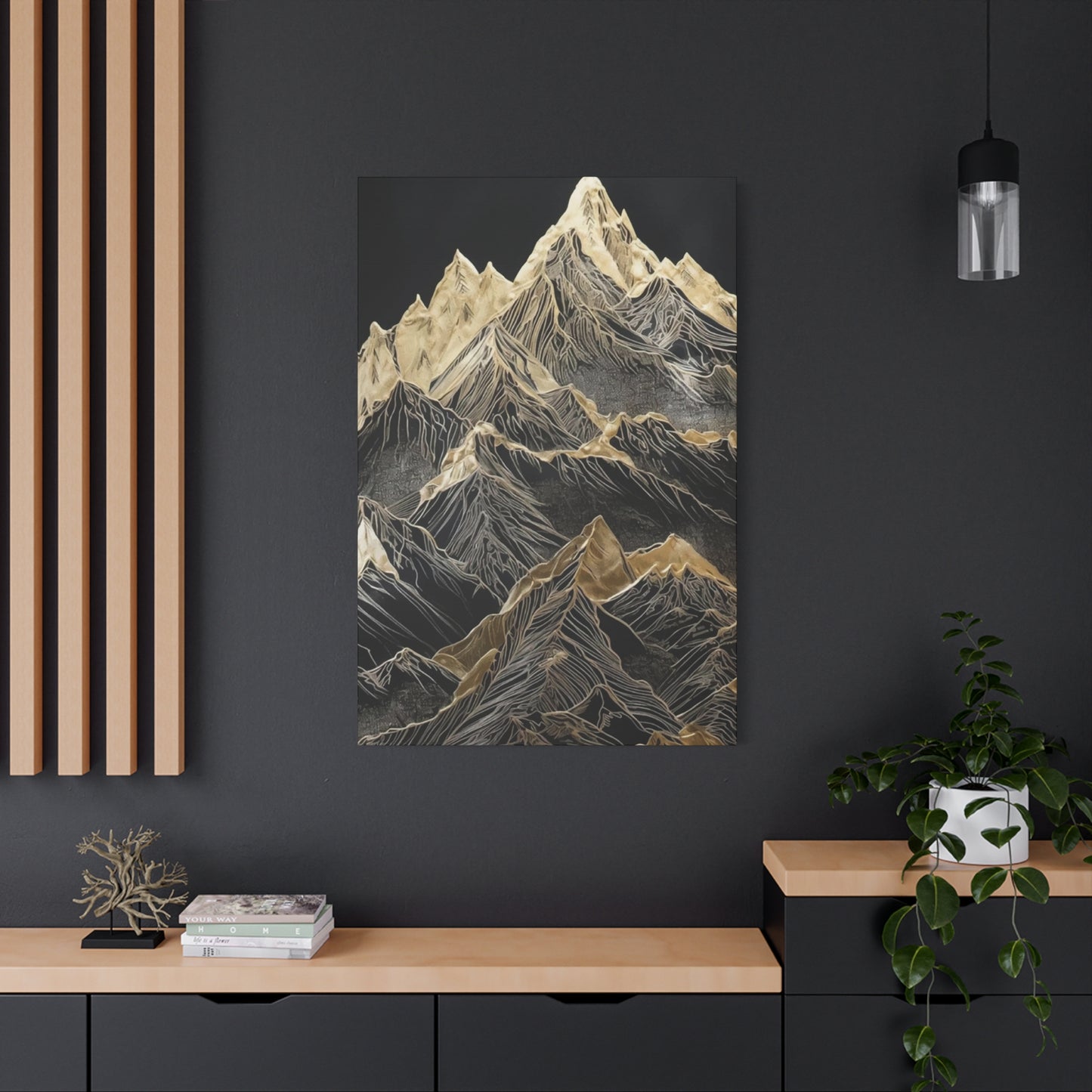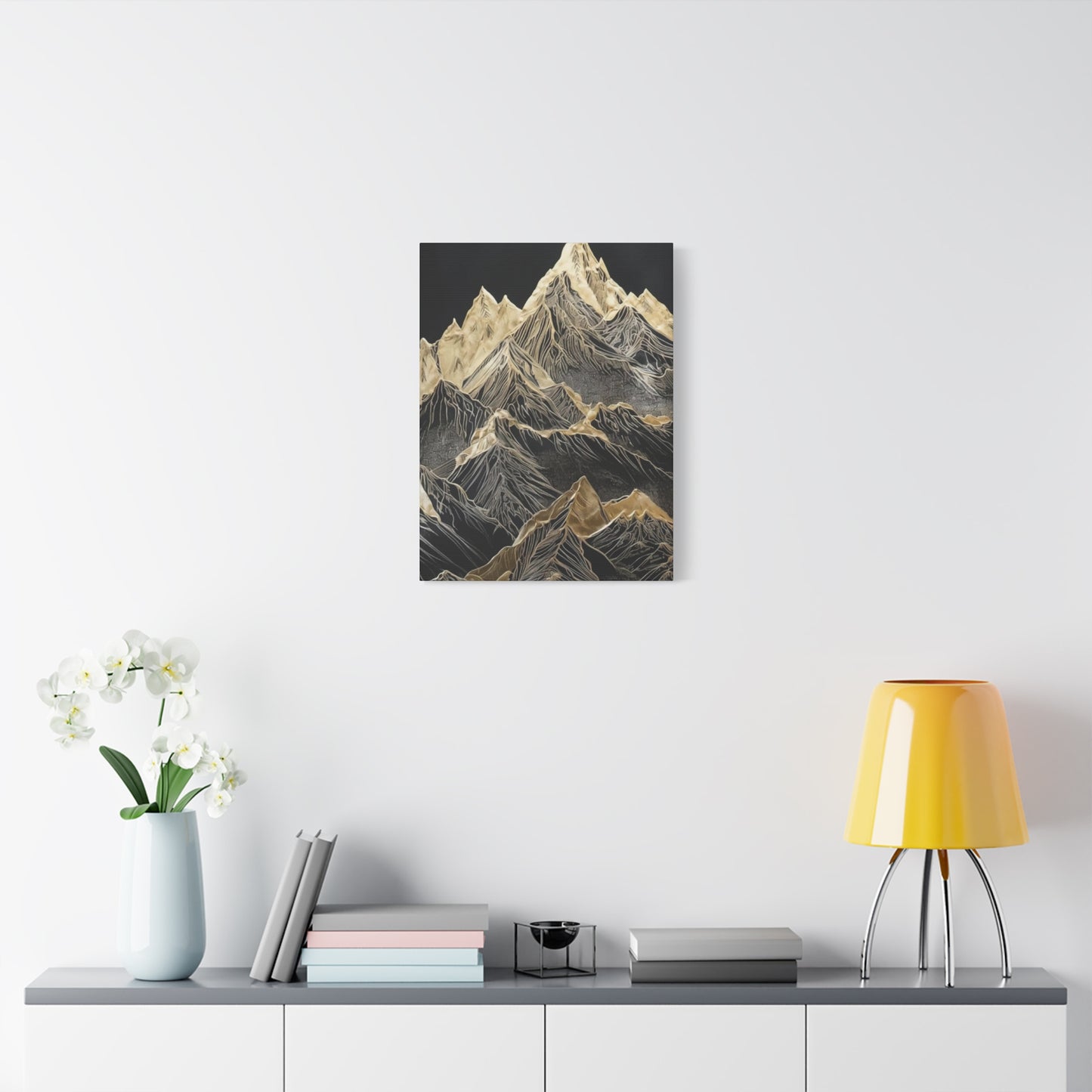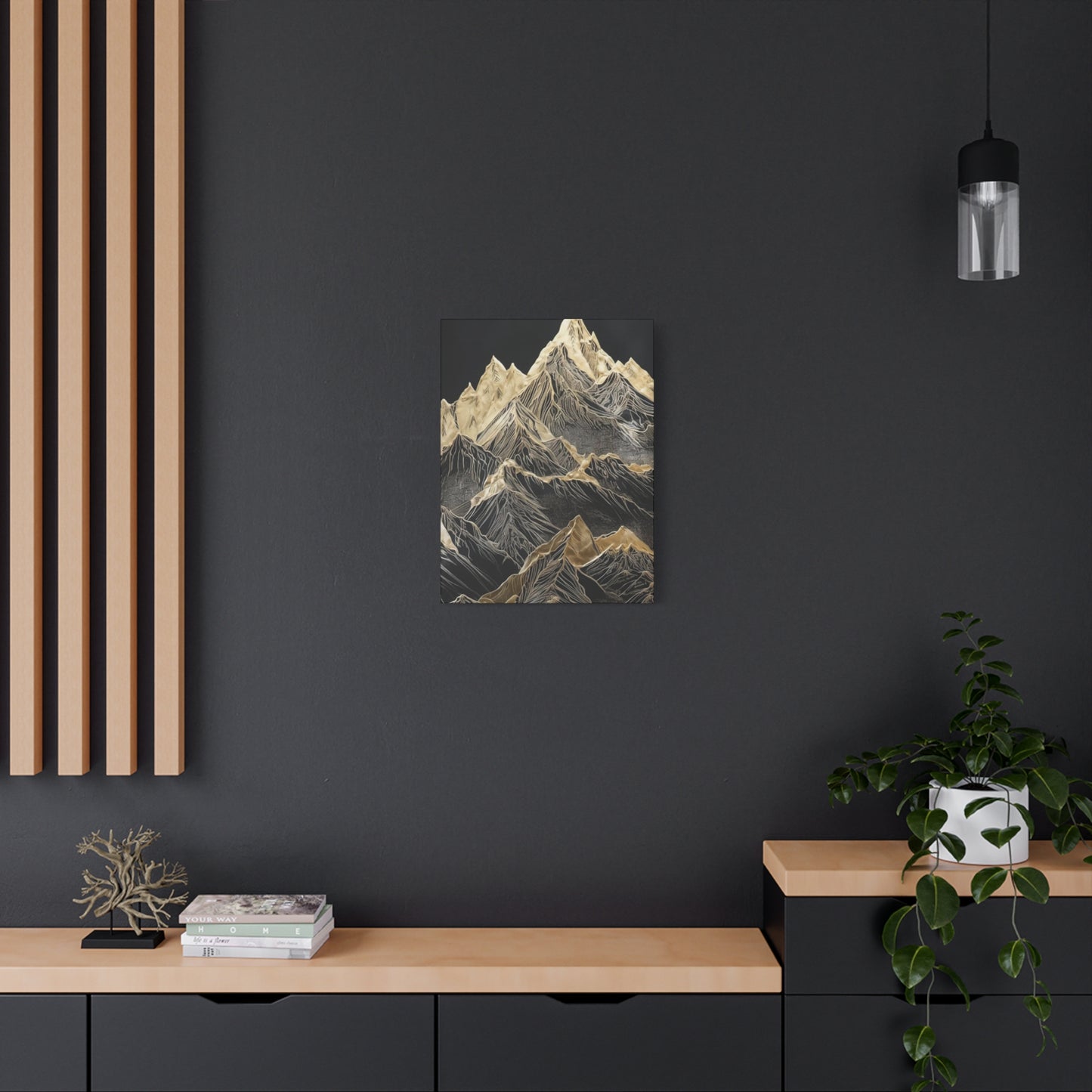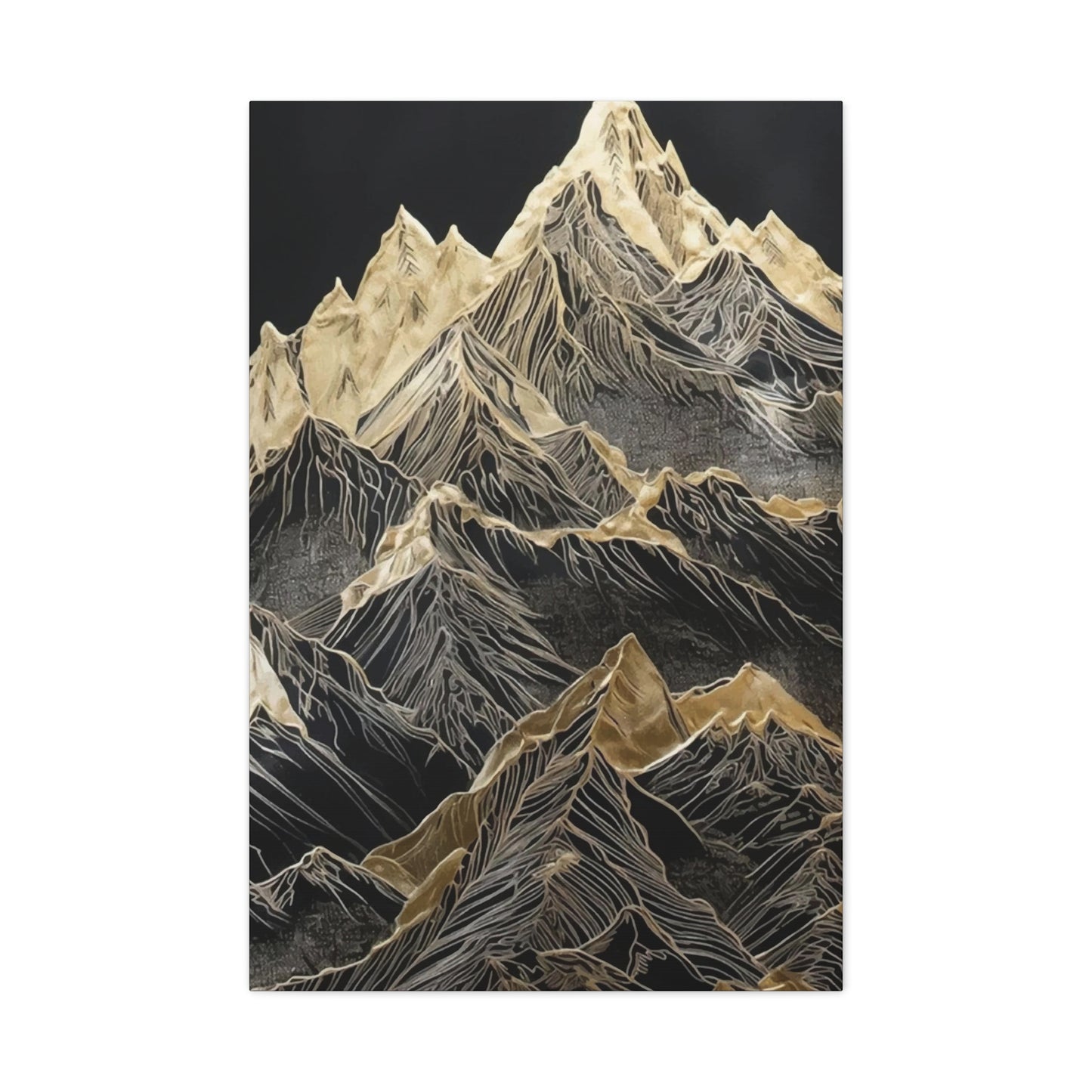


Metallic Wall Art & Canvas Prints
Metallic Wall Art & Canvas Prints
Couldn't load pickup availability
Transform Your Home with Metallic Wall Art: Adding a Bold and Contemporary Touch to Interior Spaces
Metallic wall art represents a fascinating convergence of artistic expression and interior design, offering homeowners and decorators an exceptional means to transform ordinary spaces into extraordinary visual experiences. These stunning pieces, crafted from various metals including steel, copper, aluminum, and bronze, have emerged as prominent fixtures in modern living spaces, commercial establishments, and artistic venues. The reflective properties, dimensional depth, and sculptural qualities inherent in metal compositions create captivating focal points that engage viewers through light interaction and shadow play throughout different times of day.
The allure of metallic wall art extends beyond mere aesthetic appeal, encompassing durability, versatility, and timeless elegance that transcends fleeting design trends. Unlike traditional canvas paintings or paper prints, metal decorations withstand environmental factors while maintaining their visual integrity for decades. The inherent strength of metal allows artists to create intricate patterns, abstract formations, and representational imagery that would prove impossible with more fragile materials. This remarkable combination of artistic possibility and practical longevity establishes metallic wall art as a worthwhile investment for anyone seeking to enhance their surroundings with meaningful, enduring beauty.
Exploring the Diverse Materials Used in Creating Metal Decorative Pieces for Interior Walls
The realm of metallic wall art encompasses an impressive array of materials, each possessing distinctive characteristics that contribute unique aesthetic qualities and practical considerations. Steel stands as one of the most prevalent choices, particularly in its stainless variety, offering exceptional corrosion resistance and a sleek, contemporary appearance that complements minimalist and industrial design schemes. Carbon steel, when properly treated and finished, provides a darker, more rustic aesthetic that appeals to those favoring organic, earthy environments. The malleability of steel permits intricate cutting, bending, and welding processes, enabling artists to execute complex designs ranging from geometric abstractions to naturalistic representations.
Copper emerges as another favored material, celebrated for its warm, reddish-brown tones that introduce inviting ambiance into living spaces. The natural patination process that copper undergoes creates evolving visual interest, as the metal develops greenish-blue verdigris over time when exposed to moisture and air. This living quality appeals to collectors who appreciate artwork that transforms gradually, telling a story through its changing surface characteristics. Copper's exceptional conductivity makes it particularly responsive to hand-hammering and repoussé techniques, allowing artisans to create textured surfaces with remarkable dimensional depth that captures and reflects light in mesmerizing ways.
Aluminum presents an economical yet aesthetically compelling alternative, offering lightweight construction that simplifies mounting procedures while maintaining impressive durability. The silvery-white appearance of raw aluminum provides a clean, modern foundation, while its receptiveness to anodizing processes enables virtually limitless color possibilities. Anodized aluminum resists scratching and fading, making it particularly suitable for high-traffic areas or spaces exposed to direct sunlight. The material's natural resistance to oxidation eliminates concerns about rust formation, an advantage particularly valuable in humid environments or coastal locations where salt air poses challenges for other metals.
Bronze, an alloy primarily composed of copper with tin additions, brings classical elegance and substantial weight to metallic wall art creations. The material's association with ancient sculpture and architectural ornamentation lends gravitas and cultural resonance to contemporary pieces. Bronze develops a rich, dark patina when left untreated, or can be polished to reveal warm golden undertones that evoke luxury and refinement. The casting process commonly employed with bronze enables reproduction of highly detailed sculptural elements, making it ideal for representational artwork depicting human figures, animals, or botanical subjects with lifelike precision.
Brass, another copper alloy incorporating zinc, offers brilliant golden coloration that introduces warmth and traditional elegance into interior schemes. The material's association with musical instruments, nautical fixtures, and ceremonial objects imbues brass metallic wall art with cultural resonance and nostalgic appeal. Brass accepts various finishing treatments, from high polish that creates mirror-like reflectivity to deliberately darkened areas that enhance dimensional contrast. The material's antimicrobial properties present an unexpected practical advantage, particularly relevant in healthcare settings or homes where cleanliness constitutes a priority concern.
How Different Metalworking Methods Shape the Final Appearance of Decorative Wall Sculptures
The creation of metallic wall art involves numerous specialized methods, each imparting distinctive visual characteristics and tactile qualities to finished pieces. Plasma cutting represents a contemporary approach that employs ionized gas to slice through metal with extraordinary precision, enabling intricate silhouettes and negative space compositions impossible to achieve through traditional sawing. The heat-affected zones surrounding plasma cuts can create subtle coloration variations that add visual interest, while the slightly beveled edges characteristic of this method catch light in ways that enhance dimensional perception. Artists utilizing plasma cutting often create layered compositions where multiple cut metal sheets overlap at varying depths, producing complex shadow patterns that shift as natural lighting changes throughout the day.
Laser cutting offers even greater precision than plasma methods, producing exceptionally clean edges and enabling the execution of extraordinarily detailed patterns including delicate filigree work, tiny perforations, and micro-scale text. The computer-controlled nature of laser cutting allows perfect replication of digital designs, making it ideal for producing limited edition series or custom pieces incorporating specific imagery meaningful to clients. The absence of physical contact between cutting tool and material eliminates concerns about material distortion, preserving flatness essential for certain design approaches. However, laser cutting generally limits thickness capacity compared to plasma methods, making material selection an important consideration during the design phase.
Hand-forging represents the most ancient metalworking method, connecting contemporary metallic wall art to millennia of blacksmithing tradition. This process involves heating metal until it becomes malleable, then shaping it through hammer blows against an anvil or specialized forms. The subtle irregularities inherent in hand-forged work introduce organic vitality impossible to replicate through mechanical processes, with each hammer mark contributing texture that catches light distinctively. Forged elements can be drawn out into elongated forms, upset to increase thickness in specific areas, twisted to create spiral patterns, or split and spread to produce decorative finials. The visible evidence of the maker's hand appeals to collectors valuing artisanal craftsmanship and unique, unreplicable character.
Welding serves both structural and decorative functions in metallic wall art creation, joining separate components into unified compositions while potentially introducing visible seams that become aesthetic elements. Metal inert gas welding produces relatively clean joints suitable for situations where welds should remain subtle, while stick welding creates more pronounced bead patterns that some artists deliberately emphasize as design features. The heat discoloration surrounding weld areas can be removed through grinding and finishing, or deliberately preserved and enhanced to create contrasting color zones. Sculptural metallic wall art often combines welded frameworks with other elements, creating hybrid pieces that showcase multiple techniques within single compositions.
Chemical patination employs acids, salts, and other reactive compounds to alter metal surfaces, producing coloration ranging from subtle tonal shifts to dramatic multi-hued effects. Copper and its alloys respond particularly well to chemical treatments, developing blues, greens, browns, and blacks depending on the specific compounds applied and environmental conditions during treatment. The somewhat unpredictable nature of chemical patination introduces element of chance that ensures each treated piece develops unique characteristics, even when identical solutions and procedures are employed. Artists often combine patination with selective masking or resist techniques, creating compositions where treated and untreated areas form patterns or images.
Powder coating provides durable, uniform color application that transforms raw metal into vibrant canvases while protecting against corrosion and wear. This process involves applying dry powder electrostatically, then curing it in ovens where heat causes the powder to melt and form a continuous film. The resulting finish resists chipping, scratching, fading, and chemical damage far better than conventional liquid paints, making powder-coated metallic wall art particularly suitable for outdoor placement or demanding interior environments. The vast spectrum of available powder coating colors, including metallics, textures, and special effects, enables unlimited creative possibilities while maintaining the fundamental structural qualities of metal substrates.
Examining Popular Design Styles and Aesthetic Approaches in Contemporary Metal Wall Decorations
Abstract expressionism finds powerful voice through metallic wall art, where artists exploit metal's inherent properties to create non-representational compositions that evoke emotion through form, texture, and spatial relationships. Sweeping curves, angular intersections, and negative space manipulation combine to produce visually dynamic pieces that resist literal interpretation while inviting contemplation. The reflective qualities of polished metal surfaces introduce kinetic elements as viewers move, causing compositions to appear to shift and reconfigure. Textured areas created through hammering, grinding, or chemical treatment provide tactile interest that engages multiple senses, while deliberate patination introduces color in ways that feel organic rather than applied.
Geometric minimalism embraces clean lines, mathematical precision, and restrained palettes to create metallic wall art that exudes contemporary sophistication. These pieces often feature circles, squares, triangles, and other fundamental shapes arranged according to compositional principles emphasizing balance, repetition, and proportional relationships. The industrial aesthetic of bare steel or brushed aluminum complements minimalist approaches, allowing form itself to carry visual weight without distraction from surface embellishment. Negative space functions as active compositional element rather than mere absence, with voids between metal elements contributing equally to overall impact. Such pieces appeal particularly to those favoring uncluttered, streamlined environments where each object receives careful consideration.
Nature-inspired motifs remain perennially popular in metallic wall art, translating organic forms into durable metal interpretations that bring outdoor beauty into interior spaces. Tree silhouettes with intricate branch networks create striking focal points, particularly when executed as large-scale installations spanning multiple feet in height and width. Floral compositions ranging from stylized single blooms to complex garden scenes offer softer alternatives to geometric abstraction, while maintaining the structural integrity that metal provides. Marine themes including schools of fish, coral formations, and wave patterns appeal to coastal residents and ocean enthusiasts, with the fluid lines achievable in metal perfectly suited to capturing water's movement and grace.
Industrial aesthetics celebrate raw metal's inherent character, showcasing welds, rust, and fabrication marks as intentional design elements rather than flaws to be concealed. These pieces often incorporate salvaged materials including gears, chains, pipes, and other mechanical components, creating assemblages that reference manufacturing heritage and machine-age innovation. The deliberately unfinished appearance resonates with those appreciating authenticity, honesty of materials, and the beauty found in functional objects. Exposed steel with its natural mill scale, weathered surfaces showing rust bloom, and roughly hewn edges contribute to an aesthetic that rejects pretense in favor of straightforward materiality.
Cultural and symbolic imagery translates remarkably well into metallic wall art formats, with artists drawing from diverse traditions to create pieces resonating with specific communities or expressing universal themes. Mandala patterns with their intricate radial symmetry lend themselves beautifully to laser-cut metal execution, where delicate details remain sharply defined. Celtic knotwork, with its endless interwoven lines, gains dimensional depth when rendered in metal, particularly when multiple layers create actual physical overlapping. Spiritual symbols including lotus flowers, om characters, crosses, and other sacred geometry provide meaningful decoration for meditation spaces, yoga studios, and personal sanctuaries. The permanence of metal suits such timeless imagery, creating heirloom-quality pieces that can be passed through generations.
Typography and word-based metallic wall art transforms language into visual element, with metal's structural properties enabling text to function as freestanding decoration. Inspirational phrases, family names, song lyrics, and poetic verses gain physical presence when executed in substantial materials like steel or aluminum. The choice of font dramatically influences overall aesthetic, with flowing scripts suggesting elegance and tradition, while bold sans-serif letterforms convey modern directness. Dimensional letters mounted with spacers to float away from wall surfaces create dramatic shadow effects that enhance readability and visual impact. Custom text pieces allow highly personalized expressions that commemorate special dates, honor loved ones, or articulate personal philosophies.
Selecting Appropriate Metal Wall Decorations to Complement Various Interior Design Schemes
Matching metallic wall art to existing décor requires consideration of multiple factors including color palette, design era, spatial proportions, and intended atmosphere. In spaces dominated by neutral tones including whites, grays, and beiges, metal artwork with natural metallic finishes maintains cohesion while introducing textural variety and subtle color shifts. Stainless steel's cool silvery tone complements contemporary schemes featuring glass, concrete, and other industrial materials, creating unified visual narratives. Warmer metals like copper and brass introduce subtle color that enlivens neutral environments without overwhelming carefully calibrated balance, their reddish and golden tones adding just enough warmth to prevent sterility.
Traditional interiors featuring rich wood tones, classic furniture silhouettes, and heritage textiles benefit from metallic wall art incorporating similar warmth and gravitas. Bronze pieces with dark patination echo the depth of mahogany, walnut, and other precious woods, while their sculptural qualities complement carved architectural details and ornamental moldings. Brass artwork reinforces traditional brass fixtures including lighting, door hardware, and decorative accessories, creating deliberate material repetition that feels considered rather than accidental. Nature-inspired motifs align well with traditional sensibilities, particularly botanical subjects and pastoral scenes that reference classical artistic traditions.
Bohemian spaces characterized by eclectic mixing, vibrant colors, and global influences accommodate metallic wall art that embraces similar adventurousness. Patinated copper with its evolved turquoise and green tones harmonizes with the rich jewel colors often found in boho interiors, while contributing organic irregularity that enhances the collected-over-time aesthetic. Mixed-metal pieces incorporating various materials within single compositions mirror the bohemian tendency toward layering diverse elements. Culturally specific designs including mandalas, Indian-inspired filigree, or African geometric patterns reinforce global perspectives while maintaining the substantial presence that metal provides.
Industrial loft spaces with exposed brick, visible ductwork, and open floor plans provide natural settings for metallic wall art that celebrates raw materials and manufacturing processes. Large-scale steel pieces with visible welds and untreated surfaces feel indigenous to such environments, requiring no aesthetic translation. The expansive wall areas typical of converted industrial buildings accommodate oversized artworks that would overwhelm conventional residential spaces, creating opportunities for dramatic installations that serve as architectural elements. Rust-finished pieces introduce color while maintaining industrial authenticity, their orange-brown tones warming brick's similar earthiness.
Coastal and nautical interiors benefit from metallic wall art that either withstands humid conditions inherent to seaside locations or deliberately references maritime themes. Aluminum's corrosion resistance makes it practically suited to salt air exposure, while its silvery tone evokes beach-weathered driftwood and seafoam. Marine subjects including fish, seahorses, anchors, sailboats, and compass roses connect directly to coastal identity, creating obvious thematic coherence. Wave patterns executed in flowing metal curves capture ocean motion, bringing dynamic energy into spaces. Patinated copper pieces suggesting aged ship fittings or oxidized nautical brass introduce authentic maritime character.
Minimalist environments where every element receives scrutiny demand metallic wall art that justifies its presence through exceptional execution and restrained design. Simple geometric forms rendered in premium materials with flawless finishing demonstrate the attention to quality that minimalism requires. The absence of unnecessary ornamentation allows material itself to communicate, with subtle variations in surface treatment providing interest without busyness. Scale becomes particularly critical, as oversized pieces can anchor minimalist spaces without requiring multiple smaller items that would fragment visual calm. Monochromatic approaches in which metal tone closely matches surrounding wall color create subtle dimensional interest rather than contrasting focal points.
Proper Mounting Methods and Placement Strategies for Securing Metal Artwork to Vertical Surfaces
Successfully mounting metallic wall art requires careful consideration of weight, wall construction, and desired positioning to ensure both safety and optimal visual impact. Lightweight pieces under five pounds can typically be mounted using standard picture hanging hardware including D-rings, sawtooth hangers, or wire systems. However, metal's density means even modest-sized pieces often exceed weights that simple hardware can safely support, necessitating more robust mounting solutions. Assessing weight accurately before selecting hardware prevents dangerous failures that could damage walls, floors, or furnishings while potentially causing injury.
Drywall mounting presents particular challenges, as this common wall material provides minimal holding power without proper reinforcement. Locating wall studs using electronic finders or traditional tapping methods allows direct attachment into solid wood framing, providing secure anchorage for heavy metallic wall art. Heavy-duty screws driven into studs can support substantial weights, with each stud fastening typically rated for fifty pounds or more depending on screw size and wood condition. When desired placement doesn't align with stud locations, toggle bolts offer reliable alternatives, with their spring-loaded wings spreading load across larger drywall areas. High-quality toggle bolts can support thirty to fifty pounds per fastener, making them suitable for moderately heavy pieces when multiple fasteners distribute weight.
Masonry walls including brick, concrete, and stone require different approaches, typically involving masonry anchors or expansion bolts installed into pre-drilled holes. Masonry bits with carbide tips bore through hard materials, creating precisely sized holes for anchor insertion. Plastic expansion anchors work for lighter pieces, expanding as screws are driven to grip surrounding material. Metal expansion shields provide greater holding power for heavier installations, with some designs rated for hundreds of pounds when properly installed. Understanding masonry type proves important, as harder materials like concrete provide superior holding compared to softer brick or deteriorated mortar joints.
French cleat systems offer exceptional security and convenient adjustability for heavy metallic wall art, consisting of matched interlocking pieces where one attaches to the wall and the other to the artwork. The angled design creates mechanical advantage that resists pulling away from walls, while making installation simple despite substantial weight. Once the wall-mounted cleat is properly secured to studs or masonry, artwork simply hooks over it and drops into place through gravity, self-centering and locking. This system allows easy removal for relocation or wall painting without requiring complete reinstallation, a significant advantage for those who periodically refresh décor arrangements.
Standoff mounting creates floating effects where metallic wall art appears suspended several inches from wall surfaces, introducing dramatic shadow play that enhances dimensional qualities. This approach employs cylindrical spacers or decorative standoffs that attach to walls using appropriate fasteners for wall type, with threaded ends protruding forward to accept artwork. The gap between wall and metal surface creates depth that changes appearance throughout the day as lighting angles shift, while ensuring air circulation that prevents moisture accumulation. Standoff mounting particularly suits geometric and abstract pieces where floating presentation enhances contemporary aesthetics.
Height placement significantly influences how metallic wall art integrates into spaces, with general guidelines suggesting center points at eye level, approximately 57 to 60 inches from floor level. However, furniture placement and ceiling height warrant consideration, as pieces mounted above sofas, consoles, or beds should relate to those elements while maintaining appropriate proportions. Large-scale installations may intentionally extend from near floor level to upper wall areas, creating vertical emphasis that draws eyes upward and makes rooms feel more spacious. Gallery walls combining multiple smaller pieces allow flexible arrangements that can adapt to irregular wall areas or architectural features including windows, doors, and built-in cabinetry.
Lighting consideration affects both safety and aesthetic outcomes when positioning metallic wall art. Direct sunlight exposure can cause excessive heat buildup on dark-finished pieces, potentially affecting nearby furnishings or creating uncomfortable hot spots in rooms. Conversely, strategic lighting placement including track lights, picture lights, or recessed fixtures dramatically enhances metal's reflective properties, creating intentional highlights and shadows that bring static artwork to life. Grazing light across textured surfaces emphasizes dimensional qualities, while direct frontal illumination can minimize unwanted shadows. Experimenting with lighting angles before permanently installing fixtures ensures optimal results.
Caring for Metal Decorations to Preserve Their Appearance and Prevent Deterioration Over Time
Regular dusting represents the simplest yet most important maintenance task for metallic wall art, preventing accumulation of particles that can scratch surfaces or trap moisture leading to corrosion. Soft microfiber cloths effectively capture dust without scratching, particularly when used dry or very slightly dampened. Feather dusters and lambswool dusters also work well, their natural fibers gently lifting debris without abrading finishes. Establishing weekly or biweekly dusting routines prevents heavy buildup that requires more aggressive cleaning potentially harmful to delicate patinas or applied finishes. For pieces with intricate details or textured surfaces, soft-bristle brushes including paintbrushes or makeup brushes access crevices that cloths cannot reach.
Appropriate cleaning products vary dramatically depending on metal type and surface treatment, making accurate identification essential before proceeding with wet cleaning. Stainless steel responds well to specialized stainless cleaners that remove fingerprints and water spots while leaving protective film that resists future soiling. Alternatively, simple solutions of mild dish soap and warm water clean effectively without harsh chemicals, requiring thorough drying to prevent water spotting. Aluminum accepts similar gentle cleaning, though abrasive cleaners should be avoided on anodized surfaces that can be scratched, removing color and protection.
Copper and brass benefit from periodic polishing to maintain bright finishes, though many owners prefer allowing natural patination that develops character over time. Commercial metal polishes formulated specifically for copper or brass effectively remove oxidation, restoring original luster through mild abrasives and chemical cleaning agents. Natural alternatives including lemon juice mixed with salt or vinegar with salt create effective polishing pastes from common household ingredients, though requiring more physical effort to achieve similar results. After polishing, thorough rinsing removes all residue that could cause future tarnishing, followed by complete drying with soft cloths.
Protective coatings extend time between required maintenance while guarding against environmental damage. Clear lacquers, waxes, and specialized metal sealers create barriers between metal surfaces and air moisture, dramatically slowing oxidation and tarnishing. Renaissance Wax, a microcrystalline wax originally developed for museum conservation, provides excellent protection for various metals without discoloring or leaving visible residue. Application requires thin, even coats buffed to transparency, with reapplication annually or as protective properties diminish. Oil-based products including boiled linseed oil or commercial metal protectants work particularly well for iron and steel, penetrating surface porosity to displace moisture.
Climate control within homes significantly impacts metal preservation, with stable temperature and humidity preventing accelerated deterioration. Excessive humidity encourages rust formation on ferrous metals and accelerates patination on copper alloys, while very dry conditions can cause protective waxes to dry out and crack. Maintaining relative humidity between 40 and 50 percent provides comfortable human environments while protecting metal artwork. Dehumidifiers assist in damp climates or humid seasons, while humidifiers prevent excessive dryness during winter heating periods. Avoiding metallic wall art placement near humidity sources including bathrooms, kitchens, humidifiers, or poorly sealed windows reduces exposure to problematic conditions.
Outdoor metallic wall art faces more severe environmental challenges requiring enhanced protective measures and acceptance of natural weathering. Pieces intended for permanent outdoor display should be constructed from inherently corrosion-resistant materials including stainless steel, aluminum, or deliberately rusting steel designed to develop stable patinas. Regular inspection identifies developing problems before they cause structural damage, with particular attention to joints, welds, and mounting hardware susceptible to water intrusion. Applying automotive or marine-grade protective coatings provides enhanced weather resistance, though requiring periodic renewal as ultraviolet radiation gradually degrades protective films.
Handling precautions prevent accidental damage during cleaning, relocation, or seasonal storage. Metal edges can be surprisingly sharp, particularly on pieces created through cutting processes, making gloves advisable during handling. Supporting pieces from structural elements rather than decorative protrusions prevents bending or breaking of delicate components. When relocating metallic wall art, wrapping with soft materials including bubble wrap, furniture pads, or blankets prevents scratching and denting during transport. Long-term storage requires clean, dry environments with stable conditions, preferably with protective wrapping allowing air circulation to prevent moisture accumulation.
Understanding How Different Finishing Processes Affect the Visual Character of Metal Surfaces
Polishing creates mirror-like reflectivity that maximizes light return, producing brilliant surfaces that enliven spaces through sparkle and shine. Achieved through progressive abrasive grading from coarse to extremely fine, polishing gradually removes scratches while developing increasingly smooth surfaces. Final buffing with polishing compounds including rouge or tripoli creates ultimate brilliance, particularly effective on stainless steel, aluminum, copper, and brass. The maintenance of polished finishes requires dedication, as fingerprints, dust, and oxidation quickly diminish reflectivity. However, the dramatic visual impact of highly polished metallic wall art justifies maintenance efforts for those desiring maximum glamour and light manipulation within interior spaces.
Brushing produces satin finishes with directional grain patterns that soften metal's appearance while maintaining contemporary sophistication. Achieved using abrasive pads, wire brushes, or specialized brushing wheels, this treatment creates subtle texture that diffuses light reflection, reducing glare while preserving metallic character. The directional nature of brush marks introduces linear elements that can reinforce compositional movement or create contrast with curved forms. Brushed finishes hide minor scratches and fingerprints better than polished surfaces, making them practical choices for frequently touched metallic wall art or high-traffic areas. The technique works particularly well on stainless steel and aluminum, creating the contemporary aesthetic commonly seen in commercial and residential architecture.
Hammering introduces organic texture through deliberate deformation, creating surfaces that catch light in complex ways impossible with smooth finishes. Hand-hammered pieces display irregular patterns reflecting the maker's individual working style, while power hammering creates more uniform textures through mechanized repetition. The dimensional variation across hammered surfaces produces constantly changing visual interest as viewing angles and lighting conditions shift throughout days. This finish particularly suits copper and softer metals that deform readily without cracking, though steel and aluminum can also be hammered with appropriate tools and techniques. The ancient origins of metal hammering connect contemporary metallic wall art to millennia of metalworking tradition.
Sandblasting propels abrasive particles against metal surfaces under high pressure, creating matte finishes with extremely fine texture. The process removes surface irregularities while imparting uniform granularity that eliminates reflectivity, producing soft, contemporary appearances. Selective masking during sandblasting enables artists to create designs where treated and untreated areas form patterns, with matte regions contrasting against polished sections. The technique works across most metal types, though softer metals require lighter pressure to prevent excessive material removal. Sandblasted surfaces accept paint, powder coating, and patination treatments effectively, making this process valuable preparation for subsequent finishing.
Oxidation finishing deliberately accelerates natural aging processes to develop colored patinas within controlled timeframes rather than waiting years for natural development. Applied chemicals react with metal surfaces, producing spectrum of colors depending on metal composition and specific compounds employed. Copper accepts ferric nitrate to develop rich brown tones, liver of sulfur to produce blacks and grays, and cupric nitrate for blue-green verdigris effects. Steel treated with various acids develops rust coloration from orange through deep brown, either allowed to progress randomly or controlled through neutralization and sealing. These chemical processes introduce element of unpredictability that ensures unique character, even when following identical procedures.
Painted and powder-coated finishes transform metal into colorful canvases while providing substantial corrosion protection and scratch resistance. Automotive-grade paints deliver excellent durability when applied over properly prepared surfaces, though requiring careful technique to avoid runs, sags, and inadequate coverage. Powder coating offers superior durability and wider color range including textures, metallics, and candy finishes impossible with liquid paints. The electrostatic application ensures even coverage on complex forms, while oven curing creates chemical bonds far stronger than air-dried paints. Custom color matching enables perfect coordination with specific interior schemes, making painted metallic wall art versatile option for clients with defined aesthetic requirements.
Commissioning Custom Metal Artwork from Artisans to Achieve Personalized Decorative Solutions
Working directly with metal artists opens possibilities for truly personalized metallic wall art that reflects individual preferences, commemorates specific events, or incorporates meaningful imagery impossible to find among mass-produced offerings. The commissioning process typically begins with consultations where clients articulate vision, share inspirational images, and discuss practical considerations including size, placement location, and budget parameters. Skilled artists guide clients through possibility exploration, suggesting approaches that balance aesthetic aspirations with structural feasibility and cost realities. These initial conversations establish creative direction while building relationships foundational to successful collaborations.
Providing comprehensive information streamlines commissioning processes and ensures final results meet expectations. Detailed measurements of intended installation locations including height, width, and any architectural features influencing placement help artists create appropriately scaled pieces. Photographs showing surrounding décor, existing color schemes, and lighting conditions enable artists to envision how commissioned work will integrate into spaces. Reference images illustrating preferred styles, specific motifs, or desired metal finishes communicate aesthetic preferences more effectively than verbal descriptions alone. Budget transparency prevents misunderstandings, allowing artists to propose realistic approaches achievable within financial parameters rather than designing pieces requiring subsequent compromise.
Design development progresses through sketches, digital renderings, or small-scale models that visualize proposed concepts before fabrication begins. These preparatory stages allow refinement and adjustment without wasting materials or labor, ensuring mutual understanding between artist and client. Feedback exchanges during design development prevent unpleasant surprises, giving clients influence over compositions while benefiting from artists' expertise regarding proportions, balance, and technical feasibility. Approval of final designs before fabrication commences protects both parties, establishing clear agreements about expectations and deliverables.
Timeline discussions establish realistic expectations about production duration, accounting for material acquisition, fabrication complexity, finishing treatments, and artists' existing workload. Rush projects may incur premium charges compensating for schedule disruptions, while flexible timelines sometimes enable cost savings as artists work during slower periods. Understanding that quality metalwork requires time prevents frustration, as intricate pieces may require weeks or months to complete properly. Milestone check-ins throughout production keep clients informed about progress while providing opportunities to address any concerns emerging during fabrication.
Payment structures vary among artists and project scales, typically involving deposits to begin work with balance due upon completion or delivery. Deposits protect artists by covering initial material costs and compensating for time invested should clients cancel projects. Some artists use graduated payment schedules tied to project milestones, collecting portions at design approval, fabrication midpoint, and final delivery. Understanding and agreeing to payment terms before work begins prevents disputes, with written agreements documenting arrangements providing protection for both parties.
Discussing ownership rights and reproduction permissions clarifies whether commissioned pieces remain unique or may be reproduced in editions. Some clients desire absolute exclusivity, paying premium prices to ensure no identical pieces exist, while others accept that artists may create variations sharing similar themes or approaches. Understanding copyright implications matters if clients intend to photograph artwork for commercial purposes, as artists typically retain intellectual property rights unless specifically transferred through contractual agreement. Clear communication about these often-overlooked aspects prevents future misunderstandings.
Quality guarantees and warranty provisions protect clients against material failures or workmanship defects, though normal wear from environmental exposure typically falls outside coverage. Reputable artists stand behind their work, addressing legitimate concerns about construction quality or finish problems emerging shortly after installation. Understanding distinction between defects and natural evolution including patination changes or minor finish wear helps maintain realistic expectations. Establishing communication channels for post-installation questions or concerns contributes to positive long-term relationships between artists and collectors.
Exploring Venues and Resources for Acquiring High-Quality Metal Wall Decorations
Specialized metal art galleries curate selections focused specifically on metalwork, offering advantages including knowledgeable staff who understand artistic techniques, can discuss artist backgrounds, and provide maintenance guidance. Gallery environments allow viewing pieces under proper lighting and assessing actual colors, textures, and scales difficult to judge from online images. Many galleries represent multiple artists working in diverse styles, enabling comparisons and exploration without visiting numerous individual studios. Gallery purchases often include professional packaging and shipping services, along with return policies providing protection if pieces arrive damaged or don't suit spaces as anticipated.
Artist studio visits provide intimate opportunities to meet creators, observe work-in-progress, and commission custom pieces while developing personal relationships with makers. Studio environments reveal creative processes and available capabilities, helping potential clients understand what approaches particular artists excel at and what projects align with their interests and skills. Purchasing directly from artists typically offers pricing advantages by eliminating gallery commissions, though sacrificing curatorial filtering that galleries provide through their artist selection processes. Studio visits work particularly well for those seeking custom commissioned work or collectors developing ongoing relationships with specific artists whose work resonates personally.
Juried art festivals and craft shows bring together numerous artists in single locations, enabling efficient comparison shopping across diverse styles, price points, and quality levels. Prestigious festivals implement rigorous jury processes ensuring participating artists meet quality standards, protecting buyers from amateur or poorly executed work. Festival environments create social atmospheres where interactions with artists feel relaxed and approachable, lowering barriers compared to formal gallery settings. However, transportation challenges mean artists typically bring limited inventory, potentially requiring custom orders if pieces on display sell before later visitors arrive.
Online marketplaces including dedicated art platforms, general e-commerce sites, and artists' personal websites dramatically expand access beyond geographic limitations, connecting buyers with artists worldwide. Detailed photographs from multiple angles, dimension specifications, and material descriptions substitute for in-person viewing, though necessitating trust in representations accuracy. Customer reviews and ratings provide social proof of quality and reliability, particularly valuable when purchasing from unfamiliar sellers. Shipping costs for heavy metal pieces can prove substantial, sometimes exceeding artwork prices for large-scale or cross-country shipments, making total cost calculations important before committing to purchases.
Interior design firms and decorators maintain relationships with artists and suppliers, often securing trade discounts passed partially to clients while providing professional guidance about selections appropriate for specific spaces. Designers consider factors including scale relationships, color coordination, and style consistency that ensure cohesive results rather than isolated purchases that may not integrate successfully. Their experience across numerous projects exposes them to wider ranges of resources than individual buyers typically discover, potentially introducing clients to lesser-known artists creating exceptional work. However, designer involvement adds service fees to project costs, making this approach most cost-effective for comprehensive room designs rather than single artwork purchases.
Architectural salvage yards and antique dealers occasionally offer vintage or reclaimed metallic wall art including historic architectural elements repurposed as decoration. Aged brass elevator panels, ornamental iron fencing sections, or industrial signage provide authentic patinas and historical character impossible to replicate in newly manufactured pieces. These items appeal to those valuing genuine history and sustainability through reuse of existing materials. However, availability remains unpredictable and inconsistent, requiring patience and regular visits to discover exceptional pieces among variable inventory.
Corporate art consultants serve businesses seeking metallic wall art for offices, hotels, restaurants, and public spaces, providing expertise about commercial-scale installations, negotiating artist contracts, and coordinating complex logistics. They understand building codes, insurance requirements, and union considerations affecting commercial projects beyond typical residential concerns. Consultants maintain extensive artist networks enabling them to quickly identify appropriate resources for specific project requirements, while bringing negotiating leverage through their ongoing business relationships and potential for repeat commissions.
Examining Price Factors and Investment Considerations When Acquiring Metal Artwork
Size constitutes the most obvious factor influencing metallic wall art pricing, with larger pieces requiring more material, longer fabrication time, and increased shipping costs. However, pricing doesn't scale linearly, as very large works often command premium prices beyond simple material calculation, reflecting their dramatic visual impact and relative rarity. Conversely, very small pieces may carry higher per-square-inch pricing due to fixed costs including design time, setup, and finishing that don't decrease proportionally with size reduction. Understanding these pricing dynamics helps buyers assess value and make informed decisions aligned with budgets.
Artist reputation and career stage significantly impact pricing, with established artists commanding substantial premiums reflecting years of skill development, exhibition history, and market demand. Emerging artists offer opportunities to acquire quality work at accessible prices, potentially appreciating in value as careers develop, though carrying greater uncertainty about long-term market performance.
Conclusion
Metallic Wall Art stands as a powerful testament to the modern fusion of style, innovation, and durability. The sleek shine of metal, paired with cutting-edge design, can transform any interior space from ordinary to extraordinary. With its clean lines, striking reflections, and versatility, metallic wall art has become an essential element in contemporary home decor. It doesn’t merely hang on the wall—it commands attention, elevating the atmosphere of a room while adding depth, texture, and a sense of modern sophistication.
What makes Metallic Wall Art so captivating is its ability to seamlessly blend with a variety of interior styles, from industrial and minimalist to luxurious and eclectic. Whether it's polished stainless steel, hammered copper, brushed gold, or matte silver, the diverse range of metal finishes allows you to tailor your decor to reflect your personal taste and design sensibilities. Metallic art adds a dynamic visual element to your space, with its reflective surfaces catching and manipulating light in unique ways throughout the day. This ability to interact with natural and artificial light makes metallic art particularly captivating, as it transforms the mood and energy of the room depending on the time of day, creating an ever-changing ambiance.
Another remarkable quality of metallic art is its durability and timeless appeal. Unlike traditional paintings or paper-based artworks that may fade or degrade over time, metal artworks are resilient, maintaining their luster and integrity for many years. This makes metallic wall art an investment, offering lasting beauty that only improves with age, as the patina on copper or bronze adds character and depth to the piece. The enduring nature of metal art makes it not just a decorative choice but a statement piece that can transcend trends, remaining a central visual feature of your space for years to come.
Beyond its physical qualities, Metallic Wall Art adds an element of luxury and refinement. Whether it’s an abstract metal sculpture that brings a sense of fluidity to the room or a geometric design that brings structure and order, metallic wall art is inherently associated with wealth, craftsmanship, and contemporary elegance. It adds a polished, sophisticated touch to any room, elevating spaces such as living rooms, foyers, or dining areas where you want to create a focal point that speaks of class and modernity. Its reflective nature also brings a sense of brightness and airiness, making it a perfect addition to spaces that feel cramped or lacking in natural light.
The versatility of metallic wall art also extends to its adaptability within different thematic decor. It pairs effortlessly with other materials, such as wood, glass, and textiles, creating a harmonious balance of textures and finishes that enhance the overall aesthetic of the room. In a contemporary setting, metallic art can add sharp contrasts to softer materials like plush fabrics, while in a more rustic or industrial-themed space, it can complement raw wood and exposed brick, adding a sleek contrast to the rough, natural elements.
In addition to its visual impact, Metallic Wall Art encourages creativity and imagination. Its clean, often abstract designs provoke thought, inviting viewers to interpret the work in various ways. The interplay of light and shadow on a reflective surface can reveal different dimensions and perspectives, offering a new experience each time you look at it. This can create an engaging and dynamic focal point within your home, stimulating conversation and reflection, while also contributing to the overall mood and ambiance of the room.
In conclusion, Metallic Wall Art is more than just a decoration—it's a transformative design element that enhances any space with its sleek, modern elegance. Its ability to reflect light, its durability, and its versatile nature make it a timeless choice for those looking to elevate their interiors. Whether you choose minimalist metallic art to complement a clean, modern aesthetic or more intricate pieces that add texture and depth, the impact of metallic art is undeniable. It serves as a visual and emotional anchor in your home, creating an environment that feels both contemporary and timeless. By incorporating Metallic Wall Art into your decor, you add a layer of sophistication and elegance, transforming your living space into a reflection of your personal style and taste.
Share