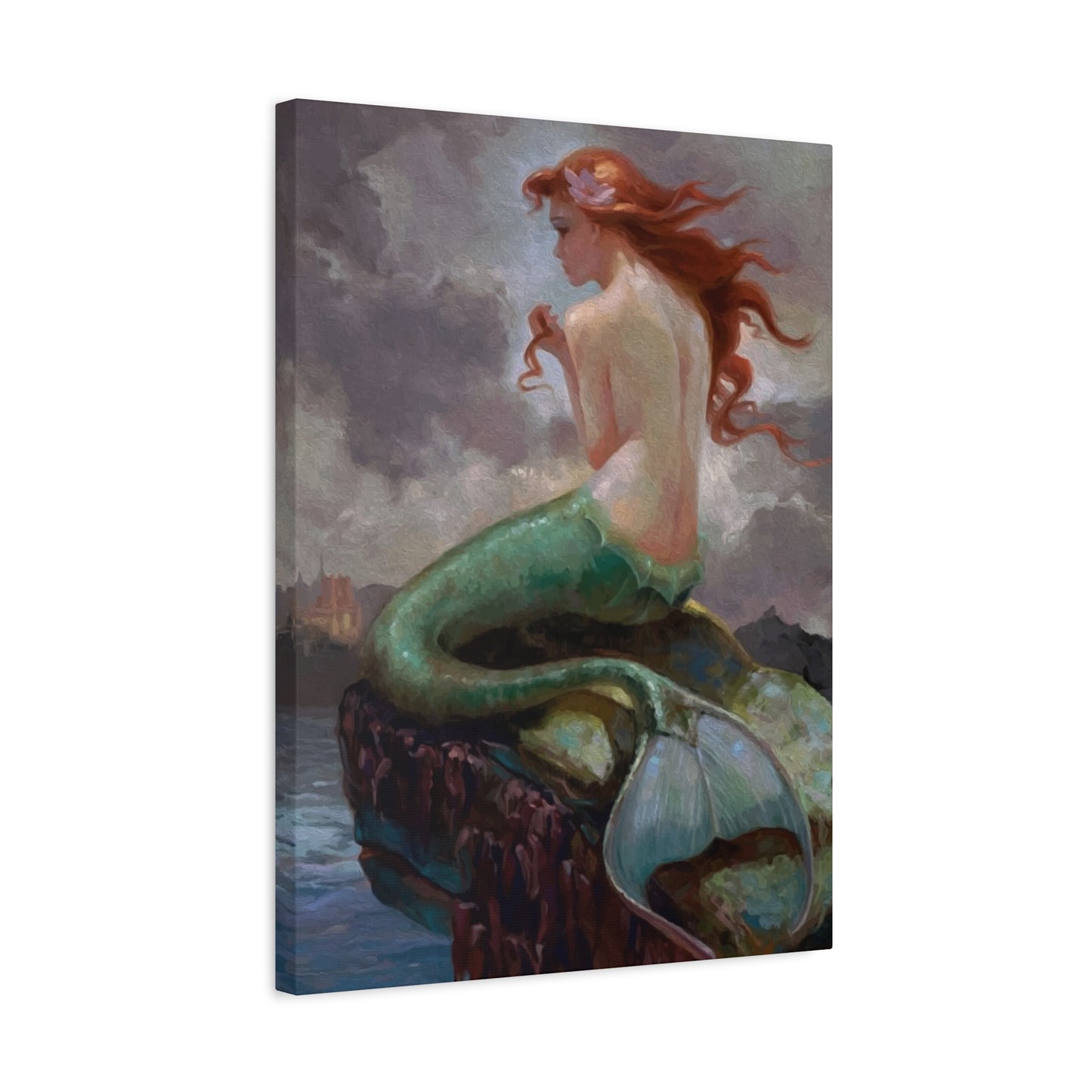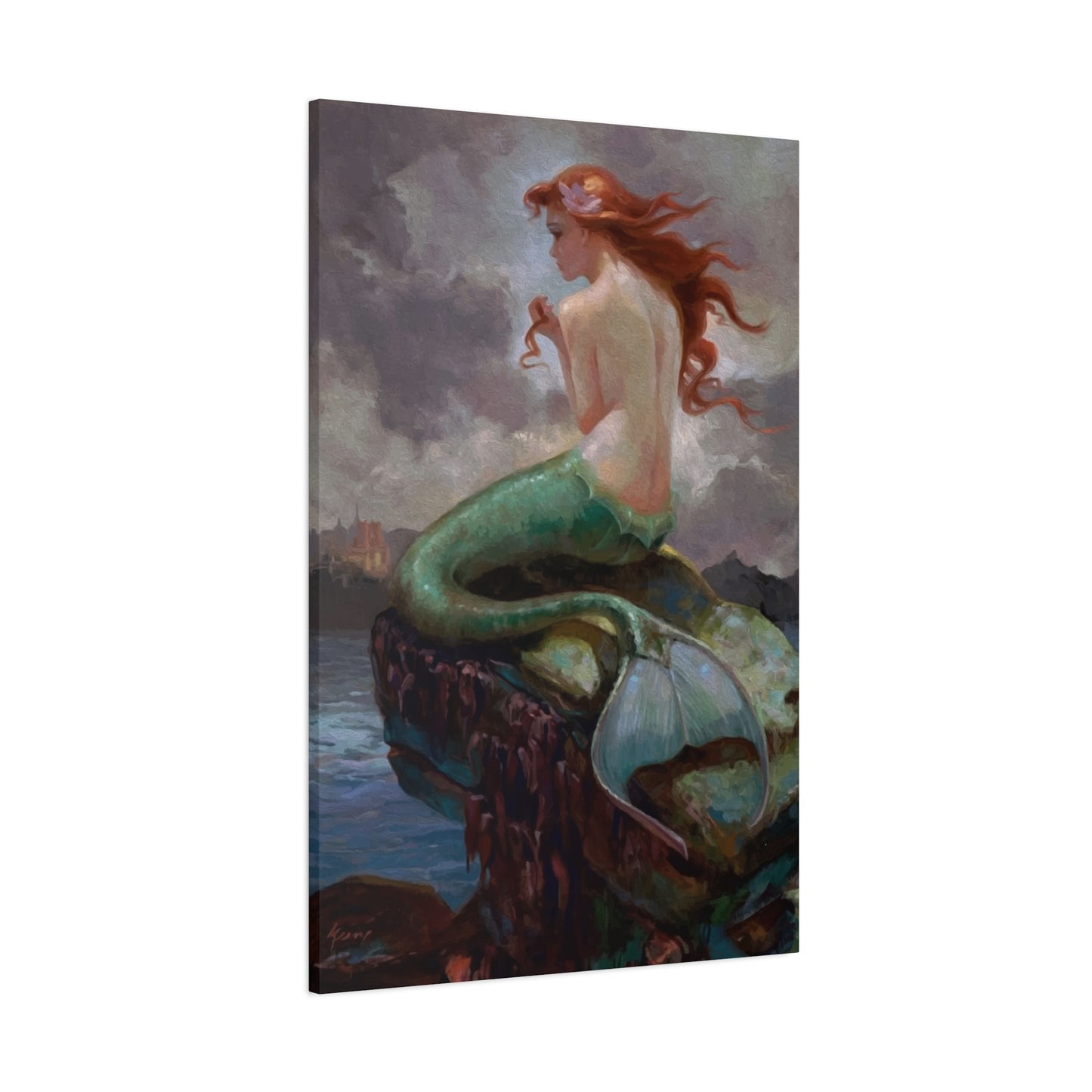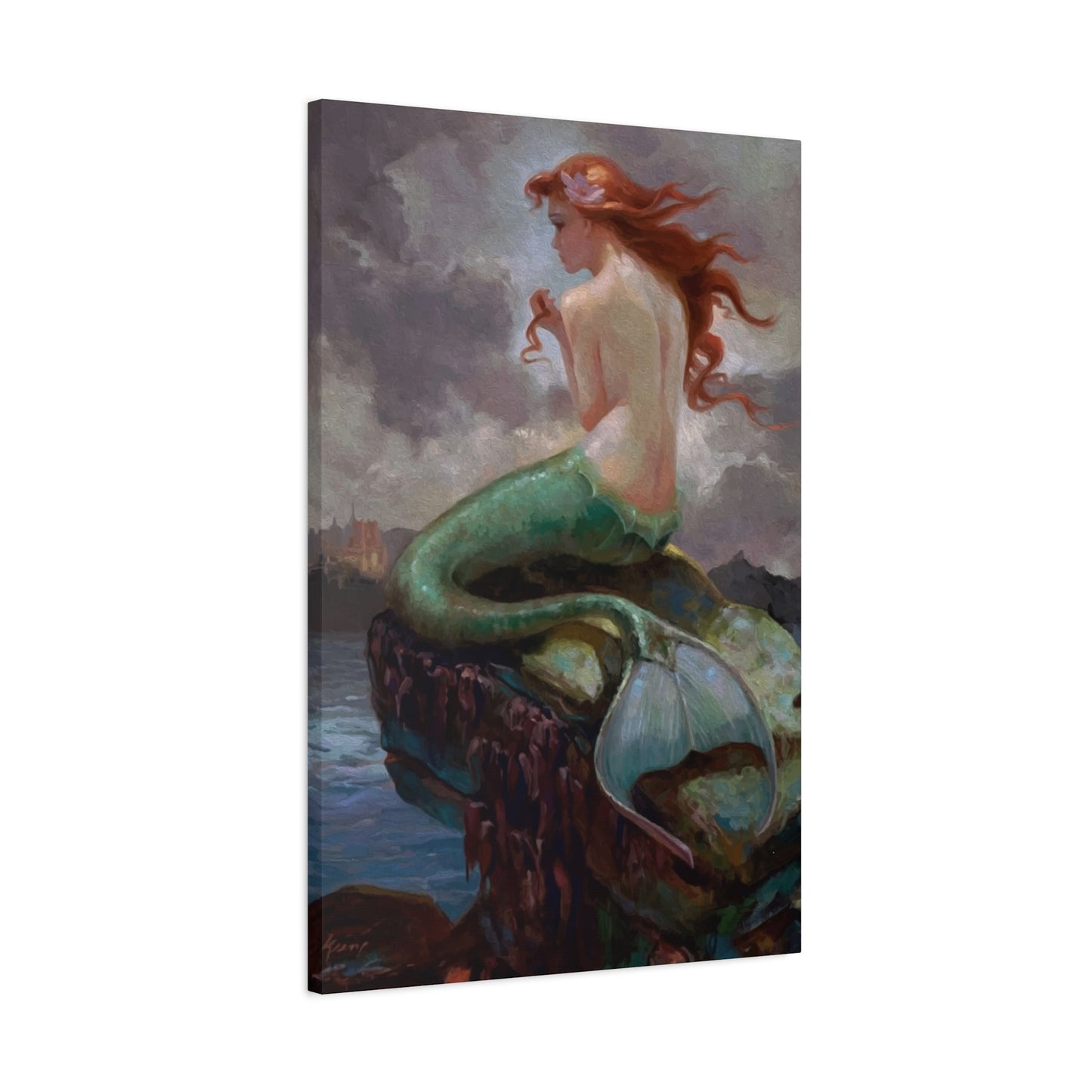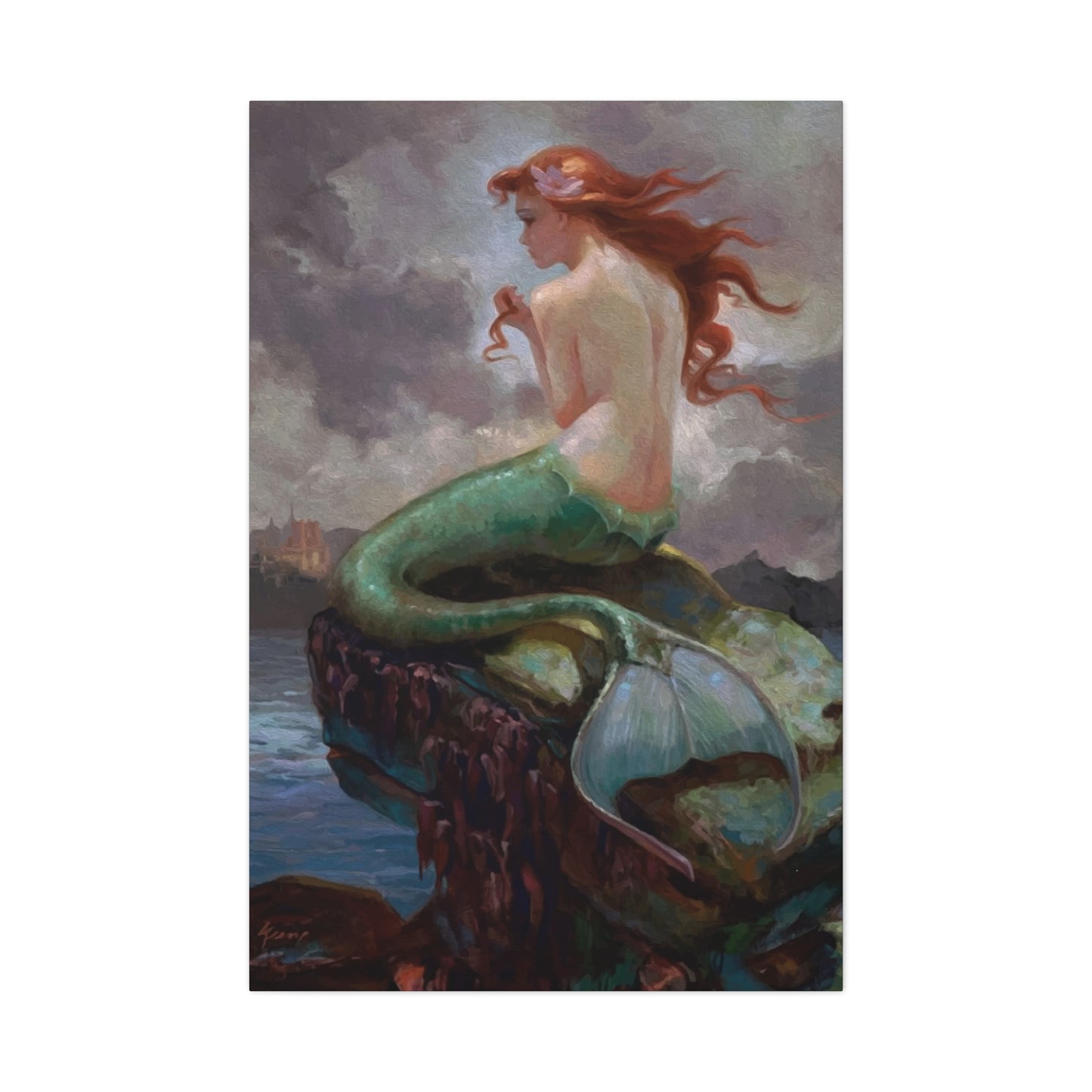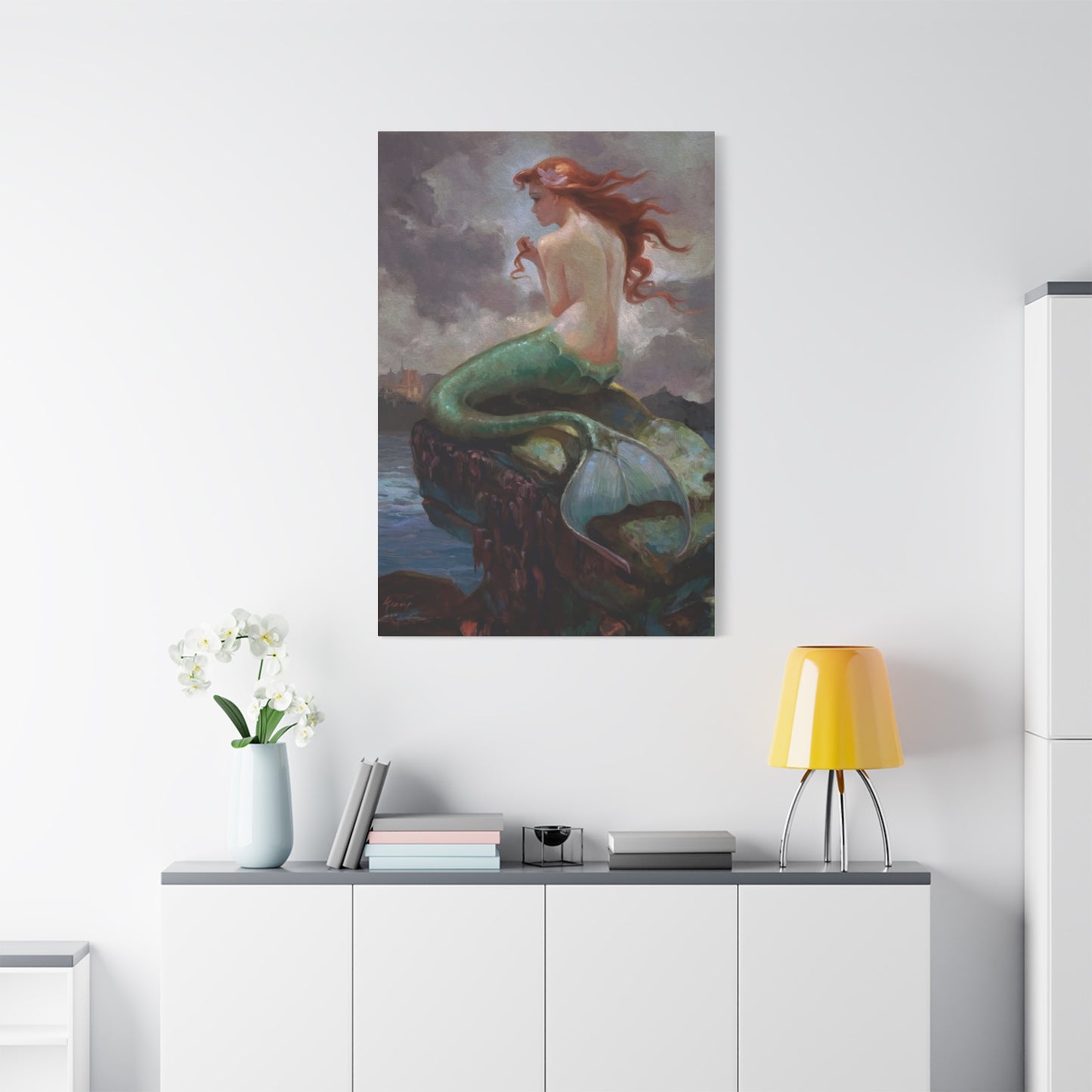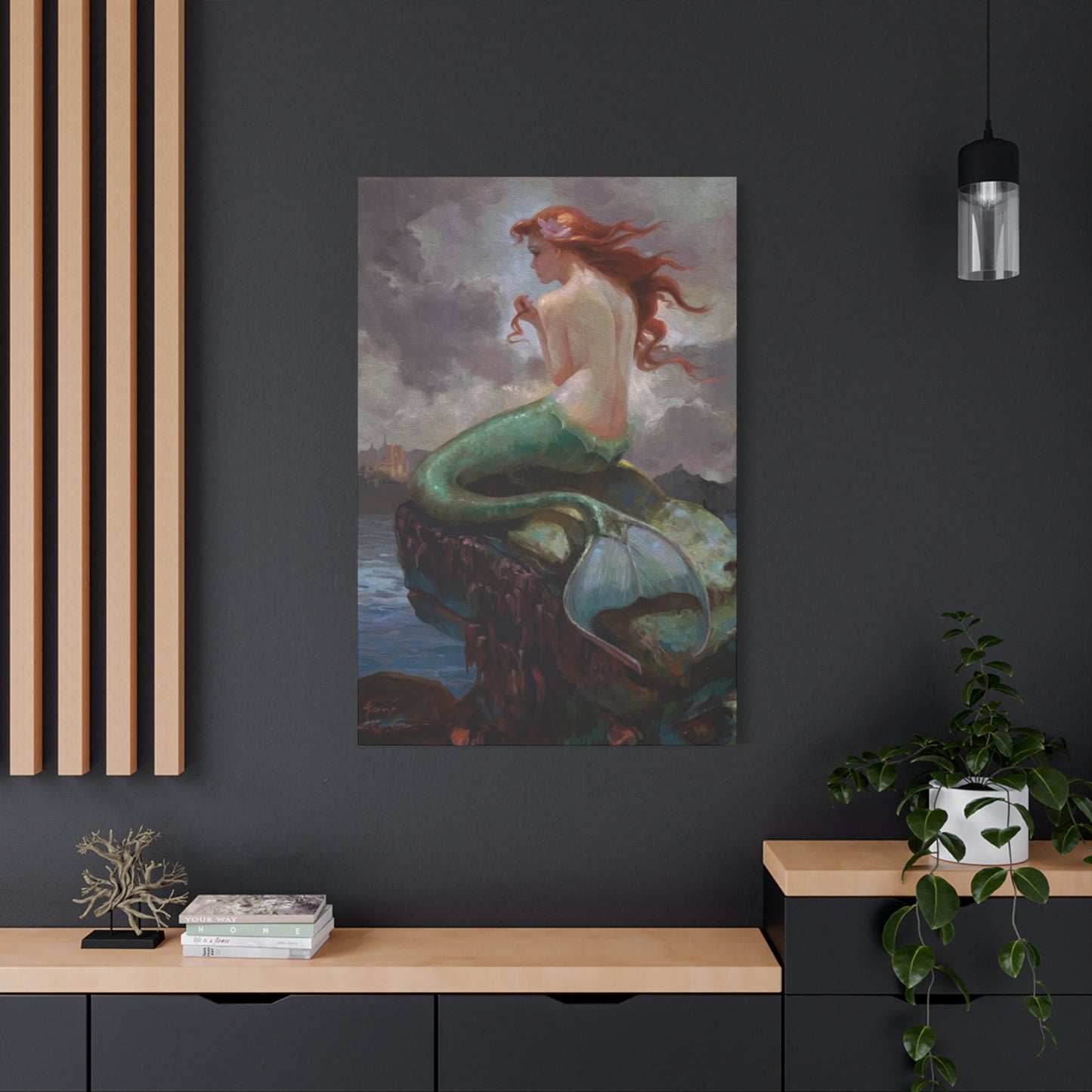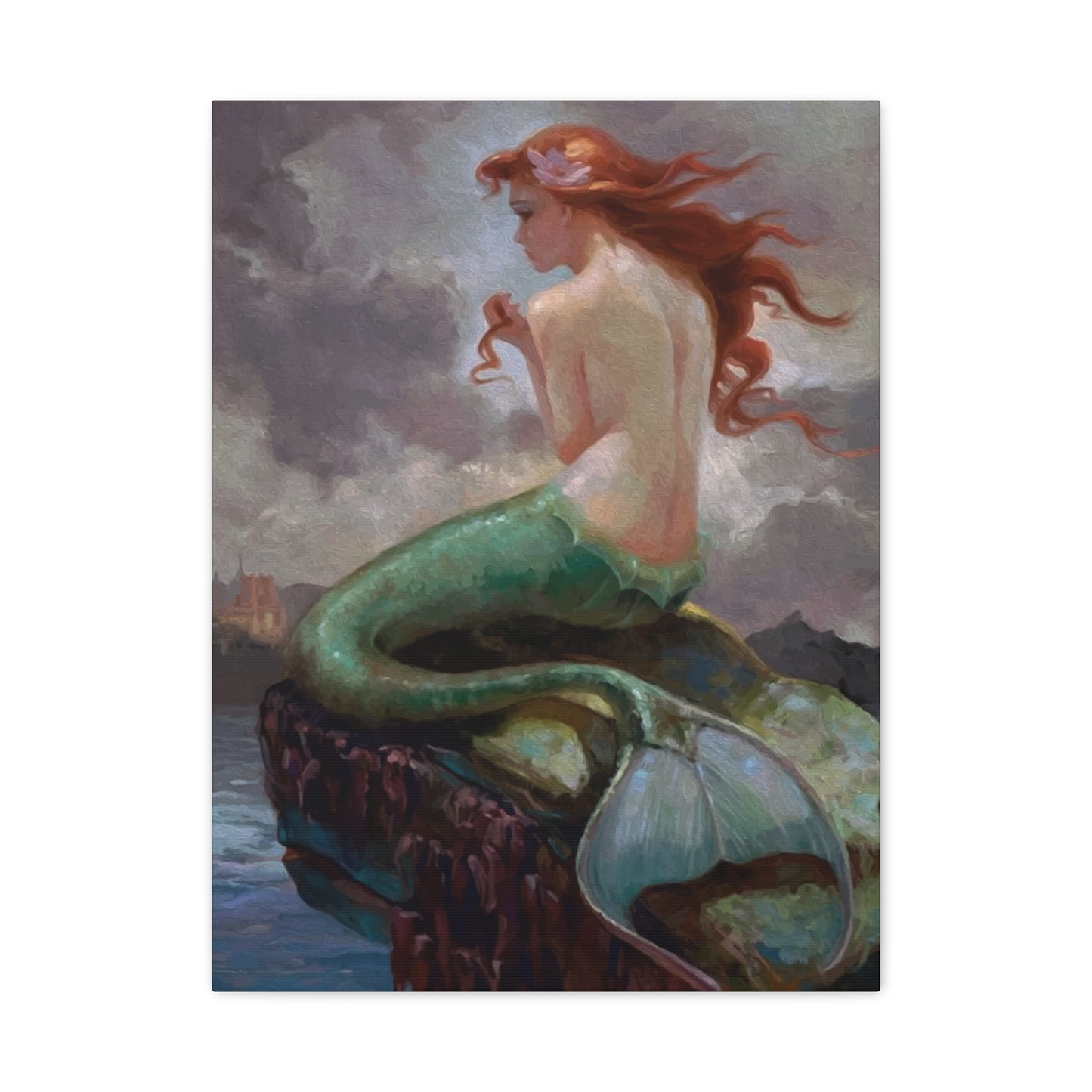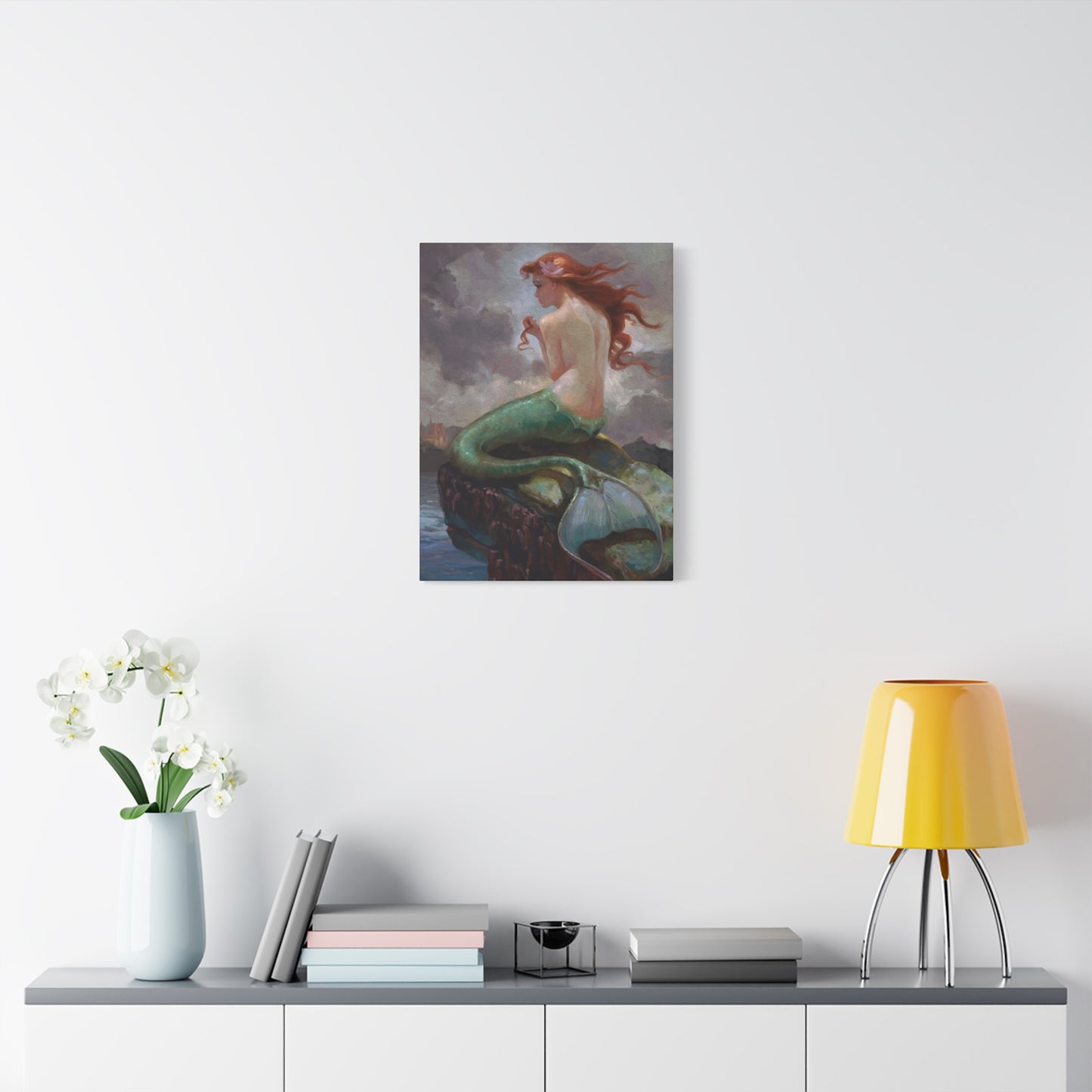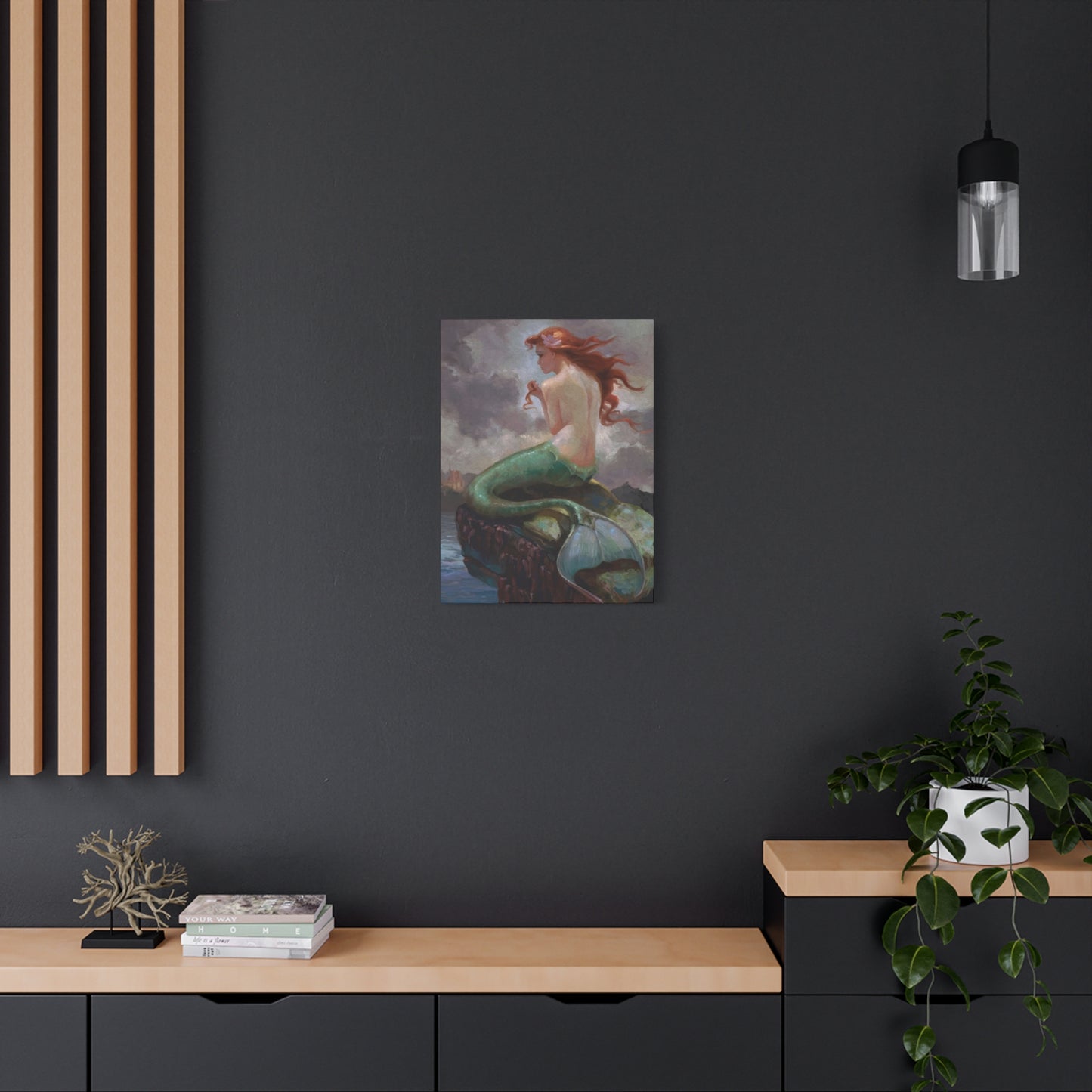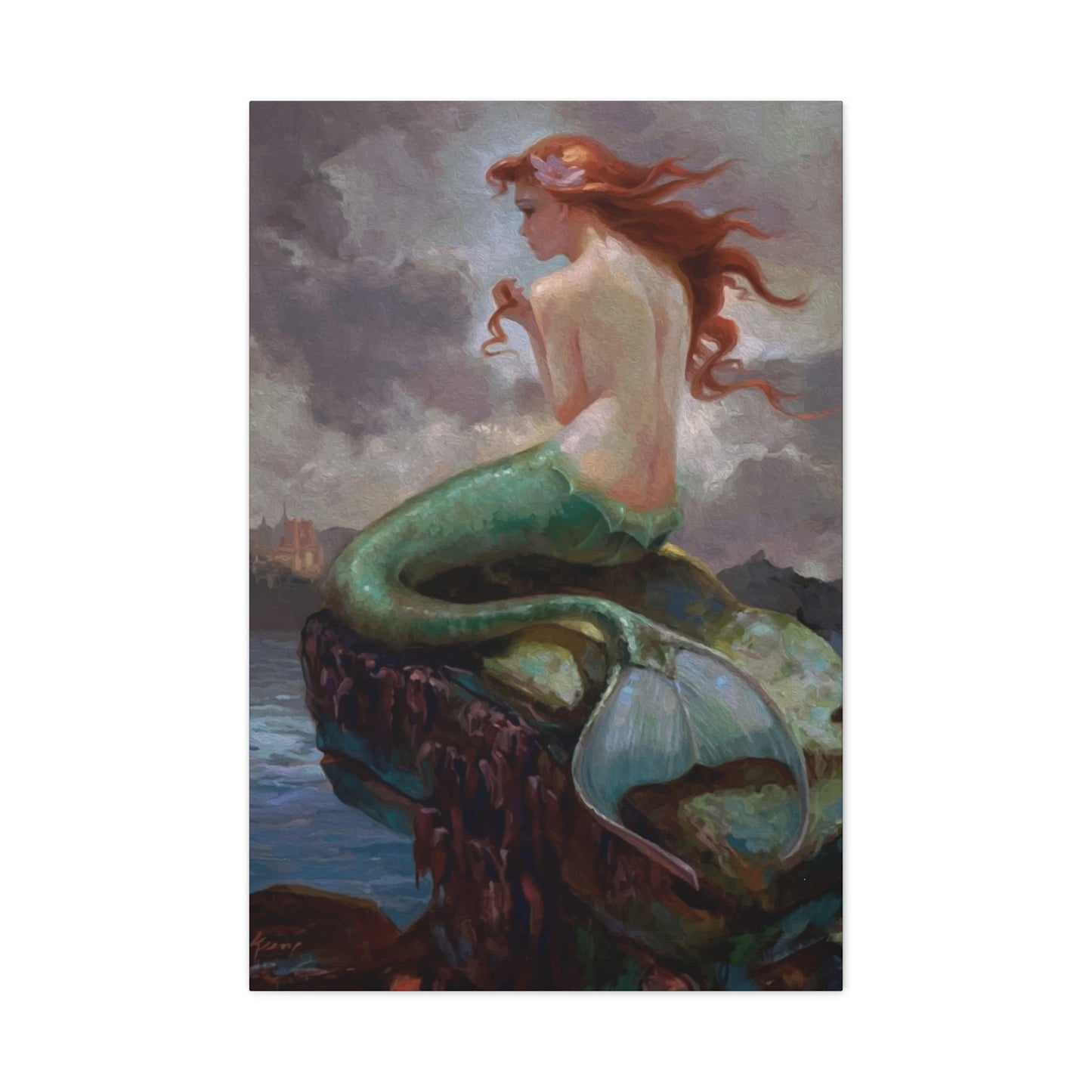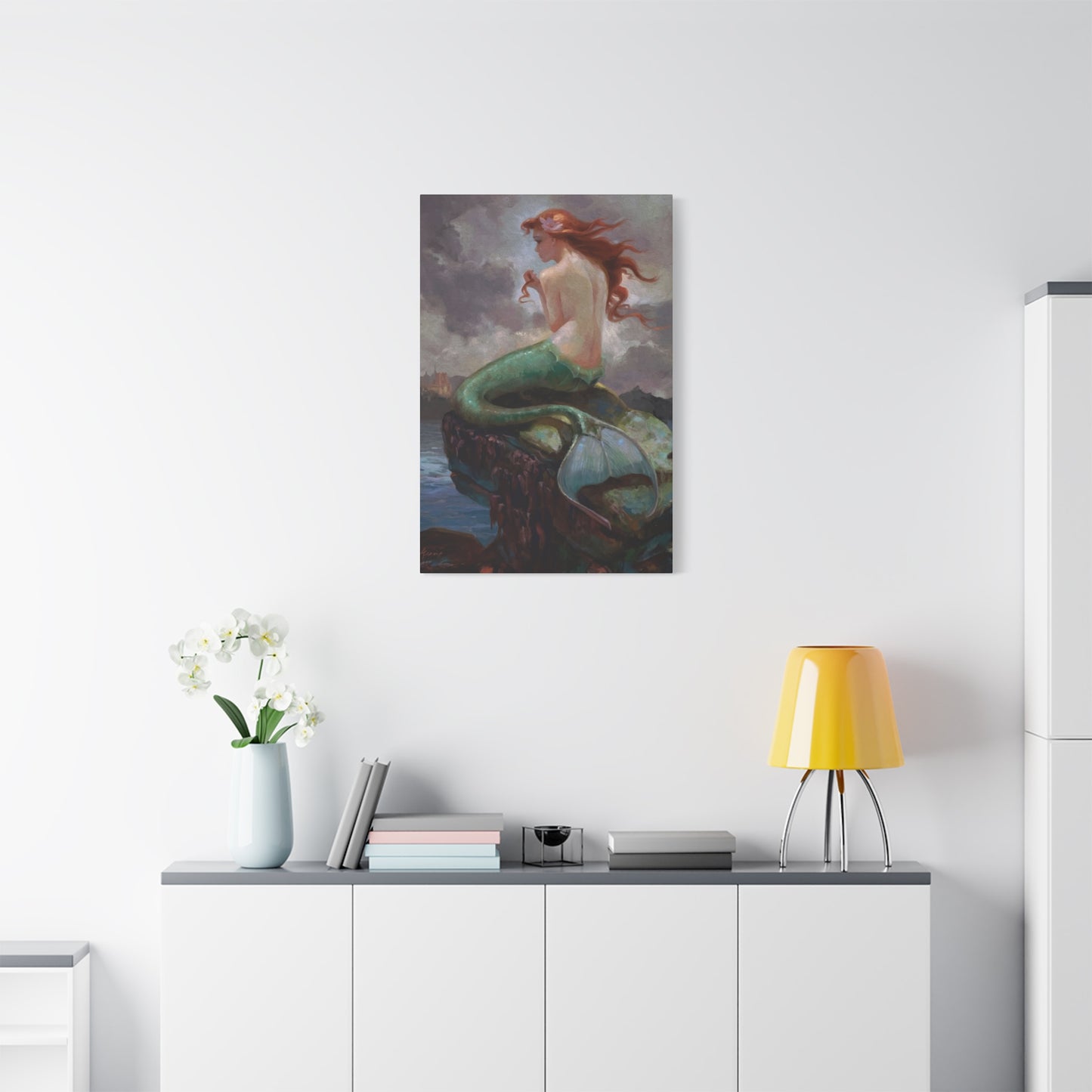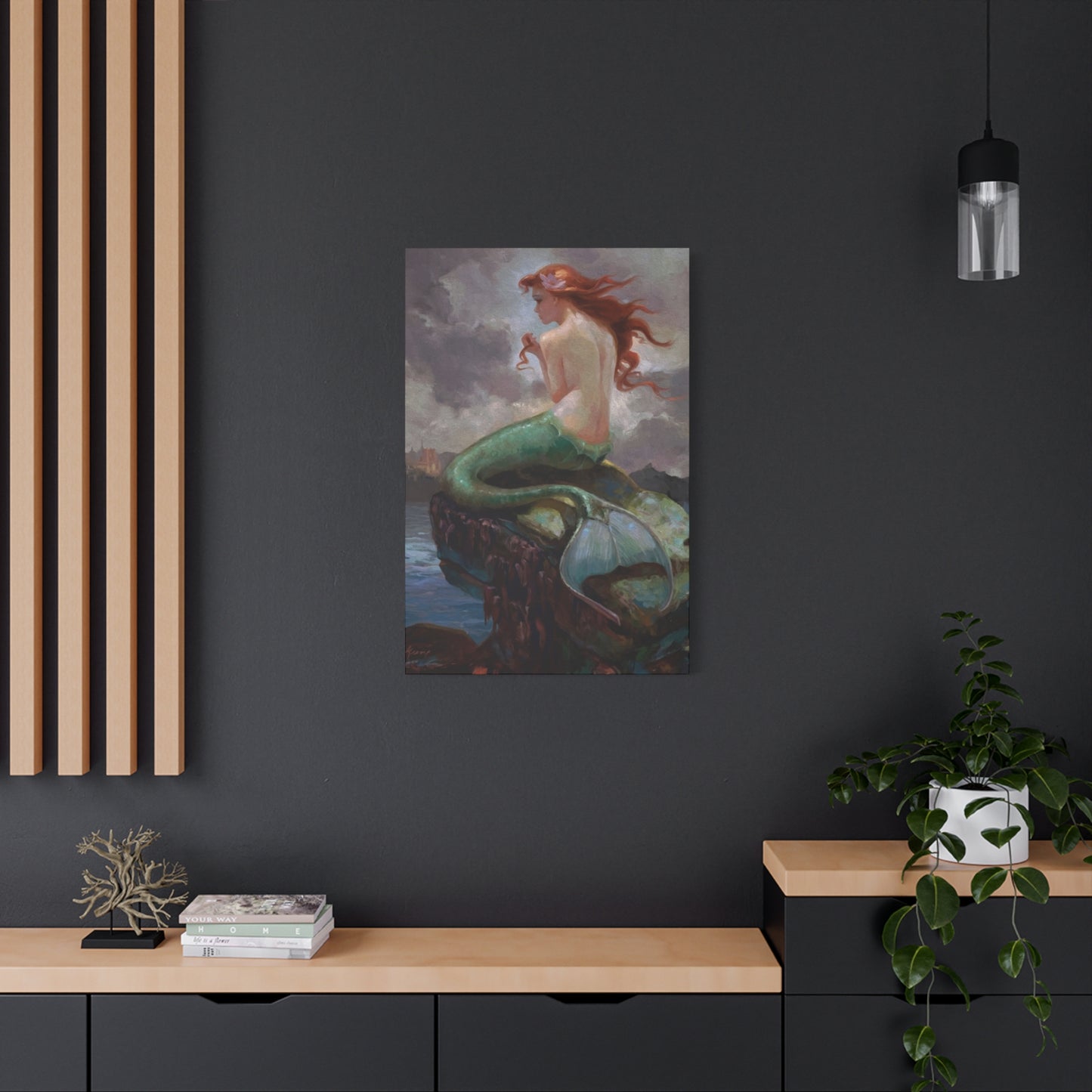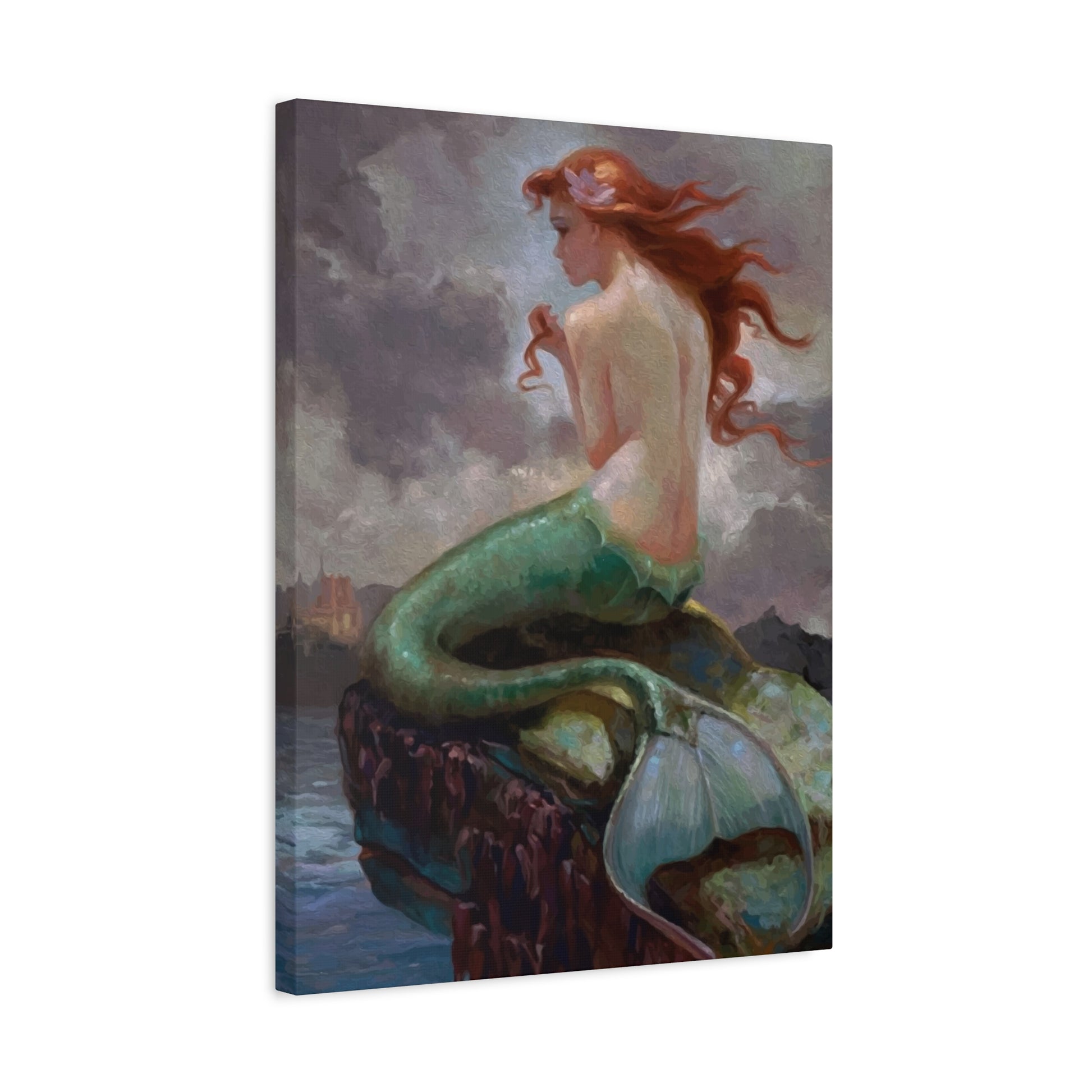
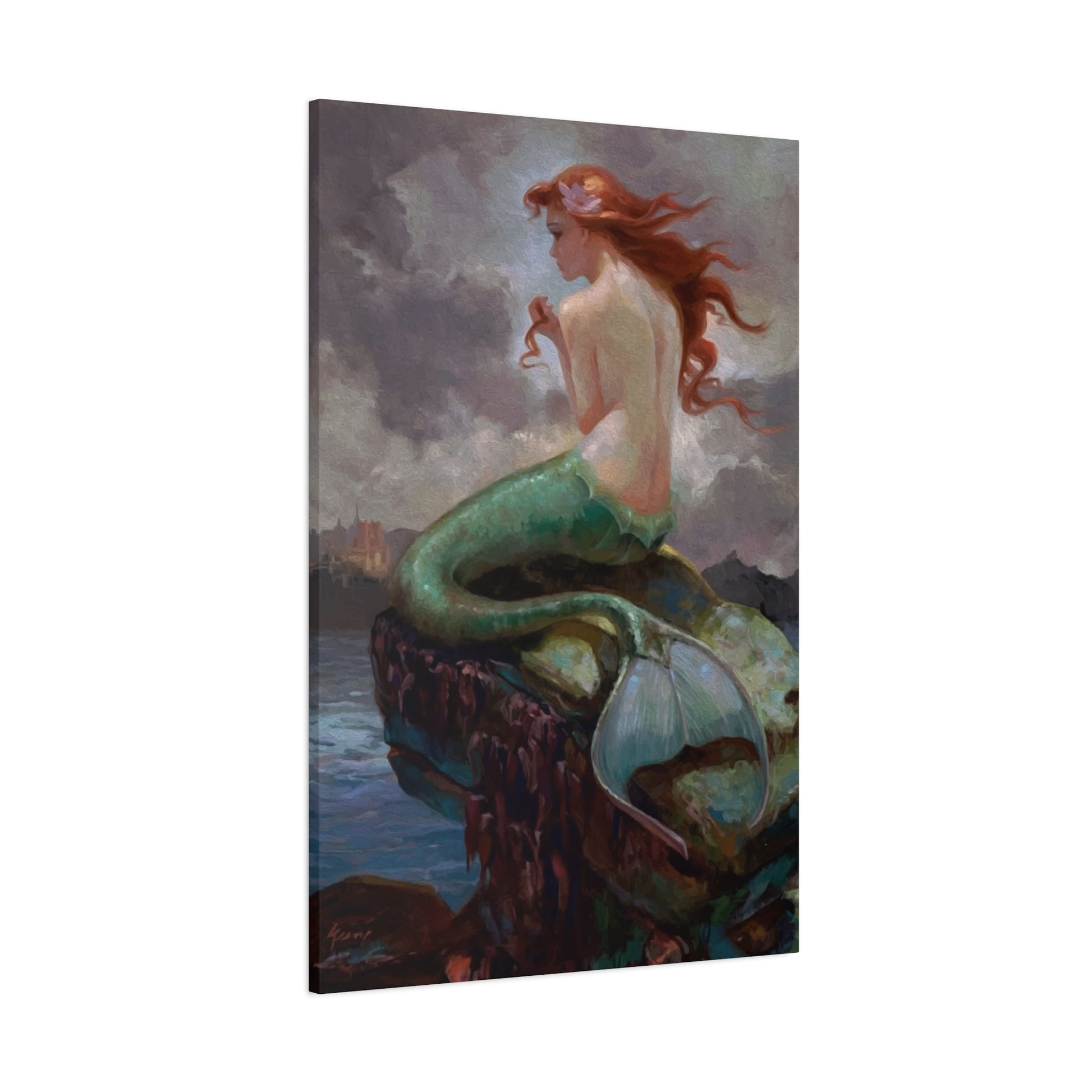
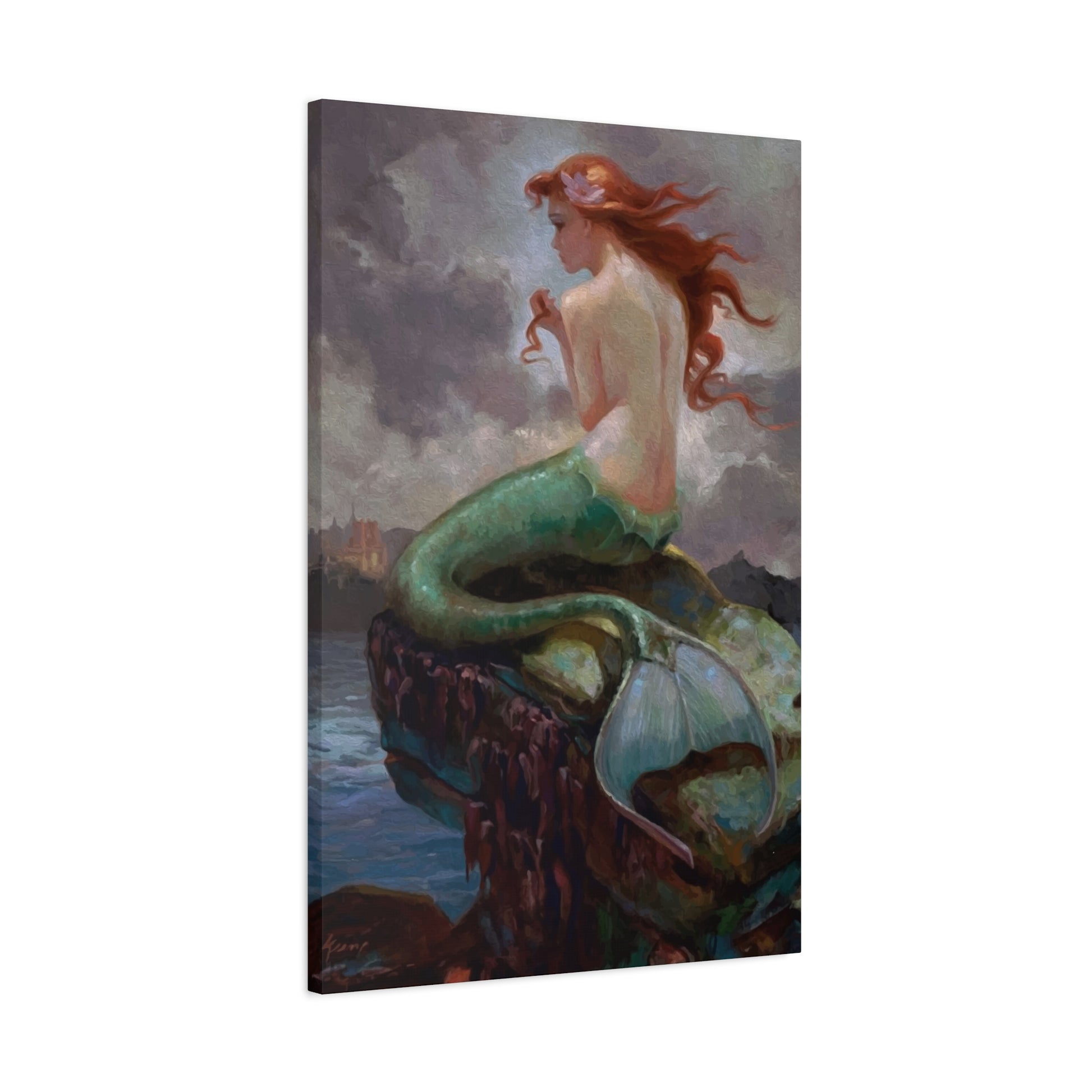
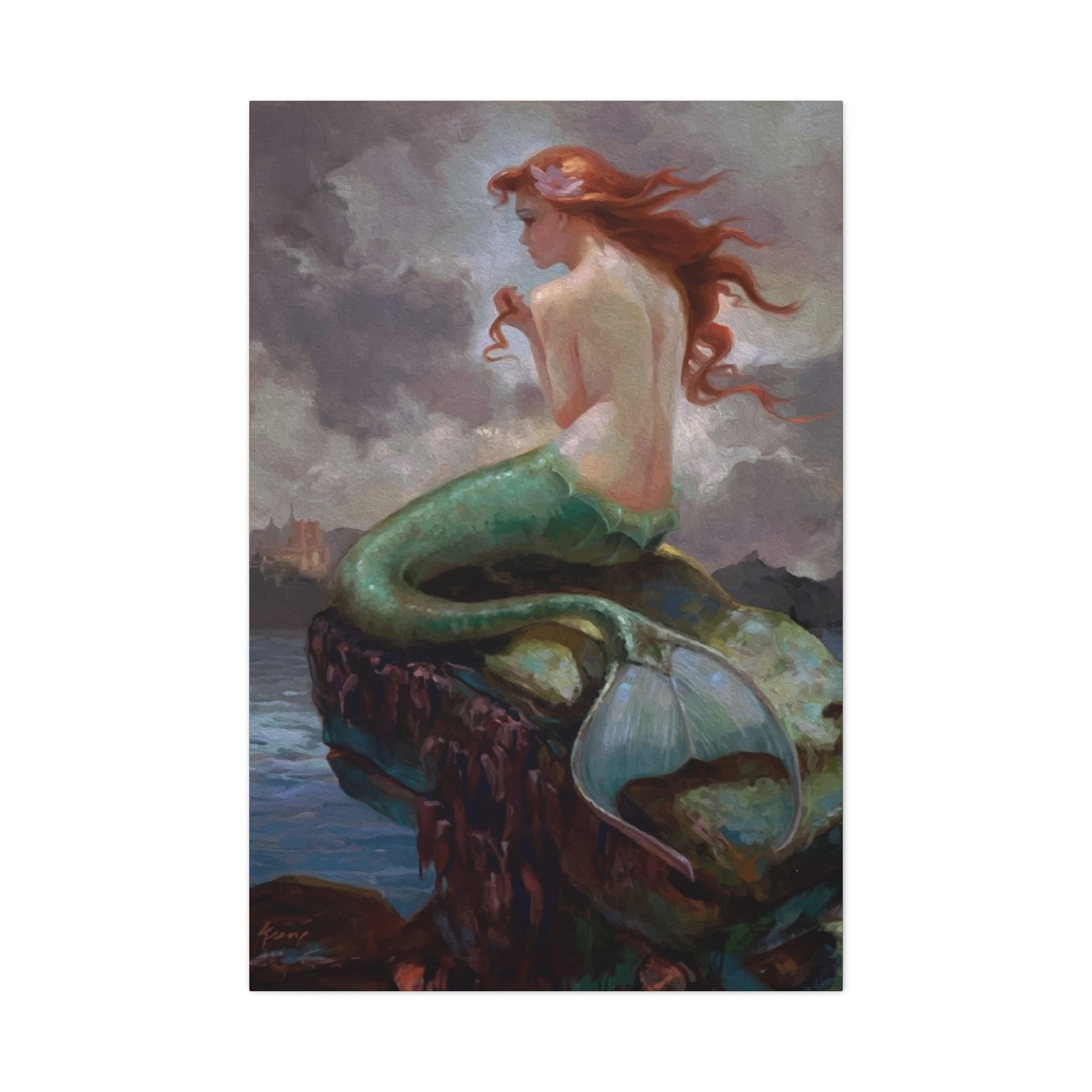
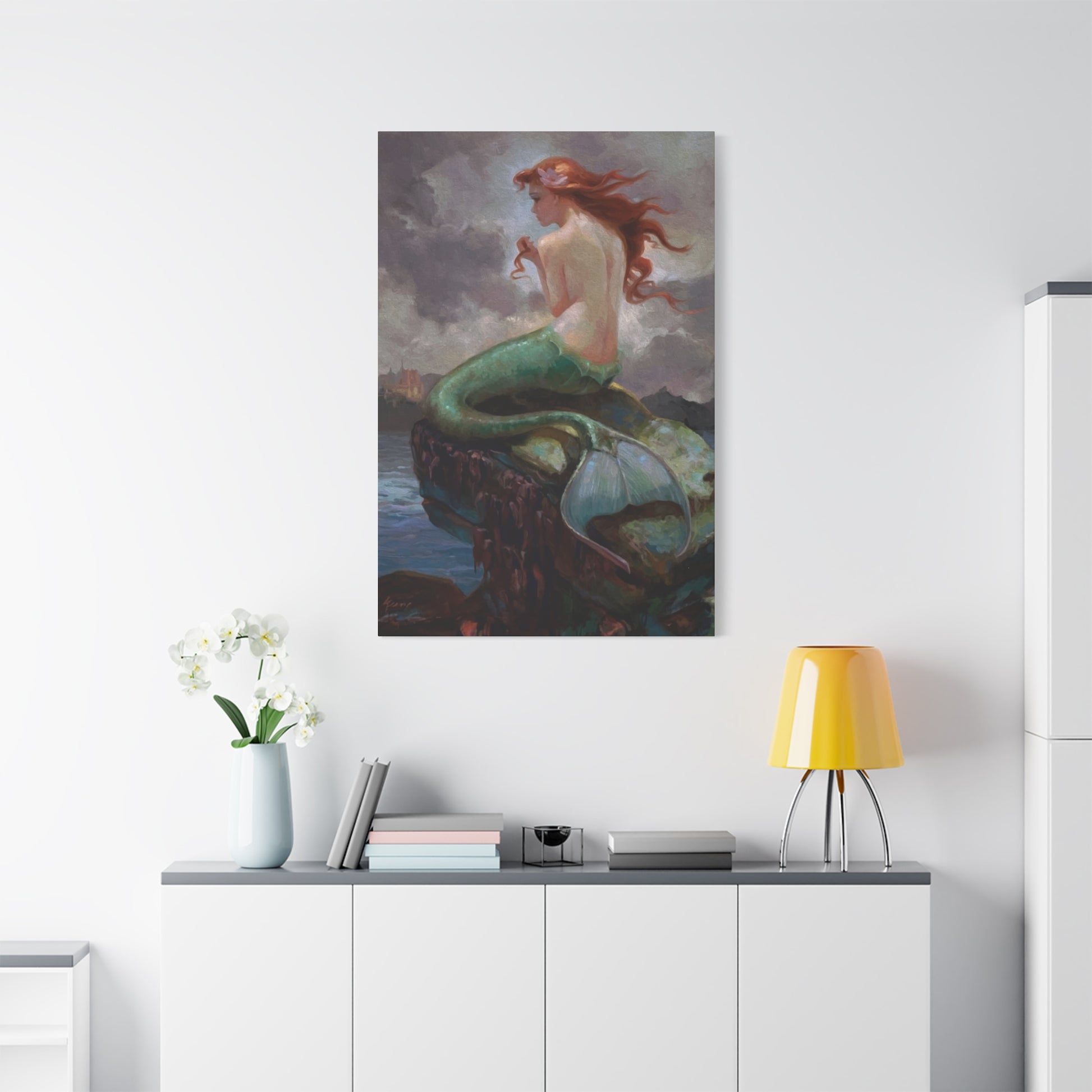
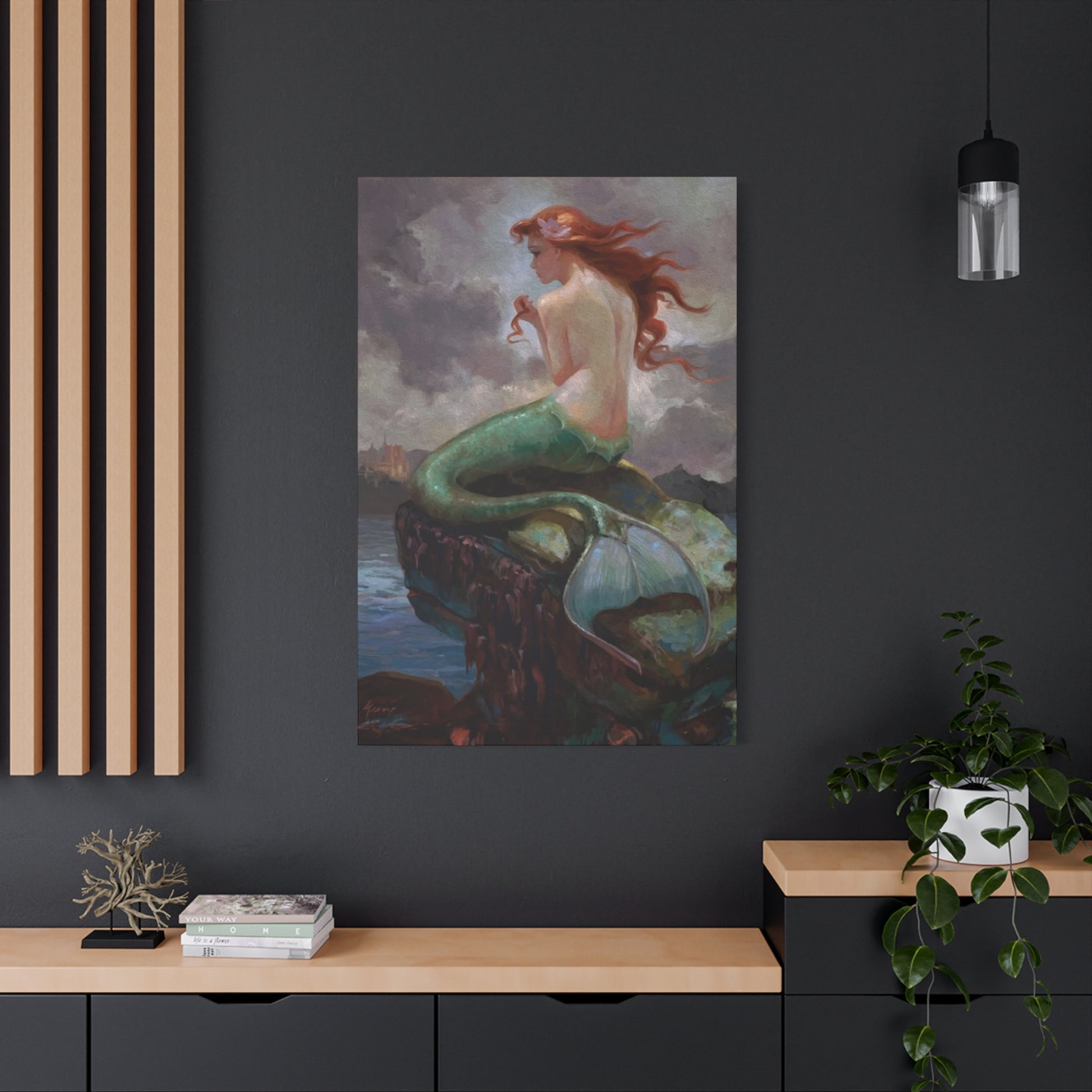
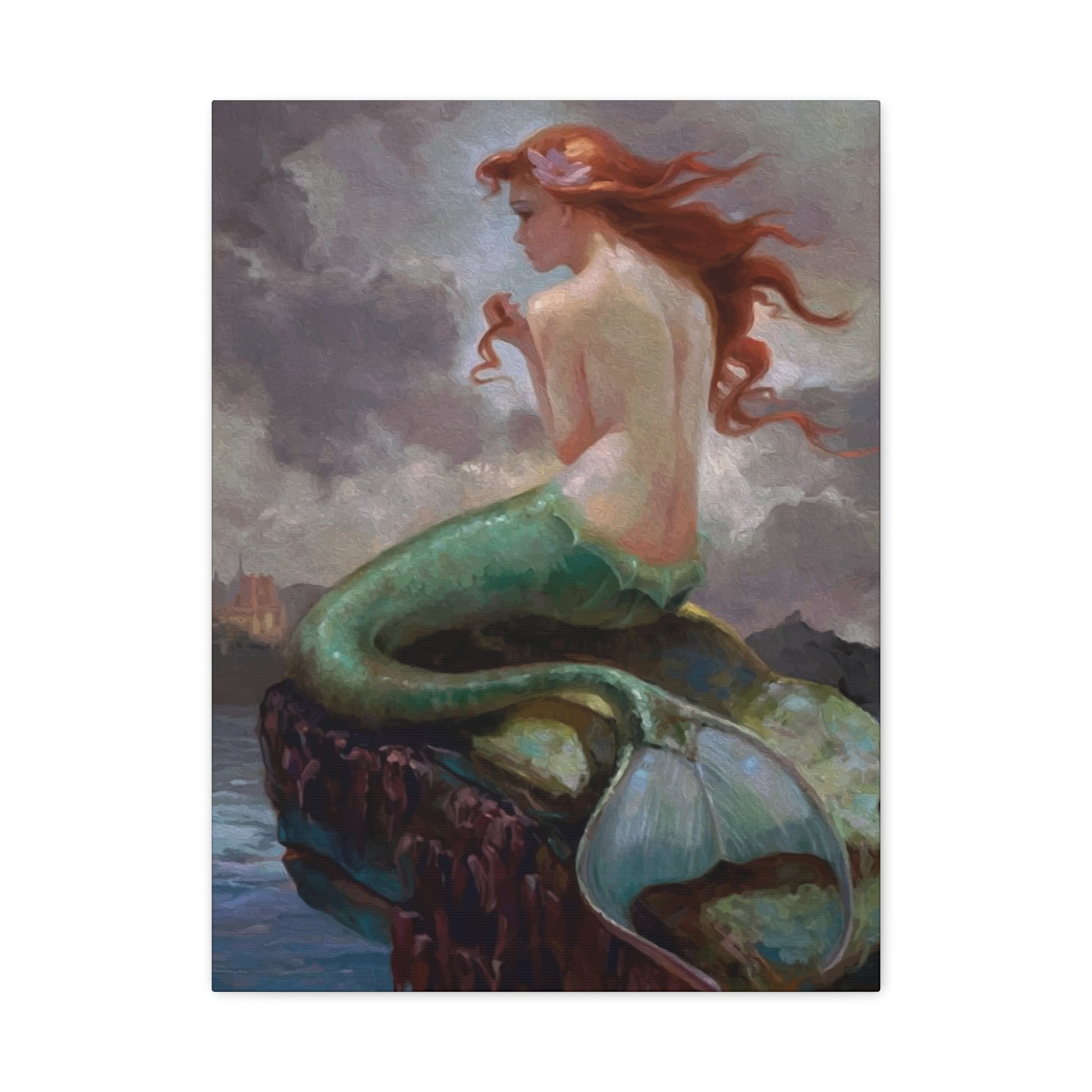
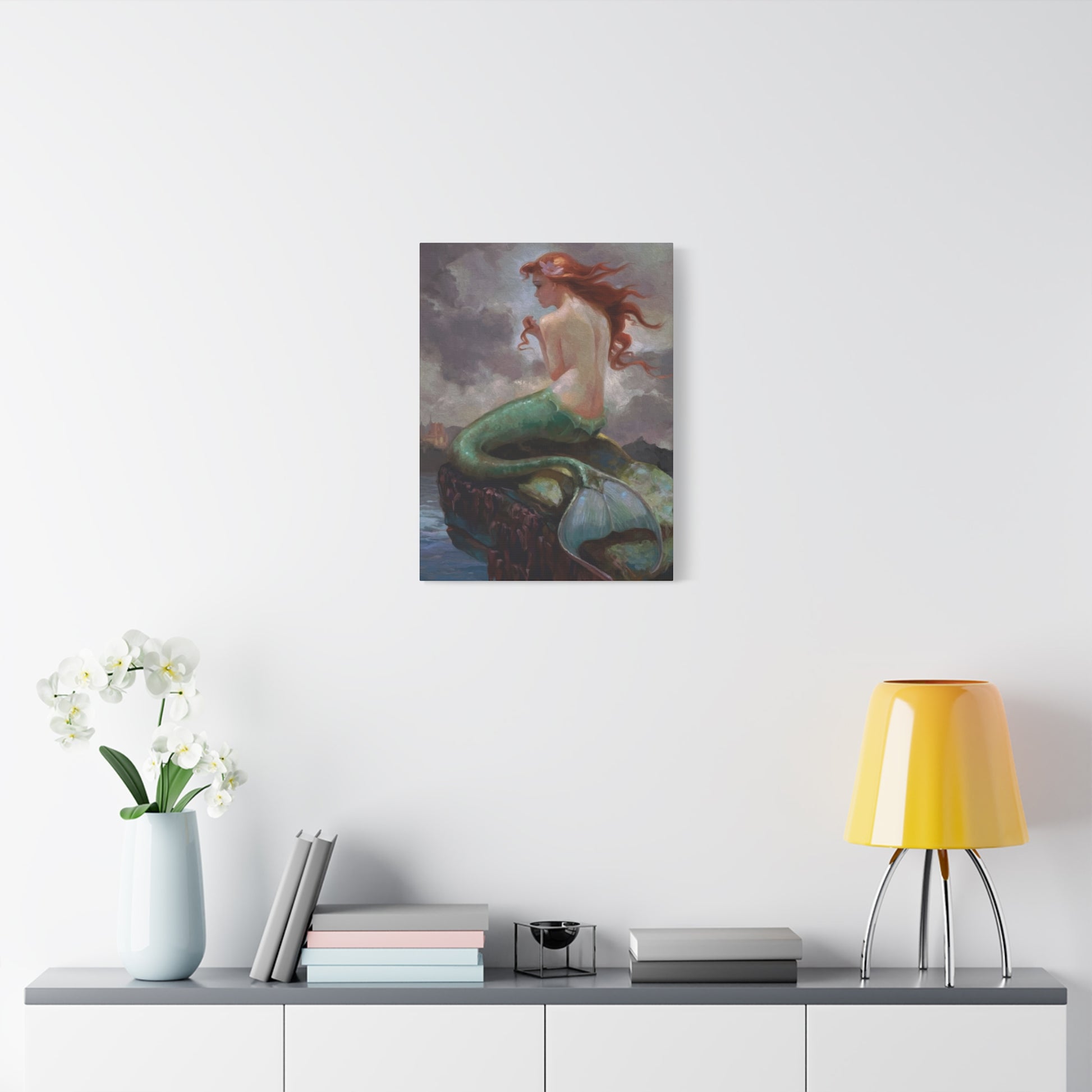
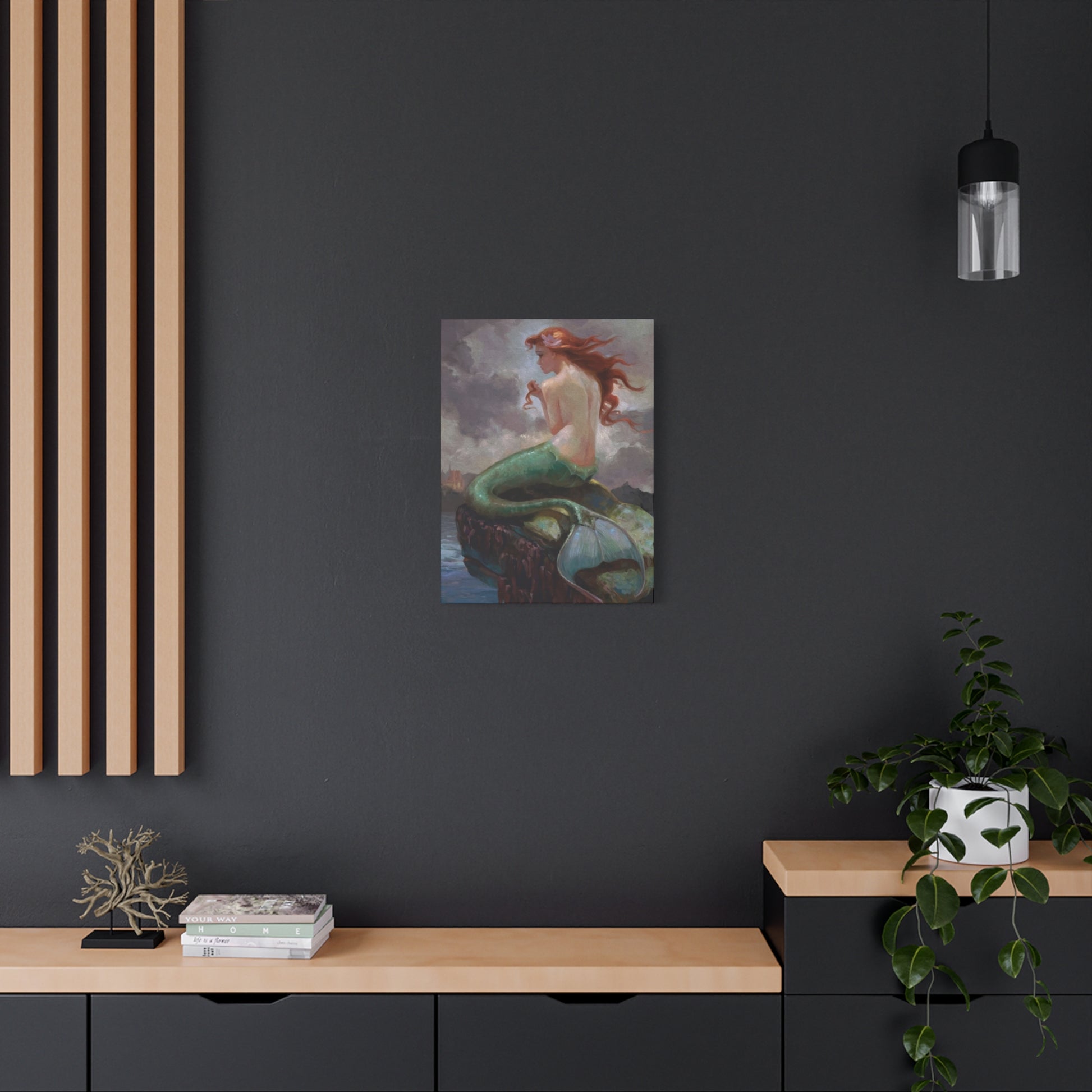
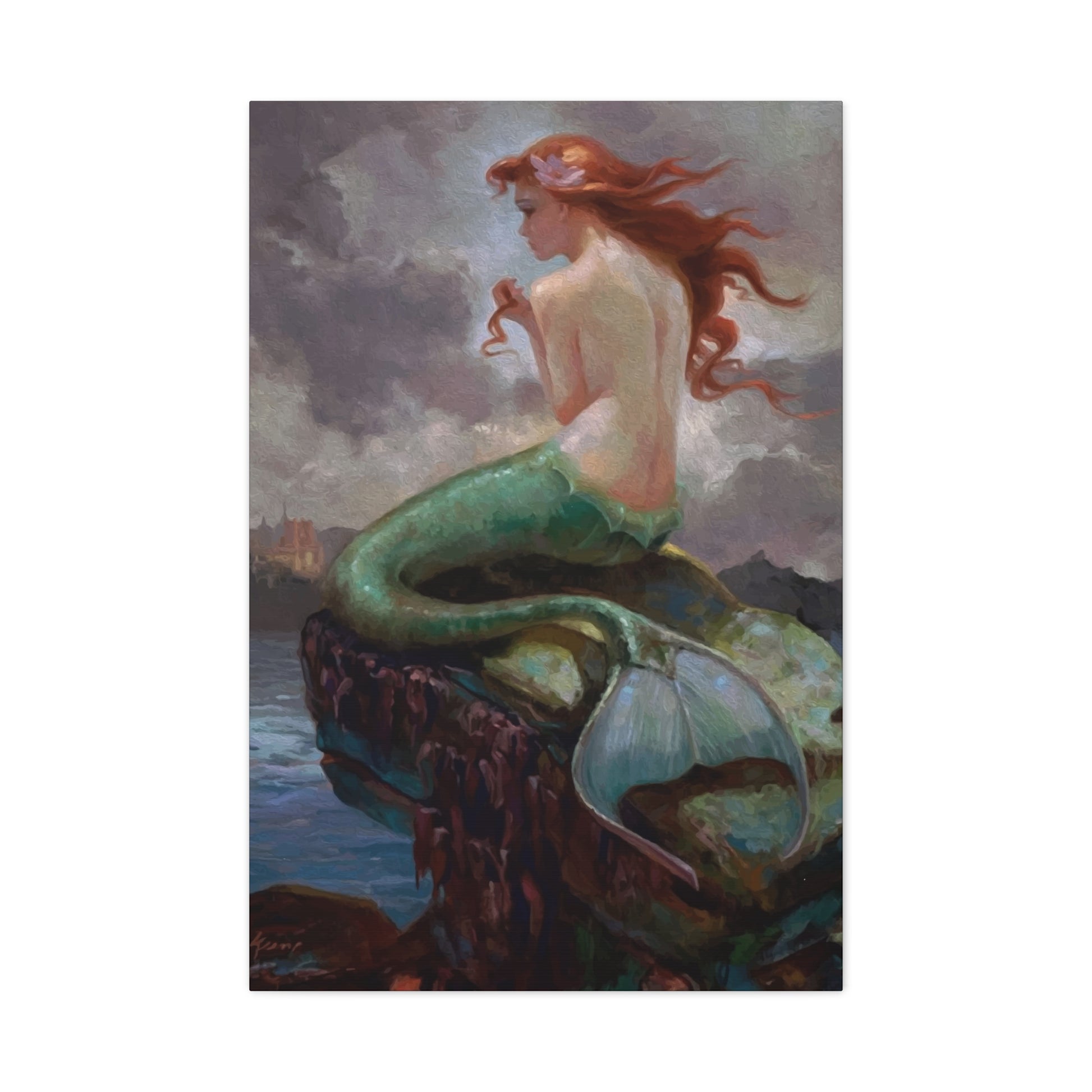
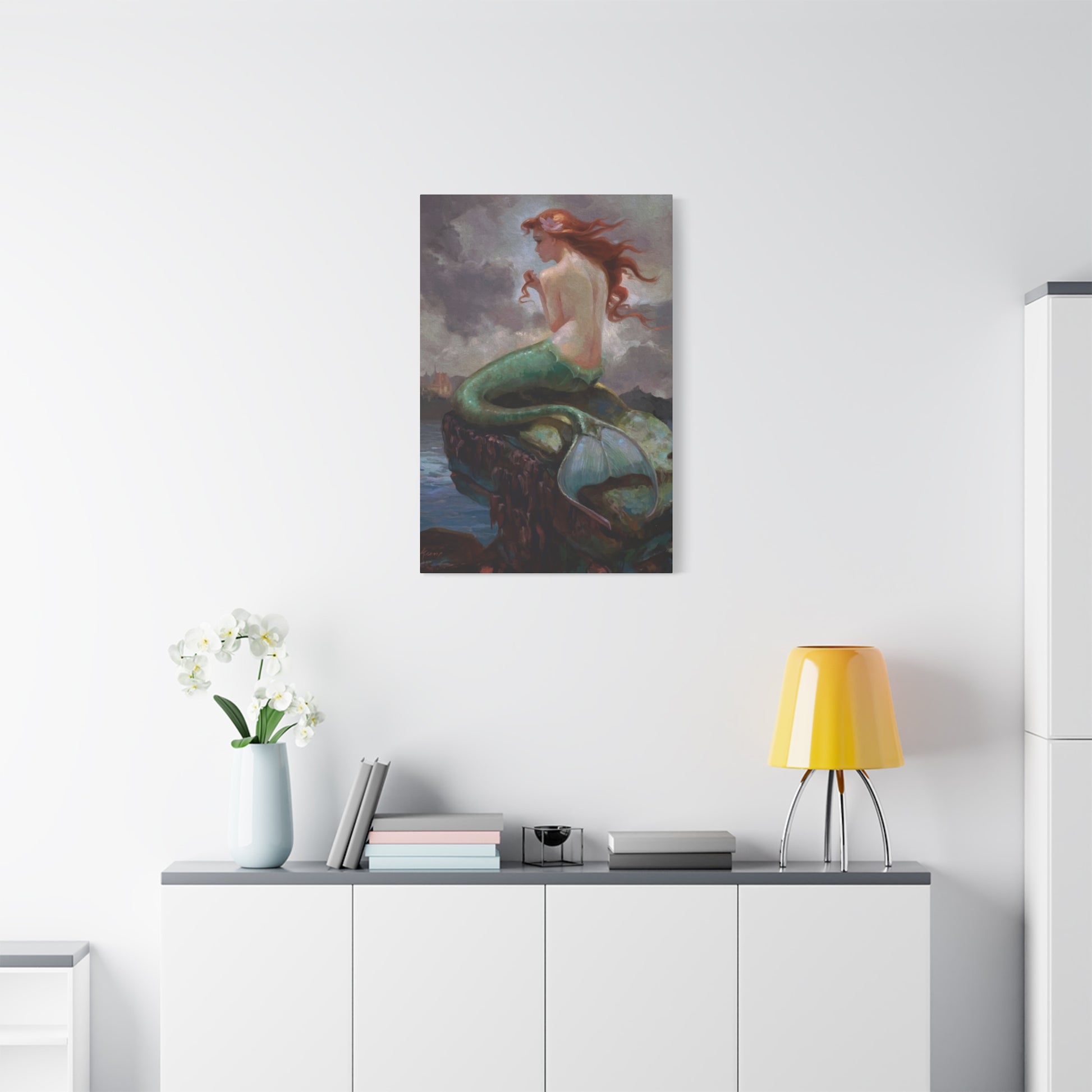
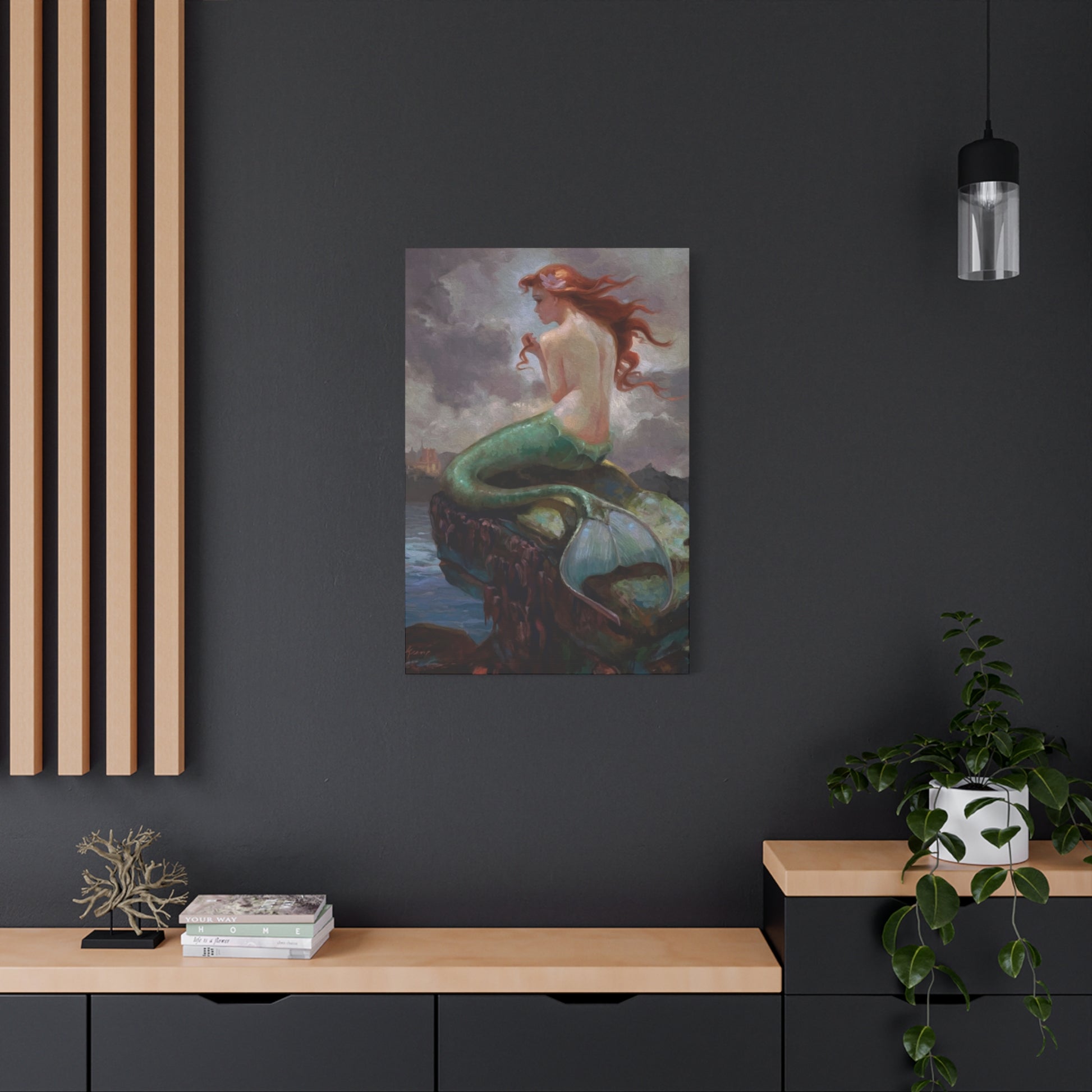
Mermaid Wall Art & Canvas Prints
Mermaid Wall Art & Canvas Prints
Couldn't load pickup availability
Dive into the Magical Realm of Mermaid Wall Art and Transform Your Home with Ocean-Inspired Decor
The allure of ocean depths and mythical sea creatures has captivated human imagination for centuries, and today this fascination finds perfect expression through carefully crafted decorative pieces that bring aquatic wonder into living spaces. Mermaid wall art represents more than mere decoration; it embodies a connection to the mysterious underwater realm that has inspired countless tales, legends, and artistic endeavors throughout human civilization. These captivating visual elements transform ordinary rooms into extraordinary spaces filled with magic, wonder, and the serene beauty of maritime mythology.
When considering ways to enhance interior spaces with distinctive character, few choices offer the same combination of whimsy, elegance, and timeless appeal as artwork featuring these legendary sea maidens. The versatility of such decorative elements allows them to complement various design aesthetics, from coastal cottage charm to contemporary minimalist sophistication. Whether adorning nursery walls, bathroom spaces, or main living areas, these artistic representations create focal points that spark conversation and imagination while establishing a cohesive thematic atmosphere throughout the home.
The growing popularity of ocean-themed interior design has elevated mermaid wall art from niche interest to mainstream decorating staple. Homeowners increasingly seek authentic, meaningful decor that reflects personal interests and creates emotional connections within their living environments. The symbolic significance of mermaids—representing freedom, mystery, transformation, and the untamed beauty of nature—resonates deeply with individuals seeking to infuse their spaces with deeper meaning beyond superficial aesthetics.
Why Ocean Mythology Captivates Modern Interior Design Sensibilities
The enduring fascination with aquatic folklore stems from humanity's complex relationship with the ocean itself. Throughout recorded history, coastal civilizations have developed rich mythologies explaining the mysteries of the deep, personifying the sea's unpredictable nature through enchanting tales of supernatural beings dwelling beneath the waves. These narratives serve multiple purposes: explaining natural phenomena, warning of maritime dangers, and expressing the profound respect and fear inspired by vast, unexplored waters.
In contemporary interior design, incorporating elements that reference these ancient stories creates layers of meaning within residential spaces. Unlike generic decorative items, artwork depicting mythical sea creatures carries cultural weight and narrative richness that transforms walls into storytelling canvases. This depth of meaning satisfies a growing consumer desire for purposeful possessions that reflect individual values, interests, and aesthetic preferences rather than following fleeting trends.
The color palettes naturally associated with oceanic themes offer tremendous decorating advantages. Deep blues, seafoam greens, coral pinks, and iridescent purples create soothing, harmonious environments that promote relaxation and mental clarity. These hues have been scientifically proven to reduce stress levels and lower blood pressure, making them ideal choices for creating restorative home environments. When combined with imagery of graceful sea maidens, these colors gain additional emotional resonance, transforming functional spaces into personal sanctuaries.
Mermaid wall art serves as an accessible entry point for individuals drawn to nautical design but seeking alternatives to traditional maritime motifs. While anchors, ships, and compasses certainly have their place, mythological imagery offers more fantastical, imaginative possibilities that appeal particularly to families with children, creative individuals, and those seeking to maintain a sense of playfulness in their adult lives. This balance between sophistication and whimsy represents a sweet spot in contemporary design philosophy.
Exploring Various Artistic Styles and Material Choices for Ocean-Themed Decor
The remarkable diversity of available styles ensures that every taste and design preference can find suitable expression through mermaid wall art. From hyper-realistic renderings that capture intricate anatomical details and lifelike underwater environments to abstract interpretations that suggest aquatic forms through color and movement, the range of artistic approaches accommodates countless aesthetic visions. This variety allows homeowners to select pieces that genuinely resonate with their personal design philosophy rather than settling for generic options.
Vintage-inspired illustrations featuring Art Nouveau styling bring turn-of-the-century elegance into modern homes. These pieces often showcase flowing lines, ornate details, and muted color palettes that evoke nostalgia while remaining fresh and relevant. The romantic quality of vintage mermaid imagery pairs beautifully with shabby chic, farmhouse, or eclectic design schemes, providing visual interest without overwhelming other decorative elements. Antique-style prints on aged paper or distressed wood panels enhance this aesthetic, creating the impression of discovered treasures from another era.
Contemporary artistic interpretations embrace bold colors, geometric shapes, and minimalist compositions that speak to modern design sensibilities. Clean lines, strategic negative space, and striking color contrasts characterize this approach, resulting in statement pieces that command attention without relying on intricate detail. Scandinavian-inspired designs might feature simple silhouettes in monochromatic palettes, while tropical interpretations incorporate vibrant corals, sunny yellows, and lush greens that energize spaces with Caribbean warmth.
Watercolor renderings offer soft, dreamy qualities perfectly suited to nurseries, bedrooms, and spaces designed for relaxation. The translucent nature of watercolor technique creates ethereal effects that mirror the flowing, liquid nature of the ocean itself. Gentle color gradations and delicate brushwork produce calming visual experiences that soothe rather than stimulate, making them ideal for environments dedicated to rest and restoration. The handmade quality of watercolor art also appeals to consumers seeking authentic, artisan-crafted pieces over mass-produced alternatives.
Metal wall sculptures introduce three-dimensional interest and tactile variety to flat wall surfaces. Copper, bronze, and patinated metals develop rich coloration that complements oceanic themes while adding industrial or rustic elements to design schemes. The interplay of light and shadow across sculptural surfaces creates dynamic visual experiences that change throughout the day as natural lighting conditions shift. Metal artwork also offers exceptional durability and longevity, making it a sound investment for permanent installations.
Canvas prints remain perennially popular due to their versatility, affordability, and professional appearance. High-quality canvas reproduction technology now achieves remarkable color accuracy and detail resolution, making fine art accessible to broader audiences. Gallery-wrapped canvas—where the printed image extends around the frame edges—eliminates the need for additional framing, creating clean, modern presentations. Multiple canvas panels arranged in diptych, triptych, or larger configurations create dramatic impact across expansive wall spaces.
Wood panel art brings organic warmth and textural interest to mermaid imagery. Printing directly onto reclaimed barnwood, pallets, or specially prepared planks creates rustic charm perfectly aligned with coastal cottage or farmhouse aesthetics. The natural grain patterns visible through or alongside printed images add unique character that mass-produced items cannot replicate. Each piece becomes truly one-of-a-kind as wood variations ensure no two panels are identical.
Selecting the Perfect Placement for Maximum Visual Impact Throughout Your Home
Strategic placement decisions dramatically affect how effectively decorative elements enhance residential spaces. Understanding fundamental design principles regarding scale, proportion, and visual weight helps homeowners make confident choices that elevate rather than detract from overall room aesthetics. Mermaid wall art deserves thoughtful positioning that showcases its beauty while maintaining functional room layouts and traffic flow patterns.
Living rooms offer expansive opportunities for statement pieces that establish thematic direction for the entire home. Large-scale artwork positioned above sofas or mantels creates natural focal points that anchor seating arrangements and define conversational areas. When selecting dimensions, consider the furniture below—artwork should span approximately two-thirds to three-quarters of the furniture width to achieve balanced visual proportions. Gallery walls featuring multiple smaller pieces provide alternative approaches for collectors with diverse pieces or those preferring eclectic presentations.
Bedrooms benefit from calming imagery that promotes restful atmospheres conducive to quality sleep. Positioning artwork on walls facing the bed creates immediate visual interest upon entering while allowing peaceful contemplation before sleep. The colors and imagery chosen for bedroom spaces significantly impact mood and relaxation capacity, making thoughtful selection particularly important. Soft watercolors, gentle wave patterns, and serene expressions contribute to tranquil environments, while bold, energetic pieces might prove too stimulating for restful spaces.
Bathrooms naturally align with oceanic themes, making them ideal locations for mermaid wall art. The inherent connection between these mythical beings and water creates thematic consistency that feels both intentional and organic. However, bathroom placement requires special consideration regarding moisture exposure and ventilation. Selecting appropriately sealed or water-resistant materials prevents damage from humidity, steam, and potential water splashes. Canvas prints treated with protective coatings or metal sculptures resist moisture better than paper-based options.
Children's rooms and nurseries provide opportunities for whimsical, imaginative artwork that sparks creativity and wonder. Selecting pieces with playful, friendly characteristics rather than serious or potentially frightening imagery creates positive associations and stimulates young imaginations. Incorporating storytelling elements through multi-panel sequences or narrative scenes encourages literacy and creative thinking. As children grow, the same spaces can evolve by replacing youthful pieces with more sophisticated interpretations that mature alongside their developing tastes.
Dining areas benefit from conversation-starting artwork that enhances the social nature of shared meals. Positioning pieces where guests naturally direct their gaze while seated creates engagement opportunities and establishes memorable atmospheres. The colors selected for dining spaces should complement dishware, table linens, and other decorative elements while stimulating appetite and encouraging lingering conversations. Warmer tones within oceanic palettes—coral, sand, and sunset oranges—work particularly well in dining contexts.
Entryways and hallways serve as transitional spaces where mermaid wall art establishes immediate impressions for visiting guests. First impressions significantly influence overall perceptions of home aesthetics, making entrance artwork especially important. These areas typically receive abundant natural light, making them suitable for pieces that might fade in direct sun exposure elsewhere. Hallways offer linear wall space perfect for series or collections that guide movement through homes while maintaining visual interest along entire passages.
Color Coordination Strategies That Create Cohesive Interior Design Schemes
Successful color coordination transforms disconnected decorative elements into unified design narratives that flow seamlessly throughout residential spaces. When incorporating mermaid wall art, understanding color theory principles helps homeowners make informed decisions that enhance rather than clash with existing palettes and furnishings. The inherent color associations with oceanic themes provide excellent starting points for building comprehensive schemes.
Monochromatic approaches using various shades and tints of single hues create sophisticated, calming environments. Working within blue families—from pale sky tones to deep navy depths—establishes cohesion while avoiding monotony through value and saturation variations. This approach particularly suits minimalist or contemporary design philosophies where restraint and refinement take precedence over visual complexity. Layering textures becomes crucial in monochromatic spaces to maintain visual interest without introducing competing colors.
Analogous color schemes combine adjacent hues on the color wheel, such as blues, greens, and teals typically associated with ocean environments. This harmonious approach creates natural flow and visual comfort while offering more variety than strict monochromatic palettes. Introducing warmer accents—coral, peach, or sandy neutrals—prevents coolness from overwhelming spaces and adds dimensionality that prevents flat, one-note appearances. The key lies in maintaining dominant cool tones while strategically punctuating with warm contrasts.
Complementary schemes pair opposite color wheel positions for maximum contrast and visual energy. Orange and blue combinations evoke sunsets over water, creating dynamic tension that energizes spaces. This bold approach suits personalities comfortable with striking visual statements and works particularly well in social spaces like living rooms or entertainment areas. Balancing complementary hues requires careful proportion management—typically allowing one color to dominate while using its complement as strategic accent prevents overwhelming visual chaos.
Neutral foundations provide versatile backdrops that allow mermaid wall art to shine as primary color sources. Whites, grays, beiges, and soft taupes recede visually, directing attention toward artwork without competing for focus. This approach offers tremendous flexibility for seasonal updates or evolving tastes, as neutral backgrounds accommodate changing accent colors without requiring major renovations. Layering various neutral tones through furniture, textiles, and architectural elements creates sophisticated depth despite limited color range.
Iridescent and metallic accents mirror the shimmering scales traditionally associated with mermaid imagery. Incorporating pearlescent finishes, copper accents, or silver details creates subtle luxury that elevates standard color palettes into something more special and refined. These reflective elements interact with changing light conditions throughout daily cycles, adding dynamic qualities that keep spaces visually interesting. Metallic touches work across style spectrums from glamorous to rustic, depending on finish selections and proportions.
Size and Scale Considerations for Achieving Balanced Visual Compositions
Proper sizing ensures artwork makes intended impact without overwhelming or getting lost within surrounding spaces. Amateur decorators frequently misjudge scale, selecting pieces too small for their intended locations or too large for room proportions. Understanding fundamental sizing principles eliminates guesswork and creates professional-looking results that maximize decorative investments.
Large statement pieces measuring forty-eight inches or greater in one dimension command attention and establish room themes with singular impact. These substantial artworks suit spacious walls in living rooms, master bedrooms, or open-concept areas where visual weight proportionally matches physical space. Positioning large pieces at appropriate viewing heights—typically with centers at fifty-seven to sixty inches from floor level—ensures optimal appreciation without straining necks or creating awkward sight lines. Single large pieces offer simplicity and boldness that uncluttered modern aesthetics favor.
Medium-sized pieces ranging from twenty-four to forty-eight inches provide versatile options suitable for most residential spaces. These dimensions work beautifully above bedroom headboards, console tables, or bathroom vanities without dominating surrounding areas. Medium pieces also combine effectively in groupings, allowing creative arrangements that fill larger spaces without requiring single oversized items. This size category offers excellent value propositions, balancing impact with affordability compared to larger statement pieces.
Small accent pieces measuring under twenty-four inches excel in intimate spaces, gallery wall collections, or as supporting elements within larger decorative schemes. Bathrooms, powder rooms, entryways, and tight hallways benefit from appropriately scaled smaller artwork that enhances without crowding. Collections of small pieces clustered together create curated gallery effects that showcase personality and collecting interests. The cumulative impact of multiple small items often equals or exceeds single large pieces while offering greater flexibility for future rearrangements.
Vertical versus horizontal orientation significantly affects perceived room proportions and furniture relationships. Vertical pieces draw eyes upward, making rooms feel taller and more spacious—particularly valuable in homes with standard eight-foot ceilings. Horizontal orientations emphasize width, making narrow spaces feel broader while complementing furniture arrangements that prioritize width over height, such as long sofas or console tables. Selecting orientation appropriate to both artwork composition and intended placement location creates harmonious relationships between decorative and architectural elements.
Multi-panel installations offer dramatic impact through connected yet separate pieces that function as unified compositions. Diptychs spanning two panels, triptychs with three sections, or larger multi-panel arrangements create contemporary looks popular in modern design. This approach allows impressive scale across expansive walls while maintaining manageable individual panel sizes for easier hanging and potential future rearrangement. Consistent spacing between panels—typically two to six inches depending on overall size—maintains visual connection while allowing each section to breathe.
Framing Choices and Presentation Methods That Enhance Artistic Value
Framing decisions profoundly influence how artwork integrates with surrounding decor and the overall impression pieces make. While some formats arrive ready for hanging, others benefit from custom framing that elevates presentation quality and protects investments. Understanding various framing approaches helps homeowners make informed choices aligned with both aesthetic preferences and practical requirements.
Traditional wood frames offer timeless appeal and tremendous variety in profiles, finishes, and colors. Natural wood tones ranging from pale ash to dark walnut provide organic warmth complementing mermaid imagery's connection to nature. Painted frames in coordinating colors extend palette schemes throughout rooms, creating intentional color echoes that unify disparate elements. Distressed or weathered frame finishes enhance coastal, shabby chic, or farmhouse aesthetics, while sleek, contemporary profiles suit modern sensibilities. Frame width should proportion appropriately to artwork size—narrow profiles for smaller pieces, substantial moldings for larger statements.
Metal frames introduce industrial or modern elements depending on finish selections. Brushed aluminum, black steel, or brass options create clean, architectural presentations that emphasize artwork rather than frame embellishment. Metal framing particularly complements contemporary interiors featuring similar materials in furniture, lighting fixtures, or architectural details. The slim profiles typical of metal frames maximize visible artwork while providing necessary structural support and protection.
Floating frames create contemporary presentations where artwork appears suspended within frame boundaries, separated by visible space. This technique works beautifully with canvas prints or wood panels, highlighting edges and creating three-dimensional interest. The separation between artwork and frame adds visual intrigue while maintaining clean, modern aesthetics popular in current design trends. Floating presentations suit minimalist or Scandinavian-inspired interiors particularly well.
Gallery wrapping eliminates framing requirements entirely by extending printed images around canvas stretcher bar edges. This frameless approach creates clean, contemporary presentations ideal for modern or transitional design schemes. The absence of frames allows artwork to blend seamlessly with wall colors while maintaining professional appearances. Gallery-wrapped pieces hang easily using simple sawtooth hangers or wire systems, making them excellent choices for frequent redecorators or renters avoiding wall damage from elaborate hanging systems.
Matting provides visual breathing room between artwork and frames, preventing images from feeling cramped or overwhelmed by surrounding borders. Standard white mats create clean, gallery-quality presentations, while colored mats coordinating with artwork hues create intentional color relationships. Multiple mat layers add dimensional interest and luxury appeal, though they require deeper frames to accommodate thickness. Mat width should balance with artwork dimensions—wider mats suit smaller pieces, while larger artworks need proportionally generous mat borders to avoid looking inadequately framed.
Shadow boxes accommodate three-dimensional elements or artwork requiring separation from glazing for preservation purposes. The depth of shadow box frames allows incorporating shells, starfish, or other ocean collectibles alongside mermaid imagery, creating curated vignettes rather than simple artwork presentations. This approach particularly suits coastal themes where layering natural elements with artistic representations creates richer, more immersive experiences.
Caring for Your Oceanic Artwork to Preserve Beauty and Longevity
Proper care extends the lifespan of decorative investments while maintaining original beauty and vibrancy. Different materials require specific maintenance approaches, making understanding basic preservation principles essential for conscientious homeowners. While mermaid wall art proves generally low-maintenance compared to other decorating elements, following recommended practices prevents premature deterioration and costly replacements.
Dust accumulation dulls colors and obscures details over time, making regular gentle cleaning essential. Microfiber cloths effectively lift dust particles without scratching surfaces or leaving lint residue. For framed pieces with glass or acrylic glazing, spray cleaners onto cloths rather than directly onto surfaces to prevent moisture seeping behind glazing and damaging artwork. Unframed canvas or wood pieces benefit from occasional light vacuuming using soft brush attachments on low suction settings. Establish quarterly cleaning schedules to maintain optimal appearance without allowing significant buildup.
Direct sunlight exposure causes fading, discoloration, and material degradation across most artwork formats. Ultraviolet radiation proves particularly damaging, breaking down pigments and weakening substrates over time. Position pieces away from windows receiving direct sun exposure, or utilize UV-filtering window treatments that block harmful rays while allowing visible light transmission. UV-protective glazing for framed pieces provides additional insurance against sun damage in bright rooms. If favorite locations receive unavoidable sun exposure, consider rotating artwork seasonally to distribute potential fading across multiple pieces rather than concentrating damage.
Humidity control prevents warping, mold growth, and adhesive failure in paper-based artwork and canvas prints. Bathrooms, basements, and other naturally humid environments require dehumidification or specialized materials resistant to moisture. Maintaining relative humidity between forty and sixty percent provides ideal conditions for most artwork types. Avoid hanging valuable pieces directly above humidifiers, radiators, or other moisture sources. In particularly humid climates, running dehumidifiers or air conditioning helps stabilize conditions favorable for artwork preservation.
Temperature fluctuations cause expansion and contraction cycles that stress artwork substrates and adhesives. Maintaining stable temperatures between sixty-five and seventy-five degrees Fahrenheit minimizes these stresses. Avoid positioning artwork against exterior walls in poorly insulated homes, as temperature differentials between indoor air and cold walls create condensation risks. Similarly, keep pieces away from heating vents, fireplaces, and other heat sources that create localized temperature extremes.
Handling precautions prevent accidental damage during cleaning or relocation. Always grip frames rather than artwork surfaces when moving pieces. Wash hands before handling unframed or unglazed artwork to prevent transferring oils that attract dirt and cause staining. When storing artwork temporarily, wrap pieces in acid-free tissue or bubble wrap, avoiding plastic bags that trap moisture. Store horizontally when possible to prevent warping, and never stack unprotected pieces directly atop one another where surfaces might scratch or stick together.
Professional conservation addresses damage beyond routine maintenance capabilities. Torn canvas, broken frames, water damage, or significant fading warrant expert intervention. Attempting amateur repairs often worsens damage or reduces future restoration options. For particularly valuable or sentimental pieces, establishing relationships with qualified conservators before problems arise ensures rapid response when issues develop. Many conservators offer preventative consultations identifying vulnerabilities and recommending protective measures specific to individual artworks.
Creating Gallery Wall Arrangements That Showcase Multiple Pieces Harmoniously
Gallery walls transform collections into cohesive displays that express personality while maximizing visual impact. This popular approach allows combining mermaid wall art with complementary pieces, photographs, and three-dimensional objects into curated exhibitions rivaling professional galleries. Success requires planning, patience, and understanding fundamental composition principles that distinguish inspired arrangements from cluttered chaos.
Theme establishment provides unifying threads connecting diverse pieces into intentional collections rather than random assemblages. Beyond obvious mermaid motifs, consider broader concepts like color palettes, artistic styles, or frame finishes as organizing principles. Mixing sizes, shapes, and subject matter within consistent themes creates visual interest while maintaining cohesion. Alternatively, strict uniformity—identical frames with varied artwork, or single subject matter in different artistic interpretations—creates bold graphic impact through repetition.
Layout planning prevents wall damage from experimental arrangements requiring multiple nail holes. Create paper templates matching each piece's dimensions, then arrange templates on walls using removable tape until achieving satisfying compositions. This low-stakes experimentation allows unlimited adjustments before committing to permanent installations. Photograph successful arrangements from multiple angles to reference during actual hanging. Alternatively, arrange pieces on floors in intended configurations, measuring distances between elements to replicate on walls.
Spacing consistency distinguishes professional gallery walls from amateur attempts. Maintaining uniform distances between all pieces—typically two to six inches depending on artwork sizes—creates rhythm and intentionality. Wider spacing suits modern aesthetics prioritizing breathing room, while tighter arrangements feel cozier and more traditional. Using level laser tools or measuring devices ensures precise alignment despite irregular piece sizes. The cumulative outer boundary of entire galleries should form geometric shapes—rectangles, squares, or organic clouds—rather than scattered randomness.
Symmetrical arrangements create formal, traditional impressions through balanced distributions around central axes. Grid layouts with uniform spacing exemplify this approach, offering clean contemporary looks when using consistent frame sizes. Symmetry suits formal dining rooms, offices, or spaces where orderliness and calm take priority over visual excitement. However, strict symmetry risks feeling stiff or predictable, potentially benefiting from strategic rule-breaking that introduces controlled tension.
Asymmetrical compositions generate more dynamic, energetic feels through intentional imbalance. Varying sizes, shapes, and orientations create movement and visual interest that draws eyes across entire displays. Successful asymmetry requires distributing visual weight evenly—balancing large pieces on one side with multiple smaller items opposite, or using color intensity to counterbalance size disparities. This approach suits eclectic, bohemian, or contemporary casual aesthetics where personality and uniqueness outweigh formal restraint.
Anchor pieces establish starting points around which remaining elements arrange. Typically the largest or most visually striking item, anchors often position at eye level in central locations, with supporting pieces radiating outward. This technique provides structural foundations that prevent galleries from feeling aimless. Alternatively, positioning anchors off-center creates intentional asymmetry requiring careful counterbalancing but offering more sophisticated results than predictable central placement.
Pairing Mermaid Imagery With Complementary Decorative Elements and Accessories
Successful thematic decorating extends beyond artwork into furniture, textiles, accessories, and architectural details that reinforce chosen narratives. When building ocean-inspired interiors around mermaid wall art, selecting complementary elements creates immersive environments where every detail contributes to cohesive storytelling. However, restraint prevents themes from overwhelming spaces or appearing juvenile rather than sophisticated.
Textile selections significantly impact room atmospheres while offering affordable updating opportunities. Throw pillows featuring ocean colors, scales patterns, or subtle wave motifs echo artwork themes without literal repetition. Coastal stripes in navy, turquoise, and white create nautical references appropriate across style spectrums. Area rugs in organic shapes and oceanic hues ground spaces while connecting furniture groupings to wall decor. Window treatments in flowing, lightweight fabrics suggest underwater movement, particularly when colors coordinate with artwork palettes. Bedding selections for mermaid-themed rooms should prioritize comfort alongside aesthetics, choosing high-quality materials in coordinating colors rather than character prints that limit longevity.
Furniture finishes and materials should complement rather than compete with wall art. Natural wood tones in driftwood grays, weathered whites, or honey oaks provide coastal foundations supporting oceanic themes. Upholstered pieces in solid ocean-inspired colors offer flexibility for accent updates without requiring furniture replacement. Glass and acrylic elements suggest water clarity while maintaining visual lightness crucial in smaller spaces. Woven natural fibers like rattan, seagrass, or jute introduce organic textures referencing coastal environments and beach settings.
Lighting fixtures dramatically affect how artwork appears while contributing to overall room ambiance. Fixtures featuring shell, coral, or organic forms reinforce oceanic themes architecturally. Glass globes suggesting bubbles or fishing floats provide whimsical nods without overwhelming sophistication. Metallic finishes in brass, copper, or verdigris patina complement mermaid imagery's often-present metallics while adding luxury. Strategic accent lighting directed at artwork enhances visibility and importance, transforming pieces into focal points even in daylight hours.
Decorative accessories provide opportunities for three-dimensional theme reinforcement. Sculptural coral branches, collected shells displayed in glass vessels, or ceramic sea creatures introduce natural elements complementing artistic representations. Books about oceanography, maritime history, or mythology displayed on coffee tables reinforce intellectual engagement with themes beyond superficial decoration. Mirrors shaped like portholes or featuring driftwood frames enhance light while maintaining nautical references. However, moderation prevents spaces from feeling like theme parks—select a few quality pieces rather than overwhelming rooms with ocean paraphernalia.
Living plants improve air quality while introducing natural elements that complement oceanic themes. Selections should consider maintenance requirements and light availability, but options like pothos, philodendron, or ferns thrive in moderate conditions while suggesting lush, organic growth. Displaying plants in ceramic pots glazed in ocean hues or placing them in elevated positions creates layered visual interest. Larger specimens like fiddle leaf figs or palms introduce dramatic scale complementing substantial artwork while maintaining cohesive natural theming.
Architectural details offer permanent reinforcement of chosen design directions. Painting accent walls in deep oceanic hues creates dramatic backdrops showcasing lighter-colored artwork. Shiplap or beadboard wainscoting introduces coastal cottage charm supporting mermaid imagery's often-present whimsy. Replacing standard doorknobs or cabinet hardware with nautical-inspired designs extends themes into functional elements. However, permanent architectural changes require stronger commitment than easily updated accessories, warranting careful consideration before implementation.
Selecting Age-Appropriate Designs for Children's Spaces That Grow With Them
Children's rooms present unique decorating challenges balancing immediate appeal with longevity as occupants mature. Mermaid wall art offers particular versatility for young people's spaces, transitioning from nursery sweetness through elementary whimsy into teenage sophistication depending on artistic interpretation selected. Strategic choices accommodate evolving tastes without requiring complete redecorations every few years.
Nursery designs prioritize gentle colors, simple compositions, and soothing qualities supporting infant development and parental sanity during sleepless nights. Soft watercolors in pastels create calming environments conducive to rest while providing visual stimulation appropriate for developing vision. Simple shapes and limited details prevent overwhelming immature visual processing systems while maintaining aesthetic appeal for adult caregivers spending considerable time in these spaces. Safety considerations include secure mounting preventing falls and avoiding glass or sharp frame edges in areas where mobile babies explore.
Toddler years benefit from more vibrant colors and interactive elements encouraging imagination and play. Artwork featuring friendly expressions and playful poses creates positive associations while supporting creative storytelling. Multiple smaller pieces arranged at child height provide changing focuses as toddlers move through spaces, supporting visual tracking skill refinement. Durability becomes crucial as curious hands inevitably investigate all accessible surfaces—sealed canvas, wood panels, or metal sculptures withstand prodding better than delicate paper prints behind glass.
Elementary age children develop stronger preferences and distinct personalities requiring reflection in personal spaces. Involving children in artwork selection empowers ownership while ensuring chosen pieces genuinely resonate. More detailed imagery with narrative elements supports developing literacy and creative thinking. This age appreciates humor, action, and fantastical elements pushing beyond realistic representation. Durability remains important, though increasing maturity reduces accidental damage risks. Consider pieces sophisticated enough to remain relevant through approaching teenage years, avoiding overly juvenile treatments that quickly embarrass maturing children.
Teenage spaces demand sophistication respecting emerging adult identities while acknowledging remaining youth. Abstract interpretations, vintage styling, or artistic photography approaches appeal to teenagers rejecting childhood aesthetics but maintaining connections to beloved themes. Darker, moodier palettes suit adolescent emotional landscapes while remaining age-appropriate. Black and white or limited color schemes appear mature and artistic rather than childish. Giving teenagers complete control over space decoration—within reasonable boundaries—supports identity formation and personal expression critical to healthy adolescent growth.
Transition planning prevents costly complete redecorations by selecting versatile foundational elements supporting multiple aesthetic expressions. Neutral wall colors, quality furniture, and classic window treatments provide blank canvases accepting changing accessories and artwork as children age. Investing in better-quality pieces for permanent elements allows directing remaining budget toward easily updated decorative accessories reflecting current interests. This approach acknowledges childhood's temporary nature while maintaining attractive, functional spaces throughout all developmental stages.
Seasonal Rotation Strategies That Keep Spaces Fresh Without Major Expense
Rotating decorative elements maintains visual freshness and prevents design fatigue without requiring complete redecorations or substantial financial investments. This approach particularly suits mermaid wall art enthusiasts with multiple pieces or those enjoying regular change. Strategic rotation schedules aligned with seasons, holidays, or personal preferences keep homes feeling current and intentionally curated rather than static and stale.
Seasonal themes offer natural rotation frameworks aligned with changing weather and annual cycles. Summer months showcase brightest, most vibrant pieces emphasizing tropical warmth and vacation mindsets. Coral pinks, sunny yellows, and bright turquoises evoke beach days and carefree attitudes. Autumn transitions might introduce deeper teals, jewel tones, and moodier compositions reflecting cooling temperatures and lengthening shadows. Winter welcomes cooler palettes with icy blues, silvers, and crystalline imagery suggesting frozen seascapes. Spring brings renewal through fresh greens, soft pastels, and lighter, airier pieces celebrating emergence from winter darkness.
Storage solutions protect off-rotation artwork while maintaining organization and accessibility. Acid-free tissue wrapping prevents scratches and surface damage during storage. Storing pieces vertically rather than stacked horizontally prevents warping and pressure damage. Climate-controlled storage areas prevent temperature and humidity fluctuations that degrade materials during dormant periods. Labeling stored items streamlines future rotations, preventing frustration searching through accumulated collections. Dedicate specific closet space, under-bed storage, or spare room areas to artwork rotation systems, treating stored pieces as valuable investments rather than disposable clutter.
Multi-purpose pieces offering reversible designs or interchangeable components maximize versatility within limited budgets. Some frames accommodate easily swapped artwork, allowing single hanging locations to display various pieces throughout years without additional nail holes. Seasonal slipcovers on furniture coordinate with rotating wall art, creating comprehensive refreshed looks through minimal changes. This modular approach provides maximum flexibility with minimum effort, appealing to busy households wanting variety without time-consuming redecoration projects.
Thematic holidays provide rotation opportunities beyond seasonal changes. Displaying specialized pieces during relevant celebrations creates festive atmospheres without permanent commitment to occasional themes. Ocean-themed celebrations like beach parties or summer gatherings warrant temporarily featuring most dramatic mermaid pieces, then returning to subtler everyday displays afterward. This approach prevents thematic overkill while allowing full expression during appropriate moments.
Photography documentation tracks rotation schedules and successful arrangements worth repeating. Photographing walls before removing pieces provides templates for future installations, eliminating guesswork recreating satisfying configurations. Dating photos establishes rotation frequency patterns, ensuring all pieces receive equitable display time. These records also document evolving aesthetic preferences over time, creating interesting personal design histories reflecting changing tastes and life circumstances.
Shopping Considerations and Quality Assessment for Informed Purchasing Decisions
Navigating countless available options requires developing evaluative skills distinguishing quality offerings from inferior products. Understanding what separates lasting investments from disappointments helps consumers make confident purchasing decisions aligned with budgets, expectations, and intended purposes. Several critical factors warrant examination before committing to purchases.
Artist credentials and reputation provide quality indicators though shouldn't exclusively determine selections. Established artists with exhibition histories, published works, or recognition within creative communities generally produce more refined results reflecting years of skill refinement. However, emerging artists offer unique perspectives and often more affordable price points while maintaining quality standards. Reviewing artist portfolios, reading available biographies, and examining multiple works provides insight into consistency, range, and overall capability.
Print versus original distinctions significantly affect both pricing and value propositions. Original paintings, drawings, or mixed media pieces represent unique artworks commanding premium prices reflecting their one-of-a-kind nature. Collectors and serious art enthusiasts often prioritize originals despite higher costs. Limited edition prints signed and numbered by artists offer middle ground between affordability and exclusivity, maintaining collectible value through controlled production runs. Open edition prints provide maximum affordability and accessibility, though lacking scarcity-driven value appreciation potential. Understanding these categories helps align purchases with motivations—decorating versus collecting.
Material quality assessment requires examining construction details often overlooked by casual shoppers. Canvas prints should feature tightly woven, substantial fabric rather than thin, loosely woven material prone to sagging and showing stretcher bar lines. Wood panels need proper sealing preventing moisture absorption and warping. Frame joints should fit tightly without gaps indicating poor craftsmanship. Hardware should feel substantial and securely attached rather than flimsy or loose. These details dramatically affect longevity and overall satisfaction with purchases.
Color accuracy concerns particularly affect online purchases where screen displays may misrepresent true hues. Reputable sellers provide detailed color descriptions, multiple photographs showing various lighting conditions, and generous return policies accommodating disappointed customers. Reading reviews specifically mentioning color accuracy helps gauge whether pictured representations match received products. When possible, viewing pieces in person before purchasing eliminates this uncertainty entirely.
Size verification prevents costly mistakes arising from unclear dimension presentations. Carefully review all listed measurements, noting whether dimensions represent image size, frame size, or overall hanging size including protruding hardware. Measure intended wall spaces before ordering, ensuring adequate room for pieces without overwhelming areas. Creating to-scale paper templates visualizes true sizes better than attempting mental calculations.
Return and exchange policies provide crucial safety nets when purchases don't meet expectations. Reputable sellers offer satisfaction guarantees allowing returns within reasonable timeframes. Understanding specific terms—who pays return shipping, whether refunds include original shipping charges, and restocking fees—prevents unpleasant surprises when initiating returns. Keeping all packaging materials until certainty about keeping pieces simplifies potential returns.
Price comparisons across multiple retailers identify best values, though shouldn't exclusively drive decisions. Lowest prices sometimes indicate inferior quality, inadequate customer service, or hidden fees emerging during checkout. Conversely, premium pricing doesn't guarantee superior quality—brand names sometimes command unjustified markups. Seeking middle-ground options from established sellers with positive reputations often yields best satisfaction-to-cost ratios.
Conclusion
The world of Mermaid Wall Art opens a captivating door to the mysterious allure of the ocean, offering an extraordinary way to transform your living space into a sanctuary of beauty, imagination, and tranquility. Whether you're drawn to the mythical charm of mermaids, their ethereal connection to the sea, or the mesmerizing aesthetics of ocean-inspired decor, mermaid wall art brings a sense of wonder and magic to any room. These artworks serve as a visual escape—transporting you to the depths of the ocean where fantasy and nature collide in the most enchanting ways.
What makes Mermaid Wall Art so unique is its ability to blend myth, mystery, and marine beauty. Mermaids, as symbols of freedom, mystery, and beauty, have fascinated people for centuries. These mythical creatures embody the power of the ocean, the allure of the unknown, and the timeless beauty of the sea. By incorporating mermaid-themed art into your home, you invite not only a visual spectacle but also a deeper emotional connection to the natural world. Their graceful forms and dreamy poses evoke a sense of serenity, encouraging a moment of pause and reflection, as if they themselves are inviting you to swim along with them into the vast, calming expanse of the sea.
Mermaid wall art is also remarkably versatile, making it an ideal addition to a variety of interior design styles. Whether you’re curating a coastal-inspired home, a whimsical and imaginative space, or simply want to add a touch of the ocean’s charm to a more neutral or minimalist setting, mermaid art fits effortlessly into different aesthetics. You might choose a vibrant, colorful painting of a mermaid frolicking amidst coral reefs and sea creatures, or a more muted, ethereal piece that captures the quiet elegance of a mermaid in a moonlit cove. This wide range of styles ensures that there’s a piece of mermaid art for every taste and room, from the bedroom to the living room, from the bathroom to even a private reading nook.
In addition to their aesthetic appeal, Mermaid Wall Art can evoke a sense of tranquility and magic, helping to create a calm, soothing environment. Just as the sound of ocean waves or the sight of the sea’s vast horizon can have a grounding, calming effect, the imagery of mermaids conjures a sense of peacefulness and fantasy. These artworks can transform a space into a place of relaxation, offering an escape from the stresses of daily life. The vibrant, flowing lines of mermaids interacting with water and waves can be almost hypnotic, providing a gentle reminder of the natural rhythms of life and the fluidity of existence.
Another compelling aspect of mermaid art is its connection to themes of femininity, empowerment, and mystery. Often depicted as beautiful, strong, and free-spirited, mermaids embody a sense of independence and self-expression. For those who resonate with these qualities, mermaid wall art can serve as a powerful representation of personal strength and liberation. The image of a mermaid, often poised or in motion, can inspire feelings of empowerment and confidence, while also offering a sense of connection to a deeper, spiritual realm.
Beyond the visual and emotional impact, Mermaid Wall Art also provides an opportunity for storytelling and personal expression. These artworks often invite the viewer into a narrative—a mythical story of the sea, an exploration of nature’s wonders, or a fantasy world where anything is possible. Whether you see mermaids as symbols of a timeless, ancient mythology or as imaginative creatures of pure fantasy, the stories they represent can evoke feelings of adventure, mystery, and wonder. They invite you to dream, to imagine, and to connect with the boundless creativity that exists within us all.
In conclusion, Mermaid Wall Art is a perfect way to bring the enchanting spirit of the ocean and its mythical creatures into your home. With their captivating beauty, soothing presence, and rich symbolism, these pieces of art create a sense of magic and mystery in any space. Whether you’re drawn to the ocean for its calm energy, the mermaid for her strength and elegance, or simply the playful imagination that such art evokes, mermaid wall art has the power to transform your living spaces into a realm of dreamlike beauty. It’s more than just decoration—it’s a way to infuse your home with the mystical, calming essence of the sea, reminding you of the boundless potential for beauty and wonder that lies just beneath the surface of everyday life.
Share