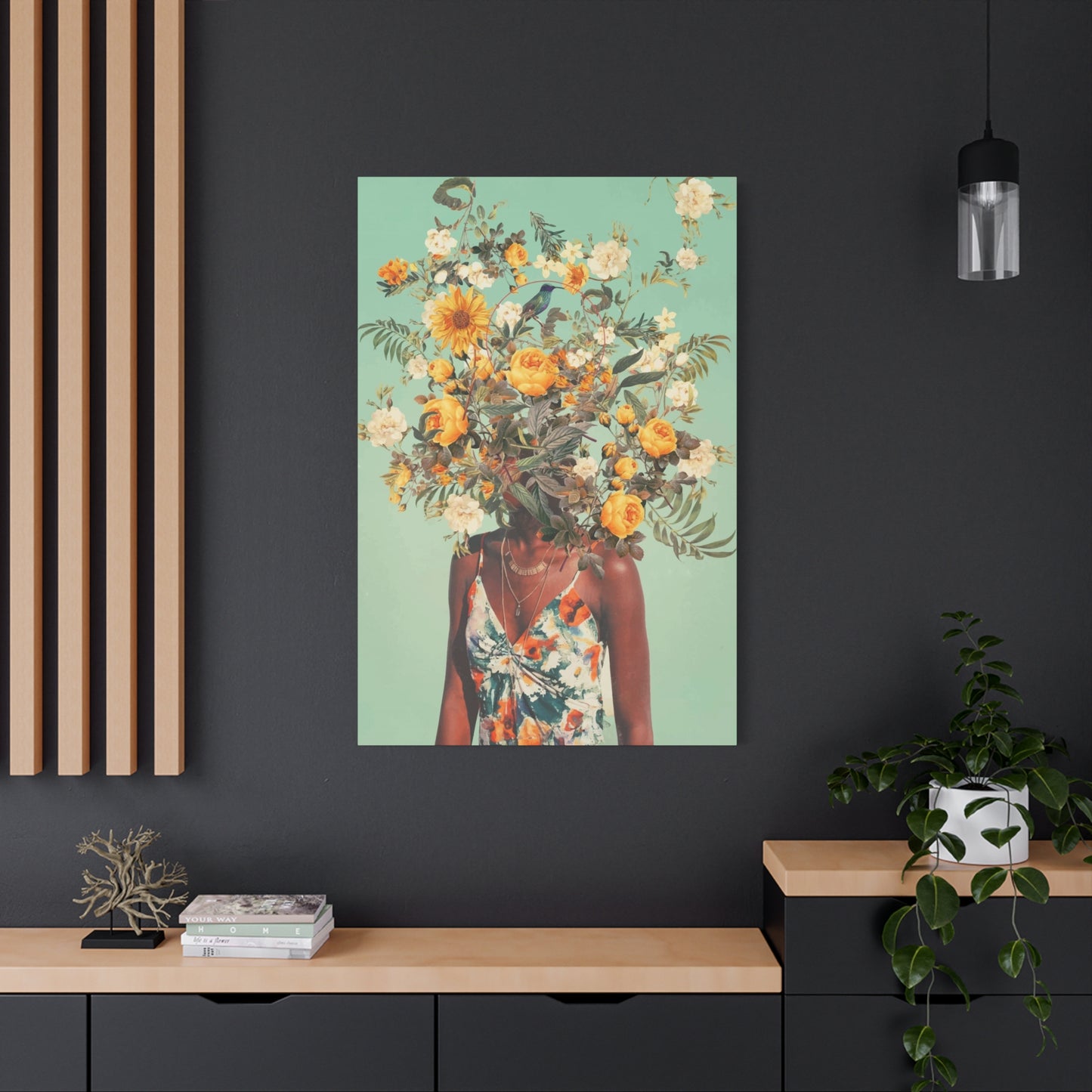
Meaningful Wall Art & Canvas Prints
Meaningful Wall Art & Canvas Prints
Couldn't load pickup availability
Infuse Your Home with the Power of Meaningful Wall Art to Reflect Your Personality and Elevate Your Living Spaces
The realm of interior decoration has witnessed a remarkable transformation in recent decades, with meaningful wall art emerging as a cornerstone of personal expression and spatial enhancement. This comprehensive exploration delves into every facet of incorporating artistic pieces that resonate with deeper significance, offering insights that extend far beyond mere aesthetic appeal. The journey through this subject reveals how carefully selected visual elements can profoundly impact our daily lives, emotional well-being, and the overall atmosphere of our living and working environments.
Why Purposeful Visual Elements Create Lasting Impressions in Modern Interiors
The human connection to visual storytelling dates back to ancient cave paintings, demonstrating an innate desire to surround ourselves with imagery that carries weight and purpose. Meaningful wall art serves as a contemporary continuation of this timeless tradition, allowing individuals to curate spaces that reflect their values, experiences, and aspirations. Unlike generic decorative items that merely fill empty spaces, pieces with genuine significance create dialogue between the viewer and their environment, fostering a sense of belonging and authenticity that cannot be replicated through mass-produced alternatives.
When considering the psychological foundations of our attraction to purposeful imagery, research in environmental psychology reveals that humans subconsciously process visual information in their surroundings thousands of times daily. This constant interaction with our physical environment shapes mood, productivity, and even decision-making processes. Artwork that carries personal or universal meaning acts as a positive anchor point in these spaces, providing moments of reflection, inspiration, or comfort throughout the day. The presence of such pieces transforms ordinary rooms into sanctuaries that support mental clarity and emotional balance.
The contemporary movement toward intentional living has amplified the demand for meaningful wall art, as individuals increasingly reject the notion of filling their homes with arbitrary decorations. This shift represents a broader cultural awakening to the importance of mindfulness in all aspects of life, including the curation of our personal spaces. People now seek artwork that tells stories, commemorates important life events, represents cherished memories, or embodies philosophical concepts that guide their worldview. This deliberate selection process ensures that every piece adorning their walls serves a purpose beyond visual appeal.
Exploring Various Forms and Styles That Convey Deep Personal Significance
The diversity of meaningful wall art available today encompasses an extraordinary range of mediums, styles, and interpretive approaches. Traditional painting remains a powerful vehicle for conveying complex emotions and narratives, with oil, acrylic, and watercolor compositions offering unique textural qualities and visual depth. Each brushstroke in a carefully crafted painting can represent hours of contemplation and skill, imbuing the final piece with layers of meaning that viewers can discover over time. The tangible quality of hand-painted artwork creates an irreplaceable connection between creator and observer.
Photography as meaningful wall art has evolved dramatically with technological advancements, yet the fundamental appeal remains rooted in its ability to capture authentic moments frozen in time. Whether documenting personal milestones, natural wonders, or candid human interactions, photographic prints serve as windows into specific moments that might otherwise fade from memory. The emotional resonance of a well-composed photograph can evoke powerful responses, transporting viewers back to significant experiences or introducing them to perspectives they might never encounter otherwise. Large-format prints particularly excel at creating immersive experiences that command attention and contemplation.
Mixed media compositions represent another fascinating category, combining various materials and techniques to create multidimensional works that challenge conventional definitions of visual art. These pieces might incorporate textiles, found objects, digital elements, and traditional art supplies to construct narratives that unfold through multiple layers of interpretation. The tactile nature of mixed media meaningful wall art invites closer inspection, rewarding sustained attention with new discoveries and insights. This approach particularly appeals to those who appreciate complexity and are drawn to artwork that defies simple categorization.
Typography-based artwork has experienced a renaissance in recent years, with carefully designed text serving as the primary visual element. Inspirational quotes, literary excerpts, or personally significant phrases rendered in thoughtful typography can carry tremendous weight, especially when the words themselves hold special meaning for the owner. The combination of visual design principles with powerful language creates a dual-impact experience that engages both the aesthetic and intellectual faculties. These pieces work exceptionally well in spaces dedicated to reflection, study, or creative work.
Abstract compositions offer yet another avenue for meaningful wall art, providing visual experiences that bypass literal interpretation in favor of emotional and intuitive responses. The beauty of abstraction lies in its openness to individual interpretation, allowing each viewer to project their own experiences and emotions onto the work. Colors, shapes, and compositional elements interact to create moods and atmospheres that can shift based on lighting conditions, viewing distance, and the observer's state of mind. This fluidity makes abstract pieces particularly valuable for those seeking artwork that continues to reveal new dimensions over time.
Selecting Pieces That Authentically Reflect Your Personal Journey and Values
The process of choosing meaningful wall art requires introspection and honest assessment of what truly resonates on a personal level. This journey begins with identifying core values, formative experiences, and aspirations that define your individual narrative. Rather than succumbing to passing trends or selecting pieces simply because they appear fashionable, the most satisfying selections emerge from genuine emotional connections and intellectual engagement with the work. Take time to consider which themes, subjects, or visual styles consistently attract your attention and why these elements speak to you.
Examining your life experiences provides invaluable guidance when curating meaningful wall art collections. Significant relationships, transformative travels, career milestones, or periods of personal growth all offer rich material for artistic representation. Commissioning custom pieces that directly reference these experiences ensures absolute uniqueness and personal relevance. Alternatively, seeking out existing works that symbolically represent these moments creates opportunities to discover artists whose vision aligns with your own perspective, potentially leading to ongoing relationships with creators whose work continues to resonate.
Cultural heritage and ancestral connections often inform the most profound selections of meaningful wall art. Pieces that honor your ethnic background, family traditions, or geographic origins create tangible links to roots that might otherwise feel abstract or distant. This approach proves especially valuable for individuals living far from their homeland or seeking to maintain connections to cultures that may be diluted across generations. Artwork celebrating traditional patterns, historical events, or cultural icons serves as daily reminders of identity and belonging, enriching spaces with depth that transcends mere decoration.
Philosophical inclinations and spiritual beliefs naturally influence the selection of meaningful wall art for many individuals. Whether drawn to religious iconography, representations of natural harmony, symbols of enlightenment, or visual metaphors for existential concepts, these pieces serve as focal points for meditation and reflection. The presence of such artwork in living spaces creates constant touchstones for the values and beliefs that guide daily life. Even subtle references to philosophical principles can profoundly impact the energy and intentionality of a room.
The relationship between color psychology and personal response deserves careful consideration when selecting meaningful wall art. While general principles suggest certain colors evoke specific emotional responses, individual reactions vary based on personal associations and cultural contexts. A color that one person finds calming might agitate another due to different life experiences. Pay attention to your visceral reactions to various color palettes, noting which combinations elevate your mood and which create discomfort. This self-awareness ensures your selections enhance rather than detract from your daily experience of your spaces.
Strategic Placement Approaches That Maximize Visual Impact and Emotional Resonance
The positioning of meaningful wall art significantly influences its effectiveness in transforming spaces and creating desired atmospheres. Contrary to common assumptions, the most prominent wall in a room may not always serve as the ideal location for your most significant pieces. Consider the natural flow of movement through each space, identifying sight lines that command attention upon entry or during typical activities. Positioning artwork along these visual pathways ensures regular engagement with the pieces, reinforcing their presence in your consciousness and maximizing their impact on your daily experience.
Height placement critically affects viewer interaction with meaningful wall art, yet many people default to arbitrary positioning without considering optimal viewing angles. The traditional guideline of centering artwork at eye level provides a useful starting point, but this should be adjusted based on where viewers typically experience the space. In dining areas where people spend time seated, lower placement may prove more appropriate. Conversely, pieces intended for contemplation while standing or moving might benefit from slightly elevated positioning. Consider the primary activities occurring in each space when determining vertical placement.
Grouping multiple pieces creates opportunities for narrative development and thematic exploration that single artworks cannot achieve alone. Gallery wall arrangements allow for dynamic compositions that evolve over time as new meaningful wall art enters your collection. The key to successful groupings lies in identifying unifying elements—whether color schemes, subject matter, frame styles, or emotional tone—that create cohesion without demanding uniformity. Spacing between pieces affects the reading of the overall composition, with tighter arrangements suggesting interconnection and looser spacing allowing each work to maintain independence while contributing to the collective statement.
Lighting considerations dramatically alter the perception and impact of meaningful wall art, yet this element frequently receives inadequate attention during installation planning. Natural light creates ever-changing relationships with artwork throughout the day, potentially enhancing certain pieces while potentially damaging others sensitive to UV exposure. Strategic placement of artificial lighting through picture lights, track systems, or indirect ambient sources allows for precise control over how artwork appears during evening hours. The interplay of light and shadow adds dimensionality to textured pieces while highlighting specific elements in complex compositions.
Negative space surrounding meaningful wall art contributes as significantly to its impact as the artwork itself. Crowding pieces with furniture, conflicting patterns, or competing visual elements dilutes their presence and fragments viewer attention. Allowing adequate breathing room around significant works creates visual emphasis that communicates their importance. This principle applies to both minimalist interiors where restraint reigns supreme and maximalist spaces where careful curation prevents overwhelming chaos. The goal remains ensuring meaningful wall art receives the visual priority it deserves without creating sterile, unwelcoming environments.
Commissioning Original Works That Capture Your Unique Narrative and Vision
Engaging directly with artists to create custom meaningful wall art offers unparalleled opportunities for personal expression and collaboration. This process transforms you from passive consumer to active participant in the creative journey, resulting in pieces that perfectly align with your vision while benefiting from professional artistic expertise. The relationship between patron and creator mirrors historical traditions where commissioned works formed the foundation of artistic production, fostering mutual respect and understanding that enriches both parties.
Identifying the right artist for commissioned meaningful wall art requires research and careful evaluation of portfolios, working methods, and communication styles. Begin by exploring various artists whose existing work resonates with your aesthetic preferences, paying attention to their range, consistency, and conceptual depth. Many creators maintain online presences showcasing their portfolios alongside statements about their artistic philosophy and approach. Reaching out with preliminary inquiries allows you to gauge responsiveness and assess whether their working style matches your expectations for collaboration.
The initial consultation for commissioned meaningful wall art establishes the foundation for successful outcomes. Come prepared with reference images, color swatches, dimensional specifications, and written descriptions of your vision. However, remain open to the artist's suggestions and interpretations, as their expertise often reveals possibilities you might not have considered. Discuss timeline expectations, pricing structures including deposits and payment schedules, and revision policies before formalizing agreements. Clear communication during this phase prevents misunderstandings and ensures alignment on deliverables.
The creative process for commissioned works typically involves multiple stages, with opportunities for feedback and refinement at key milestones. Many artists provide preliminary sketches or digital mockups that allow you to visualize the developing concept before substantial work progresses. These checkpoints offer chances to request adjustments while changes remain relatively simple to implement. Resist the temptation to micromanage every detail, as excessive interference can stifle the artistic vision that attracted you to the creator initially. Trust the process while maintaining appropriate oversight of the project's direction.
Budget considerations for commissioned meaningful wall art span a wide spectrum depending on artist experience, piece complexity, and materials involved. While custom works require larger investments than mass-produced alternatives, the resulting uniqueness and personal significance often justify the expenditure. Discuss pricing openly and honestly during initial conversations, ensuring mutual understanding of what the quoted fee encompasses. Remember that rushing artists to meet unrealistic deadlines or undervaluing their labor typically produces disappointing results. Quality meaningful wall art emerges from adequate time, fair compensation, and respectful collaboration.
Incorporating Cultural Symbols and Universal Archetypes Into Your Display Choices
The rich tapestry of human civilization offers endless inspiration for meaningful wall art that connects personal spaces to broader cultural narratives. Ancient symbols appearing across diverse societies—spirals representing growth, circles symbolizing wholeness, trees embodying life's interconnectedness—carry universal resonance that transcends specific cultural contexts. Incorporating these archetypal images into your collection creates bridges between individual experience and collective human wisdom accumulated over millennia. Such pieces invite contemplation of themes that have occupied human consciousness throughout recorded history.
Indigenous artistic traditions from around the world present particularly potent sources of meaningful wall art, offering visual languages developed over generations to express complex spiritual concepts and environmental relationships. From Aboriginal dot paintings encoding ancestral stories to Native American ledger art documenting cultural transitions, these works carry layers of meaning that reward deep engagement. When incorporating indigenous imagery into your collection, approach with respect and awareness of cultural sensitivities, ensuring acquisitions support rather than exploit the communities originating these artistic traditions.
Religious and spiritual iconography provides another rich vein for meaningful wall art exploration, with each faith tradition offering distinctive visual vocabularies expressing transcendent concepts. Buddhist mandalas represent the universe and paths to enlightenment, Christian iconography explores divine narratives through symbolic representations, Islamic geometric patterns reflect the infinite nature of the divine, and Hindu imagery celebrates the interplay of cosmic forces through vivid personifications. Incorporating such imagery creates spaces conducive to spiritual reflection and connection to traditions that have sustained billions throughout history.
Mythological themes from various cultures offer narrative depth and archetypal resonance that enriches meaningful wall art collections. Greek myths exploring human nature through divine drama, Norse sagas of cosmic struggle between order and chaos, Egyptian stories of death and rebirth, and countless other mythological traditions provide eternal themes reinterpreted through artistic expression. Modern creators continue finding fresh approaches to these ancient narratives, demonstrating their enduring relevance to contemporary human experience. Mythological meaningful wall art serves as reminder that current challenges echo struggles faced by ancestors across all cultures.
Natural world imagery functions as universal language transcending cultural boundaries, with mountains, oceans, forests, and celestial bodies carrying symbolic weight recognized across societies. The majesty of landscapes reminds viewers of forces larger than individual concerns, promoting perspective and humility. Detailed botanical illustrations celebrate the intricate beauty of plant life while symbolizing growth, renewal, and life cycles. Animal depictions tap into symbolic associations developed across cultures—eagles representing freedom, elephants symbolizing wisdom, butterflies embodying transformation—creating layers of meaning accessible to diverse audiences.
Balancing Aesthetic Harmony With Intellectual and Emotional Depth in Your Collections
The most successful meaningful wall art collections achieve equilibrium between visual beauty and substantive content, refusing to sacrifice either dimension for the other. This balance requires conscious curation that considers how pieces interact both aesthetically and conceptually. Begin by assessing your existing collection or planned acquisitions through dual lenses of formal qualities and meaningful content. Works that score highly on both measures deserve priority positioning, while pieces stronger in one dimension than the other might benefit from strategic pairing with complementary works that balance their strengths.
Color coordination across meaningful wall art collections need not demand exact matching, but thoughtful consideration of relationships between hues creates visual cohesion that enhances rather than distracts from conceptual content. Analogous color schemes using adjacent wheel positions create harmonious flow, while complementary contrasts generate dynamic tension that can emphasize thematic oppositions explored through the collection. Neutral-dominant collections with strategic color accents allow for gradual evolution as new pieces enter the mix without requiring major reorganization. The goal remains creating visual environments that feel intentional rather than haphazard.
Stylistic diversity within meaningful wall art collections can strengthen rather than weaken overall impact when unified by conceptual threads or curatorial vision. Mixing realistic and abstract pieces, traditional and contemporary approaches, or various cultural influences creates rich visual dialogues that mirror the complexity of human experience. The key lies in identifying subtle connections that link disparate works—perhaps shared color elements, complementary subject matter, or resonant emotional tones—that reward attentive viewers with discoveries about relationships between seemingly unrelated pieces.
Scale variation adds dynamism to meaningful wall art displays while creating visual hierarchies that guide viewer attention. Anchoring groupings with larger statement pieces establishes focal points, while smaller works fill supporting roles that elaborate on themes without overwhelming the composition. This approach mirrors musical composition, where primary melodies interact with harmonies and rhythmic elements to create complex, satisfying wholes. Experiment with different size combinations to discover arrangements that feel balanced yet energized, static yet engaging.
Framing choices significantly impact how meaningful wall art reads within its environment, either enhancing the work or creating unnecessary barriers between viewer and content. Simple, understated frames typically serve artwork best, directing attention to the piece rather than its housing. However, certain works benefit from ornate or distinctive framing that complements their character—perhaps vintage pieces displayed in period-appropriate frames or contemporary works housed in sleek, minimalist borders. Matting decisions similarly affect presentation, with wider mats creating breathing room that emphasizes the work's importance while narrower borders integrate pieces more tightly into their surroundings.
Sourcing Authentic Pieces From Reputable Creators and Galleries Worldwide
The proliferation of online marketplaces has simultaneously expanded access to meaningful wall art while complicating efforts to identify authentic, quality pieces. Navigating this landscape requires developing discernment about which platforms and sellers merit trust. Established online galleries often curate their offerings, providing quality assurance through selective acceptance of artists into their rosters. These platforms typically offer detailed artist biographies, high-resolution images showing fine details, and customer service supporting informed purchasing decisions. Reading reviews from previous buyers provides additional insight into seller reliability and artwork quality.
Direct relationships with individual artists through their personal websites or social media presences offer opportunities to acquire meaningful wall art while supporting creators more fully. Purchasing directly eliminates intermediary commissions, allowing more of your investment to reach the person who created the work. Many artists maintain email lists announcing new releases, studio sales, or special offerings exclusive to their most engaged followers. These connections often evolve into ongoing relationships where collectors gain early access to new work and artists develop deeper understanding of their audience.
Physical galleries remain invaluable resources for experiencing meaningful wall art in person before committing to purchases. The ability to see actual colors, textures, and scale provides information impossible to glean from digital representations. Gallery staff often possess extensive knowledge about represented artists, their processes, and thematic concerns, enriching your understanding of works under consideration. Many galleries host opening receptions providing opportunities to meet artists directly, asking questions about their practice and inspiration. These interactions deepen appreciation for acquired pieces while potentially establishing relationships with creators whose work resonates with your sensibilities.
Art fairs and festivals concentrate numerous artists and galleries in temporary marketplaces, offering efficient opportunities to survey broad ranges of meaningful wall art in compressed timeframes. Major metropolitan areas host annual or biannual fairs attracting international participants, while smaller regional events showcase local and emerging talent. These venues facilitate direct artist interaction impossible in typical retail contexts, allowing you to learn about creative processes, conceptual frameworks, and specific pieces under consideration. The festival atmosphere often includes demonstrations, discussions, and performances enriching the overall experience beyond simple acquisition opportunities.
Estate sales and auction houses present possibilities for acquiring meaningful wall art with provenance and history, though these venues require additional expertise to navigate successfully. Pieces passing through such channels may carry stories of previous ownership adding layers of significance to already compelling works. However, authentication concerns demand careful attention, particularly with works by recognized artists commanding substantial prices. Developing relationships with reputable dealers specializing in secondary markets provides access to expert guidance protecting against misattributed or fraudulent pieces.
Preserving and Protecting Your Investment for Generational Enjoyment and Legacy
Proper preservation of meaningful wall art ensures its longevity, protecting both financial investment and irreplaceable personal significance. Environmental control represents the first line of defense against degradation, with temperature and humidity fluctuations posing serious threats to various mediums. Maintaining stable conditions between 65-70 degrees Fahrenheit and 40-50 percent relative humidity provides ideal circumstances for most works. Avoid positioning pieces near heating vents, air conditioning outlets, or exterior walls where temperature differentials create condensation risks. Basements and attics typically suffer from extreme environmental swings making them unsuitable for valuable artwork storage.
Light exposure causes cumulative damage to meaningful wall art, with ultraviolet rays proving particularly destructive to pigments and substrates. Direct sunlight presents the greatest risk, fading colors and weakening materials over time. Even artificial lighting contributes to degradation, though LED sources emit minimal UV radiation compared to traditional incandescent or fluorescent options. UV-filtering glazing for framed works provides significant protection while allowing visibility, representing worthwhile investment for pieces of particular importance. Rotating displayed works periodically distributes light exposure across your collection, preventing disproportionate damage to continuously exhibited pieces.
Regular but gentle cleaning maintains meaningful wall art appearance without causing damage through abrasive or chemical treatments. Dusting with soft, dry brushes removes accumulated particulates without introducing moisture or friction that might harm delicate surfaces. Avoid commercial cleaning products unless specifically formulated for fine art, as household cleaners often contain chemicals causing irreversible damage to pigments, varnishes, or substrates. For works behind glass, use streak-free glass cleaner applied to the cloth rather than directly to the frame, preventing liquid from seeping behind glazing. When dealing with valuable or sensitive pieces, consult professional conservators rather than attempting questionable cleaning procedures.
Documentation of meaningful wall art collections serves multiple purposes from insurance claims to estate planning. Photograph each piece in good lighting showing overall composition and close-ups revealing details, condition issues, or distinctive features. Record dimensions, medium, artist information, acquisition dates, prices paid, and any provenance documentation accompanying purchases. Digital asset management systems facilitate organization of this information, ensuring accessibility when needed. Update documentation as collection evolves, noting any condition changes, professional treatments performed, or revaluations affecting insurance coverage requirements.
Climate control during transport and storage demands particular attention when relocating or temporarily removing meaningful wall art from display. Professional art handling services possess expertise and equipment ensuring safe transit, particularly for large, fragile, or valuable pieces. When handling works personally, never touch painted surfaces directly—oils from skin cause damage over time. Support pieces from beneath rather than lifting by frames which may not support the weight. Wrap framed works in acid-free paper or bubble wrap, avoiding direct contact between protective materials and artwork surfaces. Store wrapped pieces vertically rather than stacked horizontally, with adequate support preventing warping or pressure damage.
Creating Thematic Connections Across Rooms for Cohesive Visual Storytelling
Developing meaningful wall art narratives that flow throughout living spaces creates sophisticated, intentional environments reflecting careful thought and personal vision. This approach moves beyond treating each room as isolated entity, instead recognizing the home as unified canvas for self-expression. Begin by identifying overarching themes or concepts you wish to explore through your collection—perhaps explorations of natural world, journeys through personal history, investigations of color relationships, or celebrations of cultural heritage. These broad frameworks guide specific selections while allowing flexibility for individual room character.
Entryways establish first impressions and set tones for homes, making them crucial positions for meaningful wall art that encapsulates your aesthetic sensibility and values. Statement pieces in these transitional spaces introduce visitors to your curatorial voice while welcoming residents back to environments reflecting their identities. Consider works that hold special significance as personal mission statements or pieces whose beauty and craftsmanship immediately communicate your appreciation for quality and intentionality. The entryway selection often influences subsequent room decisions, establishing visual vocabulary echoed throughout the home.
Living areas accommodate longer viewing periods and more varied activities than most spaces, making them ideal for meaningful wall art with layers rewarding repeated engagement. Complex compositions or series of related works thrive here, where residents and guests spend extended time in conversation, relaxation, or entertainment. Consider how seating arrangements affect optimal viewing angles and whether pieces remain visible from all positions within the room. Living spaces also offer opportunities for larger-scale works whose impact requires appropriate distance for full appreciation.
Private spaces like bedrooms call for meaningful wall art selections aligned with their primary functions—rest, intimacy, and personal reflection. Calming imagery, personally significant photographs, or works inspiring contemplative moods often serve these spaces well. Consider the view from the bed itself, positioning meaningful pieces where they provide focal points during quiet moments before sleep or upon waking. Bedroom artwork selections can reflect more personal, vulnerable aspects of identity since these spaces typically receive fewer outside visitors than public areas.
Work and creative spaces benefit from meaningful wall art that stimulates productivity, focus, or innovation depending on the nature of activities performed there. Inspirational imagery reminding you of goals and aspirations, representations of admired figures in your field, or abstract works promoting creative thinking all serve these environments effectively. Consider whether your work requires intense concentration better supported by minimal visual stimulation or benefits from energizing imagery preventing stagnation. Adjust selections based on actual experience of how different pieces affect your productivity and satisfaction in these spaces.
Understanding Various Printing Methods and Their Impact on Final Artwork Quality
The reproduction of meaningful wall art through various printing technologies has democratized access to compelling imagery while raising important questions about authenticity and value. Giclée printing represents the current gold standard for fine art reproduction, utilizing archival inks sprayed through tiny nozzles onto high-quality substrates. This process achieves remarkable color accuracy and detail resolution, producing prints that closely approximate original works. When executed with proper materials—archival inks, acid-free papers or canvas—giclée prints offer longevity rivaling traditional printmaking methods. Many artists now create original works specifically intended for giclée reproduction, blurring lines between original and reproduction.
Traditional printmaking techniques—lithography, screen printing, etching—produce meaningful wall art with distinctive characteristics impossible to replicate through digital means. Each method imposes unique constraints and possibilities affecting aesthetic outcomes. Hand-pulled screen prints display slight variations between impressions within editions, creating subtle uniqueness within limited runs. Etchings exhibit characteristic line qualities and plate marks adding tactile dimension. These traditional processes carry artistic cachet related to their labor-intensive nature and historical significance within art production. Collectors often prize limited edition prints from these processes for their connection to centuries of printmaking tradition.
Photography printing technologies have evolved dramatically, with current pigment-based processes producing prints with expected lifespans exceeding one hundred years under proper conditions. Metallic papers create luminous finishes emphasizing certain subjects, while matte surfaces offer subtle, refined presentations. Large-format printing capabilities allow photographic meaningful wall art at architectural scales previously impossible, transforming how photography functions within interior spaces. Understanding the relationship between resolution, viewing distance, and print size prevents disappointment with images appearing sharp on screens but pixelated when enlarged.
Canvas printing has gained popularity for its textured appearance and ability to be stretched over frames, creating gallery-wrapped presentations without separate framing costs. However, canvas printing quality varies enormously based on substrate weight, weave tightness, and coating applications affecting ink absorption. Budget canvas prints often sacrifice longevity for affordability, with inferior inks fading within years. When selecting canvas-printed meaningful wall art, inquire about materials and expected lifespan, understanding that premium canvas printing approaches giclée standards while economy options serve decorative rather than archival purposes.
Mounting and finishing choices significantly impact how printed meaningful wall art presents and endures over time. Face-mounting behind acrylic creates sleek, contemporary appearances with excellent protection for the print surface. Metal prints transfer images directly onto aluminum sheets, creating incredibly durable pieces with unique luminosity. Wood-mounted prints offer organic warmth complementing certain imagery and interior styles. Each mounting option affects the final character of pieces, making these decisions integral to overall aesthetic outcomes rather than mere technical considerations.
Exploring Cultural Movements That Shaped Contemporary Visual Expression Preferences
Contemporary meaningful wall art preferences emerge from complex interactions between historical movements, cultural shifts, and individual sensibilities. Understanding these influences enriches appreciation for current work while informing collection decisions. The Impressionist revolution overthrew academic conventions, privileging subjective perception and emotional response over objective representation. This emphasis on individual experience continues resonating through contemporary work prioritizing personal interpretation over universal truths. The legacy of Impressionism lives on whenever meaningful wall art invites viewers to engage emotionally rather than analytically with visual experiences.
Expressionist movements across various cultures insisted on art's capacity to convey intense psychological and emotional states through distortion, exaggeration, and bold formal choices. This tradition validates contemporary meaningful wall art that sacrifices technical realism to communicate interior experiences more directly. The Expressionist influence appears in work using color symbolically rather than descriptively, in figures distorted to express psychological conditions, in compositions creating emotional atmospheres rather than depicting physical spaces. This lineage connects contemporary pieces to early twentieth-century innovations that forever altered possibilities for visual expression.
The conceptual art revolution of the 1960s and 1970s elevated ideas over aesthetic beauty, insisting that artistic value resides primarily in concepts rather than objects. This movement's influence appears in contemporary meaningful wall art where intellectual engagement with ideas proves as important as visual pleasure. Text-based works, installations requiring viewer participation, and pieces existing primarily as documentation of ephemeral actions all descend from conceptual art's challenge to traditional definitions. Understanding this lineage helps contextualize contemporary practices that might otherwise seem perplexingly removed from conventional notions of visual art.
Pop art's appropriation of commercial imagery and celebration of popular culture dismantled barriers between high and low art forms, validating meaningful wall art drawn from everyday visual culture. This democratizing impulse continues through contemporary work incorporating advertising imagery, product packaging, celebrity culture, and mass media references. Pop art established precedent for finding profound meaning in commonplace imagery, suggesting that significance resides not in subjects themselves but in how artists frame and present them. Contemporary meaningful wall art mining similar territories owes considerable debt to Pop art pioneers who recognized the visual richness of consumer culture.
The street art and graffiti movements challenged institutional control over artistic production and display, insisting on art's capacity to exist outside gallery systems. This influence manifests in contemporary meaningful wall art drawing from urban aesthetics, spray paint techniques, and confrontational messaging typical of street art. The movement's emphasis on accessibility over exclusivity aligns with contemporary desires for authentic, unpretentious artistic expression. Many collectors now seek pieces by artists who emerged from street art backgrounds, valuing the raw energy and cultural authenticity these creators bring to their work.
Crafting Personal Rituals Around Engaging With Your Visual Collection Daily
Meaningful wall art reaches its full potential when integrated into daily life through intentional engagement rather than fading into background invisibility. Establishing simple rituals focusing attention on your collection transforms pieces from passive decoration into active participants in daily experience. Begin each day by spending a few moments with a particular work, allowing yourself to notice details previously overlooked, explore emotional responses, or simply rest attention on visual beauty before plunging into daily demands. This practice cultivates mindfulness while deepening appreciation for your curated environment.
Rotating focus among pieces prevents habituation that diminishes impact over time. Dedicate specific periods—perhaps weekly or monthly—to particularly engaging with different works in your collection. During these focused sessions, research the artist's background, explore symbolic elements within the imagery, or journal about personal associations triggered by extended viewing. This active engagement maintains freshness in your relationship with meaningful wall art, preventing pieces from becoming invisible through overfamiliarity. The practice also reveals how your interpretations and responses evolve over time, adding layers of personal history to already significant works.
Physical rearrangement of meaningful wall art refreshes spaces and renews engagement with familiar pieces. Seasonal rotations allow collection expansion without overcrowding walls, while giving each work periodic rest from light exposure. Moving pieces to different rooms provides fresh contexts revealing unexpected qualities or relationships to surrounding decor. The physical act of rehanging work forces close examination often exposing condition issues requiring attention. While major rearrangements demand significant effort, the renewed vitality brought to living spaces justifies the investment.
Sharing meaningful wall art with visitors through informal gallery tours strengthens your own connection to pieces while spreading appreciation for visual arts. Articulating why particular works hold significance clarifies your own understanding while potentially inspiring others to develop more intentional relationships with their environments. These conversations often reveal interpretations you hadn't considered, enriching your experience of familiar pieces. The practice also creates opportunities for meaningful connection with guests around shared aesthetic experiences or philosophical discussions prompted by thought-provoking work.
Documentation of your evolving relationship with meaningful wall art creates valuable personal archives while forcing articulation of often-unexamined responses. Maintain a journal recording impressions of new acquisitions, noting how responses change over time, or exploring connections between pieces and life events. Photography documenting different arrangements preserves memories of how your collection and home evolved together. Years later, these records provide fascinating insights into personal growth, changing tastes, and the role meaningful wall art played throughout various life phases.
Addressing Common Challenges When Building Cohesive Yet Dynamic Collections
Budget constraints represent perhaps the most common obstacle to building meaningful wall art collections, with quality pieces often commanding substantial prices. Address this challenge through strategic prioritization, investing more heavily in a few exceptional pieces rather than spreading resources across numerous mediocre acquisitions. Emerging artists often offer more accessible price points while creating work comparable in quality to established names. Printmaking editions or photographic prints provide entry points to particular artists' work at fractions of original pieces' costs. Remember that collection building spans years or decades, allowing gradual accumulation without immediate financial strain.
Space limitations challenge collectors in smaller living quarters, where wall area may seem insufficient for meaningful displays. Maximize available space through careful curation, ensuring every piece earns its position through genuine significance rather than space-filling obligation. Vertical arrangements drawing the eye upward create impact without consuming excessive square footage. Consider non-traditional hanging locations like stairwells, hallways, or above doorways that typically remain bare. Leaning larger pieces on mantels, shelves, or floors creates casual galleries without permanent wall commitment. Embrace rotation strategies storing some pieces while others display, keeping collections dynamic within spatial constraints.
Commitment concerns affect those hesitant to create permanent holes in walls or worried about tiring of pieces over time. Removable hanging systems using special adhesives or rail mounting provide flexibility without damaging surfaces, particularly valuable for renters or the indecisive. Starting with less expensive pieces reduces pressure around selection, allowing experimentation with styles and subjects before committing to pricier acquisitions. Remember that tastes evolving over time represents natural growth rather than failure, with earlier purchases often finding new homes with friends, family, or through resale as collections mature.
Conflicting preferences among household members require diplomatic negotiation when building shared meaningful wall art collections. Approach this challenge as opportunity for compromise producing richer outcomes than individual visions might achieve. Designate certain spaces for each person's selections, ensuring everyone's aesthetic finds expression somewhere in the home. Seek pieces holding appeal across different sensibilities, discovering unexpected common ground. When disagreements prove intractable, consider whether the piece in question truly holds enough significance to warrant the conflict, sometimes deciding harmony outweighs individual preference.
Authenticity concerns arise frequently in an era of widespread reproduction and deliberately deceptive practices. Educate yourself about authentication markers for work by specific artists, including signatures, edition numbering, certificates of authenticity, and documentation chains. Purchase from reputable sources providing guarantees and return policies protecting against misrepresentation. For significant investments, consider independent appraisals or authentication services before finalizing purchases. Accept that acquiring expertise requires time and occasional mistakes, viewing learning experiences as collection-building costs rather than catastrophic failures.
Leveraging Digital Resources for Research, Discovery, and Community Connection
The internet revolutionized meaningful wall art collection building, providing unprecedented access to information, purchasing options, and artist connections. Virtual galleries and online portfolios allow exploration of thousands of artists without geographic limitations, exposing collectors to diverse styles and perspectives impossible to encounter through local galleries alone. Advanced search filters help narrow overwhelming options to works matching specific criteria like color palettes, subjects, sizes, or price ranges. High-resolution images enable detailed examination revealing brushwork, surface textures, and fine details informing purchase decisions. However, recognize digital representation's limitations, with screen displays varying wildly in color accuracy and providing no sense of scale or physical presence.
Social media platforms transformed artist-collector relationships, enabling direct interaction that bypasses traditional gallery intermediaries. Following favorite artists provides insights into their creative processes, inspirations, and available works through regular posts documenting studio activities. Many creators announce new releases or special offers exclusively to social media followers, giving engaged collectors first access to fresh work. Comment sections and direct messaging facilitate conversations deepening understanding of artistic intentions while potentially establishing personal relationships. These platforms also enable discovery through algorithmic recommendations suggesting artists whose work might appeal based on your expressed interests and engagement patterns.
Online communities dedicated to meaningful wall art collecting provide valuable forums for sharing experiences, requesting advice, and connecting with like-minded enthusiasts. Reddit forums, Facebook groups, and specialized discussion boards host thousands of members discussing everything from framing techniques to philosophical debates about artistic value. These spaces offer opportunities to learn from others' successes and mistakes, get feedback on potential purchases, or simply share enthusiasm with people who understand the passion for curated visual environments.
Conclusion
In the world of interior design, meaningful wall art transcends mere decoration, offering a powerful way to enhance your living spaces while expressing your personality, values, and emotions. The pieces you choose to display on your walls are not just visual elements—they are reflections of your journey, your aspirations, and the experiences that shape you. Whether it’s a painting, a photograph, a quote, or a work of abstract expression, meaningful wall art allows you to tell a story, create an atmosphere, and invite conversation.
One of the most profound aspects of meaningful wall art is its ability to foster a deep emotional connection between you and your environment. Art has the capacity to stir emotions, inspire thought, and trigger memories. It’s an invitation to pause, reflect, and engage with the space around you in a more intentional way. For example, an artwork that reminds you of a favorite place, a life-changing experience, or a cherished moment can make you feel grounded and centered each time you encounter it. In this way, your home becomes not just a physical space, but an emotional sanctuary—filled with reminders of what you hold dear.
Moreover, meaningful wall art plays an essential role in shaping the mood of a room. A thoughtful piece of art has the ability to transform the energy of a space, whether by evoking calm and serenity with soft, abstract landscapes, or energizing and motivating with bold, vibrant colors or powerful imagery. In the living room, art can create a welcoming atmosphere that invites conversation and connection. In a bedroom, it can become a calming focal point that encourages relaxation and restfulness. In an office, it can serve as a source of inspiration, fueling productivity and focus. The right art can deeply influence the feeling you have within a space, making it more aligned with your emotional needs and personal aesthetic.
The act of selecting meaningful wall art also allows you to express your individuality. Your walls are a canvas for your unique tastes, beliefs, and experiences. Whether you prefer the raw emotional depth of contemporary art, the structured elegance of classical works, or the simplicity of minimalist designs, wall art gives you the freedom to curate your space in a way that aligns with who you are. Art can be a representation of your life’s journey, your personal style, and your ever-evolving self. It can communicate things that words often cannot, expressing the emotions, ideas, or dreams that shape you.
Furthermore, art offers a unique way to connect with others. The artwork you choose to display invites conversation and invites people to learn more about you through visual means. A striking photograph, an inspiring quote, or a symbolic painting can spark deep discussions about life, art, culture, and personal beliefs. These exchanges can bring people closer together, fostering a deeper connection and understanding, while simultaneously enriching the environment in which you live.
Finally, meaningful wall art serves as an investment in your well-being. Surrounding yourself with art that speaks to you can have a lasting impact on your mental and emotional health. Studies show that exposure to art, especially art that evokes positive emotions, can reduce stress, promote feelings of happiness, and even boost creativity. The act of surrounding yourself with imagery that resonates with you can help create a peaceful, uplifting environment that nurtures your emotional balance and supports your mental clarity.
In conclusion, meaningful wall art is a powerful tool for enriching your living spaces and personal expression. It transforms your home into a reflection of who you are and what you value, while offering an opportunity for connection, reflection, and conversation. Whether you choose pieces that inspire you, evoke fond memories, or showcase your personal style, art has the power to make your home feel more connected, more authentic, and more deeply yours. By carefully selecting the art you display, you not only enhance the aesthetic of your surroundings but also enrich the emotional and intellectual quality of your daily life. Ultimately, meaningful wall art is not just decoration—it’s a celebration of life itself, turning your home into a canvas that reflects the essence of who you are.
Share