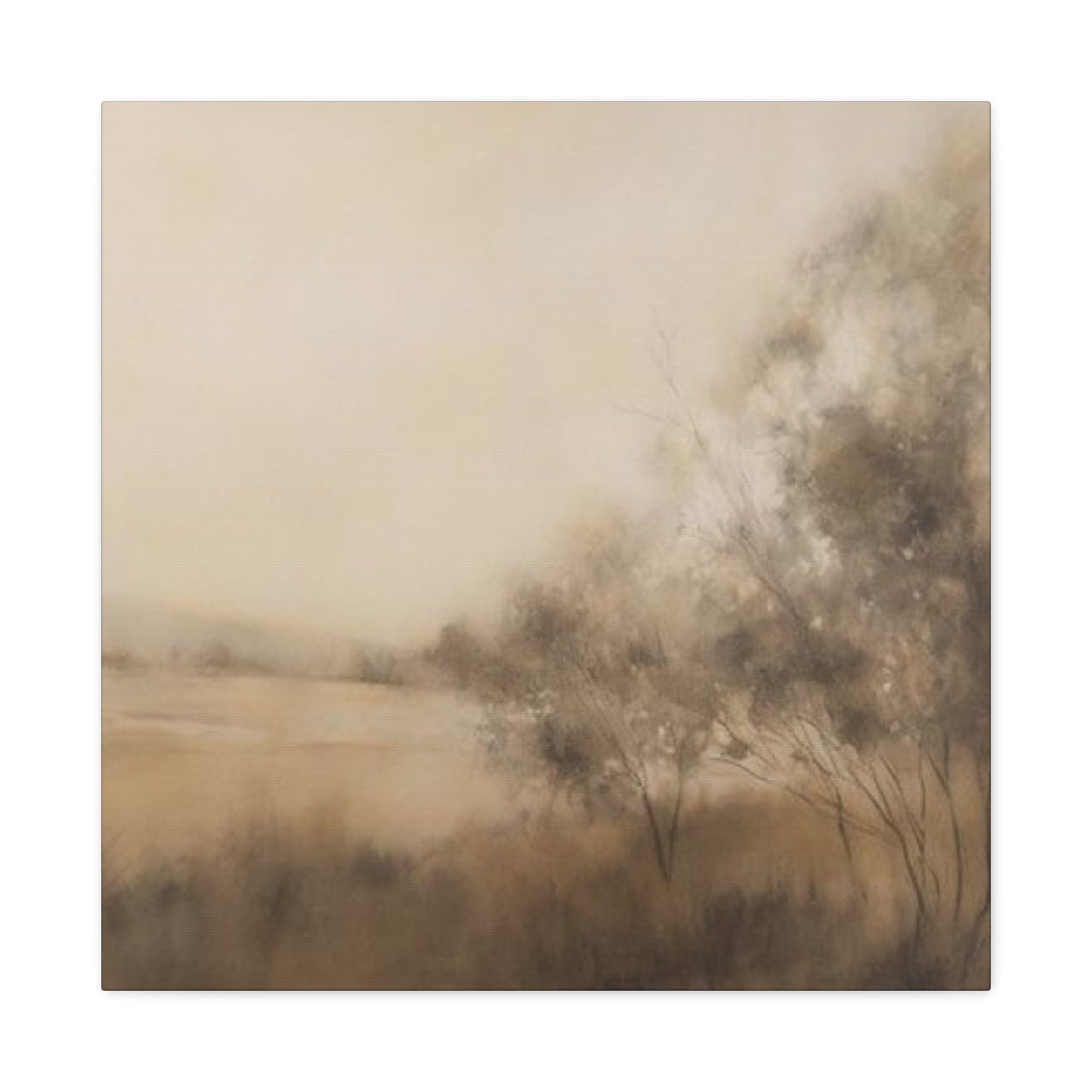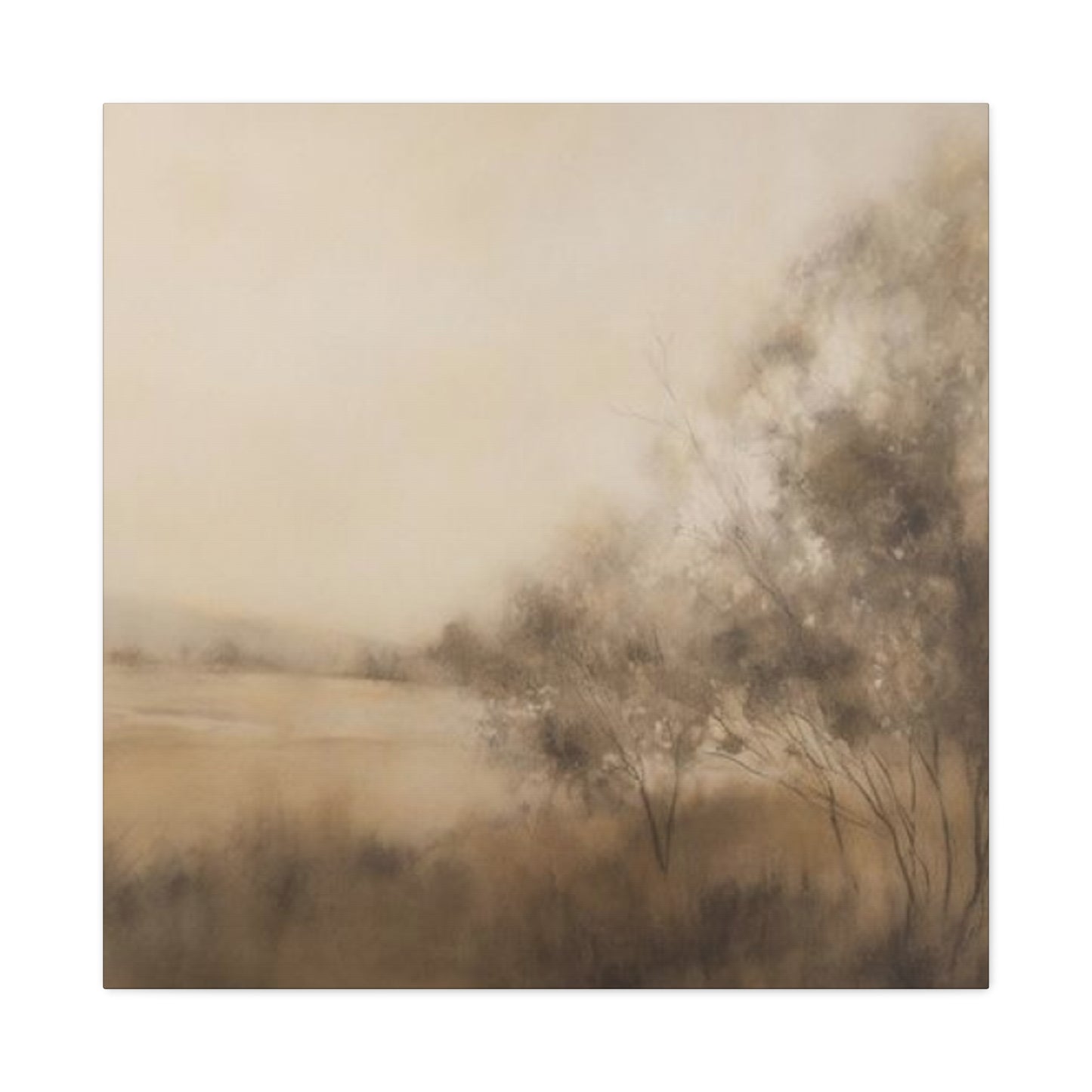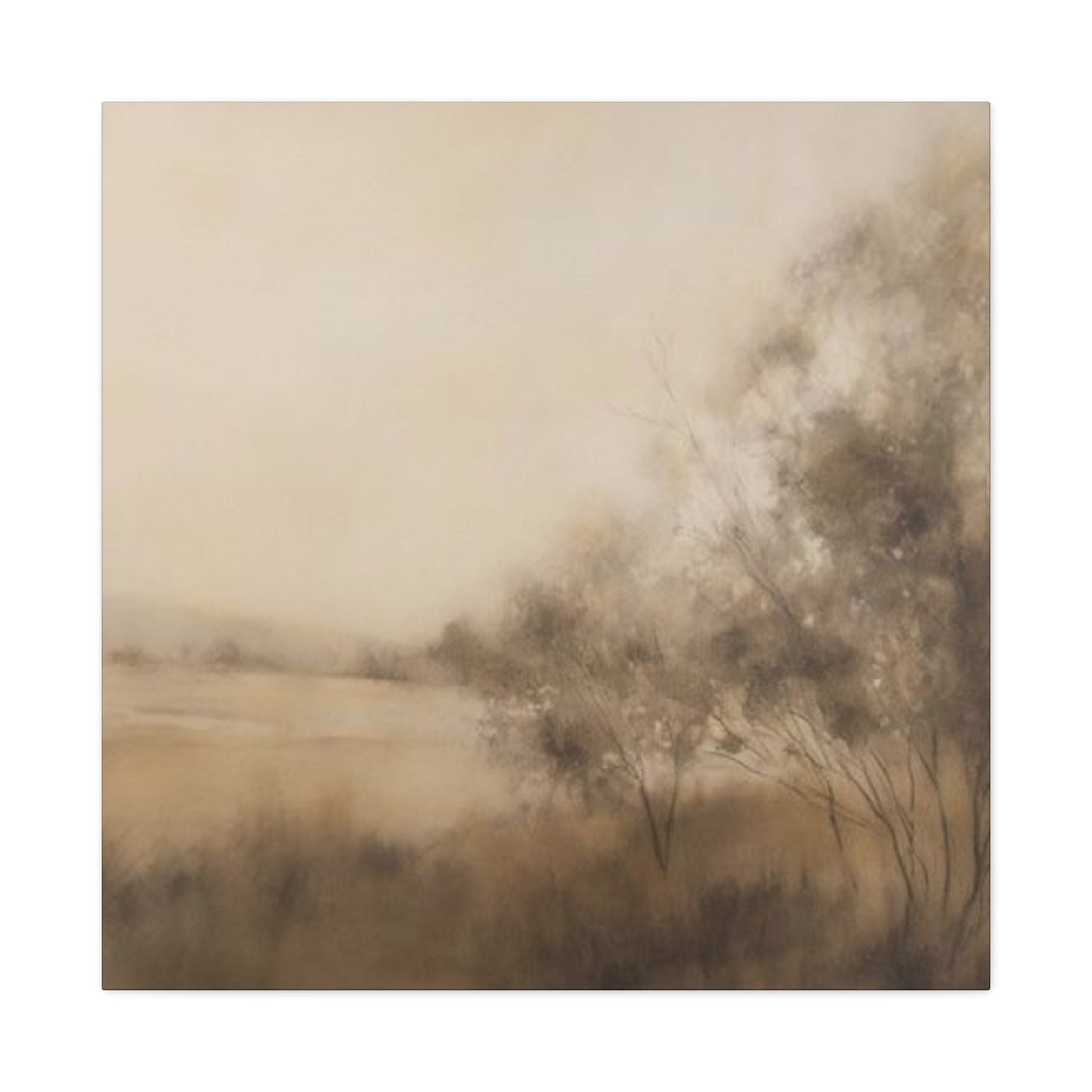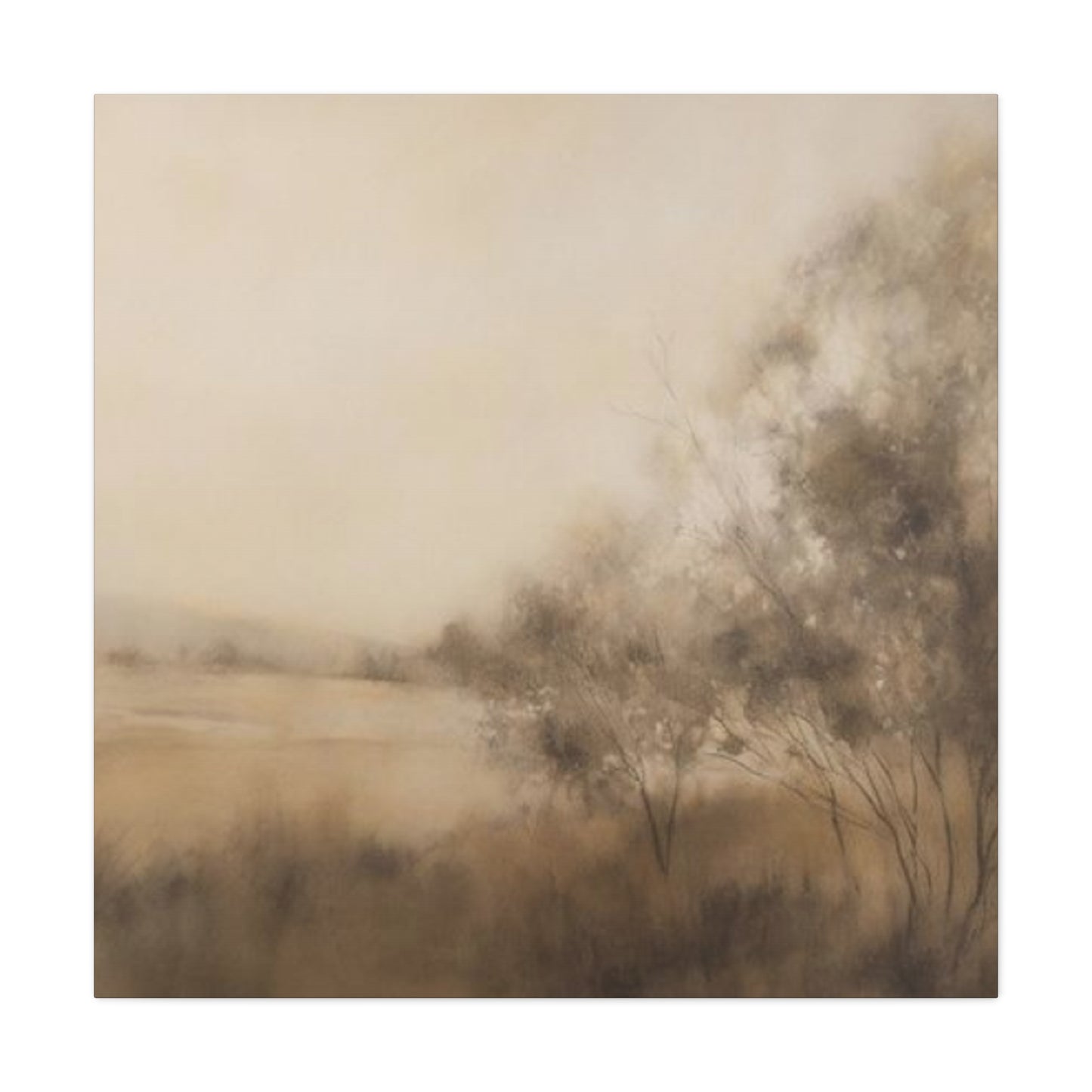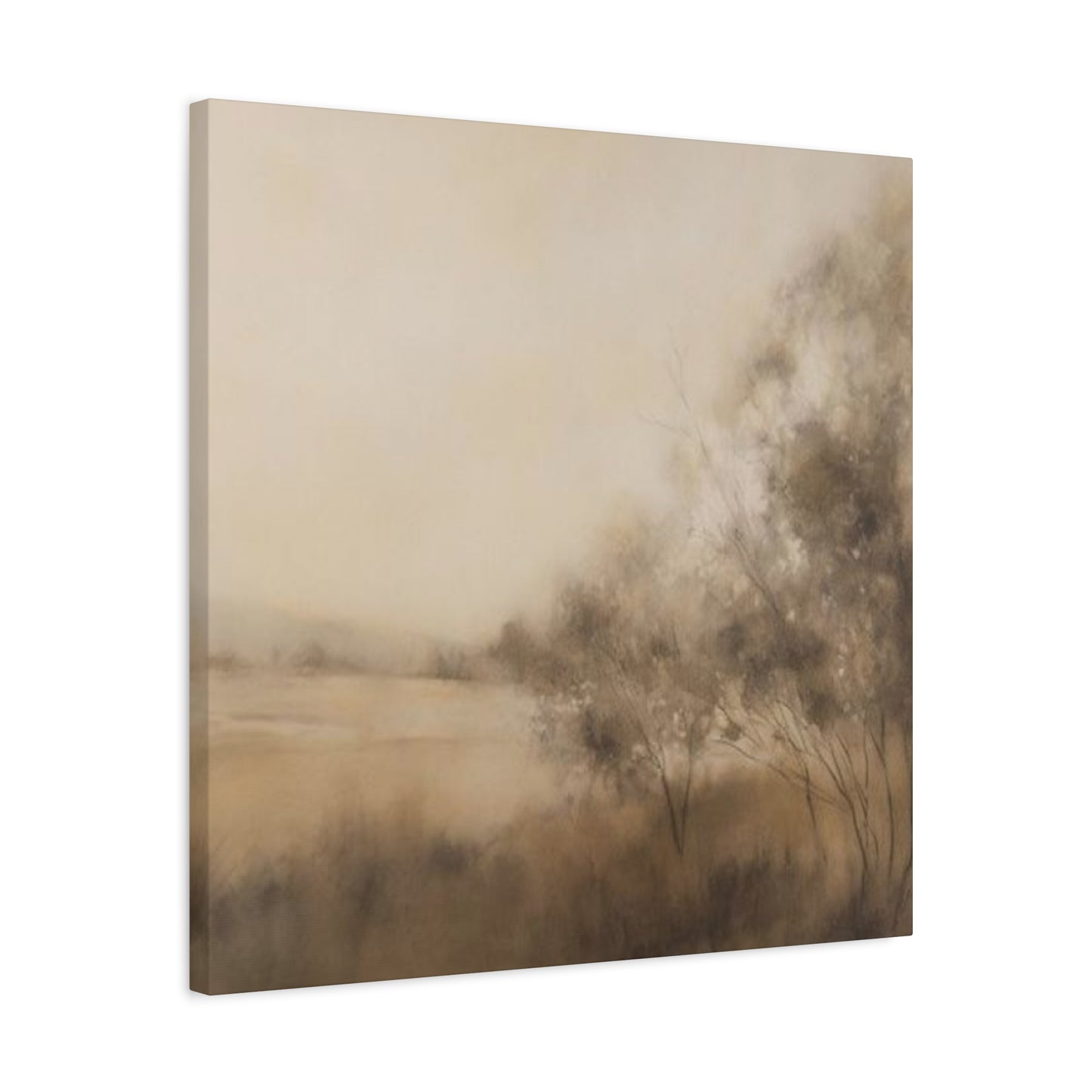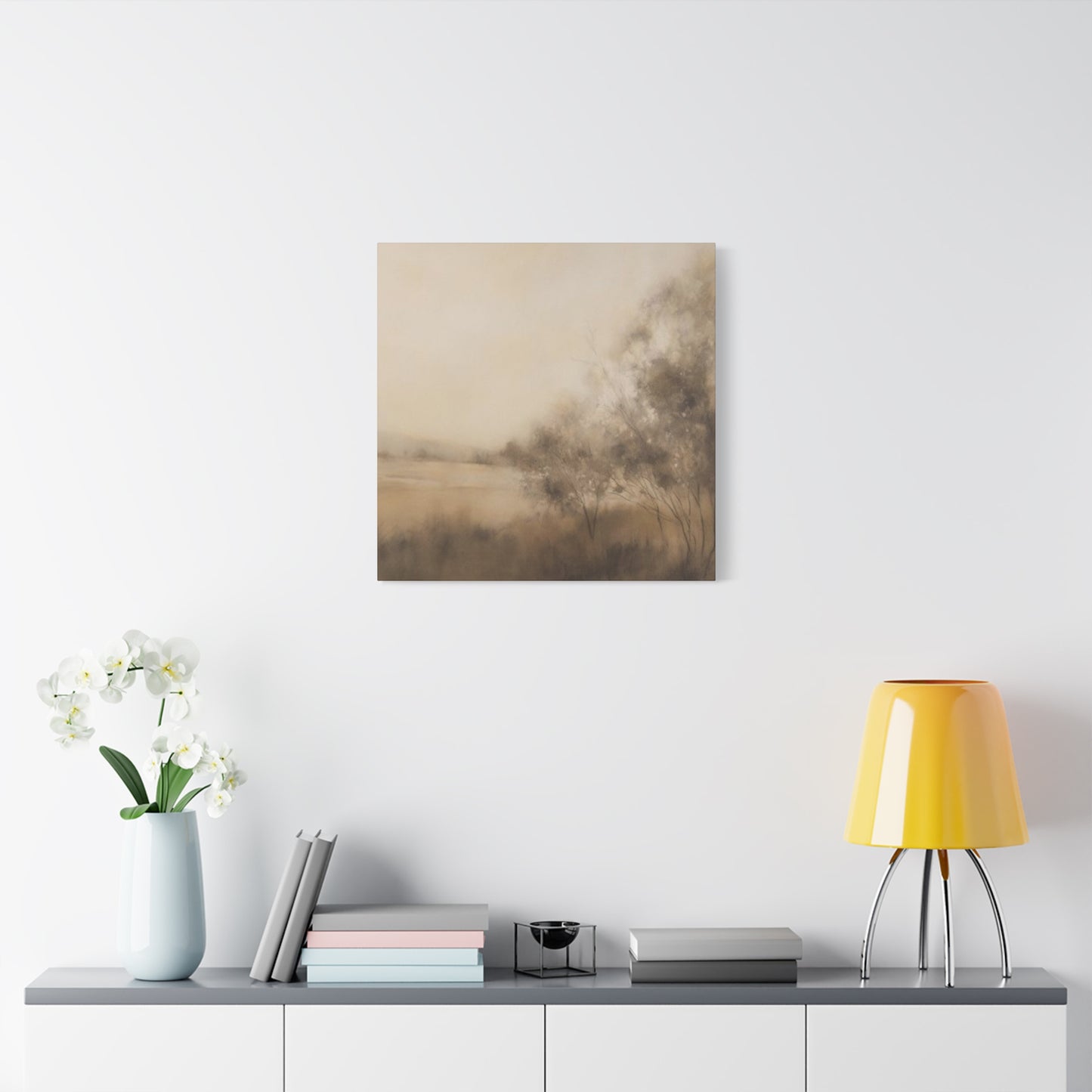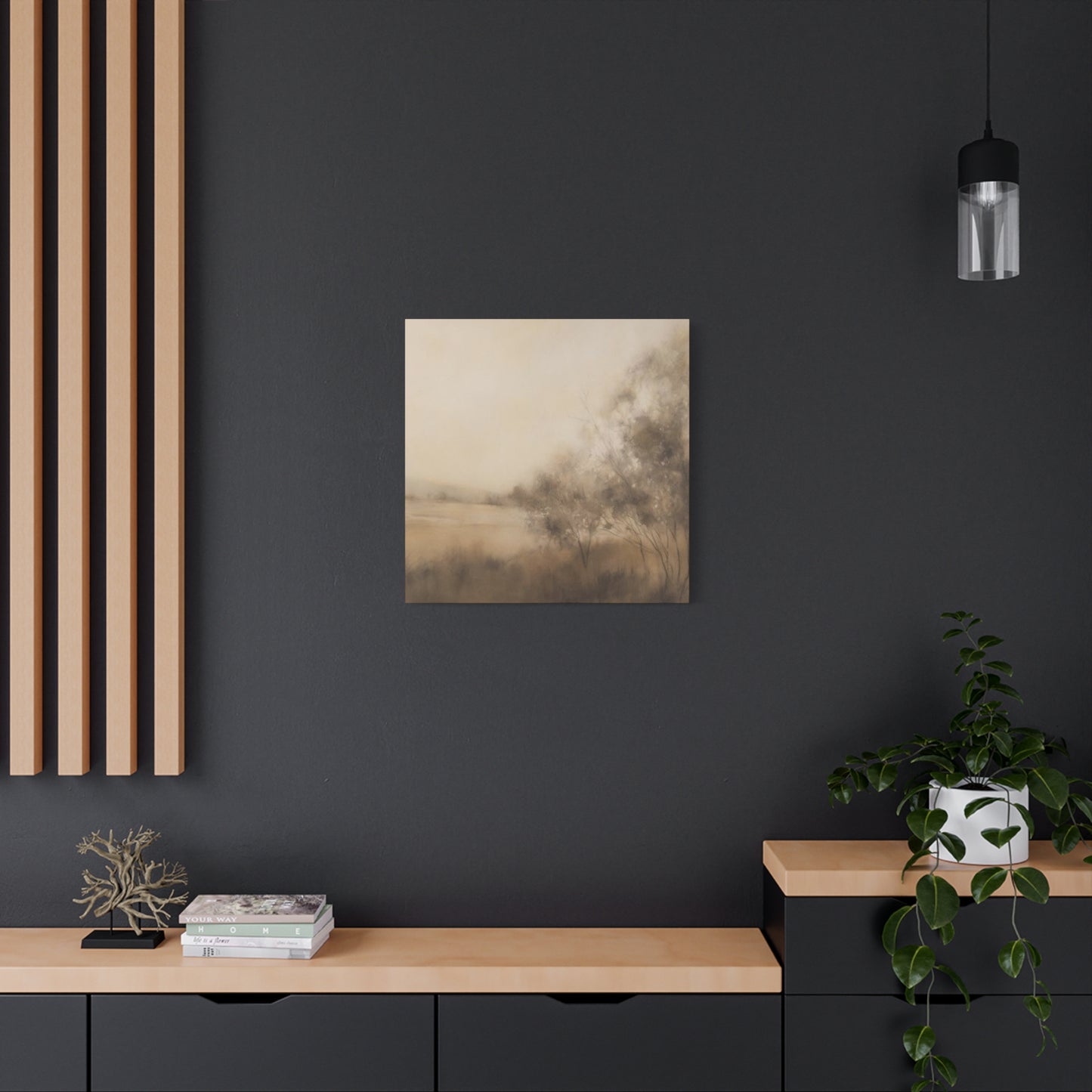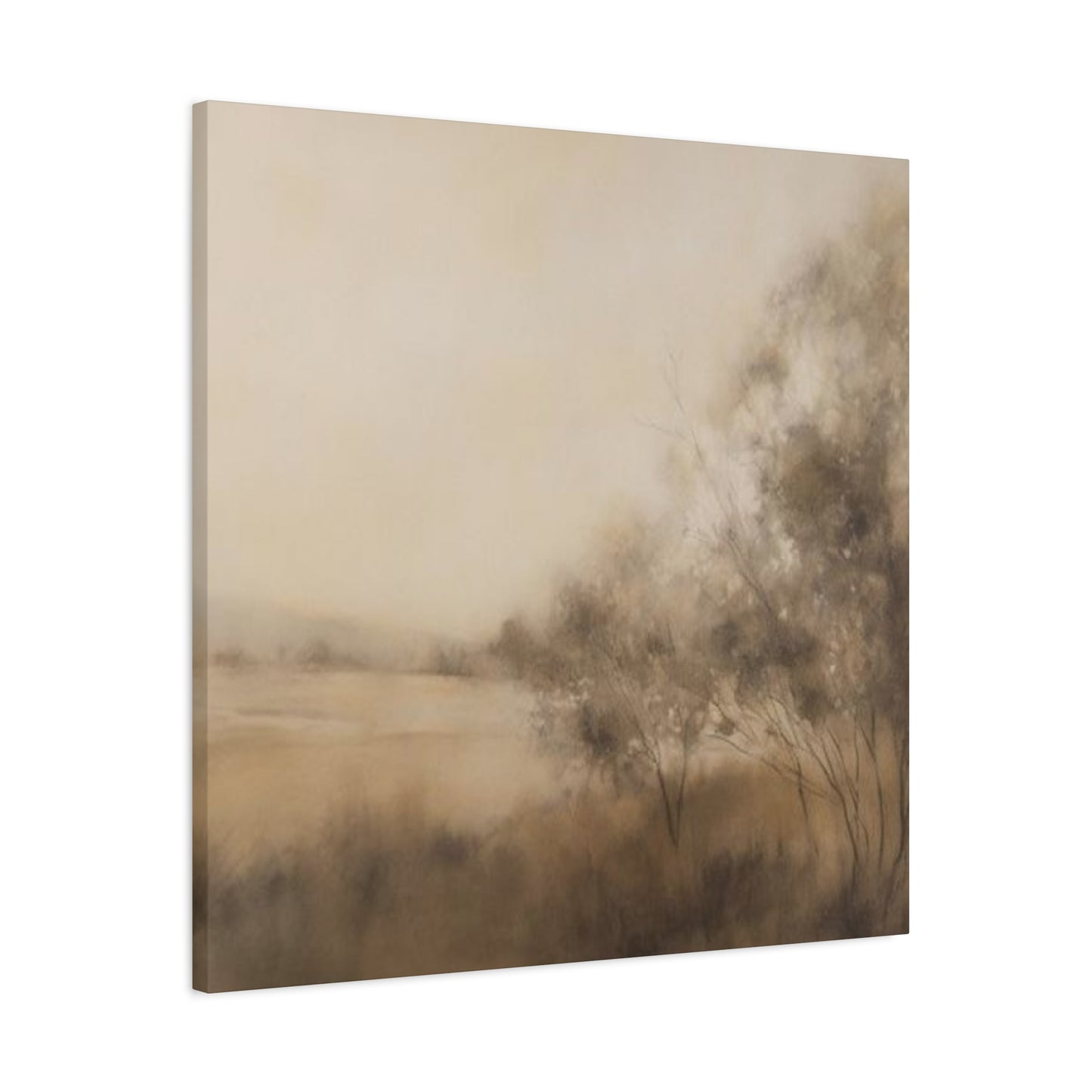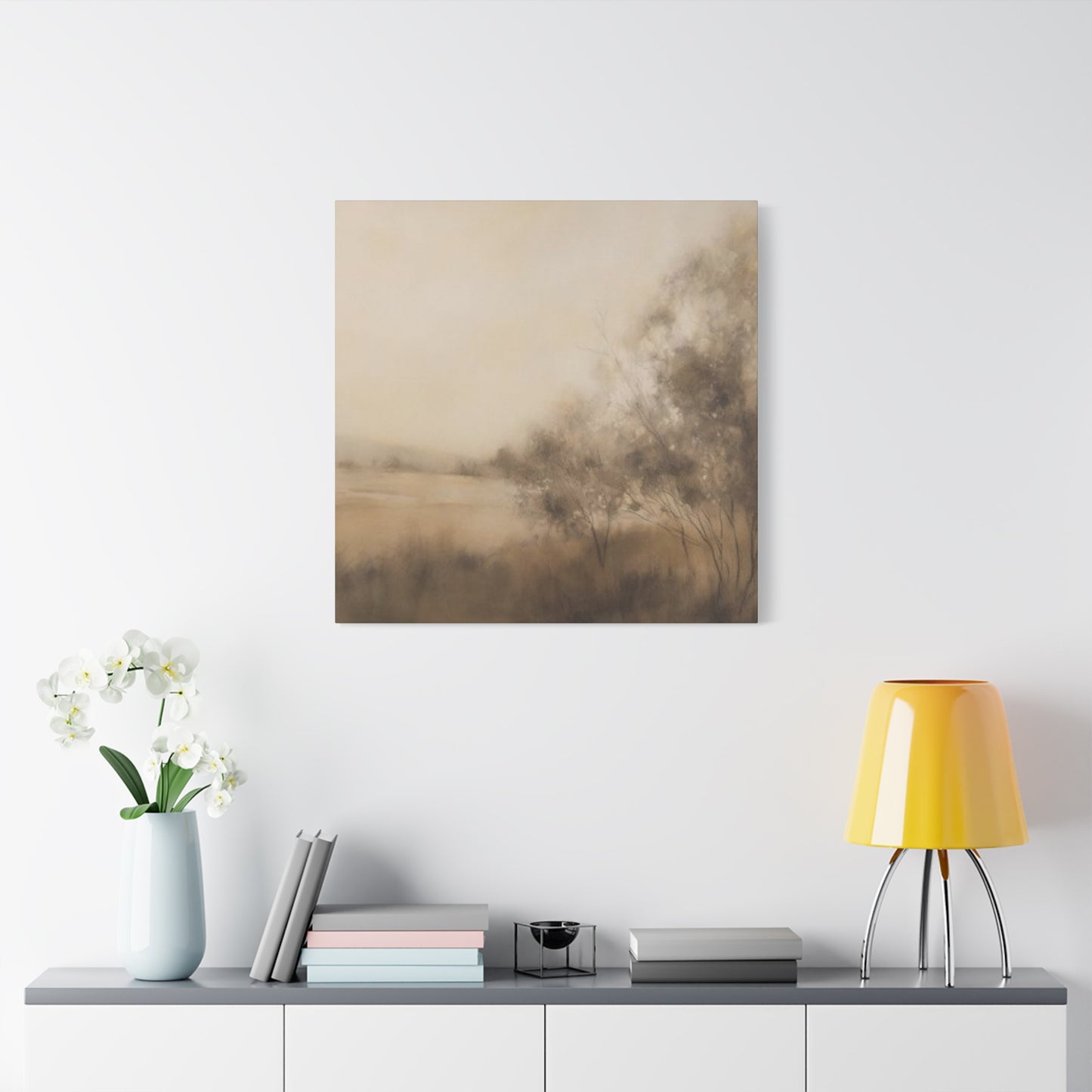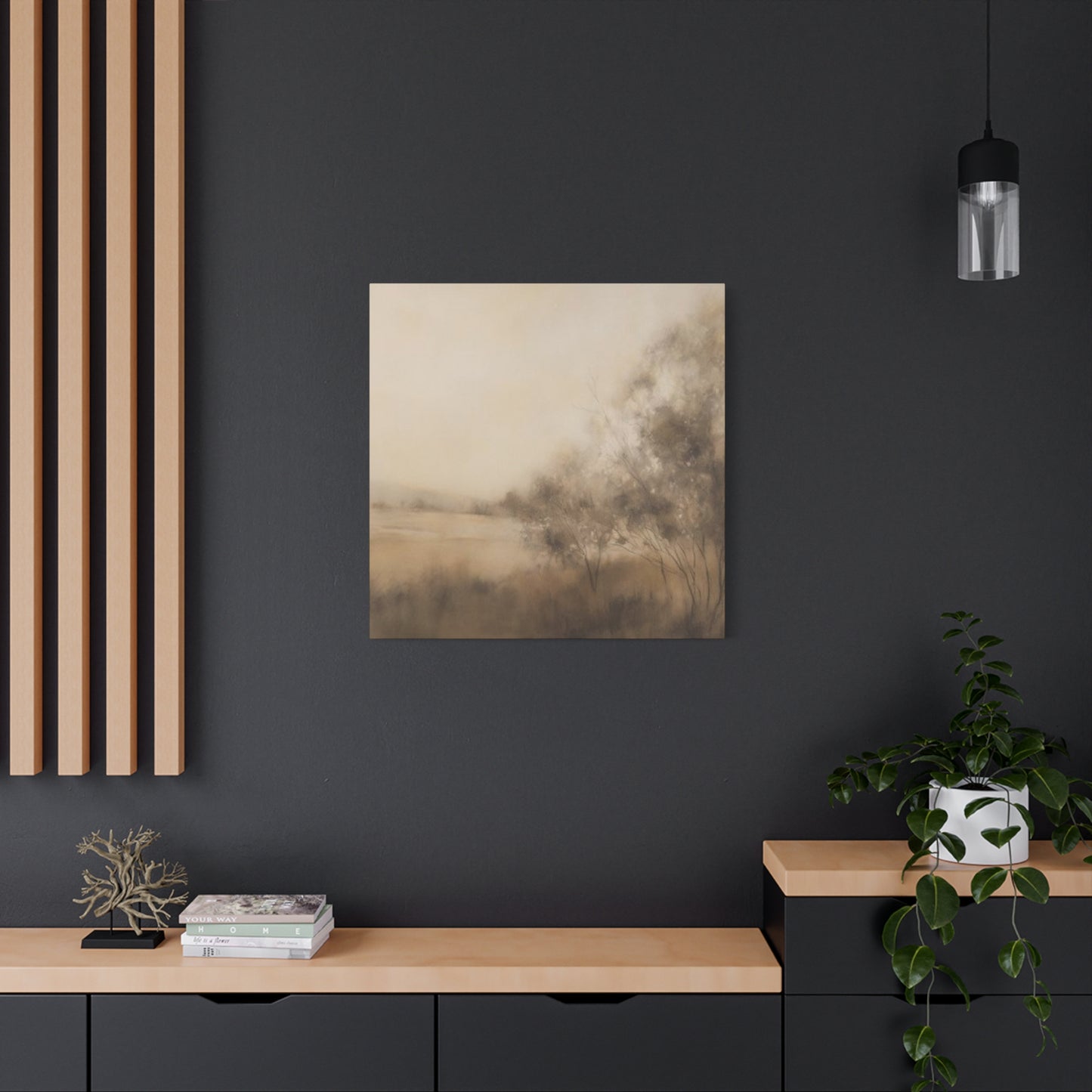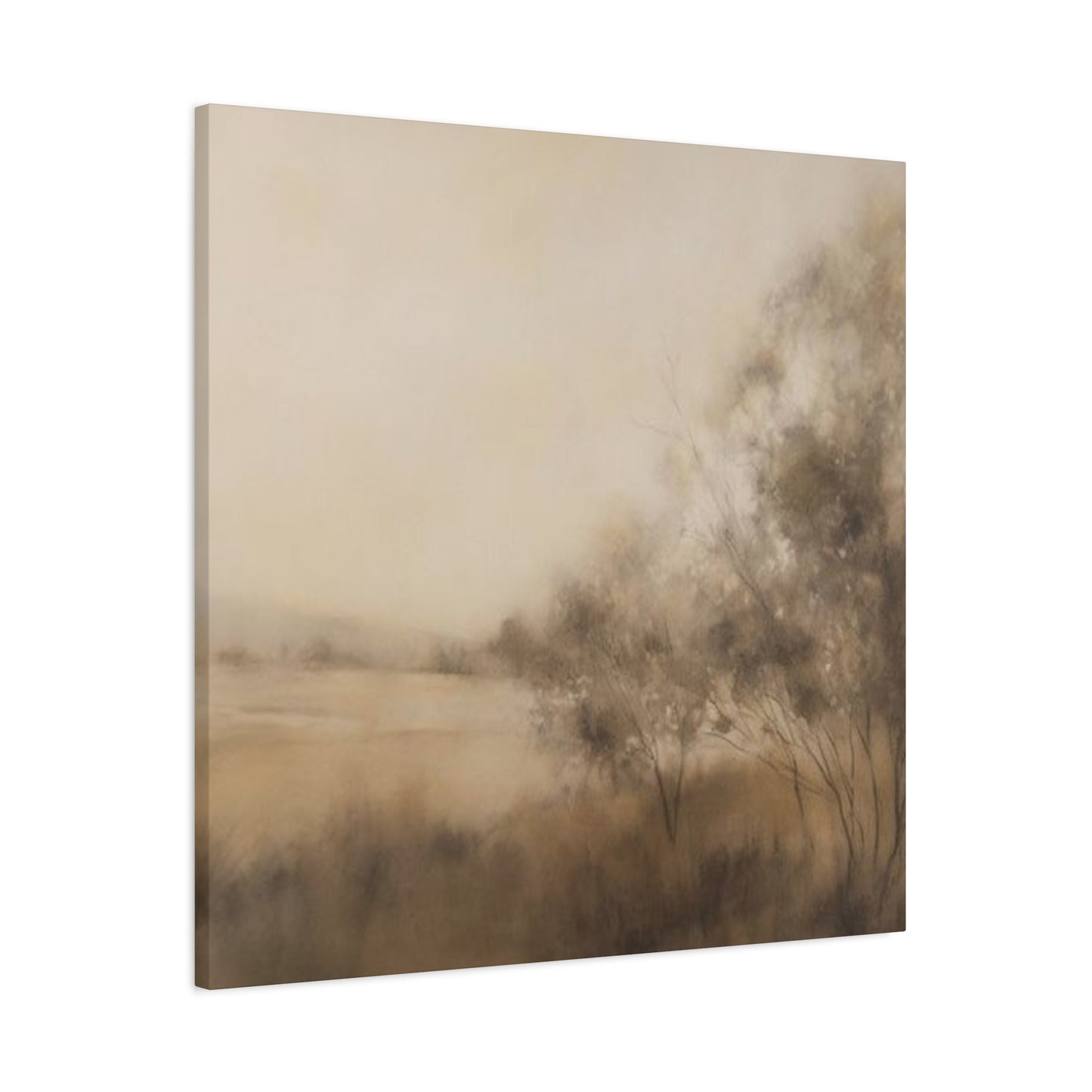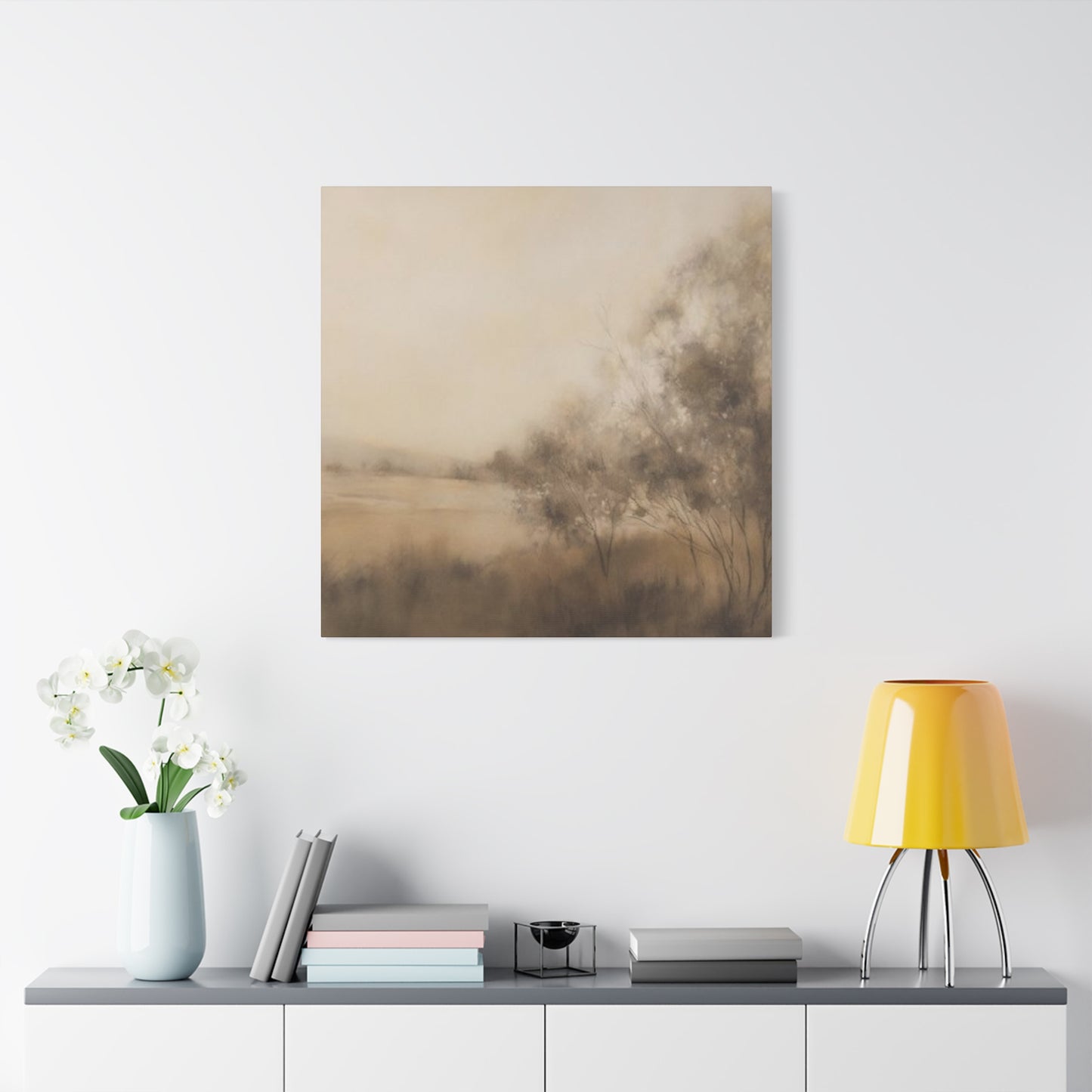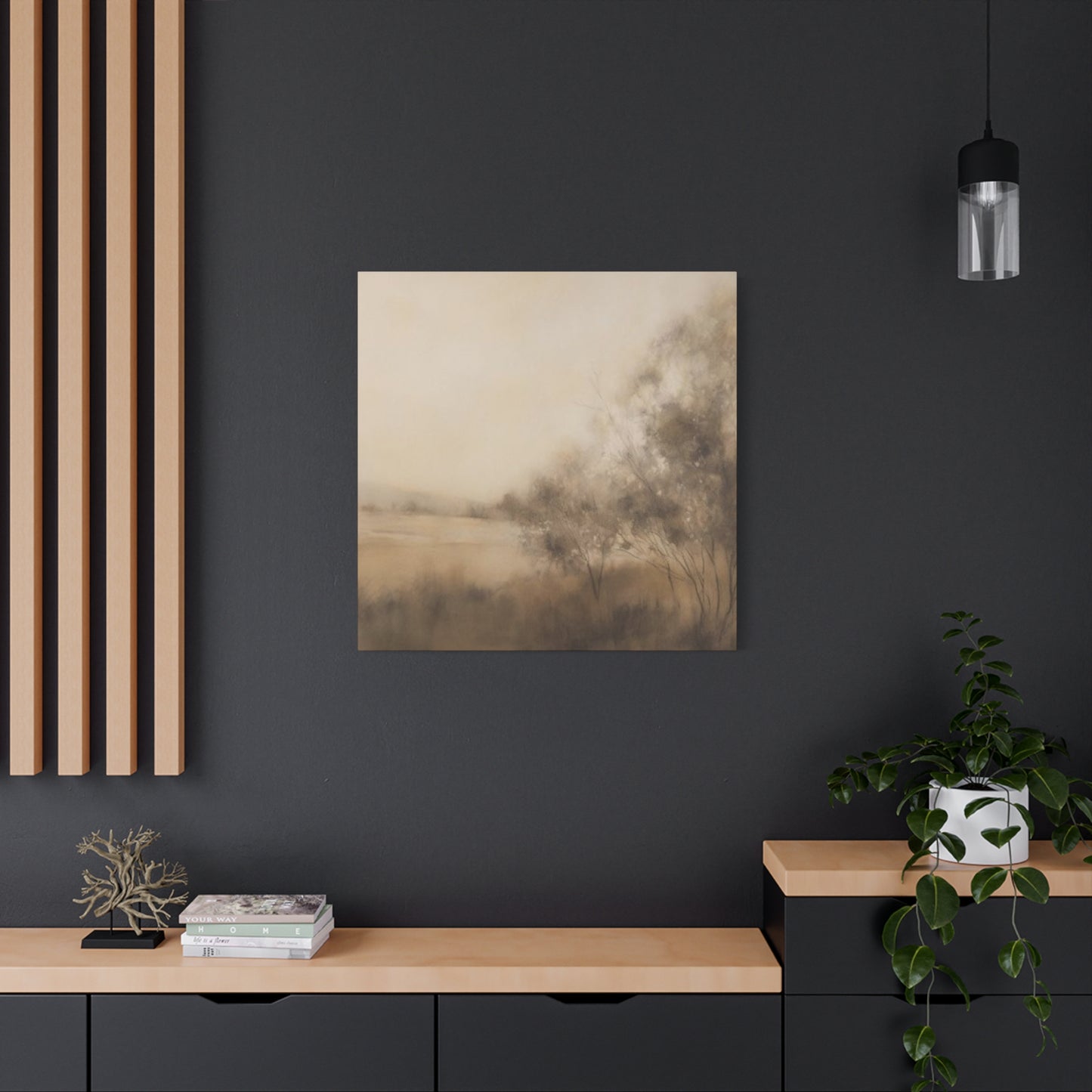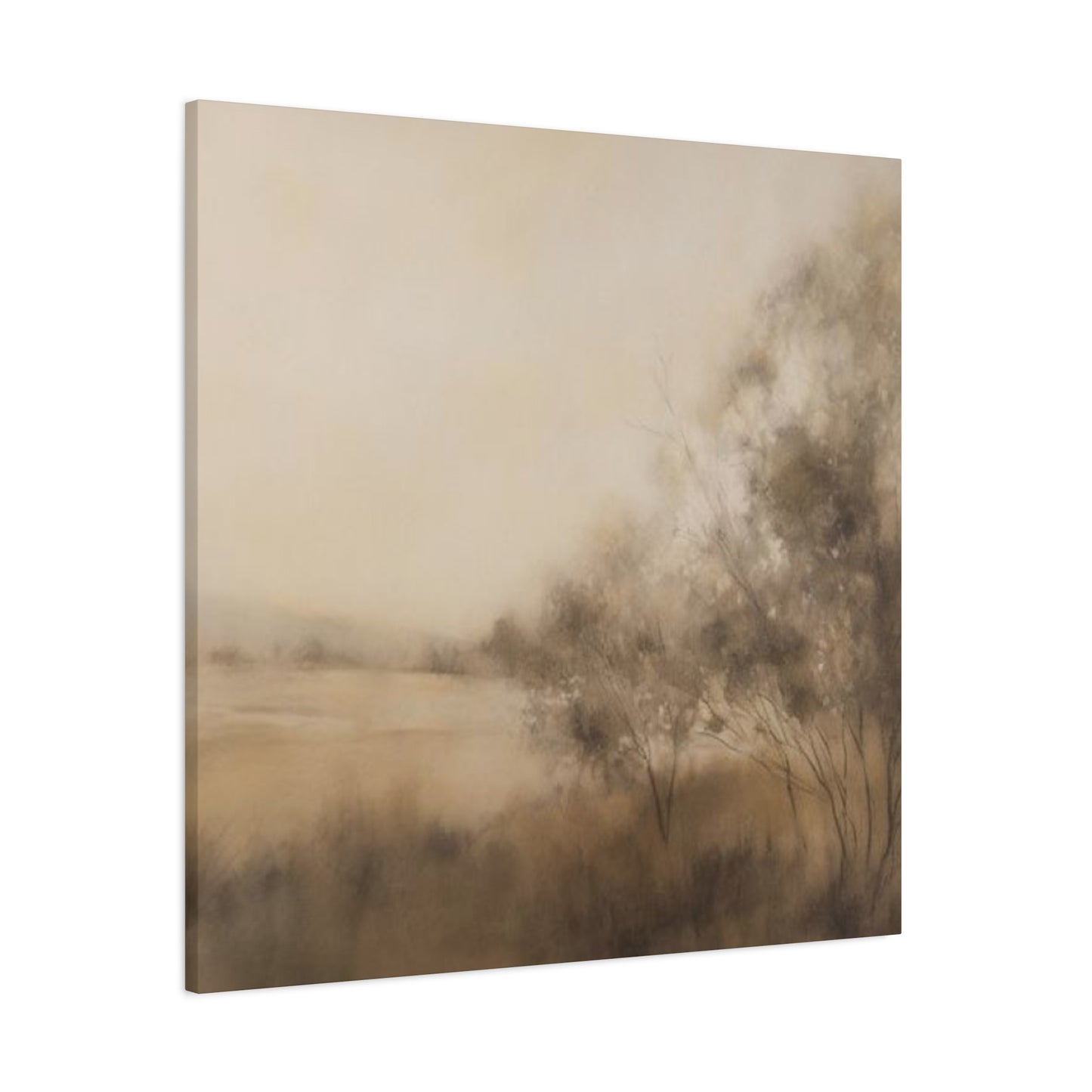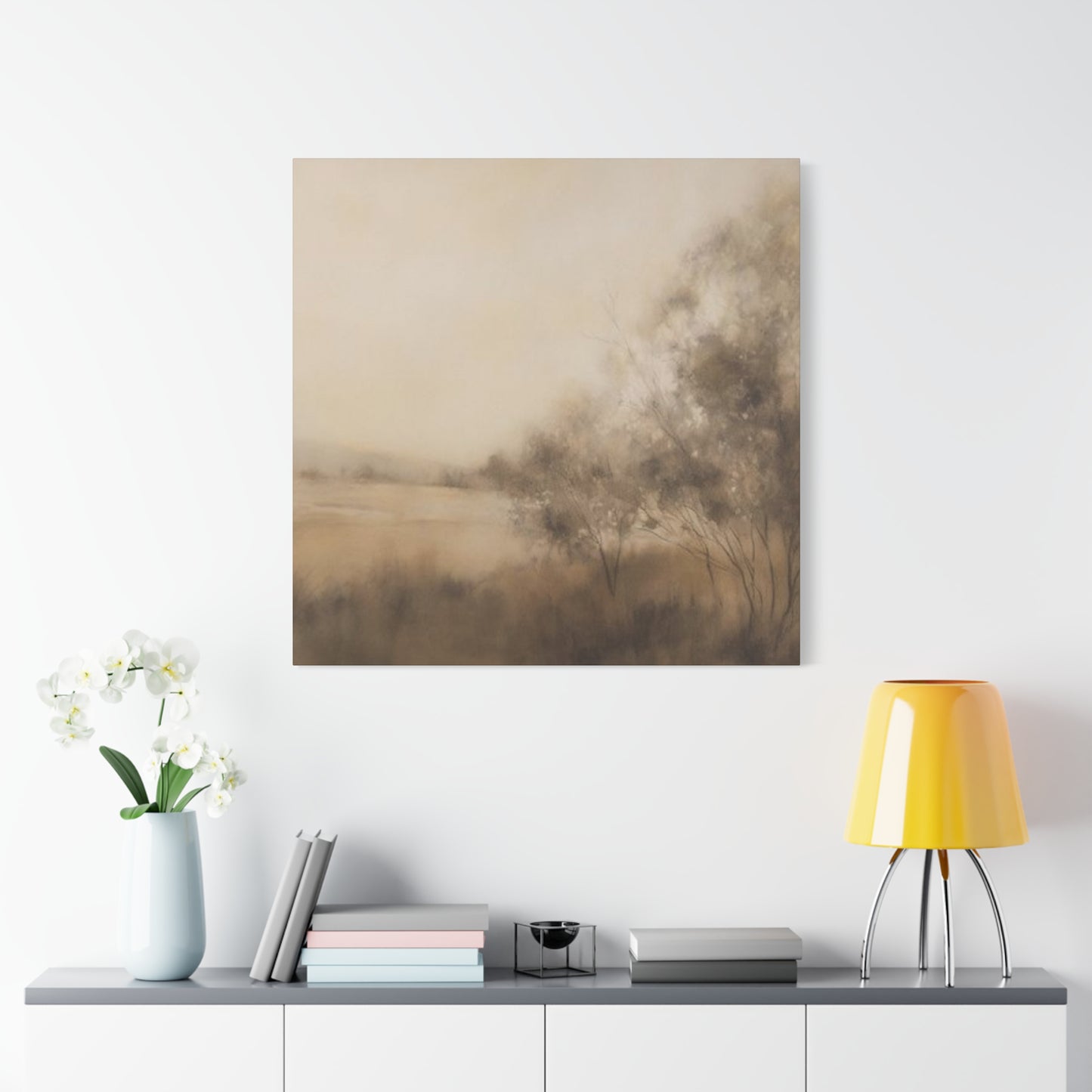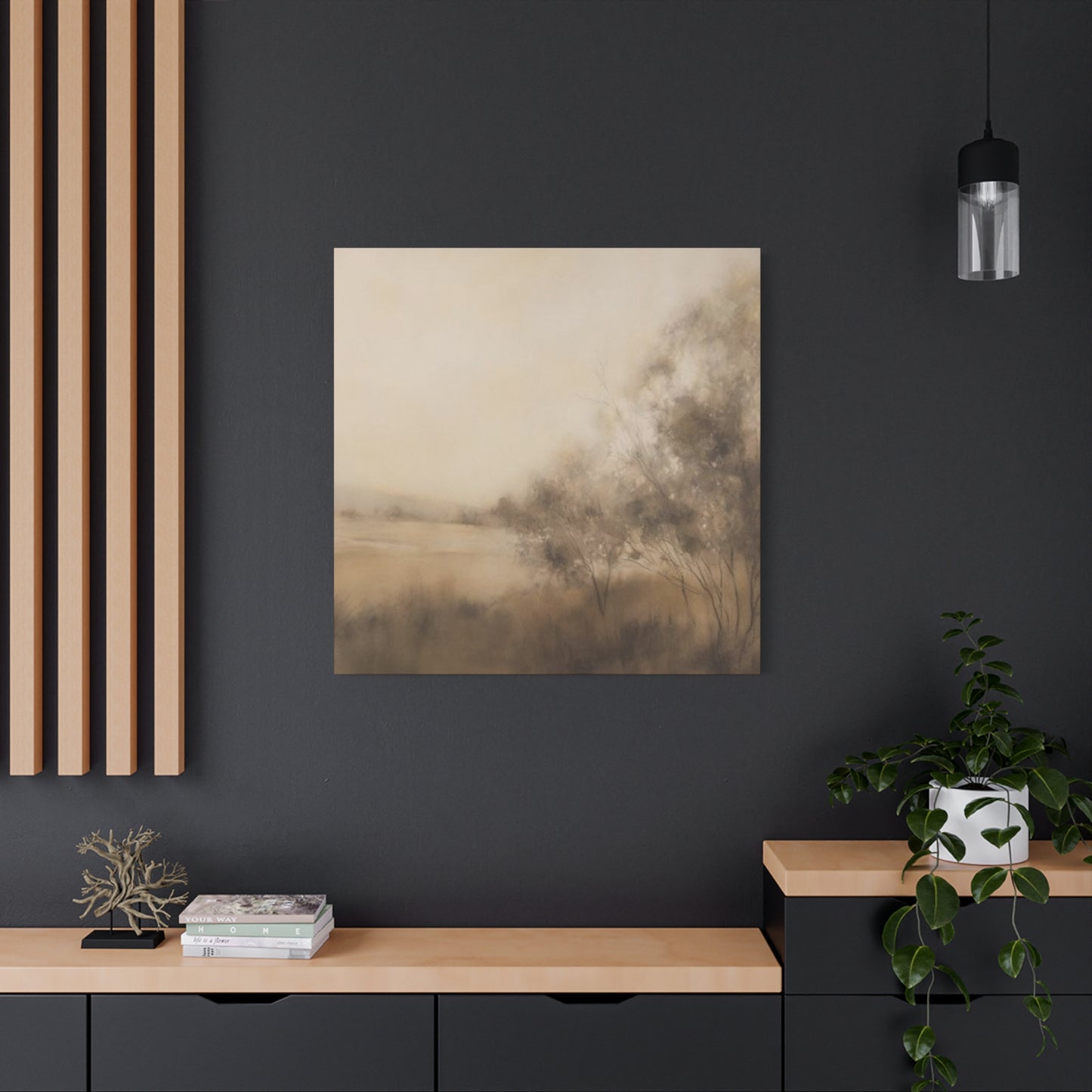


Meadow Wall Art & Canvas Prints
Meadow Wall Art & Canvas Prints
Couldn't load pickup availability
Experience the Captivating Allure of Meadow Wall Art and Transform Your Home with the Peaceful Essence of Nature
Creating a warm and inviting atmosphere within your home requires careful consideration of decorative elements that resonate with your personal style while bringing the serenity of nature indoors. When you incorporate meadow wall art into your interior design scheme, you're not merely hanging pictures on walls—you're establishing a profound connection with the tranquil beauty of open fields, wildflowers swaying in gentle breezes, and the peaceful essence of countryside vistas that have captivated humanity for centuries.
The visual representation of natural grasslands, flowering fields, and pastoral landscapes has become increasingly popular among homeowners, interior decorators, and art enthusiasts who seek to infuse their living quarters with the calming presence of outdoor environments. This comprehensive exploration delves into every aspect of selecting, displaying, and appreciating these magnificent artistic pieces that transform ordinary rooms into sanctuaries of peace and natural wonder.
The Profound Impact of Nature-Inspired Imagery on Human Well-being and Residential Environments
Scientific research has consistently demonstrated that exposure to natural scenery, even through artistic representations, produces measurable improvements in human mood, stress levels, and overall mental wellness. When individuals surround themselves with visual depictions of meadows, fields, and pastoral settings, they experience physiological responses similar to actual outdoor exposure, including reduced cortisol production, lowered blood pressure, and enhanced cognitive function.
The phenomenon known as biophilic design recognizes humanity's innate connection to the natural world and seeks to incorporate these elements into built environments. Meadow wall art serves as a powerful tool in this design philosophy, bridging the gap between modern indoor living and the ancient human need for connection with natural landscapes. The sweeping vistas, vibrant colors, and organic patterns found in these artistic pieces trigger deep-seated responses in the human brain, activating neural pathways associated with relaxation, creativity, and emotional restoration.
Studies conducted across various demographic groups have revealed that individuals who regularly interact with nature-themed artwork report higher levels of satisfaction with their living spaces, improved sleep quality, and greater feelings of emotional balance. The presence of meadow imagery specifically evokes feelings of freedom, spaciousness, and possibility—qualities that can feel increasingly scarce in contemporary urban environments where concrete and steel dominate the visual landscape.
Furthermore, the seasonal variations depicted in meadow artwork provide viewers with a sense of temporal flow and natural rhythm that helps ground them in the cyclical patterns of the natural world. Spring meadows bursting with fresh growth and delicate wildflowers remind us of renewal and new beginnings, while autumn fields glowing with golden grasses evoke feelings of abundance, harvest, and peaceful transition. These subtle seasonal cues satisfy a fundamental human need for connection to natural cycles that modern life often obscures.
Exploring the Remarkable Diversity of Styles and Artistic Approaches in Natural Field Representations
The artistic interpretation of meadows and natural grasslands encompasses an extraordinary range of styles, techniques, and aesthetic approaches, each offering unique visual qualities and emotional resonance. Understanding these various artistic traditions helps you make informed decisions about which pieces will best complement your existing decor while expressing your personal aesthetic preferences.
Impressionist renditions of meadow scenes capture the ephemeral qualities of light, atmosphere, and movement through loose brushwork and vibrant color palettes. These pieces often feature dappled sunlight filtering through grasses, creating dynamic patterns of light and shadow that seem to shimmer and change as viewing angles shift throughout the day. The soft edges and blended colors characteristic of impressionist work create a dreamlike quality that invites contemplation and emotional engagement rather than literal interpretation.
Realistic representations employ meticulous attention to botanical detail, rendering individual plant species, insects, and atmospheric conditions with scientific accuracy. These pieces appeal to viewers who appreciate precision, naturalistic beauty, and the opportunity to study the intricate complexities of meadow ecosystems from the comfort of their homes. The level of detail in realistic meadow art often reveals new discoveries upon repeated viewing, making these pieces endlessly fascinating companions in daily life.
Contemporary abstract interpretations distill the essence of meadow landscapes into bold color fields, gestural marks, and simplified forms that suggest rather than depict natural scenery. These pieces work particularly well in modern interiors where clean lines, minimalist aesthetics, and sophisticated color schemes dominate. Abstract meadow art allows viewers to project their own experiences and emotions onto the work, creating deeply personal connections that evolve over time.
Photographic representations capture actual meadow scenes with varying degrees of enhancement, manipulation, and artistic intervention. Some photographers pursue documentary realism, preserving the authentic appearance of specific locations at particular moments in time. Others employ dramatic lighting, selective focus, color grading, and compositional techniques that transform ordinary fields into extraordinary visual experiences. The medium of photography brings an immediacy and tangible reality to meadow imagery that resonates strongly with contemporary viewers accustomed to photographic representation.
Mixed media approaches combine painting, collage, textile elements, and three-dimensional components to create richly textured works that engage multiple senses simultaneously. These innovative pieces might incorporate actual dried grasses, flower petals, or fabric elements that add tactile dimension to visual representation. The layered complexity of mixed media meadow art provides exceptional visual interest and creates dynamic relationships with changing light conditions throughout the day.
Selecting the Perfect Meadow Imagery to Harmonize with Your Unique Interior Design Vision
Choosing meadow wall art that truly enhances your living space requires thoughtful consideration of multiple factors including color harmony, scale relationships, stylistic consistency, and emotional resonance. The most successful art selections create visual dialogue with existing architectural features, furniture, and decorative elements while introducing fresh energy and focal points that elevate the entire room.
Color coordination represents one of the most critical factors in successful art selection. Examine the dominant and accent colors present in your space through upholstery, rugs, curtains, and painted surfaces. Meadow art featuring complementary colors will integrate seamlessly into your existing palette, while pieces introducing contrasting hues create dynamic visual tension and serve as bold statement pieces. Consider whether your space benefits more from harmonious blending or dramatic punctuation when making color-based decisions.
The size and scale of artwork dramatically impact its visual presence and effectiveness within a room. Oversized meadow pieces create immediate dramatic impact, commanding attention and establishing themselves as primary focal points. These large-format works excel in spacious rooms with high ceilings and minimal architectural interruption, where they can be viewed from various distances and angles. Conversely, smaller pieces arranged in groupings or gallery walls offer flexibility, visual variety, and opportunities for storytelling through curated combinations.
Proportional relationships between artwork dimensions and wall space require careful calculation to achieve visual balance. Design professionals typically recommend that artwork occupy approximately two-thirds to three-quarters of the available wall width above furniture pieces to establish appropriate scale relationships. When hanging meadow art above sofas, beds, or console tables, ensure sufficient breathing room while maintaining visual connection between the artwork and the furniture below.
The frame and presentation method you select significantly influences how meadow art integrates into your space. Traditional ornate frames suit classical interiors with period furniture and formal aesthetic sensibilities, while sleek minimalist frames or frameless mounting techniques complement contemporary environments. Consider how frame color, width, and decorative detail either enhance or detract from the artwork itself, remembering that framing should support rather than compete with the primary visual content.
Lighting conditions within your space dramatically affect how meadow art appears throughout the day and across seasons. Natural sunlight brings vibrant energy to colorful meadow scenes but can cause fading over time if direct exposure remains uncontrolled. Artificial lighting through picture lights, track lighting, or strategically placed lamps allows precise control over how artwork appears after dark. Consider installing dimmer switches to adjust lighting intensity based on time of day, activities, and desired atmosphere.
Understanding the Diverse Materials and Production Methods Behind Contemporary Meadow Artwork
The substrate, medium, and production process used to create meadow wall art fundamentally influence its appearance, longevity, and suitability for various environments. Developing familiarity with these material considerations empowers you to make informed purchasing decisions that align with your aesthetic preferences, budget constraints, and practical requirements.
Canvas prints represent one of the most popular formats for reproducing meadow imagery, offering excellent color reproduction, substantial visual presence, and versatile display options. Gallery-wrapped canvas, where the printed image continues around the stretcher bar edges, creates a polished, frameless presentation suitable for contemporary interiors. Traditional canvas prints mounted within frames provide more formal presentations that work well in classic or transitional spaces. The textile nature of canvas introduces subtle texture that softens the appearance of photographic imagery while maintaining excellent detail resolution.
Fine art paper prints deliver exceptional color accuracy, tonal range, and archival permanence when produced using museum-quality materials and printing processes. Matte papers create sophisticated, glare-free presentations with subtle texture, while glossy papers maximize color saturation and visual impact. Textured art papers introduce additional dimension through surface variations that interact beautifully with light. When properly framed behind conservation glazing, paper prints offer longevity measured in centuries rather than decades.
Metal prints represent an exciting contemporary option that infuses meadow imagery with remarkable luminosity, dimensional depth, and modern aesthetic appeal. The dye-sublimation process permanently infuses inks into specially coated aluminum panels, creating extraordinarily durable, moisture-resistant pieces suitable for bathrooms, kitchens, and other challenging environments. The inherent reflectivity of metal substrates makes colors appear more vibrant and saturated than other media, particularly effective for meadow scenes featuring brilliant wildflowers or dramatic skies.
Acrylic prints mount photographic or painted imagery behind transparent acrylic panels, creating stunning depth, clarity, and contemporary visual impact. Light travels through the acrylic layers, illuminating the image from within and producing an almost three-dimensional appearance. The glossy surface and substantial physical presence of acrylic prints make bold statements in modern interiors, though their weight and fragility require proper mounting hardware and careful handling.
Original paintings on canvas, wood panel, or other supports represent unique artworks that carry the direct touch of the artist's hand. These pieces range from affordable works by emerging artists to investment-grade pieces by established painters. Original meadow paintings offer authenticity, individuality, and the satisfaction of supporting living artists while acquiring artwork that cannot be duplicated. The textural qualities of brushwork, palette knife application, and layered paint introduce tactile dimension that reproductions cannot replicate.
Creating Captivating Gallery Arrangements That Showcase Meadow Imagery with Maximum Visual Impact
The arrangement and presentation of meadow wall art profoundly influences its aesthetic impact and how effectively it transforms your living space. Thoughtful composition principles, strategic placement decisions, and creative grouping strategies elevate individual pieces while creating cohesive visual narratives that enhance entire rooms.
Single statement pieces demand sufficient breathing room to command attention and allow viewers to fully appreciate their scale, detail, and emotional content. When displaying large-format meadow artwork, resist the temptation to crowd the surrounding wall space with additional decorative elements. Instead, embrace negative space as an active design element that frames and emphasizes the artwork itself. Position substantial pieces at eye level, typically with the center of the artwork approximately 57 to 60 inches from the floor, adjusting slightly based on ceiling height and viewing distance.
Gallery wall arrangements offer dynamic alternatives to single-piece displays, allowing you to combine multiple meadow images in curated collections that tell visual stories. Successful gallery walls balance variety with cohesion through thoughtful attention to consistent elements such as frame style, matting approach, or thematic connections. Begin planning gallery arrangements by laying out all pieces on the floor, experimenting with various configurations before committing holes to walls. Maintain consistent spacing between frames, typically 2 to 3 inches, to create unified groupings rather than scattered collections.
Diptychs and triptychs present meadow scenes across multiple connected panels, creating expansive vistas that stretch across substantial wall spans. These multi-panel compositions work particularly well for panoramic meadow views where continuous horizontal flow enhances the sense of spaciousness and freedom. Ensure precise alignment and appropriate spacing between panels to maintain visual continuity while allowing each component to breathe independently.
Asymmetrical arrangements introduce visual dynamism and contemporary sensibility to meadow art displays. These compositions balance visual weight rather than creating mirror symmetry, often combining pieces of varying sizes, orientations, and formats into cohesive groupings. Successful asymmetrical arrangements require careful attention to color distribution, tonal balance, and compositional flow to prevent lopsided or chaotic appearances.
Seasonal rotation strategies keep your interior environment fresh and responsive to changing outdoor conditions. Maintain a collection of meadow artwork representing different seasons, swapping pieces as nature cycles through its annual transformations. Spring meadows bursting with wildflowers energize spaces during renewal months, while autumn fields provide warmth and comfort as days shorten. This rotation practice renews your relationship with existing pieces while preventing visual stagnation.
Discovering Exceptional Meadow Artwork Through Diverse Acquisition Channels and Marketplaces
Locating high-quality meadow wall art that aligns with your aesthetic vision and budget parameters requires familiarity with the diverse marketplaces, venues, and channels through which artwork reaches consumers. Each acquisition pathway offers distinct advantages, limitations, and considerations that influence the purchasing experience and final satisfaction with your selections.
Online art marketplaces provide unprecedented access to global inventories spanning every imaginable style, price point, and production method. These platforms allow comprehensive browsing, filtering by specific criteria, and convenient home delivery. However, the inability to physically inspect pieces before purchase introduces uncertainty regarding color accuracy, texture, and actual scale. Read customer reviews carefully, examine detailed product specifications, and understand return policies before committing to significant purchases from unfamiliar sellers.
Independent artist studios and websites offer direct connections with creators, often at more accessible price points than traditional gallery representations. Purchasing directly from artists eliminates intermediary markups while providing opportunities to commission custom pieces tailored to your specific requirements. Many artists welcome collaborative dialogue about size, color palette, and compositional elements, creating truly personalized meadow artwork that perfectly suits your space and vision.
Local art galleries and exhibition spaces allow hands-on inspection of artwork quality, accurate color assessment, and meaningful dialogue with knowledgeable staff who can provide context about artists, processes, and provenance. Gallery relationships often extend beyond individual purchases to include advisory services, installation assistance, and opportunities to view new works before public release. The investment in gallery-represented artwork often includes authentication, professional framing, and established value within the broader art market.
Art fairs and outdoor markets present opportunities to discover emerging artists, negotiate pricing directly with creators, and acquire unique pieces unavailable through conventional retail channels. These events create festive, social atmospheres where art appreciation combines with community engagement. However, the temporary nature of these venues limits return opportunities and requires immediate decision-making about potential purchases.
Home decor retailers and furniture stores increasingly offer curated art selections designed to coordinate with their product lines and target demographic preferences. These sources provide convenient one-stop shopping for complete room designs but typically feature mass-produced pieces rather than unique or limited-edition works. Quality and originality vary significantly across retailers, requiring careful evaluation of production methods, material quality, and aesthetic merit.
Estate sales, antique shops, and consignment stores occasionally yield remarkable meadow artwork discoveries at favorable prices, particularly vintage pieces by lesser-known regional artists. These treasure-hunting venues reward patience, frequent visits, and willingness to look past surface grime or outdated framing to recognize inherent quality. Successful hunting in these venues requires some knowledge of artistic styles, signature recognition, and condition assessment.
Maintaining and Preserving Your Meadow Artwork for Lasting Beauty Across Generations
Proper stewardship of your meadow wall art ensures that these cherished pieces maintain their visual beauty, structural integrity, and emotional resonance for decades or even centuries. Understanding the environmental threats, handling precautions, and preservation strategies appropriate for various media empowers you to protect your investment while enjoying daily interaction with these meaningful objects.
Light exposure represents the primary environmental threat to most artwork, particularly pieces featuring vibrant colors derived from organic pigments or dyes. Ultraviolet radiation causes irreversible fading, discoloration, and chemical degradation of both artistic media and substrate materials. Position meadow art away from direct sunlight streaming through unprotected windows, or install UV-filtering window treatments that preserve natural illumination while blocking harmful wavelengths. When using artificial lighting, select LED sources that emit minimal UV radiation and heat compared to traditional incandescent bulbs.
Temperature and humidity fluctuations stress artwork materials, causing expansion, contraction, warping, and accelerated chemical degradation. Maintain stable interior environments with temperature ranges between 65 and 75 degrees Fahrenheit and relative humidity between 40 and 55 percent. Avoid hanging meadow art above heating vents, radiators, fireplaces, or in damp spaces like bathrooms unless the pieces are specifically produced using moisture-resistant materials and mounting methods.
Dust accumulation dulls the appearance of artwork while introducing abrasive particles that can scratch glazing or directly damage unprotected surfaces. Regularly remove dust using soft, clean brushes or microfiber cloths applied with gentle pressure. Never use commercial cleaning products, water, or household solvents on artwork without professional guidance, as these substances can cause irreparable damage to paints, inks, and substrate materials. For valuable or delicate pieces, consider engaging professional art conservators for periodic cleaning and condition assessment.
Physical damage from impacts, accidents, or improper handling represents another significant threat to meadow artwork. Ensure secure mounting using appropriate hardware rated for the weight and configuration of each piece. Wall anchors, hanging wire, D-rings, and other hardware components should exceed the artwork weight by comfortable margins to prevent failures. Regularly inspect mounting systems for signs of weakness, corrosion, or loosening that could precipitate falls.
Canvas artwork requires particular attention to structural integrity, as the flexible substrate remains vulnerable to punctures, tears, and sagging. Avoid leaning objects against canvas pieces or touching the painted surface, which can transfer oils from skin or create pressure points that stress fibers. If canvas becomes slack over time, professional restretching can restore proper tension and appearance.
Glazed works behind glass or acrylic benefit from the protective barrier these materials provide but require different handling considerations. Clean glazing surfaces using appropriate products designed specifically for glass or acrylic, applying cleaner to cloth rather than directly spraying the surface to prevent liquid infiltration into frame joints. Recognize that acrylic scratches more easily than glass but offers superior shatter resistance and lighter weight.
Commissioning Custom Meadow Artwork Tailored Precisely to Your Vision and Space Requirements
Collaborating with artists to create custom meadow wall art offers the ultimate opportunity to acquire pieces that perfectly align with your aesthetic preferences, color requirements, dimensional specifications, and emotional intentions. The commissioning process transforms you from passive consumer to active participant in artistic creation, resulting in truly unique works that cannot be replicated or purchased by others.
Identifying appropriate artists for commission work requires research into their portfolios, stylistic ranges, working methods, and collaborative approaches. Examine multiple examples of each artist's meadow-related work to assess consistency, technical proficiency, and aesthetic resonance with your preferences. Many artists maintain distinct artistic signatures that remain recognizable across subjects and compositions—determine whether you appreciate these signature elements or prefer more flexible approaches.
Initial consultations establish mutual understanding about project scope, creative direction, timeline expectations, and financial arrangements. Prepare for these conversations by gathering inspiration images, color swatches from your space, dimensional specifications, and articulation of the emotional qualities you hope the finished piece will evoke. Successful commissions balance clear communication about requirements with appropriate creative freedom for artists to apply their expertise and intuitive sensibilities.
Budget discussions should occur early in the commissioning process to ensure alignment between your financial parameters and the artist's pricing structure. Commission costs reflect multiple factors including artist reputation, piece dimensions, medium complexity, and timeline constraints. Understand what the quoted price includes regarding framing, delivery, installation assistance, and revision opportunities. Many artists require deposit payments before beginning work, with final balances due upon completion and approval.
Throughout the creation process, most artists provide progress updates through photographs or in-person viewings at specific milestones. These checkpoints allow course corrections before significant additional work occurs, though excessive intervention can undermine artistic flow and creative spontaneity. Trust in your artist's judgment while clearly communicating any significant concerns that arise during development.
Upon completion, carefully inspect the finished commission under various lighting conditions and from multiple viewing distances before final acceptance. Most reputable artists willingly address legitimate concerns about execution quality or departure from agreed specifications, though purely subjective preference changes after approval typically fall outside reasonable revision expectations. Once satisfied, arrange secure transportation or professional delivery services for valuable commissioned pieces.
Incorporating Meadow Wall Art into Diverse Interior Design Styles and Architectural Contexts
The remarkable versatility of meadow imagery allows successful incorporation into virtually any interior design style, from traditional period rooms to cutting-edge contemporary spaces. Understanding how to adapt selection criteria, framing choices, and display strategies to complement specific design vocabularies ensures harmonious integration that enhances rather than conflicts with existing aesthetic frameworks.
Traditional interiors characterized by formal furniture arrangements, rich wood tones, ornate moldings, and classic proportions pair beautifully with realistic or impressionistic meadow paintings housed in substantial gilded or carved wood frames. These spaces benefit from artwork that demonstrates technical mastery, careful composition, and timeless subject matter treated with respect for artistic heritage. Position meadow pieces symmetrically above mantels, centered on prominent walls, or flanking architectural features to honor the balanced formality of traditional design.
Transitional spaces that bridge traditional and contemporary sensibilities offer exceptional flexibility for meadow art integration. These environments accommodate diverse stylistic approaches from photo-realistic to moderately abstract, framed traditionally or with streamlined modern profiles. The neutral, balanced character of transitional design makes it particularly receptive to the peaceful, harmonious qualities inherent in meadow imagery, creating serene environments that feel both grounded and current.
Contemporary interiors emphasizing clean lines, minimal ornamentation, and bold simplicity demand meadow artwork that respects these design principles. Abstract or semi-abstract interpretations, large-format photography, and pieces with strong graphic qualities complement the architectural clarity of contemporary spaces. Frameless mounting, floating frames, or minimalist metal profiles maintain visual simplicity while allowing the artwork itself to command attention. Consider meadow pieces with restricted color palettes that echo the often monochromatic or limited-hue schemes prevalent in contemporary design.
Industrial spaces featuring exposed brick, concrete surfaces, metal elements, and raw finishes surprisingly accommodate meadow imagery, creating fascinating juxtaposition between natural subject matter and hard-edged architectural context. This contrast often produces memorable, conversation-worthy interior moments that humanize industrial severity. Select meadow pieces with substantial visual presence and mount them in simple metal frames or directly to surfaces to maintain the straightforward honesty characteristic of industrial aesthetic.
Bohemian and eclectic interiors that celebrate personal expression, collected objects, layered textures, and diverse cultural influences embrace meadow art as part of richly curated wall displays. These maximalist environments support adventurous color choices, unconventional framing, and creative groupings that might overwhelm more restrained spaces. Mix meadow imagery with other artwork types, textiles, found objects, and dimensional elements to create the visual abundance that defines bohemian style.
Scandinavian design principles emphasizing natural materials, functional beauty, and connection to nature make this aesthetic particularly hospitable to meadow wall art. The light, airy quality of Nordic interiors pairs perfectly with meadow scenes featuring soft colors, diffused light, and serene compositions. Simple wood frames in light finishes, white-painted profiles, or minimal black borders maintain the unpretentious elegance central to Scandinavian sensibility.
Exploring the Deeper Meanings and Symbolic Resonance of Meadow Imagery Across Cultures
Beyond their immediate visual appeal, meadow scenes carry rich layers of symbolic meaning, cultural significance, and archetypal resonance that deepen our connection to these images and enhance their ability to impact our emotional states and thought patterns. Understanding these deeper dimensions transforms meadow wall art from simple decoration into meaningful companions that speak to fundamental aspects of human experience.
Meadows have long represented liminal spaces in human consciousness—threshold zones between cultivated civilization and untamed wilderness, between the structured world of human endeavor and the organic chaos of nature. This symbolic positioning makes meadow imagery particularly powerful for people navigating transitions, seeking balance between competing life demands, or desiring connection to something larger than constructed human reality.
The concept of pastoral paradise, extending back through centuries of artistic and literary tradition, envisions meadows as earthly approximations of divine perfection—places where beauty, abundance, and peace coexist without human intervention or corrupting influence. This idealized vision continues to resonate powerfully in contemporary times, perhaps even more so as modern life accelerates and natural spaces face increasing pressure from development and environmental change.
Wildflower meadows specifically carry associations with diversity, spontaneity, and organic community—qualities increasingly valued in human social contexts. Unlike formal gardens where human design dictates rigid patterns, meadows demonstrate how countless individual elements can coexist in apparent randomness that nonetheless produces harmonious beauty. This lesson in emergent order from apparent chaos offers subtle encouragement for those struggling with control issues or perfectionist tendencies.
Seasonal meadow transformations mirror fundamental life cycles of growth, maturity, decline, and renewal that all living beings experience. Spring meadows bursting with new growth speak to themes of fresh starts, possibility, and regeneration. Summer meadows in full abundance represent peak vitality, productivity, and fruition. Autumn meadows in golden decline embody graceful acceptance of natural endings and preparation for dormancy. Winter meadows resting beneath snow suggest necessary stillness, germination in darkness, and faith in eventual return of active growth.
Different cultures attach specific symbolic meanings to meadow environments based on their geographic contexts, agricultural histories, and spiritual traditions. European pastoralism associates meadows with rustic simplicity, authentic connection to land, and escape from urban corruption. Asian cultural traditions may view meadows through lenses of Buddhist impermanence, celebrating the transient beauty of wildflowers while acknowledging their inevitable fading. North American associations often emphasize frontier freedom, limitless possibility, and unowned natural abundance.
Discovering the Unique Characteristics of Various Meadow Types and Regional Landscape Variations
Meadows exist in remarkable diversity across global climatic zones, elevation ranges, and ecological contexts, each ecosystem type presenting distinct visual characteristics, dominant species, and aesthetic qualities. Developing familiarity with these variations enhances your ability to select meadow wall art that resonates with your geographic identity, environmental preferences, and aesthetic sensibilities.
Alpine meadows flourish at high elevations where harsh conditions, short growing seasons, and intense solar radiation create specialized plant communities dominated by low-growing perennials and brilliant wildflowers. These dramatic landscapes feature rocky outcrops, snowmelt streams, and distant mountain vistas that produce breathtaking scenic compositions. Alpine meadow art often emphasizes color intensity, dramatic lighting, and the juxtaposition between delicate flowers and harsh mountain environments.
Prairie grasslands stretching across continental interiors feature tall grass species, sweeping horizons, and ever-changing sky conditions that create landscapes of expansive proportions and subtle color gradations. Prairie meadow art captures feelings of freedom, solitude, and connection to vast natural forces beyond human control. The horizontal emphasis, distant sightlines, and often monumental cloud formations in prairie imagery produce calming effects and sense of spatial liberation particularly valuable in confined urban dwellings.
Coastal meadows influenced by maritime climate patterns, salt spray, and frequent fog develop distinctive character through adapted plant species, stunted growth forms, and muted color palettes. These environments often transition abruptly from grassland to rocky shores or dramatic clifftops, creating dynamic compositional opportunities. Coastal meadow art frequently incorporates the meeting of land and sea, producing pieces with inherent tension between terrestrial and marine elements.
Wetland meadows and sedge marshes feature water-loving plant communities, seasonal flooding patterns, and reflective water surfaces that introduce luminous quality to landscape compositions. These rich ecosystems support remarkable biodiversity, offering opportunities to include wildlife elements like waterfowl, wading birds, and dragonflies within meadow scenes. Wetland meadow art often emphasizes reflection, moisture, and the shimmering quality of light interacting with water surfaces.
Mediterranean grasslands adapted to hot, dry summers and mild, wet winters develop distinct seasonal character, remaining green and flower-filled during spring months before transitioning to golden dormancy under summer heat. These landscapes often incorporate olive trees, stone walls, and distant village views that create quintessentially pastoral compositions. Mediterranean meadow art evokes specific geographic regions while communicating warmth, antiquity, and connection to agrarian heritage.
Subalpine meadows positioned between mountain forests and alpine tundra represent transitional zones with moderate growing seasons supporting lush vegetation, diverse wildflowers, and scenic forest edges. These inviting landscapes suggest accessible beauty without the harsh extremes of true alpine environments. Subalpine meadow art often includes forest elements, mountain backdrops, and middle-distance views that create balanced compositions with strong foreground interest.
Harnessing Color Theory Principles to Maximize the Emotional Impact of Meadow Artwork
The colors present within meadow wall art profoundly influence emotional response, spatial perception, and psychological impact within interior environments. Understanding basic color theory principles empowers you to select pieces that intentionally shape the mood and energy of your spaces according to functional requirements and personal preferences.
Cool colors including blues, greens, and violets create calming, peaceful atmospheres that lower heart rate, reduce perceived temperature, and encourage relaxation and contemplation. Meadow scenes dominated by cool palettes—morning mist over dewy grasses, fields of lavender, or twilight meadows under darkening skies—work particularly well in bedrooms, meditation spaces, and areas intended for quiet activities. The receding visual quality of cool colors makes rooms feel larger and more spacious, valuable in compact urban apartments.
Warm colors including reds, oranges, and yellows generate energy, enthusiasm, and feelings of warmth and welcome. Meadow imagery featuring autumn grasses, sunlit wildflowers, or golden hour illumination infuses spaces with inviting vitality suitable for social areas, dining rooms, and creative workspaces. Warm colors visually advance, creating intimate, embracing atmospheres in large rooms that might otherwise feel cold or impersonal.
Neutral colors including various greens, tans, and earth tones provide versatile foundations that work across diverse design contexts while maintaining connection to natural world. Meadow scenes emphasizing natural grass colors, subtle wildflower hues, and earth-toned backgrounds offer timeless appeal that transcends temporary color trends. Neutral meadow art allows other room elements to command attention while providing grounding presence that unifies disparate decorative components.
Complementary color schemes pairing opposites on the color wheel—purple and yellow, blue and orange, red and green—create vibrant visual tension and dynamic energy. Meadow scenes featuring complementary combinations like purple lupine against yellow sunflowers or orange poppies under blue skies produce stimulating, memorable images with strong visual impact. These high-contrast pieces work well as focal points in otherwise neutral rooms.
Analogous color schemes using adjacent color wheel segments—various blues and greens, or oranges and yellows—produce harmonious, unified compositions with subtle sophistication. Meadow art employing analogous palettes feels inherently cohesive and restful, creating sophisticated atmospheres without overwhelming visual demands. These pieces integrate easily into existing color schemes while providing tonal richness and depth.
Monochromatic color schemes exploring variations of single hues through tints, tones, and shades create refined, elegant presentations suitable for sophisticated contemporary interiors. Black and white meadow photography, sepia-toned vintage images, or paintings exploring the full range of single color families demonstrate how much visual interest exists within limited palettes. Monochromatic meadow art provides strong graphic presence without competing chromatic demands.
Selecting Appropriate Room Placements to Optimize the Impact of Your Meadow Artwork
Strategic room placement dramatically influences how effectively meadow wall art fulfills its decorative potential and contributes to the functional and emotional character of interior spaces. Matching imagery characteristics with room purposes, traffic patterns, and viewing conditions maximizes both aesthetic impact and practical satisfaction with your selections.
Living rooms as primary gathering spaces for relaxation and social interaction benefit from meadow art that creates welcoming, comfortable atmospheres while providing conversational interest. Position substantial pieces above sofas as anchoring focal points, or create gallery walls on prominent walls visible from multiple seating areas. Select meadow scenes that reflect the energy level appropriate for your living room use—peaceful, contemplative meadows for quiet reading spaces versus vibrant, colorful scenes for active entertainment areas.
Bedrooms require peaceful imagery that supports rest, relaxation, and escape from daily stresses. Meadow art featuring soft colors, gentle light, and tranquil compositions hung opposite or adjacent to beds creates visual destinations for pre-sleep contemplation. Avoid overly stimulating scenes with strong color contrasts or busy compositions that might interfere with the calm necessary for quality sleep. Morning meadows with soft light or misty fields work particularly well in bedroom contexts.
Dining rooms accommodate meadow art that stimulates appetite, encourages lingering conversation, and creates sophisticated ambiance for shared meals. Warm-toned meadow scenes with abundant flowers or golden grasses complement dining experiences while maintaining connection to natural abundance and seasonal cycles. Position pieces at heights visible to seated diners, ensuring the artwork enhances rather than dominates the social dynamics of shared meals.
Home offices benefit from meadow imagery that reduces work-related stress while maintaining sufficient visual interest to prevent monotony during long work sessions. Position meadow art within comfortable sightlines from your desk, allowing brief visual breaks that rest eyes and refresh mental focus. Select scenes with sufficient depth to provide momentary escape while avoiding such compelling beauty that they become distracting during concentrated work periods.
Hallways and corridors present excellent opportunities for meadow art series or sequential pieces that create visual journeys along circulation paths. These transitional spaces accommodate more adventurous selections that might overwhelm intimate rooms, including large-scale panoramic views or bold abstract interpretations. Lighting becomes particularly critical in hallways, where natural light may be limited—consider adding picture lights or track lighting to properly illuminate artwork.
Bathrooms, particularly powder rooms and guest bathrooms, welcome meadow art with spa-like qualities that enhance relaxation during personal rituals. Select moisture-resistant formats like metal or acrylic prints for humid environments, avoiding delicate works on paper or canvas that might suffer water damage. Meadow scenes featuring water elements, morning dew, or misty conditions reinforce the bathroom's aquatic functions while maintaining nature connections.
Drawing Inspiration from Famous Artists Who Have Celebrated Meadow Landscapes Throughout Art History
Studying how master artists across centuries have interpreted meadow landscapes provides valuable inspiration for contemporary selections while deepening appreciation for the artistic traditions informing current meadow wall art. These creative pioneers developed visual languages, compositional strategies, and technical innovations that continue influencing contemporary artists working with natural grassland themes.
Claude Monet's series paintings of meadows around Giverny demonstrate how single locations transform across seasons, times of day, and atmospheric conditions. His loose brushwork, vibrant color juxtapositions, and attention to light effects established impressionist approaches to landscape that remain influential today. Monet's willingness to abandon literal representation in favor of capturing sensory impressions opened new possibilities for expressing emotional responses to natural environments rather than merely documenting their appearance.
Vincent van Gogh's meadow paintings pulse with energetic brushwork and intensified color that transform ordinary fields into emotionally charged landscapes reflecting the artist's turbulent inner life. His wheat fields, flowering meadows, and grasslands under dramatic skies demonstrate how personal feeling can infuse landscape subjects with psychological depth. Van Gogh's work reminds us that meadow art need not replicate photographic accuracy to achieve powerful emotional resonance and authentic expression.
Andrew Wyeth's tempera paintings of Pennsylvania fields capture subtle beauty in weathered grasses, barren winter meadows, and rural landscapes marked by human presence. His meticulous technique, muted palettes, and emphasis on texture create haunting images that evoke nostalgia, isolation, and quiet contemplation. Wyeth's work demonstrates that meadow subjects need not feature obvious beauty or dramatic conditions to achieve profound artistic impact.
The Hudson River School painters including Thomas Cole and Frederic Church created monumental landscape compositions celebrating American wilderness, often featuring pastoral meadows as foreground elements leading viewers into mountain vistas or dramatic skies. Their romantic vision emphasized nature's grandeur, spiritual significance, and capacity to inspire awe. These paintings established conventions for landscape composition including dark foreground elements, luminous middle distances, and atmospheric perspective that remain influential.
Contemporary landscape photographers like Peter Lik, Michael Kenna, and Charlie Waite demonstrate how modern technology captures meadow beauty with unprecedented technical precision while maintaining artistic vision.
Conclusion
The captivating beauty of Meadow Wall Art serves as a gateway to the enchanting world of nature, offering an exceptional way to bring the serene, refreshing ambiance of the outdoors into your living spaces. Meandering through a lush meadow, with wildflowers in bloom and the soft rustling of grasses in the wind, represents a moment of tranquility—a gentle reminder of the simple pleasures of life that are often overlooked. This art form doesn’t just decorate a room; it creates an atmosphere that evokes calmness, renewal, and a deep connection to the natural world.
Meadow-inspired wall art is both timeless and versatile. The landscape of a meadow, with its diverse range of colors, textures, and elements, serves as a rich source of artistic inspiration. From expansive panoramic views filled with vibrant wildflowers to more intimate, detailed depictions of morning dew on tall grasses or the delicate flutter of a butterfly, meadow art encapsulates a vast range of experiences. It brings the charm of the outdoors into your home, inviting nature's beauty into your daily life. Whether your taste leans toward soft, watercolor-style paintings or crisp, realistic photography, meadow wall art effortlessly complements various design styles—from rustic cottages to modern minimalist spaces. Its adaptability ensures that it enhances any room, bringing warmth and freshness wherever it’s displayed.
One of the most compelling qualities of Meadow Wall Art is its ability to transform the energy of a room. The imagery of wide open fields, vibrant blooms, and gentle winds can evoke a sense of peace and relaxation, making it an ideal addition to living rooms, bedrooms, or even bathrooms—spaces where tranquility and escape are most desired. Studies have shown that natural imagery, such as that found in meadow art, can reduce stress, promote relaxation, and increase feelings of happiness and contentment. When displayed in your home, these pieces not only enhance the aesthetic appeal of your space but also improve your emotional well-being, offering an oasis of calm amidst the hustle and bustle of modern life.
Beyond its therapeutic effects, Meadow Wall Art is also a celebration of the diversity and richness of the natural world. Meandering through meadows offers a glimpse into ecosystems teeming with life—wildflowers, grasses, butterflies, and birds that coexist in harmony. The imagery found in these works of art invites viewers to reflect on the complexity and beauty of the earth, and it can spark meaningful conversations about the importance of conservation and our responsibility to protect these vulnerable landscapes. Whether you're drawn to the delicate beauty of a wildflower meadow or the sweeping vistas of tall grass swaying in the breeze, meadow art serves as a reminder of nature's fragile yet resilient beauty.
Incorporating Meadow Wall Art into your home also helps foster a deeper connection with the outdoors. For those who spend much of their time indoors, especially in urban environments, these artworks offer a visual escape—a way to experience the calming influence of nature without leaving home. They provide a way to invite nature’s vitality indoors, helping to create spaces that feel more open, airy, and connected to the natural world. With nature often seen as a sanctuary of peace and inspiration, meadow art serves as a constant reminder of the restorative power of the outdoors, grounding you in moments of quiet reflection and connection.
The charm of Meadow Wall Art also lies in its ability to spark a sense of nostalgia and longing for simpler, slower days spent outdoors. Whether it brings back memories of childhood visits to a favorite park or ignites a yearning for future outdoor adventures, meadow art is a celebration of the beauty and serenity that nature offers. It allows you to relive those precious moments, while also encouraging you to create new ones in the future.
In conclusion, Meadow Wall Art is a versatile and enriching addition to any living space, offering not only aesthetic beauty but also emotional and psychological benefits. It serves as a connection to nature, fostering a peaceful, harmonious atmosphere that elevates the way we experience our homes. Whether it’s a large statement piece in a living room or a smaller, more intimate work in a private space, meadow-inspired art brings nature’s timeless beauty indoors, allowing us to experience the serenity, vitality, and richness of the outdoors in a way that enhances our daily lives. Through the elegance of Meadow Wall Art, you can transform your living spaces into a sanctuary of peace, offering an enduring connection to the enchanting world of nature.
Share