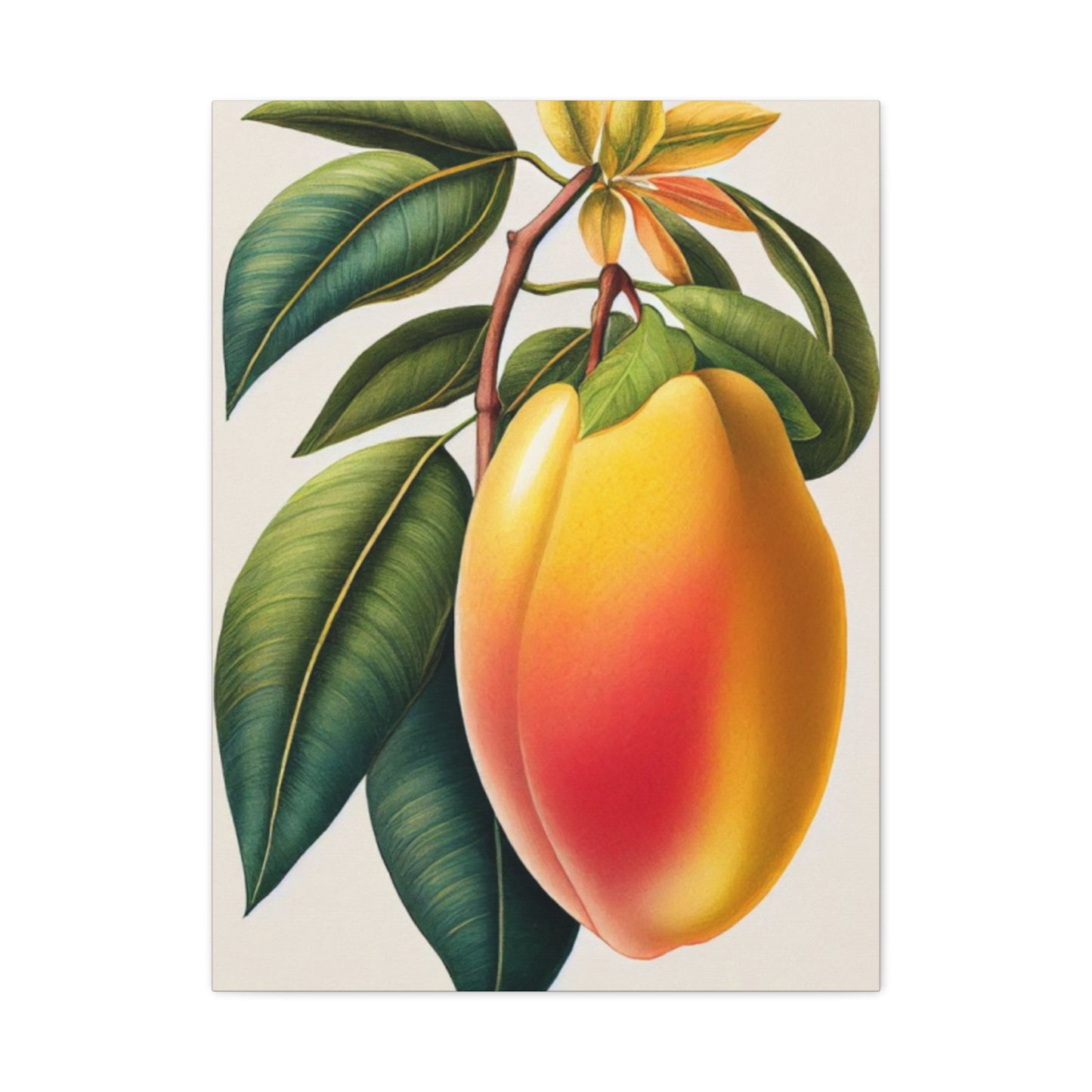
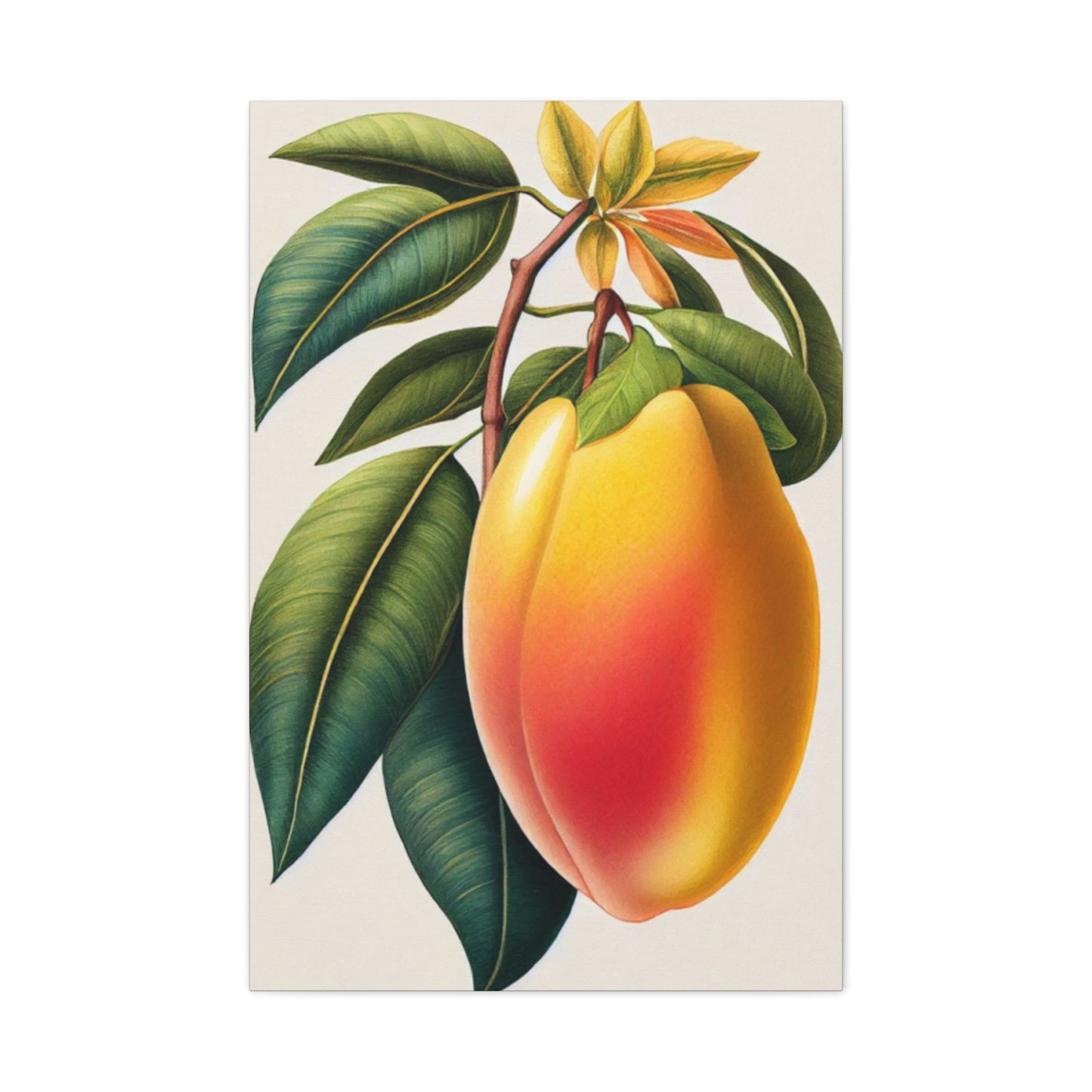
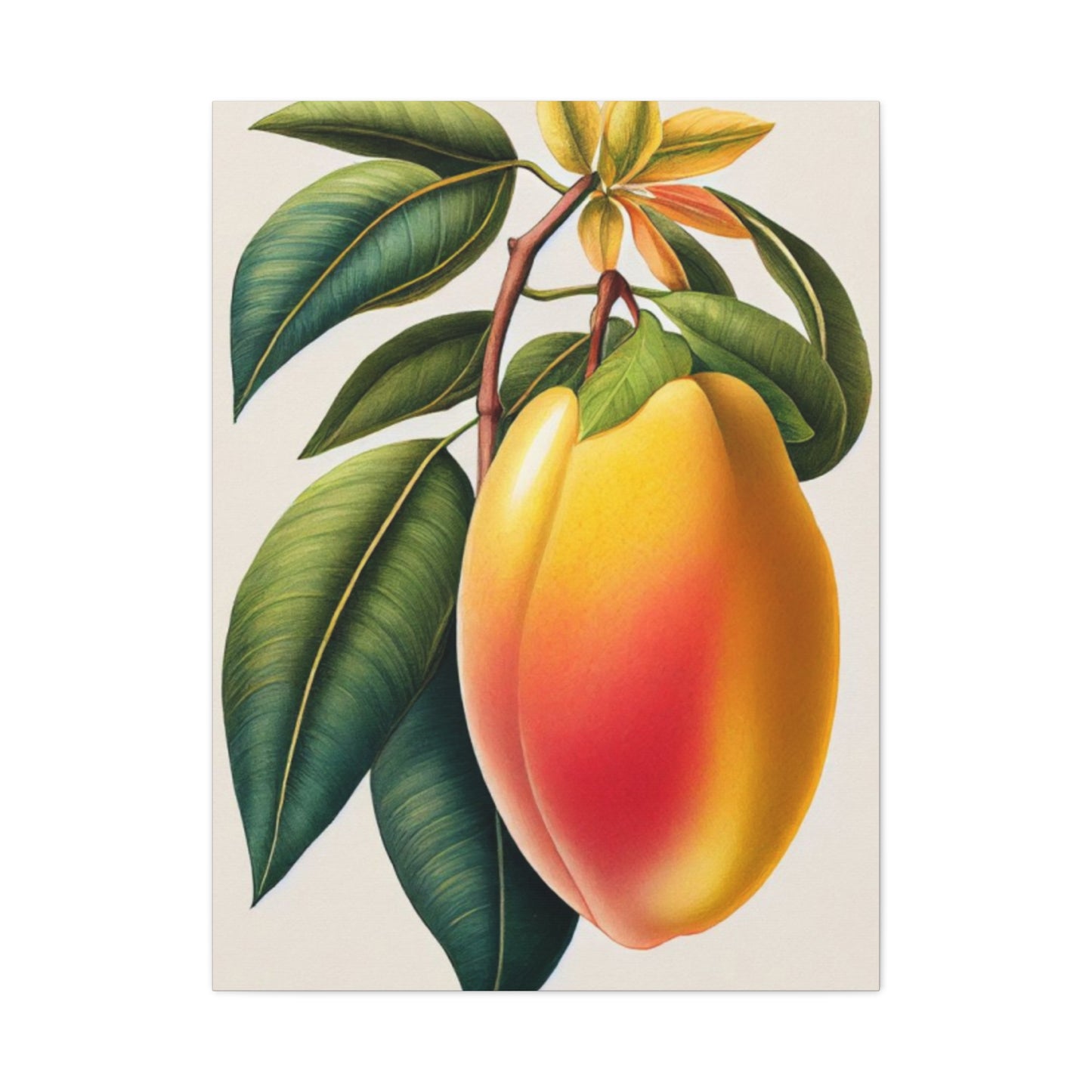
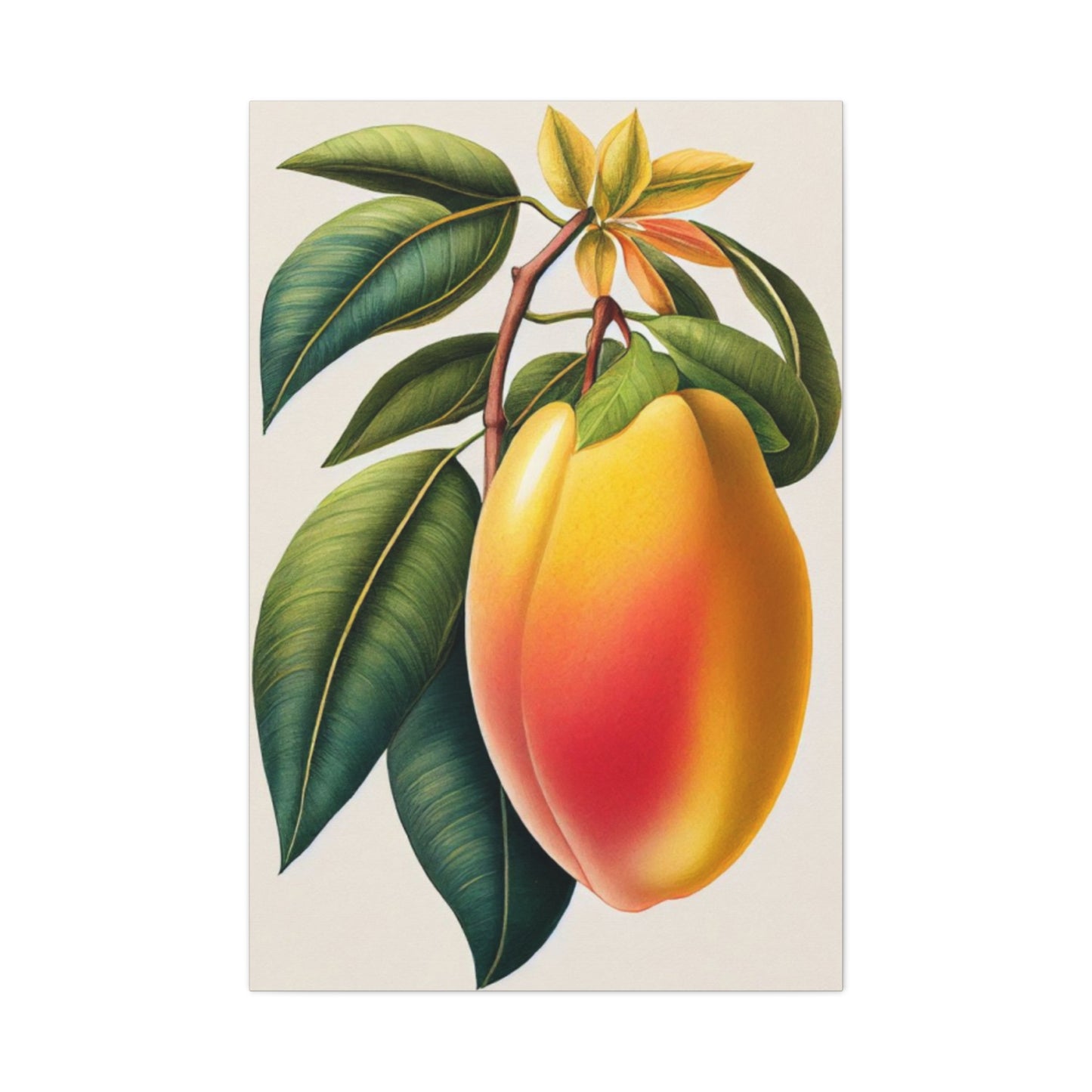
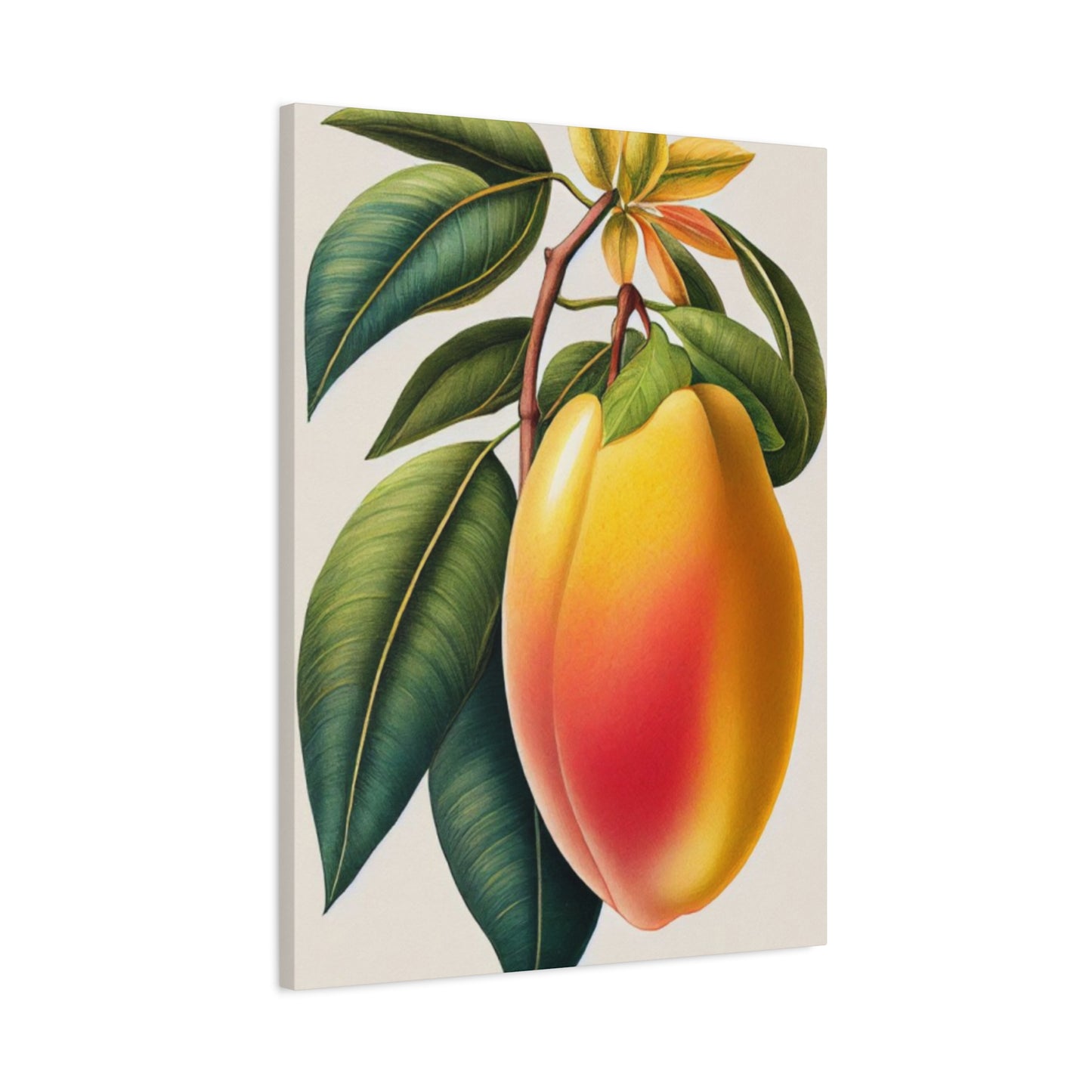
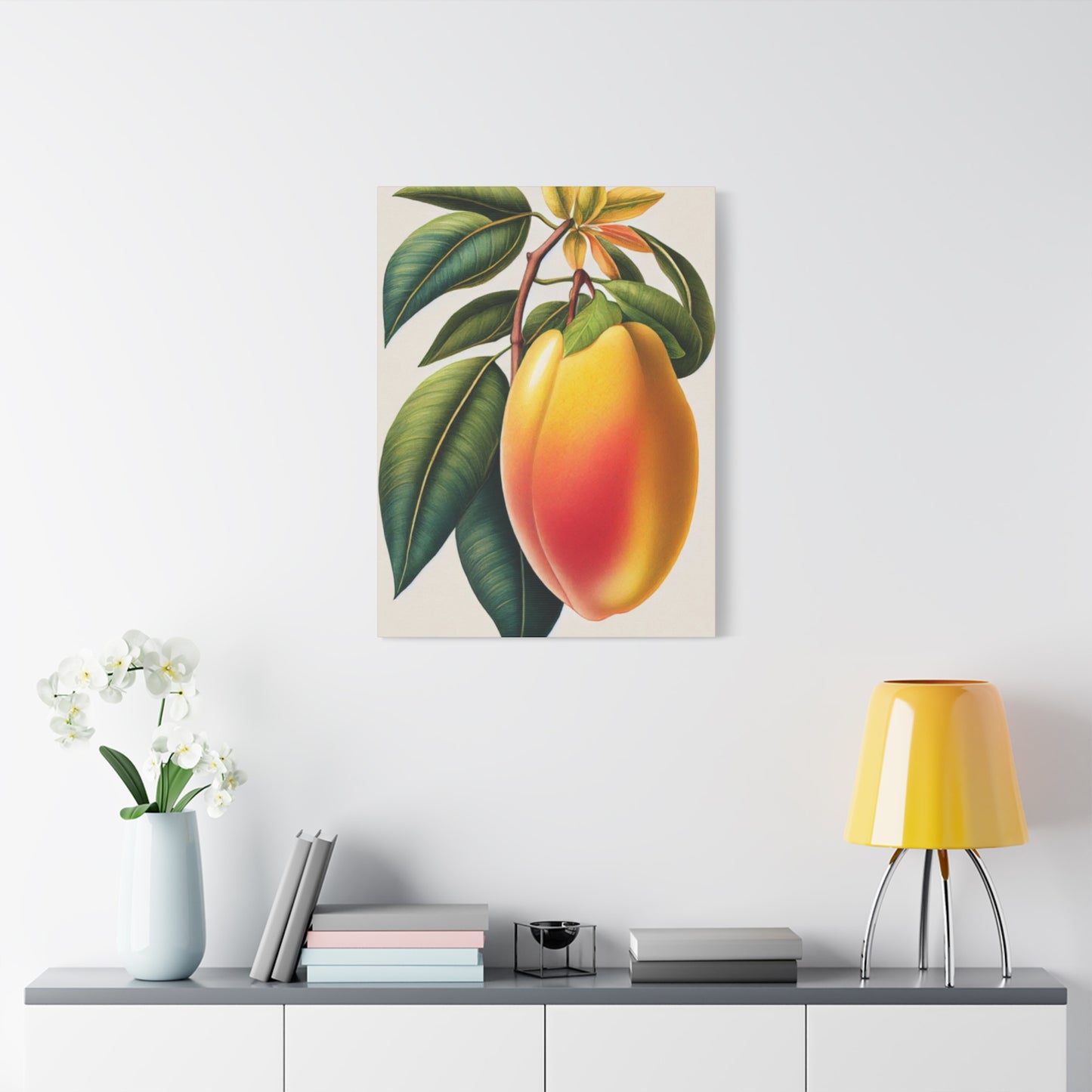
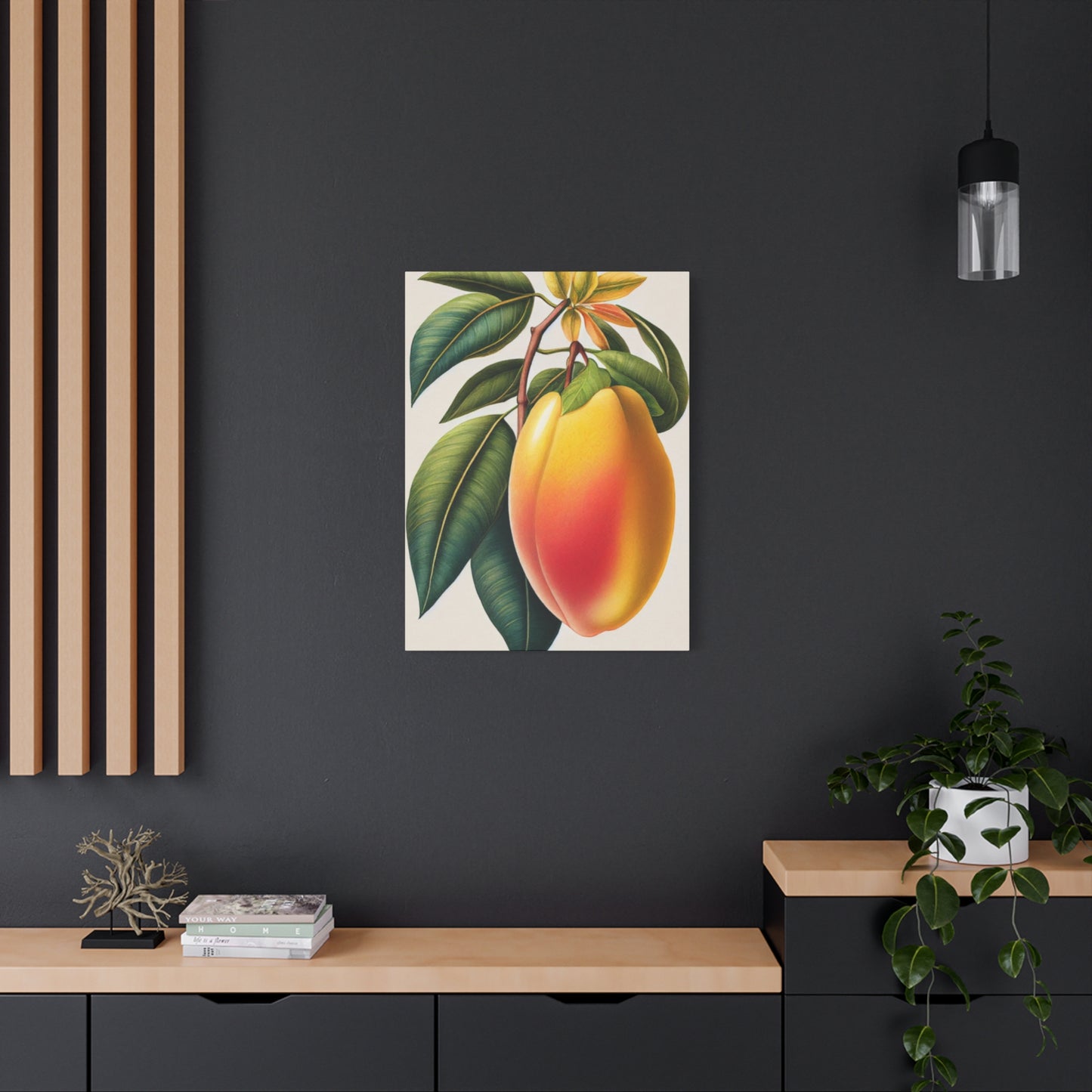
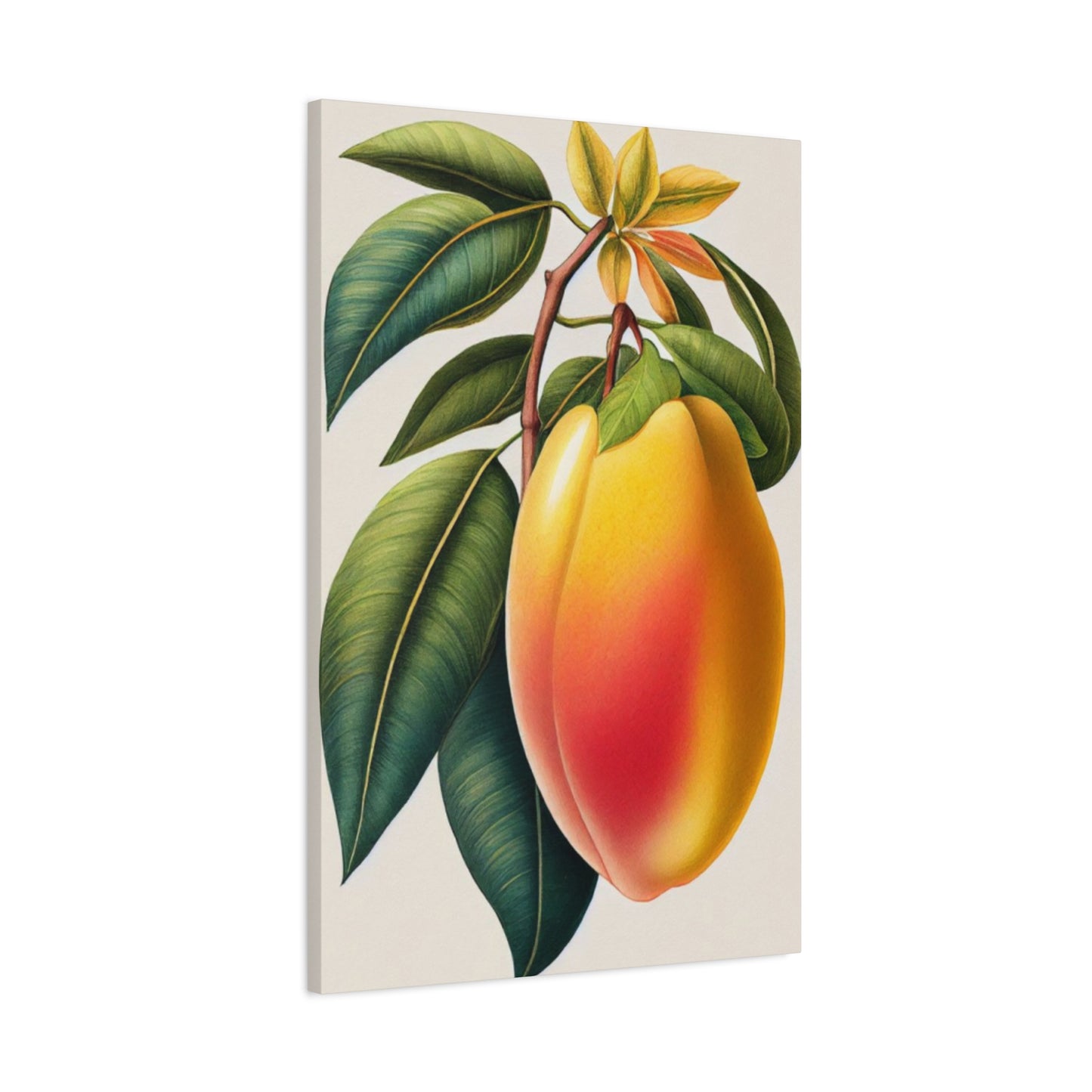
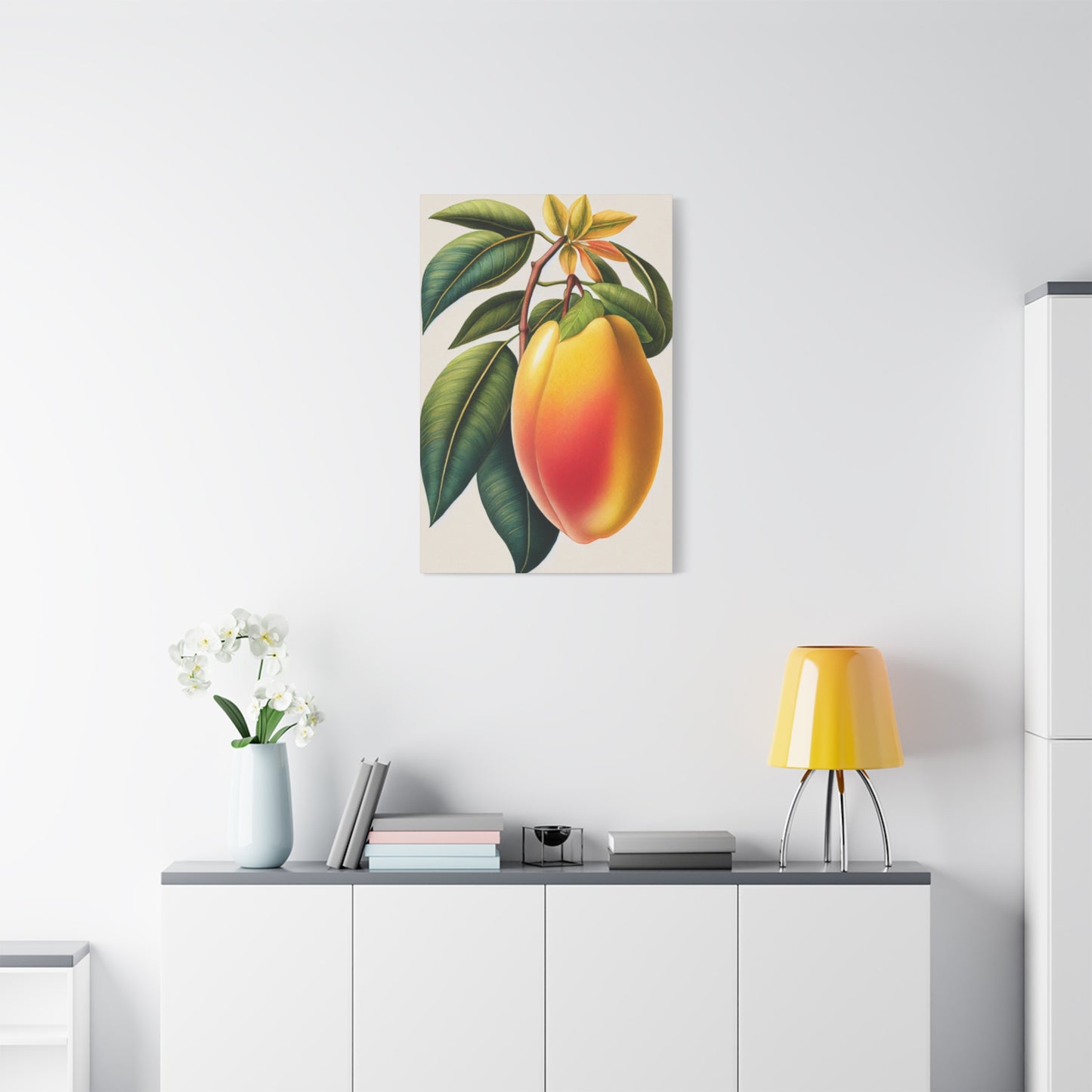
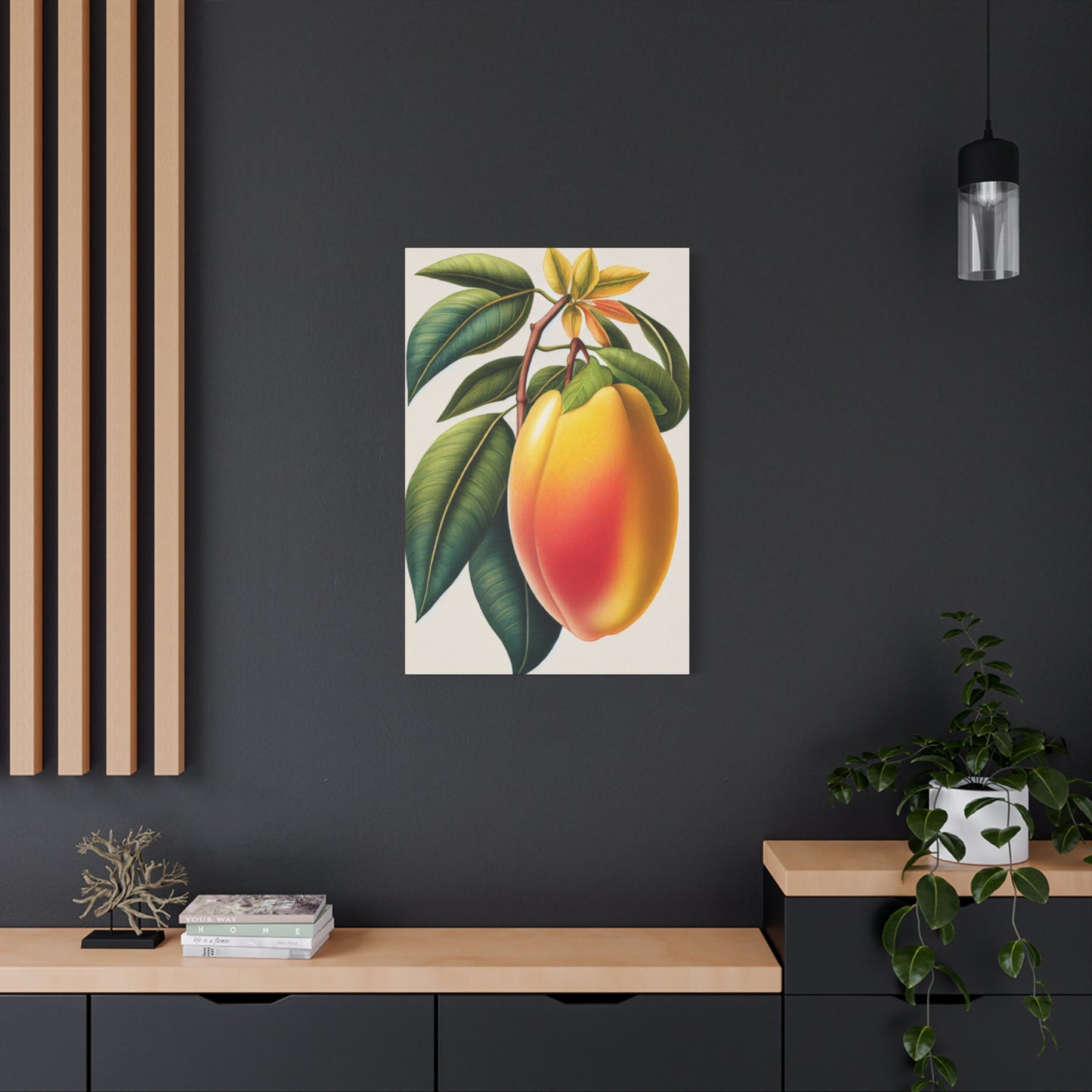
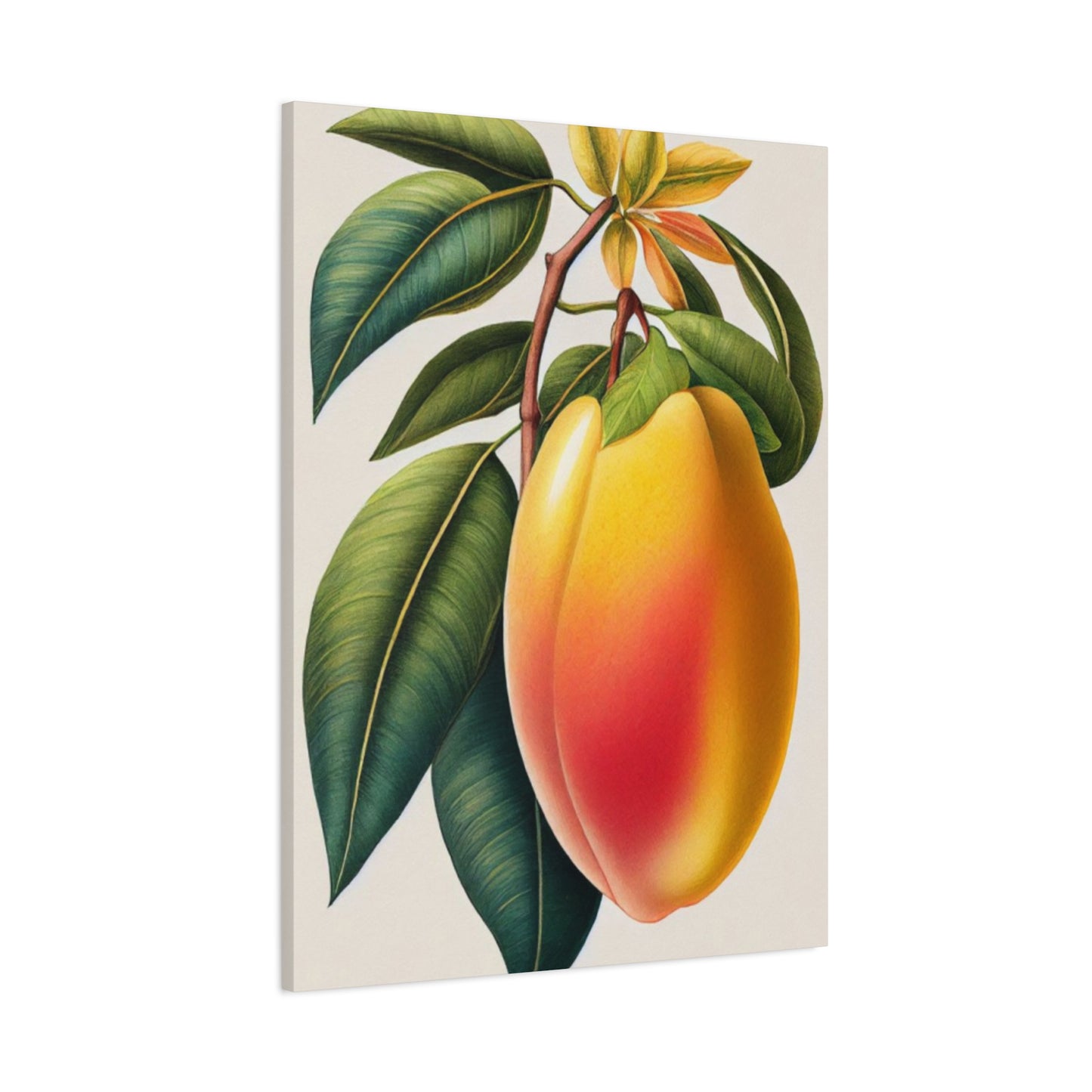
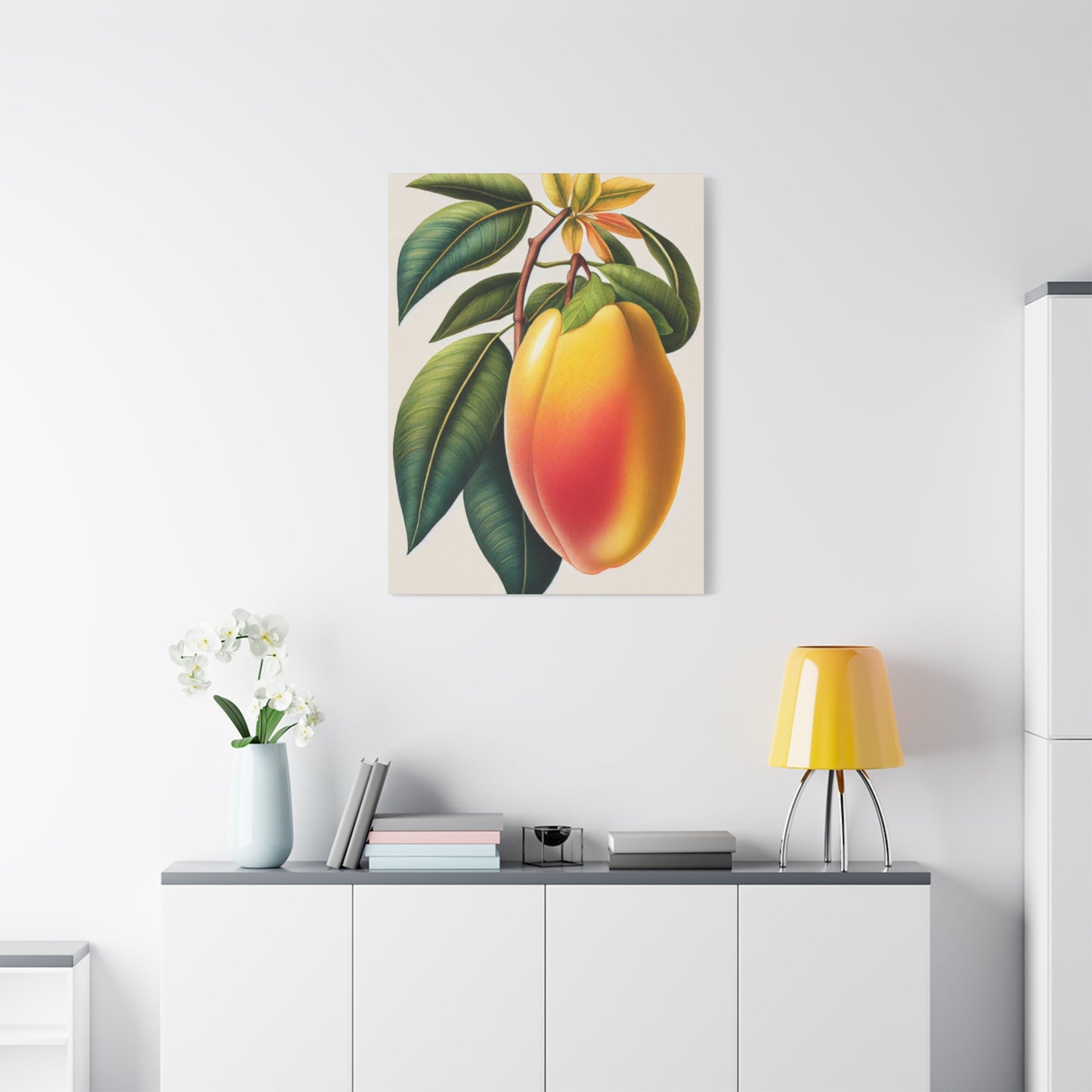
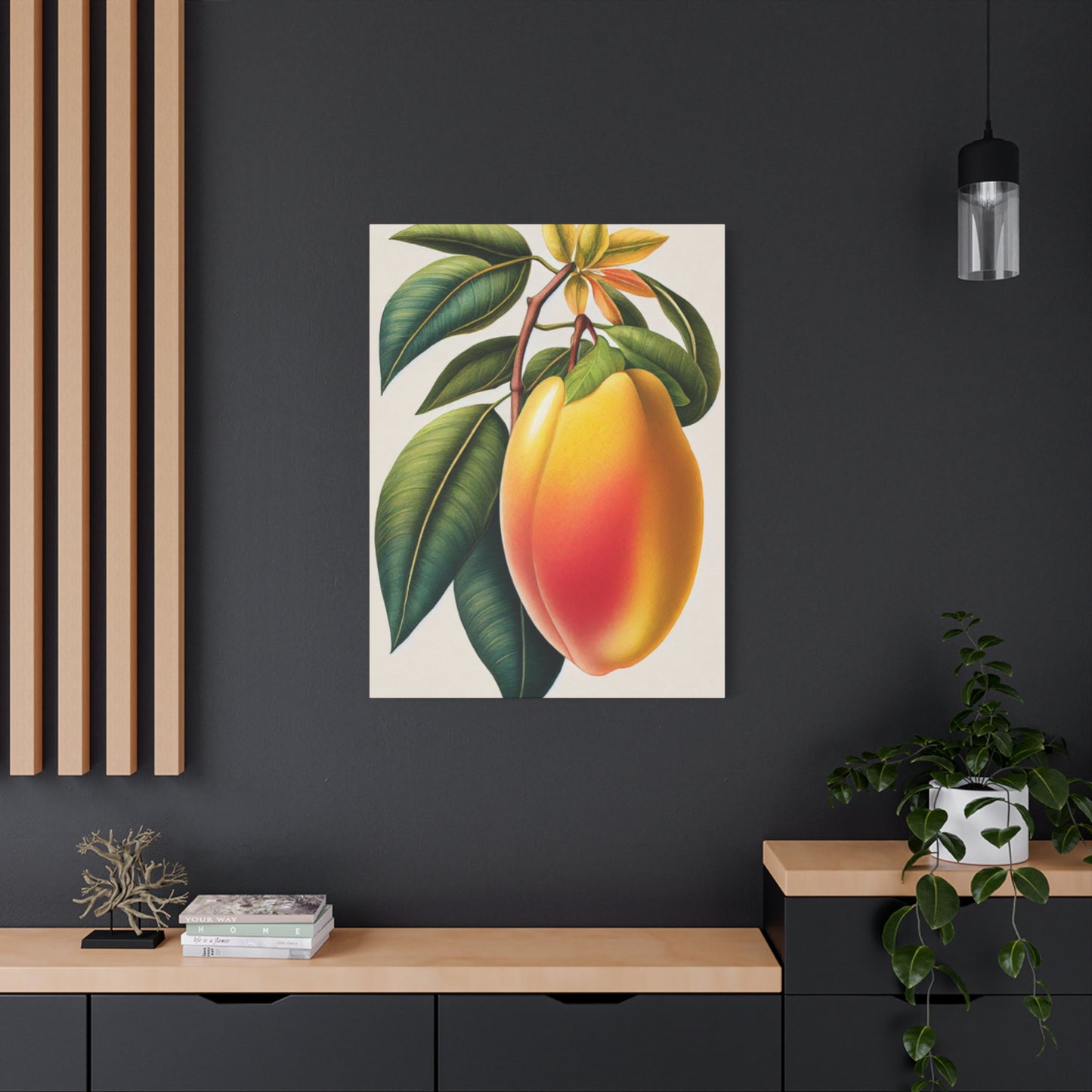
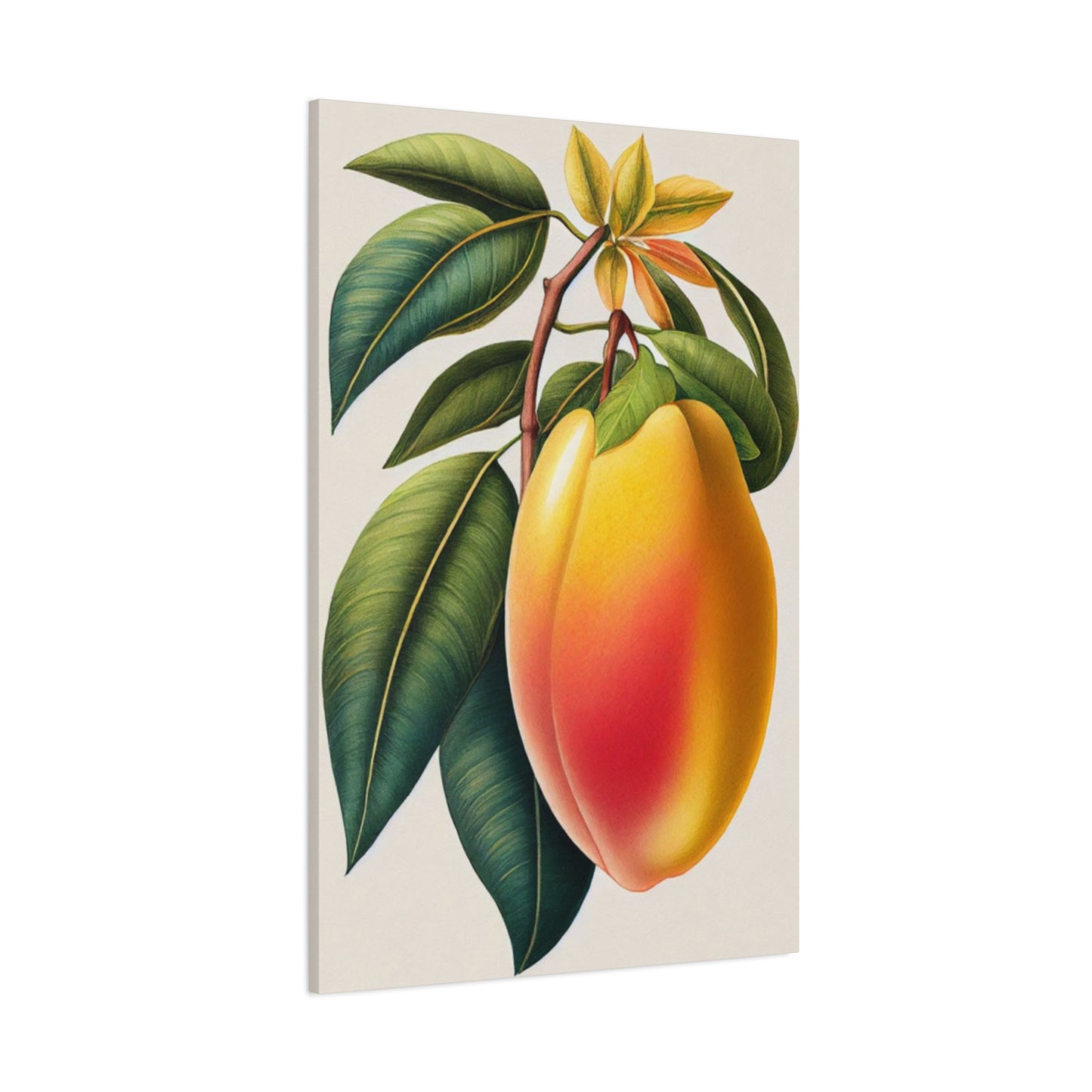
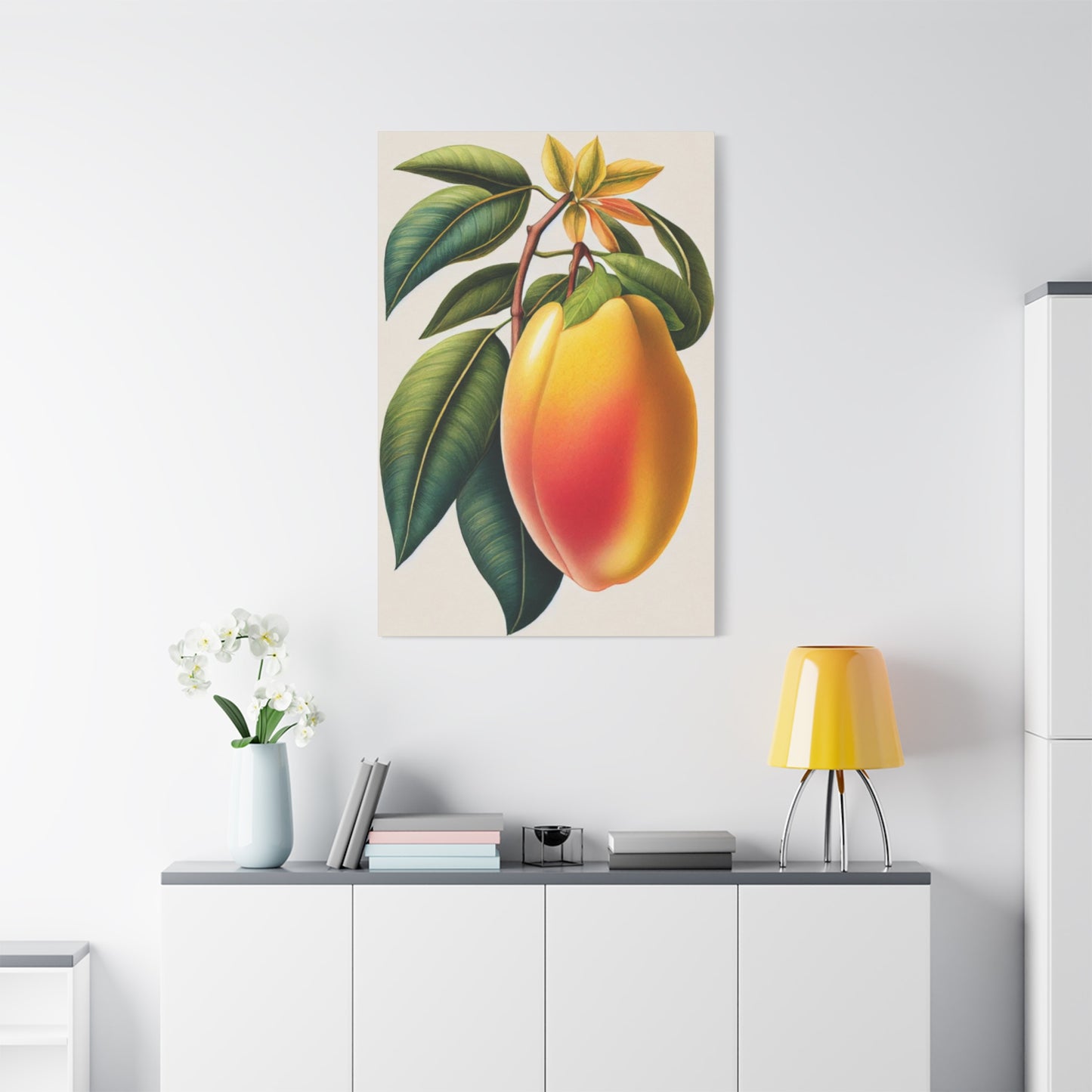
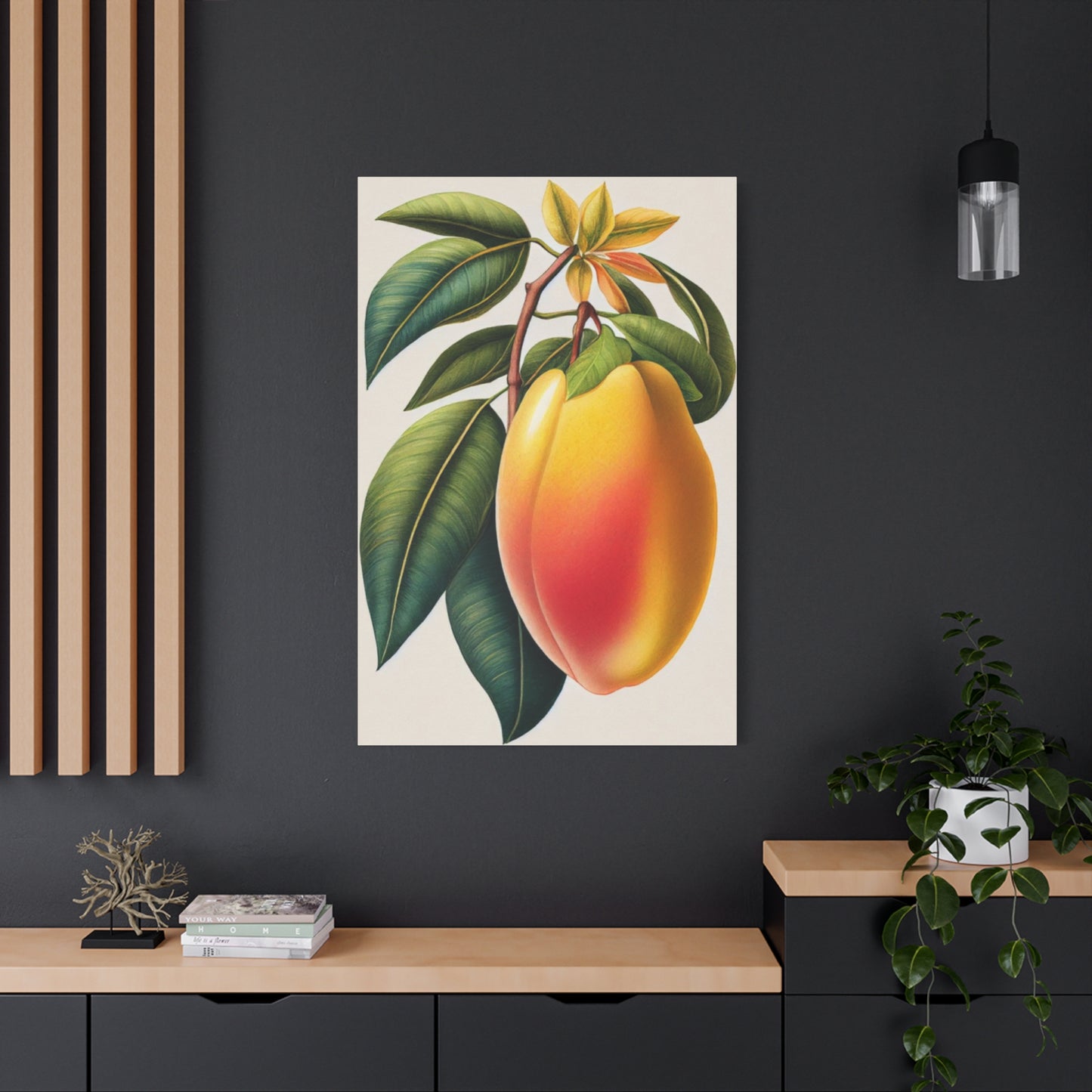
Mango Wall Art & Canvas Prints
Mango Wall Art & Canvas Prints
Couldn't load pickup availability
Mango Wall Art: Discover Vibrant Tropical Décor That Brings Sunshine Into Your Living Spaces
The allure of tropical fruit imagery has captivated interior designers and homeowners for generations, and among these natural motifs, the mango stands as a particularly compelling subject. This luscious fruit, with its golden-yellow flesh and vibrant sunset hues, translates beautifully into visual art that can transform any room into a sun-kissed paradise. Whether you're seeking to inject warmth into a minimalist kitchen, create a conversation piece in your dining area, or establish a cohesive tropical theme throughout your home, mango wall art offers endless possibilities for creative expression.
The magnificence of mango-themed artwork lies not merely in its aesthetic appeal but in its ability to evoke sensory memories and emotional responses. When you gaze upon a well-executed piece featuring these tropical treasures, your mind instinctively recalls the sweet aroma, succulent texture, and refreshing taste of biting into a perfectly ripe mango. This multisensory connection makes such artwork particularly powerful in creating spaces that feel alive, inviting, and filled with positive energy.
Why Mango-Inspired Artwork Creates Such Powerful Visual Impact in Contemporary Interiors
The psychological influence of fruit imagery in residential and commercial settings extends far beyond simple decoration. Research in environmental psychology has demonstrated that nature-inspired elements, particularly those featuring edible plants and fruits, can significantly enhance mood, reduce stress levels, and promote feelings of abundance and well-being. Mango wall art specifically taps into these psychological benefits while offering distinct visual advantages that set it apart from other botanical themes.
The color palette associated with mangoes—ranging from deep emerald greens to brilliant yellows, warm oranges, and sunset reds—provides designers with a naturally harmonious spectrum that complements numerous interior styles. These hues possess inherent warmth that can counterbalance cooler tones in modern spaces, add vibrancy to neutral color schemes, or amplify the tropical ambiance in themed environments. Unlike artificial color combinations that may feel forced or jarring, the natural progression of colors found in mango imagery feels organic and soothing to the human eye.
Furthermore, the symbolism attached to mangoes across various cultures adds layers of meaning to your decorating choices. In many Asian traditions, the mango represents love, fertility, and prosperity, making it an auspicious addition to homes and businesses alike. Indian mythology associates mangoes with wish fulfillment and divine blessings, while in Western contexts, the fruit evokes exotic travel, summer pleasures, and culinary sophistication. This rich cultural tapestry means that displaying mango wall art can serve as both a personal statement and a conversation starter that bridges cultural divides.
The geometric shapes inherent in mango imagery also contribute to their decorative success. The elegant oval form of the fruit itself, the intricate patterns of its leaves, and the organic branching structures of mango trees provide visual interest without overwhelming spaces. These natural shapes can soften the hard edges prevalent in modern architecture while maintaining a sophisticated rather than cluttered appearance.
Exploring the Diverse Styles and Artistic Interpretations Available for Mango-Themed Decorations
The market for tropical fruit artwork has expanded dramatically in recent years, offering consumers an unprecedented variety of styles, mediums, and interpretations. Understanding the range of options available helps you make informed decisions that align with your aesthetic preferences, existing décor, and the atmosphere you wish to create.
Realistic botanical illustrations represent one popular category, featuring scientifically accurate depictions that might include cross-sections showing the seed structure, detailed renderings of leaves and flowers, or life-cycle representations showing the fruit's progression from blossom to ripeness. These pieces appeal to those who appreciate natural history aesthetics and can work particularly well in dining rooms, kitchens, or home libraries where they contribute both beauty and educational value.
Abstract interpretations offer another avenue for those seeking more contemporary or conceptual approaches. Artists working in this style might reduce the mango form to essential shapes and colors, create impressionistic renderings that capture the essence rather than the literal appearance, or employ mixed media techniques that incorporate textures, metallics, and unconventional materials. Such pieces can serve as statement artworks that anchor entire room designs while allowing for broader interpretative possibilities.
Vintage-inspired poster art has experienced a significant resurgence, with many designers creating pieces that echo mid-century advertising aesthetics, colonial-era botanical prints, or retro travel posters. These works often feature stylized mango imagery combined with typography, geometric patterns, or nostalgic color palettes that evoke specific time periods. They work exceptionally well in eclectic interiors that blend old and new elements or in spaces seeking to establish a particular historical ambiance.
Minimalist line drawings have gained tremendous popularity in contemporary interior design, offering sophisticated simplicity that suits modern sensibilities. These pieces typically employ continuous lines, negative space, and restrained color palettes to suggest mango forms through elegant economy of means. Their understated nature makes them versatile additions that can complement rather than compete with other decorative elements.
Photographic representations provide yet another option, ranging from fine art prints capturing the fruit in dramatic lighting to casual snapshots that convey summery casualness. High-quality photography can showcase the incredible texture of mango skin, the jewel-like translucence of the flesh, or the sculptural beauty of the fruit in various arrangements. These pieces particularly suit spaces where authenticity and tangible reality are valued over stylization.
Cultural folk art interpretations bring the traditions of mango-growing regions into your home through artwork that reflects indigenous artistic styles. Mexican papel picado designs featuring mangoes, Indian Madhubani paintings incorporating the fruit, Caribbean naive art depicting mango vendors, or Thai Buddhist temple art including mango offerings each provide unique cultural perspectives that enrich the viewing experience.
Selecting the Perfect Pieces That Harmonize With Your Existing Interior Design Scheme
Choosing mango wall art that truly enhances rather than clutters your space requires thoughtful consideration of multiple factors. The most successful decorating outcomes result from strategic decision-making that accounts for both aesthetic harmony and practical considerations.
Begin by assessing the color palette already present in your space. If your room features predominantly cool tones—blues, grays, silvers, or muted purples—mango artwork can provide a warming counterpoint that prevents the space from feeling cold or sterile. Conversely, if your existing scheme already incorporates warm tones, you'll want to carefully consider whether adding more warmth creates desirable coziness or overwhelming intensity. Rooms with neutral foundations—whites, beiges, taupes, and natural wood tones—offer the most flexibility, allowing mango imagery in virtually any color intensity.
Scale represents another critical consideration that many people underestimate. A common mistake involves selecting pieces that are too small for their intended location, resulting in artwork that disappears against the wall and fails to make the intended impact. As a general guideline, artwork should occupy roughly two-thirds to three-quarters of the available wall space it's meant to anchor. For a sofa measuring seven feet in length, for example, you might select a single large piece measuring approximately 48-60 inches wide, or create a gallery arrangement with a similar total visual weight.
The style consistency between your artwork and existing furnishings deserves careful attention. While eclectic mixing can yield stunning results, it requires a confident eye and usually benefits from at least some connecting threads. If your furniture leans toward sleek modernism with clean lines and minimal ornamentation, photographic or abstract mango pieces typically integrate more seamlessly than elaborate botanical illustrations. Conversely, traditional or farmhouse-style interiors often welcome more detailed, naturalistic renderings or vintage-inspired prints.
Consider the room's function and the mood you wish to establish. Kitchens and dining areas naturally accommodate food-related imagery, making them ideal candidates for mango artwork that celebrates culinary aspects. Living rooms benefit from pieces that spark conversation and reflect personal interests without dominating the entire atmosphere. Bedrooms typically call for more soothing interpretations that promote relaxation rather than energetic stimulation. Home offices might incorporate mango imagery as symbols of abundance and prosperity while maintaining professional appropriateness.
Lighting conditions in your chosen location significantly affect how artwork appears. Pieces intended for well-lit spaces can successfully employ subtle color variations and delicate details that would disappear in dimmer locations. Conversely, artwork destined for areas with limited natural light often benefits from bolder colors, stronger contrasts, and simpler compositions that remain visible and impactful regardless of lighting fluctuations throughout the day.
Understanding Various Material Options and Their Respective Advantages for Long-Lasting Beauty
The substrate and printing method used for mango wall art dramatically affects both its appearance and longevity. Familiarizing yourself with available options enables you to make choices that balance aesthetic preferences with practical considerations like budget, maintenance requirements, and expected lifespan.
Canvas prints remain among the most popular choices for contemporary homes, offering a gallery-quality appearance at accessible price points. High-quality canvas reproductions utilize archival inks on museum-grade canvas, creating pieces that can last decades without significant fading when properly displayed. The texture of canvas adds tactile interest and helps diffuse reflections that can be problematic with glass-covered works. Stretched canvas pieces offer immediate ready-to-hang convenience, while rolled canvas provides options for custom framing. The main consideration involves ensuring the canvas receives proper UV protection if displayed in direct sunlight, as even premium inks will eventually fade under intense exposure.
Metal prints have gained considerable popularity for their stunning visual impact and exceptional durability. This process infuses dyes directly into specially coated aluminum sheets, creating luminous colors with remarkable depth and vibrancy. Metal prints excel in environments where moisture or temperature fluctuations might affect paper or canvas, making them ideal for kitchens, bathrooms, or covered outdoor spaces. The sleek, modern appearance particularly suits contemporary interiors, though the reflective surface can be challenging in very bright locations. These pieces typically command higher prices but offer superior longevity and require minimal maintenance beyond occasional dusting.
Acrylic prints, sometimes called plexiglass or lucite prints, mount images behind clear acrylic sheets that create striking three-dimensional depth. The crystal-clear material intensifies colors and adds a glossy, high-end appearance that works beautifully in modern settings. Acrylic naturally resists UV damage and cleans easily, making it practical for long-term display. The considerable weight of these pieces requires secure mounting hardware, and the glossy surface can produce reflections in certain lighting conditions. Despite typically higher costs, many collectors consider acrylic prints worth the investment for their museum-quality presentation.
Wood prints offer rustic charm by printing directly onto natural wood planks or mounting images on wooden panels. This approach pairs beautifully with farmhouse, cottage, or natural-themed interiors, as the visible wood grain adds organic texture that complements botanical subjects like mangoes. Different wood species—birch, cedar, maple—provide varying grain patterns and tones that affect the overall appearance. Wood naturally expands and contracts with humidity changes, so these pieces work best in climate-controlled environments away from direct moisture sources.
Framed paper prints remain a classic choice offering tremendous flexibility in terms of matting, frame styles, and glass options. Museum-quality archival papers paired with pigment-based inks create heirloom-quality pieces that can last centuries with proper care. The framing process allows for complete customization, from simple black frames for modern spaces to ornate gilded frames for traditional settings. Glass or acrylic glazing protects the artwork while various coatings can reduce glare or filter UV light. This option typically provides the most accurate color reproduction and widest range of aesthetic possibilities, though it often involves higher overall costs when quality materials are used throughout.
Fabric-based wall hangings, including tapestries and textile prints, offer softness that contrasts beautifully with hard surfaces prevalent in modern homes. These pieces can provide acoustic benefits by absorbing sound, making them particularly valuable in echo-prone spaces with hard flooring and minimal soft furnishings. Fabric art typically costs less than other options but requires more careful maintenance and may not achieve the same visual crispness as other substrates.
Creating Stunning Gallery Walls and Multi-Piece Arrangements That Tell Visual Stories
Single statement pieces certainly have their place, but carefully curated collections of mango-themed artwork can create visual narratives that single pieces cannot achieve. Gallery walls and multi-piece arrangements allow for greater creative expression, provide flexibility in filling larger wall expanses, and enable you to build collections gradually as budget permits.
The key to successful gallery arrangements lies in establishing visual relationships between pieces while maintaining breathing room that prevents cluttered appearances. Begin by selecting a unifying element that ties your collection together—this might be consistent color palettes, shared subject matter with variations, complementary artistic styles, or identical framing approaches. For mango-themed galleries, you might combine various artistic interpretations of the fruit, pair mango images with other tropical elements, or create a progression showing different varieties or ripeness stages.
Symmetrical arrangements appeal to those who appreciate order and formality. You might center a larger mango piece and surround it with smaller works in balanced formations, create matching pairs on either side of a central focal point, or establish grid patterns with identical frames and spacing. This approach works particularly well in traditional interiors or spaces where other elements already establish strong symmetry.
Asymmetrical galleries offer more dynamic, contemporary aesthetics that feel collected over time rather than purchased as matched sets. Start by positioning your largest or most visually compelling piece first—typically slightly off-center rather than dead center—then build around it with smaller pieces that create visual balance through varied placement. Imagining an invisible horizontal midline running through your arrangement helps maintain coherence even when pieces are different sizes. Allow the edges of your grouping to create an interesting overall shape rather than forcing everything into a rigid rectangle.
Salon-style walls embrace maximalist aesthetics by covering substantial wall areas with numerous pieces in various sizes, often with minimal spacing between frames. This approach originated in 19th-century art salons and has experienced renewed popularity in eclectic and bohemian interiors. Success requires careful planning—lay out your arrangement on the floor first, maintaining 2-3 inches between frames—and works best when pieces share some unifying characteristics to prevent visual chaos.
Linear arrangements work beautifully in hallways, above long furniture pieces, or in spaces with horizontal emphasis. Align pieces along a central horizontal line, varying sizes while maintaining consistent spacing. This approach offers clean, modern aesthetics that suit contemporary interiors and provides an excellent way to display multiple related pieces without overwhelming viewers.
Before committing to nail holes, create paper templates matching your artwork dimensions and experiment with arrangements using removable adhesive. This low-risk approach allows unlimited experimentation until you discover the configuration that feels right. Once satisfied, mark the hanging points through the paper templates before removing them, ensuring precise placement.
Incorporating Mango Imagery Into Specific Rooms Throughout Your Home for Maximum Effect
Different spaces within your home present unique opportunities and challenges for displaying mango wall art. Tailoring your selections and placement strategies to each room's particular characteristics ensures that artwork enhances rather than conflicts with the space's purpose.
Kitchens naturally accommodate food-related imagery, making them prime candidates for playful, appetizing mango representations. Consider positions above cabinets in kitchens with space between upper cabinets and ceiling, on walls adjacent to dining areas, or in breakfast nooks where they contribute to pleasant morning routines. Since kitchens experience temperature fluctuations, humidity, and potential splatter, opt for durable materials like metal or acrylic rather than paper or canvas. Bold, uncomplicated designs tend to work better in busy kitchens than intricate pieces that might compete with the visual complexity of appliances, cookware, and stored items.
Dining rooms benefit from artwork that stimulates appetite and conversation. Larger statement pieces positioned on the wall behind the dining table create natural focal points, while coordinated collections along other walls can establish immersive environments. Since diners spend extended periods seated facing particular directions, ensure your artwork is positioned at appropriate viewing heights from seated positions—typically lower than standard hanging height which assumes standing viewers. The symbolism of abundance associated with fruit imagery makes mango art particularly appropriate for dining spaces where you gather to share meals.
Living rooms offer perhaps the greatest flexibility, accommodating everything from subtle accents to bold statements depending on your overall vision. Position larger pieces on primary walls visible upon entering the room, use smaller works to balance asymmetrical furniture arrangements, or create gallery walls that reflect your personality and interests. Consider sight lines from primary seating areas to ensure artwork is visible and enjoyable from locations where you actually spend time rather than only from standing positions.
Bedroom selections should emphasize calming rather than energizing qualities, as this space primarily serves rest and relaxation. Softer color palettes, dreamy watercolor styles, or minimalist interpretations often work better than highly saturated, energetic pieces. Position artwork where it's visible from the bed but won't create distracting focal points that interfere with sleep. The wall opposite the foot of the bed provides an ideal location, as does the wall behind the headboard where artwork contributes to the overall design without dominating your field of vision while resting.
Bathrooms, particularly powder rooms visible to guests, offer opportunities for unexpected artistic moments that delight and surprise. Since bathrooms typically feature significant amounts of neutral tile and fixtures, colorful mango imagery can provide welcome warmth and personality. Ensure you select moisture-resistant materials appropriate for humid environments, and position artwork away from direct water spray. Small powder rooms particularly benefit from artwork that creates talking points and prevents these functional spaces from feeling purely utilitarian.
Home offices and workspaces benefit from imagery that inspires without distracting. Mango artwork can serve as visual reminders of abundance, creativity, and the rewards of focused effort. Position pieces where they're visible during breaks from screen time rather than in direct lines of sight that might compete with work tasks. Many remote workers find that incorporating personal touches like tropical fruit art helps differentiate home offices from purely functional corporate environments.
Children's spaces can incorporate mango imagery in playful, educational ways that celebrate healthy eating and natural beauty. Simplified, colorful representations appeal to younger children, while teenagers might appreciate more sophisticated artistic treatments that reflect maturing tastes. Consider creating counting or alphabet themes incorporating mangoes for nurseries, or selecting pieces that can grow with children and remain appropriate as they mature.
Pairing Mango Artwork With Complementary Décor Elements to Create Cohesive Design Stories
Artwork achieves maximum impact when thoughtfully integrated with surrounding elements rather than existing in isolation. Creating visual relationships between your mango wall art and other decorative components establishes cohesion that makes spaces feel intentionally designed rather than haphazardly decorated.
Color echoing represents one of the most effective strategies for creating visual harmony. Identify 2-3 prominent colors within your mango artwork and intentionally repeat those hues in accessories, textiles, or accent furniture throughout the space. This doesn't require exact color matching—in fact, slight variations often feel more sophisticated than overly coordinated schemes—but establishing clear color relationships helps tie disparate elements together. A piece featuring golden-yellow mangoes might pair beautifully with mustard throw pillows, amber glass vases, or brass accent tables, while artwork emphasizing green leaves could connect with sage-colored throws, potted plants, or seafoam ceramics.
Textural variety prevents spaces from feeling flat or one-dimensional while complementing the visual nature of two-dimensional artwork. If your mango wall art presents smooth, polished surfaces, balance it with textured textiles like woven baskets, nubby throws, or rough-hewn wooden furniture. Conversely, if your artwork incorporates texture—perhaps through brushstrokes, canvas weave, or dimensional elements—pairing it with sleeker, smoother furnishings prevents textural overload. This interplay of varied surfaces creates sensory richness that makes spaces more engaging and comfortable.
Scale variation ensures visual interest throughout your space. If you've selected large, bold mango artwork as a focal point, support it with various smaller decorative elements at different scales rather than surrounding it with similarly sized items that compete for attention. Conversely, if your artwork consists of smaller pieces or a gallery arrangement, larger furniture pieces and accessories provide necessary visual weight that prevents the space from feeling insubstantial.
Natural elements complement botanical artwork beautifully, creating connections between artistic representations and living nature. Position potted plants near mango wall art to establish relationships between depicted and actual plant life, incorporate natural fiber rugs and baskets, display wooden bowls or cutting boards, or include stone or ceramic elements that reference earth materials. These organic touches reinforce the natural origins of your artwork's subject matter while adding life and vitality to your space.
Lighting deserves special consideration as it dramatically affects how artwork appears while contributing to overall ambiance. Picture lights mounted above artwork create gallery-like presentation while ensuring pieces remain visible during evening hours. Track lighting offers flexibility to illuminate multiple pieces individually while adjusting as you rearrange. Natural lighting showcases artwork beautifully but requires UV protection to prevent fading; sheer curtains or UV-filtering window film provide protection while maintaining brightness. Avoid positioning artwork in direct sun paths where intense light will cause accelerated deterioration.
Pattern mixing adds energy and personality when executed thoughtfully. Select 2-3 patterns that share colors with your mango artwork but vary in scale and style—perhaps pairing botanical prints with geometric designs and organic textures. Ensure patterns differ sufficiently in scale to prevent visual confusion; if your artwork features detailed imagery, complement it with bolder, simpler patterns in textiles and accessories.
Maintaining and Preserving Your Investment for Generations of Enjoyment
Proper stewardship ensures your mango wall art remains vibrant and beautiful for decades. Different materials require specific approaches, but several universal principles apply across all types.
Positioning artwork away from direct sunlight represents the single most important preservation step you can take. UV radiation causes irreversible fading in virtually all colorants, though the rate varies by material. Even fade-resistant materials will eventually succumb to intense sun exposure, so reserve directly lit walls for less precious items or implement protective measures. UV-filtering window treatments, protective glazing on framed pieces, or UV-filtering acrylic coatings can significantly extend longevity for unavoidably sunny locations.
Climate control prevents damage from humidity fluctuations and temperature extremes. Dramatic changes cause materials to expand and contract at different rates, potentially leading to warping, cracking, or delamination. Maintain relatively consistent conditions rather than allowing wild swings between hot/cold or humid/dry. Avoid hanging artwork near heating vents, air conditioning registers, fireplaces, or exterior doors where conditions fluctuate significantly.
Regular but gentle cleaning prevents dust accumulation without causing damage. For most pieces, periodic dusting with soft, dry microfiber cloths suffices. Canvas pieces benefit from very light pressure during dusting to avoid pushing dust into the weave. Metal and acrylic prints tolerate slightly damp cloths for more thorough cleaning, but always wipe in single directions rather than circular motions that can cause fine scratches. Glass-covered framed works can be cleaned with standard glass cleaner applied to the cloth rather than directly to the glass to prevent liquid seeping under the frame.
Secure mounting prevents falls that could damage artwork or surrounding areas. Use hanging hardware appropriate for your wall type—toggle bolts for drywall, masonry anchors for concrete or brick, specialized picture hangers for plaster—and ensure hardware is rated for weights exceeding your piece. Heavy items like metal or acrylic prints require multiple mounting points to distribute weight safely. Check mounting hardware annually to ensure screws remain tight and hangers show no signs of bending or pulling away from walls.
Protective backing on framed pieces prevents dust, insects, and humidity from entering from behind. Acid-free paper or specialized barrier materials sealed to the frame create protective barriers without adding significant cost or complexity. This step is particularly important for paper-based artwork where environmental exposure can cause irreversible damage.
Periodic rotation of displayed pieces serves multiple purposes: it distributes exposure-related wear across your collection rather than concentrating it on constantly displayed pieces, allows you to refresh your space without purchasing new items, and enables storage of seasonal pieces or those awaiting ideal display locations. When storing artwork, keep pieces in climate-controlled areas, never directly on concrete floors where moisture can accumulate, and protect them with acid-free materials that won't cause chemical damage over time.
Professional cleaning and restoration become necessary when DIY approaches prove insufficient or when pieces have sustained damage. Qualified art conservators can address fading, staining, tears, water damage, and structural issues that would be difficult or impossible for laypersons to correct. While professional services involve expense, they often represent wise investments in preserving valuable or sentimentally significant pieces.
Sourcing High-Quality Pieces From Various Marketplaces and Artisan Creators
The proliferation of online marketplaces, print-on-demand services, and direct-from-artist sales channels has democratized access to decorative artwork while simultaneously making it more challenging to assess quality before purchase. Understanding where and how to shop helps you find pieces that meet your standards while supporting creators appropriately.
Established online art marketplaces aggregate thousands of independent artists, offering extensive selection with varying levels of quality control and customer protection. These platforms typically allow you to search by style, color, size, and subject matter, making it relatively easy to find mango-themed options matching your specifications. Review policies carefully, as return options and quality guarantees vary significantly between platforms. Read customer reviews and examine preview images closely, zooming in to assess detail quality and color accuracy. Recognize that monitor differences mean colors may vary from what you see on screen, though reputable sellers try to represent pieces accurately.
Print-on-demand services enable artists to sell designs without maintaining inventory, keeping costs lower while offering numerous size and material options. Quality varies dramatically depending on the service used, as some prioritize low prices over material excellence while others emphasize premium results. Investigate the specific printing service behind any piece you're considering, researching their reputation for color accuracy, material quality, and customer service. Be aware that some platforms allow anyone to upload designs without quality screening, meaning you might encounter poorly executed amateur work alongside professional creations.
Purchasing directly from artists—whether through personal websites, social media shops, or at craft fairs and galleries—often provides the highest quality while ensuring creators receive fair compensation. Direct relationships allow you to request custom sizing, discuss color adjustments to match your space, or commission entirely original pieces tailored to your specifications. Many artists offer signed and numbered limited editions that may appreciate in value over time. Building relationships with artists whose work resonates with you can lead to first access to new collections and the satisfaction of supporting creative livelihoods directly.
Local galleries and art cooperatives provide opportunities to view pieces in person before committing, eliminating concerns about color accuracy and allowing you to assess quality directly. Gallery staff can often provide background about artists, discuss framing options, and suggest complementary pieces. While gallery prices typically exceed online options due to overhead costs and curation efforts, many collectors feel the additional expense is justified by the personal service and confidence in their purchases.
Vintage and antique shops occasionally yield botanical prints and tropical artwork from earlier eras, offering authentic period pieces with character that reproductions cannot match. These finds require more patience as you can't simply search for specific subjects, but the thrill of discovery and the uniqueness of vintage pieces appeal to many collectors. Assess condition carefully, as older pieces may require professional restoration, and factor those potential costs into your purchase decision.
Custom commissioning allows you to obtain exactly what you envision when available pieces don't quite meet your needs. Approach artists whose existing work aligns with your aesthetic preferences, as requesting styles drastically different from their portfolios rarely yields satisfying results. Provide clear briefs including size specifications, color preferences, intended placement context, and reference images illustrating the mood you're seeking. Discuss timelines realistically, as quality custom work requires substantial time. Commission agreements should specify size, materials, payment schedule, revision allowances, and delivery expectations to prevent misunderstandings.
Drawing Inspiration From Tropical and Caribbean Design Traditions That Celebrate Natural Beauty
Mango-growing regions have developed rich design vocabularies that reflect their climates, cultures, and relationships with the abundant fruit. Studying these traditions provides inspiration for incorporating mango wall art in ways that feel authentic and informed rather than superficial.
Caribbean aesthetics embrace bold, saturated colors that reflect vibrant sunsets, tropical flowers, and the crystalline sea. This approach pairs intensely colored mango artwork with similarly vivid accent colors, creating spaces that pulse with energy and life. White or light neutral backgrounds allow these saturated hues to truly pop without creating overwhelming visual noise. Natural materials—rattan, bamboo, weathered wood, seagrass—provide textural contrast while referencing the islands' natural resources. Flowing fabrics, open floor plans, and abundant natural light support the indoor-outdoor lifestyle central to Caribbean living.
Mexican folk art traditions offer another rich source of inspiration, particularly through papel picado (decorative paper cutouts), Talavera pottery patterns, and the bright color combinations seen in textiles and murals. These traditions frequently incorporate fruit imagery including mangoes, treating them with playful stylization rather than botanical accuracy. The fearless color mixing and pattern combining characteristic of Mexican design can inform bold decorating choices that layer multiple mango pieces with other complementary elements. Incorporating handcrafted items, celebrating imperfection, and honoring cultural heritage through design choices all reflect authentic Mexican sensibilities.
South Asian design traditions, particularly from India where mangoes hold deep cultural significance, offer sophisticated approaches to botanical imagery. Mughal miniature painting traditions depicted mangoes with exquisite detail and symbolic meaning, while paisley patterns evolved from stylized mango shapes called "mankolam." Indian interiors often feature rich jewel tones—sapphire blues, ruby reds, emerald greens—alongside metallic accents in gold, brass, and silver. Layered textiles, carved wooden furniture, and intricate patterns create maximalist environments where mango artwork contributes to overall richness rather than standing alone as a focal point.
Southeast Asian aesthetics emphasize harmony with nature, incorporating natural materials and flowing spaces that blur boundaries between interior and exterior. Thai, Vietnamese, and Filipino design traditions celebrate tropical abundance through woven elements, water features, and profuse plants. Mango artwork in these contexts might appear alongside orchids, palms, and other regional plants, creating comprehensive tropical environments rather than isolated fruit depictions. Buddha statues, ceremonial objects, and spiritual elements often coexist with decorative items in ways that reflect the integration of spiritual and material life.
Colonial tropical styles, developed as European colonizers attempted to recreate familiar aesthetics in very different climates, blend European formality with tropical practicality. British colonial design in India, Dutch influences in Indonesia, and French aesthetics in Caribbean territories all created hybrid styles incorporating local materials and motifs into European frameworks. These traditional approaches pair botanical artwork including mangoes with classic furniture silhouettes, formal arrangements, and traditional craftsmanship. Dark woods, cane webbing, ceiling fans, and verandah-inspired spaces all characterize this aesthetic.
Contemporary tropical minimalism represents a modern interpretation that distills tropical design to its essence. This approach employs clean lines, edited color palettes often limited to 2-3 hues, and carefully curated accessories including botanical artwork. Rather than abundant pattern and decoration, contemporary tropical design emphasizes quality over quantity, negative space, and the interplay between natural and manufactured materials. Mango wall art in this context tends toward photographic, abstract, or minimalist interpretations rather than detailed illustrations.
Combining Mango Motifs With Other Botanical Elements for Rich, Layered Visual Environments
While mango-focused themes create strong impacts, combining mango imagery with complementary botanical elements often yields more sophisticated and interesting results. Thoughtful mixing prevents single-subject redundancy while allowing you to build complex visual narratives.
Pairing mangoes with other tropical fruits creates cohesive agricultural themes that celebrate abundant harvests. Pineapples, papayas, coconuts, passion fruits, and guavas share similar growing regions and aesthetic qualities, allowing you to create comprehensive tropical fruit collections. Vary the scale and treatment of different fruits to prevent monotony—perhaps featuring a large, detailed mango piece as a focal point supported by smaller, more stylized representations of companion fruits. This approach works particularly well in kitchens and dining areas where food-centered themes feel most natural.
Combining fruit imagery with foliage creates visual balance between organic shapes. Mango leaves themselves offer beautiful artistic subjects with their elongated forms and prominent veination, while palm fronds, monstera leaves, banana leaves, and ferns all complement mango depictions beautifully. The varied shapes—broad leaves versus narrow ones, dramatic cut leaves versus simple forms—create visual interest through diversity. Predominantly green foliage artwork also provides cooling counterpoints to the warm yellows and oranges predominant in mango pieces, preventing spaces from skewing too warm in temperature.
Incorporating tropical flowers alongside mango artwork builds comprehensive botanical narratives that celebrate regional ecosystems. Hibiscus, plumeria, bird of paradise, anthurium, and bougainvillea all hail from tropical regions and offer dramatically different forms and colors than fruit imagery. This mixing allows you to work with a broader color palette—including pinks, purples, and deeper reds—while maintaining thematic coherence. Floral elements often read as more traditionally feminine, so balancing them with fruit imagery can create gender-neutral environments appealing to broader audiences.
Adding fauna to your botanical theme brings environments to life by suggesting the creatures that interact with mango trees in nature. Parrots and toucans, common in mango-growing regions, offer spectacularly colorful subjects that naturally complement fruit imagery. Butterflies, hummingbirds, and bees all participate in pollination and feeding activities related to mango cultivation. More unexpected choices might include monkeys, bats, or fruit flies—all creatures intimately connected with mango trees—for viewers who appreciate less conventional approaches.
Incorporating human elements through depictions of harvesting, markets, or consumption adds narrative dimensions to your decorating scheme. Images of hands holding mangoes, market vendors arranging fruit displays, traditional preparation methods, or family meals featuring the fruit all celebrate cultural relationships with this important crop. These representational pieces work particularly well when balanced with more abstract or simplified imagery to prevent heavy-handedness.
Seasonal rotation allows you to feature mango artwork during warmer months while transitioning to different botanical themes for cooler seasons. This approach keeps your environment feeling fresh and responsive to natural cycles. Winter might emphasize evergreens and winter berries, spring could showcase flowering bulbs and blossoms, summer celebrates tropical abundance, and autumn features harvest imagery. Maintaining some consistent year-round elements provides continuity while allowing for seasonal variation.
Conclusion
Creating your own mango-themed artwork offers satisfaction beyond what purchased pieces can provide, allowing you to craft decorations perfectly suited to your space while expressing personal creativity. Even those without traditional artistic training can produce compelling pieces using accessible methods.
Watercolor paintings offer an approachable medium for capturing the luminous quality of ripe mangoes. The transparent nature of watercolor particularly suits depicting the fruit's translucent flesh and the subtle color gradations in its skin. Begin with quality watercolor paper—anything less than 140-pound weight will buckle frustratingly—and student-grade paints in yellows, reds, and greens. Practice color mixing on scrap paper to achieve the specific golden-orange you're envisioning. Build colors gradually through multiple light layers rather than attempting to achieve full saturation immediately. Allow each layer to dry completely before adding subsequent washes to prevent muddy results. Simple compositions work best for beginners—a single mango with its leaf, a small cluster of three fruits, or a cut mango displaying its golden flesh. Frame your finished work under glass to protect it, and consider having it professionally matted for polished presentation.
Acrylic pouring creates abstract interpretations that capture the spirit of mango colors without requiring representational skills. Mix fluid acrylics with pouring medium according to package directions, achieving honey-like consistency. Select colors reminiscent of mangoes—multiple yellows from pale to deep gold, oranges, reds, and greens for leaves. Pour colors onto canvas in layers, then tilt to encourage flowing and mixing. The unpredictable nature of this method means each piece is truly unique, and the marbled effects can beautifully suggest the varied coloring of mango skin. Multiple attempts often yield progressively better results as you learn how your specific paints behave. Once dry, apply varnish to protect the surface and intensify colors.
Block printing allows you to create multiple copies of designs, perfect for producing a series to hang together. Carve simple mango shapes into soft carving blocks using specialized tools. Apply fabric or paper block printing ink with a roller, then press firmly onto paper or fabric.
Share