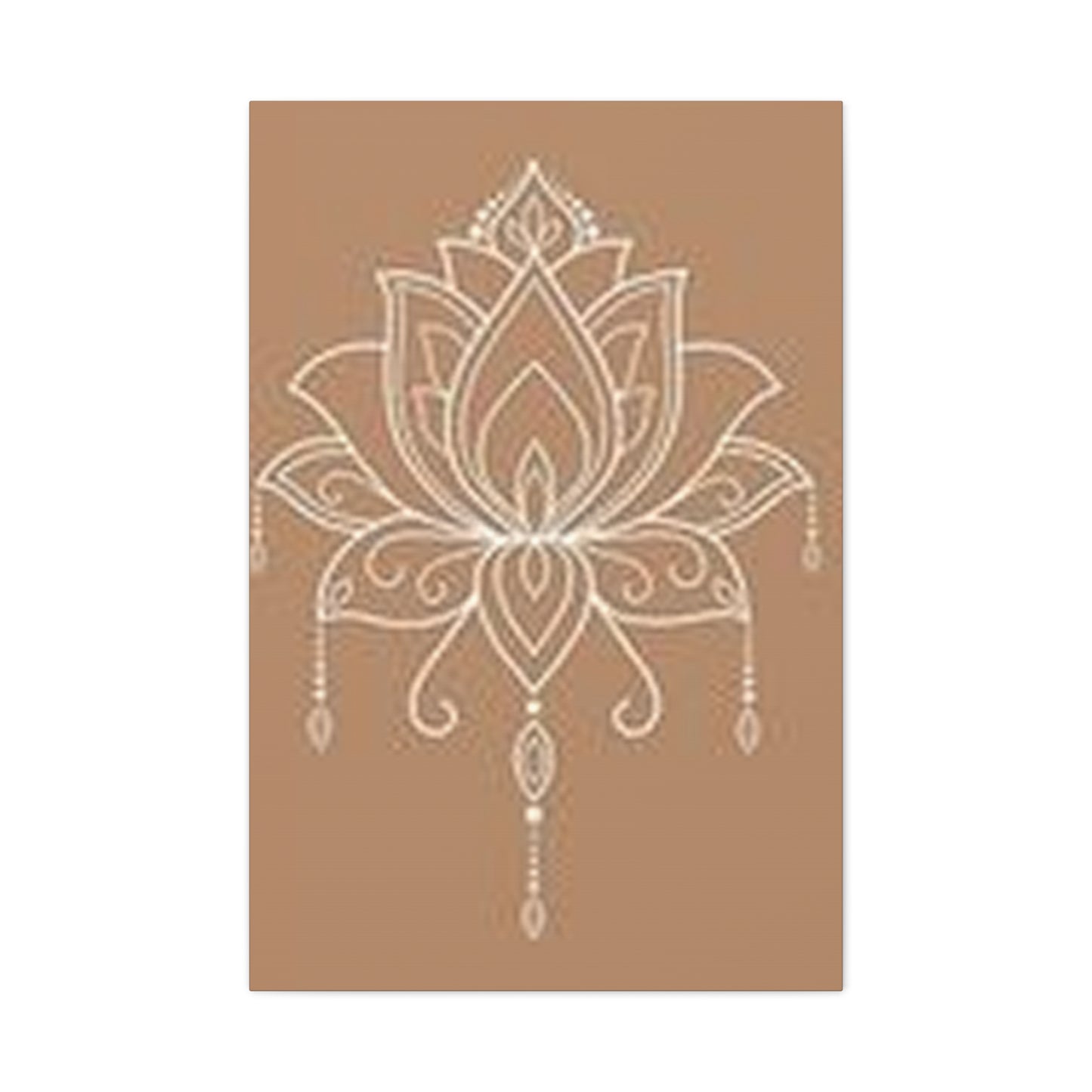
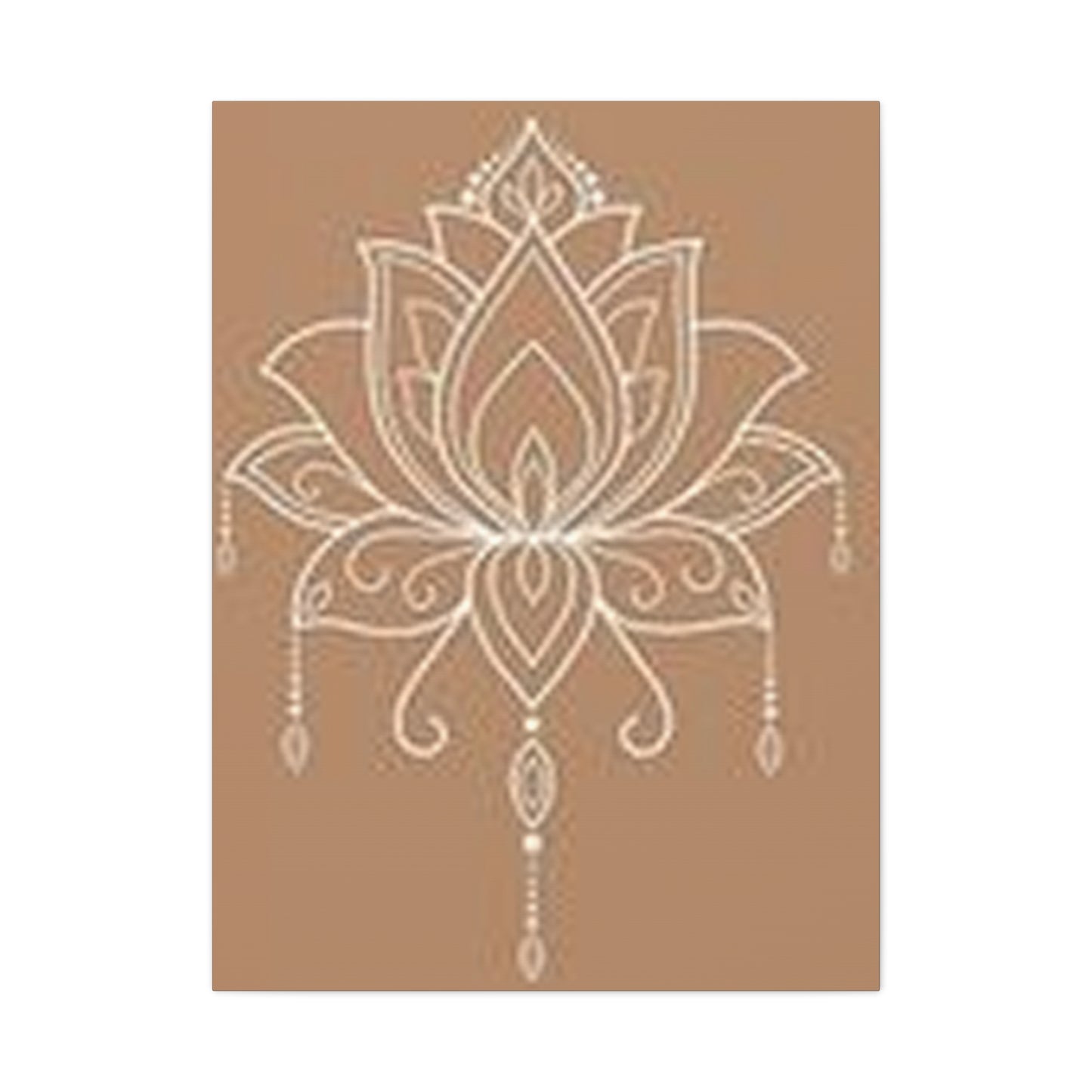
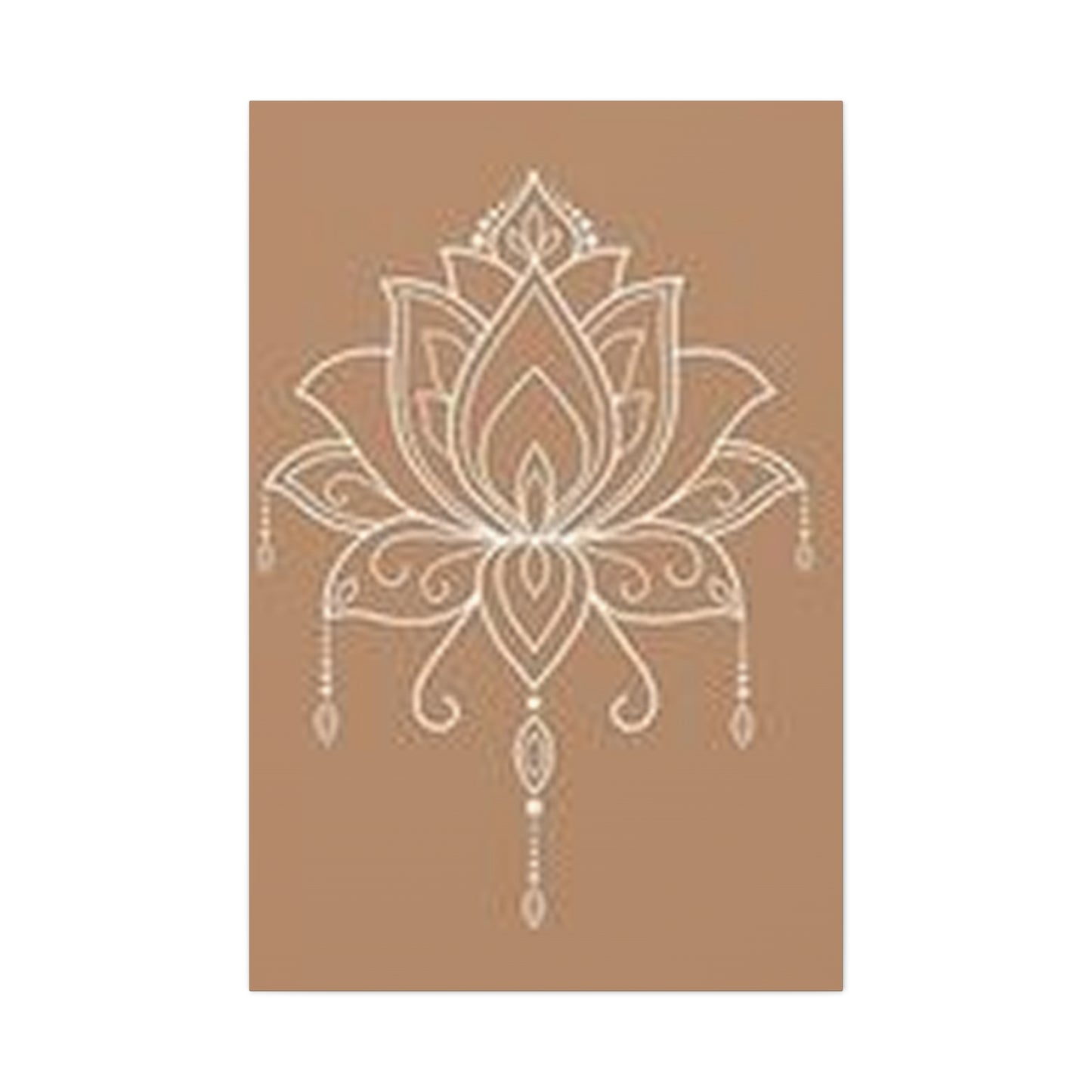
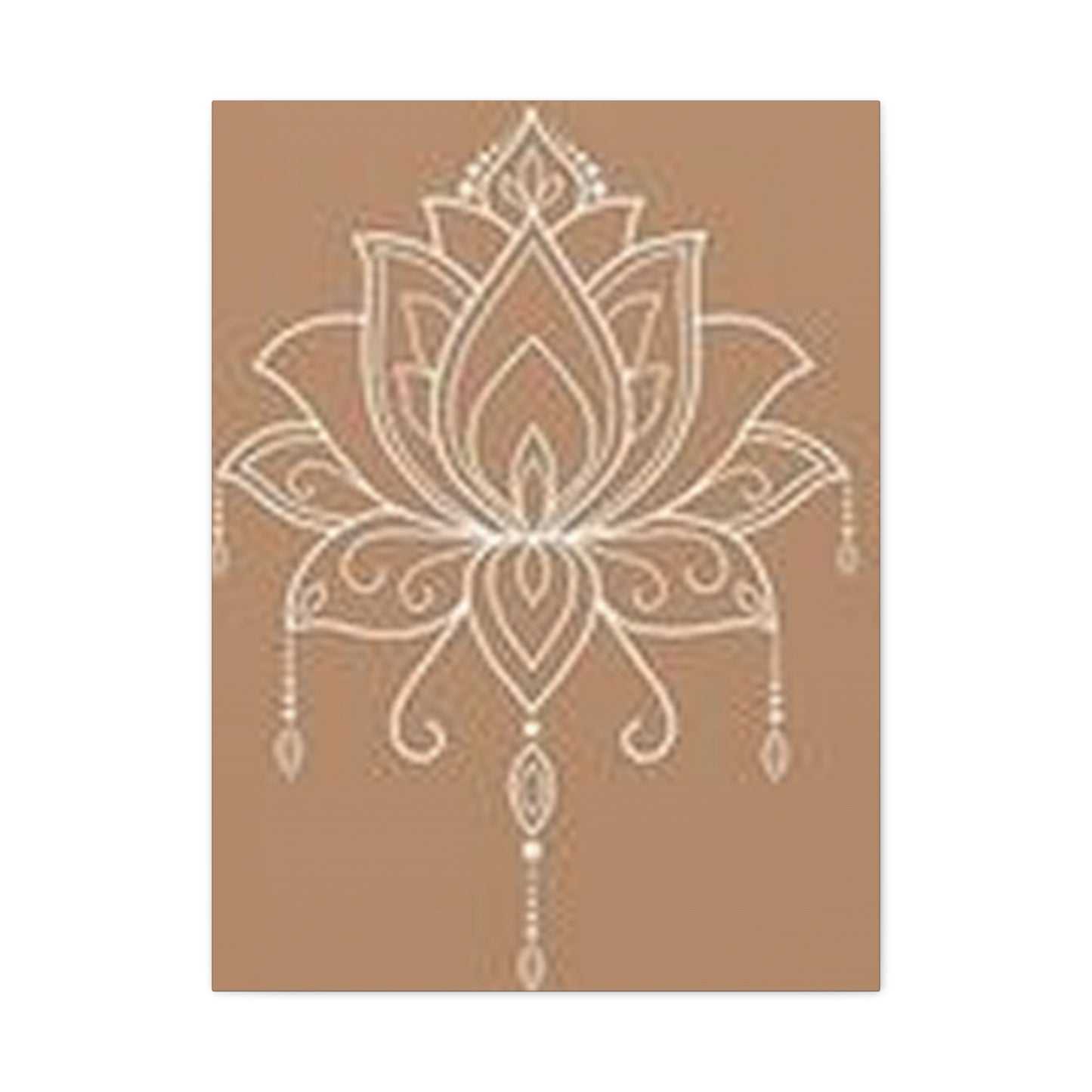
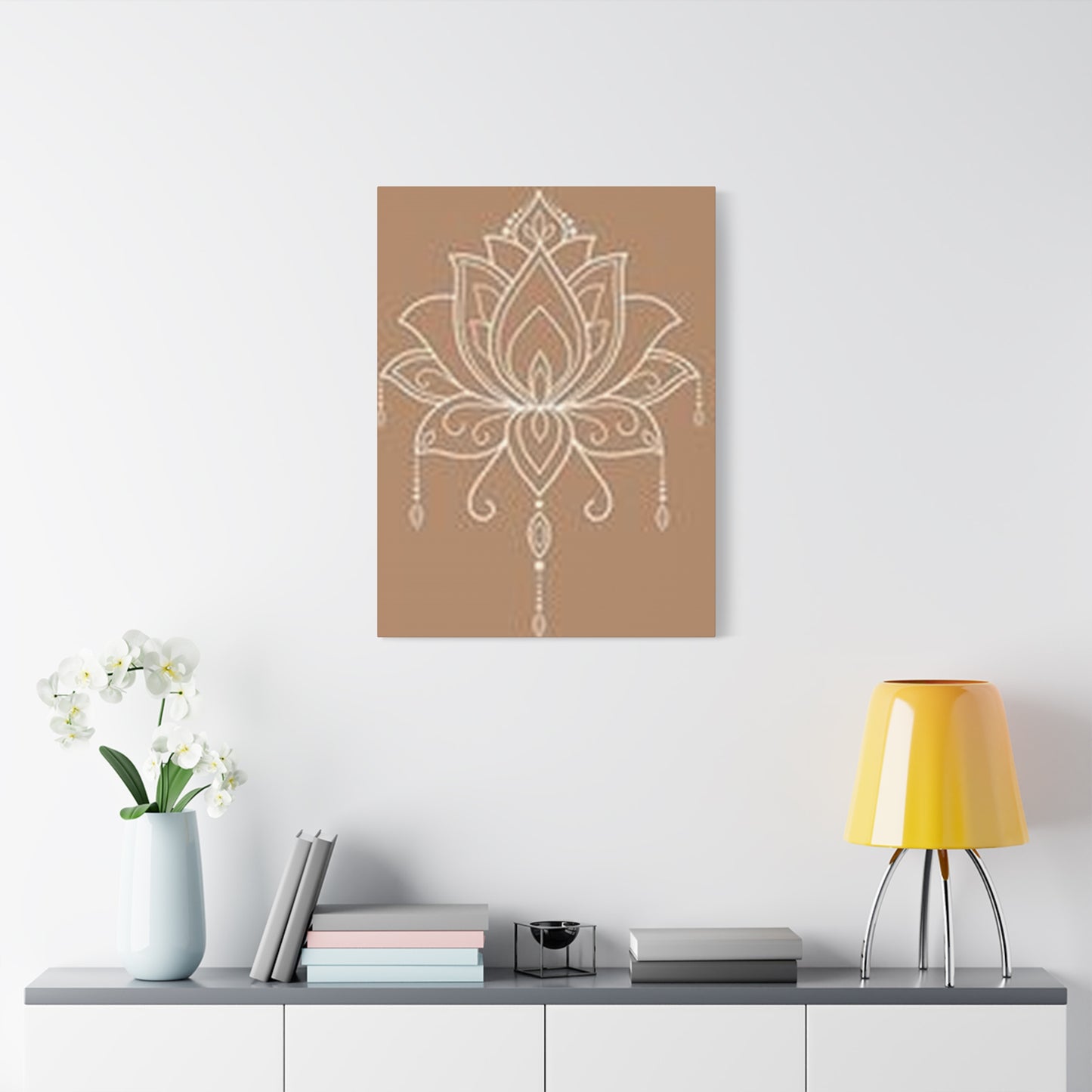
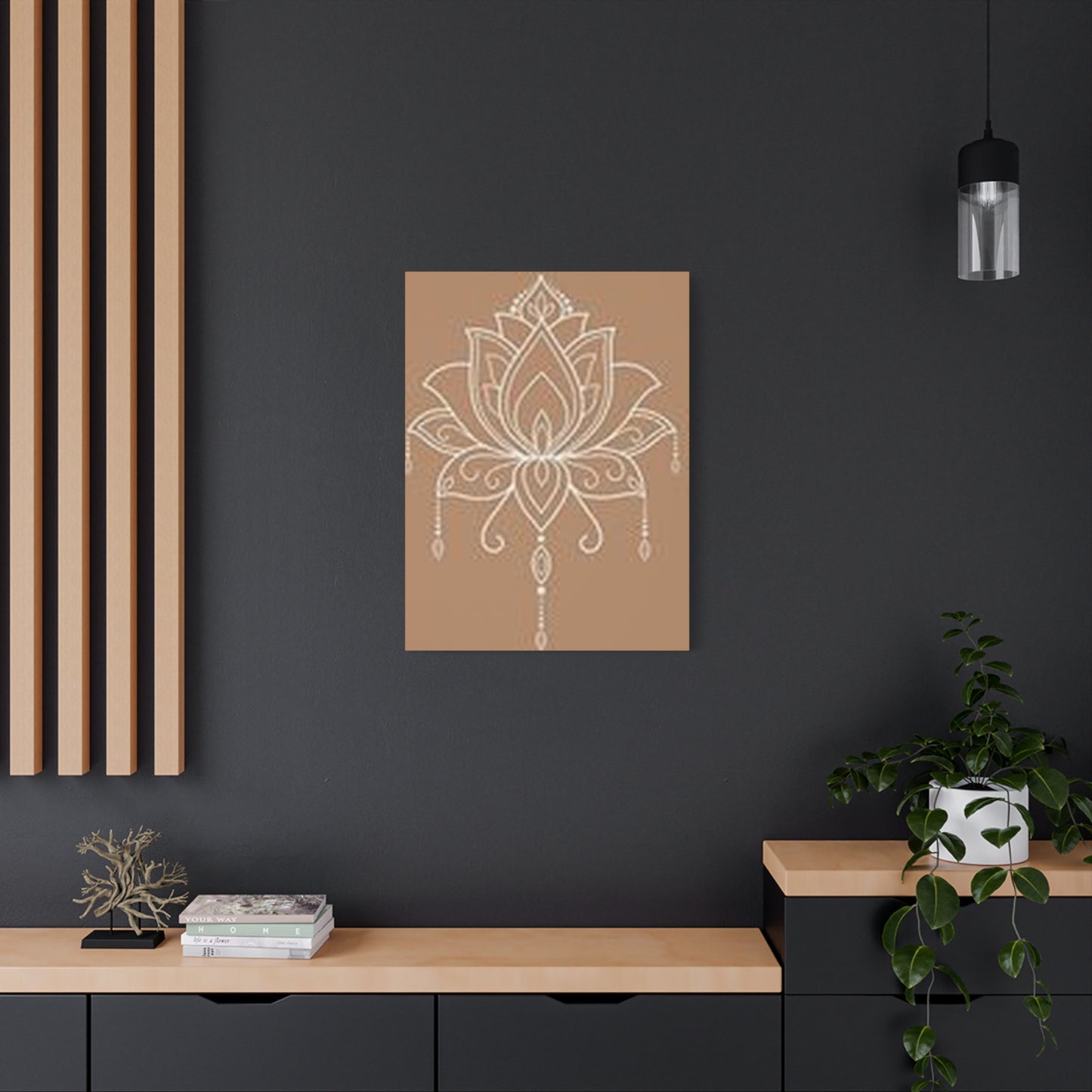
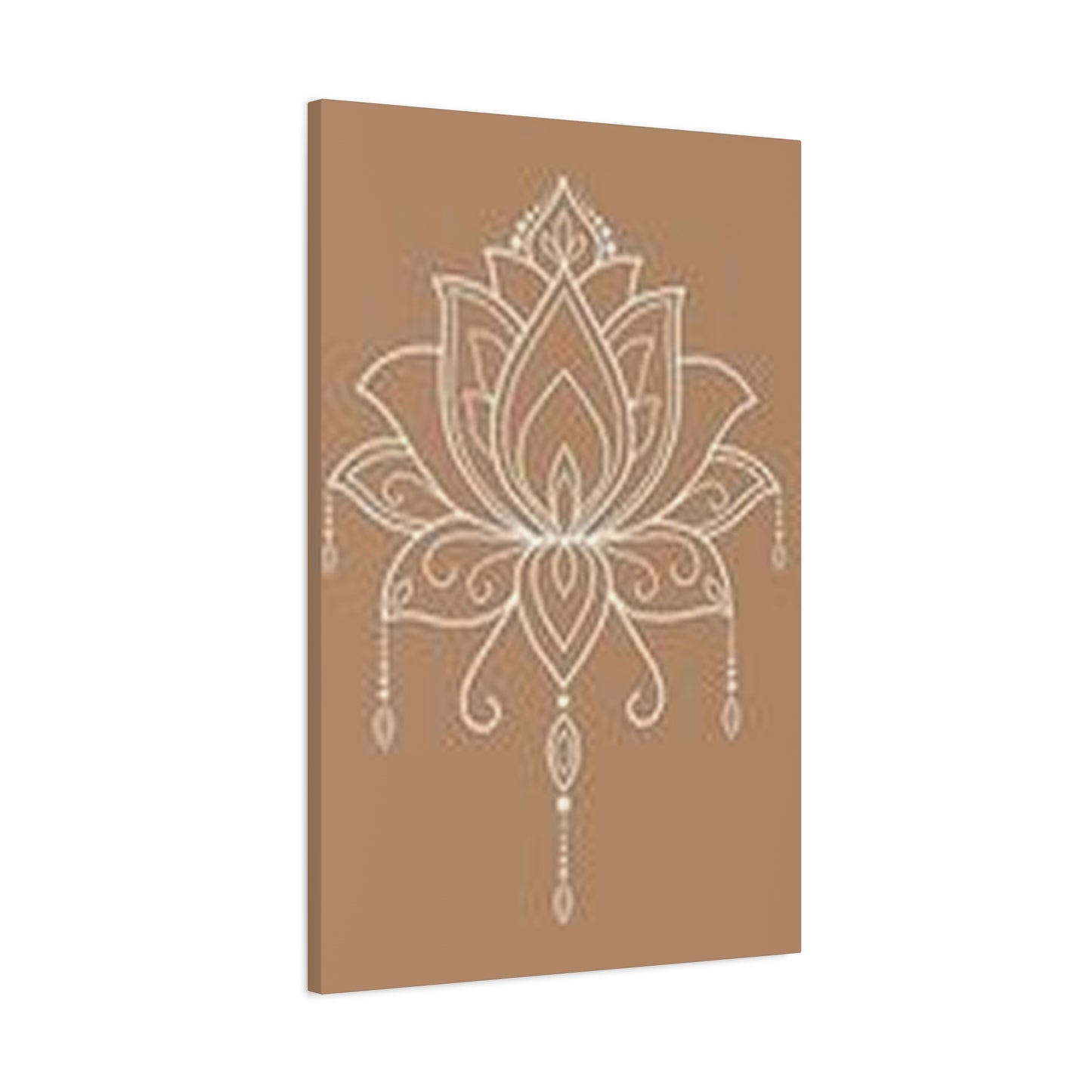
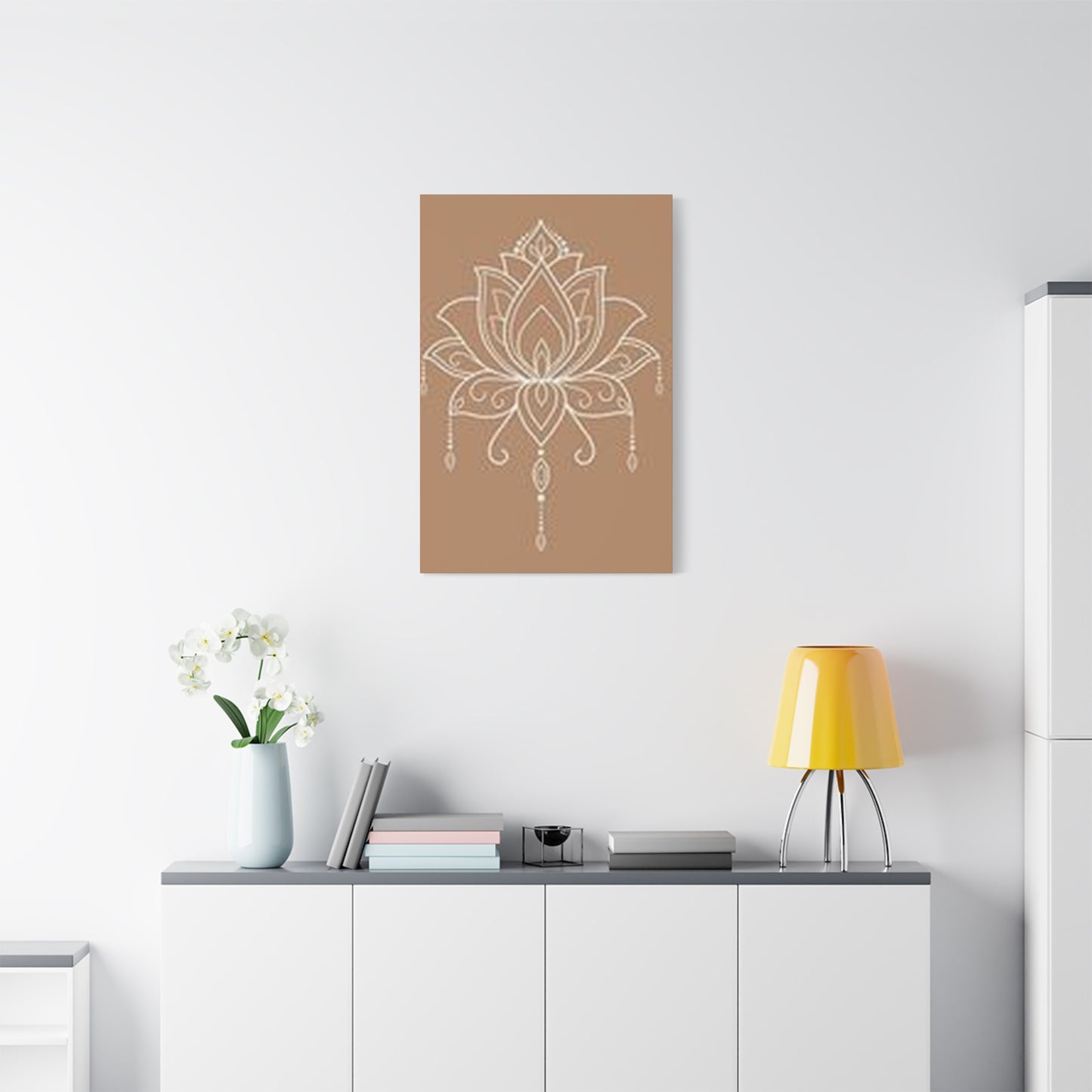
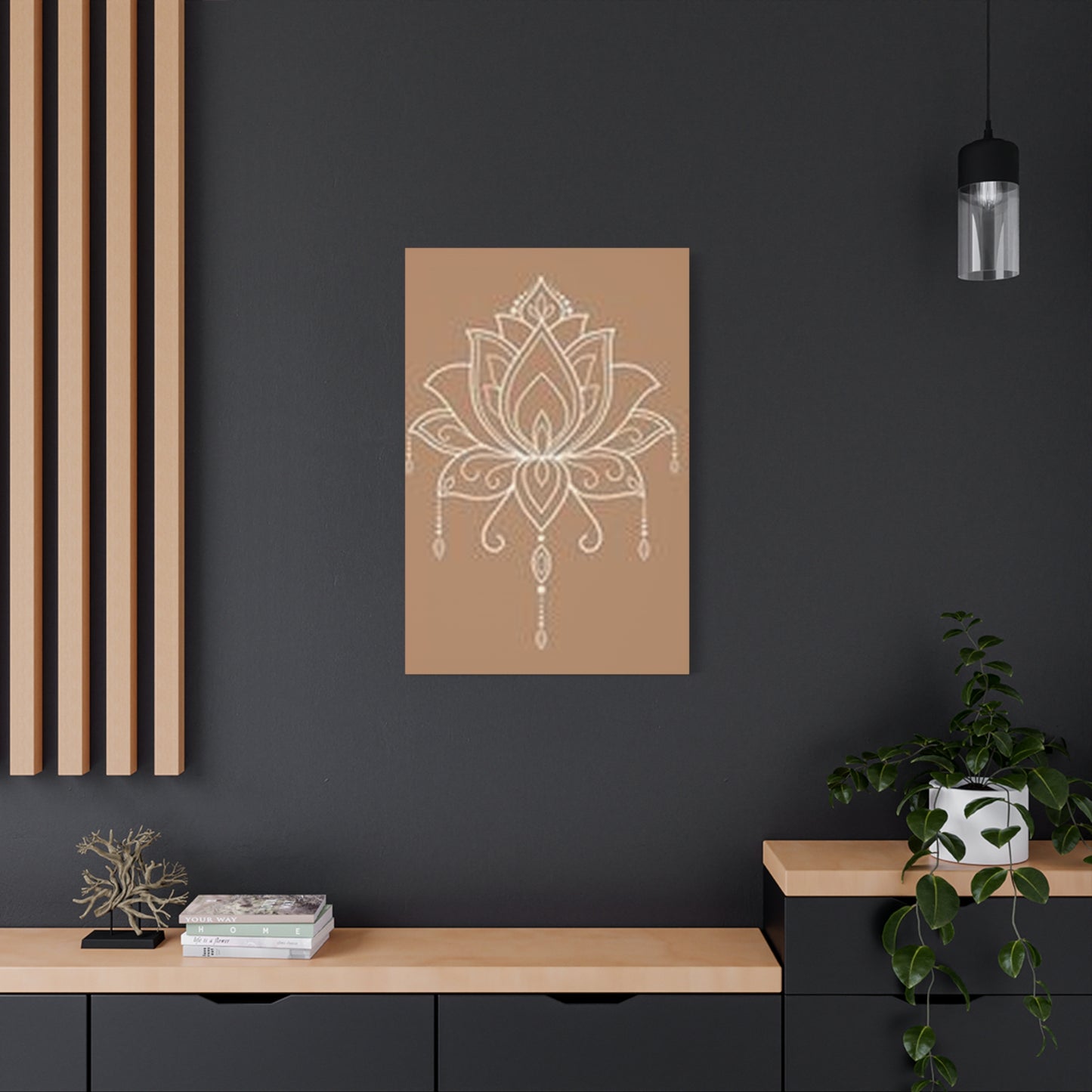
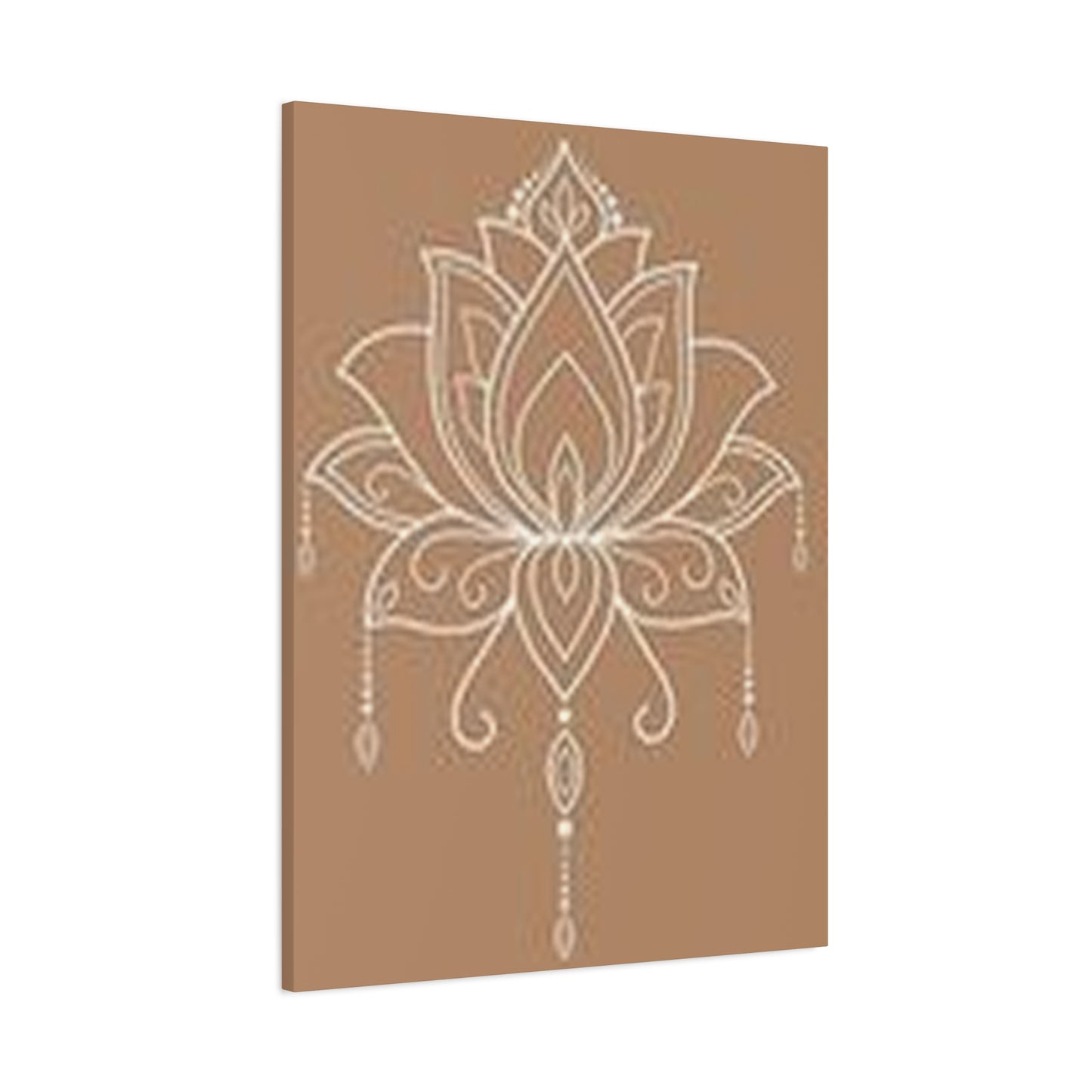
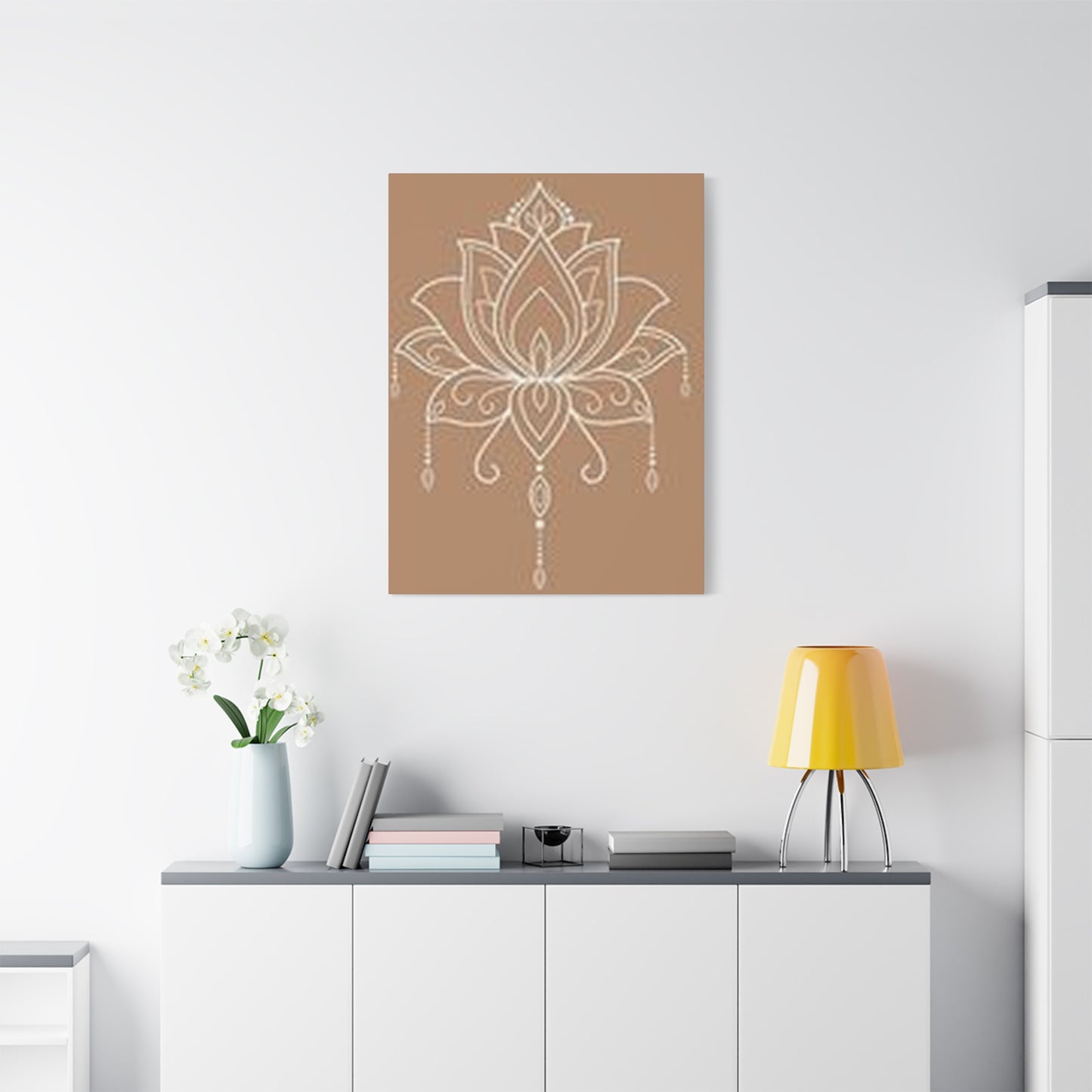
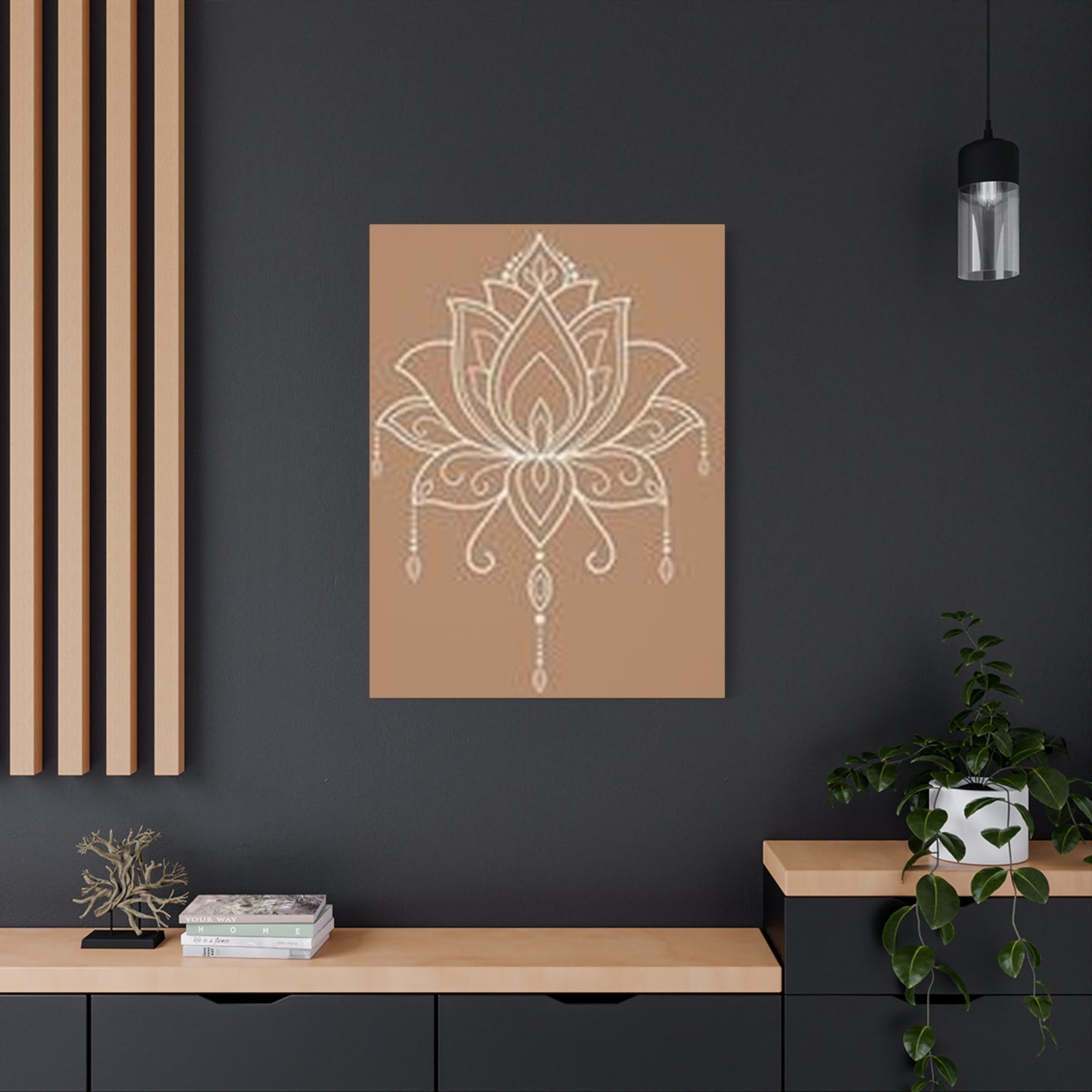
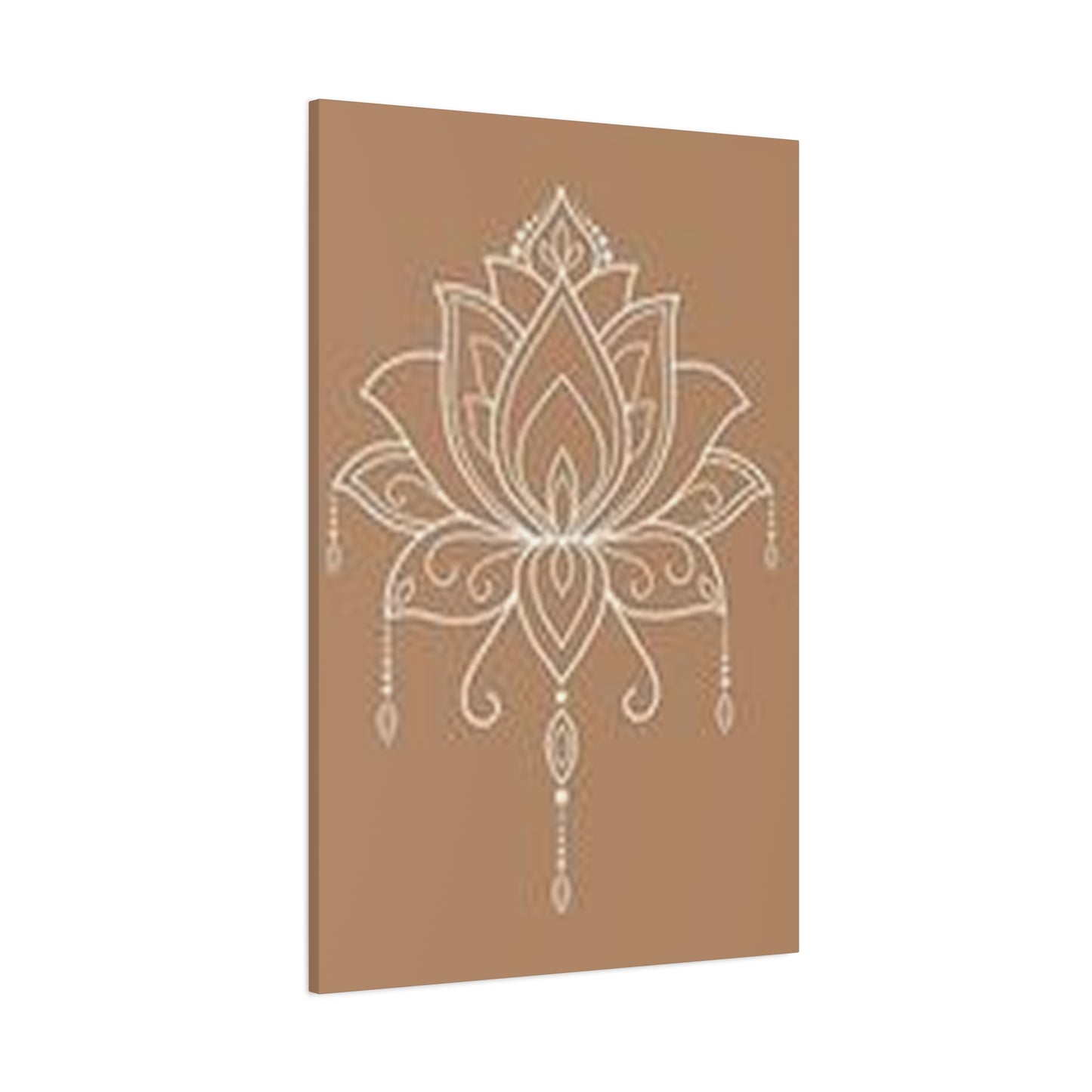
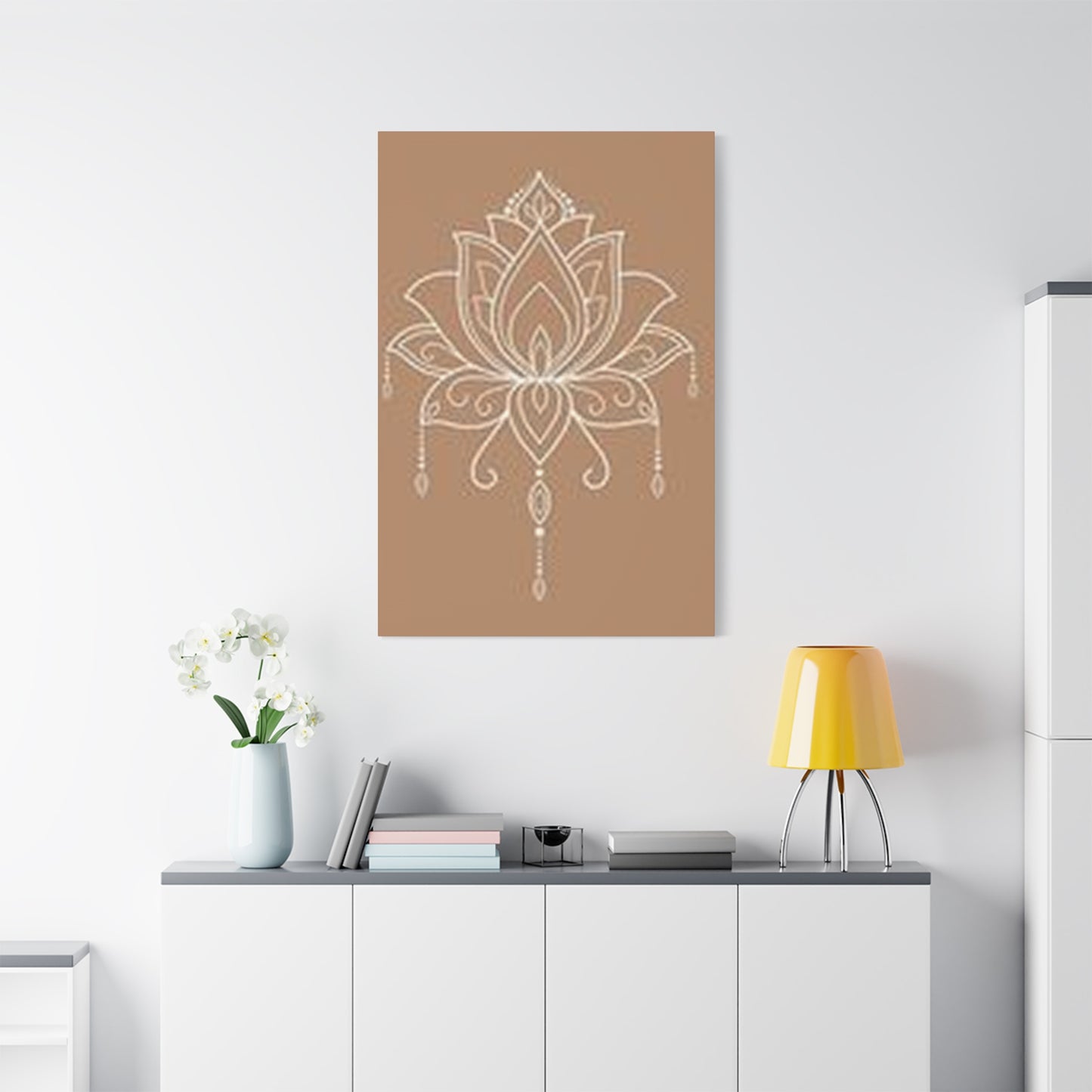
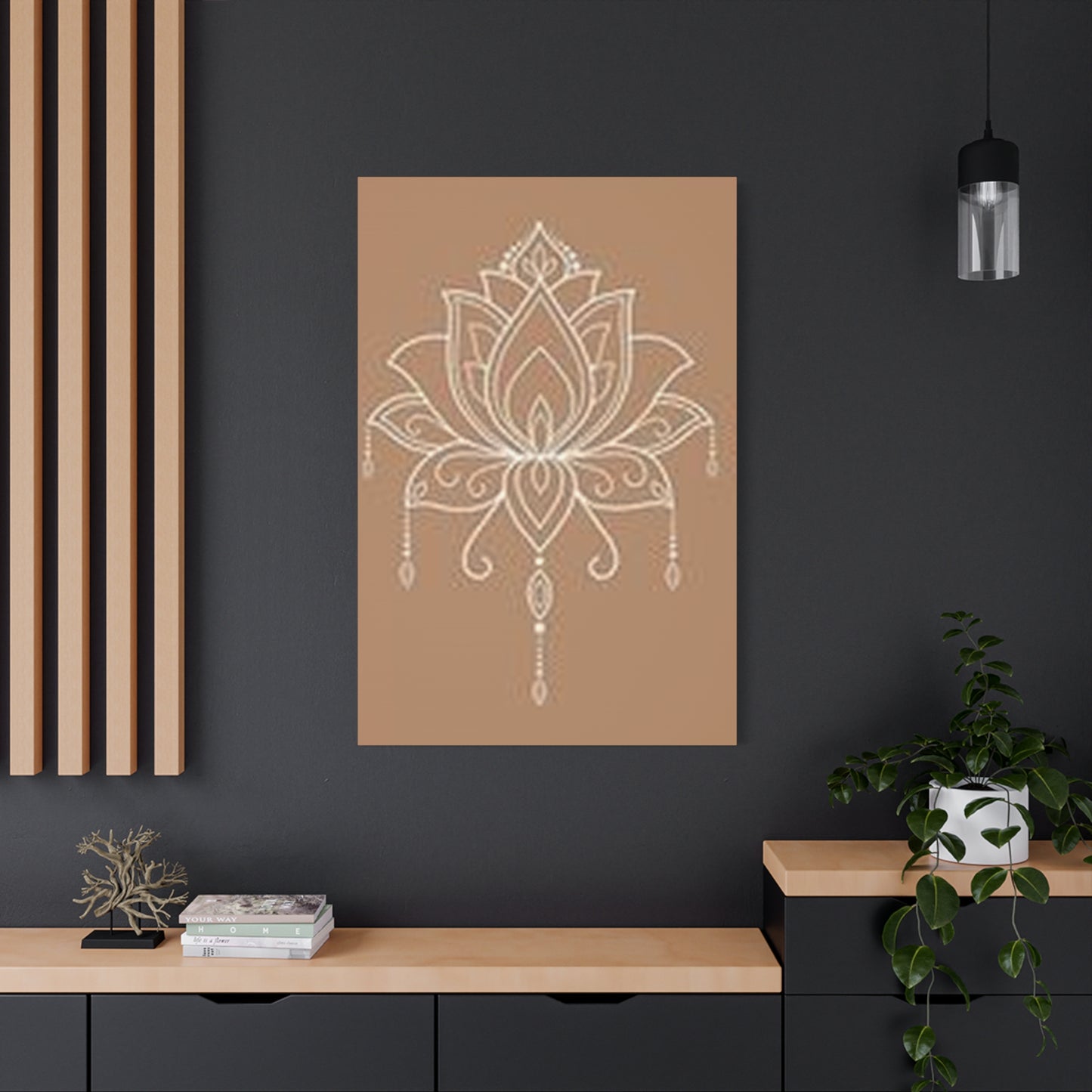
Mandala Buddha Lotus Poster Wall Art & Canvas Prints
Mandala Buddha Lotus Poster Wall Art & Canvas Prints
Couldn't load pickup availability
Discover the Sacred Beauty: Mandala Buddha Lotus Poster Wall Art for Your Home Decore
The profound spiritual significance of Eastern art forms has captivated Western audiences for decades, and among the most sought-after decorative elements today are sacred visual representations that combine ancient symbolism with contemporary aesthetics. Mandala Buddha Lotus Poster Wall Art represents a magnificent fusion of three powerful spiritual symbols that have adorned temples, meditation halls, and sacred spaces across Asia for millennia. These artistic creations serve not merely as decorative pieces but as visual gateways to contemplation, mindfulness, and inner peace.
The contemporary fascination with these sacred art forms stems from a growing global awareness of mindfulness practices and the desire to create sanctuaries of tranquility within our homes. When you bring Mandala Buddha Lotus Poster Wall Art into your living environment, you are inviting centuries of spiritual wisdom and artistic mastery into your daily experience. Each element within these compositions carries profound meaning, from the geometric perfection of the mandala to the serene countenance of the Buddha figure, and the pristine purity symbolized by the lotus blossom.
The Profound Symbolism Behind Sacred Eastern Iconography in Modern Decor
Understanding the deep-rooted meanings embedded within Mandala Buddha Lotus Poster Wall Art enriches your appreciation of these remarkable pieces and transforms them from simple decorations into meaningful focal points for reflection and inspiration. The mandala, whose name derives from the Sanskrit word for "circle," represents the cosmos, wholeness, and the journey from outer chaos to inner harmony. These intricate geometric patterns have been created by monks and spiritual practitioners for centuries as tools for meditation and as representations of the universe's sacred architecture.
The Buddha figure depicted in these artworks typically shows the enlightened one in various mudras or hand positions, each conveying specific teachings and blessings. The most common representations include the Dhyana mudra of meditation, the Bhumisparsha mudra of enlightenment, and the Abhaya mudra of fearlessness and protection. When selecting your Mandala Buddha Lotus Poster Wall Art, understanding these gestures allows you to choose pieces that resonate with your personal spiritual aspirations and the energy you wish to cultivate in your space.
The lotus flower holds perhaps the most universally recognized symbolism in Eastern spirituality, representing purity, spiritual awakening, and the soul's journey from darkness to enlightenment. Growing from muddy waters to bloom pristine above the surface, the lotus metaphorically represents the human capacity to rise above material concerns and achieve spiritual illumination. In Mandala Buddha Lotus Poster Wall Art, the lotus often appears beneath the Buddha figure as a seat or throne, surrounding the mandala as a decorative border, or as a central element within the geometric pattern itself.
The combination of these three elements creates a synergistic visual vocabulary that speaks to multiple aspects of the spiritual path. The mandala's geometric precision represents the order and structure of the cosmos, the Buddha embodies the potential for enlightenment inherent in all beings, and the lotus symbolizes the transformative journey from ignorance to wisdom. Together in Mandala Buddha Lotus Poster Wall Art, these symbols create a powerful visual meditation tool that can enhance your living space on both aesthetic and spiritual levels.
Selecting the Perfect Mandala Buddha Lotus Poster Wall Art for Your Personal Sanctuary
Choosing the right piece of Mandala Buddha Lotus Poster Wall Art involves considering multiple factors beyond simple aesthetic preference. The color palette plays a crucial role in determining the energy and atmosphere the artwork will bring to your space. Traditional Tibetan mandalas often feature vibrant primary colors with intricate details in gold leaf, creating a sense of richness and spiritual celebration. These bold, saturated hues work wonderfully in spaces where you want to create an energizing, vibrant atmosphere that inspires active contemplation and engagement.
Alternatively, many contemporary interpretations of Mandala Buddha Lotus Poster Wall Art embrace more muted, monochromatic color schemes that emphasize the intricate linework and geometric precision of the mandala design. These subtle variations in shades of gold, bronze, black, and white create a sophisticated, contemplative atmosphere ideal for minimalist interiors or spaces dedicated to quiet meditation and reflection. The restrained palette allows the eye to focus on the complexity of the design without overwhelming the senses, promoting a sense of calm and centeredness.
The size and scale of your Mandala Buddha Lotus Poster Wall Art significantly impact its presence and effectiveness as a focal point. Large-format pieces measuring three feet or more in width command attention and transform an entire wall into a meditation space, perfect for dedicated yoga rooms, meditation areas, or as a statement piece in a living room or bedroom. These substantial works create an immersive visual experience that draws viewers into the intricate details and symbolic depths of the imagery.
Medium-sized pieces, typically ranging from eighteen inches to thirty inches in width, offer versatility and can be incorporated into gallery walls or used as accent pieces throughout your home. Multiple coordinating pieces of Mandala Buddha Lotus Poster Wall Art in similar styles but varying designs can create a cohesive spiritual aesthetic throughout your living space, with each room featuring its own unique variation on the theme. This approach allows you to develop a consistent visual language while maintaining visual interest and variety.
Creating Sacred Spaces Through Thoughtful Placement of Spiritual Artwork
The positioning of your Mandala Buddha Lotus Poster Wall Art within your home dramatically affects both its visual impact and its function as a spiritual tool. Traditional feng shui principles suggest that Buddha images should be placed at eye level or higher, never below, as this shows respect for the enlightened being and allows the artwork to command appropriate reverence within the space. The east-facing wall is considered particularly auspicious for Buddha imagery, as it aligns with the direction of enlightenment and the rising sun.
Creating a dedicated meditation corner or altar space around your Mandala Buddha Lotus Poster Wall Art transforms it from a passive decorative element into an active focal point for spiritual practice. Surrounding the artwork with complementary elements such as candles, incense holders, singing bowls, or fresh flowers establishes a sacred precinct within your home that invites regular contemplation and mindfulness practice. Even a few minutes spent in contemplation before such a thoughtfully arranged space can provide a powerful reset during stressful days.
The bedroom presents unique considerations for displaying Mandala Buddha Lotus Poster Wall Art. While some traditions discourage placing Buddha images in bedrooms due to the activities that take place in these private spaces, others embrace the protective and peaceful qualities of such imagery. If you choose to display sacred art in your sleeping quarters, positioning it where it can be viewed from the bed upon waking creates a beautiful ritual of beginning each day with contemplation of enlightened principles.
Living rooms and common areas benefit enormously from the presence of Mandala Buddha Lotus Poster Wall Art, as these spaces naturally gather the energy and attention of household members and guests. A well-placed piece above a sofa or fireplace mantel creates an anchor point for the room's design while subtly elevating the consciousness of everyone who enters. The intricate details of quality mandala artwork provide endless visual interest, making these pieces excellent conversation starters that can introduce guests to Eastern philosophy and symbolism.
The Artistic Craftsmanship Behind Contemporary Sacred Visual Representations
Modern creators of Mandala Buddha Lotus Poster Wall Art employ a fascinating blend of traditional artistic techniques and contemporary production methods to make these sacred images accessible to a global audience. The finest examples begin with artists who have studied classical Tibetan thangka painting techniques, which involve years of training in proportion, symbolism, iconography, and the spiritual significance of every element within the composition. These trained artisans understand that creating sacred art is itself a form of meditation and offering.
The process of creating authentic mandala designs traditionally involves meticulous hand-drawing of geometric patterns using compass and ruler, with calculations based on sacred geometry and mathematical principles that have been passed down through generations of Buddhist artists. The symmetry in these designs is not merely aesthetic but represents the balanced nature of the enlightened mind and the orderly structure of the cosmos. Contemporary artists creating Mandala Buddha Lotus Poster Wall Art often begin with these traditional hand-drawn designs, later digitizing them for reproduction while maintaining the integrity and precision of the original artwork.
Color selection in traditional sacred art follows strict iconographic guidelines, with each hue carrying specific symbolic meanings. Blues represent wisdom and the infinity of sky and ocean, greens symbolize balance and healing, reds convey power and vitality, yellows embody learning and illumination, and whites represent purity and truth. When selecting Mandala Buddha Lotus Poster Wall Art, pieces that honor these traditional color associations tend to carry greater spiritual authenticity and resonance, even when executed in contemporary styles.
The reproduction quality of Mandala Buddha Lotus Poster Wall Art varies tremendously across the marketplace, making it essential to seek out pieces produced using archival-quality inks and papers that will maintain their vibrancy and integrity over decades. Giclée printing, which utilizes fade-resistant pigment inks and acid-free papers or canvases, represents the gold standard for reproducing fine art, ensuring that the subtle gradations and intricate details of the original design remain crisp and vibrant. Investing in quality reproduction ensures that your sacred art maintains its beauty and spiritual presence for years to come.
Harmonizing Your Interior Design with Sacred Artistic Elements
Incorporating Mandala Buddha Lotus Poster Wall Art into Western interior design schemes requires thoughtful consideration of how these spiritual elements interact with your existing aesthetic. The contemporary minimalist movement, with its emphasis on clean lines, uncluttered spaces, and intentional object placement, provides an ideal canvas for showcasing sacred art. A single large-format mandala piece against a white or neutral wall creates a stunning focal point that embodies the minimalist principle of "less is more" while adding profound depth and meaning to the space.
Bohemian and eclectic interiors naturally embrace the rich colors and intricate patterns found in Mandala Buddha Lotus Poster Wall Art. These design approaches celebrate global influences, handcrafted elements, and the layering of textures and patterns, making them perfect settings for multiple pieces of sacred art grouped together or dispersed throughout the space. Combining your mandala artwork with textiles from India, Morocco, or Southeast Asia creates a globally inspired sanctuary that honors diverse wisdom traditions.
Even traditionally formal or contemporary spaces can successfully incorporate Mandala Buddha Lotus Poster Wall Art when the piece is selected and framed with attention to the existing design vocabulary. A mandala rendered in metallic golds and silvers on a black background, professionally framed in a sleek modern frame, complements contemporary interiors with chrome fixtures, glass surfaces, and sophisticated color palettes. The key is recognizing that the essential geometry and symbolism of mandalas transcends stylistic boundaries and can be adapted to virtually any aesthetic context.
The emerging Japandi design movement, which fuses Japanese minimalism with Scandinavian functionality, creates particularly harmonious settings for Mandala Buddha Lotus Poster Wall Art. Both design philosophies emphasize mindfulness, natural materials, and the creation of peaceful environments that support well-being. The clean lines and neutral palettes characteristic of Japandi interiors allow the intricate details of mandala art to shine while maintaining the overall sense of calm and uncluttered space that defines this aesthetic.
Framing and Presentation Strategies for Sacred Artwork
The manner in which you frame and present your Mandala Buddha Lotus Poster Wall Art significantly influences its visual impact and spiritual presence. Traditional thangka paintings are typically mounted on brocade silk borders in vibrant complementary colors, creating a visual frame that both honors and enhances the sacred imagery. While full brocade mounting may not suit all contemporary interiors, this traditional approach can be adapted using fabric matting in rich colors that complement the artwork's palette, adding depth and cultural authenticity to the presentation.
For spaces with more modern aesthetics, floating frames create a sophisticated presentation that gives the artwork breathing room and emphasizes its status as a precious object worthy of contemplation. These frames, which suspend the print between two panes of glass or showcase it slightly elevated from the backing, create subtle shadows that add dimension and draw the eye to the intricate details of the Mandala Buddha Lotus Poster Wall Art. The clean, contemporary appearance of floating frames allows the sacred imagery to bridge traditional and modern design sensibilities.
Gallery-style framing with wide white or cream mats creates a museum-quality presentation that isolates the artwork from its surroundings and invites focused contemplation. This approach works particularly well when displaying multiple pieces of Mandala Buddha Lotus Poster Wall Art in a series or creating a meditation wall dedicated to sacred imagery. The generous matting provides visual rest for the eyes between the intricate patterns of the mandala and the surrounding environment, enhancing the meditative quality of the viewing experience.
Canvas-wrapped presentations offer a contemporary alternative to traditional framing, with the image printed on canvas and stretched around a wooden frame so that the artwork extends to the edges without borders or mats. This approach creates a more casual, accessible aesthetic that works well in informal spaces like bedrooms, home offices, or casual seating areas. The dimensionality of stretched canvas adds subtle presence and allows the Mandala Buddha Lotus Poster Wall Art to stand alone without competing with ornate frames for visual attention.
Cultivating Mindfulness Through Daily Engagement with Sacred Imagery
The presence of Mandala Buddha Lotus Poster Wall Art in your living space offers opportunities for daily spiritual practice that extend far beyond passive appreciation. Mandala meditation, also known as mandala contemplation, is a practice in which the viewer focuses attention on the intricate patterns of the mandala, following the geometric designs from the outer edges toward the center. This practice quiets the discursive mind and cultivates one-pointed concentration, serving as a preparation for deeper meditation practices.
Beginning each morning with several minutes of contemplation before your Mandala Buddha Lotus Poster Wall Art establishes a ritual that sets a mindful, centered tone for the day ahead. As you focus your gaze on the Buddha figure, you might reflect on the qualities of enlightenment you wish to cultivate: compassion, wisdom, equanimity, and loving-kindness. The lotus symbol reminds you of your own potential for growth and transformation, regardless of the difficulties or "muddy waters" you may face during the day.
Evening contemplation of your sacred artwork provides a complementary practice that supports reflection on the day's experiences and the gradual release of accumulated stress and mental clutter. As you trace the symmetrical patterns of the mandala with your eyes, you allow the geometric harmony to restore a sense of order and balance to your consciousness. The serene presence of the Buddha offers reassurance and the reminder that peace is always accessible in the present moment, regardless of external circumstances.
For those who maintain a regular meditation practice, positioning your cushion or chair facing your Mandala Buddha Lotus Poster Wall Art creates a focal point that supports concentration and intention setting. The artwork serves as a visual reminder of the purpose and direction of your practice, helping to overcome the resistance and distraction that can derail meditation routines. Over time, simply seeing the artwork becomes a trigger for entering a more mindful, present state of consciousness.
The Healing Properties of Sacred Geometry and Spiritual Iconography
Beyond their aesthetic appeal and religious significance, the geometric patterns found in Mandala Buddha Lotus Poster Wall Art have documented effects on human consciousness and well-being. Research in environmental studies and neuroaesthetics has demonstrated that viewing complex symmetrical patterns activates specific neural pathways associated with pleasure, calm, and focused attention. The fractal-like nature of mandala designs, in which patterns repeat at different scales, creates a visual experience that feels both endlessly complex and fundamentally harmonious.
Color therapists and practitioners of chromotherapy recognize that the specific hues traditionally used in Mandala Buddha Lotus Poster Wall Art correspond to various energy centers or chakras within the human subtle body. Blues and purples relate to the upper chakras governing communication, intuition, and spiritual connection; greens connect to the heart center of compassion and emotional balance; yellows and oranges stimulate the solar plexus center of personal power and confidence; while reds activate the root chakra of grounding and vitality. Surrounding yourself with balanced representations of these colors supports overall energetic harmony.
The practice of consciously contemplating images of serene, enlightened beings has measurable effects on emotional states and stress levels. Studies of mindfulness practitioners have shown that viewing peaceful, contemplative imagery activates the parasympathetic nervous system, which governs rest, relaxation, and recovery. Having Mandala Buddha Lotus Poster Wall Art prominently displayed in your living space creates multiple daily opportunities for this beneficial activation, potentially reducing chronic stress and supporting overall well-being.
The aesthetic experience of beauty itself has therapeutic value, as recognized by both ancient wisdom traditions and contemporary positive studies. Creating a living environment that includes beautiful, meaningful objects like Mandala Buddha Lotus Poster Wall Art contributes to a sense of life satisfaction, purpose, and connection to something greater than oneself. This elevation of the ordinary living space into an environment that nurtures the spirit as well as the body represents an investment in holistic well-being.
Incorporating Multiple Pieces to Create Comprehensive Sacred Galleries
Rather than limiting yourself to a single piece of Mandala Buddha Lotus Poster Wall Art, consider creating a comprehensive display that explores different aspects of Buddhist iconography and mandala traditions. Assembling a gallery wall that includes various Buddha poses and mudras alongside different mandala designs creates a rich visual tapestry that invites extended contemplation and reveals new details with each viewing. This approach transforms an entire wall into a meditation space that honors the diversity and depth of Eastern spiritual art.
When creating multi-piece displays, maintaining visual coherence while allowing for variation creates the most compelling results. Select pieces that share a common color palette or stylistic approach but differ in their specific content and composition. For instance, you might combine a Medicine Buddha mandala with a White Tara representation and a Lotus Mandala, all rendered in similar color schemes and artistic styles but each carrying distinct symbolic meanings and offering different qualities of blessing and inspiration.
Vertical arrangements of three or five pieces create dynamic visual flow that draws the eye upward, a movement traditionally associated with spiritual aspiration and the journey toward enlightenment. The ascending composition metaphorically represents the path of spiritual development, from foundational practices to increasingly refined states of consciousness. The bottom piece might feature lotus imagery emphasizing purity and potential, the middle piece could present the Buddha in meditation, and the top piece might display a fully realized mandala representing cosmic perfection.
Horizontal gallery arrangements work beautifully above furniture pieces like sofas, console tables, or meditation altars, creating a visual anchor that unifies the space. A triptych presentation of Mandala Buddha Lotus Poster Wall Art, with a central large piece flanked by smaller complementary pieces, creates formal balance while allowing for a narrative or thematic progression across the three panels. This classical arrangement draws on centuries of altar design in which central deities are attended by subsidiary figures or protective elements.
Seasonal Rotations and Evolving Displays of Sacred Artwork
One often-overlooked approach to living with Mandala Buddha Lotus Poster Wall Art involves rotating your displays seasonally or as your personal practice evolves, keeping your sacred space fresh and responsive to changing needs and aspirations. Building a collection of several different pieces that can be alternated prevents visual habituation, the tendency to stop actively seeing familiar objects in our environment. Each time you change your display, the new configuration captures attention and reawakens mindful awareness.
Spring, with its themes of renewal, growth, and fresh beginnings, provides an ideal season for displaying Mandala Buddha Lotus Poster Wall Art that emphasizes lotus imagery, green healing colors, and White Tara representations associated with compassionate activity and overcoming obstacles. These images support the natural energy of the season and inspire engagement with new projects, relationships, and personal growth initiatives aligned with the revitalizing force of nature's renewal.
Summer's warmth and expansiveness call for vibrant, energizing representations with prominent reds, oranges, and yellows. Mandala Buddha Lotus Poster Wall Art depicting Amitabha Buddha, the Buddha of Infinite Light, or sun mandalas with radiating geometric patterns, resonate with summer's abundant solar energy. These pieces celebrate life, consciousness, and the full expression of vitality, supporting active engagement with the world during the season of growth and manifestation.
Autumn's contemplative qualities and themes of harvest, gratitude, and preparation for inner work suggest displaying Mandala Buddha Lotus Poster Wall Art in earth tones, with emphasis on grounding practices and reflection on the fruits of the year's efforts. Images of Medicine Buddha, whose deep blue coloring evokes healing and the depth of clear waters, support the seasonal turn toward introspection and the release of what no longer serves. Gold and bronze mandalas celebrating abundance and the richness of accumulated wisdom align beautifully with autumn's energy.
Winter invites the most introspective and meditative imagery, with Mandala Buddha Lotus Poster Wall Art featuring deep blues, purples, and silver tones that echo the contemplative stillness of the season. Representations of Buddha in deep meditation, snow-capped Himalayan mountain imagery incorporated into mandala designs, or cosmic mandalas emphasizing the vast emptiness that underlies all phenomena support the inner journey that winter naturally invites. These pieces create a sanctuary of quiet contemplation during the darkest months of the year.
Understanding the Various Buddha Figures Found in Sacred Artwork
The Mandala Buddha Lotus Poster Wall Art you encounter may feature different Buddha figures, each embodying specific aspects of enlightenment and offering particular blessings or qualities to practitioners. Shakyamuni Buddha, the form most often depicted in Western imagination, represents the actual person who achieved enlightenment 2,500 years ago in Bodh Gaya, India. His image typically shows the earth-touching mudra, commemorating the moment when he called the earth to witness his realization, with the lotus throne representing his complete transcendence of worldly attachments.
Medicine Buddha, recognizable by his deep lapis blue coloring and the medicine bowl held in his lap, specifically addresses physical and mental healing. Mandala Buddha Lotus Poster Wall Art featuring Medicine Buddha is particularly appropriate for healing spaces, hospitals, therapy rooms, or home environments where you or loved ones are recovering from illness or addressing chronic conditions. His presence invokes the healing power of dharma, the teaching that ultimately alleviates all suffering through wisdom and compassion.
Amitabha Buddha, depicted in deep red coloring and often shown in meditation mudra or teaching gestures, embodies infinite light and life. He represents the possibility of rebirth in the Pure Land, a realm of perfect conditions for achieving enlightenment. Mandala Buddha Lotus Poster Wall Art featuring Amitabha creates an atmosphere of devotional practice and faith, supporting those drawn to the path of devotion and the cultivation of pure lands within consciousness through dedicated practice and aspiration.
Green Tara, technically a bodhisattva or enlightened being who remains active in the world to assist others rather than a Buddha, appears frequently in Mandala Buddha Lotus Poster Wall Art due to her enormous popularity as the embodiment of swift compassionate action. Her green coloring represents active energy and her distinctive pose, with one foot extended ready to step down from her lotus throne, symbolizes her constant readiness to come to the aid of those who call upon her. Her presence brings courage, protection, and the overcoming of fears and obstacles.
White Tara, distinguished by the seven eyes on her palms, soles, forehead, and face, represents the all-seeing compassion of the enlightened mind that perceives suffering wherever it arises and responds with healing activity. Mandala Buddha Lotus Poster Wall Art featuring White Tara is particularly cherished by practitioners seeking to develop greater compassion, overcome health challenges, or extend longevity not for selfish purposes but to have more time to benefit others and progress on the spiritual path.
Caring for Your Sacred Artwork to Ensure Lasting Beauty
Proper maintenance of your Mandala Buddha Lotus Poster Wall Art ensures that these pieces retain their visual impact and spiritual presence for decades. The most critical factor affecting longevity is protection from direct sunlight, which causes fading, yellowing, and degradation of both inks and paper substrates. Even archival-quality giclée prints will deteriorate when exposed to UV radiation, so positioning your artwork on walls that don't receive direct sun or using UV-filtering glass in your frames provides essential protection.
Environmental conditions within your home significantly impact the preservation of paper-based Mandala Buddha Lotus Poster Wall Art. Extreme humidity encourages mold growth and causes papers to buckle and warp, while excessively dry conditions make papers brittle and prone to cracking. Maintaining relative humidity between forty and sixty percent protects your artwork, as does keeping temperatures stable and moderate. Avoid hanging sacred art in bathrooms, kitchens, or other areas subject to temperature and humidity fluctuations.
Regular dusting of frames and glass prevents the accumulation of particles that can gradually obscure the details of your Mandala Buddha Lotus Poster Wall Art. Use a soft, lint-free cloth or a professional-grade microfiber cloth designed for cleaning glass and artwork, avoiding commercial glass cleaners that may contain ammonia or other harsh chemicals that could potentially seep behind the glass and damage the print. Gentle, infrequent cleaning maintains clarity without risking damage.
Canvas-wrapped versions of Mandala Buddha Lotus Poster Wall Art require slightly different care, as they lack the protective barrier of glass. Light dusting with a soft brush or cloth removes surface particles, but avoid touching the printed surface with bare hands, as the oils from skin can leave marks and attract dirt. If deeper cleaning becomes necessary, consult a professional art conservator rather than attempting to clean the canvas yourself, as improper techniques can cause permanent damage.
When moving or transporting Mandala Buddha Lotus Poster Wall Art, always handle frames by their edges rather than by the artwork itself or the glass face. If storing pieces temporarily, wrap them in acid-free paper or glassine rather than regular tissue or newsprint, which contain acids that can transfer to and damage your artwork. Store wrapped pieces flat rather than upright to prevent warping, and choose a climate-controlled environment free from temperature and humidity extremes.
Gift-Giving Considerations for Mandala Buddha Lotus Poster Wall Art
Mandala Buddha Lotus Poster Wall Art makes a profoundly meaningful gift for various occasions, from housewarmings to significant life transitions, carrying layers of symbolism and good wishes that extend far beyond ordinary decorative items. When selecting sacred art as a gift, consider the recipient's existing spiritual practice, aesthetic preferences, and the specific qualities or blessings you wish to convey. A Medicine Buddha mandala offers wishes for health and healing, while a prosperity mandala conveys abundance and success wishes.
For friends or family members embarking on meditation or mindfulness practices, gifting Mandala Buddha Lotus Poster Wall Art supports their intention to cultivate these beneficial habits. Include a thoughtful card explaining the symbolism of the specific piece you've chosen and perhaps suggestions for ways to incorporate it into a daily practice routine. This educational component enhances the gift's value by empowering the recipient to engage more deeply with the artwork's meaning and potential.
Wedding gifts of Mandala Buddha Lotus Poster Wall Art carry wishes for harmony, balance, and spiritual growth within the couple's shared journey. Mandalas representing partnership, union, or the interpenetration of wisdom and compassion make particularly appropriate choices, symbolizing the balanced exchange and mutual support that characterize thriving relationships. The enduring nature of quality artwork mirrors wishes for the relationship's longevity and deepening beauty over time.
Housewarming presentations of Mandala Buddha Lotus Poster Wall Art help new homeowners establish sacred space and positive energy from the moment they inhabit their dwelling. Traditional Vastu and feng shui principles suggest that the energy established when first moving into a space sets patterns that persist, making this an ideal time to introduce sacred imagery. Your gift literally helps "bless" the home and provides a focal point for creating peaceful, mindful living environments.
Graduation gifts of Mandala Buddha Lotus Poster Wall Art acknowledge the recipient's achievements while offering inspiration for the journey ahead. The symbolism of the Buddha's enlightenment after long striving resonates with the completion of one phase and the beginning of new chapters. The intricate patterns of the mandala reflect the complex knowledge the graduate has mastered while pointing toward the continuing journey of lifelong learning and growth.
Exploring Regional Variations in Buddhist Artistic Traditions
While Mandala Buddha Lotus Poster Wall Art often draws from Tibetan artistic traditions, recognizing the diversity of Buddhist art across different cultures enriches your understanding and appreciation. Tibetan thangkas represent perhaps the most elaborate and symbolically dense form of Buddhist sacred art, with every color, proportion, and detail precisely specified according to iconographic texts. The vibrant colors, intricate borders, and complex compositions create visual feasts that reward extended contemplation.
Japanese Buddhist art tends toward greater simplicity and suggestion rather than elaborate detail, reflecting Zen aesthetic principles of minimalism and the power of empty space. Mandala Buddha Lotus Poster Wall Art influenced by Japanese traditions often features ink wash techniques, muted colors, and asymmetrical compositions that invite the viewer's imagination to complete the suggested forms. The calligraphic quality of line work and the emphasis on natural materials create a distinctly different aesthetic experience.
Chinese Buddhist art often incorporates elements from Taoist and Confucian traditions, resulting in imagery that seamlessly blends multiple philosophical streams. Mandala Buddha Lotus Poster Wall Art influenced by Chinese traditions might feature more naturalistic representations of lotus flowers and landscapes, with the Buddha figure integrated into scenes of mountains, clouds, and flowing water. Gold accents on red backgrounds create a particularly distinctive palette associated with Chinese sacred art.
Southeast Asian Buddhist traditions from Thailand, Burma, and Cambodia emphasize the grace and serenity of Buddha images, with elongated proportions, elaborate crown and jewelry elements, and distinctive mudras specific to these regions. Mandala Buddha Lotus Poster Wall Art drawing from these traditions often features more representational lotus flowers with botanical accuracy, alongside geometric patterns influenced by Hindu mandala traditions that predate Buddhism in these regions.
Korean Buddhist art occupies a unique position, sharing elements with both Chinese and Japanese traditions while maintaining distinctive characteristics. The emphasis on harmonious proportion, elegant line work, and subtle color gradations creates images of refined beauty. Mandala Buddha Lotus Poster Wall Art influenced by Korean aesthetics often strikes a balance between elaborate detail and mindful restraint, creating pieces that feel both complete and spacious.
Creating Harmony Between Modern Living and Ancient Wisdom Practices
Successfully incorporating Mandala Buddha Lotus Poster Wall Art into contemporary homes requires bridging the gap between ancient spiritual traditions and modern lifestyle demands. Rather than creating museum-like displays that feel disconnected from daily life, the goal is to weave sacred imagery seamlessly into functional living spaces where it remains relevant and engaged with rather than revered from a distance. This living relationship with spiritual art keeps practice vital and prevents sacred objects from becoming mere nostalgia or exotic decoration.
In home offices and workspaces, Mandala Buddha Lotus Poster Wall Art serves as a visual reminder to bring mindfulness, integrity, and compassion into professional activities. Positioning a piece where you can glance up from your computer screen provides opportunities for micro-breaks that reset attention and reduce the mental strain of extended focus. The imagery invites momentary reflection on right livelihood, encouraging work that benefits others and contributes positively to the world.
Family spaces and children's areas can also benefit from age-appropriate Mandala Buddha Lotus Poster Wall Art that introduces young people to the beauty of sacred geometry and the values of mindfulness and compassion. Simpler mandala designs in cheerful colors create visual interest without overwhelming young sensibilities, while the presence of peaceful Buddha imagery normalizes contemplation and inner reflection. Discussing the symbolism in age-appropriate ways plants seeds of wisdom that may flourish as children mature.
Even bathrooms, often neglected in terms of intentional design, can be transformed into mindful spaces through carefully selected Mandala Buddha Lotus Poster Wall Art. Smaller pieces featuring lotus imagery particularly suit these spaces associated with purification and renewal. Beginning each day or ending each evening with a moment of conscious presence while washing, supported by the visual reminder of sacred imagery, transforms mundane routines into ritual practices.
The Role of Intentionality in Living with Sacred Objects
Perhaps the most important aspect of incorporating Mandala Buddha Lotus Poster Wall Art into your home is the quality of intention you bring to the relationship. These pieces function most powerfully not as passive decorations but as active elements of spiritual practice that you consciously engage with regularly. Setting clear intentions about how you will use and relate to sacred art determines whether it becomes an empty symbol or a living connection to timeless wisdom traditions.
Consider establishing a brief daily ritual around your Mandala Buddha Lotus Poster Wall Art, perhaps lighting a candle before it each morning while setting an intention for the day, or spending a few moments in contemplation before it each evening while reflecting on the day's experiences. These simple practices need not be elaborate or time-consuming, but their consistency creates powerful associations between the visual stimulus of the artwork and states of mindfulness, presence, and spiritual aspiration.
When guests inquire about your Mandala Buddha Lotus Poster Wall Art, these moments present opportunities for meaningful conversation about values, spiritual practice, and the search for meaning that characterizes human existence across cultures. Sharing your understanding of the symbolism, your reasons for displaying sacred art, and the benefits you've experienced from living with these images creates connections that transcend superficial socializing and touch on what matters most deeply to us as human beings.
Periodically refreshing your relationship with your Mandala Buddha Lotus Poster Wall Art prevents habituation and maintains its power to inspire and center you. This might involve occasional research into deeper aspects of the symbolism, reading about the specific Buddha figures or mandala types represented, or learning new meditation techniques that incorporate visual focus on sacred geometry. This ongoing learning keeps your engagement fresh and reveals new layers of meaning over time.
Conclusion
The intricate geometric patterns found in Mandala Buddha Lotus Poster Wall Art embody mathematical principles that ancient contemplatives discovered through deep meditative insight and direct perception of reality's nature. The use of specific numbers of petals in lotus designs, the precise subdivisions of circles in mandalas, and the proportions of Buddha figures all reflect sacred geometry—the study of shapes and proportions as they relate to spiritual and cosmic principles. Living with these precise patterns gradually attunes your consciousness to these underlying structures.
The circle, the fundamental shape of every mandala, represents wholeness, completeness, and the cyclical nature of existence. Without beginning or end, the circle symbolizes the eternal nature of consciousness and the boundlessness of enlightened awareness. When your Mandala Buddha Lotus Poster Wall Art features prominent circular elements, you're inviting contemplation of these qualities of inclusiveness and completion, reminding yourself of your own fundamental wholeness beneath the fragmentary appearance of everyday experience.
Triangular elements within mandala designs carry their own symbolic weight, representing the union of opposites and the dynamic balance of forces. Upward-pointing triangles traditionally represent masculine, solar, and active principles, while downward-pointing triangles embody feminine, lunar, and receptive qualities. Interlocking triangles, forming six-pointed stars, symbolize the perfect balance and interpenetration of these complementary forces. Having Mandala Buddha Lotus Poster Wall Art featuring these geometric elements invites reflection on the interplay of forces within your own psyche and life circumstances.
The square, often appearing as the outer frame of traditional mandalas, represents the earthly realm, the four directions, stability, and manifestation. The progression from the square outer boundary through circular patterns toward a central point mirrors the spiritual journey from the solid, material world of ordinary experience through increasingly subtle dimensions toward the realization of the singular, undivided source. Your Mandala Buddha Lotus Poster Wall Art thus becomes a map of consciousness, a visual guide to the territory of inner exploration.
Beyond the visual and symbolic dimensions, many traditions recognize that sacred imagery carries energetic or spiritual qualities that influence the atmosphere of spaces where they're displayed. While these subtle influences cannot be measured with conventional instruments, millennia of practitioners across diverse cultures have reported experiencing tangible shifts in the quality of consciousness and the feeling-tone of environments containing sacred art. Approaching your Mandala Buddha Lotus Poster Wall Art with awareness of these energetic dimensions may enhance your experience.
The practice of consecration or blessing sacred art, common across Buddhist traditions, involves inviting awakened awareness to imbue physical objects with spiritual presence.
Share