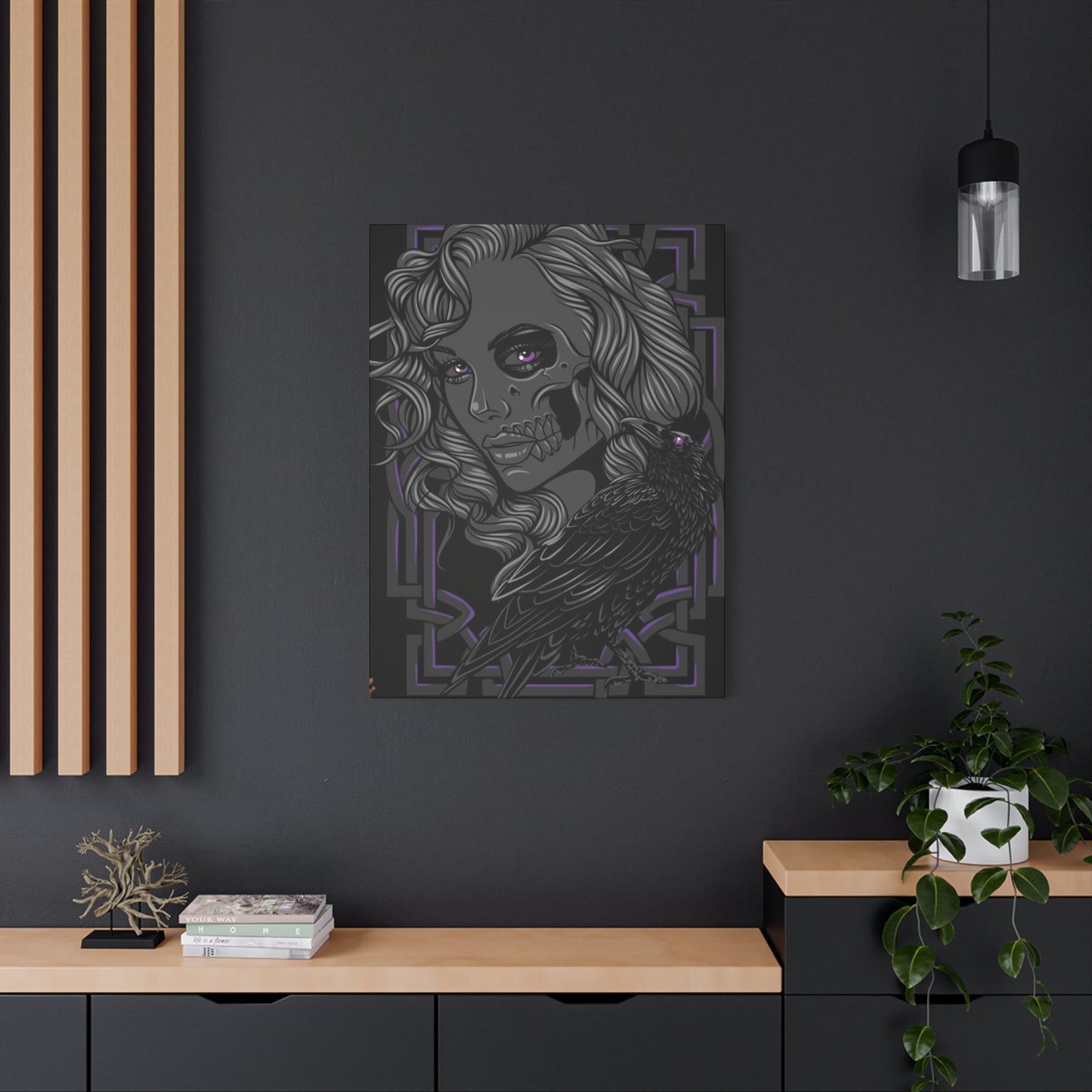
Mancave Wall Art & Canvas Prints
Mancave Wall Art & Canvas Prints
Couldn't load pickup availability
Elevate Your Personal Space with Striking Mancave Wall Art That Reflects Your Personality
Creating a dedicated personal sanctuary requires careful attention to every detail, and the visual elements you choose play a crucial role in establishing the right atmosphere. The walls surrounding your retreat space serve as blank canvases waiting to be transformed into expressions of your interests, passions, and individual character. When you select pieces that genuinely resonate with who you are, you craft an environment that feels authentically yours—a place where comfort meets style and every glance around the room reinforces your sense of belonging.
Discovering the Perfect Visual Elements for Your Private Sanctuary
The journey toward curating the ideal collection of visual pieces begins with understanding what truly speaks to your soul. Every individual possesses unique tastes, preferences, and memories that shape their aesthetic sensibilities. Some gentlemen gravitate toward vintage automobile imagery that recalls the golden era of motorsports, while others prefer abstract compositions that stimulate contemplation and conversation. The beauty of personalizing your retreat lies in the freedom to showcase exactly what moves you, without concern for conventional expectations or mainstream trends.
Consider the emotional response you experience when entering your space. Does the environment invigorate your spirit, or does it provide a calming refuge from the demands of daily existence? The artwork adorning your walls should amplify whichever sensation you seek. For those who view their private domain as an energizing hub for hobbies and creativity, bold graphics and vibrant colors might prove most suitable. Conversely, gentlemen seeking tranquility might prefer muted tones and serene landscapes that encourage relaxation and mental clarity.
The scale of your chosen pieces matters tremendously in achieving visual harmony. Large-format compositions command attention and serve as focal points that anchor entire rooms, while smaller works allow for creative clustering and gallery-style arrangements. Mixing various sizes creates dynamic visual interest and prevents monotony. A solitary oversized statement piece above a central seating area can establish the room's entire aesthetic direction, whereas a carefully curated collection of smaller frames tells a more complex, layered story about your journey and interests.
Texture adds another dimension to consider when selecting wall decorations. Canvas prints offer a traditional, refined appearance that suits classic interiors, while metal prints deliver contemporary edge with their sleek finish and dimensional quality. Wood-mounted pieces bring warmth and rustic charm, particularly appealing in spaces with industrial or farmhouse-inspired design schemes. Three-dimensional elements like reclaimed architectural features or sculptural installations introduce tactile variety that engages multiple senses beyond purely visual appreciation.
Exploring Diverse Styles That Speak to Masculine Sensibilities
The spectrum of available styles spans from minimalist modernism to richly detailed traditionalism, ensuring every gentleman finds options aligned with his particular aesthetic philosophy. Industrial-inspired pieces featuring exposed gears, vintage tools, or architectural blueprints appeal to those who appreciate functionality and craftsmanship. These works often incorporate raw materials like weathered metal or reclaimed wood, creating authenticity that resonates with hands-on creators and builders.
Sports enthusiasts find endless possibilities for showcasing their devotion to beloved teams or memorable athletic moments. Stadium panoramas capture the electric atmosphere of game-day excitement, while action shots freeze peak performance in dramatic composition. Vintage sports memorabilia reproductions bring nostalgic charm, connecting current passion with historical legacy. For the true aficionado, authentic signed jerseys or equipment displayed alongside complementary visual pieces create shrine-like tributes to athletic excellence.
Automotive art represents another popular category, particularly among gentlemen who view vehicles as more than mere transportation. Classic car illustrations rendered in vintage advertising styles evoke mid-century optimism and mechanical elegance. Technical drawings and exploded-view diagrams appeal to those fascinated by engineering and design processes. Racing photography captures motion, power, and competition in breathtaking moments that celebrate human achievement and technological prowess.
Nature and wilderness themes provide connection to the outdoors for those who find solace in forests, mountains, and waterways. Majestic landscape photography brings expansive vistas into confined spaces, creating windows to faraway places. Wildlife art celebrates the beauty and power of animals in their natural habitats, from soaring eagles to prowling bears. Fishing and hunting scenes resonate with sportsmen, depicting the patient pursuit and ultimate triumph of outdoor endeavors.
Music lovers have equally diverse options for expressing their sonic passions visually. Vintage concert posters commemorate legendary performances and cultural moments that shaped musical history. Instrument photography celebrates the craftsmanship and beauty of guitars, drums, and other tools of musical creation. Album cover reproductions allow fans to display iconic imagery associated with favorite recordings, turning sonic memories into visual statements that prompt conversations and shared nostalgia.
Strategic Placement Creates Maximum Visual Impact Throughout Your Space
Understanding proper placement principles transforms random decoration into intentional design that maximizes both aesthetic appeal and functional enjoyment. The concept of visual weight plays a crucial role in achieving balanced arrangements. Heavier, darker pieces naturally draw the eye and should be positioned to anchor compositions rather than overwhelm viewers. Lighter, more delicate works serve as supporting elements that guide attention through the space without competing for dominance.
Eye level represents the standard reference point for hanging artwork, typically positioned with the center of the piece approximately 57 to 60 inches from the floor. This height ensures comfortable viewing without craning necks upward or bending downward. However, context matters significantly—pieces intended for viewing while seated should hang lower, while those meant to be appreciated while standing or moving through transitional spaces can rise higher without disrupting the viewing experience.
Creating gallery walls requires careful planning to achieve cohesive results rather than chaotic clutter. Start by arranging pieces on the floor to experiment with various configurations before committing to wall placement. Maintain consistent spacing between frames—typically two to three inches—to create visual unity across the collection. Consider using paper templates cut to frame sizes and temporarily attached with painter's tape to preview arrangements directly on walls before hammering nails or installing mounting hardware.
Lighting dramatically influences how artwork appears and should be considered during the planning phase rather than as an afterthought. Natural light brings vibrancy and authenticity but requires careful management to prevent fading and damage over time. Position light-sensitive pieces away from direct sunlight streaming through windows, or use UV-filtering glass to protect valuable works. Artificial lighting offers greater control, with adjustable picture lights or track lighting systems allowing precise illumination that highlights textures and colors while minimizing glare.
Architectural features within your space provide natural opportunities for strategic artwork placement. The wall above a fireplace mantel serves as a traditional focal point perfect for commanding statement pieces. Empty walls flanking doorways or windows create symmetrical opportunities for balanced pairs of complementary works. Alcoves and recessed areas become mini-galleries when properly illuminated, transforming awkward architectural quirks into intentional design features that showcase prized pieces.
Materials and Manufacturing Processes That Determine Quality and Longevity
Understanding the construction methods behind various wall art options helps you make informed decisions that balance budget constraints with durability requirements. Canvas prints remain perpetually popular due to their classic appearance and relative affordability. Quality canvas prints feature archival inks that resist fading and maintain color accuracy for decades when properly cared for. Gallery-wrapped edges eliminate the need for frames, creating contemporary presentation that emphasizes the artwork itself rather than elaborate borders.
Metal prints have surged in popularity for their modern aesthetic and remarkable durability. The dye-sublimation process infuses colors directly into specially coated aluminum sheets, creating waterproof, scratch-resistant pieces that maintain their appearance in challenging environments. The metallic surface adds luminosity and depth to photographic images, making colors appear more saturated and blacks more profound. Metal prints suit contemporary spaces and withstand humidity, making them ideal for basement retreats or garage workshops where traditional materials might deteriorate.
Wood-mounted pieces combine rustic charm with substantial physical presence. Direct printing onto prepared wood surfaces creates organic variation as natural grain patterns interact with printed imagery. No two pieces appear identical due to inherent variations in wood character, ensuring truly unique results. Alternative construction methods attach canvas or photographic prints to wood backing panels, combining the aesthetic of traditional materials with the structural stability of solid foundations.
Framed prints offer versatility in matching artwork to existing decor through frame selection. Simple black or natural wood frames suit minimalist spaces, while ornate carved frames add sophistication to traditional settings. Museum-quality matting provides protective spacing between artwork and glass while creating refined borders that enhance visual presentation. UV-protective glazing shields artwork from harmful light exposure, extending the life of even delicate prints significantly.
Dimensional wall sculptures introduce three-dimensional interest that flat artwork cannot achieve. Metal wall sculptures feature cut, bent, and welded components that create shadow play and changing appearances as lighting conditions shift throughout the day. Wood relief carvings combine traditional craftsmanship with contemporary designs, offering texture and depth that invite closer inspection. Mixed-media pieces incorporate diverse materials like reclaimed industrial components, vintage signage, or found objects arranged into cohesive compositions that tell stories through their constituent parts.
Color Psychology Influences Mood and Atmosphere Within Your Retreat
The colors dominating your wall art selections profoundly impact the emotional atmosphere of your space. Warm hues like reds, oranges, and yellows generate energy, excitement, and social warmth. These stimulating colors suit entertainment-focused spaces designed for hosting friends during game-watching gatherings or casual hangouts. However, excessive warm tones can create agitation rather than comfortable excitement, so balance becomes essential when incorporating these powerful shades.
Cool colors including blues, greens, and purples promote calmness, concentration, and relaxation. These soothing tones work beautifully in contemplative spaces intended for reading, meditation, or creative pursuits requiring mental focus. Deep navy blues convey masculine sophistication without the starkness of black, while sage greens connect indoor environments to the natural world, fostering tranquility and restoration.
Neutral palettes featuring blacks, whites, grays, and earth tones provide versatile foundations that complement virtually any design direction. Monochromatic schemes create cohesive sophistication through variations in tone and texture rather than competing colors. These restrained approaches allow architectural features, furnishings, and collectibles to shine without visual competition from overly assertive artwork. Neutral backdrops also simplify future design evolution since new accent colors can be introduced through smaller decorative elements without clashing with permanently mounted wall pieces.
Contrast levels between artwork and surrounding walls determine visual impact. High contrast creates drama and commands attention—think black-and-white photography against crisp white walls, or vibrant color compositions against charcoal backgrounds. Low contrast produces subtle sophistication where artwork reveals itself gradually rather than shouting for immediate recognition. Consider your personality and how you want guests to experience your space when selecting contrast levels appropriate to your vision.
Accent colors within artwork offer opportunities to tie together disparate elements throughout your room. Identifying a secondary or tertiary color within a dominant piece and echoing it through throw pillows, area rugs, or other decorative elements creates intentional cohesion that demonstrates thoughtful design rather than random accumulation. This technique proves particularly effective when working with existing furnishings that cannot easily be replaced, allowing artwork selections to serve as bridges between established pieces.
Thematic Coherence Creates Intentional Environments Rather Than Random Collections
Establishing a unifying theme throughout your space elevates decoration from haphazard accumulation to purposeful curation. Your chosen theme might reflect specific interests like aviation, maritime pursuits, or western heritage. Alternatively, broader concepts like "industrial revolution," "mid-century modern," or "rustic mountain lodge" provide flexible frameworks that accommodate diverse individual pieces while maintaining overall coherence.
The key to successful thematic implementation lies in consistency without rigidity. Every single piece need not literally depict your chosen theme, but all elements should feel harmonious rather than jarring when viewed together. A room celebrating automotive history might include not just car imagery but also vintage gas station signs, racing pennants, and period advertisements that collectively evoke a specific era and culture surrounding automotive enthusiasm.
Color consistency reinforces thematic unity even when subject matter varies. A collection unified by sepia tones and muted earth colors maintains cohesion despite depicting different subjects—vintage maps, antique tools, and historical portraits all blend seamlessly when sharing a common palette. This approach allows greater flexibility in finding pieces you genuinely love while ensuring they integrate successfully into your existing environment.
Repetition of specific visual elements strengthens thematic statements. A nautical room might repeat anchor motifs, rope details, and weathered wood textures across multiple pieces of varying scales and formats. This layered repetition creates richness and depth while reinforcing the central concept without becoming monotonous. The human eye appreciates pattern recognition and finds satisfaction in discovering recurring elements presented in fresh, creative ways.
Chronological themes offer particularly engaging approaches for history enthusiasts. A room celebrating aviation evolution might progress from early balloon flight imagery through Wright Brothers photography to supersonic jet compositions, creating a visual timeline that educates while decorating. Similarly, musical spaces might trace genre development from early blues through rock evolution, telling stories through carefully sequenced visual elements that reward sustained attention and reflection.
Sourcing Strategies Help You Find Exceptional Pieces Within Your Budget
The hunt for perfect wall decorations combines research, patience, and strategic shopping across diverse marketplaces. Online retailers offer convenience and selection impossible to match through local shopping alone. Specialty websites dedicated to specific genres—automotive art, sports memorabilia, outdoor recreation imagery—provide curated collections that save time compared to sifting through general retailers' vast inventories. Customer reviews and detailed product descriptions help you assess quality and accuracy before purchasing items sight unseen.
Local artists and craftspeople represent often-overlooked resources for acquiring truly unique pieces unavailable through mass-market channels. Community art fairs, studio tours, and gallery exhibitions provide opportunities to meet creators, understand their processes, and commission custom works tailored precisely to your specifications and space requirements. Supporting local artisans builds community connections while ensuring your decorations remain genuinely one-of-a-kind rather than mass-produced reproductions hanging in countless other spaces.
Estate sales and auction houses occasionally yield remarkable discoveries at reasonable prices. Vintage advertising signs, antique maps, architectural salvage, and obsolete industrial artifacts often sell for modest sums when buyers lack vision for repurposing these items as compelling wall decorations. Patience and regular attendance at such events eventually reward persistent hunters with treasures that become conversation pieces and points of pride within thoughtfully curated spaces.
Reproduction specialists offer middle-ground solutions combining affordability with historical authenticity. High-quality reproductions of vintage posters, advertisements, and artistic works provide the aesthetic appeal of originals at fractions of their cost. While lacking the investment value of genuine antiques, superior reproductions printed on appropriate materials and properly aged appear indistinguishable from originals to casual observers, allowing you to achieve desired aesthetics without depleting your budget.
Custom printing services empower you to transform personal photography, digital artwork, or even meaningful documents into professional-quality wall decorations. Family photographs from memorable adventures, screenshots from cherished video games, or diagrams from significant patents in your field can all become personalized artwork that holds deeper meaning than generic purchased pieces. Many services offer various materials, sizes, and finishing options, providing gallery-quality results from your own content.
Size Proportions and Scale Relationships Determine Visual Harmony
Artwork sizing requires consideration of both absolute dimensions and relative proportions compared to surrounding elements. A piece hanging above furniture should span approximately two-thirds to three-quarters of the furniture width to appear balanced rather than awkwardly small or overwhelmingly large. This guideline creates visual connection between horizontal elements while maintaining pleasing proportions that feel intentional rather than arbitrary.
Wall coverage represents another important consideration when planning artwork placement. Decorating wisdom suggests covering roughly 50 to 75 percent of available wall space in main gathering areas to create fullness without claustrophobic crowding. Less frequently occupied zones like transitional hallways can accommodate sparser decoration, allowing individual pieces greater breathing room and prominence. Balance density against available space, adjusting coverage to match both room dimensions and intended atmosphere.
Vertical arrangements draw eyes upward, making rooms appear taller and more spacious. This technique proves particularly valuable in spaces with lower ceilings where horizontal emphasis might accentuate the confined feeling. Stacked arrangements of complementary pieces create upward momentum that counteracts the psychological weight of overhead surfaces pressing downward. Conversely, horizontal arrangements emphasize width, making narrow rooms feel more expansive.
Proportion between frame and artwork matters significantly in presenting pieces effectively. Overly wide mats and frames can swallow smaller prints, making them appear insignificant. Conversely, insufficient framing around bold imagery fails to provide necessary visual breathing room, causing pieces to feel cramped and uncomfortable. Generally, mat widths between two and four inches suit most standard-sized prints, with larger works accommodating proportionally wider surrounds.
Negative space—the empty wall area surrounding artwork—serves crucial functions in successful design. Adequate negative space allows each piece room to breathe and be appreciated individually rather than blending into cluttered visual noise. This principle applies both to spacing between multiple pieces and to the buffer zone surrounding collections or individual works. Resist the temptation to fill every available inch of wall surface; restraint often produces more impactful results than maximalist coverage.
Mounting Methods Ensure Secure Display While Protecting Wall Surfaces
Selecting appropriate hanging hardware depends on both artwork weight and wall construction. Standard drywall requires anchoring systems that distribute weight across larger areas rather than relying solely on penetration depth. Plastic expansion anchors work adequately for lightweight pieces under ten pounds, while threaded drywall anchors provide greater holding strength for mid-weight items. Heavy pieces exceeding 30 pounds demand mounting into wall studs using wood screws or toggle bolts that anchor behind the drywall surface.
Stud finders simplify locating the wooden framework supporting drywall, allowing secure mounting for heavy or valuable pieces where failure would risk significant damage. Studs typically run vertically at 16 or 24-inch intervals behind finished walls, though older construction sometimes features irregular spacing requiring more thorough investigation. When stud placement doesn't align with desired artwork positioning, heavy-duty hollow wall anchors or toggle bolts provide sufficient holding power for secure mounting between studs.
Picture hanging wire attached to frame backs offers flexibility in fine-tuning level during installation. The wire's center point hangs on wall-mounted hooks, allowing minor adjustments by sliding the wire sideways until perfect alignment is achieved. This method suits traditionally framed pieces but proves less practical for frameless canvas or metal prints. For these modern formats, sawtooth hangers, D-rings, or French cleat systems provide clean, secure mounting with minimalist visual profiles.
French cleats represent the gold standard for heavy artwork requiring absolutely secure mounting. This system employs matching beveled strips—one attached to the artwork back and one mounted to the wall—that interlock to distribute weight evenly along the entire cleat length. French cleats accommodate extremely heavy pieces, allow easy removal for cleaning or repositioning, and self-level when properly installed. While requiring more involved installation than simple nail hangers, the security and adjustability French cleats provide justify the additional effort for valuable or irreplaceable pieces.
Adhesive strips offer damage-free alternatives for lightweight items in rental situations or when minimizing wall penetration is priority. Modern adhesive systems provide surprising holding strength while removing cleanly without damaging paint or leaving residue. However, these systems require smooth, properly prepared surfaces and careful attention to weight limits to prevent disappointing failures. Reserve adhesive mounting for genuinely lightweight pieces in low-traffic areas where accidental bumps won't test the adhesive bond.
Caring for Your Displayed Artwork Preserves Its Beauty for Years to Come
Regular maintenance prevents gradual degradation that accumulates imperceptibly until suddenly noticeable damage demands attention. Dust accumulation dulls surfaces and, in humid environments, can absorb moisture that promotes mold growth or material deterioration. Weekly dusting using soft, dry microfiber cloths removes particles without scratching surfaces or redistributing dust into the air to resettle moments later. Avoid commercial dusting sprays that leave residues attracting future dust while potentially damaging artwork materials.
Climate control protects artwork from environmental hazards that cause warping, fading, and material breakdown. Relative humidity between 40 and 60 percent prevents both excessive dryness that causes brittle cracking and dampness that enables mold growth. Temperature stability matters as much as absolute temperature, with cycling between extremes causing expansion and contraction that stresses materials and weakens structural integrity. Basements and garages require particular attention to climate management if housing displayed artwork.
Direct sunlight represents one of the most destructive forces acting on displayed artwork over time. Ultraviolet radiation breaks down pigments, fades colors, and degrades organic materials like canvas and paper. Position light-sensitive pieces away from windows receiving direct sun exposure, or use window treatments that filter UV radiation while admitting visible light. Even indirect daylight contains sufficient UV energy to cause gradual fading, making UV-protective glazing worthwhile for valuable prints and paintings.
Periodic inspection catches developing problems before they progress beyond repair. Check for signs of insect activity, particularly in areas with organic materials like wood frames or canvas. Look for warping, buckling, or separation of mounted prints from their substrates. Examine frame corners for gap development suggesting joint failure. Address identified issues promptly—minor problems corrected early prevent major restoration expenses later.
Professional cleaning and restoration services prove worthwhile for valuable pieces showing age-related deterioration. Conservators possess specialized knowledge, tools, and materials unavailable to casual enthusiasts, enabling repairs that preserve both aesthetic appearance and monetary value. Before attempting DIY restoration on anything of significance, consult with professionals who can assess whether home treatment risks causing irreversible damage. Sometimes wisdom lies in accepting authentic patina rather than destroying value through misguided cleaning attempts.
Building Collections Over Time Creates Evolving Personal Narratives
Approaching wall decoration as ongoing curation rather than one-time completion transforms your space into a growing autobiography. Each new addition represents a chapter in your continuing story—commemoration of achievements, documentation of evolving interests, or reminders of meaningful experiences. This organic growth produces collections with depth and authenticity impossible to achieve through single buying sprees aimed at instant completion.
Starting with anchor pieces establishes foundations around which subsequent additions orbit. These cornerstone works typically represent significant investments in size, quality, or personal meaning. They establish aesthetic direction and serve as reference points when evaluating potential additions. Building gradually around these anchors prevents impulse purchases of pieces that ultimately feel disconnected from your core vision, saving money while ensuring long-term satisfaction with your curated collection.
Seasonal rotation keeps displays fresh and engaging throughout the year. Storing portions of your collection allows periodic refreshing of your environment without requiring constant new purchases. Rotate darker, moodier pieces into prominence during winter months while reserving bright, energetic works for summer display. This practice also distributes light exposure and environmental stress across your entire collection rather than concentrating wear on permanently displayed pieces.
Documenting your collection through photography and written records serves multiple practical purposes. Visual documentation supports insurance claims should theft or damage occur. Written records noting purchase dates, sources, and prices assist in tracking collection value and proving provenance for potentially valuable pieces. Beyond these practical benefits, documentation creates historical records of your aesthetic evolution, providing future reflection on how your tastes and interests have developed over years or decades.
Inheritance considerations warrant thought for collectors acquiring valuable pieces. Clear documentation, proper storage for works not currently displayed, and conversations with heirs about your collection's significance help ensure your carefully curated pieces receive appropriate respect and care after you can no longer tend them personally. While perhaps uncomfortable to contemplate, such planning honors the time and resources you've invested in building meaningful collections.
Complementary Elements Beyond Wall Decorations Complete the Environment
While wall art commands visual attention, supporting elements contribute substantially to overall atmosphere. Furniture selection should harmonize with the character established by your displayed artwork. Industrial metal pieces pair naturally with machinery and architectural imagery, while rich leather and dark woods complement traditional sporting art. Consistency in material choices and finish qualities creates cohesion that makes spaces feel intentionally designed rather than randomly furnished.
Lighting deserves renewed emphasis for its role in completing environments. Beyond illuminating artwork, strategic lighting shapes mood and functionality. Dimmable fixtures allow atmospheric adjustment matching different activities and times of day. Task lighting over reading areas, workshops, or gaming stations provides necessary brightness for close work without flooding entire spaces. Accent lighting highlights architectural features, shelving displays, or particularly prized pieces, creating visual interest and dimensional depth.
Textiles introduce softness and acoustic benefits to spaces that might otherwise feel cold or echo-prone. Area rugs define zones within larger rooms while adding color, pattern, and texture. Upholstered seating provides comfortable lounging and absorbs sound that would otherwise bounce off hard surfaces. Window treatments control natural light, provide privacy, and contribute additional pattern and color opportunities. Select textiles that echo colors and themes present in your wall art to strengthen overall coherence.
Display shelving transforms collectibles, memorabilia, and functional objects into three-dimensional design elements that extend the stories your walls begin. Arrange items with attention to composition—varying heights, grouping by color or theme, leaving sufficient negative space to prevent cluttered appearance. Rotate displayed items periodically to keep presentations fresh and protect stored items from constant light exposure. Illuminated shelving draws attention to displayed objects while creating ambient lighting that enhances overall atmosphere.
Personal memorabilia gains significance through thoughtful integration with purchased artwork. Framed photographs from memorable trips, displayed instruments you actually play, or vintage equipment from hobbies you've pursued add autobiographical authenticity that generic decorations cannot match. These personal touches transform spaces from showrooms into genuine reflections of lived experience, creating environments that feel intimately yours rather than professionally staged.
Respecting Intellectual Property While Displaying Beloved Characters and Brands
Enthusiasm for entertainment franchises, automotive marques, or sports organizations often inspires decoration featuring associated imagery. Understanding intellectual property basics helps you enjoy favorite characters and brands while respecting creators' rights. Officially licensed merchandise supports creators and ensures quality manufacturing standards. While sometimes pricier than unauthorized alternatives, licensed products provide peace of mind regarding legal compliance and typically offer superior reproduction quality worth the premium.
Fan art occupies a complicated legal and ethical space worth understanding. Many artists create and sell works depicting characters or properties they don't own, operating in gray areas where rights holders may tolerate unofficial art or may aggressively defend their intellectual property. When purchasing fan art, recognize you acquire the physical object but not reproduction rights, and rights holders could theoretically challenge even your personal display if feeling particularly aggressive about enforcement. Supporting fan artists who clearly operate as fans rather than commercial pirates helps maintain community goodwill while acknowledging you assume some minimal legal risk.
Vintage collectibles including original advertising materials, promotional posters, and product packaging generally carry fewer concerns since they represent authentic period pieces rather than modern reproductions of protected works. These genuine articles possess historical value beyond their imagery and rarely attract challenges from rights holders. The authentic patina and manufacturing characteristics of vintage materials also provide aesthetic qualities that modern reproductions cannot duplicate, making them desirable beyond their legal advantages.
Creating personal artwork for private display generally falls within fair use boundaries, though this area remains legally murky and context-dependent. Painting a favorite character for your personal wall differs substantially from mass-producing and selling such images. If possessing artistic talent, creating original interpretations of beloved characters, vehicles, or scenes for purely personal enjoyment respects both your creative impulses and property owners' commercial interests. Just avoid crossing into reproduction and distribution, which clearly violates established boundaries.
Public figures including athletes, musicians, and actors present additional considerations. While you generally cannot reproduce and sell photographs of celebrities without licensing rights, displaying purchased prints in private spaces typically raises no issues. Historical figures whose images have entered public domain present fewer restrictions, though specific photographs may remain protected even when subjects are not. When uncertain about specific pieces, researching copyright status or consulting with sellers about licensing helps avoid potential complications.
Drawing Inspiration from Diverse Sources Sparks Creative Direction
Developing your unique aesthetic vision involves absorbing influences from countless sources before synthesizing something distinctly yours. Interior design publications showcase professionally styled spaces that, while perhaps beyond your budget to replicate exactly, demonstrate principles regarding color coordination, furniture arrangement, and accessory selection. Study how designers create focal points, balance competing visual elements, and use repetition to establish thematic coherence. Apply these observed principles to your own space using whatever resources you can access.
Film and television offer constant streams of set design inspiration showing how environments reflect character personalities and support storytelling. Notice how shows establish character through their living spaces—what does a person's home reveal about their values, interests, and history? Consider what your own space communicates and whether those messages align with how you see yourself. Intentionally designing your environment to express your authentic character rather than accidentally accumulating random furnishings creates spaces that feel genuinely satisfying.
Museums provide education in display techniques and collection curation from institutions dedicated to preserving and presenting objects effectively. Observe how exhibits arrange items to guide visitors through narratives, create visual rhythm, and highlight significant pieces. Notice lighting techniques, explanatory text placement, and use of negative space. Museums invest tremendous expertise in presentation; borrowing their professional approaches elevates your personal displays beyond amateur efforts.
Travel exposes you to diverse aesthetic traditions and regional styles that might inspire fresh directions. A Southwest trip might spark interest in incorporating Native American designs, natural materials, and earth-tone palettes. European travel could awaken appreciation for classical art, formal symmetry, and refined craftsmanship. Asian influences might introduce minimalist principles, natural materials, and contemplative atmosphere. Even if not immediately implementing observed styles, exposing yourself to diversity expands your aesthetic vocabulary and prevents narrow thinking.
Social media platforms dedicated to interior design and personal spaces offer endless inspiration though requiring critical filtering. Many showcased spaces represent idealized photography rather than livable reality, featuring impractical arrangements that look beautiful but function poorly. Others depend on budgets far exceeding what ordinary enthusiasts can access. View these sources as idea generators rather than templates requiring exact replication. Extract principles and concepts that resonate, then adapt them to your specific circumstances, budget, and practical needs.
Addressing Common Challenges When Decorating Personal Retreats
Many gentlemen struggle with commitment anxiety when selecting permanent-feeling elements like wall decorations. The solution involves accepting that few decisions prove truly irreversible—artwork can be moved, replaced, or supplemented as tastes evolve. Starting with less expensive pieces reduces financial risk while you develop confidence in your aesthetic judgment. As your vision clarifies and budget allows, gradually upgrade to investment-quality pieces you'll treasure long-term. Perfection need not arrive immediately; it emerges through iterative refinement.
Budget limitations constrain many enthusiasts dreaming of designer showcases but facing real-world financial realities. Creativity and patience overcome monetary obstacles more effectively than waiting indefinitely for fantasy budgets. Prioritize spending on pieces occupying prominent positions where quality matters most. Economize on secondary pieces viewed less frequently or from greater distances where fine details disappear. Scout secondhand markets for hidden gems requiring cleaning or reframing but offering bargain prices. Print personal photography professionally rather than purchasing generic stock images. Building collections gradually through consistent modest purchases proves more satisfying than either depleting savings immediately or abandoning decoration entirely due to perceived unaffordability.
Small spaces present particular challenges in accommodating desired decorations without creating overwhelming clutter. Vertical emphasis helps small rooms feel larger by drawing eyes upward rather than emphasizing limited floor space. Large-scale pieces paradoxically often work better than numerous small ones, since fewer, bolder elements create clean impact while multiple small pieces fragment limited wall space into busy confusion. Mirrors strategically placed reflect light and create illusion of expanded space when room dimensions cannot physically increase. Light colors and minimal frames prevent dark, heavy elements from making small spaces feel even more confined.
Rental restrictions limiting wall damage complicate decoration for temporary residents wanting homey spaces without risking security deposits. Removable hanging strips rated for appropriate weights provide damage-free alternatives to traditional nails and screws. Freestanding easels display artwork without any wall contact whatsoever. Leaning large pieces against walls creates casual, contemporary aesthetics while avoiding mounting entirely. Gallery shelves hold multiple smaller pieces while requiring minimal wall penetration limited to shelf bracket mounting. Documenting existing wall conditions photographically before hanging anything protects against disputes about pre-existing versus tenant-caused damage.
Disagreements with partners or roommates sharing spaces require diplomatic navigation balancing competing preferences. Designating specific areas where each person exercises primary control provides everyone territory reflecting their personal taste. Finding overlapping interests creates common ground—perhaps both parties enjoy nature photography though preferring different specific subjects. Establishing budgets and shopping together ensures financial transparency and shared ownership of decisions. Accepting compromise as inevitable maintains domestic harmony worth more than any decorating preference. Your private retreat may need to be truly private rather than shared if aesthetic differences prove irreconcilable.
Exploring Niche Categories for Highly Specialized Interests
Beyond broad categories like sports or automobiles, countless specialized niches offer focused decoration options for passionate enthusiasts. Aviation devotees find extensive choices spanning from Wright Brothers documentation through modern military aircraft. Vintage airline posters celebrate the golden age of luxurious air travel, while detailed technical drawings appeal to those fascinated by engineering specifics. Air show photography captures dramatic aerial performances, and airport architecture images honor the distinctive mid-century modernist terminals that defined jet-age optimism.
Maritime themes extend far beyond simple anchor motifs, encompassing rich traditions from multiple centuries and cultures. Nautical charts and maps document coastlines while providing beautiful abstract compositions of blues and creams. Ship portraiture ranging from age-of-sail grandeur to modern container vessels celebrates naval architecture across eras. Lighthouse imagery appeals through symbolic meanings of guidance and steadfastness while showcasing distinctive architectural forms. Commercial fishing and maritime industry subjects honor blue-collar traditions often overlooked by mainstream decoration markets.
Western heritage offers Americans particularly deep wellsprings of iconography connecting to frontier mythology. Cowboy life depictions range from romanticized imagery to grittier documentation of ranching realities. Native American art honors indigenous cultures through both traditional and contemporary expressions. Desert landscapes capture the austere beauty of arid regions. Rodeo action photography freezes moments of incredible athleticism and dangerous excitement. Vintage firearms and equipment celebrate tools that enabled westward expansion regardless of one's stance on the complicated legacy that expansion represents.
Motorcycle culture encompasses diverse subcultures from outlaws to weekend warriors, each with distinct visual traditions. Custom chopper photography showcases artistic metalwork and mechanical creativity. Vintage racing captures a grittier, more dangerous era before modern safety equipment. Manufacturer-specific imagery allows brand loyalty expression whether your preference runs to Harley-Davidson, Indian, or international marques. Route imagery documents iconic roads like Route 66 that hold special significance in motorcycle touring culture. Rally and stunt photography demonstrates the versatile capabilities of two-wheeled machines.
Gaming culture increasingly finds representation in sophisticated visual art that transcends juvenile stereotypes. Concept art from favorite titles showcases the artistic vision underlying beloved virtual worlds. Character portraits celebrate iconic heroes and villains who've achieved genuine cultural significance. Pixel art celebrates retro gaming nostalgia while demonstrating that graphical simplicity doesn't preclude artistic merit. Minimalist posters distill games to essential symbolic elements recognizable to fans while maintaining clean aesthetics suitable for adult spaces. Esports photography documents competitive gaming as legitimate sport deserving artistic documentation.
Conclusion
Bar areas benefit from vintage advertising, neon signage, and alcohol-related imagery that establishes an appropriate atmosphere for social drinking. Brewery signs, whiskey advertisements, and cocktail recipes printed in vintage typography reinforce the space's purpose while providing conversation starters. Beer tap handles mounted decoratively suggest commercial barroom authenticity. Shelving displaying glassware and spirits doubles as functional storage and visual interest. Chalkboard-style menus listing available drinks add interactive elements guests appreciate.
Workshop spaces call for practical considerations alongside aesthetic ones. Tool organization systems become decorative elements when thoughtfully implemented, with shadow boards and pegboards creating visual patterns while ensuring equipment accessibility. Vintage tool advertisements and manufacturer signage honor craftsmanship traditions. Patent drawings and technical illustrations celebrate human ingenuity and problem-solving. Project photography documenting your own creations personalizes spaces while demonstrating capability. Durable materials withstand dust, humidity, and occasional impacts inevitable in working environments.
Home theater rooms benefit from cinema-focused decoration that enhances the entertainment experience. Movie posters—whether current releases or classic films—immediately establish the space's purpose. Film strip borders or camera equipment create thematic reinforcement. Acoustic panels designed with printed graphics serve dual functions, improving sound quality while adding visual interest. Concession stand signage and vintage candy advertisements inject nostalgic fun. Seating arrangements and viewing angles take precedence over decoration, ensuring comfort and sightlines remain uncompromised by artistic ambitions.
Exercise areas require motivation-focused imagery that energizes rather than relaxes. Action photography of elite athletes demonstrates peak performance worth pursuing. Inspirational text—used sparingly to avoid cliché—reminds you why you're suffering through difficult workouts. Progress tracking boards document personal achievement and encourage continued effort. Mirrors serve functional purposes for form checking while creating illusions of expanded space.
Share