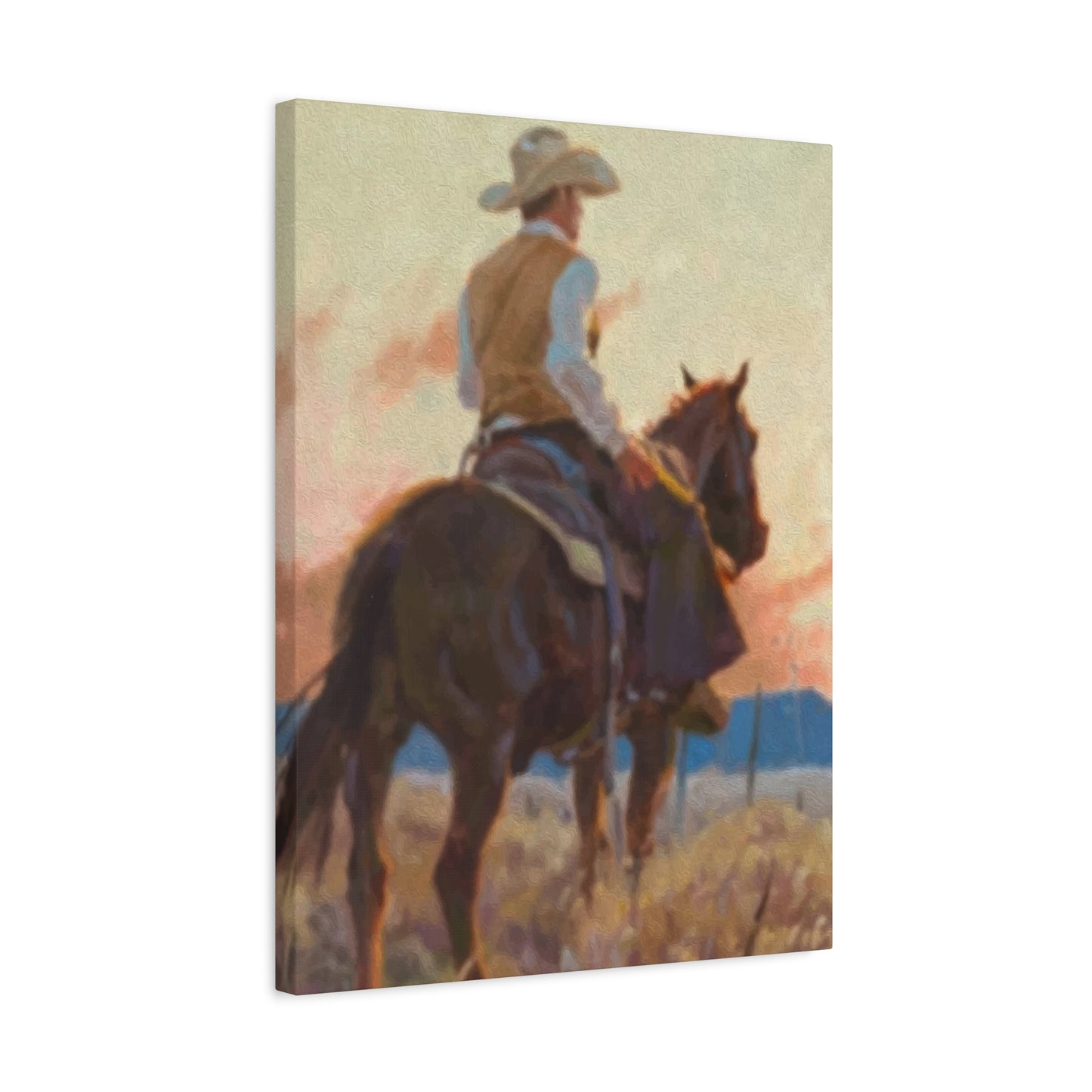
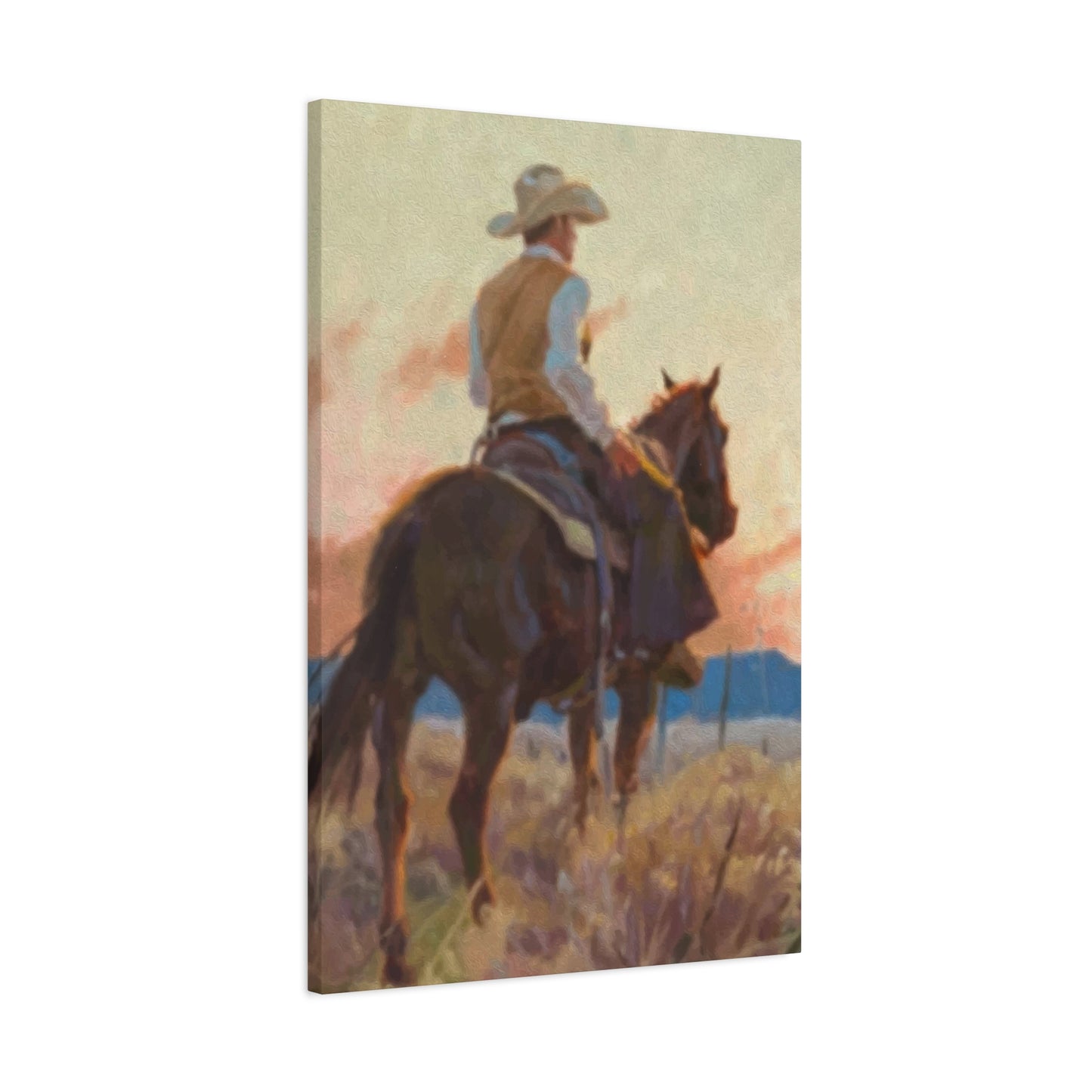
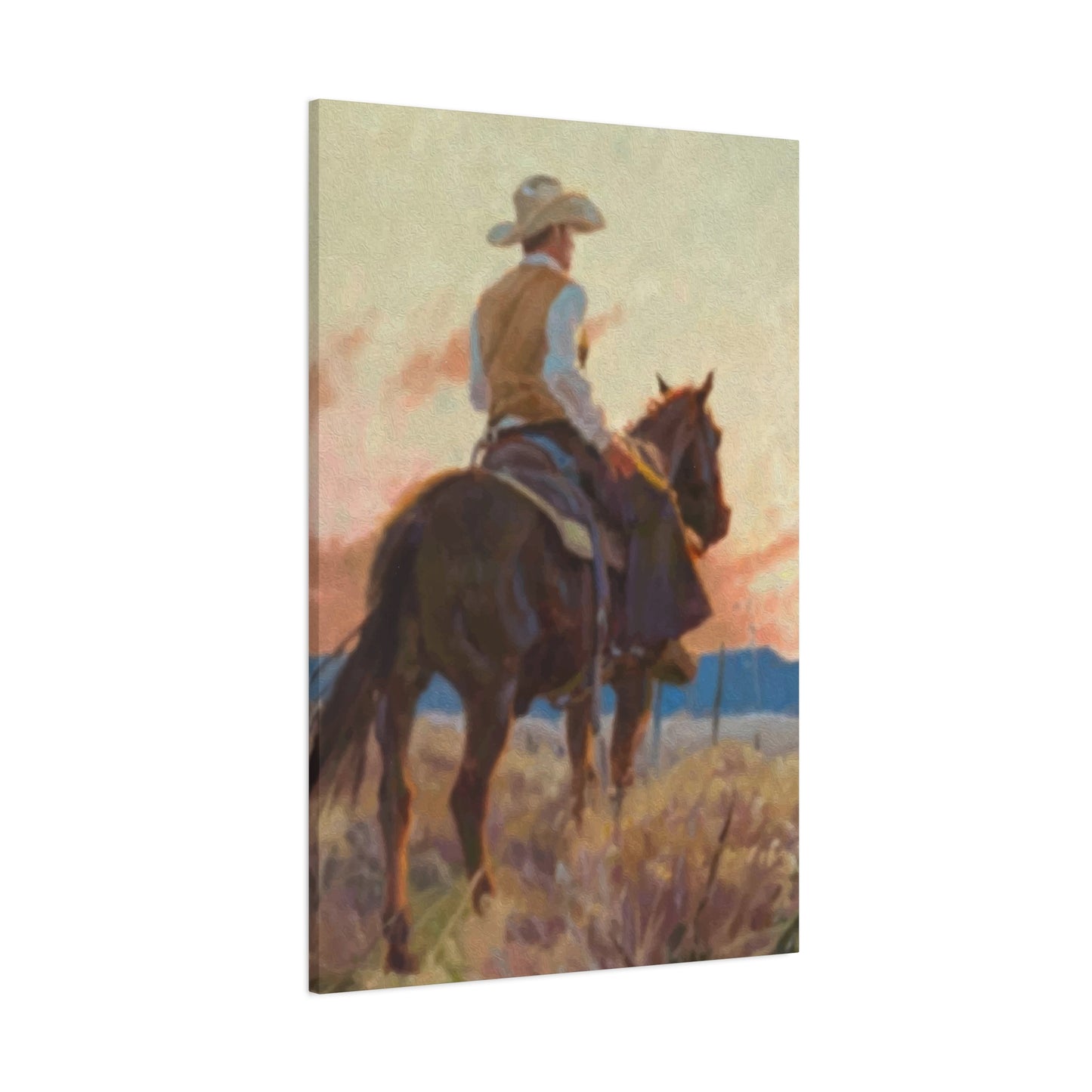
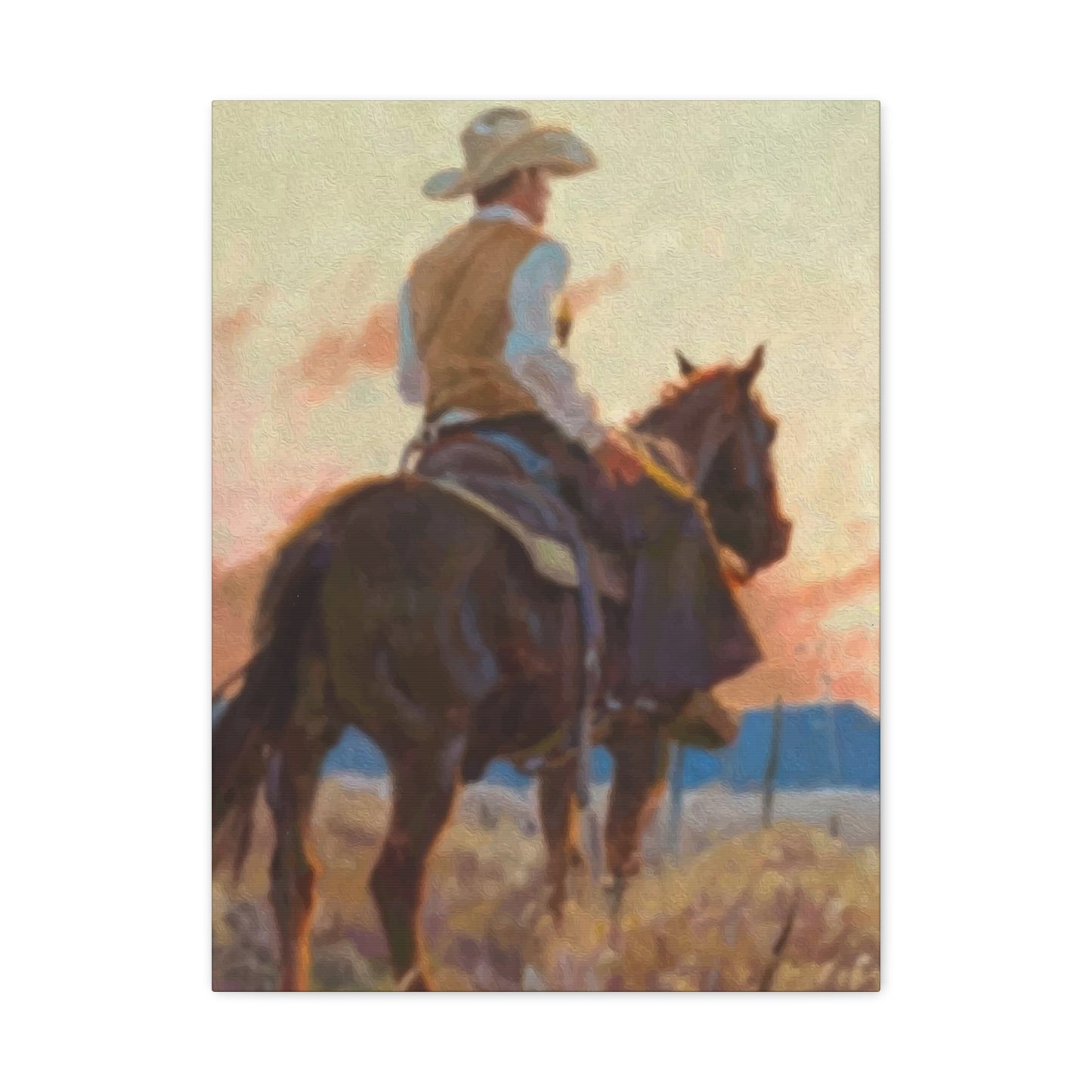
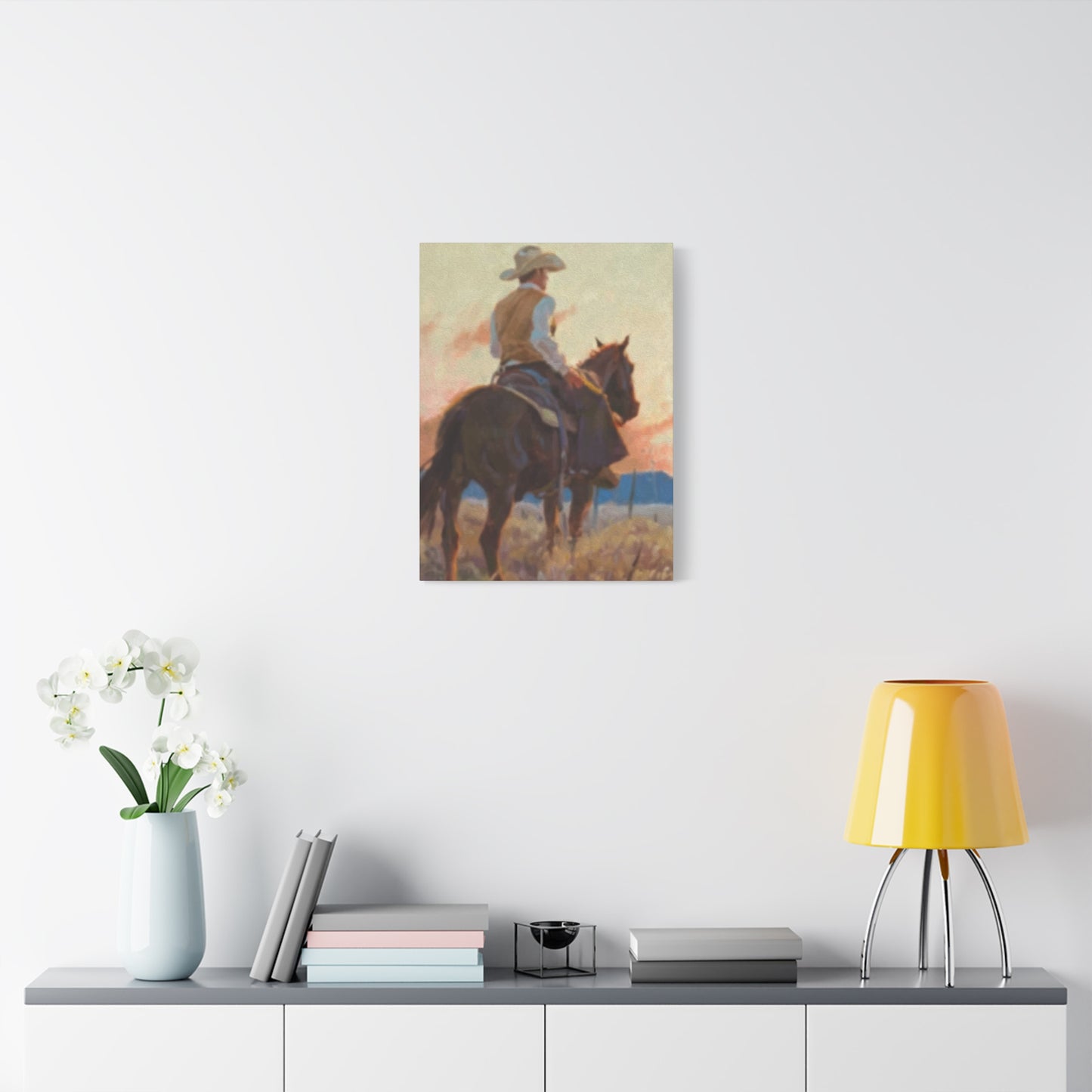
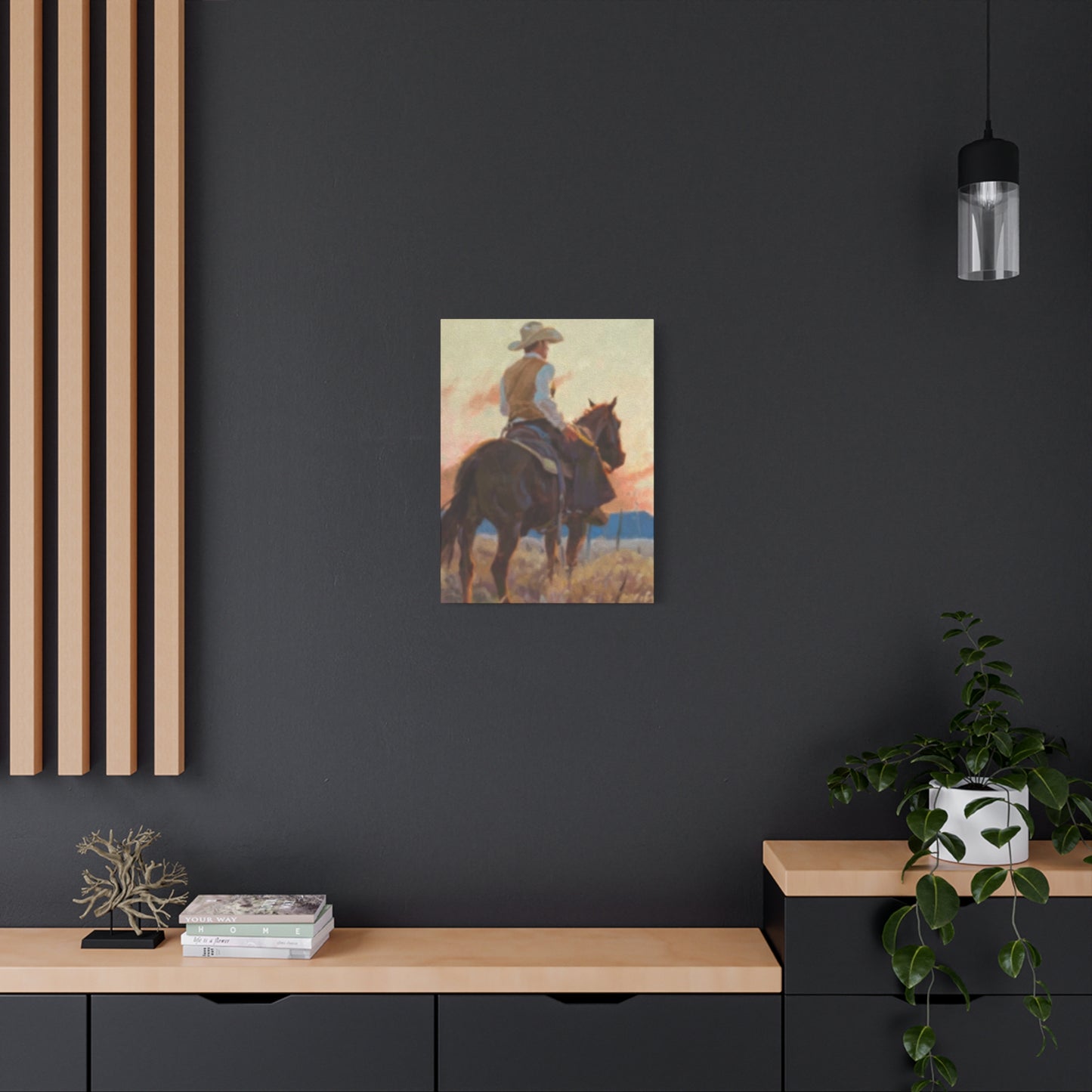
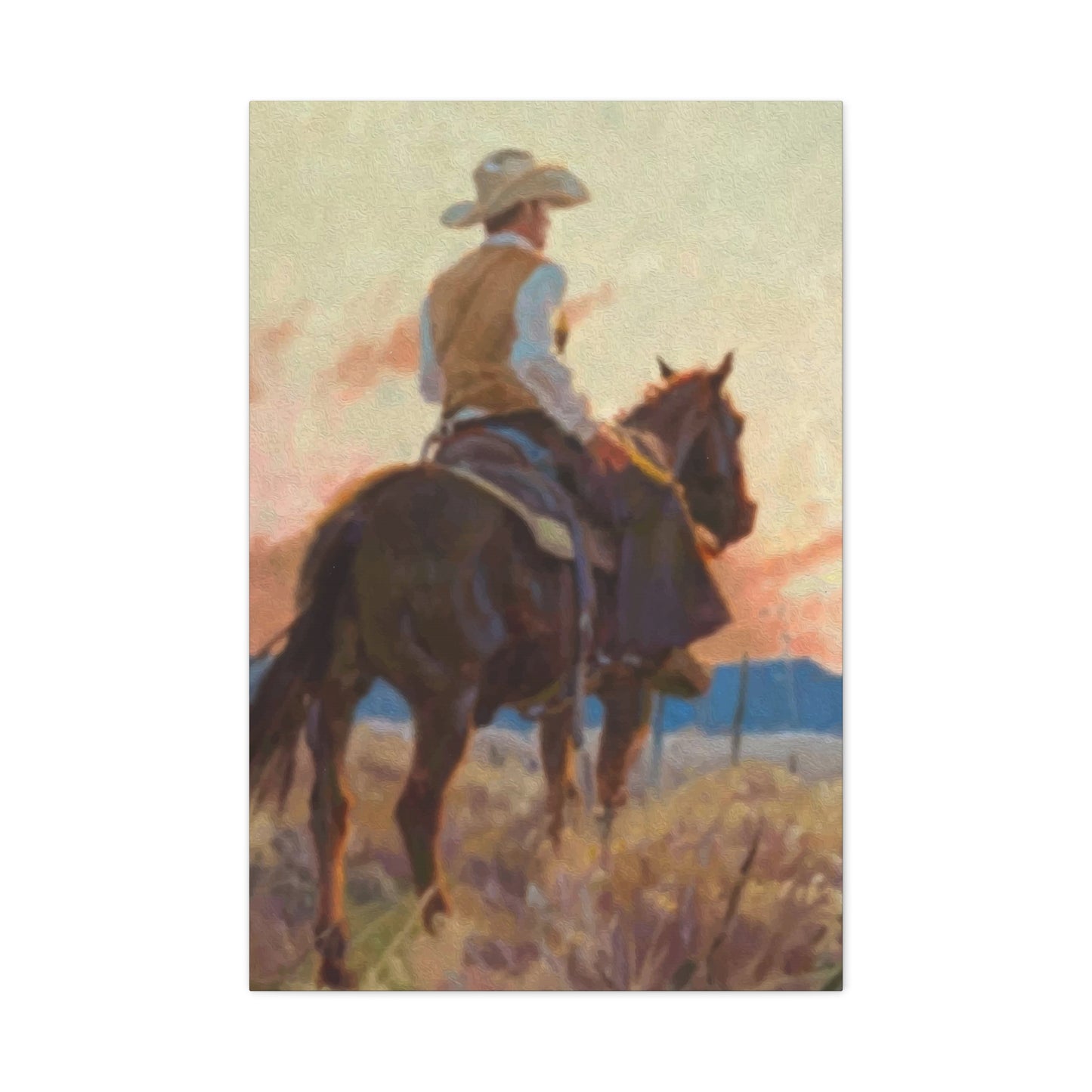
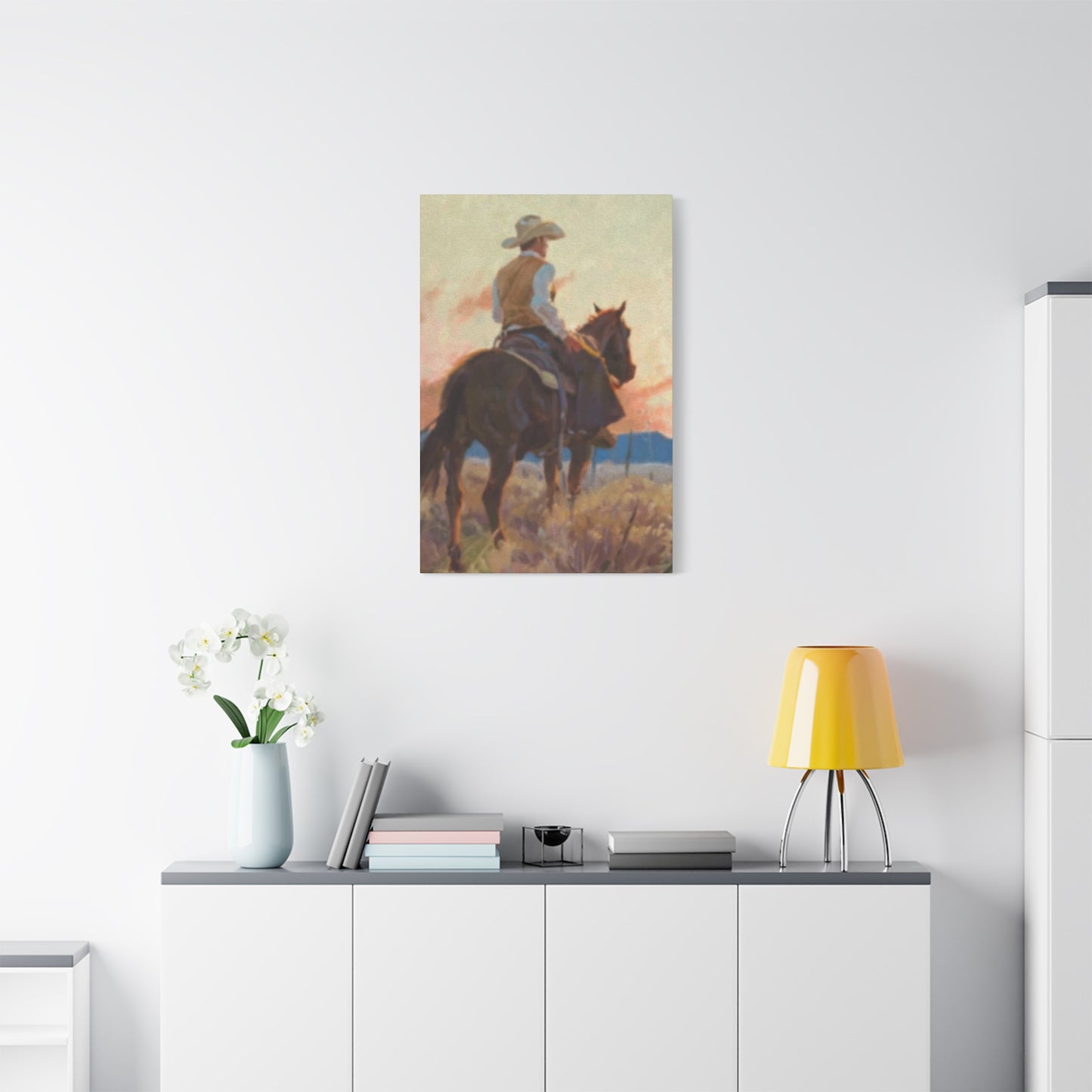
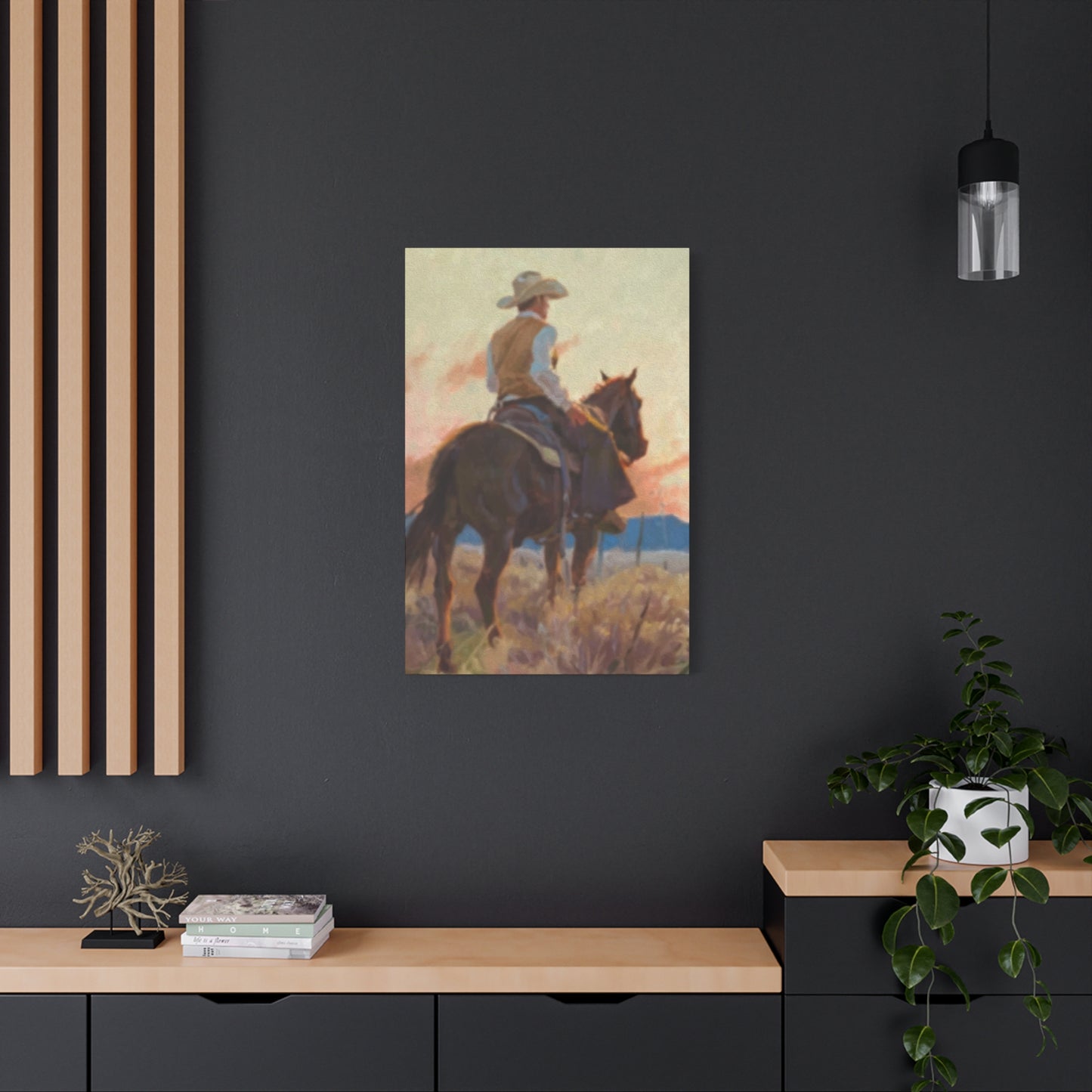
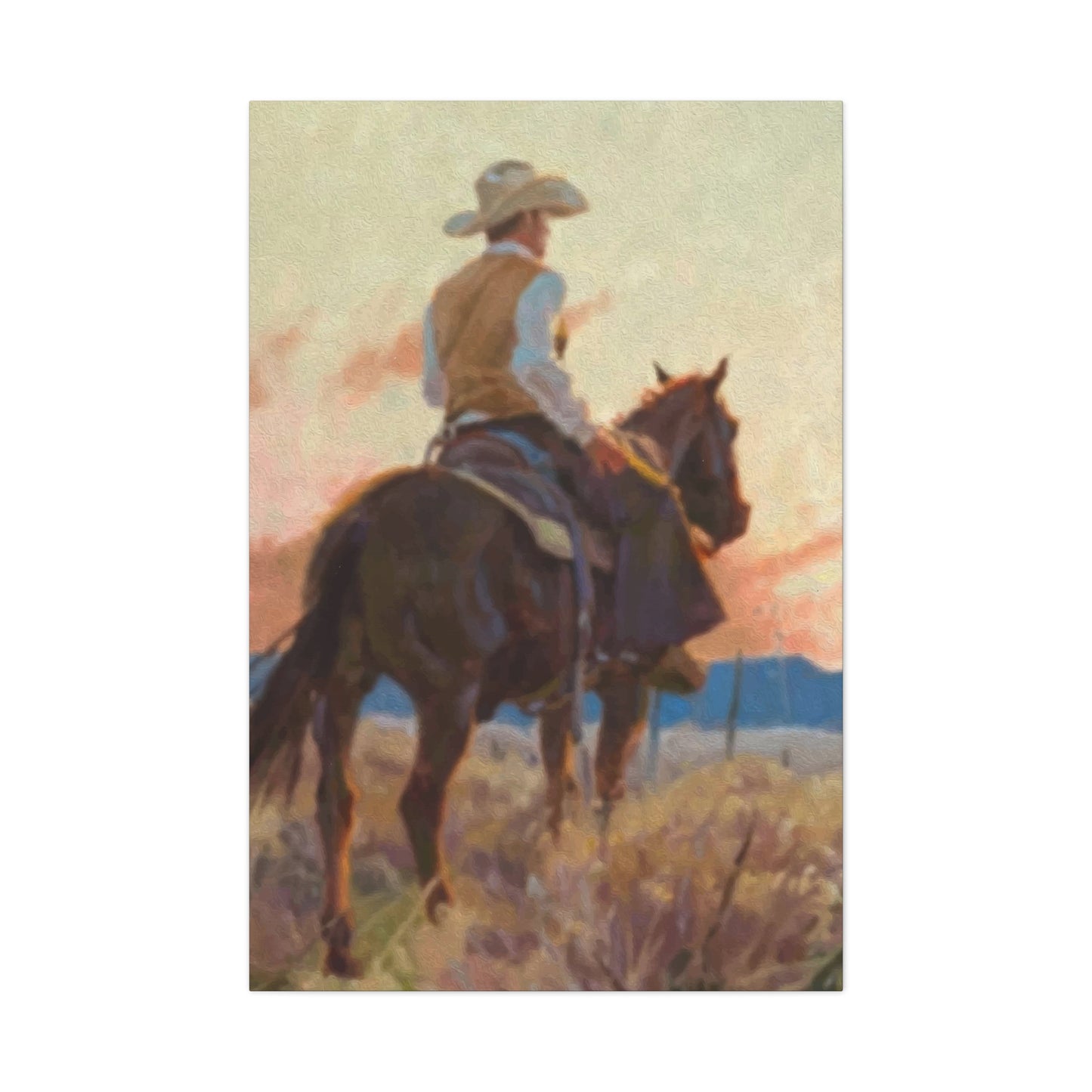
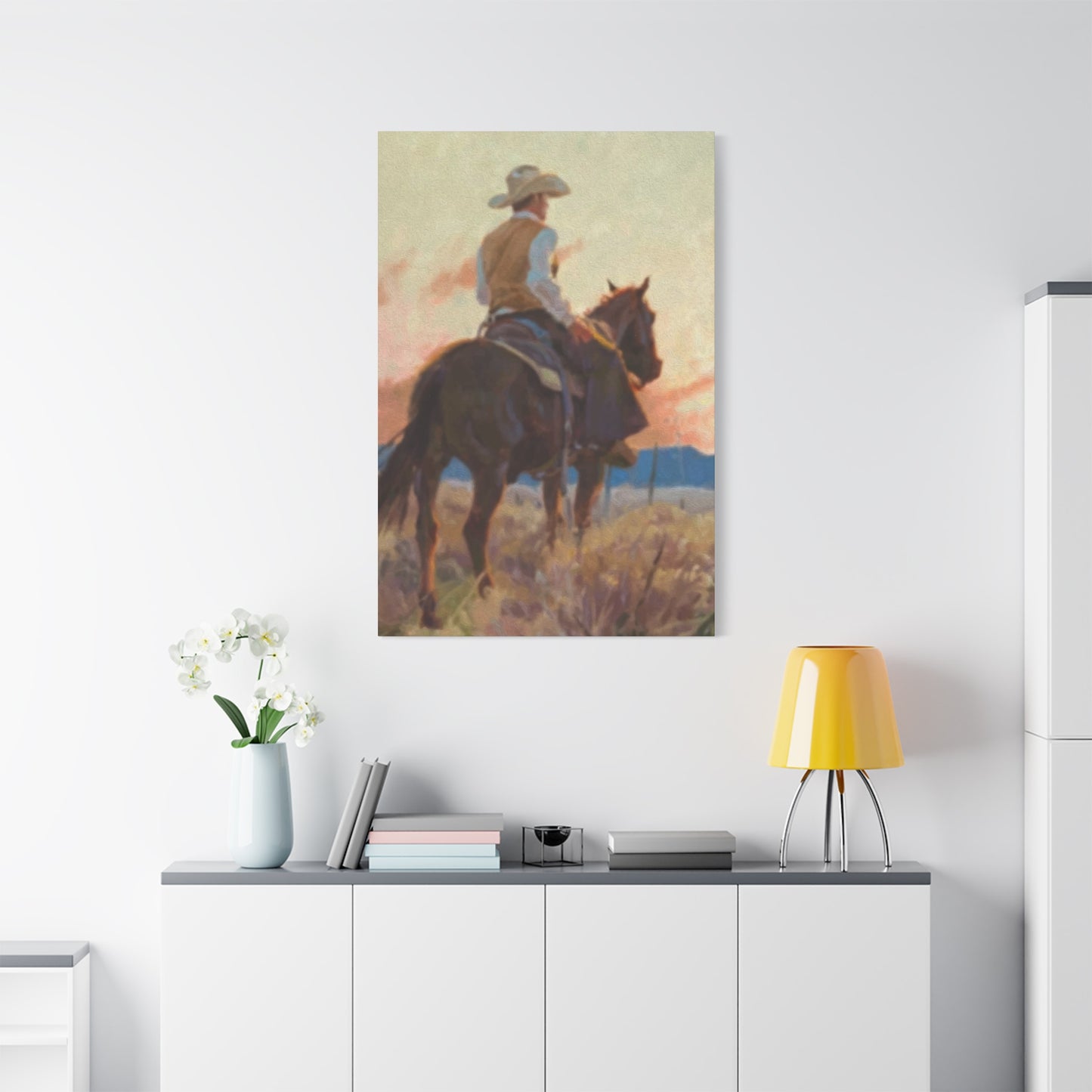
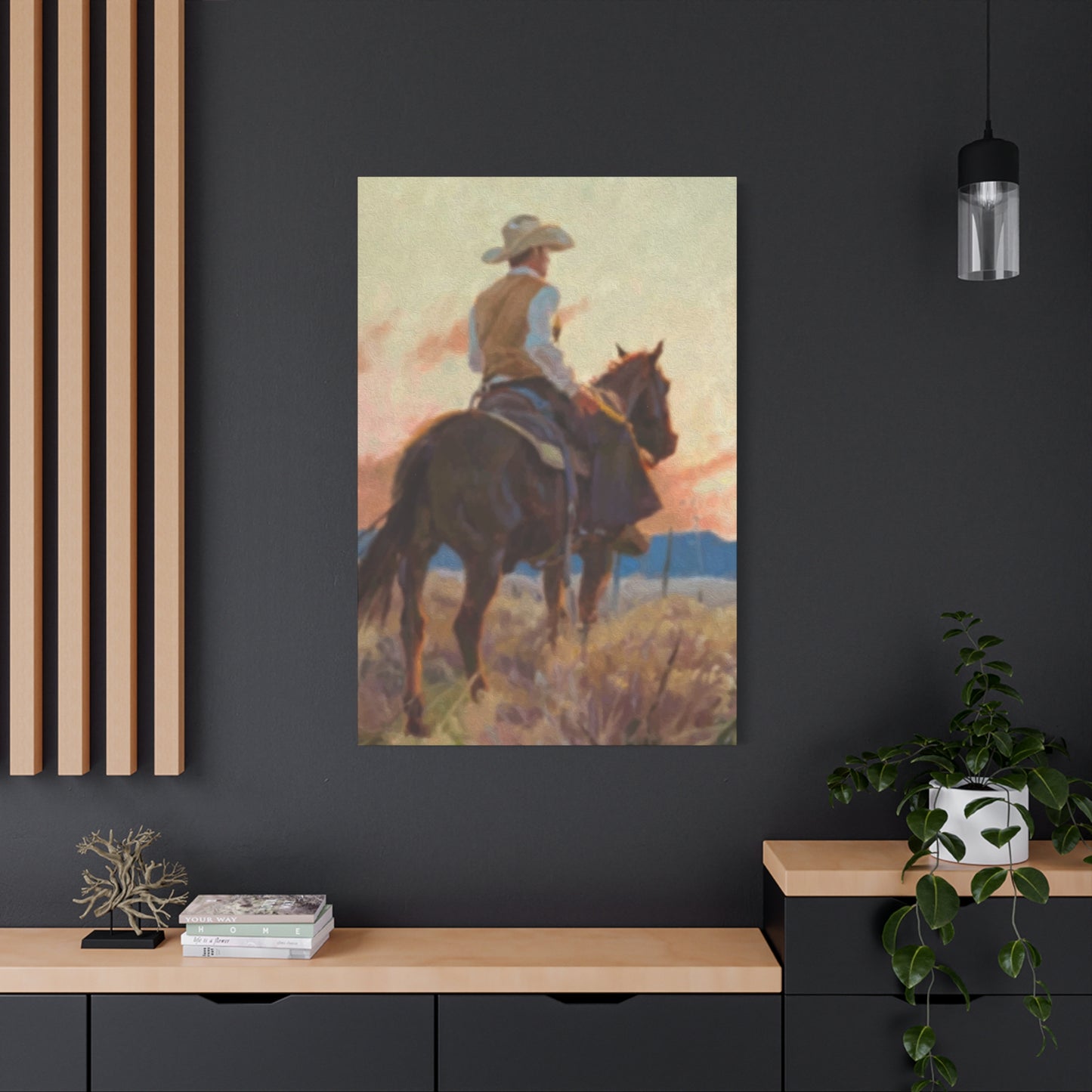
Man Riding Horse Wall Art & Canvas Prints
Man Riding Horse Wall Art & Canvas Prints
Couldn't load pickup availability
Embrace the Iconic Splendor of Man Riding Horse Wall Art: A Comprehensive Exploration of Equestrian Art and Design
The fascination with man riding horse wall art transcends mere decoration, representing a deep-rooted connection between humanity and one of nature's most magnificent creatures. Throughout centuries, the depiction of riders mounted upon powerful steeds has symbolized freedom, nobility, courage, and the unbreakable bond between two species. When homeowners choose to display such artwork, they are not simply filling empty wall space; they are making a statement about their values, aspirations, and appreciation for classical beauty.
Equestrian artwork carries an inherent majesty that few other subjects can match. The dynamic tension captured in a frozen moment—a rider guiding their mount through challenging terrain, competing in prestigious events, or simply enjoying a peaceful countryside jaunt—creates visual interest that commands attention without overwhelming a space. This balance makes man riding horse wall art particularly versatile, suitable for everything from rustic farmhouse settings to sleek urban apartments.
The emotional resonance of these pieces stems from multiple sources. For those with personal connections to horseback riding, whether through competition, recreation, or professional involvement, such artwork serves as a daily reminder of cherished experiences. For others, it represents aspirational qualities: the discipline required to master equestrianism, the grace exhibited by both horse and rider, and the adventurous spirit embodied in venturing across open landscapes. Even individuals without direct equestrian experience often find themselves drawn to these images, responding to the universal themes of partnership, motion, and natural beauty.
Contemporary artists and designers have embraced equestrian themes with renewed enthusiasm, creating works that range from photorealistic renderings to abstract interpretations. This diversity ensures that regardless of personal aesthetic preferences or existing interior design schemes, there exists man riding horse wall art that will complement and enhance any environment. The medium itself varies widely—canvas prints, metal sculptures, wooden carvings, and mixed-media pieces all offer distinct visual textures and emotional impacts.
Discovering Various Artistic Styles That Bring Equestrian Scenes to Life
The world of man riding horse wall art encompasses an impressive spectrum of artistic approaches, each offering unique advantages for different spaces and sensibilities. Classical realism remains popular among collectors who appreciate meticulous attention to anatomical accuracy and lighting effects. These pieces often feature wealthy historical riders in formal attire, participating in fox hunts or military campaigns, rendered with museum-quality precision that transports viewers to another era.
Impressionistic interpretations provide a softer, more dreamlike quality to equestrian subjects. By emphasizing color relationships and emotional atmosphere over precise detail, these works create mood and ambiance that can soften hard architectural elements or balance overly structured spaces. The loose brushwork and vibrant palette typical of impressionist horse and rider scenes inject energy and warmth into rooms that might otherwise feel sterile or impersonal.
Modern minimalist designs strip equestrian imagery down to essential elements—clean lines, simplified forms, and restricted color palettes that suggest rather than explicitly depict the subject. This approach works exceptionally well in contemporary settings where visual clutter must be avoided. A silhouette of a rider cantering across a sunset-hued background, executed with elegant simplicity, can serve as a sophisticated focal point without competing with other design elements.
Abstract representations push boundaries further, sometimes fragmenting the horse and rider into geometric shapes or reimagining them through unexpected color combinations and compositional arrangements. These pieces appeal to adventurous collectors who want conversation-starting artwork that challenges conventional perceptions while maintaining recognizable equestrian themes. The interpretive nature of abstract man riding horse wall art invites viewers to engage actively with the piece, discovering new details and meanings with repeated viewing.
Vintage and retro styles have experienced significant resurgence, with many artists creating new works that deliberately evoke mid-century aesthetics or Victorian-era sensibilities. These pieces often incorporate distressed finishes, sepia tones, or intentionally aged appearances that lend instant character and nostalgic charm. Such artwork particularly suits spaces decorated with antique or vintage furniture, creating cohesive visual narratives that celebrate timelessness.
Photography-based equestrian art offers yet another dimension, capturing genuine moments between horses and their riders. These pieces range from dramatic action shots frozen at peak movement to contemplative portraits of quiet connection. The authenticity inherent in photographic work appeals to those who prefer documentary realism over artistic interpretation, though skilled photographers certainly employ composition, lighting, and post-processing to create images that transcend simple snapshots.
Selecting the Perfect Dimensions and Placement Strategies for Maximum Visual Impact
Choosing appropriately sized man riding horse wall art requires careful consideration of multiple factors beyond simple aesthetic preference. The dimensions of your artwork should relate proportionally to both the wall space available and the surrounding furniture or architectural features. A common mistake involves selecting pieces too small for their intended location, resulting in artwork that appears lost or insignificant within the larger space.
For substantial walls in living rooms, dining areas, or entryways, statement pieces measuring forty-eight inches or larger in their longest dimension create impressive focal points that anchor entire rooms. These large-scale works demand attention without requiring loud colors or complex compositions—the sheer presence of a life-sized or near-life-sized horse and rider proves sufficient to command interest. When working with such substantial pieces, ensure adequate breathing room surrounds the artwork; as a general guideline, maintain at least six to twelve inches of clear wall space on all sides.
Medium-sized pieces ranging from twenty-four to forty-eight inches work beautifully above furniture such as sofas, buffets, or bedroom headboards. When hanging artwork above a sofa, the combined width of multiple pieces or the width of a single piece should measure approximately two-thirds to three-quarters the width of the furniture beneath. This proportion creates visual harmony that feels neither cramped nor sparse. The bottom edge of the artwork should hover eight to twelve inches above the furniture top, establishing clear separation while maintaining obvious relationship.
Smaller equestrian artworks, typically under twenty-four inches, excel in groupings or gallery wall arrangements. Clustering several related but non-identical pieces creates dynamic visual interest that single large works cannot achieve. When assembling gallery walls featuring man riding horse wall art alongside complementary subjects, maintain consistent spacing between frames—typically two to three inches—and plan the entire arrangement on the floor before committing to nail holes. Vary the sizes and orientations (portrait versus landscape) to avoid monotony while keeping a unifying element such as frame style or color palette.
Hallways and stairwells present unique opportunities for vertical arrangements of equestrian artwork. Ascending or descending series of horse and rider images can subtly guide movement through transitional spaces while transforming otherwise overlooked areas into engaging visual experiences. In staircases, align the center of each piece with the angle of the handrail for a cohesive ascending or descending line.
Height considerations prove equally crucial to proper placement. The universal rule suggests hanging artwork so its center sits approximately fifty-seven to sixty inches from the floor—eye level for the average person. However, this guideline requires adjustment based on ceiling height and viewer perspective. In rooms where people primarily sit, slightly lower placement prevents viewers from constantly looking upward. Conversely, spaces where people typically stand and move benefit from standard or even slightly elevated positioning.
Exploring Color Palettes and How They Influence Room Atmosphere
The chromatic choices within man riding horse wall art dramatically affect the mood and energy of surrounding spaces. Understanding color psychology and its relationship to interior design enables more intentional selections that support desired emotional responses and functional requirements for different rooms.
Warm color schemes featuring reds, oranges, yellows, and earth tones inject vitality and coziness into spaces. Equestrian scenes dominated by sunset lighting, autumn landscapes, or horses with rich chestnut or palomino coloring naturally incorporate these hues. Such pieces work magnificently in social areas like living rooms, dining spaces, and kitchens where energy and warmth facilitate gathering and conversation. The stimulating nature of warm colors also makes them suitable for home offices or creative studios where motivation and enthusiasm prove valuable.
Cool color palettes emphasizing blues, greens, purples, and silvers create calming, contemplative atmospheres that lower stress and promote relaxation. Man riding horse wall art depicting misty morning scenes, ocean beaches with riders, or winter landscapes naturally incorporates these cooler tones. These pieces excel in bedrooms, bathrooms, meditation spaces, or any environment where tranquility takes priority over stimulation. The receding nature of cool colors can also make smaller rooms feel more spacious and airy.
Neutral schemes built around blacks, whites, grays, and beiges offer maximum versatility and timeless appeal. Monochromatic or near-monochromatic equestrian artwork integrates seamlessly into virtually any existing color scheme without clashing or demanding supporting design elements. These pieces allow flexibility for future redecorating since they function as stable anchors around which other colors can revolve. Particularly in minimalist or Scandinavian-inspired interiors, neutral man riding horse wall art provides visual interest without introducing chromatic complexity.
Complementary color schemes—those utilizing opposite colors on the color wheel—create vibrant, high-energy compositions that demand attention. An artwork featuring a rider on a blue-gray horse against orange-tinted landscape, for instance, leverages the blue-orange complementary relationship to generate visual excitement. These bold pieces suit confident decorators willing to commit to strong color statements and work best as sole focal points rather than competing with other colorful elements.
Analogous color schemes employ colors adjacent on the color wheel, such as blues and greens or reds and oranges, producing harmonious, cohesive effects. Equestrian artwork using analogous palettes tends toward subtlety and sophistication, creating gentle visual flow rather than dramatic contrast. These pieces particularly suit spaces where multiple artworks coexist, as their color harmony prevents visual conflict.
When selecting man riding horse wall art based on color, consider not only the hues present in the artwork itself but also the colors of mats, frames, and mounting hardware. A stunning piece can be undermined by a poorly chosen frame that introduces discordant colors. Conversely, thoughtful framing choices can elevate even simple prints into striking design elements.
Material Considerations That Affect Durability, Appearance, and Value
The substrate and production method used for man riding horse wall art significantly influence its longevity, visual qualities, and appropriate placement within homes. Canvas remains the most popular choice for equestrian prints, offering texture that adds depth and artistic legitimacy to reproductions. Gallery-wrapped canvas—where the printed image continues around the frame edges—eliminates the need for traditional framing, creating clean, contemporary presentations. High-quality canvas prints resist fading when produced with archival inks and can last decades without deterioration when properly cared for.
Metal prints represent a growing segment of the equestrian art market, infusing images with luminous quality and remarkable durability. The dye-sublimation process fuses ink directly into specially coated aluminum, creating vibrant, scratch-resistant pieces that withstand humid environments better than paper or canvas alternatives. The sleek, modern appearance of metal man riding horse wall art particularly suits contemporary and industrial interior styles. Additionally, metal prints require no protective glass, reducing glare issues and eliminating breakage concerns in homes with children or pets.
Wood-mounted prints combine rustic charm with photographic quality. Images printed on paper or canvas are adhered to wooden substrates—often reclaimed barn wood or birch panels—creating pieces with organic texture and warmth. This mounting method proves especially appropriate for equestrian artwork destined for country homes, cabins, or spaces decorated in farmhouse or rustic styles. The natural variations in wood grain ensure each piece possesses unique characteristics, even when the printed image remains identical.
Acrylic face-mounted prints offer museum-quality presentation with stunning depth and clarity. In this process, photographic prints are laminated to the back of clear acrylic panels, causing images to appear suspended within the material. The resulting three-dimensional quality and glossy finish create eye-catching pieces that command premium prices. Acrylic-mounted man riding horse wall art suits upscale, contemporary settings where investment pieces deserve showcase treatment.
Framed paper prints remain traditional favorites, particularly for fine art reproductions and limited editions. Acid-free papers and archival matting ensure longevity, while protective glazing—whether glass or acrylic—shields against environmental damage. The framing process allows extensive customization through mat colors, frame styles, and glazing options, enabling precise coordination with existing decor. However, framed pieces require more careful handling during hanging and prove heavier than frameless alternatives.
Textile hangings and tapestries offer soft alternatives to rigid substrates, introducing textural variety that balances hard surfaces in contemporary spaces. Woven or printed fabric depicting equestrian scenes adds acoustic dampening benefits alongside visual appeal, making these pieces particularly suitable for rooms where noise reduction proves desirable. The flexibility of textile art also allows for creative display methods beyond traditional hanging, such as stretching over frames or suspending from decorative rods.
Sculptural metal work provides three-dimensional alternatives to flat prints, with hammered, welded, or laser-cut metal shaped into horses and riders. These pieces cast dramatic shadows and create depth that changes throughout the day as natural light shifts. Metal sculptures work beautifully in outdoor settings or covered patios where weather resistance proves essential, though they equally enhance interior spaces seeking dramatic focal points.
Coordinating Equestrian Artwork Within Established Interior Design Schemes
Successfully incorporating man riding horse wall art into existing rooms requires thoughtful consideration of established style parameters. Rather than forcing equestrian themes where they don't naturally belong, identify connection points between the artwork's aesthetic qualities and the room's existing character.
Farmhouse and rustic interiors provide natural homes for equestrian artwork, given the obvious connections between country living and horseback riding. In these settings, favor artwork with weathered finishes, warm earth tones, and casual compositions that feel unpretentious. Distressed wooden frames, vintage-style prints featuring working horses rather than competition scenes, and pieces incorporating barn or pasture backgrounds all reinforce rustic themes. Pair man riding horse wall art with complementary elements like antique riding equipment displayed as decor, horseshoes arranged artistically, or weathered wood accent walls.
Traditional and classic interiors accommodate equestrian subjects beautifully, particularly when the artwork reflects formal riding disciplines or historical periods. Hunt scenes, dressage competitions, and portraits of distinguished riders in traditional attire suit spaces furnished with rich wood furniture, oriental rugs, and classic architectural details. Ornate gold or dark wood frames with substantial profiles match the gravitas of traditionally styled rooms. In these settings, equestrian artwork joins a broader narrative about heritage, refinement, and timeless values.
Contemporary spaces benefit from equestrian art that emphasizes clean lines, simplified forms, and limited color palettes. Abstract interpretations, minimalist silhouettes, and high-contrast black-and-white photography align with modern design principles. Frameless mounting methods or simple metal frames maintain the uncluttered aesthetic contemporary design demands. In these environments, man riding horse wall art functions as carefully considered accent rather than thematic anchor, introducing organic subject matter that softens angular architecture and manufactured materials.
Industrial-themed rooms characterized by exposed brick, metal fixtures, and open spaces can incorporate equestrian artwork that shares their bold, unpretentious quality. Metal prints or sculptures, oversized canvas pieces with minimal framing, and artwork emphasizing strength and motion complement industrial aesthetics. The raw power of horses and the determination of their riders echo the no-nonsense character of industrial design.
Coastal and nautical interiors might initially seem incompatible with equestrian themes, yet beach horseback riding scenes create perfect bridges between these worlds. Artwork depicting riders on sandy beaches, horses wading through ocean surf, or misty coastal trail rides incorporate maritime elements while maintaining equestrian focus. Soft blues, sandy neutrals, and weathered white frames help man riding horse wall art integrate seamlessly into beach-inspired spaces.
Eclectic interiors offer maximum freedom for equestrian artwork since these spaces intentionally blend diverse styles and periods. In eclectic settings, the key lies in ensuring equestrian pieces share some qualities—color, scale, or tone—with surrounding elements even while introducing contrasts that create visual interest. The deliberately curated chaos of eclectic design accommodates bold choices that might overwhelm more coordinated spaces.
Framing Options That Enhance Rather Than Overpower Equestrian Subjects
Selecting appropriate frames for man riding horse wall art involves balancing several competing priorities: protection of the artwork, enhancement of its visual impact, and coordination with surrounding decor. The frame should serve the artwork rather than competing for attention, yet must possess enough presence to create polished, finished appearance.
Wood frames in various finishes dominate the equestrian art market due to their versatility and classical appeal. Light natural woods like oak, maple, or ash lend casual, approachable quality suitable for relaxed spaces. Medium brown finishes such as walnut or cherry convey warmth and tradition without excessive formality, making them appropriate for everything from dens to dining rooms. Dark espresso or ebony frames create dramatic contrast that makes lighter artwork pop while adding sophistication particularly valued in formal settings.
Painted wood frames expand color possibilities beyond natural timber tones. White or cream frames create fresh, clean presentations that brighten spaces and work beautifully with both colorful and monochromatic equestrian subjects. Black painted frames offer sleek, modern alternative to dark stained wood, providing similar contrast with slightly more contemporary edge. Colored painted frames—navy, sage green, barn red—can pull specific hues from artwork to create cohesive color stories, though this approach requires confidence to avoid dated or childish appearances.
Metal frames constructed from aluminum, steel, or brass suit contemporary artwork and modern interiors. Thin metal profiles virtually disappear, allowing artwork to dominate without frame interference—ideal for striking images that need no enhancement. Brushed or matte metal finishes prevent glare while maintaining clean, professional appearance. For spaces with industrial or minimalist design, metal framing reinforces aesthetic consistency.
Ornate frames featuring carved details, gilded surfaces, or decorative corner elements elevate formal equestrian artwork into statement pieces worthy of prominent placement. These elaborate frames particularly suit classical paintings, vintage prints, or any man riding horse wall art with period or ceremonial subject matter. However, ornate framing can overwhelm casual compositions or contemporary spaces, making careful pairing essential.
Matting provides additional control over presentation, particularly for framed prints under glass. Single mats in neutral colors—white, cream, tan, gray—offer clean, professional appearance without introducing distracting elements. Double or triple mats incorporating multiple complementary colors create more elaborate presentations that can pull specific hues from artwork to strengthen color relationships with surrounding decor. Wider mats generate more formal, gallery-like presentations, while narrower mats maintain casual approachability.
Frameless mounting methods including gallery wraps, wood mounting, and floating frames present artwork without traditional frame profiles. Gallery-wrapped canvas where the image wraps around stretcher bar edges provides finished appearance without additional framing, though exposed canvas edges may show wear over time. Floating frames create appearance that artwork hovers within the frame, separated by small gap, generating modern, dimensional effect without fully frameless vulnerability.
Lighting Strategies That Transform Good Artwork Into Stunning Focal Points
Proper illumination can elevate even modest man riding horse wall art into commanding visual centerpieces, while inadequate or inappropriate lighting diminishes even exceptional pieces. Understanding how light interacts with different artwork types and substrates enables strategic choices that maximize visual impact.
Natural light offers beautiful, full-spectrum illumination that reveals artwork's true colors and details. However, direct sunlight poses significant risks, as ultraviolet radiation causes irreversible fading in prints, canvas, and paper-based media. When positioning equestrian artwork near windows, ensure direct sun never strikes the piece, particularly during peak intensity hours. UV-filtering window films or curtains provide protection while preserving natural light's benefits. Alternatively, place man riding horse wall art on walls perpendicular to windows, where indirect natural light provides gentle illumination without harmful direct exposure.
Picture lights mounted directly above or below artwork offer targeted illumination that creates dramatic effects, particularly effective for featured pieces in dimly lit spaces. LED picture lights generate minimal heat—crucial for preventing artwork damage—while consuming little energy. Adjustable picture lights allow fine-tuning of beam angle to eliminate glare, particularly important for glazed or acrylic-covered pieces. The warm glow from picture lights creates intimate, gallery-like atmosphere that elevates artwork's perceived importance.
Track lighting provides flexible illumination for multiple artworks or gallery wall arrangements, with adjustable heads directing light precisely where needed. Position track fixtures at thirty-degree angles from walls to minimize shadows and glare. LED track lights offer long-lasting, cool-running performance suitable for prolonged display of man riding horse wall art. Dimmer controls enable atmosphere adjustment from bright showcase to subtle accent.
Recessed ceiling spotlights or can lights create clean, architectural look while effectively highlighting artwork. When installing recessed lighting for equestrian art, position fixtures approximately twelve to eighteen inches from walls and angle adjustable trims toward artwork centers. Multiple smaller fixtures often provide more even coverage than single large lights, preventing hot spots and dark areas that diminish viewing experience.
Ambient room lighting influences how artwork appears even when not directly illuminated. Warm-toned ambient light (2700K-3000K color temperature) creates cozy atmosphere that enhances warm colors in equestrian scenes while potentially muting cooler blues and greens. Cooler ambient light (4000K-5000K) provides clearer, more accurate color rendition suitable for spaces where color fidelity matters. Consider how existing ambient lighting affects man riding horse wall art appearance before purchasing, as pieces that look stunning in showrooms may disappoint under different home lighting conditions.
Accent lighting through table lamps, floor lamps, or wall sconces positioned near but not directly illuminating artwork creates layers of light that add depth and interest to rooms. While not specifically highlighting equestrian pieces, thoughtful accent lighting prevents artwork from appearing as isolated bright spots in otherwise dark rooms, instead integrating them into cohesive, well-lit environments.
For collections of multiple equestrian artworks, consistent lighting across all pieces creates professional, gallery-like presentation. Varying light levels between adjacent pieces appears accidental and amateurish rather than intentionally dramatic. Invest time in adjusting each light source to achieve uniform illumination that respects each artwork's individual qualities while maintaining cohesive overall effect.
Thematic Variations Within Equestrian Artwork That Appeal to Different Interests
The broad category of man riding horse wall art encompasses numerous subcategories, each resonating with specific audiences and conveying distinct messages through their subject matter and presentation.
Western and cowboy imagery celebrates the rugged independence and frontier spirit associated with North American ranching heritage. These pieces typically feature riders in traditional Western tack—broad-brimmed hats, chaps, and saddles with prominent horns—against backdrops of deserts, mountains, or open prairies. The archetypal cowboy mounted on a quarter horse or paint represents self-reliance, connection to land, and honest labor. Western equestrian art particularly appeals to those with ranching backgrounds, Western enthusiasts, or anyone drawn to the mythology of the American West. Color palettes tend toward earth tones—tans, browns, rusts, and sage greens—that reflect the natural landscapes these riders inhabit.
English riding disciplines including dressage, show jumping, eventing, and fox hunting constitute another major category of equestrian art. These pieces showcase the precision, elegance, and partnership between horse and rider required for competitive success. Artwork depicting dressage—often called "ballet on horseback"—emphasizes grace, harmony, and subtle communication through refined movements. Show jumping images capture explosive athleticism as horse and rider soar over formidable obstacles. Fox hunting scenes, steeped in tradition and pageantry, feature colorful formal attire and packs of hounds. English riding art attracts competitors and enthusiasts of these disciplines, as well as those appreciating the formal beauty and athletic prowess they represent.
Racing imagery—both flat racing and steeplechase—thrills viewers with its emphasis on speed, competition, and high stakes. Artwork capturing jockeys urging their mounts toward finish lines or navigating challenging hurdles conveys excitement and dramatic tension. Historic racing scenes featuring legendary horses or significant races appeal to enthusiasts familiar with racing heritage. The compressed, forward-leaning position of racing jockeys and the evident strain of horses at full gallop create kinetic energy that enlivens any space. Racing art particularly suits spaces where energy and excitement prove desirable—game rooms, home theaters, or entertaining areas.
Leisure and trail riding representations offer more accessible, relatable imagery for the many people who ride recreationally rather than competitively. These scenes depict riders enjoying peaceful countryside excursions, mountain trails, beach rides, or autumn foliage tours. The emphasis shifts from achievement and competition to enjoyment, connection with nature, and the simple pleasure of horseback exploration. This subcategory attracts the broadest audience since it requires no specialized knowledge to appreciate and conveys universal themes of outdoor recreation and peaceful escape.
Working horses and riders engaged in practical tasks—ranch work, logging, farming, or police mounted patrols—honor the utilitarian partnership between humans and horses that continues in various contexts. These images often possess documentary quality, capturing authentic moments of cooperation between species for practical purposes. Such artwork resonates with those who value workmanship, traditional skills, and the honest dignity of necessary labor.
Ceremonial and cultural equestrian traditions from around the world provide rich artistic material. Spanish riding schools preserving classical horsemanship, Middle Eastern riders in traditional dress, Asian mounted archers, and indigenous peoples' equestrian cultures all offer visually striking subjects that educate while decorating. These pieces appeal to multiculturally minded collectors and those with personal connections to specific traditions represented.
Portrait-style equestrian art focusing on the bond between specific individuals and their horses offers intimate, emotional content distinct from action or scenic compositions. These pieces emphasize relationship, trust, and affection rather than movement or setting. Close-cropped portraits showing rider and horse in quiet moments of connection provide warmth and personality that broader scenes cannot achieve.
Understanding Size Relationships Between Furniture and Equestrian Artwork
Achieving visual harmony between man riding horse wall art and surrounding furniture requires understanding proportional relationships that create balanced, intentional-looking spaces rather than haphazard arrangements.
Above seating furniture such as sofas, loveseats, or sectionals, artwork should relate proportionally to the furniture width. A reliable guideline suggests artwork spanning approximately two-thirds to three-quarters the width of the furniture beneath creates pleasing visual weight distribution. For a standard ninety-six-inch sofa, this translates to artwork measuring between sixty-four and seventy-two inches wide—achievable through single large pieces or groupings of smaller works. Artwork significantly narrower appears lost and insignificant, while artwork wider than the furniture beneath creates top-heavy instability.
The vertical relationship between furniture top and artwork bottom also requires attention. Mounting equestrian art too high above furniture creates disconnect, making the two elements read as unrelated rather than coordinated. Conversely, hanging artwork too low risks damage from furniture use and creates cramped appearance. The generally recommended eight-to-twelve-inch gap between furniture top and artwork bottom provides breathing room while maintaining visual connection. Taller furniture pieces like high-backed sofas or headboards may require slightly larger gaps to prevent crowding.
Dining room artwork above buffets, sideboards, or credenzas follows similar proportional principles, though these pieces typically stand shorter than sofas, affecting viewing height. Since diners remain seated for extended periods, positioning man riding horse wall art to be comfortably visible from seated perspective enhances dining experience. Additionally, consider whether artwork will be viewed primarily from the dining table or from entrance areas—optimal positioning may require compromise between these viewpoints.
Bedroom artwork positioned above beds requires special consideration given beds' dominant presence and low-profile furniture beneath them. Dramatic oversized equestrian pieces can overwhelm beds or interfere with desired peaceful atmosphere in sleeping spaces. Conversely, timid undersized artwork appears insubstantial above beds' substantial horizontal expanse. Many designers suggest artwork spanning roughly half to two-thirds the bed width provides appropriate scale without overwhelming. The height relationship gains importance too—mounting too high makes artwork difficult to appreciate while lying in bed, a common viewing position in bedrooms.
Entryway and hallway furniture including console tables, benches, or storage pieces often hold functional items like keys, mail, or decorative accessories. Artwork above these pieces should enhance rather than compete with functional use. Since entryways serve as first impressions and transitions between outside and home interior, man riding horse wall art in these locations makes strong statements about household character. Pieces in entryways can lean slightly more formal or impressive than those in private spaces, setting aesthetic tone for entire home.
Stand-alone artwork without furniture beneath follows different rules, primarily relating to room scale and viewing distance. Large open walls can accommodate substantial equestrian pieces that serve as architectural focal points. In these contexts, artwork size relates more to overall wall dimensions than to furniture proportions. The general principle of filling roughly two-thirds of available wall space prevents both empty-feeling underuse and cluttered overuse of space.
Complementary Decorative Elements That Enhance Equestrian Themes
While man riding horse wall art serves as focal point, supporting decorative elements create cohesive environments that feel intentional rather than accidental. The key lies in suggesting rather than overwhelming—subtle nods to equestrian themes throughout spaces reinforce artwork's presence without creating one-note, heavy-handed design.
Textile choices offer accessible ways to echo equestrian themes. Throw pillows in colors pulled from horse and rider artwork create visual bridges between walls and seating. Fabrics incorporating subtle equestrian motifs—tiny horseshoe patterns, leather-look textures, or plaids associated with riding attire—support themes without literal representation. Blankets draped over furniture in rustic weaves or wool textures reminiscent of saddle blankets add tactile interest while maintaining thematic coherence. Window treatments in natural fibers like linen or burlap complement rustic equestrian settings, while heavier velvets or damasks suit more formal interpretations.
Furniture selections can subtly reinforce equestrian themes through materials and forms. Leather upholstery naturally connects to saddles and tack, its rich patina and comfortable wear patterns appealing in similar ways. Wood furniture with visible grain and rustic finishes echoes barn aesthetic associated with horse keeping. Metal accent pieces in wrought iron or aged bronze recall horseshoes, bridle hardware, and vintage stable fixtures. Storage trunks resembling tack boxes provide both function and thematic reinforcement.
Decorative accessories offer opportunities for lighter equestrian touches. Bookends shaped like horses or horseshoes, decorative bowls or trays with subtle equestrian motifs, and table lamps with bases incorporating horse forms or riding equipment all support themes established by man riding horse wall art. However, restraint proves crucial—too many horse-themed accessories creates kitsch rather than sophistication. Select one or two quality pieces rather than numerous cheaper items.
Living plants, particularly those suggesting countryside or ranch settings, enhance equestrian artwork's connection to outdoor environments. Grasses, wheat stalks, or wildflower arrangements in simple vessels recall pastures and trails. Larger potted plants in natural fiber containers or wooden planters maintain organic, rural feeling appropriate to equestrian themes. Succulents in rustic containers suit Western interpretations, while more manicured arrangements complement formal English riding artwork.
Flooring and rugs provide foundational elements that either support or undermine equestrian wall art. Wide-plank wood floors or wood-look tiles suggest barn or farmhouse settings that naturally accommodate equestrian themes. Area rugs in natural fibers like jute or sisal maintain organic character, while traditional Oriental or Persian rugs suit more formal equestrian interpretations. Cowhide rugs create bold Western statements that pair beautifully with cowboy and ranch riding imagery.
Lighting fixtures beyond those directly illuminating artwork can reinforce themes. Wrought iron chandeliers or pendant lights suggest rural forges where horseshoes were crafted. Lantern-style fixtures recall stable lighting. Industrial metal fixtures with visible bulbs and minimal ornamentation complement both Western themes and contemporary equestrian spaces. Wood beam light fixtures maintain rustic character appropriate to country equestrian settings.
Color schemes throughout rooms should acknowledge colors present in featured equestrian artwork without slavishly matching every hue. Pulling two or three colors from man riding horse wall art to use in varying concentrations throughout the space creates harmony. The dominant color in artwork might appear as accent color in room, while accent colors from artwork could become more prevalent in surrounding decor.
Sourcing Authentic and High-Quality Equestrian Artwork for Your Collection
Finding exceptional man riding horse wall art requires knowing where to look and what quality markers distinguish investment-worthy pieces from mass-market mediocrity. Multiple sourcing channels offer distinct advantages for different collecting goals and budgets.
Online marketplaces provide unprecedented access to equestrian artwork from artists and sellers worldwide. Sites dedicated specifically to art sales feature sophisticated search tools enabling filtering by style, medium, size, color, and price. When shopping online, examine image quality closely—professional photography suggesting artist or seller takes presentation seriously often indicates overall quality consciousness. Read product descriptions carefully for information about materials, production methods, and dimensions. Customer reviews provide insights into actual quality versus marketed promises, though recognize that tastes vary and negative reviews may reflect personal preference rather than objective deficiencies.
Direct artist relationships offer opportunities to commission custom man riding horse wall art tailored precisely to your specifications. Many equestrian artists accept commissions, creating unique pieces depicting specific horses, riders, locations, or events meaningful to collectors. This approach ensures complete originality and personal significance, though requires larger budgets and patience for creation timelines. When commissioning, request to see previous work samples, discuss timeline expectations clearly, and establish payment schedules that protect both parties. The personal connection and creative collaboration involved in commissioning often proves as valuable as the finished artwork.
Art galleries specializing in equestrian or Western artwork offer curated selections and expertise that online browsing cannot match. Gallery staff can provide provenance information, artist backgrounds, and care instructions while helping match artwork to described spaces and needs. Physical galleries enable direct examination of texture, color accuracy, and overall quality impossible to assess through screens. Many galleries offer framing services ensuring professional presentation of purchased pieces. Relationships with gallery staff may provide early access to new artists or special pricing on inventory pieces.
Equestrian events including horse shows, rodeos, and competitions frequently feature vendor areas where equestrian artists display and sell work. Shopping at events ensures artwork's authenticity to riding culture and provides opportunities to discuss pieces directly with creators. The atmosphere of these venues—surrounded by actual horses and riders—enables assessment of how accurately artwork captures equestrian subjects. Prices at events sometimes prove negotiable, particularly late in shows when vendors prefer selling to packing and transporting inventory home.
Antique stores and estate sales offer possibilities for finding vintage equestrian artwork with genuine age and patina. Original period pieces carry historical significance and character that reproductions cannot replicate. However, antique artwork requires expertise to evaluate authenticity, condition, and fair pricing. When purchasing antique man riding horse wall art, examine carefully for damage, request any available provenance documentation, and research comparable sales to ensure reasonable pricing.
Print-on-demand services enable purchasing high-resolution equestrian images printed to specified dimensions on chosen substrates. These services provide affordability and customization impossible with original artwork or limited editions. Quality varies dramatically between providers, making research into printing methods, material quality, and customer satisfaction essential. Look for providers using archival-quality materials and inks that resist fading. Understand that print-on-demand lacks the collectible value of limited editions or originals, though it serves well for decorative purposes.
Art fairs and craft shows provide opportunities to meet artists, see work in person, and sometimes negotiate prices. The informal atmosphere encourages conversation about artistic processes, inspiration sources, and customization possibilities. Supporting artists directly at shows ensures they receive full payment rather than gallery commissions, often translating to better value for buyers. The temporal nature of fairs creates urgency that may result in impulse purchases—take photographs and measurements, then consider purchases carefully before committing.
Conclusion
The journey through Man Riding Horse wall art highlights a timeless fusion of elegance, strength, and tradition. This form of equestrian art transcends mere decoration, offering a deeper connection to history, nature, and the spirit of adventure. Throughout centuries, the image of a rider atop a horse has come to symbolize freedom, power, and the unbreakable bond between man and animal. Incorporating such art into interior design allows us to celebrate these qualities and create spaces that are rich in meaning, while also showcasing exceptional craftsmanship and artistic skill.
One of the most captivating aspects of Man Riding Horse wall art is its ability to evoke a sense of movement and dynamism. The depiction of a rider guiding their horse through open landscapes or navigating difficult terrain speaks to the themes of exploration, challenge, and triumph. These images often stir feelings of freedom and exhilaration, encouraging a deep emotional response. For many, the presence of a horse in art conjures a sense of adventure, while also invoking feelings of nostalgia for simpler times when the horse was central to human life. The timeless nature of these artworks reminds us of the powerful connection between humanity and the natural world, as well as the historical significance that horses have played in shaping civilizations.
Beyond the symbolic nature of Man Riding Horse art, the beauty of equestrian decor lies in its versatility. Whether you're drawn to realistic depictions that capture every fine detail of a horse’s musculature and movement, or prefer more abstract representations that focus on the emotional energy and power of the scene, equestrian art offers a wide range of styles to suit any taste. From traditional oil paintings that echo the classic works of Old Masters to modern interpretations with bold colors and geometric shapes, horse-inspired art can fit seamlessly into both rustic, country-inspired interiors and more contemporary, minimalistic spaces. The horse, as a subject, has a universal appeal that can complement a range of interior styles, from vintage and classical to sleek and modern.
In addition to its aesthetic impact, Man Riding Horse wall art offers a powerful means of expression. The act of choosing such a piece often reflects a person’s values, passions, and lifestyle. For those who value the virtues of courage, perseverance, and independence, equestrian art provides a visual reminder of these qualities. The horse, as a symbol of nobility and grace, also represents qualities like loyalty, trust, and the harmony that comes from working together with another being. For lovers of nature and the outdoors, this art can serve as a window to the freedom of the open plains, a place where time slows down and the spirit of the rider is as wild and untamed as the horse beneath them.
The emotional and symbolic qualities of Man Riding Horse wall art can also foster a sense of connection with others. These artworks often invite conversation and reflection, as they touch upon universal themes of journey, partnership, and the human spirit. Whether displayed in a living room, study, or even an office space, these pieces offer a conversation starter and a focal point, encouraging others to engage with the values and stories they represent.
In conclusion, Man Riding Horse wall art remains a powerful and enduring choice for interior design. It speaks to our shared history, our bond with the animal kingdom, and our aspirations as individuals. The art’s dynamic energy, emotional depth, and connection to the natural world create an environment that is both inspirational and reflective. Whether as a tribute to the majesty of the horse or as a reminder of the timeless virtues that it symbolizes, equestrian wall art brings sophistication, strength, and beauty into any home or space. It serves as a celebration of the enduring relationship between humanity and the magnificent creatures that have long inspired us.
Share