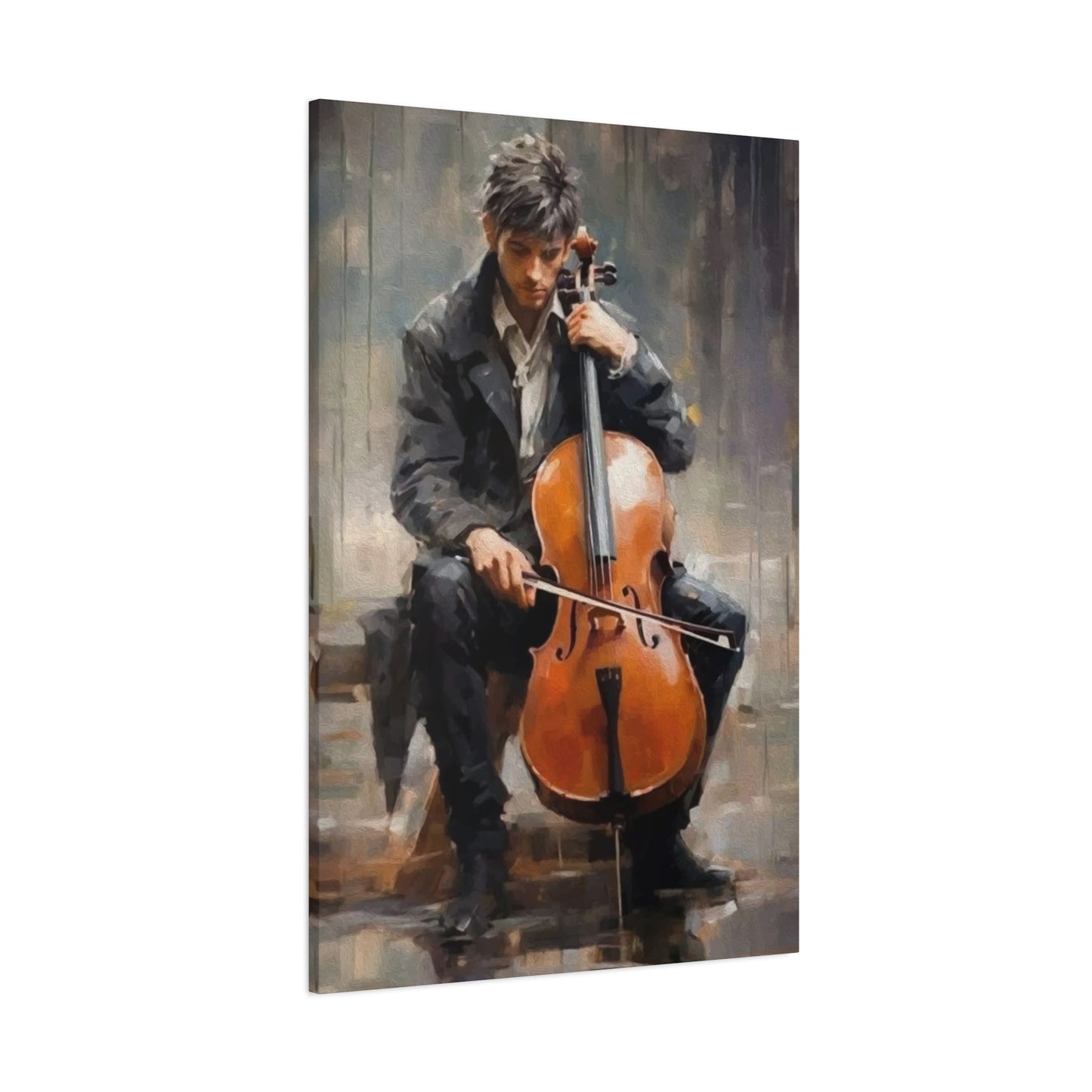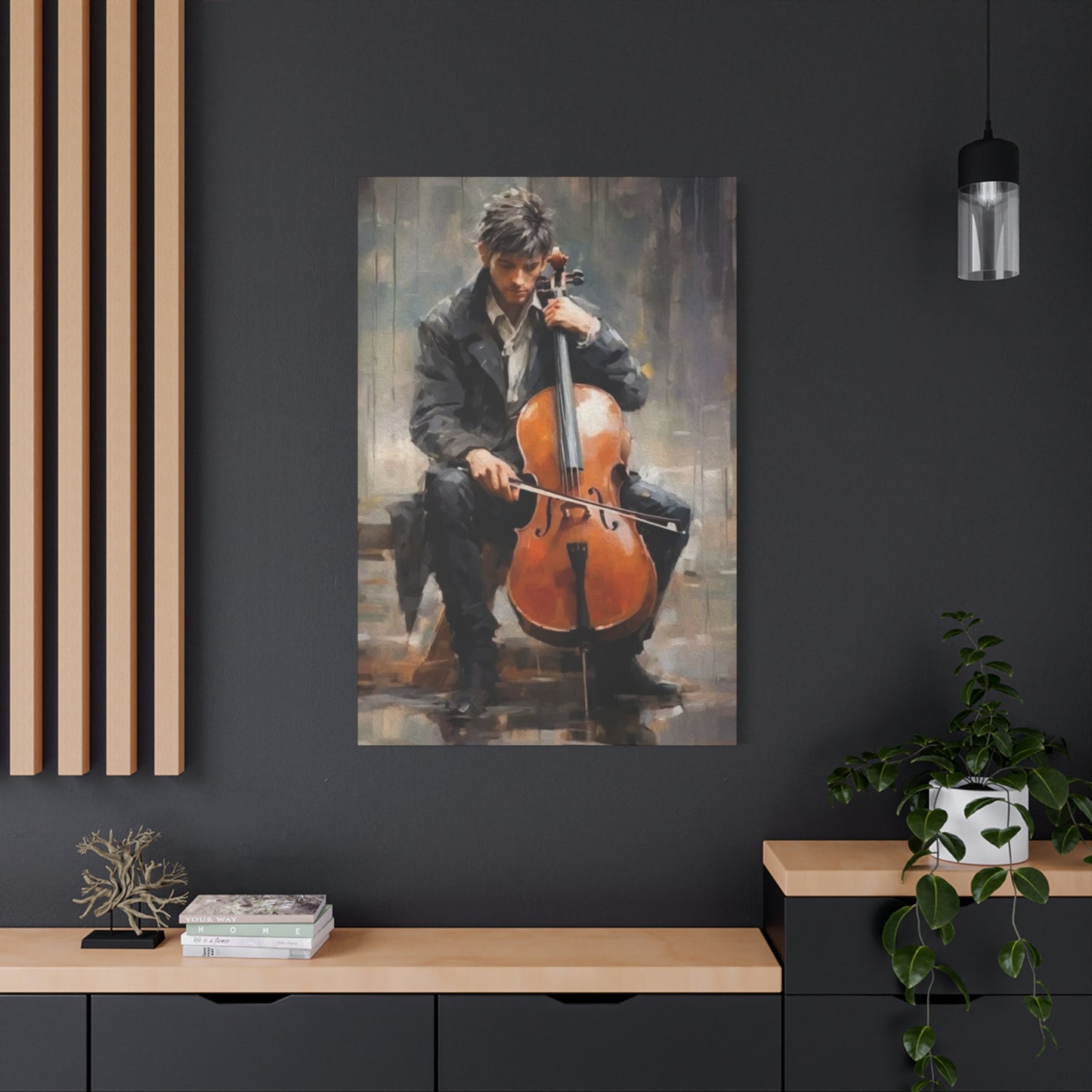


Man playing Violin Wall Art & Canvas Prints
Man playing Violin Wall Art & Canvas Prints
Couldn't load pickup availability
Captivating Man Playing Violin Wall Art: Elevating Your Living Spaces with Musical Elegance and Artistic Expression
The enchanting imagery of a man playing violin wall art has emerged as one of the most sought-after decorative elements in contemporary interior design. This timeless motif combines the grace of musical performance with visual artistry, creating a powerful statement piece that resonates with music lovers, art enthusiasts, and anyone seeking to infuse their spaces with sophistication and cultural depth. The violin, with its elegant curves and rich melodic heritage, represents centuries of artistic tradition, while the human figure adds emotional depth and narrative to the composition.
When you incorporate man playing violin wall art into your living environment, you're not merely hanging a picture—you're introducing a conversation starter, a focal point that draws the eye and captures the imagination. These pieces range from classical oil paintings depicting virtuoso performers in formal concert halls to modern abstract interpretations that deconstruct the musician's form into geometric patterns and bold color schemes. The versatility of this theme allows it to complement various interior styles, from traditional to contemporary, rustic to minimalist.
The Profound Symbolism Behind Violin Imagery in Decorative Artworks
Musical instruments have long held symbolic significance across cultures and epochs, and the violin stands particularly prominent among them. This stringed instrument embodies refinement, dedication, and the pursuit of excellence. When depicted in wall art, especially with a human figure engaged in performance, it conveys multiple layers of meaning that transcend mere decoration.
The image of someone playing the violin speaks to the human connection with music—that universal language that transcends borders and generations. It represents the countless hours of practice, the discipline required to master an instrument, and the emotional vulnerability of performance. For viewers, such artwork can evoke memories of concerts attended, pieces heard, or personal connections to musical endeavors.
In many cultural contexts, violin imagery symbolizes harmony, balance, and the marriage of intellectual pursuit with emotional expression. The instrument's association with classical music lends an air of sophistication and cultural literacy to any space it adorns. Meanwhile, its presence in folk traditions across Europe, Middle Eastern cultures, and beyond gives it a versatility that speaks to diverse audiences.
The physical form of the violin itself—with its graceful f-holes, scrolled pegbox, and curved body—provides artists with an aesthetically pleasing subject that photographs and illustrates beautifully. When combined with the human element of a musician in the act of playing, the composition gains dynamism and life, creating artwork that feels animated rather than static.
Exploring Diverse Styles of Man Playing Violin Wall Art for Every Aesthetic Preference
The market for man playing violin wall art encompasses an extraordinary range of artistic styles, each offering unique visual appeal and emotional resonance. Understanding these different approaches helps you select pieces that align with your personal taste and existing decor.
Classical realism remains perhaps the most traditional approach to depicting violin performance. These works often feature meticulously rendered musicians in formal attire, captured mid-performance with precise attention to anatomical accuracy, fabric textures, and lighting effects. Such pieces frequently evoke the grandeur of symphony halls and the golden age of classical music performance. They work exceptionally well in traditionally decorated spaces with rich wood furniture, leather accents, and libraries.
Impressionistic interpretations take a softer approach, using loose brushstrokes and emphasis on light and color over precise detail. These works capture the feeling and mood of musical performance rather than photographic accuracy. The blurred edges and visible brushwork create a sense of movement and energy that perfectly captures the ephemeral nature of music itself. Such pieces add warmth and artistic sophistication without overwhelming a space.
Abstract and contemporary renditions deconstruct the violin and violinist into shapes, lines, and colors that suggest rather than depict the subject. These works might fragment the musician's form across the canvas, use unexpected color palettes, or reduce the composition to essential geometric elements. They appeal to modern sensibilities and work beautifully in minimalist or contemporary spaces where bold artistic statements are welcome.
Street art and graffiti-inspired versions bring urban energy to the classical subject matter. These pieces might feature stenciled silhouettes, spray-painted effects, or combinations of typography with imagery. They bridge high and low culture, making classical music imagery accessible and relevant to younger or more eclectic tastes.
Photographic representations capture real musicians in performance, offering documentary realism that can be particularly powerful. Black and white photography emphasizes form, contrast, and emotion, while color photography can capture the vibrancy of performance venues and the personality of performers.
Vintage and antique-style prints reproduce or imitate historical artwork, offering the charm of bygone eras. These might feature sepia tones, aged paper textures, or classical engraving techniques that give them an heirloom quality perfect for traditional or vintage-inspired interiors.
Selecting the Perfect Size and Placement for Maximum Visual Impact in Your Home
The effectiveness of man playing violin wall art depends significantly on proper sizing and strategic placement within your living spaces. A piece that's too small may get lost on a large wall, while oversized art in a compact room can feel overwhelming. Understanding the principles of proportion and placement ensures your artwork enhances rather than detracts from your interior design.
For living rooms with high ceilings and expansive wall space, large-scale pieces measuring 40 by 60 inches or larger create dramatic focal points above sofas, fireplaces, or console tables. These substantial artworks command attention and can anchor an entire seating area. When selecting such pieces, ensure the furniture below is proportionate—the artwork should be roughly two-thirds to three-quarters the width of the furniture beneath it.
Medium-sized pieces ranging from 24 by 36 inches to 36 by 48 inches offer versatility for various spaces. They work well in dining rooms above sideboards, in bedrooms above dressers, or in home offices where they provide visual interest without dominating the space. These dimensions are particularly suitable for apartments or homes with standard eight-foot ceilings.
Smaller works, typically under 24 inches in any dimension, shine in gallery wall arrangements, flanking larger pieces, or in intimate spaces like reading nooks, hallways, or powder rooms. They can also be grouped in triptychs or series to create cohesive visual narratives across a wall.
When determining height, the center of your artwork should generally sit at eye level, typically around 57 to 60 inches from the floor. This creates comfortable viewing angles and professional presentation. However, this rule adapts based on furniture placement—artwork above a sofa should hang 6 to 12 inches above the furniture top, maintaining visual connection between the pieces.
Consider the viewing distance as well. Large-scale artwork benefits from viewing space—if a hallway or room forces viewers to stand quite close, overly large pieces may be difficult to appreciate. Conversely, artwork placed at the end of a long hallway or across from seating areas can be larger, as viewers will see it from greater distances.
Lighting plays a crucial role in placement decisions. Natural light from windows can illuminate artwork beautifully but may cause fading over time, especially with prints and photographs. Strategic placement perpendicular to windows or using UV-protective glass helps mitigate this issue. For evening viewing, picture lights or adjustable track lighting can highlight your man playing violin wall art dramatically.
The color palette of your chosen artwork should harmonize with your existing color scheme. Pieces with neutral tones and limited color work well in minimalist spaces, while vibrant, colorful interpretations can enliven neutral rooms or complement bold decor schemes. Consider pulling accent colors from your artwork to use in throw pillows, rugs, or other accessories, creating cohesive design throughout the space.
Materials and Mediums That Bring Violin Imagery to Life on Your Walls
The physical medium and materials used to create man playing violin wall art significantly impact its appearance, longevity, and suitability for different environments. Understanding these options helps you make informed purchasing decisions that align with your budget, aesthetic preferences, and practical needs.
Canvas prints represent the most popular choice for contemporary wall art. These reproductions of original paintings or photographs are printed onto canvas material stretched over wooden frames. They offer the texture and appearance of painted works at accessible price points. High-quality canvas prints use archival inks that resist fading and can last for decades when properly cared for. The texture of canvas adds depth and dimension that flat paper prints cannot match, and many come ready to hang without additional framing.
Framed paper prints provide another accessible option, ranging from simple reproductions to limited edition fine art prints. The quality varies dramatically based on paper type—acid-free archival paper ensures longevity, while standard paper may yellow or deteriorate over time. Matting and framing choices dramatically affect the final presentation. A simple black or wood frame with white matting creates classic elegance, while more ornate frames can enhance traditional or vintage pieces. The glass or acrylic covering protects the print while potentially offering UV protection to prevent fading.
Metal prints have gained popularity for their modern aesthetic and exceptional durability. Images are infused directly onto aluminum sheets, creating vibrant colors with metallic sheen. These frameless pieces offer contemporary sophistication and resist moisture, making them suitable for kitchens, bathrooms, or outdoor covered areas where other materials might deteriorate. The rigid construction means they won't warp or sag over time.
Acrylic or plexiglass prints sandwich imagery between layers of clear acrylic, creating depth and luminosity that makes colors appear to glow. Light passes through the material, giving these pieces a gallery-quality appearance that commands attention. They work particularly well in modern spaces with clean lines and minimalist aesthetics. The smooth, glossy surface is easy to clean and highly resistant to damage.
Wood prints transfer images onto natural wood surfaces, preserving the grain and texture of the wood as part of the artwork. This rustic approach works beautifully with certain styles of violin imagery, particularly vintage or folk-inspired pieces. Each wood print is unique due to natural variations in the wood, adding one-of-a-kind character. These pieces suit farmhouse, rustic, or nature-inspired decor schemes exceptionally well.
Original paintings, whether oil, acrylic, or watercolor, represent investment pieces that carry unique value as one-of-a-kind creations. Oil paintings offer rich colors and textures with visible brushstrokes that add dimension and character. Acrylics provide vibrant colors and durability, while watercolors offer delicate, luminous qualities. Original works typically command higher prices but provide the satisfaction of owning genuine art rather than reproductions.
Mixed media pieces combine various materials—perhaps paint with fabric, paper collage elements, or three-dimensional objects—to create textured, multi-layered artworks. These pieces add physical depth to walls and create intriguing shadows and visual interest that changes throughout the day as lighting shifts.
Sculptural or three-dimensional wall art extends beyond flat surfaces to incorporate relief elements or fully three-dimensional forms. Metal sculptures depicting violinists offer dramatic shadows and industrial elegance, while wood carvings provide organic warmth. These pieces create architectural interest on walls and work particularly well in spaces with strong directional lighting that emphasizes their dimensionality.
Color Schemes and Palettes That Complement Musical Wall Decor
The color composition of man playing violin wall art profoundly influences the mood and energy it brings to a space. Understanding color theory and how different palettes interact with your existing decor helps you select pieces that enhance rather than clash with your interior design.
Monochromatic schemes using various shades of a single color create sophisticated, cohesive appearances. Black and white violin imagery offers timeless elegance that works with virtually any decor style. The stark contrast emphasizes form and emotion, stripping away distractions to focus on the essence of the performance. Sepia-toned pieces provide warmth while maintaining the simplicity of single-color palettes, evoking nostalgia and classic refinement.
Warm color palettes dominated by reds, oranges, and yellows create energetic, passionate atmospheres that mirror the emotional intensity of violin performance. These hues stimulate conversation and activity, making them excellent choices for living rooms, dining areas, or music rooms where gathering and engagement occur. Rich burgundies and deep ambers add sophistication, while brighter oranges and golden yellows bring cheerfulness and vitality.
Cool color schemes featuring blues, greens, and purples establish calming, contemplative environments. These palettes work beautifully in bedrooms, studies, or meditation spaces where tranquility is desired. Deep indigos and midnight blues add drama and mystery, while lighter aquas and sage greens create airy, refreshing feelings. Purple tones, particularly associated with creativity and spirituality, complement the artistic nature of musical imagery.
Earth tone palettes using browns, tans, creams, and natural greens create grounded, organic feelings that connect interiors with the natural world. These colors pair exceptionally well with wood furniture, natural fiber textiles, and plants, creating harmonious spaces that feel balanced and restful. Man playing violin wall art in these tones works beautifully in rustic, farmhouse, or nature-inspired interiors.
Bold, contrasting color schemes create dynamic visual excitement. Complementary colors—opposites on the color wheel like blue and orange or purple and yellow—create vibrant tension that energizes spaces. These high-impact pieces work well as statement art in otherwise neutral rooms, where they can command attention without creating visual chaos.
Metallic accents in gold, silver, bronze, or copper add luxury and light-reflective qualities to wall art. Gold tones bring warmth and opulence, silver offers cool sophistication, and bronze provides earthy richness. These metallics catch and reflect light throughout the day, creating ever-changing visual interest. They pair beautifully with both warm and cool color schemes, adding a layer of refinement.
When selecting color palettes, consider the existing colors in your space. Complementary artwork should either harmonize with your current scheme by picking up existing colors or provide intentional contrast that adds visual interest. A neutral room benefits from artwork with pops of color that enliven the space, while a colorfully decorated room might need artwork in more subdued tones to prevent visual overwhelm.
The psychological effects of colors shouldn't be underestimated. Colors influence mood and energy levels, so choose palettes that support the intended atmosphere of each space. Bedrooms benefit from calming colors that promote rest, while home offices might use colors that enhance focus and creativity.
Creating Stunning Gallery Walls with Violin-Themed Artwork as the Centerpiece
Gallery walls have become increasingly popular as a way to display multiple artworks in cohesive, visually compelling arrangements. Using man playing violin wall art as the focal point of a gallery wall creates opportunities for creative expression while telling a visual story about music, art, and personal interests.
The anchor piece—typically your largest or most visually striking man playing violin wall art—should be positioned first, as all other elements will relate to it spatially and thematically. This central artwork establishes the tone and style for the entire arrangement. Place it at eye level and build outward from there, creating balance without necessarily requiring perfect symmetry.
Thematic coherence strengthens gallery walls. Around your violin imagery, you might include other musical instrument depictions, sheet music, concert tickets from memorable performances, or quotes about music. This creates narrative flow that invites viewers to explore the entire display rather than seeing disconnected images. Alternatively, you might focus on a particular color palette or artistic style, allowing diverse subjects to feel unified through visual consistency.
Size variation creates visual interest and rhythm in gallery walls. Mix large statement pieces with smaller complementary works, creating a dynamic composition that guides the eye around the arrangement. Generally, larger pieces should be positioned lower or centrally, with smaller pieces surrounding them in asymmetrical but balanced patterns.
Frame consistency or intentional variation can dramatically affect the overall appearance. Matching frames create a clean, cohesive look that emphasizes the artwork itself, while varied frames add eclectic charm and personal character. If mixing frame styles, maintain some unifying element—perhaps all wood tones, all metallics, or all frames sharing similar profiles—to prevent visual chaos.
Spacing between pieces matters significantly. Too much space makes the collection feel disconnected, while too little creates visual clutter. Generally, maintain 2 to 3 inches between frames for a cohesive appearance. Before hanging, lay out your arrangement on the floor or use paper templates on the wall to experiment with different configurations until you find the most pleasing composition.
Shape variation adds visual interest beyond simple rectangles. Incorporate square pieces, vertical orientals, or even circular or hexagonal frames to break up predictable patterns. This geometric diversity creates rhythmic movement across the wall that keeps the arrangement engaging.
Three-dimensional elements can enhance gallery walls beyond flat artwork. Consider including small shelves with miniature violin figurines, shadow boxes containing vintage sheet music, or decorative hooks holding actual musical instruments. These dimensional additions create depth and tactile interest that purely two-dimensional displays lack.
Lighting can transform a gallery wall from pleasant to spectacular. Picture lights highlight individual pieces, while track lighting allows for flexible illumination of multiple works. LED strip lights behind frames create dramatic backlighting effects that make artwork appear to float off the wall. Proper lighting ensures your man playing violin wall art and accompanying pieces remain visible and impactful during evening hours.
The wall color behind your gallery arrangement influences how the artwork appears. Neutral walls—whites, grays, and beiges—provide versatile backdrops that let artwork shine without competition. Darker walls create drama and make lighter-colored artwork pop, while colored walls can complement or contrast with artwork for different effects.
Gallery walls work in virtually any room but particularly excel in living rooms, hallways, stairways, and home offices. Hallways and stairwells offer extended vertical space for tall, flowing arrangements that accompany movement through your home. Living rooms provide expansive wall space for elaborate collections that serve as conversation pieces during gatherings.
Caring For and Preserving Your Musical Wall Art Investment
Proper maintenance ensures your man playing violin wall art remains vibrant and beautiful for years or even decades. Different materials require specific care approaches, but general principles apply across most types of wall decor.
Dust accumulation is the most common threat to wall art. Regular gentle dusting prevents buildup that can become embedded in textures or attract moisture that leads to deterioration. For canvas and framed works, use a soft, dry microfiber cloth or a clean, soft paintbrush to gently remove surface dust. Avoid applying pressure or rubbing vigorously, as this might damage the surface or push dust into canvas weave. For glass or acrylic-covered pieces, use glass cleaner sparingly—spray the cloth rather than the glass directly to prevent liquid from seeping under the frame.
Sunlight exposure represents perhaps the greatest threat to artwork longevity. Ultraviolet rays cause fading, color shifts, and material degradation over time. If your man playing violin wall art hangs in a sun-exposed location, consider UV-protective glass or acrylic for framed pieces. Window treatments like curtains, blinds, or UV-filtering films on windows help control light exposure without eliminating natural illumination. For particularly valuable or irreplaceable pieces, consider rotating their display location seasonally to distribute sun exposure.
Humidity and moisture can warp, stain, or promote mold growth on artwork. Avoid hanging pieces in bathrooms, near humidifiers, or in basements prone to dampness unless they're specifically designed for those environments. Metal and acrylic prints tolerate moisture better than canvas or paper-based works. If you live in particularly humid climates, dehumidifiers help maintain appropriate moisture levels throughout your home.
Temperature fluctuations can cause materials to expand and contract, potentially leading to warping, cracking, or separation of layered materials. Maintain stable temperatures in rooms displaying artwork, avoiding placement directly above heat sources like radiators or fireplaces, and away from air conditioning vents that create dramatic temperature changes.
Handling artwork properly during cleaning or moving prevents accidental damage. Always lift framed pieces by the frame itself, never by protruding hardware. When moving artwork, hold it with both hands and avoid touching the surface. If you need to store pieces temporarily, wrap them in acid-free paper or bubble wrap and store them upright rather than stacked, in a climate-controlled environment.
Inspect your artwork periodically for signs of damage or deterioration. Look for fading colors, yellowing paper, separation of materials, loose frames, or any changes in appearance. Early detection of problems allows for timely intervention before minor issues become irreparable damage. For valuable original pieces showing signs of deterioration, consult professional art conservators who specialize in restoration.
Cleaning methods vary by material. Canvas prints generally require only dusting, though some can be lightly cleaned with barely damp cloths if necessary—always test in an inconspicuous area first. Framed prints behind glass can be cleaned more thoroughly with appropriate glass cleaners. Metal prints tolerate gentle cleaning with non-abrasive cleaners and soft cloths. Wood prints may benefit from occasional treatment with wood conditioning products appropriate to their finish. Original paintings typically require professional cleaning rather than home attempts that might damage delicate surfaces.
Hardware maintenance ensures your artwork remains securely mounted. Periodically check that hanging wires are intact and not fraying, that hooks and mounting brackets remain firmly attached to walls, and that frames remain stable. Replace any compromised hardware immediately to prevent artwork from falling and sustaining damage.
Insurance considerations become important for valuable original pieces or limited edition prints. Document your artwork with photographs and purchase records, and consider adding valuable pieces to your homeowner's or renter's insurance policy. This provides financial protection in case of theft, fire, or other disasters.
Discovering Where to Find Quality Man Playing Violin Wall Art
The marketplace for wall art has expanded tremendously with digital commerce, offering unprecedented access to artworks from around the world. Understanding where to look and what to look for helps you find high-quality pieces that meet your aesthetic preferences and budget.
Online marketplaces specializing in wall art offer vast selections across all styles and price points. These platforms connect you with artists, photographers, and print producers worldwide, providing filtering tools to sort by size, color, style, and price. Customer reviews and ratings help assess quality before purchasing, while return policies provide protection if pieces don't meet expectations. Many platforms offer customization options like size adjustments, framing choices, and canvas depths.
Direct artist websites and portfolios allow you to purchase directly from creators, often offering the opportunity to commission custom pieces tailored to your specific preferences. This approach supports artists more directly than purchasing through third-party retailers and may provide access to limited editions or exclusive works. Artist websites often include information about their creative process, inspiration, and the materials they use, adding depth to your connection with the artwork.
Local art galleries and studios provide the invaluable opportunity to see artwork in person before purchasing. You can assess colors, textures, and sizes accurately while supporting local artists and businesses. Gallery owners can often provide insights about artists, artistic movements, and how pieces might fit your spaces. Many galleries offer layaway plans or accept commissions for custom works.
Home decor retailers, both physical stores and online shops, carry curated selections of wall art chosen to complement current design trends. These pieces are typically more affordable reproductions rather than original works or limited editions, making them accessible for budget-conscious decorators. The trade-off is less exclusivity—you might encounter the same artwork in other homes.
Auction sites and vintage shops offer opportunities to discover unique, one-of-a-kind pieces including original paintings, vintage prints, and antique engravings. These venues require more patience and searching but can yield remarkable finds at various price points. When purchasing vintage or antique pieces, carefully assess condition and authenticity, and factor in potential restoration costs.
Art fairs and festivals bring together numerous artists in single locations, allowing you to compare styles and prices while meeting creators face-to-face. These events often feature a range of price points and artistic approaches, from emerging artists offering affordable pieces to established names with higher-value works. The festive atmosphere makes browsing enjoyable, and many artists offer fair-specific discounts.
Print-on-demand services allow you to select images from vast libraries and have them printed on your choice of materials—canvas, paper, metal, wood, or acrylic. These services offer tremendous flexibility in sizing and finishing options, allowing you to create custom pieces that perfectly fit your spaces and preferences. Quality varies among providers, so research reviews and request samples when possible.
Museum shops, particularly those attached to symphony halls or music-focused museums, often carry violin-themed artwork that relates to their collections and exhibitions. These pieces frequently have cultural and artistic significance beyond mere decoration, carrying connections to musical heritage and artistic movements.
When evaluating potential purchases, consider several quality indicators. For prints, ask about ink types—archival pigment inks offer superior longevity compared to dye-based inks. Canvas quality matters—heavyweight, gallery-wrapped canvas with deeper stretcher bars appears more substantial than thin canvas on shallow frames. For framed pieces, examine the frame construction and glass quality. Original paintings should come with certificates of authenticity and information about the artist.
Price varies enormously based on whether you're purchasing original art, limited edition prints, or unlimited reproductions. Original paintings command premium prices reflecting the artist's time, skill, and the unique nature of the work. Limited edition prints offer a middle ground—more exclusive than mass-produced reproductions but more accessible than originals. Unlimited prints provide the most budget-friendly option while still offering visual appeal.
Pairing Man Playing Violin Wall Art with Complementary Decor Elements
Wall art rarely exists in isolation—it interacts with surrounding furniture, accessories, and architectural elements to create cohesive interior design. Thoughtfully pairing your man playing violin wall art with complementary decor maximizes its impact while creating harmonious living spaces.
Furniture selection and arrangement should consider your artwork as a focal point. Position seating to allow comfortable viewing angles of your wall art. A sofa or chairs facing the wall create intentional viewing opportunities, while pieces perpendicular to the artwork still allow peripheral appreciation. The style of your furniture should harmonize with the artwork—classical violin imagery pairs beautifully with traditional furniture featuring curved lines and rich wood tones, while abstract violin art complements modern furniture with clean lines and minimalist forms.
Lighting fixtures serve both functional and aesthetic purposes in showcasing wall art. Adjustable track lighting or picture lights allow you to highlight your man playing violin wall art specifically, creating dramatic emphasis. Ambient lighting from floor lamps, table lamps, or sconces should be positioned to illuminate the artwork without creating glare. Dimmer switches provide flexibility to adjust lighting based on time of day and desired atmosphere.
Textiles and soft furnishings offer opportunities to echo colors, textures, or themes from your artwork. Throw pillows in accent colors pulled from the artwork create visual connections between the wall and furniture. Area rugs can ground the space while incorporating similar color palettes. Curtains or window treatments might feature patterns or textures that complement the style of your artwork—perhaps musical note prints or fabrics in coordinating colors.
Decorative accessories extend the thematic elements of your violin artwork throughout the space. Bookends, vases, or sculptures with musical themes reinforce the artistic focus without overwhelming the space with literal repetition. Vintage sheet music displayed in picture frames, small violin figurines on shelves, or decorative boxes with musical motifs add subtle reinforcement of the theme.
Plants and greenery provide organic counterpoints to man playing violin wall art, softening the space and adding life. Tall floor plants beside artwork create visual balance for large pieces, while smaller plants on nearby surfaces add layers of visual interest. The natural, growing quality of plants contrasts beautifully with the static nature of artwork, creating dynamic tension that enlivens spaces.
Architectural elements like molding, wainscoting, or accent walls can frame and enhance artwork. Consider painting the wall behind your man playing violin wall art in an accent color that complements the piece, creating visual separation from surrounding walls. Crown molding or picture molding can create formal, gallery-like presentation that elevates artwork's perceived importance.
Coffee table books about music, violin makers, famous composers, or art movements related to your artwork's style extend the intellectual and aesthetic themes into tangible, interactive forms. These books serve as conversation starters during gatherings while demonstrating depth of interest in the subjects depicted in your artwork.
Side tables, console tables, and credenzas positioned below wall art create visual relationships between horizontal surfaces and vertical displays. Style these surfaces with curated collections of objects that relate thematically or chromatically to your artwork. A console table below man playing violin wall art might feature a sculptural object, a small plant, and perhaps a decorative bowl, arranged with varying heights and negative space for visual balance.
Color continuity throughout the room creates cohesive design where artwork feels integrated rather than isolated. If your violin artwork features prominent blues, consider incorporating blue accents in multiple locations—perhaps in throw pillows, a vase, and a rug—to create visual rhythm and unity. This repetition creates a professional, intentional appearance.
Mirrors strategically placed can interact with artwork in interesting ways. While you wouldn't typically hang a mirror directly opposite artwork (as this could create distracting reflections), mirrors on adjacent walls can reflect artwork from interesting angles, creating secondary viewing experiences and amplifying the presence of the piece.
The Emotional and Atmospheric Qualities of Musical Wall Decor
Beyond aesthetic considerations, man playing violin wall art contributes significantly to the emotional atmosphere and psychological impact of living spaces. Understanding these subtler effects helps you make informed decisions about where and how to incorporate such imagery into your home.
Music and visual art together create multisensory associations that affect mood and mental state. Even without actual sound, images of musical performance can evoke auditory memories, triggering emotional responses associated with music you love. For classical music enthusiasts, violin imagery might recall concert experiences, favorite composers, or the pleasure of listening to beloved recordings. This associative power makes musical wall art particularly meaningful for those with deep connections to music.
The contemplative quality of solo performance depicted in much violin artwork creates calm, meditative atmospheres. Unlike energetic band performances or crowded concert scenes, the image of a solitary violinist suggests introspection, dedication, and the intimate relationship between performer and instrument. These qualities make such artwork particularly suitable for spaces designated for reflection, creativity, or rest—studies, music rooms, or bedrooms.
Cultural sophistication is subtly communicated through classical music imagery. The violin's strong association with Western classical tradition conveys appreciation for high culture, artistic pursuits, and intellectual engagement. This makes man playing violin wall art particularly appealing for professionals, educators, and anyone wishing to project cultural literacy through their home decor. The effect is one of refinement without pretension when executed thoughtfully.
Inspiration and aspiration resonate particularly strongly for musicians or music students. Having images of skilled performers in practice spaces or music rooms provides visual motivation and reminds struggling students of the beautiful results that come from persistent effort. The visible dedication and focus in such imagery can inspire perseverance through challenging pieces or difficult learning phases.
Nostalgia and memory preservation often connect to musical imagery. Perhaps you played violin as a child, attended memorable concerts, or associate the instrument with a beloved person or time in your life. Artwork depicting violin performance becomes a visual anchor for these memories, allowing you to maintain connection with important parts of your personal history. This emotional resonance makes such pieces particularly meaningful beyond their aesthetic qualities.
Conversation facilitation occurs naturally around distinctive artwork. Man playing violin wall art provides guests with conversation openings—sharing their own musical experiences, discussing the artwork's style or creation, or simply expressing appreciation. These interactions strengthen social bonds and make entertaining more engaging, as shared appreciation for art and music creates common ground among diverse guests.
Creativity stimulation benefits from exposure to artistic imagery. Surrounding yourself with representations of creative acts—like musical performance—primes your mind for creative thinking and artistic expression. For writers, artists, musicians, or anyone engaged in creative work, having such imagery in workspace environments can subtly encourage innovative thinking and imaginative problem-solving.
Stress reduction and relaxation can result from contemplating artwork, particularly when it depicts activities associated with calmness and beauty. Looking at images of violin performance might trigger the relaxation response associated with actually listening to music, lowering stress hormones and promoting mental wellbeing. This makes musical artwork particularly valuable in bedrooms, meditation spaces, or anywhere respite from daily stresses is desired.
Personal identity expression through home decor allows you to communicate your values, interests, and personality to yourself and visitors. Choosing man playing violin wall art makes a statement about who you are—someone who appreciates music, values artistic expression, and seeks beauty in daily surroundings. This identity reinforcement through environmental design contributes to psychological wellbeing and sense of authenticity in your living space.
Conclusion
The depiction of musicians and particularly violinists spans centuries of art history, with each period and movement bringing distinct characteristics to the subject. Understanding these artistic contexts enriches appreciation of man playing violin wall art while helping you identify pieces that resonate with your aesthetic preferences.
Baroque period artwork from roughly 1600 to 1750 featured dramatic lighting, rich colors, and emotional intensity. Paintings from this era often depicted musicians in elaborate period costumes, sometimes in religious or mythological contexts. The chiaroscuro lighting technique—dramatic contrasts between light and dark—created theatrical effects that emphasized the emotional power of performance. Reproductions or inspired works in this style bring historical grandeur and dramatic flair to contemporary spaces.
Classical and Neoclassical art from the mid-1700s through early 1800s emphasized balance, clarity, and restrained emotion. Depictions of musicians from this period tend toward idealized forms, harmonious compositions, and refined execution. The style conveys elegance and intellectual clarity, making it particularly suitable for traditional decor schemes that value symmetry and proportion.
Romantic period art from the early to mid-1800s swung toward emotional expressiveness, dramatic scenery, and emphasis on individual genius. Violinists depicted in Romantic style often appear in moments of passionate performance, with wild hair, intense expressions, and dynamic poses that convey the transcendent power of music. These works suit spaces where emotional impact and dramatic presentation are desired.
Impressionist paintings from the late 1800s revolutionized art with visible brushstrokes, emphasis on light effects, and capturing momentary impressions rather than detailed realism. Violin imagery in Impressionist style features softer edges, luminous color, and emphasis on atmosphere over precise detail. These works add warmth and artistic sophistication without the formality of earlier periods, working beautifully in casual yet refined interiors.
Expressionist works from the early 1900s distorted forms and used intense colors to convey emotional and psychological states rather than visual accuracy. Violinists depicted in Expressionist style might have exaggerated features, non-naturalistic colors, and compositional distortions that emphasize the emotional experience of music-making. These pieces bring bold, distinctive character to spaces and appeal to those who appreciate art's capacity to explore inner experience.
Cubist interpretations, pioneered by Picasso and others in the early 20th century, fractured forms into geometric shapes and showed subjects from multiple viewpoints simultaneously. Violin imagery was actually quite common in Cubist work—the instrument's distinctive shape made it recognizable even when abstracted. Cubist-inspired man playing violin wall art brings intellectual sophistication and visual complexity that rewards extended viewing.
Abstract Expressionism from mid-20th century emphasized spontaneous gesture, bold color, and non-representational forms. While less common for figurative subjects like violinists, when this style addresses musical themes, it might reduce the subject to suggestive shapes, energetic brushstrokes, or color fields that evoke music's essence rather than depicting it literally. These works suit contemporary spaces where bold artistic statements are appreciated.
Pop Art sensibilities from the 1960s onward brought commercial art techniques and vibrant colors to fine art. Violin imagery in Pop Art style might feature bold outlines, flat color areas, repetition, or incorporation of text and graphic elements. These playful, accessible works bridge high and low culture, making classical music imagery feel contemporary and approachable.
Contemporary realism spans various current approaches to representational art with photographic precision. Modern realistic depictions of violinists benefit from advances in materials and techniques while maintaining traditional skills. These works appeal to those who appreciate technical virtuosity and timeless beauty without historical pastiche.
Street art and urban art movements bring graffiti techniques, stenciling, and urban aesthetics to fine art. Man playing violin wall art in this style might feature spray-painted effects, stenciled silhouettes, or combinations of text and image that make classical music imagery feel immediate, relevant, and accessible to contemporary audiences. These pieces excel in modern, eclectic, or industrial-styled interiors.
Share