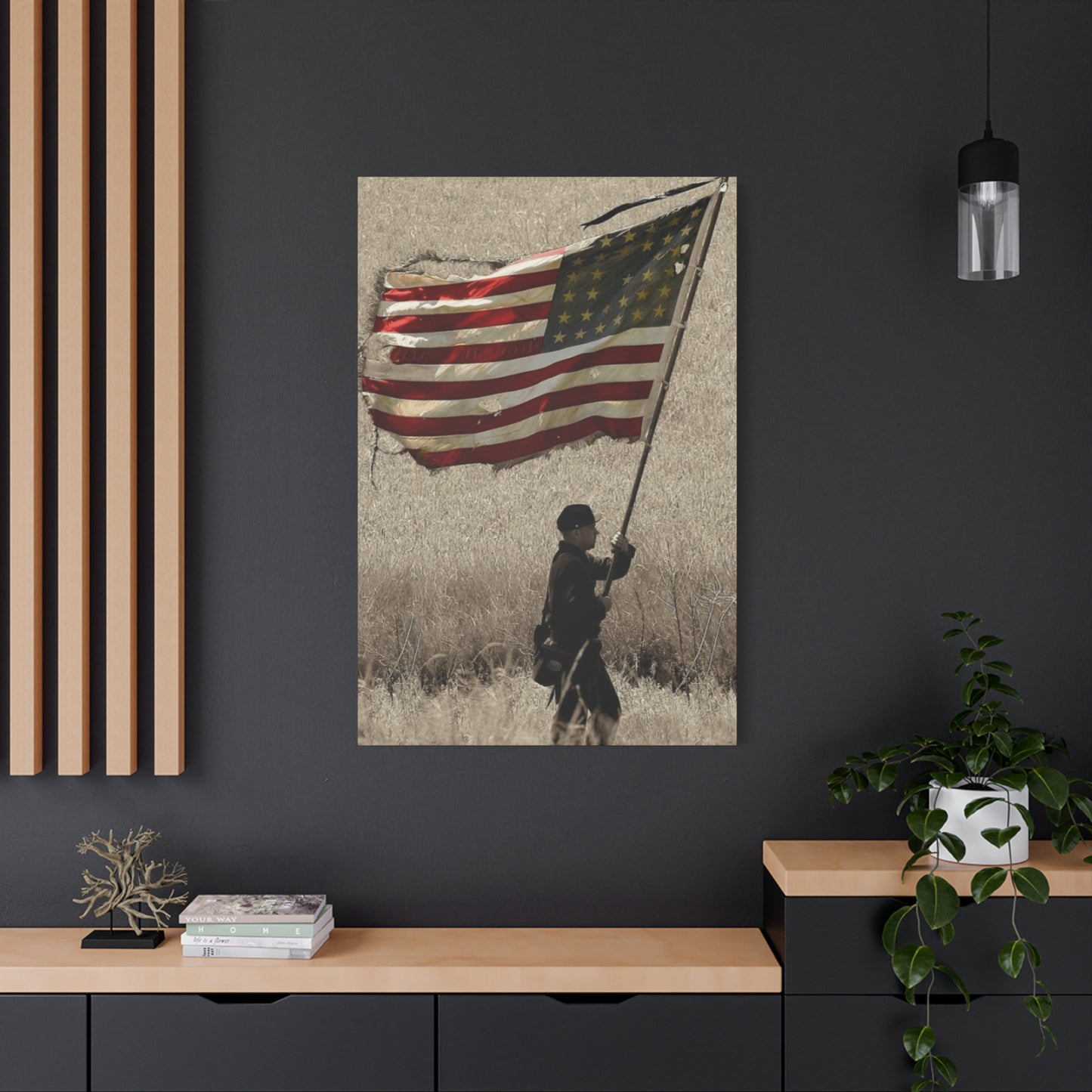
Man Carrying Flag Range Wall Art & Canvas Prints
Man Carrying Flag Range Wall Art & Canvas Prints
Couldn't load pickup availability
Man Carrying Flag Range Wall Art: Your Complete Resource for Selection, Placement, and Interior Design Impact
The world of patriotic visual displays has evolved dramatically, with man carrying flag range wall art emerging as a powerful statement piece that resonates with individuals seeking to express national pride, honor military service, or commemorate significant historical moments. These striking visual representations capture the essence of courage, determination, and unwavering commitment to ideals that transcend generations. Whether you're decorating a veteran's memorial space, enhancing a home office with meaningful imagery, or creating an inspiring atmosphere in public venues, understanding the nuances of this particular artistic genre opens doors to countless decorative possibilities that blend aesthetic appeal with profound symbolic significance.
The contemporary market offers an unprecedented variety of styles, mediums, and interpretations within the man carrying flag range wall art category. From photorealistic depictions of soldiers bearing standards during pivotal battles to abstract interpretations that distill the essence of patriotic fervor into bold geometric forms, these pieces serve multiple purposes beyond mere decoration. They function as conversation starters, memory preserves, and tangible connections to values that define national identity. The craftsmanship involved in producing these works spans traditional canvas painting techniques to cutting-edge digital printing methodologies, each bringing distinct characteristics that appeal to different aesthetic sensibilities and functional requirements.
Collectors and decorators alike have discovered that incorporating man carrying flag range wall art into living spaces, workplaces, and public gathering areas creates an immediate emotional impact that few other decorative elements can match. The imagery inherently communicates strength, sacrifice, and unity—universal themes that resonate across cultural boundaries while maintaining specific relevance to particular national narratives. This multifaceted appeal explains why these pieces have transcended temporary trends to become enduring fixtures in residential and commercial design schemes worldwide.
Tracing the Roots and Evolution of Patriotic Visual Representation in Modern Interior Spaces
The tradition of displaying patriotic imagery within personal and public spaces extends back centuries, with early examples appearing in the form of tapestries, frescoes, and hand-painted murals that adorned the walls of civic buildings, noble estates, and places of worship. These early works often depicted heroic military figures bearing standards, banners, and flags as symbols of territorial claim, divine favor, or political authority. The iconography of flag-bearing individuals has long served as a visual shorthand for complex ideas related to sovereignty, collective identity, and shared destiny among populations bound by common governance or cultural heritage.
As printing technologies advanced throughout the nineteenth century, the accessibility of patriotic imagery expanded dramatically. Lithographic processes enabled mass production of commemorative prints that brought battlefield scenes and heroic military portraits into ordinary households at affordable prices. Veterans, families of servicemembers, and citizens wishing to demonstrate national loyalty could acquire representations of flag-bearing heroes without commissioning expensive original artworks. This democratization of patriotic visual culture laid the groundwork for the contemporary market in man carrying flag range wall art, establishing patterns of consumer demand that persist in modified forms today.
The twentieth century witnessed profound transformations in both artistic expression and national consciousness, with two world conflicts fundamentally reshaping how societies conceived of patriotism, sacrifice, and military service. Propaganda posters from these eras frequently featured stylized representations of soldiers hoisting flags, sailors planting standards on conquered territories, and citizens rallying around national symbols. These images, created primarily for motivational purposes, inadvertently established aesthetic conventions that continue to influence contemporary man carrying flag range wall art. The bold color palettes, dramatic compositions, and emotionally charged postures depicted in wartime graphics became embedded in collective visual memory, creating templates that modern artists reference, reinterpret, and sometimes subvert in their own creations.
Post-war periods typically generate renewed interest in commemorative visual culture as societies process trauma, honor fallen servicemembers, and construct narratives around recent conflicts. The decades following major military engagements consistently see surges in demand for patriotic decorative items, including man carrying flag range wall art. This cyclical pattern reflects psychological needs to make sense of collective experiences through symbolic representation. Veterans seeking to maintain connections with service periods, families wishing to honor loved ones, and communities establishing memorial spaces all turn to visual imagery as a means of giving tangible form to intangible emotions and abstract concepts like duty, honor, and sacrifice.
The digital revolution transformed production methods
Digital photography, graphic design software, and high-resolution printing capabilities enabled artists to create increasingly sophisticated and visually striking interpretations of flag-bearing imagery. Photographers could capture moment-specific authenticity through battlefield documentation, sports photographers could freeze patriotic displays at athletic events, and digital artists could composite elements from multiple sources to construct idealized or symbolic representations. This technological shift expanded the definition of what constitutes man carrying flag range wall art, blurring boundaries between photography, painting, digital illustration, and mixed-media creation.
Contemporary interest in man carrying flag range wall art reflects broader cultural currents related to identity politics, memory preservation, and the ongoing negotiation of national narratives in increasingly diverse societies. Different communities and demographic groups approach patriotic imagery through distinct interpretive lenses, sometimes finding shared meaning in common symbols while other times projecting conflicting values onto identical visual representations. This complexity adds layers of significance to seemingly straightforward decorative choices, transforming the selection and display of man carrying flag range wall art into acts of cultural expression that communicate personal values, political leanings, and social affiliations.
Comprehensive Exploration of Stylistic Variations Within the Man Carrying Flag Range Wall Art Spectrum
The stylistic diversity within man carrying flag range wall art encompasses an extraordinary range of aesthetic approaches, each offering distinct visual characteristics and emotional resonances that appeal to particular tastes and serve specific decorative functions. Understanding these stylistic categories helps consumers make informed selections that align with their spatial requirements, existing decor schemes, and personal preferences regarding visual intensity, color palettes, and representational versus abstract approaches.
Photorealistic representations constitute perhaps the most immediately recognizable category within man carrying flag range wall art. These pieces typically derive from actual photographs—sometimes documentary images captured during military operations, ceremonial events, or athletic competitions, and other times staged studio photographs specifically designed for artistic purposes. The photorealistic approach prioritizes faithful reproduction of visual detail, texture, lighting, and atmospheric conditions present in the source material. Skin tones, fabric textures, environmental contexts, and the physical strain visible in the subject's posture all contribute to an overall impression of authenticity and immediacy that connects viewers directly to the depicted moment. This style particularly appeals to individuals seeking pieces that function as visual documentation or that evoke specific historical events with maximum fidelity.
Impressionistic interpretations of flag-bearing subjects take a markedly different approach, prioritizing emotional atmosphere and subjective experience over precise representational accuracy. Artists working in impressionistic styles apply visible brushstrokes, employ selective focus that blurs peripheral details while maintaining compositional clarity, and manipulate color relationships to create mood and psychological impact rather than literal accuracy. An impressionistic man carrying flag range wall art piece might render the flag itself in vivid, almost luminous hues that seem to glow with internal energy, while treating the figure bearing it in looser, more suggestive strokes that convey movement and determination without delineating every anatomical detail. This approach suits spaces where the goal involves creating emotional resonance rather than documentary precision.
Abstract and modernist treatments push even further from literal representation, sometimes reducing the entire composition to essential geometric forms, color fields, and symbolic elements that suggest rather than depict the concept of a person bearing a flag. These pieces might consist of vertical and horizontal bands that echo flag patterns, silhouetted shapes that imply human forms without rendering features, or fragmentary compositions that require viewer interpretation to complete the narrative. Abstract man carrying flag range wall art particularly appeals to collectors with contemporary design sensibilities who appreciate conceptual sophistication and prefer visual elements that spark contemplation rather than immediate recognition. Such pieces often serve as focal points in minimalist or modern interior schemes where representational artwork might clash with the overall aesthetic vocabulary.
Traditional oil painting techniques bring a classical elegance to man carrying flag range wall art
Oil paintings on canvas possess particular material qualities—slight three-dimensionality from paint application, subtle variations in surface reflection, and warmth derived from traditional pigments—that digital prints cannot fully replicate. Collectors drawn to traditional fine art values often specifically seek hand-painted pieces within the man carrying flag range wall art category, appreciating both the aesthetic qualities and the knowledge that each work represents hours of skilled labor by a trained artist.
Watercolor interpretations offer yet another distinctive aesthetic, characterized by translucent color layers, fluid edges, and an overall lightness that contrasts sharply with the weight and drama inherent in flag-bearing imagery. This juxtaposition between delicate medium and powerful subject matter creates intriguing visual tension that sophisticated collectors particularly appreciate. Watercolor man carrying flag range wall art often exhibits spontaneity and freshness that formal oil paintings lack, with accidental color bleeds and unpredictable pigment behavior contributing to each piece's uniqueness.
Vintage and retro-styled pieces deliberately evoke visual conventions from earlier eras, sometimes genuinely reproducing period artwork through careful restoration and reprinting, other times creating new works that mimic historical aesthetics through calculated stylistic choices. Vintage-appearing man carrying flag range wall art might feature sepia tones, artificially aged surfaces with intentional distressing, typography and compositional layouts reminiscent of mid-century propaganda posters, or color palettes drawn from limited period printing capabilities. These pieces appeal particularly to consumers furnishing spaces with deliberate period character—vintage-themed restaurants, historically-inspired home interiors, or collections focused on specific eras.
Monochromatic and black-and-white treatments strip away color information, forcing compositions to succeed purely through tonal relationships, contrast management, and compositional strength. Black-and-white man carrying flag range wall art often carries gravitas and solemnity that color versions lack, with the absence of chromatic information focusing attention on form, gesture, and emotional expression. This approach proves particularly effective for memorial contexts or spaces designed around neutral color schemes where colorful artwork might introduce visual discord.
Mixed-media approaches combine multiple artistic techniques and materials within single compositions, potentially incorporating collage elements, textural additions, metallic accents, or combinations of painting, photography, and graphic design. These hybrid pieces push boundaries of conventional categorization, existing at intersections between various artistic traditions. Mixed-media man carrying flag range wall art often exhibits strong individual character and can serve as striking statement pieces in eclectic interiors that celebrate artistic experimentation and boundary-pushing creativity.
Selecting Appropriate Sizes, Proportions, and Formats for Maximum Visual Effectiveness in Various Settings
The physical dimensions of man carrying flag range wall art profoundly influence its visual impact, spatial relationship with surrounding elements, and overall effectiveness in achieving desired decorative outcomes. Selecting appropriate sizes requires careful consideration of multiple factors including wall dimensions, viewing distances, surrounding furniture scales, and the role the artwork will play within the overall spatial composition.
Small-scale pieces, typically measuring under twenty inches in either dimension, function effectively in intimate spaces, gallery wall arrangements, or situations where artwork serves as accent rather than focal point. These compact man carrying flag range wall art pieces suit personal offices, bedroom nightstand areas, bathroom spaces, or any environment where larger works would overwhelm available wall space or compete unsuccessfully with architectural features. Small-scale pieces also offer advantages for renters or individuals who relocate frequently, as they transport easily and adapt to varied spatial contexts. Collections of multiple small pieces arranged in deliberate configurations can create visual impact comparable to single large works while maintaining flexibility for future rearrangement.
Medium-sized pieces, generally falling between twenty and forty inches in their longest dimension, represent the most versatile category within man carrying flag range wall art. These dimensions work effectively above furniture pieces like sofas, credenzas, or bedroom dressers, where they establish visual relationships with three-dimensional objects without dominating or disappearing. Medium-scale works possess sufficient visual weight to function as focal points in modest-sized rooms while remaining appropriate for supporting roles in larger spaces. Most residential walls can accommodate medium-sized pieces without requiring special mounting considerations or wall reinforcement, making them practical choices for typical home environments.
Large-scale man carrying flag range wall art, extending beyond forty inches and sometimes reaching dimensions of six feet or more, makes bold statements that transform spaces through commanding visual presence. These substantial pieces demand significant wall space and typically function as undisputed focal points within rooms, drawing attention immediately upon entry and establishing hierarchies among decorative elements. Large works particularly suit spacious living areas, commercial lobbies, boardrooms, or any environment where architectural scale and ceiling heights provide proportionate context. The dramatic impact of oversized man carrying flag range wall art creates memorable impressions in public-facing spaces like reception areas, restaurants, or hospitality venues where establishing strong visual identity serves strategic purposes.
Aspect ratio and compositional orientation significantly affect how man carrying flag range wall art relates to architectural features and surrounding furnishings. Horizontal compositions, wider than they are tall, naturally complement architectural elements like mantels, sofas, and buffets that themselves emphasize horizontal lines. Landscape-oriented man carrying flag range wall art suits spaces above low, wide furniture arrangements and rooms with generous horizontal wall expanses. The horizontal format also tends to promote feelings of stability, calm, and expansiveness—emotional qualities that may or may not align with the specific content and intended impact of particular pieces.
Vertical compositions, taller than they are wide, create entirely different spatial relationships and psychological effects. Portrait-oriented man carrying flag range wall art draws the eye upward, emphasizes verticality, and can make rooms with standard ceiling heights feel more spacious. Vertical pieces work particularly well in narrow wall sections between architectural features, flanking doorways or windows, or in series arrangements where multiple tall pieces create rhythm along extended wall runs. The upward movement inherent in vertical compositions often reinforces the symbolic content of flag-bearing imagery, which frequently depicts figures in triumphant upward gestures.
Square formats offer balanced, centered compositions that avoid directional emphasis
Square man carrying flag range wall art creates stable, self-contained visual units that work effectively in symmetrical arrangements or as standalone focal points. The equal dimensions in both directions suit modern, minimalist spaces where balanced proportions align with overall design philosophies. Square pieces also arrange effectively in grid patterns for gallery wall configurations.
Panoramic formats, with extremely wide aspect ratios, create dramatic horizontal emphasis and can span substantial wall sections. Ultra-wide man carrying flag range wall art suits specific architectural contexts like above king-sized beds, extending the full length of hallways, or filling wall sections in commercial spaces where standard proportions would appear undersized. The panoramic format allows compositions to develop narrative progression across extended horizontal spaces, potentially depicting sequential moments or multiple figures within continuous landscapes.
Triptych and multi-panel configurations divide compositions across multiple separate pieces, creating visual interest through separation while maintaining compositional unity through related content. Multi-panel man carrying flag range wall art offers flexibility in installation, allowing spacing adjustments to suit specific wall dimensions. The gaps between panels create visual rhythm and can align with architectural features or furniture edges for integrated appearance. Three-panel and five-panel arrangements prove most common, with central panels often larger than flanking elements for hierarchical emphasis.
Material Substrates and Printing Methods That Define Quality and Longevity in Contemporary Wall Art Production
The physical materials and production methods employed in creating man carrying flag range wall art fundamentally determine its visual quality, durability, maintenance requirements, and long-term value. Contemporary consumers encounter numerous material options, each with distinct advantages, limitations, and appropriate use contexts that merit careful consideration.
Gallery-wrapped canvas remains perhaps the most popular substrate for man carrying flag range wall art, replicating the appearance and tactile qualities of traditional painted works while allowing digital reproduction at accessible price points. Gallery-wrapped canvas construction involves printing imagery onto canvas material, then stretching it around wooden frame assemblies with image continuation around edges, eliminating the need for separate framing. This presentation method creates clean, modern appearance with dimensional depth from the stretched canvas thickness. High-quality canvas exhibits subtle texture that adds visual interest and reduces glare compared to smooth surfaces. Canvas durability supports long-term display in various environmental conditions, though direct sunlight exposure requires UV-protective coatings to prevent fading.
Metal prints represent a contemporary alternative substrate that delivers stunning visual impact through specialized dye-sublimation processes. Creating metal man carrying flag range wall art involves transferring imagery onto specially-coated aluminum sheets, resulting in extraordinary color vibrancy, remarkable detail resolution, and luminous quality as light reflects from the metallic surface. Metal prints exhibit exceptional durability, resisting moisture, impacts, and environmental degradation far better than paper or canvas. The sleek, modern appearance of metal prints particularly suits contemporary interiors, offices, and commercial spaces. Frameless mounting systems preserve the minimalist aesthetic while allowing easy installation. However, metal prints typically cost more than equivalent canvas or paper versions, and their reflective surfaces may create glare issues in certain lighting conditions.
Acrylic prints create depth and luminosity through face-mounting printed images behind clear acrylic panels. This construction method produces man carrying flag range wall art with exceptional color saturation, three-dimensional appearance, and gallery-quality presentation. Light passes through the acrylic, interacting with the printed layer to create visual depth and vibrancy impossible with surface printing alone. Acrylic prints resist fading, moisture, and physical damage while maintaining clarity for decades with minimal maintenance. The frameless, floating appearance suits modern design sensibilities and high-end installations. Weight and cost considerations represent the primary limitations, as substantial acrylic thickness creates heavy pieces requiring robust mounting systems, and production costs exceed most other substrate options.
Wood panels offer organic warmth and textural interest as substrates for man carrying flag range wall art
Printing directly onto prepared wood surfaces or mounting prints to wood backing creates pieces with rustic character that suits farmhouse aesthetics, cabin interiors, or spaces emphasizing natural materials. Wood grain patterns sometimes remain visible through printed images, adding subtle textural layers that enhance rather than detract from imagery. Sustainable forestry sourcing makes wood panels environmentally responsible choices. However, wood's natural properties require consideration—potential warping in humid conditions, weight from solid construction, and surface variations between pieces create both character and challenges.
Framed paper prints represent the most traditional presentation format, with imagery printed on photographic or fine art paper, matted, and enclosed in protective frames with glass or acrylic glazing. This approach offers maximum versatility in aesthetic presentation since frame styles, mat colors, and glazing options allow extensive customization to suit specific decor requirements. High-quality archival papers with acid-free construction and specialized coating ensure longevity and fade resistance. Framed presentation protects printed surfaces from environmental exposure, handling damage, and UV degradation. The traditional framed appearance suits classic interiors and conventional tastes while remaining appropriate for contemporary spaces with careful frame selection. Cost varies dramatically based on frame quality, glazing choice, and mat materials.
Tapestries and fabric wall hangings provide soft, textural alternatives to rigid substrates. Fabric man carrying flag range wall art can drape with elegant flow, resist breakage during transport or handling, and ship rolled rather than requiring rigid packaging. Various fabric weights and weaves create different visual effects, from smooth satiny finishes to heavily textured upholstery weights. Fabric pieces suit informal spaces, temporary installations, or situations where portability and durability matter more than gallery-quality presentation. However, fabric surfaces may lack the sharpness and detail resolution achievable with rigid substrates and specialized printing processes.
Printed vinyl adhered to various backing materials offers economical production for very large man carrying flag range wall art installations. Commercial-grade vinyl withstands environmental exposure suitable for both interior and protected exterior applications. The flexibility of vinyl material allows installation on curved surfaces and irregular architectural features. However, vinyl's plastic appearance and lower resolution compared to premium substrates make it less suitable for high-end residential or gallery contexts where aesthetic refinement matters most.
Printing methodology significantly affects final image quality regardless of substrate choice. Giclée printing employs archival pigment inks and high-resolution inkjet processes to produce museum-quality reproductions with exceptional color accuracy, tonal range, and detail rendering. Giclée man carrying flag range wall art pieces exhibit professional quality suitable for serious collections and gallery display. The archival nature of pigment inks ensures color stability over many decades when properly displayed. However, giclée printing costs more than standard digital printing, making it appropriate primarily for limited-edition pieces or when maximum quality justifies premium pricing.
Dye-sublimation printing excels for certain substrates, particularly metal, ceramic, and specialized fabrics. This heat-transfer process embeds dyes into material surfaces rather than applying them atop, creating integrated imagery resistant to scratching, peeling, or surface wear. Dye-sublimation produces vibrant colors and smooth gradations particularly effective for man carrying flag range wall art with bold, graphic compositions.
UV-cured printing offers rapid production speeds and immediate handling capability as specialized inks cure instantly under ultraviolet light exposure. This method works across diverse substrate types and produces durable, scratch-resistant surfaces. While UV printing may not achieve the absolute color accuracy of giclée processes, it delivers excellent results for most decorative purposes at efficient production costs.
Strategic Placement Considerations That Maximize Aesthetic Impact and Viewing Experience
The location where man carrying flag range wall art is displayed profoundly influences its visual effectiveness, longevity, and integration with surrounding spatial elements. Strategic placement requires balancing aesthetic considerations with practical factors including lighting conditions, traffic patterns, viewing angles, and environmental conditions that might affect artwork integrity.
Living room placement represents perhaps the most common context for man carrying flag range wall art in residential settings. The primary seating wall—typically behind or opposite the main sofa arrangement—offers premium visibility and establishes the artwork as a focal point during social gatherings and daily relaxation. Centering pieces above sofas requires careful proportional consideration, with artwork width ideally falling between one-half and two-thirds of the furniture width beneath it. Vertical positioning should place the center of the artwork at approximate eye level for seated viewers, generally fifty-two to sixty inches from the floor. This placement height ensures comfortable viewing without neck strain during extended seating periods.
Above fireplaces and mantels provides another traditional placement location that leverages existing architectural focal points. Man carrying flag range wall art displayed in this position benefits from the mantel's visual weight and the fireplace surround's framing effect. However, several practical considerations apply—heat and smoke from active fireplaces can damage artwork over time, necessitating adequate clearance, protective glazing, or restriction to gas or non-functional fireplace installations. The often-substantial height of mantel installations may push artwork centers above ideal viewing levels, a compromise necessary to maintain appropriate clearance from the mantel surface.
Dining room walls offer excellent opportunities for man carrying flag range wall art display, where pieces contribute to the ambiance during meals and social gatherings without competing with living room focal points. The wall behind a dining table or a sideboard creates natural placement zones where artwork enhances the dining experience without interfering with traffic flow or service activities. Lighting consideration proves particularly important in dining contexts, as many dining rooms feature dimmable lighting or statement chandeliers that create specific atmospheric effects.
Home office spaces particularly suit man carrying flag range wall art
Positioning artwork within the sightline from primary work positions can provide inspirational focus during tasks, while placement on walls visible during video conferences creates professional, character-expressing backgrounds. Office placement allows more flexibility in size selection since viewing distances and duration differ from social living spaces.
Bedroom walls offer intimate contexts where man carrying flag range wall art connects with personal values and memories in private settings. The wall behind the bed provides the most prominent placement option, functioning as a headboard alternative or enhancement. Artwork centered above beds should relate proportionally to furniture width following similar guidelines as living room placement. Side walls visible from sleeping positions offer secondary placement zones. Bedroom lighting tends toward softer, more controlled conditions that protect artwork from harsh UV exposure while maintaining visibility.
Hallways and corridors, often overlooked in decorating schemes, provide excellent opportunities for man carrying flag range wall art display. These transitional spaces typically feature extended wall sections without interfering furniture or architectural disruptions. Gallery-style arrangements of multiple pieces can transform hallways into exhibition spaces, while single large works create dramatic impact. Hallway widths influence appropriate artwork sizes—narrow passages suit smaller pieces viewable from close distances, while wider hallways accommodate larger works with adequate viewing distance.
Stairwell walls present unique opportunities and challenges for man carrying flag range wall art placement. Ascending wall sections allow arrangements that rise with staircase angles, creating dynamic visual flow that complements movement through space. The varied viewing distances and angles inherent in stairwell contexts require particular attention to scale and compositional clarity. Security considerations matter more in stairwell placements, as protruding frames or loose hanging systems risk contact with occupants navigating stairs.
Basement and recreation room contexts suit man carrying flag range wall art particularly well when these spaces serve as entertainment areas, home theaters, or hobby spaces. The often-casual character of basement spaces allows for bolder, larger artwork selections that might overwhelm formal upstairs living areas. Man caves, workshops, and athletic training spaces particularly benefit from motivational flag-bearing imagery that reinforces determination and perseverment.
Commercial and office building lobbies demand man carrying flag range wall art with appropriate scale and visual impact to register effectively in spacious, high-ceilinged environments. Corporate art selections must balance visual interest with professional appropriateness, avoiding overtly political or divisive imagery while maintaining sufficient character to create memorable impressions. Lobbies typically accommodate oversized pieces that would overwhelm residential spaces, and durable materials like metal or acrylic suit high-traffic commercial contexts better than delicate substrates.
Retail environments can leverage man carrying flag range wall art to establish brand identity, create immersive shopping experiences, or appeal to target demographic preferences. Stores serving veterans, outdoor enthusiasts, or customers with strong patriotic identities might feature flag-bearing imagery prominently as both decoration and subtle merchandising signal. Restaurant and bar settings, particularly establishments with military, American, or patriotic themes, employ this artwork to reinforce concept and atmosphere.
Museum and gallery contexts obviously suit man carrying flag range wall art, though installation standards in these settings demand archival materials, conservation framing, controlled lighting, and environmental monitoring beyond typical residential or commercial requirements. Exhibition contexts allow appreciation of artistic merit separate from decorative function, highlighting craftsmanship, historical significance, or aesthetic innovation.
Lighting profoundly affects how man carrying flag range wall art appears and survives over time. Natural light provides ideal color rendering that reveals artwork most truthfully, but ultraviolet radiation causes irreversible fading and degradation. Windows delivering direct sunlight onto artwork create worst-case exposure conditions requiring UV-filtering glazing, protective window films, or strategic placement beyond direct sun paths. Northern-facing windows in the Northern Hemisphere provide softer, more consistent natural light with minimal direct sun exposure, making adjacent walls more suitable for artwork display.
Artificial lighting offers controllable alternatives with various characteristics. Incandescent and halogen sources produce warm color temperatures that may shift cool-toned artwork appearance but create inviting atmospheres. LED lighting provides energy efficiency, minimal heat generation, and wide color temperature ranges allowing precise atmospheric control. Dedicated picture lights mounted directly to frames or adjacent walls create focused illumination that emphasizes artwork while minimizing environmental light spill. Track lighting systems offer flexibility for illuminating multiple pieces or adapting to changing arrangements. Recessed ceiling lights can effectively illuminate wall-mounted artwork when properly aimed, though their fixed positions limit flexibility.
Understanding Color Theory and Compositional Elements in Effective Patriotic Imagery
The visual effectiveness of man carrying flag range wall art derives significantly from conscious or intuitive application of color theory principles that govern how humans perceive and respond emotionally to chromatic relationships. Understanding these dynamics helps consumers select pieces that achieve desired atmospheric effects and harmonize successfully with existing interior color schemes.
Primary colors within flag designs—particularly the reds, whites, and blues featured in American, British, French, and numerous other national banners—carry inherent psychological associations that intensify the emotional impact of flag-bearing imagery. Red evokes passion, courage, sacrifice, and intensity, making it particularly effective in man carrying flag range wall art meant to convey heroism or commemorate fallen servicemembers. The physiological response to red includes slight increases in heart rate and blood pressure, creating subtle arousal that focuses attention and enhances engagement with imagery. Blue suggests stability, loyalty, wisdom, and calm determination—qualities associated with steady resolve and principled commitment. Blue's calming properties provide psychological balance against red's intensity, creating dynamic tension within patriotic color schemes. White contributes purity, peace, innocence, and hope while providing essential visual separation between adjacent colors and creating contrast that enhances legibility and compositional clarity.
Color saturation levels dramatically affect man carrying flag range wall art's visual impact and appropriate placement contexts. Highly saturated, intense colors create bold, attention-commanding presence suitable for statement pieces in neutral environments or commercial spaces requiring strong visual identity. These vivid pieces energize spaces and immediately draw focus, making them effective focal points but potentially overwhelming in already colorful or visually busy environments. Desaturated, muted color palettes create sophisticated, subdued effects appropriate for elegant interiors, professional settings, or spaces where artwork should complement rather than dominate. Vintage-styled pieces often employ deliberately reduced saturation to evoke period aesthetics and suggest historical distance.
Color temperature considerations influence how man carrying flag range wall art integrates with interior lighting and existing decor. Warm-toned pieces featuring prominent oranges, reds, yellows, and warm neutrals harmonize naturally with traditional incandescent lighting, wood finishes, and warm neutral wall colors common in classic interiors. Cool-toned works emphasizing blues, greens, and gray-toned neutrals suit contemporary spaces with white walls, metal accents, and LED lighting designed to approximate daylight color temperatures. Mixed temperature schemes create dynamic visual interest through warm-cool contrasts that animate compositions and direct viewer attention.
Contrast ratios between elements within compositions determine visual impact and legibility from various viewing distances. High-contrast man carrying flag range wall art with dramatic darks against lights creates graphic punch that reads clearly from far distances, making these pieces suitable for large spaces, hallways, or any context where immediate visual impact matters. Lower-contrast pieces with subtle tonal variations reward closer examination and suit intimate viewing distances where nuanced details can be appreciated. Viewers subconsciously read high contrast as more urgent, energetic, and dynamic, while low contrast suggests contemplation, sophistication, and subtlety.
Compositional structure governs how visual elements organize within the frame, directing viewer attention and creating narrative flow that guides interpretation. Centered compositions place the flag-bearing figure in the middle of the frame, creating formal, balanced arrangements that emphasize the subject's importance and suggest stability, authority, and timelessness. This traditional approach suits conservative tastes and contexts where symbolic importance outweighs dynamic visual interest. Off-center compositions following rule-of-thirds principles create more dynamic, contemporary feel by positioning primary subjects at intersections of imaginary lines dividing the frame into thirds horizontally and vertically. This asymmetry generates visual tension and movement that engages viewers more actively than static centered arrangements.
Leading lines within compositions direct viewer attention through deliberate placement of elements that create directional flow. In man carrying flag range wall art, leading lines might derive from the flag pole angle, the figure's arm position, landscape features in background environments, or architectural elements in military settings. Effective leading lines draw eyes toward the composition's focal point—typically the flag itself or the bearer's face and expression—ensuring viewers engage with intended narrative emphasis. Diagonal lines create the strongest sense of movement and dynamism, while horizontal and vertical lines suggest stability and structure.
Foreground, middleground, and background layering creates depth perception that transforms two-dimensional artwork into scenes with apparent spatial dimension. Man carrying flag range wall art employing sophisticated depth construction might place the flag-bearing figure in sharp foreground focus, position supporting elements or environmental context in middle distance, and include landscape or architectural features in softly rendered background. This spatial organization guides viewer attention hierarchically while creating realistic environmental context that grounds symbolic imagery in believable settings.
Negative space—the areas surrounding primary subjects—contributes significantly to compositional effectiveness despite containing no objects of direct interest. Generous negative space around flag-bearing figures creates breathing room that allows subjects to dominate compositions without crowding, suggests isolation or singular heroism, and provides visual rest areas that prevent overwhelming busy-ness. Conversely, compositions with minimal negative space feel packed with information, energy, and complexity, potentially suggesting chaos, crowded battlefields, or overwhelming circumstances.
Symmetrical versus asymmetrical balance affects the psychological tone man carrying flag range wall art communicates. Symmetrical compositions mirror visual weight across central axes, creating formal stability that suggests tradition, authority, and timeless permanence. Asymmetrical balance distributes visual weight unevenly but maintains overall equilibrium through careful placement of elements with different sizes, colors, or visual interest levels. Asymmetry feels more contemporary, dynamic, and engaging to modern viewers accustomed to irregular layouts in graphic design and photography.
Conclusion
Successfully incorporating man carrying flag range wall art into established interior spaces requires thoughtful consideration of existing design elements, color schemes, stylistic vocabularies, and functional requirements that collectively define each environment's character. The goal involves creating harmonious visual unity while avoiding bland homogeneity that eliminates interesting contrast and visual interest.
Traditional interiors characterized by formal furniture arrangements, classic architectural details, rich wood tones, and established decorating conventions benefit from man carrying flag range wall art that respects these aesthetic values rather than jarring against them. Formal oil paintings in ornate frames, works with muted vintage color palettes, or pieces featuring historical subject matter align naturally with traditional sensibilities. Frame selections matter significantly in traditional contexts—carved wood frames with gilded finishes, substantial profiles, and classical molding patterns complement period furniture and architectural details. The artwork should reinforce rather than challenge the room's established formality through subject matter, presentation, and scale appropriate to traditional proportions.
Contemporary interiors emphasizing clean lines, minimal ornamentation, open spatial planning, and modern materials suit man carrying flag range wall art with complementary characteristics. Frameless presentations, metal prints, acrylic-mounted pieces, or stark black frames maintain contemporary minimalism while adding visual interest through content rather than ornate presentation. Abstract or graphic interpretations of flag-bearing imagery often work better in modern contexts than literal representations, aligning with contemporary preferences for conceptual sophistication over straightforward illustration. Scale can be bolder in contemporary settings, with oversized statement pieces fitting naturally in spaces designed around architectural drama rather than accumulated decorative details.
Transitional styles blending traditional and contemporary elements offer maximum flexibility for man carrying flag range wall art selection, as these hybrid aesthetics deliberately combine seemingly contradictory elements into cohesive wholes. The key involves maintaining consistency in presentation formality—either systematically formal or relaxed throughout—while mixing stylistic references within that consistent framework. A photorealistic flag-bearing portrait in a simple contemporary frame can work beautifully above a transitional sofa combining rolled arms with streamlined silhouette.
Industrial aesthetics featuring exposed materials, utilitarian fixtures, and raw finishes suit man carrying flag range wall art with corresponding character. Metal prints, distressed wood panels, oversized canvas without decorative frames, or pieces with deliberately aged appearances align with industrial sensibilities. The inherent toughness and functionality emphasized in industrial design harmonizes naturally with military and patriotic subject matter's associations with strength, resilience, and purpose.
Farmhouse and rustic styles emphasizing natural materials, vintage objects, comfortable informality, and connection to agricultural traditions benefit from man carrying flag range wall art with similar values. Wood-mounted prints, pieces with visible texture and weathered finishes, vintage-inspired compositions, and presentations that emphasize handcrafted quality over polished perfection suit these comfortable, lived-in aesthetics. The patriotic themes common in rural American decorating traditions make flag-bearing imagery particularly appropriate in authentic farmhouse contexts.
Coastal and nautical styles create natural affinity with certain man carrying flag range wall art variations, particularly pieces featuring maritime flags, naval contexts, or compositions incorporating blues, whites, and weathered textures associated with ocean environments. The symbolic connections between flags and maritime navigation, naval tradition, and coastal identity make these themes mutually reinforcing. Lighter color palettes and fresh, airy presentations suit coastal aesthetics better than heavy, somber treatments.
Eclectic interiors that deliberately combine diverse stylistic references, periods, and cultural influences offer the broadest acceptance for varied man carrying flag range wall art selections. The essential principle in eclectic decorating involves creating visual cohesion through consistent elements—perhaps color palette, scale, or presentation style—that unify otherwise diverse objects. In eclectic contexts, unexpected juxtapositions often create the most interesting and personal results, such as vintage patriotic imagery combined with global textiles and contemporary furniture.
Share