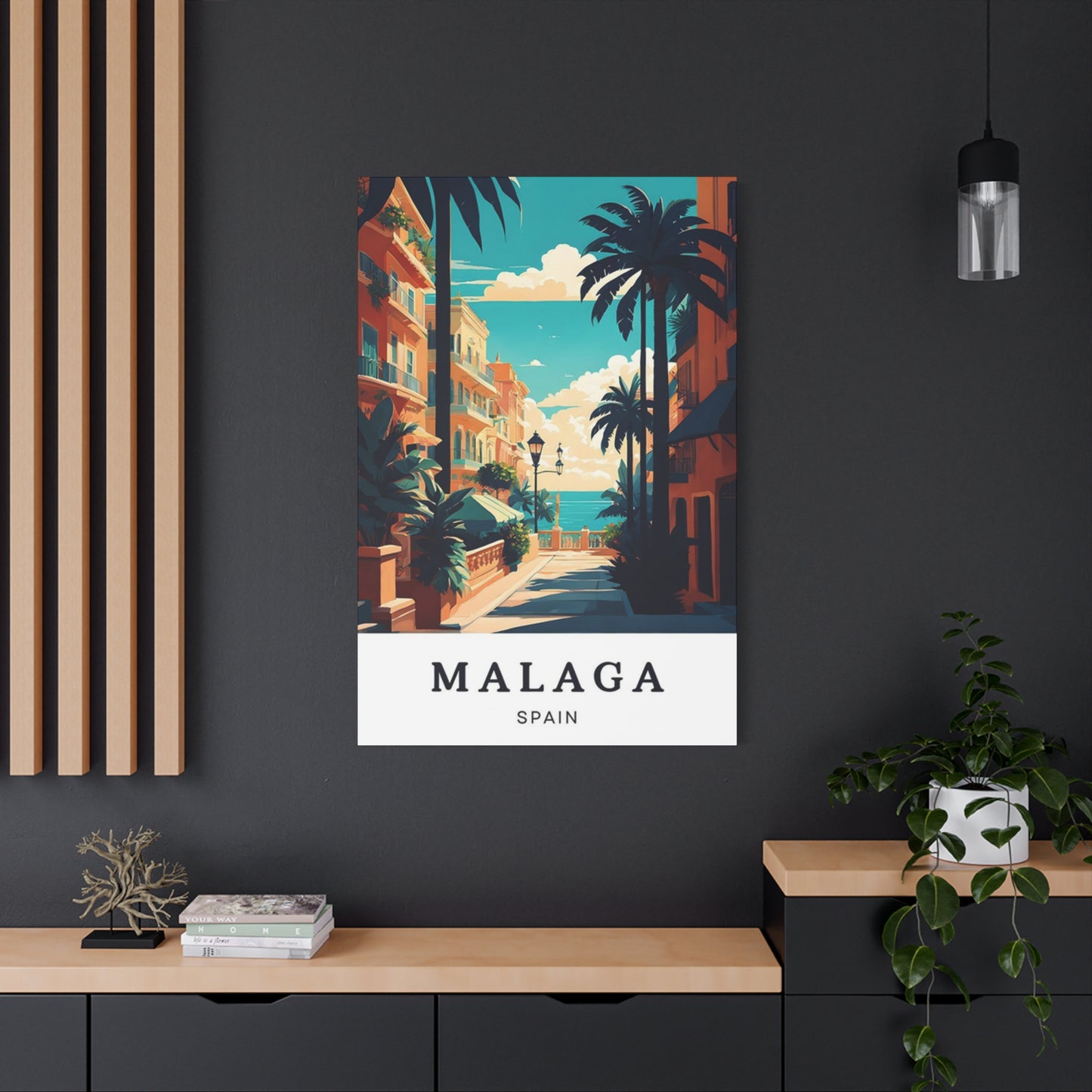
Malaga Spain Poster Wall Art & Canvas Prints
Malaga Spain Poster Wall Art & Canvas Prints
Couldn't load pickup availability
Vibrant Malaga Spain Poster Wall Art: Discovering Mediterranean Charm Through Decorative Visual Expressions
The enchanting coastal city nestled along Spain's southern shores has captivated artists, travelers, and design enthusiasts for centuries with its remarkable blend of Moorish heritage, sun-drenched beaches, and vibrant cultural tapestry. When seeking to infuse your living spaces with the essence of this Mediterranean paradise, carefully curated visual representations offer an unparalleled gateway to capturing that distinctive Andalusian spirit within your home. These decorative pieces serve as windows into a world where azure waters meet golden sands, where historic architecture stands testament to centuries of diverse influences, and where the warmth of Spanish hospitality radiates through every cobblestone street.
Decorative visual expressions celebrating this particular Spanish municipality have emerged as increasingly sought-after elements within contemporary interior design schemes. Homeowners, office managers, and hospitality venue curators alike recognize the transformative power these artistic representations possess when strategically positioned throughout various environments. The allure extends beyond mere aesthetic appreciation, tapping into deeper emotional connections people forge with places that have touched their hearts during memorable journeys or remain on aspirational travel lists.
The marketplace for such decorative items has expanded exponentially, offering consumers an impressive array of styles, dimensions, and production methods. From photographic reproductions capturing specific landmarks in crisp detail to abstract interpretations that distill the location's essence into color and form, the variety ensures compatibility with virtually any design sensibility. Vintage-inspired compositions evoke nostalgic sentiments, while modern minimalist renderings appeal to those favoring cleaner aesthetics. This diversity empowers individuals to select pieces that resonate personally while complementing existing decor schemes.
Exploring Various Artistic Interpretations Depicting This Spanish Coastal Municipality
The spectrum of artistic approaches available for representing this Mediterranean destination encompasses numerous distinct categories, each offering unique visual characteristics and emotional resonances. Photographic reproductions stand among the most popular choices, providing viewers with remarkably accurate portrayals of specific locations, architectural marvels, or natural vistas. High-resolution imagery captured during optimal lighting conditions—particularly the golden hours flanking sunrise and sunset—produces stunning results that transport observers directly to the depicted scenes.
Illustrated interpretations introduce creative liberties that photographic media cannot achieve. Artists employing watercolor techniques create soft, dreamlike visions where colors bleed gently into one another, evoking the hazy warmth of Mediterranean afternoons. Pen-and-ink sketches emphasize architectural details and urban landscapes through precise linework, offering viewers opportunities to appreciate structural elements often overlooked in color photography. Digital illustrations combine traditional artistic sensibilities with contemporary tools, yielding crisp, stylized representations that bridge classic and modern aesthetic preferences.
Abstract compositions distill the locale's essence into fundamental visual elements—color palettes dominated by terracotta oranges, deep Mediterranean blues, pristine whites, and sun-bleached yellows communicate the region's character without literal representation. These pieces particularly appeal to those seeking suggestions rather than explicit depictions, allowing individual interpretation while maintaining thematic connections to the geographical subject.
Vintage-style graphics reference mid-century travel advertisements, employing simplified forms, bold typography, and limited color schemes characteristic of that era's commercial art. These nostalgic pieces evoke romanticized notions of leisure travel during aviation's golden age, when exotic destinations represented aspirational luxury. The retro aesthetic has experienced renewed popularity among design-conscious consumers seeking to infuse spaces with personality distinct from mass-market contemporary offerings.
Collage-based artworks incorporate multiple visual elements—photographs, text fragments, textural components—into unified compositions that tell multifaceted stories. These layered pieces reward prolonged viewing as observers discover new details with successive examinations. Mixed-media approaches might combine painted backgrounds with photographic foregrounds or integrate three-dimensional elements that create depth and tactile interest.
Selecting Optimal Dimensions and Formatting Configurations for Your Residential or Commercial Environment
Determining appropriate sizing represents a critical consideration when acquiring decorative visual pieces for specific locations. Oversized installations measuring several feet across command attention and function as focal points within spacious rooms featuring high ceilings and substantial wall expanses. These statement pieces work exceptionally well above sofas, beds, or fireplace mantels where their scale balances surrounding furniture dimensions.
Medium-sized options ranging from approximately twenty to thirty inches across offer versatility suitable for numerous placements. These dimensions integrate seamlessly into gallery arrangements, function effectively as standalone pieces in smaller rooms, or complement existing artwork without overwhelming spaces. Their manageable proportions facilitate transportation, installation, and potential relocation should design preferences evolve.
Smaller formats provide flexibility for creating curated collections or filling specific niches where larger pieces would appear disproportionate. Series of coordinated smaller images arranged in grid formations produce cohesive visual impact rivaling single large-scale works while offering compositional flexibility. These compact options suit narrow wall sections, hallway galleries, or workspace settings where subtlety proves preferable to bold statements.
Orientation choices between horizontal, vertical, and square formats significantly influence visual dynamics. Horizontal compositions emphasize width, naturally guiding viewer attention laterally across depicted panoramas—ideal for coastal vistas or urban skylines. Vertical formats draw eyes upward, creating illusions of increased ceiling height particularly beneficial in rooms with lower overhead clearances. Square formats provide balanced symmetry appreciated in modern design schemes and work effectively within grid arrangements.
Aspect ratio considerations extend beyond mere dimensional measurements. Panoramic presentations employing extremely elongated horizontal proportions excel at capturing expansive coastal stretches or mountain ranges, though require substantial uninterrupted wall space. Triptych and diptych configurations divide single images across multiple panels, introducing dimensional depth through physical separation while maintaining compositional unity. These segmented approaches add contemporary sophistication and allow flexible spacing adjustments accommodating various wall widths.
Understanding Material Substrates and Their Distinct Characteristics Affecting Visual Presentation
The foundation upon which imagery appears dramatically influences final aesthetic qualities, durability expectations, and maintenance requirements. Traditional paper-based prints remain popular for their affordability and authentic artistic character. Museum-quality archival papers resist yellowing and degradation when properly displayed away from direct sunlight and excessive humidity. Matte finishes eliminate glare, making them preferable for brightly lit spaces, while glossy surfaces amplify color vibrancy at the expense of potential reflection issues.
Canvas substrates provide textured surfaces reminiscent of painted artworks, lending images artistic gravitas that flat paper presentations cannot achieve. The woven texture adds dimensionality particularly noticeable when viewing from oblique angles. Gallery-wrapped canvas stretched around wooden frames creates three-dimensional objects displayable without additional framing, though many prefer supplementing them with floating frames that add definition without concealing edge-printed imagery.
Metal prints represent relatively contemporary innovations employing dye sublimation processes that infuse inks directly into specially coated aluminum sheets. The resulting pieces exhibit exceptional clarity, vibrant colors, and remarkable durability resistant to moisture, fading, and physical damage. Their sleek, modern appearance complements contemporary interiors, though may appear incongruous within traditional settings. The inherent rigidity eliminates concerns about warping or sagging over time.
Acrylic mounting techniques sandwich prints between transparent acrylic sheets or mount them behind single acrylic panels, creating depth and luminosity through light refraction. Colors appear exceptionally saturated and images gain dimensionality impossible with flat presentations. The glossy surfaces require careful placement to minimize reflective glare, though their stunning visual impact often justifies accommodating such considerations.
Wood substrate printing transfers imagery directly onto prepared wooden panels, allowing natural grain patterns to show through and interact with the printed design. This approach produces rustic, organic aesthetics particularly suited to casual, nature-inspired, or bohemian decor schemes. Each piece carries unique character derived from the specific wood panel's grain configuration, ensuring no two items appear identical.
Fabric prints stretched over frames offer lightweight alternatives combining canvas's textural appeal with reduced weight facilitating easier hanging. Polyester-based fabrics accept dyes exceptionally well, producing vivid colors rivaling any substrate while maintaining flexibility that simplifies shipping and handling. These represent cost-effective options for those seeking impressive visual results within modest budgets.
Examining Framing Possibilities That Enhance Visual Appeal While Providing Protective Functions
Framing decisions significantly impact how artwork integrates within surrounding environments while providing crucial protective functions preserving print quality. Traditional wooden frames offer timeless elegance available in countless profiles, finishes, and widths accommodating every conceivable style preference. Natural wood tones introduce warmth and organic character, while painted finishes in black, white, metallics, or custom colors provide precise coordination with existing decor elements.
Ornate frames featuring carved details, gilded surfaces, or intricate moldings suit formal settings and traditional aesthetics. These elaborate surrounds transform simple prints into sophisticated art pieces commanding respect and attention. Conversely, minimalist frames employing clean lines and understated profiles allow imagery to dominate viewer focus without competitive visual distraction from surrounding elements.
Float mounting techniques position prints slightly forward from backing materials, creating shadows that add depth and dimensionality. This presentation style particularly complements modern and contemporary interiors where clean aesthetics reign supreme. The visible gap between image and background creates visual interest while emphasizing the artwork's status as three-dimensional object rather than flat surface decoration.
Shadow box framing accommodates three-dimensional elements or creates substantial depth between glazing and mounted artwork. This approach works beautifully for mixed-media pieces incorporating textural components or when displaying items alongside related memorabilia—travel tickets, postcards, or small souvenirs from actual visits to the depicted location.
Matting decisions involve selecting appropriate colors, widths, and configurations of border materials surrounding prints within frames. Single mats provide clean separation between imagery and frames, with neutral tones ensuring compatibility across diverse settings. Double or triple matting introduces layered borders in complementary or contrasting colors, adding sophistication and visual complexity particularly effective with smaller prints requiring increased presence.
Glass or acrylic glazing protects prints from environmental contaminants, moisture, and physical contact while potentially introducing unwanted glare. Standard glass provides adequate protection at minimal cost, though adds significant weight to larger frames. UV-filtering glass blocks harmful wavelengths responsible for fading, substantially extending display lifespans. Museum glass employs special coatings virtually eliminating reflections, allowing unimpeded viewing from any angle—a premium option commanding corresponding prices.
Frameless presentations mounting prints directly to walls via adhesive systems or standoff hardware create contemporary, gallery-inspired aesthetics. These minimalist approaches emphasize imagery while reducing visual clutter, though sacrifice protective benefits traditional framing provides. Magnetic mounting systems offer clever solutions allowing easy artwork rotation without wall damage—ideal for those enjoying frequent decor refreshes.
Identifying Iconic Landmarks and Scenic Vistas Frequently Featured in Visual Representations
Certain architectural monuments, natural features, and urban landscapes consistently appear within decorative pieces celebrating this Spanish coastal municipality due to their visual appeal and symbolic significance. The ancient Moorish fortress crowning the city's central hill represents perhaps the most recognizable landmark, its weathered stone walls and strategic position offering panoramic vistas across urban sprawl toward azure Mediterranean waters. Photographic and illustrated representations frequently capture this structure during sunset when golden light bathes ancient stones in warm, glowing tones.
The ecclesiastical structure rising near the fortress—a Renaissance cathedral incorporating various architectural styles accumulated across centuries of construction—presents another frequently depicted subject. Its imposing facade, intricate details, and prominent bell tower punctuating the skyline provide compelling focal points for both distant skyline compositions and close-up architectural studies. Interior shots highlighting soaring vaulted ceilings, ornate altarpieces, and filtered sunlight streaming through stained glass offer alternative perspectives emphasizing spiritual grandeur.
The harborside promenade stretching along the waterfront appears regularly in artwork capturing the city's relationship with the sea. Palm-lined walkways, colorful flower beds, outdoor dining terraces, and recreational spaces populated with locals and tourists create lively, inviting scenes conveying Mediterranean lifestyle's relaxed character. Aerial perspectives reveal the harbor's geometric patterns—piers extending into crystalline waters, anchored vessels creating orderly rows, circular plazas marking promenade intersections.
Beach scenes showcasing extensive sandy coastlines bordered by gentle waves attract those seeking pure coastal ambiance. Whether depicting bustling summer crowds or tranquil off-season serenity, these images communicate the sun-worshiping culture central to regional identity. Sunrise and sunset compositions transform ordinary beach landscapes into spectacular displays of color and light that few viewers can resist.
Historic urban districts featuring narrow cobblestone streets lined with whitewashed buildings adorned with vibrant flower boxes, wrought-iron balconies, and colorful ceramic tiles provide quintessentially Spanish imagery. These intimate street scenes invite viewers into pedestrian-scaled environments where traditional lifestyles persist despite surrounding modernization. Markets overflowing with fresh produce, small neighborhood plazas centered around gurgling fountains, and shaded alleyways offering respite from midday heat all contribute to romantic notions of authentic Mediterranean living.
Botanical spaces containing diverse plant collections create opportunities for imagery emphasizing natural beauty distinct from coastal and architectural subjects. Exotic species thriving in favorable climates, thoughtfully designed pathways, and shaded groves provide peaceful alternatives to busier urban imagery. These verdant scenes appeal to nature enthusiasts while maintaining geographical connections to the specific municipality.
Modern architectural achievements including sleek contemporary museums, innovative public spaces, and striking waterfront developments represent the city's forward-looking character. These subjects attract design-forward consumers appreciating clean lines, bold forms, and contemporary aesthetics. Night photography of illuminated modern structures contrasted against dark skies produces dramatic imagery particularly effective in contemporary interior settings.
Coordinating Visual Selections With Existing Interior Design Schemes and Color Palettes
Successfully incorporating decorative pieces requires thoughtful consideration of existing spatial characteristics, color schemes, and overall design philosophies. Mediterranean-inspired interiors featuring white walls, natural wood elements, woven textiles, and potted plants provide naturally harmonious settings for imagery depicting coastal Spanish locales. The visual continuity strengthens thematic coherence while avoiding jarring stylistic conflicts.
Neutral-toned spaces dominated by grays, beiges, and whites benefit from artwork introducing color accents that enliven otherwise subdued environments. Vibrant images showcasing brilliant blue skies, terracotta rooflines, colorful fishing boats, or lush vegetation inject personality and warmth without overwhelming refined restraint. The key involves balancing colorful focal points against neutral backgrounds preventing spaces from appearing chaotic or overwhelming.
Bold, eclectic interiors mixing patterns, textures, and colors from diverse sources accommodate decorative pieces within existing visual complexity. Rather than competing for attention, carefully selected artwork contributes additional layers to intentionally maximalist compositions. The successful approach involves identifying common elements—perhaps specific colors, subjects, or stylistic approaches—that tie disparate components into cohesive wholes.
Minimalist spaces characterized by sparse furnishings, clean lines, and restrained color palettes demand artwork meeting equally rigorous aesthetic standards. Simple compositions, limited color schemes, and substantial negative space within selected images respect minimalist principles while providing necessary visual interest preventing spaces from feeling sterile or unwelcoming. Black and white photography or monochromatic illustrations often integrate most seamlessly within such contexts.
Industrial-style interiors featuring exposed brick, concrete surfaces, metal fixtures, and raw finishes present interesting challenges and opportunities. Imagery mounted on metal substrates or within industrial-style frames complements architectural elements while introducing softer, warmer subjects that humanize potentially harsh environments. The juxtaposition between rough industrial materials and beautiful coastal imagery creates compelling contrasts generating visual interest.
Traditional settings decorated with classic furniture, rich wood tones, ornate details, and formal arrangements require artwork respecting established sophistication levels. Vintage-style travel imagery, classical photographic compositions, or paintings employing traditional techniques integrate respectfully without appearing anachronistic. Elaborate frames matching furniture finishes and architectural details maintain stylistic consistency throughout spaces.
Bohemian interiors embracing global influences, handcrafted elements, layered textiles, and personal collections welcome diverse artwork contributing to intentionally curated, well-traveled aesthetics. Collage-based pieces, mixed-media artworks, or collections of smaller coordinated images enhance bohemian sensibilities while maintaining thematic focus on specific geographical subjects.
Exploring Color Psychology and Emotional Responses Evoked Through Visual Representations
The chromatic compositions within selected decorative pieces significantly influence atmospheric qualities and emotional responses spaces generate. Understanding color psychology principles enables informed selections supporting desired experiential outcomes. Blues dominating coastal imagery naturally evoke calmness, tranquility, and relaxation—qualities particularly desirable in bedrooms, bathrooms, or personal retreat spaces where unwinding takes priority.
Warm tones including oranges, yellows, and reds characteristic of Mediterranean architecture and sunset scenes stimulate energy, optimism, and sociability. These hues work excellently in gathering spaces—living rooms, dining areas, kitchens—where social interaction and lively atmospheres enhance intended purposes. The warmth creates welcoming environments encouraging lingering and conversation.
Earth tones drawn from natural landscapes—sandy beaches, rocky cliffs, verdant hillsides—ground spaces with organic stability promoting feelings of security and connection to nature. These colors integrate particularly well in casual, comfortable settings prioritizing relaxation over formality. The neutral foundations they provide accommodate diverse accent colors through accessories and furnishings.
White-dominated imagery reflecting the region's characteristic whitewashed architecture imparts freshness, cleanliness, and spaciousness—particularly beneficial in smaller rooms where visual expansion proves desirable. The luminous quality such images possess brightens spaces while maintaining serene simplicity. Pairing predominantly white compositions with colorful accents elsewhere in rooms creates balanced, airy environments.
Vibrant, saturated colors appearing in market scenes, festival imagery, or stylized artistic interpretations inject vitality and personality into spaces risking blandness through excessive restraint. These bold choices declare decorative confidence and work best when supported by at least some complementary colorful elements elsewhere preventing them from appearing randomly placed.
Monochromatic or limited-palette imagery communicates sophistication and restraint appealing to refined sensibilities. Black and white photography particularly emphasizes form, composition, and tonal relationships without color's potential distractions. These selections integrate seamlessly within diverse settings while allowing furniture, textiles, and accessories to provide color variation.
Strategic Positioning Considerations Maximizing Visual Impact Within Various Room Contexts
Placement decisions dramatically affect how effectively decorative pieces achieve intended purposes. Living rooms typically contain multiple suitable locations including above seating arrangements, flanking fireplaces, or on feature walls opposite main entrances. Large-scale pieces function effectively as focal points drawing attention immediately upon room entry, while smaller works contribute to curated gallery arrangements distributing visual interest across multiple walls.
Bedroom placements traditionally favor positions above beds where artwork remains visible from multiple vantage points while anchoring sleeping areas visually. Alternative approaches position pieces on walls opposite beds, ensuring they greet occupants each morning—potentially motivating imagery might feature inspirational subjects or particularly beautiful scenes establishing positive mindsets. Considerations regarding subject matter appropriateness for sleep environments suggest avoiding overly stimulating compositions in favor of calming imagery.
Dining spaces benefit from artwork that sparks conversation without demanding constant attention detracting from social interactions. Moderately sized pieces positioned at seated eye level work best, with subject matter potentially relating to food, culture, or travel experiences encouraging dinner discussion. Multiple smaller coordinated pieces arranged symmetrically create formal elegance appropriate for traditional dining rooms.
Home offices and study areas accommodate imagery providing inspiration, motivation, or pleasant distractions during breaks from focused work. Positioning artwork within natural sight lines from desk positions ensures regular viewing without requiring physical movement. Subjects depicting expansive vistas or peaceful scenes offer mental escape valves during stressful workdays, while urban imagery might energize ambitious professional pursuits.
Entryways and hallways present unique opportunities and constraints. These transitional spaces typically lack furniture competing for wall space while offering extended surfaces ideal for gallery arrangements. Narrower hallways suit vertical orientations or series of smaller pieces arranged linearly, while larger foyers accommodate substantial statement pieces greeting visitors immediately upon arrival.
Bathrooms traditionally received minimal decorative attention, yet increasingly homeowners recognize these spaces' transformation potential. Moisture-resistant substrates including metal prints or properly sealed canvas withstand humid environments while introducing personality to purely functional rooms. Smaller formats suit typical bathroom dimensions, with subject matter potentially emphasizing coastal or natural themes reinforcing spa-like atmospheres.
Kitchen spaces embrace decorative elements beyond purely functional items, particularly in open-plan designs where kitchens integrate visually with living areas. Food-related imagery, market scenes, or general cultural subjects coordinate with culinary purposes while moisture and heat resistance considerations favor durable substrates positioned away from cooking zones.
Stairwell walls offer excellent opportunities for vertical gallery arrangements following ascending sight lines. The extended vertical space accommodates multiple pieces telling visual stories or showcasing collection variety. Proper lighting ensuring adequate visibility across varying elevations proves essential for effective presentations.
Acquiring Authentic, High-Quality Reproductions From Reputable Sources
The marketplace contains vast quality variations requiring careful evaluation when selecting vendors. Reputable sellers provide detailed product specifications including exact dimensions, substrate descriptions, ink types, and production methods. Transparency regarding printing processes, material sources, and estimated lifespans indicates seller confidence and customer respect.
Print resolution specifications reveal quality expectations, with higher DPI (dots per inch) ratings producing sharper, more detailed imagery. Premium reproductions typically employ 300 DPI or greater ensuring crisp results even upon close examination. Lower resolutions might appear acceptable in small formats or when viewed from distances but reveal pixelation or blurriness under scrutiny.
Color accuracy separates professional productions from amateur offerings. Properly calibrated equipment and quality control processes ensure printed results faithfully reproduce intended colors. Customer reviews mentioning color satisfaction or discrepancies provide valuable insights into vendor reliability. Some sellers offer satisfaction guarantees allowing returns if colors don't meet expectations.
Packaging quality protects products during shipping, with conscientious vendors employing appropriate materials preventing damage in transit. Rigid mailers, corner protectors, and moisture barriers safeguard investments against common shipping hazards. Reviews mentioning arrival conditions help assess vendor shipping standards.
Licensing legitimacy represents critical ethical and legal considerations. Authentic vendors hold proper permissions for reproducing copyrighted imagery, whether through photographer agreements, licensing arrangements, or original artwork creation. Purchasing from legitimate sources ensures artists receive appropriate compensation while protecting buyers from potential legal complications.
Return policies, warranties, and customer service responsiveness indicate vendor commitment to customer satisfaction. Clear, fair policies addressing damaged items, color discrepancies, or sizing errors provide purchasing confidence. Responsive customer service helps resolve issues promptly, transforming potential negative experiences into positive outcomes.
Price comparisons across multiple vendors help establish reasonable expectations, though extreme discounts sometimes indicate quality compromises. While premium pricing doesn't guarantee superiority, suspiciously low prices often correlate with inferior materials, poor printing, or questionable business practices. Mid-range pricing from established vendors typically offers optimal quality-value balances.
Understanding Proper Display Conditions Preserving Print Quality and Longevity
Environmental factors significantly influence decorative piece lifespans, with proactive protection measures extending enjoyment periods substantially. Direct sunlight exposure represents the primary threat to print longevity, causing gradual fading regardless of substrate or ink quality. Ultraviolet radiation breaks down pigments, with results varying based on specific color compositions—some hues prove more stable than others. Positioning artwork away from windows receiving direct sun prevents damage while UV-filtering glass or acrylic glazing provides additional protection when sunlight avoidance proves impossible.
Humidity extremes threaten paper-based prints particularly severely, with excessive moisture promoting mold growth, warping, or adhesive failure. Conversely, extremely dry conditions cause paper brittleness increasing damage susceptibility. Maintaining moderate humidity levels between forty and sixty percent protects most substrates adequately. Bathrooms and basements require extra caution, with moisture-resistant materials proving preferable for these challenging environments.
Temperature fluctuations stress materials through expansion and contraction cycles potentially causing warping, cracking, or delamination. Stable temperatures within comfortable human ranges generally protect artwork adequately. Avoid positioning pieces above heat sources including radiators, fireplaces, or heating vents where temperature variations prove most extreme.
Air quality considerations include protection from cooking fumes, tobacco smoke, and other airborne contaminants potentially discoloring prints or leaving residues. Regular gentle dusting using soft, dry cloths removes accumulated particles before they adhere permanently. Avoid cleaning products containing harsh chemicals potentially damaging substrates or inks.
Physical protection involves careful handling during installation and subsequent interactions. Corner damage, surface scratching, and punctures diminish aesthetic appeal and monetary value. When cleaning glazed pieces, spray cleaning solutions onto cloths rather than directly onto glass preventing moisture seepage behind glazing. Handle unframed or canvas pieces by edges avoiding direct surface contact transferring oils from hands.
Periodic inspection identifies emerging issues before they progress into serious problems. Check for fading by comparing with protected areas or photographs documenting original appearances. Monitor for moisture damage signs including discoloration, warping, or mold spots. Address problems promptly through repositioning, environmental adjustments, or professional conservation if necessary.
Curating Collections That Tell Personal Stories and Reflect Individual Experiences
Single impressive piece makes statements, yet curated collections convey deeper narratives reflecting personal connections, travel experiences, or aesthetic journeys. Thematic consistency unites diverse pieces through shared subjects, color schemes, or stylistic approaches. Collections focusing on specific Spanish coastal municipality aspects—architectural details, beach scenes, cultural elements—create focused presentations demonstrating deep appreciation for particular locations.
Chronological arrangements documenting multiple visits across time periods tell evolving relationship stories. Combining images from maiden voyages with subsequent return visits illustrates deepening familiarity and affection. Seasonal variations showcasing locations across different times of year demonstrate comprehensive understanding beyond single-visit snapshots.
Mixed-media collections incorporating photographs, illustrations, paintings, and perhaps three-dimensional objects create dynamic, layered presentations. Varied artistic interpretations of common subjects maintain thematic unity while introducing visual diversity preventing monotony. The combination demonstrates appreciation for multiple artistic approaches and creative perspectives.
Size variation within collections introduces rhythm and visual interest superior to uniform dimensions. Combining large anchor pieces with smaller supporting images creates hierarchies guiding viewer attention while accommodating diverse wall spaces. The interplay between scales generates dynamic compositions impossible with identical formats.
Color coordination across multiple pieces unites disparate images through chromatic relationships. Selections sharing dominant color families create harmonious groupings even when depicting different subjects. Alternatively, strategic color contrasts generate vibrant energy through juxtaposed complementary hues.
Personal photograph integration alongside professional artwork adds intimate personal dimensions to collections. Images captured during memorable trips possess emotional significance regardless of artistic merit, with sentimental value exceeding aesthetic considerations. Combining personal documentation with professional pieces bridges personal experience and artistic expression.
Gallery walls assembling numerous pieces in intentional arrangements create impressive focal points demonstrating curatorial ambitions. Successful gallery walls balance symmetry and asymmetry, uniform and varied spacing, complementary and contrasting elements. Planning layouts via paper templates before committing to wall mounting prevents mistakes requiring extensive patching and repainting.
Incorporating Decorative Visual Elements Within Gift-Giving Contexts
Thoughtfully selected artwork makes meaningful gifts celebrating shared experiences, commemorating special occasions, or acknowledging recipients' interests and aspirations. Travel companions might appreciate visual reminders of adventures shared, with specific imagery recalling memorable moments—particular restaurants, hotels, viewpoints, or experiences. These personalized selections demonstrate attention and thoughtfulness impossible with generic gifts.
Wedding and anniversary gifts featuring destinations holding significance for couples—honeymoon locations, engagement sites, favorite vacation spots—carry romantic sentimentality. Couples establishing homes appreciate decorative pieces filling empty walls while symbolizing shared memories and future travel dreams. Accompanying personal notes explaining selections' significance enhances emotional impact.
Housewarming gifts provide new homeowners with ready-made decor reducing new-residence decoration burdens. Selecting pieces complementing known style preferences demonstrates consideration while offering practical value. For recipients with connections to depicted locations—previous residences, ancestral origins, study abroad experiences—such gifts resonate particularly powerfully.
Retirement gifts celebrating careers concluded and leisure time beginning might feature destinations retirees plan visiting or symbolize relaxation and freedom. Travel-themed artwork acknowledges new life phases emphasizing exploration and enjoyment after decades of professional dedication. These gifts communicate support for recipients' transition into retirement living.
Birthday and holiday gifts suit various relationships and occasions. Modest-sized pieces accommodate typical gift budgets while providing lasting value exceeding consumable alternatives. For recipients difficult to buy for, decorative artwork offers sophistication and utility without requiring intimate knowledge of personal preferences—broadly appealing subjects like beautiful landscapes suit diverse tastes.
Corporate gifts including client appreciation, employee recognition, or business partnership acknowledgments benefit from artwork's professional appropriateness and lasting presence. Office-suitable imagery avoids controversial subjects while projecting cultural sophistication. Quality selections reflect positively on gift-givers demonstrating respect and appreciation for recipients.
Gift presentation enhances impacts through thoughtful wrapping, accompanying cards explaining selections' significance, and perhaps supplementary items like coffee table books featuring similar subjects. Taking extra steps elevates gifts beyond transactional exchanges into meaningful gestures strengthening relationships.
Investigating DIY Alternatives for Budget-Conscious Decorating Without Sacrificing Visual Appeal
Financial constraints need not prevent achieving attractive, personalized decor through creative DIY approaches. Personal photographs captured during travels provide zero-cost imagery requiring only printing expenses. Professional printing services produce high-quality enlargements at reasonable prices, particularly when utilizing promotional offers or bulk ordering.
Free online resources provide downloadable public domain imagery suitable for personal printing projects. Historical photographs, vintage travel posters, and expired-copyright artwork offer legal, cost-free content. Careful selection and quality printing produce respectable results rivaling commercially available alternatives.
Thrift stores, estate sales, and second-hand markets occasionally yield framed artwork at fractions of original costs. While specific desired imagery might prove difficult locating, patient searching uncovers treasures. Replacing existing prints with personal selections repurposes quality frames affordably.
Simple framing alternatives reduce costs substantially compared to professional custom framing. Clip frames employing glass panels secured with metal clips provide budget-friendly simplicity suitable for casual settings. Standard-sized frames from discount retailers accommodate cropped images printed matching common dimensions. Poster hangers using magnetic strips or wooden rails offer contemporary minimalist presentations requiring minimal investment.
Digital printing services including local copy centers and online providers deliver affordable results when ordering without premium upgrades. Standard paper and basic mounting options suit many applications adequately despite lacking archival qualities. For temporary displays or frequently refreshed decor, longevity concerns prove less critical justifying economical choices.
Creative mounting techniques including washi tape, decorative clips, or cork board pinning enable easy rotation without permanent wall commitment. These informal approaches suit casual spaces embracing eclectic, evolving aesthetics. The flexibility encourages experimentation and seasonal refreshes maintaining visual novelty.
Canvas transfer DIY projects using gel medium enable transforming printed images or personal photographs into canvas-mounted artworks. While requiring some artistic confidence and patience, successful executions produce impressive results at fractions of commercial canvas print costs. Numerous online tutorials guide beginners through processes step-by-step.
Adapting Seasonal Rotation Strategies Maintaining Visual Freshness and Renewed Interest
Regularly refreshing displayed artwork prevents visual stagnation while allowing fuller enjoyment of diverse collections. Seasonal rotations align imagery with annual cycles—bright, vibrant pieces during summer months transition to warmer, cozier subjects as autumn arrives. This practice maintains environmental harmony while preventing year-round displays from fading into unnoticed background elements.
Holiday-specific imagery temporarily replacing standard selections celebrates festive occasions without permanent commitment to specialized decor. Storage systems protecting rotated pieces ensure they remain pristine for subsequent displays. Climate-controlled storage prevents damage during off-season periods.
Mood-based rotation responds to personal emotional states or desired atmospheric adjustments. Energizing imagery during periods requiring motivation contrasts with calming scenes selected during stressful times. This responsive approach maximizes artwork's emotional support capabilities.
Guest-responsive changes honor visitors by displaying imagery reflecting their interests or heritage. When hosting friends with specific connections to depicted locations, temporarily featuring related artwork demonstrates thoughtfulness and hospitality. These personal touches create welcoming environments celebrating guests specifically.
Photographic documentation of various arrangements enables easy restoration of favorite configurations after experimental changes. Digital archives preserve successful layouts while encouraging creative exploration without fear of forgetting proven winners.
Rotation schedules ranging from monthly to annually depend on collection sizes and personal preferences. Quarterly changes align conveniently with seasonal shifts while preventing excessive effort. The key involves establishing sustainable routines that enhance rather than burden daily living.
Storage solutions including archival boxes, protective sleeves, and labeled organizational systems facilitate efficient rotations. Proper storage prevents damage while enabling quick location of specific pieces when desired. Investment in quality storage materials protects valuable collections long-term.
Addressing Common Concerns Regarding Authenticity, Value, and Investment Potential
Original artwork versus reproduction debates persist within decorating communities, yet both serve valid purposes depending on circumstances and intentions. Original pieces created by artists carry inherent uniqueness and potential investment value, commanding corresponding prices. Limited edition prints numbered and signed by artists offer middle grounds between originals and mass-produced reproductions.
Mass-market reproductions lack investment potential yet provide affordable access to beautiful imagery suitable for personal enjoyment. Their decorative value remains substantial regardless of monetary worth. The distinction matters primarily when purchasing with resale intentions rather than personal use purposes.
Certificate of authenticity documents accompanying limited editions verify legitimacy and edition numbers. These documents merit preservation alongside artworks maintaining provenance records. For significant purchases, requesting authenticity verification protects against fraud.
Market saturation levels influence potential value appreciation. Extremely popular subjects reproduced countless times rarely increase in worth, while limited editions or lesser-known artists' works might appreciate modestly. However, decorative artwork purchased for personal enjoyment should prioritize aesthetic appeal over speculative investment considerations.
Print quality assessment before purchasing protects against disappointment. When possible, examining physical samples reveals actual quality levels versus potentially deceptive online representations. Reading detailed reviews mentioning specific quality attributes provides valuable insights when in-person examination proves impossible.
Framing investments merit careful consideration as quality framing often costs multiples of print prices. Determining whether pieces warrant substantial framing expenses versus economical alternatives depends on intended display durations, personal attachments, and overall budget constraints.
Insurance considerations arise with valuable collections, particularly regarding specialized coverage for artwork. Standard homeowner policies might inadequately cover significant collections, with supplemental riders providing appropriate protection. Documentation including photographs and purchase records facilitates claims if theft or damage occurs.
Navigating Copyright Considerations When Creating, Purchasing, or Displaying Visual Content
Copyright laws protect creative works including photographs, illustrations, and digital artwork. Understanding basic principles prevents inadvertent violations while supporting artists' livelihoods. Purchasing from legitimate vendors ensuring proper licensing respects creators' rights while protecting buyers from legal complications.
Personal photographs captured independently remain free for personal use without restrictions. Printing and displaying images you've photographed involves no copyright concerns. Commercial use of personal photos depicting recognizable individuals requires model releases, though personal display requires no such permissions.
Publicly available imagery requires careful assessment regarding copyright status. Public domain works including sufficiently aged photographs and expired copyrights allow free use, yet determining exact status requires research. Assuming copyright protection unless clearly stated otherwise represents the safest approach.
Creative Commons licenses permit usage under specified conditions ranging from unrestricted use to requirements for attribution, non-commercial limitation, or share-alike provisions. Respecting license terms maintains legal compliance while accessing freely available content.
Fair use provisions within copyright law permit limited usage under specific circumstances including education, criticism, or parody. However, decorative display rarely qualifies for fair use protections, making proper licensing essential for copyrighted imagery.
Artist attribution demonstrates respect and ethical behavior even when not legally required. Providing credit through labels, verbal mention, or written documentation acknowledges creative contributions supporting artistic communities.
Derivative works modifying existing copyrighted images remain subject to original copyrights unless modifications constitute sufficient transformation. Simple color adjustments or minor crops don't typically achieve transformative thresholds required for copyright independence.
Examining Complementary Decorative Elements Enhancing Overall Thematic Cohesion
Artwork functions optimally within broader decorative contexts incorporating supporting elements strengthening thematic unity. Textile selections including throw pillows, blankets, and curtains sharing color palettes or patterns with displayed imagery create visual continuity throughout spaces. Mediterranean-inspired textiles featuring stripes, geometric patterns, or natural fibers complement coastal Spanish artwork naturally.
Decorative objects including ceramic pieces, sculptures, or collectibles echoing artistic themes reinforce intended atmospheres. Items acquired during travels to depicted locations add authentic touches personal photographs alone cannot provide. Displaying such objects near related artwork creates vignettes telling cohesive stories.
Furniture selections and arrangements either support or undermine artistic presentations. Pieces blocking artwork views frustrate display purposes while thoughtful furniture positioning creates natural focal points directing attention toward featured art. Style consistency between furniture and artwork prevents jarring disconnects.
Conclusion
Vibrant Malaga Spain Poster Wall Art captures the enchanting spirit of one of Spain’s most beautiful Mediterranean cities, offering a dynamic way to infuse your living space with the warmth, history, and vibrant charm of this coastal gem. Situated on the southern coast of Spain, Malaga is a city known for its stunning beaches, rich cultural heritage, and lively atmosphere. With Malaga Spain Poster Wall Art, you can bring the essence of this sun-kissed paradise into your home, transforming any room into a visual celebration of Mediterranean beauty.
The city of Malaga boasts a captivating blend of ancient history and modern allure. From the majestic Alcazaba fortress to the strikingly modern Pompidou Centre, Malaga is a city of contrasts that seamlessly merges the old with the new. Vibrant Malaga Spain Poster Wall Art brings this unique harmony to life, whether through artistic representations of its stunning coastline, colorful streets, or iconic landmarks like the Picasso Museum and the Roman Theatre. The city’s signature elements—the sun-drenched landscapes, terracotta rooftops, and Mediterranean blue skies—are beautifully captured in vibrant posters, making them the perfect way to evoke the relaxed yet spirited vibe of Malaga in your own home.
The rich colors and breathtaking scenery of Malaga Spain Poster Wall Art can infuse your living space with energy and warmth. The golden hues of the sun setting over the Mediterranean, the deep blues of the ocean, and the earthy tones of Malaga’s historic architecture all combine to create a vivid representation of the city’s beauty. This vibrant artwork not only enhances the aesthetic of any room but also evokes the feeling of a Mediterranean holiday—where the air is warm, the food is delicious, and the rhythm of life moves with ease.
Whether you prefer a lively street scene, a stunning panoramic view of the coastline, or a more abstract interpretation of Malaga’s unique charm, there is a Malaga Spain Poster Wall Art that suits every taste and home décor style. In minimalist spaces, a simple black-and-white photograph of the city’s iconic landmarks can act as a bold statement piece. For those who love color and vibrancy, a painting or digitally rendered print of Malaga’s picturesque streets or sparkling beaches will add a lively, dynamic focal point to any room. The versatility of Malaga Spain Poster Wall Art makes it suitable for a wide range of interior styles, from contemporary and modern to rustic and eclectic.
Beyond its visual appeal, Malaga Spain Poster Wall Art brings a sense of escape and adventure to your living space. The city’s Mediterranean charm is not only about its stunning visuals but also the vibrant lifestyle it embodies. From the lively tapas bars and bustling markets to the serene beach promenades and tranquil parks, Malaga is a city that invites exploration and relaxation in equal measure. By adorning your walls with images of this captivating city, you create a space that is both inspiring and soothing—transporting you to a place where the pace of life is slower, the colors are brighter, and the spirit is freer.
This type of artwork also serves as a connection to the Mediterranean way of life, known for its focus on good food, good company, and enjoying the simple pleasures. A Malaga Spain Poster Wall Art can act as a daily reminder of the beauty and simplicity of the Mediterranean lifestyle, encouraging relaxation, mindfulness, and an appreciation for the natural world. Whether you choose to place it in your living room, dining area, or even your bedroom, this art helps cultivate an environment where you can unwind, dream, and find joy in the little things.
Vibrant Malaga Spain Poster Wall Art is also an ideal gift for anyone who has visited Malaga, fallen in love with the city, or simply appreciates Mediterranean culture. It makes a thoughtful and personal gift for birthdays, anniversaries, housewarmings, or as a meaningful memento for those who cherish their travels. As a gift, this art brings a piece of the enchanting Spanish coast into someone’s home, allowing them to hold onto the memories of Malaga long after their trip has ended.
In conclusion, Vibrant Malaga Spain Poster Wall Art is a beautiful way to celebrate the Mediterranean charm of this iconic Spanish city. Through its rich colors, stunning landscapes, and lively spirit, Malaga comes to life on your walls, turning your home into a sanctuary that captures the essence of coastal beauty and cultural vibrancy. Whether for personal enjoyment or as a thoughtful gift, this artwork brings the relaxed, sun-soaked elegance of Malaga into your living space, inviting you to experience the warmth, joy, and timeless charm of Spain’s Mediterranean paradise.
Share