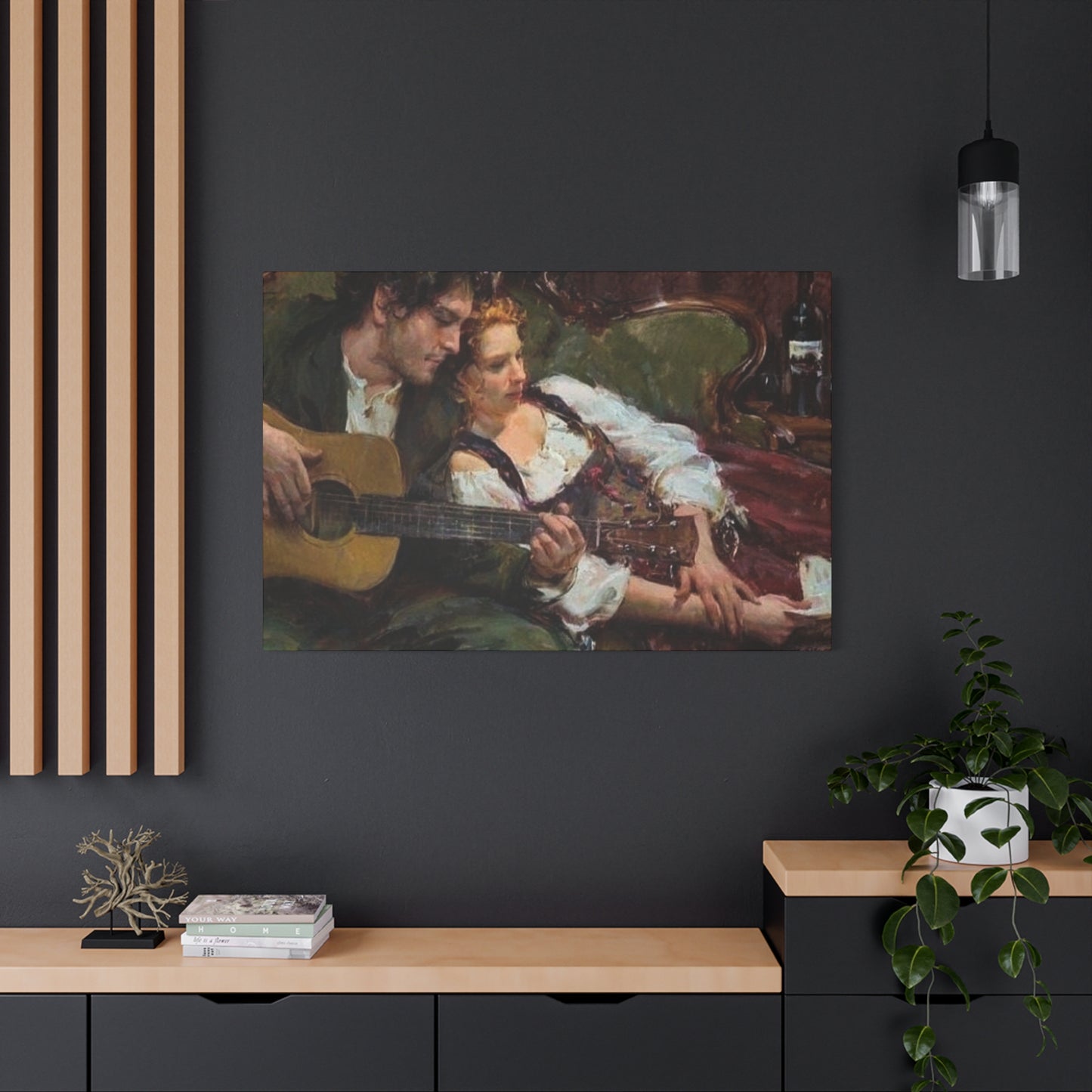
Lover Playing Guitar Wall Art & Canvas Prints
Lover Playing Guitar Wall Art & Canvas Prints
Couldn't load pickup availability
Romantic Melodies Captured: The Timeless Appeal of Lover Playing Guitar Wall Art in Modern Home Decor
The enchanting imagery of a lover playing guitar wall art has become increasingly sought after among homeowners and interior design enthusiasts who appreciate the profound connection between music, romance, and visual expression. This captivating decorative element transcends mere ornamentation, offering a gateway to emotional resonance within residential and commercial spaces. When carefully selected and strategically positioned, these artistic representations can transform ordinary walls into evocative storytelling canvases that speak to the soul's deepest yearnings for connection and creative expression.
The phenomenon of incorporating musical themes into interior design reflects humanity's eternal fascination with melody, harmony, and the passionate emotions that music evokes. Throughout centuries, artists have sought to capture the ephemeral beauty of musical performance in permanent visual form, creating works that allow viewers to experience the implied soundtrack of silence made visible. The specific motif of lovers engaged in guitar performance carries particular weight, as it combines the intimacy of romantic connection with the universal language of musical artistry.
The Profound Emotional Resonance Behind Musical Romance Imagery in Contemporary Spaces
Understanding why lover playing guitar wall art resonates so deeply with viewers requires exploration of the psychological connections between visual stimuli, musical association, and emotional memory. The human brain processes imagery of musical performance through multiple neural pathways simultaneously, activating not only visual processing centers but also auditory imagination, emotional response systems, and memory retrieval mechanisms. When an observer encounters a visual representation of someone playing guitar in a romantic context, their mind unconsciously recalls personal experiences with music, love, and intimate moments of connection.
Research in neuroscience has demonstrated that viewing images of musical performance can trigger the same brain regions that activate during actual listening experiences. This phenomenon, known as cross-modal sensory activation, explains why people often report "hearing" music when viewing compelling musical artwork. The romantic element adds another dimension, engaging the limbic system and releasing neurochemicals associated with attachment, desire, and emotional bonding. This multi-layered cognitive engagement makes lover playing guitar wall art particularly effective at creating memorable, emotionally charged environments.
The cultural significance of guitar as an instrument cannot be overstated when considering its decorative appeal. Unlike many instruments that require formal training environments or orchestral settings, the guitar has maintained associations with intimacy, accessibility, and personal expression throughout its evolution. From Spanish courtyards to American front porches, from Parisian cafes to Brazilian beaches, the guitar has served as companion to countless romantic serenades, making it an instantly recognizable symbol of affection communicated through melody.
Diverse Artistic Styles That Bring Guitar-Playing Lovers to Life on Canvas and Beyond
The market for lover playing guitar wall art encompasses an extraordinary range of artistic approaches, each offering distinct aesthetic qualities and emotional impacts. Realistic portraiture captures the precise details of instrument, musician, and romantic partner with photographic accuracy, allowing viewers to appreciate the technical mastery involved in guitar playing. These pieces often feature dramatic lighting that highlights the curves of the instrument, the concentration on the musician's face, and the attentive absorption of the listening partner.
Impressionistic interpretations sacrifice precise detail for emotional atmosphere, using loose brushwork and vibrant color palettes to suggest movement, sound, and feeling rather than documenting them literally. These works often incorporate visible brushstrokes, unusual color combinations, and abstracted forms that encourage viewers to complete the image through their own imagination and emotional projection. The result is often more evocative than realistic counterparts, as the ambiguity invites personal interpretation and emotional investment.
Abstract representations push even further from literal depiction, using shapes, colors, and compositions that suggest musical and romantic themes without direct illustration. These pieces might reduce a guitar to geometric forms, represent sound waves through flowing lines, or symbolize connection through intersecting compositional elements. While requiring more interpretive effort from viewers, abstract lover playing guitar wall art offers sophisticated visual interest and conversation-starting intrigue that suits contemporary design sensibilities.
Contemporary digital art has introduced entirely new possibilities for depicting musical romance. Digital artists can create impossibly perfect compositions, manipulate lighting in ways physical media cannot achieve, and produce limited edition prints with consistency impossible in traditional printmaking. Some digital pieces incorporate mixed media elements, combining photography, painting, and graphic design into hybrid works that challenge traditional categorical boundaries between artistic mediums.
Minimalist approaches strip away all but the essential elements, using simple line drawings or silhouettes to convey the romantic musical scenario with elegant economy. These works often employ negative space as an active compositional element, allowing the surrounding emptiness to contribute to the artwork's impact as significantly as the drawn elements. The restraint and sophistication of minimalist lover playing guitar wall art makes it particularly suitable for modern and Scandinavian-inspired interiors where visual clutter is avoided.
Material Considerations That Determine Both Aesthetic Impact and Longevity of Your Musical Artwork
The substrate upon which lover playing guitar wall art is produced significantly influences both its visual characteristics and practical durability. Canvas remains the most traditional and popular choice, offering texture that adds depth and visual interest while providing a surface that accepts various printing and painting techniques. Gallery-wrapped canvas, where the image continues around the edges of the stretcher bars, creates a finished appearance that eliminates the need for traditional framing, producing a contemporary floating effect that suits modern interiors.
Metal prints have emerged as a sophisticated alternative, offering vibrant color reproduction, exceptional durability, and a distinctive contemporary aesthetic. The printing process infuses dyes directly into specially coated aluminum sheets, creating images with remarkable depth, luminosity, and resistance to fading. The reflective quality of metal surfaces adds dimension to artwork, causing images to subtly shift appearance as lighting conditions change throughout the day. This dynamic quality makes metal lover playing guitar wall art particularly engaging in spaces with variable natural light.
Acrylic glass prints provide another premium option, featuring images printed on paper or directly onto acrylic, then mounted behind clear acrylic panels. The glass-like surface produces exceptional clarity and color saturation while offering substantial protection against environmental damage. The depth created by the acrylic layer adds a three-dimensional quality that enhances the perceived richness of the image. These pieces work exceptionally well in high-end residential and commercial settings where visual impact and perceived value are paramount.
Wood substrates offer organic warmth that complements rustic, farmhouse, and nature-inspired design schemes. Images printed or transferred onto wood retain visible grain patterns that add character and textural interest. The natural variations in wood coloration ensure that each piece possesses unique characteristics, appealing to those who value individuality and handcrafted aesthetics. Wood-mounted lover playing guitar wall art often incorporates intentional distressing or aging treatments that enhance vintage or bohemian decorating themes.
Paper-based fine art prints, while less durable than alternative substrates, remain valued for their ability to reproduce subtle tonal gradations and delicate details with exceptional fidelity. Museum-quality archival papers paired with pigment-based inks can produce prints with longevity exceeding one hundred years when properly displayed and protected. These prints typically require framing behind glass or acrylic, adding cost but also providing opportunities for customization through matting and frame selection that can be tailored to specific interior design contexts.
Strategic Placement Principles That Maximize the Visual and Emotional Impact of Musical Romance Artwork
Determining the optimal location for lover playing guitar wall art within a space requires consideration of multiple factors including sightlines, lighting conditions, room function, and surrounding design elements. The most effective placements create focal points that draw attention without overwhelming the space or competing unproductively with other visual elements. In living rooms, the wall opposite the main entrance often serves as an ideal location, ensuring that the artwork makes an immediate impression on anyone entering the space while remaining visible from primary seating areas.
Bedroom placement carries particular significance given the romantic nature of the imagery. Positioning lover playing guitar wall art above the bed creates a visual canopy that reinforces the room's function as a sanctuary for intimate connection. This placement also ensures the artwork remains visible from the bed itself, allowing occupants to contemplate the image during quiet moments of reflection or conversation. Alternative bedroom locations include the wall opposite the bed, where the artwork becomes the first thing seen upon waking, potentially setting a positive emotional tone for the day ahead.
Dining rooms and entertainment spaces benefit from musical artwork that enhances the convivial atmosphere these areas are designed to foster. A substantial piece of lover playing guitar wall art can anchor a dining room, providing visual interest that facilitates conversation and creates a memorable backdrop for gatherings. In home music rooms or studios, such artwork reinforces the space's purpose while inspiring creativity and emotional expression among musicians who use the space.
Entryways and hallways, often overlooked in decorating schemes, offer opportunities to make strong first impressions with appropriately scaled lover playing guitar wall art. These transitional spaces benefit from artwork that captures attention during brief viewing periods, using bold compositions or striking color contrasts to maximum effect. Gallery walls incorporating multiple pieces of musical or romantic artwork can transform otherwise utilitarian corridors into curated exhibition spaces that guide visitors through the home while revealing the occupants' aesthetic sensibilities and cultural interests.
Office and workspace environments increasingly recognize the value of artwork that humanizes professional settings and supports emotional wellbeing. Lover playing guitar wall art in these contexts can serve as reminder of life beyond work, visual evidence of values that transcend productivity metrics, and conversation pieces that help build rapport with clients and colleagues. The romantic and artistic themes signal sophistication and cultural awareness while remaining appropriate for professional contexts.
Color Psychology and Palette Selection for Harmonious Interior Design Coordination
The chromatic qualities of lover playing guitar wall art significantly influence both its aesthetic compatibility with existing design schemes and its psychological impact on room occupants. Warm color palettes dominated by reds, oranges, and yellows create energizing, passionate atmospheres that intensify the romantic implications of the imagery. These warmer tones stimulate conversation, appetite, and social interaction, making them particularly effective in dining rooms, living rooms, and entertainment spaces where gathering and connection are primary functions.
Cool color palettes featuring blues, greens, and purples produce calming, contemplative environments that encourage relaxation and introspection. Lover playing guitar wall art rendered in cooler tones works exceptionally well in bedrooms, reading nooks, and meditation spaces where tranquility is desired. The contrast between passionate subject matter and serene color treatment creates interesting visual tension that adds sophistication and prevents the romantic theme from becoming saccharine or overly sentimental.
Monochromatic and neutral palettes offer versatility that allows lover playing guitar wall art to integrate seamlessly into virtually any existing color scheme. Black and white treatments create timeless elegance while emphasizing form, composition, and tonal relationships rather than chromatic drama. Sepia-toned versions evoke nostalgia and vintage romance, suggesting that the depicted scene exists in memory or historical past rather than present moment. Neutral palettes also allow more flexibility in subsequent redecoration, as the artwork remains compatible even when surrounding colors change.
Complementary color schemes, utilizing hues opposite each other on the color wheel, produce maximum visual contrast and dynamic energy. An artwork featuring a lover in blue tones playing a warm orange-hued guitar creates vibrant visual interest that energizes a space without requiring bright saturation levels. These complementary relationships create natural focal points that draw and hold viewer attention effectively.
Analogous color schemes, using hues adjacent on the color wheel, produce harmonious compositions with subtle variation. A piece featuring various warm tones from yellow through orange to red creates cohesive visual flow while offering enough variety to maintain interest. These schemes work particularly well in spaces where the artwork should complement rather than dominate, supporting overall design themes without demanding constant attention.
Sizing Strategies That Ensure Appropriate Scale and Visual Balance Within Your Space
Selecting appropriately sized lover playing guitar wall art requires careful consideration of wall dimensions, viewing distances, and surrounding architectural and design elements. The fundamental principle of proportion suggests that artwork should occupy between two-thirds and three-quarters of the wall width in the area where it's displayed. This guideline ensures the piece achieves sufficient visual presence without overwhelming the space or appearing lost on an overly large wall.
For walls above sofas and beds, the artwork width should ideally measure between half and two-thirds of the furniture width below. This proportional relationship creates visual connection between furniture and artwork while maintaining balanced composition. When multiple pieces are arranged in a gallery wall configuration, the collective dimensions of the entire arrangement should observe these same proportional guidelines, treating the grouping as a single compositional unit.
Ceiling height significantly influences optimal artwork dimensions, with higher ceilings generally accommodating and even requiring larger pieces to maintain appropriate scale. In rooms with eight-foot ceilings, artwork height typically ranges from twenty-four to thirty-six inches, while rooms with ten-foot or higher ceilings can accommodate pieces exceeding forty-eight inches in height. Vertical compositions tend to emphasize ceiling height, making rooms feel more spacious, while horizontal orientations can make spaces feel wider and more expansive.
Viewing distance plays a crucial role in determining appropriate artwork size and detail level. Pieces intended for viewing from across a room should feature bold compositions and clear subject matter that read well from a distance, while artwork in more intimate settings can incorporate finer details that reward closer inspection. Lover playing guitar wall art in a large living room might require dimensions of forty by sixty inches or larger to achieve adequate presence, while the same imagery in a cozy bedroom corner might work better at twenty-four by thirty-six inches.
Multi-panel pieces, such as triptychs or diptychs, offer flexibility in achieving desired overall dimensions while adding visual interest through divided composition. A lover playing guitar wall art piece divided across three panels creates rhythm and movement that single-panel alternatives cannot achieve, while also allowing slight spacing between panels that can make the overall piece feel less heavy and more dynamic. These configurations work particularly well in contemporary settings where unconventional presentations are valued.
Framing Options and Presentation Styles That Enhance Rather Than Distract From Your Chosen Artwork
The manner in which lover playing guitar wall art is framed and presented significantly impacts both its aesthetic effect and perceived value. Traditional wood frames offer warmth and classical elegance, with frame width, profile, and finish each contributing to the overall impression. Wider frames create more substantial presence and work well with traditional and transitional design schemes, while narrow frames offer contemporary subtlety that allows the artwork itself to dominate. Frame color should either complement the artwork's palette or provide deliberate contrast that enhances the piece's impact.
Metal frames deliver contemporary sophistication with clean lines and minimalist profiles that suit modern and industrial design aesthetics. Black metal frames create elegant borders that define the artwork without competing for attention, while metallic finishes like gold, silver, or copper can add subtle luxury that elevates the perceived value of the piece. The thinness possible with metal frames makes them ideal for situations where frame presence should be minimized, allowing the lover playing guitar wall art to appear as pure image rather than framed object.
Floating frames create the illusion that artwork hovers slightly away from the wall, producing sophisticated dimensionality that adds visual interest. The gap between artwork and frame edge creates shadow lines that define the piece while maintaining openness and lightness. This presentation style works exceptionally well with canvas and wood substrates, where the edge treatment becomes part of the overall aesthetic rather than something to conceal.
Frameless presentations, where artwork edges remain exposed and the piece mounts directly to the wall, offer maximum contemporary simplicity. This approach works particularly well with gallery-wrapped canvas, metal prints, and acrylic-mounted pieces where edges are deliberately finished as part of the artwork. The absence of framing creates seamless integration with surrounding walls while emphasizing the modernity of the piece.
Matting, when employed with framed prints, provides breathing room between artwork and frame while offering opportunities for color coordination and visual refinement. Neutral mats in white, cream, or grey suit most artwork and design schemes, while colored mats can either echo hues within the artwork or provide complementary contrast. Double matting, with a thin inner mat in a contrasting color, adds sophistication and visual depth that elevates the overall presentation.
Thematic Variations That Allow Personalization to Match Individual Aesthetic Preferences and Life Experiences
The broad theme of lover playing guitar wall art encompasses numerous variations that allow collectors to select pieces resonating with their specific tastes, experiences, and design requirements. Acoustic guitar imagery conveys organic warmth and intimate informality, evoking coffeehouse performances, campfire serenades, and unplugged authenticity. These pieces often feature natural wood tones and casual settings that complement rustic, bohemian, and nature-inspired design schemes.
Electric guitar representations introduce energy, modernity, and a hint of rebellious spirit that appeals to different sensibilities. These pieces might feature bold colors, dynamic compositions, and contemporary settings that work well in modern, industrial, and urban-inspired interiors. The cultural associations of electric guitar with rock, blues, and popular music create different emotional resonances than acoustic representations.
Classical guitar imagery suggests sophistication, cultural refinement, and formal artistry. These pieces often incorporate elements of Spanish, Latin American, or classical concert traditions, featuring formal positioning and attentive listening postures that convey deep musical appreciation. The cultural richness associated with classical guitar makes these variations particularly suitable for cultured, worldly design schemes.
Silhouette and shadow treatments reduce the imagery to essential forms, creating mysterious, evocative pieces that engage imagination rather than documenting specific scenarios. These minimalist interpretations work exceptionally well in contemporary settings where suggestion often proves more powerful than explicit depiction. The ambiguity allows viewers to project their own experiences and emotions onto the artwork, creating personal meaning that varies among different observers.
Cultural and geographic variations reflect diverse musical traditions from around the world. Flamenco-inspired pieces incorporate Spanish cultural elements, while Brazilian representations might feature tropical settings and bossa nova associations. Blues-themed works might incorporate Mississippi Delta imagery or Chicago urban contexts. These culturally specific variations allow collectors to celebrate particular musical heritages or travel memories while adding worldly sophistication to their spaces.
Seasonal and temporal variations shift the emotional character of lover playing guitar wall art through contextual cues. Sunset scenes create romantic nostalgia and warm melancholy, while starlit performances evoke magic and possibility. Autumn settings suggest maturity and reflection, while spring imagery conveys renewal and fresh beginnings. These temporal elements allow the artwork to resonate with particular life stages or seasonal decorating preferences.
The Role of Lighting in Revealing the Full Beauty and Emotional Depth of Your Musical Artwork
Proper illumination transforms lover playing guitar wall art from mere decoration into captivating focal point that commands attention and reveals subtle details that inadequate lighting would obscure. Natural light offers the most faithful color rendering and creates dynamic viewing experiences that change throughout the day as sunlight shifts in direction and intensity. However, direct sunlight poses conservation risks, potentially causing fading and material degradation over time. Strategic placement near windows with indirect northern exposure or rooms with abundant ambient natural light provides the benefits of natural illumination without the damaging effects of direct sun exposure.
Dedicated picture lighting, using fixtures mounted above or beside the artwork, ensures consistent illumination regardless of ambient conditions while allowing precise control over intensity and beam spread. LED picture lights have largely supplanted traditional incandescent and halogen options, offering energy efficiency, minimal heat production, and exceptional longevity. Adjustable fixtures allow fine-tuning of light direction to minimize glare while maximizing illumination of the artwork surface. Warm color temperatures around 3000K create inviting atmospheres that complement romantic subject matter, while neutral temperatures around 4000K provide accurate color rendering.
Track lighting systems offer flexibility to illuminate multiple artworks from a single installation while allowing adjustment of individual fixture positions and angles as artwork locations change. The industrial aesthetic of track systems suits contemporary and loft-style spaces, while more refined track designs integrate seamlessly into traditional settings. Careful aiming prevents hot spots and glare while ensuring even illumination across the entire artwork surface.
Recessed ceiling lights can effectively illuminate lover playing guitar wall art when properly positioned and aimed. Adjustable trim options allow precise directing of light beams, while dimming capability enables adaptation to different times of day and activities. Wall-washing techniques, where light grazes the wall surface from above, create dramatic effects that emphasize texture in canvas pieces while minimizing glare on glossy surfaces.
Accent lighting using floor or table lamps positioned to highlight artwork creates intimate, gallery-like atmospheres particularly effective in evening hours. This approach allows artwork illumination independent of general room lighting, maintaining focus on the piece even when overall ambient light levels are low. The warm glow of accent lighting enhances the romantic qualities of lover playing guitar wall art while creating inviting spatial character.
Smart lighting systems with programmable scenes and color temperature adjustment offer unprecedented control over artwork presentation. These systems can simulate gallery conditions during evening hours, then shift to subtle ambient lighting for different activities or times of day. Integration with home automation allows artwork lighting to respond to presence detection, time schedules, or voice commands, ensuring optimal presentation without requiring manual intervention.
Creating Cohesive Visual Narratives Through Complementary Decor Elements and Thoughtful Styling
Maximizing the impact of lover playing guitar wall art requires coordination with surrounding design elements that support and enhance the piece's themes and aesthetic qualities. Musical instruments displayed as decorative objects create powerful resonance with the artwork while adding authentic three-dimensionality to the musical theme. A vintage guitar mounted near the lover playing guitar wall art establishes dialogue between representation and reality while celebrating the instrument's sculptural beauty. Even non-functional decorative guitars contribute visual interest and thematic coherence.
Textile selections offering textural and chromatic harmony with the artwork strengthen overall design cohesion. Throw pillows, area rugs, and window treatments incorporating colors echoed in the lover playing guitar wall art create satisfying visual connections that help the piece feel integrated rather than arbitrarily added. Pattern selections might incorporate subtle musical motifs like notation, instruments, or sound waves that reinforce themes without overwhelming the space with redundancy.
Furniture arrangement that respects and emphasizes the artwork's presence ensures maximum visual impact. Seating positioned to face the lover playing guitar wall art encourages contemplation and conversation about the piece while establishing clear focal hierarchy within the room. Coffee tables and accent tables positioned nearby might display books about music, romance, or the artistic style of the artwork, creating layered meaning through thoughtful curation.
Lighting fixtures offering sculptural presence that complements the artwork's style contribute to cohesive design narratives. A chandelier with organic curves might echo the flowing forms of romantic figures, while industrial pendant lights could reinforce the urban energy of contemporary guitar imagery. Even functional lighting becomes opportunity for aesthetic reinforcement when selected with awareness of overall design themes.
Botanical elements introduce organic vitality that complements romantic themes while adding color, texture, and living energy to spaces. Plant selections might reference settings suggested in the artwork, with tropical specimens supporting beach or Brazilian themes, or cacti and succulents reinforcing desert or southwestern associations. Even without direct thematic connection, plants soften spaces and add natural beauty that harmonizes with the human warmth in lover playing guitar wall art.
Secondary artwork selections should support rather than compete with the primary piece, creating gallery-like environments where pieces converse without overwhelming. Smaller works featuring related themes, complementary color palettes, or harmonious artistic styles can flank the lover playing guitar wall art or occupy adjacent walls, building visual richness while maintaining clear focal hierarchy. Groupings should observe consistent spacing and alignment principles that create order and intentionality.
Sourcing Authentic and High-Quality Musical Romance Artwork for Your Collection
Acquiring lover playing guitar wall art that meets quality standards while fitting budget parameters requires understanding the diverse marketplace of galleries, online platforms, and direct artist relationships. Traditional brick-and-mortar galleries offer curated selections with the advantage of viewing pieces in person before purchase, allowing assessment of colors, textures, and scale that photographs cannot fully convey. Gallery staff typically possess expertise that helps buyers navigate options and make informed decisions, while the gallery environment allows comparison of multiple pieces side by side. However, galleries typically carry premium pricing reflecting overhead costs and curation services.
Online marketplaces have democratized art acquisition, offering unprecedented selection spanning global artists and diverse price points. Platform features like customer reviews, detailed specifications, and generous return policies mitigate some risks of buying unseen artwork. High-resolution images and zoom functionality allow detailed examination of artistic technique and finish quality, though colors may vary from screen representations to actual pieces. The convenience of browsing extensive catalogs from home and having selections delivered to your door makes online shopping attractive despite the inability to physically inspect before purchase.
Artist websites and online studios provide direct access to creators, often at lower prices than galleries or marketplaces charge due to elimination of intermediary markups. Direct relationships with artists also offer potential for commissioned work tailored to specific dimensions, color schemes, or personalized elements that mass-produced pieces cannot provide. Many artists welcome inquiries about customization, creating opportunities to obtain truly unique lover playing guitar wall art that precisely meets individual requirements.
Art fairs and festivals provide temporary marketplaces where numerous artists gather, offering variety exceeding most permanent galleries while maintaining the benefit of in-person viewing. These events often feature emerging artists whose work offers exceptional value compared to established names, while the festival atmosphere makes browsing enjoyable rather than intimidating. Many artists offer show-specific pricing or bundle deals that represent significant savings compared to their regular rates.
Estate sales and auctions can yield remarkable discoveries, from original paintings to limited edition prints that have appreciated in value. These sources require more patient searching and knowledge to identify quality and authenticity, but the potential rewards include acquiring pieces with provenance, rarity, or artistic significance that dramatically exceed their purchase price. Online auction platforms have expanded access to these opportunities beyond local geographic limitations.
Print-on-demand services offer affordable entry points to lover playing guitar wall art, producing reproductions of licensed or public domain images on various substrates and sizes. While lacking the uniqueness and potential investment value of original or limited edition works, quality print-on-demand pieces provide excellent decorative value at accessible price points. Understanding the difference between these reproductions and fine art prints helps set appropriate expectations regarding value and collectability.
Investment Considerations for Collectors Building Significant Artwork Portfolios
For those approaching lover playing guitar wall art with collecting mindset rather than purely decorative intent, understanding factors that influence artistic and financial value helps guide acquisition decisions. Artist reputation and career trajectory significantly impact both current and future value, with works by established artists commanding premiums while emerging talents offer speculative opportunities. Researching an artist's exhibition history, critical reception, representation by respected galleries, and inclusion in museum collections provides insight into their art world standing.
Provenance documentation, establishing the ownership history and authenticity of a piece, becomes increasingly important as collection value grows. Original works and limited edition prints should include certificates of authenticity signed by the artist, while higher-value pieces benefit from detailed records of previous ownership, exhibition history, and publication references. This documentation not only confirms authenticity but also adds historical interest and narrative that can enhance both monetary and emotional value.
Condition assessment requires careful examination of artwork before purchase, noting any damage, fading, or degradation that might affect value or require restoration. Original paintings should be inspected for cracking, flaking, or discoloration, while prints require scrutiny for foxing, toning, or margin damage. Professional condition reports from conservators provide objective assessments valuable for insurance purposes and future resale considerations.
Edition numbers in limited edition prints significantly impact value, with lower numbers and artist proofs generally commanding premiums over higher numbers in the same edition. Understanding printing processes helps assess quality and longevity, with techniques like giclée, serigraph, and lithography each offering distinct characteristics. Smaller edition sizes generally correlate with higher individual print values, though this relationship depends on artist reputation and demand for their work.
Market trends in both art world and broader design industries influence which styles, subjects, and artists experience demand increases. While attempting to predict future trends risks speculation, awareness of current movements in contemporary art, interior design preferences, and cultural interests provides context for collecting decisions. Balance between acquiring pieces for personal enjoyment and those with appreciation potential creates satisfying collections that succeed regardless of market fluctuations.
Documentation and insurance become essential as collection value grows, protecting investment against damage, theft, or loss. Professional appraisals establish current market values for insurance purposes while creating records useful for estate planning. Digital documentation through high-quality photography preserves visual records of collection contents and condition, facilitating claims processing if unfortunate events occur.
Preservation Strategies That Protect Your Investment and Maintain Visual Appeal Over Decades
Proper care and conservation practices ensure that lover playing guitar wall art remains vibrant and structurally sound for generations, preserving both aesthetic appeal and financial value. Environmental control represents the foundation of artwork preservation, with temperature and humidity maintenance preventing damage from expansion, contraction, and moisture-related degradation. Ideal conditions maintain temperatures between 65-70°F and relative humidity between 40-50%, avoiding fluctuations that stress materials and accelerate deterioration.
Light exposure management prevents the cumulative damage that ultraviolet radiation causes to pigments, papers, and canvas fibers. UV-filtering glazing in frames blocks harmful wavelengths while allowing visible light transmission, offering protection without dimming artwork visibility. Strategic positioning away from direct sunlight provides additional protection, while UV-filtering window films on nearby windows can protect entire rooms. For pieces without glazing protection, limiting direct light exposure through controlled lighting strategies and occasional rotation with other pieces distributes exposure across multiple works.
Surface cleaning requires careful approaches tailored to specific materials and techniques. Canvas pieces generally require only gentle dusting with soft, natural bristle brushes, while framed works behind glass can be cleaned with appropriate glass cleaners applied to cloths rather than directly onto glazing. Professional conservation cleaning becomes advisable for valuable pieces or when surface contamination exceeds safe DIY cleaning capabilities. Never attempt to clean artwork surfaces without understanding appropriate techniques for the specific materials involved.
Structural monitoring catches developing problems before they become serious damage requiring expensive restoration. Regular inspection of canvas tension, frame joints, hanging hardware, and surface conditions allows early intervention when issues appear. Loose canvas can be re-stretched, frame joints can be reinforced, and minor surface problems can be addressed before progressing to major damage.
Proper handling when moving or storing artwork prevents accidental damage from well-intentioned but improper techniques. Always lift framed pieces by the frame rather than the hanging wire, support large pieces from both sides rather than carrying them single-handedly, and never touch artwork surfaces with bare hands where skin oils can cause gradual damage. When storing pieces, use acid-free materials for wrapping, store vertically rather than stacked horizontally, and ensure adequate spacing prevents contact between pieces.
Professional conservation services become necessary when damage occurs or preventive measures are needed beyond DIY capabilities. Conservators possess specialized training in stabilizing, repairing, and restoring artwork while preserving originality and value. Establishing relationships with qualified conservators before emergencies arise ensures rapid response when problems occur while providing access to professional advice about preventive care strategies.
Exploring the Artistic Heritage and Cultural Significance of Musical Romance in Visual Arts
Understanding the rich lineage of musical themes in art history deepens appreciation for contemporary lover playing guitar wall art while revealing its connections to centuries of artistic tradition. Renaissance and Baroque masters frequently depicted musical scenes, recognizing music's symbolic associations with harmony, proportion, and divine order. Caravaggio's lute players and Vermeer's intimate musical gatherings established templates for combining figures, instruments, and atmospheric lighting that contemporary artists continue adapting.
Romantic era painters elevated musical subjects to new prominence, viewing music as the ultimate expression of ineffable emotion and transcendent experience. Works from this period often depicted solitary musicians lost in creative reverie or intimate duets suggesting emotional communion through shared musical experience. The guitar, having evolved to its modern form during this era, began appearing frequently in paintings celebrating folk culture and romantic idealism.
Impressionist and Post-Impressionist movements brought new approaches to musical subjects, emphasizing mood and atmosphere over detailed representation. Artists like Renoir depicted Parisian musical life with loose brushwork and vibrant color that suggested the energy and emotion of performance rather than documenting it literally. These stylistic innovations opened possibilities that contemporary creators continue exploring in lover playing guitar wall art.
The twentieth century saw musical subjects refracted through successive movements from Cubism through Pop Art, each bringing new conceptual frameworks and visual languages. Picasso's guitar deconstructions demonstrated how instruments could serve as vehicles for formal experimentation rather than mere subject matter. The accessibility of guitar in folk, rock, and popular music cultures made it a democratic symbol embraced by artists working outside establishment art world contexts.
Contemporary digital artists have inherited this rich tradition while expanding possibilities through new media and distribution channels. The democratization of art creation and sharing through online platforms allows diverse voices to contribute to ongoing conversations about music, romance, and visual expression. This flourishing ecosystem ensures that lover playing guitar wall art continues evolving while maintaining connections to its artistic heritage.
Psychological Benefits of Living With Art That Celebrates Music and Human Connection
The decision to display lover playing guitar wall art extends beyond aesthetic considerations to encompass measurable impacts on wellbeing, mood, and quality of life. Environmental psychology research has demonstrated that thoughtfully curated living spaces significantly influence occupant mental states, with artwork playing particularly important roles in creating emotionally supportive environments. The specific combination of musical and romantic imagery offers multiple pathways through which psychological benefits emerge.
Music's neurological effects are well-documented, with listening experiences triggering dopamine release, reducing cortisol levels, and activating pleasure and reward centers throughout the brain. Visual representations of musical performance can trigger similar though milder responses through associative mechanisms, essentially allowing viewers to experience shadows of musical pleasure through purely visual stimuli. This phenomenon means that lover playing guitar wall art provides ongoing subtle positive reinforcement to emotional states of occupants who regularly encounter it.
Romantic imagery activates attachment systems and social bonding mechanisms that humans have evolved to support pair bonding and community formation. Regular exposure to representations of healthy romantic connection may subtly reinforce relationship values and aspirations, serving as visual reminders of priorities that demanding daily schedules can obscure. For coupled individuals, sharing space featuring romantic artwork can create environmental reinforcement of their own relationship, while single individuals may find such imagery maintains openness to future connections.
The meditative qualities of contemplating artwork provide opportunities for mental rest in increasingly overstimulated modern environments. Taking moments to truly see familiar artwork rather than merely glancing past it in daily routines offers miniature mindfulness practices that accumulate beneficial effects over time. The layered meanings in lover playing guitar wall art reward repeated contemplation, revealing new details and associations that prevent the piece from becoming invisible through familiarity.
Personal identity expression through aesthetic choices contributes to psychological wellbeing by creating environments that authentically reflect individual values, interests, and aspirations. Choosing to display lover playing guitar wall art makes statements about appreciating creativity, valuing emotional expression, and prioritizing beauty in daily life. This authentic self-representation in personal spaces supports healthy identity integration and provides settings where individuals can most fully be themselves.
Conversation facilitation around meaningful topics represents another psychological benefit of displaying substantive artwork. Guests noticing and commenting on lover playing guitar wall art provide opportunities for discussions about music, relationships, travel experiences, or artistic preferences that deepen social connections beyond superficial small talk. These richer interactions contribute to the sense of meaningful social engagement that research consistently links to wellbeing and life satisfaction.
Conclusion
The versatility of lover playing guitar wall art allows integration into remarkably diverse design schemes when pieces are carefully selected to complement existing stylistic contexts. Traditional interiors benefit from realistic or classical representations with warm palettes and formal compositions, particularly when presented in substantial wood frames with traditional profiles. These pieces honor the heritage of musical subjects in art while providing romantic focal points that humanize formal spaces that might otherwise feel austere or museum-like.
Transitional designs, bridging traditional and contemporary sensibilities, accommodate wider ranges of lover playing guitar wall art styles from realistic to impressionistic. These eclectic environments often successfully incorporate pieces that would feel out of place in stricter traditional or modern contexts, allowing personal expression and collected-over-time aesthetics that tell stories about occupants' lives and travels. The romantic and musical themes work particularly well in transitional settings where emotional warmth balances clean lined contemporary elements.
Modern interiors with emphasis on clean lines, minimal ornamentation, and carefully edited visual elements require lover playing guitar wall art that respects these principles while providing necessary human warmth and emotional content. Minimalist interpretations, abstract representations, or sophisticated photographic approaches work best, particularly when presented in slim metal frames or frameless formats that maintain visual simplicity. Color palettes should either coordinate closely with the existing scheme or provide deliberate accent through limited chromatic contrast.
Industrial aesthetics celebrating raw materials, exposed structure, and urban grit create interesting contexts for lover playing guitar wall art that incorporates edge and attitude. Electric guitar representations, contemporary urban settings, or mixed media pieces with textural complexity complement the industrial vocabulary while introducing crucial human and emotional elements that prevent spaces from feeling cold or warehouse-like. Metal substrate prints work particularly well, with their sleek surfaces echoing industrial material preferences.
Bohemian and eclectic styles embrace lover playing guitar wall art enthusiastically, as both musical and romantic themes align perfectly with bohemian values of creativity, passion, and authentic living.
Share