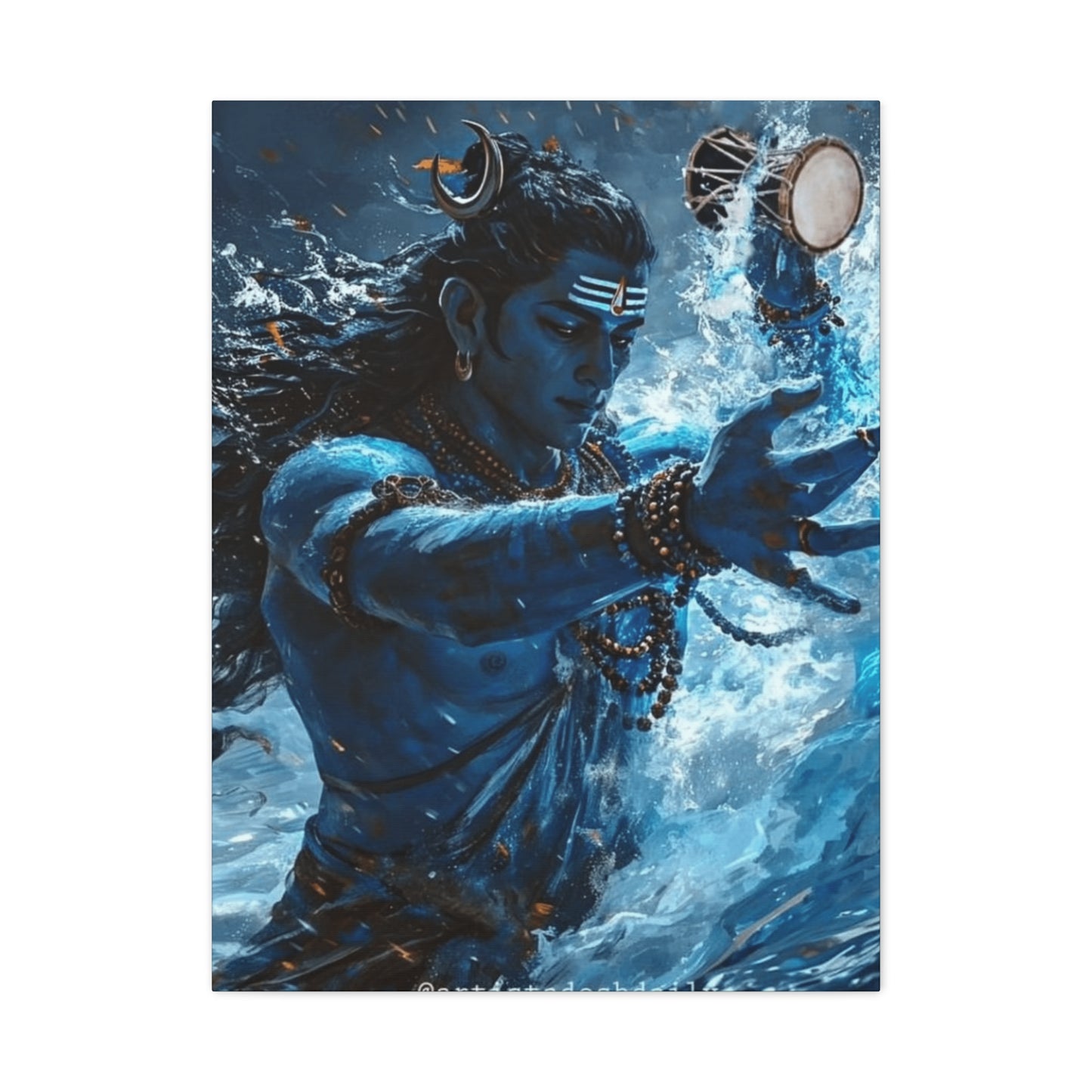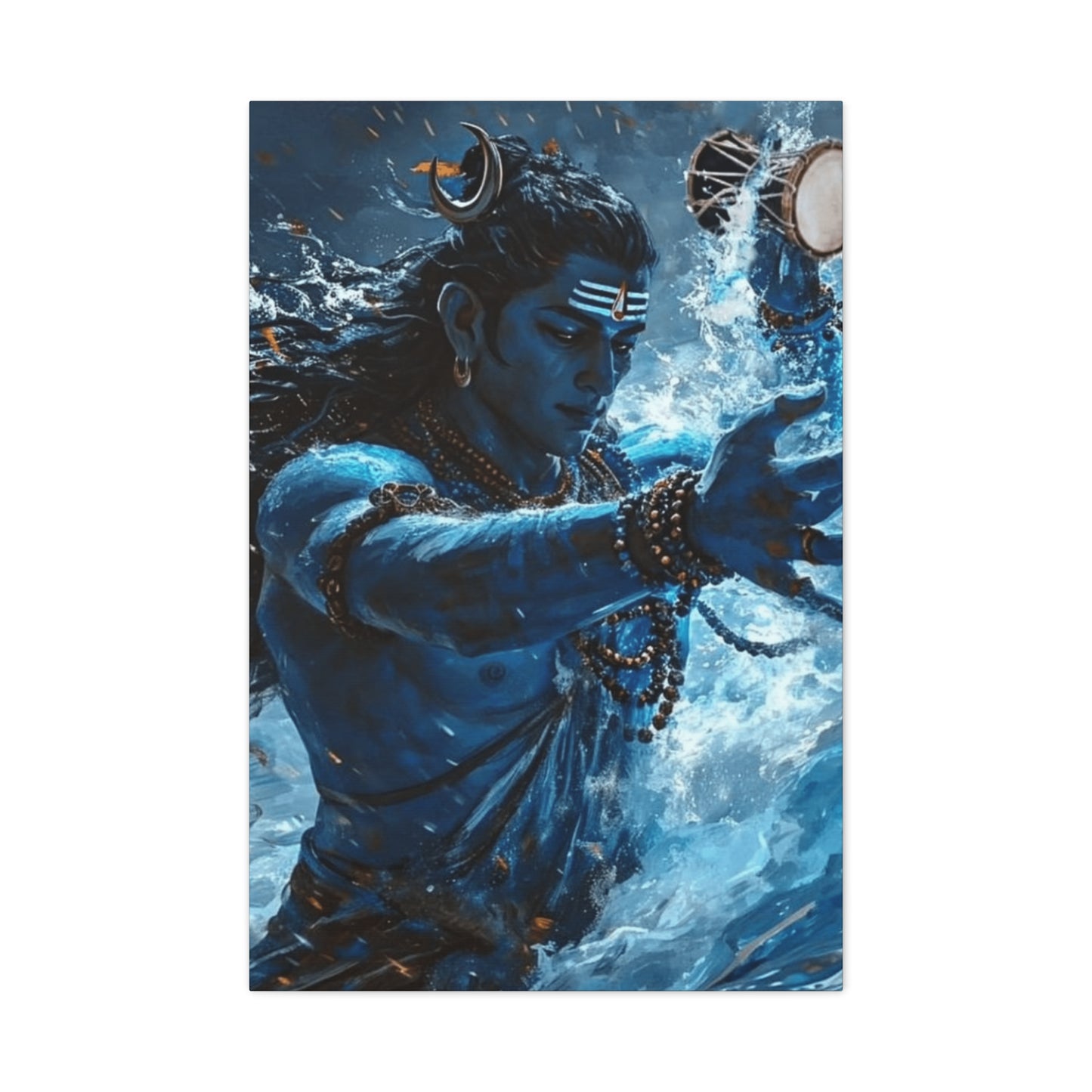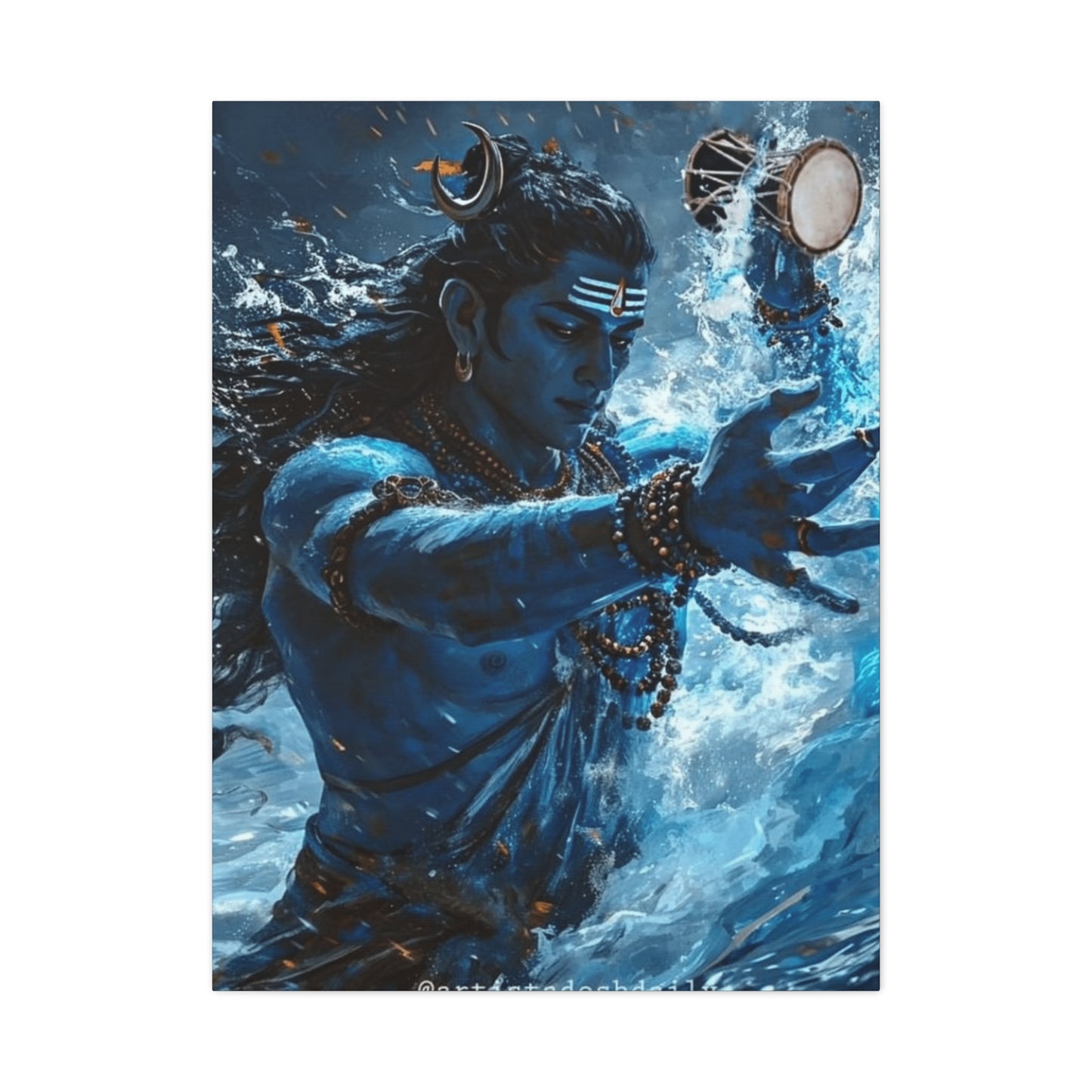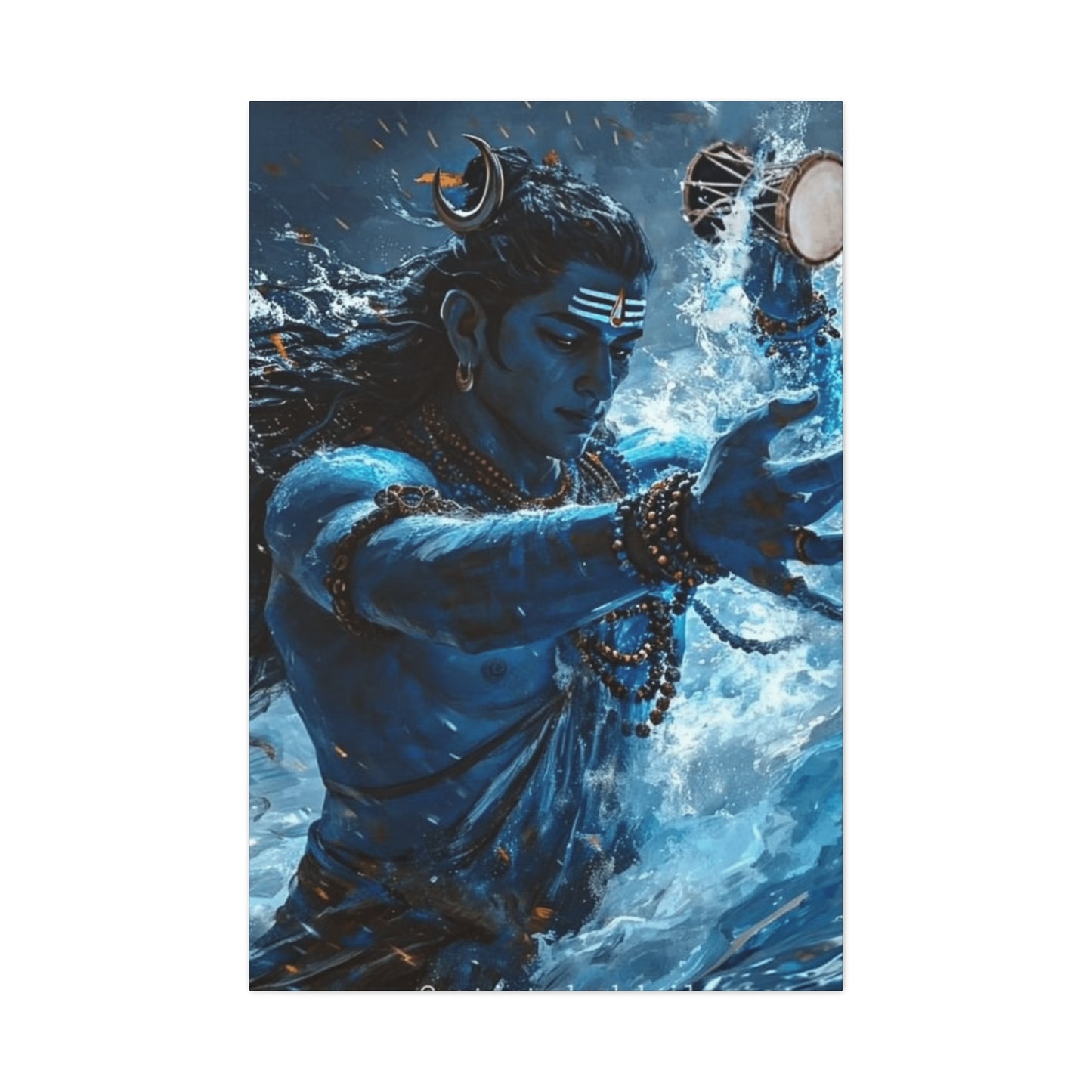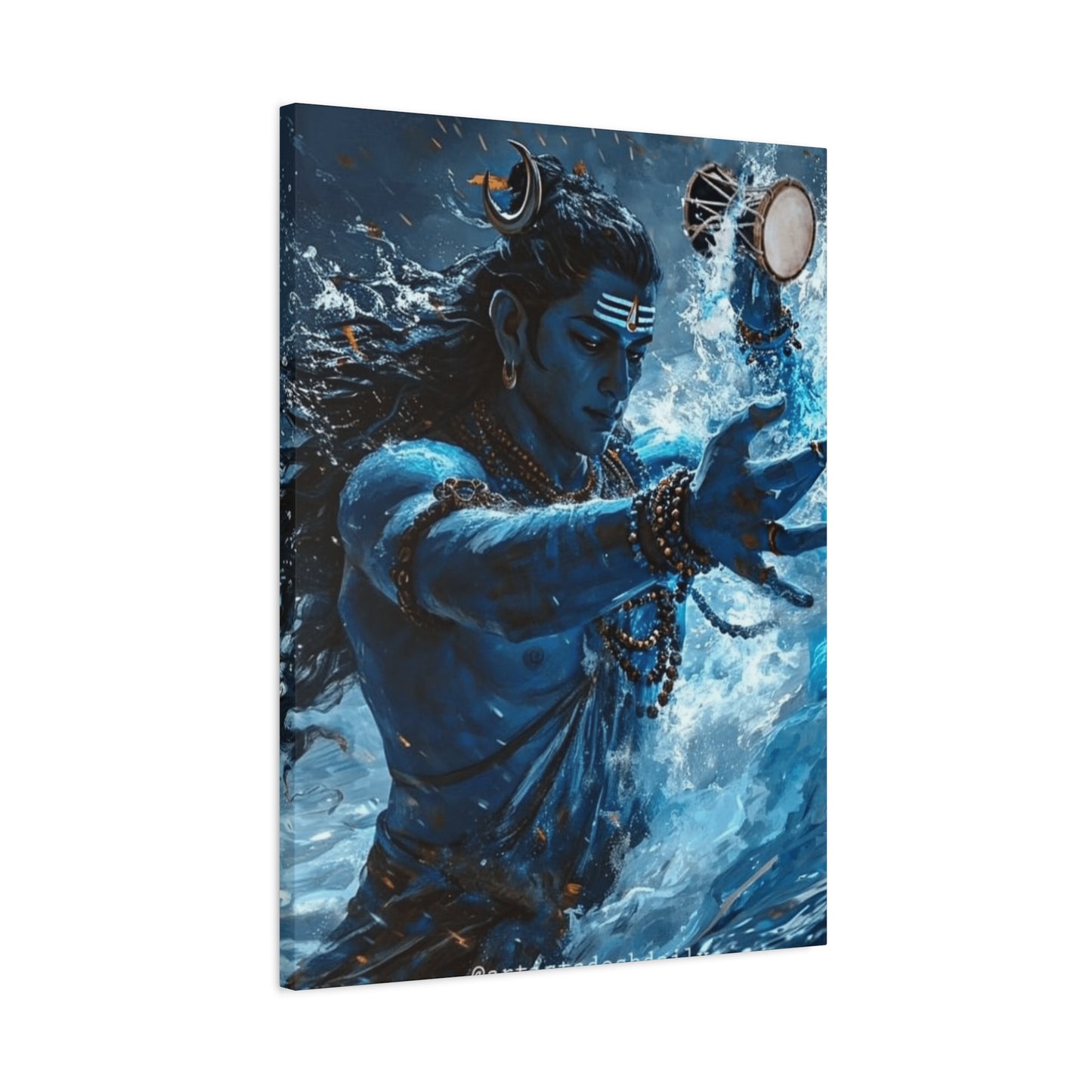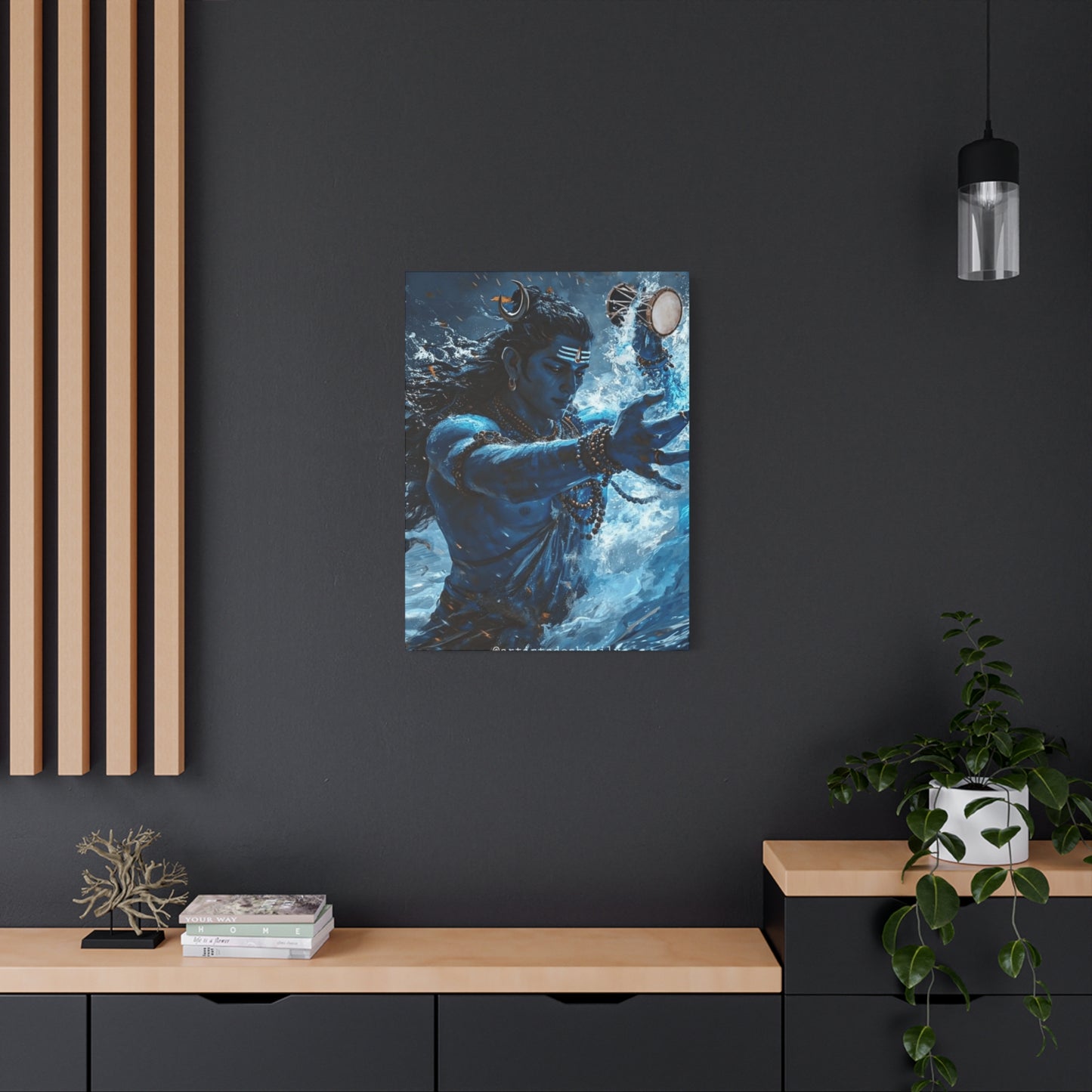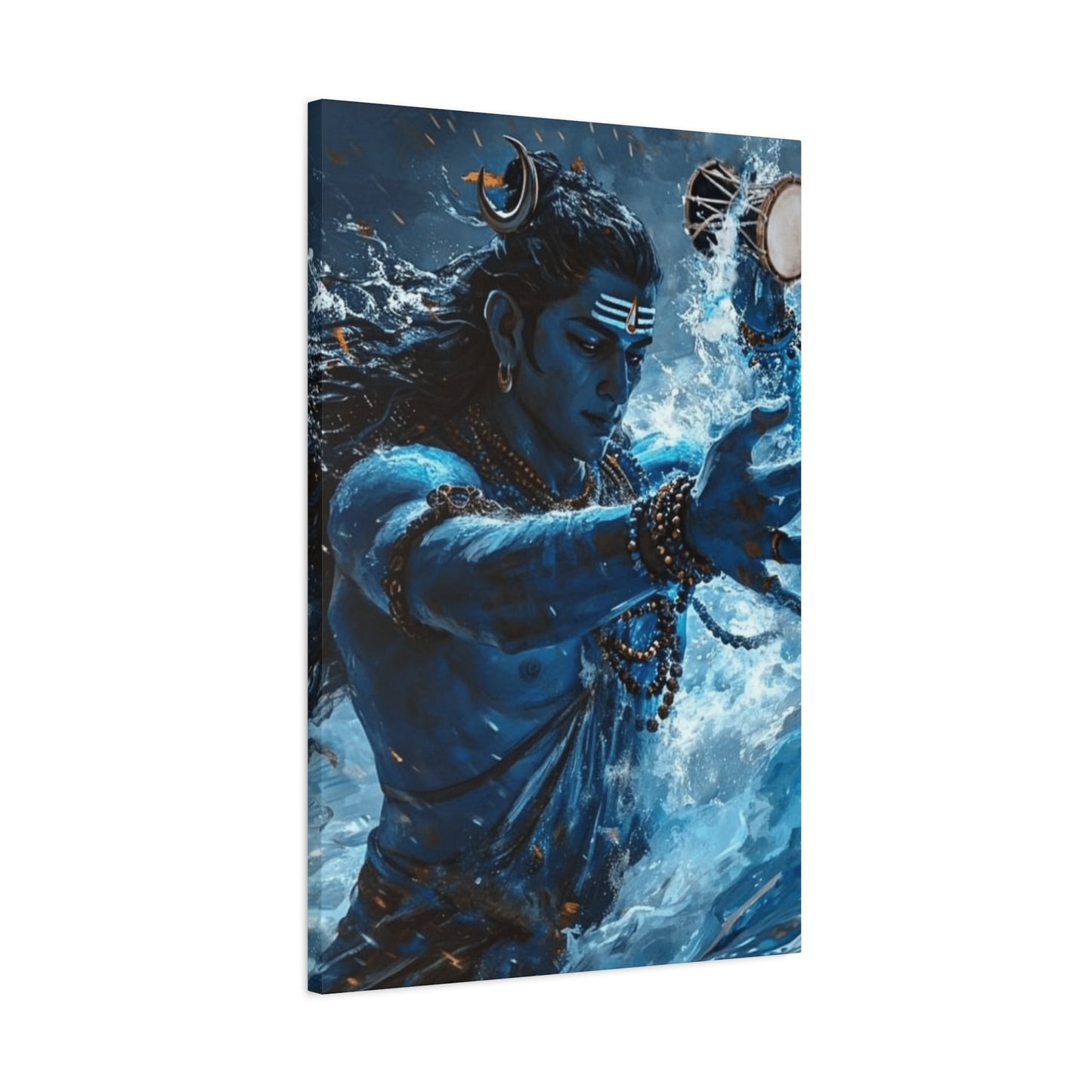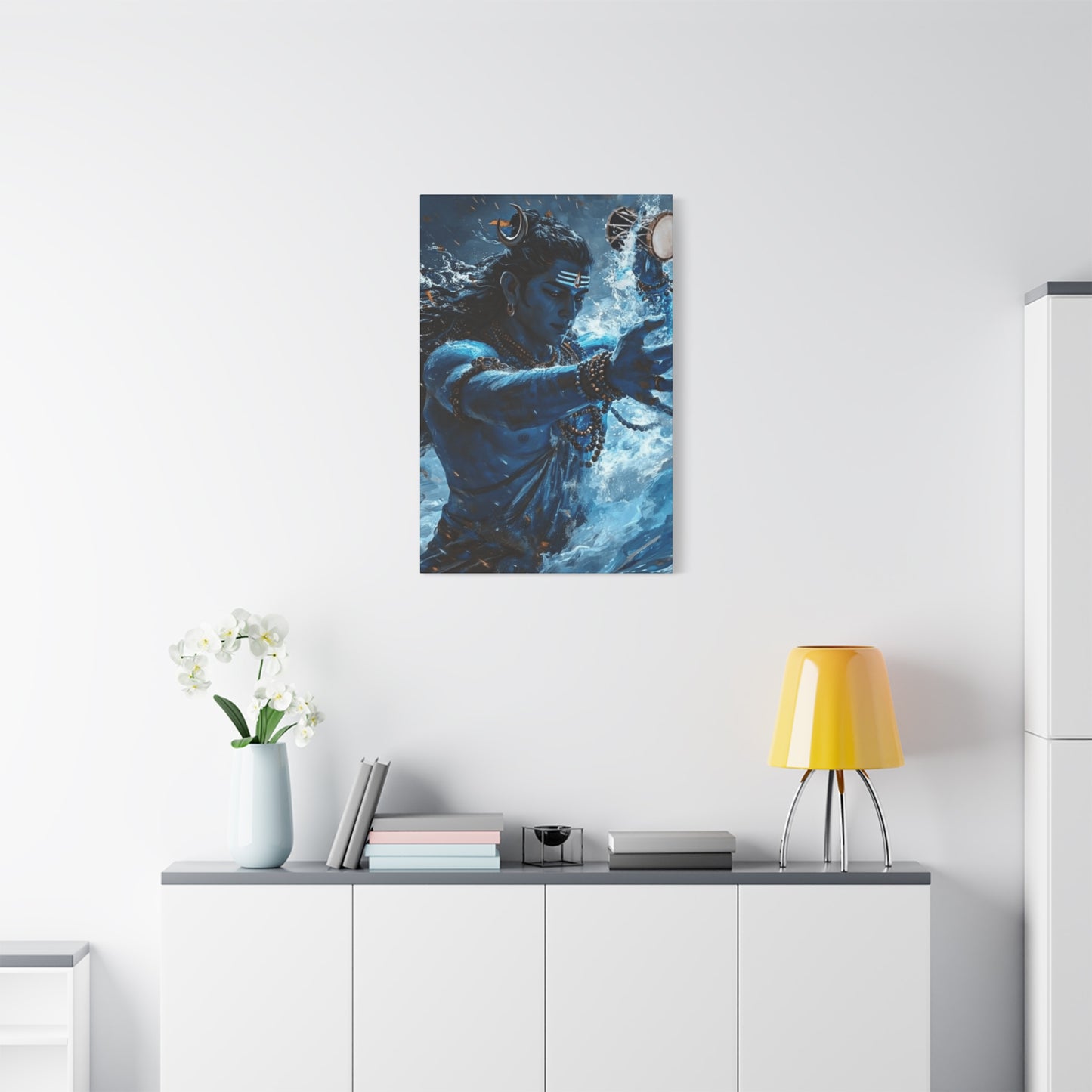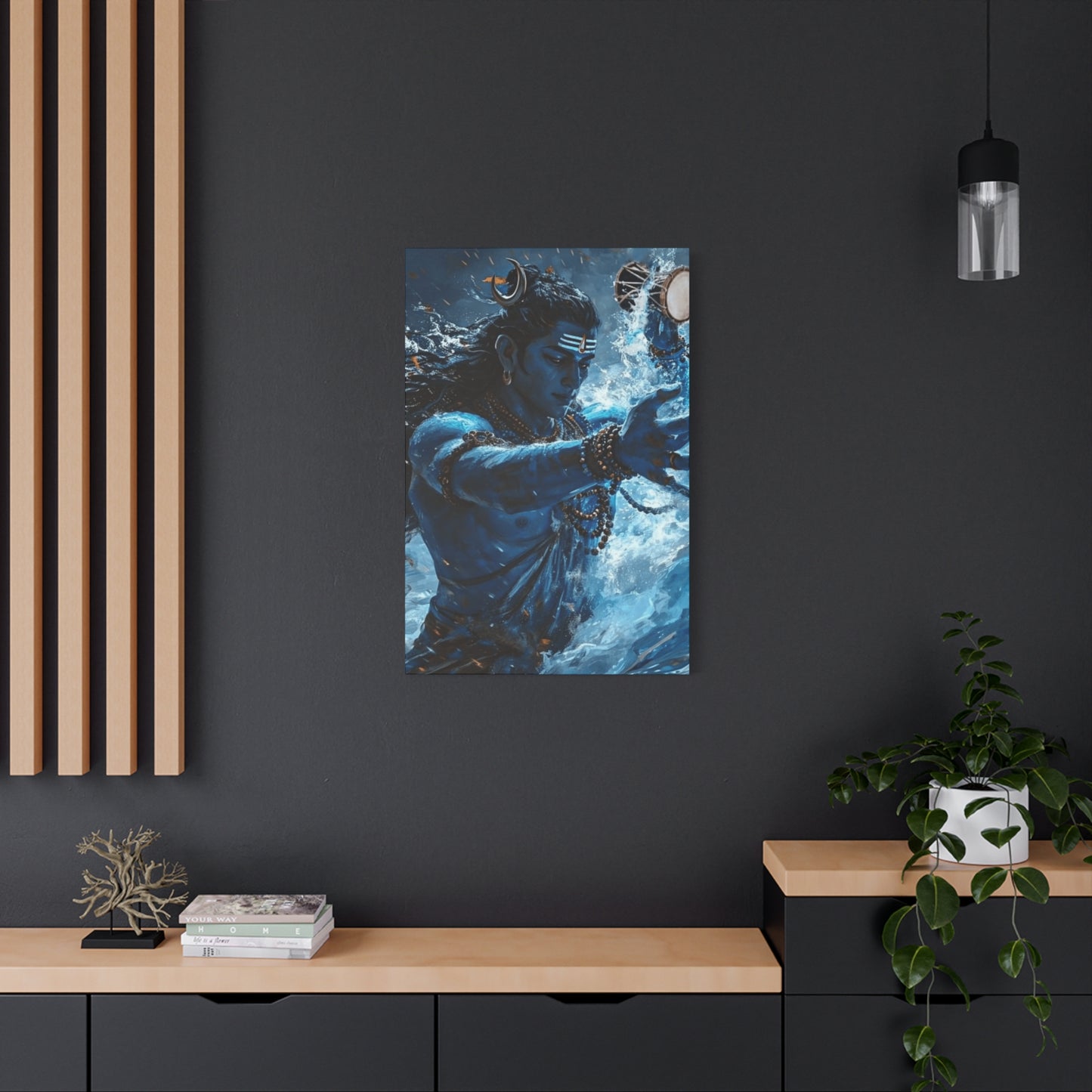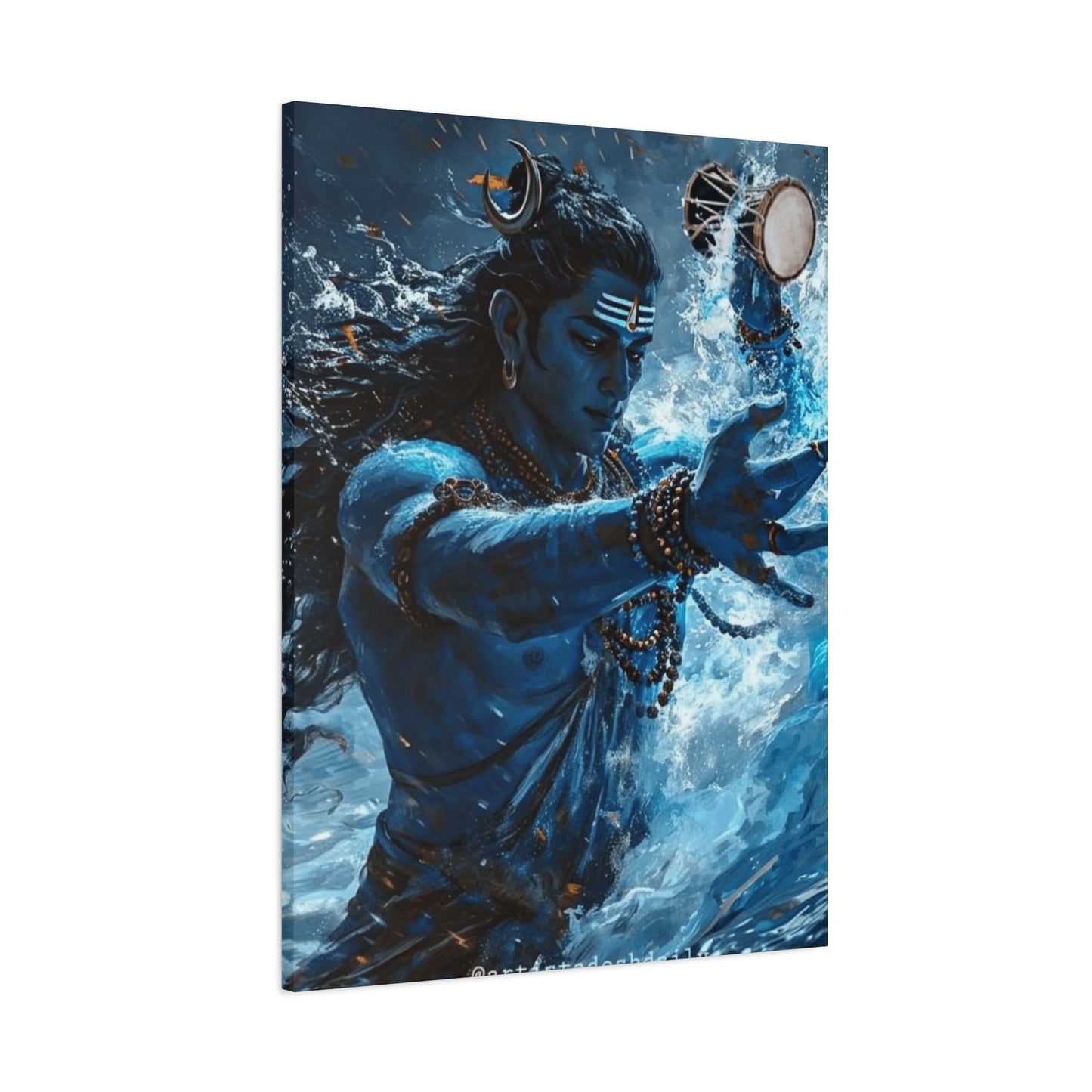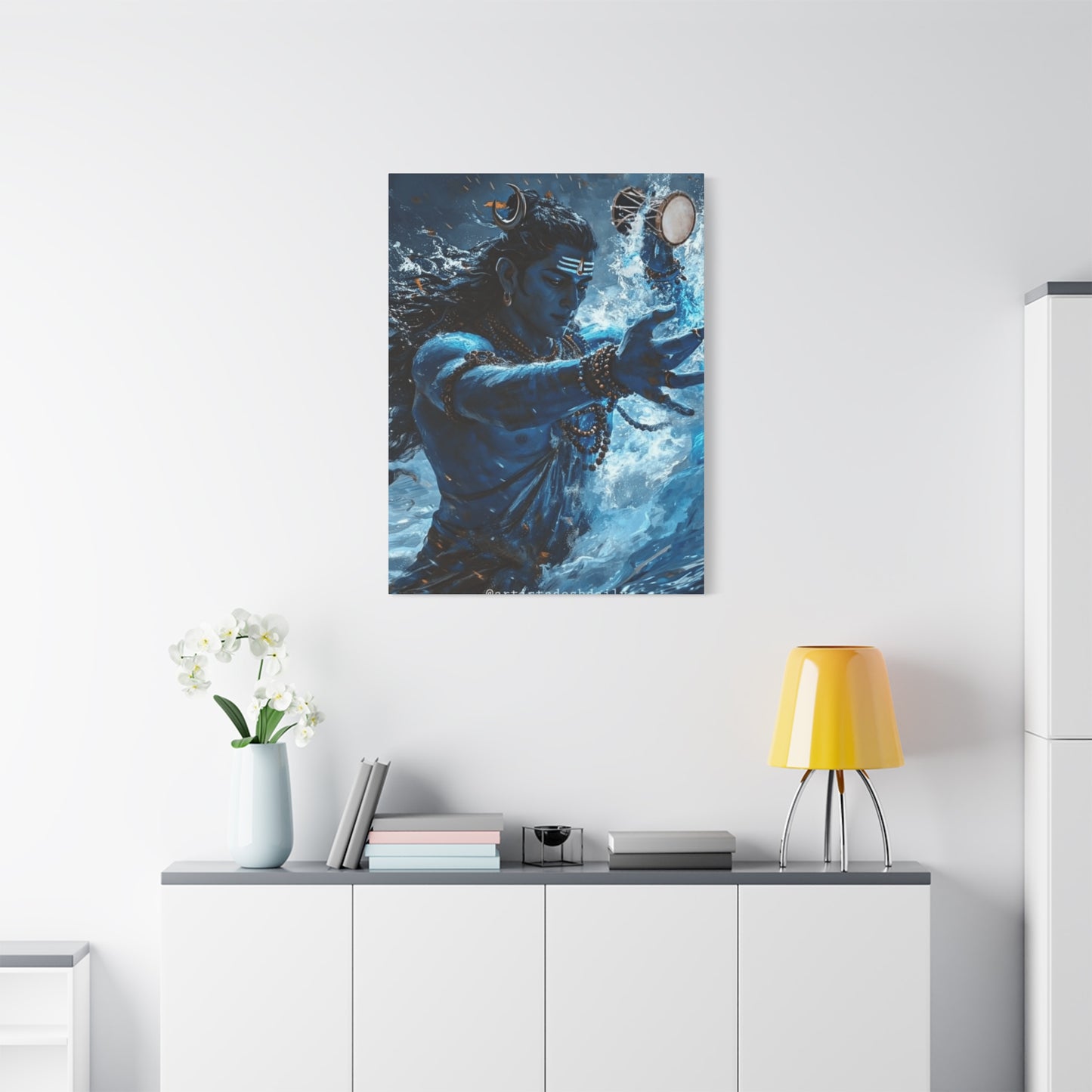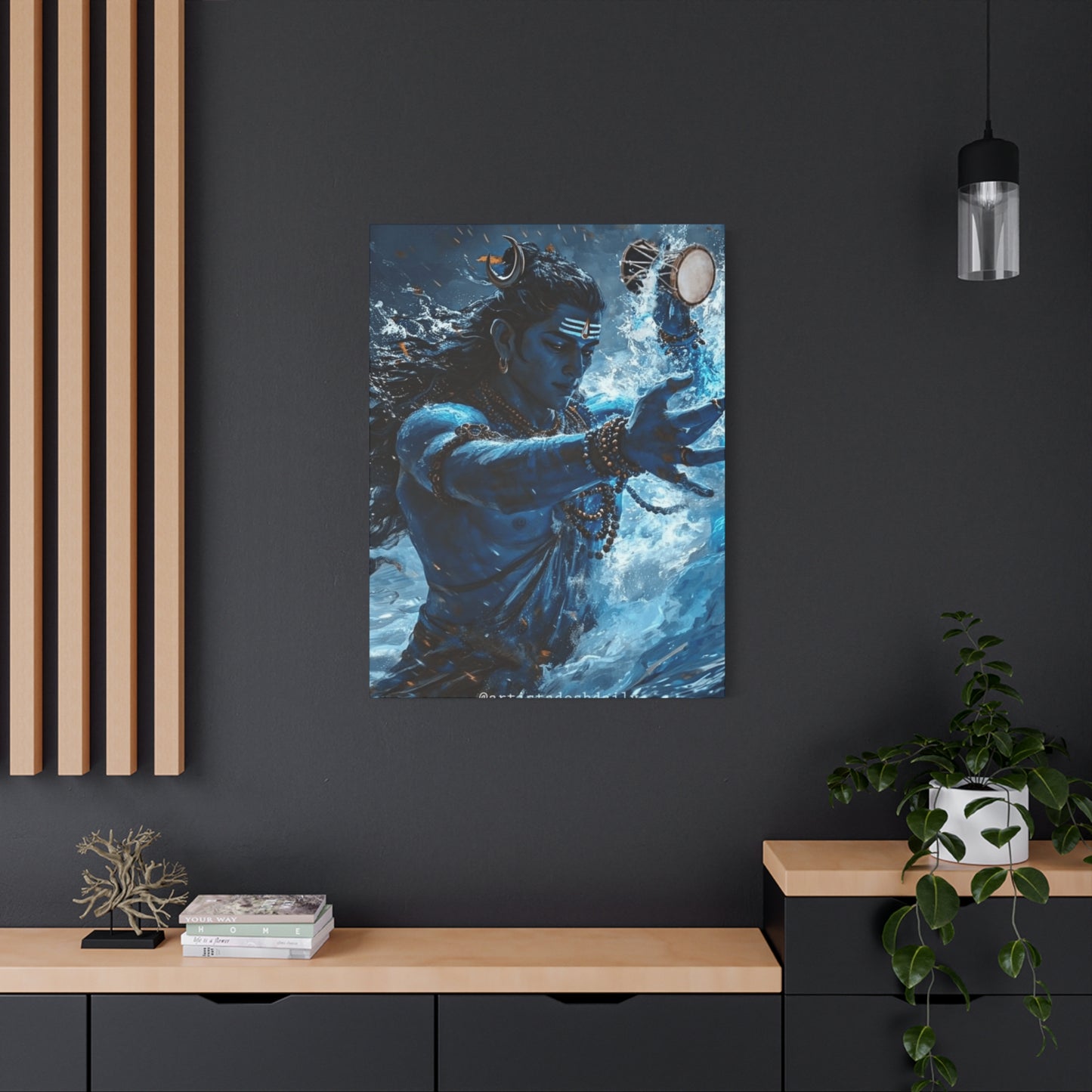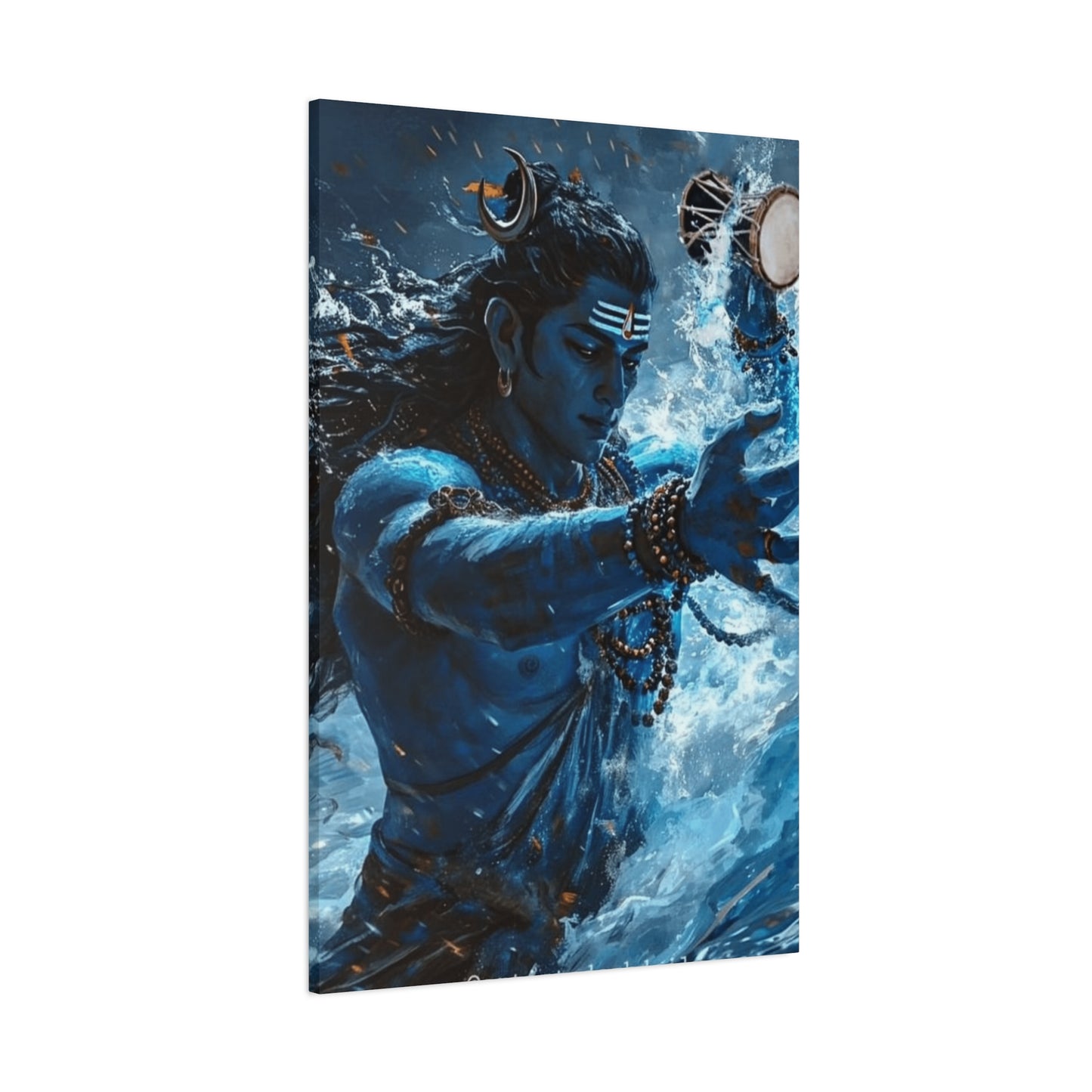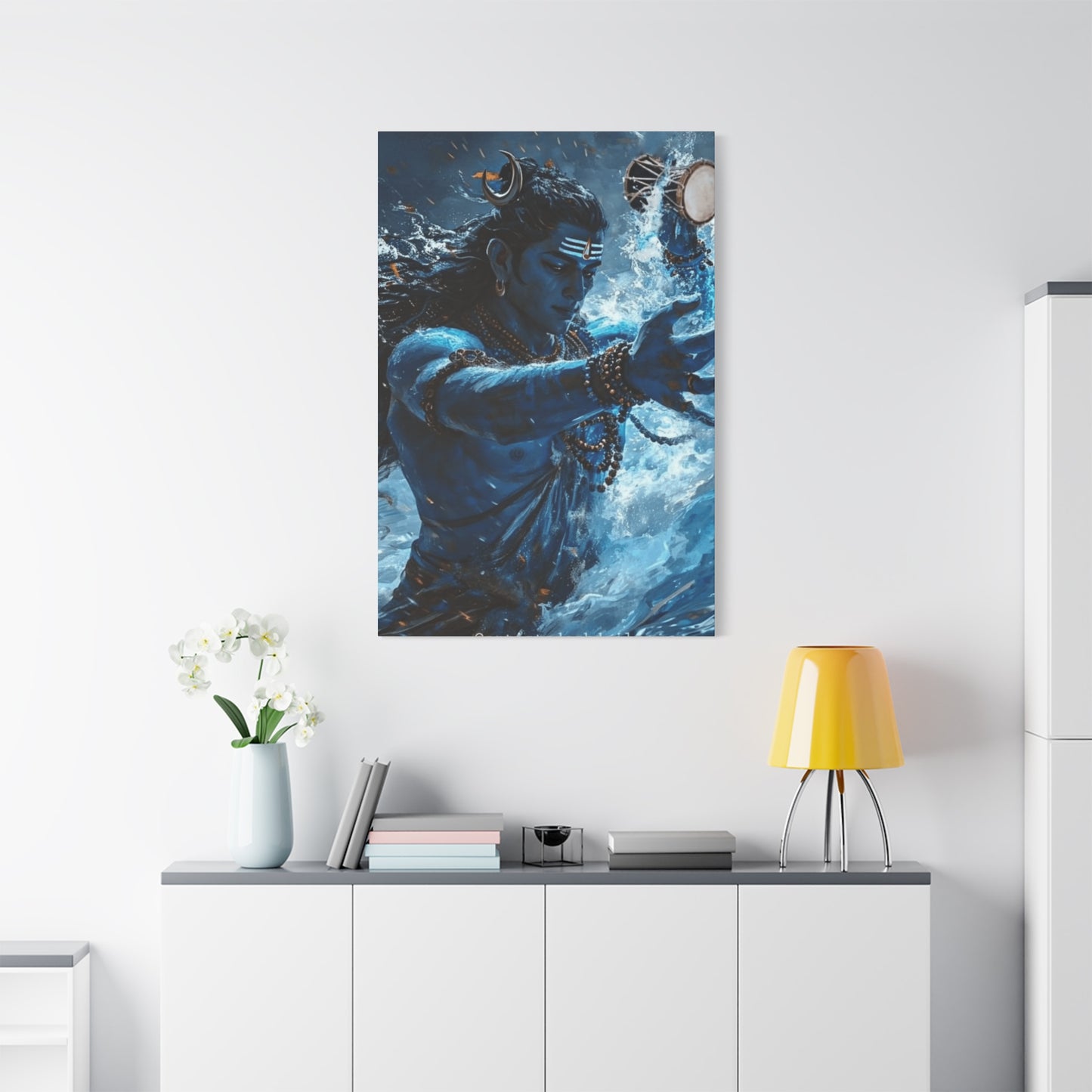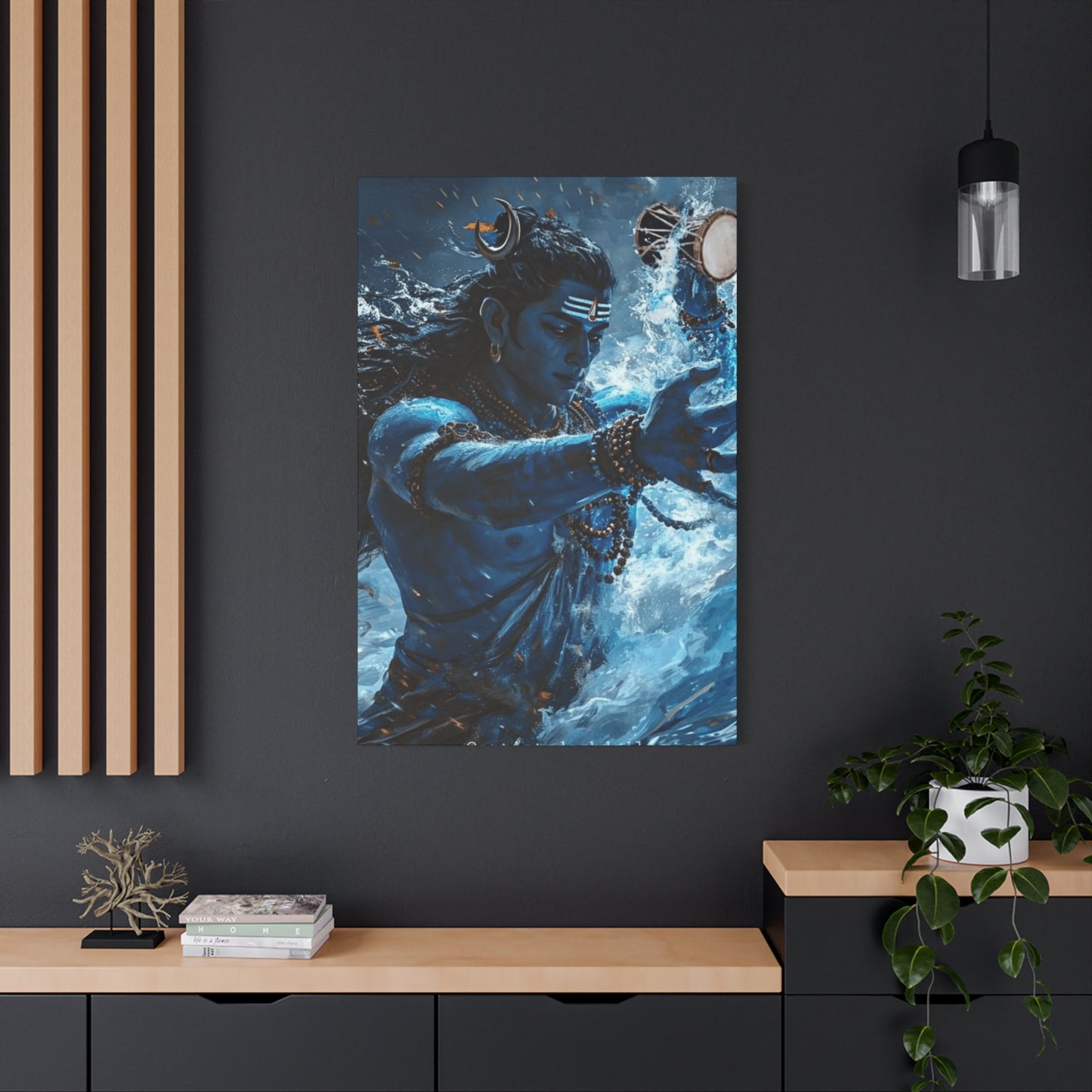


Lord Shiva Wall Art & Canvas Prints
Lord Shiva Wall Art & Canvas Prints
Couldn't load pickup availability
Sacred Divinity Through Artistic Expression: Bringing Lord Shiva Wall Art Into Your Living Spaces
The profound spiritual essence of Hindu deities has captivated believers and art enthusiasts across generations, creating a timeless bridge between ancient reverence and contemporary aesthetics. Among the pantheon of divine figures, representations of the supreme deity hold particular significance, embodying cosmic powers of creation, preservation, and transformation. When these sacred images manifest through carefully crafted visual mediums, they transcend mere decoration, becoming portals to deeper consciousness and spiritual awakening within our daily environments.
The Spiritual Significance Behind Sacred Imagery in Modern Homes
Incorporating divine representations within residential spaces represents far more than aesthetic choices or cultural identity markers. These sacred visuals serve as constant reminders of higher consciousness, inviting contemplation and devotion into everyday routines. The presence of Lord Shiva wall art specifically channels energies associated with meditation, dissolution of ego, and transcendence beyond material concerns.
Ancient Vedic texts extensively document how visual representations of deities facilitate concentration during meditation practices. The human mind naturally gravitates toward tangible focal points, making sacred imagery invaluable for establishing spiritual connections. When positioned thoughtfully within living quarters, these artistic pieces create sanctified zones that encourage introspection, prayer, and mindful breathing exercises.
The psychological impact of surrounding oneself with spiritually significant artwork extends beyond religious contexts. Research into environmental psychology demonstrates that our physical surroundings profoundly influence emotional states, cognitive performance, and overall wellbeing. Sacred imagery introduces specific vibrations and symbolic meanings that subtly reshape our mental landscapes, fostering tranquility, courage, and perspective on life's transient challenges.
Contemporary practitioners increasingly recognize that spiritual growth need not be confined to temples or designated worship areas. By thoughtfully integrating Lord Shiva wall art throughout residential spaces, individuals create continuous opportunities for spiritual engagement, transforming ordinary rooms into extensions of sacred consciousness. This democratization of spiritual practice aligns perfectly with modern lifestyles that demand flexibility and personalization in devotional expressions.
Iconographic Elements That Define Authentic Representations
Authentic depictions of the supreme deity incorporate numerous symbolic elements, each carrying profound philosophical meanings accumulated over millennia. The third eye positioned vertically on the forehead represents transcendent wisdom and the ability to perceive beyond ordinary sensory limitations. This mystical eye symbolizes the destruction of ignorance and the illumination of true knowledge, making it perhaps the most recognizable feature in any representation.
The crescent moon adorning the matted locks signifies the cyclical nature of time and the deity's mastery over temporal dimensions. This lunar symbol also represents the mind's cooling qualities, counterbalancing the fierce energies associated with transformation and dissolution. The presence of the sacred river Ganga flowing from the tangled hair illustrates the deity's role as a cosmic filter, purifying destructive forces before they overwhelm creation.
The serpent coiled around the neck, known as Vasuki, represents controlled kundalini energy and dominion over death and rebirth cycles. This cobra imagery conveys fearlessness and the transformation of potentially dangerous forces into protective allies. The tiger skin worn as a lower garment symbolizes victory over animal instincts and the mastery of primal energies that govern existence.
The trident weapon, or trishul, embodies the three fundamental qualities of nature: creation, preservation, and destruction. This iconic implement also represents past, present, and future, as well as the three primary energy channels within subtle anatomy. The damaru drum held in one hand produces the primordial sound from which creation emerges, linking the deity directly to cosmic vibrations and the manifestation of reality itself.
The sacred bull Nandi, frequently depicted alongside the deity, represents righteousness, strength, and unwavering devotion. This loyal companion symbolizes the controlled vital force that carries devotees toward spiritual liberation. Understanding these iconographic elements enhances appreciation for Lord Shiva wall art, transforming viewing experiences from casual observation into contemplative engagement with ancient wisdom traditions.
Variations in Artistic Styles Across Regional Traditions
India's vast geographical expanse has nurtured distinctive artistic traditions, each interpreting divine imagery through unique cultural lenses and aesthetic conventions. South Indian representations typically emphasize elaborate ornamentation and precise proportional relationships derived from ancient sculptural treatises. These depictions often feature intricate detailing in jewelry, clothing, and surrounding architectural elements, reflecting the region's rich temple heritage.
North Indian artistic traditions frequently embrace more dynamic compositions, capturing the deity in various dance postures or dramatic narrative moments. These representations often incorporate vibrant color palettes and flowing movements that convey divine energy in kinetic rather than static forms. The influence of Rajasthani and Mughal miniature painting traditions adds layers of decorative sophistication to these portrayals.
Bengali artistic interpretations bring distinctive folk art sensibilities, incorporating bold lines, simplified forms, and earthy color schemes. These regional variations often emphasize emotional accessibility over classical formalism, making sacred imagery feel more approachable and personally connected to everyday life experiences. The Kalighat painting tradition exemplifies this democratization of divine representation through its simplified yet expressive visual language.
Himalayan artistic traditions from regions like Kashmir and Nepal introduce Tibetan Buddhist influences, creating syncretic representations that blend Hindu and Buddhist iconographic elements. These unique interpretations often feature mandala-like compositions, intricate patterning, and symbolic color relationships derived from tantric visual traditions. The resulting artworks carry distinctive meditative qualities that resonate with practitioners of various contemplative disciplines.
Contemporary Indian artists continue reimagining sacred themes through modernist and postmodern lenses, creating Lord Shiva wall art that speaks to current aesthetic sensibilities while maintaining spiritual authenticity. These innovative approaches might incorporate abstract expressionism, digital manipulation, or mixed media techniques, demonstrating that sacred art remains a living tradition capable of evolutionary adaptation without losing essential spiritual content.
Material Considerations for Sacred Artistic Displays
The physical substrate upon which sacred images appear significantly influences their visual impact, longevity, and spiritual resonance. Canvas remains among the most popular choices for Lord Shiva wall art, offering excellent color reproduction, textural interest, and relative affordability. High-quality canvas prints stretched over wooden frames provide gallery-worthy presentations that complement both traditional and contemporary interior design schemes.
Metal prints have gained considerable popularity for their luminous quality and exceptional durability. Images printed on aluminum surfaces achieve remarkable depth and vibrancy, with colors appearing almost illuminated from within. These modern presentations suit minimalist or industrial interior aesthetics while maintaining the reverence appropriate for sacred imagery. The lightweight nature of metal prints also facilitates easy hanging and repositioning.
Acrylic glass presentations create stunning three-dimensional effects, with images appearing to float within crystal-clear material. This premium display method produces exceptional color saturation and reflective qualities that change subtly with lighting conditions throughout the day. The sleek, contemporary appearance of acrylic displays appeals to design-conscious individuals seeking sacred artwork that harmonizes with modern architectural elements.
Traditional wooden panel paintings maintain strong connections to historical artistic practices, evoking the rich heritage of temple art and devotional paintings created by master craftsmen across centuries. These substantial pieces carry physical weight that metaphorically reflects their spiritual significance, creating focal points that anchor meditation spaces or personal shrines within homes.
Textile-based artworks, including silk paintings and embroidered pieces, introduce softness and tactile warmth to sacred displays. These traditional mediums connect contemporary practices with ancient traditions of creating sacred banners, temple hangings, and devotional textiles used in ceremonial contexts. The fabric's ability to move slightly with air currents adds subtle animation to static images, creating living quality within displayed artwork.
Paper-based prints, particularly those using archival-quality materials and inks, offer accessibility without compromising visual impact. Giclée printing processes on fine art papers produce museum-quality reproductions that capture subtle tonal gradations and color nuances. When properly framed with UV-protective glazing and acid-free matting materials, paper prints achieve longevity comparable to more expensive display methods.
Color Symbolism and Its Spiritual Implications
Colors within sacred imagery carry specific symbolic meanings rooted in ancient philosophical systems and aesthetic traditions. The prominent use of blue in many representations symbolizes infinity, depth, and the vast consciousness that pervades existence. This celestial color associates the deity with the boundless sky and the endless ocean, representing immeasurable spiritual potential and the dissolution of limiting boundaries.
White frequently appears in sacred depictions, representing purity, transcendence, and the formless absolute reality beyond all manifestations. The application of sacred ash, depicted through gray-white tones, symbolizes the temporary nature of physical existence and the ultimate dissolution that awaits all forms. This color choice reinforces philosophical teachings about detachment from material illusions.
Golden and yellow hues represent divine radiance, spiritual illumination, and the transformative fire that burns away ignorance. These warm tones often highlight specific iconographic elements like the third eye or surrounding auras, drawing viewers' attention to particularly significant symbolic features. The luminous quality of golden colors creates associations with enlightenment and awakened consciousness.
Red tones within sacred artwork symbolize active energy, creative power, and the dynamic forces that drive cosmic processes. While not typically the dominant color in representations of this particular deity, red accents often appear in associated figures or symbolic elements, adding visual dynamism and representing the active principle within apparently passive meditation.
Green colors signify fertility, abundance, and the regenerative powers of nature. When incorporated into backgrounds or natural elements surrounding the deity, green tones connect transcendent spiritual qualities with earthly vitality and the continuous renewal cycles observable throughout the natural world. This color choice bridges abstract philosophy with tangible biological processes.
Black represents the void from which all creation emerges and into which all returns, symbolizing both potential and dissolution. Dark backgrounds in Lord Shiva wall art create dramatic contrast that emphasizes luminous figures, while philosophically representing the incomprehensible mystery underlying manifest reality. This color choice invites contemplation of existence's fundamental questions and ultimate nature.
Strategic Placement Within Residential Environments
The location where sacred artwork is displayed significantly affects both aesthetic impact and spiritual utility. The northeast corner of homes holds particular significance according to Vastu Shastra principles, considered the most auspicious direction for spiritual activities and divine representations. Positioning Lord Shiva wall art in this sector aligns with traditional architectural wisdom designed to optimize energy flow and spiritual vibrations.
Meditation rooms or dedicated prayer spaces represent ideal locations for prominent sacred displays. These sanctified areas benefit from the concentrated spiritual energy that accumulates when specific spaces are consistently used for contemplative practices. Positioning artwork at eye level when seated in meditation posture facilitates focused concentration and establishes clear visual anchors for attention during practice sessions.
Living room placements make sacred imagery part of daily communal life, normalizing spiritual awareness within family interactions and social gatherings. This strategic choice communicates values and creates conversation opportunities about philosophical traditions and devotional practices. However, such placements require consideration of the space's other activities to ensure appropriate reverence is maintained.
Bedroom displays of sacred artwork can support morning and evening devotional routines, creating smooth transitions between sleep and waking consciousness. The presence of spiritually significant images in private resting quarters encourages contemplation before sleep and upon waking, bookending days with mindful awareness. Positioning artwork opposite the bed allows for comfortable viewing from resting positions.
Home office or study areas benefit from the focused, transformative energy associated with this particular deity. The presence of Lord Shiva wall art in workspaces can inspire disciplined concentration, creative problem-solving, and the destruction of mental obstacles that impede productivity. These placements remind professionals to maintain higher perspectives amidst worldly responsibilities and career pressures.
Entryways and corridors offer opportunities for creating auspicious energy as family members and visitors move through the home. Strategic placement of sacred imagery in transition spaces consecrates thresholds and establishes spiritual intentions for the entire dwelling. These locations work particularly well for smaller pieces that create visual interest without overwhelming narrow passages.
Sizing Considerations for Maximum Visual Impact
The physical dimensions of sacred artwork must harmonize with surrounding architectural elements and spatial proportions to achieve aesthetic balance and spiritual presence. Oversized statement pieces measuring several feet across create dramatic focal points that command attention and establish clear hierarchies within room designs. These substantial displays work exceptionally well in spacious environments with high ceilings and minimal competing visual elements.
Medium-sized pieces ranging from two to three feet in dimension offer versatility for various room sizes and design contexts. These proportions provide sufficient detail and visual impact without overwhelming moderate spaces or competing excessively with other decorative elements. Medium formats facilitate appreciation of iconographic details while maintaining comfortable viewing distances in typical residential rooms.
Smaller sacred images measuring less than two feet suit intimate spaces, personal altars, or grouped arrangements where multiple pieces create unified compositions. These compact formats allow for closer inspection of fine details and work well in meditation corners, bedside tables, or smaller rooms where larger pieces would feel cramped. Multiple small pieces can be arranged in grid patterns or asymmetrical compositions that build visual interest through repetition and variation.
Vertical orientations emphasizing height over width naturally draw eyes upward, creating ascending spiritual associations and making rooms feel taller. These proportions suit standing or dancing poses that emphasize the deity's dynamic aspects. Vertical formats work particularly well in narrow wall spaces, beside doorways, or in arrangements that complement tall furniture pieces.
Horizontal orientations create grounding, stable compositions that spread visual weight across broader areas. These formats accommodate narrative scenes, multiple figures, or elaborate surrounding elements that expand contextual information. Horizontal pieces suit placement above furniture, in wide hallways, or in spacious rooms where broad visual sweeps enhance rather than fragment spatial perception.
Square formats provide balanced, centered compositions that convey stability and completeness. These democratic proportions avoid directional bias, creating meditative quality through their inherent equilibrium. Square pieces work universally across various contexts, offering design flexibility and timeless aesthetic appeal that transcends trendy proportional preferences.
Lighting Strategies That Enhance Sacred Displays
Proper illumination dramatically influences how sacred artwork is perceived and the atmosphere it creates within spaces. Natural light offers ideal illumination conditions, revealing subtle color variations and creating dynamic viewing experiences that change throughout the day. Positioning Lord Shiva wall art near windows or in naturally bright areas takes advantage of this freely available, full-spectrum lighting that brings artwork alive.
However, direct sunlight poses conservation risks, causing fading, discoloration, and material degradation over time. UV-filtering window treatments or protective glazing on framed pieces mitigate these concerns while preserving access to natural illumination. Strategic positioning that receives indirect natural light represents optimal compromise between visual enhancement and preservation concerns.
Dedicated picture lights mounted above frames provide focused illumination that highlights artwork while creating museum-quality presentations. These specialized fixtures direct concentrated light specifically onto displayed pieces, eliminating glare and shadows that might obscure details. Adjustable picture lights offer flexibility to customize illumination intensity and angle based on specific artwork characteristics.
Track lighting systems provide flexible illumination solutions that can be adjusted as artwork is relocated or collections expand. Multiple directional fixtures along tracks allow for customized lighting schemes that highlight several pieces or create dramatic accent lighting. Modern LED track lights offer excellent color rendering while minimizing heat output and energy consumption.
Recessed ceiling spotlights create clean, architectural lighting solutions that minimize visual clutter while effectively illuminating wall displays. These integrated fixtures suit contemporary interior designs where visible lighting hardware might distract from minimalist aesthetics. Properly positioned recessed lights prevent harsh shadows and glare while providing adequate illumination for comfortable viewing.
Ambient room lighting from table lamps, floor lamps, and general overhead fixtures creates soft, indirect illumination that gently reveals sacred artwork without harsh spotlighting effects. This layered lighting approach integrates artwork naturally within overall room illumination schemes, avoiding theatrical isolation while maintaining adequate visibility. Dimmer controls on ambient lighting allow for customized moods appropriate to different times and activities.
Backlighting techniques, particularly effective with translucent materials or metal prints, create luminous, ethereal effects that enhance spiritual atmosphere. These specialized lighting approaches make images appear to glow from within, creating mesmerizing visual experiences that naturally draw attention and facilitate meditative focus. Backlit presentations work exceptionally well in darkened meditation spaces or evening contemplation sessions.
Complementary Decor Elements That Enhance Sacred Spaces
Creating harmonious environments around Lord Shiva wall art involves thoughtful selection of complementary decorative elements that reinforce spiritual atmosphere without creating visual chaos. Incense burners positioned near sacred displays engage multiple senses simultaneously, combining visual beauty with aromatic experiences that deepen meditative states. Traditional brass or copper vessels add metallic warmth while maintaining cultural authenticity.
Fresh flowers or potted plants introduce living elements that symbolize vitality, growth, and nature's continuous regeneration. The Hindu tradition particularly values fresh blooms as offerings, making floral arrangements natural companions to sacred imagery. Selecting flowers with spiritual significance, such as lotuses, marigolds, or jasmine, adds layers of symbolic meaning to decorative schemes.
Candles or oil lamps create flickering light that evokes ancient devotional practices and adds dynamic visual interest to static displays. The gentle movement of flames introduces hypnotic quality conducive to meditation while symbolizing the divine light that dispels ignorance. Placing these light sources safely near artwork creates intimate, sanctuary-like atmospheres particularly effective during evening practices.
Textiles such as silk scarves, embroidered cloths, or decorative runners provide colorful backgrounds or framing elements that soften hard architectural surfaces. These fabric accents introduce textural variety and can be easily changed to reflect seasons, festivals, or personal preferences. Traditional Indian textiles featuring sacred motifs or auspicious patterns create cultural continuity between artwork and surrounding decor.
Crystals, gemstones, or mineral specimens add natural beauty while carrying metaphysical associations that complement spiritual practices. Specific stones like clear quartz, amethyst, or rudraksha beads connect to meditation traditions and energy work practices. Displaying these natural elements on shelves, altars, or surfaces near sacred artwork creates multifaceted sensory environments.
Sacred objects like small statues, prayer beads, singing bowls, or symbolic implements expand devotional possibilities within spaces featuring Lord Shiva wall art. These tangible items facilitate active engagement beyond passive viewing, supporting diverse spiritual practices. Thoughtfully curated collections of sacred objects transform ordinary rooms into personalized sanctuaries reflecting individual spiritual journeys.
Minimalist approaches that intentionally limit surrounding decorative elements allow sacred artwork to command undivided attention. This reductive strategy creates powerful visual impact through simplicity, letting profound iconography speak without competing distractions. Clean, uncluttered presentations suit contemporary aesthetics while maintaining appropriate reverence for sacred subject matter.
Sourcing Authentic Representations From Skilled Artisans
Acquiring genuine sacred artwork requires discernment to distinguish authentic creations from mass-produced imitations lacking spiritual integrity. Traditional artisans who inherit centuries-old techniques and iconographic knowledge produce pieces imbued with devotional intent and cultural authenticity. These master craftspeople maintain living connections to artistic lineages, ensuring their work reflects accurate symbolic details and appropriate reverence.
Visiting specialized galleries focusing exclusively on sacred and devotional art provides access to curated collections vetted for authenticity and quality. These knowledgeable dealers can provide provenance information, discuss artistic techniques, and explain iconographic significance, enriching purchasing decisions with educational context. Developing relationships with reputable galleries ensures ongoing access to authentic pieces as collections expand.
Online marketplaces dedicated to handmade and artisanal goods connect buyers directly with creators, facilitating transparent transactions and supporting individual artists. Platforms emphasizing craft traditions and cultural heritage typically attract authentic artisans rather than commercial manufacturers. Careful review of seller credentials, customer feedback, and product descriptions helps identify legitimate craftspeople producing genuine sacred artwork.
Commissioning custom pieces from individual artists allows for personalized specifications while supporting creative livelihoods. This collaborative approach enables buyers to request specific iconographic elements, dimensions, color palettes, or artistic styles tailored to particular spaces and preferences. Custom commissions create unique Lord Shiva wall art unavailable through standard retail channels, ensuring singular ownership of distinctive spiritual focal points.
Temple gift shops and spiritual centers often sell authentic devotional artwork created by artisans with deep connections to religious communities. Purchasing through these venues supports temple maintenance and community programs while ensuring proceeds benefit spiritual rather than purely commercial enterprises. These sources typically maintain higher standards for iconographic accuracy due to their religious affiliations.
Fair trade cooperatives and cultural preservation organizations offer ethically sourced artwork that supports artisan communities while preserving endangered craft traditions. These social enterprises ensure creators receive fair compensation and work under humane conditions, addressing ethical concerns increasingly important to conscious consumers. Purchasing through these channels aligns spiritual values with economic choices, creating alignment between beliefs and actions.
Certification programs and authenticity guarantees provide additional assurance when purchasing sacred artwork, particularly for higher-value pieces. Documentation from recognized cultural authorities or artist collectives validates claims about provenance, techniques, and materials. While not universally available, such certifications offer valuable reassurance for significant purchases.
Creating Personal Altars Around Sacred Displays
Designating specific areas as personal altars transforms passive artwork viewing into active devotional practice, deepening spiritual engagement beyond aesthetic appreciation. These dedicated spaces need not be elaborate or large; even modest corner arrangements can effectively support regular spiritual routines. The key lies in intentional consecration of space specifically for contemplative purposes.
Establishing altar foundations begins with clean, stable surfaces positioned at appropriate heights for standing or seated practices. Traditional low tables or simple wooden platforms create designated zones that psychologically separate sacred activities from mundane household routines. Covering these surfaces with clean cloths in auspicious colors establishes purity and reverence within demarcated spaces.
Centering Lord Shiva wall art above or behind altar spaces creates clear focal points that orient attention and establish spiritual hierarchies. This positioning acknowledges the artwork as primary sacred presence around which other devotional elements arrange themselves. Ensuring artwork remains at or above eye level maintains appropriate respect while facilitating comfortable viewing during practices.
Arranging symmetrical offerings on either side of central focuses creates balanced compositions that feel harmonious and complete. Traditional items like incense holders, candle stands, and small vessels for water or flowers can be positioned to create pleasing visual rhythms. This formal arrangement transforms scattered objects into unified ritual spaces that support consistent devotional practices.
Incorporating texts, prayers, or philosophical writings near altar spaces provides guidance for spiritual practices and deepens intellectual engagement with traditions. Keeping meaningful books, printed mantras, or handwritten aspirations within easy reach supports diverse forms of practice beyond visual contemplation. These literary elements expand altar functions to include study and reflection alongside devotional activities.
Personal items carrying spiritual significance, such as inherited religious objects, pilgrimage souvenirs, or gifts from teachers, add unique personal dimensions to altar spaces. These meaningful objects create bridges between individual spiritual journeys and universal traditions, grounding abstract philosophical concepts in concrete life experiences. Including such items makes altar spaces feel personally relevant rather than generically devotional.
Maintaining cleanliness and order within altar areas demonstrates ongoing respect and commitment to spiritual practices. Regular tidying, dusting, and refreshing of offerings transforms maintenance activities into mindful rituals that extend devotional practice beyond formal prayer times. This consistent care develops discipline while ensuring sacred spaces remain visually appealing and energetically clear.
Seasonal and Festival Decorations Around Sacred Imagery
Hindu religious calendars feature numerous festivals celebrating different aspects of divine nature, providing opportunities for creative seasonal decorations around permanent sacred displays. Maha Shivaratri, the great night celebrating the deity's cosmic dance, inspires elaborate decorative schemes featuring fresh flowers, lights, and special offerings. Temporarily enhancing Lord Shiva wall art during this auspicious occasion honors traditional observances while expressing personal devotion.
Decorating with specific flowers associated with the deity demonstrates knowledge of traditional preferences and symbolic meanings. Bilva leaves hold particular significance, considered most beloved by the supreme consciousness. Draping fresh garlands or creating floral arrangements featuring these sacred leaves during festivals transforms ordinary spaces into celebratory environments reflecting communal joy.
Special lighting arrangements during festivals create festive atmospheres that honor sacred occasions. Strings of small lights, traditional oil lamps arranged in patterns, or increased numbers of candles transform everyday meditation spaces into celebratory zones. These temporary lighting enhancements photograph beautifully, creating shareable moments that spread festive spirit through social networks.
Temporary backdrops featuring auspicious colors or patterns can be hung behind Lord Shiva wall art during festivals, creating layered visual compositions that amplify celebratory moods. Removable fabric panels, paper decorations, or floral curtains add seasonal flair without permanently altering spaces. These temporary enhancements allow for creative expression while maintaining flexibility to return to everyday arrangements.
Incense selections can be varied seasonally, choosing special blends or rare ingredients during important festivals. The shifting aromatic landscapes mark passage of sacred time while engaging senses beyond visual perception. Documenting these seasonal variations creates memories associated with specific festivals, building personal traditions that deepen over years of practice.
Offerings of special foods prepared during festivals can be placed temporarily near sacred displays, acknowledging traditions of prasad and blessed nourishment. These culinary offerings demonstrate hospitality toward divine presence while following time-honored customs. After ritual presentation, sharing these consecrated foods with family and guests extends spiritual blessings throughout communities.
Creating seasonal altar cloths in festival-appropriate colors maintains fresh, current appearances throughout the year. Rotating textiles prevents visual stagnation while marking passage of sacred calendar cycles. Handmade cloths bearing personally meaningful embroidery or painting become treasured ritual objects that accumulate devotional energy through repeated seasonal use.
Teaching Children About Sacred Symbolism
Introducing younger generations to sacred imagery provides opportunities for cultural transmission and spiritual foundation-building. Age-appropriate explanations of iconographic elements help children understand symbolic visual languages rather than literal interpretations. Discussing why the deity carries specific objects or displays particular features engages young minds in meaningful conversations about abstract concepts.
Storytelling sessions featuring tales from ancient texts bring static images alive with narrative context and moral teachings. Children naturally respond to stories, making mythology excellent vehicles for conveying philosophical principles and ethical frameworks. Connecting Lord Shiva wall art to specific narrative episodes helps youngsters remember both stories and symbolic meanings.
Creative activities like drawing, coloring, or craft projects based on sacred imagery allow hands-on engagement that deepens understanding through active participation. Children who create their own interpretations of divine symbols develop personal connections and memorable learning experiences. Displaying children's artwork alongside professional pieces validates their creative expressions while building confidence in cultural identity.
Gentle introduction to basic meditation practices using sacred artwork as focal points teaches concentration skills and emotional regulation techniques. Even brief practice sessions help children develop mindfulness capacities increasingly recognized as valuable for mental health and academic performance. Making these practices enjoyable rather than obligatory prevents resistance and builds positive associations with spiritual activities.
Question-and-answer sessions where children's curiosities are welcomed and thoughtfully addressed create safe spaces for exploring complex philosophical topics. Responding honestly to questions about divine nature, religious practices, or symbolic meanings respects young intelligence while providing authentic cultural education. These conversations build critical thinking skills alongside religious literacy.
Family rituals incorporating children in altar maintenance, flower offerings, or festival decorations create shared memories and intergenerational bonding. Assigning age-appropriate responsibilities gives youngsters stake in devotional practices rather than positioning them as passive observers. These participatory approaches build lasting connections to spiritual traditions.
Avoiding rigid dogmatism while teaching sacred traditions allows children to develop personal relationships with spiritual concepts rather than merely following external rules. Encouraging questions, acknowledging mysteries, and respecting individual interpretations creates flexibility within tradition. This balanced approach supports spiritual exploration while maintaining cultural continuity.
Meditation Practices Enhanced by Sacred Visuals
Visual meditation techniques, known as trataka in yogic traditions, use sustained gazing at specific objects to develop concentration and access deeper consciousness states. Lord Shiva wall art serves excellently for this practice, providing complex yet unified focal points that hold attention without creating mental restlessness. The intricate iconographic details offer multiple entry points for contemplation while maintaining coherent symbolic unity.
Beginning trataka practice involves softly gazing at the entire image without strain or forceful concentration. The eyes naturally want to wander across details, exploring different elements within the composition. This initial exploration phase familiarizes practitioners with the artwork's complete visual field before progressing to more focused techniques.
After initial familiarity, attention can narrow to specific features like the third eye or a particular hand gesture. Maintaining soft focus on these selected elements while allowing peripheral awareness of surrounding details develops dual-level attention. This practice trains minds to hold specific focuses while remaining aware of larger contexts, a valuable skill extending beyond meditation sessions.
When concentration naturally wavers, gently returning attention to the chosen focal point without self-criticism develops patience and non-reactive awareness. The artwork's constant presence provides reliable anchor for repeatedly returning wandering minds. Over time, this gentle persistence strengthens concentration abilities and reduces mental fragmentation.
Closing eyes periodically during practice while maintaining inner visualization of the sacred image develops mental representation skills and memory. Attempting to recreate visual details internally challenges minds differently than external gazing. This alternation between outer and inner vision deepens both observational skills and imaginative capacities.
Contemplating symbolic meanings of observed iconographic elements transforms visual meditation into philosophical inquiry. Pondering questions like "What does the third eye represent in my own experience?" or "How does the drum's sound relate to my creative expression?" connects abstract symbols to personal life circumstances. This contemplative dimension adds intellectual engagement to concentration practices.
Extended practice sessions reveal that sacred images seem to subtly change, with different elements appearing more prominent during various sessions. These perceptual shifts reflect changing mental states and attentional capacities rather than artwork alterations. Observing these subjective variations builds awareness of how consciousness shapes perception, a fundamental insight in contemplative traditions.
Digital Versus Physical Sacred Artwork
The proliferation of digital devices introduces questions about screen-based sacred imagery versus tangible physical artworks. Digital displays offer practical advantages including easy updating, varied content rotation, and space efficiency. A single digital frame can display thousands of sacred images, providing visual variety impossible with physical collections constrained by wall space and budgets.
However, physical artworks carry tangible presence and material authenticity that screens cannot replicate. The texture of canvas, the weight of frames, and the permanence of physical objects create different psychological relationships than ephemeral digital displays. Physical Lord Shiva wall art occupies space with embodied authority that commands attention and respect in ways screen images may not.
Digital images face technological obsolescence as devices age, file formats change, and storage media deteriorate. Physical artworks properly cared for can endure for generations, accumulating historical significance and personal memories. The heirloom potential of tangible pieces creates intergenerational connections impossible with transient digital content requiring periodic technology upgrades.
Screen fatigue from excessive device use makes additional screen time for spiritual purposes potentially counterproductive. Physical artwork provides technology-free contemplative focuses, offering respite from digital saturation. This distinction becomes particularly important for meditation practices intended to quiet mental chatter amplified by constant digital stimulation.
Conversely, digital technologies enable access to rare images, high-resolution details, and customized compositions unavailable through physical markets. Virtual galleries showcase works from distant museums, private collections, and historical archives, democratizing access to sacred art treasures. This educational dimension of digital media offers significant value despite lacking physical presence.
Hybrid approaches combining both digital and physical elements provide balanced solutions. Using digital devices for exploration, education, and variety while maintaining select physical pieces for primary devotional focuses capitalizes on each medium's strengths. This integrated strategy acknowledges that different contexts and purposes benefit from different formats.
Quality considerations significantly impact digital sacred imagery effectiveness. Low-resolution images on small screens poorly serve contemplative purposes, while large, high-quality displays approaching physical print quality provide more satisfactory experiences. Investment in superior digital display technologies narrows gaps between physical and digital sacred art presentations.
Preservation Concerns for Long-Term Artwork Care
Protecting sacred artwork from environmental damage ensures that pieces remain vibrant and intact for years or generations. Temperature fluctuations pose significant risks, causing materials to expand and contract at different rates, potentially leading to cracking, warping, or delamination. Maintaining stable climate conditions within residential spaces protects artworks from thermal stress.
Humidity levels require monitoring, as excessive moisture encourages mold growth, material deterioration, and color bleeding, while insufficient humidity causes brittle drying and cracking. Ideal relative humidity ranges between forty and sixty percent provide balanced conditions suitable for most artwork types. Dehumidifiers or humidifiers help maintain appropriate levels in climates with extreme humidity conditions.
UV radiation from sunlight or fluorescent lighting causes irreversible fading and discoloration, gradually destroying artwork's visual appeal. UV-filtering glazing on framed pieces, window treatments blocking harmful wavelengths, and LED lighting that emits minimal UV radiation protect against photochemical damage. Positioning Lord Shiva wall art away from direct sunlight further minimizes exposure risks.
Dust accumulation not only obscures visual details but also attracts moisture and provides food sources for insects and microorganisms. Regular gentle dusting with soft, clean cloths prevents buildup without abrading surfaces. For valuable pieces, professional conservation cleaning services provide safe, expert care that removes accumulated grime without risking damage.
Insect pests pose serious threats to organic materials in artwork, including canvas, paper, wood, and natural adhesives. Regular inspection for signs of infestation such as small holes, fine dust, or insect remains enables early intervention before significant damage occurs. Controlling indoor environments to discourage pest establishment protects entire households beyond just artwork.
Chemical pollutants from cleaning products, cooking, smoking, or industrial emissions gradually degrade artwork materials through acidification and chemical reactions. Adequate ventilation, air filtration, and minimizing pollutant sources within homes create cleaner environments that slow deterioration processes. Framing with protective glazing adds barriers against airborne contaminants.
Physical damage from accidental impacts, improper handling, or inadequate hanging systems represents preventable losses. Using appropriate hardware rated for artwork weight, securing pieces against earthquake risks in susceptible regions, and maintaining clear zones around displayed pieces reduce accident risks. Insurance coverage provides financial protection against unavoidable damages.
Conclusion
Original artworks by recognized masters appreciate financially over time, making sacred art collecting potentially sound investment alongside spiritual motivations. The intersection of devotional significance and artistic merit creates dual value propositions appealing to both spiritual practitioners and secular art collectors. Limited edition prints signed by artists similarly gain value, though typically less dramatically than unique originals.
Provenance documentation establishing artwork history, previous ownership, and authentication significantly affects market values. Pieces connected to historically important collections, exhibited in prestigious venues, or created during significant periods in artists' careers command premium prices. Maintaining complete records protects investment value and facilitates future authentication should pieces be resold.
Market trends in sacred art fluctuate based on broader economic conditions, shifting aesthetic preferences, and cultural factors affecting demand. Traditional styles may experience renaissance periods when contemporary tastes cycle toward classical forms. Monitoring auction results, gallery prices, and collector forums provides insights into current market conditions.
However, treating sacred imagery purely as financial investment potentially conflicts with devotional purposes and spiritual intentions. The commodification of sacred objects raises ethical questions about appropriate relationships with divine imagery. Balancing appreciation for artistry and financial value with maintaining reverence requires thoughtful consideration of motivations underlying acquisition decisions.
For most practitioners, the primary value of Lord Shiva wall art remains spiritual and aesthetic rather than financial. The daily inspiration, meditative support, and cultural connection these pieces provide far exceed monetary considerations. Whether artworks appreciate financially becomes secondary to their roles in enriching spiritual lives and creating meaningful environments.
Estate planning considerations make artwork value relevant even for those uninterested in selling. Accurate valuations ensure fair distribution among heirs, appropriate insurance coverage, and correct charitable donation deductions if pieces are bequeathed to religious institutions. Professional appraisals provide documentation for these purposes regardless of sale intentions.
The emotional and sentimental value accumulated as sacred artwork becomes integrated into daily spiritual practices often surpasses objective market value. These pieces witness personal transformations, mark significant life passages, and carry memories of devotional experiences. This irreplaceable personal significance makes certain pieces literally priceless to their owners regardless of market assessments.
Presenting sacred imagery as gifts represents thoughtful gestures that honor recipients' spiritual journeys and cultural identities. Housewarming presents featuring Lord Shiva wall art help consecrate new living spaces and establish auspicious energy in fresh environments. These meaningful gifts provide lasting reminders of friendships and community support during significant life transitions.
Wedding gifts incorporating sacred imagery bless new unions with divine presence and establish spiritual foundations for married life. Choosing pieces that complement couples' aesthetic preferences while maintaining devotional authenticity requires understanding both recipients' tastes and iconographic appropriateness. Such gifts often become cherished heirlooms passed through family lines.
Milestone celebrations like significant birthdays, graduations, or career achievements gain deeper meaning when marked with spiritual gifts acknowledging accomplishments within larger cosmic contexts. Sacred artwork reminds recipients of higher purposes beyond worldly success, encouraging balanced perspectives on material achievements. These thoughtful presents demonstrate care for recipients' complete wellbeing, not merely material circumstances.
Share