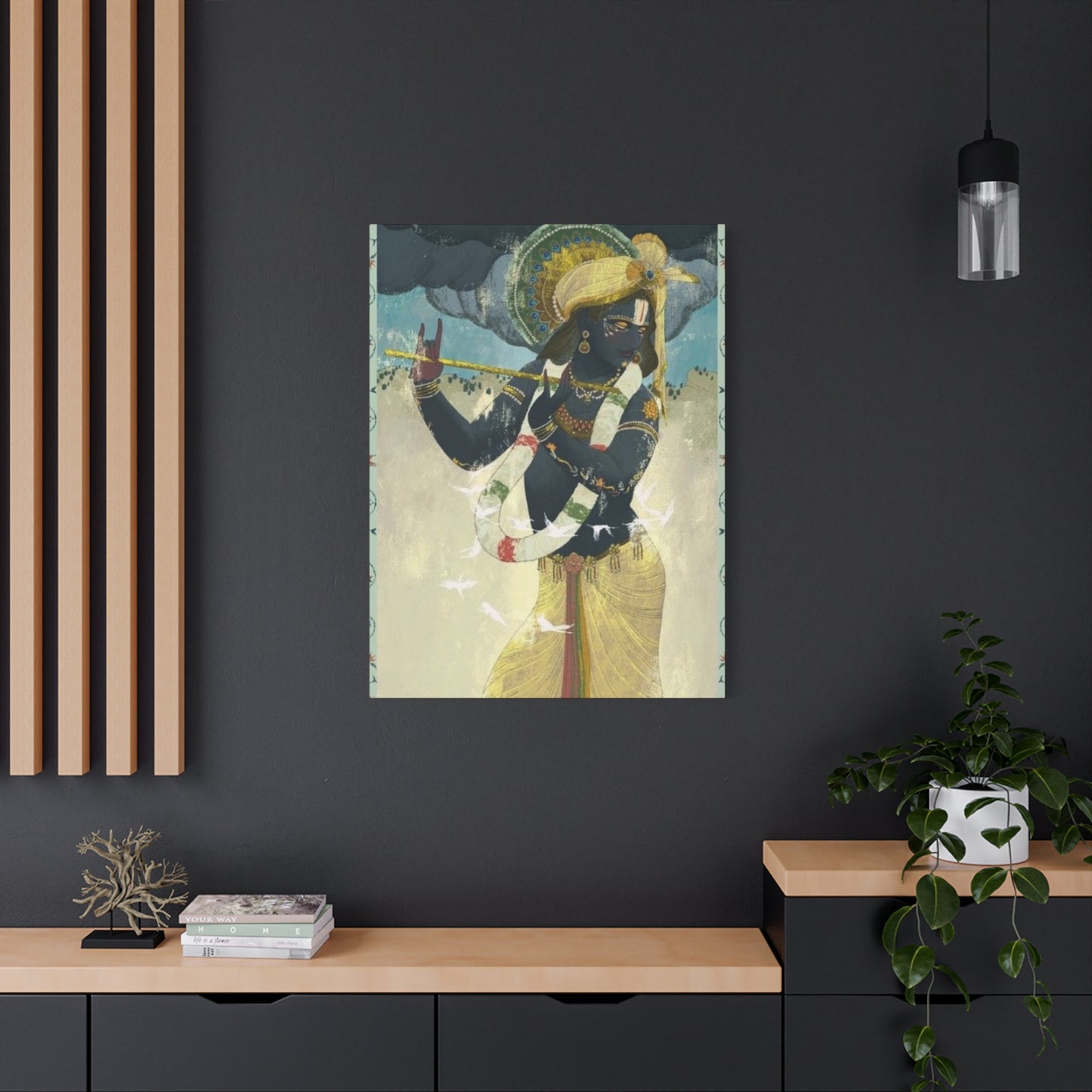
Lord Krishna Wall Art & Canvas Prints
Lord Krishna Wall Art & Canvas Prints
Couldn't load pickup availability
Immerse Your Home in the Divine Opulence of Lord Krishna Wall Art: Spiritual Artistry That Evokes Celestial Bliss
The enchanting presence of Lord Krishna through artistic representations has captivated devotees and art enthusiasts for millennia. When you bring Lord Krishna wall art into your home, you're not merely decorating a space—you're inviting divine energy, timeless wisdom, and spiritual serenity into your daily existence. These sacred depictions serve as powerful reminders of devotion, love, and the eternal dance between the material and spiritual realms.
Throughout centuries, artists have attempted to capture the ineffable charm of Krishna, the eighth avatar of Vishnu, whose life story encompasses everything from mischievous childhood pranks to profound philosophical discourse. The visual representations of this beloved deity range from his playful interactions with the gopis of Vrindavan to his magnificent form as the charioteer of Arjuna on the battlefield of Kurukshetra.
Why Sacred Imagery of the Divine Cowherd Transforms Your Living Environment
The presence of Krishna's imagery within your dwelling creates an atmosphere charged with positive vibrations and spiritual consciousness. Unlike ordinary decorative elements, Lord Krishna wall art functions as a focal point for meditation, contemplation, and devotion. When your eyes fall upon these sacred representations during your daily routines, they serve as gentle reminders to maintain awareness of higher truths and spiritual principles.
Many practitioners of Bhakti yoga and devotional traditions believe that visual representations of the divine facilitate a direct connection with cosmic consciousness. The practice of keeping such imagery visible in living spaces stems from ancient Vedic traditions where households maintained shrines and sacred spaces dedicated to various deities. In contemporary times, this practice has evolved to accommodate modern aesthetics while preserving the essential spiritual purpose.
The psychological impact of surrounding yourself with uplifting and spiritually significant imagery cannot be overstated. Research in environmental psychology suggests that the visual elements within our living spaces significantly influence our mood, thought patterns, and overall well-being. When these visual elements carry deep spiritual significance, their impact becomes even more profound, creating an environment conducive to peace, reflection, and inner growth.
Krishna's form represents various aspects of divine play, wisdom, and cosmic order. His image with the flute symbolizes the divine call that attracts all souls toward the source of existence. The peacock feather adorning his crown represents beauty, grace, and the ability to transform poison into something magnificent—a metaphor for spiritual transformation. The blue complexion symbolizes infinity, like the endless sky and boundless ocean, reminding viewers of the limitless nature of consciousness.
Exploring Various Artistic Representations of the Butter Thief
The artistic traditions depicting Krishna span numerous regional styles, each bringing unique interpretations and aesthetic sensibilities. The Tanjore style from southern regions features rich gold leaf work and vibrant gem-studded embellishments, creating opulent representations that shimmer with divine radiance. These pieces often incorporate raised surfaces that give a three-dimensional quality to the artwork, making the deity appear to emerge from the canvas itself.
Pichwai paintings, originating from Nathdwara in Rajasthan, traditionally depict Krishna in his Shrinathji form—lifting Govardhan mountain to protect villagers from torrential rains. These large-scale cloth paintings feature intricate details of flora, fauna, and devotees surrounding the central divine figure. The attention to decorative elements, especially lotus flowers and elaborate architectural backgrounds, makes Pichwai art instantly recognizable and deeply evocative.
Madhubani folk art from Bihar brings a distinctive geometric and linear approach to depicting Krishna's various leelas or divine pastimes. Using natural dyes and pigments, these paintings often show Krishna playing the flute among peacocks and trees, with characteristic double-line borders and elaborate patterns filling every available space. The folk tradition imbues these representations with earthy authenticity and cultural richness.
Contemporary artists have reimagined Krishna through modern abstract forms, minimalist line drawings, and even digital art formats. Some artists blend traditional iconography with contemporary color palettes and composition techniques, creating pieces that resonate with modern sensibilities while maintaining spiritual authenticity. These innovative approaches make sacred art accessible to younger generations and those who appreciate contemporary aesthetic expressions.
Warli art, another tribal art form, presents Krishna through simple stick figures and geometric shapes, yet manages to convey profound narratives through minimal means. This ancient art form, traditionally created on mud walls, has now found its way onto canvas and paper, offering a unique perspective on divine stories through indigenous visual language.
Selecting the Perfect Sacred Artwork for Different Areas of Your Dwelling
The placement of Krishna imagery throughout your home requires thoughtful consideration of both spatial dynamics and spiritual principles. The main living area, where families gather and guests are received, benefits from larger, more elaborate representations that command attention and set a devotional tone for the entire household. A substantial canvas or framed print depicting Krishna in his full glory, perhaps surrounded by devotees or playing his enchanting flute, serves as an excellent centerpiece.
Meditation rooms and prayer spaces call for more intimate and contemplative representations. Here, simpler compositions focusing on Krishna's face, his expressive eyes, or his form in meditative poses create an atmosphere conducive to inner work and spiritual practice. The imagery should invite prolonged gazing without overwhelming the senses, allowing practitioners to enter deeper states of concentration.
Bedrooms can accommodate gentler representations—perhaps Krishna as a child with mother Yashoda, or in peaceful pastoral settings. These softer depictions promote tranquility and restful sleep while maintaining a protective spiritual presence. Many devotees prefer to position such artwork where it becomes the first thing they see upon waking, setting a devotional intention for the day ahead.
Study areas and home offices benefit from representations of Krishna as the divine teacher, particularly scenes from the Bhagavad Gita where he imparts wisdom to Arjuna. These images serve as inspiration during work or study, reminding viewers of dharma, duty, and the importance of performing actions without attachment to results.
Children's rooms offer wonderful opportunities to introduce younger family members to divine stories through playful depictions—Krishna stealing butter, playing with friends in Vrindavan, or dancing on the serpent Kaliya. These accessible narratives capture imagination while instilling spiritual values from an early age.
Entryways and corridors can feature smaller pieces or a series of artworks depicting different episodes from Krishna's life, creating a visual journey through divine narratives as one moves through the home. This sequential arrangement transforms ordinary transitional spaces into opportunities for spiritual remembrance.
Materials and Craftsmanship Behind Celestial Visual Creations
Canvas prints remain the most popular medium for Krishna imagery in contemporary homes. High-quality canvas stretched over wooden frames provides durability and a professional appearance. The texture of canvas lends itself well to reproducing painted works, maintaining the artistic integrity of original compositions. Modern printing processes can replicate even the subtle color gradations and brush strokes of traditional paintings.
Metal prints, particularly those on aluminum, offer a sleek, modern aesthetic that appeals to minimalist sensibilities. The metallic surface creates unique light-reflecting properties that make images appear luminous and dynamic, changing subtly as viewers move or as natural light shifts throughout the day. These prints are exceptionally durable and resistant to environmental factors.
Wooden panels carved with Krishna's form represent an ancient artistic tradition still practiced by skilled artisans. These three-dimensional representations range from shallow relief carvings to fully sculpted pieces. The natural grain and warmth of wood add organic beauty to the spiritual imagery, creating heirloom-quality pieces that improve with age.
Glass paintings, particularly reverse glass painting, create jewel-like translucent effects. Light passing through the glass illuminates the colors from within, giving Krishna's form an ethereal, glowing quality. This technique requires exceptional skill as artists must work in reverse, applying details first and background elements last.
Textile arts, including embroidered pieces and appliqué works, bring tactile richness to Krishna imagery. These soft artworks introduce texture and warmth, particularly effective in spaces where acoustic dampening is desired alongside visual beauty. Traditional embroidery techniques passed down through generations lend authenticity and cultural depth.
Stone and marble sculptures, while not strictly wall art, can be mounted or placed in niches to create devotional focal points. The permanence and weight of stone convey stability and timelessness, qualities associated with eternal truths represented by Krishna's teachings.
Brass and bronze artworks offer golden tones that carry auspicious significance in Vedic traditions. These metal works can be flat relief panels or three-dimensional pieces, often incorporating intricate detailing impossible in other media. The patina that develops on these metals over time adds character and antiquity.
Understanding Color Symbolism in Divine Portraiture
The traditional blue or dark complexion of Krishna carries profound symbolic meaning. This distinctive coloring represents the infinite nature of consciousness—vast and boundless like the sky and ocean. Blue also symbolizes the absorption of all colors, suggesting Krishna's all-encompassing nature as the supreme reality. In some regional traditions, Krishna appears in other hues, each carrying specific significance.
Yellow and saffron tones frequently appear in Krishna's clothing, particularly the pitambara or yellow silk garment he wears. These warm hues represent knowledge, learning, and happiness. Yellow is considered sacred in Hindu traditions, associated with purity, sanctity, and spiritual progress. The golden tones in many representations also symbolize prosperity and divine grace.
The peacock feather crown displays iridescent blues, greens, and golds, representing the beauty and diversity of creation. Each color in this natural ornament carries meaning—blue for Krishna himself, green for nature and fertility, and gold for illumination and wisdom. The eye-like patterns on peacock feathers are said to represent the all-seeing awareness of divine consciousness.
Red elements in Krishna imagery, often seen in flowers, decorative elements, or clothing accents, represent passion, love, and the dynamic energy of creation. In depictions of Krishna with Radha, red becomes especially significant, symbolizing the burning intensity of divine love and devotion.
Green backgrounds and foliage reference Krishna's pastoral upbringing in Vrindavan among verdant forests and gardens. Green symbolizes life, growth, fertility, and the abundance of nature. The lush vegetation in many Krishna paintings reminds viewers of the natural world as a manifestation of divine creativity.
White represents purity, clarity, and spiritual illumination. When Krishna appears with white cattle or against bright skies, this coloration emphasizes his role as a purifier and source of enlightenment. White flowers offered to the deity in artistic representations symbolize pure devotion untainted by selfish desires.
Black or dark purple shades, beyond Krishna's own complexion, often appear in night scenes or represent the dark rain clouds he controls. These dramatic darks create contrast and depth while symbolizing the mystery and unknowable aspects of divine nature.
Regional Artistic Traditions Depicting the Divine Flute Player
Rajasthani miniature paintings present Krishna through highly detailed, jewel-toned compositions characterized by flattened perspective and ornate decorative elements. These paintings often show Krishna in courtly settings or engaged in elaborate celebrations, reflecting the royal patronage these artists enjoyed. The precision and meticulous attention to costume details, jewelry, and architectural elements make these miniatures treasures of devotional art.
Bengali Kalighat paintings originated as religious souvenirs for pilgrims but evolved into a distinctive folk art style. These bold, simplified depictions use flowing lines and limited color palettes to create striking compositions. The style emphasizes graceful curves and dramatic gestures, capturing Krishna's dynamic nature through minimal yet powerful visual elements.
Kerala mural traditions present Krishna through earthy red, yellow, green, and black pigments derived from natural sources. These ancient murals, traditionally adorning temple walls, feature distinctive line quality and shading techniques unique to this region. The figures possess a serene monumentality, with elongated forms and stylized features that create a sense of timeless divinity.
Pattachitra from Odisha and West Bengal employs fine brushwork and mythological narratives divided into frames or borders. These cloth-based paintings often depict entire stories from Krishna's life in sequential panels, creating visual narratives that unfold across the composition. The distinctive bold outlines and limited but vibrant color schemes make Pattachitra instantly recognizable.
Mysore painting tradition combines delicate brushwork with gold leaf application, creating luminous representations of deities. The process involves multiple layers of preparation, sketching, coloring, and gold work, resulting in paintings that shimmer with divine radiance. The gentle, refined aesthetic of Mysore paintings appeals to those seeking elegant, sophisticated devotional art.
Kangra painting from Himachal Pradesh developed a particularly lyrical style for depicting Krishna's romantic pastimes with Radha and the gopis. These paintings emphasize landscape elements, showing figures within lush natural settings. The soft color transitions and dreamy atmospheric qualities create romantic, idealized visions of divine love.
Incorporating Sacred Imagery Within Contemporary Interior Design Schemes
Modern minimalist spaces can accommodate Krishna imagery through carefully selected pieces that align with clean lines and uncluttered aesthetics. A single, striking piece featuring simplified forms or abstract interpretations of Krishna maintains spiritual presence without conflicting with minimalist principles. Monochromatic or limited palette representations work particularly well in these settings.
Maximalist or eclectic interiors offer opportunities for bolder, more ornate Krishna representations. In spaces already filled with colors, patterns, and textures, elaborate traditional pieces feel at home. Layering multiple Krishna artworks of different sizes and styles creates gallery walls that celebrate devotional aesthetics while contributing to the room's visual richness.
Bohemian-style spaces naturally embrace the colorful, handcrafted qualities of traditional Krishna art. Textile-based pieces, folk art styles, and vintage prints complement the free-spirited aesthetic of bohemian interiors. Mixing Krishna imagery with other spiritual and natural elements creates eclectic yet harmonious spaces.
Contemporary traditional homes that maintain cultural connections while embracing modern comfort find a perfect balance through Krishna art that reinterprets classical themes with updated execution. These pieces honor heritage while fitting seamlessly into homes with modern furnishings and contemporary amenities.
Scandinavian-inspired spaces, known for natural materials and neutral palettes, can incorporate Krishna imagery through line drawings, woodcuts, or pieces emphasizing natural tones. These simpler representations provide spiritual focus without overwhelming the space's characteristic restraint and connection to nature.
Industrial loft spaces with exposed brick, metal, and concrete elements benefit from Krishna art that provides warmth and spiritual softness to balance hard surfaces. Metal prints or canvas pieces with bold graphics create interesting juxtapositions between the divine subject and the urban aesthetic.
Sacred Geometry and Compositional Principles in Devotional Artwork
Many traditional Krishna representations incorporate sacred geometric principles rooted in ancient architectural and artistic texts called Shilpa Shastras. These treatises prescribe specific proportions, measurements, and compositional arrangements believed to channel divine energy through visual forms. Artists following these principles create images that function as yantras—geometric diagrams that serve as tools for meditation and spiritual focus.
The concept of tala mana, or proportional measurement, ensures that divine figures maintain specific ratios between different body parts. Krishna's height typically measures nine talas or face-lengths in classical proportions, with specific measurements for the distance between eyes, length of arms, and placement of ornaments. These proportions create aesthetic harmony while maintaining religious authenticity.
Circular compositions, particularly those showing Krishna dancing or playing his flute, reference the eternal cycle of time and the circular nature of existence. The dance of Rasa Lila, where Krishna multiplies himself to dance with each gopi simultaneously, naturally lends itself to circular arrangements that draw the eye around the composition in continuous movement.
Triangular arrangements create stability and draw focus upward, toward higher consciousness. Compositions positioning Krishna at the apex of a triangle formed by other elements emphasize his supreme position while creating visual balance. Inverted triangles, with Krishna at the base, suggest divine energy descending into the material realm.
Mandala-like arrangements surround central Krishna images with concentric circles or squares of devotees, natural elements, or geometric patterns. These compositions facilitate meditation by providing pathways for the eye to follow from outer periphery to central focus, mirroring the meditative journey from distraction to concentration.
The golden ratio, a mathematical proportion found throughout nature and classical art, appears in traditional Krishna paintings, particularly in the relationship between figure and ground, placement of key elements, and compositional divisions. This natural proportion creates unconscious aesthetic satisfaction and visual harmony.
Symmetry and asymmetry balance in many Krishna compositions. While the deity's form itself maintains classical symmetry, surrounding elements often introduce asymmetrical dynamics that suggest movement, playfulness, and the spontaneous nature of divine interaction with creation.
Spiritual Significance of Different Poses and Attributes
The tribhanga or triple-bend posture, where Krishna's body curves at the neck, waist, and knee, represents graceful movement and the interplay between stillness and motion. This distinctive stance appears frequently in dance-related depictions and symbolizes the dynamic nature of consciousness that remains unchanging while constantly manifesting new forms.
Krishna holding the flute to his lips in the murali pose represents the divine call that attracts all souls. The flute, hollow and empty, symbolizes the ego-less state required to become an instrument of divine will. The melodious music represents spiritual teachings that captivate and transform those who hear them with open hearts.
The kaliya mardana pose shows Krishna dancing on the multi-headed serpent Kaliya, subduing the poisonous creature that terrorized the Yamuna river. This dramatic scene represents the conquest of lower instincts, the taming of ego, and victory over death and suffering. The dynamic, powerful imagery inspires courage in facing life's challenges.
Govardhan Giridhari depicts Krishna lifting Mount Govardhan on his little finger to shelter villagers from torrential rains. This manifestation demonstrates divine protection and the futility of blind ritualism without genuine devotion. The imagery reminds devotees that sincere faith receives divine support regardless of circumstances.
Krishna as Parthasarathi, charioteer to Arjuna, presents the deity in his role as teacher and guide. These depictions often show him holding reins while speaking to Arjuna, representing divine guidance through life's battles and moral dilemmas. For those seeking wisdom and direction, this form holds particular significance.
Baby Krishna, or Bal Gopal, crawling with a ball of butter or honey in hand, captures innocence, joy, and the accessible nature of divinity. These endearing images remind viewers that the supreme reality can be approached with childlike wonder and simple devotion, without complex rituals or elaborate ceremonies.
Krishna with cows, particularly Kamadhenu or celestial cattle, emphasizes his identity as a cowherd and protector of gentle creatures. These pastoral scenes evoke simpler times and the spiritual value of caring for nature and animals. The cow symbolizes nurturing, abundance, and the earth itself.
Vishwarupa darshan, showing Krishna's universal form revealed to Arjuna, depicts the deity with multiple heads and arms containing entire universes. This cosmic vision reveals the all-encompassing nature of divine consciousness and the illusory nature of limited individual perception. Such images inspire awe and expand awareness beyond mundane concerns.
The Divine Romance: Depictions with Radha and the Gopis
Representations showing Krishna with Radha, his eternal consort, explore the mystical dimension of divine love. Radha symbolizes the individual soul's longing for union with the supreme, while Krishna represents the object of that longing. Their relationship exemplifies the intense devotion that dissolves the separation between devotee and deity.
The Rasa Lila, Krishna's moonlit dance with the gopis of Vrindavan, appears frequently in devotional art. This mystical dance represents the soul's ecstatic communion with divinity, where individual identity dissolves into universal consciousness. The circular arrangement of dancers symbolizes the inclusive nature of divine grace available to all sincere seekers.
Depictions of Krishna stealing butter and the clothing of bathing gopis illustrate divine play, or leela. These seemingly mischievous acts carry deeper meanings—the removal of material attachments, the playful nature of reality, and the reversal of ordinary social conventions in divine presence. The gopis' unconditional love despite these pranks exemplifies true devotion unmarred by expectations.
Artwork showing Radha and Krishna in forest groves among flowering trees and peacocks creates romantic, idealized landscapes representing the realm of pure consciousness. These verdant settings symbolize the fertile ground of devotional practice where spiritual realizations blossom. The natural beauty reflects the inherent attractiveness of divine reality.
Some representations show Radha and Krishna as a combined form, Radha-Krishna, with one body suggesting the inseparability of devotee and divine in the highest state of realization. These images illustrate that the lover and beloved ultimately merge into singular consciousness beyond duality.
The anguish of separation, or viraha, appears in scenes showing Radha or the gopis longing for Krishna's presence. These poignant depictions explore the intensity of devotion heightened by separation, suggesting that even the pain of distance from the divine contains spiritual value, increasing the sweetness of eventual union.
Framing and Presentation Choices That Enhance Devotional Impact
Traditional wooden frames with intricate carvings complement classical paintings and prints, particularly those in traditional Indian styles. Carved motifs of flowers, vines, and auspicious symbols on the frame itself extend the devotional aesthetic beyond the image, creating a complete sacred object. Dark woods like rosewood or teak provide rich, warm tones that enhance vibrant paintings.
Metal frames in gold, silver, or bronze finishes suit images meant to suggest precious objects worthy of veneration. These frames particularly complement Tanjore-style paintings already featuring gold leaf work, creating cohesive presentations that emphasize the sacred nature of the artwork. Oxidized or antique metal finishes add character and suggest timeless value.
Floating frames that suspend images between glass panes create contemporary presentations allowing artwork to breathe within the frame. This modern approach suits abstract or minimalist Krishna representations, emphasizing the image itself without decorative competition. The floating effect suggests transcendence and otherworldliness appropriate to spiritual subjects.
Shadow boxes add dimension by recessing the artwork within deeper frames, sometimes incorporating other devotional elements like dried flowers, small murtis, or sacred texts. These elaborate presentations transform simple prints into shrine-like installations that invite contemplation and ritual engagement.
Frameless presentations, where canvas wraps around stretcher bars with the image continuing on the sides, suit large contemporary pieces meant to create immersive experiences. This approach eliminates visual barriers between the image and surroundings, allowing Krishna's presence to fill the space more directly.
Multiple frames coordinated in size and finish but containing different Krishna scenes create unified gallery walls that tell visual stories. Sequential arrangements depicting Krishna's life journey transform walls into narrative spaces that educate while beautifying. Consistent framing unifies diverse images into cohesive presentations.
Ornate temple-style frames with stepped layers, decorative arches, and elaborate details recreate the architectural framing found in actual shrines and temples. These dramatic presentations elevate even simple prints to objects of reverence, transforming ordinary walls into sacred spaces worthy of ritual attention.
Lighting Considerations to Showcase Sacred Visual Elements
Natural light provides ideal illumination for Krishna artwork when controlled to avoid direct sunlight that damages materials over time. Positioning pieces near windows with sheer curtains allows soft, diffused light that changes throughout the day, creating dynamic viewing experiences where the artwork appears different in morning and afternoon light.
Dedicated picture lights mounted above frames focus attention on specific artworks while creating gallery-like presentations. LED picture lights offer energy efficiency and minimal heat output, protecting delicate materials. The concentrated illumination draws the eye and designates the artwork as significant, worthy of special attention.
Track lighting provides flexible illumination for walls displaying multiple pieces. Adjustable fixtures allow precise positioning of light to minimize glare while ensuring even coverage. This versatility suits evolving collections where artwork positions change periodically. Warm-toned LED bulbs replicate the golden glow of traditional oil lamps used in devotional settings.
Backlighting creates dramatic effects, particularly with translucent materials like glass paintings or certain types of silk. Light sources positioned behind such artworks make them glow from within, creating ethereal appearances suggestive of divine radiance. This technique transforms ordinary images into luminous focal points.
Accent lighting using small spotlights highlights specific features within larger compositions—Krishna's face, the flute, or other significant details. This selective illumination guides viewer attention and creates depth through light and shadow play. Dramatic lighting elevates artwork from decoration to theatrical presentation.
Ambient lighting from lamps positioned nearby provides gentle overall illumination without directly striking the artwork. This indirect approach creates intimate atmospheres suitable for meditation spaces where harsh lighting would disrupt tranquil moods. The soft glow respects both the artwork and the contemplative activities surrounding it.
Candles and oil lamps, traditional light sources in devotional contexts, provide warm, flickering illumination that creates deeply atmospheric experiences. While not suitable as primary lighting, these traditional sources used during evening prayers and meditation connect contemporary practices to ancient traditions. The living, moving quality of flame light adds sacred dimension to viewing experiences.
Creating Devotional Corners and Altar Spaces with Sacred Artwork
Designating a specific area of your home as a devotional corner establishes a consistent space for spiritual practice. Position Lord Krishna wall art as the focal point, supplemented by a small platform or shelf for offerings, incense, and other ritual items. This dedicated space signals to household members and visitors that spiritual practice holds importance and deserves protected space.
The orientation of devotional spaces traditionally considers compass directions according to Vastu principles. East-facing arrangements allow morning sun to illuminate the space during dawn prayers, the most auspicious time for spiritual practice. North-facing positions also receive favorable consideration, associated with wealth, prosperity, and spiritual progress.
Layering multiple Krishna images at different scales creates visual depth and interest. A larger central piece establishes primary focus while smaller surrounding images depict various leelas or aspects of Krishna's nature. This arrangement allows devotees to direct attention to different manifestations depending on mood or spiritual needs.
Incorporating natural elements like fresh flowers, tulsi plants, and seasonal fruits connects devotional spaces to living cycles and the natural world Krishna protected as a cowherd. These organic offerings require regular attention, turning the devotional corner into an active space of ongoing care rather than static display.
Textiles like silk cloths, decorative runners, and cushions add comfort and traditional aesthetic to devotional areas. Rich fabrics in auspicious colors frame the space and distinguish it from surrounding areas. Changing these textiles seasonally or for festivals maintains freshness and marks the passage of sacred time through the year.
Ritual objects including bells, conch shells, small ceremonial lamps, and offering plates transform devotional corners into functional worship spaces. These items add three-dimensional interest while serving practical purposes during prayer and meditation. Their presence indicates that the space receives active use rather than serving merely decorative functions.
Storage solutions like decorative boxes or small cabinets keep devotional items organized while maintaining aesthetic appeal. Having designated storage prevents cluttering the altar surface while ensuring everything needed for practice remains conveniently accessible. This organization demonstrates respect for both the space and the practice.
Seasonal and Festival-Specific Imagery Traditions
Janmashtami, celebrating Krishna's birth, traditionally features imagery of baby Krishna, particularly the moment of his appearance in the prison cell where his parents were confined. Households might display special artwork during this festival showing Krishna as an infant, sometimes with elaborate cradles and decorative settings. The imagery emphasizes miraculous birth and divine incarnation themes.
Holi celebrations connect to Krishna's playful nature and his mischievous acts in Vrindavan. Artwork depicting Krishna and the gopis covered in colored powders or playing with colored water becomes especially relevant during this spring festival. These joyful, colorful images capture the spirit of abandonment and play that characterizes this celebration.
Govardhan Puja features imagery of Krishna lifting the mountain, protecting villagers from Indra's wrathful storm. On this day following Diwali, devotees might emphasize artwork showing this protective act, sometimes creating three-dimensional mountain representations surrounded by small Krishna murtis and villager figures.
Kartik month, especially dear to Krishna devotees, might inspire displaying images related to the Damodara form—Krishna bound with rope by his mother Yashoda. This episode emphasizes the supreme deity's willingness to be bound by the love of his devotees, a profound meditation on divine accessibility through pure affection.
Radhashtami, celebrating Radha's appearance, brings forth imagery prominently featuring Radha or depicting her divine romance with Krishna. These representations explore the devotional sentiment and the soul's longing for divine union, particularly relevant during this sacred observance.
Saraswati Puja and Vijayadashami might feature images of Krishna as teacher, particularly Gita upadesha scenes where he instructs Arjuna. During these knowledge and learning-focused festivals, the wisdom aspect of Krishna receives emphasis through appropriate imagery selection.
Seasonal changes can inspire rotating artwork—pastoral summer scenes during hot months, monsoon imagery during rainy seasons, and cozy indoor scenes during winter. This rotation maintains freshness in living spaces while connecting devotional practice to natural cycles and the changing moods of different times of year.
Sourcing Authentic Pieces from Skilled Artisans and Reliable Vendors
Directly supporting traditional artisans ensures authentic artwork while preserving endangered artistic lineages. Many rural communities maintain painting traditions passed through generations, creating pieces with cultural depth and spiritual authenticity. Purchasing from these artisans through fair trade organizations or cultural cooperatives ensures artists receive fair compensation.
Art galleries specializing in devotional or South Asian art curate collections of quality pieces from various regional traditions. While typically more expensive than mass-produced items, gallery purchases come with authenticity guarantees, provenance information, and often direct relationships with creating artists. Knowledgeable gallery staff can guide selections based on specific needs.
Museum gift shops frequently carry reproduction prints of historically significant Krishna paintings from their collections. These high-quality reproductions allow access to masterworks otherwise locked in museum storage or displayed in distant locations. The educational materials accompanying such purchases provide valuable context.
Online marketplaces connect buyers with artisans worldwide but require careful evaluation. Checking seller reviews, examining detailed photographs, and asking questions about creation methods helps ensure satisfaction. Some platforms verify artisan credentials and facilitate direct communication between creators and purchasers.
Heritage craft organizations working to preserve traditional arts often maintain retail operations funding their conservation efforts. Purchasing through these organizations supports cultural preservation while guaranteeing authentic traditional work. These bodies typically provide documentation of technique, artist background, and historical context.
Spiritual organizations and ashrams sometimes operate gift shops or online stores featuring devotional artwork. These pieces, created specifically for devotional purposes, carry additional spiritual significance having been selected or blessed by spiritual teachers. The revenue typically supports the organization's spiritual and charitable activities.
Commission work from specific artists allows complete customization—size, style, specific scenes, and color schemes. This option suits those seeking unique pieces perfectly fitted to their spaces and spiritual preferences. Commissioning establishes personal relationships with artists and results in truly one-of-a-kind creations.
Caring for and Preserving Your Sacred Visual Treasures
Canvas prints require minimal maintenance beyond gentle dusting with soft, lint-free cloths. Avoid using water or cleaning solutions directly on canvas as moisture can damage both the print and the underlying material. For stubborn dirt, professional art cleaning services understand proper treatment methods that preserve the integrity of prints.
Controlling environmental conditions protects artwork from deterioration. Maintaining stable temperature and moderate humidity prevents materials from expanding, contracting, or developing moisture-related damage like mold. Avoid positioning artwork near heating vents, air conditioning units, or humidifiers where conditions fluctuate dramatically.
Ultraviolet light causes fading and degradation of colors, papers, and fabrics. UV-filtering glass in frames provides protection for valuable pieces while maintaining visibility. Window treatments that block direct sunlight during peak hours extend artwork lifespan while still allowing natural light into spaces.
Wooden frames and panels benefit from occasional treatment with appropriate wood care products that prevent drying, cracking, and insect damage. Natural beeswax or mineral oil-based products nourish wood without leaving residues or creating buildup. This care maintains the beauty of carved details and preserves structural integrity.
Metal artworks develop patina over time, which many consider desirable as it adds character and antiquity. However, active corrosion requires attention. Dry environments and occasional application of protective waxes prevent problematic oxidation. For valuable pieces, consulting metal conservation specialists ensures appropriate treatment.
Textile-based artwork faces unique challenges from dust, insects, and material breakdown. Regular gentle vacuuming with fabric attachments removes accumulated dust. Cedar chips or lavender sachets placed near textile pieces deter insects without chemical treatments. Periodically airing textiles prevents musty odors and allows moisture to dissipate.
Glass paintings require careful handling to prevent breakage but need minimal other care. Clean glass surfaces with standard glass cleaners, avoiding moisture contact with painted elements and frame materials. Supporting larger glass pieces properly during cleaning prevents stress that could cause cracking.
Periodic inspection identifies emerging problems before they become serious. Check frames for loosening corners, note any color changes suggesting fading, watch for signs of insect activity, and ensure mounting hardware remains secure. Addressing small issues promptly prevents costly restoration needs later.
Understanding Investment Value in Devotional Artwork
Original paintings by recognized artists appreciate over time, particularly works by masters of regional traditions like Pichwai, Tanjore, or Madhubani. These pieces function as both spiritual assets and financial investments, though devotees typically prioritize the former. Maintaining provenance documentation and condition records supports future valuation.
Limited edition prints signed and numbered by artists carry more value than unlimited reproduction prints. The scarcity created by edition limits makes each piece more desirable to collectors. Certificate of authenticity, artist signatures, and edition numbers verify legitimacy and support value retention.
Antique devotional artwork, particularly pieces over a century old, combines historical significance with spiritual value. Age alone doesn't guarantee worth—condition, artistic quality, provenance, and cultural significance all factor into valuation. Expert appraisal helps determine whether older pieces represent valuable antiques or simply aged decorative items.
The reputation and recognition of creating artists significantly impacts value. Artists who have exhibited internationally, received awards, or gained critical recognition command higher prices. Lesser-known artists producing high-quality work may offer better value for those prioritizing aesthetics over investment potential.
Rarity of style or subject matter affects desirability among collectors. Common scenes like Krishna with the flute appear abundantly, while unusual iconographic representations or regional style variations might attract more serious collector interest. Unique or innovative interpretations of traditional themes occupy special niches in the market.
Condition dramatically impacts value for any artwork. Pieces showing damage, heavy restoration, or poor storage effects sell for fractions of pristine examples. Proper care preserving original condition protects both spiritual and financial value over time.
Market trends influence values, with certain styles or artists experiencing periodic popularity increases. While true devotees remain unconcerned with such fluctuations, those considering artwork as partial investment benefit from awareness of collecting trends and market dynamics.
The Spiritual Practice of Darshan Through Devotional Imagery
Darshan, meaning "sight" or "vision," refers to the practice of seeing and being seen by the divine through sacred imagery. Unlike passive viewing, darshan involves receptive engagement where the devotee opens themselves to receiving grace through visual contact with divine forms. Lord Krishna wall art facilitates this practice within home environments.
Traditional darshan practice involves approaching the deity's image with reverence, perhaps after bathing and donning clean clothing. Devotees may offer items like flowers, incense, or food before standing or sitting quietly before the image, allowing their gaze to rest upon the divine form. This simple act cultivates presence, reverence, and devotional sentiment.
The eyes of Krishna in devotional artwork receive particular attention as windows to divine consciousness. Artists position these eyes to meet viewer gazes regardless of standing position, creating the sensation of being observed by an aware presence. This mutual gazing forms the heart of darshan practice.
Regular darshan practice develops concentration and emotional cultivation. Repeatedly returning to the same image builds familiarity and deepening connection. Over time, the image becomes a portal through which devotees access inner states of devotion, peace, and spiritual awareness. The practice trains attention while nurturing positive emotions.
Mantra recitation or prayer before sacred images combines auditory and visual spiritual practices. The image provides a focus point that helps maintain concentration during extended recitation.
Conclusion
Lord Krishna Wall Art is a powerful and divine way to infuse your living spaces with spiritual grace, beauty, and profound symbolism. The figure of Lord Krishna, revered as a deity of love, wisdom, and divine playfulness, has captivated the hearts and minds of people across cultures for centuries. His presence in art is a reminder of the transcendence of the soul, the pursuit of inner peace, and the beauty of devotion. By incorporating Lord Krishna Wall Art into your home, you invite a sense of serenity, divine energy, and timeless spiritual teachings into your living space, creating an atmosphere of reverence and inspiration.
The depiction of Lord Krishna in art is both mesmerizing and uplifting. Whether shown in his classical pose playing the flute, surrounded by nature and his devotees, or in other iconic forms, Lord Krishna Wall Art represents more than just a religious figure—it symbolizes the divine presence that permeates all aspects of life. His music, his grace, and his playful nature speak to the heart, inspiring feelings of love, harmony, and joy. The serene expression on Krishna’s face, the vibrant colors of his clothing, and the surrounding elements of nature—all contribute to an artwork that is as visually captivating as it is spiritually uplifting.
Incorporating Lord Krishna Wall Art into your home can have a profound effect on the energy of a space. Krishna is often associated with peace and tranquility, and his divine energy helps to purify and uplift the vibrations of the room. His teachings, which emphasize the importance of devotion, righteousness, and the transcendence of material desires, resonate deeply with anyone seeking spiritual growth, inner peace, and a deeper understanding of life’s true purpose. Whether placed in a meditation room, living room, or bedroom, this artwork invites contemplation, connection, and a feeling of sacredness that enhances the atmosphere of your home.
The vibrant, rich colors typically found in Krishna-inspired art—golds, deep blues, radiant oranges, and lush greens—add warmth and energy to any room. The use of these colors not only enhances the visual appeal of the art but also infuses the space with the spiritual qualities they represent. Gold can symbolize divinity and purity, blue represents the infinite sky and water, while green evokes the natural world and vitality. Each color choice in Krishna art is intentional, contributing to an overall sense of harmony and balance in your home décor.
Lord Krishna Wall Art is also highly versatile in terms of design style. For homes with a traditional or Indian-inspired aesthetic, it can seamlessly blend with other pieces of sacred art or religious iconography, creating a sacred space that encourages reflection and reverence. In more modern or minimalist interiors, Krishna’s form can act as a striking focal point, providing contrast to the clean lines and neutral tones of contemporary décor. The symbolism and beauty of Lord Krishna Wall Art make it a perfect addition to any room that aims to convey peace, spirituality, and devotion.
Moreover, Lord Krishna Wall Art can be particularly meaningful in spaces where family gatherings take place, like living rooms or dining areas. It serves as a visual reminder of the importance of love, compassion, and harmony in relationships. Krishna’s teachings on selfless service (seva), detachment, and devotion to the divine encourage an atmosphere of mutual respect and care among family members, bringing a sense of togetherness and positivity into the home.
In addition to its aesthetic and spiritual value, Lord Krishna Wall Art can make a deeply meaningful gift for those who follow Krishna’s teachings, as well as for anyone who appreciates Indian art, spirituality, or mythology. It is an ideal gift for special occasions such as weddings, birthdays, housewarmings, or religious celebrations, offering not only beauty but also blessings of peace, love, and divine wisdom.
In conclusion, Lord Krishna Wall Art is more than just a decorative element; it is a sacred expression that brings divine grace and spiritual energy into your home. Whether you are drawn to Krishna for his love, his wisdom, or his playful spirit, this artwork creates an atmosphere of peace, beauty, and devotion, enriching your living space with timeless meaning. It serves as both a visual centerpiece and a spiritual guide, inspiring you to embrace the higher qualities of love, devotion, and compassion. By bringing Lord Krishna Wall Art into your home, you invite not only a work of art but also a divine presence that transforms your space into one of peace, joy, and spiritual fulfillment.
Share