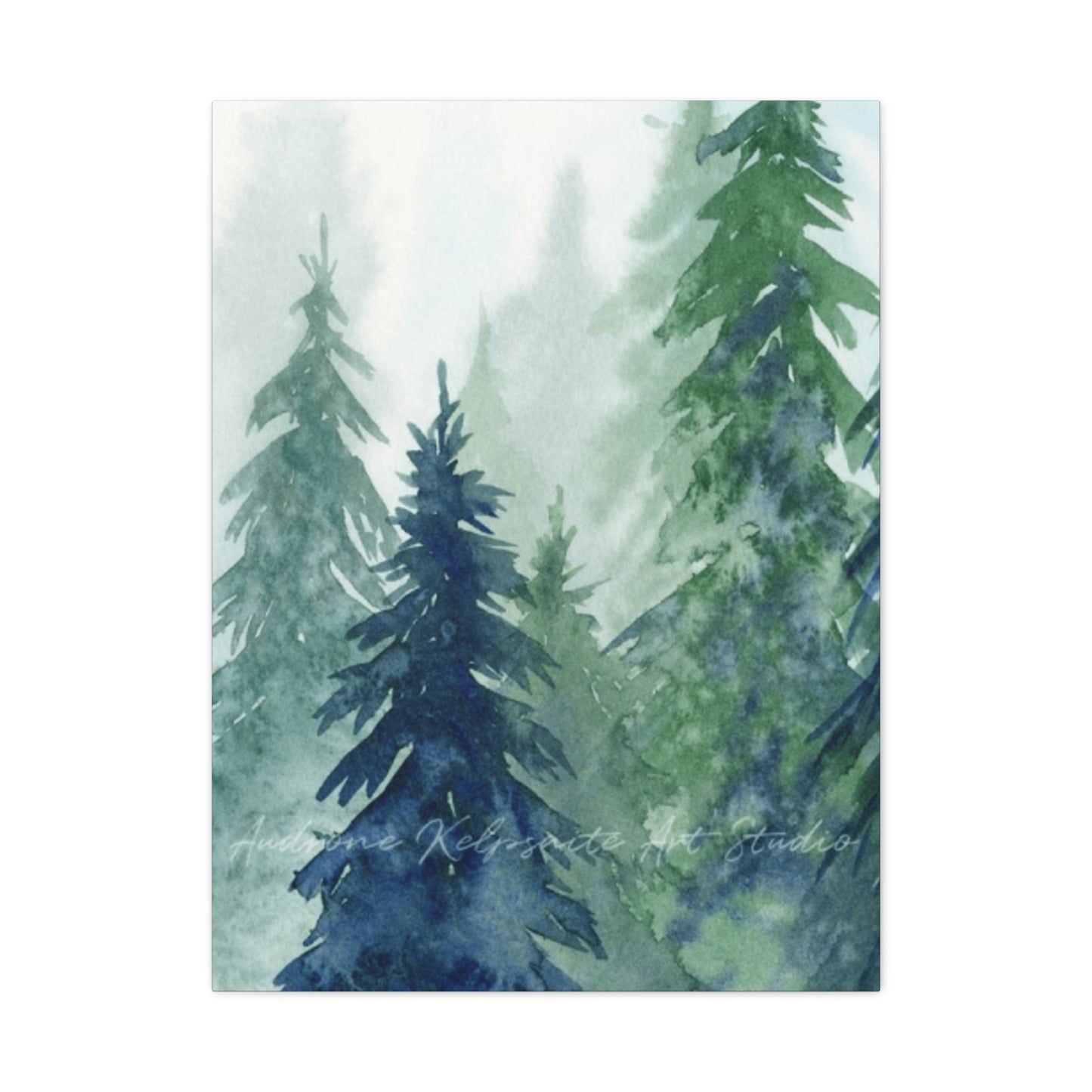
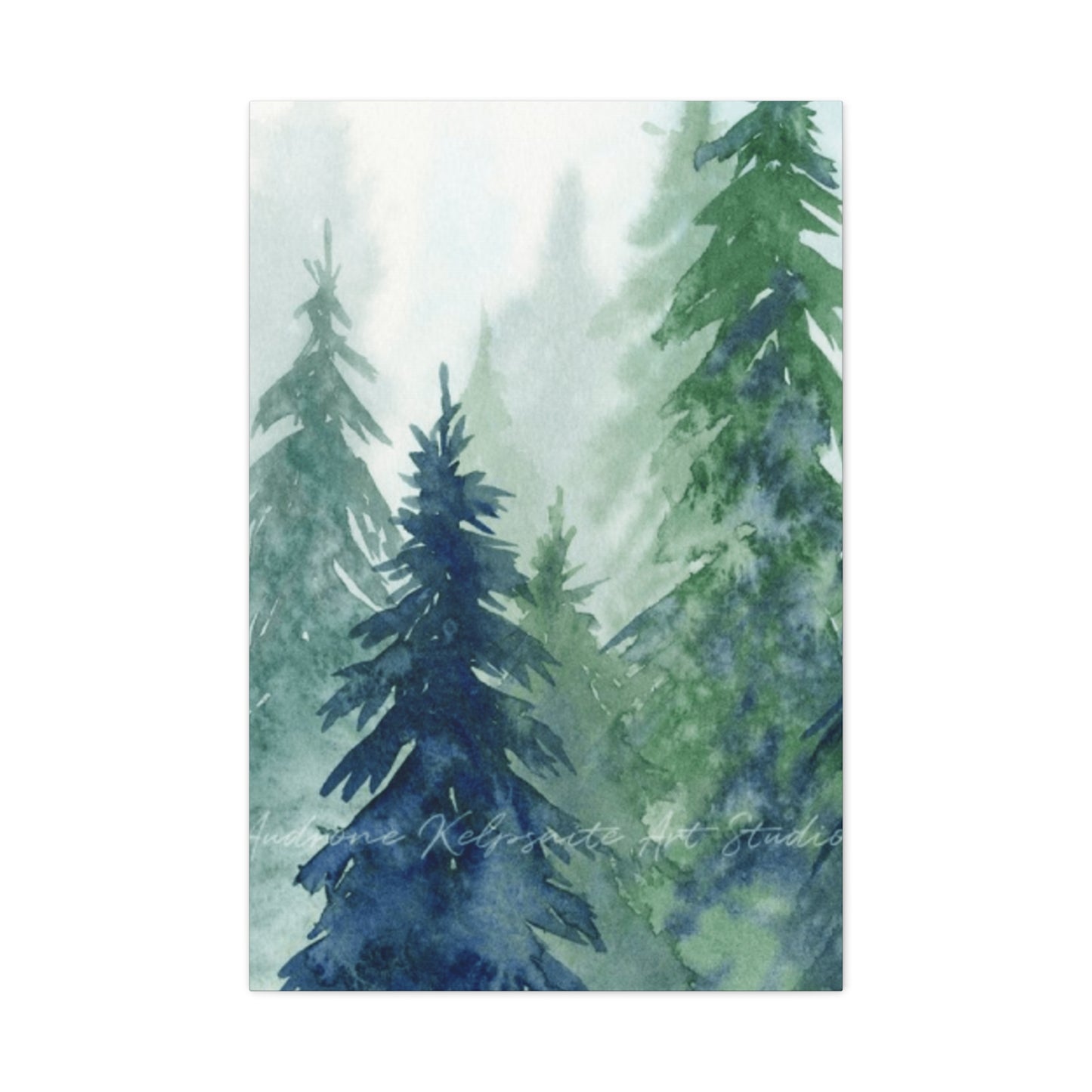
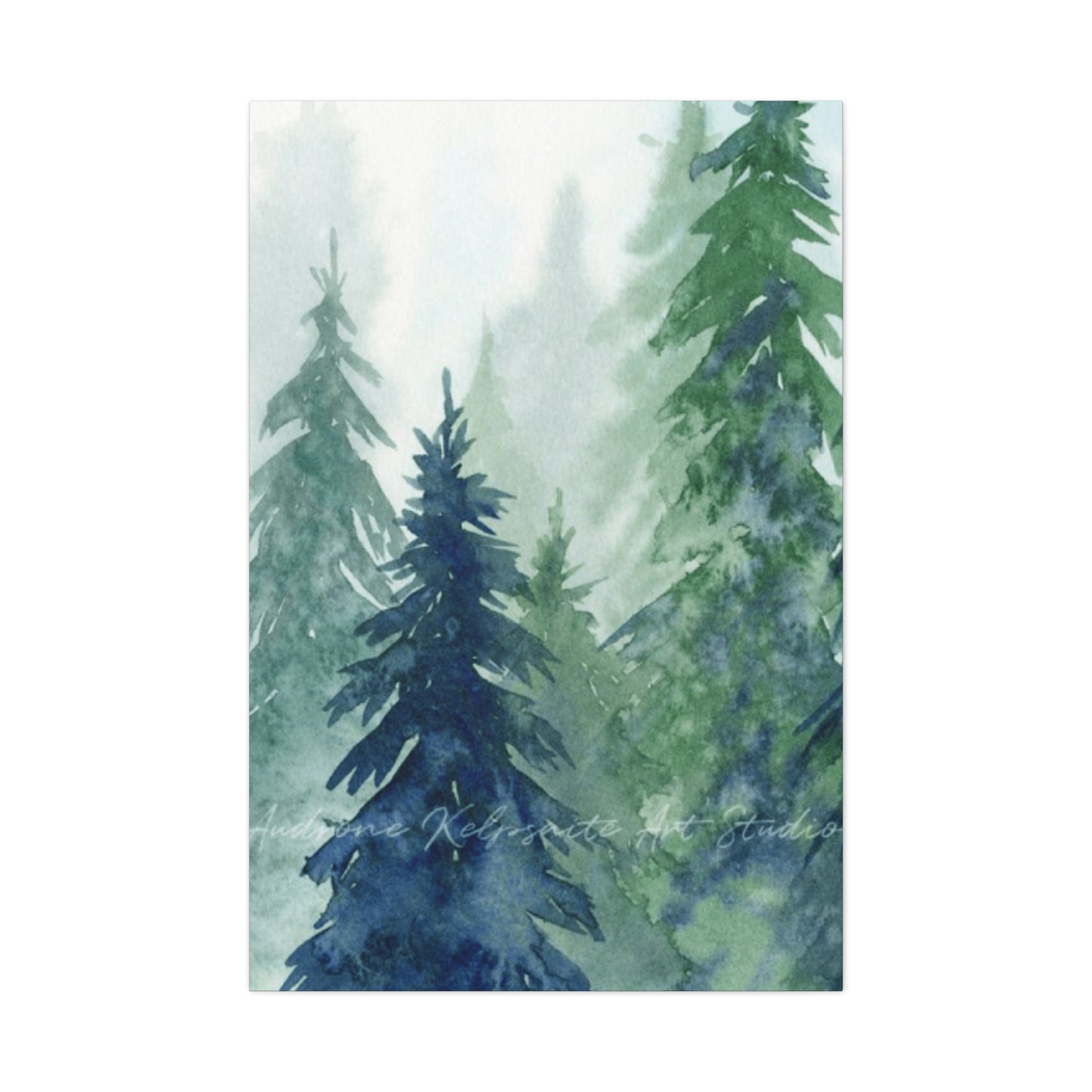
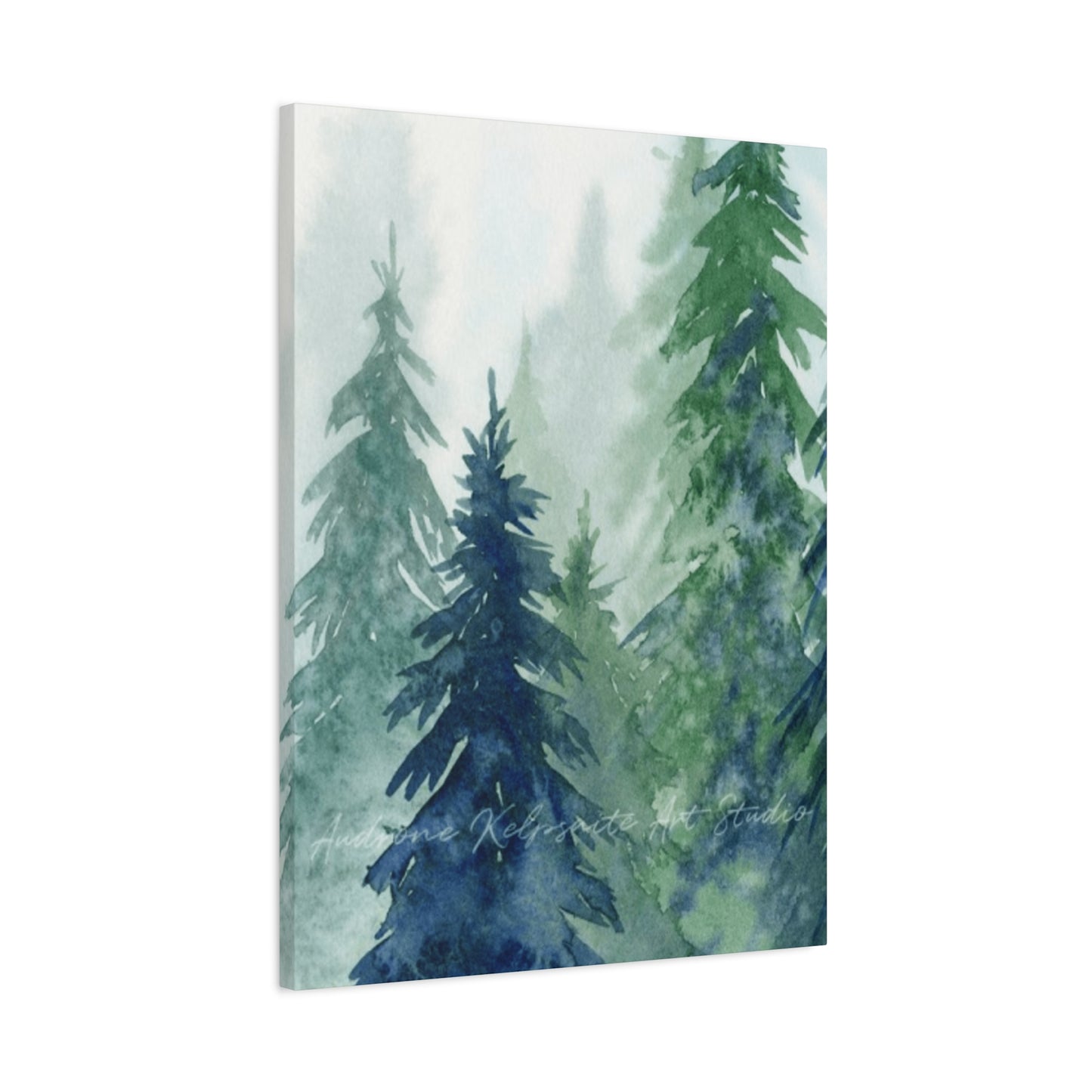
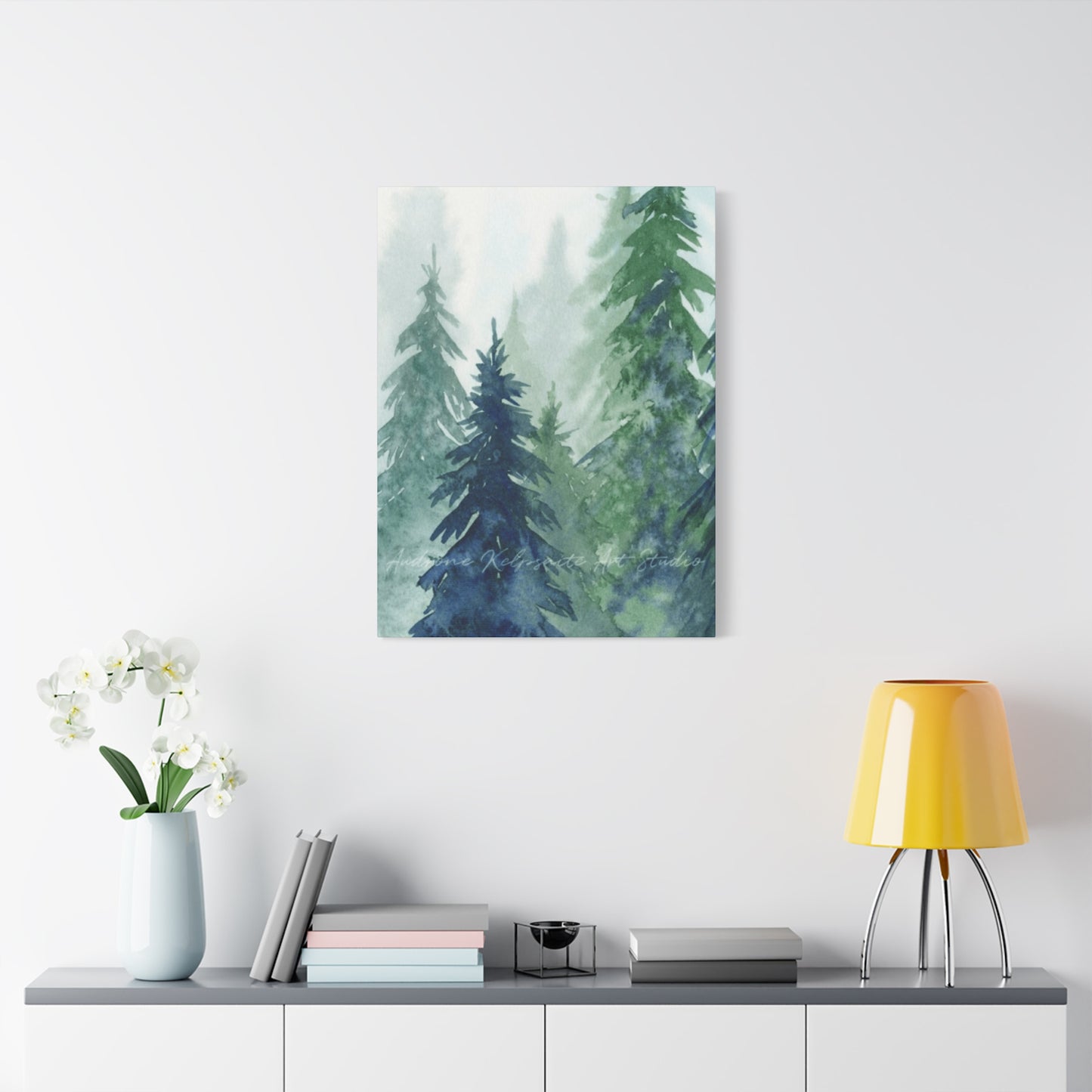
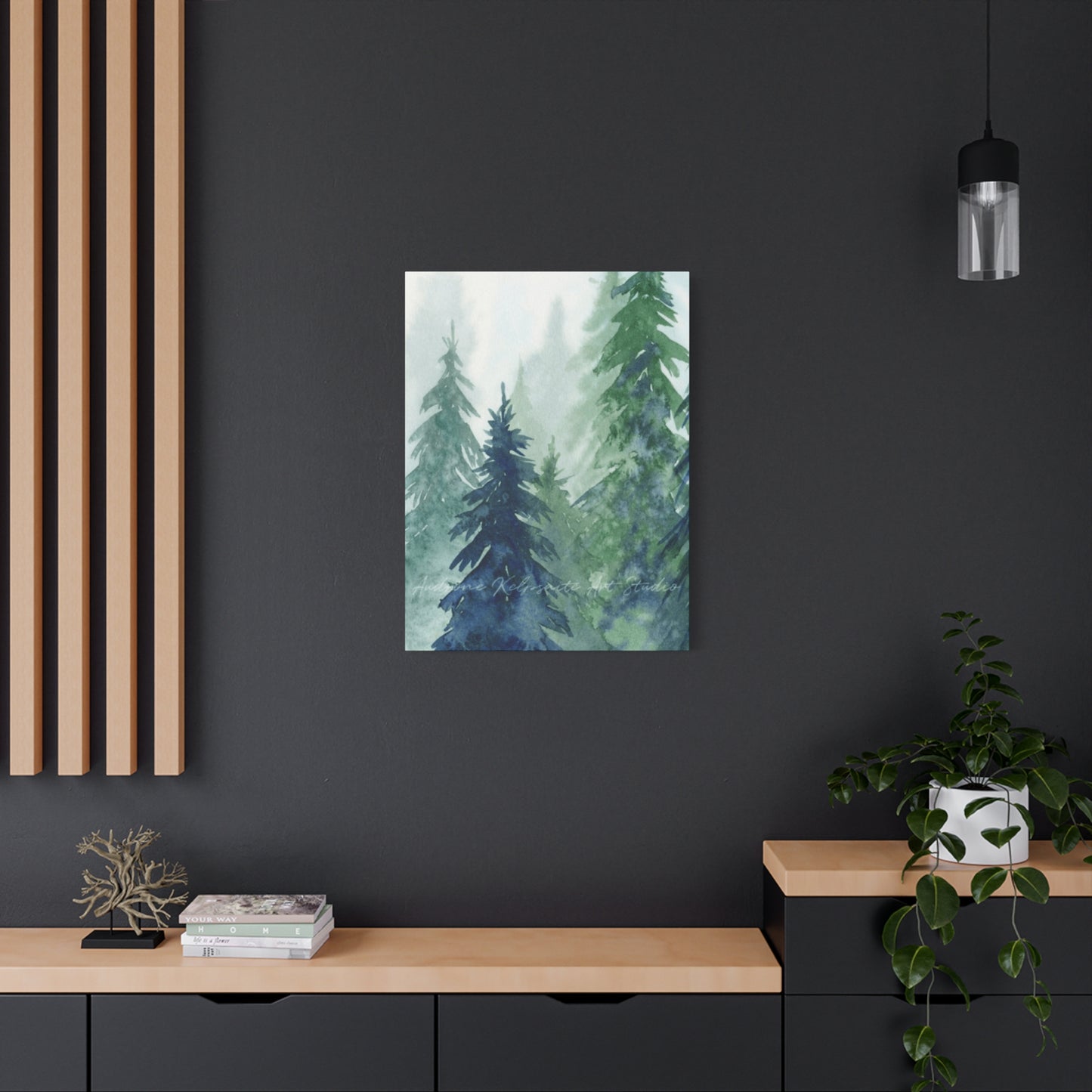
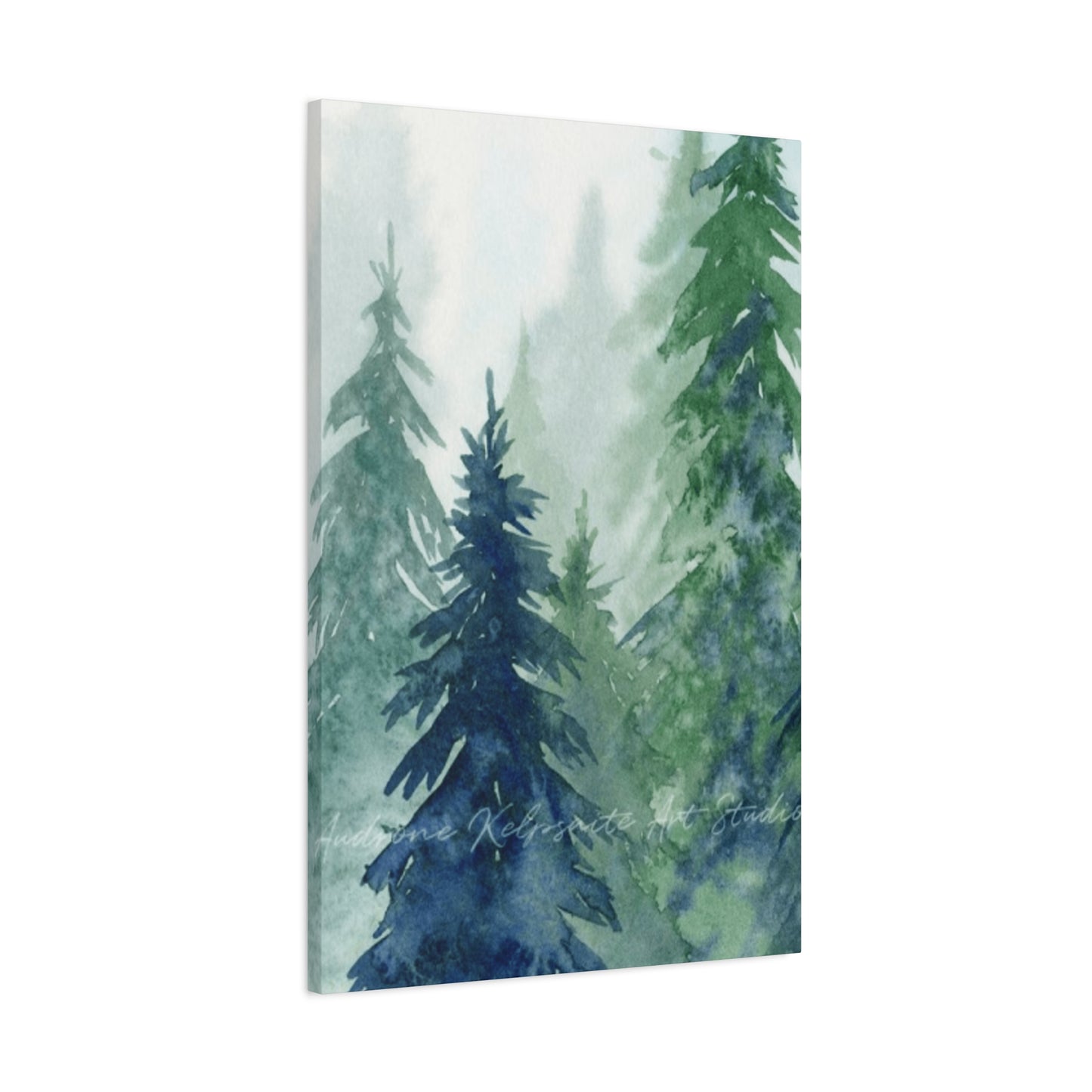
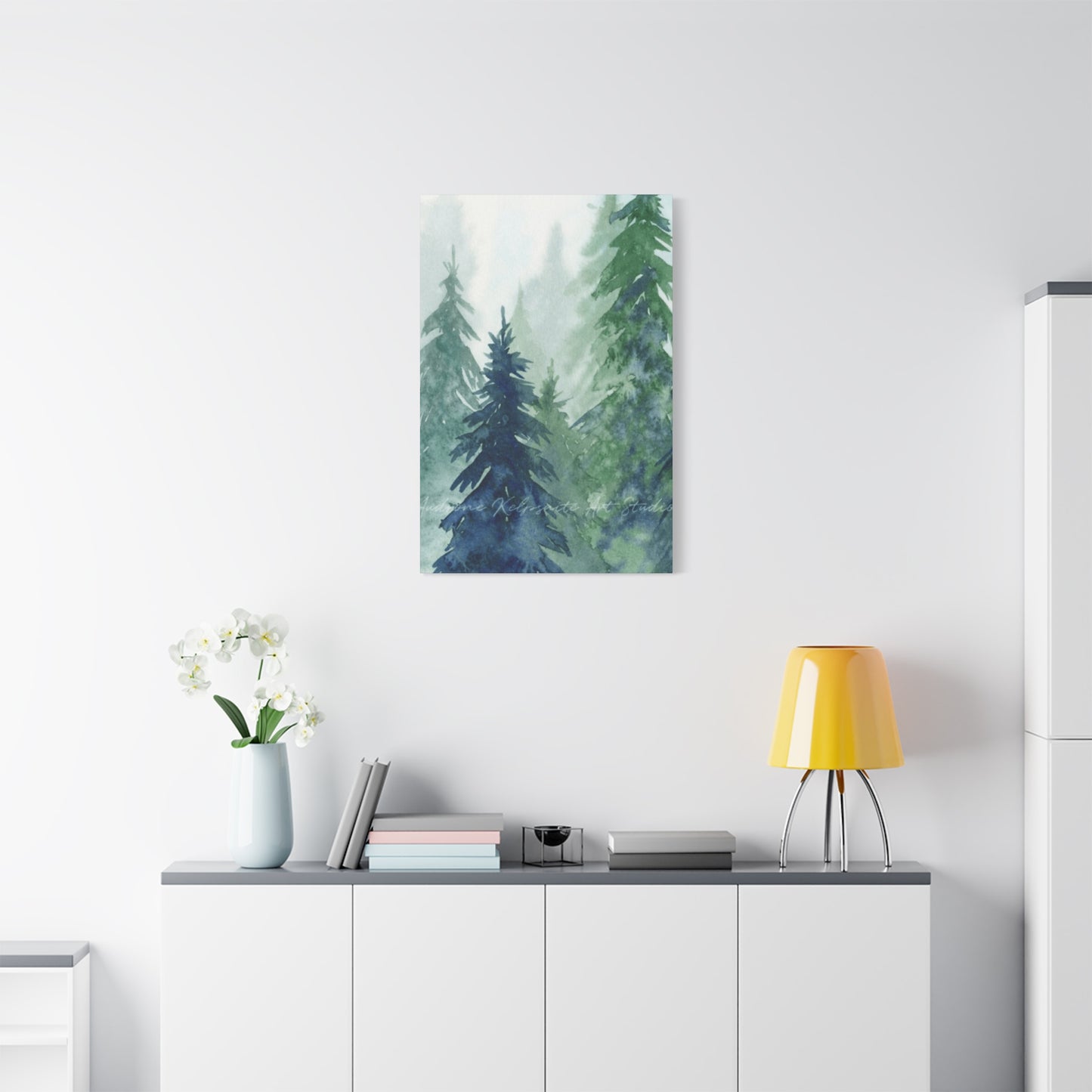
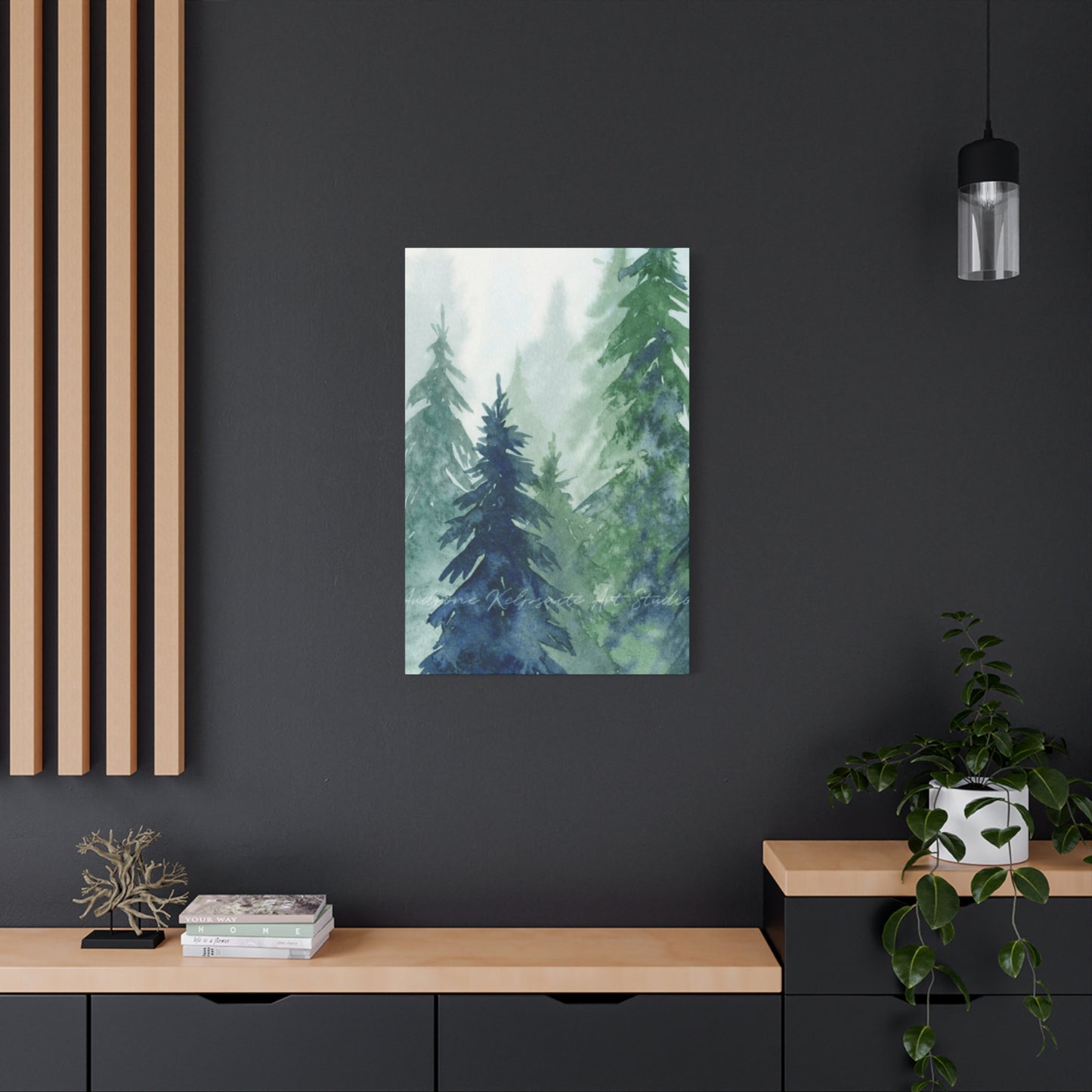
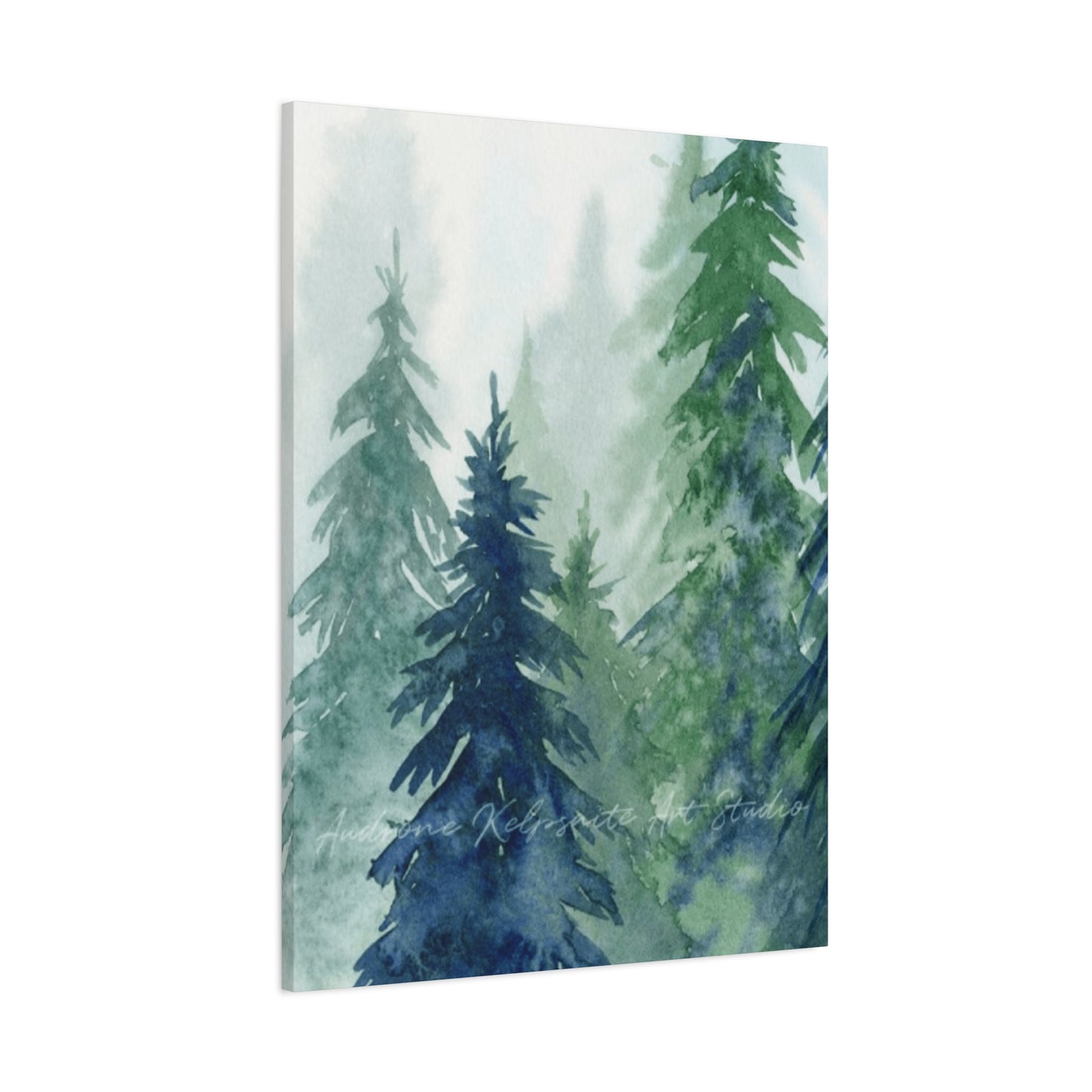
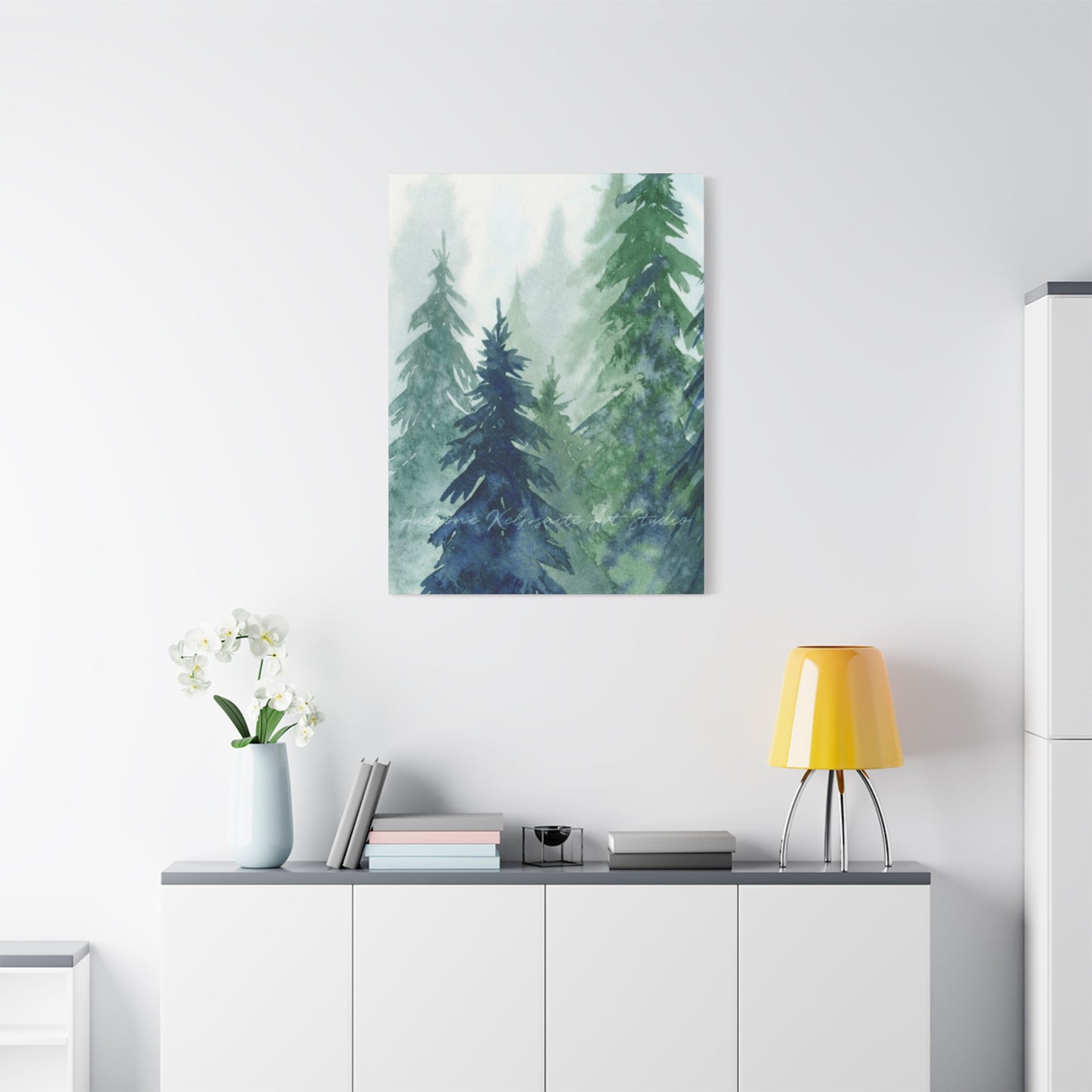
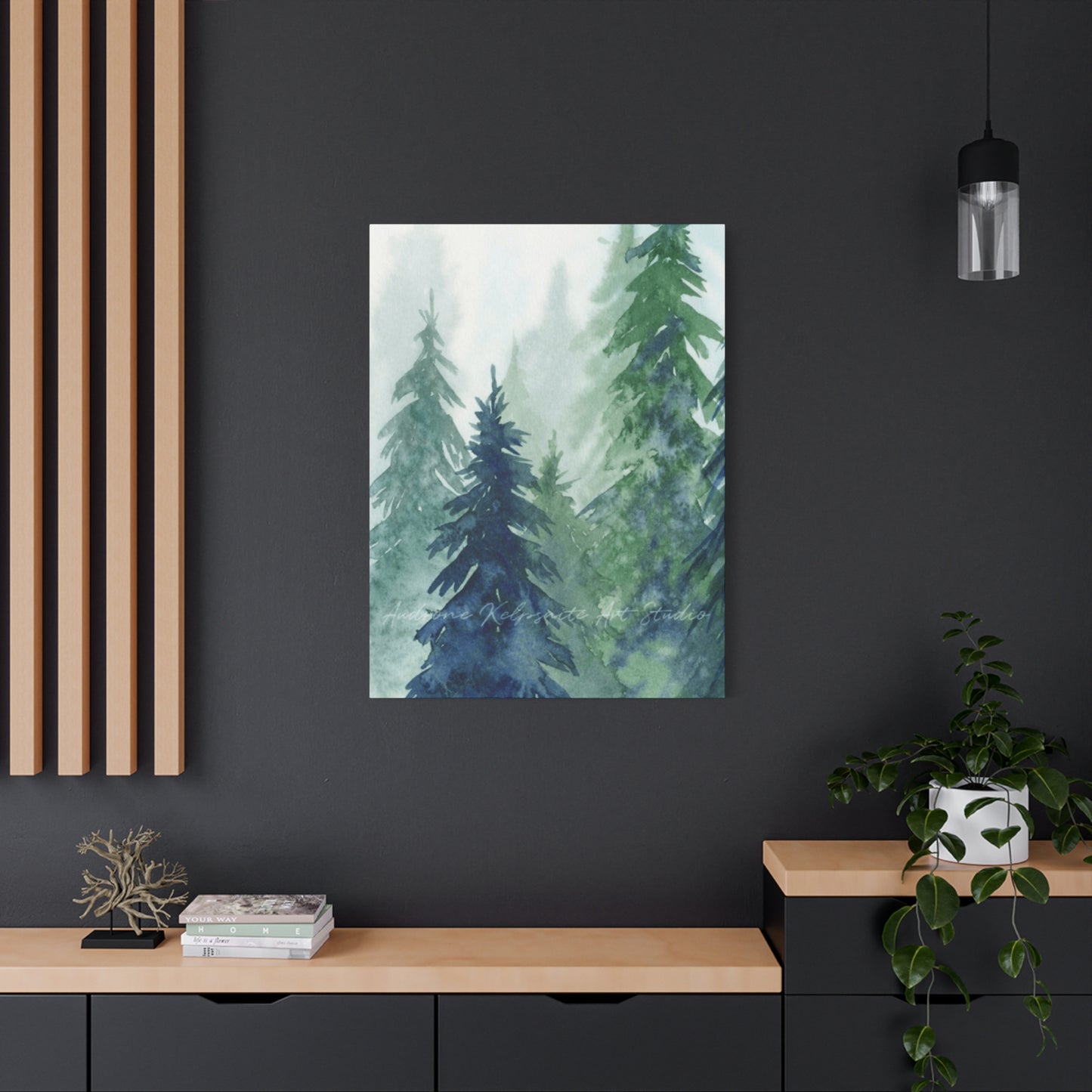
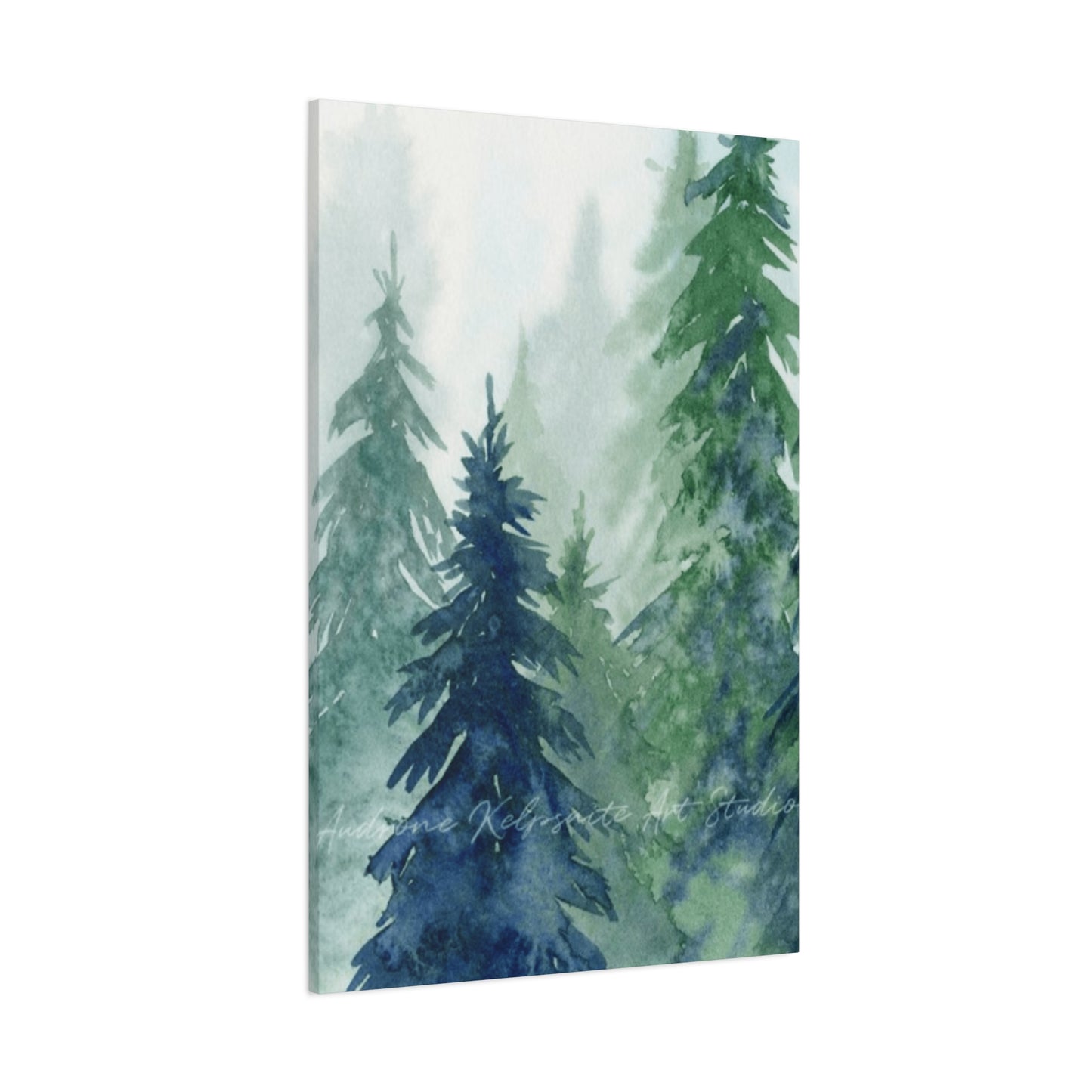
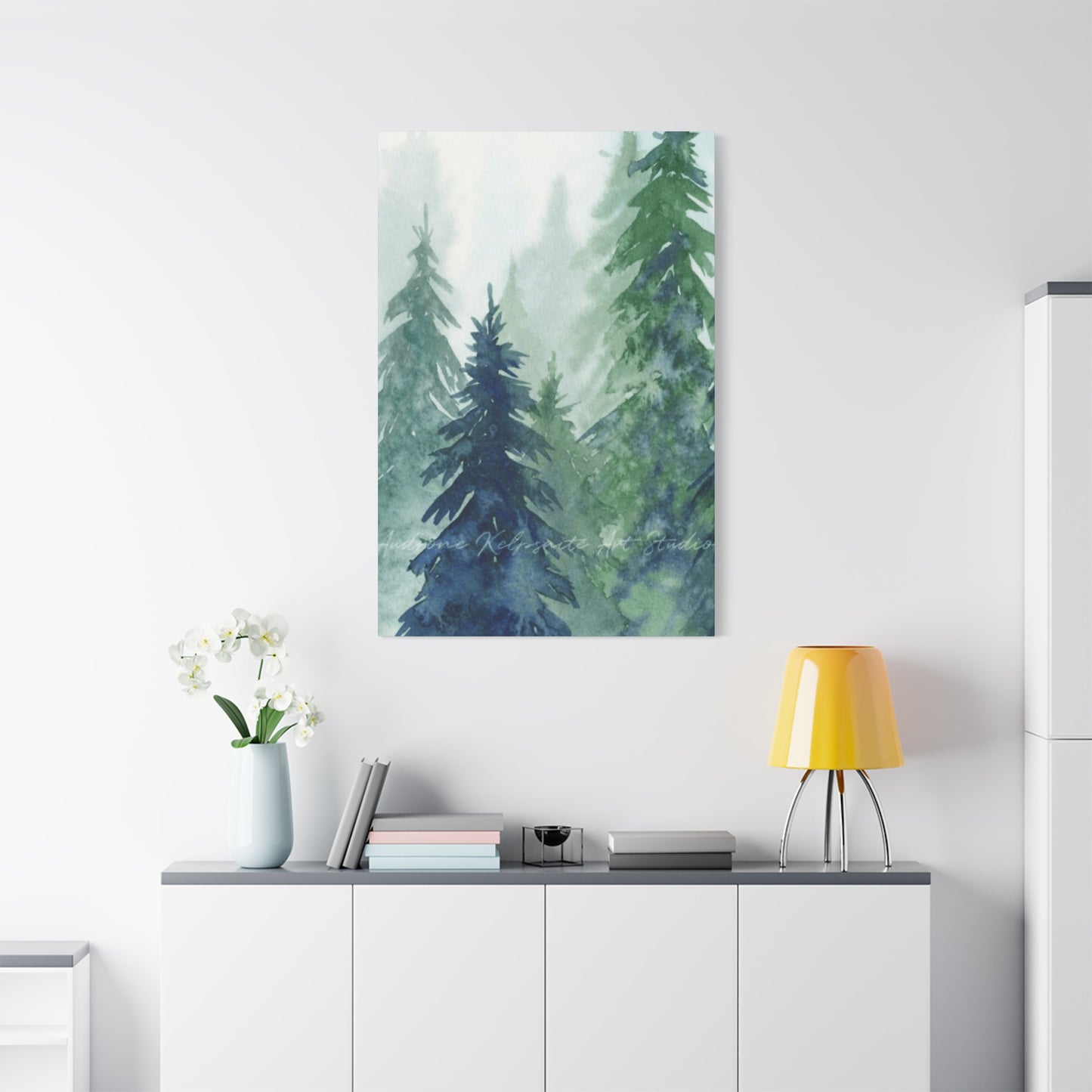
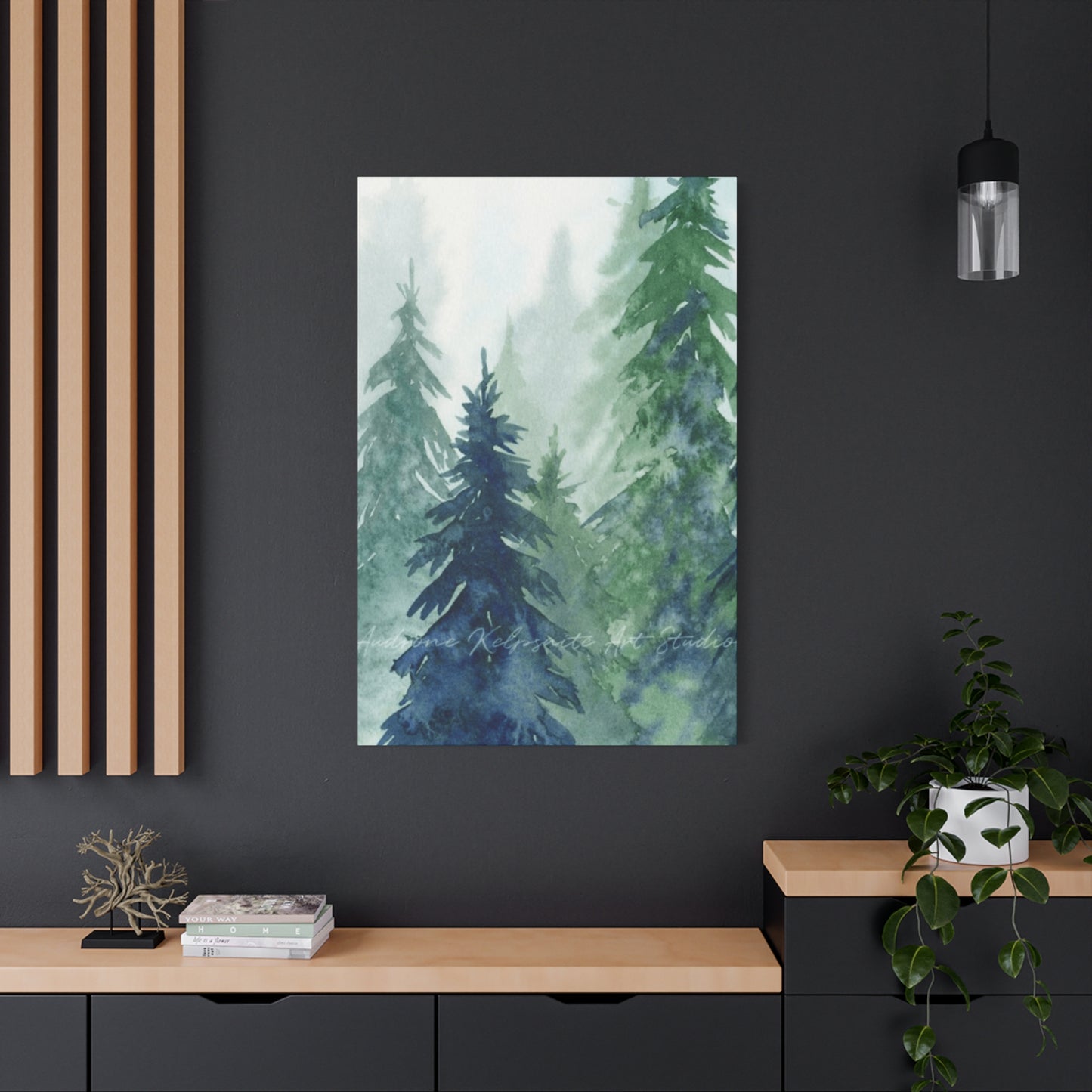
Long Pine Trees Wall Art & Canvas Prints
Long Pine Trees Wall Art & Canvas Prints
Couldn't load pickup availability
Explore the Enduring Beauty of Long Pine Trees Wall Art: Bring Natural Serenity to Your Home Décor
The world of interior decoration has witnessed a remarkable surge in nature-inspired designs, with long pine trees wall art emerging as one of the most sought-after choices for homeowners and design enthusiasts. This comprehensive exploration delves into every aspect of incorporating these majestic woodland representations into your residential or commercial environments, providing insights that span from selection criteria to placement strategies that maximize visual impact.
Why Towering Evergreen Artwork Captures Hearts and Transforms Rooms
The magnetic appeal of elongated conifer imagery in home décor stems from humanity's deep-rooted connection with natural landscapes. Long pine trees wall art serves as a bridge between the concrete jungle of modern living and the serene wilderness that our ancestors called home. These vertical masterpieces command attention through their inherent grandeur, drawing the eye upward and creating an illusion of expanded ceiling height that makes even modest rooms feel palatial.
When you examine the psychological underpinnings of this aesthetic preference, you'll discover that vertical forest scenes trigger responses in the human brain associated with tranquility, strength, and permanence. The upward thrust of pine silhouettes mimics our natural inclination to reach toward aspirations and goals, making these artistic representations far more than mere decorative elements—they become visual affirmations of growth and resilience.
The textural variety available in contemporary pine tree artwork ranges from photorealistic depictions that capture every needle and bark pattern to abstract interpretations that distill the essence of these majestic conifers into minimalist forms. This versatility ensures that regardless of your existing décor scheme—whether it leans toward rustic farmhouse charm, sleek contemporary minimalism, or eclectic bohemian fusion—there exists a perfect manifestation of long pine trees wall art that will harmonize with your established aesthetic while introducing fresh visual interest.
Color palettes in evergreen artwork extend far beyond predictable greens and browns. Modern artists and photographers have reimagined these woodland subjects through unexpected lenses, offering pieces in monochromatic grayscale that emphasize form and shadow, sepia-toned compositions that evoke nostalgic warmth, and even bold interpretations featuring jewel tones or metallic accents that push boundaries while maintaining organic authenticity. This chromatic flexibility allows decorators to match artwork precisely to their color schemes or deliberately introduce accent hues that energize entire rooms.
The scale considerations for elongated conifer representations deserve careful thought. Oversized statement pieces measuring six feet or taller create dramatic focal points that dominate living rooms, entryways, or stairwell walls, while smaller compositions work beautifully in intimate spaces like reading nooks, bathrooms, or home offices. Gallery wall arrangements featuring multiple pine tree images at varying sizes offer dynamic visual storytelling that guides viewers through compositional journeys reminiscent of walking through actual forests.
Material choices profoundly impact both the aesthetic presentation and longevity of your selected artwork. Canvas prints deliver classic appeal with their textile texture and frameless gallery-wrapped edges that suit casual and formal settings alike. Metal prints offer contemporary flair with their luminous surfaces and exceptional durability, making them ideal for high-traffic areas or spaces with challenging lighting conditions. Wood-mounted options create meta-textural harmony by presenting tree imagery on the very material from which trees are harvested, adding conceptual depth that conversation-starter quality to your décor.
Matching Elongated Conifer Imagery with Various Interior Design Styles
The chameleon-like adaptability of long pine trees wall art makes it compatible with an astonishing range of design philosophies. In Scandinavian-inspired interiors characterized by clean lines, neutral palettes, and functional beauty, black-and-white pine forest photographs or minimalist line drawings of single conifers provide the perfect balance of natural reference and geometric simplicity. These pieces honor the Nordic reverence for nature while maintaining the uncluttered aesthetic that defines this influential design movement.
Rustic and cabin-style spaces naturally embrace evergreen artwork, but the key to avoiding cliché lies in unexpected execution. Rather than predictable lodge-style paintings, consider reclaimed wood panels laser-etched with pine silhouettes, or three-dimensional installations featuring actual preserved pine branches arranged in artistic configurations. Mixed-media pieces incorporating bark fragments, moss, or pine cone elements transform flat artwork into tactile experiences that engage multiple senses and blur the boundaries between decoration and nature.
Contemporary and modern interiors benefit from abstracted interpretations of conifer forms. Geometric representations that deconstruct pine trees into triangular shapes, linear compositions that reduce forests to vertical striations, or color-field paintings inspired by evergreen hues rather than depicting literal trees all provide the natural connection that humanizes stark modern spaces without compromising their forward-thinking aesthetic. The juxtaposition of organic inspiration against manufactured materials like concrete, steel, and glass creates tension that energizes rooms and prevents them from feeling cold or unwelcoming.
Transitional spaces that bridge traditional and contemporary styles find perfect middle ground in realistic yet refined pine tree artwork. Photographic prints with slight sepia warming or paintings executed in impressionistic styles that suggest rather than meticulously render detail strike the balance between classic representation and modern restraint. Framing choices—perhaps a substantial traditional molding in an unexpected matte finish, or sleek floating frames in warm metallic tones—further this stylistic harmony.
Bohemian and eclectic interiors provide fertile ground for experimental approaches to long pine trees wall art. Tapestries woven with stylized conifer motifs, batik or tie-dye fabrics featuring tree silhouettes, or collage-style pieces combining vintage botanical illustrations with contemporary photography all align with the bohemian embrace of global influences and artistic freedom. Layering multiple pieces at varying depths creates the dimensional, collected-over-time appearance that epitomizes this relaxed yet intentional aesthetic.
Industrial loft spaces gain unexpected warmth through strategic placement of oversized pine forest imagery. The contrast between raw architectural elements like exposed ductwork and brick walls against serene woodland scenes creates visual dialogue that prevents industrial spaces from feeling too harsh or unwelcoming. Particularly effective are pieces with vintage treatment—distressed finishes, faded coloration, or deliberate aging that echoes the patina of surrounding industrial materials.
Selecting the Perfect Dimensions and Proportions for Your Wall Space
Size selection represents one of the most critical decisions in acquiring long pine trees wall art, as improperly scaled pieces can make rooms feel cramped or leave walls looking bare and unfinished. The general guideline suggests that artwork should occupy between two-thirds and three-quarters of the available wall width, though this principle requires nuanced interpretation based on ceiling height, furniture placement, and architectural features.
For standard eight-foot ceilings, vertical pieces measuring four to six feet tall create satisfying proportions without overwhelming the space. When working with vaulted ceilings, stairwells, or double-height rooms, dramatically taller pieces—sometimes reaching eight to ten feet—become not only appropriate but necessary to maintain visual balance and prevent the artwork from appearing insignificant against the expansive backdrop.
The relationship between furniture and wall art demands careful consideration. When positioning long pine trees wall art above sofas, credenzas, or beds, the artwork should extend to roughly the same width as the furniture piece below it, with a minimum clearance of six to twelve inches from the furniture top to the artwork bottom. This spacing prevents the artwork from appearing to "sit" on the furniture while maintaining visual connection between the two elements.
Narrow wall segments—those flanking windows, beside doorways, or in hallway configurations—particularly benefit from the vertical emphasis of elongated pine tree imagery. Pieces measuring twelve to eighteen inches wide but five to seven feet tall transform awkward architectural remnants into design opportunities, drawing attention to and celebrating rather than disguising these challenging spaces.
Multi-panel installations offer flexibility for customizing dimensions to your exact specifications. Triptychs or larger panel series can be arranged with tight spacing for a unified image effect or separated with breathing room that creates rhythm and movement across the wall. This modularity also simplifies installation in spaces with obstacles like light switches, thermostats, or electrical outlets that would complicate hanging a single large piece.
Consider the viewing distance when determining appropriate artwork size. Pieces meant to be appreciated from across large rooms can and should be more substantial than those in intimate spaces where viewers will stand mere feet away. Close-proximity artwork reveals intricate details that would be lost on oversized pieces viewed from distance, while statement pieces intended for impact across expansive spaces should feature bold compositions that read clearly even from thirty feet away.
Exploring the Diverse Material Options for Evergreen Artwork
Canvas remains the most popular substrate for long pine trees wall art, offering advantages that explain its enduring appeal. The textile weave creates subtle texture that adds depth and visual interest, while the flexibility of stretched canvas allows for gallery-wrapped edges that eliminate the need for framing. Modern printing processes deposit archival inks that resist fading for decades, ensuring your investment maintains its visual integrity through years of display.
The choice between traditional stretched canvas and floating-frame canvas influences the final presentation significantly. Stretched canvases with printed edges that continue the image around all sides create seamless, contemporary appearances that work beautifully in casual settings. Floating-frame options encase the canvas in thin wooden or metal frames that hover slightly away from the wall surface, adding dimension while providing protective boundaries that make pieces feel more formal and gallery-worthy.
Metal prints have revolutionized photographic display through their remarkable luminosity and modern aesthetic. The infusion process bonds inks directly to aluminum surfaces, creating images with exceptional color saturation and stunning clarity. The inherent reflectivity of metal adds dimension and allows images to subtly change appearance based on viewing angle and ambient lighting. Durability makes metal prints excellent choices for kitchens, bathrooms, or outdoor covered spaces where humidity might damage other substrates.
Acrylic face-mounting represents the premium end of photographic presentation, encasing prints behind crystal-clear acrylic panels that create stunning depth and color vibrancy. Light passes through the acrylic and reflects off the print surface, producing an almost three-dimensional effect that makes pine tree images appear to project from the wall. The substantial physical presence and gallery-quality appearance justify the higher investment for those seeking museum-caliber presentation.
Wood-mounted prints celebrate the natural connection between subject and substrate by printing directly onto planks, panels, or reclaimed wood surfaces. The visible grain, knots, and natural variations in the wood become integral parts of the composition, creating unique pieces where no two are identical. This rustic-meets-refined approach works exceptionally well in cabins, lodges, or homes embracing organic, nature-forward design philosophies.
Framed prints under glass offer traditional elegance and flexibility. Standard matted-and-framed presentations allow for precise color coordination through mat selection and provide the opportunity to change frames as décor evolves without replacing the artwork itself. Museum glass options eliminate reflective glare and filter harmful UV rays, making them ideal for valuable or irreplaceable pieces displayed in bright rooms with significant natural light exposure.
Textile-based options including tapestries, woven wall hangings, and fabric prints introduce softness that contrasts beautifully with hard architectural surfaces. These pieces absorb sound rather than reflecting it, making them particularly valuable in spaces with echo or sound transmission concerns. The inherent texture and dimensional quality of fiber arts create visual richness that photographs and paintings cannot replicate.
Understanding How Color Schemes Influence Pine Tree Artwork Selection
Monochromatic pine tree artwork offers sophisticated restraint that suits refined tastes and allows the shapes, lines, and compositional elements to take center stage without chromatic distraction. Black-and-white forest photographs emphasize contrast, texture, and tonal gradation, creating dramatic impact particularly effective in modern or minimalist spaces. These pieces serve as neutral anchors around which you can rotate accent colors seasonally or according to mood without requiring artwork changes.
Sepia and warm-toned evergreen images evoke nostalgia and create cozy atmospheres ideal for bedrooms, reading rooms, or any space designed for relaxation and retreat. The amber, honey, and chocolate hues in these pieces coordinate effortlessly with wood furniture, leather upholstery, and textile elements in cream, tan, and rust families. This warming effect proves particularly valuable in north-facing rooms or climates with long, gray winters where psychological warmth becomes as important as physical heating.
True-to-nature color representations featuring realistic greens, browns, and earth tones provide the most literal connection to outdoor environments. These pieces work universally across design styles and color schemes, particularly when they incorporate varied hues—forest green alongside sage and olive, chocolate browns mingling with tans and taupes. The natural palette ensures longevity in your décor, as these colors never truly go out of style and coordinate with subsequent design updates.
Blue-toned pine tree artwork creates unexpected freshness while maintaining natural authenticity, as many conifer species exhibit blue-green needles, and atmospheric perspective renders distant trees in blue-gray hues. These cooler interpretations suit contemporary and coastal design schemes, introduce calming qualities that benefit bedrooms and bathrooms, and coordinate beautifully with gray, white, and navy décor elements increasingly popular in modern homes.
Abstract or artistic colorations push boundaries and transform pine trees into vehicles for bold color statements. Jewel-toned interpretations in emerald, sapphire, or amethyst, metallic treatments in gold or silver leaf, or even rainbow spectrum variations suit eclectic and maximalist spaces where artwork functions as the room's color anchor rather than a supporting element. These daring choices require confidence but reward risk-takers with utterly unique statements that guests will remember.
Seasonal color variations offer the opportunity to reflect changing landscapes throughout the year. Summer representations burst with vibrant greens and bright skies, autumn pieces incorporate golden grasses and warm sunset tones, winter scenes embrace stark whites and cool shadows, while spring compositions highlight fresh growth and pastel elements. Rotating artwork seasonally keeps interiors feeling current and connected to the world outside your windows.
Strategic Placement Locations Throughout Your Home
Living rooms present prime real estate for statement-sized long pine trees wall art, particularly on the main focal wall opposite the primary seating area or above the sofa itself. These high-traffic social spaces benefit from conversational artwork that provides visual interest and reflects the inhabitants' aesthetic sensibilities. The vertical emphasis of pine tree imagery draws eyes upward, making living rooms feel more spacious and architecturally interesting.
Bedroom placement requires particular attention to the artwork's emotional impact, as these intimate spaces should promote restfulness and peace. Long pine trees wall art above the bed creates a focal point that frames the most important furniture piece while introducing natural elements that encourage relaxation. Side wall placements visible from the bed provide contemplative focal points for those moments between sleep and waking when our minds are most receptive to visual stimuli.
Entryways and foyers serve as transitional zones where impactful artwork sets the tone for entire homes. Tall, narrow pine tree compositions perfectly suit these often-challenging spaces characterized by limited width but generous height. A dramatic first impression created by striking evergreen imagery immediately communicates your design sophistication and natural aesthetic preferences to arriving guests.
Stairwell walls represent underutilized display opportunities that benefit tremendously from the vertical emphasis of elongated conifer artwork. The ascending or descending sightlines while using stairs provide unique viewing angles that showcase vertical compositions to exceptional advantage. Multi-piece installations that progress up the stairwell create visual journeys that make the utilitarian act of moving between floors more engaging.
Home office spaces gain focus-enhancing qualities from carefully selected nature imagery. Long pine trees wall art positioned within your sightline while working provides mental micro-breaks, allowing your eyes and mind to rest on natural scenes that reduce stress and restore concentration. The upward reach of pine trees subconsciously reinforces growth, aspiration, and achievement—valuable psychological reinforcement during work sessions.
Dining rooms benefit from artwork that facilitates conversation without dominating the space or competing with food presentation. Understated pine forest scenes in muted tones or monochromatic presentations provide visual interest that enhances ambiance without overwhelming. The natural subject matter creates subtle connections to earth, harvest, and sustenance that reinforce the dining experience's fundamental purpose.
Bathroom placements might seem unconventional, but moisture-resistant substrates like metal prints make this entirely feasible. The spa-like quality that nature imagery introduces to bathrooms transforms utilitarian spaces into retreats. Above freestanding tubs or opposite shower enclosures, pine tree artwork creates focal points that enhance the relaxation potential of bathing rituals.
Complementary Décor Elements That Enhance Evergreen Artwork
Furniture selection and arrangement significantly impact how effectively long pine trees wall art integrates into your overall design scheme. Wood furniture in medium to dark finishes creates harmonious relationships with woodland imagery, while the grain and natural variations in wood pieces echo the organic qualities of the artwork. Deliberately mixing wood tones—perhaps lighter birch or maple pieces against darker evergreen artwork—creates visual interest through contrast while maintaining thematic consistency.
Textile selections present opportunities to reinforce or counterbalance the natural qualities of pine tree artwork. Linen, cotton, wool, and other natural fibers create authentic connections to organic themes, while their inherent texture adds dimensional variety that prevents spaces from reading as flat or one-dimensional. Color coordination matters less than tonal harmony; artwork featuring dark, shadowy forests pairs beautifully with both matching deep textiles and contrasting light fabrics that brighten the overall scheme.
Lighting choices dramatically affect how viewers perceive and appreciate your pine tree artwork. Picture lights mounted directly above pieces provide focused illumination that emphasizes texture and detail while creating pools of light that add drama to evening ambiance. Track lighting offers flexibility to adjust beam direction and intensity as natural light changes throughout the day. Avoiding direct sunlight exposure protects artwork from fading while strategic placement near windows allows natural light to illuminate pieces without causing damage.
Accessory selections should enhance rather than compete with evergreen artwork. Natural elements like stone, crystals, driftwood, or preserved moss in decorative bowls or trays create thematic continuity. Ceramic or pottery vessels in earth tones reinforce organic connections. Metallic accents in aged brass, copper, or brushed gold introduce warmth that complements woodland imagery without reading as artificial.
Plant selections create living extensions of the natural themes presented in pine tree artwork. While actual pine trees rarely thrive indoors, other evergreen options like Norfolk Island pines, podocarpus, or rosemary topiaries introduce authentic conifer presence. Ferns, pothos, snake plants, and other houseplants soften architectural lines and increase the biophilic design quotient that makes spaces feel nurturing and restorative.
Rug choices ground rooms both literally and visually, with natural fiber options like jute, sisal, or seagrass creating textural foundations that complement woodland artwork. Patterns matter less than ensuring rugs don't fight for attention; solid colors or subtle geometric designs work better than bold patterns that would create visual chaos when combined with detailed pine tree imagery.
Additional artwork and decorative objects should be curated with restraint to avoid overwhelming your focal pine tree piece. Smaller complementary nature photographs, botanical prints, or landscape paintings can create gallery wall arrangements, but ensure your primary piece remains the clear star. Sculptural elements in wood, stone, or ceramic introduce three-dimensional variety without diluting impact.
Caring for and Preserving Your Woodland Wall Décor
Dust accumulation dulls artwork appearance and can cause gradual deterioration if left unchecked. Canvas and fabric pieces benefit from gentle vacuuming with soft brush attachments, holding the nozzle several inches from the surface to avoid contact damage. Alternatively, microfiber dusters or electrostatic cloths lift dust without scratching surfaces or leaving residue. Establish quarterly cleaning routines to maintain optimal appearance.
Metal and acrylic prints tolerate more direct cleaning methods. Slightly dampened microfiber cloths effectively remove dust, fingerprints, and smudges without scratching surfaces, though you should always wipe gently in straight lines rather than circular motions that can create visible swirl marks. Commercial cleaners designed specifically for metal or acrylic surfaces provide streak-free results, but avoid products containing ammonia or other harsh chemicals that might damage protective coatings.
Framed pieces under glass require careful attention to the glass surface rather than the artwork itself. Standard glass cleaners work adequately, though specialized art glass cleaners minimize streaking. Spray cleaner onto your cloth rather than directly onto glass to prevent liquid from seeping between glass and artwork. For valuable pieces with museum glass, consult the manufacturer's specific recommendations, as some specialized coatings require particular care products.
Environmental conditions profoundly impact artwork longevity. Relative humidity should remain between forty and fifty percent; excessive moisture encourages mold growth on canvas and paper substrates while too-dry conditions cause materials to become brittle. Temperature stability matters more than specific temperature, as fluctuations cause expansion and contraction that stresses materials. Avoid placing artwork near heating vents, radiators, fireplaces, or air conditioning units where temperature swings are most extreme.
Ultraviolet light causes cumulative, irreversible damage that fades colors and degrades materials. Even artwork not in direct sunlight suffers UV exposure from ambient room light. UV-filtering window films, UV-protective glass or acrylic glazing, and limiting display in bright rooms all help preserve your investment. Rotating displayed pieces annually gives each artwork rest periods in dark storage that extend overall lifespan.
Professional assessment every five to ten years identifies developing issues before they become serious problems. Conservators can stabilize deteriorating materials, clean pieces using specialized techniques beyond typical household methods, and provide specific recommendations for your particular artwork's ongoing care. This proactive approach costs far less than attempting to repair severe damage after neglect.
Storage of seasonal or rotated artwork requires proper materials and conditions. Never store canvas rolls tightly, as creasing causes permanent damage; if rolling is necessary, use the largest diameter tube possible with artwork facing outward. Flat storage is always preferable, with acid-free tissue paper between pieces to prevent transfer or sticking. Climate-controlled storage protects against temperature and humidity extremes that cause deterioration even when artwork isn't displayed.
Creating Cohesive Gallery Wall Arrangements with Vertical Forest Imagery
Gallery walls transform collections of individual pieces into unified compositions greater than the sum of their parts. When designing arrangements featuring long pine trees wall art, begin by selecting a focal piece—typically the largest or most visually striking—that will anchor the entire grouping. This primary artwork establishes the arrangement's visual weight and determines placement of surrounding pieces.
Layout planning should occur on the floor before touching walls. Cut paper templates matching each frame's dimensions and arrange them in various configurations until achieving satisfying balance. Photograph promising arrangements for comparison and reference during installation. This preparatory work prevents wall damage from multiple hanging attempts and allows unhurried experimentation that on-wall work discourages.
Spacing between pieces significantly impacts the final impression. Tight spacing of two to three inches creates unified, almost mural-like appearances where the collection reads as a single element. Generous spacing of six to eight inches allows each piece to maintain individuality while still functioning as a cohesive group. Consistent spacing throughout creates formal, organized impressions, while varied gaps produce casual, collected-over-time aesthetics.
Framing consistency versus variety represents a key stylistic choice. Matching frames in identical finishes create harmonious, gallery-like presentations that emphasize the artwork itself. Deliberately varied frames in different colors, materials, or styles create eclectic, personality-filled collections that reveal curatorial hands and personal taste. Middle-ground approaches might maintain consistent frame widths while varying finishes or use the same color family in different tones.
Incorporating non-artwork elements adds dimensional variety and personal narrative. Mirrors reflect light and create depth, three-dimensional objects like small shelves with natural specimens provide tactile variety, and text-based elements like meaningful quotes or poetry add conceptual layers. These inclusions should support rather than overwhelm the primary pine tree imagery that unifies the collection.
Asymmetrical arrangements feel dynamic and contemporary, with varied frame sizes and shapes creating visual movement that guides eyes through the composition. Balance asymmetry by distributing visual weight—larger, darker, or more detailed pieces balanced by multiple smaller or lighter elements on the opposite side. The overall shape of the arrangement might form organic contours that echo natural forms rather than rigid rectangles.
Symmetrical layouts project formality and intentionality, with mirrored arrangements on either side of a central axis. This approach suits traditional décor and creates calm, ordered impressions. Perfect symmetry requires identical or very similar pieces, while imperfect symmetry allows variation within the mirrored structure, providing interest while maintaining the essential balanced quality.
Seasonal Rotation Strategies to Keep Your Space Fresh
Seasonal artwork rotation prevents décor stagnation while allowing you to own larger collections than your walls can simultaneously display. This practice also provides the previously mentioned rest periods that extend artwork lifespan by reducing cumulative light exposure. Developing a rotation system requires initial investment in multiple pieces but pays dividends through continually refreshed environments that feel attentive and curated.
Spring rotations might emphasize lighter, brighter pine tree compositions featuring fresh greens, clear skies, and compositions that suggest renewal and growth. New needle growth, baby wildlife, or misty morning scenes captured in late spring embody the season's rejuvenating qualities. Pair these selections with lighter textiles, clearer colors, and increased natural light exposure that characterizes seasonal transitions from winter.
Summer artwork selections can embrace the full verdant glory of established evergreen forests, with deep greens, long shadows from high sun angles, and compositions featuring mature, thriving trees. Pieces captured during golden hour with warm, glowing light or sunny midday scenes with bright blue skies reinforce the season's abundant, energetic qualities. These pair beautifully with casual summer décor, natural fiber textures, and relaxed living patterns.
Autumn representations might feature evergreens against deciduous trees in fall color, emphasizing the conifers' constancy amid change. Lower sun angles create longer shadows and warmer overall light quality. Incorporating elements like fallen needles, pine cones, or preparations for winter dormancy connects your artwork to the natural cycles occurring outside. Coordinate with richer textiles, deeper color palettes, and the cozy modifications that accompany cooler weather.
Winter scenes showcase evergreens' most distinctive quality—their persistence through harsh conditions. Snow-laden branches, frost-covered needles, stark contrasts between dark trees and white landscapes, and the architectural qualities that emerge when understory growth dies back all provide powerful imagery. These pieces suit the introspective, restful qualities of winter months and coordinate with richer textiles, layered textures, and the indoor focus that cold weather encourages.
Practical rotation logistics require proper storage and handling systems. Maintain an inventory with photographs and dimensions of each piece to facilitate planning. Create storage areas with adequate space, proper environmental conditions, and protective materials. Schedule rotation dates and prepare replacement pieces before removing displayed artwork to minimize blank wall time. This systematic approach transforms rotation from disruptive chore into anticipated ritual that marks seasonal passages.
Sourcing Authentic and Meaningful Pine Tree Artwork
Artist marketplaces and platforms connecting creators directly with consumers offer opportunities to acquire unique pieces while supporting working artists. These venues typically provide artist backgrounds, creative statements, and sometimes process documentation that adds meaningful context to purchases. The knowledge that your artwork represents an artist's vision and livelihood rather than mass-manufactured commodity adds intangible value that enriches ownership.
Photography collectives and fine art photographers specializing in landscape and nature imagery produce exceptional pine tree artwork characterized by technical excellence and artistic vision. These professionals invest in high-end equipment, return to locations during optimal conditions, and apply post-processing expertise that elevates photographs from snapshots to fine art. Limited edition prints come with certificates of authenticity and often increase in value as editions sell out.
Local art fairs, festivals, and studio tours provide opportunities to meet artists, discuss their work, and acquire pieces with personal connections to your region. Supporting local creative economies keeps artistic communities vibrant while ensuring your artwork carries stories beyond its visual content. Custom commission opportunities allow you to request specific compositions, sizes, or treatments that perfectly suit your space and preferences.
Gallery purchases involve higher price points but include professional curation, framing services, and often investment potential. Established galleries maintain relationships with respected artists, ensure authenticity, and provide expertise that helps less experienced collectors make informed decisions. The gallery environment allows viewing artwork under proper lighting conditions and sometimes offers trial periods where you can live with pieces before committing to purchase.
Print-on-demand services offer affordable entry points and tremendous variety, though quality varies significantly between providers. Research production methods, material options, and return policies before ordering. Read reviews focusing on color accuracy, print quality, and packaging adequacy. Order smaller pieces initially to evaluate quality before investing in large statement pieces.
Vintage and antique markets yield one-of-a-kind finds with character and history that new artwork cannot replicate. Paintings, prints, and photographs from past decades or centuries carry aesthetic qualities specific to their creation periods. These pieces require more careful condition assessment but reward with absolute uniqueness and the satisfaction of preservation and continued appreciation.
Estate sales and auctions occasionally feature exceptional artwork at below-market prices, though they require patience, research, and sometimes willingness to invest in restoration. These venues suit adventurous collectors comfortable with uncertainty and willing to educate themselves about artists, styles, and periods. The treasure-hunting aspect appeals to many, transforming acquisition into entertainment beyond mere transaction.
Understanding Print Quality and Production Methods
Giclée printing represents the fine art standard for reproducing paintings and photographs, utilizing archival pigment inks sprayed through microscopic nozzles onto museum-quality papers or canvases. The term "giclée" itself has become somewhat diluted through overuse, so verify specifics about ink types and substrates. True archival giclée prints resist fading for seventy-five to two hundred years when properly displayed and cared for, making them legitimate investment pieces.
Dye sublimation creates metal and some fabric prints through heat-activated processes that turn solid dyes into gases that bond with specially coated surfaces. The resulting images become part of the substrate rather than sitting on top of it, creating exceptional durability and vibrancy. This permanence makes sublimation ideal for challenging environments where other prints might deteriorate.
Traditional photographic printing, now primarily digital rather than analog, produces excellent results for photography-based pine tree artwork. Chemical processes create images on light-sensitive paper that are then mounted, matted, and framed. While not quite matching archival giclée longevity, properly processed photographic prints last many decades and offer subtle tonal qualities that some prefer over other methods.
Direct-to-substrate printing eliminates separate print-and-mount steps by printing directly onto wood, metal, acrylic, or other materials. This streamlined process reduces costs while creating seamless integration between image and surface. Quality depends heavily on printer calibration, surface preparation, and ink types, so investigate providers' reputations and view samples when possible.
Screen printing and block printing represent traditional methods experiencing contemporary revival through artist collectives and printmakers. These hand-crafted approaches create pieces with subtle variations that make each print unique within editions. The tactile quality, visible texture, and craft history embedded in these works appeal to those valuing handmade qualities and supporting traditional artistic skills.
Resolution requirements vary by size and viewing distance. Artwork meant for close examination requires higher resolution—typically three hundred dots per inch or more—to appear sharp and detailed. Large pieces viewed from across rooms can utilize lower resolutions without visible quality loss. Discuss specific viewing distances and sizes with print providers to ensure appropriate file preparation.
Color management ensures printed artwork matches digital files and your expectations. Professional printers utilize calibrated monitors, controlled lighting environments, and ICC color profiles that standardize color reproduction across devices and substrates. Request proof prints for large or expensive pieces, as monitors cannot perfectly preview printed colors, and minor adjustments before final production prevent disappointing results.
Investment Considerations and Value Appreciation
Original artwork by established or emerging artists represents the highest investment potential, with values tied to the artist's reputation, career trajectory, and market demand. Research comparable sales, gallery representation, exhibition history, and critical reception when evaluating pieces. Remember that only a small percentage of artists achieve significant value appreciation, so purchase based primarily on personal connection rather than speculative return.
Limited edition prints balance affordability with some investment potential, as scarcity creates value beyond pure artistic merit. Edition sizes matter tremendously—smaller editions generally hold value better than large ones. Artist signatures, numbering, and certificates of authenticity are essential. Purchasing early in edition runs sometimes allows lower prices before later numbers command premiums from collectors seeking completion.
Documentation preserves provenance and facilitates future sale or insurance claims. Maintain purchase receipts, certificates of authenticity, condition reports, and any artist statements or background information. Photograph artwork periodically to document condition. Store documentation digitally in multiple locations to survive potential physical disasters. This administrative effort seems tedious but becomes invaluable should you need to substantiate value or authenticity.
Insurance coverage for valuable artwork requires specific policies or riders beyond standard homeowner's coverage. Scheduled personal property endorsements itemize individual pieces with agreed values, eliminating depreciation or replacement cost disputes after losses. Professional appraisals provide documentation insurance companies require for high-value pieces. Review coverage annually and update appraisals every three to five years to maintain adequate protection.
Framing and presentation quality significantly impact perceived and actual value. Museum-quality materials including archival mats, UV-protective glazing, and proper mounting techniques preserve artwork while presenting it to best advantage. While expensive initially, proper framing prevents damage that destroys value and eliminates expensive remediation efforts. Consider framing an integral part of the artwork investment rather than an optional accessory.
Market research informs wise purchasing and eventual selling decisions. Follow auction results for comparable artists and styles, subscribe to art market reports, and maintain awareness of broader trends affecting nature and landscape artwork markets. Recognition that markets fluctuate helps maintain perspective during temporary downturns and prevents panic selling during optimal holding periods.
Psychological and Emotional Effects of Nature Imagery in Living Spaces
Biophilic design principles recognize humanity's innate connection to natural elements and advocate incorporating nature into built environments. Long pine trees wall art serves as a powerful biophilic design tool, delivering many psychological benefits of nature exposure even when actual outdoor access is limited. Research demonstrates that nature imagery reduces stress markers including cortisol levels, blood pressure, and heart rate while improving mood, focus, and overall wellbeing.
The specific qualities of pine tree imagery offer unique benefits beyond generic nature scenes. Vertical compositions guide attention upward, subtly encouraging better posture while creating mental associations with growth, aspiration, and reaching toward goals. The evergreen nature of pines symbolizes persistence, resilience, and constancy amid change—psychological qualities particularly valuable during challenging periods.
Color psychology explains some benefits attributed to pine tree artwork. Greens promote balance, harmony, and restoration, with demonstrated effects on reducing eye strain and mental fatigue. Browns and earth tones create feelings of stability, comfort, and grounding. Blues often present in sky elements introduce calming, serene qualities that lower arousal and promote relaxation. This color combination creates psychologically soothing environments naturally conducive to rest and restoration.
Attention restoration theory posits that certain visual experiences replenish depleted attentional resources, with nature scenes proving particularly restorative. Unlike urban environments that demand directed attention to navigate hazards and complexity, natural scenes allow effortless "soft fascination" that rests executive functions while maintaining engagement. Pine tree artwork provides this restorative viewing experience, making it particularly valuable in work or study environments where mental fatigue accumulates.
Seasonal affective patterns influence how we respond to imagery throughout the year. During dark winter months, pine tree artwork maintains connection to nature when outdoor exposure becomes challenging. The evergreen quality specifically reminds viewers of nature's persistence and upcoming renewal, combating the bleakness that contributes to seasonal mood disruption. This psychological support function transforms artwork from mere decoration into a tool for maintaining wellbeing.
Personal memory associations amplify emotional responses to pine tree imagery. Those with positive childhood experiences in coniferous forests, vacation memories from mountain cabins, or meaningful life events in evergreen settings experience powerful nostalgic responses to pine tree artwork. This personal dimension cannot be replicated through generic decoration, making thoughtfully selected nature artwork uniquely valuable for emotional wellbeing.
Examining Different Pine Species Represented in Artwork
Scots pine imagery features twisted, irregular forms and distinctive orange-bark that create dramatic visual interest and artistic character. These European natives appear in artwork ranging from Scottish highland landscapes to Scandinavian forest scenes. Their sculpted, windswept shapes particularly suit dynamic compositions that emphasize nature's power and persistence against challenging conditions.
Eastern white pine representations showcase softer, more graceful forms with long, flexible needles arranged in feathery bundles. These North American natives were historically so valuable for ship masts that the British Crown marked prime specimens as royal property.
Conclusion
Long Pine Trees Wall Art brings the timeless beauty and peaceful serenity of nature into your home, transforming any living space into a calming retreat. Pine trees, with their tall, elegant trunks and sweeping, needle-filled branches, symbolize strength, longevity, and resilience. When captured in art, these magnificent trees evoke feelings of tranquility and connection to the earth, offering a serene focal point that can elevate your décor. Whether in a traditional or contemporary setting, Long Pine Trees Wall Art can enhance the atmosphere of any room, creating a natural haven within your home.
The towering presence of pine trees often conveys a sense of majesty and permanence. Known for their ability to thrive in various climates and endure harsh conditions, pine trees represent resilience and adaptability, making them a perfect symbol of strength. Their long, slender trunks reach skyward, while their branches stretch wide, offering a sense of openness and freedom. By incorporating Long Pine Trees Wall Art into your home, you not only introduce the beauty of the natural world but also the symbolism of endurance, peace, and harmony.
The natural beauty of pine trees is captivating in its simplicity. The vertical lines of the trees create a sense of height and grandeur, which works especially well in spaces where you want to create an illusion of openness or a feeling of spaciousness. Long Pine Trees Wall Art can help elongate the walls of a room, drawing the eye upward and making a smaller space feel larger. The subtle greens, browns, and neutral tones typically used in pine tree artwork blend effortlessly with a variety of interior styles, from rustic cabins to modern urban lofts, making this piece a versatile and timeless addition to any home.
Additionally, Long Pine Trees Wall Art fosters a calming atmosphere, ideal for living rooms, bedrooms, and even home offices. Pine trees, often found in quiet forests or along misty mountainsides, have a tranquil, meditative quality. Their presence in your space can help promote a sense of calm and relaxation, offering an emotional refuge from the demands of daily life. The peace that comes with looking at these trees—whether depicted in a misty forest, bathed in soft light, or standing alone in a vast open landscape—can contribute to a restful and reflective mood in the room, making it the perfect backdrop for relaxation or creative inspiration.
The connection between humans and nature has been celebrated throughout history, and pine trees are often regarded as sacred symbols in many cultures. Their enduring presence in art reflects not only their beauty but also their deep symbolism. Pine trees are associated with longevity, wisdom, and peace, making them a meaningful addition to any home. For those who value the calming effects of nature or wish to create an atmosphere of personal strength and tranquility, Long Pine Trees Wall Art provides a visual reminder of these essential qualities.
Moreover, this style of artwork is adaptable to various design aesthetics. In a minimalist space, the clean lines and simple elegance of the pine trees can serve as a bold, striking focal point. In a more rustic or country-inspired room, the artwork complements natural wood furnishings and earthy textures, adding warmth and a sense of groundedness. It can also blend effortlessly into modern spaces, where the organic shapes of the trees offer a contrast to sleek, contemporary elements. Whether you choose a subtle watercolor piece or a more detailed, photorealistic depiction, Long Pine Trees Wall Art brings a sense of nature’s peace and beauty into your home.
In conclusion, Long Pine Trees Wall Art is more than just a decorative piece—it is a way to connect with the timeless beauty of nature and bring the serenity of the outdoors into your living space. The graceful and enduring imagery of tall pine trees symbolizes strength, peace, and longevity, creating an emotional anchor within your home. Whether you place it in a bedroom, living room, or office, this artwork invites a sense of calm and natural elegance into the room. With its understated beauty and universal appeal, Long Pine Trees Wall Art offers a way to enrich your home with the peace, strength, and majesty of nature, making it a perfect addition to any home looking to embrace the tranquility of the outdoors.
Share