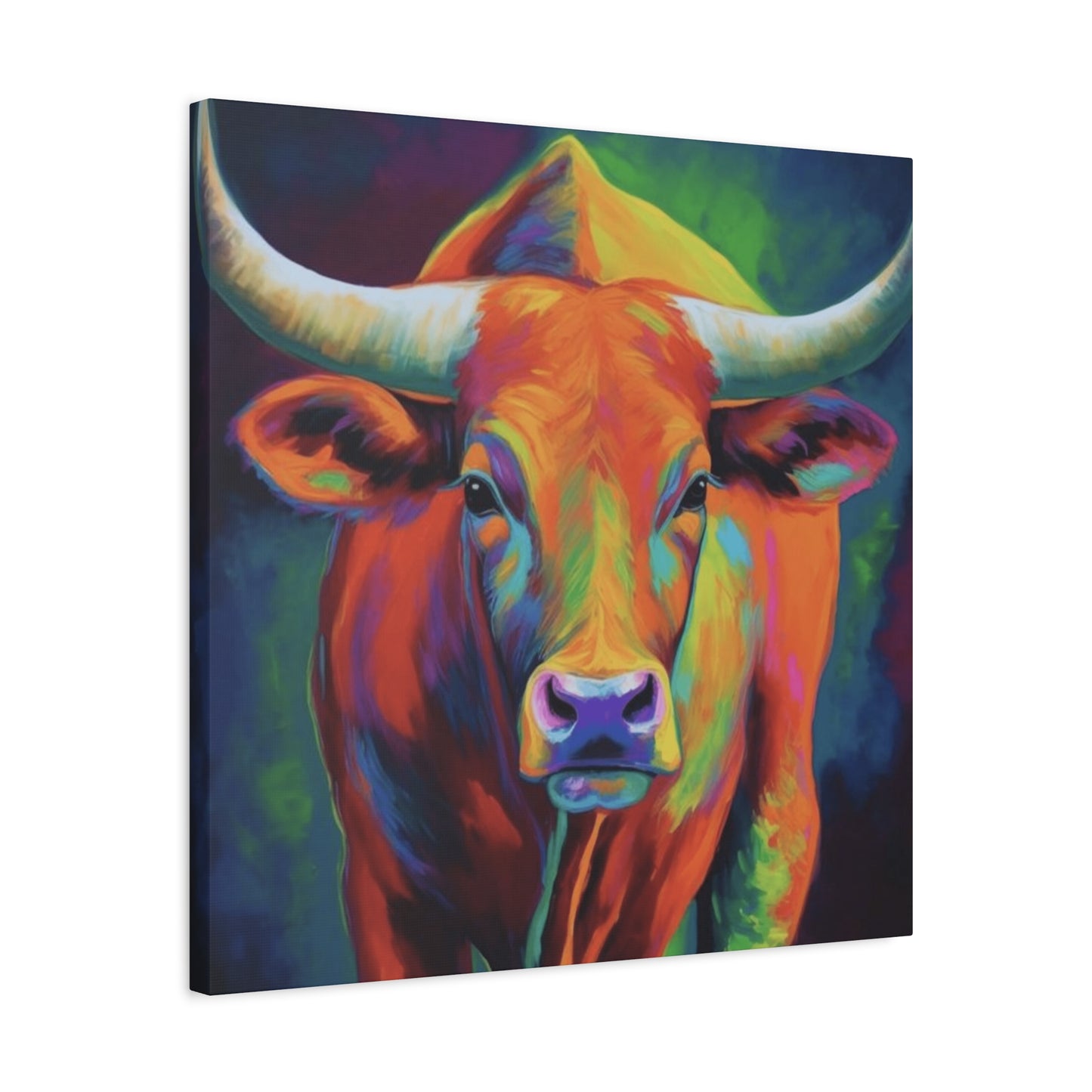
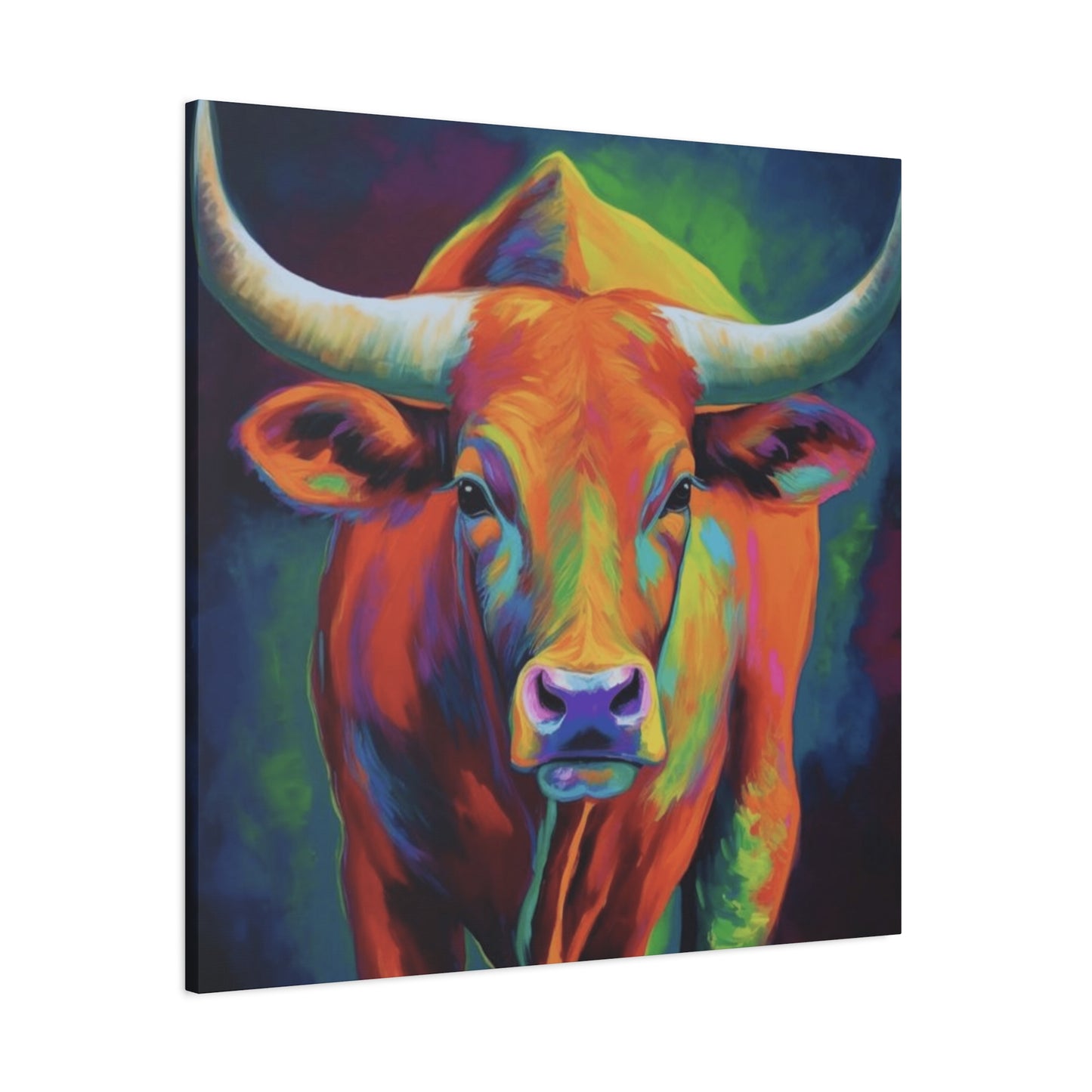
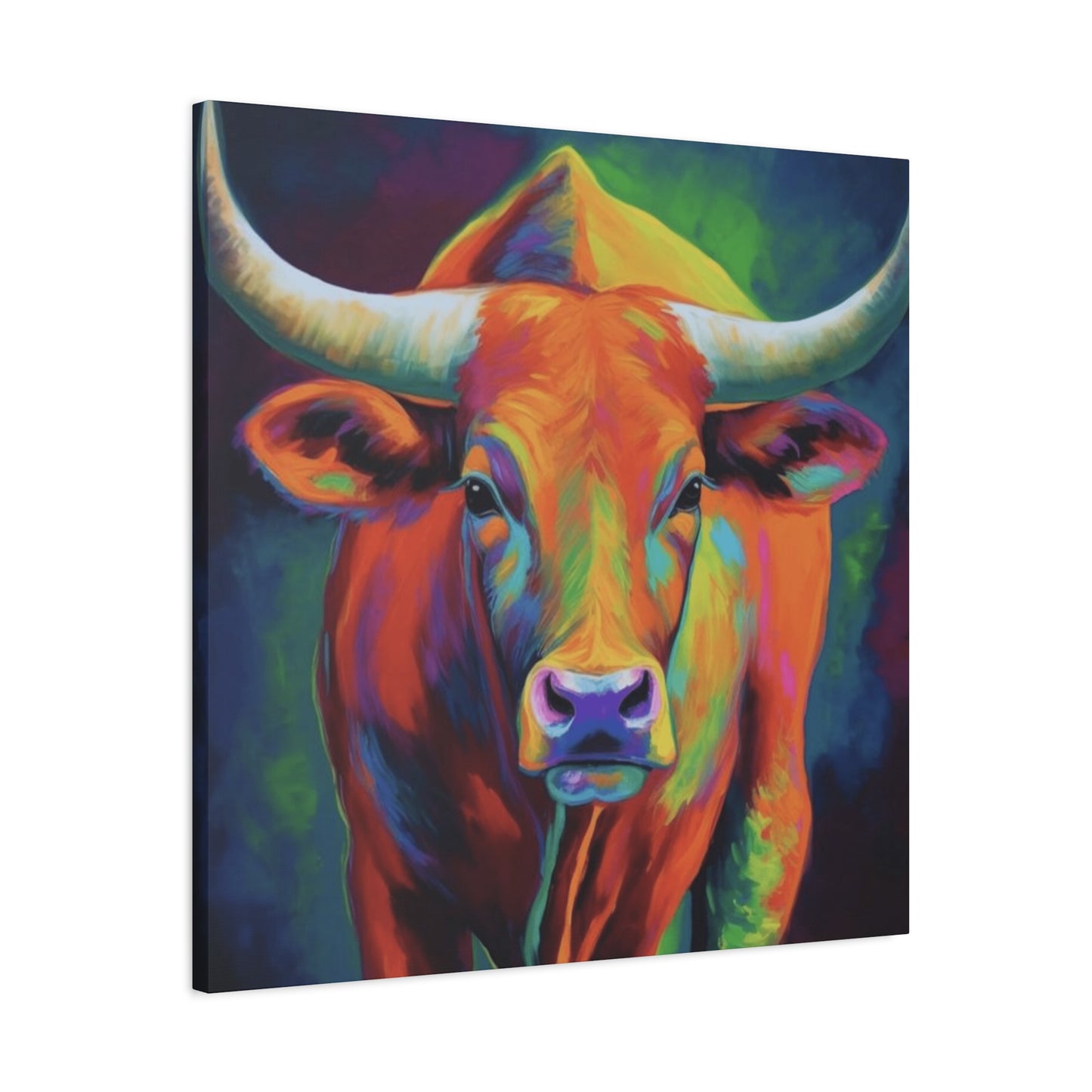
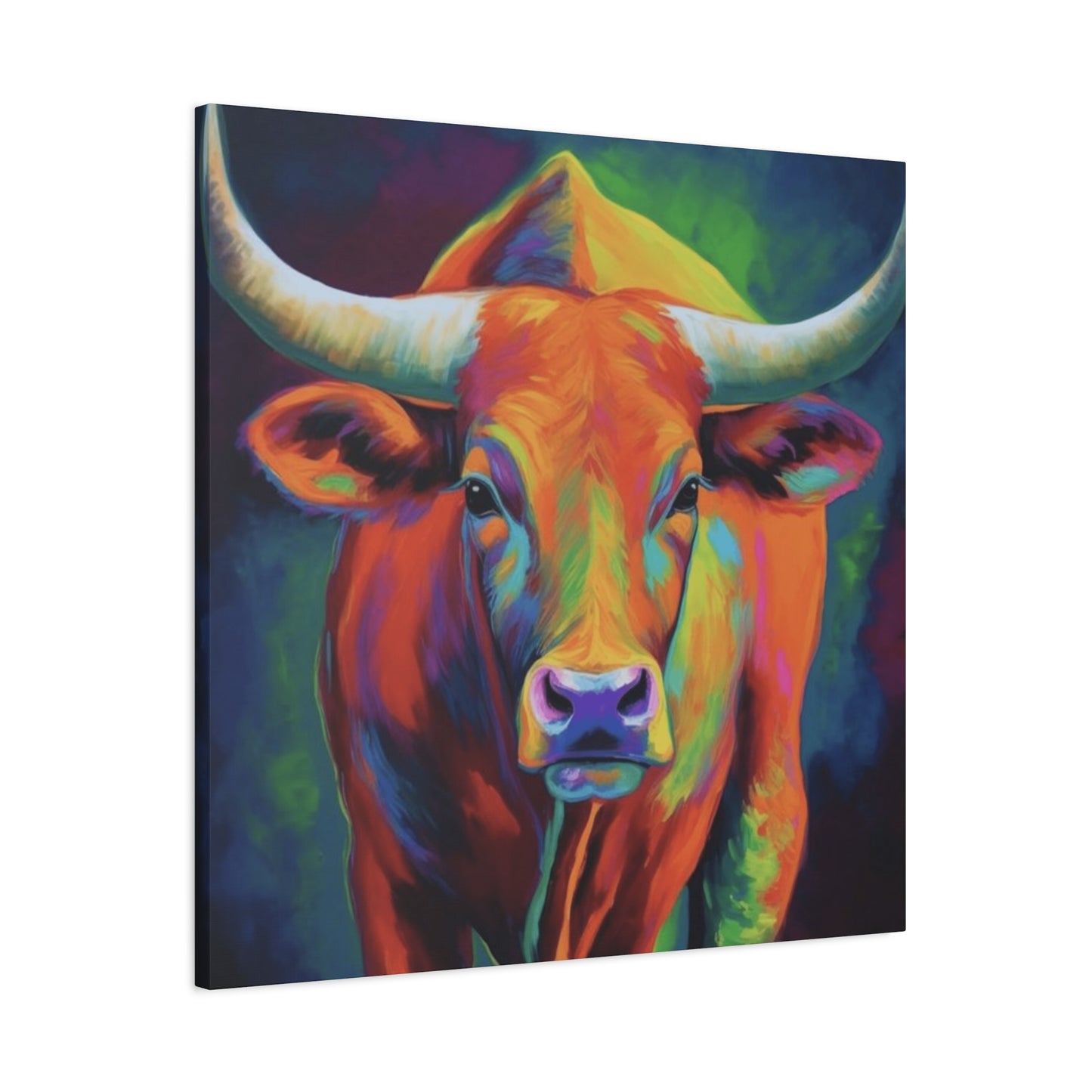
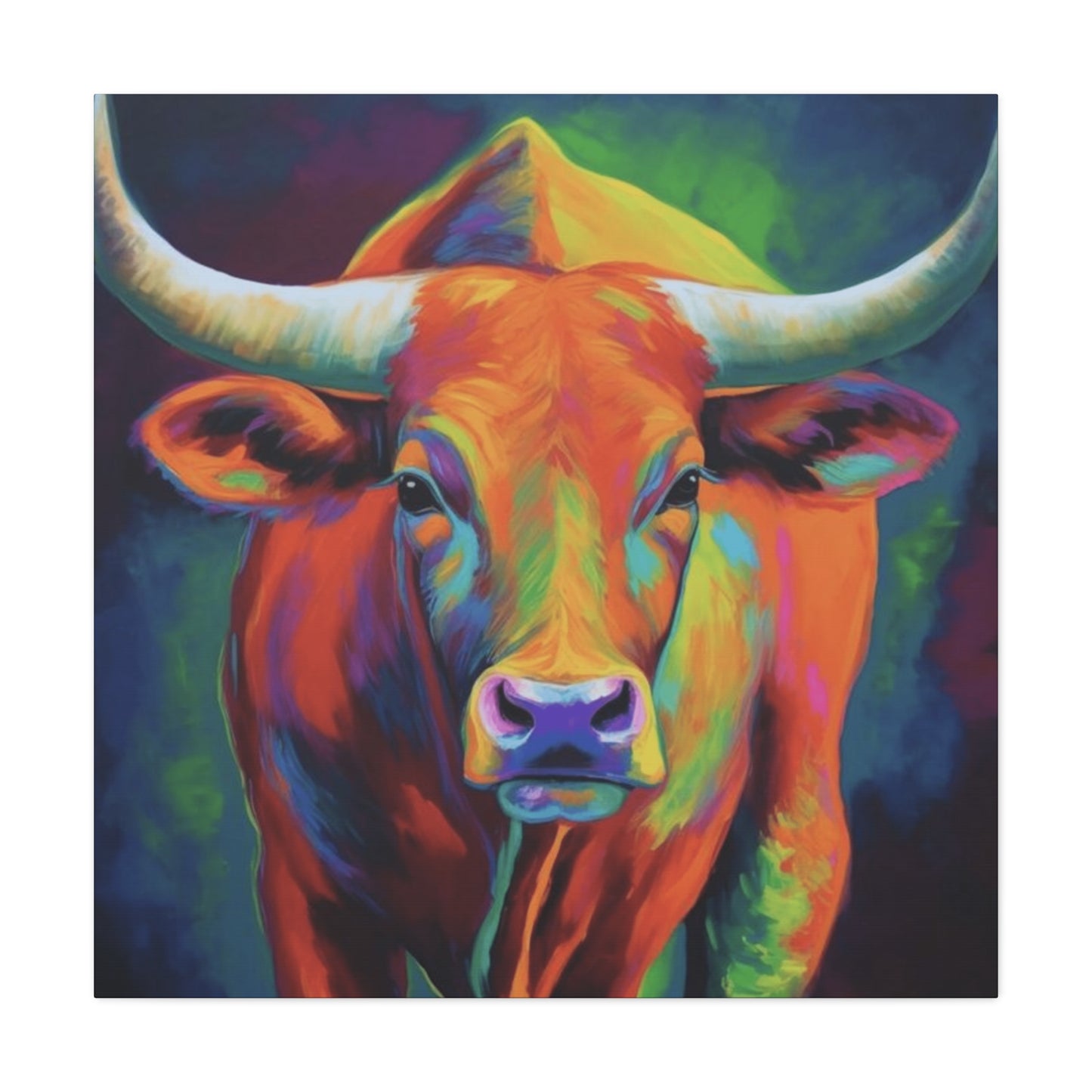
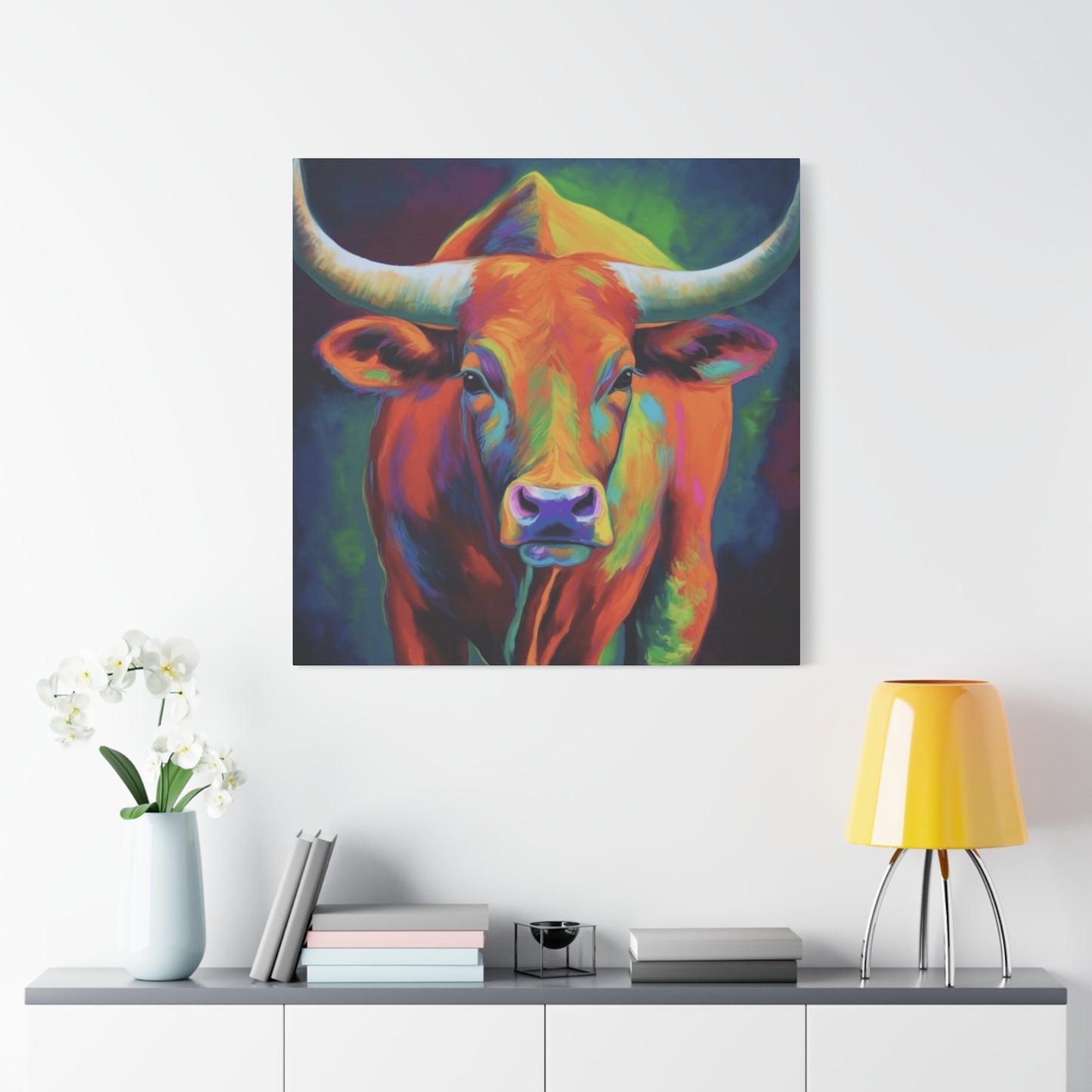
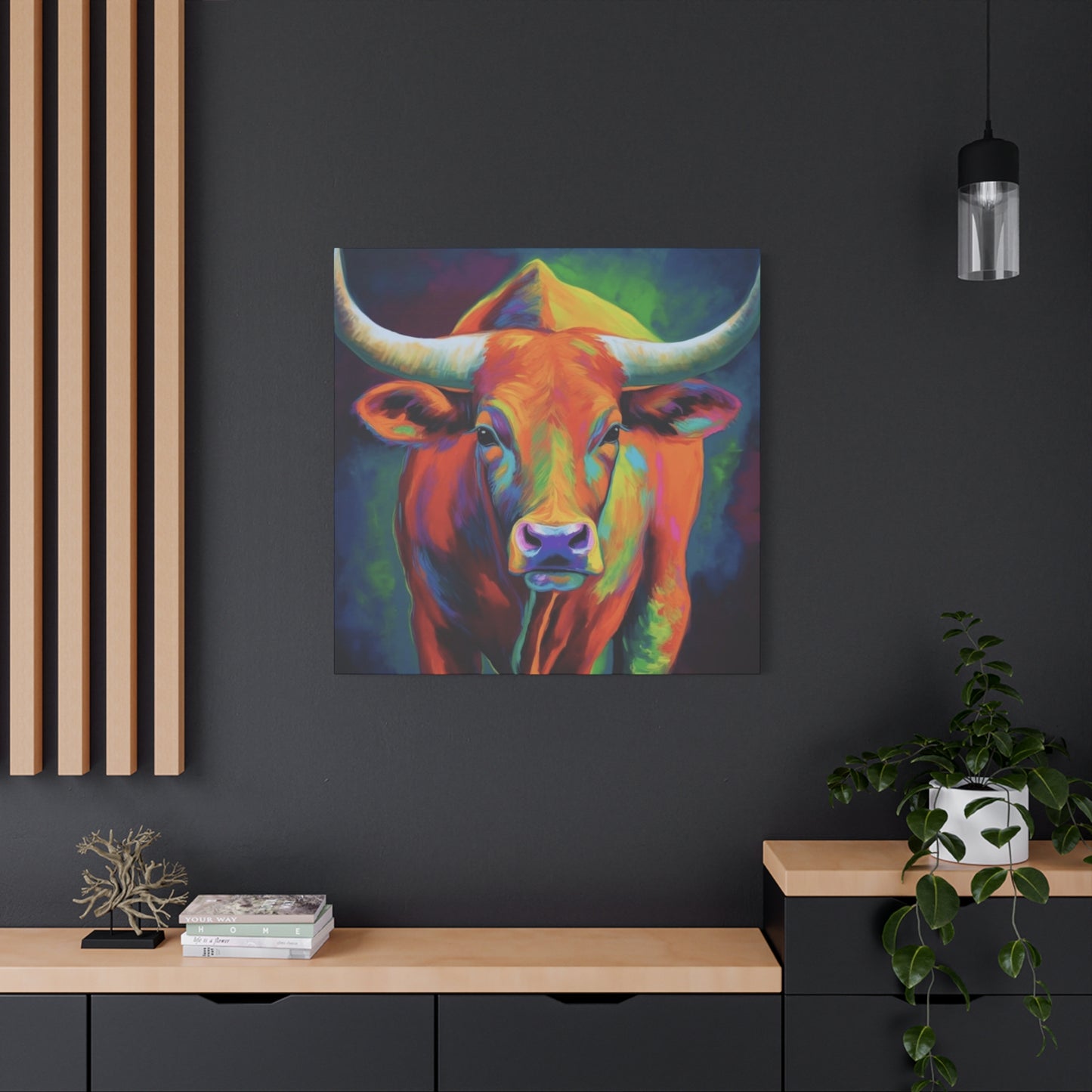
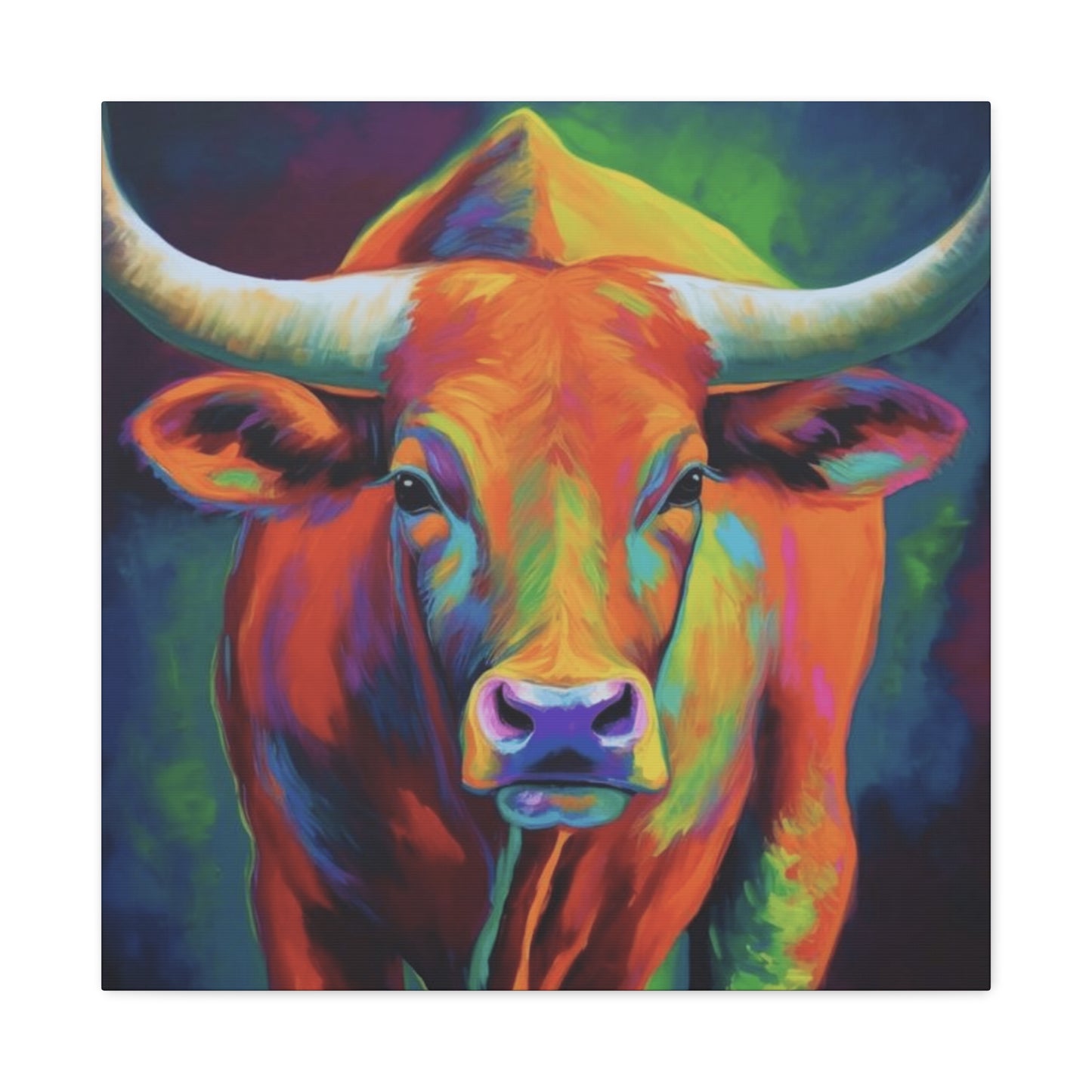
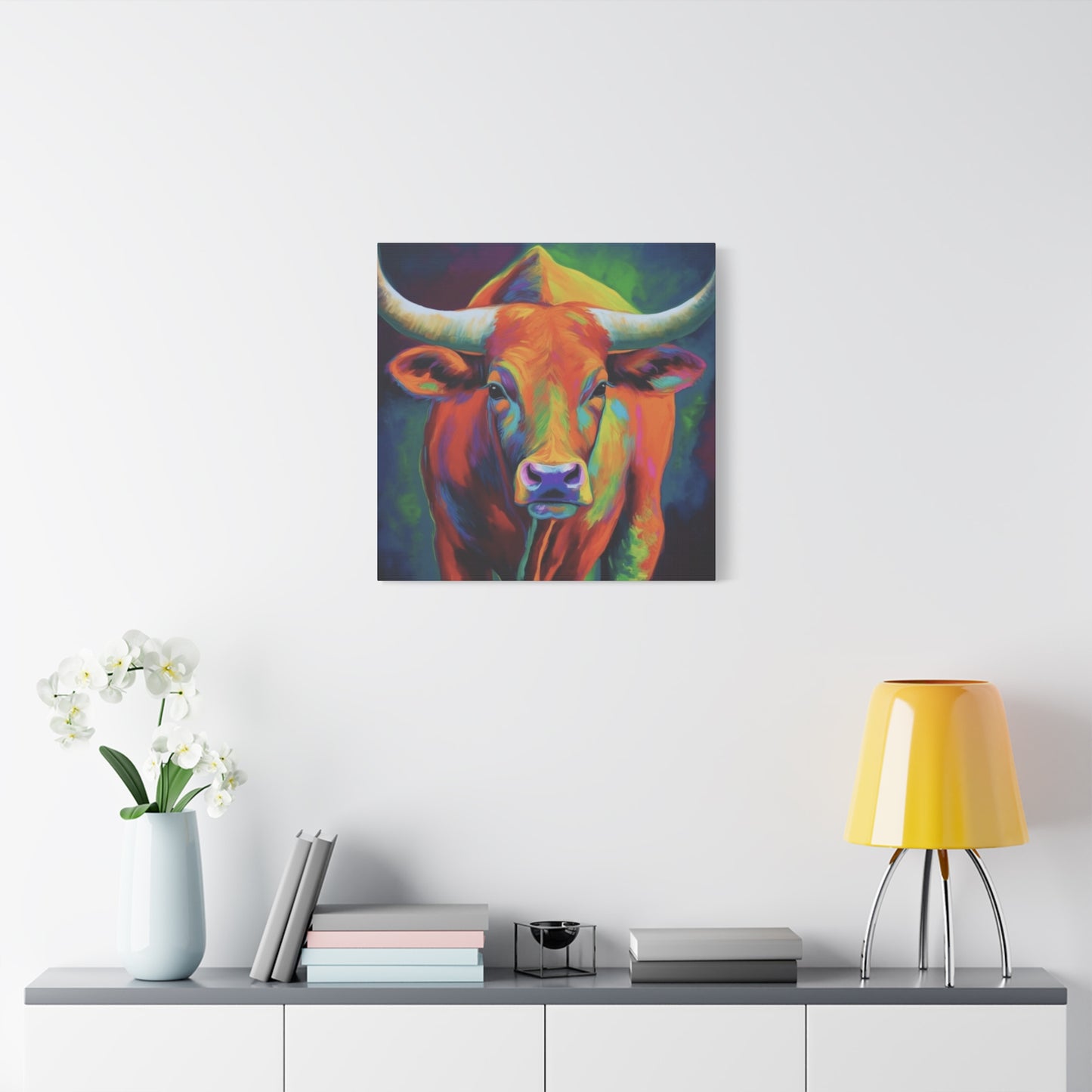
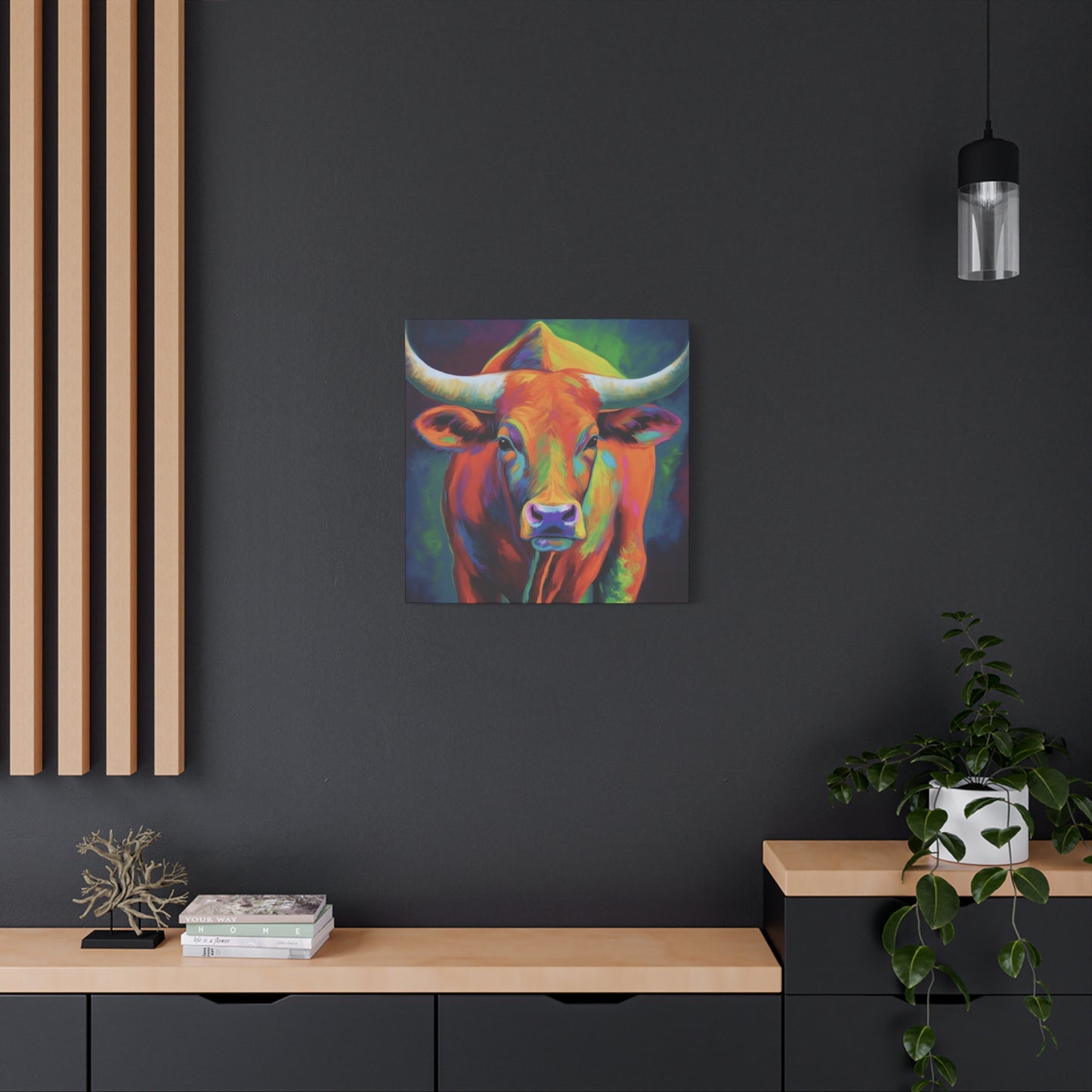
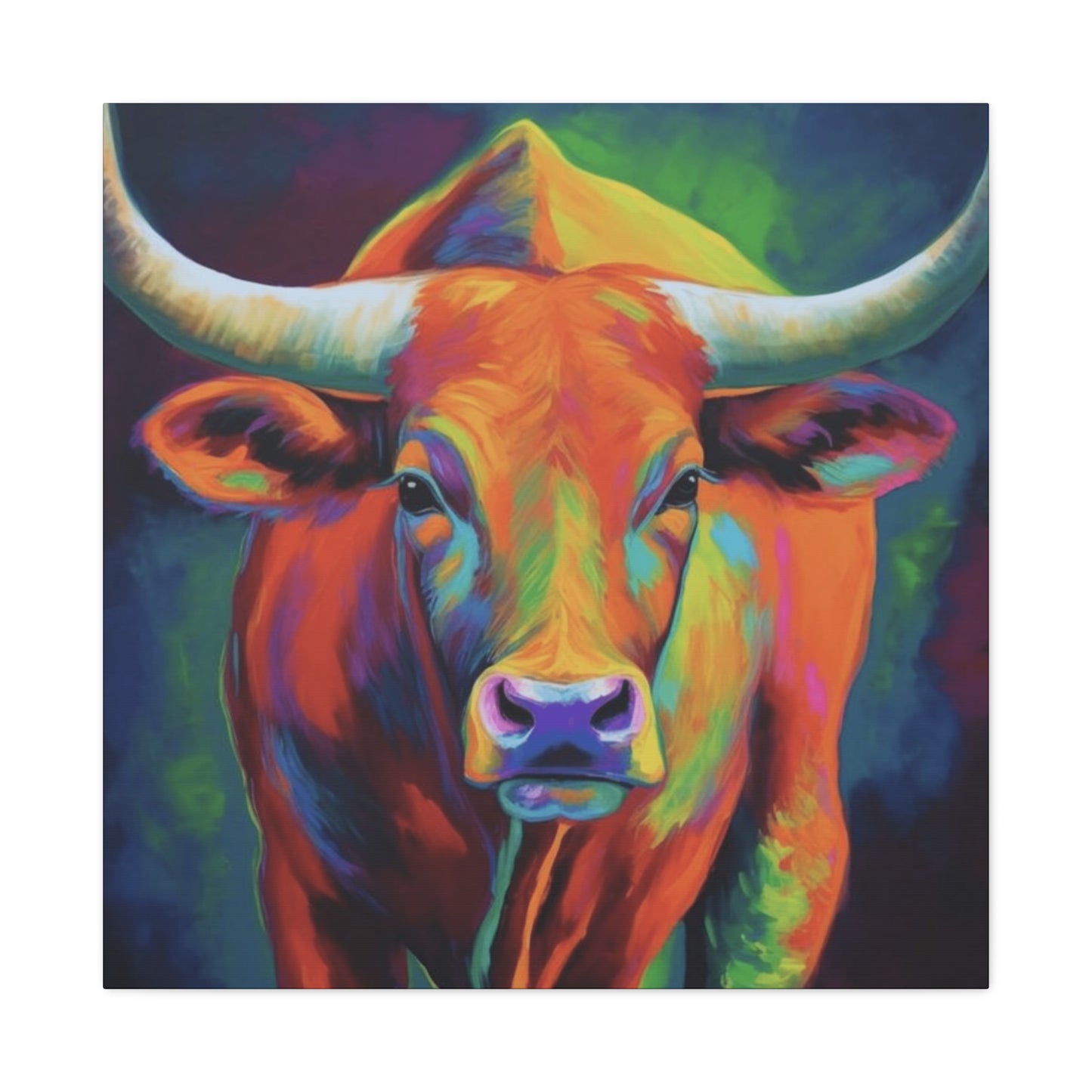
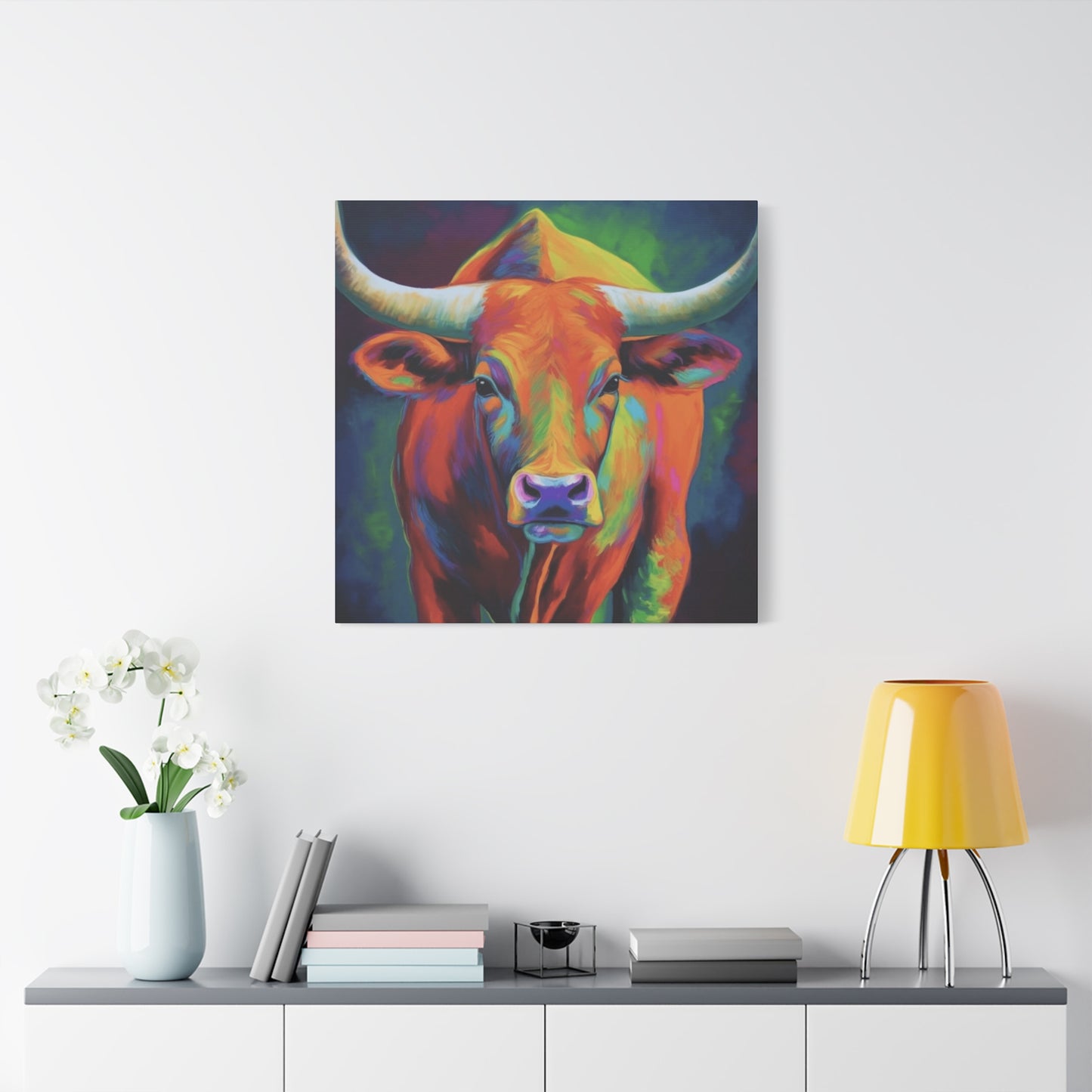
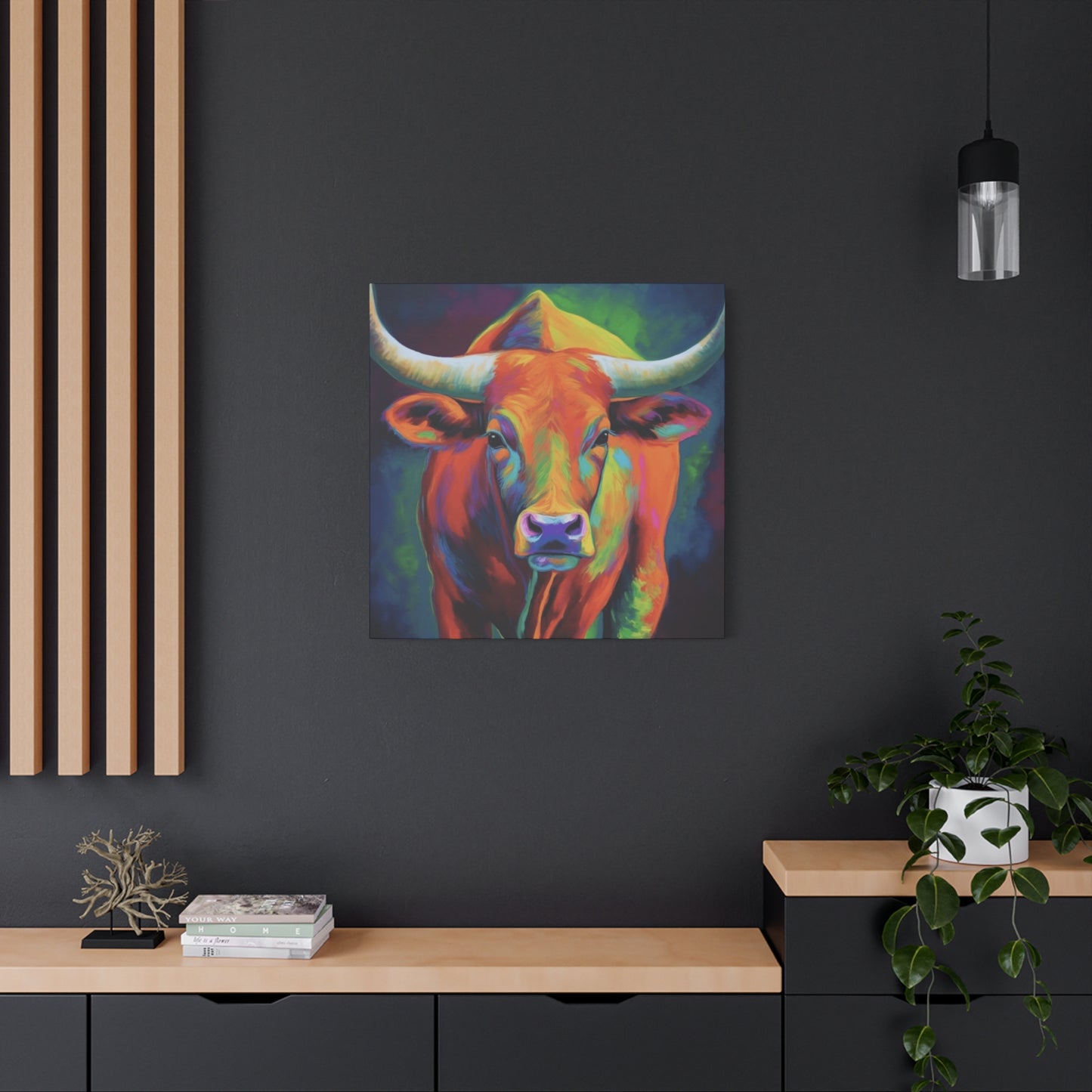
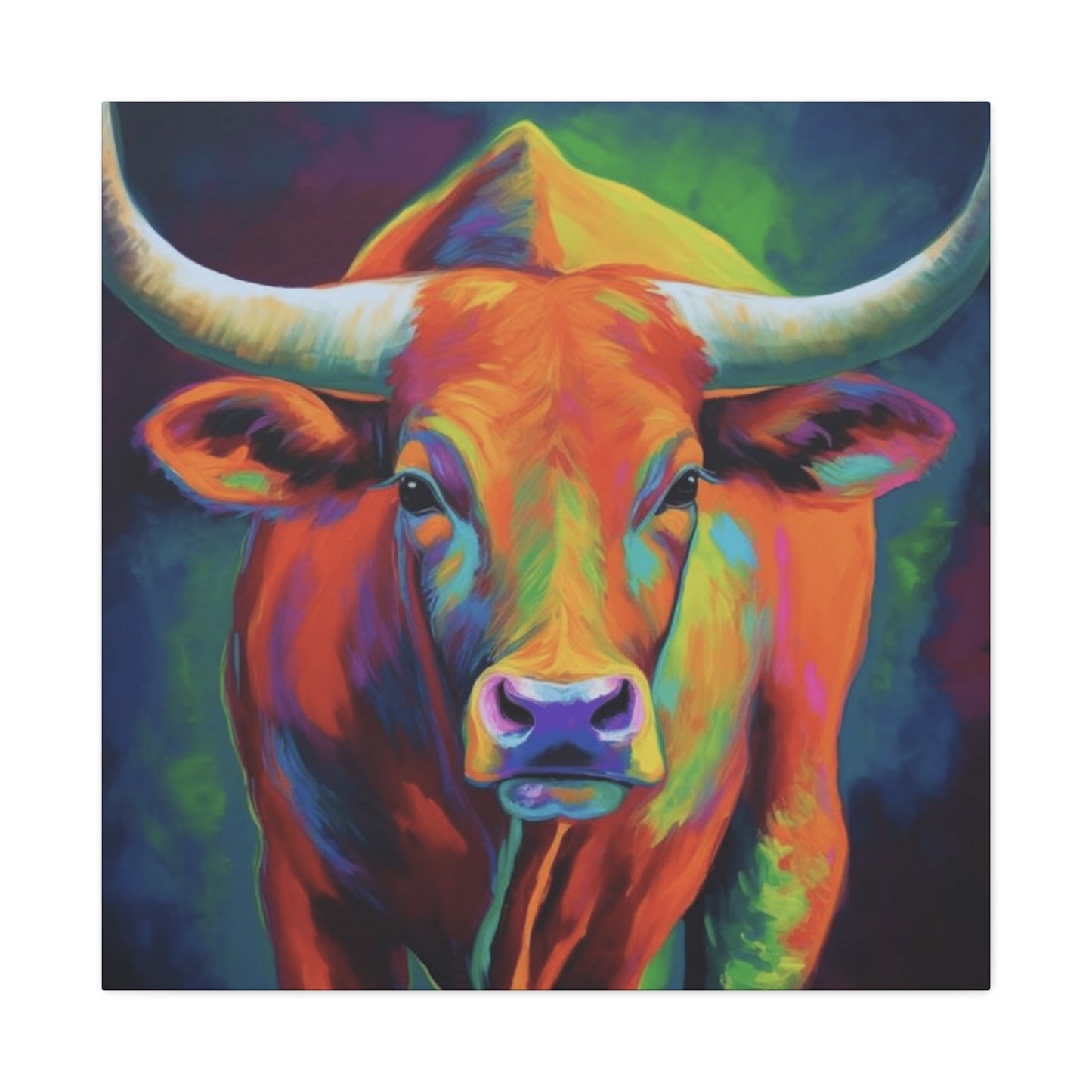
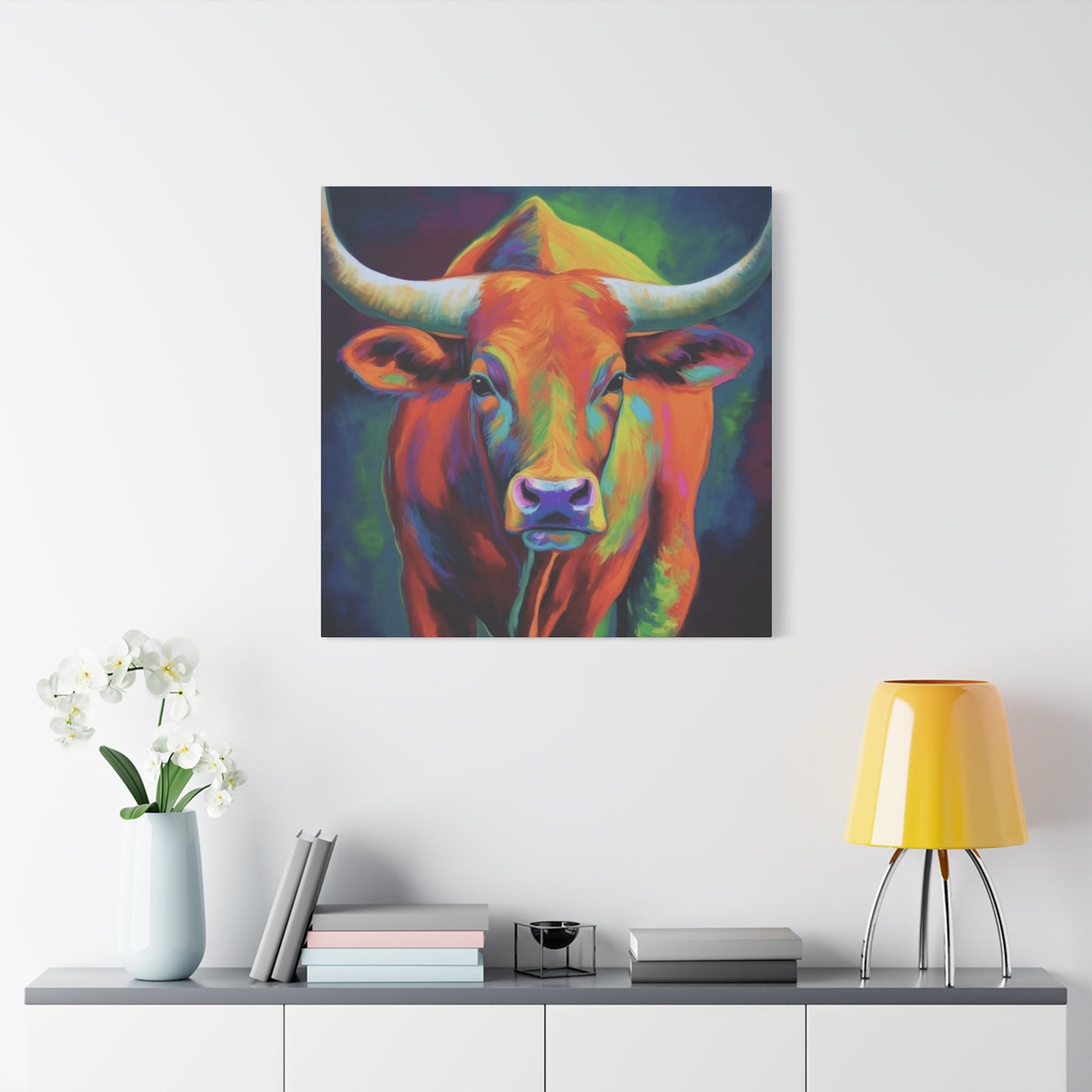
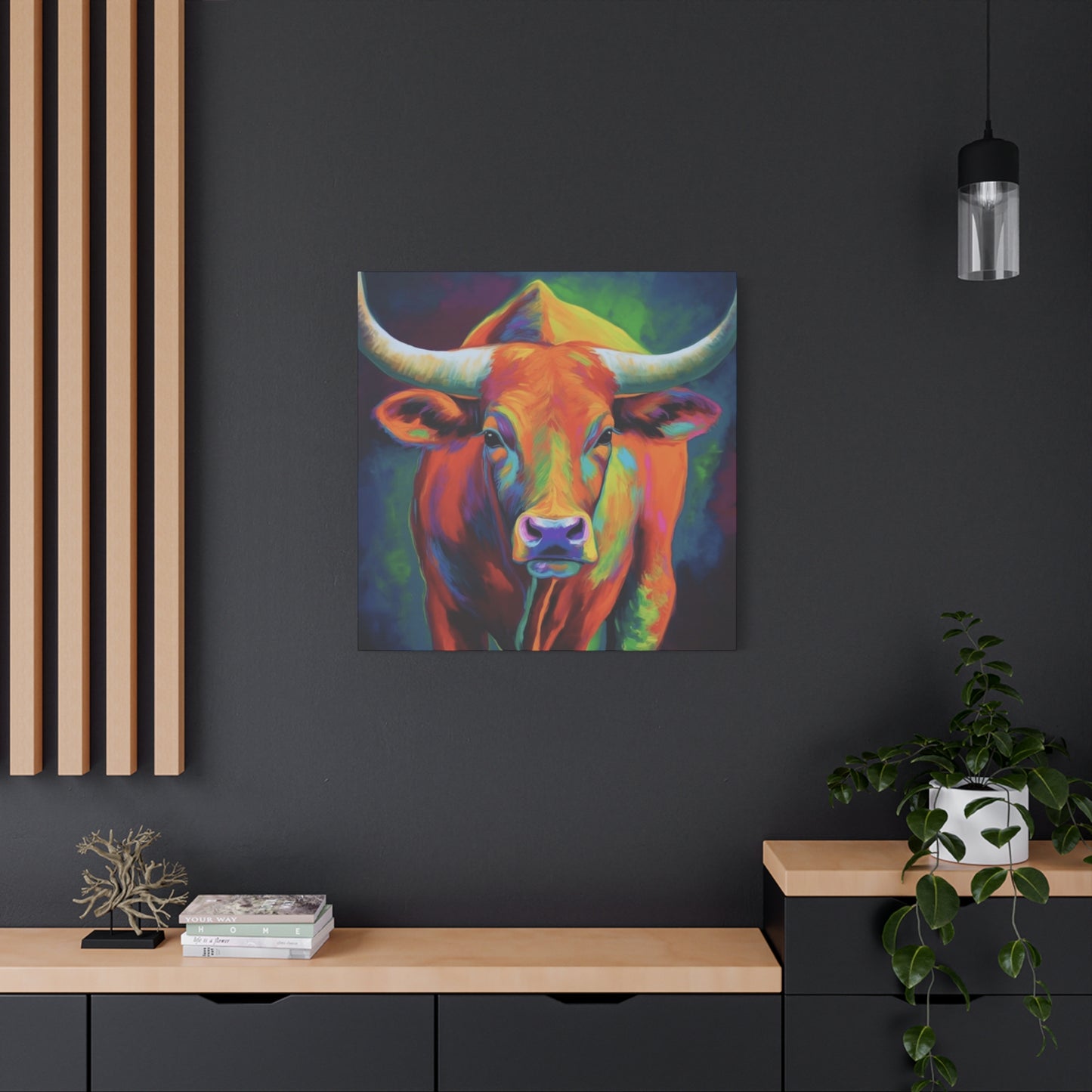
Long Horn Wall Art & Canvas Prints
Long Horn Wall Art & Canvas Prints
Couldn't load pickup availability
Experience the Regal Charm of Long Horn Wall Art: Add Western Excellence to Your Living Spaces
The realm of home decoration has witnessed a remarkable surge in demand for pieces that embody rugged elegance and timeless charm. Among these captivating elements, long horn wall art stands as a powerful symbol of Western heritage, strength, and natural beauty. This distinctive decorative choice transcends mere ornamentation, offering homeowners and design enthusiasts an opportunity to infuse their living spaces with character, sophistication, and a connection to the wild, untamed spirit of the American frontier.
Whether you're a collector of Western memorabilia, an interior design aficionado seeking statement pieces, or simply someone who appreciates the raw beauty of nature's creations, long horn wall art presents endless possibilities for transforming ordinary rooms into extraordinary spaces. The sweeping curves, intricate textures, and commanding presence of these pieces create focal points that demand attention while simultaneously complementing various design schemes with surprising versatility.
This comprehensive exploration delves into every aspect of incorporating long horn wall art into your environment, from selecting the perfect piece that resonates with your aesthetic vision to understanding the craftsmanship behind these stunning creations. We'll examine the various styles available in today's market, discuss placement strategies that maximize visual impact, explore the cultural significance that makes these pieces so meaningful, and provide practical guidance for ensuring your investment maintains its beauty for generations to come.
The Enduring Allure and Symbolism Behind Bovine Horn Decorations
Long horn wall art carries profound symbolic weight that extends far beyond its aesthetic appeal. Throughout centuries, cattle bearing impressive horns have represented prosperity, resilience, and the indomitable spirit of those who carved civilization from wilderness. In many cultures, these majestic animals symbolize abundance and fertility, serving as totems of good fortune and protection for households that display their likenesses.
The visual impact of these pieces stems from their organic geometry and natural variations. No two specimens are identical, ensuring that each installation becomes a unique expression of individual taste. The gentle curves and gradual tapers create movement within static space, drawing the eye along sweeping lines that can soften angular rooms or add dimension to flat walls. This dynamic quality makes them particularly effective in spaces that might otherwise feel sterile or uninspired.
Beyond their aesthetic contributions, these decorative elements serve as conversation starters, inviting guests to explore stories of Western expansion, ranching traditions, and humanity's relationship with the natural world. They bridge the gap between rustic charm and contemporary sophistication, proving that elements rooted in heritage can coexist beautifully with modern design sensibilities. This versatility has contributed to their growing popularity across diverse demographic groups and geographic regions.
The psychological impact of displaying such powerful natural forms cannot be overstated. Studies in environmental psychology suggest that incorporating organic shapes and natural materials into living spaces can reduce stress levels, enhance creativity, and promote feelings of groundedness. Long horn wall art accomplishes this while simultaneously making bold aesthetic statements that reflect personal values and design preferences.
Exploring the Diverse Varieties of Cattle Horn Artistic Expressions
The marketplace offers an impressive array of long horn wall art variations, each catering to different tastes, budgets, and spatial requirements. Understanding these categories helps buyers make informed decisions that align with their specific needs and design objectives.
Authentic preserved specimens represent the premium tier of this decorative category. These genuine articles undergo meticulous preparation processes that clean, treat, and sometimes polish the horns while preserving their natural characteristics. Collectors prize these pieces for their authenticity and the knowledge that each carries the unique story of the animal from which it came. The natural color variations, surface textures, and growth patterns make each specimen a one-of-a-kind treasure.
Replica and cast versions provide accessible alternatives for those who prefer not to use animal products or require more uniform appearances for design consistency. Modern manufacturing techniques have advanced to the point where high-quality reproductions can convincingly mimic the weight, texture, and visual characteristics of genuine specimens. These options often prove more durable and easier to maintain than their natural counterparts, while still delivering impressive visual impact.
Sculptural interpretations take creative liberties with the basic horn form, transforming it into contemporary art pieces that reference the original inspiration while exploring new aesthetic territories. These might incorporate metal work, incorporate lighting elements, feature painted or embellished surfaces, or combine multiple materials to create hybrid pieces that appeal to more avant-garde sensibilities. Such variations allow the classic symbol to evolve and remain relevant to changing design trends.
Scale variations present another consideration when selecting appropriate pieces. Miniature versions work beautifully in gallery walls or as accent pieces in smaller rooms, while monumental installations measuring several feet across command attention in grand spaces with high ceilings. Understanding the proportional relationship between the artwork and its surrounding environment ensures harmonious integration rather than awkward mismatch.
Comprehensive Guidance for Selecting Your Perfect Bovine Horn Display
Choosing the ideal long horn wall art requires careful consideration of multiple factors that extend beyond simple aesthetic preference. A systematic approach to this selection process ensures satisfaction with your investment and successful incorporation into your existing environment.
Spatial analysis forms the foundation of smart selection. Measure the intended wall carefully, noting not just the available width but also the height from floor to ceiling and the distance from surrounding furniture or architectural features. Remember that these pieces often extend significantly outward from the wall surface, requiring adequate clearance to avoid collision hazards and ensure proper display. Consider traffic patterns in the room to prevent the artwork from impeding movement or creating safety concerns.
Color harmony deserves thoughtful attention when matching pieces to existing palettes. Natural horn specimens display remarkable color diversity, ranging from deep ebony blacks to warm honey tones, silvery grays, and creamy ivories. Some exhibit dramatic color transitions or decorative banding that adds visual interest. Consider whether you want your selection to blend seamlessly with surrounding tones or provide dramatic contrast that amplifies its presence as a focal point.
Style coherence ensures that your chosen piece enhances rather than clashes with your overall design scheme. While long horn wall art demonstrates remarkable versatility, certain treatments align more naturally with specific aesthetics. Highly polished specimens with metallic mounting hardware complement contemporary spaces, while weathered pieces with rustic fixtures suit farmhouse or traditional Western interiors. Industrial-style lofts might embrace raw, unfinished specimens mounted on reclaimed wood, while coastal homes could pair lighter-toned pieces with weathered white backings.
Quality assessment protects your investment and ensures lasting satisfaction. When examining genuine specimens, look for uniform cleaning, absence of cracks or structural weaknesses, and secure mounting mechanisms that will safely support the weight. Check that any applied finishes appear even and professional, without pooling or obvious brush marks. For replica pieces, examine seams and joints carefully to ensure clean construction, and verify that the weight and feel suggest substantial materials rather than hollow or flimsy construction.
Budget considerations naturally influence selection, but remember that quality pieces represent long-term investments that should provide decades of enjoyment. While premium specimens command higher prices, they often prove more cost-effective over time than cheaper alternatives that may deteriorate, requiring replacement within a few years. Consider the total cost of ownership, including mounting hardware and any professional installation services you might require.
Strategic Placement Approaches for Maximizing Visual Drama and Spatial Harmony
The impact of long horn wall art depends not just on the piece itself but on thoughtful placement that considers viewing angles, lighting conditions, and spatial relationships. Mastering these placement principles elevates installations from merely present to truly spectacular.
Height positioning dramatically affects how viewers perceive and interact with your artwork. The standard recommendation places the center of the piece at approximately 57 to 60 inches from the floor—roughly eye level for an average adult. However, long horn wall art often benefits from adjusted positioning that accounts for its unique characteristics. The natural upward sweep of horns can create the illusion of the piece hanging higher than it actually does, so slightly lower placement sometimes yields better visual balance. In rooms with particularly high ceilings, slightly elevated positioning can help the piece feel appropriately scaled to the architecture rather than dwarfed by vertical space.
Lighting design makes or breaks the presentation of these sculptural pieces. Unlike flat artwork, three-dimensional horn displays create shadows and highlights that shift dramatically based on light sources. Track lighting or adjustable fixtures allow you to experiment with angles that emphasize texture and form. Grazing light from above or below enhances surface details and creates dramatic shadow play on the wall behind the piece. Avoid harsh direct overhead lighting that can flatten the dimensional qualities you want to showcase. Consider installing dimmer switches that let you adjust lighting intensity for different times of day or occasions.
Background considerations provide crucial context for your display. Long horn wall art can appear dramatically different against various wall treatments. Dark backgrounds create striking contrast with lighter specimens, making their forms pop with graphic intensity. Conversely, light walls provide clean, gallery-like settings that let the natural colors and textures of the horns take center stage. Textured walls—whether featuring stone, brick, or heavy plaster—add complexity to the overall composition, creating layered visual interest. Some homeowners install contrasting backing panels behind their pieces, creating defined zones that frame the artwork and separate it from surrounding wall treatments.
Spatial relationships with surrounding elements require careful orchestration. Long horn wall art works beautifully as a standalone statement piece, but it can also anchor larger compositions. When creating gallery walls or grouped displays, use the horn piece as your primary element, arranging smaller items around it in supporting roles. Maintain breathing room around the horns—crowding them with too many competing elements diminishes their impact. Consider the relationship between your wall art and furniture below it; sofas, consoles, or fireplace mantels should complement rather than compete with the display above.
Room-specific strategies optimize placement for different spaces throughout your home. In living rooms, positioning long horn wall art above the sofa or fireplace creates a natural focal point that organizes the entire space. Dining rooms benefit from installations above sideboards or serving stations, where the pieces can be appreciated during meals without interfering with table-level interactions. Entryways make powerful statements when horns greet visitors immediately upon entering, setting the tone for the entire home. Bedrooms can incorporate these pieces above headboards, though consider the proportions carefully to avoid overwhelming the intimate scale of sleeping quarters. Home offices gain character and conversational interest when horns are displayed behind desks or in seating areas designated for client meetings.
The Craftsmanship and Preparation Behind Genuine Horn Specimens
Understanding the processes that transform raw materials into refined decorative pieces deepens appreciation for these remarkable objects and helps buyers distinguish quality craftsmanship from inferior work.
The journey begins with ethical sourcing practices that prioritize sustainability and animal welfare. Reputable suppliers obtain horns as byproducts from operations where cattle are raised primarily for other purposes, ensuring that no animals are harmed specifically for decorative purposes. This responsible approach addresses ethical concerns while providing materials that would otherwise go to waste. Documentation of origins and processing methods distinguishes quality suppliers from those with questionable practices.
Initial cleaning removes organic matter and prepares specimens for further treatment. This labor-intensive process requires patience and attention to detail, as improper cleaning can damage the horn's structure or leave residues that cause problems later. Craftspeople employ various methods including mechanical scraping, gentle chemical treatments, and extended soaking periods to ensure thorough cleanliness without compromising integrity.
Structural reinforcement may be necessary for specimens with natural weaknesses or damage. Skilled artisans can repair minor cracks using specialized adhesives and techniques that preserve the horn's appearance while strengthening vulnerable areas. This intervention requires expertise to ensure repairs remain invisible and don't compromise the piece's authenticity or value.
Surface finishing transforms cleaned horns into polished display pieces. Options range from minimal intervention that preserves natural texture to extensive buffing that creates glossy surfaces reflecting light like polished stone. Some craftspeople apply protective coatings that shield against environmental damage while enhancing color depth. Others embrace weathered appearances, treating surfaces to accelerate natural aging processes that create sought-after patinas. The choice of finish dramatically affects the final appearance and should align with the intended design context.
Mounting system design requires engineering knowledge to ensure safe, secure installation. The weight and geometry of horns present unique challenges compared to flat artwork. Quality mounting hardware distributes weight appropriately, prevents twisting or sagging over time, and provides stable attachment to various wall types. Some systems allow for slight adjustments after installation, accommodating settling or fine-tuning of positioning. The best mounting solutions remain invisible or elegantly discrete, avoiding hardware that distracts from the horns themselves.
Seamlessly Incorporating Western Horn Decor Into Contemporary Spaces
One of the most compelling aspects of long horn wall art is its remarkable ability to transcend stylistic boundaries, bringing organic warmth and visual interest to environments far removed from traditional Western settings.
Modern minimalist interiors find unexpected harmony with carefully selected horn displays. The clean lines and uncluttered surfaces characteristic of minimalism provide perfect canvases that allow sculptural horn pieces to shine without competition. Choose specimens with smooth, elegant curves rather than heavily textured or embellished examples. Mount them against pristine white or concrete-gray walls, using the horn's natural form as the sole decorative element in a defined zone. This approach celebrates the inherent beauty of the object while maintaining the restraint and intentionality that defines minimalist philosophy.
Industrial-inspired spaces embrace long horn wall art with particular enthusiasm. The rough-hewn aesthetic of exposed brick, metal fixtures, and weathered wood creates natural synergy with horn specimens, especially those displaying rustic character or mounted on reclaimed materials. Consider pairing darker horn specimens with brushed metal accents or installing them against brick feature walls where their organic curves provide welcome contrast to rigid geometric patterns. The juxtaposition of natural materials against manufactured elements creates the eclectic tension that makes industrial design so visually compelling.
Scandinavian-influenced interiors, with their emphasis on natural materials, simple forms, and connection to nature, accommodate horn displays beautifully when approached thoughtfully. Select lighter-toned specimens that echo the blonde woods and pale palettes typical of Nordic design. Keep mounting systems minimal and elegant, allowing the horns to appear as natural elements brought indoors rather than heavily styled decorative objects. Position them in spaces with abundant natural light, where their forms can be appreciated in the clean, bright conditions characteristic of Scandinavian homes.
Bohemian environments thrive on layered textures, global influences, and eclectic collections—contexts where long horn wall art feels perfectly at home. In these spaces, horns can be embellished with beading, wrapping, or painting that reflects the homeowner's creative spirit. Pair them with woven textiles, macramé, and diverse artwork from various cultures. The free-spirited nature of bohemian design accommodates more experimental approaches to horn display, including asymmetrical arrangements, combinations with living plants, or incorporation into larger mixed-media installations.
Coastal and nautical themes might seem unlikely partners for Western horn imagery, yet thoughtful designers have discovered compelling connections. Pale, bleached specimens evoke driftwood and weathered bone found along shorelines. Mounting them on weathered white or blue-gray panels creates visual links to maritime aesthetics. The organic curves of horns mirror the fluid forms of waves and marine life, creating unexpected but harmonious relationships. This cross-pollination of design influences produces fresh, innovative spaces that transcend conventional categorical boundaries.
Creating Stunning Gallery Walls Featuring Bovine Horn Centerpieces
Gallery wall compositions offer exciting opportunities to showcase long horn wall art while telling broader visual stories through curated collections of complementary elements.
Foundational planning prevents the common pitfalls that plague poorly executed gallery walls. Begin by creating a full-scale template of your intended arrangement using kraft paper or newspaper. Cut pieces matching the exact dimensions of each element you plan to include, then experiment with arrangements on the floor before committing to wall installation. This preparatory phase allows unlimited revision without leaving walls pocked with unnecessary holes. Photograph your preferred arrangement for reference during actual installation.
Compositional balance ensures that your gallery wall feels intentional rather than haphazard. Long horn wall art typically serves as the anchor or dominant element, around which other pieces orbit in supporting roles. Achieve visual equilibrium by distributing visual weight evenly—if your horns occupy the upper right quadrant, balance that mass with grouped smaller elements in the lower left. This doesn't require perfect symmetry; asymmetrical balance often produces more dynamic results. Consider not just the size but the visual weight of elements—a small dark piece can balance a larger pale one.
Stylistic cohesion ties disparate elements into unified compositions. While variety adds interest, too much diversity creates chaos. Establish common threads that link your collection—perhaps a consistent color palette, a shared theme (Western heritage, natural history, wildlife), or a unified approach to framing and matting. Your long horn wall art might be the most substantial piece, but every element should feel like it belongs to the same conceptual family. This doesn't mean everything must match perfectly; rather, each piece should have a clear reason for inclusion that relates to your overall vision.
Spacing considerations affect how viewers perceive your arrangement. Traditional gallery spacing places pieces 2-3 inches apart, creating discrete visual boundaries between elements. Tighter spacing produces more integrated, tapestry-like walls where the collection reads as a unified whole. Looser spacing allows each piece more breathing room and individual appreciation. For walls incorporating long horn wall art, consider giving the horns slightly more clearance than other elements, acknowledging their three-dimensional nature and ensuring adequate space for their outward projection.
Complementary element selection enhances rather than competes with your horn display. Black and white photography, particularly images featuring Western landscapes or vintage ranch scenes, creates thematic connections without color competition. Vintage maps of cattle trails or ranching regions provide historical context. Simple line drawings or minimalist prints prevent overwhelming the space with competing visual complexity. Small sculptural elements like antique spurs, bits, or brands add dimensional variety while reinforcing the Western narrative. Natural elements such as pressed botanicals or mineral specimens create connections to the organic origins of the horn pieces themselves.
Proper Care Procedures for Preserving Your Horn Display Investment
Long horn wall art represents a significant investment that deserves proper care to ensure it retains its beauty and structural integrity for decades or even generations.
Routine dusting prevents accumulation of particles that can dull surfaces and embed in textured areas. Use soft, clean microfiber cloths or specialized dusting tools with gentle bristles. Work along the horn's natural curves rather than against them, using light pressure to avoid stressing mounting points or fragile areas. Establish a regular dusting schedule—monthly for most environments, more frequently in particularly dusty conditions. Avoid feather dusters, which can leave oils or snag on textured surfaces.
Periodic deep cleaning addresses dirt that regular dusting cannot remove. For unfinished or minimally treated specimens, slightly dampened soft cloths work well for gentle wiping. Never saturate horns with water or submerge them, as excessive moisture can cause structural problems or discoloration. For polished specimens, use cleaners specifically formulated for natural horn or similar organic materials, following manufacturer instructions carefully. Test any cleaning product on an inconspicuous area before applying it broadly. After cleaning, ensure thorough drying before the piece returns to display.
Environmental controls protect against conditions that accelerate deterioration. Maintain consistent humidity levels between 40-60%; excessive dryness can cause cracking, while high humidity promotes mold or mildew growth. Avoid displaying horns in direct sunlight, which causes fading and can weaken protein structures over time. Position pieces away from heating vents, radiators, or air conditioning units that create temperature fluctuations. Extreme temperature swings cause expansion and contraction that can compromise structural integrity.
Protective treatments enhance durability and appearance when applied correctly. For unfinished specimens, occasional light application of beeswax or specialized horn conditioner prevents excessive drying. These treatments should be applied sparingly—excess product attracts dust and creates sticky surfaces. For finished pieces, consult with the manufacturer or craftsperson about recommended maintenance products. Some finishes require no additional treatment, while others benefit from periodic renewal. Document any treatments applied, including products used and dates, to maintain a care history that informs future preservation efforts.
Damage prevention strategies minimize risks that could harm your display. Ensure mounting hardware is checked annually for any signs of loosening or stress. During household cleaning, exercise caution when vacuuming or moving furniture near horn installations to prevent accidental contact. If relocating pieces, support them fully—never carry horns by the tips alone, as this stresses narrow portions. When packing for moving, use abundant cushioning and rigid containers that prevent shifting. Consider professional moving services for particularly valuable or fragile specimens.
Professional intervention may be necessary for significant damage or deterioration. Craftspeople specializing in horn work can often repair cracks, replace failing mounts, or refinish surfaces that have deteriorated. Resist the temptation to attempt complex repairs yourself unless you possess appropriate skills—improper intervention can worsen problems or diminish value. For specimens with historical significance or exceptional value, consult conservation specialists familiar with organic materials.
Exploring Price Ranges and Factors Affecting Market Values
Understanding the pricing landscape for long horn wall art helps buyers set realistic budgets and recognize value when they encounter it.
Entry-level options, typically ranging from seventy-five to two hundred dollars, include smaller specimens, composite or replica pieces, and genuine horns with minimal processing. These accessible price points make horn decor available to broader audiences and work well for those testing the aesthetic before committing to more substantial investments. While less expensive, these pieces can still provide satisfying visual impact when selected carefully and placed strategically.
Mid-range selections, spanning two hundred to eight hundred dollars, offer genuine specimens with professional finishing, superior mounting systems, and more impressive dimensions. This category represents the sweet spot for many buyers, balancing quality and affordability. Pieces in this range typically come from reputable suppliers who provide documentation of sourcing and processing. They feature consistent quality control, attention to detail in finishing, and hardware engineered for secure, lasting installation.
Premium specimens command prices from eight hundred to several thousand dollars, reflecting exceptional size, rare coloration, perfect symmetry, or historical provenance. These investment-grade pieces attract serious collectors and design professionals working on high-end projects. They often feature museum-quality preparation, custom mounting solutions, and documentation of origin. Antique specimens with documented ranch or Western history occupy the upper reaches of this category, where buyers pay not just for the physical object but for its story and connection to specific places or periods.
Several factors influence where specific pieces fall within these ranges. Size dramatically affects value—impressively wide sets command premiums over smaller counterparts. Symmetry and horn quality matter; matched pairs with elegant, balanced curves are more valuable than asymmetrical or damaged specimens. Rarity of coloration elevates prices, particularly for unusual colors or dramatic patterns. Processing quality impacts value; professionally finished pieces with superior cleaning, polishing, and mounting warrant higher prices than roughly prepared examples. Provenance documentation adds value, especially for antique pieces or those with connections to notable ranches or historical periods.
Market trends influence pricing, with demand fluctuating based on broader design movements. Periods when Western or rustic aesthetics trend in mainstream design see increased prices and reduced availability. Regional variations affect pricing; areas with strong ranching heritage and local sources typically offer more competitive prices than regions where horn decor represents imported novelty. Online marketplaces versus brick-and-mortar galleries present different pricing structures, with the former often offering lower prices due to reduced overhead but the latter providing personal service, curation, and immediate examination of purchases.
Investment considerations suggest that quality pieces from reputable sources generally hold value well, particularly as genuine horn specimens become increasingly regulated. Buyers seeking pieces with long-term value should prioritize craftsmanship, documentation, and timeless appeal over trendy treatments likely to date quickly. Well-maintained premium specimens can appreciate over time, particularly those with historical significance or exceptional characteristics.
Drawing Inspiration From Design Showcases Featuring Horn Displays
Examining successful implementations of long horn wall art in various settings provides valuable guidance for those planning their own installations.
Residential great rooms demonstrate how substantial horn pieces can anchor expansive spaces without being overwhelmed by volume. In one striking example, a ranch-style home featured six-foot-span horns mounted above a limestone fireplace, flanked by simple metal sconces that provided uplighting after dark. The massive scale matched the room's two-story ceiling, while the neutral tones of the horns harmonized with the earth-tone palette throughout. Built-in shelving on either side created balanced composition, with carefully edited collections of Western artifacts and family photographs providing context without competition.
Boutique hotel lobbies showcase how horn displays can establish memorable brand identity while welcoming guests. A Colorado mountain resort installed a dramatic arrangement featuring three graduated sets of horns on a feature wall behind the reception desk, combined with weathered barn wood paneling and wrought iron accents. This installation immediately communicated the property's Western luxury positioning, creating an unforgettable first impression that guests frequently photographed and shared on social media, generating valuable organic marketing.
Contemporary urban lofts prove that horn decor transcends expected settings. A renovated warehouse space in an Eastern city featured enormous horns mounted on a gallery-white wall, illuminated by track lighting that emphasized their sculptural qualities. Surrounded by abstract paintings and mid-century modern furniture, the horns served as conversation pieces that bridged natural and manufactured aesthetics. The juxtaposition of organic form against industrial architecture created unexpected tension that defined the space's unique character.
Restaurant environments employ horn displays to enhance themed dining experiences. A steakhouse chain built its entire visual identity around prominent horn installations in every location, combining them with leather upholstery, rough-hewn beams, and vintage ranching photography. The consistent use of these elements across multiple properties created strong brand recognition while each location's unique specimens maintained individual character. Careful lighting design ensured the horns remained visible even during evening service without creating glare that would disturb diners.
Retail spaces utilize horn decor to reinforce brand narratives and create immersive shopping experiences. Western wear boutiques naturally gravitate toward these displays, but unexpected categories have also embraced them. A high-end denim brand used horns alongside vintage motorcycles and weathered leather goods to evoke rugged American heritage, creating storytelling environments that transformed shopping into experience. These theatrical retail spaces generate substantially higher engagement and sales than conventional store designs.
Gallery installations push creative boundaries, presenting horn forms as fine art worthy of museum-quality presentation. One memorable exhibition featured horns suspended from invisible filament against dark walls, illuminated by precisely positioned spots that created dramatic shadows and eliminated visual distractions. This presentation stripped away contextual clues, forcing viewers to confront the inherent beauty and sculptural qualities of the forms themselves. Such refined approaches demonstrate the sophistication possible when horns are treated as serious artistic elements rather than merely decorative accessories.
Sourcing Authentic and Quality Horn Artwork From Trustworthy Vendors
Navigating the marketplace for long horn wall art requires knowledge of reliable sourcing channels and ability to assess vendor credibility.
Specialized Western decor retailers offer curated selections and knowledgeable staff who can provide guidance tailored to specific needs. These established businesses typically maintain relationships with quality craftspeople and can explain the origins and processing of their inventory. The ability to examine pieces in person before purchasing represents a significant advantage, allowing buyers to assess weight, texture, finish quality, and mounting hardware firsthand. Many such retailers also offer interior design consultation services, helping customers integrate purchases successfully into existing spaces.
Online marketplaces provide vast selection and competitive pricing but require more discernment from buyers. Established platforms with robust seller rating systems and buyer protection policies offer some security against fraudulent transactions. When purchasing online, study photographs carefully from multiple angles, read detailed descriptions thoroughly, and contact sellers with specific questions before committing. Request additional images if provided photos are insufficient. Examine return policies carefully—reputable sellers should stand behind their products with reasonable return windows for items not meeting expectations.
Direct-from-craftsperson purchases forge connections with makers while often providing better value. Many horn specialists maintain websites or social media presences showcasing their work and accepting custom commissions. These direct relationships allow for personalized service, custom finishing options, and detailed information about specific specimens. Buyers can often request modifications to mounting systems or finishes to suit particular needs. Supporting individual craftspeople rather than retail intermediaries benefits both parties through more equitable pricing structures.
Estate sales and antique markets occasionally yield exceptional finds, particularly for those seeking vintage pieces with historical character. These venues require patient hunting and willingness to sort through numerous mediocre items to discover treasures. The thrill of discovery and potential for significant value in overlooked pieces attracts dedicated collectors. However, purchases in these contexts typically lack documentation and come without guarantees, placing greater responsibility on buyers to assess condition and authenticity independently.
Auction houses specializing in Western memorabilia or natural history occasionally feature impressive horn specimens. These venues attract serious collectors and often feature pieces with exceptional provenance. However, competitive bidding can drive prices beyond rational limits, and the auction format pressures quick decisions without extended evaluation periods. Buyers pursuing this channel should establish firm price limits beforehand and research comparable sales to inform their bidding strategies.
Verification practices protect against misrepresentation and ensure purchases meet expectations. Request detailed information about origins, species, and any treatments applied. Genuine horn from specific breeds may warrant higher prices, so verify claims about origins when possible. For expensive purchases, consider requesting certification from relevant trade organizations or independent appraisers. Inquire about return policies and guarantees—established vendors should stand behind their products with reasonable accommodation for items that arrive damaged or differ substantially from descriptions.
Red flags suggesting unreliable vendors include prices dramatically below market rates for purportedly premium pieces, unwillingness to provide additional information or photographs, absence of clear return policies, and lack of customer reviews or references. Trust your instincts; if a transaction feels questionable, numerous alternative sources exist for finding quality pieces from transparent, reputable sellers.
Custom Commission Projects for Personalized Horn Artworks
For buyers seeking truly unique pieces perfectly suited to specific spaces or visions, commissioned custom work offers exciting possibilities.
Relationship establishment with skilled craftspeople begins the process. Research artisans whose existing work aligns with your aesthetic preferences, then initiate conversations about their commission process, timelines, and pricing structures. Quality craftspeople maintain waiting lists during busy periods, so plan accordingly for projects with firm deadlines. Discuss their approach to custom work, including how much client input they welcome versus preferring artistic freedom.
Design collaboration translates your vision into feasible execution. Provide the craftsperson with detailed information about your space, including dimensions, color palettes, existing design elements, and the role you envision for the commissioned piece. Share inspiration images, though clarify whether you seek direct replication or simply want to convey a general aesthetic direction. Be open to the artisan's suggestions; experienced makers understand material capabilities and can often propose solutions you hadn't considered that better serve your underlying objectives.
Specimen selection determines the foundation of your piece. Craftspeople with extensive inventory can present options meeting your general parameters, or they may source specific specimens matching your requirements. Consider characteristics including horn span, color, texture, symmetry, and any distinctive features. Some buyers prefer matched, symmetrical sets, while others embrace asymmetry and unique character. Discuss any ethical concerns about sourcing; quality craftspeople should readily explain their procurement practices and provide assurances about responsible, legal sourcing.
Finishing specifications allow personalization down to minute details. Decide whether you prefer natural preservation, polishing, antiquing treatments, or painted finishes. Discuss mounting systems, considering both functional requirements for your wall type and aesthetic preferences. Some custom pieces incorporate carved or burned designs, inlays of other materials, or embellishments with metal, leather, or textile elements. The craftsperson can explain how various treatments affect appearance, durability, and maintenance requirements.
Timeline expectations should be established clearly to avoid misunderstandings. Custom work requires substantially more time than purchasing ready-made pieces. Depending on complexity and the craftsperson's current workload, allow several weeks to several months for completion. Quality cannot be rushed; pushing for unrealistic timelines typically compromises results. Discuss milestone checkpoints where you'll receive progress updates or opportunities to review work-in-progress and request adjustments.
Pricing transparency prevents unpleasant surprises. Custom work typically costs more than comparable ready-made pieces due to personalized attention and bespoke elements. Request detailed quotes itemizing materials, labor, and any additional components. Understand payment terms, which often involve deposits upon agreement and final payment upon completion or delivery. Clarify whether the quoted price includes shipping or installation services, or if these represent additional costs.
Documentation of agreements protects both parties. Formalize arrangements with written contracts specifying the scope of work, materials to be used, timeline, payment schedule, and terms addressing potential issues like damage during creation or shipping. This professional approach, while perhaps feeling overly formal for collaborative creative projects, prevents disputes and ensures both parties share clear expectations.
Conclusion
Long horn wall art often serves as the jumping-off point for broader Western-themed design schemes that create immersive, cohesive environments. Color palette development should reference the natural tones present in your horn pieces while expanding outward to encompass complementary hues. Earth tones including warm browns, rusty oranges, sage greens, and dusty blues create authentic Western atmospheres without feeling costume-like. Introduce these colors through paint selections, upholstery, window treatments, and accessories. Balance warm and cool tones to prevent spaces from feeling monotonous; a room dominated by warm browns benefits from cool gray-blue accents, while spaces with abundant cool tones gain warmth from honey-colored wood and leather elements.
Material selection emphasizes natural substances with honest, forthright character. Wood in various forms—rough-hewn beams, planked walls, hardwood floors—provides foundational warmth. Choose woods with visible grain and character marks rather than flawless, processed lumber that lacks personality. Leather upholstery on furniture pieces adds luxury while reinforcing Western authenticity; allow leather to develop natural patina rather than constantly conditioning it to look perpetually new. Stone or brick feature walls introduce textural variety and suggest the rugged landscapes of Western territories. Metal elements including iron light fixtures, steel accents, and copper accessories add industrial notes that reference ranching and mining heritage.
Furniture choices should balance comfort with character. Overstuffed leather sofas and chairs provide inviting seating that improves with age. Substantial wood tables with visible joinery and thick tops suggest craftsmanship and permanence. Avoid furniture that appears too delicate or precious; pieces should look capable of withstanding daily use in working ranch settings. Mix refined pieces with deliberately rustic elements—a beautifully finished dining table gains interest when paired with benches made from reclaimed barn wood.
Textile layers soften spaces and introduce pattern opportunities. Navajo-inspired geometric designs, cowhide rugs, wool blankets, and leather accents all reinforce Western themes while adding comfort. Layer textiles generously; Western interiors traditionally prioritize comfort and warmth, piling blankets, throws, and pillows in ways that invite relaxation. Choose textiles with natural fibers—wool, cotton, leather, hide—over synthetic alternatives. Allow textiles to show natural variations and imperfections that speak to their handcrafted or natural origins.
Lighting design requires special attention in Western schemes. Chandeliers fashioned from antlers or incorporating wagon wheel motifs make dramatic statements in dining rooms or entryways. Iron fixtures with amber glass shades provide appropriate illumination while enhancing rustic atmospheres. Table and floor lamps with rawhide or mica shades cast warm, diffused light. Resist over-lighting spaces; Western interiors often embrace slightly dimmer lighting that creates intimate, cozy feelings reminiscent of evening hours around campfires or in cabins lit by oil lamps.
Architectural details can be introduced or enhanced to support Western themes. Exposed wooden beams, whether genuinely structural or decorative additions, create authentic ranch-house character. Stone fireplace surrounds become natural focal points that anchor living spaces. Sliding barn doors as room dividers combine functionality with strong style statements. Hardware including door pulls, cabinet handles, and curtain rods in oil-rubbed bronze or wrought iron replace standard chrome or brass alternatives with more appropriate choices.
Accessorizing completes the transformation but requires restraint to avoid theme-park results. Vintage ranch implements displayed as sculpture, collections of antique spurs or bits, historical photographs in simple frames, and Native American artifacts contribute authentic Western flavor. However, edit ruthlessly; spaces packed with too many thematic elements become caricatures. Follow the principle of grouping related items together rather than scattering them throughout, creating intentional vignettes that tell stories without overwhelming spaces.
Share