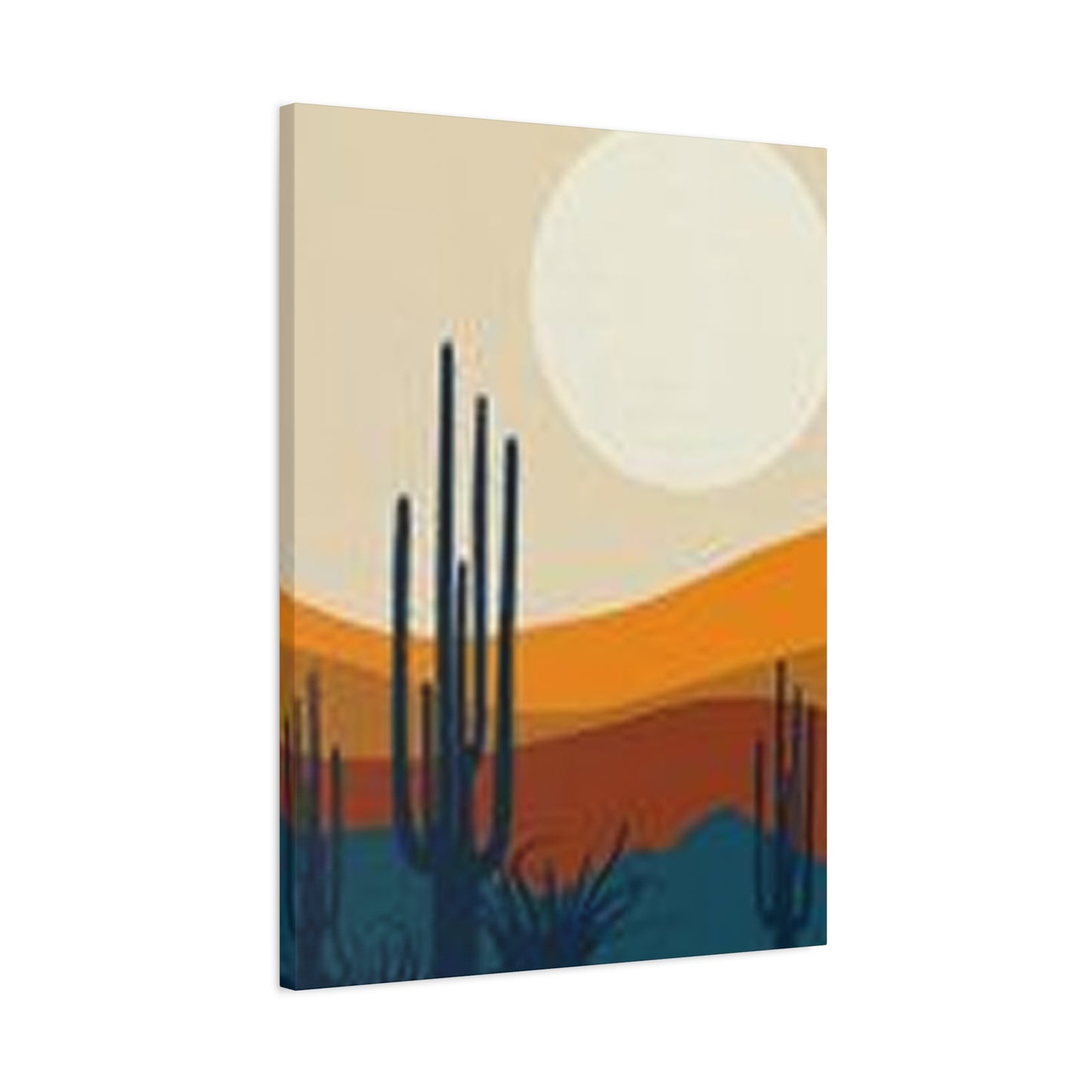
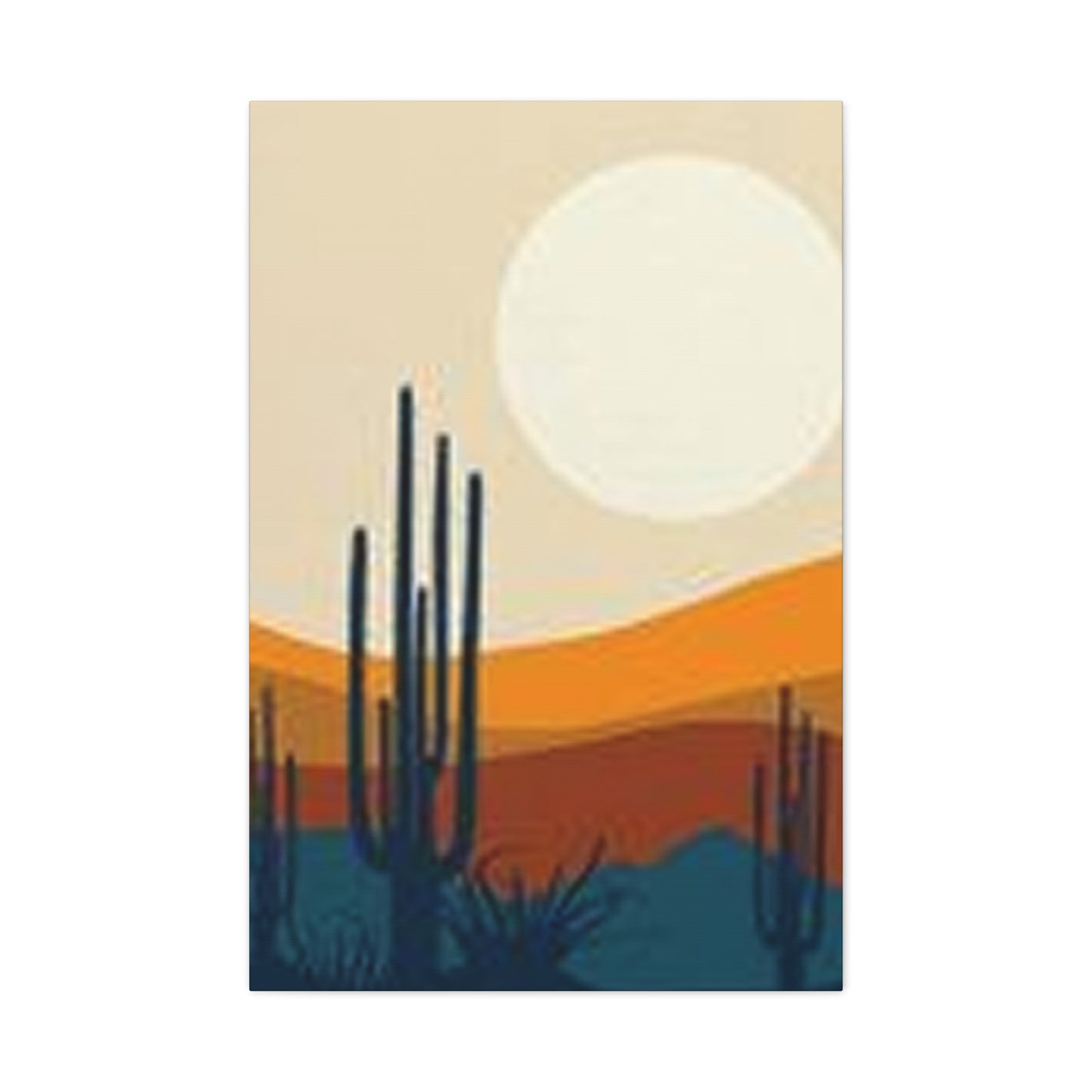
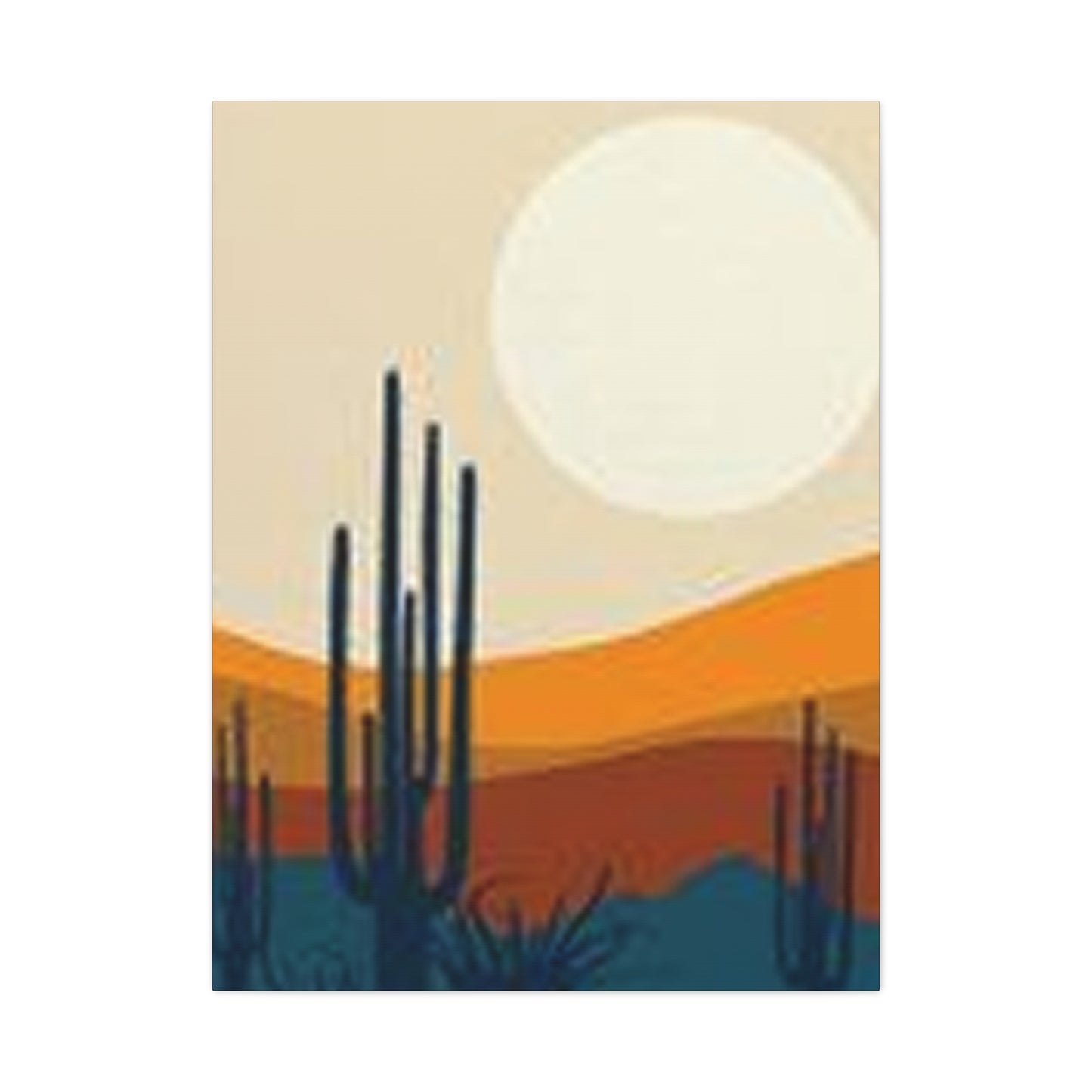
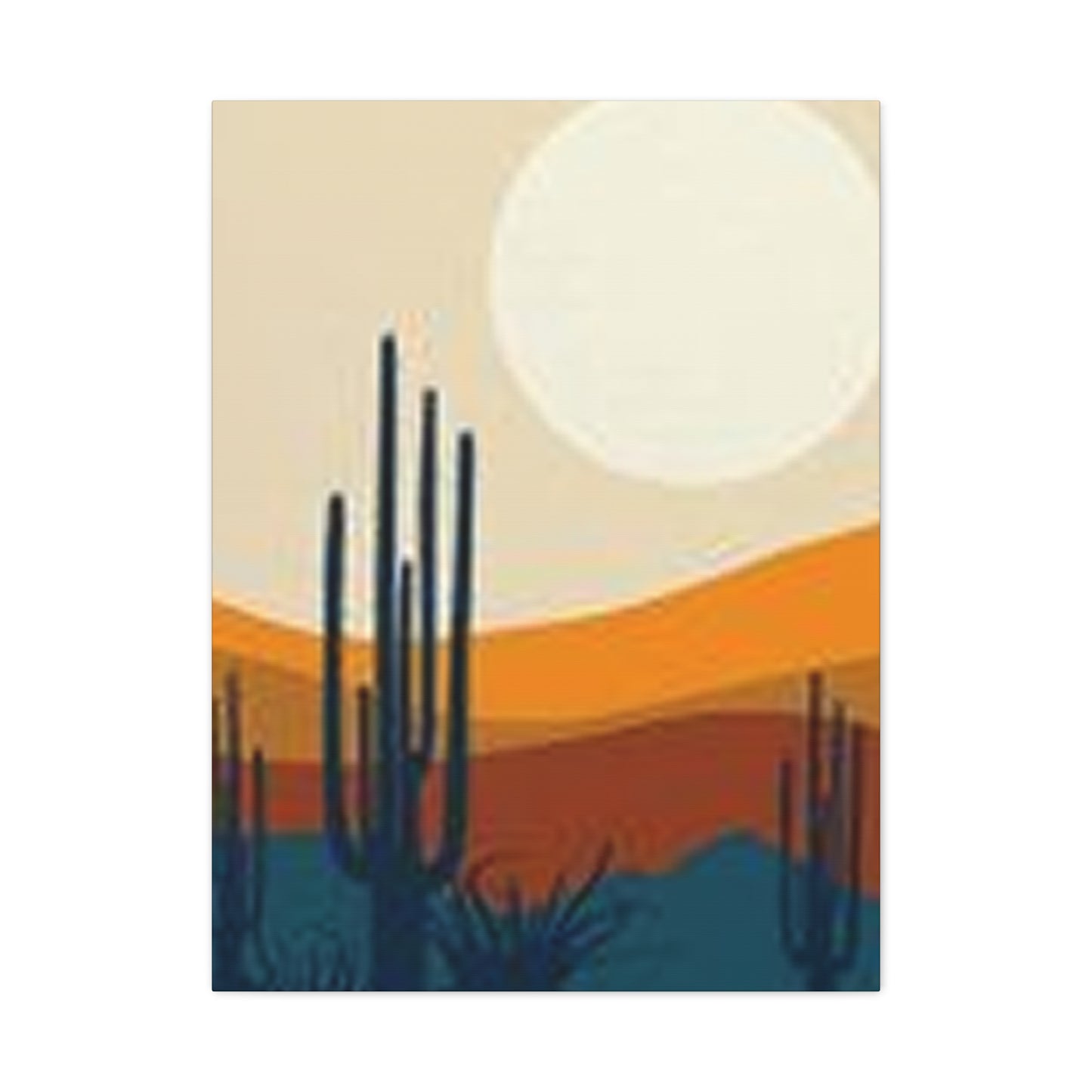
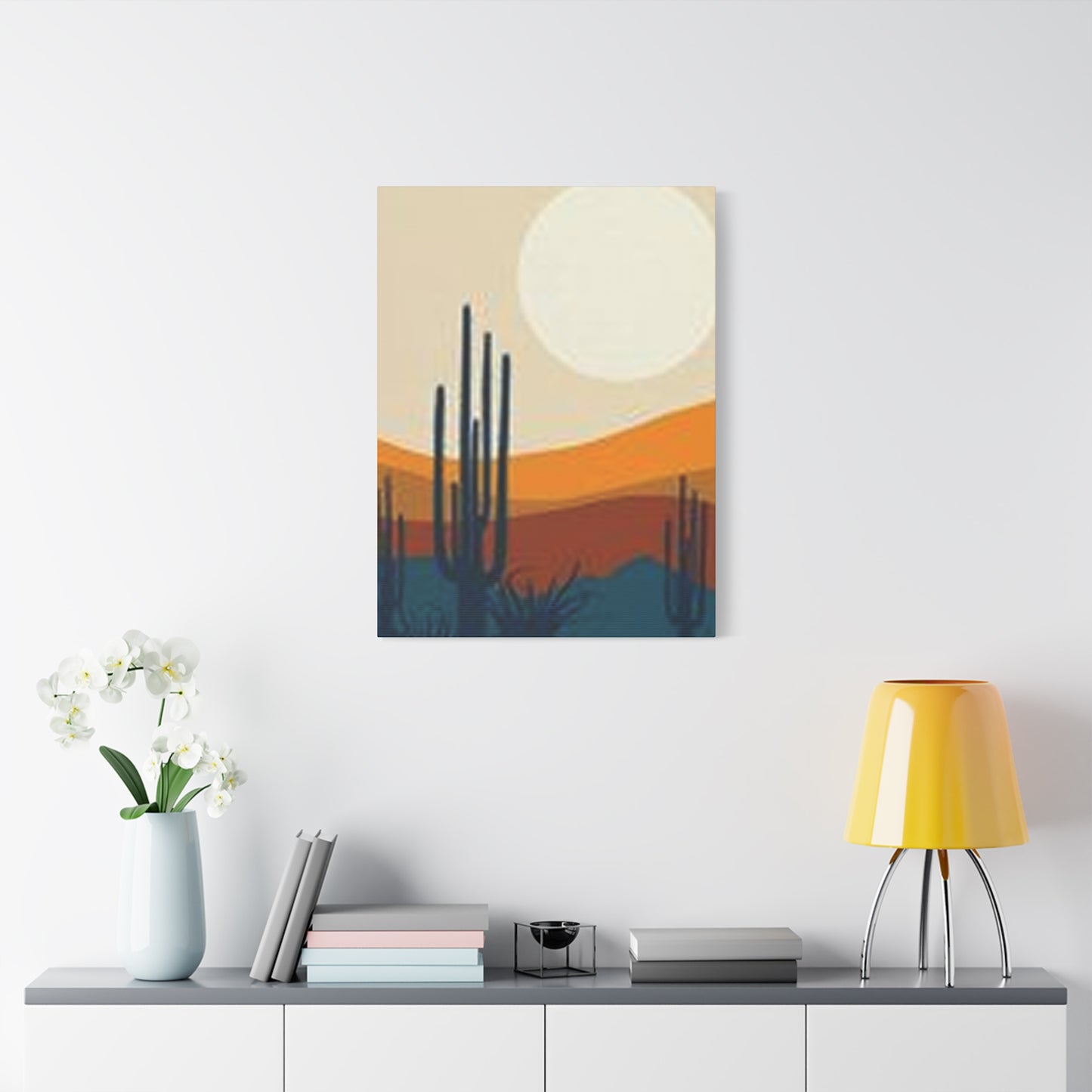
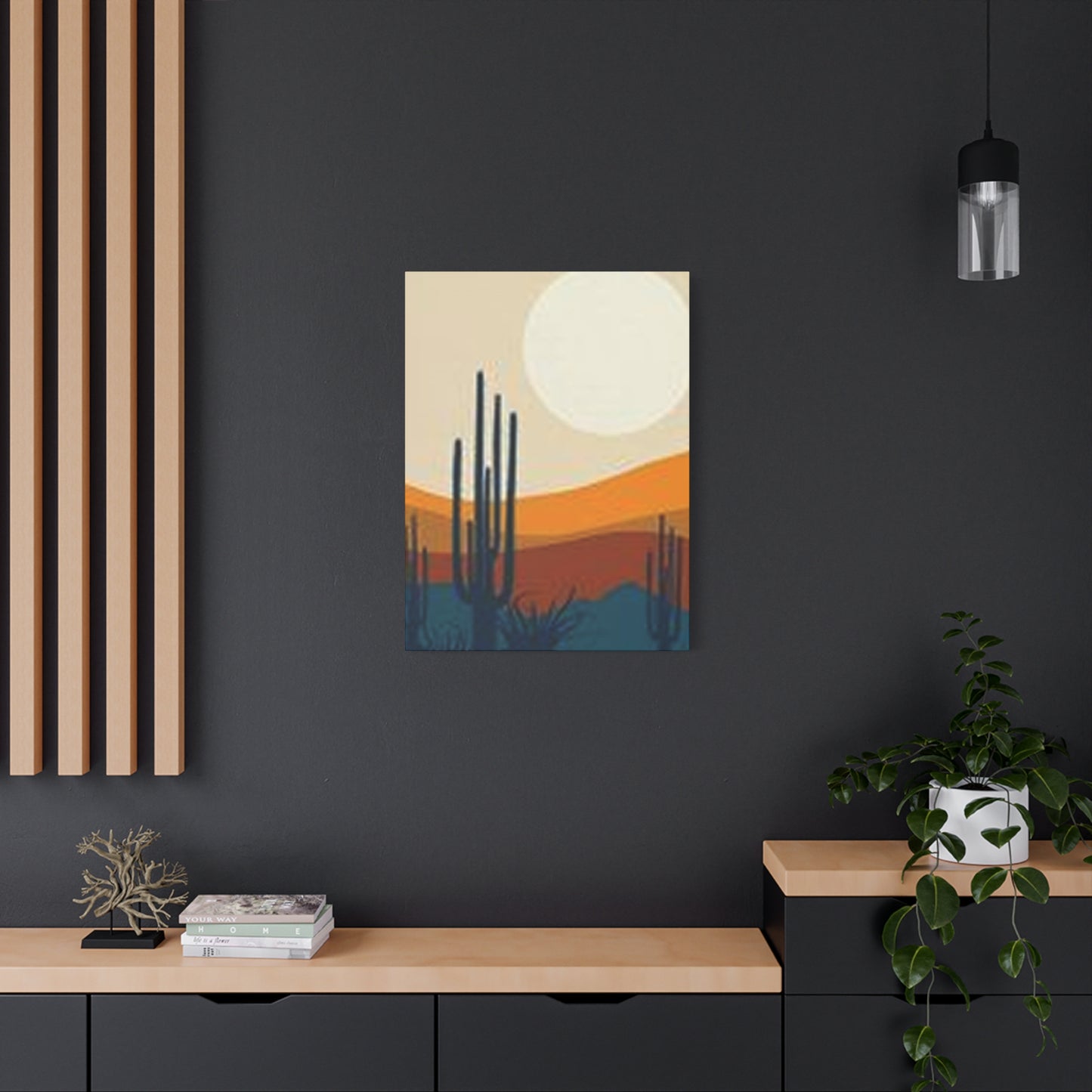
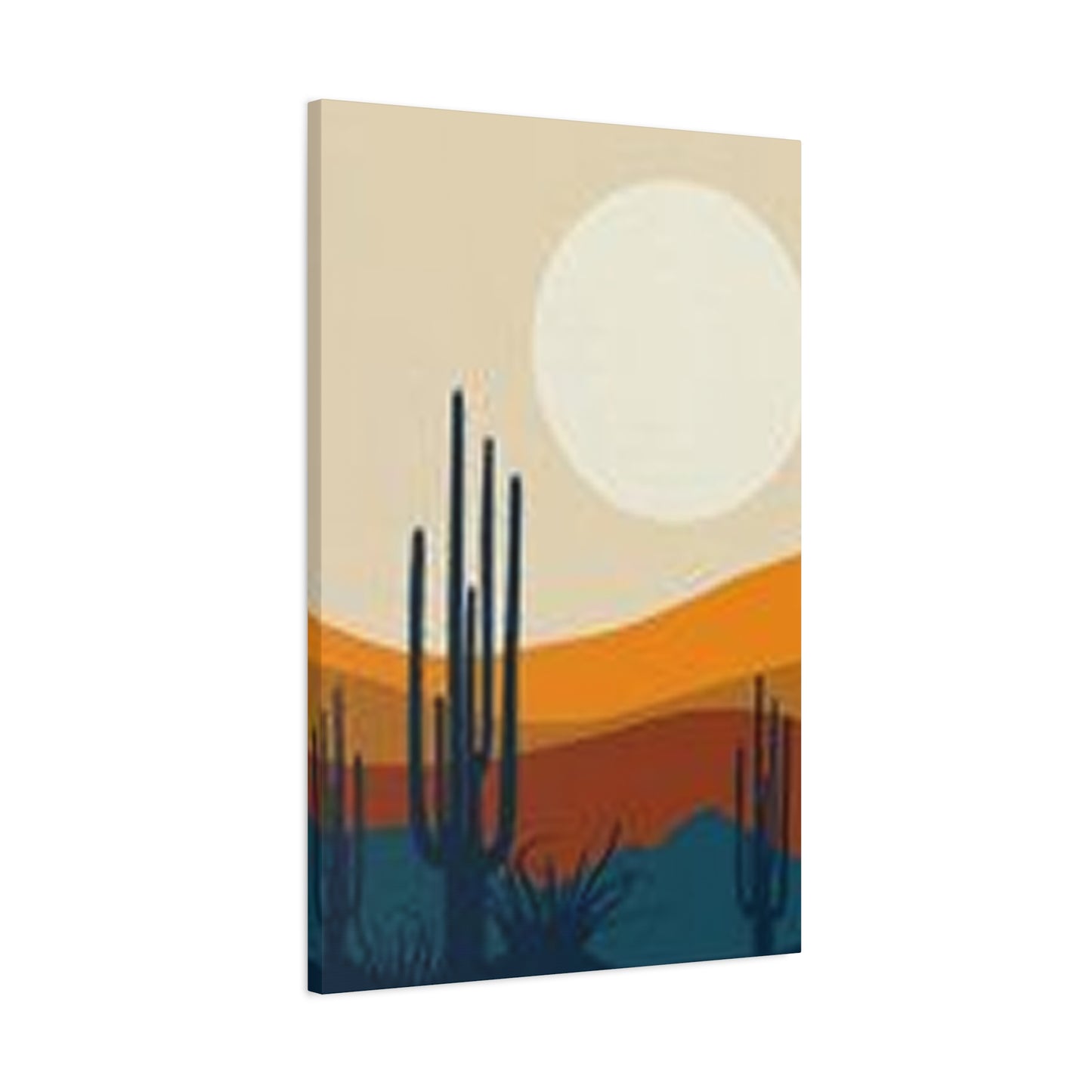
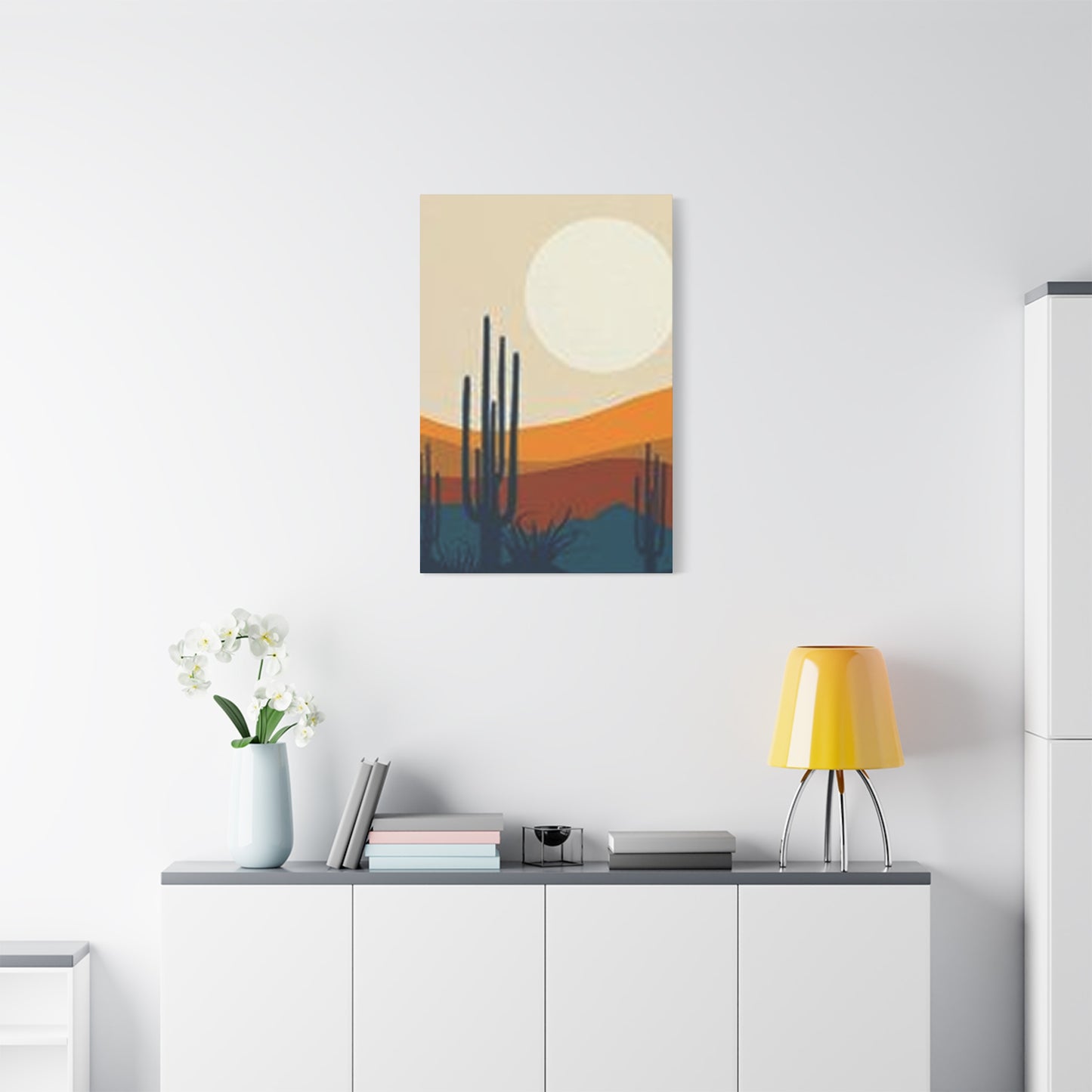
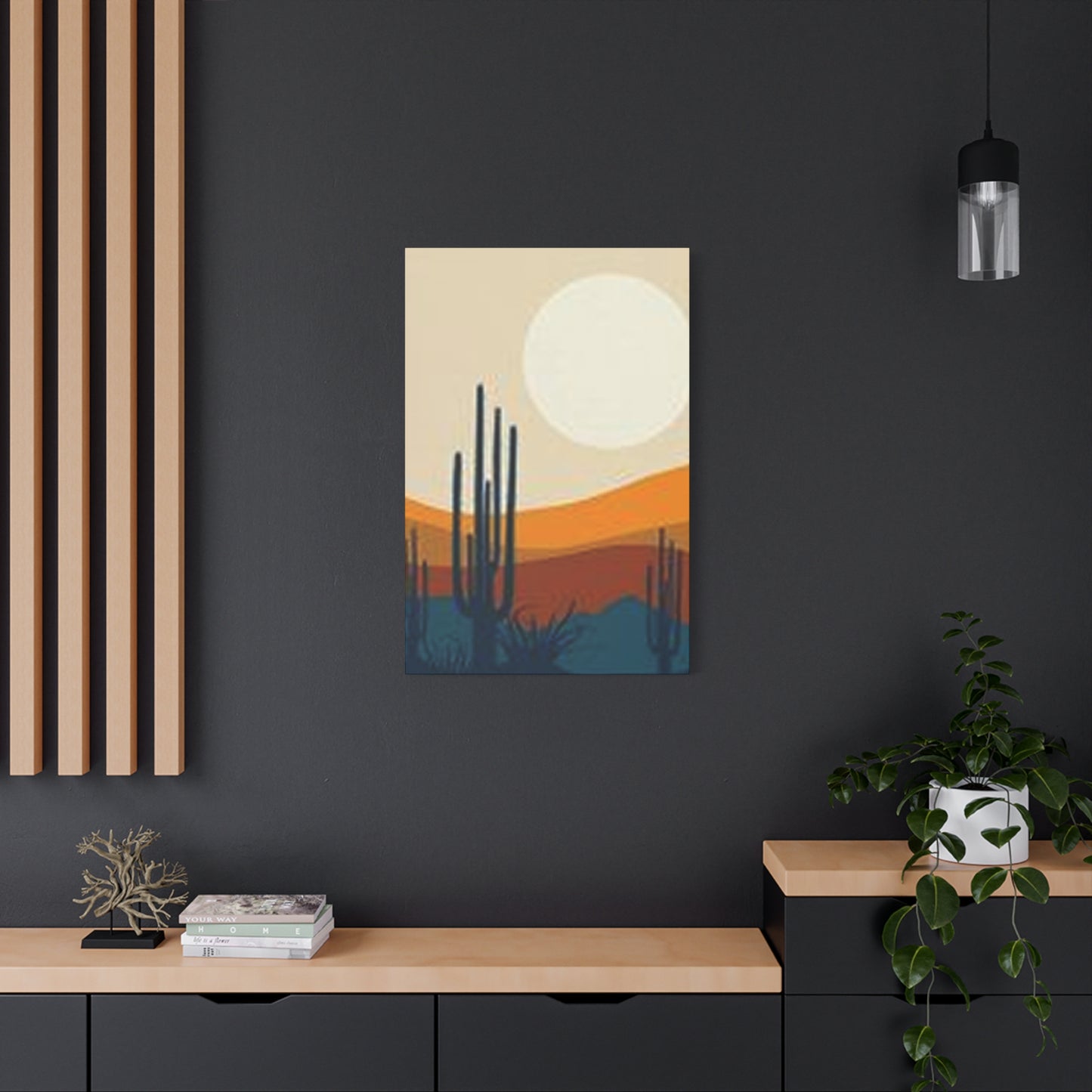
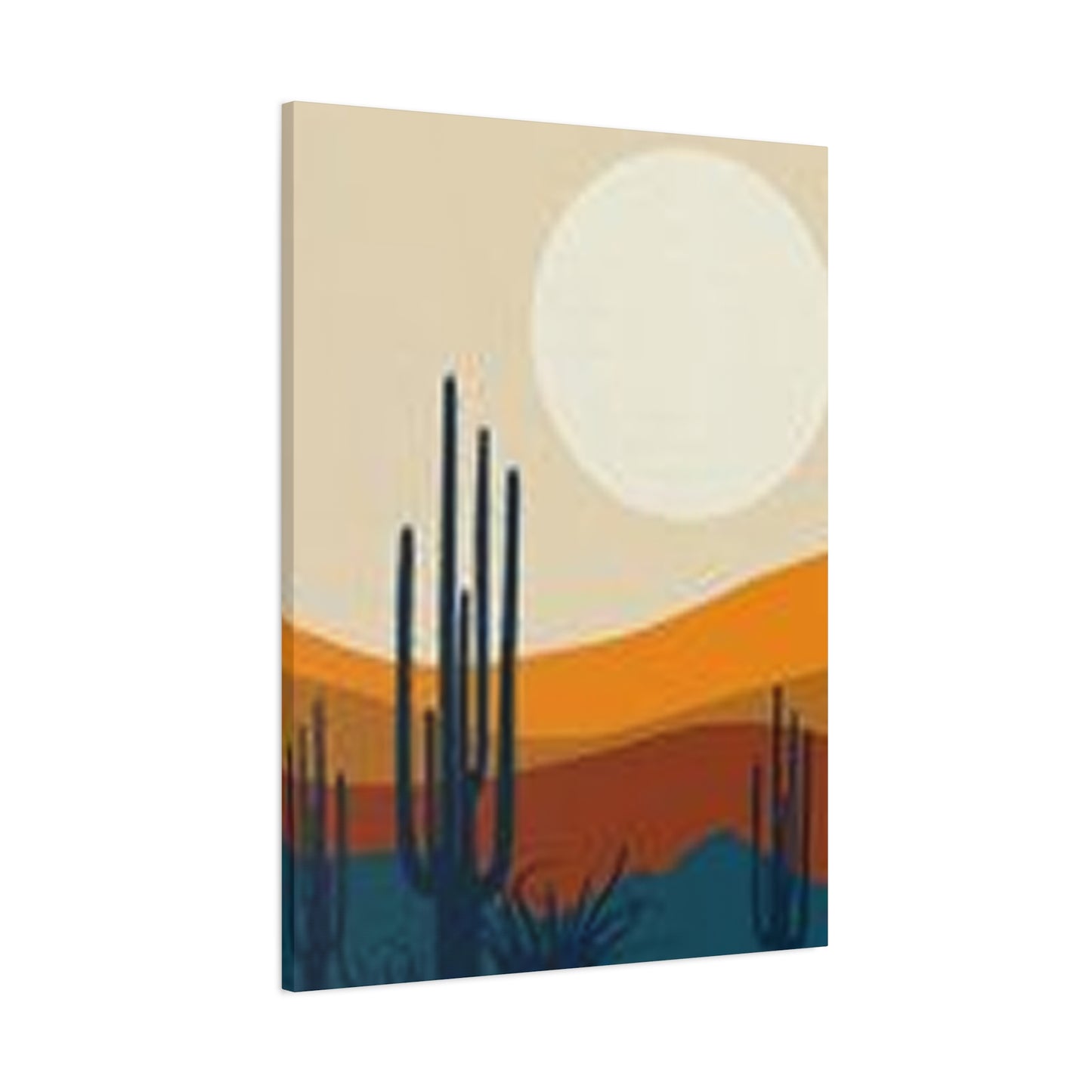
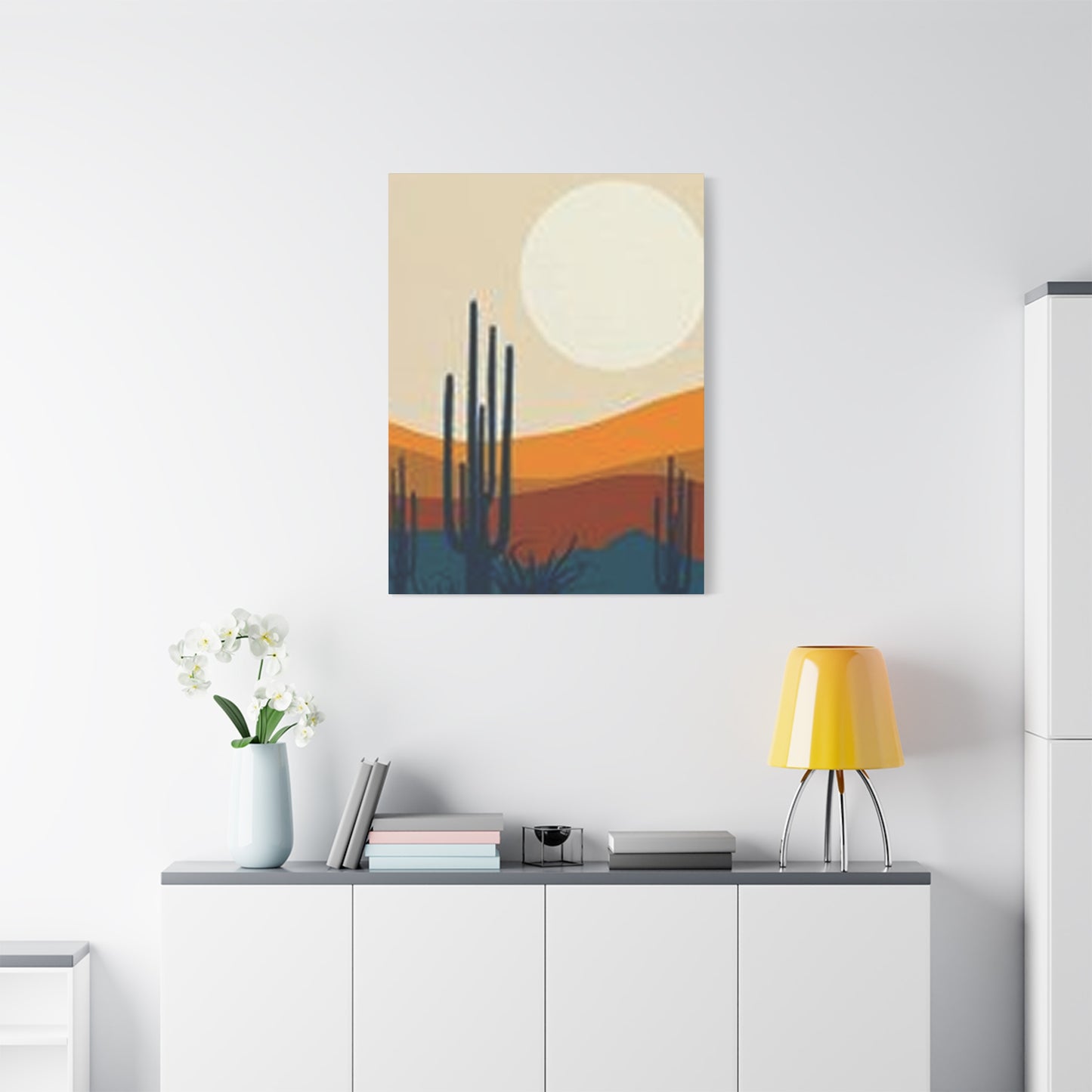
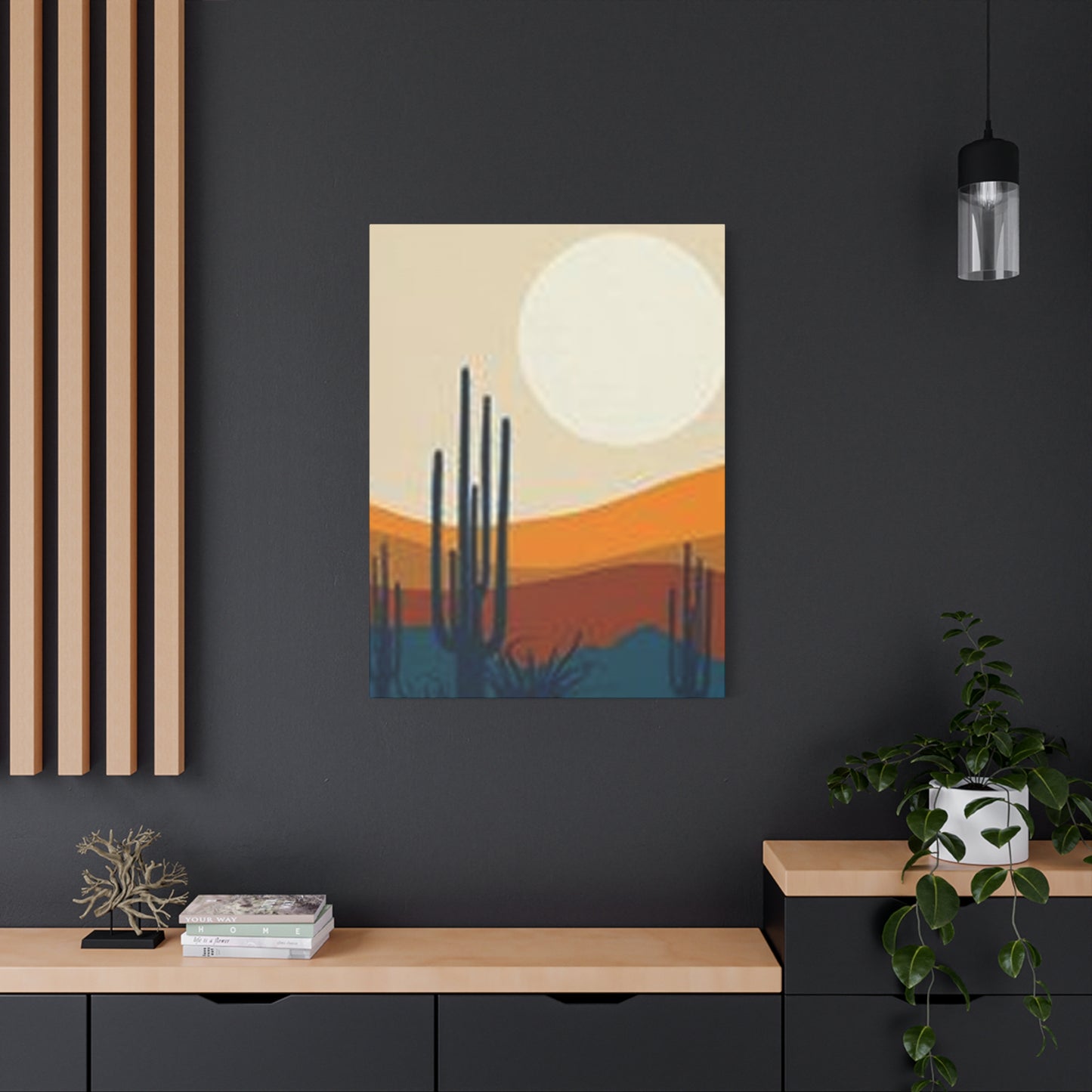
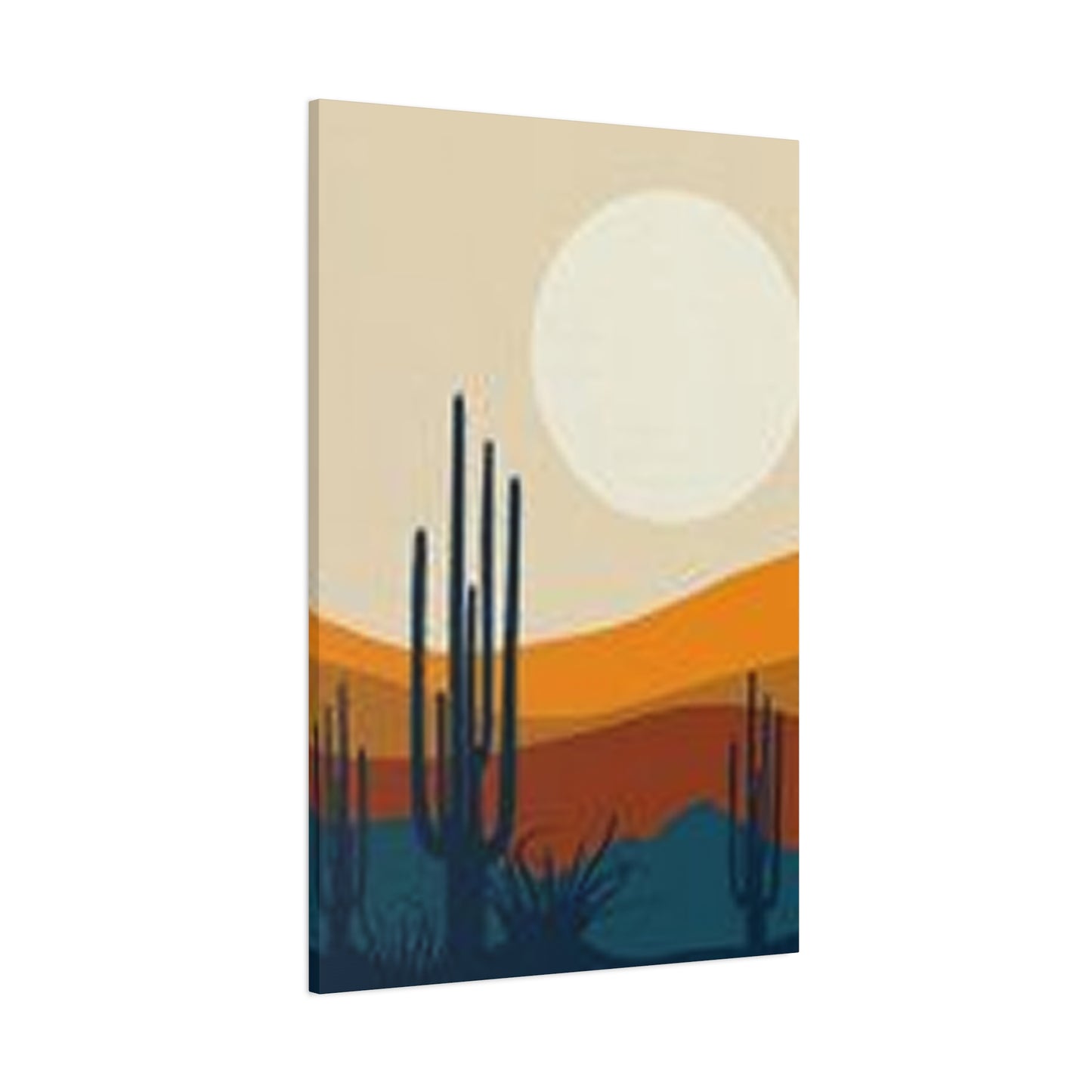
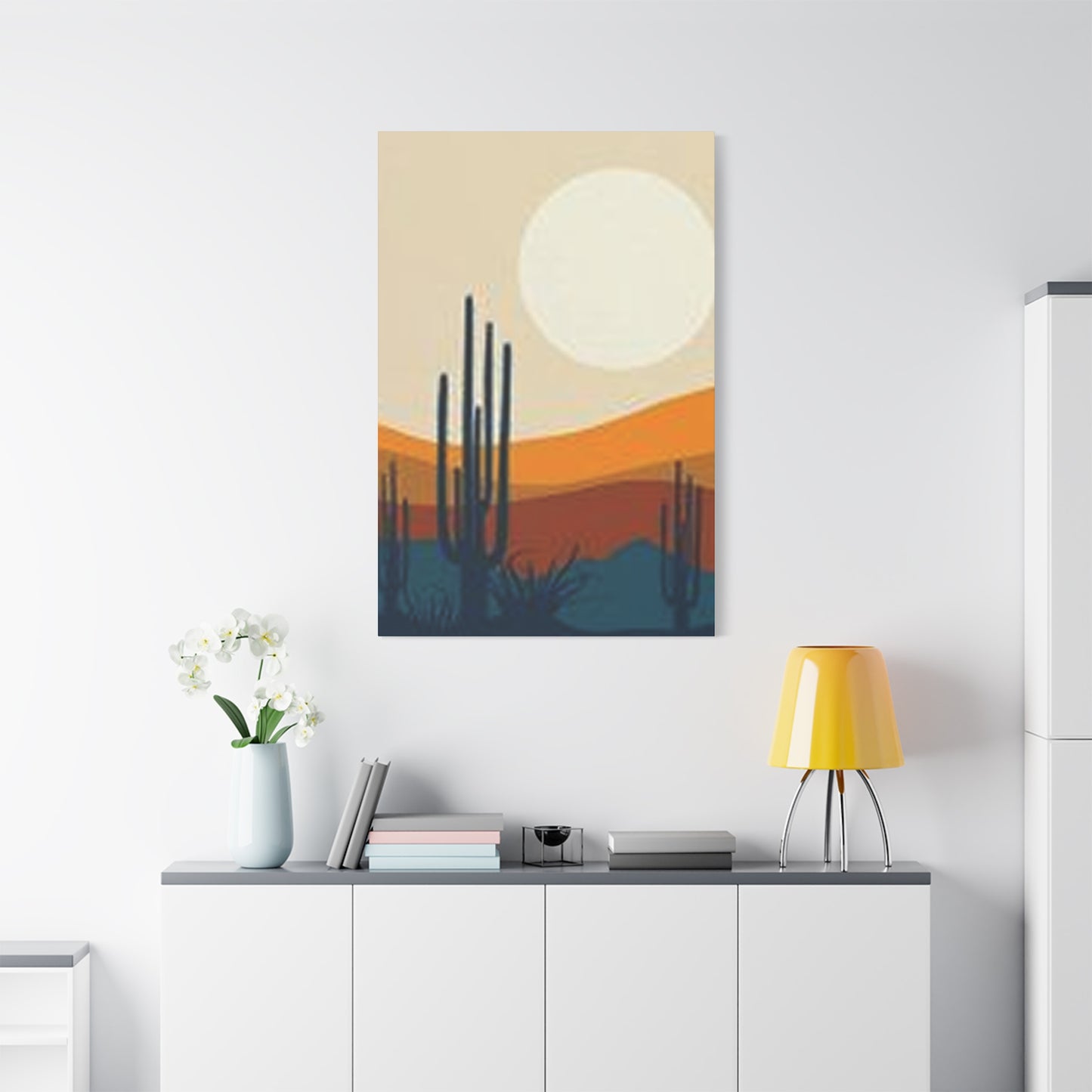
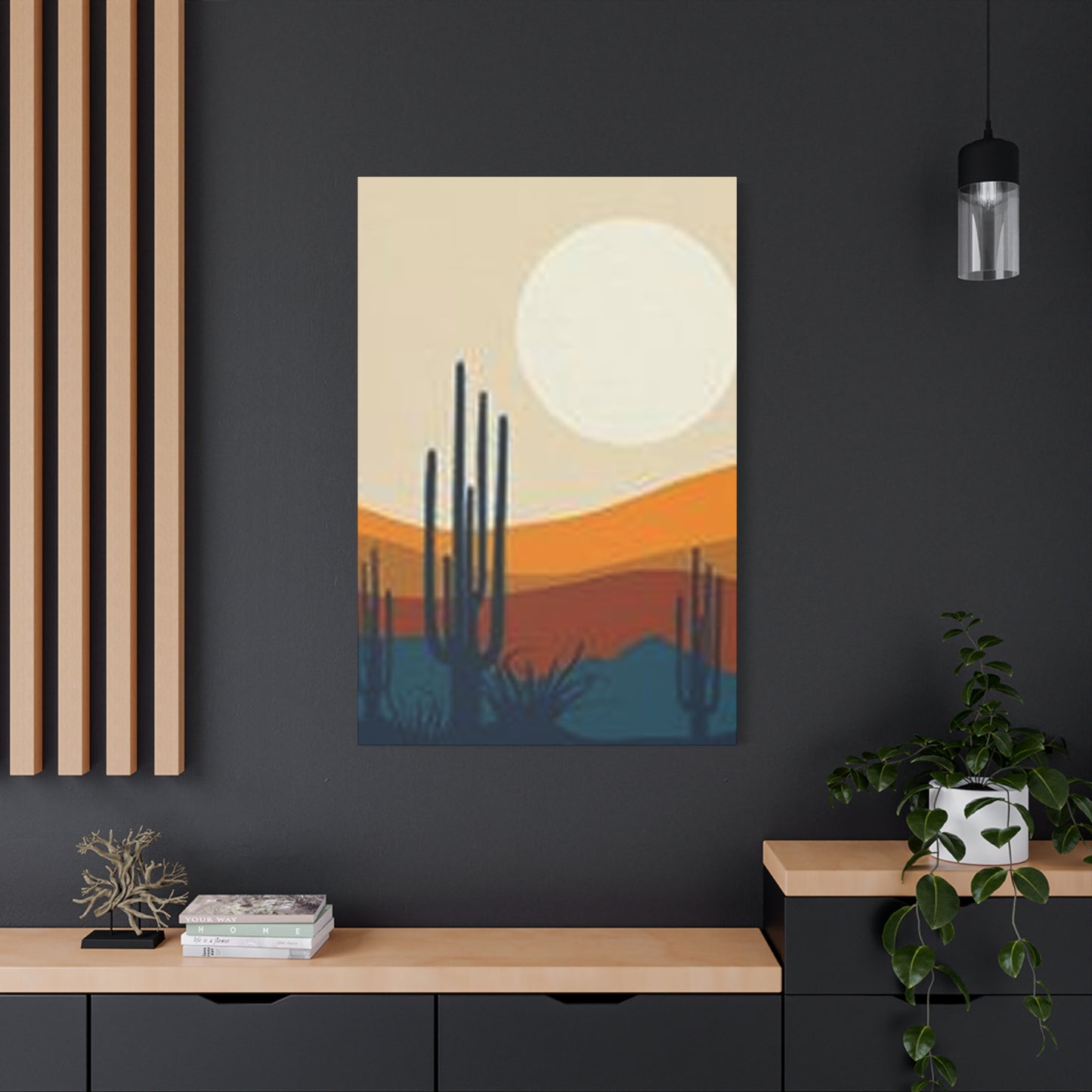
Long Cactus Desert Wall Art & Canvas Prints
Long Cactus Desert Wall Art & Canvas Prints
Couldn't load pickup availability
Timeless Long Cactus Desert Wall Art: A Unique Piece That Adds Sophistication to Modern Living Rooms
The allure of arid landscapes has captivated humanity for centuries, and now you can bring that mesmerizing beauty into your home through carefully curated decorative pieces. Long cactus desert wall art represents more than just a decorative element; it embodies the spirit of resilience, natural magnificence, and the stark beauty found in earth's most challenging environments. This form of artistic expression has surged in popularity as homeowners seek to create spaces that reflect both tranquility and strength.
The Magnetic Appeal Behind Desert-Themed Artwork in Contemporary Interior Spaces
Desert landscapes possess an undeniable magnetism that draws people toward their serene yet powerful presence. When translated into artistic form, these scenes offer a unique visual experience that differs dramatically from traditional landscape artwork. The elongated format of long cactus desert wall art creates a panoramic effect that can transform entire walls into windows overlooking imaginary southwestern vistas.
The contemporary home constantly evolves, with residents seeking meaningful connections to nature even within urban environments. This artistic genre bridges that gap perfectly, offering a slice of wilderness that requires no watering, pruning, or sunlight. The symbolic nature of cacti themselves adds layers of meaning—these plants represent endurance, protection, and the ability to thrive despite adversity.
Interior designers have recognized the transformative power of these pieces, incorporating them into diverse settings from minimalist apartments to rustic ranch homes. The horizontal orientation common in long cactus desert wall art complements modern architectural lines while softening hard edges with organic forms. This versatility explains why such artwork has become a staple in contemporary decorating schemes.
Exploring Various Artistic Styles Within Desert Landscape Representation
The world of arid landscape artwork encompasses numerous artistic approaches, each offering distinct visual characteristics and emotional resonances. Photorealistic renditions capture every needle, shadow, and gradient with meticulous precision, appealing to those who appreciate nature documentation and scientific accuracy. These pieces often showcase the intricate details that casual observers might overlook during actual desert visits.
Impressionistic interpretations take a different path, using bold brushstrokes and exaggerated color palettes to convey the emotional essence rather than literal representation. These works might feature cacti rendered in unexpected hues—purples, deep blues, or fiery oranges—that capture the feeling of desert heat or the magical quality of twilight in arid regions. Such pieces work exceptionally well in spaces that already embrace bold color choices.
Abstract desert compositions push boundaries further, breaking down recognizable forms into geometric shapes, flowing lines, or textural experiments. These pieces appeal to modern sensibilities, offering sophisticated visual interest without literal representation. They can suggest desert environments through color schemes—burnt siennas, sage greens, and sandy beiges—without depicting specific plant forms.
Watercolor treatments bring delicate translucency to desert scenes, creating ethereal interpretations that feel light and airy despite depicting hardy, substantial plants. The medium's natural flow mimics the wavering heat mirages often seen above sun-baked sands, adding atmospheric depth to the composition. These pieces particularly suit spaces where gentle, calming energy is desired.
Selecting the Perfect Dimensions for Your Horizontal Desert Artwork
Proportion plays a crucial role in maximizing the impact of any decorative piece, and long cactus desert wall art demands particular attention to spatial relationships. The extended horizontal format typically ranges from two-to-one to four-to-one length-to-height ratios, creating dramatic panoramic effects that draw eyes across expansive scenes.
For placement above sofas or beds, the artwork should span approximately two-thirds to three-quarters of the furniture's width, creating visual balance without overwhelming the space. A piece measuring six to eight feet in length works beautifully above a standard sofa, while narrower furniture might require proportionally smaller pieces to maintain harmony.
In dining areas, consider the table's dimensions when selecting artwork for adjacent walls. A horizontal piece stretching slightly beyond the table's ends creates cohesion between furniture and decor. Conference rooms and office spaces benefit from substantial horizontal pieces that command attention during meetings while maintaining professional aesthetics.
Hallways and entryways present unique opportunities for long cactus desert wall art. These transitional spaces often feature expansive blank walls that cry out for horizontal emphasis. A properly sized piece can visually lengthen corridors, making them feel more spacious and intentionally designed rather than merely functional passages.
When dealing with high ceilings, resist the temptation to hang artwork too high. Even in rooms with twelve-foot ceilings, maintain the center of the artwork at approximately eye level, typically fifty-eight to sixty inches from the floor. This positioning ensures comfortable viewing and proper visual weight distribution within the room.
Material Considerations: Canvas, Metal, Wood, and Acrylic Mediums
The substrate upon which your desert scene appears significantly influences both aesthetic qualities and practical considerations. Canvas remains the most traditional choice, offering textural depth that complements natural subjects like cacti and desert landscapes. Gallery-wrapped canvases eliminate the need for frames, creating clean, contemporary presentations that work across decorating styles.
Metal prints have revolutionized photographic artwork, offering extraordinary vibrancy and durability. The dye-sublimation process infuses images directly into specially coated aluminum, creating luminous colors and deep contrasts that make desert sunsets particularly stunning. These pieces resist fading, moisture damage, and physical impacts, making them ideal for high-traffic areas or homes with active families.
Wood substrates introduce rustic warmth that naturally complements desert themes. Images printed directly onto wood panels or mounted on reclaimed barnwood backing create cohesive aesthetic statements. The wood grain often remains visible through certain areas, adding organic texture that enhances rather than detracts from the imagery. These pieces work beautifully in farmhouse, southwestern, or eclectic interiors.
Acrylic mounting involves placing prints behind clear acrylic sheets, creating depth and protecting the image surface. Light interacts with the acrylic, producing a subtle glow that adds dimensionality. This mounting style suits contemporary spaces, offering gallery-quality presentation with remarkable clarity. The smooth, glossy surface makes cleaning simple—a quick wipe removes dust and fingerprints.
Framed prints offer traditional elegance and the opportunity to coordinate with existing decor through frame selection. Wooden frames in weathered finishes enhance rustic themes, while sleek metal frames complement modern spaces. Float mounting—suspending the print within a frame with visible space around edges—creates sophisticated presentations that draw attention to the artwork itself.
Color Palette Dynamics in Desert-Inspired Decorative Pieces
Understanding color theory helps maximize the impact of long cactus desert wall art within your specific space. Warm-toned pieces featuring reds, oranges, and yellows inject energy and vitality into rooms, creating welcoming atmospheres perfect for social spaces like living rooms and kitchens. These hues advance visually, making them powerful focal points that immediately capture attention.
Cool-toned desert scenes incorporating blues, purples, and silvers offer calming alternatives that promote relaxation and contemplation. Twilight desert scenes or moonlit cactus landscapes in these color families work beautifully in bedrooms, home offices, or meditation spaces. The receding quality of cool colors can make rooms feel more spacious, particularly valuable in compact urban dwellings.
Monochromatic desert artwork presents sophisticated options for minimalist interiors. Black-and-white desert photography emphasizes form, texture, and contrast rather than color, creating dramatic statements that work across virtually any color scheme. Sepia-toned pieces evoke vintage Western aesthetics, perfect for homes embracing nostalgic or heritage themes.
Complementary color schemes—those using opposite hues on the color wheel—create dynamic visual tension that energizes spaces. A piece featuring orange desert sands against blue evening skies, or green cacti against reddish-brown cliffs, delivers maximum color impact. These combinations work well in spaces needing personality injection without pattern complexity.
Analogous color schemes employ adjacent hues—perhaps various warm tones or a range of earth colors—creating harmonious, cohesive presentations. These pieces integrate easily into existing color schemes, providing continuity rather than contrast. They're particularly effective in open-concept spaces where visual flow between areas is desired.
Placement Strategies That Maximize Visual Impact Throughout Your Home
Strategic positioning transforms good artwork into exceptional design elements that elevate entire rooms. In living rooms, the sofa wall typically serves as the primary location for substantial horizontal pieces. Position long cactus desert wall art as the centerpiece of a gallery arrangement, or let it stand alone as a singular statement that anchors the room's aesthetic.
Bedroom placement requires particular consideration of viewing angles. Hanging artwork opposite the bed allows you to appreciate it during wakeful moments while providing a focal point that draws the eye. Alternatively, positioning a horizontal desert scene above the headboard creates a dramatic backdrop that frames the sleeping space, though you'll rarely see it yourself.
Dining areas benefit from artwork that sparks conversation without distracting from social interaction. Desert scenes offer neutral subject matter that most guests find appealing without strong emotional or political connotations. Position the piece where natural light won't create problematic glare during meals, typically on walls perpendicular to windows rather than opposite them.
Home offices and studies require artwork that inspires without overwhelming concentration. Desert imagery conveys qualities many professionals wish to embody—persistence, adaptability, and quiet strength. Place long cactus desert wall art within your peripheral vision rather than directly in your line of sight when working, allowing it to provide subconscious inspiration without becoming a distraction.
Bathrooms often get overlooked when considering artwork placement, yet they offer wonderful opportunities for creating spa-like retreats. Desert scenes introduce natural elements that promote relaxation during bathing rituals. Ensure any piece placed in bathrooms can withstand humidity—metal and acrylic options particularly excel in these environments.
Creating Cohesive Gallery Arrangements Featuring Desert Imagery
While single statement pieces deliver powerful impact, thoughtfully curated collections create layered visual interest that evolves over time. When building galleries around long cactus desert wall art, consider using the horizontal piece as the anchor, with smaller complementary pieces arranged around it. This approach creates hierarchy that guides viewers' eyes through the composition.
Thematic consistency binds galleries together even when including varied artistic styles. Mixing a photographic desert sunset, an abstract cactus painting, and a vintage botanical print of desert flora creates eclectic interest while maintaining conceptual unity. The connecting thread—desert environments—allows diverse elements to coexist harmoniously.
Geometric arrangement patterns range from precise grids to organic clusters. Grid layouts suit modern aesthetics, with evenly spaced pieces creating orderly, calming presentations. Salon-style arrangements, where pieces of various sizes hang closely together in seemingly casual configurations, work well in eclectic or bohemian spaces. Despite appearing spontaneous, successful salon walls require careful planning to balance visual weight.
Vertical stacking above and below a horizontal centerpiece creates column-like arrangements that suit narrow wall spaces. This approach works particularly well in hallways or alongside doorways where horizontal expansion isn't possible. Maintain consistent spacing—typically two to four inches between frames—to create cohesion without crowding.
Color coordination ties gallery collections together even when subjects vary. If your long cactus desert wall art features sunset tones, incorporate those hues through matting, frames, or accent colors in accompanying pieces. Alternatively, use black-and-white pieces as buffers between colorful works, creating visual breathing room that prevents overwhelming viewers.
Lighting Techniques That Enhance Desert Artwork Presentation
Proper illumination dramatically affects how artwork appears, revealing details that might otherwise remain hidden while creating ambiance throughout the room. Natural light offers the truest color representation but varies throughout the day and seasons. Position long cactus desert wall art perpendicular to windows when possible, avoiding direct sunlight that accelerates fading while benefiting from ambient daylight.
Picture lights mounted directly above or below artwork provide focused illumination that highlights textures and colors. LED picture lights offer energy efficiency and minimal heat generation, protecting delicate materials from thermal damage. Adjustable models allow you to direct light precisely, accommodating different artwork sizes and creating desired atmospheric effects.
Track lighting systems deliver flexibility, with adjustable heads directing light wherever needed. This versatility proves valuable in gallery arrangements where multiple pieces require individual attention. Choose warm white bulbs (2700-3000K) for residential spaces, as they complement most artwork without casting harsh, clinical glows that feel institutional.
Recessed can lights positioned several feet from the wall create even, diffused illumination that washes artwork in gentle light. This approach works well for large horizontal pieces that might look awkward with picture lights mounted directly above them. Angling the cans correctly prevents hotspots—bright areas surrounded by shadow—that create uneven viewing experiences.
Ambient room lighting affects artwork perception even without directly illuminating pieces. Table lamps, floor lamps, and overhead fixtures contribute to the overall light environment. Consider how your long cactus desert wall art appears under various lighting conditions—morning sunlight, afternoon shade, and evening artificial light—ensuring it remains attractive throughout the day.
Seasonal Decorating Approaches Featuring Desert-Themed Artwork
While desert landscapes maintain year-round appeal, thoughtful seasonal accents can refresh spaces without requiring artwork changes. Spring brings opportunities to incorporate fresh greens through plants, textiles, or decorative objects that complement the desert palette. Succulent arrangements echo the cacti in your artwork while introducing living elements that change and grow.
Summer embraces the heat implicit in desert scenes, making this season ideal for leaning into warm tones. Swap winter's heavy textiles for lightweight linens in sandy neutrals or terra-cotta hues that harmonize with your long cactus desert wall art. Introduce metallic accents—copper, bronze, or gold—that mimic desert sunlight and add glamorous warmth.
Autumn's natural palette aligns beautifully with desert tones, as both feature rich browns, burnt oranges, and muted greens. Layer in seasonal elements like dried grasses, wheat bundles, or pinecones that share textural qualities with desert vegetation. This season offers the most seamless integration between desert artwork and seasonal decor.
Winter provides opportunities for subtle contrast that makes desert scenes feel like warm escapes from cold weather. Introduce cool blue or silver accents that reference winter while maintaining connection to desert twilight hues. Soft lighting becomes increasingly important as days shorten, with warm glows making desert artwork feel like windows to sunnier climates.
Holiday decorating can incorporate desert themes through non-traditional color schemes. Southwestern Christmas decor featuring turquoise, coral, and natural wood complements desert artwork beautifully. Consider incorporating cactus-shaped ornaments, desert landscape greeting cards, or pottery pieces that echo shapes visible in your long cactus desert wall art.
Psychological and Emotional Impacts of Desert Imagery in Living Spaces
The environments we create significantly influence our mental states, and desert imagery offers specific emotional benefits worth considering. Open desert landscapes convey spaciousness that can counteract feelings of confinement common in urban apartments or windowless office spaces. The expansive horizons visible in panoramic desert scenes provide psychological breathing room even in physically compact areas.
Cacti symbolize resilience and endurance, serving as daily reminders of strength and adaptability. During challenging periods, glancing at your long cactus desert wall art might provide subconscious reinforcement that you too can thrive despite difficult circumstances. This symbolic resonance makes desert artwork particularly meaningful rather than merely decorative.
The stillness inherent in desert scenes promotes contemplation and mindfulness. Unlike busy cityscapes or active beach scenes, deserts convey quiet solitude that many find calming. This quality makes desert artwork especially suitable for spaces dedicated to relaxation, meditation, or focused work requiring mental clarity.
Color psychology influences how desert artwork affects mood. Warm desert tones stimulate conversation and social interaction, while cooler evening desert scenes promote rest and introspection. Consider the activities you want to encourage in each space when selecting pieces, choosing warm-toned works for gathering areas and cool-toned pieces for private retreats.
Connection to nature—even through artistic representation—provides documented wellness benefits including reduced stress, improved mood, and enhanced cognitive function. Desert artwork brings natural elements indoors, satisfying biophilic needs without requiring actual plants or their attendant care. For those with demanding schedules or poor track records keeping plants alive, desert wall art offers guilt-free nature connection.
Regional Decorating Styles That Naturally Complement Desert Artwork
Southwestern decor represents the most obvious pairing with long cactus desert wall art, but this style encompasses considerable variation. Santa Fe style emphasizes earth tones, exposed wooden beams, and handcrafted textiles featuring geometric patterns inspired by indigenous peoples. Adobe-style walls, terracotta tile floors, and wrought iron accents create authentic environments where desert artwork feels indigenous rather than imported.
Modern farmhouse style, with its clean lines and neutral palettes, provides surprisingly compatible backdrops for desert scenes. The style's emphasis on natural materials—wood, stone, and metal—complements the organic subjects in desert artwork. Shiplap walls, sliding barn doors, and industrial lighting fixtures create contemporary contexts that prevent desert imagery from feeling too theme-specific or dated.
Minimalist interiors benefit from carefully selected desert artwork that serves as one of few decorative elements. The horizontal emphasis of long cactus desert wall art aligns with minimalism's preference for clean lines and uncluttered spaces. Choose pieces with simplified compositions and limited color palettes that maintain the spare aesthetic while providing necessary visual interest.
Bohemian eclecticism embraces desert imagery as part of its globally inspired aesthetic. Layer desert artwork with textiles from various cultures, vintage finds, and abundant plant life to create rich, personalized spaces. The boho approach permits mixing patterns, textures, and eras in ways that feel collected and personal rather than designed.
Midcentury modern interiors pair wonderfully with desert landscapes, perhaps reflecting the era's fascination with Palm Springs and other desert retreats. The period's emphasis on bringing outdoors in through large windows and nature-inspired decor makes desert artwork a natural choice. Select pieces with the clean compositions and bold colors popular during the midcentury period for authentic integration.
Sourcing Authentic and Ethically Created Desert Artwork
The proliferation of mass-produced decor raises questions about authenticity and ethics worth considering when acquiring long cactus desert wall art. Supporting independent artists ensures your purchase directly benefits creators while acquiring genuinely unique pieces. Many artists now sell through personal websites or online platforms, allowing you to see their full portfolios and understand their creative processes.
Local art fairs and gallery shows offer opportunities to meet artists personally, discussing their inspiration and techniques. These connections add meaningful context to the artwork hanging in your home, transforming it from mere decoration into a conversation piece with history and human connection. You'll also find truly one-of-a-kind originals rather than prints produced in unlimited quantities.
Photography-based desert artwork raises considerations about how and where images were captured. Ethical photographers respect fragile desert ecosystems, staying on designated paths and never damaging plants for better compositions. Some artists donate portions of proceeds to desert conservation efforts, allowing purchasers to support environmental protection while beautifying their homes.
Print-on-demand services offer affordable options but vary significantly in quality and ethical practices. Research companies' labor practices, environmental policies, and material sourcing before purchasing. Some utilize eco-friendly inks, sustainably harvested wood, or recycled materials, allowing you to make environmentally conscious choices without sacrificing aesthetic preferences.
Vintage and secondhand desert artwork provides sustainable alternatives to new purchases while often offering superior quality compared to contemporary mass production. Estate sales, antique stores, and online marketplaces yield surprising discoveries—original paintings, limited edition prints, or vintage photography that carries both artistic merit and authentic history.
Caring for and Preserving Your Desert Landscape Artwork
Proper maintenance extends the life and beauty of long cactus desert wall art regardless of medium. Canvas pieces benefit from periodic dusting using soft, clean brushes that gently remove accumulated particles without grinding them into the weave. Avoid feather dusters, which can snag on canvas texture, and never use liquid cleaners unless specifically recommended by the artist or manufacturer.
Metal prints require minimal upkeep beyond occasional cleaning with microfiber cloths. For stubborn smudges, slightly dampen the cloth with water, wiping gently before drying completely. The durable surface resists scratches and fading, maintaining vibrant appearance for decades with minimal intervention. Avoid abrasive cleaners or rough cloths that might scratch the specialized coating.
Framed pieces under glass need careful attention to prevent moisture buildup between glass and print. In humid climates, check periodically for condensation or mold, particularly in bathrooms or kitchens. If moisture appears, carefully remove the artwork from the frame, allow all components to dry completely in a climate-controlled space, and reassemble with fresh backing materials.
Wood-mounted prints appreciate occasional conditioning with products specifically designed for finished wood. This prevents the substrate from drying and cracking over time, which could damage the mounted image. Apply conditioner sparingly to the wood edges and back, avoiding any contact with the printed surface itself.
Sunlight remains the primary enemy of long-term artwork preservation, causing colors to fade and materials to deteriorate. While desert artwork ironically depicts sun-drenched landscapes, it shouldn't endure actual sun exposure. Use UV-protective glass for framed pieces in sunny locations, or choose fade-resistant materials like metal prints for unavoidable bright spots.
Budgeting Strategies for Acquiring Quality Desert Artwork
Artwork prices span dramatic ranges, with options available at virtually every price point. Mass-produced prints offer entry-level accessibility, with decent-quality pieces available for under one hundred dollars. While these lack the uniqueness of originals, they allow budget-conscious decorators to achieve desired aesthetics without significant investment.
Limited edition prints provide middle-ground options, offering somewhat exclusive ownership without original artwork costs. Artists typically produce set numbers—often between fifty and five hundred—of each print, signing and numbering each one. These pieces maintain reasonable accessibility while possessing collectible qualities that mass-produced prints lack.
Original paintings and photographs command premium prices reflecting the artist's time, skill, and materials. Emerging artists often offer more accessible pricing than established names, providing opportunities to acquire originals while supporting developing talents. As these artists gain recognition, early acquisitions may appreciate significantly in value.
Payment plans and rent-to-own programs make higher-end pieces accessible without requiring large upfront investments. Some galleries and online platforms offer installment options, allowing you to take home long cactus desert wall art immediately while spreading payments over several months. This approach makes budgeting easier while preventing the disappointment of losing desired pieces while saving.
DIY artwork creation offers budget-friendly alternatives for crafty individuals. Desert photography expeditions can yield personal images suitable for printing and framing. Painting your own desert scene—even without formal training—results in unique pieces carrying personal meaning that purchased artwork cannot replicate. Numerous online tutorials guide beginners through creating respectable desert landscapes.
Complementary Decor Elements That Enhance Desert Artwork Displays
Thoughtful accessorizing amplifies the impact of long cactus desert wall art without overwhelming spaces. Living succulents and cacti create obvious connections, bringing three-dimensional reality to the two-dimensional artwork. Arrange various species in terracotta pots on surfaces below or adjacent to the artwork, creating vertical visual flow that guides eyes throughout the space.
Textiles in complementary colors and patterns layer additional interest while reinforcing the desert theme. Throw pillows in sunset hues, blankets with geometric southwestern patterns, or curtains in sandy neutrals echo elements visible in your artwork. These soft elements also provide textural contrast against artwork's flat surfaces.
Natural materials like driftwood, stones, or petrified wood displayed on shelves or tables reinforce connections to earth and nature. These objects need not come from actual deserts—any weathered, organic materials share the aesthetic qualities that make them compatible with desert imagery. Arrange them in odd-numbered groups for maximum visual appeal.
Ceramics and pottery in earth tones provide functional decor that enhances desert themes. Southwestern-style pottery, particularly pieces featuring natural clay colors or geometric patterns, works beautifully near long cactus desert wall art. Even functional items like vases, bowls, or planters contribute when chosen thoughtfully.
Lighting fixtures serve both practical and aesthetic purposes, with designs inspired by natural materials particularly compatible with desert artwork. Rattan pendants, wooden chandeliers, or metal fixtures with rustic finishes complement desert imagery while providing necessary illumination. Consider the fixtures' visual weight and style to ensure they enhance rather than compete with your artwork.
Architectural Considerations When Hanging Horizontal Artwork
Wall construction significantly impacts hanging methods and limitations. Drywall, the most common modern interior wall surface, requires appropriate anchors to support artwork weight safely. For pieces weighing less than twenty pounds, simple picture hangers or adhesive strips suffice. Heavier long cactus desert wall art demands wall anchors or studs to prevent accidents.
Locating studs—the wooden vertical supports behind drywall—ensures maximum holding power for substantial pieces. Electronic stud finders make this process simple, though the old trick of knocking and listening for solid rather than hollow sounds works too. Mark stud locations lightly with pencil before determining final artwork positioning.
Plaster walls, common in older homes, present different challenges. They're typically harder than drywall but more brittle, making them prone to cracking if handled roughly. Use masonry anchors specifically designed for plaster, drilling carefully to avoid creating larger holes than necessary. Consider professional hanging for valuable pieces to prevent costly wall damage.
Brick and concrete walls require specialized hardware and tools. Masonry bits drill through these hard surfaces, with plastic or metal anchors providing grip for screws. This hanging method creates extremely secure mountings capable of supporting very heavy pieces, though the installation process requires more effort than drywall hanging.
Floating shelves offer alternative display options that avoid wall penetration entirely. Long horizontal pieces rest on these shelves, either leaning against the wall or secured with small adhesive strips to prevent sliding. This approach allows easy rearrangement and works well for renters unable to make permanent alterations.
Cultural Significance and Symbolism in Desert Landscape Art
Desert landscapes carry rich cultural meanings across various societies, adding depth to their decorative appeal. Indigenous peoples of southwestern North America maintain profound spiritual connections to these lands, viewing particular desert locations as sacred spaces. While non-indigenous individuals cannot claim these specific cultural meanings, awareness of this depth encourages respectful appreciation rather than superficial appropriation.
Western cinema romanticized desert landscapes, establishing them as symbols of freedom, adventure, and rugged individualism. These associations persist in contemporary consciousness, making desert artwork resonate with viewers seeking to express independent spirits or adventurous natures. The vast open spaces visible in panoramic desert scenes metaphorically represent unlimited possibilities and escape from constraints.
Eastern philosophies find resonance in desert imagery through concepts of simplicity, emptiness, and essential nature. The sparse desert landscape strips away excess, revealing fundamental forms and forces. This aligns with Zen concepts of finding profound meaning in simplicity, making long cactus desert wall art compatible with meditation spaces or homes embracing minimalist philosophies.
Environmental movements increasingly highlight deserts as threatened ecosystems requiring protection. Desert artwork can express commitment to conservation, particularly when artists donate portions of proceeds to environmental causes. Displaying such pieces demonstrates values and sparks conversations about environmental stewardship.
Personal connections to desert regions—perhaps childhood homes, memorable vacations, or spiritual retreats—imbue artwork with individual significance beyond universal symbolism. A photograph of the Sonoran Desert might remind one person of family visits to grandparents in Arizona, while representing dream retirement destinations to others. These personal narratives transform artwork into meaningful memory anchors.
Combining Desert Artwork with Other Landscape Genres
While themed rooms featuring exclusively desert imagery create strong cohesive statements, mixing landscape genres often produces more dynamic, personally meaningful spaces. Pairing long cactus desert wall art with coastal scenes creates intriguing contrasts between earth's starkest environments. The juxtaposition highlights unique beauty in each setting rather than diminishing either.
Mountain landscapes share certain qualities with desert scenes—vast scales, dramatic light, and suggestions of solitude. Combining these genres creates variety while maintaining thematic consistency around nature and wilderness. Choose pieces with compatible color palettes or complementary seasons to ensure visual harmony despite different subjects.
Forest and woodland scenes provide maximum contrast to desert imagery, comparing lush abundance against sparse minimalism. This combination works best when intentional, perhaps symbolizing life's varied experiences or appreciation for nature's diversity. Maintain visual connection through consistent framing styles, color schemes, or artistic approaches despite subject differences.
Abstract landscapes bridge specific genres, suggesting natural environments without literal representation. These pieces mediate between more specific landscape types, creating transitions that allow seemingly incompatible genres to coexist. An abstract piece incorporating both desert and ocean colors, for example, creates visual dialogue between those specific landscape types displayed elsewhere.
Urban landscapes create deliberate tension with desert wilderness imagery, perhaps representing work-versus-leisure or civilization-versus-nature dichotomies. This combination suits individuals whose lives genuinely span both worlds—perhaps city dwellers who vacation in desert regions or remote workers living in small southwestern towns. The contrast emphasizes each environment's unique qualities.
Digital Art and Printable Desert Scenes for Budget-Conscious Decorators
The digital age democratized art acquisition, with countless printable images available at minimal cost. Independent artists sell digital files through online marketplaces, allowing purchasers to download and print at their preferred sizes and materials. This approach offers maximum flexibility and affordability, though print quality depends entirely on chosen printing services and materials.
Subscription services provide access to extensive image libraries for monthly fees lower than purchasing single pieces traditionally. These platforms suit renters or frequent redecorators who enjoy changing artwork regularly. Download various desert scenes throughout your subscription period, printing favorites while exploring different styles without long-term commitment.
Free image repositories offer surprising treasures for those willing to search carefully. Public domain historical photographs, creative commons licensed contemporary images, and artist-donated works populate these sites. While selection proves less curated than paid services, diligent searching uncovers genuine gems suitable for personal printing and display.
Print quality varies dramatically based on resolution, printer capabilities, and paper selection. High-resolution files—at least 300 dots per inch at final print size—ensure crisp details without pixelation. Professional printing services far surpass home printers for large-format pieces, offering specialized papers and inks that produce gallery-quality results.
Framing digital prints requires the same care as traditional artwork. Choose frames that protect and enhance the image, with materials and styles appropriate to your decor. Consider professional matting for prints displayed under glass, as this prevents the print from touching the glass where moisture could cause damage.
Incorporating Desert Artwork into Commercial and Office Spaces
Professional environments benefit from thoughtful artwork selection that enhances ambiance while reinforcing brand identities. Desert scenes convey reliability, endurance, and strength—qualities most businesses wish to project. Long cactus desert wall art in reception areas creates welcoming first impressions while suggesting organizational stability and groundedness.
Conference rooms require artwork that inspires without distracting from meetings. Desert landscapes provide neutral, generally unobjectionable subjects that most visitors find pleasant. The horizontal format particularly suits spaces designed for group gatherings, as it doesn't compete vertically with standing presenters or projection screens.
Executive offices allow more personalized artwork selection, with choices potentially reflecting leadership values or regional connections. A CEO who grew up in Arizona might display desert scenes as personal touchstones, while another might choose them purely for aesthetic compatibility with office furnishings. These selections humanize leadership while maintaining professional atmospheres.
Healthcare facilities increasingly recognize artwork's role in patient wellbeing. Desert scenes offer calming neutrality without the emotional triggers some subjects carry. The sense of openness and fresh air visible in desert landscapes psychologically benefits patients spending time in windowless treatment rooms or restricted to bedrooms during recovery.
Hospitality venues, particularly those in or near desert regions, use local landscape artwork to establish sense of place. Hotels, restaurants, and resorts display desert scenes that connect guests to surroundings, enhancing authentic regional experiences. Even properties distant from actual deserts might use desert artwork to suggest warmth, vacation atmospheres, and escape from everyday routines.
Trends Shaping the Evolution of Desert Landscape Artwork
Contemporary artistic trends continually reshape how desert subjects appear in decorative pieces. Drone photography has revolutionized landscape imagery, offering breathtaking aerial perspectives impossible before this technology's development. Birds-eye views reveal geometric patterns in desert topography, creating abstract-appearing compositions despite photographic accuracy.
Mixed-media approaches combine photography, painting, and digital manipulation, producing hybrid pieces that transcend traditional categories. Artists might photograph a desert scene, then overlay painterly elements or incorporate metallic leaf, creating artwork that exists between multiple media. These pieces offer unique visual interest while commanding premium prices reflecting their complexity.
Oversized formats push beyond traditional artwork dimensions, with pieces spanning ten, fifteen, or even twenty feet creating architectural statements. These massive installations suit large commercial spaces or homes with cathedral ceilings and expansive walls. The scale transforms artwork from decorative elements into defining architectural features that shape entire spaces.
Sustainable practices influence both subject matter and creation methods. Environmentally conscious artists highlight desert conservation, while others demonstrate commitment through materials—recycled frames, non-toxic inks, or sustainably harvested wood substrates. Eco-minded consumers increasingly consider these factors when acquiring long cactus desert wall art.
Augmented reality features represent cutting-edge innovations, with smartphone apps revealing animated elements or additional information when pointed at physical artwork. Desert scenes might include time-lapse elements showing day-to-night transitions, or informational overlays identifying visible plant species. These technologies bridge physical and digital experiences in novel ways.
Seasonal Desert Transformations Captured in Photographic Series
While deserts maintain year-round visual interest, subtle seasonal changes offer opportunities for photographic series that document these transitions. Spring blooms transform barren landscapes into unexpected flower gardens, with cacti producing vibrant blossoms that contrast dramatically against otherwise muted palettes. These fleeting displays create particularly special artwork commemorating brief annual events.
Summer monsoons bring dramatic skies and temporary water features rarely associated with deserts. Photographers capture lightning splitting dark storm clouds, rainbows arcing over mesas, or flash floods rushing through normally dry washes. These dynamic moments showcase desert drama often overlooked when thinking of these seemingly static environments.
Autumn sunlight takes on golden qualities that enhance natural desert tones, creating warm glows that feel particularly inviting as outdoor temperatures cool. Vegetation shifts subtly—certain plants enter dormancy while others begin growth cycles, creating textural changes visible to attentive observers. This season offers perhaps the most comfortable conditions for both visitors and photographers.
Winter snow occasionally blankets high-elevation deserts, creating surreal scenes where white powder dusts familiar cactus forms. These rare events produce striking contrasts that feel almost impossible despite photographic evidence. Winter's low sun angles also create long dramatic shadows that emphasize desert topography in ways harsh summer light cannot.
Series documenting twenty-four-hour cycles within single locations reveal dramatic transformations as light changes. Pre-dawn blues give way to sunrise pinks, harsh midday whites, golden afternoon glows, and finally deep twilight purples. Displaying multiple pieces from such series creates dynamic installations that honor the desert's constantly shifting character.
Creating Personalized Desert Artwork Through Photography Expeditions
Embarking on personal desert photography adventures yields artwork carrying unique meaning no purchased piece can match. Planning these expeditions requires research into accessible desert areas, considering factors like seasonal conditions, required permits, and safety considerations. Many public lands offer spectacular scenery without requiring technical climbing or backcountry navigation skills.
Equipment needs range from simple smartphone cameras to elaborate professional setups depending on desired results and existing skill levels. Modern smartphones produce remarkably high-quality images suitable for printing at moderate sizes. Those committed to photography might invest in dedicated cameras, various lenses, and stabilization equipment that expand creative possibilities.
Timing dramatically affects desert photography results. Golden hours—shortly after sunrise and before sunset—bathe landscapes in warm, directional light that emphasizes textures and creates long shadows. Midday's harsh overhead light typically produces less appealing results, though dramatic cloud formations can mitigate this limitation. Night photography captures star-filled skies impossible to see in light-polluted urban areas.
Composition principles separate compelling images from mere documentation. Rule of thirds suggests placing key elements off-center for more dynamic arrangements. Leading lines—paths, shadows, or natural features—draw viewers' eyes through scenes. Foreground elements add depth to otherwise flat landscapes. Studying accomplished desert photography provides education in these principles.
Conclusion
Long Cactus Desert Wall Art is a stunning way to introduce the rugged, yet serene beauty of the desert into your home, transforming your living spaces with its bold, earthy aesthetic. The image of tall, majestic cacti set against a vast, open desert backdrop conjures feelings of solitude, resilience, and the raw, untamed beauty of nature. With its striking simplicity and natural elegance, Long Cactus Desert Wall Art not only enhances the visual appeal of a room but also brings a sense of peace and tranquility, connecting you with the natural world in a way that feels both grounding and invigorating.
Cacti, especially the towering, long varieties, are symbols of endurance and strength. They thrive in the harshest of conditions, and their presence in art can evoke a sense of resilience and adaptability—qualities that resonate deeply with many. Whether it’s a lone cactus standing proudly in the desert sun or a sweeping landscape of multiple cacti, this artwork captures the essence of survival and beauty in an environment that is often seen as barren and unforgiving. Yet, the desert is far from lifeless; it’s a vibrant, fascinating ecosystem, full of subtle colors, textures, and an ever-changing quality that makes it a perfect subject for home décor.
Long Cactus Desert Wall Art is especially effective in creating a serene, nature-inspired atmosphere. The muted, earthy tones often used in desert art—shades of golden yellows, dusty oranges, deep greens, and soft browns—imbue the room with warmth and a calming energy. These colors are easy to integrate into a wide range of interior styles, from minimalist and bohemian to southwestern and modern. The simple yet dramatic lines of the long cacti create a focal point that invites the eye, drawing attention without overwhelming the space. Whether framed as a single statement piece or as part of a gallery wall, Long Cactus Desert Wall Art brings a quiet elegance to any room.
The desert landscape also carries a sense of mystery and stillness, making it the perfect backdrop for creating a peaceful retreat in your home. In a living room or bedroom, it can evoke feelings of solitude and introspection, offering a visual escape from the rush of daily life. It works beautifully in spaces where you want to create a calm, inviting environment—such as a cozy reading nook, a meditation space, or a personal sanctuary where you can unwind and relax. The expansive desert views in the artwork give a sense of openness and vastness, making smaller rooms feel more spacious, while providing a tranquil escape in larger spaces.
Beyond the calming qualities of the desert itself, Long Cactus Desert Wall Art is also a wonderful way to bring the beauty of the natural world into your home. The desert, with its stark yet beautiful landscapes, often represents the delicate balance of life. By displaying a piece of art that captures the beauty of cacti and their environment, you not only celebrate the aesthetic value of nature but also help cultivate a connection to the earth. Cacti are resilient plants that thrive in extreme conditions, and this makes them an excellent metaphor for personal strength, perseverance, and the ability to adapt—qualities that many people find inspiring and motivating.
In addition to its aesthetic and symbolic appeal, Long Cactus Desert Wall Art is also a versatile piece for various design styles. In modern or minimalist homes, its clean lines and natural form provide a striking contrast against the sleekness of contemporary furniture. In bohemian or eclectic interiors, it pairs well with other natural elements like wood, woven textiles, and plants, contributing to a relaxed, earthy vibe. Whether you’re designing a desert-themed room or simply looking to add a touch of nature-inspired elegance to your home, this artwork fits effortlessly into your décor, creating a sense of harmony and connection with the outdoors.
In conclusion, Long Cactus Desert Wall Art is an exceptional way to bring the timeless beauty of the desert into your home. Its dramatic yet serene presence introduces a sense of calm and connection to nature, while also evoking themes of resilience, strength, and peaceful solitude. Whether displayed in a living room, bedroom, or creative space, this type of wall art adds both visual interest and emotional depth to any room, transforming your living space into an oasis of tranquility and inspiration. With its earthy tones, striking shapes, and connection to the natural world, Long Cactus Desert Wall Art offers a unique and meaningful way to enhance your home with the beauty of the desert.
Share