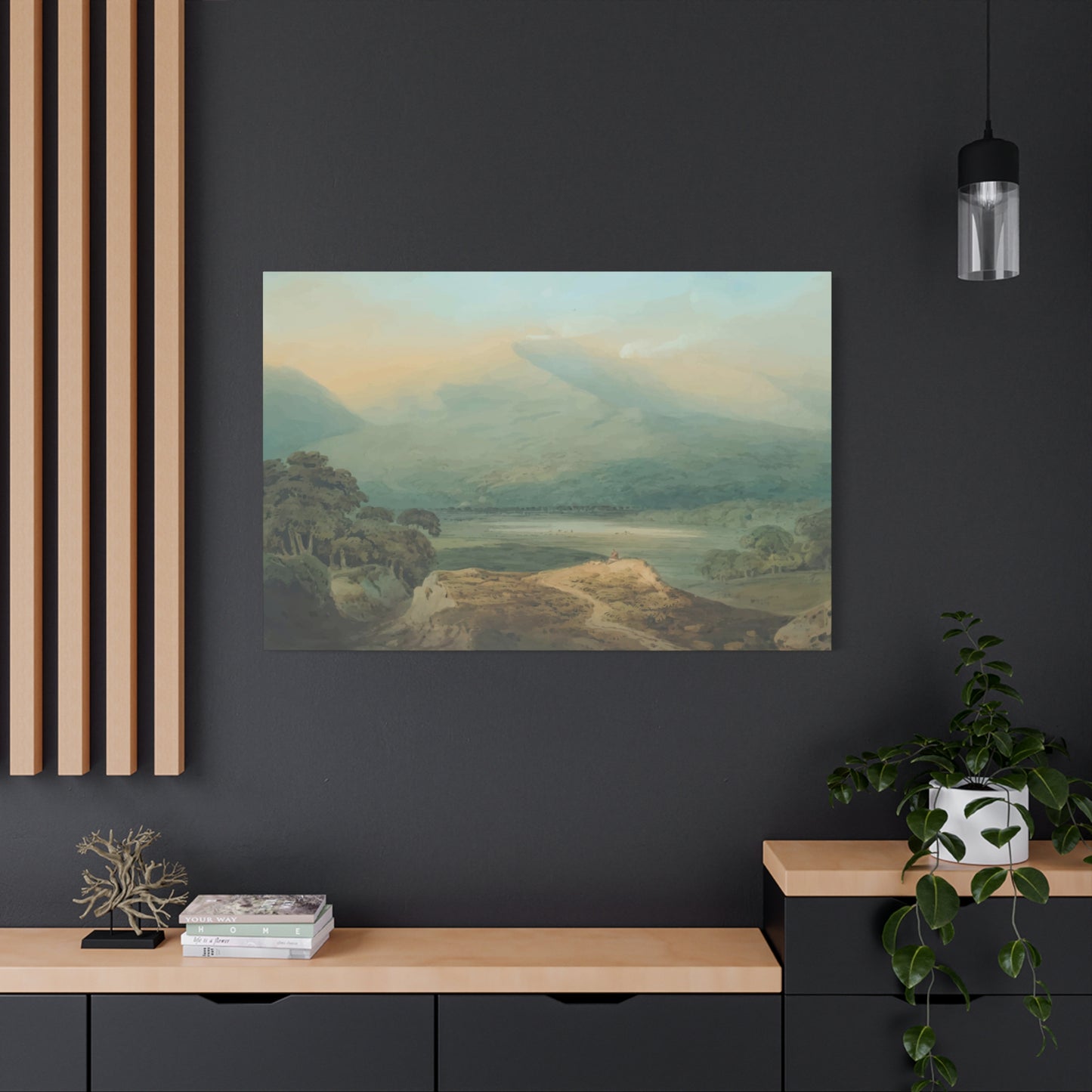


Living Room Wall Art & Canvas Prints
Living Room Wall Art & Canvas Prints
Couldn't load pickup availability
Elevate Your Space with Stunning Living Room Wall Art: A Complete Resource for Interior Transformation
The interior of a home speaks volumes about the personalities dwelling within its walls. Among all the elements that contribute to creating an inviting atmosphere, living room wall art stands as one of the most powerful tools for self-expression and aesthetic enhancement. This comprehensive exploration delves into every aspect of selecting, arranging, and maintaining artwork that transforms ordinary walls into captivating visual narratives.
Discovering the Profound Impact of Artistic Displays on Residential Interiors
Art possesses an extraordinary ability to alter the entire ambiance of a living space. When thoughtfully selected and positioned, living room wall art becomes more than mere decoration—it evolves into a statement piece that reflects personal values, experiences, and aesthetic sensibilities. The connection between visual elements and emotional responses has been studied extensively, revealing that surrounding ourselves with meaningful imagery can significantly influence our mood, productivity, and overall sense of well-being.
The living room serves as the heart of most homes, functioning as a gathering place for family members and guests alike. This central location makes it the ideal canvas for showcasing artwork that tells your story. Whether you gravitate toward contemporary abstracts, classical landscapes, or photography that captures fleeting moments, the pieces you choose will set the tone for countless conversations and memories created within those walls.
Consider how different artistic styles evoke distinct emotional responses. Bold, vibrant pieces energize a space, infusing it with dynamism and excitement. Conversely, softer, more subdued artworks create a tranquil atmosphere conducive to relaxation and contemplation. Understanding these subtle yet powerful effects allows homeowners to curate collections that align with their desired environment and lifestyle.
Exploring Various Styles and Movements That Define Contemporary Wall Decoration
The world of living room wall art encompasses an incredibly diverse range of styles, each with its own visual language and cultural significance. Abstract expressionism challenges viewers to find personal meaning in shapes, colors, and textures that don't represent recognizable forms. This style offers tremendous flexibility, allowing the same piece to resonate differently with each observer based on their unique perspective and experiences.
Minimalist artwork has gained substantial popularity in recent years, particularly among those who embrace the philosophy of less-is-more. These pieces typically feature clean lines, limited color palettes, and generous negative space, creating a sense of calm and order. When incorporated into living spaces, minimalist art can make rooms feel larger and more open, especially valuable in smaller homes or apartments.
Representational art, which depicts recognizable subjects like landscapes, portraits, or still life compositions, remains timelessly appealing. These works often evoke nostalgia or connection to specific places and moments, making them excellent conversation starters. A carefully chosen landscape can transport viewers to distant locations, while portrait photography or paintings can capture the essence of human emotion in ways that resonate across generations.
Mixed media pieces combine various materials and techniques to create textured, multi-dimensional works that add depth and visual interest to flat walls. These creations might incorporate paint, fabric, metal, wood, or found objects, resulting in artwork that engages multiple senses and invites closer inspection. The tactile quality of mixed media pieces makes them particularly effective in spaces where you want to create a focal point that draws people in.
Street art and urban-inspired pieces have transitioned from outdoor walls to interior spaces, bringing an edgy, contemporary vibe to residential settings. These works often feature bold graphics, graffiti-style lettering, and social commentary that appeals to those who appreciate art with attitude and cultural relevance. When incorporated thoughtfully, such pieces can create striking contrasts in traditionally decorated spaces or complement industrial-style interiors.
Mastering the Science of Scale and Proportion in Artistic Arrangements
One of the most common mistakes in displaying living room wall art involves miscalculating the appropriate size for a given space. Artwork that's too small appears insignificant and lost on expansive walls, while pieces that overwhelm a space can make rooms feel cramped and uncomfortable. Achieving the perfect balance requires careful consideration of wall dimensions, furniture placement, and viewing distances.
A general guideline suggests that artwork should occupy approximately two-thirds to three-quarters of the furniture width it hangs above. For instance, if you're hanging a piece over a sofa that measures six feet wide, your artwork or arrangement should span roughly four to four-and-a-half feet. This proportion creates visual harmony and prevents the disconnect that occurs when elements seem unrelated to one another.
Ceiling height plays a crucial role in determining appropriate artwork dimensions. In rooms with standard eight-foot ceilings, medium-sized pieces typically work best, while spaces blessed with higher ceilings can accommodate larger, more dramatic installations. Vertical pieces draw the eye upward, creating the illusion of greater height, while horizontal orientations emphasize width and can make narrow rooms appear broader.
When dealing with particularly large walls, consider creating gallery-style arrangements rather than searching for a single oversized piece. Grouping multiple smaller works allows for greater creative expression and can be more cost-effective than purchasing one large canvas. These collections can evolve over time, with new pieces added as you discover them, making your display a living, growing representation of your journey.
The negative space surrounding your living room wall art deserves as much attention as the artwork itself. Leaving adequate breathing room around pieces prevents visual clutter and allows each work to be appreciated individually. As a rule, maintain at least three to six inches between pieces in a grouping, with larger gaps between distinct clusters within a larger arrangement.
Navigating the Vast Landscape of Materials and Mediums Available
Canvas prints remain one of the most popular choices for living room wall art, offering durability, texture, and a classic gallery aesthetic. Modern printing techniques allow for stunning reproductions of paintings, photographs, and digital designs that capture fine details and vibrant colors. Stretched canvas provides a finished look without requiring frames, though the option to frame canvas prints offers additional protection and formality.
Metal prints have emerged as a contemporary favorite, particularly for modern and industrial-style interiors. The process of infusing dyes directly into specially coated aluminum sheets produces artwork with exceptional clarity, depth, and luminosity. These pieces are remarkably durable, resistant to fading and moisture, making them suitable for various environments. The reflective quality of metal surfaces adds a unique dimension to images, particularly those featuring water, skies, or other naturally reflective elements.
Framed photography offers endless possibilities for personalizing your living space. Whether displaying professional prints, family memories, or your own creative captures, photography provides an intimate window into moments frozen in time. The choice of frame style dramatically impacts the overall presentation—sleek metal frames convey modernity, while ornate wooden frames add traditional elegance, and simple gallery frames maintain focus on the image itself.
Textile wall hangings introduce warmth and texture that hard surfaces cannot replicate. Tapestries, macramé pieces, and woven artworks soften acoustics while adding visual and tactile interest. These pieces work particularly well in spaces with predominantly hard surfaces like leather furniture or hardwood floors, creating balance through contrast. Hand-crafted textile art also supports artisan communities and adds authenticity that mass-produced items cannot match.
Sculptural reliefs and three-dimensional installations push the boundaries of traditional living room wall art, transforming flat surfaces into dynamic displays. Metal sculptures, wood carvings, and ceramic pieces cast shadows that change throughout the day as natural light shifts, ensuring your wall never looks quite the same twice. These dimensional works create focal points that command attention and become defining features of your interior design.
Understanding Color Theory and Its Role in Creating Cohesive Interior Schemes
Color wields tremendous power in shaping the atmosphere of any room, and living room wall art serves as an excellent vehicle for introducing or reinforcing color schemes. Complementary colors—those opposite each other on the color wheel—create vibrant, energetic contrasts that make artwork pop against walls. Examples include blue and orange, red and green, or yellow and purple combinations that capture attention and stimulate visual interest.
Analogous color schemes utilize hues that sit adjacent to each other on the color wheel, producing harmonious, cohesive looks that feel naturally pleasing to the eye. A piece featuring various shades of blue transitioning into greens creates a calming, unified effect, while artwork showcasing warm tones from yellow through orange to red generates a cozy, inviting atmosphere. These subtle gradations work particularly well when you want art that enhances rather than dominates a space.
Monochromatic artwork explores the full range of tints, tones, and shades within a single color family. Black and white photography exemplifies this approach, offering timeless sophistication that complements virtually any décor style. Similarly, pieces rendered entirely in blues or earth tones provide visual interest through variations in value and saturation rather than contrasting hues, creating understated elegance.
The relationship between wall color and artwork requires careful consideration. Neutral walls provide a versatile backdrop that allows colorful living room wall art to take center stage without competing for attention. Conversely, boldly colored walls can be complemented by artwork that either matches the wall tone in different saturations or provides dramatic contrast. When working with patterned wallpaper or textured walls, simpler artwork prevents visual overwhelm.
Temperature plays a subtle but significant role in color perception. Warm colors—reds, oranges, yellows—advance visually, making walls appear closer and spaces feel more intimate. Cool colors—blues, greens, purples—recede, creating a sense of expanded space and tranquility. Strategically selecting artwork with warm or cool dominance can help balance room dimensions or reinforce desired spatial qualities.
Creating Dynamic Gallery Walls That Tell Your Personal Story
Gallery walls have become increasingly popular as they allow homeowners to display multiple pieces in arrangements that reflect personal style and interests. The key to successful gallery walls lies in establishing a unifying element—whether that's consistent framing, a cohesive color palette, similar subject matter, or uniform spacing—that ties disparate pieces together into a coherent whole.
Before committing to nail holes, plan your arrangement by laying pieces on the floor or creating templates from kraft paper cut to match frame dimensions. This preview allows you to experiment with different configurations until you find one that achieves visual balance. Consider the weight distribution across the arrangement, ensuring that larger or darker pieces don't cluster in one area, which could make the display feel lopsided.
The salon-style approach involves hanging artwork in a dense, seemingly organic arrangement that covers a significant portion of the wall. This method works beautifully for collections amassed over time, allowing pieces of varying sizes, styles, and subjects to coexist harmoniously. Salon walls have a curated-yet-casual quality that suggests a life well-lived and a home accumulated through years of collecting meaningful pieces.
Grid layouts offer a more structured alternative, particularly effective when working with pieces of uniform size or when displaying a series meant to be viewed as a set. Maintaining consistent spacing between frames creates a sense of order and intentionality that appeals to those with minimalist sensibilities. This approach works especially well in contemporary interiors where clean lines and geometric precision dominate the design vocabulary.
Linear arrangements along a single horizontal line create streamlined displays ideal for hallways, above long furniture pieces, or in rooms with lower ceilings. Aligning the tops, bottoms, or centers of frames establishes a strong visual baseline that guides the eye across the collection. This format accommodates pieces of varying heights while maintaining an organized appearance that doesn't feel rigid or overly formal.
Illuminating Your Collection for Maximum Impact Throughout Day and Night
Proper lighting transforms good living room wall art into spectacular focal points that command attention and showcase details that might otherwise go unnoticed. Natural light streaming through windows provides the most flattering illumination for many artworks, though it requires careful management to prevent sun damage. Positioning pieces on walls perpendicular to windows rather than directly opposite reduces the risk of glare and fading while still benefiting from ambient daylight.
Picture lights—those small fixtures mounted directly above or below frames—direct focused illumination precisely where needed, creating dramatic effects after sunset. These fixtures come in various styles from ornate brass sconces to minimalist LED strips, allowing you to match lighting hardware to your overall design aesthetic. Battery-operated or plug-in options eliminate the need for hardwiring, making installation accessible for renters or those avoiding major electrical work.
Track lighting systems offer tremendous flexibility, allowing you to adjust both the position and angle of individual lights as your collection evolves. This versatility proves invaluable for those who frequently rotate artwork or rearrange spaces. Modern track systems have shed their industrial connotations, now available in sleek designs that blend seamlessly with contemporary interiors while providing professional-quality illumination.
Ambient lighting from ceiling fixtures, floor lamps, and table lamps contributes to how artwork appears throughout your living space. Warm-toned bulbs enhance reds, oranges, and yellows while potentially dulling cooler hues, whereas daylight-balanced or cool bulbs render colors more accurately. Dimmer switches allow you to adjust lighting intensity based on time of day and desired atmosphere, ensuring your living room wall art always appears at its best.
Strategic placement of mirrors opposite or adjacent to artwork can amplify natural light while creating interesting reflections that add depth and complexity to your space. This technique works particularly well in smaller rooms or those with limited windows, effectively doubling visual impact while brightening the environment. Care must be taken to angle mirrors so they reflect artwork without creating distracting glare.
Selecting Pieces That Resonate with Your Personal Journey and Values
The most meaningful living room wall art carries personal significance beyond mere aesthetic appeal. Pieces acquired during travels serve as tangible reminders of adventures experienced and cultures encountered. A photograph from a memorable vacation, a painting purchased at a local market abroad, or artwork depicting a beloved destination keeps those experiences alive and provides rich material for storytelling when guests inquire about your collection.
Supporting living artists creates connections between creators and collectors while ensuring that the individuals behind the work receive fair compensation for their talents. Commissioning original pieces allows you to collaborate with artists to create something entirely unique that perfectly suits your space and vision. Many artists welcome input regarding color schemes, dimensions, and themes, resulting in truly bespoke living room wall art that cannot be replicated.
Inherited pieces carry familial history and sentimental value that transcends artistic merit. A painting passed down through generations or photographs of ancestors connect present occupants to their roots and heritage. Displaying these treasures honors the past while integrating family legacy into contemporary living spaces, creating bridges between generations and preserving memories for those yet to come.
Works created by family members or friends possess irreplaceable value, celebrating the talents of loved ones while strengthening bonds through visible appreciation. A child's painting matted and framed professionally, a spouse's photography displayed prominently, or a friend's handcrafted piece occupying a place of honor demonstrates love and support in tangible ways that deepen relationships.
Thematic collections centered around subjects you're passionate about transform walls into visual representations of your interests and expertise. Nature enthusiasts might curate botanical illustrations, landscape photography, or wildlife paintings, while music lovers could showcase concert posters, vintage album covers, or portraits of favorite performers. These focused collections demonstrate depth of knowledge and commitment to specific areas of interest.
Addressing Practical Considerations for Longevity and Preservation
Protecting your investment in living room wall art requires attention to environmental factors that can cause deterioration over time. Direct sunlight remains the primary enemy of most artwork, causing colors to fade and materials to degrade. UV-filtering glass or acrylic in frames provides substantial protection while remaining virtually invisible, preserving artwork's appearance without altering how it's viewed. Window treatments like curtains or blinds offer additional defense during peak sunlight hours.
Humidity fluctuations pose risks particularly to works on paper, canvas, and wood, which expand and contract with moisture changes. Maintaining consistent indoor humidity levels between forty and sixty percent prevents warping, cracking, and mold growth. Dehumidifiers in damp climates and humidifiers in arid environments help stabilize conditions, while placing artwork away from direct heat sources and air conditioning vents minimizes exposure to extreme temperature variations.
Regular dusting prevents accumulation of particles that can scratch surfaces or embed in textured pieces over time. Microfiber cloths gently remove dust without leaving residue or scratching delicate surfaces. For glass-fronted pieces, streak-free glass cleaner applied to the cloth rather than directly on the frame prevents liquid from seeping behind glass and damaging artwork. Unframed canvas and textured pieces benefit from soft brush attachments on vacuum cleaners held slightly away from surfaces.
Secure hanging hardware appropriate for artwork weight prevents accidents that could damage both pieces and walls. Heavy items require wall anchors, studs, or specialized picture-hanging systems rated for substantial loads. Regularly checking hardware ensures screws haven't loosened and wires haven't frayed, maintaining security over years of display. Professional picture hangers can assess installations and recommend upgrades when existing systems seem inadequate.
Insurance documentation protects valuable living room wall art against loss, theft, or damage. Photographing pieces from multiple angles, recording dimensions, noting artists and titles, and obtaining appraisals for significant works creates records that facilitate replacement or compensation if disasters occur. Storing this documentation digitally in cloud-based systems ensures information remains accessible even if physical copies are lost.
Exploring Budget-Friendly Approaches to Building Impressive Collections
Building an impressive collection of living room wall art doesn't require unlimited financial resources. Print-on-demand services allow you to select from vast libraries of images, photographs, and designs that can be printed in custom sizes on various materials. These services often offer frequent sales and promotional codes, making professional-quality prints surprisingly affordable. While not original artwork, these reproductions provide visual impact at accessible price points.
Thrift stores, estate sales, and flea markets yield hidden treasures for those willing to hunt. Many people overlook older frames containing outdated prints or damaged artwork, not recognizing the potential of reframing quality frames with contemporary images or artwork. Rescued frames with character and patina add charm while costing a fraction of new equivalents. Similarly, original artwork by unknown or local artists often sells for modest sums at these venues.
Public domain artwork encompasses countless masterpieces whose copyrights have expired, making them freely available for reproduction. Museums worldwide have digitized their collections, offering high-resolution downloads of works by historically significant artists. Printing these through local print shops or online services creates opportunities to display famous pieces without the impossible expense of owning originals. Quality printing on appropriate materials produces results that look remarkably sophisticated.
DIY artwork allows creative individuals to fill walls with personally meaningful pieces while developing artistic skills. Abstract paintings require no formal training—spontaneous applications of acrylic paints on canvas can yield striking results that perfectly match your color scheme. Photography enthusiasts can print and frame their best captures, while those less confident in their abilities might create collages from magazine cutouts, pressed botanicals, or meaningful ephemera.
Rotating artwork seasonally or based on mood refreshes spaces without requiring constant new purchases. Storing pieces not currently displayed and swapping them periodically keeps your environment dynamic and prevents visual boredom. This practice also protects stored artwork from prolonged light exposure, extending its lifespan while allowing you to maintain larger collections than available wall space might suggest.
Understanding How Architectural Features Influence Artwork Placement
Existing architectural elements significantly impact how living room wall art appears and should be positioned. Fireplaces naturally draw attention, making the wall above the mantel prime real estate for statement pieces. However, heat and smoke residue pose risks, requiring that artwork be hung sufficiently high to avoid damage. Mantel decorations should complement rather than compete with art above, maintaining visual hierarchy that guides the eye upward.
Built-in shelving presents opportunities to integrate artwork among books, collectibles, and decorative objects. Leaning artwork against back walls of shelves creates casual, layered displays that can be easily rearranged. This approach works particularly well with smaller pieces that might get lost on open walls but shine when given context among other treasured items. Ensuring adequate lighting within shelving units prevents pieces from disappearing into shadows.
Windows interrupt wall space and influence how surrounding areas are perceived. Artwork positioned between windows benefits from natural light on both sides but must be sized appropriately for the space available. Very narrow wall sections may be better left empty or adorned with small accent pieces rather than artwork that appears squeezed and uncomfortable. Transom windows above standard windows create unique vertical spaces ideal for tall, narrow pieces.
Crown molding, chair rails, and wainscoting establish horizontal lines that should inform artwork placement. Hanging pieces so their centers align with chair rails creates visual coherence, while positioning works entirely above or below these dividing lines prevents awkward intersections. In rooms with extensive molding details, simpler frames prevent excessive visual competition, allowing both architectural features and living room wall art to be appreciated.
Corners often go unused despite offering opportunities for impactful displays. Large pieces positioned to wrap around corners create continuity between adjacent walls, making spaces feel more connected and flowing. Alternatively, corners can accommodate tall, narrow works that might overwhelm flat wall expanses but fit perfectly in these transitional zones. Corner shelving combined with artwork creates dimensional displays that maximize every inch of available space.
Investigating Cultural and Regional Influences on Artistic Preferences
Cultural backgrounds profoundly influence artistic preferences, with different traditions valuing distinct styles, subjects, and symbolism. Understanding these variations enriches appreciation for diverse forms of living room wall art while potentially introducing you to traditions outside your immediate experience. Japanese aesthetic philosophy emphasizes simplicity, natural materials, and asymmetrical balance, resulting in artwork that embodies wabi-sabi—finding beauty in imperfection and impermanence.
Islamic art tradition prohibits figurative representation in religious contexts, leading to extraordinary development of geometric patterns, calligraphy, and arabesque designs. These intricate, mathematically precise compositions create mesmerizing visual experiences that reward sustained contemplation. Contemporary artists working within these traditions produce pieces that honor centuries-old techniques while exploring modern themes and materials.
African art encompasses enormous diversity across the continent's fifty-plus countries, each with distinct traditions and visual languages. Bold colors, symbolic patterns, and stylized figures characterize many African artistic traditions, with works often serving ceremonial or communicative functions beyond pure decoration. Contemporary African artists blend traditional motifs with modern techniques, creating living room wall art that bridges past and present while challenging Western-centric art market assumptions.
Indigenous peoples worldwide have maintained artistic traditions spanning millennia, often incorporating spiritual beliefs and connection to land into visual expressions. First Nations artists in North America create works featuring formline designs, totem imagery, and narratives that preserve and celebrate cultural heritage. Supporting Indigenous artists honors these traditions while ensuring communities benefit from their own cultural production.
Latin American art ranges from pre-Columbian influences through colonial baroque to vibrant contemporary movements. Mexican muralism tradition, folk art traditions, and magical realism have all influenced modern artists working within and beyond these regions. The emotional intensity, bold color palettes, and social consciousness evident in much Latin American art brings passion and vitality to living spaces.
Examining How Lifestyle Factors Should Guide Your Selections
Households with young children or energetic pets require different considerations when selecting living room wall art. Pieces hung at lower heights risk damage from small hands, thrown toys, or wagging tails, suggesting that valuable or fragile items should be positioned higher until children mature. Durable materials like metal prints or canvas withstand accidents better than works behind glass, which could shatter and create hazardous situations.
Frequent entertainers might prioritize conversational pieces that invite discussion and provide insight into hosts' interests and travels. Interactive elements or pieces with hidden details reward closer inspection, encouraging guests to approach and engage rather than merely glancing while passing through. Artwork with universal appeal or accessible subject matter ensures that diverse groups of visitors can connect with displayed pieces regardless of their artistic background.
Minimalist lifestyles emphasize quality over quantity, suggesting careful curation of fewer pieces that truly resonate rather than filling every available surface. In these contexts, each work of living room wall art should earn its place through exceptional aesthetic merit, personal significance, or both. The negative space surrounding minimal collections becomes as important as the artwork itself, creating breathing room that allows individual pieces to command full attention.
Maximalist approaches celebrate abundance, pattern, and visual richness through dense arrangements of varied pieces. These collections might include vintage finds, contemporary purchases, inherited treasures, and personal creations coexisting in joyful profusion. The key to successful maximalism lies in finding threads of connection—whether color, subject matter, or framing style—that prevent chaos while celebrating exuberant self-expression.
Frequent movers benefit from versatile collections that adapt to different spaces and design schemes. Neutral-framed pieces and artwork with broad color palettes transition more easily between homes than those selected specifically for particular walls or color schemes. Investing in quality rather than quantity means carrying fewer but more cherished pieces through multiple relocations.
Recognizing the Importance of Proper Height and Viewing Distance
The standard recommendation of hanging artwork so its center rests fifty-seven to sixty inches from the floor derives from average human eye height and museum practices. This guideline works well for most situations, ensuring that artwork can be comfortably viewed without craning necks upward or bending downward. However, individual circumstances may warrant adjustments—taller households might prefer slightly higher placements, while homes with many seated viewing positions could benefit from lower positioning.
Artwork intended for viewing primarily while seated—such as pieces behind sofas or across from seating areas—should be positioned with seated eye levels in mind. This typically means centers around forty to forty-eight inches from the floor, ensuring comfortable viewing from relaxed positions. Pieces hung at standing height above seating areas tend to disappear from sightlines, reducing their impact and enjoyment potential.
Large-scale living room wall art requires adequate viewing distance for proper appreciation. Standing too close to oversized pieces prevents viewers from taking in the entire composition at once, while excessive distance diminishes detail visibility. A general rule suggests viewing distance should equal approximately one-and-a-half to two times the diagonal measurement of the artwork, though this varies with subject matter and personal preference.
Stairways present unique challenges, with artwork needing to be visible and impactful from multiple heights and angles as people ascend or descend. Following the stairway's diagonal line when hanging a series of pieces creates visual flow that complements architectural movement. Alternatively, hanging pieces along a horizontal line relative to individual stair treads maintains consistency despite the changing elevation.
Very small pieces risk getting lost on expansive walls unless given appropriate context. Grouping miniature works together creates collective visual weight, while matting small pieces within larger frames provides breathing room and presence. Alternatively, small works might be displayed on easels atop furniture or incorporated into vignettes where they can be viewed up close.
Discovering How Textiles and Soft Furnishings Complement Visual Displays
The relationship between living room wall art and textiles creates opportunities for cohesion or intentional contrast within interior design. Pulling accent colors from artwork into throw pillows, blankets, or upholstery establishes visual connections that unify spaces. This doesn't require exact matching—variations in tone and saturation maintain interest while clearly relating elements to one another.
Patterns in textiles can echo or complement artistic styles without directly matching them. A living room featuring abstract geometric artwork might incorporate pillows with related but distinct geometric patterns, creating dialogue between elements. Alternatively, solid textiles allow intricate artwork to take center stage without visual competition, particularly effective when working with highly detailed or busy pieces.
Texture plays a crucial role in creating spaces that engage multiple senses. Smooth, glossy artwork pairs beautifully with plush, tactile textiles like velvet or faux fur, creating contrast that makes each element more noticeable. Conversely, textured paintings or mixed media pieces might be complemented by sleeker fabrics like leather or linen that don't compete for tactile attention.
Layering textiles adds depth and dimension that flat walls alone cannot achieve. Draping throws over furniture arms, stacking pillows of varying sizes, and incorporating textured area rugs creates visual richness that makes living room wall art feel integrated into a complete environment rather than isolated on surfaces. This layered approach particularly suits bohemian, eclectic, or cozy traditional design styles.
Seasonal textile changes offer opportunities to refresh how permanent artwork appears without moving it. Summer linens in cool colors can make warm-toned artwork feel more balanced, while winter velvets and heavier fabrics in rich hues complement cooler-toned pieces. This cyclical refreshing keeps spaces feeling dynamic and responsive to changing conditions and moods throughout the year.
Investigating How Architectural Styles Inform Appropriate Artistic Choices
Victorian homes with ornate woodwork, high ceilings, and formal proportions call for artwork that matches their inherent grandeur. Traditional oil paintings in elaborate gilt frames honor these homes' historical character while filling expansive wall spaces appropriately. Contemporary pieces can work in Victorian settings when thoughtfully chosen, creating intriguing juxtapositions between old and new that prevent spaces from feeling like museum exhibits.
Mid-century modern architecture's clean lines, open floor plans, and connection to nature suggest complementary artistic approaches. Abstract expressionism, minimalist photography, and organic forms align with these homes' aesthetic values. The period's emphasis on craftsmanship and quality materials means that artwork should meet similar standards, with attention to framing and presentation details.
Industrial lofts with exposed brick, concrete floors, and visible mechanical systems provide excellent backdrops for bold, large-scale living room wall art. The raw, unfinished quality of these spaces can handle artwork with attitude—graffiti-inspired pieces, oversized photography, or metal sculptures that might overwhelm more delicate environments. The generous wall heights common in converted industrial buildings accommodate vertical pieces that draw eyes upward.
Contemporary homes with minimalist aesthetics require restraint in artwork selection and display. Each piece must justify its presence, contributing meaningfully rather than simply filling empty walls. Large-scale, singular works often succeed better than multiple smaller pieces, maintaining the clean, uncluttered aesthetic these homes embody. Frameless mounting or floating frames preserve sleek profiles without introducing visual weight.
Traditional colonial or craftsman-style homes benefit from artwork that respects their historical roots while avoiding stuffiness. Landscape paintings, botanical prints, and representational works suit these environments naturally. Arrangements should feel curated but not overly formal, with slight asymmetries and personal touches preventing spaces from appearing too precious or untouchable.
Understanding the Role of Negative Space in Effective Wall Displays
Western design traditions often emphasize filling spaces, but many Eastern philosophies recognize negative space as equally important to what occupies walls. Empty areas provide visual rest, preventing sensory overwhelm and allowing displayed living room wall art to breathe. This breathing room helps viewers appreciate individual pieces rather than experiencing collections as undifferentiated masses of visual information.
The Japanese concept of ma—roughly translating to gap, space, or pause—applies beautifully to artwork arrangement. Thoughtful emptiness creates rhythm and balance, with negative space functioning as an active design element rather than merely absence of content. Rooms designed with ma principles feel calm and intentional, even when containing multiple art pieces.
Asymmetrical balance acknowledges that visual weight can be distributed unevenly while still achieving equilibrium. A large piece on one side of a wall might be balanced by several smaller works clustered on the opposite side, with negative space playing a crucial role in maintaining harmony. This approach feels more dynamic and interesting than rigid symmetry while still achieving compositional stability.
Scale relationships between artwork and surrounding negative space significantly impact perception. Pieces floating in vast expanses of wall appear diminished and uncertain, while those with appropriately proportioned surroundings feel confident and intentional. Context matters enormously—a piece that seems perfectly sized above a console table might appear lost on an adjacent empty wall of the same dimensions.
Resisting the urge to fill every wall demonstrates design confidence and restraint. Some walls can remain empty, serving as visual palettes that balance busier areas of your living space. This selective approach to displaying living room wall art ensures that pieces you do hang receive the attention they deserve rather than competing within an oversaturated environment.
Exploring the Intersection of Personal Expression and Resale Considerations
Homeowners face an inherent tension between personalizing spaces and maintaining broad appeal for potential future buyers. Living room wall art offers an excellent middle ground—unlike permanent modifications such as bold paint colors or unique tilework, artwork can be removed when selling, returning walls to neutral canvases. This flexibility allows maximal self-expression during occupancy without compromising property value.
Certain artistic choices transcend personal taste to offer near-universal appeal. Landscape photography, seascape paintings, and botanical illustrations tend to resonate across demographics, making them safe selections for those concerned about resale. Black and white photography maintains sophistication regardless of trending color preferences, while abstract pieces with neutral palettes complement diverse design schemes.
Removable hanging systems have revolutionized renter-friendly artwork display, allowing substantial collections without damaging walls. Command strips, hook-and-rail systems, and tension rods enable secure mounting that leaves no permanent marks. These solutions prevent conflicts with landlords while ensuring security sufficient for valuable pieces, expanding possibilities for those in temporary housing situations.
Documenting your artwork and its placement helps potential buyers envision possibilities for their own collections. Including photographs of furnished rooms with current artwork in listing materials demonstrates how spaces can be personalized while reassuring buyers that your personal touches aren't permanent fixtures. This transparency prevents confusion about what conveys with the property versus what departs with sellers.
Strategic staging for showings might involve temporarily removing highly personal living room wall art to help buyers imagine their own belongings in the space. While this requires effort, the neutral environment created allows prospective purchasers to project their vision onto blank canvases rather than trying to look past your aesthetic choices. Professional stagers often recommend leaving one or two universally appealing pieces to prevent walls from appearing stark and uninviting.
Addressing Common Challenges and Their Creative Solutions
Rental restrictions limiting nail holes challenge many would-be art collectors, but numerous alternatives exist. Picture hanging strips rated for various weights provide secure mounting without penetration, though they may leave residue requiring careful removal. Leaning large pieces on mantels, shelves, or floors against walls creates casual, editorial-style displays particularly suited to contemporary aesthetics. Freestanding easels allow pieces to be displayed prominently while remaining fully portable and wall-damage-free.
Textured walls like brick, stone, or heavy plaster complicate traditional hanging methods. Specialized anchors designed for masonry or adhesive hooks rated for rough surfaces provide solutions, though careful attention to weight limits prevents accidents. In some cases, embracing alternative display methods—such as shelving or standing pieces on furniture—proves easier than fighting architectural realities.
Extremely high ceilings in great rooms or lofts can make standard-sized artwork appear insignificant. Commissioning or seeking oversized pieces specifically for these spaces ensures appropriate scale, though cost and availability can be prohibitive. Alternatively, creating floor-to-ceiling arrangements that fill vertical space makes bold statements without requiring individual pieces to carry the entire visual load. Vertical galleries following the wall's height draw eyes upward and acknowledge the room's grand proportions.
Oddly shaped walls—those with angles, alcoves, or irregular dimensions—present both challenges and opportunities. Custom pieces designed specifically for unusual spaces ensure perfect fits that appear intentional rather than forced. Alternatively, embracing the uniqueness by selecting artwork that complements rather than fights the architecture can turn potential liabilities into distinctive features that define your space's character.
Budget constraints need not prevent impressive displays of living room wall art. Prioritizing a few quality pieces over many mediocre ones ensures that your collection maintains impact and meaning. Building slowly over time allows for thoughtful acquisition rather than hasty purchasing, with each addition carefully considered for how it enhances existing pieces. The resulting collection tells a richer story than one assembled all at once, reflecting your evolving tastes and experiences.
Conclusion
Morning light streaming through east-facing windows casts different colors and shadows than afternoon sun from western exposures. Artwork positioned to catch morning rays might appear dramatically different by evening, and vice versa. Understanding your room's natural light patterns throughout the day helps predict how pieces will appear during the hours you most frequently occupy the space.
North-facing rooms in the Northern Hemisphere receive consistent, cool indirect light throughout the day, making them ideal for artwork with warm tones that might appear oversaturated in direct sun. This stable lighting creates excellent conditions for viewing color-sensitive pieces without concern for shifting appearances. However, the overall dimness may require supplemental lighting to properly showcase artwork during winter months or evening hours.
South-facing spaces in the Northern Hemisphere flood with sunlight, creating bright, warm conditions ideal for darker artwork that might appear gloomy in dimmer rooms. However, this intense light accelerates fading, particularly for watercolors, textiles, and photographs. UV-filtering window films protect living room wall art from damage while maintaining transparency and view preservation.
Share