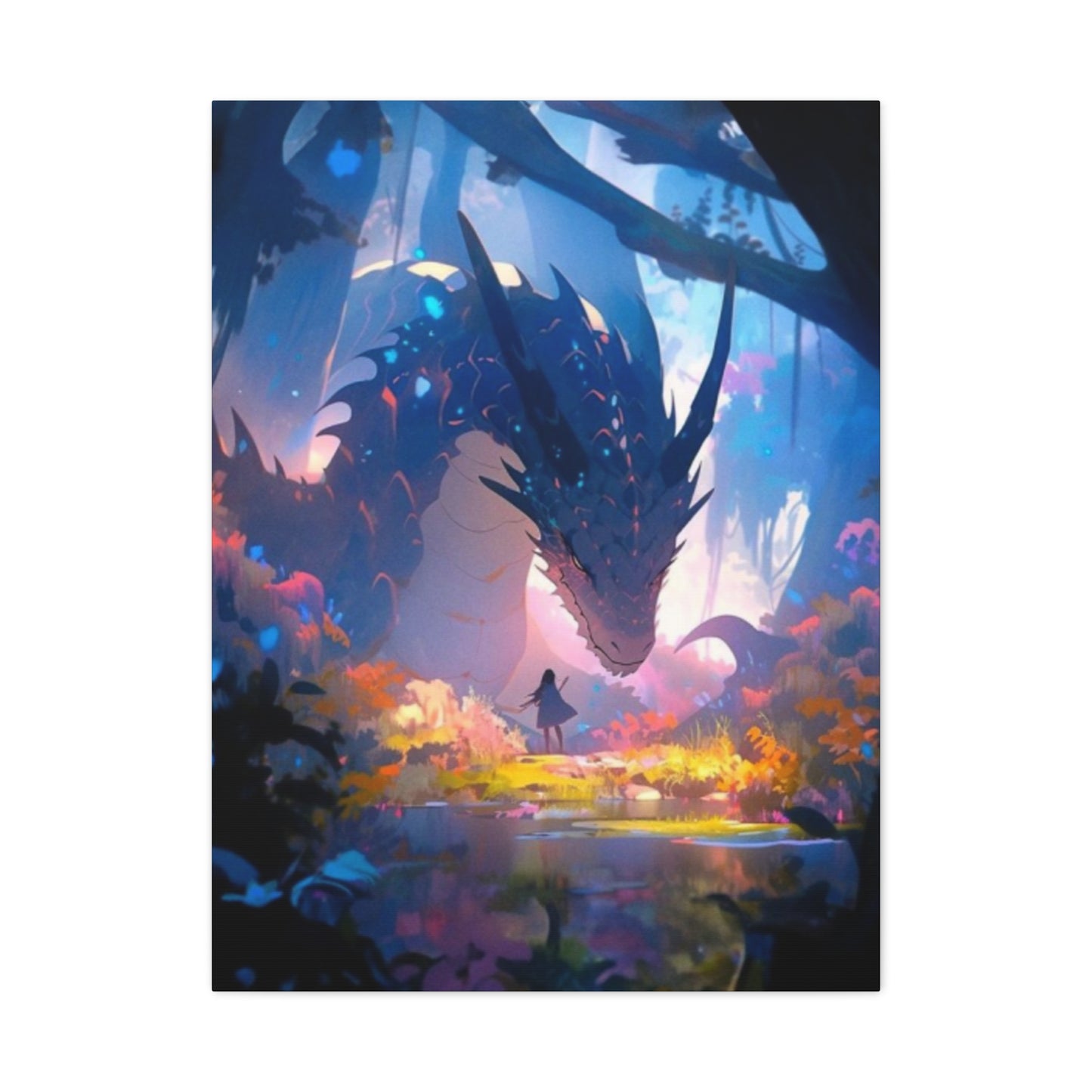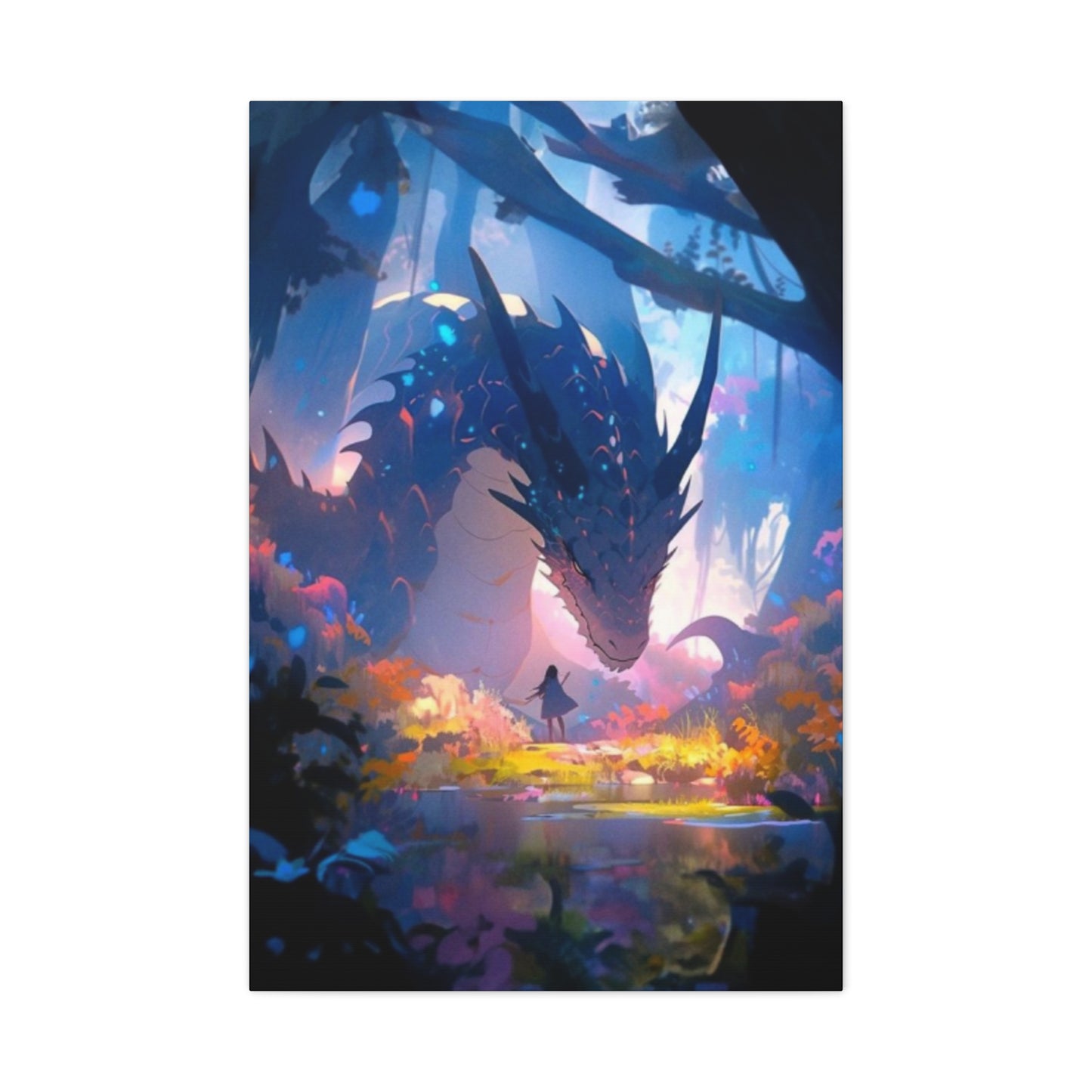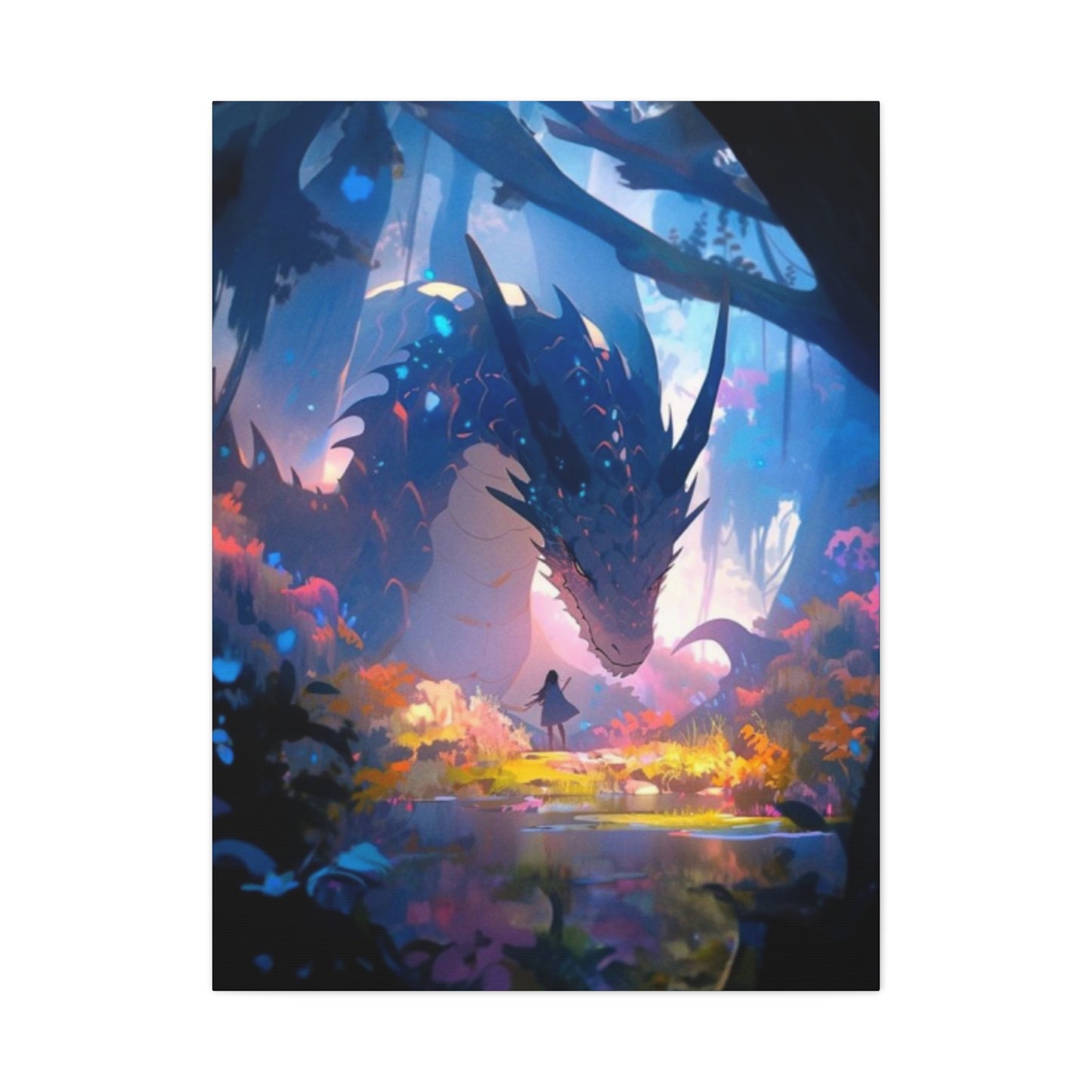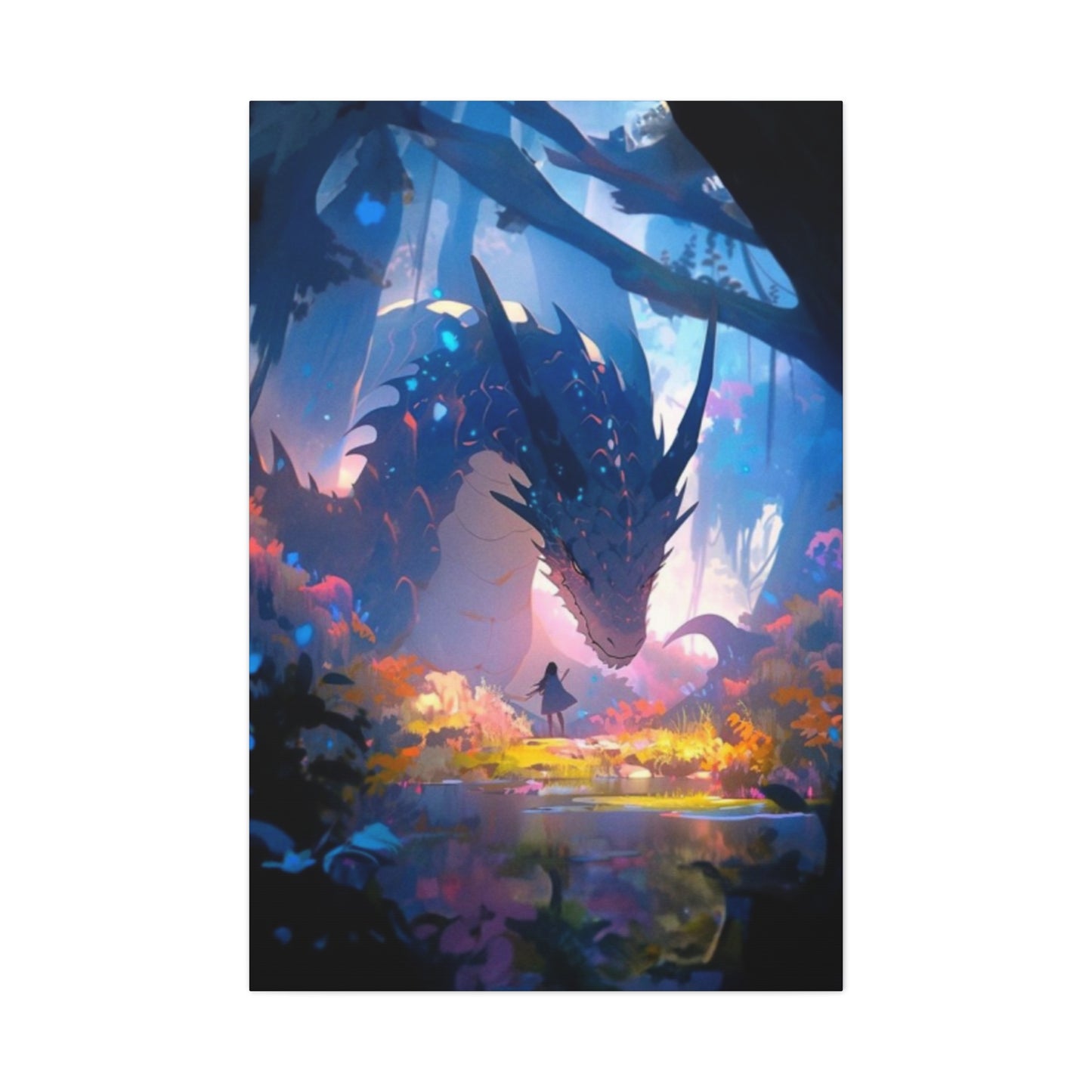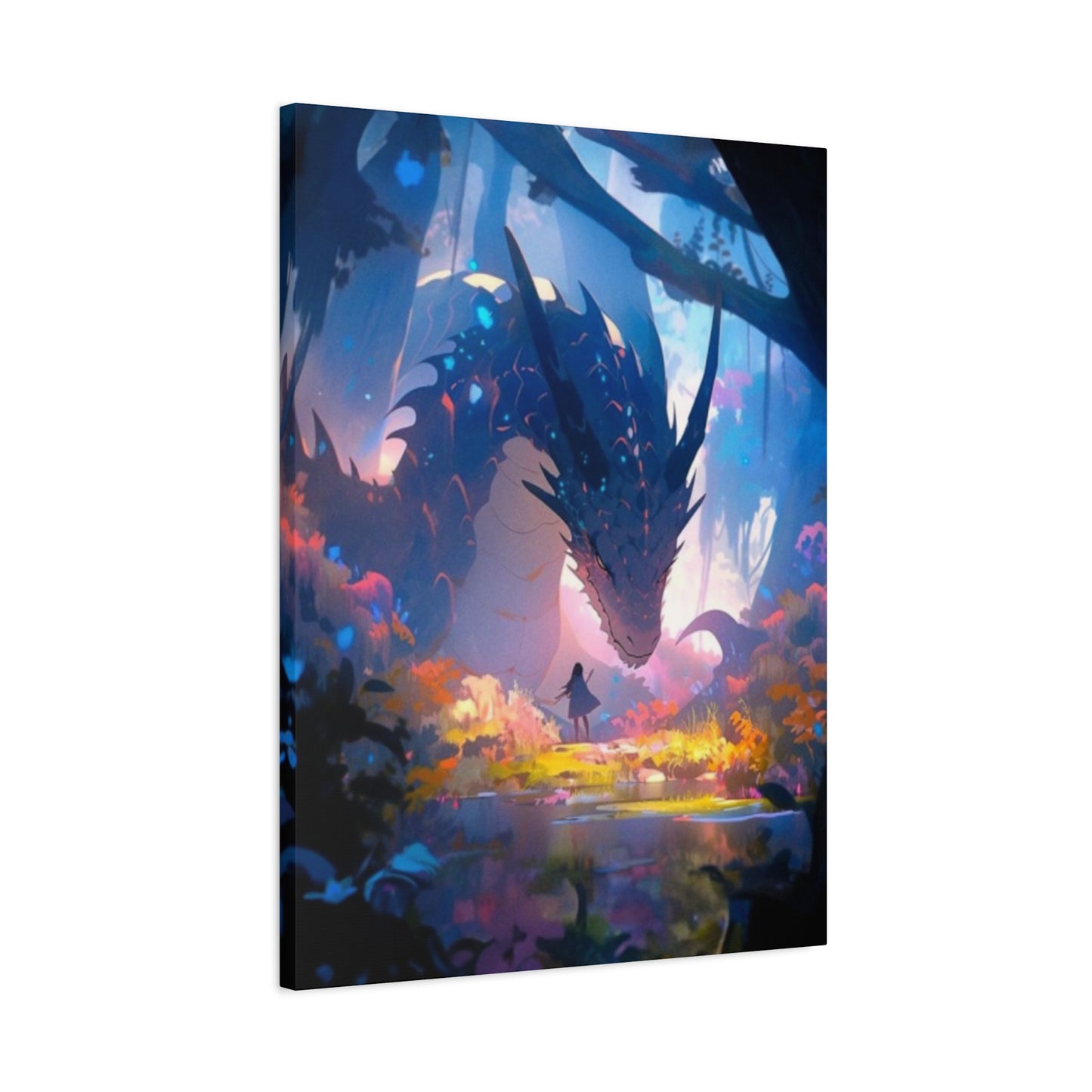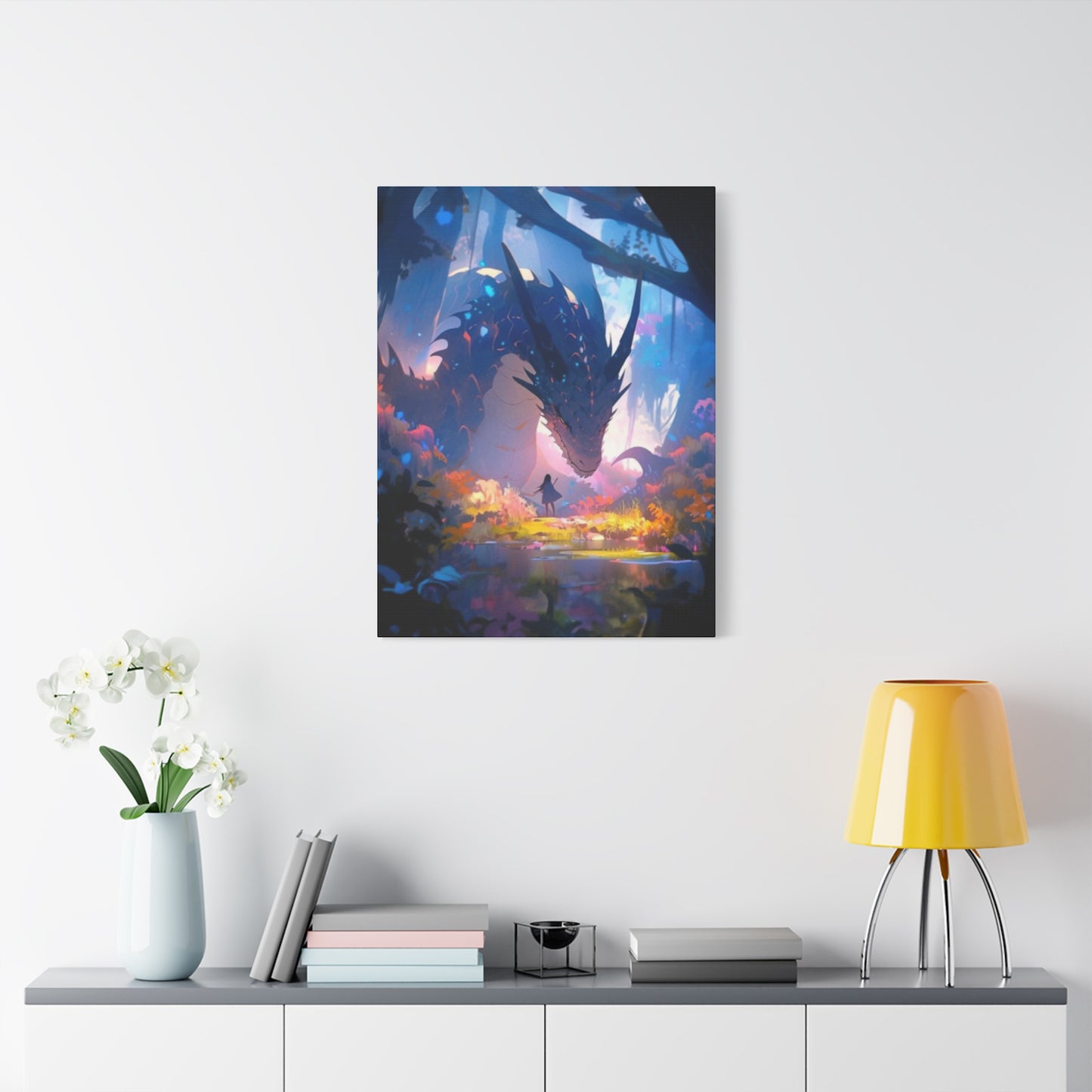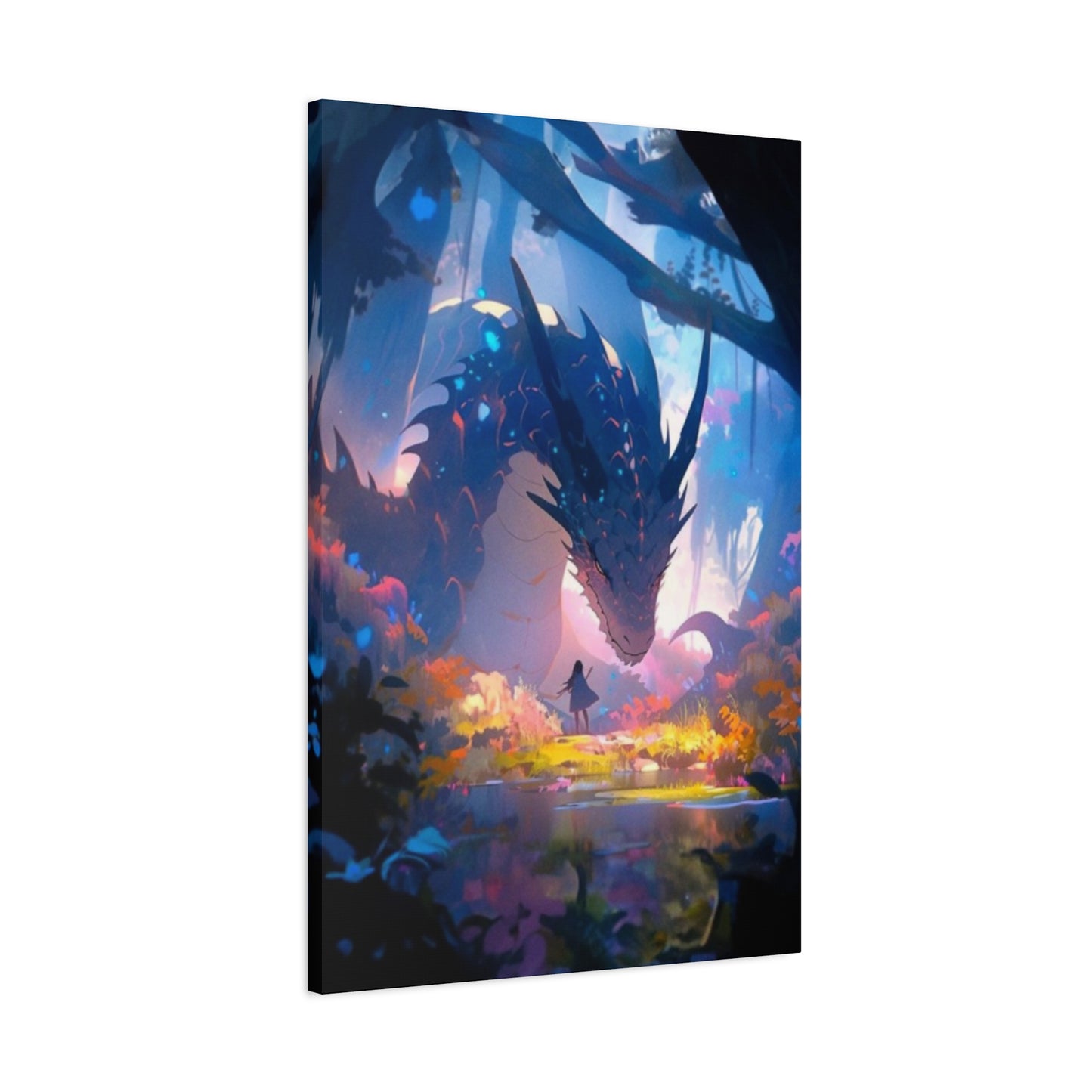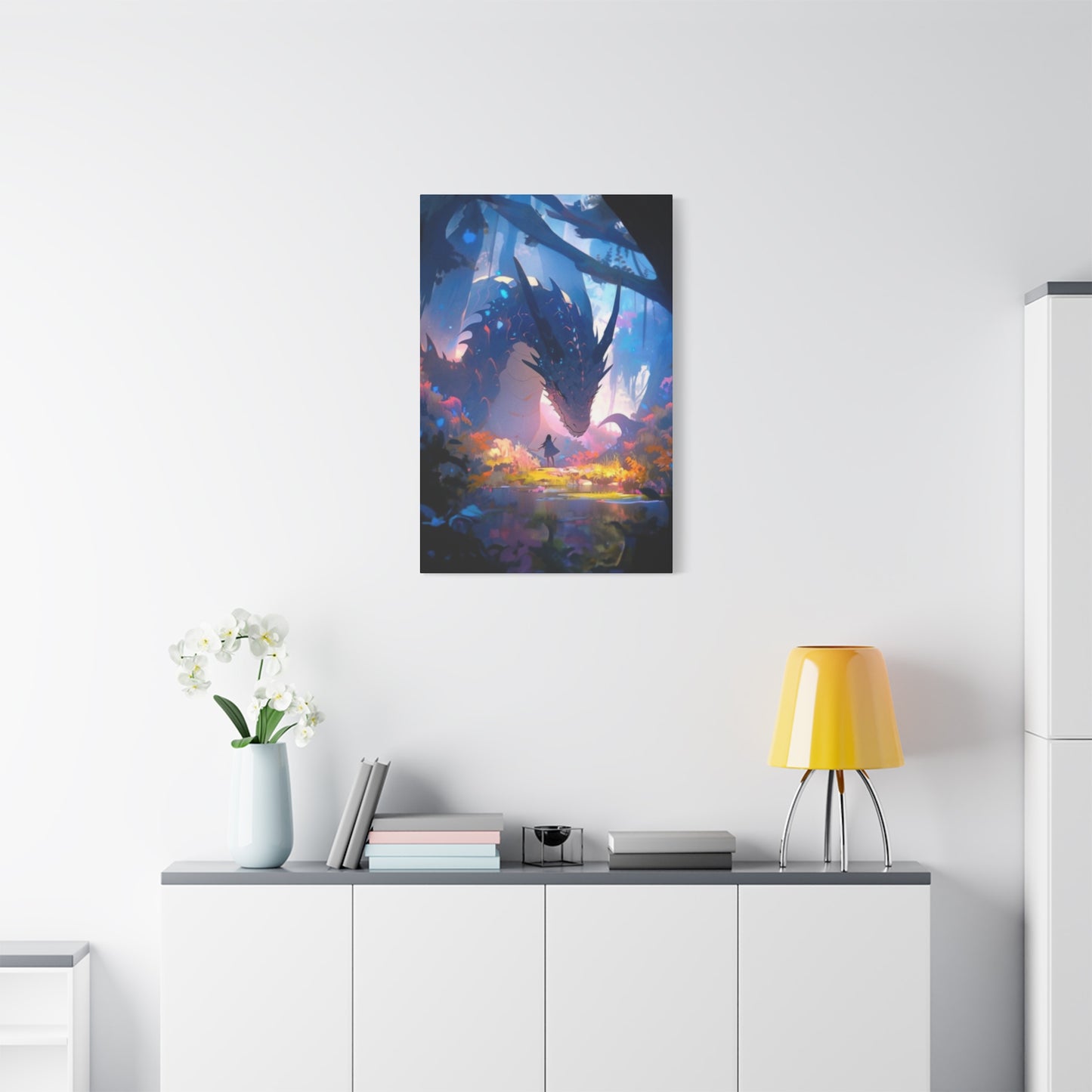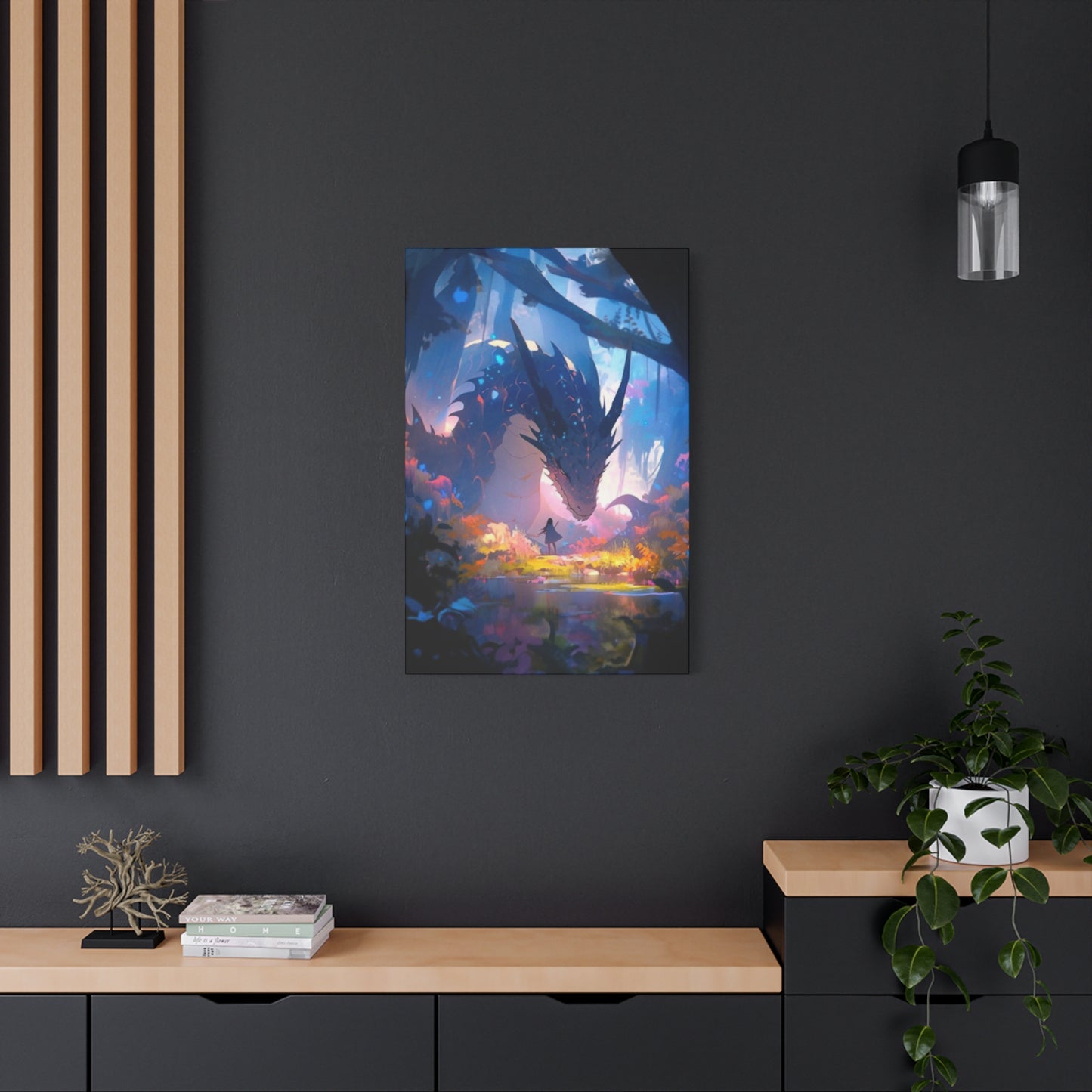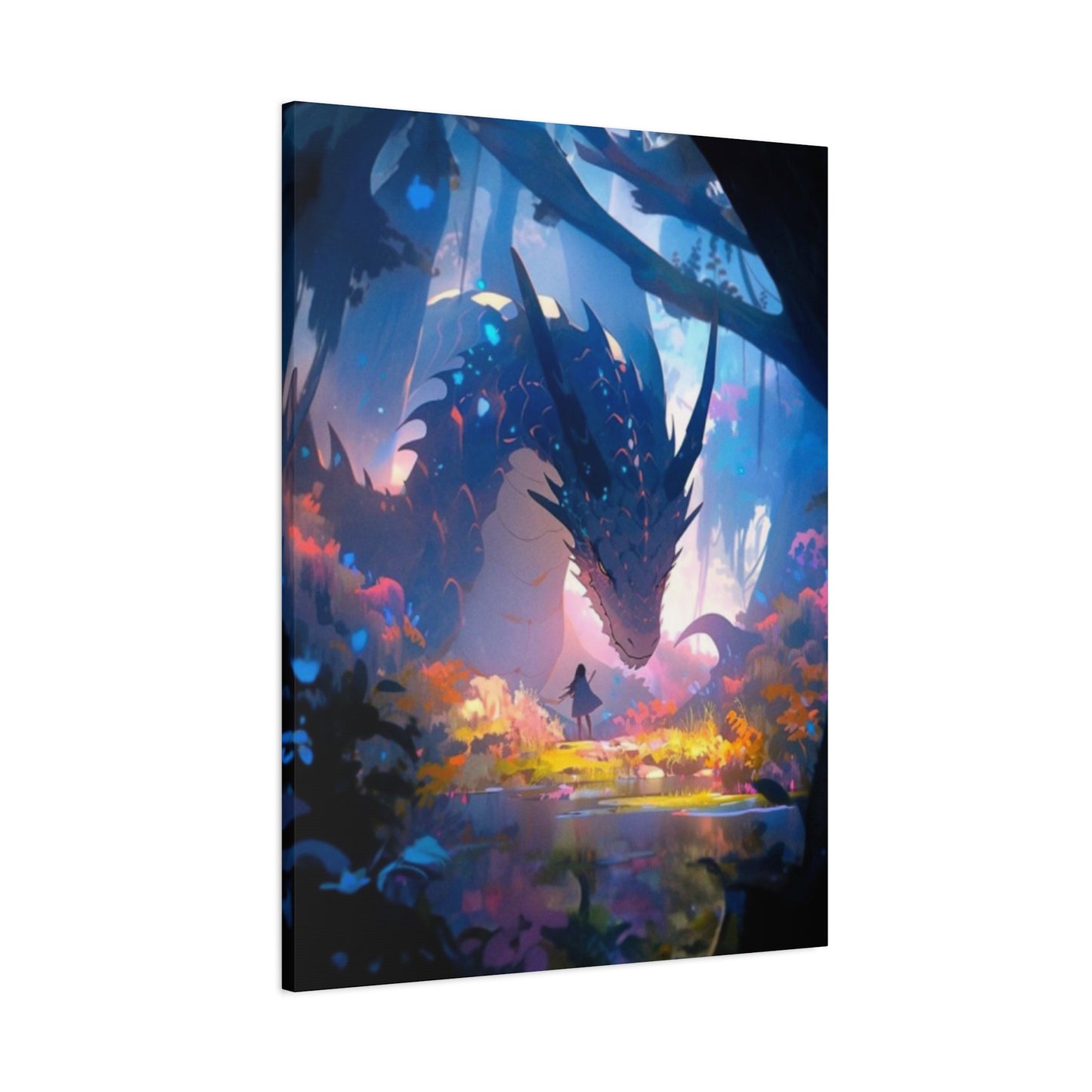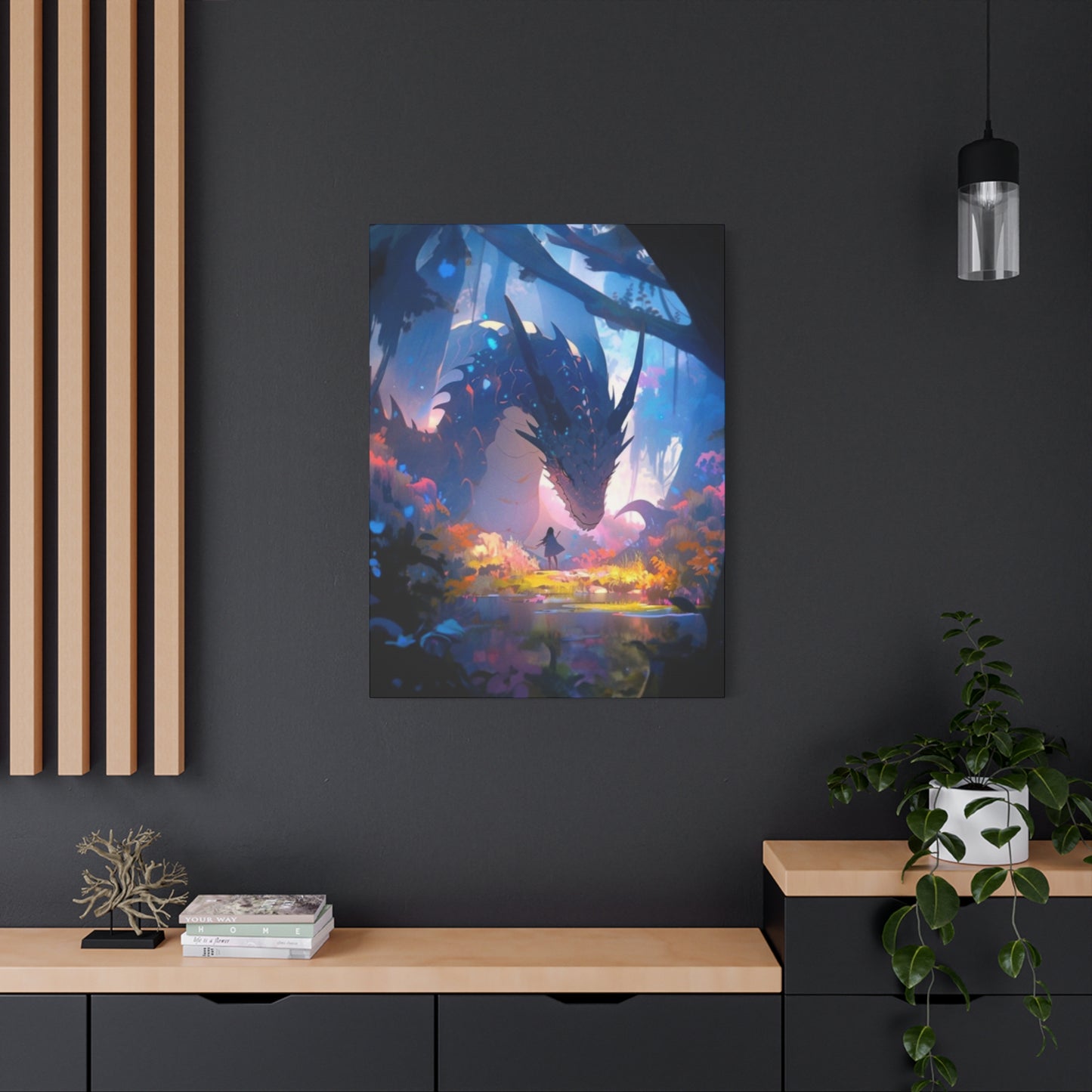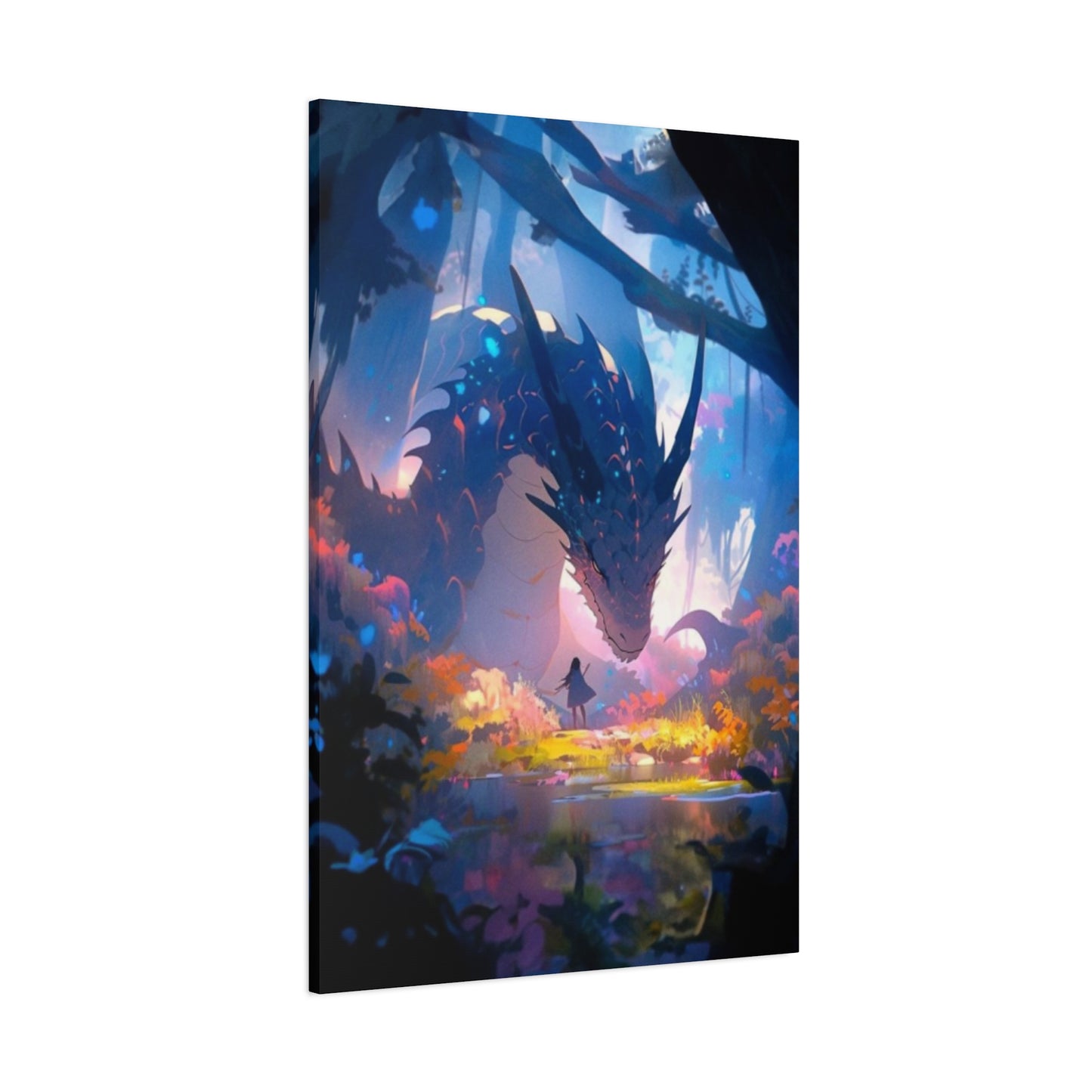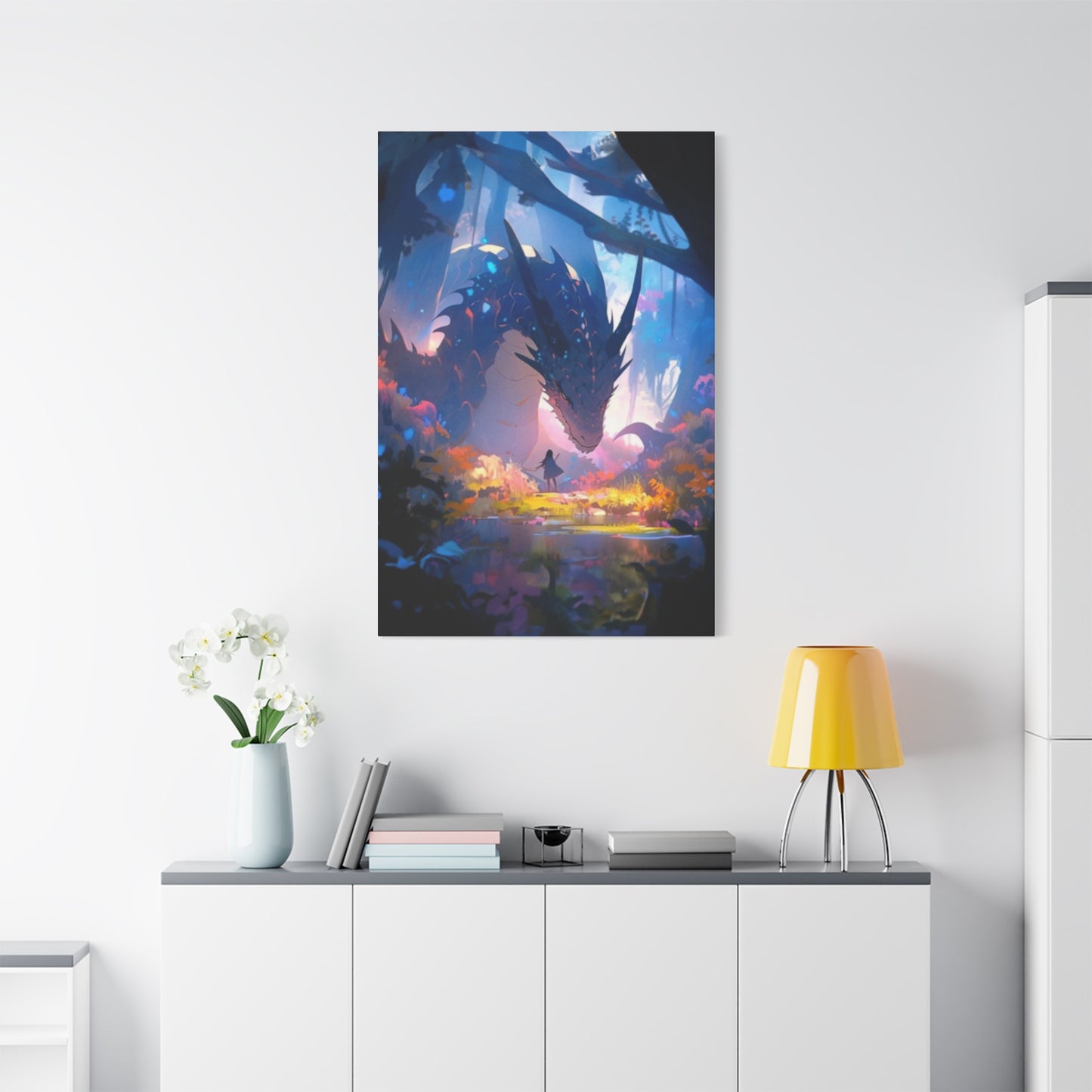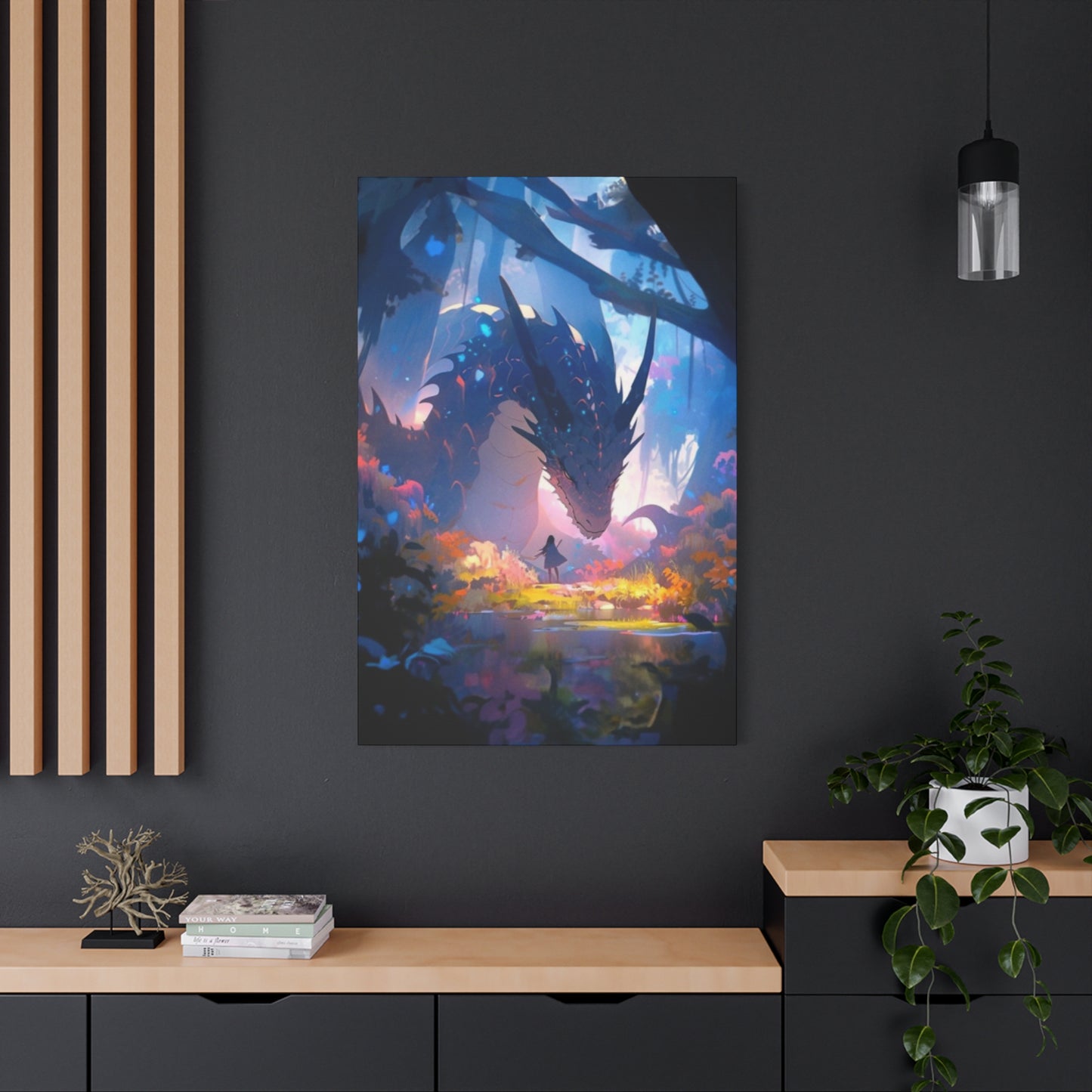


Little Girl with Dragon Wall Art & Canvas Prints
Little Girl with Dragon Wall Art & Canvas Prints
Couldn't load pickup availability
Little Girl with Dragon Wall Art: Enchanting Décor That Brings Fantasy Realms Into Your Living Space
The realm of decorative artwork has witnessed a remarkable surge in demand for pieces that blend innocence with mythical wonder. Among these captivating creations, imagery depicting young maidens alongside legendary serpentine creatures has emerged as a particularly sought-after aesthetic choice for diverse interior environments. This unique artistic fusion captures imagination while delivering powerful emotional resonance that transcends conventional decorative boundaries.
Discovering the Magical Appeal Behind Youthful Fantasy Character Artwork in Modern Interior Design
The fascination with fantastical creature artwork depicting childhood figures has roots extending deep into human storytelling traditions. These visual narratives communicate themes of courage, friendship, and the boundless potential residing within seemingly vulnerable individuals. When incorporated into residential or commercial spaces, such artwork transforms ordinary walls into portals of imagination.
Contemporary homeowners increasingly seek décor elements that reflect personal values and aesthetic preferences beyond generic mass-produced prints. Artwork featuring young protagonists alongside mythical beasts satisfies this desire by offering visual storytelling that sparks conversation and reflection. The juxtaposition of innocence and power creates compelling tension that draws viewers into contemplation.
Interior designers have recognized this trend, incorporating fantasy-themed pieces into everything from children's bedrooms to sophisticated living areas. The versatility of these artworks allows them to complement various design philosophies, from whimsical bohemian arrangements to more refined contemporary settings. The emotional depth conveyed through these images provides anchoring focal points that elevate entire room compositions.
Psychological research suggests that exposure to imaginative imagery during formative years contributes significantly to cognitive flexibility and creative problem-solving abilities. Parents who select such artwork for their children's spaces often report that these pieces become catalysts for storytelling sessions and imaginative play. The presence of empowering visual narratives in daily environments subtly reinforces messages about capability and bravery.
Examining the Symbolic Significance of Mythical Creature Companionship in Visual Narratives
Throughout cultural traditions worldwide, legendary serpentine beings have represented diverse concepts ranging from destruction to wisdom, chaos to guardianship. In contemporary Western interpretations, these creatures increasingly embody protective forces and sources of strength rather than threats to be conquered. This recontextualization dramatically shifts the narrative potential of artwork featuring these beings.
When portrayed alongside youthful figures, these majestic creatures often assume mentor or guardian roles within the visual story. This relationship dynamic resonates powerfully with viewers by suggesting that formidable allies can emerge from unexpected sources. The artwork implicitly communicates that vulnerability need not equate to helplessness, and that genuine strength often manifests through connection rather than domination.
The color palettes employed in such compositions significantly influence their emotional impact. Warm earth tones combined with vibrant accent colors create inviting atmospheres that feel both grounded and magical. Cool blues and purples evoke ethereal, dreamlike qualities that transport viewers into otherworldly realms. Artists who master these chromatic strategies produce pieces with remarkable staying power in viewers' memories.
Compositional choices regarding scale relationships between figures prove equally significant. Artwork depicting diminutive human characters alongside towering creatures emphasizes the magnitude of potential friendships that transcend physical disparities. Conversely, compositions with more balanced proportions suggest equality and mutual respect between companions. Each approach offers distinct narrative possibilities that appeal to different viewer sensibilities.
Selecting the Perfect Fantasy Artwork to Complement Your Existing Interior Aesthetic
Successful art selection requires careful consideration of existing spatial characteristics and decorative elements. Color harmonization represents the most fundamental compatibility factor. Artwork containing hues that echo or complement wall colors, furnishings, and accent pieces creates cohesive visual flow throughout the space. Conversely, deliberately contrasting colors can establish dramatic focal points that energize otherwise neutral environments.
Size proportions demand equal attention during selection processes. Oversized pieces make bold statements appropriate for expansive walls with minimal competition from other decorative elements. Medium-sized works integrate more easily into gallery walls or above furniture pieces without overwhelming adjacent items. Smaller compositions suit intimate spaces or contribute to larger curated collections spanning multiple walls.
Frame selection amplifies or diminishes artwork impact depending on choices made. Ornate frames lend gravitas and traditional elegance suitable for formal settings. Sleek minimalist frames allow imagery itself to command attention without decorative distraction. Frameless presentations or unconventional materials like reclaimed wood offer rustic or contemporary alternatives that communicate specific aesthetic sensibilities.
Lighting considerations profoundly affect how artwork presents itself throughout varying times of day. Natural illumination reveals colors and details with unmatched vibrancy during daylight hours. Artificial lighting requires strategic placement to avoid glare while ensuring adequate illumination after sunset. Dedicated picture lights or adjustable track lighting systems provide optimal control over presentation conditions.
Exploring Various Artistic Styles and Rendering Methods for Fantasy Character Artwork
The spectrum of artistic approaches available to creators of fantastical imagery spans from hyperrealistic renderings to abstract interpretations. Photorealistic styles captivate viewers through technical mastery and meticulous attention to anatomical accuracy and textural details. These pieces often blur boundaries between photography and illustration, creating immersive experiences that feel tangibly real.
Painterly approaches embracing visible brushwork and gestural mark-making convey energy and emotion through their very execution. These works celebrate the artist's hand and process, inviting viewers to appreciate craftsmanship alongside subject matter. Impressionistic techniques that prioritize atmospheric effects over precise delineation create dreamy, memory-like qualities particularly suited to fantasy subjects.
Digital illustration has revolutionized fantasy artwork creation by offering unprecedented control and revision capabilities. Artists can experiment with countless variations before committing to final compositions. The crisp lines and vibrant colors achievable through digital processes appeal to contemporary aesthetic preferences while maintaining painterly qualities through sophisticated brushwork simulation.
Watercolor interpretations deliver delicate, ethereal qualities that enhance the magical nature of fantasy subjects. The medium's inherent fluidity and transparency create luminous effects particularly effective for rendering atmospheric elements like mist, clouds, and magical auras. The unpredictable nature of watercolor also introduces organic variations that prevent imagery from appearing overly manufactured or sterile.
Mixed media approaches combining various materials and methods produce visually complex artworks with distinctive character. Collage elements, metallic accents, textured substrates, and unconventional mark-making tools contribute unique surface qualities impossible to achieve through single-medium approaches. These experimental pieces particularly appeal to collectors seeking genuinely one-of-a-kind decorative elements.
Understanding Print Quality Factors That Determine Artwork Longevity and Visual Impact
Substrate selection fundamentally influences both aesthetic presentation and durability of printed artwork. Premium canvas materials offer textured surfaces that replicate traditional painting appearances while providing structural stability. High-quality paper stocks deliver exceptional color accuracy and detail resolution ideal for frame-and-glass presentations. Metal substrates produce striking contemporary aesthetics with remarkable vibrancy and dimensional depth.
Printing methodology significantly affects color accuracy, tonal range, and archival stability. Giclée processes utilizing archival pigment inks on museum-grade substrates represent gold standard approaches for fine art reproduction. These prints exhibit extraordinary detail resolution and color gamut while resisting fading for decades when properly displayed. Less expensive reproduction methods may suffice for temporary decorative purposes but lack longevity for permanent installations.
Protective coatings and treatments extend artwork lifespan by defending against environmental degraders. UV-resistant varnishes shield prints from light-induced fading that gradually diminishes color vibrancy. Moisture-resistant treatments prove essential in humid environments like bathrooms or kitchens where condensation poses risks. Anti-glare finishes reduce surface reflections that interfere with viewing in brightly lit spaces.
Resolution specifications determine how closely viewers can approach artwork before perceiving individual pixels or quality degradation. High-resolution files ensure crisp details remain visible even at intimate viewing distances appropriate for smaller rooms. Low-resolution prints may appear acceptable from across rooms but reveal quality compromises upon closer inspection. Professional artwork sources provide appropriate resolution for intended display sizes.
Positioning Strategies That Maximize the Emotional Impact of Fantasy Artwork
Height placement profoundly influences viewer engagement with artwork. Standard guidelines suggest positioning centers at approximately fifty-seven to sixty inches from floor level, aligning with average eye heights for standing viewers. However, contextual factors like furniture arrangements and room functions necessitate adjustments to these baseline recommendations. Artwork above seating should relate to furniture rather than standard standing eye levels.
Focal wall identification provides strategic starting points for artwork placement decisions. Entry walls opposite doorways command immediate attention from anyone entering spaces. Fireplace mantels serve as natural focal points in many rooms, though artwork must avoid heat exposure. Large uninterrupted wall expanses between windows or architectural features offer ideal canvases for statement pieces that anchor entire room designs.
Surrounding element relationships require careful orchestration to achieve balanced compositions. Symmetrical arrangements with matching flanking elements create formal, orderly impressions suitable for traditional aesthetics. Asymmetrical groupings with varied sizes and heights generate dynamic visual interest more aligned with contemporary sensibilities. Negative space surrounding artwork prevents cluttered appearances and allows pieces proper breathing room.
Lighting arrangements dramatically transform how artwork presents itself throughout daily cycles. Track lighting systems offer flexibility for illuminating multiple pieces with independently adjustable fixtures. Picture lights mounted directly above frames provide focused illumination ideal for highlighting individual works. Ambient room lighting should complement rather than overpower dedicated artwork illumination for balanced presentations.
Crafting Personalized Fantasy Artwork Through Commissioned Artist Collaborations
Custom commissioned pieces offer unparalleled opportunities for creating artwork perfectly aligned with specific visions and requirements. Collaborating directly with artists enables detailed discussions about compositional preferences, color palettes, character designs, and narrative elements. This collaborative process ensures final pieces integrate seamlessly with intended spaces while reflecting personal aesthetic values.
Artist selection represents the crucial first step in successful commissioning experiences. Portfolio reviews reveal individual artistic styles, strengths, and subject matter proficiencies. Communication compatibility proves equally essential, as projects require clear exchanges about expectations, timelines, and revision processes. Artists demonstrating enthusiasm for proposed concepts typically deliver more inspired results than those merely fulfilling contracted obligations.
Brief development requires articulating visions clearly while allowing creative professionals appropriate interpretive freedom. Overly restrictive specifications constrain artists' abilities to contribute their expertise and fresh perspectives. Providing reference images, mood boards, and descriptive language helps communicate desires without micromanaging creative processes. Establishing clear parameters regarding dimensions, color restrictions, and thematic requirements prevents misalignment.
Revision protocols should be established before projects commence to prevent misunderstandings. Most artists include specific numbers of revision rounds within base pricing, with additional changes incurring supplementary fees. Constructive feedback focusing on specific elements requiring adjustment facilitates efficient refinement processes. Maintaining respectful, collaborative tones throughout projects fosters positive working relationships and superior outcomes.
Creating Immersive Fantasy-Themed Spaces Through Coordinated Decorative Elements
Cohesive thematic environments extend beyond individual artwork pieces to encompass entire room aesthetics. Color scheme coordination ensures all decorative elements contribute to unified visual narratives. Selecting complementary hues found within artwork for walls, textiles, and accessories creates harmonious flow throughout spaces. Accent colors can be strategically deployed to highlight specific features or create visual pathways guiding attention.
Textile selections including curtains, rugs, throw pillows, and bedding offer opportunities for reinforcing fantasy themes through patterns and textures. Subtly scaled prints referencing mythical creatures or medieval motifs avoid overwhelming spaces while maintaining thematic consistency. Luxurious fabrics like velvet and brocade evoke castle grandeur appropriate for fantasy aesthetics. Layering varied textures creates depth and visual interest that flat surfaces cannot provide.
Furniture choices contribute significantly to establishing desired atmospheric qualities. Dark wood pieces with ornate carvings suggest medieval castle interiors where legendary creatures might dwell. Distressed finishes and antiqued hardware enhance aged, storied qualities that complement fantasy narratives. Alternatively, sleeker modern furnishings demonstrate that fantasy themes adapt successfully to contemporary contexts when carefully balanced.
Accessory curation provides finishing touches that complete thematic visions without descending into costume-like excess. Candleholders, bookends, sculptures, and decorative boxes referencing fantasy motifs add dimensional interest beyond wall-mounted artwork. Restraint prevents spaces from appearing like theme park exhibits rather than livable environments. Each accessory should earn its place through genuine aesthetic contribution rather than simply checking thematic boxes.
Discovering Talented Artists Specializing in Fantasy Character Illustration
Online marketplaces have democratized art discovery, connecting collectors with creators worldwide. Platforms dedicated to independent artists showcase diverse styles and price points suitable for various budgets. These venues often feature customer reviews and artist responsiveness ratings that inform purchasing decisions. Many artists maintain active presences through blogs and social media, providing insights into their creative processes and upcoming works.
Convention attendance offers invaluable opportunities for encountering artists and viewing works in person before committing to purchases. Fantasy and comic conventions regularly feature artist alleys where hundreds of creators display and sell their work. Direct conversations with artists provide insights into their inspirations, methods, and available commission slots. Physical examination of prints and originals reveals quality characteristics difficult to assess through screen images alone.
Gallery representations signal professional recognition and typically ensure certain quality standards. Galleries specializing in fantasy and imaginative realism cultivate stable relationships with talented artists whose works align with collector interests. While gallery pieces often command premium pricing, the curation and authentication services provide value for serious collectors. Many galleries offer consultation services to help clients select pieces appropriate for their spaces.
Art school exhibitions and graduate showcases present opportunities for discovering emerging talents before they achieve widespread recognition. Supporting developing artists often allows access to exceptional works at more accessible price points. Many successful fantasy artists credit early supporters with providing encouragement and financial backing that enabled their careers. Building relationships with promising talents can prove both personally rewarding and financially advantageous.
Preserving and Protecting Your Fantasy Artwork Investment for Future Generations
Environmental controls significantly impact artwork longevity, with excessive heat, humidity fluctuations, and direct sunlight representing primary degradation accelerators. Maintaining consistent temperatures between sixty-five and seventy-five degrees Fahrenheit minimizes expansion and contraction stresses on substrates and adhesives. Relative humidity levels between forty and fifty percent prevent moisture damage and brittleness. Dehumidifiers and climate control systems prove worthwhile investments for valuable collections.
Sunlight exposure causes irreversible fading even in archival-quality prints over extended periods. UV-filtering glass or acrylic glazing blocks harmful radiation while maintaining transparency. Window treatments including curtains and UV-blocking films protect entire rooms from excessive solar exposure. Rotating displayed pieces periodically distributes light exposure across collections, preventing individual works from bearing disproportionate environmental stress.
Cleaning protocols require gentle approaches that remove accumulated dust without damaging surfaces. Soft, dry microfiber cloths suffice for framed works behind glass, using gentle circular motions that avoid pressing debris against surfaces. Unframed canvas prints benefit from specialized art cleaning sponges designed to lift dust without introducing moisture. Professional conservation services should address any damage or deterioration beyond routine maintenance capabilities.
Documentation practices including photography, provenance records, and condition reports protect both artwork value and insurance claims. High-resolution photographs capture current states for comparison against future condition assessments. Purchase receipts, certificates of authenticity, and artist signatures establish ownership chains and authenticity. Regular condition assessments identify emerging issues before they progress to serious damage requiring expensive interventions.
Incorporating Fantasy Artwork Into Professional and Commercial Environments
Office spaces benefit from inspirational imagery that stimulates creativity and breaks monotony inherent in many workplace environments. Fantasy artwork communicates organizational values regarding imagination, innovation, and thinking beyond conventional boundaries. These pieces spark conversations among colleagues and clients, creating memorable impressions that distinguish businesses from competitors. Strategic placement in reception areas, conference rooms, and collaborative spaces maximizes exposure and impact.
Hospitality venues including hotels, restaurants, and entertainment facilities employ thematic artwork to enhance guest experiences and reinforce brand identities. Fantasy-themed establishments benefit particularly from cohesive visual narratives extending throughout properties. Artwork quality directly reflects operational standards, signaling attention to detail and commitment to exceptional customer experiences. Memorable decorative elements encourage social media sharing and word-of-mouth promotion.
Healthcare facilities increasingly recognize therapeutic benefits of engaging artwork for patient stress reduction and environmental enhancement. Fantasy imagery offering escapist qualities proves particularly effective in pediatric departments where young patients face frightening circumstances. Hopeful narratives depicting courage and companionship provide subtle emotional support during challenging times. Artwork selection for medical contexts requires sensitivity to diverse patient populations and cultural considerations.
Retail environments utilize artwork to establish brand personalities and create shopping atmospheres that encourage extended browsing and purchases. Specialty boutiques selling fantasy literature, games, or collectibles naturally align with relevant artwork selections. However, even businesses without direct fantasy connections can leverage these pieces to differentiate their spaces and create memorable customer experiences. Artwork that generates emotional engagement translates to stronger brand recall and customer loyalty.
Examining Cultural Variations in Mythical Creature Depictions Across Global Traditions
Eastern interpretations of serpentine legendary creatures differ dramatically from Western conceptualizations in appearance, symbolism, and cultural significance. Asian traditions typically portray these beings as benevolent, wise entities associated with water, weather, and imperial authority. Their serpentine bodies often lack wings while featuring elaborate whiskers, antlers, and flowing manes. These creatures symbolize prosperity, power, and good fortune rather than threats requiring subjugation.
European medieval traditions established familiar conventions including massive wings, reptilian features, fire-breathing capabilities, and treasure hoarding behaviors. These creatures represented chaos, paganism, and evil forces requiring heroic intervention for community protection. Their defeat symbolized Christian triumph over pre-existing belief systems and establishment of new social orders. These narrative frameworks profoundly influenced Western fantasy literature and visual arts.
Nordic mythology presents distinctive variations featuring multiple creature types with serpentine characteristics. World-encircling serpents dwelling in oceans represent cosmic forces beyond human comprehension or control. These beings occupy ambiguous moral positions, neither purely benevolent nor malevolent, but following their own inscrutable purposes. Their inevitable involvement in apocalyptic events underscores themes regarding fate and cyclical existence.
Contemporary fantasy creators increasingly blend cultural traditions, producing hybrid interpretations that transcend specific mythological frameworks. These syncretic approaches reflect globalized cultural exchanges and creators' desires to forge original mythologies. Audiences demonstrate receptivity to varied interpretations, valuing fresh perspectives over rigid adherence to traditional depictions. This creative freedom enables endless artistic possibilities for depicting legendary creatures.
Understanding Size Considerations for Different Room Types and Architectural Features
Bedroom artwork selection prioritizes pieces that create desired atmospheric qualities conducive to rest and personal reflection. Oversized statement pieces above headboards establish strong focal points without overwhelming intimate spaces. Smaller coordinated works flanking beds or adorning adjacent walls create balanced compositions. Color palettes should align with relaxation goals, whether calming neutrals or vibrant hues that energize morning routines.
Living room artwork faces challenges of competing with multiple furniture pieces, electronics, and architectural features for visual attention. Substantial pieces measuring at least two-thirds the width of underlying furniture establish appropriate proportional relationships. Gallery walls comprising multiple related works transform expansive blank walls into dynamic compositions. Heights should accommodate standing and seated viewing perspectives while maintaining visual connections with furniture groupings.
Children's spaces benefit from artwork positioned at child-appropriate heights that enable direct engagement with imagery. Lower placements facilitate interactive storytelling sessions where youngsters can point to specific details while discussing narratives. Growth considerations suggest avoiding permanent installations that become incongruent as children age. Easily updatable pieces accommodate evolving tastes without requiring complete room overhauls.
Hallways and transitional spaces offer opportunities for creating gallery-like progressions that guide movement through homes. Consistent frame styles and matting establish visual cohesion across multiple pieces displayed in linear arrangements. Spacing calculations should account for comfortable viewing distances while avoiding excessive gaps that break compositional flow. Lighting becomes particularly crucial in corridors lacking natural illumination sources.
Exploring Framing Options That Enhance Fantasy Artwork Presentations
Traditional wood frames offer timeless elegance and substantial physical presence appropriate for significant artwork investments. Rich finishes including mahogany, walnut, and cherry complement warm color palettes found in many fantasy illustrations. Carved details and gilded accents enhance formal presentations suitable for traditional interior schemes. Quality construction ensures structural integrity supporting artwork weight across decades.
Contemporary metal frames deliver sleek, understated aesthetics that allow imagery to dominate viewer attention. Thin profiles maximize visible artwork area while providing essential protective functions. Finishes ranging from matte black to brushed metals suit modern interior schemes prioritizing clean lines and minimal ornamentation. Lightweight aluminum construction facilitates easier hanging and repositioning compared to substantial wood alternatives.
Floating frame systems create dimensional separation between artwork and frame edges, producing distinctive shadow gaps that enhance visual impact. These presentations work particularly well with canvas prints where textured edges contribute to overall aesthetic. The spatial separation creates premium gallery-quality appearances that elevate perceived artwork value. Installation requires more sophisticated hanging systems than traditional frames but delivers striking results.
Matting strategies significantly influence perceived artwork value and visual presentation. Generous mat borders focus attention on imagery while providing physical separation from frame edges. Multiple mat layers in coordinating colors add depth and sophistication to presentations. Conservation-quality acid-free materials prevent chemical interactions that gradually damage artwork. Mat colors should complement rather than compete with artwork hues for cohesive results.
Analyzing Price Factors That Influence Fantasy Artwork Values
Artist reputation represents perhaps the single most significant value determinant in artwork markets. Established creators with exhibition histories, publication credits, and collector followings command premium pricing reflecting demand for their work. Emerging artists offer more accessible entry points while presenting appreciation potential as careers develop. Signature presence and edition numbering authenticate pieces and establish provenance chains essential for resale values.
Original paintings naturally command substantially higher prices than reproductions due to their unique, irreplaceable nature. The physical presence of actual brushstrokes and textural variations creates viewing experiences no reproduction perfectly captures. Investment perspectives favor originals for their appreciation potential and market liquidity. However, high-quality limited edition prints offer alternatives for those seeking affordable access to desired imagery.
Edition sizes dramatically impact print values, with smaller runs commanding premium pricing due to scarcity. Artist proofs and remarques represent even more exclusive variations featuring unique hand-embellishments. Open editions with unlimited printing capabilities offer maximum affordability at the expense of collectibility and resale potential. Edition documentation should clearly specify total print quantities and individual piece numbering.
Physical dimensions influence pricing through material costs and marketplace desirability for statement pieces. Oversized works require premium substrates, specialized printing equipment, and complex shipping logistics that inflate production expenses. However, dramatic scale delivers visual impact justifying premium positioning. Smaller works offer accessibility advantages while potentially limiting decorative applications in larger spaces.
Building Themed Collections That Tell Cohesive Visual Stories
Series collecting focuses on acquiring multiple related works by single artists or depicting connected narrative elements. Complete series display exceptional visual cohesion through consistent artistic styles and thematic continuity. This approach creates opportunities for displaying progressions across multiple walls or rooms. However, series completion requires patience as individual releases may span years, and secondary market acquisitions can prove challenging and expensive.
Stylistic collecting assembles works by different artists sharing common aesthetic approaches such as watercolor techniques, minimalist compositions, or photorealistic renderings. This strategy permits greater acquisition flexibility while maintaining visual relationships across diverse pieces. Collectors develop refined aesthetic sensibilities through exposure to varied interpretations of similar subjects. Gallery-style groupings benefit from consistent framing treatments that unify disparate pieces.
Thematic collecting organized around specific narrative elements, creature types, or symbolic concepts creates intellectually satisfying collections with strong conceptual foundations. This approach encourages deeper engagement with mythology, symbolism, and storytelling traditions informing fantasy genres. Collections become educational resources and conversation catalysts that extend beyond pure aesthetic appreciation. However, thematic breadth can lead to stylistic inconsistencies requiring careful curation.
Color-based collecting provides straightforward organizational frameworks ensuring visual harmony across acquired pieces. Limiting palettes to specific hue families guarantees compatibility with existing interior schemes. This strategy particularly suits collectors prioritizing decorative coordination over narrative or stylistic considerations. However, artificial color restrictions may exclude outstanding works falling outside established parameters.
Navigating Online Marketplaces for Fantasy Artwork Purchases
Platform reputation assessment protects buyers from fraudulent sellers and ensures dispute resolution support. Established marketplaces with substantial user bases and transparent review systems provide safer purchasing environments than obscure sites lacking verifiable track records. Secure payment processing protecting financial information represents non-negotiable platform features. Return policies and satisfaction guarantees demonstrate seller confidence and buyer protection commitments.
Seller evaluation requires examining feedback ratings, response times, and transaction histories before committing to purchases. Prolific positive reviews across numerous transactions indicate reliable, professional operations. Recent negative feedback warrants scrutiny regarding seller responses and resolution attempts. Direct communication before purchases gauges responsiveness and professionalism that predict transaction experiences.
Listing scrutiny involves careful examination of provided images, descriptions, and specifications for completeness and accuracy. Multiple high-resolution photographs from various angles enable thorough quality assessments. Detailed descriptions specifying dimensions, materials, printing methods, and frame inclusions prevent unpleasant surprises upon delivery. Vague or incomplete listings suggest unprofessional operations or potential misrepresentation attempts.
Shipping considerations significantly impact total costs and delivery timelines requiring advance clarification. International shipments incur duties, taxes, and extended transit times that domestic purchases avoid. Packaging quality determines whether artwork arrives undamaged, with professional sellers employing protective materials and reinforced containers. Tracking capabilities and insurance coverage provide accountability and financial protection against loss or damage during transit.
Illuminating Fantasy Artwork with Specialized Lighting Solutions
Picture lights mounted directly above frames provide focused illumination highlighting specific works without affecting ambient room lighting. Adjustable arms enable precise positioning directing light at optimal angles for even distribution without glare. LED options deliver energy efficiency and minimal heat generation protecting artwork from thermal damage. Hardwired installations appear seamless while battery or plug-in alternatives offer flexibility for rental situations.
Track lighting systems accommodate multiple adjustable fixtures on shared power supplies, ideal for illuminating several pieces or creating flexible gallery-style displays. Individual fixture positioning enables customized lighting for varied artwork sizes and placements. Dimmer controls permit brightness adjustments matching times of day and desired atmospheres. Modern track systems integrate attractively with contemporary interiors while providing superior functionality.
Recessed ceiling spotlights create clean, architectural illumination without visible fixtures competing for visual attention. Strategic placement calculations ensure light strikes artwork at proper angles without casting shadows or creating hot spots. This approach particularly suits minimalist aesthetics where visible lighting hardware would appear cluttered. Professional installation requirements represent significant investments but deliver premium results.
Ambient lighting layers establish overall room illumination while dedicated artwork lights provide accent highlighting. Floor lamps, table lamps, and overhead fixtures contribute to balanced lighting schemes preventing artwork illumination from appearing theatrical or artificial. Natural daylight should complement rather than dominate, with window treatments controlling intensity and preventing damaging direct exposure. Lighting design significantly influences how spaces feel throughout daily cycles.
Addressing Common Concerns About Fantasy Artwork in Conservative Settings
Age-appropriate content selection proves essential for spaces frequented by young children, balancing engaging imagery with developmentally suitable themes. Artwork depicting friendship and adventure without frightening elements provides positive reinforcement for healthy emotional development. Avoiding overly dark or violent imagery prevents nightmare triggers while maintaining fantasy genre appeal. Discussing artwork narratives with children helps process themes and reinforces positive messages.
Professional environment appropriateness requires balancing personal expression with workplace cultural expectations and client perceptions. Conservative industries may view overtly fantastical decorations as insufficiently serious or professional. However, tasteful, sophisticated fantasy artwork demonstrates creativity and individuality without compromising professional credibility. Scale, subject matter, and presentation quality significantly influence whether pieces enhance or undermine professional atmospheres.
Religious compatibility concerns arise when mythical creatures carry spiritual significance conflicting with personal beliefs. Some faith traditions view legendary creature imagery as problematic due to associations with paganism or supernatural forces. Respectful dialogue between household members prevents decorative choices from causing genuine spiritual discomfort. Alternative fantasy themes emphasizing natural elements or human heroism may provide compromise solutions.
Resale value considerations affect artwork selection for homeowners planning eventual property sales. Personal aesthetic choices that significantly deviate from mainstream preferences potentially alienate prospective buyers. However, quality artwork appropriate to room functions rarely presents obstacles, and most pieces can be easily removed or replaced during staging processes. Investment in timeless pieces with broad appeal minimizes potential concerns.
Incorporating Fantasy Elements Into Nurseries and Young Children's Rooms
Gender-neutral designs avoid stereotypical pink princess or blue knight dichotomies that limit children's imaginative possibilities. Diverse character representations expose children to varied protagonists regardless of gender, ethnicity, or physical characteristics. Inclusive imagery normalizes differences and broadens children's conceptualizations of heroes and adventurers. Contemporary parents increasingly seek artwork reflecting progressive values regarding representation and diversity.
Growth adaptability ensures decorative investments remain relevant as children age and tastes evolve. Sophisticated artistic treatments with timeless appeal transition successfully from nurseries through elementary years. Modular gallery walls permit individual piece replacement without complete room overhauls. Avoiding overtly juvenile styling extends useful lifespans and maximizes return on decorative investments.
Interactive elements transform passive wall decorations into engagement opportunities supporting developmental goals. Artwork incorporating identifiable details encourages observation skills and vocabulary development through guided discussions. Storytelling prompts inspire narrative creation and imaginative elaboration. Tactile elements on three-dimensional pieces provide sensory stimulation, though safety considerations require supervision with younger children.
Safety considerations mandate secure hanging systems preventing accidents if children interact with artwork. Hardware should exceed weight ratings with substantial margins accounting for potential pulling or climbing attempts. Avoiding glass glazing in rooms with young children eliminates injury risks from breakage. Regular inspections ensure hanging systems remain secure as homes settle and wall anchors potentially loosen.
Discovering Fantasy Artwork at Local Art Fairs and Craft Markets
Event research identifies shows likely to feature fantasy genre artists rather than general craft fairs dominated by unrelated products. Convention schedules, gallery announcements, and artist social media provide advance notice of upcoming appearances. Seasonal timing affects availability, with major shows concentrated around holiday shopping periods. Early arrival ensures access to full selections before popular pieces sell.
Direct artist interactions provide invaluable opportunities for learning about creative processes, available works, and commission possibilities. Engaging respectfully and showing genuine interest in their work builds rapport that may yield benefits including first access to new releases or commission priority. Artists appreciate collectors who understand and value their craftsmanship beyond purely transactional relationships.
Negotiation approaches require sensitivity to artist livelihoods and fair compensation for their skills and materials. While some price flexibility may exist, particularly for multiple purchases, lowball offers insult artists and damage relationships. Purchasing directly from creators ensures they receive full compensation rather than retailer markups. Many artists offer package deals or slight discounts for serious collectors acquiring multiple pieces.
Payment options vary between artists, with some accepting only cash while others process credit cards via mobile devices. Checking payment capabilities before committing to purchases prevents awkward situations. Immediate possession represents a significant advantage over online ordering, eliminating shipping costs and delays. However, transporting large or fragile pieces requires appropriate protective materials and vehicle space.
Utilizing Fantasy Artwork in Therapeutic and Wellness Contexts
Narrative therapy applications leverage artwork as springboards for exploring personal stories, challenges, and aspirations. Clients project meanings onto ambiguous imagery, revealing unconscious thoughts and feelings. The non-threatening nature of fantasy subjects permits discussion of difficult topics through metaphorical frameworks. Therapists trained in art-based modalities facilitate these processes while maintaining appropriate therapeutic boundaries.
Mindfulness practices incorporating visual focal points benefit from engaging imagery that captures attention without inducing distraction. Fantasy artwork provides sufficient complexity for extended contemplation while maintaining cohesive compositions preventing scattered attention. Color palettes influence emotional states, with calming blues and greens supporting relaxation while vibrant hues energize. Intentional artwork selection enhances specific practice goals.
Waiting room environments benefit from artwork that reduces anxiety and creates positive first impressions for incoming clients. Fantasy imagery offering hopeful narratives counterbalances stress associated with seeking professional support. Engaging artwork provides constructive attention focus reducing preoccupation with concerns. Quality decorative elements signal professionalism and attention to client comfort.
Meditation spaces dedicated to contemplative practices utilize artwork establishing desired atmospheric qualities. Fantasy imagery depicting serene moments or spiritual themes enhances intention-setting and mental clarity. Avoiding overly stimulating or dark imagery maintains peaceful environments conducive to inner work. Consistent aesthetic treatments across spaces strengthen associations between environments and mental states.
Examining Printing Methods and Their Impact on Final Artwork Quality
Giclée printing represents premium reproduction methodology producing museum-quality results through archival pigment inks and fine art substrates. Twelve-color ink systems deliver exceptional tonal ranges and color accuracy surpassing standard four-color processes. Microscopic droplet sizes achieve remarkable detail resolution rivaling photographic prints. Archival ratings exceeding one hundred years ensure multigenerational longevity under proper display conditions.
Standard offset printing offers economical reproduction for larger quantities where absolute quality perfection proves less critical. Four-color process printing produces acceptable results for casual decorative purposes at accessible price points. However, color gamut limitations prevent accurate reproduction of certain hues, particularly vibrant oranges and purples. Paper quality varies dramatically, with economy stocks appearing flat and premium options rivaling dedicated art papers.
Dye sublimation processes infuse inks into specially coated substrates creating scratch-resistant, waterproof surfaces ideal for high-traffic environments. Metal prints produced through this method exhibit extraordinary vibrancy and dimensional depth. The method works exclusively on polyester fabrics and polymer-coated materials, limiting substrate options. Archival ratings trail pigment-based alternatives, though modern formulations significantly improved fade resistance.
Direct-to-canvas printing eliminates intermediate steps previously required for canvas reproductions, reducing costs while maintaining quality. Artwork files print directly onto primed canvas, ready for stretching or framing. Surface textures replicate hand-painted appearances more convincingly than paper-based prints. Protective coatings shield against environmental factors while maintaining canvas flexibility.
Understanding Copyright Considerations When Purchasing and Displaying Artwork
Personal display rights accompany legitimate artwork purchases, permitting display in private residences and non-commercial settings without additional permissions. Copyright ownership remains with creators unless explicitly transferred through written agreements. Display restrictions apply to public venues, commercial establishments, and any contexts where admission fees are charged. Licensing arrangements govern commercial usage scenarios.
Reproduction prohibitions prevent buyers from creating copies, derivatives, or merchandise featuring purchased artwork without creator authorization. Scanning, photographing, and digital reproduction for personal backup purposes generally falls within acceptable use, but distribution violates copyright protections. Commercial applications including business signage, product packaging, or promotional materials require licensing agreements with associated fees.
Artist attribution requirements vary by jurisdiction and specific copyright registrations. Moral rights in some countries mandate proper creator identification when artwork displays publicly. Removal of watermarks, signatures, or copyright notices typically violates terms of sale. Respecting intellectual property protections maintains ethical standards and supports creator livelihoods.
Resale rights allow artwork owners to sell legitimately purchased pieces without creator permission, though some jurisdictions require royalty payments to artists on secondary sales. Authentication documentation preserves provenance and facilitates future transactions. Counterfeit detection requires vigilance, particularly for works by prominent artists where forgeries circulate. Certificates of authenticity and purchase records from reputable sources provide protections.
Creating Seasonal Displays Featuring Interchangeable Fantasy Artwork
Modular display systems accommodate rotating artwork collections without repeated wall damage from hardware reinstallation. Picture rail systems with adjustable hanging cables permit effortless repositioning and swapping. Magnetic mounting solutions work with metal-backed prints for truly tool-free exchanges. Easels and display stands suit spaces where wall mounting proves impractical or undesirable.
Seasonal themes extend fantasy artwork relevance throughout annual cycles without limiting year-round display potential. Autumn pieces featuring harvest celebrations or preparations for winter months complement fall decorating schemes. Winter imagery depicting snow-covered landscapes and cozy interior scenes resonate during cold weather months. Spring and summer works emphasizing growth, adventure, and outdoor settings align with warmer seasons.
Storage solutions protect off-season pieces from damage during periods between displays. Acid-free tissue paper prevents surface scratches during handling and storage. Climate-controlled environments prevent humidity fluctuations causing warping or mildew growth. Vertical storage positions prevent creasing or pressure damage that horizontal stacking can cause. Clear labeling systems facilitate efficient retrieval when rotation schedules arrive.
Collection expansion enables increasingly sophisticated seasonal rotations as budgets and storage capacity permit. Gradually acquiring pieces throughout years builds comprehensive collections without overwhelming budgets through bulk purchases. Seasonal sales and artist promotions provide opportunities for adding desired pieces at reduced costs. Wish lists and saved searches ensure awareness of availability for sought-after works.
Conclusion
Little Girl with Dragon Wall Art offers a captivating way to bring the magic of fantasy into your living space, transforming any room into a realm of imagination, wonder, and adventure. The powerful image of a young girl in the company of a majestic dragon combines the innocence of childhood with the strength and mystique of mythical creatures, creating an enchanting visual narrative that sparks creativity and fuels the imagination. This piece of art is not just a decoration; it’s a gateway to another world, where stories unfold and anything is possible.
The symbolism of a little girl with a dragon is deeply powerful. Dragons, with their fierce strength and mysterious nature, are often associated with power, wisdom, and the untamed forces of nature. By pairing the dragon with a young girl, the artwork introduces a sense of wonder and innocence, blending youthful curiosity with the grandeur and mysticism of a fantastical creature. This contrast makes Little Girl with Dragon Wall Art especially meaningful, as it evokes themes of bravery, friendship, and the limitless potential that lies within us all. For children, it can inspire dreams of adventure and fearlessness, while for adults, it may serve as a reminder to reconnect with a sense of wonder and embrace the unknown.
The image of a dragon is inherently bold, yet when paired with the delicate figure of a young girl, it creates a balanced composition that is both dynamic and peaceful. Depending on the color palette and style, this artwork can evoke different moods. For instance, a softer, pastel-themed illustration can give the piece a gentle, dreamlike quality, perfect for a nursery or child’s bedroom. On the other hand, a more vibrant, dramatic piece—perhaps with fiery oranges and deep purples—can create a striking focal point in a living room, study, or creative space, infusing the room with energy and a sense of grandeur. Whether you prefer the delicate watercolor style or a more graphic, fantasy-art approach, Little Girl with Dragon Wall Art can be customized to fit any aesthetic, from whimsical and playful to bold and dramatic.
In addition to its aesthetic beauty, Little Girl with Dragon Wall Art brings a sense of timelessness to your space. Fantasy themes have a way of transcending trends, offering a sense of nostalgia and wonder that appeals to people of all ages. It can grow with children, adapting to their ever-evolving sense of imagination, or serve as a cherished piece for adults who appreciate the fantasy genre, mythological creatures, and the emotional depth these symbols carry. The dragon’s mystique, combined with the girl’s innocence, provides a lasting narrative that evolves with the viewer, allowing the artwork to remain meaningful over time.
This type of wall art is perfect for spaces that are meant to inspire creativity, exploration, and joy. In a child’s room, it creates an atmosphere that encourages imaginative play, giving children a constant reminder that anything is possible. In living rooms, home offices, or personal spaces, it invites a sense of fantasy and adventure, allowing the viewer to escape into a world of possibilities and wonder. Whether placed in a cozy reading nook or as a central piece in a living room gallery wall, Little Girl with Dragon Wall Art creates an engaging focal point that enhances any room with its fantasy-rich energy.
Furthermore, Little Girl with Dragon Wall Art can serve as a meaningful gift for anyone who loves fantasy, fairy tales, or the symbolism of dragons and childhood innocence. It’s a perfect piece for fans of fantasy literature, those who appreciate magical realism, or anyone who enjoys art that tells a story. Its universal appeal also makes it a great addition to themed spaces, such as a library, a creative studio, or even a themed bedroom, bringing an element of playful sophistication into the design.
In conclusion, Little Girl with Dragon Wall Art is more than just a piece of décor—it’s a narrative, a magical world waiting to be explored. This enchanting artwork brings together the beauty of childhood innocence and the majestic power of mythical creatures, creating an inspiring atmosphere filled with possibility and wonder. Whether you place it in a child’s room to encourage imagination or in your living space to add a touch of fantastical charm, this artwork serves as a timeless reminder that the world of dreams and adventures is never far away. By inviting Little Girl with Dragon Wall Art into your home, you create a space where creativity, magic, and imagination can thrive, making every day feel like an exciting journey into a fantasy realm.
Share