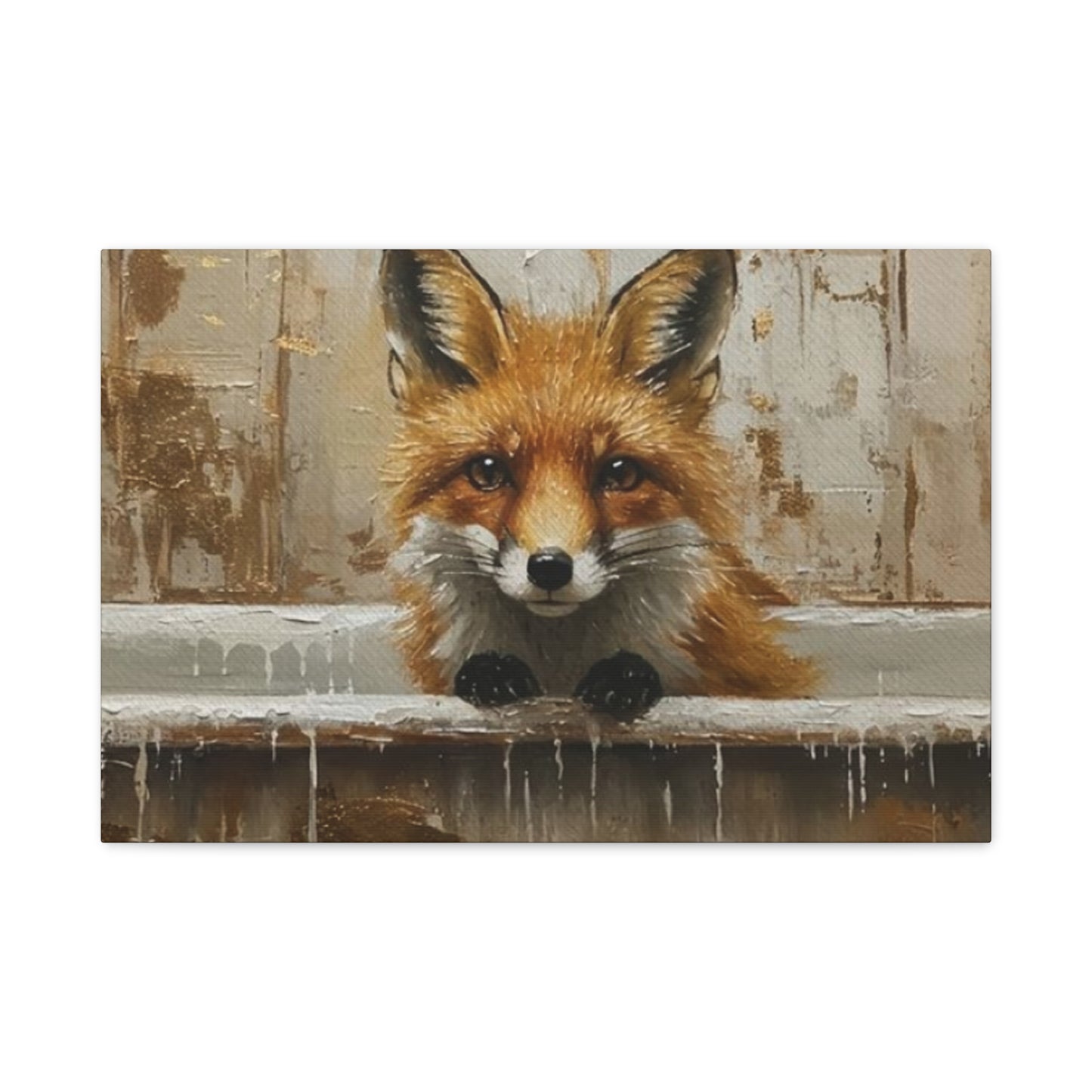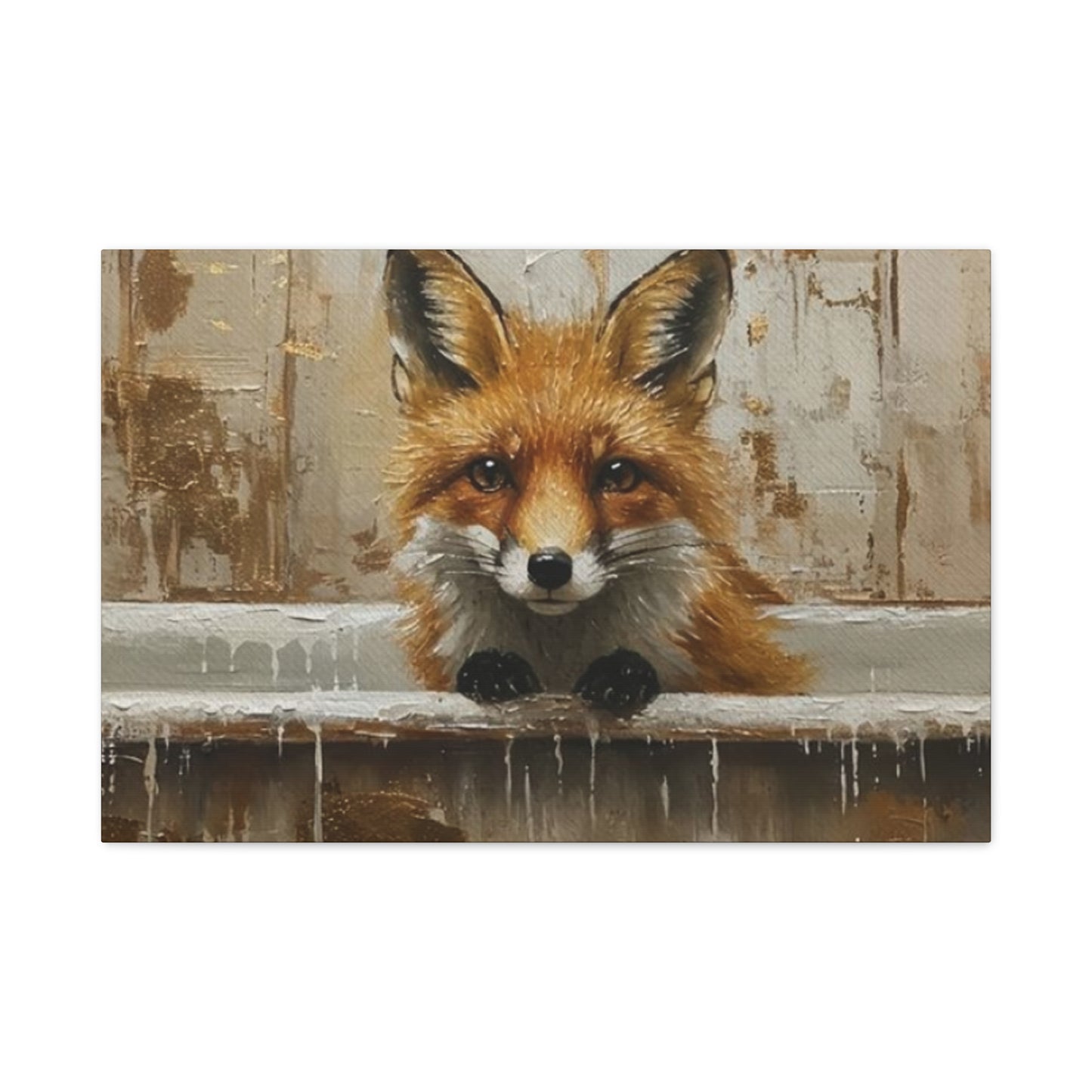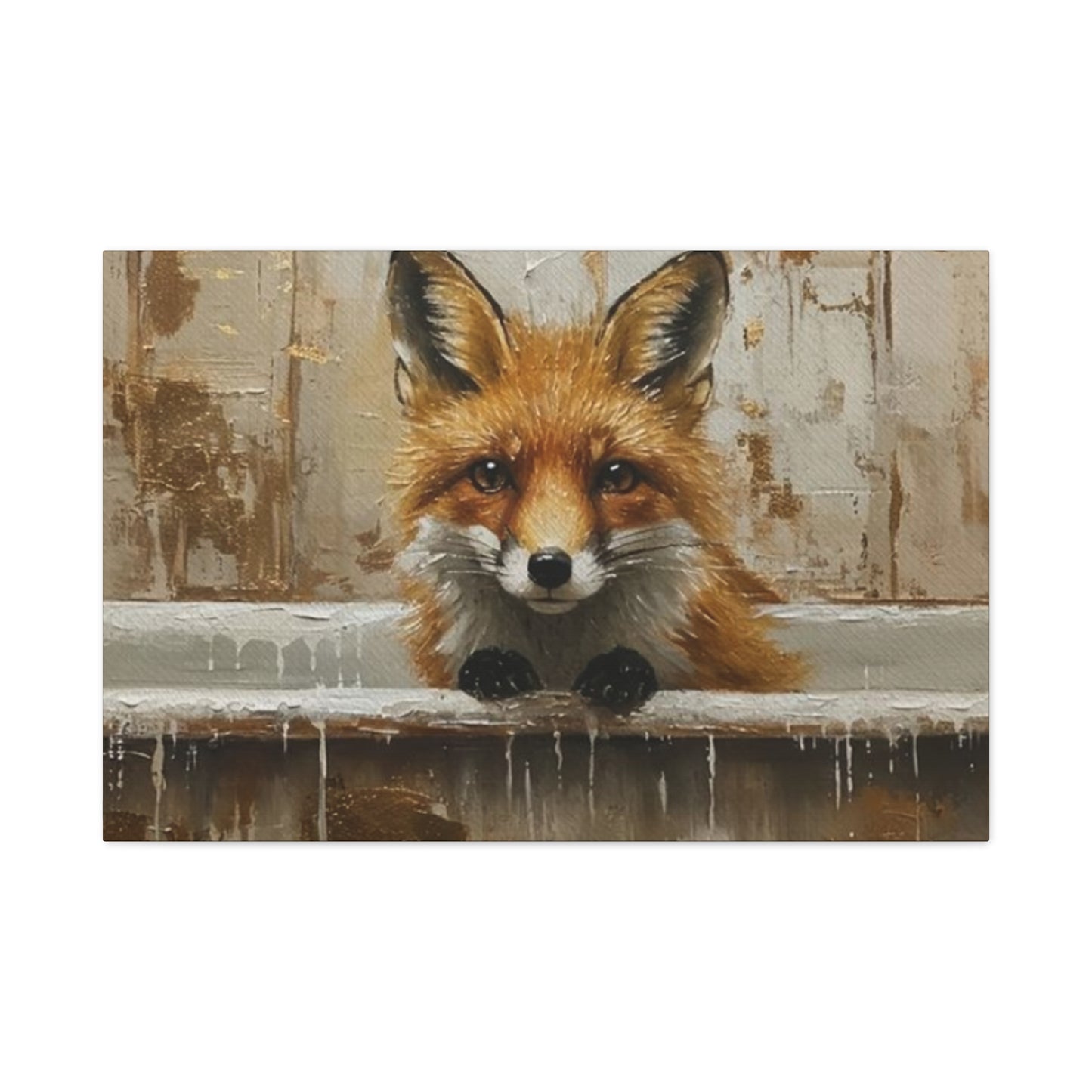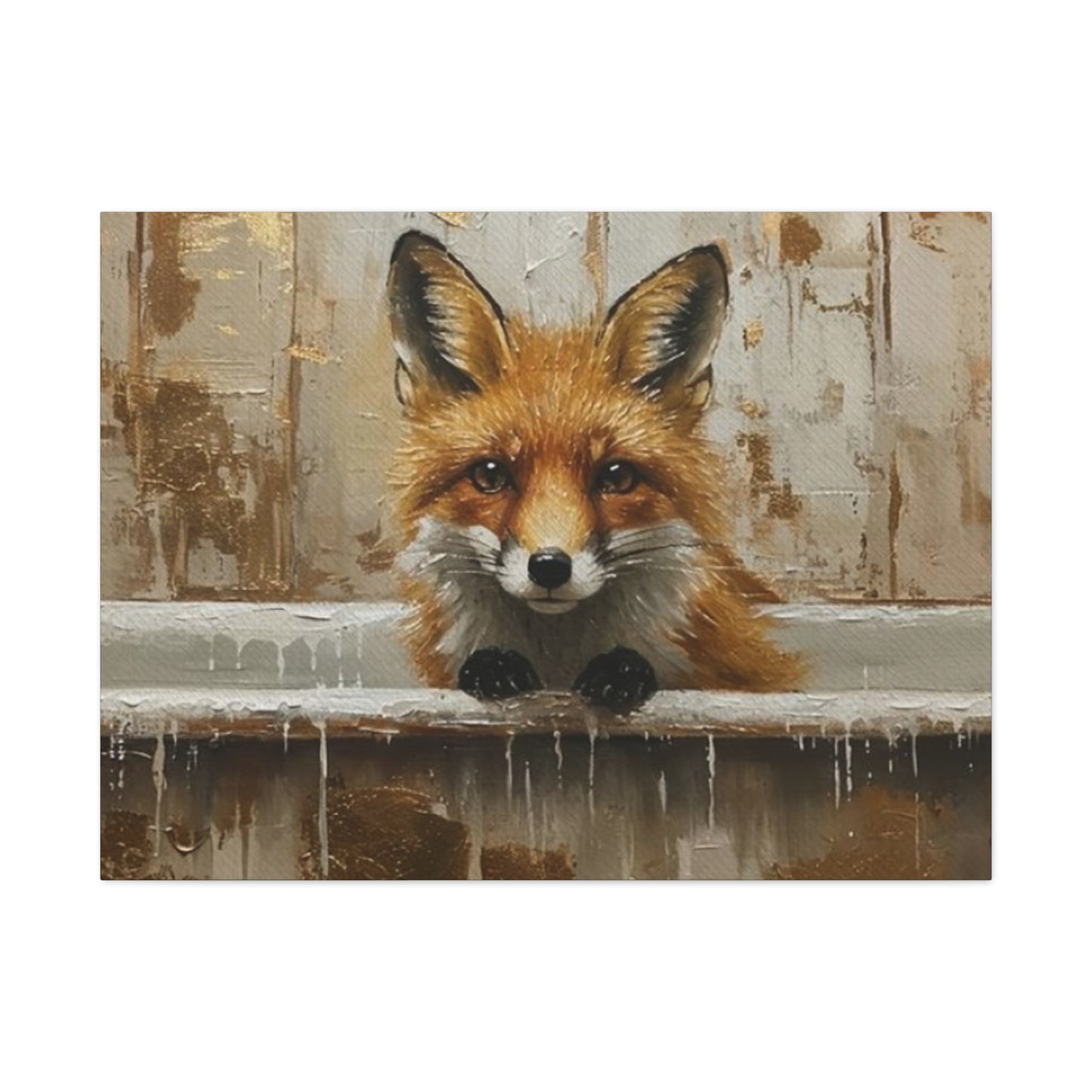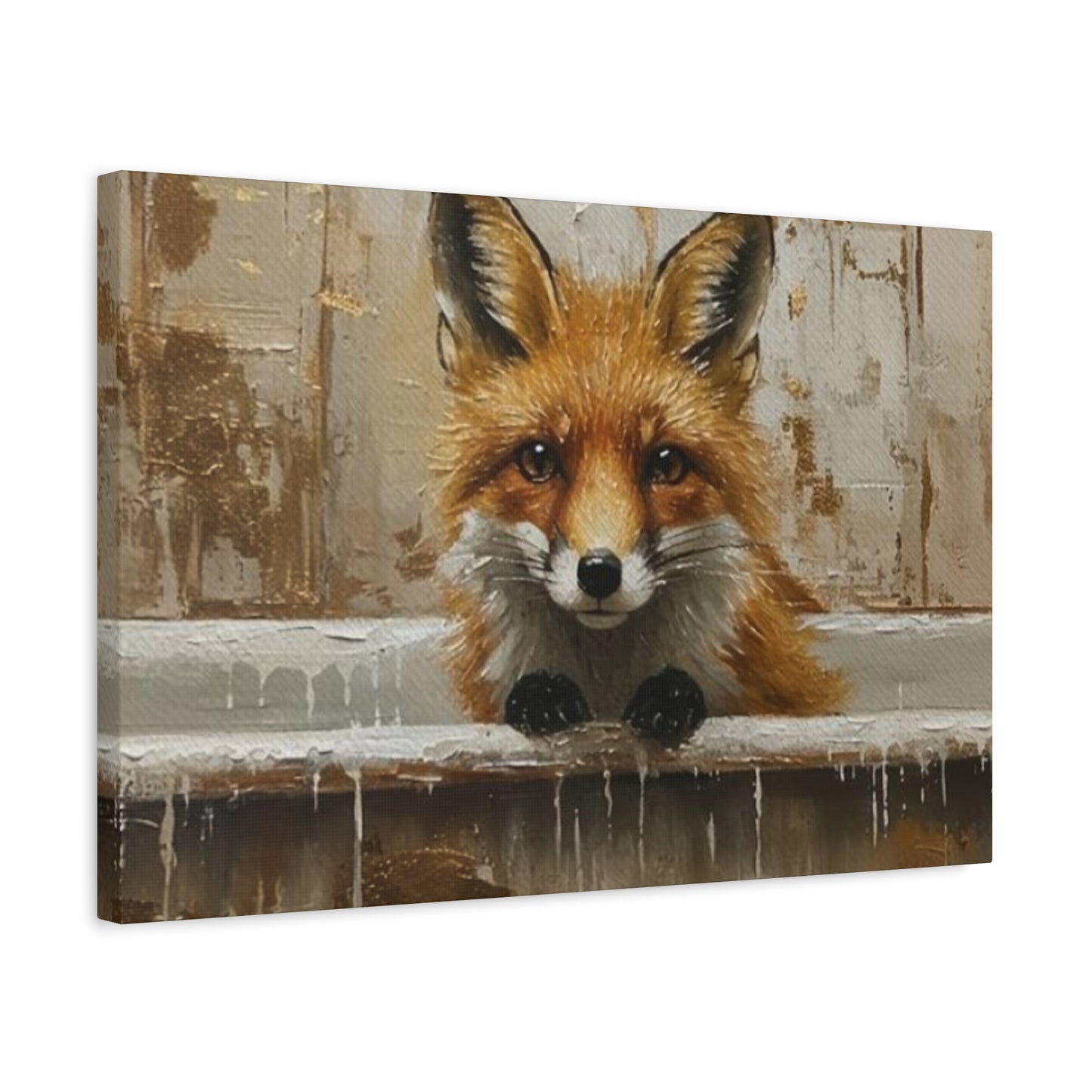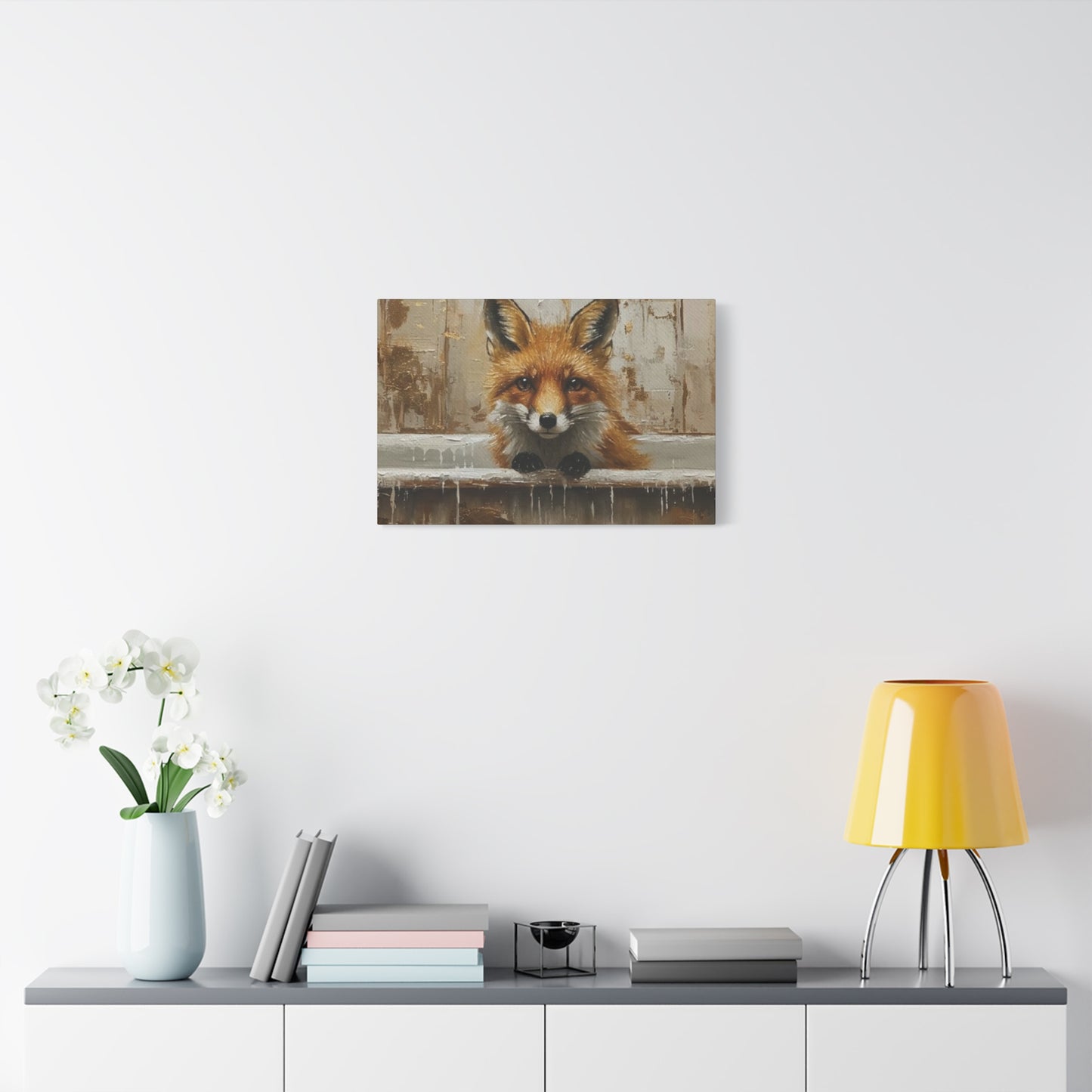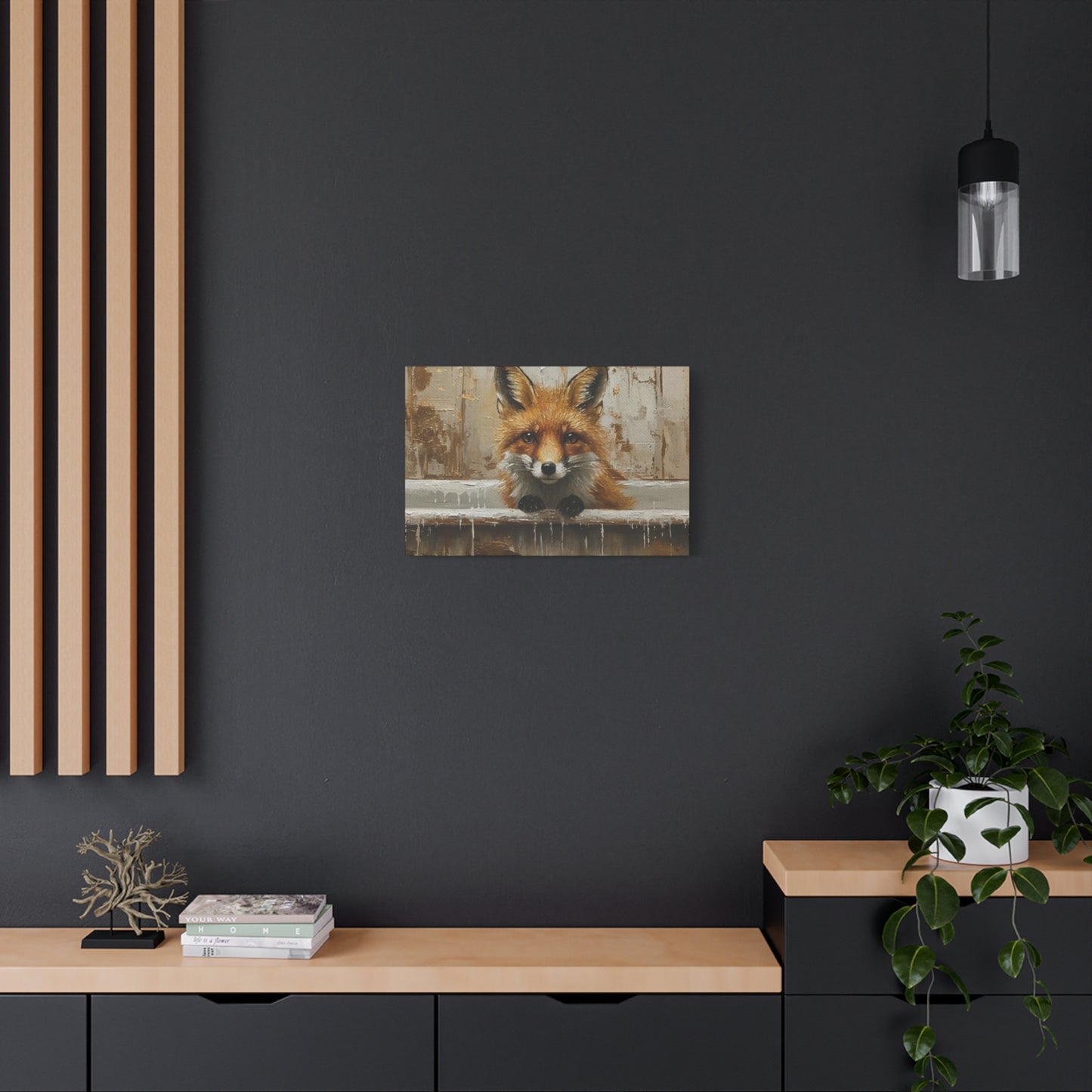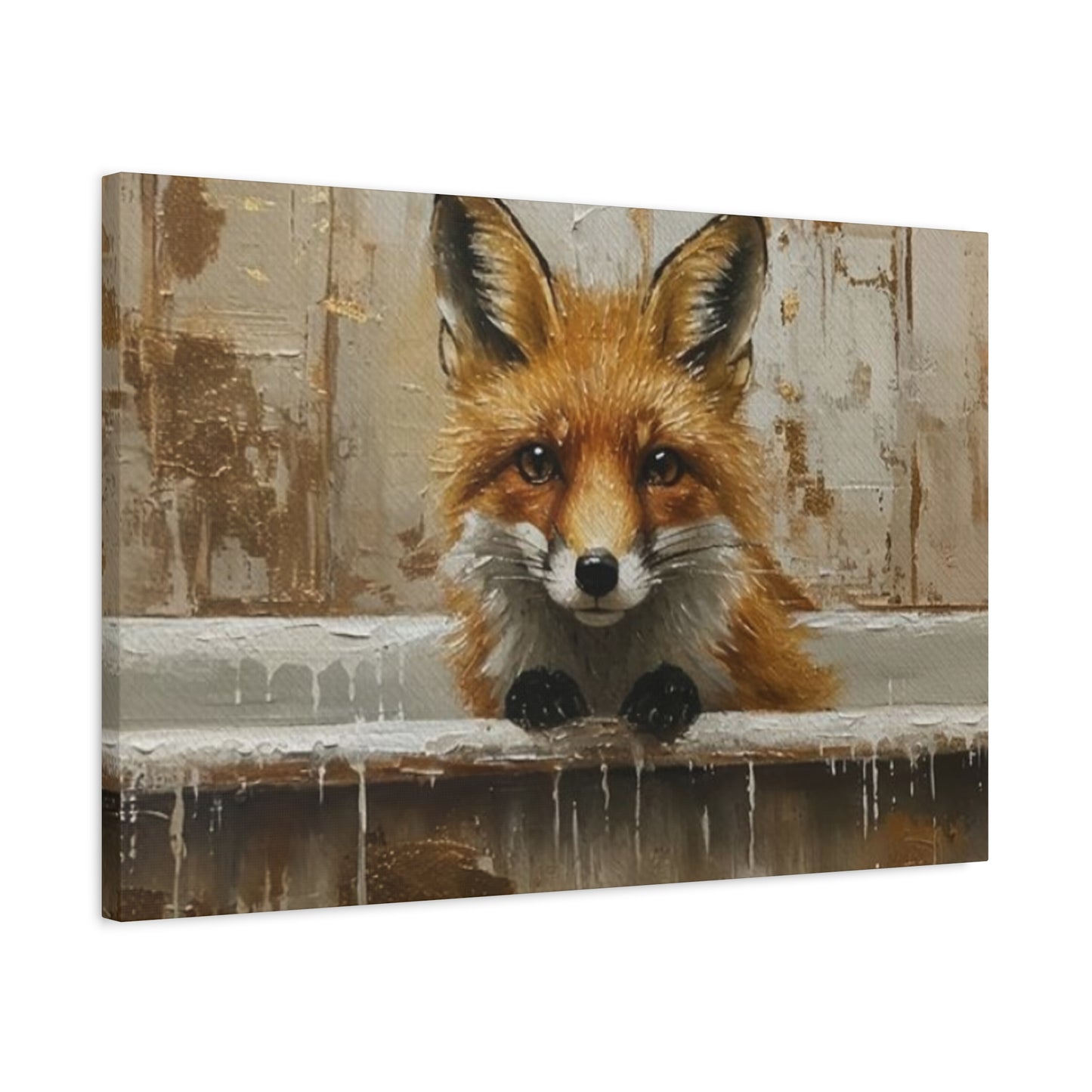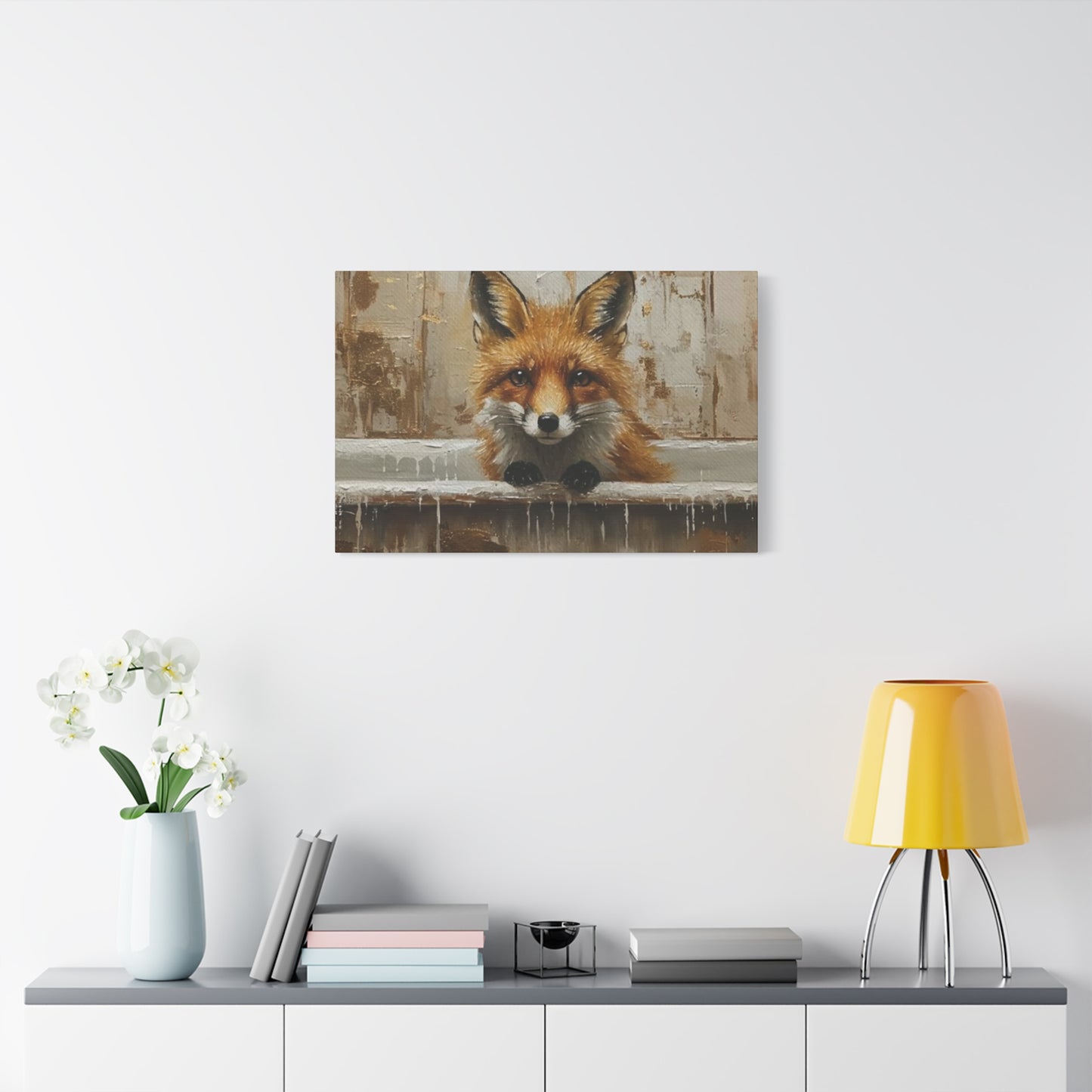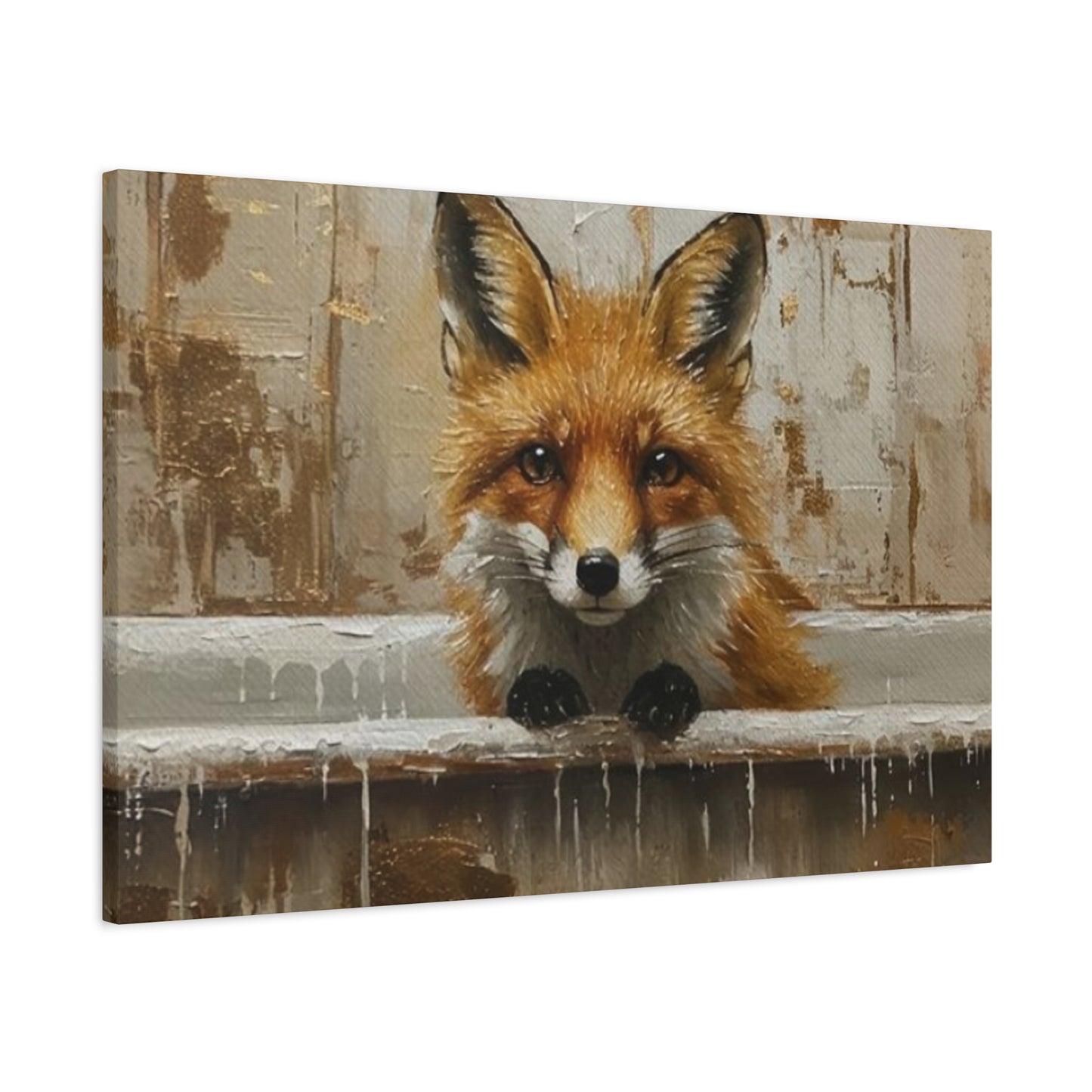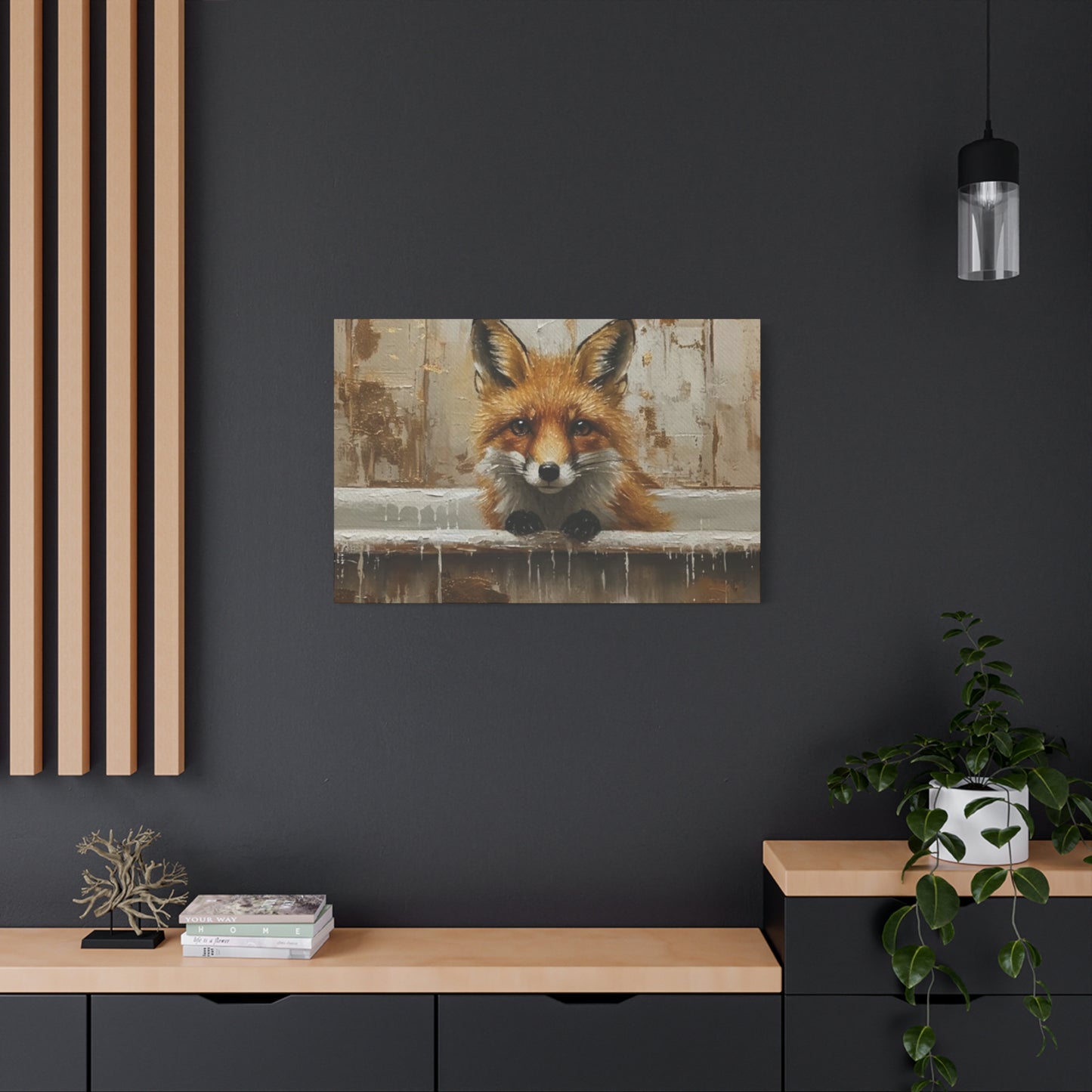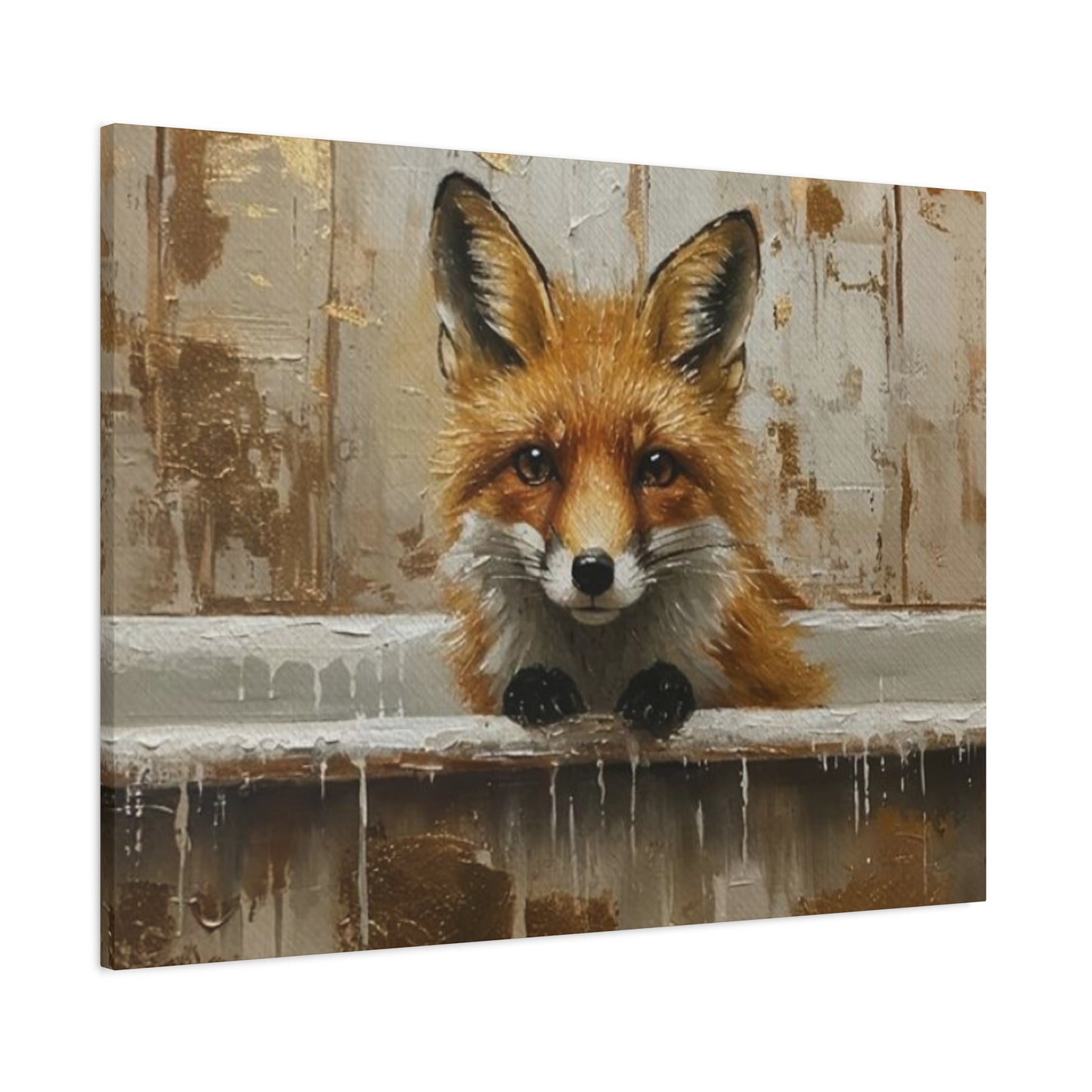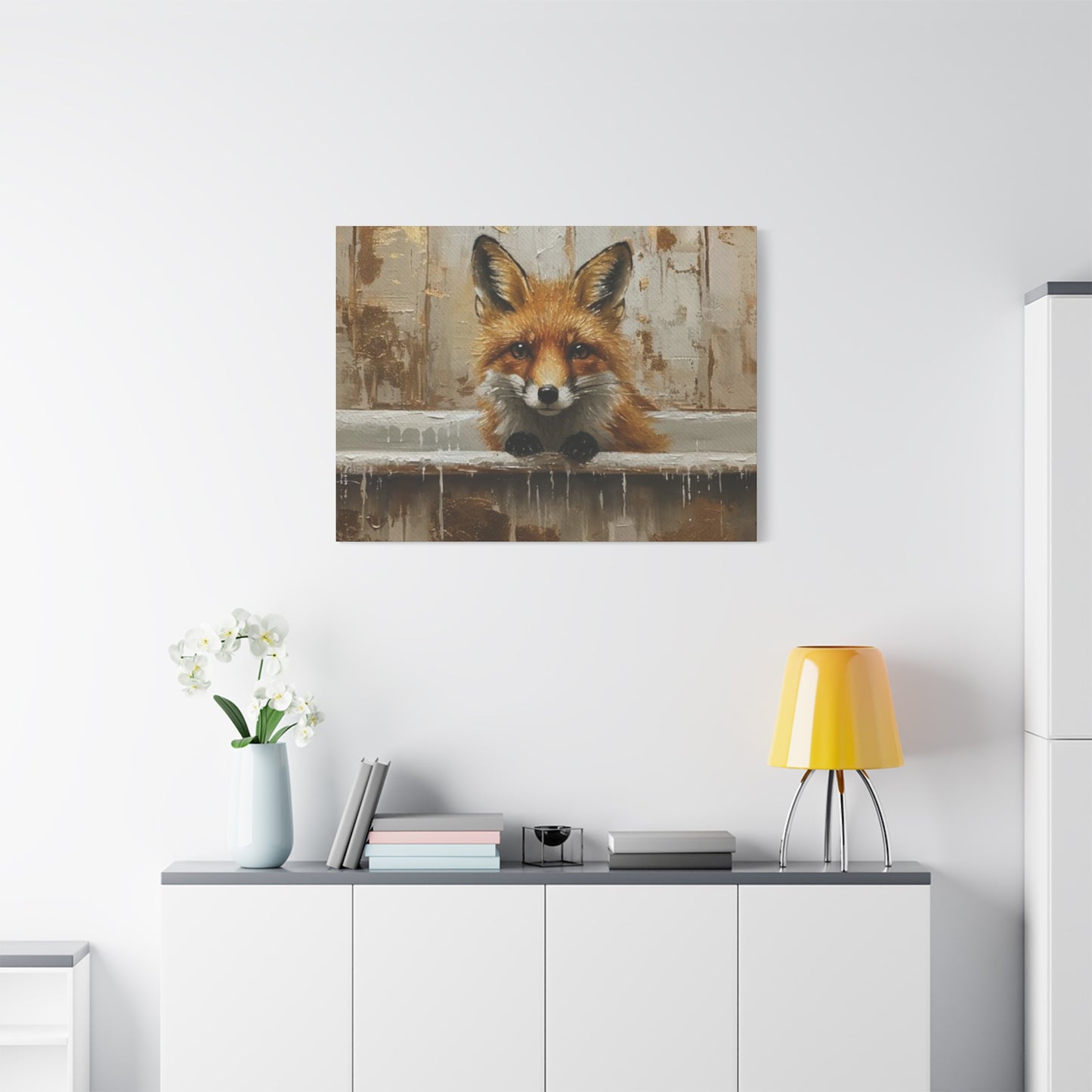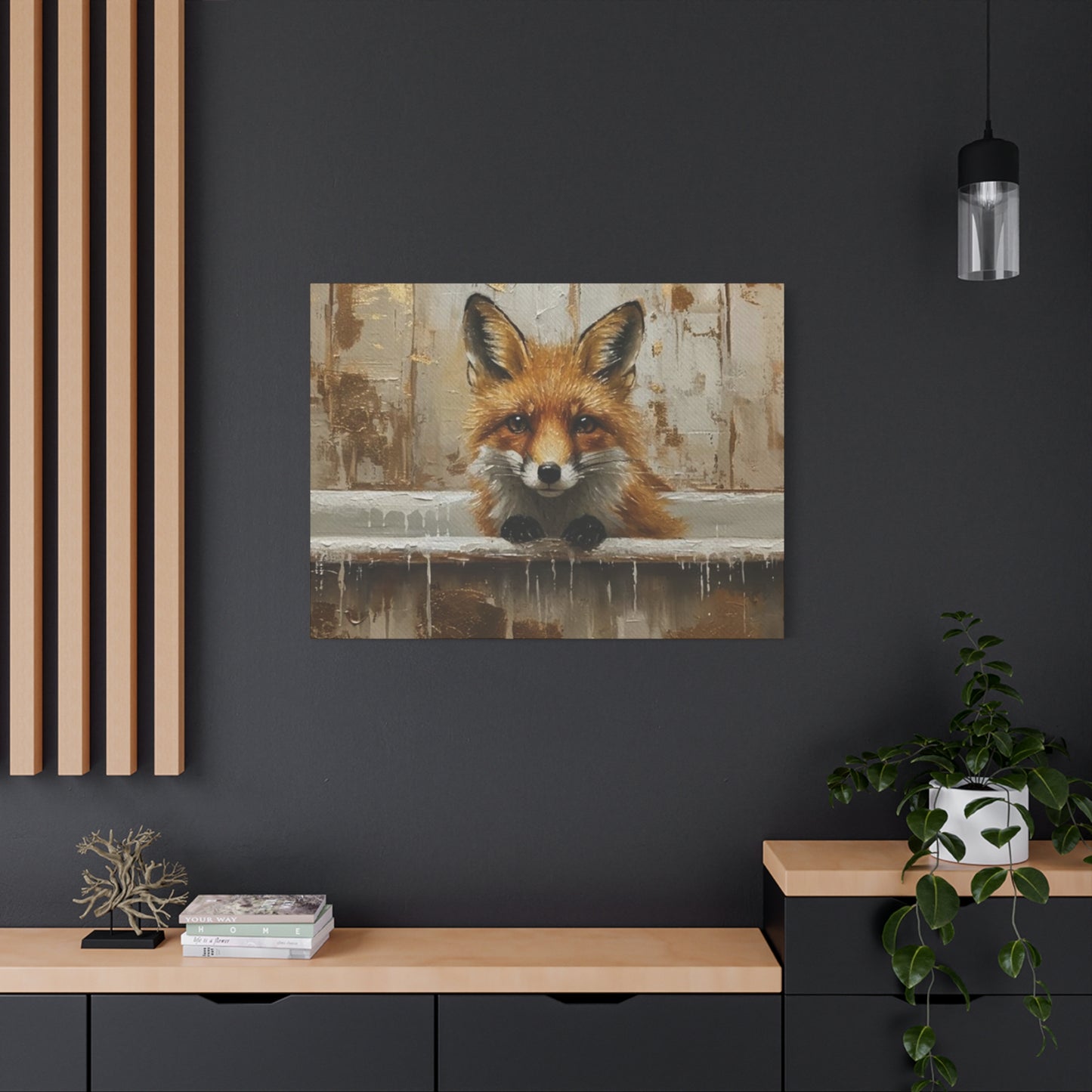


Little Fox Wall Art & Canvas Prints
Little Fox Wall Art & Canvas Prints
Couldn't load pickup availability
Enchanting Little Fox Wall Art: Creating Magical Spaces with Woodland Decor for Modern Homes
The charm of woodland creatures has captivated interior design enthusiasts for generations, and among these delightful forest dwellers, the fox stands out as a particularly beloved subject. Little fox wall art brings a perfect blend of whimsy, sophistication, and natural beauty into residential and commercial spaces. This comprehensive exploration delves into every aspect of incorporating these captivating pieces into your decorating schemes, from selection and placement to the profound impact they can have on the ambiance of any room.
Discovering the Captivating Appeal of Woodland Fox Imagery in Contemporary Interior Decoration
Foxes have long held a special place in human culture, representing cunning, adaptability, and natural grace. When translated into wall art, these characteristics transform into visual elements that speak to our connection with the natural world. The popularity of little fox wall art stems from several compelling factors that resonate with modern sensibilities. The inherent cuteness of fox kits, combined with the elegant features of adult foxes, creates imagery that appeals across age groups and design preferences.
The versatility of fox-themed artwork allows it to transcend traditional decorating boundaries. Whether rendered in realistic detail, abstract interpretations, or playful cartoon styles, fox imagery adapts beautifully to various aesthetic approaches. This adaptability makes little fox wall art suitable for nurseries, children's bedrooms, living rooms, offices, and even commercial spaces seeking to create warm, inviting atmospheres.
Color palettes associated with fox imagery naturally complement a wide range of decorating schemes. The russet reds, warm oranges, creamy whites, and deep blacks found in fox fur translate into artwork that can either stand as bold focal points or blend harmoniously with existing color schemes. Many contemporary artists have expanded beyond these traditional hues, creating fox artwork in muted pastels, bold jewel tones, and even monochromatic schemes that suit minimalist and modern interiors.
The symbolic significance of foxes adds another layer of meaning to these decorative pieces. In various cultural traditions, foxes represent intelligence, resourcefulness, and independence—qualities many people aspire to embody or wish to encourage in their children. Displaying little fox wall art can serve as a gentle reminder of these values while simultaneously enhancing the visual appeal of a space.
Beyond symbolism, fox imagery connects viewers to the natural world in an increasingly urbanized society. These pieces bring elements of forests, meadows, and wild spaces into our homes, creating a sense of tranquility and connection to nature that many people crave. This biophilic design principle—incorporating natural elements into built environments—has been shown to reduce stress and improve overall well-being.
Exploring the Diverse Varieties of Fox-Themed Wall Decorations Available for Your Space
The market for little fox wall art encompasses an extraordinary range of styles, mediums, and formats, each offering unique aesthetic qualities and practical considerations. Canvas prints represent one of the most popular categories, offering museum-quality reproductions of original artwork at accessible price points. These pieces typically feature gallery-wrapped edges that eliminate the need for framing, creating a contemporary, polished appearance. The texture of canvas adds depth and dimension to fox imagery, particularly effective for pieces featuring brushstroke details or painterly effects.
Framed prints provide another classic option, with choices ranging from simple wooden frames to ornate gilded borders. The frame selection can dramatically alter the piece's overall aesthetic—a rustic barnwood frame might enhance a farmhouse-style fox illustration, while a sleek metal frame could complement a more modern, geometric interpretation. Matting options further expand customization possibilities, allowing collectors to adjust proportions and add visual breathing room around the central image.
Metal prints have emerged as a contemporary alternative, featuring fox imagery printed directly onto aluminum sheets. This process creates vibrant colors with exceptional clarity and a distinctive luminous quality. The durability of metal prints makes them particularly suitable for high-traffic areas or spaces with environmental challenges like moisture or temperature fluctuations. The modern aesthetic of metal prints pairs exceptionally well with minimalist and industrial design schemes.
Wood-mounted prints combine the warmth of natural materials with the convenience of ready-to-hang formats. These pieces feature fox imagery transferred onto wooden planks or panels, often with visible grain patterns that add organic character. The dimensional quality of wood-mounted prints creates shadow lines and depth that enhance their visual impact on walls.
For those seeking three-dimensional options, sculptural fox wall art offers captivating alternatives. These pieces might feature carved wooden foxes, metal cutouts, or layered mixed-media constructions that project from the wall surface. The interplay of light and shadow across these sculptural elements adds dynamic interest that changes throughout the day as lighting conditions shift.
Textile-based fox wall art, including tapestries, fabric panels, and embroidered pieces, introduces softness and texture that contrasts beautifully with harder surfaces in a room. These pieces often feature intricate details and craftsmanship that reward close examination while contributing to the acoustic properties of a space by absorbing sound.
Watercolor renderings of foxes create ethereal, dreamy effects with their soft color transitions and delicate details. These pieces work particularly well in spaces designed to feel calm and serene, such as bedrooms or reading nooks. The translucent quality of watercolor captures the gentleness of fox kits and the grace of adult foxes in motion.
Digital art and vector-style fox illustrations offer crisp, clean lines and bold graphic qualities that suit contemporary and modern interiors. These pieces often feature simplified fox silhouettes or geometric interpretations that emphasize shape and form over realistic detail. The scalability of digital artwork allows for reproduction in various sizes without quality loss.
Vintage-inspired and retro fox illustrations tap into nostalgic aesthetics, often featuring color palettes and stylistic elements reminiscent of mid-century design or Victorian natural history illustrations. These pieces appeal to collectors who appreciate historical artistic movements and want to create spaces with character and depth.
Strategic Placement Considerations for Maximizing the Impact of Your Fox Wall Decorations
The positioning of little fox wall art significantly influences both its visual impact and the overall atmosphere it creates within a space. Understanding the principles of effective placement ensures these charming pieces enhance rather than overwhelm your decorating scheme. Height considerations form the foundation of proper placement, with the general rule suggesting that artwork should hang with its center point at eye level, typically around 57 to 60 inches from the floor. However, this guideline requires adjustment based on ceiling height, furniture placement, and the specific context of the space.
In rooms with seating areas, such as living rooms or bedrooms, consider the eye level of seated occupants when determining placement height. Little fox wall art positioned above sofas or beds should maintain a relationship with the furniture below, typically hanging 6 to 12 inches above the furniture's highest point. This creates visual connection while ensuring the artwork doesn't feel disconnected from the room's functional elements.
Gallery wall arrangements offer opportunities to showcase multiple fox-themed pieces in cohesive compositions. These collections might combine various sizes, formats, and styles of fox imagery to create visual interest through variety while maintaining thematic unity. Planning gallery wall layouts before hanging pieces prevents unnecessary holes and allows for experimentation with arrangements. Many decorators recommend laying out pieces on the floor or creating paper templates to test configurations before committing to wall placement.
Focal wall strategies position a single impressive piece of little fox wall art as the dominant visual element in a room, drawing attention and anchoring the space's design. These statement pieces work particularly well in rooms with neutral color schemes or minimal decorative elements, where the artwork can command attention without competing with other visual elements. The wall opposite the room's entrance often serves as an ideal location for focal artwork, immediately capturing attention as people enter the space.
Corner placements and unexpected locations can create delightful surprises and maximize usable wall space. Little fox wall art in hallways, stairwell walls, or above doorways transforms transitional spaces into opportunities for visual interest. These placements work particularly well with smaller pieces that might get lost on expansive walls but shine in more intimate contexts.
Lighting considerations profoundly affect how fox artwork appears in a space. Natural light can beautifully illuminate pieces during daytime hours, but direct sunlight can cause fading over time, particularly with prints and photographs. Strategic placement relative to windows balances the benefits of natural illumination with conservation concerns. Supplemental lighting, such as picture lights, track lighting, or strategically placed lamps, ensures fox artwork remains visible and impactful during evening hours while adding dramatic emphasis.
Proportion and scale relationships between artwork and surrounding elements require careful consideration. Small pieces of little fox wall art can appear insignificant on large, empty walls unless grouped together or paired with other decorative elements. Conversely, oversized pieces might overwhelm small rooms or crowd other furnishings. The artwork should feel substantial enough to hold its own in the space without dominating to the point of imbalance.
Complementary Color Schemes That Enhance Fox-Themed Artwork in Your Living Spaces
The natural coloration of foxes provides an excellent starting point for developing color schemes that enhance little fox wall art while creating cohesive, harmonious spaces. The russet and orange tones inherent in fox imagery pair beautifully with a wide spectrum of complementary and analogous colors, offering numerous decorating possibilities.
Earthy palettes featuring warm browns, soft tans, and cream tones create natural partnerships with fox artwork. These color schemes evoke woodland environments and establish connections to nature that reinforce the organic subject matter. Incorporating these hues through furniture upholstery, throw pillows, area rugs, and window treatments creates a layered, cohesive aesthetic that allows fox artwork to feel like a natural extension of the room's design rather than an isolated decorative element.
Forest green serves as an excellent complementary color for fox-themed spaces, echoing the natural habitats these creatures inhabit. This versatile hue works in various intensities, from deep hunter green that adds sophistication and drama to soft sage tones that create calming, serene environments. Green accents through plants, textiles, or painted accent walls establish visual connections between little fox wall art and the broader room design.
Navy blue and deep indigo provide unexpected but stunning partners for fox imagery, particularly effective in contemporary or eclectic spaces. These rich blues create sophisticated contrasts with orange and red fox tones, making the artwork pop while establishing elegant, grown-up aesthetics that prevent fox themes from feeling overly juvenile. Midnight blue walls with warm wood tones and copper accents can create particularly striking backdrops for fox artwork.
Neutral gray schemes offer versatile foundations that allow little fox wall art to serve as colorful focal points without competing with busy backgrounds. Soft grays in various tones create subtle depth while providing restful environments that let artwork shine. Warm grays with brown undertones often pair more harmoniously with fox imagery than cool grays with blue undertones, though both can work depending on the specific artwork and desired atmosphere.
White and off-white backgrounds create clean, fresh environments that showcase fox artwork with maximum clarity and impact. These light, airy schemes work particularly well in Scandinavian-inspired or minimalist spaces where simplicity and restraint guide design choices. Crisp white walls allow the colors and details within fox artwork to command full attention while creating bright, open feelings that make spaces appear larger.
Blush pink and soft coral tones create gentle, nurturing environments particularly suited to nurseries and children's spaces featuring little fox wall art. These warm, inviting hues complement the orange and red tones in fox imagery while adding feminine softness that appeals to many parents decorating for daughters. Combining these colors with gold or brass accents elevates the scheme beyond typical children's decor into sophisticated spaces that will remain appealing as children grow.
Monochromatic schemes using various shades and tints of a single color create sophisticated, cohesive environments where fox artwork integrates seamlessly. A room decorated entirely in shades of orange, from pale peach to deep burnt sienna, could incorporate fox artwork that feels like an organic extension of the color story rather than a separate element. This approach requires careful attention to value and saturation to prevent monotony while maintaining unity.
Establishing Enchanting Woodland Nurseries with Adorable Fox Imagery as Central Themes
Nurseries designed around little fox wall art create magical, nurturing environments that stimulate infant development while providing parents with aesthetically pleasing spaces. The gentle nature of fox imagery makes it particularly appropriate for these earliest living spaces, offering visual interest without overstimulation. Successful fox-themed nurseries balance whimsy with sophistication, creating rooms that serve their immediate purpose while possessing longevity as children grow.
The focal wall approach works exceptionally well in nurseries, with a large piece of little fox wall art positioned above the crib or changing table creating an immediate sense of theme and purpose. This anchor piece establishes the room's design direction, informing subsequent choices regarding colors, textiles, and accessories. When selecting focal artwork for nurseries, consider pieces with sufficient detail to capture attention during countless diaper changes and feeding sessions, yet gentle enough to support the calm, restful atmosphere babies need.
Coordinating bedding, curtains, and other textile elements with fox themes creates cohesive environments without requiring exact matches. Fox-patterned crib sheets might complement rather than match wall art, with shared color palettes providing unity. Curtains featuring woodland scenes or solid colors pulled from the artwork's palette contribute to the theme while offering practical light control benefits essential for infant sleep schedules.
Storage solutions incorporating fox themes maintain thematic consistency while providing necessary functionality. Bins, baskets, and shelving units featuring fox illustrations or silhouettes keep essential baby items organized while reinforcing the room's design concept. These practical elements demonstrate how theme-based decorating can extend beyond purely decorative pieces into functional components of the room.
Lighting choices in fox-themed nurseries require particular attention, balancing adequate illumination for nighttime care with the gentle, calming qualities conducive to sleep. Night lights featuring fox designs serve practical purposes while adding charming details. Dimmer switches allow parents to adjust lighting levels according to specific needs, bright for active play and care tasks, soft for winding down before sleep.
Growth considerations ensure nurseries featuring little fox wall art transition smoothly as babies become toddlers and eventually older children. Selecting artwork with appeal beyond infancy prevents the need for complete redecoration as children develop. Fox imagery naturally possesses this longevity, maintaining relevance and appeal through various developmental stages. Planning for eventual transitions might include choosing furniture in neutral finishes that will accommodate changing color schemes and removing the most obviously babyish elements while retaining beloved fox artwork.
Safety concerns must guide all decorating decisions in nurseries. Ensuring little fox wall art is securely mounted prevents accidents should curious toddlers attempt to pull or climb. Avoiding glass-fronted frames near cribs eliminates potential hazards. Regular inspection of all wall-mounted items catches any loosening before problems develop.
Designing Captivating Children's Bedrooms with Playful Fox Wall Decorations
As children grow beyond the nursery stage, their bedrooms become increasingly important as personal spaces reflecting their developing identities and interests. Little fox wall art offers a perfect balance of childhood appeal and design sophistication that prevents rooms from feeling babyish while maintaining age-appropriate charm. The key to successful fox-themed children's bedrooms lies in creating environments that feel special and personalized without becoming so theme-heavy that they quickly feel outdated or limiting.
Involving children in selecting their little fox wall art empowers them and increases their investment in their space. This collaborative approach might involve presenting several pre-approved options rather than unlimited choices, guiding children toward pieces that will maintain appeal and coordinate with broader design plans while allowing them meaningful input. The process of choosing artwork together becomes a memorable bonding experience while teaching children about design decision-making and personal expression through their environment.
Creating themed vignettes rather than fully immersive fox environments offers flexibility and prevents overwhelming spaces with too much of any single motif. A reading corner might feature fox wall art, a fox-shaped pillow, and a small shelf with fox figurines, creating a cohesive mini-environment within the larger room. This approach allows for multiple interest areas within one space and makes it easier to update or change themes partially rather than requiring complete overhauls as tastes evolve.
Mixing fox artwork with other woodland creatures prevents the theme from feeling too narrow or limiting. Combining little fox wall art with prints or decorations featuring owls, deer, rabbits, or bears creates broader woodland themes with more visual variety and interest. This mixture also reflects the natural ecosystems foxes inhabit, adding subtle educational elements to decorative choices.
Age-appropriate sophistication levels ensure bedrooms grow with children rather than feeling babyish as they mature. Younger children might enjoy brightly colored, cartoonish fox illustrations, while older children and pre-teens often prefer more realistic or artistic renderings that feel less childish. Planning for these transitions might involve selecting neutral wall colors and furniture that will accommodate changing artwork preferences, making updates less extensive and expensive.
Study and homework areas in children's bedrooms benefit from inspiring yet non-distracting decorative elements. A single piece of little fox wall art in a study nook adds personality and visual interest without creating the busy, stimulating environment that can interfere with concentration and focus. Positioning artwork where it's visible during breaks rather than directly in the work sightline balances these concerns.
Storage and organization systems incorporating fox themes through knobs, hooks, or decorative boxes maintain thematic consistency while serving essential functions in keeping children's spaces tidy. These functional decorative elements teach children that beautiful things can also be useful, encouraging them to engage with organization systems.
Incorporating Elegant Fox Artwork into Sophisticated Adult Living Spaces and Bedrooms
The perception of little fox wall art as exclusively appropriate for children's spaces underestimates its potential in adult environments. Sophisticated fox imagery brings nature-inspired elegance, unexpected whimsy, and conversation-starting focal points to grown-up spaces when selected and displayed thoughtfully. The key lies in choosing pieces with refined aesthetics and positioning them within design schemes that read as intentional and curated rather than childish.
Living rooms incorporating fox wall art benefit from treating these pieces as fine art rather than themed decorations. Selecting museum-quality prints, original paintings, or limited edition pieces elevates fox imagery from novelty to legitimate artistic expression. Framing choices significantly impact perception—a beautiful fox watercolor in a simple, elegant frame reads very differently from a cartoon fox in a brightly colored plastic frame, even if both depict the same subject.
Gallery wall arrangements in adult spaces can incorporate little fox wall art alongside other nature subjects, abstract pieces, or even family photographs, creating eclectic collections that feel personal and curated. This mixing prevents any single theme from dominating and positions the fox artwork as one element in a broader aesthetic story rather than the defining characteristic of the room.
Home offices and studies particularly benefit from nature-inspired artwork like fox pieces. These images provide visual relief during long work sessions while maintaining professional appearances appropriate for video calls and client visits. The intelligence and adaptability symbolically associated with foxes make them particularly fitting subjects for workspaces, serving as subtle reminders of qualities important for professional success.
Bedroom settings for adults can incorporate little fox wall art to create serene, nature-connected retreats from daily stresses. Soft, muted color palettes and contemplative fox poses contribute to calming atmospheres conducive to rest and relaxation. Positioning fox artwork where it's visible from the bed creates a gentle focal point for waking and pre-sleep moments, potentially incorporating the psychological benefits of nature imagery into daily routines.
Unexpected placements in adult homes, such as powder rooms, mudrooms, or dining areas, allow for playful expressions that don't risk overwhelming primary living spaces. These smaller, more private areas provide opportunities to incorporate whimsical elements like fox artwork without worrying about whether they align with the more serious aesthetic of public-facing rooms.
Seasonal rotations keep fox-themed adult spaces feeling fresh and intentional. A piece featuring an autumn fox might display prominently during fall months, then swap with a snowy winter fox scene as seasons change. This practice prevents any single piece from becoming invisible through over-familiarity while allowing collectors to enjoy multiple works throughout the year.
Creating Gallery Walls and Artistic Arrangements with Multiple Fox-Themed Pieces
Gallery walls transform collections of little fox wall art into impressive design statements that carry more visual weight than individual pieces could achieve alone. These curated arrangements require planning and consideration to succeed, but the results justify the effort by creating custom focal points perfectly suited to your space and aesthetic preferences.
Planning gallery wall layouts begins with gathering all potential pieces and arranging them on the floor in front of the intended wall. This process allows for experimentation without creating unnecessary nail holes. Many decorators photograph various arrangements to compare options and ensure the chosen layout achieves the desired effect. Creating paper templates of each piece's dimensions allows for wall marking and placement planning without handling the actual artwork repeatedly.
Balanced versus asymmetrical arrangements present different aesthetic qualities. Balanced, symmetrical gallery walls create orderly, calm impressions with pieces arranged in predictable patterns around a central axis. Asymmetrical arrangements feel more dynamic and casual, with pieces of varying sizes clustered in seemingly spontaneous configurations. Neither approach is inherently superior—the choice depends on the room's existing aesthetic and the desired atmosphere.
Spacing between pieces significantly impacts gallery wall appearance. Consistent spacing—typically 2 to 3 inches between frames—creates cohesive, unified impressions where individual pieces function as parts of a larger whole. Varied spacing produces more dynamic, eclectic effects but requires careful attention to prevent chaotic, cluttered appearances. Maintaining level horizontal alignments even within asymmetrical arrangements helps prevent disorganized appearances.
Frame coordination creates unity within little fox wall art collections while allowing for some variety. Matchy-matchy identical frames can feel forced and overly coordinated, but frames should share some common elements—perhaps all wood tones, all metals, or all whites—to provide visual connection. Mixing frame styles within these parameters creates interest while maintaining cohesion.
Color progression through gallery walls guides viewer attention and creates satisfying visual flow. Arrangements might progress from cool to warm tones, light to dark, or feature colors arranged in patterns like gradients or groupings. These subtle organizational strategies create subconscious order within seemingly eclectic arrangements.
Incorporating varied mediums and formats prevents monotony in fox-themed gallery walls. Combining framed prints with canvas pieces, metal cutouts, or small three-dimensional elements adds depth and textural interest. Including pieces in various sizes prevents the "postage stamp" effect of uniformly sized artwork and creates more dynamic compositions.
Statement pieces within gallery walls serve as anchors or focal points around which other pieces orbit. These larger or more visually striking works of little fox wall art ground the arrangement and provide starting points for building the composition. Often positioned slightly off-center within the overall arrangement, these anchors prevent the static quality that can result from perfectly centered focal points.
Pairing Complementary Decorative Elements with Your Fox Wall Art Collection
Little fox wall art achieves maximum impact when supported by complementary decorative elements that reinforce the theme without overwhelming spaces with too much of any single motif. The art of accessorizing fox-themed rooms lies in creating connections between the wall art and other design elements while maintaining restraint and sophistication.
Textile selections offer obvious opportunities to coordinate with fox wall art through throw pillows, blankets, and rugs featuring complementary colors, patterns, or occasional fox motifs. The key is avoiding exact matches, which can feel forced and overly coordinated. Instead, pulling one or two colors from the artwork's palette for solid textiles, or selecting patterns that share a similar aesthetic feeling without depicting foxes, creates more sophisticated connections.
Wooden furniture and natural wood accents reinforce the woodland, organic qualities associated with fox imagery. Whether through substantial pieces like bed frames and dressers or smaller accents like picture ledges and floating shelves, wood tones add warmth and texture that complements little fox wall art beautifully. Pairing artwork featuring forest scenes with natural wood elements strengthens thematic connections while grounding spaces in natural materials.
Lighting fixtures offer often-overlooked opportunities to reinforce themes. While explicitly fox-shaped lamps might feel too literal except in children's spaces, fixtures featuring natural materials like wood, copper, or linen can echo the organic, woodland aesthetic of fox wall art. Warm-toned bulbs in the 2700K to 3000K range create the golden, sunset-like lighting that complements the warm colors in most fox imagery.
Plants and greenery establish living connections to the natural world that fox artwork represents. Incorporating houseplants through floor plants, hanging arrangements, or small collections on shelves brings actual nature into spaces decorated with nature-inspired art. This combination satisfies human biophilic needs more completely than either element alone, potentially increasing the wellbeing benefits of both the plants and the artwork.
Books displayed on coffee tables or shelves can subtly reinforce fox themes when selected intentionally. Natural history books, forest photography collections, or fiction with woodland settings connect thematically with little fox wall art while adding intellectual depth to the decorative scheme. Book spines in colors coordinating with the artwork's palette provide additional color repetition that strengthens design unity.
Sculptural objects and figurines allow for three-dimensional expressions of fox themes beyond flat wall art. A single beautiful fox sculpture on a bookshelf or mantel adds dimension and variety to fox-themed spaces without requiring the commitment of additional wall art. These pieces provide opportunities to incorporate different materials—ceramic, metal, carved wood—that add textural diversity.
Seasonal decorating allows fox themes to evolve throughout the year, preventing staleness while accommodating changing preferences. Autumn might see little fox wall art surrounded by harvest colors, pumpkins, and fall foliage, while winter could introduce evergreen boughs, pinecones, and snowy white accents. These seasonal shifts keep spaces feeling fresh and demonstrate the versatility of fox themes across different aesthetics.
Understanding Material Considerations and Durability Factors for Long-Lasting Fox Artwork
Selecting little fox wall art involves more than aesthetic considerations—the materials and construction of pieces significantly affect their longevity, appearance over time, and suitability for different environments. Understanding these factors enables informed purchasing decisions that balance immediate appeal with long-term value.
Print quality begins with image resolution and reproduction methods. High-resolution digital files printed using archival-quality inks resist fading and maintain clarity far longer than lower-quality alternatives. Giclée printing, which uses fine art printers with archival inks, represents the gold standard for reproduction prints, producing results virtually indistinguishable from originals while ensuring decades of color stability. When purchasing little fox wall art online, sellers should specify resolution, ink types, and expected longevity.
Canvas materials vary significantly in quality, affecting both initial appearance and durability. Heavy-weight canvases, typically 340 GSM or higher, resist sagging and maintain taut appearances over time better than lighter alternatives. The fabric composition also matters—cotton canvases offer traditional fine art qualities, while cotton-polyester blends can provide additional durability and moisture resistance. Acid-free canvases prevent yellowing and deterioration, essential for archival quality pieces intended to last decades.
Paper quality determines the lifespan of framed fox prints. Acid-free papers resist yellowing and brittleness over time, while papers specifically designated as archival quality undergo additional processing to ensure maximum longevity. The weight or thickness of paper also indicates quality—heavier papers, typically 200 GSM or higher, resist warping and feel more substantial. Textured papers can add appealing tactile qualities but may not suit all fox imagery styles.
Protective coatings extend the life of little fox wall art by providing barriers against moisture, dust, and UV radiation. UV-resistant glass or acrylic in framed pieces prevents the color fading that occurs with sun exposure, essential for artwork near windows or in brightly lit rooms. Varnishes on canvas pieces serve similar protective functions while potentially adding aesthetic qualities like satin or matte finishes. Water-based varnishes offer protection without the yellowing sometimes associated with traditional varnishes.
Metal print durability stems from the printing process, which infuses dyes into specially coated aluminum panels rather than applying them to surfaces. This integration makes the image resistant to scratching, fading, and moisture damage, producing some of the most durable wall art available. The metal substrate is naturally resistant to warping and doesn't require protective glass, reducing weight and simplifying hanging.
Wood-mounted prints require consideration of the wood quality and treatment. Solid wood pieces are generally more stable and durable than engineered woods like MDF, though heavier and more expensive. The finish applied to wood surfaces affects both appearance and longevity—sealed woods resist moisture and splitting better than unfinished alternatives. The method of image transfer onto wood also varies, with some processes creating more durable results than others.
Frame quality dramatically affects both the presentation and protection of little fox wall art. Solid wood frames outlast less expensive alternatives made from composite materials, while proper joinery prevents corners from separating over time. The backing materials in framed pieces also matter—acid-free backing boards prevent chemical migration that could damage artwork, while dust covers keep out environmental contaminants.
Addressing Environmental Factors That Affect Fox Artwork Preservation
The environment where little fox wall art displays significantly affects its condition and lifespan. Understanding and controlling these factors preserves your pieces and maintains their appearance for years or decades. While some environmental factors are easily controlled, others require creative solutions or acceptance of eventual changes.
Light exposure represents the single greatest environmental threat to most fox artwork. Both natural and artificial light contain ultraviolet radiation that breaks down pigments, causing colors to fade or shift over time. Direct sunlight is particularly damaging, capable of noticeably fading unprotected prints within months. Strategies to mitigate light damage include positioning little fox wall art away from windows receiving direct sun, using UV-filtering window films that block harmful rays while allowing visible light, and selecting frames with UV-protective glass or acrylic.
Humidity levels affect various art materials differently but generally should remain relatively stable. High humidity encourages mold and mildew growth, particularly on organic materials like paper, canvas, and wood. It can also cause paper to wave or buckle and may damage frames. Conversely, very low humidity can cause paper and wood to become brittle and crack. Ideal humidity levels for art preservation typically fall between 40 and 55 percent, achievable through humidifiers or dehumidifiers depending on climate.
Temperature fluctuations and extremes threaten artwork through expansion and contraction of materials, which can cause structural damage over time. Hanging little fox wall art near heat sources like radiators, fireplaces, or heating vents exposes it to temperature swings that can eventually cause warping, cracking, or loosening of adhesives. Similarly, cold exterior walls may create temperature differentials that encourage condensation and associated problems. Maintaining relatively consistent temperatures in the 65 to 75 degree Fahrenheit range protects most artwork.
Air quality considerations include protection from dust, cooking grease, smoke, and other airborne contaminants that can accumulate on artwork surfaces, dulling colors and requiring risky cleaning procedures. Rooms with fireplaces, kitchens, and high-traffic areas near exterior doors generally have poorer air quality than other interior spaces. While avoiding these locations entirely may not be practical, awareness of these risks allows for more frequent inspection and cleaning when necessary.
Cleaning procedures for little fox wall art vary depending on materials and construction. Framed pieces with glass protection need only periodic gentle dusting of frames and glass cleaning with appropriate products applied to cloths rather than directly on glass. Canvas pieces without glass require more careful approach—soft, clean brushes or microfiber cloths can remove dust, but liquids should be avoided unless the piece is specifically sealed for cleaning. Metal and acrylic pieces generally tolerate gentle cleaning with appropriate products, though abrasive materials could scratch surfaces.
Physical security extends beyond preventing theft to protecting artwork from accidental damage. In homes with children or pets, positioning little fox wall art higher on walls places it beyond accidental impacts. Ensuring secure mounting prevents pieces from falling due to vibrations, door slams, or wall bumps. Regular inspection of hanging hardware catches loosening before it results in fallen artwork.
Conclusion
The diversity of artistic approaches to depicting foxes ensures that little fox wall art can complement virtually any decorating aesthetic. Understanding these various styles helps in selecting pieces that align with your personal preferences and existing decor while potentially introducing you to artistic expressions you might not have otherwise considered.
Realistic depictions capture foxes with photographic accuracy, showcasing the beautiful details of their features, fur textures, and natural behaviors. These pieces appeal to nature enthusiasts and those who appreciate wildlife art as documentation of the natural world. The skill required to achieve this level of realism often makes these pieces particularly impressive, though they may feel formal or serious for some applications. Realistic little fox wall art works especially well in dens, studies, and spaces with traditional or naturalist aesthetics.
Impressionistic fox artwork prioritizes capturing the essence and feeling of the subject over precise detail. These pieces often feature visible brushstrokes, simplified forms, and emphasis on light and color effects. The loose, flowing quality of impressionistic work creates gentle, contemplative feelings appropriate for bedrooms and other relaxation spaces. The artistic interpretation evident in impressionistic pieces also prevents them from reading as merely decorative, adding legitimate artistic interest to spaces.
Abstract and geometric interpretations reduce fox forms to essential shapes, lines, and colors, creating striking modern artwork that reads as contemporary design rather than wildlife art. These pieces might feature fox silhouettes composed of geometric shapes, pattern-filled outlines, or color field compositions suggested by fox forms. Abstract little fox wall art succeeds in minimalist, modern, and mid-century-inspired spaces where more literal representations might feel incongruous.
Watercolor renderings of foxes possess delicate, ethereal qualities with soft color transitions and translucent layers. The medium's inherent unpredictability creates organic, flowing effects that capture the grace and gentleness of fox subjects. Watercolor artwork feels particularly appropriate for feminine spaces, nurseries, and rooms designed around soft, romantic aesthetics. The light, airy quality of watercolors also prevents them from visually overwhelming spaces the way darker, more substantial artwork might.
Folk art and naive style fox illustrations feature simplified, charming interpretations with flattened perspectives and bold, graphic qualities. These pieces often incorporate pattern, bright colors, and decorative elements that create joyful, approachable artwork. The unpretentious accessibility of folk art styles makes little fox wall art in these styles particularly suitable for casual family spaces and children's areas, though sophisticated examples can certainly work in adult environments.
Vintage natural history illustration styles reference the detailed, scientific drawings from early nature studies and publications. These pieces often feature foxes in profile or characteristic poses, sometimes with Latin names, habitat information, or anatomical details. The antiquarian quality of this style creates sophisticated, collected appearances that work beautifully in traditional homes, libraries, or spaces inspired by English country house aesthetics.
Contemporary graphic design approaches treat fox imagery as elements within broader compositions, often incorporating typography, patterns, or other design elements. These pieces might feature fox silhouettes integrated with motivational phrases, geometric patterns, or abstract backgrounds. The design-forward nature of these works makes them particularly suitable for modern, trendy spaces and appeals to those who appreciate graphic design as art form.
Whimsical and illustrative styles create playful, imaginative fox depictions often featuring anthropomorphized characters, fantastical settings, or storybook qualities. While sometimes dismissed as childish, sophisticated examples of whimsical art possess genuine artistic merit and broad appeal. These pieces work in spaces prioritizing joy, imagination, and playfulness regardless of occupant age, from children's rooms to craft spaces to kitchens.
The physical dimensions of little fox wall art dramatically affect its impact and appropriateness for different spaces and applications. Understanding scale relationships and proportion guidelines enables selection of pieces that enhance rather than overwhelm or disappoint within their intended locations.
Wall size considerations provide the foundation for appropriate artwork sizing. General guidelines suggest artwork should occupy roughly two-thirds to three-fourths of the available wall width when displayed above furniture, creating balanced proportions that neither dwarf nor get lost against the wall. For foxes hanging on open walls without furniture below, the artwork should feel substantial enough to command attention without appearing oddly small or overwhelmingly large for the wall's dimensions.
Ceiling height influences optimal artwork sizes and hanging positions. Rooms with standard 8-foot ceilings generally accommodate smaller to medium pieces best, while spaces with soaring 10-foot or higher ceilings can handle much larger little fox wall art without feeling cramped. Very large pieces in low-ceilinged rooms can create oppressive feelings, making spaces feel even smaller, while tiny pieces in vast spaces disappear and fail to create intended impacts.
Share