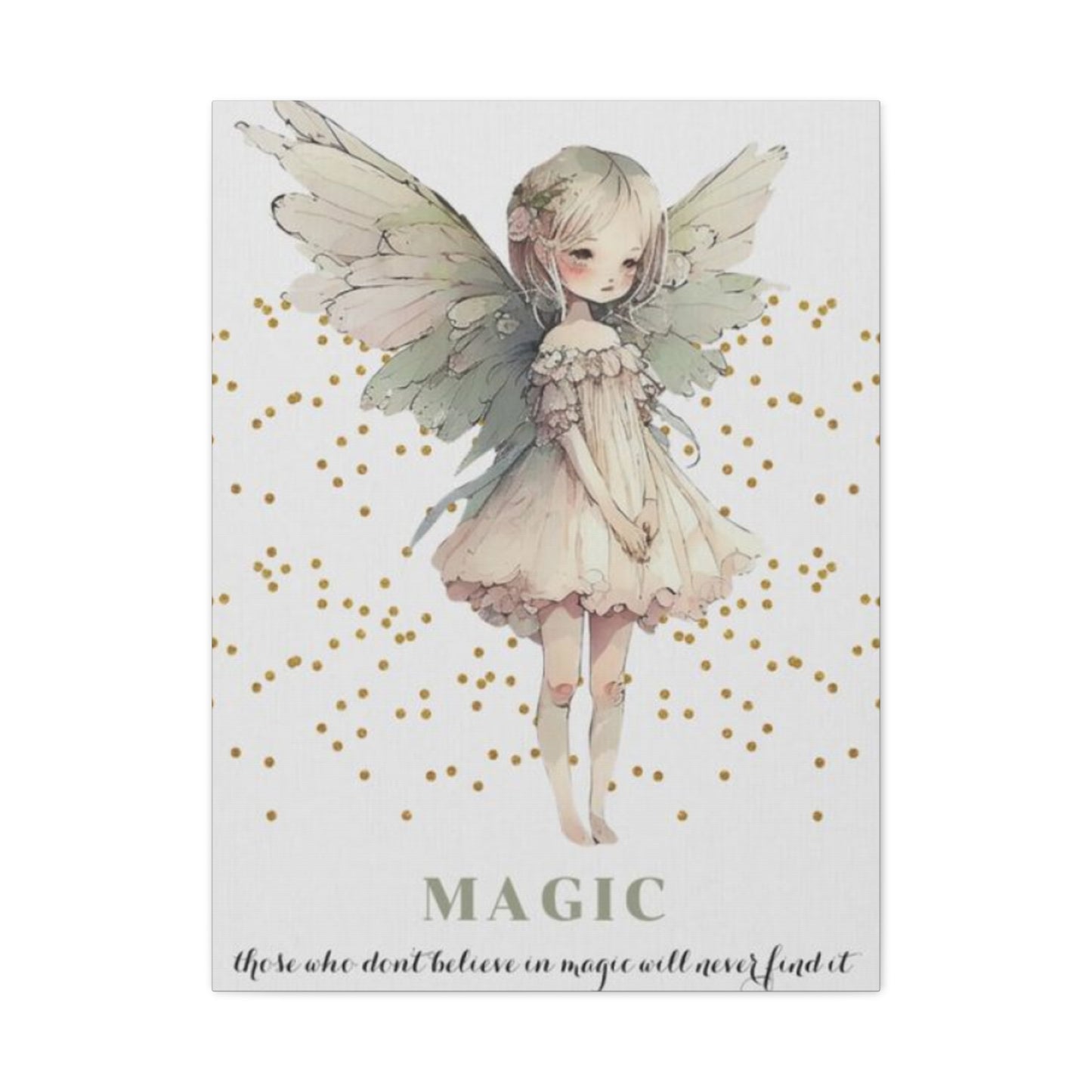
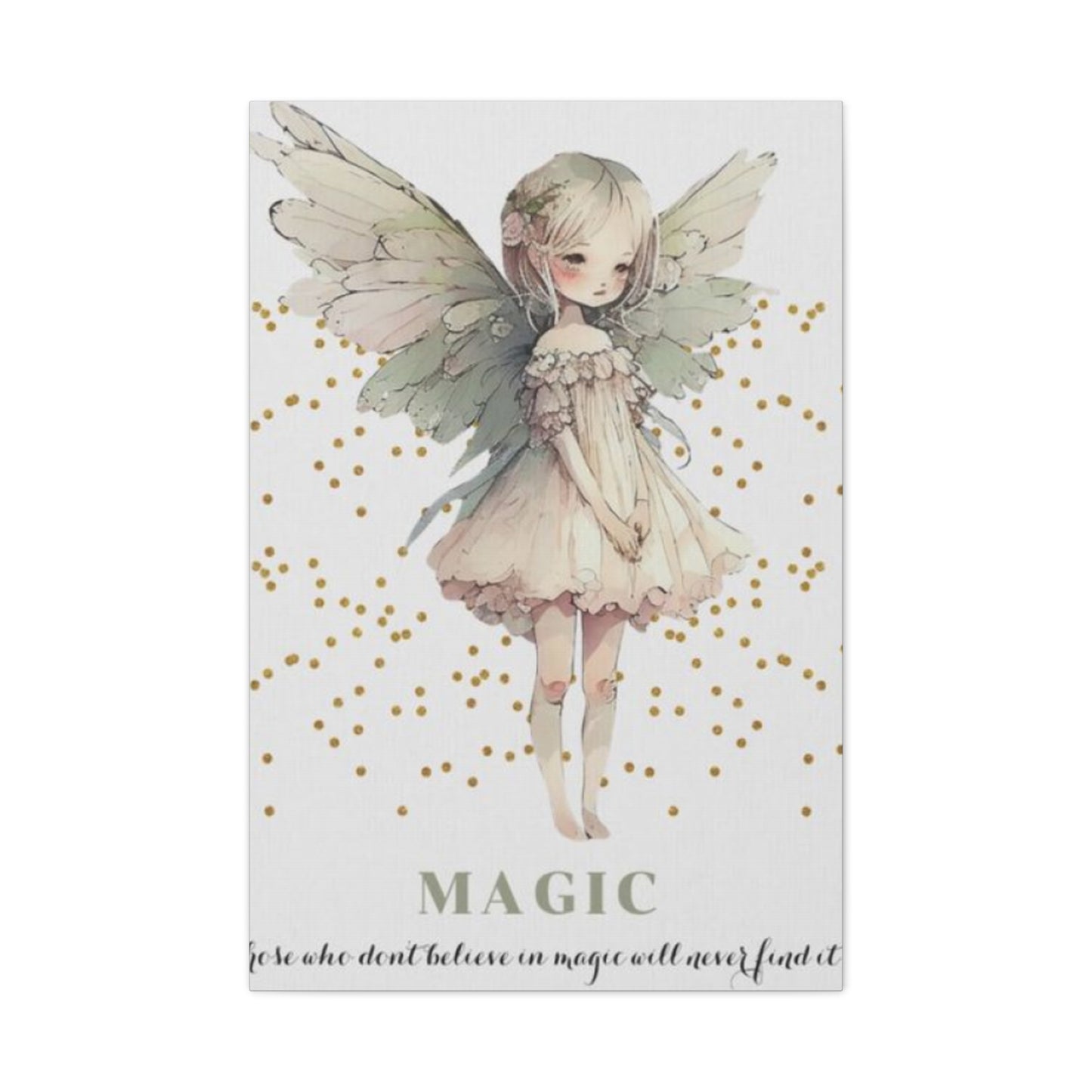
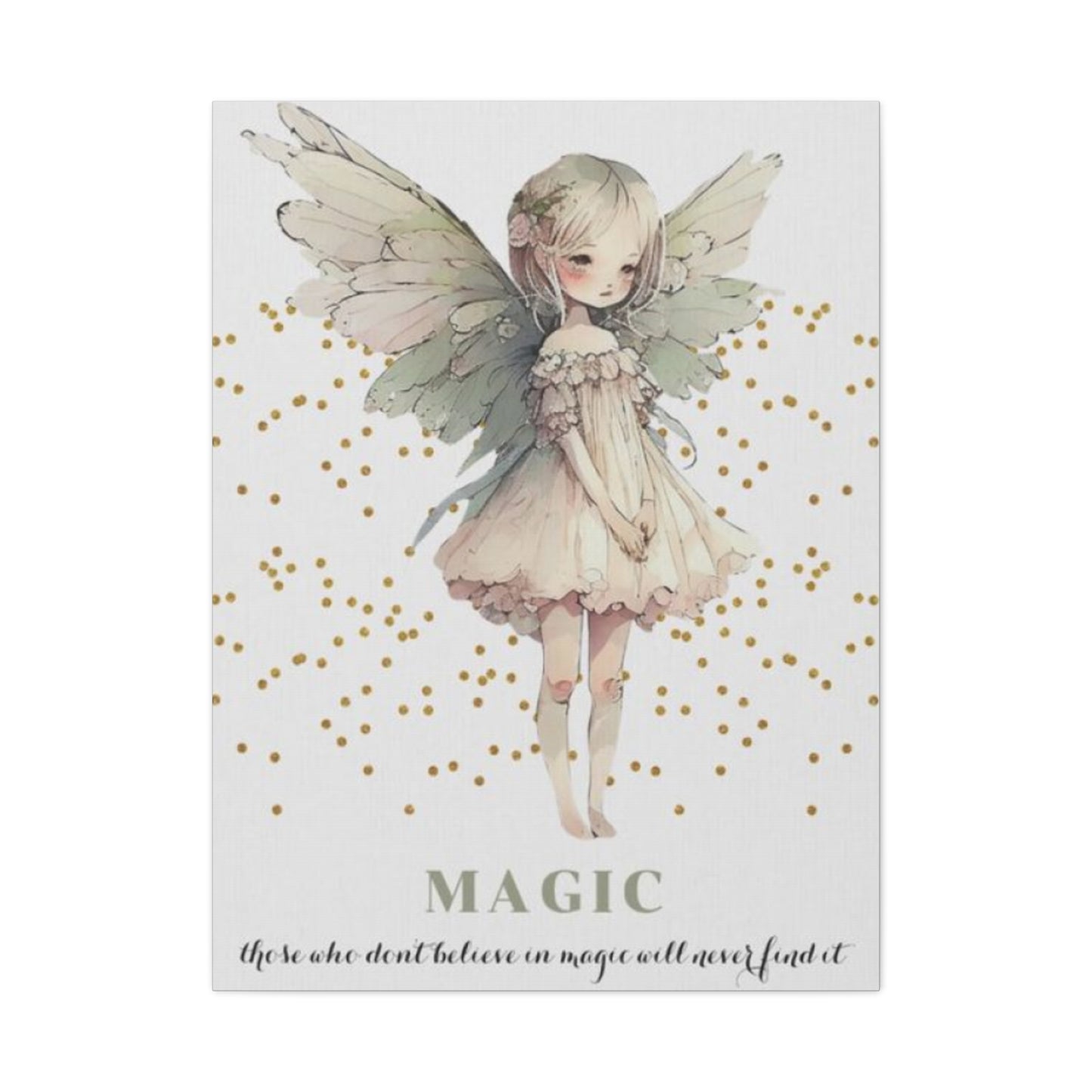
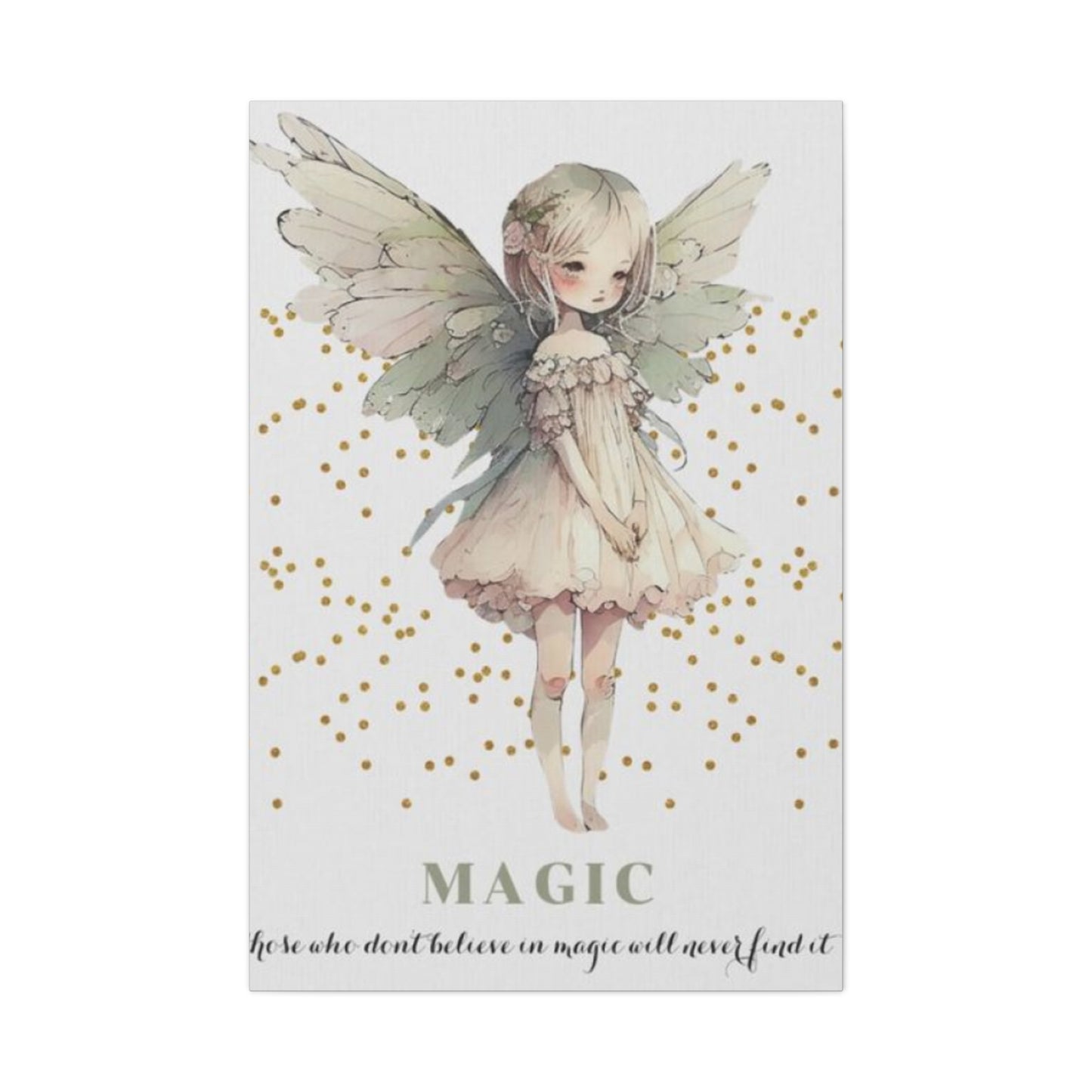
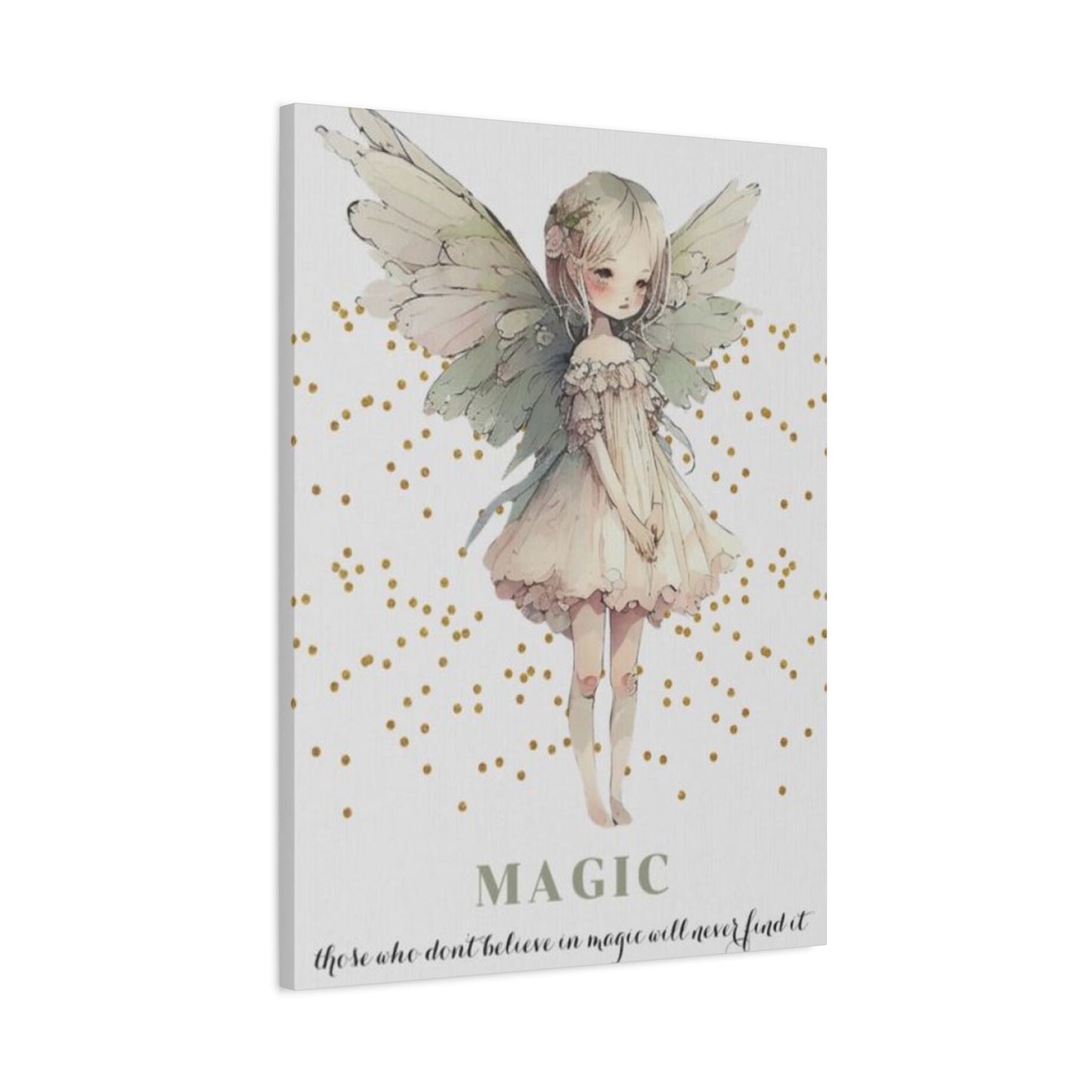
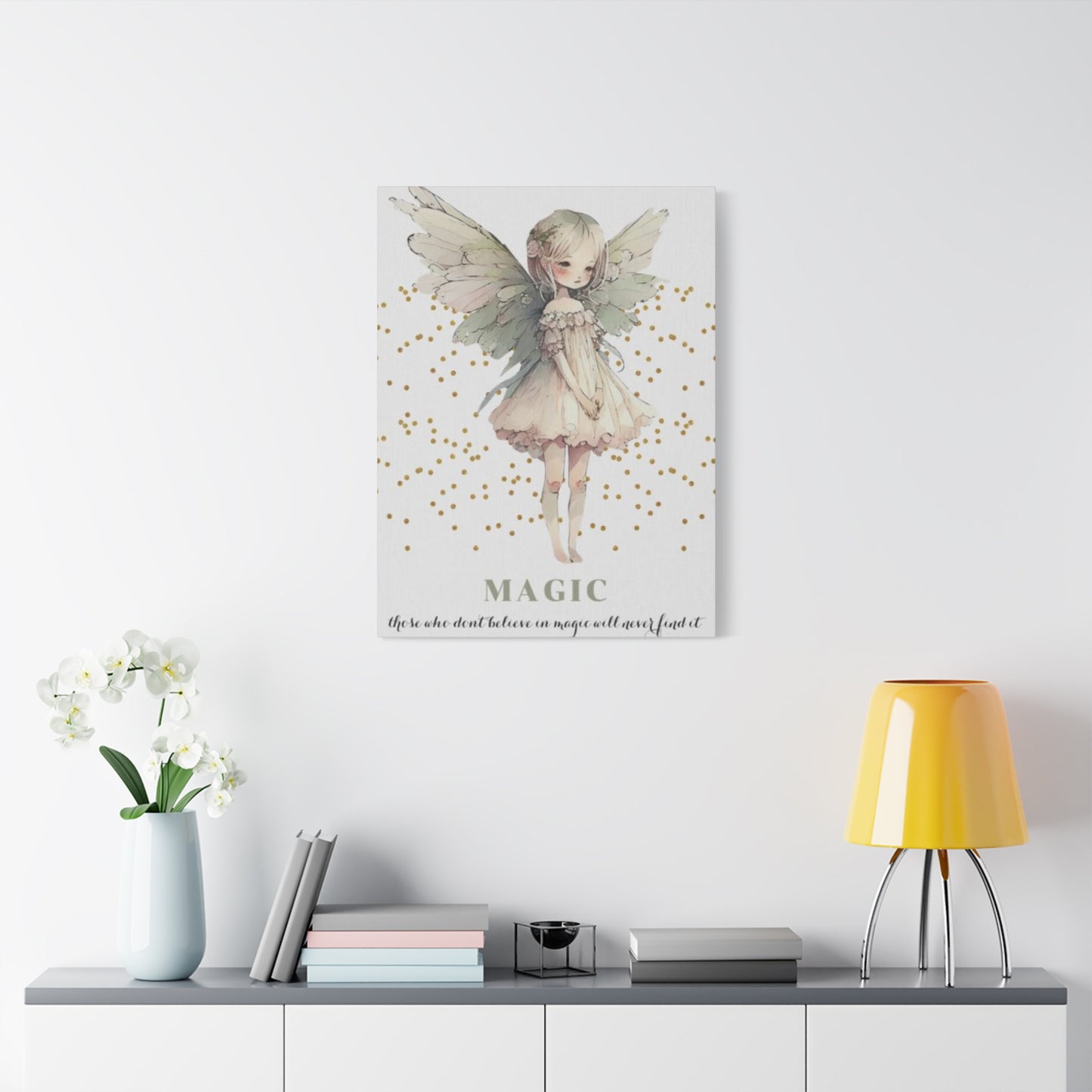
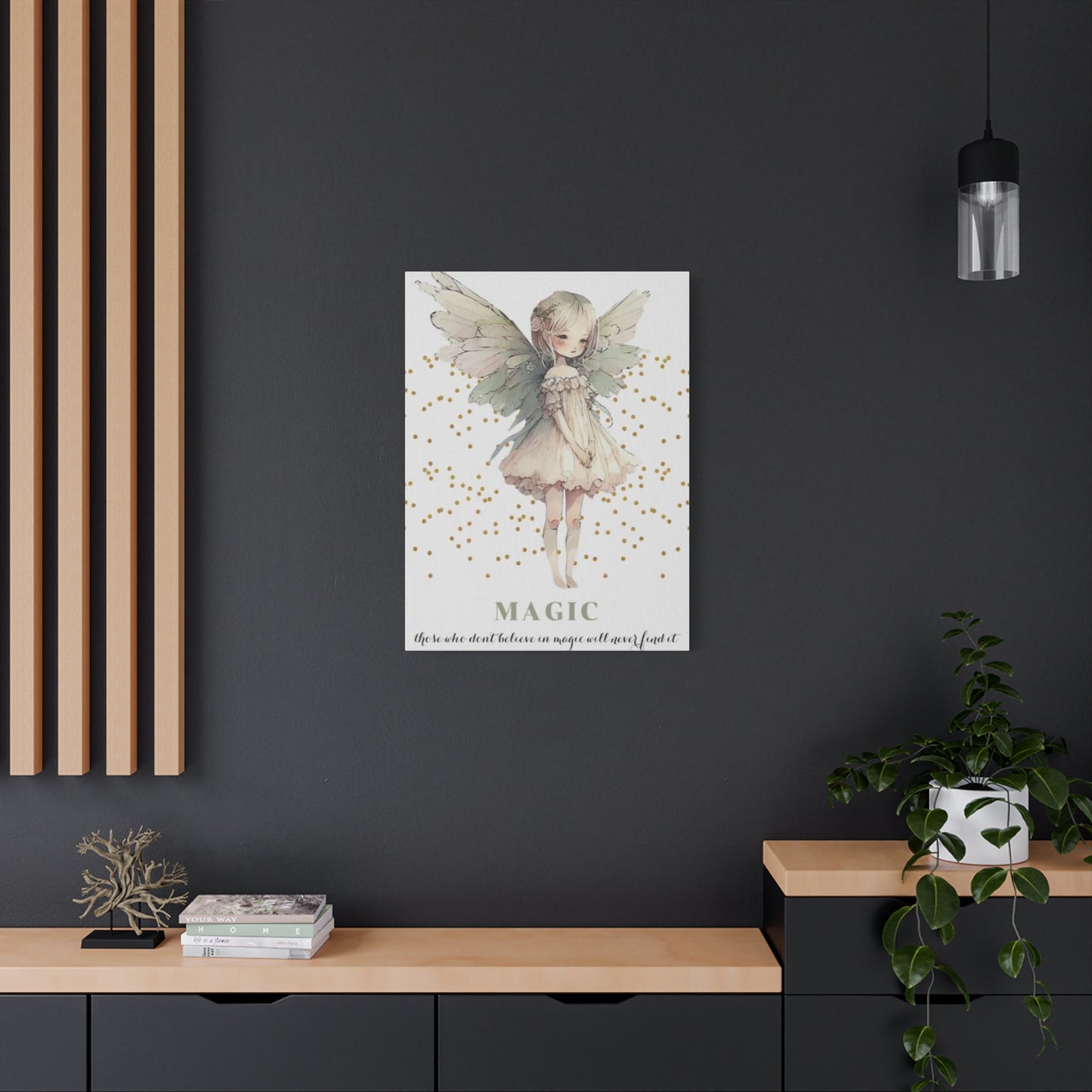
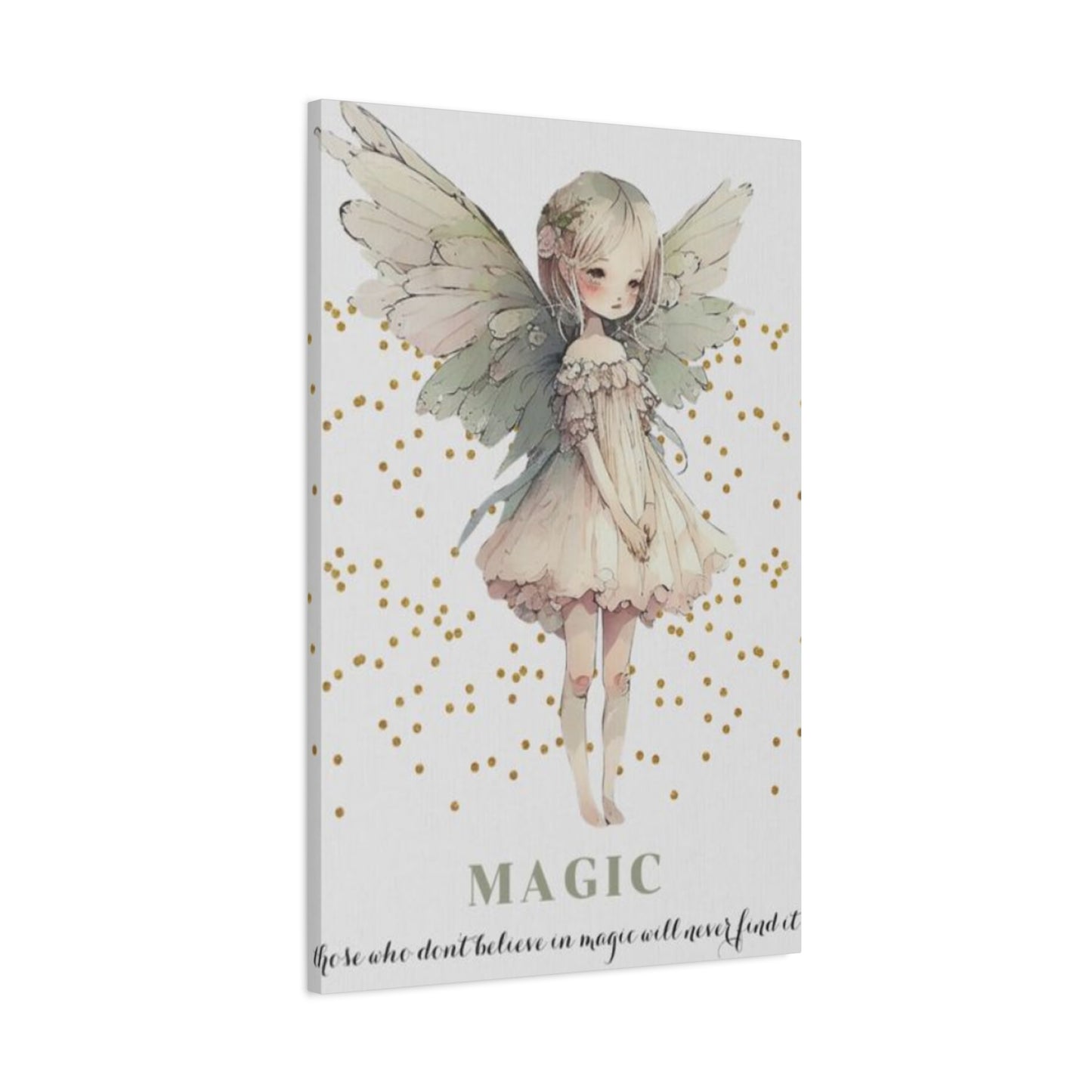
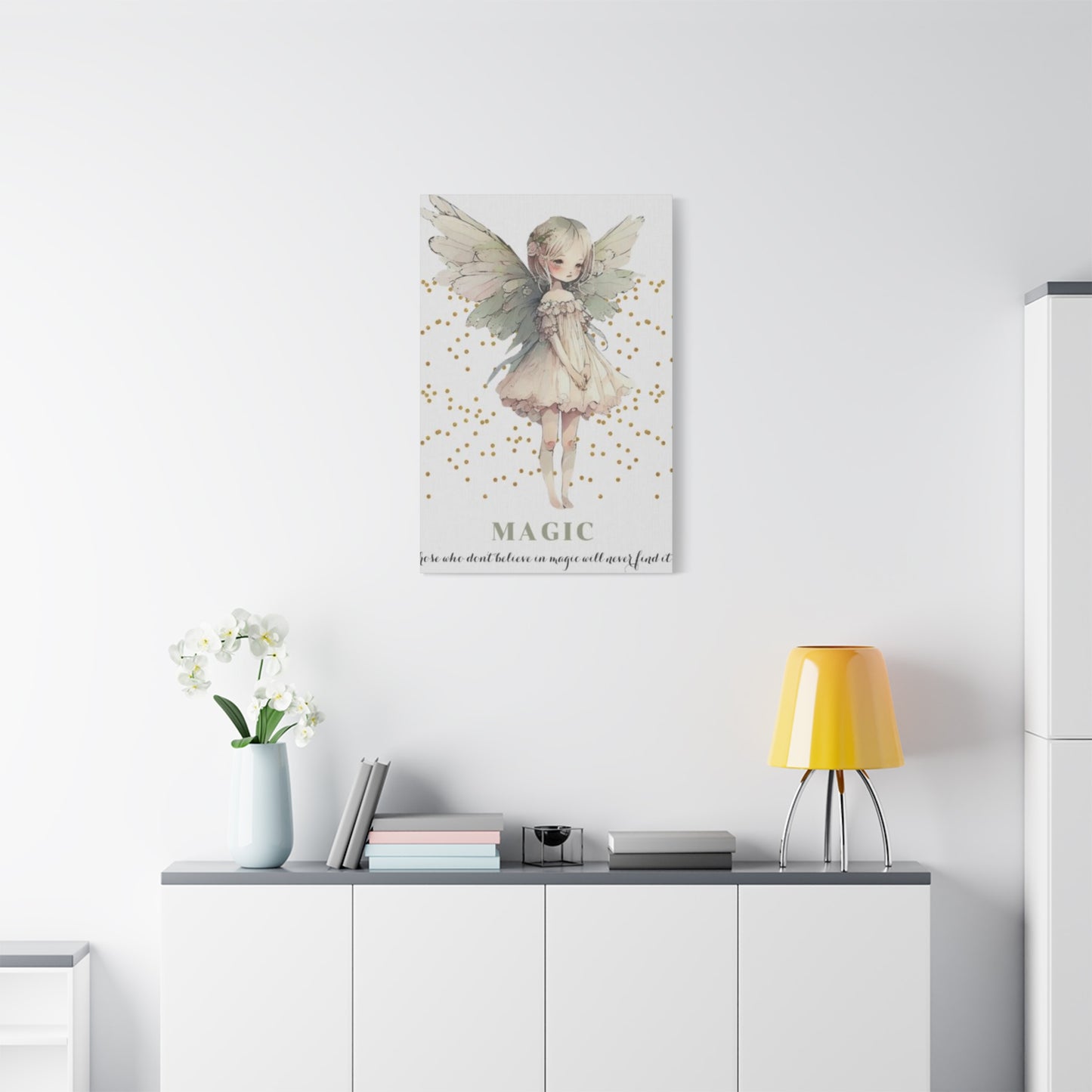
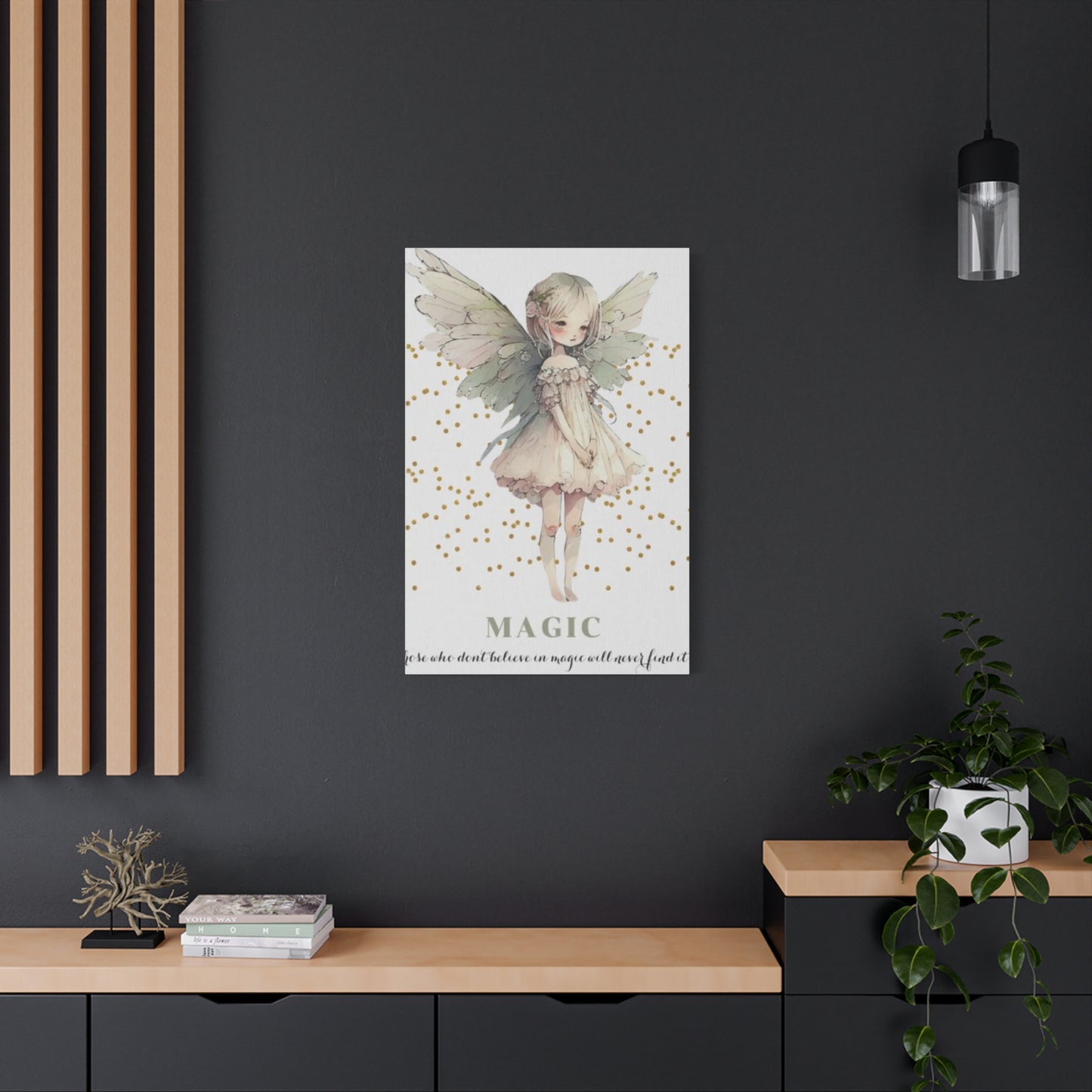
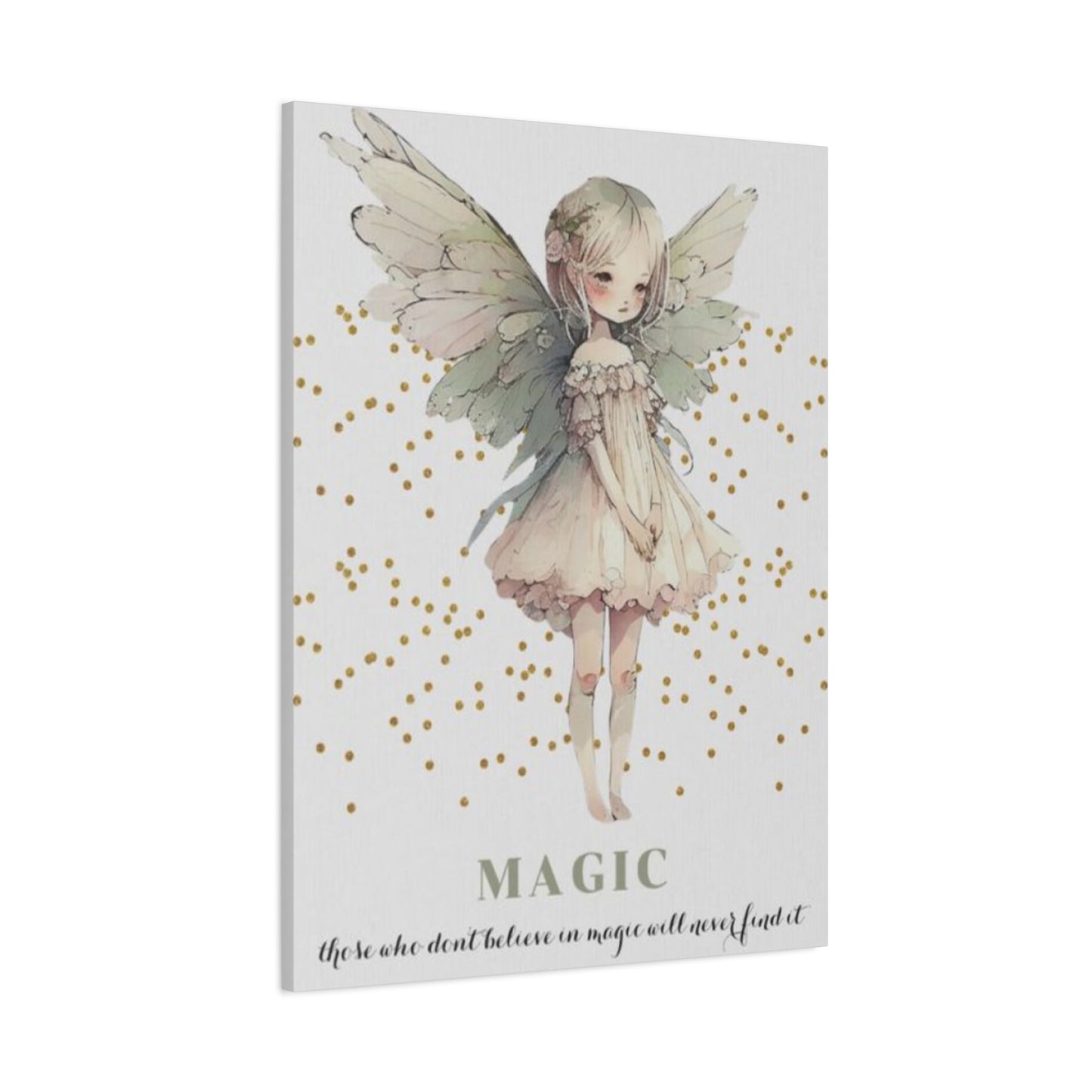
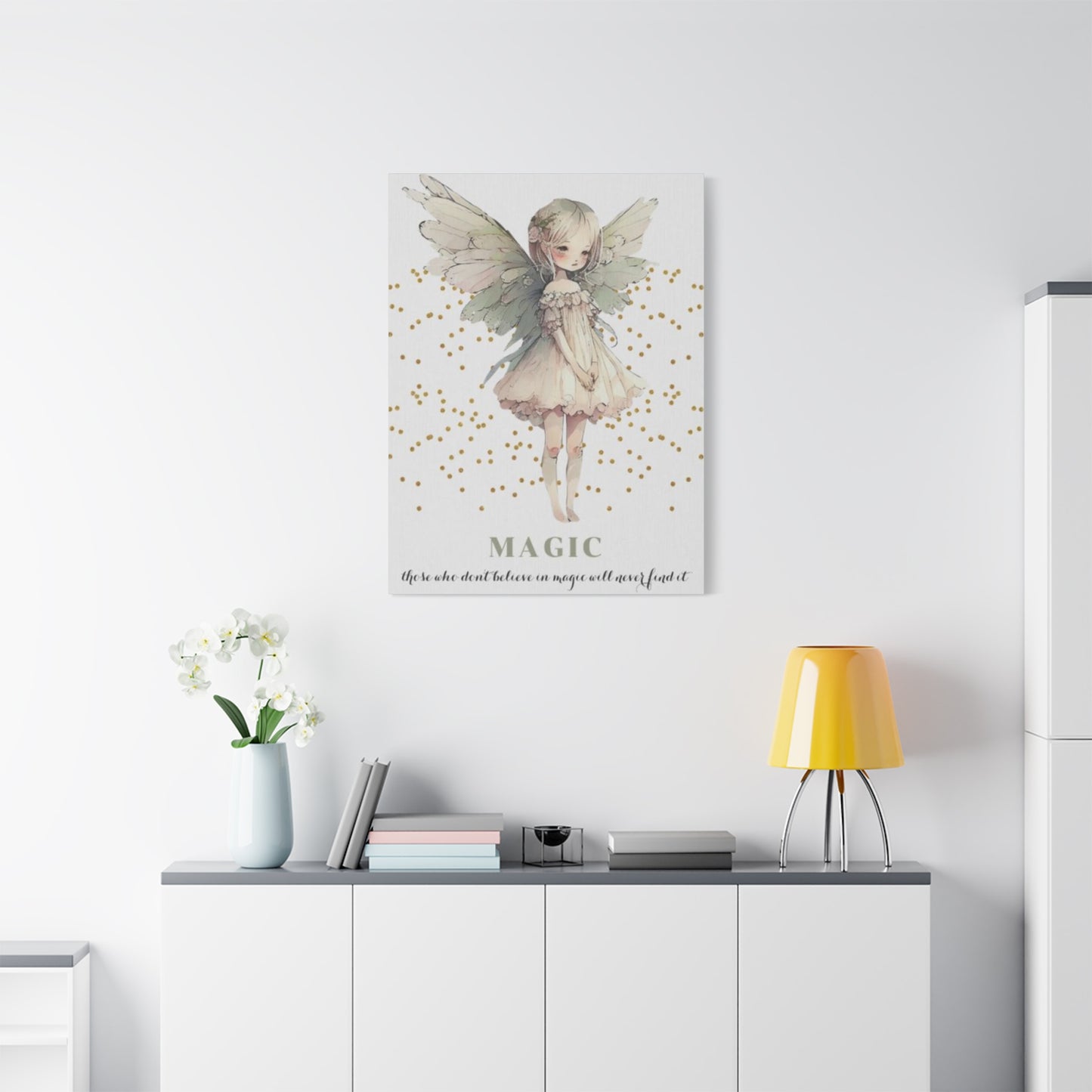
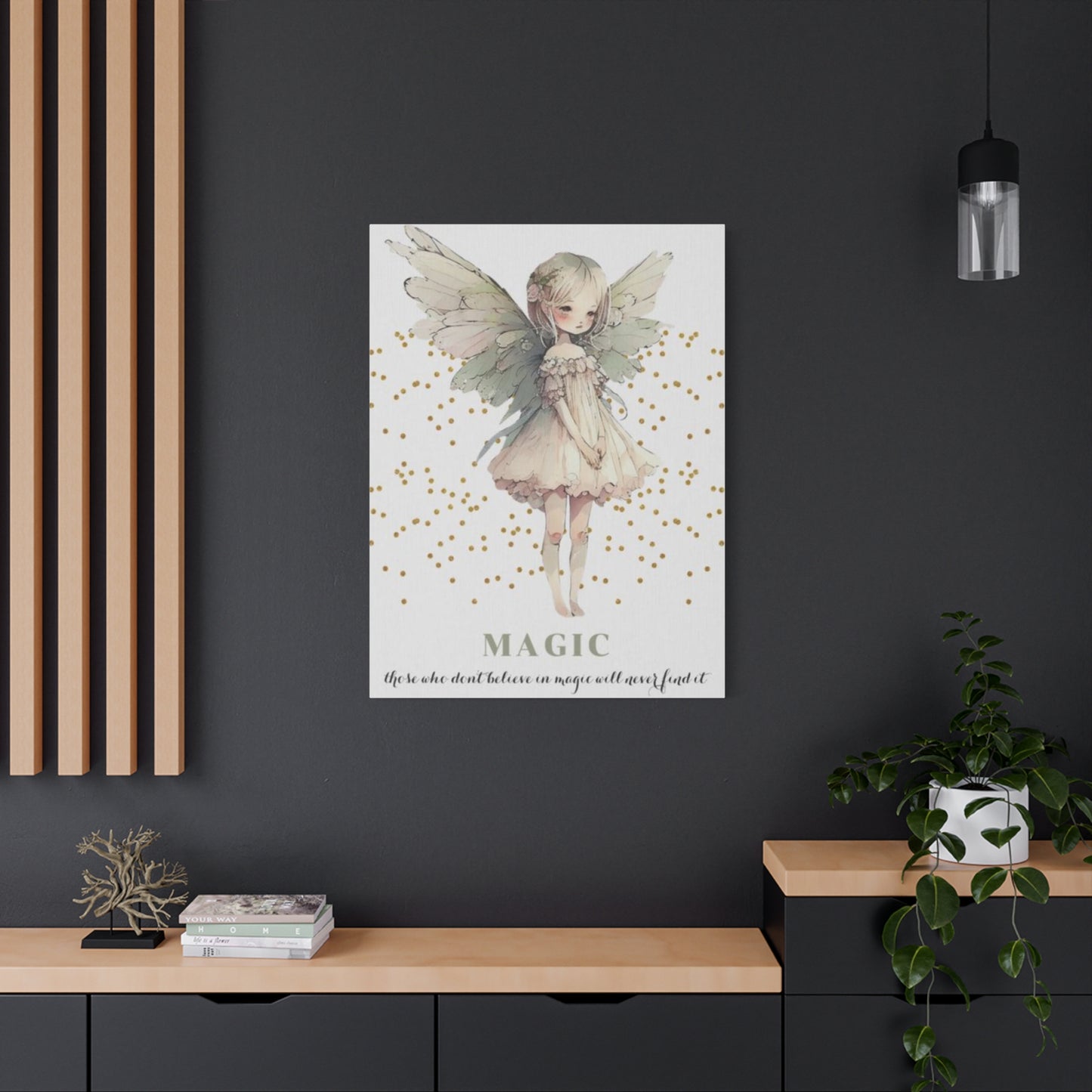
Little Angel Magic Fairies Wall Art & Canvas Prints
Little Angel Magic Fairies Wall Art & Canvas Prints
Couldn't load pickup availability
Enchanting Little Angel Magic Fairies Wall Art: Creating Dreamlike Spaces for Children's Rooms and Nurseries
The world of interior decoration has witnessed a remarkable transformation in recent years, particularly when it comes to creating magical environments for young children. Among the most captivating trends that have emerged is the incorporation of Little Angel Magic Fairies Wall Art into living spaces designed for little ones. These whimsical decorative elements bring an ethereal quality to any room, transforming ordinary walls into gateways of imagination and wonder.
Parents and decorators alike have discovered that these enchanting pieces serve far more than mere aesthetic purposes. They create atmospheres that nurture creativity, spark imagination, and provide comfort to children during their formative years. The delicate imagery of celestial beings, complete with gossamer wings and gentle expressions, has become synonymous with childhood innocence and the boundless possibilities of youthful dreams.
The Transformative Power of Celestial Artwork in Children's Living Spaces
When considering the profound impact that visual elements have on young minds, few decorative choices rival the influence of carefully selected wall adornments. Little Angel Magic Fairies Wall Art possesses an almost supernatural ability to alter the entire ambiance of a room, turning what might otherwise be a simple sleeping quarter into a sanctuary of imagination and peaceful repose.
The psychological benefits of surrounding children with imagery that promotes positive emotions and creative thinking cannot be overstated. Research conducted by child development specialists has consistently demonstrated that the environments in which children spend their time significantly influence their cognitive development, emotional well-being, and overall sense of security. When walls are adorned with gentle, fantastical imagery featuring benevolent fairy creatures and angelic figures, children naturally feel more at ease in their surroundings.
These decorative pieces work on multiple levels simultaneously. On the surface, they provide visual interest and aesthetic appeal that makes a room feel complete and intentionally designed. On a deeper level, they serve as focal points for storytelling, imagination exercises, and even bedtime rituals. Many parents report that their children develop elaborate stories about the fairy characters depicted in their wall art, creating ongoing narratives that evolve as the children grow and their imaginative capabilities expand.
The versatility of these decorative elements allows them to complement virtually any color scheme or design philosophy. Whether a room features soft pastels, bold primary colors, or neutral earth tones, the right selection of fairy-themed artwork can seamlessly integrate while adding that essential touch of magic that makes children's spaces truly special.
Exploring the Diverse Styles and Variations Available in Fairy-Themed Decorative Pieces
The marketplace for children's room decor has exploded with options in recent years, and the category of Little Angel Magic Fairies Wall Art is no exception. The sheer variety available ensures that every parent can find pieces that perfectly align with their vision for their child's space while respecting the unique personality and preferences of the young occupant.
Traditional interpretations of fairy imagery often feature delicate, ethereal figures rendered in soft watercolor styles. These pieces typically showcase fairies in flowing garments, with translucent wings that seem to catch imaginary light. The color palettes tend toward gentle pinks, lavenders, mint greens, and creamy whites, creating an overall effect that feels soothing and dreamlike. This classic approach has endured for generations precisely because it taps into universal archetypes of innocence, beauty, and the mystical qualities that children find so appealing.
Contemporary interpretations have introduced fresh perspectives while maintaining the essential magic that makes these pieces so beloved. Modern designers have created fairy artwork featuring bolder lines, more diverse representation, and innovative compositions that feel current without sacrificing the timeless appeal of the subject matter. Some pieces incorporate geometric elements, creating interesting juxtapositions between the organic nature of fairy figures and structured, modern design principles.
Minimalist approaches have also gained traction among parents who prefer cleaner aesthetics. These simplified versions of fairy imagery use essential lines and limited color palettes to convey the essence of these magical beings without overwhelming visual detail. Such pieces work particularly well in spaces where the overall design philosophy emphasizes simplicity and intentional negative space.
Three-dimensional options have revolutionized how these decorative elements function within a space. Rather than flat images on canvas or paper, some fairy-themed decor features layered elements, creating depth and shadow play that changes throughout the day as natural light shifts. These pieces become living elements of the room's design, offering new visual experiences depending on the time of day and lighting conditions.
Strategic Placement Considerations for Maximum Visual Impact and Emotional Resonance
The placement of Little Angel Magic Fairies Wall Art requires thoughtful consideration to maximize both its decorative impact and its positive influence on the room's occupant. Unlike artwork in adult spaces, which often follows conventional placement rules based purely on aesthetics, artwork in children's rooms must account for the unique ways young people interact with and experience their environments.
The area above a crib or bed represents the most traditional location for such artwork, and with good reason. This placement ensures that the imagery becomes part of the child's bedtime routine and pre-sleep visual landscape. Many children find comfort in gazing at gentle, friendly images as they drift off to sleep, and the presence of protective fairy figures can help alleviate nighttime anxieties. However, positioning artwork directly over sleeping areas requires careful installation to ensure absolute security and prevent any possibility of falling objects.
Reading nooks and quiet corners benefit tremendously from the addition of fairy-themed decorative elements. These spaces, designed for contemplation, storytelling, and imaginative play, become even more magical when surrounded by artwork that reinforces the fantastical themes often found in children's literature. The synergy between the stories children read and the imagery on the walls creates a cohesive imaginative environment that deepens engagement with both elements.
Play areas represent another excellent location for strategic placement. When children engage in pretend play, the surrounding visual environment significantly influences the narratives they create. Fairy artwork in these spaces provides inspiration and can even serve as a jumping-off point for elaborate games and scenarios. Children might incorporate the characters they see on the walls into their play, or use the imagery as a backdrop for their own storytelling adventures.
Height considerations prove crucial when positioning artwork in children's spaces. While adults typically hang artwork at eye level for standing viewers, children's artwork often benefits from lower placement that aligns with a child's natural line of sight. This consideration ensures that the young room occupant can easily see and appreciate the details of the artwork without straining or needing adult assistance.
The relationship between multiple pieces requires careful planning. Collections of fairy-themed artwork can be arranged in gallery-style groupings, creating comprehensive visual narratives that tell stories across multiple frames. Alternatively, pieces can be distributed throughout the room to create multiple focal points and ensure that the magical atmosphere permeates the entire space rather than concentrating in a single area.
Color Harmony and Coordination Within Broader Room Design Schemes
Successfully incorporating Little Angel Magic Fairies Wall Art into a child's room demands attention to color relationships and overall design cohesion. While these decorative pieces possess inherent appeal, their impact multiplies exponentially when they exist in harmony with the surrounding color palette, furnishings, and accessories.
Soft pastel schemes remain perennially popular for spaces featuring fairy imagery. Gentle pinks create romantic, dreamy atmospheres that many associate with fairy tales and magical thinking. When combined with fairy artwork, these color choices create cohesive environments that feel intentionally designed and thoughtfully curated. Layering different shades within the same color family adds sophistication and prevents the space from feeling flat or one-dimensional.
Lavender and purple tones introduce an element of royalty and mystery while maintaining the gentle quality appropriate for young children. These colors pair beautifully with fairy imagery, as purple has long been associated with magic, imagination, and the mystical realms where fairies supposedly dwell. When used as wall colors or in textiles and accessories, these shades create rich, enveloping environments that feel special and set apart from ordinary spaces.
Mint green and aqua tones bring freshness and vitality to fairy-themed rooms. These colors evoke natural settings like enchanted forests and magical gardens where fairies might logically reside. The coolness of these hues creates calming effects particularly beneficial for sleep spaces, while their connection to nature adds an organic quality that balances the fantastical elements of the fairy imagery.
Neutral foundations provide versatility and longevity, allowing fairy artwork to take center stage without competing with busy backgrounds. Soft grays, warm beiges, and gentle off-whites create sophisticated canvases that let the colors within the artwork pop dramatically. This approach offers practical advantages as well, as neutral walls can easily transition with changing tastes and growing children without requiring complete redecoration.
Metallic accents add unexpected dimension and reinforce the magical qualities inherent in fairy themes. Gold, silver, and rose gold touches in frames, light fixtures, or decorative accessories catch light and create subtle sparkle that echoes the luminous quality often attributed to fairy beings. These metallic elements should be used sparingly to avoid overwhelming the space, but strategic placement can significantly enhance the overall enchanted atmosphere.
Materials and Manufacturing Methods That Ensure Quality and Longevity
Understanding the various materials and production methods used to create Little Angel Magic Fairies Wall Art empowers parents to make informed decisions that balance aesthetic preferences with practical considerations like durability, safety, and value.
Canvas prints represent one of the most popular formats for this type of artwork. High-quality canvas provides texture and depth that paper-based alternatives cannot match, creating a more substantial presence on the wall. The best canvas pieces feature UV-resistant inks that prevent fading even in rooms with significant natural light exposure. Gallery-wrapped canvas, where the image extends around the edges of the frame, offers a polished, professional appearance without requiring additional framing.
Paper-based prints maintain relevance despite newer alternatives, particularly when produced using archival-quality papers and lightfast inks. These pieces typically require framing for protection and presentation, which offers the advantage of customization opportunities. Parents can select frames that perfectly complement their design schemes while protecting the artwork from environmental factors that might otherwise cause deterioration.
Wood-mounted artwork brings warmth and an organic quality to fairy-themed decor. Images transferred or printed directly onto wood surfaces create rustic, cottage-like aesthetics that pair beautifully with fairy imagery's connection to natural settings. The texture and grain of the wood become integral parts of the overall visual experience, adding layers of interest beyond the image itself.
Metal prints represent a more contemporary option that offers exceptional durability and unique visual qualities. Images printed on aluminum surfaces possess luminosity and color vibrancy that other materials struggle to match. The sleek, modern presentation of metal prints can create interesting contrasts when featuring traditional fairy imagery, resulting in pieces that feel both timeless and current.
Removable wall decals have revolutionized how parents approach nursery and children's room decoration. These pieces offer flexibility unmatched by permanent artwork, allowing for easy repositioning and eventual removal without wall damage. Quality decals feature strong but residue-free adhesives and detailed printing that rivals traditional artwork. The ability to rearrange elements or remove them entirely as children's tastes evolve makes decals particularly practical for families anticipating future changes.
Fabric-based wall hangings introduce softness and texture while maintaining the visual appeal of fairy themes. These pieces, whether tapestries, quilted panels, or fabric prints, add acoustic benefits by absorbing sound, creating quieter, more peaceful environments ideal for rest and concentration. The tactile quality of fabric can be particularly appealing in spaces designed for young children who experience the world through multiple senses.
Creating Cohesive Thematic Environments That Support Imaginative Play and Emotional Comfort
The true magic of Little Angel Magic Fairies Wall Art emerges not from individual pieces alone but from thoughtfully curated environments where every element works together to create immersive, imaginative spaces. Building these cohesive thematic rooms requires vision, planning, and attention to how various components interact and reinforce one another.
Beginning with a clear conceptual foundation ensures that all subsequent choices support a unified vision. Some fairy-themed rooms emphasize enchanted forest settings, with artwork featuring fairies among woodland creatures, mushrooms, and ancient trees. Supporting this theme might include nature-inspired furniture, green textiles, and accessories like branch-shaped curtain rods or flower-shaped light fixtures that reinforce the natural magic aesthetic.
Celestial fairy themes transport rooms into nighttime realms where fairies dance among stars and moon beams. These spaces typically incorporate darker base colors like navy, deep purple, or charcoal, creating dramatic backgrounds against which stars and fairy figures shine brilliantly. String lights mimicking stars, moon-shaped mirrors, and constellation maps complement the fairy artwork, building comprehensive environments that celebrate the magic of night.
Garden fairy themes celebrate color, abundance, and the life-giving magic associated with flowers and growing things. These rooms burst with cheerful energy, featuring bright, saturated colors and artwork showing fairies tending magical gardens or playing among oversized flowers. Real plants can enhance these spaces, teaching children about nurturing living things while reinforcing the connection between fairies and natural growth cycles.
Vintage fairy tale aesthetics draw on nostalgic imagery and classic storybook illustrations. These rooms feel timeless, featuring artwork with antique qualities, perhaps incorporating Victorian or Edwardian visual elements. Furniture with distressed finishes, lace accents, and vintage toys complete these spaces, creating environments that feel like stepping into beloved childhood stories passed down through generations.
Minimalist magical approaches prove that enchantment needn't require visual complexity. These spaces feature simplified fairy imagery against clean backgrounds, with carefully curated accessories and furniture that maintain uncluttered, peaceful atmospheres. The restraint actually intensifies the impact of each element, allowing the Little Angel Magic Fairies Wall Art to become truly focal, commanding attention without competition.
Size and Scale Considerations for Different Room Dimensions and Architectural Features
Selecting appropriately sized Little Angel Magic Fairies Wall Art requires understanding how scale affects both visual impact and spatial perception. The wrong proportions can make pieces feel lost on expansive walls or overwhelming in compact spaces, while correct sizing creates balanced, harmonious environments.
Large statement pieces work magnificently in spacious rooms with high ceilings and extensive blank wall areas. These substantial artworks become defining features that establish the room's character and set the tone for the entire space. A generously sized canvas featuring elaborate fairy scenes can anchor an entire wall, eliminating the need for additional decoration in that area and creating a powerful focal point that draws the eye immediately upon entering the room.
Medium-sized pieces offer versatility, working effectively in most standard-sized children's rooms. These proportions allow for multiple placement options and can be incorporated into gallery walls or paired with complementary pieces to create larger visual compositions. The accessibility of medium-scale artwork makes it practical for most families, balancing visual impact with manageable pricing and installation requirements.
Small-scale pieces and groupings create intimate moments and detailed areas of interest. While individually modest, collections of smaller fairy-themed artwork arranged thoughtfully can produce dramatic cumulative effects. These approaches work particularly well in rooms with limited wall space or numerous windows, doors, and built-in features that fragment available surfaces.
Vertical compositions draw the eye upward, creating impressions of height that can make rooms feel more spacious and airy. Tall, narrow arrangements of fairy imagery work particularly well on narrow wall sections flanking windows or in hallway-like rooms where horizontal space is limited. The upward movement inherent in vertical compositions echoes the flight capabilities of fairy subjects, creating natural synergy between form and content.
Horizontal arrangements emphasize width and can make narrow rooms feel more spacious. These compositions work beautifully above furniture pieces like dressers, changing tables, or toy storage units, creating visual connections between wall decor and functional furniture below. The horizontal orientation provides stability and grounding, balancing the ethereal nature of fairy subjects.
Proportional relationships between artwork and furniture require careful consideration. Artwork above a crib or bed should generally measure between half and three-quarters the width of the furniture piece below it, creating visual balance without overwhelming or appearing lost. Similar principles apply to artwork positioned above other furniture, ensuring that decorative elements relate properly to the pieces they adorn.
Framing Options and Presentation Styles That Enhance Visual Appeal While Ensuring Safety
The presentation of Little Angel Magic Fairies Wall Art significantly influences its overall impact and how well it integrates into the surrounding environment. Framing choices offer opportunities to enhance, complement, or deliberately contrast with the artwork itself, creating layered visual experiences.
Natural wood frames bring warmth and organic qualities that complement the nature-associated aspects of fairy themes. Light woods like birch, maple, or natural pine create airy, Scandinavian-inspired looks that feel fresh and contemporary. Darker woods like walnut or cherry introduce richness and traditional elegance appropriate for more classic interpretations of fairy imagery. The grain patterns and natural variations in wood frames add textural interest that enhances rather than competes with the artwork.
White frames offer crisp, clean presentations that allow artwork to shine without distraction. The neutrality of white framing suits virtually any color scheme and design style, making it an exceptionally versatile choice. White frames can feel modern and minimal or sweet and traditional depending on their profiles and the overall room context, adapting to various aesthetic approaches.
Metallic frames introduce glamour and reinforce the magical qualities inherent in fairy themes. Gold frames evoke fairy tale luxury and royal enchantment, while silver offers cooler sophistication. Rose gold has emerged as a contemporary favorite, providing warmth while maintaining the special quality of metallic finishes. The reflective properties of metal frames catch and play with light, adding dynamic visual elements that change throughout the day.
Painted colored frames create opportunities for bold coordination or deliberate contrast. Frames painted to match specific colors within the artwork create cohesive, intentional presentations that feel custom-designed. Alternatively, frames in complementary or contrasting colors can create visual excitement and help artwork pop dramatically against wall colors.
Floating frames and frameless presentations serve minimalist aesthetics and contemporary design preferences. These approaches allow artwork to speak entirely for itself without any decorative border mediating between image and viewer. The clean simplicity of frameless presentations feels modern and uncluttered, appealing to parents who prefer streamlined spaces.
Safety considerations must override aesthetic preferences when selecting framing for children's spaces. Shatterproof acrylic glazing rather than glass protects both the artwork and room occupants from potential hazards. Secure mounting systems that prevent accidental dislodgement are non-negotiable, particularly for pieces positioned above cribs, beds, or play areas where falling objects could cause injury.
Lighting Strategies That Showcase Artwork While Creating Ambient Magical Atmospheres
Proper illumination transforms Little Angel Magic Fairies Wall Art from static decoration into dynamic environmental elements that change character throughout the day and create varying moods and atmospheres. Thoughtful lighting design enhances both the artwork's visual qualities and the room's overall ambiance.
Natural light represents the most desirable illumination source, revealing colors accurately and changing quality throughout the day to create evolving visual experiences. Positioning artwork to receive indirect natural light prevents fading while allowing the pieces to benefit from sunlight's superior color rendering properties. Rooms with eastern exposure enjoy gentle morning light that creates soft, awakening atmospheres, while western exposure provides warm afternoon and evening light that can be particularly magical during golden hour.
Ambient room lighting provides overall illumination that makes spaces functional for various activities. Overhead fixtures should offer adjustable brightness levels through dimmer switches, allowing parents to create different moods appropriate for playtime, reading, or bedtime routines. The color temperature of bulbs significantly affects how artwork appears; warm white bulbs create cozy, comforting atmospheres that complement gentle fairy imagery, while cooler bulbs provide energizing brightness appropriate for active play periods.
Accent lighting specifically designed to highlight artwork elevates Little Angel Magic Fairies Wall Art from room decoration to gallery-quality presentation. Picture lights mounted above or below frames create pools of focused illumination that make artwork glow against surrounding walls. Track lighting or adjustable spotlights offer flexibility, allowing precise positioning of light beams to minimize glare while maximizing visual impact.
Decorative lighting becomes part of the thematic environment rather than merely facilitating vision. String lights arranged around artwork create halos of gentle illumination that reinforce the magical, ethereal qualities of fairy themes. Star-shaped lights, moon lamps, and other whimsical fixtures complement fairy artwork while providing practical illumination. These decorative elements blur boundaries between functional necessity and aesthetic choice, contributing to cohesive magical environments.
Nightlights serve crucial comfort and safety functions while offering opportunities for thematic reinforcement. Fairy-shaped or themed nightlights positioned near related artwork create connections between functional objects and decorative elements. The soft, low-level illumination nightlights provide can actually enhance artwork appreciation during nighttime hours, allowing children to see their beloved fairy images even in darkened rooms.
Color-changing smart bulbs introduce dynamic possibilities, allowing parents to adjust lighting moods with simple commands or automated schedules. These systems can gradually shift color temperatures throughout the day, supporting circadian rhythms while creating different atmospheric experiences. Evening modes using warm, dimmed light help signal bedtime, while brighter, cooler morning settings support waking and energizing routines.
Complementary Accessories and Decorative Elements That Build Comprehensive Themed Environments
While Little Angel Magic Fairies Wall Art serves as the foundation for magical room themes, carefully selected complementary elements create truly immersive environments where every detail reinforces the enchanted atmosphere.
Bedding and textiles offer prime opportunities for thematic reinforcement. Duvet covers, pillows, and blankets featuring coordinating fairy imagery or complementary patterns extend the magical theme beyond walls into functional elements used daily. The tactile nature of textiles adds sensory dimensions to the visual theme, creating multi-sensory environments. Curtains in colors and patterns that echo or complement wall artwork frame windows while maintaining design cohesion throughout the space.
Rugs and floor coverings ground rooms both literally and aesthetically. Area rugs featuring fairy gardens, enchanted forests, or whimsical patterns add softness underfoot while reinforcing thematic elements. The colors within quality rugs can pull together disparate elements from walls, furniture, and accessories, creating unified palettes that feel intentional and complete.
Furniture selection significantly impacts how well Little Angel Magic Fairies Wall Art integrates into overall room designs. Pieces with curved, organic lines echo the flowing, natural qualities of fairy imagery better than harsh, angular furniture. Painted furniture in complementary colors can create visual connections with artwork, while natural wood finishes provide neutral foundations that let colorful artwork command attention.
Storage solutions offer both functional necessity and decorative opportunity. Bins, baskets, and boxes in thematic colors or patterns maintain design cohesion while addressing practical needs. Some storage pieces feature fairy imagery themselves, becoming extensions of wall art themes. Open shelving can display small decorative objects like figurines, crystals, or other magical items that support the fairy theme while remaining accessible to children.
Mirrors introduce light reflection and spatial expansion while offering framing opportunities. Mirrors with decorative frames featuring fairy motifs or finishes that coordinate with wall artwork become functional art pieces themselves. Strategically positioned mirrors can reflect artwork, multiplying its visual impact and creating interesting perspective shifts as viewers move through the space.
Decorative pillows provide comfort and visual interest while allowing easy updates as tastes evolve. Three-dimensional fairy figures as pillow designs, or pillows in shapes like stars, moons, or flowers that relate to fairy themes add playful elements appropriate for children's spaces. The mobility of pillows allows for easy rearrangement, keeping spaces feeling fresh without requiring major redecorating efforts.
Ceiling decorations represent an often-overlooked opportunity for comprehensive theming. Paper lanterns, hanging fabric elements, or suspended decorations draw eyes upward and create layered environments where magic exists at all levels. Some ceiling decorations cast interesting shadows that add another dimension to the fairy theme, creating ephemeral, changing elements that evolve throughout the day.
Age-Appropriate Selection and Evolution as Children Grow and Develop
The relationship between children and their Little Angel Magic Fairies Wall Art naturally evolves as young ones grow, requiring thoughtful planning that accommodates changing developmental stages, interests, and aesthetic preferences.
Infant and newborn spaces benefit from softer, gentler fairy imagery featuring minimal visual complexity and soothing color palettes. Very young babies possess limited visual capabilities, initially seeing mainly high-contrast patterns before gradually developing color perception. Early fairy artwork serves parents more than infants, creating peaceful environments that promote parental calm and bonding. As visual capabilities develop, babies begin engaging with the artwork, tracking movement in multi-piece arrangements and showing preference for certain images.
Toddler stages mark increased awareness and beginning interaction with room decorations. Children this age start recognizing and naming elements within artwork, pointing to fairies and describing what they see. Artwork can support language development as parents and children discuss images together. The magical narratives suggested by fairy imagery align perfectly with toddlers' developing imaginative capabilities and their beginning understanding of stories and pretend scenarios.
Preschool children possess fully developed color vision and increasingly sophisticated imaginative abilities. Their engagement with fairy artwork becomes more complex, incorporating the images into elaborate pretend play scenarios. Children might assign names and personalities to fairy characters, creating ongoing relationships with the figures adorning their walls. Artwork selections can reflect developing interests, perhaps emphasizing fairy activities like reading, nature exploration, or creative pursuits that mirror the child's own interests.
Early elementary ages often mark peak engagement with fairy themes for many children. The rich imaginative worlds children create at this stage find perfect expression in comprehensive fairy-themed environments. However, this stage also marks the beginning of individual taste development and growing awareness of peer influences. Some children maintain passionate devotion to fairy themes while others begin expressing interest in broader or different aesthetic directions.
Pre-adolescent transitions challenge fairy-themed rooms as children assert growing independence and maturity. Some families find success updating fairy imagery to more sophisticated, artistic interpretations that maintain magical elements while feeling more grown-up. Transitional approaches might retain favorite pieces while introducing new elements reflecting expanding interests, creating hybrid environments that honor childhood memories while acknowledging growth.
Planning for evolution from the beginning makes transitions smoother and more economical. Selecting neutral wall colors and foundational furniture pieces allows for easy artwork swaps without complete room overhauls. Investing in quality pieces that work in multiple contexts provides flexibility as needs change. Some Little Angel Magic Fairies Wall Art possesses timeless qualities that children appreciate in new ways as they mature, remaining relevant across developmental stages.
Sources and Acquisition Strategies for Quality Fairy-Themed Artwork
Finding exceptional Little Angel Magic Fairies Wall Art requires knowing where to look and how to evaluate quality, authenticity, and value. The marketplace offers numerous options ranging from mass-produced prints to unique handcrafted pieces, each with distinct advantages and considerations.
Original artwork from independent artists represents the pinnacle of uniqueness and quality. These one-of-a-kind pieces carry intrinsic value that mass-produced alternatives cannot match. Supporting independent creators fosters artistic communities and ensures that homes contain truly distinctive elements. Original pieces often command higher prices reflecting the time, skill, and materials invested in their creation, but for families prioritizing uniqueness and artistic value, these investments prove worthwhile.
Limited edition prints offer middle ground between original art and mass production. Artists produce controlled quantities of these pieces, maintaining exclusivity and collectibility while making their work more accessible. Numbered and signed limited editions can appreciate in value over time, representing both aesthetic and potential economic investments. The quality of limited edition prints typically exceeds standard mass-market offerings, with superior materials and printing methods producing exceptional results.
Print-on-demand services democratize access to diverse artistic styles and specific themes. These platforms host work from thousands of artists, offering unprecedented selection. Buyers can often customize sizes, formats, and framing options to suit specific needs. Quality varies significantly across platforms and individual creators, requiring careful evaluation of samples and reviews before purchasing.
Specialty children's decor retailers curate collections specifically designed for young people's spaces. These sources understand the unique requirements of children's rooms, emphasizing safety, durability, and age-appropriate imagery. The curation process eliminates much of the overwhelming choice found in broader marketplaces, presenting selections that meet baseline quality and appropriateness standards.
Craft fairs and artisan markets provide opportunities to view work in person before purchasing and to meet artists directly. These venues often feature local creators producing distinctive work unavailable through mainstream channels. The personal connections possible at these events can result in custom commissions perfectly tailored to specific rooms and preferences.
Estate sales, antique shops, and vintage markets yield unexpected treasures for families drawn to nostalgic or retro fairy imagery. Older pieces often feature artistic styles and production methods no longer common, creating distinctive looks that set rooms apart from contemporary standards. Vintage artwork requires careful inspection for condition issues, but quality pieces properly restored or preserved can become cherished elements of family homes.
Commissioning custom work offers maximum personalization and control over final results. Artists working on commission can incorporate specific color requirements, include particular elements meaningful to families, or create pieces perfectly sized for unusual wall configurations. The commissioning process requires clear communication, adequate lead time, and typically higher investment, but results in truly personalized pieces that hold special meaning.
Preservation and Longevity Practices That Protect Investments and Maintain Visual Quality
Quality Little Angel Magic Fairies Wall Art represents both emotional and financial investments deserving protection through proper care practices that ensure long-term beauty and integrity.
Environmental controls provide the foundation for artwork preservation. Temperature fluctuations and humidity extremes cause expansion and contraction in various materials, potentially leading to warping, cracking, or separation of layers in composite pieces. Maintaining consistent room conditions protects artwork while also creating healthier environments for young occupants. Relative humidity between forty and sixty percent represents ideal conditions for most artwork types, while temperature stability prevents stress on materials.
Light exposure represents the primary threat to artwork longevity. Ultraviolet radiation causes fading, yellowing, and material degradation over time. Positioning artwork away from direct sunlight provides basic protection, while UV-filtering glazing on framed pieces adds another layer of defense. Window treatments that block or filter harsh midday sun protect both artwork and furnishings throughout rooms. For particularly valuable or sentimental pieces, limiting overall light exposure through strategic positioning ensures they remain vibrant for decades.
Dust accumulation dulls colors and obscures details over time. Regular gentle cleaning maintains artwork appearance without causing damage. Soft, clean microfiber cloths remove dust from frames and glazing without scratching surfaces. Canvas and paper artwork should never be touched directly; cleaning should address only frames and protective glazing. Removable pieces benefit from occasional careful vacuuming using brush attachments to lift accumulated particles.
Proper mounting and hanging prevents physical damage from falls or impacts. Weight ratings on hanging hardware must exceed the actual weight of artwork pieces significantly, providing safety margins for long-term security. Wall anchors appropriate for wall types support heavier pieces securely. Multiple hanging points distribute weight evenly across frames, preventing stress concentrations that could cause failures. Regular inspection of mounting hardware, particularly in rooms with high activity or vibration, catches potential issues before they result in damage.
Handling protocols prevent accidental harm during cleaning, room rearrangements, or relocations. Artwork should be lifted and carried rather than dragged against walls. Clean, dry hands or cotton gloves prevent oil and moisture transfer to frames and surfaces. Supporting pieces adequately during movement prevents flexing or bending that could damage internal structures. When removing artwork from walls, proper procedures prevent scraping or impact damage to both the pieces and surrounding walls.
Storage considerations matter for families who rotate seasonal decorations or preserve pieces for future use. Artwork should be stored flat or properly supported vertically, never leaned at angles for extended periods. Climate-controlled storage areas prevent environmental damage during storage. Protective wrapping using acid-free materials prevents scratching and dust accumulation without introducing chemicals that could cause degradation. Documentation including photographs and descriptions helps track stored items and facilitates decisions about future use.
Creating Balanced Environments That Avoid Visual Overwhelm and Maintain Peaceful Atmospheres
While enthusiasm for Little Angel Magic Fairies Wall Art can tempt families toward maximal decoration, restraint and thoughtful editing often produce more successful, livable results. Creating balanced environments requires knowing when enough becomes too much and maintaining spaces that feel peaceful rather than chaotic.
The principle of focal points suggests that rooms function best with clear visual hierarchies rather than competing elements vying equally for attention. Designating primary focal points where substantial or particularly meaningful fairy artwork commands attention creates starting points for room design. Secondary and tertiary elements then support rather than compete with these primary features, creating layered but organized visual experiences.
Negative space serves critical functions in successful designs, providing visual rest areas that prevent overwhelm. Blank wall sections allow eyes to pause between decorative elements, creating rhythm and preventing claustrophobic feelings. Resisting the urge to fill every surface with fairy-themed items maintains breathing room that actually enhances the impact of carefully selected pieces. The Japanese aesthetic principle of ma, emphasizing the importance of emptiness and intervals, applies beautifully to children's room design.
Color discipline prevents visual chaos when incorporating multiple fairy-themed elements. Limiting overall color palettes to three to five main hues, even while including numerous decorative items, maintains cohesion and prevents overwhelming sensory experiences. Varying shades and tints within chosen color families adds depth without introducing discord. White and neutral spaces between colored elements provide visual separation that enhances rather than diminishes impact.
Scale variety creates visual interest while maintaining harmony. Rooms featuring only same-sized decorative elements feel monotonous and unnatural. Combining large statement pieces with medium supporting elements and small accent items creates dynamic but balanced arrangements. This varied approach mirrors natural environments where diverse scales coexist harmoniously.
Editing processes help families resist accumulation that transforms curated spaces into cluttered ones. Periodic evaluation of room contents with critical eyes reveals items that no longer serve the space or align with current preferences. Removing or rotating less impactful pieces keeps rooms feeling fresh and intentional. Storage solutions for rotated items allow seasonal or periodic changes without permanent disposal, accommodating children's sometimes fluctuating attachments to specific pieces.
Conclusion
Beyond mere decoration, Little Angel Magic Fairies Wall Art can actively contribute to establishing healthy sleep habits and creating environments conducive to peaceful rest, making these pieces functional as well as beautiful.
Visual cues support bedtime routines by helping children associate environmental elements with sleep activities. When fairy artwork becomes part of consistent pre-sleep rituals—perhaps parents point out specific fairy characters while saying goodnight or tell stories incorporating the images—children develop positive associations between the artwork and the peaceful, safe feelings accompanying bedtime. These associations strengthen over time, making the artwork itself slightly soporific as it triggers relaxation responses.
Comfort objects need not be portable items like stuffed animals or blankets; visual elements can serve similar purposes. Children who fear darkness or feel anxious at bedtime often find reassurance in wall artwork featuring protective fairy figures who seem to watch over them through the night. The permanent presence of these benevolent characters provides consistent comfort unavailable from toys that might fall from beds or be misplaced.
Color psychology principles support using specific hues in sleep environments. Fairy artwork dominated by cool blues, soft lavenders, or gentle greens promotes relaxation more effectively than pieces featuring stimulating reds, oranges, or bright yellows. While children might adore vibrant colors during daytime activities, bedrooms benefit from more subdued palettes that facilitate winding down and transitioning into sleep states.
Dimmed viewing conditions transform artwork appearances after lights dim for sleep. Pieces that might seem unremarkable in bright daylight take on different qualities in nightlight illumination or darkness, with certain elements seeming to glow or shimmer. Some families specifically select Little Angel Magic Fairies Wall Art with reflective or glow-in-the-dark elements that create gentle visual interest without preventing sleep.
Meditation and relaxation exercises for children can incorporate fairy artwork as focal points. Parents might guide children through visualization exercises involving the characters depicted in their wall art, creating calm, imaginative scenarios that distract from daily stresses and facilitate relaxation. These practices leverage the artwork's presence while teaching valuable self-soothing skills children can use throughout their lives.
The enduring popularity of Little Angel Magic Fairies Wall Art reflects deep cultural roots and universal human fascination with magical beings that transcend specific traditions while incorporating diverse cultural perspectives.
European fairy traditions dominate mainstream Western consciousness, drawing from Celtic, Germanic, and Scandinavian folklore. These traditions describe varied fairy beings from mischievous pixies to noble fairy queens, all inhabiting liminal spaces between human and divine realms. The wings commonly associated with fairies in contemporary imagery actually represent relatively recent additions to fairy mythology, popularized by Victorian artists rather than ancient tradition. Understanding this evolution reveals how fairy imagery adapts to cultural preferences while maintaining core appeal.
Share