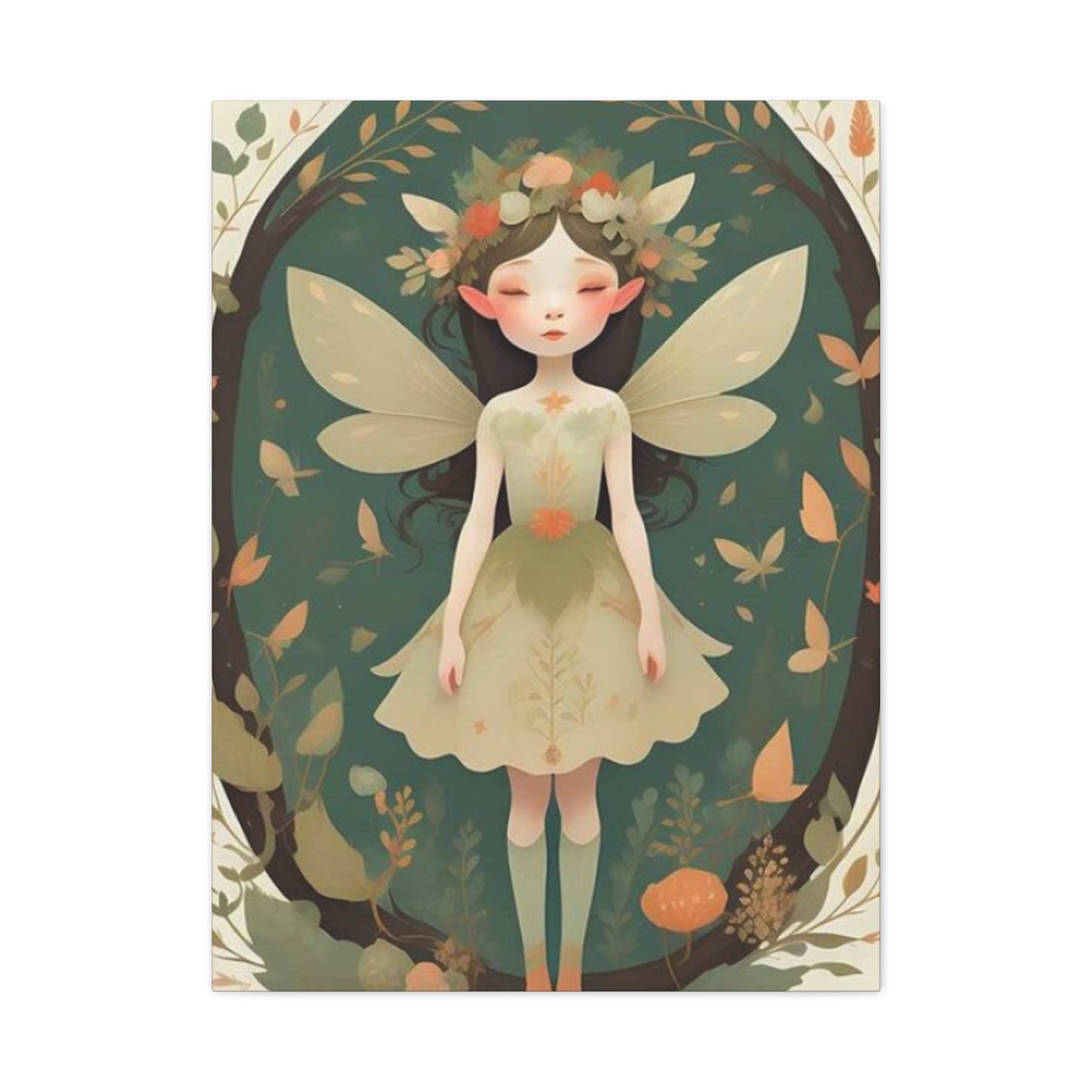
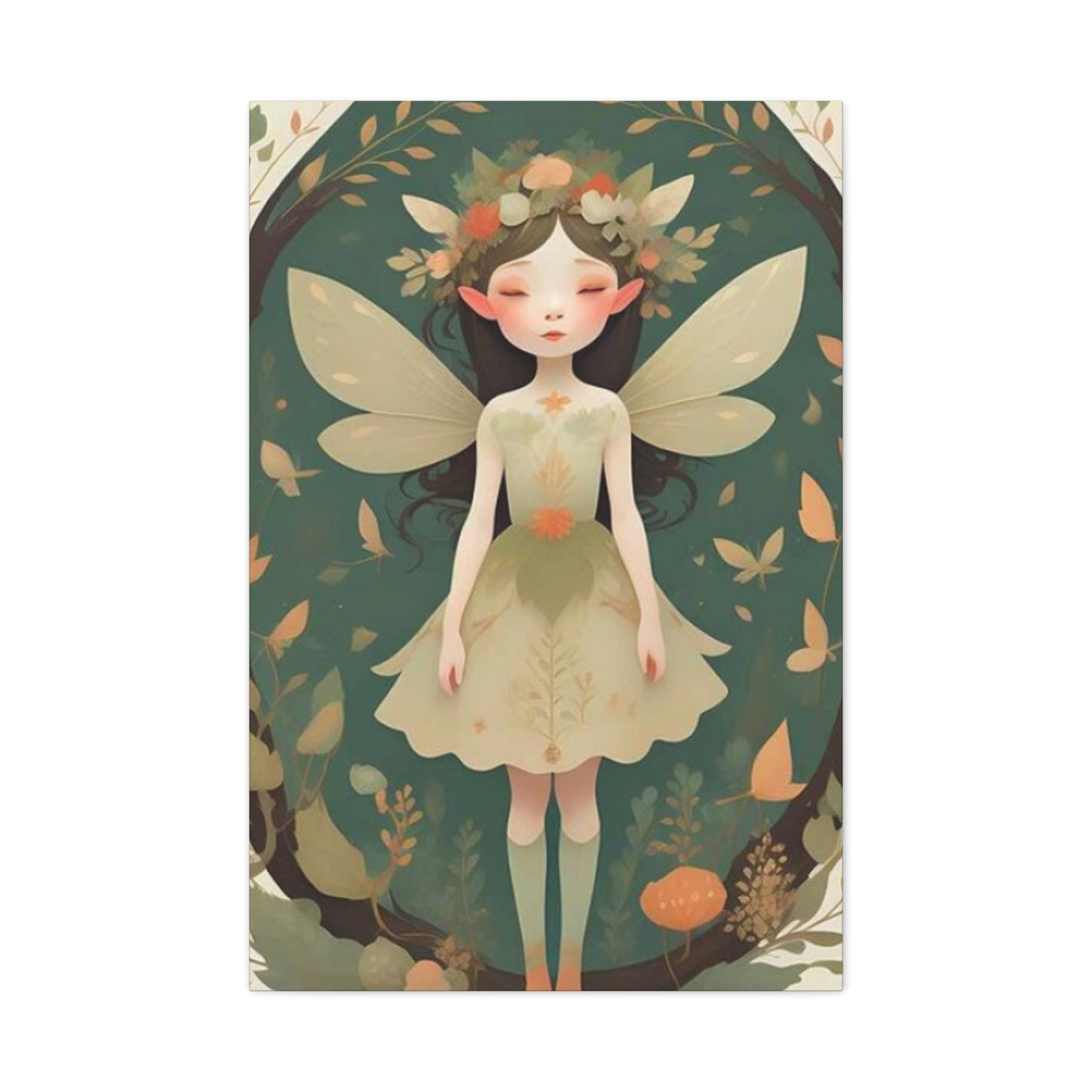
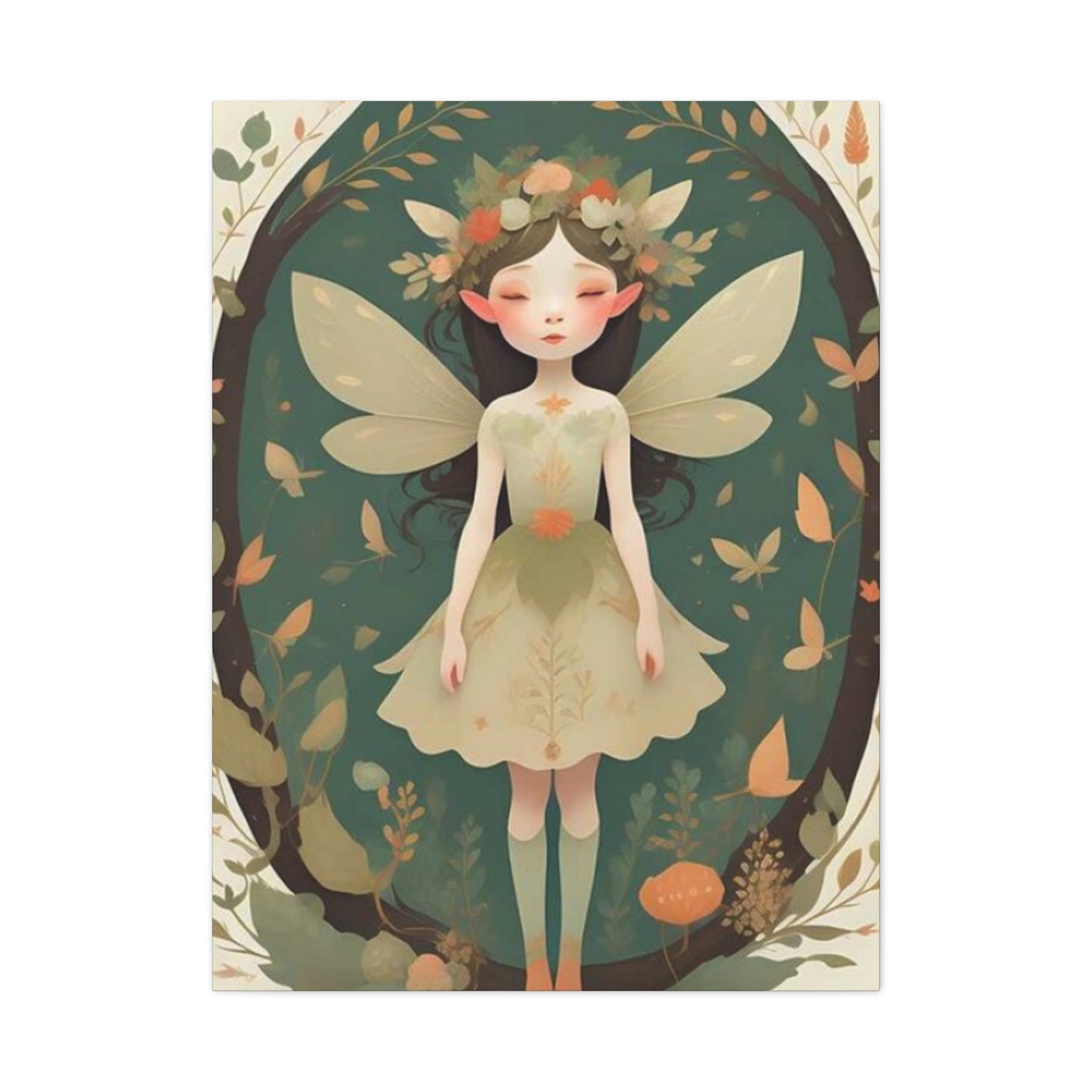
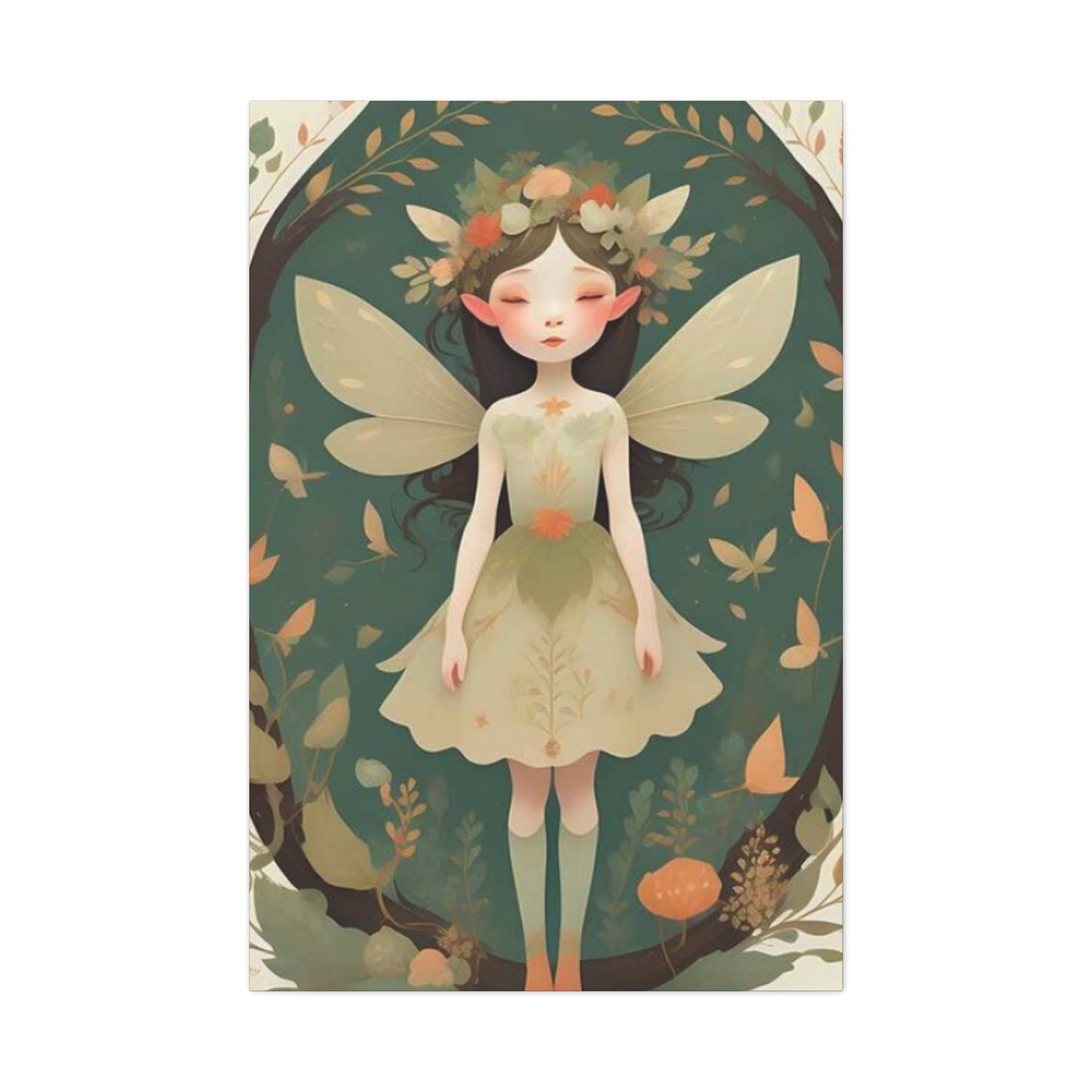
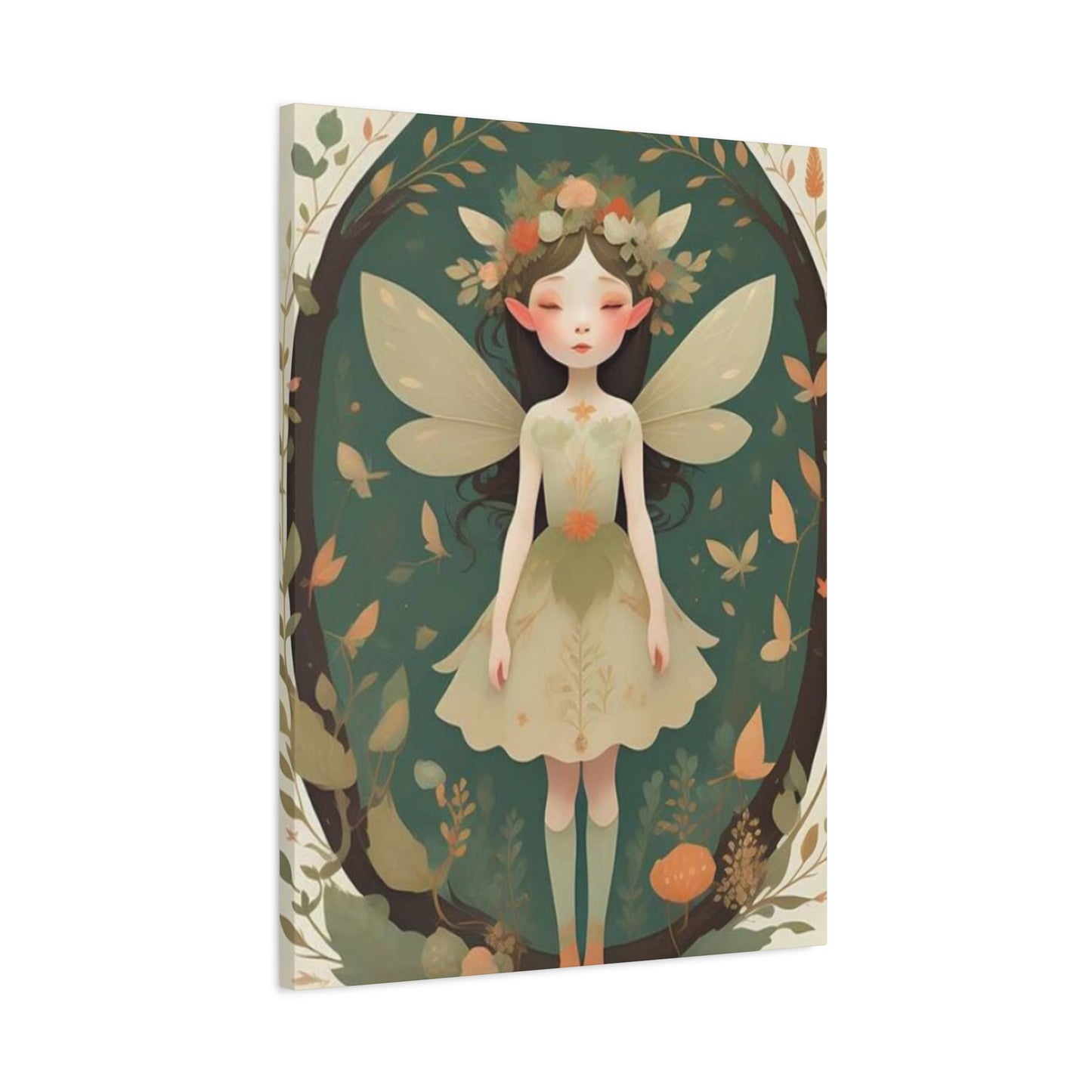
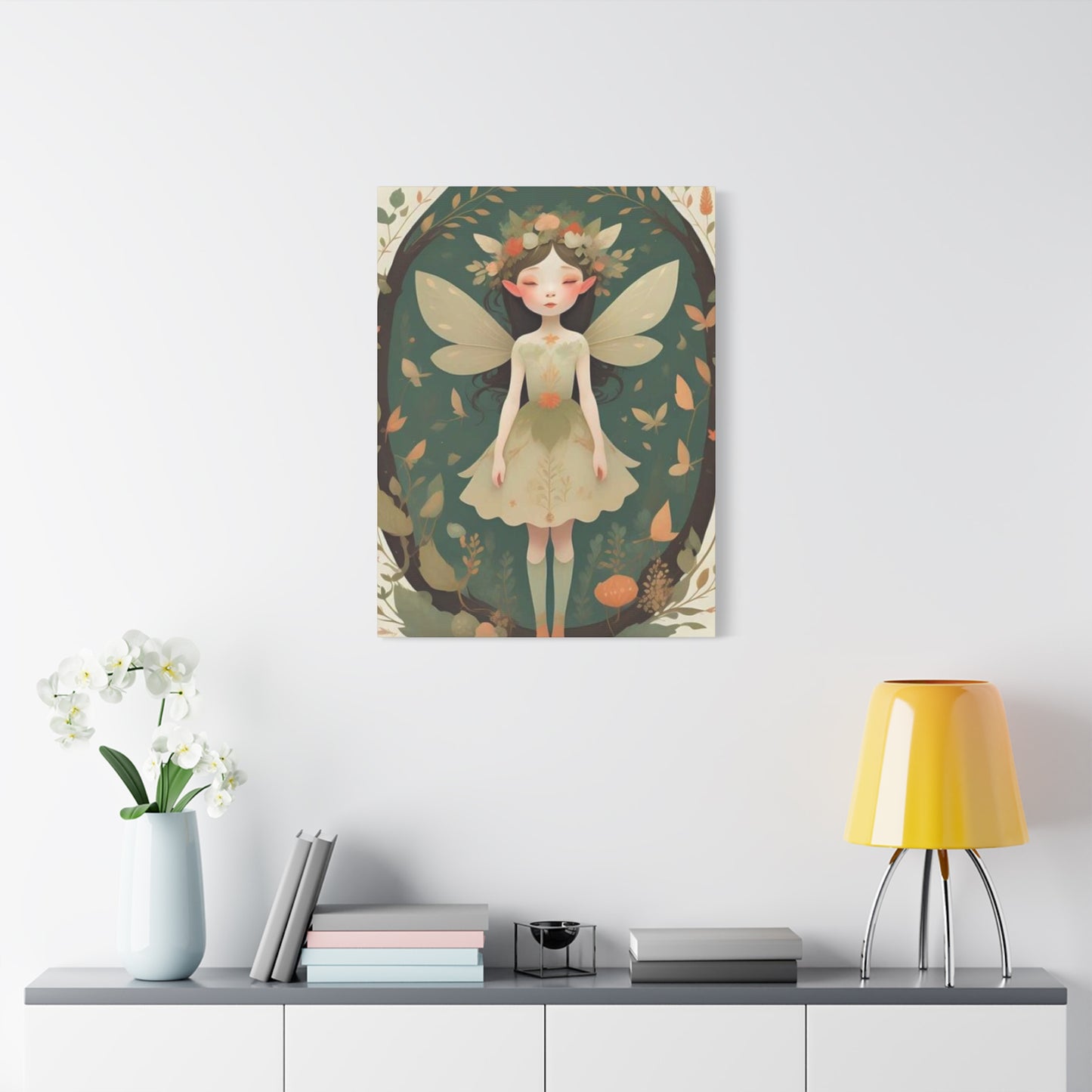
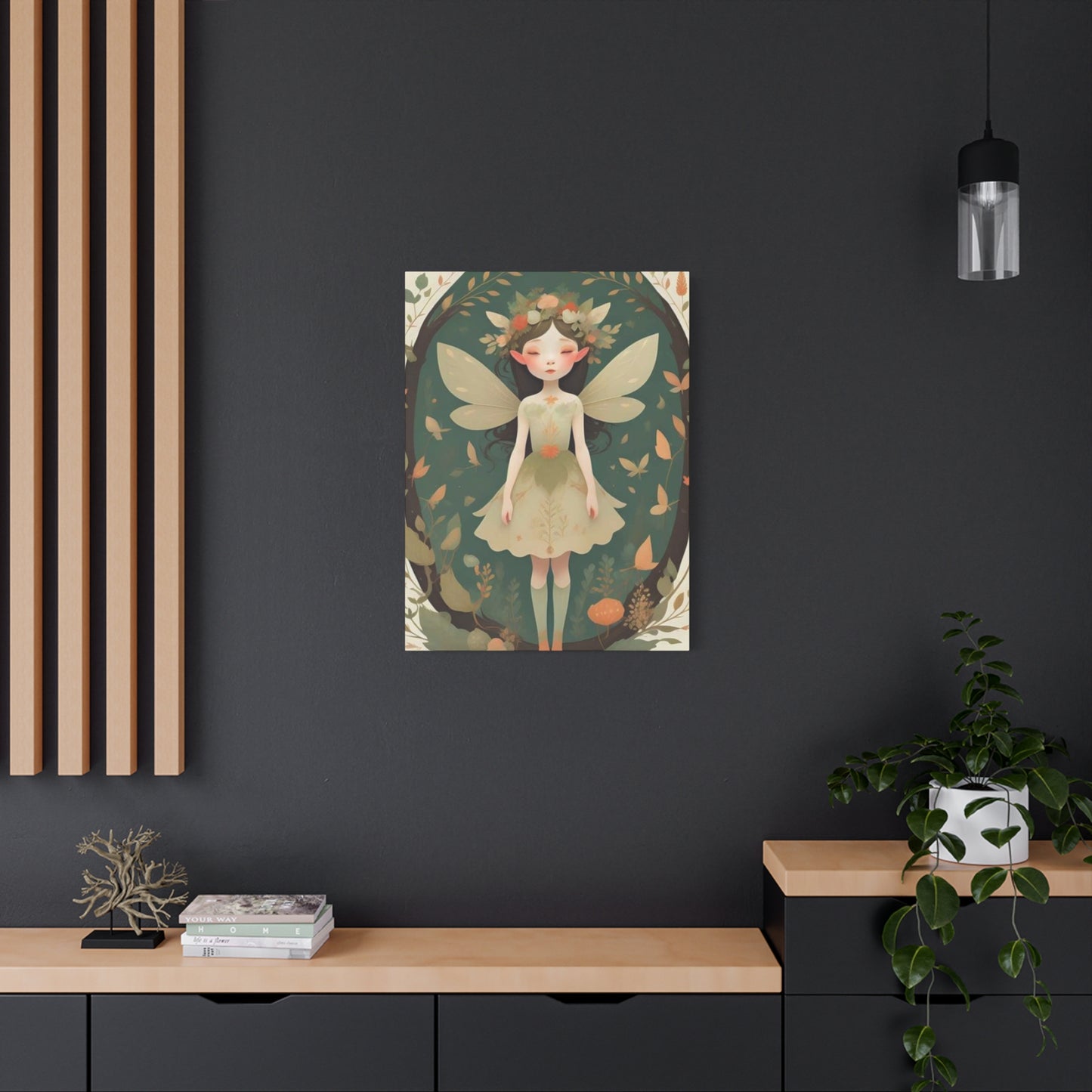
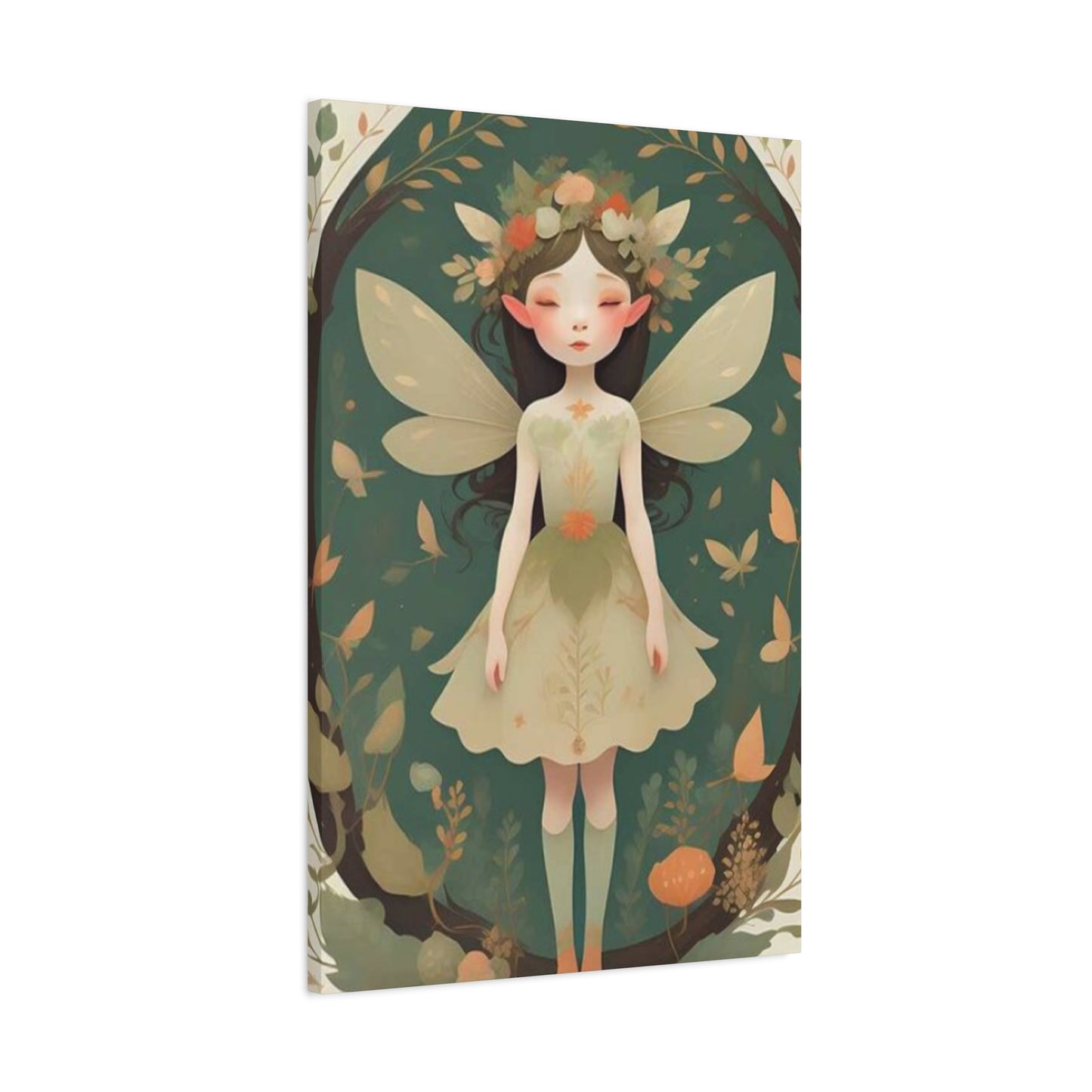
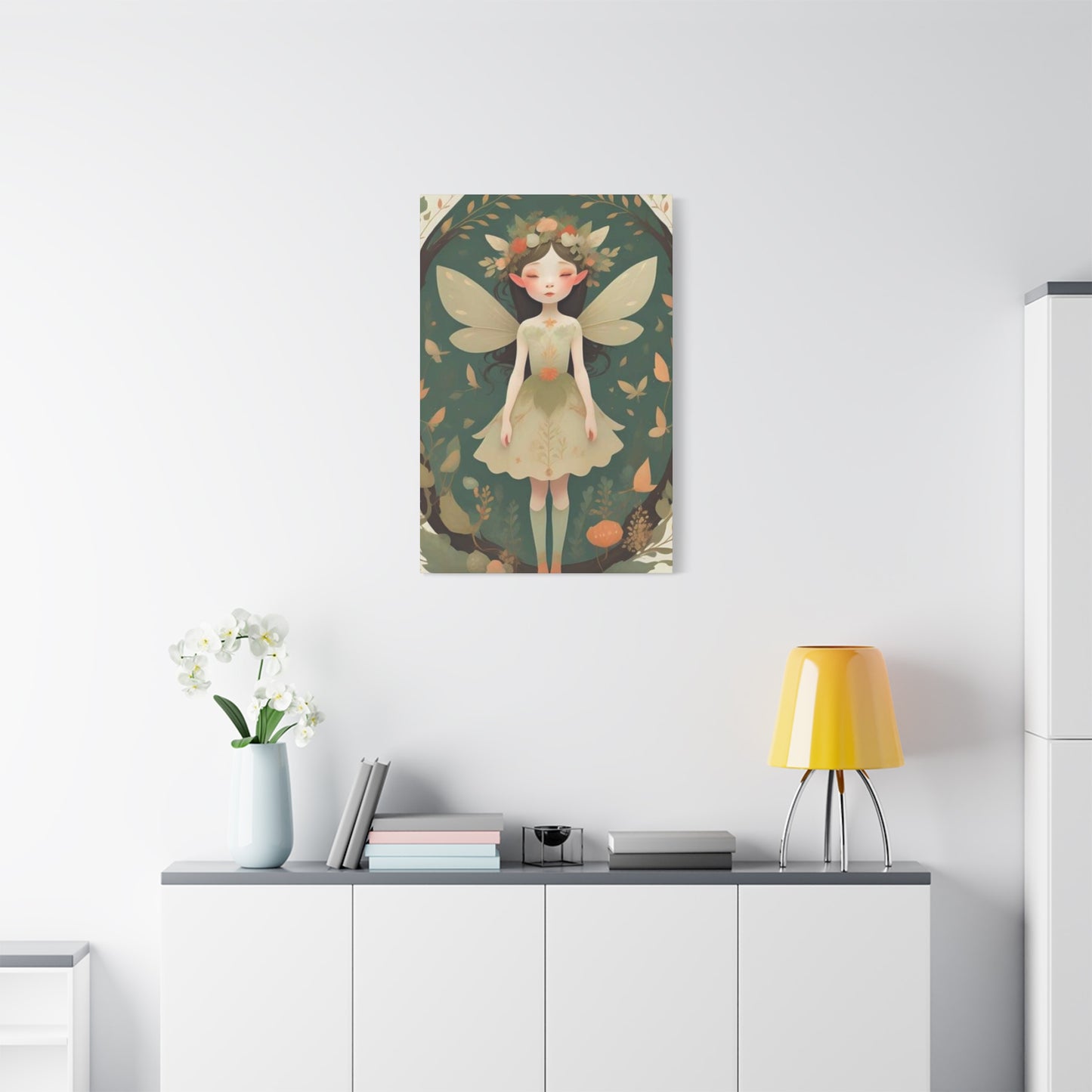
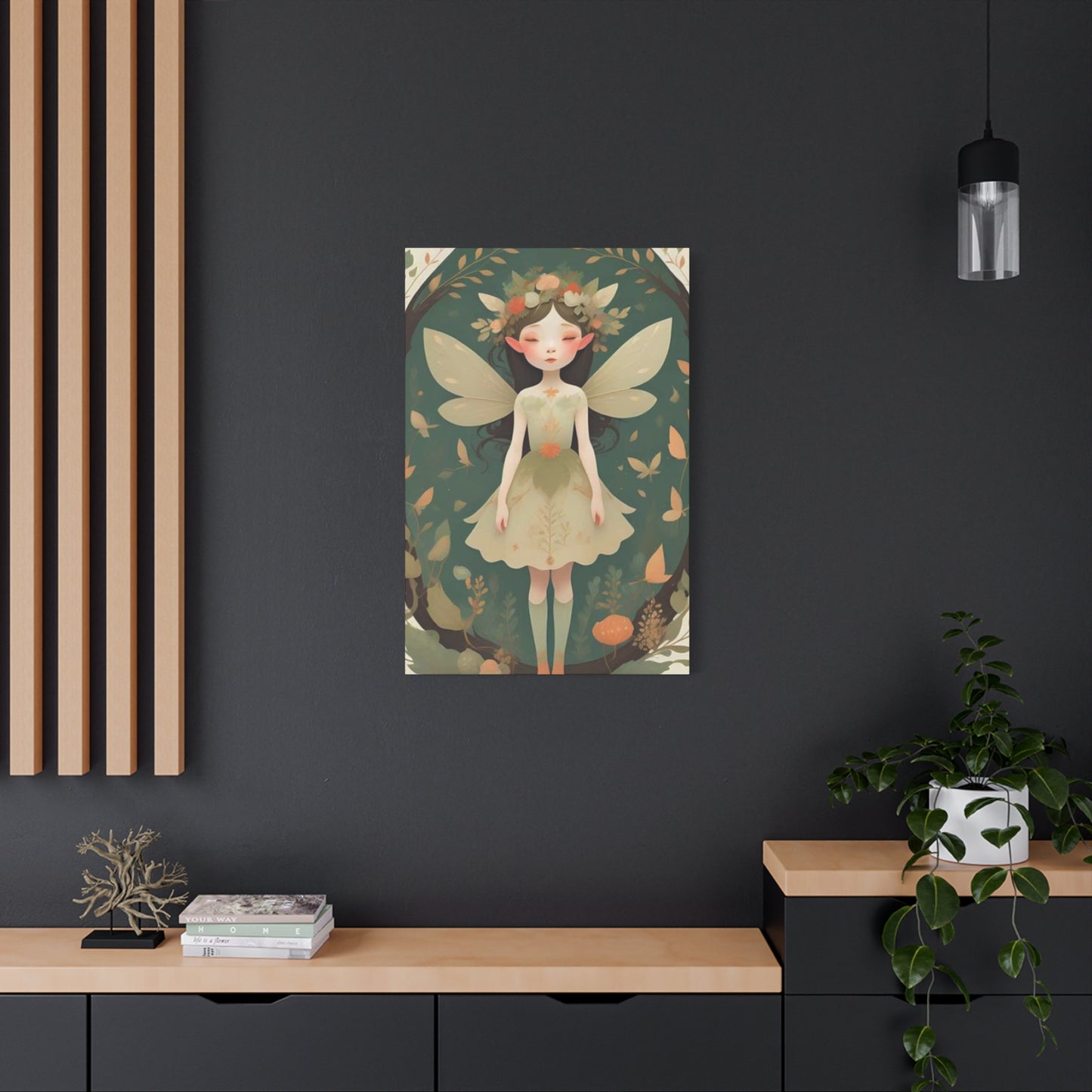
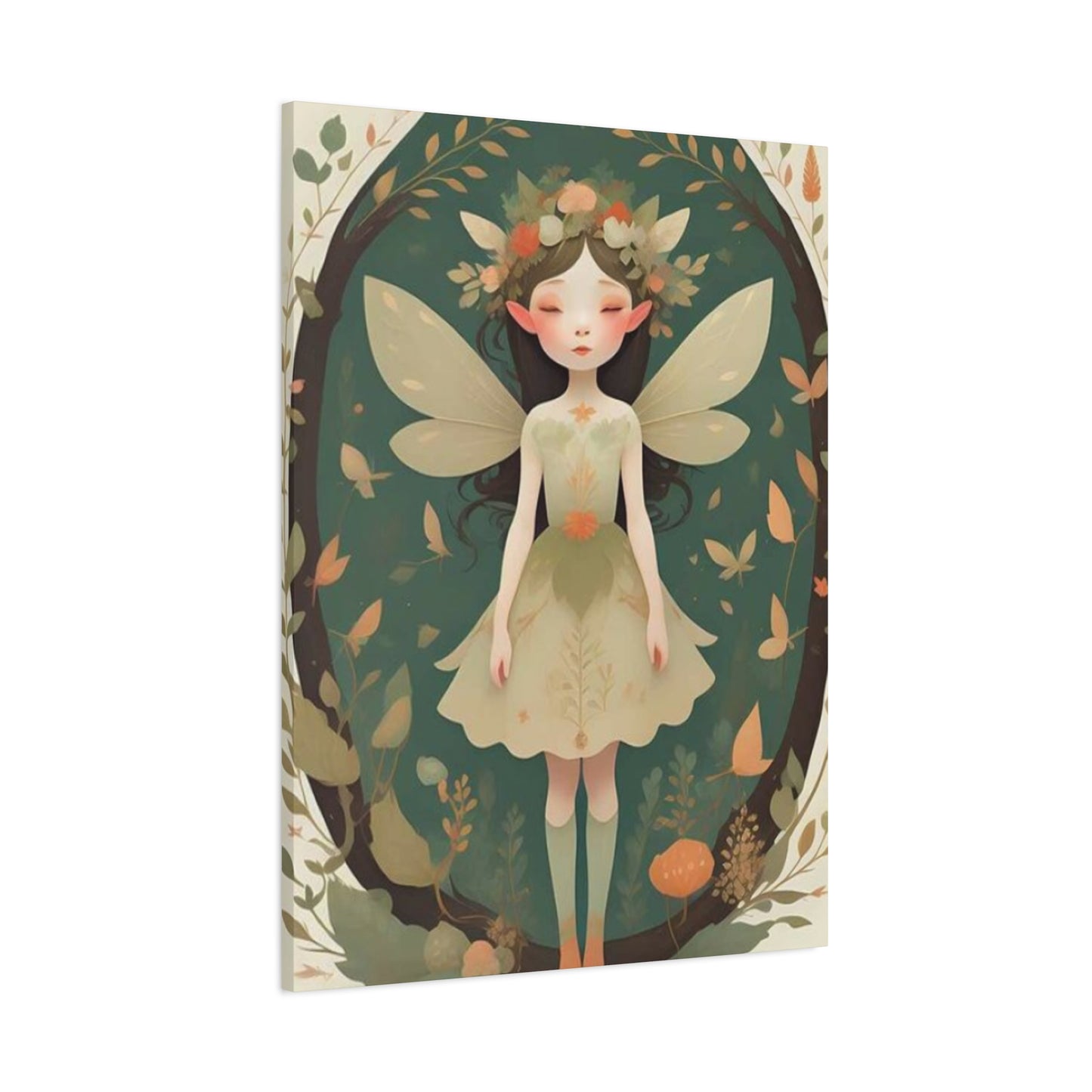
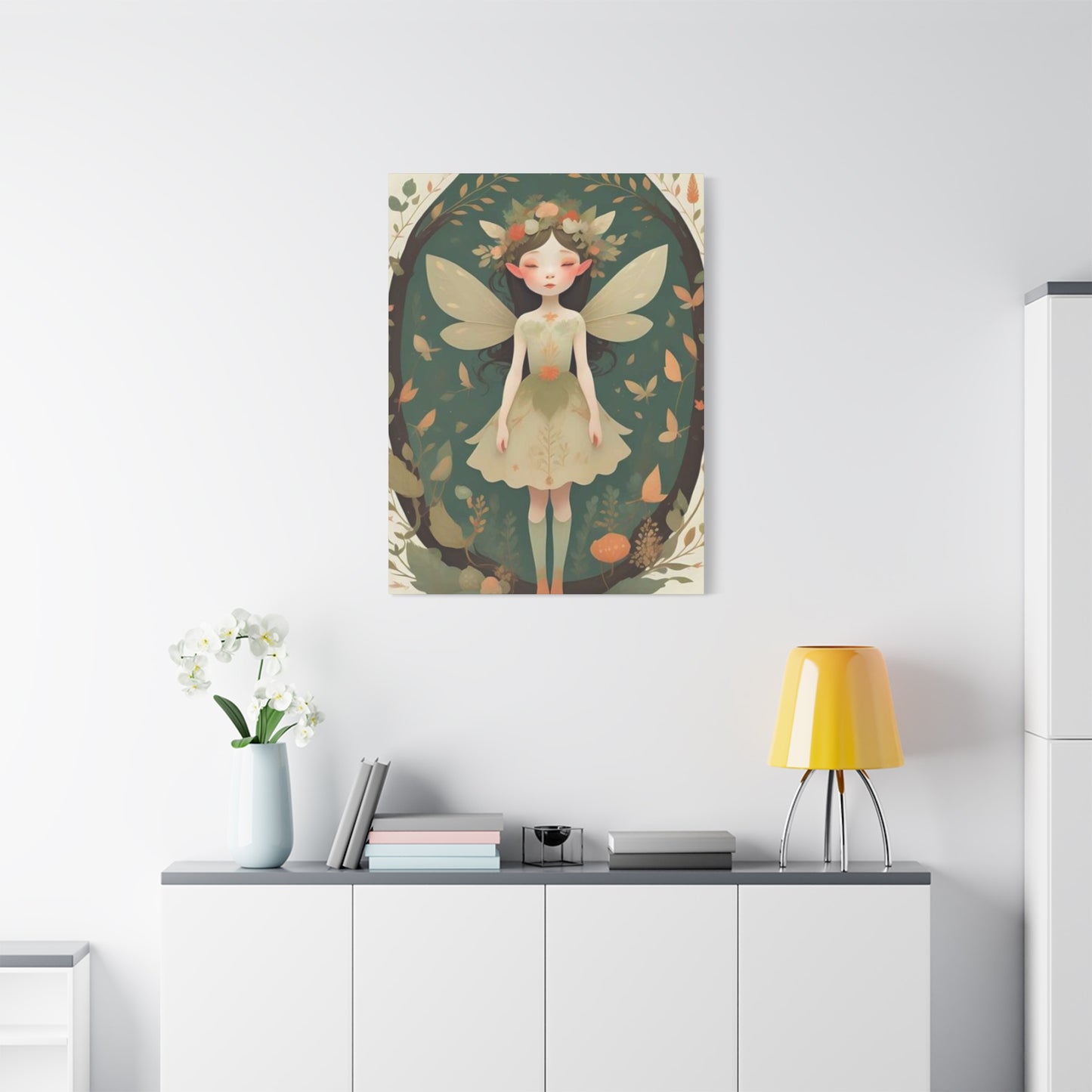
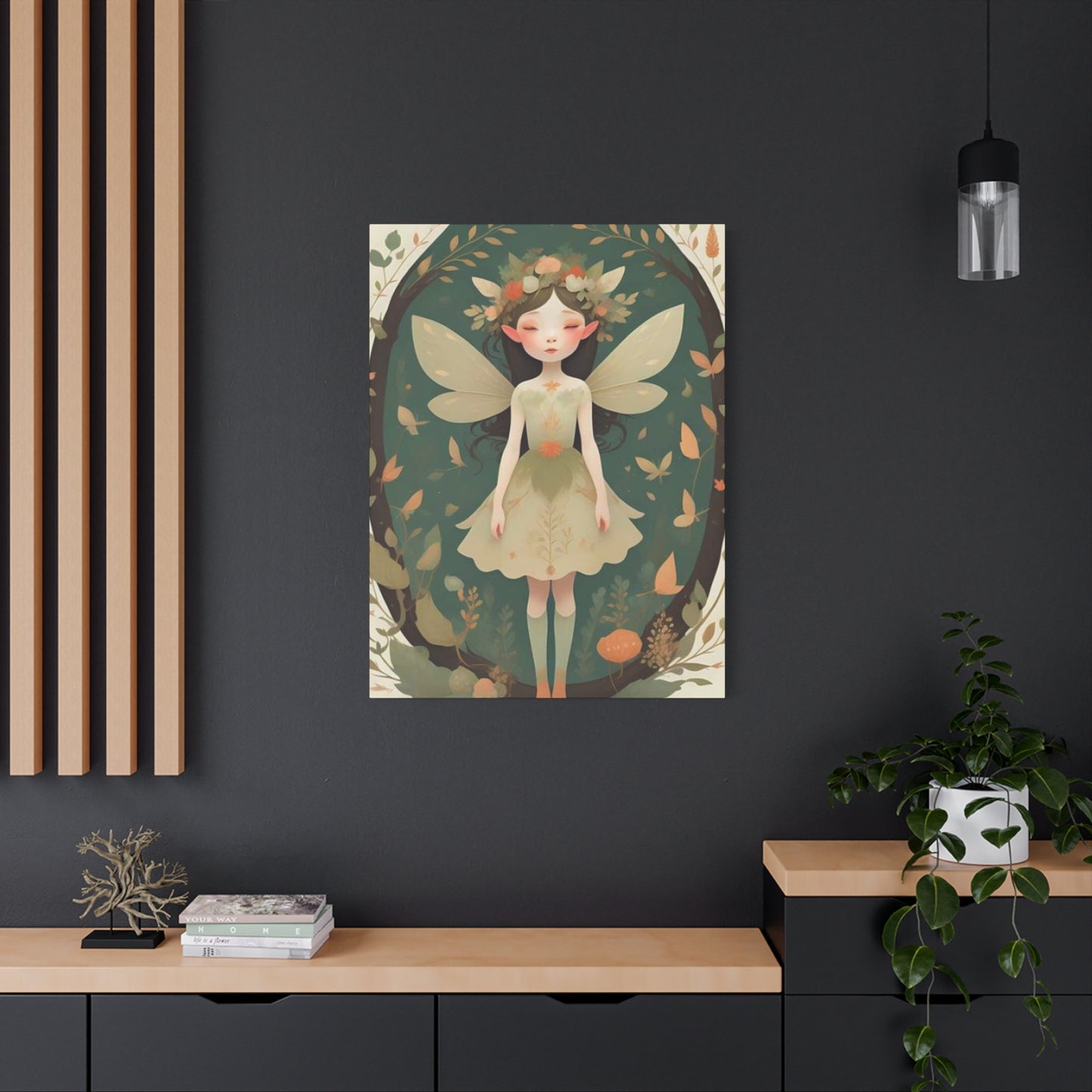
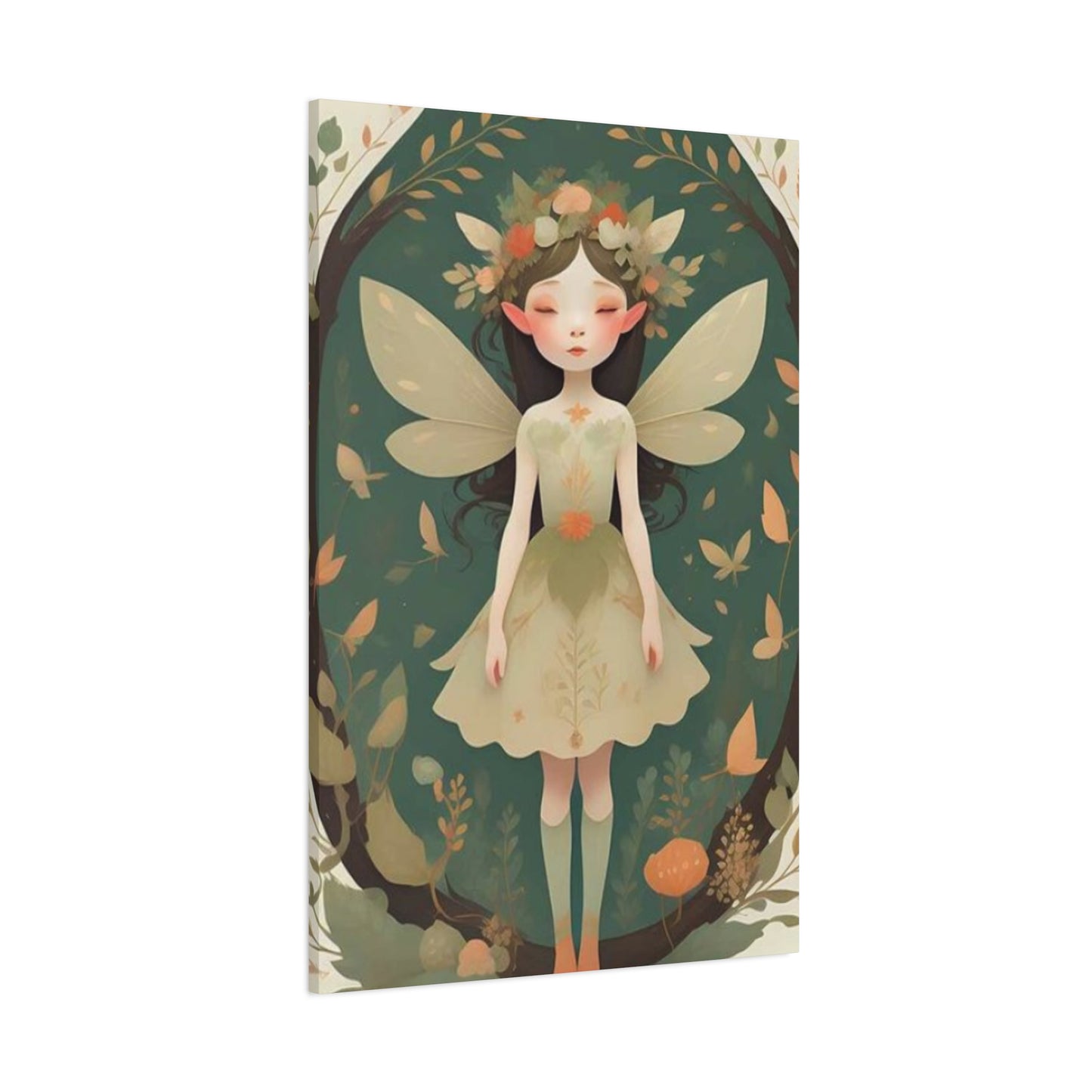
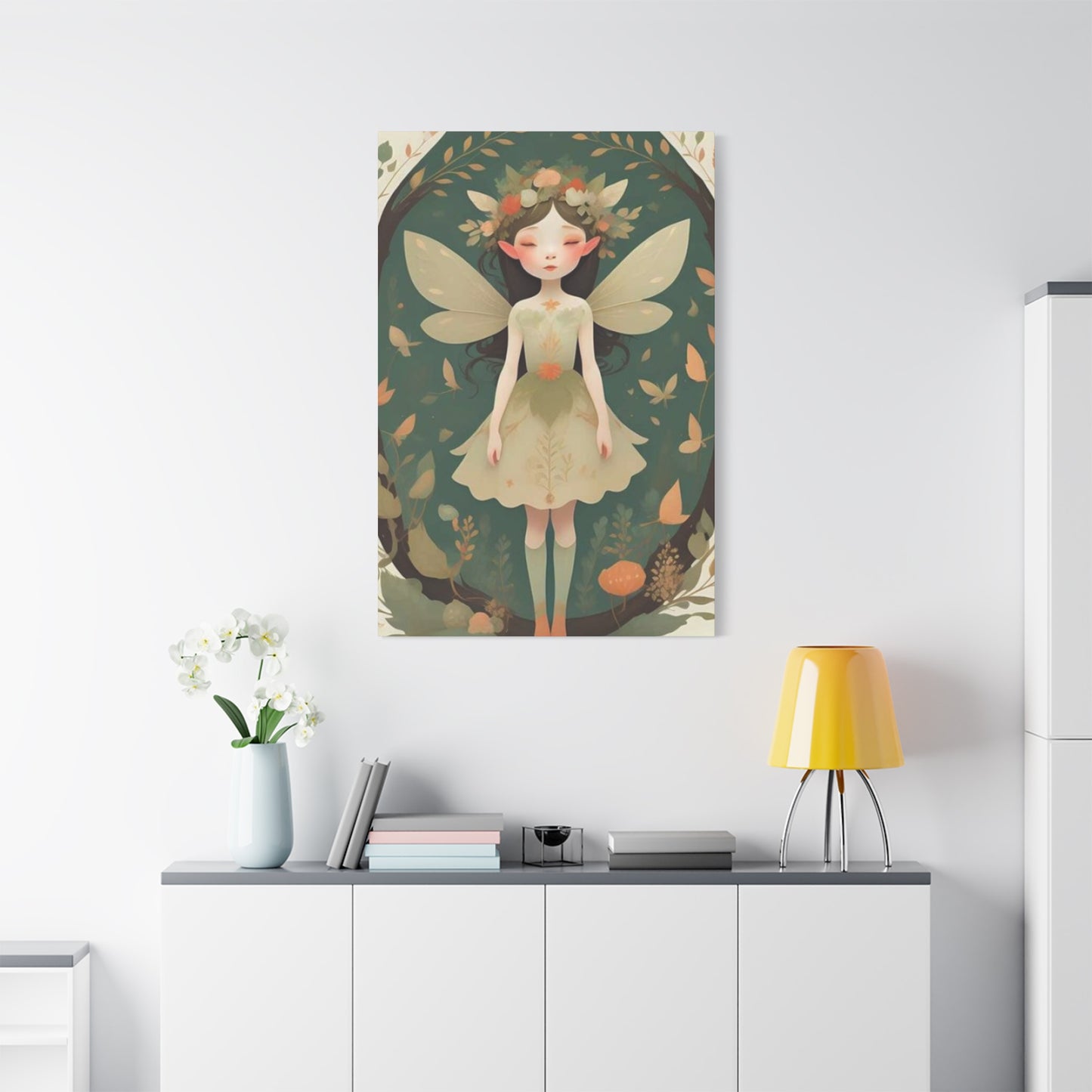
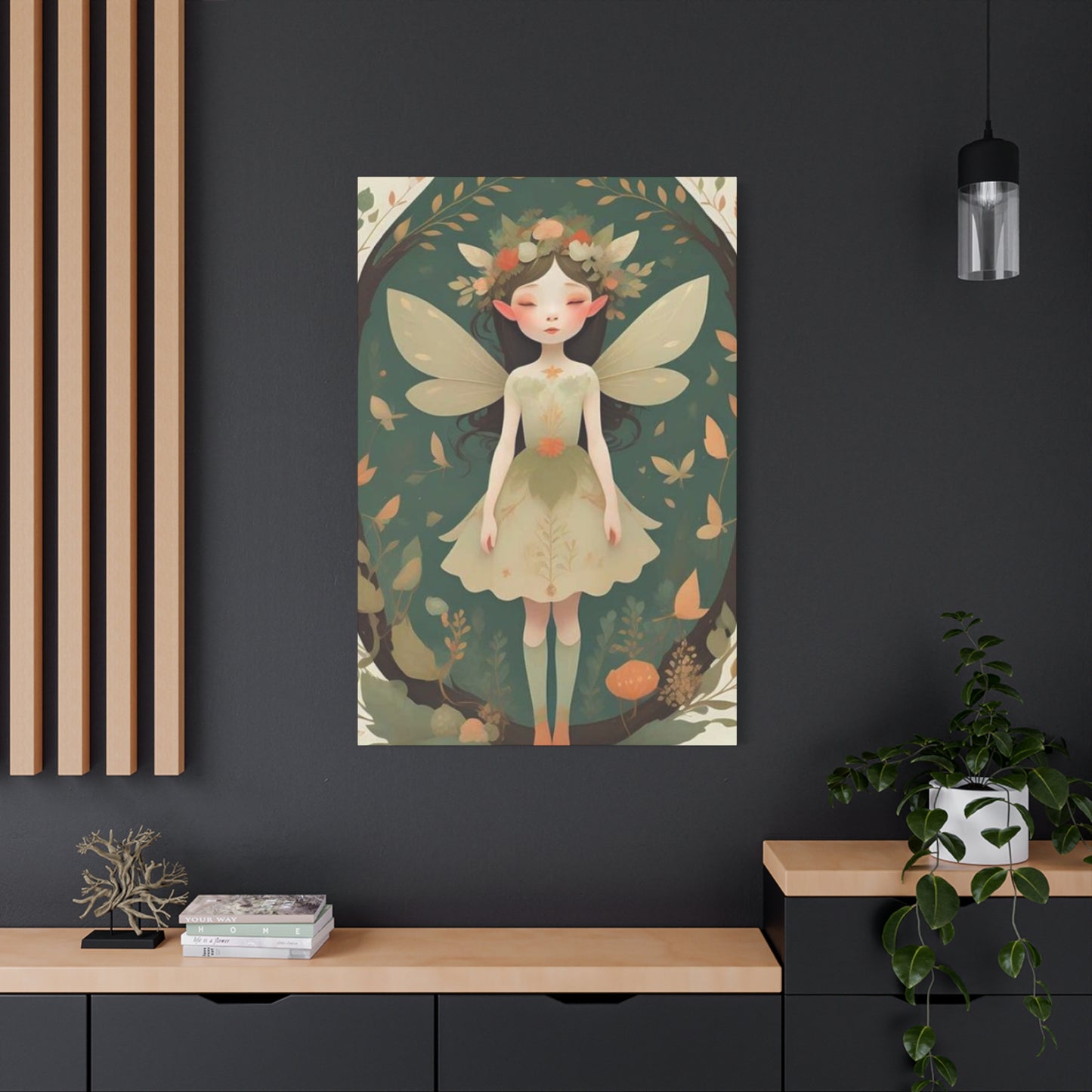
Little Angel Flower Fairies Wall Art & Canvas Prints
Little Angel Flower Fairies Wall Art & Canvas Prints
Couldn't load pickup availability
Creating Enchanting Spaces with Whimsical Garden Sprite Decorations for Children's Rooms and Nurseries- Little Angel Flower Fairies Wall Art
The realm of interior design for children's spaces has witnessed a remarkable surge in the popularity of ethereal, nature-inspired decorative elements that bring magic and wonder into everyday living environments. Among these captivating choices, Little Angel Flower Fairies Wall Art stands out as a particularly enchanting option that transforms ordinary walls into portals of imagination and fantasy. These delicate representations of winged sprites nestled among blossoms and botanical elements create an atmosphere of gentle whimsy that resonates deeply with young hearts while maintaining aesthetic appeal for adult sensibilities.
The allure of these mystical garden dwellers depicted in artistic form extends far beyond mere decoration. They serve as gateways to storytelling, sparking creativity and nurturing a connection with the natural world that many modern children desperately need. When parents and designers select Little Angel Flower Fairies Wall Art for a child's sanctuary, they're not simply choosing pretty pictures—they're curating an environment that encourages dreamscaping, gentle contemplation, and the development of imaginative capacities that will serve children throughout their lives.
The Captivating Allure of Celestial Garden Sprites in Contemporary Interior Aesthetics
Within the ever-evolving landscape of home beautification, particularly spaces designated for younger inhabitants, there exists a timeless fascination with creatures that inhabit the borderlands between reality and fantasy. Flower fairies, with their delicate wings resembling butterfly membranes or petal formations, embody this liminal quality perfectly. These diminutive beings, often portrayed as guardians of specific blooms or seasonal ambassadors, carry with them centuries of folklore and cultural significance that adds depth to their visual charm.
The contemporary interpretation of these mythical garden protectors in Little Angel Flower Fairies Wall Art merges traditional storytelling elements with modern artistic sensibilities. Artists working in this genre draw inspiration from Victorian-era botanical illustrations, Art Nouveau's flowing organic lines, and contemporary digital rendering capabilities to create pieces that feel simultaneously nostalgic and fresh. The result is artwork that speaks to multiple generations—grandparents recognize echoes of their childhood storybooks, parents appreciate the aesthetic refinement, and children find characters that populate their imaginative play scenarios.
What distinguishes exceptional fairy artwork from generic whimsical illustrations is attention to naturalistic detail balanced with fantastical elements. The most compelling pieces feature botanically accurate flower renderings inhabited by sprites whose anatomy, while impossible, feels internally consistent and believable. Wings might echo the vein patterns of actual leaves, clothing might be constructed from flower petals with realistic shadows and folds, and the interaction between fairy and flora suggests a genuine ecosystem rather than random juxtaposition.
Exploring Various Artistic Interpretations and Stylistic Approaches to Fairy Wall Decorations
The spectrum of available styles in fairy-themed wall decorations reflects the diversity of artistic traditions and cultural interpretations of these mythical beings. Watercolor renderings offer soft, dreamlike quality with their translucent layers and bleeding edges that suggest the ephemeral nature of fairy existence. These pieces typically feature gentle color palettes dominated by pastels—lavender purples, rose pinks, mint greens, and butter yellows—that create soothing environments particularly suited to nurseries and younger children's sleeping quarters.
In contrast, digital illustrations bring crisp lines and saturated colors that appeal to slightly older children with more developed visual preferences. These works might incorporate elements of graphic novel styling or animation aesthetics, creating fairy characters with larger eyes, more dynamic poses, and heightened expressions that convey personality and emotion more boldly. The precision afforded by digital tools allows artists to include intricate details in backgrounds—individual dewdrops on spider webs, pollen dusting on fairy wings, or the minute textures of tree bark and moss.
Traditional mediums like oil painting, acrylic, and gouache offer yet another aesthetic vocabulary for fairy depictions. These works often carry visible brushstrokes that add texture and depth, creating pieces that function as legitimate fine art rather than mere decoration. The physical presence of paint layers catches light differently throughout the day, making the artwork dynamic and ever-changing rather than static. Such pieces represent investment purchases that can transition from nursery decoration to cherished keepsakes as children mature.
Mixed media approaches combine various materials and techniques to create dimension and tactile interest. Some artists incorporate actual pressed flowers, metallic leaf, fabric elements, or three-dimensional wings that extend beyond the picture plane. These sculptural qualities transform Little Angel Flower Fairies Wall Art from purely visual experiences into objects that engage multiple senses and invite closer inspection. The layered construction creates shadows and depth that shift with viewing angle, rewarding repeated observation with new discoveries.
Selecting Appropriate Color Palettes and Thematic Elements for Different Age Groups and Room Functions
The psychological impact of color in living spaces, particularly those inhabited by children, cannot be overstated. When selecting Little Angel Flower Fairies Wall Art, consideration of the existing color scheme and desired emotional atmosphere guides choices toward pieces that enhance rather than clash with their environment. For infants and very young children, research suggests that high-contrast images initially capture attention more effectively than subtle gradations, though by six months, babies begin showing preferences for the full color spectrum.
Nurseries often benefit from artwork featuring softer, desaturated tones that promote calmness conducive to sleep. Fairy illustrations dominated by lavenders, soft blues, gentle greens, and creamy whites create serene environments without the sterility of purely neutral palettes. These muted colors provide visual interest without overstimulation, supporting the delicate sleep patterns of newborns and infants. Incorporating warm accents through touches of peachy pink or buttery yellow prevents the space from feeling cold while maintaining its tranquil character.
As children transition to toddlerhood and early childhood, their color preferences often shift toward brighter, more saturated hues. Little Angel Flower Fairies Wall Art for this demographic might feature vivid primary and secondary colors—sunny yellows, vibrant greens, rich purples, and clear blues—that reflect the energetic nature of this developmental stage. Artwork showing fairies engaged in active pursuits like flying, dancing, or playing instruments matches the kinetic energy of toddlers while still maintaining the gentle whimsy that distinguishes fairy themes from more aggressive character-based decorations.
Older children in the early elementary years often develop more sophisticated aesthetic preferences influenced by emerging individual personalities. Some gravitate toward romantic, princess-like interpretations with sparkles, flowing gowns, and ornate floral crowns, while others prefer more adventurous depictions showing fairies exploring, discovering, or interacting with forest creatures. The color preferences at this stage become more individualized—some children favor jewel tones while others prefer nature-inspired earth palettes or even unexpected combinations that adults might consider unconventional.
Seasonal variations in fairy artwork offer opportunities for refreshing spaces without complete redesigns. Spring fairies nestled in cherry blossoms, daffodils, and tulips bring renewal energy appropriate for spaces used for creative play or study. Summer sprites lounging on sunflowers, roses, and daisies create warm, energizing atmospheres for active spaces. Autumn fairies gathering acorns, perched on mushrooms, or dancing among fallen leaves introduce warmer oranges, russets, and golds that create cozy feelings as days shorten. Winter fairies associated with holly, evergreens, or frosted branches bring cooler tones and sparkle that feel magical during darker months.
Dimensional Considerations and Spatial Planning for Maximum Visual Impact in Children's Quarters
The physical size and scale of artwork relative to both the wall space and the room's dimensions dramatically influences its impact and appropriateness. Oversized statement pieces featuring Little Angel Flower Fairies Wall Art can serve as focal points that anchor entire room designs, while smaller works might function as elements within larger gallery arrangements. Understanding how size affects perception and atmosphere enables more informed selection that maximizes aesthetic and emotional impact.
For compact nurseries or bedrooms with limited wall space, single medium-sized pieces positioned strategically often work better than multiple small items that can create visual clutter. A well-chosen piece measuring approximately 24 by 36 inches provides sufficient detail to reward close examination while maintaining readability from across the room. This size range works particularly well above changing tables, dressers, or reading nooks where children and caregivers spend extended time in close proximity to the artwork.
Larger spaces with expansive wall surfaces can accommodate more ambitious presentations. Oversized canvases or murals depicting entire fairy gardens transform walls into immersive environments that blur the boundary between room and fantasy realm. These dramatic installations require careful planning to ensure they enhance rather than overwhelm—consider the viewing distances, furniture placement, and how the piece interacts with windows, doors, and architectural features like moldings or built-ins.
Gallery wall arrangements composed of multiple related pieces allow for curated collections that tell visual stories or represent different fairy characters and their associated flowers. This approach offers flexibility for growth—beginning with a few pieces and gradually expanding the collection as children age or as budgets allow. Maintaining consistent framing styles and a coherent color palette across the collection creates cohesion despite the varied imagery. Alternating sizes and orientations adds visual interest while avoiding the monotony of uniform presentations.
The height at which artwork hangs profoundly affects its relationship with room inhabitants. Standard adult-oriented hanging principles place artwork centers at approximately 57 to 60 inches from the floor, representing average adult eye level. However, children's rooms benefit from adjusted hanging heights that bring imagery into children's natural sightlines. For toddlers and young children, centering artwork somewhat lower—perhaps 48 to 54 inches—ensures they can engage with the images directly rather than always looking upward. This child-centric approach demonstrates respect for young occupants while creating more intimate connections between viewer and artwork.
The Significance of Framing Choices and Presentation Methods for Longevity and Aesthetic Coherence
The frame surrounding Little Angel Flower Fairies Wall Art functions as more than protective housing—it serves as transitional element between the fantasy world depicted and the physical room, influencing how viewers perceive and value the enclosed artwork. Frame selection involves balancing practical considerations like durability and safety with aesthetic factors that complement both artwork and broader room design.
For nurseries and rooms inhabited by very young children, safety considerations must govern frame selection. Lightweight materials reduce risk should a piece somehow fall, while rounded corners eliminate sharp edges. Acrylic glazing rather than glass provides clarity without shattering hazard, though it scratches more easily than traditional glass. Secure wall mounting using appropriate anchors into studs prevents accidental dislodging from enthusiastic toddlers or rambunctious play.
Wood frames offer warmth and versatility with numerous finish options spanning natural grain exposures to painted surfaces in limitless colors. Light woods like pine, maple, or birch create casual, approachable feels that suit playful fairy subjects, while their neutral tones complement virtually any color scheme. These natural finishes allow the artwork itself to command attention without competition from ornate framing. For more formal presentations or when matching existing furniture, darker woods like walnut or cherry add sophistication while maintaining organic warmth appropriate to nature-themed imagery.
Painted frames introduce opportunities for exact color matching with room palettes or artwork elements. Soft white or cream frames create clean, contemporary looks that feel fresh and timeless, allowing easy room redesigns without necessitating frame changes. Colored frames might pick up accent hues from the artwork—perhaps a dusty purple echoing fairy wings or a sage green reflecting foliage—creating subtle cohesion between piece and presentation. Metallic finishes in gold, silver, or rose gold add touches of magic and sparkle that resonate with fairy themes while introducing textural variety.
Ornate frames featuring carved details, decorative corners, or applied embellishments can enhance the storybook quality of fairy artwork, creating finished pieces that feel like portals or windows into enchanted realms. However, excessive ornamentation risks overwhelming delicate fairy imagery, particularly watercolor pieces with subtle coloring. The general principle of allowing frame complexity to inversely correspond with artwork intricacy—simple frames for complex images, elaborate frames for simpler compositions—guides selections toward balanced presentations.
Frameless mounting options including canvas stretching over wooden frames create contemporary, gallery-like presentations that maximize visible artwork while minimizing border intrusion. This approach suits bold, graphic fairy illustrations particularly well, allowing vibrant colors and dynamic compositions to extend to the edges without interruption. The three-dimensional quality of wrapped canvas adds physical presence and substance, distinguishing these pieces from paper prints.
Understanding Material Substrates and Printing Methods That Influence Artwork Quality and Durability
The physical materials upon which Little Angel Flower Fairies Wall Art is reproduced significantly impact both immediate visual quality and long-term durability, making material knowledge valuable for informed purchasing decisions. Original paintings on canvas, wood panels, or watercolor paper represent singular objects with inherent value, while various printing technologies enable affordable reproduction of fairy artwork for broader audiences.
Canvas prints utilizing giclée processes produce museum-quality reproductions that closely approximate original paintings. This printing method employs archival pigment-based inks sprayed through microscopic nozzles onto canvas material, creating continuous tone images without visible dot patterns. The resulting pieces exhibit remarkable color accuracy, subtle gradations, and expected longevity exceeding 100 years when produced with quality inks and substrates. Canvas texture adds authenticity and depth, particularly for fairy artwork originally created in traditional painting media.
Paper prints range dramatically in quality based on paper stock and printing methods. Premium fine art papers with cotton content and neutral pH resist yellowing and degradation, maintaining color fidelity for decades. These archival substrates suit watercolor-style fairy illustrations particularly well, as the paper quality mirrors that of original works. Acid-free matting and backing prevent chemical reactions that cause deterioration over time. Lower-quality papers using wood pulp and acidic components might initially appear acceptable but fade, yellow, or become brittle within years rather than decades.
Metal prints represent relatively recent innovations that transfer photographic images onto aluminum sheets coated with specialized polymers. The resulting pieces feature extraordinary luminosity, vibrant colors, and physical durability that withstands moisture and impacts better than traditional materials. The contemporary aesthetic of metal prints might seem contrary to fairy themes, yet the radiant quality creates almost ethereal glowing effects that enhance magical subjects. The waterproof surface makes metal prints particularly suitable for bathrooms or spaces where humidity concerns exist.
Wood panel prints infuse fairy imagery with rustic charm as natural wood grain shows through the printed surface, creating unique variations in each piece. This substrate choice particularly suits woodland fairy themes, creating harmonious relationships between subject matter and presentation material. The dimensional stability of quality wood panels prevents warping or sagging that can affect canvas over time, while the substantial feel communicates quality and permanence.
Removable wall decals offer temporary or flexible alternatives to permanently mounted artwork, particularly valuable in rental situations or for families anticipating frequent moves. Quality vinyl decals featuring Little Angel Flower Fairies Wall Art apply smoothly to painted walls without causing damage upon removal. This format enables larger-than-life fairy murals at price points far below commissioned paintings, democratizing access to impactful wall treatments. The trade-off involves less dimensional richness than textured substrates and potential for edge lifting in high-humidity environments.
Illumination Strategies That Enhance Fairy Artwork While Protecting From Light-Induced Degradation
Lighting profoundly influences how artwork appears and the atmosphere it creates within a space. Thoughtful illumination strategies enhance Little Angel Flower Fairies Wall Art while simultaneously protecting pieces from light damage that gradually degrades pigments and substrates. The dual goals of presentation and preservation require balancing optimal visibility against conservative exposure to harmful light wavelengths.
Natural daylight offers superior color rendering that reveals artwork's full palette and subtle nuances impossible under artificial sources. However, ultraviolet radiation present in sunlight causes fading, yellowing, and material breakdown over time—phenomena conservators call photodegradation. Positioning fairy artwork away from direct sunlight, particularly harsh western exposures, minimizes this damage while still benefiting from ambient natural light that changes throughout the day. Window treatments including UV-filtering films, sheer curtains, or adjustable blinds provide control over light intensity without completely blocking beneficial illumination.
For rooms with unavoidable sun exposure or artwork positioned where sunlight strikes directly, UV-filtering glazing in frames provides essential protection. This specialized glass or acrylic blocks harmful ultraviolet wavelengths while maintaining visual clarity and color accuracy. Though more expensive than standard glazing, the protection justifies the investment for valued pieces expected to remain in place for years.
Artificial lighting enables precise control over how viewers experience fairy artwork while avoiding natural light's damaging properties when properly managed. LED technology has revolutionized art lighting by providing focused illumination without the heat and UV radiation generated by incandescent or halogen bulbs. Picture lights mounted directly above or below frames direct attention specifically to the artwork, creating dramatic presentations that elevate Little Angel Flower Fairies Wall Art to gallery status within children's rooms.
Track lighting or adjustable recessed fixtures offer flexibility for highlighting multiple pieces or adapting as artwork changes. Positioning lights at 30-degree angles relative to the wall minimizes glare on glazing surfaces while ensuring even coverage across the artwork. Dimmer switches enable adjusting intensity appropriate to time of day and activity—brighter illumination for daytime play and reading, softer levels for evening wind-down routines and nighttime comfort.
Color temperature of light sources affects how viewers perceive artwork colors. Warm white bulbs (2700-3000K) create cozy atmospheres that complement romantic fairy imagery but may skew color perception toward yellow and suppress cool tones. Neutral to cool white sources (3500-4500K) provide more accurate color rendering closer to daylight, revealing the full range of hues in the artwork. For children's spaces, warm lighting generally proves more appropriate for its soothing qualities, accepting slight color shifts as worthwhile trade for enhanced comfort.
Ambient room lighting should complement rather than compete with artwork illumination. Avoiding harsh overhead lights directly above hung artwork prevents uneven lighting with strong shadows. Instead, distributing light sources throughout the room creates more even overall illumination that allows artwork to remain visible without requiring dedicated spotlighting. This approach creates cohesive environments rather than museum-like presentations that might feel overly formal for children's spaces.
Incorporating Fairy Artwork Within Broader Thematic Room Designs for Cohesive Environments
While Little Angel Flower Fairies Wall Art possesses sufficient charm to stand alone, incorporating these pieces within thoughtfully planned thematic environments creates immersive spaces that nurture imagination more completely. Successful thematic designs balance intentionality against restraint—establishing clear concepts without overwhelming through excessive coordination that can feel contrived or stifling rather than magical.
Enchanted garden themes provide natural frameworks for fairy artwork, establishing rooms as transitional spaces between indoor comfort and natural wonder. This concept combines botanical elements including leaf-patterned textiles, flower-shaped lighting fixtures, and plant imagery in rugs or curtains with architectural touches like trellis-style headboards, tree branch curtain rods, or canopy beds draped in gauzy fabrics suggesting fairy wings. Within this context, Little Angel Flower Fairies Wall Art becomes an organic component of the broader environment rather than isolated decoration.
Color stories derived from the fairy artwork itself create harmonious schemes where wall paint, textiles, and accessories echo hues present in the pieces. If the featured fairy artwork includes lavender wings, pink roses, and mint leaves, incorporating these specific shades throughout the room ties elements together subtly. This approach avoids literal matching—no need for fairy-printed bedding or curtains—while establishing visual relationships that feel intentional and refined.
Botanical accuracy in room design adds educational dimensions while enhancing believability of the fairy theme. If wall art features specific flowers like foxgloves, daisies, or bluebells, incorporating live or artificial versions of those blooms (appropriately safe for children) strengthens connections between representation and reality. This bridges imaginative play with natural science, encouraging observation and learning about plant life cycles, pollination, and seasonal changes.
Furniture selections contribute to or detract from thematic cohesion depending on style, material, and finish choices. Organic forms with curved lines and natural wood finishes harmonize with fairy themes far better than sleek modern pieces or heavy traditional furniture. Whitewashed or natural wood rather than dark espresso finishes keep spaces feeling light and airy like fairy habitats. Painted furniture in soft pastels coordinates with typical fairy artwork palettes while adding whimsy through unexpected color applications.
Textile layers including bedding, curtains, rugs, and cushions offer opportunities for introducing patterns and textures that complement Little Angel Flower Fairies Wall Art without literal repetition. Floral prints in watercolor-style, leaf patterns, butterfly motifs, or soft stripes create visual interest while relating to fairy themes abstractly. Texture variations through materials like gauze, linen, cotton voile, and soft velvets add sensory richness and dimension that prevents rooms from feeling flat despite soft color palettes.
Three-dimensional decorative objects including figurines, music boxes, nightlights, and hanging mobiles extend fairy themes into physical space. However, discernment prevents thematic overkill that can feel kitschy rather than enchanting. A few carefully selected three-dimensional fairy representations—perhaps a handcrafted ceramic figurine on a shelf or a fairy-shaped nightlight—suffice to support the theme without overwhelming. Quality over quantity maintains sophistication while acknowledging the playful subject matter.
Sourcing Authentic, High-Quality Fairy Artwork Through Reliable Channels and Skilled Artisans
The marketplace for Little Angel Flower Fairies Wall Art encompasses everything from mass-produced prints to commissioned original works, with corresponding variations in quality, price, and uniqueness. Navigating this spectrum requires understanding different sourcing channels and evaluation criteria that distinguish exceptional pieces from mediocre offerings.
Independent artists and illustrators represent primary sources for distinctive fairy artwork often unavailable through commercial retailers. Online marketplaces connecting artists directly with purchasers enable discovering emerging talents whose styles resonate personally. These platforms typically show artist portfolios, customer reviews, and detailed product descriptions that inform purchasing decisions. Direct artist purchases support creative livelihoods while often providing options for custom sizing, color adjustments, or personalized elements that mass production cannot accommodate.
Art fairs, craft shows, and local galleries offer opportunities for in-person artwork examination before purchasing—significant advantages when assessing print quality, color accuracy, and physical presence. Direct interaction with artists or gallery representatives provides insights into creative processes, material choices, and proper care instructions. The tactile experience of seeing artwork under natural lighting conditions in three dimensions reveals qualities impossible to assess through online images alone.
Established publishers specializing in children's illustration and nursery décor offer curated collections ensuring baseline quality standards. These companies typically work with recognized illustrators, use archival materials, and provide guarantees addressing customer satisfaction. While selections may feel less unique than independent artist offerings, the reliability and convenience appeal to purchasers seeking trusted sources without extensive research.
Print-on-demand services enable accessing vast libraries of fairy imagery uploadable to various substrates and formats. These platforms serve both professional artists distributing their work and hobbyists sharing creative efforts. Quality varies dramatically within these marketplaces, requiring careful evaluation of preview images, material specifications, and customer feedback. The advantage lies in enormous selection and competitive pricing, though uniqueness suffers when thousands can purchase identical prints.
When evaluating potential purchases, several quality indicators help distinguish superior offerings from inferior alternatives. Image resolution and clarity should appear crisp even when viewed at full size without pixelation or blurriness suggesting low-resolution source files. Color saturation and balance should feel natural rather than oversaturated or muddy. Composition should demonstrate aesthetic principles including balanced arrangements, clear focal points, and harmonious color relationships rather than cluttered or disjointed assemblages.
Artist reputation and experience provide reasonable quality proxies. Established illustrators with children's book credits or gallery representation typically produce more sophisticated work than anonymous creators. However, emerging artists sometimes offer fresh perspectives and competitive pricing that established names cannot match. Reading artist statements and examining broader portfolios beyond single pieces reveals aesthetic consistency and technical capabilities.
Material specifications should be explicitly stated, including substrate type, ink composition, and archival properties. Vague descriptions avoiding specific details often signal lower quality. Reputable sellers proudly detail their printing processes, paper stocks, and expected longevity because these factors represent genuine value. Warranty or satisfaction guarantee policies indicate seller confidence in product quality and customer service commitment.
Creating Personalized Fairy Portraits and Commissioned Works Tailored to Individual Children
While commercially available Little Angel Flower Fairies Wall Art offers abundant choices, commissioned pieces personalized for specific children create heirloom-quality works with deep emotional significance. Custom fairy portraits depicting children themselves as flower fairies or incorporating personal details transform generic decorations into meaningful representations of childhood individuality and family love.
The commissioning process typically begins with conversations or correspondence between commissioner and artist establishing the vision, scope, and parameters. Discussing the child's appearance, personality traits, favorite colors, and meaningful flowers or natural elements ensures the resulting artwork resonates specifically with the intended recipient. Sharing photographs helps artists capture likeness if creating recognizable portraits, while describing personality informs character expression and pose decisions.
Concept sketches or digital mockups provide opportunities for feedback and refinement before final artwork creation. This collaborative phase ensures alignment between commissioner expectations and artist interpretation, preventing disappointment when finished pieces arrive. Most professional artists welcome reasonable revision requests at this stage, recognizing that personalization requires iterative dialogue.
Birth flowers, birthstones, or astrological symbols naturally personalize fairy artwork through symbolic associations specific to the child's birth month or date. A December baby might appear as a winter fairy among poinsettias and holly, while an August child could be depicted with gladiolus or poppies. These connections add layers of meaning that grow more significant as children mature and understand the symbolism.
Incorporating family pets, favorite toys, or meaningful objects personalizes artwork beyond child representation alone. A beloved stuffed animal appearing beside the fairy child or a family cat portrayed as fairy companion adds narrative interest and personal relevance. These details demonstrate thoughtfulness that transforms artwork from beautiful decoration into treasured family possession.
Name integration ranging from subtle monograms to decorative nameplates as part of the composition creates pieces that unequivocally belong to specific children. Lettering style should harmonize with artwork aesthetic—flowing scripts for romantic pieces, simpler printing for contemporary interpretations. Positioning names where they enhance rather than compete with imagery requires artistic judgment about compositional balance.
Sibling sets featuring each child as unique flower fairies create cohesive gallery walls while celebrating individual identities. Maintaining consistent artistic style and format while varying specific flowers, colors, and character expressions demonstrates both unity and distinction. These collections often become cherished family possessions passing through generations as visual family histories.
Timeframe expectations for commissioned work vary dramatically based on artist workload and piece complexity. Simple digital illustrations might complete within days, while elaborate paintings require weeks or months. Clarifying timelines during initial discussions prevents frustration, particularly when commissioning for specific occasions like nursery completion or birthdays. Rush fees sometimes enable expedited creation, though quality should never be sacrificed for speed.
Pricing for commissioned fairy artwork reflects artist experience, medium complexity, size, and market positioning. Emerging artists might charge $100-300 for personalized digital illustrations suitable for printing, while established painters command thousands for original canvases. Understanding that commissioned work takes significantly more artist time than mass-produced alternatives helps contextualize higher prices as reflections of labor and uniqueness rather than arbitrary premiums.
Establishing Age-Appropriate Engagement Activities Centered Around Fairy Wall Artwork
Little Angel Flower Fairies Wall Art transcends passive decoration when integrated into interactive activities that engage children's creativity and imagination. Age-appropriate exercises centered on the artwork create opportunities for learning, storytelling, and artistic expression while deepening children's connections with their decorated spaces.
For infants and young toddlers, simple identification games played during diaper changes or dressing routines leverage the artwork as focal points for language development. Pointing to elements while naming them—"Look at the pink flower! Can you see the fairy's wings?"—builds vocabulary while creating positive associations with the artwork and caregiving routines. The high contrast and clear imagery of quality fairy art naturally capture infant attention, making these interactions engaging rather than forced.
Slightly older toddlers enjoy more complex observational challenges finding specific details within fairy scenes. Prompts like "Can you find the butterfly?" or "Where is the blue flower?" develop visual discrimination skills and sustained attention while familiarizing children thoroughly with artwork details. Creating counting exercises around scene elements—"How many flowers do you see?"—introduces early mathematics concepts through playful interaction.
Preschool children with developing narrative capabilities benefit from story creation activities inspired by wall art. Parents or caregivers can prompt imaginative storytelling by asking open questions: "What do you think this fairy is doing?" "Where do you suppose she lives?" "What happened before this picture, and what might happen next?" These exercises develop sequencing skills, causal reasoning, and creative thinking while validating children's imaginative contributions.
Complementary creative projects extend fairy themes beyond wall displays into hands-on activities. Planting flowers featured in the artwork creates tangible connections between representation and reality while teaching responsibility through plant care. Nature walks seeking leaves, petals, or flowers similar to those in fairy scenes develop observational skills and outdoor appreciation. Pressed flower crafts using collected specimens can create child-made artwork displayed alongside professional pieces, validating young artists' efforts.
Drawing and coloring activities inspired by Little Angel Flower Fairies Wall Art enable artistic expression while developing fine motor skills. Providing blank paper and suggesting children create their own fairy drawings removes pressure of coloring within lines while encouraging imagination. Displaying children's fairy artwork near professional pieces honors their creative efforts and communicates that their artistic expression holds value.
For early elementary children, more sophisticated engagement includes researching actual flowers featured in fairy artwork, learning their names, growing requirements, and cultural significance. This seamless blend of imaginative play with scientific inquiry prevents false dichotomies between fantasy and reality, instead positioning imagination as complementary to factual knowledge. Children discover that understanding real flowers makes fantasy more intriguing rather than less magical.
Creative writing exercises for older children capable of written expression might involve composing short stories, poems, or descriptive passages about the fairies in their wall art. These literacy activities feel less like schoolwork when connected to personally meaningful imagery in their own spaces. Reading resulting compositions aloud during bedtime routines or family gatherings validates children's efforts while creating opportunities for positive attention and encouragement.
Maintaining and Preserving Fairy Artwork Throughout Years of Childhood and Beyond
Quality Little Angel Flower Fairies Wall Art represents significant investments emotionally and often financially, making proper care essential for preserving pieces throughout childhood and potentially into adulthood as cherished keepsakes. Maintenance requirements vary by medium and materials, though general principles apply across most artwork types.
Regular dusting prevents accumulation that can scratch surfaces or dull colors over time. Soft microfiber cloths or feather dusters gently remove surface particles without applying pressure that might damage prints or glazing. For framed pieces, cleaning glass or acrylic glazing requires non-ammonia cleaners applied to cloths rather than sprayed directly on surfaces to prevent liquid seeping behind glass and damaging artwork. Avoiding excessive moisture protects both the art and mounting materials from water damage.
Climate control protects artwork from environmental damage factors including temperature fluctuations, humidity extremes, and pollutants. Maintaining consistent temperatures between 65-75°F and relative humidity around 40-50% prevents the expansion-contraction cycles that crack paint, warp substrates, or separate laminated materials. Avoiding placement near heating vents, radiators, or air conditioning outlets prevents localized temperature variations that stress materials particularly intensely.
Unframed canvas pieces require particular attention to edges and backing where dust accumulation and physical damage occur most readily. Periodically examining backs for signs of mold, insect activity, or structural issues enables early intervention before problems become severe. Applying archival sealers to canvas backs provides some protection against environmental factors while allowing necessary air circulation.
For irreplaceable pieces including original paintings or commissioned works, professional conservation consultations provide expert assessments and care recommendations specific to individual artworks. Conservators identify potential issues invisible to laypersons and suggest preventive measures tailored to specific materials and conditions. While representing additional expense, conservation investments protect artwork value far exceeding consultation costs.
Periodic rotation of displayed artwork extends longevity by distributing light exposure across multiple pieces rather than constantly subjecting the same works to fading risks. This practice also refreshes room aesthetics without purchasing new pieces, allowing children to rediscover previously stored artwork with renewed interest. Proper storage of rotated pieces requires protecting them from light, moisture, pests, and physical damage through archival boxes or portfolios in climate-controlled environments.
When children outgrow nursery themes or desire room redesigns, thoughtfully preserving Little Angel Flower Fairies Wall Art enables future display in different contexts or passing pieces to younger siblings, relatives, or eventually the original child's offspring. Artwork that held meaning during formative years often regains sentimental value in adulthood, making preservation worthwhile even when immediate display plans don't exist.
Documentation including purchase information, artist details, and framing specifications helps maintain artwork value and informs proper care. Photographing pieces thoroughly creates records useful for insurance purposes should damage or loss occur. For commissioned works, retaining correspondence with artists preserves provenance information that enhances both monetary and sentimental value.
Addressing Safety Concerns and Child-Proofing Considerations for Securely Displayed Artwork
Children's rooms require heightened safety consciousness compared to adult spaces, making secure artwork installation and appropriate material selection particularly important for Little Angel Flower Fairies Wall Art. Potential hazards ranging from falling frames to toxic materials require systematic consideration and mitigation strategies.
Secure wall mounting forms the foundation of safe artwork display. Hanging systems should incorporate multiple redundancies ensuring pieces cannot fall even under substantial force. For drywall mounting, heavy-duty anchors rated well above artwork weight provide appropriate security margins. Locating wall studs using stud finders and mounting directly into structural framing offers maximum security for larger or heavier pieces. Toggle bolts or molly bolts distribute forces across larger drywall areas when stud mounting isn't feasible.
Picture hanging wire, while traditional, poses entanglement hazards if frames somehow fall and wire remains partially attached. D-rings or sawtooth hangers mounted flush against frame backs eliminate dangling wire while providing robust hanging points. French cleat systems offer exceptional security through interlocking wood or metal strips mounted on wall and frame, making frames virtually impossible to dislodge accidentally.
For households with climbing toddlers or earthquake-prone regions, additional security measures prevent tipping or falling during furniture climbing or seismic events. Museum putty or earthquake putty secured between frame corners and walls allows artworks to shift slightly absorbing vibrations while preventing complete detachment. This removable adhesive avoids wall damage while providing substantial security enhancement.
Frame construction materials must prioritize safety over aesthetics when conflicts arise. Lightweight materials reduce injury potential should frames somehow fall despite proper mounting. Avoiding glass glazing entirely in favor of acrylic alternatives eliminates shattering risks while providing adequate protection and visibility. Frames with protruding decorative elements or sharp corners pose impact hazards during falls or collisions, making simpler profiles preferable for active children's spaces.
Evaluating artwork and framing materials for toxic content protects children from chemical exposure through normal interaction or potential ingestion. Archival quality materials typically avoid harmful substances, though explicit verification through product specifications or manufacturer inquiries provides certainty. Concerns about off-gassing from new materials suggest allowing adequate ventilation time before hanging pieces in nurseries where infants spend extended time breathing proximate air.
Supervising young children around artwork and establishing gentle handling expectations helps prevent accidental damage from curiosity-driven touching or exploration. Rather than stern prohibitions creating forbidden fruit allure, explaining that artwork deserves gentle treatment because it's special and we want it to last preserves mystery while establishing appropriate boundaries. Involving children in artwork selection and placement creates investment in its preservation.
Positioning artwork beyond reach of jumping or climbing toddlers removes temptation and reduces damage risks. However, this conflicts with child-centric viewing height principles, requiring judgment about individual children's temperament and climbing abilities. For particularly active or curious children, delaying hanging valuable pieces until they're past aggressive physical exploration phases might prove wisest.
Regular inspection of hanging systems identifies loosening or deterioration before failures occur. Checking mounting hardware, frame integrity, and wire or hanging mechanism condition during seasonal cleaning routines catches developing problems when easily addressed. Replacing degraded components proactively prevents failures that could damage artwork or, more importantly, injure children.
Conclusion
Little Angel Flower Fairies Wall Art is the perfect way to infuse your child’s room or nursery with a sense of wonder, magic, and natural beauty. These charming and whimsical artworks, featuring fairies fluttering among flowers and enchanted garden scenes, create an atmosphere of playful fantasy that sparks imagination and joy. Whether you choose delicate illustrations of flower fairies surrounded by blooming petals or vibrant, colorful depictions of garden sprites in motion, this wall art brings a soft, ethereal quality to any space, turning an ordinary room into a magical garden of possibilities.
The combination of angelic, fairy-like figures with the natural beauty of flowers offers a nurturing and enchanting visual environment for young children. Flower fairies, often depicted as gentle, kind creatures, symbolize growth, transformation, and the natural world. Their connection to nature and the magic of the outdoors makes them a perfect fit for a child’s space, where curiosity, imagination, and exploration are key. This type of wall art serves not only as a beautiful decoration but also as a source of inspiration for creativity, storytelling, and play. It’s a visual invitation to explore the wonders of nature and embrace the imaginative adventures that lie within the world of fairies.
The soft pastel hues—think gentle pinks, purples, soft blues, and greens—of Little Angel Flower Fairies Wall Art enhance the peaceful, dreamy quality of the artwork, making it ideal for nurseries or bedrooms. These light, calming colors help create a soothing environment that encourages relaxation and restful sleep, while still maintaining an air of excitement and playful whimsy. The ethereal nature of the fairies and their association with beauty, kindness, and magic contributes to a feeling of comfort and joy, making it a wonderful addition to any child’s room where dreams of adventure and enchantment come to life.
Another advantage of Little Angel Flower Fairies Wall Art is its versatility. It fits seamlessly into a wide range of interior design styles for children’s spaces, from vintage-inspired or fairy tale-themed rooms to more modern, nature-themed designs. In a nursery, for example, fairy-themed art can complement soft, neutral furniture and cozy textiles, adding a touch of enchantment to the serene setting. In a toddler’s or young child’s bedroom, the vibrant colors and playful imagery can become the focal point of the room, inspiring creative play and adding a fun, magical twist to their personal space.
For families who enjoy storytelling or reading fairy tales, Little Angel Flower Fairies Wall Art can serve as a visual extension of their favorite stories and characters. It provides an opportunity to bring the beloved characters from literature to life, allowing children to connect with their favorite stories in a tangible way. These fairy figures can even become characters in their own bedtime stories, encouraging storytelling, role-playing, and imaginative thinking.
Additionally, the theme of Little Angel Flower Fairies Wall Art can have positive symbolic meaning for young children. Fairies are often seen as protective beings, bringing joy, light, and comfort to their surroundings. The angelic nature of the fairies, combined with their association with flowers and the outdoors, can evoke feelings of peace, happiness, and a connection to nature. These symbolic messages of growth, care, and nurturing can create a positive, uplifting environment for children, supporting their emotional and mental well-being in a gentle, non-intrusive way.
In conclusion, Little Angel Flower Fairies Wall Art is a magical and heartwarming addition to any child’s room or nursery. Through whimsical designs that celebrate the beauty of nature, fantasy, and angelic figures, this artwork creates a dreamlike atmosphere that encourages imagination and nurtures a sense of wonder. By incorporating these enchanting fairy-themed pieces into your home, you can transform a simple bedroom or nursery into a serene, playful sanctuary where children’s imaginations can soar. Not only does it add visual beauty and charm to the space, but it also offers a sense of enchantment and joy that will inspire both creativity and peaceful rest for years to come.
Share