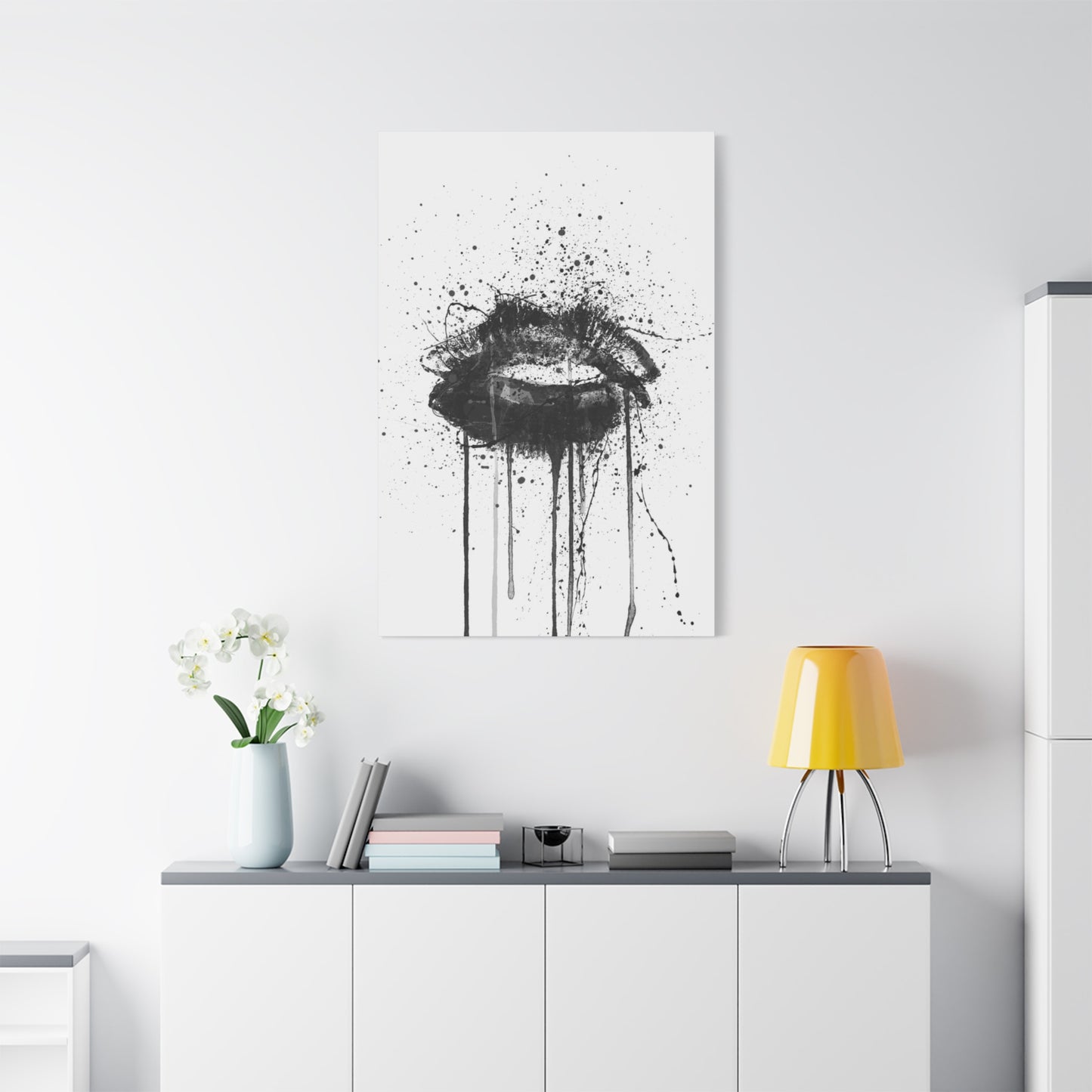
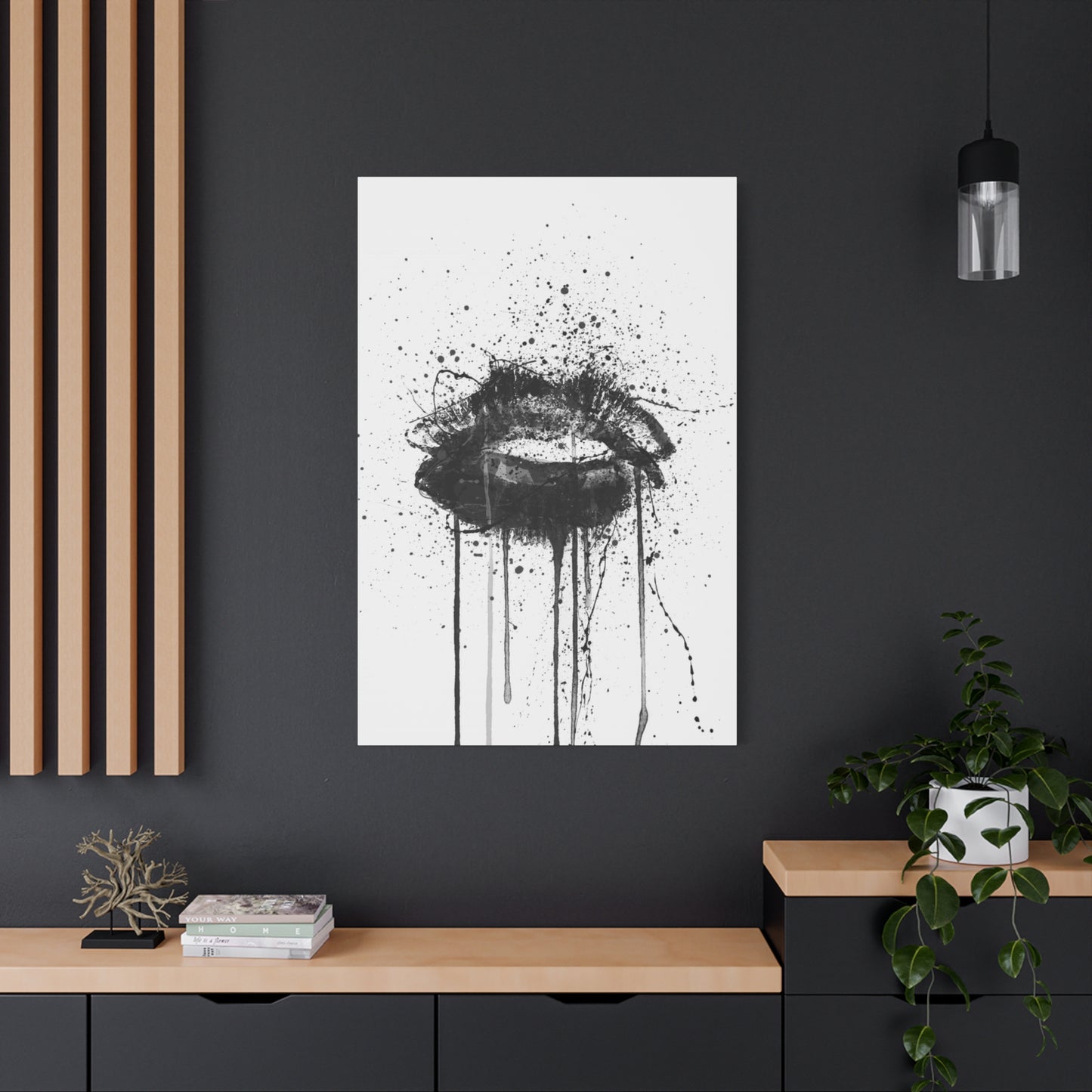
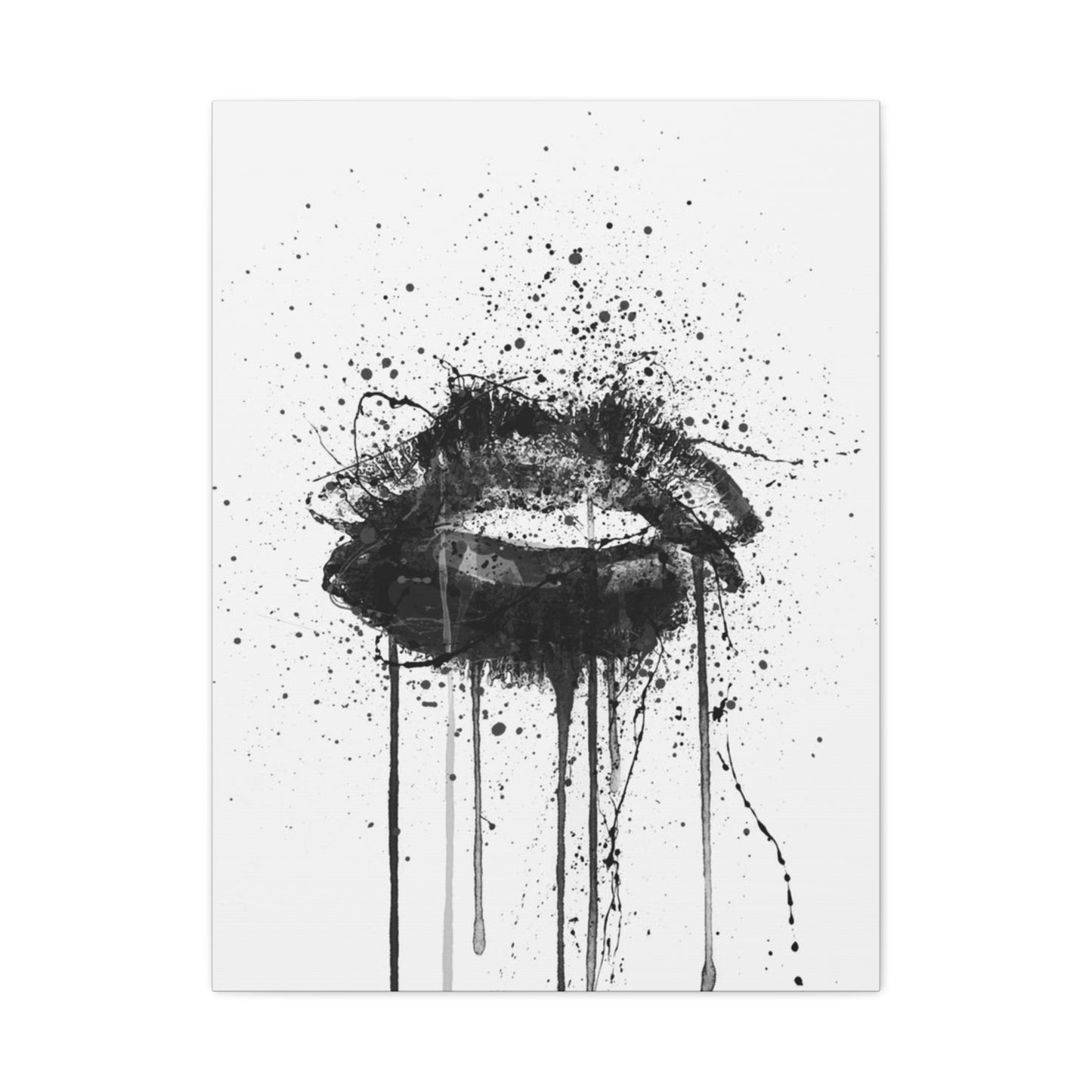
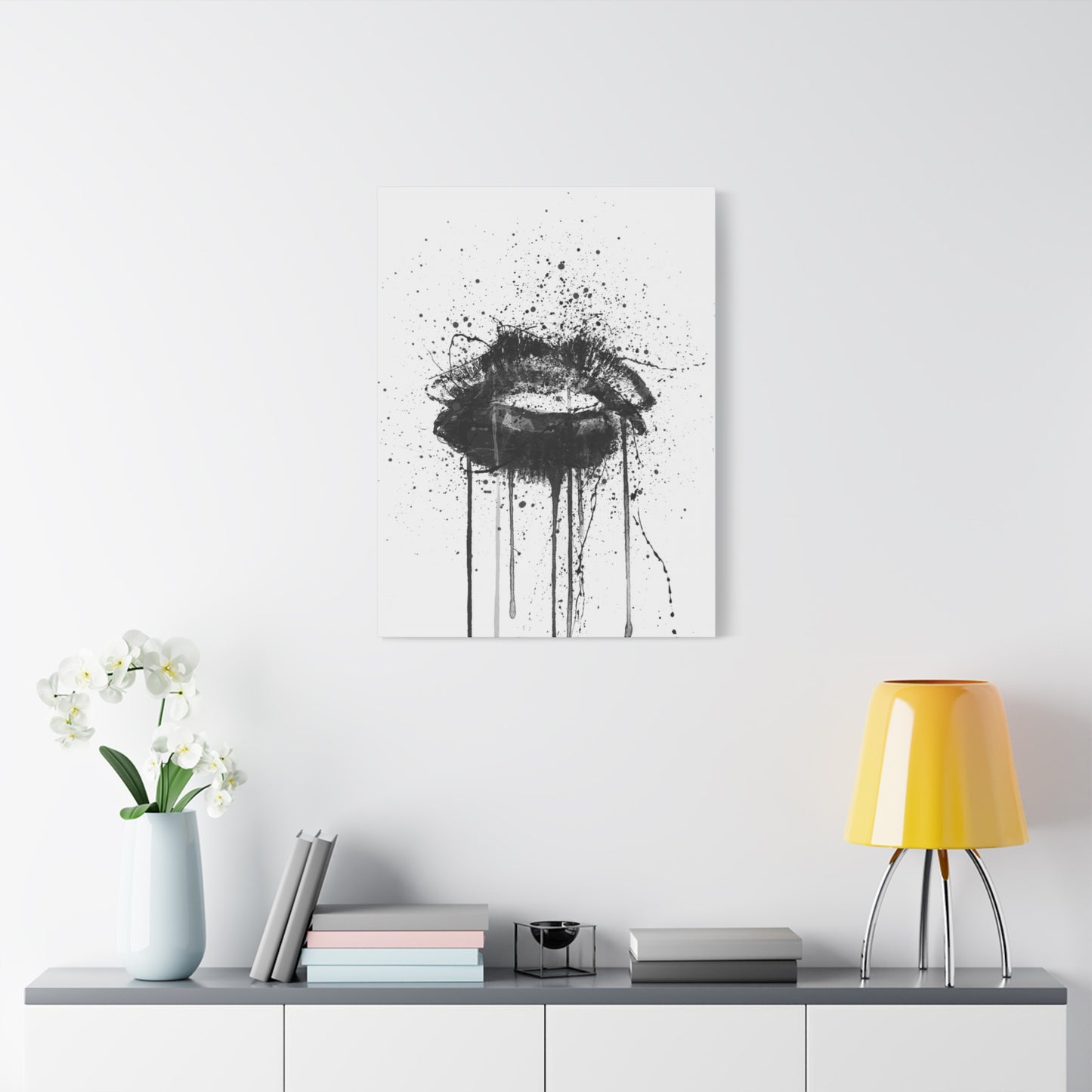
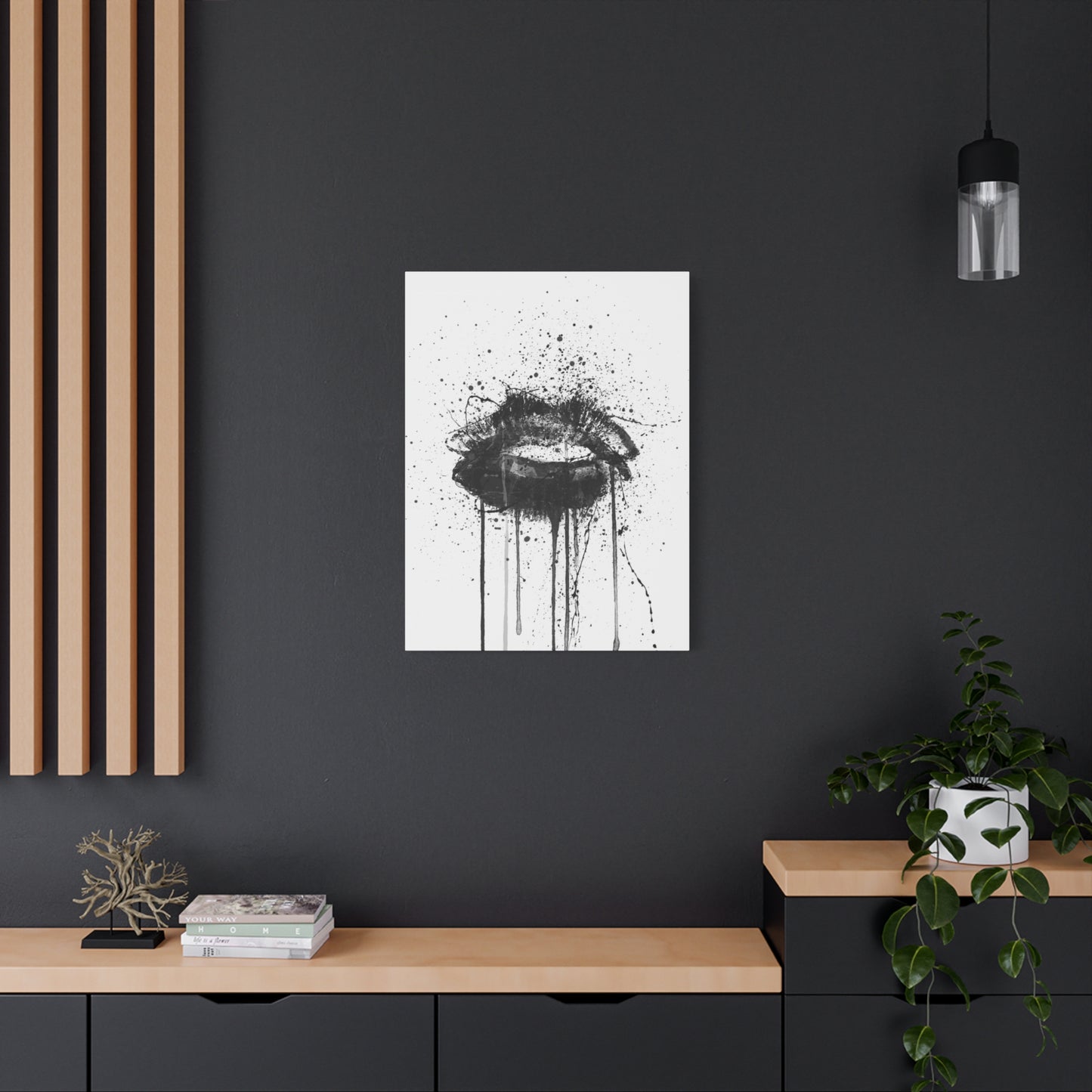
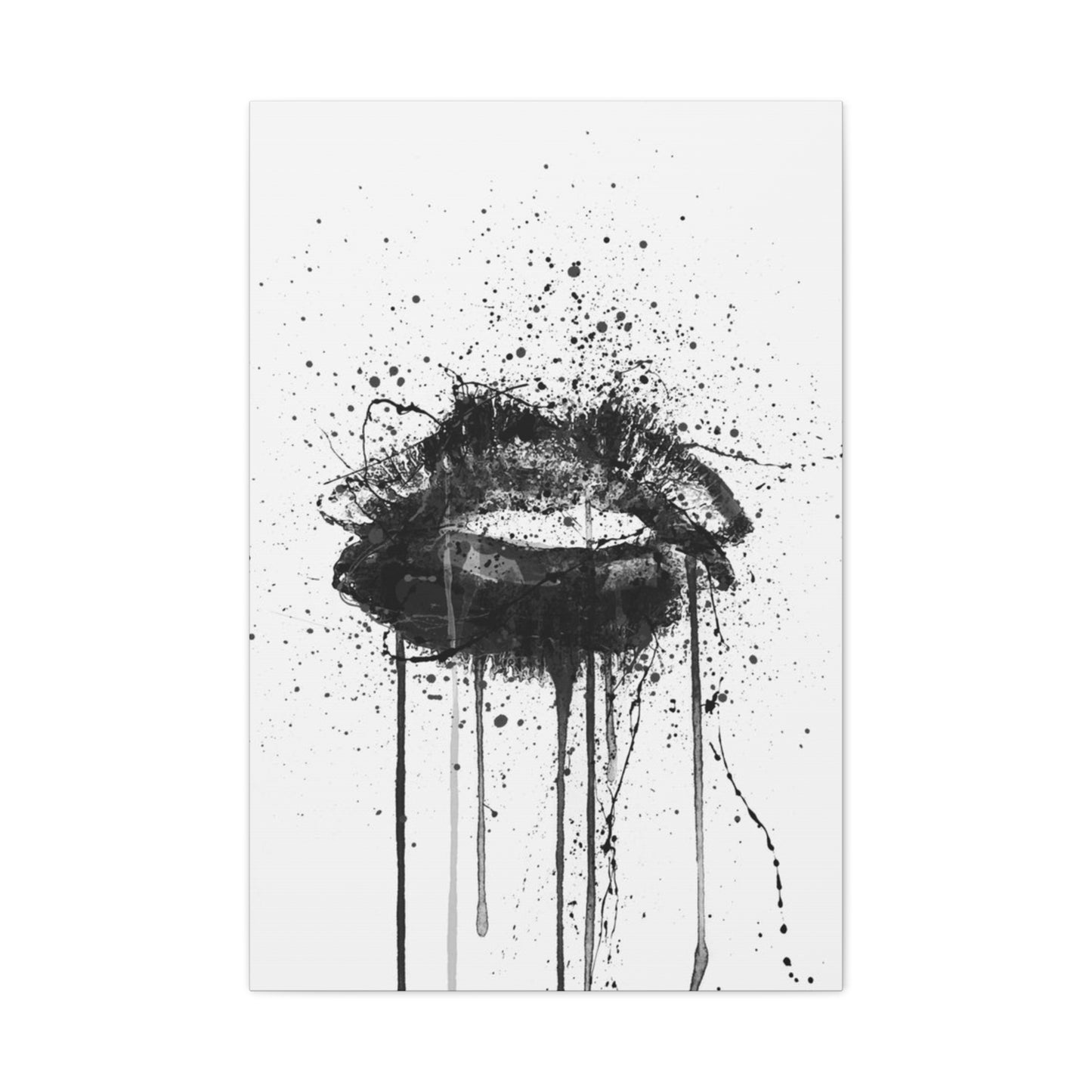
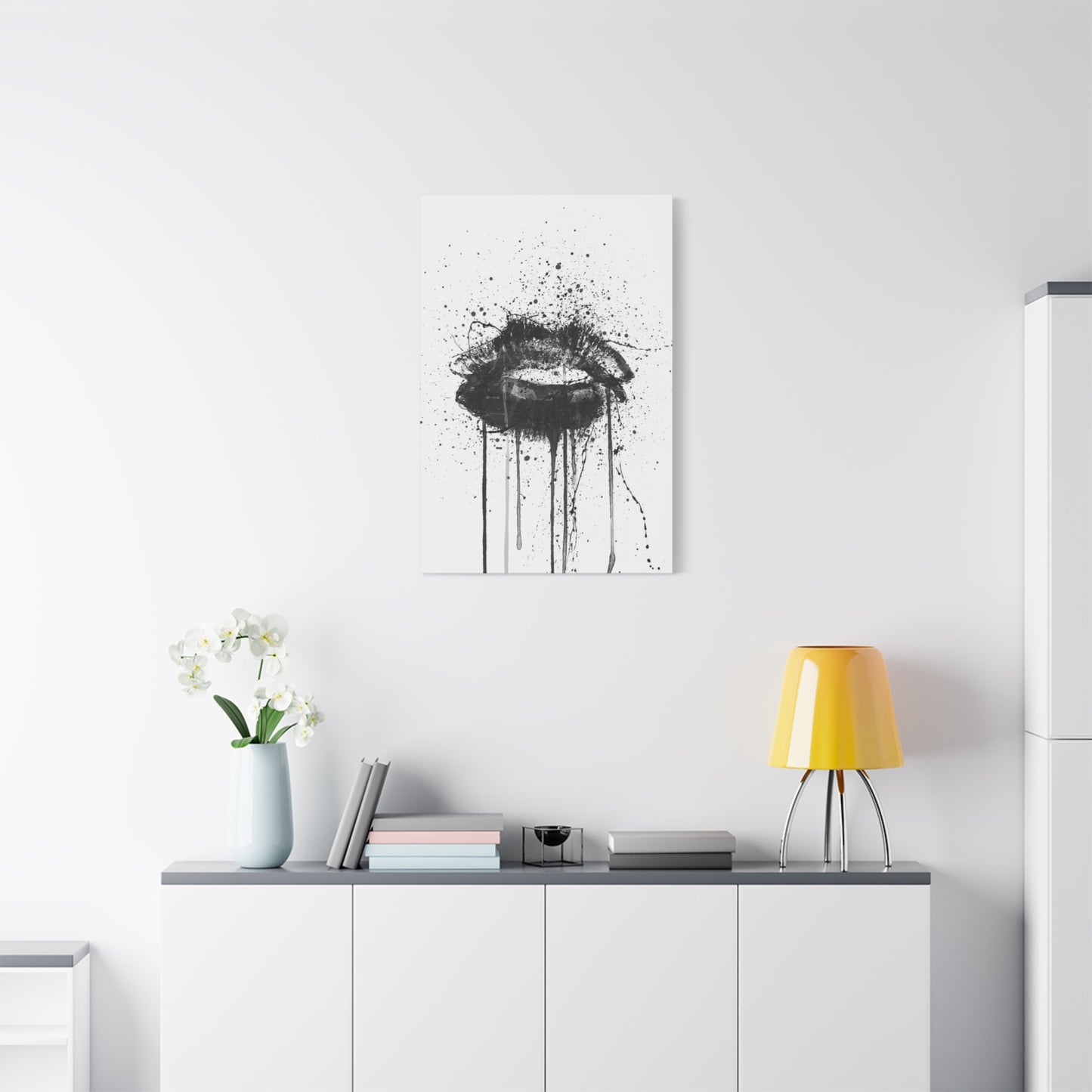
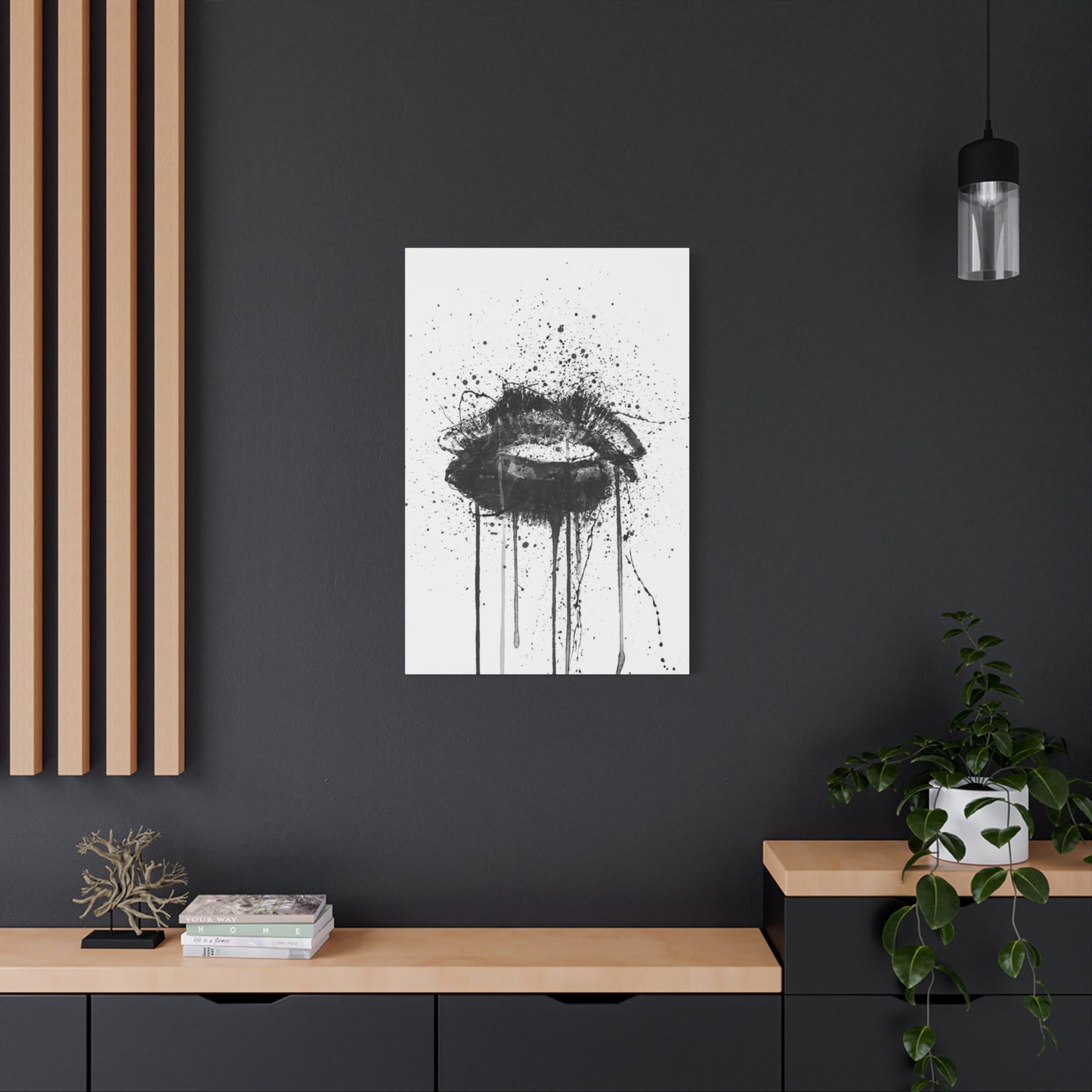
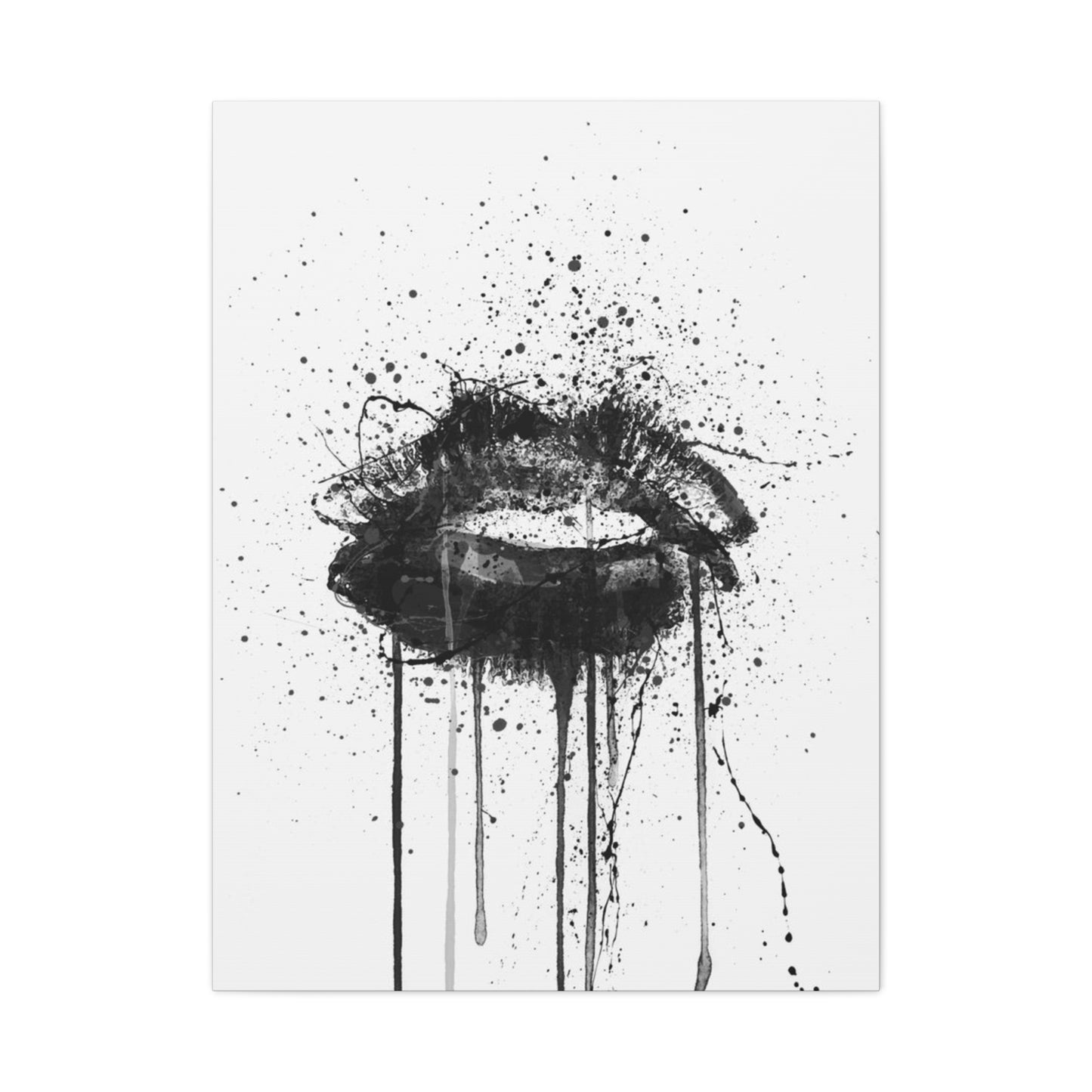
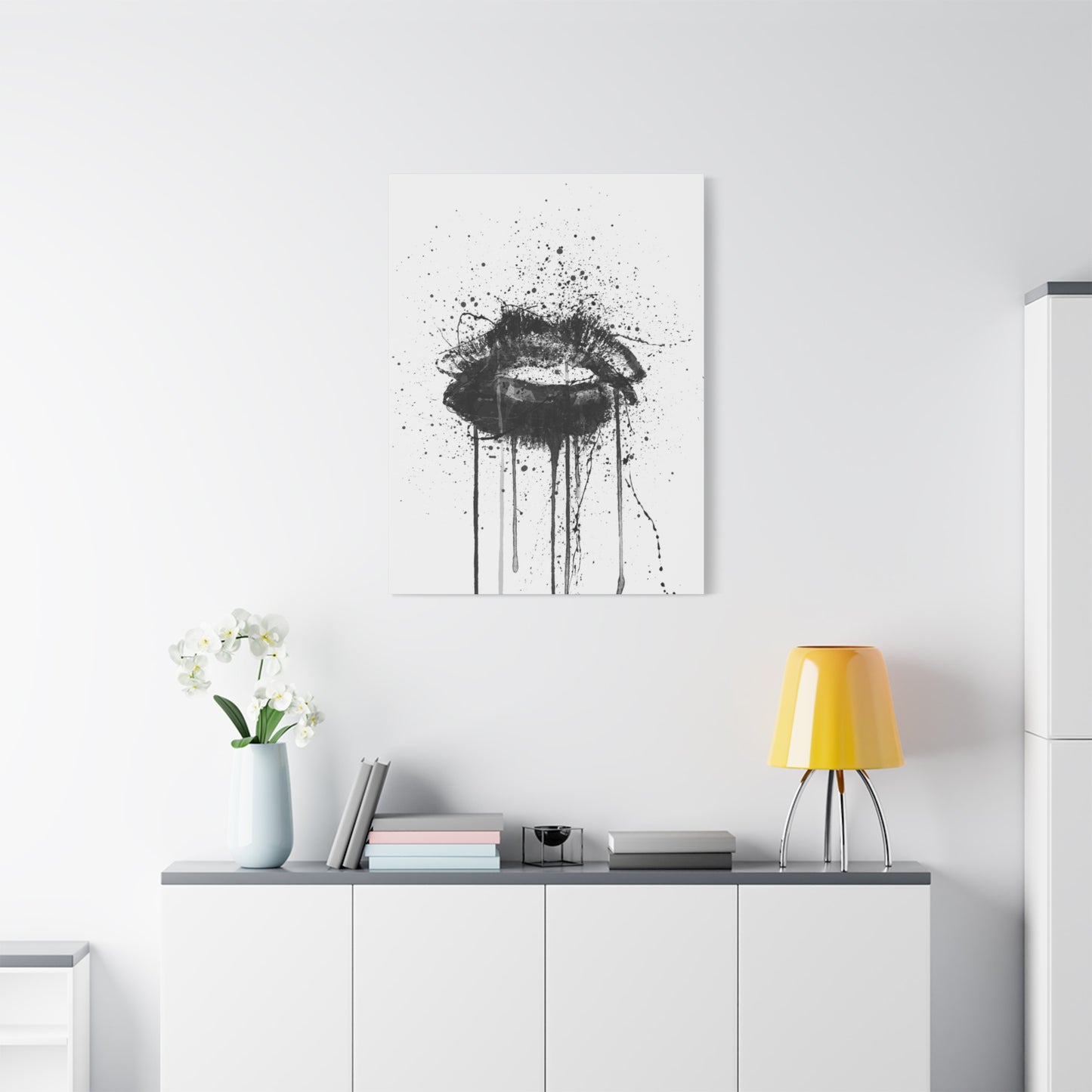
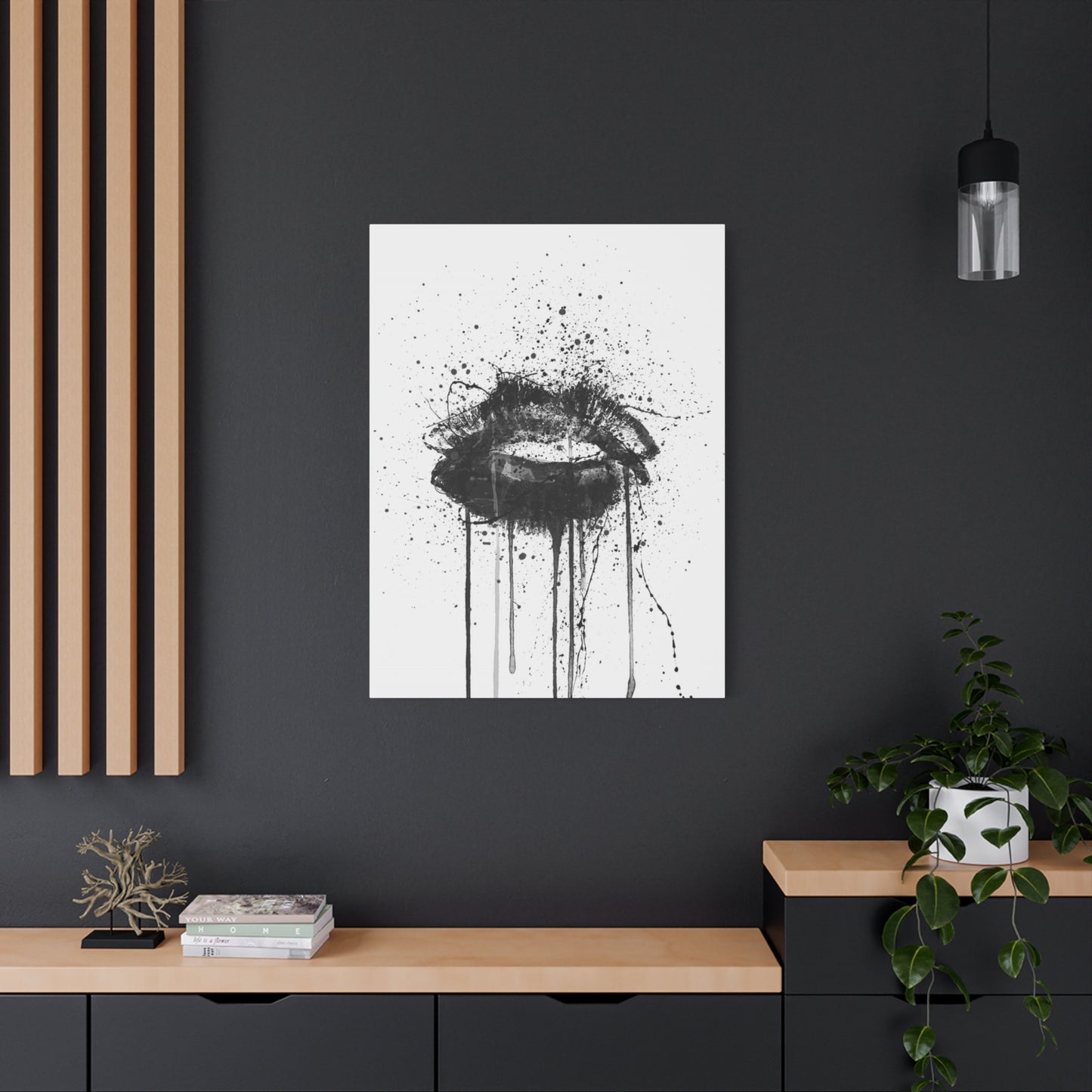
Lips Wall Art & Canvas Prints
Lips Wall Art & Canvas Prints
Couldn't load pickup availability
The Expressive Power of Lips Wall Art: A Fresh and Bold Approach to Modern Interior Styling
Lips wall art has emerged as one of the most striking and conversation-starting decorative elements in contemporary home styling. This bold form of visual expression captures attention immediately, transforming blank walls into powerful statements that reflect personality, confidence, and artistic sensibility. The imagery of lips transcends mere decoration—it represents communication, passion, beauty, and human connection in ways that few other artistic subjects can achieve.
The popularity of lips-themed artwork has surged dramatically in recent years, moving from niche galleries into mainstream home decor. This shift reflects broader cultural trends toward self-expression, body positivity, and the celebration of features traditionally associated with femininity and allure. Whether rendered in photographic realism, abstract interpretations, pop art styles, or minimalist line drawings, lip imagery carries an inherent magnetism that draws the eye and stimulates conversation.
Why Mouth Imagery Resonates So Powerfully in Contemporary Home Styling
The human mouth holds profound symbolic significance across cultures and throughout history. As the gateway for speech, nourishment, and intimate connection, lips represent multiple layers of meaning that make them endlessly fascinating as artistic subjects. When transformed into wall art, these representations tap into our fundamental associations with communication, sensuality, and human expression.
Psychologically, we are naturally drawn to facial features, particularly those involved in expression and emotion. Studies in cognitive science have demonstrated that humans possess specialized neural pathways dedicated to processing faces and facial components. The mouth, being highly expressive and central to emotional communication, triggers immediate recognition and engagement. This biological predisposition makes mouth-themed artwork inherently compelling, commanding attention in ways that more abstract or landscape-based pieces might not.
From a design perspective, lip imagery offers remarkable versatility. The familiar yet endlessly variable shape of lips can be stylized in countless ways—from hyperrealistic close-ups that reveal every texture and contour to simplified graphic representations that reduce the form to its essential curves. This adaptability allows lip artwork to complement virtually any interior style, from sleek modernist spaces to eclectic bohemian environments.
The color associations with lip imagery also contribute to its decorative power. Red lips immediately evoke glamour, confidence, and classic Hollywood elegance. Pink tones suggest femininity, romance, and softness. Black and white renditions create dramatic contrast and sophisticated minimalism. Metallic finishes add contemporary luxury, while rainbow or unconventional color treatments inject playfulness and artistic rebellion.
Exploring Various Artistic Approaches to Mouth-Themed Visual Pieces
The world of lips wall art encompasses an impressive spectrum of artistic styles and execution methods. Understanding these different approaches helps in selecting pieces that align with your aesthetic preferences and existing decor scheme.
Photographic realism represents one powerful approach, where high-resolution images capture every detail—from the delicate lines and texture of the vermillion border to the subtle gradations of color and the play of light across glossy or matte surfaces. These pieces often feature extreme close-ups that transform the familiar into something almost abstract through scale and intimacy. The hyperrealistic approach creates impact through its shocking clarity and the way it forces viewers to reconsider something they see every day.
Pop art interpretations draw heavily from the legacy of artists like Andy Warhol, using bold colors, graphic simplification, and repetition to create visually punchy statements. These pieces often incorporate bright, unnatural color schemes—electric blue, neon pink, vibrant purple—and may feature multiple iterations of the same lip image in different color variations. The pop art approach infuses spaces with energy, nostalgia, and a sense of playful rebellion against conventional taste.
Minimalist line art offers an entirely different aesthetic, reducing the complex form of lips to its most essential contours. These pieces typically feature continuous line drawings in black ink or paint against white or neutral backgrounds. The simplicity creates elegance and allows the artwork to integrate seamlessly into spaces where subtlety and restraint govern the design vocabulary. Despite their spare appearance, well-executed line drawings possess remarkable sophistication and visual interest.
Abstract and expressionist interpretations take the most creative liberties, using the lip form as a starting point for explorations in color, texture, and composition. These pieces might deconstruct the familiar shape, layer multiple transparent images, incorporate unexpected materials, or combine lip imagery with other visual elements. The abstract approach appeals to collectors seeking unique, thought-provoking pieces that stimulate imagination rather than simply documenting appearance.
Mixed media creations combine various materials and techniques—perhaps incorporating actual lipstick, sequins, fabric, found objects, or three-dimensional elements onto painted or printed backgrounds. These textured pieces add physical depth to walls and create changing appearances as light conditions shift throughout the day. The tactile quality invites closer inspection and adds a handcrafted, artisanal dimension to the artwork.
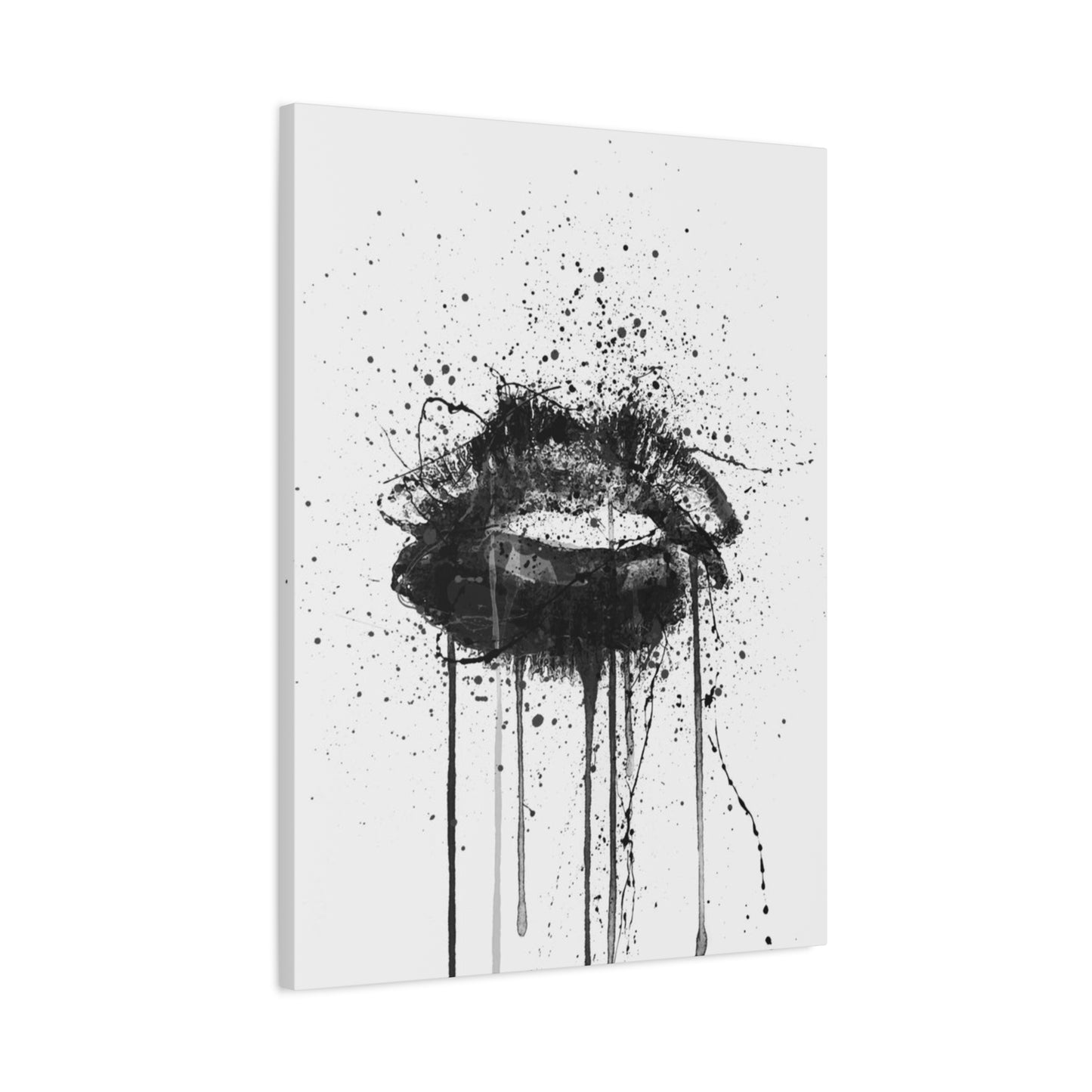
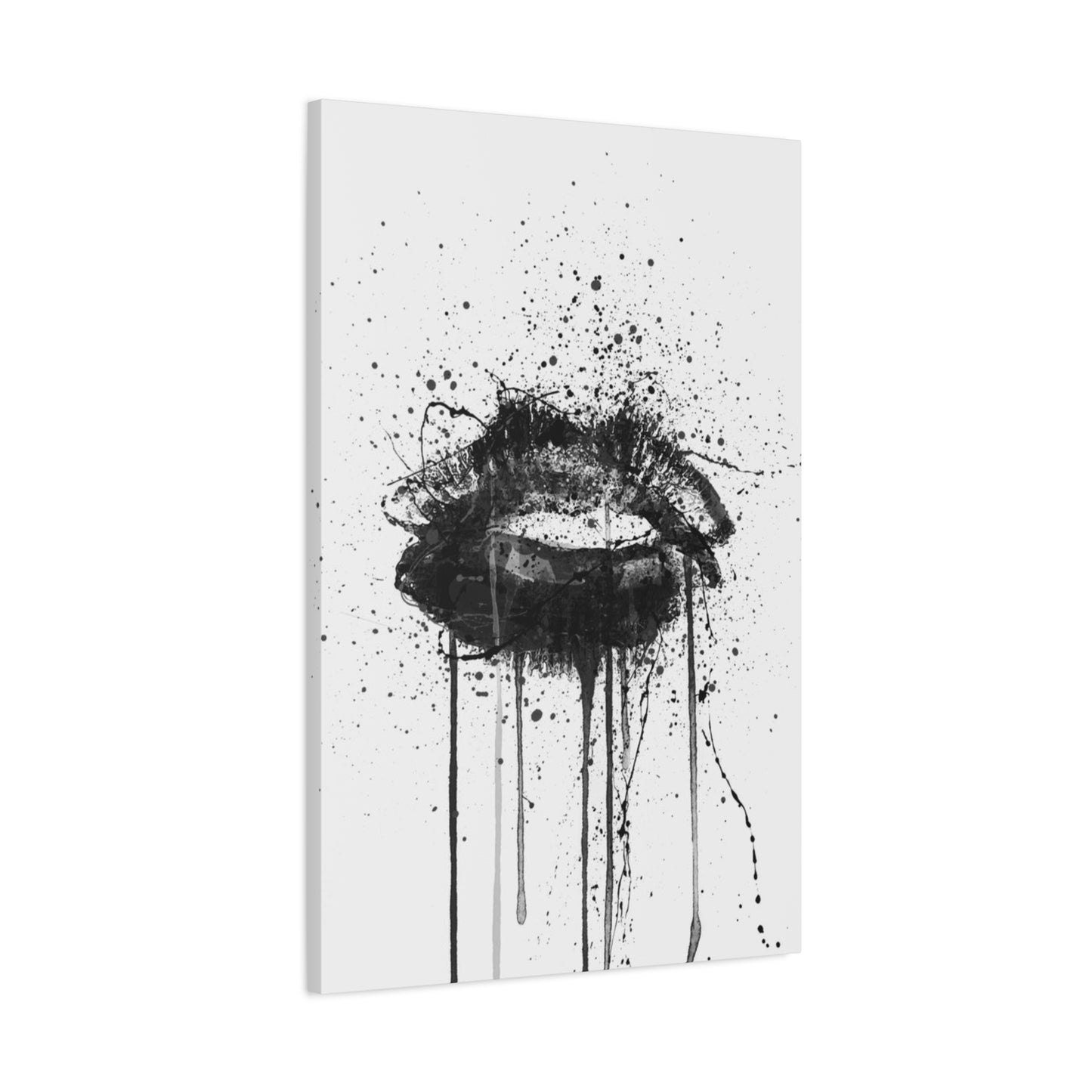
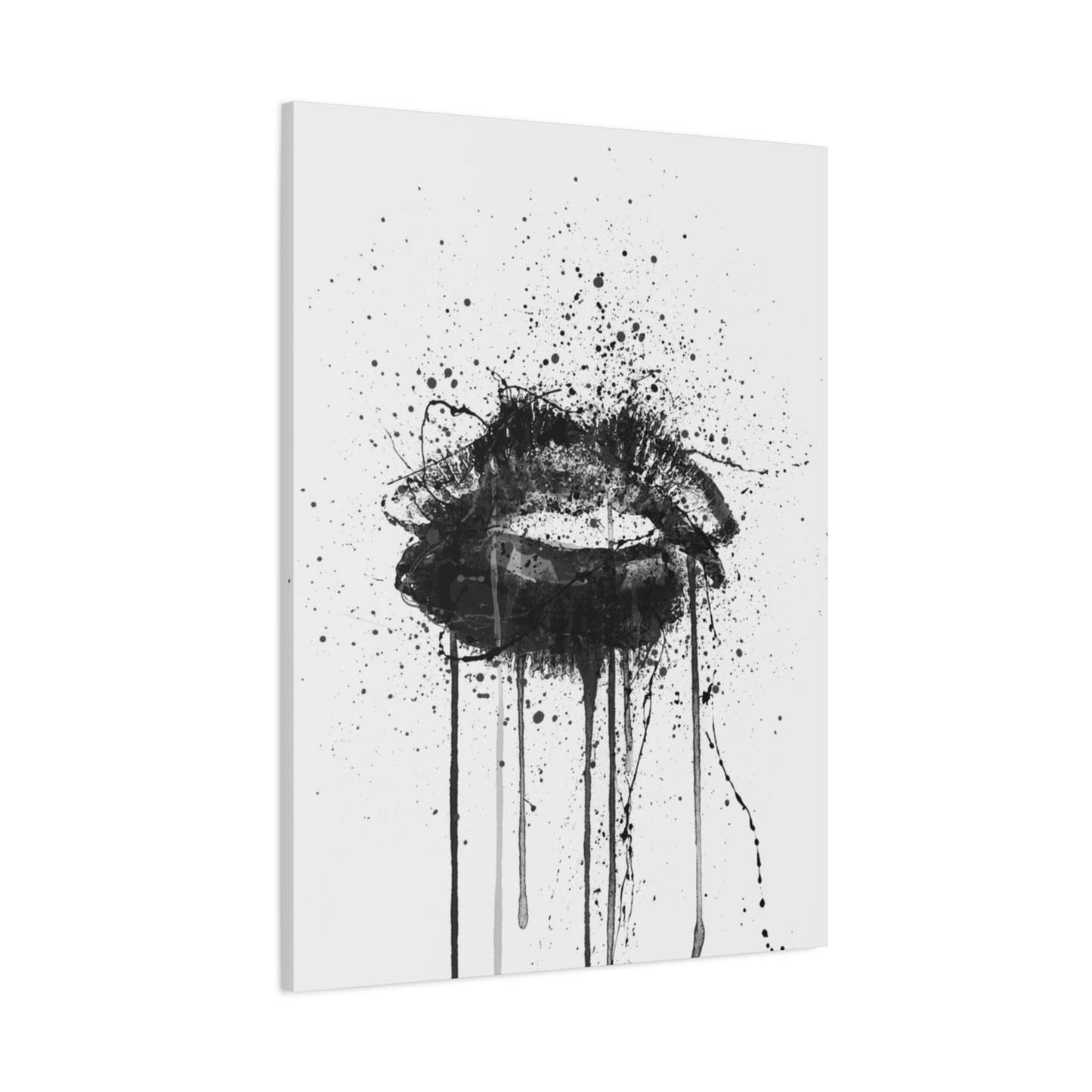
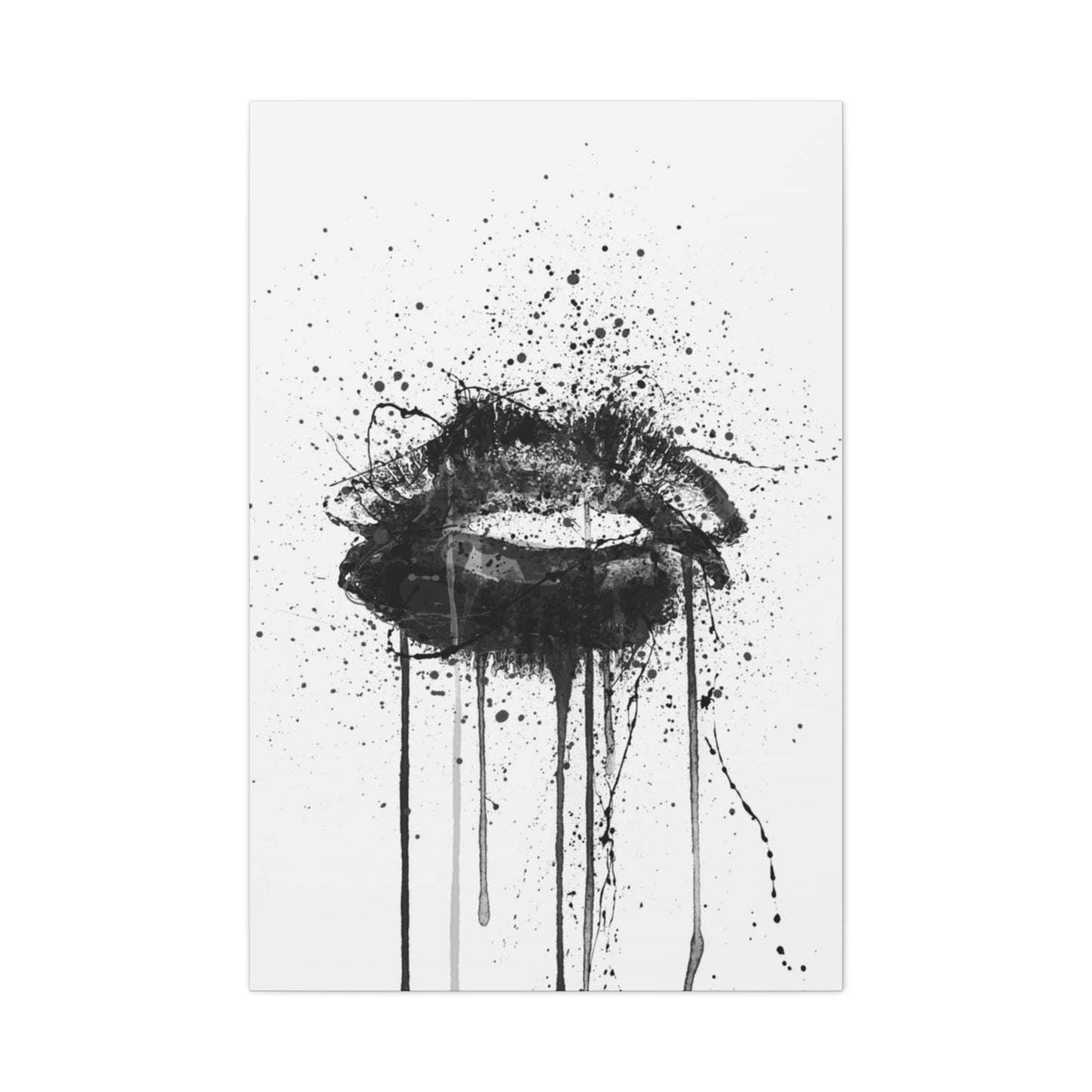
Street art and graffiti-inspired pieces bring urban edge and contemporary cultural commentary into interior spaces. These works often feature dripping paint effects, spray paint aesthetics, layered imagery, stenciled elements, and the raw energy associated with public art movements. For spaces seeking an edgy, youthful, or culturally engaged atmosphere, this approach delivers authentic contemporary relevance.
Vintage and retro styles evoke specific eras—perhaps the glamorous 1940s and 1950s with their emphasis on perfectly painted red lips, or the psychedelic 1960s and 1970s with their experimental color palettes and decorative flourishes. These nostalgic pieces appeal to collectors who appreciate the aesthetic signatures of particular historical moments and the craftsmanship of earlier illustration and advertising art.
Selecting the Perfect Placement Within Your Living Environment
The impact of lips wall art depends significantly on thoughtful placement decisions. Different rooms present unique opportunities and considerations for displaying this bold decorative element.
Living rooms and main gathering spaces benefit enormously from statement pieces that establish the room's aesthetic direction and serve as conversation catalysts. In these areas, larger-scale lip artwork can anchor a wall above a sofa, fireplace, or console table. The central positioning ensures maximum visibility and allows the piece to function as the room's focal point. When selecting artwork for communal areas, consider how the style and color palette harmonize with existing furnishings while still providing visual excitement and personality.
Bedrooms offer opportunities for more intimate, personal expressions through lip-themed decor. The private nature of these spaces allows for bolder, more provocative, or romantic interpretations that might feel overwhelming in public areas of the home. Above the bed represents a classic placement, though consideration should be given to secure mounting to prevent accidents. Alternatively, creating a gallery wall that incorporates lip imagery alongside complementary pieces allows for creative expression without overwhelming the space.
Bathrooms and powder rooms present ideal venues for playful, glamorous, or whimsical lip artwork. The associations between lips, beauty routines, and personal grooming make these spaces natural fits for mouth-themed decor. Smaller-scale pieces work beautifully in compact bathroom environments, while larger powder rooms might accommodate more substantial installations. Consider moisture-resistant framing and materials in humid bathroom environments to ensure longevity.
Home offices and creative workspaces can benefit from the energizing presence of bold lip imagery. These pieces inject personality into professional environments and serve as reminders of self-expression and creative confidence. The right lip artwork in a workspace communicates approachability and style without sacrificing professionalism, particularly in creative industries where visual sophistication is valued.
Dressing rooms, closets, and vanity areas represent perhaps the most thematically appropriate locations for lip-themed decoration. These spaces dedicated to personal presentation and style naturally complement artwork celebrating beauty, self-expression, and aesthetic attention. Creating a cohesive beauty-focused environment through coordinated artwork and functional design enhances the pleasure of these daily rituals.
Entryways and hallways offer opportunities to make immediate impressions on visitors while establishing the home's overall aesthetic character. Lip artwork in entry spaces communicates confidence, style awareness, and a willingness to make bold decorative choices. In narrow hallways, vertical or smaller-scale pieces work better than oversized horizontal compositions that might overwhelm the limited space.
Dining areas occasionally incorporate lip imagery, particularly in spaces with contemporary, artistic, or glamorous design directions. The sensory associations between lips, taste, and consumption create interesting thematic connections in dining environments. However, careful consideration should be given to ensuring the imagery enhances rather than distracts from the convivial dining experience.
Color Palette Considerations for Maximum Visual Harmony
The color choices in lip artwork profoundly affect both the piece's individual impact and its relationship to the surrounding environment. Strategic color selection ensures that artwork enhances rather than conflicts with existing design schemes.
Classic red lip imagery carries powerful cultural associations with glamour, confidence, and timeless beauty. Red pieces make bold statements that demand attention and anchor spaces with their strong visual presence. When incorporating red lip artwork, consider how the specific shade relates to other reds in the space—cool cherry reds create different moods than warm brick or rust tones. Red pieces work beautifully as accent elements in predominantly neutral schemes, where they inject energy without overwhelming.
Pink interpretations range from soft, romantic blush tones to vibrant hot pink statements. Lighter pinks create gentle, feminine atmospheres suitable for bedrooms, dressing areas, or spaces cultivating calm, nurturing environments. Brighter magentas and fuchsias deliver playful energy and contemporary edge, working well in spaces embracing bold color choices. Pink lip artwork pairs beautifully with white, gray, navy, emerald green, and brass or gold metallic accents.
Black and white renditions offer sophisticated restraint and timeless elegance. These pieces integrate seamlessly into virtually any color scheme without competing for attention with other colorful elements. Monochromatic lip artwork works particularly well in minimalist, Scandinavian, or industrial-inspired spaces where color is used sparingly. The stark contrast creates drama through composition and form rather than chromatic intensity.
Metallic finishes—gold, silver, copper, or rose gold—add luxurious glamour and contemporary sophistication. These reflective surfaces change appearance with lighting conditions, creating dynamic visual interest throughout the day. Metallic pieces complement both warm and cool color schemes depending on whether gold or silver tones predominate. These works particularly shine in spaces with other metallic accents, creating cohesive design narratives.
Multicolored and rainbow interpretations bring playful energy and artistic freedom to spaces. These pieces work wonderfully in eclectic interiors, creative workspaces, children's areas, or any environment celebrating individuality and creative expression. When incorporating multicolored artwork, pull accent colors from the piece to use in smaller decorative elements throughout the space, creating visual connections that unify the design.
Unusual or unexpected color choices—blue, green, purple, black—create striking, fashion-forward statements. These unconventional approaches appeal to bold decorators comfortable with artistic risk-taking. The surprising color treatments transform familiar imagery into something fresh and thought-provoking. These pieces work best in confident, design-forward spaces where conventional rules are intentionally bent or broken.
Size Proportions and Scaling for Different Wall Dimensions
Selecting appropriately sized artwork ensures proper visual balance and prevents pieces from appearing either lost on large expanses or overwhelming in smaller spaces.
Large-scale statement pieces, typically ranging from 36 inches to 72 inches or more in width or height, command attention and function as primary focal points. These substantial works suit spacious living rooms, above king-sized beds, in open-concept areas, or anywhere architectural scale supports bold gestures. When incorporating oversized lip artwork, ensure adequate empty space surrounding the piece—crowding large artwork with too many competing elements diminishes its impact.
Medium-sized pieces, generally between 24 and 36 inches in their largest dimension, offer versatility for various spaces. These works provide significant visual presence without overwhelming rooms. Medium pieces work beautifully above dressers, in hallways, flanking larger furniture pieces, or as components in gallery wall arrangements. They strike an effective balance between impact and integration.
Small-scale works, under 24 inches, excel in intimate spaces, as parts of larger collections, or in areas where subtlety serves the design better than drama. Small lip prints work wonderfully in powder rooms, on narrow wall segments, in gallery grids, or layered on shelves and mantels among other decorative objects. Don't underestimate the cumulative impact of multiple small pieces arranged with intentionality.
Gallery wall configurations allow for creative combinations of various sizes, creating custom compositions that fill walls while maintaining visual interest through variation. When building gallery walls that incorporate lip imagery, balance is key—mix sizes, orientations, and perhaps even styles to create dynamic yet cohesive arrangements. Lay out arrangements on the floor before committing to wall placement, adjusting spacing and positioning until the composition feels balanced.
Vertical versus horizontal orientation considerations matter significantly. Vertical pieces elongate walls and work well in spaces with architectural height or narrow wall segments. Horizontal works expand visual space and suit locations above horizontal furniture pieces like sofas and beds. Square formats offer geometric stability and work in both traditional centered placements and more contemporary asymmetrical arrangements.
Material Choices and Printing Methods That Affect Appearance and Durability
The substrate and reproduction method significantly impact artwork's appearance, longevity, and price point. Understanding these factors helps in making informed purchasing decisions.
Canvas prints represent perhaps the most popular option for contemporary wall art. The textured surface adds depth and dimensionality, while the gallery-wrap mounting style—where the image extends around the stretcher frame edges—creates a finished, frameless appearance that works beautifully in modern spaces. Quality canvas prints use archival inks that resist fading and are treated for moisture resistance. The slight texture of canvas adds artistic character that differs from the flat precision of paper prints.
Fine art paper prints offer exceptional detail reproduction and color accuracy. Museum-quality papers using archival materials and pigment-based inks can last centuries without significant degradation when properly displayed and protected. These prints typically require framing with mat boards and UV-protective glass or acrylic, adding to the overall investment but providing superior preservation. The crisp detail possible with fine paper makes it ideal for photographic and highly detailed lip imagery.
Metal prints represent cutting-edge printing methodology where images are infused directly into specially coated aluminum panels. The result is luminous color saturation, incredible detail, and a modern, gallery-quality appearance. Metal prints are highly durable, moisture-resistant, and suitable for bathrooms or other humid environments. The slight sheen creates subtle dimensionality, and the lightweight panels mount easily with float mounting hardware that creates attractive shadow gaps between artwork and wall.
Acrylic face mounting involves bonding prints to acrylic panels, creating depth and brilliant color vibrancy. Light passes through the acrylic, illuminating the image from within for a luminous, high-end gallery appearance. These pieces command premium prices but deliver unmatched visual impact. The smooth, glossy surface creates a contemporary, luxurious aesthetic perfect for upscale spaces.
Wood panel prints transfer images onto natural wood surfaces, allowing the wood grain to show through as part of the artistic composition. This approach creates organic, rustic charm while maintaining contemporary subject matter. The juxtaposition of natural wood texture with glamorous lip imagery creates interesting contrasts that work beautifully in spaces blending rustic and contemporary elements.
Framed paper prints behind glass offer traditional presentation with protective benefits. The frame choice dramatically affects the overall appearance—from ornate traditional frames that add formal elegance to clean, minimal floater frames that maintain contemporary simplicity. Glass or acrylic glazing protects against dust, moisture, and physical damage while allowing clear viewing. Anti-reflective and UV-filtering glazing options provide additional protection and viewing clarity.
Three-dimensional and textured pieces incorporate physical depth through layered elements, raised surfaces, or sculptural components. These works transcend simple two-dimensional images, creating tactile interest and changing appearances as viewing angles and lighting shift. The added dimensionality creates luxury and artisanal character that elevates beyond mass-produced prints.
Establishing Cohesive Visual Narratives Through Complementary Decor Elements
Lips wall art achieves maximum impact when thoughtfully integrated into broader design schemes rather than existing as isolated elements.
Color coordination between artwork and surrounding furnishings creates visual harmony. Pull accent colors from the lip artwork to use in throw pillows, area rugs, window treatments, or decorative accessories. This repetition creates subtle connections that make spaces feel intentionally designed rather than randomly assembled. However, avoid excessive matching—some contrast prevents monotony and maintains visual interest.
Thematic consistency strengthens design narratives. If your lip artwork leans toward glamorous Hollywood imagery, support that theme with mirrored surfaces, luxurious textiles like velvet or silk, metallic accents, and sophisticated lighting. For pop art interpretations, incorporate other graphic elements, bold patterns, and furniture with clean, simple lines. Street art-style pieces pair well with industrial materials, exposed elements, and urban-inspired accessories.
Texture variation prevents flat, monotonous appearances even when color palettes remain restrained. If your lip artwork has smooth, glossy finishes, balance with rough textures in furniture, textiles, or other decorative elements. Conversely, if the artwork features heavy texture or dimension, surrounding elements can be smoother to prevent overwhelming sensory input. This push-and-pull between textures creates sophisticated, layered environments.
Lighting significantly affects how artwork appears and how much attention it commands. Picture lights mounted above pieces highlight them as focal points while preventing glare. Track lighting or adjustable spotlights allow flexibility in directing attention. Natural light creates changing appearances throughout the day but requires UV protection to prevent fading. Consider how your lighting scheme complements both the artwork and its integration into the broader space.
Furniture placement should acknowledge and enhance artwork rather than compete with or obscure it. Position seating to allow comfortable viewing of featured pieces. Ensure furniture doesn't block or crowd artwork—leave breathing room around significant pieces. Use furniture to frame or anchor artwork groupings, creating intentional relationships between functional and decorative elements.
Accessory curation maintains focus rather than creating visual chaos. When displaying bold artwork, restraint in additional decorative objects prevents overwhelming spaces. Each element should have purpose and relationship to the overall composition. Edit ruthlessly, removing items that don't contribute to the cohesive narrative you're building.
Sourcing Authentic Pieces From Artists and Reputable Vendors
The marketplace for lip-themed artwork is vast and varied, ranging from original paintings by recognized artists to mass-produced prints. Understanding different sourcing options helps in finding pieces that match both aesthetic goals and budget constraints.
Original artwork from individual artists represents the ultimate in uniqueness and investment value. Paintings, drawings, or mixed media pieces created by established or emerging artists carry inherent value beyond their decorative function. Supporting working artists through direct purchases or gallery acquisitions contributes to the creative economy while ensuring completely unique pieces. Prices for original works vary enormously based on artist recognition, size, medium, and market demand. Research artists whose style resonates with you, attend gallery openings, and build relationships with galleries specializing in contemporary portraiture or pop art.
Limited edition prints offer more accessible price points while maintaining exclusivity and collectibility. Artists and publishers create numbered print runs—perhaps 25, 100, or 250 copies—each signed and numbered by the artist. Once the edition sells out, no more are produced, making these pieces more valuable than open edition prints. Quality limited editions use archival materials and professional printing methods to ensure longevity. Certificates of authenticity should accompany limited edition purchases.
Independent online marketplaces connect creators directly with consumers, offering vast selections at various price points. These platforms feature work from artists worldwide, allowing discovery of unique pieces unavailable through traditional retail channels. When purchasing through these venues, carefully review seller ratings, return policies, and production methods. Request material specifications to ensure quality meets expectations. The direct relationship with makers often allows for custom size requests or color modifications.
Home decor retailers stock curated selections of artwork, including lip-themed pieces in various styles. These venues offer convenience, consistent quality standards, and easy return processes. While selections may be less unique than purchasing directly from artists, the accessibility and price points make them viable options for budget-conscious decorators. Look for retailers prioritizing quality materials and ethical production practices.
Art fairs and craft markets provide opportunities to view work in person before purchasing, meet artists, and discover emerging talent. Local arts communities often host regular events where multiple vendors display work. The in-person experience allows examination of quality, scale, and coloration in ways that online shopping cannot replicate. Building relationships with local artists can lead to custom commission opportunities.
Custom commission services allow creation of perfectly tailored pieces matching specific size requirements, color preferences, or stylistic directions. Many artists accept commissions, working collaboratively with clients to create one-of-a-kind pieces. The commission process typically involves consultation, preliminary sketches or mockups, revision rounds, and final creation. While more expensive and time-consuming than purchasing ready-made work, commissions yield perfectly customized results.
Vintage and antique sources occasionally yield lip-themed artwork from earlier eras—perhaps mid-century advertising art, vintage fashion illustrations, or older original paintings. These historical pieces carry authentic period character and craftsmanship. Estate sales, antique shops, and specialized vintage dealers are potential sources. Condition varies significantly with vintage work, so careful inspection is essential.
Creating Dynamic Gallery Wall Arrangements With Mouth-Themed Imagery
Gallery walls allow creative expression through curated collections that tell visual stories more complex than single pieces can achieve.
Planning gallery walls begins with content selection. Decide whether the arrangement will feature exclusively lip imagery or incorporate this theme among complementary pieces. All-lip galleries create bold, cohesive statements, while mixed collections allow broader storytelling. If mixing, select pieces with visual relationships—shared color palettes, similar styles, or thematic connections—to maintain coherence.
Layout strategies range from rigid grid systems to organic, asymmetrical arrangements. Grid layouts feature consistent spacing and alignment, creating order and contemporary sophistication. These work beautifully with pieces of identical or coordinating sizes. Asymmetrical arrangements feel more organic and dynamic, allowing varied sizes and orientations. These require more planning to achieve balance while maintaining intentional disorder.
The template method prevents wall damage from experimental placement. Cut paper templates matching each piece's dimensions, then arrange these on the wall using painter's tape. Adjust positioning until the composition feels balanced, then mark mounting points through the templates. This approach allows risk-free experimentation before committing to nail placement.
Spacing considerations affect the overall cohesion of gallery arrangements. Consistent spacing—typically 2 to 4 inches between pieces—creates unified appearance where individual elements read as parts of a larger whole. Closer spacing emphasizes connection, while wider spacing allows each piece more individual attention. Maintain consistent spacing for the most polished appearance.
Vertical and horizontal extension should relate to the architectural space. Wide, horizontal galleries suit long walls above sofas or console tables. Vertical arrangements work well in narrow spaces, stairwells, or areas with significant ceiling height. Consider the room's proportions when determining gallery configuration.
Layering techniques add depth and flexibility. Rather than mounting every piece directly to walls, incorporate some items on shelves, leaning against walls or layered in front of mounted pieces. This approach creates dimensionality and allows easy rearrangement without additional wall damage. Layered galleries feel collected over time rather than installed all at once.
Central focal points anchor gallery arrangements. Identify the most significant or visually commanding piece, then position it at the composition's center or primary sight line. Arrange surrounding pieces in support of this anchor, creating visual flow that leads the eye around the entire collection while always returning to the focal point.
Understanding How Lip Imagery Functions in Various Design Styles
Different decorating approaches integrate lip-themed artwork with varying degrees of ease and impact. Understanding these relationships helps in selecting pieces that enhance rather than conflict with existing aesthetics.
Modern minimalist spaces emphasize restraint, clean lines, and limited color palettes. In these environments, lip artwork should maintain similar simplicity—think monochromatic color schemes, simple line drawings, or single bold pieces rather than busy collections. The stark contrast between bold lip imagery and spare surroundings creates intentional drama. One significant piece can provide all the visual interest a minimalist space needs.
Contemporary eclectic styles embrace mixing eras, styles, and influences into cohesive yet surprising combinations. These spaces welcome diverse lip artwork—perhaps combining vintage beauty advertisements with modern abstract interpretations. The key to successful eclecticism lies in maintaining some unifying elements—perhaps a consistent color thread or repeating material—that prevents collections from appearing random or chaotic.
Glam and Hollywood Regency aesthetics naturally align with lip imagery, particularly glamorous, polished representations. These spaces feature metallic finishes, mirrored surfaces, luxurious textiles, and dramatic lighting. Gold or silver metallic lip prints, or classic red lip photography in ornate frames, reinforce the glamorous narrative. Layer in crystal, velvet, and dramatic lighting for full effect.
Industrial and urban loft environments pair beautifully with street art-inspired lip pieces, graffiti aesthetics, or raw, edgy interpretations. The contrast between rough architectural elements—exposed brick, concrete, metal—and glamorous lip imagery creates interesting tension. Oversized pieces work well in these spacious environments with high ceilings and open floor plans.
Scandinavian design prioritizes functionality, natural materials, and restrained color schemes dominated by whites, grays, and natural wood tones. Lip artwork in these spaces should maintain similar restraint—perhaps black and white photography, simple line drawings, or pieces incorporating natural materials. The artwork provides personality without overwhelming the calm, balanced atmosphere.
Bohemian and maximalist spaces welcome abundant decoration, layered patterns, global influences, and rich colors. These environments accommodate adventurous lip artwork—bright colors, unusual treatments, mixed media, or multiple pieces layered with other decorative elements. The inclusive nature of bohemian style means virtually any lip artwork can find a home if colors and energy align with the broader scheme.
Mid-century modern spaces feature organic shapes, clean lines, and a focus on functional beauty. Retro or vintage-style lip illustrations, particularly those from the 1950s and 1960s, complement these environments beautifully. Alternatively, contemporary pieces in period-appropriate color schemes—mustard yellow, avocado green, burnt orange—create interesting dialogues between eras.
Traditional and classic interiors typically favor more conventional, realistic artwork in traditional frames. If incorporating lip imagery into these spaces, select refined, artistic representations rather than edgy or provocative treatments. Quality framing becomes especially important in traditional settings, where presentation significantly affects how artwork is perceived.
Proper Hanging Methods and Mounting Systems for Various Wall Types
Correct mounting ensures artwork security while preventing wall damage and creating professional appearances.
Standard drywall mounting typically uses picture hanging hooks rated for specific weights. These hooks feature angled nails that distribute weight across larger areas than simple straight nails, reducing failure risk. Always check artwork weight and select appropriately rated hardware—using undersized hooks invites accidents. For heavier pieces, locate wall studs using electronic stud finders, then mount directly into these structural supports using screws rather than relying on drywall alone.
Plaster walls require different approaches than drywall. Traditional picture hooks often work in solid plaster, though pre-drilling pilot holes prevents cracking. For heavy pieces on plaster, toggle bolts or molly bolts provide secure anchoring. These expanding anchors grip behind the plaster, distributing weight effectively. Exercise care when drilling plaster to prevent crumbling around holes.
Brick and concrete walls demand masonry-specific hardware. Masonry bits drill pilot holes, into which plastic anchors are inserted. Screws driven into these anchors hold securely. Alternatively, removable adhesive systems designed specifically for masonry provide no-drill options, though weight limits are lower than with mechanical fasteners. Always use masonry-specific products rather than standard drywall hardware.
Tile surfaces in bathrooms present unique challenges. Avoid drilling through tiles if possible, as this creates permanent holes and risks cracking. Instead, use heavy-duty adhesive strips rated for bathroom humidity and the artwork's weight. Apply to grout lines rather than tiles when possible. For rental situations or commitment-phobic decorators, leaning artwork on counters or shelves provides tile-friendly alternatives.
Wire hanging systems using picture rails or ceiling-mounted tracks allow flexible positioning without wall penetration. These systems excel in rental properties, frequently rearranged spaces, or walls where drilling is problematic. Adjustable cables or wires suspend from overhead rails, with artwork hanging from hooks on these cables. The system allows easy repositioning without additional wall damage.
French cleat systems provide sturdy mounting for heavy pieces while allowing easy removal and repositioning. One cleat attaches to the wall, the other to the artwork back. The interlocking cleats create secure hanging while allowing the artwork to lift off easily when desired. This professional mounting method works beautifully for regularly rearranged collections.
Adhesive hanging strips offer damage-free alternatives to nails and screws, working well for lighter pieces on various surfaces. Modern adhesive technology creates surprisingly strong bonds that release cleanly when removal tabs are pulled properly. Weight limits vary by product, so carefully match strips to artwork weight. These excel in rental properties or frequently changed displays.
Leveling ensures professional appearance. Even slight tilts appear noticeably unprofessional. Use quality bubble levels when marking mounting points and checking installed pieces. For multi-piece installations, laser levels project perfectly level lines across entire walls, ensuring consistent alignment across all elements.
Caring for and Preserving Your Lip-Themed Artwork Over Time
Proper preservation protects investments and maintains appearance for decades. Different materials require specific care approaches.
Dust accumulation dulls surfaces and can damage artwork over time as particles act as mild abrasives. Regular dusting prevents buildup—use microfiber cloths, soft brushes, or compressed air for canvas and unglazed pieces. For framed work behind glass or acrylic, standard glass cleaner and lint-free cloths maintain clarity. Avoid spraying directly onto artwork; instead, dampen the cloth then wipe surfaces.
Ultraviolet light causes gradual fading, particularly damaging to photographs and prints. UV-filtering glass or acrylic in frames provides excellent protection. Window films reduce UV transmission through glass. Position artwork away from direct sunlight when possible—even UV-protected pieces last longer without constant light exposure. LED lighting produces minimal UV compared to incandescent or natural light, making it preferable for illuminating valuable artwork.
Humidity fluctuations damage artwork through expansion and contraction of materials. Maintain consistent indoor humidity levels between 40 and 60 percent. Avoid hanging artwork in bathrooms without proper ventilation, as excessive moisture encourages mold growth and damages papers, adhesives, and frames. Dehumidifiers in damp climates and humidifiers in arid regions help maintain appropriate levels.
Temperature extremes and fluctuations also damage artwork. Avoid positioning pieces near heating vents, fireplaces, or air conditioning registers where temperature swings are greatest. Consistent, moderate temperatures between 65 and 75 degrees Fahrenheit provide ideal conditions. Attics, basements, and garages typically experience unsuitable conditions for valuable artwork storage.
Chemical exposure from household cleaners, cooking fumes, and tobacco smoke gradually discolors and degrades artwork. Adequate ventilation minimizes exposure, as does keeping artwork away from kitchens where grease and moisture concentrate. If pieces require cleaning beyond dusting, consult conservation professionals rather than attempting chemical cleaning, which can cause irreversible damage.
Physical damage from bumps, scratches, or accidental contact requires conscious awareness. Ensure adequate clearance around pieces in high-traffic areas. Avoid hanging valuable artwork in children's play areas or spaces where sports equipment or other potentially damaging items are used. Corner guards or strategic furniture placement can protect pieces in vulnerable locations.
Professional conservation services address damage or deterioration beyond basic care. Conservators possess specialized training in artwork preservation and repair. If valuable pieces show signs of serious damage—tears, significant fading, mold growth, separation of materials—professional intervention prevents further deterioration and may restore original appearance. Conservators typically require bringing artwork to their studios for assessment and treatment.
Documentation protects investments by establishing provenance and providing records for insurance purposes. Photograph artwork from multiple angles in good lighting. Record purchase information, artist details, dimensions, materials, and any certificates of authenticity. Maintain purchase receipts and appraisal documents. This documentation becomes essential for insurance claims, resale, or estate purposes.
Pricing Considerations Across Different Quality Levels and Sources
Understanding price factors helps in setting realistic budgets and identifying good value within various price ranges.
Mass-produced prints represent the most accessible entry point, with prices typically ranging from minimal amounts to moderate sums depending on size and production quality. These pieces lack exclusivity—identical copies exist in potentially thousands of homes—but provide affordable decoration. Quality varies enormously within this category. Better mass-produced pieces use archival inks and quality substrates, while budget options may fade quickly or show poor color reproduction. Examine production specifications rather than judging by price alone.
Limited edition prints command higher prices reflecting their controlled scarcity. Small edition runs—perhaps 25 or 50 prints—typically cost more per piece than larger editions of 250 or 500. Artist reputation significantly affects limited edition pricing, with established names commanding premium prices. Early numbers in editions (1/25, 2/25) sometimes cost more than later numbers, though this practice varies. Prices for quality limited editions typically start at moderate levels and extend into substantial investments depending on edition size and artist recognition.
Original paintings and artwork represent significant investments reflecting materials, labor, artistic skill, and market positioning. Prices for original work vary more dramatically than any other category. Unknown emerging artists may price accessible small originals modestly, while established artists command five or six figures for similar-sized pieces. Original artwork's value extends beyond decoration into investment and cultural participation. These pieces often appreciate over time, particularly work by artists gaining critical recognition.
Custom commissioned pieces involve collaboratively created original work tailored to specific requirements. Commission pricing typically exceeds ready-made originals due to the collaborative process, creative development, and customization involved. Artists quote commission prices based on size, complexity, medium, their experience level, and their typical pricing structure. The process typically requires deposits before work begins, with balance due upon completion and approval.
Framing significantly impacts total investment, sometimes approaching or exceeding the artwork's cost. Quality custom framing using archival materials, specialty glazing, and skilled craftsmanship represents substantial expense but provides appropriate protection and presentation for valuable pieces. Ready-made frames offer budget alternatives, though selection is limited to standard sizes and styles. Consider framing costs when budgeting for artwork purchases—that affordable print becomes less economical when professional framing doubles the investment.
Reproduction rights add value for commercial buyers needing artwork for products, marketing materials, or publications. Personal decorators typically purchase only physical pieces without reproduction rights, while commercial entities negotiate licensing or purchase reproduction rights separately. These rights command additional fees beyond the physical artwork cost, with pricing depending on usage scope, geographic reach, and duration.
Shipping and handling for large or fragile pieces adds to acquisition costs. Local purchases avoid shipping fees but limit selection to immediately accessible work. Online purchases expand options dramatically but incur packing, shipping, and insurance costs. Heavy, large, or delicate pieces require specialized packing and carriers, significantly increasing expenses. International purchases add customs fees and extended shipping times to logistics considerations.
Seasonal and Occasional Variations in Lip-Themed Decorative Displays
While lip artwork provides year-round appeal, seasonal adjustments keep spaces feeling fresh and current.
Spring refreshes might incorporate lip artwork in fresh, bright colors—coral pinks, soft roses, cheerful reds—that echo blooming flowers and renewed energy. Surround pieces with spring floral arrangements, pastel accent pieces, and light, airy textiles. The combination creates spaces feeling rejuvenated after winter's heaviness.
Summer intensifies with bold, vibrant color schemes. Hot pink, electric red, or even unconventional bright blue or green lip pieces capture summer's energetic essence. Pair with tropical patterns, bright whites, and beach-inspired accessories. The maximalist, sun-drenched approach embraces summer's exuberance.
Autumn transitions toward richer, deeper tones. Burgundy, wine, and deep berry-toned lip artwork complements fall's color palette. Surround with rust, mustard, deep green, and natural textures like wood and leather. Add cozy textiles and warm lighting to create intimate, welcoming atmospheres suitable for shorter days.
Winter embraces both festive sparkle and sophisticated neutrals. Metallic lip pieces—silver, gold, or rose gold—capture holiday glamour. Alternatively, stark black and white pieces create elegant, minimalist winter sophistication.
Conclusion
Lips Wall Art is a bold and captivating way to make a statement in your modern interior spaces. With their vibrant color, dynamic shape, and universal symbolism, lips are an iconic motif that can bring personality, sensuality, and a touch of intrigue to any room. Whether depicted in realistic, stylized, or abstract forms, Lips Wall Art adds a sense of depth and emotion to your décor, allowing you to express your personal style in a visually striking and meaningful way.
The image of lips has long been associated with powerful expression—be it through communication, intimacy, or the act of self-expression. By bringing Lips Wall Art into your home, you invite that same sense of emotion and storytelling into your space. The human lips, often the focal point of interaction and connection, speak volumes without needing words. Whether it’s a single, bold image of a pair of lips painted in a vivid color or a series of abstract interpretations, the artwork draws attention and sparks curiosity. It conveys confidence, allure, and individuality, making it an ideal addition for modern living rooms, bedrooms, or creative spaces where personality and self-expression are valued.
One of the most powerful aspects of Lips Wall Art is its versatility. Depending on your design preferences, it can add a playful, pop-art edge to a contemporary living room or bring a chic, sultry vibe to a bedroom. In minimalist spaces, a simple, monochrome depiction of lips can serve as a striking focal point that adds character without overwhelming the room. For more eclectic or maximalist spaces, Lips Wall Art can be integrated into vibrant, colorful galleries that reflect a bold and confident personality. Its dynamic shape and color palette allow for endless creative possibilities, from abstract designs that focus on the curvature of the lips to photographic portraits that capture the intricacies of human expression.
The symbolism of lips also makes this type of art especially powerful in the context of modern design. Lips are symbols of communication, love, and individuality, which makes them perfect for creating a space that feels intimate, welcoming, and personal. For example, a large, colorful painting of lips can be a perfect addition to a dining room or living area, sparking conversation and adding an element of excitement. In bedrooms or private spaces, a more sensual depiction of lips—perhaps rendered in soft, muted tones—can evoke a feeling of intimacy and personal connection. No matter the room, lips have the power to transform your space with their visual and emotional depth.
Additionally, Lips Wall Art works well with a variety of décor styles. It can pair beautifully with bold, industrial elements like metal or glass, where the graphic nature of the lips contrasts with sleek, modern furniture. In more traditional spaces, it can add a contemporary twist while maintaining the sophistication of the room’s overall design. Whether displayed in an upscale art gallery frame or paired with a vintage-inspired design, lips serve as a modern symbol of expression that can transcend time and trends.
Moreover, incorporating Lips Wall Art into your home can be a fun and unique way to express a variety of moods, from playful and flirtatious to powerful and confident. A piece featuring bold, red lips may evoke energy and passion, while a more subdued, monochromatic design might add a touch of sophistication and elegance. This level of versatility allows you to experiment with different aesthetics, whether you prefer striking modern art or something with a more whimsical, retro influence.
In conclusion, Lips Wall Art is a dynamic and expressive way to enhance your living spaces, offering a perfect balance of style, symbolism, and emotional depth. The bold, alluring presence of lips can bring a sense of confidence, sensuality, and personality to any room, making it a powerful addition to modern interiors. Whether you choose a piece that captures the boldness of pop art, the elegance of minimalism, or the intensity of abstract expression, Lips Wall Art allows you to make a statement in your home—one that speaks volumes without saying a word.
Share