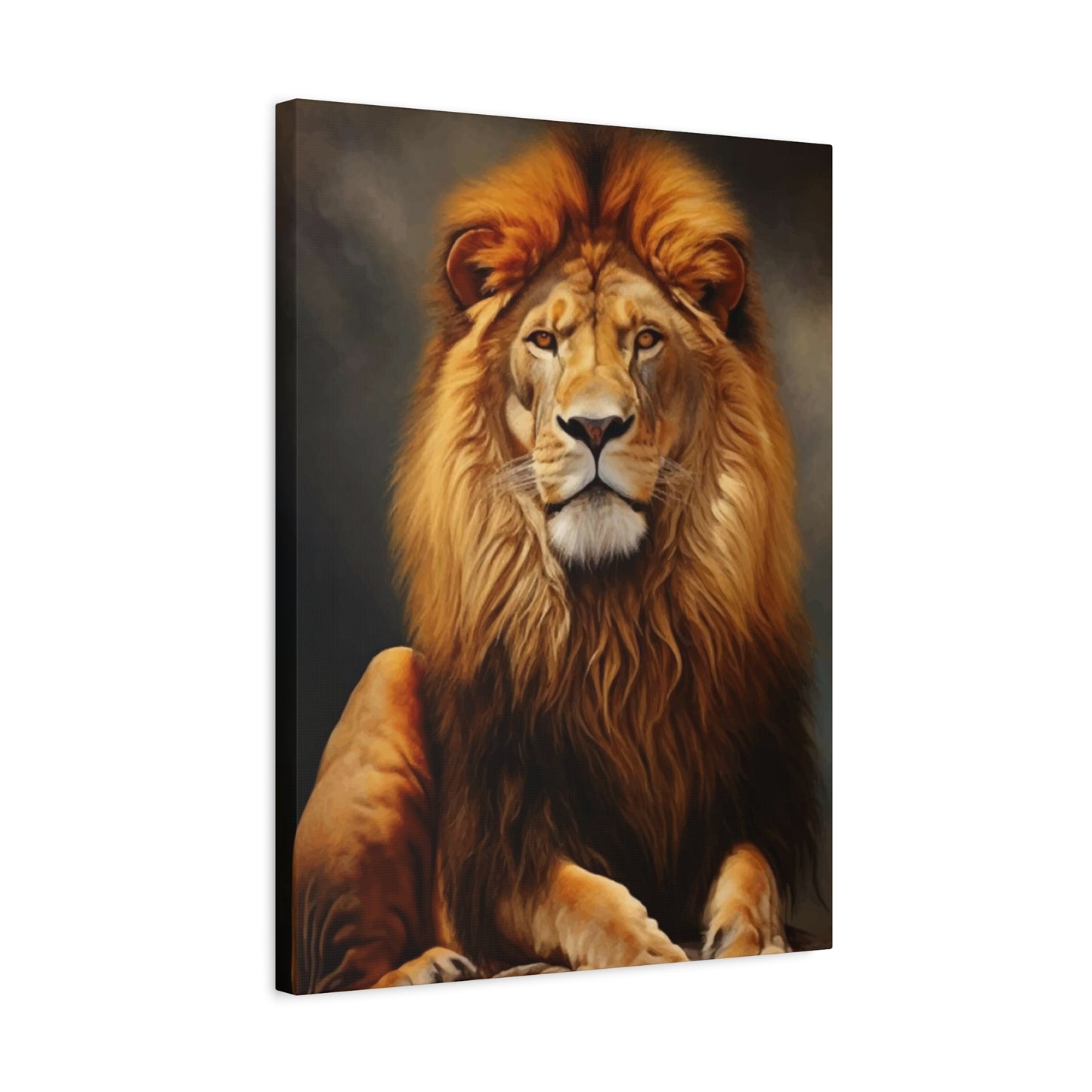
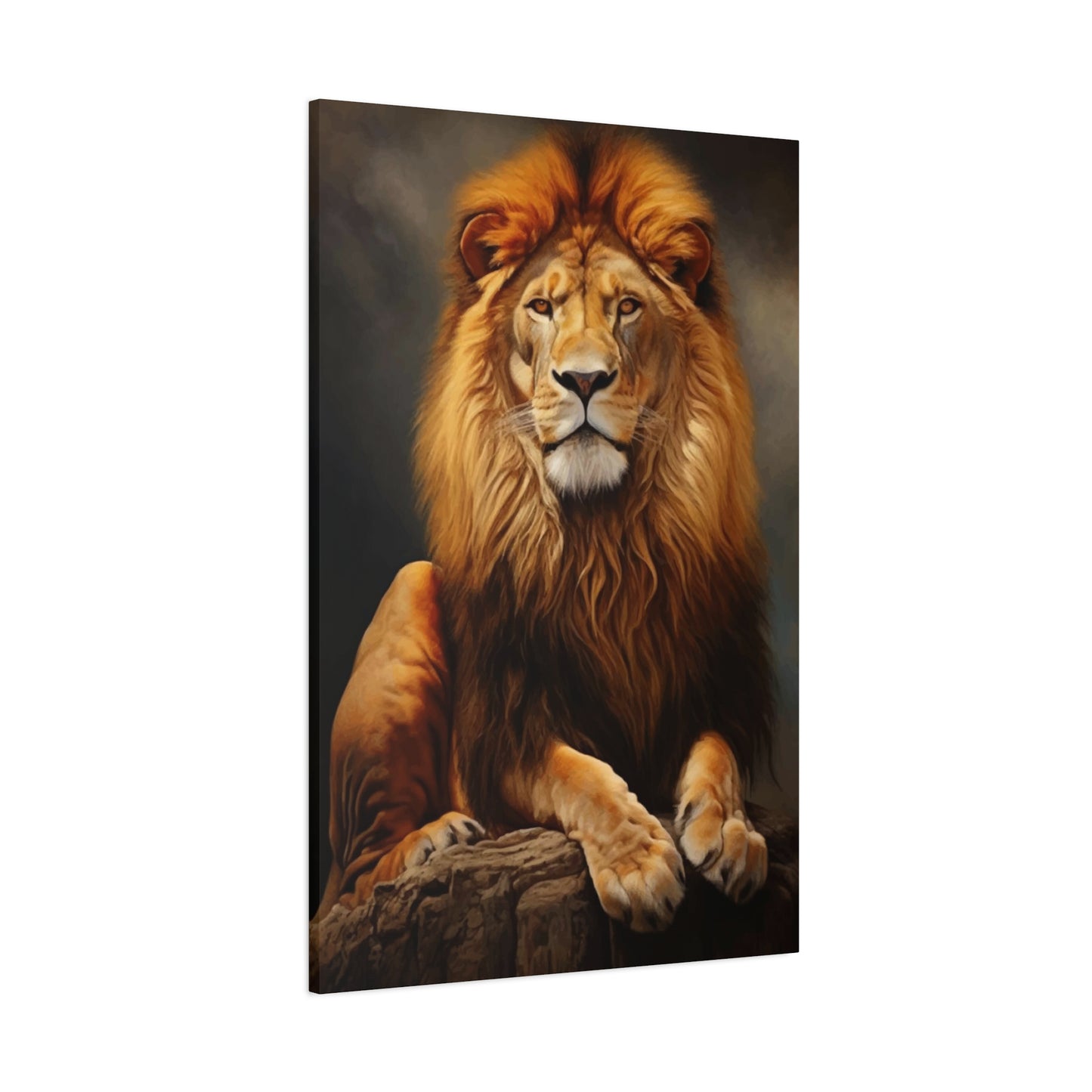
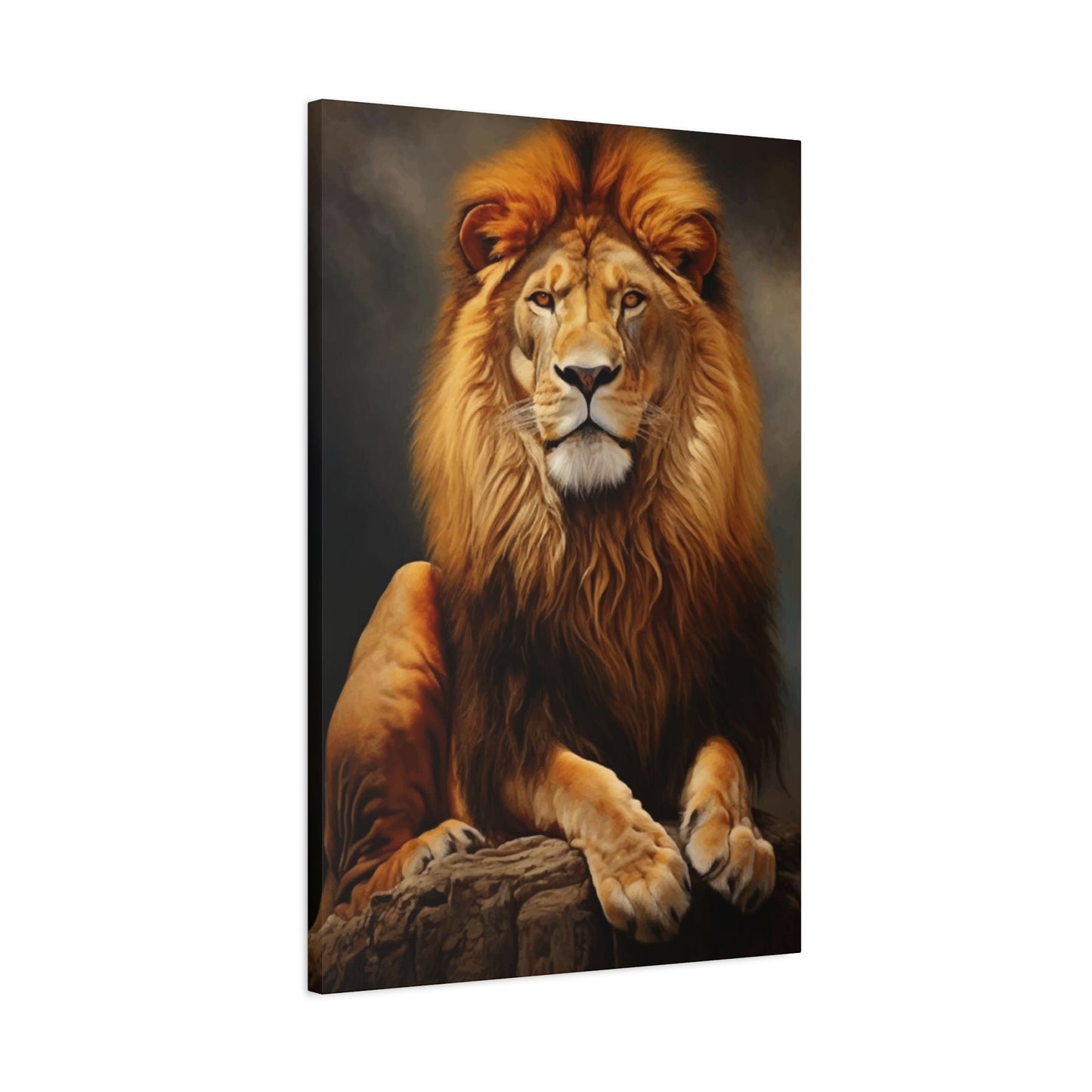
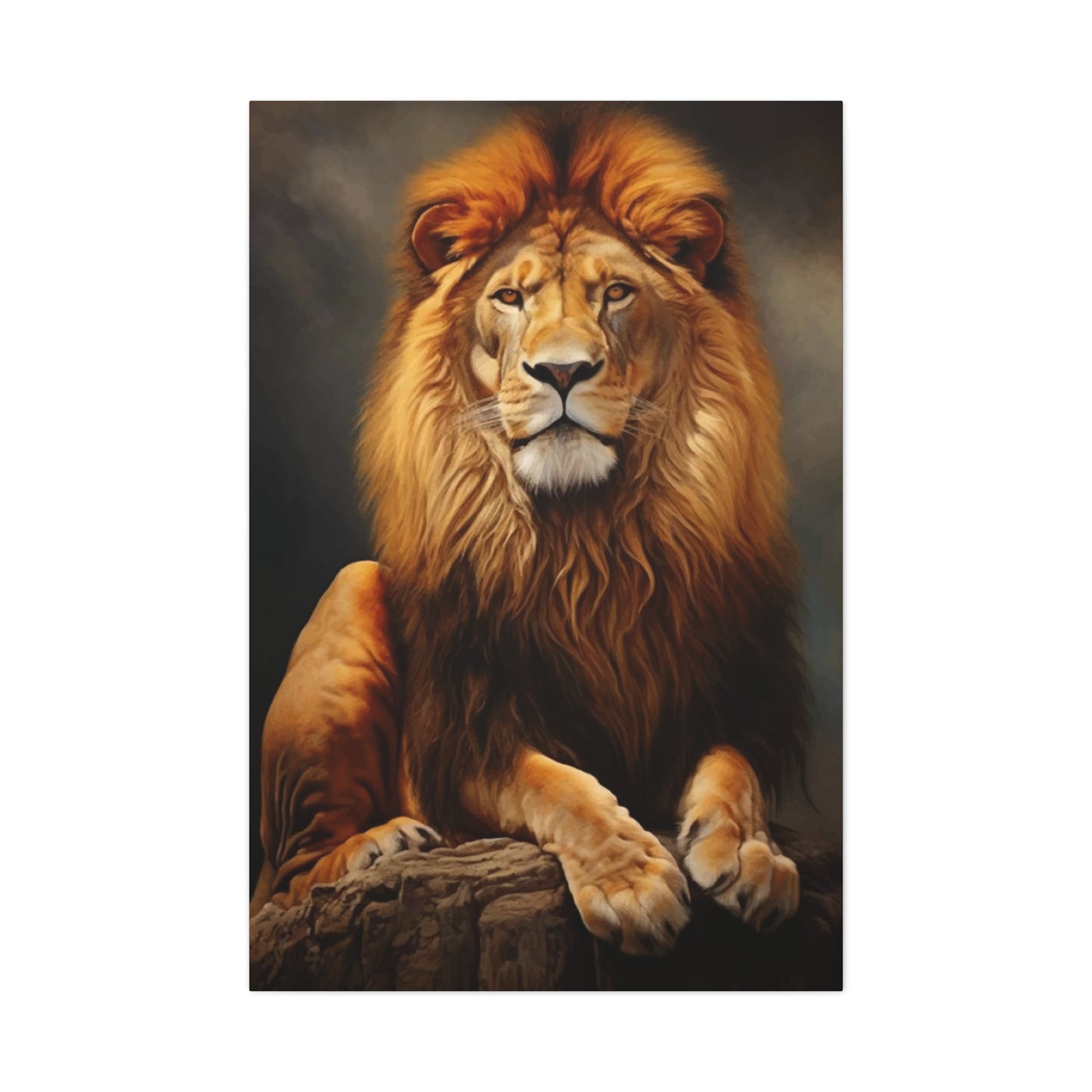
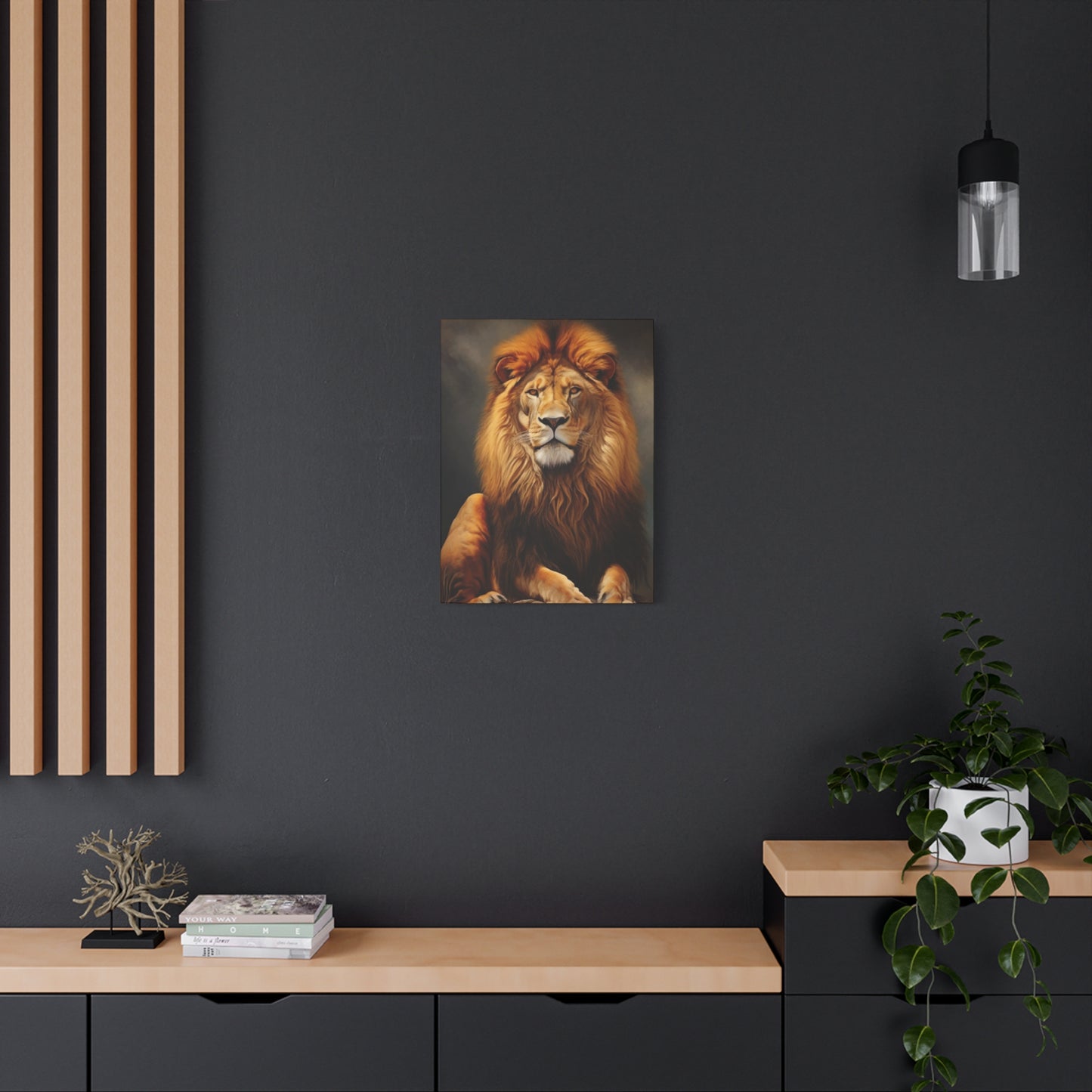
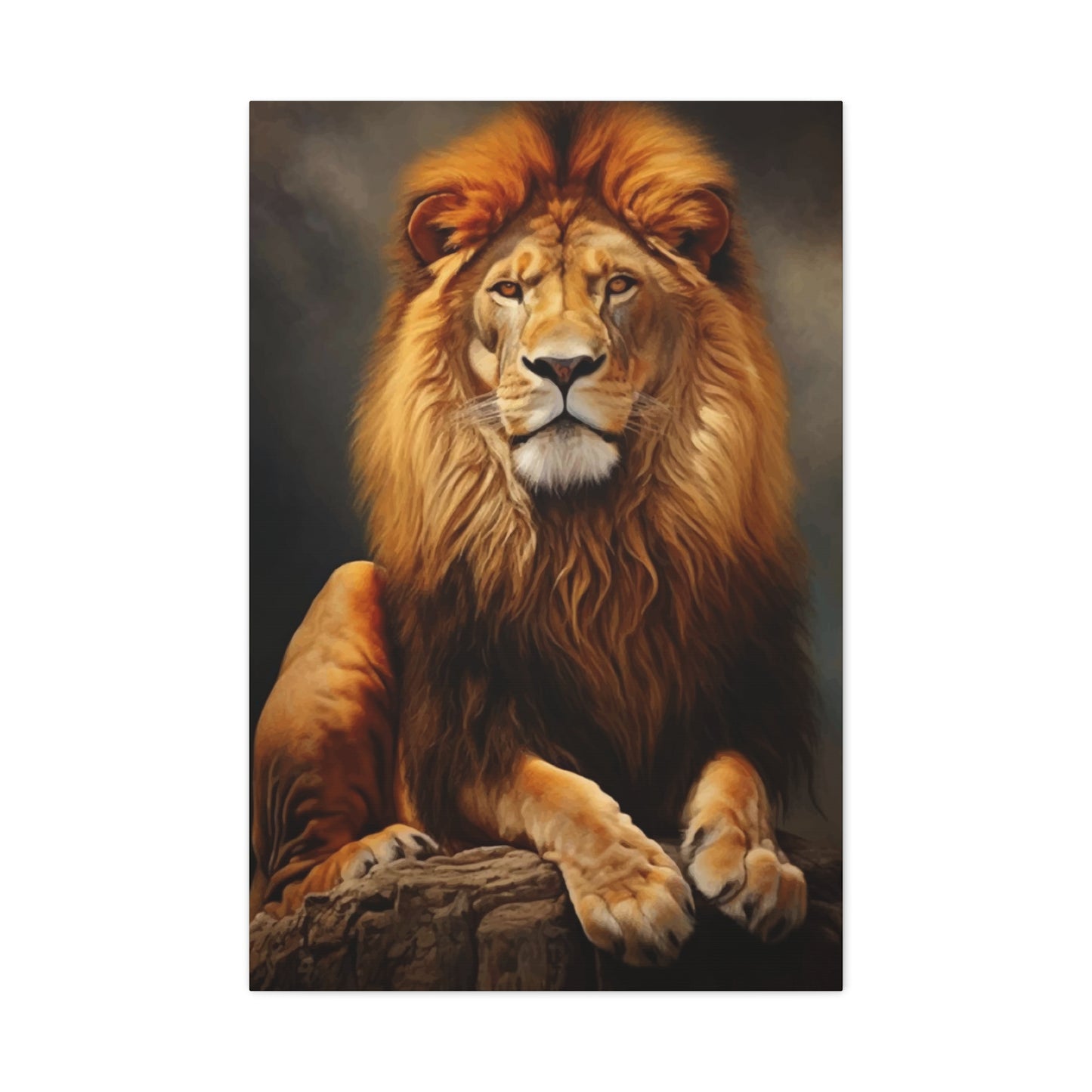
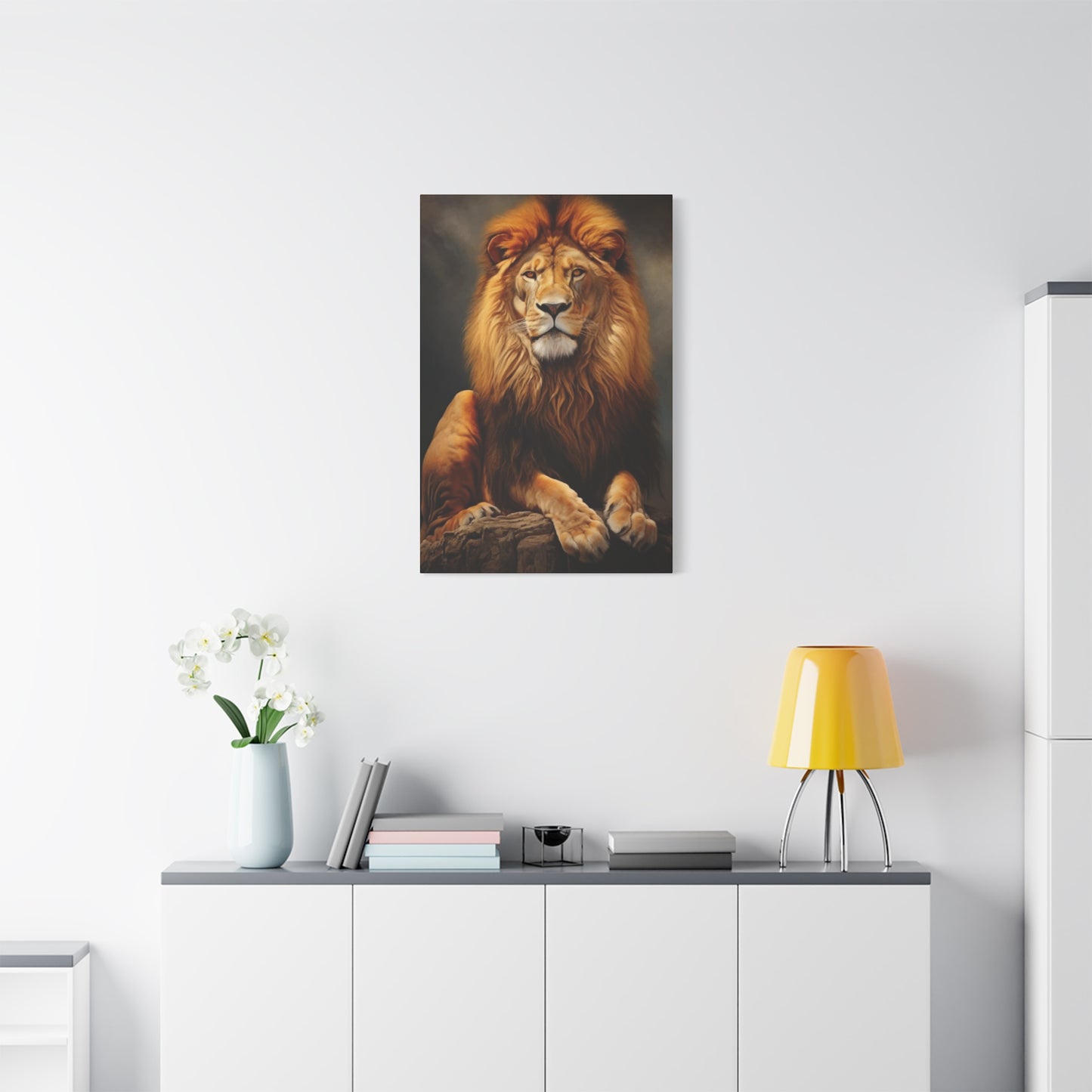
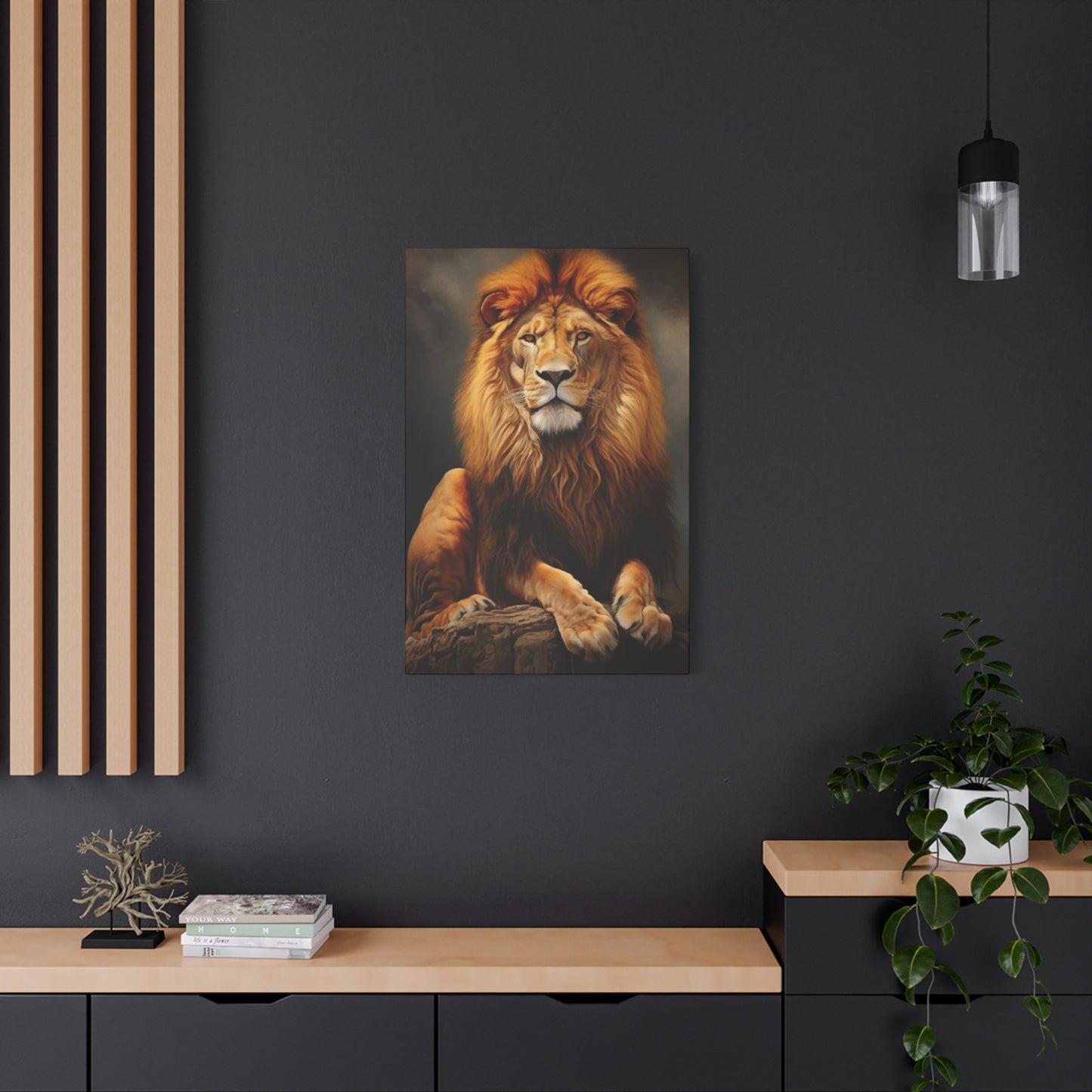
Lion Wall Art & Canvas Prints
Lion Wall Art & Canvas Prints
Couldn't load pickup availability
The Majestic Appeal of Lion Wall Art: Creating Powerful Visual Statements in Your Living Spaces
The presence of leonine imagery within residential and commercial environments has experienced remarkable growth over recent years. These magnificent creatures, captured through various artistic mediums, bring an unparalleled sense of grandeur and sophistication to any room they inhabit. The symbolic representation of these apex predators transcends mere decoration, offering viewers a connection to primal strength, natural beauty, and untamed wilderness.
Why Leonine Imagery Resonates Deeply Within Contemporary Interior Design
The fascination with depicting these powerful felines on interior surfaces stems from humanity's long-standing relationship with these creatures. Throughout countless civilizations, these animals have represented courage, nobility, and sovereign authority. When incorporated into residential spaces, such imagery creates focal points that command attention while simultaneously conveying the inhabitant's appreciation for nature's most formidable predators.
Modern homeowners increasingly seek decorative elements that communicate personal values and aesthetic preferences. Representations of these majestic animals fulfill multiple purposes: they serve as conversation starters, reflect individual personality traits, and demonstrate an appreciation for wildlife conservation. The versatility of such artwork allows it to complement numerous decorating schemes, from minimalist contemporary arrangements to richly layered traditional settings.
The psychological impact of surrounding oneself with imagery of apex predators cannot be understated. Research into environmental psychology suggests that visual elements within living spaces significantly influence mood, productivity, and overall wellbeing. Depictions of these powerful creatures can inspire confidence, determination, and a sense of personal empowerment. The fierce yet regal countenance of these animals serves as a daily reminder of inner strength and resilience.
Exploring Diverse Artistic Representations of These Noble Creatures
The market offers an extraordinary variety of styles when it comes to depicting these magnificent beasts. From photorealistic renderings that capture every whisker and fur texture to abstract interpretations that emphasize color and form over literal representation, collectors have unprecedented choice in selecting pieces that resonate with their personal aesthetic sensibilities.
Watercolor interpretations bring a softer, more ethereal quality to leonine subjects. These pieces often feature bleeding colors and delicate brushwork that lend an almost dreamlike quality to the fierce predator. The juxtaposition of gentle artistic technique with powerful subject matter creates compelling visual tension that captivates viewers. Such pieces work exceptionally well in spaces seeking to balance strength with tranquility.
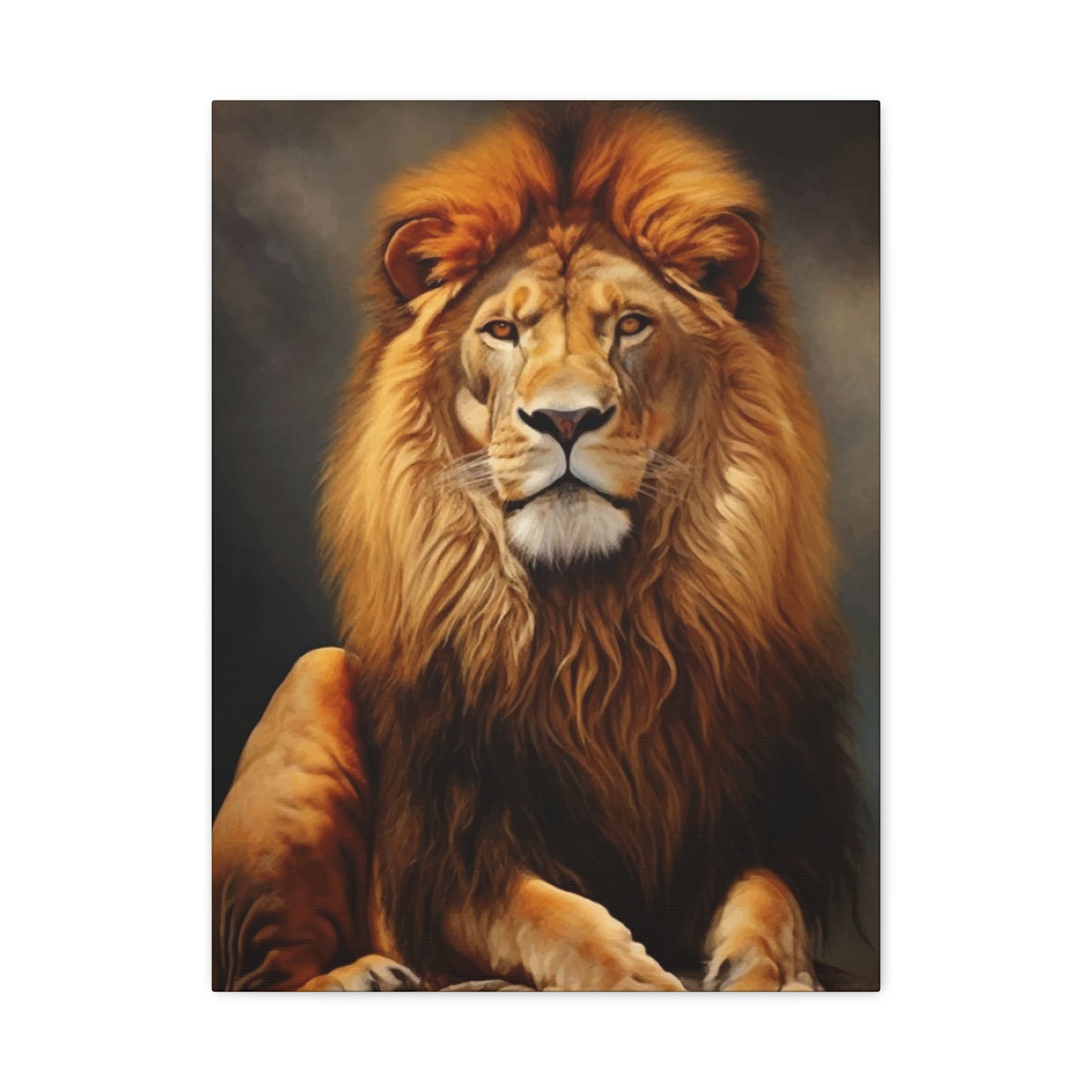
Oil painting reproductions and original works offer depth and richness unmatched by other mediums. The layering capabilities of oil paints allow artists to achieve remarkable luminosity in depicting the tawny coat of these creatures, particularly when capturing the play of light across their muscular forms. These pieces often become treasured heirlooms, their value appreciating over time as they develop the characteristic patina associated with aging oil paintings.
Digital artistry has opened entirely new avenues for creative expression in animal portraiture. Contemporary artists utilize sophisticated software to create hyperrealistic images, geometric interpretations, and surreal compositions that would be impossible through traditional means. These pieces appeal particularly to younger collectors and those with modern, tech-forward interior schemes. The ability to produce limited edition prints from digital masters ensures accessibility while maintaining exclusivity.
Metallic sculptures and relief works add dimensional interest to vertical surfaces. These three-dimensional representations capture light in dynamic ways, changing appearance throughout the day as natural illumination shifts across their surfaces. Bronze, copper, and steel versions each bring distinct character—bronze offers warmth and traditional elegance, while steel provides industrial edge and contemporary flair.
Selecting the Perfect Leonine Artwork for Various Room Settings
The bedroom represents a personal sanctuary where decorative choices should promote restfulness while reflecting individual identity. Placing imagery of these majestic creatures in sleeping quarters might seem counterintuitive, yet many find the protective symbolism of these animals comforting. Selecting pieces with calmer compositions—perhaps a resting or contemplative pose—maintains the peaceful atmosphere necessary for quality sleep while still benefiting from the creature's symbolic strength.
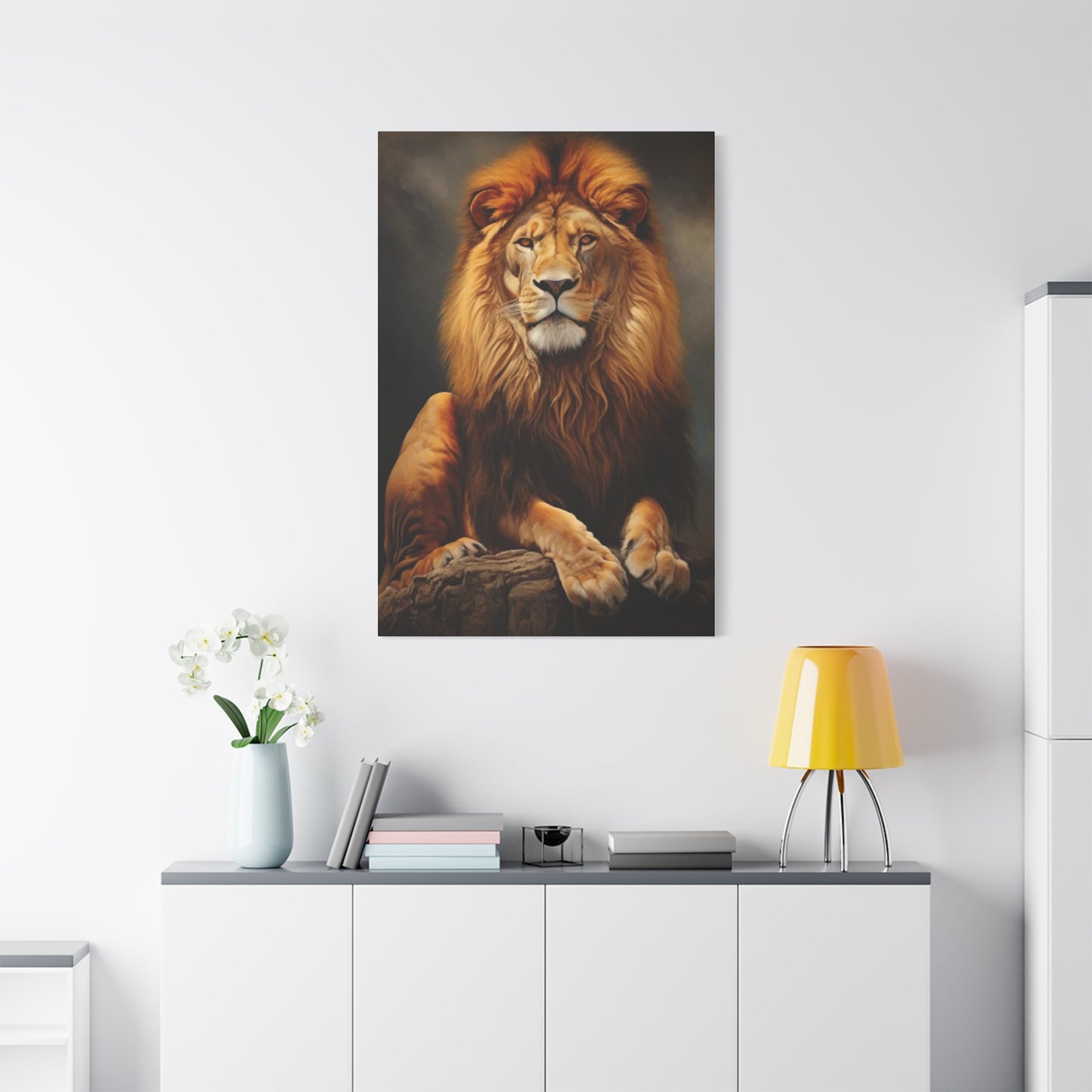
Living areas present ideal opportunities for bold, dramatic representations. These communal spaces can accommodate larger-scale pieces that make powerful statements. A commanding portrait positioned above a fireplace mantel or sofa creates an undeniable focal point that anchors the entire room's design scheme. The social nature of living spaces means decorative choices here communicate most clearly with visitors, making them perfect venues for showcasing prized artistic acquisitions.
Home offices benefit tremendously from the motivational qualities inherent in leonine imagery. The association of these creatures with leadership, courage, and determination makes them natural companions for workspaces. A well-chosen piece can serve as visual inspiration during challenging projects or difficult negotiations. The key lies in selecting representations that energize rather than overwhelm, maintaining focus while providing periodic visual respite from screen-intensive tasks.
Children's rooms offer unique opportunities for incorporating these animals through more playful, stylized representations. Cartoon-style depictions or geometric interpretations introduce young minds to wildlife appreciation while maintaining age-appropriate aesthetics. As children mature, these pieces can be replaced with more sophisticated renderings, creating opportunities for meaningful conversations about growth, change, and evolving tastes.
Dining areas traditionally feature artwork that stimulates conversation without dominating the sensory experience of shared meals. Subtler representations—perhaps profile views or partial silhouettes—provide visual interest without competing with culinary presentations or interpersonal exchanges. The noble bearing of these creatures can elevate the dining experience, lending formality to special occasions while remaining unobtrusive during casual family meals.
Material Considerations for Long-Lasting Leonine Decorations
Canvas prints represent the most popular choice for residential settings, combining affordability with visual appeal. High-quality canvas reproductions faithfully capture original artwork details while offering durability that withstands typical household conditions. The textured surface of canvas adds depth that flat prints cannot match, creating subtle shadows and highlights that enhance three-dimensionality. Gallery-wrapped canvases, where the image continues around frame edges, eliminate the need for additional framing, reducing both cost and visual bulk.
Metal prints have surged in popularity due to their striking appearance and exceptional durability. The process of infusing dyes directly into specially coated aluminum creates luminous, almost glowing images that resist fading far better than traditional prints. These pieces thrive in high-humidity environments like bathrooms or kitchens where paper-based alternatives would deteriorate. The modern aesthetic of metal prints particularly complements contemporary and industrial interior schemes.
Acrylic mounting produces a glossy, high-impact presentation that amplifies color vibrancy and depth. The transparent acrylic layer adds dimensionality while protecting the underlying image from environmental damage. Light refracting through the acrylic creates a jewel-like quality that makes these pieces appear almost backlit. While more expensive than standard prints, acrylic mounting delivers museum-quality presentation that justifies the investment for serious collectors.
Wood panel transfers create rustic, organic presentations that appeal to those favoring natural materials. The wood grain visible through the image adds character and warmth, making each piece unique. These work exceptionally well in cabins, lodges, or homes emphasizing natural materials and earthy color palettes. The substantial feel of wood panels conveys permanence and craftsmanship often lacking in lighter-weight alternatives.
Textile reproductions printed on fabrics like silk, linen, or velvet introduce tactile luxury to leonine imagery. These pieces bridge the gap between artwork and textile furnishings, offering unique decorating possibilities. Fabric prints work beautifully as unconventional headboards, room dividers, or mounted within ornate frames that emphasize their tapestry-like quality. The softness of fabric creates intimate, cozy atmospheres distinct from rigid mounted pieces.
Color Palette Choices and Their Impact on Interior Harmony
Monochromatic black and white representations deliver timeless elegance that transcends decorating trends. The absence of color focuses attention on form, texture, and composition. These pieces integrate seamlessly into virtually any color scheme, providing flexibility as tastes evolve and rooms are redecorated. The dramatic contrast of black and white imagery creates striking visual impact without competing with colorful furnishings or accessories.
Sepia and earth-tone renderings evoke vintage safari aesthetics while maintaining warmth that pure grayscale lacks. These pieces harmonize beautifully with leather furniture, wooden accents, and natural fiber textiles. The subtle color range prevents visual fatigue, allowing such pieces to remain prominent without overwhelming spaces. Earth tones also complement the natural coloring of the animals themselves, creating authenticity that more stylized color treatments cannot achieve.
Vibrant, saturated color palettes transform leonine subjects into bold artistic statements. Blues, purples, oranges, and reds applied to these creatures create surreal, eye-catching compositions that function as conversation pieces. These interpretations appeal to those with eclectic tastes or maximalist decorating approaches. The key to successfully incorporating such vivid pieces lies in either matching existing bold colors within the room or allowing the artwork to stand as the sole source of intense color against neutral surroundings.
Metallic gold and copper accents lend regal opulence to leonine representations. The historical association of these creatures with royalty and nobility makes metallic embellishments particularly appropriate. Gold leafing or metallic paint highlights can emphasize specific features—the mane, eyes, or background elements—adding dimension and luxury. These treatments work exceptionally well in formal settings or rooms featuring other metallic accents in fixtures, furniture, or accessories.
Pastel interpretations offer unexpected gentleness to typically fierce subjects. Soft pinks, lavenders, mint greens, and pale blues create whimsical, almost fantastical representations that work beautifully in nurseries, young girls' rooms, or spaces seeking to balance strength with softness. These pieces challenge traditional expectations, offering fresh perspectives on familiar subjects.
Sizing Strategies for Maximum Visual Impact
Oversized statement pieces measuring four feet or larger create undeniable focal points that anchor entire rooms. These substantial works demand adequate breathing room—surrounding them with excessive furniture or competing visual elements diminishes their impact. Large-scale pieces work best on expansive, uninterrupted vertical surfaces where viewers can step back to appreciate the full composition. The investment in a single impressive piece often proves more effective than scattering multiple smaller items.
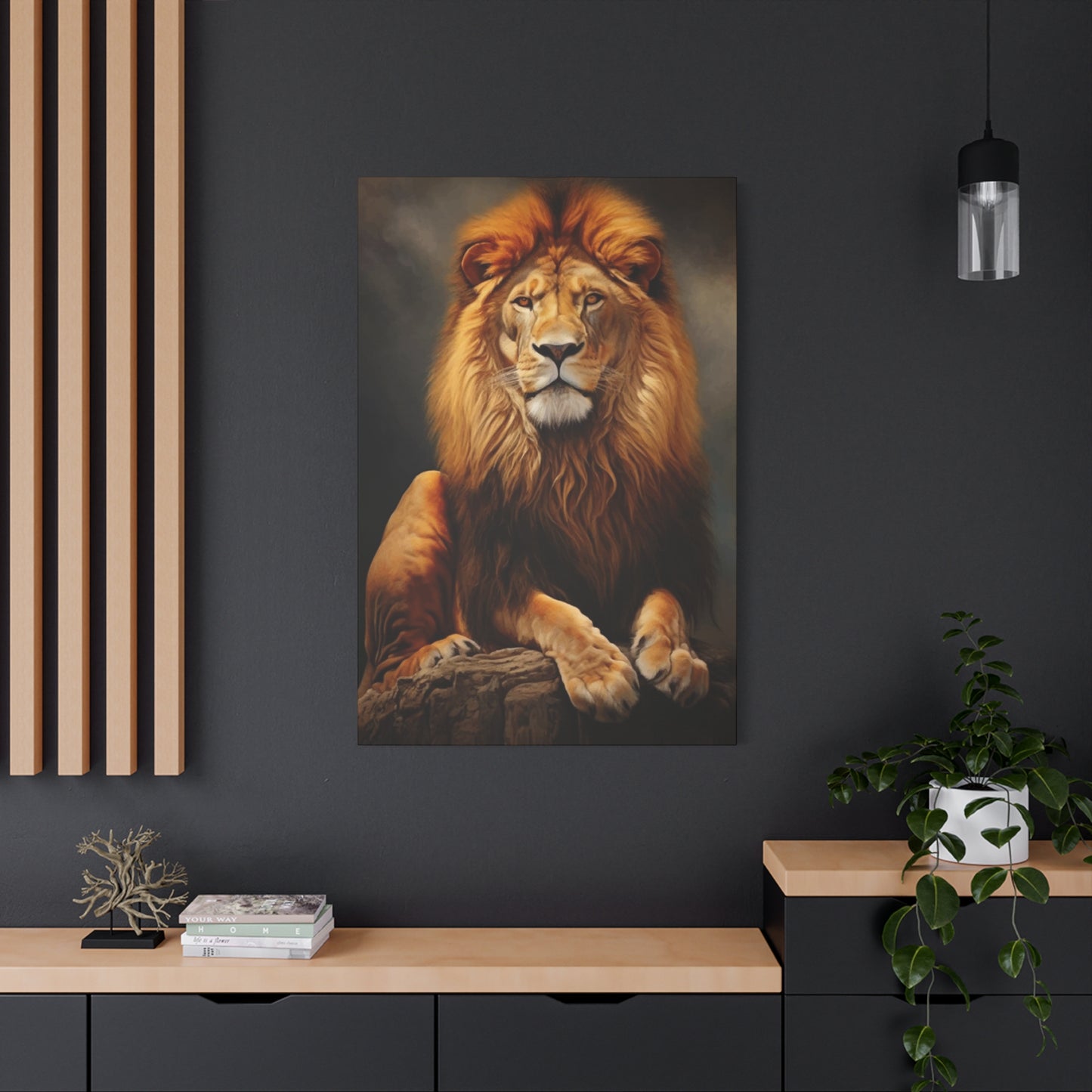
Medium-sized individual works ranging from two to four feet offer versatility suitable for most residential applications. These dimensions provide significant presence without overwhelming moderate-sized rooms. A single medium piece works well above furniture, while multiple medium pieces can be arranged in gallery configurations to fill larger expanses. This size range offers the broadest selection of available imagery and price points, making it accessible to most collectors.
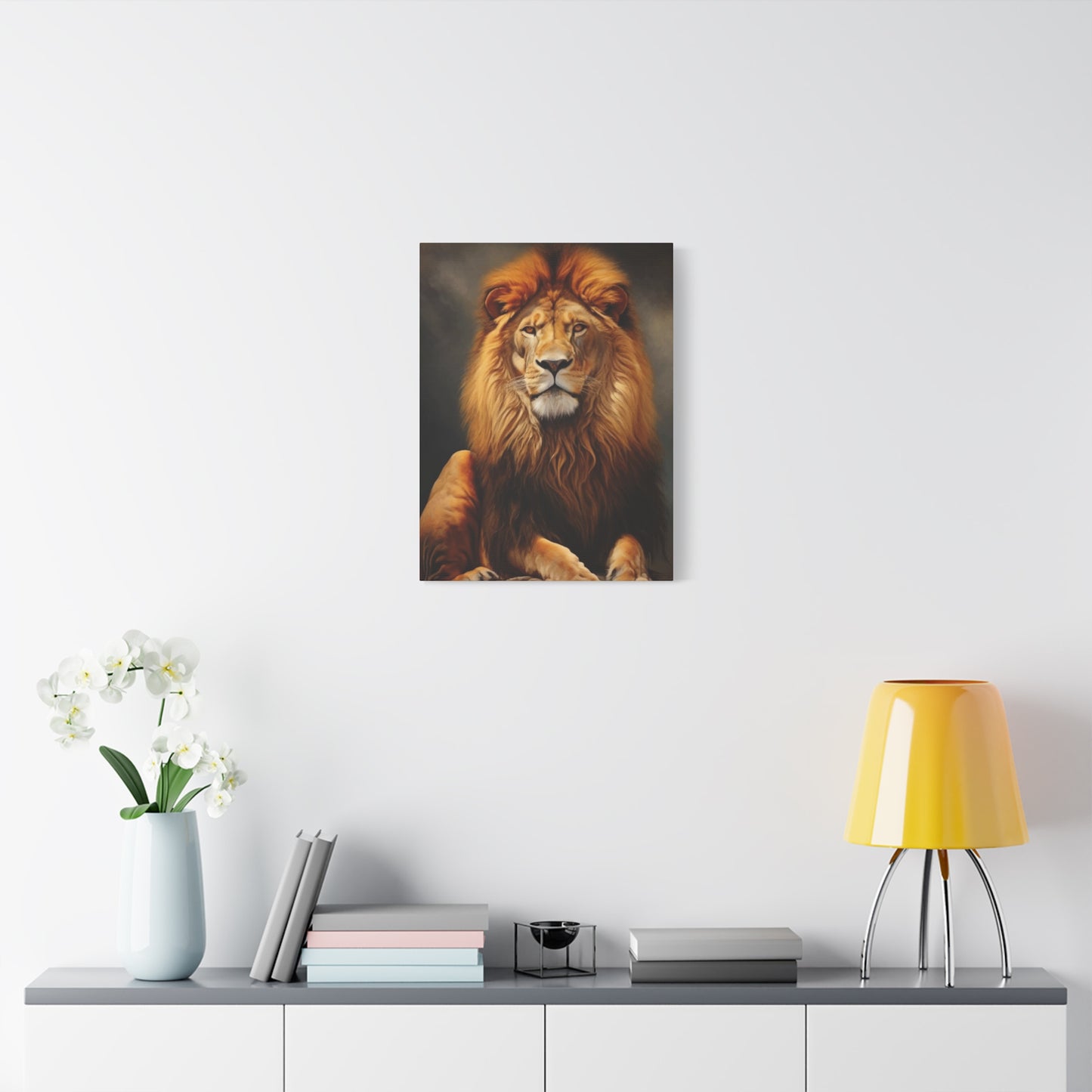
Small accent pieces under two feet serve as supporting elements within larger decorating schemes. These work beautifully in gallery walls, arranged in groups of three or five for visual balance. Small pieces also suit narrow spaces like hallways, powder rooms, or stairwell landings where larger works would feel cramped. The affordability of smaller pieces allows collectors to acquire multiple works, creating variety and opportunities for seasonal rotation.
Triptychs and multi-panel arrangements allow large-scale impact while maintaining flexibility. Separating a single image across multiple canvases creates visual rhythm and movement that single-panel works cannot achieve. The spacing between panels contributes to the overall composition, allowing customization based on available surface area. Multi-panel works also simplify transportation and installation compared to equivalent single-piece dimensions.
Floor-to-ceiling installations make dramatic architectural statements in spaces with appropriate height. These commanding displays work particularly well in entryways, stairwells, or double-height living areas. The vertical orientation draws eyes upward, emphasizing ceiling height and creating the illusion of even greater spaciousness. Such installations require careful planning regarding hanging hardware and structural support, but the resulting impact justifies the additional effort.
Frame Selection and Presentation Methods
Traditional wooden frames provide classic elegance that suits realistic or conventionally styled artwork. The frame style should complement both the artwork and surrounding decor—ornate carved frames enhance traditional spaces, while clean-lined contemporary frames suit modern environments. Wood species and finish colors should harmonize with existing woodwork and furniture within the room. Quality framing significantly enhances perceived value, transforming affordable prints into impressive presentations.
Floating frames create the illusion that artwork hovers slightly away from mounting surfaces, adding dimensional interest and contemporary sophistication. The small gap between frame and piece creates subtle shadows that enhance three-dimensionality. This presentation style works particularly well with canvas and wood panel pieces, emphasizing their substantial nature. Floating frames in metallic finishes complement modern and industrial decorating schemes.
Gallery-style frameless mounting delivers minimalist presentation that emphasizes the artwork itself over presentation materials. Edge-mounted hardware or hidden hanging systems maintain clean lines and uninterrupted surfaces. This approach works beautifully with metal prints, acrylic panels, and gallery-wrapped canvases. The absence of framing creates seamless integration with contemporary architecture and allows the imagery to make direct visual impact without traditional boundaries.
Shadow box framing adds depth and prestige particularly suited to three-dimensional elements or mixed-media pieces. The recessed mounting creates substantial presence on vertical surfaces while protecting delicate components from accidental contact. Shadow boxes work exceptionally well for preserving and displaying original artwork, limited editions, or pieces with sentimental value. The additional depth allows for creative mounting techniques and the inclusion of supplementary elements like descriptive plaques or complementary objects.
Ledge-style display systems offer flexibility allowing easy artwork rotation without damaging mounting surfaces. These shallow shelves support framed pieces that lean against surfaces rather than hanging from them. This casual presentation style suits relaxed, evolving decorating approaches where variety and change are valued. Ledges accommodate pieces of varying sizes simultaneously, creating dynamic arrangements that can be refreshed seasonally or on whim.
Sourcing Authentic and Quality Leonine Artwork
Online marketplaces have democratized access to artistic works from creators worldwide. Platforms connecting buyers directly with artists offer unprecedented variety and price ranges. The ability to review artist portfolios, read customer testimonials, and compare options empowers informed purchasing decisions. However, online purchasing requires vigilance regarding image quality, return policies, and shipping protections. Requesting detailed specifications and high-resolution preview images helps ensure satisfaction upon delivery.
Local galleries and art fairs provide opportunities to examine pieces in person before purchasing. The tactile experience of viewing actual artwork reveals details invisible in digital reproductions—surface texture, true color accuracy, and scale relative to human perspective. Gallery owners often provide valuable insights regarding artists, techniques, and investment potential. Establishing relationships with local galleries can yield early access to new acquisitions and special purchasing opportunities.
Commissioning original works from professional artists delivers entirely unique pieces tailored to specific requirements. Custom commissions allow input regarding size, color palette, style, and composition, ensuring perfect alignment with decorating visions. While more expensive and time-consuming than purchasing ready-made pieces, original commissions become treasured possessions with personal significance beyond mere decoration. Many artists offer digital mockups during the creation process, allowing refinements before final execution.
Art licensing companies provide legitimate access to famous wildlife photographers' and illustrators' works. Licensed reproductions ensure artists receive appropriate compensation while offering consumers quality images at accessible price points. These companies typically maintain high reproduction standards, using premium materials and printing processes that preserve image integrity. Licensed prints often include certificates of authenticity adding provenance value.
Estate sales and auction houses occasionally offer remarkable finds for collectors willing to invest time in searching. Vintage leonine artwork from mid-century periods or earlier carries historical significance beyond aesthetic appeal. These pieces often feature distinctive styles reflecting their creation era, offering character that contemporary works cannot replicate. However, purchasing from estates requires careful condition assessment and authentication to ensure value justification.
Creating Cohesive Gallery Arrangements
Symmetrical grid layouts project orderly sophistication suited to formal spaces and traditional decorating sensibilities. Pieces of identical or very similar dimensions arranged in perfect rows and columns create visual calm and predictability. This approach works particularly well with series pieces or collections sharing common themes or styles. Maintaining consistent spacing between elements—typically two to four inches—ensures unity while allowing each piece individual appreciation.
Salon-style arrangements embrace eclectic informality, mixing sizes, frames, and subject variations within cohesive groupings. This approach originated in 19th-century Parisian salons where artworks covered surfaces floor-to-ceiling. Contemporary interpretations typically show more restraint while maintaining the collected, curated appearance. Success requires maintaining consistent elements—perhaps frame finishes, mat colors, or tonal ranges—that unify despite variation. Starting with the largest piece as an anchor, then building outward creates balanced arrangements.
Linear horizontal arrangements suit narrow spaces like hallways or areas above lengthy furniture pieces. Aligning pieces along a central horizontal axis creates visual flow that guides eyes along the arrangement's length. Varying sizes while maintaining axis alignment adds interest while preserving coherence. This format works particularly well for chronological or narrative sequences where viewing order matters.
Stair-step or diagonal arrangements create dynamic energy and directional movement. Pieces arranged along ascending or descending diagonal lines draw eyes upward or downward, emphasizing vertical space. This format suits stairwells naturally but also adds interest to standard rooms. The asymmetry introduces playfulness while remaining structured enough to avoid appearing haphazard.
Cluster groupings position multiple pieces in tight proximity, creating single unified visual statements from individual elements. Minimal spacing between elements—often just one inch—emphasizes their collective impact over individual contributions. This approach works beautifully with thematically related pieces or variations on single subjects. Clusters can be symmetrical or organic in overall shape, depending on desired aesthetic.
Lighting Considerations for Optimal Artwork Presentation
Natural illumination offers ideal color rendering and dynamic quality that changes throughout the day. Positioning artwork to receive indirect natural light prevents fading while ensuring visibility. North-facing surfaces in northern hemisphere locations receive consistent, neutral light ideal for color-critical pieces. However, direct sunlight must be avoided as UV radiation causes irreversible damage to most artistic materials. Sheer curtains or UV-filtering window films protect while maintaining natural light benefits.
Picture lights mounted directly above or below artwork provide dedicated illumination that emphasizes specific pieces. These fixtures come in various styles from traditional brass to contemporary LED strips. Adjustable picture lights allow precise beam focus, highlighting specific compositional elements while minimizing glare. LED versions offer energy efficiency and minimal heat generation that protects artwork from thermal damage. Hardwired picture lights provide permanent solutions, while battery or plug-in versions offer flexibility.
Track lighting systems deliver adjustable illumination suitable for changing displays or multiple pieces. Individual fixtures can be positioned and aimed independently, accommodating varied sizes and placements. Track systems work particularly well in gallery-style arrangements where multiple pieces require individual lighting. Dimming capabilities allow illumination adjustment based on time of day or desired ambiance.
Recessed ceiling spotlights create clean, unobtrusive lighting from above. These fixtures work beautifully in contemporary spaces where visible light fixtures would conflict with minimalist aesthetics. Narrow beam angles create dramatic highlighting effects, while wider beams provide gentler overall illumination. Adjustable trim options allow precise aiming as artwork positions change.
Ambient room lighting must be considered in relation to dedicated artwork illumination. General lighting that's too bright creates competition, diminishing artwork impact. Conversely, insufficient ambient light makes viewing uncomfortable and creates harsh contrasts. Layered lighting schemes that balance general, task, and accent illumination create comfortable environments where artwork receives appropriate emphasis without overwhelming spaces.
Protecting Your Leonine Artwork Investment
UV-filtering glazing provides essential protection for valuable pieces displayed in naturally lit spaces. Museum-quality glass blocks up to 99% of ultraviolet radiation while maintaining exceptional clarity. Acrylic alternatives offer similar protection with lighter weight and shatter resistance beneficial for large pieces or homes with children. Anti-reflective coatings further enhance viewability by minimizing glare from light sources or windows.
Climate control prevents damage from humidity fluctuations and temperature extremes. Artwork should never be positioned near heating vents, air conditioning outlets, or fireplaces where temperature variations are extreme. Maintaining stable conditions between 65-75°F and 40-50% relative humidity preserves most artistic materials indefinitely. Dehumidifiers or humidifiers may be necessary in climates with extreme conditions.
Regular dusting using appropriate materials removes particulate buildup that can abrade surfaces or attract moisture. Microfiber cloths work well for smooth surfaces, while soft natural-bristle brushes suit textured or three-dimensional pieces. Dusting should always proceed from top to bottom, using gentle motions that don't apply pressure. Compressed air effectively removes dust from detailed relief work or frame crevices.
Professional cleaning services should be consulted for valuable original works or those showing signs of deterioration. Art conservators possess specialized knowledge and materials for safely treating various media. DIY cleaning attempts on valuable pieces risk permanent damage—water stains, color lifting, or surface abrasion. Establishing relationships with qualified conservators before problems arise ensures rapid response when issues develop.
Proper hanging hardware prevents accidents and structural damage. Weight-appropriate hangers, anchors, and hanging wire ensure secure mounting. For heavy pieces, mounting into wall studs provides maximum support. Professional installation services may justify their cost for valuable or oversized works where improper mounting could result in catastrophic damage. Earthquake-prone regions require specialized mounting systems that prevent artwork from falling during seismic events.
Cultural Significance and Symbolic Meanings
African heritage connections make leonine imagery particularly meaningful for those celebrating or exploring ancestral roots. These creatures dominate African savannas, featuring prominently in indigenous folklore, mythology, and artistic traditions. Incorporating such imagery can represent cultural pride, connection to homelands, or appreciation for African wildlife conservation efforts. The specific style and presentation might honor traditional artistic approaches or embrace contemporary interpretations.
Astrological associations link these creatures to the fifth zodiac sign, Leo, governing those born between July 23 and August 22. Individuals with this sun sign often resonate strongly with leonine symbolism—confidence, generosity, warmth, and leadership. Displaying such artwork serves as personal identification with astrological characteristics and provides daily affirmation of positive traits. The regal nature of these animals aligns perfectly with Leo's association with royalty and natural authority.
Heraldic traditions throughout European, Middle Eastern, and Asian cultures have featured these beasts as symbols of courage, strength, and nobility for millennia. Coats of arms, flags, and official seals worldwide incorporate leonine imagery, cementing their association with power and authority. Homeowners drawn to historical symbolism might choose pieces echoing heraldic artistic styles, connecting contemporary spaces with centuries of human cultural expression.
Religious significance appears in various faiths and mythologies worldwide. Christianity associates these creatures with Saint Mark the Evangelist and uses them to symbolize Christ's resurrection and majesty. Buddhism references them through the term "Lion's Roar," representing Buddha's fearless teachings. Hindu tradition depicts goddess Durga riding these animals, symbolizing power and protection. Such religious connections add spiritual dimensions beyond aesthetic appreciation.
Conservation awareness grows as these magnificent creatures face habitat loss and declining populations. Displaying their imagery can represent commitment to wildlife preservation and environmental stewardship. Many artists donate portions of proceeds to conservation organizations, allowing artwork purchases to contribute directly to protection efforts. This transforms decoration into activism, imbuing purchases with greater purpose beyond personal enjoyment.
Incorporating Leonine Imagery Into Various Decorating Styles
Minimalist spaces benefit from single striking pieces that serve as the room's primary visual interest. The clean lines and uncluttered surfaces characteristic of minimalism allow artwork maximum impact. Black and white or monochromatic representations work particularly well, maintaining the restrained color palettes minimalism favors. Frameless mounting or simple floating frames preserve the essential simplicity while providing necessary structure.
Industrial environments with exposed brick, concrete, and metal elements pair beautifully with raw, powerful leonine imagery. Metal prints or distressed wood panel transfers complement industrial materials and finishes. Oversized pieces with gritty, realistic rendering enhance the masculine edge typical of industrial design. The contrast between refined artistry and rough surroundings creates compelling tension that defines successful industrial interiors.
Traditional settings rich with wood furniture, classic textiles, and ornate details accommodate leonine subjects through historically appropriate presentations. Oil painting reproductions in elaborate gilded frames honor traditional artistic mediums and presentation styles. Sepia-toned or warm earth-tone renderings harmonize with the rich color palettes traditional interiors favor. Placement above fireplaces, within libraries, or in formal dining rooms aligns with traditional decorating conventions.
Bohemian eclectic spaces thrive on unexpected combinations and personal expression. Vibrant, unconventional color treatments and mixed-media leonine pieces contribute to the collected, worldly atmosphere boho styles cultivate. Layering such artwork with textiles, plants, and diverse accessories creates the rich visual complexity bohemian design celebrates. The symbolic spiritual meanings associated with these creatures align well with boho's often metaphysical inclinations.
Scandinavian-inspired spaces emphasizing natural materials, neutral colors, and cozy comfort incorporate leonine subjects through gentler presentations. Watercolor interpretations or sketched renderings maintain the light, airy quality Scandinavian design prioritizes. Natural wood frames and organic compositions align with the nature-focused philosophy underlying Nordic design traditions. Placement should enhance hygge—the Danish concept of cozy contentment—rather than disrupt peaceful atmospheres.
Pairing Leonine Artwork With Complementary Decorative Elements
Botanical elements create interesting juxtaposition between fierce predator imagery and delicate plant life. Large tropical leaves, sculptural branches, or flowering plants positioned near leonine artwork establish connections to these creatures' natural habitats. The contrast between their strength and botanical softness creates visual balance and dimensional interest. Living plants add beneficial air quality improvements while connecting interiors to nature.
Textured textiles in natural fibers echo the tactile quality of animal fur. Jute rugs, linen curtains, wool throws, and leather furniture complement rather than compete with leonine subjects. Texture becomes a unifying element, creating cohesion between disparate materials and objects. Layering multiple textures at varying scales builds richness that prevents spaces from appearing flat or unfinished.
Sculptural accessories in complementary materials and subjects extend artistic themes beyond vertical surfaces. Bronze animal sculptures, ceramic vessels with organic forms, or carved wooden objects create dialogue with artwork while adding three-dimensional interest. Limiting sculptural elements to cohesive themes or material palettes prevents decorative chaos that can result from excessive variety.
Lighting fixtures themselves can become artistic elements that enhance rather than merely illuminate. Fixtures with organic forms, natural materials, or handcrafted details contribute to overall aesthetic narratives. Statement chandeliers, sculptural floor lamps, or artisan-crafted sconces extend design investment beyond furniture and artwork into functional elements that shape how spaces are experienced.
Books and collected objects arranged on shelving or surfaces provide opportunities to reinforce themes or introduce complementary ideas. Wildlife photography books, African artifacts, natural specimens, or travel mementos create layered storytelling that gives spaces depth and personality. Curated collections reveal inhabitants' interests and experiences, transforming generic spaces into personal environments.
Seasonal Rotation and Refreshing Your Display
Spring renewal can be reflected through introducing pieces with lighter tones or more delicate presentations. Watercolor interpretations or pastel-accented works replace darker winter displays, creating psychological freshness that mirrors seasonal change. Incorporating floral arrangements or botanical prints alongside leonine subjects creates pleasing contrasts between fierce and gentle, powerful and delicate.
Summer vibrancy calls for bolder colors and increased energy. Saturated hues and dramatic compositions match the season's intensity and longer daylight hours. Repositioning artwork to take advantage of summer light patterns maximizes impact. Outdoor living spaces might incorporate weather-resistant leonine pieces that extend interior design themes into exterior entertaining areas.
Autumn warmth aligns beautifully with earth-tone and sepia-toned leonine representations. The season's golden light enhances amber and bronze tones, creating particularly harmonious presentations. Pairing such artwork with seasonal decorative elements like dried grasses, gourds, or rich-toned textiles creates cohesive seasonal expressions.
Winter formality and drama suit monochromatic or high-contrast representations. The season's reduced natural light makes artificial illumination more critical, creating opportunities to experiment with dramatic picture lighting that emphasizes artwork during dark evenings. Richer, more dramatic presentations align with winter's introspective quality and increased indoor time.
Holiday accommodation allows temporary artwork relocation to feature seasonal decorations. Careful storage during these periods protects pieces while allowing fresh presentations upon rehanding. Some collectors maintain holiday-specific pieces that appear only during celebration periods, creating anticipated seasonal traditions.
Working With Interior Designers and Art Consultants
Professional guidance benefits those uncertain about selections or seeking to create cohesive, sophisticated environments. Designers possess training in spatial relationships, color theory, and stylistic consistency that inform superior artwork choices. Their industry connections often provide access to exclusive pieces or artist relationships not available to general consumers. The investment in design services frequently proves worthwhile through avoided mistakes and enhanced results.
Art consultants specialize specifically in selecting and acquiring artistic works appropriate to clients' needs and budgets. These professionals maintain extensive knowledge of artists, market values, and emerging talents. For serious collectors building significant holdings, consultant relationships provide invaluable expertise that protects investments while ensuring aesthetic satisfaction. Many consultants offer educational components, building clients' own expertise and confidence over time.
Collaborative processes work best when clients communicate preferences, constraints, and lifestyle considerations honestly and thoroughly. Mood boards, inspiration images, and clear budget discussions help professionals deliver results matching expectations. Openness to professional suggestions balances with maintaining individual vision, creating partnerships that yield superior outcomes neither party could achieve independently.
Virtual consultation services have expanded access to professional guidance regardless of geographic location. Video conferencing, digital floor plans, and photograph sharing allow remote designers to provide substantive assistance. This flexibility benefits those in areas with limited local design resources or seeking specialists with particular expertise regardless of location.
Return policies and trial periods offered by some galleries and designers reduce purchasing anxiety. The ability to view pieces within intended spaces before commitment ensures satisfaction and reduces costly mistakes. Some services allow artwork rental with purchase credits, enabling extended evaluation periods. These flexible arrangements demonstrate confidence in products while recognizing that artwork selection requires careful consideration.
Budget-Conscious Approaches to Building Your Collection
Printable digital files purchased from independent artists provide extremely affordable entry points for artwork collection. These files can be printed through local or online services at sizes suiting specific needs. While lacking the prestige of original or limited editions, quality digital files printed on premium materials produce impressive results. This approach allows frequent rotation and experimentation with minimal financial risk.
Emerging artist works offer original pieces at fractions of established artist prices. Many talented creators building portfolios and reputations price works accessibly to generate sales and exposure. Social media platforms provide direct access to thousands of artists worldwide. Supporting emerging talent provides satisfaction beyond mere decoration—contributing to artistic careers while acquiring works that may substantially appreciate as artists gain recognition.
Thrift stores, consignment shops, and flea markets occasionally yield remarkable discoveries at minimal cost. Persistence and regular visits increase chances of finding quality pieces. Even works requiring reframing or restoration can represent excellent value when base artwork is strong. Developing relationships with shop owners may yield advance notice of incoming inventory matching collecting interests.
DIY framing significantly reduces costs compared to professional framing services. Basic framing skills can be learned through online tutorials and practice. Pre-made frames in standard sizes offer acceptable presentation for casual displays. Custom cutting of mats allows personalization while maintaining affordability. DIY approaches require time investment but provide creative satisfaction beyond cost savings.
Phased collecting builds impressive displays gradually without financial strain. Rather than immediately filling all available spaces, strategic acquisitions over time allow budget distribution while maintaining quality standards. This approach also permits evolving tastes to inform selections, reducing the likelihood of purchasing pieces that quickly feel unsatisfying.
Understanding Limited Editions and Reproductions
Edition numbering indicates how many reproductions exist within a limited series. Lower numbers, particularly artist proofs and early edition numbers, often command premium prices among collectors. Edition sizes vary from just a few copies to several hundred, with smaller editions generally considered more valuable. Signed and numbered editions include artist documentation that establishes authenticity and provenance.
Giclée printing represents the highest quality reproduction technique available. The term derives from French meaning "to spray," describing how specialized inkjet printers deposit microscopic droplets of archival pigment inks. Giclée prints on quality papers or canvases rival original artwork in color accuracy and detail rendering. Their archival nature ensures longevity matching or exceeding traditional prints. Museums and galleries increasingly embrace giclée reproduction for accessibility without compromising artistic integrity.
Open edition prints lack the scarcity that makes limited editions collectible but offer significantly lower prices. These works serve purely decorative purposes without investment consideration. Open editions allow wider public access to imagery, democratizing art appreciation beyond wealthy collectors. For those prioritizing aesthetics over investment, open editions provide excellent value.
Artist proofs traditionally represent copies created for artist retention before edition printing begins. These proofs, marked "A/P" or "P/A," typically number 10-15% of the main edition size. Artist proofs sometimes differ slightly from final editions through color variations or minor compositional changes. Collectors prize proofs for their relative rarity and direct artist connection.
Certificates of authenticity provide documentation essential for valuable pieces. These documents should include artist information, title, creation date, medium details, edition information, and signatures. Certificates establish provenance chains crucial for insurance and future resale. Maintaining certificates with corresponding artwork preserves value and facilitates authentication if pieces are later sold or appraised.
Caring for Different Artwork Materials
Canvas maintenance requires periodic dusting using soft, dry brushes that won't snag or pull fibers. Canvas should never be cleaned with liquids unless professionally assessed, as water damages many pigments and binders. Avoiding direct contact prevents oils from skin from gradually degrading surfaces. Canvas pieces should be stored vertically or hanging, never rolled, as this damages paint layers and creates permanent creasing.
Metal prints tolerate moisture better than most alternatives but still benefit from dry dusting and occasional gentle cleaning with appropriate solutions. Microfiber cloths slightly dampened with water effectively remove smudges or fingerprints. Abrasive cleaners or rough cloths scratch protective coatings, diminishing appearance. The durability making metal prints suitable for difficult environments doesn't eliminate the need for appropriate handling.
Acrylic surfaces attract static electricity that pulls dust particles, requiring frequent cleaning for optimal appearance. Anti-static cleaning solutions specifically formulated for acrylic prevent scratching while reducing dust attraction. Using circular motions with appropriate cloths prevents streaking. Acrylic's transparency means rear surface dust becomes visible, necessitating periodic dismounting for comprehensive cleaning.
Paper-based prints demand the most careful handling due to their fragility. Acid-free matting and backing boards prevent degradation from material contact. Humidity control is critical—excessive moisture promotes mold growth while insufficient humidity makes paper brittle. Handling with clean hands or cotton gloves prevents oil transfer. Professional conservation should address any staining, fading, or structural issues.
Three-dimensional relief works and sculptures require individualized approaches based on specific materials. Bronze benefits from periodic waxing that prevents oxidation while enhancing patina. Painted surfaces need gentle dry dusting without pressure that might chip delicate areas. Wood pieces require humidity control preventing cracking while discouraging insect infestation. Understanding specific material needs prevents damage from well-intentioned but inappropriate treatments.
Conclusion
Housewarming presents that transform bare walls into personalized spaces demonstrate thoughtfulness and generosity. Leonine imagery suits various recipients—those appreciating wildlife, astrology enthusiasts, or individuals needing inspirational symbolic reminders. Selecting styles matching recipients' existing decor ensures immediate usability. Gift certificates to preferred galleries allow recipients to select specific pieces suiting their unique tastes.
Graduation presents symbolizing transition into professional life benefit from the leadership and confidence symbolism these creatures embody. Young adults establishing first homes or offices appreciate quality decorative pieces that elevate living spaces beyond typical college-era aesthetics. Framed inspirational quotes incorporating leonine imagery combine visual appeal with motivational messaging relevant to career beginnings.
Anniversary gifts marking significant relationship milestones become treasured mementos when thoughtfully selected. Commissioning custom pieces incorporating personal elements—significant dates, locations, or private symbolism—creates unique artworks impossible to purchase ready-made. The effort and thought behind commissioned pieces often mean more than monetary value alone.
Retirement presents honoring career conclusions acknowledge achievements while providing meaningful items for expanded leisure time. Retirees often undertake home improvement projects including redecorating, making quality artwork particularly timely and appreciated. Pieces reflecting industries or careers being concluded add personalized relevance—perhaps incorporating company colors or industry-specific elements alongside leonine subjects.
Memorial pieces honoring departed loved ones provide comfort through beauty during difficult periods. Many people find animal imagery less emotionally overwhelming than human subjects while still providing meaningful symbolism.
Share