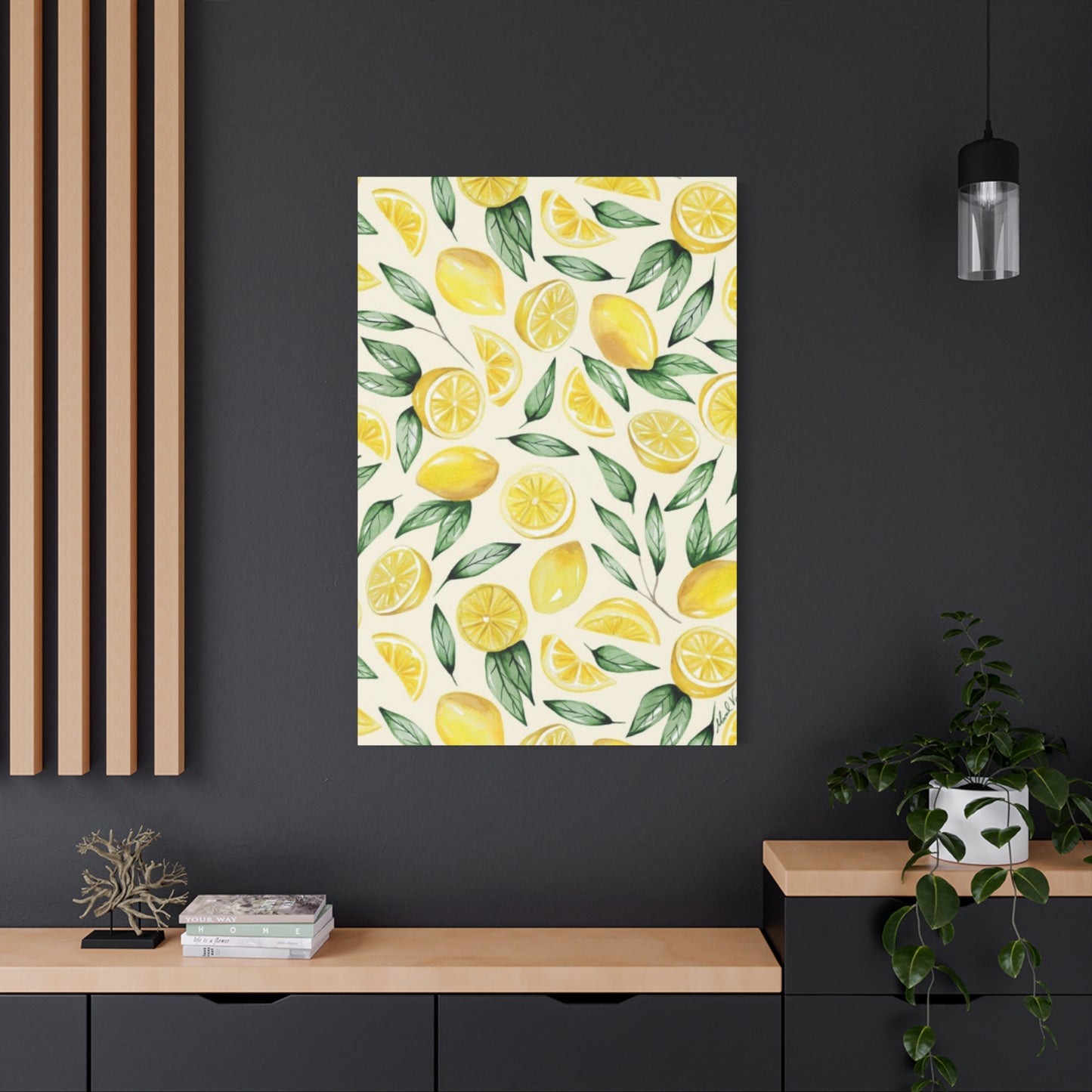
Lime Wall Art & Canvas Prints
Lime Wall Art & Canvas Prints
Couldn't load pickup availability
Citrus-Inspired Creativity: How Lime Wall Art Transforms Your Space with Bold and Vibrant Energy
The realm of interior decoration has witnessed a remarkable surge in the popularity of fruit-inspired artistic elements, particularly those featuring the zesty and invigorating characteristics of limes. These verdant spheres of nature have transcended their culinary purpose to become compelling subjects for artistic expression within residential and commercial environments. The magnetism of lime wall art stems from its ability to infuse spaces with energy, freshness, and a distinctive visual appeal that resonates with contemporary aesthetic sensibilities.
When examining the phenomenon of citrus-themed decorative elements, one discovers an intricate relationship between color psychology, natural beauty, and human emotional response. The brilliant green hues associated with limes evoke feelings of renewal, vitality, and rejuvenation. These psychological associations make such artwork particularly effective in creating environments that feel alive, inviting, and stimulating to the senses. The visual impact of lime imagery extends beyond mere decoration, functioning as a catalyst for mood enhancement and atmospheric transformation.
The versatility of lime-themed artistic pieces manifests in countless forms, from photographic prints capturing the intricate details of citrus cross-sections to abstract interpretations that celebrate the geometric perfection of these spherical fruits. Artists and designers have discovered inexhaustible possibilities within this seemingly simple subject matter, exploring textures, patterns, and compositional arrangements that reveal hidden dimensions of beauty within familiar forms. The translucent quality of lime slices, the rough texture of their skin, and the radiating segments of their flesh provide endless inspiration for creative exploration.
Contemporary interior design trends have embraced botanical and organic motifs with particular enthusiasm, positioning lime wall art at the intersection of multiple popular aesthetic movements. The farm-to-table ethos that has permeated culinary culture has extended its influence into decorative sensibilities, creating demand for artwork that celebrates natural ingredients and wholesome living. This cultural shift has elevated fruit imagery from kitsch nostalgia to sophisticated design element, worthy of prominent placement in carefully curated spaces.
Exploring Various Artistic Styles and Presentation Formats for Citrus-Inspired Wall Decorations
The diversity of artistic approaches available for depicting limes in decorative contexts offers something for every aesthetic preference and interior design scheme. Photographic representations capture the genuine essence of these citrus fruits with stunning clarity, revealing details that escape casual observation. High-resolution imagery can showcase the crystalline structure of lime flesh, the subtle gradations of color from peel to core, and the way light interacts with citrus surfaces to create mesmerizing visual effects. Such photographs often employ dramatic lighting, minimalist compositions, and strategic focus to transform ordinary subjects into extraordinary visual experiences.
Watercolor interpretations bring a softer, more ethereal quality to lime imagery, with their characteristic fluid edges and translucent layering creating dreamlike representations that feel both familiar and fantastical. The medium's inherent unpredictability results in unique variations in every piece, ensuring that each watercolor lime artwork possesses distinctive character. Artists working in this medium often exploit the natural bleeding of pigments to suggest the juicy, moisture-rich nature of citrus fruits, creating visual metaphors that engage viewers on multiple sensory levels.
Abstract and modern artistic approaches deconstruct the recognizable form of limes into essential geometric shapes, color fields, and conceptual arrangements. These interpretations might isolate the circular cross-section of a lime slice, repeating it in rhythmic patterns that create visual movement across the canvas. Alternatively, abstract artists might focus purely on the color palette associated with limes, creating compositions that evoke citrus freshness without literal representation. Such works appeal to minimalist sensibilities while maintaining a connection to natural inspiration.
Vintage and retro-styled lime artwork taps into nostalgia, referencing mid-century design aesthetics when fruit motifs were ubiquitous in kitchen decor. Contemporary artists revisiting these styles often introduce ironic distance or sophisticated refinement to distinguish their work from genuine period pieces. The deliberate artifice of vintage-inspired lime art can add personality and whimsy to spaces that might otherwise feel overly serious or austere. These pieces often incorporate typography, pattern repetition, and bold color contrasts characteristic of twentieth-century commercial design.
Three-dimensional and mixed-media presentations elevate lime wall art beyond flat surfaces, incorporating sculptural elements, layered materials, and tactile components that engage multiple senses simultaneously. Artists might combine painted elements with actual dried lime peels, create relief sculptures that project from walls, or construct assemblages incorporating various materials unified by citrus themes. These multidimensional works create dynamic interactions with light and shadow throughout the day, ensuring that the artwork continuously evolves in appearance as environmental conditions change.
Strategic Placement Considerations for Maximizing the Visual Impact of Citrus Wall Decorations
The effectiveness of lime wall art depends significantly upon thoughtful placement within the broader context of interior spaces. Strategic positioning considers factors including lighting conditions, surrounding color schemes, furniture arrangements, and the intended emotional atmosphere of each room. Understanding these variables enables homeowners and designers to leverage citrus-themed artwork to its fullest potential, creating harmonious environments that feel intentional and well-conceived.
Kitchen environments represent the most intuitive location for lime-themed decorative elements, given the natural association between citrus fruits and culinary activities. However, the execution of this seemingly obvious choice requires subtlety to avoid cliché or overly literal interpretation. Rather than clustering multiple fruit-themed items in predictable arrangements, discerning designers might select a single large-scale lime artwork as a focal point, allowing it to anchor the room's aesthetic without overwhelming the space. The reflective surfaces common in kitchens, including stainless steel appliances and glossy countertops, can be complemented or contrasted with lime imagery depending on desired effects.
Dining areas benefit from lime wall art that stimulates appetite while maintaining sophisticated ambiance. The psychological association between citrus fruits and freshness can enhance the dining experience, subtly suggesting the quality and vibrancy of meals served in the space. Positioning lime artwork where it catches diners' attention without dominating their field of vision strikes an effective balance between presence and subtlety. Consideration of viewing angles from seated positions ensures that the artwork remains engaging throughout extended meal times.
Living rooms and common areas present opportunities for lime wall art to function as conversation pieces and personality expressions. These spaces typically accommodate larger-scale works and can support bolder artistic statements. The social nature of living areas makes them ideal locations for artwork that reflects homeowners' interests, values, and aesthetic sensibilities. Lime-themed pieces in these contexts might lean toward abstract or sophisticated interpretations rather than overtly decorative styles, aligning with the elevated conversational tone of formal entertaining spaces.
Bathroom environments, though sometimes overlooked in decorating schemes, offer unexpected potential for lime wall art. The association between citrus scents and cleanliness, combined with the refreshing qualities of green hues, makes these spaces natural fits for lime imagery. Moisture-resistant framing and materials ensure longevity in humid conditions. The typically smaller scale of bathroom walls often suits intimate, detailed works that reward close examination during private moments.
Bedroom placement of lime wall art introduces energizing elements into personal sanctuaries, though careful consideration of intensity ensures that stimulating visuals don't interfere with relaxation and sleep. Positioning citrus-themed pieces away from direct sightlines from bed allows residents to enjoy their energizing effects without unwanted stimulation during rest periods. Alternatively, selecting softer, more muted interpretations of lime imagery maintains thematic consistency while supporting the bedroom's primary function as a restorative environment.
Office and workspace installations of lime wall art can combat the mental fatigue associated with prolonged concentration. The refreshing associations of citrus imagery provide psychological breaks during demanding work sessions, while green color tones have been demonstrated to reduce eye strain and promote sustained focus. Strategic placement within peripheral vision allows workers to benefit from these effects without creating distraction from primary tasks.
Color Coordination Strategies for Harmonizing Citrus Artwork with Existing Interior Palettes
The successful incorporation of lime wall art requires thoughtful consideration of existing color schemes and deliberate choices about whether to create harmony or strategic contrast. The dominant green tones of lime imagery interact with surrounding colors in complex ways, either reinforcing established palettes or introducing dynamic tension that adds visual interest to otherwise monochromatic spaces.
Complementary color relationships offer one approach to positioning lime artwork within interiors. The color wheel positions red-violet hues opposite yellow-green tones, suggesting that lime imagery pairs exceptionally well with purple, magenta, and burgundy accents. This complementary relationship creates vibrant energy and visual excitement, though it requires restraint to avoid overwhelming sensory impact. Designers might introduce lime artwork into spaces featuring wine-colored furnishings or plum accent walls, allowing the citrus elements to provide refreshing counterpoint to richer, deeper tones.
Analogous color schemes create harmonious flow by grouping colors adjacent on the color wheel. Lime wall art integrates seamlessly into spaces featuring yellow, yellow-green, and blue-green elements. This approach yields cohesive environments where colors transition smoothly without jarring contrasts. Rooms decorated in analogous palettes often feel naturally unified and restful, with lime artwork enhancing rather than disrupting established atmospheric qualities. Such schemes work particularly well in coastal or tropical-inspired interiors where various shades of green and blue suggest natural landscapes.
Monochromatic approaches explore the full range of green tones, from deep forest hues to pale mint. Incorporating lime wall art into these schemes adds interest through variation in value and saturation rather than hue. The specific yellow-green characteristic of limes can provide brightness to darker green-dominated spaces or introduce warmth to cooler blue-green environments. Monochromatic schemes reward attention to subtle gradations and textural variety, as the limited color range places increased emphasis on other visual qualities.
Neutral backgrounds provide versatile canvases for lime wall art, allowing the vibrant green tones to become dominant focal points within spaces. White, gray, beige, and taupe walls enable citrus imagery to command attention without competing with surrounding colors. This approach suits minimalist aesthetic preferences and allows seasonal or occasional rotation of accent colors through accessories and textiles without requiring artwork changes. The crisp freshness of lime greens against neutral backgrounds creates clean, contemporary atmospheres.
Unexpected color combinations challenge conventional design thinking while creating memorable, distinctive interiors. Pairing lime wall art with coral, turquoise, or golden yellow introduces playful energy and demonstrates design confidence. These adventurous schemes require careful calibration of proportions and saturation levels to avoid visual chaos. When executed skillfully, however, unconventional combinations reveal exciting possibilities and create spaces with strong personality and individuality.
Selecting Appropriate Frame Styles and Materials to Enhance Citrus-Themed Artwork
The framing choices surrounding lime wall art significantly influence its overall presentation and effectiveness within interior contexts. Frames function as transitional elements between artwork and surrounding architecture, either emphasizing the piece's separateness or facilitating its integration into broader design schemes. Understanding the implications of various framing approaches enables more intentional, effective display of citrus-themed decorative elements.
Minimalist metal frames, particularly those in sleek silver, gold, or black finishes, provide contemporary elegance that allows artwork to remain the primary focus. These understated borders define edges without overwhelming imagery, suiting modern and transitional interior styles. The thin profiles characteristic of metal frames minimize visual weight, creating the impression that artwork floats against walls rather than being heavily mounted. This lightness complements the fresh, bright qualities associated with lime imagery, reinforcing themes of vitality and energy.
Natural wood frames introduce warmth and organic texture that can enhance the botanical nature of lime wall art. Light woods like oak, maple, or bamboo create casual, approachable presentations suitable for relaxed environments. Darker woods including walnut and mahogany add sophistication and gravitas, elevating citrus imagery toward fine art status. The grain patterns and color variations inherent in wooden frames provide subtle visual interest that enriches overall presentation without competing with primary imagery.
White or off-white frames create clean, gallery-like presentations that work particularly well in contemporary spaces with abundant natural light. These frames establish clear boundaries around artwork while maintaining visual simplicity. The contrast between white frames and green lime imagery enhances the vibrancy of citrus tones, making colors appear more saturated and vivid. This approach suits spaces where artwork serves as punctuation within predominantly neutral color schemes.
Ornate, decorative frames introduce traditional elegance and can create interesting juxtapositions when paired with contemporary lime imagery. This intentional style clash generates visual tension that can be quite compelling, suggesting layers of meaning and historical reference. However, such combinations require confident execution to avoid appearing confused or poorly considered. When successful, ornate framing of modern citrus art demonstrates sophisticated design thinking and willingness to challenge conventional categorizations.
Frameless presentations, including canvas wraps and mounted prints, emphasize the immediacy and modernity of lime wall art. These approaches eliminate barriers between viewers and imagery, creating direct, unmediated visual experiences. The absence of frames suits casual, contemporary environments and works particularly well with abstract or photographic lime imagery. However, frameless presentations offer less protection and may appear incomplete in more formal settings where framed artwork establishes expected visual vocabulary.
Matting considerations add another layer of presentation refinement. Wide mats create breathing room around artwork, preventing visual crowding and lending importance to displayed pieces. White mats enhance the fresh, clean qualities of lime imagery, while colored mats can introduce subtle harmonies or contrasts. The quality and width of matting communicate care and investment in presentation, elevating even modest prints toward gallery-worthy status.
Investigating the Psychological Effects and Emotional Responses to Green and Citrus Imagery
The human response to lime wall art extends beyond aesthetic appreciation into realms of psychological impact and emotional resonance. Color psychology research has established connections between specific hues and predictable human reactions, providing scientific grounding for the effectiveness of certain decorative choices. Understanding these mechanisms enables more intentional manipulation of environmental atmospheres through strategic artwork selection.
Green tones occupy a unique position in color psychology, simultaneously conveying growth, harmony, stability, and renewal. Unlike the stimulating intensity of warm colors or the coolness of blues, green provides balanced, centering effects that most people find naturally calming. The specific yellow-green characteristic of limes introduces additional dimensions, adding brightness and energy to green's fundamental stability. This combination creates psychological states characterized by alert relaxation rather than drowsy passivity or anxious stimulation.
The association between citrus fruits and cleanliness derives from both sensory experience and cultural conditioning. Lemon and lime scents feature prominently in cleaning products, creating learned connections between citrus and hygiene. This association transfers to visual representations, allowing lime wall art to subtly suggest freshness and cleanliness within spaces. The psychological comfort derived from perceiving environments as clean and well-maintained contributes to overall wellbeing and satisfaction with living spaces.
Biophilic design principles explain why representations of natural elements, including fruits, create positive psychological responses. Humans evolved in close contact with natural environments, developing deep-seated preferences for organic forms, natural colors, and botanical imagery. Bringing these elements into built environments through artwork satisfies innate psychological needs, reducing stress and promoting mental restoration. Lime wall art functions as accessible nature exposure for urban dwellers with limited access to actual green spaces.
The bright, saturated colors typical of lime imagery stimulate mental alertness and cognitive function. Research suggests that exposure to vibrant colors increases neural activity and enhances problem-solving capabilities. This makes lime wall art particularly appropriate for workspaces, study areas, and other environments where mental performance matters. The stimulating effects occur without the anxious edge sometimes associated with warmer colors like red and orange, making citrus tones effective without being overwhelming.
Seasonal affective responses to color provide another dimension of psychological impact. During winter months when outdoor greenery disappears in many climates, lime wall art provides visual connection to spring and summer vitality. This can partially offset seasonal mood declines, offering psychological support during challenging periods. The eternal spring suggested by lime imagery creates optimistic, forward-looking atmospheres that combat the melancholy sometimes associated with dormant seasons.
Cultural associations with citrus fruits vary across different societies, adding layers of meaning to lime wall art depending on viewers' backgrounds. In many cultures, citrus fruits symbolize prosperity, good fortune, and hospitality. These positive associations enhance the welcoming qualities of spaces decorated with lime imagery. Understanding the cultural context of viewers enables more nuanced deployment of citrus-themed decorative elements in multicultural environments.
Crafting Personalized Citrus Art Through Various Creative Methods and Approaches
The creation of custom lime wall art offers opportunities for personal expression and ensures unique decorative elements perfectly suited to specific spaces and preferences. Various artistic methods accommodate different skill levels, from accessible beginner-friendly approaches to sophisticated techniques requiring substantial practice. Exploring these creative possibilities enables homeowners to develop truly personalized decorative schemes that reflect individual tastes and values.
Photography represents perhaps the most accessible entry point for creating custom lime wall art. Modern smartphone cameras possess sufficient quality to capture compelling citrus imagery, though dedicated cameras offer greater creative control. Experimenting with lighting conditions, backgrounds, and compositional arrangements yields diverse results from similar subject matter. Macro photography reveals intricate details invisible to casual observation, transforming familiar objects into abstract landscapes of texture and color. Backlighting lime slices creates luminous, stained-glass effects, while dramatic side lighting emphasizes three-dimensional form and surface texture.
Painting lime-themed artwork accommodates various skill levels and aesthetic preferences. Beginners might start with simple acrylic paintings using basic shapes and limited color palettes, gradually building confidence and technique. More practiced artists can explore oil painting's rich color depth and blending possibilities, or experiment with watercolor's unpredictable fluidity. The forgiving nature of acrylic paint makes it ideal for experimental approaches, while its quick drying time enables layering and modification. Reference photographs provide guidance for realistic rendering, while imaginative interpretations explore abstraction and stylization.
Printmaking techniques including linocut, screen printing, and monoprinting offer distinctive aesthetic qualities well-suited to lime imagery. The bold, graphic nature of linocut aligns perfectly with the simple forms of citrus fruits, while screen printing enables precise color control and edition creation. These methods produce artwork with characteristic textures and visual qualities that differentiate handmade prints from commercial reproductions. The relief nature of linocut and woodcut emphasizes contours and shapes, distilling subjects to essential elements.
Digital illustration and graphic design software provide powerful tools for creating lime wall art without traditional artistic skills. Vector graphics programs enable precise control over shapes, colors, and compositions, producing clean, scalable artwork suitable for large-format printing. Raster programs like digital painting applications simulate traditional media while offering unlimited undoing and experimental freedom. The accessibility of digital tools has democratized artistic creation, enabling anyone with computer access to produce sophisticated imagery.
Collage and mixed-media approaches combine various materials and techniques to create richly textured lime artwork. Artists might integrate painted elements with magazine cutouts, fabric pieces, and three-dimensional objects unified by citrus themes. The juxtaposition of different materials creates visual complexity and invites close examination. Found object incorporation adds conceptual depth, potentially commenting on consumer culture, sustainability, or the relationship between art and everyday life.
Botanical pressing and preservation techniques can incorporate actual lime peels and leaves into artwork, creating literal representations alongside aesthetic ones. Dried citrus slices develop translucent, jewel-like qualities perfect for backlit displays or resin embedding. These methods require patience as materials slowly dehydrate, but yield unique results impossible to achieve through purely representational means. The fragility of botanical materials adds poignancy, reminding viewers of nature's ephemeral beauty.
Understanding Size Proportions and Scale Considerations for Citrus Wall Decorations
The physical dimensions of lime wall art dramatically influence its impact and effectiveness within interior spaces. Scale considerations extend beyond simple measurements to encompass relationships between artwork size, room dimensions, furniture proportions, and viewing distances. Mastering these principles enables creation of balanced, harmonious environments where decorative elements enhance rather than overwhelm or underwhelm their surroundings.
Large-scale lime artwork commands attention and functions as dominant focal points within spaces. Pieces measuring four feet or larger create immediate visual impact, drawing eyes and anchoring rooms around their presence. Such substantial works suit spacious areas with high ceilings and open floor plans where smaller pieces might appear insignificant or lost. The intimacy of close-up lime imagery at monumental scale reveals details typically invisible, transforming familiar subjects into abstract landscapes of color and form. However, oversized artwork in cramped quarters creates claustrophobic feelings and visual imbalance, making scale matching to room size essential.
Medium-sized pieces between two and four feet offer versatility across various spaces and design contexts. These dimensions provide sufficient presence to register as intentional decorative elements without dominating environments. Medium works accommodate standard furniture groupings, typically hanging above sofas, beds, or console tables at proportions that feel balanced and appropriate. The conventional nature of these dimensions sometimes makes them blend into backgrounds more than designers intend, requiring thoughtful placement and surrounding negative space to ensure adequate prominence.
Small-scale lime artwork introduces subtle decorative touches and works effectively in grouped arrangements. Individual pieces under two feet might disappear if displayed alone on expansive walls but create compelling visual interest when arranged in grids, galleries, or asymmetric clusters. Small formats suit intimate spaces including bathrooms, hallways, and reading nooks where viewing distances remain close. The affordability of smaller pieces enables collection building and experimental purchasing without major financial commitment.
Gallery walls combining multiple lime artworks at various scales create dynamic, personalized displays reflecting collecting histories and evolving tastes. Successful gallery arrangements balance sizes, maintaining overall rectangular or linear outlines while varying individual piece dimensions. Odd numbers of pieces typically create more visually pleasing arrangements than even numbers, with three, five, or seven pieces offering particularly effective configurations. Maintaining consistent spacing between pieces, usually two to three inches, provides unity without crowding.
Proportion relationships between artwork and furniture deserve careful attention. General guidelines suggest that artwork above sofas should measure roughly two-thirds to three-quarters of the furniture width, creating visual connection without exact matching. Pieces appearing too small for their locations seem afterthoughts, while oversized works can appear to crush furniture below. These proportional guidelines adapt to specific contexts, with personal preference ultimately determining success.
Vertical versus horizontal orientation significantly impacts how lime wall art functions within spaces. Vertical formats emphasize height, making ceilings appear taller and walls more imposing. These orientations suit narrow wall sections between windows or doorways. Horizontal formats spread visual weight laterally, making walls appear wider and spaces more expansive. These work particularly well above horizontal furniture arrangements including sofas and beds. Square formats offer balanced, stable presentations without directional emphasis.
Viewing distance calculations ensure artwork remains legible and impactful from typical observation points. Pieces intended for hallway viewing require different scale considerations than those displayed in spacious living areas where viewers may sit fifteen feet away. Detailed imagery rewards close examination but may appear confusing from distance, while bold, simple compositions maintain impact across rooms. Considering how spaces will actually be used ensures artwork selection appropriate to viewing circumstances.
Examining the Symbolic Meanings and Cultural Significance of Citrus Fruit in Artistic Expression
Beyond their visual appeal and decorative function, lime wall art carries symbolic weight derived from historical associations, cultural meanings, and metaphorical resonance. Understanding these deeper dimensions enriches appreciation and enables more intentional artwork selection aligned with desired messages and atmospheres. The layered significance of citrus imagery spans practical, spiritual, and conceptual realms, offering multiple interpretive frameworks.
Throughout many cultural traditions, citrus fruits symbolize prosperity, abundance, and good fortune. The bright colors, pleasant aromas, and refreshing tastes of limes and their relatives created positive associations transferred into symbolic systems. In some societies, displaying fruit imagery demonstrates hospitality and generosity, suggesting bountiful provision for guests and family members. This welcoming symbolism makes lime wall art particularly appropriate for entryways, dining spaces, and gathering areas where hospitality matters.
The evergreen nature of citrus trees, maintaining foliage year-round and producing fruit in off-seasons, established associations with eternal life, renewal, and cycles transcending linear time. Unlike deciduous trees that appear to die and resurrect annually, citrus trees demonstrate continuous vitality. This quality resonates in spiritual and philosophical contexts, representing endurance, consistency, and reliable provision. Lime imagery can therefore suggest stability amidst change, offering visual reassurance of underlying permanence.
Maritime and exploration histories feature citrus fruits prominently due to their role in preventing scurvy during long sea voyages. This connection imbues lime imagery with connotations of adventure, discovery, and expanding horizons. The association between limes and global exploration suggests openness to new experiences and willingness to venture beyond familiar territories. Spaces decorated with lime wall art might subtly communicate these adventurous qualities, reflecting inhabitants' worldly interests and curious dispositions.
The geometry of citrus cross-sections has fascinated observers for centuries, with their perfect radial symmetry suggesting divine design and mathematical order underlying natural forms. This sacred geometry interpretation connects lime imagery to broader contemplative traditions recognizing patterns and proportions throughout creation. Artwork emphasizing the geometric perfection of lime slices can function as meditative focal points, inviting reflection on harmony, balance, and elegant simplicity.
Color symbolism adds layers of meaning to lime wall art beyond form-based associations. Green's connections to growth, fertility, and natural abundance amplify the inherent symbolic content of citrus imagery. The yellow undertones present in lime greens introduce additional associations with sunlight, happiness, and mental clarity. This combination creates complex symbolic vocabularies expressing multiple meanings simultaneously.
Contemporary environmental consciousness has introduced new symbolic dimensions to fruit imagery, including limes. Representing organic, sustainable, and locally-grown values, citrus artwork can signal commitment to ecological responsibility and conscious consumption. The farm-to-table movement's elevation of simple, wholesome ingredients extends into decorative choices, with lime wall art functioning as visual affirmation of these priorities. This symbolic usage particularly resonates in kitchens and dining areas where food-related values manifest most directly.
The medicinal properties attributed to citrus fruits throughout various healing traditions create associations between lime imagery and wellness, vitality, and self-care. Vitamin C's immune-supporting qualities make citrus synonymous with healthfulness in popular consciousness. Displaying lime wall art in spaces dedicated to wellness activities, including exercise areas and meditation rooms, reinforces intentions toward physical and mental wellbeing through symbolic reminder.
Investigating Print Quality Factors and Reproduction Technologies for Citrus Artwork
The technical aspects of producing lime wall art significantly impact final results, determining whether pieces appear professional and gallery-worthy or amateurish and disappointing. Understanding reproduction technologies, material choices, and quality indicators enables informed purchasing decisions and ensures satisfaction with acquired artwork. These considerations apply whether commissioning custom pieces, purchasing prints, or producing personal creations.
Printing resolution, measured in dots per inch (DPI), fundamentally determines image clarity and detail reproduction. High-quality prints require minimum 300 DPI resolution, ensuring smooth gradations and sharp details invisible to naked eyes at normal viewing distances. Lower resolutions produce visible pixelation and jagged edges that immediately signal inferior quality. When creating or purchasing lime wall art, verifying resolution specifications prevents disappointment with fuzzy, unprofessional results. Large-format printing may utilize slightly lower resolutions as increased viewing distances reduce perceptible quality differences.
Inkjet versus pigment-based printing technologies produce markedly different results in color accuracy, longevity, and surface texture. Standard inkjet printers use dye-based inks that produce vibrant colors but fade relatively quickly when exposed to light. Archival pigment inks offer superior longevity, maintaining color fidelity for decades under proper conditions. Professional giclée printing uses archival pigment inks on museum-quality substrates, producing gallery-standard results suitable for serious collections. The premium cost of giclée printing reflects superior materials and equipment, making it worthwhile investment for important pieces.
Paper selection dramatically influences the appearance and feel of lime wall art prints. Smooth, glossy papers enhance color saturation and provide contemporary, photograph-like surfaces. Matte papers offer subdued, sophisticated presentations reducing glare and reflections. Textured fine art papers introduce tactile dimension and artistic character, making prints feel more like original paintings than photographic reproductions. Heavyweight papers convey quality and prevent flimsiness, while acid-free archival papers ensure longevity without yellowing or deterioration.
Canvas printing creates substantial, gallery-wrapped presentations suitable for frameless display. The textile surface introduces painterly texture that enhances artistic character. Stretched canvas wrapping around wooden frames produces three-dimensional objects rather than flat prints, adding physical presence. However, canvas printing's texture can slightly soften detail compared to smooth paper, making it better suited for painterly or abstract lime imagery than extremely detailed photographic work.
Metal and acrylic printing represent cutting-edge reproduction technologies offering distinctive aesthetic qualities. Metal prints infuse images into specially coated aluminum surfaces, creating luminous, almost holographic effects with extraordinary color depth. These ultra-contemporary presentations suit modern interiors and resist moisture, making them appropriate for bathrooms and kitchens. Acrylic prints sandwich images between clear acrylic sheets or mount them behind single acrylic panels, creating depth and gloss that intensifies colors. Both technologies command premium prices but deliver stunning results impossible through conventional printing.
Color calibration ensures that printed lime wall art accurately represents original imagery. Monitor displays and printers interpret colors differently, potentially producing disappointing mismatches between screen appearances and physical prints. Professional color management using calibrated equipment and standard color profiles minimizes these discrepancies. When commissioning custom prints, discussing color expectations and requesting proof prints prevents expensive disappointments with final products.
Protective coatings and varnishes extend artwork longevity by shielding surfaces from environmental damage. UV-resistant glazing prevents fading from sunlight exposure, while moisture-resistant coatings protect against humidity damage. These treatments add costs but prove worthwhile for important pieces or artwork displayed in challenging conditions. Understanding available protective options enables informed decisions balancing budget constraints against preservation concerns.
Discovering Budget-Conscious Approaches to Acquiring Quality Citrus Wall Decorations
Financial considerations inevitably influence decorating decisions, making knowledge of cost-effective acquisition strategies valuable for creating beautiful spaces without excessive expenditure. Quality lime wall art remains accessible across various price points, with creative approaches enabling attractive results on modest budgets. Understanding where to allocate limited resources and where acceptable compromises exist allows maximum impact from available funds.
Digital downloads represent the most economical entry point for lime wall art, eliminating printing and shipping costs while providing instant access. Numerous artists and platforms offer downloadable artwork files for nominal fees, typically ranging from five to twenty dollars per image. Purchasers assume responsibility for printing, allowing control over size, material, and finish while maintaining budget consciousness. Local print shops or online printing services convert digital files into physical artwork at competitive prices. This approach requires more active participation than purchasing finished pieces but offers maximum flexibility and economy.
Reproduction prints of existing artwork balance affordability with quality, making professional imagery accessible without original artwork prices. Limited edition prints signed and numbered by artists carry greater value than unlimited reproductions but cost substantially less than unique works. Open edition prints sacrifice collectibility for affordability, offering attractive decorative solutions without investment implications. Understanding edition types enables informed decisions about appropriate expenditure levels for specific contexts and intentions.
Emerging artists and student work provides another avenue for acquiring original lime wall art at accessible prices. Art school exhibitions, student galleries, and online platforms connecting emerging creators with audiences offer opportunities to purchase unique pieces supporting developing talents. These works lack the cachet of established artists but often demonstrate impressive skill and fresh perspectives. Purchasing from emerging artists sometimes yields excellent value, with pieces potentially appreciating as creators gain recognition.
Thrift stores, estate sales, and secondhand markets occasionally yield surprising treasures at bargain prices. While finding specific subject matter like lime wall art requires patience and regular checking, the dramatically reduced prices make the effort worthwhile for persistent bargain hunters. Frames alone often justify purchases even when contained artwork holds no appeal, as quality frames purchased new cost substantial amounts. Swapping existing artwork for personal photographs or prints creates custom pieces at minimal cost.
DIY creation of lime wall art represents ultimate budget consciousness, requiring only time and modest material investments. Capturing personal photographs costs nothing beyond existing phone or camera capabilities, while printing at home using quality papers purchased in bulk reduces per-print costs significantly. Even purchasing supplies for painting or other artistic creation typically costs less than acquiring finished professional work, with the added benefit of ensuring completely unique results. The personal satisfaction and creative fulfillment from producing original artwork adds non-financial value enriching the experience.
Seasonal sales and promotional periods offer opportunities to acquire quality lime wall art at reduced prices. Many online retailers and galleries conduct regular sales, particularly around holidays and at season transitions. Subscribing to mailing lists and following favorite sources on social platforms provides advance notice of upcoming promotions. Strategic patience to wait for sales can yield substantial savings, though this requires accepting delayed gratification rather than immediate acquisition.
Print-on-demand services eliminate inventory costs for sellers, often resulting in lower consumer prices. These platforms allow artists to upload designs that customers then order as needed, with production occurring only after purchase. The lack of inventory risk enables competitive pricing while maintaining quality standards. Print-on-demand also accommodates customization, allowing buyers to select specific sizes, materials, and finishes suited to their needs and budgets.
Caring for and Preserving Lime Wall Art to Ensure Lasting Beauty and Condition
Proper stewardship of lime wall art protects investments and maintains visual appeal throughout years of display. Different materials and production methods require specific care approaches, with knowledge enabling appropriate handling and preservation. Understanding threats to artwork longevity and implementing protective measures prevents deterioration and extends enjoyment of cherished pieces.
Sunlight exposure represents the primary threat to most artwork, causing fading, discoloration, and material degradation. Ultraviolet radiation breaks down pigments and substrates at molecular levels, with cumulative damage becoming visible over months or years. Positioning lime wall art away from direct sunlight streaming through windows prevents the most severe damage. When sunlight exposure proves unavoidable, UV-filtering glazing or window films provide significant protection. Rotating displayed artwork periodically distributes exposure evenly across collections, preventing some pieces from suffering disproportionate damage while others remain pristine.
Humidity fluctuations threaten artwork through expansion and contraction cycles that stress materials, particularly paper and canvas. Excessive moisture encourages mold growth and causes warping, while extreme dryness makes materials brittle and prone to cracking. Maintaining stable indoor humidity between forty and sixty percent creates ideal preservation conditions. Dehumidifiers address excessive moisture in damp climates, while humidifiers prevent over-drying in arid regions or during winter heating seasons. Avoiding direct proximity to moisture sources including bathrooms, kitchens, and exterior walls reduces localized humidity exposure.
Temperature extremes and fluctuations stress artwork materials similarly to humidity variations. Maintaining consistent moderate temperatures between sixty-five and seventy-five degrees Fahrenheit provides optimal conditions. Avoiding placement near heat sources including radiators, fireplaces, and heating vents prevents localized overheating. Similarly, avoiding exterior walls subject to outdoor temperature transmission reduces thermal stress. Climate-controlled environments offer ideal preservation conditions, though reasonable care in typical homes provides adequate protection for most pieces.
Dust accumulation dulls colors and creates abrasive particles that damage surfaces during cleaning attempts. Regular gentle dusting using soft, clean brushes or microfiber cloths prevents buildup. Avoiding feather dusters, which can scratch surfaces with their quills, and never applying pressure during dusting maintains surface integrity. For glazed or glass-covered artwork, occasional cleaning with appropriate glass cleaners keeps surfaces sparkling. Unprotected artwork requires more cautious cleaning, potentially using specialized art conservation products for valuable pieces.
Handling artwork with clean hands prevents oil transfer from skin contact. Natural skin oils attract dirt and can cause permanent staining on porous materials. Wearing cotton gloves when handling particularly valuable or delicate pieces provides additional protection. Always supporting artwork from bottom edges rather than grasping frames reduces stress on hanging hardware and joints. When moving framed pieces, carrying with both hands distributing weight evenly prevents frame flex that might stress glass or cause joint separation.
Periodic inspection for damage signs enables early intervention before minor issues become major problems. Checking for loose frame joints, damaged corners, or separating glazing allows timely repairs. Examining paper and canvas for discoloration, staining, or other degradation indicators helps identify environmental problems requiring correction. For valuable artwork showing damage signs, consulting professional conservators ensures appropriate treatment maintaining piece value and integrity.
Storage conditions for artwork not currently displayed require equal attention to preservation principles. Storing pieces vertically rather than horizontally prevents weight compression damage. Wrapping artwork in acid-free tissue paper provides protection without introducing harmful chemicals that could cause degradation. Climate-controlled storage areas maintain stable conditions preventing deterioration.
Conclusion
Lime Wall Art offers a refreshing and vibrant way to bring energy, creativity, and a touch of nature into your living spaces. Inspired by the zesty and invigorating qualities of lime, this unique style of wall art infuses your home with a burst of color and a sense of playfulness. Whether through abstract designs, realistic fruit depictions, or vibrant patterns that echo the lively spirit of citrus fruits, Lime Wall Art brings a fresh and lively atmosphere to any room, making it an ideal choice for those looking to brighten up their interior décor with a splash of color and personality.
The use of lime green—the color of vitality, growth, and freshness—instantly draws the eye and creates a sense of energy within the space. This color, often associated with freshness and renewal, brings a sense of optimism and positivity, making it perfect for kitchens, living rooms, or even home offices where creativity and liveliness are welcomed. Lime’s dynamic hue can stand out as a bold accent in a neutral room, or it can be used to complement other bright colors in a more vibrant, eclectic space. Whether used in a minimalistic setting to add a pop of color or as part of a more maximalist approach where citrus motifs blend with other colorful elements, Lime Wall Art fits effortlessly into a wide range of design aesthetics.
What makes lime-inspired artwork so versatile is its ability to evoke both modern and organic vibes. Lime, being both a natural and playful color, can blend well with other earthy tones or more bold, contemporary hues. For example, pairing lime green artwork with natural wood furniture, tropical plants, and clean white walls creates a light, fresh environment that invites a sense of vitality and natural elegance. Alternatively, the bold vibrancy of lime can also create a fun, youthful energy when paired with other bright accents like hot pink, electric blue, or sunny yellow, perfect for energizing a family room or home studio.
The thematic focus of Lime Wall Art also offers exciting creative possibilities. From realistic representations of lime slices and whole fruits that capture the tangy essence of citrus, to more abstract interpretations where geometric patterns and bold lines evoke the shape and form of the fruit itself, this style of art encourages endless customization. Lime can also be paired with other fruits like lemons, oranges, or even mint leaves to create an entire citrus-inspired collection that brings a sense of lightness and joy into the home. The artwork's lively, vibrant palette can stimulate the senses, making it particularly effective in spaces meant to inspire creativity, productivity, or relaxation.
Additionally, lime-colored art can serve as a powerful conversation starter. Guests are often intrigued by the boldness and uniqueness of citrus-inspired décor, and the playfulness of lime wall art can spark lively discussions. Whether it’s a large, dramatic print or a small, whimsical piece tucked into a cozy corner, the art serves as a joyful reminder of nature’s bounty and the beauty that can be found in everyday elements.
In conclusion, Lime Wall Art is an expressive and fun way to elevate your home décor, infusing it with the invigorating energy of citrus colors and creative patterns. The vivid green of lime brings a fresh, youthful vibe to your interiors, while its versatility allows for integration into a variety of design schemes. Whether you want to make a bold statement in a modern space or subtly enhance a more neutral room with a touch of color, lime-inspired art has the power to bring life, personality, and a sense of joy to any space. By incorporating Lime Wall Art into your home, you not only brighten your surroundings but also create an environment that inspires creativity, positivity, and a connection to nature’s vibrant beauty.
Share