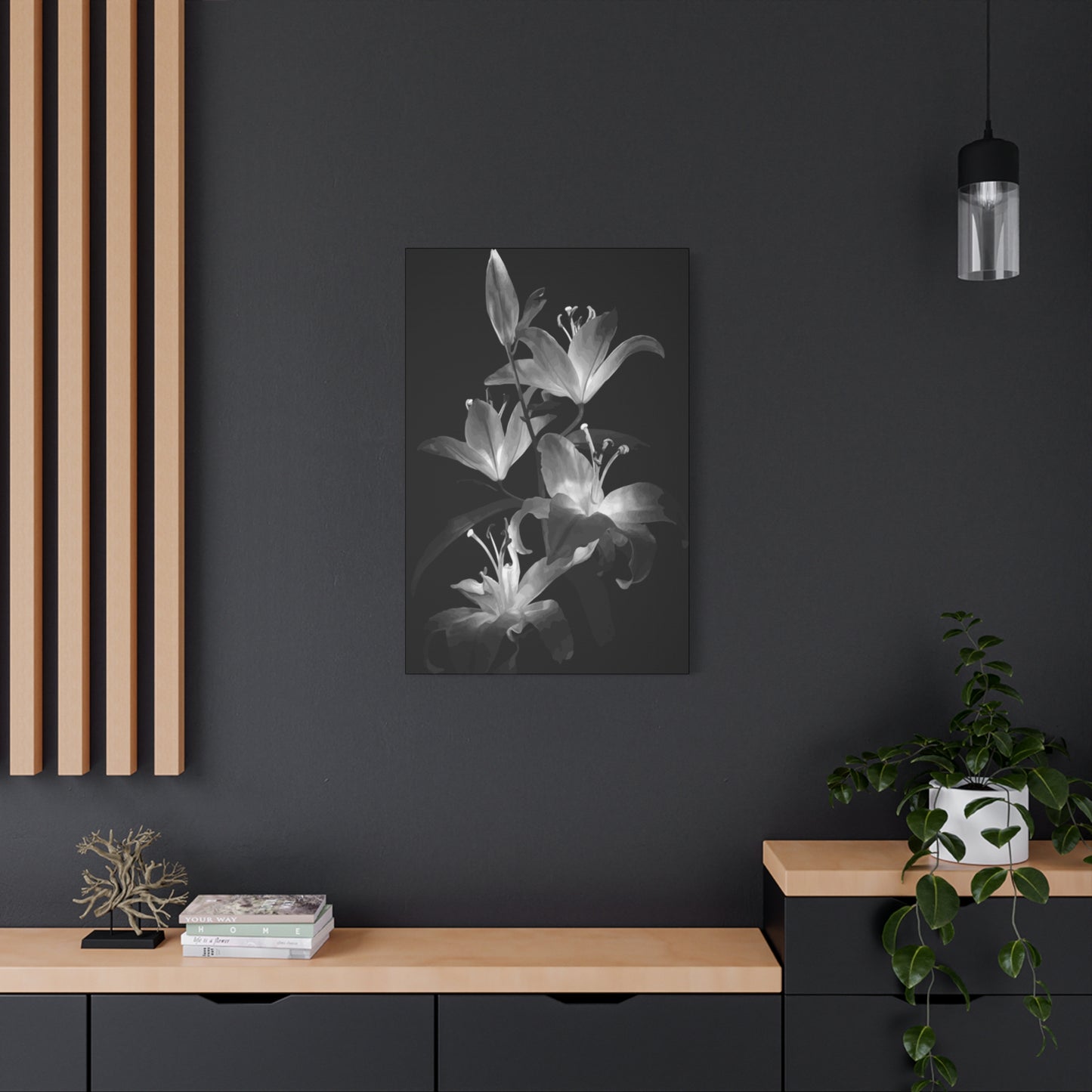
Lily Wall Art & Canvas Prints
Lily Wall Art & Canvas Prints
Couldn't load pickup availability
Lily Wall Art: Discover the Timeless Beauty and Elegance of Floral Décor for Modern Living Spaces
The world of interior decoration has witnessed a remarkable transformation over recent decades, with homeowners and designers increasingly seeking sophisticated ways to infuse natural elements into residential and commercial environments. Among the myriad options available for enhancing living spaces, botanical-inspired decorations have emerged as particularly captivating choices that seamlessly blend aesthetic appeal with cultural significance. The delicate petals, graceful stems, and symbolic meanings associated with these flowers create opportunities for meaningful self-expression through carefully curated décor selections.
When examining the landscape of floral-themed decorations, one discovers that certain blooms possess an enduring quality that transcends temporary trends and fashion cycles. These particular flowers have captivated human imagination for millennia, appearing in ancient texts, religious ceremonies, and artistic masterpieces across diverse civilizations. Their pristine appearance and elegant form make them exceptionally versatile subjects for various artistic interpretations, from photorealistic representations to abstract impressions that capture their essential spirit.
The appeal of lily wall art extends far beyond mere visual attractiveness, encompassing layers of symbolic meaning that resonate with individuals across different cultural backgrounds and personal philosophies. Throughout recorded history, these magnificent blooms have represented purity, renewal, transformation, and spiritual enlightenment in numerous traditions. Ancient Egyptian pharaohs adorned their tombs with depictions of these flowers, believing they possessed mystical properties that could facilitate passage into the afterlife. Greek mythology attributed their creation to the goddess Hera, while Christian iconography frequently portrayed them alongside the Virgin Mary as emblems of divine grace and innocence.
The Profound Symbolism and Cultural Significance Behind These Magnificent Blooms in Artistic Expressions
Exploring the symbolic dimensions of these flowers reveals a rich tapestry of meanings that have evolved across centuries and continents. In Eastern philosophies, particularly within Buddhist traditions, these blooms represent the journey from darkness to enlightenment, as they emerge from murky waters to bloom in radiant purity above the surface. This powerful metaphor for spiritual transformation has inspired countless artistic interpretations, with artists seeking to capture not merely the physical beauty of the petals but also the deeper philosophical concepts they embody.
Different varieties and colors of these flowers carry distinct symbolic associations that add layers of meaning to decorative pieces. White blooms traditionally signify innocence, virtue, and the transcendent qualities of the human spirit, making them popular choices for spaces dedicated to contemplation or spiritual practice. Pink varieties convey prosperity, abundance, and compassion, while yellow exemplars represent gratitude, joy, and the celebration of life's precious moments. Orange specimens communicate confidence, pride, and passionate energy, whereas their rare black counterparts symbolize mystery, elegance, and the acknowledgment of life's darker aspects.
The Victorian era witnessed particularly elaborate symbolic systems surrounding floral imagery, with specific meanings attributed to different blooms, colors, and even the manner in which they were presented. During this period, individuals used flowers as a sophisticated language to communicate sentiments that social conventions prohibited them from expressing directly. These flowers featured prominently in this "language of flowers," with their presentation conveying messages of purity, devotion, and refined sensibilities. Contemporary decorative pieces that draw upon these historical associations allow modern inhabitants to connect with this rich cultural heritage while creating personalized environments that reflect their values and aspirations.
Indigenous cultures throughout the Americas, Asia, and the Pacific regions have also developed profound relationships with these flowers, incorporating them into creation myths, healing practices, and ceremonial rituals. Native American traditions recognize them as sacred plants that bridge the earthly and spiritual realms, while traditional Chinese medicine has utilized various parts of these plants for their believed therapeutic properties. These diverse cultural perspectives enrich the contemporary appreciation of lily wall art, transforming simple decorative elements into conduits for cross-cultural dialogue and mutual understanding.
Exploring the Diverse Varieties and Artistic Styles Available for Contemporary Interior Spaces
The remarkable diversity of these flowers in nature translates into an equally impressive range of artistic representations available to decorators and homeowners. From the stately Oriental varieties with their backward-curving petals and intoxicating fragrance to the delicate woodland species that carpet forest floors in spring, each type offers distinct visual characteristics that inspire different artistic approaches. Trumpet-shaped varieties present bold, architectural forms that lend themselves to dramatic, statement-making pieces, while the more delicate martagon types with their pendant flowers create opportunities for softer, more whimsical interpretations.
Asiatic varieties, known for their vibrant colors and upward-facing blooms, have become particularly popular subjects for contemporary artists working in various media. Their clean lines and saturated hues translate exceptionally well to modern graphic styles and minimalist compositions that complement sleek, contemporary interiors. Conversely, the more complex forms of Oriental hybrids, with their large, heavily textured petals and pronounced stamens, lend themselves to more detailed, baroque-inspired treatments that suit traditional or eclectic decorating schemes.
Water-dwelling varieties present their own unique aesthetic challenges and opportunities for artists. The pristine petals floating above murky water create compelling visual contrasts that have fascinated painters, photographers, and printmakers for generations. The French Impressionist Claude Monet's obsessive documentation of these flowers in his Giverny gardens demonstrates their enduring appeal to serious artists seeking to capture the interplay of light, color, and form in natural settings. Contemporary pieces inspired by this impressionistic tradition bring a sense of tranquility and contemplative beauty to modern spaces, inviting viewers to pause and appreciate the subtle variations in tone and texture that characterize these remarkable blooms.
Artistic styles ranging from hyperrealistic photography to completely abstract interpretations allow collectors to find pieces that perfectly complement their existing décor while expressing their personal aesthetic preferences. Photographic lily wall art captures the intricate details of these flowers with stunning clarity, revealing the delicate veining in petals, the powdery texture of pollen-laden anthers, and the subtle gradations of color that occur as blooms mature. These realistic representations appeal to nature enthusiasts and those who appreciate the documentary aspect of art, bringing the outdoors inside with scientific accuracy and breathtaking beauty.
Watercolor interpretations offer a softer, more romantic vision of these flowers, with pigments bleeding and blending to create ethereal effects that suggest rather than explicitly define form. This medium's inherent fluidity perfectly captures the delicate, ephemeral quality of fresh blooms, while allowing artists to exercise creative license in their color choices and compositional decisions. Oil paintings provide opportunities for rich, saturated colors and thick, textural brushwork that adds dimensional interest to flat surfaces, while acrylic works can achieve effects ranging from transparent washes to opaque, graphic treatments.
Vector illustrations and digital art have expanded the possibilities for lily wall art in exciting directions, with designers creating stylized versions that range from minimalist line drawings to complex, multi-layered compositions incorporating geometric patterns, gradient effects, and unexpected color combinations. These contemporary approaches allow these timeless subjects to remain relevant in cutting-edge interiors, demonstrating the remarkable versatility of these flowers as artistic inspiration across vastly different aesthetic contexts.
Selecting the Perfect Pieces to Complement Your Unique Interior Design Vision and Personal Style
Choosing appropriate lily wall art for specific spaces requires careful consideration of multiple factors beyond simple visual preference. The size and scale of pieces relative to the walls and furniture they will accompany dramatically affects their impact and the overall balance of the room. Oversized canvases or prints can serve as dramatic focal points in spacious areas with high ceilings, commanding attention and establishing the decorative theme for the entire space. Conversely, more modest-sized pieces work beautifully in intimate settings or as components of gallery walls where multiple artworks combine to create cohesive visual statements.
Color relationships between the artwork and the surrounding environment play crucial roles in achieving harmonious interiors that feel intentional and well-considered. Lily wall art featuring colors that echo existing elements in the space—such as upholstery fabrics, area rugs, or accent pillows—creates pleasing connections that unify the various components of the room's design. Alternatively, selecting pieces with contrasting hues can inject energy and visual interest into neutral spaces, preventing them from feeling bland or uninspired. The specific colors of the flowers depicted should be evaluated in relation to the room's color temperature, with warm-toned blooms complementing spaces decorated in earth tones and cool-hued varieties enhancing rooms with blue, green, or purple color schemes.
The frame or mounting method selected for lily wall art significantly influences how pieces integrate with surrounding décor and architectural elements. Traditional ornate frames suit formal, classically inspired interiors where decorative moldings, antique furnishings, and rich fabrics predominate. Clean-lined modern frames or frameless canvas wraps align better with contemporary spaces characterized by minimal ornamentation and emphasis on clean geometries. The frame color, width, and material should harmonize with other wood tones, metal finishes, or painted surfaces present in the room to maintain visual coherence.
Placement decisions deserve careful thought to maximize the impact of lily wall art while respecting the functional requirements of the space. Artwork positioned at eye level—typically with the center of the piece approximately 57 to 60 inches from the floor—ensures comfortable viewing and professional presentation. In dining areas, pieces should be hung high enough to remain visible above the heads of seated guests while avoiding awkward positioning that makes them feel disconnected from the table below. Bedroom installations might be placed slightly lower to accommodate viewing from reclining positions, while hallway arrangements can be positioned to draw the eye forward, creating visual interest along otherwise potentially monotonous corridors.
Lighting conditions in the space where lily wall art will reside merit serious consideration, as inadequate or inappropriate illumination can dramatically diminish the visual impact of even the most beautiful pieces. Natural light streaming through windows can make colors appear vibrant and true, but excessive direct sunlight may cause fading over time, particularly in works created with light-sensitive inks or pigments. Artificial lighting should be positioned to eliminate glare on glossy surfaces while adequately illuminating the entire composition. Picture lights, track lighting, or strategically placed accent lamps can highlight artwork effectively, creating focal points and adding dimensional interest to flat wall surfaces.
Creating Cohesive Gallery Walls and Curated Collections That Tell Compelling Visual Stories
The gallery wall concept has gained tremendous popularity in recent years as homeowners seek to create personalized displays that reflect their unique tastes, experiences, and aesthetic sensibilities. When building collections around lily wall art, thoughtful curation ensures that individual pieces complement rather than compete with one another, creating unified presentations that feel intentional and sophisticated. Beginning with a central anchor piece—typically the largest or most visually striking work—provides a foundation around which smaller complementary items can be arranged in visually balanced configurations.
Mixing different sizes, orientations, and frame styles within gallery walls adds visual interest and prevents arrangements from appearing too rigid or formulaic. However, maintaining some consistent elements—such as a recurring color palette, similar frame finishes, or a unified subject matter—helps disparate pieces cohere into meaningful collections. Lily wall art pairs beautifully with other botanical subjects, creating thematic groupings that celebrate the natural world, or can be interspersed with abstract pieces, landscapes, or even non-floral subjects for more eclectic, personally expressive arrangements.
The negative space between individual pieces in gallery walls contributes significantly to the overall visual impact of the arrangement. Spacing pieces too closely creates cluttered, chaotic impressions, while excessive gaps can make collections feel disconnected and poorly planned. Generally, maintaining consistent spacing of approximately two to three inches between frames creates pleasing visual rhythm without making arrangements feel either cramped or scattered. Before committing to permanent hanging, laying out pieces on the floor or creating paper templates can help visualize different configurations and identify the most effective arrangement for the available space.
Vertical, horizontal, or grid-based arrangements each create distinctly different visual effects that suit various spaces and architectural features. Vertical groupings draw the eye upward, making rooms feel taller and more spacious—an excellent strategy for spaces with low ceilings or limited square footage. Horizontal arrangements emphasize width and can make narrow spaces feel more balanced and proportional. Grid formations create orderly, contemporary impressions that work particularly well in modern interiors where clean lines and geometric precision predominate.
Incorporating three-dimensional elements alongside two-dimensional lily wall art adds textural variety and dimensional interest to collections. Sculptural brackets, floating shelves displaying related objects, or even preserved botanical specimens in shadow boxes create layered, museum-quality presentations that engage viewers on multiple levels. These mixed-media approaches transform simple art displays into immersive installations that invite closer inspection and extended contemplation.
Material Considerations and Production Methods That Influence Quality, Longevity, and Visual Impact
The substrate on which lily wall art is printed, painted, or otherwise created significantly affects the final appearance, durability, and care requirements of the finished piece. Canvas remains one of the most popular choices for wall décor, offering texture and depth that enhance artistic compositions while being lightweight enough for easy hanging. Gallery-wrapped canvas, where the printed or painted image extends around the edges of the stretcher bars, creates a polished, professional appearance suitable for frameless display. Museum-quality canvas treated with archival coatings resists fading, yellowing, and deterioration, ensuring pieces maintain their beauty for generations.
Paper-based prints offer their own distinct advantages, particularly for photographic lily wall art or pieces created using traditional printmaking methods. Fine art papers with high cotton content provide archival stability and luxurious texture that enhances the perceived value of printed works. Matte finishes minimize glare and reflections, allowing colors to appear rich and true under various lighting conditions, while glossy or semi-gloss surfaces can intensify color saturation and add contemporary polish to graphic designs. Giclée printing processes using archival pigment inks on premium papers produce museum-quality reproductions that faithfully capture the subtleties of original artworks.
Metal prints have emerged as striking contemporary options for lily wall art, particularly for photographic subjects where the medium's inherent luminosity enhances color vibrancy and visual impact. The printing process infuses dyes directly into specially coated aluminum panels, creating weather-resistant, virtually indestructible pieces that appear to glow from within. The sleek, modern aesthetic of metal prints complements contemporary interiors while the material's durability makes it ideal for high-humidity environments like bathrooms or kitchens where traditional paper or canvas might deteriorate.
Acrylic face mounting represents another premium presentation method that adds considerable depth and dimensionality to lily wall art. Prints are mounted behind thick, optically clear acrylic panels that protect the image while creating a glass-like finish that intensifies colors and adds a sense of luxury to the presentation. The substantial weight and contemporary appearance of acrylic-mounted works make them appropriate for upscale residential and commercial installations where making strong design statements is paramount.
Wood-mounted prints offer rustic charm and organic appeal that suits casual, nature-inspired décor schemes. Images printed directly onto prepared wood panels or mounted to reclaimed barn wood create unique pieces where the natural grain and imperfections of the wood become integral parts of the overall composition. This approach works particularly well for lily wall art with loose, painterly styles or vintage-inspired treatments where a degree of imperfection adds authentic character.
Color Psychology and Emotional Resonance in Floral-Themed Interior Decorations
The colors present in lily wall art exert subtle but measurable influences on mood, energy levels, and psychological well-being within interior spaces. Understanding the principles of color psychology allows decorators to make informed selections that support the intended functions and emotional atmospheres of different rooms. White blooms, frequently depicted in these artworks, promote feelings of peace, clarity, and spaciousness—making them excellent choices for bedrooms, meditation spaces, or any environment where calm and tranquility are desired. The psychological purity associated with white flowers can also make rooms feel cleaner and more hygienic, which explains their popularity in healthcare settings and spas.
Pink varieties represented in lily wall art tap into nurturing, compassionate emotions while maintaining sophistication and refinement that prevent spaces from feeling overly juvenile or saccharine. Soft blush tones create romantic, feminine atmospheres appropriate for bedrooms or dressing areas, while more saturated magenta and fuchsia hues inject playful energy suitable for creative workspaces or social areas. The warmth inherent in pink tones makes spaces feel more inviting and welcoming, encouraging relaxation and interpersonal connection.
Yellow lily wall art brings sunshine and optimism into interiors, promoting mental clarity, creativity, and positive outlook. These cheerful hues work exceptionally well in kitchens, breakfast nooks, and home offices where energy and focus are desired. However, excessive or overly bright yellow can become overstimulating in spaces intended for rest and relaxation, so placement should be carefully considered. Soft, buttery yellows offer warmth without intensity, while deeper golden tones add richness and elegance to more formal settings.
Orange flowers depicted in wall décor stimulate enthusiasm, social interaction, and appetite—making them popular choices for dining rooms and entertaining spaces. The energizing quality of orange can invigorate workout areas or creative studios, though it may be too stimulating for bedrooms or other rest-oriented spaces. Coral and peach tones offer gentler alternatives that retain orange's warmth and sociability while being easier to live with in more intimate settings.
Rare and unusual color variants such as deep burgundy, chocolate brown, or near-black blooms create dramatic, sophisticated statements in lily wall art. These moody, mysterious tones suit contemporary or bohemian interiors where conventional prettiness gives way to more complex, layered aesthetic statements. The unexpected nature of these darker flowers adds an element of surprise and individuality that sets spaces apart from more predictable decorating schemes.
Seasonal Decorating Strategies That Keep Interiors Fresh and Dynamically Responsive to Changing Months
While lily wall art can certainly remain in place year-round as permanent fixtures, incorporating seasonal rotation strategies adds variety and keeps interiors feeling fresh and responsive to the changing world outside. Spring naturally calls for lighter, brighter floral pieces that celebrate renewal and growth after winter's dormancy. Lily wall art featuring pristine white or soft pastel blooms against backgrounds suggesting dewy mornings or soft spring sunshine captures the essence of this hopeful season. Pairing these pieces with fresh greenery, lightweight fabrics, and minimal accessories creates airy, rejuvenated spaces that welcome warmer weather.
Summer invites bolder, more saturated color choices in lily wall art as the season's intense light and heat call for equally vibrant decorative statements. Pieces featuring sunny yellow varieties or bold orange and coral specimens reflect the season's exuberant energy. Pairing these works with cool blue and green accents creates refreshing contrasts that suggest shade and water on hot days. Tropical varieties and lush, abundant compositions suit summer's leisurely pace and outdoor-oriented lifestyle.
Autumn decorating schemes can incorporate lily wall art in deeper, richer tones that harmonize with the season's changing foliage and shorter days. Pieces featuring russet, burgundy, or amber-toned blooms complement the warm spices, textured fabrics, and layered accessories characteristic of fall décor. These works create cozy, intimate atmospheres as households turn inward and prepare for winter's approach. Combining floral pieces with natural elements like branches, seedpods, and preserved leaves creates cohesive, season-appropriate displays.
Winter might seem an unlikely season for floral lily wall art, but carefully chosen pieces can provide welcome relief from the starkness of the coldest months. White or pale pink varieties on serene blue or silver-toned backgrounds evoke the quiet beauty of snowy landscapes while maintaining visual connection to the natural world when gardens lie dormant. Alternatively, pieces in warm golden tones or rich evergreen hues combat winter's darkness, providing psychological comfort during long nights. Metallic frames or finishes add sparkle that captures and reflects available light in winter's shorter days.
Incorporating These Decorative Elements Across Various Rooms and Functional Spaces Throughout the Home
Living rooms, as the primary gathering and entertaining spaces in most homes, benefit tremendously from thoughtfully selected lily wall art that establishes aesthetic tone while providing conversation starters for guests. Large-scale pieces positioned above sofas or fireplace mantels command attention and anchor seating arrangements, while smaller works flanking these focal points create balanced, symmetrical compositions that feel formal and intentional. The living room's public nature makes it an ideal location for statement pieces that reflect homeowners' taste and cultural sophistication.
Bedroom installations of lily wall art should prioritize pieces with soothing colors and gentle compositions that promote rest and relaxation rather than stimulation. Soft watercolors or misty photographic treatments create dreamy, romantic atmospheres conducive to sleep, while the symbolic purity associated with these flowers brings peaceful energy to personal sanctuaries. Positioning artwork where it can be viewed from the bed—either on the wall opposite or above the headboard—ensures maximum enjoyment during the room's primary use.
Dining spaces gain elegance and refinement from lily wall art that celebrates abundance, beauty, and the pleasures of shared meals. The flowers' associations with celebration and special occasions make them particularly appropriate for rooms dedicated to hospitality and gathering. Pieces with warm, inviting colors stimulate appetite and conversation, while compositions suggesting plenty and lushness complement the room's purpose. Scale should be considered carefully to ensure artwork feels proportional to the dining table it accompanies without overwhelming the space or impeding the focus on food and fellowship.
Home offices and creative workspaces can benefit from lily wall art that stimulates without overwhelming, providing visual interest during long work sessions while maintaining professional atmospheres for video calls and client meetings. Clean, graphic treatments or abstract interpretations feel more businesslike than romantic, realistic renderings, while colors should be chosen to enhance focus and productivity rather than induce drowsiness. Yellow varieties, associated with mental clarity and creativity, make particularly apt choices for spaces dedicated to intellectual pursuits.
Bathroom installations of lily wall art transform utilitarian spaces into spa-like retreats that promote self-care and relaxation. The flowers' associations with purity align perfectly with the bathroom's cleansing functions, while their beauty elevates daily routines into more mindful, pleasurable experiences. Humidity considerations necessitate careful material selection, with sealed canvas, metal, or acrylic-mounted pieces offering better durability than unprotected paper prints. Positioning artwork away from direct water spray extends longevity while still allowing enjoyment during bathing and grooming activities.
Budget-Conscious Approaches to Building Beautiful Collections Without Compromising Quality or Visual Impact
Creating stunning displays of lily wall art need not require massive expenditures or designer price tags. Numerous strategies exist for building impressive collections while adhering to modest budgets and making financially responsible choices. Print-on-demand services allow access to vast libraries of imagery at reasonable prices, with customers selecting specific sizes, materials, and frame options to create custom pieces within their budget parameters. These services democratize art ownership, making museum-quality reproductions and contemporary designs accessible to average homeowners who might never afford original paintings or limited-edition works.
Scouring online marketplaces, auction sites, and secondhand stores often yields surprising treasures at fraction-of-retail prices. Pre-owned lily wall art may require minor repairs or reframing, but these efforts can result in acquiring pieces that would be financially prohibitive when purchased new. Patience and persistence in hunting for deals eventually rewards bargain-seekers with finds that feel like personal victories, adding stories and character to collections beyond mere visual appeal.
Creating original artwork offers another budget-friendly approach while ensuring completely unique pieces that perfectly suit specific spaces and color schemes. Painting, drawing, or creating collages requires only modest investment in art supplies, with countless online resources providing instruction for beginners. Even those without formal training can create striking abstract or stylized interpretations of lilies that capture their essential beauty without requiring technical precision. The personal satisfaction of displaying self-created art adds emotional value that transcends monetary considerations.
Printing high-resolution images downloaded from legitimate free stock photography sites provides another economical option, though careful attention to copyright and licensing terms ensures compliance with intellectual property laws. Many photographers and digital artists offer their work under Creative Commons licenses permitting personal use, opening vast libraries of professional-quality imagery for home printing. Local print shops or online printing services can produce these files on various materials and sizes, with DIY framing further reducing costs.
Rotating existing pieces between rooms creates the illusion of new acquisitions without any expenditure whatsoever. Artwork that has become invisible through overfamiliarity in one location gains renewed appreciation when relocated to different contexts. This strategy also allows experimentation with different arrangements and pairings, keeping interiors dynamic and responsive to changing moods and seasons without constant purchasing.
Caring for and Preserving Your Valuable Decorative Pieces to Ensure Lasting Beauty
Proper care extends the lifespan and preserves the appearance of lily wall art, protecting investments and ensuring continued enjoyment for years or even decades. The primary threat to most artworks comes from excessive light exposure, which gradually fades colors and degrades materials. While completely eliminating light exposure would defeat the purpose of displaying art, minimizing direct sunlight through strategic placement or window treatments significantly slows deterioration. UV-protective glazing on framed pieces filters harmful wavelengths while allowing visible light to pass through, offering excellent protection for valuable works.
Humidity fluctuations pose another serious risk, particularly for works on paper or canvas that absorb and release moisture from the surrounding environment. Excessive humidity promotes mold growth, while overly dry conditions make materials brittle and prone to cracking. Maintaining relatively stable indoor humidity levels between 40-50% protects artwork while also benefiting wooden furniture, musical instruments, and human respiratory health. Dehumidifiers or humidifiers may be necessary in climates with extreme conditions or during seasons when heating or cooling systems dramatically alter indoor air quality.
Temperature extremes accelerate the chemical degradation of art materials, with heat being particularly damaging to most substrates and colorants. Positioning lily wall art away from heat sources like fireplaces, radiators, and heating vents prevents localized damage and premature aging. Similarly, exterior walls in uninsulated buildings may subject artwork to temperature fluctuations that promote condensation and subsequent mold growth, making interior walls preferable hanging locations.
Regular dusting with soft, dry cloths keeps lily wall art looking fresh while preventing buildup that can attract moisture and insects. Microfiber dusters or soft natural-bristle brushes gently remove accumulated dust without scratching surfaces or disturbing delicate materials. Unframed canvas should be dusted very lightly to avoid transferring oils from hands or creating impressions in the fabric. Glass or acrylic glazing on framed pieces can be cleaned with appropriate glass cleaners applied to the cloth rather than directly to the surface to prevent liquid from seeping behind the glazing.
Professional conservation services should be consulted for valuable or sentimental lily wall art showing signs of significant damage such as tears, staining, or active mold growth. Attempting amateur repairs on serious problems often causes additional damage that makes eventual professional restoration more difficult and expensive. However, minor issues like loose hanging hardware or small frame chips can often be addressed safely at home with appropriate materials and careful work.
Exploring Cultural Variations in Floral Symbolism and How They Inform Contemporary Decorative Choices
Different cultures around the world have developed distinct relationships with these flowers, attributing varied symbolic meanings that add richness and depth to contemporary decorative choices. In Chinese culture, these blooms represent summer and abundance, frequently appearing in classical paintings alongside other subjects that complete symbolic narratives about virtue, prosperity, and harmonious living. The Chinese emphasis on symbolic communication through carefully chosen decorative elements encourages thoughtful consideration of how lily wall art contributes to the overall messages conveyed by interior spaces.
Japanese aesthetic traditions value the ephemeral beauty and seasonal appropriateness of floral subjects, with these particular flowers holding special significance in Buddhist contexts. The Japanese concept of wabi-sabi—finding beauty in imperfection and transience—influences contemporary minimalist approaches to lily wall art that emphasize simplicity, restraint, and appreciation for natural cycles. Pieces inspired by Japanese woodblock prints or ink paintings bring this philosophical perspective into Western interiors, creating contemplative spaces that encourage mindfulness and present-moment awareness.
Middle Eastern and Islamic artistic traditions have historically incorporated stylized floral motifs into architectural decoration, textiles, and manuscript illumination. While representational imagery faces religious restrictions in some Islamic contexts, abstract or highly stylized lily wall art can reference these cultural aesthetics while respecting religious sensibilities. The emphasis on geometric patterns, rhythmic repetition, and lush ornamentation characteristic of Islamic design influences contemporary pieces that transform recognizable floral forms into decorative patterns and motifs.
Native American spiritual traditions recognize the sacred nature of these flowers and their roles in creation stories and healing ceremonies. Respectful incorporation of these cultural perspectives requires sensitivity to issues of appropriation and the importance of understanding sacred imagery within its proper context. Contemporary Indigenous artists create lily wall art that honors traditional knowledge while expressing contemporary experiences and perspectives, offering collectors opportunities to support Indigenous creative communities while acquiring culturally significant pieces.
European Christian symbolism prominently features these flowers in religious art, particularly in depictions of the Annunciation and scenes from the life of Mary. This iconographic tradition has profoundly influenced Western art throughout centuries, establishing visual conventions that persist in contemporary secular contexts. Even viewers unfamiliar with specific religious narratives often respond to the purity and grace associated with these flowers through centuries of cultural conditioning, making lily wall art broadly appealing across diverse belief systems and backgrounds.
Pairing Floral Artwork with Complementary Decorative Elements for Cohesive, Sophisticated Interiors
Creating truly harmonious interiors requires consideration of how lily wall art interacts with surrounding furnishings, textiles, and accessories. Furniture styles should either complement or provide deliberate contrast with the aesthetic of selected artwork, creating intentional design statements rather than accidental mismatches. Traditional botanical prints pair naturally with antique or reproduction furniture featuring carved details, turned legs, and rich wood tones, while contemporary graphic interpretations align better with clean-lined modern furnishings in glass, metal, and lacquered surfaces.
Textile choices offer opportunities to echo colors, patterns, or moods established by lily wall art throughout the space. Throw pillows in hues pulled directly from artwork create visual connections between walls and seating areas, while curtains or area rugs incorporating similar tones unify diverse elements. Pattern mixing adds visual interest when executed thoughtfully, with florals, stripes, and geometrics coexisting harmoniously when they share color relationships or similar scales. However, restraint prevents spaces from becoming visually chaotic, with solid-colored elements providing rest areas for the eye between busier patterns.
Three-dimensional decorative objects extend themes established by two-dimensional lily wall art into physical space. Ceramic vases, sculptural bowls, or carved wooden objects that reference floral forms create cohesive collections when grouped on tabletops, shelves, or mantels. Live or preserved botanical specimens provide obvious connections to depicted subjects while introducing organic elements that soften hard architectural surfaces and filtered air. The interplay between representations and reality—between images of flowers and actual blooms—adds conceptual depth to decorating schemes.
Lighting fixtures serve both functional and aesthetic roles, with designs that complement the style and era of lily wall art contributing to cohesive interiors. Vintage-inspired fixtures with floral-shaped shades or etched glass diffusers suit traditionally styled botanical prints, while sleek contemporary lamps in sculptural forms pair well with modern graphic treatments. The quality and color temperature of light bulbs affects how artwork appears, with warm white light enhancing yellows and oranges while cool white better renders blues and purples. Adjustable lighting allows flexibility to optimize artwork visibility under different conditions.
Window treatments frame views and control natural light while contributing significantly to rooms' overall aesthetic character. Sheer curtains filter harsh sunlight while maintaining connection to outdoor views, creating soft, flattering light that enhances lily wall art without causing fading damage. Heavier drapes in coordinating or contrasting colors add architectural weight and formality, while simple roller shades or blinds maintain clean, uncluttered appearances in minimalist spaces. The relationship between window treatments and nearby artwork should feel intentional, with colors, patterns, and styles working together to support unified design visions.
The Role of Scale and Proportion in Creating Balanced, Professionally Designed Spaces
Understanding scale and proportion separates amateur decorating efforts from professional-quality results that feel balanced and intentionally composed. Lily wall art must relate appropriately to the walls it occupies, the furniture it accompanies, and the overall volume of the room to achieve visual harmony. The common rule suggesting artwork should occupy approximately two-thirds to three-quarters of the width of furniture below it provides helpful guidance, preventing pieces from appearing either lost on expansive walls or awkwardly oversized for their locations.
Ceiling height influences appropriate artwork dimensions, with taller rooms accommodating larger pieces that might overwhelm spaces with standard eight-foot ceilings. Vertical pieces emphasize height and draw attention upward, making rooms feel taller and more spacious. Horizontal compositions emphasize width, potentially making narrow rooms feel more balanced and proportional. The relationship between artwork orientation and wall dimensions should feel harmonious rather than fighting against the room's natural proportions.
Multiple smaller pieces arranged together can successfully occupy wall space that might otherwise require single large works, offering flexibility for collectors building collections gradually or working within tight budgets. The total visual weight of grouped pieces should approximate that of the single large work they replace, creating similar impact while offering more complex, layered interest. Grid arrangements or other systematic organizational schemes help multiple pieces cohere into unified installations rather than appearing as random collections lacking cohesion.
Negative space—the empty wall area surrounding artwork—serves important visual functions and should never be treated as mere leftover area to be filled. Adequate breathing room allows pieces to be appreciated individually while preventing walls from feeling cluttered or chaotic. The Japanese concept of ma—deliberate emptiness that creates rhythm and allows appreciation of what is present—offers valuable perspective for Western decorators prone to filling every available surface. Strategic restraint and careful editing often produce more sophisticated, impactful results than maximal coverage.
Sightlines and viewing distances affect how lily wall art should be sized and positioned within spaces. Pieces intended for close viewing in intimate settings can include fine details and subtle nuances that would be lost across larger rooms, while artwork destined for viewing from distances requires bolder compositions and clearer visual statements. Considering how spaces are actually used—the typical positions and activities of inhabitants—ensures artwork can be properly appreciated rather than being technically present but functionally invisible.
Conclusion
The decorating landscape constantly evolves as new influences emerge and existing trends mature or fade from favor. Currently, maximalist approaches celebrating abundance, pattern, and color have gained ground after years of stark minimalism dominating design media. This shift favors bold, saturated lily wall art in rich jewel tones and complex compositions layered with multiple blooms, foliage, and other decorative elements. The "more is more" philosophy encourages confident color choices and dramatic statements that reflect personality and reject bland neutrality.
Simultaneously, a counter-movement emphasizing organic minimalism and connection to nature influences preferences toward simpler lily wall art featuring single stems against plain backgrounds or gentle watercolor treatments in muted earth tones. This aesthetic aligns with growing consciousness about environmental issues and desire for interiors that provide refuge from overstimulated modern life. The tension between these opposing trends offers choice and flexibility, ensuring options exist for diverse tastes and decorating philosophies.
Vintage and antique botanical illustrations have experienced renewed appreciation, with collectors seeking original prints from 18th and 19th-century scientific publications or high-quality reproductions of these historical works. The detailed, precise rendering style of these pieces appeals to those valuing craftsmanship and historical connection, while their aged patina and classical presentation suit traditional interiors and academic settings. Framing these works behind glass in simple, traditional frames preserves their documentary character while protecting fragile papers.
Digital art and mixed-media approaches incorporating unexpected elements like geometric shapes, text overlays, or collaged elements represent cutting-edge contemporary directions in lily wall art. These experimental pieces appeal to younger collectors and those seeking distinctive, conversation-starting artwork that defies easy categorization. The fusion of traditional subject matter with contemporary treatments creates productive tensions that keep classic themes feeling fresh and relevant to modern audiences.
Oversized photography printed on non-traditional materials represents another significant trend, with images scaled to architectural proportions and mounted on metal, acrylic, or reclaimed wood. These statement pieces blur boundaries between art and architectural elements, becoming defining features of rooms rather than decorative additions. The dramatic impact of wall-sized lily wall art suits contemporary loft spaces and commercial installations where bold gestures are appropriate and expected.
Share