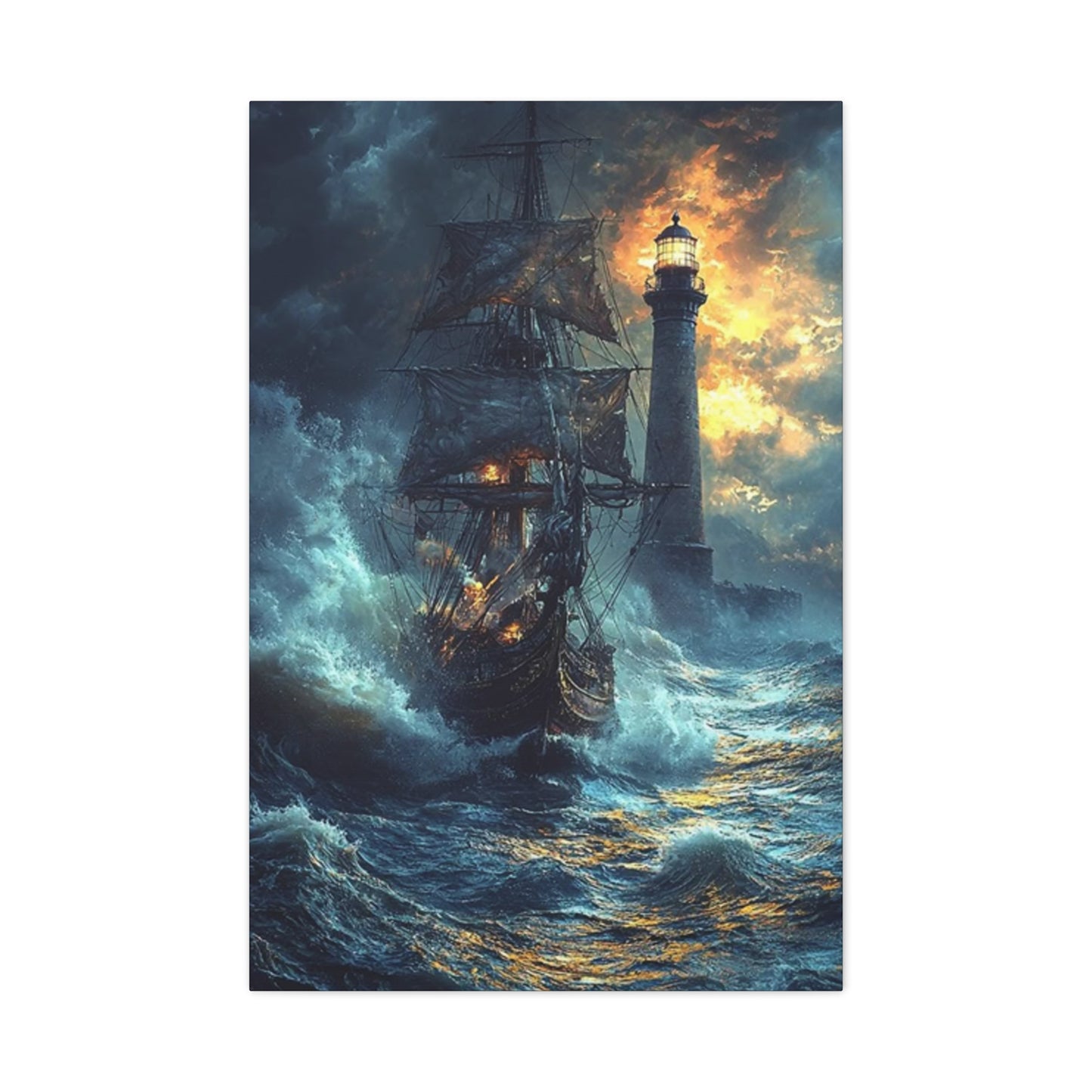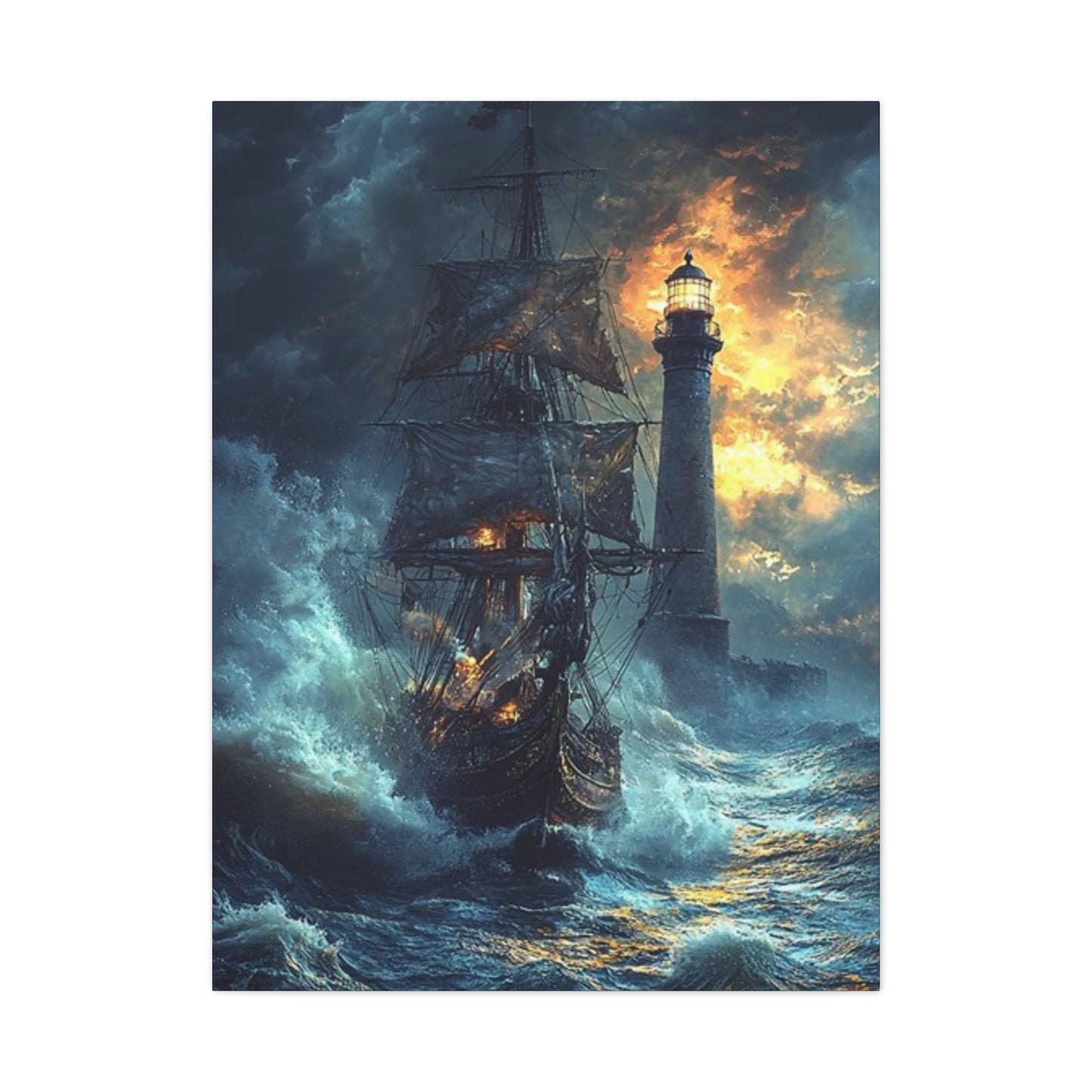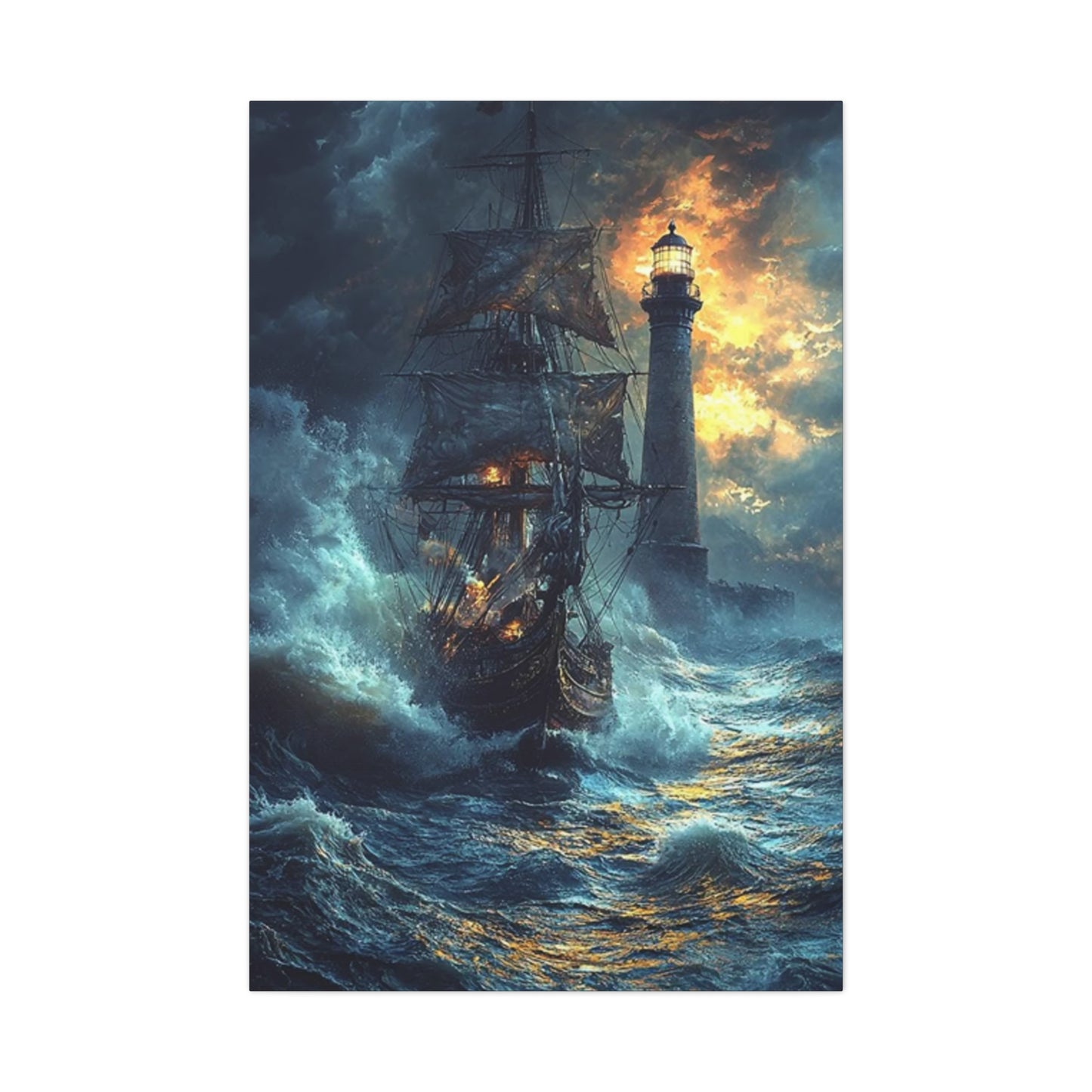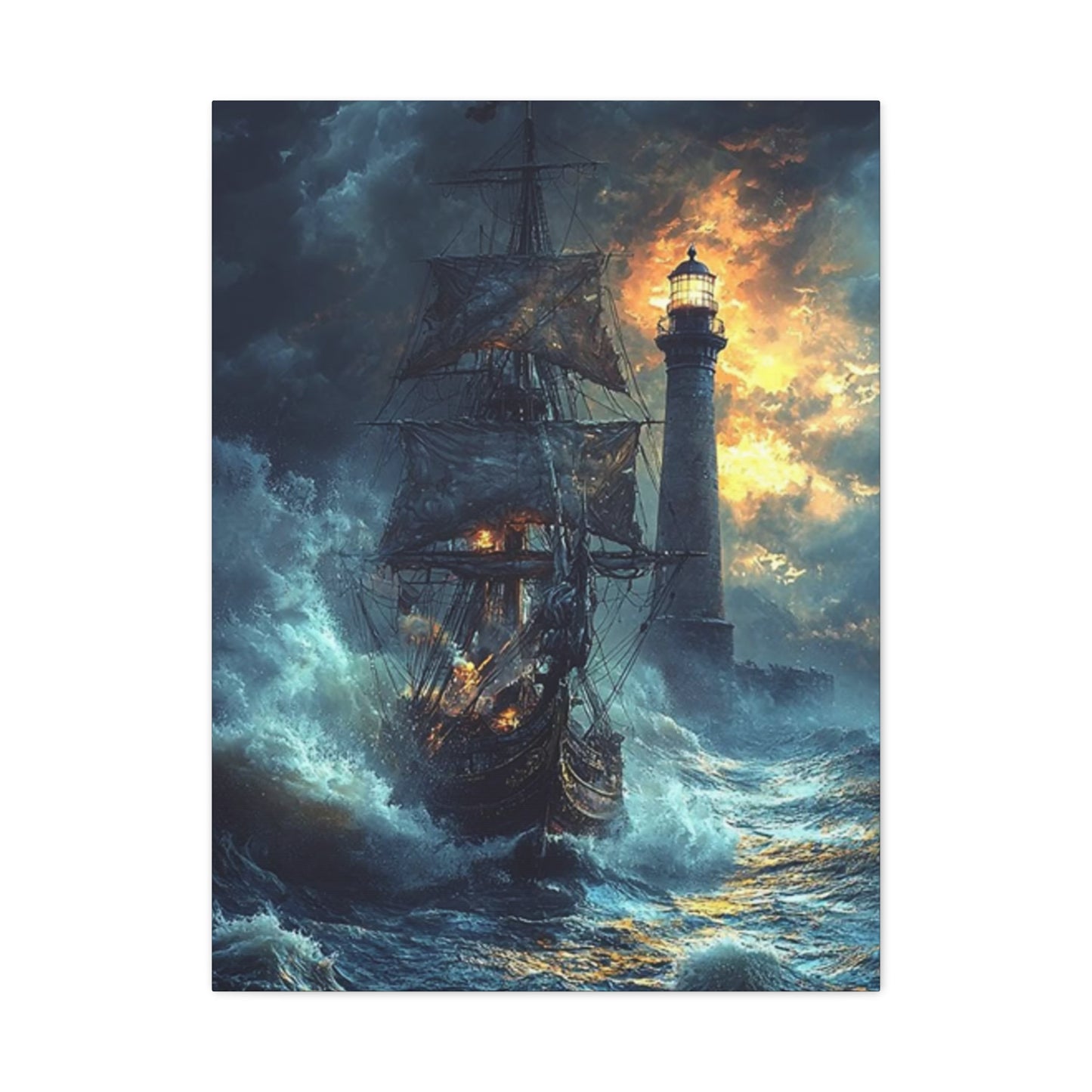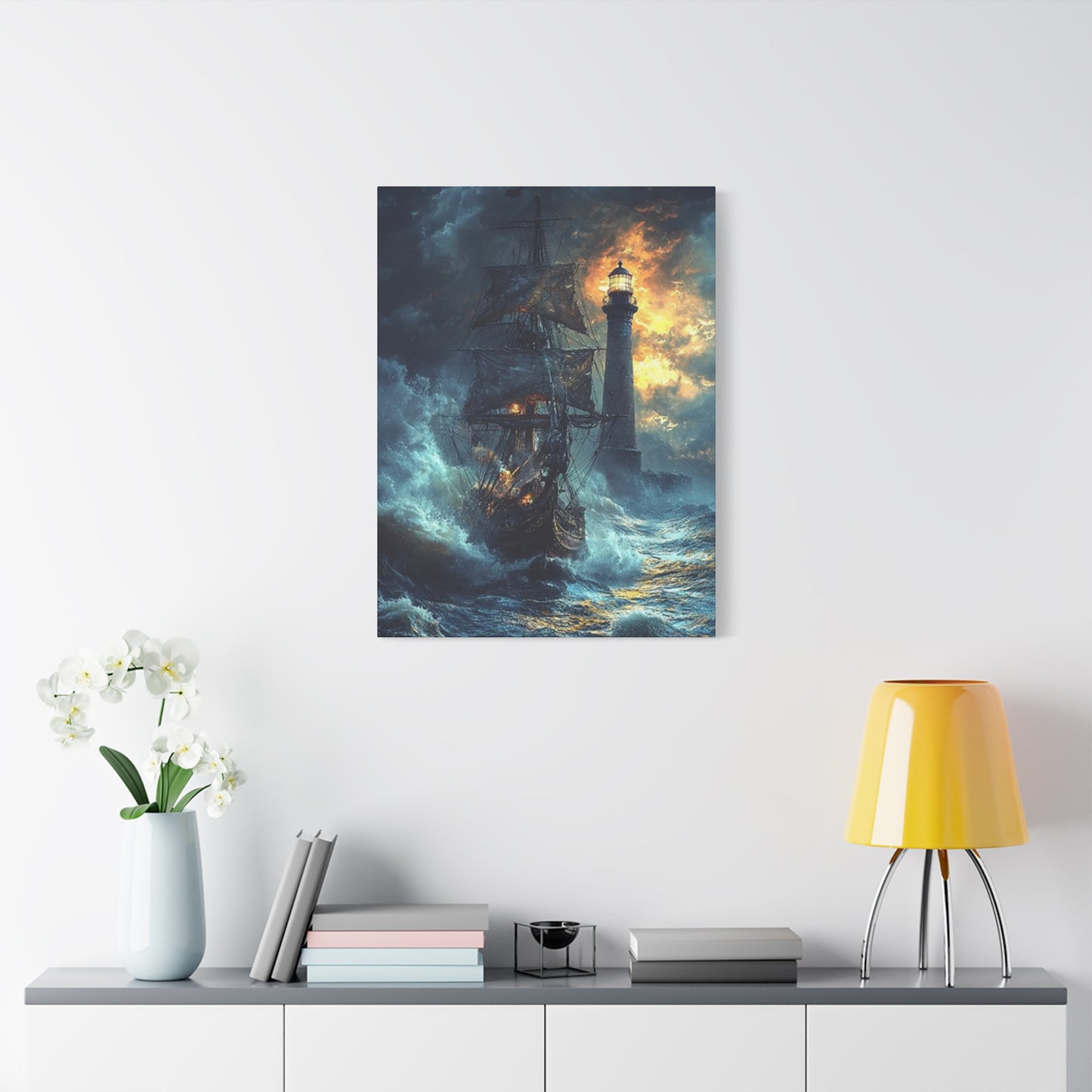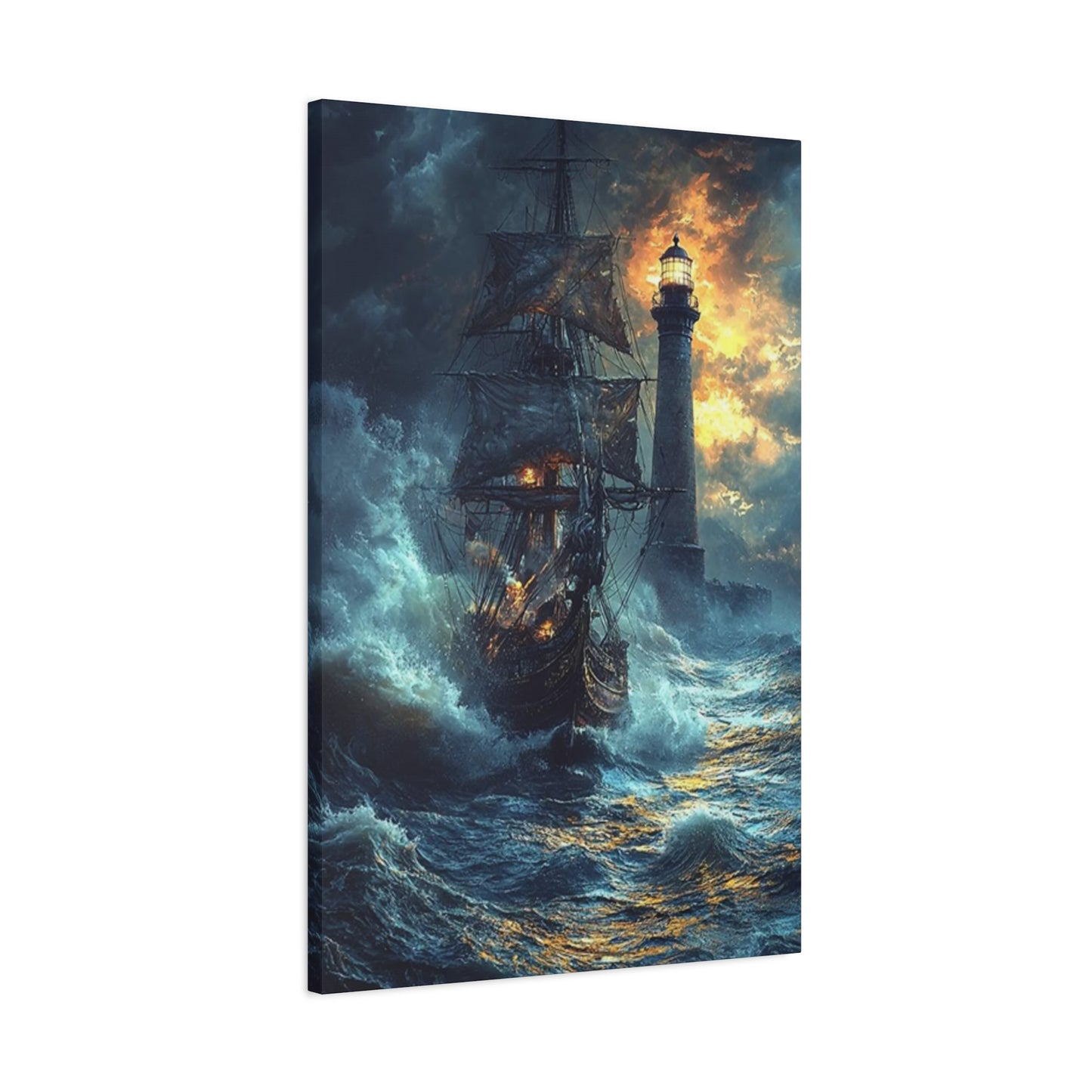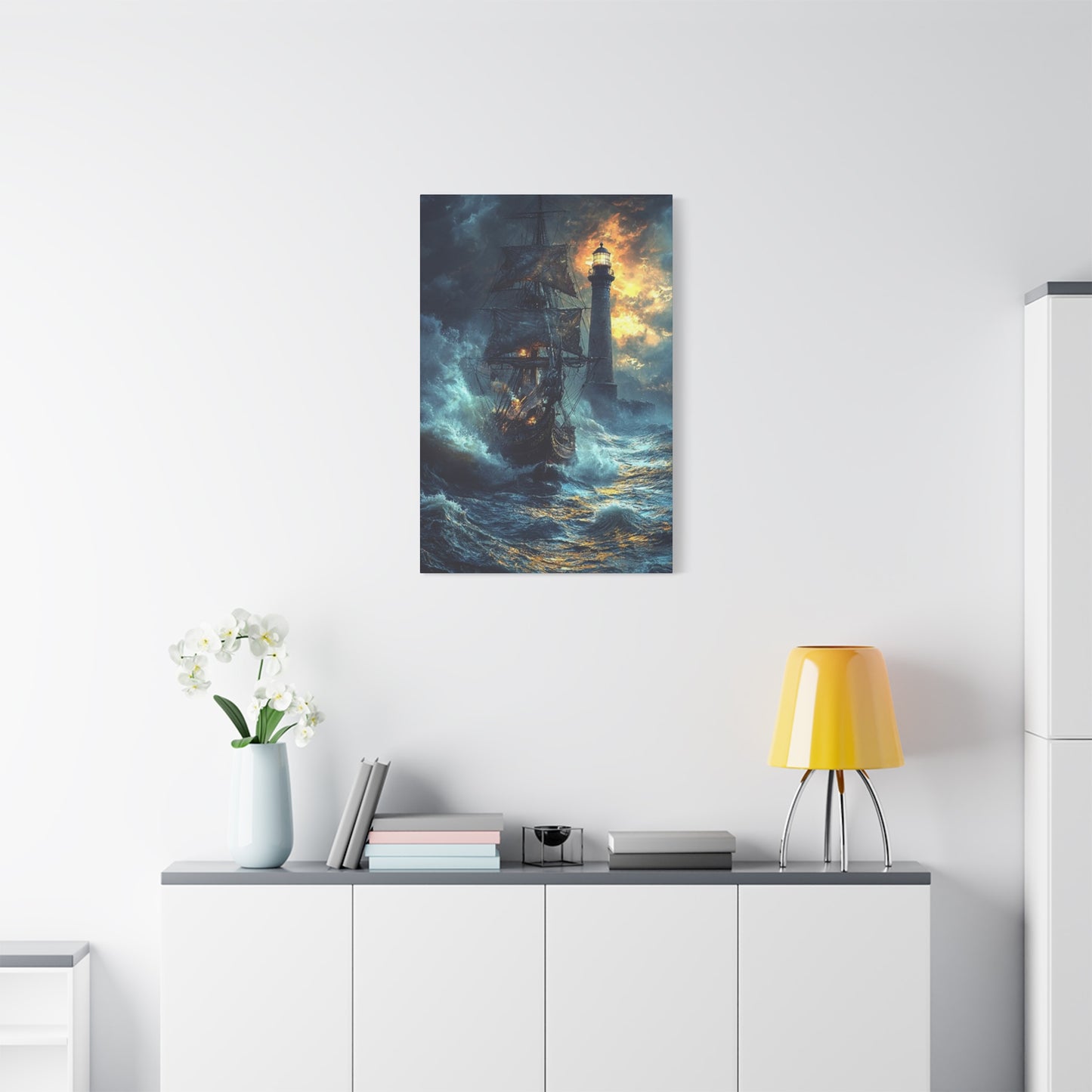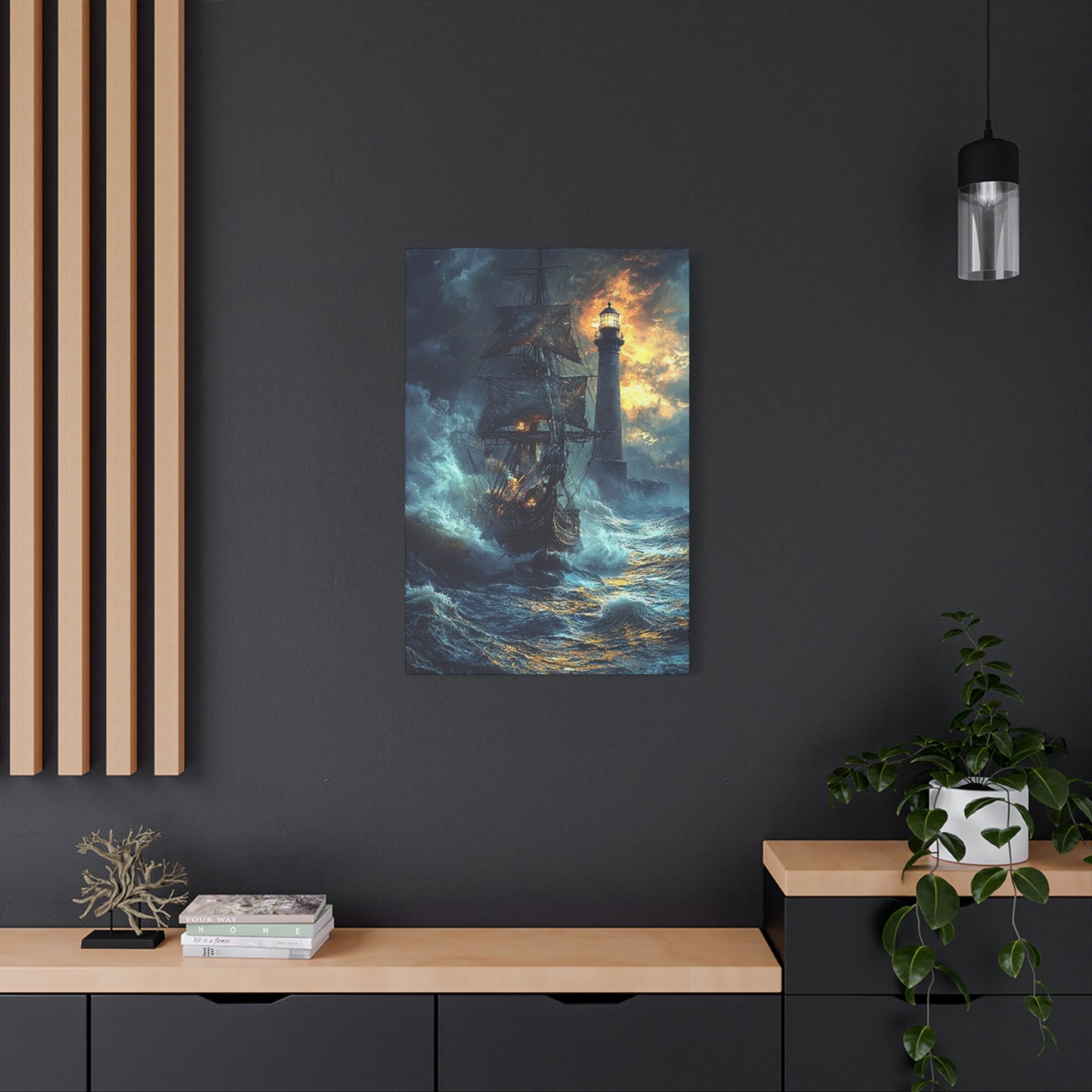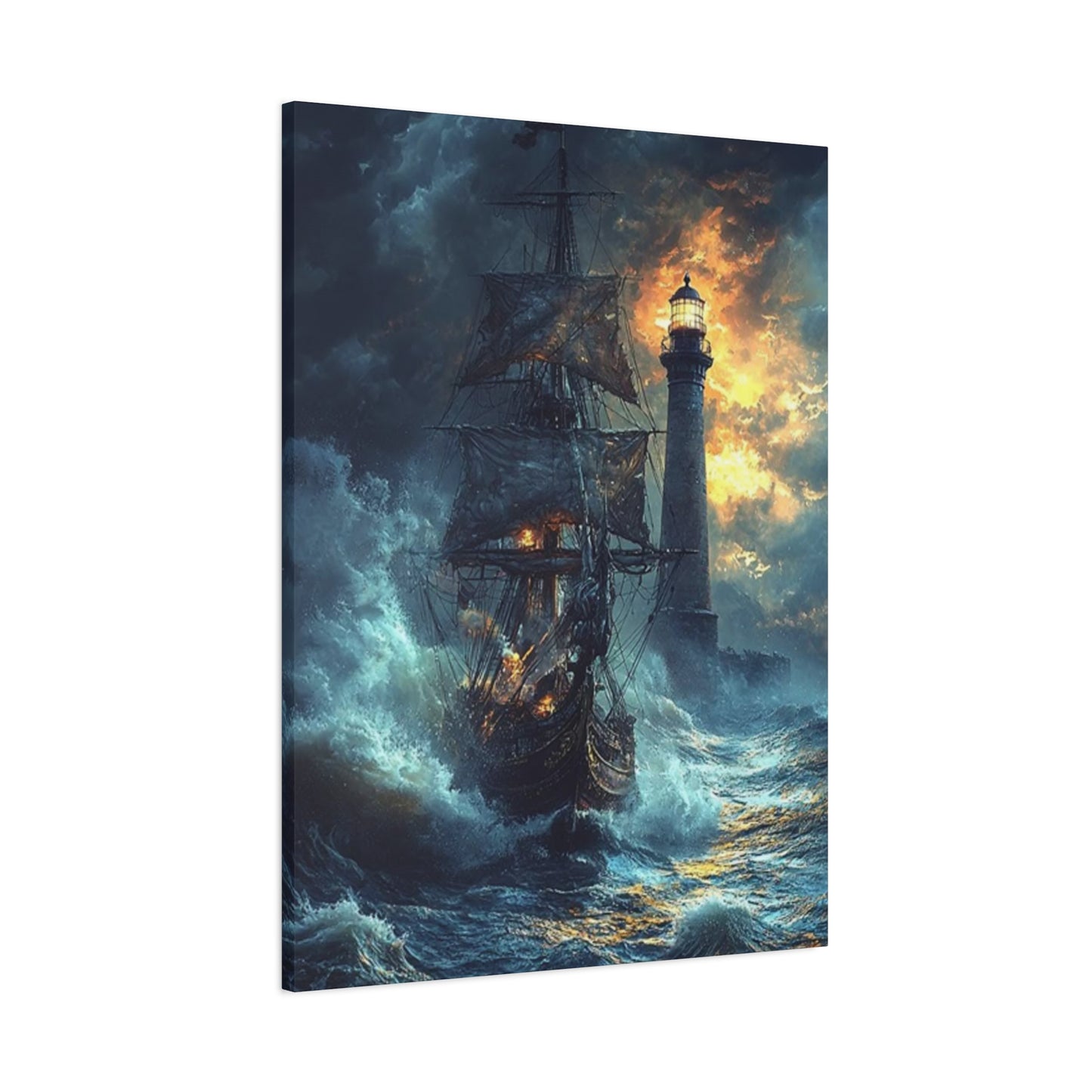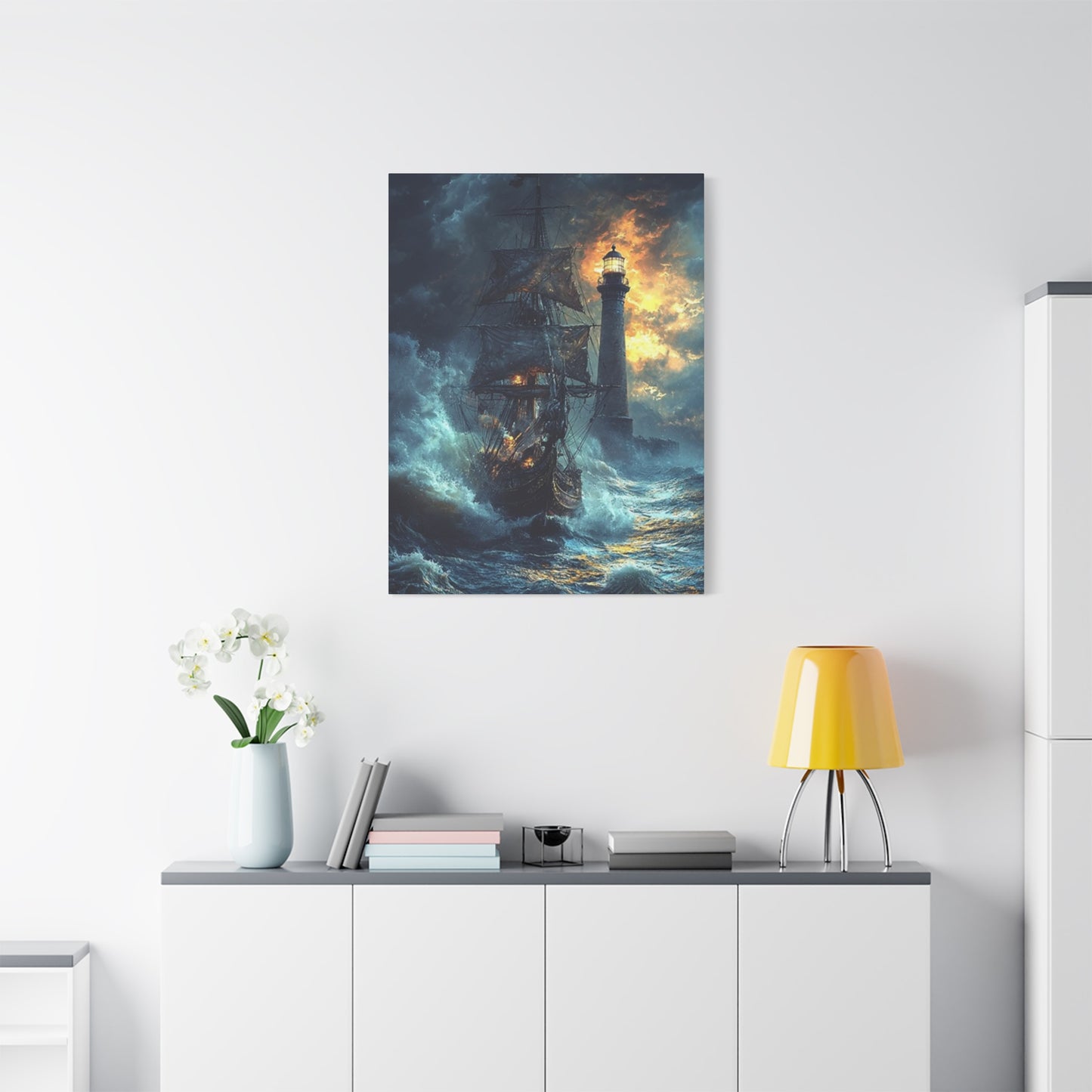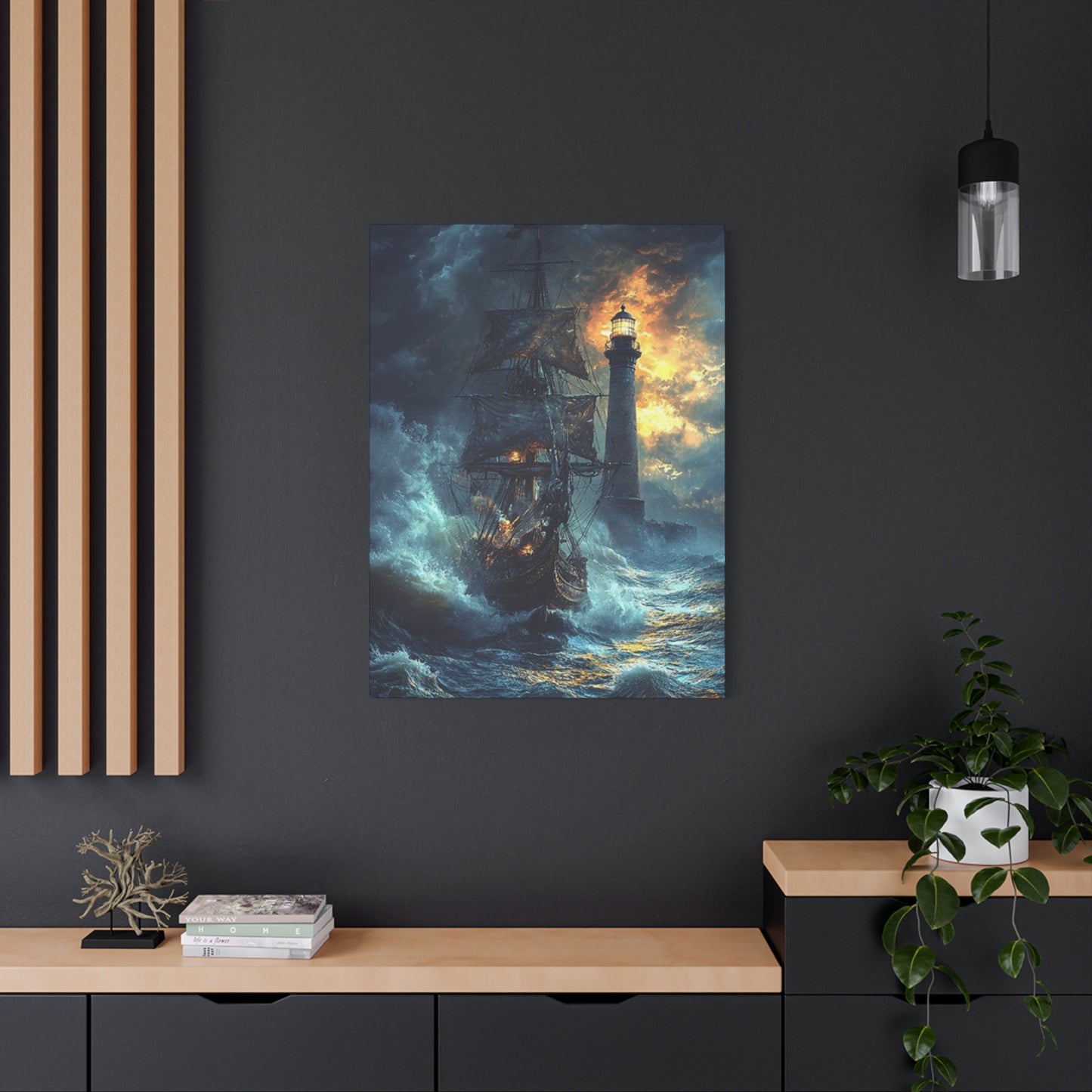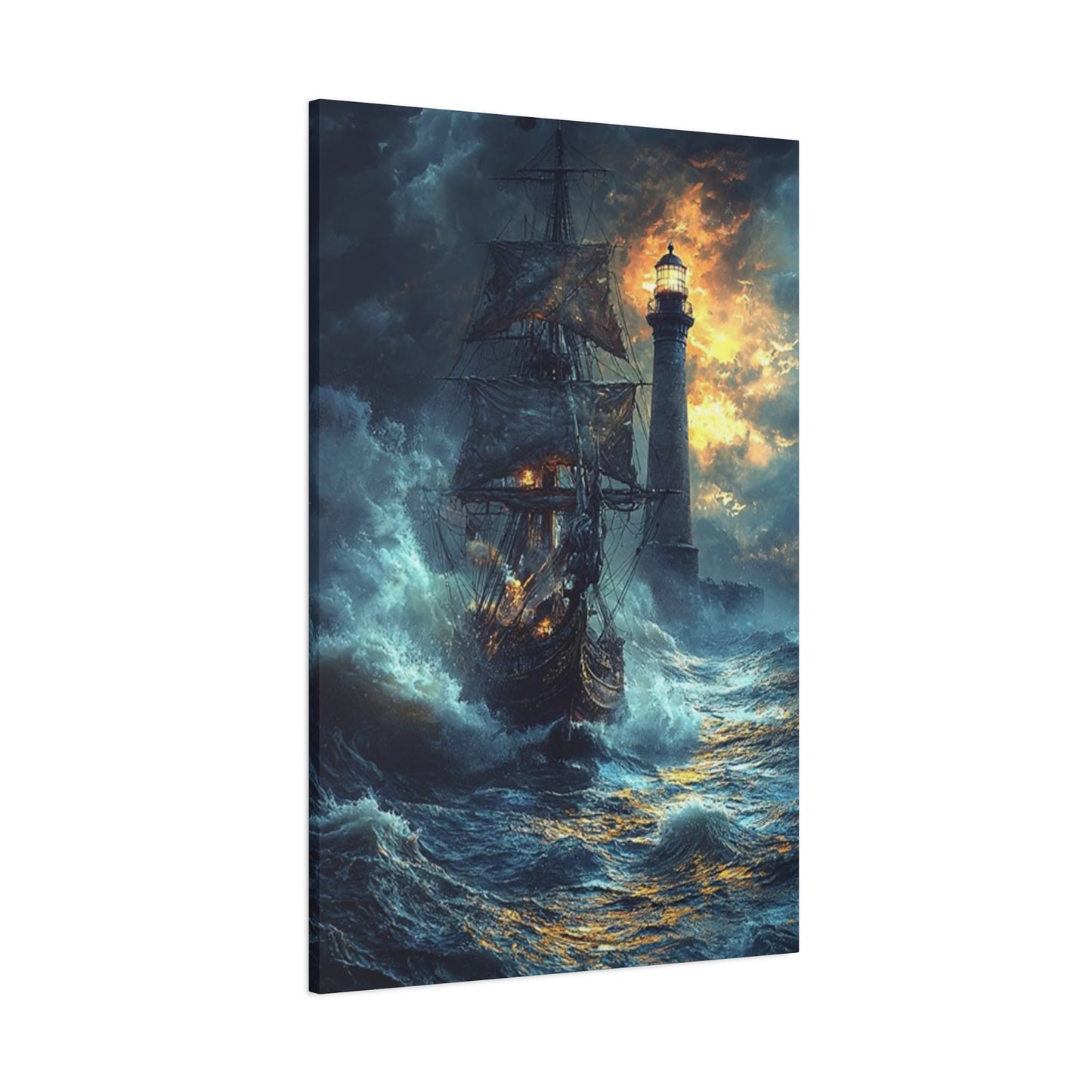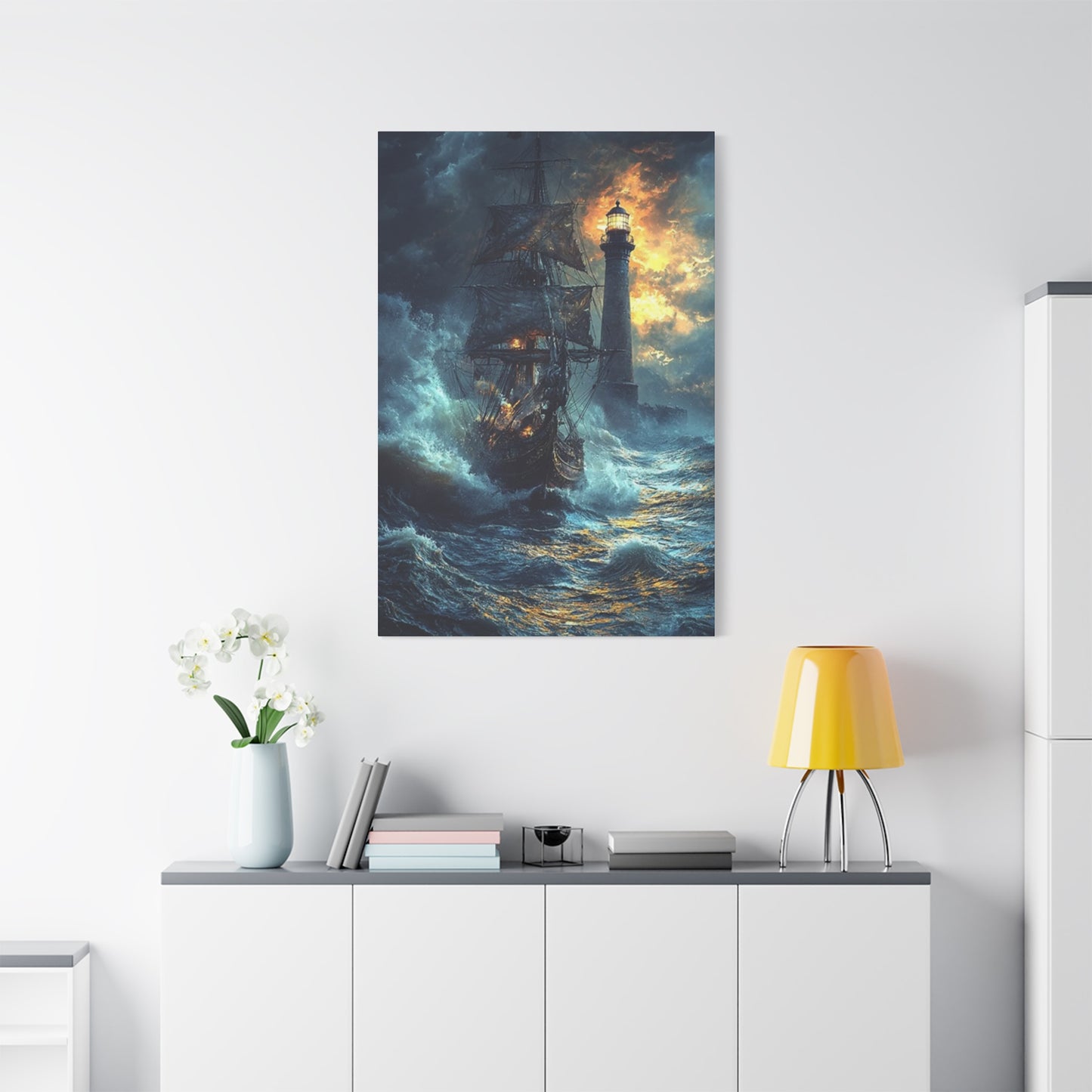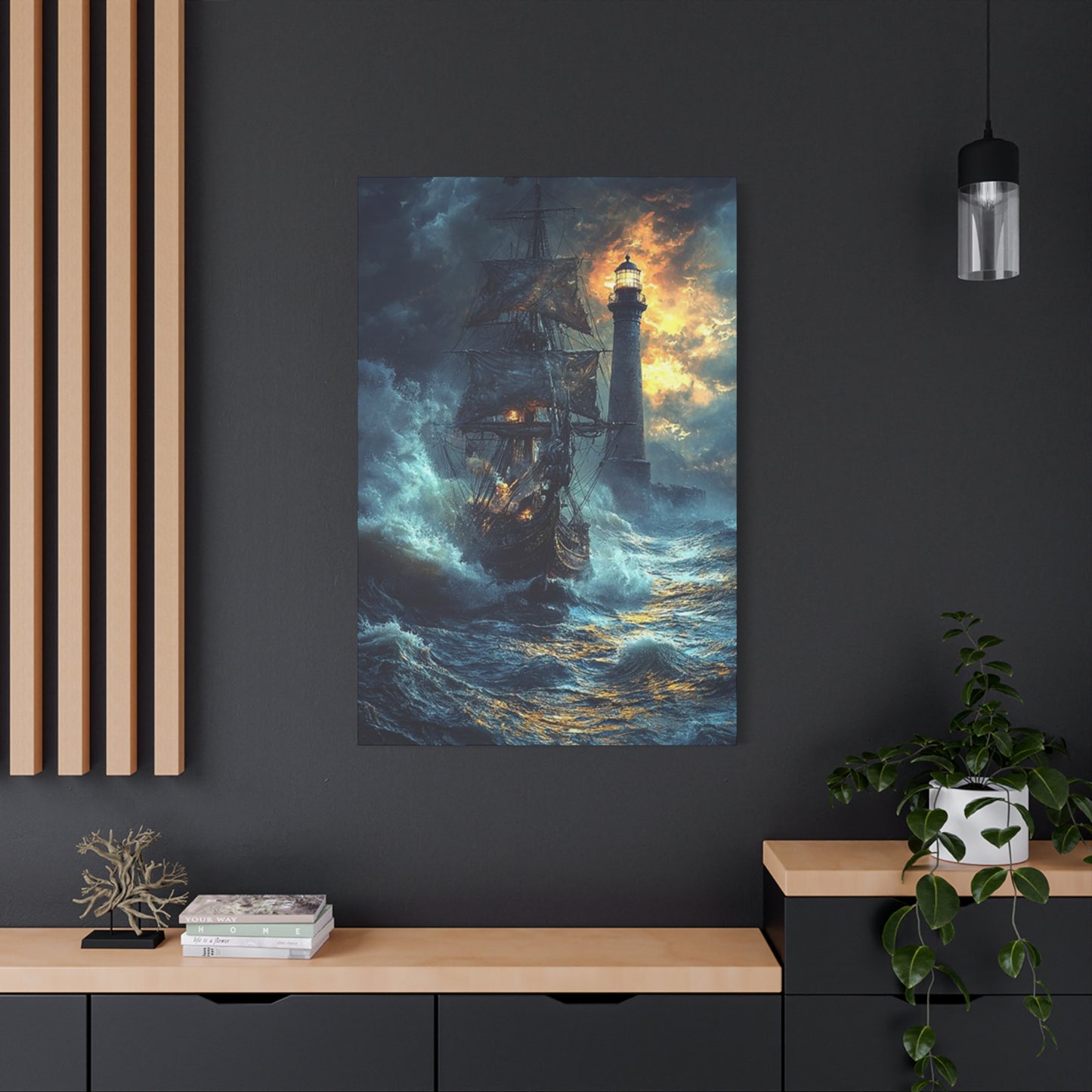


Lighthouse & Ship Sailing In Sea At Night Wall Art & Canvas Prints
Lighthouse & Ship Sailing In Sea At Night Wall Art & Canvas Prints
Couldn't load pickup availability
Captivating Maritime Imagery: Lighthouse & Ship Sailing In Sea At Night Wall Art For Your Living Spaces
The allure of nautical scenes has captivated humanity for centuries, and few compositions evoke such profound emotions as the image of a beacon guiding vessels through darkened waters. Lighthouse & Ship Sailing In Sea At Night Wall Art represents more than mere decoration; it embodies hope, guidance, navigation, and the eternal dance between human ambition and nature's formidable power. This comprehensive exploration delves into every facet of this timeless artistic theme, examining its symbolic resonance, aesthetic versatility, selection criteria, placement strategies, and enduring appeal across diverse interior environments.
The Timeless Magnetism Of Nautical Scenes In Contemporary Interior Design
Maritime imagery possesses an intrinsic capacity to transform ordinary living spaces into sanctuaries of contemplation and visual interest. The representation of coastal structures standing sentinel against turbulent waters, illuminating pathways for sailing vessels, creates a narrative that transcends cultural boundaries. When examining Lighthouse & Ship Sailing In Sea At Night Wall Art, we encounter artwork that speaks to fundamental human experiences—the quest for safe harbor, the courage required to navigate unknown territories, and the reassuring presence of guidance amid uncertainty.
Throughout residential and commercial spaces worldwide, nautical themes continue to dominate design conversations. Unlike fleeting trends that capture attention momentarily before fading into obscurity, maritime motifs demonstrate remarkable staying power. This longevity stems from their versatile nature and profound symbolic resonance. A carefully selected piece depicting nocturnal ocean scenes with illuminated towers and sailing craft can serve as the cornerstone of an entire room's aesthetic identity, establishing mood, color palette, and atmospheric qualities that permeate the environment.
The psychological impact of such imagery extends beyond superficial visual appeal. Research in environmental psychology suggests that representations of natural landscapes, particularly water scenes, can reduce stress levels and promote emotional equilibrium. When these elements combine with human-made structures symbolizing safety and guidance, the effect intensifies. Lighthouse & Ship Sailing In Sea At Night Wall Art thus functions as both decorative element and therapeutic tool, contributing to occupants' wellbeing in measurable ways.
Decoding The Symbolic Language Behind Beacon Towers And Nocturnal Voyages
Every artistic element within maritime compositions carries distinct symbolic weight, contributing to the overall narrative and emotional resonance. The lighthouse itself stands as one of humanity's most powerful metaphors—a symbol of hope, guidance, vigilance, and unwavering reliability. Throughout literature, philosophy, and visual arts, these coastal sentinels have represented everything from divine providence to human ingenuity, from romantic isolation to communal responsibility.
When portrayed during nighttime hours, the lighthouse's significance amplifies considerably. The contrast between engulfing darkness and penetrating light creates dramatic tension that captures viewers' attention and imagination. This interplay between shadow and illumination mirrors life's broader struggles—the perpetual effort to overcome obstacles, navigate challenges, and find direction when circumstances seem overwhelming. The beam cutting through obscurity becomes a visual metaphor for clarity, wisdom, knowledge, and the triumph of consciousness over ignorance.
The ship element introduces complementary symbolic dimensions. Vessels navigating nocturnal waters represent human endeavor, exploration, journey, ambition, and the willingness to venture beyond comfortable boundaries. The relationship between ship and lighthouse establishes a narrative of interdependence—the structure providing guidance, the vessel demonstrating trust and courage. This dynamic resonates with viewers on subconscious levels, triggering associations with personal journeys, professional challenges, relationship dynamics, and spiritual quests.
The nighttime setting itself contributes essential atmospheric qualities. Darkness amplifies vulnerability while simultaneously heightening the drama of illumination. Nocturnal scenes evoke mystery, introspection, solitude, and the unknown—qualities that invite contemplation and emotional engagement. The sea at night becomes a metaphor for life's uncertainties, the depths of the subconscious mind, and the vast territories of unexplored potential. When combined with the lighthouse's guiding presence and the ship's determined progress, these elements create a complete narrative arc that viewers intuitively comprehend and emotionally process.
Stars, moon phases, wave patterns, and weather conditions depicted within these compositions add further layers of meaning. Stormy conditions emphasize resilience and struggle; calm waters suggest peaceful journeys and favorable circumstances. Celestial elements connect earthly navigation to cosmic order, reminding viewers of humanity's place within larger universal patterns. Each artistic choice made by the creator contributes to the overall symbolic vocabulary, transforming simple maritime scenes into complex visual poems that speak to fundamental human experiences.
Exploring The Diverse Artistic Interpretations Of Maritime Nocturnes
Lighthouse & Ship Sailing In Sea At Night Wall Art manifests across an extraordinary spectrum of artistic styles, each offering distinct aesthetic qualities and emotional tones. Understanding these variations enables informed selection that aligns with personal preferences, existing décor schemes, and desired atmospheric effects.
Realistic renderings capture maritime scenes with photographic precision, documenting specific geographical locations, accurate architectural details, and naturalistic lighting conditions. These pieces appeal to viewers who appreciate authenticity and historical accuracy. Realistic lighthouse compositions often reference actual structures along famous coastlines—perhaps the dramatic cliffs of Maine, the rugged shores of Scotland, the Mediterranean coasts, or Pacific Northwest beaches. The meticulous attention to wave mechanics, light refraction, atmospheric perspective, and structural details creates immersive experiences that transport viewers to specific places and moments.
Impressionistic interpretations prioritize emotional resonance over literal accuracy, employing loose brushwork, vibrant color relationships, and subjective lighting to convey the essence rather than the exact appearance of nocturnal maritime scenes. These works emphasize mood, atmosphere, and sensory experience. The lighthouse might appear as a luminous suggestion rather than a detailed structure, while the ship becomes a ghostly silhouette gliding through abstracted waters. Impressionistic pieces often feature unexpected color choices—purples in the darkness, golden auras around light sources, or iridescent qualities in the water—creating dreamlike qualities that stimulate imagination.
Abstract approaches deconstruct maritime elements into fundamental components—geometric shapes, color fields, textural contrasts, and compositional rhythms. An abstract interpretation might reduce the lighthouse to a vertical thrust of light against horizontal dark planes, with the ship suggested through angular forms cutting through layered washes of color. These pieces engage viewers intellectually as well as emotionally, inviting interpretation and personal meaning-making. Abstract maritime art particularly suits contemporary spaces where conventional representational imagery might clash with minimalist or modernist design principles.
Romantic and dramatic styles emphasize the sublime aspects of nature's power, often depicting tumultuous seas, storm clouds, lightning flashes, and perilous conditions that heighten the lighthouse's heroic role and the ship's vulnerability. These compositions draw inspiration from nineteenth-century traditions that celebrated nature's magnificence and humanity's courageous confrontation with elemental forces. Dramatic lighting contrasts, exaggerated wave heights, and theatrical cloud formations create emotionally charged scenes that command attention and provoke visceral responses.
Contemporary digital art brings new possibilities to maritime themes, incorporating mixed media elements, digital manipulation, surrealistic juxtapositions, and experimental color palettes. Digital artists might combine photographic elements with painted textures, overlay multiple exposures to create ethereal effects, or introduce fantastical elements like impossible light patterns or gravity-defying water formations. These pieces appeal to collectors seeking cutting-edge aesthetic experiences that challenge conventional maritime representation.
Vintage and antique-styled works deliberately evoke historical periods, employing aged patinas, classical compositional structures, muted earth tones, and nostalgic subject treatments. These pieces might simulate old maritime charts, weathered paintings recovered from ship cabins, or early photographic processes. The intentional aging effects create connections to maritime heritage and seafaring traditions, appealing to viewers who appreciate historical resonance and timeless craftsmanship.
Minimalist approaches strip maritime scenes to their essential elements, perhaps showing only a simple lighthouse silhouette against a gradient sky, or a single sail catching moonlight on an otherwise empty canvas. These spare compositions emphasize negative space, subtle tonal variations, and compositional balance. Minimalist maritime art suits spaces where restraint and simplicity govern design choices, providing visual interest without overwhelming other elements.
Selecting The Perfect Dimensions And Scale For Maximum Visual Impact
Size considerations profoundly influence how Lighthouse & Ship Sailing In Sea At Night Wall Art functions within interior environments. The relationship between artwork dimensions and surrounding architectural features, furniture arrangements, and viewing distances determines whether pieces achieve their full impact potential or disappear into visual insignificance.
Large-scale works spanning five feet or more in width create commanding focal points that anchor entire rooms. These substantial pieces demand attention, establishing immediate visual hierarchy and influencing all subsequent design decisions. When featuring expansive maritime scenes, large formats allow for rich detail, complex compositions, and immersive qualities that draw viewers into the depicted environment. In spacious living areas, great rooms, or commercial lobbies, oversized lighthouse compositions can transform bland walls into dramatic statements that define the space's character.
The horizontal orientation naturally complements maritime subjects, mirroring the horizon line that defines ocean vistas. Wide panoramic formats ranging from standard landscape proportions to extreme cinematic ratios create sweeping views that emphasize the vastness of seascapes and the isolation of coastal structures. These elongated compositions work particularly well above furniture pieces like sofas, console tables, or beds, where their width harmonizes with the underlying horizontal elements.
Medium-sized pieces measuring between two and four feet wide offer versatility, fitting comfortably in diverse locations without overwhelming smaller spaces or disappearing in larger ones. These dimensions work well in dining rooms, bedrooms, home offices, hallways, and moderately sized living areas. Medium formats still provide sufficient canvas area for compositional complexity while remaining manageable for installation and potential relocation.
Smaller works under two feet across serve specific purposes—creating gallery wall components, filling narrow wall sections, adding visual interest to unexpected locations like bathrooms or closets, or functioning as intimate study pieces for close viewing. While more modest in scale, small maritime compositions can possess remarkable detail and refinement, rewarding careful observation with discoveries that larger, bolder works might sacrifice for overall impact.
Vertical orientations present interesting alternatives to conventional horizontal maritime compositions. A lighthouse portrayed in portrait format emphasizes its towering height, architectural verticality, and upward aspiration. This orientation suits narrow wall spaces, areas flanking windows or doorways, and situations where ceiling height deserves emphasis. Vertical compositions create different spatial relationships, drawing the eye upward rather than across, potentially making rooms feel taller and more spacious.
Square formats offer balanced, contained compositions that work well in series or grid arrangements. Multiple square panels depicting different moments in a maritime narrative—perhaps showing the same scene at various times of night, or different weather conditions—create cohesive visual stories when displayed together. The equal dimensions eliminate compositional hierarchy, giving each element equivalent visual weight.
Triptych and multi-panel arrangements divide single compositions across multiple canvases, creating dynamic installations that add architectural interest to walls. A three-panel lighthouse scene might show the structure from different angles or perspectives, or depict a temporal sequence as ships pass throughout the night. The spaces between panels introduce rhythmic intervals that energize compositions and create opportunities for creative display arrangements.
When determining appropriate sizing, the viewing distance becomes crucial. Artworks intended for observation from across large rooms can handle bold, simplified compositions with strong color contrasts and dramatic elements. Pieces positioned where viewers will spend time in close proximity benefit from intricate details, subtle color variations, and refined craftsmanship that reveal new discoveries upon repeated viewing.
The relationship between artwork and surrounding furniture requires careful consideration. As general guidance, wall art positioned above furniture pieces like sofas or credenzas should span approximately two-thirds to three-quarters of the furniture's width, creating visual harmony without overwhelming or underwhelming the space. However, contemporary design increasingly challenges these conventional ratios, sometimes employing dramatically oversized or deliberately undersized pieces for specific artistic effects.
Ceiling height influences scale decisions as well. Rooms with standard eight-foot ceilings accommodate different proportions than spaces with soaring cathedral ceilings or industrial lofts. Vertical space availability determines not only artwork height but also optimal hanging positions—how much wall space should appear above and below the piece to achieve proper visual balance.
Material Choices That Define Character And Longevity
The substrate and medium employed for Lighthouse & Ship Sailing In Sea At Night Wall Art dramatically affects both aesthetic qualities and practical considerations like durability, maintenance requirements, and environmental suitability.
Canvas remains the quintessential choice for maritime artwork, offering textured surfaces that enhance painterly qualities and traditional artistic associations. Stretched canvas mounted on wooden frames creates three-dimensional depth, with painted or printed images wrapping around edges for frameless contemporary presentation. The fabric's slight flexibility and organic texture lend warmth and approachability to compositions. High-quality canvas preparations resist yellowing, cracking, and environmental degradation when properly treated with archival sizing and protective coatings.
Gallery-wrapped canvas presentations eliminate frames entirely, with imagery extending continuously around all sides of the stretcher bars. This approach suits modern and contemporary interiors where minimalist presentation methods align with broader design philosophies. The resulting clean lines and absence of visual barriers between artwork and environment create seamless incorporation into living spaces.
Metal prints represent cutting-edge presentation methods, infusing inks directly into specially coated aluminum surfaces through dye-sublimation processes. The resulting images exhibit extraordinary luminosity, color saturation, and depth. Maritime scenes rendered on metal acquire almost supernatural qualities—water surfaces shimmer with lifelike reflectivity, lighthouse beams seem to emanate genuine illumination, and nocturnal skies achieve remarkable dimensionality. Metal substrates offer exceptional durability, resisting moisture, fading, and physical damage while requiring minimal maintenance. The smooth, contemporary appearance suits modern spaces where sleek materials and cutting-edge presentation methods dominate.
Wood panel supports provide rustic charm and organic character particularly well-suited to nautical themes. Maritime imagery mounted on distressed barn wood, weathered planking, or natural live-edge slabs creates compelling contrasts between subject matter and presentation medium. The wood grain, knots, and natural variations become part of the artwork's identity, adding textural richness and artisanal qualities. These presentations work beautifully in coastal cottages, rustic retreats, industrial lofts, and spaces emphasizing natural materials and handcrafted elements.
Acrylic face-mounting creates glossy, gallery-quality presentations with extraordinary depth and color vibrancy. Clear acrylic sheets laminated over printed images produce frameless, floating appearances with smooth, reflective surfaces that amplify maritime scenes' atmospheric qualities. The substantial thickness of premium acrylic (typically one-quarter to one-half inch) creates impressive three-dimensional presence without frames or additional mounting structures. Acrylic presentations suit upscale contemporary interiors where sophisticated presentation methods enhance artwork's perceived value and impact.
Traditional framing opens infinite possibilities for customizing artwork presentation to match specific décor schemes and personal preferences. Frame profiles ranging from ornate gilded moldings to simple, clean-lined contemporary profiles allow precise coordination with surrounding furnishings and architectural details. Matting choices, glazing options (regular glass, non-reflective glass, or UV-protective museum glass), and frame finishes provide additional customization opportunities. Framed presentations offer maximum versatility for changing artwork's visual impact without modifying the image itself.
Paper prints on archival, acid-free stocks provide affordable entry points into maritime art collecting. High-quality giclée prints produced with archival inks on museum-grade papers can achieve remarkable longevity and color fidelity when properly protected under glass. Paper's inherent delicacy necessitates framing with UV-protective glazing, but the resulting presentations can equal canvas or other substrates in visual quality while offering economical advantages.
Textile and tapestry presentations transform maritime imagery into soft, dimensional wall hangings with distinctive character. Woven or printed fabric artworks introduce tactile qualities and textile traditions into contemporary spaces, creating interesting juxtapositions between ancient craft techniques and modern imagery. These pieces work particularly well in casual settings, bedrooms, or spaces emphasizing comfort and approachability over formal presentation.
Each material choice carries implications for longevity, environmental tolerance, and maintenance requirements. Canvas and paper require protection from direct sunlight, excessive humidity, and temperature extremes. Metal and acrylic demonstrate superior resistance to environmental challenges, making them suitable for bathrooms, kitchens, or commercial settings where conventional materials might deteriorate. Understanding these practical considerations ensures artwork selections that remain beautiful and intact throughout years of display.
Color Palette Psychology In Maritime Nocturnes
The chromatic choices within Lighthouse & Ship Sailing In Sea At Night Wall Art profoundly influence emotional responses, spatial perceptions, and compatibility with existing interior color schemes. Understanding color psychology and strategic palette selection enables intentional emotional atmospheres and cohesive visual environments.
Deep blues dominating nighttime ocean scenes evoke calmness, depth, mystery, and contemplation. Navy, indigo, cobalt, and midnight blue variations create sophisticated foundations that anchor compositions while suggesting the profound depths beneath waves' surfaces. These saturated blues promote relaxation and mental clarity, making them particularly suitable for bedrooms, meditation spaces, or professional environments where stress reduction benefits productivity.
The lighthouse beacon introduces warm contrasts—golden yellows, amber, orange, or white light piercing cool blue darkness. This warm-cool juxtaposition creates dynamic tension that energizes compositions and draws focus. The warm illumination symbolizes hope, safety, and guidance while providing visual entry points that anchor viewers' attention. The intensity of this light source—whether depicted as subtle glow or dramatic radiance—affects the overall mood, ranging from peaceful reassurance to dramatic heroism.
Atmospheric elements introduce additional chromatic opportunities. Moonlight casting silvery illumination across water surfaces adds ethereal qualities and romantic associations. Storm clouds in charcoal, graphite, or slate gray intensify drama and emphasize nature's power. Sunset or sunrise elements bleeding into nighttime scenes introduce magenta, violet, or rose tones that soften compositions and add unexpected color relationships.
Monochromatic schemes exploring variations within single color families create cohesive, sophisticated presentations particularly suited to contemporary interiors. A composition rendered entirely in blue gradations from palest cerulean to deepest navy achieves elegant restraint while maintaining visual interest through tonal variations and value contrasts. Monochromatic approaches eliminate color coordination challenges, functioning harmoniously with virtually any surrounding palette.
Neutral-dominant palettes emphasizing grays, taupes, creams, and subdued earth tones create calming, versatile artworks that adapt to changing décor schemes without requiring replacement. Maritime scenes rendered in muted, sophisticated neutrals suit minimalist spaces, Scandinavian-inspired interiors, or environments where artwork should complement rather than dominate. These restrained palettes demonstrate timeless elegance that transcends passing trends.
Bold, saturated color approaches employ vivid contrasts and unexpected chromatic choices for maximum visual impact. Electric blues against burning oranges, vibrant teals juxtaposed with deep magentas, or neon-influenced palettes create contemporary, energetic interpretations of maritime themes. These adventurous color treatments suit eclectic interiors, artistic spaces, or situations where artwork should function as dramatic focal points commanding immediate attention.
When coordinating Lighthouse & Ship Sailing In Sea At Night Wall Art with existing room colors, several strategies prove effective. Complementary approaches select artwork containing colors opposite existing wall treatments or furnishings on the color wheel, creating vibrant contrasts that energize spaces. Analogous schemes choose pieces with colors adjacent to dominant room hues, producing harmonious, flowing visual experiences. Triadic relationships employ colors evenly spaced around the color wheel, balancing variety with coherence.
The psychological effects of specific color combinations deserve consideration. Cool-dominant schemes promote relaxation, focus, and calm environments suitable for rest and concentration. Warm accent colors within cool compositions introduce energy and emotional warmth without overwhelming tranquil foundations. High-contrast combinations stimulate alertness and engagement, while low-contrast, analogous schemes encourage restful, meditative states.
Artwork's color temperature influences spatial perception. Cool colors tend to recede visually, making walls appear more distant and rooms feel larger. Warm colors advance toward viewers, creating intimate, cozy sensations. Maritime nocturnes typically favor cool foundations, but strategic warm accents prevent spaces from feeling cold or uninviting.
Consider how lighting conditions affect color perception throughout different times of day. Natural daylight reveals colors most accurately, while incandescent lighting adds warm yellow casts, and fluorescent sources introduce cool blue-green tones. LED lighting's color temperature varies widely depending on specification. Artwork that looks perfect under specific lighting might appear significantly different under alternative illumination, so evaluating pieces under various lighting conditions before purchasing prevents disappointment.
The proportion of colors within compositions matters as much as the colors themselves. Large expanses of dark blues create dramatically different effects than bright accents of the same hue. The dominant color establishes overall mood, while accent colors provide visual interest and focal points. Successful compositions typically feature clear hierarchies with dominant, secondary, and accent colors working in coordination rather than competition.
Strategic Placement Principles For Optimal Display And Enjoyment
Where and how you position Lighthouse & Ship Sailing In Sea At Night Wall Art determines its effectiveness as both decorative element and emotional focal point. Strategic placement considers viewing angles, lighting conditions, surrounding elements, and functional requirements of specific spaces.
The living room traditionally serves as primary gathering spaces where families and guests spend significant time, making it prime territory for impactful maritime artwork. Positioning substantial lighthouse compositions above sofas creates natural focal points that anchor seating arrangements. The eye level guideline suggests center points roughly 57-60 inches from the floor, approximating average standing eye height. However, this standard requires adjustment when artwork hangs above furniture; in such situations, maintaining 6-10 inches between furniture top and artwork bottom creates appropriate visual connection while preventing pieces from floating too high on walls.
Fireplace mantels present both opportunities and challenges. Placing artwork above these architectural features creates powerful focal points combining natural gathering places with visual interest. However, heat and smoke from active fireplaces can damage artwork over time, particularly pieces on canvas or paper. When displaying above functional fireplaces, ensure adequate clearance (minimum 12 inches), consider protective glazing, and select durable materials like metal prints that withstand temperature fluctuations.
Dining areas benefit from maritime imagery that stimulates conversation without causing distraction during meals. Lighthouse scenes visible from dining tables provide contemplative focal points that encourage reflection and discussion. Scale becomes particularly important—pieces should command attention without overwhelming the space or competing with table settings and food presentation. Horizontal orientations complement typical dining furniture arrangements, while interesting lighting within artwork creates ambiance that enhances dining experiences.
Bedroom applications of Lighthouse & Ship Sailing In Sea At Night Wall Art require special consideration of psychological effects. The calming qualities of nocturnal ocean scenes promote relaxation and restful sleep when positioned opposite or adjacent to beds. However, dramatically intense maritime compositions might prove too stimulating for sleep environments. Selecting pieces with peaceful rather than turbulent seas, and gentle rather than dramatic lighting creates appropriate bedroom atmospheres. Positioning artwork where it's visible from pillows provides pre-sleep visual meditation subjects that can ease transitions from wakefulness to rest.
Home office and study spaces benefit from maritime symbolism's associations with navigation, guidance, and journey. A lighthouse scene positioned within sight lines from desks can serve as metaphorical reminder of goals, direction, and purpose. The balance between inspiration and distraction requires attention—artwork should energize and motivate without drawing focus from work tasks. Pieces positioned slightly outside direct viewing angles when seated at desks provide visual refresh opportunities during breaks without constant distraction.
Hallways and transitional spaces often receive insufficient design attention despite their significant cumulative visibility. Lighthouse & Ship Sailing In Sea At Night Wall Art transforms these utilitarian areas into gallery-like experiences. Hallway lighting typically poses challenges, often being dim and creating shadows. Selecting artwork with inherent luminosity—metal prints or pieces featuring prominent light sources—helps overcome these conditions. Multiple smaller maritime pieces arranged in gallery walls create visual narratives that reward passage through transitional spaces.
Bathroom applications might seem unconventional, but maritime themes possess natural affinity with these water-centered rooms. The environmental challenges—humidity, temperature fluctuations, potential water exposure—necessitate careful material selection. Metal prints, sealed canvas, or properly glazed framed pieces can withstand bathroom conditions. Lighthouse imagery in bathrooms creates spa-like resort atmospheres, transforming functional spaces into relaxing retreats.
Kitchen displays of maritime art introduce character into often overly utilitarian spaces. The cheerful associations of coastal imagery lighten kitchen atmospheres, while nautical color palettes often coordinate naturally with kitchen décor trends favoring blues, whites, and natural woods. Positioning artwork away from direct cooking areas prevents grease accumulation and heat exposure.
Stairway walls present unique opportunities for creative installations. The angular viewing perspectives as people ascend or descend stairs allow for interesting compositional effects. Arrangements of multiple maritime pieces at staggered heights create dynamic visual experiences that change with movement through space. The blank canvas of stairwell walls often represents underutilized potential that lighthouse compositions can transform into home highlights.
Entryways and foyers deliver crucial first impressions, establishing home's character and inhabitant's aesthetic sensibilities. A commanding lighthouse scene immediately communicates values like guidance, welcome, safety, and journey—appropriate messages for threshold spaces. The brief moments visitors spend in entries require immediate visual impact, favoring bold compositions over subtle, detail-rich pieces requiring extended observation.
Ceiling height and wall proportions dramatically influence optimal placement. In rooms with standard ceiling heights, a single large piece typically works better than multiple smaller ones, which can make spaces feel cluttered or cramped. Conversely, generous ceiling heights accommodate multiple pieces, vertical stacking, or oversized works that would overwhelm more modest spaces.
Lighting considerations profoundly affect artwork visibility and impact. Natural light enhances most maritime compositions, but direct sunlight causes fading and deterioration over time. Positioning pieces where indirect natural light illuminates them without direct exposure balances visibility with preservation. Dedicated artwork lighting—picture lights, track lighting, or strategically positioned spots—transforms pieces into evening focal points while allowing precise control over illumination quality and intensity.
Complementary Décor Elements That Enhance Maritime Themes
Lighthouse & Ship Sailing In Sea At Night Wall Art achieves maximum impact when surrounded by thoughtfully selected complementary elements that reinforce maritime themes without creating cluttered or overly literal interpretations.
Furniture selections in natural materials echo coastal environments' organic qualities. Weathered wood pieces, whether genuinely aged or artfully distressed, create immediate connections to maritime traditions of ship construction, dock pilings, and coastal architecture. Driftwood coffee tables, reclaimed plank dining surfaces, or barnwood accent pieces establish material continuity with nautical themes. The grain patterns, knots, and natural variations in wood surfaces mirror the organic irregularities of maritime environments—wave patterns, rocky coastlines, and weathered structures.
Upholstery fabrics in maritime-appropriate colors and textures extend thematic coherence throughout spaces. Crisp white linens evoke sailcloth and coastal freshness, while navy or striped patterns reference traditional naval uniforms and nautical flags. Natural fiber textiles like jute, sisal, or hemp introduce tactile qualities associated with rope, fishing nets, and maritime craftsmanship. The key lies in selecting quality materials that suggest rather than literally replicate maritime elements—sophistication distinguishes well-executed maritime themes from theme park literalism.
Metallic accents in appropriate finishes enhance lighthouse artwork's industrial elements while adding reflective qualities that enliven spaces. Brass, copper, and bronze references lighthouse fixtures, ship hardware, and maritime instrumentation. These warm metals introduce luminous qualities that complement artwork's light-source elements. Alternatively, weathered iron, steel, or pewter finishes suggest anchors, chains, and working maritime implements, adding authentic character without excessive decoration.
Lighting fixtures present opportunities for extending maritime themes three-dimensionally. Pendant lights resembling ship lanterns, sconces echoing lighthouse beacons, or fixtures incorporating rope, nautical hardware, or ship wheel elements create thematic continuity. However, restraint remains crucial—lighting should enhance rather than overwhelm, suggesting maritime character through form, material, or finish rather than obvious replication.
Textile elements including throw pillows, blankets, and area rugs introduce patterns, textures, and colors that bridge artwork and surrounding furnishings. Nautical stripes, rope patterns, wave motifs, or maritime creatures appear in countless textile designs spanning sophisticated to playful interpretations. When selecting these elements, consider scale relationships—large-scale patterns suit spacious rooms and larger furniture, while smaller patterns work better in intimate spaces or smaller furnishings.
Decorative accessories allow personal expression and detailed thematic development. Vintage maritime instruments—brass telescopes, antique compasses, ship models, or navigation charts—introduce authentic elements that demonstrate genuine appreciation for maritime heritage. Quality reproductions or contemporary interpretations serve similar purposes when authentic pieces exceed budgets. The distinction between thoughtful accessorizing and cluttered over-decoration requires careful curation—each element should justify its presence through beauty, authenticity, or personal significance.
Window treatments participate in overall maritime atmospheres through fabric selection, color choices, and style. Breezy sheers suggest coastal weather and ocean breezes, while heavier canvas or linen drapes introduce substantial texture and light control. Hardware in appropriate metallic finishes extends material continuity. Avoiding overly fussy treatments maintains the clean, straightforward aesthetic appropriate to maritime themes.
Flooring choices dramatically affect maritime theme execution. Natural hardwoods in lighter finishes evoke beach-house floors and ship decking. Wide-plank installations emphasize horizontal lines that echo horizon perspectives. Area rugs in natural fibers ground spaces while introducing additional textural layers. Coastal themes generally favor natural materials over synthetics, hardwood or tile over carpet, and simpler treatments over ornate patterns.
Plant selections contribute organic elements while suggesting coastal vegetation. Hardy, structural plants like palms, ferns, or succulents reference beach-adjacent ecosystems. Grouping plants in natural fiber baskets or weathered containers maintains thematic consistency. The greenery provides living counterpoints to maritime artwork's blue and neutral palettes, introducing fresh color without disrupting overall schemes.
Book collections displayed on open shelving can reinforce maritime interests through subject matter—sailing, marine biology, lighthouse histories, naval adventures, or coastal travel guides. Vintage books with appealing cover designs contribute decorative value beyond their content, while leather-bound volumes introduce rich textures and sophisticated materials.
Wall color selections provide crucial foundations for maritime artwork display. Crisp whites maximize light reflection and create gallery-like backgrounds that allow artwork to command full attention. Soft blues or gray-blues establish chromatic harmonies with typical maritime palettes. Weathered gray evokes storm clouds and aged coastal structures. Deep navy creates dramatic backdrops for lighter artwork elements while establishing sophisticated, contemporary atmospheres. The intensity of wall colors affects spatial perception—lighter values expand spaces visually, while darker tones create intimate, cozy environments.
Preservation Strategies For Long-Term Beauty And Value
Proper care ensures Lighthouse & Ship Sailing In Sea At Night Wall Art remains vibrant and structurally sound throughout decades of display. Understanding preservation principles prevents common damage causes while maintaining investment value and aesthetic appeal.
Environmental control represents the foundation of artwork preservation. Temperature stability matters more than specific temperature ranges—fluctuations cause expansion and contraction cycles that damage various materials differently. Canvas becomes brittle and prone to cracking, wooden frames warp, and adhesives fail when subjected to repeated temperature swings. Maintaining consistent temperatures between 65-75 degrees Fahrenheit creates ideal conditions for most artwork types.
Humidity control prevents numerous deterioration mechanisms. Excessive moisture encourages mold growth, paper degradation, canvas sagging, and metal corrosion. Conversely, extremely dry conditions cause brittleness, cracking, and material shrinkage. Relative humidity between 40-55% suits most artwork materials. In climates with extreme humidity variations, dehumidifiers or humidifiers maintain appropriate levels. Bathrooms and kitchens present challenging environments unless equipped with adequate ventilation and humidity control.
Light exposure causes irreversible fading and material degradation. Ultraviolet radiation proves particularly destructive, breaking down organic materials, bleaching colors, and yellowing papers. Direct sunlight contains intense UV concentrations that rapidly damage artwork. Even indirect natural light contains significant UV components. Positioning artwork away from windows, using UV-filtering window films, or selecting UV-protective glazing for framed pieces substantially reduces light damage. Artificial lighting requires attention too—LED sources produce minimal UV radiation and heat compared to incandescent alternatives, making them superior choices for illuminating artwork.
Dust accumulation degrades appearance and provides substrate for biological growth. Regular gentle dusting with soft, dry microfiber cloths removes surface particulates without abrading delicate surfaces. Canvas and textured surfaces require soft brushes used with feather-light pressure. Never use liquid cleaners, furniture polishes, or household dusting products on artwork—these leave residues that attract more dust and may damage materials. For pieces under glass, clean glazing with appropriate glass cleaners applied to cloths rather than directly on glass to prevent liquids seeping between glass and artwork.
Physical handling requires caution. Always grasp frames rather than touching artwork surfaces. Oils from skin transfer to surfaces, causing staining and attracting dust. When moving pieces, support from bottom rather than lifting by hanging wires, which can fail unexpectedly. Cover artwork during surrounding construction, painting, or cleaning to prevent accidental damage from tools, ladders, or cleaning products.
Appropriate hardware prevents disasters. Wall anchors rated for artwork weight plus substantial safety margin prevent failures that damage both artwork and floors. Wire hangers should feature braided, plastic-coated steel rather than uncoated wire prone to corrosion. D-rings or sawtooth hangers appropriate to frame weights distribute stress evenly. Professional installation services ensure proper anchoring in various wall types—drywall, plaster, brick, or concrete.
Periodic inspection detects developing problems before they become severe. Examine artwork quarterly for signs of mold, insect damage, frame separation, canvas sagging, color changes, or other deterioration indicators. Early detection allows corrective action before damage becomes extensive. Professional conservation assessment every several years provides expert evaluation of condition and necessary treatments.
Storage requires equal attention to display conditions. When temporarily removing artwork from walls, store in climate-controlled environments protected from light, dust, and physical damage. Never store in attics, basements, or garages where temperature and humidity fluctuate dramatically. Wrap in acid-free materials rather than plastic, which traps moisture. Store vertically rather than stacking horizontally to prevent pressure damage.
Insurance documentation protects financial investments. Photograph artwork from multiple angles, retain purchase receipts, obtain appraisals for valuable pieces, and verify homeowner's insurance covers artwork replacement values. Some collections justify separate fine art insurance providing specialized coverage and claims handling.
Avoiding common mistakes prevents unnecessary damage. Never hang artwork above heat sources like radiators, fireplaces, or heating vents. Don't position near air conditioning vents where cold air creates condensation. Avoid exterior walls in cold climates where temperature differentials cause condensation. Don't use adhesive hooks, nails, or tape directly on artwork surfaces. Never attempt repairs with household adhesives or materials—improper intervention often causes more damage than original problems.
Professional restoration addresses serious damage or deterioration. Qualified conservators possess specialized training, materials, and techniques for properly treating damaged artwork. While expensive, professional conservation preserves both aesthetic qualities and financial value that amateur repairs compromise irreparably.
Sourcing Authentic Maritime Art From Reliable Vendors
Acquiring Lighthouse & Ship Sailing In Sea At Night Wall Art requires navigating diverse sourcing options, each offering distinct advantages and considerations regarding quality, price, selection, and authenticity.
Independent artist purchases provide direct relationships with creators, ensuring authenticity while supporting working artists. Many artists maintain online portfolios showcasing available works and accepting commissions for custom pieces. Direct purchases often cost less than gallery-represented works since no intermediary takes commission. Buyers can discuss preferences, size requirements, and color adjustments directly with artists who may accommodate special requests. The personal connection adds meaning and story to acquisitions, creating deeper appreciation for displayed works.
Online marketplaces aggregate artwork from numerous creators, providing vast selections searchable by style, size, color, price, and subject matter. These platforms simplify comparison shopping and typically offer buyer protections including return policies and satisfaction guarantees. Reading reviews from previous purchasers provides insights into quality, accurate color representation, and customer service responsiveness. However, online purchasing prevents physical inspection before commitment, so understanding return policies becomes essential.
Print-on-demand services allow selection of artwork images printed on various substrates and sizes. These services typically license images from artists or stock libraries, printing orders individually as received. The customization options—choosing between canvas, metal, acrylic, framed prints, or other formats—provide flexibility matching specific needs.
Conclusion
Captivating Maritime Imagery: Lighthouse & Ship Sailing in the Sea at Night Wall Art offers a timeless and dramatic way to bring the serene yet powerful essence of the ocean into your living spaces. The combination of a lighthouse, a guiding beacon, and a ship bravely navigating the vast, moonlit sea captures the spirit of adventure, hope, and exploration. This type of wall art evokes a sense of mystery and wonder, making it a perfect addition for those who appreciate the grandeur of the sea and the symbolic significance of these iconic maritime elements.
The lighthouse, often associated with safety, guidance, and resilience, serves as a central symbol in maritime art, while the image of a ship sailing through the dark waters of the night speaks to the themes of courage, discovery, and the pursuit of distant horizons. When paired together in wall art, these elements create a narrative of both isolation and connection, where the ship is steadfastly following the light of the lighthouse—a metaphor for finding direction in uncertain or challenging times. This powerful imagery can invoke a sense of peaceful solitude, while also stirring feelings of adventure and the boundless potential of the open sea.
The color palette in Lighthouse & Ship Sailing in the Sea at Night Wall Art—often dominated by deep blues, soft silvers, and muted grays—evokes the calming yet mysterious nature of the ocean at night. The glowing light from the lighthouse contrasts beautifully against the dark sky and water, creating an atmospheric scene that invites contemplation and awe. Whether you choose a large canvas print or a more subtle piece, this maritime imagery has the ability to transform a room, offering a moment of stillness and reflection amidst the busyness of daily life.
This type of art fits seamlessly into a variety of home décor styles, from coastal and nautical-inspired interiors to more modern or minimalist spaces. Its soothing tones make it an ideal piece for a living room, bedroom, or even a hallway, where it can serve as a serene focal point. In coastal homes or beach cottages, it enhances the overall theme of nautical charm, while in urban or contemporary settings, it adds a touch of adventure and timeless beauty. No matter the style, the image of a ship sailing toward the distant lighthouse brings a sense of quiet determination and hope to any space.
Furthermore, Lighthouse & Ship Sailing in the Sea at Night Wall Art is not only visually striking but also carries deep symbolic meaning. It speaks to those who are drawn to themes of perseverance, guidance, and the allure of the unknown. The ship, representing a journey, and the lighthouse, representing safety and direction, can serve as metaphors for personal growth, the pursuit of goals, or the search for inner peace. Displaying this kind of artwork in your home can inspire reflection on your own life’s journey, encouraging you to remain steady and hopeful, no matter how rough the waters may seem.
In conclusion, Lighthouse & Ship Sailing in the Sea at Night Wall Art is a beautiful and meaningful way to enrich your home with the essence of maritime exploration, calm, and resilience. Its evocative imagery invites a sense of tranquility, while also stirring the imagination with its themes of adventure and discovery. By incorporating this captivating piece into your living space, you can create an atmosphere that evokes both serenity and inspiration—a reminder that even in the darkest of times, there is always a guiding light, and the journey is never truly over.
Share