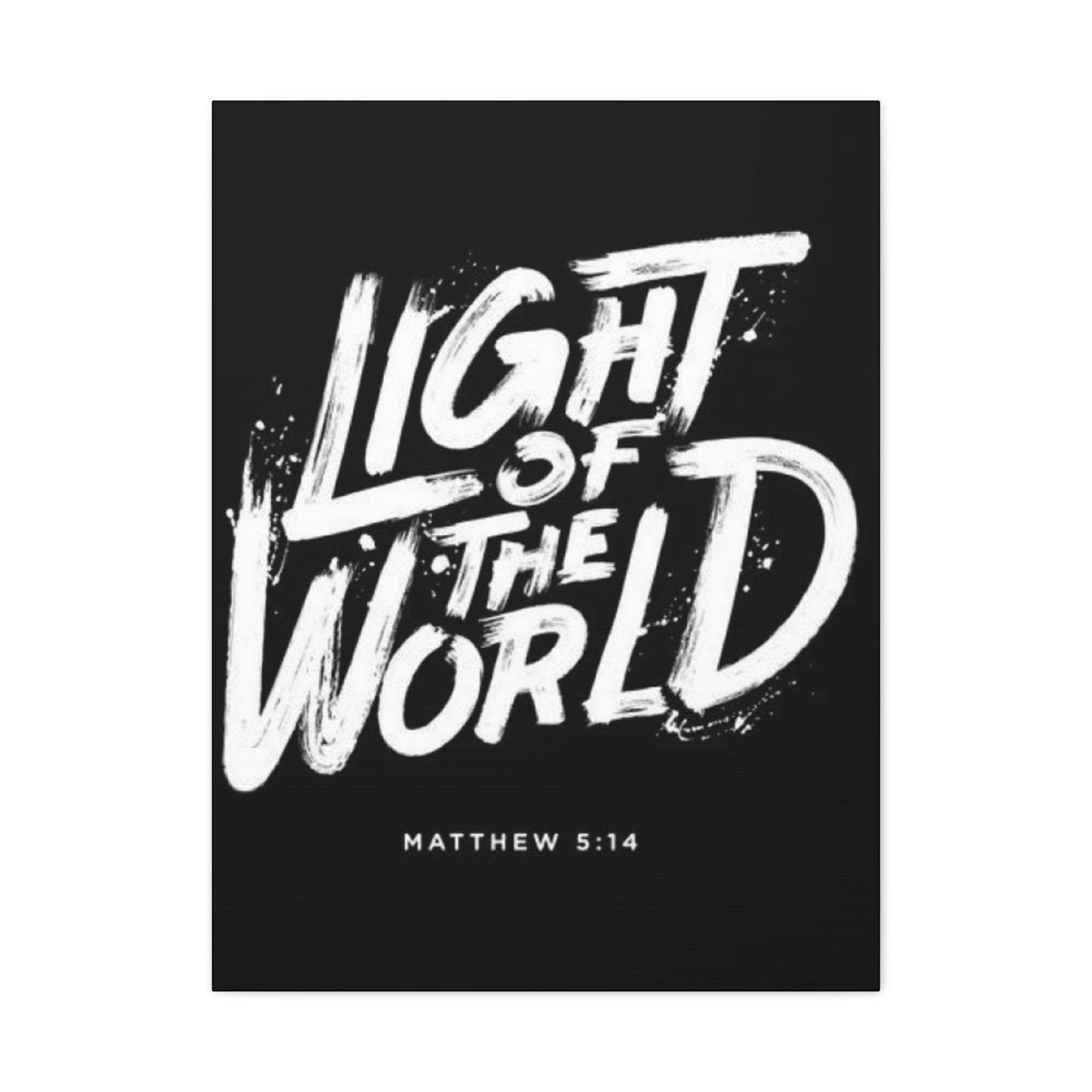
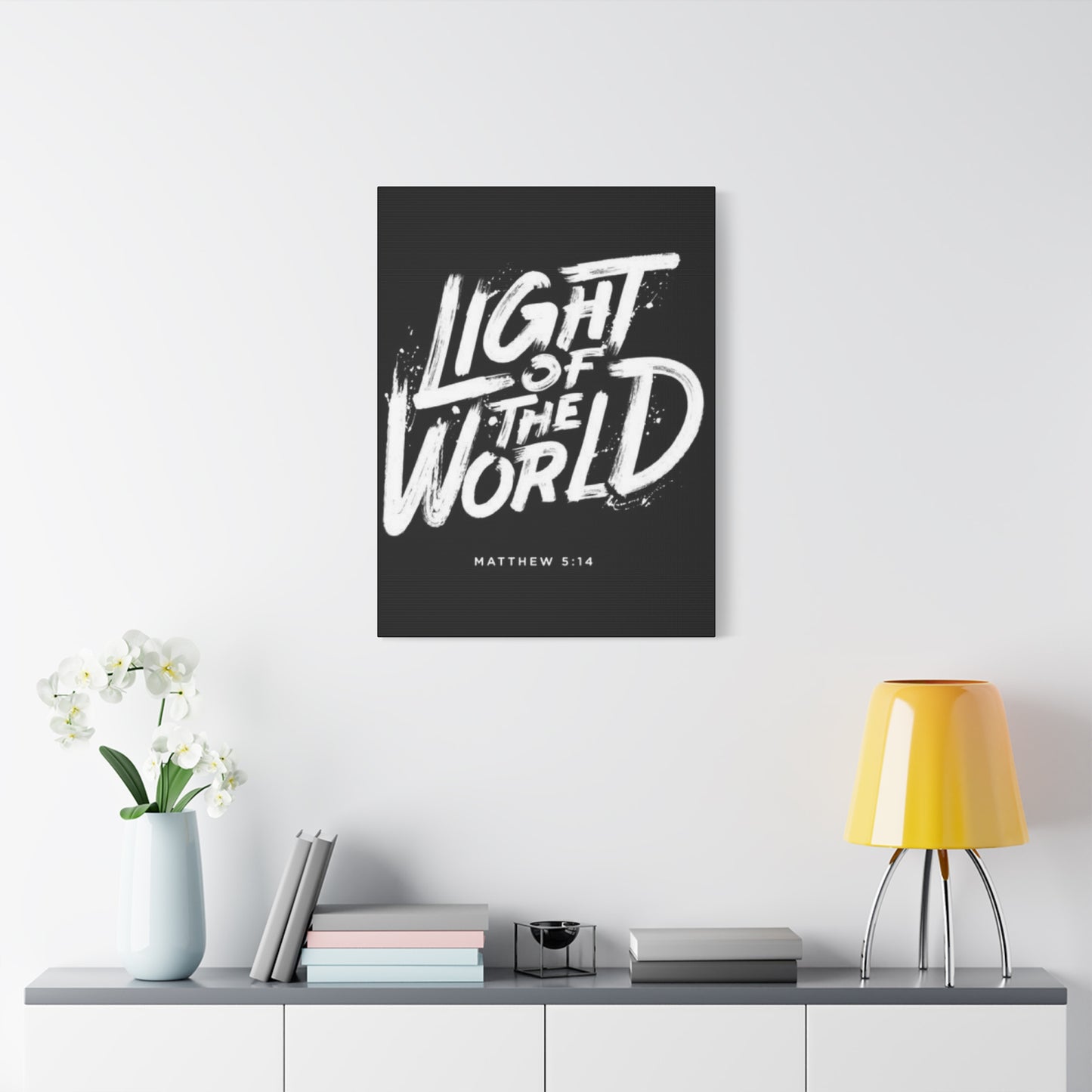
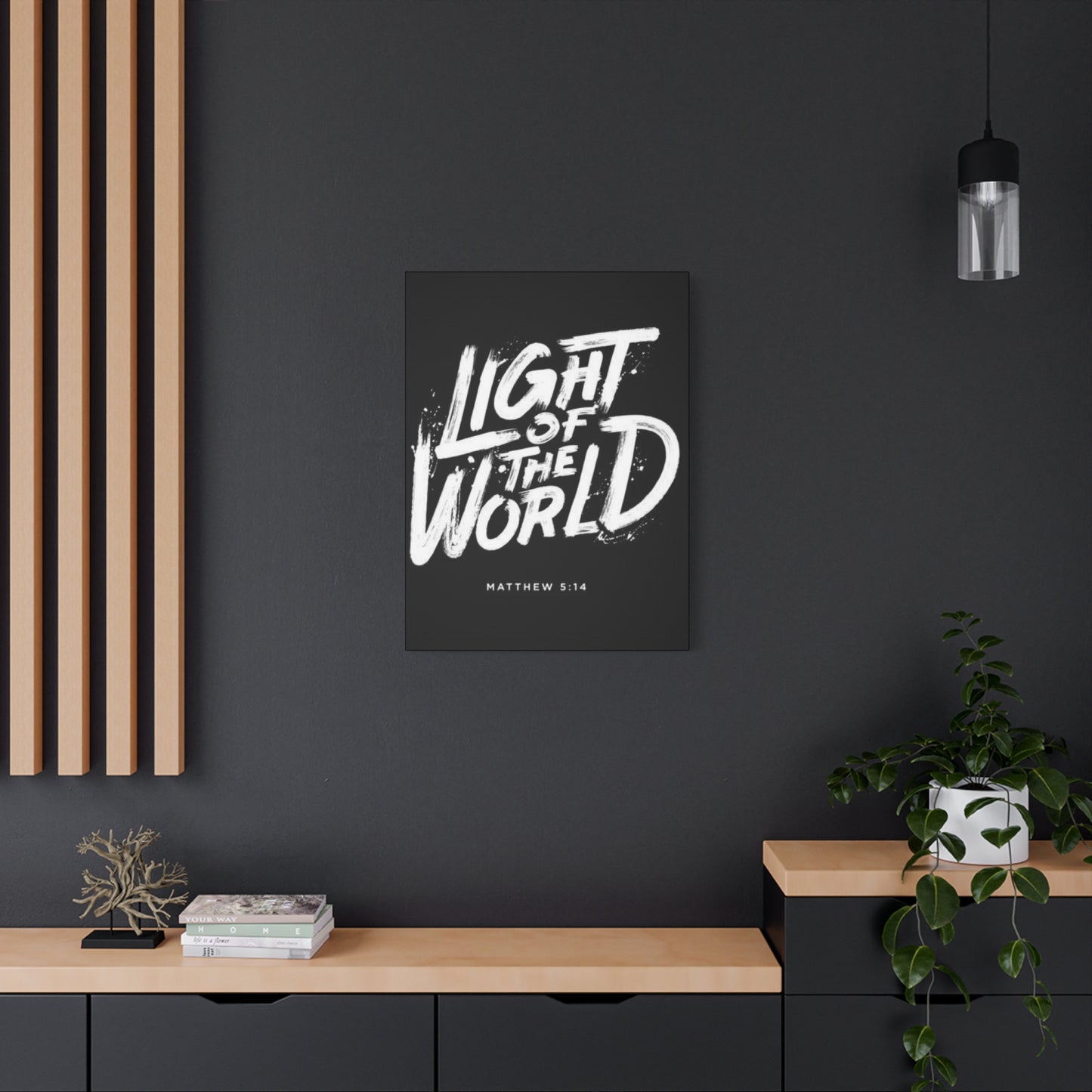
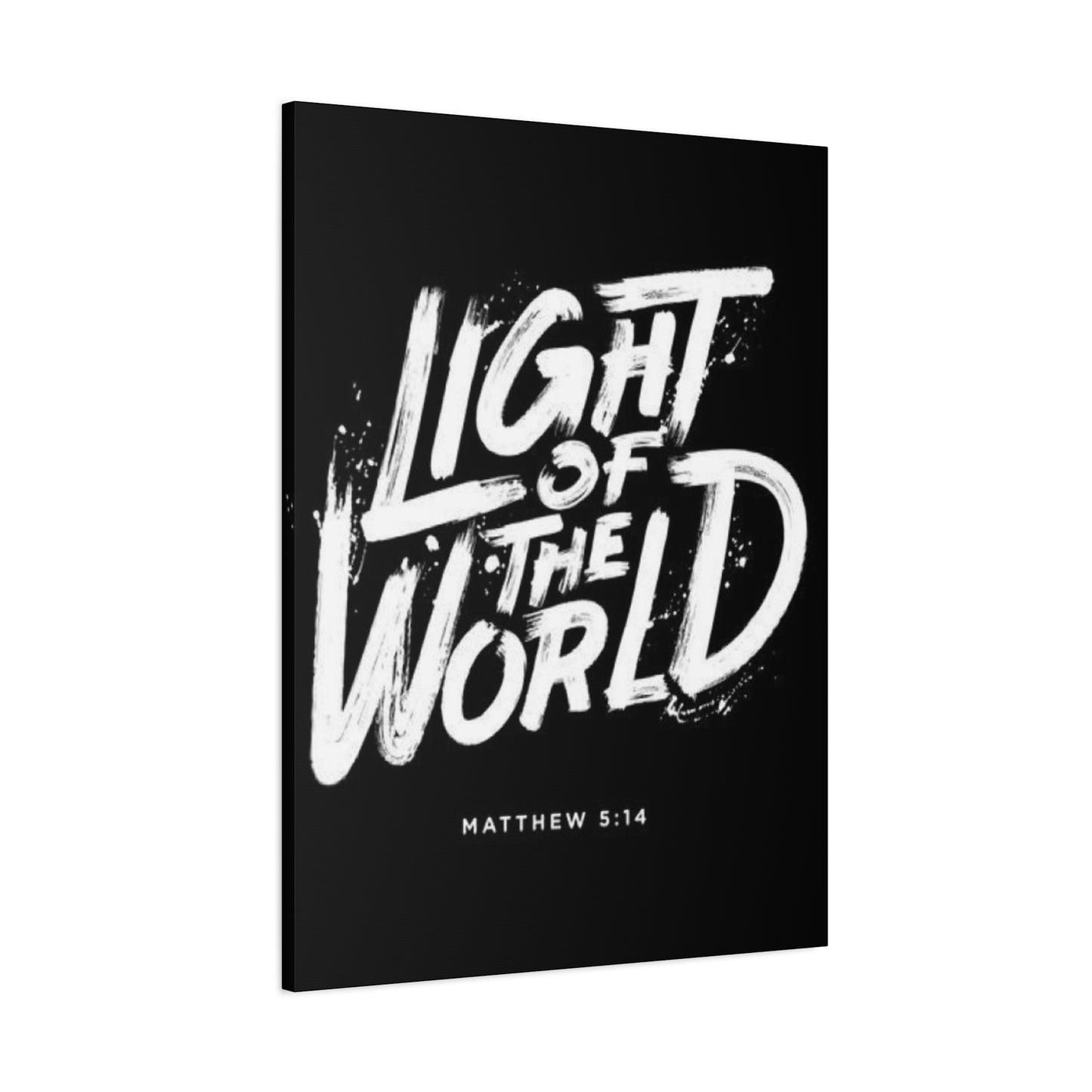
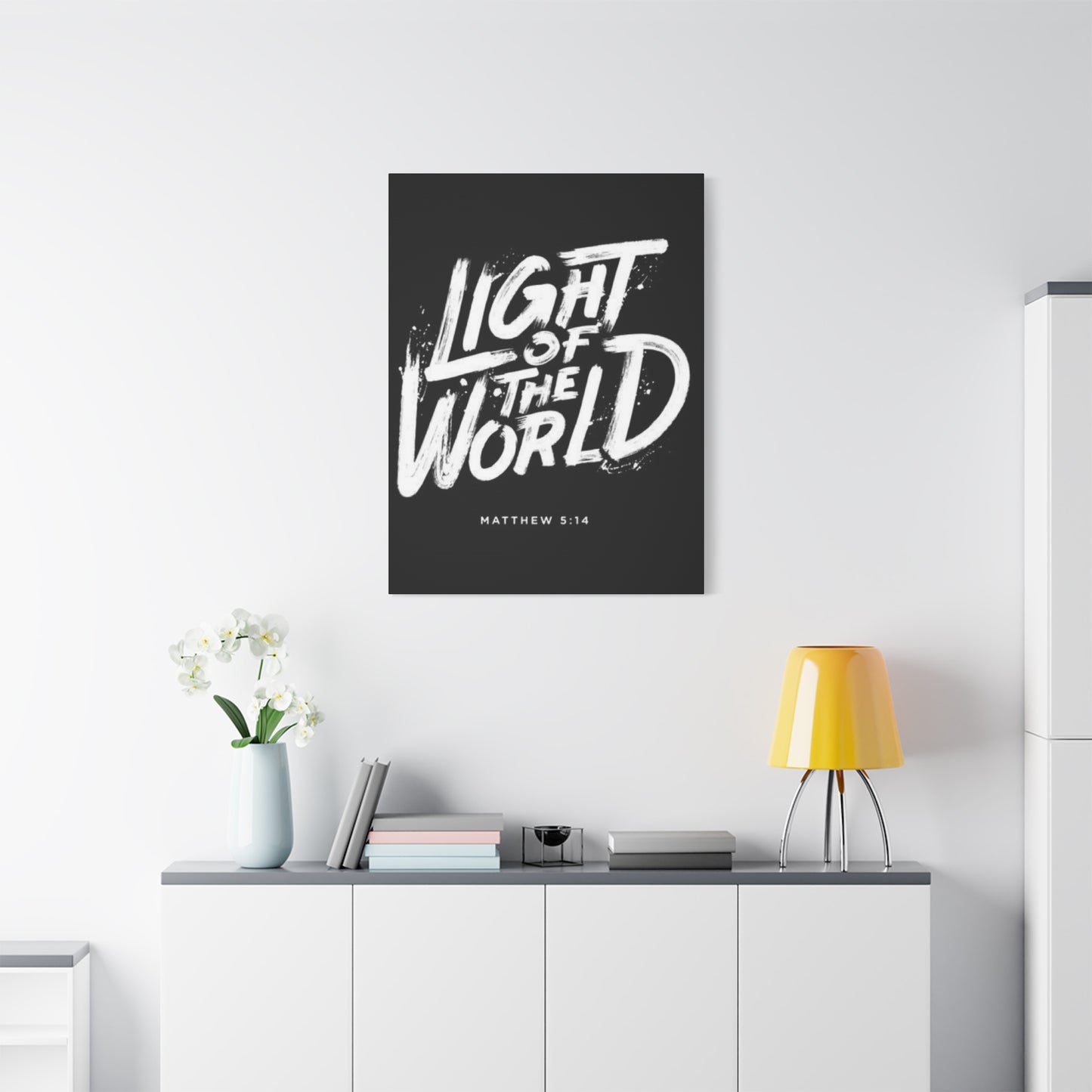
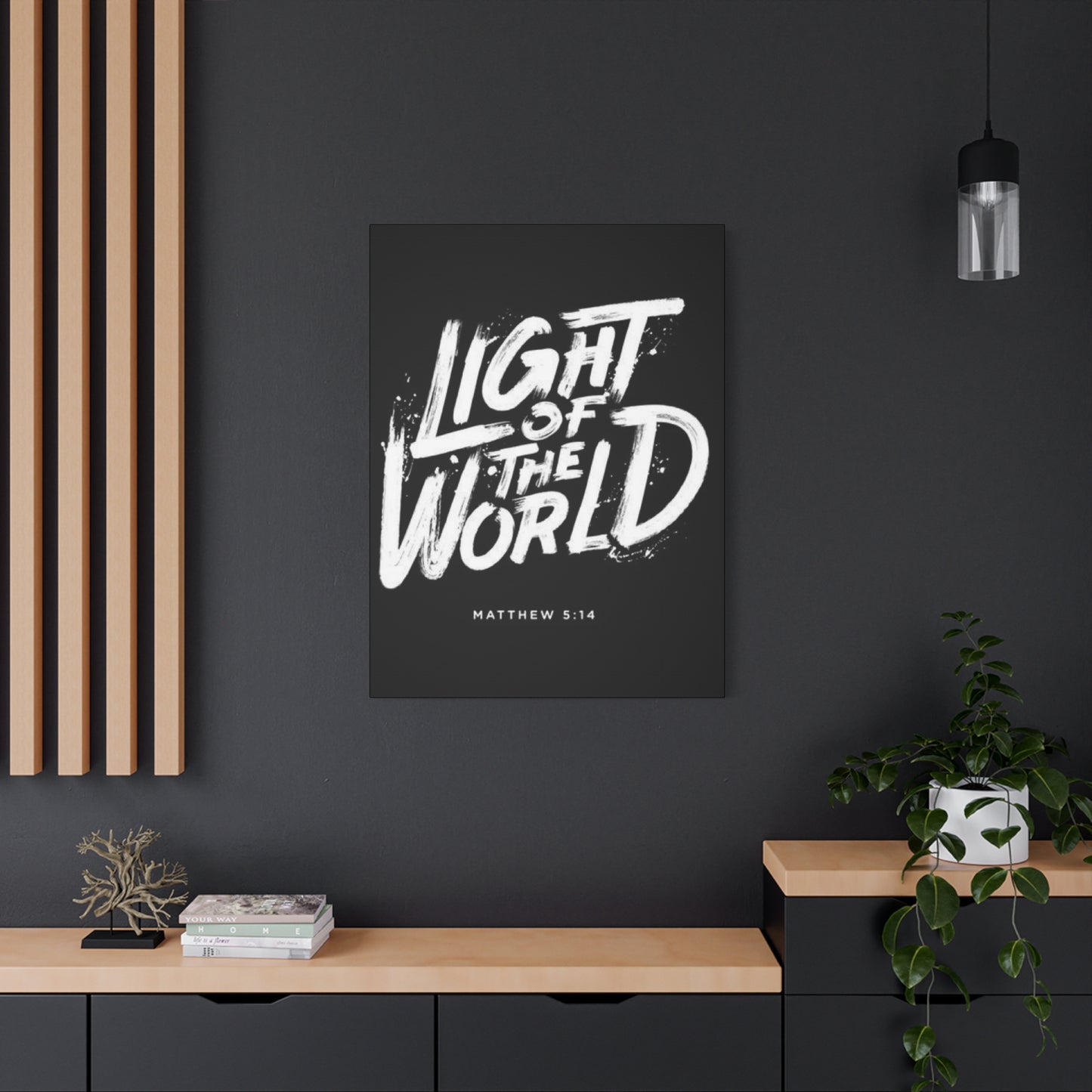
Light of the World Chalkboard Wall Art & Canvas Prints
Light of the World Chalkboard Wall Art & Canvas Prints
Couldn't load pickup availability
Illuminating Your Space: Creative Ways to Display Light of the World Chalkboard Wall Art in Modern Homes
Creating an inviting and spiritually uplifting atmosphere within your living spaces has become increasingly important for homeowners seeking to blend faith-based decor with contemporary design aesthetics. The concept of incorporating religious imagery through versatile mediums like chalkboard surfaces offers a unique approach to personalizing your environment while maintaining the flexibility to adapt your messaging and artistic expressions over time.
Discovering the Profound Symbolism Behind Scriptural Imagery in Home Decor
When you consider the deeper meaning behind incorporating biblical references into your daily surroundings, you're engaging with centuries of artistic tradition that has sought to make sacred texts accessible and visible in everyday life. The phrase referencing divine illumination carries significant weight across multiple faith traditions, representing guidance, hope, and spiritual enlightenment that transcends temporal concerns.
This particular scriptural reference draws from multiple passages that emphasize the role of divine presence as a source of guidance and clarity in times of darkness. By bringing this concept into your home through visual representation, you create constant reminders of your faith journey and the values that anchor your family's daily existence. The permanence of having such imagery displayed serves as both inspiration during challenging moments and celebration during times of joy.
The versatility of chalkboard surfaces allows you to surround this central message with complementary scriptures, prayers, or artistic elements that enhance the core theme. Unlike static printed pieces, this medium invites interaction and periodic refreshment, ensuring that your decor never becomes so familiar that it fades into the background of your consciousness. Each time you update the surrounding elements, you reinforce your engagement with the central message and invite family members and guests to pause and reflect on its significance.
Exploring Various Placement Strategies Throughout Your Living Environment
The location you choose for displaying your Light of the World chalkboard wall art significantly impacts both its visual effectiveness and its ability to serve as a focal point for reflection and inspiration. Different rooms in your home offer distinct advantages depending on your lifestyle patterns and the specific atmosphere you wish to cultivate in each space.
Entryways and foyers present excellent opportunities for making powerful first impressions while setting the spiritual tone for your entire home. As family members depart for work or school each morning, they encounter this uplifting message that can frame their mindset for the day ahead. When guests enter your home, they immediately understand the values and priorities that guide your household, creating an atmosphere of warmth and authenticity from the moment they cross your threshold.
Living rooms and family gathering spaces benefit from such displays by creating conversation starters and providing visual anchors during fellowship times. Whether hosting bible study groups, prayer meetings, or simply enjoying quiet evenings with immediate family, having this prominent reminder of faith encourages deeper discussions and shared spiritual experiences. The communal nature of these spaces means that the message reaches multiple people regularly, amplifying its impact beyond solitary contemplation.
Kitchen areas, where families naturally congregate throughout the day, offer frequent touchpoints for spiritual reinforcement during mundane daily activities. As you prepare meals, share breakfast conversations, or help children with homework at the kitchen table, the presence of scriptural imagery infuses these ordinary moments with extraordinary significance. The kitchen's central role in family life makes it an ideal location for messages that you want to permeate your household culture deeply.
Bedroom spaces provide more intimate settings where personal reflection and prayer naturally occur. Positioning your Light of the World chalkboard wall art where you'll see it upon waking and before sleeping bookends each day with spiritual focus. This placement supports morning devotionals and evening prayer routines, creating rhythms of faith practice that structure your daily existence around core beliefs and commitments.
Home offices and study areas benefit from such displays when you need encouragement during challenging work projects or decision-making processes. The reminder of divine guidance and illumination can provide comfort during stressful professional situations and help maintain ethical perspectives when facing difficult choices. For students, these messages can reduce anxiety around academic performance by reinforcing that their identity and worth extend beyond grades and achievements.
Selecting Appropriate Dimensions and Proportions for Maximum Visual Impact
The physical size of your chalkboard piece must harmonize with the architectural features and existing decor elements in your chosen location. Too small, and the piece becomes lost among other visual components, failing to command the attention and respect such meaningful content deserves. Too large, and it can overwhelm the space, creating an imbalanced appearance that distracts rather than enhances the overall aesthetic.
Wall dimensions provide your starting reference point when determining appropriate sizing. Design principles suggest that wall art should occupy roughly sixty to seventy-five percent of the available wall space width for optimal visual balance. Measuring your wall carefully and calculating these proportions ensures that your chalkboard piece feels intentional and well-integrated rather than appearing as an afterthought or temporary addition.
Ceiling heights also influence appropriate scaling decisions. Rooms with standard eight-foot ceilings accommodate different proportions than spaces with soaring two-story heights or vaulted architectural features. Taller spaces can support vertically oriented pieces or larger overall dimensions without creating a sense of crowding, while more compact rooms benefit from horizontal orientations that draw the eye across the wall rather than emphasizing the limited vertical space.
Furniture arrangements and other decorative elements establish visual weight relationships that your chalkboard piece must acknowledge. If you're positioning the piece above a sofa, dining buffet, or console table, the width should generally span fifty to seventy-five percent of the furniture width below it. This creates a cohesive relationship between the wall art and the furnishings, suggesting intentional design rather than random placement.
Viewing distances throughout the room determine how large your lettering and decorative elements need to be for comfortable readability. A piece positioned on a wall that people typically view from ten to fifteen feet away requires larger letter sizing than one placed in a narrow hallway where viewers pass within three to five feet. Testing legibility from your typical viewing positions ensures that the message remains accessible rather than requiring guests to awkwardly move closer to decipher the content.
Multiple smaller panels arranged in a gallery wall configuration offer an alternative to single large pieces, particularly when architectural features like windows, doors, or built-in cabinetry fragment available wall space. This approach allows you to distribute the message across several surfaces while maintaining visual coherence through consistent framing, matting, or border treatments that unify the separate components into a cohesive whole.
Mastering Chalk Typography and Lettering Styles for Compelling Presentations
The way you render text on your chalkboard surface dramatically affects both readability and aesthetic appeal. Different lettering styles convey distinct moods and complement various decor themes, from farmhouse casual to urban contemporary. Developing proficiency in multiple approaches allows you to refresh the appearance of your piece periodically while maintaining the core message that anchors your display.
Traditional chalkboard lettering draws inspiration from vintage signage and schoolhouse aesthetics, featuring clean lines and classic proportions that emphasize clarity and legibility. This style works particularly well in spaces with rustic or cottage-inspired decor, where the nostalgic quality of the lettering harmonizes with reclaimed wood furniture, vintage textiles, and other elements that celebrate simpler times. The straightforward nature of traditional letterforms ensures that viewers immediately grasp the message without being distracted by overly elaborate decorative flourishes.
Script and cursive styles introduce elegance and sophistication to your chalkboard presentations, creating flowing compositions that guide the eye smoothly across the surface. These approaches work beautifully in more formal spaces or when you want to emphasize the poetic and inspiring nature of scriptural language. The connected nature of cursive writing creates visual rhythm that enhances the lyrical quality of the text, though it requires more practiced hand control to execute consistently across longer passages.
Hand-lettering blends print and script elements while incorporating unique personality through irregular baseline alignments, varied letter sizing, and playful flourishes that make each presentation one-of-a-kind. This contemporary approach suits modern farmhouse and eclectic decor styles where mixing old and new elements creates visual interest. The slightly imperfect quality of hand-lettered work adds warmth and authenticity, reminding viewers that a real person created this message rather than producing it through impersonal mechanical processes.
Block letters and bold sans-serif styles project strength and confidence, making them ideal for shorter, punchy messages that you want to read from a distance. The substantial visual weight of these letterforms commands attention and works particularly well in minimalist spaces where restraint in decorative elements allows the powerful simplicity of the message to dominate. The geometric clarity of block letters also complements modern and industrial design schemes where clean lines and unadorned surfaces prevail.
Combining multiple lettering styles within a single composition creates visual hierarchy and guides viewers through more complex layouts featuring multiple text elements. You might render the central phrase "Light of the World" in an elaborate script style while using simpler print letters for supporting scriptures or explanatory text. This variation in typographic treatment helps viewers understand which elements represent the primary message and which provide secondary support or context.
Practicing your chosen lettering styles on separate paper or small chalkboards before committing to your final display surface prevents frustration and wasted effort. Working out spacing issues, letter proportions, and overall layout on expendable surfaces allows you to refine your approach without the pressure of working on your permanent piece. Many crafters create full-scale paper templates that they can reference or even trace onto their chalkboard surfaces using transfer methods that ensure accurate placement and sizing.
Incorporating Complementary Visual Elements and Decorative Accents
While the textual message forms the core of your Light of the World chalkboard wall art, surrounding visual elements enhance the overall composition and create more engaging displays that capture and hold viewer attention. These decorative additions should support rather than compete with the central message, creating harmonious presentations that feel complete and professionally executed.
Floral motifs and botanical illustrations bring organic beauty to your chalkboard compositions, softening the angular geometry of text while adding color opportunities through the use of chalk pastels or colored chalks. Delicate vine borders that frame your text create defined spaces that help the lettering stand out against the surrounding wall surface. Individual flower blooms positioned at strategic points provide visual punctuation marks that guide the eye through the composition and create natural resting points that prevent viewer fatigue when absorbing longer passages.
Geometric patterns and border designs introduce structure and formality to your presentations, particularly when you want to emphasize the timeless and universal nature of the message. Simple line work creating rectangular or circular frames focuses attention on the enclosed text while creating clear boundaries that separate the message from surrounding decor elements. More elaborate geometric patterns incorporating repeated motifs can fill background spaces, adding visual interest without introducing the randomness of organic forms.
Symbolic imagery related to the scriptural reference enhances the message through visual metaphor and layered meaning. Representations of light sources like candles, lanterns, or radiating sunbursts reinforce the illumination theme while creating opportunities for dramatic shading and highlighting that adds depth to flat chalkboard surfaces. These symbolic elements work best when scaled appropriately and positioned to support rather than overshadow the text, perhaps flanking the main message or appearing in corners and border spaces.
Negative space plays a crucial role in preventing visual clutter and allowing the message room to breathe within the overall composition. Resisting the temptation to fill every available inch of chalkboard surface with decorative elements creates sophisticated presentations that feel intentional rather than busy. Strategic empty spaces guide the eye to focal points and provide visual rest areas that make complex compositions easier to process and understand.
Shading and dimensional effects transform flat text into seemingly three-dimensional elements that appear to lift off the chalkboard surface. Adding shadow lines to one side of each letter creates the illusion of depth and makes the text more visually striking, particularly when viewed from angles where natural light emphasizes the contrast between highlighted and shadowed areas. These effects require more time and skill to execute but significantly elevate the professional appearance of your finished piece.
Color introduction through chalk pastels or colored chalks allows you to create more vibrant and varied presentations while maintaining the authentic chalkboard aesthetic. Warm golden yellows and oranges reinforce the light theme while creating cheerful, uplifting color palettes. Cool blues and purples can suggest evening or nighttime settings where light becomes even more precious and necessary. Using color strategically on specific elements rather than throughout the entire composition creates focal points and visual hierarchy while preventing the piece from appearing overly busy or chaotic.
Preparing Your Surface for Long-Lasting and Visually Striking Results
The condition and preparation of your chalkboard surface directly impacts both the appearance quality and the longevity of your finished piece. Proper surface treatment ensures that chalk adheres evenly, colors appear vibrant, and erasing remains possible when you want to refresh your design without damaging the underlying substrate.
New chalkboard surfaces require seasoning or priming before you create your final design to prevent ghosting issues where previous images remain faintly visible even after erasing. This process involves covering the entire surface with chalk held on its side, creating an even coating that fills the microscopic texture of the material. After covering the entire surface, use a dry cloth or eraser to remove the chalk completely, leaving behind a thin residue that fills the texture and creates an ideal working surface for subsequent designs.
Existing surfaces that have hosted previous designs may need deep cleaning to remove built-up chalk dust and oils from repeated handling. A slightly damp cloth using just water usually suffices for regular cleaning, though stubborn residues might require very mild soap solutions applied sparingly and wiped away completely before the surface dries. Avoid harsh chemical cleaners that can damage the chalkboard finish or leave residues that prevent fresh chalk from adhering properly.
Environmental factors like humidity and temperature fluctuations affect chalk adhesion and the ease of creating clean, sharp lines. Excessive humidity can cause chalk to become slightly damp, making it smear more easily and reducing the vibrancy of colors. Very dry conditions can cause chalk to become dusty and less adherent, requiring you to work more slowly and carefully to achieve even coverage. Monitoring your environment and adjusting your timing to work during moderate conditions produces superior results.
Quality chalk selection makes a substantial difference in your ability to achieve professional-looking results. Artist-grade chalks provide richer pigmentation and smoother application compared to inexpensive student-grade options designed primarily for temporary classroom use. The investment in quality materials proves worthwhile when you're creating a piece intended for long-term display rather than daily erasing and recreation.
Blending tools including foam applicators, makeup sponges, and blending stumps allow you to create smooth gradations and soft edges that add sophistication to your designs. These tools work particularly well for creating background effects, softening harsh lines, or adding subtle shading that creates dimensional illusions. Experimenting with different applicators reveals various effects and textures achievable beyond what direct chalk application can produce alone.
Fixative sprays designed specifically for chalk work can seal your finished design, preventing smudging and extending the display life of your creation. These products work by creating a thin transparent coating over the chalk that binds it to the surface while maintaining the matte appearance characteristic of chalkboard work. However, fixatives make future erasing difficult or impossible, so use them only when you're certain you want the design to remain for an extended period and you're willing to sacrifice the ability to make easy changes.
Enhancing Your Display with Appropriate Framing and Mounting Solutions
The frame or mounting system you choose for your Light of the World chalkboard wall art affects both its visual presentation and its physical stability over time. Thoughtful selection of these supporting elements ensures that your piece hangs securely, complements your existing decor, and creates a finished appearance worthy of the meaningful message it conveys.
Wooden frames offer warmth and versatility, available in countless stain colors and finishes that can match or complement surrounding furniture pieces. Rustic reclaimed wood frames enhance farmhouse and cottage aesthetics while adding textural interest through visible grain patterns and weathered characteristics. Smooth painted wood frames in white, black, or colored finishes create cleaner contemporary looks that work in more modern spaces. The natural material quality of wood frames adds substantial visual weight that grounds your piece and signals its importance within the room's decor hierarchy.
Metal frames provide sleek modern alternatives that work particularly well in industrial or contemporary spaces where metallic accents appear throughout the decor scheme. Black metal frames create strong contrast against lighter walls while introducing subtle sophistication through their refined profiles. Brushed nickel, copper, or brass frames add warmth while maintaining the clean lines characteristic of metal framing. The durability of metal frames makes them practical choices for high-traffic areas where accidental bumps might occur.
Ornate decorative frames with carved details and elaborate profiles suit traditional or formal spaces where architectural moldings and classical design elements dominate. These frames transform your chalkboard piece into a more significant statement that commands attention and elevates the perceived value of the message. Gold or silver leaf finishes on ornate frames create luxurious presentations appropriate for entry halls or formal living spaces where first impressions matter.
Frameless mounting systems including standoffs, cleats, or floating hardware create contemporary presentations that emphasize the chalkboard itself rather than its supporting structure. These approaches work well when the chalkboard material features attractive finished edges that deserve display or when you want to minimize visual barriers between the message and viewers. The floating effect created by these mounting systems adds dimensional interest while maintaining clean, uncluttered aesthetics.
Mat board inserts between the frame and chalkboard surface can create additional visual sophistication while solving sizing issues when your chalkboard dimensions don't perfectly match standard frame sizes. Neutral mat colors like cream, gray, or white create breathing room around your design while keeping focus on the message itself. Colored mats introduce additional hues that can coordinate with room color schemes and create more custom appearances.
Protective glass or acrylic glazing shields your finished chalk work from accidental smudges while allowing the design to remain visible. This option works best when you've used fixative spray and don't intend to change the design frequently, as the glazing must be removed to access the surface. Anti-reflective glazing options reduce glare issues that can make viewing difficult when the piece hangs opposite windows or in rooms with significant artificial lighting.
Coordinating Your Chalkboard Piece with Existing Room Color Schemes
Creating visual harmony between your Light of the World chalkboard wall art and the surrounding decor requires thoughtful consideration of existing color palettes and how your piece will interact with these established hues. Strategic color choices ensure that your spiritual display feels integrated rather than appearing as an afterthought or clashing with carefully curated room aesthetics.
Monochromatic approaches using only white chalk on black chalkboard surfaces create classic, timeless presentations that work in virtually any color environment. This restrained palette allows the message itself to take center stage without introducing additional colors that might compete with existing decor elements. The high contrast between white text and dark background ensures maximum readability while creating graphic impact that commands attention despite the limited color range.
Warm color palettes featuring golds, oranges, and warm yellows naturally complement the light theme while creating inviting, cheerful atmospheres. These hues work particularly well in spaces with warm wood tones, earth-tone color schemes, or rustic farmhouse aesthetics. The emotional associations of warm colors with comfort, energy, and optimism reinforce the uplifting nature of the scriptural message, creating cohesive presentations where visual and conceptual elements support each other.
Cool color palettes using blues, greens, and purples create calming presentations that work well in bedrooms or meditation spaces where peaceful atmospheres support reflection and prayer. These colors can represent the cool refreshment of divine guidance in the heat of life's challenges or the tranquil assurance of faith amid turbulent circumstances. Cool palettes work particularly well in spaces with significant natural light where warm sunlight balances the cooler chalk colors.
Accent color extraction from existing decor pieces ensures that your chalkboard artwork feels intentionally connected to the surrounding space. If your room features teal throw pillows or curtains with coral accents, incorporating these same hues into your chalkboard design creates visual threads that unify the space. This approach demonstrates design sophistication and makes your spiritual piece feel like an integral part of the room rather than a separate religious element imposed upon a secular space.
Neutral foundations using grays, tans, and soft whites allow colorful accent elements to create visual interest without overwhelming the composition. This approach works particularly well in minimalist or Scandinavian-inspired spaces where restraint and simplicity characterize the overall aesthetic. Building your design primarily with neutral tones while introducing small pops of color on specific elements creates sophisticated presentations that feel current and professionally designed.
Seasonal color rotation allows you to periodically refresh your piece's appearance while maintaining the core message, keeping the display engaging throughout the year. Autumn palettes featuring rust, burgundy, and golden yellows celebrate harvest themes and thanksgiving. Winter schemes using cool blues, silver, and white evoke the season while maintaining the light theme through sparkle and shimmer effects. Spring pastels in soft pinks, greens, and yellows celebrate renewal and new life. Summer brights with vibrant corals, turquoise, and sunny yellows convey joy and abundance.
Maintaining and Preserving Your Chalkboard Artwork Over Time
Proper care and periodic refresh efforts keep your Light of the World chalkboard wall art looking fresh and impactful rather than allowing it to become dingy or faded through neglect and environmental exposure. Establishing simple routines ensures that your piece continues serving as an inspiring focal point rather than deteriorating into a maintenance problem.
Dust accumulation represents the primary threat to chalkboard displays, as airborne particles settle on surfaces and mix with chalk residues to create dull, grimy films that obscure designs and reduce visual impact. Regular dusting using soft, dry cloths or microfiber dusters prevents buildup before it becomes problematic. Avoid damp cleaning unless absolutely necessary, as moisture can cause chalk to smear or run, creating difficult-to-remove stains that compromise the clean appearance of your design.
Sunlight exposure gradually fades chalk colors, particularly when pieces hang opposite windows or in rooms with significant natural light exposure. While some fading is inevitable over extended periods, you can minimize this issue by positioning your piece away from direct sun paths or using window treatments that filter harsh afternoon light. If your space doesn't allow alternative positioning, planning for more frequent design refreshes compensates for accelerated fading and ensures your message remains clearly visible.
Humidity control prevents moisture-related issues that can cause chalk to become streaky or develop mold growth in extreme cases. Bathrooms and other high-humidity environments pose challenges for chalk displays unless you have adequate ventilation to prevent excessive moisture accumulation. Dehumidifiers in basement spaces or naturally humid climates protect your piece while creating more comfortable living conditions generally.
Accidental bumps and brush-bys inevitably occur in high-traffic areas, potentially smudging your carefully executed design. Positioning your piece slightly above normal traffic patterns and away from corners where people turn closely reduces these incidents. Teaching family members, especially young children, to give the piece appropriate respect and space prevents casual damage from careless contact.
Touch-up supplies kept readily accessible allow you to address small smudges or damage immediately rather than allowing them to worsen or become permanent. A small container holding your primary chalk colors and a fine-tipped eraser or correction tool enables quick fixes that maintain the pristine appearance of your piece between major refresh cycles. Addressing issues promptly prevents the gradual degradation that makes complete redesign necessary sooner than otherwise required.
Complete refresh cycles every few months prevent your piece from becoming so familiar that family members stop noticing it, restoring its ability to capture attention and inspire reflection. These refresh sessions might involve recreating the same design with improved execution, trying new lettering styles or decorative elements, or completely reimagining the presentation while maintaining the core message. The act of recreating the piece provides meditative time for personal reflection while producing tangible results that re-energize your space.
Creating Seasonal Variations to Keep Your Display Fresh and Engaging
Adapting your Light of the World chalkboard wall art to reflect changing seasons maintains viewer interest while celebrating the cyclical rhythms of the year and connecting spiritual messages to the natural world's ongoing transformations. These periodic updates need not be time-consuming or elaborate to effectively refresh your space and provide new perspectives on familiar truths.
Spring themes emphasize renewal, growth, and new beginnings that align naturally with resurrection narratives central to Christian faith. Incorporating fresh green hues, delicate flower illustrations, and symbols of emerging life like butterflies or birds creates optimistic presentations celebrating both seasonal and spiritual renewal. Text additions might include scriptures about new creation, transformation, or God's faithfulness across changing seasons.
Summer presentations can highlight abundance, joy, and the brilliance of extended daylight hours that naturally connect to illumination themes. Bright, saturated colors create energetic displays reflecting summer's vibrancy, while sun imagery becomes particularly appropriate. The season's association with vacations and relaxed schedules might inspire messages about rest, rejuvenation, or finding divine presence in leisure and natural settings.
Autumn variations introduce harvest imagery, warm earth tones, and themes of gratitude as the year moves toward its conclusion. The season's natural symbolism around gathering and preparation creates opportunities to connect light themes with provision and thanksgiving. Rich oranges, burgundies, and golden yellows create cozy presentations that harmonize with fall's characteristic color palette while maintaining the spiritual focus of your message.
Winter presentations can embrace the contrast between darkness and light that becomes more pronounced during the year's shortest days. Cool color palettes with sparkle effects using white chalk highlights create the impression of starlight or snow while reinforcing illumination themes. The season's association with Christmas provides natural connections to the incarnation narrative and traditional language about Christ as the light entering a dark world.
Holiday-specific variations allow you to acknowledge special occasions without completely obscuring your year-round message. Easter presentations might incorporate resurrection symbols while maintaining your core text. Christmas versions could add nativity elements that connect the infant Christ to the light theme. Even secular holidays like Thanksgiving can be acknowledged through surrounding decorative elements while keeping your spiritual message central and visible.
Transitional periods between seasons create opportunities for simple updates that keep your piece current without requiring complete redesigns. Adding a few seasonal flowers around existing text or swapping background colors provides refreshed appearances without the time investment of completely recreating your composition. These minor updates maintain your piece's dynamic quality while respecting your schedule constraints.
Building Community Through Shared Chalkboard Projects and Displays
Your Light of the World chalkboard wall art can become a gathering point for family faith practices and community building activities that deepen relationships while reinforcing shared values and beliefs. Inviting participation from household members and guests transforms a decorative element into an interactive tool for spiritual growth and connection.
Family lettering nights where everyone contributes to creating or refreshing the display build ownership and investment in the message. Even young children can add decorative elements like flowers or stars while older family members execute more complex lettering and design elements. The collaborative process creates shared memories and provides natural opportunities for discussing the meaning and significance of the message you're collectively creating.
Scripture memorization activities connected to your chalkboard display help family members internalize important passages beyond simple visual recognition. Writing out memory verses on the chalkboard reinforces learning through physical action while creating rotating displays that keep your piece dynamic. Family members might take turns selecting and creating displays for passages they're currently memorizing, sharing why they chose particular scriptures and what those verses mean in their current life circumstances.
Prayer request integration transforms your chalkboard into a visible reminder of ongoing intercession needs within your family or faith community. Creating a section where people can add names or situations requiring prayer makes abstract commitments concrete while ensuring that needs don't get forgotten amid busy schedules. This visible reminder prompts regular prayer while demonstrating care and support for those facing challenges.
Guest participation opportunities allow visitors to add their own prayers, scriptures, or creative elements to your chalkboard, creating a collaborative community piece that reflects multiple perspectives and experiences. This approach works particularly well during holiday gatherings or when hosting small groups where people want to leave tangible evidence of their presence and participation. The accumulation of different handwriting styles and personal touches creates rich, layered presentations that tell stories about your community connections.
Photography and sharing practices document your various designs over time, creating visual records of your family's spiritual journey and creative evolution. These images can be compiled into albums or digital galleries that family members enjoy revisiting, recalling the circumstances and meanings associated with particular designs. Sharing these images through social media or messaging groups with extended family maintains connections across distances while inviting others into your faith practices.
Mentorship opportunities arise when more experienced family members teach chalkboard lettering and design skills to younger or less confident participants. This skill transfer creates bonding experiences while building capability that increases participation levels. The patient instruction required for effective teaching also develops character qualities like patience and encouragement that benefit relationships beyond this specific activity.
Exploring Different Chalkboard Material Options and Their Unique Characteristics
The substrate you select for your Light of the World chalkboard wall art affects both the working properties of the surface and the final aesthetic of your display. Understanding the distinct characteristics of various chalkboard materials helps you choose options that best suit your skill level, intended location, and desired appearance.
Traditional slate chalkboards offer authentic vintage character and superior durability that has made them classroom staples for generations. The natural stone material provides a slightly textured surface that holds chalk well while allowing relatively easy erasing. Slate's substantial weight requires secure mounting and limits sizing options, but the material's prestige and longevity make it desirable for permanent installations in homes with traditional or academic styling.
Painted chalkboard surfaces created with specialized paint applied to wood, plywood, or even directly onto walls offer maximum flexibility in sizing and shaping. This approach allows you to create custom dimensions that perfectly fit your available space rather than being constrained by manufactured sizes. The smooth painted surface accepts chalk readily and erases cleanly, though paint quality significantly affects performance. Premium chalkboard paints create more durable surfaces with better chalk acceptance compared to budget alternatives that may feel rough or resist clean erasing.
Vinyl chalkboard decals provide temporary or removable options ideal for renters or those who prefer flexibility to change locations or remove the piece entirely without wall damage. These adhesive products stick to smooth wall surfaces and peel away cleanly when you're ready for changes. The removable nature makes them perfect for seasonal displays or for people who enjoy frequently reconfiguring their spaces. However, the thin vinyl material lacks the substantial presence of framed chalkboards and may not adhere well to textured walls.
Chalkboard contact paper offers another flexible option that can cover furniture pieces, cabinet doors, or other surfaces beyond walls, dramatically expanding where you can display your spiritual messages. This self-adhesive material works well for creating chalkboard surfaces on upcycled furniture pieces like dressers, side tables, or cabinet doors, integrating your message into functional furniture rather than limiting it to wall displays. The ability to create chalkboard surfaces on unexpected items adds whimsical surprise elements while maximizing available display opportunities.
Porcelain enamel chalkboards manufactured through industrial processes create exceptionally smooth, durable surfaces that write beautifully and erase completely without ghosting. These premium products command higher prices but deliver superior performance and nearly permanent durability. The porcelain surface resists staining and maintains its smooth texture through years of repeated use, making it worth the investment for pieces you intend to keep prominently displayed indefinitely.
Magnetic chalkboard options combine writing surfaces with magnetic receptivity, creating versatile displays where you can attach dimensional elements, photos, or other magnetic items alongside your chalk work. This dual functionality adds creative possibilities while maintaining clean aesthetics compared to traditional bulletin board approaches. Magnetic chalkboards work particularly well in kitchen command centers or family organization spaces where combining messages with functional attachments serves practical purposes.
Incorporating Scripture and Inspirational Quotes Beyond the Central Message
While your Light of the World chalkboard wall art centers on this particular phrase, surrounding text elements can provide scriptural context, related verses, or complementary inspirational content that deepens the message and offers varied entry points for reflection and meditation.
Complete scripture citations including book, chapter, and verse references help viewers locate the full passage in their own Bibles for deeper study and contemplation. Rather than simply displaying "Light of the World" without attribution, including references like John 8:12 or Matthew 5:14-16 directs interested viewers to the source material for fuller understanding. This scholarly approach demonstrates respect for scriptural accuracy while encouraging independent Bible engagement rather than relying solely on isolated phrases.
Related verses exploring similar themes create thematic groupings that provide multiple perspectives on the central concept. Pairing the light metaphor with other scriptures about guidance, truth, or divine presence builds a more comprehensive picture of how this imagery functions throughout biblical narrative. Verses about God's word as a lamp, walking in the light, or children of light all reinforce and expand the core message while demonstrating scripture's internal coherence and recurring motifs.
Explanatory text in smaller lettering can provide brief theological context or personal reflections that make the message more accessible to viewers unfamiliar with biblical language or imagery. A simple sentence explaining that this phrase represents Christ's self-description or noting its connection to themes of guidance and truth helps those new to faith understand the significance beyond the poetry of the language itself. However, keep such additions brief to avoid cluttering the design or creating academic atmosphere that overshadows the message's emotional and spiritual impact.
Prayer texts drawn from historical liturgies or personal composition transform your chalkboard into a worship tool rather than simply a static display. Including a brief prayer responding to the truth of divine illumination invites viewers to engage actively rather than passively receiving the message. These prayer additions might change periodically while the central message remains constant, providing fresh content that keeps the piece engaging for regular viewers.
Hymn or worship song lyrics that explore light themes create connections between visual and musical expressions of faith, potentially triggering memory associations that deepen impact. Those familiar with classic hymns like "This Little Light of Mine" or contemporary worship songs will mentally hear the melodies when encountering the lyrics, activating additional emotional and spiritual responses beyond what text alone produces. This multisensory association makes the message more memorable and emotionally resonant.
Theological terms or concepts written in decorative lettering educate while beautifying, introducing vocabulary that helps viewers articulate their faith more precisely. Terms like "illumination," "revelation," "glory," or "radiance" relate to light themes while expanding theological literacy. However, avoid overwhelming displays with too many technical terms that might alienate rather than invite viewers into deeper engagement.
Conclusion
Your Light of the World chalkboard wall art becomes an especially powerful tool when you leverage its interactive nature to engage children in age-appropriate faith formation activities that make abstract spiritual concepts tangible and memorable.
Coloring activities invite young children to add their creative contributions to the display, giving them ownership and investment in the spiritual message. Providing colored chalks and designating specific areas where children can draw pictures related to light themes allows participation without compromising the integrity of your carefully lettered message. Children might draw suns, candles, flashlights, or other light sources that make the abstract concept more concrete in their developing minds.
Story connection activities help children understand the narrative contexts where these phrases appear in scripture, moving beyond isolated quotes to comprehending larger biblical storylines. After reading passages where Jesus describes himself as light of the world, children can illustrate scenes from these stories around the chalkboard or create simple comic-strip style sequences showing how the message played out in historical narratives. These activities build biblical literacy while creating personal connections to ancient texts.
Letter tracing exercises for learning to write provide penmanship practice while reinforcing spiritual vocabulary. Young children can trace over your existing letters or copy words onto separate small chalkboards, developing fine motor skills while becoming familiar with important faith language. The repetitive physical action of forming letters helps cement the words in memory more effectively than passive exposure alone.
Question prompting encourages children to think critically about the message and its implications for daily life rather than accepting religious language as meaningless formula. Asking "What does it mean for Jesus to be light?" or "How does light help us?" invites children to grapple with metaphor and application. Writing their responses on the chalkboard validates their thinking and creates opportunities for extended family discussions that develop theological reasoning skills.
Memory challenges turn scripture retention into games that leverage children's competitive instincts and love of achievement. Creating point systems or reward structures around memorizing the displayed verses makes what could feel like tedious work into engaging play. Allowing children to choose and create displays for verses they're working to memorize increases motivation while teaching them to engage scripture independently rather than passively receiving adult selections.
Service connections help children understand that faith requires action beyond intellectual assent or emotional feeling. Discussing practical ways to "let your light shine" transforms abstract spiritual language into concrete behavioral expectations. Children might brainstorm kind actions they can take or ways to share their faith with friends, writing these commitments on the chalkboard as public accountability measures that the family can support and celebrate together.
Share