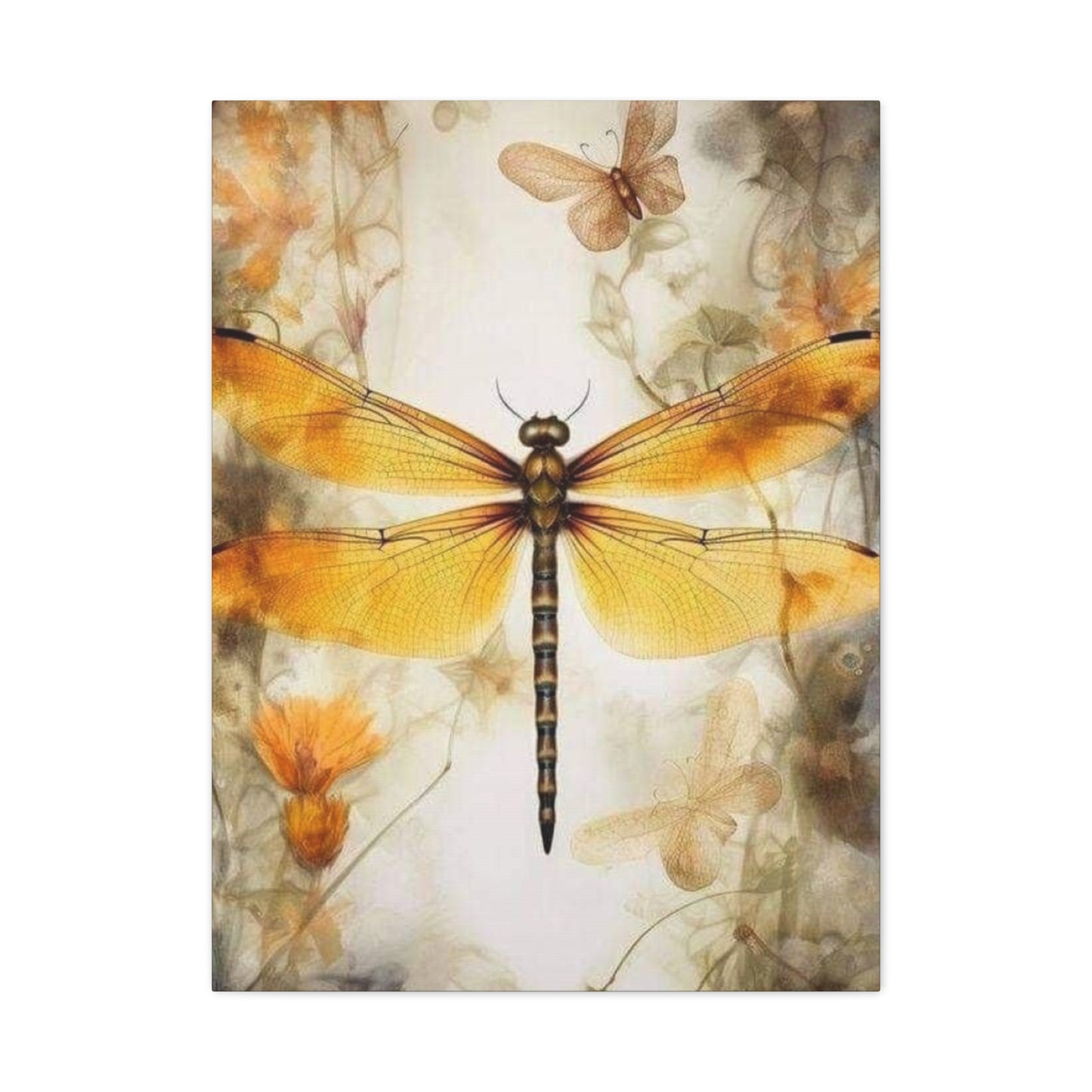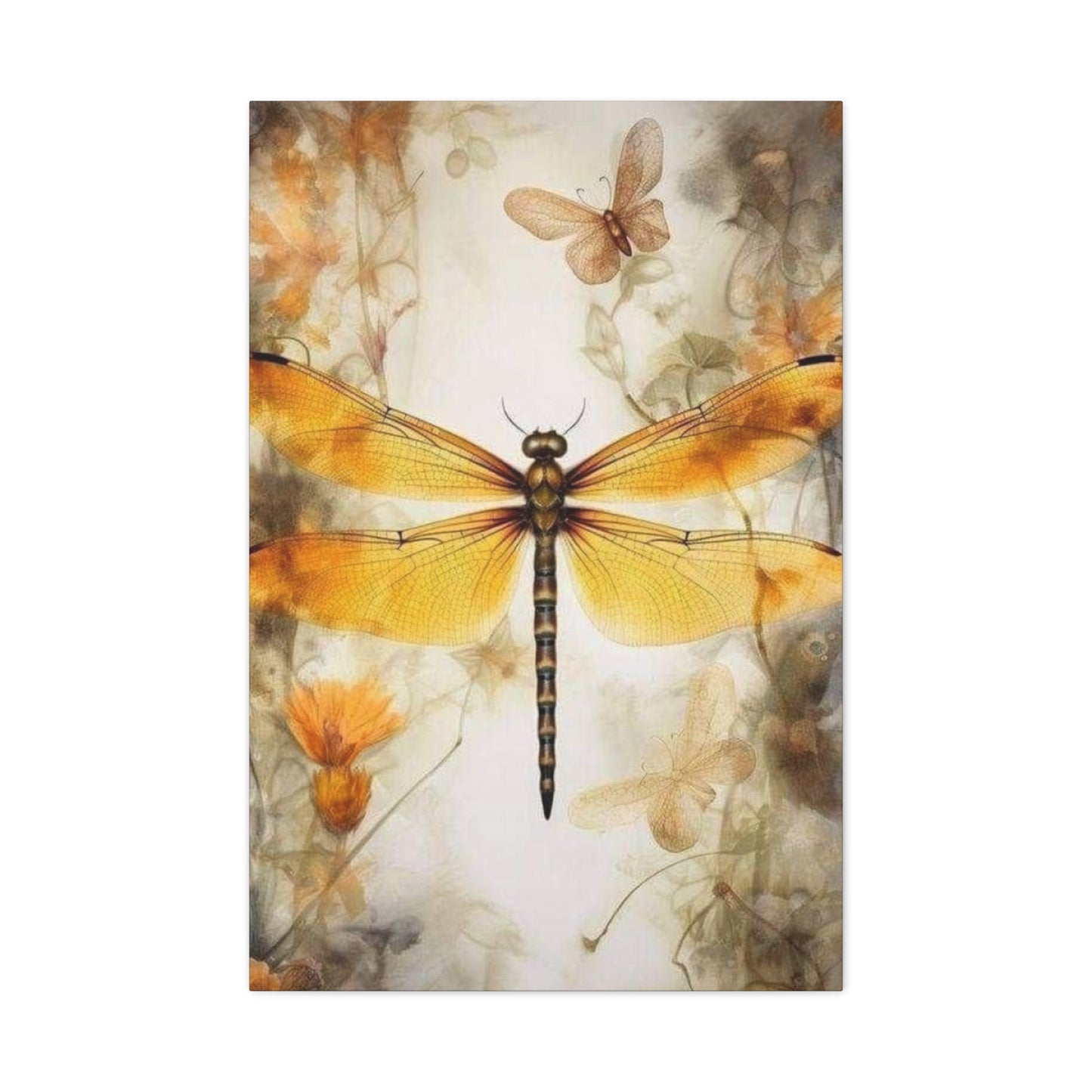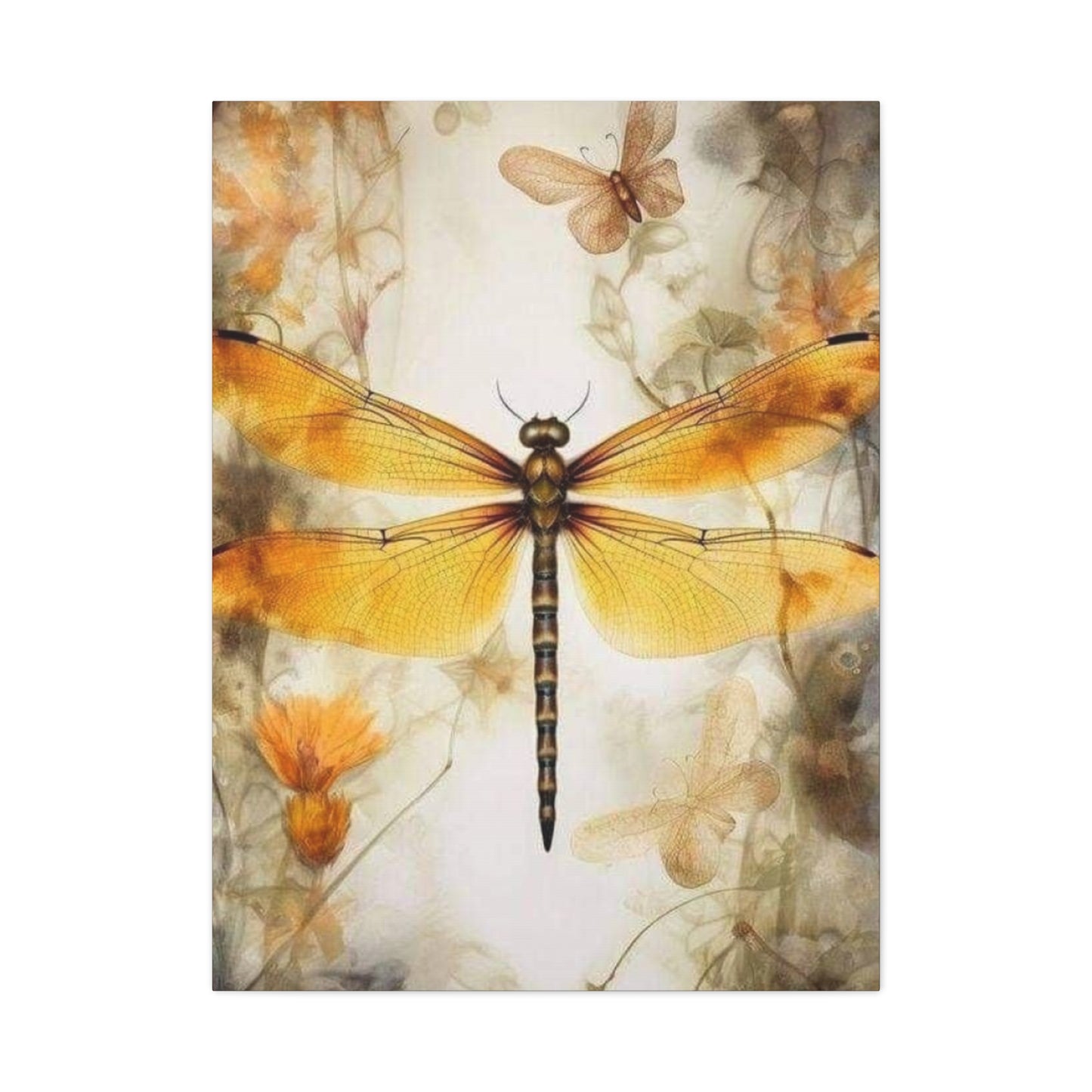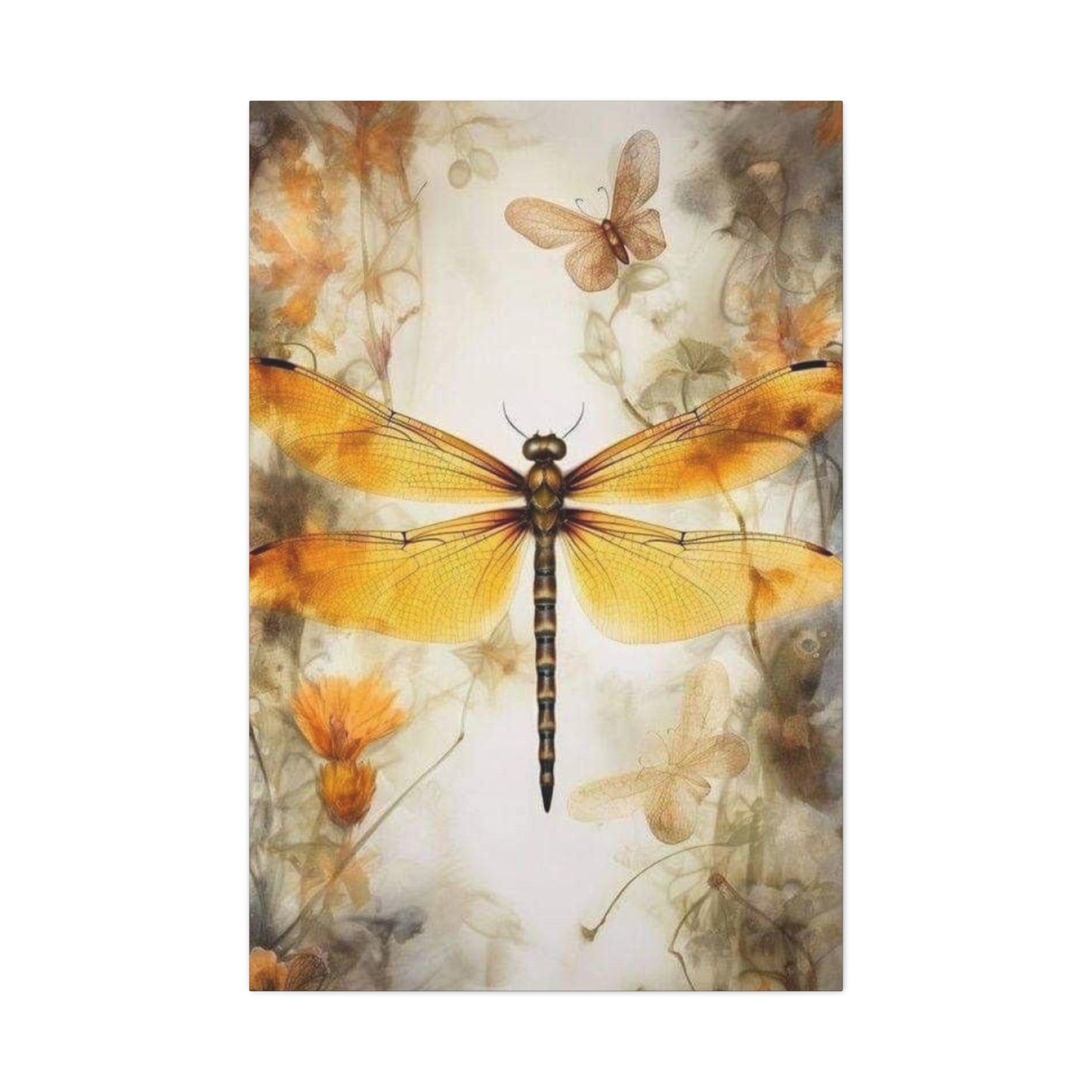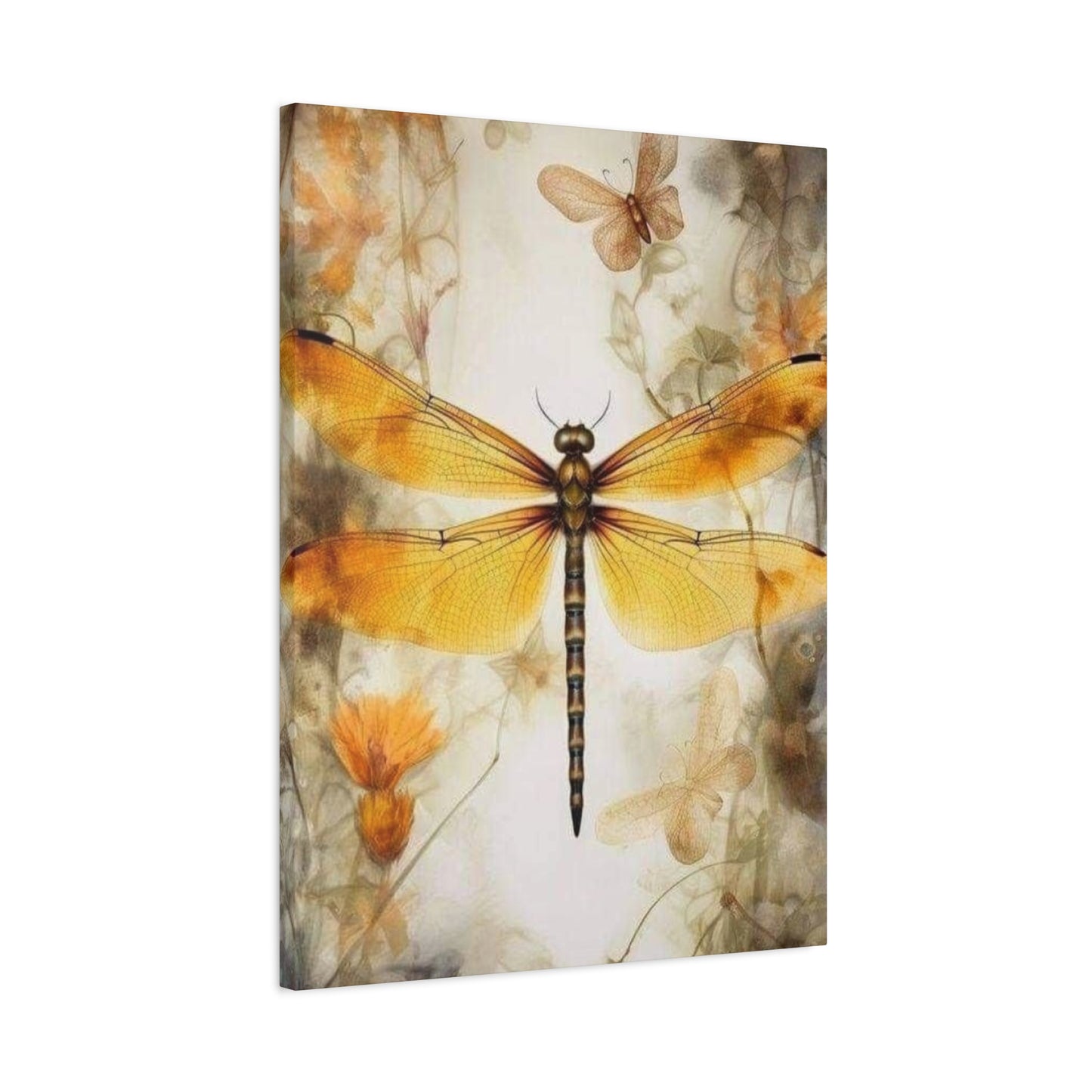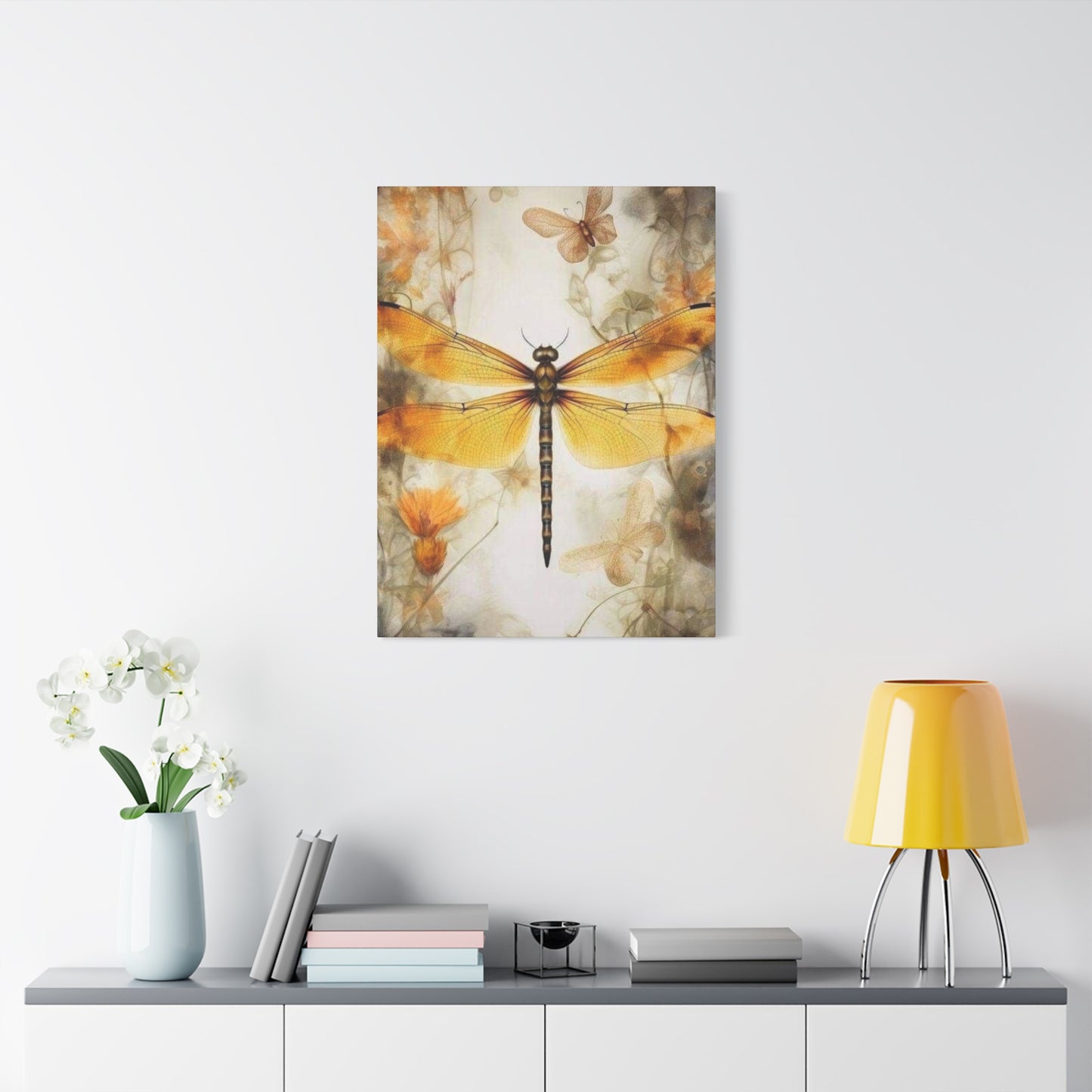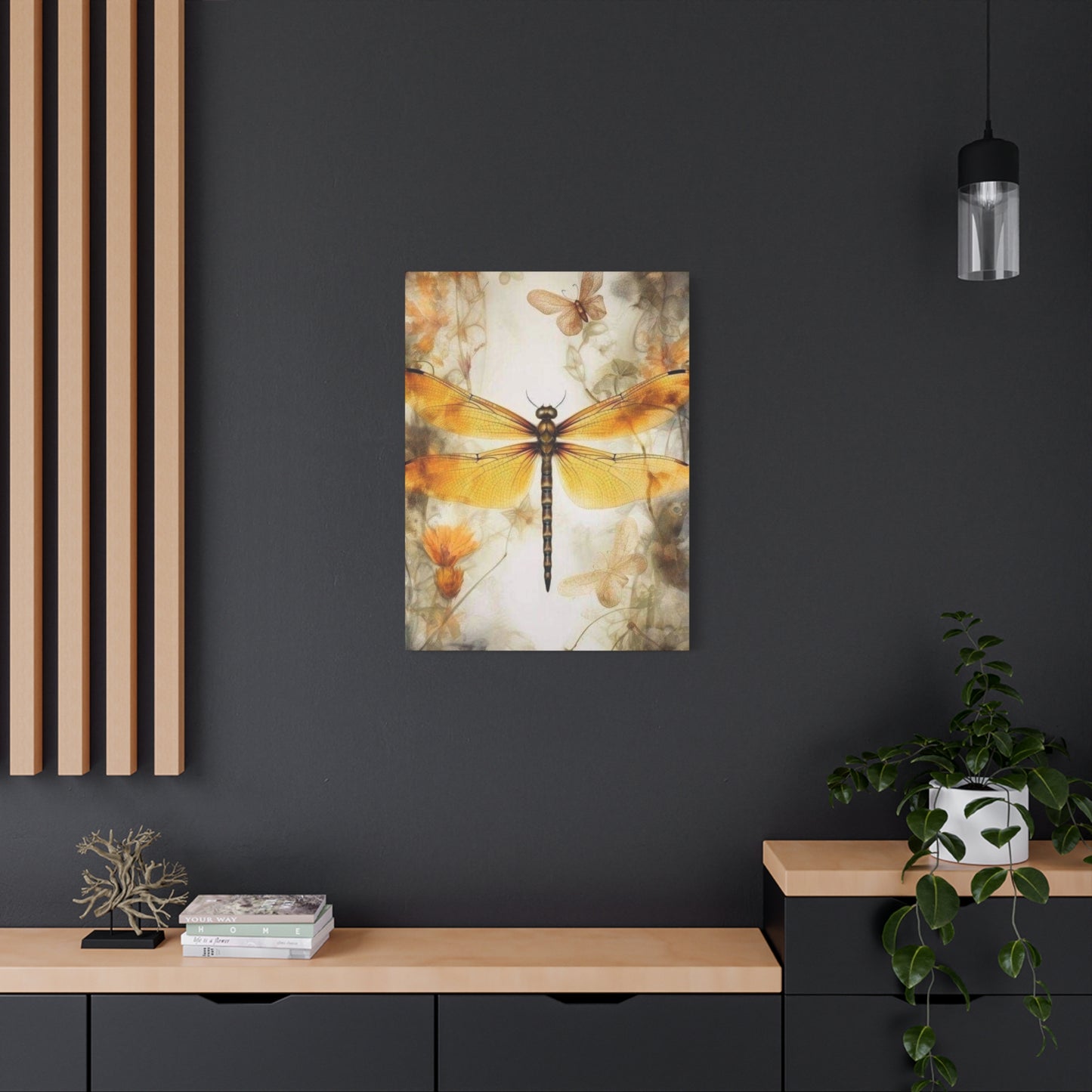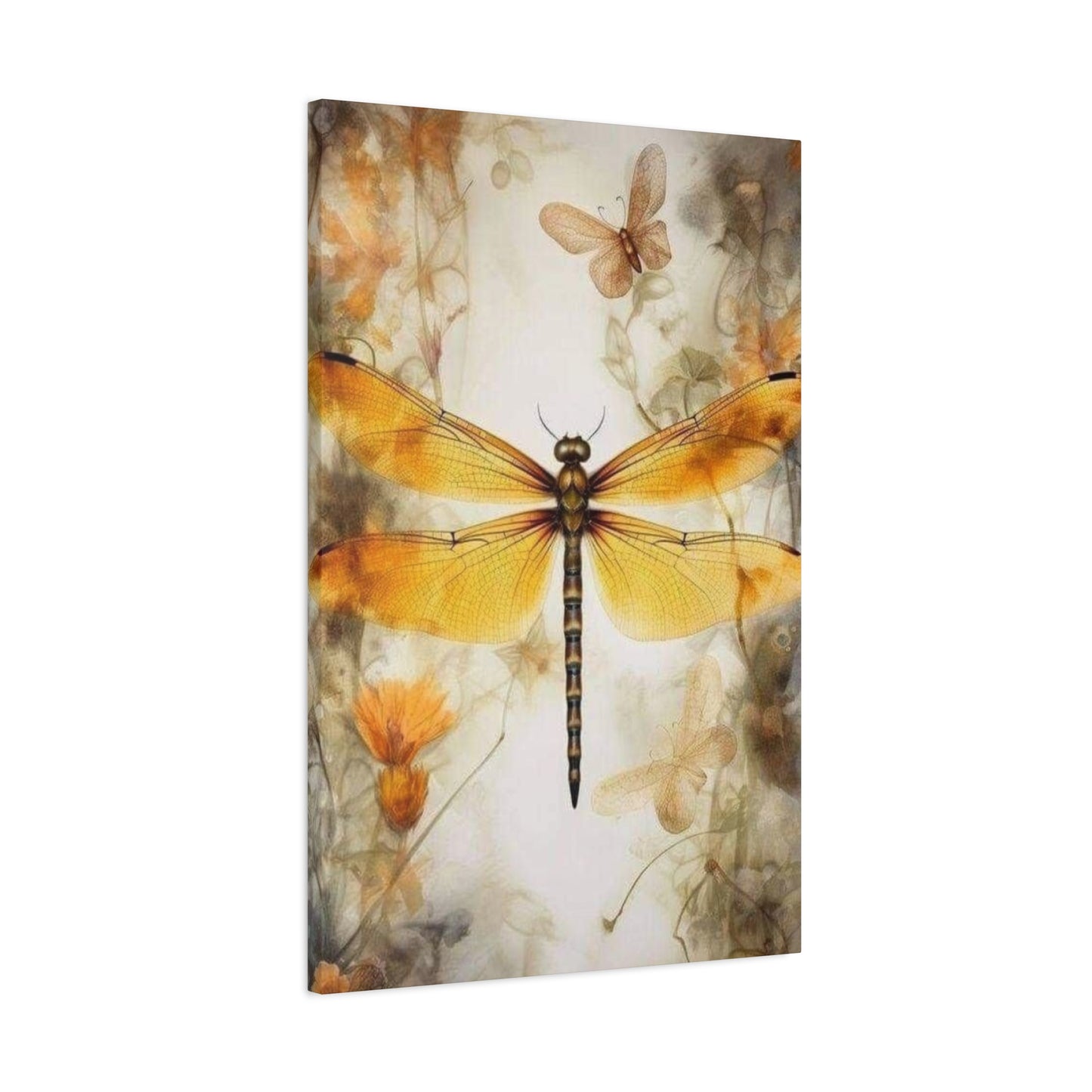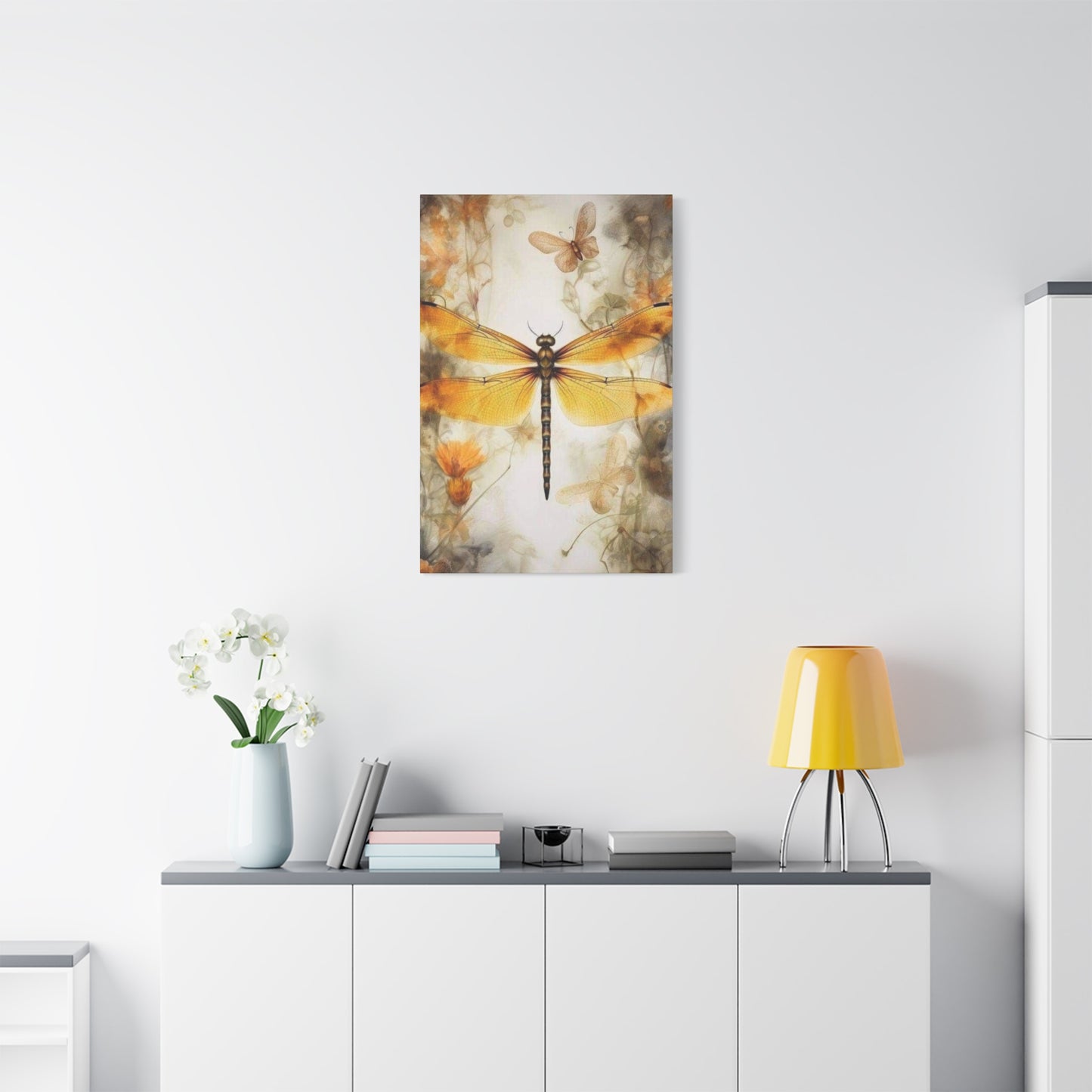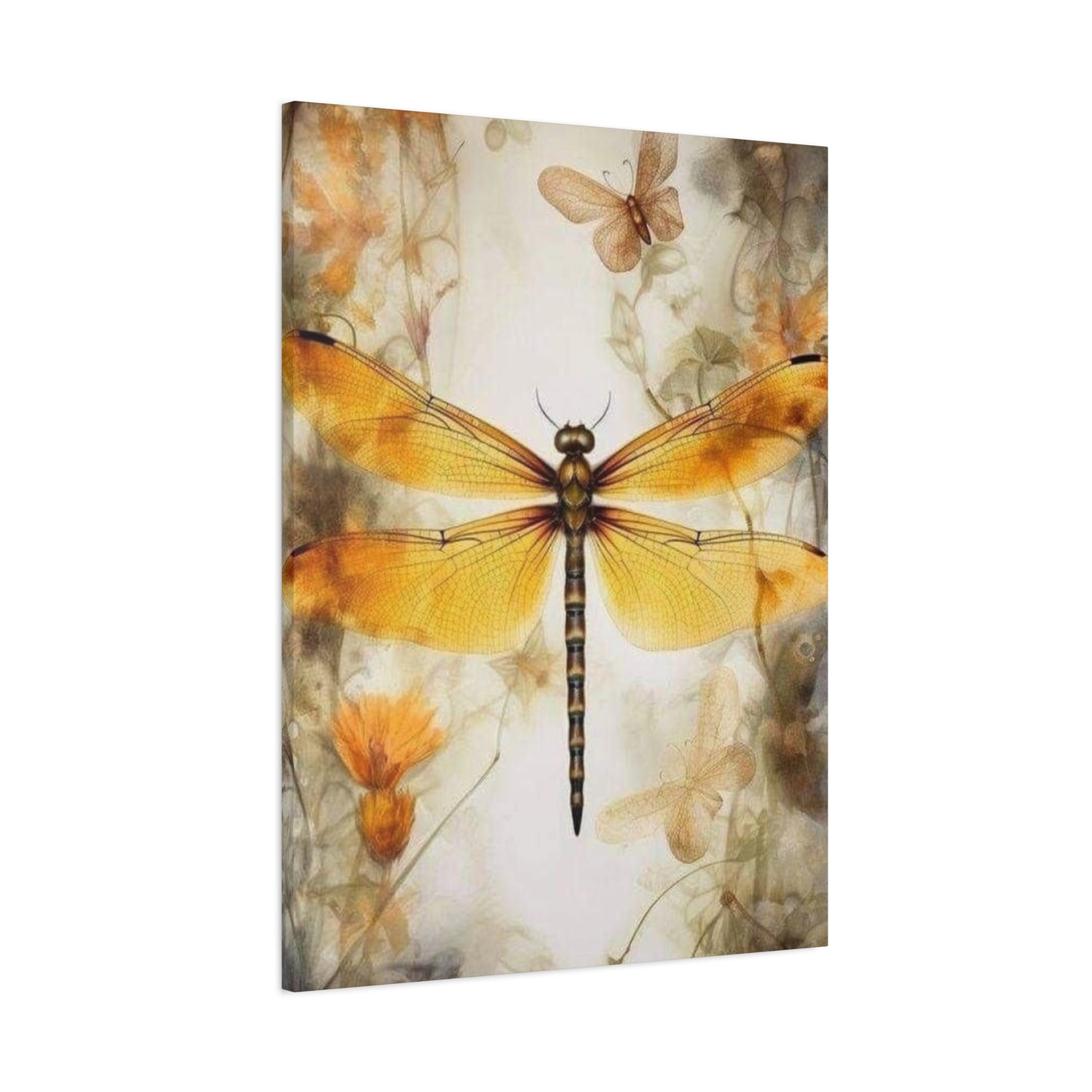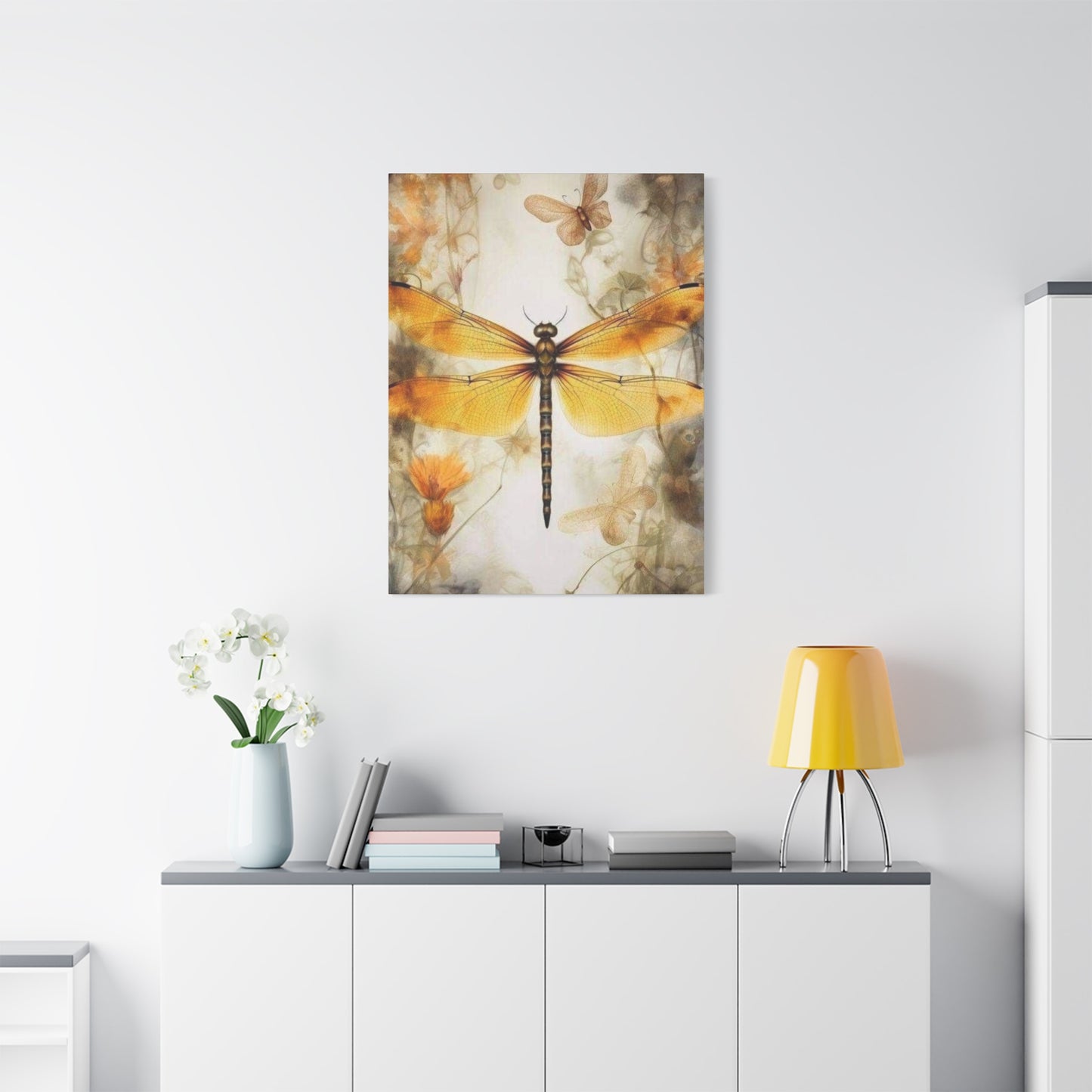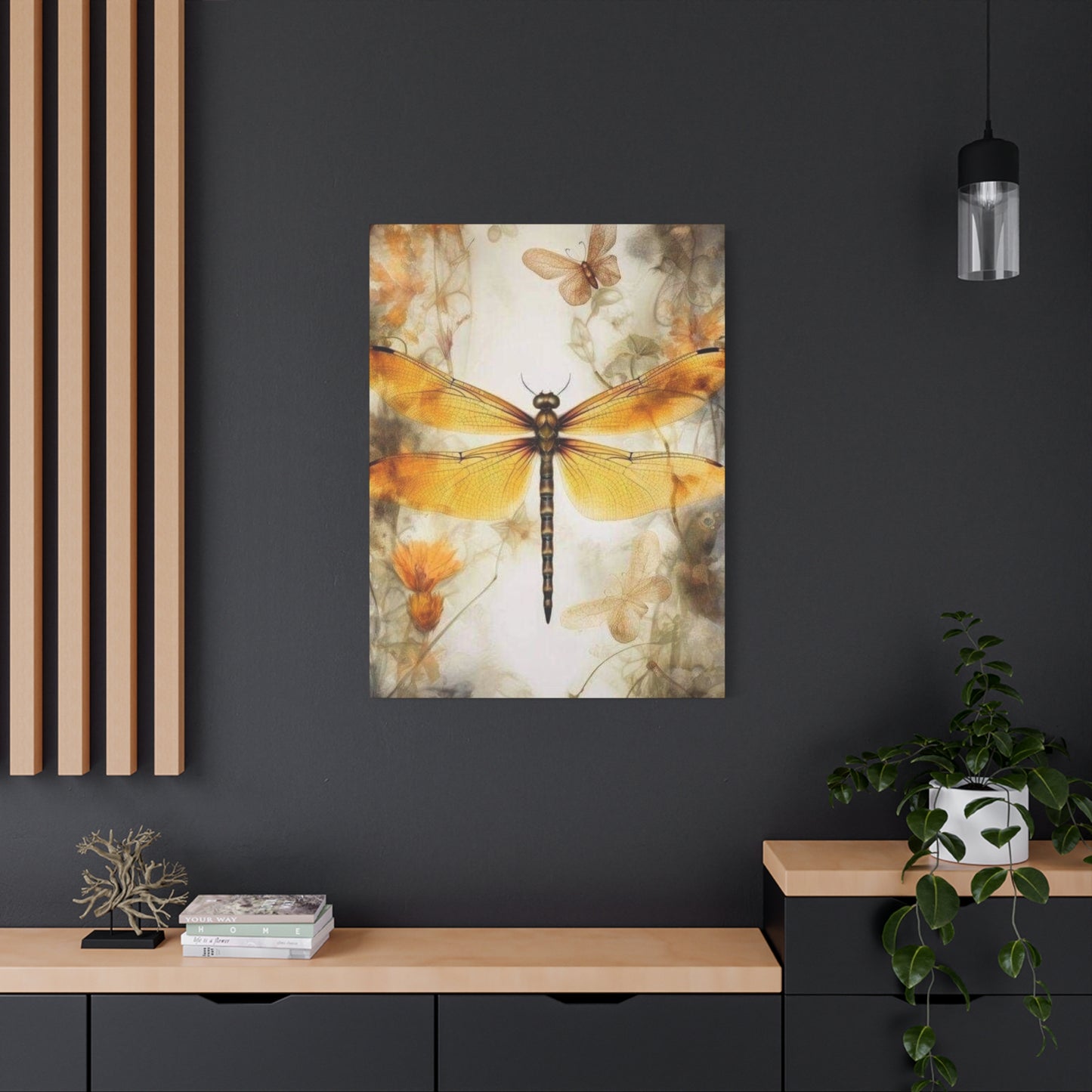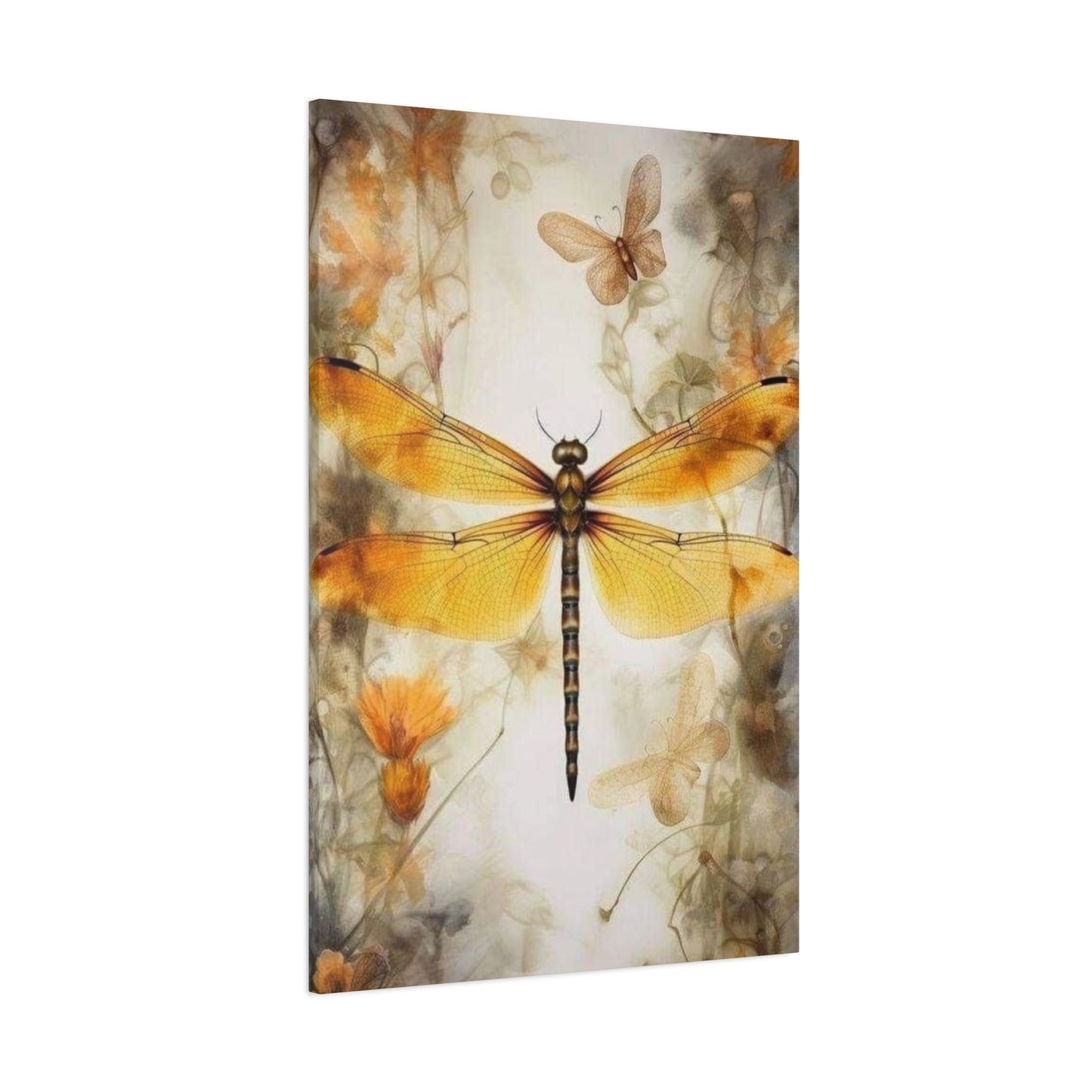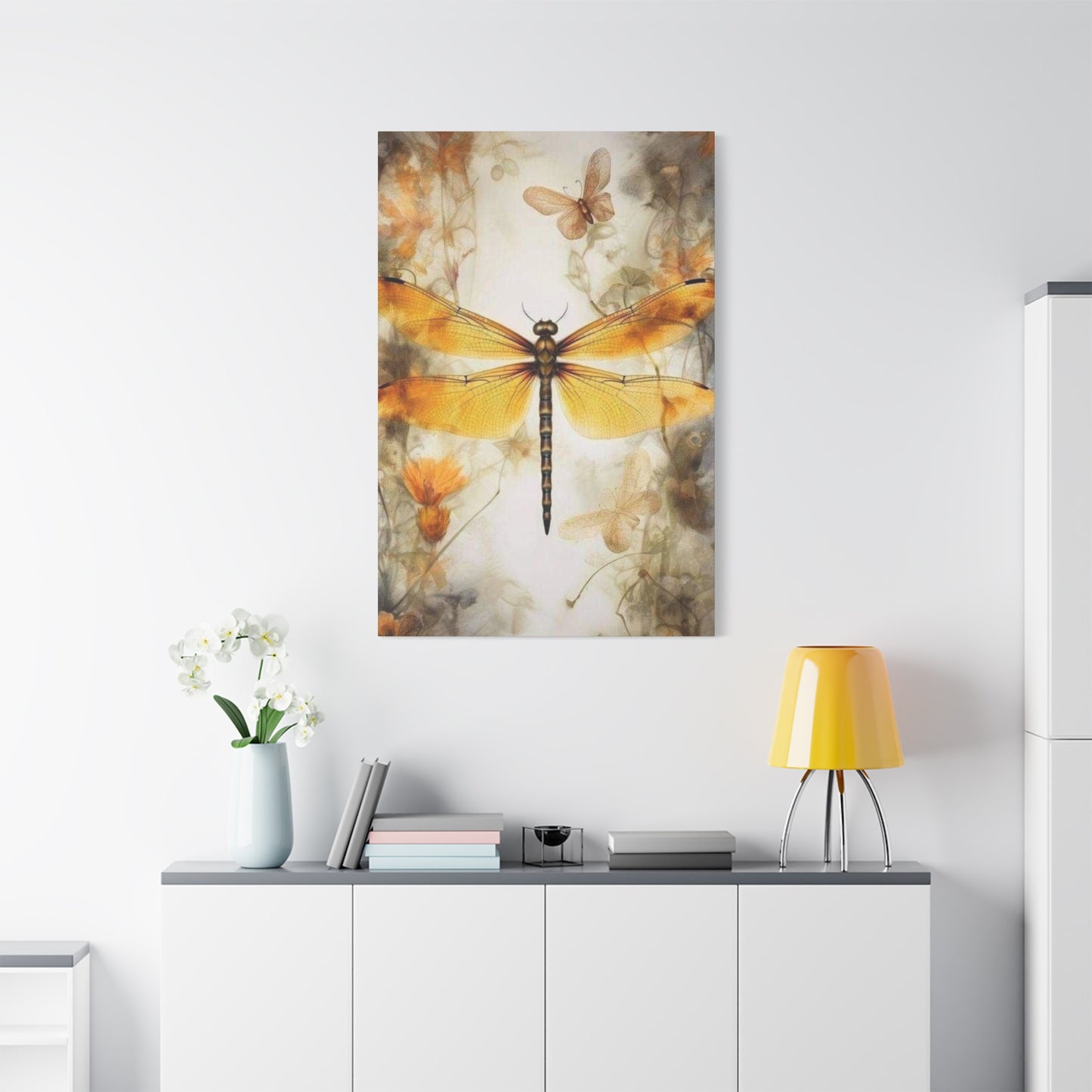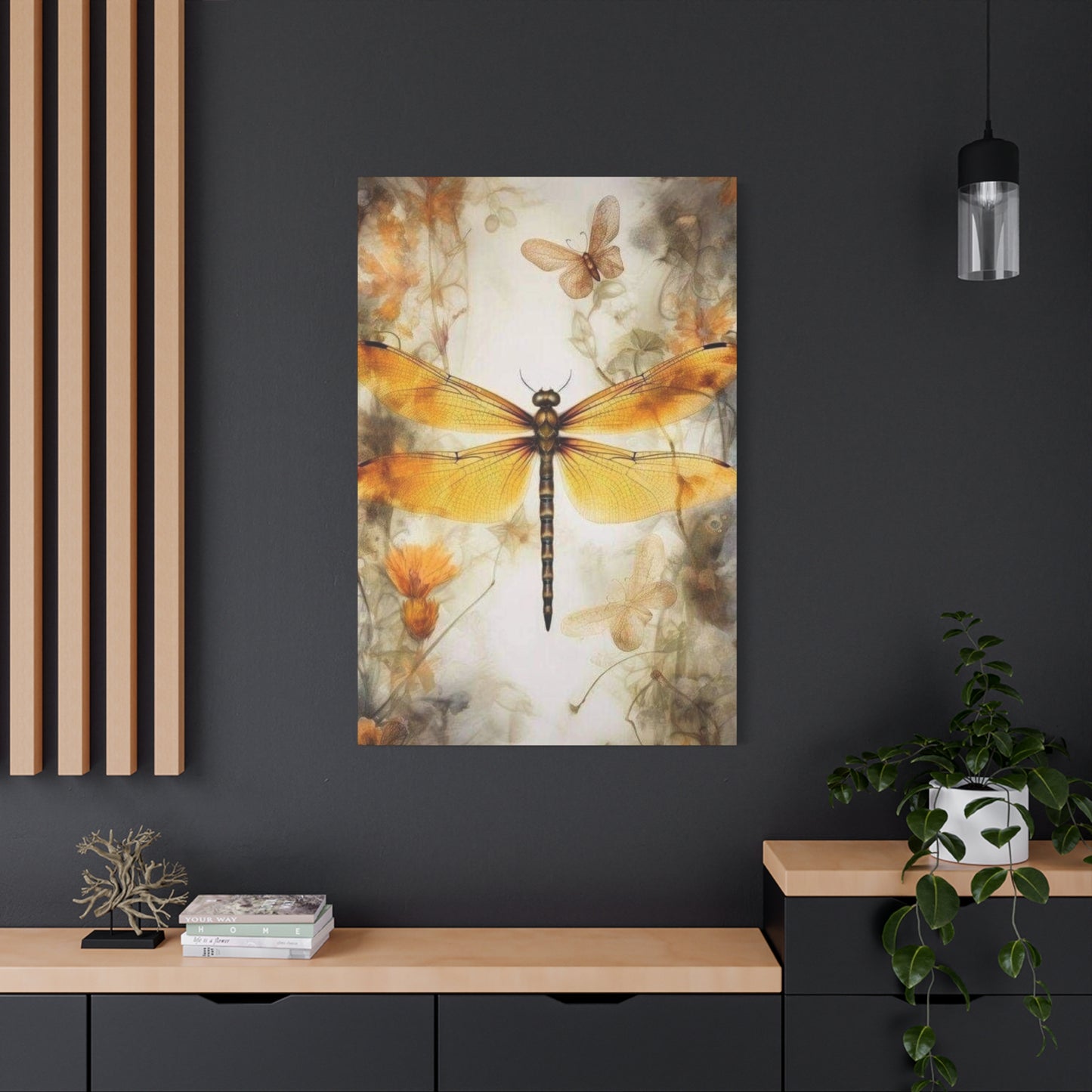


Light Brown Wing Dragonfly Wall Art & Canvas Prints
Light Brown Wing Dragonfly Wall Art & Canvas Prints
Couldn't load pickup availability
Infusing Your Home with the Grace and Beauty of Nature Through Light Brown Wing Dragonfly Wall Art
The ethereal beauty of dragonflies has captivated human imagination for centuries, and incorporating light brown wing dragonfly wall art into interior spaces creates a stunning visual narrative that bridges the natural world with contemporary design sensibilities. These magnificent creatures, with their delicate translucent wings and graceful proportions, offer an unparalleled aesthetic appeal that transforms ordinary walls into extraordinary focal points. The subtle earth tones of brown-winged dragonflies provide a versatile palette that complements virtually any decorating scheme, from rustic farmhouse charm to sleek modern minimalism.
When selecting pieces featuring these remarkable insects, homeowners discover an extensive variety of artistic interpretations ranging from photorealistic representations to abstract impressions. The intricate vein patterns visible in dragonfly wings create mesmerizing geometric designs that add depth and complexity to any room. Artists working in diverse mediums capture the essence of these aerial dancers through paintings, photography, metal sculptures, wooden carvings, and mixed media compositions that celebrate both their biological accuracy and symbolic significance.
The warm brown hues found in certain dragonfly species create a naturally harmonious connection with wooden furniture, leather accents, and earth-toned textiles commonly found in residential interiors. Unlike brighter colored insects that might overwhelm a space, the subdued elegance of brown-winged varieties provides sophistication without demanding excessive attention. This subtle presence allows the artwork to enhance rather than dominate the surrounding environment, making it an ideal choice for those seeking refined ornamentation.
Exploring the Visual Characteristics That Make These Insects Perfect for Artistic Representation
Dragonflies possess an anatomical structure that inherently lends itself to compelling visual composition. Their elongated bodies create strong linear elements that guide the viewer's eye across the artwork, while their perpendicular wing arrangement establishes a balanced cross-pattern that artists exploit for dynamic compositions. The transparency of their wings, particularly in brown-toned species, reveals an intricate network of veining that resembles stained glass windows or delicate lacework, providing textural interest that engages viewers at multiple levels.
The positioning possibilities for dragonfly subjects within artwork are remarkably diverse. Some artists depict them in mid-flight, capturing the kinetic energy of their hovering abilities, while others present them perched delicately on reeds or branches, emphasizing their contemplative stillness. These varied poses allow collectors to choose pieces that match the energy level they wish to establish within a particular room. A bedroom might benefit from the tranquil presence of a resting dragonfly, while a home office could draw inspiration from the dynamic motion of one caught mid-aerial maneuver.
The play of light through dragonfly wings creates ever-changing visual effects that make these subjects particularly engaging throughout different times of day. As natural or artificial illumination shifts, the appearance of wing transparency and color intensity transforms, essentially providing multiple artworks within a single piece. This quality makes dragonfly imagery especially valuable in spaces where lighting conditions vary significantly, such as sunrooms, conservatories, or rooms with large windows that experience dramatic changes in ambient brightness.
Scale considerations when selecting dragonfly artwork significantly impact the overall effect achieved. Oversized representations create bold statements that command attention and serve as primary focal points, while smaller pieces work beautifully in gallery wall arrangements or as subtle accents within existing decorative schemes. The natural proportions of dragonflies, with their distinctive wing-to-body ratio, remain recognizable across size variations, allowing artists to scale their work dramatically without losing essential identification characteristics.
Color Theory and Why Brown-Winged Specimens Create Harmonious Interior Environments
The psychological impact of color in living spaces has been extensively studied, revealing that earth tones like those found in brown-winged dragonflies promote feelings of stability, warmth, and connection to the natural world. Unlike cooler color palettes that can create distance or formality, brown hues invite relaxation and comfort, making them particularly appropriate for residential settings where inhabitants seek refuge from external stressors. The incorporation of these tones through wildlife art creates a subtle reminder of outdoor environments, bringing biophilic design principles into interior spaces.
Brown encompasses an enormous range of shades, from pale tans and beiges to deep chocolates and umbers, providing extensive versatility in matching existing decor. Light brown dragonfly wings might display hints of amber, gold, or copper, adding warmth that complements both neutral and jewel-toned color schemes. This chromatic flexibility means that homeowners rarely need to redecorate extensively when introducing this type of artwork; instead, the pieces naturally integrate into established aesthetic frameworks.
The neutrality of brown allows for successful pairing with accent colors across the entire spectrum. Spaces featuring predominantly cool tones benefit from the warming influence of brown-winged dragonfly art, while rooms decorated in warm palettes find harmonic reinforcement. This adaptability makes such artwork an excellent choice for those who periodically refresh their interiors with new accent colors or seasonal decorating changes, as the dragonfly pieces remain compatible through various transformations.
Monochromatic schemes built around brown tones gain visual interest through the textural complexity inherent in dragonfly wing patterns. Even when color variation is minimal, the intricate veining and subtle gradations within wing membranes provide sufficient detail to prevent visual monotony. This characteristic makes brown-winged dragonfly art particularly valuable in spaces where a cohesive, understated elegance is desired without sacrificing visual engagement.
The natural materials often used to create dragonfly artwork complement the brown color palette beautifully. Wooden frames, canvas textures, and metal patinas echo the earthy tones of the subject matter, creating a unified presentation that feels organic rather than contrived. This materials harmony reinforces the connection between the artwork and natural environments, strengthening the biophilic design elements within the space.
Different Artistic Mediums and How They Interpret Dragonfly Subjects in Unique Ways
Photography captures dragonflies with scientific precision, revealing details invisible to casual observation. Macro photography in particular excels at showcasing the microscopic structures of wings, compound eyes, and body segments. These photographic prints bring museum-quality natural documentation into residential spaces, satisfying both aesthetic and intellectual curiosity. The sharpness and clarity of photographic representations appeal to those who appreciate realism and scientific accuracy in their decorative choices.
Watercolor paintings offer a softer interpretation that emphasizes the delicate, ephemeral nature of dragonflies. The translucency of watercolor pigments naturally parallels the transparency of dragonfly wings, creating visual congruence between subject and medium. Artists working in watercolors often incorporate fluid background washes that suggest aquatic environments or misty meadows, providing contextual information about dragonfly habitats without overwhelming the primary subject. The gentle quality of watercolor artwork suits bedrooms, reading nooks, and other spaces designated for relaxation and contemplation.
Oil paintings present dragonflies with rich, lustrous surfaces that catch and reflect light in ways that enhance dimensional perception. The thick application of paint, particularly in impasto techniques, creates actual texture on the canvas surface that invites both visual and tactile engagement. Oil paintings featuring dragonflies often display dramatic lighting and sophisticated color modeling that transforms these small creatures into subjects worthy of classical artistic treatment. The perceived value and permanence of oil paintings make them appropriate for formal spaces like dining rooms, libraries, and entry halls.
Metal sculptures bring three-dimensional life to dragonfly representations, casting actual shadows and occupying physical space in ways that two-dimensional artworks cannot. Wrought iron, copper, and bronze are commonly employed materials that develop attractive patinas over time, adding evolving character to the pieces. The structural requirements of supporting metal wings often lead artists to emphasize the geometric patterns within wing veining, resulting in designs that balance biological accuracy with abstract pattern-making. These sculptural pieces work exceptionally well in outdoor spaces, covered patios, and sunrooms where they can interact with natural breezes and changing light conditions.
Wooden carvings and reliefs connect dragonfly imagery with artisanal craft traditions, emphasizing the handmade quality and unique character of each piece. The grain patterns within wood provide inherent texture that complements the linear patterns of dragonfly anatomy. Artists may preserve natural wood tones or apply stains and paints to achieve specific color effects. The warmth of wood as a medium reinforces the earthy qualities associated with brown-winged species, creating cohesive presentations that appeal to those who favor natural materials and handcrafted objects.
Digital art and printed reproductions make dragonfly imagery accessible at various price points, allowing broader audiences to enjoy these designs. Modern printing technologies can reproduce fine details on canvas, metal, acrylic, and other substrates, offering texture and surface variations that transcend traditional paper prints. While purists may favor original artworks, high-quality reproductions provide excellent options for those furnishing multiple rooms or working within budget constraints. The availability of reproduction prints also allows for seasonal rotation of artwork without significant expenditure.
Mixed media pieces combine multiple materials and techniques to create layered, complex interpretations. Artists might incorporate actual preserved dragonfly specimens, botanical elements, found objects, and diverse painting techniques within single compositions. These eclectic pieces appeal to collectors who appreciate innovative approaches and unexpected combinations. The conceptual depth of mixed media work often invites extended contemplation, making such pieces ideal for spaces where residents and visitors spend considerable time.
Symbolic Meanings Across Cultures and How They Enhance the Significance of Your Decor
Throughout human civilization, dragonflies have accumulated rich symbolic meanings that add layers of significance to their artistic representations. In Japanese culture, these insects represent courage, strength, and happiness, making them popular subjects in traditional art forms. The samurai class particularly valued dragonfly imagery, associating the insect's forward-flying nature with bravery and refusal to retreat. Incorporating such symbolism into living spaces can serve as daily reminders of personal values and aspirations.
Native American traditions frequently associate dragonflies with transformation, adaptability, and deeper understanding. Their remarkable metamorphosis from aquatic nymphs to aerial adults symbolizes personal growth and the ability to navigate multiple realms of existence. For individuals experiencing life transitions or seeking personal evolution, dragonfly artwork can function as meaningful visual anchors that support their journey. The presence of such symbolic imagery creates spaces that nurture not just aesthetic preferences but also spiritual and emotional wellbeing.
European folklore often connected dragonflies with magic, illusion, and seeing beyond surface appearances. Their iridescent qualities and seemingly supernatural flight capabilities led to associations with fairies and other mystical beings. This enchanted dimension adds whimsical appeal to dragonfly artwork, particularly in spaces designed for creativity, imagination, or play. Children's rooms, art studios, and creative workspaces benefit from this sense of magic and possibility.
In Chinese philosophy, dragonflies embody the concepts of harmony, prosperity, and summer abundance. Their presence in artwork can invoke wishes for favorable circumstances and successful endeavors. The connection to summer and warm weather makes dragonfly pieces particularly appropriate for seasonal decorating, though their timeless appeal allows them to remain displayed year-round without feeling contextually inappropriate.
The universal association of dragonflies with water environments connects artwork featuring these insects to themes of emotional depth, purification, and flow. In feng shui practice, water elements relate to wisdom, career success, and social connections. Strategically placing dragonfly artwork in areas corresponding to these life aspects can reinforce intentions and create energetically supportive environments, whether one subscribes to feng shui principles literally or appreciates them as metaphorical design guidance.
The brevity of adult dragonfly lifespans, typically just a few weeks or months, has led to associations with living fully in the present moment and appreciating life's fleeting beauty. This memento vivere symbolism makes dragonfly imagery particularly poignant for those seeking reminders to embrace current experiences rather than dwelling on past regrets or future anxieties. Meditation spaces, yoga rooms, and personal sanctuaries especially benefit from this consciousness-raising presence.
Strategies for Selecting Pieces That Complement Your Existing Interior Design Scheme
Successful art selection begins with careful analysis of the space's existing characteristics, including color palette, furniture styles, architectural features, and lighting conditions. Photographing the intended wall location from multiple angles and in various lighting conditions provides valuable reference material when evaluating potential artwork. Many homeowners find it helpful to create mood boards that compile images of their space alongside prospective artwork, allowing for visual experimentation before making purchase commitments.
The rule of thirds, a fundamental principle in visual composition, can guide appropriate sizing and placement decisions. Large pieces should typically occupy roughly two-thirds of the available wall space, leaving sufficient surrounding area to prevent cramped appearance. For gallery wall arrangements featuring multiple dragonfly pieces, sketching the layout on paper or using floor templates helps achieve balanced compositions before committing to nail placement.
Considering sightlines throughout the home ensures that artwork appears at appropriate eye levels and remains visible from various vantage points. Pieces positioned along hallways should account for viewing angles from both directions, while artwork in open-concept spaces must work compositionally from multiple room areas. Three-dimensional dragonfly sculptures require consideration of viewing angles from all sides, as their appearance transforms dramatically depending on viewer position.
Repeating visual elements creates cohesion within and between rooms. If dragonfly artwork appears in one space, subtle repetition of related motifs, colors, or themes in adjacent areas establishes flow throughout the home. This doesn't require identical pieces in every room; instead, varied interpretations of dragonfly subjects or complementary natural themes can create sophisticated visual dialogues across the entire living environment.
Balancing visual weight prevents spaces from feeling lopsided or unstable. A large, dark-framed dragonfly piece on one wall might need counterbalancing through furniture arrangement, architectural features, or additional artwork on opposing walls. Understanding how colors, sizes, and frames contribute to perceived weight allows for intentional distribution that creates equilibrium and comfort.
Personal resonance ultimately determines whether artwork succeeds in a space. Regardless of design principles or expert recommendations, inhabitants must feel genuine connection to the pieces they live with daily. Taking time to consider how specific dragonfly artworks make you feel, what memories or associations they evoke, and whether they inspire or comfort ensures selections that provide lasting satisfaction rather than temporary trendiness.
Framing Choices That Enhance the Presentation of Dragonfly Artwork While Protecting Your Investment
Frame selection dramatically impacts how artwork is perceived and how well it integrates into surrounding decor. For light brown wing dragonfly art, frame choices range from rustic wood that emphasizes natural connections to sleek metal that creates contemporary contrast. The frame functions as a transitional element between artwork and environment, either blending the piece seamlessly into the space or creating deliberate separation that highlights the art as a distinct focal point.
Wood frames offer warmth and traditional appeal that naturally complement dragonfly subjects. Light woods like oak, ash, or maple echo the pale brown tones of certain dragonfly wings, creating harmonious presentations. Darker woods such as walnut, mahogany, or espresso provide dramatic contrast that makes lighter artwork pop visually. Distressed or weathered wood finishes add rustic charm appropriate for farmhouse, cottage, or casual decorating styles.
Metal frames in gold, bronze, or copper tones pick up the warm metallic highlights often visible in brown dragonfly wings, creating subtle color echoes that unify subject and presentation. Silver, chrome, and brushed nickel frames offer cool contrast that can make warm-toned artwork appear more vibrant. The sleek minimalism of metal framing suits modern and contemporary interiors where clean lines and simplified forms predominate.
Mat board selection provides additional control over presentation and can significantly alter the perceived colors within the artwork. Neutral mats in cream, beige, or gray are safe choices that rarely conflict with artwork or decor. However, colored mats in shades that echo tones within the dragonfly artwork can create sophisticated coordination. Multiple mat layers add dimensional depth and luxury presentation, though they increase overall size and cost considerations.
Glass or acrylic glazing protects artwork from dust, moisture, and physical damage while affecting appearance through reflectivity and clarity. Regular glass is economical but prone to glare and breakage. Non-reflective glass minimizes glare but can slightly soften image sharpness. Museum-quality UV-protective glass prevents fading but represents a significant cost increase. Acrylic glazing weighs less than glass and resists shattering, making it preferable for large pieces or homes with children, though it scratches more easily and accumulates static electricity that attracts dust.
Canvas stretching for paintings requires attention to proper tensioning and corner construction. Gallery-wrapped canvases with painted edges eliminate framing necessity entirely, creating contemporary presentations where the artwork extends around all sides. This approach works particularly well with abstract or impressionistic dragonfly paintings where border continuity enhances the viewing experience. Traditionally stretched canvases with visible staples along edges require framing to conceal these mechanical elements.
Sculptural dragonfly pieces require mounting systems appropriate to their weight and material composition. Wall-mounted metal sculptures need secure anchoring into wall studs or appropriate anchoring systems for hollow walls. Freestanding sculptures benefit from weighted bases that prevent tipping. The mounting hardware should remain concealed when possible, allowing the artwork itself to command attention without visible mechanical distractions.
Placement Considerations That Maximize Visual Impact Throughout Different Rooms
Living rooms serve as primary gathering spaces where dragonfly artwork can establish welcoming atmospheres and serve as conversation starters. Large statement pieces above sofas or fireplaces anchor seating arrangements and provide focal points that organize the visual field. Smaller pieces integrated into gallery walls allow for eclectic personal expression and can evolve over time as collections grow. The social nature of living spaces makes them ideal locations for artwork with symbolic meanings or personal stories that guests might inquire about, facilitating meaningful interactions.
Bedrooms benefit from calming dragonfly imagery that promotes relaxation and peaceful rest. The symbolism of transformation and renewal aligns beautifully with sleep's restorative functions. Positioning artwork across from the bed ensures it's visible upon waking, potentially setting positive intentions for the day. The intimate nature of bedroom spaces allows for more personal, emotionally resonant artwork selections that might feel too vulnerable for public areas. Soft lighting in bedrooms often enhances the subtle qualities of brown-winged subjects, creating gentle ambiance conducive to winding down.
Dining rooms present opportunities for sophisticated dragonfly artwork that elevates the dining experience without overwhelming conversation. The walls of dining spaces typically lack furniture obstructions, providing excellent visibility for artwork from all seats around the table. The formality level of dining room art should match the room's usage; casual breakfast nooks welcome playful interpretations while formal dining rooms suit more refined presentations. The presence of food-related activities makes sealed or glass-covered artwork preferable to prevent grease or moisture damage.
Home offices require artwork that inspires productivity without causing distraction. The symbolic associations of dragonflies with focus, efficiency, and adaptability make them thematically appropriate for work environments. Positioning artwork within the peripheral vision of the primary work position allows for occasional mental breaks and visual rest without encouraging constant distraction. The colors in brown-winged dragonfly art provide warmth to office spaces that might otherwise feel sterile or institutional.
Bathrooms, despite their practical purposes, deserve aesthetic consideration and can accommodate smaller dragonfly pieces that enhance spa-like atmospheres. The natural association between dragonflies and water makes them thematically coherent for bathroom settings. Moisture considerations require sealed prints, metal artwork, or other water-resistant formats. The personal, private nature of bathrooms allows for more whimsical or experimental artwork choices that express facets of personality not displayed in public areas.
Entryways and hallways create first impressions and transition spaces where dragonfly artwork can establish your home's aesthetic identity. These areas typically experience heavy foot traffic but limited lingering, making them suitable for bold, quickly readable artwork that makes immediate impact. Narrow hallways benefit from vertically oriented dragonfly compositions that draw the eye upward, creating illusions of height and spaciousness. Gallery walls along hallway lengths transform potentially overlooked spaces into engaging artistic experiences.
Kitchens increasingly serve as family gathering spaces and social centers where artwork enhances the lived-in quality of these hardworking rooms. The warm tones of brown-winged dragonflies complement natural wood cabinetry and earth-toned countertops common in kitchen design. Practical considerations include keeping artwork away from cooking splatter zones and ensuring easy cleaning access. Metal dragonfly sculptures prove particularly practical in kitchens due to their durability and easy cleaning requirements.
Lighting Strategies That Bring Out the Best Qualities in Your Dragonfly Artwork
Natural light creates dynamic viewing experiences where artwork appearance transforms throughout the day as sun angles and intensity shift. South-facing walls receive abundant bright light that can intensify colors but may cause fading over time if UV protection isn't employed. North-facing positions provide consistent, even illumination without direct sun exposure, preserving artwork longevity. East and west exposures create dramatic lighting conditions with strong morning or afternoon sun that can either enhance or overwhelm artwork depending on placement specifics.
Picture lights mounted directly on frames or walls just above artwork provide focused illumination that highlights pieces while creating ambient lighting for entire rooms. These fixtures come in various finishes to coordinate with frames and in different bulb temperatures to affect color rendering. Warm light bulbs enhance the golden and brown tones in dragonfly wings while cool bulbs create sharper, more clinical presentations. Adjustable picture lights allow for customization based on time of day or desired atmosphere.
Track lighting offers flexibility in directing illumination toward multiple artwork locations from single ceiling-mounted systems. The adjustable nature of track lights accommodates art rotations and arrangement changes without requiring new wiring. Proper angling prevents glare on glazed surfaces while ensuring even coverage across the artwork. The visibility of track lighting hardware makes it more suitable for contemporary spaces where exposed mechanical elements align with aesthetic preferences.
Recessed ceiling lights provide discreet illumination that doesn't compete visually with artwork. Wall-washing techniques create even illumination across entire walls, while accent lighting focuses on specific pieces. The directionality and beam spread of recessed fixtures requires careful planning to avoid hot spots or shadow creation. Dimmable circuits allow for lighting adjustments based on time of day or activity, providing bright viewing for close examination and softer ambiance for relaxation.
Ambient room lighting from floor lamps, table lamps, and overhead fixtures contributes to overall artwork visibility even when not directly illuminating pieces. The color temperature of these light sources affects how artwork colors appear, with warm ambient lighting creating cozy atmospheres and cool lighting producing crisp, energetic environments. Layering multiple light sources provides flexibility and creates dimensional lighting that reveals artwork surfaces more fully than single-source illumination.
Natural light control through window treatments prevents overexposure while allowing adjustment based on artwork needs and viewing preferences. Sheer curtains diffuse harsh direct sunlight while maintaining general brightness. Blackout curtains provide complete light control for rooms where darkness is occasionally desired. Adjustable blinds and shutters offer precise light modulation throughout the day. The interaction between controlled natural light and supplemental artificial lighting creates nuanced viewing conditions that showcase artwork complexity.
Creating Gallery Walls and Grouped Arrangements Featuring Dragonfly Themes
Gallery walls transform collections of smaller pieces into cohesive large-scale installations with significant visual impact. Successful gallery arrangements balance varying sizes, orientations, and frame styles while maintaining underlying unity through subject matter or color palette. Beginning with the largest or most important piece and arranging smaller works around it creates hierarchical organization. Alternatively, grid arrangements with uniform spacing and frame sizes produce orderly, contemporary presentations.
Thematic consistency strengthens gallery wall cohesion, whether through repeated dragonfly subjects, related natural themes, or coordinated color schemes. Varying artistic styles within the theme creates visual interest; combining photographic prints with paintings and drawings provides textural diversity while maintaining subject continuity. Including three-dimensional elements like small sculptures or shadow boxes adds depth variation that prevents flat, one-dimensional appearances.
Spacing between pieces significantly affects the overall impression, with closer spacing creating busy, energetic collections and wider spacing producing calm, considered arrangements. A general guideline suggests two to three inches between frames for cohesive groupings without overwhelming density. Maintaining consistent spacing throughout the arrangement, even with varied frame sizes, creates underlying order that prevents visual chaos.
Color coordination extends beyond artwork content to include frame finishes and mat boards. Limiting frame finishes to two or three coordinating options prevents disjointed appearance while allowing subtle variety. Repeating mat board colors throughout the arrangement creates visual threads that tie disparate pieces together. Some designers advocate for uniform white or neutral mats throughout gallery walls to maximize cohesion.
Template creation before hanging prevents wall damage from abandoned arrangements. Tracing frames on kraft paper, cutting out the templates, and arranging them on the wall with removable tape allows experimentation without commitment. Photographing various template arrangements provides visual records for comparison and decision-making. This preparatory process may seem time-consuming but dramatically reduces frustration and produces superior results.
Incorporating negative space as a design element prevents cluttered appearance and allows each piece to breathe visually. Not every available wall area requires coverage; strategic emptiness provides rest areas for the eye and emphasizes the intentionality of placed artwork. The relationship between filled and empty areas contributes to overall composition just as actively as the artwork itself.
Extending gallery walls around corners or across architectural features like doorways creates ambitious installations that transform entire rooms. These expanded arrangements require careful planning to ensure visual flow as viewers move through space. Pieces visible from multiple angles should work compositionally from all viewing positions. The technical challenge of spanning architectural obstacles is offset by the dramatic impact of seamless wall-to-wall artistic environments.
Seasonal and Occasional Decorating Opportunities Using Dragonfly Imagery
Summer naturally aligns with dragonfly presence in outdoor environments, making warm-weather months ideal for featuring or highlighting these pieces within interior decorating schemes. Rotating artwork seasonally keeps interiors feeling fresh and responsive to external conditions. Dragonfly pieces moved to prominent positions during summer can shift to less central locations during winter, creating cyclical renewal without requiring complete redecoration.
Garden party and outdoor entertaining themes benefit from dragonfly motifs that connect indoor and outdoor spaces conceptually. When hosting summer gatherings, bringing weather-appropriate dragonfly artwork to covered porches or patios extends the aesthetic beyond primary living areas. Temporary displays using easels or propped arrangements allow for event-specific decorating without permanent installation.
Nature-themed celebrations including birthdays, baby showers, or environmental awareness events gain cohesion through dragonfly decorative elements. Artwork serves as both decoration and conversation starter, potentially educating guests about dragonfly ecology and conservation needs. The versatile symbolism of dragonflies makes them appropriate for celebrations marking personal transformations, achievements, or new beginnings.
Meditation and mindfulness practices increasingly appear in contemporary homes, with dedicated spaces for these activities. The symbolism of dragonflies regarding present-moment awareness and perspective-shifting makes them particularly meaningful in contemplative environments. Seasonal adjustments to these personal sanctuaries might include rotating different dragonfly artworks that support evolving practices or intentions.
Holiday decorating can incorporate dragonfly themes in unexpected ways that move beyond conventional seasonal imagery. The brown tones in certain dragonfly artwork coordinate beautifully with autumn harvest decorating, while the nature themes align with earth-centered celebrations throughout the year. For those seeking alternatives to traditional holiday aesthetics, dragonfly artwork provides sophisticated seasonal awareness without overt holiday specificity.
Wedding and anniversary celebrations focused on natural themes or outdoor venues find perfect symbolic resonance in dragonfly imagery. These insects' associations with harmony, maturity, and seeing life from new perspectives align meaningfully with partnership milestones. Incorporating dragonfly artwork into home decoration following significant life events serves as ongoing reminder of important transitions and commitments.
Caring for Different Types of Dragonfly Artwork to Ensure Longevity and Continued Beauty
Canvas paintings require minimal direct contact to avoid oil transfer from hands and dust accumulation that embeds in texture. Gentle dusting with soft, dry brushes specifically designed for artwork removes surface particles without causing abrasion. For stubborn dirt on varnished oil paintings, slightly dampened lint-free cloths can be used with extreme care, working in small sections and drying immediately. Unvarnished or matte-finish paintings should never be exposed to moisture, as water can cause permanent staining or color lifting.
Framed works behind glass need regular glass cleaning to maintain clarity and prevent dirt buildup that obscures the artwork. Standard glass cleaners can be used on the glazing surface but must never be sprayed directly onto frames, as overspray can seep beneath glass and damage artwork. Spraying cleaner onto lint-free cloths first provides safer control. Ammonia-free cleaners prove gentler on frame finishes and produce fewer streaks on glass surfaces.
Metal sculptures develop patinas over time that many collectors appreciate as evolving character. However, excessive oxidation or rust can compromise structural integrity and aesthetic appeal. Indoor metal pieces require less aggressive care than outdoor sculptures, typically needing only periodic dusting and occasional application of appropriate metal polishes or protectants. Following manufacturer recommendations for specific metal types ensures proper care without causing inadvertent damage.
Wooden carved dragonfly pieces benefit from periodic treatment with appropriate wood oils or waxes that maintain moisture levels and prevent cracking. Different wood types require different care products; exotic hardwoods often need specialized treatments compared to common domestic species. Keeping wooden artwork away from heating vents, radiators, and humidifiers prevents environmental damage from temperature and moisture fluctuations.
Photographic prints vary widely in durability based on printing methods and paper types. Archival-quality photographs printed with pigment inks on acid-free paper last decades without fading when properly displayed and protected. Standard dye-based prints prove more vulnerable to light damage and require UV-protective glazing and careful placement away from direct sunlight. Digital prints on canvas require the same care as traditional canvas paintings, with additional attention to preventing delamination at edges.
Environmental monitoring helps prevent damage before it occurs. Maintaining consistent temperature and humidity levels protects all artwork types from expansion, contraction, and moisture damage. Ideal conditions for most artwork fall between 65-75°F with 45-55% relative humidity. Extreme fluctuations cause greater damage than consistently warm or cool conditions. Simple hygrometer and thermometer combinations provide inexpensive monitoring for climate-conscious collectors.
Combining Dragonfly Wall Art with Other Natural Elements for Cohesive Themed Spaces
Botanical artwork pairs naturally with dragonfly subjects, as both reference the plant kingdom's ecological connections. Coordinating botanical prints or paintings depicting reeds, water lilies, cattails, and other wetland plants creates authentic environmental context for dragonfly artwork. This thematic coordination transforms random decorating into intentional storytelling about ecosystems and natural relationships.
Natural materials in furniture and accessories reinforce themes established by nature-focused artwork. Wooden furniture, particularly pieces featuring visible grain patterns or live edges, echoes the organic qualities of dragonfly subjects. Stone surfaces like slate, granite, or river rock introduce geological elements that complete ecosystem representations. Natural fiber textiles including linen, cotton, jute, and wool add tactile dimensions to nature-centered rooms.
Living plants bring literal natural elements into spaces featuring dragonfly artwork, creating bridges between representation and reality. Tropical houseplants with dramatic foliage provide lush backdrops that contextually support wildlife imagery. Aquatic plants in decorative vessels or small indoor fountains reference the water environments where dragonflies spend their early life stages. The living, changing nature of plants adds temporal dimensions to static artwork, creating dynamic interior ecosystems.
Color palettes drawn from natural environments create harmonious frameworks for dragonfly artwork display. Earth tones including various browns, greens, and blue-greens establish naturalistic foundations. Accent colors might reference sky blues, sunset oranges, or flower hues that dragonflies encounter in their habitats. Limiting artificial or neon colors maintains the natural aesthetic and prevents jarring discord with organic artwork subjects.
Textural variety mimicking natural environments adds depth and sensory richness beyond purely visual elements. Smooth polished surfaces suggest water, while rough or irregular textures evoke bark, stone, or earth. Combining multiple textural experiences within rooms creates complexity that rewards extended habitation and prevents monotonous environments. The delicate transparency of dragonfly wings introduces a textural concept of lightness that can be echoed through sheer fabrics, glass accessories, or reflective surfaces.
Found natural objects displayed as decorative elements strengthen connections between indoor spaces and outdoor environments. Interesting driftwood pieces, attractive stones or minerals, preserved insects under glass, or bird nests collected after birds have abandoned them bring authentic natural specimens into homes. These objects complement dragonfly artwork by demonstrating continued interest in natural world beyond purely representational forms.
Budget-Conscious Approaches to Acquiring Quality Dragonfly Wall Art
Reproduction prints provide accessible entry points for those building collections on limited budgets. Online retailers and local print shops offer extensive catalogs of dragonfly imagery available as affordable prints. While lacking the uniqueness of original artwork, high-quality reproductions can be visually impressive and entirely appropriate for most residential settings. The key lies in selecting reputable sources that use archival materials and professional printing techniques ensuring durability and color accuracy.
Emerging artist works represent another value opportunity, as pieces by undiscovered or early-career artists typically cost significantly less than works by established names. Online marketplaces, local art fairs, and university shows provide access to talented creators whose prices remain affordable due to limited recognition rather than limited skill. Supporting emerging artists also provides the satisfaction of contributing to artistic careers and potentially acquiring works that appreciate as artists gain recognition.
Do-it-yourself artwork creation allows for entirely personalized pieces at minimal cost. Photography enthusiasts with basic macro capabilities can capture their own dragonfly images, which can be enlarged and printed professionally or displayed digitally through smart frames. Painting or drawing classes provide skills necessary to create original artwork, with dragonfly subjects offering forgiving complexity levels suitable for various skill stages. The time investment replaces monetary expenditure while providing creative satisfaction beyond mere acquisition.
Secondhand and consignment sources including thrift stores, estate sales, and online resale platforms occasionally yield surprising artwork discoveries at fraction-of-retail prices. The treasure-hunting aspect of secondhand shopping appeals to many collectors, though finding specific subjects requires patience and regular checking. Outdated frames can be replaced or refinished, allowing budget-conscious buyers to focus spending on the artwork itself rather than presentation.
Rotating artwork from storage prevents visual stagnation without requiring new purchases. Many collectors accumulate more pieces than they can display simultaneously, creating personal reserves that enable seasonal rotations or responsive changes based on mood or life circumstances. This approach maximizes the value of existing collections by preventing any single piece from becoming so familiar that it loses visual impact.
Community art programs including library exhibitions, community center shows, and public art initiatives provide exposure to local artists whose work may be available for purchase at reasonable prices. These venues often feature less commercial artists whose pricing remains modest due to local rather than national markets. Building relationships with local artists can lead to commissioned works at negotiable prices that remain considerably below gallery retail levels.
Commissioning Custom Dragonfly Artwork Tailored Specifically to Your Space and Preferences
Custom commissions allow for artwork precisely designed for specific spaces, incorporating exact dimensions, colors, and stylistic preferences. This personalization ensures perfect integration with existing decor and eliminates the compromises often necessary when selecting from available works. The collaborative relationship between patron and artist creates unique pieces with personal stories and connections impossible with retail purchases.
Initial consultations establish parameters including size requirements, color preferences, style directions, and symbolic meanings the commissioner wishes to emphasize. Sharing photographs of the intended space helps artists understand lighting conditions, architectural features, and surrounding decor that will contextualize the finished work. Discussing inspiration sources, favorite existing artworks, and stylistic preferences provides artists with direction while leaving creative latitude for their interpretations.
Budget discussions early in the commission process prevent misunderstandings and ensure realistic expectations. Artists' pricing reflects materials costs, time investment, skill level, and market positioning. Complex techniques, large sizes, and tight deadlines typically increase prices, while flexible timelines and standard approaches reduce costs. Transparent budget conversations allow artists to suggest approaches that meet both artistic and financial parameters.
Preliminary sketches or digital mockups provide opportunities to evaluate directions before artists invest significant time in final execution. This review stage allows for adjustments to composition, color emphasis, dragonfly species representation, or background elements. Clear communication during previews prevents costly revisions or dissatisfaction with completed works. Most commission arrangements include specific numbers of revision rounds, with additional changes potentially incurring extra charges.
Timeline establishment creates mutual understanding about project duration and delivery expectations. Complex artworks require substantial time, with months between commission and completion being standard for detailed paintings or intricate sculptures. Rush fees may apply for accelerated timelines, while patient clients sometimes receive price considerations.
Conclusion
Light Brown Wing Dragonfly Wall Art offers a graceful and serene way to bring nature's delicate beauty into your living spaces. With its elegant depiction of one of the most fascinating insects in the natural world, dragonfly-themed art serves as a stunning focal point that embodies freedom, transformation, and the effortless charm of the outdoors. The soft, light brown hues of the dragonfly’s wings evoke a sense of tranquility and natural elegance, making this type of wall art an ideal choice for those looking to infuse their home with a calming, organic aesthetic.
Dragonflies have long been symbols of change and personal growth, as well as messengers of beauty and transformation. Their delicate, transparent wings and iridescent colors are often associated with lightness and grace, qualities that Light Brown Wing Dragonfly Wall Art captures beautifully. The soft tones of light brown and earthy hues in the artwork evoke a sense of groundedness and harmony, while still maintaining the ethereal, almost magical presence of the dragonfly. This perfect balance of nature's raw beauty and delicate elegance can instantly elevate the ambiance of any room, turning your space into a tranquil retreat.
One of the standout features of Light Brown Wing Dragonfly Wall Art is its versatility. The neutral palette of soft browns, taupes, and subtle golds allows it to blend seamlessly with various décor styles, whether you have a contemporary, minimalist, rustic, or nature-inspired interior. In a modern setting, the graceful form of the dragonfly offers a touch of whimsy and sophistication, while in more rustic or bohemian spaces, it enhances the earthy, organic vibe of the room. Whether hung above a mantel, framed in a living room, or displayed as a serene focal point in a bedroom, this artwork brings a sense of harmony and refined beauty to any space.
The dragonfly itself is a versatile symbol, representing more than just natural beauty. Its connection to water, light, and air gives it an ethereal quality, often inspiring feelings of tranquility and balance. As such, Light Brown Wing Dragonfly Wall Art is particularly well-suited for spaces designed to promote relaxation and mindfulness. In a bedroom, the delicate nature of the dragonfly can foster a peaceful atmosphere, while in a study or home office, it serves as a subtle reminder of transformation and the flow of ideas.
This type of wall art is also an excellent way to introduce nature into your home without being overly bold or overwhelming. The muted tones of the dragonfly's wings, along with its delicate detailing, allow the artwork to blend seamlessly into a variety of color schemes, complementing both warm, earthy interiors as well as cooler, more neutral spaces. Whether you display the art in a more subtle and understated manner or allow it to serve as a statement piece, the light brown tones offer just enough warmth and texture to bring life to the room without overpowering it.
Furthermore, Light Brown Wing Dragonfly Wall Art can be paired with other natural elements, such as potted plants, wooden furniture, or woven textiles, to create a cohesive, nature-inspired aesthetic. A gallery wall featuring nature-themed prints, photographs, or sculptures can be enhanced with dragonfly art, making the room feel like an extension of the natural world outside.
In conclusion, Light Brown Wing Dragonfly Wall Art is a beautiful and versatile way to bring nature’s elegance and tranquility into your home. The delicate design of the dragonfly, combined with the soft, neutral color palette, creates a sense of serenity and grace that enhances any space. Whether you place it in a bedroom, living room, or even a quiet reading nook, this artwork serves as a reminder of the beauty and transformation found in the natural world. By incorporating dragonfly wall art into your home, you not only introduce a captivating piece of décor but also create a peaceful and harmonious environment that celebrates nature's timeless elegance.
Share