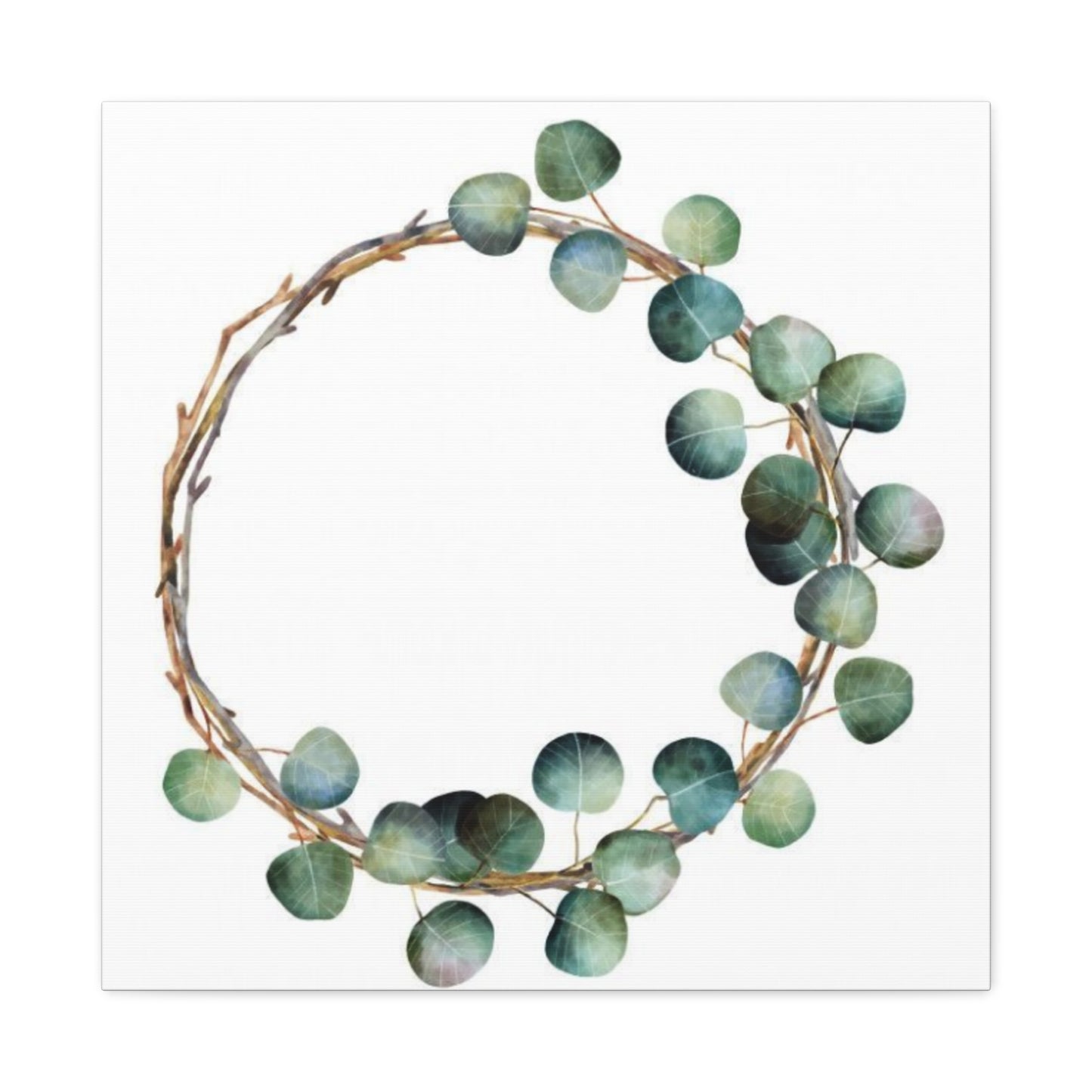
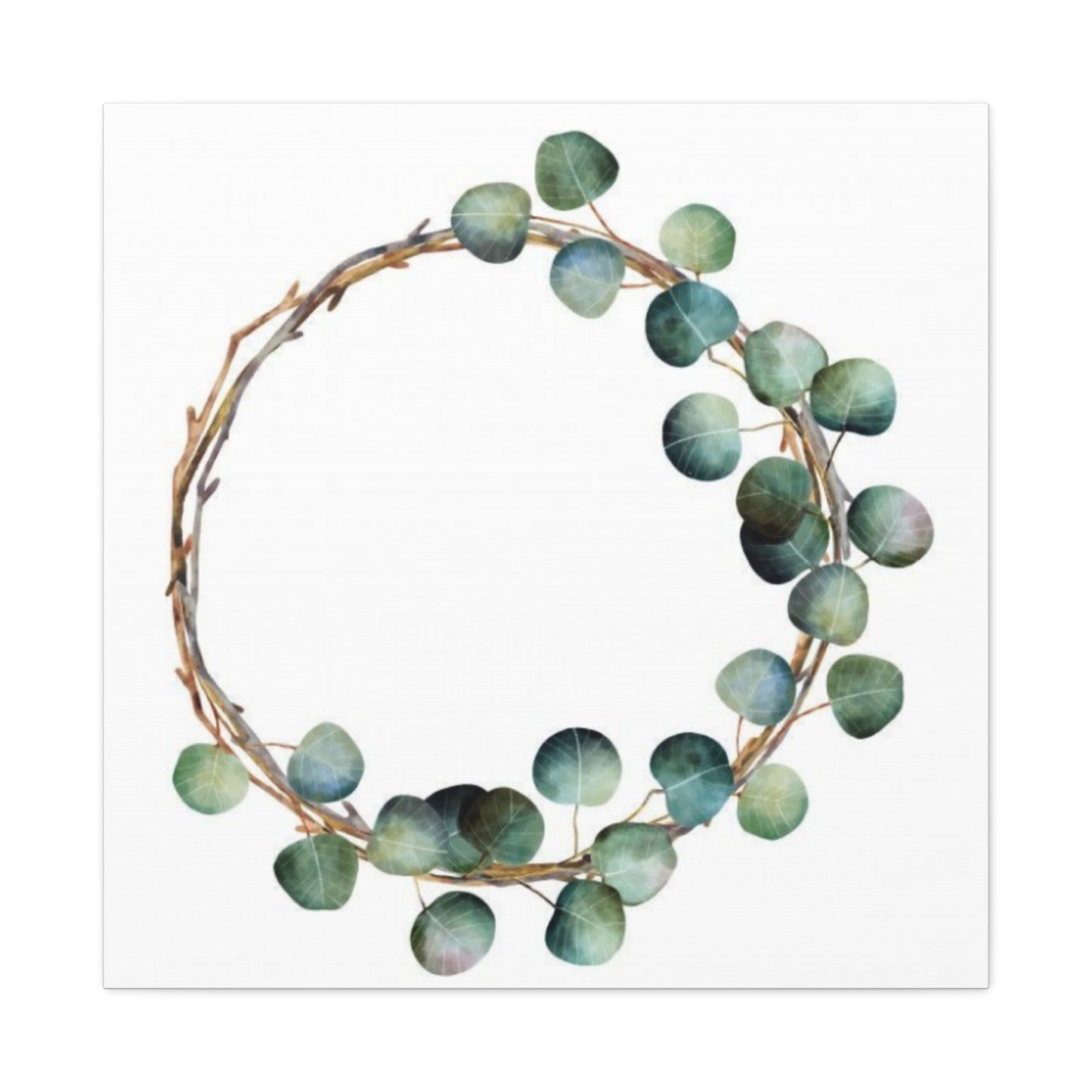
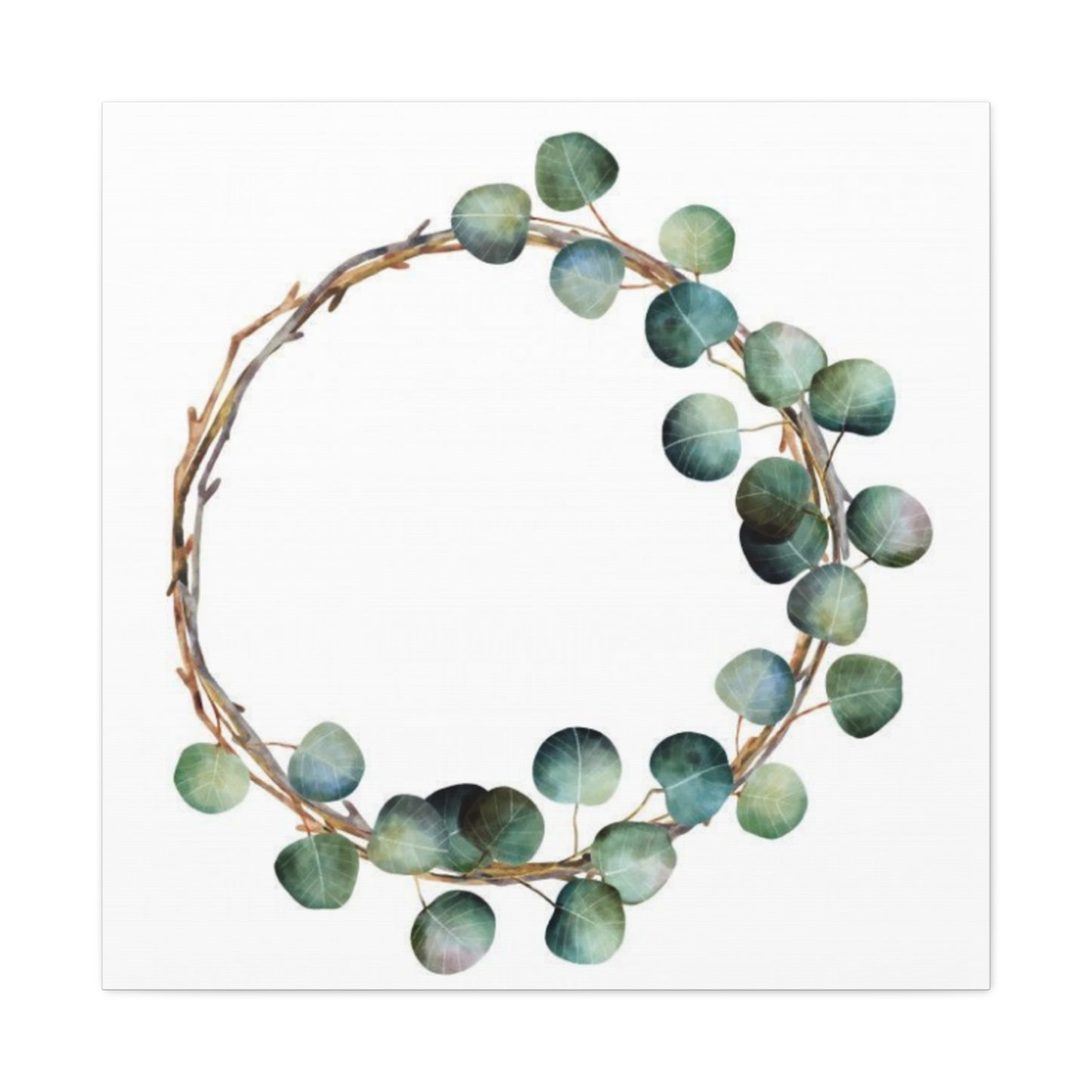
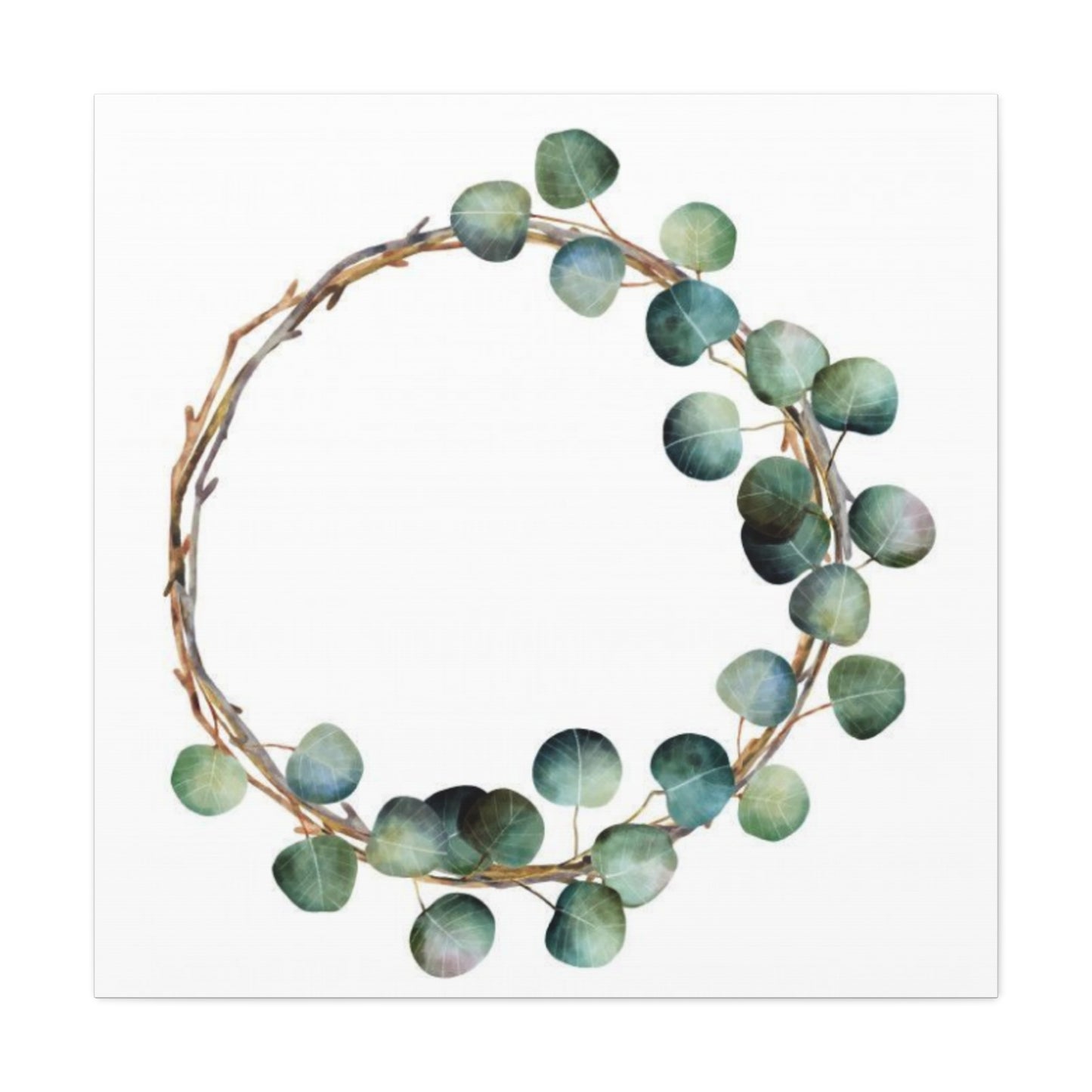
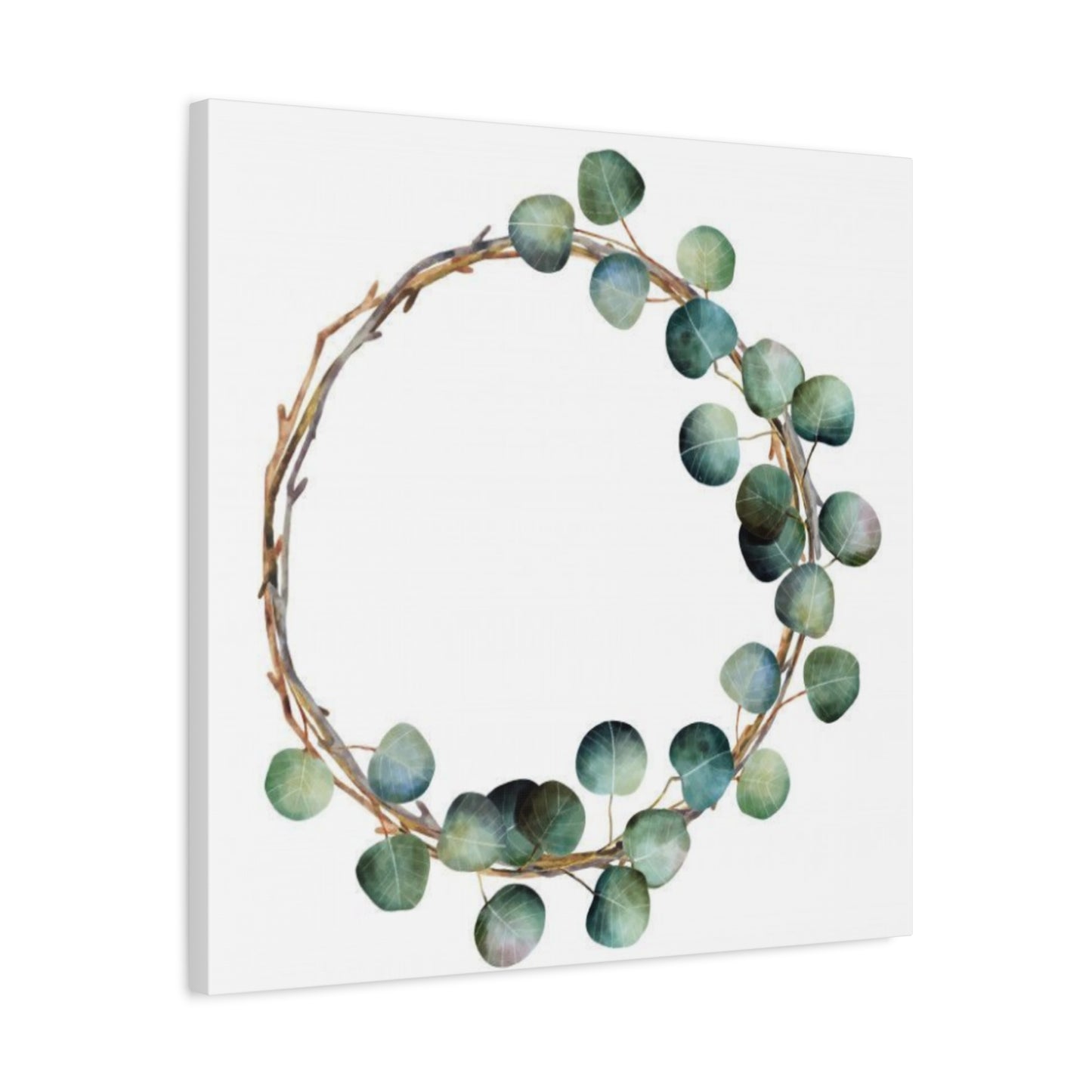
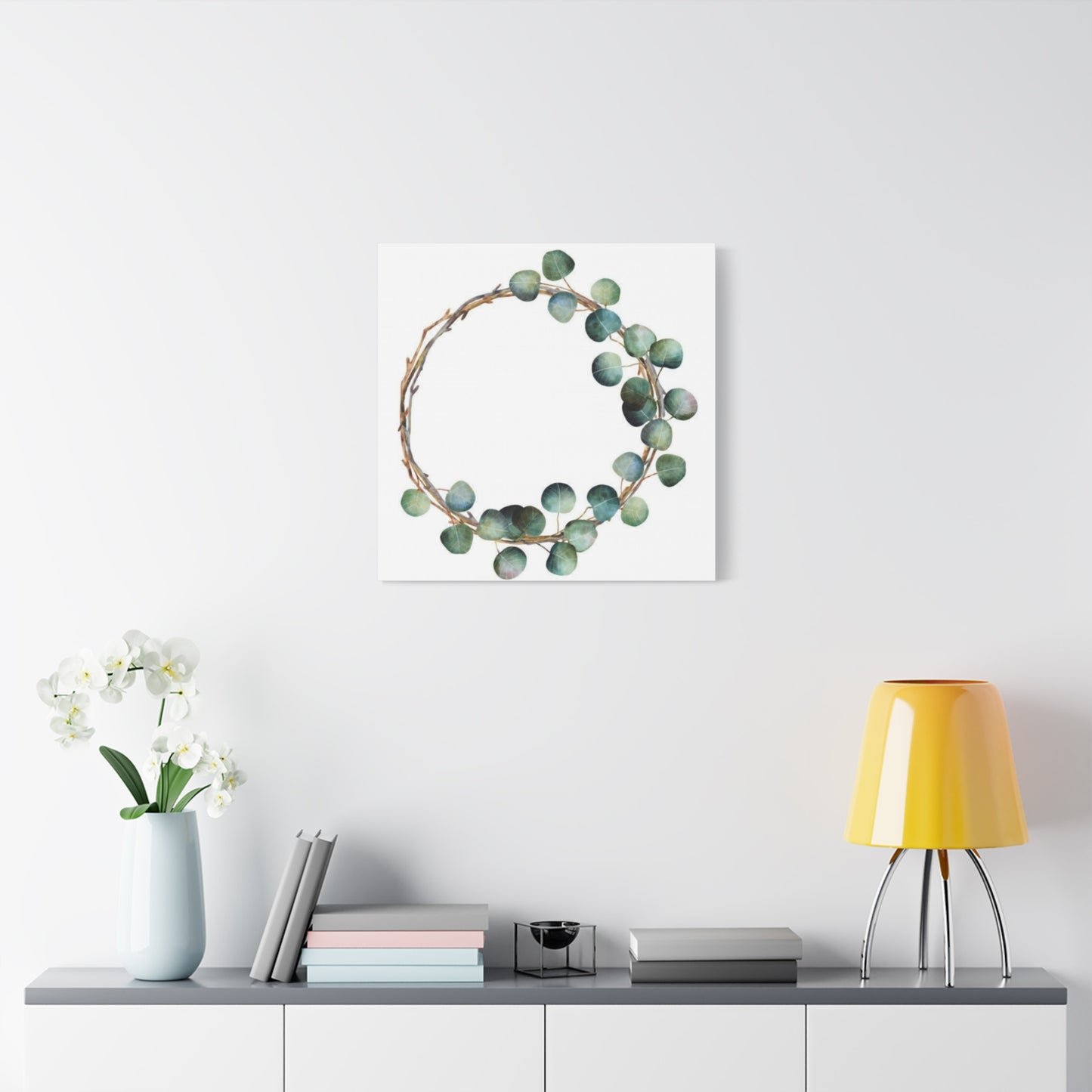
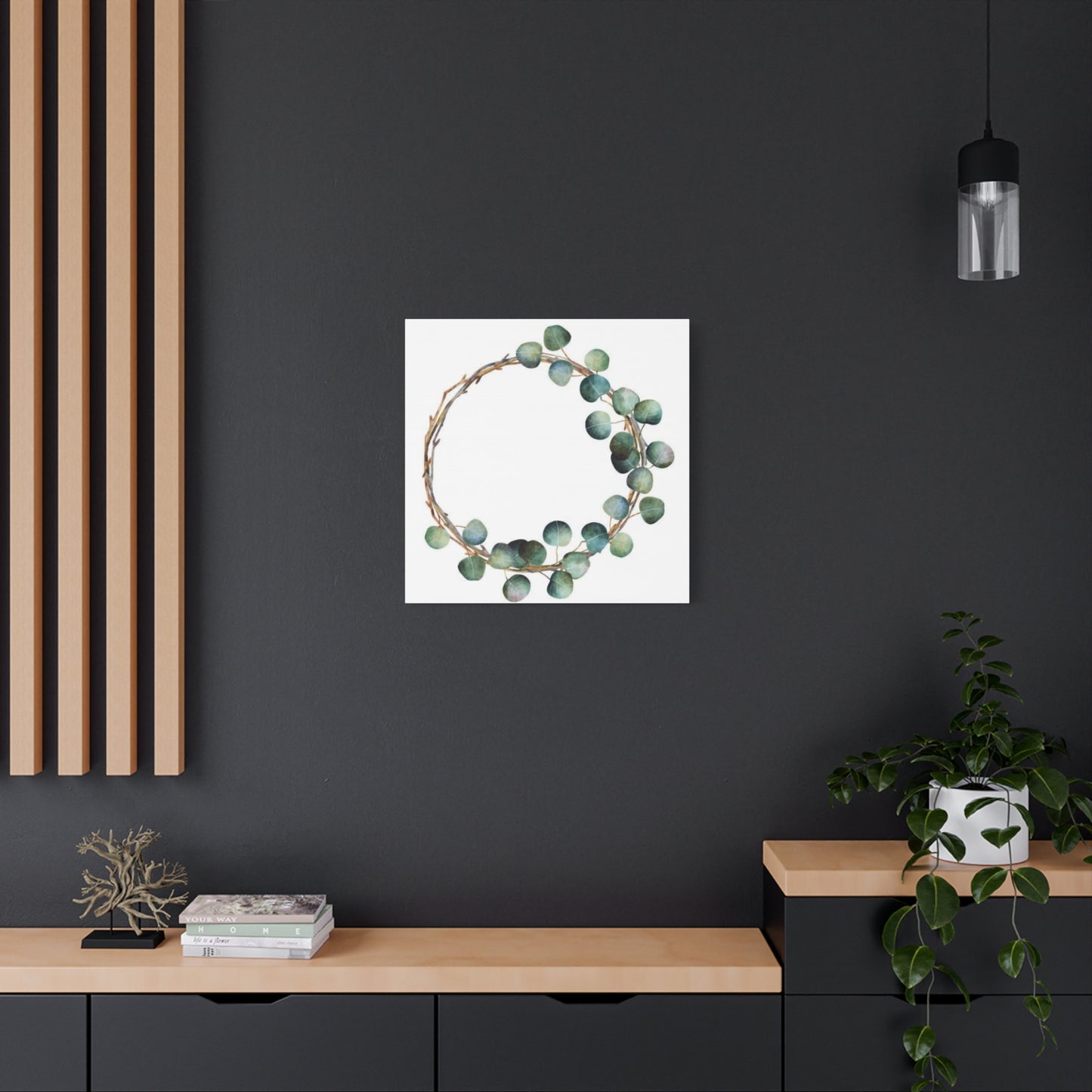
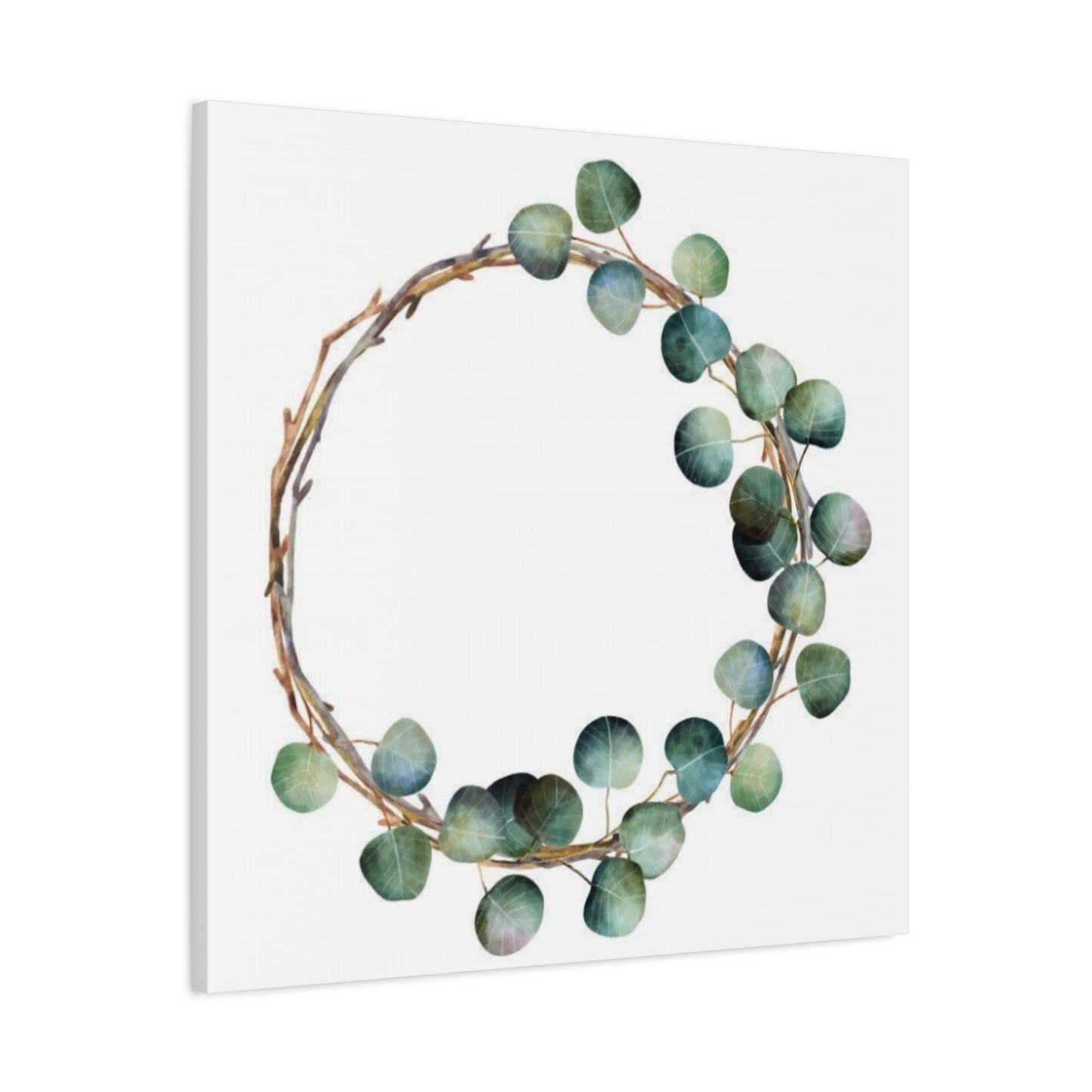
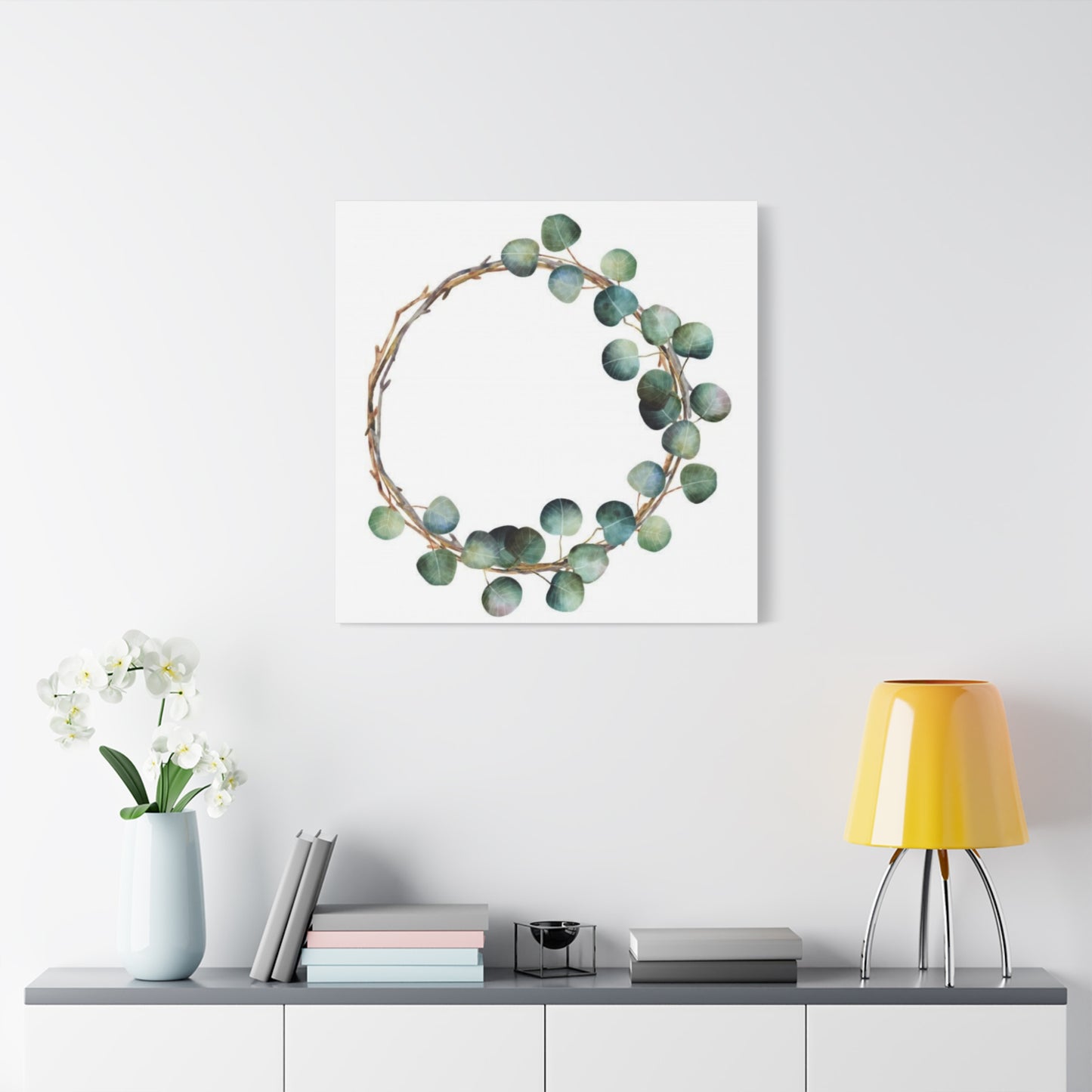
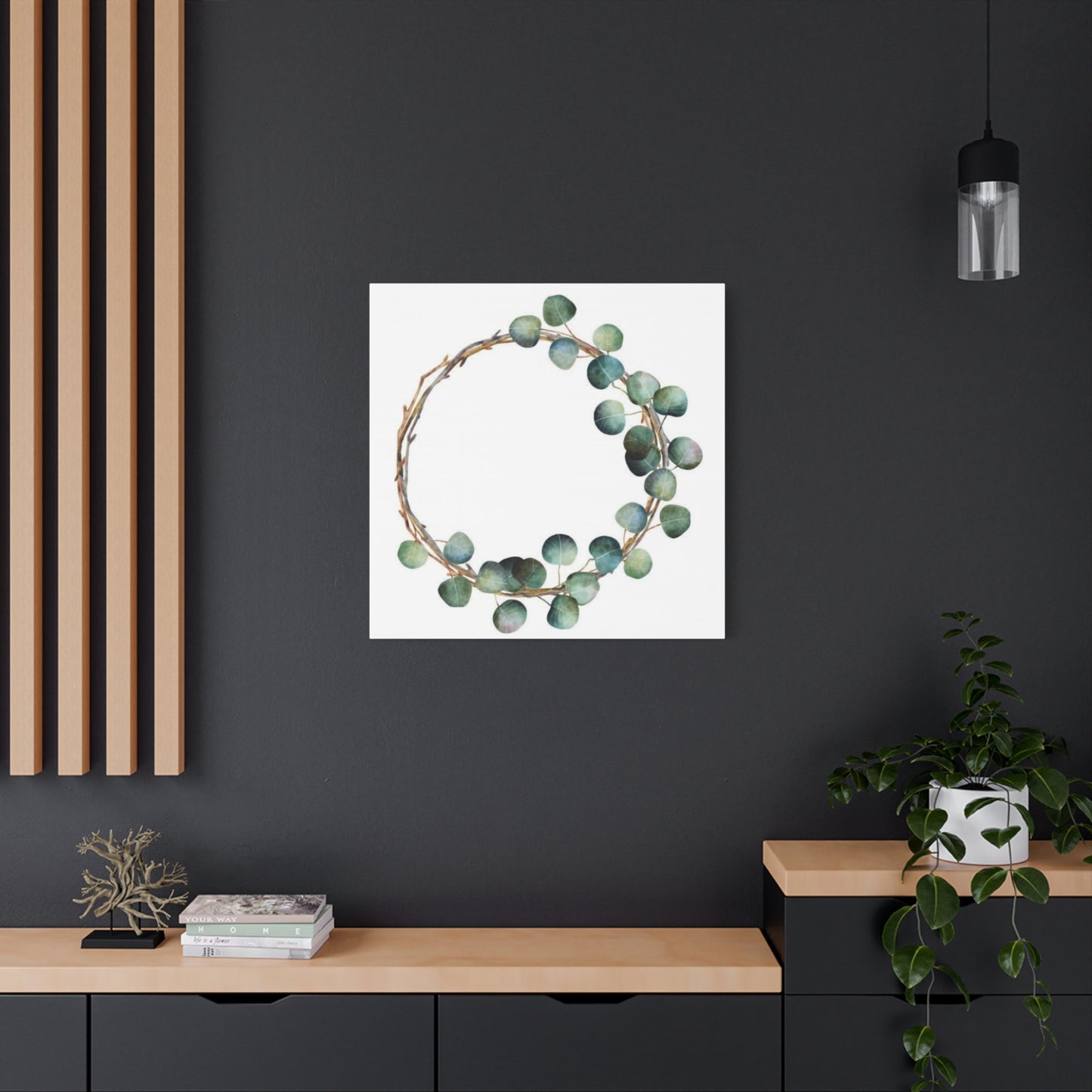
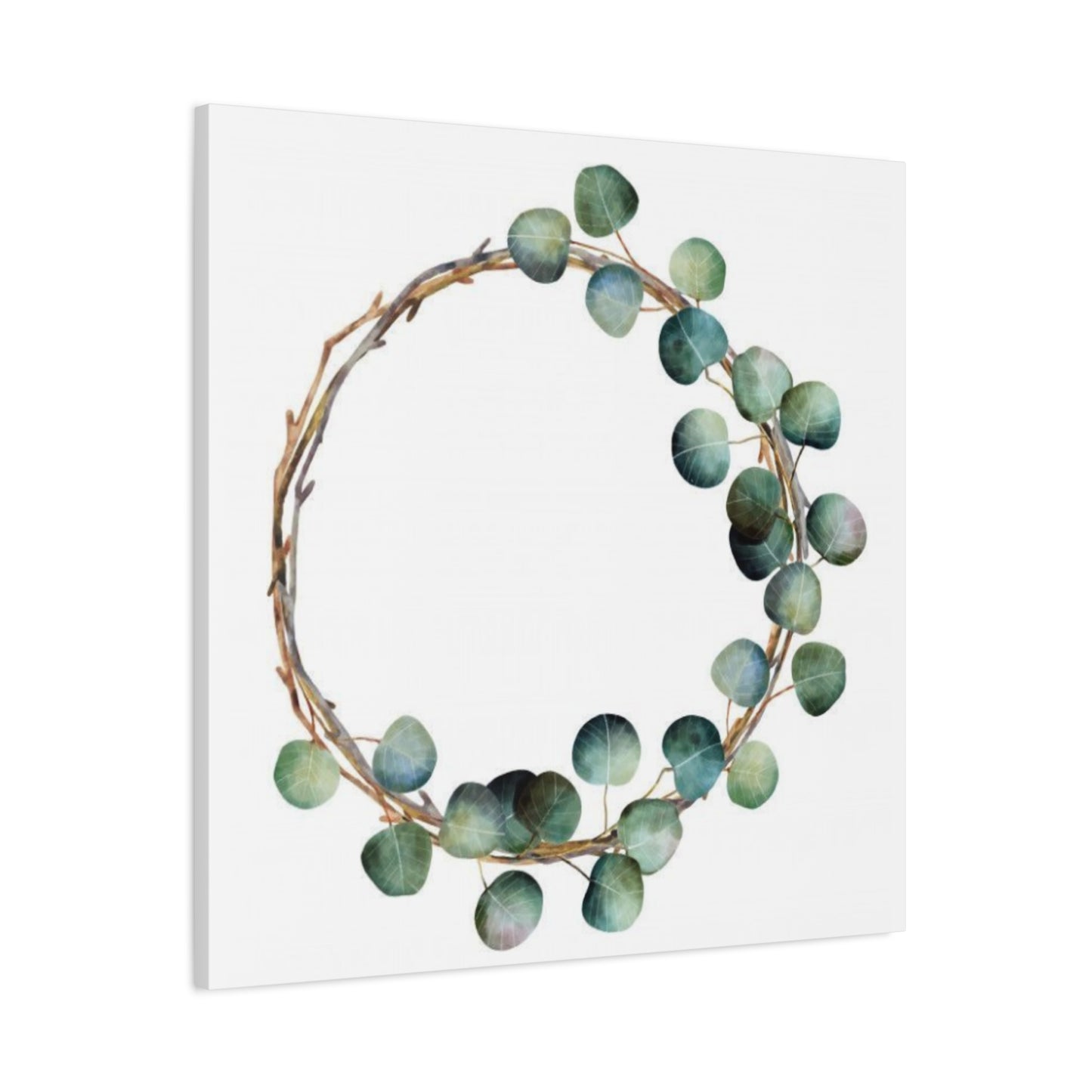
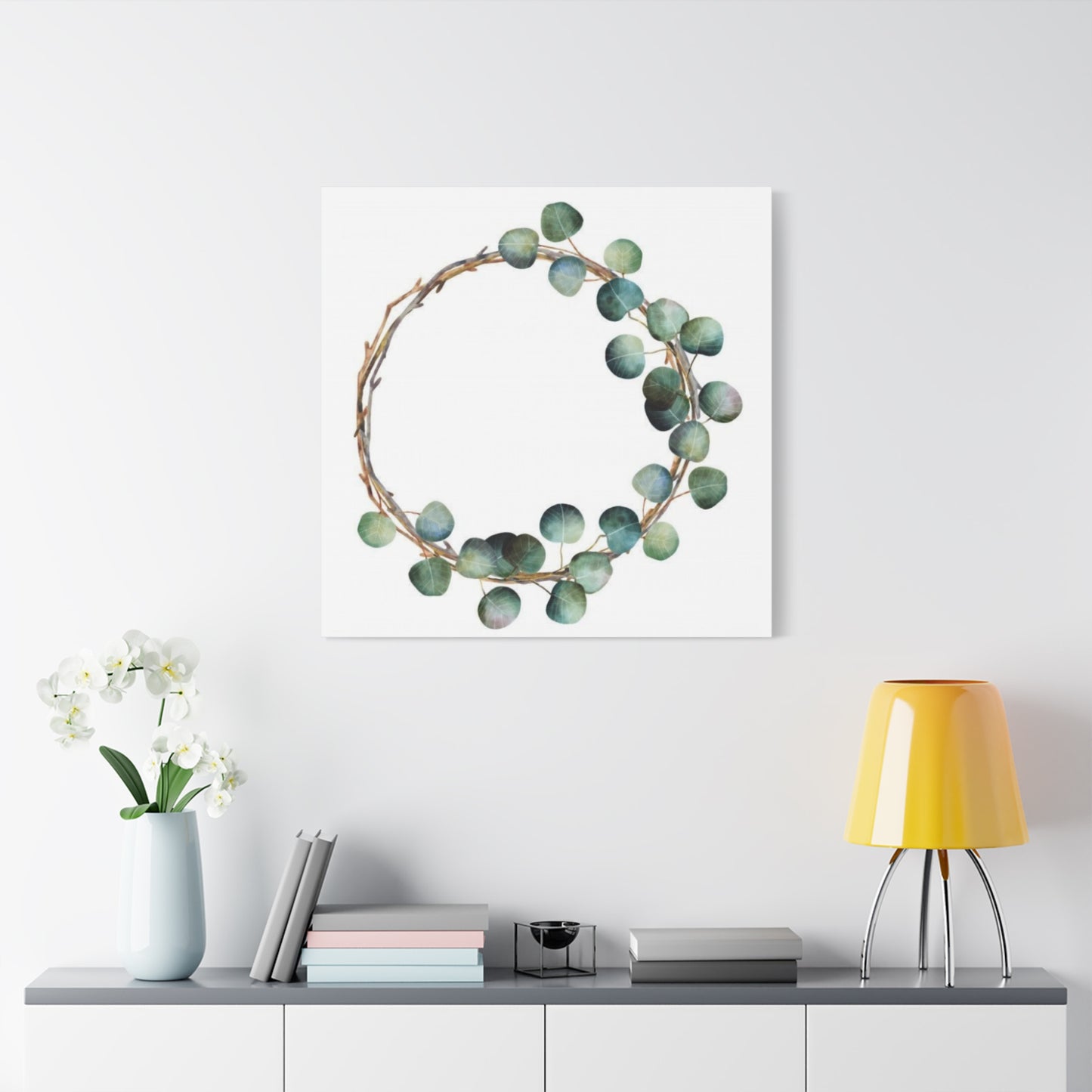
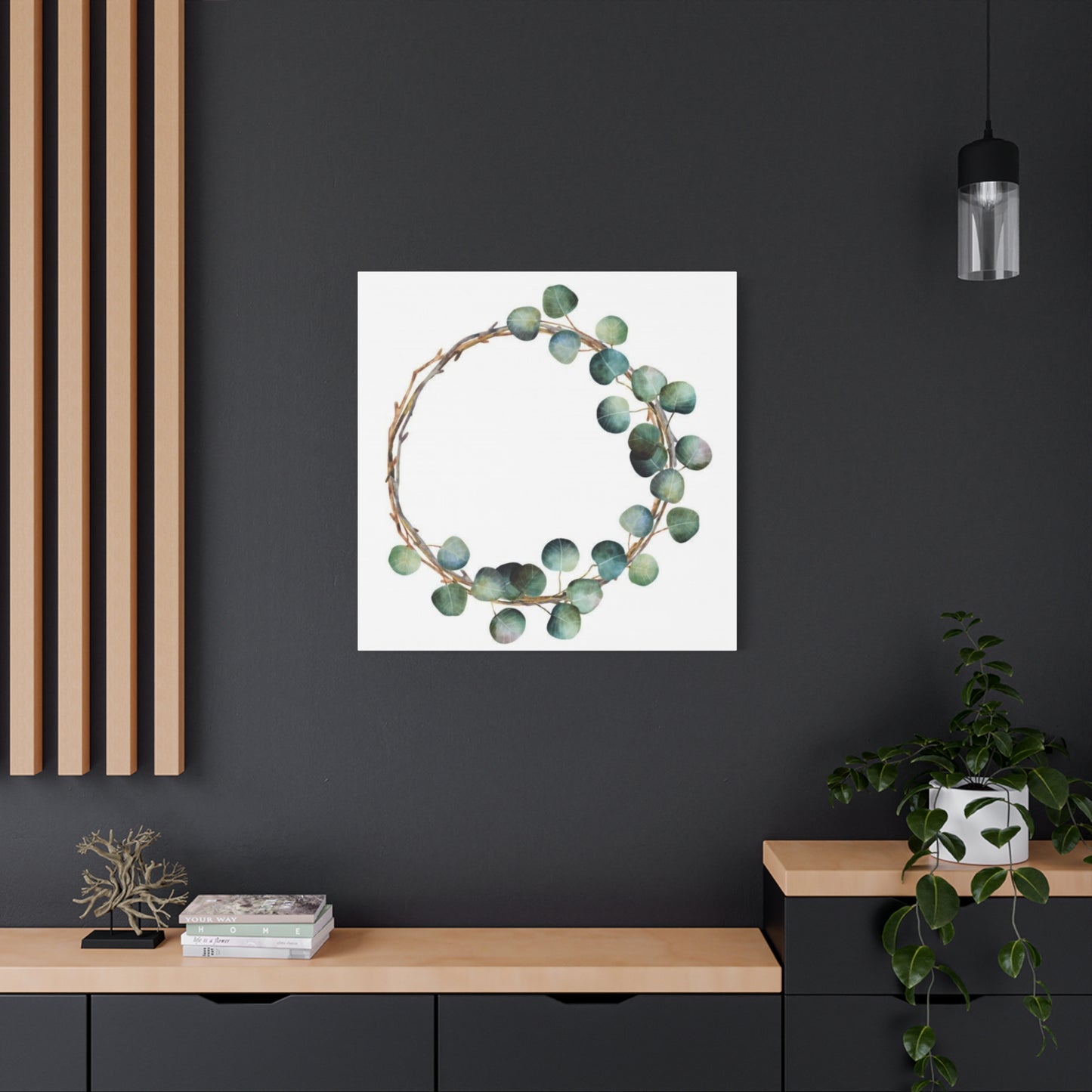
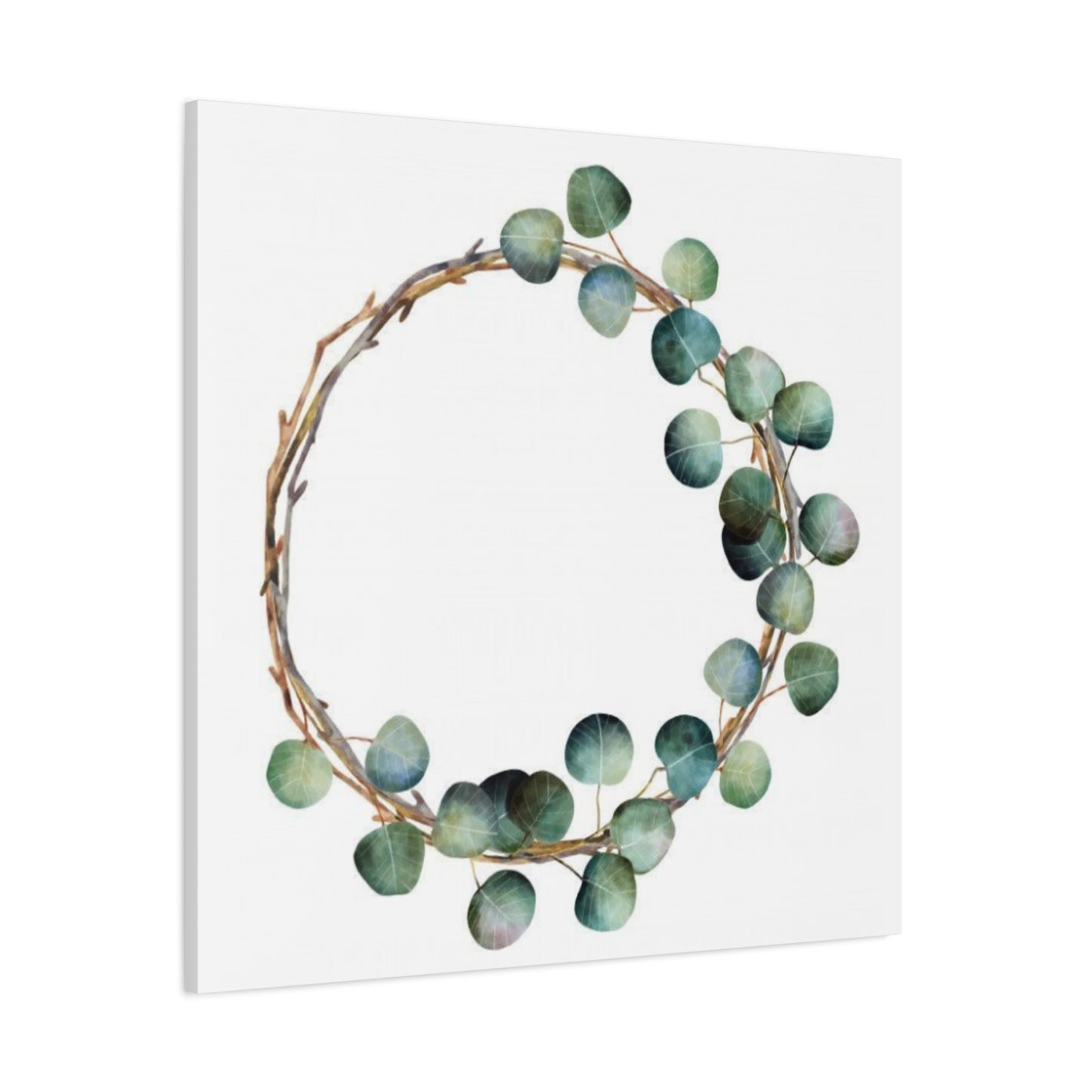
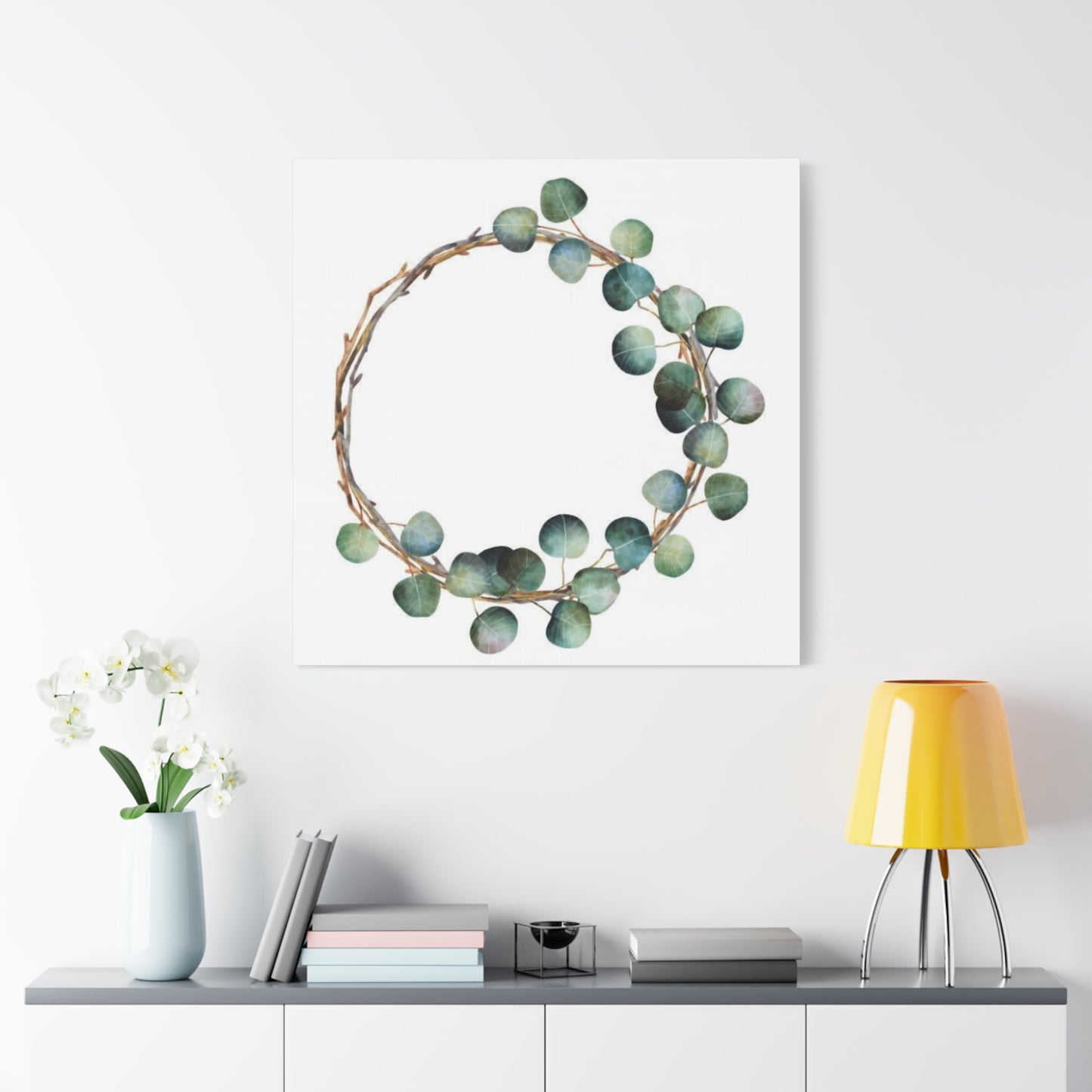
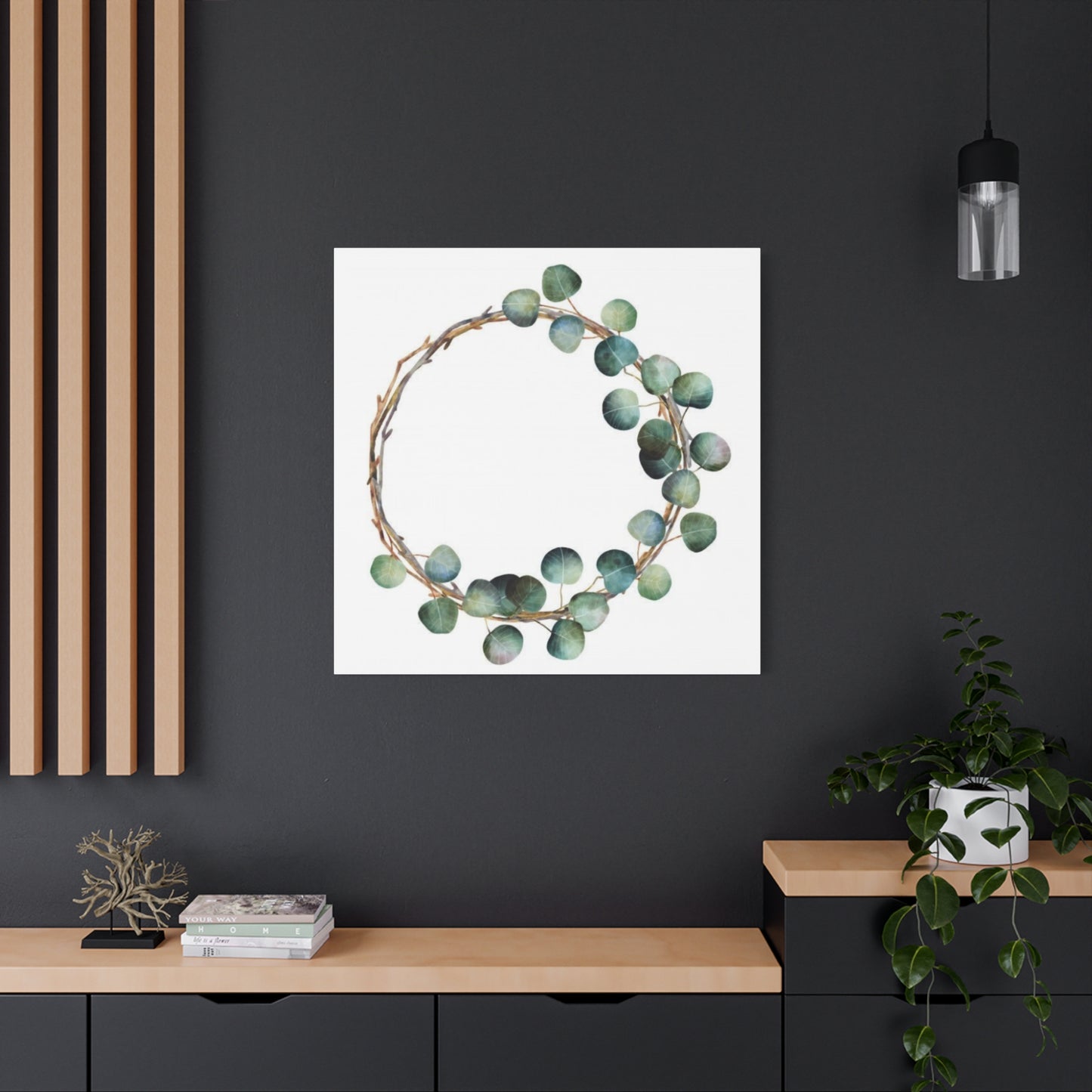
Leaves of Eucalyptus Ring Wall Art & Canvas Prints
Leaves of Eucalyptus Ring Wall Art & Canvas Prints
Couldn't load pickup availability
Leaves of Eucalyptus Ring Wall Art: A Comprehensive Exploration of Nature-Inspired Home Décor and Creative Expression
The modern homeowner's quest for bringing natural elements indoors has sparked a remarkable revolution in how we perceive and utilize botanical motifs within our living environments. Among the countless plant-inspired decorative items available today, leaves of eucalyptus ring wall art stands out as a particularly captivating choice that merges organic beauty with artistic sophistication. This distinctive form of wall decoration has captured the imagination of design enthusiasts worldwide, offering a perfect balance between minimalist elegance and rich natural symbolism.
The allure of botanical artwork extends far beyond mere aesthetic appeal. When individuals choose to incorporate plant-based designs into their homes, they are making a conscious decision to reconnect with nature despite the constraints of urban living. Eucalyptus, with its distinctive silvery-green foliage and graceful branching patterns, provides an ideal subject for artistic interpretation. The circular formation of eucalyptus leaves arranged in a ring pattern creates a visual focal point that draws the eye while maintaining a sense of calm and balance within any room.
Contemporary interior styling has witnessed a significant shift toward biophilic design principles, which emphasize the human need for connection with the natural world. This movement has propelled eucalyptus-themed decorative pieces to the forefront of home décor trends. The leaves of eucalyptus ring wall art represents more than just a passing fashion; it embodies a deeper cultural shift toward mindful living and environmental consciousness. Homeowners are increasingly seeking ways to transform their living spaces into sanctuaries that reflect their values while providing visual interest and emotional comfort.
Exploring the Distinctive Characteristics That Define Eucalyptus as an Artistic Subject
Eucalyptus possesses a unique combination of visual attributes that make it exceptionally suited for artistic representation. The leaves display a remarkable range of blue-green and silver-grey tones that shift subtly depending on lighting conditions and viewing angles. This chromatic versatility allows eucalyptus-inspired artwork to complement a wide spectrum of color palettes, from cool neutrals to warm earth tones. The natural variation in leaf size and shape within a single eucalyptus branch provides artists and designers with endless compositional possibilities.
The botanical structure of eucalyptus creates inherently pleasing proportions that translate beautifully to two-dimensional artwork. The gentle curves of the stems contrast elegantly with the more structured oval or lance-shaped leaves, producing a visual rhythm that feels both organic and orderly. When arranged in a circular configuration, these elements create a sense of continuity and wholeness that resonates with viewers on an intuitive level. The leaves of eucalyptus ring wall art capitalizes on these natural design principles to create pieces that feel simultaneously sophisticated and approachable.
Beyond its visual appeal, eucalyptus carries symbolic significance that enriches its presence in home décor. Various cultures have associated eucalyptus with purification, protection, and healing properties for centuries. This layered meaning adds depth to decorative pieces featuring eucalyptus motifs, allowing them to serve as both aesthetic objects and subtle reminders of nature's restorative qualities. The aromatic properties of living eucalyptus plants also create positive associations that transfer to artistic representations, even when no actual scent is present.
The textural qualities of eucalyptus leaves present fascinating opportunities for artistic exploration. Real eucalyptus foliage displays a slightly waxy surface with subtle variations in texture between the upper and lower leaf surfaces. Artists working with eucalyptus themes must decide how to translate these tactile qualities into visual forms, whether through painting techniques that suggest dimensionality or through the use of actual preserved plant materials. This challenge has led to innovative approaches in creating eucalyptus-themed artwork that engages multiple senses simultaneously.
Various Artistic Interpretations and Material Choices for Botanical Ring Designs
The creation of leaves of eucalyptus ring wall art encompasses a diverse array of artistic approaches and material selections. Some artisans favor working with preserved natural eucalyptus leaves, carefully arranging them into circular wreaths that maintain the authentic texture and subtle color variations of the living plant. This approach appeals to those who value organic materials and the inherent imperfections that make each piece truly one-of-a-kind. Preserved eucalyptus retains much of its original appearance while gaining the durability necessary for long-term display.
Alternative methods involve creating entirely artistic interpretations of eucalyptus through painting, printing, or digital illustration. Watercolor renditions of eucalyptus rings offer a soft, ethereal quality that works particularly well in spaces designed to promote relaxation and contemplation. The translucent nature of watercolor pigments allows for subtle layering effects that mimic the way light interacts with actual eucalyptus leaves. Artists can manipulate color intensity and blending techniques to achieve results ranging from photorealistic accuracy to impressionistic interpretation.
Metalwork presents another compelling avenue for eucalyptus ring designs. Skilled craftspeople can forge or sculpt eucalyptus leaf shapes from various metals, creating three-dimensional wall sculptures that cast intriguing shadows and catch light in dynamic ways. Copper eucalyptus rings develop a beautiful patina over time, adding an evolving element to the artwork. Steel versions can be powder-coated in nature-inspired hues or left in their natural state for an industrial-meets-organic aesthetic. These metal interpretations bring substantial visual weight and architectural presence to larger wall spaces.
Textile-based approaches to leaves of eucalyptus ring wall art offer unique textural qualities and versatility. Embroidered eucalyptus designs on natural linen or cotton fabric combine traditional needlework skills with contemporary botanical themes. The dimensional quality of raised embroidery adds tactile interest that flat printed images cannot replicate. Similarly, woven macramé techniques can incorporate eucalyptus leaf shapes into knotted designs, creating boho-chic pieces that align with current décor preferences while celebrating handcrafted artistry.
Digital printing technologies have expanded the possibilities for eucalyptus ring artwork considerably. High-resolution photographs of eucalyptus arrangements can be printed on various substrates, from traditional paper and canvas to more unconventional materials like wood panels, acrylic sheets, or metal. This versatility allows for customization in terms of size, finish, and mounting options. Digital manipulation also enables artists to create stylized versions of eucalyptus imagery, incorporating geometric patterns, color gradients, or mixed-media elements that push beyond realistic representation.
The Psychological Impact of Bringing Natural Elements Into Living Environments
Scientific research has consistently demonstrated that exposure to natural imagery produces measurable positive effects on human wellbeing. When individuals view representations of nature, including botanical artwork like leaves of eucalyptus ring wall art, their nervous systems typically respond with reduced stress markers and improved mood indicators. This phenomenon, sometimes called the biophilia effect, suggests that humans possess an innate affinity for natural forms and patterns that persists even when we encounter them in artistic rather than living formats.
The specific color palette associated with eucalyptus contributes significantly to its calming influence. The predominant blue-green tones found in eucalyptus foliage fall within the range of colors that research has linked to feelings of tranquility and mental clarity. Unlike more vibrant hues that can energize or stimulate, these cooler tones tend to promote relaxation without inducing drowsiness. This makes eucalyptus-themed artwork particularly suitable for spaces where occupants seek to unwind while remaining gently alert and present.
The circular shape inherent in ring-style eucalyptus artwork carries its own set of subliminal associations. Circles represent completeness, unity, and continuity across numerous cultural traditions. The human eye naturally follows curved lines more comfortably than sharp angles, creating a viewing experience that feels effortless and harmonious. When eucalyptus leaves are arranged in a ring formation, they combine the psychological benefits of natural imagery with the compositional advantages of circular design, resulting in artwork that feels inherently balanced and welcoming.
Incorporating leaves of eucalyptus ring wall art into a living space can serve as a daily reminder of the natural world, particularly valuable for individuals whose work or lifestyle keeps them primarily indoors. This visual connection to nature can help maintain a sense of seasonal awareness and environmental consciousness even within urban or suburban settings. For some people, botanical artwork functions as a meditation focal point or a visual anchor during moments of stress, providing a mental escape to more peaceful natural settings.
The relatively abstract quality of eucalyptus ring designs allows viewers to project their own associations and memories onto the artwork. Unlike highly literal or narrative art pieces, botanical abstractions invite personal interpretation without imposing specific emotional content. Someone who has positive memories of eucalyptus forests might experience nostalgic comfort, while another viewer might simply appreciate the formal qualities of the composition. This openness to multiple readings makes eucalyptus ring artwork remarkably versatile in its emotional impact.
Practical Considerations for Selecting and Positioning Botanical Wall Décor
Choosing the appropriate size for leaves of eucalyptus ring wall art requires careful attention to the proportions of the space where it will be displayed. A common mistake involves selecting pieces that are too small for the wall area, resulting in insignificant visual impact. As a general guideline, wall art should occupy roughly sixty to seventy-five percent of the width of the furniture piece it hangs above, or approximately two-thirds to three-quarters of a blank wall section's width when hung in isolation. Larger eucalyptus ring designs can serve as commanding focal points, while smaller pieces work well as part of gallery wall arrangements.
The height at which botanical artwork is mounted significantly affects its presence and accessibility within a room. Museum standards suggest hanging artwork so that its center point aligns approximately at eye level, typically around sixty inches from the floor. However, this guideline requires adjustment based on ceiling height and furniture arrangement. When positioning leaves of eucalyptus ring wall art above a sofa, console table, or bed, maintaining a gap of six to eight inches between the furniture top and the artwork's lower edge creates proper visual spacing. In rooms with exceptionally high ceilings, slightly lowering artwork from the standard height prevents it from floating disconnectedly in the upper wall space.
Lighting plays a crucial role in how eucalyptus ring artwork appears within a room. Natural light from windows can beautifully illuminate botanical designs during daytime hours, but artificial lighting requires thoughtful planning. Picture lights mounted directly above the artwork provide focused illumination that highlights details and creates gentle shadows. Track lighting or adjustable spotlights offer flexibility in directing attention to wall art while maintaining ambient lighting elsewhere. For leaves of eucalyptus ring wall art incorporating metallic elements or glass components, lighting angle becomes especially important to avoid unwanted glare while maximizing reflective qualities.
The surrounding wall color significantly influences how eucalyptus artwork reads within a space. Against crisp white walls, the blue-green tones of eucalyptus create refreshing contrast while maintaining a clean, modern aesthetic. Warm neutral backgrounds in beige, cream, or soft grey provide gentle contrast that allows the botanical details to emerge without stark visual competition. Darker wall colors like charcoal or navy can create dramatic settings where eucalyptus ring designs appear to float luminously. When selecting or commissioning leaves of eucalyptus ring wall art, considering the existing wall color helps ensure successful visual harmony.
The style of framing or presentation format affects both the artwork's appearance and its compatibility with surrounding décor. Simple floating frames in natural wood tones complement the organic subject matter while providing clean definition. Metal frames in matte black or brushed brass lend contemporary sophistication that works well in modern or transitional interiors. For a more casual or coastal aesthetic, unframed canvas prints or artwork mounted on raw wood substrates emphasize natural textures. Glass-free framing options reduce glare and eliminate reflections that can obscure the artwork's details.
Creating Harmonious Compositions Through Strategic Grouping and Arrangement Methods
When working with multiple pieces of leaves of eucalyptus ring wall art, thoughtful arrangement transforms individual artworks into cohesive visual statements. Gallery wall configurations allow for creative expression while maintaining organized structure. One effective approach involves establishing a central focal piece—typically the largest eucalyptus ring design—and arranging smaller complementary pieces around it in a balanced but not necessarily symmetrical pattern. This creates visual interest through variation while maintaining overall compositional unity.
Grid arrangements offer a more structured alternative that works particularly well in contemporary or minimalist spaces. Positioning eucalyptus ring artworks in evenly spaced rows and columns creates orderly rhythm and allows each piece to be appreciated individually while contributing to a larger geometric pattern. This approach works best when the individual artworks share consistent sizing and framing, creating visual continuity through repetition. Grid arrangements of leaves of eucalyptus ring wall art can transform an entire wall into a botanical feature that commands attention through organized abundance.
Asymmetrical groupings provide opportunities for more dynamic and personalized arrangements. This approach allows for mixing different sizes, orientations, and even styles of eucalyptus artwork while maintaining visual balance through careful attention to weight distribution. Larger, darker, or more detailed pieces carry more visual weight and should typically be positioned toward the lower portions of the arrangement to create stability. Lighter, smaller, or simpler designs can float above and around these anchor pieces without making the overall composition feel top-heavy.
Horizontal line arrangements create a sense of calm and continuity, particularly effective above long furniture pieces like sofas or buffet tables. Aligning three to five eucalyptus ring artworks in a single horizontal row at matching heights produces a sense of ordered tranquility. Slight variations in the spacing between pieces or in the specific designs can prevent monotony while maintaining the linear arrangement's overall coherence. This approach works especially well in spaces with horizontal architectural elements that the artwork alignment can echo and reinforce.
Vertical arrangements draw the eye upward, making ceilings appear higher and creating visual drama in narrow spaces or alongside architectural features like windows or doors. Stacking leaves of eucalyptus ring wall art in a vertical column can transform an awkward narrow wall section into an intentional design feature. This arrangement style works particularly well in hallways, beside staircases, or flanking significant architectural elements. Varying the spacing between pieces—perhaps tighter spacing between lower pieces graduating to wider spacing higher up—can create interesting visual rhythm.
Complementary Décor Elements That Enhance Botanical Artwork Displays
Successfully incorporating leaves of eucalyptus ring wall art into a room involves considering how the artwork interacts with surrounding décor elements. Natural materials echo and reinforce the botanical theme, creating cohesive design narratives throughout the space. Wood furniture in lighter finishes like oak, ash, or maple naturally complements eucalyptus's soft color palette, while darker woods like walnut provide rich contrast that makes the artwork's lighter tones appear more luminous. Incorporating actual potted plants near eucalyptus artwork strengthens the nature-inspired theme while adding living texture and dimensional interest.
Textile selections offer opportunities to extend the botanical theme beyond wall surfaces. Throw pillows featuring complementary botanical prints or solid fabrics in coordinating blue-green hues create visual connections between artwork and furniture. Natural fiber rugs in jute, sisal, or wool provide textural grounding that supports the organic aesthetic of leaves of eucalyptus ring wall art. Window treatments in lightweight linen or cotton allow natural light to filter softly through the space, enhancing the airy quality that eucalyptus designs typically embody.
Decorative accessories provide finishing touches that complete the botanical narrative without overwhelming the space. Ceramic vases in organic shapes and neutral glazes can hold dried botanicals or stand as sculptural objects that echo the artwork's natural inspiration. Wooden bowls, stone candleholders, or woven baskets introduce additional natural materials that reinforce the connection to nature. When selecting these accessories, restraint proves valuable—a few carefully chosen pieces typically create more impact than numerous small items competing for attention.
Lighting fixtures present opportunities to extend the design theme while serving practical purposes. Pendant lights or chandeliers featuring natural materials like rattan, bamboo, or wood connect visually with eucalyptus ring artwork while providing necessary illumination. Table and floor lamps with ceramic or wooden bases in organic shapes complement the botanical theme without literally repeating it. The quality and color temperature of light bulbs also matters—warmer light (2700-3000K) typically flatters eucalyptus's natural tones better than cooler, bluer light temperatures.
Furniture style and arrangement significantly impact how leaves of eucalyptus ring wall art integrates into the overall room design. Mid-century modern furniture pieces, with their clean lines and organic curves, naturally harmonize with botanical artwork. Scandinavian-inspired designs emphasizing natural materials and minimalist forms create complementary contexts for eucalyptus ring displays. Even traditional furniture can successfully coexist with contemporary botanical artwork when other elements—like color palette or textile choices—provide transitional bridges between the different style periods.
Seasonal Styling Variations That Keep Botanical Displays Feeling Fresh and Relevant
One advantage of leaves of eucalyptus ring wall art lies in its year-round appropriateness, yet thoughtful seasonal adjustments can keep displays feeling current and responsive to changing conditions. During spring months, pairing eucalyptus artwork with fresh flowers in coordinating colors—soft pinks, whites, or yellows—creates gentle contrast that celebrates renewal and growth. Incorporating lighter textiles like cotton or linen in pastel tones extends the fresh, awakening quality throughout the space.
Summer styling might emphasize the cooling aspects of eucalyptus's blue-green tones. Introducing additional cool colors through accessories—aqua, seafoam, or soft lavender—enhances the refreshing quality that makes leaves of eucalyptus ring wall art particularly appealing during warmer months. Natural materials like seagrass, rattan, or light-colored wood reinforce a casual, breezy aesthetic. Sheer curtains allow maximum natural light while maintaining privacy, creating bright, airy environments where eucalyptus artwork can truly shine.
Autumn presents opportunities to create richer, more layered styling around eucalyptus artwork. Introducing warmer accent colors—rust, terracotta, deep gold—provides seasonal warmth while allowing the artwork's cooler tones to serve as calming counterpoints. Textiles in heavier weaves, like chunky knits or woven throws, add cozy texture without obscuring the artwork. Incorporating dried grasses, seed pods, or branches in seasonal arrangements near leaves of eucalyptus ring wall art creates dialogue between the permanent artwork and temporary natural elements.
Winter styling can emphasize the evergreen quality of eucalyptus, which remains vibrant even during dormant months. Pairing eucalyptus ring artwork with white, cream, and grey accessories creates a sophisticated neutral palette that feels fresh despite the season's darkness. Metallic accents in silver, pewter, or muted gold add subtle sparkle without veering into overtly festive territory. Incorporating additional lighting—candles, string lights, or accent lamps—compensates for shorter daylight hours and ensures the artwork remains visible and appreciated even during evening hours.
The transitional periods between seasons offer chances for creative experimentation. Rather than making abrupt changes, gradually introducing new accent colors or swapping individual accessories allows the space to evolve naturally. This approach prevents the jarring feeling that can result from dramatic seasonal overhauls while keeping the environment around leaves of eucalyptus ring wall art feeling thoughtfully maintained and responsive to the changing year.
Crafting Custom Eucalyptus Ring Artwork for Personalized Spaces
For those seeking truly unique pieces, creating custom leaves of eucalyptus ring wall art offers the satisfaction of personal expression combined with perfect fit for specific spaces. Working with preserved eucalyptus branches provides an accessible entry point for hands-on creation. Florist suppliers and craft stores typically stock dried eucalyptus in various varieties, from the common silver dollar eucalyptus to more delicate seeded varieties. Selecting branches with interesting variations in leaf size, shape, and color adds visual richness to the final composition.
Constructing a eucalyptus ring begins with establishing the circular base structure. Wire wreath forms provide sturdy foundations available in multiple diameters to suit different space requirements. For more rustic approaches, grapevine wreaths offer organic, textured bases that remain partially visible in the finished piece, contributing character and depth. Some crafters prefer constructing rings entirely from eucalyptus branches themselves, bending and wiring flexible stems into circular shapes that showcase the plant material throughout.
Attaching eucalyptus to the base requires patience and attention to directional flow. Floral wire or hot glue secures individual sprigs while allowing for precise positioning. Working in a consistent direction around the ring—either clockwise or counterclockwise—creates visual harmony through repeated angles and overlapping patterns. Varying the length of protruding stems and the density of leaf coverage prevents monotonous regularity while maintaining overall circular definition. The goal involves achieving fullness that appears natural rather than forced or overly perfect.
Once the basic eucalyptus ring achieves satisfactory coverage, additional elements can enhance the design. Small dried flowers in coordinating colors—white statice, soft pink strawflowers, or cream-colored craspedia—add delicate color accents. Natural elements like small pine cones, seed pods, or interesting twigs introduce textural variety. Some crafters incorporate ribbon, fabric strips, or twine in complementary colors to create bows or streamers that add movement and personalized touches. The key lies in restraint—allowing the eucalyptus itself to remain the dominant visual element while additions provide subtle enhancement rather than competition.
For those preferring painted or illustrated approaches to leaves of eucalyptus ring wall art, working on circular canvases or wood rounds provides appropriate format foundations. Sketching the basic ring structure lightly in pencil establishes the composition before committing to permanent media. Watercolor techniques allow for soft, translucent layers that build gradually toward desired color intensity. Acrylic paints offer more opaque coverage and durability, suitable for bolder interpretations. Oil paints provide the richest colors and most flexible working time, though they require longer drying periods and more extensive cleanup.
Digital creation methods offer remarkable flexibility for designing custom eucalyptus ring artwork. Photo editing software allows for combining photographs of actual eucalyptus with graphic elements, creating hybrid pieces that merge realistic imagery with artistic stylization. Vector illustration programs enable precise control over shapes and colors, ideal for creating clean, contemporary interpretations. Procreate and similar tablet-based drawing programs provide intuitive interfaces that make digital painting accessible even for those without traditional artistic training. The resulting digital files can be printed at various sizes, offering cost-effective options for creating multiple pieces or replacing artwork without starting entirely from scratch.
Preserving and Maintaining Eucalyptus Artwork for Lasting Beauty
Different materials used in leaves of eucalyptus ring wall art require specific care approaches to maintain their appearance over time. Natural preserved eucalyptus, while more durable than fresh plant material, remains susceptible to environmental factors. Prolonged direct sunlight causes fading, gradually shifting the characteristic blue-green tones toward brown. Positioning eucalyptus wreaths away from windows or using UV-protective glass when framing helps preserve original colors. Humidity fluctuations can cause brittleness in dried plant materials, so maintaining relatively stable indoor conditions prevents excessive fragility.
Dust accumulation represents the primary maintenance concern for eucalyptus ring artwork featuring actual plant materials. Regular gentle dusting using soft brushes or compressed air prevents buildup that dulls the foliage's appearance. Avoid water-based cleaning methods on preserved eucalyptus, as moisture can reactivate decomposition processes or cause mold growth. If dust becomes stubborn, very light application of hairspray can help seal the foliage and prevent further accumulation, though this should be done sparingly to avoid sticky residue or unnatural appearance.
Painted or printed eucalyptus artwork requires less specialized care but still benefits from thoughtful maintenance. Glass-fronted frames protect artwork surfaces from dust and accidental contact while allowing easy cleaning of the glass itself. Standard glass cleaner applied to a cloth rather than directly on the glass prevents drips that might seep behind the frame. For unframed canvas prints or painted pieces, occasional gentle dusting with a soft, dry cloth maintains appearance without risking damage. Avoiding hanging artwork in areas with cooking splatter, excessive humidity, or temperature extremes extends its lifespan significantly.
Metal eucalyptus ring sculptures require maintenance appropriate to their specific material composition. Steel pieces may develop rust if exposed to moisture, necessitating occasional application of clear protective coating to maintain their finish. Copper artwork naturally develops patina over time—a characteristic some owners appreciate while others prefer to prevent through regular application of specialized copper sealants. Painted metal pieces may require touch-ups if chips or scratches occur, particularly in high-traffic areas where accidental contact is more likely.
Textile-based leaves of eucalyptus ring wall art presents unique preservation challenges. Fabric artwork attracts dust and may absorb odors from the surrounding environment. Occasional gentle vacuuming using upholstery attachments helps remove dust without abrading the textile surface. For embroidered or appliqued pieces, ensuring secure hanging prevents sagging that could distort the design over time. Protecting fabric artwork from direct sunlight prevents fading and weakening of the fibers, while maintaining moderate humidity levels prevents both excessive drying and mold growth.
Color Palette Coordination Strategies for Various Interior Design Schemes
Incorporating leaves of eucalyptus ring wall art into monochromatic grey interiors creates sophisticated depth through subtle variation. The blue-green undertones in eucalyptus foliage prevent the space from feeling cold despite the predominance of grey tones. Lighter shades of eucalyptus artwork work beautifully against medium to dark grey walls, creating gentle contrast without jarring brightness. This combination feels particularly appropriate for modern or contemporary spaces where restrained color palettes emphasize form, texture, and spatial relationships over chromatic variety.
Within neutral beige and cream color schemes, eucalyptus ring artwork introduces refreshing coolness that energizes the space without overwhelming the established palette. The natural affinity between eucalyptus's organic origins and earth-tone neutrals creates inherently harmonious relationships. This combination works across multiple design styles, from coastal themes where sandy beiges meet eucalyptus greens to farmhouse aesthetics where creamy whites provide clean backgrounds for botanical artwork. The result feels both grounded and lively, familiar yet distinctive.
Bold navy blue interiors find excellent companions in leaves of eucalyptus ring wall art, where the shared cool temperature creates cohesive relationships while the value contrast provides necessary visual relief. Navy's richness makes eucalyptus's lighter tones appear particularly luminous and fresh. This combination feels simultaneously classic and contemporary, working well in spaces ranging from traditional studies to modern bedrooms. Introducing metallic accents—brass, copper, or gold—adds warmth that prevents the cool palette from feeling austere.
Blush pink and eucalyptus green create a soft, romantic palette that has gained popularity in recent years. The combination feels fresh rather than overtly feminine, particularly when balanced with neutral elements like white, cream, or light wood tones. Leaves of eucalyptus ring wall art provides the green element while maintaining sophistication through its blue-grey undertones rather than brighter grass greens. This palette works beautifully in bedrooms, nurseries, or living spaces where a gentle, welcoming atmosphere is desired.
Terracotta and eucalyptus form compelling warm-cool partnerships rooted in natural associations—the earthiness of clay against living foliage. This combination brings Southwestern or Mediterranean influences while maintaining contemporary relevance through careful proportion and styling. Using terracotta as an accent color rather than a dominant presence typically works best, allowing leaves of eucalyptus ring wall art to provide cooling balance. This palette feels particularly appropriate in spaces with abundant natural light where the warm-cool interplay creates dynamic visual interest throughout the day.
Exploring Different Eucalyptus Varieties and Their Distinctive Visual Characteristics
Silver dollar eucalyptus (Eucalyptus cinerea) ranks among the most recognizable varieties, featuring nearly circular leaves that grow opposite each other along the stems. The leaves display a beautiful silver-blue coloration that photographs exceptionally well and dries to retain much of its original color. When used in leaves of eucalyptus ring wall art, silver dollar eucalyptus creates bold geometric patterns through the repetition of its distinctive round leaf shapes. This variety works particularly well in contemporary or modern settings where its graphic quality complements clean lines and simplified forms.
Seeded eucalyptus (Eucalyptus polyanthemos) offers more delicate visual texture through its smaller, more numerous leaves and the presence of small seed pods along the stems. The leaves are more oval than circular, creating gentler lines and more varied shadow patterns. When incorporated into ring designs, seeded eucalyptus contributes an airy, organic quality that feels less structured than silver dollar varieties. The seed pods add subtle dimensional interest and introduce slight tonal variation that enriches the overall composition. This variety suits spaces where softer, more naturalistic botanical representation is preferred.
Baby blue eucalyptus (Eucalyptus pulverulenta) features small, rounded leaves with pronounced silvery-blue coloring and a powdery coating that enhances its ethereal appearance. The stems grow in a somewhat angular fashion, creating interesting geometric shapes within the overall organic form. In leaves of eucalyptus ring wall art, baby blue eucalyptus introduces delicate scaling and refined texture that works beautifully in smaller pieces or in designs combining multiple eucalyptus varieties. Its distinctive coloring remains vibrant even when dried, making it excellent for preserved botanical artwork.
Willow eucalyptus (Eucalyptus nicholii) presents a dramatically different profile with its long, narrow leaves and gracefully drooping branches. This variety introduces fluid movement and elegant lines that contrast beautifully with more structured eucalyptus types. When incorporated into ring designs, willow eucalyptus can create cascading effects that soften the circular framework and add dynamic visual interest. Its feathery appearance works particularly well in romantic or cottage-style interiors where gentle, flowing forms predominate.
Spiral eucalyptus (Eucalyptus globulus or Eucalyptus cinerea stems twisted during growth) features stems that naturally twist and curve, with leaves growing in spiral patterns along the branches. This variety introduces sculptural quality and dimensional interest that enhances the three-dimensional presence of leaves of eucalyptus ring wall art. The twisted stems catch light differently than straight branches, creating subtle shadow play that changes throughout the day. Spiral eucalyptus works beautifully in spaces where artistic statement and visual drama are valued.
Symbolic Meanings and Cultural Significance Across Different Traditions
Throughout various cultures and time periods, eucalyptus has accumulated rich symbolic associations that add layers of meaning to decorative uses. Aboriginal Australians, the original inhabitants of eucalyptus's native range, have long utilized various eucalyptus species for practical and ceremonial purposes. While specific cultural practices deserve respectful acknowledgment without appropriation, the general association of eucalyptus with healing and purification has spread globally. When people choose leaves of eucalyptus ring wall art, they may unconsciously tap into these longstanding associations, creating spaces that feel energetically cleansed or protected.
In Victorian flower language, eucalyptus represented protection and was sometimes included in arrangements meant to convey wishes for safety and wellbeing. The circular form of ring designs amplifies these protective associations, as circles themselves symbolize boundaries and sacred spaces across numerous traditions. A eucalyptus ring might thus function symbolically as a protective talisman for the home, even while its primary purpose remains aesthetic. This layered meaning allows the artwork to resonate on multiple levels simultaneously.
Modern aromatherapy and holistic wellness practices have popularized eucalyptus's associations with clarity, healing, and respiratory health. While artwork featuring eucalyptus cannot provide the actual aromatic compounds responsible for these effects, the visual presence can trigger positive associations for those familiar with eucalyptus's therapeutic uses. This creates a form of visual aromatherapy where the mere representation of eucalyptus foliage evokes memories of its scent and the mental clarity or physical relief associated with it. Leaves of eucalyptus ring wall art thus functions as a sensory prompt that engages memory and association rather than direct olfactory experience.
Environmental symbolism has become increasingly important in contemporary culture, and eucalyptus carries particular associations with Australian ecosystems and wildlife. For some, eucalyptus artwork represents connection to specific places or experiences—perhaps travel memories or personal heritage. For others, it symbolizes broader environmental values and commitment to preserving natural spaces. The choice to display botanical artwork can thus function as a subtle form of values expression, indicating the resident's priorities and worldview to visitors.
The evergreen nature of eucalyptus contributes symbolic associations with endurance, consistency, and vitality that persists through changing seasons. Unlike deciduous plants that cycle through dramatic transformations, eucalyptus maintains its essential character year-round. In leaves of eucalyptus ring wall art, this quality translates to designs that remain relevant and beautiful regardless of season, providing visual stability and continuity within spaces that otherwise change frequently. This reliability can feel particularly grounding in contemporary life where rapid change and uncertainty often predominate.
Conclusion
Living rooms typically accommodate the most substantial leaves of eucalyptus ring wall art pieces, as these spaces often feature extensive wall areas and serve as primary gathering locations. Large-scale eucalyptus rings measuring thirty to forty-eight inches in diameter can anchor a wall above a sofa or fireplace mantel, providing strong focal points that command attention without overwhelming the space. In particularly spacious living areas, multiple large pieces arranged in groupings create gallery-wall effects that transform entire walls into botanical features.
Bedroom applications of eucalyptus ring artwork often benefit from more moderate scaling that promotes calm rather than stimulation. Pieces ranging from eighteen to thirty inches in diameter work beautifully above beds, providing visual interest without dominating the space in ways that might interfere with rest. The softer, more personal nature of bedrooms makes them ideal locations for leaves of eucalyptus ring wall art with subtle coloring and gentle presence. Placing smaller matching pieces on either side of the bed creates symmetrical balance that many find soothing.
Dining rooms present interesting opportunities for eucalyptus ring displays, particularly on walls opposite or adjacent to dining tables. The circular format echoes the shapes of dining tables, plates, and the social circles formed during meals, creating subconscious visual harmony. Medium-sized pieces measuring twenty-four to thirty-six inches typically work well in standard dining rooms, while larger or smaller scales might suit particularly grand or intimate dining spaces respectively. The natural associations of botanical artwork complement the connection between meals and earth's bounty.
Bathroom environments require careful consideration when incorporating leaves of eucalyptus ring wall art, as humidity levels and spatial constraints differ significantly from other rooms. Smaller pieces work best in standard bathrooms, while master bathrooms with extensive wall space might accommodate larger designs. Choosing artwork with moisture-resistant qualities—such as printed pieces under glass rather than unprotected natural materials—ensures longevity despite environmental challenges. The spa-like associations of eucalyptus make it particularly appropriate for bathroom settings where relaxation and self-care occur.
Entryways and hallways benefit from eucalyptus ring artwork that creates immediate positive impressions without requiring extended viewing time. These transitional spaces typically see brief, frequent views rather than prolonged observation, so artwork should make quick, clear statements. Vertical arrangements of multiple smaller eucalyptus rings work particularly well in narrow hallway spaces, drawing the eye upward and making low ceilings appear higher. In entryways, a single substantial piece opposite the door creates a welcoming focal point that immediately establishes the home's aesthetic character.
Creating cohesive botanical themes involves thoughtfully combining leaves of eucalyptus ring wall art with complementary plant imagery. Ferns, with their delicate fronds and lush green coloring, pair beautifully with eucalyptus's more structured forms and cooler tones. The contrasting textures—feathery fern leaves against eucalyptus's smoother surfaces—create visual interest while maintaining the overarching nature theme. Artwork featuring both plants in a single composition or in related pieces displayed together establishes rich botanical narratives within a space.
Olive branches carry similar visual qualities to eucalyptus—silvery-green foliage, graceful branching patterns, and Mediterranean associations—making them natural companions in botanical displays. Combining eucalyptus and olive imagery creates layered depth while maintaining tonal consistency.
Share