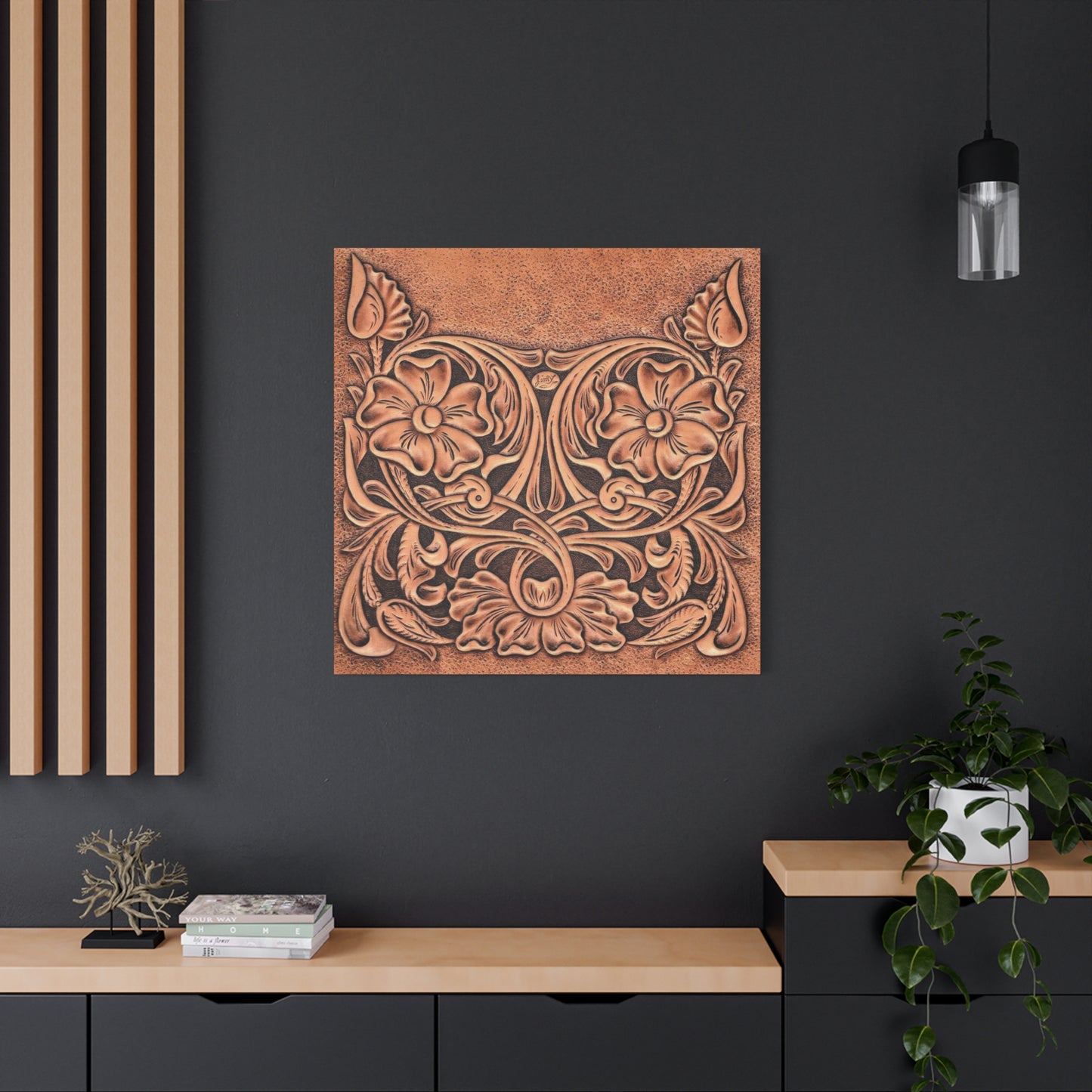


Leather Pattern Wall Art & Canvas Prints
Leather Pattern Wall Art & Canvas Prints
Couldn't load pickup availability
Leather Pattern Wall Art: Creating Stunning Three-Dimensional Decorative Pieces for Modern Living Spaces
The realm of interior decoration has witnessed a remarkable transformation with the emergence of tactile and visually captivating leather pattern wall art. This distinctive form of ornamentation combines the timeless elegance of genuine or synthetic leather materials with intricate designs that create depth, texture, and visual interest within residential and commercial environments. Unlike conventional flat paintings or prints, these three-dimensional artistic installations offer a multisensory experience that engages both sight and touch, making them increasingly popular among homeowners, interior designers, and art enthusiasts seeking to elevate their spaces with unique, sophisticated elements.
Leather pattern wall art represents more than mere decoration; it embodies a fusion of craftsmanship, material science, and artistic vision. The natural variations found in leather surfaces, combined with deliberate patterning techniques, produce pieces that are simultaneously organic and refined. Each installation possesses its own character, influenced by factors such as the leather source, treatment methods, coloring processes, and assembly techniques employed during creation. This individuality ensures that no two pieces are exactly alike, offering collectors and decorators the opportunity to own truly distinctive artworks that cannot be replicated through mass production.
The versatility of leather pattern wall art extends across numerous aesthetic preferences and architectural styles. Whether adorning the walls of minimalist contemporary lofts, rustic farmhouse kitchens, industrial-style offices, or traditional sitting rooms, these pieces adapt remarkably well to their surroundings. The inherent warmth and sophistication of leather materials complement both neutral and bold color schemes, while the textural dimension adds visual weight and interest to otherwise plain surfaces. This adaptability has contributed significantly to the growing demand for leather-based wall decorations in diverse settings.
Exploring Different Leather Materials Suitable for Creating Decorative Wall Installations
The selection of appropriate leather materials forms the foundation of exceptional wall art creations. Full-grain leather, representing the highest quality option, retains the complete natural grain of the animal hide with minimal processing. This material showcases all the natural markings, pores, and subtle variations that occurred during the animal's lifetime, resulting in a rich, authentic appearance that develops an attractive patina over time. Full-grain leather possesses remarkable durability and strength, making it ideal for large-scale installations or pieces that will be handled or touched regularly by viewers and inhabitants.
Top-grain leather offers another excellent choice for artistic applications, having undergone light sanding to remove surface imperfections while maintaining most of the natural grain structure. This material presents a slightly more uniform appearance than full-grain leather, which some artists prefer for creating cohesive patterns or symmetrical designs. The processing also makes top-grain leather somewhat more resistant to staining and easier to clean, practical considerations for installations in high-traffic areas or spaces where exposure to oils, moisture, or other contaminants might occur.
Genuine leather, despite its somewhat misleading name, actually refers to lower-quality material made from the layers of hide remaining after top-grain removal. While less expensive and not as durable as full-grain or top-grain options, genuine leather still offers appealing characteristics for certain artistic projects. Its more pliable nature facilitates intricate folding, weaving, or manipulation into complex three-dimensional forms. Artists working with limited budgets or creating experimental pieces often gravitate toward genuine leather for its affordability and workability.
Bonded leather, manufactured from leather scraps and fibers combined with polyurethane binders, presents the most economical option. Although purists may dismiss this material as inferior, it serves specific purposes in leather pattern wall art creation. The consistent texture and appearance of bonded leather make it suitable for projects requiring uniform color and surface characteristics across large areas. Additionally, its lower cost enables artists to experiment with bold, oversized designs without excessive financial risk.
Exotic leathers derived from sources such as ostrich, alligator, snake, stingray, and various fish species offer distinctive textural qualities that cannot be replicated with conventional cowhide. Ostrich leather features characteristic quill bumps that create a three-dimensional surface pattern inherently interesting to the eye and touch. Alligator and crocodile skins display intricate scale patterns that add visual complexity to artistic compositions. Snake leather provides elongated scale formations that can be arranged to create flowing, organic designs. Stingray leather, with its small, bead-like calcium deposits, offers a unique pebbly texture that catches light in fascinating ways.
Vegetable-tanned leather deserves special mention for its unique properties and aesthetic qualities
This traditional tanning method, which uses natural tannins extracted from tree bark and other plant materials, produces leather with a characteristic tan color that darkens and develops rich honey or cognac tones through oxidation and sun exposure. The material accepts tooling, carving, and embossing exceptionally well, allowing artists to create intricate relief patterns and textures. Over time, vegetable-tanned leather develops a beautiful patina that enhances rather than diminishes its appearance, making it particularly appealing for heirloom-quality artistic pieces.
Chrome-tanned leather, the most common modern tanning method, uses chromium salts to process hides more quickly and efficiently than vegetable tanning. This process produces soft, supple leather available in an extensive color range, as the material readily accepts dyes. Chrome-tanned leather resists water and staining better than vegetable-tanned alternatives, making it practical for installations in humid environments or spaces where cleaning accessibility poses challenges. The pliability of chrome-tanned leather also facilitates creation of flowing, draped effects and complex three-dimensional forms.
Suede and nubuck, both created by sanding leather surfaces to raise a soft nap, introduce textural variations that enhance visual interest in leather pattern wall art. The velvety surface catches light differently than smooth leather, creating subtle shadows and highlights that shift with viewing angle and ambient lighting conditions. These materials work particularly well for creating contrast within compositions that combine multiple leather types or for adding softness to geometric designs that might otherwise appear harsh or rigid.
Specialty treated leathers, including metallic finishes, pearl effects, crackle patterns, and embossed textures, expand creative possibilities significantly. Metallic leathers incorporate actual metal particles or metallic pigments that create brilliant, light-reflective surfaces in gold, silver, copper, bronze, or iridescent hues. Pearl-effect leathers display subtle color shifts reminiscent of abalone shell or oil-slick patterns. Crackle-finish leathers feature deliberately induced surface cracks that form intricate web-like patterns. Embossed leathers bear stamped patterns ranging from classic basket weave and pebble grain to exotic animal prints and abstract geometric designs.
Reclaimed and upcycled leather materials provide environmentally conscious alternatives while often offering unique character impossible to obtain from new materials. Vintage leather goods, decommissioned garments, old furniture upholstery, and industrial leather scraps all present opportunities for creative repurposing. The aged appearance, worn textures, and existing markings or decorations on these materials can add historical depth and narrative interest to contemporary wall art pieces. Many collectors particularly value artworks incorporating reclaimed materials for their sustainability and the stories embedded within them.
Fundamental Tools and Equipment Required for Leather Wall Art Fabrication
Creating professional-quality leather pattern wall art demands a comprehensive array of specialized tools and equipment. Sharp cutting implements form the foundation of any leather crafting toolkit. Rotary cutters with replaceable circular blades excel at making long, straight cuts through multiple layers of leather simultaneously. These tools require self-healing cutting mats underneath to protect work surfaces and extend blade life. Various sizes of rotary cutters accommodate different project scales, from intricate detail work requiring smaller blades to large-format pieces demanding industrial-strength cutters.
Precision craft knives and scalpels with replaceable blades enable fine detail work, intricate curves, and delicate cutting operations that rotary cutters cannot accomplish. Multiple blade angles and profiles serve different purposes: pointed blades for piercing and detailed cuts, curved blades for sweeping organic shapes, and hooked blades for specialized scoring and scraping operations. Maintaining sharp blades proves essential, as dull edges tear rather than cleanly slice leather, producing ragged edges that compromise both aesthetics and structural integrity.
Leather shears and scissors specifically designed for cutting thick, tough materials provide control and precision for freehand cutting operations. Unlike standard fabric scissors, leather shears feature serrated edges that grip the material during cutting, preventing slippage that could result in inaccurate cuts. Various sizes ranging from large pattern shears to small detail scissors accommodate different project requirements. Quality leather scissors maintain sharp edges significantly longer than conventional scissors when used exclusively for leather cutting.
Hole punches and drive punches in graduated sizes create clean openings for fasteners, decorative effects, or assembly purposes. Rotary multi-hole punches adjust to produce holes of different diameters with a single tool, while individual drive punches provide maximum precision and cleanest cuts when struck with a mallet. Oblong punches and slot punches create specialized openings for particular assembly methods or decorative effects. A solid striking surface such as a granite block or hardwood cutting board prevents damage to punch tools and ensures clean holes without tearing.
Edge bevelers remove sharp corners from cut leather edges, creating rounded profiles that feel pleasant to touch and appear more refined visually. Various sizes of bevelers accommodate different leather thicknesses and desired edge profiles. This seemingly minor finishing step significantly enhances the professional appearance of completed pieces and prevents premature edge wear or fraying that could occur with sharp, untreated cut edges.
Groover tools create recessed channels parallel to leather edges, serving both functional and decorative purposes
These channels accommodate stitching that sits flush with or below the leather surface, protecting thread from abrasion while creating clean, professional-looking seams. Decorative grooving creates linear patterns and texture variations that enhance visual interest without requiring additional materials or complex processes.
Awls and stitching chisels prepare leather for hand-sewing by creating precise holes at uniform spacing. Diamond-pointed stitching chisels produce angled holes that guide needles through leather at optimal angles for strong, attractive stitching. Various tooth counts and spacing options accommodate different project scales and aesthetic preferences. Single-prong awls allow for custom hole placement in irregular patterns or when working around obstacles.
Burnishing tools smooth and seal leather edges through friction and compression, creating polished, finished edges that resist moisture absorption and fraying. Traditional wood or bone burnishers used with water or specialized compounds produce beautiful glass-like finishes on vegetable-tanned leather edges. Mechanized edge burnishers powered by drills or dedicated motors accelerate the process for production work while maintaining consistent results.
Stamps, punches, and embossing tools create decorative surface patterns and textures in leather. Background stamps texture large areas with pebble, basket weave, or geometric patterns. Figure stamps imprint specific shapes like flowers, leaves, stars, or abstract designs. Letter and number stamps enable personalization and signage creation. Swivel knives cut fine lines into dampened vegetable-tanned leather surfaces, enabling freehand carving and tooling of intricate designs that can be enhanced with stamps and modeling tools.
Mallets and hammers deliver controlled striking force for driving punches, setting stamps, and impressing textures into leather. Rawhide mallets provide sufficient force without damaging metal tools or work surfaces. Weighted poly or nylon hammers offer similar advantages with improved durability and weather resistance. The appropriate weight and head size depend on the specific tools being struck and the force required for effective operation.
Adhesives appropriate for leather bonding prove essential for assembly and layering operations
Contact cements create immediate, permanent bonds between leather surfaces, requiring precise alignment before contact occurs since repositioning becomes impossible once surfaces touch. White craft glues and specialized leather glues allow for adjustable positioning before final setting but require clamping and extended drying times. Double-sided tapes provide temporary holding for positioning or permanent bonding for lightweight applications. Each adhesive type offers specific advantages for particular situations and project requirements.
Needles specifically designed for leather work feature sharp, wedge-shaped points that pierce material cleanly rather than pushing fibers aside. Various sizes accommodate different thread weights and leather thicknesses. Glover's needles with triangular cross-sections excel at hand-sewing leather, while heavy-duty curved needles facilitate stitching in difficult-to-reach areas or when working with pre-assembled pieces.
Thread options for leather work include waxed linen, bonded nylon, and polyester threads in weights ranging from fine decorative stitching to heavy structural sewing. Waxed threads glide through leather more smoothly while the wax coating provides moisture resistance and slight adhesive properties that help maintain tension. Thread color choices ranging from matching tones to bold contrasts significantly impact the final aesthetic of stitched assemblies.
Dyes, stains, and finishing products modify leather appearance and enhance durability. Alcohol-based dyes penetrate deeply into leather fibers, producing vibrant, permanent colors that won't rub off with handling. Water-based dyes offer easier cleanup and lower toxicity while still providing excellent coloration. Oil-based stains create rich, antique effects while conditioning leather simultaneously. Acrylic paints sit on leather surfaces rather than penetrating, providing opaque coverage and brilliant colors for decorative applications. Finishing products including sealers, top coats, and protectants shield colored leather from moisture, UV damage, and general wear while enhancing color depth and adding subtle sheen.
Measuring and marking tools ensure accuracy throughout the creative process. Metal straightedges and T-squares guide cutting tools along precise paths. Flexible curves transfer organic shapes onto leather surfaces. Compasses and circle templates create accurate curves and circular elements. Marking tools including silver pencils, chalk markers, and scratch awls create visible guidelines that don't permanently mar leather surfaces. French curves and pattern templates enable reproduction of complex shapes with consistency across multiple pieces.
Work surfaces and supporting equipment create comfortable, effective crafting environments. Heavy-duty cutting mats protect tables while providing self-healing surfaces for knife and rotary cutter operations. Granite or marble slabs serve as ideal striking surfaces for stamping and punching operations, absorbing impact energy without damaging tools or creating excessive noise. Adequate lighting, preferably from multiple angles, eliminates shadows and reveals subtle texture details crucial for precision work. Magnification devices assist with intricate detail work and quality inspection of small elements. Proper seating at appropriate heights relative to work surfaces prevents fatigue and physical strain during extended crafting sessions.
Storage and organization systems maintain tools in excellent condition while keeping them accessible. Tool rolls, wall-mounted racks, and drawer organizers protect cutting edges, prevent tool loss, and streamline workflow by eliminating time wasted searching for needed implements. Segregating leather materials by type, color, and size facilitates efficient project planning and material selection. Climate-controlled storage prevents leather deterioration from excessive humidity, dryness, or temperature fluctuations.
Mastering Various Leather Pattern Design Approaches and Compositional Strategies
Creating compelling leather pattern wall art requires thoughtful consideration of design principles and compositional strategies that guide viewer attention and create visual harmony. Geometric patterns offer structured, orderly aesthetics that appeal to modern sensibilities and complement contemporary architectural elements. Square and rectangular modules arranged in grid formations create satisfying regularity while allowing for color and texture variations that prevent monotony. Hexagonal tessellations, inspired by honeycomb structures, provide organic regularity that feels simultaneously mathematical and natural. Triangular patterns introduce dynamic energy through angular forms and directional movement.
Radial patterns emanating from central focal points create medallion effects reminiscent of traditional decorative arts. These compositions naturally draw viewer attention toward their centers while radiating energy outward through surrounding elements. Variations in scale, color intensity, or textural treatment of radiating elements can enhance or soften this centralizing effect according to artistic intent. Concentric rings represent one common radial pattern approach, while radiating spokes or petals offer alternative interpretations of centralized compositions.
Organic, flowing patterns inspired by natural forms contrast sharply with geometric rigidity, introducing movement, growth, and vitality into leather wall art pieces. Vine and tendril motifs that curve and intertwine across surfaces create elegant, garden-inspired compositions. Wave patterns suggest water movement or wind-blown landscapes, their rhythmic undulations guiding eyes across compositions. Branch and tree silhouettes bring nature indoors while offering endless variation through species diversity and seasonal representations.
Abstract patterns liberate artists from representational constraints, enabling pure exploration of form, color, texture, and spatial relationships. Random or controlled placements of leather pieces in varying sizes create dynamic, energetic compositions that reward extended viewing with discovery of subtle relationships and emerging patterns. Overlapping layers build depth and complexity, with strategic reveals of underlying colors or textures adding visual intrigue. Color field approaches using large expanses of single colors or subtle gradations create contemplative, meditative pieces that emphasize material quality and subtle variations.
Mosaic-inspired patterns break leather into small tiles arranged to form larger images or abstract compositions. This approach allows for remarkably detailed pictorial representations or intricate abstract patterns. The visible gaps between tiles become design elements themselves, with consistent spacing creating orderly grids or organic spacing introducing naturalistic irregularity. Grout-like fillers between leather tiles, possibly using contrasting materials such as wood, metal, or different leather colors, further emphasize the assembled nature of the work.
Woven and interlaced patterns demonstrate leather's pliability while creating mesmerizing optical effects through over-under relationships of overlapping strips. Simple basket weaves create satisfying regularity, while more complex weaving patterns incorporating multiple colors or varying strip widths produce sophisticated results. Celtic knot patterns and other traditional interlace designs translate beautifully into leather, their continuous lines and symmetrical complexity creating timeless appeal.
Quilted and tufted patterns introduce three-dimensional depth through strategic gathering, folding, or padding of leather surfaces. Diamond-grid quilting creates classic, refined appearances suitable for traditional settings. Random organic gathering produces contemporary, sculptural effects. Button tufting, using decorative fasteners, adds punctuation points while creating controlled depressions that catch shadows and create visual rhythm.
Relief patterns created through carving, stamping, or molding leather surfaces add tactile dimension without additional materials. Tooled leather traditions offer centuries of proven patterns and techniques adaptable to contemporary wall art contexts. Low-relief landscapes, portraits, or abstract designs emerge from leather surfaces through skilled manipulation and tooling. High-relief sculptural effects achievable with wet-molded leather create dramatic shadows and impressive three-dimensionality.
Gradient patterns transitioning smoothly between colors, values, or textures create subtle sophistication
Ombre effects moving from light to dark or transitioning through multiple hues guide viewer attention directionally while creating atmospheric depth. Gradual transitions between smooth and textured leather surfaces add tactile interest paralleling visual progression. Size gradations using progressively larger or smaller pattern elements create perspective effects or rhythmic progressions.
Symmetrical patterns provide balance and order that many viewers find inherently satisfying. Bilateral symmetry with mirrored left and right sides creates stable, grounded compositions suitable for formal settings. Radial symmetry with elements arranged around central points produces medallion effects appropriate for focal walls. Asymmetrical balance, while lacking literal symmetry, achieves visual equilibrium through careful distribution of visual weight, creating more dynamic, contemporary aesthetics.
Repetition and rhythm establish pattern identity while creating visual unity across compositions. Strict repetition of identical elements produces predictable, orderly patterns that can be meditative or monotonous depending on execution and context. Rhythmic variations with subtle changes in repeated elements maintain pattern recognition while introducing visual interest through variations. Progressive repetition with systematic changes such as gradual size increases, color shifts, or rotation creates directional movement and visual narrative.
Negative space plays crucial roles in pattern effectiveness, with areas devoid of decoration providing visual rest and emphasizing positive elements. Generous negative space creates minimalist sophistication and allows individual pattern elements to command attention. Minimal negative space produces dense, complex patterns requiring extended viewing to fully appreciate. Strategic negative space shapes can form recognizable forms or abstract shapes that function as design elements complementing positive leather components.
Scale relationships between overall composition size, individual pattern elements, and viewing distance profoundly affect pattern perception and impact. Large-scale patterns with oversized elements create bold statements visible from great distances, appropriate for expansive walls or high-ceiling spaces. Medium-scale patterns work well in most residential settings, providing visual interest without overwhelming. Small-scale patterns reward close inspection with intricate detail while reading as unified textures from distance. Multi-scale patterns incorporating elements at various sizes create visual hierarchy and maintain interest across viewing distances.
Step-by-Step Methods for Constructing Leather Pattern Wall Art Pieces
Beginning leather wall art creation requires careful planning and preparation to ensure successful outcomes. Initial concept development translates artistic vision into actionable plans through sketching, digital mockups, or physical sample arrangements. Rough thumbnail sketches explore multiple compositional approaches quickly without significant material investment. Detailed scale drawings establish precise dimensions and relationships between elements, serving as blueprints during fabrication. Full-scale paper patterns or templates enable material layout and cutting without guesswork, particularly valuable when working with expensive or limited leather supplies.
Material selection matches leather characteristics to project requirements, considering factors such as color, texture, thickness, stiffness, and available sizes. Purchasing slightly more material than calculations indicate provides margin for errors, experiments, and future repairs. Examining materials carefully before purchase identifies flaws, color variations, or texture inconsistencies that could affect final results. Conditioning new leather before cutting and assembly removes dust, restores moisture balance, and ensures materials perform predictably during manipulation.
Pattern transfer from templates onto leather demands precision and appropriate marking tools. Placing patterns strategically on leather hides maximizes material utilization while avoiding flaws or undesirable markings. Tracing around templates with marking tools creates cutting guides, with allowances added for overlap, assembly gaps, or finishing requirements. For complex patterns requiring numerous identical pieces, creating sturdy template materials from plastic, cardboard, or thin wood enables repeated tracing without pattern degradation.
Cutting operations demand sharp tools, steady hands, and patience for best results. Securing leather firmly to cutting surfaces prevents shifting that produces inaccurate cuts. Following marked lines carefully while maintaining consistent pressure produces clean edges requiring minimal finishing. Making long, continuous cuts rather than multiple short strokes reduces visible starting and stopping points. Cutting away from rather than toward hands and body prevents injury if blades slip unexpectedly. Inspecting cut pieces immediately after cutting identifies problems while material remains available for replacement cuts if necessary.
Edge treatment transforms raw cut edges into refined finishes
Beveling removes sharp corners that could catch on objects or feel unpleasant to touch. Sanding smooths any roughness or unevenness left by cutting operations, working through progressively finer grits for best results. Burnishing vegetable-tanned leather edges through friction with water and appropriate tools creates polished, sealed edges resistant to moisture and fraying. Painting or dyeing edges maintains color consistency when using dyed or finished leathers, preventing distraction from raw tan edges interrupting color fields.
Assembly planning determines the sequence of operations and attachment methods for combining cut pieces into finished compositions. Dry-fitting all components before permanent attachment identifies fit problems, reveals visual relationships, and enables adjustments without permanent consequences. Photographing successful dry-fit arrangements provides reference during actual assembly when pieces get temporarily disarranged. Marking placement positions lightly on backing materials or component backs ensures accurate positioning during gluing or fastening operations.
Backing material selection provides stable foundations for assembled leather patterns
Rigid backings including wood panels, hardboard, or thick cardboard support leather arrangements while preventing sagging or distortion over time. Ensuring backing materials are truly flat prevents warping that would telegraph through leather surfaces. Sealing wood backings before leather attachment prevents moisture exchange that could cause dimensional changes. Painting backing edges and rear surfaces creates finished appearances if pieces mount slightly away from walls.
Adhesive application requires appropriate products, proper surface preparation, and careful technique. Cleaning leather backs removes oils or contaminants that interfere with bonding. Testing adhesives on scrap materials verifies compatibility and bond strength before applying to actual project components. Following manufacturer's instructions regarding open time, assembly time, clamping requirements, and cure duration ensures proper bonding. Applying adhesives in thin, even coats prevents squeeze-out that could stain visible surfaces while ensuring adequate coverage for strong bonds. Positioning pieces accurately during initial placement proves critical when using contact cements that bond instantly and permanently.
Stitching operations join leather pieces decoratively or structurally, offering alternatives or supplements to adhesive bonding. Marking stitch lines and hole positions ensures straight, evenly spaced stitching. Punching or pricking holes before stitching produces clean openings at precise locations. Using saddle stitching techniques with needles on both thread ends creates strong, beautiful seams characteristic of fine leather work. Maintaining consistent tension throughout stitching prevents loose or excessively tight sections that compromise appearance and strength. Back-stitching at seam beginnings and endings prevents unraveling.
Layering creates depth and visual interest through stacked leather components at various heights. Spacers between layers introduce shadows and amplify three-dimensional effects. Progressive layering from larger background pieces through medium mid-ground elements to smaller foreground components establishes clear depth hierarchy. Securing layered elements at multiple points prevents shifting while maintaining intended spacing and alignment.
Coloring and finishing processes modify leather appearance and enhance durability. Dyeing unfinished leather before assembly avoids color contamination between adjacent pieces and enables complete, even coverage including edges. Applying multiple thin coats rather than single heavy coats prevents streaking and achieves even color saturation. Buffing dried dye applications removes surface excess while developing subtle sheen. Applying final protective finishes after assembly completion shields dyed surfaces from UV fading, moisture damage, and general wear. Selecting matte, satin, or gloss finishes according to desired aesthetic significantly impacts final appearance.
Surface embellishment adds final decorative touches distinguishing custom pieces from simple assemblies. Hand tooling patterns into vegetable-tanned leather components adds intricate detail and artisan character. Applying decorative stamps creates textures and motifs enhancing visual interest. Painting accents or details with acrylics adds colors impossible to achieve through dyeing alone. Applying metallic foils, leaf, or paint creates luminous accents catching light dramatically. Attaching found objects, beads, studs, or other embellishments introduces mixed-media elements expanding creative possibilities.
Mounting hardware installation enables secure wall attachment. D-rings, sawtooth hangers, French cleats, or wire hanging systems each offer specific advantages for different installation situations and weight requirements. Positioning hardware appropriately relative to artwork centers of gravity prevents tilting or uneven hanging. Ensuring hardware attaches securely to solid backing materials prevents failure under artwork weight. Installing protective pads or bumpers on bottom backing corners prevents wall marking and ensures pieces hang flush and straight.
Quality inspection before considering pieces complete identifies any defects, loose components, or finishing issues requiring attention. Viewing from multiple distances and angles reveals appearance under actual display conditions. Checking all joints and attachment points confirms secure bonding or fastening. Verifying that no marking lines, adhesive residue, or fingerprints mar visible surfaces. Confirming that edges appear clean and finished rather than raw or ragged. Testing that mounting hardware functions properly and securely.
Distinctive Texturing Methods for Leather Surfaces in Artistic Compositions
Surface texturing exponentially expands creative possibilities in leather wall art by introducing tactile and visual variation beyond inherent material characteristics. Embossing techniques press patterns into leather surfaces through heat and pressure, creating permanent impressions that cannot be removed or flattened. Commercial embossing plates and rollers offer consistent, repeatable patterns ranging from fine textures to bold geometric designs. Custom embossing tools enable creation of unique patterns specific to individual artistic visions. The depth and clarity of embossed patterns depends on leather moisture content during embossing, applied pressure, temperature if heat embossing, and leather thickness and quality.
Stamping decorative patterns into dampened vegetable-tanned leather represents traditional leathercraft techniques adapted effectively for wall art purposes. Background stamps texturize large areas with pebble grain, basket weave, geometric grids, or organic textures. Individual decorative stamps imprint specific motifs including botanical elements, animals, abstract shapes, borders, and pictorial scenes. Combining multiple stamps creates complex, layered patterns impossible to achieve with single impressions. Stamp depth and clarity depend on proper leather moisture content, appropriate striking force, and stamp quality and design.
Carving techniques create incised designs in vegetable-tanned leather surfaces, producing low-relief imagery rich in detail and complexity. Swivel knife operations cut fine lines into dampened leather, establishing pattern outlines and linear design elements. Beveling along carved lines creates dimensional modeling by depressing leather adjacent to cuts. Background removal using specialized tools lowers leather surfaces surrounding design elements, causing primary patterns to stand in higher relief. Shading through controlled stamping adds texture gradations suggesting light and shadow within carved designs.
Pyrography, the art of burning designs into leather surfaces with heated tools, creates permanent, high-contrast patterns ranging from delicate line work to broad tonal areas. Temperature-controlled pyrography pens enable precise control over burn depth and color, from light tan scorches to deep brown or black chars. Varying stroke speed, pressure, and temperature creates value gradations and textural effects. Combining pyrography with other coloring methods produces mixed-media effects impossible through single techniques. Safety considerations including adequate ventilation prove essential due to fumes produced during burning.
Chemical treatments modify leather surface characteristics through controlled reactions. Bleaching agents lighten leather colors or create marbled effects through partial application. Vinegar treatments darken vegetable-tanned leather while creating antique appearances. Salt applications create crystalline patterns and texture variations. Oil treatments darken leather while producing glossy, water-resistant surfaces. Combining multiple chemical treatments or applying them in controlled patterns creates complex surface variations impossible through single applications.
Mechanical distressing artificially ages leather surfaces through physical abrasion, producing vintage or rustic aesthetics. Sanding specific areas creates worn highlights simulating natural wear patterns. Wire brushing raises leather nap while removing surface material unevenly. Stone tumbling leather pieces before assembly produces soft, supple materials with overall aged appearances. Strategic cutting or scratching creates intentional damage suggesting use and history. Combining distressing with dye applications emphasizes texture variations as darker colors settle into recessed, damaged areas.
Layering translucent materials over leather creates dimensional effects and unique visual characteristics. Thin leather layers stacked and glued create subtle color blending and increased opacity. Vellum or parchment overlays add writing surface characteristics and historical associations. Metallic leaf applications catch light brilliantly while introducing precious metal aesthetics. Translucent fabric layers soften leather appearances while introducing their own textures. Resin coatings seal surfaces while creating glossy, glass-like finishes that intensify colors and add significant depth.
Piercing and perforation create negative space patterns within leather surfaces, introducing light transmission possibilities when artworks illuminate from behind. Laser cutting produces precise, intricate perforations impossible through manual methods. Hand punching creates rustic, organic perforation patterns with character deriving from slight irregularities. Lacing through perforations adds color, texture, and structural reinforcement while creating additional pattern layers. Combining perforated leather with backing materials in contrasting colors creates two-layer patterns with perforations revealing background colors.
Gathering and pleating leather introduces three-dimensional texture through controlled folding and securing
Regular pleating creates orderly accordion effects with rhythmic shadow patterns. Random gathering produces organic, natural-looking surfaces suggesting fabric draping or geological formations. Tufting secures gathered areas at specific points using buttons, rivets, or stitching, creating controlled depressions and raised areas. Combining gathered areas with flat regions creates textural contrast and visual interest.
Weaving and braiding leather strips creates flexible, fabric-like textiles with distinctive appearances. Simple over-under weaving produces basket-weave patterns with regularity and structure. Complex weaving incorporating multiple colors or varying strip widths creates sophisticated patterns. Braiding multiple leather strands produces rope-like elements useful for linear design components or framework elements. Coiling braided or twisted leather into spirals or other patterns creates additional design possibilities.
Appliqué techniques layer leather pieces onto background surfaces, creating multi-level compositions. Cutting shapes from contrasting leather colors or textures and gluing them onto backing leather produces clear, graphic designs. Overlapping multiple appliqué layers builds complex, dimensional compositions. Combining appliqué with other techniques such as tooling or dyeing enhances visual richness. Stitching appliqué pieces decoratively rather than simply gluing them introduces additional pattern elements through visible seams.
Mosaicing assembles small leather pieces into larger patterns or images, similar to traditional tile mosaics. Cutting leather into uniform or organic shapes creates mosaic tiles. Arranging tiles in planned patterns produces pictorial or abstract compositions. Spacing tiles consistently or organically affects overall aesthetic significantly. Filling gaps between tiles with grout-like substances including wood filler, flexible caulk, or contrasting leather scraps completes mosaic appearances. The labor-intensive nature of mosaicing produces particularly striking, detailed results rewarding patient execution.
Color Theory and Strategic Dyeing Practices for Leather Artistic Projects
Understanding color relationships and their psychological impacts guides effective color selection in leather wall art. Primary colors red, blue, and yellow cannot be created by mixing other hues but combine to produce all other colors. Secondary colors orange, green, and purple result from mixing adjacent primaries. Tertiary colors arise from mixing primary and secondary neighbors, producing nuanced hues like red-orange, yellow-green, and blue-violet. The color wheel arrangement of these relationships guides harmonious color selections and helps predict how colors interact visually.
Complementary color schemes pair opposites across the color wheel, such as red with green, blue with orange, or yellow with purple. These combinations create vibrant contrast and visual energy through maximum hue difference. Using complementary colors in leather wall art produces bold, attention-commanding pieces suitable for creating focal points or energizing spaces. Balancing complementary colors through unequal area distribution prevents visual competition, with one color dominating and its complement serving as accent.
Analogous color schemes use adjacent color wheel neighbors, such as blue, blue-green, and green, or red, red-orange, and orange. These combinations create harmonious, cohesive appearances with subtle variation rather than strong contrast. Analogous schemes work excellently for serene, contemplative leather art pieces or when coordinating closely with existing interior color palettes. Varying value and saturation within analogous schemes introduces sufficient variety to maintain visual interest despite limited hue range.
Monochromatic schemes use single hues in varying values and saturations, from pale tints through pure color to deep shades. These unified color approaches create sophisticated, cohesive results emphasizing form and texture over color variety. Monochromatic leather art suits minimalist interiors or situations where coordinating with specific color schemes proves challenging. Texture and pattern assume greater importance in monochromatic work since color variation cannot carry compositional interest.
Triadic schemes use three colors equidistant around the color wheel, such as the primary triad of red, yellow, and blue, or secondary triad of orange, green, and purple. These balanced combinations offer variety and interest while maintaining color harmony through equal spacing. Triadic schemes work well for playful, energetic leather art or when creating pieces with balanced complexity. As with complementary schemes, unequal color distribution prevents visual competition and establishes clear hierarchy.
Split-complementary schemes pair one color with the two colors adjacent to its complement, such as blue with red-orange and yellow-orange. These arrangements maintain strong contrast similar to full complementary schemes while introducing additional color variety and nuance. Split-complementary schemes prove particularly versatile for leather art, offering vibrancy without the potential harshness of straight complementary pairings.
Value relationships between light and dark colors profoundly affect composition visibility, depth, and emotional impact. High-value contrast between very light and very dark colors creates dramatic, easily visible compositions suitable for viewing from distance or in varied lighting conditions. Low-value contrast using similar lightness levels produces subtle, sophisticated results requiring closer viewing and consistent lighting for full appreciation. Value gradations from light to dark create depth illusions and guide viewer attention progressively through compositions.
Saturation levels from pure, intense colors through increasingly grayed or neutralized versions affect perceived energy and emotional tenor. Highly saturated colors appear vibrant, energetic, and attention-grabbing, suitable for contemporary, bold statements. Desaturated colors seem subdued, sophisticated, and restful, appropriate for traditional or minimalist aesthetics.
Conclusion
Leather Pattern Wall Art offers a unique and sophisticated way to add texture, depth, and a sense of luxury to your living spaces. With its rich textures and tactile appeal, this type of wall art transforms flat, conventional décor into stunning, three-dimensional pieces that catch the eye and draw the viewer’s attention. The use of leather or leather-inspired patterns creates an immersive visual experience that combines the warmth and elegance of natural materials with the contemporary flair of modern design. Whether you prefer the sleek minimalism of geometric leather patterns or the intricate detailing of embossed or stitched designs, Leather Pattern Wall Art can elevate any room by introducing both a touch of opulence and an unexpected visual dimension.
One of the key reasons this type of wall art is so captivating is its ability to add tactile richness to your décor. Unlike traditional prints or paintings, leather-patterned art has a physicality that invites the viewer to explore its texture, making it not just something to look at, but something to feel. The interplay between shadow and light on the leather’s surface creates a dynamic visual effect, changing the appearance of the piece depending on the time of day or the angle from which it's viewed. This three-dimensional quality gives the artwork an added depth and sophistication that enhances the overall atmosphere of the room.
In terms of versatility, Leather Pattern Wall Art works beautifully in a wide variety of modern living spaces. Its tactile and visual appeal makes it an ideal choice for living rooms, dining areas, or even home offices, where you want to make a bold statement. The luxurious nature of leather pairs well with both industrial and contemporary design elements, seamlessly integrating into spaces that feature sleek metals, wood, or glass accents. It can also complement more rustic or bohemian interiors, where the warmth of natural textures creates a balance between modern design and earthy materials. Leather-patterned art adds a layer of refinement, whether placed above a minimalist sofa, as the centerpiece in a dining room, or even as a statement piece in an entryway.
The customization possibilities with Leather Pattern Wall Art are vast, allowing for various interpretations of the material’s natural beauty. Some artworks focus on simple, geometric patterns that evoke a sense of modern sophistication, while others may incorporate intricate designs that mimic the texture of animal hides or artisan leatherwork. These options make it easy to find a piece that reflects your personal style and complements your existing décor. Whether you prefer the sleek elegance of embossed leather or the raw, rugged look of distressed leather textures, this type of wall art can be tailored to fit any space’s aesthetic.
Moreover, Leather Pattern Wall Art also adds an element of sustainability to your home décor. Many designers now use eco-friendly, faux leather or upcycled materials to create these pieces, offering the visual richness of leather while reducing the environmental impact. This allows you to enjoy the luxurious look and feel of leather without compromising on your values.
In conclusion, Leather Pattern Wall Art offers a distinctive and luxurious way to enrich your living spaces, blending texture, visual depth, and modern sophistication. The tactile nature of leather-inspired designs brings a fresh, dynamic energy to any room, transforming your walls into unique works of art that engage both the eye and the senses. Whether you’re drawn to the understated elegance of geometric patterns or the bold, handcrafted appeal of intricate leatherwork, this wall art creates a lasting impression that enhances your home’s overall design. By incorporating Leather Pattern Wall Art into your home, you invite not just visual beauty, but a sense of warmth, richness, and craftsmanship that elevates the atmosphere of your living space, making it truly one-of-a-kind.
Share