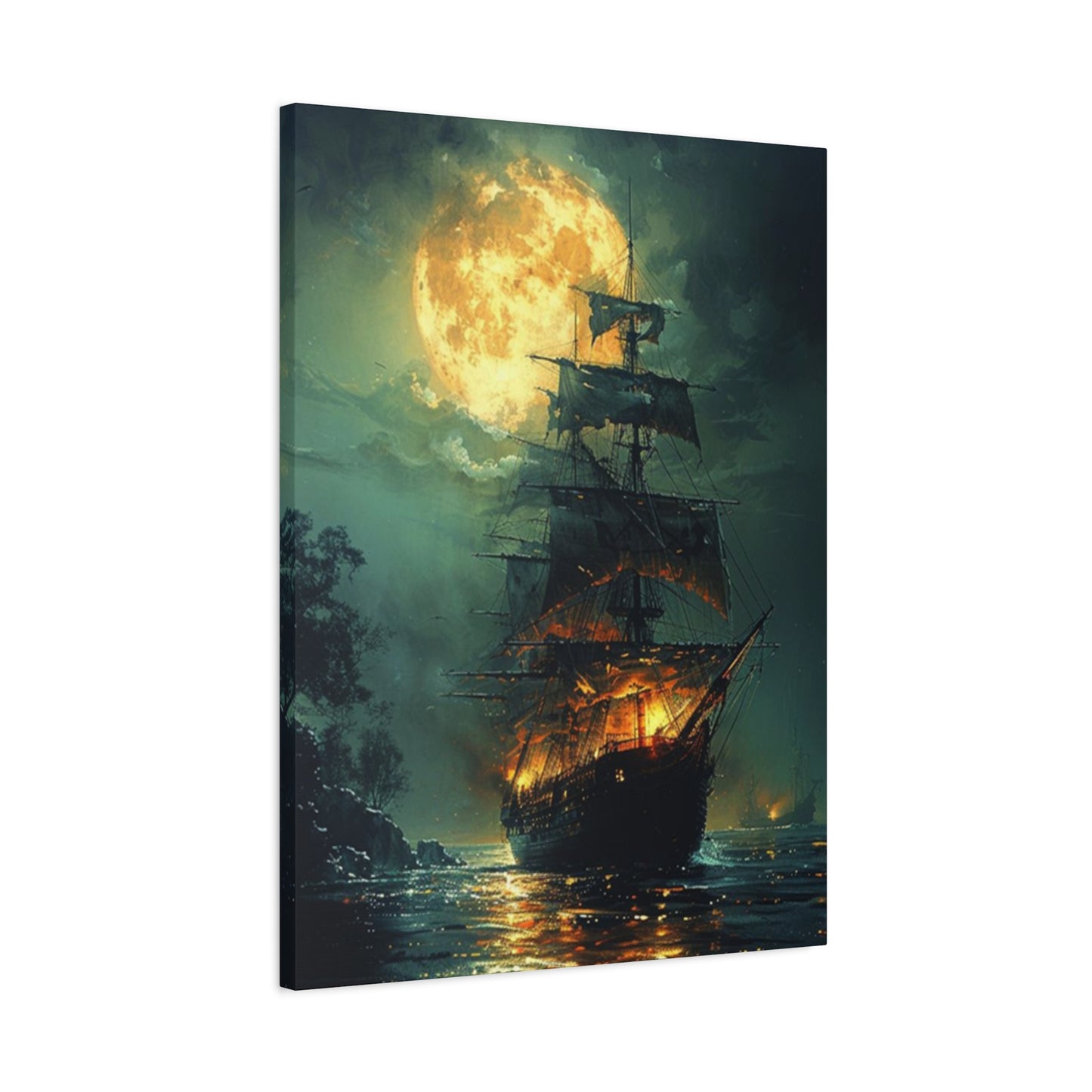
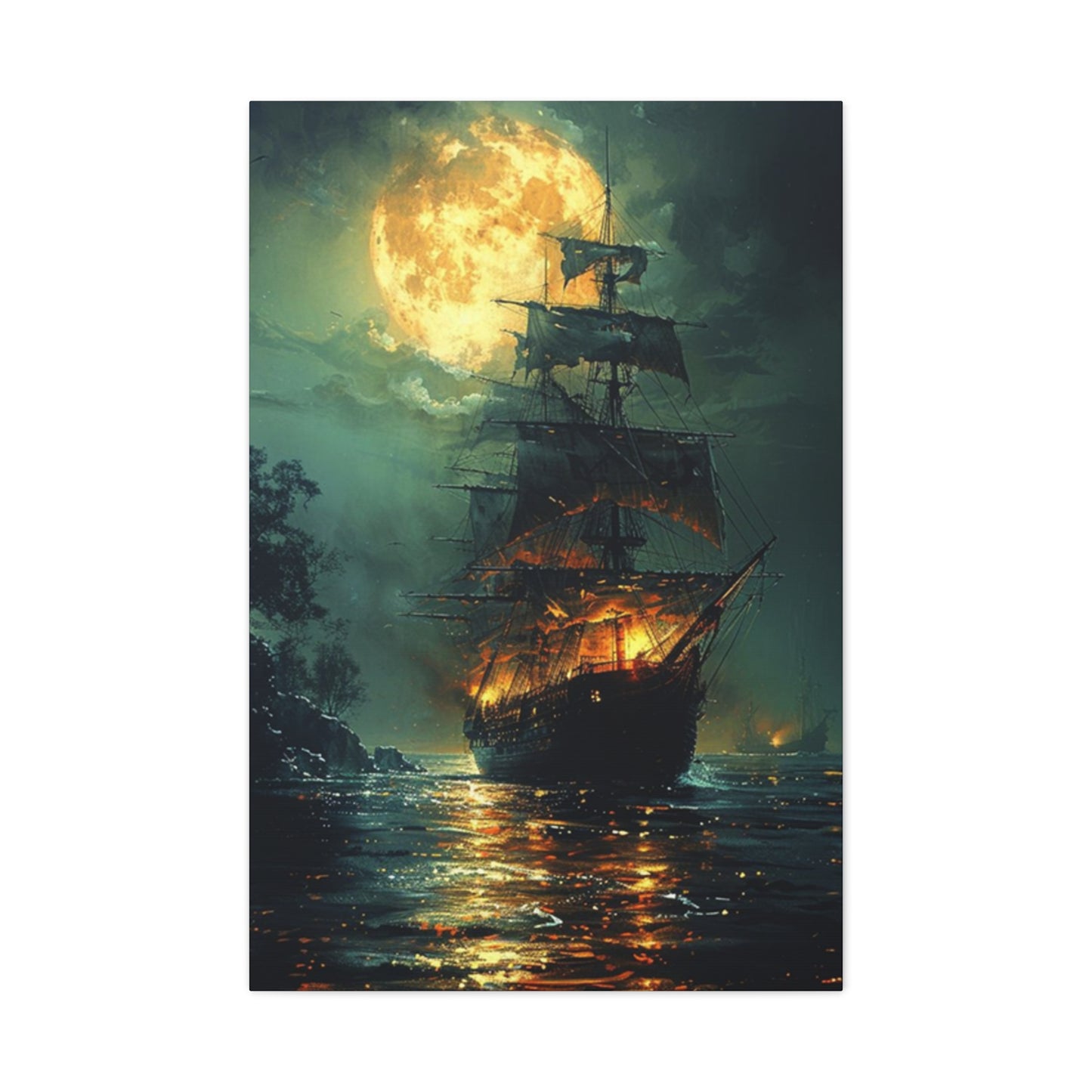
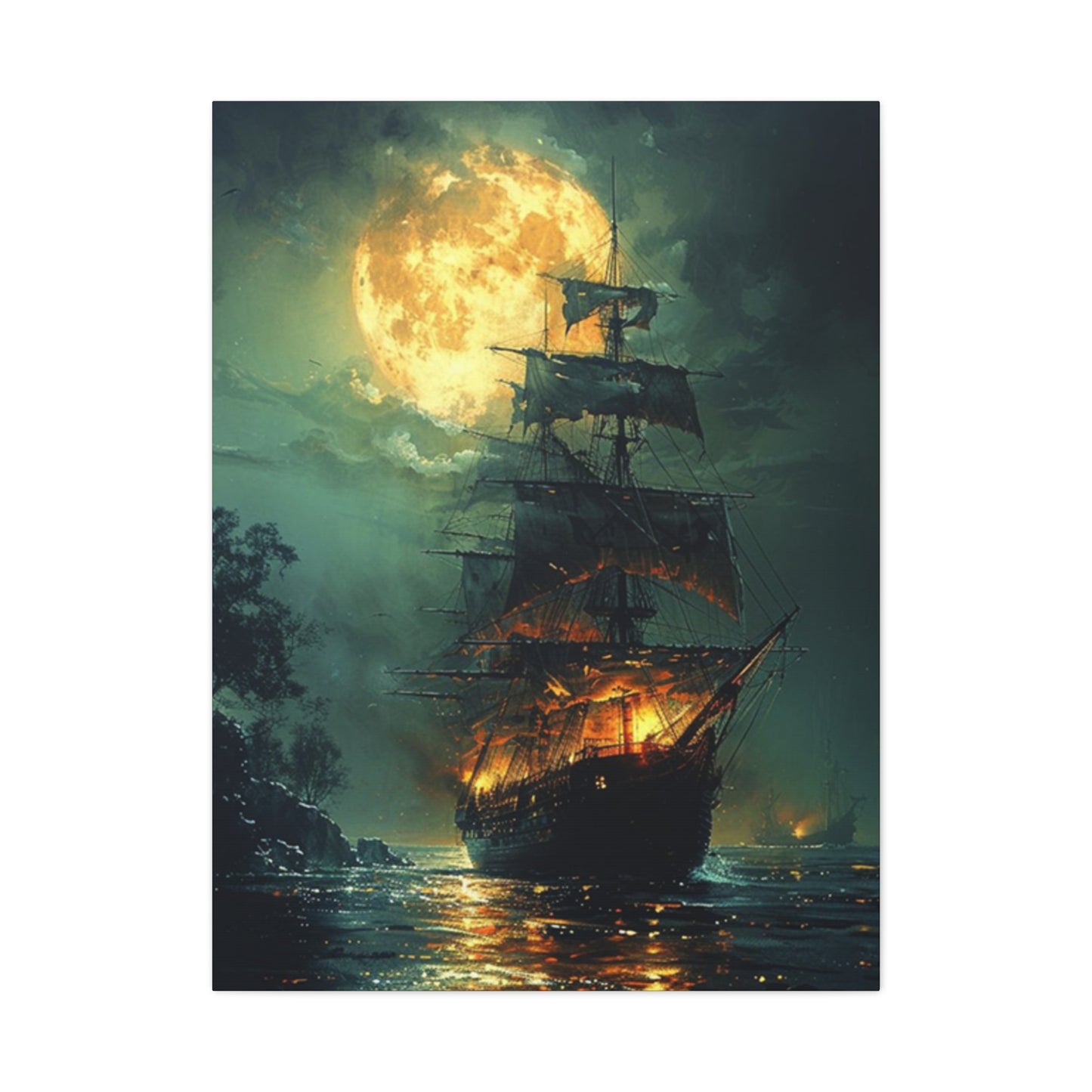
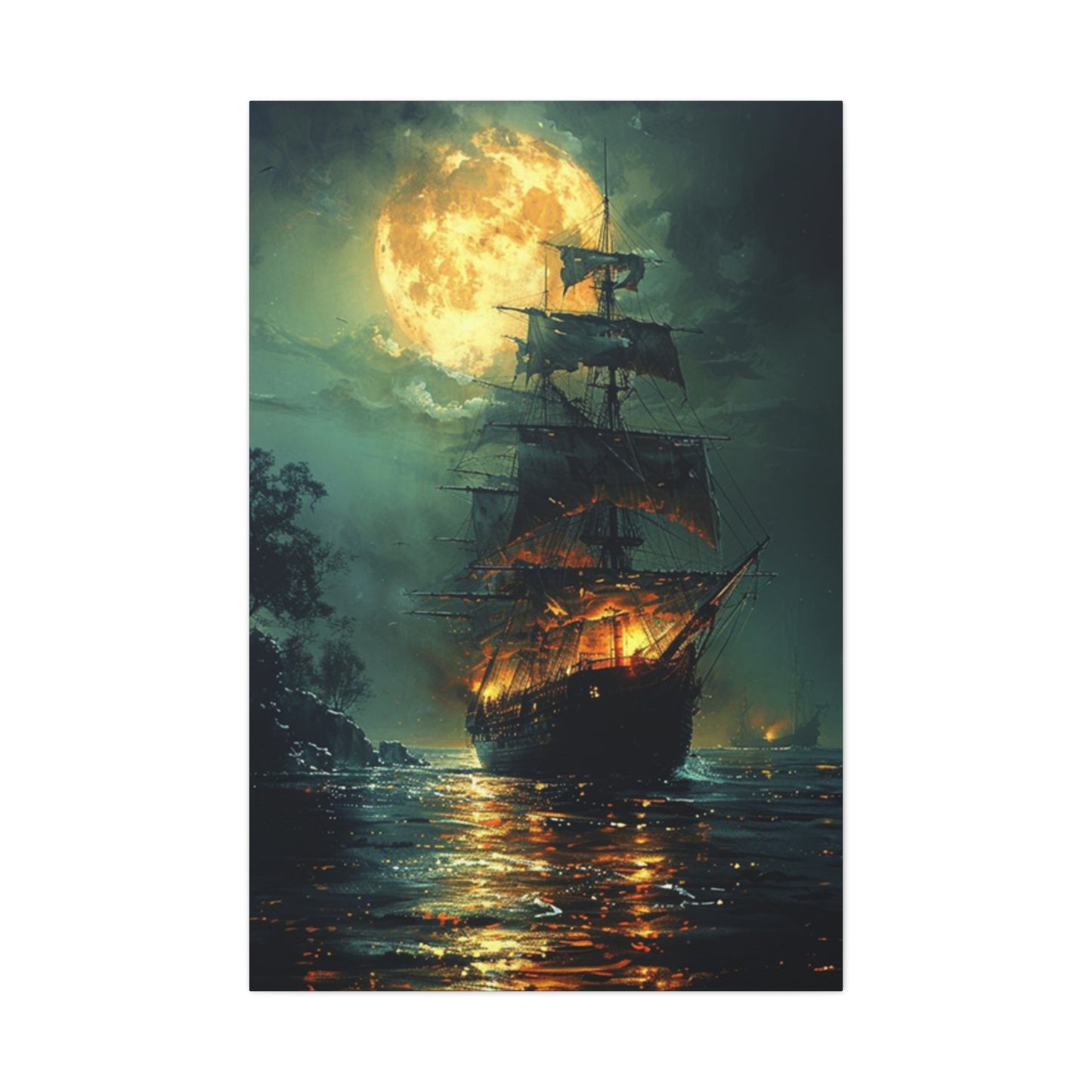
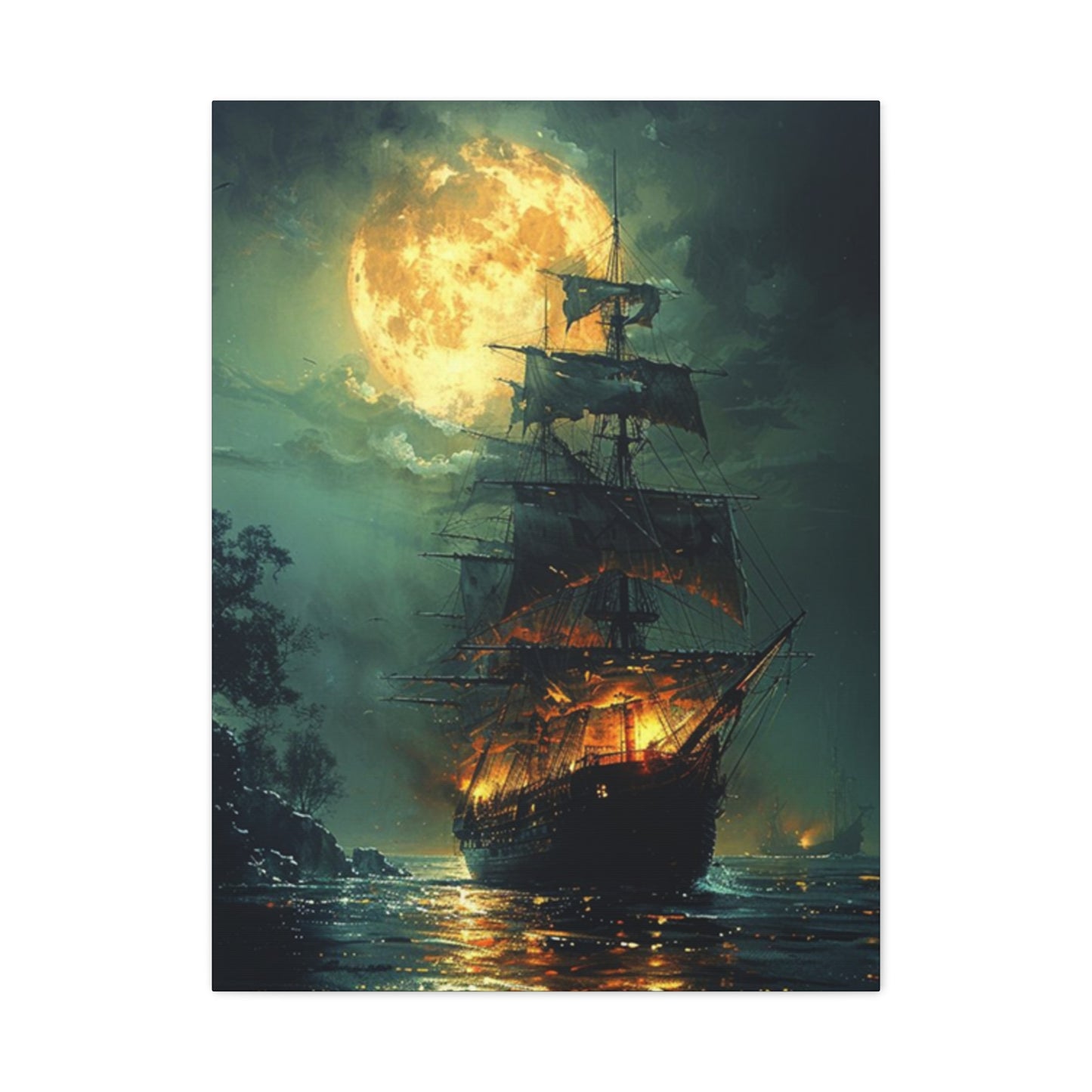
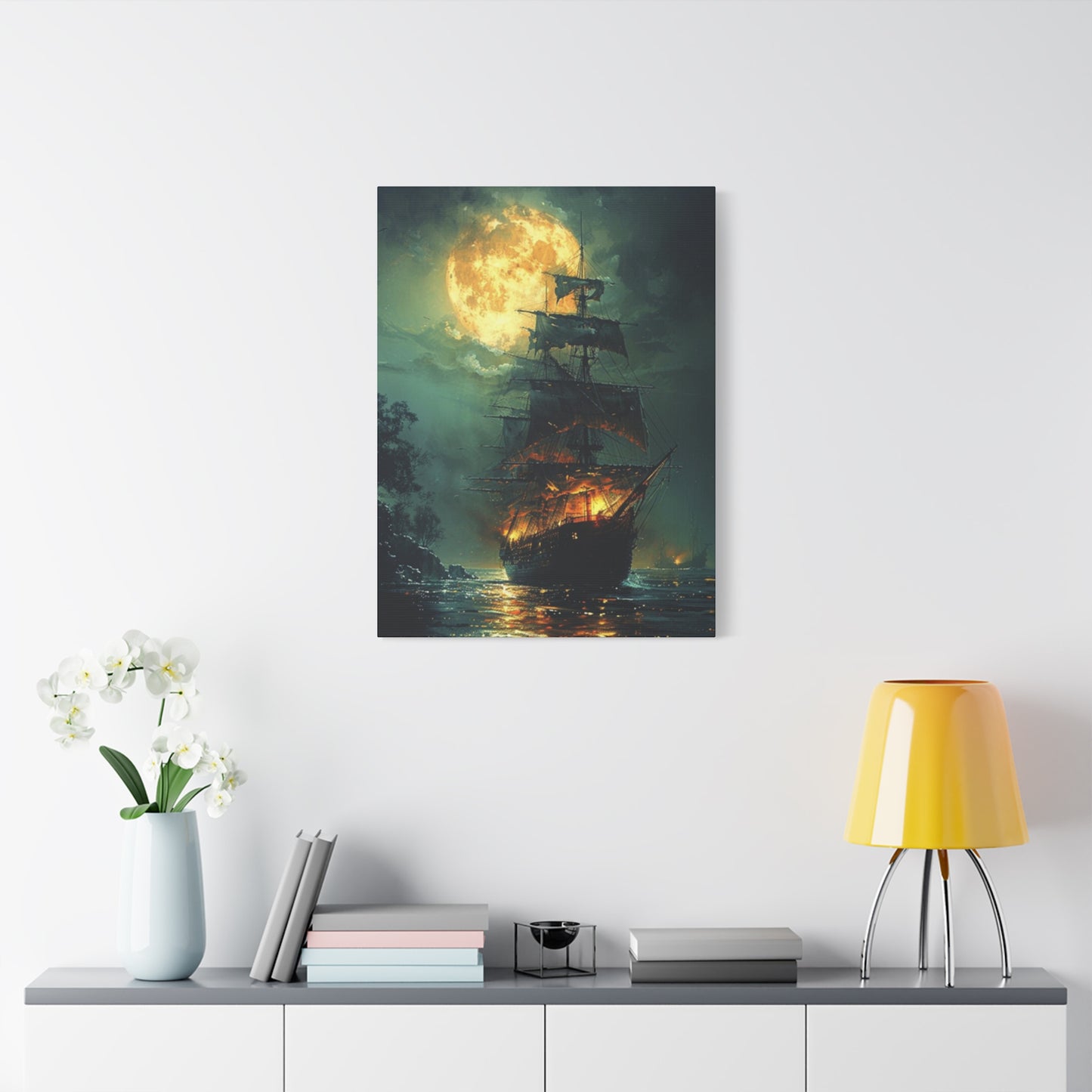
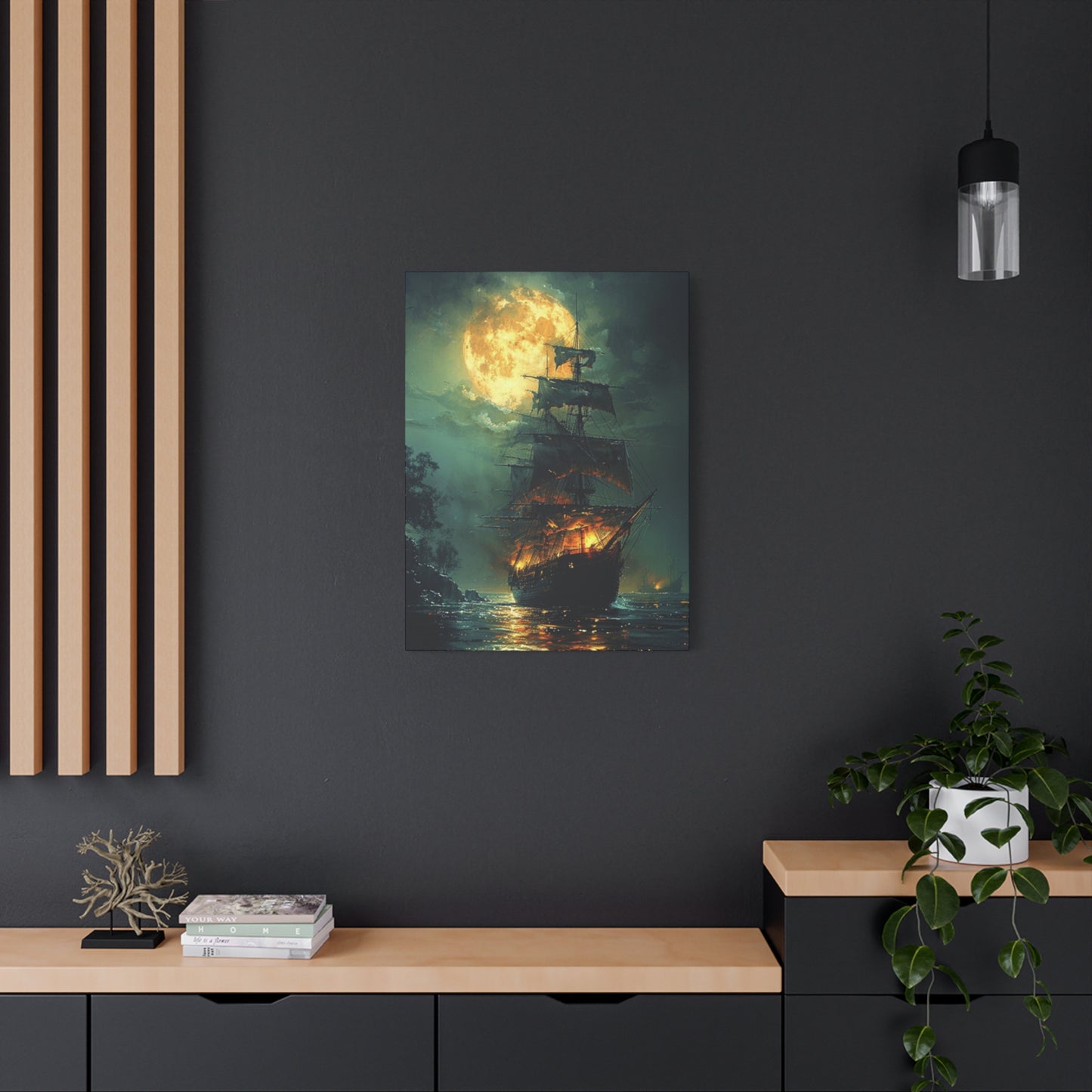
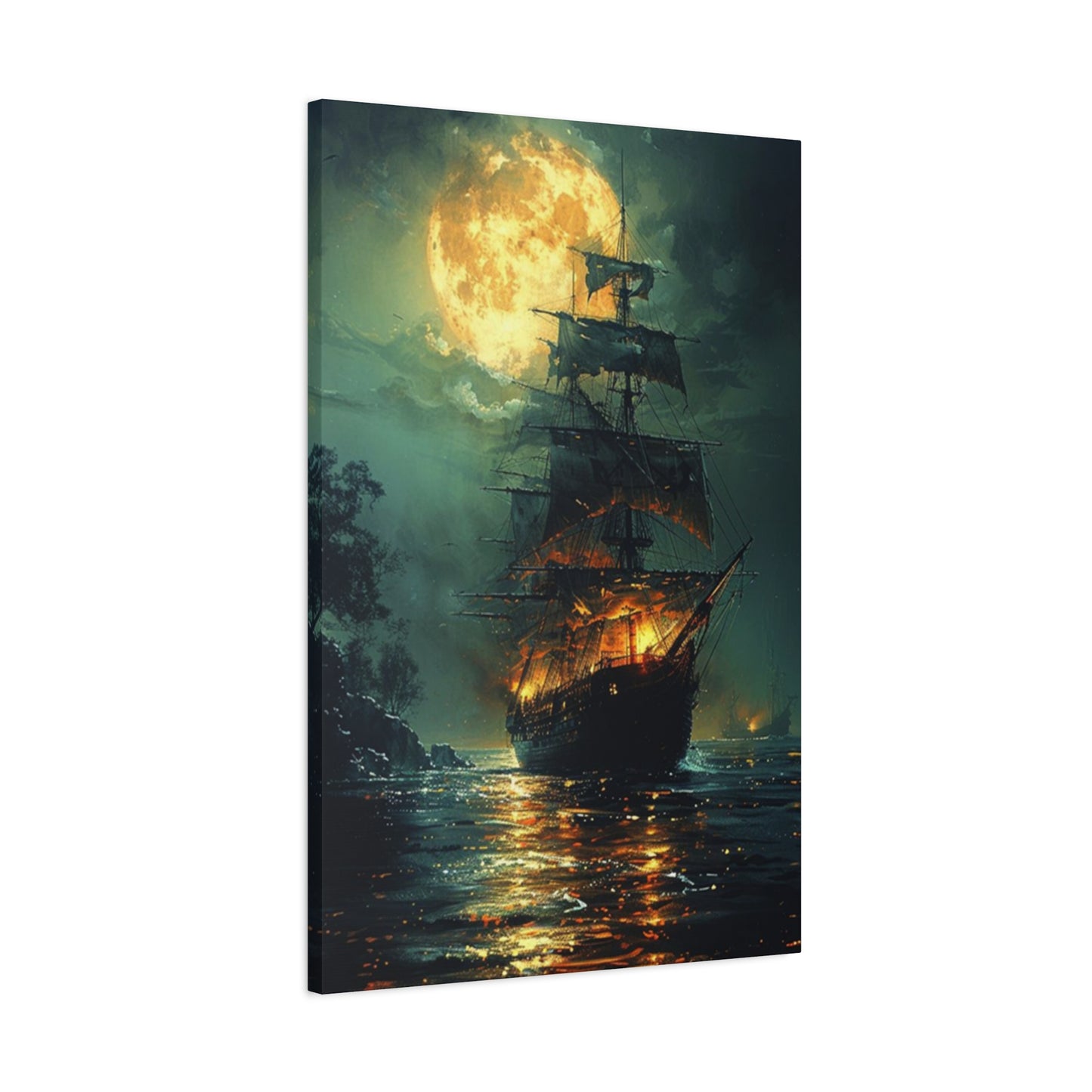
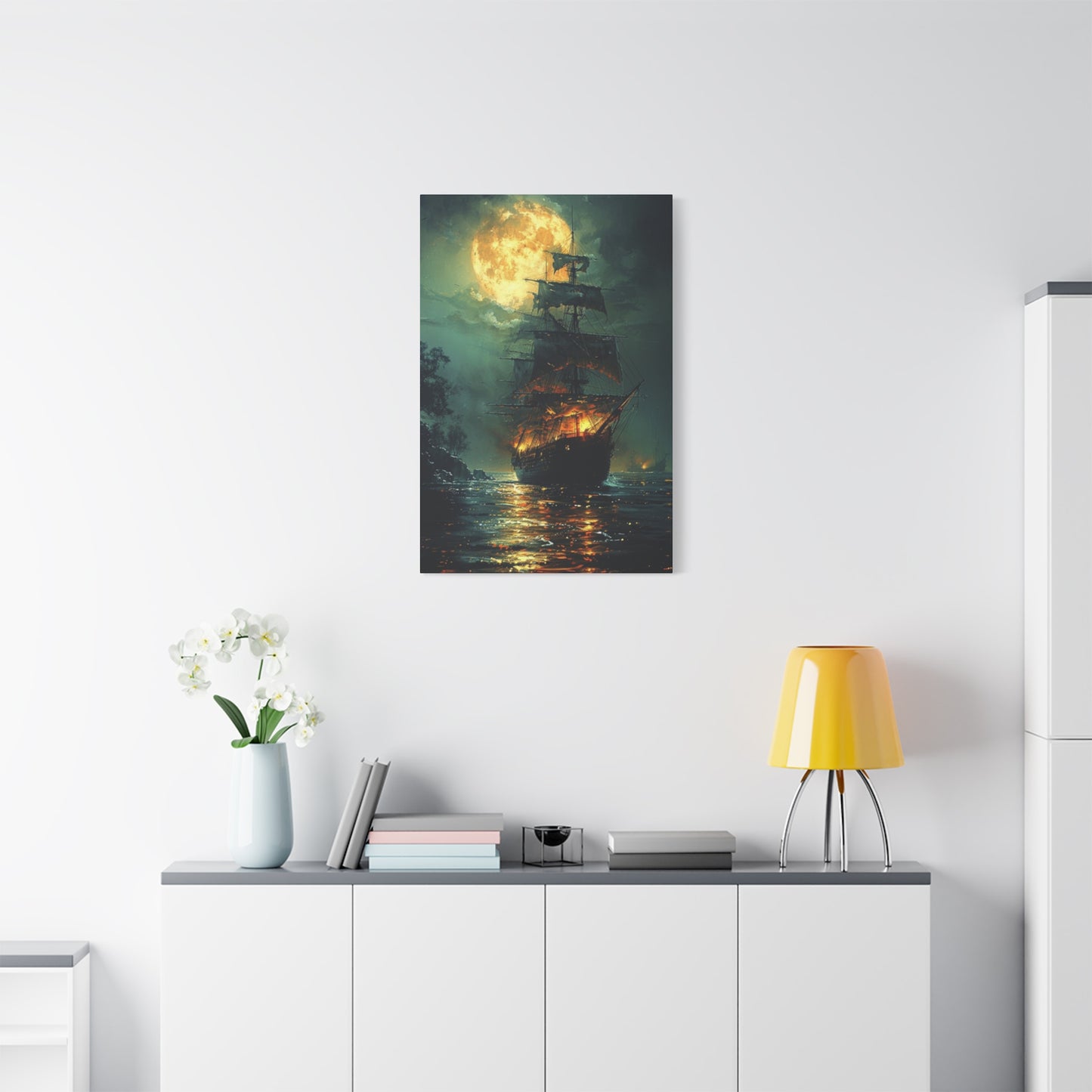
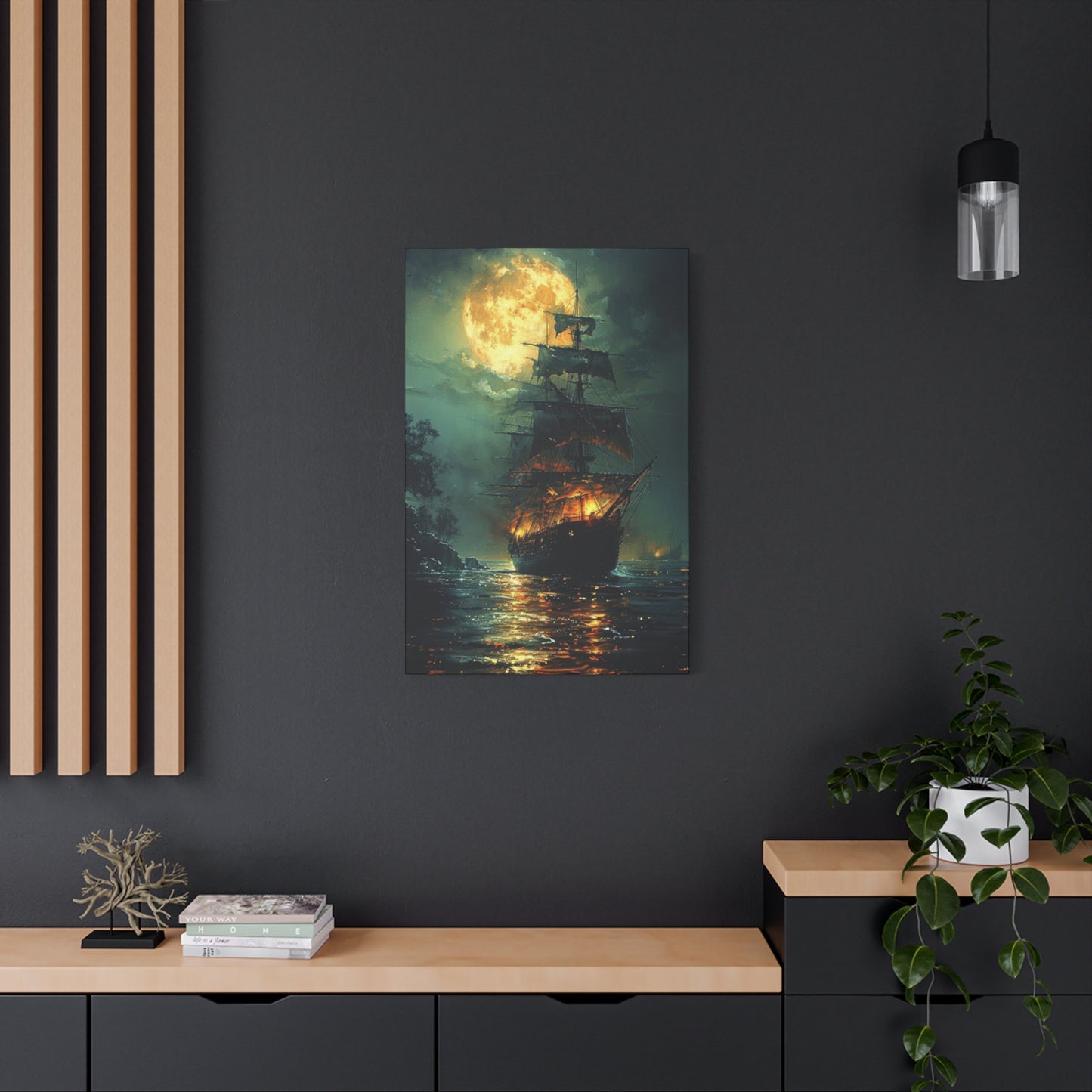
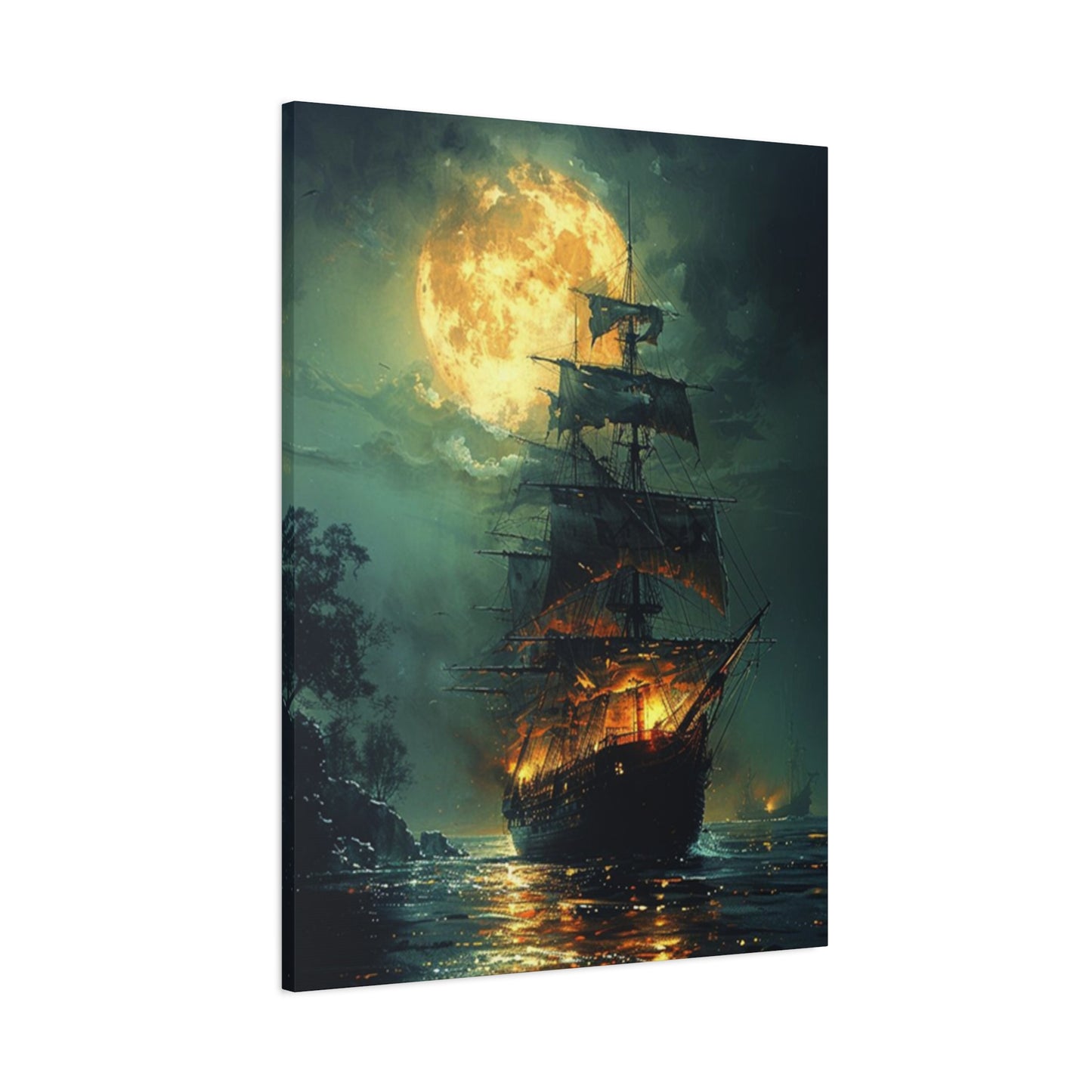
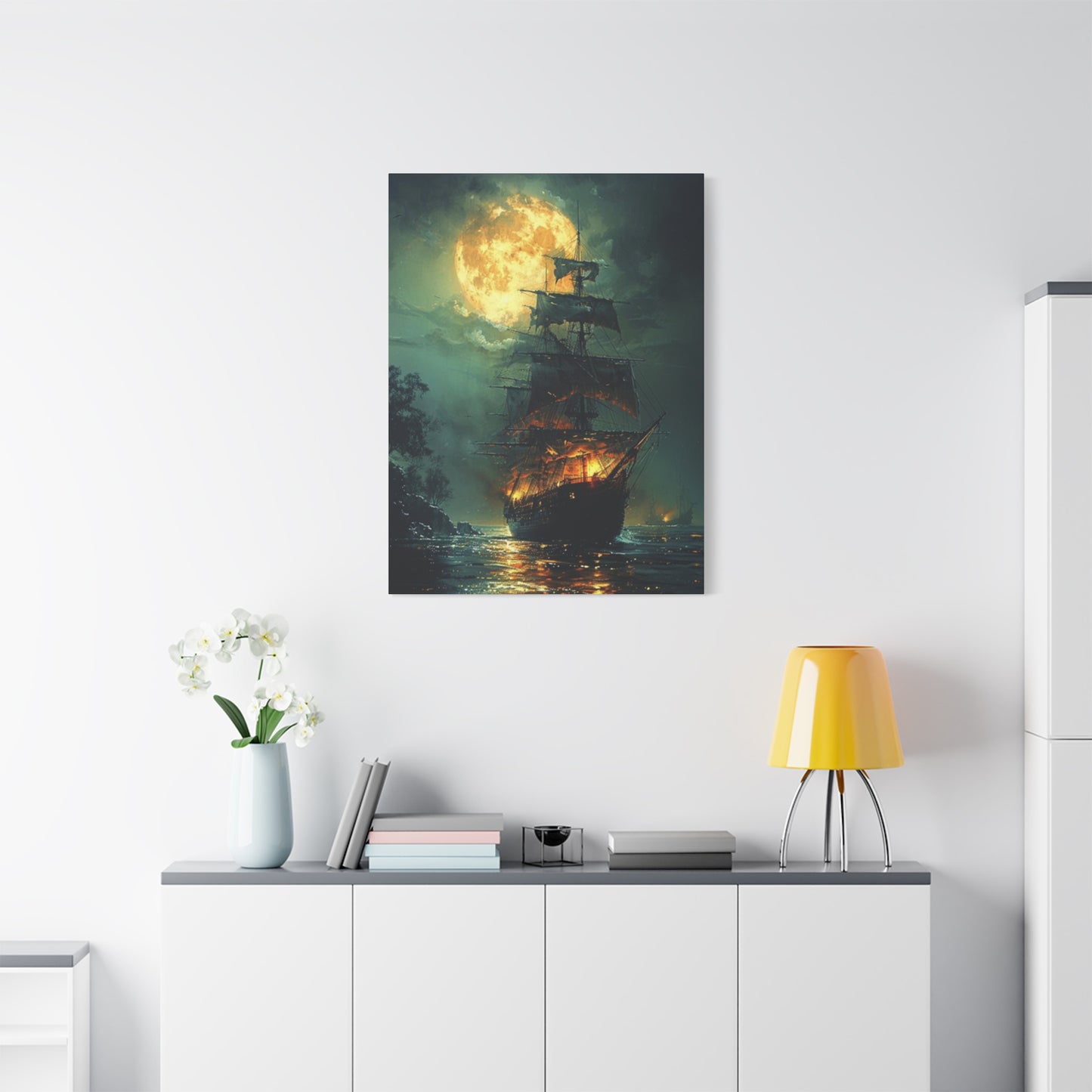
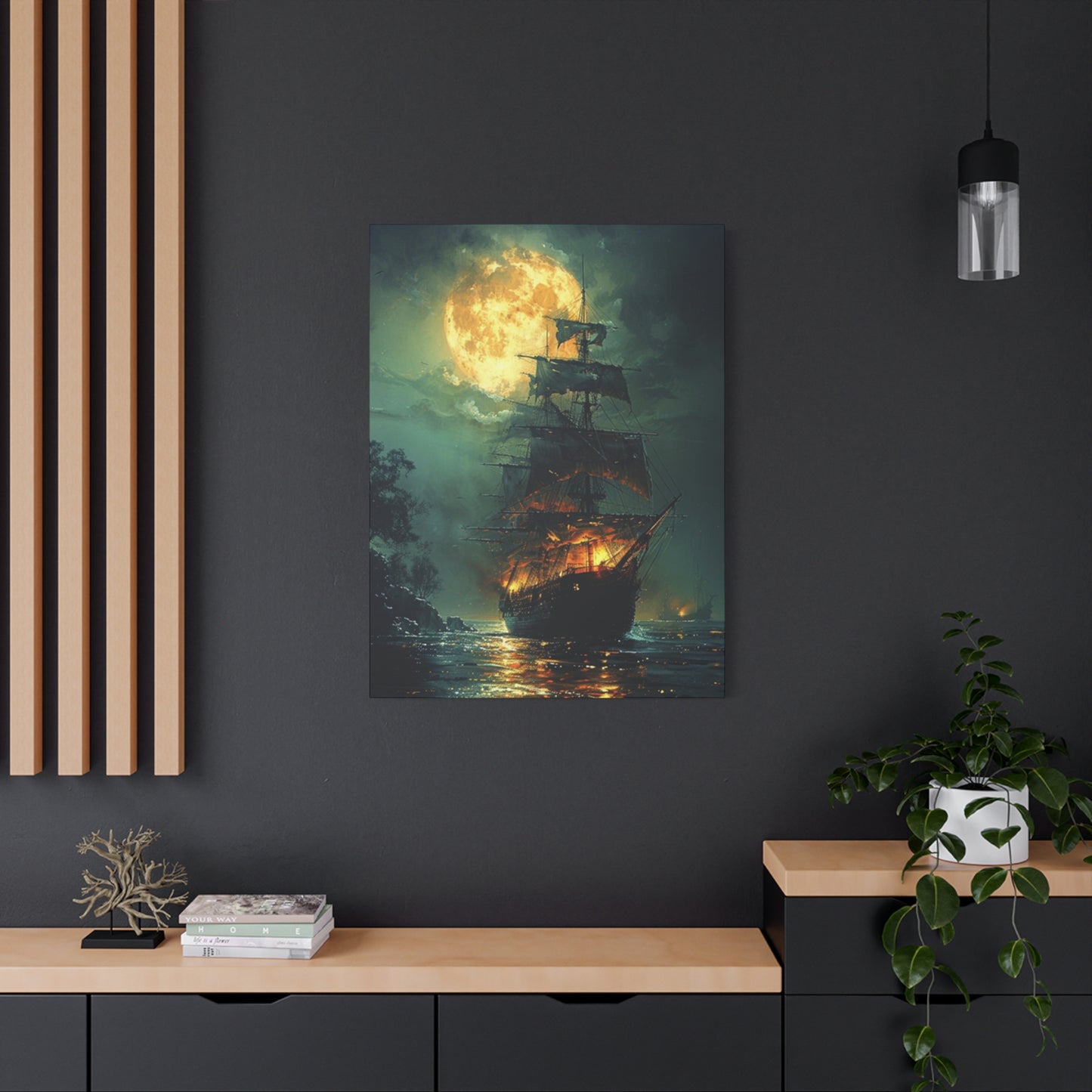
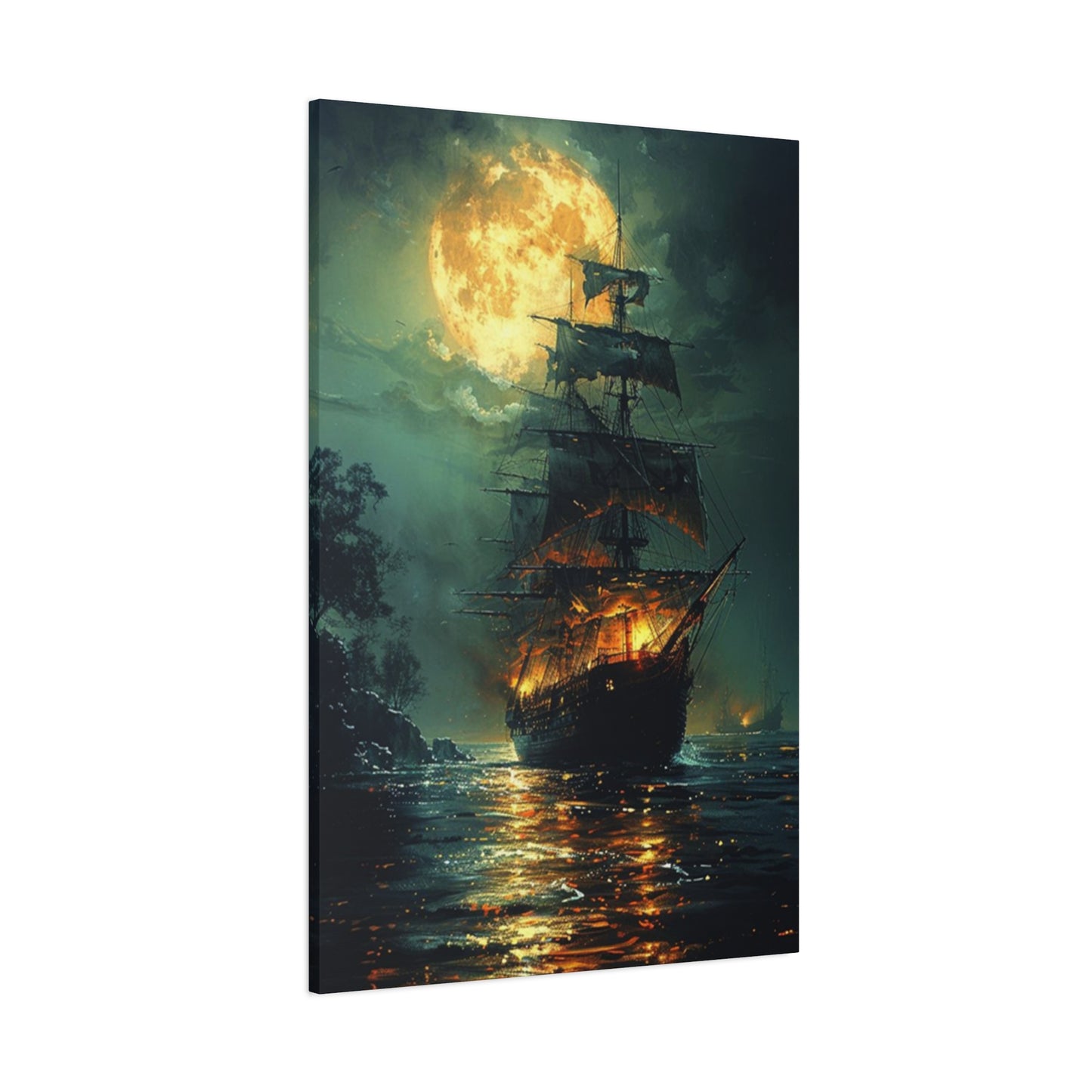
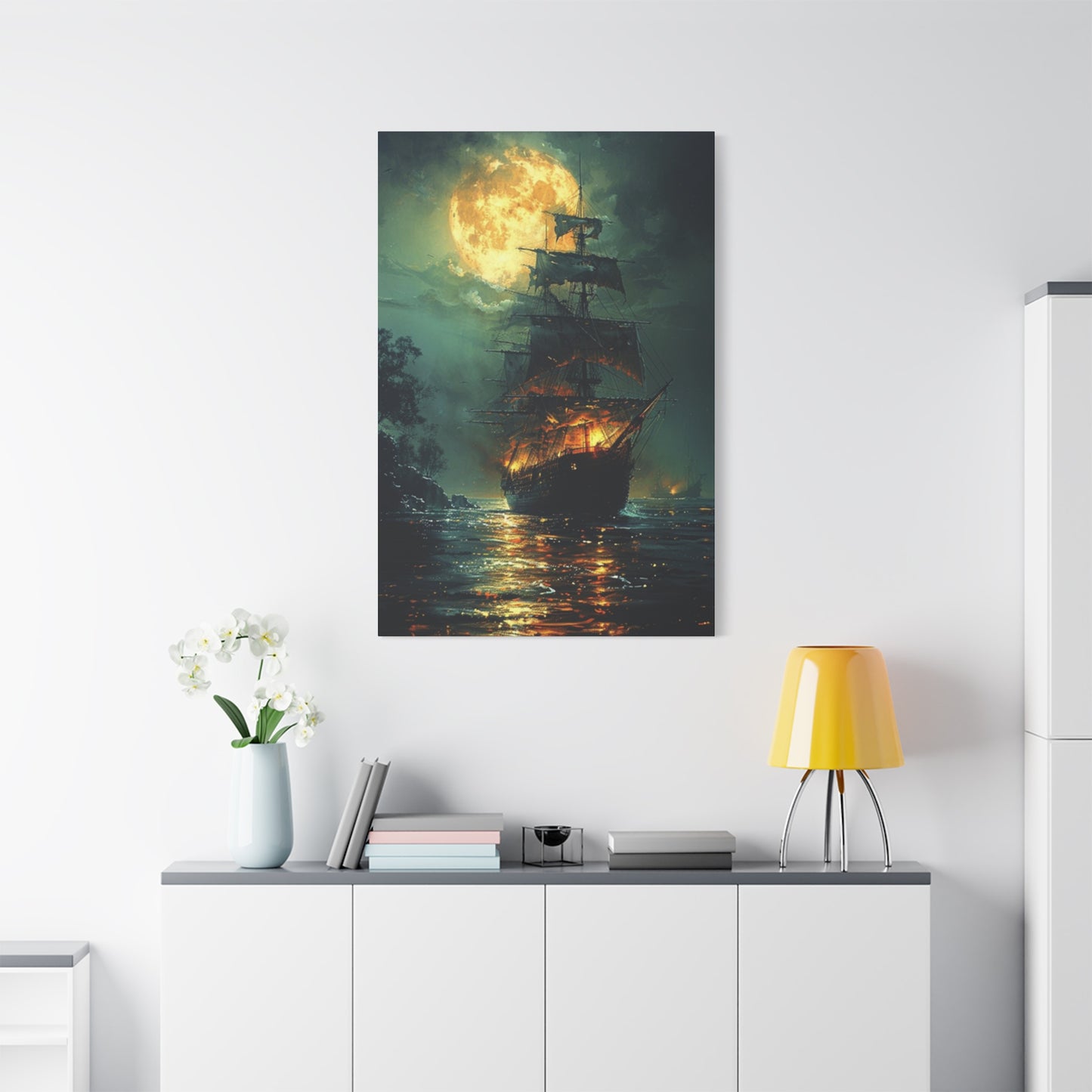
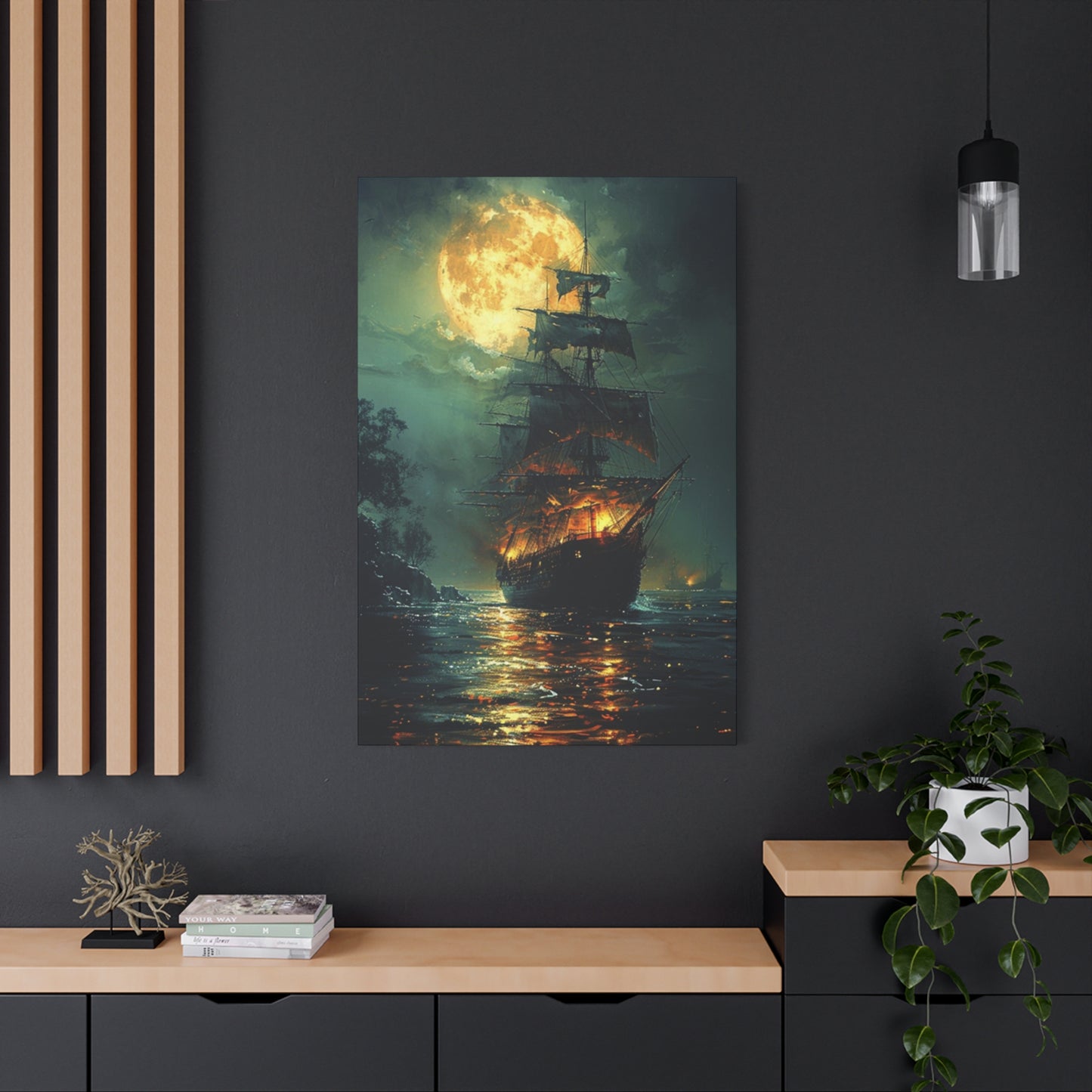
Large Ship Sailing Painting Wall Art & Canvas Prints
Large Ship Sailing Painting Wall Art & Canvas Prints
Couldn't load pickup availability
Majestic Maritime Masterpieces: How Large Ship Sailing Painting Wall Art Transforms Living Spaces Into Nautical Havens
The allure of maritime imagery has captivated humanity for centuries, with oceanic vistas and seafaring vessels representing freedom, exploration, and the boundless mysteries of our planet's vast waters. Within contemporary interior design paradigms, large ship sailing painting wall art has emerged as a compelling decorative element that brings sophistication, character, and timeless elegance to residential and commercial environments. These magnificent visual representations transcend mere decoration, serving as conversation starters, mood enhancers, and windows into humanity's relationship with the sea.
The Captivating Allure Behind Nautical Artwork In Modern Living Quarters
Maritime-themed artwork possesses an inherent magnetism that resonates across diverse demographics and aesthetic preferences. The appeal stems from multiple psychological and cultural factors that make these pieces particularly compelling for homeowners, collectors, and interior design enthusiasts alike.
Seafaring imagery connects viewers to humanity's adventurous spirit and our ancestors' courageous exploration of uncharted territories. When individuals gaze upon depictions of tall ships navigating tumultuous waves or serene vessels gliding across calm horizons, they experience visceral connections to exploration narratives that have shaped civilizations. Large ship sailing painting wall art serves as visual storytelling, transforming blank walls into portals that transport observers to different eras and maritime adventures.
The compositional elements within nautical paintings offer remarkable visual complexity. Artists who specialize in maritime subjects must master the rendering of multiple challenging components: the translucent quality of water, the billowing dynamics of canvas sails catching wind, the intricate rigging systems of historic vessels, atmospheric conditions affecting light and color, and the raw power of oceanic environments. This complexity creates artwork that rewards sustained viewing, revealing new details and subtleties with each observation.
Color palettes associated with maritime scenes provide tremendous versatility for interior design schemes. The blues of ocean depths range from deep navy to brilliant turquoise, while skies offer everything from stormy grays to vibrant sunset oranges and pinks. Weathered ship timber introduces warm browns and tans, while white sails create crisp contrast against darker backgrounds. This chromatic diversity allows large ship sailing painting wall art to complement virtually any existing color scheme while serving as either a harmonious element or dramatic focal point.
The scale factor cannot be overlooked when considering the impact of these artistic pieces. Large-format paintings command attention and establish visual hierarchy within spaces. A substantial maritime painting becomes an architectural element itself, defining zones within open floor plans, balancing oversized furniture pieces, and filling vertical space in rooms with high ceilings. The proportional relationship between artwork and surrounding space significantly influences perceived room dimensions and overall spatial dynamics.
Diverse Stylistic Approaches Within Maritime Painting Genres
The world of nautical artwork encompasses remarkable stylistic diversity, allowing collectors and decorators to select pieces that align perfectly with their aesthetic preferences and the character of their spaces. Understanding these varied approaches helps in making informed selections that resonate personally while complementing existing decor.
Realistic maritime paintings strive for photographic accuracy in depicting ships, water conditions, and atmospheric effects. Artists working in this tradition invest countless hours studying naval architecture, maritime history, and oceanographic phenomena to ensure authenticity. These paintings often feature meticulously rendered details: individual rope lines in complex rigging systems, specific vessel types from particular historical periods, accurate flag representations, and scientifically plausible wave formations. Collectors who value historical accuracy and representational precision gravitate toward these works, which often serve as both artistic statements and educational resources about seafaring heritage.
Impressionistic nautical works prioritize mood, atmosphere, and the emotional essence of maritime scenes over precise detail. Artists employing this approach use loose brushwork, vibrant color harmonies, and simplified forms to capture fleeting moments: the play of sunlight on water surfaces, the misty quality of morning fog surrounding anchored vessels, or the dynamic energy of ships battling stormy conditions. These paintings evoke feelings rather than documenting specifics, making them ideal for spaces where ambiance takes precedence over historical accuracy. The softer visual quality of impressionistic maritime art often integrates more seamlessly into contemporary interiors than hyper-realistic counterparts.
Abstract interpretations of sailing vessels and oceanic themes push boundaries by deconstructing recognizable maritime elements into geometric shapes, color fields, and gestural marks. These works maintain thematic connections to seafaring subjects while embracing contemporary artistic vocabularies. An abstract large ship sailing painting wall art piece might reduce a vessel to essential angular forms suggesting hull and mast, surrounded by expressive color suggesting water and sky without literal representation. Such works appeal to collectors seeking maritime themes that align with modern or minimalist interior aesthetics.
Romantic maritime paintings draw inspiration from nineteenth-century artistic movements that emphasized dramatic natural phenomena, emotional intensity, and humanity's relationship with sublime forces beyond our control. These works often depict ships confronting violent storms, vessels silhouetted against spectacular sunsets, or lonely sailboats dwarfed by vast oceanic expanses. The emotional tenor runs toward contemplation of beauty, power, danger, and transcendence. Spaces designed to inspire reflection, conversation, or creative thinking benefit particularly from romantic maritime artwork's contemplative qualities.
Contemporary mixed-media approaches combine traditional painting with collage elements, digital manipulation, three-dimensional components, or unconventional materials. An artist might incorporate actual nautical charts, rope fragments, weathered wood, or metallic elements into paintings, creating textural richness and conceptual layering. These hybrid works bridge categories, offering sophistication that appeals to collectors seeking pieces that challenge conventional boundaries while maintaining maritime thematic coherence.
Selecting Optimal Dimensions For Your Residential Or Commercial Environment
Determining appropriate sizing for large ship sailing painting wall art requires careful consideration of multiple spatial and aesthetic factors. Proper proportioning ensures artwork enhances rather than overwhelms or gets lost within its setting.
Wall dimensions provide the foundational parameter for artwork selection. Design professionals typically recommend that artwork spanning a single wall section should occupy roughly sixty to seventy-five percent of the available width to achieve visual balance. For walls measuring ten feet wide, paintings between six and seven-and-a-half feet across create harmonious proportions. However, this guideline flexes based on specific circumstances, room functions, and stylistic intentions.
Furniture relationships significantly influence optimal artwork sizing. When positioning maritime paintings above sofas, console tables, beds, or other substantial furniture pieces, the artwork width should generally measure between two-thirds and three-quarters of the furniture width below it. This proportion creates visual connection between elements while maintaining distinct identities for each component. A sectional sofa measuring nine feet might pair beautifully with a maritime painting spanning six to seven feet, establishing cohesive visual rhythm.
Ceiling height dramatically affects how artwork scale is perceived. Rooms with standard eight-foot ceilings require different approaches than spaces featuring ten, twelve, or higher ceilings. Taller rooms accommodate and often demand larger artwork to prevent pieces from appearing diminutive and ineffective. Conversely, oversized paintings in rooms with lower ceilings can create oppressive feelings, making spaces seem smaller and more confined. Vertical dimensions matter equally; tall, narrow paintings draw eyes upward, emphasizing room height, while horizontal orientations can make rooms feel wider and more expansive.
Viewing distance plays a crucial role in determining effective artwork size. Gallery and museum professionals consider optimal viewing distance to be approximately one-and-a-half to two times the diagonal measurement of the artwork. For a painting measuring four feet by six feet (diagonal approximately seven feet), comfortable viewing occurs from ten to fourteen feet away. Rooms where viewers will be seated close to walls, such as dining areas or cozy reading nooks, benefit from smaller to medium-sized pieces, while great rooms, lobbies, and spaces with substantial furniture setbacks can accommodate truly monumental works.
Multiple-piece arrangements offer flexibility unavailable with single large paintings. Triptychs, diptychs, or gallery wall configurations featuring several coordinating maritime paintings allow collectors to achieve substantial visual impact across larger wall spans while working with individual pieces of manageable size. These arrangements also introduce dynamic visual rhythm through spacing variations and compositional interplay between related images. A three-panel large ship sailing painting wall art installation might span twelve feet total while consisting of individual panels measuring three to four feet each, facilitating easier handling, hanging, and potential future reconfiguration.
Material Considerations And Production Methods For Lasting Quality
The substrate, paint medium, and production method employed in creating maritime artwork significantly impact appearance, longevity, and value. Understanding these material dimensions helps collectors make informed acquisition decisions aligned with their priorities and budgets.
Canvas remains the predominant substrate for traditional paintings, prized for its receptivity to oil and acrylic paints, its flexibility, and its established presence in fine art traditions. Cotton canvas offers economical options with adequate durability for most residential settings, while linen canvas provides superior strength, finer texture, and greater dimensional stability, making it preferred for museum-quality works and valuable pieces. Canvas paintings can be restretched if sagging occurs over time, and their relatively lightweight nature simplifies hanging processes even for substantial pieces.
Wood panels provide rigid, warp-resistant surfaces that many artists prefer for certain painting techniques. Historically, wood served as the primary painting substrate before canvas became prevalent during the Renaissance. Contemporary artists working on panels typically use birch plywood, maple, or specially engineered products like claybord or gessobord. Panel paintings offer exceptional smoothness, allowing for extremely fine detail work, and they cannot develop the slight surface undulations sometimes visible on canvas over time. However, wood panels become quite heavy at larger dimensions, requiring robust hanging systems.
Metal substrates, particularly aluminum, have gained popularity for contemporary maritime artwork. Metal surfaces accept various paint types and can be directly printed upon using specialized processes. The resulting works offer exceptional durability, resistance to warping, and contemporary aesthetics that complement modern interior design schemes. Metal-based large ship sailing painting wall art pieces often feature vivid colors and remarkable detail clarity, though they lack the traditional tactile qualities and historical associations of canvas paintings.
Oil paint remains the premier medium for traditional maritime artwork, valued for its rich pigmentation, slow drying time allowing extended blending and manipulation, and historical prestige. Master maritime painters throughout centuries have relied upon oils to achieve the luminous water effects, subtle atmospheric gradations, and complex tonal relationships that characterize the finest nautical paintings. Oil paintings require extended drying periods—sometimes months for heavily applied passages—and demand specific environmental conditions during creation and curing.
Acrylic paint provides modern alternatives offering practical advantages including rapid drying, easy cleanup, minimal odor, and excellent permanence. Many contemporary artists prefer acrylics for maritime subjects, achieving effects previously possible only with oils while working more efficiently. Acrylics allow for both traditional painting approaches and experimental techniques involving pouring, spraying, or mixed-media combinations. The fast-drying nature facilitates layering and allows artists to complete works more quickly than with oils, though this same quality limits blending time and requires different technical approaches.
Watercolor and gouache, though less common for large-scale works due to substrate and technical constraints, create distinctive aesthetic effects particularly suited to impressionistic or atmospheric maritime subjects. The translucent, flowing qualities of watercolor naturally suggest water's fluid nature, while gouache's opacity allows for more substantive color presence. These water-based media typically appear on paper rather than canvas, requiring glazing and more protective framing approaches.
Giclée printing represents high-quality reproduction processes using archival inks and sophisticated inkjet technologies to create prints virtually indistinguishable from original paintings in color accuracy and detail resolution. Museums and galleries increasingly accept giclée prints as legitimate art forms, particularly when produced in limited editions and signed by artists. For collectors seeking large ship sailing painting wall art on constrained budgets, giclée prints of master works or contemporary pieces offer accessibility to imagery that would otherwise remain financially prohibitive. Quality varies dramatically based on printer capabilities, paper or canvas selection, and ink formulations, with museum-grade archival giclées lasting generations without fading when properly displayed and cared for.
Strategic Placement Approaches For Maximum Visual Impact Throughout Your Home
The location where maritime artwork resides fundamentally shapes its effectiveness and the atmosphere it creates within living spaces. Strategic positioning considers multiple factors including lighting conditions, traffic patterns, functional zones, and relationships with other design elements.
Living rooms and great rooms function as primary gathering spaces where families congregate and guests receive welcome, making them natural locations for statement artwork pieces. Large ship sailing painting wall art positioned above sofas, on chimney breasts flanking fireplaces, or on prominent walls opposite room entries immediately establishes visual hierarchy and sets tonal qualities for entire spaces. These rooms typically offer sufficient viewing distances for truly large-scale works to be appreciated without overwhelming viewers. Consider how seating arrangements direct sightlines; paintings positioned where seated guests naturally gaze receive maximum attention and appreciation.
Dining areas benefit enormously from maritime artwork's contemplative and conversational qualities. The relative formality of dining spaces aligns well with classical maritime painting traditions, while the communal nature of meals encourages discussion about artwork's subjects, origins, and meanings. Positioning large ship sailing painting wall art where diners face it creates visual interest during meals and social gatherings. Scale considerations matter particularly in dining rooms, where people spend extended periods at fixed distances from walls; pieces should be substantial enough to command attention without dominating the intimate scale of dining experiences.
Bedroom environments call for maritime artwork selections emphasizing serenity, beauty, and contemplative qualities rather than dramatic action or stormy intensity. Calm seascapes featuring solitary vessels on tranquil waters or ships peacefully anchored in harbors promote restful atmospheres conducive to relaxation and sleep. Positioning artwork as the focal point opposite beds creates immediate visual engagement upon waking, establishing morning moods, while pieces on walls parallel to beds remain visible during evening reading or rest periods.
Home offices and studies particularly suit maritime themes given historical associations between seafaring exploration and intellectual pursuits, navigation sciences, cartography, and the spirit of discovery. Large ship sailing painting wall art in work environments subtly encourages expansive thinking, persistence through challenges, and goal-oriented focus—qualities embodied in maritime exploration narratives. Positioning artwork within the visual field while seated at desks provides periodic mental breaks and inspiration without requiring physical movement.
Stairwells and hallways present unique opportunities and challenges for artwork display. These transitional spaces often feature awkward wall proportions—very tall and narrow or long and constrained—that challenge conventional artwork placement. Maritime paintings, particularly vertical compositions featuring tall ships or dramatic seascapes, can transform these difficult spaces into gallery-like experiences. Consider how viewers encounter artwork while moving through spaces; pieces positioned at stair landings where people naturally pause receive more sustained attention than those passed quickly in narrow corridors.
Entryways and foyers function as introduction spaces setting expectations for entire homes. Maritime artwork in these locations immediately communicates residents' interests, aesthetic sensibilities, and perhaps worldliness or cultural sophistication. Large ship sailing painting wall art in entryways makes bold statements, though scale must be carefully calibrated to avoid overwhelming often-compact spaces. Consider lighting particularly carefully in entries, which frequently lack natural illumination and require artificial highlighting to showcase artwork effectively.
Bathrooms might seem unconventional locations for valuable artwork, yet carefully selected maritime pieces create spa-like atmospheres enhanced by water-themed imagery's natural resonance with bathroom functions. Practical considerations include ensuring adequate protection from humidity and temperature fluctuations through proper framing and moisture barriers. Smaller works or prints rather than original paintings often prove more prudent choices for these higher-risk environments.
Illumination Strategies That Showcase Nautical Artwork Magnificently
Lighting profoundly impacts how maritime paintings appear and how effectively they fulfill their decorative and aesthetic purposes. Thoughtful illumination planning ensures colors appear true, details remain visible, and artwork receives emphasis appropriate to its significance within spaces.
Natural light provides the most flattering and color-accurate illumination for artwork, though it presents challenges requiring management. Positioning large ship sailing painting wall art on walls receiving indirect natural light rather than direct sunlight prevents fading, heat damage, and glare that obscures viewing. North-facing walls in the Northern Hemisphere receive consistent, diffused natural light throughout days without harsh direct sun, making them ideal artwork locations. East and west exposures require more caution, as morning and afternoon sun streams through windows at angles causing potentially damaging direct exposure. Window treatments including sheer curtains, solar shades, or adjustable blinds allow natural light benefits while protecting artwork during peak sun hours.
Picture lights mounted directly to frames or walls immediately above paintings provide focused illumination highlighting specific works. These fixtures, available in various styles from traditional brass to modern LED strips, cast light evenly across painting surfaces from above. Quality picture lights incorporate adjustable brightness and color temperature settings allowing customization to specific artworks and ambient conditions. When selecting picture lights for large ship sailing painting wall art, ensure fixtures span adequate widths to illuminate entire pieces uniformly; narrow lights on wide paintings create hot spots and shadowed areas diminishing viewing experiences.
Track lighting systems offer flexible solutions for artwork illumination, particularly in spaces housing multiple pieces or where collection displays change periodically. Individual fixtures mounted on ceiling-mounted tracks can be aimed precisely at paintings, adjusted as needed, and reconfigured when artwork relocates. Contemporary LED track lighting produces minimal heat compared to older halogen systems, reducing damage risks to temperature-sensitive artworks. Beam angles matter significantly; narrow spot beams create dramatic lighting with strong center emphasis and darkened edges, while flood beams distribute light more evenly across surfaces.
Recessed ceiling fixtures provide architectural illumination solutions integrating seamlessly with contemporary interior designs. Directional recessed lights aimed at artwork create clean, unobtrusive highlighting without visible fixtures drawing attention from paintings themselves. Proper positioning is critical; fixtures placed too close to walls create uneven illumination with bright tops and shadowed bottoms, while those positioned too far away fail to adequately illuminate artwork. As general guidance, recessed fixtures should be positioned at distances from walls roughly equal to half the ceiling height, with fixtures approximately at vertical centers of artworks or slightly above.
Wall washing techniques use linear fixtures or series of lights creating even, diffused illumination across entire wall surfaces rather than spotlighting individual pieces. This approach works beautifully when multiple maritime paintings hang in gallery-style arrangements or when the goal involves integrating artwork subtly within overall room designs rather than creating dramatic focal points. Wall washing minimizes shadows and creates sophisticated, museum-like ambiance particularly suited to contemporary minimalist interiors.
Ambient room lighting, while not specifically targeting artwork, significantly affects how paintings appear within spaces. Cool-toned ambient lighting can shift color perceptions, making warm maritime sunset scenes appear muddied or unnatural, while overly warm ambient light may mask subtle cool tones in water and sky depictions. Selecting neutral color temperature ambient lighting around 3000-3500 Kelvin provides balanced foundations allowing artwork-specific lighting to render colors accurately. Dimming capabilities for ambient systems allow lighting level adjustments based on time of day, activities, and desired moods without requiring separate controls for artwork lighting.
Avoiding common lighting mistakes protects investments and enhances viewing experiences. Never position artwork in direct sunlight, which causes irreversible fading and physical deterioration even in relatively short timeframes. Avoid harsh lighting creating strong reflections or glare on painting surfaces, which obscure viewing and cause eye strain. Ensure lighting systems produce minimal ultraviolet radiation; LED systems excel here compared to older fluorescent and halogen alternatives. Consider seasonal lighting variations; winter's low-angle sun may reach walls summer sun never touches, requiring adjustments to shading strategies.
Color Harmony Principles For Integrating Maritime Art Within Existing Decor Schemes
Successfully incorporating large ship sailing painting wall art into furnished spaces requires understanding color relationships and how maritime paintings' palettes interact with surrounding design elements. Strategic color coordination ensures artwork enhances rather than clashes with existing aesthetics.
Complementary color strategies pair maritime paintings with decor elements featuring colors opposite on the color wheel, creating vibrant, energetic visual relationships. Paintings dominated by blue oceanic hues naturally complement spaces incorporating orange or warm terracotta accents in furniture upholstery, throw pillows, or decorative accessories. The contrast creates visual excitement and mutual color enhancement, with each hue making the other appear more saturated and vivid. This approach works particularly well in contemporary settings where bold color statements align with overall design philosophies.
Analogous color schemes utilize maritime paintings alongside decor elements featuring adjacent color wheel positions, creating harmonious, cohesive environments. Paintings emphasizing blue-green ocean hues integrate seamlessly with rooms featuring similar blue, teal, or green elements in area rugs, drapery, or wall colors. This approach produces serene, unified spaces where artwork feels naturally embedded rather than dramatically contrasted. Analogous schemes particularly suit residential spaces designed for relaxation, such as bedrooms, reading nooks, or meditation areas.
Monochromatic approaches build entire room palettes around single color families, varying only in saturation and value. A large ship sailing painting wall art piece dominated by navy and lighter blue tones might anchor a room incorporating various blue shades throughout—pale blue walls, medium blue upholstered seating, navy accent pillows, and steel blue metallic finishes. The variation prevents monotony while maintaining strong chromatic unity. This sophisticated approach creates visually restful environments with subtle complexity revealed through careful observation.
Neutral foundations with artwork as color introduction employ primarily neutral decor palettes—whites, grays, beiges, taupes—allowing maritime paintings to serve as rooms' primary color sources. This strategy provides flexibility, as artwork can be changed or rotated without requiring corresponding decor updates. Neutral backgrounds also allow paintings' colors to appear particularly vivid and impactful without competing elements. This approach aligns beautifully with minimalist, Scandinavian, or contemporary design styles emphasizing simplicity and restrained color usage.
Triadic color schemes incorporate three equidistant color wheel colors, creating balanced yet vibrant combinations. A maritime painting featuring blues, along with decor elements in red-orange and yellow-green positions, creates sophisticated visual interest with inherent balance. This approach requires careful proportioning, with one color dominating while others appear in smaller amounts as accents, preventing overwhelming visual chaos. Triadic schemes suit eclectic interiors embracing diverse influences and bold personal expression.
Metallic accents provide universal enhancement for maritime artwork regardless of specific color schemes. Gold frames and accents introduce warmth that complements both cool ocean tones and warm sunset skies in paintings. Silver and chrome metallic elements create modern, sophisticated backdrops emphasizing cool maritime tones. Bronze and copper finishes bridge warm and cool, working beautifully with both realistic maritime paintings featuring natural weathered wood tones and contemporary abstract interpretations. Metallic finishes also introduce visual richness and light reflection enhancing overall spatial luminosity.
Pattern considerations affect how maritime artwork integrates within decorated spaces. Heavily patterned rooms—busy wallpapers, complex upholstery prints, elaborate area rugs—can overwhelm detailed maritime paintings, creating visual competition rather than harmony. In such settings, simpler, more impressionistic maritime works with bold color masses and less intricate detail often succeed better. Conversely, rooms featuring primarily solid colors and minimal patterns benefit from more detailed, complex maritime paintings providing visual interest lacking elsewhere in spaces.
Framing Selections That Enhance Rather Than Detract From Nautical Paintings
Frame choices significantly impact how maritime paintings appear and how successfully they integrate within interior environments. Proper framing protects artwork while providing aesthetic transitions between paintings and surrounding spaces.
Traditional ornate frames featuring carved or molded decorative elements suit classical maritime paintings, particularly those depicting historic sailing vessels or rendered in realistic styles reminiscent of Golden Age maritime artists. Gold leaf or antiqued gilt finishes enhance paintings' historical character while introducing warmth balancing cool ocean tones. Width considerations matter; substantial paintings benefit from proportionally wider frames preventing artwork from overwhelming framing elements. Ornate frames work beautifully in traditional, transitional, or eclectically decorated spaces but may appear incongruous in strictly modern or minimalist settings.
Simple wood frames in natural finishes provide versatile options complementing diverse maritime painting styles and interior design aesthetics. Medium-toned woods like oak or walnut introduce warmth without overwhelming artwork or introducing excessive color competition. Lighter woods including ash, maple, or whitewashed finishes create casual, coastal-inspired presentations particularly suited to relaxed, informal spaces. Darker woods like mahogany or ebony provide dramatic contrast especially effective with paintings featuring light skies or pale water tones. Wood frames' inherent connection to nautical traditions—ship construction, dock pilings, weathered coastal structures—creates thematic resonance with maritime subject matter.
Metal frames offer contemporary alternatives suited to modern interpretations of nautical themes and minimalist interior designs. Sleek aluminum, stainless steel, or black metal frames provide clean, architectural qualities that emphasize paintings while introducing minimal visual weight. These frames particularly suit abstract or contemporary maritime works but can create striking contrasts when paired with traditional subjects, generating eclectic, gallery-inspired aesthetics. Thin metal frames maximize visible canvas area, ideal when working with limited wall space or when painting content extends to edges deserving complete visibility.
Floater frames create illusions of paintings suspended within frame perimeters, with small gaps between canvas edges and frame interior edges. This presentation style emphasizes paintings as three-dimensional objects rather than flat images, adding sculptural qualities to wall displays. Floater frames work beautifully with gallery-wrapped canvases where painting compositions extend around sides, allowing these edge treatments to remain visible and appreciated. The style conveys contemporary sophistication particularly suited to modern or transitional interiors.
Gallery wrapping without framing offers minimalist presentations allowing paintings themselves to stand without intermediary elements. Canvas edges receive painted treatments either continuing main compositions around sides or featuring complementary colors coordinating with primary imagery. Hardware mounts directly to stretcher frames, enabling immediate hanging without framing steps or expenses. This approach maximizes budgets toward artwork itself rather than framing and creates clean, contemporary presentations. Gallery-wrapped presentations work best in modern, industrial, or casual settings where formal framing would seem excessive or inappropriate.
Matting and glazing considerations apply when framing works on paper or when additional protection seems warranted. Mats create visual breathing room between artwork and frames, preventing cramped appearances while allowing for dimensional adjustments accommodating standard frame sizes. Acid-free conservation matting prevents chemical damage over time, particularly important for valuable works. Glazing options include regular glass, which provides basic protection but introduces reflection and UV passage; non-reflective glass, which reduces glare but slightly mutes colors; and museum-quality UV-filtering acrylic, which offers superior protection from harmful light while remaining lighter than glass alternatives. Most canvas paintings receive no glazing, allowing unobstructed viewing and texture appreciation, though extreme environments might warrant protective measures.
Custom framing versus ready-made options involves trade-offs between perfect fit, quality, personalization, and cost. Custom framing allows precise specifications regarding materials, dimensions, mat treatments, and glazing, resulting in perfect presentations showcasing artwork optimally. Professional framers provide expertise regarding archival methods, appropriate frame selections for specific works, and proper mounting techniques preventing damage. Ready-made frames offer significant cost savings and immediate availability but require finding sizes matching artwork dimensions or having paintings sized to fit standard frames. For large ship sailing painting wall art investment pieces or works with significant value, custom framing provides insurance through proper conservation methods and optimal aesthetic presentation.
Preservation Practices Ensuring Longevity For Your Maritime Art Collection
Proper care protects maritime artwork investments, preserving their beauty and value across decades or generations. Understanding preservation principles helps collectors avoid common mistakes causing deterioration.
Environmental control represents the most critical preservation factor. Temperature fluctuations cause expansion and contraction in canvas, stretcher bars, and paint layers, eventually leading to cracking, delamination, or structural weakening. Maintain consistent temperatures between sixty-five and seventy-five degrees Fahrenheit, avoiding placement near heating vents, radiators, air conditioning units, or exterior walls experiencing significant temperature swings. Humidity equally impacts artwork; excessive moisture promotes mold growth and material degradation, while extreme dryness causes brittleness and cracking. Ideal relative humidity ranges between forty and fifty-five percent, maintained through whole-house humidification or dehumidification systems or localized units in rooms housing valuable collections.
Ultraviolet radiation causes irreversible fading and chemical breakdown in pigments, binders, and substrates. While some fading occurs naturally over extended periods, UV exposure dramatically accelerates deterioration. Position large ship sailing painting wall art away from direct sunlight and install UV-filtering window films, protective glazing on framed works, or use UV-filtering light bulbs in artificial lighting systems. Even indirect natural light contains UV radiation warranting protective measures for valuable pieces.
Physical protection prevents accidental damage from impacts, scratches, or contact with potentially harmful substances. Avoid hanging artwork in high-traffic areas where contact from moving furniture, opened doors, or human activity might occur. Keep paintings away from kitchens where grease particles become airborne, bathrooms where humidity and chemical cleaning agents concentrate, and workshops or garages exposing artworks to dust, fumes, or physical hazards. When handling unframed canvases, never touch painted surfaces, which transfer skin oils causing gradual deterioration; always lift by stretcher bars from bottom and sides.
Cleaning approaches must balance dust and dirt removal with avoiding damage to delicate surfaces. For regular maintenance, use soft, natural-bristle brushes gently removing surface dust without applying pressure. Never use commercial cleaning products, water, or household cleaners on oil or acrylic paintings without professional guidance; improper cleaning causes irreversible damage including paint removal, color shifting, or surface abrasion. Glazed framed works can have glass surfaces cleaned using standard glass cleaners applied to cleaning cloths rather than sprayed directly on glass, preventing liquid seepage behind glazing. When artwork requires cleaning beyond simple dusting, professional conservators possess specialized knowledge, tools, and cleaning agents appropriate for different painting types and conditions.
Inspection routines allow early problem detection before minor issues become major damage. Periodically examine paintings using good lighting, looking for changes including color fading, canvas sagging, paint cracking or flaking, frame damage, mold or mildew growth, pest evidence, or any other alterations from previous conditions. Catching problems early often allows simpler, less expensive interventions than delayed responses to advanced deterioration.
Storage considerations matter for artworks not currently displayed. Never store paintings in attics, basements, garages, or other uncontrolled environments experiencing temperature and humidity extremes. Wrap paintings in acid-free paper or unbleached muslin, never plastic which traps moisture against surfaces. Store vertically when possible, with multiple paintings separated by acid-free cardboard rather than touching face-to-face. For extended storage periods, consider climate-controlled storage facilities specializing in artwork preservation.
Professional conservation becomes necessary when damage occurs or when preventive stabilization seems warranted for valuable, aging, or fragile works. Conservators assess conditions, recommend treatments, and execute specialized procedures including surface cleaning, structural stabilization, tear repairs, inpainting damaged areas, varnish removal and replacement, or relining canvases with new backing supports. While conservation represents significant expense, it protects investments and preserves artworks for future appreciation. Seek conservators through professional organizations ensuring practitioners meet established training, ethical, and practice standards.
Insurance and documentation protect financial investments in maritime art collections. Photograph artworks from multiple angles in good lighting, documenting conditions, signatures, frame details, and dimensions. Maintain purchase records including receipts, certificates of authenticity, artist information, and provenance documentation. Have valuable pieces professionally appraised establishing current market values for insurance purposes. Incorporate artwork into homeowner's or renter's insurance policies, potentially through specialized fine arts insurance riders providing broader coverage than standard policies typically offer.
Historical Evolution Of Maritime Painting As An Artistic Genre
Understanding maritime painting's rich heritage enriches appreciation for contemporary large ship sailing painting wall art and illuminates how seafaring imagery has evolved across centuries of artistic practice.
Ancient civilizations including Egyptians, Greeks, and Romans created ship depictions in frescoes, pottery decoration, and architectural embellishments, though these served primarily documentary and religious purposes rather than aesthetic contemplation. Medieval manuscripts occasionally featured maritime scenes illustrating travel narratives or religious stories, but oceanic subjects remained peripheral to dominant artistic themes.
Maritime painting emerged as a distinct genre during the Dutch Golden Age of the seventeenth century, when the Netherlands' economic prosperity depended heavily upon maritime trade and naval power. Dutch artists including Willem van de Velde the Elder and Younger, Ludolf Bakhuizen, and Jan van de Cappelle elevated ship portraiture to fine art status. These masters developed sophisticated techniques rendering water's transparency, reflective qualities, and movement; depicting complex rigging systems with mechanical accuracy; and capturing atmospheric effects of light filtering through clouds and mist. Their works served multiple functions: documenting specific vessels for proud owners, celebrating Dutch naval victories, and satisfying growing art markets among prosperous merchant classes. The Dutch tradition established conventions and technical standards influencing maritime painting globally across subsequent centuries.
British maritime painting flourished during the eighteenth and nineteenth centuries as England's naval dominance and vast maritime commercial empire generated enthusiasm for nautical subjects. Artists including Peter Monamy, Samuel Scott, and Nicholas Pocock documented British naval history through paintings depicting significant battles, famous vessels, and important maritime events. The Romantic movement profoundly influenced British maritime art, with J.M.W. Turner creating transcendent seascapes where ships became almost incidental elements within sublime natural phenomena. Turner's revolutionary approaches to light, atmosphere, and abstracted forms influenced generations of subsequent maritime artists.
American maritime painting developed distinct characteristics reflecting the young nation's relationship with seafaring commerce, whaling industries, and coastal life. Fitz Henry Lane pioneered luminism, a uniquely American approach emphasizing crystalline light, precise detail, and serene, contemplative atmospheres in coastal and harbor scenes. Winslow Homer brought raw immediacy to maritime subjects, depicting fishermen battling violent seas, showing human vulnerability against nature's power, and capturing authentic working maritime life rather than idealized visions. Homer's works influenced subsequent realistic depictions of seafaring labor and coastal communities.
The clipper ship era of the mid-nineteenth century generated specialized maritime art documenting these swift, elegant vessels that represented technological peaks in sail-powered commerce. Ship portrait painters traveled to ports creating commissioned paintings for proud captains and owners, documenting specific vessels with technical accuracy allowing identification of individual ships through rigging details, hull configurations, and decorative elements. These paintings served purposes beyond art, functioning as visual records for insurance, sale documentation, or simply memorializing beloved vessels.
Impressionism transformed maritime painting by prioritizing subjective visual experiences, fleeting light effects, and emotional responses over documentary accuracy or narrative content. Claude Monet's studies of harbors, beaches, and boats captured changing atmospheric conditions and temporal moments rather than specific vessels or locations. The impressionist approach liberated maritime painting from representational constraints, opening possibilities for expressive, emotional, and experimental interpretations of nautical themes.
Twentieth-century maritime painting embraced diverse modernist approaches including cubist deconstruction of ship forms, expressionist emotional intensity, surrealist dreamlike maritime imagery, and abstract explorations of oceanic themes through color, form, and gesture rather than recognizable subjects. While traditional realistic maritime painting continued through contemporary practitioners, the genre expanded to encompass virtually every artistic style and philosophical approach.
Contemporary maritime painting reflects this broad inheritance, with artists working across the complete stylistic spectrum from photorealistic documentation through complete abstraction. Some practitioners maintain traditional techniques and subjects, painting contemporary vessels or recreating historic scenes with meticulous accuracy. Others employ maritime themes as departure points for explorations of environmental concerns, globalization, human-nature relationships, or purely formal investigations of color, composition, and mark-making. This diversity ensures large ship sailing painting wall art remains vibrant and relevant across varied aesthetic preferences and collecting interests.
Conclusion
Collectors seeking large ship sailing painting wall art can access pieces through numerous venues, each offering distinct advantages, limitations, and considerations worth understanding before making purchase decisions.
Gallery exhibitions provide traditional acquisition channels offering advantages including artwork variety, professional expertise, and viewing opportunities seeing pieces in person before committing. Gallery staff can discuss artists' backgrounds, explain technical approaches, suggest appropriate pieces for specific spaces, and arrange professional framing or delivery services. Galleries typically handle provenance documentation and provide authenticity guarantees. However, gallery representation adds markup reflecting operational overhead and dealer commissions, resulting in higher prices than direct-from-artist purchases. Gallery relationships offer advantages for serious collectors, including access to new works, invitations to exclusive showings, and opportunities building comprehensive collections with curatorial guidance.
Art fairs gather numerous galleries and artists in temporary exhibitions, offering collectors opportunities viewing extensive artwork selections efficiently. Maritime art rarely dominates general art fairs, but nautical enthusiasts can find relevant works at broader shows or seek specialized maritime art fairs occasionally occurring in coastal regions with strong seafaring traditions. Fair environments facilitate comparing numerous pieces, meeting multiple artists, and identifying market trends.
Share