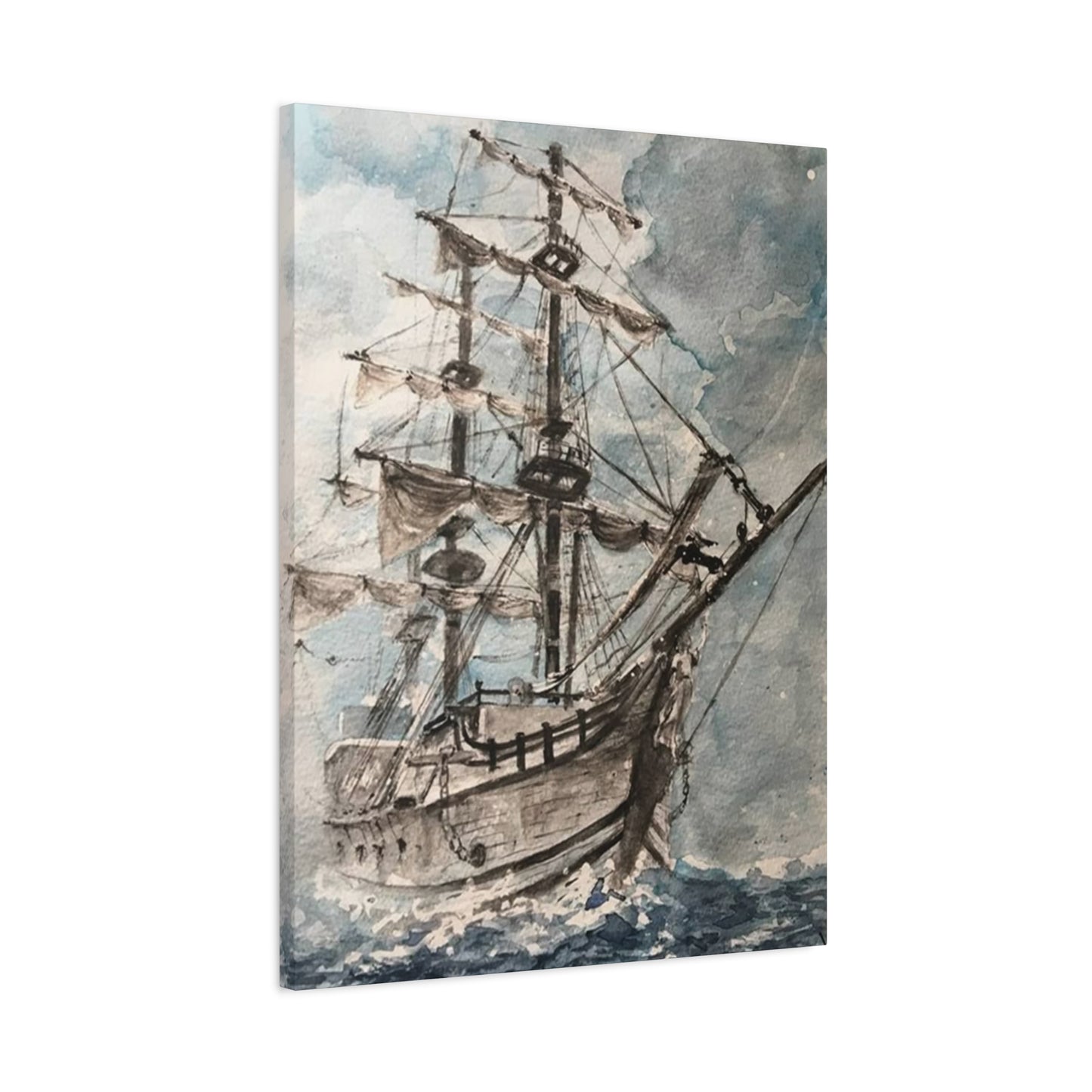
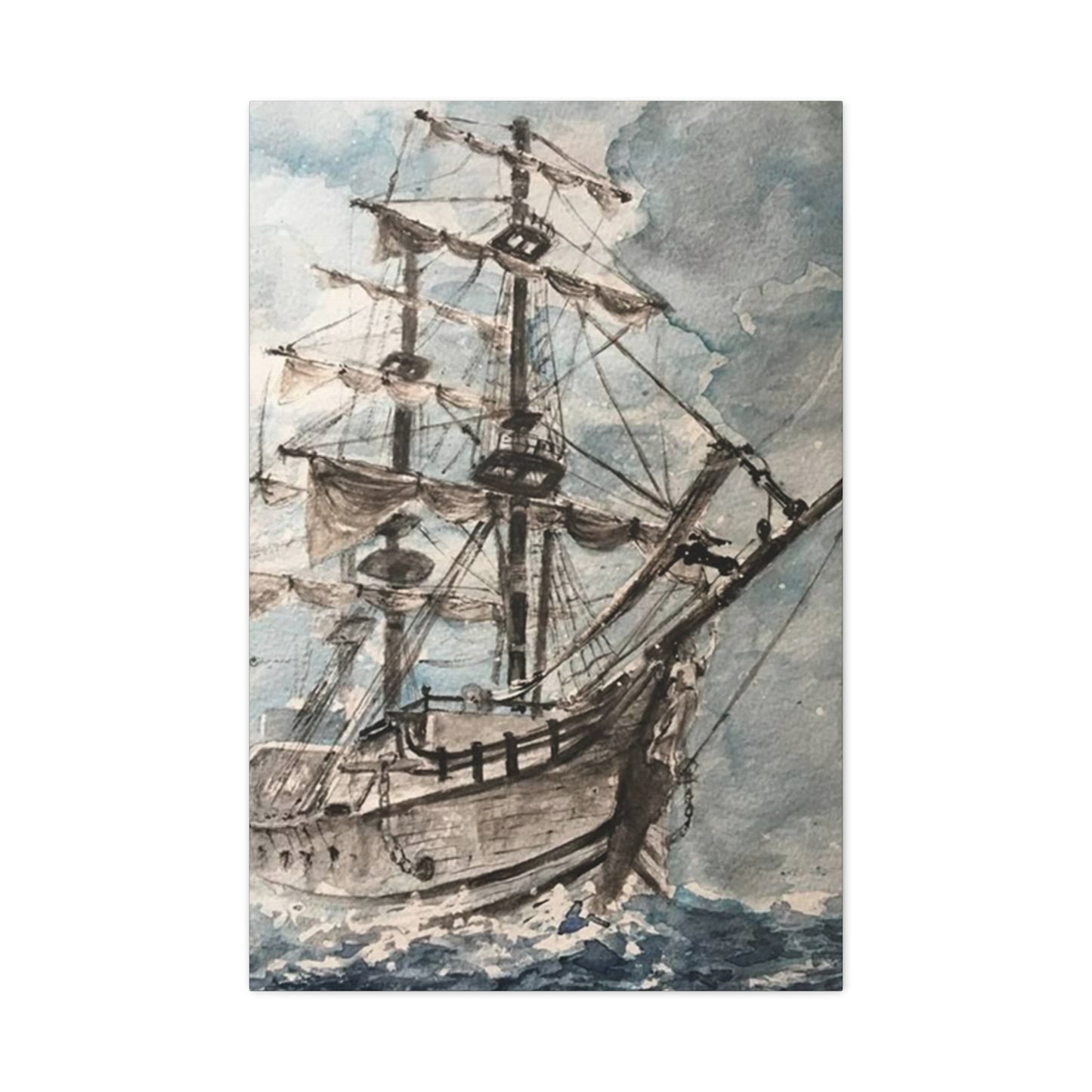
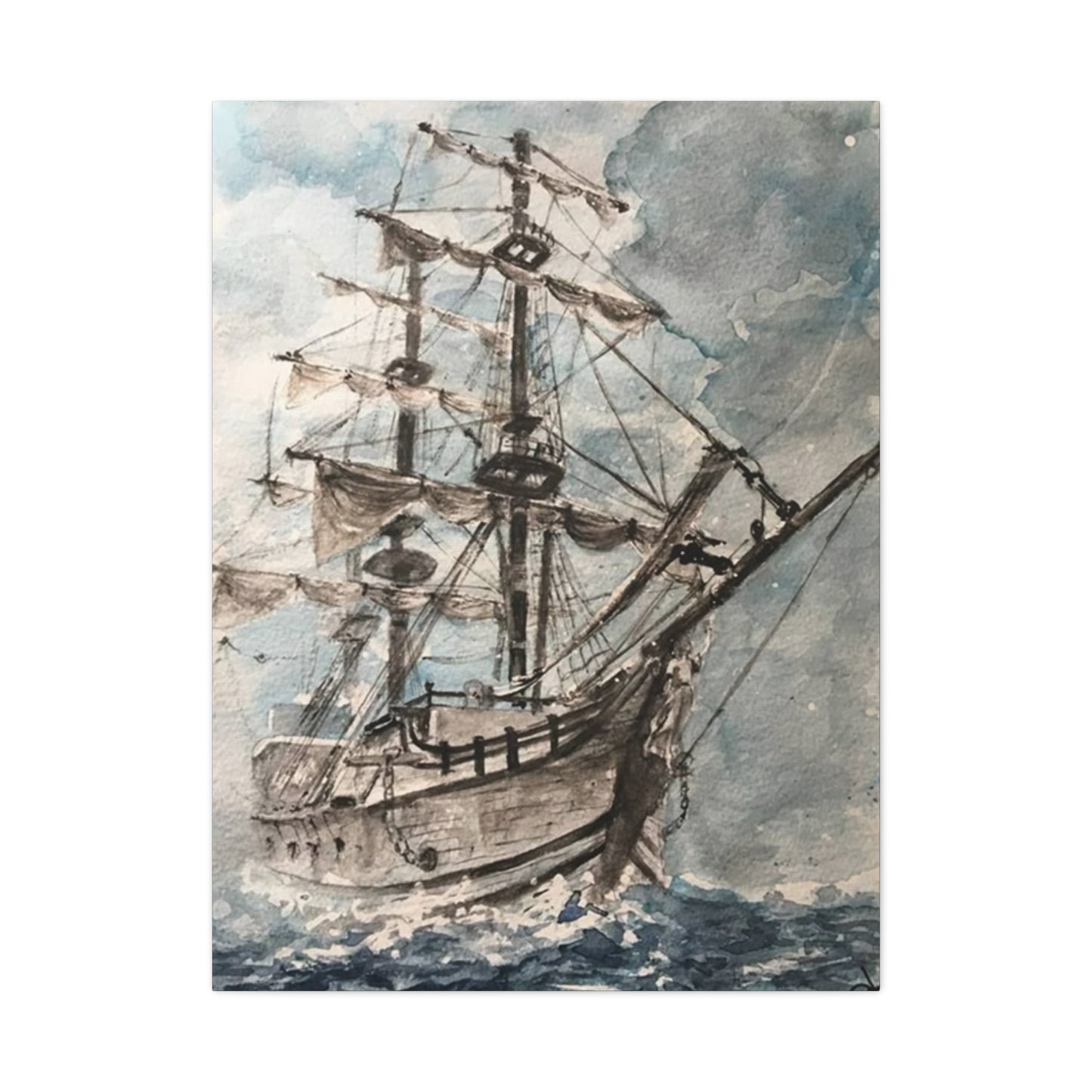
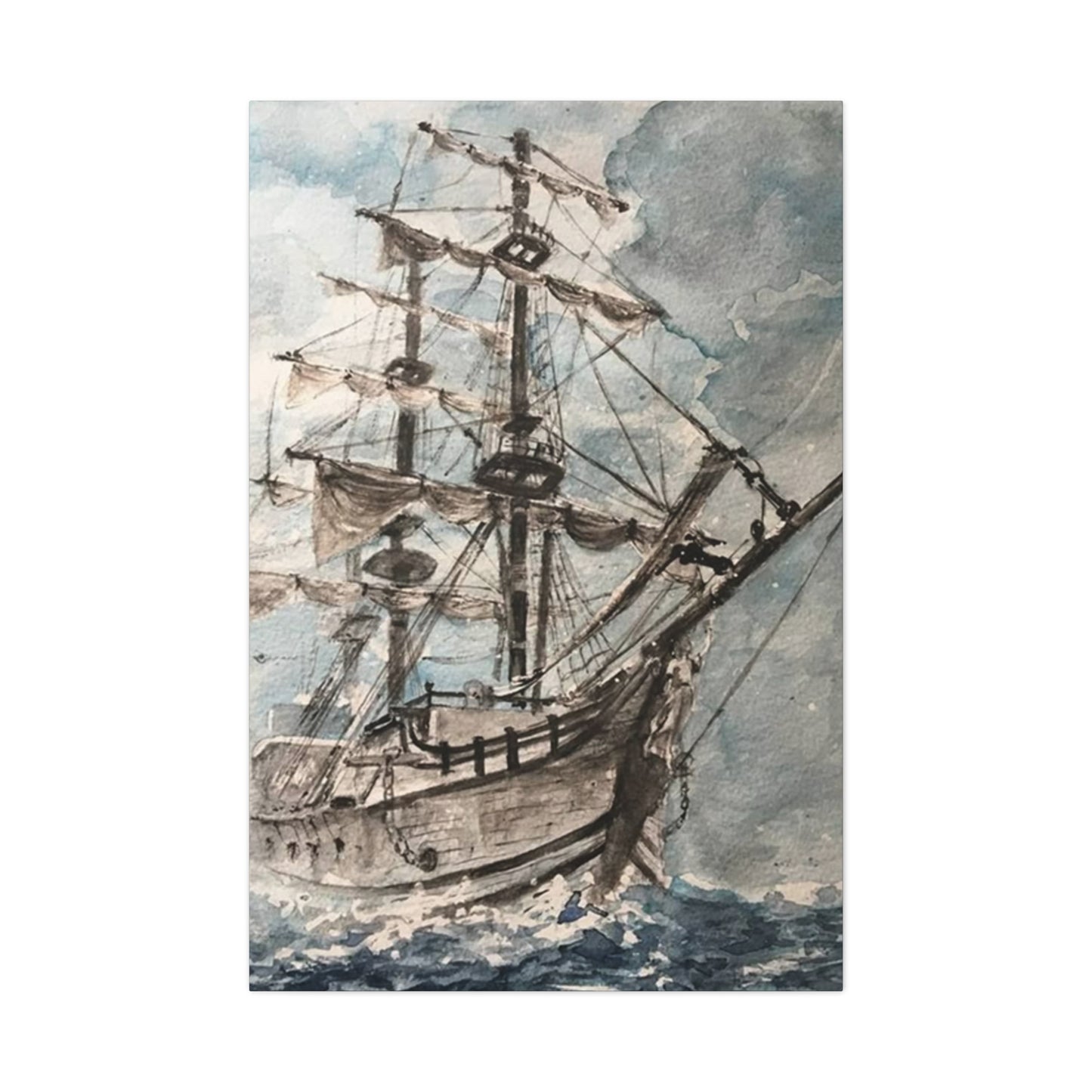
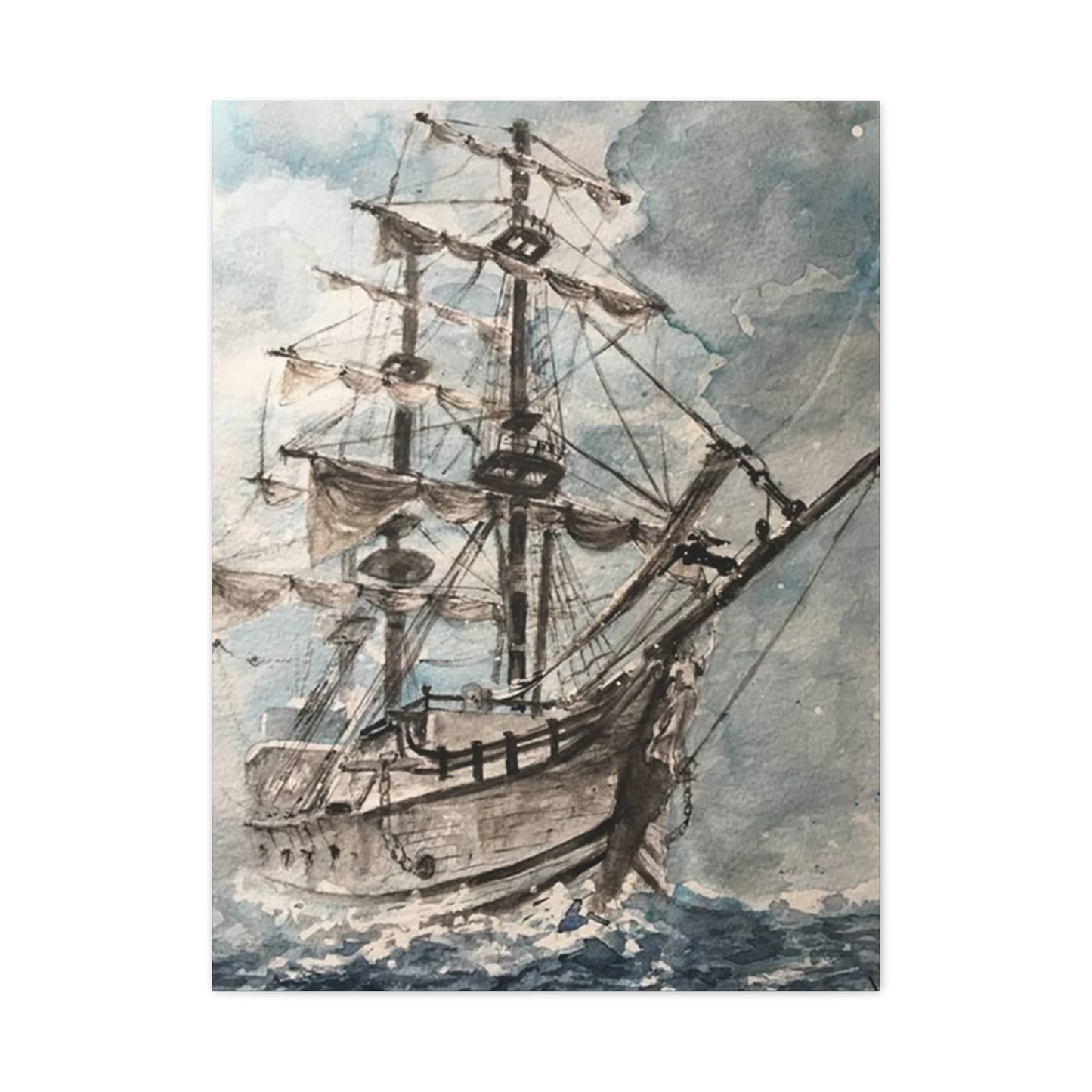
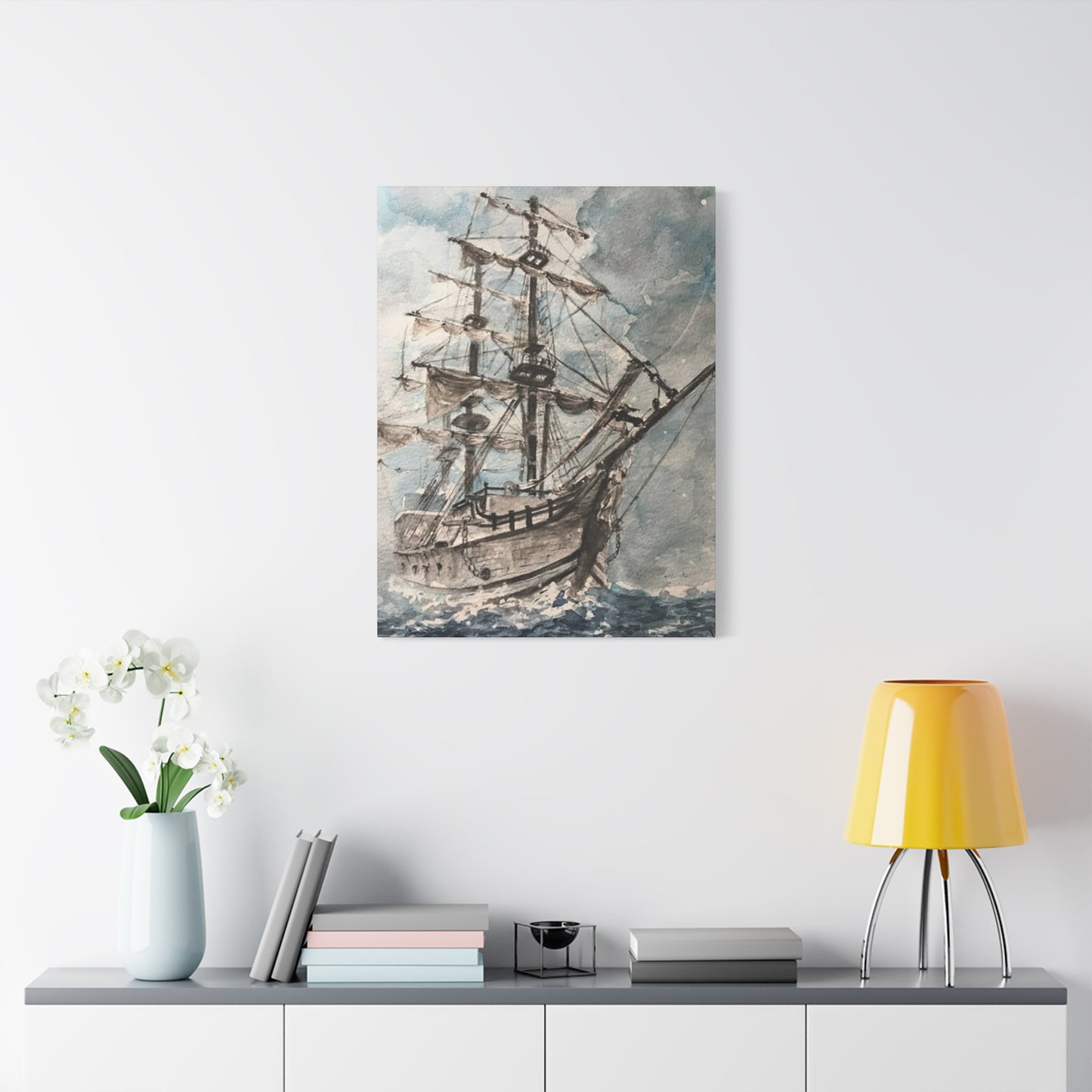
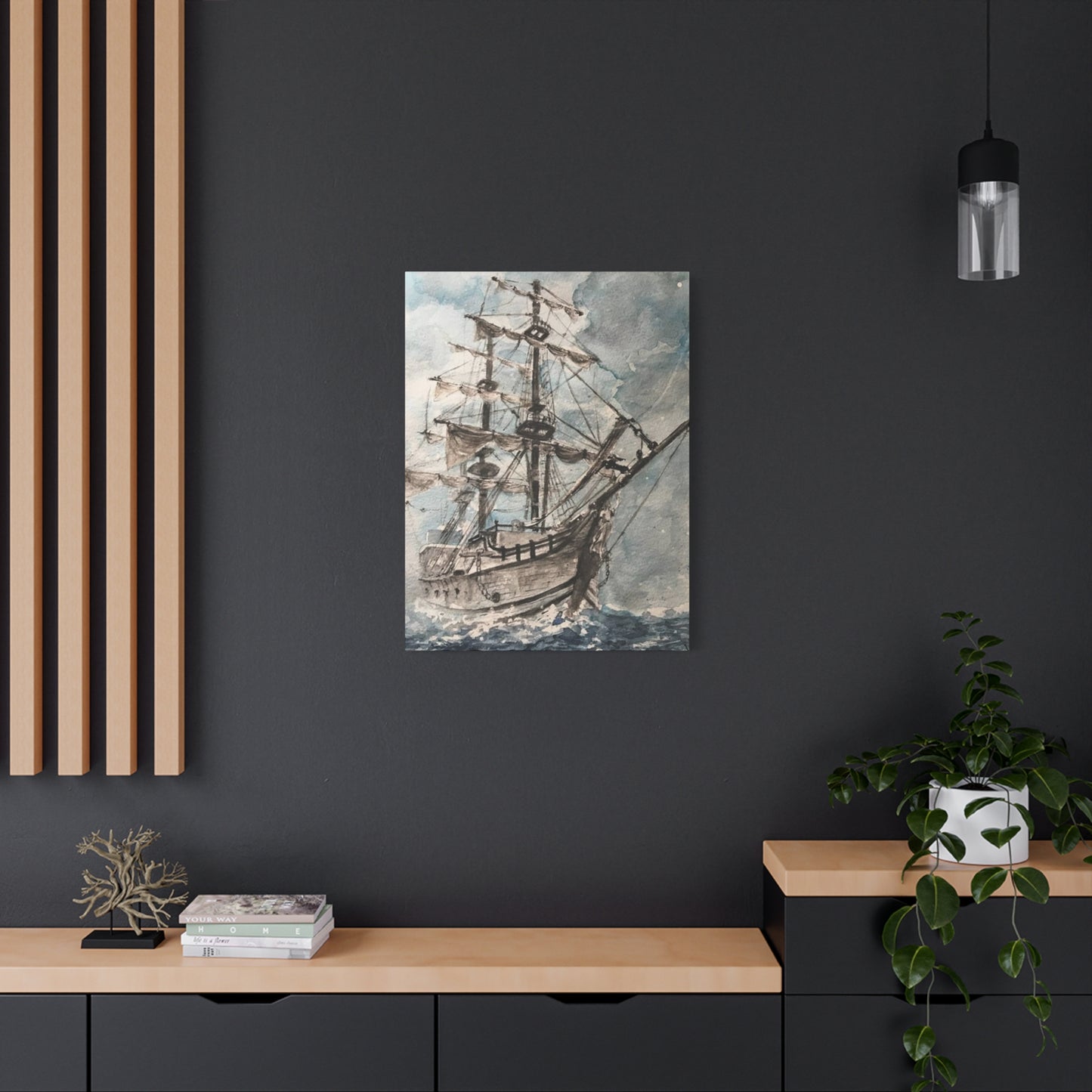
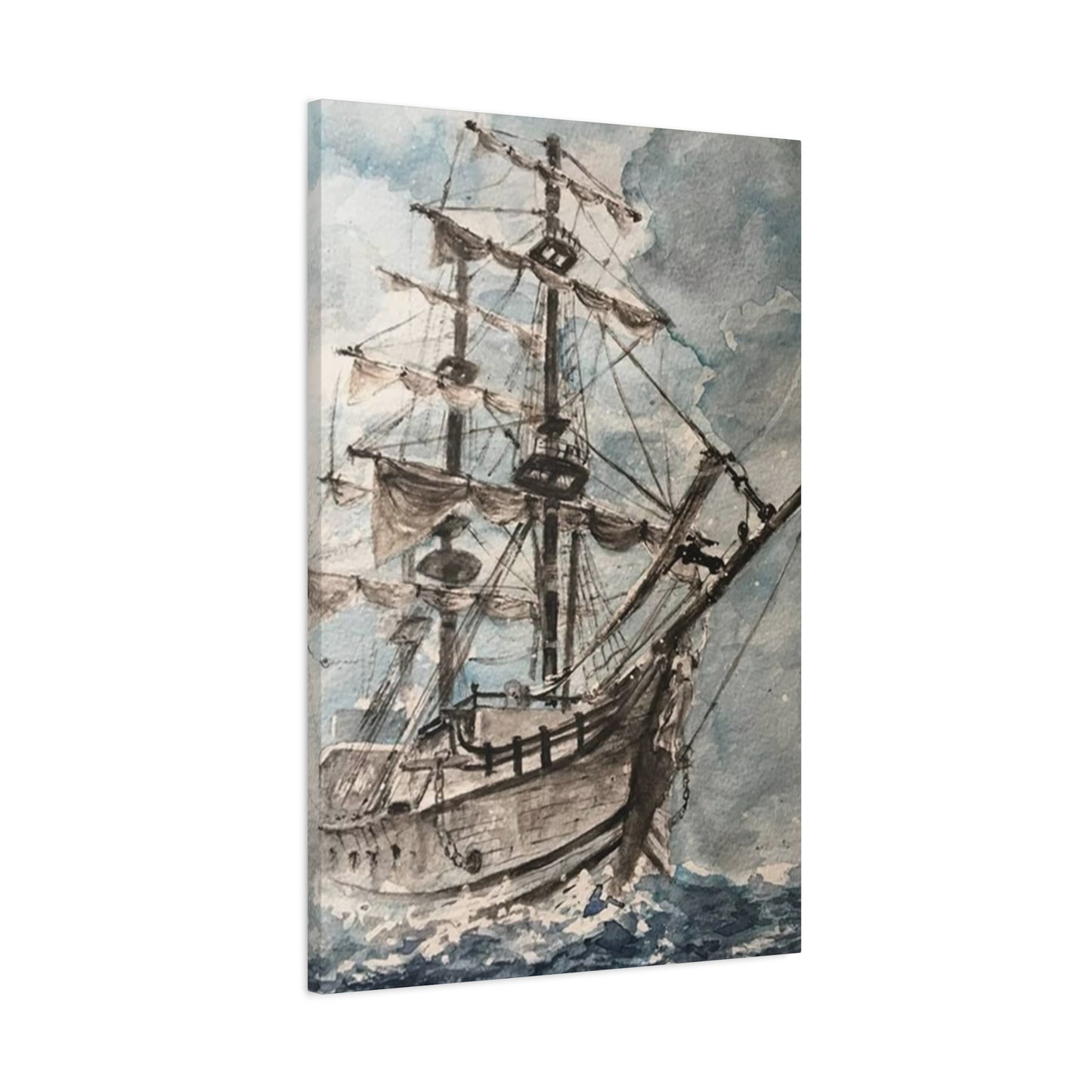
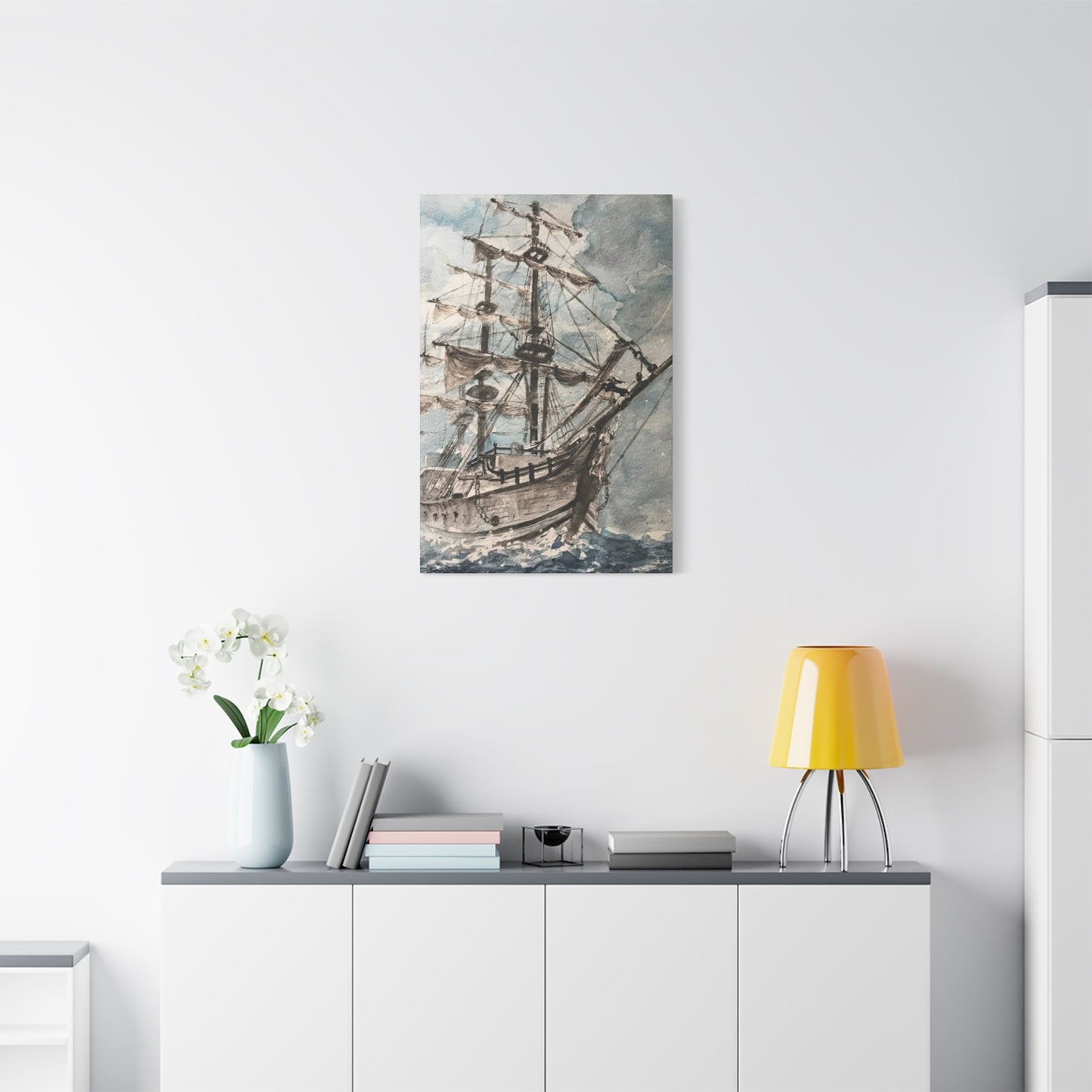
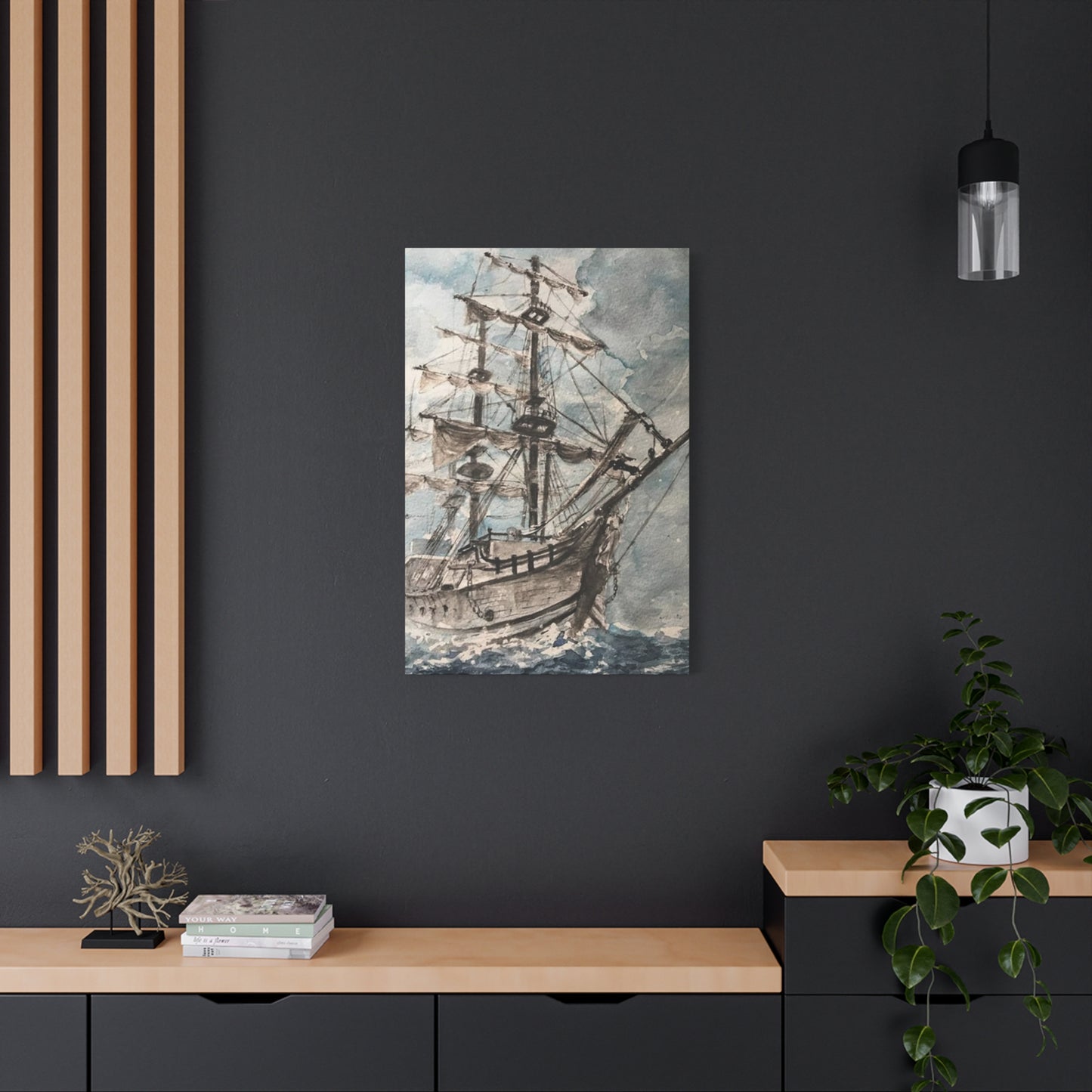
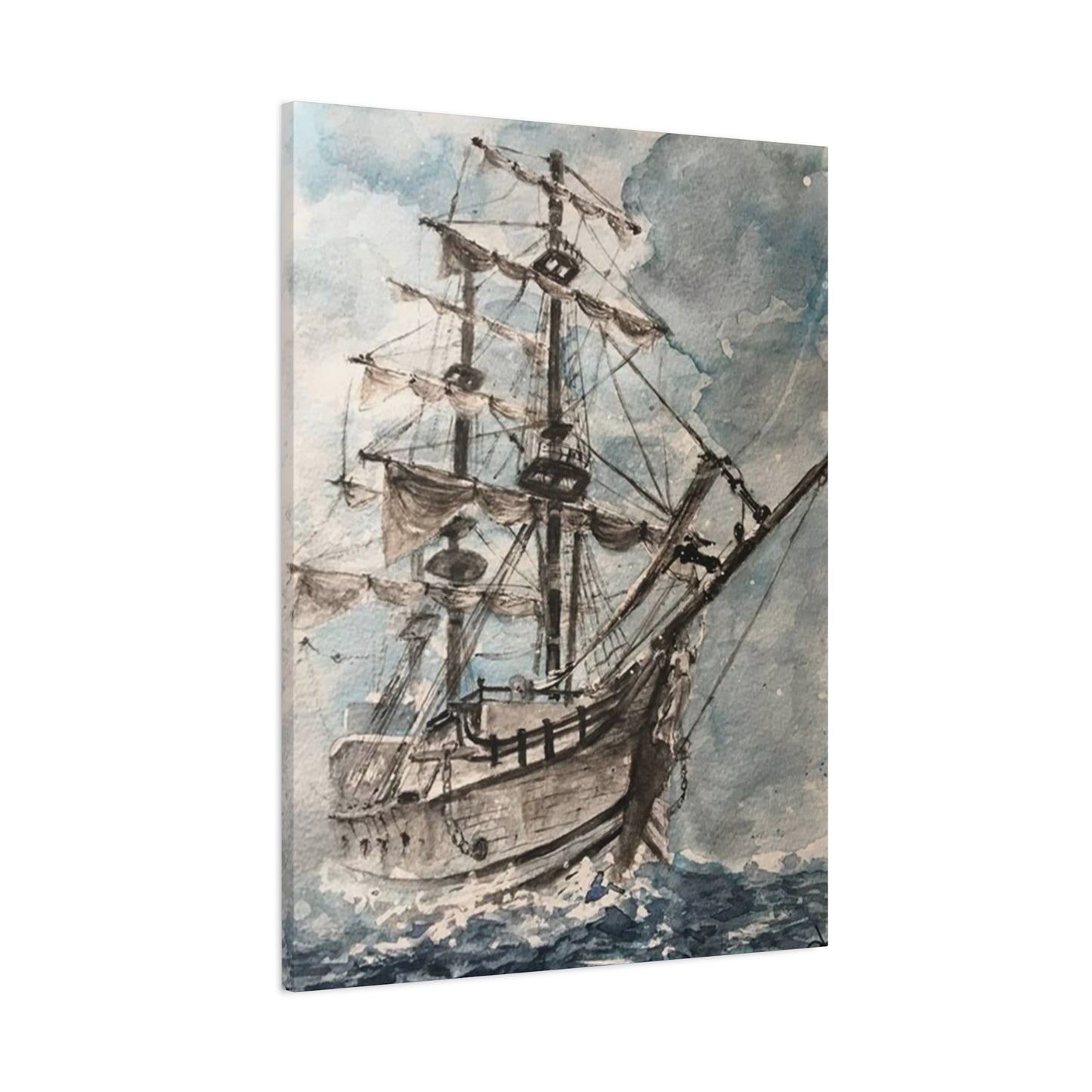
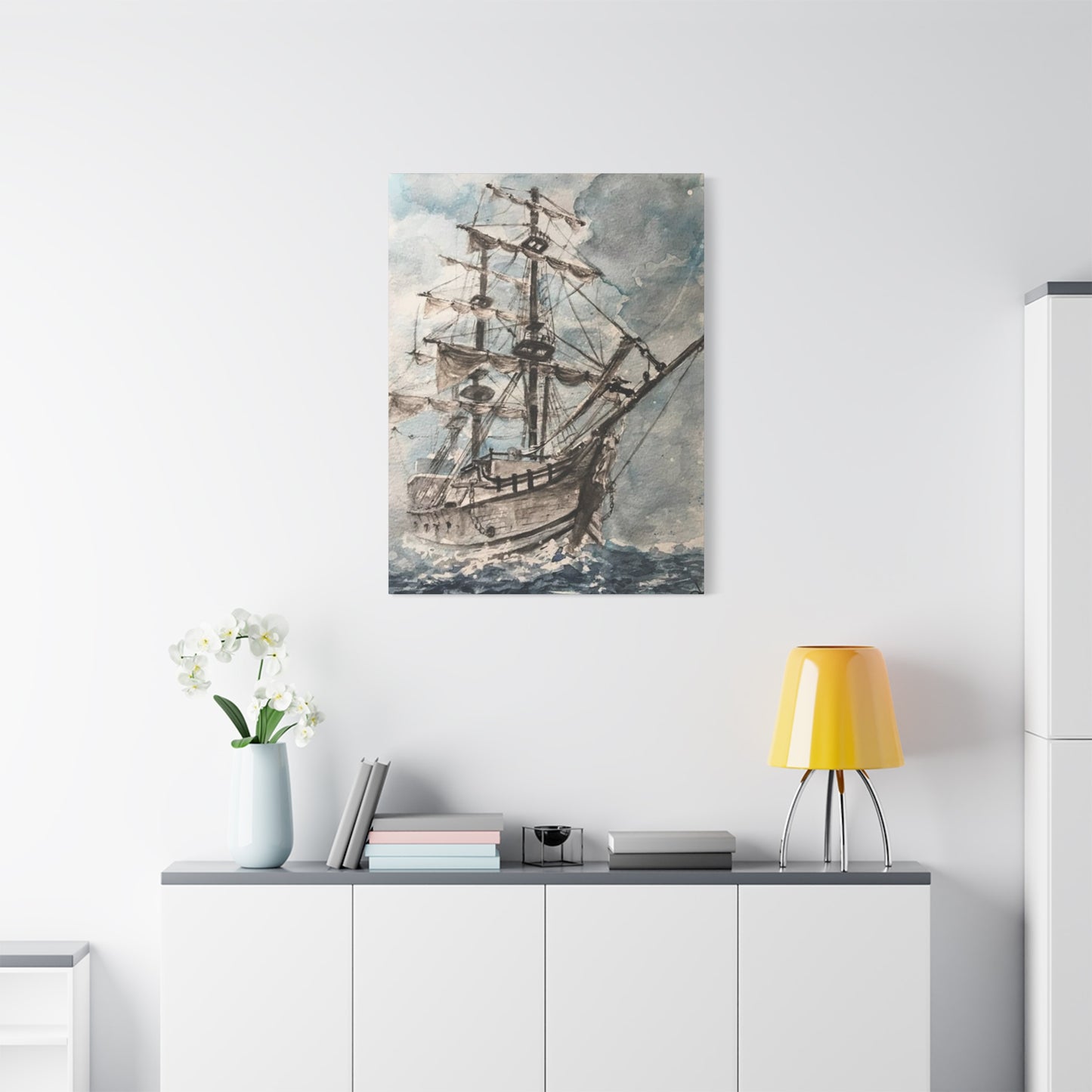
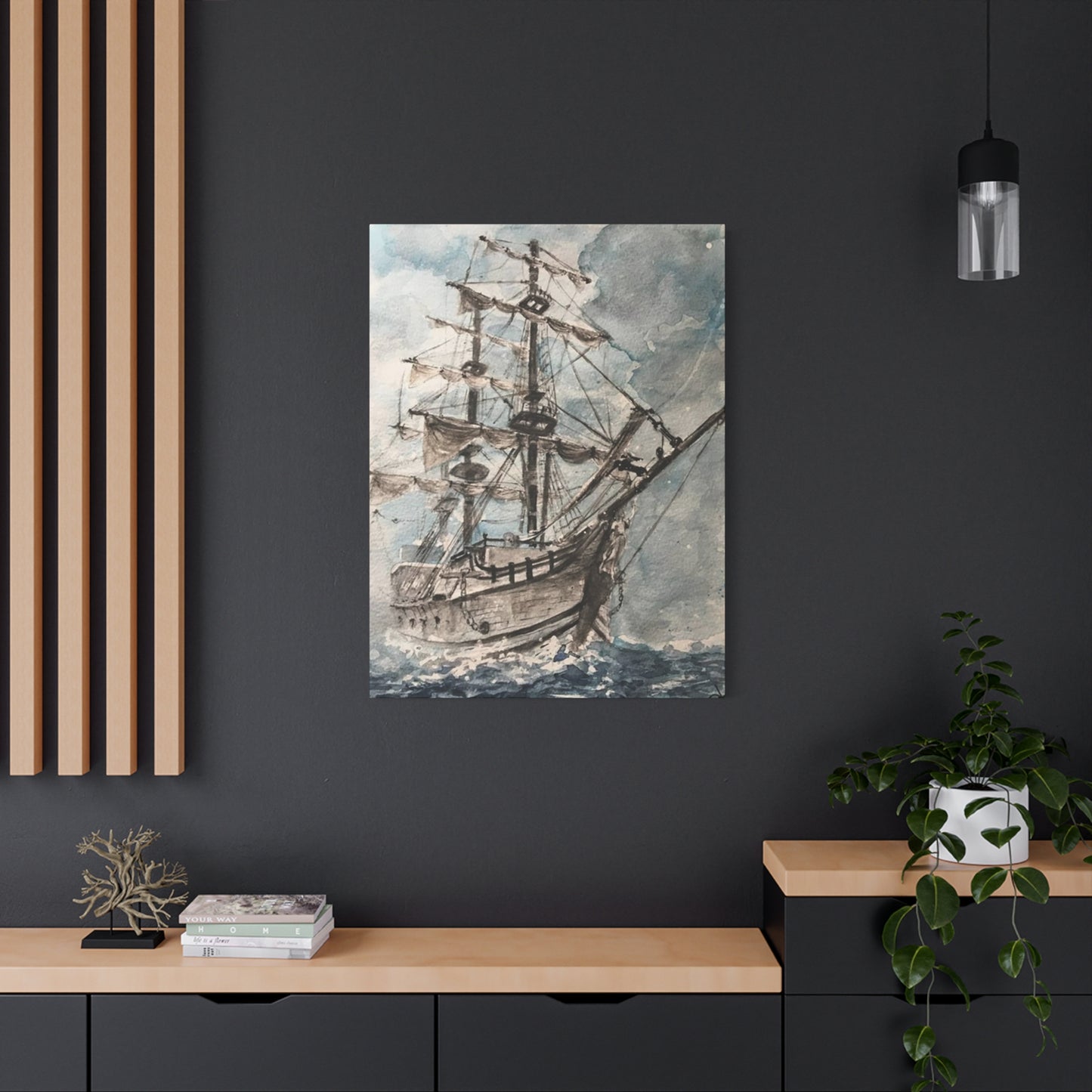
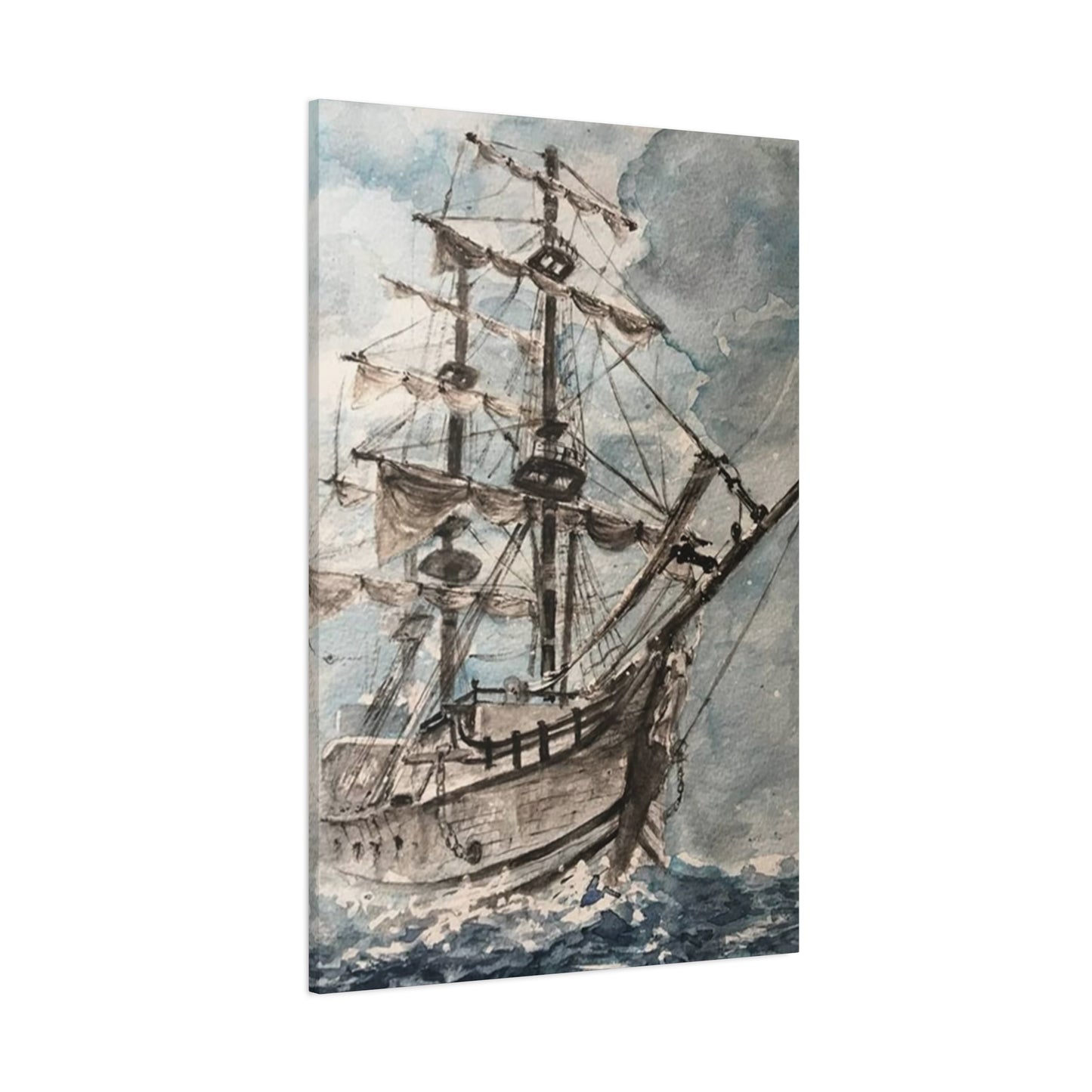
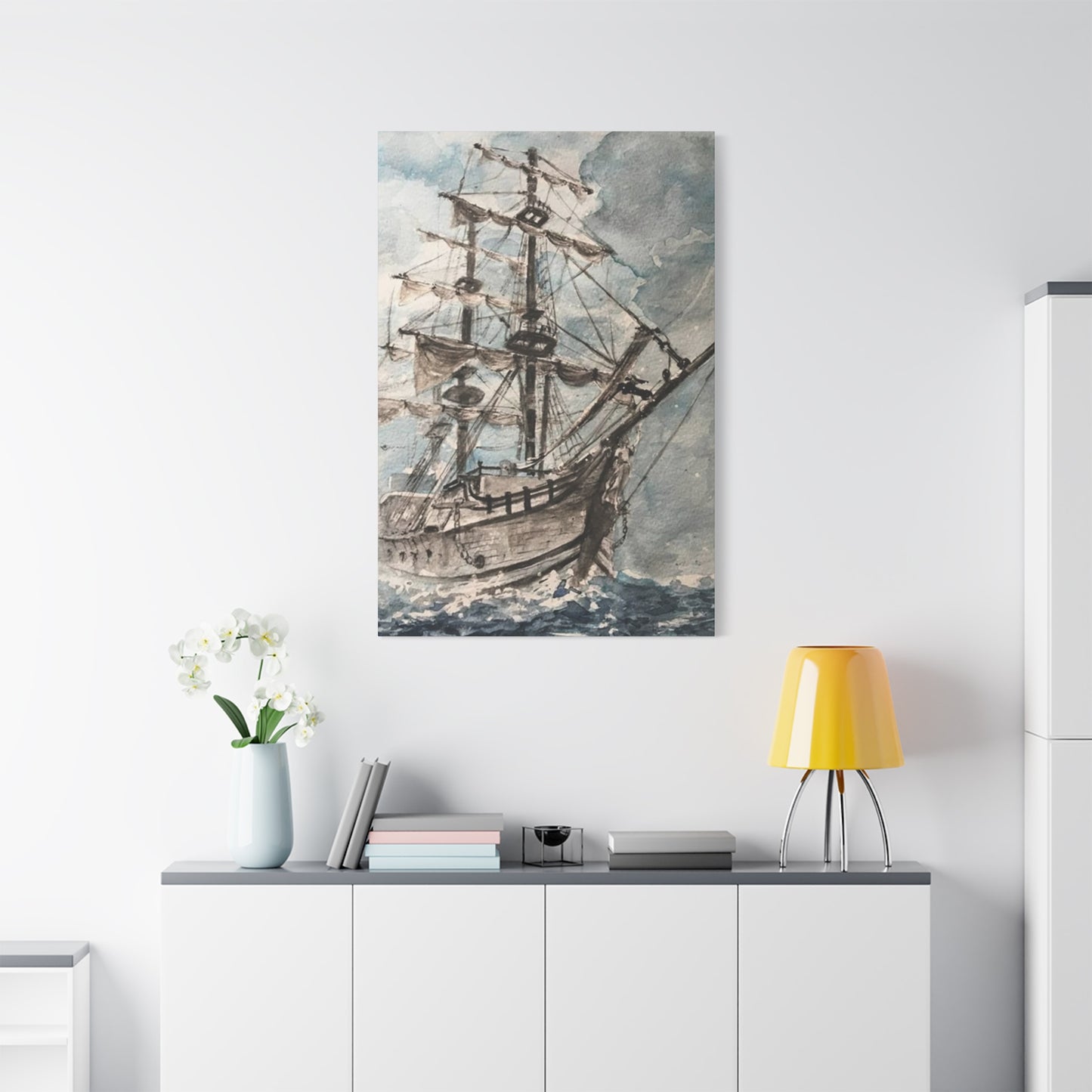
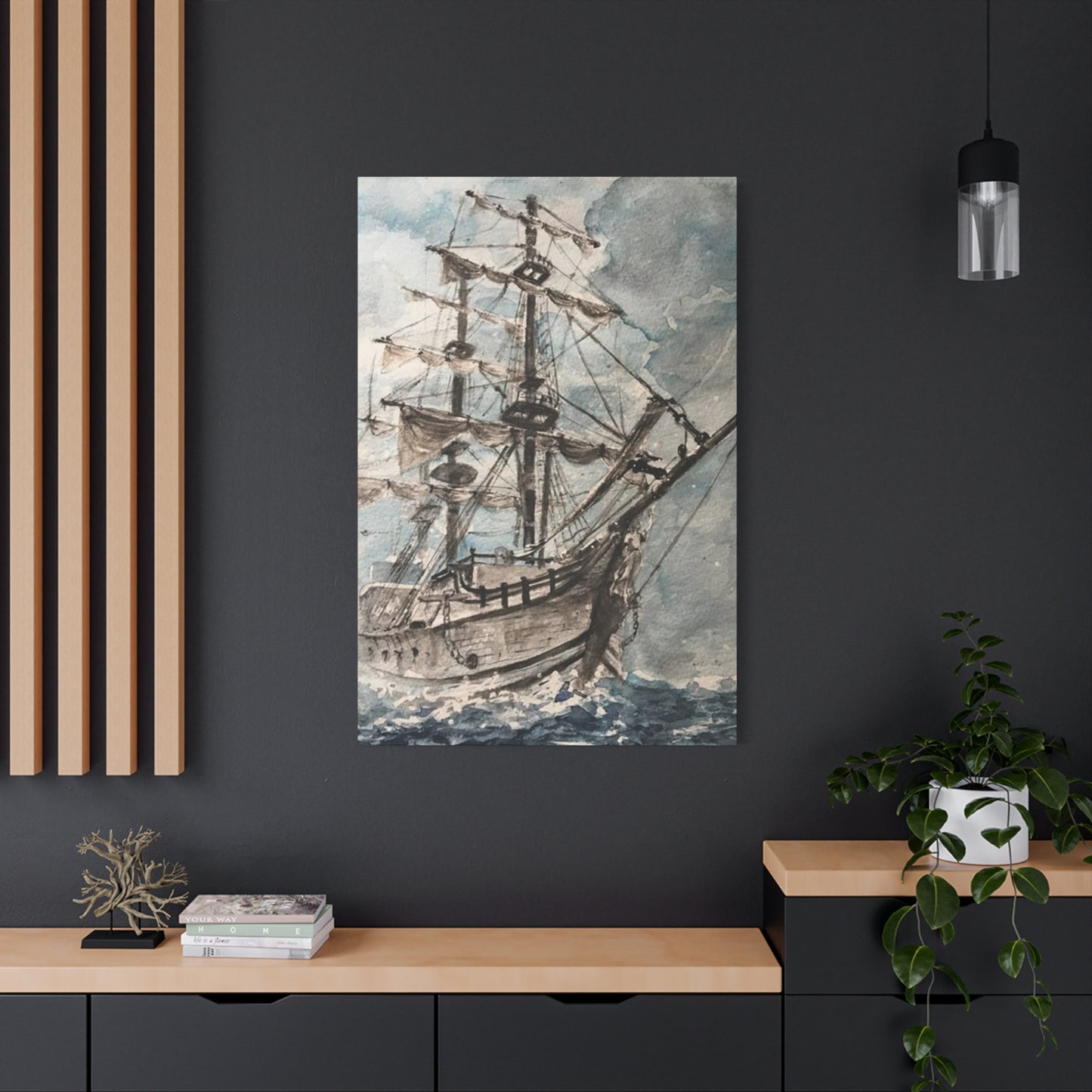
Large Ship Sailing In Ocean Wall Art & Canvas Prints
Large Ship Sailing In Ocean Wall Art & Canvas Prints
Couldn't load pickup availability
Breathtaking Large Ship Sailing In Ocean Wall Art: Discovering Maritime Masterpieces for Home Decore
The allure of maritime artwork has captivated homeowners, collectors, and interior design enthusiasts for centuries. When it comes to transforming bare walls into stunning focal points, few decorative pieces rival the dramatic impact of large ship sailing in ocean wall art. These magnificent visual narratives transport viewers to distant horizons, evoking feelings of adventure, tranquility, and the timeless romance of seafaring journeys.
Maritime artwork encompasses an expansive range of styles, from classical oil paintings depicting tall ships battling stormy seas to contemporary minimalist prints showcasing sleek vessels gliding across calm waters. The visual storytelling inherent in nautical imagery creates an emotional connection that resonates with diverse audiences, whether they possess personal connections to maritime life or simply appreciate the aesthetic magnificence of ships traversing vast oceanic expanses.
Why Maritime Imagery Continues to Captivate Modern Audiences
The enduring fascination with naval vessels navigating open waters stems from humanity's intrinsic relationship with the sea. Throughout millennia, oceans have represented both opportunity and mystery, serving as pathways to exploration, commerce, and cultural exchange. Artwork featuring ships sailing across these boundless waters captures this duality, presenting viewers with imagery that simultaneously suggests adventure and serenity.
Psychological research indicates that viewing maritime scenes can produce calming effects on the human mind. The combination of horizontal lines created by the ocean's horizon, the rhythmic patterns of waves, and the expansive sense of open space all contribute to reducing stress levels and promoting mental clarity. When large ship sailing in ocean wall art adorns residential or commercial spaces, it introduces these beneficial elements while serving as a conversation-starting centerpiece.
Contemporary interior design trends increasingly favor statement pieces that reflect personal interests and worldviews. Maritime artwork satisfies this preference by offering meaningful imagery that transcends mere decoration. A carefully selected piece depicting a majestic vessel navigating oceanic waters communicates values such as perseverance, exploration, and respect for nature's power—qualities that resonate deeply with many individuals.
Exploring Different Artistic Styles in Naval Vessel Artwork
Maritime artwork manifests in numerous artistic interpretations, each offering distinct aesthetic qualities and emotional resonances. Understanding these various approaches helps collectors and decorators select pieces that authentically reflect their personal tastes and complement their existing interior design schemes.
Realism and Photorealistic Renderings
Realistic portrayals of ships sailing across oceans prioritize accurate detail and authentic representation. These artworks often feature meticulously rendered vessels with precise rigging, authentic sail configurations, and accurate period-specific details. Photorealistic pieces might capture modern container ships, luxury yachas, or commercial vessels with such precision that viewers momentarily mistake them for photographs.
The appeal of realistic maritime artwork lies in its ability to document specific moments or vessels with historical accuracy. Collectors interested in naval heritage, specific ship types, or particular eras of maritime exploration gravitate toward these faithful representations. The technical skill required to produce such detailed work also commands appreciation from those who value artistic craftsmanship.
Impressionistic Interpretations of Nautical Scenes
Impressionistic approaches to maritime subjects prioritize mood, atmosphere, and emotional impact over precise detail. These artworks employ loose brushwork, strategic color placement, and suggestion rather than explicit rendering to convey the essence of ships moving through watery environments. The resulting pieces often possess dreamlike qualities that invite prolonged contemplation.
Artists working in impressionistic styles frequently emphasize the interplay between light and water, capturing fleeting moments such as sunset illuminating sails or morning mist obscuring distant vessels. These atmospheric qualities make impressionistic maritime artwork particularly effective in creating tranquil, meditative environments within residential spaces.
Abstract and Contemporary Approaches to Maritime Subjects
Modern artistic movements have reinterpreted traditional maritime subjects through abstract and contemporary lenses. These innovative approaches might reduce ships to geometric forms, employ unconventional color palettes, or deconstruct nautical imagery into its essential components. The resulting artwork appeals to collectors seeking pieces that feel fresh, unexpected, and aligned with cutting-edge design sensibilities.
Abstract maritime artwork offers exceptional versatility in interior design contexts. The non-literal nature of these pieces allows them to complement diverse decorating styles, from minimalist modernism to eclectic bohemian aesthetics. When featuring large ship sailing in ocean wall art rendered in abstract styles, spaces acquire sophisticated focal points that stimulate visual interest without overwhelming surrounding elements.
Vintage and Antiquarian Maritime Prints
Reproductions of vintage maritime artwork and authentic antiquarian prints carry distinctive charm derived from their connection to earlier eras. These pieces often feature aged paper tones, period-appropriate artistic conventions, and subjects reflecting the vessels and maritime practices of bygone centuries. The patina of age—whether authentic or artfully reproduced—adds layers of character and storytelling potential.
Vintage-style maritime artwork proves particularly effective in spaces embracing traditional, classical, or heritage-inspired design schemes. The nostalgic qualities of these pieces create atmospheres of timeless elegance and connection to maritime traditions spanning generations. Collectors appreciate both authentic period pieces and high-quality reproductions that capture the essence of earlier artistic periods.
The physical dimensions and positioning of maritime artwork significantly influence its visual impact and integration within a space. Large ship sailing in ocean wall art demands careful consideration regarding size selection and placement to achieve optimal aesthetic results.
Understanding Scale Relationships in Interior Spaces
Proper scale relationships between artwork and surrounding architectural elements create visual harmony and prevent pieces from appearing either lost or overwhelming. Large maritime artwork typically works best on substantial wall expanses—those measuring at least eight to ten feet in width—where the artwork can command attention without appearing cramped or disproportionate.
When evaluating potential artwork sizes, designers recommend measuring the wall space and selecting pieces that occupy approximately two-thirds to three-quarters of the available width. This proportion creates balanced visual weight while allowing adequate breathing room around the artwork. For particularly large walls, such as those in great rooms or commercial lobbies, even more substantial pieces or multi-panel installations may prove appropriate.
Height Placement Principles for Optimal Viewing
The vertical positioning of maritime artwork affects both its visibility and the overall spatial perception within a room. Art professionals typically recommend hanging pieces so their centers align roughly at eye level, generally between 57 and 60 inches from the floor. This standard positioning creates comfortable viewing angles for most adults while maintaining professional presentation standards.
However, contextual factors may warrant adjustments to this guideline. In rooms with exceptionally high ceilings, slightly elevated placement prevents artwork from appearing to sink into furniture groupings. Conversely, in spaces where viewers will primarily experience the artwork while seated—such as dining rooms or conversation areas—lowering the piece by several inches ensures comfortable viewing from seated positions.
The color schemes employed in maritime artwork profoundly influence the emotional atmosphere and visual cohesion of interior spaces. Understanding how different color palettes affect spatial perception and mood enables more informed selection of large ship sailing in ocean wall art.
Classic Blue and Gray Tones in Nautical Imagery
Traditional maritime color palettes heavily feature various shades of blue, from deep navy to soft cerulean, often accompanied by grays ranging from stormy charcoal to misty silver. These cool color schemes evoke the natural hues of oceans and skies, creating calming, contemplative atmospheres within spaces.
Artwork dominated by blue and gray tones integrates seamlessly with coastal, traditional, and transitional interior design schemes. These colors possess remarkable versatility, complementing both warm and cool surrounding palettes while maintaining their distinctive maritime character. The psychological associations of blue with tranquility and stability make these pieces particularly suitable for spaces intended for relaxation or focused work.
Warm Sunset Palettes in Maritime Scenes
Maritime artwork depicting golden hour lighting or dramatic sunset conditions employs warmer color palettes featuring oranges, pinks, golds, and warm grays. These pieces capture the magical quality of light during transitional periods, infusing spaces with warmth and visual energy while maintaining nautical themes.
Warm-toned maritime artwork proves particularly effective in spaces that might otherwise feel cool or austere. The inviting quality of these colors creates welcoming atmospheres in entryways, living areas, and hospitality environments. The dramatic lighting typical of sunset scenes also introduces strong visual interest that draws attention and stimulates conversation.
Monochromatic and Neutral Maritime Artwork
Black and white or sepia-toned maritime artwork offers sophisticated alternatives to colorful pieces. These monochromatic approaches emphasize composition, contrast, and tonal relationships rather than chromatic impact. The resulting pieces possess timeless elegance that transcends temporary color trends while maintaining powerful visual presence.
Neutral maritime artwork integrates effortlessly with virtually any color scheme, making these pieces valuable assets in spaces undergoing periodic redecoration. The absence of strong color also allows surrounding elements—furniture, textiles, accent pieces—to provide chromatic interest without competing with the artwork for visual attention.
The physical construction and production methods employed in creating maritime artwork significantly affect its appearance, durability, and suitability for various environments. Modern manufacturing capabilities offer diverse options for producing large ship sailing in ocean wall art.
Canvas Prints and Stretched Canvas Presentations
Canvas prints represent one of the most popular formats for contemporary maritime artwork. This production method transfers digital or photographic images onto canvas material, which is then stretched over wooden frames. The resulting pieces possess texture and dimensionality that approximate traditional painted canvases while maintaining affordability and consistency.
High-quality canvas prints employ archival inks and UV-protective coatings that resist fading and environmental degradation. The texture of canvas surfaces reduces glare compared to glossy alternatives, making these pieces suitable for spaces with challenging lighting conditions. The frameless edges created by gallery-wrap stretching create clean, contemporary presentations that complement modern interior design schemes.
Metal Prints for Contemporary Aesthetic Appeal
Metal print production infuses images directly into specially coated aluminum panels, creating artwork with exceptional clarity, vibrant colors, and distinctive luminosity. The smooth, reflective surface of metal prints produces contemporary aesthetic qualities that appeal to collectors seeking sleek, modern presentations.
Maritime artwork rendered on metal proves particularly striking, as the material's inherent reflectivity enhances the play of light on water and creates depth illusion. These pieces resist moisture, fading, and physical damage better than many alternatives, making them suitable for challenging environments including coastal locations where humidity might compromise other materials.
Acrylic and Glass-Mounted Presentations
Mounting maritime imagery behind acrylic or glass panels creates luxurious presentations with exceptional depth and color saturation. The transparent front layers protect underlying images while adding dimensional qualities that enhance visual impact. Light passing through these materials creates subtle effects that change based on viewing angles and ambient lighting conditions.
These premium presentation formats command higher price points but deliver correspondingly elevated aesthetic impact. The glossy, refined appearance of acrylic and glass-mounted maritime artwork suits upscale residential and commercial environments where sophisticated presentation quality matters.
Traditional Framed Prints and Paper-Based Artwork
Conventional framing remains a timeless presentation method for maritime artwork. This approach involves printing images on high-quality paper or photographic media, then matting and framing them behind protective glazing. The framing process allows extensive customization regarding mat colors, frame styles, and glazing types.
Framed maritime prints offer unparalleled versatility in matching existing interior design elements. The frame selection alone can dramatically alter a piece's character—from ornate gilded frames suggesting classical elegance to sleek metal frames conveying modernist sensibilities. Conservation-quality framing protects valuable prints for generations while maintaining their visual integrity.
Incorporating large ship sailing in ocean wall art into interior spaces works most effectively when coordinated with complementary design elements that reinforce nautical themes without creating overwhelming or clichéd presentations.
Balancing Maritime Artwork with Furniture Selections
Furniture choices significantly impact how effectively maritime artwork integrates within a space. Pieces in natural materials—particularly weathered or reclaimed woods—create organic connections to maritime themes by evoking ship construction, driftwood, and coastal environments. Upholstery in neutral linens, canvas-like fabrics, or leather adds textural interest while maintaining appropriately nautical character.
Avoiding overly literal maritime furniture prevents spaces from appearing theme-park-like. Rather than filling rooms with anchor-shaped tables or ship-wheel decorations, sophisticated maritime-inspired interiors employ subtler references: rope detailing on furniture, porthole-inspired mirrors, or hardware finishes suggesting aged brass or weathered metals. These restrained gestures complement rather than compete with statement maritime artwork.
Textile and Fabric Choices for Maritime-Inspired Spaces
Textiles provide opportunities to reinforce maritime themes through pattern, texture, and color. Classic nautical patterns—stripes, particularly in navy and white—create immediate associations with sailing and seafaring life. However, contemporary interpretations employ these patterns in unexpected colorways or scales to feel fresh rather than predictable.
Textural considerations prove equally important. Nubby linens, chunky knits, and coarsely woven fabrics evoke the practical textiles used aboard vessels, adding tactile interest that enriches maritime-themed spaces. Incorporating these materials in pillows, throws, and window treatments creates layers of visual and physical texture that complement large ship sailing in ocean wall art.
Lighting Strategies to Enhance Maritime Artwork
Proper illumination dramatically affects how viewers perceive and appreciate maritime artwork. Both natural and artificial lighting sources require consideration to optimize artwork presentation while supporting overall spatial functionality.
Natural light presents both opportunities and challenges for maritime artwork. Positioning pieces to receive indirect natural illumination enhances their visibility and allows colors to appear vibrant throughout daylight hours. However, direct sunlight exposure can damage artwork over time, fading pigments and degrading materials. Strategic placement perpendicular to windows or on walls receiving only reflected light balances these competing concerns.
Artificial lighting enables precise control over artwork illumination. Picture lights mounted directly above or below pieces provide focused illumination that emphasizes artwork while creating dramatic evening ambiance. Track lighting or adjustable spotlights offer flexibility in directing light precisely where desired. For particularly valuable pieces, LED fixtures specifically designed for artwork illumination provide excellent color rendering without heat or UV radiation that might damage sensitive materials.
Pairing Maritime Artwork with Complementary Decorative Elements
Creating visually cohesive interiors requires thoughtfully selecting decorative accessories that enhance rather than distract from statement maritime artwork. Strategic accessory placement and selection reinforce nautical themes while maintaining sophisticated aesthetic standards.
Selecting Complementary Wall Decor and Arrangements
When large ship sailing in ocean wall art serves as a room's primary focal point, additional wall decorations require careful consideration to avoid visual competition. Gallery wall arrangements surrounding or adjacent to primary maritime pieces work best when consisting of smaller, complementary items that support rather than challenge the main artwork.
Vintage maritime instruments—compasses, sextants, barometers—make excellent companion pieces when displayed on shelves or in shadow boxes near maritime artwork. Maps, particularly antique nautical charts or aged coastal surveys, reinforce seafaring themes while introducing different textures and visual rhythms. Arranging these elements asymmetrically in loose groupings creates organic, collected-over-time appearances that feel authentic rather than staged.
Incorporating Nautical Objects and Collectibles
Three-dimensional objects with maritime connections add physical depth to spaces featuring large ship sailing in ocean wall art. Ship models ranging from simple folk-art renditions to museum-quality replicas create literal connections to nautical themes. Displaying these objects on mantels, bookshelves, or console tables establishes visual dialogue between two-dimensional artwork and tangible maritime artifacts.
Other effective nautical objects include vintage ship bells, brass porthole windows repurposed as mirrors, rope-wrapped vessels, and coastal finds such as driftwood or interesting shells. The key to sophisticated presentation lies in restraint—selecting few high-quality pieces rather than crowding spaces with numerous nautical items that might create cluttered or overly thematic appearances.
Botanical Elements That Enhance Maritime Settings
Living plants and botanical elements contribute organic vitality to maritime-themed spaces while softening the potentially harsh geometries of architectural features and furniture. Certain plant varieties prove particularly compatible with nautical aesthetics due to their forms, colors, or associations with coastal environments.
Succulents and air plants require minimal maintenance while offering interesting sculptural forms and gray-green colorations that complement maritime color palettes. Placed in simple containers or mounted on driftwood, these hardy plants add living elements without demanding extensive care. Larger spaces might incorporate fiddle-leaf figs, bird of paradise plants, or palm varieties that suggest tropical destinations reached by seafaring vessels.
Fresh or dried coastal grasses—sea oats, pampas grass, beach grass—arranged in simple vases create texture and movement that echo windswept coastal landscapes. These botanical elements introduce natural colors and forms that harmonize with large ship sailing in ocean wall art while requiring minimal maintenance.
Commissioning Custom Maritime Artwork for Personalized Spaces
While readily available maritime prints serve many purposes admirably, commissioning custom artwork offers opportunities to obtain truly unique pieces tailored to specific preferences, spaces, and personal connections to maritime subjects.
Finding and Selecting Maritime Artists
Identifying talented maritime artists requires research across multiple channels. Juried art shows specializing in marine subjects showcase established talent, while online platforms and social media enable discovery of emerging artists working in maritime genres. Examining artists' portfolios reveals their stylistic approaches, technical capabilities, and whether their aesthetic sensibilities align with commissioner preferences.
When evaluating potential artists, consider the consistency and quality evident across their body of work. Review multiple pieces to assess their handling of challenging subjects—water reflections, complex rigging, atmospheric conditions—that require particular skill in maritime artwork. Reading previous clients' testimonials or reviews provides insights into artists' professionalism, communication skills, and ability to meet deadlines and expectations.
Communicating Vision and Specifications for Custom Pieces
Successful commissioned artwork results from clear communication between artists and clients. Providing detailed specifications regarding desired dimensions, color preferences, stylistic approaches, and specific subjects ensures artists understand expectations from project inception. Reference images—photographs of desired vessel types, preferred sea conditions, or admired existing artworks—communicate visual preferences more effectively than verbal descriptions alone.
Discussing framing, mounting, and presentation preferences during initial conversations prevents misunderstandings and ensures finished pieces arrive ready for installation. Clarifying timelines, including preliminary sketch approvals and anticipated completion dates, establishes realistic expectations and facilitates project planning. Addressing payment structures, revision policies, and shipping responsibilities early prevents potential conflicts later in the commission process.
Incorporating Personal Maritime Connections into Artwork
Custom maritime artwork offers unique opportunities to commemorate personal relationships with specific vessels, locations, or maritime experiences. Commissioning pieces depicting family boats, memorable sailing destinations, or historically significant ships creates deeply personal artwork that carries emotional resonance beyond aesthetic appeal.
Artists can work from photographs, vessel specifications, or descriptive information to create accurate representations of personally significant subjects. Some commissioners provide additional context—stories, memories, or significance explanations—that inform artistic interpretation even if not visually evident in finished pieces. These personalized artworks become treasured heirlooms that commemorate maritime connections for current and future generations.
The suitability and impact of large ship sailing in ocean wall art varies across different room types, each presenting unique opportunities and considerations for effective artwork incorporation.
Living Rooms and Great Rooms as Maritime Art Showcases
Primary living spaces offer ideal settings for substantial maritime artwork due to their typically generous wall expanses and role as social gathering locations. Large ship sailing in ocean wall art commands attention in these environments, serving as conversation starters and establishing aesthetic tone for entire homes.
In living rooms, positioning maritime artwork above substantial furniture pieces—sofas, console tables, mantels—creates anchored arrangements that feel intentional and balanced. The social nature of living spaces means artwork becomes topics of discussion, making pieces with interesting backstories or unusual perspectives particularly valuable. The extended viewing time typical in living areas justifies selecting artwork with sufficient complexity to reward prolonged observation.
Dining Areas Enhanced by Maritime Imagery
Dining rooms benefit from maritime artwork's ability to create contemplative, sophisticated atmospheres conducive to leisurely meals and conversation. The horizontal emphasis typical of oceangoing vessels complements the linear arrangements of dining tables, creating visual harmony throughout spaces.
Maritime artwork in dining contexts works particularly well when depicting calmer sea conditions or golden-hour lighting that creates warm, inviting atmospheres. Dramatic storm scenes might prove too visually intense for spaces intended to stimulate appetite and relaxed dining experiences. Consider the emotional tenor of artwork when selecting pieces for dining environments.
Bedrooms Transformed by Tranquil Maritime Scenes
Bedroom environments benefit from maritime artwork's calming psychological effects, particularly pieces depicting serene conditions and soothing color palettes. Large ship sailing in ocean wall art in bedrooms creates focal points that promote relaxation and mental quietude conducive to restful sleep.
Positioning maritime artwork opposite beds allows the image to be the first sight upon waking and last before sleep—bookending days with peaceful oceanic imagery. In master suites, substantial maritime pieces above headboards create hotel-like grandeur while maintaining personal character. Guest bedrooms featuring maritime artwork acquire distinctive identities that enhance visitors' experiences.
Home Offices and Studies Featuring Inspirational Maritime Art
Maritime artwork in work environments provides visual respite during focused tasks while potentially inspiring qualities associated with seafaring—perseverance, navigation through challenges, journey rather than destination focus. Large ship sailing in ocean wall art in offices creates sophisticated professional atmospheres that differentiate home workspaces from purely functional areas.
Positioning maritime artwork within the visual field from desk positions provides opportunities for brief mental breaks—pausing to gaze at oceanic expanses offers momentary mental refreshment that can restore focus. However, avoid placing highly complex or intensely dramatic maritime scenes directly in primary sightlines, as these might prove distracting during tasks requiring sustained concentration.
Commercial Spaces Elevated by Maritime Statement Pieces
Hospitality venues, corporate offices, and professional practices employ maritime artwork to establish memorable atmospheres and communicate organizational values. Large ship sailing in ocean wall art in commercial contexts creates upscale impressions while potentially reflecting business philosophies—navigation, journey, exploration, global connections.
In commercial applications, maritime artwork must withstand higher traffic volumes and more varied viewer populations than residential installations. Durability considerations and maintenance accessibility become more critical. The artwork's appropriateness for diverse audiences requires evaluation—pieces should avoid potentially controversial elements while maintaining sufficient interest to create positive impressions.
Proper maintenance and environmental considerations extend the lifespan of maritime artwork while preserving its visual quality across years or decades of display.
Environmental Factors Affecting Artwork Longevity
Several environmental conditions significantly impact artwork preservation. Temperature fluctuations cause materials to expand and contract, potentially leading to cracking, warping, or separation of layered components. Maintaining relatively stable temperatures—ideally between 65 and 75 degrees Fahrenheit—minimizes these damaging effects.
Humidity levels similarly affect artwork integrity. Excessive moisture promotes mold growth, causes paper to wrinkle or buckle, and can degrade adhesives. Very low humidity makes materials brittle and prone to cracking. Maintaining relative humidity between 40 and 50 percent creates optimal preservation conditions. Coastal locations displaying maritime artwork face particular humidity challenges that may warrant dehumidification systems or climate-controlled rooms.
Light exposure gradually degrades pigments and materials in all artwork. While some fading proves inevitable over extended periods, minimizing exposure slows deterioration substantially. Positioning large ship sailing in ocean wall art away from direct sunlight, using UV-filtering glazing in frames, and employing LED lighting that emits minimal UV radiation all contribute to preservation.
Routine Cleaning and Maintenance Procedures
Regular gentle cleaning prevents dust accumulation that can scratch surfaces or create dingy appearances. Canvas prints benefit from light dusting with soft, dry brushes or microfiber cloths, working from top to bottom to avoid grinding dust particles into texture. Avoid using liquid cleaners on canvas unless specifically recommended by manufacturers, as moisture can damage canvas fibers or cause print delamination.
Framed artwork behind glass requires different approaches. Glass surfaces can be cleaned with standard glass cleaners applied to cleaning cloths—never spray directly onto glass, as liquid might seep behind glazing and damage underlying artwork. Clean frames themselves according to material specifications—wood frames respond to furniture polishes, while metal frames typically require only damp cloth wiping.
Metal prints generally require minimal maintenance beyond occasional wiping with slightly damp microfiber cloths to remove dust or fingerprints. The durable surfaces resist scratching and don't accumulate dust as readily as textured alternatives. Avoid abrasive cleaners that might scratch metal surfaces or damage protective coatings.
Professional Conservation for Valuable Pieces
Artwork of significant monetary or sentimental value warrants occasional professional assessment and conservation. Professional conservators possess specialized knowledge regarding proper handling, cleaning, and repair of various artwork types. They can address issues beyond typical maintenance scope—repairing damaged frames, replacing deteriorated mounting materials, or treating specific condition problems.
Scheduling professional assessments every five to ten years for valuable maritime artwork helps identify developing problems before they become severe. Conservators can recommend environmental modifications, improved framing materials, or protective measures that extend artwork lifespans substantially. Documentation provided by conservation professionals also proves valuable for insurance purposes or eventual artwork sales.
While large ship sailing in ocean wall art typically remains installed year-round, coordinating seasonal decorative elements around permanent maritime pieces creates fresh visual interest throughout the year.
Summer Coastal Celebrations Around Maritime Artwork
Summer months offer natural opportunities to emphasize maritime themes through seasonal accessories. Lightweight white or blue linens in living spaces reinforce coastal aesthetics while making rooms feel cooler visually. Fresh flower arrangements featuring white hydrangeas, blue delphiniums, or coastal grasses echo colors and forms in maritime artwork.
Summer gatherings can incorporate maritime themes through table settings, outdoor decorations, and serving pieces that complement interior large ship sailing in ocean wall art. Carrying nautical elements into outdoor entertaining spaces creates cohesive indoor-outdoor design flow. Simple additions like rope-wrapped pillar candles, driftwood centerpieces, or table linens in maritime colors extend nautical themes appropriately.
Autumn Maritime Transitions and Warm-Toned Accents
As seasons shift toward autumn, introducing warmer accent colors around maritime artwork creates seasonally appropriate transitions while maintaining nautical themes. Rust, amber, and warm gray textiles complement maritime color palettes while suggesting autumn's characteristic warmth. Replacing summer's light linens with heavier textures—cable knits, wool blends, velvet—adds seasonal coziness without abandoning maritime themes.
Autumn botanical elements work surprisingly well with maritime artwork. Dried sea grasses take on golden autumn tones, while incorporating subtle orange or burgundy accents through pillows or small decorative items bridges maritime themes with fall palettes. Maintaining maritime artwork as constant elements while adjusting surrounding accessories demonstrates sophisticated decorating approaches.
Winter Warmth Contrasting with Maritime Coolness
Winter months might initially seem incompatible with maritime themes, yet thoughtful approaches create appealing seasonal expressions. The contrast between warm interior environments and cool maritime artwork actually intensifies cozy winter atmospheres. Heavy textiles in rich colors—navy velvets, cream cable knits, charcoal wools—create substantial visual and tactile warmth that makes maritime coolness more inviting by contrast.
Metallic accents in silver, pewter, or aged brass echo maritime hardware while catching winter light. Incorporating these finishes through candleholders, decorative objects, or mirror frames creates subtle seasonal sparkle without abandoning nautical character. Layering textures and introducing ambient lighting makes winter rooms feel welcoming despite cool-toned large ship sailing in ocean wall art.
Spring Renewal with Fresh Maritime Presentations
Spring cleaning presents opportunities to refresh maritime artwork presentation. Professional cleaning removes accumulated dust and grime, restoring original clarity and color saturation. Evaluating artwork positions and potentially relocating pieces creates renewed visual interest after months in fixed locations.
Spring's associations with renewal and new beginnings align philosophically with maritime themes of voyage and exploration. Incorporating fresh flowers in blues, whites, and greens—delphiniums, stock, hydrangeas, white roses—creates springtime freshness that complements maritime artwork. Opening windows for fresh air circulation (weather permitting) connects interior spaces featuring ocean imagery with outdoor natural environments.
For collectors viewing maritime artwork partially through investment lenses, understanding market dynamics, value determinants, and collection strategies proves valuable.
Factors Influencing Maritime Artwork Values
Multiple factors determine maritime artwork's monetary value and appreciation potential. Artist reputation constitutes perhaps the most significant influence—works by recognized, established maritime artists command premium prices and generally maintain value better than pieces by unknown creators. Artist exhibition histories, awards, critical recognition, and representation by prestigious galleries all contribute to reputation and consequent artwork values.
Subject matter significance affects values, particularly for pieces depicting famous vessels, notable maritime events, or historically important subjects. Original artwork generally holds greater value than reproductions, though limited-edition prints by renowned artists can appreciate substantially. Condition dramatically impacts values—pristine pieces command premiums while damaged artworks require discounting even when repairable.
Provenance—documented ownership history—adds value, particularly when pieces have belonged to notable collections or have exhibition histories at respected institutions. Authentication documentation and certificates of authenticity protect buyers while supporting resale values. Size also influences pricing, with substantial pieces typically commanding higher prices due to greater visual impact and material costs.
Building Coherent Maritime Art Collections
Thoughtful collecting strategies create more valuable, cohesive collections than random accumulations. Some collectors focus on specific artistic periods—nineteenth-century maritime paintings, mid-century modern interpretations, contemporary maritime photography. Others collect works depicting particular vessel types—clipper ships, submarines, fishing vessels—creating specialized collections that tell focused narratives.
Geographic focuses offer another collecting approach. Accumulating artwork depicting specific regions—Caribbean waters, Mediterranean ports, Pacific islands—creates thematic unity while potentially documenting changing representations of locations across time. Artist-focused collecting—acquiring multiple works by individual maritime artists—allows deep exploration of artistic development and provides compelling collection narratives.
Balancing investment and personal enjoyment considerations creates sustainable collecting practices. While focusing exclusively on potential appreciation may lead to unsatisfying ownership experiences, ignoring financial aspects entirely can result in collections difficult to liquidate or pass to heirs. Collecting artwork that provides genuine enjoyment while possessing reasonable investment potential represents prudent middle ground.
Documentation and Provenance Maintenance
Meticulous record-keeping protects collection values and facilitates eventual sales or estate transfers. Maintaining purchase documentation—invoices, receipts, certificates of authenticity—establishes ownership and verifies authenticity. Photographing artwork from multiple angles documents condition at acquisition and facilitates insurance claims if damage or loss occurs.
Recording provenance information creates valuable documentation that enhances artwork values. Noting previous owners, exhibition history, publication appearances, and any conservation work performed builds comprehensive historical records. Storing this documentation securely—both physical originals and digital backups—ensures information preservation regardless of individual document loss.
Insurance documentation represents crucial collection management. Having substantial maritime artwork professionally appraised establishes replacement values for insurance purposes and provides objective value assessments. Updating appraisals periodically accounts for market changes and ensures adequate coverage. Maintaining detailed home inventories including artwork descriptions, photographs, and values facilitates claims processing if losses occur.
Large ship sailing in ocean wall art adapts remarkably well to diverse interior design styles when selected thoughtfully and presented appropriately.
Traditional and Classical Interior Settings
Traditional design schemes featuring formal furniture arrangements, rich woods, and classical proportions provide natural homes for maritime artwork. Realistic paintings of tall ships or vintage maritime prints in ornate frames harmonize with traditional aesthetics while adding specific subject interest. The historical associations of maritime subjects complement traditional design's respect for heritage and craftsmanship.
In traditional settings, frame selection significantly impacts overall presentation. Substantial frames in carved wood with gold or silver leafing reinforce classical elegance. Mat selection in cream, navy, or hunter green complements traditional color palettes while properly proportioning artwork within frames. Positioning maritime artwork according to classical symmetry principles—centered over furniture, aligned with architectural features—maintains stylistic consistency.
Coastal and Beach House Aesthetics
Unsurprisingly, maritime artwork finds natural affinity with coastal design styles. However, sophisticated coastal interiors avoid obvious nautical clichés in favor of subtle maritime references balanced with organic textures and weathered finishes. Large ship sailing in ocean wall art in coastal settings works best when presented simply—perhaps in whitewashed frames or as frameless canvas prints—allowing imagery rather than ornate presentation to dominate.
Coastal color palettes dominated by whites, soft blues, sandy neutrals, and weathered grays provide perfect backdrops for maritime artwork. The relaxed, informal character of coastal design accommodates more casual maritime subject matter—working vessels, fishing boats, everyday maritime scenes—rather than exclusively formal compositions. Combining maritime artwork with natural materials—rope, driftwood, linen—creates cohesive coastal environments.
Modern and Minimalist Presentations
Modern and minimalist design styles emphasize clean lines, uncluttered spaces, and intentional simplicity. Maritime artwork succeeds in these contexts when selected and presented with comparable restraint. Simple compositions featuring single vessels against expansive water and sky align with minimalist principles. Abstract or contemporary interpretations of maritime subjects often integrate more seamlessly with modern aesthetics than traditional realistic paintings.
Presentation methods for maritime artwork in modern settings should emphasize simplicity. Frameless mounting options—canvas prints, metal prints, acrylic mounting—create clean contemporary presentations without ornamental distraction. When frames appear necessary, thin metal frames in black, white, or metallic finishes maintain modern character. Positioning artwork with generous surrounding space reinforces minimalist principles while allowing pieces to breathe visually.
Industrial and Urban Loft Environments
Industrial design styles featuring exposed brick, concrete, steel, and reclaimed materials create unexpected but effective settings for maritime artwork. The functional aesthetic of industrial design parallels the practical nature of working vessels, creating philosophical connections between design approach and artwork subject matter.
Large ship sailing in ocean wall art in industrial spaces works particularly well when depicting commercial or industrial vessels—cargo ships, fishing boats, working harbor scenes—rather than leisurely sailing imagery. Mounting options emphasizing raw materials—reclaimed wood frames, metal mounting, minimalist presentation—harmonize with industrial surroundings. The dramatic scale possible in loft environments accommodates oversized maritime pieces that become commanding focal points.
Eclectic and Bohemian Mixing
Eclectic and bohemian design styles' embrace of diverse influences and unexpected combinations provides freedom for creative maritime artwork presentations. These aesthetics accommodate mixing vintage and contemporary maritime pieces, combining different artistic styles, and integrating nautical elements with globally inspired decorative objects.
In eclectic settings, maritime artwork can appear alongside seemingly unrelated subjects—botanical prints, abstract paintings, family photographs—when unified through coherent color palettes or framing choices. The collected-over-time appearance characteristic of eclectic design allows maritime pieces to suggest personal connections and travel experiences rather than appearing as deliberately coordinated design elements. This approach creates personalized environments with authentic character.
Digital Versus Physical Maritime Artwork Options
Technological developments have introduced digital alternatives to traditional physical artwork, each offering distinct advantages and limitations for displaying large ship sailing in ocean wall art.
Digital Display Frames and Rotating Art Collections
Digital frames capable of displaying high-resolution images enable rotating artwork collections without physical storage requirements. These devices show different maritime images on programmed schedules, creating dynamic presentations that change throughout days, weeks, or seasons. The variety possible with digital displays prevents the visual fatigue that might eventually accompany permanently installed physical pieces.
However, digital displays present certain limitations. Most struggle to match the resolution, color depth, and viewing angle performance of high-quality physical artwork. The backlighting inherent in digital displays creates fundamentally different viewing experiences compared to reflected light on physical pieces. Digital frames also require power sources and may introduce unwanted contemporary technology elements into traditionally decorated spaces.
Projection Systems for Large-Scale Maritime Imagery
Advanced projection systems can display maritime imagery at scales difficult or impossible to achieve with physical artwork. Projecting onto large walls or screens creates immersive experiences, particularly effective in commercial installations or home theater environments. The ability to easily change projected images provides ultimate flexibility.
Projection systems require careful planning regarding ambient light control, projection distances, and surface preparation. They function best in controllable lighting environments where projected images remain visible against ambient light. The equipment itself requires space and potentially visible installation components that might conflict with interior design goals.
Conclusion
The Breathtaking Large Ship Sailing in Ocean Wall Art is more than just a decorative piece; it’s a visual masterpiece that brings the vast, serene, and awe-inspiring world of the sea directly into your living space. Capturing the majesty of a large ship cutting through the open ocean, this artwork evokes a sense of freedom, adventure, and the timeless beauty of maritime life. Whether it’s the sunlit horizon or a turbulent stormy sea, the painting tells a story that invites the viewer to pause, reflect, and immerse themselves in the grandeur of the ocean's mysteries.
One of the key reasons this type of wall art is so captivating is its ability to anchor a room and create an immediate focal point. The expansive size of the piece, combined with the detailed portrayal of the ship navigating the waters, creates a dynamic energy that can transform any space. Whether in a modern living room, a nautical-inspired bedroom, or even an entryway, this artwork introduces a sense of depth and movement to the environment. The contrast between the ship’s bold presence and the fluidity of the ocean makes it an ideal addition to a range of interior styles, from contemporary to coastal to traditional.
Beyond its visual appeal, the Breathtaking Large Ship Sailing in Ocean Wall Art invites viewers to connect with the spirit of the sea. Ships have long symbolized adventure, exploration, and the pursuit of the unknown. For those who appreciate the history of maritime travel, the artwork brings this rich legacy to life, capturing the grace of a sailing vessel navigating the expansive ocean and emphasizing the timeless relationship between humanity and the sea. The detailed craftsmanship of the ship, with its majestic sails, weathered wood, and intricate rigging, conjures images of distant lands and forgotten stories, allowing the viewer to immerse themselves in a world of exploration and discovery.
This piece also connects with the broader themes of nature and the outdoors. The sea has always been a powerful force in art and culture, representing both the sublime and the perilous. In the home, a large ship in the ocean evokes a sense of calm and peace—perhaps a moment of reflection in the solitude of the open water—or excitement, symbolizing the thrill of exploration and the unknown. The natural beauty of the ocean, rendered in rich blues, greens, and whites, brings a refreshing and calming presence to any room. It’s the perfect piece for those who want to incorporate nature into their interiors, offering an ever-changing reflection of the world outside.
Moreover, the Breathtaking Large Ship Sailing in Ocean Wall Art is a piece that stands the test of time. Maritime imagery has remained relevant throughout centuries, and this artwork’s timeless appeal ensures it won’t be confined to a fleeting design trend. The power and beauty of the ocean, combined with the human ambition symbolized by the ship, make this wall art an investment in both style and storytelling. It’s not just a decoration, but a narrative that enriches your space and sparks inspiration.
In conclusion, the Breathtaking Large Ship Sailing in Ocean Wall Art is a stunning and powerful addition to any living space. Its elegance, timeless design, and ability to evoke both adventure and tranquility make it an ideal choice for anyone looking to elevate their home decor with a piece that tells a story. Whether you're drawn to its symbolic power, its connection to nature, or simply its breathtaking aesthetic, this artwork promises to be a lasting focal point that transforms your space into a visual journey, forever capturing the boundless beauty of the sea.
Share