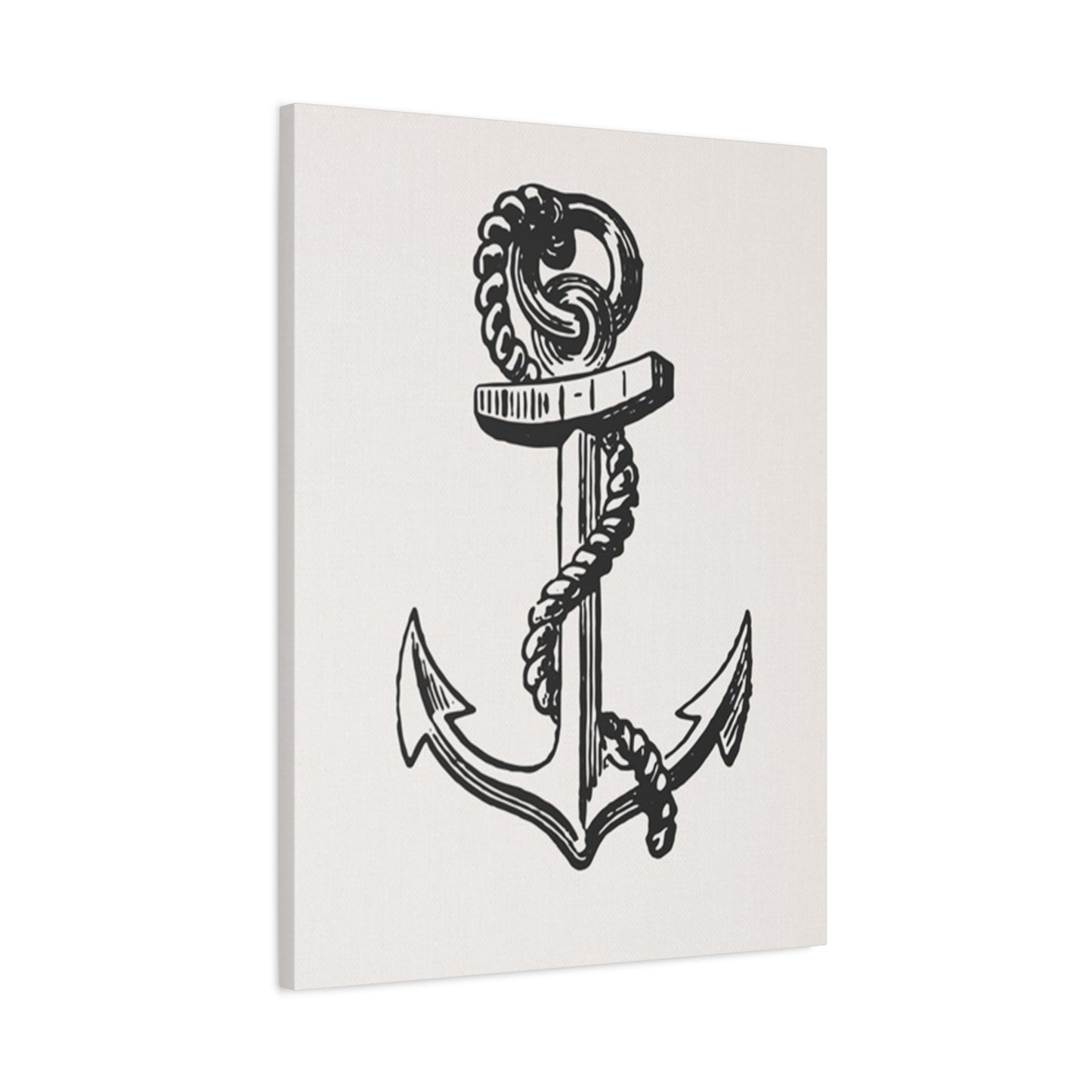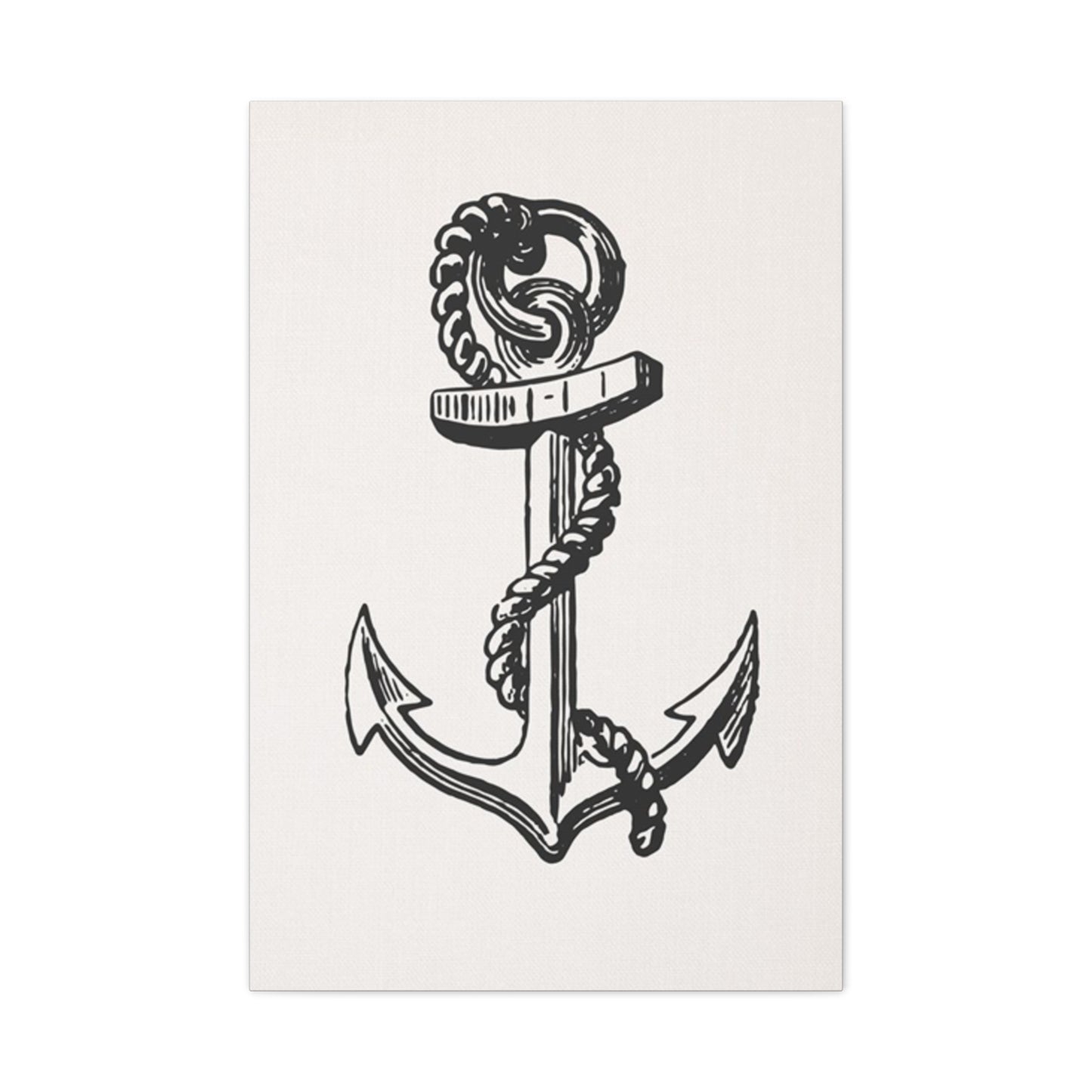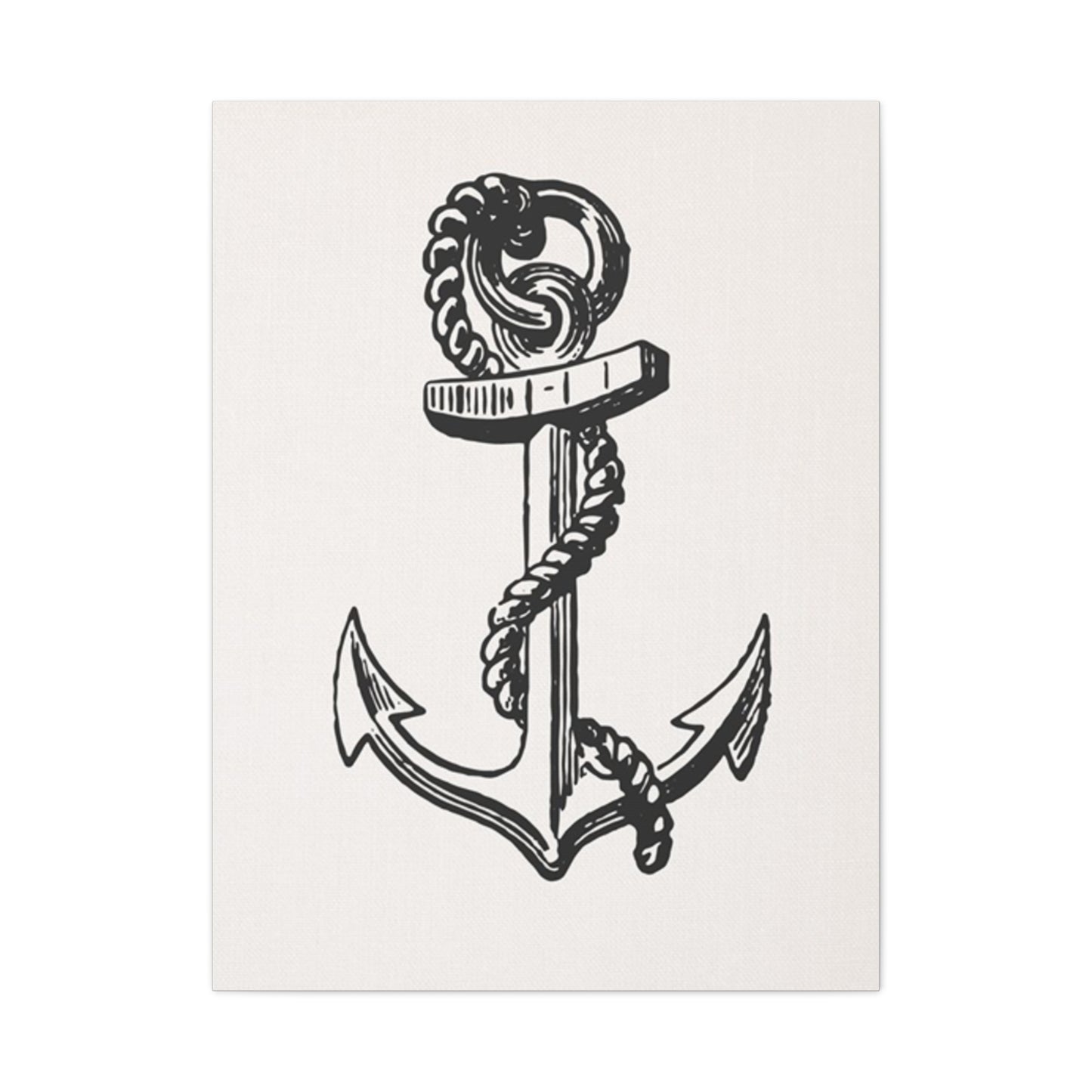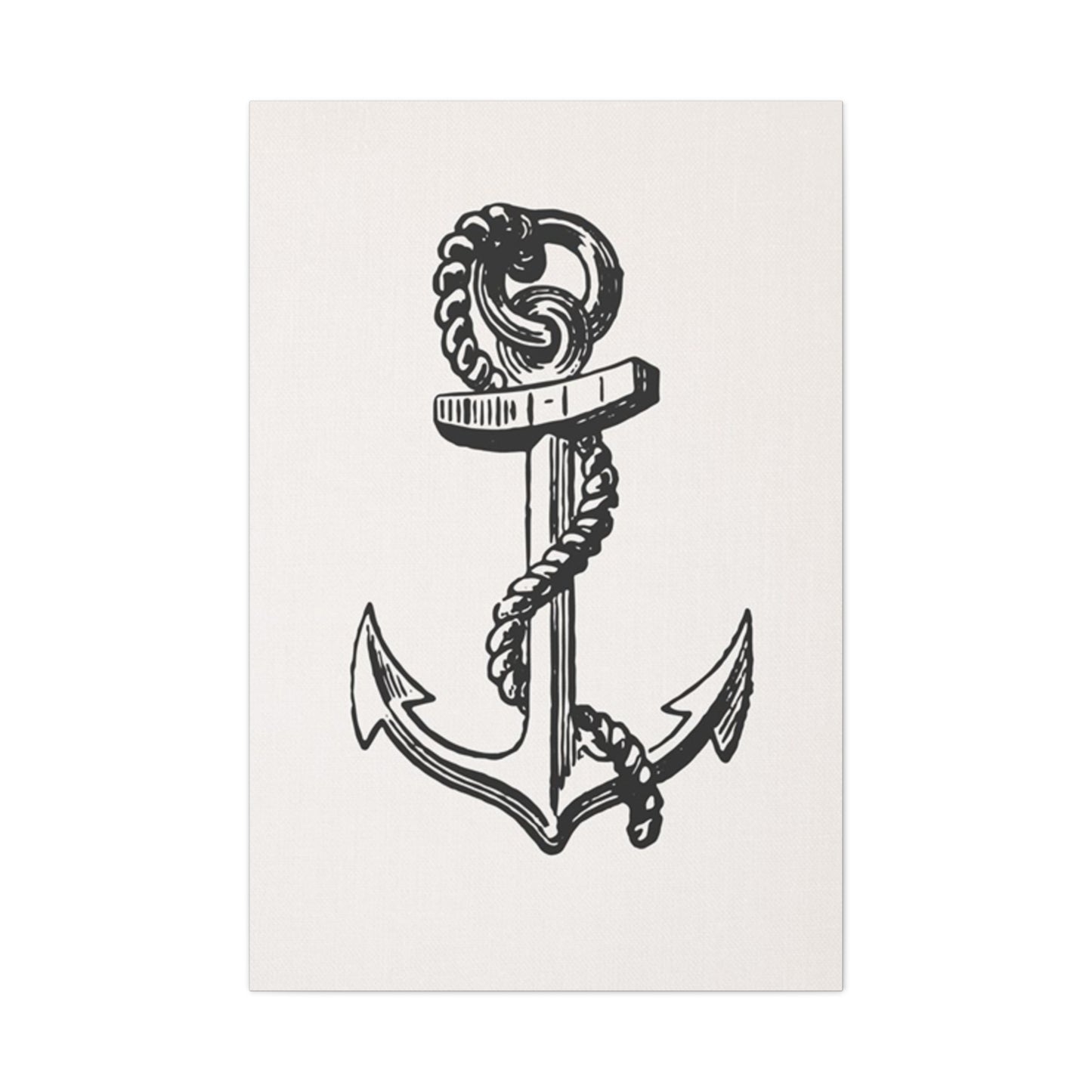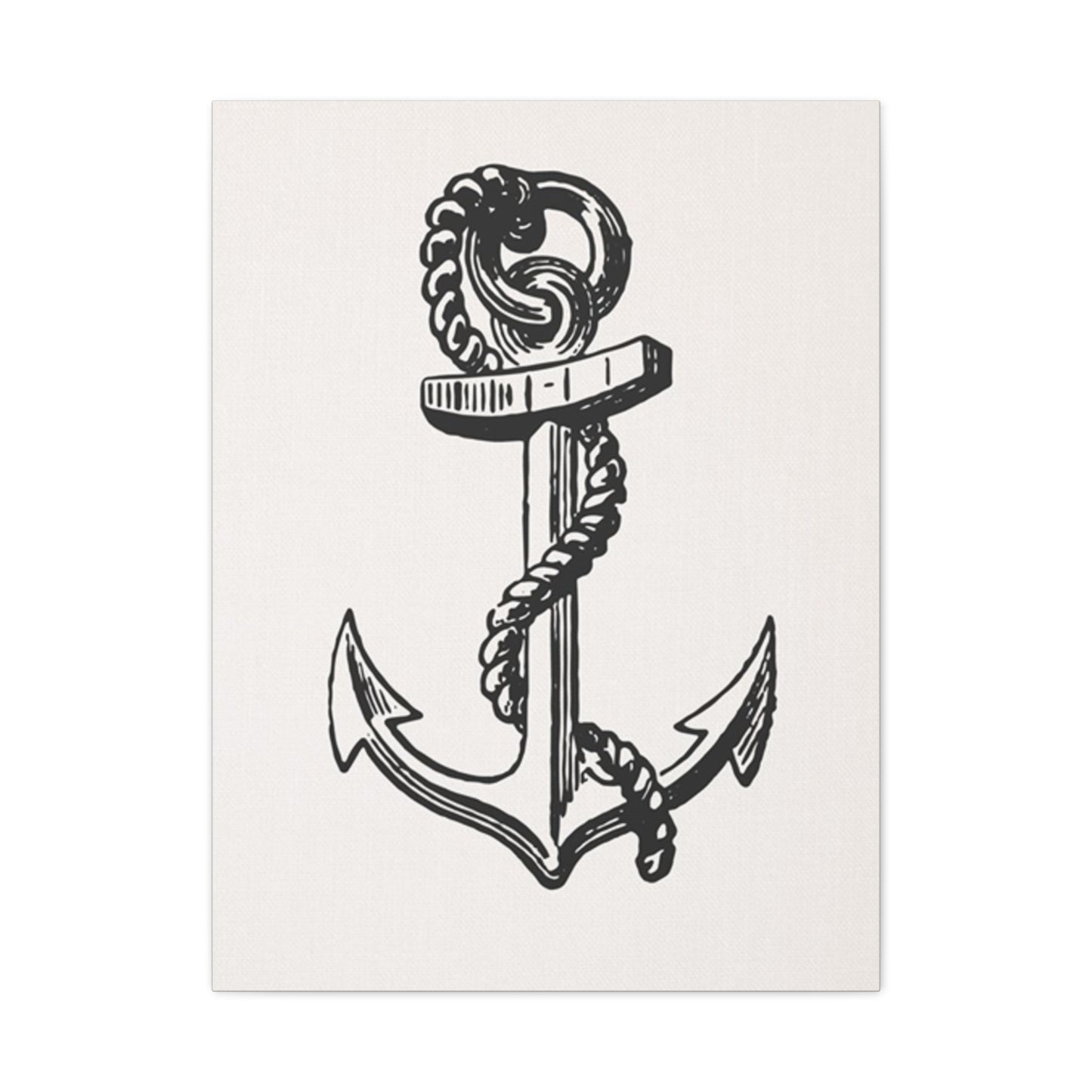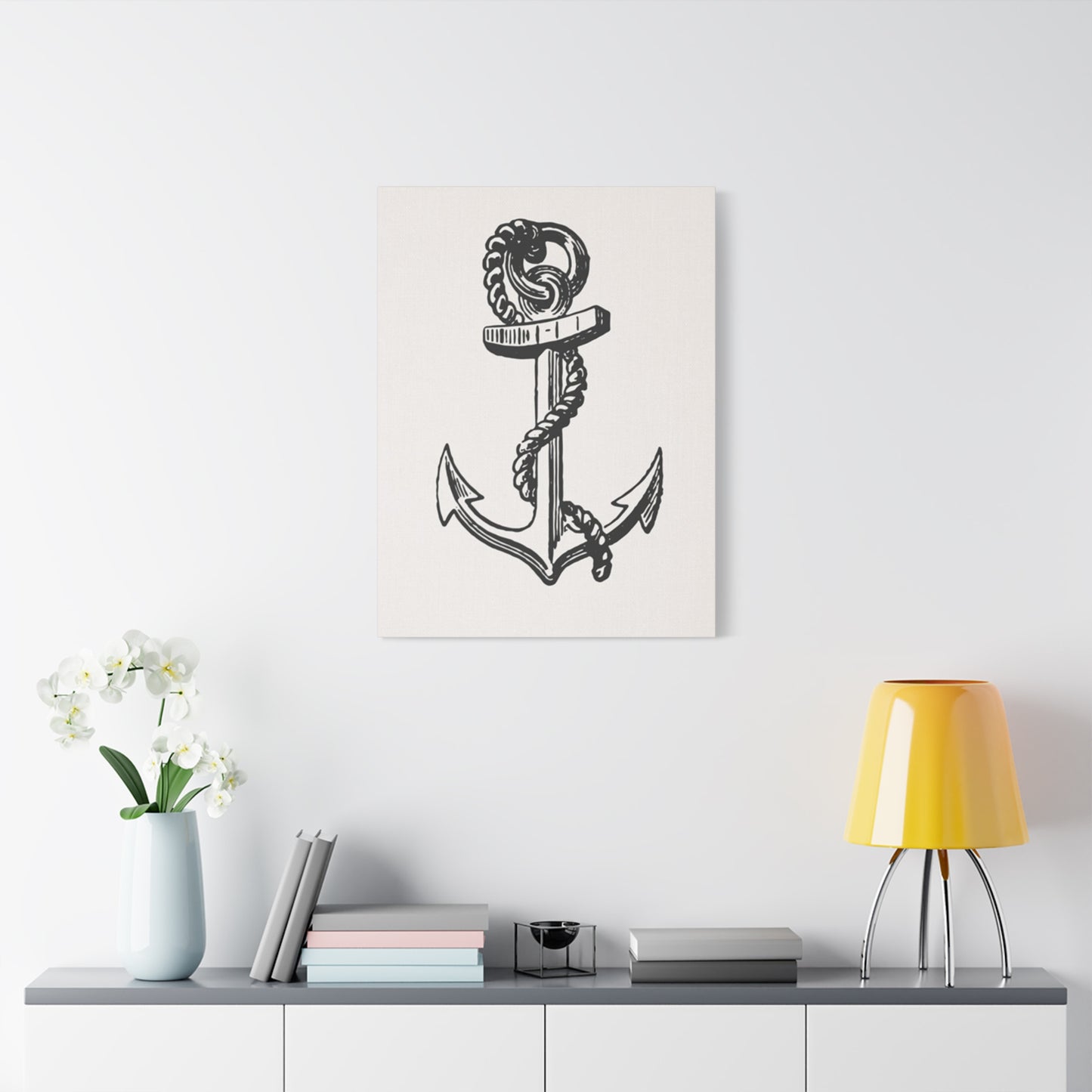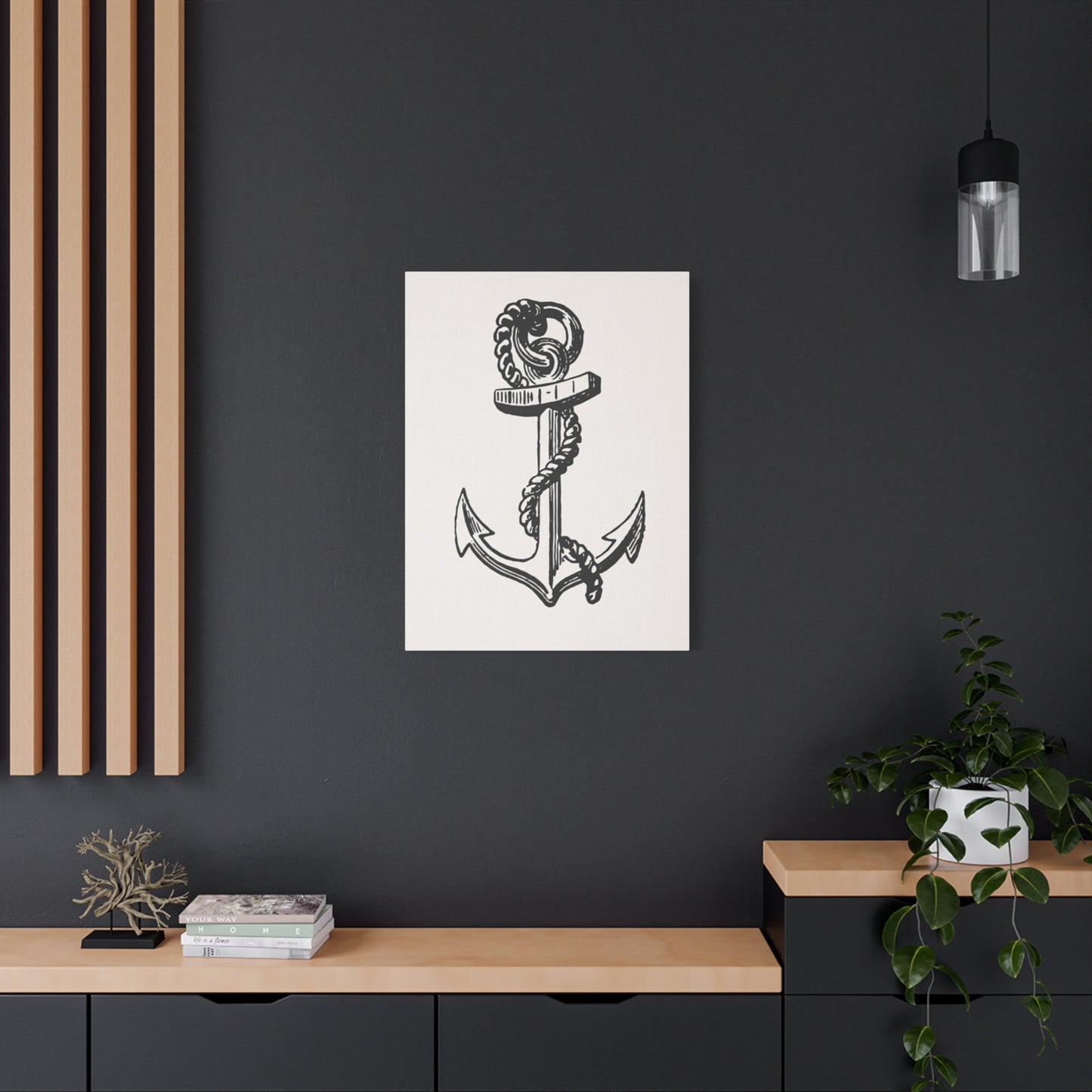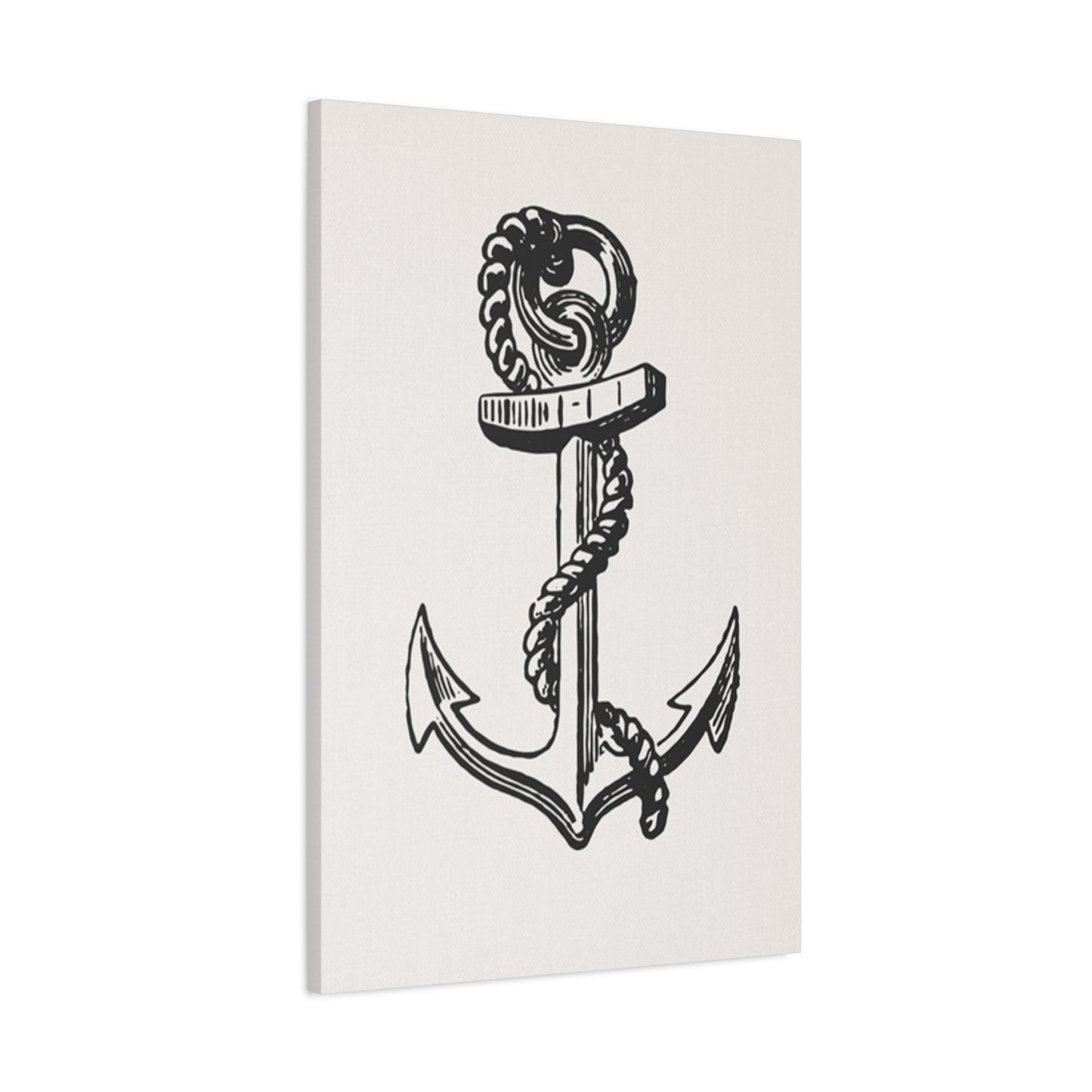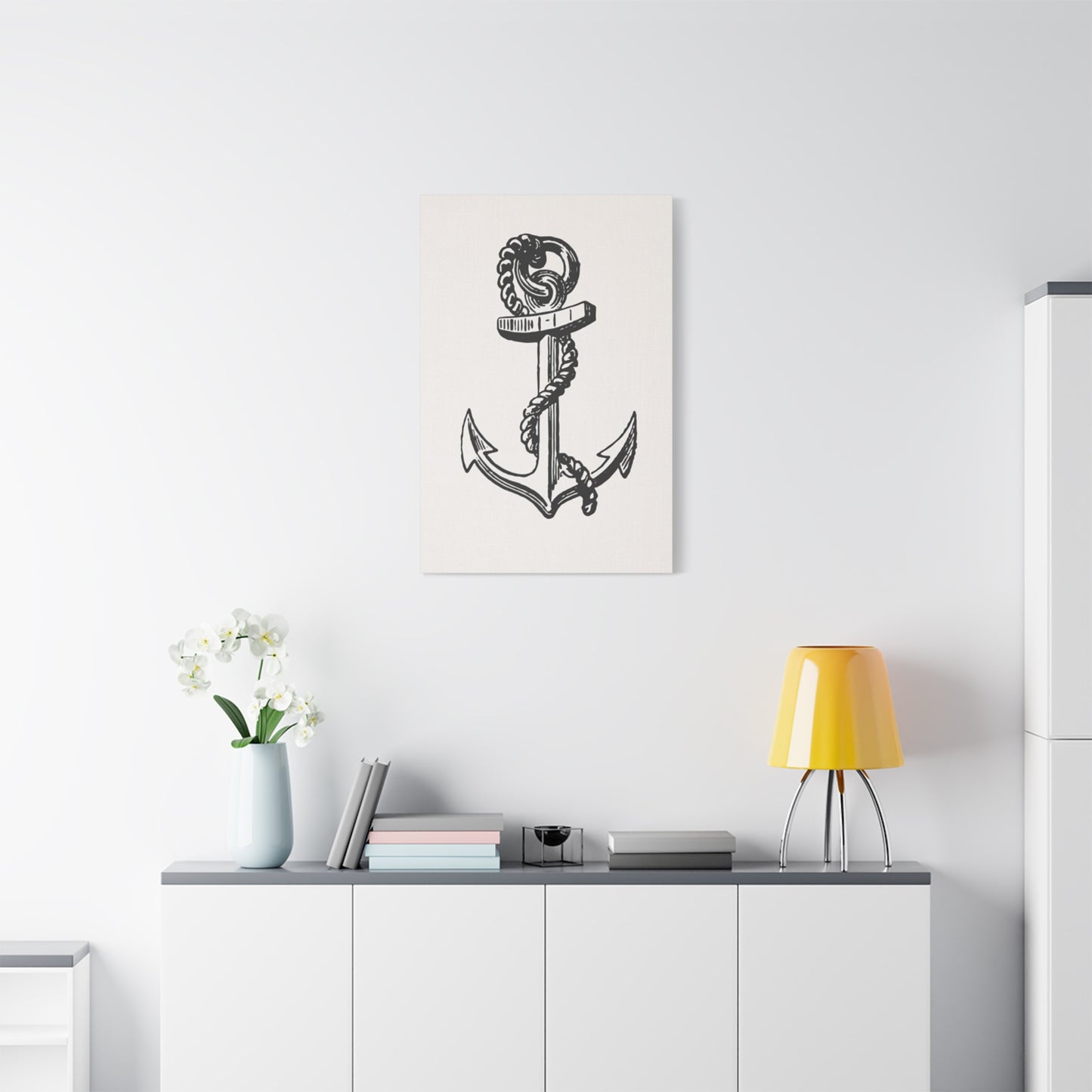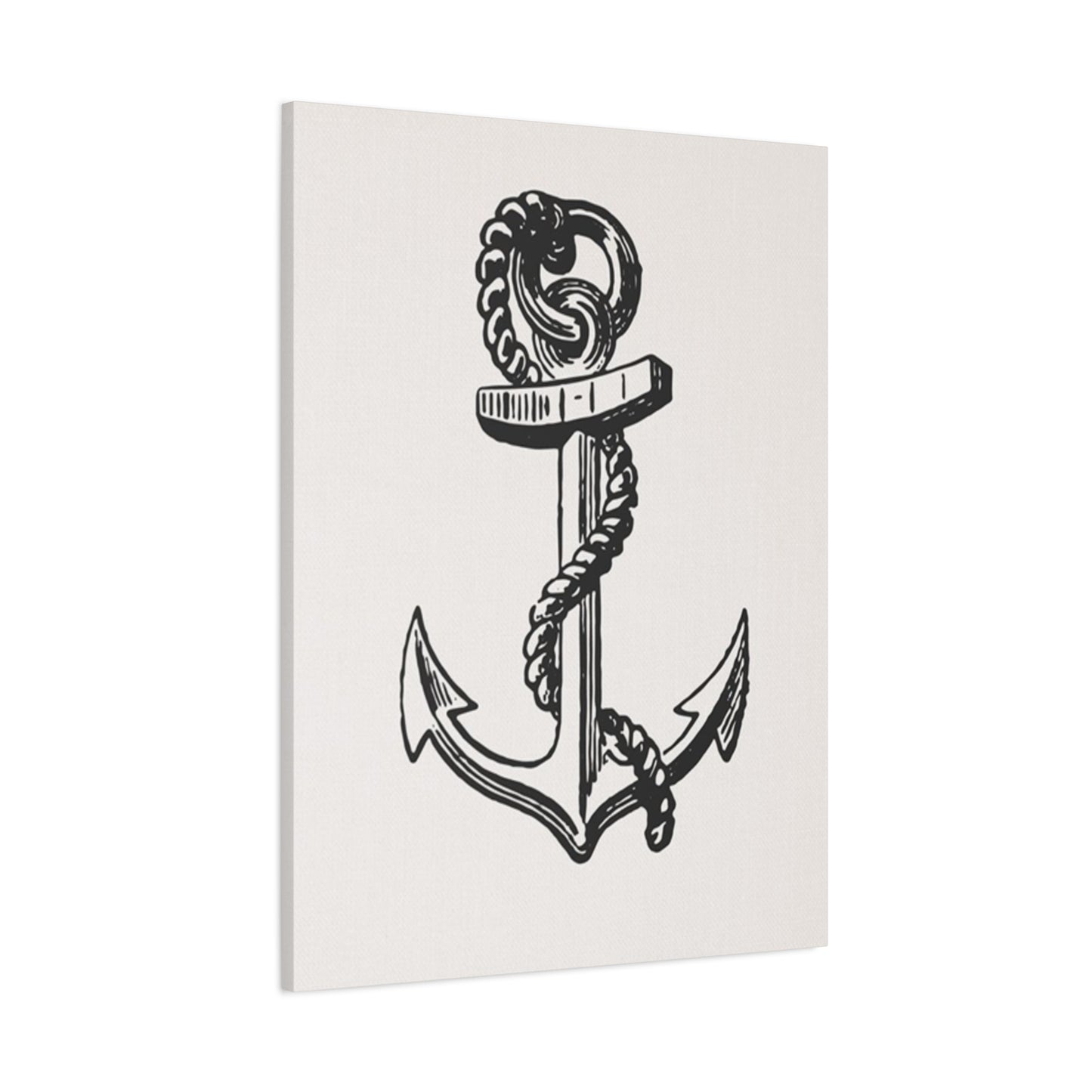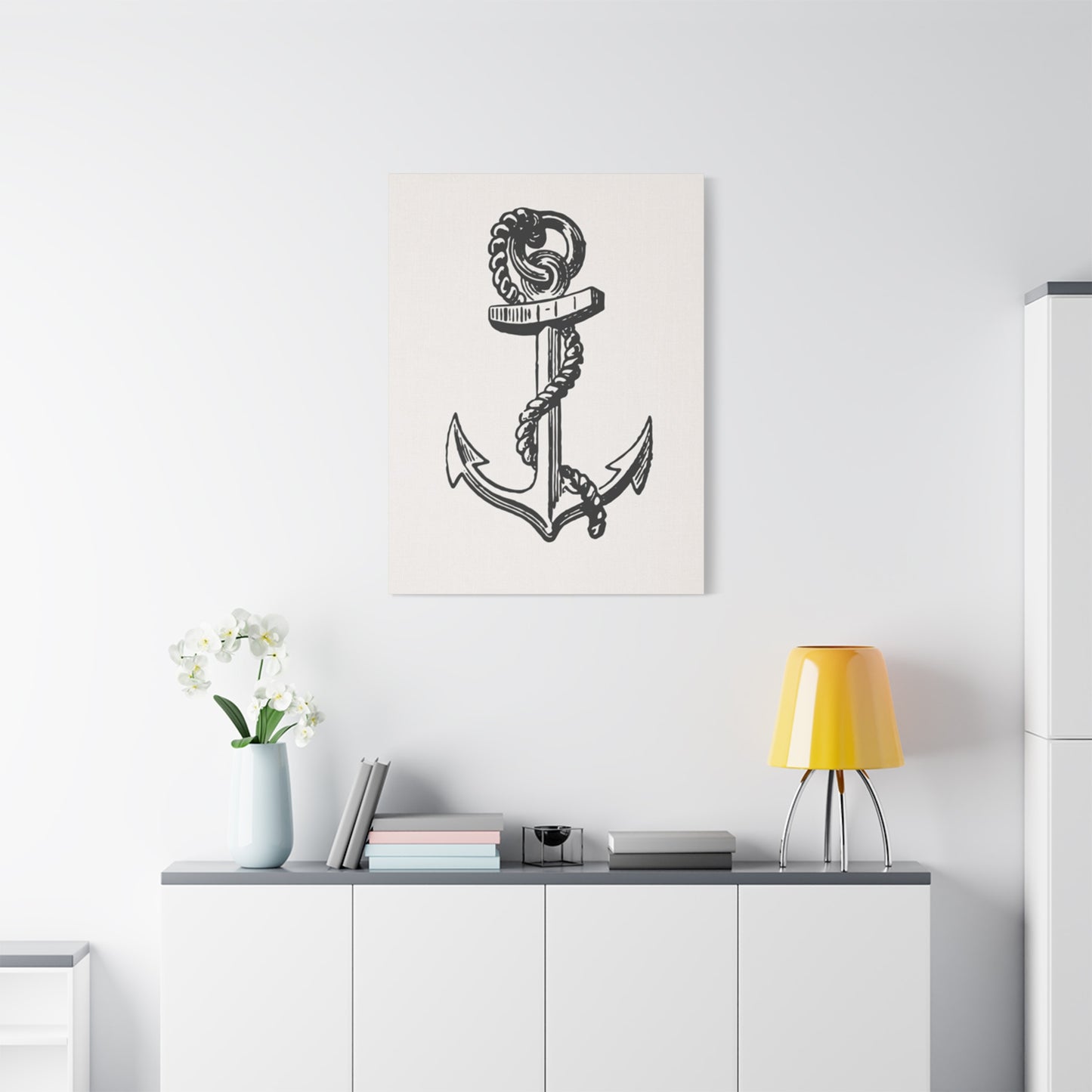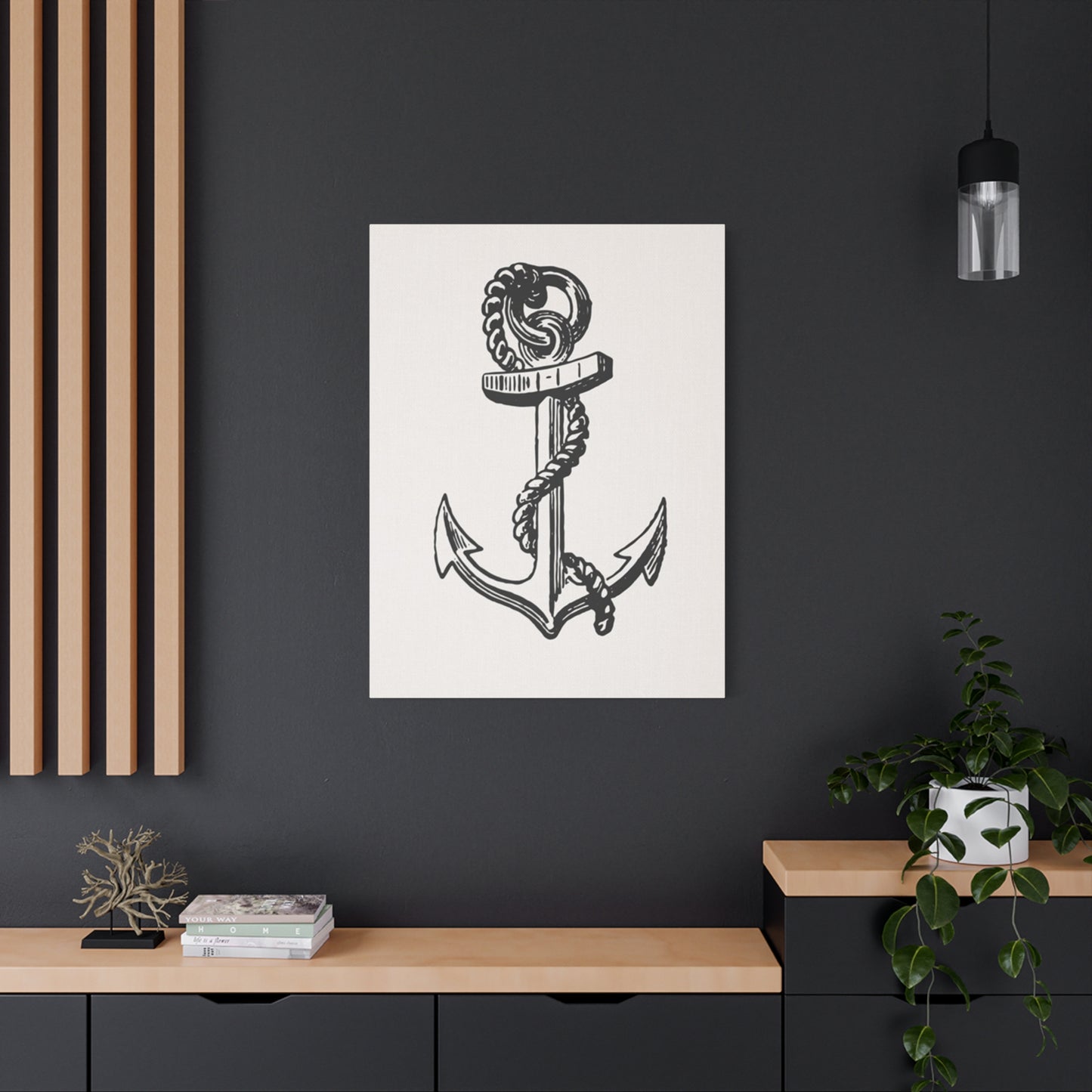


Large Ship Arrow Wall Art & Canvas Prints
Large Ship Arrow Wall Art & Canvas Prints
Couldn't load pickup availability
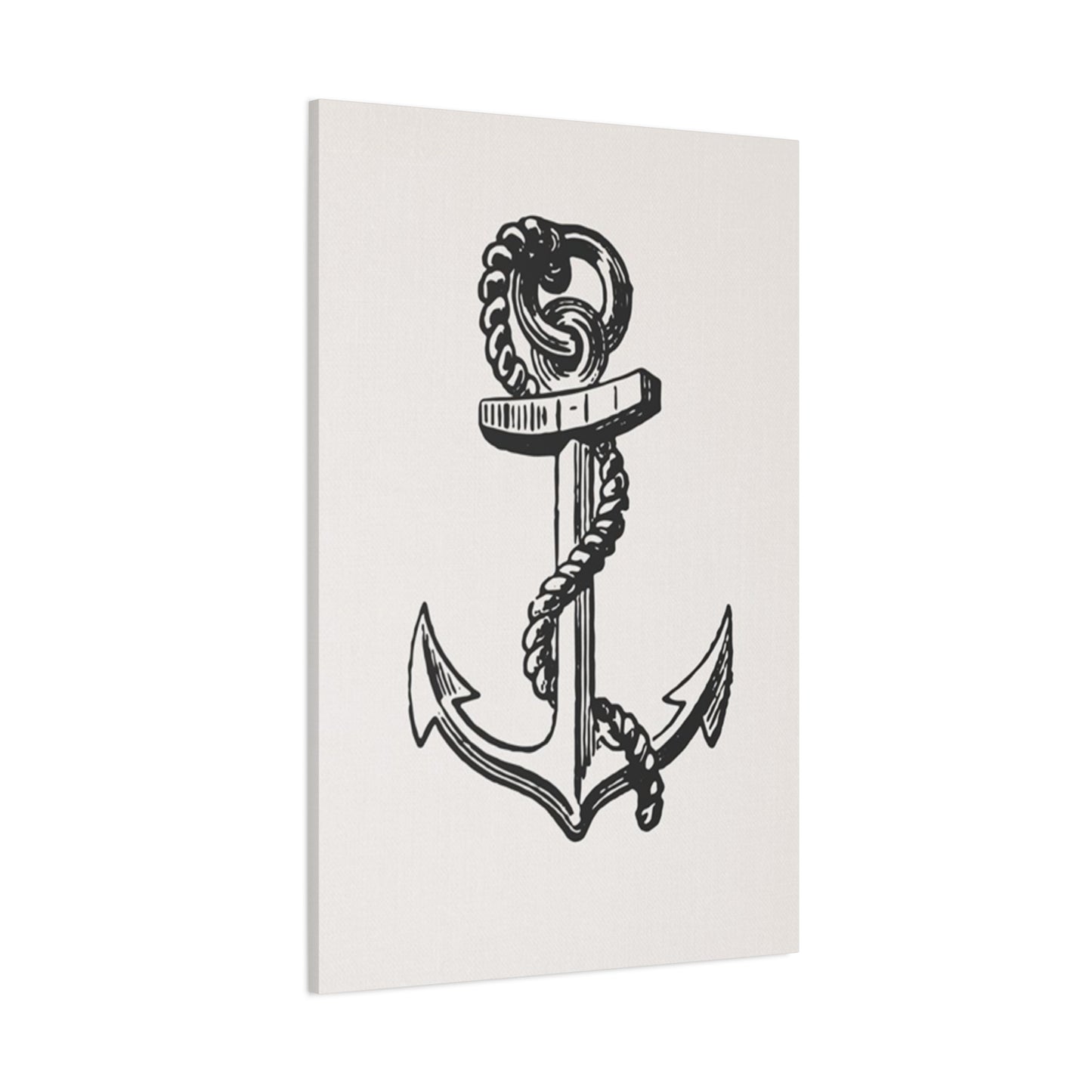
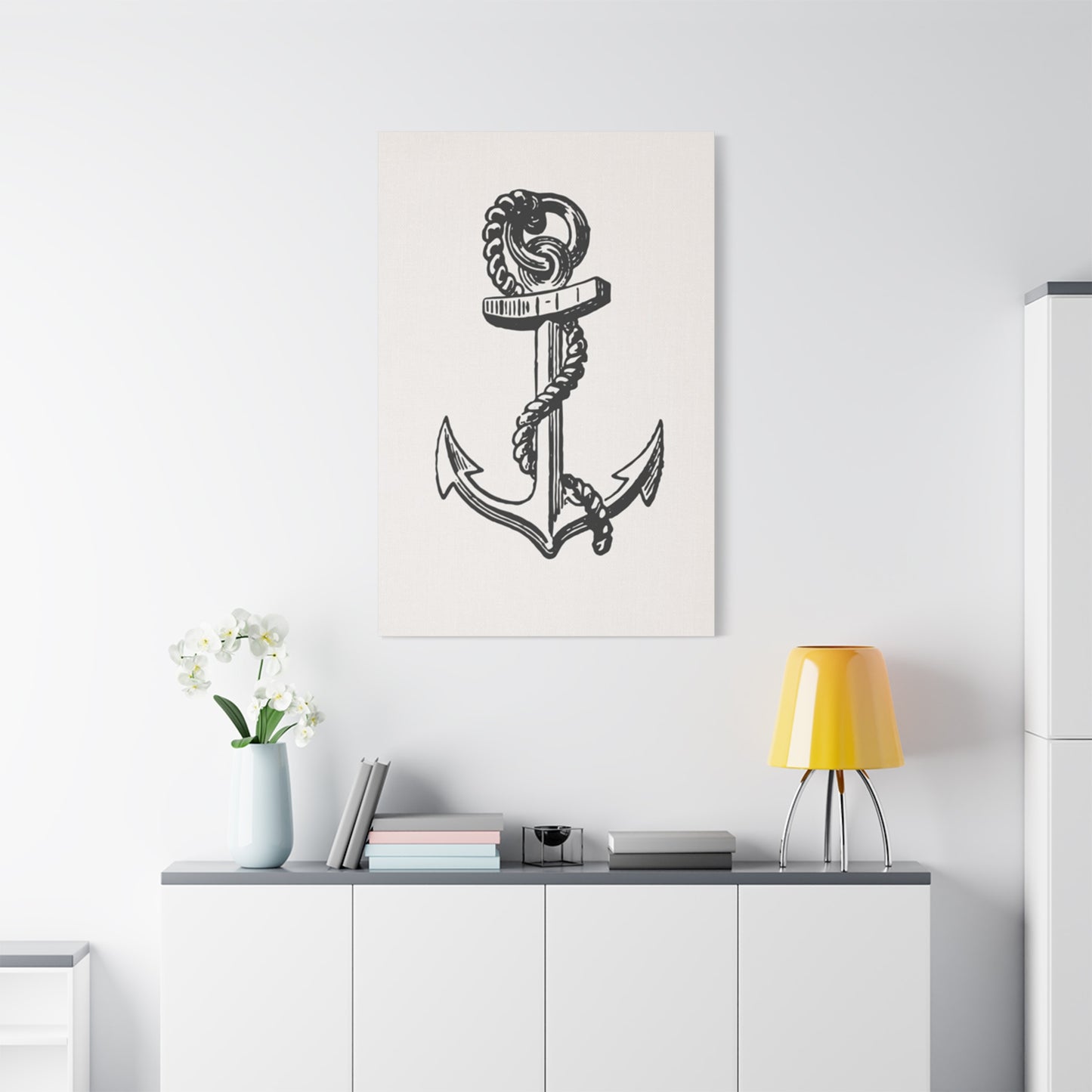
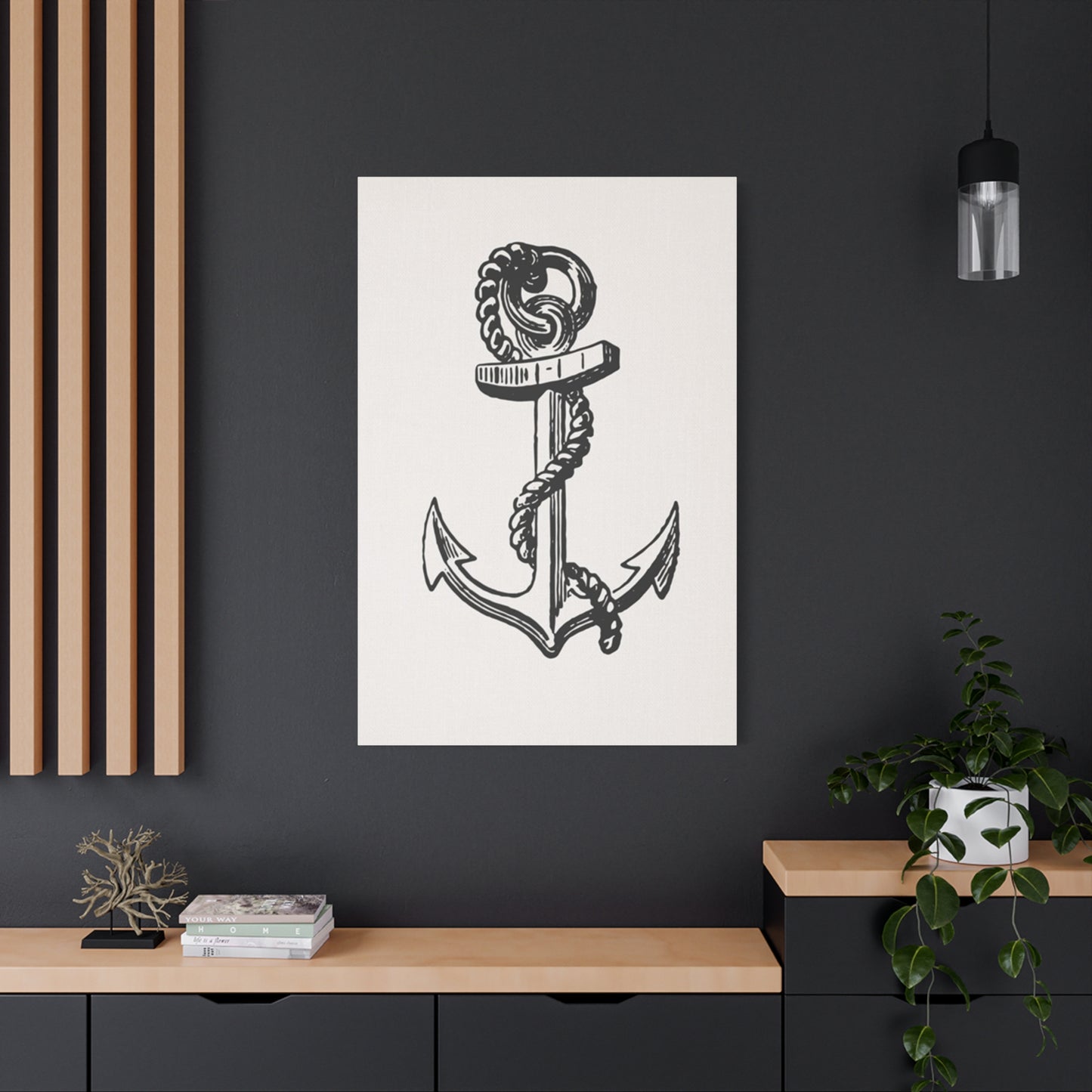
Sophisticated Large Ship Arrow Wall Art: Nautical Elegance for Modern Living Rooms
The world of interior design has witnessed a remarkable surge in maritime-inspired decorative pieces, with large ship arrow wall art emerging as a captivating focal point for contemporary homes and commercial establishments. This distinctive form of artistic expression combines the timeless allure of seafaring vessels with the directional symbolism of arrows, creating stunning visual narratives that resonate with adventure seekers, ocean enthusiasts, and design aficionados alike. The marriage of these two powerful symbols results in striking wall installations that command attention while infusing spaces with a sense of wanderlust and purposeful direction.
Large ship arrow wall art represents more than mere decoration; it embodies a lifestyle choice that speaks to those who appreciate the vastness of the ocean, the courage of maritime explorers, and the beauty of navigational instruments. These substantial pieces serve as conversation starters, mood setters, and artistic statements that reflect the personality and aspirations of those who choose to display them. Whether crafted from reclaimed wood, metal alloys, or composite materials, each piece tells a story of journeys taken and destinations yet to be discovered.
The Captivating Origins and Cultural Significance of Nautical Arrow Imagery
The fascinating intermingling of ship motifs with arrow symbolism traces its roots back centuries, when maritime navigation relied heavily on directional indicators and seafaring cultures developed rich symbolic languages. Ancient civilizations venerated both vessels and arrows as instruments of exploration, conquest, and survival. Ships represented humanity's boldest attempts to conquer the unknown waters, while arrows symbolized precision, direction, and the focused intention required to reach distant shores.
In Mediterranean cultures, maritime symbols adorned temples, homes, and public spaces as tributes to sea deities and as talismans for safe voyages. The Phoenicians, renowned as master sailors, incorporated ship imagery into their artistic expressions, viewing these vessels as extensions of divine protection. Similarly, Norse seafarers etched intricate ship designs onto various surfaces, believing these representations carried mystical properties that would ensure favorable winds and calm seas.
The arrow, across numerous cultures, has consistently represented forward momentum, purposeful action, and unwavering determination. Native American tribes imbued arrows with spiritual significance, viewing them as conduits between the earthly realm and celestial forces. When combined with ship imagery, this symbolism takes on multilayered meanings—the vessel provides the means for the journey, while the arrow supplies the direction and intent.
During the Age of Exploration, European cartographers and navigators began incorporating elaborate maritime symbols into their maps and charts. These decorative elements served practical purposes while simultaneously celebrating the romance of seafaring. Ship compasses, directional indicators, and stylized vessel illustrations became standard features on nautical documents, establishing a visual language that continues to influence contemporary design.
The Victorian era witnessed a resurgence of maritime romanticism, with nautical themes permeating architecture, fashion, and domestic decor. Wealthy families commissioned elaborate ship paintings and models to display in their estates, signifying their connections to maritime commerce or naval service. This tradition of honoring seafaring heritage through artistic representation laid the groundwork for modern interpretations like large ship arrow wall art.
Diverse Material Compositions and Craftsmanship Methods Behind Maritime Wall Installations
The creation of large ship arrow wall art involves a fascinating array of materials, each offering distinct aesthetic qualities and practical characteristics. Artisans and manufacturers employ various substances to achieve different visual effects, durability standards, and price points, ensuring options exist for every taste and budget.
Reclaimed wood stands as perhaps the most popular material for crafting these maritime pieces. Salvaged barnwood, weathered planks from old boats, or timbers from demolished structures bring authentic character and environmental consciousness to each creation. The natural aging process visible in reclaimed wood—including weathering patterns, nail holes, and color variations—adds depth and authenticity that new materials cannot replicate. Craftspeople carefully select, clean, and treat these salvaged pieces before assembling them into striking ship and arrow configurations.
Metal constructions offer an entirely different aesthetic, ranging from sleek, modern interpretations in brushed stainless steel to rustic designs in weathered iron or copper. Metal artisans employ cutting, welding, and finishing techniques to create dimensional pieces that cast intriguing shadows and reflect light in captivating ways. Some artists incorporate multiple metals within a single piece, juxtaposing the warmth of copper with the coolness of steel to create visual tension and interest.
Composite materials have gained popularity for their versatility and affordability. Medium-density fiberboard, engineered woods, and resin-based substances allow manufacturers to produce detailed designs at accessible price points while maintaining impressive durability. These materials accept various finishes, from hand-painted distressing to printed textures that mimic natural wood grain or aged metal patinas.
Canvas and fabric-based pieces represent another category, typically featuring printed or painted ship arrow designs stretched over wooden frames. These lightweight alternatives suit renters or those who frequently refresh their decor, as they mount easily and cause minimal wall damage. High-quality canvas pieces often incorporate mixed media elements, with painted sections enhanced by attached metal or wooden embellishments.
The craftsmanship involved in creating large ship arrow wall art ranges from automated manufacturing processes to meticulous handcrafting. Artisan-made pieces often feature individually shaped elements, hand-applied finishes, and unique variations that ensure no two pieces are identical. Mass-produced versions maintain consistency and affordability while still delivering visual impact. Some creators employ hybrid approaches, using mechanized cutting for basic shapes while hand-finishing each piece to add character and distinction.
Strategic Placement Considerations for Maximizing Visual Impact in Residential Environments
Positioning large ship arrow wall art requires thoughtful consideration of spatial dynamics, lighting conditions, surrounding furnishings, and the overall atmosphere you wish to create. These substantial pieces function best when given adequate breathing room and strategic placement that complements rather than overwhelms their environment.
Living rooms offer prime real estate for showcasing these maritime statements. The wall above a sofa serves as a classic location, providing an eye-level focal point that anchors seating arrangements and draws guests' attention. When positioning your large ship arrow wall art in this location, ensure the piece spans approximately two-thirds to three-quarters of the sofa's width for balanced proportions. Leave roughly eight to twelve inches between the sofa back and the artwork's lower edge to create visual connection without cramping.
Hallways and entryways present opportunities to establish immediate impressions and guide movement through your home. A large ship arrow wall art piece in these transitional spaces reinforces the directional symbolism inherent in the arrow motif while the ship element suggests journeys and welcoming homecomings. Consider installing the piece at eye level for standing viewers, typically with the center positioned fifty-seven to sixty inches from the floor.
Bedroom installations create personal sanctuaries infused with the calming essence of maritime themes. Position large ship arrow wall art above the headboard as a commanding backdrop that transforms the sleeping area into a focal point. Alternatively, place the piece on a wall opposite the bed, ensuring it's the first thing you see upon waking—a daily reminder of goals, adventures, and the directional clarity the arrow symbolizes.
Home offices and study spaces benefit enormously from the motivational symbolism embedded in ship arrow imagery. These pieces reinforce themes of progress, navigation through challenges, and the courage to explore uncharted territories—all relevant metaphors for professional endeavors. Position the artwork within your direct line of sight when seated at your desk, creating a visual anchor that inspires focused work and ambitious thinking.
Dining areas and kitchen spaces can accommodate maritime wall art when the scale and style align with the room's character. Smaller dining rooms might require more modestly sized pieces, while expansive eat-in kitchens or formal dining rooms can host truly substantial installations. Consider the viewing distance in these spaces—diners will primarily see the artwork from seated positions, so positioning should account for this lowered sightline.
Outdoor and covered patio spaces offer exciting possibilities for weather-resistant large ship arrow wall art. Metal pieces with protective coatings or specially treated wood installations bring maritime charm to exterior living areas. These placements create cohesive flows between indoor and outdoor environments while celebrating the natural connection between open-air spaces and oceanic themes.
Color Palette Selections and Finish Options for Harmonizing with Existing Decor Schemes
The color characteristics of your large ship arrow wall art dramatically influence how the piece integrates with your existing decor and the emotional resonance it creates. From weathered naturals to bold statements, color choices range across a spectrum that accommodates virtually any design vision.
Natural wood tones offer timeless versatility, blending seamlessly with various design schemes from rustic farmhouse to modern organic. Lighter woods like pine, maple, or bleached oak introduce airiness and casual elegance, particularly effective in smaller spaces or rooms with limited natural light. These pale tones pair beautifully with white, cream, and soft neutral palettes, creating serene environments with subtle maritime references.
Darker wood varieties—walnut, mahogany, or ebonized finishes—project sophistication and gravitas. These rich tones anchor spaces with commanding presence while maintaining the organic warmth that wood inherently provides. Dark wood large ship arrow wall art excels in traditional settings, masculine retreats, or contemporary spaces seeking contrast against lighter walls and furnishings.
Distressed and weathered finishes deliberately showcase aging characteristics like worn edges, faded colors, and surface imperfections. These treatments amplify the nautical authenticity of ship arrow pieces, suggesting years of salt spray exposure and sun bleaching. Gray-washed wood, whitewashed planks, and deliberately aged finishes work exceptionally well in coastal cottage schemes, shabby chic environments, and vintage-inspired spaces.
Monochromatic metal finishes provide sleek, contemporary alternatives to wood. Brushed silver, gunmetal gray, and matte black metals inject modern edge while maintaining maritime connections through material choice. These industrial finishes complement minimalist interiors, loft-style spaces, and contemporary homes where clean lines and simplified forms dominate.
Painted finishes expand color possibilities exponentially. Navy blues pay obvious homage to nautical traditions while introducing saturated color that energizes spaces. Teal and turquoise variations reference tropical waters and Caribbean adventures. White painted pieces offer crisp, clean aesthetics perfect for all-white interiors or rooms seeking brightness and visual expansion. Some artisans create multicolored pieces incorporating various hues within a single installation, introducing complexity and artistic flair.
Metallic accents and mixed-finish pieces combine multiple surface treatments for added dimension. Gold or copper leaf applications highlight specific elements, catching light and drawing attention to particular design features. Patinated surfaces that blend greens, blues, and browns mimic aged copper or bronze, suggesting artifacts recovered from the ocean depths. These sophisticated finish combinations elevate large ship arrow wall art from simple decoration to genuine artistic statements.
Size Specifications and Dimensional Guidelines for Various Room Proportions
Selecting appropriately sized large ship arrow wall art requires understanding the mathematical relationships between artwork dimensions, wall space, and surrounding elements. These guidelines help ensure your maritime piece achieves proper visual weight without overwhelming or disappearing within its environment.
For standard living rooms measuring twelve by fifteen feet with eight-foot ceilings, artwork measuring forty-eight to sixty inches in width provides substantial presence without dominating. These dimensions create focal points that anchor furniture groupings while leaving adequate negative space for visual comfort. Rooms with higher ceilings—ten feet or greater—can accommodate taller pieces or installations with significant vertical elements that draw the eye upward and emphasize the room's volume.
Master bedrooms typically house beds ranging from queen to king size, with queens measuring sixty inches wide and kings spanning seventy-six inches. Large ship arrow wall art positioned above these beds should ideally measure approximately forty to fifty inches wide for queens and fifty-five to sixty-five inches for kings. These proportions maintain visual balance while ensuring the artwork doesn't extend beyond the bed's footprint, which could create an unsettling top-heavy appearance.
Hallways present unique dimensional challenges due to their narrow proportions. Measure your hallway width and select pieces with widths no greater than two-thirds of that measurement to prevent overwhelming the space. Vertical or diagonal orientations often work better in these linear spaces, as they complement the hallway's directional nature while the arrow motif reinforces movement through the passage.
Dining rooms should consider viewing distances when determining size specifications. Measure from the wall where you'll hang your large ship arrow wall art to the furthest dining chair position. Artwork should measure roughly three to four times smaller than this viewing distance. For example, if the viewing distance measures ten feet, select pieces measuring thirty to forty inches to ensure comfortable visual engagement during meals.
Home offices and study spaces benefit from artwork sized relative to desk dimensions and seated viewing distances. Position pieces three to four feet from your seated eye level, with artwork measuring approximately one-third to one-half the desk width. This ensures the piece remains within your visual field without requiring head turning, serving as an inspirational constant presence during work sessions.
Multi-panel installations offer flexible sizing solutions, as individual components can be arranged to fit available wall space precisely. Three-panel configurations might span six feet when assembled, while five-panel arrangements could extend eight feet or more. These modular approaches accommodate irregular wall spaces, windows, doorways, or architectural features that would complicate single-piece installations.
Diverse Design Variations and Stylistic Interpretations Across Decorating Genres
Large ship arrow wall art manifests in remarkable stylistic diversity, with interpretations ranging from photorealistic renderings to abstract geometric forms. Understanding these variations helps identify pieces that resonate with your personal aesthetic and complement your existing decor philosophy.
Realistic depictions capture specific vessel types with meticulous detail—clipper ships with billowing sails, fishing boats weathering storms, or majestic ocean liners. These representations appeal to maritime enthusiasts who appreciate nautical accuracy and the romance of particular seafaring eras. Arrows in these realistic compositions might appear as authentic navigational instruments or subtle directional elements integrated into the vessel's rigging or wake patterns.
Silhouette designs reduce ships and arrows to their essential forms, creating bold, graphic statements with strong visual impact. These simplified shapes work exceptionally well in modern and contemporary settings where clean lines and uncluttered aesthetics prevail. Solid black silhouettes against neutral backgrounds create dramatic contrast, while reversed compositions with light shapes on dark grounds offer sophisticated alternatives.
Abstract interpretations deconstruct ship and arrow imagery into geometric components, textural elements, or impressionistic suggestions. These artistic pieces appeal to those seeking maritime connections without literal representations. Fragmented vessel forms, directional lines suggesting arrows, or flowing shapes evoking water and wind create evocative pieces that stimulate imagination and conversation.
Vintage and retro styles deliberately reference specific design eras—perhaps mid-century modern aesthetics with their characteristic color palettes and simplified forms, or Victorian-era illustration styles with ornate details and romantic sensibilities. These nostalgic pieces transport viewers to particular moments in design history while maintaining contemporary relevance through current production methods and materials.
Industrial interpretations emphasize raw materials, exposed construction elements, and utilitarian aesthetics. Welded metal pieces with visible seams, reclaimed wood installations showcasing original paint and hardware, or composite designs featuring deliberately rough finishes appeal to those drawn to warehouse lofts, urban spaces, and edgy contemporary environments.
Coastal cottage variations embrace light, airy aesthetics with whitewashed finishes, soft blues, weathered woods, and deliberately distressed surfaces. These pieces evoke beachside living, summer vacations, and the relaxed luxury of seaside retreats. Shell embellishments, rope details, or netting incorporated into the design amplify the maritime connection.
Rustic farmhouse interpretations combine maritime themes with agricultural aesthetics, creating hybrid pieces that feel simultaneously oceanic and landlocked. Barnwood construction, muted earth tones, and simple forms characterize these crossover designs that suit country homes, rural settings, or urban dwellers seeking connections to simpler, more grounded lifestyles.
Mounting Hardware and Hanging Systems for Secure Wall Attachment
Properly securing large ship arrow wall art requires appropriate hardware selections and correct installation procedures. These substantial pieces demand more than standard picture hangers, necessitating robust systems that safely distribute weight while protecting both artwork and walls.
Wall composition significantly influences hardware selection. Drywall installations require locating wall studs for secure mounting, as drywall alone cannot support substantial weight. Stud finders—electronic or magnetic varieties—help locate these structural supports hidden behind wall surfaces. Once located, heavy-duty screws driven directly into studs provide the strongest mounting points. For pieces requiring multiple mounting points that don't align with stud positions, heavy-duty drywall anchors rated for the artwork's weight offer alternatives, though stud mounting remains preferable when possible.
Plaster walls present different challenges, as their composition varies significantly based on construction era and methods. Older plaster often contains horsehair and attaches to wooden lath, while newer plaster might adhere to metal mesh or drywall substrates. Toggle bolts work exceptionally well in plaster, as their expanding wings distribute weight across larger areas behind the wall surface. Plastic anchors designed specifically for plaster provide another reliable option, though weight ratings should be carefully observed.
Concrete, brick, and masonry walls require masonry-specific hardware. Masonry screws with special threading cut directly into these hard surfaces when pre-drilled holes with masonry bits create starter openings. Concrete anchors expand within drilled holes to create incredibly secure mountings capable of supporting even the heaviest large ship arrow wall art installations. Brick walls allow mounting either into brick faces or into mortar joints, with mortar generally offering easier drilling though brick provides stronger attachment.
D-rings attached to artwork backs offer versatile mounting options. Heavy-duty D-rings rated for substantial weight should be screwed securely into solid portions of the artwork's backing structure, typically wooden frames or support bars. Position D-rings approximately one-third down from the top edge for optimal hanging balance. Wire strung between D-rings provides traditional hanging methods, though direct screw-into-D-ring mounting offers superior stability for heavy pieces.
French cleats represent the gold standard for mounting heavy wall installations. These systems employ two interlocking wooden or metal pieces—one attached to the wall, one to the artwork—that slide together forming incredibly secure joints. The weight-bearing advantages of French cleats include load distribution across the entire cleat length and the virtual impossibility of accidental dislodgement. Additionally, these systems allow easy removal and rehinging when redecorating or relocating.
Specialized gallery systems using adjustable cables, rods, and hanging mechanisms provide museum-quality mounting with exceptional flexibility. These sophisticated systems particularly suit those who frequently rearrange artwork or collectors displaying multiple pieces. While more expensive than traditional mounting methods, gallery systems protect walls from repeated nail holes and facilitate effortless artwork rotation.
Creative Arrangement Patterns for Multiple Piece Collections and Gallery Walls
Displaying multiple large ship arrow wall art pieces or combining maritime artwork with complementary items creates dynamic gallery walls that tell richer visual stories. These arrangements require planning and spatial awareness to achieve cohesive, balanced results that elevate individual pieces while creating unified presentations.
Symmetrical arrangements bring formal elegance and organized sensibilities to gallery walls. Position a central large ship arrow wall art piece as the anchor, flanked by identical or similarly sized maritime items at equal distances. This balanced approach suits traditional decor schemes and spaces where order and predictability create comfort. Symmetrical galleries work particularly well above mantels, beds, or formal furniture pieces where centered arrangements reinforce architectural symmetry.
Asymmetrical layouts embrace organic balance rather than mirrored perfection. These arrangements might feature a large ship arrow wall art piece positioned off-center, balanced visually by several smaller items clustered on the opposite side. The key lies in distributing visual weight—larger pieces, darker colors, or busier compositions carry more visual weight than smaller, lighter, or simpler items. Asymmetrical galleries feel contemporary, creative, and personally curated rather than formally arranged.
Grid patterns impose organizational structure on multiple pieces by aligning their edges and maintaining consistent spacing between items. Pure grid arrangements feature identically sized pieces in uniform rows and columns, creating clean, graphic presentations. Looser grid concepts maintain consistent spacing and general alignment while incorporating varied piece sizes, allowing more flexibility and visual interest while preserving organizational clarity.
Salon-style hangings recreate the dense, floor-to-ceiling arrangements seen in 18th and 19th-century European galleries. These exuberant displays pack walls with artwork in various sizes, leaving minimal negative space. A large ship arrow wall art piece might anchor the arrangement, surrounded by smaller maritime paintings, nautical instruments, ship models, and related decorative objects. Salon walls project confidence, eclecticism, and passionate collecting rather than minimalist restraint.
Horizontal arrangements extend laterally across walls, emphasizing width rather than height. Three to five pieces aligned horizontally at consistent heights create visual paths that guide eyes across spaces. These layouts particularly suit rooms with expansive wall lengths but limited vertical space—perhaps rooms with chair rails, wainscoting, or low ceilings where vertical emphasis feels cramped.
Vertical stacking emphasizes height and draws attention upward, making rooms feel taller and more spacious. Position a large ship arrow wall art piece at eye level with additional maritime elements stacked above and below. This arrangement works beautifully in narrow wall sections beside windows, between doorways, or in hallways where horizontal space is limited.
Corner arrangements utilize two adjacent walls to create wraparound displays that make architectural features like corners become visual assets rather than awkward spaces. Begin with a large ship arrow wall art piece on one wall, continuing the maritime theme around the corner with complementary items. This approach creates flow and continuity while maximizing often-underutilized wall real estate.
Illumination Strategies and Lighting Schemes to Enhance Maritime Artwork Display
Proper lighting dramatically impacts how large ship arrow wall art appears and the mood it creates within spaces. Strategic illumination choices highlight details, create depth, and ensure your maritime investment receives the attention it deserves while contributing to overall room ambiance.
Picture lights—dedicated fixtures mounted directly above or below artwork—provide focused illumination that showcases pieces regardless of ambient lighting conditions. Traditional brass or bronze picture lights complement classical and traditional maritime pieces, while modern LED strips in brushed nickel or matte black suit contemporary installations. Position picture lights to cast even illumination across the entire artwork surface without creating glare or hot spots. Adjustable arms allow fine-tuning to accommodate various artwork dimensions and hanging heights.
Track lighting systems offer exceptional flexibility for illuminating artwork while providing general room lighting. Individual track heads can be aimed precisely at your large ship arrow wall art, with beam angles adjusted to flood the entire piece with light. Dimmer controls allow lighting adjustments matching different times of day, activities, or desired moods. Track systems work particularly well in modern and contemporary spaces where visible lighting fixtures complement rather than contradict design aesthetics.
Recessed canister lights (often called can lights or downlights) provide discreet illumination that seemingly emanates from the ceiling itself. Adjustable trim options allow some beam direction control, though fixed positions limit flexibility compared to track systems. Position recessed lights eighteen to twenty-four inches from walls to properly graze artwork surfaces without creating harsh shadows or uneven illumination. This lighting approach suits those preferring unobtrusive fixtures that don't compete visually with displayed artwork.
Wall sconces flanking large ship arrow wall art create balanced illumination while adding decorative elements that complement maritime themes. Nautical-inspired sconce designs—perhaps incorporating ship's lantern motifs, rope details, or weathered metal finishes—reinforce thematic consistency while serving practical lighting functions. Position sconces at artwork height or slightly above, ensuring they don't cast shadows across the piece itself.
Accent lighting using small, focused spots draws attention to specific artwork elements. These targeted lights might highlight particular details—perhaps the ship's rigging, arrow fletching, or interesting textural components. Accent lighting creates drama and dimensionality, especially effective for three-dimensional pieces or installations with significant relief elements that cast interesting shadows when directionally lit.
Natural light presents opportunities and challenges for artwork display. Southern exposures flood spaces with abundant light but introduce UV radiation that can fade finishes and colors over time. UV-filtering window films or treatments protect artwork while maintaining brightness. Eastern and western exposures create changing light conditions throughout the day, sometimes causing glare issues during direct sun hours. Northern light provides consistent, cool illumination without direct sun concerns, generally ideal for artwork display. Consider how natural light interacts with your large ship arrow wall art throughout daily cycles, adjusting artificial lighting to compensate during evening hours.
Layered lighting approaches combine multiple light sources at different levels—ambient, task, and accent—creating flexible, nuanced illumination schemes. This sophisticated strategy allows fine-tuned control over how spaces feel and how artwork appears under various conditions. Dimmer switches and smart lighting systems provide unprecedented control, enabling preset scenes that optimize artwork viewing while accommodating different activities and preferences.
Thematic Pairing Suggestions and Complementary Decor Elements for Cohesive Maritime Spaces
Creating cohesive environments around large ship arrow wall art involves selecting complementary furnishings, accessories, and decorative elements that reinforce maritime themes without overwhelming spaces with obvious nautical cliches. Sophisticated layering of thematic elements builds rich, immersive environments that feel intentional and curated.
Furniture selections in natural materials echo the organic qualities present in many large ship arrow wall art pieces. Weathered wood tables, driftwood coffee tables, or reclaimed timber consoles establish material consistency that ties rooms together. Wicker and rattan seating introduces texture while referencing coastal living without resorting to overtly nautical motifs. Leather furnishings in cognac or tobacco tones bring warmth while suggesting the leather goods commonly found aboard ships—journals, map cases, and captain's chairs.
Textile choices significantly influence how maritime themes read within spaces. Striped patterns in navy and white, red and white, or neutral combinations reference classic seafaring apparel and signal flags. Rope and netting textures in throw pillows, area rugs, or window treatments create tactile connections to ships and harbors. Canvas fabrics nod to sailcloth while providing durability and casual elegance. Subtle patterns incorporating anchors, compasses, or wave motifs layer additional maritime references without announcing themes too loudly.
Accessory collections allow personality expression while supporting overarching design narratives. Vintage telescopes, sextants, or compass replicas displayed on shelves or side tables reinforce navigational themes inherent in arrow symbolism. Ship models—from simple silhouettes to elaborate detailed replicas—obviously complement large ship arrow wall art while introducing dimensional elements. Glass floats, shells, coral specimens, or sea glass collections bring pieces of the ocean itself into interiors, creating tangible connections to maritime subjects.
Lighting fixture selections beyond those illuminating artwork specifically can reinforce thematic consistency. Chandeliers incorporating rope elements, fixtures fashioned from ship's lanterns, or pendant lights featuring weathered metal finishes contribute to maritime atmospheres. Coastal-inspired table lamps with ceramic bases glazed in oceanic blues or fixtures featuring driftwood components layer additional references without redundancy.
Color palette extensions beyond the artwork itself unify spaces while preventing thematic oversaturation. Rather than drowning rooms in obvious nautical colors, consider sophisticated approaches that hint at maritime connections—weathered grays suggesting fog and storm clouds, deep blues recalling twilight waters, sandy neutrals evoking beaches, or crisp whites suggesting sea foam and sails. These subtle color stories support without overwhelming, allowing your large ship arrow wall art to remain the focal point rather than competing with equally loud surroundings.
Flooring choices ground maritime themes while providing practical foundation layers. Wide-plank hardwoods in light to medium tones suggest ship decking while providing timeless appeal. Gray-washed or whitewashed wood floors amplify coastal cottage aesthetics. Natural fiber rugs in jute, sisal, or seagrass introduce organic textures while their neutral tones prevent busy floor treatments from competing with walls. Striped runners in hallways or entryways extend maritime motifs while serving practical functions.
Window treatments should enhance rather than contradict maritime themes. Simple linen curtains in natural tones provide softness while maintaining organic material consistency. Roman shades in striped fabrics or solid blues offer clean lines and nautical references. Wooden blinds or shutters, particularly in weathered or whitewashed finishes, complement rather than compete with large ship arrow wall art while providing light control and privacy.
Seasonal Styling Adaptations and Periodic Refreshes Around Permanent Maritime Installations
While large ship arrow wall art serves as permanent anchor points, surrounding decor can shift seasonally, keeping spaces feeling fresh and responsive to changing weather, holidays, and moods. These periodic adaptations prevent spaces from feeling static while maximizing investment in substantial permanent pieces.
Summer styling embraces brightness, lightness, and celebration of warm weather. Swap heavier textiles for lightweight linens and cottons in whites, bright blues, or cheerful patterns. Introduce fresh flowers in simple vessels, perhaps hydrangeas or beach grasses that complement maritime themes. Display collections of found shells, beach stones, or sea glass in glass containers. Replace darker throw pillows with crisp white or striped versions. These refreshments maintain maritime connections while emphasizing the season's carefree energy.
Autumn adaptations introduce warmth and richness while retaining maritime foundations. Incorporate textiles in rust, burnt orange, or deep burgundy that reference changing leaves while complementing ship and ocean imagery. Switch to heavier fabrics like wool or velvet for throw blankets. Introduce amber glass vessels, copper accessories, or brass nautical instruments that reflect autumn's golden light. Dried arrangements featuring grasses, wheat, or preserved branches bring organic elements indoors as outdoor seasons shift.
Winter transformations create cozy sanctuaries without abandoning maritime themes. Layer chunky knit throws, faux fur pillows, and plush textures that invite snuggling during cold months. Incorporate metallics—perhaps silver, pewter, or brushed nickel—that feel clean and crisp like winter air. Introduce cooler color palettes emphasizing whites, grays, and icy blues that mirror winter seascapes. Position candle groupings to create warmth and ambiance during shorter daylight hours. These adaptations maintain sophistication while responding to seasonal needs for comfort.
Spring renewals emphasize freshness, growth, and optimism. Introduce bright, clear colors—perhaps coral, turquoise, or sunny yellow—that energize spaces after winter dormancy. Bring in fresh greenery through potted plants, cut branches forcing blooms, or simple herb gardens in weathered containers. Lighten window treatments, roll away heavy rugs, and generally open spaces to welcome returning light. These refreshing changes celebrate renewal while your large ship arrow wall art provides continuity.
Holiday decorating around maritime artwork requires restraint to prevent clashing themes. Rather than traditional holiday motifs, consider coastal-inspired alternatives—perhaps driftwood wreaths, starfish ornaments, or garlands incorporating shells and sea glass. For winter holidays, emphasize natural elements like evergreen branches, pinecones, and white lights that feel organic rather than thematically contradictory. Coastal residents might embrace sand dollar ornaments, lighthouse figurines, or ship-themed holiday decorations that reinforce rather than compete with existing maritime elements.
Periodic complete refreshes every few years prevent spaces from feeling dated while maintaining investment in quality permanent pieces like large ship arrow wall art. Consider repainting accent walls in updated shades, replacing worn textiles with current fabrics, or introducing entirely new furniture pieces while retaining your maritime artwork. This approach allows design evolution without abandoning successful foundational elements.
Protective Measures and Preservation Practices for Long-Term Artwork Integrity
Ensuring large ship arrow wall art maintains its beauty and structural integrity over decades requires understanding potential threats and implementing protective measures. Different materials demand specific care approaches, though general principles apply across categories.
Environmental monitoring prevents many common artwork issues. Maintain consistent temperature and humidity levels, as fluctuations cause materials to expand and contract, potentially leading to warping, cracking, or delamination. Ideal conditions typically range from sixty-five to seventy-five degrees Fahrenheit with forty to fifty-five percent relative humidity. Dehumidifiers in damp climates and humidifiers in arid regions help maintain stable conditions. Hygrometers inexpensively monitor these factors, alerting you to problematic conditions before damage occurs.
Sunlight protection preserves finishes and prevents fading, particularly crucial for painted or stained pieces. UV-filtering window films block harmful radiation while maintaining visibility. UV-protective glass or acrylic glazing protects particularly vulnerable pieces. For artwork receiving direct sun exposure, consider rotating pieces periodically or repositioning them to minimize cumulative UV damage. Even indirect natural light causes gradual fading over years, making protection worthwhile for cherished items.
Dust accumulation dulls finishes and can scratch surfaces when wiped away improperly. Regular gentle cleaning using soft, lint-free cloths prevents buildup while avoiding abrasive materials that scratch. For wood pieces, slightly dampened cloths lift dust without saturating surfaces, followed immediately by dry cloth buffing. Metal artwork tolerates slightly more moisture but should still be dried thoroughly to prevent water spots. Avoid commercial cleaners unless specifically designed for your artwork's materials, as chemicals can damage finishes unpredictably.
Inspection routines identify developing issues before they become serious problems. Quarterly examinations checking mounting hardware, examining surfaces for damage, and assessing overall condition allow early intervention. Look for loose screws, separating joints, chipping finishes, developing cracks, or pest evidence. Addressing minor issues promptly prevents escalation into costly repairs or irreversible damage.
Pest prevention protects particularly wood pieces from destruction by insects. Woodworms, termites, and other boring insects can devastate wooden artwork. Inspect regularly for tiny holes, sawdust accumulations, or visible insect activity. If infestation occurs, consult professional conservators about treatment options, as do-it-yourself methods often prove ineffective or damage artwork further. Preventive measures include maintaining dry conditions (pests prefer moisture), sealing wood properly, and treating reclaimed wood before incorporation into artwork.
Structural concerns primarily affect larger pieces where weight and size create stress points. Check mounting systems regularly, ensuring hardware hasn't loosened and weight remains properly distributed. For multi-component pieces, verify all connections remain secure. If pieces begin sagging, leaning, or showing separation between components, professional assessment may be necessary to prevent collapse or damage.
Professional restoration addresses damage beyond simple home care. Reputable conservators specializing in wood or metal artwork can repair scratches, restore finishes, stabilize structural issues, or even completely refinish pieces when appropriate. While restoration represents additional investment, it extends artwork lifespan dramatically and maintains aesthetic appeal. Document artwork condition through photographs before restoration, creating records useful for insurance purposes and personal archives.
Budget-Conscious Acquisition Approaches and Value-Focused Shopping Strategies
Acquiring impressive large ship arrow wall art need not drain finances, as numerous strategies allow budget-conscious buyers to secure beautiful pieces without compromising quality or settling for disappointing compromises. Understanding where value lies and being willing to invest effort often yields remarkable results.
Direct-from-artist purchases eliminate middleman markups while supporting creators directly. Many artisans sell through personal websites, social media platforms, or at craft fairs and art markets. These direct relationships often allow customization discussions and occasionally negotiation, particularly when purchasing multiple pieces or during artists' slower sales periods. Building relationships with local artists creates opportunities for commissioned work tailored precisely to your specifications and budget limitations.
Online marketplaces offer vast selections at various price points. Sites specializing in handmade goods feature individual artists selling directly, while larger retailers provide mass-produced options at lower costs. Filter search results by price, size, materials, and style to narrow overwhelming options. Read reviews carefully, examining photographs from actual buyers rather than relying solely on listing images. Compare similar items across multiple sellers to understand pricing norms and identify exceptional values.
Secondhand and vintage markets occasionally yield remarkable maritime artwork finds at fraction-of-new costs. Thrift stores, estate sales, antique markets, and online resale platforms sometimes stock large ship arrow wall art or similar pieces. These treasures require patience and regular searching, as inventory turns constantly and exceptional items disappear quickly. However, dedicated hunting often rewards persistent shoppers with unique pieces boasting character impossible to replicate in new items.
Seasonal sales and promotional events provide opportunities for substantial savings on new artwork. Many retailers offer significant discounts during traditional sale periods like holiday weekends, end-of-season clearances, or anniversary promotions. Sign up for email notifications from favorite sellers to receive advance notice of upcoming sales. Some businesses provide first-purchase discounts for newsletter subscribers or special savings for following social media accounts.
Conclusion
The Sophisticated Large Ship Arrow Wall Art is more than just a decorative piece—it's an embodiment of nautical elegance and a striking addition to modern living spaces. With its bold design and intricate detailing, this artwork draws upon the timeless allure of the sea and maritime adventure, transforming any room into a sophisticated haven. Its combination of large-scale presence and thoughtful craftsmanship evokes both a sense of wanderlust and tranquility, making it ideal for those who want to infuse their interiors with a touch of grandeur while maintaining a sense of warmth and refinement.
One of the standout features of the Ship Arrow Wall Art is its versatility. It seamlessly fits into a variety of design aesthetics, from contemporary coastal themes to industrial lofts or even minimalist spaces. Whether hung in the living room, above the mantel, or as a centerpiece in a study or office, it draws attention without overwhelming the room. The use of neutral tones and subtle texture ensures that it complements rather than clashes with existing furniture and decor, creating an effortless balance of style and sophistication.
Additionally, the Ship Arrow Wall Art serves as a conversation starter. Its unique design—a fusion of sleek arrows pointing toward the horizon and the majestic form of a ship—sparks curiosity and invites reflection. It captures the spirit of adventure, exploration, and the endless journey toward new horizons, making it a perfect piece for those who value the deeper meaning behind the art they choose to display. For lovers of nautical themes or those who simply admire the symbolism of the sea, this artwork offers a beautiful and symbolic representation of a voyage—both literal and metaphorical.
The craftsmanship behind the Ship Arrow Wall Art further elevates its value. Made from high-quality materials, the artwork promises durability and longevity. Whether it's constructed from metal, wood, or a combination of both, each piece is designed with precision and attention to detail. This not only ensures its aesthetic appeal but also its resilience over time, making it an investment that will continue to enhance your living space for years to come.
Furthermore, incorporating large-scale artwork like the Ship Arrow Wall Art is an excellent way to anchor a room and create a focal point. In modern design, the importance of focal points cannot be overstated. A statement piece like this offers visual weight and structure, grounding the space and allowing other design elements to come together harmoniously. The size of the artwork makes it suitable for spacious areas where it can truly shine, while its timeless appeal ensures that it won't go out of style.
In conclusion, the Sophisticated Large Ship Arrow Wall Art is an exceptional piece of decor that marries functionality with aesthetics. Its timeless design, rich symbolism, and versatile nature make it an ideal choice for anyone looking to elevate their living space with a piece that reflects both elegance and personal taste. As an investment in style and quality, it promises to enrich any modern home, bringing a touch of nautical charm and sophistication that will resonate for years to come. Whether you're a fan of maritime history, adventure, or simply appreciate the beauty of well-crafted art, this wall piece offers a lasting statement that will enhance your interior and elevate your design sensibility.
Share