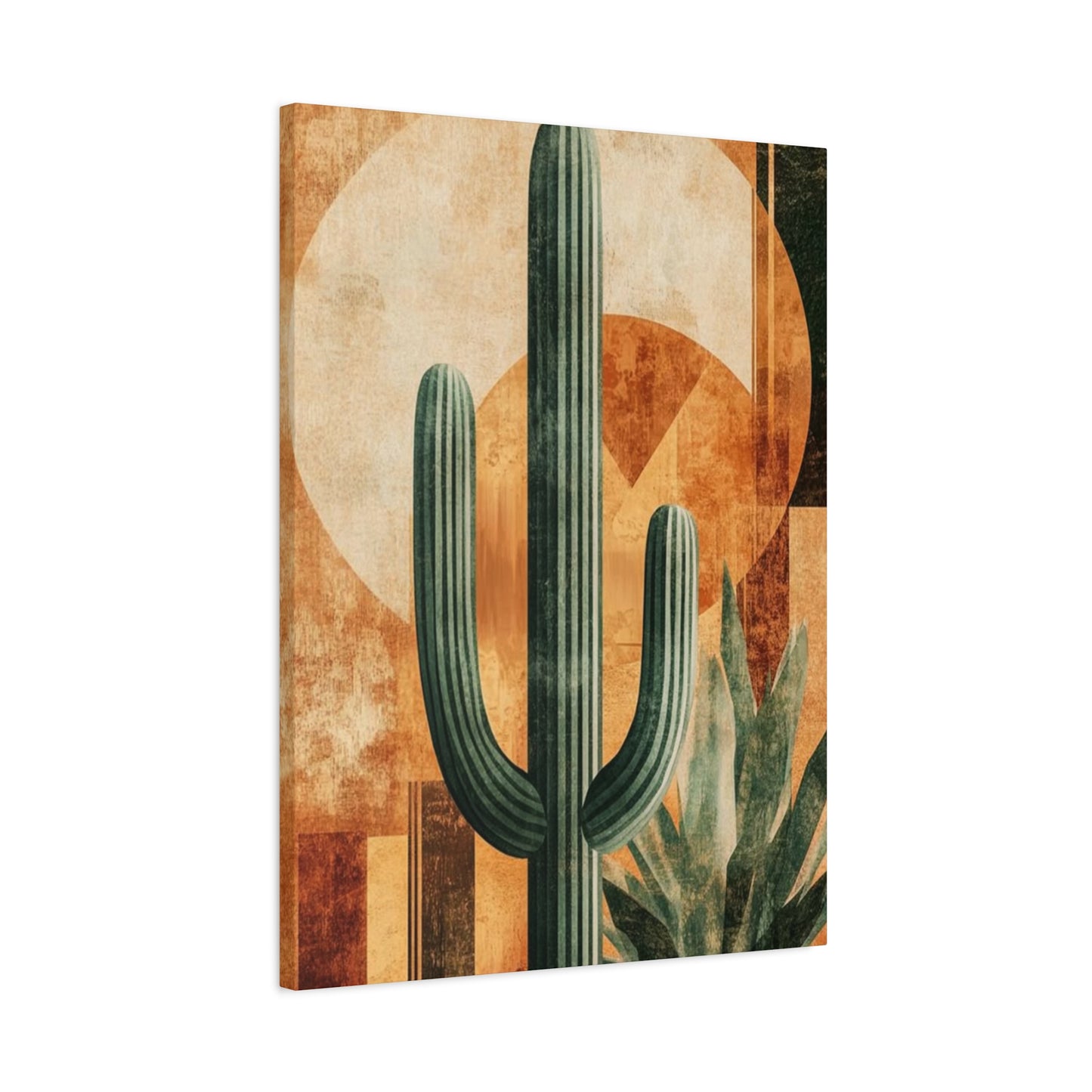
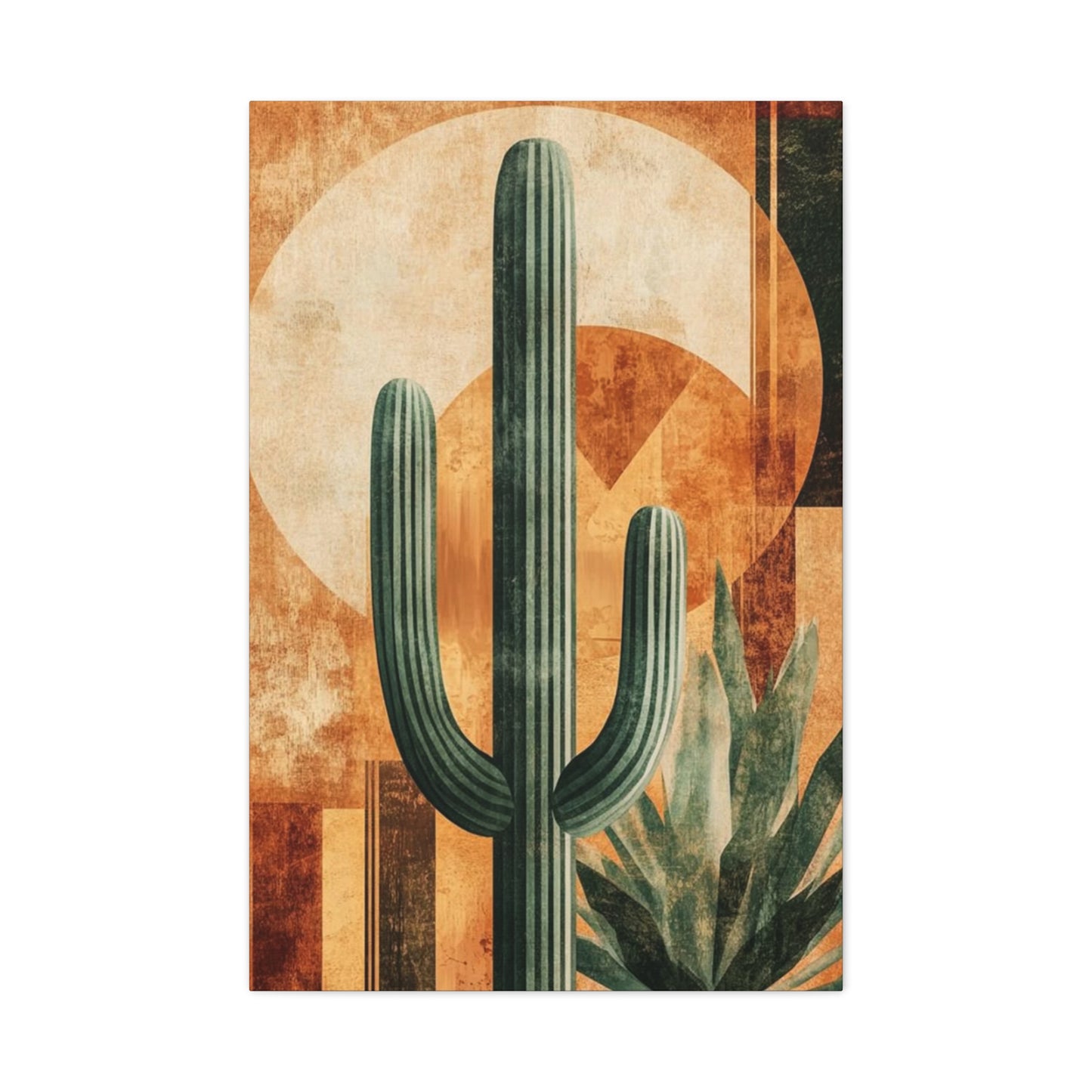
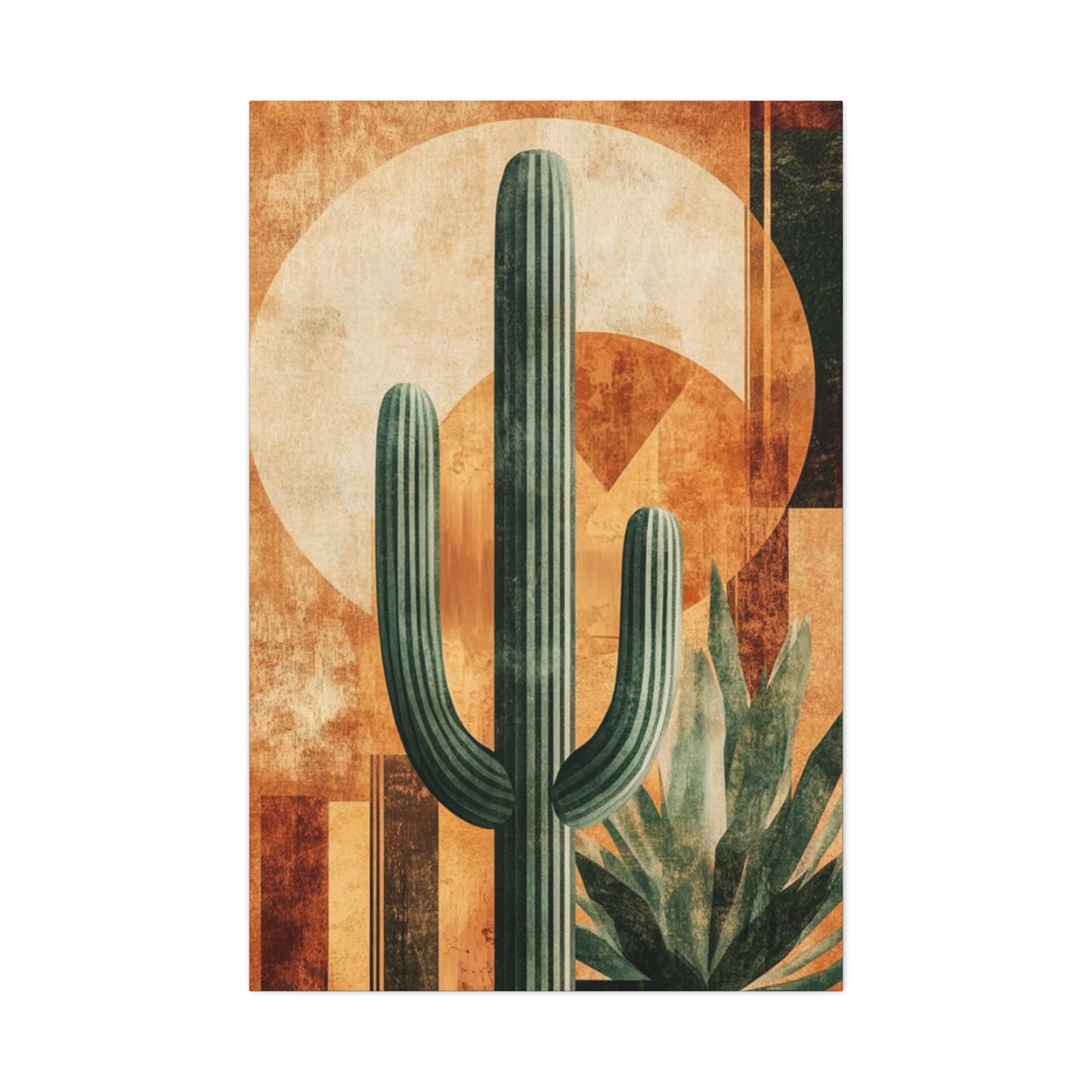
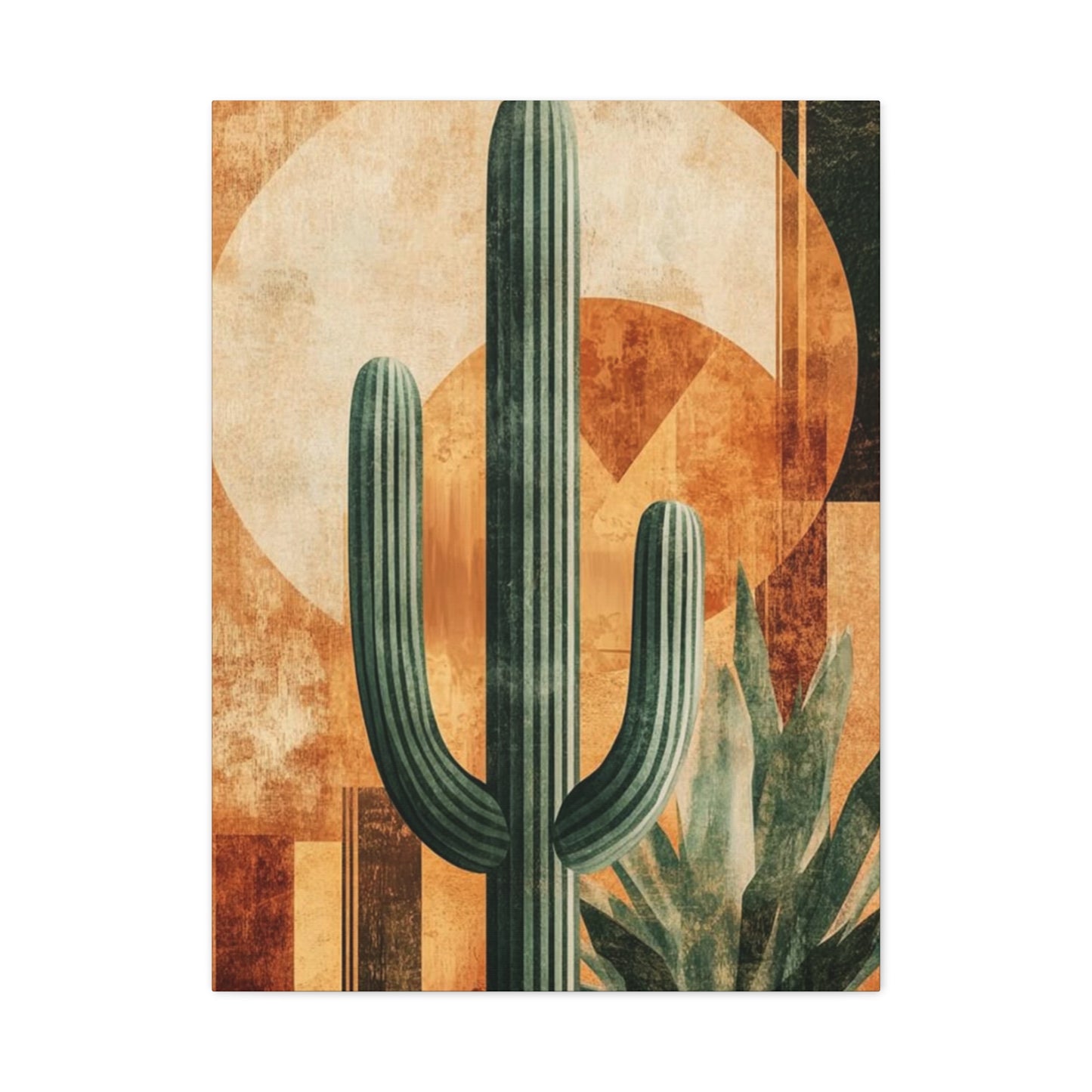
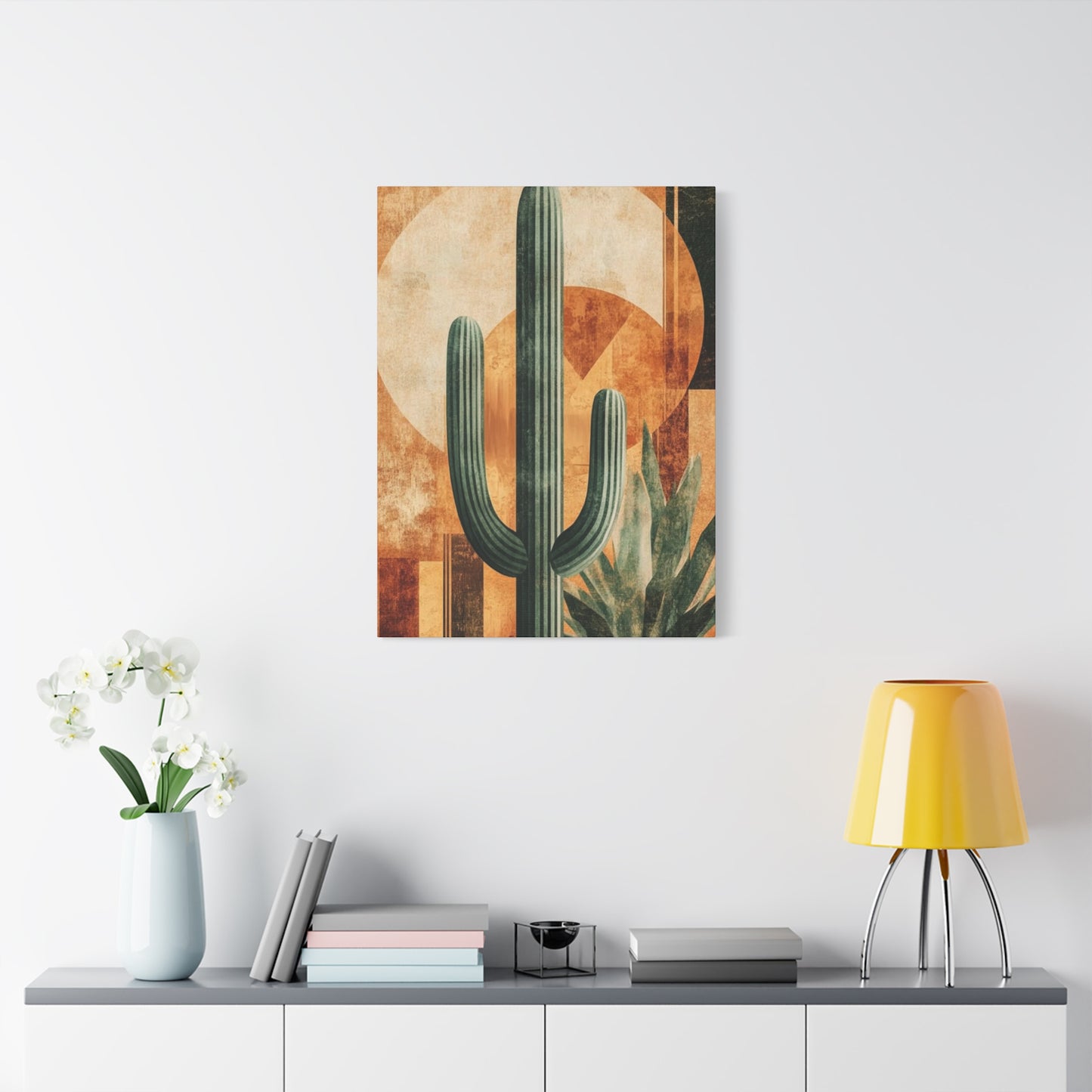
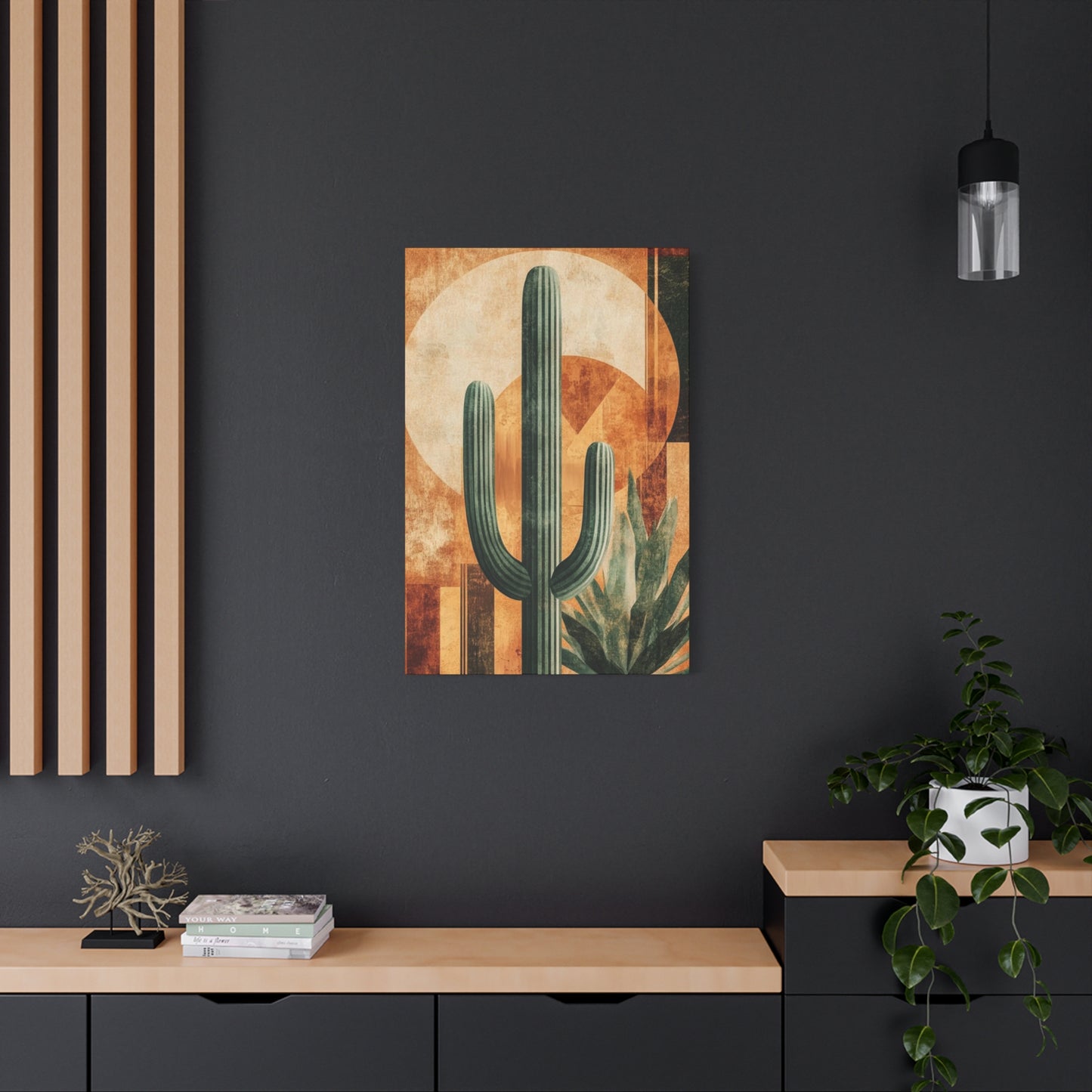
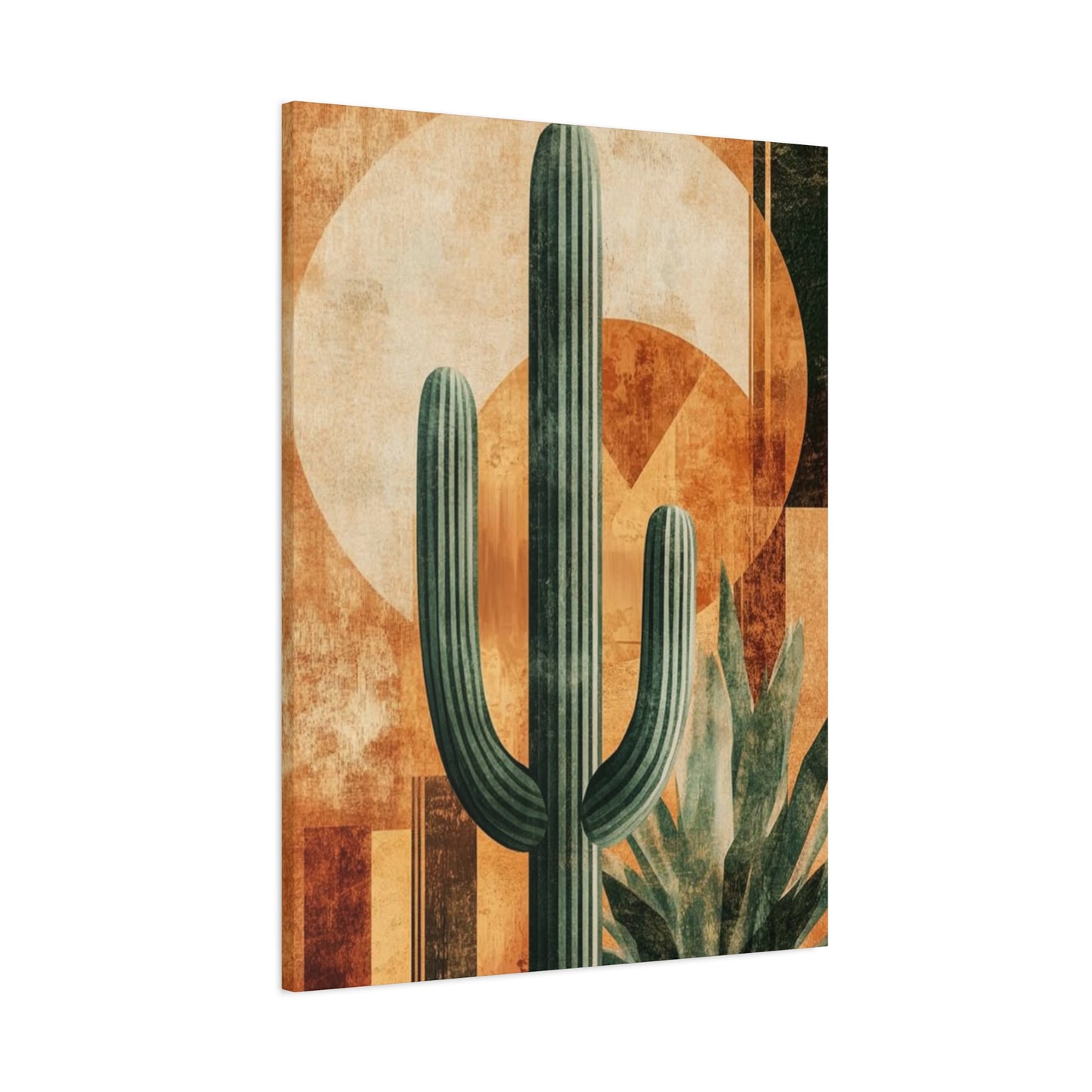
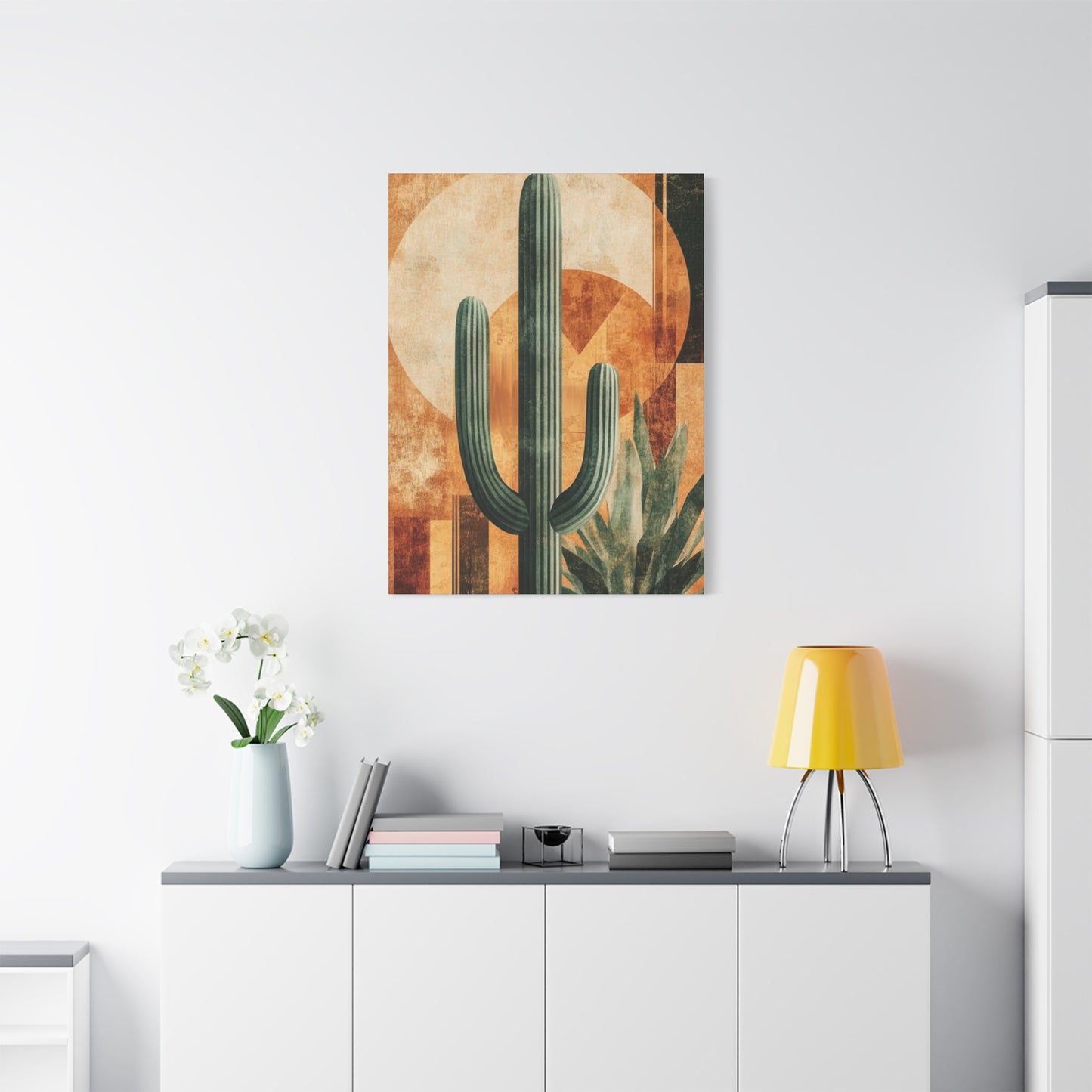
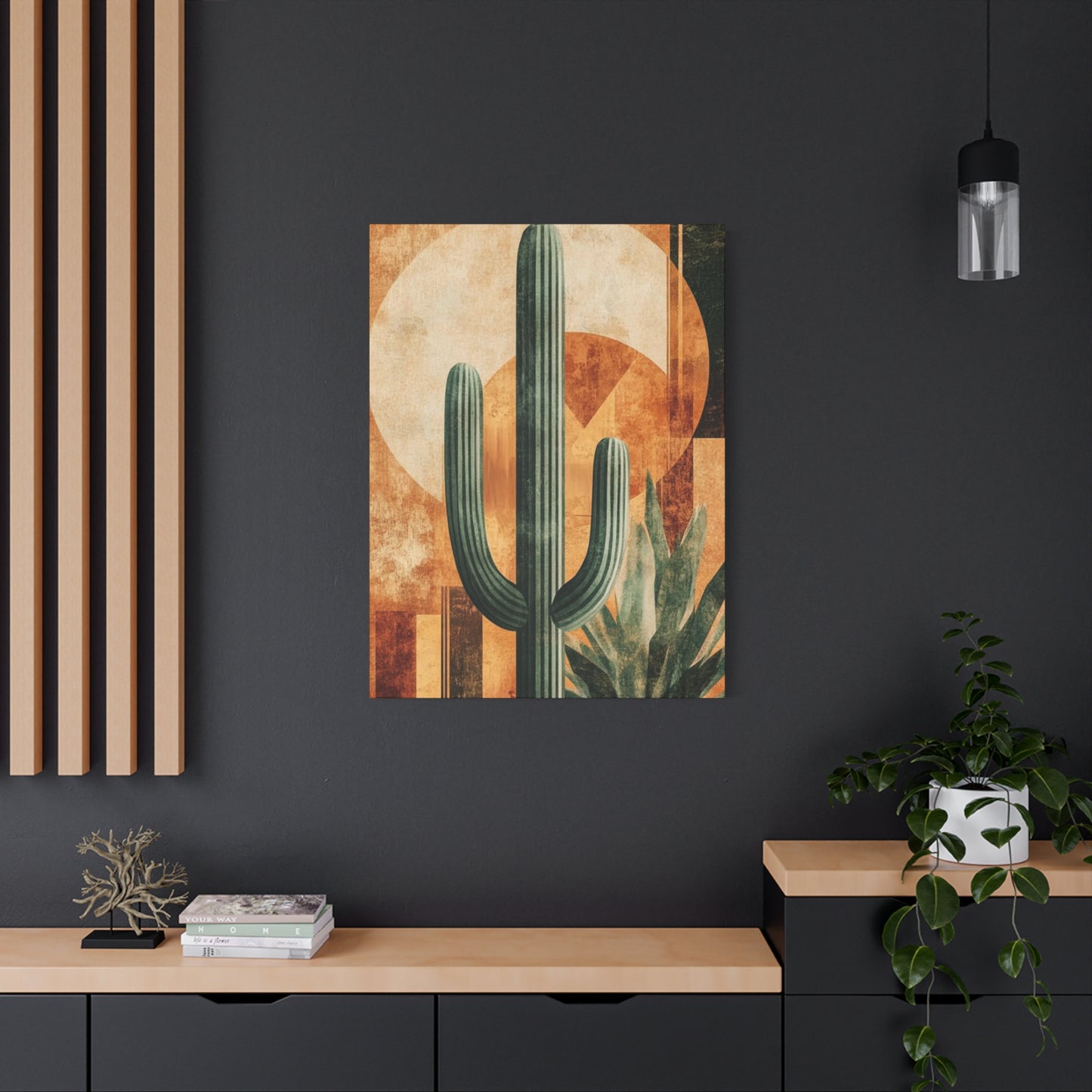
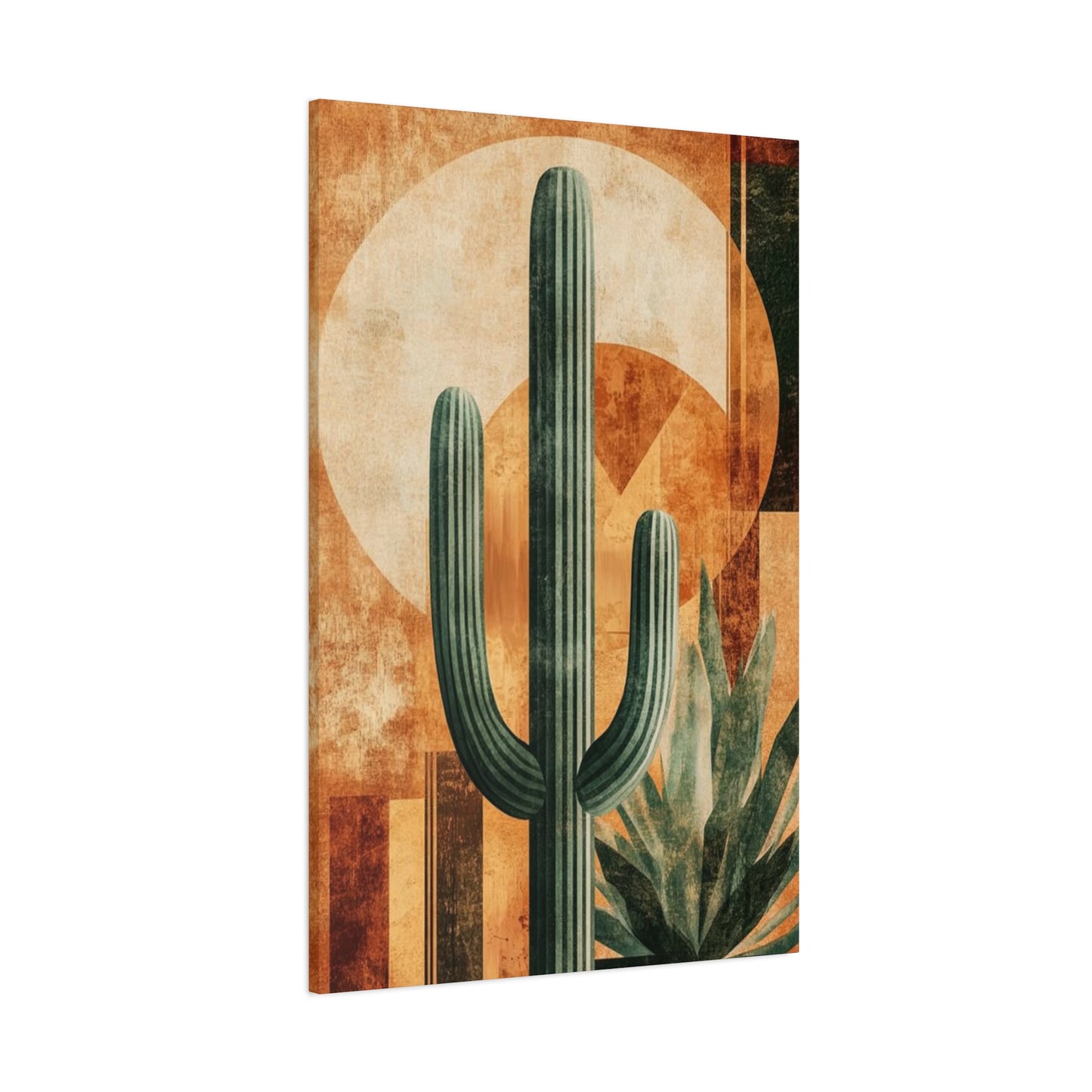
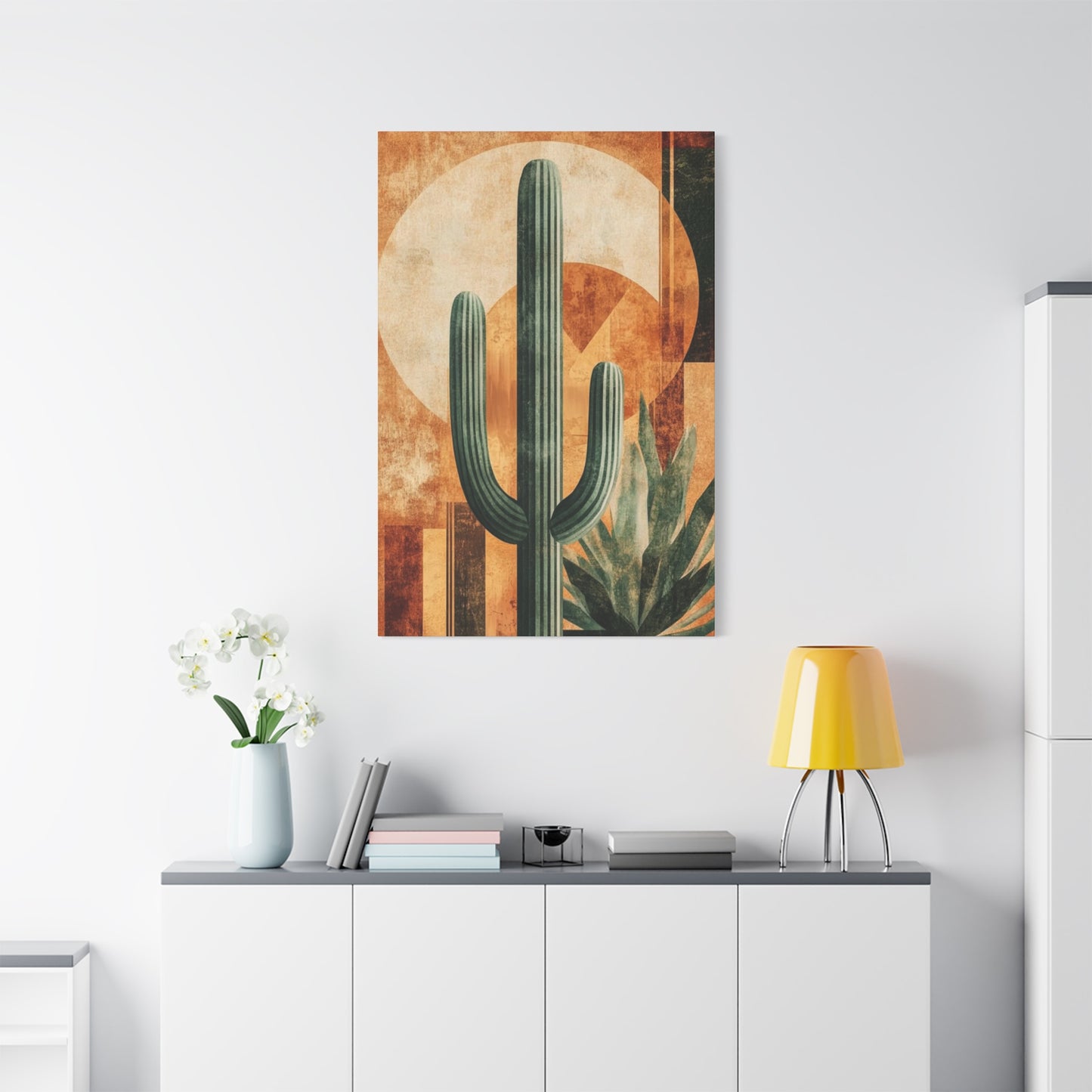
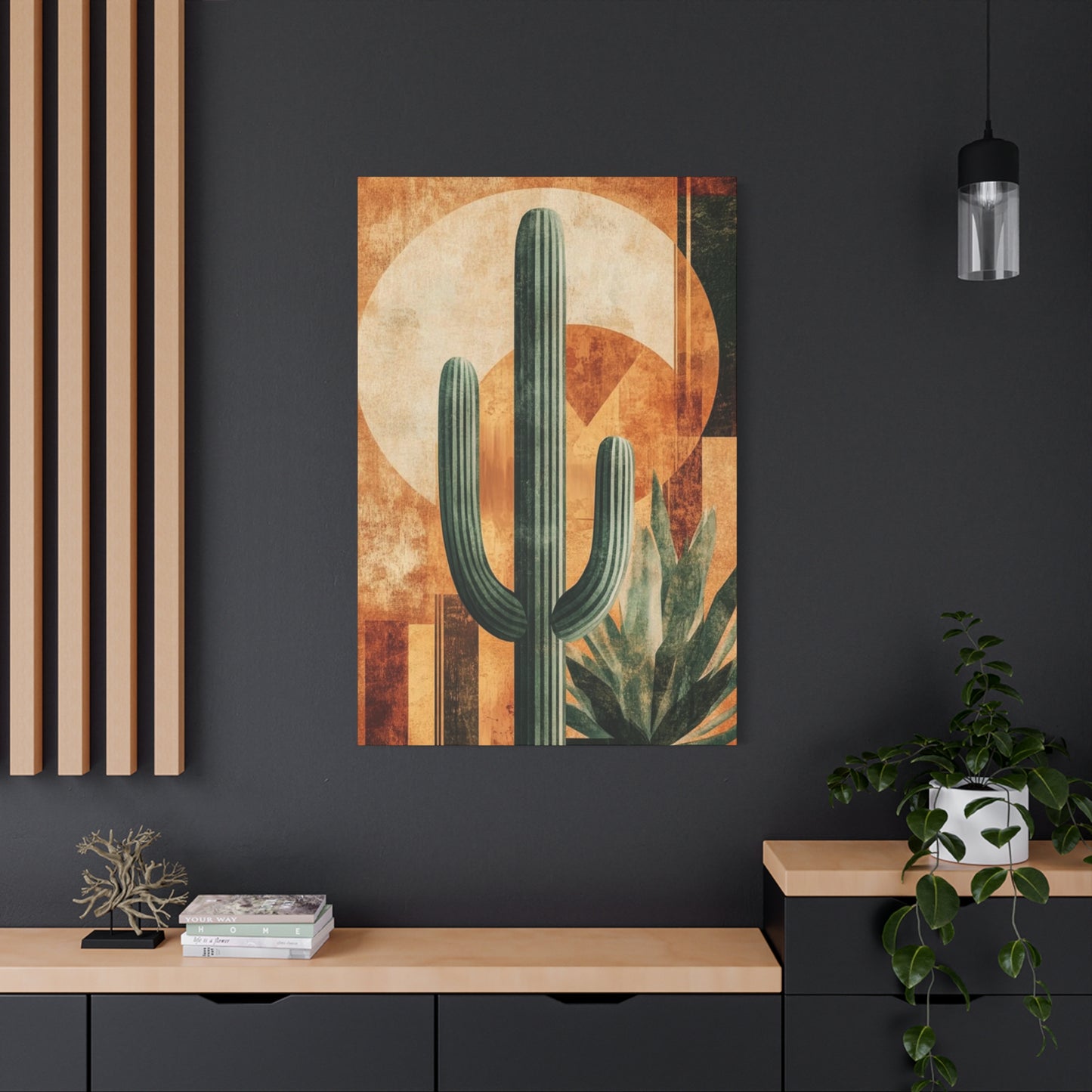
Large Huge Cactus Wall Art & Canvas Prints
Large Huge Cactus Wall Art & Canvas Prints
Couldn't load pickup availability
Bringing Desert Majesty Into Your Living Space: The Power of Large Huge Cactus Wall Art
The world of interior design has witnessed a remarkable surge in botanical-themed decor, with desert flora taking center stage in contemporary homes and commercial spaces. Among the most striking choices available today, large huge cactus wall art stands as a testament to nature's resilient beauty, offering homeowners and designers an opportunity to infuse spaces with organic elegance while maintaining a modern aesthetic sensibility.
Why Desert-Inspired Imagery Has Captured Modern Design Consciousness
Desert landscapes possess an inherent magnetism that transcends cultural boundaries and geographical locations. The stark beauty of arid environments, characterized by their minimalist composition and dramatic silhouettes, resonates deeply with individuals seeking to create calming yet visually compelling interiors. These xerophytic plants, with their sculptural forms and symmetrical patterns, have evolved over millennia to survive in the harshest conditions, making them symbols of endurance, adaptability, and natural magnificence.
The rising popularity of succulents and cacti in home decor reflects a broader cultural shift toward biophilic design principles—the innate human tendency to seek connections with nature and other living systems. When physical plant care proves challenging due to lifestyle constraints, time limitations, or unsuitable growing conditions, large huge cactus wall art provides an elegant alternative that delivers the visual and emotional benefits of greenery without the responsibilities of cultivation.
Contemporary urban dwellers, particularly those residing in apartments or homes with limited natural light, find themselves drawn to these representations of desert flora as they evoke feelings of spaciousness, tranquility, and connection to the natural world. The minimalist aesthetic of cacti aligns seamlessly with modern design philosophies that emphasize clean lines, uncluttered spaces, and purposeful decoration.
Exploring the Diverse Manifestations of Botanical Wall Displays
The market for large huge cactus wall art encompasses an extraordinary variety of styles, mediums, and artistic interpretations, each offering distinct visual characteristics and emotional resonances. Understanding these variations enables informed decision-making when selecting pieces that will harmonize with existing decor while fulfilling specific aesthetic objectives.
Canvas prints remain among the most accessible and versatile options, offering photographic realism or artistic interpretations of desert flora. High-quality canvas reproductions capture intricate details—the delicate spines, subtle color variations, and textural nuances of cacti—with remarkable fidelity. The fabric texture of canvas adds depth and dimension to imagery, creating a softer, more organic presentation compared to glossy paper prints.
Metal prints represent a contemporary alternative that infuses spaces with sleek sophistication. The process of dye-sublimation transfers images onto aluminum surfaces, resulting in vibrant colors, sharp details, and a luminous quality that seems to emanate from within the artwork itself. These durable pieces resist fading, moisture damage, and warping, making them particularly suitable for spaces with higher humidity or temperature fluctuations.
Wooden panels offer a rustic yet refined presentation method that complements farmhouse, bohemian, and eclectic design schemes. The natural grain of wood peeks through lighter portions of the image, creating an interplay between the organic substrate and the botanical subject matter. This approach adds warmth and textural interest while maintaining the visual impact of the desert imagery.
Acrylic mounting provides a modern, gallery-quality presentation that creates stunning depth and dimensionality. Images printed on photographic paper are mounted behind clear acrylic sheets, producing a floating effect with brilliant color saturation and reflective properties that change with viewing angles and lighting conditions. This premium option commands attention and elevates the perceived value of any space.
Framed prints range from traditional wood frames with ornate detailing to minimalist metal frames that virtually disappear, allowing the artwork to dominate visual attention. Frame selection dramatically influences the overall aesthetic, with options available to complement virtually any design sensibility from classic elegance to industrial chic.
Three-dimensional sculptures and relief panels push beyond two-dimensional representation, incorporating actual depth to create dramatic shadow play and tactile interest. These pieces often combine multiple materials—metal, wood, resin, or fabric—to construct layered compositions that transform walls into focal points of sculptural artistry.
Selecting Dimensions That Transform Rather Than Merely Decorate
Scale considerations profoundly impact the visual weight and emotional resonance of large huge cactus wall art within a given environment. Oversized pieces measuring six feet or more in width or height create commanding focal points that anchor entire rooms, establishing visual hierarchies and directing attention precisely where designers intend.
When contemplating dimensions, the relationship between artwork size and wall space becomes paramount. Design principles suggest that artwork should occupy approximately two-thirds to three-quarters of the available wall width to achieve balanced proportions. Pieces that are too small appear tentative and insignificant, failing to fulfill their decorative potential, while those that are excessively large may overwhelm spaces and create visual discomfort.
Ceiling height plays an equally crucial role in determining appropriate artwork dimensions. Standard eight-foot ceilings accommodate pieces up to five feet in height without creating a cramped or oppressive feeling, while spaces with nine-foot or higher ceilings can easily support seven-foot or taller pieces that draw the eye upward, emphasizing vertical space and creating an impression of grandeur.
Multi-panel arrangements offer flexibility in covering expansive wall areas while maintaining visual coherence. Triptychs, diptychs, and larger panel collections allow for creative composition across architectural features like windows, doorways, or built-in shelving. These modular approaches enable customization of overall dimensions to fit irregular wall spaces while maintaining the impact of a single unified image.
The viewing distance from the primary seating or standing position within a room influences optimal artwork size. Pieces intended for close inspection might feature intricate details that reward careful observation, while those designed for viewing from across a room should possess bold compositions and strong visual elements that remain legible and compelling from a distance.
Color Palettes That Resonate With Desert Authenticity and Design Vision
The chromatic qualities of large huge cactus wall art significantly influence its compatibility with existing decor and its emotional impact on space inhabitants. Desert flora naturally presents a spectrum ranging from silvery sage and dusty jade to deep emerald and blue-tinged turquoise, with many species displaying unexpected pinks, purples, and golden tones when flowering.
Monochromatic presentations in black and white or sepia tones offer timeless elegance and versatility, integrating seamlessly into virtually any color scheme while providing sophisticated contrast and graphic impact. These neutral interpretations emphasize form, texture, and composition over chromatic variation, directing attention to the sculptural qualities and patterns inherent in cactus structures.
Naturalistic color representations maintain fidelity to the actual appearance of desert plants, incorporating the muted greens, dusty browns, and warm earth tones characteristic of arid environments. These authentic palettes evoke specific geographical locations and seasonal conditions, creating atmospheric connections to particular desert regions—from the Sonoran to the Chihuahuan, from Arizona to Morocco.
Stylized color treatments reimagine desert flora through artistic lenses, introducing unexpected hues that transform familiar subjects into surreal or fantastical compositions. Vibrant blues, hot pinks, electric purples, and sunset oranges inject personality and playfulness while maintaining recognizable cactus forms. These interpretations appeal to maximalist sensibilities and spaces designed to provoke, delight, or surprise.
Metallic accents in gold, copper, or silver add luxurious dimension and light-reflective properties that animate artwork as natural and artificial lighting shifts throughout the day. Subtle metallic touches on spines, highlights, or background elements create depth without overwhelming the primary composition, while bold metallic overlays make dramatic statements suited to glamorous or contemporary spaces.
The backdrop color against which cacti are portrayed dramatically alters the mood and visual weight of artwork. Pale backgrounds in cream, white, or soft pastels create airy, light-filled compositions that expand perceived space and maintain a gentle, calming presence. Conversely, dark backgrounds in charcoal, navy, or black produce dramatic contrast that makes plants appear to leap forward, commanding attention with bold, confident presence.
Strategic Placement Strategies That Maximize Visual Impact and Spatial Harmony
The positioning of large huge cactus wall art within a room determines its effectiveness as a decorative element and its contribution to overall spatial composition. Living rooms typically benefit from focal point placement above sofas or mantels, where artwork naturally draws attention and anchors seating arrangements. The piece becomes a conversation starter and a visual resting point that provides relief from the visual complexity of furnishings and accessories.
Behind dining tables, oversized botanical artwork creates an immersive atmosphere that enhances the dining experience by establishing a cohesive thematic environment. The vertical emphasis of many cactus compositions complements the upright postures of diners while the calming desert imagery promotes relaxation and enjoyment during meals and gatherings.
Bedroom installations above headboards transform sleeping quarters into serene sanctuaries with strong visual identities. The organic forms and muted tones typical of desert imagery promote restfulness while the substantial size of large pieces establishes bedrooms as intentionally designed spaces rather than merely functional sleeping areas.
Home office environments gain focus and inspiration from thoughtfully positioned botanical artwork that provides visual interest without distraction. Placing large huge cactus wall art on the wall facing the desk creates a pleasant view during breaks from screen time, while placement behind the desk establishes a professional, polished backdrop for video conferences.
Entryways and hallways, often overlooked in decorating schemes, gain significant character and welcoming warmth through the addition of substantial artwork that guides visitors deeper into the home while making powerful first impressions. Long corridors particularly benefit from large pieces that terminate sight lines and provide visual destinations that prevent these transitional spaces from feeling monotonous or uninviting.
Bathroom and powder room installations embrace the moisture-tolerant nature of certain artwork materials while creating unexpected moments of delight in spaces typically assigned lower decorating priority. The symbolic association between cacti and water conservation adds thematic coherence while the sculptural beauty elevates these functional rooms into memorable experiences.
Commercial environments including offices, restaurants, hotels, and retail spaces employ large huge cactus wall art to establish brand identities, create memorable customer experiences, and enhance employee satisfaction. The scalability of botanical themes allows for consistency across multiple locations while the variety of available styles enables customization that reflects local character and specific facility functions.
Achieving Cohesion With Surrounding Decor and Architectural Elements
The relationship between large huge cactus wall art and surrounding furnishings, architectural features, and decorative accessories determines whether a piece enhances or conflicts with its environment. Style compatibility ensures visual harmony, with minimalist artwork complementing contemporary spaces characterized by clean lines, neutral palettes, and unadorned surfaces. These pared-down compositions respect the aesthetic restraint of modern design while providing organic counterpoints to geometric furniture and architectural elements.
Bohemian and eclectic interiors welcome more elaborate or colorful interpretations that layer patterns, textures, and hues in intentionally complex compositions. Desert imagery fits naturally within these maximalist schemes, particularly when artwork incorporates vibrant colors or mixed media elements that echo the adventurous spirit of collected, curated spaces.
Rustic and farmhouse aesthetics embrace wooden substrates, weathered finishes, and naturalistic color palettes that emphasize the connection between indoor spaces and the natural world. Large huge cactus wall art in these contexts often features visible wood grain, distressed frames, or vintage-inspired sepia tones that align with the unpretentious, comfort-oriented character of country-influenced design.
Coastal and tropical themes might initially seem incompatible with desert imagery, yet creative juxtaposition can produce surprising harmony. Blue-toned cactus artwork or pieces featuring flowering specimens in coral and pink shades create bridges between these distinct natural environments while maintaining the relaxed, nature-focused atmosphere common to both design directions.
Industrial spaces with exposed brick, concrete surfaces, and metal fixtures gain organic softness from large botanical artwork that humanizes potentially harsh environments without compromising their edgy character. Metal prints or pieces with industrial-style frames particularly complement these spaces, maintaining material consistency while introducing natural subject matter.
Establishing Lighting Conditions That Reveal Artwork's Full Potential
Illumination profoundly affects the appearance, visibility, and impact of large huge cactus wall art, with both natural and artificial lighting requiring careful consideration. Direct sunlight, while flattering in moderation, poses risks of fading and discoloration over extended periods, particularly for canvas and paper-based pieces. UV-protective glass, acrylic glazing, or window treatments help preserve color integrity while allowing natural light to animate artwork throughout the day.
Ambient room lighting provides general illumination that affects how artwork appears under typical viewing conditions. Warm-toned bulbs enhance earth colors and create cozy atmospheres, while cool-toned lighting emphasizes greens and blues while maintaining crisp, modern sensibilities. Consideration of the primary lighting temperature in a space guides artwork selection to ensure colors appear as intended.
Dedicated picture lighting through adjustable wall-mounted fixtures or track systems allows precise control over how artwork is illuminated and perceived. These focused light sources add drama and emphasis while reducing glare and ensuring even illumination across large surfaces. LED picture lights offer energy efficiency and minimal heat generation, protecting artwork from thermal damage while providing decades of maintenance-free operation.
Backlighting creates ethereal effects, particularly with acrylic-mounted or translucent materials, producing a luminous quality that seems to emanate from within the artwork itself. This approach works especially well in spaces with limited natural light or for creating dramatic nighttime displays that transform the character of rooms after dark.
Dimmer controls provide versatility, allowing adjustment of lighting intensity to suit different times of day, activities, and moods. Bright illumination showcases details during active daytime hours, while softened lighting creates intimate atmospheres for evening relaxation or entertainment.
Sourcing Quality Pieces From Skilled Artisans and Reputable Vendors
The marketplace for large huge cactus wall art spans from mass-produced prints available through major retailers to one-of-a-kind creations by recognized fine artists. Online marketplaces specializing in handmade and custom goods connect buyers directly with independent artists and small studios, offering unique pieces often unavailable through conventional retail channels. These platforms typically provide detailed artist biographies, production process descriptions, and customer reviews that inform purchasing decisions.
Gallery-quality reproduction services transform personal photographs or commissioned artwork into museum-grade prints using archival materials and precision printing equipment. This route enables complete creative control over subject matter, composition, and color treatment while ensuring heirloom-quality results worthy of prominent display.
Interior design studios and decorator showrooms curate selections reflecting current trends and timeless classics, often providing consultation services that guide clients toward pieces specifically suited to their spaces and sensibilities. The expertise available through these channels justifies premium pricing for individuals seeking professional guidance and guaranteed satisfaction.
Local art fairs, studio tours, and community exhibitions offer opportunities to purchase directly from creators while supporting regional talent. These in-person interactions enable detailed discussions about materials, processes, and customization possibilities while allowing inspection of actual pieces rather than relying on screen representations that may not accurately convey color, texture, or scale.
Auction platforms and estate sales occasionally yield remarkable finds—vintage botanical prints, original paintings, or discontinued commercial pieces—at favorable prices for patient, diligent searchers willing to invest time in regular browsing and quick decision-making when opportunities arise.
Understanding Material Longevity and Preservation Practices
The lifespan and appearance retention of large huge cactus wall art depend significantly on construction materials and environmental conditions. Archival-quality canvas prints utilizing fade-resistant inks and acid-free materials maintain color vibrancy and structural integrity for decades when properly protected from environmental extremes. Budget alternatives using lower-grade materials may show deterioration within years, particularly in challenging conditions.
Metal prints demonstrate exceptional durability, resisting moisture, temperature fluctuations, and physical impacts that would damage other formats. The dye-sublimation process creates permanent bonds between ink and substrate, essentially rendering the image impervious to conventional forms of degradation short of severe physical damage or chemical exposure.
Wooden substrates require consideration of environmental humidity, as excessive moisture or extreme dryness can cause warping, cracking, or separation of printed surfaces from underlying wood. Maintaining moderate, consistent humidity levels preserves these pieces indefinitely, while periodic application of wood conditioner to exposed areas prevents drying and splitting.
Glass and acrylic glazing provide protective barriers against dust, moisture, and accidental contact while reducing UV exposure that causes fading. Anti-reflective coatings on these materials enhance visibility by minimizing glare without sacrificing protective benefits. Regular cleaning with appropriate materials maintains clarity and appearance.
Framing quality directly impacts long-term preservation, with solid wood or metal frames providing superior structural support compared to composite materials that may degrade, separate, or release harmful chemicals over time. Acid-free matting and backing boards prevent chemical reactions that cause discoloration or deterioration of printed materials.
Maintaining Appearance Through Proper Cleaning and Environmental Control
Preserving the pristine appearance of large huge cactus wall art requires minimal but consistent attention to cleanliness and environmental conditions. Dust accumulation, the primary concern for most pieces, requires gentle removal using soft, dry microfiber cloths or specialized art dusters with long, fine bristles that lift particles without scratching surfaces. Feather dusters, despite their traditional popularity, can leave oils and potentially scratch delicate surfaces.
Canvas and fabric-based pieces benefit from periodic vacuuming using soft brush attachments held slightly away from surfaces to prevent fiber damage while removing accumulated dust from textured surfaces. This gentle approach prevents embedding particles deeper into fabric weaves where they become more difficult to remove and may cause gradual abrasion.
Glass and acrylic surfaces tolerate light cleaning with slightly dampened cloths using distilled water to prevent mineral deposits. Ammonia-free glass cleaners may be used sparingly on glass, though acrylic requires specialized cleaners that won't cause crazing or cloudiness. Circular motions should be avoided in favor of straight strokes from top to bottom to minimize streaking.
Metal prints require minimal cleaning but benefit from occasional wiping with soft, dry cloths to remove fingerprints and surface dust. Their non-porous surfaces resist dirt accumulation and can be gently cleaned with water-dampened cloths when necessary, though excess moisture should be avoided around edges where it might seep behind the printed surface.
Humidity control prevents warping, mold growth, and adhesive failure, with ideal relative humidity maintained between forty and sixty percent. Dehumidifiers in damp climates and humidifiers in arid environments protect investments by preventing moisture-related damage. Similarly, avoiding temperature extremes and rapid fluctuations preserves structural integrity and prevents expansion or contraction that stresses materials.
Positioning artwork away from heating and cooling vents prevents concentrated airflow that carries excessive dust while avoiding temperature fluctuations that cause expansion and contraction cycles harmful to most materials. Similarly, distance from kitchen areas reduces exposure to airborne grease and cooking particles that can create stubborn surface films requiring more aggressive cleaning.
Pairing Artwork With Complementary Decor for Enhanced Visual Impact
The relationship between large huge cactus wall art and surrounding decorative elements creates opportunities for reinforcing themes, establishing visual rhythms, and building layered, sophisticated interiors. Throw pillows echoing colors pulled from artwork establish connections between wall and seating areas while introducing textural variety through fabric choices. Repeating the dominant green tones or incorporating accent colors from flowering cacti creates subtle visual threads that unify disparate elements.
Area rugs can mirror the organic forms or color palettes of botanical artwork, particularly when geometric patterns are avoided in favor of natural, flowing designs. Desert-inspired textiles featuring traditional Native American patterns or ikat designs from regions with similar climates create cultural resonance while maintaining thematic consistency.
Living plants positioned near large huge cactus wall art blur the boundary between representation and reality, creating layered compositions that add depth and dimension to wall treatments. Real succulents or cacti arranged on side tables, shelves, or floor planters beneath artwork reinforce themes while introducing varying textures, scales, and the dynamic quality of living organisms.
Sculptural objects in ceramic, wood, or metal depicting desert flora or abstract organic forms create three-dimensional dialogues with two-dimensional artwork. These pieces need not be literal representations—abstract sculptures suggesting plant forms through simplified shapes and natural materials provide sophisticated connections that reward contemplation without obvious coordination.
Lighting fixtures with organic forms, natural materials, or desert-inspired finishes extend thematic coherence to functional elements. Rattan pendant lights, woven basket chandeliers, or fixtures incorporating natural wood complement botanical artwork while serving practical purposes. Metal fixtures with verdigris or copper patinas echo desert color palettes while introducing warmth and character.
Furniture selections in natural materials like wood, rattan, jute, or linen create harmony with the organic subject matter of desert flora artwork. Earth-toned upholstery in leather, suede, or natural-fiber textiles reinforces connections to natural environments while providing neutral backgrounds that allow colorful artwork to dominate visual attention.
Addressing Common Concerns About Scale, Proportion, and Visual Weight
Hesitation about committing to large huge cactus wall art often stems from uncertainty about whether substantial pieces will overwhelm spaces or create imbalance. Understanding that visual weight depends not only on physical size but also on color intensity, compositional complexity, and contrast with surroundings helps overcome these concerns. Light-colored pieces on pale backgrounds occupy physical space without creating heavy visual presence, making them suitable even for modest rooms where bold, dark artwork might feel oppressive.
The relationship between artwork and furniture below or adjacent to it influences perceived proportion. Design guidelines suggest artwork width should measure two-thirds to three-quarters of furniture width to appear appropriately scaled. A seventy-two-inch sofa pairs well with artwork measuring forty-eight to fifty-four inches wide, creating balanced proportions that feel intentional and harmonious.
Vertical versus horizontal orientation significantly affects spatial perception, with vertical pieces emphasizing ceiling height and creating impressions of loftiness, while horizontal pieces expand perceived wall width and create calming, grounded feelings. Rooms with low ceilings benefit from vertical artwork that draws the eye upward, while spaces with ample height accommodate horizontal pieces that capitalize on available wall length.
Viewing distance from primary seating positions determines comfortable scale relationships. Artwork intended for close inspection in intimate spaces like reading nooks or bedrooms might feature intricate details visible from six to eight feet, while pieces for viewing across large living rooms require bold compositions and strong elements legible from fifteen feet or more.
Ceiling height establishes the upper boundary for appropriate artwork height, with pieces extending too close to ceiling lines appearing cramped and uncomfortable. Maintaining at least twelve to eighteen inches between artwork tops and ceiling lines prevents this crowded appearance while allowing pieces to command attention without seeming to push against architectural boundaries.
Exploring the Symbolic Meanings and Emotional Resonances of Desert Flora
Beyond their aesthetic appeal, cacti carry rich symbolic associations that add layers of meaning to large huge cactus wall art. Across cultures, these remarkable plants represent resilience, endurance, and the ability to thrive despite adversity—qualities that resonate with individuals navigating challenging circumstances or celebrating personal strength. Displaying desert flora imagery can serve as daily reminders of inner fortitude and the human capacity to adapt and flourish.
The water-retention abilities of cacti symbolize conservation, wisdom, and preparedness—storing resources during times of abundance to sustain through periods of scarcity. This metaphor appeals to those valuing sustainability, mindful consumption, and prudent planning, making large huge cactus wall art meaningful beyond its visual properties.
Protection and boundary-setting find symbolic expression in the formidable spines that characterize most cacti, representing healthy limits and self-preservation. For individuals working on assertiveness or recovering from experiences requiring renewed boundary awareness, these images offer gentle, beautiful reinforcement of important personal work.
The dramatic flowers many cacti produce despite harsh conditions symbolize unexpected beauty, hope, and the rewards of patience. Though brief in duration, these spectacular blooms demonstrate that even in challenging circumstances, moments of extraordinary beauty emerge for those who persevere. Artwork featuring flowering specimens carries these uplifting messages into daily environments.
Geometric patterns and mathematical precision visible in cactus structures—the perfect spirals, symmetrical spines, and proportional growth patterns—satisfy innate human attractions to order, pattern, and natural design. These elements provide intellectual satisfaction alongside aesthetic pleasure, engaging both analytical and creative mental processes.
Creating Gallery Walls That Incorporate Desert Botanical Themes
While single large huge cactus wall art pieces make powerful standalone statements, incorporating them into curated gallery walls creates dynamic, personalized displays that evolve with changing tastes and expanding collections. Successful gallery walls balance consistency and variety, maintaining thematic or stylistic coherence while avoiding monotonous repetition.
Anchor pieces—the largest or most visually commanding works—establish focal points around which smaller pieces are arranged. A substantial cactus artwork might serve this role, with complementary pieces in varying sizes creating visual rhythm and movement. Symmetrical arrangements produce formal, orderly impressions suitable for traditional spaces, while asymmetrical compositions feel more relaxed, contemporary, and collected over time.
Color relationships across multiple pieces create unity or intentional contrast depending on desired effects. Monochromatic schemes using variations of single hues produce sophisticated, calming displays, while complementary color combinations generate energy and visual excitement. Analogous color schemes using adjacent colors on the color wheel offer middle ground—coherent yet dynamic.
Frame consistency versus variety presents another decision point, with uniform frames creating polished, cohesive appearances while mixed frames contribute to eclectic, personalized character. White or black frames provide neutral consistency that allows artwork to dominate attention, while natural wood frames add warmth and organic texture that complements botanical subject matter.
Spacing between pieces affects overall density and visual impact, with tighter arrangements creating bold, commanding presences and looser spacing maintaining airiness and allowing individual pieces to breathe. Standard spacing of two to four inches between frames provides flexibility, though closer spacing as tight as one inch can work for cohesive collections with strong visual relationships.
Template creation using paper cutouts or digital planning tools prevents wall damage from experimental arrangements. Mapping entire compositions before committing to nail holes ensures satisfying results and prevents the frustration of repositioning heavy pieces multiple times. Photographing proposed arrangements allows evaluation from typical viewing distances and angles.
Commissioning Custom Pieces That Perfectly Suit Unique Spaces and Visions
When available options fail to satisfy specific requirements, commissioning custom large huge cactus wall art enables precise realization of personal visions. Direct collaboration with artists ensures perfect alignment regarding size, color palette, composition, and stylistic approach while supporting creative professionals and resulting in truly unique pieces.
Initial consultations establish project parameters including dimensions, budget, timeline, preferred medium, and aesthetic direction. Sharing photographs of intended spaces, existing decor, and inspirational images clarifies vision and ensures shared understanding between client and artist. Discussion of symbolic preferences, emotional responses sought, and specific species or compositional elements provides direction while allowing creative interpretation.
Preliminary sketches or digital mockups allow evaluation and refinement before committing to final production. This iterative process ensures satisfaction while respecting the artist's creative process and expertise. Openness to professional recommendations often yields superior results compared to rigid adherence to initial concepts, as experienced creators understand technical constraints and aesthetic principles that may not be apparent to clients.
Budget considerations encompass not only artist fees but also materials, framing, shipping, and potential installation costs. Custom work typically commands premium pricing reflecting the personalized service, one-of-a-kind nature, and artist's time and expertise. Transparent discussions about financial parameters early in the process prevent misunderstandings and ensure projects proceed smoothly.
Timeline expectations require flexibility, as custom creations demand substantially more time than purchasing ready-made pieces. Depending on size, complexity, and artist schedule, projects may span weeks or months from commission to completion. Patience during this process yields rewards in perfect fit, personal connection, and pride of ownership.
Incorporating Photography-Based Artwork Versus Painted or Illustrated Representations
The choice between photographic and illustrated large huge cactus wall art significantly influences aesthetic character and emotional tone. Photographic pieces offer realism and authenticity, capturing actual plants in natural or cultivated settings with all the subtle details, textures, and lighting conditions present at the moment of capture. This documentary quality appeals to those valuing accuracy and connection to real places and specimens.
Macro photography reveals extraordinary details invisible to casual observation—the intricate patterns of spine arrangements, subtle color gradations, and textural complexities that reward close examination. These intimate perspectives create meditative focal points that invite contemplation and provide endless visual interest despite depicting familiar subjects.
Landscape-oriented photography situating cacti within broader desert environments provides contextual depth and storytelling elements beyond isolated subject matter. These compositions convey sense of place, climate, and ecological relationships while offering multiple viewing layers from foreground specimens to distant horizons.
Illustrated and painted interpretations introduce artistic vision, stylistic filtering, and creative liberties that transform familiar subjects into personal artistic statements. Watercolor treatments create soft, dreamy qualities with delicate color washes and fluid edges, while bold graphic illustrations emphasize geometry and pattern through simplified forms and limited color palettes.
Abstract representations distill cacti to their essential forms, colors, or emotional essences without realistic depiction. These conceptual approaches suit contemporary spaces and viewers who prefer suggestion over literal representation, creating opportunities for personal interpretation and projection of individual meanings onto artwork.
Mixed media combinations incorporating photography, painting, textural elements, and collage techniques produce layered, complex works that reward extended viewing with discovered details and relationships not immediately apparent. These sophisticated pieces demonstrate artistic innovation while maintaining recognizable connections to desert botanical themes.
Navigating Size Limitations Imposed by Architectural Features and Doorways
The aspiration to install truly massive large huge cactus wall art occasionally encounters practical constraints imposed by physical architecture. Doorway dimensions limit what can be transported into rooms, requiring advance measurement and route planning before purchase. Standard interior doorways measuring thirty-two to thirty-six inches wide accommodate pieces up to approximately thirty inches wide when considering diagonal maneuvering angles, though this assumes removable frames or flexible mounting systems.
Stairway dimensions and turns present additional challenges for multi-story homes, with narrow or sharply angled stairs preventing passage of wide or rigid pieces. Professional art handlers possess expertise in navigating difficult spaces, utilizing specialized equipment and techniques that protect both artwork and architectural finishes.
Multi-panel systems overcome architectural limitations by dividing large compositions into separate pieces that install individually before alignment creates unified images. These modular approaches enable enormous overall dimensions impossible with single-piece construction while providing flexibility for future relocations or arrangement modifications.
Window and door placement on walls limits available continuous surface area, requiring creative solutions for spaces with interrupted expanses. Wrapping artwork around architectural features or intentionally incorporating windows and doors into compositions transforms limitations into distinctive design features that embrace rather than fight architectural realities.
Ceiling slopes in attic spaces, vaulted ceilings, or rooms with angled rooflines present both challenges and opportunities. Custom-cut or specially sized pieces can exploit these unique geometries, creating dramatic installations impossible in standard rectangular spaces while maximizing use of otherwise difficult areas.
Balancing Personal Taste With Enduring Design Principles for Long-Term Satisfaction
The tension between following current trends and honoring timeless design principles influences satisfaction with large huge cactus wall art over extended ownership periods. While botanical themes demonstrate enduring popularity, specific stylistic treatments wax and wane in cultural favor. Selecting pieces that resonate personally rather than merely reflecting current trends increases likelihood of sustained appreciation despite shifting fashions.
Quality materials and craftsmanship transcend temporary stylistic preferences, maintaining beauty and integrity regardless of whether particular aesthetic approaches remain culturally dominant. Investment in superior construction ensures pieces retain physical appeal and monetary value even if initial stylistic choices eventually feel dated.
Neutral color palettes demonstrate greater longevity than highly saturated or unusual color treatments tied to specific design movements. While vibrant colors create immediate impact, they may fatigue more quickly and prove challenging to coordinate with evolving decor. Conversely, earth tones and naturalistic colors maintain compatibility across decades and design transformations.
Classic compositions emphasizing timeless formal qualities—balance, proportion, rhythm, and emphasis—outlast cleverness or novelty-dependent approaches. While innovative compositions create excitement, familiarity may breed indifference, whereas thoughtfully balanced traditional arrangements continue satisfying through repeated viewing.
Personal connection trumps external validation when selecting artwork for private spaces. Pieces that evoke meaningful memories, represent aspirational values, or simply provide consistent joy maintain relevance despite changing trends or others' opinions. Decorating to please oneself rather than impress visitors ensures genuine satisfaction and authentic personal expression.
Understanding the Investment Value and Collectibility of Botanical Artwork
While most large huge cactus wall art serves primarily decorative functions, certain pieces represent genuine investments with potential appreciation over time. Original works by recognized or emerging artists merit consideration as collectibles, particularly pieces with provenance documentation, artist signatures, and certificates of authenticity. Limited edition prints numbered and signed by artists hold intermediate positions between mass-produced reproductions and unique originals.
Market research reveals pricing patterns, artist reputations, and value trajectories that inform investment decisions. Artists with gallery representation, museum exhibitions, published critiques, and consistent sales records demonstrate market validation that supports value retention and potential appreciation. Emerging artists whose careers show upward trajectories present opportunities for acquiring work before significant price increases, though they carry greater risk than established names.
Condition preservation directly impacts long-term value, with pristine examples commanding premium prices while damaged pieces sell at discounts proportional to restoration costs and permanence of damage. Documentation of proper storage, display conditions, and any restoration work maintains value and facilitates future sales.
Provenance records tracking ownership history, exhibition participation, and publication appearances enhance value and interest, particularly for historically significant pieces or works by important artists. Maintaining purchase receipts, certificates, correspondence with artists, and other documentation supports future valuations and sales.
Market liquidity varies dramatically, with pieces by highly collectible artists enjoying ready buyers at established price points while works by unknown creators may prove difficult to sell regardless of quality. Understanding these market dynamics informs realistic expectations about investment potential versus purely decorative value.
Conclusion
The year-round appropriateness of large huge cactus wall art contrasts with seasonal decorations that rotate through calendar cycles. However, creative styling enables botanical artwork to participate in seasonal transformations without requiring removal or replacement. Spring celebrations can incorporate pastel accents and fresh flowers arranged near artwork, creating dialogues between dormant desert representations and exuberant seasonal blooms.
Summer intensifies natural aesthetics with bright colors, lightweight textiles, and increased emphasis on natural materials that complement organic botanical themes. Rattan accessories, woven baskets, and potted succulents reinforce desert connections while embracing warm-weather sensibilities.
Autumn transitions introduce warmer color accents in burnt orange, deep burgundy, and golden yellow through accessories, textiles, and decorative objects that harmonize with earth tones prevalent in desert imagery. Natural elements like dried grasses, seed pods, and branches create textural bridges between seasons while maintaining organic continuity.
Winter holidays accommodate botanical artwork through thoughtful styling that incorporates traditional elements without overwhelming or contradicting desert themes. Metallic accents in gold and copper, natural wood ornaments, and string lights create festive atmospheres while respecting existing decor foundations. White and cream holiday elements maintain elegance without jarring color conflicts.
Unchanging botanical artwork provides visual anchors and stability amidst rotating seasonal accessories, establishing continuity and preventing spaces from feeling excessively variable or lacking coherent identity. This approach balances freshness with consistency, allowing personality expression through manageable accessory changes rather than major decorating overhauls.
Desert plants hold significant cultural meaning across diverse societies with arid environments, enriching large huge cactus wall art with anthropological and symbolic dimensions. Indigenous peoples of the Americas developed deep relationships with native cacti, utilizing them for food, medicine, construction materials, and spiritual ceremonies. Peyote, barrel cactus, prickly pear, and saguaro species feature prominently in traditional practices and origin stories.
Mexican culture particularly celebrates cacti as national symbols, with the golden eagle perched on a prickly pear cactus appearing on the national flag and coat of arms. This imagery derives from Aztec mythology and founding legends, imbuing large huge cactus wall art with cultural resonance for individuals with Mexican heritage or appreciation for Mexican aesthetics.
Middle Eastern and North African societies developed relationships with regional succulent species, incorporating them into traditional gardens, folk medicine systems, and symbolic frameworks. Aloe species, euphorbias, and various succulents appear in artistic traditions spanning centuries, demonstrating the universal human fascination with these remarkable plants.
Share