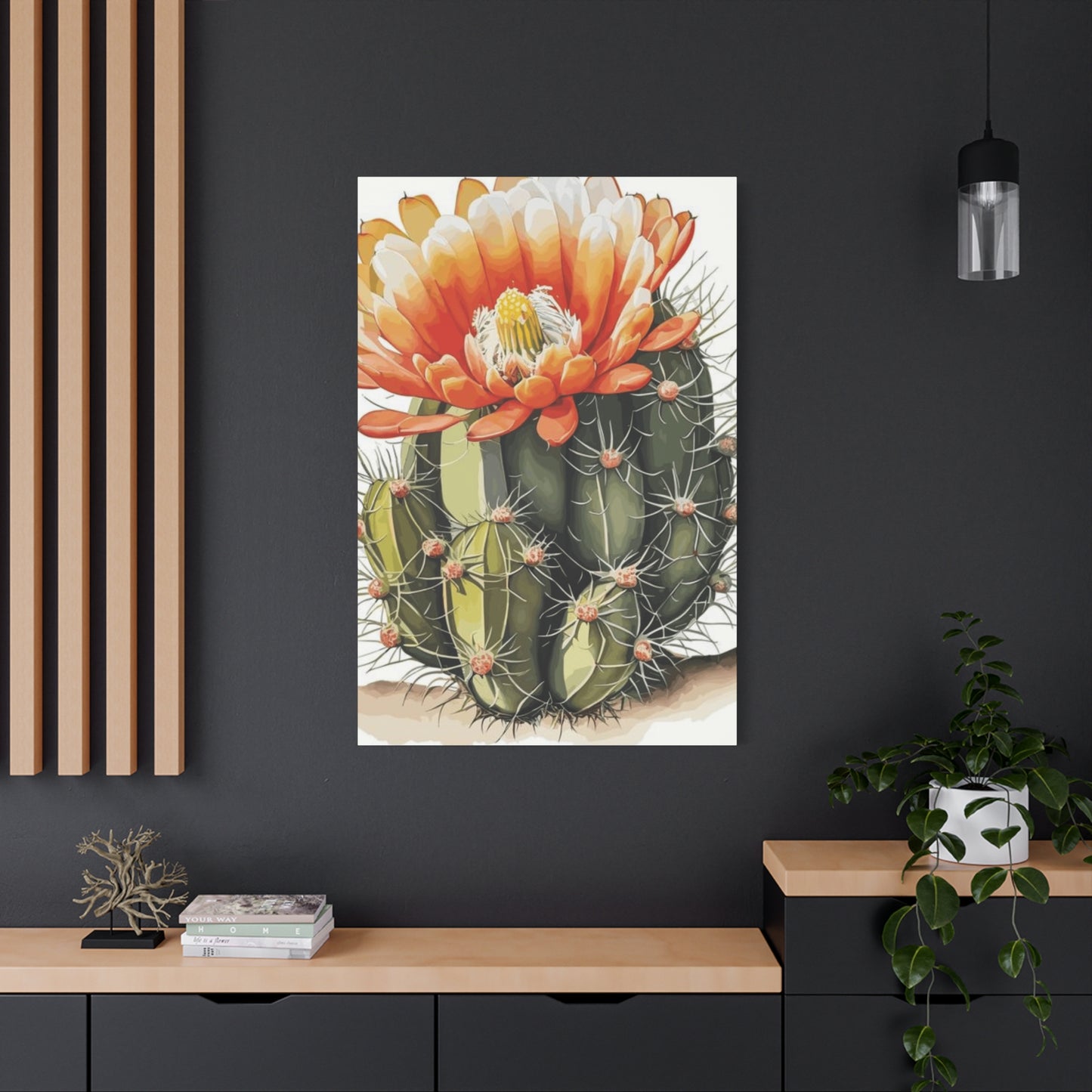


Large Cactus Flower Bloom Flower Wall Art & Canvas Prints
Large Cactus Flower Bloom Flower Wall Art & Canvas Prints
Couldn't load pickup availability
Spectacular Desert Bloom: Large Cactus Flower Bloom Flower Wall Art That Brings Nature's Vibrant Beauty Into Your Living Space
The mesmerizing beauty of desert flora has captivated artists, designers, and nature enthusiasts for centuries. Among the most striking natural phenomena are the magnificent blooms that emerge from seemingly barren cacti, creating explosions of color against arid landscapes. When captured through artistic interpretation and displayed as large cactus flower bloom flower wall art, these natural wonders transform ordinary spaces into extraordinary environments filled with life, energy, and visual intrigue. This comprehensive exploration delves into every aspect of incorporating these stunning botanical representations into your home or workspace, from selecting the perfect piece to understanding the profound impact such artwork can have on your daily environment.
Why Desert Botanical Imagery Creates Powerful Visual Statements in Contemporary Interior Spaces
Desert botanical imagery possesses an inherent dramatic quality that few other natural subjects can match. The juxtaposition of delicate, vibrant petals against tough, spiny plant structures creates visual tension that commands attention and sparks conversation. Large cactus flower bloom flower wall art capitalizes on this natural drama, bringing the unexpected beauty of arid ecosystems directly into refined interior environments.
The psychological impact of such imagery extends beyond mere aesthetic appreciation. Studies in environmental psychology have demonstrated that botanical representations in living and working spaces contribute significantly to stress reduction, improved mood, and enhanced cognitive function. Desert blooms, with their bold colors and unexpected delicacy, create particularly strong emotional responses. The inherent symbolism of flowering cacti—representing resilience, unexpected beauty, and thriving despite challenging conditions—resonates deeply with viewers on both conscious and subconscious levels.
From a design perspective, these artworks serve multiple functions simultaneously. They introduce organic shapes into spaces dominated by geometric architecture, provide focal points that draw the eye and anchor room compositions, and inject vibrant color that can either complement or strategically contrast with existing color schemes. The scale of large-format pieces ensures they function as statement elements rather than background decoration, fundamentally altering the character and energy of the spaces they inhabit.
The versatility of desert bloom imagery allows it to transcend stylistic boundaries. Whether your aesthetic leans toward minimalist modernism, eclectic bohemian, rustic southwestern, or traditional elegance, appropriately selected cactus flower artwork can enhance and elevate your design scheme. This adaptability stems from the inherent balance these images contain—wildness tempered by natural geometry, vibrant color grounded by earthy plant structures, delicacy supported by visible strength.
Understanding the Diverse Visual Languages of Desert Flora Representations in Artistic Media
The artistic interpretation of cactus blooms varies tremendously across different creative approaches and mediums. Photographic representations offer one end of the spectrum, capturing botanical accuracy and naturalistic detail that allows viewers to appreciate the intricate structures of petals, stamens, and spines with scientific precision. High-resolution photography brings viewers intimately close to subjects they might never encounter in person, revealing textures, gradations of color, and minute details invisible to the casual observer.
Painted interpretations occupy another region of the creative spectrum, ranging from botanically accurate watercolors that echo scientific illustration traditions to bold, expressionistic oils that prioritize emotional impact over literal representation. Some artists employ hyperrealistic techniques that rival photography in their detail, while others embrace abstraction, distilling the essence of desert blooms into simplified forms, exaggerated colors, or gestural brushwork that captures movement and energy rather than static appearance.
Digital art and mixed media approaches expand possibilities further still. Contemporary artists combine photographic elements with painted textures, overlay digital manipulations on traditional media, or create entirely computer-generated compositions that reference natural forms while existing in purely imaginative color palettes and configurations. These hybrid approaches often appeal to viewers seeking artwork that bridges natural subject matter with contemporary aesthetic sensibilities.
The choice of medium significantly impacts the visual presence and emotional tone of large cactus flower bloom flower wall art. Glossy photographic prints on metallic paper create luminous, jewel-like effects with saturated colors that seem to glow from within. Canvas prints with visible texture add warmth and traditional artistic associations, while framed works behind glass introduce formal refinement. Understanding these material qualities helps in selecting pieces that will achieve desired effects within specific spaces.
Scale itself functions as an artistic element. Enormous close-up representations that magnify blooms to larger-than-life proportions create surreal, immersive experiences that transform viewers' relationships with familiar subjects. Multi-panel installations that extend across substantial wall expanses create narrative sequences or panoramic compositions that guide viewers' eyes through extended visual journeys. Even within large-format work, artists make strategic decisions about cropping, composition, and perspective that fundamentally alter how viewers engage with the imagery.
Navigating Color Theory Principles When Selecting Vibrant Floral Artwork for Cohesive Room Design
Color constitutes perhaps the most immediate and impactful element of any artwork, and desert bloom pieces typically feature particularly bold and saturated hues. Effective selection requires understanding both the inherent color properties of the artwork and the chromatic environment into which it will be introduced. The vivid pinks, magentas, oranges, yellows, and occasionally reds that characterize many cactus flowers present both opportunities and challenges for interior color coordination.
Complementary color strategies leverage the natural tension between opposite hues on the color wheel to create dynamic, energizing effects. A predominantly cool-toned room with blues, grays, and silvery accents gains dramatic warmth and vitality from artwork featuring hot-toned blooms in oranges, corals, and warm pinks. Conversely, spaces dominated by warm earth tones, terracottas, and golden hues can be refreshed and balanced by artwork featuring cooler magenta or purple-toned flowers with bluish undertones.
Analogous color approaches create more harmonious, cohesive effects by selecting artwork that features colors adjacent on the color wheel to those already present in the space. A room with peachy walls, coral accents, and warm wood tones flows seamlessly with cactus flower artwork in shades of orange, golden yellow, and warm pink. This strategy creates enveloping, monochromatic sophistication while maintaining visual interest through variation in saturation and value.
Neutral-dominant spaces offer maximum flexibility for bold floral artwork. Rooms built primarily on whites, grays, blacks, and natural wood tones provide blank canvases that allow vibrant desert bloom pieces to function as primary color sources. In such contexts, the artwork essentially establishes the color story, with other room elements—throw pillows, rugs, accessories—potentially echoing accent colors drawn from the piece itself.
Understanding color temperature nuances proves particularly valuable when selecting large cactus flower bloom flower wall art. Not all pinks or oranges possess identical warmth or coolness. A blue-based fuchsia reads considerably cooler than a coral-toned pink, despite both falling under the pink category. Recognizing these subtleties allows for refined color matching that creates sophisticated rather than garish effects. Examining artwork in the actual lighting conditions of the target space reveals how ambient light temperature affects color appearance, as natural daylight, warm incandescent sources, and cool LED lighting all render colors differently.
The background and supporting elements within the artwork itself also factor significantly into color compatibility. A brilliant magenta bloom photographed against neutral gray-green cactus pads creates different spatial effects than the same flower shown against bright desert sky or warm sandy earth. Background colors within the image interact with wall colors surrounding the framed piece, either creating harmonious transitions or stark contrasts depending on the desired effect.
Determining Optimal Sizing, Placement, and Hanging Height for Maximum Visual Impact and Room Balance
Proper sizing represents a critical yet frequently underestimated aspect of successfully incorporating large-format artwork. Undersized pieces disappear against expansive walls, creating awkward, unanchored compositions that diminish both the artwork and the architectural space. Conversely, properly scaled pieces command presence, establish visual hierarchy, and anchor furnishings into cohesive arrangements.
General proportional guidelines suggest that artwork spanning approximately two-thirds to three-quarters the width of furniture it hangs above creates balanced, intentional compositions. For a standard sofa measuring roughly eighty inches wide, appropriate artwork might range from fifty to sixty inches in width, either as a single large piece or a gallery-style grouping of smaller works arranged to function as a unified composition. These proportions ensure the artwork relates appropriately to the furniture below while maintaining its own visual authority.
Spaces without furniture beneath—such as dining rooms, entryways, or hallway galleries—require different scaling considerations. In these contexts, the artwork should relate to the overall wall dimensions rather than specific furniture pieces. A general rule suggests filling approximately one-half to two-thirds of available wall width, leaving sufficient negative space on either side to prevent cramped, overcrowded effects. However, deliberately breaking this convention can create dramatic statement walls in which artwork extends nearly wall-to-wall, transforming entire surfaces into immersive visual experiences.
Vertical proportions matter equally. Standard ceiling heights of eight to nine feet accommodate artwork ranging from forty to sixty inches in height without overwhelming the space. Higher ceilings permit—indeed, often require—larger vertical dimensions to maintain appropriate scale relationships between architectural and decorative elements. Rooms with ten-foot or higher ceilings can accommodate pieces extending six feet or more in height, creating impressive vertical statements that draw eyes upward and emphasize the generous spatial volume.
Hanging height profoundly affects viewer engagement and comfort. The traditional art gallery standard positions artwork so the center point aligns approximately fifty-seven to sixty inches from the floor, corresponding to average eye level for standing viewers. This placement allows comfortable viewing without craning necks upward or stooping downward. However, contextual factors may warrant adjustments. Artwork intended for viewing primarily while seated—such as pieces in dining rooms or above sofas—should hang slightly lower, with center points around fifty to fifty-four inches high, corresponding to eye level for seated individuals.
Relationship to surrounding elements also influences optimal positioning. Artwork hung above furniture should maintain appropriate proximity—typically six to twelve inches of space between the furniture top and the artwork's bottom edge. This distance creates visual connection between the elements while maintaining distinct separation. Greater distances create awkward gaps that break compositional unity, while insufficient spacing makes the artwork appear to perch precariously atop the furniture.
Multi-panel installations and gallery wall arrangements introduce additional complexity requiring careful planning. Individual pieces should maintain consistent spacing between panels—typically two to four inches—creating unified compositions that read as cohesive wholes rather than disconnected fragments. Gallery walls benefit from planning entire arrangements on paper or using floor-based mockups before committing to wall placement, ensuring balanced compositions with visual flow that guides viewers' eyes through the entire arrangement.
Exploring Various Material Formats and Framing Options That Enhance Desert Bloom Imagery Presentation
The physical format and presentation of large cactus flower bloom flower wall art significantly impacts both its visual effect and practical considerations like durability and maintenance. Contemporary options span a wide range, each offering distinct aesthetic qualities and practical characteristics that suit different preferences and contexts.
Canvas prints remain perennially popular for their warm, traditional artistic associations and practical advantages. Modern giclée printing processes reproduce imagery on archival canvas with remarkable color fidelity and longevity. Gallery-wrapped canvas—stretched around substantial wooden frames with imagery continuing around the sides—eliminates framing requirements, creating clean, contemporary presentations that emphasize the artwork itself rather than decorative borders. The slight texture inherent in canvas adds dimensionality that enhances organic subjects like botanical imagery, creating surface interest that purely flat prints cannot match.
Framed prints behind glass or acrylic glazing offer formal refinement and maximum protection. This format particularly suits photographic work where the artist's intention includes crisp detail and saturated color that glass preserves and enhances. Frame selection profoundly impacts overall presentation—simple metal or thin wood frames maintain contemporary minimalism, while ornate traditional frames add classical elegance. Matting creates breathing room between image and frame, preventing visual crowding while allowing strategic color choices that complement the imagery.
Metal prints represent relatively recent innovations that have gained substantial popularity for bold, contemporary presentations. Imagery dye-sublimated directly onto specially coated aluminum creates luminous, vibrant color with stunning depth and dimensional quality. The inherent reflectivity of metal adds a subtle shimmer that makes colors appear to glow from within, particularly effective for capturing the translucent qualities of flower petals. Metal prints offer exceptional durability and require no additional framing, mounting flush to walls for sleek, modern installations.
Acrylic face-mounting represents the premium end of print presentations, offering museum-quality results with spectacular depth and luminosity. Photographic prints are mounted behind transparent acrylic sheets, which magnify and intensify colors while creating glass-like surfaces with exceptional clarity. The three-dimensional quality created by the acrylic thickness adds literal depth that makes imagery appear to float within the material itself. This format commands attention and communicates quality and sophistication, though it represents a more substantial investment than alternative presentations.
Wood-mounted prints merge rustic charm with contemporary aesthetics, particularly appropriate for southwestern or organic design schemes. Imagery transferred directly to wood panels or mounted on wood substrates maintains visible wood grain that adds warmth and natural texture. This format connects beautifully with desert bloom subjects, creating synergy between the organic substrate and botanical imagery. The casual, approachable quality of wood mounting suits relaxed, informal spaces while maintaining artistic credibility.
Frame style and finish require consideration as they significantly impact overall effect. Modern spaces often benefit from simple, slim-profile frames in black, white, or natural wood that keep focus on the imagery rather than ornate borders. Metallic finishes—gold, silver, copper, bronze—add glamour and traditional elegance, particularly effective in formal spaces or when creating focal points intended to command attention. Distressed or weathered finishes contribute rustic character that complements casual, organic aesthetics.
Matting color, when employed, offers opportunities for subtle sophistication or bold contrast. Traditional white or off-white mats create clean, gallery-like presentations that suit any imagery. Colored mats can either echo accent colors within the artwork itself or introduce complementary hues that enhance color relationships. Black mats create dramatic effects that intensify colors while adding modern sophistication. Wide mats increase the presence of smaller prints, while narrow mats or borderless presentations emphasize the imagery itself.
Creating Harmonious Room Compositions by Coordinating Artwork with Existing Furnishings and Architectural Features
Successfully incorporating large cactus flower bloom flower wall art requires considering the entire spatial context, ensuring the piece enhances rather than conflicts with existing elements. Thoughtful coordination creates cohesive environments where all components work synergistically to achieve desired atmospheric effects.
Furniture arrangement and artwork placement should inform each other reciprocally. Artwork functions most effectively when it relates meaningfully to furniture groupings, anchoring seating arrangements, defining dining spaces, or marking entry sequences. A substantial piece positioned above a sofa becomes the visual cornerstone around which the entire seating arrangement revolves, with side tables, lighting, and accent pieces supporting rather than competing with the primary focal point.
Stylistic harmony between furniture and artwork creates unified design statements. Contemporary furniture with clean lines, minimal ornamentation, and geometric forms pairs naturally with similarly modern artwork presentations—gallery-wrapped canvases, simple frames, or frameless metal prints. Traditional furniture featuring ornate details, curved lines, and decorative elements calls for more formal artwork presentations with substantial frames and classical proportions. Transitional approaches that blend traditional and contemporary elements accommodate artwork presentations that similarly balance these aesthetic poles.
Textile selections offer opportunities to reinforce color relationships and thematic connections. Throw pillows, blankets, rugs, and window treatments can echo colors from the artwork, creating intentional color stories that unify spaces. This coordination need not be literal matching—effective schemes often employ varied shades and tones within the same color families, creating depth and sophistication through nuanced variation rather than exact replication. A magenta bloom in the artwork might inspire pillows in rose, mauve, and berry tones rather than precise color matching.
Lighting deserves particular attention as it dramatically affects how artwork appears and how effectively it functions within spaces. Natural daylight creates the most accurate color rendering but varies throughout the day and across seasons. Supplemental accent lighting—picture lights mounted directly on frames or adjustable track lighting aimed at artwork—ensures the piece remains visible and impactful during evening hours. Warm-toned lighting enhances warm-colored blooms in oranges, corals, and yellows, while cooler LED lighting better serves cooler pinks and magentas. Adjustable color-temperature fixtures offer flexibility to optimize presentation.
Architectural features—fireplaces, built-in shelving, windows, doorways—influence both placement options and compositional considerations. Artwork should relate to these permanent features thoughtfully, either centering on them symmetrically or positioning asymmetrically in deliberate balance. Treating architectural elements as compositional components rather than obstacles leads to more sophisticated, integrated results. A fireplace mantel might anchor a perfectly centered piece above it, or an asymmetrical arrangement might balance the fireplace mass on one side with substantial artwork on the adjacent wall.
Scale relationships between different room elements contribute to compositional success. Large furniture pieces can accommodate equally substantial artwork without overwhelming the space, while delicate, smaller-scale furnishings pair better with more modestly sized pieces or multiple smaller works arranged in gallery configurations. Mismatched scales create uncomfortable relationships where elements appear to compete rather than complement.
Repetition and rhythm contribute to sophisticated design compositions. Repeating colors, shapes, or themes across multiple room elements creates visual connections that lead eyes through spaces and generate satisfying coherence. The organic, curving shapes of cactus blooms might echo in rounded furniture silhouettes, curved lamps, or circular accessories. Pink tones in the artwork could repeat in subtle doses throughout the space—a chair cushion here, a vase there, book spines on a shelf—creating threads that weave the composition together.
Investigating the Symbolism and Cultural Significance Behind Desert Blooming Plants in Various Traditions
Desert cacti and their spectacular blooms carry rich symbolic meanings across numerous cultural contexts, adding layers of significance beyond purely aesthetic considerations. Understanding these associations enriches appreciation and can inform selection decisions for those drawn to meaningful, symbolic artwork.
In many traditions, cacti represent resilience, persistence, and the ability to thrive in challenging conditions. The harsh desert environments these plants inhabit require extraordinary adaptations—water storage, protective spines, and efficient photosynthesis strategies that allow survival where other plants perish. This biological resilience translates metaphorically to human experiences of enduring hardship, maintaining hope through difficult periods, and ultimately flourishing despite obstacles. Displaying large cactus flower bloom flower wall art can serve as daily reminder of personal strength and capacity for growth.
The spectacular blooms themselves carry distinct symbolism. Their brief but glorious flowering periods—often lasting mere hours or days after months or years of preparation—represent concepts of patience, perfect timing, and the rewards of persistence. Many species bloom only under specific conditions, sometimes requiring years to mature before producing their first flowers. This delayed gratification resonates with those who understand that meaningful achievements often require sustained effort before bearing visible fruit.
Indigenous cultures of the American Southwest and Mexican desert regions maintain deep, multifaceted relationships with cacti. These plants provide food, water, building materials, and medicine, making them not merely decorative but essential to survival. Certain species hold ceremonial significance, featuring in rituals and spiritual practices. The Saguaro cactus, for example, is considered sacred by the Tohono O'odham people, and its blooms—which eventually produce nutritious fruit—mark important seasonal transitions and figure prominently in traditional songs and stories.
Color symbolism adds additional layers. Red and pink blooms often associate with passion, energy, and life force across cultures. Yellow flowers commonly represent joy, optimism, and intellectual energy. White blooms carry associations with purity, innocence, and new beginnings. Orange flowers combine the joy of yellow with the passion of red, representing enthusiasm, creativity, and warmth. Understanding these color associations allows selection of artwork that reinforces desired emotional atmospheres within spaces.
In contemporary contexts, desert botanical imagery has gained popularity partly as a counterpoint to over-cultivated, overly manicured landscape aesthetics. The wild, untamed beauty of desert blooms represents authenticity, natural order, and organic growth processes unmediated by excessive human intervention. For many, this aesthetic resonates with desires to reconnect with natural systems and embrace organic rather than artificial modes of being.
The exotic quality of desert flora holds particular appeal in regions far from arid environments. For those living in temperate, tropical, or cold climates, cactus imagery represents fascination with unfamiliar ecosystems and desire to experience biodiversity beyond immediate surroundings. This exoticism contributes to the enduring popularity of desert botanical subjects across diverse geographic regions.
Examining How Botanical Wall Decor Influences Mood, Productivity, and Overall Wellbeing in Daily Living
The presence of botanical imagery in living and working environments produces measurable effects on occupants' psychological states, cognitive performance, and general wellbeing. Research in environmental psychology, neuroscience, and workplace studies has established that connections to nature—even indirect connections through imagery—generate significant benefits.
Stress reduction represents one of the most consistent and well-documented effects. Viewing natural scenes, including plant life and flowers, activates the parasympathetic nervous system, which governs rest, recovery, and relaxation responses. This activation counterbalances the sympathetic nervous system's stress responses, effectively lowering cortisol levels, reducing heart rate, and decreasing blood pressure. In practical terms, prominently displaying large cactus flower bloom flower wall art in frequently occupied spaces provides regular exposure to stress-reducing natural imagery.
Attention restoration theory explains additional cognitive benefits. Modern life demands sustained directed attention—focused, effortful concentration on specific tasks while filtering distractions. This directed attention fatigues with extended use, leading to mental exhaustion, decreased performance, and irritability. Natural environments require instead "soft fascination"—effortless, involuntary attention that allows directed attention systems to rest and recover. Botanical imagery provides opportunities for this restorative soft fascination even within built environments, supporting cognitive recovery and maintaining mental freshness.
Mood enhancement represents another documented benefit. Natural imagery reliably produces positive affective responses, increasing feelings of pleasure, contentment, and vitality while decreasing negative emotions like anxiety, anger, and sadness. The vibrant colors and organic forms of flowering cacti particularly stimulate positive responses, with their brightness and visual complexity engaging attention while their natural origins activate beneficial associations with growth, life, and natural beauty.
Creativity and problem-solving abilities improve with nature exposure. Studies demonstrate that brief nature views or even representations of natural environments enhance divergent thinking—the ability to generate multiple novel solutions to open-ended problems. The cognitive restoration provided by natural imagery apparently frees mental resources that can then be directed toward creative challenges. Work spaces incorporating botanical art may thus support more innovative thinking and flexible problem-solving.
Productivity effects have been documented particularly in workplace environments. Workers with visual access to nature—including through artwork—report higher job satisfaction, demonstrate better concentration, and show reduced sick leave compared to those in purely built environments devoid of natural elements. The relatively modest investment in quality botanical artwork can generate substantial returns through these performance improvements.
Biophilic design principles—which advocate incorporating natural elements into built environments—explain these effects through evolutionary perspectives. Humans evolved in close contact with natural environments, developing perceptual and cognitive systems optimized for savannah-like landscapes with visual complexity, evidence of water and vegetation, and prospects for shelter. Modern built environments often lack these preferred characteristics, creating subtle but chronic psychological discomfort. Intentionally reintroducing natural elements, even representationally through artwork, partially satisfies these deep-seated preferences and reduces environment-related stress.
The specific characteristics of desert bloom imagery may confer additional benefits beyond general nature effects. The bold colors and dramatic contrasts stimulate visual interest without overwhelming, providing engaging complexity that holds attention without causing fatigue. The symbolic associations with resilience and unexpected beauty may generate cognitive and emotional effects through conscious and unconscious processing of these meanings. The exotic quality of desert flora provides novelty and variety, preventing the habituation that might occur with more familiar botanical subjects.
Discovering Complementary Decorative Elements That Enhance Desert Botanical Theme Development
Creating cohesive interior environments around large cactus flower bloom flower wall art involves selecting complementary decorative elements that reinforce and expand the thematic direction established by the artwork. Thoughtful curation of supporting pieces creates immersive, intentional spaces with clear aesthetic identities.
Actual botanical specimens—living or preserved—create powerful synergies with botanical artwork. Small cacti and succulents displayed on shelves, side tables, or windowsills echo the artwork's subjects while adding literal natural elements. These living accents introduce temporal change as they grow and occasionally bloom, creating dynamic environments that evolve rather than remain static. For those without successful horticultural inclinations, high-quality artificial specimens now offer remarkably realistic alternatives that maintain perfect appearance indefinitely without care requirements.
Textile selections offer numerous opportunities for thematic reinforcement. Pillows, throws, and rugs featuring botanical motifs, desert-inspired patterns, or colors drawn from the artwork create layered visual interest while maintaining cohesive design direction. Geometric patterns inspired by southwestern design traditions—zigzags, diamonds, stepped forms—complement organic floral imagery by providing structured contrast to natural forms. Natural fiber textiles—linen, cotton, jute, sisal—add organic texture that harmonizes with botanical themes.
Sculptural objects and decorative accessories in natural materials support desert aesthetic directions. Driftwood, natural stone specimens, coral, shells, and other organic objects introduce varied textures and forms while maintaining natural theme coherence. Ceramic vessels in earthy glazes—terracotta, sage green, sandy beige, dusty blue—echo desert color palettes while providing functional containers for botanical displays or purely sculptural presence.
Lighting fixtures function as both practical necessities and aesthetic statements. Fixtures featuring natural materials—wood, rattan, woven fibers, stone, or ceramic—align with organic themes established by botanical artwork. Warm-toned light sources enhance the welcoming, natural character of spaces centered on plant imagery, while sculptural fixtures with organic, flowing forms echo the curves and shapes present in flower and plant forms.
Additional artwork can expand and reinforce botanical themes without creating redundancy. Pieces featuring complementary subjects—other desert plants, landscape views, abstract works in similar color palettes, or even non-botanical subjects that share color or compositional characteristics—create visual conversation between works while maintaining overall cohesion. Gallery walls incorporating the primary large piece alongside smaller complementary works generate dynamic, museum-like presentations with visual richness and curatorial sophistication.
Books serve double duty as informational resources and decorative objects. Volumes on botany, desert ecology, natural science, or photography displayed on coffee tables or shelves contribute thematic reinforcement while providing genuine content engagement. The physical beauty of well-designed books—their cover colors, typography, and proportions—can enhance rather than detract from carefully composed spaces.
Color strategy in supporting elements significantly impacts overall effects. Monochromatic approaches using varied tones of single colors create sophisticated, calm environments with strong aesthetic identities. Analogous color schemes employing colors adjacent on the color wheel generate harmonious, flowing spaces with gentle visual interest. Complementary approaches using opposite colors create energetic, dynamic environments with strong contrasts and visual excitement. The artwork itself can guide these choices, with supporting elements echoing, supporting, or strategically contrasting its dominant colors.
Furniture finishes and materials contribute substantially to thematic coherence. Natural wood tones—particularly warm, medium-toned woods—harmonize beautifully with desert botanical themes, echoing the earth tones and organic origins of the subject matter. Stone surfaces—particularly in warm tones like sandstone, limestone, or terracotta tile—create literal connections to desert environments. Conversely, deliberately modern materials—glass, metal, concrete—can create interesting tensions, grounding organic botanical imagery within clearly contemporary contexts that prevent overly literal or theme-park-like presentations.
Analyzing Different Stylistic Approaches for Incorporating Floral Art Into Diverse Design Schemes
Large cactus flower bloom flower wall art adapts successfully to remarkably diverse stylistic contexts, though different approaches to selection and presentation optimize integration within specific design directions. Understanding how to calibrate artwork choices to various aesthetics ensures successful incorporation regardless of existing design commitment.
Minimalist schemes prioritize simplicity, restraint, and intentional selection of few, carefully chosen elements. In such contexts, botanical artwork functions most effectively when presentations emphasize clean lines and simple formats. Gallery-wrapped canvas without frames, simple thin-profile frames in black or white, or frameless metal prints maintain the uncluttered aesthetic minimalism requires. The imagery itself might favor simpler compositions—single blooms against plain backgrounds rather than complex, busy scenes. Color palettes might lean toward more restrained options—soft pastels or near-monochromatic schemes rather than explosively saturated color combinations.
Bohemian or eclectic aesthetics embrace variety, personal expression, and layered complexity. Here, botanical artwork can be more exuberant—saturated colors, complex compositions, ornate or unusual frames. Gallery walls mixing the botanical piece with diverse other works create the collected-over-time quality bohemian style celebrates. Supporting elements can be numerous and varied—multiple plants, diverse textiles, collections of objects from different sources and eras—united by color relationships and personal meaning rather than matching sets.
Modern contemporary schemes favor clean lines, neutral palettes with strategic color accents, and mix of natural and industrial materials. Botanical artwork functions beautifully as the primary color source in otherwise neutral spaces, with the vibrant blooms providing the "pop" of color contemporary design often incorporates. Presentations should be sleek—frameless or simply framed—and positioning should follow clear geometric principles—perfect centering or intentional asymmetry rather than random placement.
Scandinavian-inspired aesthetics emphasize light, natural materials, and gentle restraint. Botanical artwork for such schemes might favor softer colors—pale pinks, creamy yellows, soft corals—rather than intensely saturated hues. Natural wood frames or simple white borders maintain the light, airy quality Scandinavian design prioritizes. The artwork might be smaller relative to wall size than in other approaches, with generous negative space creating the breathing room this aesthetic values.
Southwestern or rustic styles create natural homes for desert botanical subjects given their thematic alignment. Here, presentations can embrace more obvious material connections—wood frames, perhaps with visible grain or deliberate weathering, or prints mounted directly on wood substrates. Supporting elements like terracotta pots, woven textiles with traditional patterns, and furnishings in natural wood connect the artwork to broader regional aesthetic traditions. Colors might embrace the warmer end of the spectrum—oranges, corals, warm pinks, golden yellows—that harmonize with earth tones common in southwestern palettes.
Traditional or classical schemes require more formal presentations to maintain stylistic consistency. Substantial, well-crafted frames—perhaps with ornamental details, definitely with quality construction and finishing—provide appropriate formality. Matting creates breathing room and adds layers of refinement. Placement follows classical principles—symmetry, alignment with architectural features, careful proportional relationships. The imagery itself might lean toward more refined, less wild presentations—cultivated specimens rather than clearly wild plants, perhaps with visible artistic interpretation rather than raw photographic documentation.
Industrial aesthetics combining exposed materials, utilitarian elements, and urban edge pair surprisingly well with desert botanical subjects through contrast rather than affinity. The softness and organic quality of floral imagery provides welcome relief from hard surfaces and angular forms that define industrial style. Metal print presentations harmonize with industrial material palettes while maintaining appropriate contemporary edge. The juxtaposition of delicate blooms against concrete, exposed brick, or metal surfaces creates memorable tension that defines successful industrial design.
Coastal or beach-inspired schemes might seem unlikely contexts for desert imagery, but thoughtful approach creates successful integration. Selecting pieces featuring cooler-toned flowers—pinks with blue undertones, near-white blooms—maintains connection to coastal color palettes of soft blues, sandy neutrals, and weathered whites. The organic, natural subject matter shares fundamental character with shells, driftwood, and other coastal decorative elements despite different environmental origins. Light, bright presentations emphasize the airy quality both aesthetics share.
Understanding Practical Considerations for Protecting and Preserving Large-Format Printed Artwork
Proper care ensures large cactus flower bloom flower wall art maintains its visual impact and physical integrity for years or decades rather than degrading prematurely. Understanding and implementing appropriate protective measures represents responsible stewardship of your investment.
Light exposure constitutes the primary threat to printed artwork longevity. Both visible light and invisible ultraviolet radiation cause photochemical reactions that fade pigments and degrade substrates over time. Direct sunlight represents the most severe exposure, capable of producing visible fading within months depending on print materials and sun intensity. Even indirect natural light gradually affects colors, with south-facing windows in the Northern Hemisphere receiving the most intense and prolonged exposure. Artificial lighting also contributes to degradation, with incandescent sources producing more heat and light damage than cooler LED alternatives.
Strategic placement away from direct sun represents the most effective protection. Walls perpendicular to rather than opposite windows receive minimal direct light while maintaining adequate illumination for viewing. In spaces where sun exposure is unavoidable, UV-filtering window films or treatments block harmful ultraviolet wavelengths while maintaining transparency and natural light. Some glazing options for framed prints incorporate UV-filtering properties, providing additional protection layer.
Glazing choices for framed works balance protection with aesthetic considerations. Standard glass provides basic physical protection but no UV filtering. UV-filtering glass blocks most ultraviolet wavelengths, substantially reducing fade risk while costing modestly more than standard glass. Museum-quality glazing combines UV filtering with anti-reflective coatings that minimize glare, nearly disappearing to create the impression of unglazed work. Acrylic glazing offers impact resistance and lighter weight than glass, available in standard, UV-filtering, and museum-quality variants. For valuable pieces or those in high-exposure locations, premium glazing represents worthwhile investment.
Temperature and humidity fluctuations stress artwork materials through expansion and contraction cycles. Paper expands in humid conditions and contracts when dry, potentially causing warping or separation from mounting substrates. Canvas similarly responds to humidity variations, tightening and loosening cyclically. Extreme or rapid changes cause the most damage, while stable conditions within moderate ranges preserve materials effectively. Maintaining indoor relative humidity between forty and sixty percent and avoiding temperature extremes prevents most moisture-related problems. Avoid placement directly above heating vents, radiators, or fireplaces where heat exposure is intense and prolonged.
Physical damage from impact, abrasion, or mishandling poses obvious risks. Framed works behind glazing enjoy substantial protection from incidental contact, while unframed canvas prints remain more vulnerable to scratches, punctures, or soiling. High-traffic areas where people brush past walls or where children and pets play require either framed protection or strategic placement out of contact range. Regular dusting with soft, dry microfiber cloths removes accumulated particulate matter without abrading surfaces. Never use liquid cleaners, which may damage inks or substrates.
Canvas prints benefit from occasional dust removal using soft brushes or vacuum with brush attachments at low suction. Avoid touching canvas surfaces directly, as skin oils transfer to the surface and attract dust while potentially degrading inks. Should substantial soiling occur, professional conservation cleaning provides safest remedy, as improper DIY attempts may worsen damage or spread staining.
Metal and acrylic prints require different care approaches. Metal surfaces clean easily with damp microfiber cloths and can tolerate gentle glass cleaners if needed, though generally water suffices. Avoid abrasive materials that might scratch the surface coating. Acrylic similarly cleans with soft, damp cloths and gentle acrylic-safe cleaners. Static electricity can attract dust to acrylic surfaces, sometimes requiring anti-static treatments for high-dust environments.
Regular inspection allows early detection of problems before they become severe. Check mounting hardware periodically, ensuring fasteners remain secure and weight-bearing wires show no fraying or weakness. Examine the artwork itself for any changes—color shifts, material degradation, moisture staining, or pest activity. Early intervention addresses minor issues before they require extensive restoration.
Professional conservation provides solutions for damaged pieces or those showing age-related deterioration. Trained conservators assess condition, recommend treatments, and execute repairs using archival materials and reversible techniques that preserve rather than compromise original materials. For valuable or irreplaceable pieces, consultation with conservation professionals before problems develop establishes preservation strategies tailored to specific works and environments.
Conclusion
In conclusion, Spectacular Desert Bloom: Large Cactus Flower Wall Art is a stunning way to introduce the vibrant, dynamic beauty of nature into your living space. The cactus flower, with its bold colors and intricate design, represents the resilience and unique charm of the desert landscape, making it a perfect addition to any home that seeks to capture the essence of nature’s elegance and strength. Whether it’s the delicate, yet striking blooms of a desert cactus or the deep, rich hues that create a captivating focal point, this art style brings the beauty of the desert to life, transforming your environment into a serene yet lively retreat.
Cactus flowers are symbols of endurance and life in even the harshest conditions. These plants thrive in arid, sun-scorched landscapes where life is sparse and the environment can be unforgiving. The contrast between the cactus’s tough, spiny exterior and the soft, beautiful flower that emerges is a powerful metaphor for resilience and beauty. Incorporating large cactus flower wall art into your décor allows you to bring this symbolism into your home, creating a space that feels vibrant, full of life, and connected to the natural world.
The vivid colors typically found in cactus flowers—bold pinks, yellows, reds, and whites—make this style of art incredibly versatile. The contrast between the stark desert landscape and the vibrant blooms provides an eye-catching element that brings energy and warmth to a room. Whether paired with neutral tones or more earthy, rustic decor, large cactus flower wall art works harmoniously with a variety of interior design styles, from southwestern and bohemian to modern and minimalist. It offers a bold splash of color that can brighten up any space, making it feel fresh, inviting, and filled with nature's vitality.
Beyond their aesthetic appeal, cactus flowers also carry a deeper emotional resonance. Their ability to bloom in harsh conditions serves as a reminder of the strength and beauty that can emerge from challenging situations. For many, the cactus flower symbolizes endurance, hope, and renewal, offering a gentle yet powerful message of perseverance. When displayed in your home, this artwork invites reflection on the natural world’s ability to adapt, survive, and thrive, no matter the circumstances. It encourages us to embrace our own resilience, finding beauty and growth even in difficult moments.
Moreover, incorporating large cactus flower wall art into your space allows you to create a connection to the desert landscape, evoking the serenity, mystery, and tranquility that comes with spending time in the desert. The desert is a place of stark beauty, where the sky meets the earth in a vast and seemingly endless horizon. These paintings or prints can evoke the peaceful solitude of the desert, its unique color palette, and the fascinating, often overlooked intricacies of its ecosystem. This connection to the natural world is especially valuable in urban environments where nature may feel distant. Bringing a touch of the desert into your home fosters a sense of calm and connection to the environment, offering an escape into nature without ever leaving your living room.
Large cactus flower wall art also makes an excellent conversation piece. Whether it’s the delicate artistry of the flower or the symbolism behind it, guests are bound to be drawn to its vibrant beauty and the story it tells. It serves as a reminder of the diverse beauty that exists in nature, whether it’s in the arid landscapes of the Southwest or other desert regions around the world. This type of art sparks curiosity and offers an opportunity to discuss the ecosystems that support such plants, as well as the importance of conservation and protecting natural environments.
In addition, cactus flower art is a fantastic choice for people who appreciate botanicals or Southwestern-inspired décor. The naturalistic details and organic shapes in the artwork can blend effortlessly with other plants, succulents, or natural materials in your home, creating a cohesive and calming atmosphere. Whether placed in a living room, bedroom, hallway, or even a bathroom, large cactus flower wall art adds an earthy, organic touch that invites nature indoors.
In summary, Spectacular Desert Bloom: Large Cactus Flower Wall Art is a beautiful and meaningful addition to any living space. Its vibrant colors, symbolic resilience, and connection to the desert’s unique beauty make it an enduring piece of art that will continue to captivate and inspire. Whether you’re drawn to its aesthetic appeal, the symbolism of the cactus flower, or the sense of tranquility it brings, this art piece enhances any room with a powerful visual and emotional presence. With its bold design and natural elegance, cactus flower wall art brings nature’s best into your home, creating a welcoming, vibrant, and serene environment.
Share